Author: A. Pineda

  • Why Is This the Best Pan De Sal Recipe?

    Why Is This the Best Pan De Sal Recipe?

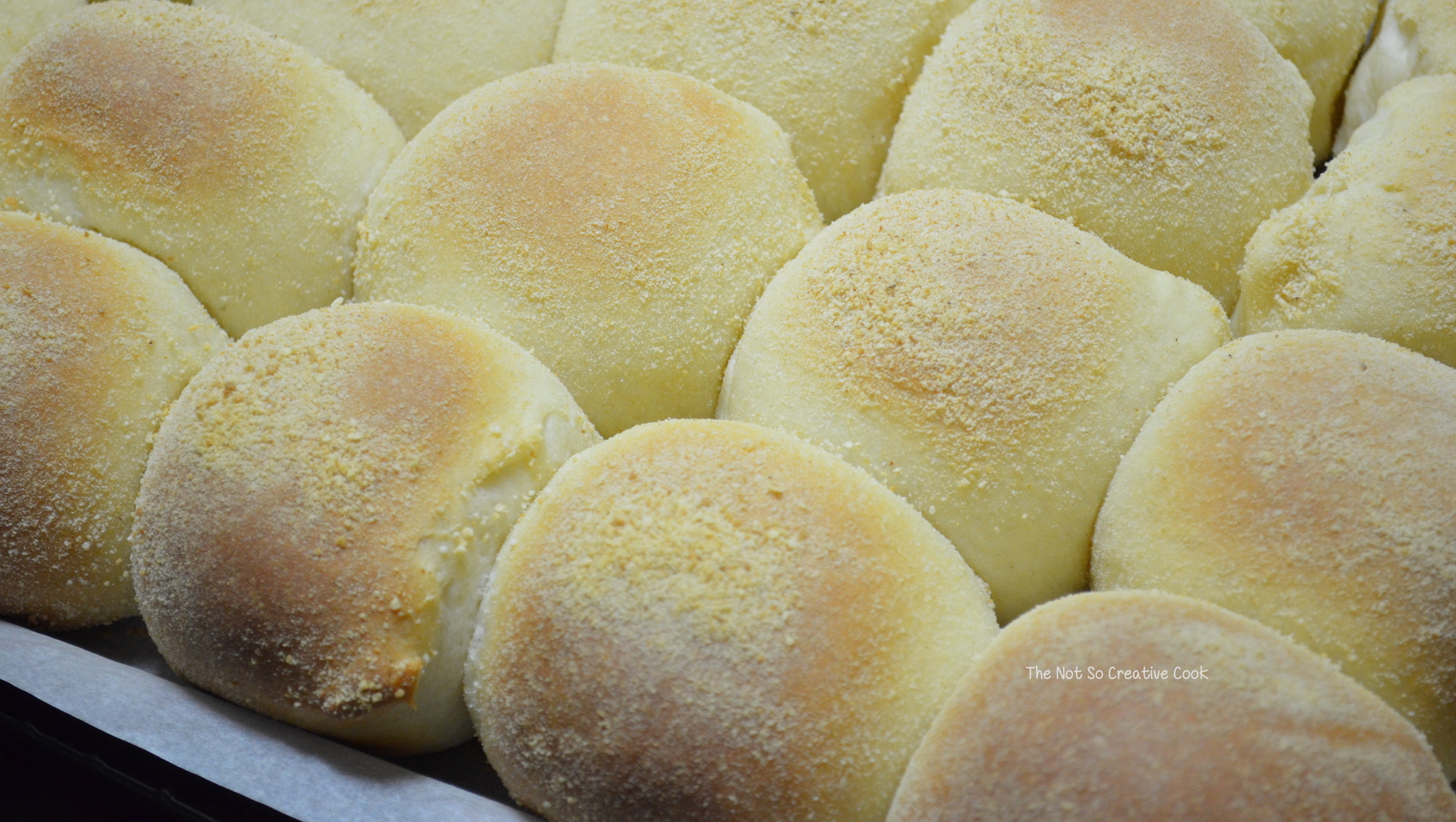
    This is the best pan de sal recipe because of its unique dough hydration method and special mixing technique, ensuring extra softness and delightful flavor. Enjoy the soft, buttery texture and chewy goodness of this classic Filipino bread, perfect for any time of day.

    Key Takeaways

    1. The secret ingredient and unique dough hydration method contribute to the softness and tenderness of pandesal, resulting in a moister crumb and longer shelf life.
    2. Meticulous kneading and incorporating the secret ingredient at the right moment guarantee tender and pillowy pandesal, elevating its overall softness.
    3. The choice of yeast and proper rising time, including cold rising dough overnight in the refrigerator, enhances the fermentation process and flavor, resulting in more flavorful and tender pandesal.
    4. Shaping the dough into a smooth, round ball and coating it with breadcrumbs ensures a classic and authentic pandesal shape, with a uniform size and soft texture.

    The History of Pandesal

    During the colonization period, the Spaniards bestowed the name ‘pandesal’ upon the beloved Filipino breakfast roll, despite its sweeter taste defying the literal translation to ‘salted bread.’

    The history of pandesal is as rich and flavorful as the bread itself. Originally introduced by the Portuguese in the 1500s, it has become a popular breakfast choice in the Philippines. The traditional Filipino breakfast roll has evolved from an earlier bread called ‘pan de suelo’ and is now made with cheaper flour and commercial yeast.

    The original recipe has stood the test of time, resulting in a bread with a soft, airy texture that’s perfect for any time of day. To fully appreciate the goodness of pandesal, it’s essential to understand its history and the effort that goes into making a good quality batch.

    Make this recipe your own and enjoy a taste of authentic Filipino breakfast.

    Secret Ingredient for Extra Softness

    You’re about to uncover the secret to achieving that extra softness in your pandesal. By incorporating a unique dough hydration method and a special mixing technique, you’ll elevate the texture and flavor of your bread.

    The key fermentation process will further enhance the softness and richness of your pandesal, taking it to a whole new level of deliciousness.

    Unique Dough Hydration

    For an extra soft and delightful pandesal, master the art of unique dough hydration. Carefully balancing the liquid and flour to achieve the desired pillowy texture is crucial. Adjusting the dough hydration level affects the dough’s extensibility and final crumb structure.

    By getting the balance just right, you ensure a softer, more tender texture. Proper hydration not only results in a moister crumb but also contributes to a longer shelf life for your delicious bread rolls.

    This technique is a game-changer, as it gives the pandesal a delightful, pillowy texture that sets this recipe apart. So, when preparing your pandesal dough, pay attention to this unique hydration method to achieve the softest and most delectable results.

    Special Mixing Technique

    Mastering the unique dough hydration technique has set the stage for the next level of pandesal perfection – the special mixing technique with its secret ingredient for achieving that extra softness you crave in every bite.

    To make the best pandesal, the special mixing technique is crucial. It involves a specific process that ensures the dough rises to the perfect texture, resulting in soft and fluffy Filipino bread rolls.

    The key is to knead the dough meticulously, incorporating the secret ingredient at the right moment. This technique guarantees an exceptionally tender and pillowy pandesal that stands out from the rest.

    Key Fermentation Process

    To achieve the extra softness that sets apart the best pandesal, the key fermentation process is a crucial step in developing the desired texture and flavor. When making pandesal at home, the fermentation process plays a vital role in creating the perfect texture and taste. Here’s how you can make the most of this key process:

    1. Use the right yeast: Whether it’s instant dry yeast or active dry yeast, choosing the appropriate type is essential for the fermentation process.
    2. Allow proper rising time: Ensuring the dough has doubled in size during the fermentation process is crucial for achieving the desired softness.
    3. Cold rise the dough: Cold rising the dough in the refrigerator overnight can enhance the fermentation process, resulting in a more flavorful and tender Filipino pandesal.

    Perfecting the Pandesal Shape

    So, you want to make sure your pandesal comes out just right?

    Shaping the dough into a smooth, round ball is key. This not only ensures uniform size but also creates that soft texture you’re looking for in a perfect pandesal.

    Shaping the Dough

    For a classic and authentic pandesal shape, gently roll the dough into small, uniform balls before coating with breadcrumbs. This step is crucial in achieving that iconic look and texture of Filipino pan de sal.

    Here’s how to shape the dough for the perfect pandesal:

    1. Prepare the Dough: After letting the pan de sal dough rise in a bowl, gently punch it down to release the air. Then, divide the dough into small portions to make individual rolls.
    2. Rolling Technique: Take each portion of the dough and using your hands, roll it into a smooth, round ball. This helps create uniformity in size, ensuring even baking and a consistent texture.
    3. Coating with Breadcrumbs: Once the dough is shaped into rolls, gently roll them in breadcrumbs before placing them on the baking sheet. This gives the pandesal its signature crust and adds a delightful crunch to every bite.

    Achieving Uniform Size

    After shaping the dough into small, uniform balls and coating them with breadcrumbs, the next step in achieving uniform size for the perfect pandesal is to ensure that each roll is equally sized to promote even baking and consistent texture.

    To achieve this, start by dividing the dough evenly using a sharp knife or dough cutter on a lightly floured surface. If you’re using a stand mixer, you can weigh the dough and divide it accordingly.

    Then, gently shape each portion into a smooth, round ball by cupping your hand and rolling the dough in a circular motion on the lightly floured surface. Apply gentle pressure to ensure the dough forms into a uniform shape.

    This meticulous process guarantees that your pandesal will bake evenly and maintain a consistent texture, resulting in the best pan de sal recipe.

    Creating Soft Texture

    To perfect the pandesal shape and achieve a soft, fluffy texture, ensure that the dough is kneaded until smooth and elastic, creating a delightful consistency in every bite. When making the best pan de sal, follow these steps to create a soft texture:

    1. Knead the dough until smooth and elastic to achieve the perfect soft and fluffy texture.
    2. Shape the dough into smooth balls for a consistent and visually appealing pandesal shape.
    3. Roll the dough balls in breadcrumbs before rising and baking for a golden, sandy exterior.

    Tips for the Ideal Pandesal Aroma

    Enhance the aroma of your pandesal by using cream crackers or a suitable alternative as a topping to infuse a delightful fragrance into every bite. When preparing the dough, consider weighing it to ensure even rolls, resulting in consistent baking and a delightful aroma. For a richer aroma, use a combination of bread flour and all-purpose flour in your pandesal recipe.

    To develop a deeper aroma, allow the dough to cold rise in the refrigerator overnight. During the proofing process, maintain a room temperature of around 75°F for optimal aroma development. Here’s a helpful table to summarize the tips for the ideal pandesal aroma:

    Tips for Ideal Pandesal Aroma
    Use cream crackers or suitable alternative as topping
    Weigh dough for even rolls
    Cold rise in the refrigerator for deeper aroma
    Maintain 75°F room temperature during proofing
    Use a mix of bread flour and all-purpose flour for a richer aroma

    The Science Behind the Fluffiness

    Curious about what makes pandesal so delightfully fluffy and flavorful? The secret lies in the science behind the ingredients and the process of making this beloved bread.

    Here’s what contributes to the fluffy texture of pandesal:

    1. Type of Flour: Using bread flour, which has a higher protein content, creates a stronger gluten structure, resulting in a better rise and fluffier texture.
    2. Yeast and Rising: Instant yeast and allowing the dough to rise properly are crucial. The yeast helps the dough to expand, while proper rising allows the gluten to develop, contributing to the fluffiness.
    3. Incorporation of Dry Ingredients: Properly incorporating the dry ingredients into the dough ensures even distribution, which affects the texture and overall fluffiness of the pandesal.

    Understanding the science behind these factors will help you master the art of creating irresistibly fluffy pandesal.

    Pandesal Vs. Other Filipino Breads

    Pandesal holds a special place in Filipino cuisine as a classic breakfast roll, distinct from other Filipino breads such as Spanish Bread, Cheese Bread, and Ensaymada. While Spanish Bread features a sweet buttery filling, Cheese Bread offers a different flavor profile with its milky streusel covering. Ensaymada, on the other hand, is topped with buttercream and grated cheese, setting it apart from the plain pandesal.

    Variations like Ube Pandesal and Baliwag Pandesal offer unique fillings, further distinguishing pandesal from other Filipino breads. Unlike its counterparts, pandesal is covered with breadcrumbs and can be enjoyed on its own or with various fillings.

    This versatility and simplicity make pandesal a beloved staple in Filipino households, and the best pan de sal recipe ensures the perfect balance of fluffiness and flavor.

    Serving Suggestions for Pandesal

    Pandesal’s versatility extends beyond its simplicity, offering a myriad of delightful serving suggestions that elevate its flavor and make for a satisfying meal or snack.

    1. Enjoy Fresh and Simple: Indulge in the warm, steaming hot pandesal straight from the oven, spread with butter or margarine for a classic, comforting treat.
    2. Savory Delights: Elevate your breakfast game by filling pandesal with crispy Spam or sautéed corned beef, turning this humble bread into a hearty and flavorful meal.
    3. Egg-citing Variations: Get creative with pandesal egg sandwiches filled with scrambled or fried eggs, adding a delightful twist to your meal or snack.

    Pandesal’s soft, milk bread interior and golden bread crumbs exterior make it the perfect canvas for a variety of delicious fillings and accompaniments, including warm milk, coconut jam, or a rich cup of coffee.

    Storing Pandesal for Freshness

    For optimal freshness, store your leftover pandesal in the fridge for up to 3 days in an airtight container or large zip bag, making sure to push out excess air before sealing. This helps maintain the soft and slightly chewy texture of the pandesal.

    If you plan to store the pandesal for a longer period, it can be kept in the fridge for about a week.

    When reheating, wrap the bread in aluminum foil to prevent burning and then place it in the oven at 350°F for 10 minutes. Alternatively, you can use a lower temperature (120-130°C) for a mini-toaster/oven, being cautious of the heat source.

    Additionally, refrigerating the dough overnight for a slow rise allows for fresh pandesal to be baked in the morning.

    Proper storage and reheating techniques contribute significantly to preserving the delightful qualities of this pandesal, ensuring continued enjoyment.

    Can Salabat Recipe Be Paired with Pan De Sal?

    Yes, a refreshing salabat recipe for colds can definitely be paired with warm pan de sal. The spicy ginger in the salabat can complement the slightly sweet and soft texture of the pan de sal, creating a delightful balance of flavors for a comforting snack or breakfast.

    Pandesal Recipe Variations

    If you’re looking to expand your pandesal repertoire, it’s time to explore some delicious recipe variations that add a new dimension to your baking adventures.

    1. Ube Pandesal: Add ube (purple yam) to the dough for a vibrant color and a subtle, sweet flavor.
    2. Baliwag Pandesal: Incorporate a creamy, buttery filling to create a delightful surprise in every bite.
    3. Stuffed Pandesal: Experiment with various fillings such as cheese, chocolate, or spicy sausage to elevate the classic pandesal experience.

    These variations offer an exciting twist on the traditional pandesal, providing an array of flavors to enjoy.

    Incorporating instant dry yeast and a combination of bread flour and all-purpose flour can enhance the rise and texture of the dough, ultimately leading to the best pan de sal recipe.

    Frequently Asked Questions

    Why Is Pan De Sal Very Popular With the Filipino Family?

    Pan de sal is very popular with the Filipino family because of its sweet, fluffy goodness. It’s versatile, perfect for breakfast, and pairs well with various fillings. Enjoy it hot out of the oven with butter or savory meats.

    What Makes Pandesal Different?

    What makes pandesal different is its soft, fluffy texture and slightly sweet taste. The use of bread flour and bread crumbs in the recipe gives it a unique flavor and consistency that sets it apart from other breads.

    What Is the Summary of Pan De Sal?

    Pandesal is a sweet, soft Filipino breakfast roll, typically covered with breadcrumbs. It’s made with flour, yeast, sugar, salt, milk, and eggs. You mix, knead, shape, and bake the dough until it’s golden brown and chewy.

    How Do You Make Pandesal Soft Again?

    To make your pandesal soft again, reheat in the oven at 350°F for 10 minutes, wrapped in aluminum foil to prevent burning. You can also use a mini-toaster/oven at 120-130°C, but be cautious of the heat source.

    Conclusion

    So there you have it, the best pan de sal recipe that will surely satisfy your cravings for this classic Filipino bread.

    With its soft, buttery texture and chewy goodness, this recipe is a must-try for anyone looking to experience the authentic taste of pandesal.

    Whether enjoyed hot out of the oven or paired with your favorite fillings, this recipe is sure to become a staple in your home.

    Happy baking and enjoy your delicious pandesal!
  • 5 Classic Philippine Beverages for Holiday Celebrations

    5 Classic Philippine Beverages for Holiday Celebrations

    Traditional Filipino holiday beverages include creamy tsokolate, zesty calamansi juice, rich kapeng barako, refreshing buko pandan drink, and healing sweet salabat. These iconic drinks reflect the warmth, hospitality, and joyous spirit of the festive season in the Philippines.

    Key Takeaways

    • Traditional Filipino hot beverages include creamy tsokolate and rich kapeng barako, which are both deeply rooted in Filipino culture and are enjoyed during holiday celebrations.
    • Refreshing Filipino fruit juices such as zesty calamansi juice and refreshing buko pandan drink offer a delicious and non-alcoholic option, highlighting the tropical flavors of the Philippines.
    • Healing and comforting beverages like sweet salabat, made with ginger and sweetened with honey or sugar, are believed to have healing properties and are a must-have for any holiday celebration.
    • These classic Philippine beverages not only offer a range of flavors and tastes but also reflect the warmth, hospitality, and joyous spirit of the festive season.

    Creamy Tsokolate

    If you’ve ever savored the rich, velvety delight of Creamy Tsokolate, you know that it’s a heavenly indulgence perfect for special holiday celebrations in the Philippines.

    This traditional Filipino drink is renowned for its deep, chocolatey flavor and smooth, velvety texture. The process of making Creamy Tsokolate involves dissolving tablea, which are pure cocoa blocks, in hot water or milk, and then sweetening it with sugar to taste.

    It’s a staple during Christmas and other festivities, often enjoyed with traditional Filipino treats like ensaymada, bibingka, or puto. The drink complements the festive atmosphere, adding warmth and comfort to the occasion.

    Whether it’s the rich aroma or the satisfyingly creamy taste, Creamy Tsokolate has become a cherished part of Filipino holiday traditions, bringing joy and delight to all who partake in its indulgence.

    Zesty Calamansi Juice

    Indulge in the vibrant flavors of the Philippines with Zesty Calamansi Juice, a refreshing beverage that offers a delightful contrast to the rich, velvety experience of Creamy Tsokolate. This zesty calamansi juice, made from local fruits, is a staple in Philippine beverages and a must-have for holiday celebrations.

    The sweet, tangy taste of calamansi, similar to lemon and lime, adds a tropical twist to traditional Filipino fruit juices. It’s a versatile drink, perfect for warm weather, and can be served over ice for a cool, revitalizing experience. Below is a table highlighting the key features of Zesty Calamansi Juice:

    Key Features Description
    Flavor Sweet, tangy, and citrusy
    Ingredients Calamansi, sugar, water
    Vitamin C Content High
    Serving Suggestion Over ice for a refreshing experience

    Zesty Calamansi Juice is not only a delicious non-alcoholic option but also a vital part of Philippino culture, offering a refreshing taste of the islands.

    Rich Kapeng Barako

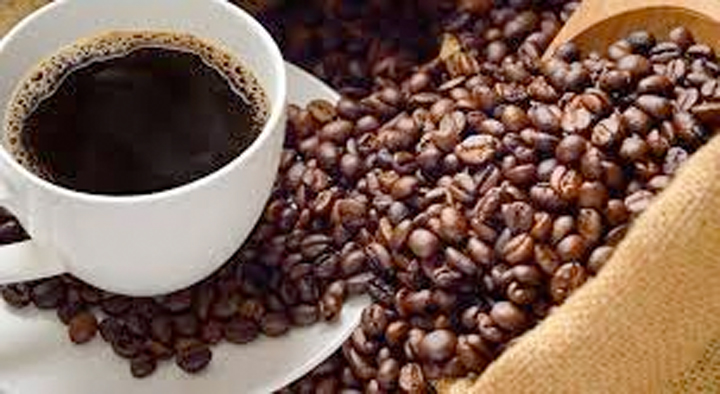
    Rich Kapeng Barako, with its bold and robust flavor, embodies the rich coffee culture of the Batangas region in the Philippines. This holiday drink, often enjoyed during the festive season, holds a special place in Filipino culture.

    The strong aroma and intense taste of kapeng barako perfectly complement the holiday spirit and the joyous celebrations. Its deep, earthy notes make it an ideal pairing with traditional Filipino food, enhancing the overall dining experience.

    While San Miguel beer is a popular alcoholic drink in the Philippines, kapeng barako represents the local culture and heritage, making it a staple in holiday celebrations. The holiday season in the Philippines is incomplete without this iconic beverage, as it reflects the warmth and hospitality deeply rooted in Filipino traditions.

    Refreshing Buko Pandan Drink

    With its sweet and nutty flavor, combined with the fragrant aroma of pandan, the Buko Pandan drink offers a refreshing and delightful tropical experience perfect for holiday celebrations. When enjoying this classic Filipino beverage, you can expect the following:

    1. Unique Flavor Combination: The drink harmoniously blends the sweet, creamy taste of young coconut with the aromatic essence of pandan, creating a truly distinctive flavor profile.
    2. Textural Enhancements: Often, tapioca pearls or jelly are added to the drink, providing a delightful textural contrast that elevates the overall drinking experience.
    3. Chilled Perfection: Served chilled, the Buko Pandan drink ensures a cooling and satisfying sensation, making it an ideal choice for festive gatherings in warm weather.
    4. Tropical Festivity: Embodying the tropical flavors of the Philippines, this local beverage perfectly complements traditional Filipino Christmas dishes and desserts, adding a deliciously sweet touch to holiday celebrations.

    Are These Iconic Sauces Also Used in Philippine Holiday Beverages?

    In the festive spirit, holiday beverages in the Philippines often get a unique twist. Beyond the usual condiments, musttry iconic Philippine sauces like liver spread and banana ketchup inspire distinctively local libations. Though unconventional, these flavors weave tradition into every celebratory sip.

    Sweet Salabat

    During the festive season, savor the comforting warmth and invigorating spice of Sweet Salabat, a traditional Filipino ginger tea cherished for its soothing properties and rich flavor.

    This delicious Filipino ginger tea is made by simmering raw ginger in water and sweetening it with honey or sugar, and sometimes adding calamansi juice for a citrusy twist. It’s incredibly easy to make, with the option to add a splash of Tanduay Rhum for a grown-up twist.

    Sweet Salabat isn’t only a delightful beverage but also a natural remedy for a sore throat, with the ginger extract believed to have healing properties.

    Whether you’re looking to Quench Your Thirst or simply indulge in a warm and fragrant drink, Sweet Salabat is a must-have for any holiday celebration.

    Frequently Asked Questions

    What Do Filipinos Drink for Christmas?

    For Christmas, Filipinos enjoy a variety of festive drinks. From fruit salad cocktails to halo-halo inspired concoctions and Filipino-style eggnogs, there’s a delightful array of beverages to savor during the holiday season. Cheers!

    What Is the Traditional Drink of the Philippines?

    The traditional drink of the Philippines is a flavorful assortment of fruit-based cocktails like the fruit salad cocktail with a Filipino twist of calamansi juice. Filipino-style eggnogs are also popular, adding light brandy and gold rum for a festive touch.

    What Are Traditional Holiday Drinks?

    During the holidays in the Philippines, traditional drinks include fruit-based cocktails like the popular fruit salad cocktail and unique creations like the halo-halo cocktail. Festive sangria and Filipino-style eggnogs are also enjoyed to celebrate the season.

    What Beverage Might Be Served at a Holiday Party?

    You might serve festive sangria at a holiday party. It’s a sweet, fruity drink made with apples, oranges, brown sugar, orange juice, brandy, Spanish wine, and ice that complements the Filipino Christmas spirit.

    Conclusion

    So there you have it – five classic Philippine beverages that will surely elevate your holiday celebrations.

    From the creamy and rich Tsokolate to the zesty and refreshing Calamansi Juice, there’s a drink for every taste.

    The Kapeng Barako, Buko Pandan Drink, and Sweet Salabat also offer unique flavors that will impress your guests.

    With these festive and delicious beverages, your holiday gatherings will be unforgettable.

    Cheers to a joyful and flavorful celebration!

  • Traditional Suman Sa Lihiya for New Year’s Eve

    Traditional Suman Sa Lihiya for New Year’s Eve

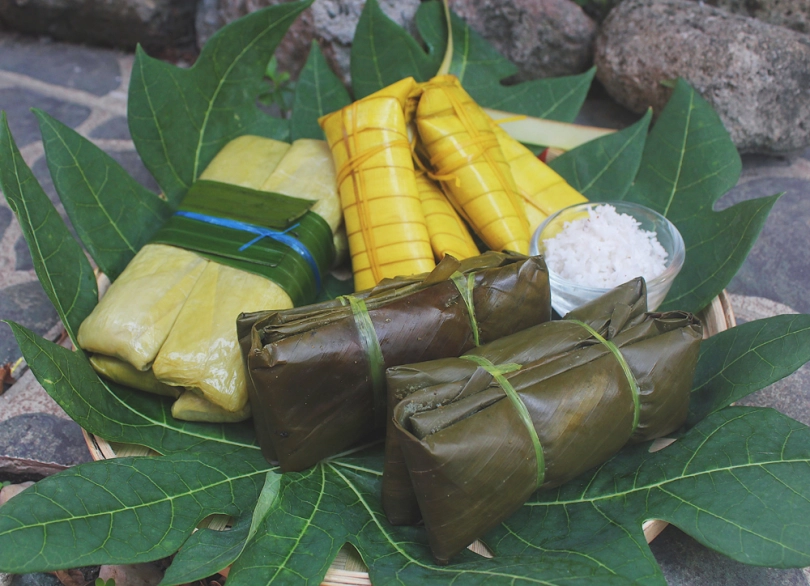
    Traditional Suman Sa Lihiya, a Filipino delicacy, can be a delightful addition to your New Year’s Eve celebrations. Incorporate this sticky rice cake wrapped in banana leaves with coconut water and unique twists like jackfruit or chocolate for a flavorful and culturally rich experience.

    Key Takeaways

    • Suman Sa Lihiya is a traditional rice cake from the Philippines that is made by soaking sticky rice in lye water and wrapping it in banana leaves.
    • The base ingredients of Suman Sa Lihiya are sticky rice and lye water, with grated coconuts and brown sugar adding flavor.
    • Variations of Suman Sa Lihiya allow for different flavors and ingredients, such as using coconut water or adding jackfruit or chocolate.
    • Suman Sa Lihiya is not only a delicious treat but also carries cultural significance, symbolizing unity, purification, prosperity, and reflecting Filipino heritage and values.

    Origins of Suman Sa Lihiya

    The origins of Suman Sa Lihiya can be traced back to the rich culinary heritage of the Philippines, where this traditional rice cake has been cherished for generations.

    The process of making Suman Sa Lihiya involves soaking sticky rice in lye water, which gives it a unique texture and flavor.

    Wrapping the suman in banana leaves is a traditional method that not only adds to the visual appeal but also enhances its aroma and taste.

    It’s customary to serve Suman Sa Lihiya with grated coconuts and brown sugar on top, adding a delightful sweetness to the dish.

    Over time, this traditional recipe has seen variations, allowing for the incorporation of different flavors and ingredients, but the essence of Suman Sa Lihiya as a beloved Filipino delicacy remains unchanged.

    Ingredients for Suman Sa Lihiya

    You’ll need sticky rice and lye water (or baking soda) as the base ingredients for making Suman Sa Lihiya.

    Don’t forget to include grated coconuts (or coconut flakes) and brown sugar (or muscovado sugar) for that authentic flavor.

    And of course, banana leaves are a must for wrapping the suman during cooking.

    Suman Sa Lihiya Recipe

    Here’s how you can make the traditional Suman Sa Lihiya using basic ingredients easily found in your kitchen.

    Start by soaking the sticky rice in water for 2 hours, then drain it using a strainer.

    Mix lye water (or baking soda) with water and add it to the rice.

    Cook the rice mixture in a pot with water (or coconut milk) until it becomes sticky, adjusting cooking time to your preference.

    Serve the suman wrapped in banana leaves, sprinkled with grated coconut (or coconut flakes) and brown sugar (or muscovado sugar) while it’s still warm.

    Feel free to customize by using coconut water instead of water, substituting ingredients, or adding flavors like jackfruit or chocolate.

    Enjoy this delicious and traditional Filipino treat for New Year’s Eve or any special occasion.

    Cooking Instructions

    Start by rinsing and soaking the sticky rice for 2 hours before draining it using a strainer.

    Then, mix lye water (or baking soda) with water and add it to the rice.

    Next, cook the rice mixture in a pot with water (or coconut milk) until it becomes sticky, adjusting the cooking time based on your preference.

    Wrapping the cooked suman in banana leaves and serving it warm, sprinkled with grated coconut (or coconut flakes) and brown sugar (or muscovado sugar) completes the process.

    For a delightful twist, consider using coconut water, coconut flakes, muscovado sugar, and additional ingredients like jackfruit or chocolate.

    Moreover, using coconut milk enriches the flavor, adding a creamy richness to the suman.

    Experiment and enjoy the diverse flavors of this traditional Filipino delicacy.

    Preparing the Sticky Rice Mixture

    For a delectable sticky rice mixture, ensure the sticky rice is thoroughly rinsed to remove excess starch before soaking it in water for 2 hours. After soaking, drain the rice using a strainer to remove any excess water. Then, mix the lye water (or baking soda) with 1 teaspoon of water and add it to the rice to start the fermentation process.

    To achieve the desired sticky texture, cook the rice in a pot with water (or coconut milk). For a more flavorful taste, consider using coconut water instead of plain water. Here’s a handy table to guide you through the process:

    Preparation Steps Details
    Thoroughly Rinse Sticky Rice Remove excess starch before soaking in water for 2 hours
    Soak Sticky Rice Allow it to sit in water for 2 hours to soften and prepare for mixing
    Mix Lye Water with Rice Kickstart the fermentation process by adding lye water or baking soda

    With these steps, you’re on your way to creating a delightful sticky rice mixture!

    Wrapping and Cooking Process

    After thoroughly preparing the sticky rice mixture, you’ll now move on to the essential wrapping and cooking process for the suman, ensuring a delightful and authentic outcome.

    1. Wrap the Mixture: Carefully wrap the sticky rice mixture in banana leaves, ensuring a secure fold to hold the rice in place during the cooking process.
    2. Cooking Preparation: Place the wrapped suman in a large pot and ensure there’s enough water to cover the rice mixture completely. This will facilitate the steaming process, essential for achieving the perfect suman texture.
    3. Steaming and Monitoring: Cook the suman over medium heat, allowing it to steam for about an hour. Monitor the water level during the cooking process, adding more if necessary to prevent the suman from drying out.

    Once cooked, allow it to cool slightly before unwrapping and serving with grated coconut and brown sugar for a traditional and delightful treat.

    Symbolism and Cultural Significance

    When you take a closer look at suman sa lihiya, you’ll discover that every aspect of its preparation is steeped in rich symbolism and cultural significance.

    From the choice of ingredients to the meticulous cooking process, each step holds deep meaning and reflects the cherished traditions of Filipino culinary heritage.

    As you explore the symbolic ingredients, ritual preparation, and festive sharing tradition, you’ll gain a deeper appreciation for the cultural richness woven into every bite of this beloved rice cake.

    Symbolic Ingredients

    The symbolic ingredients of traditional Suman Sa Lihiya play a significant role in conveying the cultural and symbolic richness of this beloved Filipino delicacy.

    The sticky rice symbolizes unity and the coming together of family and community during celebrations.

    Lye water or baking soda represents purification and the removal of impurities in preparation for the new year.

    Grated coconuts symbolize prosperity and good fortune for the coming year.

    These ingredients embody the hopes and aspirations of the Filipino people, making Suman Sa Lihiya not just a dish, but a representation of their values and beliefs. Each element adds a layer of meaning to the tradition, creating a tapestry of cultural significance that enriches every bite.

    The careful selection and preparation of these symbolic ingredients reflect the depth of Filipino heritage and the enduring spirit of unity, purity, and prosperity.

    Ritual Preparation

    In preparing Suman Sa Lihiya, every step holds profound symbolism and cultural significance, intertwining tradition with the spirit of the new year.

    The soaking and rinsing of the sticky rice symbolize cleansing and purity, signifying a fresh start for the coming year.

    Adding lye water or baking soda not only aids in the cooking process but also represents the preservation of traditions, connecting the present to the past and ensuring the continuity of heritage.

    The act of wrapping the suman in banana leaves symbolizes protection and unity within the community, fostering a sense of togetherness and shared tradition.

    Furthermore, the use of coconut and brown sugar in serving the suman signifies the aspiration for abundance and sweetness in the upcoming year, reflecting hopes for prosperity and joy.

    This ritual preparation showcases the adaptability and resilience of Filipino culture, honoring tradition while embracing personalization.

    Festive Sharing Tradition

    Embracing the festive sharing tradition of Suman Sa Lihiya embodies the spirit of unity, generosity, and cultural significance, fostering a sense of togetherness and warmth within the community.

    This tradition holds deep symbolism and cultural importance:

    1. Unity and Togetherness: Sharing Suman Sa Lihiya during special occasions and gatherings brings people together, creating a sense of unity and fostering strong bonds within the community.
    2. Preservation of Tradition and Nature: The act of wrapping the suman in banana leaves symbolizes the preservation of tradition and the importance of nature in Filipino culture, connecting people to their heritage and the natural world.
    3. Abundance and Gratitude: The use of sticky rice and coconut represents the abundance of harvest and blessings of the land, reflecting the cultural significance of agriculture and gratitude within Filipino traditions.

    Serving and Presentation Tips

    For an authentic and visually appealing presentation of traditional suman sa lihiya, consider using banana leaves when serving. Sprinkle the suman with grated coconut or coconut flakes to add texture and enhance the overall presentation.

    The vibrant green of the banana leaves provides a beautiful backdrop for the suman and adds a natural touch to your serving dish.

    Additionally, a light dusting of brown sugar or muscovado sugar on top of the suman can add a touch of sweetness and visual appeal.

    When arranging the suman on a serving plate, take care to present them neatly to create an inviting sight for your guests.

    For the best experience, serve the suman while it’s still warm to preserve its optimal taste and texture.

    These serving and presentation tips will surely elevate your suman sa lihiya to a delightful feast for the senses.

    Variations and Regional Differences

    Explore the delightful variations and regional differences in suman sa lihiya, each offering a unique twist to this beloved Filipino delicacy.

    1. Sweeteners: Different regions may use various sweeteners like muscovado sugar to cater to taste preferences, contributing to the suman’s flavor profile.
    2. Liquid Base: Regional differences may involve using coconut water instead of regular water, infusing the suman with a distinct and refreshing coconut flavor.
    3. Additional Ingredients: The choice of additional ingredients, such as jackfruit or chocolate, varies by region, adding unique flavors to the suman and showcasing the diversity of Filipino culinary heritage.

    These regional nuances in ingredients and cooking techniques not only reflect the rich tapestry of Filipino cuisine but also offer an exciting array of suman sa lihiya variations to savor and celebrate.

    – Can Traditional Suman Sa Lihiya be a Part of Filipino Breakfast Menu Ideas?

    Suman sa Lihiya is a delightful addition to Filipino breakfast menu ideas. This traditional sticky rice cake, wrapped in banana leaves, provides a unique and satisfying breakfast option. Its sweet and nutty flavor complements other Filipino breakfast dishes, making it a great choice for a well-rounded morning meal.

    Incorporating Suman Sa Lihiya Into New Year’s Eve

    Ring in the New Year with the delectable tradition of enjoying suman sa lihiya, a beloved Filipino delicacy that adds a special touch to your celebrations.

    To incorporate suman sa lihiya into your New Year’s Eve, ensure the sticky rice is properly soaked for at least 2 hours.

    For a more flavorful taste, consider using coconut water instead of plain water in the cooking process.

    When serving, sprinkle grated coconut or coconut flakes on top to enhance texture and flavor.

    For a richer taste, substitute water with coconut milk during cooking.

    Additionally, you can experiment with unique twists by adding ingredients like jackfruit or chocolate to the rice mixture.

    Embracing the tradition of suman sa lihiya on New Year’s Eve will surely delight your taste buds and bring a touch of Filipino heritage to your celebrations.

    Frequently Asked Questions

    Where Does Suman Sa Lihiya Originated From?

    Suman sa lihiya originated from the Philippines, particularly in the provinces of Tagalog and Visayas. This traditional Filipino delicacy has been enjoyed for centuries, especially during special occasions and celebrations.

    What Is Lihiya Made Of?

    Lihiya is made of sticky rice, lye water (or baking soda), grated coconuts (or coconut flakes), and brown sugar (or muscovado sugar). It’s cooked until sticky, wrapped in banana leaves, and served warm.

    What Is the Shelf Life of Suman Sa Lihiya?

    Suman Sa Lihiya typically lasts 2-3 days at room temperature. For longer shelf life, refrigerate for up to a week or freeze for 3 months. Proper storage is key for freshness. When reheating, steam to preserve texture and flavor.

    What Are the Different Types of Suman?

    Sure! There are various types of suman, like suman sa lihiya, sa ibos, and sa balinghoy. Each offers a unique taste and texture. They can be served with different toppings or fillings for added variety.

    Conclusion

    So there you have it, the traditional suman sa lihiya, a perfect dessert to serve during your New Year’s Eve celebrations.

    With its sticky rice, lye water, and banana leaf wrapping, it’s a delicious and meaningful way to ring in the new year.

    Whether you stick to the classic recipe or add your own twist, this Filipino dessert is sure to be a hit with your family and friends.

    Happy cooking and happy new year!

  • What Are Your Go-To Lenten Seafood Dishes?

    What Are Your Go-To Lenten Seafood Dishes?

    Your go-to Lenten seafood dishes can include Shrimp Scampi, Grilled Salmon with Lemon Butter, Seafood Paella, and Homemade Crab Cakes. These dishes offer a variety of flavors and are perfect for observing Lent while enjoying delicious seafood options.

    Key Takeaways

    • Shrimp Scampi is a classic and elegant seafood dish that is simple to prepare and features succulent shrimp cooked in garlic, butter, and white wine.
    • Grilled Salmon with Lemon Butter is an easy and versatile dish that can be paired with various sides, and it offers a smoky aroma and moist, flavorful profile.
    • Seafood Paella is a traditional Spanish rice dish that is perfect for observing Lent, with its assortment of seafood and customizable ingredients like artichokes and peas.
    • Homemade Crab Cakes are a versatile and flavorful dish that can be customized with different ingredients, and they pair well with Coconut Shrimp for a delightful combination.

    Classic Shrimp Scampi Recipe

    Savor the irresistible flavors of Classic Shrimp Scampi with this simple yet elegant recipe that brings together succulent shrimp, garlic, butter, and white wine in a delectable sauté.

    This dish is a delightful addition to your repertoire of Seafood Recipes, especially during Lent. The combination of garlic, butter, and white wine creates a luscious sauce that perfectly complements the tender shrimp.

    As the shrimp cook, they transform into a vibrant pink color, exuding their natural sweetness. The finishing touch of fresh lemon juice and parsley adds a burst of freshness to the dish.

    Pair this Classic Shrimp Scampi with pasta, rice, or crusty bread, allowing each component to soak up the flavorful sauce. It’s a wonderful way to indulge in a satisfying seafood meal while honoring the traditions of Lent with delicious Recipes For Lent.

    Grilled Salmon With Lemon Butter

    Indulge in the succulent flavors of grilled salmon bathed in a tangy lemon butter sauce, a classic and delectable seafood dish perfect for Lenten meals.

    When it comes to grilled salmon with lemon butter, here’s what you need to know:

    • Easy Recipes: Grilled salmon with lemon butter is incredibly simple to prepare, making it a perfect go-to for Lenten meals. Try a recipe that incorporates fresh herbs like dill or parsley for an added burst of flavor.
    • Versatile Seafood Dish: This dish pairs well with a variety of sides, such as roasted vegetables or a fresh salad, allowing for a customizable and satisfying meal experience.

    With its smoky aroma and moist, flavorful profile, grilled salmon with lemon butter is a standout among fish recipes, offering a delightful option for Lenten meals.

    Seafood Paella for Lent

    As you’ve relished the succulent flavors of grilled salmon with lemon butter, now immerse yourself in the vibrant and savory world of Seafood Paella for Lent, a traditional Spanish rice dish brimming with assorted seafood and aromatic spices.

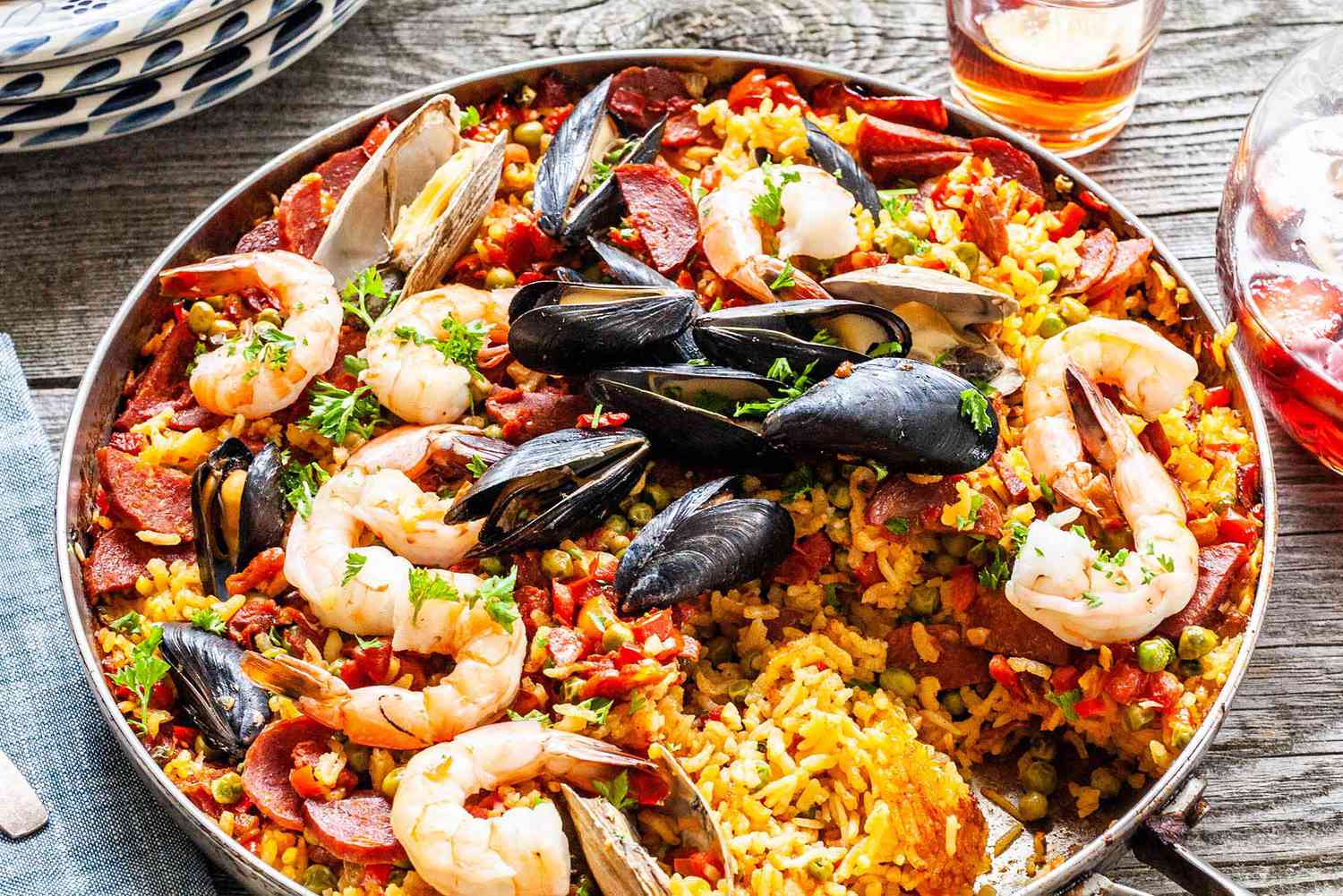
    This flavorful dish is perfect for observing Lent, especially on Good Friday and leading up to Easter. The combination of shrimp, mussels, and squid, flavored with saffron, smoked paprika, and aromatic vegetables, creates a rich and satisfying meal that’s ideal for Lenten traditions.

    You can also customize your Seafood Paella to include Lent-approved ingredients like artichokes, peas, and peppers, adding even more depth and variety to the dish.

    Whether for a gathering or a family meal, Seafood Paella for Lent is a colorful and delicious way to enjoy seafood while honoring Lenten practices.

    Homemade Crab Cakes

    Transform your Lenten seafood experience with the culinary delight of homemade crab cakes, a versatile and flavorful dish that can be enjoyed in various ways.

    • Get Creative: Experiment with different variations such as adding diced peppers or using different herbs to customize the flavor of the crab cakes.
    • Family Favorite: Kids love the crispy texture and savory taste of homemade crab cakes, making it a hit for Lenten family meals.
    • Pairing Perfection: Try serving the crab cakes alongside a refreshing side of Coconut Shrimp for a delightful seafood combination.

    Homemade crab cakes offer a delicious way to enjoy fish during Lent. From the crispy exterior to the tender, flavorful interior, these crab cakes are perfect for any occasion. Experiment with different ingredients and pairings to create a personalized seafood experience that will have everyone coming back for more.

    Tasty Broiled Tilapia

    You’re in for a treat with Tasty Broiled Tilapia, an easy tilapia recipe that promises a burst of flavor in every bite.

    This flavorful seafood option is a great addition to your Lenten menu, offering a delicious alternative to meat-based dishes.

    Get ready to savor the tender and flaky tilapia fillets, perfectly seasoned and broiled to perfection for a delightful dining experience.

    Easy Tilapia Recipe

    Indulge in the delightful simplicity of broiled tilapia, a quick and flavorful option for your Lenten seafood dishes.

    • Try this on Friday: Broiled tilapia is a perfect dish for Friday Lenten meals, offering a light and satisfying option to kick off the weekend.
    • Pair it with Zucchini: Enhance the flavor and nutrition by serving broiled tilapia with a side of zucchini, creating a colorful and wholesome meal.

    This white fish recipe isn’t only easy to make but also brings a burst of flavor to your table. The minimal effort required for broiling the tilapia results in a delicious, flaky texture that pairs perfectly with a variety of sides such as rice, quinoa, or a fresh salad.

    Additionally, this versatile recipe can be easily modified with different seasonings or marinades for added variety.

    Flavorful Seafood Options

    Craving a quick and flavorful seafood dish for Lent? Try the delightful simplicity of broiled tilapia, a perfect option for a tasty and satisfying meal.

    The key to this dish is the simple seasoning of lemon, garlic, and herbs, which beautifully enhances the delicate flavor of the tilapia.

    Broiling the tilapia gives it a deliciously crispy texture on the outside while keeping it moist and tender inside. You can customize this dish with different herbs and spices to suit your taste preferences.

    For a complete Lenten meal, pair the broiled tilapia with a side of roasted vegetables or a light salad.

    Whether you’re in the mood for shrimp pasta, a fish sandwich, or caramelized onions, this flavorful broiled tilapia is an excellent choice.

    Can Sinuglaw be a Lenten-friendly Seafood Dish?

    Yes, Sinuglaw can be a Lenten-friendly seafood dish. This grilled pork and seafood recipe from the Visayas region of the Philippines combines the freshness of fish ceviche with the savory flavors of grilled pork. It’s a delicious and satisfying dish that is perfect for Lent.

    Flavorful Tuna Casserole

    Savor the tantalizing aroma of a bubbling, flavorful tuna casserole as it emerges from the oven, promising a delectable Lenten seafood feast.

    Here’s why this dish is a must-try for your next Friday night dinner:

    • Versatile: Tuna casserole can be modified to include a variety of ingredients, such as green beans and other veggies, making it a flexible dish for different tastes and dietary needs.
    • *Nutritious*: By incorporating healthy additions, like green beans, into your tuna casserole, you can enjoy a balanced meal that satisfies without sacrificing flavor.

    This Lent, why not try a modified and flavorful tuna casserole recipe? With 21 different ways to prepare this dish and the addition of vibrant green beans, your Friday night dinner just got a whole lot tastier!

    Frequently Asked Questions

    What Are Traditional Lenten Foods?

    Traditional Lenten foods often include seafood dishes like tuna casserole, baked salmon, broccoli shrimp alfredo, easy poached salmon, and Greek tilapia. These meals offer a flavorful and diverse way to observe Lenten traditions.

    Can You Eat Shrimp During Lent?

    You can enjoy shrimp during Lent! It’s a versatile and delicious option for seafood dishes. From shrimp stir-fry to coconut curry shrimp, there are plenty of creative recipes to explore. Embrace the flavor!

    What Foods for Lenten Fast?

    For Lenten fast, seafood dishes like tuna casserole, baked salmon, and shrimp Alfredo are delicious picks. They’re high in protein, low in fat, and rich in essential nutrients like omega-3 fatty acids. Try them out!

    What Do You Eat on Fish Friday?

    On Fish Friday, you can savor tuna casserole with extra veggies for a healthier twist, indulge in baked salmon served with rice or a green veggie, or delight in creamy broccoli shrimp Alfredo.

    Conclusion

    Indulge in the bountiful flavors of Lenten seafood with these delectable dishes. Whether it’s the zesty tang of shrimp scampi, the succulent tenderness of grilled salmon, or the rich aroma of homemade crab cakes, there’s something for everyone to savor.

    So why wait? Dive into the Lenten season with these mouthwatering seafood delights, and let your taste buds rejoice in the abundance of flavors.

  • 10 Best Quick Noche Buena Menu Ideas

    10 Best Quick Noche Buena Menu Ideas

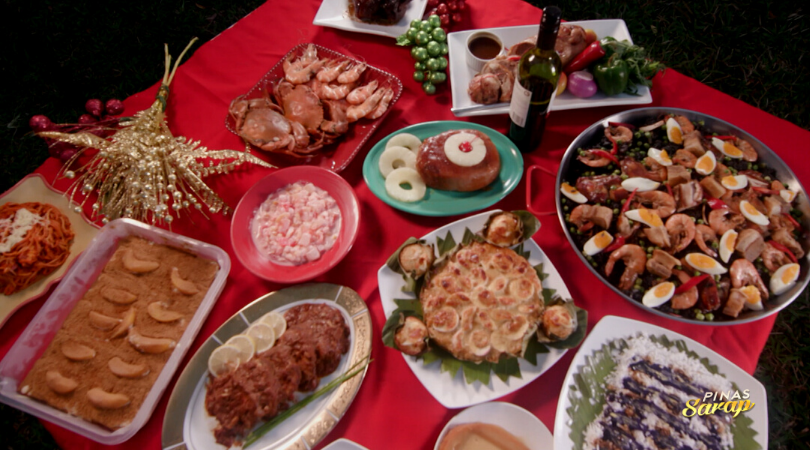
    Looking for the 10 best quick Noche Buena menu ideas? Here are some delicious and easy options to make your holiday meal special! Enjoy a stress-free and tasty celebration with these simple yet impressive dishes.

    Key Takeaways

    • The Filipino dishes mentioned in the background are versatile and can be prepared ahead of time, making them convenient options for a quick Noche Buena menu.
    • The side dishes mentioned, such as Macaroni Salad and Baked Spaghetti, are easy to make and can be prepared in advance, saving time and effort.
    • The desserts mentioned, like Crema De Fruta and Buko Pandan, offer a burst of fruity sweetness and can be made ahead of time for added convenience.
    • Fruitcake can be presented and served in various ways to elevate its appeal and make it a standout addition to the Noche Buena feast.

    Embutido

    Get ready to tantalize your taste buds with the savory flavors of Embutido, a versatile and satisfying Filipino dish that will elevate your Noche Buena menu to the next level.

    This delectable treat, made with a mouthwatering combination of ground pork, hard-boiled eggs, raisins, and vegetables, is a must-have for your festive feast.

    The beauty of Embutido lies in its flexibility; it can be served warm, cold, or fried, catering to everyone’s preferences. Its make-ahead nature allows for stress-free preparations, giving you more time to savor the holiday moments with your loved ones.

    The harmonious blend of flavors and textures, from the succulent meat to the sweet raisins, ensures a delightful dining experience that will leave your guests craving for more.

    Embrace the Filipino tradition and indulge in the rich and comforting flavors of Embutido this Noche Buena.

    Lumpiang Shanghai

    Bringing a delightful crunch and savory flavor to your Noche Buena table, Lumpiang Shanghai is a popular Filipino dish that will leave your guests craving for more.

    • Convenience:
    • Making Lumpiang Shanghai ahead of time allows you to spend more quality moments with your loved ones during Filipino Christmas celebrations.
    • Its make-ahead nature reduces stress, giving you more time to savor the holiday spirit.

    Lumpiang Shanghai offers a delectable addition to your Noche Buena feast. The combination of ground meat, carrots, and spices wrapped in thin spring roll wrappers and deep-fried until crispy creates a burst of flavors in every bite. As a finger food or appetizer, it perfectly complements the festive atmosphere. Paired with a sweet chili dipping sauce, it adds an extra layer of excitement to your holiday spread.

    Pinoy Tacos

    Transitioning from the delectable Lumpiang Shanghai, the Filipino twist on the classic Mexican dish, Pinoy Tacos, brings a burst of fusion flavors and interactive dining to your Noche Buena feast. These delicious Filipino dishes offer a delightful combination of savory ground beef, fresh vegetables, and traditional taco condiments. Here’s a table to give you an idea of how to set up your Pinoy Tacos bar:

    Toppings Condiments
    Shredded lettuce Sliced jalapeños
    Diced tomatoes Fresh cilantro
    Grated cheese Sour cream
    Salsa Guacamole

    This Christmas food option allows your guests to customize their tacos, making it a festive and interactive addition to your Noche Buena menu. Prepare the ground beef filling in advance for a stress-free holiday meal.

    Pork Barbecue

    Get ready to elevate your Noche Buena menu with juicy and flavorful Pork Barbecue.

    Let’s start by creating a mouthwatering marinade using a blend of sweet, tangy, and savory ingredients.

    Then, fire up the grill and get those skewers sizzling to perfection.

    Marinade Recipe

    To infuse your pork barbecue with mouthwatering flavor and tenderness, prepare a marinade using a combination of soy sauce, ketchup, brown sugar, garlic, and a blend of seasonings. This marinade recipe will elevate your Christmas Eve Noche Buena food ideas to a new level of deliciousness.

    The aroma of the soy sauce and garlic combined with the sweetness of ketchup and brown sugar will have your guests’ mouths watering in anticipation. Furthermore, the longer you marinate the pork, the more intense and flavorful it will become, ensuring a memorable dining experience.

    The convenience of preparing the marinade in advance will also save you time on the day of the event, allowing you to focus on other dishes and spend more time with your loved ones.

    Grilling Instructions

    For succulent and flavorful pork barbecue at your Noche Buena feast, marinate the skewered pork ahead of time and then enjoy the convenience of grilling them straight from the freezer.

    The holiday season is all about spending time with loved ones, not slaving away in the kitchen. So, make your Christmas dinner prep a breeze by having your marinated pork barbecue ready to go.

    Once you’re ready to cook, simply defrost the skewers in the fridge overnight for optimal flavor and texture. Then, fire up the grill or preheat the oven for a hassle-free reheating process. The aroma of sizzling barbecue will fill the air, adding an extra layer of joy to your Noche Buena dishes.

    With this easy grilling method, you can spend more time making memories and less time worrying about the meal.

    Serving Suggestions

    Enhance your Noche Buena feast with succulent Pork Barbecue, a perfect main dish option that pairs beautifully with Baked Spaghetti and Pancit Malabon for a diverse and flavorful dining experience.

    • Evoke Emotion
    • Comfort: The aroma of sizzling Pork Barbecue will bring everyone together, creating a warm and comforting atmosphere for your Christmas Feast.
    • Excitement: Watching the Pork Barbecue char and caramelize on the grill will build excitement and anticipation for the delicious meal to come.

    Embrace the joy of the season by presenting your Pork Barbecue alongside a vibrant Noche Buena food list. As guests indulge in the smoky flavors, complement the meal with a luscious fruit salad, adding a refreshing touch to the feast. Let the succulent Pork Barbecue be the centerpiece of a memorable and heartwarming celebration.

    Macaroni Salad

    Indulge your guests with a creamy, flavorful macaroni salad that can be prepared a day ahead, allowing the flavors to meld and develop fully for a stress-free Noche Buena celebration.

    This beloved addition to the Noche Buena food list is a versatile dish that complements the richness of Christmas Ham. Its make-ahead nature eases the holiday meal preparation, giving you more time to enjoy the festivities.

    The macaroni salad’s appeal lies in its simplicity and indulgent taste, making it a crowd-pleaser for all. Whether you choose to include meat or keep it vegetarian, its classic status as a party favorite is undeniable.

    The convenience and deliciousness of this dish make it an essential part of your holiday spread, ensuring a memorable and satisfying Christmas feast.

    Baked Spaghetti

    You’re in for a treat with this easy baked spaghetti.

    It’s a time-saving recipe that will make your Noche Buena preparation a breeze.

    The delicious flavors and convenience of this dish will surely impress your guests.

    Easy Baked Spaghetti

    Baked Spaghetti is a hearty and comforting twist on the traditional spaghetti, offering a convenient make-ahead option for your stress-free Noche Buena celebration.

    Here’s why you’ll love it:

    • Easy to Make:

    With simple ingredients and straightforward instructions, you can effortlessly prepare this comforting dish without added stress, allowing more time to savor the festive moments.

    • Comfort Food:

    The warm, cheesy goodness of Baked Spaghetti provides a sense of comfort and coziness, making it an ideal choice for a memorable Noche Buena feast.

    Embrace the joy of the season with this make-ahead Baked Spaghetti, ensuring a delicious and hassle-free addition to your Noche Buena menu. Enjoy the convenience of preparing in advance and the heartwarming flavors of this classic comfort food.

    Time-saving Recipe

    Embrace the convenience and deliciousness of a time-saving recipe for Baked Spaghetti, a hearty and comforting twist on the traditional spaghetti, perfect for your stress-free Noche Buena celebration. This make-ahead dish allows you to prep the classic meaty spaghetti, transfer it to a baking dish, and freeze it for later use.

    When needed, simply defrost and reheat the baked spaghetti, making it a convenient and efficient option for your Noche Buena menu. By incorporating this time-saving recipe into your meal plans, you can save time and effort while still serving a delicious and satisfying dish during your holiday festivities. Enjoy the convenience of having a flavorful and hearty main dish ready to serve with minimal last-minute preparation, thanks to this time-saving baked spaghetti recipe.

    Noche Buena recipes Filipino Noche Buena food Time-saving recipe
    Baked Spaghetti Make-ahead dish Convenient

    Crema De Fruta

    Indulge in the luscious layers of sponge cake, custard, fruit cocktail, and gelatin that make up the delightful Filipino dessert known as Crema De Fruta. As you prepare for your Noche Buena feast, consider the joy that this heavenly dessert can bring to your table.

    The vibrant colors and refreshing taste of Crema De Fruta evoke a sense of celebration and happiness, perfectly capturing the spirit of the holiday season.

    Imagine the delight on your loved ones’ faces as they savor each layer of this decadent dessert, creating lasting memories around the dinner table.

    Crema De Fruta offers a delightful twist to the traditional Noche Buena spread, adding a burst of fruity sweetness that complements classic dishes like lechon and ham.

    As you plan your festive menu, consider the simplicity and elegance of Crema De Fruta, a beloved Filipino treat that rivals the popularity of the famous mango float.

    Buko Pandan

    Get ready to tantalize your taste buds with the delightful flavors of Buko Pandan, a beloved Filipino dessert featuring a refreshing mix of young coconut and pandan-flavored gelatin. This Noche Buena dessert offers a tropical escape in every bite, making it a perfect way to conclude your festive meal. The creamy texture of buko combined with the aromatic essence of pandan creates a unique and delightful flavor profile.

    It’s a convenient option for your Noche Buena preparations as it can be made ahead of time and stored in the fridge or freezer. To add a touch of variety, you can top it with nata de coco, kaong, or sago. Here’s a table to help you understand the delightful mix-ins for your Buko Pandan:

    Mix-ins Description
    Nata de Coco Chewy coconut gel cubes
    Kaong Sweet palm fruit
    Sago Tapioca pearls

    Cathedral Window

    The vibrant and visually appealing Cathedral Window dessert, just like the delightful Buko Pandan, adds a burst of color and flavor to your Noche Buena table, creating a festive and joyful atmosphere for your holiday celebration.

    When you serve this stunning dessert, it’s more than just food for Noche Buena; it’s a celebration of tradition and togetherness. As you slice through the colorful layers of gelatin, you’ll feel a sense of excitement and anticipation, knowing that each spoonful brings a delightful burst of flavor and texture.

    The versatility of Cathedral Window allows you to infuse it with your favorite flavors, making it a personalized delight for everyone at the table. And as you indulge in this sweet treat, you’ll find yourself immersed in the joy and warmth of the holiday season.

    Can I Use Filipino Breakfast Menu Ideas for Noche Buena?

    Yes, you can definitely use typical Filipino breakfast menu ideas for Noche Buena! Classic dishes like tapsilog, longsilog, and tocilog can make a delicious and unique addition to the holiday feast. These dishes offer a wonderful blend of flavors that everyone will surely enjoy.

    Fruitcake

    Looking to add a touch of sweetness to your Noche Buena feast? Fruitcake is the answer!

    Let’s talk about the rich flavors, creative ways to present this festive treat, and some unique ideas for serving fruitcake that will make it the star of your holiday spread.

    Fruitcake Flavors

    Indulge in the rich and aromatic flavors of traditional fruitcake, infused with a delightful blend of dried fruits and a touch of alcohol. When it comes to fruitcake flavors, the possibilities are endless, offering a truly indulgent experience for your Noche Buena celebration.

    Let the classic combination of candied cherries, citrus peel, raisins, and nuts transport you to a nostalgic Christmas wonderland, evoking feelings of warmth and tradition.

    The addition of spices like cinnamon and nutmeg adds a comforting and festive aroma, enhancing the overall holiday experience.

    Elevate your fruitcake with a modern twist by experimenting with innovative flavor combinations such as chocolate, coffee, or tropical fruits, adding a contemporary touch to your Christmas food list.

    These unique flavors will undoubtedly create a memorable and delightful addition to your Noche Buena feast.

    Fruitcake Presentation

    As you prepare to showcase the delectable flavors of your fruitcake creation, consider elevating its presentation to captivate the senses and enhance the festive ambiance of your Noche Buena celebration.

    To impress your guests, consider presenting your fruitcake in decorative tins or wrapping it in cheesecloth soaked in additional alcohol, not only enhancing its flavor but also preserving its moisture. Adorn the top with candied fruits or nuts for an elegant and festive appearance.

    Slicing the fruitcake into thin pieces and arranging it on a decorative platter or cake stand can make for an attractive presentation. Add a sprig of holly or a dusting of powdered sugar on top to provide a festive touch.

    Elevating the presentation of your fruitcake will surely add to the overall appeal of your quick Noche Buena menu.

    Fruitcake Serving Ideas

    Elevate your fruitcake presentation and delight your guests with creative serving ideas that enhance its flavors and add a festive touch to your Noche Buena celebration.

    Get ready to impress with these fruitcake serving ideas:

    • Pairing Perfection

    Indulge in a classic pairing by serving fruitcake with a scoop of velvety vanilla ice cream, creating an irresistible blend of textures and flavors.

    Opt for a dollop of whipped cream and a sprinkle of cinnamon to elevate the fruitcake’s taste and present a visually appealing dessert.

    • Festive Fusion

    Add a touch of festive flair by drizzling warm caramel sauce over fruitcake slices, finishing with a sprinkle of sea salt for a delightful contrast of sweet and savory.

    These serving ideas will infuse your Noche Buena feast with the spirit of celebration, making your fruitcake a standout star alongside the iconic Queso de Bola.

    Frequently Asked Questions

    What Is the Best Food for Noche Buena?

    For your Noche Buena, consider dishes like lechon kawali, chicken relleno, and hamonado for a festive spread. Make-ahead options like embutido, lumpiang Shanghai, and Pinoy tacos allow you to enjoy the festivities stress-free.

    What Do Puerto Ricans Eat for Noche Buena?

    For Noche Buena, Puerto Ricans indulge in a feast of Lechón asado, Arroz con gandules, Coquito, and more! It’s a celebration of flavors with traditional dishes like Pernil, Mantecaditos, and Piña colada. Get ready for a culinary delight!

    What Is a Typical Cuban Christmas Eve Dinner?

    On a typical Cuban Christmas Eve, you savor a feast featuring lechón asado, moros y cristianos, yuca, and tropical fruits. Indulge in the vibrant flavors of arroz con leche, flan, and more for a truly authentic experience.

    What Are 3 Food Items That Are Popular for Christmas Dinner?

    For Christmas dinner, popular Filipino choices include lechon, hamonado, and pancit malabon. These dishes are flavorful and festive, adding a touch of tradition and celebration to your holiday feast. Try them out!

    Conclusion

    So there you have it, 10 quick and easy menu ideas for your Noche Buena celebration!

    These delicious dishes can be prepared in advance, allowing you to spend more time with your loved ones on this special night.

    From savory main dishes to sweet desserts, your Noche Buena feast is sure to be a hit with these flavorful and authentic recipes.

    Enjoy the festive evening with your family and friends, and savor every moment together.

    Happy Noche Buena!

  • 6 Best Festive Filipino Kakanin for Holidays

    6 Best Festive Filipino Kakanin for Holidays

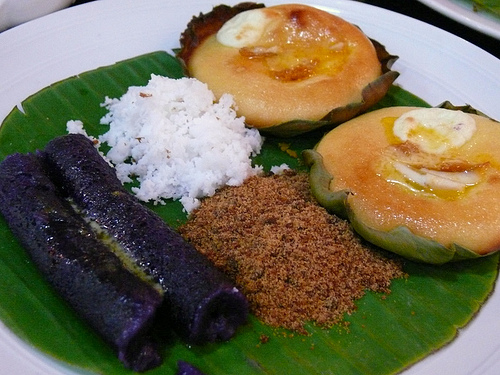
    The 6 best festive Filipino kakanin for holidays include Bibingka, Puto Bumbong, Kutsinta, Sapin-Sapin, Ube Maja Blanca, and Palitaw, offering a delightful array of sweet and flavorful treats for Christmas celebrations. These traditional rice cakes are essential additions to any festive occasion in the Philippines, known for their vibrant colors, distinct flavors, and cultural significance.

    Key Takeaways

    • Classic holiday treats in the Philippines include Bibingka, Puto Bumbong, Kutsinta, and Sapin-Sapin.
    • These rice cakes are made with unique ingredients and cooking techniques, such as using clay pots and banana leaves for Bibingka and steaming in bamboo tubes for Puto Bumbong.
    • Toppings and flavors play a significant role in these kakanin, with ingredients like salted egg, cheese, grated coconut, muscovado sugar, and butter.
    • The vibrant colors, distinct flavors, and cultural significance of these kakanin make them essential additions to any festive occasion in the Philippines.

    Bibingka: A Classic Holiday Treat

    Bibingka, a classic holiday treat in Filipino culture, is a delectable rice cake that tantalizes the taste buds with its perfect blend of sweet and savory flavors. This traditional Christmas dessert is a beloved part of Filipino culinary heritage, cherished for its rich, coconut-infused aroma and the unique texture of its rice flour base.

    The use of coconut milk in the recipe adds a creamy richness that complements the slightly sweet and salty notes. The cake is typically cooked in clay pots lined with banana leaves, enhancing its earthy fragrance. Toppings such as salted egg pieces, cheese, and grated coconut further elevate its appeal, creating a visually stunning and mouthwatering delicacy.

    Bibingka holds a special place in Filipino holiday traditions, often enjoyed during Christmas and New Year celebrations, symbolizing warmth, togetherness, and the joy of the festive season.

    Puto Bumbong: A Festive Delight

    As you savor the lingering essence of Bibingka, let’s now turn our attention to another cherished holiday delight in Filipino cuisine: Puto Bumbong. This iconic Filipino dessert holds a special place in Christmas and New Year celebrations, especially during the Simbang Gabi tradition.

    Here’s why Puto Bumbong is a festive favorite:

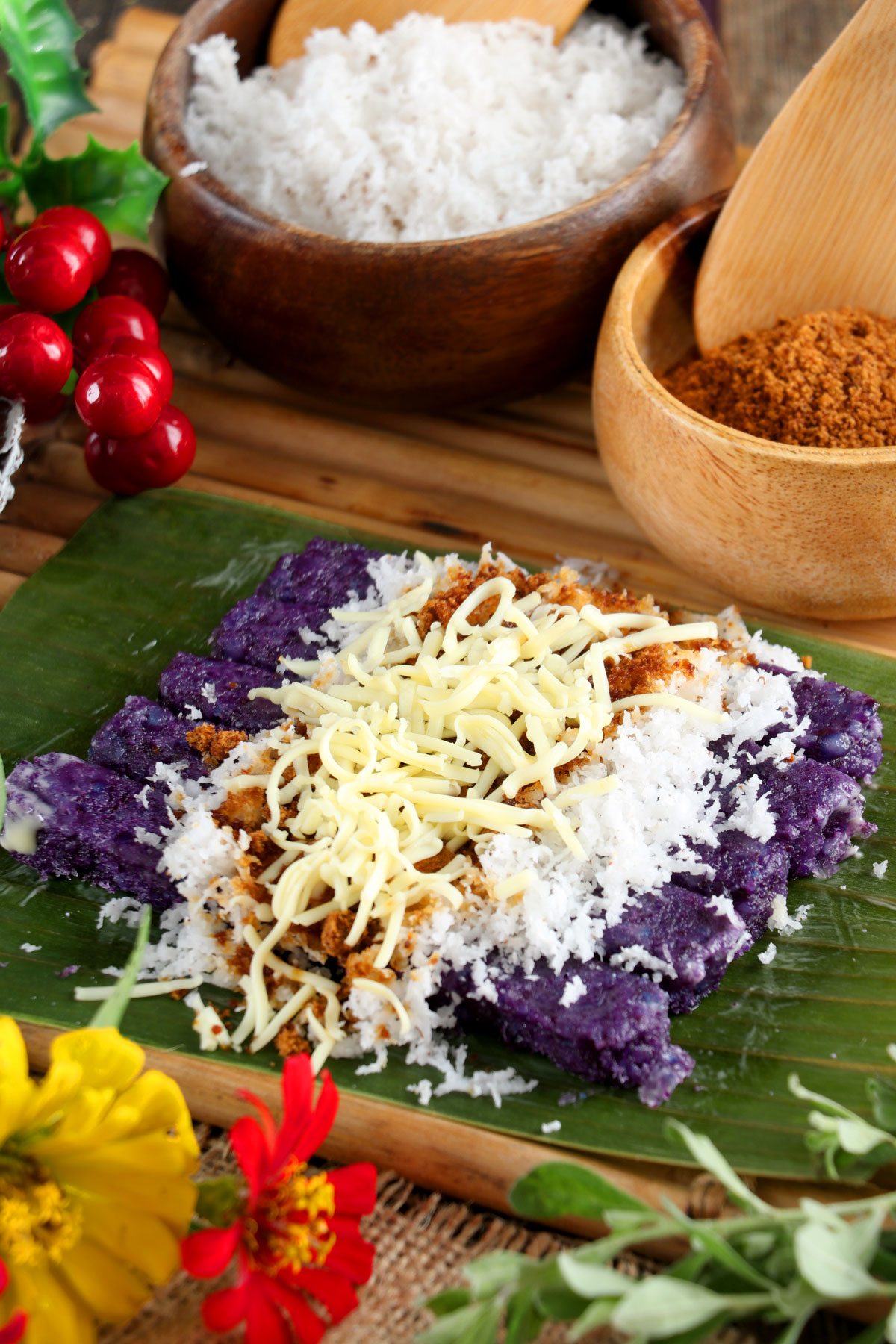
    1. Traditional Preparation: Puto Bumbong is made from Pirurutong, a unique sticky rice variety, and steamed in greased bamboo tubes, imparting a distinct flavor and texture.
    2. Distinct Purple Hue: The use of a specific type of glutinous rice gives Puto Bumbong its signature purple color, adding to its visual appeal during festive gatherings.
    3. Delightful Pairings: Served with grated coconut, muscovado sugar, and butter, Puto Bumbong offers a delightful combination of flavors that captivate the senses, making it a must-have treat during the holiday season.

    Kutsinta: A Flavorful Holiday Staple

    You’re about to discover the delightful world of Kutsinta, a chewy and slightly sweet orange rice cake that’s a beloved staple for festive occasions.

    Made with a combination of rice flour and tapioca flour, Kutsinta offers a unique texture and flavor experience that’s truly unforgettable.

    Topped with freshly grated coconut and toasted sesame seeds, this Filipino kakanin is sure to add a special touch to your holiday table.

    Kutsinta Ingredients

    For a flavorful holiday staple, Kutsinta requires simple yet essential ingredients that come together to create its unique chewy texture and delightful sweetness. To make this delicious brown rice cake, you’ll need:

    1. Rice Flour: The main ingredient in Kutsinta, rice flour forms the base of the batter, giving it its distinct texture.
    2. Tapioca Flour: This adds to the chewiness of the rice cake, contributing to its delightful texture.
    3. Grated Coconut: Freshly grated coconut is the perfect topping for Kutsinta, adding a hint of sweetness and a touch of freshness to each bite.

    These ingredients, when combined in the right proportions, result in the perfect Kutsinta, a beloved Filipino kakanin that’s a must-have for any festive occasion.

    Cooking Kutsinta

    Ready to create a delightful holiday treat? Let’s start by preparing the ingredients and getting ready to cook some delicious Kutsinta.

    To make this Filipino kakanin, begin by greasing the molds with oil and setting up a steamer.

    In a bowl, mix rice flour, tapioca flour, brown sugar, and water until smooth. For a unique twist, you can add ube or purple yam extract to create a vibrant purple rice cake.

    Pour the mixture into the molds and steam for about 10 minutes until set. Once done, let the Kutsinta cool before removing them from the molds.

    To serve, top the chewy Kutsinta with freshly grated coconut for a delightful contrast of flavors. Consider adding a sprinkle of toasted sesame seeds for an extra crunch.

    Enjoy your homemade Kutsinta as a perfect addition to your holiday spread!

    Serving Kutsinta

    Serving Kutsinta elevates your holiday spread with its chewy texture, vibrant flavor, and delightful combination of grated coconut and toasted sesame seeds. As you prepare to indulge in this Filipino favorite during the Christmas season, consider these serving tips to enhance your Kutsinta experience:

    1. Pair it with Pichi pichi for a delightful mix of flavors and textures.
    2. Sprinkle sweetened coconut over the Kutsinta for an added layer of sweetness.
    3. Don’t forget to generously sprinkle grated coconut on top to enhance its authentic Filipino taste.

    These simple serving suggestions will complement the unique taste and texture of Kutsinta, creating a memorable and satisfying experience for you and your loved ones.

    Get ready to savor the delicious blend of chewy Kutsinta with the sweet and nutty flavors of coconut and sesame seeds.

    Sapin-Sapin: Colorful and Delicious

    Color your holiday table with the vibrant and delectable delight of Sapin-Sapin, a Filipino kakanin that boasts colorful layers of rice flour infused with ube, jackfruit, and coconut flavors.

    This multi-layered rice cake is a feast for the eyes and the taste buds, with each layer offering a unique color and taste. The purple layer, made from ube or purple yam, adds a beautiful pop of color to the dessert.

    The layers are delicately steamed to perfection before being topped with a final layer of rich coconut milk, creating a delightful texture and taste. When served, Sapin-Sapin is often wrapped in banana leaves, adding an authentic touch to its presentation.

    With its captivating appearance and delicious blend of flavors, Sapin-Sapin is a must-have for any festive gathering.

    Ube Maja Blanca: A Sweet Indulgence

    Indulge in the sweet and aromatic flavors of ube maja blanca, a delightful Filipino dessert that combines the richness of coconut with the earthy sweetness of purple yam.

    Discover the vibrant purple hue and creamy texture of this treat, which adds a touch of tradition and sweetness to any holiday spread.

    Learn how to prepare this indulgent delight and experience a unique and flavorful taste that celebrates Filipino culinary heritage.

    Ube Flavor Profile

    With its distinctive purple hue and rich, creamy texture, Ube Maja Blanca stands out as a delectable addition to the Filipino kakanin repertoire, making it a sweet indulgence worth savoring during special occasions. The ube flavor profile offers a delightful taste experience, characterized by the earthy sweetness of purple yam combined with the lusciousness of sweetened coconut.

    Here’s what makes the Ube Maja Blanca a standout in Filipino desserts:

    1. Vibrant Purple Hue: The dessert’s striking color adds an element of visual delight to any festive spread.
    2. Rich and Creamy Texture: The smooth and velvety consistency of Ube Maja Blanca enhances the overall indulgent experience.
    3. Unique Flavor Combination: The marriage of ube and sweetened coconut creates a harmonious blend of earthy and sweet flavors that tantalize the taste buds.

    Indulge in the captivating fusion of ube and coconut, offering a truly unique and delightful dessert experience.

    Preparation Instructions

    To create the delectable Ube Maja Blanca, begin by mixing together ube, cornstarch, and water in a saucepan until smooth. Then, add coconut milk and condensed milk, and cook over medium heat, ensuring to stir constantly until the mixture thickens.

    Once the desired consistency is reached, pour the luscious mixture into a greased pan and smooth the top with a spatula. Afterward, allow the Ube Maja Blanca to cool and set in the refrigerator for a few hours.

    Once set, slice the Ube Maja Blanca into squares, revealing its vibrant purple hue, and serve this delightful sticky rice cake, perhaps with a sprinkle of grated coconut on top, elevating its rich flavor.

    The Ube Maja Blanca can also be paired with the traditional Filipino delicacy, salted egg, for an authentic and indulgent experience.

    What Kakanin Goes Best with Lechon Baboy for Filipino Holiday Feasts?

    Lechon Baboy is the ultimate Filipino feasts star, and it pairs perfectly with kakanin like puto, bibingka, or suman. The combination of savory and sweet makes for a delectable feast that every Filipino family looks forward to during the holidays.

    Palitaw: Chewy and Irresistible

    Experiencing the irresistible chewiness and unique flavor of Palitaw is a delightful journey into the heart of Filipino kakanin, offering a sweet and satisfying treat for any occasion.

    This traditional delicacy, made from sticky rice, boasts a delightfully chewy texture and a slightly sweet taste. Topped with grated coconut and sesame seeds, each bite is a burst of flavor.

    The simplicity of the Pichi Recipe and the primary use of Kamoteng Kahoy (sticky rice) make it a go-to treat for festive celebrations. The addition of sweetened coconut adds a smooth, creamy element, while the use of muscovado sugar brings a rich, caramel-like sweetness to this beloved Filipino dessert.

    Palitaw is an essential addition to any holiday spread, offering a taste of tradition and a truly satisfying indulgence.

    Frequently Asked Questions

    What Is the Kakanin for Christmas Season?

    During the Christmas season, you can enjoy various kakanin like Puto Bumbong, Kutsinta, Bibingka Galapong, Pichi Pichi with Cheese, Ube Maja Blanca, Palitaw, and Sapin Sapin. Each dish offers a delightful taste of Filipino tradition.

    What Is the Best Filipino Food for Christmas?

    For Christmas, try Ube Maja Blanca! Its vibrant purple color and sweet coconut flavor make it a delightful dessert. The combination of ube and coconut will surely add a festive touch to your holiday celebrations.

    What Do You Bring to a Filipino Christmas Party?

    Bring a selection of festive Filipino kakanin to a Christmas party. Puto Bumbong, Kutsinta, and Ube Maja Blanca are popular choices. They’re easy to make and sure to be a hit with your friends and family.

    What Is the Best Food for Noche Buena?

    For your Noche Buena, try Ube Maja Blanca, a creamy coconut pudding with a vibrant purple hue. Its sweet flavor and festive color make it a delightful addition to your holiday spread.

    Conclusion

    So, there you have it – the 6 best festive Filipino kakanin to enjoy during the holidays.

    From the classic Bibingka to the colorful Sapin-Sapin, these sweet and flavorful treats will surely add a special touch to your Christmas gatherings.

    Whether you’re craving something chewy, sweet, or just downright delicious, these kakanin are a must-try for the holiday season.

    So go ahead, indulge in these festive delights and make your holiday table even more merry and bright!

  • 5 Essential Atchara Recipes for Everyday Use

    5 Essential Atchara Recipes for Everyday Use

    Atchara, a versatile Filipino pickled condiment, offers sweet, tangy, and crunchy flavors perfect for pairing with various dishes. Elevate your meals with 5 essential Atchara recipes, from tangy mango to spicy pineapple, adding a burst of flavor and texture to everyday dining.

    Key Takeaways

    • Atchara is a versatile Filipino pickled condiment bursting with sweet, tangy, and crunchy flavors.
    • The ingredients used in Atchara recipes include unripe papaya, carrots, bell peppers, cane vinegar, garlic, sugar, salt, red onions, chili peppers, ginger, radishes, and onions.
    • Techniques and tips for making Atchara include salting the sliced vegetables, preparing a flavorful brine, squeezing out excess moisture from papaya and carrots, and allowing the Atchara to marinate for at least a day for fully developed flavors.
    • Atchara can be paired with various dishes like fried rice, grilled meats, sandwiches, and wraps, and it adds a burst of flavor and texture to any meal.

    Tangy Mango Atchara Recipe

    For a delightful homemade condiment to accompany your favorite meaty dishes, consider trying out this tangy mango atchara recipe.

    This pickled papaya dish offers a sweet and sour flavor that perfectly complements rich and fatty foods.

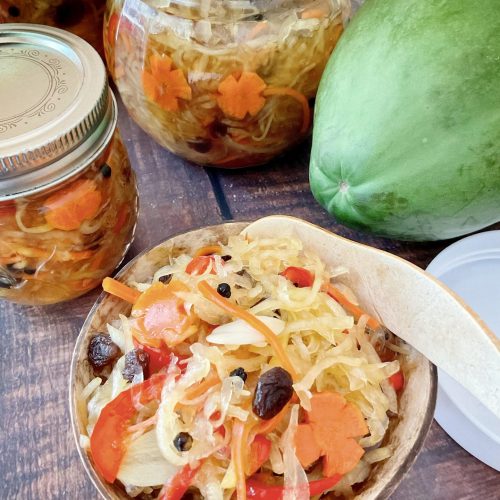
    To make this atchara, you’ll need unripe papaya, carrots, bell peppers, cane vinegar, garlic, sugar, and salt.

    Start by thinly slicing the papaya, carrots, and bell peppers, then salting them to draw out excess moisture.

    After that, prepare the flavorful brine using cane vinegar, garlic, sugar, and salt.

    Once the brine is ready, combine it with the sliced vegetables and let the flavors meld together.

    This homemade atchara, unlike store-bought versions, retains a satisfying crunch and superior taste.

    For the full recipe, including detailed instructions and tips, feel free to reach out to our email address.

    Spicy Pineapple Atchara Recipe

    Explore a new dimension of flavor with the Spicy Pineapple Atchara Recipe, a zesty and vibrant pickled condiment that adds a punch of heat and tanginess to your culinary creations. This Filipino delicacy combines the sweetness of pineapples with the spiciness of chili peppers, creating a perfect balance of flavors. The addition of red bell peppers, onions, and ginger further enhances its complexity. Try pairing it with fried rice or grilled meats for an explosion of taste. Check out the table below for a quick glance at the ingredients needed to create this delectable Spicy Pineapple Atchara.

    Ingredients Amount
    Pineapples 1 1/2 cups
    Red Bell Peppers 1/2 cup
    Red Onions 1/2 cup
    Chili Peppers 2-3 pieces

    Unleash your culinary creativity with this Spicy Pineapple Atchara Recipe, perfect for adding a spicy and tangy kick to your dishes.

    Sweet and Sour Papaya Atchara Recipe

    Get ready to elevate your culinary skills with the Sweet and Sour Papaya Atchara Recipe, a delightful Filipino pickled condiment that bursts with sweet, tangy, and crunchy flavors. Making this at home won’t only impress your family and friends but will also add a burst of color and taste to your dining table.

    To ensure you nail this recipe, here are a few tips to keep in mind:

    • Use a mix of red and green bell peppers for a colorful and vibrant Atchara.
    • After julienning the papaya and carrots, use a cheese cloth to squeeze out excess water to maintain the crunchiness of the vegetables.
    • Allow the Atchara to marinate for at least a day to let the flavors fully develop, resulting in a truly mouthwatering condiment.

    Classic Mixed Vegetable Atchara Recipe

    Elevate your culinary skills further with the Classic Mixed Vegetable Atchara Recipe, a delightful Filipino pickled condiment bursting with the vibrant flavors of green papaya, carrots, bell peppers, onions, and garlic. This recipe continues the tradition of creating colorful and tasty additions to your dining table.

    When making this classic mixed vegetable atchara, ensure the bell peppers are at room temperature for optimal crunchiness. Before pickling, remember to squeeze out as much liquid as possible from the vegetables to maintain their crisp texture. Experiment with different types of bell peppers to add a variety of colors and flavors to your atchara.

    This recipe offers a perfect balance of tangy and savory notes, making it an ideal accompaniment to various Filipino dishes or as a zesty topping for sandwiches and wraps.

    Can Atchara be Used in Chinese-Inspired Dishes in the Philippines?

    Atchara, a tangy Filipino pickle, is a versatile condiment that can elevate chineseinspired dishes in philippines. Its sweet and sour profile complements the deep flavors of hoisin and soy, adding a refreshing crunch that merges Filipino flair with Chinese culinary tradition.

    Quick and Easy Radish Atchara Recipe

    For a quick and flavorful addition to your table, try making the Quick and Easy Radish Atchara Recipe. If you’re looking for an easy way to add a burst of tangy and sweet flavor to your meals, then this atchara recipe is perfect for you.

    Here’s what you’re gonna start with:

    • First, gather your ingredients: radishes, carrots, bell peppers, garlic, and onions.
    • Next, julienne or thinly slice the radishes and carrots for that perfect crunch in every bite.
    • Then, mix the vegetables with vinegar, sugar, and a bit of salt, and let it marinate for a few hours before serving.

    This quick and easy radish atchara recipe is an essential addition to your collection of atchara recipes for everyday use. It’s a versatile condiment that can elevate the flavors of various dishes, so give it a try!

    Frequently Asked Questions

    How Long Does Atchara Last?

    Atchara can last for several weeks in the fridge when properly stored. Make sure it’s fully covered in brine to preserve it longer. Homemade atchara has a shorter shelf life due to no preservatives.

    What Are the Different Types of Atchara?

    There are various types of atchara, including green papaya atchara, radish atchara, and mango atchara. Each type offers a unique blend of flavors and textures, making them perfect for different dishes and occasions.

    Is Atsara a Probiotic?

    Yes, atsara is a probiotic food. The fermentation process involved in its preparation promotes the growth of beneficial bacteria. Including atsara in your diet can be a flavorful way to incorporate probiotics into your meals.

    What Is Atchara Good For?

    Atchara adds a refreshing contrast to rich dishes, providing a burst of sweet and sour flavor. It’s versatile, adding crunch to Filipino dishes and enhancing burgers and hot dogs. You can customize it and store it for convenience.

    Conclusion

    Get ready to elevate your everyday meals with these 5 essential Atchara recipes. Whether you prefer the tangy kick of mango, the spicy heat of pineapple, or the classic sweet and sour papaya, there’s an Atchara for every taste.

    Mix in your favorite vegetables and enjoy the crunchy, flavorful goodness of this Filipino pickle. With these quick and easy recipes, you’ll never run out of ways to add a delicious twist to your dishes.

    Try them all and savor the flavor!

  • Unique Halo-Halo Mixes for Summer Fiestas

    Unique Halo-Halo Mixes for Summer Fiestas

    Elevate your summer fiestas with unique Halo-Halo mixes like the Tropical Fruit Explosion or the Decadent Chocolate Indulgence for a refreshing and indulgent dessert experience.

    Key Takeaways

    • Halo-Halo can be elevated by adding unique and exotic fruit flavors like caramelized plantains, halo-halo milk, flan, ube ice cream, and tropical fruits like sugar palm fruit, macapuno, and coconut gel.
    • Chocolate lovers can enjoy a decadent Halo-Halo experience by incorporating layers of indulgent chocolate flavors, such as chocolate-flavored shaved ice, chocolate sauce, chocolate ice cream, and toppings like brownie bites, chocolate chips, and chocolate-covered nuts.
    • For a refreshing twist, Halo-Halo can be infused with citrus fruits like oranges, pomelos, and calamansi, creating a tangy and invigorating flavor profile that is perfect for beating the summer heat. Sweet beans can be added to complement the citrus fruits.
    • Nutty flavors and creamy textures can be added to the traditional Halo-Halo by incorporating a variety of nuts like peanuts, cashews, and macadamia nuts, along with creamy elements like leche flan and condensed milk. This provides a unique twist and alternative to the classic Halo-Halo experience.

    Classic Halo-Halo With a Twist

    If you’ve ever wanted to elevate the classic Halo-Halo dessert to new heights, the Classic Halo-Halo With a Twist is the perfect indulgence for your summer fiestas.

    This unique twist on the traditional Filipino dessert includes caramelized plantains and a creamy halo-halo milk, adding a new dimension to the classic mix.

    What makes this twist even more delightful is the addition of flan and ube ice cream, giving the halo-halo a richer and more indulgent flavor profile.

    The ube ice cream not only adds a vibrant purple hue but also brings a distinct sweet and nutty taste to the dessert.

    Moreover, the crunchy element from the caramelized plantains adds a delightful contrast to the creamy and sweet components of the halo-halo.

    This refreshing and visually appealing dessert is a must-try for anyone looking to add a unique touch to their summer gatherings.

    Tropical Fruit Explosion

    Tantalize your taste buds with the vibrant and exotic Tropical Fruit Explosion halo-halo mix, showcasing a diverse array of tropical fruits to elevate your summer fiestas.

    This unique Filipino dessert features a delightful combination of exotic fruits such as sugar palm fruit, macapuno, and coconut gel.

    The Tropical Fruit Explosion adds a refreshing and exotic twist to the traditional halo-halo, offering a colorful and delightful experience that represents the tropical climate of the Philippines.

    Each spoonful brings a burst of tropical flavors, highlighting the rich and diverse fruit offerings of the tropics.

    Whether it’s the sweet, creamy macapuno or the refreshing coconut gel, this tropical fruit explosion is sure to transport you to the lush tropical paradises of the Philippines with every indulgent bite.

    Decadent Chocolate Indulgence

    Indulge in a rich and luxurious variation of the traditional Halo-Halo dessert with the Decadent Chocolate Indulgence. This dessert offers layers of indulgent chocolate flavors that are sure to elevate your summer fiestas.

    The mix features chocolate-flavored shaved ice, decadent chocolate sauce, and rich chocolate ice cream, creating a truly indulgent experience. Toppings may include brownie bites, chocolate chips, and chocolate-covered nuts, adding even more decadence and texture to the dish.

    This indulgent twist on the beloved Halo-Halo dessert is perfect for chocolate lovers who are looking to experience a unique and decadent treat. The rich and creamy chocolate elements combined with the refreshing shaved ice make it a delightful and indulgent option for the summer season.

    Treat yourself and your guests to this sumptuous and satisfying dessert at your next fiesta.

    Refreshing Citrus Burst

    Get ready to savor a vibrant and zesty twist on the traditional Halo-Halo dessert with the unique ‘Refreshing Citrus Burst’ mix.

    This refreshing halo-halo blend features a delightful combination of citrus fruits, including oranges, pomelos, and calamansi, creating a tangy and invigorating flavor profile. The addition of these citrus fruits offers a refreshing burst that’s perfect for beating the summer heat.

    The sweet beans complement the citrus fruits, adding a delightful contrast of flavors to this classic dessert. The ‘Refreshing Citrus Burst’ halo-halo mix not only provides a colorful and vibrant option but also delivers a unique dimension to the beloved Filipino treat.

    With its blend of sweet, tangy, and refreshing elements, this mix is an ideal choice for adding a burst of citrusy goodness to your summer fiestas and gatherings.

    Nutty Delights and Creamy Goodness

    Transitioning from the vibrant and zesty ‘Refreshing Citrus Burst’ mix, the ‘Nutty Delights and Creamy Goodness’ mix presents a unique twist on the traditional Halo-Halo dessert with its combination of nutty flavors and creamy textures. This mix provides a rich and satisfying taste experience with its blend of different nuts and creamy elements. Here’s what makes it stand out:

    1. Nut Medley: The mix includes an assortment of nuts such as peanuts, cashews, and macadamia nuts, adding a delightful crunch and nutty flavor to each spoonful.
    2. Creamy Indulgence: The creamy element in this mix comes from the addition of leche flan, providing a smooth and velvety texture that complements the nuttiness perfectly.
    3. Sweet Finish: To tie everything together, condensed milk is drizzled over the top, adding a touch of sweetness and creaminess that enhances the overall experience.

    With its creative combination of ingredients, Nutty Delights and Creamy Goodness offers a fun and tasty alternative to the classic Halo-Halo.

    Exotic Flavors and Textures

    Ready to tantalize your taste buds with an explosion of diverse flavor combinations and interesting texture contrasts?

    Halo-halo’s exotic ingredients like sweetened beans, kaong, and sago create a symphony of creamy, chewy, and bouncy textures that add depth to every spoonful.

    Topped with unique additions like gulaman, langka, and ube halaya, this dessert promises an unforgettable blend of flavors and textures that will keep you coming back for more.

    Diverse Flavor Combinations

    Offering a delightful fusion of exotic flavors and textures, Halo-Halo is a vibrant and refreshing dessert that tantalizes the taste buds with its diverse and unique combinations.

    When it comes to diverse flavor combinations, this Filipino treat truly stands out. Here’s why:

    1. Multitude of Ingredients: Halo-Halo combines sweet beans, fruits, jellies, purple yam jam, and coconut strings, resulting in a complex and delightful flavor profile.
    2. Visual and Textural Symphony: This dessert isn’t only a treat for the taste buds but also for the eyes and mouth, featuring a mix of creamy, crunchy, and chewy elements that create a one-of-a-kind eating experience.
    3. Refreshing and Fun: Known for its fun colors and refreshing taste, Halo-Halo offers a symphony of textures in every mouthful, making it a perfect choice for a summer fiesta dessert.

    Interesting Texture Contrasts

    With its diverse flavor combinations leaving a lasting impression, Halo-Halo also captivates with its interesting texture contrasts, offering a symphony of exotic flavors and textures in every spoonful.

    This iconic Filipino dessert boasts a delightful medley of added texture, including creamy, crunchy, chewy, and jelly-like elements. As you take a spoonful, you’ll experience the interplay of smooth, velvety ice with the satisfying crunch of cornflakes, complemented by the chewy tapioca pearls and the sweet, creamy leche flan.

    The addition of sweet beans, fruits, and jellies further elevates the textural adventure, creating a harmonious blend of contrasting sensations. Each layer contributes to the overall experience, making every bite a delightful surprise.

    Halo-Halo’s unique texture contrasts truly make it a standout dessert, offering a symphony of flavors and textures that will leave you craving for more.

    Unusual Ingredient Pairings

    Exotic flavors and textures come together in unusual ingredient pairings to create an unforgettable halo-halo experience. The fusion of ube (purple yam) with sweetened beans offers a unique sweet and earthy flavor combination, while the addition of macapuno (preserved mutant coconut) and gelatin (nata de coco) introduces a delightful chewy and jelly-like element to the dessert.

    Furthermore, the unexpected inclusion of cheese flakes provides a creamy and savory contrast to the traditionally sweet and fruity flavors, elevating the complexity of the dish. These unusual ingredient pairings bring a rich tapestry of flavors and textures to your halo-halo, ensuring a truly memorable and satisfying treat.

    1. Ube (purple yam) and sweetened beans
    2. Macapuno (preserved mutant coconut) and gelatin (nata de coco)
    3. Cheese flakes for a creamy and savory contrast

    Experiment with these unique combinations and elevate your halo-halo experience beyond the ordinary.

    Boozy and Bubbly Creations

    Get ready to elevate your halo-halo experience with alcohol-infused creations and sparkling soda variations.

    These boozy and bubbly mixes take traditional halo-halo to the next level, infusing it with the exciting flavors of rum, vodka, liqueurs, and fizzy elements.

    Alcohol-Infused Halo-Halo

    Consider infusing your traditional halo-halo with a splash of your favorite alcohol to create a fun and boozy twist, elevating the flavors of this beloved dessert.

    Experiment with different types of alcohol such as rum, vodka, or even wine to create unique and bubbly halo-halo concoctions.

    Add a shot of your preferred alcohol to the halo-halo milk for an extra kick and flavor dimension in your dessert.

    Consider using fruit-infused liqueurs to complement the fruity elements of your halo-halo for a harmonious blend of flavors.

    When preparing alcohol-infused halo-halo, the possibilities are endless. Elevate your summer fiestas with these unique halo-halo mixes, creating a delightful and refreshing dessert experience.

    Don’t be afraid to get creative with your boozy creations, as mixing and matching different spirits can result in your perfect boozy combination.

    Sparkling Soda Variations

    Enhance your summer fiestas with delightful and refreshing sparkling soda variations, adding a fun and fizzy twist to traditional halo-halo.

    Create a sensational experience by mixing different fruity flavors with sparkling soda, infusing a burst of effervescence into your favorite halo-halo.

    Experiment with citrus, berry, and tropical soda flavors to elevate the classic crushed ice dessert.

    For an extra kick, consider adding a splash of rum, vodka, or flavored liqueurs to your sparkling soda variations.

    The combination of bubbly soda and boozy ingredients will bring a unique and exciting dimension to your halo-halo indulgence.

    Garnish your creations with fresh fruits, mint leaves, or colorful cocktail umbrellas to add a festive touch, making your sparkling soda variations the highlight of your summer gatherings.

    Vegan and Dairy-Free Options

    For a delightful dairy-free and vegan-friendly twist on halo-halo, consider using coconut milk or other non-dairy milk substitutes to create a lusciously creamy base for this refreshing summer treat. Here are some tips for crafting a delectable vegan and dairy-free halo-halo:

    1. Use fresh fruit, such as mango, banana, and strawberries, as vegan-friendly toppings.
    2. Substitute traditional condensed milk with vegan sweeteners like agave nectar or maple syrup for the halo-halo milk.
    3. Opt for vegan ice cream or sorbet as a dairy-free alternative to traditional ice cream, and experiment with unique vegan-friendly toppings such as chia seeds, nuts, or dairy-free whipped cream to enhance the flavor and texture of your halo-halo.

    These dairy-free and vegan options provide a guilt-free indulgence while still capturing the essence of this beloved Filipino dessert.

    Childhood Favorites Reinvented

    Reinvent your childhood favorites and elevate the halo-halo experience with refreshing and innovative ingredient combinations that capture the essence of this beloved Filipino dessert.

    Imagine indulging in a modern twist on traditional street food, where each spoonful unravels a burst of nostalgia and excitement.

    These reinvented childhood favorites are designed to appeal to both traditional halo-halo enthusiasts and those seeking unexpected combinations.

    Picture the joy of sharing these inventive halo-halo mixes with family and friends at summer fiestas.

    Each blend of textures, tastes, and colors promises a fresh experience, blending the familiar with the innovative.

    From playful takes on classic ingredients to surprising new additions, these reinvented childhood favorites add a delightful spin to your cherished memories of enjoying halo-halo with loved ones.

    How Can I Make a Low-Carb Version of Halo-Halo for Summer Fiestas?

    Looking for lowcarb Filipino breakfast options? Try making a low-carb version of Halo-Halo for summer fiestas! Use coconut milk and cream instead of sweetened condensed milk, and swap out high-carb ingredients like sweetened beans and banana for berries and nuts. Enjoy this refreshing treat without the guilt!

    Global Fusion Inspirations

    Global Fusion Inspirations offers an array of diverse and innovative halo-halo mixes, blending traditional Filipino flavors with international influences to create a truly unique and exciting dessert experience. These fusion inspirations take the classic halo-halo to new heights, infusing it with global culinary elements.

    Here’s what makes them stand out:

    1. Diverse Ingredients: Global Fusion Inspirations incorporates a wide range of global fruits, nuts, and sweet treats, adding an international twist to the traditional halo-halo.
    2. Innovative Toppings: The team experiments with unique toppings, from matcha-flavored mochi to Italian biscotti, providing an adventurous and delightful exploration of global flavors.
    3. Culturally Rich Experiences: Each fusion halo-halo isn’t only visually stunning but also celebrates diversity, offering a multi-sensory experience that pays homage to various cultures.

    Halo-halo: The ultimate global fusion inspirations.

    Frequently Asked Questions

    What Is the Mixture of Halo-Halo?

    The mixture of halo-halo includes a delightful blend of shaved ice, evaporated milk, sweet beans, fruits, and colorful toppings. It’s a visually stunning dessert with vibrant colors and various textural elements, offering a diverse combination of flavors and textures.

    What Makes Halo-Halo Unique?

    What makes halo-halo unique is its vibrant mix of sweet beans, fruits, jellies, and various toppings, creating a refreshing and diverse flavor experience. The customizable combinations and cultural significance make it a beloved Filipino dessert.

    What Do You Eat With Halo-Halo?

    You eat a mix of sweetened beans, gelatin, fruits, and ice cream with shaved ice and condensed milk. Toppings like kaong, sago, gulaman, and macapuno offer a variety of textures and flavors.

    What Are the Ingredients in the Magnolia Halo-Halo?

    The Magnolia Halo-Halo has sweetened beans, gelatin, fruits, ube halaya, macapuno, and ice cream. It’s a colorful and refreshing dessert with a symphony of flavors and textures. Mixing it thoroughly is key to savoring its deliciousness.

    Conclusion

    So, whether you’re craving a classic Halo-Halo with a twist, a tropical fruit explosion, or a decadent chocolate indulgence, there’s a unique mix for everyone at your summer fiesta.

    With vibrant colors, refreshing flavors, and a variety of toppings, these Halo-Halo creations are sure to be a hit.

    From nutty delights to vegan options, there’s something for everyone to enjoy.

    So get ready to indulge in these delightful and refreshing treats at your next summer celebration!

  • Puto Bumbong Cooking Secrets for Holiday Feasts

    Puto Bumbong Cooking Secrets for Holiday Feasts

    Puto Bumbong is a beloved Filipino dessert tied to Christmas, made with glutinous rice, purple yam, coconut milk, and muscovado sugar. Achieve the perfect purple hue by soaking the rice in purple yam juice and coconut milk.

    Key Takeaways

    • Puto Bumbong is a beloved Filipino dessert that is closely tied to Christmas celebrations.
    • The traditional recipe includes glutinous rice, purple yam, coconut milk, and muscovado sugar.
    • Bamboo steaming is the traditional cooking method for Puto Bumbong.
    • Achieving the perfect purple hue requires soaking the rice in purple yam juice and coconut milk.

    The History of Puto Bumbong

    The history of Puto Bumbong traces back to the rich culinary traditions of the Philippines, reflecting the cultural heritage and festive celebrations of the Christmas season. This iconic Filipino dessert holds a special place in the hearts of locals, especially during the holiday season.

    The recipe for Puto Bumbong is a carefully crafted combination of sweet rice and black rice, giving it a unique purple hue that sets it apart from other traditional desserts. One of the most fascinating aspects of its preparation is the traditional cooking method, where it’s steamed in bamboo tubes, infusing it with a distinct aroma.

    As a staple dish during Noche Buena, the Christmas Eve meal, Puto Bumbong not only satisfies the taste buds but also serves as a reminder of the rich cultural heritage and joyous festivities of the Christmas season in the Philippines.

    Essential Ingredients for Puto Bumbong

    Tracing back to the rich culinary traditions of the Philippines, Puto Bumbong’s essential ingredients are carefully selected to capture the authentic flavors and vibrant colors that make this iconic dessert a beloved part of festive celebrations.

    The key components include glutinous rice (malagkit), which forms the base of the purple rice cake. The addition of purple yam (ube) gives it its distinctive color, while coconut milk enriches the flavor. Muscovado sugar provides the necessary sweetness, and freshly grated coconut serves as a traditional topping.

    When preparing Puto Bumbong, using a puto bumbong steamer is essential to achieve the perfect texture and consistency. Combining these ingredients in the right proportions is crucial in creating the beloved Filipino delicacy that has become synonymous with holiday feasts.

    Tips for Preparing the Bamboo Steamer

    Before you start steaming your Puto Bumbong, it’s crucial to prepare your bamboo steamer properly.

    First, ensure that it’s clean and free from any debris to avoid any unwanted flavors transferring to your food.

    Then, line the steamer with banana leaves to prevent the delicate Puto Bumbong from sticking.

    Bamboo Steamer Care

    To ensure your bamboo steamer is ready for use, consider seasoning it by boiling in water for 30 minutes before your first use. This helps to remove any natural bamboo taste and sterilizes the steamer.

    After using the bamboo steamer, allow it to air dry completely to prevent mold growth. Avoid using harsh detergents or putting it in the dishwasher, as this can damage the bamboo.

    Store the bamboo steamer in a well-ventilated area to prevent moisture buildup, which can lead to mold.

    When using the steamer for your puto bumbong recipe, line it with parchment paper or cabbage leaves to prevent the food from sticking to the bamboo tubes. Additionally, lightly greasing the steamer with butter or margarine can help in easy removal of the cooked food.

    Efficient Steaming Process

    For an efficient steaming process when preparing your bamboo steamer, consider pre-seasoning the steamer to prevent sticking and ensure easy removal of the cooked food. To achieve this, rub the steamer with oil or grease and heat it for a few minutes before placing the rice mixture inside.

    Here are some tips for a successful steaming process:

    1. Proper Water Level: Use a sufficient amount of water in the steamer to ensure consistent steam throughout the cooking process.
    2. Even Heat Distribution: Arrange the bamboo tubes in the steamer to allow even distribution of heat, ensuring that the puto bumbong cooks uniformly.
    3. Time Management: Monitor the steaming time closely to avoid overcooking or undercooking the rice mixture.
    4. Caution in Handling: Handle the bamboo tubes with caution to prevent burns when removing them from the special steamer.

    Soaking and Grinding the Rice

    After soaking all types of rice in water for 2 days, you should drain the rice and grind it in a food processor until it becomes very fine to achieve the desired consistency for Puto Bumbong. This crucial step ensures that the rice is perfectly prepared for the traditional Filipino delicacy. A fine texture is essential for the ideal Puto Bumbong experience. To better visualize the process, here’s a table that breaks down the soaking and grinding process:

    Soaking and Grinding the Rice
    Step 1: Soak all types of rice in water for 2 days
    Step 2: Drain the soaked rice
    Step 3: Grind in a food processor until very fine
    Step 4: Achieve the desired consistency for Puto Bumbong

    Secrets to Achieving the Perfect Purple Hue

    Achieve the perfect purple hue in your Puto Bumbong by incorporating secrets that enhance its vibrant color and visual appeal.

    1. Soak the glutinous rice with purple yam juice and coconut milk for a vibrant color.
    2. Use a generous amount of violet food color when using glutinous rice as a substitute for Pirurutong.
    3. Make sure to achieve a fine consistency when grinding the rice for a smoother texture and even color.
    4. Steaming time may affect the color, so ensure the Puto Bumbong is cooked just right to maintain the perfect purple hue.

    These secrets are essential to achieving the ideal purple hue that’s characteristic of traditional Puto Bumbong.

    Techniques for Steaming Puto Bumbong

    Ready to steam your Puto Bumbong to perfection? Let’s talk about the essential equipment you’ll need, the ideal steaming time and temperature, and how to maintain the right moisture levels for that delightful texture.

    These techniques will ensure that your Puto Bumbong turns out just the way you want it – flavorful, aromatic, and absolutely irresistible.

    Steaming Equipment Needed

    For an authentic and flavorful puto bumbong, consider using a traditional bamboo steamer or its alternative, a metal or electric steamer. Here are some tips for choosing the right steaming equipment:

    1. Use a traditional bamboo steamer to achieve an authentic flavor and texture.
    2. If a bamboo steamer isn’t available, a metal or electric steamer can be used as an alternative.
    3. Ensure the steaming equipment has a tight-fitting lid to trap the steam and cook the rice cakes evenly.
    4. Line the steaming equipment with banana leaves or muslin cloth to prevent the rice mixture from sticking.

    Choosing the right steaming equipment and following these tips will help you create delicious and authentic puto bumbong for your holiday feasts.

    Steaming Time and Temperature

    When steaming puto bumbong, it’s essential to maintain the right time and temperature to ensure the perfect texture and flavor, building on the importance of selecting the proper steaming equipment.

    Steam the Puto Bumbong for 10-15 minutes to guarantee it cooks through while remaining soft and sticky. Keep the steaming temperature at medium-high heat to cook the Puto Bumbong evenly without burning it. Ensure the steamer has enough water to create sufficient steam for the entire steaming process.

    Periodically check the Puto Bumbong to ensure it’s cooking properly and adjust the steaming time as needed. After steaming, allow the Puto Bumbong to cool slightly to set and develop its distinctive glutinous texture.

    These crucial steps will help you achieve the perfect Puto Bumbong for your holiday feasts.

    Maintaining Moisture Levels

    To maintain optimal moisture levels while steaming Puto Bumbong, it’s crucial to keep the steamer covered throughout the cooking process to retain the necessary steam and prevent moisture loss. Here are some essential techniques for maintaining moisture levels:

    1. Use a tight-fitting lid to seal in the steam and keep the Puto Bumbong moist.
    2. Avoid opening the steamer unnecessarily during the cooking process to retain moisture.
    3. Ensure the bamboo tubes are securely closed to prevent steam from escaping.
    4. Consider adding a small amount of water to the steaming process if necessary to maintain a moist environment.

    These techniques will help ensure that your Puto Bumbong turns out perfectly moist and delicious, making it an ideal addition to your holiday feasts.

    Unique Toppings and Pairings

    Consider enhancing your Puto Bumbong experience with unique toppings like salted egg, cheese, or roasted sesame seeds, and pair it with hot chocolate or coffee to complement its sweet and aromatic flavors.

    Elevate the experience with a fusion of flavors by pairing it with butter, grated coconut, and muscovado sugar.

    For a modern twist, experiment with pandan flavoring or incorporate different flavors such as ube or pandan to add a unique touch to your Puto Bumbong.

    These variations will add an exciting twist to the traditional toppings and create a delightful flavor profile.

    Whether you prefer a classic combination or want to explore new flavors, the unique toppings and pairings for Puto Bumbong offer a wide range of possibilities to elevate your enjoyment of this beloved holiday treat.

    Serving and Presentation Ideas

    For a traditional touch, serve Puto Bumbong on a banana leaf, sprinkling grated coconut and muscovado sugar generously over it to enhance its authentic flavor.

    To further elevate the experience, add a pat of butter or margarine on top of the cooked Puto Bumbong for richness and aroma.

    Consider pairing Puto Bumbong with hot chocolate or coffee for a delightful combination.

    Experiment with different toppings such as cheese or roasted sesame seeds to add a unique twist to the presentation.

    These serving and presentation ideas won’t only enhance the visual appeal of your Puto Bumbong but also elevate its taste, making it a perfect addition to your holiday feasts.

    What Are Some Traditional Filipino Holiday Dishes to Pair with Bilao Breakfast?

    For traditional Filipino holiday dishes to pair with Bilao breakfast, consider serving bibingka or puto bumbong. These sweet treats are often enjoyed during Christmas celebrations and can complement the savory flavors of Bilao breakfast. Bilao breakfast typically includes a variety of dishes like longganisa, tocino, and salted eggs.

    Storing and Reheating Puto Bumbong

    You can keep Puto Bumbong fresh and flavorful by storing it in an airtight container in the refrigerator for up to 3 days. When reheating, use a steamer for 5-7 minutes to bring out the best flavor and texture. If a steamer isn’t available, microwave on high for 1-2 minutes, checking and stirring every 30 seconds.

    To maintain its delightful taste and texture, reheat only the amount you plan to consume. For an added touch, sprinkle a little water over the puto bumbong before reheating to retain moisture.

    Frequently Asked Questions

    Why Do We Eat Bibingka and Puto Bumbong Every Christmas?

    You eat bibingka and puto bumbong every Christmas because they’re part of Filipino tradition, enjoyed after Simbang Gabi. Their aroma and taste symbolize the holiday spirit and community unity, making them a cherished part of the festive season.

    Is Puto Bumbong Seasonal?

    Yes, Puto Bumbong is seasonal, usually available during the Christmas season. Its unique ingredients, like Pirurutong rice, are more accessible during the holidays. It’s best enjoyed fresh when demand and availability are higher.

    What Is Puto Bumbong and Which Country Has This Dish at Their Christmas Celebrations?

    Puto Bumbong is a traditional Filipino steamed rice cake enjoyed during the Christmas season. It’s a staple dish during Noche Buena, the midnight meal on Christmas Eve in the Philippines. The main ingredients are glutinous rice and Pirurutong, a unique type of rice, giving it a distinct purple color.

    What Makes Puto Bumbong Purple?

    The unique purple color of Puto Bumbong comes from using Pirurutong, a deep purple or almost black type of rice. It’s the key ingredient that gives the dish its distinct purple hue, making it stand out.

    Conclusion

    Now that you’ve mastered the secrets to making the perfect Puto Bumbong, you’re ready to impress your family and friends with this delicious holiday treat.

    From soaking and grinding the rice to steaming and adding unique toppings, you’ve learned all the essential techniques.

    So go ahead, get creative with your presentation and enjoy the festive flavors of this traditional Filipino delicacy.

    Happy cooking and happy holidays!

  • What are the Popular Unique Filipino Delicacies for Fiesta Celebrations?

    What are the Popular Unique Filipino Delicacies for Fiesta Celebrations?

    Filipino fiesta celebrations feature popular unique delicacies like Crispy Lechon and Creamy Bibingka, symbolizing abundance and joy. These dishes, along with flavorful Kare-Kare and sweet Suman, embody the rich culinary heritage of the Philippines.

    Key Takeaways

    • Filipino delicacies play an essential role in fiesta celebrations, symbolizing abundance and communal feasting.
    • Halo-Halo is a popular dessert with vibrant layers and various toppings, such as ube ice cream and leche flan.
    • Spicy and flavorful dishes like Bicol Express and Adobo reflect the diverse influences of Filipino cuisine.
    • Traditional Filipino cooking techniques and ingredients, such as steaming in banana leaves and simmering in peanut sauce, contribute to the unique flavors of delicacies like Suman and Kare-Kare.

    Crispy Lechon

    If you’ve ever experienced the joy of a Filipino fiesta, then you know that the sight and aroma of a whole roasted pig, known as Crispy Lechon, is an irresistible centerpiece that embodies the spirit of abundance and communal feasting.

    The crispy skin of the lechon, seasoned to perfection, beckons you with its tantalizing aroma. This iconic Filipino dish is a must-have at any fiesta, symbolizing the spirit of generosity and celebration.

    The succulent and tender meat, complemented by the rich and flavorful sarsa sauce, creates a truly indulgent flavor experience. As you bite into the crispy skin, a burst of savory goodness fills your senses, making it a true highlight of Filipino fiesta food.

    Filipino dishes are diverse and delicious, but Crispy Lechon stands out as a beloved and essential part of any festive celebration.

    Creamy Bibingka

    Creamy Bibingka, with its rich and aromatic blend of coconut milk, rice flour, and sugar, is a beloved traditional Filipino delicacy enjoyed during fiestas and special gatherings. This delectable dessert, a staple of Filipino cuisine, delights with its creamy texture and sweet flavor.

    The cake is often topped with salted eggs and grated cheese, adding a delightful savory contrast to its sweetness. Cooked in banana leaves, it carries a unique aroma that enhances its overall appeal.

    Whether enjoyed as a breakfast treat or a merienda (snack), Creamy Bibingka holds a special place in the hearts of Filipinos, symbolizing the warmth and joy of fiesta celebrations in the Philippines.

    This beloved dish, along with other Filipino delicacies like Leche flan and purple yam, forms an essential part of the vibrant and diverse culinary heritage of the Philippines.

    Flavorful Kare-Kare

    Indulge in the rich and flavorful experience of Filipino cuisine with the traditional oxtail stew known as Kare-Kare, a beloved dish often savored during festive celebrations.

    This hearty dish features tender oxtail and a medley of vegetables like eggplant, string beans, and banana blossoms, all simmered in a luscious peanut sauce. The combination of ground peanuts, toasted rice, and annatto seeds gives Kare-Kare its unique nutty and slightly sweet flavor, making it a standout among Filipino dishes.

    It’s no wonder that this flavorful stew is a popular choice for fiesta celebrations, perfectly capturing the rich and diverse flavors of Filipino cuisine.

    With its warm and hearty appeal, Flavorful Kare-Kare is the perfect addition to any festive gathering, embodying the essence of Filipino culinary traditions.

    Sweet and Sticky Suman

    Experience the delightful combination of glutinous rice and coconut milk, steamed to perfection in banana leaves, as you savor the traditional Filipino delicacy known as Sweet and Sticky Suman. During a Filipino Fiesta, indulge in the sweet and sticky suman, a beloved treat that captures the essence of Filipino cuisine.

    Here’s how you can enjoy it:

    • Unwrap the banana leaf to reveal the sticky suman, with a crispy skin that adds an irresistible texture to each bite.
    • Pair it with ripe mango slices for a delightful contrast of sweet and tangy flavors.
    • Sprinkle a bit of sugar on top to enhance the overall sweetness and savor the rich, coconut-infused aroma with every mouthwatering bite.

    Sweet and sticky suman is a versatile dish that can be enjoyed at any time of the day, making it a perfect addition to any Filipino celebration.

    Tangy Sinigang

    You’re in for a treat with Tangy Sinigang, a traditional Filipino sour soup that packs a flavorful punch.

    This beloved dish features a tantalizing blend of sour tamarind broth, tender meats, and a colorful array of vegetables.

    Discover the regional variations and vibrant flavors that make Sinigang a standout favorite in Filipino cuisine.

    Sour Tamarind Soup

    Savor the tangy and savory flavors of Sour Tamarind Soup (Tangy Sinigang), a beloved traditional Filipino dish bursting with the refreshing taste of tamarind and the wholesome goodness of pork, shrimp, or fish. It is combined with a variety of vegetables like radish, eggplant, and spinach.

    When enjoying this popular Filipino dish, consider adding a splash of calamansi juice for an extra zing. The combination of sour tamarind soup and the citrusy kick of calamansi creates a delightful burst of flavors.

    For special occasions, serve this comforting and refreshing soup with a side of steamed rice for a truly satisfying meal. Whether it’s a fiesta celebration or a cozy family gathering, Sour Tamarind Soup is sure to be a hit.

    Meat and Vegetables

    Immerse yourself in the vibrant flavors of Filipino cuisine with the hearty combination of meat and vegetables in the traditional Sour Tamarind Soup, known as Tangy Sinigang. This beloved dish captures the essence of Filipino food with its tantalizing blend of savory pork, shrimp, or fish, complemented by an array of fresh vegetables like water spinach, daikon radish, and eggplant.

    The tangy and refreshing taste of Sinigang is achieved through the infusion of tamarind, calamansi, or green mango, creating a unique flavor profile that is both comforting and invigorating. Whether served hot with a side of crispy pata, pork adobo, or alongside delectable spring rolls, Sinigang is a perfect choice for fiesta celebrations, representing the rich and diverse flavors of Filipino cuisine.

    Filipino Food Crispy Pata Pork Adobo
    Tangy Sinigang Spring Rolls  

    Regional Variations

    When exploring the regional variations of tangy sinigang, you’ll encounter a delightful array of unique ingredients and cooking styles that reflect the diverse culinary landscape of the Philippines. Each region offers its own twist on this beloved Filipino Fiesta dish, adding to the rich tapestry of Pinoy Fiesta dishes.

    Here’s what you can expect:

    • Diverse souring agents such as tamarind, kamias (bilimbi), guava, or santol, depending on the region’s local produce.
    • Different meat or seafood options like succulent pork, beef, shrimp, or fish, reflecting the availability of ingredients in each area.
    • Varying balances of flavors, including the sourness and saltiness, providing a delightful exploration of different taste profiles.

    Exploring these regional variations of tangy sinigang truly provides a rich culinary journey through the diverse and vibrant flavors of Filipino cuisine.

    Rich and Decadent Halo-Halo

    You’re in for a treat with rich and decadent Halo-Halo.

    This delightful dessert is a colorful mix of sweet beans, ube, jellies, and leche flan, all topped with shaved ice and drizzled with evaporated milk and syrup.

    It’s the perfect indulgence for any fiesta celebration!

    Flavorful Halo-Halo Ingredients

    Dive into the indulgent world of rich and decadent Halo-Halo, a Filipino dessert overflowing with a delightful mix of sweet beans, jellies, fruits, and creamy ube, nata de coco, and macapuno, all topped with a generous serving of shaved ice, milk, and luscious ice cream.

    This delicious Filipino comfort food is a flavorful dish that tantalizes the taste buds with its diverse ingredients. To fully enjoy this delightful dessert, make sure to savor the following:

    • Sliced bananas: The inclusion of sweetened saba adds a natural sweetness and a creamy texture to the Halo-Halo.
    • Leche flan: This caramel custard provides a rich and velvety contrast to the other ingredients.
    • Pinipig: The addition of crisped rice offers a satisfying crunch, complementing the creamy and fruity elements of the dessert.

    Halo-Halo Serving Suggestions

    Indulge in the richness and decadence of a perfectly assembled Halo-Halo, where an array of luscious ingredients awaits to captivate your taste buds and elevate your dessert experience.

    When serving this popular unique Filipino delicacy at fiesta celebrations, opt for tall glasses to showcase its vibrant layers. For a truly indulgent treat, top it off with a scoop of ube (purple yam) ice cream.

    Elevate the visual appeal and flavors by adding generous portions of leche flan, ube halaya, and pinipig. Before presenting this delightful dessert, drizzle evaporated milk or condensed milk over the Halo-Halo.

    Enhance the texture with sweetened plantains, nata de coco, and macapuno (coconut sport).

    With these serving suggestions, your Halo-Halo will be a highlight of any fiesta, leaving everyone craving for more of this delightful fruit salad.

    Spicy Bicol Express

    Get ready to tantalize your taste buds with the fiery flavors of Spicy Bicol Express, a beloved Filipino delicacy that combines pork, coconut milk, shrimp paste, and chilies in a burst of intense and creamy goodness.

    This dish originates from the Bicol region and is a must-try for those who love spicy food. The combination of tender pork belly, rich coconut milk, pungent shrimp paste, and the kick of chilies creates a mouthwatering experience that showcases the diverse flavors of Filipino cuisine.

    Cooking up a pot of Spicy Bicol Express involves sautéing garlic and onions, then simmering the pork in coconut milk and shrimp paste until it’s tender and infused with flavor. The result is a dish that perfectly balances heat, creaminess, and savory goodness.

    • Indulge in the rich, creamy texture of the coconut milk
    • Enjoy the bold and spicy kick from the chilies
    • Savor the tender and flavorful pork belly

    Chewy Puto

    You’ll be delighted by the irresistible chewy texture and subtle sweetness of Chewy Puto, a beloved Filipino delicacy that graces the tables of fiestas and celebrations.

    This Filipino version of the traditional puto is a dense and slightly sticky steamed rice cake, made with rice flour and coconut milk, giving it a unique mouthfeel.

    Chewy Puto is often topped with cheese or salted egg, adding a savory contrast to its sweet flavor. It’s a must-have for any fiesta without which the celebration would feel incomplete.

    Additionally, some variations of Chewy Puto incorporate purple yam, adding a beautiful color and an extra layer of flavor.

    Paired with hot chocolate or coffee, Chewy Puto is a delightful treat that perfectly complements the festive atmosphere of fiesta gatherings.

    Savory Adobo

    If you’ve been savoring the chewy goodness of Chewy Puto, get ready to immerse yourself in the rich and tangy flavors of Savory Adobo. This classic Filipino Fiesta dish offers a delightful culinary experience that will leave your taste buds craving for more.

    The combination of soy sauce and vinegar, along with the tender pork leg, creates a symphony of flavors that’s both savory and slightly sweet, making it a perfect match for steamed rice. The aroma of garlic butter infuses the dish, enhancing its already enticing taste.

    Each bite of this beloved Filipino delicacy is a journey through the rich history and diverse influences that shape the country’s cuisine.

    • Indulge in the rich, tangy flavors of marinated pork or chicken.
    • Explore the Spanish influence in Filipino cuisine through the stewing and braising method.
    • Experience the versatility of this dish, perfect for pairing with rice or bread.

    What Are Some Unique Filipino Delicacies That Can be Served at Summer Fiestas?

    Filipino summer fiestas are filled with unique halohalo mixes. Some popular choices include ube, leche flan, and macapuno. These refreshing treats are perfect for beating the heat and are a must-try for anyone attending a Filipino summer celebration.

    Colorful Pancit Palabok

    Experience the vibrant and flavorful delight of Colorful Pancit Palabok, a Filipino noodle dish that tantalizes the senses with its rich shrimp-infused sauce and an array of colorful toppings.

    This iconic dish is a must-have at fiesta celebrations and other special occasions, where its visually appealing presentation and delicious taste never fail to impress.

    The rice noodles, coated in a vibrant orange shrimp sauce, are adorned with an assortment of toppings, including hard-boiled eggs, shrimp, crunchy crushed pork rinds (chicharron), and fresh green onions. Sometimes, a squeeze of lemon or calamansi is added for a burst of tangy flavor.

    The combination of textures and flavors, along with the striking visual appeal, makes Colorful Pancit Palabok one of the most popular and unique Filipino delicacies.

    Don’t miss the chance to savor this delightful dish, often made even more festive with the addition of purple yam for a touch of vibrant color.

    Frequently Asked Questions

    What Are the Food of Fiesta in the Philippines?

    In the Philippines, fiesta food is a delicious spread of Pork Barbeque, Beef Morcon, Pansit Palabok, Chicken and Vegetables, Beef Caldereta, Lechon, Kare-Kare, seafood dishes, Kinilaw, Taba ng Talangka Fried Rice, Pork Adobo, and Sisig. Enjoy!

    What Is the Famous Delicacy of the Philippines?

    The famous delicacy of the Philippines is lechon, a whole roasted pig that’s a centerpiece at fiesta celebrations. It’s juicy, flavorful, and loved by many. You’ve got to try it!

    What Is the Menu for Fiesta?

    For a Fiesta, the menu is full of tantalizing Filipino dishes. You can enjoy classics like Lechon, Pansit, and Kare-Kare. Don’t miss out on unique finds like Kinilaw and Taba ng Talangka Fried Rice!

    What Food to Bring to a Filipino Party?

    When bringing food to a Filipino party, consider including classic dishes like chicken adobo, lechon, pansit, and barbecue. Don’t forget to bring festive delicacies such as morcon, lumpia, kare-kare, and crispy pata to add to the celebration!

    Conclusion

    So, if you ever find yourself in the Philippines during Fiesta celebrations, make sure to indulge in the delightful array of unique Filipino delicacies.

    From the crispy and succulent Lechon to the creamy and comforting Bibingka, there’s something for every palate to enjoy.

    The vibrant and diverse flavors of Filipino cuisine are truly a feast for the senses, and you won’t want to miss out on experiencing them during this lively and communal celebration!