Blog

  • How to Make a Tasty Mung Bean and Dried Shrimp Dish – Easy Step‑by‑Step Tutorial

    How to Make a Tasty Mung Bean and Dried Shrimp Dish – Easy Step‑by‑Step Tutorial

    Soaking mung beans softens them and improves digestibility, while sautéing dried shrimp with aromatics unlocks deep umami flavor. Finish with fresh herbs, chili oil, lime, and peanuts for a burst of brightness.

    Key Takeaways

    • Soak mung beans 2–4 hours to soften, reduce cooking time, and aid digestion.
    • Cook beans until tender but still firm for the best mouthfeel.
    • Sauté dried shrimp with onion, garlic, and tomato to intensify seafood richness.
    • Garnish with green onions, fried garlic, chili oil, lime juice, and peanuts for texture and zing.

    Ingredients You’ll Need

    • 1 cup mung beans (green gram)
    • ½ cup dried shrimp (peeled)
    • 2 cups water (plus extra for soaking)
    • 2 tbsp cooking oil
    • 1 small onion, diced
    • 3 cloves garlic, minced
    • 1 medium tomato, chopped
    • 1 tbsp fish sauce
    • ½ tsp ground black pepper
    • Salt to taste
    • Optional garnish: chopped green onions, fried garlic bits, roasted peanuts, chili oil, lime or calamansi wedges

    This dish is a staple in Filipino home cooking, prized for its simplicity and hearty flavor.

    Preparing the Mung Beans

    Soaking Mung Beans

    Rinse the beans, discard any stones, and soak in cool water for 2–4 hours (or overnight). Soaking softens the beans, cuts cooking time by half, and reduces the gas‑producing compounds that can cause discomfort.

    Draining Water

    After soaking, pour the beans into a colander and rinse under running water. This removes residual salt and any remaining impurities.

    Cooking Mung Beans

    Place the drained beans in a pot, add 2 cups fresh water, and bring to a boil. Reduce to a simmer, cover, and cook 20–25 minutes, or until the beans are tender but still hold their shape. Add a pinch of salt halfway through.

    Cooking the Dried Shrimp

    Heat 2 tbsp oil over medium heat. Add the dried shrimp and sauté for 1 minute to release aroma. Then stir in the onion, garlic, and tomato. Cook until the onion turns translucent and the tomato softens, about 3 minutes.

    Step Action
    1 Heat oil; add dried shrimp.
    2 Sauté onion until fragrant.
    3 Add garlic and tomato; cook 3 min.

    Combining the Ingredients

    Stir the cooked mung beans into the shrimp mixture. Add fish sauce, black pepper, and adjust salt if needed. Let everything simmer together for 5 minutes so the flavors meld.

    Seasoning the Dish

    Taste and fine‑tune the seasoning. A splash of lime or calamansi juice brightens the umami, while a drizzle of chili oil adds gentle heat.

    Serving Suggestions and Garnishes

    • Serve hot with steamed white rice.
    • Top with chopped green onions, fried garlic bits, and roasted peanuts.
    • Finish with a drizzle of chili oil and a wedge of lime or calamansi.
    Garnish Flavor Boost
    Green onions Fresh, mild onion bite
    Fried garlic Crispy, aromatic crunch
    Roasted peanuts Nutty texture
    Chili oil Subtle heat
    Lime/calamansi Bright acidity

    Can I Use Mung Beans and Dried Shrimp in Relyenong Talong Stuffed With Tuna Dish?

    Yes! Adding mung beans and dried shrimp to Relyenong Talong stuffed with tuna deepens the umami profile and gives the dish extra body. Mix a small portion of cooked beans and rehydrated shrimp into the tuna filling for a tasty twist.

    Tips for a Flavorful Dish

    • Rehydrate dried shrimp in warm water for 15‑20 minutes to soften and reduce excess salt.
    • Use a splash of fish sauce early, then finish with lime juice for layered seasoning.
    • Add a handful of fresh spinach or kale in the last 2 minutes for color and nutrients.
    • For crunch, sprinkle crushed pork rind or toasted rice flakes just before serving.

    Ingredient Pairing Tips

    Mung beans bring a subtle sweetness that balances the briny, oceanic taste of dried shrimp. Pair them with bright aromatics (garlic, onion, tomato) and a touch of acidity for a harmonious dish.

    Seasoning for Enhancement

    A classic Filipino blend of fish sauce and black pepper creates depth, while optional herbs like cilantro or Thai basil add freshness. Adjust each element to suit your palate.

    Seasoning/Ingredient Role
    Fish sauce Boosts umami
    Black pepper Subtle heat
    Spinach Color, vitamins
    Lime/calamansi Bright acidity
    Pork rind Crispy texture

    Nutrition Benefits

    Mung beans are high in protein, fiber, and antioxidants, supporting heart health and digestion. Dried shrimp provide lean protein, calcium, and iodine, which aid thyroid function. Together they create a balanced, nutrient‑dense meal.

    Frequently Asked Questions

    Should I soak dried shrimp before cooking?

    Yes. Soaking 15‑20 minutes in warm water rehydrates the shrimp, softens the texture, and reduces excess salt.

    Can I substitute fresh shrimp for dried shrimp?

    Fresh shrimp can be used, but you’ll need less salt and a shorter cooking time. Add them at the same stage as the dried shrimp and sauté until pink.

    How long can leftovers be stored?

    Refrigerate in an airtight container for up to 3 days. Reheat gently on the stovetop with a splash of water to prevent drying out.

    What side dishes pair well with this recipe?

    Steamed white rice is traditional, but you can also serve it with garlic fried rice, quinoa, or a simple cucumber salad dressed with vinegar and pepper.

    Is this dish suitable for vegetarians?

    Replace dried shrimp with mushroom flakes or soy‑based seafood alternatives to keep the umami flavor while staying plant‑based.

    Conclusion

    With just a few pantry staples—mung beans, dried shrimp, and aromatic vegetables—you can create a comforting, protein‑rich Filipino classic. Follow the steps, add your favorite garnishes, and enjoy a dish that’s both nutritious and full of flavor.

  • Homemade Ice Cream in 7 Easy Steps – Simple Recipe for Fresh, Creamy Dessert

    Homemade Ice Cream in 7 Easy Steps – Simple Recipe for Fresh, Creamy Dessert

    Making ice cream at home doesn’t require a culinary degree—just seven straightforward steps and a few quality ingredients. Follow this guide to create a smooth, flavorful dessert that you can personalize with your favorite mix‑ins.

    Key Takeaways

    • Use high‑quality dairy (heavy cream, whole milk) for a rich texture.
    • Measure ingredients precisely for consistent results.
    • Control temperature while cooking the custard to avoid graininess.
    • Experiment with mix‑ins and sauces to make each batch unique.

    Getting Started

    Before you begin, gather the essential tools: a medium saucepan, a whisk, a kitchen scale, a thermometer, and an ice‑cream maker (or a deep freezer for the no‑churn method). Having everything ready will keep the process smooth and enjoyable.

    Prep Your Ingredients

    Organize all components in one place. This reduces mistakes and helps you track each step.

    Gather Fresh Ingredients

    1. Heavy cream (2 cups) – provides the buttery richness.
    2. Whole milk (1 cup) – balances the cream’s thickness.
    3. Granulated sugar (¾ cup) – sweetens without overpowering.
    4. Pure vanilla extract (2 tsp) or a vanilla bean – adds classic flavor.
    5. Optional mix‑ins – fresh fruit, toasted nuts, chocolate chips, or caramel sauce.

    Chop Ingredients Evenly

    If you’re using fruit or chocolate chunks, cut them into uniform pieces (about ½ inch). Even pieces melt and blend evenly, preventing pockets of cold or overly soft spots in the final ice cream.

    Mixing the Batter

    Combine the dry and wet ingredients before heating. Whisk the sugar into the milk and cream until fully dissolved. Add the vanilla extract (or scraped vanilla bean seeds) and whisk again.

    Cooking Your Dish

    Heat the mixture over medium heat, stirring constantly with a silicone spatula. Use a thermometer to reach 170 °F (77 °C); this cooks the egg‑free custard enough to thicken without curdling. Once the mixture coats the back of the spoon, remove it from the heat and chill in an ice bath for 10 minutes.

    Adding Flavor

    After the base is cold (about 40 °F/4 °C), stir in your chosen mix‑ins. For fruit purées, fold them in gently to keep the texture smooth. For crunchy items like nuts or cookie pieces, add them just before churning to preserve crunch.

    Final Touches

    Transfer the chilled mixture to your ice‑cream maker and churn according to the manufacturer’s instructions (usually 20‑30 minutes). If you don’t have a machine, pour the mixture into a shallow pan, freeze, and stir vigorously every 30 minutes for 3‑4 cycles.

    Garnish Ideas

    • Fresh berries or sliced mango for a burst of color.
    • Toasted almond slivers or pistachios for crunch.
    • Drizzle of chocolate, caramel, or fruit coulis.
    • Whipped cream topped with sprinkles for a classic sundae.

    Presentation Tips

    Serve ice cream in chilled bowls, waffle cones, or mason jars. A quick splash of sauce around the plate adds visual flair. For a festive touch, garnish with a mint leaf or edible flower.

    Is the Ensaladang Recipe Similar to the 7 Easy Steps to Make at Home?

    Yes, the Filipino ensaladang recipe follows a comparable “gather, prep, mix, and serve” structure. Both rely on fresh ingredients, even preparation, and a final garnish to deliver a satisfying dish.

    Ready to Serve

    Enjoy your ice cream immediately for a soft‑serve texture, or store it in an airtight container in the freezer for up to two weeks. Let it sit at room temperature for 5 minutes before scooping for the smoothest results.

    Frequently Asked Questions

    Can I make ice cream without an ice‑cream maker?

    Yes. Use the “no‑churn” method: blend heavy cream, sweetened condensed milk, and vanilla, then fold in mix‑ins and freeze, stirring every 30 minutes.

    What’s the best way to prevent ice crystals?

    Chill the custard completely before freezing and stir the mixture regularly during the first hour of freezing. Adding a pinch of corn syrup or a small amount of alcohol can also reduce crystallization.

    How long can homemade ice cream be stored?

    For optimal flavor and texture, consume within 14 days. Keep the container tightly sealed to avoid freezer burn.

    Can I substitute dairy‑free milk?

    Yes. Use coconut milk, almond milk, or oat milk, but add a tablespoon of glycerin or a splash of vodka to improve texture.

    Conclusion

    With these seven easy steps, you can craft creamy, restaurant‑quality ice cream at home. Adjust flavors, add mix‑ins, and experiment with presentation to make each batch uniquely yours. Grab your ingredients, follow the process, and enjoy a fresh, indulgent dessert any time you crave.

  • Sigarilyas Gising‑Gising Recipe: Step‑by‑Step Guide, Health Benefits & Creative Variations

    Sigarilyas Gising‑Gising Recipe: Step‑by‑Step Guide, Health Benefits & Creative Variations

    Key Takeaways

    • Rich in fiber, protein, and vitamins from winged beans.
    • Coconut milk adds creamy texture and healthy fats.
    • Adjust the heat with green chilies or extra pepper.
    • Simple stir‑fry technique works for busy weeknights.

    Benefits of Sigarilyas‑Gising‑Gising Recipe

    Sigarilyas‑Gising‑Gising is more than a tasty comfort food. The winged beans (sigarilyas) provide antioxidants, iron, and plant‑based protein. Coconut milk contributes medium‑chain triglycerides that support heart health, while the chilies boost metabolism and add a dose of vitamin C. Together, these ingredients create a balanced meal that fuels the body and satisfies the palate.

    Step‑by‑Step Guide to Cooking Sigarilyas‑Gising‑Gising

    Follow these steps for a perfectly cooked dish.

    Ingredients Needed

    • 1 lb winged beans (sigarilyas), trimmed and cut into 2‑inch pieces
    • ½ lb ground pork (or ground chicken for a lighter option)
    • 1 cup coconut milk (fresh or canned)
    • 2 tablespoons shrimp paste (bagoong alamang)
    • 4‑5 green chilies, sliced lengthwise
    • 2 cloves garlic, minced
    • 1 small onion, diced
    • 1 tablespoon vegetable oil
    • Salt and pepper to taste

    Cooking Instructions

    1. Prep the beans: Blanch winged beans in boiling water for 2 minutes, then drain and set aside.
    2. Sauté aromatics: Heat oil in a skillet over medium heat. Add garlic and onion; cook until fragrant, about 1 minute.
    3. Brown the pork: Add ground pork, breaking it apart. Cook until no longer pink, about 4‑5 minutes.
    4. Incorporate shrimp paste: Stir in shrimp paste and let it fry for 1 minute to release its umami.
    5. Add coconut milk: Pour in coconut milk, reduce heat, and let it simmer gently for 3‑4 minutes.
    6. Combine beans and chilies: Add the blanched winged beans and sliced green chilies. Cook until beans are tender‑crisp, about 3 minutes.
    7. Season: Taste and adjust with salt and pepper. If you prefer more heat, add a pinch of cayenne.
    8. Serve: Transfer to a serving bowl and enjoy hot over steamed white rice.

    Key Ingredients for Flavorful Sigarilyas‑Gising‑Gising

    Each component plays a specific role in the final taste and texture.

    Essential Ingredients List

    • Winged Beans (Sigarilyas): Provide a crunchy, nutty base.
    • Coconut Milk: Gives a silky, slightly sweet richness.
    • Ground Pork: Adds depth and savory fat.
    • Shrimp Paste: Boosts umami without overpowering.
    • Green Chilies: Deliver the signature “gising” (spicy) kick.

    Preparation Techniques Explained

    Key Ingredient Flavor Profile Prep Method
    Coconut Milk Creamy, slightly sweet Simmer gently with aromatics
    Winged Beans Nutty, crisp Blanch then stir‑fry
    Ground Pork Savory, rich Brown before adding liquids
    Shrimp Paste Umami, salty Sauté with garlic and onion

    Tips for Perfecting Sigarilyas‑Gising‑Gising Dish

    • Control spiciness: Remove seeds from chilies for milder heat.
    • Prevent curdling: Keep the coconut milk on low heat and stir frequently.
    • Maintain crunch: Do not overcook the winged beans; they should stay slightly firm.
    • Season gradually: Add salt after the shrimp paste, then adjust at the end.
    • Serve immediately: The dish tastes best when hot and fresh.

    Creative Variations of Sigarilyas‑Gising‑Gising

    • Swap winged beans for green beans or string beans for a different texture.
    • Use ground turkey or tofu for a lower‑fat version.
    • Add a splash of fish sauce (patis) for extra depth.
    • Incorporate diced carrots or bell peppers for color and sweetness.
    • Try coconut cream instead of milk for an ultra‑rich sauce.

    Serving Suggestions for Sigarilyas‑Gising‑Gising

    • Steamed white rice – the classic pairing.
    • Grilled pork belly or chicken for a hearty combo.
    • A drizzle of patis (fish sauce) or soy sauce on the side.
    • Sliced siling labuyo (bird’s eye chili) for extra heat.
    • Sautéed shrimp or mussels for a seafood twist.

    Are the Cooking Techniques for Sigarilyas‑Gising‑Gising Similar to Making Burong Mustasa?

    The techniques differ. Sigarilyas‑Gising‑Gising is a quick stir‑fry, while Burong Mustasa involves fermenting mustard greens in vinegar. Both may share some ingredients, but the cooking methods are distinct.

    Storing and Reheating Sigarilyas‑Gising‑Gising

    Cool the dish to room temperature, then place it in an airtight container. Refrigerate for up to 3 days. Reheat gently on the stovetop over low heat, adding a splash of coconut milk if the sauce thickens. Ensure the internal temperature reaches 165 °F.

    Nutrition Facts (Per Serving)

    • Calories: ~250 kcal
    • Protein: 12 g
    • Carbohydrates: 10 g
    • Fat: 18 g (mostly from coconut milk)
    • Fiber: 4 g
    • Vitamin C: 15 % DV
    • Iron: 10 % DV

    Frequently Asked Questions

    What Is a Substitute for Winged Bean?

    You can use string beans, green beans, or even water spinach (kangkong). Each will change the texture slightly but still works well.

    What Kind of Vegetable Is Sigarilyas?

    Sigarilyas is the winged bean, a tropical legume with edible pods that have a distinctive “winged” edge. It’s high in protein and fiber.

    How Do You Clean Winged Beans?

    Rinse under cold water, trim the ends, and remove any tough strings with a knife. Pat dry before cooking.

    Can I Make This Dish Vegan?

    Yes. Replace ground pork with crumbled tofu or tempeh and use a vegan shrimp paste or omit it entirely. The coconut milk already provides richness.

    Conclusion

    Sigarilyas‑Gising‑Gising is a vibrant, nutritious Filipino classic that’s easy to prepare and adaptable to many tastes. With the right ingredients, a few simple techniques, and a willingness to experiment, you can bring this flavorful dish to your table any day of the week.

  • Ginisang Okra with Fish – Quick 10‑Minute Filipino Recipe

    Ginisang Okra with Fish – Quick 10‑Minute Filipino Recipe

    Ginisang Okra with Fish is a quick, flavorful Filipino dish ready in just 10 minutes—perfect for busy weeknights.

    Key Takeaways

    • Ready in 10 minutes with minimal cleanup.
    • Uses simple, pantry‑friendly ingredients.
    • High in protein, fiber, and omega‑3 fatty acids.
    • Versatile: swap fish, add veggies, or adjust seasonings.

    Ingredients for Ginisang Okra with Fish

    • 200 g fresh fish fillets (tilapia, mackerel, or any white fish)
    • 150 g fresh okra, sliced into 1‑cm pieces
    • 2 cloves garlic, minced
    • ½ small onion, diced
    • 1 tbsp brown sugar
    • 1 tbsp fish sauce (patis)
    • 1 tsp soy sauce (optional)
    • 1 tsp lemon or vinegar (acidic balance)
    • 2 tbsp cooking oil
    • Salt and pepper to taste
    • Fresh cilantro or parsley for garnish

    Preparation Steps for Ginisang Okra with Fish

    1. Prep the fish: Pat fillets dry, season with a pinch of salt and pepper, then cut into bite‑size pieces.
    2. Dry the okra: Wash, trim stems, slice, and pat dry with a kitchen towel to reduce slime.
    3. Sauté aromatics: Heat oil over medium‑high heat. Add garlic and onion; stir until fragrant (≈30 seconds).
    4. Add fish: Toss the fish pieces into the pan. Cook 2‑3 minutes, stirring gently.
    5. Season: Stir in brown sugar, fish sauce, soy sauce (if using), and lemon/vinegar.
    6. Cook okra: Add sliced okra. Stir‑fry on high heat for 3‑4 minutes until crisp‑tender. Sprinkle pepper.
    7. Finish: Remove from heat, garnish with cilantro, and serve immediately with steamed rice.

    Quick Tips for Cooking Okra Perfectly

    • Pat okra dry before slicing to limit mucilage.
    • Cook over high heat; a quick stir‑fry keeps the pods crunchy.
    • Acidic ingredients (lemon, vinegar, tomatoes) balance slime and brighten flavor.

    Okra Cooking Techniques

    • High‑heat stir‑fry: Keeps okra bright green and crisp.
    • Acid boost: Add a splash of lemon juice at the end.
    • Small pods: Choose tender, thin‑skinned okra for faster cooking.

    Okra Flavor Pairings

    Garlic, onions, tomatoes, and fish create a balanced, savory profile. For extra heat, sprinkle chili flakes or sliced green chilies.

    Choosing Fresh Fish for the Dish

    Fresh fish makes the biggest difference in taste and texture. Look for these indicators:

    Fish Selection Tips

    • Clear, bright eyes.
    • Shiny, metallic skin that springs back when pressed.
    • Mild, briny sea scent—no strong “fishy” odor.
    • Firm flesh that bounces back to the touch.

    Freshness Indicator Check

    Indicator What to Look For What to Avoid
    Eyes Clear and bright Cloudy or sunken
    Skin Shiny, metallic Dull or discolored
    Smell Mild, briny aroma Strong “fishy” odor

    Time‑Saving Cooking Techniques

    • Use pre‑sliced okra from the produce aisle (dry it before cooking).
    • Prep garlic and onion in a food processor for seconds.
    • Cook fish and okra in the same pan to reduce dishes.
    • Batch‑cook the base (garlic, onion, fish sauce) and store for up to 3 days.

    Serving Suggestions for the Dish

    Serve hot over steamed jasmine rice. Garnish with fresh cilantro, a drizzle of lemon juice, and optional sliced red chilies for heat.

    Health Benefits of Okra and Fish

    • Okra: low‑calorie, high in fiber, vitamins C & K, and antioxidants that support heart health and digestion.
    • Fish: lean protein plus omega‑3 fatty acids that aid brain function, reduce inflammation, and lower heart disease risk.
    • Together they provide a balanced, nutrient‑dense meal that supports weight management and overall wellness.

    Possible Variations and Substitutions

    • Swap fish flakes for canned tuna or leftover grilled fish.
    • Use tofu or tempeh for a vegetarian version.
    • Add bell peppers, eggplant, or green beans for extra color and nutrients.
    • Try soy sauce, oyster sauce, or a dash of fish sauce for deeper umami.
    • For a thicker sauce, stir in a 1‑tsp cornstarch slurry (cornstarch + water) at the end.

    Frequently Asked Questions

    What is the best cooking technique for okra?

    Quick stir‑fry over high heat keeps okra crisp and reduces slime.

    How can I prevent okra from getting slimy?

    Dry the pods thoroughly, slice them thinly, and cook fast. Adding acid (lemon, vinegar, or tomatoes) also helps.

    Can I use other types of fish?

    Yes. White fish like tilapia, cod, or even canned salmon work well. Adjust cooking time if the fish is already cooked.

    How do I store leftovers?

    Cool the dish to room temperature, then refrigerate in an airtight container for up to 2 days. Reheat quickly in a skillet to retain texture.

    What side dishes pair well with Ginisang Okra with Fish?

    Steamed jasmine rice is classic, but you can also serve with quinoa, cauliflower rice, or a simple cucumber salad dressed with vinegar.

    Is it okay to freeze this dish?

    Yes. Freeze in a freezer‑safe bag for up to 1 month. Thaw overnight in the fridge and reheat in a pan; add a splash of water if it looks dry.

    Conclusion

    Ginisang Okra with Fish delivers a tasty, nutritious Filipino meal in just 10 minutes. With fresh fish, crisp okra, and a balance of sweet, salty, and acidic flavors, it fits perfectly into a busy lifestyle while supporting health goals. Try the recipe tonight and enjoy a quick taste of the Philippines.

  • Ginisang Gulay Tips & Tricks: Perfect Your Filipino Veggie Stir‑Fry

    Ginisang Gulay Tips & Tricks: Perfect Your Filipino Veggie Stir‑Fry

    Ginisang Gulay is a classic Filipino sautéed vegetable dish that shines when you balance color, texture, and umami. Follow these expert tips to elevate every bite, whether you’re cooking for family or impressing guests.

    Key Takeaways

    • Choose a rainbow of vegetables for visual appeal and varied texture.
    • Use high‑smoke‑point oils to prevent burnt flavors.
    • Season with umami‑rich ingredients like fish sauce or shrimp paste.
    • Finish with fresh garnishes for brightness and crunch.

    Vegetable Selection

    Pick vegetables that offer contrast in bite and taste. Popular choices include:

    • Eggplant – soft, absorbs sauces.
    • Squash (kalabasa) – sweet, adds body.
    • String beans – crisp, bright green.
    • Okra – mucilaginous, boosts nutrition.
    • Bitter melon – bitter notes that balance sweetness.

    Mixing a sweet vegetable (squash) with a bitter one (bitter melon) creates depth, while crunchy beans keep the dish lively.

    Proper Cutting Techniques

    Uniform pieces cook evenly and look professional.

    • Slicing – thin rounds for eggplant and squash.
    • Dicing – ½‑inch cubes for quick‑cooking veggies.
    • Julienning – match‑stick strips for okra or beans.

    Use a sharp chef’s knife, keep the tip on the board, and cut against the grain to avoid bruising.

    Flavorful Seasoning Tips

    Season in layers. Start with aromatics, add umami, then balance salt and sweet.

    Herb and Spice Blends

    Combine the following for a versatile base:

    Herb/Spice Purpose
    Garlic Depth & aroma
    Onion Sweetness
    Ginger Warmth
    Black pepper Gentle heat
    Bay leaf Subtle fragrance

    Umami‑Rich Ingredients

    • Fish sauce – salty, savory boost.
    • Shrimp paste (bagoong) – pungent depth.
    • Mushroom powder – vegetarian alternative.

    Add 1–2 teaspoons early in the sauté to let the flavors meld.

    Balancing Saltiness and Sweetness

    Combine 1 tablespoon soy sauce with ½ teaspoon brown sugar or a drizzle of honey. Taste after each addition and finish with a splash of calamansi juice or white vinegar for bright acidity.

    Cooking Oil Choices

    High smoke‑point oils keep the vegetables crisp without bitter notes.

    Oil Types for Sautéing

    • Canola oil – neutral flavor, 400°F smoke point.
    • Peanut oil – subtle nutty taste, 450°F.
    • Avocado oil – buttery, 520°F – excellent for high heat.
    • Coconut oil – tropical hint, 350°F (use for medium heat).

    Smoke Point Importance

    When oil reaches its smoke point it breaks down, creating off‑flavors and harmful compounds. Keep the pan at medium‑high heat (around 350‑375°F) and add oil just before the aromatics.

    Flavor Considerations

    For a nutty finish, drizzle ½ teaspoon toasted sesame oil at the end of cooking. For a richer mouthfeel, stir in a splash of infused garlic‑olive oil just before serving.

    Sauteing Temperature Control

    Start with medium‑high heat to sear the aromatics, then reduce to medium once the vegetables hit the pan. This prevents burning while allowing a light caramelization that deepens flavor.

    • Stir constantly for the first 2 minutes.
    • Add quicker‑cooking veggies (string beans, okra) last.
    • Finish with a quick 30‑second toss on high heat for a glossy finish.

    Common Mistakes to Avoid

    • Overcrowding the pan – steam instead of sauté.
    • Using low‑smoke‑point oil – leads to bitter taste.
    • Adding all vegetables at once – uneven texture.
    • Skipping the taste test – unbalanced seasoning.

    Ingredient Substitutions

    Original Substitute Notes
    Fish sauce Soy sauce + a dash of mushroom powder Vegetarian-friendly
    Shrimp paste Fermented bean paste Similar umami
    Bitter melon Zucchini Milder flavor, same texture

    Garnishing Ideas

    • Chopped cilantro or parsley for freshness.
    • Toasted sesame seeds for crunch.
    • Thinly sliced scallions added at the end.
    • A squeeze of fresh calamansi or lemon juice.
    • A dollop of plain Greek yogurt for creaminess.

    Texture Tips for Perfecting

    1. Cut vegetables uniformly for even cooking.
    2. Blanch hard veggies (carrots, squash) for 1 minute before sautéing.
    3. Cook on high heat for 2–3 minutes, then lower to medium to finish.
    4. Remove from heat when vegetables are tender‑crisp and still bright.

    Serving Suggestions and Pairings

    Serve Ginisang Gulay over steaming white rice, or pair with:

    • Grilled tilapia or fried fish for protein.
    • Adobo‑marinated chicken for a hearty combo.
    • Cold cucumber salad with vinegar for contrast.
    • Plain quinoa for a gluten‑free twist.

    Storing Leftover Ginisang Gulay

    1. Cool to room temperature, then transfer to an airtight container.
    2. Refrigerate for up to 3 days.
    3. Reheat in a skillet with a splash of vegetable broth to restore moisture.
    4. Discard if you notice off smells or mold.

    Frequently Asked Questions

    What nutrients does Ginisang Gulay provide?

    The dish offers vitamins A, C, K, folate, potassium, and dietary fiber from the mix of vegetables, supporting eye health, immunity, and digestion.

    Can I make Ginisang Gulay vegan?

    Yes. Replace fish sauce with soy sauce or mushroom soy, and use fermented bean paste instead of shrimp paste.

    How do I adjust the spiciness?

    Add sliced bird’s eye chilies with the aromatics, or stir in a pinch of crushed red pepper flakes at the end.

    What’s the difference between Ginisang Gulay and Dinengdeng?

    Both are vegetable‑based, but Ginisang Gulay is a dry sauté, while Dinengdeng is a broth‑heavy soup that often includes fermented fish (bagoong) and shrimp. Read more about Dinengdeng here.

    Conclusion

    Perfecting Ginisang Gulay boils down to four simple steps: choose colorful vegetables, cut them uniformly, season with umami‑rich ingredients, and sauté in a high‑smoke‑point oil at the right temperature. Add fresh garnishes, serve with rice or protein, and store leftovers properly for a quick, nutritious meal.

  • Step-by-Step Guide to Making Delicious Chopped Tomato Onion Bagoong Isda

    Step-by-Step Guide to Making Delicious Chopped Tomato Onion Bagoong Isda

    Creating a delicious Chopped Tomato Onion Bagoong Isda salad starts with finely chopping fresh tomatoes and dicing onions, then mixing them with bagoong isda to achieve a rich, savory umami taste.

    Introduction to Chopped Tomato Onion Bagoong Isda

    Chopped Tomato Onion Bagoong Isda is a beloved Filipino side dish known for its bold and refreshing flavor profile. This condiment combines fresh tomatoes, crisp onions, and bagoong isda, a traditional fermented fish sauce. When you mix these ingredients, you create a savory and tangy salad that enhances any meal. It is a staple in many Filipino households and is perfect for adding depth to grilled or fried dishes.

    Key Takeaways

    • Use fresh, ripe tomatoes and crisp onions for the best texture.
    • Adjust the amount of bagoong isda based on your salt tolerance.
    • Serve this dish alongside grilled fish, chicken, or pork for a complete meal.
    • Store leftovers in a cool place to keep the flavors strong.

    Preparing the Ingredients

    To make the best Chopped Tomato Onion Bagoong Isda, you must select high-quality fresh produce. Start by washing your tomatoes and onions thoroughly under cool running water. Ensure your tomatoes are ripe and firm to the touch. For the onions, red onions offer a slight sweetness, while white onions provide a sharper bite. Choose the variety that suits your taste preference. You will also need a clean bowl and a sharp knife for precise chopping.

    Bagoong isda is a fermented fish sauce that adds a unique umami depth to the dish. You can purchase it from local Asian markets or online grocery stores. Check the label to ensure it is fresh and has not been exposed to high temperatures before buying.

    Chopping the Tomatoes and Onions

    Proper knife skills are essential for creating a balanced texture in your salad. Begin by cutting the tomatoes in half lengthwise. Remove the seeds and excess juice to prevent the salad from becoming too watery. Next, slice the tomatoes into small, even cubes. This ensures every bite has a consistent crunch.

    For the onions, remove the outer dry skin and trim the root ends. Cut the onion in half from root to tip. Then, make horizontal cuts across the onion followed by vertical cuts. This technique creates uniform pieces that mix well with the tomatoes. Refer to the table below for a quick reference guide:

    Tomatoes Onions
    Halve and remove seeds Peel and trim ends
    Cube into small pieces Slice in half
    Dice evenly Make cross cuts

    Once chopped, place the vegetables in a large mixing bowl. Ensure the pieces are roughly the same size for an even distribution of flavors.

    Mixing in the Bagoong Isda

    Adding the bagoong isda is the most critical step in this recipe. It provides the signature salty and fishy flavor that defines Filipino cuisine. Pour the bagoong isda over the chopped vegetables. Start with a small amount, about two tablespoons per cup of vegetables.

    Stir the mixture gently to combine the ingredients without crushing the tomatoes. Taste the salad to check the saltiness. If it is too salty, add a squeeze of fresh lemon juice or a pinch of sugar to balance the flavors. The goal is a harmonious blend where the fishiness complements the freshness of the vegetables.

    Serving and Presentation Tips

    Presentation matters when serving your Chopped Tomato Onion Bagoong Isda. Transfer the salad to a serving bowl or plate. Garnish the top with freshly chopped cilantro or spring onions for a pop of green color. This adds visual appeal and a fresh herbaceous note.

    For a more sophisticated look, drizzle a little extra virgin olive oil over the top. This enhances the natural oils in the tomatoes and adds a glossy finish. Serve the salad immediately after mixing to enjoy the crisp texture. You can also add a squeeze of calamansi or lime juice for extra acidity.

    Garnish Ideas Flavor Boosters
    Chopped Cilantro Lemon Juice
    Sliced Spring Onions Black Pepper
    Red Chili Flakes Fresh Garlic

    Using Chopped Tomato Onion Bagoong Isda in Other Recipes

    This versatile salad works well as a condiment for various Filipino dishes. It adds a zesty kick to grilled meats, fried rice, and noodle soups. You can use it as a topping for Tortang Talong to elevate the flavor of the fried eggplant.

    Another great option is to mix it into your Sinigang or Adobo. The fermented fish sauce deepens the savory notes of these classic dishes. You can also use it as a sandwich spread on toasted bread with a fried egg. The Chopped Tomato Onion Bagoong Isda brings a unique taste that pairs well with almost any protein.

    Storage and Leftover Suggestions

    If you have leftover salad, store it in an airtight container. Place the container in the refrigerator for up to three days. The flavors often improve after sitting overnight as the ingredients meld together. Stir the mixture well before serving to redistribute the liquid and bagoong isda.

    Do not freeze this salad. Freezing will break down the tomato cell walls, making the texture mushy upon thawing. Instead, use leftovers as a topping for hot rice or noodles to warm them up slightly. This prevents the salad from spoiling while keeping it fresh.

    Pro Tips for Perfect Flavor

    To get the most out of your Chopped Tomato Onion Bagoong Isda, consider these additional tips. Always use room temperature ingredients for better mixing. If the tomatoes are too watery, pat them dry with a paper towel before chopping. This prevents the salad from becoming soggy.

    For a spicier version, add finely minced fresh chili peppers. This adds heat without changing the texture. You can also add a clove of minced garlic for extra aroma. These small adjustments can make the dish your own.

    Frequently Asked Questions

    What Are the Ingredients in Bagoong Isda?

    Bagoong Isda is primarily made from fermented fish and salt. Some versions include garlic, chili, or other spices depending on the region. It is a key ingredient in many Filipino dishes because of its strong umami flavor.

    What Goes Well With Bagoong Isda?

    This condiment pairs best with grilled or fried proteins like fish, pork, and chicken. It also complements rice dishes, noodles, and even some vegetable stir-fries. The combination with tomatoes and onions creates a vibrant side dish that enhances the overall meal experience.

    Can I Make Bagoong Isda at Home?

    Making bagoong isda at home is possible but requires patience. The process involves fermenting fish for several months in a salt solution. It is often easier and safer to buy pre-made bagoong isda from a trusted source. This ensures the product is safe to eat and has a consistent flavor.

    How Do I Balance the Saltiness?

    If the bagoong isda is too salty, add more tomatoes or onions to dilute the flavor. You can also add a splash of vinegar or lemon juice to cut through the salt. Adjusting the ratio of vegetables to sauce is key to finding the perfect taste.

    Can I Use Bagoong Alamang Instead?

    Bagoong Alamang is made from shrimp paste and has a different flavor profile. While you can use it as a substitute, the taste will be sweeter and less fishy. For a traditional Chopped Tomato Onion Bagoong Isda, stick with the fish sauce for the authentic taste.

    Conclusion

    Creating a delicious Chopped Tomato Onion Bagoong Isda is simple and rewarding. By following these steps, you can enjoy a flavorful side dish that fits any occasion. The combination of fresh ingredients and bold flavors makes this dish a standout addition to your table.

    With the right presentation and storage tips, you can enjoy this flavorful salad anytime. Try it out today and elevate your meal with this easy and tasty recipe. Whether you are a fan of Filipino cuisine or just looking to try something new, the Chopped Tomato Onion Bagoong Isda salad is a must-try dish that will delight your taste buds.

  • The Ultimate Guide to Mastering Filipino Ginisang Repolyo at Home

    The Ultimate Guide to Mastering Filipino Ginisang Repolyo at Home

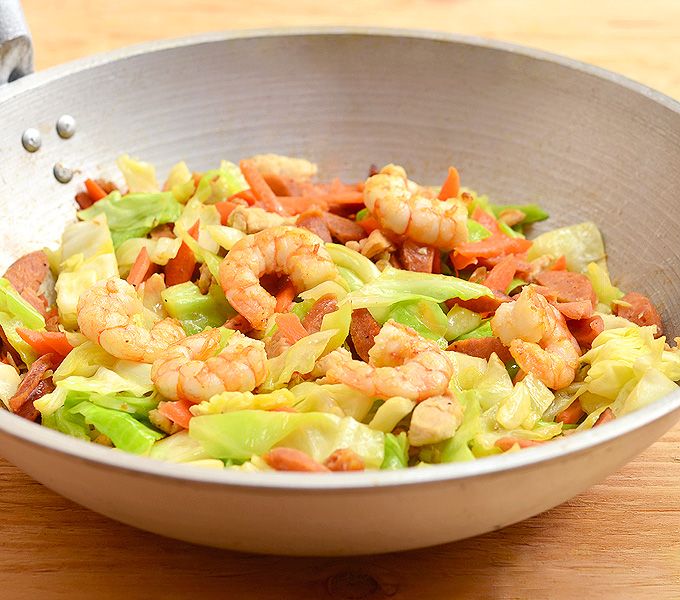
    Mastering the art of Ginisang Repolyo brings you closer to the heart of Filipino home cooking. This simple yet flavorful dish features sautéed cabbage, carrots, and savory seasonings that create a perfect balance of taste and nutrition. Whether you are a beginner or a seasoned cook, this guide will help you create an authentic meal that delights your family.

    From selecting the right ingredients to perfecting the sauté technique, every step matters. By following these proven methods, you can transform a humble vegetable dish into a restaurant-quality experience right in your kitchen.

    Key Takeaways

    • Enjoy a nutritious Filipino meal packed with vitamins, fiber, and antioxidants.
    • Learn traditional cooking methods to achieve the perfect tender-crisp texture.
    • Discover creative ways to customize your Ginisang Repolyo with different proteins and spices.
    • Understand how to serve this dish as a versatile side or main course.

    Health Benefits of Ginisang Repolyo

    Cabbage, the primary ingredient in this dish, is a nutritional powerhouse. It is low in calories but exceptionally high in vitamin C and vitamin K, making it ideal for heart health and bone strength.

    The high fiber content supports healthy digestion and helps maintain a feeling of fullness, which is beneficial for weight management. Additionally, the antioxidants present in the cabbage protect your cells from damage caused by free radicals.

    Regularly including Ginisang Repolyo in your diet boosts your immune system and promotes overall well-being. This makes it a smart choice for those looking to eat healthier without sacrificing flavor.

    Traditional Ingredients for Ginisang Repolyo

    To make authentic Ginisang Repolyo, you need fresh cabbage, carrots, and specific seasonings that define Filipino cuisine. Shrimp, pork, or chicken are common additions that add protein and depth to the dish.

    Essential seasonings include oyster sauce, fish sauce, and black pepper. These ingredients work together to create the savory umami flavor profile that Pinoy households love. Aromatics like garlic and onions are also crucial for building a flavorful base.

    Essential Repolyo Ingredients

    For a delicious and traditional result, gather your core ingredients. Cabbage provides the crunchy texture, while carrots add sweetness and color. Garlic and onions serve as the aromatic foundation.

    Ingredient Role Benefits
    Cabbage Main vegetable base Adds crunch and fiber
    Carrots Sweetener and color Balances savory notes
    Garlic Flavor foundation Adds pungency and aroma
    Oyster Sauce Seasoning agent Provides salty-sweet depth

    Cooking Repolyo Perfectly

    Success in cooking Ginisang Repolyo depends on managing heat and timing. You want the cabbage to remain tender-crisp rather than becoming mushy. Sautéing the garlic and onions first releases their essential oils, enhancing the overall aroma.

    Seasoning is key. Adding oyster sauce and fish sauce late in the cooking process preserves their distinct flavors. Finish with a sprinkle of black pepper or a dash of vinegar for brightness. Garnishing with fresh herbs or sliced chili adds a final touch of color and zest.

    Step-by-Step Guide to Cooking Ginisang Repolyo

    Follow this detailed guide to ensure your dish turns out perfectly every time.

    1. Preparation Phase:
      • Wash and chop the cabbage into bite-sized wedges or strips.
      • Peel and slice the carrots into thin rounds or julienne strips.
      • Mince garlic and onions finely to ensure even cooking.
      • Prepare your protein (shrimp, pork, or chicken) by cutting it into small pieces.
    1. Sautéing the Aromatics:
      • Heat oil in a wok or large skillet over medium-high heat.
      • Add garlic and onions, cooking until they turn fragrant and golden.
      • Stir in the protein and cook until it is browned and cooked through.
    1. Adding Vegetables:
      • Toss in the cabbage and carrots.
      • Stir-fry for 3-5 minutes until the vegetables are tender but still crisp.
      • Do not overcrowd the pan to ensure proper searing.
    1. Seasoning and Serving:
      • Stir in oyster sauce, fish sauce, and a pinch of black pepper.
      • Simmer for one minute to let the flavors meld.
      • Serve immediately with hot steamed rice.

    Variations of Ginisang Repolyo Recipe

    While the classic recipe is delicious, you can easily adapt it to suit your taste preferences. Adding different proteins changes the texture and richness of the dish. You can also adjust the spice level to match your family’s preference.

    For a heartier meal, add ground pork or diced chicken breast. Vegetarian versions can include tofu or mushrooms for extra protein. Experimenting with these ingredients keeps the dish exciting and nutritious.

    Flavor Enhancements

    Elevate your dish with these specific enhancements:

    1. Adjust the Spice Levels: Use bird’s eye chili or red pepper flakes for heat, or keep it mild for a gentle flavor.
    2. Incorporate Additional Vegetables: Add bell peppers, snow peas, or green beans for extra crunch and nutrients.
    3. Explore Different Seasonings: A splash of calamansi juice or vinegar can brighten the rich sauce.
    4. Get Creative with Garnishes: Top with fried garlic, chopped cilantro, or green onions for visual appeal.

    Cooking Techniques

    The method you use to cook the vegetables impacts the final result. Stir-frying over high heat is traditional, but you can also steam the cabbage first to ensure it is fully cooked before sautéing.

    Braising the vegetables with a bit of broth infuses them with more flavor. Alternatively, grilling the cabbage beforehand adds a smoky char that complements the savory sauces. These techniques allow you to customize the texture and taste profile.

    Tips for Perfecting Ginisang Repolyo

    To ensure your dish is perfect, pay close attention to the cooking process. Here are expert tips to help you master this Filipino staple:

    1. Control the Heat: High heat cooks the vegetables quickly, preserving the crunch. Low heat can make them soggy.
    2. Don’t Overcook: Remove the pan from heat before the cabbage is fully soft. It will continue to cook from residual heat.
    3. Season Gradually: Add sauces slowly and taste as you go to avoid making the dish too salty.
    4. Use Fresh Ingredients: Fresh cabbage and carrots make a noticeable difference in texture and flavor compared to old produce.

    Serving Suggestions for Ginisang Repolyo

    This dish is incredibly versatile and pairs well with many Filipino staples. The classic pairing is with a bowl of hot, steamed white rice, which absorbs the savory flavors of the sauce.

    It also serves as an excellent accompaniment to fried fish, grilled pork, or chicken adobo. For a complete meal, serve it alongside Pancit Bihon Guisado for a mixed vegetable and noodle feast.

    You can even use the cooked cabbage mixture as a filling for lumpiang prito or spring rolls, adding a nutritious twist to traditional appetizers. These options show how adaptable this recipe is for various meal types.

    Storage and Reheating Instructions for Ginisang Repolyo

    Leftovers are common, but proper storage ensures they remain safe and tasty. Let the dish cool completely before placing it in an airtight container to prevent condensation buildup.

    1. Store in the refrigerator for up to 3 days for short-term freshness.
    2. Freeze the dish for up to 2 months for long-term preservation.
    3. Reheat in a skillet over medium heat to restore the texture of the cabbage.
    4. Ensure the internal temperature reaches 165°F (74°C) for food safety before eating.

    Popular Pairings With Ginisang Repolyo

    Enhance your meal by pairing it with steamed white rice for a balanced dining experience. This classic combination is the backbone of many Filipino lunches and dinners.

    It also complements fried fish or grilled meat beautifully, providing a fresh contrast to the richness of the protein. Whether served as a side dish or a main course, the flavors of Ginisang Repolyo adapt well to different meal compositions.

    For a more substantial feast, consider pairing it with stir-fried noodle dishes like Pancit Bihon Guisado, where the textures and flavors complement each other perfectly.

    How Does Ginisang Repolyo Compare to Dinengdeng Na Saluyot in Filipino Cuisine?

    Both dishes are staples in Filipino cooking, yet they differ in preparation and regional roots. While Ginisang Repolyo is a simple sautéed cabbage dish, Dinengdeng na Saluyot is a vegetable stew often associated with Northern Luzon.

    Dinengdeng holds a special cultural significance of dinengdeng in that region, representing traditional cooking methods and local heritage. Understanding these differences helps you appreciate the variety within Filipino cuisine.

    Frequently Asked Questions About Ginisang Repolyo

    Here are answers to common questions to help you cook this dish with confidence.

    1. What is Ginisang Repolyo?
      It is a Filipino vegetable dish made by sautéing cabbage with carrots and seasonings like oyster sauce and fish sauce.
    2. How is it typically served?
      It is commonly served as a side dish with rice or as a main course with grilled meats.
    3. Are there variations?
      Yes, you can add shrimp, pork, chicken, or tofu, and adjust the spice level to your liking.
    4. Why is it popular?
      It is budget-friendly, quick to prepare, and packed with essential nutrients for a healthy diet.

    Is Repolyo a Cabbage?

    Yes, repolyo is simply the Tagalog word for cabbage. It is a versatile vegetable high in fiber, vitamins C and K, and antioxidants. Cooking it properly retains its crunch and nutritional value, making it a great addition to any meal.

    How Many Calories Are There in Ginisang Repolyo?

    The calorie count typically ranges from 120 to 150 calories per serving. This varies based on the amount of oil and meat used. Cabbage and carrots are low-cal, but adding shrimp or pork can increase the count slightly. Using less oil and lean meats keeps the dish lighter.

    Conclusion

    Mastering the art of cooking Ginisang Repolyo at home is a rewarding experience. With simple ingredients and a few key techniques, you can create a flavorful meal that your whole family will love.

    Experiment with different variations and serving suggestions to make this dish your own. Whether you stick to the traditional recipe or try new twists, the result is always delicious.

    Start cooking today and savor the delightful taste of this Filipino classic. Enjoy your healthy and tasty dinner!

  • Pampanga Food Guide: Best Dishes and Where to Eat

    Pampanga Food Guide: Best Dishes and Where to Eat

    You'll savor Pampanga's rich culinary heritage, starting with its iconic sisig at Aling Lucing's. Then, try the daring betute tagalog, a stuffed frog, or the savory murcon meatloaf. Don't forget the pindang damulag, a unique cured carabao meat. For a refined experience, dine at Bale Dutung. Local eateries offer equally authentic flavors, showcasing dishes built on glutinous rice, coconut milk, and the fermented buro. Each bite tells a story of Spanish influences and Kapampangan ingenuity. This is just a taste of what awaits you.

    Must-Try Pampanga Dishes

    delicious pampanga culinary delights

    Pampanga's culinary scene is a vibrant tapestry woven with centuries of tradition and innovation, offering food adventurers a captivating exploration of flavors.

    You'll find yourself captivated by sisig, the iconic chopped pork dish sizzling with chili peppers and onions, a culinary creation of Aling Lucia Cunanan. Then there's betute tagak, a daring stuffed frog, deep-fried to crispy perfection.

    For a taste of Pampanga's history, try pindang damulag, salted and dried carabao meat, often used in adobo or kare-kare. Murcon, a savory meatloaf bursting with flavors of pork, beef, and chorizo, is another must-try. Many restaurants offer a wide variety of desserts, including the popular halo-halo.

    Don't forget buro, the fermented rice dish, often served with fried hito. For a special occasion, indulge in bringhe, a turmeric-infused rice cooked in coconut milk. Many restaurants, like Aling Lucing Sisig, are known for their authentic Kapampangan dishes.

    The guava sour soup, bulanglang Kapampangan, offers a unique sweet and savory experience. If you're feeling adventurous, sample adobong kamaru, mole crickets cooked in adobo sauce.

    For a truly decadent experience, you can savor aligui, rich crab fat. Finally, end your culinary journey with tibuk-tibuk, a creamy carabao milk pudding.

    Unique Pampanga Ingredients

    A culinary adventure in Pampanga isn't just about the dishes themselves; it's about the unique ingredients that give them their distinctive character. You'll discover a world of flavors beyond the familiar. Explore the heart of Kapampangan cooking with its pantry staples, from glutinous rice forming the base of Bringhe to the rich coconut milk enhancing its creaminess. You'll encounter fermented wonders like *buro*, a savory fermented rice condiment often paired with shrimp or fish, and *pindang damulag*, thinly sliced cured carabao meat. For example, the sweet delicacy called Moche, similar to Palitaw but filled with sweet mungo or red bean paste, showcases the versatility of glutinous rice. The use of unwashed glutinous rice in Bringhe maintains its consistency, a crucial tip for achieving the perfect texture. These ingredients, along with chorizo de Bilbao, fish sauce, pickled vegetables, and an array of fruits and vegetables like guavas and mustard greens, contribute to the region's unique gastronomic identity. Each ingredient plays a vital role, creating a symphony of textures and tastes that define Pampanga's culinary heritage. You'll find that even seemingly simple dishes possess an unexpected depth.

    Category Ingredient Use
    Local & Traditional Glutinous Rice Bringhe, Moche
    Coconut Milk Bringhe, Moche (sweet sauce)
    Red Bean Paste Moche filling
    Fermented & Preserved Buro Condiment
    Pindang Damulag Kapampangan dish
    Meat & Seafood Pork Belly Sisig
    Carabao Meat Pindang Damulag
    Prawns Elaborate Bringhe versions
    Fruits & Vegetables Calamansi Sisig, various dishes

    | | Turmeric | Bringhe (flavor & color)

    Pampanga Special Dishes

    pampanga culinary delicacies showcase

    The culinary heart of Pampanga beats with a rhythm of unique flavors, offering a diverse array of special dishes sure to tantalize your taste buds.

    You'll find yourself captivated by the bold tastes and textures of Pampanga's culinary heritage. Explore the province's rich gastronomic landscape, and you'll discover a world of culinary delights.

    • You'll savor the irresistible crunch of *Sisig*, a sizzling plate of chopped pork, onions, and chili peppers. Angeles City is known as the Sisig Capital of the Philippines.
    • Indulge in the savory richness of *Murcon*, a Filipino-style meatloaf brimming with ground pork, beef, and unexpected surprises like raisins and cheese.
    • Experience the unique tang of *Buro*, fermented rice lending a distinctive sourness to your meal.
    • For the adventurous palate, there's the *Betute Tagak*, a deep-fried stuffed frog, a testament to Pampanga's daring culinary spirit.
    • Finally, discover the distinctive flavor of *Pindang Damulag*, salted and dried carabao meat, often used in flavorful adobo and kare-kare. This showcases the sustainable use of ingredients found throughout Kapampangan cuisine.

    These are only a few of the many special dishes you'll encounter in Pampanga, each telling a unique story of its own. Prepare for a feast for the senses.

    Best Pampanga Restaurants

    Many restaurants showcase Pampanga's culinary artistry, each offering a unique dining experience. You'll find traditional Kapampangan fare at Aling Lucing Sisig, famed for its original sisig, or Matam-ih, serving authentic dishes like binagoongang baboy. For a more upscale experience, choose Bale Dutung, known for its innovative Filipino cuisine, or Piccolo Padre, offering fresh seafood and elegant ambiance.

    If you crave a unique concept, try Cafe Fleur, blending Kapampangan and French flavors, or 25 Seeds, a farm-to-table restaurant with modern dishes. Many restaurants prioritize farm-to-table dining, sourcing fresh, local ingredients. The emphasis on locally sourced ingredients ensures the dishes maintain the authentic flavors of Pampanga.

    For casual dining, you can't go wrong with Mila's Tokwa't Baboy, a beloved spot for sisig and tokwa't baboy or Susie's Cuisine, perfect for merienda.

    Other notable options include Apag Marangle and Bale Capampangan, both celebrating traditional Kapampangan cooking, and Abe's Farm, a farm-to-table gem.

    Explore the diverse culinary landscape and discover your Pampanga favorites. Consider Black Pearl Aklan Oyster Bar for fresh oysters and luxury dishes, or Denlim's Kitchen, offering a 7-course degustation.

    Rainforest Kichene champions healthy eating, and Downtown Cafe provides a 50's themed dining experience with authentic Kapampangan dishes.

    Pampanga's Culinary Heritage

    pampanga s rich culinary tradition

    Blending centuries of history, geography, and ingenuity, Kapampangan cuisine isn't merely food; it's a vibrant tapestry woven from threads of tradition, resourcefulness, and cultural pride.

    You'll discover a culinary heritage shaped by Spanish influence, evident in the techniques and ingredients introduced during the colonial era. You'll find that Kapampangans were renowned cooks, serving both government and church officials. Pampangueos even prepared food for the First Philippine Republic's proclamation in 1899, showcasing their culinary prowess on a national stage. This legacy continues today. Despite its significance, this rich culinary history is under-documented in historical records.

    • Spanish friars imparted their knowledge, resulting in a fusion of Spanish, Malay, and even Mexican flavors.
    • Pampanga's fertile lands and abundant waterways provided a diverse palette of ingredients—from rice paddies to Manila Bay.
    • Resourcefulness shines through in dishes like *buro*, showcasing the use of fermented ingredients to preserve food.
    • The *sangkutsa* method, a unique marinating technique, prevents spoilage and enhances flavor.
    • Dishes tell stories of ancestral ingenuity, born from adapting to times of plenty and scarcity.

    The result is a cuisine that's both deeply rooted in history and remarkably innovative.

    You'll taste this heritage in every bite, a testament to the Kapampangans' enduring love for food and community. It's more than just sustenance; it's a cultural experience.

  • Adobo: Everything You Need to Know

    Adobo: Everything You Need to Know

    Adobo is a traditional Filipino dish that predates Spanish colonization. The name 'adobo' is derived from a food preservation method using vinegar and salt, which is suitable for the country's humid climate. This method was adopted by the Filipinos and later influenced by Spanish, Chinese, and Malay cuisines.

    Adobo is a staple dish in every region of the Philippines. Each region has its unique twist, showcasing the creativity and adaptability of the Filipino people. The core ingredients of adobo include vinegar, soy sauce, garlic, and various proteins. The combination of these ingredients creates a savory and slightly sour flavor profile that is universally loved.

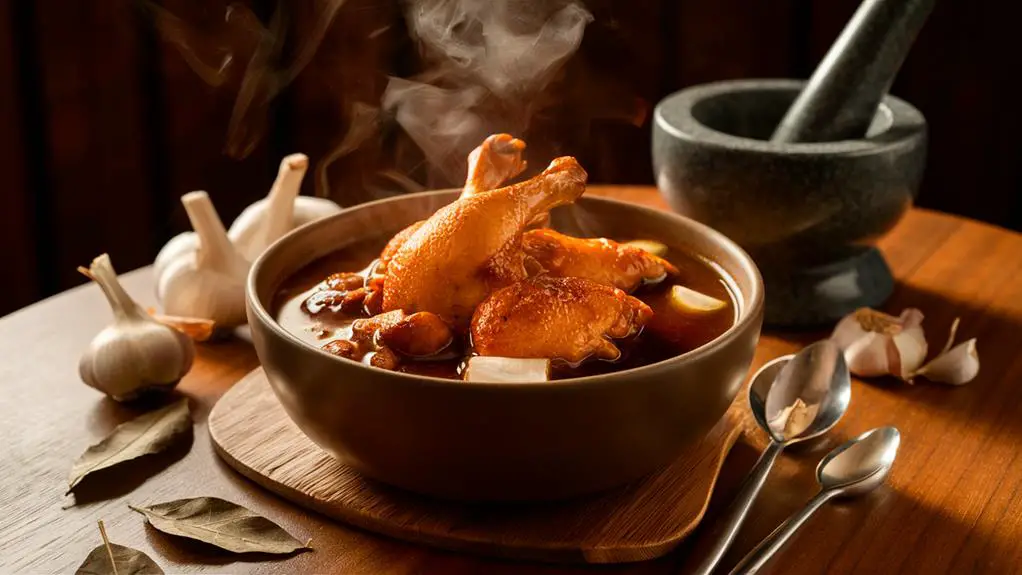
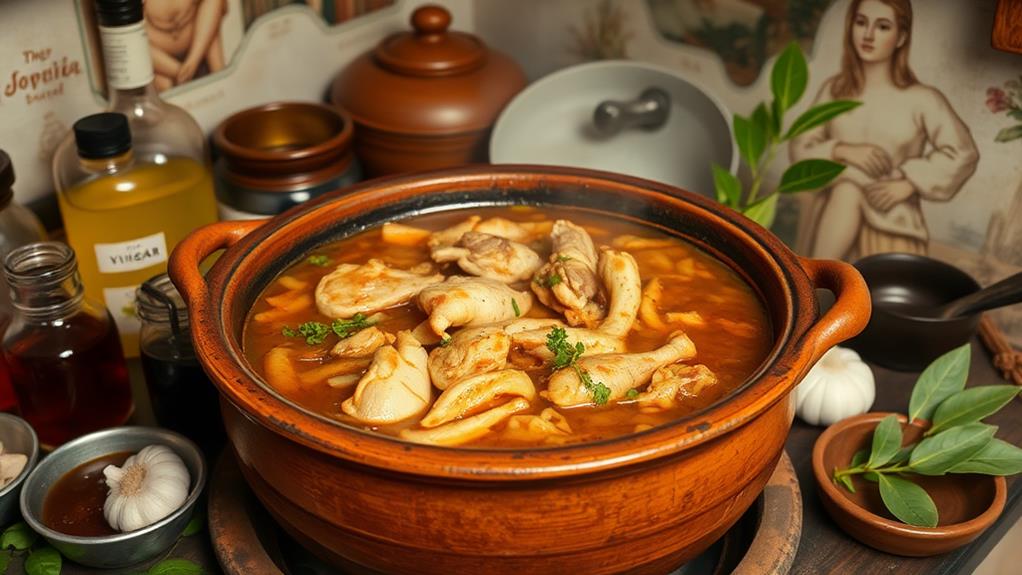
    The cultural significance of adobo can be seen in its variations. For example, chicken adobo is a classic variation made with chicken cooked in vinegar, soy sauce, garlic, and bay leaves.

    Pork adobo is another variation made with pork cooked in vinegar, soy sauce, garlic, and black pepper. These variations demonstrate the versatility of adobo and its ability to adapt to different tastes and preferences.

    Is Adobo Originally Filipino?

    adobo s culinary origins debated

    Adobo is indeed originally Filipino. The dish's cooking method, which involves using vinegar and salt to cook and preserve food, predates Spanish colonization. This technique, used by early Filipinos, dates back centuries and was a means of preservation due to the acidic nature of vinegar preventing bacterial growth in the hot and humid Philippine climate.

    The core ingredients and cooking techniques of adobo remain rooted in the country's pre-colonial past. Over time, soy sauce was introduced by Chinese traders, and regional variations developed across the Philippines, reflecting local preferences and available ingredients.

    These variations, such as the use of different types of vinegar or the addition of coconut milk, demonstrate the adaptability and creativity of Filipino cooks.

    Understanding the history of adobo highlights its cultural significance and showcases the resourcefulness of Filipino cooks in preserving their culinary traditions.

    How Do You Describe Adobo?

    The Unique Flavor Profile of Adobo

    Adobo's flavor profile is primarily defined by vinegar, soy sauce, black peppercorns, and bay leaves. These ingredients create a savory and slightly sour taste experience that distinguishes Filipino adobo from its Spanish and Latin American counterparts.

    The Role of Vinegar in Adobo

    The use of vinegar in adobo serves as a preservation method, adapted by early Filipinos to prevent bacterial growth in the tropical climate.

    Vinegar's acidity helps to prevent spoilage, allowing for longer storage and consumption of food.

    Regional Variations and Cultural Significance

    Adobo's cultural significance is reflected in its regional variations and ingredient adaptations.

    Different regions in the Philippines use local ingredients and preferences, resulting in unique versions of adobo that showcase the country's resilience and creativity.

    Why Is Adobo the Philippines National Dish?

    adobo philippines national dish

    Adobo is widely regarded as the Philippines' national dish due to its profound cultural significance, versatility, and widespread popularity. This distinction is largely attributed to three main factors.

    Historical influences played a significant role in adobo's status. The cooking method of preserving meat in vinegar and salt, which is indigenous to the Philippines, predates Spanish colonization. This shows that the dish has its roots in pre-colonial times.

    Regional variations also contribute to adobo's national dish status. The dish's versatility allows for different regional variations, making it a staple in Filipino cuisine that's both unique and diverse in its interpretations.

    The dish's adaptability and flavor combinations have made it a favorite. Adobo's complex balance of salty, sour, and aromatic flavors, along with its adaptability to various ingredients, has made it a favorite among Filipinos and foreigners alike.

    For example, different regions in the Philippines have their own unique versions of adobo, such as Batangas-style adobo with pineapple or Cebu-style adobo with bay leaves.

    Do Mexicans Use Adobo?

    Mexicans use adobo in their cooking traditions. Adobo is a versatile sauce or marinade that adds depth to various dishes. To make Mexican adobo, you'll typically need ingredients like dried chilies, vinegar, garlic, spices, and sometimes tomato paste.

    Mexican adobo has multiple uses in cooking. It's often employed as a marinade for meats, poultry, and fish. Adobo is also used as a flavoring for soups, stews, and rice dishes. Additionally, it makes a great sauce for dishes like enchiladas and tacos.

    The flavor profile of adobo is smoky, slightly sweet, and spicy. This unique flavor comes from the combination of dried chilies, vinegar, garlic, and spices. The rich flavor of adobo pairs well with various ingredients, such as grilled meats, roasted vegetables, and warm tortillas.

    Mexican adobo is a result of cultural fusion. The blend of traditional Spanish spices with indigenous Mexican ingredients has resulted in a unique adobo that's deeply rooted in Mexican cuisine.

    Understanding the history of adobo in Mexico reveals this cultural fusion.

    What Is the Philippines' National Dish?

    sinigang sour stew delight

    The Philippines doesn't have an officially designated national dish, but several popular contenders are widely considered to represent Filipino cuisine.

    Adobo is often referred to as the unofficial national dish of the Philippines. Its flavor profile is characterized by a balance of salty, sour, and sweet notes. This versatile dish is a staple in many Filipino households and is often served with steamed rice.

    Sinigang is another top contender for the national dish title. This sour soup is known for its tangy broth and variety of proteins and vegetables. Regional variations of Sinigang use different souring agents, such as tamarind, guava, or mango, which reflect the country's diverse flavor profiles.

    Lechon is a staple at many Filipino celebrations and feasts. A whole roasted pig, Lechon is a beloved dish across the country, known for its crispy skin and flavorful meat. Its popularity spans across different regions, making it a strong contender for the national dish title.

    These dishes highlight the Philippines' complex culinary landscape, with each region boasting its own unique flavors and specialties.

    Is Adobo Healthy?

    Chicken adobo can be a part of a balanced diet when prepared with healthier ingredients and techniques. Traditional recipes often contain high amounts of sodium and saturated fat, primarily due to soy sauce and skin-on chicken thighs.

    To reduce sodium content, using low-sodium soy sauce is a healthier alternative. For lower saturated fat, opting for skinless chicken breast instead of thighs is recommended.

    Incorporating brown rice instead of white rice adds fiber to your meal. Apple cider vinegar, which may have additional health benefits, can be used as a substitute for regular vinegar.

    By making these simple substitutions, you can enjoy the nutritional benefits of chicken adobo, including high-quality protein, essential vitamins, and minerals.

    Maintaining mindful portion sizes and using healthier ingredients is key to savoring this flavorful dish while maintaining a balanced diet.

    Is Adobo a Filipino Chinese or Spanish Dish?

    filipino dish with chinese

    The name "adobo" may suggest a strong Spanish connection, but its cultural heritage is more complex. The term "adobo" comes from the Spanish word "adobar," meaning "to marinate." However, the core cooking method of adobo is indigenous to the Philippines.

    Filipino adobo has been shaped by various cultural influences over centuries, including Chinese trade. Soy sauce was likely introduced to many Filipino adobo recipes through Chinese trade. The dish's evolution reflects the country's unique cultural fusion.

    Three key aspects set Filipino adobo apart from its Spanish and Chinese counterparts.

    Filipino adobo relies on native ingredients like vinegar, garlic, and black peppercorns, which pre-date Spanish colonization. This differentiates it from Spanish versions, which may include ingredients introduced by Spanish colonizers.

    Filipino adobo has a distinct salty, sour, and often sweet taste. This flavor profile is unlike the spicier versions found in Spanish cuisine.

    Filipino adobo exists in countless regional variations across the Philippines. These variations reflect regional ingredients and family traditions, showcasing the dish's adaptability and diversity.

    Is Mexican Adobo the Same as Filipino?

    Mexican Adobo and Filipino Adobo are Not the Same

    Although both Mexican and Filipino cuisines have a dish called "adobo," they're two distinct culinary preparations. The main difference lies in their ingredients, preparation methods, and cultural contexts.

    Mexican adobo is primarily a sauce or marinade made from dried chilies, spices, and vinegar. This is used to marinate meats before grilling, giving them a rich and spicy flavor.

    In contrast, Filipino adobo is a complete dish that consists of meat, seafood, or vegetables marinated and then cooked in a mixture of soy sauce, vinegar, garlic, and other seasonings.

    The history and influences of both cuisines play a significant role in shaping their adobo variations. Mexican adobo is a fusion of Spanish and indigenous influences, while Filipino adobo is considered an indigenous cooking method that predates Spanish colonization.

    As a result, the adobo techniques used in both cuisines differ. Mexican adobo is often used as a marinade, while Filipino adobo involves simmering the ingredients until the meat is tender.

    Despite these differences, both Mexican and Filipino adobo share some common elements, including the use of vinegar and garlic as key ingredients.

    What Is Adobo Served With?

    adobo side dish options

    Adobo is traditionally served with accompaniments to balance out its rich flavors. Steamed white rice is the most essential side dish for adobo, as it helps to soak up the flavorful sauce and balance out the strong flavors.

    Vegetables are also common accompaniments to adobo. Green beans or string beans pair well with adobo, adding a burst of freshness to the dish. These vegetables can be served steamed or sautéed, depending on personal preference.

    A simple cucumber salad can provide a nice contrast to the rich flavors of adobo. A cucumber salad made with thinly sliced cucumbers, onions, and a citrus dressing is a popular accompaniment.

    This side dish helps to cut the richness of the adobo, creating a well-rounded meal.

    Who Invented Adobo?

    The origins of adobo can't be attributed to a single person. This traditional Filipino cooking method is a result of centuries-long evolution. Early Filipino natives developed the cooking technique to preserve food in the hot, humid climate. They used vinegar and salt to marinate meat, a crucial preservation technique for survival in tropical conditions.

    The introduction of soy sauce by Chinese traders marked a significant turning point in the evolution of adobo. As Chinese traders visited the Philippines, they introduced soy sauce, which was gradually incorporated into the existing vinegar-based cooking method. This addition contributed to the development of the adobo dish as we know it today.

    The term "adobo" was applied by Spanish colonizers. The Spanish recognized the similarities between this cooking method and their own dishes, leading to the adoption of the term "adobo."

    Over time, adobo has evolved into numerous regional and family variations across the Philippines, reflecting the country's diverse culinary heritage and cultural influences.

    Key variations of adobo showcase its adaptability. These variations demonstrate the adaptability of adobo's core cooking techniques, which have been shaped by various regional ingredients and preferences.

    Where Is Adobo Most Popular?

    adobo s popularity in philippines

    Adobo is most popular in the Philippines.

    The dish is a staple in every region, with each having its unique twist on adobo.

    The Philippines' adaptability and cultural identity contribute to adobo's widespread popularity.

    Three key aspects of adobo's popularity in the Philippines are:

    1. Regional variations exist, with examples including Batangas' "adobong dilaw" (yellow adobo), Cavite's version with mashed pork liver, and the Bicol region's "adobo sa gata" (coconut milk adobo). These variations demonstrate the dish's rich history and the creativity of Filipino cooks.
    2. Common ingredients in adobo include protein (chicken, pork, or a combination of both), vinegar, soy sauce, garlic, and bay leaves. These ingredients are staples in Filipino cuisine.
    3. Adobo often represents the country's history, culture, and traditions. It's often served with steamed rice and is a staple in Filipino cuisine.

    What Is More Popular, Adobo or Sinigang?

    Adobo is Slightly More Popular Than Sinigang in the Philippines.

    Adobo and sinigang are two of the Philippines' most iconic dishes, boasting a rich culinary history. Both have become staples in Filipino cuisine, but their popularity varies.

    Adobo's global recognition and adaptability give it a slight edge in popularity. This dish is widely recognized internationally and within the Philippines, with a distinct flavor profile that works well with various protein options. For example, adobo can be made with chicken, pork, beef, or seafood, making it a versatile dish.

    Sinigang, on the other hand, is extremely popular within the Philippines, especially during rainy seasons. This dish has a unique sour soup base and regional variations, which contribute to its loyal following. While sinigang isn't as globally recognized as adobo, it remains a close second in terms of popularity in the Philippines.

    Regional differences and personal preferences play a significant role in determining the popularity of these dishes. However, adobo's flavor profile is more accessible to international palates, contributing to its slightly higher popularity.

    What Culture Is Adobo From?

    filipino culinary tradition

    Adobo originates from Filipino cuisine. This dish's cultural significance and widespread popularity in the Philippines predate Spanish colonization. Three key aspects define adobo's cultural origins and significance in the Philippines.

    Adobo's cooking method is indigenous to the Philippines. This method uses vinegar and salt to preserve and flavor meat, which is essential in the tropical climate. For example, Filipinos traditionally cooked meat using a combination of vinegar, salt, and other local ingredients to create a flavorful and preserved dish.

    Chinese traders later introduced soy sauce, which was incorporated into some adobo recipes, adding a new dimension to the dish. This influence can be seen in many Filipino adobo variations that include soy sauce as a key ingredient.

    The name "adobo" comes from the Spanish word for marinade, which was given by Spanish colonizers in the 16th century. They observed the native cooking method and named it after a similar Spanish dish.

    Filipino adobo has a distinct flavor profile and ingredients, setting it apart from other adobo variations. The dish's cultural significance extends beyond its preservation and ingredients, with countless regional and family variations of adobo across the Philippines.

    What Is the National Dish of Adobo?

    The Philippines' Unofficial National Dish is Adobo.

    Adobo is widely regarded as the national dish of the Philippines due to its widespread accessibility of ingredients across the country, versatility in preparation and ingredients, and long shelf life. This dish is characterized by slow-cooking meat, seafood, or vegetables in a mixture of vinegar, soy sauce, garlic, and spices, resulting in a distinct flavor profile.

    Adobo's adaptability is showcased in regional variations such as Adobo sa Gata, Adobong Puti, and Adobong Dilaw, which incorporate local ingredients. For example, Adobo sa Gata uses coconut milk, a common ingredient in southern Philippines. These variations highlight the dish's ability to adapt to different regional tastes and ingredients.

    Historical influences from Spanish colonization and Chinese traders have shaped the evolution of adobo. The use of soy sauce, for instance, is a result of Chinese traders who arrived in the Philippines. This blend of cultural influences has contributed to adobo's unique flavor profile and its significance in Filipino cuisine and culture.

    Adobo's cultural variations, cooking techniques, regional ingredients, and historical influences all contribute to its importance in the Philippines. The dish's versatility, accessibility, and distinct flavor profile have cemented its status as a staple in Filipino cuisine and culture.

    What Is an Interesting Fact About Adobo?

    adobo s rich cultural heritage

    One interesting fact about adobo is its origins as a food preservation method in the Philippines. The combination of vinegar and salt in the adobo marinade created an acidic environment that inhibited bacterial growth, allowing the meat to be stored for longer periods without spoiling.

    Adobo's origins as a preservation technique have had a lasting impact on the dish's cultural significance. This practical origin led to adobo becoming a widespread and popular dish throughout the Philippines.

    Three key aspects of adobo have been influenced by its preservation methods.

    1. Regional variations have developed unique takes on adobo, often incorporating local ingredients and cooking techniques. For example, the Bicol region in the Philippines is known for its use of coconut milk in adobo recipes.
    2. Preservation methods continue to influence adobo preparation, with many recipes still relying on vinegar and salt to extend the dish's shelf life. This is especially true in areas where refrigeration isn't widely available.
    3. The flavor profile of adobo has been shaped by its preservation methods, with the combination of vinegar, soy sauce, and other spices creating a distinctive flavor profile synonymous with Filipino cuisine.

    What Is the Disadvantage of Adobo?

    The Disadvantages of Adobo

    Adobo, a popular Filipino dish, has some significant health drawbacks.

    One major disadvantage of adobo is its high sodium content. This is mainly due to the use of soy sauce and salt in traditional recipes. Consuming excessive sodium can contribute to high blood pressure and cardiovascular issues.

    Unhealthy cooking methods can also be a disadvantage of adobo. Frying, a common method used to cook adobo, adds unhealthy fats and extra calories. This can lead to weight gain and other health problems.

    Another concern with adobo is nutrient loss. The boiling process used to cook the dish can result in a loss of water-soluble vitamins and minerals. These essential nutrients are vital for maintaining good health.

    Traditional adobo recipes often focus on meat and have limited vegetable content. This can make the dish unbalanced and less nutritious. To make adobo healthier, it's essential to incorporate a variety of vegetables.

    Health Concerns Description
    High Sodium Content Excessive sodium intake from soy sauce and salt
    Unhealthy Cooking Methods Frying adds unhealthy fats and extra calories
    Nutrient Loss Boiling process leads to loss of water-soluble vitamins and minerals
    Limited Vegetable Content Traditional recipes focus on meat with minimal vegetables

    What Makes Adobo Good?

    flavorful savory comforting dish

    The combination of balanced flavor profile, cooking techniques, and high-quality ingredients makes adobo a beloved Filipino dish.

    1. The perfect harmony of vinegar and soy sauce creates a balanced flavor profile. This balance comes from the tangy note of vinegar, which is offset by the depth and umami of soy sauce.

    For example, a common ratio of vinegar to soy sauce is 1:1, but this can be adjusted to suit individual tastes. Vinegar adds a bright, tangy note, while soy sauce adds a deeper flavor and umami.

    2. Slow-cooking or braising the meat allows the flavors to meld and the meat to become tender. Initially searing the meat develops a deeper flavor and better texture.

    This technique is crucial, as it helps to break down the connective tissues in the meat, making it tender and juicy.

    3. Using fresh garlic, whole peppercorns, and good quality vinegar and soy sauce elevates the dish. Fresh ingredients ensure the best flavor and aroma.

    For example, using fresh garlic instead of garlic powder adds a pungency and depth to the dish. Similarly, using whole peppercorns instead of ground pepper adds a more nuanced flavor.

    What Is the English of Adobo?

    The English meaning of "adobo" refers to a complex culinary concept with multiple uses.

    The term "adobo" has multiple meanings, primarily referring to a popular Filipino dish, a cooking method, and various other culinary uses. In the context of the Filipino dish, adobo consists of marinated and simmered meat, seafood, or vegetables in a sauce containing vinegar, soy sauce, garlic, black peppercorns, and bay leaves. This dish is often considered the unofficial national dish of the Philippines.

    In a broader sense, adobo refers to a cooking process that involves browning ingredients in oil, followed by marinating and simmering in vinegar, salt or soy sauce, and garlic. For example, in Filipino cuisine, adobo is typically made by browning meat or seafood, then simmering it in a mixture of vinegar, soy sauce, garlic, and spices.

    In contrast, Latin American adobo refers to a spicy marinade, while Spanish adobo can refer to a marinade, sauce, or seasoning. Understanding these nuances is crucial to appreciating the rich history and cultural traditions behind this complex culinary concept.

    Why Do Filipinos Eat Adobo?

    cultural significance of adobo

    Filipinos' affinity for adobo stems from its multifaceted significance in their culture and daily lives. Adobo plays a crucial role in shaping their culinary identity due to its practical benefits, rich flavors, and cultural significance.

    The practicality of adobo makes it a staple in Filipino cuisine. The use of vinegar and salt in adobo allows for food preservation, making it ideal for areas without reliable cold storage. For example, in rural areas where refrigeration is scarce, adobo's preservation qualities ensure a steady food supply.

    Additionally, adobo's versatility accommodates various proteins and ingredients, making it an ideal dish for households with diverse tastes and dietary needs.

    The flavor profile of adobo is another key reason for its popularity. The combination of vinegar, soy sauce, garlic, and black pepper creates a tangy, savory taste that's both complex and balanced.

    Regional variations of adobo add a rich layer of diversity to the dish, with different provinces and islands offering unique twists on the classic recipe. For instance, in the Visayas region, adobo is often cooked with coconut milk and spices, giving it a distinct flavor.

    The cultural significance of adobo is deeply rooted in Filipino tradition. Adobo traditions and variations have been passed down through generations, with each recipe telling a story of its own.

    Whether it's a family gathering or a casual meal, adobo cooking is always at the heart of Filipino cuisine. In many households, adobo is a staple dish cooked for special occasions and everyday meals alike, fostering a sense of community and shared identity among Filipinos.

    What Is Adobo as a Filipino Identity?

    Adobo is an integral part of Filipino identity, extending far beyond being just a dish. Its history dates back to pre-colonial times in the Philippines, where indigenous Filipinos practiced stewing meat in vinegar to preserve food in the tropical climate. This cooking method was a crucial adaptation to the local environment and showcases the resourcefulness of early Filipinos.

    The dish's versatility and regional variations reflect the diversity of Filipino culture. Adobo can be made with different proteins, such as chicken or pork, and even vegetables, depending on local tastes and available resources.

    For example, in the northern region of the Philippines, Adobo is often made with bagoong, a type of fermented fish sauce, while in the southern region, it's commonly made with coconut milk. These variations demonstrate the adaptability and creativity of Filipino cuisine.

    Adobo embodies the nation's history, diversity, and culinary heritage. Its significance extends beyond being a simple dish, representing the shared experiences and memories of Filipinos across different regions and backgrounds.

    Adobo is a powerful symbol of Filipino identity, reflecting the nation's values of resilience, adaptability, and community.

    How Should Adobo Taste?

    savory tangy flavorful balance

    A good Adobo should have a harmonious balance of savory, tangy, and slightly sweet flavors. This balance is achieved through a combination of three key elements: savory and umami, tangy and sour, and subtle sweetness.

    Savory and umami flavors in Adobo come from ingredients like soy sauce and garlic. Soy sauce provides a rich umami flavor, while garlic adds a pungent, savory undertone.

    The tangy and sour flavors in Adobo are primarily provided by vinegar, which can be white, rice, or cane vinegar. Vinegar adds a prominent tangy note that cuts through the richness.

    A hint of sweetness, often from brown sugar or other ingredients, balances the sour and salty flavors in Adobo. This subtle sweetness is essential to achieve the desired flavor balance.

    Regional adaptations, ingredient substitutions, and personal variations can affect the flavor balance of Adobo. However, a good balance of flavors and tender, juicy chicken are essential for an authentic and delicious Adobo dish.

    What Makes Adobo Special?

    Adobo is a quintessential Filipino dish with a unique flavor profile. This flavor profile is the result of a harmonious blend of tangy, salty, savory, and subtly sweet flavors, which creates a complex taste that surpasses the sum of its individual components.

    For instance, the combination of vinegar, soy sauce, and garlic gives Adobo its distinctive flavor.

    Adobo's versatility is a key factor in its special status. Its versatility allows for experimentation with various ingredients, such as different meats (chicken, pork, or beef), seafood (shrimp or fish), or vegetables (bell peppers or tomatoes).

    Regional variations also showcase the diversity of Filipino cuisine, offering unique takes on the traditional recipe, like the use of coconut milk or different spices.

    The cultural significance of Adobo is profound. It's often considered the unofficial national dish of the Philippines, reflecting the country's rich culinary heritage.

    Adobo's cooking techniques, including braising and marination, result in tender, flavorful meat. Additionally, preservation methods, such as using vinegar and salt, naturally inhibit bacterial growth, making it ideal for travel or storage.

    Why Is It Called Adobo?

    origin of adobo name

    The term "Adobo" was applied to this Filipino dish by Spanish colonizers in the late 16th century. The Spanish word "adobar" means "to marinate" or "pickling sauce," which refers to the method of cooking meat or vegetables in vinegar and spices. This term stuck due to its superficial similarity to Spanish marinades.

    The name "Adobo" represents the cultural exchange between the Spanish colonizers and the indigenous Filipino people. This cultural exchange occurred when the Spanish colonizers arrived in the Philippines and discovered the indigenous cooking method of marinating and stewing ingredients in vinegar, soy sauce, garlic, and spices.

    Despite the Spanish name, the cooking method for Adobo is indigenous to the Philippines and predates Spanish colonization.

    The term "Adobo" refers to a specific cooking process that involves marinating and stewing ingredients in vinegar, soy sauce, garlic, and spices. This process is distinct from Spanish adobo variations. For example, Filipino Adobo typically uses vinegar, soy sauce, garlic, and bay leaves to marinate and stew meat or vegetables, while Spanish adobo uses olive oil, vinegar, and spices.

    The name "Adobo" has become synonymous with the unique flavor profiles that characterize this Filipino dish. These flavor profiles are distinct from Spanish adobo variations and are a result of the combination of ingredients and cooking techniques used in Filipino Adobo.

    The name "Adobo" has become an integral part of Filipino cuisine and identity, despite its Spanish origins.

    How Many Types of Adobo Are There?

    There are numerous types of adobo, with variations in ingredients, cooking methods, and flavor profiles.

    Filipino cuisine offers diverse adobo variations, making it challenging to provide an exact number of types. However, adobo can be broadly categorized into several groups.

    Meat-based adobo variants include Adobong Manok (chicken adobo) and Adobong Baboy (pork adobo).

    Seafood adobo options include Adobong Pusit (squid adobo) and Adobong Hipon (shrimp adobo).

    Vegetable and legume adobo variations also exist, such as Adobong Kangkong (water spinach adobo) and Adobong Talong (eggplant adobo). These variations showcase adobo's adaptability to different ingredients.

    Regional specialty variations are another aspect of adobo's diversity.

    Examples include Adobong Puti (white adobo) and Adobong Dilaw (yellow adobo), highlighting the cultural significance of adobo in different parts of the Philippines.

    Each region and household in the Philippines has its own preferred adobo version, contributing to the dish's enduring popularity in Filipino cuisine.

    What Flavor Is Filipino Adobo?

    savory tangy umami rich

    Filipino adobo is a unique blend of salty, sour, and umami flavors. This classic Filipino dish has a long history, with various variations emerging over time. At its core, the flavor profile of adobo consists of three primary flavors: salty, sour, and umami.

    The primary flavors in Filipino adobo come from soy sauce and vinegar, which provide a salty and sour taste, respectively. These core flavors are complemented by secondary flavors such as garlic, adding a pungent and aromatic taste; black pepper, providing a subtle heat and spiciness; and bay leaves, contributing a mild and herbal note.

    The cooking process also plays a crucial role in shaping the flavor profile of adobo. The slow cooking process enhances the umami taste, while the addition of coconut milk or sugar adds a touch of creaminess and sweetness.

    A well-balanced adobo dish presents a harmonious blend of salty, sour, savory, and slightly sweet notes.
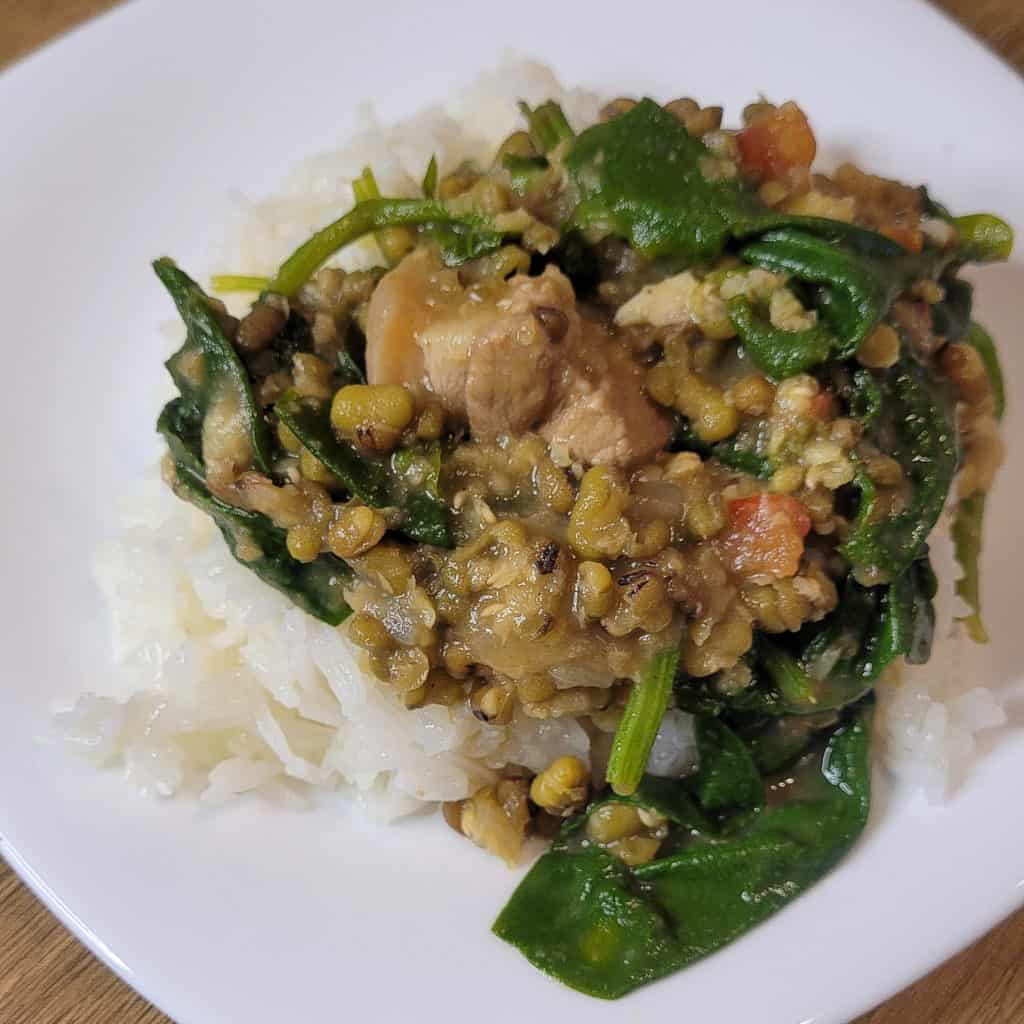
  • 10 Steps for Delicious Chicken Pancit Bihon at Home

    10 Steps for Delicious Chicken Pancit Bihon at Home

    Choose the Right Noodles

    To make authentic Chicken Pancit Bihon, you need to start with the correct type of noodles. Bihon noodles made from rice flour and water provide a lighter texture compared to egg noodles. Soak them in warm water for 30 minutes to achieve tenderness.

    Prepare the Chicken

    To prepare the chicken, boil it in water, then shred and season it with salt, pepper, and soy sauce.

    Create a Flavorful Base

    Sauté aromatics like garlic and onions to create a flavorful base.

    Then, cook the chicken and vegetables, adding soy sauce and reserved cooking water for added flavor.

    Choose the Right Noodles

    select appropriate pasta type

    Choosing the Right Noodles for Chicken Pancit Bihon

    Selecting bihon noodles is crucial for making authentic Chicken Pancit Bihon. These thin rice vermicelli, made from rice flour and water, are known for their slippery texture and ability to absorb flavors well.

    To prepare bihon noodles, soak them in warm water for about 30 minutes to soften them, ensuring they'll be tender and easy to stir-fry.

    Bihon noodles provide a lighter texture compared to Pancit Canton, which uses egg noodles, making them ideal for those who prefer a less chewy noodle.

    You can find bihon noodles at Asian markets or in the international aisle of grocery stores, where they're often sold in dried form, packaged for convenience.

    When selecting noodles, check for freshness and avoid packages with broken or discolored noodles to ensure the best quality for your Pancit Bihon dish.

    Prepare the Chicken

    Prepare the Chicken

    To prepare the chicken for Chicken Pancit Bihon, start by boiling 6 cups of water in a pot.

    Add chicken leg quarters or breast slices to the pot and cook for about 30 minutes until they're fully cooked and tender. If using frozen chicken, thaw it completely before boiling to achieve even cooking and tender meat texture.

    Cool and Shred the Chicken

    Once the chicken is boiled, remove it from the pot and let it cool.

    Reserve the cooking water, as it serves as a flavorful chicken stock for the dish.

    Shred the cooled chicken into bite-sized pieces using two forks or your hands, ensuring to remove any skin or bones in the process.

    Season the Shredded Chicken

    For enhanced flavor, season the shredded chicken with a pinch of salt, pepper, and a drizzle of soy sauce before incorporating it into the pancit.

    Soak the Bihon Noodles

    soak bihon noodles properly

    Soaking Bihon Noodles is Crucial for Perfect Texture

    To achieve the right texture in Chicken Pancit Bihon, soak bihon noodles in warm water for approximately 30 minutes. This allows the thin rice noodles to become soft and pliable.

    Avoid using boiling water, as it can make the noodles mushy.

    Alternatively, soak the noodles in cold water for at least 1 hour to achieve the desired texture.

    After soaking, drain the noodles thoroughly to remove excess water before adding them to the stir-fry. This step is crucial, as any remaining water can affect the overall consistency of the dish.

    Proper soaking enables the noodles to absorb flavors during cooking, which is essential for a delicious Chicken Pancit Bihon.

    The key to achieving the perfect texture lies in the soaking process.

    Sauté the Aromatics

    Heat two tablespoons of oil in a wok or large skillet over medium heat to ensure even cooking of the aromatics.

    Add the minced garlic and chopped onions to the pan. Sauté them for 2-3 minutes until they become fragrant and the onions turn translucent.

    Stir continuously to prevent the garlic from burning, which can impart a bitter taste to the dish. This sautéing process enhances the overall flavor and serves as the flavor base for the subsequent ingredients added to the pancit.

    Properly sautéed aromatics lay the groundwork for a delicious Chicken Pancit Bihon, providing depth and richness to the final dish.

    This step is crucial in building the flavor profile of your dish, so take your time and don't rush it.

    Cook the Chicken and Vegetables

    prepare chicken and veggies

    Cook the Chicken

    To create a flavorful broth for Chicken Pancit Bihon, cook 6 cups of water with chicken for 30 minutes, or until it's fully cooked. This step is crucial in achieving a rich and savory dish.

    Once cooked, shred the chicken and reserve the cooking water for later use as stock to enhance the dish's flavor.

    Prepare the Noodles and Vegetables

    While the chicken is boiling, soak the bihon noodles in water for 10-30 minutes until they're tender but not overly soft.

    In a separate pan, sauté garlic and onion in oil until fragrant, then add the shredded chicken and cook until heated through.

    Next, add julienned vegetables, such as carrots and shredded cabbage, and stir-fry them briefly until they're tender but still crisp, maintaining their vibrant color. This step adds texture and flavor to the dish.

    Add Soy Sauce and Noodles

    Combine Soy Sauce and Noodles

    With your chicken and vegetables cooked, it's time to add the soy sauce and noodles to the dish. This step brings all the flavors together and creates a savory pancit bihon recipe.

    Add Soy Sauce and Seasonings

    Mix in 5 tablespoons of soy sauce and any additional seasonings, such as oyster sauce, to enhance the flavor profile of the dish.

    Add and Distribute Noodles

    Drain the soaked bihon noodles and add them to the wok, ensuring they're evenly distributed among the meat and vegetables for consistent flavor.

    Toss and Combine Ingredients

    Toss the noodles gently to combine all ingredients, allowing them to absorb the soy sauce and other seasonings as they cook together.

    Stir-Fry and Heat Through

    Stir-fry over medium-high heat for about 3-5 minutes until the noodles are heated through and have absorbed the sauce, being careful not to overcook them to maintain their texture.

    As you stir-fry, the aromas of soy sauce, chicken, and vegetables will meld together, creating a rich and savory flavor profile.

    The noodles will absorb the sauce, and the dish will start to come together.

    Mix and Cook Thoroughly

    combine ingredients and heat

    To achieve a harmonious balance of flavors and textures, mix and cook the ingredients thoroughly.

    Start by ensuring the soaked bihon noodles are drained well to prevent excess moisture from making the dish soggy. Then, mix the cooked chicken with sautéed garlic and onions to infuse the flavors. This step allows the chicken to absorb the flavors of the garlic and onions, creating a rich and savory taste.

    Add vegetables in stages to achieve optimal texture and flavor balance.

    Add the vegetables, such as carrots and cabbage, to the pan in stages, allowing each type to cook down slightly before adding the next. This ensures that each vegetable is cooked to the right texture and flavor.

    Coat the noodles evenly with the combined sauces.

    Pour the combined sauces (soy sauce and oyster sauce) evenly over the noodles and stir-fry at medium heat, ensuring the noodles are thoroughly coated and heated through. This step distributes the flavors of the sauces evenly throughout the dish.

    Toss everything together to ensure flavors are evenly distributed.

    Toss everything together vigorously in the pan for about 3-5 minutes, allowing the noodles to absorb the flavors and ensuring all ingredients are evenly distributed throughout the dish. This crucial step results in a dish with optimal texture and flavors that are evenly distributed.

    Season to Taste

    Achieving Balance in Flavor

    Seasoning Guidelines for Chicken Pancit Bihon

    To perfect the flavor of Chicken Pancit Bihon, it's crucial to balance the seasoning.

    The goal is to harmonize flavors without overpowering the dish.

    Soy Sauce: Gradual Addition

    Add soy sauce gradually during cooking, tasting frequently to achieve the desired saltiness.

    Oyster Sauce: Balancing Sweetness and Depth

    Incorporate oyster sauce to add a hint of sweetness and depth, balancing the savory flavor of soy sauce.

    Black Pepper: Enhancing the Taste

    Use freshly ground black pepper to enhance the overall taste, providing a subtle kick without overwhelming other flavors.

    Calamansi or Lemon Juice: Bright Finishing Touch

    Consider adding a splash of calamansi or lemon juice at the end for a bright, zesty finish that complements the richness of the dish.

    Chicken Bouillon Powder: Intensifying Flavor

    Experiment with chicken bouillon powder to intensify the flavor, but use it sparingly to avoid making the dish too salty.

    Serve and Enjoy

    serve with delight

    Serve and Enjoy

    Once you've achieved the perfect balance of flavors, it's time to serve your Chicken Pancit Bihon.

    Serve it hot, garnished with chopped green onions and lime or calamansi wedges for a refreshing contrast. Pair it with traditional sides like lumpiang shanghai (spring rolls) to create a well-rounded meal experience.

    For added flavor, provide extra soy sauce or chili sauce on the side for those who enjoy a bit of spice.

    Present the dish in a large, colorful serving platter to enhance its visual appeal, especially at gatherings and celebrations.

    Remember that leftovers can be refrigerated in an airtight container and are best consumed within 2-3 days. When reheating, do so gently to maintain the dish's texture.

    What Are the Essential Steps for Making Delicious Chicken Pancit Bihon at Home?

    If you’re craving a delicious and easy-to-make Filipino dish, try this quick chicken pancit bihon recipe. Start by sautéing the chicken and vegetables, then add the bihon noodles and broth. Stir in soy sauce and seasonings, and garnish with green onions and calamansi. Enjoy the authentic flavors in every bite.

    Store Leftovers Safely

    Store Leftovers Safely

    To prevent foodborne illness and maintain the quality of your leftovers, follow these steps:

    Cool to Room Temperature

    Allow the dish to cool down to room temperature before sealing it in an airtight container. This prevents condensation, which can lead to sogginess.

    Refrigerate

    Store the leftovers in an airtight container in the refrigerator, where they can last for up to 2-3 days.

    Freeze

    For longer storage, consider freezing the leftovers in a freezer-safe container, where they can last for up to 2 months without significant loss of flavor or texture.

    Reheat Safely

    When reheating, use a microwave covered with a damp towel to retain moisture, or reheat gently on the stovetop over low heat to prevent overcooking the noodles.

    Check for Spoilage

    Always check for any off smells or changes in texture before consuming stored leftovers, as these can indicate spoilage.

    Frequently Asked Questions

    How Do You Cook Pancit Canton Steps?

    Choosing the Right Noodle Variety

    Pancit Canton uses a thicker and chewier noodle variety compared to Bihon. This difference in noodle texture affects the overall cooking time and technique.

    Mastering Cooking Techniques

    To cook Pancit Canton, boil the noodles according to the package instructions until they're slightly undercooked.

    Then, sauté the noodles in a pan with oil to add flavor and texture.

    Finally, stir-fry the noodles with your chosen ingredients to combine the flavors.

    Balancing Flavor Profiles

    To achieve a balanced flavor, combine soy sauce, oyster sauce, and chicken broth in your stir-fry.

    These ingredients provide a salty, savory, and umami flavor profile that complements the noodles.

    Flexibility with Ingredients

    Feel free to substitute ingredients based on your personal preferences.

    For example, you can replace pork with shrimp or add vegetables like cabbage and carrots.

    Prep Time and Health Benefits

    Pancit Canton can be prepared in 20 minutes, making it a quick and easy meal option.

    This dish also provides several health benefits due to its high vegetable content and lean protein sources.

    Cultural Significance

    Pancit Canton is a popular Filipino dish that holds cultural significance.

    It's often served at special occasions and is a staple in many Filipino households.

    What Is the English Name for Bihon?

    The English name for "bihon" is rice vermicelli. These thin, delicate noodles are made from rice flour and water, giving them a slippery texture that's perfect for soaking up flavors.

    Rice vermicelli noodles are often paired with savory ingredients like chicken marinade, soy sauce, and garlic flavor when cooking traditional recipes.

    Their ability to absorb flavors makes them a great base for stir-fried dishes, offering numerous health benefits and regional variations to explore.

    What Is the Difference Between Pancit and Bihon?

    Pancit is a broad term that encompasses various Filipino noodle dishes. This term covers a range of noodle types, regional variations, and cooking techniques, which ultimately affect the flavor profiles and serving suggestions.

    Bihon, on the other hand, specifically refers to a type of Pancit made with thin rice vermicelli noodles. This distinction in noodle type leads to differences in cooking techniques and flavor profiles.

    For instance, Bihon noodles are typically cooked in a mixture of soy sauce, oil, and garlic, giving them a distinct savory flavor.

    Understanding the nuances between Pancit and Bihon helps appreciate the cultural significance of these dishes in traditional recipes and meal pairings.

    What Food Goes Well With Pancit Bihon?

    Traditional Filipino dishes pair well with pancit bihon. Lumpiang shanghai and pinakbet are classic accompaniments that enhance the flavor profile of the noodles.

    Refreshing sides complement the dish. Consider serving grilled meats or seafood, such as chicken or shrimp, for a complete meal.

    Salads like a simple green salad or a tomato and onion salad also pair well with pancit bihon.

    Add a burst of citrus flavor. Serving pancit bihon with calamansi or lemon wedges provides a zesty kick.

    Choose a refreshing beverage. A glass of iced tea or fresh fruit juice, such as mango or pineapple, complements the noodles nicely.