Category: Pinoy Beverages and Drinks

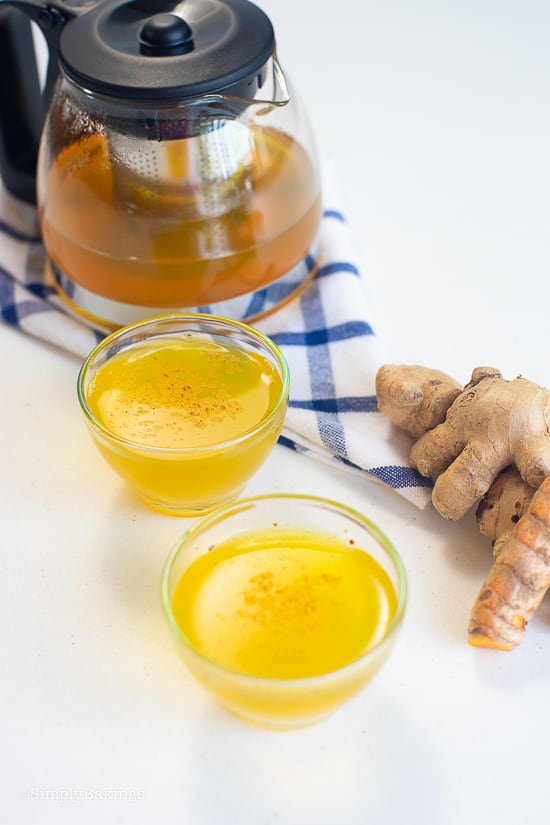
  • Calamansi & Ginger Tea: A Philippine Brew Guide

    Calamansi & Ginger Tea: A Philippine Brew Guide

    Calamansi and ginger tea is a popular drink in the Philippines known for its refreshing and soothing qualities. It’s made from fresh calamansi fruits and ginger root, which are rich in vitamin C and have antioxidant properties. This tea can be enjoyed hot with honey or sweetener to balance the tartness. It’s a delicious way to support your immune system and promote wellness.

    Key Takeaways

    • Calamansi and ginger tea is a popular and refreshing blend in Philippine cuisine known for its invigorating and soothing qualities.
    • Calamansi is rich in vitamin C and has antioxidant properties, aiding digestion and relieving symptoms of indigestion.
    • Fresh calamansi fruits and ginger root are the main ingredients for brewing the tea, along with a preferred type of tea.
    • The tea can be garnished with a slice of calamansi and served hot with honey or sweetener to balance the tartness, and it pairs well with Filipino snacks or pastries.

    Calamansi and Ginger Tea: A Refreshing Blend

    Refreshing and invigorating, calamansi and ginger tea is a delightful blend that awakens your senses and soothes your soul.

    In Philippine cuisine, calamansi is a versatile fruit that adds a unique tangy flavor to dishes and beverages. When combined with the warming spice of ginger, it creates a refreshing and healthful tea.

    Calamansi is rich in vitamin C and has antioxidant properties, which can benefit your immune system and overall well-being. The citrusy notes of calamansi complement the earthy heat of ginger, resulting in a soothing and revitalizing beverage.

    Whether enjoyed hot or cold, this tea is a popular choice for its refreshing taste and potential health benefits. Incorporating calamansi and ginger tea into your routine can be a delicious way to support your immune system and promote wellness.

    Ingredients for Calamansi and Ginger Tea

    To prepare calamansi and ginger tea, you’ll need a few simple ingredients readily available at most grocery stores.

    • Calamansi: Fresh calamansi fruits are essential for their tangy citrus flavor and rich vitamin C content.
    • Ginger: Fresh ginger root adds a warm, spicy kick to the tea and offers its own array of health benefits.
    • Tea: Choose your preferred type of tea, such as black or green, to complement the flavors of calamansi and ginger.

    These three key ingredients form the base of this invigorating Filipino brew. When combined, their unique flavors and healthful properties create a delightful and refreshing beverage.

    Steps to Brew Calamansi and Ginger Tea

    Once you have gathered the essential ingredients for calamansi and ginger tea, you can proceed to brew this invigorating Filipino beverage by following a few simple steps. Start by squeezing the juice of calamansi and ginger into a cup of hot water. Let the tea steep for 5-10 minutes to infuse the flavors.

    Add honey or sweetener to taste, stirring until dissolved. Afterward, strain out the ginger pieces and calamansi seeds. Now, you can sit back, relax, and savor your freshly brewed calamansi and ginger tea, a delightful and aromatic drink native to the Philippines.

    Steps to Brew Calamansi and Ginger Tea
    Squeeze calamansi and ginger juice into hot water
    Let the tea steep for 5-10 minutes
    Add honey or sweetener to taste
    Stir until dissolved
    Strain out ginger pieces and calamansi seeds

    Serving Suggestions for Calamansi and Ginger Tea

    Consider garnishing your calamansi and ginger tea with a slice of calamansi to elevate its presentation and add a burst of citrus flavor to each sip.

    To enhance the experience, serve the tea hot and add honey or sweetener to balance the citrusy tartness.

    Pair it with Filipino snacks or pastries for a delightful afternoon treat.

    Additionally, showcasing the beautiful color and texture of the brew by serving it in clear glass mugs can add an aesthetic appeal to your serving.

    These serving suggestions are perfect for enjoying this traditional Philippine beverage, especially in warm climates, and can complement a wide array of recipes or even be used as a dipping sauce.

    Are Sampaguita-Infused Beverages Similar to Calamansi & Ginger Tea in Terms of Philippine Influence?

    Sampaguita-infused beverages and calamansi & ginger tea both hold a special place in Philippine tradition beverages. While calamansi & ginger tea is known for its tangy and spicy flavors, sampaguita-infused beverages showcase the delicate and sweet aroma of the national flower of the Philippines. Both drinks embody the rich cultural influence of the Philippines.

    Health Benefits of Calamansi and Ginger Tea

    Rich in vitamin C and boasting antioxidant properties, calamansi and ginger tea offers a host of health benefits for those who enjoy this traditional Philippine brew. Calamansi, also known as Philippine limes, is derived from the calamansi tree and is a staple in Filipino recipes. When combined with ginger tea, the health benefits are amplified. The vitamin C content in calamansi helps boost your immune system and protect your body from oxidative stress.

    Additionally, the antioxidant properties aid in reducing inflammation. Calamansi juice is also known to aid digestion and relieve symptoms of indigestion. Furthermore, this citrus fruit is traditionally used as a natural remedy for cough and cold, soothing the throat. Its potential antibacterial and antifungal properties make it a valuable addition to your wellness routine.

    Health Benefits Description
    Immune-boosting Vitamin C content helps strengthen the immune system and protect against illnesses.
    Antioxidant properties Calamansi and ginger tea offer antioxidant properties that help reduce inflammation.
    Digestive aid Calamansi juice is believed to aid digestion and relieve symptoms of indigestion.
    Natural remedy Traditionally used for cough and cold, calamansi soothes the throat and aids respiratory health.
    Antibacterial & antifungal properties Calamansi is believed to have potential antibacterial and antifungal properties.

    Frequently Asked Questions

    What Does Calamansi Taste Like?

    Calamansi tastes like a mix of lime and lemon – tart yet slightly sweet. Its juice is refreshing with a sugary citrus scent. It adds a bright flavor to Filipino dishes and is used in various beverages.

    Can You Get Calamansi in Us?

    Yes, you can get calamansi in the US. It’s available from farm growers, Chinatowns, Asian markets, and online. Look for firm fruits without blemishes, and you can store them at room temperature or in the refrigerator for up to 10 days.

    What Is the English Name for Calamansi?

    In the US, the English name for calamansi is calamondin. It’s also called lemonsito, Philippine lime, and other names. Calamansi is a small citrus fruit with a thin orange peel and orange-colored pulp and juice.

    What Does a Calamondin Fruit Taste Like?

    Calamondin fruit tastes like a mix of lime and mandarin oranges, giving it a tangy and sweet flavor. Its juice is tart with a sugary citrus scent, making it versatile for enhancing various dishes and beverages in Filipino cuisine.

    Conclusion

    Enjoy the refreshing and health-boosting benefits of calamansi and ginger tea with this simple brew guide.

    Just slice, simmer, and strain for a delicious and comforting drink that’s rich in vitamin C, antioxidants, and anti-inflammatory properties.

    Soothe your throat and boost your immune system with this delightful Philippine beverage.

    Cheers to good health and great taste!

  • 9 Best Exotic Filipino Drinks for Your Bucket List

    9 Best Exotic Filipino Drinks for Your Bucket List

    Explore the delightful world of exotic Filipino drinks with unique flavors like Guinumis and Calamansi Juice, perfect for your bucket list of must-try beverages.

    Key Takeaways

    • Guinumis is a popular Filipino drink that offers a unique blend of textures and tastes, combining chewy gulaman, crunchy pinipig, and a sweet, creamy base.
    • Calamansi juice, high in vitamin C, is not only refreshing and hydrating but also traditionally used as a natural remedy for sore throats and coughs.
    • Mango juice, made from fresh mangoes, can be transformed into a creamy shake and provides a natural source of energy and numerous health benefits.
    • Guyabano juice, made from soursop fruit, offers a must-try unique and flavorful beverage with a sweet and tangy flavor.

    Guinumis

    Experience the delightful flavors and textures of Guinumis, a refreshing Filipino drink that combines chewy gulaman, crunchy pinipig, and a sweet, creamy base.

    This traditional Filipino beverage offers a unique blend of textures and tastes, making it a popular choice in Filipino culture.

    The chewy and jelly-like texture of gulaman pairs perfectly with the crunchy pinipig, creating a satisfying sensation with every sip.

    The sweet and creamy base adds a comforting dimension to the drink, making it a delightful treat for hot weather or as a dessert.

    With its diverse and delightful range of non-alcoholic drinks, Guinumis stands out as a must-try for both locals and visitors.

    Its popularity showcases the rich tapestry of Filipino street food and traditional beverages, adding a unique touch to the vibrant Filipino culinary scene.

    Calamansi Juice

    Looking for a refreshing and healthy drink option? Calamansi Juice might just be what you’re looking for. Known for its high vitamin C content, it offers potential health benefits.

    The sweet and sour taste of this Filipino favorite is perfect for quenching your thirst on a hot day.

    Health Benefits

    Calamansi juice is a rich source of vitamin C and has been traditionally used as a natural remedy for sore throats and coughs. This tropical fruit drink, popular in the Philippines, offers potential health benefits due to its high vitamin C content. Vitamin C is essential for a healthy immune system and may help in fighting off colds and flu.

    Additionally, the refreshing and hydrating properties of calamansi juice make it a popular choice, especially during hot weather. Its sweet and sour taste, combined with the vitamin C benefits, makes it a delightful and potentially health-boosting beverage to include in your bucket list of exotic Filipino drinks.

    Refreshing Citrus Flavor

    With its invigorating citrus flavor and potential health benefits, calamansi juice has gained popularity in the Philippines as a refreshing and revitalizing beverage. This tropical calamansi juice is sure to tantalize your taste buds with its tangy and tropical flavor. Made from freshly squeezed calamansi, sugar, and water, it offers a perfect balance of sweet and sour, making it a delicious Asian fruit juice to quench your thirst.

    Best served cold or over ice, calamansi juice is a versatile drink that complements a variety of delicious dishes. Whether enjoyed on its own or used as a mixer in cocktails, this refreshing citrus drink is a must-try for those seeking a revitalizing and delicious beverage.

    Invigorating Tantalizing Versatile
    Refreshing Tangy Delicious

    Easy Homemade Recipe

    You can easily make a refreshing batch of calamansi juice at home with just a few simple ingredients. Here’s how:

    1. Ingredients:
    • Fresh calamansi juice
    • Cold water
    • Sugar or honey
    1. Instructions:
    • Squeeze the fresh calamansi juice into a pitcher.
    • Add cold water to dilute the juice to your desired strength.
    • Sweeten with sugar or honey to taste, stirring until dissolved.
    1. Optional Twist:
    • For an adult version, add a splash of coconut vodka for a tropical kick.

    Calamansi juice is a quintessential Filipino refreshment, perfect for enjoying alongside a traditional Filipino dessert like sago gulaman or Buko Pandan. It’s also a versatile mixer for creating unique alcoholic drinks or simply relishing the pure, refreshing fruit juices.

    Mango Juice

    You’re in for a delightful treat as we explore the wonderful world of mango juice.

    This tropical beverage isn’t only delicious but also incredibly versatile.

    Whether you’re interested in its recipes, health benefits, or popular variations, mango juice has something for everyone to enjoy.

    Mango Juice Recipes

    Mango juice, a popular and widely enjoyed beverage in the Philippines, is made from fresh mangoes, sugar, and water, and can be transformed into a creamy shake with evaporated milk.

    Here are some tantalizing mango juice recipes to add to your bucket list:

    1. Coconut Vodka Mango Juice: Blend fresh mangoes with coconut vodka for a tropical and exotic twist on the classic mango juice.
    2. Sago Gulaman Mango Juice: Add sago (tapioca pearls) and gulaman (jelly-like substance) to mango juice for a delightful and refreshing texture.
    3. Mango Juice Shake: Create a luscious mango shake by blending fresh mangoes with evaporated milk and a hint of sugar for a sweet and creamy treat.

    These Filipino drinks showcase the versatility of the beloved Filipino fruit, offering a range of refreshing and indulgent options for your next tropical craving. One popular Filipino drink is buko juice, made from the young green coconut fruit. This refreshing and hydrating drink is a staple in Philippine street food and summer outings. Another popular option is the creamy and rich avocado smoothie, made from ripe avocados, sweetened condensed milk, and crushed ice. For coffee lovers, Filipino easy kapeng barako secrets involve using locally grown Batangas coffee beans, resulting in a bold and strong flavor that is perfect for starting your day.

    Health Benefits

    Rich in essential vitamins and antioxidants, mango juice offers a natural source of energy and numerous health benefits. In the Philippines, where mangoes are abundant, this refreshing drink isn’t only delicious but also supports overall well-being.

    The enzymes in mango juice aid in digestion and help regulate bowel movements, promoting gut health. Additionally, its high vitamin C content boosts the immune system and enhances skin health.

    The presence of vitamin A in mango juice also contributes to supporting eye health. By incorporating this tropical fruit into your diet, you can enjoy these health benefits while savoring the exotic flavors of Filipino drinks.

    Whether it’s a classic mango mojito or a traditional Halo-Halo with tapioca pearls and coconut sap, mango juice is a delightful way to boost your health.

    Popular Variations

    Amidst the abundance of mangoes in the Philippines, the popular variations of mango juice offer a delightful array of refreshing and creamy options, perfect for quenching your thirst on a hot day.

    The versatility of mango juice allows for a range of creative variations, including:

    1. Mango Mojito: This refreshing twist combines the tropical flavor of mango with the zing of lime and the kick of mint, creating a perfect summer cocktail.
    2. Coconut Vodka Infusion: Enhancing the creamy texture of mango juice with a splash of coconut vodka adds a tropical and indulgent touch to this Filipino refreshment.
    3. Incorporating Sago Gulaman or Tapioca Pearls: Adding these chewy and delightful ingredients creates a unique texture experience, elevating the traditional mango juice into a more substantial and satisfying drink.

    Melon (Cantaloupe) Juice

    Crafting a refreshing and sweet beverage from ripe cantaloupe, sugar, and water, Melon (Cantaloupe) Juice offers a delightful blend of fruity and floral notes with a hint of natural sweetness.

    In the Philippines, this delicious drink is a beloved part of the local culture and is often served by street vendors. Its hydrating and cooling properties make it a popular choice, especially in the hot and humid weather.

    While it can be enjoyed on its own, it also serves as an excellent base for creative cocktails and mocktails. For a tropical twist, some mixologists incorporate coconut vodka into melon juice, providing a delightful fusion of flavors.

    Whether sipping it on a sunny day or using it as an ingredient in a Philippines mango mojito, melon juice is a must-try among the array of fruit juices in the Philippines.

    Guyabano Juice

    Guyabano Juice is a popular and refreshing Filipino drink made from the soursop fruit, known for its sweet and tangy flavor. When visiting the Philippines, indulging in a glass of this exotic juice is a must for anyone seeking a unique and flavorful Filipino beverage.

    Here are a few ways to enjoy guyabano juice in the Philippines:

    1. Traditional Refreshment: Experience the authentic taste of guyabano juice, made by blending ripe soursop fruit with water and sugar for a tropical and revitalizing drink.
    2. Coconut Vodka Infusion: For a modern twist, try guyabano juice mixed with coconut vodka for a refreshing and slightly alcoholic beverage.
    3. Sago Gulaman Blend: Savor the classic combination of sago gulaman (tapioca pearls and agar jelly) mixed with guyabano juice for a delightful and textured refreshment.

    Explore the world of Filipino drinks with the exotic and invigorating guyabano juice.

    Buko Juice

    After indulging in the exotic and invigorating guyabano juice, you’ll find yourself drawn to the refreshing and hydrating appeal of Buko Juice.

    Buko Juice, also known as coconut juice, is a popular and delicious drink in the Philippines. Made from young coconut meat and water, it offers a slightly sweet, tropical flavor that’s perfect for quenching your thirst on a hot day.

    Served fresh and chilled, Buko Juice is a staple at street stalls and local eateries. The addition of young coconut meat gives the drink a unique texture, making it both delightful and nourishing.

    You can also find variations like Buko Juice with coconut vodka, sugar syrup, Sago gulaman, or tapioca pearls, adding even more excitement to this already refreshing fruit drink.

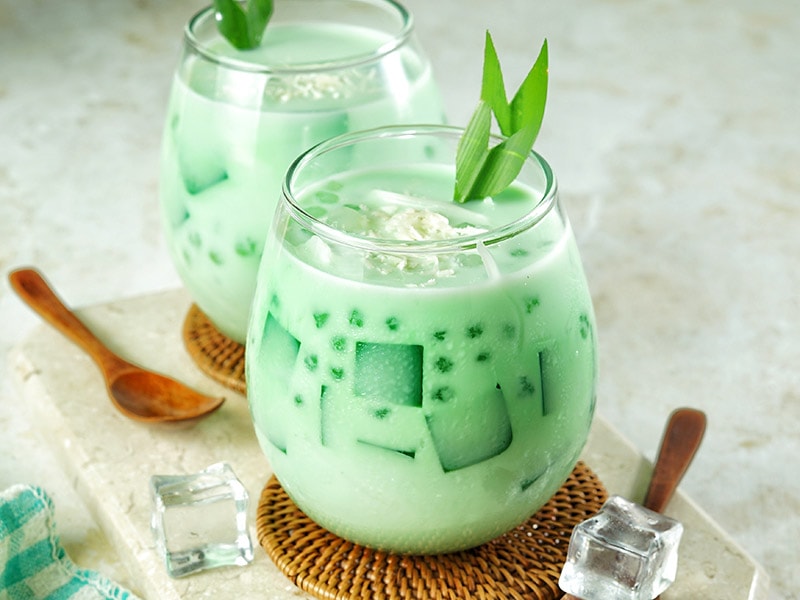
    Buko Pandan Drink

    When seeking a delightful and creamy tropical beverage in the Philippines, consider trying the refreshing Buko Pandan Drink. This exotic Filipino drink combines young coconut meat and pandan-flavored jelly to create a delicious and unique flavor profile.

    Here are three reasons why you should add Buko Pandan Drink to your bucket list of must-try beverages:

    1. Tropical Fusion: The delicate tropical flavor of coconut combined with the sweet aroma of pandan creates a truly distinctive and enjoyable drink that captures the essence of Filipino flavors.
    2. Perfect for Warm Weather: Popular in the Philippines, Buko Pandan Drink is often served cold, making it the perfect choice for quenching your thirst on a hot day.
    3. Unique Variations: Some versions of this drink include creative additions like coconut vodka, sago gulaman, or a splash of mango mojito, adding even more excitement to this already delicious beverage.

    Kapeng Barako

    If you’re a coffee enthusiast with a taste for bold and aromatic brews, Kapeng Barako is a must-try beverage originating from Batangas, Philippines. This coffee variety, grown in the Lipa lowlands of Batangas, is known for its intense and rich flavor profile.

    Kapeng Barako is made from Liberica beans, which are larger and have a distinctly strong and full-bodied taste. It’s often enjoyed black or with muscovado sugar for a touch of sweetness.

    This local coffee has become an integral part of Filipino heritage, particularly in the Batangas and Cavite provinces. Despite facing challenges due to the collapse of the coffee industry in the past, Kapeng Barako has persevered and remains one of the most delicious and exotic Filipino drinks.

    Offering a wide variety of delightful beverages for coffee lovers to savor.

    Can Pandan Leaves Drink be Considered as an Exotic Filipino Drink for Your Bucket List?

    If you’re seeking an exotic Filipino drink for your bucket list, the pandan leaves drink recipe is a must-try. This fragrant and refreshing beverage is made from pandan leaves, giving it a unique green color and a delightful aroma. Add this exotic drink to your must-try list.

    Salabat

    Coming from the bold flavors of Kapeng Barako, let’s now explore the soothing and versatile homemade ginger tea known as Salabat. Salabat, a beloved drink in the Philippines, is a staple in many Filipino households.

    Here are three key facts about Salabat:

    1. Soothing Qualities: Salabat is made with slivers of raw ginger, water, honey (or sugar), and calamansi juice. It’s known for its ability to soothe a sore throat, relieve cough, and is believed to enhance the singing voice.
    2. Versatile Enjoyment: This homemade ginger tea is a traditional remedy for cold weather and is commonly enjoyed for its comforting qualities. It can be enjoyed hot or cold, making it suitable for various occasions.
    3. Popular Tradition: Salabat is deeply rooted in Filipino culture and is a go-to beverage for its healing and soothing properties, especially during the cooler months.

    Salabat perfectly captures the essence of Filipino drinks, offering comfort and nourishment in every sip.

    Frequently Asked Questions

    What Is the Most Popular Filipino Drink?

    The most popular Filipino drink is Sago’t Gulaman, a refreshing concoction of tapioca pearls, gelatin, brown sugar, and water. It’s a beloved non-alcoholic beverage that captures the essence of Filipino culinary culture.

    What Is the Signature Drink of the Philippines?

    The signature drink of the Philippines is San Miguel Beer, known for its popularity and availability in various variants. Enjoy its crisp taste and local tradition when you visit the Philippines.

    What Is the Most Popular Cocktail in the Philippines?

    The most popular cocktail in the Philippines is the ‘Mango Mojito.’ It’s a refreshing and tropical drink, perfect for hot weather. You can enjoy it with or without alcohol, making it a favorite among sweet and fruity drink lovers.

    What Is the Philippine Myth Cocktail?

    The Philippine Myth Cocktail is a unique blend of traditional Filipino spirits and indigenous flavors, creating a modern twist on ancient folklore. It brings to life captivating tales and legends from Filipino mythology with each sip.

    Conclusion

    So, whether you’re in the mood for a refreshing non-alcoholic drink like Calamansi Juice or a smooth and versatile alcoholic beverage like Tanduay Rum, these exotic Filipino drinks are definitely worth trying.

    From the sweet and sour flavors to the unique and tropical ingredients, each drink offers a taste of Filipino culture that will leave you wanting more.

    Cheers to exploring the delicious world of Filipino beverages!

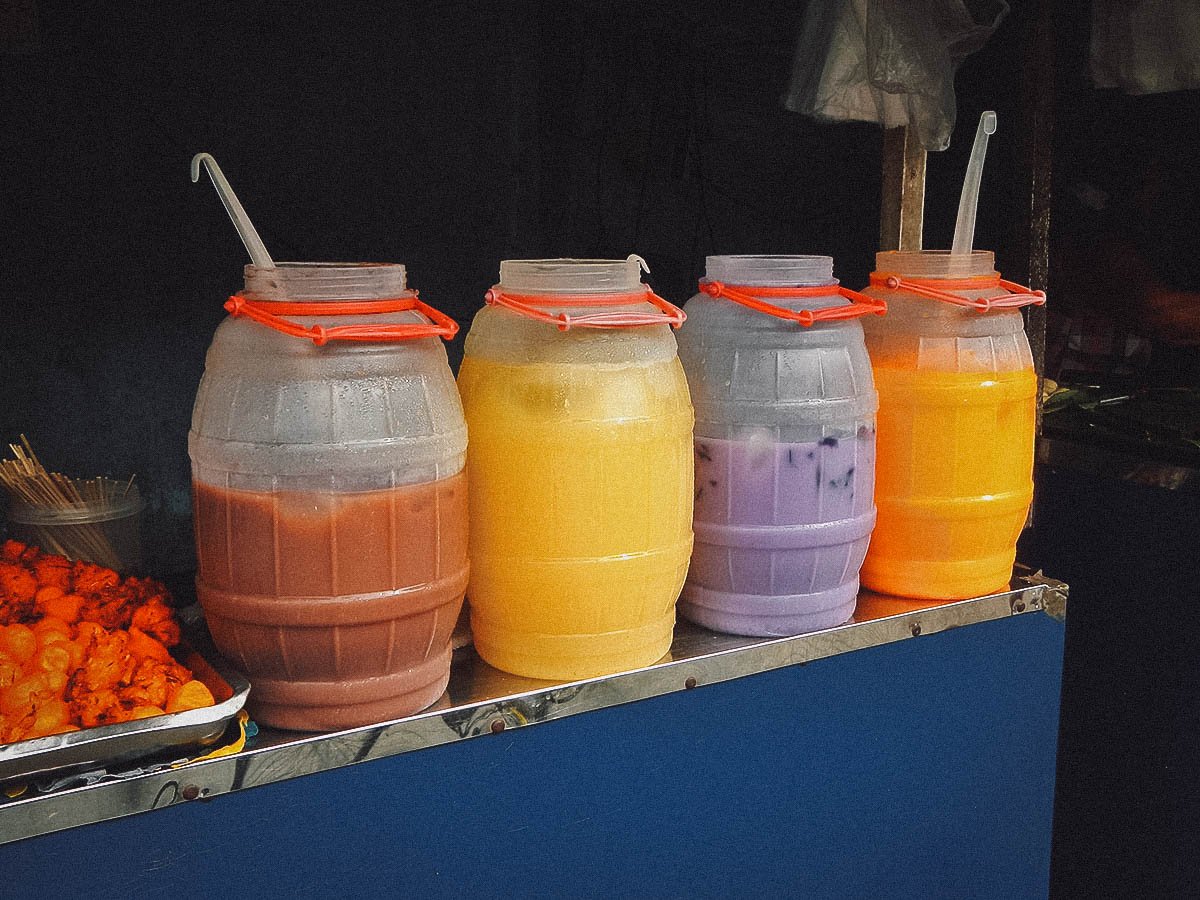
  • Top 5 Street Drinks in the Philippines

    Top 5 Street Drinks in the Philippines

    The top 5 street drinks in the Philippines include refreshing Buko Juice, colorful Halo-Halo, sweet Calamansi Juice, comforting Taho, and delightful Sago’t Gulaman. These drinks offer a variety of flavors and textures, perfect for quenching your thirst on a hot day.

    Key Takeaways

    • Citrus-based drinks like Calamansi Juice are popular in the Philippines due to their tangy flavor and high Vitamin C content. They are considered a symbol of Filipino hospitality.
    • Sweet and refreshing drinks like Sagot Gulaman are enjoyed by Filipinos, especially during hot summer days. These drinks offer a delightful mix of textures and flavors.
    • Coconut-based drinks like Buko Juice are naturally sweet and hydrating. They are often served with a straw and are also used as a base for other popular beverages.
    • Mixed fruit and ice drinks like Halo-Halo are a quintessential part of the vibrant street drink culture in the Philippines. They are a symphony of flavors and textures, topped with various ingredients like red beans and ube ice cream.

    Buko Juice

    Buko Juice, derived from the water inside young green coconuts, is a popular and refreshing street drink enjoyed throughout the Philippines. This Filipino drink is cherished for its naturally sweet and hydrating qualities, making it a go-to choice for locals and visitors alike.

    Served with a straw, this coconut juice can be found at street vendors and markets all across the Philippines. The drink’s refreshing taste and nutritious properties have made it a beloved choice among those seeking a cool and revitalizing beverage. It’s a fantastic way to experience the flavors of local fruits while staying hydrated in the tropical climate.

    Additionally, Buko Juice serves as a base for other popular beverages like buko shake and buko pandan, further showcasing its versatility and appeal.

    Halo-Halo

    Embracing a delightful mix of sweetened fruits, beans, jellies, and shaved ice, ‘Halo-Halo’ is a beloved Filipino street food. This refreshing Filipino drink is made with crushed ice, sago pearls, coconut milk, and a variety of fruit juices.

    It’s often topped with red beans, ube ice cream, and a drizzle of condensed milk, creating a symphony of flavors and textures. The name ‘Halo-Halo’ translates to ‘mix-mix’ in Filipino, which perfectly encapsulates the essence of this beverage.

    Each spoonful offers a medley of sweet, creamy, and icy sensations, making it a popular choice for beating the heat in the Philippines. Whether enjoyed as a midday refreshment or a post-dinner treat, ‘Halo-Halo’ is a quintessential part of the vibrant street drink culture in the country.

    Calamansi Juice

    As you explore the diverse street drink culture in the Philippines, you’ll soon encounter the refreshing and tangy delight of Calamansi Juice. This traditional Filipino refreshment is a staple in the country, especially during the hot summer months. Here’s why Calamansi Juice holds a special place in Filipino culture:

    1. Tropical Flavor: The fruit used to make Calamansi Juice is a hybrid between a kumquat and a mandarin orange, creating a unique and tropical flavor that instantly transports you to the sunny shores of the Philippines.
    2. Vitamin C Boost: Loaded with Vitamin C, this citrusy drink not only quenches your thirst but also gives your immune system a healthy dose of goodness.
    3. Refreshing and Hydrating: On a scorching day, nothing beats the revitalizing effect of a cold glass of Calamansi Juice.
    4. Cultural Significance: Calamansi Juice is a symbol of Filipino hospitality and warmth, making it a must-try when immersing yourself in the rich tapestry of Filipino traditions.

    Taho

    Taho, a popular Filipino street drink, is a creamy and sweet beverage made with soft tofu, arnibal (sweet syrup), and sago pearls, often enjoyed as a traditional breakfast option and cherished as a nostalgic part of Filipino culture. Taho vendors use a distinctive method of calling out to attract customers, creating a unique experience for locals and visitors alike.

    This beloved comfort food has also inspired a beverage version, where it is mixed with ice, coconut wine, or even red wine, creating a modern twist on a classic favorite. Another popular variation is Taho served as ice scramble, a dessert drink sweetened with honey, providing a refreshing and indulgent treat for those with a sweet tooth. This diversity showcases the adaptability and timelessness of Filipino street drinks.

    Taho Variations Description
    Taho with ice Classic taho served with ice for a refreshing twist
    Taho with coconut wine Taho mixed with coconut wine for a unique flavor
    Taho with red wine A modern take on taho, mixing it with red wine for a sophisticated twist
    Taho ice scramble Taho transformed into a dessert drink sweetened with honey for a refreshing indulgence

    Where Can I Find Street Vendors Selling Philippine Fruit Wines?

    Looking for philippine fruit wines purchase locations? Street vendors in the Philippines often sell a variety of locally made fruit wines. You can find them in popular tourist areas, outdoor markets, and during local festivals. Just keep an eye out for the colorful displays and unique flavors. Happy wine hunting!

    Sago’t Gulaman

    Sago’t Gulaman, another beloved street drink in the Philippines, offers a refreshing and slightly chewy texture, making it a favorite among locals and visitors alike. When you take a sip of this sweet and sour beverage, the tapioca pearls and gulaman create a delightful burst of texture in your mouth.

    The strong, refreshing taste will instantly transport you to the bustling streets of the Philippines. As you indulge in this popular Filipino drink, the contrasting flavors of the sweet sago and the slightly sour gulaman will tantalize your taste buds.

    Served ice-cold, it’s the perfect dessert-like refreshment to enjoy on a hot day. And if you’re feeling adventurous, you can even try a version of Sago’t Gulaman with a twist of melon juice for a fruity and fragrant flavor.

    Frequently Asked Questions

    What Is the Most Popular Drink in the Philippines?

    The most popular drink in the Philippines is a tough call, but you can’t go wrong with a refreshing glass of Sagot Gulaman, a tangy Calamansi Juice, or a sweet Mango Shake.

    What Are the Top 5 Most Popular Drinks?

    The top 5 most popular drinks in the Philippines include Sagot Gulaman, Guinumis, Calamansi Juice, Mango Juice, and Melon Juice. They offer a variety of flavors and are perfect for quenching your thirst.

    What Is the Signature Drink of the Philippines?

    The signature drink of the Philippines is Sago’t Gulaman, a refreshing beverage made with tapioca pearls, gelatin, brown sugar, and water. It offers a unique and delightful taste that is popular among locals and visitors alike.

    What Is the Most Consumed Alcohol in the Philippines?

    The most consumed alcohol in the Philippines is San Miguel Beer, dominating the market with its 5% abv. It’s a popular choice for many locals.

    Conclusion

    So there you have it, the top 5 street drinks in the Philippines!

    From the refreshing Buko Juice to the colorful Halo-Halo, there’s a drink for everyone to enjoy.

    Whether you’re craving something sweet and sour like Calamansi Juice or a comforting Taho, these street drinks are perfect for quenching your thirst on a hot day.

    So next time you’re in the Philippines, be sure to try out these delicious and refreshing beverages!

  • What Are Kid-Friendly Filipino Non-Alcoholic Drinks?

    What Are Kid-Friendly Filipino Non-Alcoholic Drinks?

    Kid-friendly Filipino non-alcoholic drinks include Calamansi Juice and Buko Pandan Drink. These beverages offer refreshing and delightful flavors for kids to enjoy. They are beloved in Filipino culture and are sure to captivate the taste buds of the little ones in your life.

    Key Takeaways

    • Calamansi Juice and Tangy Mango Shake are popular fruit-based drinks that are refreshing and customizable for kids.
    • Buko Pandan Drink is a creamy coconut-based drink enjoyed during family gatherings and can be garnished with pandan-flavored gulaman or shredded coconut.
    • Nutritious Guyabano Smoothie introduces exotic flavors of the Philippines to kids and provides essential nutrients and potential health benefits.
    • Taho is a traditional Filipino drink made with silken tofu, arnibal syrup, and tapioca pearls, offering a mix of flavors and textures that kids will enjoy.

    Refreshing Calamansi Juice

    If you're looking for a refreshing drink with a sweet and tangy flavor, then calamansi juice is the perfect choice. This Filipino non-alcoholic drink is kid-friendly and loved by many for its thirst-quenching properties.

    Calamansi juice is made with simple ingredients like calamansi, water, and simple syrup, creating a delightful combination of sweet and sour tastes. The key ingredient, calamansi, is a type of lime native to the Philippines, giving the drink its unique and citrusy flavor.

    Especially popular during hot summer days, this beverage offers a revitalizing experience when served cold. You can even enhance its flavor by mixing it with sugar or honey.

    It's no wonder that calamansi juice is a beloved choice for both kids and adults seeking a delicious and revitalizing drink.

    Sweet and Creamy Buko Pandan Drink

    If you're wondering what goes into making a delicious Buko Pandan drink, you'll be happy to know that it only requires a few simple ingredients.

    The preparation steps are also quite straightforward, making it a great recipe to try out with your kids.

    Additionally, there are various serving suggestions to elevate the enjoyment of this sweet and creamy beverage.

    Ingredients for Buko Pandan

    To create the sweet and creamy Buko Pandan drink, you'll need coconut milk, coconut juice, fresh shredded coconut, and condensed milk for sweetness.

    This Filipino drink is a refreshing blend of local Filipino ingredients, perfect for hot days. The coconut milk and juice give it a tropical twist, while the fresh shredded coconut adds a delightful texture.

    Condensed milk enhances the sweetness, making it a favorite among kids. The unique and fragrant taste comes from the pandan leaves, adding an extra layer of flavor to this beloved Filipino beverage.

    Enjoyed during family gatherings and celebrations, Buko Pandan is a popular choice for its sweet and creamy goodness. It's a delightful addition to any menu of kid-friendly Filipino non-alcoholic drinks.

    Preparation Steps

    Blend the young coconut meat, pandan-flavored gulaman, and sugar in a blender until smooth, adding a tropical twist to the Buko Pandan drink. This step infuses the traditional Filipino flavors of coconut and pandan into the beverage.

    Next, add coconut juice and evaporated milk to the mixture and blend until well-combined. The addition of buko juice enhances the drink's authenticity, as it's derived from the coconut tree, a significant aspect of Filipino culture and cuisine.

    Then, pour the creamy mixture into glasses over ice for a refreshing and indulgent treat.

    To complete the preparation, garnish the drink with additional pandan-flavored gulaman or shredded coconut for an attractive presentation.

    Serve the sweet and creamy Buko Pandan drink immediately to enjoy a taste of Filipino tradition and the natural sweetness of coconut sap.

    Serving Suggestions

    For a delightful presentation, consider garnishing the Sweet and Creamy Buko Pandan Drink with a sprinkle of vibrant pandan-flavored gulaman or a generous topping of shredded coconut.

    • Garnish Options:
    • *Pandan-Flavored Gulaman*: This adds a pop of color and an extra burst of pandan flavor to the drink, enhancing its visual appeal.
    • *Shredded Coconut*: The addition of shredded coconut not only complements the coconut-based flavors of the drink but also provides a delightful texture with each sip.

    Elevate the serving experience by using themed glassware or tropical-inspired drinkware to create an inviting and visually appealing presentation. Consider serving the drink alongside traditional Filipino desserts, such as halo-halo or leche flan, to create a cohesive and immersive dessert experience reminiscent of Filipino dessert shops.

    Tangy Mango Shake

    Looking for a delicious and refreshing drink for the kids?

    The Tangy Mango Shake might just be the perfect choice.

    With its simple recipe, kid-friendly ingredients, and easy preparation steps, you can whip up this delightful beverage in no time.

    It's a great way to introduce the little ones to the delicious flavors of Filipino drinks.

    Mango Shake Recipe

    Tantalize your taste buds with the luscious tang of a homemade Mango Shake, a delightful fusion of fresh mangoes, ice, sugar, and milk.

    • Simple Steps for a Delicious Mango Shake:
    • Start by peeling and dicing ripe mangoes.
    • Add the mango chunks, ice, sugar, and milk to a blender.
    • Blend until smooth and creamy.

    Customization for Kids:

    • Adjust the sweetness by adding more or less sugar, or using honey as a healthier alternative.
    • For a fun twist, top the shake with whipped cream and colorful sprinkles for a kid-friendly appeal.

    This easy-to-follow mango shake recipe provides a perfect opportunity to introduce children to the vibrant flavors of Filipino non-alcoholic drinks. It's a refreshing and healthy alternative that kids are sure to love.

    Kid-Friendly Ingredients

    To create a kid-friendly Tangy Mango Shake, you can use fresh mangoes, sugar, water, and evaporated milk for a delightful and refreshing non-alcoholic drink.

    The fresh mangoes provide a sweet taste and vibrant color to the shake, while the evaporated milk adds creaminess.

    Using fresh mango juice ensures that the shake is bursting with natural flavor and nutrients.

    Additionally, tapioca pearls can be added for a fun texture that kids will enjoy.

    If you want to add more variety, consider incorporating buko (young coconut) to introduce a unique twist.

    Easy Preparation Steps

    After gathering the ripe mangoes, proceed to peel and dice them before placing the pieces into a blender to begin preparing the tangy mango shake.

    Here are the easy steps to make this refreshing drink:

    • Add Ingredients:
    • Place the diced mangoes in a blender.
    • Add brown sugar, to taste, and a splash of water to the blender.
    • Blend and Serve:
    • Blend the mixture until it reaches a smooth consistency.
    • Serve the tangy mango shake chilled with crushed ice for a delightful treat.

    Cooling Melon Juice

    Cooling Melon Juice offers a sweet and refreshing way to beat the heat during hot summer days. Made with cantaloupe juice, water, and sugar, this non-alcoholic beverage boasts a delightful tropical fruit flavor. Often strained to remove pulp and served with shredded cantaloupe, it provides a refreshing and textural experience.

    This kid-friendly Filipino drink is perfect for quenching thirst and is a delightful addition to children's parties or family gatherings. Its simplicity in preparation and its ability to provide a cooling respite make it a go-to choice for hot days.

    When seeking a beverage that's both hydrating and delicious, Cooling Melon Juice is a top contender.

    Nutritious Guyabano Smoothie

    Creating a nutritious Guyabano smoothie is a simple and enjoyable way to introduce your kids to the exotic flavors of the Philippines. Here's why it's a great choice:

    • Nutritious Ingredients: Guyabano, also known as soursop, provides essential nutrients and potential health benefits for your children.
    • Coconut Juice: Incorporating coconut juice adds a tropical twist and enriches the smoothie with additional nutrients.
    • Sweetened with Honey: Instead of using sugar, sweeten the smoothie with honey for a healthier alternative.

    Tasty Buko Juice

    Introduce your kids to the refreshing flavors of the Philippines with Tasty Buko Juice, a popular choice for quenching thirst on hot summer days.

    This kid-friendly Filipino non-alcoholic drink is made from coconut water extracted from young coconuts, known for its hydrating properties. With its sweet and sour taste, Tasty Buko Juice offers a tropical and refreshing flavor that appeals to both kids and adults.

    It's often served in its natural coconut shell, adding a fun and authentic touch to the drinking experience. Perfect for parties, picnics, and family gatherings, this beverage is a hit among children and provides a delightful way to stay cool and hydrated during warm weather.

    Aromatic Kapeng Barako

    Derived from the Tagalog word for a male stud bull, 'Kapeng Barako' is a popular Filipino coffee known for its strong and aromatic flavor. When looking for a refreshing alternative, consider trying a cold beverage version of this robust coffee.

    Here are a couple of ways to enjoy aromatic kapeng barako during the hot summer:

    • Iced Kapeng Barako: Brew a strong batch of kapeng barako, let it cool, and then pour it over ice for a revitalizing pick-me-up. Add a splash of milk for a creamy twist. Sweeten it with a bit of condensed milk or simple syrup to balance the strong flavor.

    Kapeng Barako, with its low alcohol content, can be a great substitute for hot coffee or Filipino ginger tea when seeking a non-alcoholic, energizing beverage. Enjoy it at home or find it at Filipino coffee shops for a taste of authentic Filipino coffee culture.

    Soothing Salabat

    If you're looking for a natural remedy to soothe a sore throat or relieve a cough, salabat might just be the drink for you.

    This homemade ginger tea is known for its soothing properties and is a popular choice in the Philippines.

    It's simple to make and can be customized with variations like adding honey or calamansi juice.

    Ginger Tea Benefits

    Soothing Salabat, a traditional Filipino ginger tea, is known for its soothing and healing properties. When made with fresh ginger, this non-alcoholic tea offers various benefits that make it a great choice for both kids and adults.

    Here are some reasons why ginger tea is beneficial:

    • Acts as a natural remedy for soothing sore throats and relieving coughs, making it an excellent choice for kids when they're feeling under the weather.
    • The mild and sweet taste of the tea, especially when a splash of calamansi juice is added, makes it a delightful and enjoyable beverage for children.

    Enjoy the numerous advantages of ginger tea while sipping on a warm and comforting cup of this kid-friendly Filipino non-alcoholic drink.

    Salabat Recipe Variations

    As you explore the world of soothing Salabat, consider various recipe variations that build upon the benefits of ginger tea, making it an even more delightful and beneficial drink for both kids and adults.

    In Filipino drinks, the traditional Salabat recipe can be enhanced by incorporating additional ingredients like turmeric and lemongrass. These additions not only enhance the flavor but also offer extra health benefits.

    The refreshing ginger drink, known for its ability to relieve sore throat and cough, can be sweetened with honey or sugar and infused with calamansi juice. This non-alcoholic beverage is a popular and comforting choice during cold weather. It's also believed to enhance the singing voice, making it a favorite among singers and performers.

    Try these Salabat recipe variations to enjoy a soothing and invigorating drink.

    Flavorful Taho

    Flavorful Taho, a popular Filipino non-alcoholic drink, offers a delightful combination of silken tofu, sweet arnibal syrup, and chewy tapioca pearls. When indulging in this tasty treat, you can expect a satisfying mix of flavors and textures that are sure to please your palate.

    The smoothness of the soybean curd provides a velvety base for the drink.

    The sweetness of the arnibal syrup perfectly complements the mild flavor of the tofu, creating a harmonious taste sensation.

    The addition of sago pearls introduces a delightful chewiness, adding an element of fun to every sip.

    Flavorful Taho is a favorite among both kids and adults, making it an ideal choice for those seeking a delicious and wholesome beverage option.

    Exotic Basi Beverage

    If you've enjoyed exploring the delightful flavors of Taho, the next exotic Filipino non-alcoholic beverage to discover is the traditional and distinct Exotic Basi Beverage. This unique drink is made from sugarcane juice, glutinous rice, and fruit bark, and is fermented in earthen jars, giving it an authentic flavor. The beverage comes in two types: basing babae, which is sweet, and basing lalaki, which is bitter, offering a variety of taste profiles. Exotic Basi Beverage contains 10-16% alcohol by volume and is a popular choice for those seeking an authentic Filipino non-alcoholic drink. It is a refreshing and distinctive option to explore the diverse flavors of Filipino beverages.

    Key IngredientsFlavor ProfileAlcohol Content
    Sugarcane juice, glutinous rice, fruit barkSweet and bitter10-16% ABV

    Exotic Basi Beverage offers a unique taste of Filipino culture that is both adventurous and non-alcoholic.

    Indigenous Tapuy Drink

    In Cordillera culture, the Indigenous Tapuy Drink, a traditional Filipino rice wine, is made with glutinous rice, ginger extract, and bubod, and is commonly enjoyed during special occasions.

    • *Enjoyable Taste*: The Tapuy Drink has a unique deep red hue and a rich flavor profile, making it a popular choice among locals.
    • *Cultural Significance*: It holds cultural significance and is often served during important events and celebrations in the Philippines.

    Tapuy is a non-alcoholic rice wine, perfect for introducing children to Filipino traditional beverages. Its distinct taste and cultural importance make it a must-try for anyone looking to explore kid-friendly Filipino non-alcoholic drinks.

    Are any of the Top 5 Street Drinks in the Philippines suitable for kids?

    Yes, some of the top street drinks in the Philippines are suitable for kids. Fresh fruit juices like buko juice and melon juice are popular options that are not only delicious but also safe for children to enjoy. Just be sure to purchase from a reputable vendor.

    Can Filipino Non-Alcoholic Drinks Be Paired with Healthy Noodle Dishes for Kids?

    Looking for the best healthy Filipino noodles? Try pairing them with Filipino non-alcoholic drinks for kids. The combination of refreshing drinks like sago’t gulaman or fresh buko juice with a delicious and nutritious noodle dish can make for a perfect, balanced meal for children.

    Are there any non-alcoholic versions of Pinikpikan that are suitable for kids?

    Yes, there are non-alcoholic versions of pinikpikan delicacy in the Philippines that are suitable for kids. These versions usually use chicken or pork instead of the traditional method of beating the chicken to achieve the desired flavor and texture. They are perfect for children who want to experience this unique Filipino dish.

    Fruity Kamias Shake

    Blending the tropical kamias fruit with ice creates a refreshing and nutritious Fruity Kamias Shake, which is a popular choice for kids and families seeking a unique and flavorful beverage. The shake offers a tangy and tropical flavor, making it a delightful option for a refreshing treat. Here's a table to evoke an emotional response in the audience:

    Reasons to Love Fruity Kamias Shake
    1. Refreshing and tangy taste
    2. Nutritious and packed with Vitamin C
    3. Unique tropical flavor
    4. Perfect for hot days
    5. Easy to make at home

    The Fruity Kamias Shake is not only a delicious drink but also a healthy choice for kids, making it a favorite among Filipino non-alcoholic beverages.

    Frequently Asked Questions

    What Are the Non Alcoholic Beverages in the Philippines?

    You want to know about non-alcoholic drinks in the Philippines. There are refreshing options like Sagot Gulaman, Guinumis, Calamansi Juice, Mango Juice, and Melon Juice, perfect for kids and adults alike.

    What Is a Popular Filipino Drink?

    A popular Filipino drink is Sagot Gulaman or Guinumis. They're made with tapioca pearls, gelatin, and brown sugar, offering a sweet and refreshing taste. It's a great choice for a non-alcoholic beverage with a unique twist.

    Can Children Drink Non-Alcoholic?

    Yes, children can drink non-alcoholic Filipino beverages. These drinks are made with natural ingredients and offer a variety of flavors, from sweet to tropical. They are popular choices for children during fiestas and celebrations.

    What Do Filipinos Like to Drink?

    Filipinos enjoy a variety of non-alcoholic drinks, from refreshing fruit juices like Calamansi, Mango, and Melon Juice to traditional options like Kapeng Barako and Tsokolate. These beverages offer unique flavors that are loved by many.

    Conclusion

    So, next time you're looking for a refreshing and tasty drink for your kids, consider trying one of these kid-friendly Filipino non-alcoholic drinks. These drinks are not only delicious, but they also showcase the best unique drinks that Filipino culture has to offer. From the sweet and creamy flavors of sago’t gulaman to the tangy and refreshing taste of calamansi juice, there is something for every kid to enjoy. Plus, many of these drinks incorporate traditional Filipino ingredients, making them a fun way for your kids to learn more about their heritage.

    From the sweet and sour Calamansi Juice to the creamy Buko Pandan Drink, there's something for every taste.

    These drinks are easy to make and will surely be a hit with the little ones.

    Cheers to happy and hydrated kids!
  • Tuba: The Palm Wine of the Philippines

    Tuba: The Palm Wine of the Philippines

    Tuba, the palm wine of the Philippines, has a rich history and cultural significance, deeply intertwined with Filipino social interactions and traditional rituals. It is produced by fermenting sap from coconut trees, offering unique flavors and fostering community bonds through its consumption. Tuba is often enjoyed during gatherings and celebrations, where it is shared among friends and family members. Its connection to Filipino social life is further emphasized by its presence in traditional rituals and ceremonies, symbolizing unity and camaraderie. In recent years, tuba has also found its way into modern cuisine, with restaurants incorporating it into dishes such as chinesefilipino seafood fusion, adding a contemporary twist to this age-old beverage.

    Key Takeaways

    • Tuba has a rich history and cultural significance in the Philippines, playing a role in animist rituals and social drinking traditions.
    • Tuba is produced by collecting sap from coconut trees and fermenting it, resulting in different varieties with unique flavors.
    • Tuba-drinking is a significant part of Filipino social interactions and traditional rituals, fostering community and friendship.
    • Tuba has health benefits, supports local livelihoods, and is deeply rooted in Filipino traditions, with potential for growth in the industry and global influence.

    History of Tuba

    Tuba has a rich history dating back to pre-colonial times in the Philippines, where it held a significant role in animist religious rituals. It was widely consumed as a fermented palm wine, and its production and consumption were deeply intertwined with Filipino social interactions.

    Tagayan, or social drinking, was an important part of Filipino culture, and tuba played a central role in these gatherings. The influence of tuba can also be seen in beverages like mezcal and tequila, showcasing its impact beyond the Philippines.

    Additionally, during the Spanish colonial period, tuba was introduced to other regions such as Guam, the Marianas, and Mexico, where it remains popular. The history of tuba isn’t only a part of Filipino heritage but has also transcended borders, leaving a lasting impact on various cultures.

    Tuba-Making Process

    So, you want to know how tuba is made?

    Well, it all starts with making a cut in the coconut tree to collect the sap. Then, the sap is left to ferment, resulting in the unique and flavorful palm wine known as tuba.

    Tuba Fermentation Process

    After making a cut in the inflorescence of coconut trees to collect sap, the tuba fermentation process involves leaving the sap to ferment and age, resulting in various types such as bahal and bahalina. This traditional method also includes adding red lauan-tree bark for color and aging the tuba for different periods to create distinct flavors and alcohol content.

    The collected tuba is consumed privately or sold to local distributors, with the possibility of transforming it into different alcoholic beverages like lambanog. Tuba gatherers face challenges such as climbing coconut trees barefoot, dealing with bee colonies and snakes, and extreme heights while collecting the sap.

    This process holds cultural and historical significance, dating back to pre-colonial times and playing a role in animist religious rituals.

    Traditional Tuba Fermentation Process
    Collection of Coconut Tree Sap
    Fermentation and Aging
    Creation of Bahal and Bahalina Types

    Tuba Distillation Technique

    When distilling tuba to create lambanog, climbers collect coconut sap and leave it to ferment before using a simple process involving minimal tools to produce the desired alcoholic beverage.

    The tuba distillation technique is a straightforward and traditional method that has been used for generations in the Philippines. The process involves the following steps:

    • Making a cut in the inflorescence of coconut trees to collect the sap.
    • Allowing the collected sap to ferment overnight, resulting in the creation of tuba.
    • Utilizing minimal tools such as a knife, bamboo container, funnel, and strainer to distill the tuba into lambanog.

    This technique highlights the resourcefulness and ingenuity of the Filipino people in creating the beloved palm wine, tuba, which holds a significant cultural and social value in the Philippines.

    Tuba Varieties

    Now let’s take a look at the different varieties of tubâ and their unique flavor profiles.

    Get ready to explore the tuba fermentation process and discover the distinct tastes of Bahal, Kinutil, Tuhak, Tunggang, and Bahalina.

    These varieties offer a diverse range of flavors and regional variations that make tubâ a truly intriguing palm wine.

    Tuba Fermentation Process

    Several varieties of tuba, each with its own distinct fermentation process, contribute to the diverse flavors and characteristics of this traditional Philippine palm wine.

    When it comes to tuba fermentation, there are several key points to consider:

    • Tuba and Palm Wine: Understanding the traditional methods of palm wine production and the role of tuba in Filipino culture.
    • Tuba and Fermented: Exploring the fermentation process of tuba, including the use of specific types of yeast and duration of fermentation.
    • Tuba Wine Making: Delving into the unique techniques employed in tuba wine making, such as the tapping of sap from coconut flowers and the intricate process of collection and storage.

    These aspects of tuba fermentation help to shape the rich and varied tapestry of flavors found in this beloved Filipino beverage.

    Tuba Flavor Profiles

    The diverse flavors and characteristics of tuba, shaped by its distinct fermentation processes, are reflected in the various regional varieties such as Bahal, Kinutil, Tuhak, and Tunggang, each offering unique flavor profiles and production methods.

    Tuba Variety Flavor Profile Production Method
    Bahal Sweet and smooth with a hint of fruitiness Aged in earthen jars to develop its distinct flavor
    Kinutil Fresh and slightly tangy Fermented with the addition of ginger for a unique taste
    Tuhak Rich and robust, often described as complex Aged in barrels to enhance its flavor
    Tunggang Mild and refreshing, with floral notes Fermented with the addition of pandan leaves for aroma and flavor

    These different varieties cater to various preferences, whether you prefer a sweet, fresh, or mildly tangy drink.

    Tuba-Drinking Culture

    Tuba-drinking culture in the Philippines has been an integral part of social interactions and traditional rituals for centuries. When it comes to tuba, it’s not just a beverage; it’s a cultural symbol deeply ingrained in the native Filipino way of life.

    • Tuba is central to native Filipino celebrations, fostering a sense of community and camaraderie. It’s often consumed during fiestas, weddings, and other significant gatherings, adding a vibrant touch to the festivities.
    • The act of sharing tuba signifies hospitality and friendship, reinforcing social bonds within communities. In many indigenous communities, tuba-drinking ceremonies are a way to honor and connect with ancestral traditions.
    • Tuba-drinking culture reflects the warmth and conviviality that define Filipino social interactions, making it an essential aspect of the country’s cultural tapestry.

    Health Benefits of Tuba

    Having explored the integral role of tuba in traditional Filipino celebrations and social bonding, it’s important to recognize the potential health benefits that this culturally significant beverage offers.

    Tuba is rich in nutrients and vitamins, providing potential health benefits. Its traditional use in medicine and healing indicates possible medicinal properties.

    Consumption of tuba supports local livelihoods and contributes to the local economy. Moreover, the celebration of tuba in festivals and events promotes social cohesion and community bonding. Tuba represents the resilience and identity of the Filipino people, fostering a sense of national pride.

    Embracing the health benefits of tuba not only honors tradition but also promotes overall well-being. With its rich cultural significance and potential health advantages, tuba stands as a symbol of both tradition and potential wellness.

    Tuba in Filipino Traditions

    Incorporating tuba into Filipino traditions adds a vibrant and cherished element to social gatherings and cultural festivities. Tuba plays a significant role in Filipino traditions, with its presence enhancing various cultural practices and celebrations.

    Here are some key points to consider:

    • Tuba has been a part of Filipino culture since pre-colonial times, being utilized in religious rituals and social interactions.
    • Its regional variations such as Bahal, Kinutil, Tuhak, and Tunggang bring diverse flavors and production methods to the Filipino cultural tapestry.
    • The production and consumption of tuba are deeply rooted in Filipino traditions, influencing historical, economic, and social aspects of Filipino life.

    The cultural significance of tuba extends beyond the Philippines, impacting drinks in regions like Guam and Mexico and connecting with Philippine-Mexico cultural exchange.

    Tuba and Filipino Cuisine

    Tuba, a staple in Filipino cuisine, is a versatile palm wine with a rich cultural heritage and diverse regional variations. It has been a part of Filipino culture since pre-colonial times, used in both recreational settings and animist religious rituals. Tuba has unique flavors and production methods in regional variations like Bahal, Kinutil, and Tuhak.

    This traditional beverage is intrinsically linked to the coconut tree, as its production involves climbing the tree, collecting the sap, and aging the wine. Tuba is not only a standalone beverage but also serves as an ingredient in related alcoholic beverages like Bahalina, Lambanog, Basi, and Tapuy, as well as in products like nipa palm vinegar and coconut sugar.

    The table below outlines the regional variations of tuba and their unique characteristics:

    Regional Variation Flavor Production Method
    Bahal X X
    Kinutil X X
    Tuhak X X

    Tuba in Modern Times

    How has the traditional beverage of tuba adapted to the modern era?

    • Tuba remains an integral part of Filipino social gatherings and cultural festivities, showcasing its enduring significance in modern times.
    • Despite facing challenges such as evolving consumer preferences and a scarcity of proficient coconut tree climbers, the tuba industry shows potential for growth and development.
    • The exploration of export opportunities, standardizing quality, and scaling bottling processes presents promising avenues for the expansion of the tuba market.
    • Tuba’s influence extends beyond the Philippines, impacting regions like Guam, the Marianas, and Mexico, where it’s still available in select areas.
    • Tuba, with its various types and derivatives like bahalina and lambanog, continues to find a place in modern cuisine, being enjoyed in diverse ways, such as mixed with cola or added to condensed milk and raw egg.

    How Does Tapuy Compare to Tuba as a Traditional Philippine Wine?

    Tapuy and Tuba are both popular types of brewing Philippine rice wine. While Tuba is made from coconut sap, Tapuy is made from fermented rice. Tapuy is known for its sweet and strong flavor, while Tuba has a more sour taste. Both are integral parts of Philippine traditional culture and cuisine.

    Tuba Beyond the Philippines

    Beyond the Philippines, tuba’s influence has extended to other countries, such as Guam, the Mariana Islands, and Mexico, where it has been embraced and integrated into local cultures.

    Variations of tuba, like bahalina and lambanog, offer diverse experiences beyond the Philippines, each with unique flavors and production methods.

    Tuba and its derivatives, such as lambanog, have left a mark on global alcoholic beverages, showcasing its significance beyond its traditional roots.

    The challenges faced by tuba gatherers and its economic realities reflect its broader impact and importance outside the Philippines.

    Furthermore, tuba holds potential for growth and development, including scaling production, standardizing quality, and exploring export opportunities, paving the way for broader recognition and appreciation worldwide.

    Frequently Asked Questions

    Is Tuba Drink Healthy?

    Yes, tuba drink is healthy. It contains nutrients and vitamins, making it beneficial. It has traditional medicinal uses in the Philippines and supports local livelihoods. Celebrated in festivals, it fosters community and national pride.

    What Is the English Name for Tuba Drinks?

    The English name for tuba drinks varies, but they are commonly known as ‘palm wine’ in English-speaking countries. In some regions, it’s also called ‘coconut wine’ due to its production from coconut palm sap.

    Is Lambanog and Tuba the Same?

    No, lambanog and tuba are not the same. Tuba is the freshly collected sap of the palm tree, while lambanog undergoes distillation, producing a more alcoholic drink. They differ in production methods and alcohol content.

    What Is the National Drink of the Philippines?

    The national drink of the Philippines is tubâ, a traditional palm wine. It has been a part of Filipino culture for centuries and is enjoyed during social gatherings. The various regional variations offer unique flavors and production methods.

    Conclusion

    In conclusion, tuba, also known as coconut wine, holds a significant place in Filipino history and culture. Its long-standing tradition, diverse varieties, and unique drinking customs make it a cherished beverage in the Philippines.

    With its spread to other regions and its presence in modern times, tuba continues to play a vital role in Filipino social interactions and traditions. Its rich history and cultural significance make it a valuable part of Filipino heritage.

  • Refreshing Filipino Fruit Shakes for Summer Days

    Refreshing Filipino Fruit Shakes for Summer Days

    Filipino fruit shakes are a refreshing way to beat the summer heat. Popular options include Mango Shakes, Buko Pandan Smoothies, Pineapple Coconut Shake, Melon Papaya Frost, Avocado Banana Blend, Calamansi Honey Quencher, Strawberry Watermelon Cooler, and Papaya Mango Delight. These shakes are easy to make and can be customized to taste preferences. They are not only tasty but also provide health benefits from the fruits used.

    Key Takeaways

    • Mango shakes and Buko Pandan Smoothies are popular and refreshing Filipino fruit shakes.
    • Pineapple Coconut Shake and Melon Papaya Frost are other delicious options for a tropical fruit shake.
    • Avocado Banana Blend and Calamansi Honey Quencher offer a unique twist and health benefits.
    • Strawberry Watermelon Cooler and Papaya Mango Delight provide a perfect balance of sweetness and tartness.

    Mango Shake Recipe

    To make a delicious mango shake, start by selecting ripe Filipino mangoes for the best flavor. In the summer, when the mangoes are at their peak, this healthy and refreshing drink is perfect for cooling down.

    Filipino fruit shake recipes often highlight the sweet and juicy mango, making it a staple in smoothie bars and households across the Philippines. The simplicity of the recipe allows for easy preparation, requiring just a few additional ingredients such as milk and ice.

    Blend the ripe mangoes with some milk and ice until smooth, and you have a delightful mango shake ready to be enjoyed. This popular smoothie isn’t only a tasty treat but also a great way to reap the health benefits of mangoes.

    Buko Pandan Smoothie

    If you’ve enjoyed the delightful mango shake, now it’s time to discover the tropical and refreshing Buko Pandan Smoothie. This ice-blended treat combines the sweet, vitamin-rich flavors of young coconut and pandan leaves, resulting in a healthy and vegan Filipino fruit shake. To create this exotic beverage, simply blend young coconut meat, pandan leaves, milk, sugar, and ice until smooth. For added creaminess and flavor, consider including a scoop of pandan-flavored ice cream.

    To enhance the tropical experience, garnish your Buko Pandan Smoothie with shredded coconut and a pandan leaf. You can also adjust the sweetness by varying the amount of sugar to suit your taste. For an innovative twist, experiment with incorporating other tropical fruits such as mango or pineapple into your homemade Buko Pandan Smoothie.

    Ingredients Instructions
    Young coconut meat Blend all ingredients until smooth
    Pandan leaves Add a scoop of pandan-flavored ice cream for extra creaminess
    Milk Garnish with shredded coconut and a pandan leaf
    Sugar Adjust sweetness to taste
    Ice Experiment with adding other tropical fruits for variations

    Pineapple Coconut Shake

    Indulge in the tropical flavors of a refreshing Pineapple Coconut Shake, perfect for cooling off on hot summer days. This delightful Filipino fruit shake combines fresh pineapple, ice, sugar, milk, coconut milk, and shredded coconut to create a tangy and creamy beverage. It offers a taste of the tropics and is ideal for those craving a non-alcoholic, refreshing treat.

    This shake is a popular option in the Filipino fruit shake business and can be customized to accommodate different dietary needs. With just about 10 minutes to prepare, you can enjoy the rich texture and tropical essence of this beverage. Whether you’re lounging by the pool or hosting a summer gathering, the Pineapple Coconut Shake is a surefire way to beat the heat.

    • A tropical and refreshing beverage made with fresh pineapple, ice, sugar, and milk.
    • It offers a tangy and tropical flavor, perfect for hot summer days.
    • The shake can be customized to dietary needs and takes about 10 minutes to make.
    • It provides a creamy and rich texture with the addition of coconut milk and shredded coconut.
    • This shake is a popular non-alcoholic Filipino fruit shake option, ideal for a refreshing treat.

    Avocado Banana Blend

    You’ll love the creamy texture that ripe avocados bring to this shake, creating a smooth and indulgent blend.

    Bananas add a deliciously sweet flavor and provide a dose of healthy nutrients to your drink.

    This combination offers a satisfying way to enjoy a refreshing treat while reaping the health benefits of both fruits.

    Creamy Texture of Avocado

    Indulging in a creamy avocado banana blend creates a luscious and wholesome base for a satisfying fruit shake. The creamy texture of avocado brings a rich and velvety mouthfeel to the shake, making each sip a delight. When mixed with banana, the avocado’s natural creaminess shines through, adding a unique twist to the traditional fruit shake.

    This blend offers a smooth and indulgent experience, perfect for cooling down on hot summer days. You can enhance this creamy concoction by adding a touch of papaya, complementing the avocado’s velvety consistency with a hint of tropical sweetness.

    The avocado and banana combination provides a satisfying and wholesome base for a refreshing fruit shake.

    Health Benefits of Bananas

    For a nutritious and energizing treat, blend ripe bananas and avocados into a creamy shake, providing a rich and satisfying taste while offering essential nutrients and vitamins. Bananas are a powerhouse of health benefits. They are an excellent source of potassium, essential for maintaining proper heart function and blood pressure. Additionally, the high fiber content in bananas supports healthy digestion and may aid in weight management by promoting a feeling of fullness.

    Bananas also contain vitamin B6, which is important for brain development and the immune system, and vitamin C, an antioxidant that boosts your overall immunity. This delicious blend not only satisfies your taste buds but also provides numerous health benefits, making it an ideal choice for a refreshing and nutritious snack.

    Nutrients Amount Benefits
    Potassium High Regulates heart function
    Fiber High Supports healthy digestion
    Vitamin B6 Good Essential for brain health
    Vitamin C Good Boosts immune system
    Antioxidants Present Overall health benefits

    Melon Papaya Frost

    Blend the refreshing combination of melon and papaya with ice, sugar, and milk to create a smooth and creamy Melon Papaya Frost fruit shake. This Filipino fruit shake offers a sweet and tropical flavor with a hydrating and cooling effect, perfect for hot summer days.

    You can customize the level of sweetness to suit your taste preferences. With just a few ingredients and a blender, it’s a quick and easy option for a refreshing treat. Enjoy the delightful taste of melon and papaya while benefiting from the hydrating properties of this delicious fruit shake.

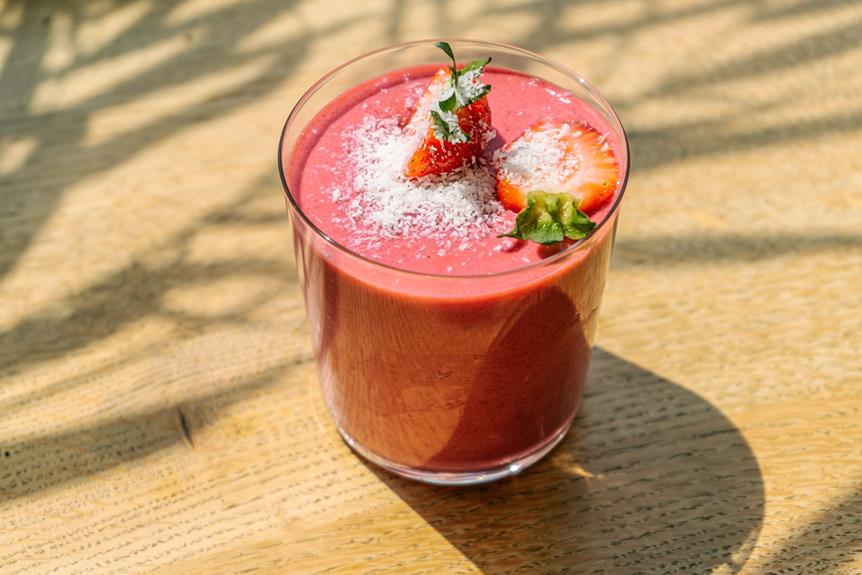
    Strawberry Watermelon Cooler

    With just a few simple steps, you can create a refreshing and delightful Strawberry Watermelon Cooler to beat the summer heat.

    Blend fresh strawberries and watermelon until smooth, then add a sweetener like sugar or honey to enhance the flavor.

    To achieve a refreshing, chilled consistency, incorporate ice cubes into the mix. For a citrusy twist, consider adding a splash of lemon or lime juice.

    Garnish your Filipino fruit shake with a slice of watermelon or a fresh strawberry for a decorative touch.

    This delightful Strawberry Watermelon Cooler offers a perfect balance of sweetness and tartness, making it an ideal choice for cooling down on hot summer days.

    Guyabano Pineapple Refresher

    Looking for a flavorful tropical fruit blend to keep you refreshed on hot summer days?

    The Guyabano Pineapple Refresher is a simple and quick recipe that’s both nutritious and hydrating.

    With ripe guyabano and pineapple, this shake offers a delicious way to beat the heat.

    Flavorful Tropical Fruit Blend

    For a refreshing taste of the tropics, try blending the unique flavor of guyabano with the tangy sweetness of pineapple in this easy-to-make summer beverage. The Guyabano Pineapple Refresher is a delightful Filipino fruit shake that captures the invigorating essence of tropical fruits.

    Here’s what you need to make this flavorful blend:

    • Fresh guyabano
    • Ripe pineapple
    • Ice
    • Sugar
    • Milk

    Simply blend these ingredients until smooth, and you’ll have a tangy and tropical concoction that embodies the exotic flavors of the Philippines.

    The combination of guyabano and pineapple creates a refreshing beverage perfect for quenching your thirst on hot summer days. Enjoy the goodness of Filipino fruits in every sip!

    Simple and Quick Recipe

    How do you blend the fresh guyabano and pineapple chunks to create a delicious and invigorating Guyabano Pineapple Refresher?

    It’s simple! Just toss the guyabano and pineapple chunks into a blender, add some ice cubes, and pour in a small amount of water to reach your desired consistency.

    If you have a sweet tooth, throw in a spoonful of honey or sugar. Then, blend everything until smooth, and voila! You’ve got yourself a refreshing Filipino fruit shake perfect for those hot summer days.

    The combination of the creamy guyabano and the tangy pineapple creates a truly tropical flavor that will transport you to paradise with every sip.

    Enjoy your homemade Guyabano Pineapple Refresher and beat the heat in style!

    Nutritious and Hydrating

    Toss the fresh guyabano and pineapple chunks into a blender, ensuring a blend of sweet and tangy flavors that also provides essential nutrients and high water content, creating a truly hydrating and nutritious Guyabano Pineapple Refresher.

    This Filipino fruit shake offers a refreshing and tropical taste, perfect for hot summer days. It contains high water content from the fruits, making it a hydrating beverage, while also providing essential nutrients and vitamins.

    For an extra refreshing twist, it can be blended with ice and a touch of sugar or honey for added sweetness. The combination of guyabano and pineapple creates a delicious concoction that not only quenches your thirst but also nourishes your body, making it an ideal choice for a healthy and revitalizing drink.

    Calamansi Honey Quencher

    Enjoy a revitalizing blend of calamansi juice, water, and a drizzle of honey in this refreshing Calamansi Honey Quencher.

    This Filipino fruit shake offers a perfect balance of tartness and sweetness, making it an ideal choice for quenching your thirst on hot summer days.

    The zesty flavor of calamansi combined with the natural sweetness of honey creates a delightful beverage that provides a natural energy boost.

    Simple to prepare, the Calamansi Honey Quencher is a popular choice for those looking to cool down and hydrate in a delicious way.

    Whether you’re looking for a quick pick-me-up or a refreshing drink to accompany your meals, this citrusy concoction is sure to become a favorite go-to option for staying refreshed during the summer months.

    Can Filipino Fruit Shakes be Served with Blue Marlin?

    Filipino fruit shakes are a popular choice for refreshing beverages in the Philippines. While they are typically enjoyed on their own, cooking blue marlin in Philippines and serving it with a tropical fruit shake could create a delightful and unique combination of flavors for those seeking a twist on traditional seafood dishes.

    Papaya Mango Delight

    Indulge in the tropical flavors of ripe papaya and sweet mangoes with this refreshing Papaya Mango Delight shake. This Filipino fruit shake offers a delightful blend of flavors that are perfect for hot summer days.

    Here are some key points about this delicious shake:

    • Made with ripe papaya, sweet mangoes, ice, and a hint of sugar for a refreshing flavor.
    • The combination of papaya and mango creates a tropical and luscious taste.
    • The recipe involves blending the ingredients until smooth and creamy.
    • An excellent choice for a healthy and hydrating summer beverage.
    • Perfect way to enjoy the natural sweetness and flavors of papaya and mango in a cool and revitalizing drink.

    Enjoy the goodness of papaya and mango with this delightful Filipino fruit shake.

    Frequently Asked Questions

    How to Make Smoothies for a Week?

    Plan your smoothie recipes for the week with a variety of fruits and flavors. Prep and pre-portion all ingredients in advance, store in containers or freezer bags. Use frozen fruits or ice cubes to keep them refreshing.

    Can You Mix Cucumber and Banana?

    Yes, you can mix cucumber and banana to create a unique, refreshing fruit shake. The combination enhances the flavor and texture, offering potential health benefits. You can also customize the shake to suit different dietary preferences or requirements.

    What Is Mango Shake Made Of?

    Mango shake is made of fresh Filipino mangoes, ice, sugar, milk, and can be turned into a shake with evaporated milk. It has a sweet and creamy taste, making it a popular choice for a refreshing summer drink.

    How to Make a Smoothie to Drink Later?

    To make a smoothie to drink later, prepare it with fresh fruits, ice, and your choice of liquid. Blend until smooth, pour into a sealable container, leaving space, and freeze. Thaw and shake before enjoying.

    Conclusion

    So there you have it, a variety of refreshing Filipino fruit shakes to keep you cool and satisfied during the hot summer days. One popular method used to prepare some of these refreshing shakes is the Filipino rice soaking method. This involves soaking rice, such as jasmine or sticky rice, in water for a few hours to soften it before blending it with the fruit and other ingredients. This adds a creamy texture and unique flavor to the shakes, making them even more enjoyable to savor on a hot day.

    With just a few simple ingredients and a blender, you can enjoy the taste of tropical fruits in a delicious and icy treat.

    So go ahead, whip up one of these fruit shakes and enjoy a taste of the Philippines wherever you are.

    Cheers to a refreshing summer!

  • Why Try a Refreshing Salabat Recipe for Colds?

    Why Try a Refreshing Salabat Recipe for Colds?

    Try a refreshing salabat recipe for colds to soothe sore throats and boost immunity. Customize it with ingredients like lemongrass for added benefits and enjoy its comforting flavors.

    Key Takeaways

    • Salabat, or ginger tea, is a traditional Filipino beverage made by boiling ginger slices in water.
    • Salabat has numerous health benefits, including boosting the immune system, soothing a sore throat, aiding digestion, and reducing inflammation.
    • Salabat can be enhanced with ingredients like calamansi and guava leaves for added benefits.
    • Salabat is low in calories and carbohydrates, rich in essential nutrients, and can provide a refreshing and rejuvenating feeling.

    The Origins of Salabat

    Salabat, also known as ginger tea, has its origins in Southeast Asia, particularly in the Philippines. This traditional herbal drink has been cherished for generations due to its numerous health benefits.

    In Filipino culture, ginger, known as ‘Luya’ in Tagalog, is a staple ingredient used not only in cooking but also as a natural remedy for various ailments.

    The process of making salabat is quite simple; ginger slices are boiled in water, and the strength of the tea can be adjusted according to preference. Many also choose to enhance its healing properties by adding sweeteners like honey, calamansi juice, or guava leaves.

    Salabat is renowned for its anti-viral and anti-bacterial properties, making it a popular choice for soothing colds and flu symptoms in the Philippines.

    Health Benefits of Salabat

    Salabat is a powerful immune system booster that can help you fight off colds and flu.

    It also provides relief for sore throat and eases digestive discomfort, making it a versatile remedy for various ailments.

    With its soothing and healing properties, salabat is a great addition to your wellness routine.

    Immune System Booster

    Boosting your immune system can be achieved by incorporating the health benefits of Salabat into your daily routine. Salabat, also known as ginger tea, is an immune system booster that provides relief for sore throat, aids in reducing inflammation, and improves blood circulation. It also helps with nausea and indigestion, making it a soothing and comforting beverage with nostalgic value and childhood memories.

    This heartwarming beverage is a natural remedy for colds and flu, making it an excellent addition to your wellness routine. Its properties can help alleviate symptoms of illness and contribute to overall well-being, making it an ideal choice for those looking to support their immune system and find relief from discomfort, especially when dealing with a sore throat.

    Soothes Sore Throat

    Soothing a sore throat with the health benefits of Salabat can provide much-needed relief during colds and flu. The natural properties of ginger tea, or salabat, have been long recognized for their ability to soothe a sore throat and provide comfort during illness. In Filipino culture, it’s a well-known remedy for soothing dry cough and providing warmth and comfort from within, making it perfect for sick days.

    Salabat’s role in relieving sore throat is deeply rooted in traditional healing practices. Additionally, it can be further enhanced with ingredients like calamansi and guava leaves, offering added benefits for soothing sore throat.

    When you’re dealing with the discomfort of a sore throat, a comforting cup of salabat can be a soothing and effective remedy.

    Eases Digestive Discomfort

    If you’ve ever experienced digestive discomfort, a warm cup of ginger tea may be just what you need. Homemade salabat, a soothing and comforting beverage, can ease digestive discomfort naturally. Here are some of the benefits of organic salabat for digestion:

    • Helps alleviate indigestion and nausea
    • Soothes stomach irritations from ginger’s spiciness
    • Aids in digestion, providing relief for digestive issues
    • Alleviates dry cough, making it a great natural remedy for respiratory problems

    Organic salabat, made from ginger, offers a natural and effective way to ease digestive discomfort. Whether you’re experiencing indigestion, nausea, or stomach irritations, a warm cup of homemade salabat can provide the soothing relief you need.

    Nutritional Value of Salabat

    Rich in essential nutrients and low in calories and carbohydrates, salabat is a light and refreshing beverage that offers a variety of health benefits.

    The warm and spicy drink is a popular cold remedy, known for its ability to soothe sore throats and clear congestion. Adding lemon to salabat can provide a vitamin C boost, enhancing its immune-boosting properties.

    Additionally, incorporating honey into salabat not only adds sweetness but also offers potential antibacterial and anti-inflammatory benefits.

    For those looking to manage their weight, salabat can be a great option as it’s low in calories and can help in digestion.

    Traditional Preparation of Salabat

    To prepare traditional salabat, start by boiling sliced ginger in water to extract its flavors and beneficial properties. Customize the strength of the tea by adjusting the amount of ginger used.

    Optionally, add honey or calamansi for added flavor and soothing properties. Consider adding guava leaves for their astringent and tonifying properties.

    Simmer the ginger and guava leaf in water for 20-25 minutes, then strain into a cup. This traditional method of preparing salabat has been cherished for generations, especially during the cold winter months.

    Salabat Variations Across Regions

    Variations of salabat can be found across different regions, each adding unique flavors and ingredients to the traditional ginger tea. In the Philippines, especially during Christmas, salabat is prepared with a special twist in various regions. Here’s a glimpse of how salabat is adapted in different areas:

    Region Ingredients Unique Twist
    Luzon Ginger, honey, calamansi Infused with cinnamon
    Visayas Ginger, brown sugar, water Added lemongrass for aroma
    Mindanao Ginger, turmeric, honey Sprinkled with a pinch of salt

    These regional variations reflect the diverse culinary traditions and local preferences. Whether it’s the warmth of cinnamon in Luzon or the aromatic lemongrass in Visayas, each region adds its own touch to the comforting salabat, making it a cherished part of the holiday season.

    Salabat Vs. Other Cold Remedies

    Amid the diverse regional adaptations of salabat, it’s valuable to compare its benefits with those of other cold remedies. When considering cold remedies, salabat stands out for its unique advantages:

    • Salabat provides comfort and warmth during cold and flu season.
    • Ginger tea, or salabat, can help with nausea and aid digestion.
    • Salabat can be personalized with additional ingredients like lemongrass for added benefits.
    • Salabat, or ginger tea, has been used in Filipino culture as a natural remedy for sore throat and colds.

    These qualities make salabat a versatile and effective option for addressing cold symptoms, offering not only relief but also a soothing experience during sick days.

    Serving Suggestions for Salabat

    For a delightful twist, consider serving your salabat with a slice of lemon and a drizzle of honey for added flavor. You can also enjoy salabat chilled or reheated, based on your preference. Leftover salabat should be stored in a sealed container in the refrigerator. To customize your salabat, try adding unique ingredients like lemongrass. Additionally, serve salabat throughout the day to experience its comforting and soothing effects.

    Time of Day Serving Suggestion
    Morning Enjoy with breakfast
    Afternoon Pair with a light snack
    Evening Relax with a warm cup
    Night Soothe before bedtime
    Anytime Add lemon and honey

    Serve your salabat to suit your mood and enjoy its comforting benefits throughout the day.

    Incorporating Salabat Into Daily Routine

    Start your day with a cup of refreshing salabat to boost your immune system and feel rejuvenated. Incorporating salabat into your daily routine can provide numerous benefits:

    • Have a cup of salabat in the morning to boost your immune system and start the day feeling refreshed.
    • Enjoy a warm cup of salabat in the afternoon as a relaxing break from your daily routine.
    • Substitute your regular tea or coffee with salabat to experience its soothing benefits throughout the day.
    • Incorporate salabat into your evening wind-down routine to promote relaxation and comfort.

    Can Salabat Help with Digestive Issues as Well?

    Yes, salabat can help with digestive issues as well. The taste and texture of bangus might not be everyone’s favorite, but the warming qualities of salabat can aid in soothing digestive discomfort, easing bloating, and promoting overall gut health.

    Tips for Making the Perfect Salabat

    To make the perfect salabat, start by choosing fresh and quality ingredients for your ginger tea. Adjust the strength of the tea by adding more or less ginger according to your taste.

    Consider adding additional ingredients like calamansi and guava leaves for enhanced benefits.

    Ingredients for Salabat

    Consider using fresh ginger to achieve the best flavor and maximize the health benefits of your salabat. Adjust the strength of the tea by adding more or less ginger to suit your taste.

    You can also consider adding sweetener, such as honey, for soothing properties and to balance the spiciness of the ginger. To enhance the healing properties, squeeze calamansi juice into the tea and drop the rind for added flavor.

    Additionally, consider adding guava leaves for their astringent and tonifying effects. These ingredients not only add to the taste and aroma of the salabat but also contribute to its health benefits.

    Brewing the Ginger Tea

    For the perfect salabat, begin by finely grating fresh ginger to extract maximum flavor and health benefits. Adjust the strength of the tea by adding more or less ginger to suit your taste preferences.

    Enhance the healing properties of the ginger tea by adding calamansi and guava leaves for additional health benefits. Squeeze calamansi juice into the tea and drop the rind for added flavor and nutritional value.

    Consider adding honey as a sweetener to the ginger tea for its soothing properties. Remember, it’s important to consult a physician before using any herbal supplement, as ginger tea may have contraindications for certain individuals.

    Enjoy the process of brewing your ginger tea and savor the comforting warmth it brings.

    Frequently Asked Questions

    Why Is Ginger Tea Good for Colds?

    Ginger tea is good for colds because it soothes sore throats, boosts the immune system, and aids digestion. It provides relief from nausea and can be customized with ingredients like lemongrass. Enjoy it for a moment of calm and relaxation.

    What Is Salabat Used For?

    Salabat is used to soothe sore throats, combat colds, and provide relief for dry coughs. It’s known for its anti-viral and anti-bacterial properties, offering comfort and warmth to your body during sick days.

    What Are the Benefits of Taking Ginger Tea?

    Ginger tea benefits you in many ways. It boosts immunity, aids digestion, reduces inflammation, improves circulation, and may help with menstrual cramps. It’s a warm, balancing herbal tonic that supports overall health and wellness.

    What Is the Meaning of Salabat?

    Salabat means ginger tea in Filipino. It’s a traditional remedy for colds and sore throats. Boil sliced ginger in water, add honey if you like. Enjoy its soothing properties and potential health benefits.

    Conclusion

    So, next time you’re feeling under the weather, why not brew up a batch of homemade salabat? Its soothing and healing properties, along with its immune-boosting benefits, make it a great choice for cold and flu season. In Chinese cooking traditions, salabat, also known as ginger tea, has been used for centuries to promote wellness and combat illness. The warmth of the ginger, combined with honey and lemon, can help to ease sore throats and clear stuffy sinuses. So, whether you’re battling a cold or just in need of a comforting drink, give homemade salabat a try and feel the nourishing effects for yourself.

    Plus, you can customize the taste to suit your preferences and enjoy the comforting flavors of this traditional remedy. Give it a try and feel the relief for yourself!

  • 5 Easy Kapeng Barako Brewing Secrets Unveiled

    5 Easy Kapeng Barako Brewing Secrets Unveiled

    Kapeng Barako is a traditional coffee from Batangas, Philippines, known for its strong, earthy flavor. To brew the perfect cup, use high-quality Liberica beans, experiment with secret ingredients like spices or chocolate, and consider the brewing method.

    Key Takeaways

    • Kapeng Barako originated in Batangas, Philippines, and was the world’s sole supplier of coffee in the 1800s.
    • The Macasaet family played a pivotal role in popularizing kapeng barako.
    • Select high-quality Liberica coffee beans with a strong, earthy aroma and rich taste for brewing kapeng barako.
    • Experiment with secret ingredients like spices, vanilla, coconut milk, caramel, dark chocolate, or sea salt to enhance the flavor of kapeng barako.

    Understanding Kapeng Barako’s Origins

    Understanding the origins of Kapeng Barako is essential to appreciating its significance in Philippine coffee culture.

    This traditional coffee varietal is grown in Batangas, a province known for its rich coffee heritage. In the 1800s, Batangas was the world’s sole supplier of coffee, earning it the title of ‘Coffee Capital of the Philippines’.

    The term ‘barako’ encompasses all coffee from Batangas and Cavite, reflecting the strength and resilience associated with this region. The Macasaet family played a pivotal role in popularizing kapeng barako, cultivating it in the fertile lands of Barangay Pinagtung-Ulan, Batangas.

    As Philippine coffee beans gained recognition in international markets, kapeng barako emerged as a sought-after variety, commanding higher prices in America and Europe. Even today, all types of coffee from Batangas are generically referred to as barako, underscoring the legacy of this traditional brew.

    Selecting the Best Coffee Beans

    When selecting the best coffee beans, consider the origin and variety to ensure a rich and distinctive flavor profile.

    For Kapeng Barako brewing, opt for native varieties like Liberica, which thrives in the Batangas province of the Philippines, where Kapeng Barako is traditionally grown. Look for beans with a strong, earthy aroma and a rich taste that aligns with your preferences.

    Ensure the beans are of high quality and freshly roasted to maximize their flavors and aromas. Also, consider the brewing method you’ll use and choose varieties that complement it, whether it’s a French press, pour-over, or the traditional Filipino coffee sock.

    Explore unique coffee varieties like Kapeng Barako, which offers a distinct taste and holds cultural significance, adding to the overall coffee experience.

    Always prioritize local produce for an authentic Kapeng Barako brewing experience.

    Mastering the Brewing Technique

    To master the brewing technique for Kapeng Barako, begin by sourcing and roasting the coffee beans from the Batangas and Cavite provinces in the Philippines. Understanding the medium to dark roast level is crucial to bring out the distinct aroma and bold flavor of Kapeng Barako during the roasting process.

    Whether using traditional Filipino methods like the coffee sock or modern techniques such as the French press, maintaining a balanced flavor with the recommended coffee-to-water ratio of 1:15 is essential.

    Embrace the cultural tradition by serving Kapeng Barako in ‘tasa’ cups, enjoying it with or without sugar or condensed milk, and pairing it with local Filipino delicacies for a complete experience.

    Enhancing Flavor With Secret Ingredients

    Mastering the brewing technique for Kapeng Barako sets the foundation for elevating its rich and earthy flavor with secret ingredients. To truly bring out the distinct taste of Kapeng Barako, it is essential to prioritize the quality and freshness of the beans. Mastering the art of roasting and grinding the beans to perfection is also crucial in achieving the desired boldness of flavor. In addition to the brewing process, enhancing the overall experience of enjoying Kapeng Barako can be accomplished by pairing it with a refreshing salabat recipe, which complements its robust and intense profile with a warm and soothing contrast. This harmonious combination creates a delightful sensory experience that will surely satisfy any coffee connoisseur.

    To enhance the aroma and taste, consider adding spices like cinnamon or nutmeg. These spices can bring out the unique flavors of Kapeng Barako, creating a delightful sensory experience.

    Additionally, try incorporating a hint of vanilla or a splash of coconut milk to add a touch of indulgence to your brew. For a more decadent twist, experiment with infusing your Kapeng Barako with a hint of caramel or a dash of dark chocolate.

    To further amplify its robust and bold characteristics, a pinch of sea salt can be added to embrace the versatility of Kapeng Barako.

    Get creative and tailor the secret ingredients to your preferences to craft a unique and flavorful cup of Kapeng Barako.

    How Can I Use Kapeng Barako to Complement Galunggong Dishes?

    Kapeng Barako can be used to complement popular dishes with galunggong by utilizing its rich and bold flavor to enhance the overall taste of the dish. The strong and aromatic coffee can be used as a dry rub or marinade for grilled or fried galunggong, adding a unique depth of flavor.

    Perfecting the Kapeng Barako Brew

    Perfect the Kapeng Barako brew by selecting high-quality Liberica coffee beans and ensuring a medium to dark roast level to enhance its bold flavor and aroma. To achieve the perfect brew, focus on the coffee-to-water ratio, grind coarseness, and steeping time. The following table provides a quick reference for brewing the aromatic Kapeng Barako using various methods:

    Brewing Method Coffee-to-Water Ratio Grind Coarseness Steeping Time
    French Press 1:15 Coarse 3-4 minutes
    Pour-Over 1:15 Medium 3-4 minutes
    Filipino Coffee Sock 1:15 Coarse 3-4 minutes

    Frequently Asked Questions

    Is Kapeng Barako High in Caffeine?

    Yes, kapeng barako is high in caffeine content. It provides a strong energy boost, improves mental alertness, and boosts energy levels. When brewed, it releases a distinct, bold flavor highly appreciated by coffee enthusiasts.

    How Many Minutes to Cook Kapeng Barako?

    To brew Kapeng Barako, steep the coffee grounds in hot water for 3-4 minutes. Use a coffee-to-water ratio of 1:15 for a balanced flavor. Serve the coffee hot in small cups and enjoy it with sugar or condensed milk.

    What Does Barako Mean?

    Barako means tough and strong, associated with the intense flavor and popularity among wild boars of coffee from Batangas and Cavite. It’s known for its distinct aroma and bold taste, gaining popularity worldwide.

    What Is the Flavor of Barako Coffee?

    Barako coffee has a rich, earthy flavor with a floral finish. It’s strong and acidic, providing a unique taste experience. Brew it just right to savor its robust profile and enjoy a taste of home.

    Conclusion

    So, there you have it! By following these simple secrets, you can brew the perfect cup of Kapeng Barako every time.

    Remember to use freshly roasted beans, grind them just before brewing, and steep for the right amount of time.

    And don’t forget to serve it immediately to enjoy its rich flavor and aroma.

    With these tips, you’ll be able to savor the unique taste of Kapeng Barako in the comfort of your own home.

    Cheers!

  • Easy Sago’t Gulaman Recipe: A Classic Refreshment

    Easy Sago’t Gulaman Recipe: A Classic Refreshment

    Sago’t Gulaman is a traditional Filipino dessert drink made with tapioca pearls, gelatinous gulaman, and sweet brown sugar syrup. It’s easy to make and perfect for a refreshing treat.

    Key Takeaways

    • Tapioca pearls can be made by boiling them until translucent and chewy, and then storing them in the refrigerator.
    • Gulaman jelly can be made by dissolving agar-agar in water and cutting it into small cubes.
    • Soaking tapioca pearls and agar-agar removes excess starch and ensures proper hydration.
    • Brown sugar syrup can be made by caramelizing brown sugar with water and vanilla extract, and adjusting the sweetness to taste.

    Ingredients for Sago’t Gulaman

    To make Sago’t Gulaman, you’ll need tapioca pearls, gelatin powder, brown sugar, vanilla extract, and water.

    This traditional Filipino dessert drink is sweet and refreshing. Tapioca pearls are cooked until they become translucent, providing a unique texture to the beverage.

    The brown sugar and water are combined to create arnibal, a sweet syrup that adds depth to the drink.

    Gelatin powder is dissolved in hot water, then mixed with cold water to form the gulaman, a gelatinous substance that gives the drink its characteristic texture.

    When all the ingredients are combined, the Sago’t Gulaman is best served cold, making it a perfect accompaniment to various Filipino street foods or a delightful treat on its own.

    Making the Tapioca Pearls (Sago)

    Start by boiling the tapioca pearls until they become translucent and chewy, following the package instructions. To ensure the best results, properly rinse and soak the pearls to remove excess starch before using them in your recipe.

    After cooking, strain and wash the tapioca pearls with cold water to prevent sticking. For convenience, store the cooked tapioca pearls in individual containers with a lid in the refrigerator for up to 3 days.

    You can also utilize ready-to-use sago from Filipino or Asian grocers to save time and effort in the cooking process.

    With these simple steps, you’ll be able to prepare the tapioca pearls (sago) perfectly for your delicious Sago’t Gulaman.

    Preparing the Gulaman Jelly

    To prepare the gulaman jelly, start by dissolving the agar-agar in water and heating it until it thickens.

    Then, cut the gulaman into small cubes after it solidifies.

    Soaking the Sago

    Before beginning the preparation, ensure that the tapioca pearls are soaked in cold water for 30 minutes to eliminate excess starch. This step is crucial to achieve the perfect texture for your Sago’t Gulaman.

    Here’s how to do it:

    1. Soak the tapioca pearls in cold water for 30 minutes to remove excess starch.
    2. Rinse the soaked tapioca pearls thoroughly to prevent sticking during cooking.

    In addition, there is another step to follow for the agar-agar:

    1. Soak the agar-agar in water for 20-30 minutes before cooking to ensure proper hydration.
    2. Stir the agar-agar mixture occasionally while soaking to evenly distribute the water.

    Boiling the Gulaman

    Boil the gulaman (agar-agar) in water until it thickens, then allow it to cool and solidify before slicing into small cubes, ensuring to use a medium-sized pan and keeping an eye on the caramelization of the brown sugar to prevent burning when making the syrup (arnibal).

    When boiling the gulaman, it’s important to watch the process carefully to achieve the right consistency. Here’s a simple guide to help you through the process:

    Steps to Boil the Gulaman
    Step 1: Boil agar-agar in water until it thickens.
    Step 2: Allow it to cool and solidify.
    Step 3: Slice into small cubes.

    Following these steps will ensure that the gulaman sets perfectly and adds that delightful texture to your Filipino Sago’t Gulaman.

    Cutting the Jelly

    For the perfect presentation, carefully slice the set gelatin into small, uniform cubes using a sharp knife.

    1. Once the gelatin is fully set, ensure that you use a sharp knife for clean and precise cuts.
    2. Aim to create uniformly sized cubes to enhance the visual appeal of the gulaman jelly.
    3. Keep the cubes bite-sized to allow for easy mixing into the drink.
    4. Prepare the gulaman jelly cubes in advance and store them in the refrigerator until you’re ready to assemble the Sago’t Gulaman drink.

    Making the Brown Sugar Syrup

    To make the brown sugar syrup, start by caramelizing 3 cups of brown sugar with 2-3 cups of water and a tablespoon of vanilla extract.

    Ensure the brown sugar is completely dissolved and simmer the mixture for about 10 minutes.

    Adjust the sweetness by adding more brown sugar if needed and let the syrup cool for 5 minutes before incorporating the vanilla extract and mixing well.

    Syrup Ingredients and Prep

    When preparing the brown sugar syrup for Sago’t Gulaman, you can caramelize 3 cups of brown sugar with 2-3 cups of water and a tablespoon of vanilla extract. Here’s how to prepare the syrup:

    1. Stir the mixture until the brown sugar is completely dissolved and simmer for 10 minutes to achieve the desired consistency.
    2. Adjust the sweetness of the syrup by adding more brown sugar if needed.
    3. Once the syrup is ready, let it cool for 5 minutes before adding the vanilla extract.
    4. After adding the vanilla extract, mix the syrup well until the vanilla flavor is fully incorporated.

    Following these steps will ensure that you have a delicious and aromatic brown sugar syrup ready to be used in your Sago’t Gulaman recipe.

    Cooking the Syrup

    As you move from preparing the brown sugar syrup to cooking it, remember to simmer the dark brown sugar and water in a saucepan for 10 minutes to achieve the desired consistency. Stir in vanilla extract to add flavor, and adjust the sweetness by adding more brown sugar to taste.

    Once the syrup reaches the desired thickness, remove it from the heat and let it cool for 5 minutes before using.

    This brown sugar syrup will serve as the sweetener and flavoring for your Sago’t Gulaman drink. Making the syrup is a crucial step in achieving the authentic taste of this classic refreshment.

    Now that your brown sugar syrup is ready, you can proceed to the next steps in preparing your delicious Sago’t Gulaman.

    Assembling the Sago’t Gulaman

    Assemble the Sago’t Gulaman by following these steps:

    1. First, spoon the cooked tapioca pearls into the bottom of the glass.
    2. Next, add a layer of the prepared gelatin on top of the tapioca pearls.
    3. Then, drizzle the caramelized brown sugar syrup (arnibal) over the tapioca pearls and gelatin.
    4. Finally, add cold water to the glass and stir the drink together before serving.

    Serving and Enjoying the Refreshing Drink

    To fully savor the refreshing Sago’t Gulaman drink, consider serving it in individual glasses for an appealing presentation. Stir the drink well before serving to ensure that the tapioca pearls and gulaman are evenly distributed. Enjoy the Sago’t Gulaman with traditional Filipino snacks like turon, bananacue, or kamote cue to complement the sweet flavors.

    Experiment with different combinations and pair the Sago’t Gulaman with your favorite snacks to enhance the overall experience. Chill the Sago’t Gulaman in the refrigerator before serving to enjoy it at its best and to cool down in hot weather.

    Tips for Serving and Enjoying
    Serve in individual glasses Stir well before serving
    Enjoy with traditional Filipino snacks Experiment with different pairings
    Chill in the refrigerator before serving

    What Makes This Sago’t Gulaman Recipe a Classic Refreshment?

    The Sago’t Gulaman recipe has stood the test of time as a classic refreshment. Its simplicity and refreshing taste make it a popular choice for quenching thirst on a hot day. Just like the best pan de sal recipe, this drink has become a staple in Filipino cuisine. Whether it’s for a merienda or to accompany a savory meal, Sago’t Gulaman is always a hit with both young and old alike. And for those who want to take their love for traditional Filipino refreshments to the next level, why not make your own taho at home? With just a few simple ingredients, you can enjoy the sweet and silky goodness of this iconic treat from the comfort of your own kitchen.

    Variations and Tips for Sago’t Gulaman

    After enjoying the refreshing Sago’t Gulaman drink with traditional Filipino snacks, let’s explore some exciting variations and tips to elevate your Sago’t Gulaman experience.

    1. Experiment with different flavors by adding pandan leaves or fruit extracts to the gulaman for a unique twist.
    2. For a creamy version, substitute some of the water with coconut milk for a richer taste.
    3. Add a splash of calamansi juice to the drink for a tangy kick and a refreshing twist on the classic recipe.
    4. To create a visually appealing drink, layer the sago, gulaman, and arnibal in a clear glass for a colorful and attractive presentation.

    Frequently Asked Questions

    What Is Sago Drink Made Of?

    Sago drink is made of tapioca pearls cooked until translucent and chewy. It also includes gulaman, a gelatin-like substance made from agar-agar, and a brown sugar syrup called arnibal. Combine these for a refreshing beverage.

    The Translation of Sago at Gulaman Is Sago and Agar Jelly

    Yes, the translation of sago at gulaman is “sago and agar jelly.” Both ingredients are commonly used in Filipino desserts and beverages, known for their distinct textures and flavors in the local cuisine.

    What Type of Mixture Is Sago and Gulaman?

    Sago and Gulaman create a delightful mixture. Boil tapioca pearls to chewy perfection for Sago, and dissolve agar-agar in water for Gulaman. Combine these for a classic Filipino treat enjoyed for its texture and flavor.

    Can Sago Be Refrigerated?

    Yes, sago can be refrigerated. It’s best to store it in a covered container to maintain freshness. When serving refrigerated sago, make sure to check for any changes in texture or taste before consuming.

    Conclusion

    Now that you’ve learned how to make Sago’t Gulaman, you can enjoy this classic Filipino refreshment anytime.

    With its sweet brown sugar syrup, chewy tapioca pearls, and almond jelly, it’s the perfect drink for hot days.

    Get creative with different variations and remember to serve it chilled for maximum enjoyment.

    Cheers to staying cool and refreshed with this delightful beverage!

  • 5 Best Traditional Coconut Milk Beverages From the Philippines

    5 Best Traditional Coconut Milk Beverages From the Philippines

    The Philippines offers a variety of traditional coconut milk beverages, such as Buko Juice, Ginataang Mais, and Guinumis, that are refreshing and hydrating. These drinks provide a tropical taste and are often enjoyed warm during colder seasons or special occasions. They are considered exotic Filipino drinks and are a must-try for those who love exploring different cultures through food and drink. For those looking to try something unique, the Philippines also offers a selection of Philippine fruit wines made from local fruits like mango, pineapple, and berries. These wines are a delightful way to experience the flavors of the Philippines and are often enjoyed during festive celebrations or casual gatherings. The combination of traditional coconut milk beverages and Philippine fruit wines provides a diverse range of options for anyone seeking to immerse themselves in the rich and vibrant culinary culture of the Philippines.

    Key Takeaways

    • Coconut milk beverages are a popular choice in the Philippines, with options like Buko Juice and Guinumis offering a creamy and tropical taste.
    • These beverages provide a refreshing and hydrating option, especially on hot days.
    • Coconut milk-based desserts and snacks, such as Ginataang Mais and Binignit, offer a rich and creamy texture with a mix of flavors and textures.
    • These traditional coconut milk-based treats are enjoyed warm during colder seasons or special occasions and offer unique taste profiles with ingredients like sweet potatoes, taro, and purple yam.

    Buko Juice

    If you’re looking for a truly refreshing and authentic Filipino beverage, buko juice is a must-try. This tropical drink is extracted from young coconuts, known for its hydrating properties and delicious taste.

    It’s a popular choice in the Philippines, often served in its natural coconut shell to provide an authentic tropical experience. One of the best things about buko juice is that it’s lactose-free, making it a great option for those with lactose intolerance.

    The natural sweetness and refreshing nature of buko juice make it an ideal choice for quenching your thirst on a hot day. So, if you want to experience a taste of the tropics while staying hydrated, don’t miss out on trying this traditional and delightful Filipino beverage.

    Ginataang Mais

    Ginataang Mais is a creamy and sweet Filipino coconut milk beverage made with corn and sugar, creating a comforting and tropical flavor. This vegan drink is a popular dessert or snack in the Philippines.

    The creamy texture, combined with the sweetness of coconut milk and the natural flavors of corn, makes it a comforting and satisfying choice. It’s often served warm, especially during colder seasons, providing a soothing and indulgent experience.

    The vegan aspect of Ginataang Mais makes it a versatile option for those with dietary restrictions. The simplicity of its ingredients allows for easy preparation, making it a beloved traditional beverage that can be enjoyed by many.

    Guinumis

    Savor the delightful blend of coconut milk, melon strips, and refreshing crushed ice in the milk-based dessert beverage known as Guinumis.

    Guinumis is a hydrating and satisfying drink that offers a unique combination of flavors and textures. Here’s what you can expect from this traditional Filipino beverage:

    1. A creamy and tropical taste that’s both refreshing and indulgent.
    2. The chewy texture of jelly and food starch sago, providing a delightful contrast to the smooth coconut milk.
    3. A hint of sweetness from the sugar, creating a perfect balance of flavors.
    4. The added crunch of toasted rice, adding a subtle nuttiness to the overall experience.

    Guinumis is the ideal beverage for those seeking a cooling and hydrating treat, and it can even be enjoyed as a base for creative cocktails.

    Binignit

    When preparing Binignit, start by combining sweet potatoes, taro, purple yam, bananas, and tapioca pearls in a pot with coconut milk and sugar. This traditional Filipino dessert is known for its rich and creamy coconut milk base, infused with the natural sweetness of the ingredients. Binignit is often enjoyed warm, making it a comforting treat, especially during Holy Week and other special occasions.

    The delightful mix of flavors and textures from the sweet potatoes, taro, purple yam, bananas, and tapioca pearls creates a satisfying dessert that is loved by many. Here’s a quick overview of the delicious Binignit:

    Ingredients Benefits Flavor Profile
    Sweet Potatoes Rich in fiber Sweet
    Taro High in vitamin B6 Nutty
    Purple Yam Source of antioxidants Earthy

    Are Traditional Coconut Milk Beverages from the Philippines Considered Exotic Filipino Drinks?

    Yes, traditional coconut milk beverages from the Philippines are definitely considered exotic Filipino drinks. For those who love exploring different cultures through their culinary offerings, adding these unique and refreshing drinks to your exotic Filipino drinks bucket list is a must.

    Ginataang Bilo-Bilo

    As you explore traditional coconut milk beverages from the Philippines, the comforting and rich flavors of Binignit seamlessly transition into the delightful texture and fragrance of Ginataang Bilo-Bilo.

    This traditional Filipino dessert soup is a creamy and fragrant delicacy made with glutinous rice balls, sweet potatoes, taro, and tapioca pearls, all simmered in coconut milk and pandan leaves. The combination of chewy rice balls, starchy root vegetables, and creamy coconut milk creates a delightful textural contrast in every spoonful.

    Ginataang Bilo-Bilo isn’t only a beloved part of Filipino cuisine but also offers health benefits from the nutritious ingredients, including the goodness of coconut milk and the natural sweetness of the root vegetables. This sweet and hearty dessert is commonly enjoyed as a midday snack or a comforting treat during special occasions and family gatherings.

    Frequently Asked Questions

    What Is the Best Tasting Coconut Milk to Drink?

    When choosing coconut milk to drink, aim for smooth, creamy, and balanced sweetness without added sugars or fillers. Look for trusted brands like Jolly, Fiesta, or Coco Mama for high-quality options. Consider purpose, consistency, taste, and packaging type.

    What Is the Difference Between Coconut Milk and Coconut Milk Beverage?

    Coconut milk is extracted from mature coconuts, while coconut milk beverage is a diluted version sold as a drink. The former is creamy and used in cooking, while the latter is less creamy and consumed as a beverage.

    What Type of Filipino Food Is Made From Coconut Milk?

    Filipino food like Buko Pandan and Buko Shake are made from coconut milk. It’s a key ingredient in refreshing tropical drinks such as Buko Juice and desserts like Buko Salad Drink.

    What Is Kara Coconut Milk?

    Kara Coconut Milk is a high-quality coconut milk brand from the Philippines, known for its creamy consistency and authentic flavor. It’s available in canned and carton formats, making it versatile for cooking and baking.

    Conclusion

    In conclusion, the Philippines offers a variety of traditional coconut milk beverages that are refreshing and delicious. Whether you’re sipping on Buko Pandan or indulging in Taho, each drink provides a unique and satisfying taste of coconut.

    With the creamy richness of Buko Shake and the flavorful toppings of Guinumis, these coconut milk beverages are a must-try for anyone looking to experience the flavors of the Philippines.