Category: Iconic Filipino Condiments and Sauces

  • Affordable Picks: Top 5 Philippine Condiments

    Affordable Picks: Top 5 Philippine Condiments

    Looking for the top 5 affordable Philippine condiments? Check out spicy vinegar, banana ketchup, sweet chili sauce, soy sauce, and fish sauce for a flavorful kick in your dishes.

    Key Takeaways

    • Spicy condiments like spicy vinegar and sweet chili sauce are versatile and can be used as dipping sauces or marinades.
    • Banana ketchup is a unique condiment with a sweet and tangy taste, perfect for fried foods and grilled meats.
    • Fish sauce is a traditional Filipino condiment that enhances flavors and brings out natural richness, commonly used in Southeast Asian cuisines.
    • Soy sauce is a versatile staple in Filipino cuisine, adding depth and richness to dishes and commonly mixed with other ingredients like calamansi or vinegar.

    Spicy Vinegar

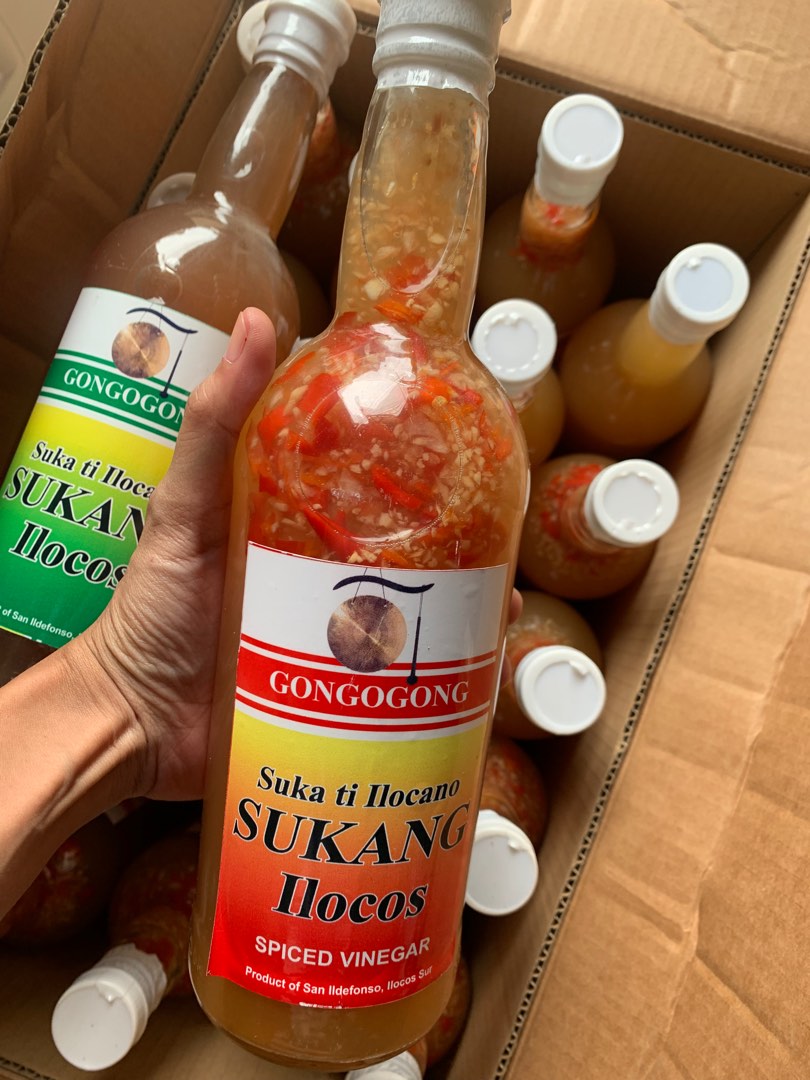
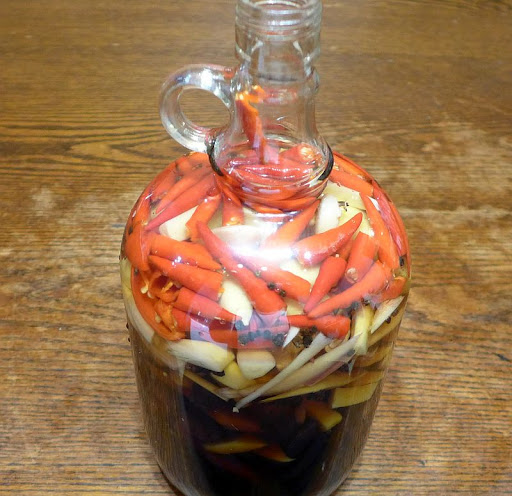
    Spice up your meals with Spicy Vinegar, a popular Filipino condiment infused with chili peppers and other spices, adding a kick of heat and tanginess to a variety of dishes.

    This vinegar is a staple in Filipino cuisine, bringing a burst of flavor to grilled meats, seafood, and fried snacks. Its versatility shines as a dipping sauce, commonly paired with street foods like barbecue, fried fish, and spring rolls.

    You can even customize it by adding garlic, onions, or soy sauce for a more complex taste. The zesty and spicy profile of Spicy Vinegar perfectly complements the umami flavors in Filipino dishes, striking a harmonious balance of heat and acidity.

    With its bold and tangy punch, Spicy Vinegar is a must-have for anyone looking to elevate their culinary creations with an authentic Filipino flair.

    Banana Ketchup

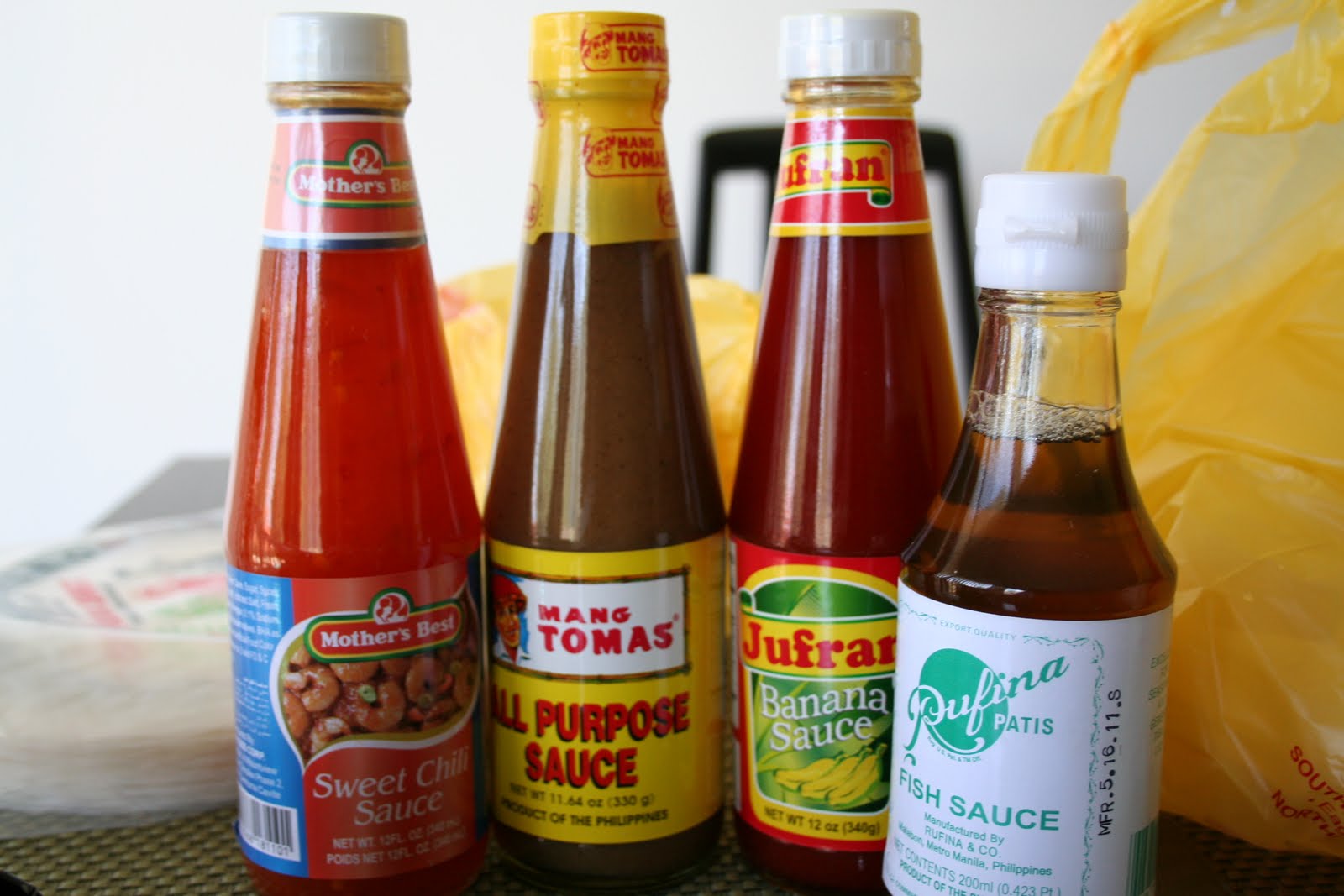
    A popular alternative to regular ketchup in Filipino cuisine, banana ketchup is a sweet and tangy condiment primarily made from bananas. It’s a versatile dipping sauce for fried foods or a flavor enhancer for grilled meats, adding a tropical twist to meals.

    When using banana ketchup, consider the following:

    • Versatility: Its sweet and tangy flavor makes it suitable for various dishes, from fried snacks to grilled meats.
    • Color and Taste: Known for its vibrant red color and unique tropical taste, it offers a distinctive twist to the usual condiments.
    • Filipino Cuisine: Embraced in Filipino cuisine, banana ketchup reflects the fusion of traditional flavors with a tropical flair, making it a must-try for a genuine Filipino food experience.

    Sweet Chili Sauce

    Embrace the diverse flavors of Filipino cuisine as you explore the zesty sweetness of Sweet Chili Sauce, a versatile condiment that adds a delightful kick to a wide range of dishes. This popular Filipino sauce offers the perfect blend of sweetness and spiciness, crafted from red chili peppers, sugar, garlic, vinegar, and sometimes a hint of tangy calamansi juice.

    Its unique flavor profile makes it an ideal accompaniment for fried foods, grilled meats, spring rolls, and seafood. Check out the table below for a quick comparison of Sweet Chili Sauce with another Filipino favorite, sweet and sour sauce.

    Criteria Sweet Chili Sauce Sweet and Sour Sauce
    Flavor Sweet and Spicy Sweet and Tangy
    Main Ingredients Red Chili Peppers, Sugar, Garlic, Vinegar, Calamansi Juice Sugar, Vinegar, Soy Sauce, Ketchup
    Common Pairings Fried Foods, Grilled Meats, Seafood, Spring Rolls Fried Chicken, Pork, Fish, Egg Rolls

    You can easily find this delectable condiment in most grocery stores or prepare it at home for a fresh and customized flavor.

    Soy Sauce

    Soy sauce is a versatile staple in Filipino cuisine, adding depth and richness to a wide variety of dishes. When used in Filipino sweet and sour dishes, soy sauce brings a perfect blend of saltiness and umami to the table. It’s commonly mixed with calamansi, vinegar, or spices to create different variations of dipping sauces, adding depth and flavor to the dishes.

    Additionally, soy sauce is a key ingredient in Filipino condiments, offering a balance of saltiness and umami to a wide range of foods, from grilled meats to pickled vegetables. This fermented shrimp-based sauce is a crucial element in Filipino cuisine, providing a unique and savory taste to the food.

    Fish Sauce

    When cooking, enhancing the flavors of your dishes with a dash of fish sauce can elevate the overall taste experience and bring out the natural richness of the ingredients.

    Fish sauce, also known as Patis, is a traditional Filipino condiment derived from fermenting fish species like anchovies, shrimp, or mackerel. Its minimum two-year fermentation process activates a chemical reaction that yields an umami experience, enhancing the taste of meals.

    This versatile sauce is a crucial ingredient in many Southeast Asian cuisines, adding savory depth to various dishes. In the Philippines, it’s commonly used in traditional Filipino recipes and street foods, enriching the flavors of dishes like adobo and sinigang.

    When choosing fish sauce, consider factors such as origin, color, natural ingredients, and price to ensure the best quality and flavor for your culinary creations.

    Frequently Asked Questions

    What Is the Most Popular Condiment in Philippines?

    The most popular condiment in the Philippines is banana ketchup. It’s a sweet and tangy sauce made from bananas, sugar, vinegar, and spices. Filipinos love to pair it with fried foods and grilled meats for a flavorful kick.

    What Are the 10 Sauces That Commonly Used in Philippines?

    In the Philippines, commonly used sauces are toyomansi, inihaw toyo, suka, at sili, sinamak, agre dulce, asado sauce, banana ketchup, chili garlic sauce, ketchup and mayonnaise sauce, atchara, atcharang maasim, atcharang labóng, atcharang dampalit, atcharang ubod, arnibal, lechon sauce, Manongs sauce, palapa, suka pinakurat, and sarsang miso.

    What Is the Best Patis in the Philippines?

    When looking for the best patis in the Philippines, try checking out local markets or specialty stores. Ask for recommendations from locals, they often have the inside scoop on the most flavorful options.

    What Are 5 Condiments?

    Sure! Condiments are essential for adding flavor to dishes. Common ones include ketchup, mustard, mayo, soy sauce, and hot sauce. These versatile flavors can enhance your meals in many ways.

    Conclusion

    So there you have it – the top 5 affordable Philippine condiments to spice up your meals.

    Whether you’re a fan of spicy vinegar, banana ketchup, sweet chili sauce, soy sauce, or fish sauce, there’s something for everyone to enjoy.

    With these flavorful condiments, you can easily elevate your dishes and experience the unique and delicious flavors of Filipino cuisine without breaking the bank.

    Happy cooking!

  • 5 Best Filipino Sauces for Barbecue Nights

    5 Best Filipino Sauces for Barbecue Nights

    The 5 best Filipino sauces for barbecue nights include Jufran Banana Sauce for a sweet and tangy flavor, Mama Sita’s Barbecue Marinade for a perfect blend of sweet and savory, Datu Puti Soy Sauce for savory and salty marinades, Mang Tomas All-Purpose Sauce for versatile flavor, and UFC Banana Ketchup for a tropical twist.

    Key Takeaways

    • Banana-based sauces like Jufran Banana Sauce and UFC Banana Ketchup add a unique sweet and tangy flavor to grilled meats, elevating the flavors with a Filipino barbecue flair.
    • Barbecue marinades such as Mama Sita’s Barbecue Marinade offer a perfect blend of sweet and savory flavors that enhance the taste of grilled chicken and pork, providing an authentic Filipino barbecue experience.
    • Soy sauce, specifically Datu Puti Soy Sauce, is an essential condiment for marinating and grilling meats, particularly for creating the authentic taste of pork barbecue. Its savory and slightly salty taste enhances the flavor of marinated pork and overall grilled meats.
    • All-purpose barbecue sauces like Mang Tomas All-Purpose Sauce are versatile condiments that can be used as marinades or basting sauces. They add a unique blend of sweet, tangy, and savory flavors to grilled meats and are a staple condiment in Filipino households for barbecue nights.

    Jufran Banana Sauce

    If you’re looking to add a unique sweet and tangy flavor to your grilled meats, Jufran Banana Sauce is an excellent choice.

    This Filipino barbecue sauce, also known as banana ketchup, is a popular condiment that adds a delightful twist to your BBQ pork or pork BBQ.

    Made from mashed bananas, vinegar, sugar, and spices, Jufran Banana Sauce provides a distinct and irresistible flavor that perfectly complements grilled chicken and pork.

    Whether you’re marinating your meats or using it as a dipping sauce, Jufran Banana Sauce is a versatile addition to your outdoor barbecue.

    Its sweet and tangy taste makes it a standout among Filipino dipping sauces, elevating the flavors of your grilled dishes and adding a touch of Filipino barbecue flair to your meals.

    Mama Sita’s Barbecue Marinade

    Transitioning from the delightful sweetness of Jufran Banana Sauce, Mama Sita’s Barbecue Marinade offers a perfect blend of sweet and savory flavors, enhancing the taste of your grilled chicken and pork with its authentic Filipino barbecue experience.

    This sweet and savory sauce is a staple in Filipino BBQ recipes and is a convenient option for marinating pork slices or chicken. With Mama Sita’s Barbecue Marinade, you can effortlessly marinate the meat, infusing it with delicious flavors for a mouthwatering outcome.

    It also serves as a fantastic dipping sauce, especially when mixed with spicy vinegar, adding an extra layer of flavor to your grilled meat.

    Experience the true essence of Filipino cuisine with this versatile and flavorsome marinade.

    Datu Puti Soy Sauce

    Dive into the rich flavors of Filipino cuisine with Datu Puti Soy Sauce, an essential condiment for marinating and grilling meats to perfection. This Filipino-style soy sauce is a key ingredient in creating the authentic taste of pork barbecue, a beloved street food in the Philippines. Its savory and slightly salty taste enhances the overall flavor of marinated pork, making it a popular choice for BBQ sauce. To evoke an emotional response, here’s a table that showcases the versatility of Datu Puti Soy Sauce:

    Enhances Flavor of Grilled Meats Complements Barbecue Pork
    Adds Rich Umami Flavor Perfect for Marinating
    Key Component in Filipino Cuisine Essential for Pork BBQ

    Marinate overnight with Datu Puti Soy Sauce for a truly flavorful Filipino pork barbecue experience.

    Mang Tomas All-Purpose Sauce

    Mang Tomas All-Purpose Sauce is a versatile and essential condiment for your barbecue nights. It adds a deliciously unique flavor to your grilled meats. Whether you’re marinating pork overnight or basting skewers on the grill, this Filipino favorite enhances the taste of your barbecue spread.

    Here’s why it’s a must-have:

    • Versatile: Use it as a marinade for pork or as a basting sauce for your barbecue dishes.
    • Unique Flavor: Its blend of sweet, tangy, and savory flavors adds an authentic Filipino taste to your grilled meats.
    • Staple Condiment: With its rich, thick texture, Mang Tomas All-Purpose Sauce is a staple in Filipino households for enhancing the overall barbecue experience.

    : What Makes These Exotic Condiments From the Philippines Great for Barbecue Nights?

    Experience a burst of flavor at your next barbecue night with exotic condiments from the Philippines. These vibrant and diverse sauces and spices are made from unique ingredients like calamansi, banana ketchup, and shrimp paste, adding a new dimension to your grilled meats. Try something different and elevate your barbecue experience.

    UFC Banana Ketchup

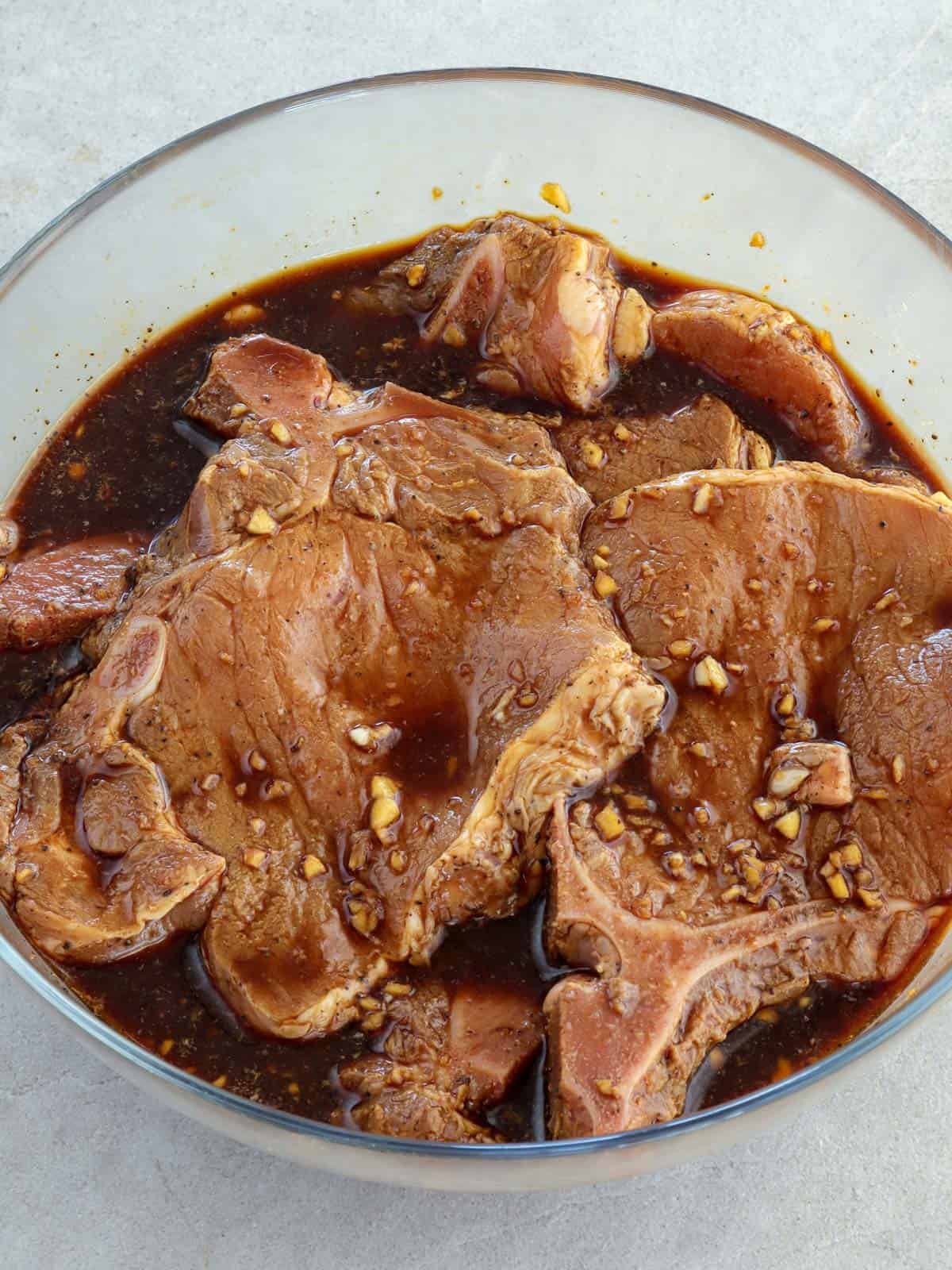
    UFC Banana Ketchup, with its sweet and tangy flavor, is a popular condiment in Filipino cuisine, adding a tropical twist to grilled meats and other dishes. When used as a marinade, it infuses a delightful sweetness into the meat. For the best results, marinate your choice of meat, like pork butt, overnight in a large bowl with UFC Banana Ketchup, lemon juice, and ground black pepper.

    The overnight marination allows the flavors to penetrate the meat, resulting in a delicious and tender dish. After marinating, refrigerate the meat overnight. This marinade is perfect for barbecue nights, delivering a burst of flavor that will leave your taste buds craving for more.

    UFC Banana Ketchup Marinade
    UFC Banana Ketchup
    Lemon Juice
    Ground Black Pepper
    Pork Butt
    Refrigerator Overnight

    Frequently Asked Questions

    What Sauce Goes Well With Bbq?

    For BBQ, a classic choice is a sweet and savory Filipino barbecue sauce, known as sarsa. It complements grilled chicken and pork perfectly. You can also try traditional Filipino sauces like banana ketchup, toyomansi, and vinegar dipping sauces.

    What to Eat With Filipino Bbq?

    Pair your Filipino BBQ with traditional vinegar dipping sauce for a perfect balance of flavors. Enjoy it with rice or pancit as a main meal. Add banana ketchup or toyomansi for extra depth. Leftovers can be frozen for 3 months.

    What Is the Difference Between Filipino BBQ and American BBQ?

    In Filipino BBQ, wet marinades and charcoal grilling are used, and the sauce is thinner and intensely flavored with a classic sweet and savory soy sauce taste. American BBQ often involves dry rubs and various meat with a wider variety of sauces.

    What Are Barbeque Foods in Philippines?

    When barbecuing in the Philippines, you’ll find a variety of tasty options such as pork or chicken inasal. Marinated in soy sauce, vinegar, and other seasonings, these dishes are best enjoyed with traditional Filipino sauces.

    Conclusion

    So there you have it, the 5 best Filipino sauces for barbecue nights.

    Whether you’re grilling chicken, ribs, or steak, these sauces will add a delicious Filipino twist to your BBQ.

    From the sweet and savory flavor of Jufran Banana Sauce to the classic taste of Datu Puti Soy Sauce, there’s a sauce for every palate.

    So fire up the grill, grab your favorite Filipino sauce, and get ready for a mouthwatering barbecue feast!

  • Mastering Philippine Condiments: A Non-Filipino’s Kitchen Adventure

    Mastering Philippine Condiments: A Non-Filipino’s Kitchen Adventure

    “Mastering Philippine condiments is essential for authentic Filipino dishes. Key ingredients like Bagoong Alamang, annatto seeds, and peanuts are crucial. Start with a small amount of Bagoong Alamang due to its potent taste, and store it in an airtight container in the refrigerator for freshness.

    Key Takeaways

    • Bagoong Alamang is a traditional Filipino shrimp paste that adds depth and complexity to Filipino cuisine.
    • Authentic Filipino dishes require key ingredients like annatto seeds, peanuts, and shrimp paste, as well as staple condiments like soy sauce, vinegar, and fish sauce.
    • Proper ingredients and tools, such as a mortar and pestle for grinding spices and a good quality rice cooker, enhance the authenticity and flavor of Filipino cooking.
    • When using Bagoong Alamang, it should be used sparingly due to its potent taste and stored in an airtight container in the refrigerator for freshness.

    Understanding Bagoong Alamang

    If you’re delving into Filipino cuisine, understanding Bagoong Alamang is essential for unlocking the depth and complexity of its flavors.

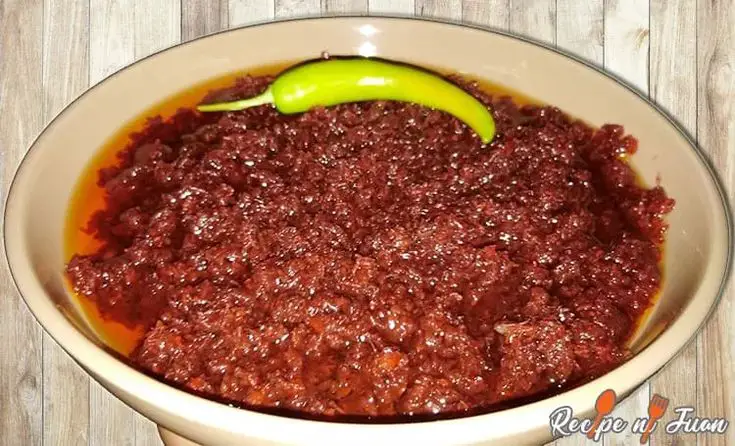
    This traditional Filipino shrimp paste is made from fermented small shrimps and salt, resulting in a salty, savory, and umami-rich flavor. Its distinct aroma and intense taste make it a popular condiment used in various Filipino dishes, adding depth and complexity.

    Bagoong Alamang can be used as a dipping sauce, a flavor enhancer in stews like Kare-Kare, or as a key ingredient in dishes such as Pinakbet.

    When using Bagoong Alamang, it’s important to start with a small amount, as its potent taste can significantly impact the overall flavor of the dish.

    Embrace the unique flavors of Bagoong Alamang as you explore the rich tapestry of Filipino cuisine.

    Gathering Ingredients and Tools

    When gathering ingredients and tools for your Filipino cooking adventure, it’s essential to ensure you have the key components for creating authentic and flavorful dishes.

    Filipino cuisine often features a main dish served with rice, such as the iconic Kare Kare. To prepare this Filipino dish, you’ll need ingredients like annatto seeds, peanuts, and shrimp paste, which are essential for its distinct flavor.

    Additionally, having a mortar and pestle for grinding spices and a good quality rice cooker for perfectly cooked rice will greatly enhance your cooking experience.

    For next time, consider stocking up on staple Filipino condiments like soy sauce, vinegar, and fish sauce, as these are fundamental to many Filipino recipes.

    Preparing the Shrimp Paste

    To prepare the shrimp paste for your Filipino dish, mix the fermented shrimp with garlic, chili, and vinegar for a flavor boost, enhancing its versatility as a condiment or flavoring in various recipes.

    Sauté the paste with aromatics like garlic and onions to mellow its strong flavor and enhance its umami taste, adding depth to the dish.

    Remember, shrimp paste has a pungent aroma and strong taste, so use it sparingly to add a distinct umami flavor to dishes.

    Always taste the dish before adding salt, as the paste is naturally salty and may already sufficiently season the dish.

    Adding the Spicy Kick

    For a fiery flavor boost in your Filipino dishes, consider incorporating siling labuyo or siling haba to add a spicy kick that elevates the overall dining experience. When adding the spicy kick, keep these tips in mind:

    • Balance the heat: Ensure that the spiciness enhances the dish without overpowering other flavors.
    • Use spicy condiments: Explore the use of spicy vinegar and soy sauce to add depth and heat to your Filipino recipes.
    • Tailor to preferences: Experiment with different levels of spiciness to cater to individual tastes.
    • Enhance dining experience: Incorporating spicy condiments adds an exciting and dynamic dimension to Filipino cuisine, enriching the overall enjoyment of the meal.

    Storing and Using the Bagoong Alamang

    When storing bagoong alamang, remember to use an airtight container and keep it in the refrigerator for freshness.

    Use a small amount at first, as it’s highly concentrated and salty.

    Try using bagoong alamang in dishes like Kare-Kare or Sinigang to add depth of flavor.

    Proper Storage Methods

    Storing and using the Bagoong Alamang properly is essential to maintain its flavor and quality over time. To ensure that you enjoy the best flavors and quality from your Bagoong Alamang, here are some proper storage methods to keep in mind:

    • Keep it tightly sealed: Store your Bagoong Alamang in an airtight container to prevent air exposure and maintain its freshness.
    • Refrigerate after opening: Once opened, it’s best to refrigerate your Bagoong Alamang to prolong its shelf life and prevent spoilage.
    • Use a clean utensil: When scooping out Bagoong Alamang, make sure to use a clean and dry utensil to avoid contamination.
    • Check for signs of spoilage: Always inspect your Bagoong Alamang for any unusual odor, color, or texture changes before using it in your dishes.

    Culinary Applications

    Explore the culinary versatility of bagoong alamang by incorporating its intense and salty flavor into a variety of Filipino dishes and fusion creations.

    Store the bagoong alamang in an airtight container in the refrigerator to maintain its freshness and prevent strong odors.

    Use it as a flavorful condiment in Filipino dishes like kare-kare, pinakbet, and binagoongan.

    Incorporate bagoong alamang into sauces and marinades to elevate the umami flavor in your cooking.

    Experiment with it in fusion dishes to add a unique and savory element to your culinary creations.

    Remember that a little goes a long way due to its intense and salty taste.

    Embrace the bold flavors of bagoong alamang and let it enhance your culinary adventures.

    Can Non-Filipinos Use Philippine Condiments to Enhance Their Cooking?

    Absolutely! Non-Filipinos can use top adobo condiments to elevate their dishes. The rich flavors of these condiments, such as soy sauce, vinegar, and garlic, can add a unique and delicious twist to various cuisines. Just a drizzle of these top adobo condiments can bring a burst of flavor to your cooking.

    Exploring Flavor Variations

    Now, let’s talk about how you can enhance the flavors of your favorite Filipino and American dishes.

    By experimenting with different spices and cooking methods, you can take your Adobo to the next level and add a new dimension to your cheeseburgers with unique condiments.

    Taste-testing different pairings and discovering how local fruits and flavors can create diverse variations of Filipino desserts can also elevate your culinary adventures.

    Flavorful Ingredient Combinations

    Consider experimenting with different ingredient combinations to create varied and delightful flavor profiles in your Filipino culinary adventures.

    Try combining the smoky bangus with garlic rice and a sunny side up egg for a savory breakfast.

    For a taste of American breakfast, mix pancakes, eggs, bacon, sausage, and hash browns to enjoy sweet, salty, and savory flavors.

    Create a tangy and savory lunch with Filipino Adobo by blending meat, soy sauce, vinegar, garlic, and spices, served with rice.

    Alternatively, savor the classic American cheeseburger with its delightful mix of beef patty, cheese, lettuce, tomato, onions, and condiments, reflecting fast food culture.

    Lastly, indulge in Filipino desserts like the Apple Caramel Crumble Pie, which harmonizes apples, caramel, and a crumbly topping for a sweet, rich, and comforting treat.

    Taste-Testing Different Pairings

    As you embark on taste-testing different pairings, you’ll uncover a myriad of flavor variations that tantalize the palate and highlight the diverse culinary experiences between Filipino and American cuisines.

    The smoky, tender bangus in Filipino breakfast contrasts with the classic American Grand Slam’s nostalgic pancakes and savory bacon.

    Exploring the flavor profiles of Filipino adobo and American cheeseburgers showcases the contrast between tangy, savory adobo and the flavorful, juicy components of a cheeseburger.

    Filipino desserts, like the Apple Caramel Crumble Pie, offer a sweet and comforting experience, contrasting with typical American dessert options.

    Filipino cuisine’s unique flavors, combining sweet, salty, and sour, create an exciting contrast to the more familiar American flavor profiles.

    Through these pairings, you’ll discover the rich tapestry of flavors that characterize both Filipino and American culinary traditions.

    Frequently Asked Questions

    What Is the Most Popular Condiment in Philippines?

    The most popular condiment in the Philippines is banana ketchup. It’s a sweet and tangy sauce made from mashed bananas, sugar, vinegar, and spices. It’s a staple in Filipino cuisine, adding flavor to many dishes.

    What Are the Basic Condiments for Cooking in Philippines?

    In the Philippines, basic condiments used for cooking include soy sauce, vinegar, fish sauce, and shrimp paste. These add depth and flavor to dishes like adobo, sinigang, and kare-kare, creating that unique Filipino taste.

    Why Using Condiments Is Important in Philippine Cuisine?

    Using condiments is important in Philippine cuisine because they add layers of flavor, enhance taste, and create a unique sweet, salty, and sour profile. They provide balance to dishes and reflect diverse cultural influences.

    Which Three Flavors Are Most Common in Philippine Cuisine?

    In Filipino cuisine, the most common flavors are sweet, salty, and sour. These flavors create a perfect balance in dishes like adobo, sinigang, and kare-kare, giving them their signature delicious and unique taste.

    Conclusion

    Now that you’ve mastered the art of making Bagoong Alamang, you can add a delicious and unique flavor to your dishes.

    With just a few simple ingredients and some patience, you can create a condiment that will impress your friends and family.

    Experiment with different flavor variations and enjoy the taste of the Philippines in your own kitchen.

    Happy cooking!

  • How to Cook Bagoong

    How to Cook Bagoong

    To cook bagoong, rinse the shrimp paste, customize it with chili peppers or cornstarch slurry, and store the sauteed paste in a tightly sealed container in the fridge. Bagoong is a versatile condiment that can be used with various dishes and lasts up to 1 week in the fridge.

    Key Takeaways

    • Bagoong is a fermented shrimp paste used in Southeast Asian dishes, particularly in Filipino cuisine.
    • The fermentation process takes 1 to 3 months and food coloring is often added to achieve its red or pink hue.
    • Bagoong can be used as a dipping sauce or topping for fruits and vegetables.
    • Experiment with different ingredients, such as chili peppers, and adjust cooking time and consistency to enhance the flavor of bagoong.

    What Is Bagoong

    Bagoong, also known as shrimp paste, undergoes a fermentation process that results in its distinct taste and aroma, making it a crucial ingredient in many Southeast Asian dishes. The fermentation process usually takes 1 to 3 months, often with the addition of food coloring to achieve its typical red or pink hue.

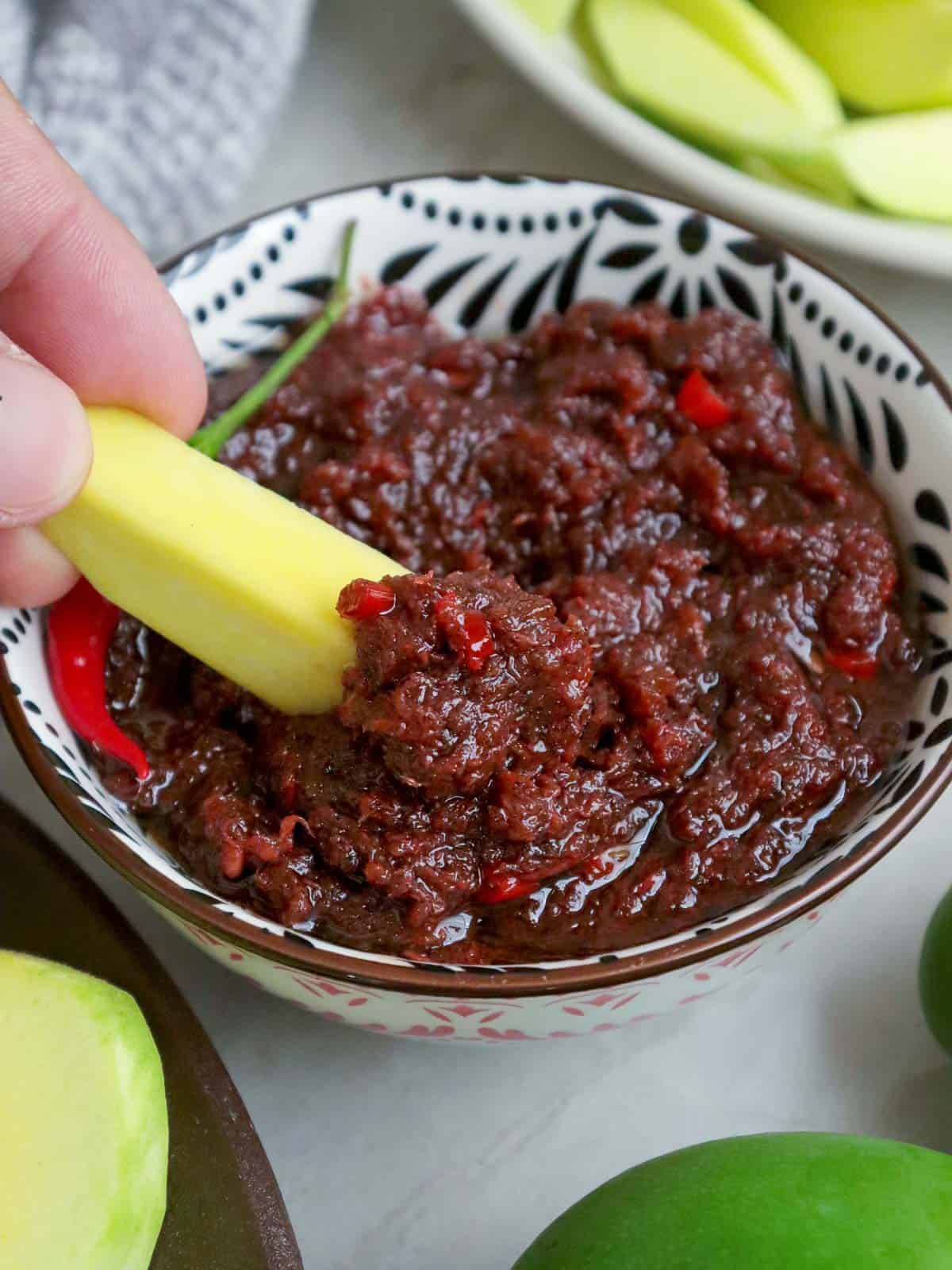
    In Filipino cuisine, bagoong is a staple, used in popular dishes like pinakbet and binagoongan. This condiment can also be used as a dipping sauce or topping for various fruits and vegetables, adding a unique umami flavor to the dish. Different variations of shrimp paste across Asian cultures offer a range of flavors, textures, saltiness, and spiciness.

    It’s important to note that bagoong should be stored in the refrigerator for up to 1 week, and clean utensils should always be used to prevent contamination.

    Helpful Tips

    When cooking bagoong, there are some helpful tips to keep in mind.

    You can enhance the flavor by experimenting with different ingredients and spice it up with chili peppers for a fiery kick.

    Additionally, you can adjust the cooking time to achieve the desired consistency and use a cornstarch slurry to thicken the shrimp paste.

    Flavor Enhancements

    To enhance the flavor of your Bagoong, consider experimenting with different ingredients to customize its taste to your liking. Here are some helpful tips to elevate the flavor of this Filipino shrimp paste:

    1. Adjust Cooking Time: Achieve the desired consistency and flavor profile by adjusting the cooking time.
    2. Add Chili Peppers: Spice up your Bagoong by adding chili peppers, such as siling labuyo, for a fiery kick.
    3. Use Cornstarch Slurry: Enhance the texture and flavor by using a cornstarch slurry to thicken the shrimp paste.

    Ingredient Variations

    Considering different ingredient variations can significantly enhance the flavor of your Bagoong, allowing you to customize it to your preference and create a unique taste profile.

    To add a spicy kick, incorporate chili peppers into your sauteed shrimp paste, known as ‘ginisang bagoong.’

    Experiment with various thickening agents such as a cornstarch slurry to achieve the desired texture.

    Ensure to rinse the raw shrimp paste to remove excess brine before use, and consider adjusting the cooking time to attain the perfect consistency.

    Additionally, varying the type of shrimp or krill used can bring diversity to the flavor and texture of your bagoong.

    Cooking Techniques

    For a milder flavor profile, thoroughly rinse the raw shrimp paste to remove excess brine before cooking. To achieve the best results, consider the following cooking techniques:

    1. Cook in Low Heat: When preparing bagoong, it’s essential to cook it over low heat to prevent scorching and to allow the flavors to develop slowly and evenly.
    2. Use Green Mangoes: Adding green mangoes to the shrimp paste can elevate the dish, providing a delightful tartness that balances the bold flavors.
    3. Experiment with Ingredients: Feel free to experiment with additional ingredients such as chili peppers, cornstarch slurry, or other flavor enhancers to customize the bagoong according to your taste preferences.

    How to Serve

    Consider pairing ginisang bagoong with green mangoes for a balance of sweet, savory, and spicy flavors. Use this shrimp paste as a condiment to enhance various Filipino dishes. It complements fried or grilled meats as a dipping sauce, adding depth and richness.

    For vegetable dishes like pinakbet and kare kare, ginisang bagoong offers an enhanced umami flavor. Get creative and think outside the box by using it as a topping for pizzas or burgers to add a unique twist to your meals.

    The versatility of ginisang bagoong makes it a valuable addition to your cooking repertoire, offering a delightful mix of flavors to elevate your dishes. Experiment with different combinations to discover new and exciting ways to enjoy this essential ingredient in Filipino cooking.

    How to Store

    Once the sauteed shrimp paste has cooled, transfer it to an airtight container with a secure lid and place it in the refrigerator.

    Storing the bagoong in the refrigerator will help preserve its freshness and extend its shelf life.

    Make sure to keep the container away from moisture to prevent the paste from spoiling too quickly.

    Airtight Container for Storage

    To maintain the freshness and flavor of the sauteed shrimp paste, store it in an airtight container with a tight-fitting lid. Here’s what you need to know about using an airtight container for storage:

    1. Seal in Freshness: Airtight containers prevent air and moisture from affecting the bagoong’s quality, keeping it fresher for longer.
    2. Extend Shelf Life: Properly sealed airtight containers help to extend the shelf life of bagoong when stored in the refrigerator, ensuring it stays flavorful.
    3. Avoid Contamination: When scooping out the bagoong from the container, use clean utensils to avoid contamination and spoilage, preserving its quality.

    Refrigerate to Preserve Freshness

    To preserve the freshness and flavor of the sauteed shrimp paste, refrigerate it in a container with a tight-fitting lid once it has completely cooled. This step is crucial in maintaining the quality of the bagoong.

    Ensure that the bagoong is stored in a clean container to avoid any contamination. By refrigerating the shrimp paste, you can extend its shelf life and prevent spoilage.

    It’s important to use clean utensils each time you scoop out the bagoong to maintain its freshness. Proper refrigeration is essential to preserve the taste and texture of the sauteed shrimp paste.

    When stored correctly in the refrigerator, the bagoong can retain its quality and flavor for up to 1 week.

    Keep Away From Moisture

    To prevent spoilage, ensure the tightly sealed container used to store the shrimp paste keeps it away from moisture.

    Here are three crucial tips to maintain the quality of your bagoong:

    1. Remove extra saltiness: If the shrimp paste is too salty, consider placing it in a strainer and rinsing it with water before transferring it to the storage container. This will help remove excess salt and prevent the bagoong from becoming too overpowering.
    2. Use a tight-fitting lid: Select a container with a secure lid to prevent moisture from seeping in and causing the bagoong to spoil. A tightly sealed lid will help maintain the flavor and consistency of the shrimp paste.
    3. Refrigerate the bagoong: Store the container in the refrigerator to prolong its shelf life and preserve its authentic taste. Keeping the bagoong chilled will also inhibit bacterial growth and maintain its freshness.

    Binagoongan Recipes

    When preparing binagoongan recipes, you can enhance the rich and savory flavor of the dish by using bagoong as a key ingredient. For a traditional twist, consider using Bagoong Guisado, a sautéed shrimp paste that adds depth to the dish.

    When cooking binagoongan with pork, the combination of bagoong and pork creates a delectable umami flavor. To elevate the spiciness, incorporate chili peppers for an added kick.

    To achieve the desired texture and consistency, add a cornstarch slurry to the shrimp paste in binagoongan recipes. Experiment with different ingredients to customize the flavor profile to your liking.

    Adjust the cooking time to ensure the dish is cooked to perfection, creating a delicious binagoongan that suits your taste preferences.

    How to Make Ginisang Bagoong

    Enhancing the rich and savory flavor of bagoong-based dishes, such as ginisang bagoong, involves rinsing the raw bagoong alamang in running cold water to remove excess salt before incorporating it into the recipe.

    To make ginisang bagoong, consider adding chili peppers, such as siling labuyo, for a spicy kick. Additionally, use a cornstarch slurry to thicken the shrimp paste for a better texture while cooking.

    Experiment with different ingredients to customize the flavor and adjust the cooking time to achieve the desired consistency.

    After cooking, store the sauteed shrimp paste in a container with a tight-fitting lid and refrigerate it to extend its shelf life for up to 1 week.

    Enjoy the robust flavors of homemade ginisang bagoong!

    Notes

    Consider incorporating a variety of vegetables and seasonings to customize the flavor of your ginisang bagoong. You can enhance the taste of shrimp paste by adding common ingredients such as tomatoes, onions, garlic, and chili peppers. These elements not only contribute to the flavor but also add texture and color to the dish.

    Additionally, adjusting the level of heat by varying the amount of chili peppers allows you to tailor the spiciness to your preference. Experiment with different combinations to find the perfect balance of flavors. Here’s a table to inspire your customization:

    Vegetable Seasoning
    Tomatoes Garlic
    Onions Chili peppers

    Video

    If you’re looking to master the art of cooking Bagoong, videos can be a great resource for learning the process and picking up useful tips. They can walk you through the recipe step by step, showing you exactly how to prepare the shrimp paste and create mouthwatering dishes.

    From technique demonstrations to cooking tricks, videos can provide valuable insights to help you perfect your Bagoong cooking skills.

    Recipe Demonstration

    To learn the step-by-step process of making Bagoong, watch the recipe demonstration video, paying attention to the techniques used for rinsing the raw shrimp paste and adding chili peppers for flavor.

    Key Points to Observe in the Video:

    1. Techniques for rinsing the raw shrimp paste.
    2. Methods for incorporating chili peppers to enhance flavor.
    3. Use of cornstarch slurry to thicken the shrimp paste for improved texture.

    Cooking Tips

    For valuable cooking tips on preparing bagoong, watch the instructional video to glean essential techniques and insights for achieving the perfect flavor and texture.

    Pay close attention to the cooking methods and specific tips shared in the video. The presenter may demonstrate unique twists or variations in cooking bagoong that you can incorporate into your own recipe.

    Note the ingredients used and their proportions, ensuring a well-balanced flavor. When cooking shrimp paste, consider using vegetable oil to enhance the overall taste and consistency.

    Nutrition Information

    Bagoong provides a rich source of protein and essential amino acids, making it a nutritious addition to your diet. Here’s some nutrition information to consider when incorporating shrimp paste or fish sauce in your meals:

    1. High in Protein: Shrimp paste is a good source of protein, which is essential for muscle repair and growth.
    2. Sodium Content: It’s high in sodium, so individuals with hypertension should consume it in moderation.
    3. Low in Sugar and Carbohydrates: If you’re following a low-carb diet, bagoong can be a suitable condiment choice.

    In addition to its nutritional benefits, bagoong’s unique umami flavor and richness in iron make it a valuable ingredient to consider when preparing meals.

    Did You Make This?

    Considering sharing your experience of making this dish on the ‘Did You Make This?’ platform can enhance your cooking journey and connect you with a community of fellow cooking enthusiasts.

    Whether you’ve experimented with different types of shrimp or krill in your bagoong recipe or have adapted it for dishes like kare kare, sharing your insights can provide valuable inspiration for others.

    Engaging with the platform allows you to offer feedback, tips, and variations, contributing to an interactive cooking community.

    By sharing your experience, you not only enrich the cooking journey for yourself but also help others who may be looking for guidance or new ideas.

    Additionally, you can explore related recipes and discover innovative ways to use shrimp paste, broadening your culinary repertoire.

    Join the ‘Did You Make This?’ platform to connect with others and enhance your cooking experience.

    Can Bagoong be Used as an Ingredient in Healthy Pinoy Breakfast Options?

    Yes, bagoong can be used as an ingredient in healthy Pinoy breakfast options. It adds a unique umami flavor to dishes like Pinakbet or Ginisang Monggo. Just use it in moderation to balance the sodium content and enjoy it as part of your healthy Pinoy breakfast options.

    Reader Interactions

    Engage with fellow cooking enthusiasts and share your insights on the ‘Did You Make This?’ platform to contribute to an interactive and enriching cooking community. Here are three ways you can make the most of reader interactions:

    1. Share Your Bagoong Variations: Experiment with different bagoong recipes and share your unique twists on this traditional condiment. Whether it’s a special ingredient or a new cooking technique, your fellow cooking enthusiasts would love to hear about it.
    2. Ask for Cooking Tips: If you’ve encountered challenges while cooking bagoong, don’t hesitate to ask for advice from the community. Whether it’s about achieving the perfect texture or balancing flavors, there are plenty of experienced cooks ready to help.
    3. Provide Feedback and Encouragement: When you see someone else’s bagoong creation, offer constructive feedback or words of encouragement. Building a supportive community makes the cooking experience more enjoyable for everyone.

    Frequently Asked Questions

    What Is the Procedure of Bagoong?

    To prepare bagoong, rinse the shrimp paste, and customize it with chili peppers or cornstarch slurry. Store sauteed shrimp paste in a tightly sealed container in the fridge. It’s an essential ingredient in Filipino dishes.

    What Can You Eat Bagoong With?

    You can eat bagoong with green mangoes for a blend of sweet, savory, and spicy flavors. It also pairs well with dishes like pinakbet, kare kare, or as a dipping sauce for fried or grilled meats.

    How Long Does Bagoong Last in the Fridge?

    Bagoong can last up to 1 week in the fridge when stored in a container with a tight lid. Let it cool before refrigerating and use clean utensils. Improving the recipe? Suggestions are welcome.

    What Makes Bagoong Pink?

    Bagoong gets its pink color from the fermentation process and the addition of food coloring. The combination of these two factors results in the distinct pink hue that sets bagoong apart from other types.

    Conclusion

    Now you know how to cook bagoong! It’s a delicious condiment or dip that goes well with many dishes.

    Remember to store it in the refrigerator and enjoy it for up to a week.

    Try out different binagoongan recipes and add your own twist to this classic Filipino dish.

    Happy cooking!

  • 5 Best Patis Fish Sauce Brands for Authentic Flavor

    5 Best Patis Fish Sauce Brands for Authentic Flavor

    Looking for authentic flavor in your dishes? Check out the top 5 Patis Fish Sauce brands: Rufina, Datu Puti, Marca Piña, Silver Swan, and Mama Sita’s. These brands offer a distinct and authentic taste, perfect for both cooking and as a dipping sauce.

    Key Takeaways

    • Patis fish sauce brands like Rufina, Datu Puti, Marca Piña, Silver Swan, and Mama Sita’s are widely available in Filipino and Southeast Asian markets.
    • These fish sauce brands offer a distinct and authentic flavor, made from real fish or fermented anchovies, enhancing the natural goodness of dishes.
    • They can be used for both cooking and as a table dipping sauce, and are recommended by Andrea Nguyen for adding depth to Thai cooking.
    • Patis fish sauce is an essential ingredient for an authentic and traditional Filipino dining experience.

    Rufina Fish Sauce

    If you’re seeking an authentic Filipino culinary experience, Rufina Fish Sauce offers a distinct and mellow umami flavor that enhances the flavor of your dishes. This Asian condiment, also known as Patis Fish Sauce, is a must-have for Southeast Asian cuisine enthusiasts.

    Made from real fish, it brings out the natural goodness of your dishes, making it a great choice for both cooking and as a table dipping sauce (nuoc cham). Rufina Fish Sauce has gained popularity for its refined taste and is a product of the Philippines, ensuring an authentic experience. It competes with other well-known brands of fish sauce like Son fish sauce or those from Phu Quoc.

    However, some users have pointed out issues with its packaging, suggesting that improvements in this area could enhance its transportation and overall user experience.

    Datu Puti Fish Sauce

    Datu Puti Fish Sauce enriches Filipino dishes with its distinct umami flavor, making it a cherished ingredient in Filipino cuisine. Derived from fermented anchovies, salt, and water, this sauce is a must-have for authentic Filipino and Southeast Asian cooking. The brand, Mothers Best, is renowned for its high-quality and authentic flavors, satisfying the discerning palates of Filipino food enthusiasts.

    Andrea Nguyen, a leading expert on Asian cuisine, also recommends Datu Puti for adding depth to Thai cooking. Below is a nutrition facts comparison of Datu Puti Fish Sauce with other popular brands:

    Brand Serving Size Calories Total Fat Sodium
    Datu Puti 1 tbsp 0 0g 1380mg
    Brand 2 1 tbsp 15 1.5g 900mg
    Brand 3 1 tbsp 10 0.5g 1300mg

    Marca Piña Fish Sauce

    Marca Piña Fish Sauce is a Filipino brand celebrated for its distinctive and authentic flavor, making it a beloved staple in Filipino cuisine. Widely available in Filipino and Southeast Asian markets, it ensures accessibility for an authentic Filipino culinary experience.

    The 750-ml bottle size offers a convenient and generous quantity for various cooking needs. With its high quality and genuine flavors, it’s a preferred choice among Filipino food enthusiasts.

    Marca Piña Fish Sauce’s rich and aromatic umami profile makes it an essential ingredient, enhancing the taste and aroma of a wide range of Filipino dishes. When looking for a good substitute in recipes that call for fish sauce, Marca Piña Fish Sauce is contextually relevant and can be used as an alternative to achieve an authentic flavor.

    Silver Swan Fish Sauce

    Widely celebrated in Filipino and Southeast Asian markets, Silver Swan Fish Sauce is a beloved staple in Filipino cuisine for its authentic flavor and versatility in enhancing a wide range of traditional dishes.

    When it comes to authentic flavor, Silver Swan Fish Sauce stands out. Notable for its premium anchovy ingredients and the absence of hydrolyzed wheat protein, it offers a rich and genuine taste.

    Whether you’re preparing classic Filipino recipes or experimenting with Southeast Asian cuisine, Silver Swan Fish Sauce is an essential ingredient. Its versatility makes it perfect for marinating, stir-frying, and seasoning, adding depth and complexity to your dishes.

    For an authentic and traditional Filipino dining experience, Silver Swan Fish Sauce is a must-have in your pantry.

    1. Distinct umami flavor
    2. Premium anchovy ingredients
    3. Versatile for various cooking methods

    Which Fish Sauce Brands are Best for Lenten Seafood Dishes?

    Looking for the best fish sauce brand to elevate your goto lenten seafood dishes? Red Boat and Three Crabs are highly recommended for their authentic flavors. Their rich umami taste will surely enhance the overall flavor of your Lenten seafood creations.

    Mama Sita’s Fish Sauce

    Mama Sita’s Fish Sauce offers a rich and authentic flavor, making it a popular choice in Filipino cuisine. Made from a combination of first-press anchovies and salt, it delivers a depth of flavor that enhances various dishes.

    This fish sauce stands out among other brands for its quality and authenticity, reflecting the essence of traditional Filipino cooking. The ingredient list is simple and straightforward, with no artificial additives, ensuring a genuine taste.

    Widely available in Filipino and Southeast Asian markets, Mama Sita’s Fish Sauce is easily accessible for those seeking to elevate their culinary creations.

    Whether used as a dipping sauce or as an ingredient in cooking, its distinct taste adds an authentic Filipino touch to your dishes.

    Frequently Asked Questions

    What Is the Difference Between Fish Sauce and Patis?

    Fish sauce and patis are both made from fermented fish, but they come from different cultures. Fish sauce is from Southeast Asia, and patis is from the Philippines. Patis tends to be stronger and saltier.

    What Is the Most Popular Fish Sauce Brand in Thailand?

    When in Thailand, locals often reach for brands like Megachef, Squid Brand, Tiparos, Golden Boy, or Thai Kitchen for their fish sauce needs. Each brand offers its own unique flavor profile and quality.

    What Is the Best Japanese Fish Sauce?

    If you’re looking for the best Japanese fish sauce, try “shottsuru.” It’s a traditional fermented fish sauce that adds a unique umami flavor to your dishes. You’ll love its depth of flavor and versatility.

    What Brand Fish Sauce Is Best for Pho?

    For pho, grab Three Crabs Fish Sauce for its sweet, caramel flavor. It’s perfect for dipping sauce or flavoring. Or try Red Boat Fish Sauce – versatile and loved by chefs. Both will elevate your pho to the next level.

    Conclusion

    So there you have it, the 5 best patis fish sauce brands for authentic flavor.

    Whether you’re looking to dip, marinate, or enhance the taste of your dishes, these brands have got you covered.

    From the renowned Mothers Best to the classic Silver Swan, you can trust that these brands will deliver the authentic and high-quality flavor you’re looking for.

    Happy cooking and enjoy your delicious meals!

  • 8 Must-Try Exotic Condiments From the Philippines

    8 Must-Try Exotic Condiments From the Philippines

    Discover the rich flavors of Filipino cuisine with 8 exotic condiments like bagoong, atchara, and sukang iloko. Each offers a unique taste and can elevate your dishes with a touch of Filipino flair.

    Key Takeaways

    • Filipino condiments offer a wide range of flavors and ingredients, such as fish sauce, vinegar, soy sauce, and shrimp paste.
    • Bagoong, a fermented shrimp paste, is a popular condiment used for depth and umami in Filipino dishes, and pairs well with green mangoes.
    • Atchara, a sweet and tangy pickled papaya relish, adds a refreshing and crunchy contrast to savory dishes and is a versatile condiment found in Filipino street food stalls.
    • Sukang Iloko, a specialty vinegar made from sugarcane, enhances the depth and complexity of various dishes and is a must-try condiment for adventurous eaters.

    Bagoong

    If you’re looking to add a punch of intense flavor to your dishes, consider trying bagoong, a fermented shrimp paste commonly used in Filipino cuisine.

    This popular exotic food is a staple in Filipino dishes, known for its strong and salty flavor, which adds depth and umami to meals.

    Bagoong is a key ingredient in many Filipino delicacies and is often paired with green mangoes, used in Pinakbet, and served as a dipping sauce for grilled meats.

    It’s available in different varieties such as Bagoong Alamang and Bagoong Guisado, each offering a unique twist to the flavor.

    Whether you’re exploring exotic street food or traditional Filipino recipes, bagoong is a flavorful addition that’s sure to enhance your culinary experience in the Philippines.

    Atchara

    Atchara, a vibrant and zesty pickled papaya relish, is a popular and versatile condiment in Filipino cuisine. When you visit the Philippines, you must try this exotic Filipino condiment.

    Here’s why it’s a must-eat:

    • Atchara is a sweet and tangy pickled papaya relish, providing a refreshing and crunchy contrast to rich and savory Filipino dishes.
    • The combination of shredded unripe papaya, carrots, bell peppers, and onions marinated in vinegar, sugar, and spices creates a delightful burst of flavor.
    • It’s often enjoyed with grilled or fried meats, adding a pop of color and tangy flavor to meals, making it a popular condiment found in Filipino street food stalls.

    Whether paired with rice, soy sauce, or other dishes, Atchara is a delightful addition to any meal.

    Sukang Iloko

    Sukang Iloko, with its distinct strong and tangy flavor, is a specialty vinegar made from sugarcane and fermented in earthen jars, commonly used in Filipino cuisine for pickling and as a condiment. This exotic Filipino condiment has a slightly sweet undertone, making it a must-try for any adventurous eater.

    The vinegar, known for its versatility, hails from the Ilocos region of the Philippines. It’s often infused with garlic to enhance its flavor. Sukang Iloko is a staple in Filipino households, used in various dishes such as dipping sauces and marinades. Its unique taste adds depth and complexity to Filipino cuisine, making it a must-try for anyone seeking to explore the diverse world of condiments.

    Banana Ketchup

    Banana ketchup, a unique and sweet condiment made from mashed bananas, vinegar, sugar, and spices, offers a vibrant alternative to traditional ketchup, creating a delightful contrast to the tangy Sukang Iloko. When exploring exotic Filipino dishes, this vibrant red condiment stands out as a must-try addition to your list of exotic foods.

    Here are a few reasons why banana ketchup deserves a spot in your pantry:

    • Versatile Usage:

    Banana ketchup serves as an excellent dipping sauce, marinade, or condiment for a wide range of Filipino foods.

    • Flavor Profile:

    Its fruity and tangy flavor makes it the perfect accompaniment for savory dishes, grilled foods, and even exotic street food from Cebu, such as chicken feet and deep-fried pig intestines.

    Spicy Vinegar

    Spicy Vinegar is a must-try condiment in Filipino cuisine. Its spicy kick and tangy flavor make it a perfect dipping sauce for Filipino street foods, adding heat and acidity to the dishes.

    Made from vinegar infused with hot peppers, garlic, and other spices, it brings a fiery zing to any dish it accompanies.

    Flavorful and Versatile

    With its tangy yet spicy flavor, Filipino spicy vinegar enhances a wide range of dishes, making it a versatile and essential condiment in Filipino cuisine. When you try this exotic condiment, your taste buds will thank you as it adds a punch of flavor to Filipino street foods and exotic dishes.

    Here’s why it’s a must-try:

    • Elevates the Flavor of Meats:

    Drizzle it over grilled pork or chicken to create a flavorful dish that stands out.

    • Perfect for Dipping and Marinating:

    Use it as a dipping sauce for fried snacks or as a marinade for meats, infusing them with a delicious kick.

    Spicy vinegar truly is a game-changer, adding depth and excitement to your culinary adventures.

    Traditional Filipino Dipping

    You’ll find that the traditional Filipino dipping, known as Spicy Vinegar, is an essential condiment in Filipino cuisine, known for its tangy and spicy flavor that enhances a variety of dishes.

    This exotic Filipino street food condiment is made by infusing vinegar with garlic, onions, and chili. It pairs perfectly with delicacies like Isaw (grilled chicken or pork intestines), Balut (boiled fertilized duck egg), puso or hanging rice stuffed with minced pork, mole crickets, tuslob buwa, adobo, and adobong kamaru.

    The spicy vinegar adds a zesty kick, complementing the rich and savory flavors of these traditional Filipino street foods. Its piquant taste enhances the overall dining experience, making it a must-try for anyone looking to savor the authentic flavors of Filipino delicacies.

    Homemade Recipe Ideas

    Infuse your vinegar with chili peppers, garlic, and other spices to create a versatile and zesty homemade condiment. Here are some recipe ideas to elevate your culinary experience with this exotic condiment:

    • Customize the Spice Level

    Adjust the amount of chili peppers to suit your preferred level of spiciness, ensuring it perfectly complements your dish.

    • Experiment with Flavors

    Consider adding other unique ingredients like pork liver or duck egg embryo for a one-of-a-kind twist on traditional spicy vinegar.

    This homemade spicy vinegar is a staple in Filipino food culture, often used as a dip for street food or as a flavorful addition to various dishes. Its tangy and spicy kick enhances the flavors of grilled meats, fried snacks, and stews, making it an essential condiment for any Filipino food enthusiast.

    Mang Tomas

    Mang Tomas, a popular Filipino condiment, is made from pork liver, vinegar, sugar, and spices, resulting in a savory and slightly sweet flavor with a smooth, thick texture.

    This exotic condiment is a must-try for anyone exploring Filipino cuisine. Its versatility as a dipping sauce for roast pork (lechon), fried dishes, and grilled meats makes it a staple in Filipino households.

    The rich flavors of Mang Tomas elevate the dining experience, adding depth to various dishes. Its unique blend of ingredients creates a distinct taste that complements the bold flavors of Filipino cuisine.

    Whether you’re indulging in crispy lechon or savoring grilled meats, Mang Tomas adds a delicious touch that enhances the overall dining experience.

    Pinakurat

    With its spicy and tangy flavor, Pinakurat is a versatile vinegar-based condiment that adds a delightful kick to grilled meats and seafood in Filipino cuisine. Here’s why you should try it:

    • Made with fermented coconut nectar sap and chili peppers, Pinakurat offers a unique and complex flavor profile, combining sweetness, sourness, and spiciness.
    • The name ‘Pinakurat’ translates to ‘surprise’ or ‘amazement’ in English, reflecting the unexpected burst of flavors it brings to dishes.
    • Commonly used as a dipping sauce or marinade, it elevates the taste of various grilled meats and seafood, making it a must-try condiment for food enthusiasts seeking exotic flavors from the Philippines.

    Aligue

    You’re about to discover the irresistible flavor of Aligue, a Filipino condiment made from crab fat. Its rich and savory taste can enhance a variety of dishes, from fried rice to seafood stews.

    As you explore the culinary world of the Philippines, Aligue is a must-try for its unique seafood essence and its ability to elevate the flavors of your favorite recipes.

    Aligue Flavor Profile

    Aligue, the Filipino word for crab fat, is an exotic food that adds a rich and briny flavor to dishes, making it a coveted ingredient in Filipino cuisine. Its creamy texture and savory taste make it a popular condiment, often used in sauces for seafood dishes, bringing a unique umami taste.

    Additionally, aligue is a versatile ingredient that can enhance the flavor of various recipes, from adding depth to grilled seafood to enriching congealed chicken or black gravy. Its indulgent and luxurious profile makes it a staple in Filipino cooking, elevating dishes such as vinegar pork liver or the street-food favorite, grilled blood.

    Aligue Culinary Uses

    Aligue, also known as crab fat, serves as a versatile and flavorful ingredient in Filipino cuisine, enhancing a variety of dishes with its rich and briny profile. It’s used as a dipping sauce for seafood and a flavoring for rice and noodle dishes.

    Aligue is a key ingredient in the popular Filipino dish, Aligue Fried Rice, and can also be used as a topping for grilled or steamed vegetables. Additionally, it’s used as a flavoring for meat and seafood marinades, adding depth and complexity to the flavors.

    Its unique taste pairs well with a variety of ingredients, from beetle larvae to pork liver and brain, fertilized duck egg embryo, and even exotic meats like field rats, chicken intestines, and bull’s penis. Aligue’s culinary uses are diverse, making it a staple in Filipino cooking.

    Aligue Health Benefits

    Exploring the potential health benefits of aligue, also known as crab fat, reveals its rich composition and potential nutritional advantages.

    When considering the health benefits of aligue, it’s important to note its omega-3 fatty acid content, which is beneficial for heart health and overall well-being.

    Additionally, aligue contains essential nutrients such as vitamin E, which has antioxidant properties that help protect cells from damage.

    In Filipino cuisine, aligue is often used to enhance the flavor of dishes like chicharon bulaklak and Filipino stew, showcasing its versatility.

    The rich flavor of aligue adds depth to traditional Filipino foods, making it a sought-after condiment.

    Incorporating aligue into your diet can introduce you to the potential health benefits of this exotic food, derived from the mangrove trees and rice fields of the Philippines.

    What Are Some Recommended Exotic Condiments to Try in Filipino Cuisine?

    When it comes to mastering Philippine condiments, there are several exotic options to try in Filipino cuisine. Some recommended choices include bagoong, a fermented shrimp paste that adds a savory kick to dishes, and sukang maasim, a tangy vinegar perfect for dipping sauces and marinades.

    Frequently Asked Questions

    What Are the Famous Filipino Condiments?

    Famous Filipino condiments include bagoong, a fermented shrimp paste adding salty and umami flavor, and suka, a popular vinegar used in many dishes. These condiments provide unique and delicious tastes to Filipino cuisine.

    What Is the Most Exotic Food in the Philippines?

    The most exotic food in the Philippines is balut. It’s a fertilized duck egg embryo eaten directly from its shell. You should give it a try if you’re feeling adventurous and open to new culinary experiences.

    What Food Is Unique to the Philippines?

    You should try balut, dinuguan, isaw, walkman, and tuslob buwa. These unique Filipino dishes offer a range of flavors and textures, from rich and savory to smoky and crunchy, providing a truly exotic culinary experience.

    What Do You Think Is the Most Common Condiment Available in Every Filipino Household?

    In every Filipino household, the most common condiment is balut. It’s a boiled fertilized duck egg with a developing duck embryo inside, often dipped in vinegar or salt. It’s a daring but staple Filipino street meal.

    What Makes These Exotic Condiments From the Philippines Affordable Picks?

    Discover why these top Philippine condiments are affordable picks. With unique flavors and high-quality ingredients, these exotic condiments from the Philippines offer great value for money. From spicy to tangy, these flavor-packed options are a must-have for any food enthusiast looking to elevate their dishes with a touch of Filipino flair.

    Conclusion

    So there you have it! The next time you’re looking to add some exotic flavors to your dishes, be sure to give these Filipino condiments a try.

    From the salty goodness of bagoong to the tangy sweetness of banana ketchup, there’s something for everyone to enjoy.

    Don’t be afraid to get adventurous in the kitchen and explore the unique and delicious world of Filipino condiments!

  • Why Use Fish Sauce in Philippine Cuisine?

    Why Use Fish Sauce in Philippine Cuisine?

    Fish sauce is a staple ingredient in Philippine cuisine, enhancing savory and umami flavors in dishes like adobo, sinigang, and kinilaw. It adds depth to the overall taste without imparting a strong fishy flavor.

    Key Takeaways

    • Fish sauce has a long history and is a staple ingredient in Philippine cuisine.
    • Fish sauce has a distinct umami flavor and lighter color compared to other sauces like oyster and soy sauce.
    • Vegan alternatives to fish sauce can be made with mushrooms or dulse (seaweed) to achieve a similar umami flavor.
    • Fish sauce promotes gut health due to its fermentation process and provides essential nutrients.

    Origin and History of Fish Sauce

    The history of fish sauce can be traced back to ancient civilizations. Various cultures developed their own versions of this pungent condiment. In Southeast Asian nations like Vietnam, Thailand, and Cambodia, fish sauce became a staple ingredient. It added a distinctive umami flavor to their dishes. Filipino culture also embraced fish sauce and incorporated it into their traditional cuisine.

    The roots of fish sauce can be found in Ancient Greece. The Greeks fermented a fish called garos. Later, in Rome, a similar sauce called garum was made from the guts of fish. China also contributed to the development of fish sauce. They fermented it with soybeans and salt.

    Even in modern Italian cooking, fish sauce continues to play a role. It is used in the form of colatura di alici.

    Key Differences From Other Sauces

    In understanding fish sauce’s key differences from other sauces, it’s essential to recognize its unique umami flavor and lighter color, setting it apart from sweeter, thicker, and darker sauces like oyster and soy sauce, respectively.

    Aspect Fish Sauce Soy Sauce Oyster Sauce
    Flavor Umami with a distinct fishy taste Salty with a fermented soybean flavor Sweet and savory with a seafood essence
    Color Light amber Dark brown Dark brown
    Main Ingredient Fermented fish Fermented soybeans Oyster extract and other flavorings

    Each of these sauces has its own unique qualities, making them essential in their respective cuisines, such as Filipino and other Asian cuisines.

    Vegan Options and Alternatives

    Looking for vegan alternatives to fish sauce?

    There are options made with mushrooms or dulse (seaweed) that can provide a similar umami flavor.

    You can also make your own vegan substitute at home by mixing dulse with sea salt and tamari.

    Numerous recipes are available online for creating vegan-friendly fish sauce substitutes, making them suitable for those following a plant-based diet.

    Vegan Fish Sauce Substitutes

    Seeking a plant-based alternative to traditional fish sauce? Vegan fish sauce substitutes offer a flavorful and ethical option for those looking to avoid fish-based condiments. Here are some options to consider:

    • Mushroom-based substitutes: Made with mushrooms, sea salt, and tamari to achieve an umami flavor.
    • Dulse-based substitutes: Incorporate dulse, a type of seaweed, along with sea salt and tamari for a savory taste.
    • Homemade alternatives: You can create your own vegan fish sauce using ingredients like soybeans and salt, allowing customization to suit your preferences.
    • Store-bought options: Many health food stores and grocery stores offer pre-made vegan fish sauce substitutes, providing convenience for home cooks.
    • Versatile use: These substitutes can be utilized in various Filipino dishes, such as adobo and sinigang, as well as in marinades, dipping sauces, and other culinary applications.

    Vegan fish sauce substitutes provide a sustainable and compassionate choice for individuals seeking a plant-based diet.

    Plant-Based Flavor Enhancers

    Consider incorporating plant-based flavor enhancers as ethical and sustainable alternatives to traditional fish sauce in your culinary creations. Vegan options like mushroom-based sauces, dulse (seaweed) extracts, and tamari offer rich umami flavors without the use of fermented fish or high salt content.

    These alternatives not only cater to individuals following a plant-based diet but also provide diverse flavor profiles suitable for various cuisines, including Philippine cuisine. You can find numerous recipes for DIY vegan fish sauce substitutes online, allowing you to customize flavors to your preference.

    Non-Fish Umami Options

    For those seeking plant-based alternatives in Philippine cuisine, exploring non-fish umami options presents an opportunity to enhance flavors while aligning with ethical and sustainable dietary choices.

    Here are some non-fish umami options to consider:

    • Vegan alternatives to fish sauce are available, often made with mushrooms or dulse (seaweed).
    • These alternatives can be made by mixing dulse with sea salt and tamari to achieve the umami flavor.
    • Numerous recipes are available online to make your own vegan fish sauce substitutes.
    • Vegan fish sauce substitutes can provide a similar flavor profile without the use of fish.
    • These alternatives are suitable for those following a plant-based diet.

    Culinary Applications and Cooking Tips

    Enhance the flavor of your meats and seafood by using fish sauce as a marinade in your culinary creations. Fish sauce adds a rich umami taste that complements various dishes.

    In Filipino cuisine, incorporating fish sauce into traditional dishes like adobo and pinatisan brings out an authentic flavor.

    Additionally, you can use fish sauce as a dipping sauce, particularly in Southeast Asian cuisines, to elevate the taste of your meals.

    For a unique twist, experiment with adding fish sauce to fried chicken or pork to infuse them with a distinctive umami flavor.

    Consider using fish sauce as a flavor enhancer in soups, broths, and stews to achieve a depth of taste that will elevate your cooking.

    With its versatility, fish sauce can be a valuable addition to your culinary repertoire.

    Health Benefits and Nutritional Value

    Fish sauce offers numerous health benefits and nutritional value. It’s a nutrient-rich condiment, providing essential protein, vitamins, and minerals.

    Additionally, its fermentation process supports gut health by producing beneficial bacteria and enzymes.

    Nutrient-Rich Condiment

    Packed with essential amino acids and omega-3 fatty acids, fish sauce serves as a nutrient-rich condiment with valuable health benefits and nutritional value. This versatile sauce is made through a fermentation process, offering low-calorie and low-fat protein, along with essential vitamins and minerals. The fermentation process also produces beneficial bacteria and enzymes, contributing to its health benefits.

    In Philippine cuisine, fish sauce is a staple ingredient, adding savory and umami flavors to a wide range of dishes. Its cultural significance varies across different countries, each with its unique variation of fish sauce. Whether used as a dipping sauce, marinade, or cooking ingredient, fish sauce enhances the overall flavor profile of dishes while providing important nutrients for a balanced diet.

    Enhances Flavor Profiles

    Adding a rich depth of flavor to a variety of dishes, fish sauce enhances the overall taste profile and nutritional value of Philippine cuisine. It provides a savory and umami taste, enriching soups, stews, broths, and marinades for meats, seafood, and vegetables. The versatile nature of fish sauce also complements salad dressings, sauces, fried rice, and noodles, creating a more robust and satisfying flavor experience.

    Consuming fish sauce in moderation not only enhances the taste of dishes but also contributes to a healthy diet by providing essential amino acids, omega-3 fatty acids, and beneficial bacteria.

    Enhances Flavor Profiles Uses Benefits
    Savory and umami taste Soups, stews, broths Rich depth of flavor
    Versatile complement Marinades Enriches taste of meats, seafood, and vegetables
    Perfect for salad dressings Sauces Adds complexity to sauces and dressings
    Enhances fried rice Noodles Contributes to a more satisfying flavor experience
    Contributes to a healthy diet with essential nutrients

    Promotes Gut Health

    Promoting gut health, incorporating fish sauce into your culinary repertoire can contribute to a balanced digestive system and enhance the nutritional value of your dishes. When you use fish sauce, the fermentation process produces beneficial bacteria and enzymes that support gut health. This process also leads to the production of essential amino acids and omega-3 fatty acids, which are beneficial for your digestive system.

    Consuming fish sauce in moderation can help maintain a healthy gut microbiota balance and overall digestive wellness. Additionally, including fish sauce in your culinary creations not only enhances the flavor profile but also provides gut-friendly nutritional value. The umami flavor of fish sauce can be a versatile addition to various recipes, contributing to both taste and potential digestive health benefits.

    • Fish sauce promotes gut health due to its fermentation process
    • The fermentation process of fish sauce contributes to the production of essential amino acids and omega-3 fatty acids
    • Consumption of fish sauce in moderation can be part of a healthy diet
    • Including fish sauce in culinary dishes can enhance the flavor profile and provide gut-friendly nutritional value
    • The umami flavor of fish sauce can be a versatile addition to various recipes

    Regional Variations in Philippine Cuisine

    With diverse culinary specialties and flavors, different regions in the Philippines showcase their unique cooking styles and dishes, reflecting their cultural heritage and local traditions.

    Regional variations in Philippine cuisine are influenced by the abundant use of fish sauce, locally known as ‘patis.’ In the Bicol region, for example, the use of coconut milk and chili peppers in dishes like Bicol Express distinguishes its cuisine.

    In Ilocos, dishes like pinakbet, made with a variety of vegetables and often flavored with fish sauce, showcase the region’s unique culinary identity.

    Meanwhile, in the Visayas region, the abundant use of fish sauce in dishes like kinilaw, a type of ceviche, highlights the importance of this ingredient in their cuisine.

    The variations in using fish sauce contribute to the diverse and rich tapestry of flavors in Philippine regional cuisines.

    How is Fish Sauce Used in Inihaw Na Dalag?

    Inihaw na dalag recipe typically includes the use of fish sauce, which adds a savory and salty flavor to the grilled mudfish. The fish sauce is usually mixed with other ingredients like calamansi juice, garlic, and pepper to create a marinade for the dalag before grilling.

    Popular Filipino Dishes Featuring Fish Sauce

    Featuring an array of flavors and culinary traditions, popular Filipino dishes showcase the versatile use of fish sauce to create savory and distinctive tastes. Fish sauce is a staple ingredient in many well-loved Filipino dishes, enhancing their flavors and adding depth to the overall taste.

    Here are some popular Filipino dishes that prominently feature fish sauce:

    • Adobo: A classic Filipino dish made with fish sauce, vinegar, and soy sauce, giving it a unique savory and tangy flavor.
    • Sinigang: A sour soup featuring fish sauce as a key ingredient, adding depth of flavor to the broth.
    • Pinakbet: A vegetable stew where fish sauce is used to enhance the umami taste of mixed vegetables and shrimp paste.
    • Bicol Express: This spicy dish uses fish sauce to season the coconut milk-based sauce, balancing the heat and creaminess.
    • Kinilaw: A Filipino ceviche dish that uses fish sauce to bring out the fresh flavors of raw fish, vinegar, and spices.

    These dishes demonstrate the ingenious use of fish sauce in Philippine cuisine, showcasing its ability to elevate flavors without imparting a strong fishy flavor.

    Frequently Asked Questions

    What Is the Purpose of Fish Sauce?

    The purpose of fish sauce is to enhance savory and umami flavors in dishes. It’s commonly used as a dipping sauce and marinade in Southeast Asian cuisines. It plays a significant role in the culinary traditions and cultural identity of Southeast Asian countries.

    Why Do Filipinos Love Patis?

    Filipinos love patis for its unique umami flavor and ability to enhance dishes. It adds depth to adobo, sinigang, and more. Its versatility makes it a staple in Filipino cooking, enriching flavors in various recipes.

    What Is the History of Fish Sauce in the Philippines?

    In Philippine cuisine, fish sauce has a rich history. It’s been a staple with ancient origins, used for seasoning and adding depth of flavor to dishes. The process of fermenting fish with salt creates a unique and essential ingredient.

    What Is the Most Commonly Used Sauce in the Philippines?

    In the Philippines, fish sauce is the most commonly used sauce. It adds a unique umami flavor to dishes like adobo and pinatisan. Its distinct taste sets it apart from other sauces, enhancing the richness of Filipino cuisine.

    Conclusion

    So, next time you’re cooking Filipino dishes, don’t forget to reach for that bottle of fish sauce. Its unique flavor and ability to enhance the taste of dishes make it an essential ingredient in Philippine cuisine.

    Whether you’re making adobo, pinatisan, or using it as a dipping sauce or marinade, fish sauce adds depth and richness to traditional Filipino flavors.

    Happy cooking!

  • Why Make Your Own Sinamak Vinegar at Home?

    Why Make Your Own Sinamak Vinegar at Home?

    Making your own Sinamak vinegar at home allows you to customize the flavor and heat level, control the quality of ingredients, and save money in the long run. It also expands your culinary horizons and enhances appreciation for traditional flavors.

    Key Takeaways

    • Making your own Sinamak vinegar at home allows for customization of flavor and heat level.
    • Homemade Sinamak vinegar provides control over the quality of ingredients and can be tailored to dietary restrictions.
    • Creating Sinamak vinegar at home is cost-effective and saves money in the long run.
    • Culinary exploration with Sinamak vinegar expands culinary horizons and enhances appreciation for traditional flavors.

    Unique Flavor Profile

    Unlocking the full potential of Sinamak vinegar’s unique flavor profile requires infusing a blend of spices and vinegar with precision and patience.

    Sinamak vinegar, a Filipino spiced vinegar, offers a distinctive and robust flavor profile. The infusion of ginger, garlic, and chili peppers creates a tangy, spicy, and aromatic taste that sets Sinamak apart from other vinegars.

    What makes Sinamak truly special is how its flavor profile evolves over time, becoming spicier and more complex as it ages. This unique characteristic adds a zesty kick to a wide range of dishes, from grilled meats to simple rice and egg meals.

    Making your own Sinamak at home allows you to customize the flavor profile to suit your individual preferences, ensuring that every homemade batch reflects your personal taste.

    Control Over Ingredients

    You have complete control over the quality and type of ingredients used when making your own Sinamak vinegar at home, ensuring a fresher and more customized product.

    By having control over the ingredients, you can make sure to choose organic, locally sourced, or specific varieties, allowing you to tailor the flavors and spiciness to your preference.

    This control also enables you to avoid artificial additives, preservatives, or excessive sodium, promoting a healthier and more natural vinegar.

    Furthermore, customizing the ingredients opens up the possibility of experimenting with unique flavor combinations and adjusting the heat level to suit your taste buds.

    Additionally, having control over the ingredients allows for the creation of Sinamak vinegar that aligns with dietary restrictions, such as using low-sodium options or avoiding allergens.

    Health Benefits

    Sinamak vinegar offers potential health benefits like aiding digestion and providing antioxidant properties.

    The combination of garlic and ginger in Sinamak vinegar may help reduce inflammation in your body.

    Consuming Sinamak vinegar in moderation can also support a healthy gut due to the beneficial bacteria from the fermentation process.

    Digestive Health

    Improving your digestive health can be achieved by incorporating sinamak vinegar into your diet due to its beneficial bacteria and enzyme content.

    The enzymes and probiotics present in sinamak vinegar can aid in the breakdown and absorption of nutrients, promoting better digestion and gut health.

    Additionally, the spices used in sinamak, such as ginger and garlic, possess anti-inflammatory properties, supporting overall digestive well-being.

    When used as a sauce or condiment, sinamak vinegar can help regulate blood sugar levels and promote weight loss, encouraging healthy eating habits.

    By making your own sinamak vinegar at home, you can ensure a high-quality, natural product that contributes to better digestive health.

    This tangy and spicy vinegar can also enhance the overall eating experience while reducing the consumption of high-calorie condiments, further supporting digestive wellness.

    Antioxidant Properties

    With its potent antioxidant properties, sinamak vinegar offers valuable health benefits that can protect the body from oxidative stress and inflammation. Both apple cider and coconut vinegar, the main components of sinamak, contain antioxidants that help combat free radicals and reduce inflammation in the body.

    The spices like ginger, garlic, and chili peppers used in sinamak also contribute to its antioxidant properties, enhancing its overall health benefits. Including sinamak vinegar in your diet can support your body’s natural defense system, promoting a healthy and balanced lifestyle. Here’s a breakdown of the antioxidant properties of sinamak vinegar:

    Antioxidant Properties Source Health Benefits
    Polyphenols Apple Cider Vinegar Protects cells from damage caused by free radicals
    Flavonoids Coconut Vinegar Reduces inflammation and supports heart health
    Capsaicin Ginger, Garlic, Chili Peppers Combats oxidative stress and boosts immunity

    Cost-Effective

    Making your own Sinamak vinegar at home is a budget-friendly option that saves you money in the long run.

    It’s an economical choice that allows you to control the cost of ingredients and customize the recipe to suit your preferences, ultimately saving you from regularly purchasing store-bought versions.

    Saves Money

    To save money, consider creating your own Sinamak vinegar at home using affordable ingredients and customizing the flavor to your preference. Making Sinamak vinegar at home isn’t only a fun and rewarding process, but it also offers significant cost savings. Here’s how it helps you save money:

    1. Affordable Ingredients: Creating Sinamak vinegar at home allows you to use basic and inexpensive ingredients, such as rice vinegar and spices, reducing the overall cost.
    2. Eliminates Recurrent Expenses: By making your own Sinamak vinegar at home, you can eliminate the need to repeatedly purchase pre-made spiced vinegar, leading to long-term cost savings.
    3. Customization and Quantity: Homemade Sinamak vinegar provides the flexibility to customize the flavors to your liking, and you can prepare a larger quantity for a lower cost compared to store-bought options.

    Budget-Friendly Option

    Considering the cost-saving benefits of creating your own Sinamak vinegar at home, let’s explore how it provides a budget-friendly option. Making your own Sinamak vinegar is a cost-effective choice for those who use it frequently in their Filipino food recipes. Here’s a simple breakdown of the cost comparison between making Sinamak vinegar at home and buying pre-made versions:

    Ingredients Cost (homemade) Cost (store-bought)
    White vinegar Affordable More expensive
    Herbs & Spices Minimal cost Included in price
    Empty bottle Reusable Included in price
    Total Cost-effective More expensive

    As seen in the table, creating Sinamak vinegar at home is a budget-friendly alternative, offering significant savings while providing a high-quality product for your culinary needs.

    Economical Choice

    Looking for an economical choice for vinegar in your recipes? Making your own Sinamak vinegar at home can be a cost-effective option. Here’s why:

    1. Cane Vinegar: Creating Sinamak vinegar at home allows you to use affordable and readily available cane vinegar, reducing the overall cost.
    2. Inihaw na and Lechon Kawali: By preparing Sinamak vinegar at home, you can control the quality of ingredients and adjust the recipe to suit your budget when using it in dishes like Inihaw na and Lechon Kawali.
    3. Long-term Supply: Homemade Sinamak vinegar can be made in larger batches, providing a long-term supply at a lower cost per serving, making it a frugal option with significant savings over time, especially if used frequently in your cooking.

    Culinary Exploration

    How can you expand your culinary horizons through the exploration of different vinegar bases and spice combinations to create your own unique Sinamak blends? By experimenting with various vinegar bases such as white, cane, or coconut, and combining them with spices like ginger, garlic, onion, and peppercorns, you can craft personalized Sinamak blends that suit your taste preferences.

    As you delve into this culinary exploration, consider using Sinamak as a marinade for meats and seafood, particularly for dishes like Chicken Inasal, to unlock new taste profiles.

    Pairing Sinamak with a variety of dishes, from grilled meats to seafood, will allow you to explore its versatility in enhancing flavors. Additionally, customize your Sinamak by incorporating ingredients like siling labuyo, mango, pineapple, or coconut slices to create exciting flavor variations.

    Vinegar Bases Spice Combinations
    White Ginger, garlic, siling labuyo
    Cane Garlic, onion, peppercorns
    Coconut Ginger, peppercorns, siling labuyo

    Sustainability

    Embracing sustainability in your culinary practices can lead to a more mindful and ethical approach to food production and consumption. When it comes to making your own Sinamak vinegar at home, sustainability plays a crucial role in reducing environmental impact and promoting responsible resource management.

    Here’s how sustainability intersects with homemade vinegar production:

    1. Resource Efficiency: Making Sinamak vinegar at home allows you to use leftover fruit scraps, such as pineapple peels and cores, promoting resource efficiency and reducing food waste.
    2. Reduced Carbon Footprint: By creating homemade vinegar, you minimize the carbon footprint associated with commercial production, transportation, and packaging, contributing to a healthier environment.
    3. Promotion of Ethical Consumption: Engaging in homemade vinegar production aligns with ethical consumption practices, as it minimizes the reliance on mass-produced, often environmentally taxing, products.

    Can Sinamak Vinegar be Used in Filipino Breakfast Recipes for Pregnant Women?

    Yes, Sinamak vinegar can be used in Filipino breakfast recipes for pregnant women. It adds a unique flavor to dishes such as tocino, longganisa, and tapa. Incorporating Sinamak vinegar into these dishes can provide a delightful twist to traditional Filipino breakfast for pregnant women.

    Cultural Connection

    Considering the deep cultural roots of Sinamak in Filipino cuisine and its role as an essential condiment, exploring its creation at home fosters a meaningful connection to traditional Filipino flavors and culinary practices.

    Sinamak holds a significant place in Filipino culinary heritage, often used as a dipping sauce for various dishes. By delving into the process of making Sinamak, you engage with the cultural significance of this vinegar in Filipino cuisine, enhancing your understanding of the diverse and vibrant flavors within Filipino culinary traditions.

    This exploration allows for a deeper appreciation of the role of Sinamak in Filipino cooking, providing insight into the cultural significance of specific ingredients, flavors, and cooking techniques.

    Ultimately, making Sinamak at home offers a unique opportunity to connect with Filipino culinary heritage and savor the rich flavors that define Filipino cuisine.

    Frequently Asked Questions

    How Do You Make Authentic Sinamak?

    To make authentic sinamak, combine peppercorns, ginger, garlic, onion, and chili in vinegar. Store for at least 3 days, then transfer to a narrow-neck bottle. Keep it in a cool, dark place for up to 2 years.

    What Is the Benefits of Sinamak?

    Sinamak offers a spicy kick and tangy flavor to dishes, enhancing taste. Its spices may have antioxidant and anti-inflammatory properties. It’s a versatile condiment, perfect for seafood, white meats, and vegetables, loved for its unique twist.

    What Is Sukang Sinamak Made Of?

    Sukang Sinamak is made of vinegar, spices like chilies, ginger, garlic, peppercorns, and onion. It can include siling labuyo and galangal for authenticity. You can also add fruits like mango or pineapple for flavor variation.

    How Long Is Sinamak Good For?

    Sinamak vinegar is good for about 6 months when stored in a cool, dark place. To maintain its quality, ensure the bottle is sealed tightly after each use. Enjoy the rich flavors!

    Conclusion

    In conclusion, making your own Sinamak vinegar at home offers unique flavors, control over ingredients, and health benefits.

    It’s also cost-effective, allows for culinary exploration, and promotes sustainability.

    By creating this traditional Filipino condiment from scratch, you can connect with your culture and enjoy the satisfaction of a rewarding culinary project.

    So, why not give it a try and experience the joys of homemade Sinamak vinegar?

  • Top Unique Philippine Sauces for Perfect Grilling

    Top Unique Philippine Sauces for Perfect Grilling

    For a unique grilling experience, try the Sweet and Spicy Banana Ketchup or the Tangy Calamansi Marinade. These Filipino sauces add a tropical twist or a citrusy kick to your meats.

    Key Takeaways

    • Homemade sauces can add unique flavors and enhance the taste of grilled dishes.
    • The use of ingredients like bananas, calamansi, soy sauce, lemongrass, and vinegar can create a variety of sweet, tangy, spicy, savory, creamy, and citrusy sauces.
    • The combination of fruity and tangy flavors, such as pineapple barbecue dressing and tangy calamansi marinade, can provide a refreshing twist to grilled meats.
    • Spicy and savory sauces like sweet and spicy banana ketchup and spicy adobo marinade can add a kick to grilled dishes.

    Sweet and Spicy Banana Ketchup

    For a tantalizing addition to your grilling experience, consider incorporating the unique flavors of Sweet and Spicy Banana Ketchup.

    This Filipino BBQ sauce is a must-have in the Filipino kitchen, adding a sweet and tangy twist to grilled meat. The fruity and spicy notes of this banana ketchup make it a unique and versatile condiment for various dishes.

    It’s a key ingredient in Filipino BBQ marinades, contributing to the bold and distinctive flavor of the dish. You can even make it at home using simple ingredients such as bananas, vinegar, sugar, and spices.

    If you’re looking to add a tropical twist to your grilling, Sweet and Spicy Banana Ketchup is the perfect choice. Try it out and elevate your grilling game with this flavorful Filipino condiment.

    Tangy Calamansi Marinade

    Looking to infuse your grilled meats with a burst of citrusy flavor? The Tangy Calamansi Marinade is just what you need.

    It brings a perfect balance of tanginess and saltiness to your dishes, adding a refreshing twist to your grilling experience.

    Try it as a marinade, dipping sauce, or glaze for seafood and poultry to elevate your next barbecue.

    Flavorful Citrus Infusion

    The tangy calamansi marinade is a traditional Filipino sauce renowned for its citrusy and tangy flavor, perfect for infusing grilled meats with a unique twist.

    When preparing this marinade, you can easily mix calamansi juice, lemon juice, soy sauce, and a hint of garlic powder to create a refreshing blend that will elevate the flavors of your grilled meats.

    Here’s how you can make this flavorful citrus infusion at home:

    • Combine calamansi juice, lemon juice, soy sauce, and a pinch of garlic powder in a bowl.
    • Adjust the proportions to achieve your preferred balance of tanginess and sweetness.
    • Marinate your choice of meats, such as chicken or pork, for at least an hour before grilling to allow the flavors to infuse.

    This simple yet delightful marinade is a perfect addition to your Filipino BBQ repertoire.

    Grilling Meat Perfection

    Elevate your grilling experience by infusing your choice of meats with the tangy calamansi marinade, a traditional Filipino sauce renowned for its citrusy and tangy flavor. This versatile marinade is perfect for pork belly, meat, and fish, making it an essential component for achieving Filipino barbecue perfection.

    The calamansi marinade not only tenderizes the meat but also imparts a refreshing zing that perfectly complements the smoky flavors from the grill. Try out this simple yet delectable calamansi marinade recipe to take your grilling game to the next level.

    Ingredients Instructions
    Calamansi juice Mix all ingredients
    Soy sauce Marinate meat for 2 hours
    Garlic Grill to perfection
    Pepper Enjoy

    Savory Soy Sauce Glaze

    You’re probably familiar with the classic soy sauce, but have you tried experimenting with flavorful variations of this staple?

    Savory Soy Sauce Glaze offers a unique twist with its combination of soy sauce, brown sugar, garlic, and ginger, creating a rich and complex flavor profile.

    When it comes to grilling, this glaze serves as an excellent marinade, infusing your meats and seafood with a perfect balance of saltiness, sweetness, and savory notes.

    Flavorful Soy Sauce Variations

    To enhance the flavor of your grilled meats, consider experimenting with different variations of soy sauce for a delectable savory glaze. When it comes to Filipino-style grilling and marinades, soy sauce plays a crucial role. Here are some flavorful soy sauce variations to elevate your grilling game:

    • Traditional Filipino Soy Sauce: Known for its rich umami flavor, this soy sauce is a staple in Asian cuisines and imparts a deep, savory taste to grilled meats.
    • *Marinade*: Use it as a base for your marinade to infuse your meats with a classic Asian flavor.
    • *Glaze*: Brush it onto your meats while grilling for a deliciously caramelized finish.

    Experimenting with these soy sauce variations will add depth and complexity to your grilled dishes, creating a truly memorable dining experience.

    Grilling Marinade Ideas

    When it comes to grilling marinade ideas, incorporating the rich umami flavor of traditional Filipino soy sauce can take your grilled dishes to the next level. Check out this simple and flavorful savory soy sauce glaze to elevate your grilling game:

    Ingredients Measurements
    Soy Sauce 1/2 cup
    Lemon Juice 2 tbsp
    Banana Ketchup 1/4 cup
    Black Pepper 1 tsp

    Simply mix the soy sauce, lemon juice, banana ketchup, and black pepper in a bowl. Use this marinade to infuse your meats with a delicious blend of salty, tangy, and slightly sweet flavors. Let your meat soak in the marinade for at least 4 hours, or for best results, overnight. Get ready to impress your guests with the delectable taste of Filipino-style grilled dishes.

    Zesty Vinegar Dipping Sauce

    The Zesty Vinegar Dipping Sauce is a classic Filipino condiment that adds a tangy and spicy kick to grilled meats and seafood. It’s made with vinegar, chopped onions, garlic, and chilies, providing a refreshing and vibrant flavor that cuts through the richness of the meat.

    This dipping sauce perfectly complements smoky and savory grilled flavors. Here’s how you can make it:

    • Combine vinegar, soy sauce, kalamansi juice, tomato ketchup, and brown sugar in a bowl.
    • Adjust the heat level by adding more or fewer chopped chilies.
    • Let the flavors meld together for at least 15 minutes before serving.

    This quick and easy-to-prepare sauce allows you to customize the level of spiciness, making it an ideal accompaniment to your grilled dishes.

    Aromatic Lemongrass Baste

    If you’re ready to elevate your grilling game, consider adding a vibrant and aromatic twist with the Aromatic Lemongrass Baste. This flavorful sauce is perfect for Filipino dishes, adding a citrusy and herbal note to the meats.

    The unique combination of lemongrass, garlic, and other herbs and spices makes it stand out. To prepare, you’ll need banana ketchup, ground black pepper, white sugar, and just 5 minutes of your time.

    This baste can be used as a marinade or a basting sauce, infusing the meat with its distinct aroma. It’s a popular choice for those looking to add a refreshing and zesty twist to their grilled dishes.

    Try the Aromatic Lemongrass Baste for a new and exciting grilling experience.

    Fiery Chili Garlic Salsa

    To add a fiery kick to your grilled dishes, consider incorporating the bold and spicy Fiery Chili Garlic Salsa. This versatile salsa is made with fiery red chilies, robust garlic, and other seasonings, delivering a punchy flavor that enhances the grilled food.

    Here’s why it’s a must-try for spice enthusiasts looking to elevate their grilling experience:

    • Its intense heat and robust garlic flavor make it a must-try for spice enthusiasts.
    • The salsa can be used as a marinade, dipping sauce, or topping to add a kick to your dishes.
    • It adds an exciting and fiery twist to traditional Filipino barbecue, elevating the overall flavor profile of the dish.

    This unique Philippine sauce is perfect for those seeking an extra kick of flavor in their grilling adventures.

    Are These Unique Philippine Sauces Also Suitable for Barbecue Nights?

    Looking for the best Filipino barbecue sauces to spice up your grill nights? These unique Philippine sauces are not only suitable for barbecue nights, but they also add a delicious and distinct flavor to your grilled dishes. Try them out and take your barbecue game to the next level!

    Fruity Pineapple Barbecue Dressing

    Consider adding a tropical twist to your grilled dishes with the Fruity Pineapple Barbecue Dressing. This Philippine-inspired sauce combines the sweetness of pineapple with the savory notes of soy sauce, creating a perfect balance of flavors. Not only does it tenderize meats, but it also imparts a delightful fruity and tangy taste when used for grilling.

    Whether it’s chicken, pork, or seafood, this dressing elevates the taste of your barbecue dishes, making them stand out with a touch of tropical flair. You can easily prepare this dressing at home using simple ingredients, allowing for customization based on your preferences.

    Embrace the sweet and tangy goodness of Fruity Pineapple Barbecue Dressing for an unforgettable grilling experience.

    Frequently Asked Questions

    What Are the Top 10 Sauces in the Philippines?

    For grilling in the Philippines, top sauces include banana ketchup, toyomansi, vinegar dipping sauce, and atchara. These sauces add unique flavors to your barbecue dishes, enhancing the taste and giving them that authentic Filipino twist.

    What Is a Filipino Marinade Called?

    In the Philippines, a Filipino marinade is called sarsa. It’s used to marinate grilled meats, adding a sweet and savory flavor. The main ingredient, Sprite, tenderizes the meat and enhances its taste.

    What Are the 4 Sauces With Bbq?

    The four sauces for BBQ are tomato-based, mustard-based, vinegar-based, and white sauce. Filipino BBQ uses unique ingredients like banana ketchup and lime soda, creating a perfect blend of sweet, tangy, and savory flavors for grilling.

    What Is the Name of the Filipino Sauce?

    The name of the Filipino sauce for grilling is sarsa. It’s commonly used to marinate meats like chicken and pork, adding a sweet and savory flavor. You can easily make it at home with simple ingredients.

    Conclusion

    So, next time you fire up the grill, make sure to have these unique Philippine sauces on hand for the perfect grilling experience.

    From the sweet and spicy banana ketchup to the fiery chili garlic salsa, these sauces will take your grilled meats to the next level.

    Don’t forget to try out the tangy calamansi marinade and the aromatic lemongrass baste for a truly unforgettable grilling experience.

    Happy grilling!

  • Top Condiments for Perfecting Your Adobo Recipe

    Top Condiments for Perfecting Your Adobo Recipe

    To perfect your adobo recipe, use soy sauce for umami flavor, vinegar for balancing richness, and garlic for enhancing the overall taste. Bay leaves add an earthy note, and peppercorns provide spice. Experiment with different types of vinegar and soy sauce for a customized flavor profile.

    Key Takeaways

    • Soy sauce is essential for adobo as it provides umami flavor, adds color, and tenderizes meat.
    • Vinegar is important for balancing the richness of soy sauce and enhancing the flavor profile of adobo.
    • Garlic complements other ingredients and enhances the overall flavor profile of adobo.
    • Bay leaves add an earthy and floral note to adobo, enhancing the taste experience.

    Soy Sauce

    To enhance the savory and umami flavors of your adobo recipe, soy sauce is a key ingredient that can be customized to your taste preferences.

    In Filipino cuisine, adobo is a beloved dish, and the right soy sauce can make all the difference. Whether you choose regular, low-sodium, dark, or light soy sauce, each option brings its own depth and richness to the adobo sauce.

    When combined with vinegar, garlic, and other seasonings, soy sauce creates a flavorful marinade for the chicken. The beauty of using soy sauce in your adobo recipe is that you can adjust the amount based on your personal taste, ensuring a dish that perfectly suits your preferences.

    Vinegar

    When making adobo, choosing the right vinegar is crucial for achieving the perfect balance of flavors. Different types of vinegar, like white vinegar, cane vinegar, coconut vinegar, or apple cider vinegar, offer various levels of acidity and distinct flavors.

    Adjust the ratio of vinegar to soy sauce based on your preference to create a tangy and well-rounded adobo sauce.

    Types of Vinegar

    When choosing a vinegar for your adobo recipe, consider the various types available to customize the flavor profile to your liking. Common types of vinegar used in Filipino chicken adobo recipes include white vinegar, cane vinegar, coconut vinegar, rice vinegar, and apple cider vinegar.

    Vinegar is crucial in providing the tangy and acidic flavor characteristic of adobo sauce. Each type of vinegar offers unique characteristics that can significantly impact the overall taste of your chicken adobo.

    For a milder and slightly sweet flavor, apple cider vinegar is a good choice, while white vinegar provides a sharp and strong acidic taste. Experimenting with different types of vinegar alongside soy sauce can help you tailor the adobo sauce to your preferences, ensuring a perfect blend of flavors in your dish.

    Vinegar in Adobo

    Considering the various types of vinegar available, you can customize the flavor profile of your adobo recipe to suit your preferences.

    When making traditional adobo, the commonly used vinegars include white vinegar, apple cider vinegar, and cane vinegar. Each type offers a distinct flavor, with white vinegar providing a sharp tang, apple cider vinegar imparting a slightly fruity note, and cane vinegar offering a milder taste.

    You can also experiment with dark soy for a deeper color and richer flavor. Additionally, if you prefer a gluten-free option, using gluten-free soy sauce along with rice vinegar can be a suitable alternative.

    Using Vinegar Wisely

    To use vinegar wisely in your adobo recipe, carefully select the type of vinegar that best complements your desired taste and balances the savory and tangy flavors.

    When using vinegar in your adobo recipe, consider the following:

    1. Choose the Right Vinegar: Select from options like white vinegar, cane vinegar, or coconut vinegar to achieve the authentic Filipino Adobo taste. Coconut vinegar, for instance, adds a unique sweetness and depth to the dish.
    2. Balance with Soy Sauce: Balancing the amount of vinegar with soy sauce is crucial for achieving the perfect savory and tangy flavor profile in adobo chicken. This balance helps create a harmonious blend of flavors.
    3. Infuse with Black Peppercorns: Adding black peppercorns to the vinegar-based marinade not only enhances the flavor but also helps in tenderizing the meat before cooking.

    Garlic

    You’ve probably heard that garlic is a flavor enhancer and an aromatic addition to many dishes, and adobo is no exception. Its robust and slightly sweet taste complements the tangy and savory elements of the adobo sauce, making it a crucial ingredient.

    When added to the skillet, garlic softens and browns, enhancing the overall flavor profile of the dish.

    Flavor Enhancer

    Adding fresh garlic to your adobo recipe enhances the overall flavor profile and creates a depth of taste. The aroma and taste of garlic infuse the dish with a rich and savory essence, enriching the flavors of the soy sauce, vinegar, and brown sugar.

    Here are three ways garlic acts as a flavor enhancer in your chicken adobo:

    1. Marinade Infusion: Garlic is a key component in the marinade, permeating the chicken with its robust flavor during the marinating process.
    2. Savory Sauce: The garlic in adobo helps to create a savory and fragrant sauce that complements the chicken, adding depth and complexity to the dish.
    3. Complex Taste: The pungent and slightly sweet flavor of garlic contributes to the complex and satisfying taste of the chicken adobo, enhancing the overall culinary experience.

    Aromatic Addition

    After enhancing the overall flavor profile with fresh garlic as a flavor enhancer in your adobo recipe, the next step is to focus on the aromatic addition of garlic to elevate the depth of flavor in the adobo sauce. Garlic plays a crucial role in infusing the dish with a rich, savory aroma and taste. It is important to allow the garlic to brown and soften to release its aromatic compounds, enhancing the overall taste of the dish. You can adjust the quantity of garlic used to suit your individual taste preferences. While using fresh garlic will deliver the best flavor, garlic powder can be a convenient alternative. Check out the table below for a quick reference on how garlic contributes to the perfect adobo:

    Garlic in Adobo Sauce
    Infuses rich, savory aroma
    Enhances overall flavor profile
    Can be adjusted to taste preferences
    Fresh garlic for best flavor
    Garlic powder as an alternative

    Incorporating garlic into your adobo sauce enhances its depth and complexity, providing a delightful complement to the soy sauce, chicken adobo, bay leaves and peppercorns, and the braising liquid.

    Bay Leaves

    Bay leaves infuse the adobo sauce with a subtle, earthy flavor, adding a sweet and aromatic essence to the dish. When preparing your chicken adobo, consider using bay leaves to enhance the overall flavor.

    Here’s why bay leaves are a must-have for your adobo recipe:

    1. Traditional Ingredient: Filipino natives often include bay leaves in their adobo recipes, making it an essential component of the dish’s authentic taste.
    2. Flavor Complexity: Bay leaves contribute to the depth and complexity of the adobo’s flavor profile, complementing the richness of soy sauce and the tanginess of vinegar.
    3. Recipe Tip: When noting down your recipe on a recipe card, remember to include bay leaves as a crucial ingredient for the perfect adobo.

    Don’t forget to add a couple of bay leaves the next time you whip up a batch of delicious chicken adobo!

    Peppercorns

    For a well-rounded flavor in your adobo recipe, consider the addition of peppercorns to complement the earthy essence brought by bay leaves.

    Peppercorns are a crucial ingredient in Filipino Chicken Adobo, offering a spicy and aromatic flavor to the dish. Whether used whole or crushed, they release a bold and pungent taste that enhances the overall taste of the dish.

    Black peppercorns, in particular, are commonly used in marinades, sauces, and rubs, adding depth and complexity to the flavor profile of the adobo.

    When preparing your chicken adobo, adjusting the amount of peppercorns allows you to tailor the spiciness to your personal preference.

    When combined with other key ingredients such as soy sauce, vinegar, and chicken thighs, black peppercorns play a vital role in perfecting your adobo recipe.

    Coconut Milk

    Coconut milk enriches the adobo sauce with a creamy texture and subtle sweetness, elevating the overall flavor profile of the dish. It balances the tanginess of the vinegar and soy sauce, creating a harmonious blend of flavors that coat the succulent chicken thighs.

    When making chicken adobo, coconut milk provides a tropical twist to the traditional recipe, making it a delightful and unique dish. The creamy richness of coconut milk also adds depth to the sauce, making it a perfect accompaniment to steamed rice or a side of vegetables.

    Incorporating coconut milk into your adobo recipe is a simple yet effective way to enhance the dish, making it a favorite among family and friends.

    Sugar

    Adding sugar to your adobo recipe can enhance the overall flavor profile by providing a perfect balance of sweetness to complement the savory and tangy elements. Sugar not only adds sweetness but also helps caramelize the chicken thighs, giving them a rich flavor and color. When choosing sugar for your chicken adobo recipe, consider using brown sugar for a deeper, molasses-like sweetness, or white sugar for a cleaner sweetness. You can adjust the amount of sugar based on your personal preference for sweetness in the dish. For a unique twist, experiment with alternative sweeteners like honey or maple syrup. Below is a comparison table to help you choose the right sugar for your chicken adobo recipe:

    Sugar Type Flavor Profile
    Brown Deep, molasses-like sweetness
    White Clean, simple sweetness

    This comparison table will help you make an informed decision when selecting the sugar for your chicken adobo recipe.

    Fish Sauce

    Consider enhancing the depth of flavor in your adobo recipe by incorporating a small amount of fish sauce, a pungent and savory condiment derived from fermented fish. When using fish sauce in your chicken adobo recipe, remember these key points:

    1. Balance: Combine fish sauce with other essential adobo ingredients like soy sauce, vinegar, and sugar to achieve a harmonious blend of flavors in your chicken recipes.
    2. Potency: Use fish sauce sparingly, as it can be quite potent. Start with a small amount and adjust to taste to avoid overpowering the dish.
    3. Quality: Opt for high-quality fish sauce with simple ingredients, such as anchovies and salt, to ensure the best results for your chicken thighs adobo.

    Incorporating fish sauce into your adobo recipe can elevate the overall flavor profile, adding a savory depth that complements the traditional blend of soy sauce, vinegar, and chicken.

    Chili Peppers

    Looking for a way to add a spicy kick to your adobo dish?

    Chili peppers are the perfect solution. With various heat levels and flavor profiles, there’s a chili pepper for every preference.

    Whether you prefer mild or intense heat, chili peppers can be customized to perfect your adobo recipe.

    Spicy Flavor

    Spice up your chicken adobo with a variety of chili peppers, adding a flavorful kick to your dish. When enhancing the spicy flavor in your chicken adobo, consider using different types of chili peppers to achieve the desired heat level.

    Experiment with jalapeños, Thai chilies, or habaneros for varying levels of spiciness. You can also control the heat by adjusting the amount of chili peppers used and deseeding them to reduce spiciness while still maintaining flavor.

    Additionally, try incorporating dried chili flakes or chili paste for a convenient way to add a spicy kick to your chicken adobo. By carefully selecting and preparing your chili peppers, you can customize the spiciness of your dish to perfectly complement the savory blend of soy sauce, vinegar, and tender chicken thighs.

    Heat Variation

    Enhance the heat level in your chicken adobo by exploring the diverse range of chili peppers available, from milder options like Anaheim or poblano to spicier choices such as serrano or Thai chili, allowing you to tailor the spiciness to suit your preferences.

    When preparing your chicken adobo, the heat level can be adjusted by varying the type and amount of chili peppers used. Consider experimenting with different combinations of chili peppers to achieve a unique flavor profile in your dish.

    It’s important to be mindful of your guests’ heat tolerance when selecting and incorporating chili peppers into your chicken adobo recipe.

    Onions

    For a flavorful and aromatic touch, finely chop or slice the onions to add to your chicken adobo recipe. Onions are a crucial component in creating the rich and sweet flavors of this classic dish.

    Here’s how to make the most of them:

    1. Choose your onion: Whether it’s yellow, white, or red, select the type of onion that best suits your taste preferences.
    2. Cook them right: Ensure the onions are cooked until softened and brown to fully bring out their natural sweetness and flavor.
    3. Storage tips: If you have leftover onions, store them in an airtight container in the fridge for future use in your next delicious batch of chicken adobo.

    How Can I Incorporate Condiments Into My Pinoy Breakfast Meal Plan?

    Incorporating condiments into your typical Pinoy breakfast meal plan can add flavor and excitement to your dishes. You can drizzle banana ketchup over your tocino or add a spicy kick to your longganisa with vinegar and garlic. Don’t forget to pair your fried rice with a side of atchara for a complete experience. For those looking for a more traditional approach, incorporating the unique flavors of adobo into your breakfast can also be a game-changer. Whether it’s shredded adobo chicken mixed into your sinangag or a side of adobo sauce to dip your pandesal into, the possibilities are endless. These simple additions can elevate your breakfast to a whole new level of deliciousness.

    Lemongrass

    Consider bruising the fresh lemongrass before adding it to your adobo to release its essential oils and maximize its flavor. Lemongrass adds a citrusy and floral flavor to dishes, elevating the aromatic profile of the adobo. Chop it and include it in the adobo sauce for a refreshing and zesty twist. You can also use lemongrass to infuse the cooking oil or vinegar, imparting a subtle and fragrant essence to your chicken adobo. Lemongrass pairs perfectly with traditional adobo ingredients, adding depth and complexity to the dish.

    Ingredient Emotion
    Lemongrass Refreshing
    Soy Sauce Savory
    Vinegar Tangy
    Chicken Thighs Comforting
    Easy Recipe Convenient

    Frequently Asked Questions

    What Makes Adobo Taste Good?

    To make adobo taste good, you combine soy sauce and vinegar for tang, then add garlic, black pepper, and bay leaf for flavor. Let the chicken simmer in the sauce, marinate it first, and adjust the soy sauce-vinegar ratio to your liking.

    What Is the Most Important Ingredient in Adobo?

    The most important ingredient in adobo is the combination of soy sauce and vinegar. It forms the base of the tangy savory sauce, enhancing the flavors of garlic, black peppercorns, and bay leaves, crucial for perfecting your recipe.

    What Flavors Go Well With Adobo?

    When making adobo, you’ll find that flavors like soy sauce, vinegar, garlic, black peppercorns, and bay leaves work well together. Enhance it by adding onions, carrots, or other vegetables for extra depth and texture.

    How Do You Balance the Taste of Adobo?

    To balance the taste of adobo, adjust the soy sauce and vinegar ratio for the right tangy-savory mix. Experiment with garlic, peppercorns, and bay leaves. Consider marinating the meat and adding veggies for depth.

    Conclusion

    So there you have it – the top condiments for perfecting your adobo recipe.

    With soy sauce for savory flavor, vinegar for tanginess, and garlic for aromatic goodness, your adobo will be bursting with deliciousness.

    Don’t forget the bay leaves and black peppercorns for depth, and if you like it spicy, add in some chili peppers or hot sauce.

    With these key condiments, your adobo will be a surefire hit!