Category: Filipino Desserts and Sweets

  • Mais Con Yelo: The Sweet, Icy Treat That Defines Summer in the Philippines

    Mais Con Yelo: The Sweet, Icy Treat That Defines Summer in the Philippines

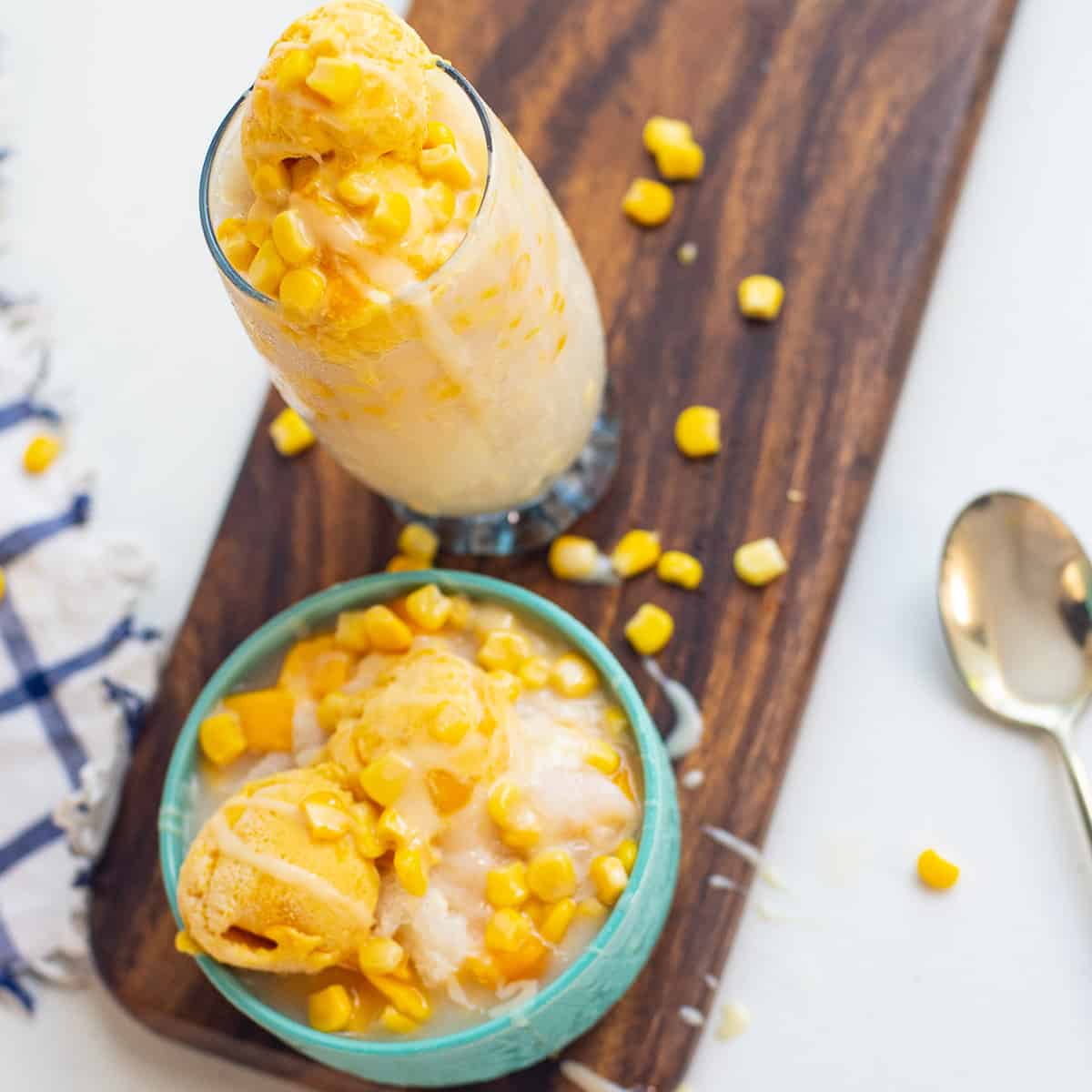
    Mais Con Yelo is a popular Filipino summer dessert made with sweet corn, shaved ice, milk, and sugar. It’s a refreshing and sweet treat enjoyed during hot days in the Philippines.

    Key Takeaways

    • Mais Con Yelo is a traditional Filipino dessert that showcases the country’s culinary traditions and resourcefulness.
    • The dessert consists of shaved ice, sweetened milk, and corn, with variations including leche flan and coconut jelly.
    • Mais Con Yelo can be customized with toppings like ube ice cream, fruits, sweetened beans, or leche flan for unique flavor combinations.
    • Tips for preparation and customization include adjusting the sweetness level, experimenting with mix-ins, and garnishing with mint leaves or cinnamon for added appeal.

    The History of Mais Con Yelo

    The evolution of Mais Con Yelo is a testament to the ingenuity and resourcefulness of Filipino culinary traditions.

    This beloved Filipino dessert has a humble origin, rooted in the need for a refreshing treat during scorching summers.

    Mais con Yelo, which translates to ‘corn with ice,’ encapsulates the simplicity and creativity of Filipino cuisine.

    It originated as a straightforward combination of shaved ice, sweetened milk, and corn, providing a delightful contrast of textures and flavors.

    Over time, variations have emerged, with some adding a decadent touch with leche flan, coconut jelly, or even a unique frozen milk ice.

    Mais con Yelo’s history reflects the resourcefulness of Filipino cooks, utilizing common ingredients to create a delectable treat that has become a staple, especially during corn season.

    This dessert embodies the Filipino spirit of making the most of what’s available, resulting in a delightful and refreshing culinary delight.

    Ingredients for Making Mais Con Yelo

    To make Mais Con Yelo, you’ll need a few key ingredients that come together to create a refreshing and delightful dessert.

    Sweet corn kernels, whether fresh, canned, or frozen, form the base of this iconic Filipino treat. The corn is paired with shaved or crushed ice, giving the dessert its signature icy texture.

    To sweeten the dish, you’ll need sweetened condensed milk, which adds a creamy sweetness, and evaporated milk or coconut milk for a rich, indulgent touch.

    If you’re feeling adventurous, you can also add optional toppings such as coconut creamed corn or sweetened red beans to enhance the flavor and texture.

    These ingredients combine to make Mais Con Yelo, or ‘corn with ice,’ a beloved summer dessert in the Philippines.

    Step-by-Step Guide to Assembling Mais Con Yelo

    First, let’s talk about the key points to keep in mind as you assemble your Mais Con Yelo.

    You’ll learn about the essential ingredients for building this delightful treat, the step-by-step process of putting it together, and some creative ideas for serving it.

    This guide will ensure that you can create a perfect Mais Con Yelo every time, tailored to your taste preferences.

    Ingredients for Mais Con Yelo

    To assemble a refreshing Mais Con Yelo, start by gathering the basic ingredients like sweet corn kernels, crushed ice, evaporated milk, and sugar. Additionally, optional toppings such as sweetened beans, leche flan, and pinipig can be added for extra flavor and texture. Below is a table summarizing the ingredients and their role in creating this delightful Filipino treat:

    Ingredients Role
    Sweet corn kernels Provide a sweet and crunchy element
    Crushed ice Adds a refreshing, icy texture
    Evaporated milk Brings creaminess and richness
    Sugar Sweetens the dessert

    Assembly Process

    After gathering the basic ingredients for Mais Con Yelo, it’s time to layer them together to create a delightful and refreshing treat. Follow these steps to assemble Mais Con Yelo:

    • Layer the corn kernels at the bottom of the serving glass.
    • Ensure the shaved ice is soft and fluffy as you layer it on top of the corn.
    • Drizzle sweetened condensed milk over the ice to add sweetness to the dessert.
    • Pour evaporated milk to your liking, and consider adding another layer of corn, ice, and milk, or top with corn flakes.

    For the best results, use an ice shaver machine for consistent fluffy shaved ice when assembling Mais Con Yelo.

    This process creates the perfect balance of flavors and textures, making Mais Con Yelo a quintessential summer indulgence.

    Serving Suggestions

    If you want to create a mouthwatering Mais Con Yelo, start by layering a glass with sweet corn kernels at the bottom.

    Next, grab an ice shaver and pile the finely shaved or crushed ice on top of the corn, ensuring it maintains a soft and fluffy texture.

    Once you have the ice layered, it’s time to drizzle sweetened condensed milk over the ice, adjusting the amount to your preference.

    Following that, pour evaporated milk over the mixture, adding as much as desired to achieve the perfect balance of sweetness and creaminess.

    For an added burst of flavor and texture, consider adding another layer of corn, ice, and milk.

    Alternatively, top off your delightful dessert with a generous sprinkle of corn flakes for a satisfyingly crunchy finish.

    Enjoy your homemade Mais Con Yelo!

    Variations of Mais Con Yelo

    Explore the delightful array of variations that elevate Mais Con Yelo into a delectable medley of flavors and textures. Here are some exciting variations to try:

    • Ube (purple yam) ice cream or langka (jackfruit) toppings add a unique Filipino twist to the classic Mais con Yelo.
    • Fruits like mango or banana bring a refreshing and tropical twist to this sweet corn and condensed milk treat.
    • For a richer indulgence, sweetened beans or leche flan can be added as toppings in certain variations of Mais con Yelo.
    • Customize your Mais con Yelo with toppings like pinipig, a type of pounded immature rice, for an added layer of texture and crunch.

    These variations showcase the versatility of Mais con Yelo, offering a delightful experience with each unique combination of ingredients.

    Best Places to Enjoy Mais Con Yelo in the Philippines

    To truly savor the delightful flavors of Mais Con Yelo in the Philippines, consider visiting renowned establishments like Razon’s of Guagua and Mang Inasal, where you can indulge in this sweet, icy treat.

    Razon’s of Guagua, with branches across the country, is known for its refreshing Mais Con Yelo made with finely shaved ice, fresh corn, and creamy milk.

    Meanwhile, Mang Inasal, a beloved Filipino restaurant, offers a delectable version of Mais Con Yelo in most of its branches nationwide.

    For an authentic experience, explore the bustling streets of Manila, particularly around Quiapo and Binondo, where local vendors and food stalls serve up traditional Mais Con Yelo.

    In Cebu City, don’t miss the chance to visit eateries and dessert shops like Ice Castle for their unique take on this classic Filipino dessert.

    Health Benefits of Mais Con Yelo

    Mais Con Yelo offers a delicious way to incorporate sweet corn, evaporated milk, and refreshing crushed ice into a treat that provides potential health benefits.

    This classic Filipino dessert can be a nutritious choice due to its key ingredients. Here are the health benefits of Mais Con Yelo:

    • Fiber and Antioxidants: The corn kernels in Mais Con Yelo are a good source of fiber and antioxidants, which are beneficial for digestion and overall health.
    • Calcium and Protein: The inclusion of evaporated milk provides essential nutrients such as calcium and protein, contributing to the dessert’s nutritional value.
    • Vitamin Enhancement: Additional fruits as toppings can enhance the dessert’s vitamin content, making it a more nutritious option.
    • Hydration: The crushed ice in Mais Con Yelo helps with hydration, which is particularly beneficial during hot weather.

    Enjoying this treat in moderation can be part of a balanced diet, allowing you to savor its sweet and refreshing qualities while being mindful of overall dietary choices.

    Tips for Perfecting Mais Con Yelo at Home

    For achieving the perfect Mais Con Yelo at home, utilizing a recommended ice shaver machine can ensure consistent and fluffy shaved ice for your delightful dessert.

    By preparing the components ahead of time and freezing the round ice tray, you can assemble the dessert just before serving for the best texture.

    To customize the sweetness, adjust the amount of sweetened condensed milk or add more sugar to suit your taste.

    Experiment with mix-ins like creamed corn, sweet beans, leche flan, coconut gel, or caramel sauce to create your unique twist on the classic recipe.

    Additionally, consider garnishing with mint leaves or a sprinkle of cinnamon to elevate the presentation and add an extra touch of flavor.

    With these tips, you can easily master the art of making Mais Con Yelo at home and enjoy this refreshing treat anytime.

    What is the cultural significance of Mais Con Yelo in the Philippines compared to Leche Flan?

    Mais Con Yelo and Leche Flan both have cultural significance in the Philippines, showcasing the Spanish influence in Filipino cuisine. Mais Con Yelo, a sweet corn-based dessert, reflects the blending of Spanish and Filipino flavors, while Leche Flan, a caramel custard, represents the rich culinary history brought by Spanish influence in Filipino dishes.

    Frequently Asked Questions

    What Is Mais Con Yelo in the Philippines?

    Mais con Yelo in the Philippines is a delightful dessert made with shaved ice, sweetened milk, and corn. It’s a popular summer treat known for its refreshing taste and creamy texture, often served with various toppings.

    What Is the National Dessert of the Philippines?

    The national dessert of the Philippines is Mais con Yelo, a delightful shaved ice treat made with sweet corn, milk, and various toppings. It’s a popular summertime favorite, offering a creamy, refreshing indulgence.

    What Does Halo-Halo Mean in Filipino?

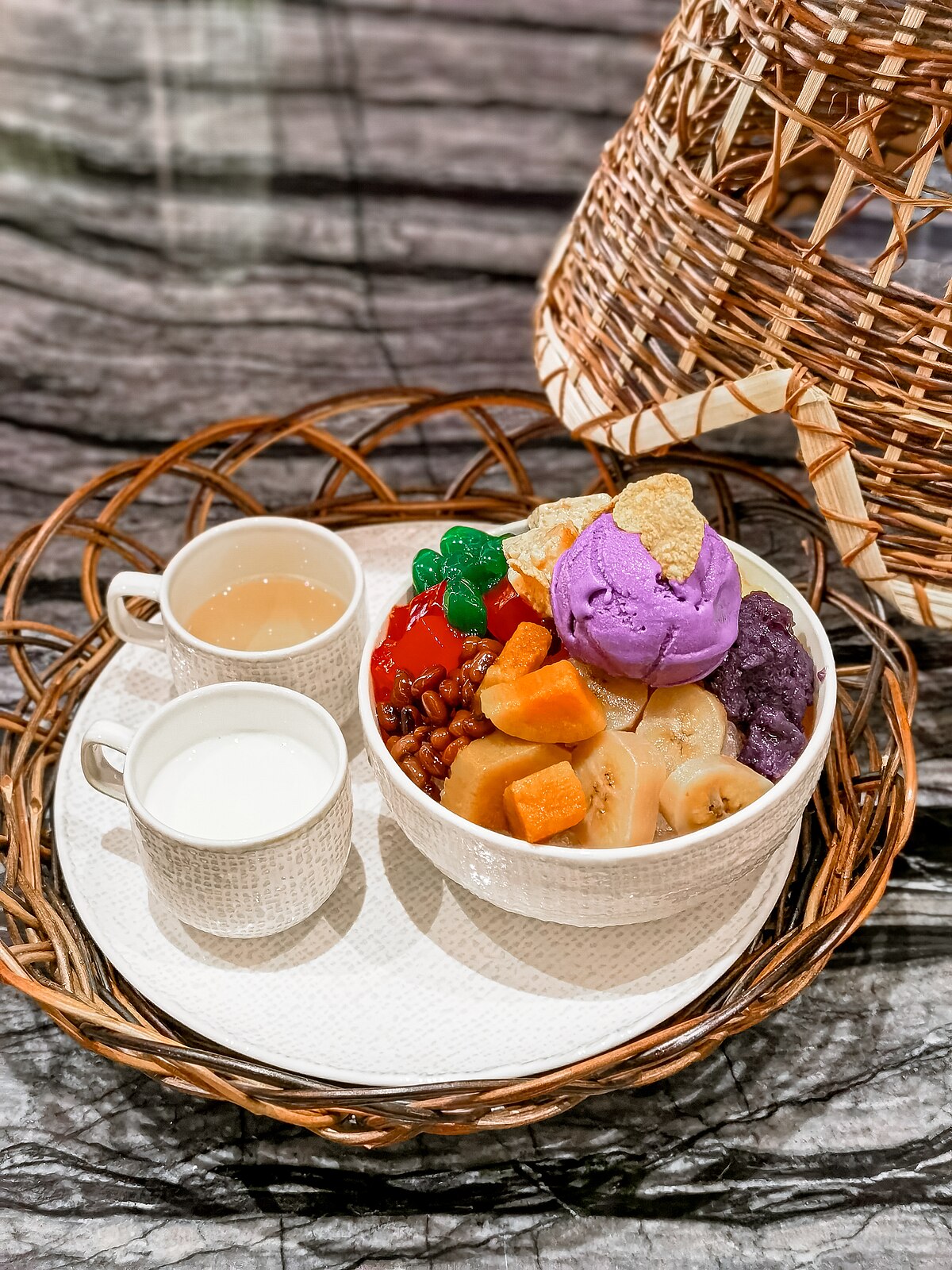
    In Filipino, “Halo-Halo” means “mix-mix.” It’s a delightful dessert made with layers of sweet beans, fruits, jellies, and shaved ice, topped with milk and ice cream. Enjoyed during hot summers, it’s a refreshing and indulgent treat.

    What Is the History of Halo-Halo in the Philippines?

    Halo-Halo, meaning ‘mix-mix’ in Tagalog, has a rich history in the Philippines, evolving from a simple mix of fruits and beans during World War II to the diverse, iconic dessert enjoyed today.

    Conclusion

    Now that you know the history, ingredients, and variations of Mais Con Yelo, you’re ready to enjoy this refreshing summer treat.

    Whether you’re in the Philippines or trying it at home, don’t forget to add your favorite toppings for that extra burst of flavor.

    Stay cool and indulge in the creamy, sweet goodness of Mais Con Yelo!
  • Sapin-Sapin: The Artful Layers of Flavor That Celebrate Filipino Diversity

    Sapin-Sapin: The Artful Layers of Flavor That Celebrate Filipino Diversity

    Sapin-Sapin is a traditional Filipino dessert that reflects the diverse culinary heritage of the Philippines, incorporating indigenous ingredients like purple yam, jackfruit, and coconut to showcase the rich cultural diversity of Filipino cuisine. The multicolored layers of Sapin-Sapin symbolize the harmonious blend of flavors and traditions in Filipino cuisine, celebrating cultural diversity and unity of flavors.

    Key Takeaways

    • Sapin-Sapin is a traditional Filipino dessert that reflects the diverse culinary heritage of the Philippines.
    • Indigenous ingredients like purple yam, jackfruit, and coconut are incorporated into Sapin-Sapin, showcasing the rich cultural diversity of Filipino cuisine.
    • The multicolored layers of Sapin-Sapin symbolize the harmonious blend of flavors and traditions in Filipino cuisine, celebrating the cultural diversity and unity of flavors.
    • Techniques for layering and flavor combinations can be used to create visually appealing and delicious variations of Sapin-Sapin.

    The Origins of Sapin-Sapin

    The origins of Sapin-Sapin can be traced back to the rich cultural tapestry of the Philippines, reflecting the country’s history and diversity through its artful layers of flavor. This traditional Filipino delicacy is a testament to the vibrant and diverse culinary heritage of the nation.

    The intricate layers of the sapin-sapin, each with its own unique color and flavor, symbolize the harmonious blend of influences that shape Filipino cuisine. The process of creating this delectable treat traditionally involves the labor-intensive task of making galapong, extracting coconut milk, and cooking ube jam. However, modern variations have simplified the method by using glutinous rice flour and food colorings, making it more accessible to home cooks.

    The layers of the sapin-sapin not only represent the diverse cultural influences but also create a delightful and visually appealing dessert experience.

    Indigenous Ingredients and Influences

    You’ll be amazed by how indigenous ingredients like purple yam, jackfruit, and coconut come together to create the vibrant layers of flavor in sapin-sapin.

    These traditional elements not only add depth to the dish but also reflect the rich cultural diversity of Filipino cuisine.

    As you explore the indigenous influences in sapin-sapin, you’ll gain a deeper appreciation for the cultural significance of these native ingredients.

    Cultural Ingredient Diversity

    Celebrating the vibrant tapestry of Filipino culinary heritage, sapin-sapin showcases the essential role of indigenous ingredients and influences in creating its artful layers of flavor.

    Indigenous ingredients like galapong (sticky rice dough), coconut milk, and purple yam form the foundation of traditional sapin-sapin, highlighting the cultural ingredient diversity of Filipino food.

    The layers of flavors in sapin-sapin reflect the rich culinary influences of Filipino culture, with ingredients like ripe jackfruit and ube halaya adding depth and complexity.

    These indigenous influences are celebrated through the vibrant colors and diverse flavors of sapin-sapin, representing the rich tapestry of Filipino culinary traditions.

    The use of natural flavorings, such as jackfruit and purple yam, not only contributes to the unique taste but also highlights the cultural importance of indigenous ingredients in Filipino cuisine.

    Traditional Culinary Influences

    Embracing the essence of Filipino culinary heritage, the traditional influences of indigenous ingredients and flavors in sapin-sapin offer a captivating glimpse into the rich tapestry of Filipino gastronomy. This iconic Filipino dessert, a type of rice cake, showcases indigenous ingredients like glutinous rice flour, coconut milk, sugar, and natural flavorings such as purple yam and jackfruit.

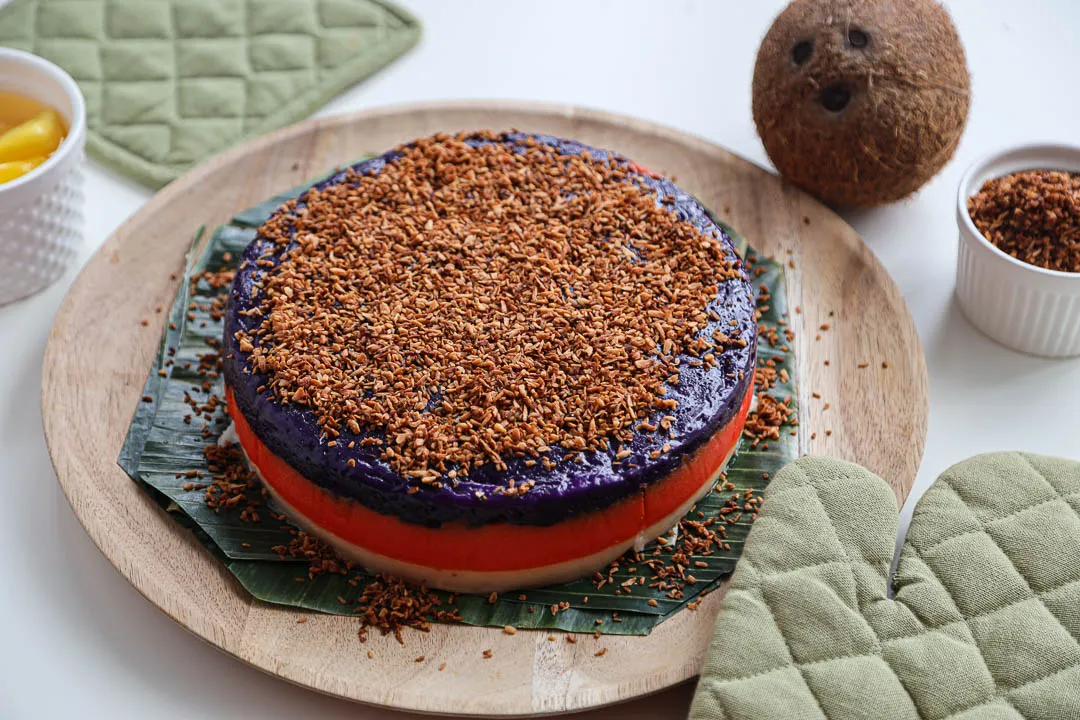
    The layers of sapin-sapin represent traditional Filipino flavors, with the purple layer made from Ube (purple yam), the white layer flavored with coconut, and the yellow layer containing the unique taste of jackfruit. While commercial variations may use artificial flavorings, preparing sapin-sapin with fresh ingredients provides an authentic and flavorful experience.

    This dish is just one example of the vibrant and diverse range of kakanin (rice cake delicacies) in Filipino cuisine, each celebrating the unique flavors and ingredients of the archipelago.

    Indigenous Flavor Infusion

    Indigenous Flavor Infusion in Filipino cuisine showcases a diverse range of traditional ingredients such as purple yam, jackfruit, and coconut, which are skillfully incorporated into the layers of sapin-sapin.

    The use of these indigenous ingredients not only adds depth and authenticity to the beloved Filipino dessert but also highlights the rich cultural heritage and culinary traditions of the Philippines.

    By embracing indigenous flavor infusion, Filipino diversity is celebrated through the unique and vibrant flavors derived from locally sourced, native ingredients.

    The incorporation of coconut, in particular, brings a delightful creaminess and tropical essence to the layers of sapin-sapin, creating a sensory experience that reflects the distinct and multifaceted nature of Filipino cuisine.

    Indigenous flavor infusion isn’t just about taste; it’s a celebration of identity and heritage within every delectable bite of sapin-sapin.

    The Symbolism of Multicolored Layers

    With its vibrant and artful layers, sapin-sapin encapsulates the rich tapestry of Filipino cuisine, symbolizing the diverse flavors and colors that define the country’s culinary heritage.

    The multicolored layers of sapin-sapin mirror the diversity of Filipino culture, representing the harmonious blend of various flavors and traditions.

    Each layer signifies a unique aspect of Filipino cuisine, showcasing the country’s rich culinary heritage through a spectrum of colors and flavors.

    The symbolism of multicolored layers in sapin-sapin not only celebrates the cultural diversity but also reflects the unity and harmony of different flavors and traditions within Filipino society.

    The multicolored layers of sapin-sapin serve as a powerful symbol of Filipino diversity, intertwining various cultural influences and indigenous flavors into a harmonious culinary masterpiece.

    Techniques for Layering Sapin-Sapin

    Ready to level up your sapin-sapin game? Let’s talk about the techniques for layering this delightful treat.

    We’ll explore colorful layering techniques, unique flavor combinations, and texture variations that will take your sapin-sapin to the next level of deliciousness.

    Get ready to elevate your dessert skills and create a stunning, multi-layered masterpiece that’s as beautiful as it’s tasty.

    Colorful Layering Techniques

    Enhance the visual appeal and vibrant flavors of your sapin-sapin by mastering the colorful layering techniques that create a delightful multi-hued dessert. To achieve this, consider the following tips:

    • Divide the batter and add different colors/flavors to each portion before steaming them separately. This creates distinct and visually appealing layers.
    • Grease the pan with coconut oil and start steaming, beginning with the bottom layer and progressing upwards. This ensures even cooking and a beautiful, stratified appearance.
    • Toast desiccated coconut to sprinkle on top of the sapin-sapin before serving, adding flavor and texture. This not only enhances the taste but also provides an attractive finishing touch.

    These techniques not only celebrate Filipino diversity through the vibrant colors but also highlight the rich flavors of glutinous rice, making your sapin-sapin a true delight for the senses.

    Flavor Combinations

    Master the art of layering sapin-sapin by infusing each colorful tier with distinct flavors, creating a delightful multi-hued dessert that celebrates Filipino diversity while honoring the rich tradition of glutinous rice-based delicacies.

    Start by steaming each layer until set, beginning with the pandan flavor at the bottom. For a convenient method, utilize glutinous rice flour and food color and flavorings to save time and effort during preparation.

    Elevate the flavor and texture of the cake by adding a layer of latik, which is a toasted coconut curd, on top.

    Embrace traditional ingredients such as glutinous rice flour, coconut milk, and flavorings like jackfruit and purple yam (ube halaya).

    When serving, sprinkle toasted desiccated coconut on top before cutting and savoring the colorful and flavorful sapin-sapin.

    Texture Variations

    To achieve diverse and delightful texture variations in your sapin-sapin, consider experimenting with different steaming times and ingredient combinations for each layer. Here are some techniques for layering sapin-sapin:

    • Steaming Times: Adjust the steaming times for each layer to achieve varying textures, such as a firmer texture for the glutinous rice layer and a softer texture for the coconut milk layer. Try steaming the glutinous rice layer for a longer duration to create a chewier texture, while steaming the coconut milk layer for a shorter time to maintain a creamy consistency.
    • Ingredient Combinations: Mix and match ingredients to create contrasting textures. For example, incorporate tapioca pearls in one layer for a chewy element, and use finely ground rice flour in another layer for a smoother texture.

    Regional Variations and Adaptations

    How do regional variations and adaptations in sapin-sapin reflect the diverse cultural and culinary influences across the Philippines? Sapin-sapin, with its adaptability, embodies the culinary diversity of the Philippines, celebrating a wide range of flavors and ingredients from various regions. Here’s a glimpse of how regional variations of sapin-sapin showcase the rich tapestry of Filipino diversity:

    Region Unique Ingredients/Flavorings Distinct Toppings/Serving Styles
    Luzon Ube (purple yam), coconut milk Latik (toasted coconut curds)
    Visayas Mango, condensed milk Fresh mango slices
    Mindanao Pandan, coconut cream Pinipig (crisped rice)

    Each region’s adaptation of sapin-sapin not only highlights local ingredients like ube, mango, or pandan but also incorporates distinct toppings and serving styles, offering a glimpse into the culinary traditions and preferences of different Filipino communities.

    Sapin-Sapin in Filipino Celebrations

    Celebrating Filipino traditions and cultural festivities, sapin-sapin holds a cherished place in various joyful gatherings and special occasions. In Filipino celebrations, sapin-sapin brings a burst of color and flavor to the table, symbolizing the diversity and richness of the Filipino culture.

    During fiestas, holidays, and family reunions, this multi-layered delicacy is a staple, signifying the coming together of loved ones and the abundance of blessings. In these settings, sapin-sapin adds a touch of vibrancy to the festivities, making it a delightful centerpiece for dessert tables.

    Its distinct layers of purple yam, pureed corn, and plain rice, all bound together with coconut milk, create a harmonious blend of textures and tastes that perfectly encapsulate the spirit of Filipino celebrations.

    Modern Twists on Traditional Sapin-Sapin

    Embrace a fresh perspective on the beloved Filipino delicacy, sapin-sapin, by exploring modern twists that infuse innovative flavors and creative presentations into this traditional dessert.

    Experiment with modern flavors like matcha, mango, or pandan to create unique layers with a contemporary twist.

    You can also incorporate fusion elements such as adding a layer of chocolate or salted caramel to introduce new and exciting taste profiles to the traditional sapin-sapin.

    Get creative with presentations by shaping it into individual servings, creating artistic designs, or incorporating it into innovative dessert recipes.

    For a healthier take, modify the traditional recipe by using alternative sweeteners, gluten-free flour, or incorporating superfoods.

    Additionally, consider creating mini sapin-sapin bites, perfect for serving at parties or events, providing a modern twist on the traditional dessert while celebrating Filipino diversity.

    Exploring Sapin-Sapin’s Global Appeal

    As you explore sapin-sapin’s global appeal, consider its traditional roots alongside its potential for innovative adaptations and cross-cultural appreciation. This iconic Filipino dessert, with its vibrant layers of flavor, has been gaining recognition beyond its place of origin, captivating the palates of people worldwide.

    Here are a couple of reasons why sapin-sapin has garnered such global appeal:

    • Versatile Adaptations: The adaptability of sapin-sapin opens doors for creative variations that cater to different tastes and dietary preferences, making it accessible and appealing to a broader audience.
    • Its potential for fusion with other culinary traditions allows for exciting cross-cultural interpretations, fostering a sense of inclusivity and diversity in the culinary world.

    Sapin-sapin’s ability to evolve while still honoring its Filipino heritage contributes to its widespread admiration and relevance in today’s global culinary landscape.

    How Does Turon Reflect Filipino Diversity Like Sapin-Sapin?

    Turon, a popular Filipino snack tradition, reflects the rich diversity of the Philippines much like sapin-sapin. This delicious treat encapsulates the fusion of flavors and textures that define Filipino cuisine. The combination of sweet banana and crunchy wrapper mirrors the diverse cultural influences present in Filipino culinary traditions.

    Frequently Asked Questions

    What Is the Meaning of Sapin-Sapin?

    The meaning of sapin-sapin comes from the Tagalog word “sapin,” which refers to layers or cover. It signifies the cake’s colorful and flavorful layers, reflecting the diversity of Filipino culture and cuisine.

    What Are the Characteristics of Sapin-Sapin?

    Sapin-Sapin is a Filipino sticky rice cake with colorful layers made of galapong, coconut milk, and sugar. It’s known for its vibrant colors, flavors, and the traditional topping of latik. Enjoy its diverse flavors!

    What Is the Origin of Sapin-Sapin?

    Sapin-sapin’s origin is rooted in the Philippines. It’s a traditional multi-colored layered sticky rice cake that reflects the country’s diverse flavors. Making it is time-consuming, but the result is a delightful treat.

    What Is the Classification of Dessert Sapin-Sapin?

    Sapin-Sapin is a traditional Filipino steamed dessert classified as a vibrant and colorful layered treat. It’s made of glutinous rice flour, coconut milk, sugar, and natural flavors like purple yam and jackfruit, often served during special occasions.

    Conclusion

    So next time you’re craving a sweet treat, why not indulge in the delightful layers of sapin-sapin?

    This colorful and flavorful dessert not only satisfies your taste buds but also celebrates the rich diversity of Filipino cuisine.

    Whether you opt for the traditional method or a quicker version, sapin-sapin is a true delight that brings people together and showcases the artistry of Filipino culinary heritage.

    So go ahead, take a bite, and savor the taste of diversity!

  • Buko Pandan: A Refreshing Taste of the Tropics in Filipino Cuisine

    Buko Pandan: A Refreshing Taste of the Tropics in Filipino Cuisine

    Buko Pandan, a beloved Filipino dessert, combines sweet coconut and fragrant pandan for a tropical treat enjoyed at gatherings and special occasions. Its cultural significance and health benefits make it a refreshing and cherished culinary experience in Filipino cuisine.

    Key Takeaways

    • Buko Pandan is a popular and beloved dessert in Filipino cuisine, often enjoyed during gatherings and special occasions.
    • It showcases the rich culinary heritage of the Philippines, using indigenous ingredients like pandan leaves and young coconut.
    • Buko Pandan should be served well-chilled and can be garnished with coconut flakes or pandan leaves for added presentation.
    • The flavor profile of Buko Pandan is sweet and creamy, with a subtle tropical aroma from the pandan leaves.

    Origin and Cultural Significance

    Exploring the roots of Buko Pandan salad reveals its rich cultural significance and deep ties to Filipino culinary traditions.

    This iconic Filipino dessert is a delightful blend of flavors, featuring the creamy goodness of coconut milk and the distinct aroma of pandan extract. Its origin can be traced back to the Philippines, where it has become a beloved part of the local food culture.

    The use of indigenous ingredients like pandan and young coconut reflects the country’s vibrant tropical landscape. Buko Pandan salad isn’t just a dish; it’s a symbol of togetherness and celebration, often shared during gatherings with family and friends.

    Its popularity during holidays and special occasions underscores its significance in Filipino culinary traditions, making it a refreshing and cherished treat that embodies the essence of Filipino cuisine.

    Ingredients and Preparation

    To begin preparing Buko Pandan, you’ll need to gather the key ingredients such as pandan leaves, young coconut meat, condensed milk, all-purpose cream, and gelatin powder.

    First, boil pandan leaves to extract the juice, then mix it with gelatin powder and sugar. Let the gelatin mixture cool and set before cutting it into cubes.

    Next, combine the young coconut meat, condensed milk, and all-purpose cream. Add the gelatin cubes to the coconut mixture and chill it in the refrigerator.

    When serving, transfer the chilled Buko Pandan into a dish, garnish with additional gelatin cubes, drizzle with more condensed milk, and enjoy it chilled. For a refreshing twist, you can optionally add crushed ice.

    You can also experiment with variations like using coconut water instead of pandan juice or adding macapuno for a different texture.

    Flavor Profile and Aroma

    Indulge in the Buko Pandan salad’s sweet, creamy flavor complemented by the subtle, tropical aroma of pandan leaves. This delightful dessert combines the richness of coconut cream with the freshness of pandan, creating a unique and beloved flavor profile in Filipino cuisine.

    The aroma of pandan leaves infuses the dish with a fragrant, grassy scent, adding to the overall tropical experience.

    Here are five ways to enjoy the flavor profile and aroma of Buko Pandan:

    • Take a moment to savor the creamy texture of coconut milk and coconut cream.
    • Appreciate the refreshing and light taste that makes it perfect for hot days or as a palate cleanser after a rich meal.
    • Inhale the fragrant, grassy scent of pandan leaves that enhances the overall tropical experience.
    • Delight in the unique combination of young coconut and pandan, creating a creamy and refreshing dessert.
    • Enjoy the distinctive and beloved flavor profile and aroma that make Buko Pandan salad a standout in Filipino cuisine.

    Serving and Presentation

    After savoring the delightful flavor profile and aroma of Buko Pandan, it’s time to ensure the perfect serving and presentation of this refreshing dessert.

    Serve Buko Pandan well-chilled for a refreshing dessert experience, making it ideal for special occasions.

    Refrigerate the Buko Pandan for a few hours or overnight before serving for the best results.

    Enhance its presentation by garnishing with additional coconut flakes or pandan leaves to add a tropical touch to the dessert.

    Consider serving in individual bowls or dessert glasses for an elegant and personalized presentation. This won’t only elevate the visual appeal but also make it easier for guests to enjoy.

    To maintain the freshness of Buko Pandan, cover the serving container tightly when storing leftovers, ensuring that every serving is as delightful as the first.

    Variations and Regional Adaptations

    Explore the delightful variations and regional adaptations of Buko Pandan that add unique textures and flavors to this classic Filipino dessert. When it comes to enjoying this coconut-based snack or dessert, there are various creative ways to elevate its soft and tender goodness. Here are some exciting variations and regional adaptations to consider:

    • Tapioca pearls, kaong, and nata de coco for added texture and flavor
    • Coconut water instead of pandan juice for a lighter taste
    • Macapuno (sweetened coconut sport) for a different texture
    • Experimentation with different flavors of gelatin like mango or strawberry
    • Different brands of condensed milk and cream for variations in sweetness and richness

    These adaptations offer a diverse range of experiences, allowing you to savor the tropical essence of Buko Pandan in new and exciting ways.

    Health Benefits and Nutritional Value

    Continuing our exploration of Buko Pandan, let’s now turn our attention to the health benefits and nutritional value of this beloved Filipino dessert. Buko Pandan offers a delightful combination of health benefits and essential nutrients, making it more than just a tasty treat. Below is a table summarizing the key health benefits and nutritional value of Buko Pandan:

    Health Benefits and Nutritional Value Key Points
    Young Coconut Good source of electrolytes, aiding hydration
    Pandan Leaves Rich in antioxidants, anti-inflammatory properties
    Gelatin Provides protein, promotes joint health, aids digestion
    Coconut Cream and Milk Offers healthy fats, supports heart health, sustained energy
    Toppings (macapuno, coconut flakes) Adds dietary fiber, essential nutrients

    Buko Pandan not only delivers a tropical flavor but also packs a healthy punch, making it an easy-to-make and nutritious dessert option.

    How Does Sapin-Sapin Compare to Buko Pandan in Filipino Cuisine?

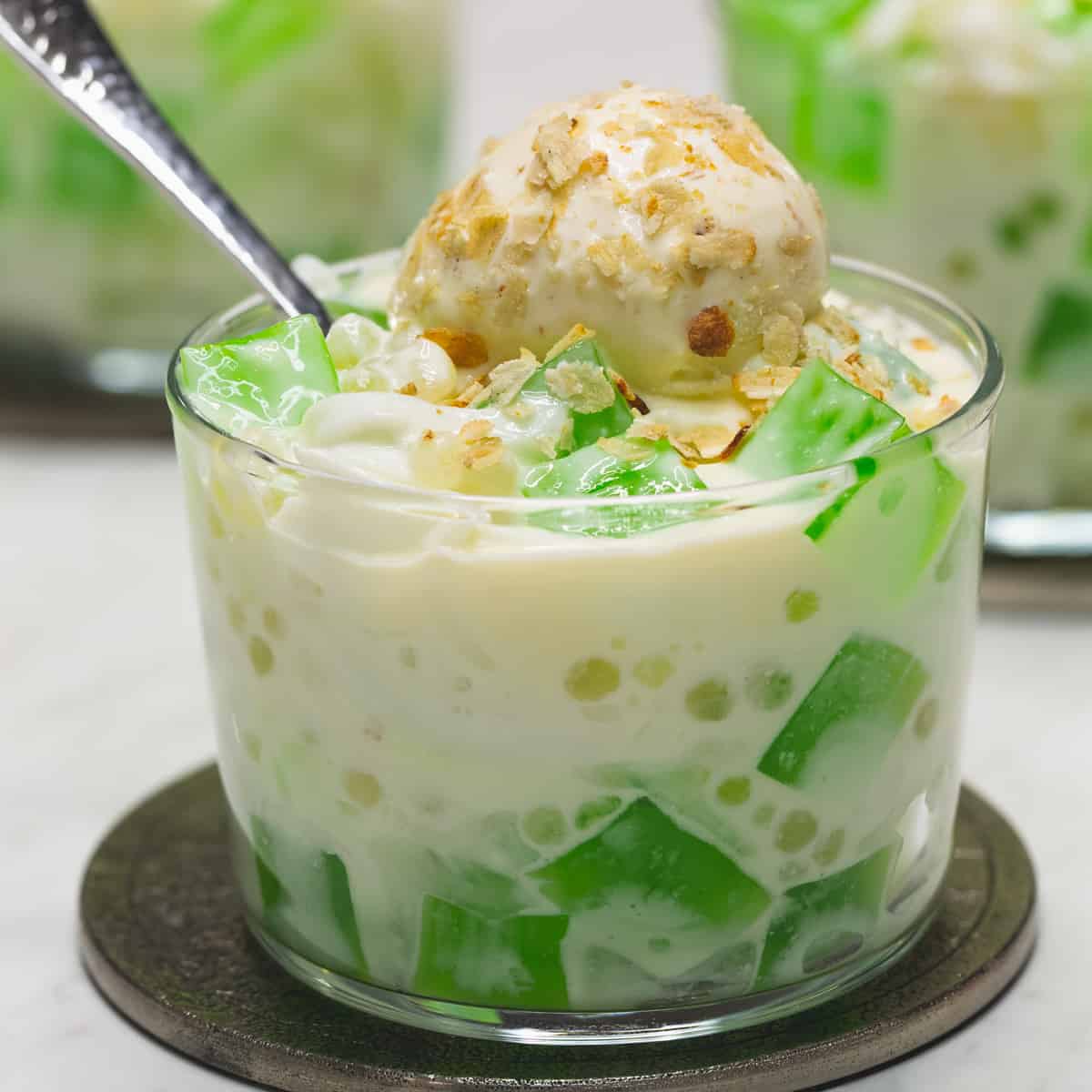
    Sapin-Sapin and Buko Pandan are popular Filipino desserts with artful layers of flavor. Sapin-Sapin features layers of sweet rice and coconut milk, while Buko Pandan is a creamy dessert made with coconut, pandan, and tapioca pearls. Both offer unique textures and delightful combinations of taste.

    Frequently Asked Questions

    What Is the History of Buko Pandan?

    Buko Pandan’s history traces back to the Philippines, where it became a beloved dessert. Its origins are rooted in the country’s rich culinary heritage, evolving into a refreshing and tropical treat enjoyed at various occasions.

    What Does Buco Pandan Taste Like?

    Buko Pandan tastes like a tropical paradise in a dessert. It’s a perfect blend of sweet, creamy coconut and fragrant pandan. The jelly cubes add a chewy texture, making each bite a refreshing and delightful experience.

    Do Filipinos Eat Pandan?

    Yes, Filipinos do eat pandan. It’s a popular ingredient in Buko Pandan, a refreshing dessert with jelly cubes, young coconut, and sweetened cream. This flavorful treat is enjoyed as a midday snack or at special occasions.

    What Is Pandan Flavor Philippines?

    Pandan flavor, popular in Filipino cuisine, offers a sweet, fragrant taste. Derived from the tropical pandan plant, it infuses a refreshing twist to traditional desserts. The vibrant green color and intense aroma can be enhanced with extra drops of pandan extract.

    Conclusion

    So next time you’re craving something sweet and refreshing, why not try making buko pandan?

    This delightful Filipino dessert is easy to prepare and offers a unique combination of flavors and textures that will transport your taste buds to the tropics.

    With its cultural significance and health benefits, buko pandan isn’t just a dessert, but a culinary experience that you won’t want to miss out on.

    Give it a try and treat yourself to a taste of the Philippines!

  • Cassava Cake: From Root to Riches in Filipino Cuisine

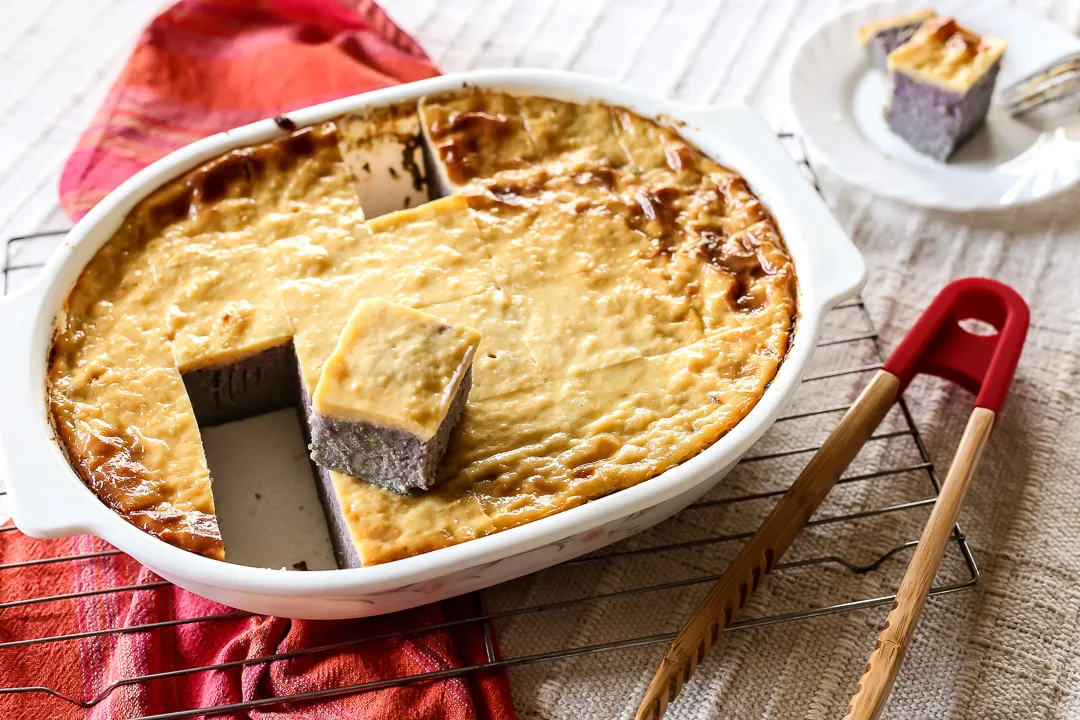
    Cassava Cake: From Root to Riches in Filipino Cuisine

    Cassava cake, a cherished Filipino dessert, is not only a delicious treat but also a nutritious one, rich in fiber and essential nutrients. Its versatility and cultural significance make it a smart and flavorful addition to any diet.

    Key Takeaways

    • Cassava cake is a significant part of Filipino culinary heritage, passed down through generations and representing Filipino identity and pride.
    • Cassava is a highly nutritious root crop, packed with fiber, vitamins, and minerals that support digestive health and prevent anemia.
    • Cassava cake is versatile and suitable for various dietary needs, including gluten-free diets, making it a smart addition to any balanced diet.
    • There are numerous varieties and topping options for cassava cake, allowing for experimentation with flavors and textures.

    History of Cassava Cake

    The evolution of cassava cake in Filipino cuisine mirrors the interweaving of diverse cultural influences and the rich tapestry of culinary traditions.

    Introduced by the Spaniards, cassava cake has become a beloved dessert deeply ingrained in Filipino culture. This traditional delicacy is made from grated cassava, coconut milk, and condensed milk, reflecting the abundant use of coconut in Filipino cuisine.

    The history of cassava cake evokes a sense of nostalgia and belonging, as it’s often passed down through generations, preserving food heritage.

    The versatile nature of cassava cake is evident in the various recipe versions and toppings available, offering a delightful array of flavors and textures.

    From its humble origins to its status as a cherished Filipino dessert, cassava cake continues to hold a special place in the hearts and palates of many.

    Nutritional Benefits of Cassava

    Looking to boost your fiber intake while enjoying a delicious treat?

    Cassava is a great source of fiber, promoting digestive health and keeping you feeling satisfied.

    On top of that, it’s packed with essential nutrients like Vitamin C, calcium, and potassium, making it a versatile and nutritious addition to your diet.

    Health Benefits

    Packed with essential nutrients like Vitamin C, calcium, and potassium, cassava offers numerous health benefits, making it a valuable addition to your diet. When you indulge in Filipino cassava cake, you’re also reaping the health benefits of this starchy root vegetable. Here’s why it’s a win-win:

    • Cassava is a good source of fiber and iron, supporting digestive health and preventing anemia.
    • The presence of riboflavin in cassava helps prevent migraines, adding to its potential health benefits.

    Despite being a delicious treat, cassava cake can still be a healthy choice due to the nutritional benefits of cassava. So, when you savor that delightful Filipino dessert made with grated cassava and coconut milk, you’re not just treating your taste buds, but also nourishing your body with essential nutrients.

    Dietary Versatility

    When incorporating cassava into your diet, you’ll discover its remarkable dietary versatility and nutritional benefits, making it a valuable addition to various eating plans.

    The grated cassava, a key ingredient in Filipino cassava cake, isn’t only delicious but also rich in nutrients. It’s a great source of fiber, iron, and Vitamin C, beneficial for digestive health, anemia prevention, and immune support.

    The use of coconut milk in cassava cake provides healthy fats and adds a creamy texture without dairy. Whether you’re baking a dessert or looking for gluten-free recipes, cassava’s dietary versatility makes it a suitable choice for various dietary needs.

    Its nutritional richness and adaptability make it a smart addition to any balanced diet, particularly for those seeking nutrient-dense and gluten-free options.

    Varieties of Cassava Cake

    With a multitude of topping options and flavor variations, cassava cake offers a diverse range of culinary experiences in Filipino cuisine. When making cassava cake, you have the freedom to experiment with various toppings and flavors, such as cheddar cheese, macapuno strings, grated coconut, or pineapple. Some recipes use pandan leaves for an additional layer of flavor, brown sugar for a caramel-like taste, or butter for richness.

    You can also play with the texture by using glutinous rice flour or incorporating ingredients like jackfruit or sweet potatoes.

    Additionally, the thickness of the cake and the toppings can be adjusted based on your preferences. Some variations even include layers of cheese for a savory twist or toasted coconut for added texture and flavor. The possibilities for creating unique and delectable cassava cakes are endless.

    Traditional Cassava Cake Recipe

    So, you want to make a traditional cassava cake?

    Well, it all starts with gathering the key ingredients and following a simple yet time-honored preparation method.

    Once you’ve got your cake ready, the next step is baking it to golden perfection and serving it up for a delectable treat.

    Ingredients and Preparation

    For a delicious traditional Filipino Cassava Cake, gather the key ingredients of grated cassava, coconut milk, condensed milk, eggs, and sugar. Here’s how to make it:

    • Preheat the oven to 350°F.
    • Mix the grated cassava, condensed milk, coconut milk, eggs, and sugar in a mixing bowl.
    • Pour the mixture into a greased baking dish and bake for 45 minutes until set.

    For the custard topping, combine egg yolks, condensed milk, and coconut milk in a medium bowl.

    • Pour the custard topping over the pre-baked cassava cake.
    • Variations of the traditional recipe include adding layers of cheese for a savory element and sprinkling toasted coconut on top for added texture and flavor.

    To achieve a moist and tender cassava cake, it’s important to properly grate the cassava and avoid over-squeezing to retain its natural moisture and to avoid over-baking to prevent dryness.

    Baking and Serving

    Once you’ve prepared the traditional Filipino Cassava Cake with its rich and creamy flavors, it’s time to explore the art of baking and serving this delightful treat.

    After baking the cake to golden perfection, allow it to cool for a few minutes before serving. For an authentic touch, top it with a generous sprinkle of grated cheese or coconut flakes.

    Whether you prefer it warm or cold, this dessert pairs perfectly with a cup of coffee or tea. To enhance the flavors, refrigerate the cake overnight before serving. Be mindful not to over-bake, as this may result in a tough texture.

    For a creative twist, consider adding layers of cheese or toasted coconut. Any leftovers can be stored in the refrigerator for a few days, making for a delicious snack or dessert.

    Modern Twists on Cassava Cake

    Looking to add a contemporary flair to the classic cassava cake? Consider experimenting with fusion flavors like matcha, ube, or pandan to create a modern twist on this traditional Filipino dessert.

    To give the cassava cake a modern edge, you could also try gluten-free and vegan options by using alternative ingredients such as coconut milk.

    Another idea is to present the cassava cake in a deconstructed form, serving the grated cassava, coconut milk, and custard topping separately for a visually appealing and interactive dining experience.

    For a trendy twist, innovate by baking cassava cake into bite-sized portions, making it ideal for events and parties.

    Elevate the cassava cake by incorporating artisanal toppings such as salted caramel drizzle or unique fruit compotes to add a contemporary twist and elevate its visual appeal.

    Baking Tips for Cassava Cake

    Maximize the deliciousness of your cassava cake by applying these essential baking tips for a perfect texture and flavor.

    When baking, be cautious not to over-bake the cassava cake to prevent a tough and rubbery texture.

    Keep an eye on the topping to avoid burning while broiling.

    If using an aluminum baking pan instead of a glass dish, adjust the baking time accordingly. For better results, use a glass dish.

    The baking time and results can vary based on the type of baking pan used.

    Follow the step-by-step photos for visual guidance throughout the baking process.

    These tips will help ensure that your cassava cake turns out just right, with a moist and flavorful outcome that will impress your taste buds.

    Serving and Enjoying Cassava Cake

    Indulge in the versatile delight of warm or chilled cassava cake, offering a perfect fusion of flavors and textures for your enjoyment.

    When serving and enjoying cassava cake, consider these tips:

    • Toppings:
    • Traditional toppings such as grated cheese or coconut flakes add a delightful contrast of flavors and textures to the cake.
    • Experiment with different toppings like broiled coconut or a drizzle of caramel for a unique twist.
    • Pairing and Storage:
    • Pair this dessert with a cup of coffee or tea for a delightful treat, perfect for special occasions or everyday indulgence.
    • Leftover cassava cake can be stored in the refrigerator for a few days, allowing for enjoyment over time.

    With its adaptability and delicious taste, cassava cake is a versatile and satisfying dessert in Filipino cuisine.

    What Role Does Cassava Play in Filipino Desserts, Compared to Coconut in Maja Blanca?

    Cassava is a key ingredient in many Filipino desserts, often used to create sweet treats like cassava cake and suman. In comparison, the coconut’s creamy maja blanca is a popular dessert that features coconut milk and cornstarch, resulting in a smooth and rich texture that is beloved in Filipino cuisine.

    Frequently Asked Questions

    What Is the Origin of Cassava Cake in the Philippines?

    The origin of cassava cake in the Philippines is rooted in the blending of cultures and traditions. This beloved dessert reflects historical influences and showcases the cultural significance of cassava, brought over by the Spaniards.

    What Is the Filipino Name for Cassava?

    The Filipino name for cassava is ‘kamoteng kahoy’ or ‘balinghoy.’ In Filipino cuisine, cassava is referred to as ‘kamoteng kahoy’ or ‘balinghoy.’ It’s a versatile root that adds a unique flavor to many dishes.

    What Dessert Is Made From Cassava Root?

    Cassava cake, a classic Filipino dessert, is made from grated cassava or manioc. It has a soft, moist texture with a rich caramel custard topping. It’s mildly sweet and milky, perfect for dessert or snack time.

    What Is Filipino Cake Made Of?

    Filipino cake is made of grated cassava, coconut milk, condensed milk, eggs, and sugar. It’s known for its soft, moist texture and often topped with grated cheese or coconut flakes. Some variations also include ingredients like cheddar cheese or pineapple.

    Conclusion

    So there you have it – cassava cake, a delicious and traditional Filipino dessert that has stood the test of time.

    With its rich history, nutritional benefits, and endless variations, cassava cake is a true gem in Filipino cuisine.

    Whether you enjoy it as a snack or dessert, this moist and sweet treat is a must-try for anyone looking to explore the flavors of the Philippines.

    Try making it at home and experience the rich cultural heritage of this beloved dessert.

  • Turon: The Sweet and Savory Filipino Snack Wrapped in Tradition

    Turon: The Sweet and Savory Filipino Snack Wrapped in Tradition

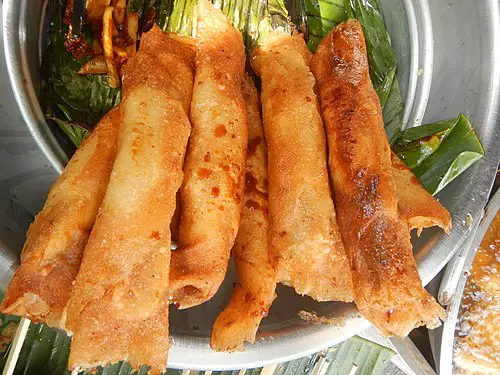
    Turon is a popular Filipino snack, also known as banana lumpia, that is made with thinly sliced ripe bananas, often saba bananas, rolled in a spring roll wrapper, deep-fried until crispy, and then coated with caramelized brown sugar. It can also include other fillings like jackfruit, sweet potato, or cheese.

    Here’s a more detailed breakdown:

    Main ingredients:
    Sliced ripe bananas (saba bananas are preferred), spring roll wrapper, brown sugar, and sometimes jackfruit or other fillings.
    Process:
    The banana is rolled in the spring roll wrapper, then deep-fried until golden brown and crispy. The fried turon is then coated with caramelized brown sugar for added sweetness.
    Flavor and Texture:
    Turon is known for its sweet and crunchy texture, with the caramelized sugar adding a delightful glaze.
    Popular snack:
    It’s a common street food and a popular dessert or snack in the Philippines, often enjoyed during merienda (afternoon snack).
    Variations:
    While saba banana and jackfruit are the traditional ingredients, variations may include other fillings like sweet potato, cheese, or even ube jam.

    Banana Cue is a popular Filipino street food made with deep-fried saba bananas coated in caramelized brown sugar and served on skewers. The name comes from a play on words, combining “banana” and “barbecue” (cue), referring to the banana being skewered and cooked, similar to barbecue. It’s a sweet and satisfying treat, often enjoyed as a merienda (snack).

    Here’s a more detailed description:

    Main Ingredient: Saba bananas, a type of banana commonly used in Filipino cooking, are the star of this dish.  Cooking Method: The bananas are deep-fried until golden brown and crispy on the outside.  Sweet Coating: The bananas are then coated in a caramelized brown sugar mixture, creating a delicious, sticky, and sweet crust.  Presentation: The fried and coated bananas are typically skewered on bamboo sticks, making them easy to eat on the go.  Flavor and Texture: Banana Cue offers a delightful combination of textures, with the crunchy, caramelized exterior giving way to a soft and sweet banana interior.  Popularity: It’s a beloved street food, readily available at many food stalls and markets across the Philippines.

    The Origins of Turon

    The origins of turon can be traced back to the Philippines, where its rich history and cultural significance have contributed to its enduring popularity as a traditional Filipino dessert.

    This beloved snack encapsulates the essence of Filipino food, showcasing the ingenious use of local ingredients and the fusion of culinary influences. The dish represents a harmonious blend of Spanish and Filipino flavors, highlighting the cultural exchange that has shaped Filipino cuisine.

    Turon has been a staple in Filipino households for generations, often enjoyed during festive occasions as a symbol of Filipino hospitality and warmth. Its enduring presence on the Filipino culinary scene reflects its deep-rooted significance in the country’s food culture.

    From cookbooks to cultural articles, the heritage of turon is well-documented, underscoring its status as a cherished part of Filipino gastronomy.

    Ingredients for Authentic Turon

    Tracing the origins of turon back to the Philippines, you’ll find that the authentic ingredients for this beloved snack include ripe bananas, spring roll wrappers, brown sugar, cinnamon powder, and a brush of cooking oil for that perfect crispy texture.

    Ripe bananas are the star of the show, providing the sweet, creamy filling. Encased in a delicate spring roll wrapper, they’re dusted with brown sugar and a hint of cinnamon for that irresistible flavor.

    The final touch is a light brush of cooking oil before baking, ensuring a satisfying crunch with every bite. These simple yet essential ingredients come together to create the unmistakable allure of turon, making it a cherished Filipino treat.

    Whether enjoyed as a snack or dessert, the combination of banana, sugar, and cinnamon wrapped in crispy goodness is sure to delight your taste buds.

    Traditional Preparation Techniques

    Peeling and halving the bananas sets the stage for the traditional preparation of turon, a beloved Filipino snack wrapped in a delicate spring roll wrapper. Once the saba bananas are prepared, it’s time to assemble and cook the turon using time-honored techniques. Below is a table outlining the traditional steps involved in preparing this delightful snack:

    Traditional Preparation Techniques
    Peel and halve the saba bananas
    Place a banana half on a spring roll wrapper, sprinkle with brown sugar and cinnamon, then roll tightly and seal the edges with water
    Brush the turon with cooking oil for browning and crispiness
    Deep-fry the wrapped banana until golden and crispy
    Enjoy as a merienda or dessert, often served with caramel syrup or a sprinkle of sugar

    Following these techniques ensures that the turon turns out crispy, sweet, and perfectly nostalgic.

    Variations of Turon Across Regions

    From cheese-filled lumpiang keso to coconut and sesame seed-infused daral, each region adds its own unique flavor to this beloved treat.

    Whether it’s the caramelized pinasugbo of Visayan areas or the sweet potato version known as camote cue, you’ll find an array of ingredient variations that truly reflect the rich culinary heritage of the country.

    Regional Flavor Differences

    As you explore the regional flavor differences of turon across the Philippines, you’ll discover a rich tapestry of variations that showcase the unique culinary traditions of each area.

    These regional variations of turon include:

    • Lumpiang keso: A turon variation with cheese added, popular in some regions.
    • Daral: A unique version of turon, typically made in specific regions.
    • Pinasugbo: A regional variation of turon, often with a distinct flavor profile.
    • Banana cue: A common variation of turon, known for its regional differences in preparation and presentation.
    • Camote cue: Another popular variation of turon, showcasing regional flavor differences.

    Each of these variations reflects the diverse and vibrant culinary landscape of the Philippines, adding depth and complexity to the beloved snack of turon.

    Ingredient Variations

    Exploring the regional flavor differences of turon across the Philippines unveils a rich tapestry of ingredient variations that highlight the diverse culinary traditions of each area.

    In addition to the traditional banana and jackfruit filling, there are intriguing Filipino variations such as lumpiang keso, which incorporates cheese into the turon. Another regional version is daral, offering a unique twist to the classic recipe. Pinasugbo stands out with its use of caramelized sugar, adding a delightful sweetness to the snack.

    Banana cue, often served on skewers, is another popular variation of turon. Moreover, some regions offer camote cue, a rendition made with sweet potatoes instead of bananas.

    These diverse ingredient variations showcase the creativity and ingenuity within Filipino cuisine, all wrapped in the familiar and beloved lumpia wrapper.

    Cultural Significance of Turon

    Let’s talk about what makes turon more than just a delicious snack.

    Traditional family recipes for turon hold a special place in Filipino culture, often passed down through generations and cherished as a symbol of hospitality and generosity.

    Beyond its taste, turon embodies the festive spirit of Filipino celebrations and reflects the country’s rich culinary heritage.

    Traditional Family Recipes

    The aroma of sizzling bananas and caramelized sugar fills the air as families across the Philippines gather to prepare their cherished recipes for Turon, a beloved traditional dessert that embodies the rich culinary heritage of the Filipino culture.

    When it comes to traditional family recipes, turon holds a special place in Filipino households, preserving culinary traditions and strengthening familial bonds.

    Here are some key points about the significance of traditional family recipes in Filipino culture:

    • Turon recipes are often passed down through generations, serving as a way to connect with familial roots and honor ancestors.
    • Making turon is a communal activity, fostering togetherness and creating lasting memories for family members.
    • Traditional family recipes reflect the resourcefulness and creativity of Filipino cooks, utilizing local ingredients and techniques.
    • These recipes play a crucial role in preserving Filipino culinary heritage, ensuring that traditional flavors and cooking methods aren’t lost over time.
    • Through the preparation and sharing of these recipes, families pass on cultural values and customs to future generations.

    Festive Celebrations and Turon

    During festive celebrations, turon holds a cherished place as a symbol of Filipino hospitality and a delightful treat that embodies the rich fusion of Spanish and Filipino culinary influences.

    This traditional Filipino dessert is a testament to the warmth and generosity of Filipino culture, often shared with family and friends during special occasions. Its preparation highlights the use of local ingredients such as bananas, showcasing the unique blend of flavors that define Filipino cuisine.

    Whether it’s a grand fiesta or an intimate gathering, turon adds a touch of sweetness to the festivities, symbolizing the spirit of togetherness and abundance.

    Variations of turon, such as lumpiang keso, daral, pinasugbo, banana cue, and camote cue, offer diverse flavors and textures, making it a versatile and beloved addition to Filipino celebratory fare.

    Symbolism in Filipino Culture

    Embedded within the vibrant tapestry of Filipino culinary traditions, turon serves as a symbol of heritage and generosity, embodying a fusion of Spanish and Filipino influences. The cultural significance of turon in Filipino culture is profound and multi-layered:

    • Hospitality and Generosity: Turon symbolizes the warm hospitality and generosity for which Filipino culture is renowned.
    • Culinary Fusion: It represents the harmonious fusion of Spanish and Filipino culinary influences, showcasing the rich history of the Philippines.
    • Tradition and Heritage: Turon is a dessert deeply rooted in tradition, passed down through generations as a symbol of cultural heritage.
    • Local Ingredients: The use of bananas and other local ingredients reflects the authenticity and resourcefulness of Filipino cuisine.
    • Wrapper Symbolism: The wrapper itself represents the coming together of different cultural elements, encapsulating the diversity and unity within Filipino culture.

    Modern Twists on a Classic Snack

    To add a modern twist to the classic snack of turon, consider incorporating variations such as lumpiang keso, daral, pinasugbo, banana cue, and camote cue, which can elevate the traditional flavors with new and exciting combinations.

    These modern twists on turon offer an innovative take on the beloved Filipino snack, providing a fusion of traditional and contemporary flavors. Below, you can explore some modern variations that bring a fresh perspective to the classic turon:

    Modern Twist Description
    Lumpiang Keso Incorporates cheese for a savory twist
    Daral Adds jackfruit or sweet potato strips for a unique flavor
    Pinasugbo Features caramelized sugar for added sweetness
    Baked Turon Offers a healthier alternative with a crispy texture

    These modern twists not only cater to diverse tastes but also showcase the adaptability of turon to contemporary culinary preferences. Whether you’re a fan of traditional flavors or looking for innovative combinations, these modern twists on turon are sure to impress.

    Frequently Asked Questions

    What Is the History Behind Turon?

    The history of turon is rich, intertwining Spanish and Filipino culinary influences. It’s a traditional Filipino dessert passed down through generations, symbolizing hospitality and generosity. Variations like lumpiang keso and banana cue showcase Filipino culinary creativity.

    What Is Turon Wrap Made Of?

    The turon wrap is made of a thin spring roll wrapper. You wrap a slice of banana in it, and then deep-fry until it’s golden and crispy. It’s a simple and delicious Filipino snack!

    Why Do Filipinos Love Turon?

    Filipinos love turon for its delightful mix of sweet and savory flavors, crispy texture, and cultural significance. It’s a beloved merienda or dessert, often paired with warm beverages, showcasing the fusion of Spanish and Filipino culinary influences.

    Is Turon a Filipino Snack?

    Yes, turon is a popular Filipino snack. It involves wrapping a slice of banana in a spring roll wrapper, deep-frying it until golden and crispy. It’s commonly enjoyed as a merienda or dessert, often with caramel syrup.

    Conclusion

    So, next time you’re craving a sweet and savory treat, why not try making some turon?

    With just a few simple ingredients and a little bit of frying, you can enjoy a delicious snack that’s wrapped in tradition.

    Whether you prefer the classic version or want to try a modern twist, turon is sure to satisfy your cravings and give you a taste of Filipino culinary heritage.

    Give it a try and experience the deliciousness for yourself!

  • Maja Blanca: Coconut’s Creamy Contribution to Philippine Dessert Tables

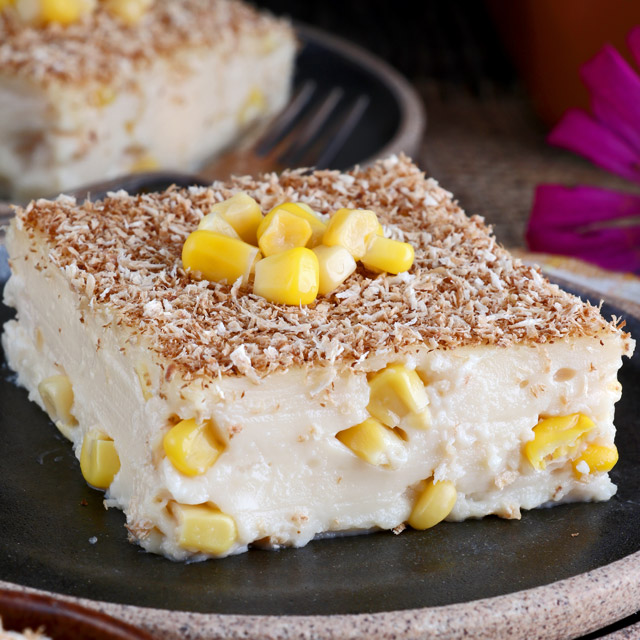
    Maja Blanca: Coconut’s Creamy Contribution to Philippine Dessert Tables

    Maja Blanca, a Filipino dessert, blends coconut milk and cornstarch for a creamy treat that reflects cultural influences. It is a versatile dessert often served during celebrations, connecting generations through its rich flavors.

    Key Takeaways

    • Maja Blanca is a Filipino dessert that has evolved over time, showcasing the innovative nature of Filipino culinary heritage.
    • The dessert reflects cultural influences and ingredient accessibility, with the introduction of corn highlighting the impact of cultural and economic factors.
    • Maja Blanca’s adaptability is demonstrated through the incorporation of cornstarch during the American occupation.
    • The dessert holds cultural significance and is often served during celebrations, preserving culinary heritage and connecting generations.

    The Origin of Maja Blanca

    The birth of Maja Blanca in the Philippines intertwined the traditional flavors of coconut and the practicality of canned goods, birthing a creamy coconut pudding dessert that has become a beloved part of Filipino cuisine.

    This Philippine dessert, with its origins rooted in the amalgamation of local ingredients and colonial influences, showcases the innovative nature of Filipino culinary heritage.

    Originally thickened with agar-agar, Maja Blanca’s recipe evolved to incorporate cornstarch, a convenient alternative influenced by the American occupation. The creamy texture and rich coconut flavor make Maja Blanca a favorite at dessert tables across the Philippines.

    Its Spanish influence is evident in the way it’s poured into molds, chilled, and enjoyed cold. This delightful dessert encapsulates the essence of Filipino adaptability and creativity in the realm of sweet treats.

    Key Ingredients in Maja Blanca

    Combine the creamy richness of coconut milk, the sweetness of corn kernels, and the binding power of cornstarch to create the delectable Maja Blanca dessert.

    Coconut milk forms the base of this Filipino dessert, infusing it with a distinctive tropical flavor.

    Cornstarch serves as the thickening agent, ensuring the perfect consistency.

    Sweetened condensed milk can be added for a creamier texture, enhancing the overall richness.

    The inclusion of sweet corn kernels provides a delightful burst of sweetness in every bite, complementing the coconut flavor.

    Additionally, some variations suggest incorporating coconut flakes for added texture and flavor.

    The combination of these key ingredients results in a dessert that beautifully balances the creaminess of coconut milk, the sweetness of corn, and the luxurious texture of sweetened condensed milk.

    Traditional Preparation Methods

    After gathering your key ingredients for Maja Blanca, it’s time to dive into the traditional preparation methods that bring this delightful dessert to life. A crucial step in making Maja Blanca is to mix evaporated milk, coconut milk, and sugar, then gradually add the cornstarch mixture while stirring to avoid lumps. Stir continuously until the mixture thickens like pudding, then transfer to a baking dish and allow it to cool before chilling in the fridge.

    To enhance the flavor, cook coconut milk at a gentle simmer to prevent curdling and use corn packing liquid instead of water for more corn flavor. Remember to fully dissolve the cornstarch in water and store the Maja Blanca in the fridge for up to 3 days, consuming it before liquid forms at the bottom.

    Key Point Details
    Mixing Combine evaporated milk, coconut milk, and sugar, then gradually add cornstarch mixture while stirring
    Thickening Stir continuously until the mixture thickens like pudding
    Flavor Enhancement Cook coconut milk at a gentle simmer and use corn packing liquid for more flavor
    Storage Store Maja Blanca in the fridge for up to 3 days and consume before liquid forms at the bottom

    Serving and Presentation Tips

    For an elegant and flavorful presentation of Maja Blanca, consider serving it chilled and cut into squares or diamond shapes. This Filipino dessert, known for its creamy texture and rich coconut flavor, can be enhanced with toppings like latik or shredded coconut.

    For an added crunch, sprinkle toasted coconut flakes when serving. Get creative with variations such as Ube, Mango, Pandan, Chocolate, or Buko Pandan Maja Blanca to offer a diverse dessert spread.

    Store any leftovers in the refrigerator for up to 3 days to maintain freshness. When serving, consider drizzling caramel syrup or sprinkling grated cheese for extra flavor and visual appeal.

    These serving tips will elevate the presentation of your coconut milk-based Maja Blanca and delight your guests with its deliciousness.

    Variations of Maja Blanca Recipes

    You’re in for a treat as we explore the diverse world of Maja Blanca recipes.

    From unique flavor combinations to different cooking methods, there’s a wide range of variations to discover.

    Whether it’s using condensed milk for extra creaminess or experimenting with toppings like cheese and nuts, you’ll find plenty of innovative ways to elevate this classic coconut dessert.

    Flavorful Ingredient Combinations

    Explore the delightful world of Maja Blanca variations, where creative ingredient combinations elevate this beloved dessert to new heights of flavor and indulgence.

    In Filipino cuisine, Maja Blanca is a creamy coconut and corn-based dessert that offers a canvas for innovative flavor combinations.

    For a creamier twist, consider swapping 1/4 cup of sugar for condensed milk in your Maja Blanca recipe. Enhance texture and taste by sprinkling crushed nuts on top. You can also experiment with using less sugar without compromising the dessert’s ability to set. For a delightful contrast to the sweetness, try adding cheese as a topping.

    Additionally, venture into unique variations like Ube Maja Blanca, Maja Langka, Maja Jubilee, and Maja Blanca Espesyal to experience a diverse range of flavors within this classic Filipino dessert.

    Cooking Method Variations

    Consider experimenting with different cooking methods to elevate the traditional Maja Blanca recipe and create a unique and delightful dessert experience.

    Here are some innovative cooking method variations to elevate your Maja Blanca:

    • Steaming: Try steaming the coconut milk and cornstarch mixture instead of directly cooking it on the stove. This gentle cooking method can result in a smoother and silkier texture.
    • Baking: Explore baking the Maja Blanca in the oven for a slightly firmer texture and a delightful golden crust on top, adding an interesting twist to the traditional recipe.
    • Chilling and Setting: After cooking, allow the Maja Blanca to set and chill in the refrigerator. This method can enhance the creaminess and firmness of the dessert, providing a unique contrast to the creamy Leche Flan or other Filipino desserts.

    Cultural Significance of Maja Blanca

    You’re about to uncover the historical roots, festive traditions, and culinary evolution that make Maja Blanca an integral part of Filipino culture.

    From its Spanish-influenced origins to its adaptation into a distinctly Filipino dessert, Maja Blanca carries with it a rich tapestry of cultural significance.

    As you explore the cultural importance of this creamy, coconut-based dessert, you’ll gain insight into the ways in which it has become intertwined with festive celebrations and communal gatherings in the Philippines.

    Historical Roots

    Derived from the Spanish dessert ‘manjar blanco,’ maja blanca reflects a fusion of cultural influences, with its historical roots reaching back to Spanish and American occupations. The evolution of maja blanca showcases an intriguing blend of Spanish and American culinary impacts on Filipino cuisine, resulting in a unique and beloved dessert.

    This historical journey offers insights into how maja blanca adapted to the availability of ingredients during different periods of colonization, ultimately becoming a staple in Filipino dessert tables. Key points to consider:

    • Maja blanca’s adaptation from agar-agar to cornstarch during American occupation
    • The introduction of corn to maja blanca due to the arrival of affordable canned goods
    • The cultural significance of maja blanca as a reflection of historical and colonial influences

    Maja blanca’s historical roots provide a captivating narrative of culinary transformation, showcasing the resilience and adaptability of Filipino dessert traditions.

    Festive Traditions

    During festive occasions in the Philippines, maja blanca holds a significant place as a dessert that embodies the rich cultural fusion of Spanish and Filipino influences. This Filipino dessert, made with coconut milk and a coconut mixture, has become an integral part of celebratory traditions, symbolizing the warmth and hospitality of Filipino culture.

    Whether it’s a birthday, fiesta, or holiday gathering, maja blanca graces dessert tables, bringing people together to savor its creamy texture and delicate sweetness. Variations like Ube Maja Blanca and Mango Maja Blanca showcase the adaptability of Filipino recipes, adding a colorful and flavorful touch to festive seasons and family gatherings.

    The act of preparing and sharing maja blanca during festivities signifies the preservation and transmission of culinary heritage, connecting generations through a shared love for this beloved dessert.

    Culinary Evolution

    Festive occasions in the Philippines aren’t only a time for celebration but also serve as a lens into the culinary evolution of traditional desserts like maja blanca, where cultural influences and ingredient accessibility have shaped its significance.

    The evolution of maja blanca from using agar-agar to cornstarch as a thickening agent reflects the adaptability of Filipino desserts. The introduction of corn, influenced by the accessibility of canned goods, highlights how cultural and economic factors have impacted the dessert’s evolution. The incorporation of cornstarch during the American occupation showcases the culinary evolution of Filipino cuisine, adapting to new ingredients and techniques.

    Furthermore, the variations of maja blanca, such as Ube Maja Blanca and Maja Langka, demonstrate its ability to integrate different flavors, emphasizing its cultural significance in Filipino culinary traditions.

    Maja Blanca in Modern Filipino Cuisine

    In modern Filipino cuisine, Maja Blanca continues to captivate dessert enthusiasts with its rich coconut flavor and versatile adaptability to various flavor profiles.

    While the traditional recipe remains beloved, modern variations have emerged, incorporating innovative ingredients like coconut oil, evaporated milk, and even canned sweet corn.

    Chefs and home cooks alike have embraced this classic Filipino dessert, infusing it with new twists to suit contemporary tastes.

    Maja Blanca recipes now range from the traditional to the experimental, with some adding unique flavors such as ube, mango, or pandan leaves.

    This evolution reflects the dynamism of modern Filipino cuisine, where cherished classics like Maja Blanca continue to inspire creativity and delight the palates of dessert lovers.

    What are the similarities and differences between Maja Blanca and Mais Con Yelo?

    Maja Blanca and Mais Con Yelo are both popular sweet icy treats in the Philippines. Both are made with corn, coconut milk, and sugar, giving them a similar sweet and creamy taste. However, Mais Con Yelo includes shaved ice and often adds milk and corn kernels, while Maja Blanca is a solid dessert.

    Frequently Asked Questions

    What Are the Benefits of Maja Blanca?

    You’ll love Maja Blanca for its creamy and tropical goodness. With coconut milk providing rich taste and cornstarch giving it a smooth texture, it’s a delightful treat. Plus, it’s versatile and can last in the fridge for up to 3 days.

    What Is the History of Maja Blanca?

    Maja blanca’s history intertwines Spanish and American influences, evolving into a coconut pudding with corn kernels. Canned goods made it accessible, and it’s been transformed into various flavors like Ube, Mango, and Chocolate, enriching Filipino dessert tables.

    Where Is Maja Blanca Famous in the Philippines?

    You’ll find Maja Blanca across the Philippines, from bustling city bakeries to cozy home kitchens. It’s a staple at fiestas and family gatherings. Each region puts its own twist on this creamy, coconut dessert.

    What Classification of Dessert Is Maja Blanca?

    Maja Blanca is a creamy, custard-like dessert with Spanish roots. It’s classified as a Filipino dessert due to its adaptation with coconut milk and corn. The addition of corn kernels adds a unique twist to this smooth and thick treat.

    Conclusion

    So, next time you’re craving a taste of the Philippines, whip up a batch of Maja Blanca and indulge in its creamy, coconut goodness. With just a few simple ingredients and easy preparation, this beloved dessert is a perfect way to bring a taste of the tropics to your table.

    Whether you top it with cheese or coconut flakes, Maja Blanca is sure to be a hit with everyone who tries it. Enjoy!

  • Biko: Sticky Rice, Sweet Coconut, and the Filipino Family Bond

    Biko: Sticky Rice, Sweet Coconut, and the Filipino Family Bond

    Biko is a traditional Filipino dessert made with glutinous rice, coconut milk, and muscovado sugar. It symbolizes the strong bonds of family and community, representing the preservation of culinary heritage. The process of making biko involves specific ingredients and cooking techniques, such as properly cooking the glutinous rice and making coconut caramel sauce. Biko is often served during family gatherings and special occasions, showcasing the rich culinary heritage of the Philippines.

    Key Takeaways

    • Biko is a traditional Filipino rice dish made with glutinous rice, coconut milk, and muscovado sugar.
    • Biko represents the strong bonds of family and community, symbolizing the preservation of culinary heritage.
    • Authentic biko requires specific ingredients and cooking techniques, such as properly cooking the glutinous rice and making coconut caramel sauce.
    • Biko plays a significant role in Filipino culture and community, serving as a centerpiece during family gatherings and showcasing the rich culinary heritage of the Philippines.

    The Origins of Biko

    The origins of biko can be traced back to traditional Filipino rice cooking practices, where glutinous rice, coconut milk, and muscovado sugar come together to create a time-honored sweet treat.

    This delicious delicacy, also known as sticky rice, is deeply rooted in Filipino culture and is often associated with the strong bonds of family and community.

    The process of making biko involves combining the key ingredients and cooking them to perfection, resulting in a delectable treat that holds a special place in Filipino hearts.

    The use of coconut milk not only adds a rich, creamy texture to the dish but also represents the abundance and generosity within the Filipino culture.

    Biko is more than just a dessert; it symbolizes the warmth and togetherness of the Filipino family bond, making it a cherished part of traditional celebrations and gatherings.

    Significance in Filipino Culture

    Cultural significance permeates every aspect of biko, the traditional Filipino dessert that embodies the warmth and togetherness of family bonds and special celebrations. The significance of biko in Filipino culture is profound, symbolizing the preservation of culinary heritage, the emphasis on traditional cooking techniques, and the reliance on local produce. Traditionally served on a round, shallow bamboo tray lined with banana leaves, biko’s presentation underscores the cultural importance of honoring traditions in Filipino cuisine.

    The use of sticky rice and coconut in biko not only highlights the reliance on indigenous ingredients but also represents the promotion of sustainable, all-natural cooking in Filipino culture. Moreover, the passing down of the biko recipe through generations showcases the enduring tradition of celebrating Filipino culinary heritage within families and communities.

    Cultural Significance of Biko
    Preservation of heritage recipes and methods Emphasis on traditional cooking techniques Reliance on local produce and promotion of sustainable cooking

    Ingredients for Authentic Biko

    So, what makes authentic biko so irresistible?

    The key lies in the ingredients. Glutinous rice gives it that signature sticky and chewy texture, while rich coconut milk brings in the creamy, coconut flavor.

    And let’s not forget the muscovado sugar, adding depth and sweetness to this beloved Filipino treat.

    Essential Biko Ingredients

    For an authentic biko, the essential ingredient is glutinous rice, which provides the characteristic stickiness and chewy texture that defines this Filipino delicacy. Additionally, coconut cream is crucial for richness and flavor in the biko sauce, ensuring the authentic taste of the dish. Brown sugar, especially muscovado sugar, creates a caramel-like sweetness, adding depth and complexity to the flavor.

    While optional, banana leaves are traditional, providing an aromatic touch and preventing sticking when serving and storing the biko. To offer a traditional garnish, Latik or coconut caramel sauce can be added, enriching the biko with a rich coconut flavor. Below is a breakdown of the essential ingredients for an authentic biko:

    Ingredient Description Importance
    Glutinous Rice Provides stickiness and chewy texture Essential
    Coconut Cream Ensures richness and authentic flavor Crucial
    Brown Sugar Creates caramel-like sweetness, adds depth to flavor Important

    These ingredients form the core of a traditional and delicious biko recipe.

    Cooking Biko Rice

    To achieve the authentic texture and flavor of traditional biko, properly cooking the glutinous rice is essential. When cooking biko rice, ensure that the rice is fully cooked to achieve a soft and tender texture without any undercooked bites. This step is crucial for the overall enjoyment of the biko.

    Here are some key points to consider when cooking biko rice:

    • Cooking the rice beforehand is crucial for achieving the desired soft and tender texture of biko without any undercooked bites.
    • The higher fat content in coconut cream aids in the separation of coconut curds from the oil when making the latik.
    • Regularly stirring the latik curds is necessary for even toasting and achieving a golden brown color.
    • Muscovado sugar not only adds extra moisture but also contributes a complex flavor with notes of molasses and toffee to the biko.

    Sweet Coconut Topping

    After ensuring that the glutinous rice is fully cooked to achieve the desired soft and tender texture for your biko, the next step is to prepare the sweet coconut topping, known as latik, to add a rich and flavorful finish to your traditional Filipino dessert.

    To make the sweet coconut topping, start by simmering coconut milk in a pan until the oil begins to separate and the curds turn a golden brown color. This process requires patience and constant stirring to avoid burning. Once the curds are formed, they’re then spooned over the cooked biko to provide a delightful contrast of textures and a sweet coconut flavor.

    The latik serves as the crowning touch, elevating the biko to a delectable, indulgent treat that captures the essence of Filipino cuisine.

    Step-by-Step Biko Recipe

    So, you’re ready to make some delicious biko?

    Let’s start by gathering the necessary ingredients and preparing the sticky rice and coconut cream mixture.

    Once that’s done, we’ll move on to the cooking process and the traditional way of serving this delightful Filipino dessert.

    Get ready to experience the rich flavors and delightful textures of biko!

    Ingredients and Preparation

    In preparing the biko, washing the rice several times before cooking is essential to remove excess surface starch, ensuring a perfect texture for the final dish. Using a clear lid while cooking the rice allows for easy monitoring of water absorption.

    Coconut milk, muscovado sugar, and vanilla or pandan extract are used to make the caramel for the biko. Cooking the biko mixture with the caramel thickens the mixture and infuses it with flavor. Baking the biko with the caramel topping creates a hot and bubbly finish.

    These steps are crucial in achieving the delightful combination of sticky rice and sweet coconut that defines biko, a dish that not only delights the taste buds but also symbolizes the warmth and strength of the Filipino family bond.

    Cooking and Serving

    For a delightful and heartwarming experience, follow this step-by-step biko recipe to create a sumptuous Filipino treat that’s sure to bring joy to your family and friends.

    Start by pre-cooking the sticky rice to ensure a soft and tender texture for the biko. Regular stirring of the coconut milk promotes even toasting and golden brown coloring, enhancing its flavor.

    When serving, consider the traditional bamboo tray lined with banana leaves, known as a bilao, to add an authentic touch to the experience. Topping the biko with coconut curds or sweet caramel adds a delightful finish.

    Remember to use quality ingredients like coconut cream with higher fat content and muscovado sugar for a richer flavor.

    With clear instructions and attention to detail in cooking and serving, you’ll create a truly heartwarming Filipino dessert.

    Variations of Biko

    Variations of Biko offer a delightful array of flavors and textures, with different toppings and cooking techniques adding unique twists to this beloved Filipino dessert. When preparing this sticky rice delicacy, you can encounter diverse regional and personal adaptations, resulting in an exciting range of options.

    • Toppings vary, including coconut curds or caramel latik, offering a range of flavors and textures.
    • Cooking techniques and ingredients differ, such as the use of muscovado sugar for added moisture and a complex flavor.
    • Different regions in the Philippines have their own variations, like using different techniques for making the coconut curds or caramel latik.
    • The recipe for biko can also vary, depending on personal preferences and traditions, leading to a rich diversity in the flavors and textures of this Filipino delicacy.

    Biko’s Role in Family Gatherings

    During joyous family gatherings, biko serves as a cherished centerpiece, uniting loved ones through its rich cultural significance and delectable sweetness. Its presence on the table symbolizes the Filipino family bond, bringing generations together to celebrate and create lasting memories.

    The process of making biko, often involving the whole family, embodies the tradition of passing down recipes and cooking techniques, fostering a sense of togetherness and continuity. The aroma of coconut and muscovado sugar wafts through the air, evoking a feeling of comfort and nostalgia.

    As each serving of the sweet, sticky rice cake is enjoyed, it becomes a shared experience that strengthens familial connections. Biko’s role in family gatherings goes beyond being a dessert; it represents the preservation of heritage and the joy of being together.

    Serving and Enjoying Biko

    As you gather around the table with loved ones, biko’s role in family gatherings seamlessly extends to the serving and enjoyment of this beloved Filipino rice cake. When serving and enjoying biko, consider these essential aspects:

    • Presentation: Serve biko in a round bamboo tray lined with banana leaves, showcasing its traditional and inviting appeal.
    • Toppings: Enjoy the rich and sweet flavor by savoring the caramel or coconut curd latik, enhancing the overall experience.
    • Sharing: Embrace the Filipino family bond by passing around the biko, symbolizing unity and togetherness.
    • Tradition: Honor the cultural significance of biko by sharing stories or memories while enjoying this delightful dessert.

    These elements contribute to the heartwarming experience of serving and savoring biko, enriching the Filipino family bond and creating lasting memories.

    Biko’s Influence on Filipino Desserts

    Biko’s influence on Filipino desserts is undeniable, as it serves as a cornerstone in showcasing the rich and diverse culinary heritage of the Philippines.

    The sticky rice and coconut-based dessert has paved the way for the creation of various Filipino sweets. The cooking techniques and ingredients used in making biko, such as the use of coconut cream and muscovado sugar, have influenced the texture and flavor of other Filipino desserts.

    The combination of sticky rice and coconut has become a defining feature in many traditional Filipino sweet treats. Additionally, the tradition of using coconut curds or caramel latik as toppings, as seen in biko, has been adopted in several other Filipino desserts.

    Biko has undoubtedly left a lasting impression on Filipino dessert-making, shaping the flavors and textures of many beloved sweet dishes.

    Preserving Biko Traditions

    Preserving the traditions of biko involves upholding the use of traditional cooking techniques and high-quality ingredients, ensuring an authentic flavor and texture that has been cherished for generations.

    Understanding traditional toppings like latik

    Meticulous steps in the cooking process

    Importance of proper equipment and storage

    Emphasizing the cultural significance of biko

    Preserving biko traditions is essential to honor the Filipino heritage and maintain the authenticity of this beloved dessert. By understanding the traditional toppings like latik, whether coconut curds or coconut caramel, the rich and sweet flavor of biko can be enhanced.

    Meticulous steps in the cooking process, including washing the rice and using the right equipment, ensure the preservation of its traditional taste and texture. Moreover, emphasizing the cultural significance of biko as a symbol of Filipino hospitality and tradition is crucial in keeping the essence of this dessert alive for future generations.

    Biko’s Symbolism in Family Unity

    Indulging in the chewy sweetness of biko is like embracing the enduring unity that binds Filipino families together across generations. The process of making biko, from washing the sticky rice to baking it with sweet coconut milk, symbolizes the shared effort and love within families.

    The traditional presentation of biko in a round bamboo tray lined with banana leaves reflects the importance of family gatherings and preserving cultural traditions. The sticky and chewy texture of biko represents the strong and enduring bond that holds families together, making it a staple in Filipino cuisine enjoyed during special occasions.

    Topping biko with latik showcases the diversity within families, as preferences may vary while the unity remains constant. This traditional Filipino dessert, passed down through generations, highlights the continuity and resilience of family bonds across time and heritage.

    Biko’s Impact on Filipino Identity

    You may not realize it, but biko plays a significant role in shaping Filipino identity. Its traditional preparation and serving methods reflect the cultural heritage preservation that Filipinos hold dear.

    Cultural Heritage Preservation

    The cultural significance of biko in Filipino identity and heritage is undeniable, as it embodies the essence of tradition and family bonds through its rich flavors and symbolic presence in special occasions.

    Biko’s impact on cultural heritage preservation and the Filipino family bond is profound:

    • Biko serves as a representation of Filipino culinary heritage, highlighting the importance of preserving traditional recipes and cooking techniques.
    • The symbolism of biko as a kakanin underscores its role in maintaining Filipino traditions and strengthening family bonds during celebrations and gatherings.
    • The use of authentic ingredients and traditional cooking methods in making biko emphasizes the significance of preserving genuine flavors and culinary practices.
    • Biko’s transmission through generations as a traditional dessert contributes to the preservation of Filipino cultural identity and heritage.

    Family Traditions and Values

    Embedded within the Filipino cultural tapestry, biko’s role in shaping family traditions and values is both profound and enduring. This traditional sweet rice cake, made from sticky rice and coconut, holds a special place in Filipino culture, especially during special occasions.

    The process of preparing biko, from cooking techniques to using specific ingredients like coconut milk and muscovado sugar, reflects the attention to detail and care in Filipino family traditions. Topping biko with latik further enhances its cultural significance, symbolizing the Filipino value of togetherness and bonding.

    Passed down through generations, the preparation and serving of biko, including the use of specific equipment and traditional presentation, are integral to the experience of enjoying this beloved Filipino dessert. Biko not only delights the taste buds but also strengthens the Filipino identity and reinforces the importance of family bonds.

    Sense of Belonging

    Fostering a deep sense of cultural identity and collective heritage, biko, a traditional Filipino dessert, plays a significant role in strengthening family bonds and nurturing a shared sense of belonging among Filipinos.

    The act of making and sharing biko during special occasions is a way for Filipinos to connect with their cultural identity and heritage. Biko’s presence in Filipino cuisine and its rituals of preparation and serving contribute to a shared sense of belonging and cultural pride among Filipinos.

    The use of authentic ingredients and traditional cooking techniques in biko preparation reinforces a connection to Filipino culinary traditions, enhancing the overall sense of belonging and cultural identity.

    Biko’s symbolism as a staple in Filipino celebrations and its role in building and reinforcing familial and community ties underscores its impact on Filipino identity and sense of belonging.

    How Does Biko Represent Filipino Family Tradition?

    Biko, a sticky rice cake, is one of the top Filipino desserts for New Year celebrations. Its sweet, rich flavor symbolizes unity, tradition, and joy in Filipino families. Biko is often shared with loved ones, making it a staple in representing the warmth and togetherness of Filipino family traditions.

    Are Biko and Buko Pandan both traditional Filipino desserts that represent family and culture?

    Yes, Biko and Buko Pandan are both traditional Filipino desserts that hold a strong representation of family and culture. In creating a sense of togetherness, the buko pandan dessert recipe is passed down through generations, keeping the tradition alive and reminding people of their roots.

    Frequently Asked Questions

    What Is Biko in the Philippines?

    Biko in the Philippines is a traditional sweet rice cake made with glutinous rice, coconut milk, and brown sugar. It’s often served on special occasions, representing Filipino hospitality and familial bonds.

    What Is Another Name for Biko?

    Another name for biko is ‘Filipino Sticky Rice Cake.’ It’s a type of kakanin, a Filipino sweet made of glutinous rice, coconut milk, and brown sugar. It’s commonly enjoyed during special occasions and gatherings.

    Is Biko and Suman the Same?

    No, biko and suman are not the same. While both are Filipino rice cakes, biko is made with glutinous rice, coconut milk, and sugar, while suman is made with sticky rice wrapped in banana leaves.

    What Is the Benefits of Biko?

    Biko offers a rich, creamy texture from glutinous rice and coconut milk, complemented by the caramel-like sweetness of brown sugar. This Filipino dessert symbolizes hospitality, bringing families together during special occasions and gatherings.

    Conclusion

    So why not give biko a try?

    With its rich history, cultural significance, and delicious taste, it’s a dessert that brings people together and celebrates Filipino traditions.

    The sweet, sticky texture and the comforting flavors of coconut and caramel make it a delightful treat for any occasion.

    So grab some glutinous rice, coconut milk, and brown sugar and start making your own biko to experience the warmth and unity it brings to the Filipino family bond.

  • Ube Halaya: The Purple Gem of Filipino Sweets and Snacks

    Ube Halaya: The Purple Gem of Filipino Sweets and Snacks

    Ube Halaya, a traditional Filipino dessert, is a symbol of warmth and celebration, made from purple yam, coconut milk, and sugar. It holds special significance in Filipino culture and is enjoyed during festive events and special occasions.

    Key Takeaways

    • Ube Halaya is a traditional Filipino dessert made from purple yam, coconut milk, and sugar.
    • It is a symbol of warmth, togetherness, and celebration in Filipino culture.
    • Ube Halaya is commonly enjoyed during festive events and special occasions.
    • It is not only delicious but also has health benefits, as purple yam is a good source of fiber and contains essential vitamins and minerals.

    History of Ube Halaya

    With its roots tracing back to pre-colonial Philippines, ube halaya has been a cherished and versatile component of Filipino cuisine for centuries. This traditional jam, made from grated ube, a purple yam, holds a special place in Filipino culture and traditions.

    The process of making ube halaya involves simmering grated ube in coconut milk and condensed milk, resulting in a rich and creamy texture with a vibrant purple hue. Throughout history, different regions of the Philippines have added their own unique twists to the recipe, making it a diverse and beloved dish across the country.

    Ube halaya is often enjoyed during special occasions and celebrations, becoming a symbol of Filipino culinary heritage. Its international popularity has also soared, making it a beloved dessert worldwide.

    Ube Halaya Ingredients

    So, what makes Ube Halaya so irresistible?

    It’s all about the key ingredients and cooking instructions.

    From frozen grated purple yam to the essential butter, evaporated milk, and coconut milk, each component plays a crucial role in achieving the creamy, indulgent texture and flavor of this Filipino delicacy.

    And let’s not forget the optional additions like grated cheese, condensed milk, ube flavoring, and white sugar, which offer a personalized touch to this beloved sweet treat.

    Key Ingredients

    Ube Halaya, a popular Filipino sweet and snack, relies on a key ingredient: frozen grated purple yam. This vibrant and aromatic root vegetable gives the dessert its distinctive purple hue and earthy flavor.

    In addition to the purple yam, other essential ingredients include coconut milk, which adds a rich and creamy texture, and grated coconut, which provides a delightful chewy texture and enhances the coconut flavor. Butter and cheese are also crucial components, offering richness and depth of flavor.

    To sweeten the Ube Halaya, white sugar is used, while evaporated milk contributes to its luscious consistency. Optional ingredients like condensed milk and ube flavoring can be added to tailor the sweetness and enhance the purple color of this classic Filipino dessert.

    Cooking Instructions

    After exploring the key ingredients that give Ube Halaya its distinct flavor and vibrant color, the next step is to master the cooking instructions for this beloved Filipino dessert.

    Start by steaming or boiling the purple yam until it’s fork-tender.

    Then, mash the cooked yam until smooth and free of lumps.

    Next, cook the mashed yam in a mixture of coconut milk, evaporated milk, condensed milk, butter, and sugar, stirring continuously.

    For a deeper color, you can optionally add a few drops of ube extract.

    Once done, store the Ube Halaya in a covered container in the refrigerator.

    These cooking instructions will help you create the perfect purple yam jam, also known as ube halaya, using evaporated milk, and enjoy this delightful Filipino treat.

    Ube Halaya Variations

    You can customize your Ube Halaya by incorporating ingredients such as condensed milk, grated cheese, coconut milk, macapuno strings, and varying amounts of butter to achieve your desired flavor and texture. By adjusting these ingredients, you can create unique variations of this Filipino delicacy. Here’s a table summarizing some popular Ube Halaya variations:

    Variation Description
    Condensed Milk Adds sweetness and creaminess to the Ube Halaya.
    Grated Cheese Provides a savory contrast and added richness.
    Coconut Milk Enhances creaminess and imparts a subtle coconut flavor.
    Macapuno Strings Adds texture and a hint of coconut flavor.
    Butter Varies the richness and smoothness of the Ube Halaya.

    These variations allow you to create a Ube Halaya with your preferred sweetness, creaminess, and texture. Experiment with these ingredients to achieve your desired flavor profile and vibrant purple color.

    Ube Halaya in Filipino Culture

    Now let’s talk about the significance of Ube Halaya in Filipino culture.

    This delicious purple yam jam isn’t just a sweet treat; it holds special symbolism and is often associated with celebrations and gatherings.

    Ube Halaya is deeply rooted in Filipino traditions and is a beloved part of festive occasions, representing warmth, togetherness, and the joy of indulging in a beloved dessert.

    Ube Halaya Symbolism

    Ube Halaya holds profound significance in Filipino culture, embodying resilience, strength, and the cherished connections within the community. The vibrant purple gem symbolizes royalty, nobility, prestige, and honor, deeply rooted in Filipino traditions.

    It represents unity, harmony, and the coming together of family and friends during celebrations and gatherings. The meticulous preparation and nurturing care involved in making Ube Halaya reflect the Filipino value of hospitality and generosity towards loved ones.

    This iconic purple gem’s presence in various Filipino dishes underscores its significance as a cultural staple, bridging generations and preserving heritage. Its symbolism goes beyond being a delightful treat; it reflects the resilience, strength, and interconnectedness that are integral to Filipino culture, making it more than just a dessert—it’s a representation of the Filipino spirit.

    Ube Halaya Celebrations

    Symbolizing warmth, hospitality, and community, Ube Halaya plays a central role in Filipino celebrations, serving as a cherished and nostalgic treat during festive events. In Filipino culture, Ube Halaya celebrations are marked by joy, togetherness, and the sharing of this beloved purple gem of Filipino sweets and snacks.

    Here’s why Ube Halaya is a star in Filipino festivities:

    1. Nostalgic Significance: Ube Halaya is a traditional Filipino dessert often made during Christmas time, holding a special place in the hearts of many Filipinos.
    2. Symbol of Prosperity: The vibrant purple color of Ube Halaya is associated with joy, prosperity, and good fortune in Filipino cultural symbolism.
    3. Generosity and Sharing: Ube Halaya is often prepared in large batches to share with family and friends, embodying the spirit of generosity and community in Filipino celebrations.

    Ube Halaya Dessert Ideas

    Looking to add a delightful twist to your desserts? Consider incorporating Ube Halaya, a vibrant and flavorful Filipino sweet, as a jam, spread, or filling to elevate your baked goods and treats.

    You can use Ube Halaya as a jam or spread on bread, cakes, and pastries to create a delightful sweet treat.

    For a unique and colorful dessert, swirl Ube Halaya into a vanilla or coconut ice cream base.

    Additionally, you can incorporate Ube Halaya into a creamy cheesecake mixture for a Filipino-inspired twist on a classic dessert.

    Another idea is to use Ube Halaya as a filling for homemade donuts or pastries to add a rich and vibrant flavor to your baked goods.

    Lastly, blend Ube Halaya into a smoothie or milkshake for a refreshing and indulgent beverage option.

    Enjoy experimenting with these Ube Halaya dessert ideas to add a Filipino touch to your sweets and snacks.

    Ube Halaya in Modern Cuisine

    Incorporate Ube Halaya into your modern culinary creations to infuse vibrant color and a delightful flavor into a variety of dishes and desserts, adding a unique Filipino twist to your culinary repertoire. Here’s how you can make the most of Ube Halaya in modern cuisine:

    1. Experiment with Ube Halaya-infused ice creams, cakes, and bread to create visually stunning and flavorful treats.
    2. Enhance the color and taste of your fusion desserts or snacks by incorporating Ube Halaya, adding an exciting Filipino touch to global cuisine.
    3. Utilize Ube Halaya to create innovative flavor combinations and visually appealing dishes, elevating your culinary creations to new heights.

    With its versatility and long shelf life, Ube Halaya is a fantastic ingredient for chefs and home cooks seeking to infuse traditional Filipino flavors into modern dishes without the need for artificial food coloring.

    What Makes Ube Halaya and Cassava Cake Popular Filipino Desserts?

    Filipino cuisine has a wide array of delicious desserts, but two that stand out are Ube Halaya and Cassava Cake. The cassava cake in Filipino cuisine is a popular dessert made with grated cassava, coconut milk, and condensed milk. Its unique texture and sweetness make it a hit among locals and tourists alike.

    Frequently Asked Questions

    What Is Ube Halaya Made Of?

    Ube Halaya is made of purple yam, coconut milk, evaporated milk, condensed milk, butter, sugar, and optional ube extract. You steam the yam until tender, mash it, then cook with the other ingredients to form the delicious treat.

    Can You Buy Ube in the Usa?

    Yes, you can buy ube in the USA! Look for it in Filipino grocery stores, Asian markets, or online retailers. You can find it in various forms like frozen grated ube, ube powder, or even ube extract.

    What Is the English of Ube Halaya?

    The English translation of ube halaya is “Purple Yam Jam.” It’s a traditional Filipino dessert made from purple yam. People often use it as a filling in bread, cakes, and other desserts.

    What Is the Difference Between Ube Jam and Ube Halaya?

    Ube jam is smoother, made from purple yam, sugar, and water. Ube Halaya has a thicker, pudding-like texture, with coconut milk, evaporated milk, and butter. Ube jam is used as a spread, while Ube Halaya is standalone or a filling in Filipino sweets.

    Conclusion

    So next time you’re craving a sweet and colorful treat, don’t forget about ube halaya! Its rich history, versatile uses, and vibrant purple hue make it a standout in Filipino cuisine.

    Whether you enjoy it on its own, or as an ingredient in other delicious desserts, ube halaya is sure to satisfy your sweet tooth and leave you craving for more.

    Try it out and experience the unique taste of this purple gem of Filipino sweets and snacks!

  • Leche Flan: A Taste of Spanish Influence in Filipino Cuisine

    Leche Flan: A Taste of Spanish Influence in Filipino Cuisine

    Leche Flan, a traditional Filipino dessert, showcases the fusion of Spanish and Filipino culinary influences, symbolizing celebration and togetherness in Filipino culture. Its enduring love in modern Filipino cuisine reflects a unique blend of Spanish and Filipino flavors, making it a standout dessert loved at special occasions.

    Key Takeaways

    • Leche Flan is a traditional Filipino dessert that originated during the Spanish colonization of the Philippines, showcasing the fusion of Spanish and Filipino culinary influences.
    • Spanish colonialism introduced custard-based desserts to the Philippines, leading to the evolution and integration of Spanish culinary traditions into Filipino sweets.
    • Leche Flan is a centerpiece during special occasions and family gatherings, symbolizing celebration, togetherness, and the sweetness of life in Filipino culture.
    • The enduring love for Leche Flan in modern Filipino cuisine reflects the unique blend of Spanish and Filipino influences, its creamy texture, and rich flavor profile that sets it apart from other custard-based desserts.

    The History of Leche Flan

    During the Spanish colonization of the Philippines, the delectable history of Leche Flan was being crafted and celebrated across the islands. This classic Leche Flan is a perfect example of the fusion between Spanish and Filipino culinary influences.

    The name ‘Leche Flan’ itself is derived from the Spanish term for milk, ‘leche’, and the French word for a similar dessert, ‘flan’. Its ingredients, such as evaporated milk and condensed milk, reflect the absence of cream, staying true to its Filipino roots.

    The cooking process involves a careful combination of beaten egg yolks, condensed milk, fresh milk, and vanilla extract, followed by the caramelization of sugar in a llanera, a traditional mold, before steaming the mixture.

    Leche Flan has become an iconic dessert in the Philippines, symbolizing celebrations and the sweetness of life.

    Spanish Influence on Filipino Desserts

    You’ll be amazed by how Spanish influence has shaped the vibrant world of Filipino desserts.

    From the fusion of Spanish and indigenous flavors to the evolution of traditional desserts, the impact of Spanish colonization on Filipino sweet treats is undeniable.

    As you explore the culinary fusion impact and the evolution of traditional desserts, you’ll gain a deeper appreciation for the rich and diverse flavors that make up Filipino cuisine.

    Culinary Fusion Impact

    The integration of Spanish culinary traditions into Filipino sweets is evident in the delightful and diverse array of desserts, showcasing a fusion of Spanish and indigenous flavors that have become integral to Filipino cuisine. This fusion of flavors has resulted in the creation of unique and mouthwatering desserts that reflect the historical and cultural influences of the colonial era.

    The table below illustrates the impact of Spanish influence on Filipino desserts, highlighting the incorporation of Spanish ingredients and techniques into traditional Filipino sweets.

    Spanish Dishes Filipino Dishes Culinary Fusion Impact
    Flan Leche Flan Spanish introduced caramel custard dessert to the Philippines
    Churros Tsokolate Spanish influences in Filipino hot chocolate
    Turron Banana Turon Fusion of Spanish and Filipino techniques in dessert making

    The fusion of Spanish and Filipino culinary traditions has given rise to a delectable and diverse range of desserts that continue to be an integral part of Filipino celebrations and traditions.

    Traditional Dessert Evolution

    Building upon the fusion of Spanish and indigenous flavors in Filipino sweets, the evolution of traditional desserts demonstrates the enduring influence of Spanish culinary traditions on Filipino cuisine.

    Leche flan, a beloved caramel custard, stands as a testament to this cultural heritage. Initially introduced during Spanish colonization, leche flan has become a staple in Filipino cuisine, especially during special occasions. Its roots in the colonial era symbolize celebration, togetherness, and the sweetness of life in Filipino culture.

    Over time, regional variations like Leche Puto and Leche Ube have emerged, showcasing the diverse culinary landscape and local ingredients in Filipino desserts. The evolution of these traditional sweets reflects the harmonious blend of Spanish influence and Filipino culinary practices, creating a vibrant and dynamic dessert culture in the Philippines.

    Leche Flan Ingredients and Preparation

    Caramelizing sugar to create a rich, golden-brown topping is the first step in preparing the decadent Filipino dessert known as leche flan. This dessert, influenced by Spanish colonial culinary influences, has become an essential part of Filipino celebrations.

    The creamy texture and sweet caramelized topping make it a favorite among many. The key ingredients for making leche flan include eggs, sweetened condensed milk, evaporated milk, and sugar. The preparation process involves caramelizing sugar, creating a custard mixture, and then steaming or baking the flan.

    Regional variations such as Leche Puto, Leche Ube, Leche Gulaman, and Leche Macapuno add diversity to this beloved dessert, showcasing the creativity and adaptability of Filipino cuisine.

    Cultural Significance of Leche Flan

    Indulge in the cultural significance of leche flan, a dessert that embodies the rich heritage and culinary fusion of the Philippines. The influence of Spanish legacy in Filipino cuisine is prominently showcased through the presence of leche flan, reflecting a harmonious blend of culinary heritage. This delectable dessert holds immense cultural significance, often being a centerpiece during special occasions and family gatherings.

    Passed down through generations, leche flan is more than just a dessert; it is a symbol of love, togetherness, and celebration in Filipino culture. Its meticulous preparation and regional variations also highlight the diverse flavors and ingredients that contribute to the vibrant Filipino culinary landscape. Through leche flan, the fusion of Spanish and indigenous flavors is celebrated, making it an essential element of Filipino culinary tradition.

    Leche Flan Spanish Influence Filipino Cuisine
    Cultural symbol of celebration Culinary heritage Essential for special occasions

    Modern Filipino Love for Leche Flan

    You’re probably wondering why leche flan has become such a sensation in modern Filipino cuisine. Well, it’s not just its creamy texture and rich flavor that captivate people, but also the unique blend of Spanish and Filipino influences that make it a standout dessert.

    Moreover, the creative variations like Leche Puto and Leche Ube showcase the dessert’s adaptability and its ability to capture the diverse regional tastes of the Philippines.

    Leche Flan’s Popularity

    The love for leche flan in modern Filipino cuisine is evident at family gatherings and special occasions, where its rich, creamy texture and indulgent caramel flavor bring delight to all who indulge in this beloved dessert.

    Its popularity endures due to its cultural significance, symbolizing celebration, togetherness, and the sweetness of life in Filipino culture. Many Filipinos have fond childhood memories of homemade leche flan, evoking nostalgia and comfort.

    The dessert has become a beloved culinary tradition, reflecting the enduring Spanish influence on Filipino cuisine. Its presence in traditional Filipino celebrations and its role as a staple in Spanish culinary heritage have solidified leche flan’s place in the hearts and palates of modern Filipinos, making it a dessert deeply cherished and celebrated.

    Unique Flavor Profile

    How does the unique flavor profile of leche flan reflect the modern Filipino love for rich, indulgent desserts with a touch of bitter sweetness? Leche flan embodies the fusion of Filipino and colonial influences, showcasing the Spanish influence in Filipino cuisine. The dessert’s velvety texture and rich taste, created by the balance of condensed and evaporated milk with caramel, resonate with the Filipino preference for sweet, indulgent flavors.

    Its distinct flavor profile sets it apart from other custard-based desserts, making it a beloved treat for special occasions. Moreover, leche flan exhibits regional variations, with each area adding its own twist to the classic recipe. This reflects the diverse culinary landscape of the Philippines and the modern Filipino love for traditional desserts with unique flavors.

    Flavor Profile Description
    Rich & Creamy Infused with caramelized sugar, offering a velvety texture.
    Sweet & Bitter Balances the sweetness of milk with the subtle bitterness of caramel.
    Regional Variations Different regions add their own twist, creating diverse flavor profiles.
    Spanish Influence Reflects the colonial influences in Filipino cuisine, setting it apart from other custard desserts.

    Creative Recipe Variations

    Indulge in the modern Filipino love for leche flan with creative recipe variations that elevate this classic dessert to new heights of flavor and innovation.

    The vibrant culinary landscape of the Philippines has sparked inventive twists on traditional leche flan, showcasing the Filipino love for experimentation and creativity. Here are some intriguing variations that will captivate your taste buds:

    • Leche Puto combines leche flan with Filipino rice cake (Puto), offering a delightful contrast of textures.
    • Leche Ube incorporates the earthy and sweet flavor of purple yam into the classic leche flan, adding a unique twist.
    • Leche Gulaman introduces a combination of leche flan with a refreshing agar-agar jelly, creating a visually appealing variation.
    • Leche Macapuno showcases a tropical touch by incorporating the special coconut variety, macapuno, into the classic leche flan.
    • Regional variations of leche flan reflect the diverse culinary landscape of the Philippines, highlighting local ingredients and flavors.

    Variations and Innovations in Leche Flan

    In the rich tapestry of Filipino cuisine, the beloved Leche flan has been creatively reimagined and innovatively combined with local flavors, giving rise to a delightful array of regional variations. Modern chefs have taken the traditional Spanish-inspired dessert and infused it with local ingredients, resulting in innovative creations that bring a harmonious balance of flavors to Filipino desserts. Here are some exciting variations of Leche flan that showcase the creativity and diversity of Filipino cuisine:

    Variation Description
    Leche Puto A unique combination of Leche flan and Filipino rice cake, offering a delightful twist.
    Leche Ube Introduces the earthy and sweet flavor of purple yam to the traditional Leche flan.
    Leche Gulaman Creatively combines Leche flan with a jelly made from agar-agar, adding a refreshing touch.
    Leche Macapuno Incorporates macapuno, a special type of coconut, into the traditional Leche flan.
    Local Ingredients Reflect the diverse culinary landscape and local ingredients in Filipino cuisine.

    How Did Spanish Influence Impact the Creation of Halo-Halo in Filipino Cuisine?

    The Spanish influence from colonization and trade led to the creation of Halo-Halo in Filipino cuisine. The variety of ingredients like sweet beans, jellies, and fruits reflects the diverse cultural fusion. This popular dessert is enjoyed by Filipinos and visitors alike, offering a unique experience in exploring cultural fusion bowl.

    Frequently Asked Questions

    Is Leche Flan Filipino or Spanish?

    Leche flan is both Filipino and Spanish. It’s a delicious fusion of culinary traditions, with egg yolks, condensed milk, and evaporated milk highlighting its heritage. Its cooking process and regional variations blend Filipino and Spanish flavors and techniques.

    Why Leche Flan Is Famous in the Philippines?

    Leche Flan is famous in the Philippines because of its rich Spanish heritage, symbolizing the fusion of Filipino and Spanish culinary influences. Its creamy texture and cultural significance make it an essential part of special occasions and family gatherings.

    What Filipino Desserts Have Spanish Influence?

    Filipino desserts like leche flan and bibingka have Spanish influence. They incorporate techniques and ingredients from Spanish cuisine, such as caramelization and eggs. This fusion of flavors reflects the rich history of Filipino culinary traditions.

    What Food Did the Spaniards Bring to the Philippines?

    The Spaniards brought tomatoes, potatoes, corn, vinegar, and soy sauce to the Philippines. They also introduced cooking techniques like frying, sautéing, and simmering. This fusion of Spanish and indigenous flavors created a unique culinary tradition.

    Conclusion

    So next time you’re craving something sweet and creamy, consider indulging in a delectable serving of leche flan.

    Its rich history, Spanish influence, and cultural significance make it a truly special dessert in Filipino cuisine.

    Whether you enjoy it at a family gathering or try out a modern variation, leche flan is sure to delight your taste buds and give you a true taste of the Spanish influence in Filipino cooking.

  • Halo-Halo: Exploring the Cultural Fusion in a Bowl of Filipino Delight

    Halo-Halo: Exploring the Cultural Fusion in a Bowl of Filipino Delight

    Halo-Halo, a Filipino delight, symbolizes the country’s cultural fusion through diverse ingredients and flavors. It celebrates unity, togetherness, and culinary exploration in a single bowl of deliciousness.

    Key Takeaways

    • Halo-Halo is a culinary fusion that symbolizes the cultural diversity and unity of the Philippines.
    • The dessert represents culinary exploration, cultural exchange, and the rich history and cultural influences of the country.
    • Halo-Halo is a shareable dessert that blends flavors, textures, and cultures through its mixing of layers.
    • The origins of Halo-Halo can be traced back to Japanese shaved ice treats, American influence with the introduction of ice, and its evolution in Manila’s Quiapo district.

    The Origins of Halo-Halo

    The origins of halo-halo can be traced back to a fascinating blend of cultural influences and culinary innovation. This iconic Filipino dessert is a testament to the rich tapestry of influences that shape Filipino food. Its roots can be linked to the Japanese shaved ice treat kakigori, which was introduced to the Philippines during Japan’s occupation. The American influence also played a significant role with the introduction of ice to the country.

    This cultural fusion took a significant step forward in Manila’s Quiapo district, where the combination of various ingredients with shaved ice began. What’s remarkable is that there are no strict rules when it comes to the ingredients in halo-halo, allowing for a diverse range of flavors and textures.

    From these humble beginnings, halo-halo has evolved to become a beloved and symbolic dessert in the Philippines.

    Symbolism in Filipino Culture

    In Filipino culture, symbolism is intricately woven into the vibrant layers of halo-halo, reflecting the diverse and rich tapestry of the Philippines.

    • Culinary Fusion: Halo-halo’s mix of ingredients symbolizes the cultural fusion and diversity of the Philippines, showcasing influences from various culinary traditions.
    • Unity and Togetherness: This shareable dessert highlights the importance of family and community, symbolizing unity and togetherness in Filipino culture.
    • Cultural Exchange: The act of mixing the layers of halo-halo together symbolizes the blending of flavors, textures, and cultures, making it a symbol of culinary exploration and cultural exchange.

    The symbolism in halo-halo goes beyond its delightful flavors, serving as a testament to the rich history and cultural influences of the Philippines. It’s a delicious representation of the Filipino spirit, bringing together diverse elements in a harmonious and delectable way.

    Ingredients for Making Halo-Halo

    When making halo-halo, start by layering the jar of halo-halo mix containing fruits, jellies, beans, and macapuno at the bottom of a tall glass or bowl. Next, add a generous amount of crushed or shaved ice, followed by a dollop of ube halaya and a scoop of ube ice cream. Then, pour evaporated milk over the mixture for a creamy touch. Finally, top it off with additional toppings for customization such as nata de coco, langka, boba, sago, macapuno, sliced fruit, cereal, pinipig, leche flan, and crispy wafer. This delightful Filipino dessert is a colorful medley of flavors and textures, representing the rich cultural fusion of the Philippines.

    Ingredients for Making Halo-Halo  
    Jar of halo-halo mix Crushed or shaved ice
    Fruits, jellies, beans, macapuno Ube halaya and Ube ice cream
    Evaporated milk Additional toppings for customization

    Step-by-Step Guide to Making

    Ready to assemble your own delectable halo-halo? Let’s walk through the step-by-step process, from mixing the ingredients to creating the perfect layers in your dessert.

    With the freedom to customize your halo-halo, the possibilities are endless, and the result is sure to be a refreshing and satisfying treat.

    Ingredients for Halo-Halo

    To create a delectable halo-halo, gather the essential ingredients that form the foundation of this beloved Filipino dessert.

    • Jar of halo-halo mix (contains fruits, jellies, beans, and macapuno)
    • Crushed or shaved ice
    • Ube halaya and Ube ice cream

    These ingredients are crucial for creating the base of halo-halo.

    Evaporated milk is a must-have ingredient to drizzle over the top of the halo-halo, adding a creamy touch.

    Additionally, for customization, you can add toppings such as nata de coco, langka, boba, sago, macapuno, sliced fruit, cereal, pinipig, leche flan, and crispy wafer to provide variety and personalization for the halo-halo.

    The combination of these ingredients truly captures the essence of Filipino cuisine and the rich cultural fusion found in every bowl of halo-halo.

    Assembly of Halo-Halo

    Now that you’ve gathered the essential ingredients for halo-halo, it’s time to dive into the step-by-step assembly process, creating a delightful fusion of flavors and textures in every spoonful. Follow this simple guide to assemble your own refreshing halo-halo:

    Step Instructions
    1 Layer the halo-halo mix at the bottom of a clear glass or bowl.
    2 Add a generous scoop of ube halaya on top of the halo-halo mix.
    3 Carefully pile crushed or shaved ice over the ube halaya.
    4 Drizzle evaporated milk over the ice, coating it evenly.
    5 Top the halo-halo with additional ingredients like nata de coco, langka, boba, sago, macapuno, sliced fruit, cereal, pinipig, and leche flan.
    6 Gently mix all the ingredients together using a long spoon to enjoy the delightful fusion of flavors and textures.

    Immerse yourself in the vibrant and refreshing medley of flavors, textures, and cultural influences that make halo-halo a beloved Filipino dessert.

    Serving Suggestions for Halo-Halo

    Ready to take your halo-halo to the next level?

    Start by layering the colorful ingredients in a tall glass or bowl for an eye-catching presentation.

    Then, top it off with a scoop of ube or coconut ice cream to add richness and flavor.

    You can also get creative with unique toppings like a slice of leche flan or a sprinkle of pinipig for a decorative touch.

    Colorful Ingredients

    Get creative with your halo-halo by mixing and matching an assortment of colorful ingredients to elevate your dessert experience. Here are some colorful ingredients to consider for your halo-halo:

    • Ube Halaya: Add a vibrant purple hue and a sweet, earthy flavor with this traditional purple yam jam.
    • Nata de Coco: These translucent, chewy jelly cubes come in various bright colors and provide a delightful texture.
    • Sliced Fruit: Incorporate a variety of colorful fruits like bananas, jackfruit, and sweetened plantains to add a refreshing and visually appealing element to your dessert.

    Layered Assembly

    As you assemble your halo-halo, let the vibrant layers of colorful ingredients blend together to create a visually stunning and delectable dessert experience. The layered assembly of halo-halo allows for a delightful mix of textures and diverse flavors with every spoonful. Below is a table that showcases the common layers found in a traditional halo-halo, each contributing to the overall experience of this beloved Filipino dessert.

    Layer Description Flavor Profile
    Sweetened Fruits Assorted fruits like jackfruit, banana, and coconut Sweet, tropical
    Beans Red beans and chickpeas in syrup Earthy, sweet
    Jellies Agar or gelatin cubes in various colors Chewy, sweet
    Crushed Ice Finely shaved ice for a refreshing crunch Cool, refreshing

    The layered assembly not only adds visual appeal but also enhances the enjoyment of halo-halo through its diverse and harmonious combination of ingredients.

    Unique Toppings

    Consider experimenting with a variety of unique toppings to elevate your halo-halo experience, adding distinct flavors and textures to this beloved Filipino dessert. Here are some creative serving suggestions to enhance your halo-halo:

    • Ube Halaya: This vibrant purple yam jam adds a sweet and earthy flavor to your halo-halo, creating a delightful contrast to the other ingredients.
    • Sweetened Plantains: Adding caramelized plantains brings a delicious, caramel-like sweetness and a soft, creamy texture to your halo-halo.
    • Coconut Shavings: Sprinkle coconut shavings over your halo-halo for a hint of tropical flavor and a satisfying crunch.

    These unique toppings will take your halo-halo to the next level, infusing it with an array of delightful Filipino flavors and textures. Experiment with these suggestions to create a personalized and unforgettable halo-halo experience.

    Exploring Variations of Halo-Halo

    Uncover the diverse regional interpretations and inventive variations of halo-halo, each adding a unique twist to this beloved Filipino dessert. The beauty of halo-halo lies in its adaptability, with no strict rules on ingredients, allowing for a myriad of creative combinations.

    From the classic mix of ube halaya, beans, fruits, and shaved ice to innovative variations like Mais con yelo, Iskrambol, Sari Sari Store’s seasonal halo-halo, and Cafe 86’s upside-down halo-halo, each rendition showcases the dessert’s versatility and the rich tapestry of flavors found throughout the Philippines.

    These variations not only reflect regional preferences but also highlight the cultural fusion that defines Filipino cuisine. Whether it’s a nostalgic link to childhood memories or an introduction to the vibrant flavors of the Philippines, halo-halo continues to captivate and delight.

    Cultural Influences on Halo-Halo

    Halo-halo is a true culinary melting pot, reflecting the diverse cultural influences that have shaped the Philippines. The historical flavor mix found in halo-halo speaks to the country’s rich history and the blending of different traditions and ingredients.

    This dessert embodies the vibrant and dynamic nature of Filipino culture, showcasing the unique fusion of flavors and culinary heritage.

    Culinary Melting Pot

    A delightful mixture of cultural influences shapes the culinary identity of halo-halo, reflecting the diverse history and flavors of the Philippines. This culinary melting pot embraces various cultural influences, resulting in a harmonious blend of flavors and textures that represent the country’s rich heritage.

    The following aspects contribute to the cultural fusion of halo-halo:

    • Incorporation of ingredients from different culinary traditions such as ice from America, sweet beans and ice dessert from Japan, and leche flan from Spain.
    • Symbolism of the rich history and flavors of the Philippines, highlighting the importance of family and community in Filipino culture.
    • Flexibility in ingredient selection, allowing for individual customization to suit personal taste preferences.

    The cultural fusion within halo-halo not only showcases the adaptability of Filipino cuisine but also celebrates the country’s diverse cultural influences, making it a truly Filipino delight.

    Historical Flavor Mix

    Influences from Japanese, Spanish, American, and indigenous Filipino cuisine have contributed to the diverse and historical flavor mix found in halo-halo, reflecting the rich cultural tapestry of the Philippines.

    The intricate layers of flavors in halo-halo are a testament to the country’s complex history, with each ingredient symbolizing a different cultural influence.

    The use of sweet beans, leche flan, and shaved ice from various traditions creates a delightful fusion that represents the blending of different culinary heritages.

    The Insular Ice Plant, a key component in halo-halo, further underscores the historical depth of this dessert, as it highlights the impact of American influence on Filipino cuisine.

    This historical flavor mix in halo-halo not only showcases the diversity of Filipino culture but also serves as a reminder of the country’s ability to harmoniously blend different traditions into a single, delicious creation.

    The Perfect Halo-Halo Experience

    Embracing the delightful mix of sweet ingredients and toppings is essential to crafting the perfect Halo-Halo experience. To ensure you savor this Filipino dessert to the fullest, consider the following:

    • Customize Your Mix: Tailor the ingredients to your liking, such as adding more ube halaya or sweetened fruits.
    • Indulge Thoughtfully: Enjoy the different components separately, appreciating the diverse flavors and textures before mixing them together.
    • Personalize with Toppings: Elevate your Halo-Halo with additional toppings like leche flan, ube ice cream, or a sprinkle of crunchy rice crispies.

    Traditional and Modern Halo-Halo

    Transitioning from the discussion of crafting the perfect Halo-Halo experience, let’s now explore the interplay between traditional and modern variations of this beloved Filipino dessert.

    Traditional halo-halo boasts sweet ingredients like beans, fruits, and jellies, all topped with shaved ice and evaporated milk. On the other hand, modern iterations introduce ube (purple yam) ice cream, leche flan, and other contemporary toppings.

    The traditional version highlights the mix of sweet and savory elements, while modern takes on halo-halo experiment with diverse flavors and textures.

    In terms of preparation, the traditional method involves layering ingredients, whereas modern halo-halo often encourages mixing all the components together.

    Both traditional and modern halo-halo celebrate the cultural fusion of Filipino cuisine, showcasing the country’s diverse culinary influences. Whether you prefer the classic or the innovative, both options encapsulate the rich heritage and creativity of Filipino gastronomy.

    Preserving the Legacy of Halo-Halo

    Preserving the legacy of halo-halo requires a delicate balance between honoring tradition and embracing innovation.

    Halo-halo’s customizable nature preserves the tradition of individual taste preferences, allowing each person to enjoy a personalized experience.

    The lack of strict rules on ingredients keeps the legacy of halo-halo adaptable and open to experimentation, ensuring that it continues to reflect the diverse and ever-changing Filipino palate.

    Additionally, halo-halo’s humble origins in Manila’s Quiapo district are preserved through its continued popularity and evolution, honoring its cultural roots.

    The rich history and cultural fusion in halo-halo play a significant role in the preservation of Filipino culinary heritage, showcasing the enduring influence of various cultures on this beloved dessert.

    Enjoy exploring the cultural fusion in a bowl of Filipino delight!

    Is Ube Halaya a Common Ingredient in Halo-Halo?

    Yes, ube halaya is a common ingredient in halo-halo. This purple yam dessert is a popular addition to the Filipino shaved ice treat. Making your own ube halaya dessert recipe allows you to customize the flavor and sweetness to your liking.

    Frequently Asked Questions

    A Halo-Halo Is a Popular Dessert in Filipino Culture

    Yes, a halo-halo is a popular dessert in Filipino culture. It’s a delightful mix of sweet ingredients and toppings, reflecting the cultural fusion and diversity of the Philippines. You can customize it to your taste preferences.

    What Happened to Jollibee Halo-Halo?

    So, what happened to Jollibee’s halo-halo? Well, in 2018, it was removed from the menu, sparking debates. The replacement with ‘Halo-Halo Sundae’ received mixed reactions, leaving some longing for the original experience.

    Is Halo-Halo Filipino or Hawaiian?

    Halo-Halo is Filipino, not Hawaiian. It’s a delicious dessert that represents the rich cultural fusion of the Philippines. Enjoy exploring its diverse flavors and ingredients, and embrace the unique blend of Filipino heritage.

    What Is Similar to Halo-Halo Filipino Dessert?

    If you’re craving something like Halo-Halo, check out Korean Patbingsu, Japanese Kakigori, Taiwanese Baobing, Malaysian Ais Kacang, and Vietnamese Chè Ba Màu. These desserts all feature shaved ice and a delightful mix of sweet toppings.

    Conclusion

    Now that you’ve explored the cultural fusion in a bowl of Filipino delight, it’s time to experience the rich flavors and history of halo-halo for yourself.

    Gather your favorite sweet ingredients, follow the step-by-step guide, and savor the eclectic mix of flavors that symbolize the vibrant heritage of the Filipino people.

    Whether you enjoy the traditional or modern version, halo-halo is more than just a dessert – it’s a celebration of family, community, and the diverse influences that make Filipino culture so unique.