Category: Spanish Influences in Philippine Cuisine

  • From Spain to the Philippines: Introduced Ingredients

    From Spain to the Philippines: Introduced Ingredients

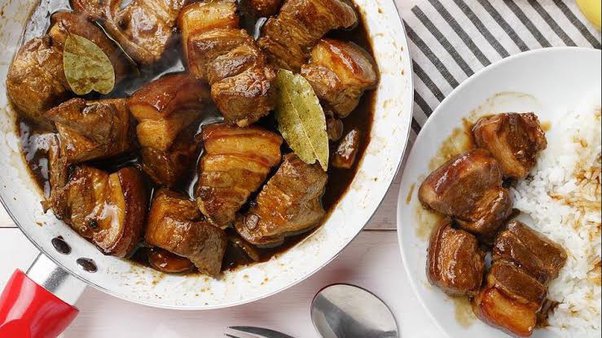
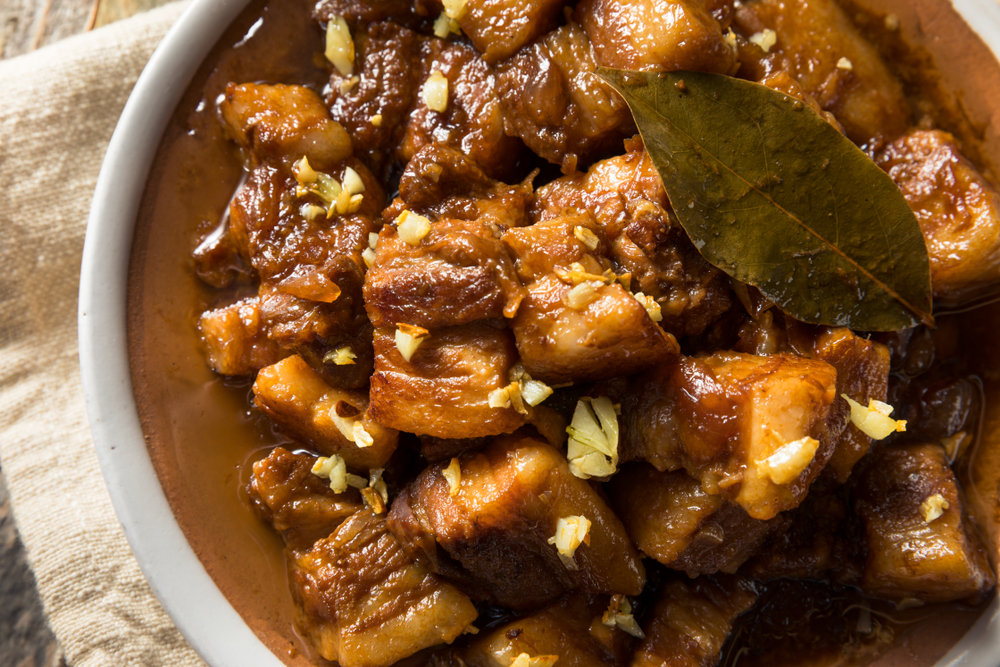
    Spanish colonial influence on Filipino cuisine introduced key ingredients like tomatoes, garlic, olive oil, bay leaves, and annatto seeds, shaping iconic dishes such as Adobo and Menudo.

    Key Takeaways

    • Spanish ingredients like tomatoes and saffron transformed traditional Filipino dishes.
    • Fusion of Spanish and indigenous ingredients created a unique flavor profile in Filipino cuisine.
    • Spanish influence laid the foundation for many iconic Filipino recipes.
    • Seamless blending of Spanish and Filipino ingredients enriched the culinary landscape of the Philippines.

    Spanish Colonial Influence on Philippine Ingredients

    During the Spanish colonization of the Philippines, a plethora of new ingredients, such as tomatoes, garlic, and olive oil, were introduced to Filipino cuisine, revolutionizing traditional dishes. Spanish influences on Filipino cooking extended beyond these staples to include bay leaves, annatto seeds, paprika, and saffron.

    The Spaniards brought chorizo de Bilbao, a type of sausage, which soon found its way into Filipino kitchens. Bay leaves and annatto seeds became essential flavor enhancers in Filipino dishes, adding depth and color. Additionally, the introduction of paprika and saffron imparted a whole new dimension of taste to Filipino cooking.

    The amalgamation of Spanish and indigenous ingredients laid the foundation for the unique and diverse culinary landscape of the Philippines.

    Impact on Filipino Culinary Landscape

    The infusion of Spanish ingredients into Filipino culinary traditions has significantly shaped the flavor profiles of iconic dishes, showcasing a harmonious blend of two distinct culinary heritages.

    • Spanish ingredients like tomatoes, garlic, olive oil, and annatto seeds were introduced to Filipino cuisine.
    • Bay leaves, now commonly used in Filipino cooking, were brought by the Spanish.
    • Dishes such as Adobo and Menudo highlight the influence of Spanish ingredients.
    • The fusion of Spanish and Filipino ingredients created a unique flavor profile in Filipino cuisine.
    • Key ingredients from Spain laid the foundation for many traditional Filipino dishes.

    Fusion of Spanish and Filipino Flavors

    Integrating Spanish and Filipino flavors transforms traditional dishes into a vibrant culinary tapestry, symbolizing a rich cultural fusion. The influence of Spanish colonization is evident in Filipino cuisine, with traditional Spanish ingredients like tomatoes, garlic, and olive oil seamlessly blended into local dishes.

    Bay leaves and annatto seeds introduced by the Spaniards are now commonly used, adding depth and aroma to Filipino cooking.

    Popular dishes such as menudo and mechado reflect the harmonious blending of Spanish and Filipino culinary traditions. By incorporating Spanish cooking techniques like sautéing and simmering with local ingredients, the Philippines has developed a distinct and flavorful culinary heritage that continues to delight taste buds worldwide.

    Journey of Introduced Ingredients

    As you explore the journey of introduced ingredients from Spain to the Philippines, you’ll uncover intricate cultural exchanges that influenced Filipino cuisine.

    Discover the innovative culinary fusion that emerged from the historical spice trade between these two regions.

    The evolution of Filipino dishes showcases a rich tapestry of flavors and techniques borne from this unique historical exchange.

    Cultural Ingredient Exchanges

    Introducing a culinary journey marked by the fusion of flavors, the exchange of cultural ingredients between Spain and the Philippines has significantly influenced the evolution of Filipino cuisine.

    • Spanish influences brought tomatoes, garlic, and olive oil into Filipino cuisine, transforming traditional dishes.
    • Bay leaves and annatto seeds enhanced the aroma and color of Filipino cooking.
    • Trade routes facilitated Chinese culinary influences, seen in dishes like pancit.
    • Indonesian and Malaysian sweets influenced Filipino desserts, showcasing diverse cultural exchanges.
    • Zamboanga cuisine reflects a blend of Spanish and local flavors, using gata (coconut cream) and olive oil in traditional recipes.

    Culinary Fusion Innovations

    The journey of introduced ingredients from Spain to the Philippines unfolds a vibrant tapestry of culinary fusion innovations that have reshaped traditional Filipino dishes. Spanish influences like tomatoes, garlic, and olive oil transformed Filipino culinary traditions, introducing flavors like bay leaves and annatto seeds.

    The fusion of Spanish and Filipino cooking techniques gave rise to iconic dishes such as Adobo and Menudo, blending indigenous flavors with introduced ingredients.

    Even Chinese noodle dishes in the Philippines were influenced by this culinary fusion. Through this unique blend of Spanish and indigenous cooking styles, new fusion dishes emerged, showcasing the rich tapestry of flavors that define Filipino cuisine today.

    Historical Spice Trade

    The historical spice trade route between Spain and the Philippines intricately wove together a tapestry of flavors that forever altered Filipino culinary traditions.

    • Paprika: Introduced a smoky depth to Filipino dishes.
    • Saffron: Infused a rich golden hue and exotic aroma into local cuisine.
    • Bay leaves: Added a subtle earthy flavor to traditional Filipino recipes.
    • Cultural integration: The exchange of ingredients enriched both Spanish and Filipino culinary traditions.
    • Ingredients: Garlic, onions, and annatto seeds were integral parts of the spice trade route, influencing local cooking styles.

    Diverse Array of Colonial Ingredients

    You’ll explore how the Colonial Spice Exchange and Fusion Cuisine Evolution shaped the culinary landscape in the Philippines.

    Discover how Spanish ingredients like tomatoes, garlic, and bay leaves blended with local flavors to create a diverse array of colonial ingredients.

    The fusion of these elements gave birth to a unique Filipino culinary tradition that continues to delight palates today.

    Colonial Spice Exchange

    Introducing a diverse array of colonial ingredients through the spice exchange between Spain and the Philippines significantly enriched Filipino cuisine. This exchange led to the fusion of Spanish and indigenous flavors, shaping traditional dishes with a unique blend of spices and cooking techniques.

    Here are five key colonial ingredients that influenced Filipino cuisine:

    • Tomatoes, garlic, and olive oil brought new dimensions to Filipino dishes.
    • Bay leaves and annatto seeds added distinctive flavors and aromas to local recipes.
    • Spanish recipes were adapted to incorporate local produce, creating a harmonious fusion of flavors.
    • The colonial spice exchange resulted in unique dishes that reflect the history of the Philippines.
    • New spices and cooking methods from Spain enriched traditional Filipino cuisine.

    Fusion Cuisine Evolution

    Exploring the evolution of Filipino fusion cuisine reveals a rich tapestry of flavors influenced by a diverse array of colonial ingredients introduced by Spain, China, and other cultures. The fusion of Spanish, Chinese, Malay, and indigenous ingredients has resulted in the unique flavors found in Filipino cuisine.

    Spanish contributions like tomatoes and vinegar, along with Chinese influences such as noodles and soy sauce, have shaped the culinary landscape of the Philippines. These colonial ingredients, combined with local produce and cooking techniques, have led to the creation of harmonious fusion dishes that showcase the adaptability and creativity of Filipino chefs.

    The blend of these diverse culinary traditions has transformed Filipino cuisine into a delicious and distinctive culinary experience.

    Evolution of Filipino Cooking Techniques

    Evolution in Filipino cooking techniques has been intricately influenced by a blend of indigenous traditions and colonial introductions, resulting in a diverse culinary landscape.

    • Spanish Influence: Techniques like ‘adobo’ showcase the Spanish influence in sautéing with vinegar and garlic.
    • Paksiw: This technique involves stewing meat in sour fruit or vinegar, a common practice in Filipino cuisine.
    • Ginataan: Dishes cooked in coconut milk highlight the use of indigenous ingredients in Filipino cooking techniques.
    • Sinigang: The preparation of sour soup using tamarind or kamias showcases a unique Filipino cooking technique.
    • Dish Names: Filipino dish names often indicate specific cooking methods, such as ‘prito’ for frying, ‘gisa’ for sautéing, and ‘ihaw’ for grilling.

    Cross-Cultural Ingredient Exchange

    The infusion of Spanish ingredients into Filipino cuisine brought a rich tapestry of flavors that shaped the culinary landscape of the Philippines. Cross-cultural ingredient exchange between Spain and the Philippines introduced tomatoes, garlic, and olive oil to Filipino dishes. Spaniards also brought bay leaves and annatto seeds, influencing the flavor profiles of local cuisine.

    Filipino adaptations of Spanish recipes led to a fusion of flavors, with about 80% of Filipino dishes having Spanish roots. Iconic dishes like Adobo and Menudo exemplify this blend, showcasing the Spanish influence on Filipino ingredients and cooking techniques. This exchange not only added new elements to Filipino cuisine but also created a diverse and vibrant culinary tradition in the Philippines.

    Influential Spanish-Philippine Ingredients

    Introducing a medley of Spanish-Philippine ingredients that have left a lasting mark on Filipino cuisine.

    • Vinegar: Widely used in Filipino cooking, it was introduced by the Spanish and is a key ingredient in dishes like adobo.
    • Saffron: This expensive yet flavorful spice brought by the Spaniards adds a unique touch to Filipino dishes.
    • Paprika: A staple in Spanish cuisine, paprika found its way into Filipino cooking, enhancing the flavors of various dishes.
    • Fusion: Spanish colonial rule led to a fusion of traditional Filipino ingredients with Spanish culinary techniques, creating a diverse culinary landscape.
    • Culinary Techniques: Spanish influences can be seen in the cooking methods adopted by Filipinos, blending seamlessly with local practices to produce delicious and innovative dishes.

    Legacy of Spanish Culinary Traditions

    From the introduction of vinegar and saffron to the incorporation of tomatoes and garlic, the legacy of Spanish culinary traditions in Filipino cuisine is unmistakably rich and enduring. Spanish culinary traditions have deeply influenced Filipino dishes like adobo and paksiw, highlighting the importance of vinegar and garlic in cooking.

    Ingredients such as tomatoes, garlic, olive oil, bay leaves, and annatto seeds were brought to the Philippines by the Spaniards, shaping the local cuisine. Spanish recipes were adapted to local ingredients, resulting in a fusion of traditional Filipino flavors with Spanish cooking techniques.

    This influence can be seen in popular Filipino dishes such as caldereta, menudo, and afritada, showcasing the lasting impact of Spanish culinary heritage on Filipino gastronomy.

    Filipino Cuisine: Spanish Roots

    You’ll discover the fascinating culinary fusion history behind many Filipino dishes, reflecting a blend of Spanish and local influences.

    Explore the shared cooking techniques that have been passed down through generations, creating a unique gastronomic heritage in the Philippines.

    Learn about the influential Spanish ingredients that have left a lasting impact on the flavors and cooking styles of iconic Filipino recipes.

    Culinary Fusion History

    How did Spanish culinary techniques intertwine with Filipino ingredients to create the distinct flavor profile of Filipino cuisine?

    Derived from Spanish influences, Filipino cuisine showcases a unique blend of flavors and cooking methods. Some of the biggest influences include the use of vinegar in dishes, a practice inherited from Spanish cuisine.

    Meat stews, a common feature in traditional Filipino cooking, were introduced through Spanish recipes. The marinating of meats in soy sauce, a technique found in dishes like Adobo, reflects the fusion of Spanish and Filipino culinary practices.

    Regional variations in Filipino cuisine also highlight the impact of Spanish colonization, with ingredients like bay leaves and annatto seeds becoming staples in Filipino dishes.

    Shared Cooking Techniques

    Spanish culinary techniques have significantly influenced the cooking methods and flavor profiles of Filipino cuisine. This influence is evident in the adoption of sautéing, stewing, marinating, frying, simmering, and braising in various Filipino dishes. The method of using vinegar and soy sauce in Filipino adobo showcases Spanish influence, while frying is a shared technique seen in Filipino lumpia.

    Filipino meat dishes like mechado exhibit Spanish techniques of simmering and braising. Additionally, the incorporation of bay leaves in Filipino cooking reflects Spanish culinary traditions.

    These shared cooking techniques highlight the deep-rooted connection between Spanish and Filipino culinary practices, resulting in a flavorful blend of flavors and methods in Filipino cuisine.

    Influential Spanish Ingredients

    Introducing key ingredients from Spain, Filipino cuisine has been enriched with flavors that have become essential components in a variety of traditional dishes.

    • Tomatoes: Used in stews like Menudo and as a base for sauces.
    • Garlic: A fundamental element in many Filipino dishes, enhancing flavors.
    • Olive oil: Influencing cooking techniques and flavor profiles in dishes like Adobo.
    • Bay leaves: Adding aromatic depth to Filipino recipes.
    • Annatto seeds: Providing color and a distinct flavor to various Filipino dishes.

    These Spanish ingredients, along with techniques like sautéing and the use of vinegar, have seamlessly integrated into Filipino culinary practices, showcasing the enduring impact of Spanish influence on Filipino cuisine.

    Are any introduced ingredients from Spain used in the preparation of Dilis Silog?

    Yes, some introduced ingredients from Spain are used in the preparation of Dilis Silog, but the dish still maintains its Filipino identity. Dilis Silog is prepared by marinating the anchovies in vinegar and garlic, then frying them until crispy. This popular Filipino breakfast dish is typically served with garlic fried rice and a fried egg. So, that’s how Dilis Silog is prepared.

    Historical Introduction of Ingredients

    Bringing forth a culinary revolution, the Spaniards introduced a variety of essential ingredients to the Philippines, shaping the rich tapestry of Filipino cuisine.

    Tomatoes, garlic, olive oil, bay leaves, and annatto seeds were among the key elements brought to the archipelago during the Spanish colonial period.

    Tomatoes, now widely used in Filipino cooking, were a significant addition from the Spanish. Garlic, a staple ingredient in Filipino cuisine, also made its way to the islands through Spanish influence.

    Olive oil, crucial in certain Filipino dishes, became a part of the local pantry due to Spanish introduction. Bay leaves, commonly used for flavoring, were another Spanish contribution.

    Additionally, annatto seeds, essential for coloring and flavoring, were introduced by the Spaniards and have become integral to Filipino dishes.

    Frequently Asked Questions

    What Foods Did the Spanish Introduced to the Philippines?

    The Spanish introduced tomatoes, garlic, olive oil, bay leaves, annatto seeds, chorizo, paprika, saffron, vinegar, and soy sauce to Filipino cuisine. These ingredients influenced dishes like adobo and menudo, creating a fusion of flavors that are integral to Filipino cooking.

    What Did Spain Introduce to the Philippines?

    Spain introduced ingredients such as tomatoes, garlic, olive oil, bay leaves, and annatto seeds to Filipino cuisine. Vinegar and soy sauce became common flavoring agents. This fusion enriched iconic Filipino dishes like Adobo and Menudo, creating a unique culinary identity.

    What Plants Did the Spanish Bring to the Philippines?

    The Spanish brought tomatoes, potatoes, corn, chili peppers, sweet potatoes, cassava, peanuts, pineapples, oranges, lemons, limes, avocado, guava, papaya, cilantro, oregano, and thyme to the Philippines. These ingredients enriched Filipino cuisine and agricultural practices.

    Does Filipino Food Have Spanish Influence?

    Yes, Filipino food has a strong Spanish influence. About 80% of Filipino dishes show this connection. Spanish introduced key ingredients like tomatoes, garlic, and olive oil, shaping traditional Filipino cuisine.

    Conclusion

    You have learned how Spanish colonization introduced new ingredients and cooking techniques to the Philippines, shaping the Filipino culinary landscape. The fusion of Spanish and indigenous flavors created a unique culinary tradition that continues to thrive today.

    From staples like tomatoes and potatoes to cooking methods like frying and sautéing, the Spanish influence on Filipino cuisine is undeniable. Embrace the rich history and flavors that have shaped Filipino food into what it is today.
  • Filipino-Spanish Recipes: When Two Cuisines Combine

    Filipino-Spanish Recipes: When Two Cuisines Combine

    Combining Filipino and Spanish cuisines creates a unique fusion of flavors. The blend of ingredients and cooking techniques results in delicious and diverse dishes.

    Key Takeaways

    • Adobo exemplifies fusion with vinegar and soy sauce.
    • Filipino-Spanish dishes showcase centuries of culinary exchange.
    • Fusion cuisine blends Spanish techniques with local ingredients.
    • Coconut milk and saffron add unique flavors to fusion recipes.

    Historical Roots of Filipino-Spanish Cuisine

    Exploring the historical roots of Filipino-Spanish cuisine reveals a rich tapestry of culinary evolution influenced by centuries of cultural exchange. During the Spanish colonization of the Philippines in the 16th century, the blending of Spanish culinary techniques with local Filipino ingredients gave rise to a unique fusion cuisine.

    One iconic dish that exemplifies this blend is adobo, a cooking method of marinating meat in vinegar, soy sauce, garlic, and spices. The Spanish influence is evident in the use of vinegar, a common ingredient in Spanish cuisine, combined with indigenous Filipino flavors.

    This harmonious marriage of Spanish and Filipino culinary traditions brought about dishes like adobo, paella, and lechon, showcasing the lasting impact of the shared history and cultural exchange between the two nations.

    Key Ingredients in Fusion Cooking

    In fusion cooking, the key ingredients from both Filipino and Spanish cuisines come together to create unique and flavorful dishes. These key ingredients include:

    1. Adobo: A staple in Filipino cuisine, the combination of vinegar, soy sauce, and garlic adds a tangy and savory flavor to fusion dishes.
    2. Chorizo: A Spanish sausage that brings a smoky and robust taste to the table when incorporated into Filipino-Spanish recipes.
    3. Coconut Milk: Commonly used in Filipino cooking, coconut milk adds a creamy texture and a hint of sweetness to fusion dishes.
    4. Saffron: A prized Spanish spice that imparts a golden hue and a distinctive flavor, elevating the complexity of Filipino-Spanish fusion recipes.

    Popular Filipino-Spanish Dishes to Try

    To discover the delightful fusion of Filipino and Spanish culinary traditions, consider sampling these popular Filipino-Spanish dishes.

    Adobo, the national dish of the Philippines, showcases Spanish influence with variations using coconut in some regions.

    Lechon, a Christmas favorite, features spit-roasted whole animals, especially pig, likely influenced by Spanish traditions.

    Empanadas, found in different Filipino regional varieties, have strong Spanish roots with associations to Argentina.

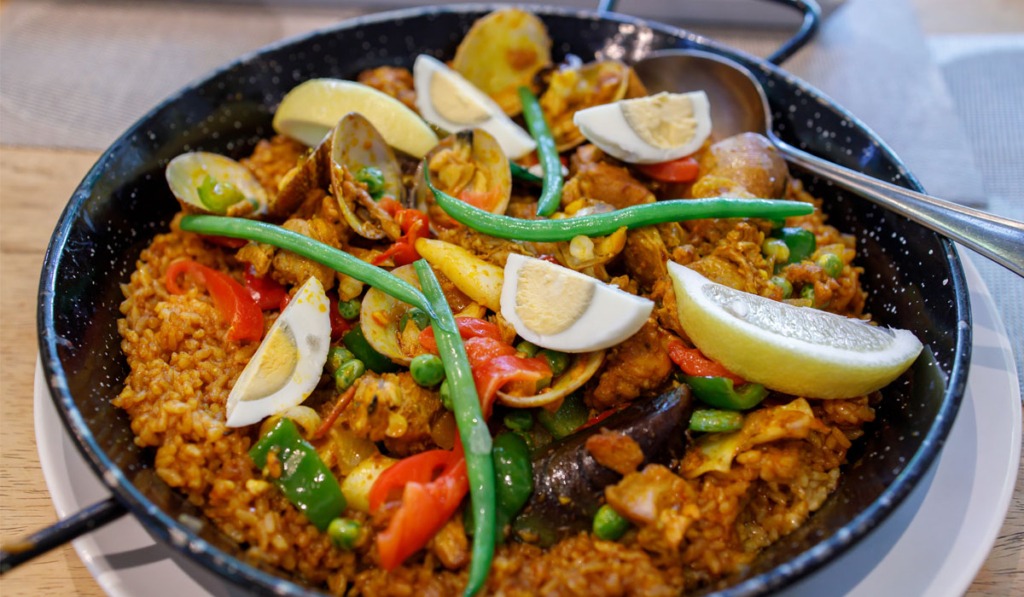
    Filipino versions of Spanish dishes like Pochero and Paelya reflect adaptations with local ingredients and techniques.

    Additionally, foreign influences like Mexican tamales and churros have added unique flavors and textures to traditional Filipino foods.

    Dive into these dishes to experience the delicious blend of Filipino and Spanish flavors.

    Unique Cooking Techniques in Fusion Recipes

    Consider infusing traditional Spanish cooking methods with Filipino flavors to elevate the taste and texture of fusion dishes. When exploring unique cooking techniques in fusion recipes, try incorporating the following methods:

    1. Deep-frying: Combine deep-frying in vegetable oil with Spanish braising or stewing for distinct textures and flavors.
    2. Chicken Adobo Marinades: Use these Filipino marinades with Spanish slow-cooking methods for tender and flavorful meats.
    3. Pickling Vegetables: Add acidity and tanginess by pickling vegetables like cabbage or onions, balancing Spanish and Filipino richness.
    4. Toasting Buns: Enhance sliders and sandwiches by toasting buns for a crispy texture and nutty flavor in your fusion creations.

    Evolution of Flavors in Combined Cuisines

    Explore the intricate tapestry of flavors woven through the fusion of Filipino and Spanish cuisines, revealing a culinary journey rich in historical influences and vibrant taste profiles.

    Filipino dishes like adobo showcase a unique blend of Spanish marinades and Chinese soy sauce, creating a distinct flavor profile. The evolution of flavors in Filipino-Spanish recipes highlights a harmonious mix of ingredients such as garlic, vinegar, and soy sauce from Filipino cuisine, combined with Spanish staples like tomatoes, olive oil, and saffron.

    These combined cuisines often feature a balance of sweet, sour, and savory elements, showcasing the diversity of flavors that have emerged over centuries of cultural exchange. The rich culinary history shaped by colonial influences and local ingredients is evident in each dish, making Filipino-Spanish recipes a true delight for the taste buds.

    How Has Spanish Influence Shaped Filipino Cuisine in Fiesta Celebrations?

    Spanish influence has played a significant role in shaping Filipino cuisine, especially during fiestas. The fusion of Spanish and Filipino culinary traditions has given rise to unique dishes and flavors that are now a part of the rich fiestas and Filipino food legacy.

    Celebrating Culinary Diversity Through Fusion

    Fusion Flavors Unite

    Fusion flavors unite in Filipino-Spanish recipes, showcasing the rich culinary diversity of both cultures in a harmonious blend of traditional techniques and innovative ingredients.

    When exploring the fusion of flavors, you’ll find exciting combinations like adobo-style chicken paella or lechon kawali served with a Spanish romesco sauce. These dishes authentically represent the fusion of Spanish and Filipino culinary traditions, creating a unique dining experience.

    The infusion of chorizo in chicken afritada or the use of calamansi in Spanish flan adds depth and complexity to familiar dishes.

    Filipino-Spanish recipes not only bring together two distinct cuisines but also celebrate the art of culinary experimentation, highlighting the endless possibilities when different flavors and techniques merge.

    Cultural Harmony on Plate

    Uniting flavors from two distinct cultures, Filipino-Spanish recipes embody a celebration of culinary diversity through fusion, harmonizing traditional techniques with innovative ingredients on the plate.

    This fusion cuisine showcases the rich tapestry of Filipino food and Spanish culinary traditions, creating a harmonious blend that symbolizes cultural exchange and shared heritage.

    By combining flavors and cooking styles from both worlds, these recipes offer a unique dining experience that honors tradition while embracing creativity.

    The fusion of Filipino-Spanish recipes not only reflects historical ties and influences but also celebrates the best of both cultures, highlighting diverse flavors and ingredients in a creative and innovative way.

    Cultural harmony on a plate is more than just a culinary experience; it’s a testament to the power of food in bringing people together.

    Tradition Meets Innovation

    Celebrating culinary diversity through fusion, traditional Filipino and Spanish flavors come together in innovative dishes that reimagine classic recipes with a modern twist. This unique approach to cooking showcases a harmonious blend of cultural influences and culinary techniques, offering a fresh dining experience that honors tradition while embracing innovation.

    By infusing dishes like pork adobo with coconut milk, chefs create a delightful fusion that delights the taste buds and celebrates the rich heritage of both Filipino and Spanish cuisines. Through this creative culinary exploration, the fusion of flavors not only tantalizes the palate but also tells a story of the interconnectedness of diverse food traditions, bringing a taste of shared history to the table in a deliciously inventive way.

    1. Fusion cuisine combines traditional Filipino and Spanish flavors to create innovative dishes.
    2. It celebrates culinary diversity by merging cooking techniques and ingredients from both cultures.
    3. Traditional recipes are reimagined with modern twists, offering a unique dining experience.
    4. The fusion of Filipino-Spanish cuisines showcases a harmonious blend of flavors and cultural influences.

    Frequently Asked Questions

    What Filipino Food Originated From Spain?

    Adobo, Lechon, Empanada, Pochero, and Paelya are Filipino foods with Spanish origins. They blend Spanish influence with local flavors, showcasing a delicious fusion. Try them to experience the unique culinary heritage that these dishes offer.

    What Do You Call a Feature in Philippine Cuisine Which Comes in Pairing of Something Sweet With Salty and Results in Surprisingly Pleasing Combinations?

    You call it a ‘bitter-sweet’ or ‘bitter-salty’ combination in Philippine cuisine. Pairing sweet with salty creates a harmonious contrast of flavors. This technique showcases the Filipino palate’s love for complex tastes and balancing flavors.

    What Foods Do Mexicans and Filipinos Share?

    Mexicans and Filipinos share a love for pork dishes like sisig and carnitas. Tamales, rice-based dishes like paella and arroz caldo, and the use of vinegar in adobo and escabeche showcase a shared culinary influence. Empanadas are also popular in both cuisines.

    What Is Filipino Cuisine a Mix Of?

    Filipino cuisine is a blend of indigenous flavors, Spanish colonial influences, and Chinese, American, and Malay trade contributions. It features a mix of sweet, sour, and savory tastes, creating dishes like adobo and sinigang.

    Conclusion

    Indulge in the delicious fusion of Filipino-Spanish recipes for a culinary experience that pays homage to the historical ties between these two cultures. From iconic dishes to innovative creations, the blend of Spanish and Filipino flavors creates a unique and unforgettable dining experience.

    Celebrate the harmonious marriage of these two cuisines by exploring the diverse and flavorful world of Filipino-Spanish cuisine.

  • Fiestas and Filipino Food: A Legacy of Spanish Catholicism

    Fiestas and Filipino Food: A Legacy of Spanish Catholicism

    The legacy of Spanish Catholicism in the Philippines is evident in vibrant fiestas and unique cuisine, blending Spanish and local flavors to create a rich cultural tapestry. This fusion of traditions, from Catholic celebrations to culinary influences, highlights the enduring impact of Spanish colonialism on Filipino identity and heritage.

    Key Takeaways

    • Incorporation of Catholic fiestas enriches Filipino celebrations.
    • Fusion of Spanish and local flavors creates unique Filipino cuisine.
    • Preservation of Spanish Catholic traditions shapes modern Filipino culture.
    • Spanish colonialism’s influence evident in Filipino culinary practices.

    Historical Background: Spanish Colonialism in the Philippines

    Spanish colonial rule in the Philippines, lasting over 300 years, profoundly influenced the country’s customs and culture.

    The introduction of Roman Catholicism by Spanish missionaries had a lasting impact, shaping the religious landscape of the Philippines.

    Spanish influence on Filipino society was particularly evident in the strong presence of Catholic traditions, with feasts, processions, and religious practices becoming integral parts of Filipino culture.

    This long period of Spanish colonialism not only established Roman Catholicism as the dominant religion but also influenced naming conventions, fashion, cuisine, and various aspects of daily life.

    The deep-rooted connection between Spanish and Filipino culture can still be seen today in the rich tapestry of traditions that continue to shape Filipino identity.

    Linguistic Impact: Spanish Language Integration

    With a blend of Spanish loanwords and indigenous vocabulary, the Filipino language reflects a unique linguistic fusion shaped by centuries of cultural exchange. Approximately 20% of Tagalog words in the Filipino language are derived from Spanish, showcasing a significant linguistic impact.

    Spanish loanwords have seamlessly integrated with indigenous vocabulary, creating a distinct linguistic blend in Filipino communication. The emergence of Spanish-based creole languages like Chavacano further demonstrates the lasting influence of Spanish on the Filipino language.

    The adoption of Spanish numbers and the monetary system has become an integral part of Filipino linguistic practices. Spanish linguistic features remain a key component of Filipino identity, reflecting the historical and cultural integration of the Spanish language in the Philippines.

    Cultural Assimilation: Traditions and Customs

    The fusion of Spanish and Filipino cultural traditions is prominently showcased through the incorporation of Catholic fiestas and rituals into local celebrations. Spanish missionaries introduced the Catholic faith, leading to the establishment of town fiestas that honor a patron saint. During these festivities, colorful processions, novenas, and re-enactments are common, reflecting traditional Spanish customs.

    Filipino communities gather in shared celebration, preparing special occasion dishes that blend Spanish and Filipino culinary influences. This cultural assimilation is a testament to the enduring legacy of Spanish Catholicism in Filipino society, preserving age-old traditions and customs through vibrant fiesta practices.

    The integration of these elements creates a unique tapestry of heritage, where past and present converge in joyous celebration.

    Religious Influence: Introduction of Catholicism

    The introduction of Catholicism in the Philippines reshaped religious beliefs and practices significantly. This transformation occurred due to Spanish colonialism, which brought Catholicism to the islands. As a result, churches and cathedrals were constructed to spread the Catholic faith.

    Religious festivals in the Philippines now combine Catholicism with indigenous beliefs and traditions, creating a unique cultural blend. Moreover, many Filipino households exhibit religious icons and partake in Catholic rituals as part of their daily lives.

    Catholicism hasn’t only become the predominant religion but has also played a crucial role in molding the moral, ethical, and spiritual values of the Filipino people.

    What Impact Did Spanish Colonization Have on Filipino Cuisine?

    The Spanish colonization greatly influenced Filipino cuisine by introduced ingredients from Spain. This led to the incorporation of new flavors such as tomatoes, onions, and various spices. The fusion of Spanish and native Filipino cooking styles gave birth to dishes like adobo, mechado, and paella, shaping the culinary identity of the Philippines.

    Culinary Influences: Spanish Foods Introduced

    Spanish colonialism in the Philippines left a lasting culinary legacy through the introduction of new foods and culinary techniques that influenced the development of Filipino cuisine. The fusion of Spanish influence with local flavors led to the creation of unique dishes that are now staples in Filipino gastronomy.

    Popular Spanish foods like Adobo, Kare-Kare, Lechon, Sinigang, and Puchero have become beloved in Filipino households, showcasing the rich blend of cultures. Filipino cuisine adopted Spanish culinary techniques and recipes over time, resulting in a culinary landscape that reflects a harmonious mix of both cultures.

    Spanish influence continues to shape and enrich Filipino cuisine, highlighting the enduring impact of colonial history on food traditions.

    Spanish Foods Introduced Filipino Fusion
    Avocado Adobo
    Coffee Kare-Kare
    Sausage Lechon
    Sinigang

    Frequently Asked Questions

    How Is Catholicism in Filipino Culture?

    In Filipino culture, Catholicism is deeply ingrained. It influences holidays, like patron saint days celebrated with fiestas and abundant food. Special dishes with Spanish roots are shared generously during festive occasions, showcasing the legacy of Spanish Catholicism.

    Why Do Catholics Celebrate Fiestas?

    You celebrate fiestas to honor patron saints and express gratitude. They strengthen community bonds and celebrate religious traditions. Fiestas involve Mass, novenas, and processions to commemorate saints, blending Spanish Catholic influences with indigenous traditions.

    What Is the Legacy of Spaniards in the Philippines?

    The legacy of Spaniards in the Philippines is profound, seen in Filipino traditions, cuisine, and religious practices. Catholicism’s introduction and Spanish influence over 300 years shaped Filipino culture, evident in naming conventions, festivals, and dishes.

    How Did Spain Influence the Philippines Culture?

    Spain influenced Philippine culture by introducing Catholicism, shaping traditions, cuisine, and language. The integration of Spanish words, religious festivals, and culinary fusion like Adobo showcase the lasting impact of Spanish colonial rule on Filipino society.

    Conclusion

    In conclusion, the legacy of Spanish Catholicism in the Philippines is deeply ingrained in the country’s vibrant fiestas and culinary traditions.

    From the integration of Spanish language to the introduction of Catholicism and the fusion of Spanish and Filipino dishes, the impact of Spanish colonialism on Filipino culture is undeniable.

    These traditions continue to be celebrated and cherished, showcasing the enduring influence of Spanish Catholicism on Filipino identity.

  • Spanish Influence on Filipino Food: Beyond Adobo

    Spanish Influence on Filipino Food: Beyond Adobo

    Spanish influence on Filipino cuisine extends far beyond Adobo, shaping a diverse culinary landscape with fusion dishes and regional adaptations influenced by centuries of Spanish colonization. The integration of Spanish ingredients and cooking methods has revolutionized Filipino food, showcasing a harmonious blend of Spanish and local flavors in dishes like Paelya and Mechado.

    Key Takeaways

    • Spanish colonization revolutionized Filipino cuisine with new ingredients and techniques.
    • Filipino versions of Spanish classics like paella and cocido have become staples.
    • Regional adaptations add unique local touches to traditional Spanish dishes.
    • Fusion of Spanish and Filipino flavors continues to shape modern interpretations of dishes.

    Evolution of Spanish-Filipino Culinary Fusion

    During the Spanish colonial era, Filipino cuisine underwent a remarkable transformation through the infusion of new ingredients and cooking techniques from Spain. The Spanish influence on Filipino cuisine led to the adaptation and fusion of Spanish dishes with local flavors, giving rise to what’s now known as Spanish-Filipino culinary fusion.

    Spanish cooking techniques such as sautéing, stewing, and frying became integral to the development of Filipino dishes. Filipino versions of Spanish classics like paella and cocido emerged, showcasing the seamless blending of Spanish and Filipino culinary traditions. Additionally,

    Spanish culinary staples like chorizos and morcillas influenced Filipino favorites like longganisas, highlighting the ongoing evolution of Spanish-Filipino culinary fusion.

    This culinary fusion continues to shape and define Filipino cuisine today.

    Regional Variations in Spanish-Influenced Dishes

    The evolution of Spanish-Filipino culinary fusion brings to light the intriguing regional variations found in Spanish-influenced dishes across the Philippines.

    • Longaniza, a Spanish-influenced sausage, has diverse regional variations in the Philippines, such as the garlicky and sweet Longganisa of Lucban.
    • Escabeche, a vinegar-based stew dish with Spanish roots, showcases Filipino variations influenced by Basque-style mussels or Caribbean-style tuna escabeche.
    • Regional adaptations of Spanish-influenced dishes like Paelya in the Philippines use glutinous rice instead of traditional bomba rice, reflecting local tastes.
    • Filipino versions of Spanish dishes like Pochero, a Spanish stew, take on Asian-style presentations and unique flavor profiles in the Philippines.
    • Filipino culinary creativity shines through in regional variations of Spanish-influenced dishes, adding a distinct local touch to these traditional recipes.

    Traditional Techniques in Filipino-Spanish Cooking

    Embrace the traditional techniques that define the art of Filipino-Spanish cooking, where sautéing, stewing, and frying intertwine to create flavorful culinary masterpieces. Filipino-Spanish dishes often incorporate vinegar and soy sauce, reflecting Spanish influences while the fusion of Spanish and local flavors results in a diverse culinary landscape.

    The seamless merging of Spanish-Spanish cooking techniques with Filipino ingredients showcases the adaptation of these methods, leading to unique gastronomic experiences. Whether it’s the sizzle of sautéing, the slow simmer of stewing, or the crispiness from frying, each technique plays a crucial role in bringing out the rich and complex flavors that define Filipino-Spanish cuisine.

    Experience the harmony of these methods in every bite, where history and innovation come together on your plate.

    Influential Spanish Ingredients in Filipino Cuisine

    Integrating Spanish ingredients into Filipino cuisine has significantly shaped the flavor profile and culinary techniques of the dishes. Some influential Spanish ingredients in Filipino cuisine include:

    • Tomatoes, Potatoes, Garlic, and Onions: Introduced by the Spanish, these ingredients have become staples in Filipino cooking, adding depth and richness to dishes.
    • Chorizo: A Spanish sausage that has made its way into Filipino cuisine, providing a unique and savory flavor to various dishes.
    • Cured Meats: Spanish-inspired cured meats like morcilla have influenced Filipino recipes, enhancing the overall taste and texture.
    • Fusion of Spanish and Local Flavors: The seamless merging of Spanish and local ingredients has created a diverse culinary landscape in Filipino cuisine.
    • Cooking Methods: Techniques like sautéing, stewing, and frying from Spanish influence are prominently used in Filipino cooking, showcasing a blend of traditions.

    Modern Interpretations of Spanish-Filipino Recipes

    To explore the evolution of Filipino cuisine influenced by Spanish flavors, delve into modern interpretations of Spanish-Filipino recipes. Chefs are infusing traditional dishes with innovative twists, incorporating local ingredients and cooking techniques to create contemporary Spanish-Filipino recipes.

    Fusion dishes that blend Spanish and Filipino flavors in creative ways are becoming increasingly popular, showcasing the changing tastes in the culinary landscape. These reinterpretations of classic Spanish dishes with Filipino influences offer a fresh take on familiar flavors, appealing to a broader audience.

    Collaborations between Spanish and Filipino chefs further contribute to the development of unique culinary creations that highlight the rich cultural exchange between the two cuisines. Embrace the exciting journey of exploring the dynamic and flavorful world of modern Spanish-Filipino cuisine.

    Culinary Innovations Beyond Classic Adobo

    Explore the diverse culinary landscape of Filipino cuisine beyond the classic Adobo to uncover a rich tapestry of Spanish-influenced innovations.

    • Dishes like Lechon, a whole roasted pig introduced by the Spanish, are a centerpiece of Filipino celebrations.
    • The adaptation of Spanish paella into Filipino Paelya, made with glutinous rice, showcases the fusion of Spanish and Filipino flavors.
    • Filipino versions of Spanish embutido, a meatloaf, demonstrate the creative evolution of traditional Spanish dishes in Filipino cuisine.
    • Pochero, a Filipino stew inspired by Spanish cocido, reflects the adaptation of Spanish culinary techniques to local ingredients.
    • The influence of Spanish churros, a popular dessert, can be seen in the Philippines, where it’s enjoyed with various toppings and dips.

    Cultural Significance of Spanish Food Elements

    How do Spanish food elements contribute to the cultural significance of Filipino cuisine? Spanish influence on Filipino cuisine goes beyond just flavors and ingredients; it represents a fusion of Spanish culinary traditions with traditional Filipino dishes. The impact of Spanish colonization is evident in the integration of Spanish cooking methods like sautéing and stewing into Filipino culinary practices.

    This blending of techniques has led to a culinary revolution in the Philippines, creating dishes with Spanish names but a distinct Filipino taste. The cultural heritage of the Philippines is reflected in the seamless merging of Spanish and local flavors, resulting in a diverse and vibrant culinary landscape. Check out the table below for a quick overview of Spanish food elements in Filipino cuisine:

    Spanish Influence Filipino Cuisine
    Tomatoes Embutido
    Potatoes Longganisa
    Garlic Adobo
    Onions Mechado

    What Other Spanish-Influenced Dishes Can Be Found in Filipino Cuisine?

    Aside from the evolution of adobo dish, Filipino cuisine also features various Spanish-influenced dishes. One popular example is “caldereta,” a stew made with tomatoes and bell peppers. “Arroz caldo” is another dish, a rice porridge similar to Spanish “arroz caldoso.” These dishes reflect the historical Spanish influence on Filipino cooking.

    Exploring Lesser-Known Spanish-Influenced Filipino Dishes

    Delve into the realm of lesser-known Spanish-influenced Filipino dishes to uncover a world of unique flavors and culinary blends.

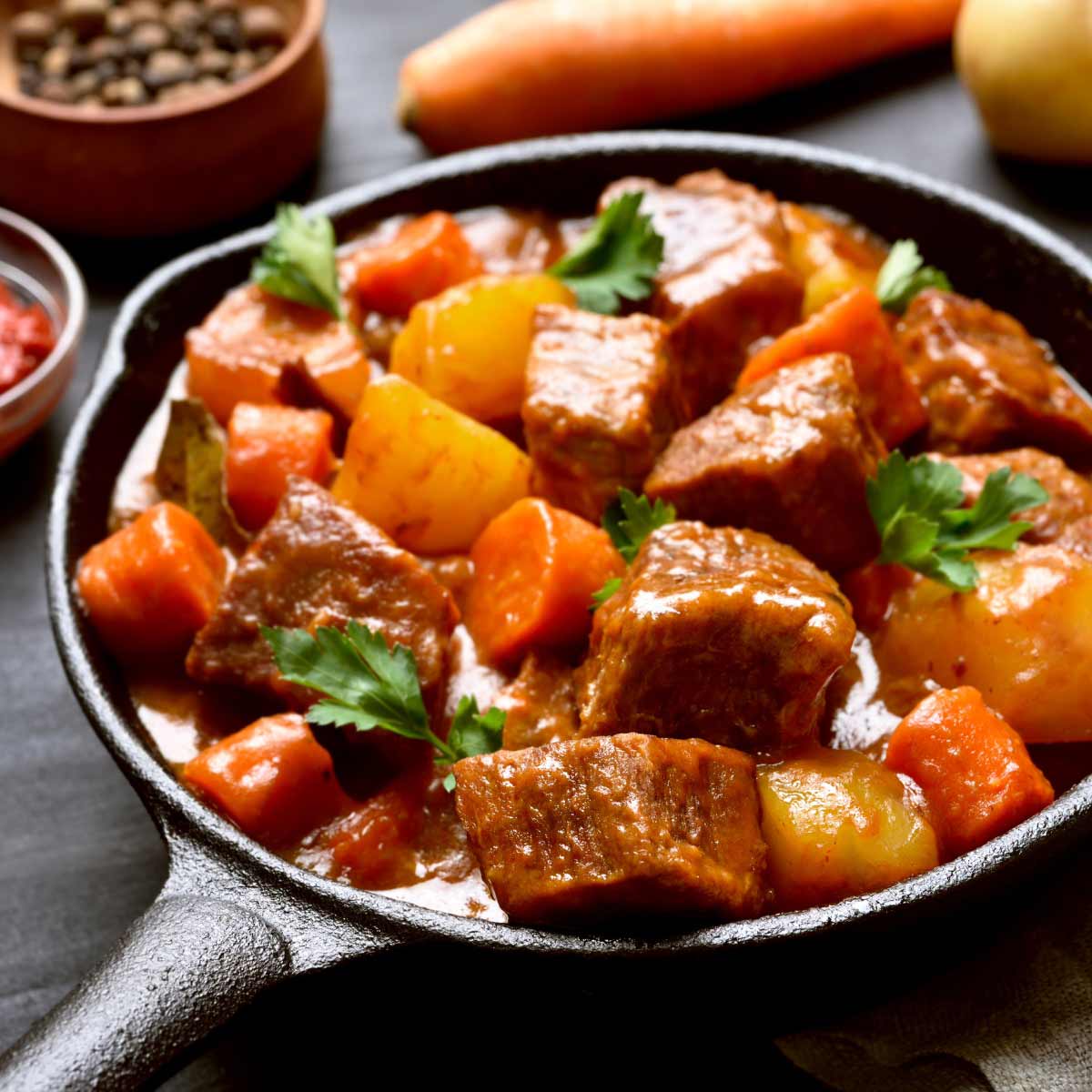
    • Mechado: This dish features slow-cooked beef in a tomato-based sauce with potatoes, carrots, and sometimes bell peppers.
    • Kaldereta: A hearty stew typically made with goat meat or beef, potatoes, carrots, and liver, showcasing Spanish influences with a Filipino twist.
    • Pochero: A flavorful stew made with chicken or pork, plantains, chorizo, and garbanzo beans, creating a fusion of Spanish and Filipino culinary traditions.
    • Bringhe: A Filipino version of paella using glutinous rice and coconut milk, reflecting a harmonious blend of Spanish and Filipino flavors.
    • Morcon: A festive dish consisting of rolled beef stuffed with sausage, carrots, pickles, and eggs, embodying the rich heritage of Spanish-influenced Filipino cuisine.

    Frequently Asked Questions

    How Did the Spanish Influence Filipino Cuisine?

    The Spanish influence on Filipino cuisine introduced ingredients like tomatoes, potatoes, garlic, and onions. Spanish cooking methods such as sautéing, stewing, and frying shaped Filipino dishes. The fusion of Spanish and local flavors created a diverse culinary landscape in the Philippines.

    How Did the Spanish Impact the Philippines?

    The Spanish impact on the Philippines was significant, shaping language, culture, and cuisine. Spanish colonization introduced new ingredients and cooking methods that influenced Filipino food. The fusion of Spanish and local flavors created a diverse culinary landscape.

    How Have Spanish Ingredients Cooking Methods and Dishes Left a Lasting Mark on Filipino Food?

    Spanish ingredients like tomatoes, potatoes, and garlic have infused Filipino cuisine with rich flavors. Cooking methods such as sautéing and stewing have influenced how dishes are made. Dishes like lechon and paella have been adapted, creating a fusion of Spanish and Filipino flavors.

    What Filipino Desserts Have Spanish Influence?

    In Filipino desserts, you can taste Spanish influence. Leche flan, ensaimada, turon, Brazo de Mercedes, and polvoron all carry flavors and techniques from Spain. These treats blend the best of both culinary worlds for your enjoyment.

    Conclusion

    So next time you’re exploring Filipino cuisine, remember that Spanish influence goes far beyond Adobo.

    From regional variations to traditional techniques and modern interpretations, the fusion of Spanish and Filipino flavors continues to shape the culinary landscape.

    Whether you’re enjoying Lechon, Menudo, or Churros, each dish tells a story of cultural exchange and culinary innovation.

    So dig in and savor the rich flavors of Spanish-influenced Filipino food!

  • Adobo: How the Philippines’ National Dish Evolved

    Adobo: How the Philippines’ National Dish Evolved

    Adobo, the Philippines’ national dish, evolved from Malay techniques using vinegar and salt for preservation, influenced by Chinese traders introducing soy sauce and Spanish marinating methods.

    Key Takeaways

    • Adobo originated from Malay techniques using vinegar and salt for preservation.
    • Evolution through Chinese traders introducing soy sauce and Spanish influence with marinating.
    • Regional variations like Luzon’s clear sauce and Mindanao’s creamier version showcase its adaptability.
    • Modern innovations include fusion cuisine, unique ingredients, and diverse cooking techniques.

    Origins of Filipino Adobo

    The origins of Filipino Adobo can be traced back to Malay voyagers in the Philippines who utilized vinegar and salt for food preservation. Before Spanish colonization, Filipinos marinated their meat in vinegar and salt to prolong its freshness. This method of preservation was essential due to the tropical climate of the Philippines.

    Influences on Adobo Evolution

    With influences ranging from Malay preservation techniques to Spanish culinary observations, the evolution of Filipino adobo reflects a rich tapestry of cultural interactions and flavor enhancements. Chinese traders introduced soy sauce, adding depth to the dish, while the Spaniards’ recognition of marinating in vinegar led to its name.

    Regional variations like Luzon’s clear sauce and Mindanao’s creamier version showcase the dish’s adaptability. Adobo’s versatility allows for the incorporation of ingredients like coconut, further expanding its flavor profile. This evolution has transformed adobo from a traditional island dish to a global culinary sensation, demonstrating its ability to blend with different cuisines worldwide.

    Influences Description
    Malay Techniques Vinegar and salt preservation methods before Spanish influence.
    Chinese Traders Introduced soy sauce to enhance the flavor profile of adobo.
    Spanish Observations Noted Filipinos marinating in vinegar, leading to the dish being named ‘adobo.’
    Regional Variations Diverse styles like Luzon’s clear sauce and Mindanao’s creamier version.

    Historical Changes in Adobo Preparation

    You’ll explore traditional cooking techniques, the influence of Spanish colonization, and regional ingredient variations that have shaped the historical changes in adobo preparation.

    These factors have played significant roles in molding the evolution of this beloved Filipino dish.

    Understanding these aspects will provide insights into the rich culinary history behind adobo.

    Traditional Cooking Techniques

    Amidst the culinary landscape of the Philippines, the evolution of adobo’s traditional cooking techniques unveils a rich tapestry of historical changes in preparation methods. Traditional Filipino adobo was originally slow-cooked in clay pots to preserve pork using vinegar and salt. The introduction of new ingredients like soy sauce by Chinese traders influenced the dish’s flavor profile.

    The acidic nature of vinegar in adobo played a crucial role in preventing bacterial growth, particularly in the humid Philippine climate. Adobo’s traditional cooking techniques emphasized marinating and braising meat for both preservation and flavor development. As time passed, variations in ingredients and cooking styles emerged across different regions of the Philippines.

    • Slow-cooked in clay pots
    • Introduction of soy sauce
    • Emphasis on marinating and braising
    • Crucial role of vinegar in preservation
    • Regional variations in preparation

    Influence of Spanish Colonization

    The Spanish colonization of the Philippines significantly influenced the evolution of adobo’s preparation, introducing new ingredients and cooking methods that shaped the dish into its modern form. Garlic and bay leaves were incorporated, enhancing the flavor profile. The slow-cooking method, a Spanish influence, allowed the flavors to meld and the meat to become tender.

    Vinegar, a key addition during colonization, not only added tanginess but also aided in preservation. The introduction of soy sauce, influenced by Chinese traders, further enriched the dish. Changes in preparation techniques, attributed to Spanish influence, transformed adobo into the iconic dish it is today in the Philippines.

    Ingredients/Methods Influence
    Garlic and Bay Leaves Introduced by Spanish colonization
    Slow-Cooking Method Spanish influence for flavor development and tenderizing
    Vinegar Key ingredient for preservation and tanginess

    Regional Ingredient Variations

    Regional ingredient variations have played a significant role in shaping the diverse historical changes in adobo preparation across different regions of the Philippines.

    Some regions incorporate coconut milk, like in Southern Luzon.

    Unique elements such as sugar, liver, potatoes, morning glory, and laurel leaves are added in certain areas.

    Each region has distinct adobo styles influenced by local produce and culinary preferences.

    In seafood-rich regions, adobo can be prepared with squid ink (adobo ng pusit) to showcase regional ingredient adaptations.

    Innovative preparations, like using shredded meat in salads or sushi, highlight the adaptability of adobo and reflect diverse regional influences.

    Regional Variations of Adobo

    Variations in adobo across different regions of the Philippines offer unique twists on the traditional dish, reflecting diverse culinary influences and preferences.

    In Luzon, adobo is known for its clear sauce, catering to the region’s preference for a lighter flavor profile.

    On the other hand, Mindanao’s version stands out with its creamier texture, showcasing the region’s distinct culinary traditions.

    Adobong Puti, a white adobo variant, replaces soy sauce with salt, resulting in a lighter-colored dish.

    Adobo sa Gata introduces coconut milk into the marinade, creating a rich and creamy element in the classic adobo flavors.

    Meanwhile, Adobong Dilaw features turmeric, lending a vibrant yellow hue and a unique earthy taste to the traditional adobo recipe.

    Modern Innovations in Adobo Recipes

    Embark on a culinary journey through the evolution of adobo with modern innovations in recipes that push the boundaries of tradition. Chefs worldwide are experimenting with unique ingredients like coconut milk, pineapple, and even chocolate to create unconventional adobo flavors. Creative twists on traditional adobo involve techniques such as grilling, smoking, and sous vide cooking, offering new textures and tastes.

    Fusion cuisine takes adobo to new heights by blending Filipino flavors with other culinary traditions, resulting in dishes like adobo tacos, adobo pizza, and adobo burgers. Additionally, the use of modern cooking equipment like pressure cookers, air fryers, and slow cookers has made preparing adobo more convenient for home cooks while retaining its rich and robust flavors.

    Cultural Significance of Adobo

    The cultural significance of adobo in Filipino cuisine shines through its ability to showcase culinary expertise and reflect a rich heritage of flavors. Filipino chefs have elevated adobo, whether chicken or pork, to more than just a dish; it has become a symbol of national pride and culinary evolution.

    Through the intricate marinating techniques and precise braising methods required, adobo remains a significant test of skill, demonstrating the prowess of Filipino cooks. This national dish has not only graced the tables of Filipino households for generations but has also made its mark on the international culinary stage.

    The versatility of adobo mirrors the diverse culinary heritage of the Philippines, embodying creativity and innovation in cooking.

    Cultural Significance of Adobo
    Showcases culinary expertise
    Reflects a rich heritage of flavors
    Symbol of national pride

    What is the influence of Spanish cuisine on the evolution of the Philippines’ national dish, Adobo?

    The influence of Spanish cuisine on the evolution of the Philippines’ national dish, Adobo, is evident in its cooking methods and key ingredients. The usage of vinegar and soy sauce in Adobo reflects the blending of Filipino and Spanish culinary traditions, resulting in delicious filipinospanish fusion cuisine recipes. The Spanish colonizers are credited with introducing the cooking technique of marinating meat in vinegar and spices, which is the basis for Adobo. This demonstrates the strong influence of Spanish cuisine on Filipino cooking. Furthermore, the adobo history and origins can be traced back to the Spanish method of preserving food through the use of vinegar and soy sauce, which has been adapted and integrated into Filipino culinary culture. The enduring popularity of Adobo as the national dish of the Philippines is a testament to the lasting impact of Spanish culinary traditions on Filipino cuisine.

    Adobo’s Impact on Filipino Cuisine

    Adobo’s influence on Filipino cuisine is profound, expanding culinary horizons and preserving traditional flavors. The dish’s marinating technique has inspired various cooking methods and dishes across the Philippines.

    Its widespread popularity highlights its lasting impact on the country’s culinary landscape.

    Culinary Influence Expansion

    With its widespread influence on Filipino cuisine, the technique of marinating and braising in vinegar and soy sauce, stemming from adobo, has significantly shaped the flavor profiles of many traditional and modern dishes. This culinary influence expansion has touched various regional cuisines in the Philippines, showcasing the versatility and influence of adobo.

    The sweet, salty, and tangy flavors characteristic of adobo have become a defining feature of Filipino cuisine, evolving into signature tastes found in a multitude of dishes. From the tangy notes in paksiw to the sweet undertones in asado, adobo’s impact is undeniable and continues to inspire new culinary creations that honor its rich heritage.

    • Adobo’s technique of marinating and braising has influenced various regional cuisines in the Philippines.
    • The sweet, salty, and tangy flavors of adobo have become a hallmark in Filipino cuisine.
    • Variations like paksiw, asado, and mechado showcase the versatility and influence of adobo.
    • Adobo’s impact can be seen in both traditional and modern Filipino dishes.
    • The enduring significance of adobo highlights its contribution to the culinary heritage of the Philippines.

    Traditional Flavors Preserved

    Preserving traditional Filipino flavors, adobo has left an indelible mark on the country’s culinary landscape. The preservation techniques employed in adobo, such as vinegar and salt, haven’t only influenced cooking methods but also contributed to the development of Filipino cuisine.

    The incorporation of ingredients like vinegar, soy sauce, garlic, and spices in adobo has become fundamental to Filipino flavor profiles. The use of adobo with coconut milk represents a modern twist on this traditional dish, showcasing the adaptability and creativity of Filipino chefs.

    The balance of sweet, sour, and salty flavors in adobo hasn’t only influenced Filipino dishes but has also shaped the overall taste preferences in Philippine cuisine. Adobo stands as a testament to the rich culinary traditions and flavors deeply rooted in Philippine cooking.

    Frequently Asked Questions

    What Is the Native Way of Cooking Adobo?

    To cook adobo traditionally, marinate meat in vinegar, salt, garlic, and peppercorns for preservation. Use clay pots for slow-cooking over open fires. Filipino ancestors’ resourcefulness and Malay and Chinese influences shaped adobo’s native preparation method.

    What’s so Special About Filipino Adobo?

    You know what’s so special about Filipino adobo? It’s the perfect symphony of tangy vinegar, savory soy sauce, aromatic garlic, earthy bay leaves, and zesty peppercorns that dance on your taste buds in harmony.

    Why Are We Celebrating Filipino Adobo Today?

    Today, you are celebrating Filipino adobo because of its rich history, cultural significance, and delicious taste. The dish has evolved from a preservation technique to a beloved national symbol that showcases Filipino culinary heritage and creativity.

    Where Did Adobo Seasoning Originate?

    Adobo seasoning originated in the Philippines among Indigenous Filipino communities. They used vinegar and salt for food preservation, leading to the creation of adobo seasoning. Its flavor comes from vinegar, salt, garlic, and spices.

    Conclusion

    You’ve learned about the rich history and diverse influences that have shaped adobo, the Philippines’ national dish. From its origins with Malay voyagers to the Spanish colonial influences and modern global popularity, adobo has truly evolved over time.

    Its adaptability and versatility have led to a wide variety of regional variations and modern innovations. The cultural significance of adobo in Filipino cuisine is undeniable, showcasing its impact and importance in the culinary world.