Category: Filipino Street Food Delicacies

  • Chicharon Bulaklak: Deep-Fried Pork Intestines

    Chicharon Bulaklak: Deep-Fried Pork Intestines

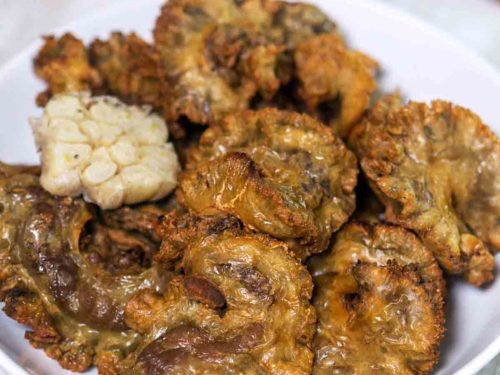
    Chicharon Bulaklak is a popular Filipino dish made from deep-fried pork intestines, enjoyed for its crispy texture and savory flavor, often served with a tangy vinegar dip. Its cultural significance and rich culinary heritage make it a must-try street food in the Philippines, symbolizing abundance and prosperity in festive celebrations.

    Key Takeaways

    • Chicharon Bulaklak is a protein-rich dish in Filipino cuisine, providing essential nutrients for the body.
    • It is high in both protein and fat, making it a filling and indulgent option.
    • The fat content contributes to its rich flavor profile and crispy texture.
    • Enjoying Chicharon Bulaklak in moderation as part of a balanced diet is key.

    Chicharon Bulaklak From Philippines

    Chicharon Bulaklak from the Philippines is a popular appetizer often enjoyed with alcoholic drinks, best known for its extra crispy texture and spicy vinegar dip. This Filipino food is made from deep-fried ruffled fat, not pure fat or intestines, giving it a unique texture when consumed warm.

    Leftover Chicharon Bulaklak can be recycled into a congee dish, perfect with lemon or calamansi. The recipe involves boiling, simmering, deep-frying, and serving with spiced vinegar. Proper cleaning and preparation of the pork are crucial for crunchy Chicharon Bulaklak.

    Considered a Filipino street food, it’s often found in local food stalls and markets, holding cultural significance as a beloved comfort food. Embracing Chicharon Bulaklak allows you to connect with the rich culinary heritage of the Philippines.

    Chicharon Bulaklak’s Historical Journey

    Having explored the culinary heritage of Chicharon Bulaklak from the Philippines, it’s time to trace its historical journey, shedding light on its origins and cultural significance. Believed to have originated during the Spanish colonization period, this deep-fried pork intestines dish is thought to have its roots in the Ilocos province.

    Its cultural significance lies in being a popular street food and appetizer in the Philippines, enjoyed by people of all ages and backgrounds. Despite being challenging to find in some areas, it remains a well-known and beloved dish, often shared and enjoyed with friends and family.

    Its crunchy texture and rich flavor offer a unique and satisfying eating experience, making it a must-try for pork and fried food enthusiasts. Reflecting its accessibility and affordability, Chicharon Bulaklak has become a beloved comfort food enjoyed by people of all backgrounds within Filipino cuisine.

    Chicharon Bulaklak in Visayas

    In Visayas, chicharon bulaklak is a favored appetizer, often paired with local alcoholic beverages and complemented by a tangy dipping sauce.

    This deep-fried pork intestines dish holds a special place in the hearts and palates of Visayans, adding a satisfying crunch to social gatherings and celebrations.

    The crispy texture and savory flavor of chicharon bulaklak perfectly match the convivial atmosphere of Visayan feasts, making it a staple in the region’s culinary scene.

    The dish’s versatility also allows it to be repurposed into a delightful congee, showcasing the resourcefulness and practicality deeply ingrained in Visayan food culture.

    Whether enjoyed as a crunchy snack or transformed into a heartwarming meal, chicharon bulaklak continues to be an essential part of Filipino food traditions in Visayas.

    Filipino Festive Celebrations

    Festive celebrations in the Philippines captivate with vibrant music, traditional performances, and a dynamic display of cultural heritage. During these lively events, you can immerse yourself in the rich tapestry of Filipino culture, with colorful parades, street dancing, and elaborate costumes.

    At festivals like Sinulog, Ati-Atihan, and Pahiyas, you’ll witness religious processions, feasting on traditional Filipino cuisine, and various cultural activities. These gatherings provide a wonderful opportunity to honor patron saints, express gratitude for bountiful harvests, and celebrate historical events.

    Joining in these celebrations allows you to experience the warmth of Filipino hospitality and the deep-rooted traditions of the country. It’s a chance to connect with the community and embrace the spirit of togetherness that defines Filipino festive celebrations.

    Intestinal Lining as Key Ingredient

    To prepare Chicharon Bulaklak, the pig mesentery is thoroughly cleaned, boiled, and deep-fried to achieve its distinctive texture and flavor. The mesentery, connecting the pig’s internal organs to its body, is the key ingredient, providing the dish with its unique taste and crunchiness.

    Careful handling and cooking of the pig mesentery are crucial in creating the crispy and savory result of Chicharon Bulaklak. The dish’s distinct flavor is directly attributed to the use of the pig’s intestinal lining. It’s the proper preparation and cooking of the pig mesentery that ultimately determines the success of Chicharon Bulaklak.

    The mesentery’s role in this deep-fried pork intestines dish can’t be overstated, as it’s central to achieving the desired taste and texture.

    Deep-Frying the Pork Intestines

    When deep-frying pork intestines, there are a few important steps to follow to achieve maximum crispiness in the final dish.

    First, it is crucial to clean the pigs’ intestines meticulously. This can be done by soaking them in water, rock salt, and vinegar to remove impurities and dirt.

    After the cleaning process, the intestines need to be boiled. Once they are boiled, it is essential to ensure thorough drying before proceeding to deep-fry them. This step is crucial in achieving the desired crispiness.

    To deep-fry the intestines, a deep-fryer should be used. Vegetable oil is the recommended choice for frying. The frying process should continue until the intestines turn crispy and golden brown.

    While the chicharon bulaklak is hot, it is recommended to season it with salt. This will enhance the flavor and add an extra dimension to the dish.

    To serve the chicharon bulaklak, it is best to do so immediately after frying. It is recommended to accompany it with a side of spiced vinegar. This will provide an added taste that complements the dish perfectly.

    Crispiness and Chewy Texture

    After achieving the perfect crispiness through thorough drying and deep-frying, the focus shifts to understanding the chewy texture of chicharon bulaklak.

    The slow deep-frying process is essential in creating the crispy texture of the pork intestines, resulting in a golden brown appearance. Properly dried and seasoned with salt post-frying, the chicharon bulaklak offers a delightful balance of crispiness and chewiness.

    Its chewy texture is derived from the connective tissues and ruffled fat within the pork intestines. To maintain this desired texture, it’s best served immediately after frying.

    The combination of the crispy exterior and chewy interior makes chicharon bulaklak a delectable treat, providing a satisfying contrast that keeps you coming back for more.

    Symbolic Role in Celebrations

    During festive celebrations and special occasions in the Philippines, Chicharon Bulaklak is often served, symbolizing abundance and prosperity. Its symbolic role in celebrations is deeply rooted in Filipino culture, signifying the following:

    1. Abundance and Prosperity: Chicharon Bulaklak is associated with a bountiful harvest and indulgence, representing wealth and prosperity for the coming year.
    2. Good Luck and Happiness: The crispy and savory nature of Chicharon Bulaklak is believed to bring good luck and happiness to those who consume it during festivities.
    3. Unity and Togetherness: Sharing and enjoying Chicharon Bulaklak with loved ones signifies unity and togetherness in celebratory gatherings, fostering a sense of community and belonging.

    The tradition of serving Chicharon Bulaklak holds cultural significance, emphasizing the importance of food in Filipino celebrations and social gatherings.

    Regional Flavor Additions

    To enhance the flavor of Chicharon Bulaklak, consider incorporating regional spices and herbs during the boiling process. Experiment with garlic, onion, and local spices to infuse the pork intestines with diverse regional flavors.

    Try using cane vinegar or coconut vinegar to add a unique regional twist to the dish. Incorporate indigenous ingredients like calamansi or local chili peppers to customize the spicy vinegar dip according to different culinary traditions.

    Adding local herbs such as lemongrass or bay leaves during boiling can infuse the dish with distinct regional aromas.

    Rich in Protein and Fat

    Consider the nutritional aspects of Chicharon Bulaklak, as it’s rich in protein and fat, providing essential nutrients for the body. The protein content supports muscle growth and repair, while the fat content serves as a source of energy and contributes to its savory taste.

    When consumed in moderation, Chicharon Bulaklak can be part of a balanced diet, offering valuable nutrients. Keep in mind that the fat in Chicharon Bulaklak adds to its rich flavor profile and crispy texture, making it a satisfying treat.

    As with any food, moderation is key, and enjoying Chicharon Bulaklak as an occasional indulgence can fit into a well-rounded diet. Embrace the balance of protein and fat in this deep-fried pork intestines dish, knowing it can be a part of your culinary experiences.

    Can I Use the Same Deep-Frying Technique for Lumpiang Shanghai as Chicharon Bulaklak?

    Yes, you can use the same deep-frying technique for lumpia Shanghai and chicharon bulaklak. Both dishes require the same method in the deepfried spring rolls recipe. Make sure to fry them until they are crispy and golden brown for the perfect taste and texture.

    Can Chicharon Bulaklak be a Vegan-friendly Alternative to Turon?

    Chicharon Bulaklak, the golden snack of the Philippines, is a crispy treat made from deep-fried pork intestines. While it’s a popular indulgence, it’s not a vegan-friendly alternative to turon, a sweet banana and jackfruit spring roll. Vegans can still enjoy turon with its delightful combination of fruits and sugar.

    Conclusion

    You’ve learned about Chicharon Bulaklak, a popular Filipino appetizer made from deep-fried pork intestines. It’s enjoyed as a snack or appetizer, often paired with alcoholic drinks.

    Its crispy texture and savory flavor, along with the tangy kick from spicy vinegar, make it a beloved street food in the Philippines. Whether at festive celebrations or as a casual snack, Chicharon Bulaklak offers a unique and flavorful experience that reflects the rich culinary traditions of the Philippines.</pIts cultural significance lies in being a popular street food and appetizer in the Philippines, enjoyed by people of all ages and backgrounds.p>

    With its staggering 86% of the daily recommended intake of protein and 72% of the daily recommended intake of fat in just a 100-gram serving, it’s certainly not a light option.

    But what makes this deep-fried pork intestine dish so beloved, and why is it such a staple in Filipino cuisine?

    Let’s take a closer look at this intriguing dish and uncover the secrets behind its appeal.

    Key Takeaways

    • Chicharon Bulaklak is a protein-rich dish in Filipino cuisine, providing essential nutrients for the body.
    • It is high in both protein and fat, making it a filling and indulgent option.
    • The fat content contributes to its rich flavor profile and crispy texture.
    • Enjoying Chicharon Bulaklak in moderation as part of a balanced diet is key.

    Chicharon Bulaklak From Philippines

    Chicharon Bulaklak from the Philippines is a popular appetizer often enjoyed with alcoholic drinks, best known for its extra crispy texture and spicy vinegar dip. This Filipino food is made from deep-fried ruffled fat, not pure fat or intestines, giving it a unique texture when consumed warm.

    Leftover Chicharon Bulaklak can be recycled into a congee dish, perfect with lemon or calamansi. The recipe involves boiling, simmering, deep-frying, and serving with spiced vinegar. Proper cleaning and preparation of the pork are crucial for crunchy Chicharon Bulaklak.

    Considered a Filipino street food, it’s often found in local food stalls and markets, holding cultural significance as a beloved comfort food. Embracing Chicharon Bulaklak allows you to connect with the rich culinary heritage of the Philippines.

    Chicharon Bulaklak’s Historical Journey

    Having explored the culinary heritage of Chicharon Bulaklak from the Philippines, it’s time to trace its historical journey, shedding light on its origins and cultural significance. Believed to have originated during the Spanish colonization period, this deep-fried pork intestines dish is thought to have its roots in the Ilocos province.

    Its cultural significance lies in being a popular street food and appetizer in the Philippines, enjoyed by people of all ages and backgrounds. Despite being challenging to find in some areas, it remains a well-known and beloved dish, often shared and enjoyed with friends and family.

    Its crunchy texture and rich flavor offer a unique and satisfying eating experience, making it a must-try for pork and fried food enthusiasts. Reflecting its accessibility and affordability, Chicharon Bulaklak has become a beloved comfort food enjoyed by people of all backgrounds within Filipino cuisine.

    Chicharon Bulaklak in Visayas

    In Visayas, chicharon bulaklak is a favored appetizer, often paired with local alcoholic beverages and complemented by a tangy dipping sauce.

    This deep-fried pork intestines dish holds a special place in the hearts and palates of Visayans, adding a satisfying crunch to social gatherings and celebrations.

    The crispy texture and savory flavor of chicharon bulaklak perfectly match the convivial atmosphere of Visayan feasts, making it a staple in the region’s culinary scene.

    The dish’s versatility also allows it to be repurposed into a delightful congee, showcasing the resourcefulness and practicality deeply ingrained in Visayan food culture.

    Whether enjoyed as a crunchy snack or transformed into a heartwarming meal, chicharon bulaklak continues to be an essential part of Filipino food traditions in Visayas.

    Filipino Festive Celebrations

    Festive celebrations in the Philippines captivate with vibrant music, traditional performances, and a dynamic display of cultural heritage. During these lively events, you can immerse yourself in the rich tapestry of Filipino culture, with colorful parades, street dancing, and elaborate costumes.

    At festivals like Sinulog, Ati-Atihan, and Pahiyas, you’ll witness religious processions, feasting on traditional Filipino cuisine, and various cultural activities. These gatherings provide a wonderful opportunity to honor patron saints, express gratitude for bountiful harvests, and celebrate historical events.

    Joining in these celebrations allows you to experience the warmth of Filipino hospitality and the deep-rooted traditions of the country. It’s a chance to connect with the community and embrace the spirit of togetherness that defines Filipino festive celebrations.

    Intestinal Lining as Key Ingredient

    To prepare Chicharon Bulaklak, the pig mesentery is thoroughly cleaned, boiled, and deep-fried to achieve its distinctive texture and flavor. The mesentery, connecting the pig’s internal organs to its body, is the key ingredient, providing the dish with its unique taste and crunchiness.

    Careful handling and cooking of the pig mesentery are crucial in creating the crispy and savory result of Chicharon Bulaklak. The dish’s distinct flavor is directly attributed to the use of the pig’s intestinal lining. It’s the proper preparation and cooking of the pig mesentery that ultimately determines the success of Chicharon Bulaklak.

    The mesentery’s role in this deep-fried pork intestines dish can’t be overstated, as it’s central to achieving the desired taste and texture.

    Deep-Frying the Pork Intestines

    When deep-frying pork intestines, there are a few important steps to follow to achieve maximum crispiness in the final dish.

    First, it is crucial to clean the pigs’ intestines meticulously. This can be done by soaking them in water, rock salt, and vinegar to remove impurities and dirt.

    After the cleaning process, the intestines need to be boiled. Once they are boiled, it is essential to ensure thorough drying before proceeding to deep-fry them. This step is crucial in achieving the desired crispiness.

    To deep-fry the intestines, a deep-fryer should be used. Vegetable oil is the recommended choice for frying. The frying process should continue until the intestines turn crispy and golden brown.

    While the chicharon bulaklak is hot, it is recommended to season it with salt. This will enhance the flavor and add an extra dimension to the dish.

    To serve the chicharon bulaklak, it is best to do so immediately after frying. It is recommended to accompany it with a side of spiced vinegar. This will provide an added taste that complements the dish perfectly.

    Crispiness and Chewy Texture

    After achieving the perfect crispiness through thorough drying and deep-frying, the focus shifts to understanding the chewy texture of chicharon bulaklak.

    The slow deep-frying process is essential in creating the crispy texture of the pork intestines, resulting in a golden brown appearance. Properly dried and seasoned with salt post-frying, the chicharon bulaklak offers a delightful balance of crispiness and chewiness.

    Its chewy texture is derived from the connective tissues and ruffled fat within the pork intestines. To maintain this desired texture, it’s best served immediately after frying.

    The combination of the crispy exterior and chewy interior makes chicharon bulaklak a delectable treat, providing a satisfying contrast that keeps you coming back for more.

    Symbolic Role in Celebrations

    During festive celebrations and special occasions in the Philippines, Chicharon Bulaklak is often served, symbolizing abundance and prosperity. Its symbolic role in celebrations is deeply rooted in Filipino culture, signifying the following:

    1. Abundance and Prosperity: Chicharon Bulaklak is associated with a bountiful harvest and indulgence, representing wealth and prosperity for the coming year.
    2. Good Luck and Happiness: The crispy and savory nature of Chicharon Bulaklak is believed to bring good luck and happiness to those who consume it during festivities.
    3. Unity and Togetherness: Sharing and enjoying Chicharon Bulaklak with loved ones signifies unity and togetherness in celebratory gatherings, fostering a sense of community and belonging.

    The tradition of serving Chicharon Bulaklak holds cultural significance, emphasizing the importance of food in Filipino celebrations and social gatherings.

    Regional Flavor Additions

    To enhance the flavor of Chicharon Bulaklak, consider incorporating regional spices and herbs during the boiling process. Experiment with garlic, onion, and local spices to infuse the pork intestines with diverse regional flavors.

    Try using cane vinegar or coconut vinegar to add a unique regional twist to the dish. Incorporate indigenous ingredients like calamansi or local chili peppers to customize the spicy vinegar dip according to different culinary traditions.

    Adding local herbs such as lemongrass or bay leaves during boiling can infuse the dish with distinct regional aromas.

    Rich in Protein and Fat

    Consider the nutritional aspects of Chicharon Bulaklak, as it’s rich in protein and fat, providing essential nutrients for the body. The protein content supports muscle growth and repair, while the fat content serves as a source of energy and contributes to its savory taste.

    When consumed in moderation, Chicharon Bulaklak can be part of a balanced diet, offering valuable nutrients. Keep in mind that the fat in Chicharon Bulaklak adds to its rich flavor profile and crispy texture, making it a satisfying treat.

    As with any food, moderation is key, and enjoying Chicharon Bulaklak as an occasional indulgence can fit into a well-rounded diet. Embrace the balance of protein and fat in this deep-fried pork intestines dish, knowing it can be a part of your culinary experiences.

    Can I Use the Same Deep-Frying Technique for Lumpiang Shanghai as Chicharon Bulaklak?

    Yes, you can use the same deep-frying technique for lumpia Shanghai and chicharon bulaklak. Both dishes require the same method in the deepfried spring rolls recipe. Make sure to fry them until they are crispy and golden brown for the perfect taste and texture.

    Conclusion

    You’ve learned about Chicharon Bulaklak, a popular Filipino appetizer made from deep-fried pork intestines. It’s enjoyed as a snack or appetizer, often paired with alcoholic drinks.

    Its crispy texture and savory flavor, along with the tangy kick from spicy vinegar, make it a beloved street food in the Philippines. Whether at festive celebrations or as a casual snack, Chicharon Bulaklak offers a unique and flavorful experience that reflects the rich culinary traditions of the Philippines.</pEmbrace the balance of protein and fat in this deep-fried pork intestines dish, knowing it can be a part of your culinary experiences.e you.

    With its staggering 86% of the daily recommended intake of protein and 72% of the daily recommended intake of fat in just a 100-gram serving, it’s certainly not a light option.

    But what makes this deep-fried pork intestine dish so beloved, and why is it such a staple in Filipino cuisine?

    Let’s take a closer look at this intriguing dish and uncover the secrets behind its appeal.

    Key Takeaways

    • Chicharon Bulaklak is a protein-rich dish in Filipino cuisine, providing essential nutrients for the body.
    • It is high in both protein and fat, making it a filling and indulgent option.
    • The fat content contributes to its rich flavor profile and crispy texture.
    • Enjoying Chicharon Bulaklak in moderation as part of a balanced diet is key.

    Chicharon Bulaklak From Philippines

    Chicharon Bulaklak from the Philippines is a popular appetizer often enjoyed with alcoholic drinks, best known for its extra crispy texture and spicy vinegar dip. This Filipino food is made from deep-fried ruffled fat, not pure fat or intestines, giving it a unique texture when consumed warm.

    Leftover Chicharon Bulaklak can be recycled into a congee dish, perfect with lemon or calamansi. The recipe involves boiling, simmering, deep-frying, and serving with spiced vinegar. Proper cleaning and preparation of the pork are crucial for crunchy Chicharon Bulaklak.

    Considered a Filipino street food, it’s often found in local food stalls and markets, holding cultural significance as a beloved comfort food. Embracing Chicharon Bulaklak allows you to connect with the rich culinary heritage of the Philippines.

    Chicharon Bulaklak’s Historical Journey

    Having explored the culinary heritage of Chicharon Bulaklak from the Philippines, it’s time to trace its historical journey, shedding light on its origins and cultural significance. Believed to have originated during the Spanish colonization period, this deep-fried pork intestines dish is thought to have its roots in the Ilocos province.

    Its cultural significance lies in being a popular street food and appetizer in the Philippines, enjoyed by people of all ages and backgrounds. Despite being challenging to find in some areas, it remains a well-known and beloved dish, often shared and enjoyed with friends and family.

    Its crunchy texture and rich flavor offer a unique and satisfying eating experience, making it a must-try for pork and fried food enthusiasts. Reflecting its accessibility and affordability, Chicharon Bulaklak has become a beloved comfort food enjoyed by people of all backgrounds within Filipino cuisine.

    Chicharon Bulaklak in Visayas

    In Visayas, chicharon bulaklak is a favored appetizer, often paired with local alcoholic beverages and complemented by a tangy dipping sauce.

    This deep-fried pork intestines dish holds a special place in the hearts and palates of Visayans, adding a satisfying crunch to social gatherings and celebrations.

    The crispy texture and savory flavor of chicharon bulaklak perfectly match the convivial atmosphere of Visayan feasts, making it a staple in the region’s culinary scene.

    The dish’s versatility also allows it to be repurposed into a delightful congee, showcasing the resourcefulness and practicality deeply ingrained in Visayan food culture.

    Whether enjoyed as a crunchy snack or transformed into a heartwarming meal, chicharon bulaklak continues to be an essential part of Filipino food traditions in Visayas.

    Filipino Festive Celebrations

    Festive celebrations in the Philippines captivate with vibrant music, traditional performances, and a dynamic display of cultural heritage. During these lively events, you can immerse yourself in the rich tapestry of Filipino culture, with colorful parades, street dancing, and elaborate costumes.

    At festivals like Sinulog, Ati-Atihan, and Pahiyas, you’ll witness religious processions, feasting on traditional Filipino cuisine, and various cultural activities. These gatherings provide a wonderful opportunity to honor patron saints, express gratitude for bountiful harvests, and celebrate historical events.

    Joining in these celebrations allows you to experience the warmth of Filipino hospitality and the deep-rooted traditions of the country. It’s a chance to connect with the community and embrace the spirit of togetherness that defines Filipino festive celebrations.

    Intestinal Lining as Key Ingredient

    To prepare Chicharon Bulaklak, the pig mesentery is thoroughly cleaned, boiled, and deep-fried to achieve its distinctive texture and flavor. The mesentery, connecting the pig’s internal organs to its body, is the key ingredient, providing the dish with its unique taste and crunchiness.

    Careful handling and cooking of the pig mesentery are crucial in creating the crispy and savory result of Chicharon Bulaklak. The dish’s distinct flavor is directly attributed to the use of the pig’s intestinal lining. It’s the proper preparation and cooking of the pig mesentery that ultimately determines the success of Chicharon Bulaklak.

    The mesentery’s role in this deep-fried pork intestines dish can’t be overstated, as it’s central to achieving the desired taste and texture.

    Deep-Frying the Pork Intestines

    When deep-frying pork intestines, there are a few important steps to follow to achieve maximum crispiness in the final dish.

    First, it is crucial to clean the pigs’ intestines meticulously. This can be done by soaking them in water, rock salt, and vinegar to remove impurities and dirt.

    After the cleaning process, the intestines need to be boiled. Once they are boiled, it is essential to ensure thorough drying before proceeding to deep-fry them. This step is crucial in achieving the desired crispiness.

    To deep-fry the intestines, a deep-fryer should be used. Vegetable oil is the recommended choice for frying. The frying process should continue until the intestines turn crispy and golden brown.

    While the chicharon bulaklak is hot, it is recommended to season it with salt. This will enhance the flavor and add an extra dimension to the dish.

    To serve the chicharon bulaklak, it is best to do so immediately after frying. It is recommended to accompany it with a side of spiced vinegar. This will provide an added taste that complements the dish perfectly.

    Crispiness and Chewy Texture

    After achieving the perfect crispiness through thorough drying and deep-frying, the focus shifts to understanding the chewy texture of chicharon bulaklak.

    The slow deep-frying process is essential in creating the crispy texture of the pork intestines, resulting in a golden brown appearance. Properly dried and seasoned with salt post-frying, the chicharon bulaklak offers a delightful balance of crispiness and chewiness.

    Its chewy texture is derived from the connective tissues and ruffled fat within the pork intestines. To maintain this desired texture, it’s best served immediately after frying.

    The combination of the crispy exterior and chewy interior makes chicharon bulaklak a delectable treat, providing a satisfying contrast that keeps you coming back for more.

    Symbolic Role in Celebrations

    During festive celebrations and special occasions in the Philippines, Chicharon Bulaklak is often served, symbolizing abundance and prosperity. Its symbolic role in celebrations is deeply rooted in Filipino culture, signifying the following:

    1. Abundance and Prosperity: Chicharon Bulaklak is associated with a bountiful harvest and indulgence, representing wealth and prosperity for the coming year.
    2. Good Luck and Happiness: The crispy and savory nature of Chicharon Bulaklak is believed to bring good luck and happiness to those who consume it during festivities.
    3. Unity and Togetherness: Sharing and enjoying Chicharon Bulaklak with loved ones signifies unity and togetherness in celebratory gatherings, fostering a sense of community and belonging.

    The tradition of serving Chicharon Bulaklak holds cultural significance, emphasizing the importance of food in Filipino celebrations and social gatherings.

    Regional Flavor Additions

    To enhance the flavor of Chicharon Bulaklak, consider incorporating regional spices and herbs during the boiling process. Experiment with garlic, onion, and local spices to infuse the pork intestines with diverse regional flavors.

    Try using cane vinegar or coconut vinegar to add a unique regional twist to the dish. Incorporate indigenous ingredients like calamansi or local chili peppers to customize the spicy vinegar dip according to different culinary traditions.

    Adding local herbs such as lemongrass or bay leaves during boiling can infuse the dish with distinct regional aromas.

    Rich in Protein and Fat

    Consider the nutritional aspects of Chicharon Bulaklak, as it’s rich in protein and fat, providing essential nutrients for the body. The protein content supports muscle growth and repair, while the fat content serves as a source of energy and contributes to its savory taste.

    When consumed in moderation, Chicharon Bulaklak can be part of a balanced diet, offering valuable nutrients. Keep in mind that the fat in Chicharon Bulaklak adds to its rich flavor profile and crispy texture, making it a satisfying treat.

    As with any food, moderation is key, and enjoying Chicharon Bulaklak as an occasional indulgence can fit into a well-rounded diet. Embrace the balance of protein and fat in this deep-fried pork intestines dish, knowing it can be a part of your culinary experiences.

    Can I Use the Same Deep-Frying Technique for Lumpiang Shanghai as Chicharon Bulaklak?

    Yes, you can use the same deep-frying technique for lumpia Shanghai and chicharon bulaklak. Both dishes require the same method in the deepfried spring rolls recipe. Make sure to fry them until they are crispy and golden brown for the perfect taste and texture.

    Conclusion

    You’ve learned about Chicharon Bulaklak, a popular Filipino appetizer made from deep-fried pork intestines. It’s enjoyed as a snack or appetizer, often paired with alcoholic drinks.

    Its crispy texture and savory flavor, along with the tangy kick from spicy vinegar, make it a beloved street food in the Philippines. Whether at festive celebrations or as a casual snack, Chicharon Bulaklak offers a unique and flavorful experience that reflects the rich culinary traditions of the Philippines.</pIts cultural significance lies in being a popular street food and appetizer in the Philippines, enjoyed by people of all ages and backgrounds.p>

    With its staggering 86% of the daily recommended intake of protein and 72% of the daily recommended intake of fat in just a 100-gram serving, it’s certainly not a light option.

    But what makes this deep-fried pork intestine dish so beloved, and why is it such a staple in Filipino cuisine?

    Let’s take a closer look at this intriguing dish and uncover the secrets behind its appeal.

    Key Takeaways

    • Chicharon Bulaklak is a protein-rich dish in Filipino cuisine, providing essential nutrients for the body.
    • It is high in both protein and fat, making it a filling and indulgent option.
    • The fat content contributes to its rich flavor profile and crispy texture.
    • Enjoying Chicharon Bulaklak in moderation as part of a balanced diet is key.

    Chicharon Bulaklak From Philippines

    Chicharon Bulaklak from the Philippines is a popular appetizer often enjoyed with alcoholic drinks, best known for its extra crispy texture and spicy vinegar dip. This Filipino food is made from deep-fried ruffled fat, not pure fat or intestines, giving it a unique texture when consumed warm.

    Leftover Chicharon Bulaklak can be recycled into a congee dish, perfect with lemon or calamansi. The recipe involves boiling, simmering, deep-frying, and serving with spiced vinegar. Proper cleaning and preparation of the pork are crucial for crunchy Chicharon Bulaklak.

    Considered a Filipino street food, it’s often found in local food stalls and markets, holding cultural significance as a beloved comfort food. Embracing Chicharon Bulaklak allows you to connect with the rich culinary heritage of the Philippines.

    Chicharon Bulaklak’s Historical Journey

    Having explored the culinary heritage of Chicharon Bulaklak from the Philippines, it’s time to trace its historical journey, shedding light on its origins and cultural significance. Believed to have originated during the Spanish colonization period, this deep-fried pork intestines dish is thought to have its roots in the Ilocos province.

    Its cultural significance lies in being a popular street food and appetizer in the Philippines, enjoyed by people of all ages and backgrounds. Despite being challenging to find in some areas, it remains a well-known and beloved dish, often shared and enjoyed with friends and family.

    Its crunchy texture and rich flavor offer a unique and satisfying eating experience, making it a must-try for pork and fried food enthusiasts. Reflecting its accessibility and affordability, Chicharon Bulaklak has become a beloved comfort food enjoyed by people of all backgrounds within Filipino cuisine.

    Chicharon Bulaklak in Visayas

    In Visayas, chicharon bulaklak is a favored appetizer, often paired with local alcoholic beverages and complemented by a tangy dipping sauce.

    This deep-fried pork intestines dish holds a special place in the hearts and palates of Visayans, adding a satisfying crunch to social gatherings and celebrations.

    The crispy texture and savory flavor of chicharon bulaklak perfectly match the convivial atmosphere of Visayan feasts, making it a staple in the region’s culinary scene.

    The dish’s versatility also allows it to be repurposed into a delightful congee, showcasing the resourcefulness and practicality deeply ingrained in Visayan food culture.

    Whether enjoyed as a crunchy snack or transformed into a heartwarming meal, chicharon bulaklak continues to be an essential part of Filipino food traditions in Visayas.

    Filipino Festive Celebrations

    Festive celebrations in the Philippines captivate with vibrant music, traditional performances, and a dynamic display of cultural heritage. During these lively events, you can immerse yourself in the rich tapestry of Filipino culture, with colorful parades, street dancing, and elaborate costumes.

    At festivals like Sinulog, Ati-Atihan, and Pahiyas, you’ll witness religious processions, feasting on traditional Filipino cuisine, and various cultural activities. These gatherings provide a wonderful opportunity to honor patron saints, express gratitude for bountiful harvests, and celebrate historical events.

    Joining in these celebrations allows you to experience the warmth of Filipino hospitality and the deep-rooted traditions of the country. It’s a chance to connect with the community and embrace the spirit of togetherness that defines Filipino festive celebrations.

    Intestinal Lining as Key Ingredient

    To prepare Chicharon Bulaklak, the pig mesentery is thoroughly cleaned, boiled, and deep-fried to achieve its distinctive texture and flavor. The mesentery, connecting the pig’s internal organs to its body, is the key ingredient, providing the dish with its unique taste and crunchiness.

    Careful handling and cooking of the pig mesentery are crucial in creating the crispy and savory result of Chicharon Bulaklak. The dish’s distinct flavor is directly attributed to the use of the pig’s intestinal lining. It’s the proper preparation and cooking of the pig mesentery that ultimately determines the success of Chicharon Bulaklak.

    The mesentery’s role in this deep-fried pork intestines dish can’t be overstated, as it’s central to achieving the desired taste and texture.

    Deep-Frying the Pork Intestines

    When deep-frying pork intestines, there are a few important steps to follow to achieve maximum crispiness in the final dish.

    First, it is crucial to clean the pigs’ intestines meticulously. This can be done by soaking them in water, rock salt, and vinegar to remove impurities and dirt.

    After the cleaning process, the intestines need to be boiled. Once they are boiled, it is essential to ensure thorough drying before proceeding to deep-fry them. This step is crucial in achieving the desired crispiness.

    To deep-fry the intestines, a deep-fryer should be used. Vegetable oil is the recommended choice for frying. The frying process should continue until the intestines turn crispy and golden brown.

    While the chicharon bulaklak is hot, it is recommended to season it with salt. This will enhance the flavor and add an extra dimension to the dish.

    To serve the chicharon bulaklak, it is best to do so immediately after frying. It is recommended to accompany it with a side of spiced vinegar. This will provide an added taste that complements the dish perfectly.

    Crispiness and Chewy Texture

    After achieving the perfect crispiness through thorough drying and deep-frying, the focus shifts to understanding the chewy texture of chicharon bulaklak.

    The slow deep-frying process is essential in creating the crispy texture of the pork intestines, resulting in a golden brown appearance. Properly dried and seasoned with salt post-frying, the chicharon bulaklak offers a delightful balance of crispiness and chewiness.

    Its chewy texture is derived from the connective tissues and ruffled fat within the pork intestines. To maintain this desired texture, it’s best served immediately after frying.

    The combination of the crispy exterior and chewy interior makes chicharon bulaklak a delectable treat, providing a satisfying contrast that keeps you coming back for more.

    Symbolic Role in Celebrations

    During festive celebrations and special occasions in the Philippines, Chicharon Bulaklak is often served, symbolizing abundance and prosperity. Its symbolic role in celebrations is deeply rooted in Filipino culture, signifying the following:

    1. Abundance and Prosperity: Chicharon Bulaklak is associated with a bountiful harvest and indulgence, representing wealth and prosperity for the coming year.
    2. Good Luck and Happiness: The crispy and savory nature of Chicharon Bulaklak is believed to bring good luck and happiness to those who consume it during festivities.
    3. Unity and Togetherness: Sharing and enjoying Chicharon Bulaklak with loved ones signifies unity and togetherness in celebratory gatherings, fostering a sense of community and belonging.

    The tradition of serving Chicharon Bulaklak holds cultural significance, emphasizing the importance of food in Filipino celebrations and social gatherings.

    Regional Flavor Additions

    To enhance the flavor of Chicharon Bulaklak, consider incorporating regional spices and herbs during the boiling process. Experiment with garlic, onion, and local spices to infuse the pork intestines with diverse regional flavors.

    Try using cane vinegar or coconut vinegar to add a unique regional twist to the dish. Incorporate indigenous ingredients like calamansi or local chili peppers to customize the spicy vinegar dip according to different culinary traditions.

    Adding local herbs such as lemongrass or bay leaves during boiling can infuse the dish with distinct regional aromas.

    Rich in Protein and Fat

    Consider the nutritional aspects of Chicharon Bulaklak, as it’s rich in protein and fat, providing essential nutrients for the body. The protein content supports muscle growth and repair, while the fat content serves as a source of energy and contributes to its savory taste.

    When consumed in moderation, Chicharon Bulaklak can be part of a balanced diet, offering valuable nutrients. Keep in mind that the fat in Chicharon Bulaklak adds to its rich flavor profile and crispy texture, making it a satisfying treat.

    As with any food, moderation is key, and enjoying Chicharon Bulaklak as an occasional indulgence can fit into a well-rounded diet. Embrace the balance of protein and fat in this deep-fried pork intestines dish, knowing it can be a part of your culinary experiences.

    Can I Use the Same Deep-Frying Technique for Lumpiang Shanghai as Chicharon Bulaklak?

    Yes, you can use the same deep-frying technique for lumpia Shanghai and chicharon bulaklak. Both dishes require the same method in the deepfried spring rolls recipe. Make sure to fry them until they are crispy and golden brown for the perfect taste and texture.

    Conclusion

    You’ve learned about Chicharon Bulaklak, a popular Filipino appetizer made from deep-fried pork intestines. It’s enjoyed as a snack or appetizer, often paired with alcoholic drinks.

    Its crispy texture and savory flavor, along with the tangy kick from spicy vinegar, make it a beloved street food in the Philippines. Whether at festive celebrations or as a casual snack, Chicharon Bulaklak offers a unique and flavorful experience that reflects the rich culinary traditions of the Philippines.
  • Puto: Savory Rice Cakes

    Puto: Savory Rice Cakes

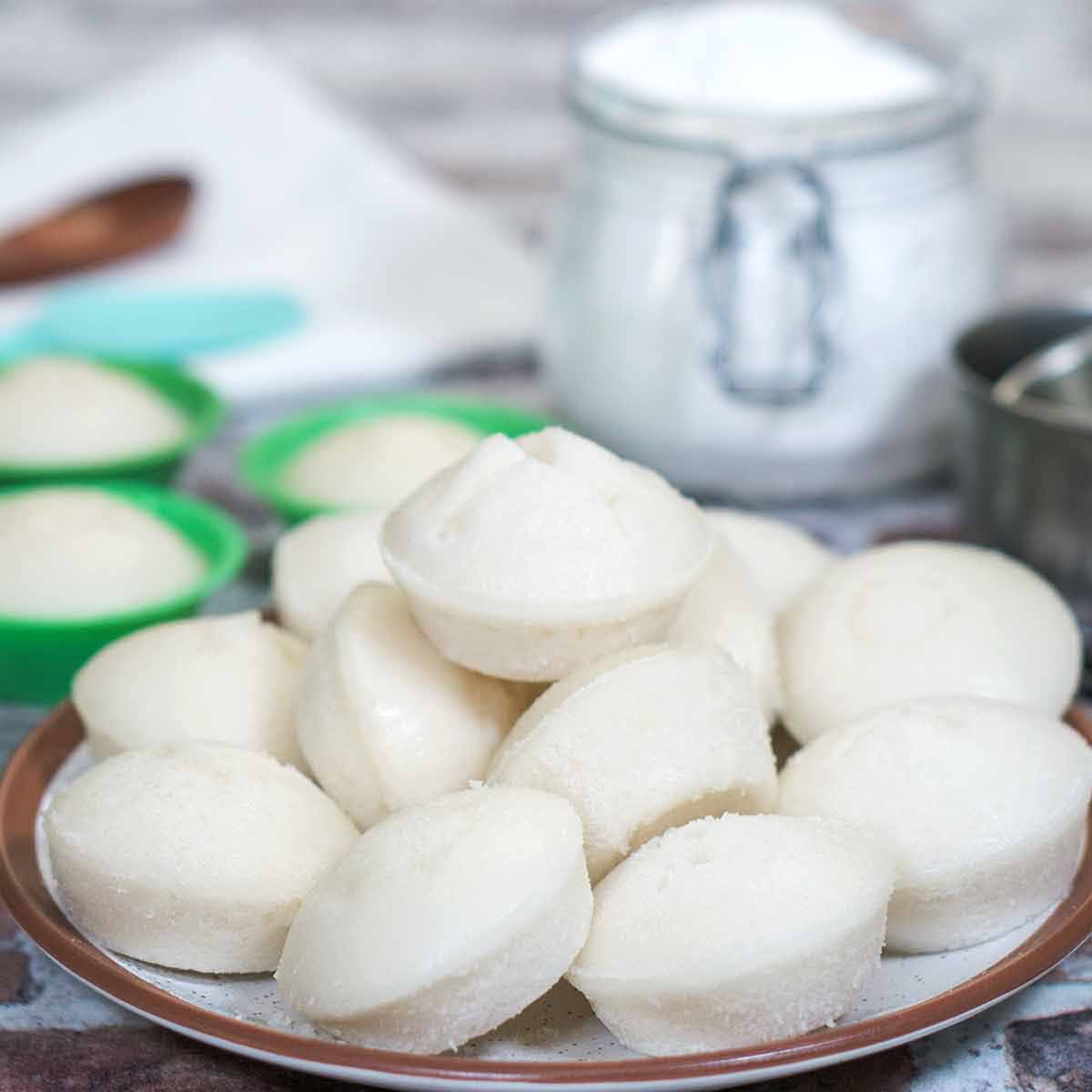
    “Puto: Savory Rice Cakes” are traditional Filipino rice cakes with diverse flavors and toppings, symbolizing Filipino hospitality and culinary heritage, enjoyed during special occasions. They have evolved over time to include gluten-free versions, reflecting adaptability to modern dietary preferences and cooking methods.

    Key Takeaways

    • Puto is a traditional Filipino rice cake made from rice flour and other ingredients.
    • It has evolved over time to include gluten-free versions and variations in flavors and toppings.
    • Puto is enjoyed in different regional variations, such as putong puti, sapin-sapin, and puto bumbong.
    • It holds significance in traditional occasions and symbolizes Filipino hospitality and togetherness.

    Puto’s Pre-Colonial Origins

    Puto’s pre-colonial origins lie in the traditional preparation of rice grains soaked in water overnight and processed into a smooth batter called galapong. This reflects the indigenous culinary practices of the Philippines.

    The rice batter was steamed in banana-lined bamboo platters or individual molds, showcasing the indigenous steaming techniques. Pre-colonial puto was less sweet and had a more natural flavor, reflecting traditional cooking methods. Indigenous rice varieties and local ingredients were used, highlighting adaptation to the agricultural practices and culinary traditions of early Filipino communities.

    The pre-colonial origins of puto showcase the rich culinary heritage of the Philippines, reflecting the resourcefulness and ingenuity of the indigenous people in creating this beloved rice cake.

    Puto’s Historical Adaptations

    With its pre-colonial roots in indigenous culinary practices, Puto has undergone historical adaptations that encompass variations in flavors, dietary considerations, and modernized preparation methods.

    The evolution of Puto from its traditional form to include gluten-free versions reflects its adaptability to dietary requirements and preferences.

    Variations in flavors and toppings cater to different preferences and occasions, showcasing Puto’s versatility in Filipino cuisine.

    Changes in the recipe and ingredients, such as using rice flour instead of fermented rice batter, demonstrate the modernization of Puto’s preparation methods.

    Puto’s adaptability to different molds and cooking techniques highlights its integration with modern kitchen equipment and cooking practices.

    These historical adaptations have allowed Puto to remain a beloved Filipino delicacy, versatile enough to complement a wide range of savory dishes and to accommodate various dietary needs.

    Puto Variations in Different Regions

    Exploring the diverse regions of the Philippines reveals a rich tapestry of puto variations, each reflecting unique local flavors and culinary traditions.

    From the traditional putong puti to the colorful layers of sapin-sapin, Filipino steamed rice cakes offer a wide range of flavors and textures.

    In some regions, puto bumbong, topped with coconut and cheese, is a beloved winter holiday treat. The variations extend to the toppings as well, with American yellow cheese slices being a popular choice in certain areas.

    Additionally, puto is often paired with specific regional dishes, such as dinuguan, a pork blood stew, showcasing how different regions enjoy puto in varying culinary contexts.

    The versatility of puto reflects the rich and diverse Filipino culinary heritage, making it a beloved staple across the country.

    Puto’s Traditional Occasions

    During traditional Filipino winter holidays, puto bumbong is commonly served as a beloved seasonal treat. It holds a special place in Filipino festivities, bringing families and communities together to celebrate the joyous occasions.

    The aroma of steamed rice and coconut milk wafting through the air creates a sense of nostalgia and warmth, evoking cherished memories of past celebrations. The traditional process of preparing puto in intricately crafted puto molds and steaming them in a bamboo steamer adds to the cultural significance and authenticity of the dish.

    The act of sharing and savoring these savory rice cakes with loved ones during traditional occasions embodies the essence of Filipino hospitality and togetherness.

    Rice Flour and Yeast

    To achieve a light and airy texture in your puto cakes, consider using rice flour as a substitute for traditionally fermented rice batter, and adding yeast to enhance the leavening and fermentation process. While yeast isn’t typically used in traditional Filipino puto recipes, incorporating it can contribute to a more complex and fermented flavor profile.

    The combination of rice flour and yeast can create a delightful texture in the puto cakes. Understanding the appropriate yeast-to-flour ratio is crucial to achieve the desired texture and flavor.

    When using rice flour and yeast, ensure the batter is well-fermented before steaming to achieve the best results. By incorporating these ingredients and techniques, you can elevate your puto to a new level, delighting your taste buds with the perfect combination of flavor and texture.

    Puto’s Steaming Time

    When steaming puto, you can achieve a light and airy texture by adjusting the steaming time to about eight minutes when using mini muffin molds, ensuring the desired fluffiness and firmness without overcooking. It’s crucial to pay attention to the stove type and batter consistency to fine-tune the steaming time for optimal results.

    Overcooking can lead to a stiff texture, so be cautious and vigilant. Before removing the puto from the steamer, check its fluffiness and firmness to ensure it meets your expectations. Proper steaming time is essential in achieving the perfect texture of the puto.

    Spongy and Slightly Sweet

    Experience the spongy, slightly sweet delight of puto, a traditional Filipino rice cake. These fluffy and airy cakes are made from steamed rice and all-purpose flour, giving them their characteristic soft and light texture.

    The slightly sweet flavor makes them an easy-to-make treat that can be enjoyed on its own or paired with savory dishes. Puto can be conveniently made in mini muffin molds or cupcake molds, allowing for individual servings perfect for gatherings and celebrations.

    The spongy nature of puto allows it to absorb the flavors of accompanying dishes, making it a versatile addition to any meal. Its Filipino origins and unique texture make puto a delightful and beloved treat for those seeking comforting and familiar flavors.

    Puto’s Festive Symbolism in Fiestas

    During fiestas, puto becomes a symbol of festivity and celebration in Filipino culture. The sight of steaming puto being prepared in traditional steamer molds evokes a sense of anticipation and joy.

    The aroma of the steamed rice cakes, made from rice flour and often soaked in water overnight, fills the air with a delicious promise of indulgence. The vibrant colors of puto, adorned with toppings like cheese and salted egg, add to the festive atmosphere, reflecting the diversity and rich traditions of Filipino cuisine.

    The act of sharing and enjoying puto during fiestas fosters a sense of community and togetherness, as it’s a beloved treat that brings people together to savor the flavors of Filipino heritage.

    Puto’s Unique Toppings

    Puto’s festive symbolism in Filipino culture extends to its unique toppings, adding savory and sweet flavors that enhance the traditional rice cake. American yellow cheese slices provide a savory and salty twist, while salted egg offers a rich and creamy contrast to the sweetness.

    Puto bumbong, a variant of puto, is commonly topped with coconut and cheese, creating a delightful blend of sweet and salty flavors. For a simple yet satisfying taste, traditional puto can be enjoyed plain or with a sprinkle of grated coconut.

    Experiment with different toppings like ube (purple yam) or pandan to create your own unique flavor combinations. Whether it’s the classic white puto or the stew made with putong bigas, these toppings add depth and variety to this delicious Filipino midday snack.

    Caloric Content per Serving

    You consume approximately 119 calories per serving of puto, making it a low-protein, low-fat, and high-carbohydrate snack.

    Puto, a Filipino delicacy, is steamed in special molds, resulting in its unique fluffy texture. The caloric content may vary based on the ingredients used, with some recipes incorporating flour instead of rice.

    Puto offers minimal amounts of vitamins and minerals, such as Vitamin C, but it’s high in saturated fat due to the use of coconut milk or butter.

    Despite its simplicity, puto’s caloric content can add up, so moderation is key for those watching their calorie intake.

    Enjoying this savory rice cake as an occasional treat can be a delightful way to connect with Filipino culinary traditions.

    Conclusion

    So, next time you’re craving a savory Filipino treat, try some puto. Its soft, fluffy texture and slightly sweet flavor make it the perfect complement to your favorite savory dishes.

    Whether you top it with cheese or salted egg, puto is sure to satisfy your taste buds.

    And with its historical significance and traditional ties to Filipino celebrations, puto is more than just a rice cake—it’s a cultural symbol worth savoring.

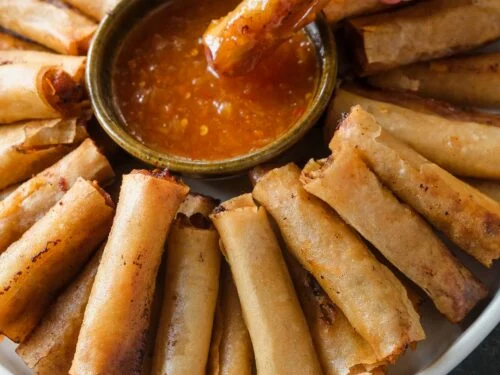
  • Lumpiang Shanghai: Deep-Fried Spring Rolls

    Lumpiang Shanghai: Deep-Fried Spring Rolls

    Lumpiang Shanghai, a Filipino dish with Chinese influences, features ground pork and vegetables in crispy spring rolls, perfect for parties and celebrations. This popular appetizer showcases a fusion of flavors and cultural exchange between the Philippines and China, making it a versatile and flavorful choice.

    Key Takeaways

    • Lumpiang Shanghai is a Filipino dish with origins from Chinese settlers in the Philippines, showcasing the cultural exchange between the two countries.
    • It represents a fusion of Chinese and Filipino flavors, using thin wrappers, soy sauce, garlic, and oyster sauce, along with a filling of ground pork and minced vegetables.
    • Regional variations of Lumpiang Shanghai exist, with differences in flavors and ingredients, reflecting local tastes and culinary influences.
    • Lumpia Shanghai is a popular choice for festive occasions, adding flavor and tradition to Filipino celebrations, and can be enjoyed as a versatile appetizer or finger food.

    Lumpia Shanghai’s Chinese Influence

    Influenced by Chinese settlers from Fujian China, Lumpia Shanghai is a Filipino spring roll with a filling of ground pork and vegetables. The deep-fried spring rolls reflect the Chinese influence in their thinner wrappers and longer shape, a departure from the fatter spring rolls.

    The filling, comprising ground pork, carrots, celery, and onions, further showcases the dish’s Chinese influence through the use of these ingredients. The fusion of Filipino and Chinese flavors is evident in the cooking process, which involves a combination of ground pork, garlic, onion, carrots, scallions, soy sauce, and oyster sauce.

    This amalgamation of culinary traditions highlights the cultural exchange between the Philippines and China, providing a sense of belonging through shared culinary influences.

    Chinese-Filipino Fusion Influence

    The fusion of Chinese and Filipino culinary influences is evident in the preparation and ingredients of Lumpiang Shanghai, a popular spring roll dish in Filipino cuisine.

    This crispy fried spring roll reflects the blending of Chinese and Filipino flavors, showcasing the influence of Chinese settlers from Fujian China who brought the recipe to the Philippines.

    The use of thin wrappers, soy sauce, garlic, oyster sauce, and spring roll wrappers in the dish highlights the fusion of Chinese and Filipino cooking techniques and flavors.

    The filling, typically comprising ground pork and minced vegetables, further emphasizes the harmonious integration of Chinese and Filipino culinary traditions.

    As a result, Lumpiang Shanghai stands as a delicious testament to the rich and vibrant fusion of Chinese and Filipino influences in Filipino cuisine, providing a sense of belonging and connection to both cultures.

    Lumpia Shanghai in Different Regions

    Across various regions, the preparation and presentation of Lumpia Shanghai can exhibit distinct nuances in flavors and ingredients. The table below provides an overview of the regional differences in the preparation of Lumpia Shanghai.

    Region Flavors Ingredients
    Philippines Sweet and savory Pork, carrots, onions
    China Savory and aromatic Pork, shrimp, water chestnuts
    United States Diverse and fusion Ground pork, garlic, soy sauce

    Lumpia Shanghai remains a beloved dish in each region, with variations that reflect local tastes and culinary influences. Whether it’s the deep-fry technique, the type of lumpia wrappers used, or the specific ingredients incorporated, the essence of Lumpia Shanghai continues to be a delightful culinary symbol of Filipino-Chinese heritage.

    Lumpia Shanghai’s Festive Occasions

    Drawing from the regional variations in flavors and ingredients, Lumpia Shanghai’s presence at festive occasions is a testament to its enduring appeal and versatility. These deep-fried spring rolls are a staple at Filipino celebrations and festivities, adding a burst of flavor and a touch of tradition to any gathering.

    Whether it’s a birthday, holiday, or any joyous occasion, Lumpia Shanghai’s crispy texture and savory filling make it a beloved choice for party spreads. The recipe’s Chinese influence and Filipino adaptation create a fusion of flavors that resonate with the spirit of communal feasting. Making Lumpia Shanghai with pork can evoke holiday memories and flavors, making it a great addition to festive party spreads.

    Its status as a versatile and delicious appetizer or finger food ensures its place at the heart of festive occasions.

    Lumpia Shanghai Filling Components

    For a flavorful and moist Lumpia Shanghai filling, combine ground pork, garlic, onions, carrots, and soy sauce thoroughly. The mixture should be well-seasoned and tested before assembling the spring rolls.

    Use thinner Lumpia Shanghai wrappers to encase the filling and ensure a crispy texture when deep-fried.

    When assembling, roll the filling tightly in the wrapper, seal it with egg wash, and cut it into smaller pieces for frying.

    For extended shelf life, freeze uncooked Lumpiang Shanghai in a zip-lock bag for up to one month, remembering to thaw before cooking.

    These simple steps ensure a delectable and authentic Lumpia Shanghai experience, perfect for any occasion.

    Preparing Lumpia Shanghai Filling

    To prepare the Lumpia Shanghai filling, thoroughly combine ground pork, garlic, onions, carrots, and soy sauce in a mixing bowl. Ensure the ingredients are well mixed for proper seasoning. Test a small portion of the filling by cooking it and adjust the seasoning if necessary. This step guarantees the desired flavor.

    Once the filling is ready, use it to assemble the spring rolls by placing it on a spring roll wrapper and rolling it tightly. Ensuring the filling is flavorful and well-seasoned before wrapping it will result in delicious spring rolls.

    The filling, with its combination of pork, vegetables, and soy sauce, adds savory and aromatic elements to the spring rolls, making them a perfect addition to any meal.

    Crunchy and Savory Filling

    After preparing the flavorful and well-seasoned Lumpia Shanghai filling, the next step is to focus on achieving a crunchy and savory texture that complements the crispy exterior of the spring roll wrapper. The filling of ground pork, combined with garlic, onions, carrots, and soy sauce, provides a delightful contrast of textures with the crispy spring rolls.

    When deep-fried to golden perfection, the savory and umami flavors of the filling are enhanced, resulting in a satisfying and delicious bite. The combination of ingredients in the filling offers a well-balanced taste that makes Lumpiang Shanghai a popular choice for appetizers or finger foods.

    This crunchy and savory filling ensures that each bite of the deep-fried spring rolls is a delightful culinary experience, perfect for gatherings and shared moments.

    Lumpia Shanghai’s Historical Significance

    Lumpia Shanghai holds historical significance as a Filipino spring roll influenced by Chinese culinary traditions, showcasing the cultural exchange between the two nations. Its deep-fried, savory nature reflects the fusion of flavors and techniques from both cultures, symbolizing a harmonious blend of culinary heritage. To further appreciate the historical importance of Lumpia Shanghai, consider the following:

    Cultural Fusion Culinary Heritage
    Chinese settlers from Fujian, China brought the recipe to the Philippines Represents the blending of flavors and culinary techniques from both cultures
    Thinner crepe wrapper distinct from traditional Chinese spring rolls Showcases the influence of Chinese culinary techniques in Filipino cuisine
    Longer shape compared to fatter spring rolls Reflects its unique identity as a Filipino delicacy influenced by Chinese culinary traditions
    Popular at Filipino parties and traditional celebrations Integral part of the country’s culinary heritage

    This historical significance resonates deeply, emphasizing a sense of belonging through shared cultural experiences.

    Unique Filling Combinations

    Experiment with adding water chestnuts, mushrooms, or jicama to create a flavorful twist on traditional lumpia fillings. These unique ingredients can bring a delightful crunch and earthy flavors to your filling.

    Consider incorporating minced shrimp or additional vegetables like bell peppers, celery, or raisins for added texture and taste. You can also try using ground chicken or beef as a substitute for pork to create different variations of lumpia with unique flavor profiles.

    When using these new filling combinations, be sure to wrap them tightly in spring roll wrappers before deep frying to achieve that perfect crispy texture.

    Don’t be afraid to explore different dipping sauces such as sweet and sour, banana ketchup, or chili sauce to complement and enhance the flavors of your lumpia.

    Caloric Content per Serving

    Consider the caloric content per serving of your deep-fried spring rolls, as it provides essential nutritional information for meal planning.

    Each serving of Lumpiang Shanghai contains approximately 45.7kcal, with 0.9g of carbohydrates, 3g of protein, and 3.4g of fat. Additionally, it contains 1.2g of saturated fat and 16.3mg of cholesterol.

    The sodium content per serving is approximately 157.8mg, with 0.1g of fiber and 0.2g of sugar. These values are crucial for maintaining a balanced diet and making informed dietary choices.

    When enjoying Lumpiang Shanghai, it’s important to be mindful of portion sizes and overall caloric intake. Incorporating these nutritional values into your meal planning will enable you to savor deep-fried spring rolls while aligning with your dietary goals.

    Can I Use Fish or Squid Balls in Lumpiang Shanghai?

    Yes, you can use delicious homemade seafood snacks like fish or squid balls in Lumpiang Shanghai. These flavorful and savory balls will add a unique twist to the traditional recipe and make it even more enjoyable for seafood lovers. Give it a try and savor the delicious flavors!

    Conclusion

    In conclusion, Lumpiang Shanghai is a beloved Filipino dish with Chinese influences, featuring a savory filling of ground pork and vegetables. These crispy spring rolls are a popular appetizer or finger food, often served with a dipping sauce.

    With its historical significance and versatility in filling combinations, Lumpiang Shanghai continues to be a staple in Filipino cuisine, perfect for festive occasions and everyday enjoyment.

  • Isaw: Grilled Pork Skewers

    Isaw: Grilled Pork Skewers

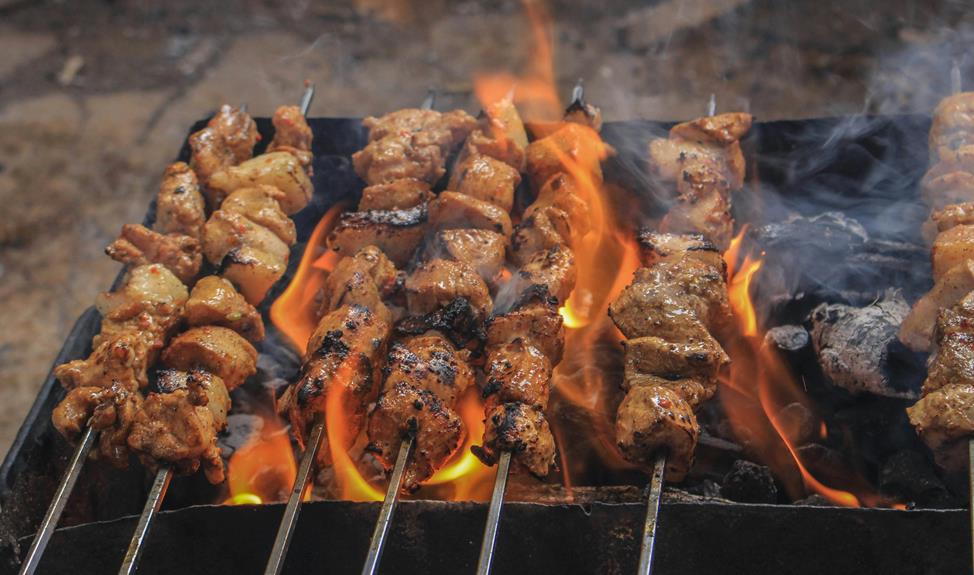
    Isaw is a popular street food in the Philippines made from barbecued pig or chicken intestines. The intestines are cleaned several times and are then either boiled or marinated before being grilled on sticks. For presentability, the intestines are usually applied with orange food coloring.

    Key Takeaways

    • Isaw holds significant cultural importance in Filipino cuisine and street food heritage.
    • Filipino street food showcases the rich and diverse tapestry of Filipino food, influenced by Spanish, Chinese, and American cuisines.
    • The grilling techniques used for pork intestine skewers reflect Filipino culture’s ability to transform humble ingredients and create unique flavors.
    • Grilled pork skewers provide a rich source of protein and contribute to a balanced diet.

    Isaw’s Significance in Filipino Cuisine

    Isaw holds significant cultural importance in Filipino cuisine with deep-rooted nostalgic and economic connections. This popular dish, made from grilled pork skewers, reflects the integral role of street food in Filipino culture.

    The preparation of Isaw involves marinating pork pieces with a blend of spices like cumin, garlic powder, and black pepper, then grilling and basting them with a sweet and savory mixture of sugar, banana ketchup, soy sauce, vinegar, and oil.

    The dish isn’t only a testament to Filipino resourcefulness but also a symbol of creativity in transforming unconventional ingredients into flavorful grub. Its popularity showcases the rich and diverse tapestry of Filipino food, providing a sense of belonging and identity within the community.

    Isaw’s significance goes beyond its culinary appeal, embodying the spirit of Filipino cuisine and tradition.

    Isaw’s Historical Development

    The historical development of pork intestine skewers (isaw) mirrors the innovative spirit and cultural significance of Filipino street food, embodying a tradition of resourcefulness and creativity in transforming unconventional ingredients into flavorful culinary delights.

    The process of creating pork intestine skewers involves thorough cleaning, boiling until tender, seasoning with various spices, marinating overnight, skewering, grilling, and serving with spicy vinegar. This method of preparation highlights the Filipino tradition of utilizing every part of the animal and infusing it with bold flavors.

    The combination of grilling the skewers over charcoal for a few minutes imparts a smoky aroma and a distinct taste.

    Unique Grilling Techniques in Asia

    Asian grilling techniques encompass a diverse range of methods that infuse meats with a harmonious blend of sweet, salty, and spicy flavors, often achieved through marinating and grilling over charcoal or open flames. Here’s a glimpse of some unique grilling techniques in Asia:

    Grilling Technique Description Popular in
    Yakitori Skewered and grilled bite-sized pieces of chicken, often seasoned with salt or tare sauce. Japan
    Satay Skewered and grilled meat, typically marinated in a mixture of turmeric, lemongrass, and lime. Indonesia, Malaysia
    Bulgogi Thinly sliced beef marinated in a mixture of soy sauce, sugar, sesame oil, and garlic, then grilled. South Korea

    These techniques showcase the art of grilling in Asia, each contributing to the region’s rich culinary tapestry.

    Filipino Street Food Heritage

    Grilling techniques in Asia offer a rich tapestry of flavors and traditions. Within this diverse culinary landscape, Filipino street food heritage stands out with its unique blend of Spanish, Chinese, and American influences.

    Filipino BBQ Pork, often made from succulent pork shoulder, is a quintessential part of street foods in the Philippines. The meat is meticulously marinated in a mixture of Datu Puti vinegar, garlic, and soy sauce, infusing it with a savory and tangy flavor.

    Bamboo skewers, soaked in water to prevent charring, are used to thread the marinated pork, which is then grilled over charcoal grills. This tradition not only delivers delicious food but also fosters a sense of community, as families and vendors pass down their grilling methods and recipes.

    Marinade for Isaw

    Consider thoroughly cleaning the intestines with running water before marinating them with a blend of salt, cumin, garlic powder, black pepper, and cayenne pepper powder for an infusion of flavors.

    After refrigerating the marinated pork intestine slices overnight, skewer them using bamboo skewers and grill each side for 3 minutes.

    Baste the skewers with a mixture of sugar, banana ketchup, soy sauce, vinegar, and oil for a caramelized glaze.

    For the best results, serve the grilled pork intestine skewers with spicy vinegar for a burst of tangy flavor.

    To prepare the marinade, use a large mixing bowl to ensure the pork belly is evenly coated.

    Consider sourcing the ingredients from an Asian grocery for an authentic touch to your grilled pork skewers.

    Pork Intestine Skewer Marinade

    After thoroughly cleaning the pork intestines with a water and vinegar mixture and boiling them for one hour, season the boiled intestines with a blend of salt, cumin, garlic powder, black pepper, and cayenne pepper, then refrigerate overnight.

    When preparing the marinade for the pork intestine skewers, remember to:

    • Skewer the marinated intestine slices and grill them to perfection.
    • Baste the skewers with a delightful mixture of soy sauce, garlic powder, and black pepper.
    • Serve the grilled pork intestine skewers with spicy vinegar for that authentic Filipino experience.

    Crispy and Chewy Texture

    Boiling the intestines for an hour not only achieves tenderness but also contributes to the crispy and chewy texture of the grilled pork skewers. The marinated pork tenderloin, combined with the thorough cleaning and boiling of the intestines, creates a delightful texture experience.

    The large bowl used for marinating allows the flavors to infuse, enhancing the overall texture. The cooking time is crucial, ensuring that the intestines are tender yet chewy. Continuously basting the skewers with a sweet and tangy mixture while grilling creates a crispy exterior and a chewy interior, offering a satisfying contrast in textures. Enjoy the crispy and chewy texture of the grilled pork skewers with a side of spicy vinegar to complement the flavors.

    Aspect Details
    Texture Crispy exterior, chewy interior
    Cooking Method Grilling and continuous basting
    Flavor Enhancement Overnight marination

    Street Food Staple in Philippines: Isaw

    In the bustling streets of the Philippines, a beloved and flavorful staple awaits: Inihaw na Isaw ng Baboy.

    This grilled pork skewer, made from marinated and flavorful pork intestines, is a popular and mouthwatering delight.

    The process involves thoroughly cleaning and boiling large pieces of pork butt, before seasoning and marinating them overnight.

    The skewered intestines are then grilled and continuously basted with a flavorful mixture of soy sauce, sugar, banana ketchup, vinegar, and oil.

    This traditional dish is often served with spicy vinegar and is a favorite amongst locals and visitors alike.

    Grilled Pork Intestine Skewer Shapes

    To achieve diverse skewer shapes, consider varying the length and thickness of the marinated pork intestine slices before grilling. By adjusting the size of the pork intestine pieces, you can create unique and visually appealing skewers that will enhance your grilled pork experience. Here’s a simple guide to help you explore different pork intestine skewer shapes:

    Shape Length Thickness
    Straight Large Regular
    Curved Large Thick
    Spiral Large Thin
    Zigzag Small Regular
    Double Skew Small Thick

    Experimenting with these shapes will not only add variety to your grilled pork skewers but also provide an exciting and enjoyable cooking experience.

    Isaw Has High Protein Content

    Pork skewers are a rich source of protein, assisting in muscle repair and growth. The marinade, typically made with soy and sesame oil, enhances the flavor while adding to the protein content.

    Grilled pork skewers offer essential amino acids vital for the body’s protein synthesis and overall health. The high protein content in these skewers promotes feelings of fullness, aiding in appetite control. Additionally, the nutrient density of grilled pork skewers provides a substantial amount of protein per serving, contributing to a balanced diet.

    Consuming high-protein foods like pork skewers supports muscle health and function, making it a satisfying and beneficial choice for those seeking to incorporate more protein into their diet.

    Conclusion

    So, next time you’re in the Philippines, don’t miss out on trying isaw.

    It’s a unique and flavorful snack that’s deeply rooted in Filipino culinary tradition.

    The combination of crispy and chewy texture, along with the high protein content, makes it a satisfying snack.

    And the history and grilling techniques behind it add to the experience of enjoying this popular Filipino dish.

  • 25 Must-Try Filipino Street Food Delicacies

    25 Must-Try Filipino Street Food Delicacies

    Insights into the rich culinary heritage of the Philippines through 25 must-try Filipino street food delicacies, showcasing a fusion of flavors influenced by Chinese, Spanish, and indigenous Filipino cuisines. These street food offerings reflect the resourcefulness and adaptability of Filipinos in creating diverse and flavorful dishes that have become integral to the country’s culinary landscape.

    Key Takeaways

    • Filipino street food reflects the rich culinary heritage of the Philippines.
    • Street food represents the resourcefulness and adaptability of Filipinos.
    • Street food offers a diverse array of flavors and textures.
    • Street food showcases the fusion of Chinese, Spanish, and indigenous Filipino cuisines.

    What Are Filipino Street Food Delicacies?

    When wandering the vibrant streets of the Philippines, you’ll encounter a diverse array of savory and sweet delights known as Filipino street food delicacies. These must-try delicacies include balut, a fertilized duck egg with a partially developed embryo.

    Another popular street food is banana Q, a deep-fried banana coated in caramelized sugar.

    For a refreshing drink, try buko, made from young coconut.

    If you’re feeling adventurous, give bulaklak a try. It’s a crispy and flavorful deep-fried pork or chicken intestine.

    Empanada is another delicious option, a savory pastry filled with meat, cheese, and vegetables.

    These street food delights showcase a fusion of flavors and cooking techniques influenced by Chinese, Spanish, and indigenous Filipino cuisines.

    Whether you’re craving savory grilled meats like isaw and pork barbecue or sweet treats like turon and halo-halo, Filipino street food delicacies offer a wide range of options to satisfy your hunger.

    Don’t miss the chance to explore and savor the rich culinary heritage of the Philippines through these delectable street food offerings.

    What Is the History of Filipino Street Food?

    Evolution of Filipino street food mirrors the resourcefulness and creativity born from scarcity of expensive meats. The history of Filipino street food is a testament to the Filipino spirit of resilience and adaptability. It emerged as a response to the difficulty in procuring meats, leading to the innovation of various dishes. The popularization of street food in the Philippines is a result of hardship, where the need for affordable yet flavorful options gave rise to the grilled and fried delights found on almost every street corner.

    The table below showcases some of the unique and must-try Filipino street food delicacies that have become an integral part of the country’s culinary landscape.

    Category Dish Description
    Grilled Chicken Inasal Marinated, grilled chicken skewers
    Fried Balut Fertilized duck embryo, deep-fried
    Unique Banana Cue Caramelized sugar-coated bananas on a stick

    25 Must-Try Filipino Street Foods

    You’ve got to try the iconic Filipino street food, Balut, a unique delicacy that brings a whole new level of flavor and texture.

    And don’t miss out on the refreshing Buko, a perfect treat to beat the heat while enjoying its hydrating and health benefits.

    Also, indulge in the sweet and savory Banana Q and Kamote Q, a delightful combination of crispy, caramelized goodness.

    Filipino Savory Street Food

    You’ve got to try balut, a fertilized duck egg with a unique texture and flavor that’s often seasoned with salt or a tasty chili, garlic, and vinegar mixture.

    Isaw and Adidas are popular choices too, with their grilled skewered chicken and pork intestines that are flavorful and savory.

    And don’t forget to sample Kwek-Kwek and Fish Balls, both delicious and beloved Filipino street food staples.

    Balut

    Indulge in the unique flavors and cultural significance of Balut, a must-try Filipino street food delicacy.

    • Balut is a fertilized duck egg incubated for 14-21 days, then boiled and eaten directly from its shell.
    • Made with native or Pateros duck eggs, the embryo is in different stages of development.
    • Often seasoned with salt and/or a chili, garlic, and vinegar mixture.
    • Penoy is a version made with eggs that don’t properly develop after 9-12 days.

    Isaw

    A departure from the unique flavors and cultural significance of Balut, Isaw offers a popular and savory Filipino street food experience. Isaw is a legendary street food at UP Diliman, known for its skewered and grilled pig or chicken intestines. It is often served with a spiced vinegar dip, adding a tangy flavor to the dish. This must-try delicacy embodies the heart of Filipino street food culture.

    Grilled Chicken Heads Skewered on Sticks Vinegar Dipping
    Yes Yes Yes

    Adidas

    Adidas, a popular Filipino street food, tantalizes taste buds with its chewy, crispy, and salty texture, making it a must-try for street food enthusiasts.

    • Grilled chicken feet, rich in collagen
    • Served with spicy vinegar dip
    • Ensures no part of the chicken goes to waste
    • Marinated in soy sauce for a gelatinous and flavorful result

    Kwek-Kwek

    In the realm of Filipino street food, Kwek-Kwek emerges as a vibrant and enticing option, offering a unique twist on the traditional savory flavors. The dish consists of hard-boiled quail or chicken eggs coated in a flavorless orange batter and deep-fried to perfection, creating a delightful crunch while maintaining a soft interior. Typically served with a spicy chili-vinegar dip, Kwek-Kwek is an absolute must-try for those craving flavorful street food.

    Kwek-Kwek Spicy Street Food
    Hard-boiled eggs Flavorful Deep-fried
    Orange batter Chili-vinegar Must-try

    Fish Balls

    Savor the crunchy and flavorful experience of Fish Balls, an iconic Filipino street food made with flaked fish meat and served with a variety of sauces.

    • Enjoy the bigger and crunchier texture compared to traditional fish balls.
    • Explore the newer addition of chicken balls.

    Relive nostalgic childhood memories through this beloved street food staple.

    • Dip them in spicy vinegar sauce for an extra kick of flavor.

    Fried Banana Dessert Dish

    You’ve savored the savory delights of Filipino street food, but now it’s time to satisfy your sweet tooth with some fried banana dessert dishes. Get ready to indulge in Turon, Halo-Halo, Taho, Sorbetes, and Bibingka, each offering a unique and delightful taste of Filipino culinary artistry.

    These sweet treats are a must-try when exploring the vibrant street food scene in the Philippines.

    Turon

    As you stroll through the bustling streets of the Philippines, the aroma of sweet and crispy turon entices your senses, beckoning you to indulge in this fried banana dessert dish.

    Turon is a sweet and crispy Filipino street food made of deep-fried banana spring rolls. It’s typically filled with slices of ripe banana and jackfruit, wrapped in lumpia wrapper, and coated in caramelized sugar.

    Often served as a dessert or snack, turon is a must-try for those looking to explore Filipino street food delicacies. The combination of the sweet banana and the caramelized sugar makes turon a delightful treat for those with a sweet tooth.

    Halo-Halo

    Indulge in the vibrant medley of flavors and textures that’s Halo-Halo, a must-try Filipino street food delicacy.

    This iconic dessert features shaved ice, sweet beans, fruits, jellies, leche flan, and evaporated milk, creating a refreshing treat perfect for hot weather.

    Served with a spoon and straw, Halo-Halo offers a delightful combination of sweet and creamy elements, representing the diverse and colorful culinary culture of the Philippines.

    Taho

    When exploring Filipino street food, a must-try delicacy is Taho, a sweet and creamy treat made with silken tofu, syrup, and tapioca pearls, often sold by vendors walking through city streets.

    Taho is a popular breakfast option, served hot or cold.

    Vendors attract customers by shouting ‘Taho!’

    It’s typically served in disposable plastic cups for on-the-go enjoyment.

    Taho is a must-try for those seeking the unique flavors of Filipino street food.

    Sorbetes

    A delicacy worth savoring on the bustling streets of the Philippines is Sorbetes, a fried banana dessert dish that captures the essence of traditional Filipino street food.

    Made by skewering bananas and deep-frying them to create a crunchy exterior and soft, chewy center, Sorbetes is a sweet and satisfying snack commonly found on the streets.

    This must-try street food delicacy offers a delicious way to experience traditional Filipino flavors.

    Bibingka

    Bibingka, a traditional Filipino rice cake, is a must-try delicacy on the vibrant streets of the Philippines. It boasts a delightful combination of rice flour, coconut milk, and unique toppings.

    • made with coconut milk
    • often cooked in clay pots lined with banana leaves
    • topped with salted eggs and cheese
    • variations include annatto seeds for a hint of earthy flavor

    Fried Filipino Sweet Snacks

    You’ve got to try the crispy and savory Kikiam. The explosive flavor of Dynamite Lumpia is also a must-try. Don’t miss out on the tender Calamares that melts in your mouth.

    And that’s not all. You also have to experience the unique taste of Ginataang Kuhol. The irresistible sweetness of Banana Cue is another treat you shouldn’t pass up.

    These fried Filipino snacks will surely satisfy your cravings and leave you wanting more.

    Kikiam

    Wrapped in a crispy, golden brown exterior, Kikiam is a delectable Filipino street food featuring a soft, juicy interior bursting with flavor. When trying Kikiam, you’ll experience:

    • A blend of ground pork, shrimp, and spices
    • A perfect pairing with the famous sweet sauce and vinegar
    • Finding it sold on street corners or at night markets open until 2AM
    • A unique and flavorful street food experience in the Philippines

    Dynamite Lumpia

    As you explore Filipino street food delicacies, the spicy kick of Dynamite Lumpia offers a thrilling contrast to the soft, flavorful experience of Kikiam. The crispy lumpia wrapper embraces gooey, melted cheese and fiery chili peppers, creating a delightful explosion of textures and flavors. Pair it with a sweet and tangy dipping sauce for an even more satisfying experience. This Filipino street food is a must-try for spicy and cheesy snack enthusiasts.

    Dynamite Lumpia
    Texture Crunchy
    Flavor Spicy
    Dip Vinegar

    Calamares

    Fried to crispy perfection, Calamares are a savory must-try among Filipino street foods, offering a delectable taste of the diverse and flavorful world of Filipino cuisine.

    • Calamares are squid rings that are battered and deep-fried.
    • They’re typically served with different sauces like aioli or vinegar with chilies.
    • The squid rings are fried for less than two minutes to prevent toughness.
    • Calamares gained popularity in the early 2000s.

    Ginataang Kuhol

    Ginataang Kuhol, a Filipino street food delicacy, tantalizes the taste buds with its rich and creamy coconut milk sauce complemented by tender, seasoned snails.

    A popular Filipino street food, it’s cooked with garlic, ginger, and chilies for a flavorful kick.

    Often served as a unique snack or appetizer, it pairs perfectly with a side of spicy vinegar, creating a harmonious blend of flavors that will leave you craving more.

    Banana Cue

    Tantalize your taste buds with the sweet and crispy delight of Banana Cue, a must-try Filipino street food that follows in the footsteps of Ginataang Kuhol’s unique flavors.

    • Deep-fried saba bananas coated in caramelized brown sugar
    • Popular Filipino street food snack found in various desserts
    • Enjoy with banana ketchup or try the unique Kamote Cue version
    • Experience the delicious and sweet flavors of Filipino street food

    Uncommon Filipino Street Eats

    Ready to explore some truly unique Filipino street eats? From Helmet and Adidas (grilled chicken head and chicken feet) to Soup No. 5 (a savory soup made with bull’s testicles and penis), these uncommon delicacies offer a bold and adventurous culinary experience.

    Betamax (grilled coagulated chicken or pork blood) and Adobong Atay-Balunbalunan (chicken liver and gizzard adobo) are also must-try street foods that showcase the rich and diverse flavors of Filipino cuisine.

    Helmet (Helmet and Adidas)

    Indulge in the adventurous tastes of Filipino street cuisine with the unconventional delights of Helmet and Adidas, showcasing the unique flavors and textures of these uncommon street eats.

    • Grilled chicken heads, known for fatty deposits
    • Chewy, crispy grilled chicken feet rich in collagen
    • Served with various dipping sauces
    • Must-try for adventurous food enthusiasts

    Soup No. 5

    For those seeking an unconventional culinary adventure, delve into the world of Filipino street cuisine with the enigmatic allure of Soup No. 5.

    This delicious soup is made with bull’s testicles and sometimes bull’s penis. It is seasoned with aromatics like garlic, onions, and ginger.

    Considered an exotic street food with aphrodisiac properties, Soup No. 5 offers a rich, savory flavor.

    It is a must-try for those looking to explore uncommon Filipino street eats.

    Betamax

    Grilled to perfection and enjoyed with a variety of dipping sauces, Betamax is a must-try among uncommon Filipino street eats.

    • Betamax is grilled coagulated pork or chicken blood, resembling black rectangle-shaped tapes.
    • It doesn’t taste like blood but more of the marinade or sauce, making it a unique and savory snack.

    Often found as a popular street food option in the Philippines.

    • Typically served on skewers and enjoyed with a variety of dipping sauces.

    Adobong Atay-Balunbalunan

    Amidst the bustling streets of the Philippines, you’ll find Adobong Atay-Balunbalunan, a unique street food delicacy that showcases the bold flavors and culinary creativity of Filipino cuisine.

    Made from chicken gizzards and liver, cooked in a savory adobo sauce, it offers a blend of rich and bold flavors.

    This uncommon street food is a must-try for those seeking an authentic taste of Filipino culinary diversity.

    Fried Isaw

    Immerse yourself in the vibrant flavors of Filipino street food with the must-try delicacy known as Fried Isaw.

    • Bite into the delicious flavors of barbecued pig or chicken intestines.
    • Savor the savory and smoky taste of this legendary street food.
    • Dip the skewered and grilled intestines in spiced vinegar for an explosion of flavors.
    • Explore uncommon Filipino street eats with unique textures and bold tastes.

    Coconut Water With Pandan Flavor

    You’ve probably never tasted anything quite like it – the cool, refreshing sip of Coconut Water with Pandan Flavor.

    This unique Filipino street drink is a must-try for anyone seeking a taste of tropical paradise. With its subtle sweetness and fragrant twist, it’s the perfect way to quench your thirst under the sweltering sun.

    Buko Juice

    Enjoy the invigorating taste of Buko Juice, a popular Filipino street food made with young coconut water and pandan flavor.

    Sold by street vendors in wooden pushcarts

    Sweet sauce and freshly grated coconut meat may be added

    Known for its hydrating and refreshing qualities

    Offers health benefits like preventing kidney stones and regulating blood pressure

    A must-try for anyone seeking authentic Filipino street food.

    Sago’t Gulaman

    Quench your thirst with Sago’t Gulaman, a popular Filipino street drink featuring coconut water, agar jelly, and brown sugar syrup, a refreshing continuation from the invigorating Buko Juice. Sago pearls and gulaman are the essential components, while pandan leaves add a sweet fragrance. Sago’t Gulaman is commonly served chilled in a clear plastic cup, making it convenient to enjoy while exploring the vibrant Filipino street food scene.

    Sago’t Gulaman
    Coconut Water Agar Jelly Brown Sugar Syrup

    Pineapple Juice

    Frequently found at Filipino street stalls, Pineapple Juice is a refreshing and invigorating beverage, often enjoyed with a hint of pandan flavor.

    • Made from freshly squeezed pineapple
    • Often mixed with condensed milk and freshly grated coconut meat

    Known for its health benefits, Pineapple Juice is a popular choice among locals and tourists.

    Pineapple Juice serves as a perfect thirst quencher and a must-try for anyone exploring Filipino street food delicacies.

    Melon Juice

    As you navigate the vibrant Filipino street food scene, the next must-try beverage awaiting your taste buds is Melon Juice, a refreshing and hydrating drink made from fresh melon. It is often found in wooden pushcarts on the streets of the Philippines.

    This delightful drink is served with shaved ice and offers a delicious tropical flavor. It is a perfect choice for quenching your thirst as you explore the local street food.

    Sampaloc Juice

    When exploring Filipino street food, don’t miss the chance to savor the unique and refreshing Sampaloc Juice, a must-try beverage made from tamarind and enhanced with pandan flavor.

    • Sampaloc Juice is a refreshing Filipino street drink with a sweet and sour taste.
    • It’s mixed with sugar, water, and ice, creating a flavorful beverage.
    • The pandan flavor adds a unique twist to the traditional tamarind juice.
    • Commonly found in street food stalls and markets across the Philippines.

    How Are Filipino Street Food Delicacies Prepared?

    To prepare Filipino street food delicacies, various methods such as boiling, skewering, and deep-frying are employed to create a diverse range of flavors and textures.

    Balut, a popular street food, is prepared by boiling fertilized duck eggs and eaten with a mixture of salt, chili, garlic, and vinegar sauce.

    Banana Q and Kamote Q are made by skewering and deep-frying sweet plantains or sweet potatoes coated in caramelized brown sugar, often used in Filipino desserts.

    Buko, or young coconut, is prepared by extracting its juice, which is then mixed with condensed milk and freshly grated coconut meat.

    Bulaklak, referring to pork chitterlings or mesentery, is typically served as a deep-fried dish called chicharon bulaklak.

    Empanadas are prepared by filling them with ground meat, potatoes, onions, carrots, peas, and raisins, and then baking or frying them, offering variations in fillings and cooking methods.

    What Are the Unique Flavors of Filipino Street Food?

    In the vibrant world of Filipino street food, the unique flavors take center stage, drawing from diverse preparation methods and ingredients that tantalize the taste buds.

    • Balut offers a rich and unique flavor, with a combination of savory and slightly sweet notes.
    • Banana Q / Kamote Q entice with a delightful mix of crispy, caramelized sweetness.
    • Buko provides a refreshing taste, with its hydrating and subtly sweet young coconut flesh.
    • Bulaklak delivers a savory and crunchy experience, perfect for those who enjoy bold flavors.

    These street food delicacies often come with dipping sauces that further enhance their unique flavors, creating an explosion of taste in every bite.

    Whether you crave something savory, sweet, or a bit of both, Filipino street food has something to offer for every flavor preference.

    Where Can I Find Authentic Filipino Street Food Delicacies?

    For an authentic experience of Filipino street food delicacies, seek out bustling street markets and local food vendors.

    In Metro Manila, you can immerse yourself in the vibrant street food scene, where the air is thick with the aroma of sizzling meats and sweet treats. Wander through the bustling streets and alleyways, and you’ll find vendors expertly preparing balut, banana Q, kamote Q, buko, bulaklak, and empanadas right before your eyes.

    The sights and sounds of these street vendors at work will transport you to the heart of Filipino culinary tradition. It’s an experience that connects you to the soul of the Philippines, where every bite tells a story of flavor, history, and the bustling energy of the streets.

    Are There Any Vegetarian Options Among Filipino Street Food Delicacies?

    Immerse yourself in the vibrant street food scene and explore the diverse vegetarian options among Filipino delicacies.

    • Indulge in the sweetness of banana cue, turon, and okoy, all deep-fried and made with fruits or vegetables.
    • Savor the traditional taho, a sweet snack made from silken tofu, sugar syrup, and tapioca pearls.

    Try the savory options of grilled ginanggang and mais, offering delightful vegetarian choices.

    • Delight in ngo hiong, deep-fried rolls filled with vegetables, and carioca, a snack made from glutinous rice flour and shredded coconut.

    With these vegetarian options, you can fully experience the rich flavors of Filipino street food delicacies while staying true to your dietary preferences.

    What Are the Most Iconic Street Food Delicacies in the Philippines?

    Experience the tantalizing allure of the Philippines’ most iconic street food delicacies.

    Indulge in the savory richness of balut, a must-try made with duck eggs and seasoned with salt and a chili, garlic, and vinegar mixture.

    Satisfy your sweet tooth with banana Q or kamote Q, skewered deep-fried sweet plantain or sweet potato coated in caramelized brown sugar.

    Delight in the refreshing taste of buko, a common street food made from young coconut known for its hydrating and health benefits.

    Embrace the bold flavors of bulaklak, deep-fried pork chitterlings, and savor the comforting fillings of empanada, available in baked or fried variations.

    These iconic Filipino street food delicacies capture the essence of the vibrant and diverse culinary scene, inviting you to partake in a true gastronomic adventure.

    What Are Some Lesser-Known Filipino Street Food Delicacies?

    Embark on a journey through the hidden gems of Filipino street cuisine, uncovering the lesser-known delicacies that offer a unique and flavorful experience.

    • Betamax: No, it’s not the videotape. Betamax is a popular street food made from coagulated chicken or pork blood, skewered and grilled to perfection.
    • Adidas: This dish isn’t about the sportswear. It’s actually grilled chicken feet marinated in a special blend of spices, offering a crunchy and flavorful snack.
    • Ginataang Suso: Escargot may seem fancy, but in the Philippines, it’s a street food delicacy. These freshwater snails are cooked in coconut milk, adding a creamy and savory touch.
    • Helmet: Don’t be alarmed by the name. This street food is actually grilled chicken head, offering a unique and adventurous eating experience.

    These lesser-known Filipino street food delights aren’t only delicious but also provide a glimpse into the diverse and intriguing world of Filipino culinary traditions.

    Conclusion

    Indulge in the vibrant and diverse world of Filipino street food.

    From savory skewered meats to sweet and sticky desserts, the flavors will transport you to the bustling streets of the Philippines.

    Whether you’re a meat lover or a vegetarian, there’s something for everyone to savor.

    So, take a culinary journey and explore the mouthwatering delights of Filipino street food.