Category: Savory Snacks

  • Philippine Spiced Vinegar Dipping Sauces

    Philippine Spiced Vinegar Dipping Sauces

    Philippine Spiced Vinegar Dipping Sauces are a staple in Filipino cuisine, offering a tangy and spicy kick to various dishes, reflecting the rich culinary heritage of the Philippines. The unique flavors of these sauces come from traditional vinegar fermentation techniques and diverse infusions, making them a must-try for food enthusiasts.

    Key Takeaways

    • Sukang Sawsawan is a staple in Filipino cuisine, adding a tangy and spicy kick to dishes.
    • Vinegar fermentation techniques create a diverse array of spiced vinegar dipping sauces with complex flavors.
    • Unique vinegar infusions can elevate Filipino dipping sauces, offering new twists on traditional flavors.
    • Traditional vinegar-making methods without artificial additives contribute to the unique flavors of Filipino dipping sauces.

    Origin & Cultural Significance of Sukang Sawsawan

    The origin and cultural significance of Sukang Sawsawan in Filipino cuisine lie at the heart of its vibrant and diverse culinary tradition. This spiced vinegar dipping sauce is a staple, adding a tangy and spicy kick to a variety of dishes. It’s the go-to for marinating, grilling, or frying meats, seafood, and veggies.

    The fried garlic infused in this sauce elevates flavors to a whole new level. Its origin is deeply rooted in Filipino culinary culture, making it an essential component of many meals. Whether it’s adobo or lechon, Sukang Sawsawan is always there, enhancing the dining experience.

    Its versatility and unique taste make it a beloved part of Filipino cuisine, reflecting the rich and flavorful heritage of the Philippines.

    Vinegar Fermentation Techniques

    To achieve successful vinegar fermentation, you need to select the right container for the process, considering its impact on the flavor and acidity of the final product. The choice of container, whether it’s a wide-mouthed jar or a wooden barrel, plays a crucial role in shaping the vinegar’s characteristics.

    Different types of vinegar, such as cane, distilled, white wine, coconut, and rice vinegar, can be used for fermentation, each adding unique flavors. During fermentation, the addition of ingredients like red onions, garlic, fish sauce, and Thai red chilies can infuse the vinegar with a range of aromas and spiciness, creating a diverse array of spiced vinegar dipping sauces.

    The fermentation duration, which can vary from a few days to several weeks, allows for the development of complex flavors and the desired level of acidity in the vinegar.

    Unique Vinegar Infusions

    Consider experimenting with unique vinegar infusions to add depth and complexity to your culinary creations.

    Unique infusions can elevate your Filipino dipping sauces, offering a new twist on traditional flavors. They provide a creative way to enhance the taste of fried dishes, adding a personal touch to your favorite Filipino foods.

    Infusions may include ingredients like garlic, ginger, herbs, or fruits, allowing for customization according to your taste preferences and dish pairings.

    Whether used as a dipping sauce, marinade, or condiment, these infusions from Filipino vinegar can bring a unique flavor profile to your table, embodying the spirit of Filipino cuisine through vinegar-based sauces.

    Traditional Vinegar-Making Methods

    Explore the centuries-old techniques that craft the rich, nuanced flavors of traditional vinegar. Traditional vinegar-making methods involve natural fermentation without artificial additives, resulting in various types of vinegar like coconut, rice, and cane vinegar. These vinegars are aged in wooden barrels to develop complex flavors over time. Passed down through generations, specific techniques ensure quality and consistency in the process. The table below outlines some traditional vinegar-making methods and the types of vinegar produced.

    Method Ingredients Resulting Vinegar
    Natural Fermentation Coconut sap Coconut Vinegar
    Wooden Barrel Aging Rice, white wine vinegar Aged Rice Vinegar
    Generational Techniques Cane juice, distilled alcohol Traditional Cane Vinegar

    These methods contribute to the unique flavors that enrich Filipino dipping sauces and complement pork dishes. If you’re interested in trying your hand at making Filipino vinegar dipping sauce, consider using Thai red chilies, siling haba, freshly chopped garlic, and an airtight glass container to marinate the ingredients. Additionally, if you’re looking for supplies, you can find them through the Amazon Services LLC Associates Program, an affiliate advertising program.

    Types of Vinegar for Sukang Sawsawan

    What types of vinegar are essential for creating the flavorful and aromatic Sukang Sawsawan? When making Filipino vinegar dipping sauces, it’s crucial to select the right vinegar to achieve the perfect balance of tanginess and aroma. Here are the types of vinegar commonly used for Sukang Sawsawan:

    1. Cane Vinegar: Provides a slightly sweet and mellow flavor.
    2. Coconut Vinegar: Adds a unique tropical twist to the sauce.
    3. Distilled Vinegar: Offers a sharp and intense acidity.
    4. Rice Vinegar: Contributes a delicate and mild taste that complements the other ingredients.

    These vinegars, combined with garlic, Thai red chilies, and siling haba, create the distinctively bold and aromatic flavor that makes Sukang Sawsawan the perfect accompaniment for Filipino recipes, especially pork dishes.

    Prepare the Vinegar Infusion

    For a potent infusion, finely chop onions, garlic, and chilies and place them in a bowl or tall jar. To make the sauce spicy, use Thai red chilies and freshly chopped garlic. Allow the raw onions to marinate in the mixture. Here’s a simple guide to prepare the vinegar infusion:

    Ingredients Instructions
    Onions, garlic, chilies Finely chop and place in a bowl or tall jar
    Vinegar Pour over the chopped ingredients
    Sugar, salt Add and whisk until dissolved

    Let the sauce stand for 20-30 minutes or overnight for a stronger flavor. Adjust the seasonings to your taste before serving. This vinegar infusion is the heart of a classic Filipino dipping sauce, or “sawsawan,” perfect for dishes like lechon kawali.

    Vinegar Acidity and Aroma

    Ever wondered how vinegar acidity and aroma enhance the flavor of spiced dipping sauces? The acidity and aroma of vinegar play a crucial role in elevating the taste of Filipino spiced vinegar dipping sauces. Here’s how it works:

    1. Varying Vinegar Types: Different vinegars such as white wine, coconut, or rice vinegar bring unique acidity levels to the sauce.
    2. Enriched Aroma: Ingredients like red chilies, siling haba, red onions, and garlic enhance the aroma of the vinegar, contributing to the overall flavor profile.
    3. Tangy Flavor: The acidity of the vinegar provides a tangy taste that complements the spiciness of the sauce.
    4. Balancing Act: Achieving the right balance of acidity and aroma is essential for creating a well-rounded and flavorful dipping sauce.

    The interplay of acidity and aroma in vinegar is the key to crafting a truly remarkable spiced dipping sauce.

    Historical Significance in Filipino Cuisine

    Filipino vinegar dipping sauces hold a significant place in the culinary history of the Philippines, reflecting a blend of indigenous and foreign influences. The historical significance of these sauces speaks to the rich tapestry of Filipino food, showcasing a melding of flavors from various cultures.

    The use of vinegar, particularly in spiced dipping sauces like the Filipino sukang sili or siling haba, dates back to pre-colonial times, where it wasn’t only valued for its flavor but also for its preservative properties in the tropical climate.

    The Spanish colonial period further influenced the incorporation of vinegar in Filipino cuisine, leading to the development of iconic dishes like grilled fish and fried pork with a distinctive vinegar dipping sauce.

    This historical significance highlights the Philippines’ openness to embracing and integrating diverse culinary influences over time.

    Flavored Vinegar Infusion Techniques

    Reflecting the rich tapestry of Filipino food, flavored vinegar infusion techniques add depth and complexity to the traditional spiced dipping sauces.

    Infusing vinegar with ingredients like red onion, garlic, fish sauce, and red chilies creates a zesty flavor profile that elevates the Filipino Dipping Sauce.

    Different types of vinegar such as cane, distilled, white wine, and coconut can be used for infusion, each imparting a unique aroma and taste to the sauce.

    Allowing the infused vinegar to stand for at least 20-30 minutes or overnight intensifies the infusion, giving the sauce a tint of pink color and a richer depth of flavor.

    Adjusting the seasonings before serving, such as sugar for sweetness and salt/fish sauce for saltiness, helps in achieving the perfect balance of flavors.

    Vinegar’s Impact on Health

    Improving your health through the consumption of vinegar involves understanding its impact on digestion and nutrient absorption. The following table illustrates the potential health benefits of the key ingredients found in Philippine spiced vinegar dipping sauces.

    Ingredient Health Benefit
    Vinegar Aids in digestion and improves nutrient absorption
    Garlic Antimicrobial properties and potential immune system boost
    Chili Peppers May help with weight loss and reduce appetite
    Black Peppercorns Antioxidant properties that protect the body from free radicals

    These health benefits make spiced vinegar dipping sauces a valuable addition to Filipino dishes, especially those featuring pork and red chilies. So, refrigerate your spiced vinegar dipping sauces and enjoy the flavorful aroma while knowing that you’re also supporting your health.

    Can Philippine Spiced Vinegar Dipping Sauces Be Used as a Dip for Chicharon Bulaklak?

    Philippine spiced vinegar dipping sauces offer a tangy contrast to the rich, savory notes of a deepfried pork intestines recipe. Marrying the acidity of the vinegar with the crispy, golden texture of chicharon bulaklak creates a gastronomic delight, perfect for adventurous palates seeking bold flavor combinations.

    Can Philippine Spiced Vinegar Dipping Sauces be used as a dip for Okoy?

    Yes, Philippine Spiced Vinegar Dipping Sauces can definitely be used as a dip for Okoy. This savory okoy pancake recipe is traditionally enjoyed with a tangy and flavorful vinegar dipping sauce that complements the crispy and savory flavors of the pancake. Try it for a delicious Filipino snack.

    Conclusion

    So there you have it – the bold, tangy, and versatile Filipino spiced vinegar dipping sauces. With its rich cultural significance, unique infusions, and health benefits, it’s no wonder that vinegar plays such a vital role in Filipino cuisine.

    So next time you sit down to enjoy a meal, don’t forget to reach for that bottle of sukang sawsawan and add a kick of flavor to your food.

  • Betamax: Grilled Blood Pudding

    Betamax: Grilled Blood Pudding

    Betamax, a Filipino street food, is a grilled blood pudding originating from the Philippines, known for its unique flavor and cultural significance. It is a chewy and smoky delicacy, rich in protein and iron but high in cholesterol, enjoyed during festivals and as a staple snack in Filipino cuisine.

    Key Takeaways

    • Betamax originated as an affordable and flavorful snack in the Philippines, made from coagulated pig’s or chicken’s blood mixed with spices and seasonings.
    • Over time, Betamax has evolved within Filipino cuisine, incorporating flavors like sweet chili and soy sauce, and can now be made from various types of blood.
    • Betamax is a popular snack in Visayan cuisine, made from solid pieces of marinated, skewered, and roasted chicken or duck blood, and is often enjoyed with a side of Sinamak.
    • Betamax is a staple street food during Filipino festivals, creating a sense of belonging and connection to Filipino culture, and is a good source of protein and iron, although it is high in cholesterol.

    Origin of Betamax: Street Food

    The origin of Betamax as a popular street food in the Philippines can be traced back to the creative ingenuity of local food vendors. In the bustling Asian markets, these vendors sought to create a snack that was both affordable and flavorful, leading to the invention of Betamax.

    By using coagulated pig’s or chicken’s blood mixed with spices and seasonings, they formed the mixture into the distinctive shape of a Betamax tape and grilled it to perfection. The result was a chewy, smoky delicacy with crispy edges that quickly captured the taste buds of locals.

    This innovative approach to utilizing available ingredients has made Betamax a beloved staple of Filipino street food culture, showcasing the resourcefulness and culinary artistry of the vendors who brought it to life.

    Betamax: Historical Transformation in Cuisine

    Over time, Betamax has undergone a notable evolution within Filipino cuisine, adapting to modern tastes while retaining its traditional essence.

    Originally enjoyed as a simple grilled snack, Betamax has transformed into a versatile dish, catering to diverse preferences. Its traditional marinade of mirin, rice vinegar, and soy sauce has been enriched with modern flavors, such as sweet chili and soy sauce, creating a harmonious blend of old and new.

    The customary accompaniment of Sinamak has been complemented by roasted peanuts and fresh herbs, enhancing the overall dining experience.

    Furthermore, the option to make Betamax from various types of blood adds a contemporary twist to this classic street food.

    This historical transformation has allowed Betamax to remain a beloved part of Filipino cuisine while appealing to the evolving palate of today’s food enthusiasts.

    Betamax in Visayan Cuisine

    Once you delve into Visayan cuisine, you’ll find Betamax adding a distinctive touch to the region’s culinary tapestry. This traditional Filipino street food, made from solid pieces of marinated, skewered, and roasted chicken or duck blood, is a popular snack in Visayan cuisine.

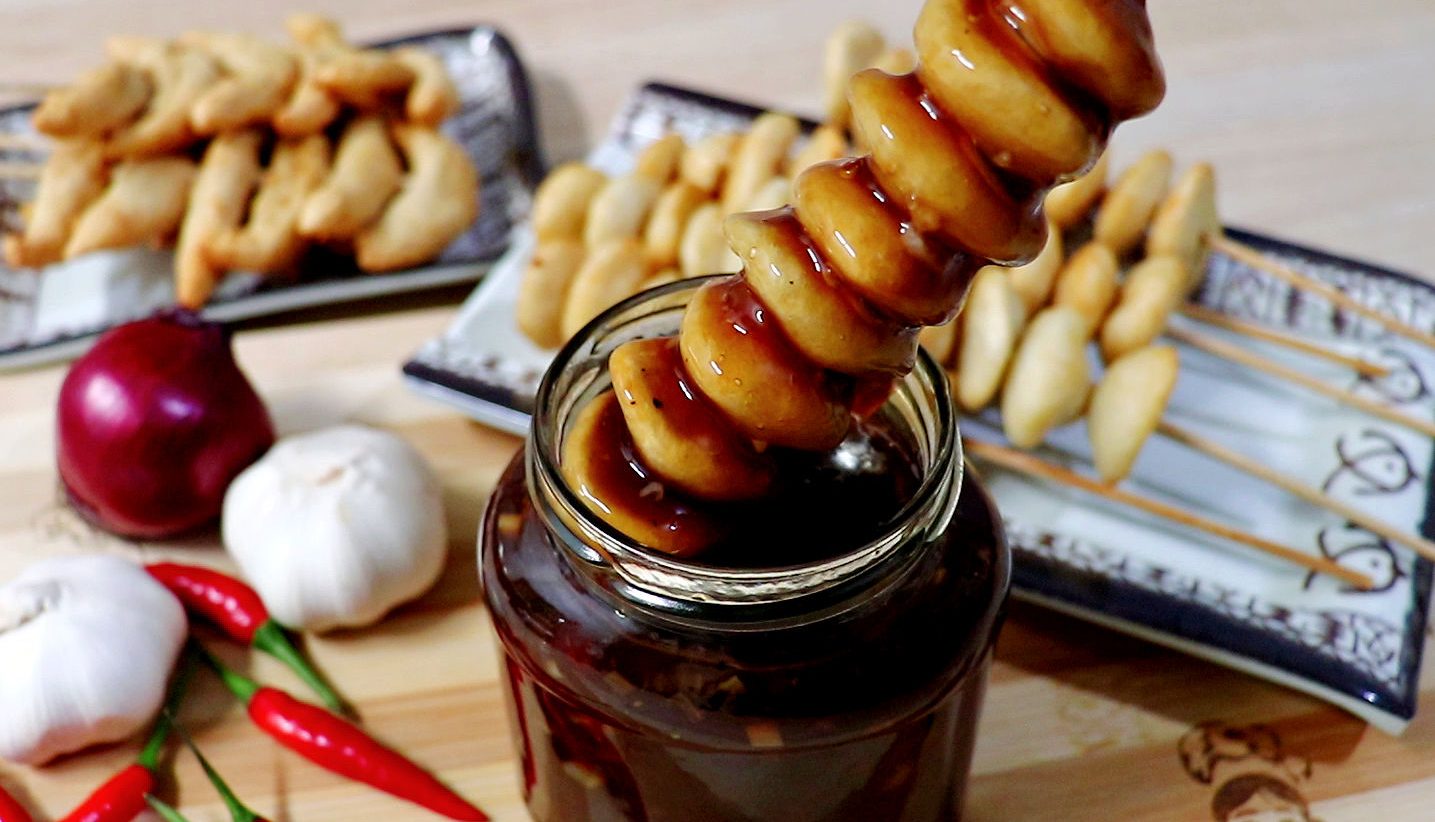
    Known for its rich flavor and mild texture similar to firm tofu, Betamax is often enjoyed with a side of Sinamak, a Filipino spiced cane vinegar. Its preparation, whether grilled over a charcoal stove, BBQ, or fried in a pan, complements the vibrant and diverse flavors found in Visayan dishes.

    Embraced for its nutritional value, including essential compounds, vitamins, and minerals, Betamax holds a special place in Visayan culinary culture, offering a unique and savory experience for those seeking a taste of tradition.

    Betamax in Filipino Festivals

    During Filipino festivals, the aroma of sizzling Betamax fills the air, enticing locals and visitors alike with its unique flavor and cultural significance.

    • Betamax is a staple street food, often enjoyed as a snack or appetizer, adding a distinct flavor to the festival experience.
    • Many Filipinos have cherished childhood memories associated with eating Betamax during festive occasions.
    • It’s commonly sold by street vendors or food stalls, contributing to the lively atmosphere and culinary traditions of Filipino festivals.
    • The preparation and grilling of Betamax are integral parts of the festival experience, showcasing the rich and diverse Filipino cuisine.

    Whether you’re a local or a visitor, indulging in Betamax during these festivals creates a sense of belonging and connection to the vibrant Filipino culture.

    Coagulated Pig’s Blood Cubes

    To experience the unique flavor and cultural significance of Filipino street food, one must become acquainted with the chewy texture and mild yet smoky taste of coagulated pig’s blood cubes, known as Betamax.

    These cubes are made by mixing pig’s blood with spices and seasonings, pouring the mixture into rectangular molds, and grilling them until cooked. The grilling process adds a smoky taste and crispy edges to the cubes, making them a popular snack or appetizer.

    Betamax isn’t only a unique delicacy in Filipino cuisine but also a good source of protein, iron, and other essential nutrients. However, it’s important to note that Betamax is high in cholesterol.

    Despite this, indulging in Betamax allows you to savor a taste deeply rooted in Filipino culture and belonging.

    Preparing Betamax Cubes

    When preparing Betamax cubes, marinate the blood curd with a mixture of mirin, rice vinegar, soy sauce, and chili flakes for a few hours or overnight in the fridge.

    Obtain the blood curd from Asian markets, made from chicken, duck, or pig’s blood.

    Cut the marinated blood curd into small cubes and skewer them for grilling over charcoal, BBQ, grill pan, or in the oven with the grill setting.

    For an authentic experience, serve the grilled Betamax cubes with Sinamak, Filipino spiced cane vinegar, roasted peanuts, and fresh herbs.

    Alternatively, fry or braise the blood curd in a pan for a different texture and flavor.

    Prepare these Betamax cubes to enjoy a unique and flavorful Filipino dish, perfect for gatherings and shared experiences.

    Rich, Iron-Infused Flavor

    Indulge in the unique, iron-infused flavor of Betamax, complemented by its deep, robust taste and smoky, charred dimension from grilling. The richness of the iron-infused flavor is accentuated by the firm, chewy texture of the blood curd, creating a satisfying culinary experience. Enhance this rich flavor by pairing Betamax with a tangy or spicy dipping sauce to balance its intensity. The high iron content of the blood curd contributes to its earthy undertones, adding depth to the overall flavor profile. Here’s a table to showcase the key characteristics of Betamax’s rich, iron-infused flavor:

    Key Characteristics Description
    Flavor Profile Unique, iron-infused with a hint of earthiness
    Texture Firm and chewy
    Enhancement Grilling adds a smoky, charred dimension
    Complementary Pairing Tangy or spicy dipping sauces accentuate the richness

    Symbolic Role in Rituals

    1. In Filipino rituals and traditions, Betamax plays a significant symbolic role, representing communal gatherings and celebrations. Its presence in religious festivals and feasts serves as a representation of community unity and shared cultural heritage, fostering a sense of togetherness and belonging.
    2. The consumption of Betamax in rituals signifies respect for ancestral customs and the preservation of culinary traditions passed down through generations. This symbolic role highlights the cultural importance of Betamax and its connection to the collective identity of the Filipino people.

    Betamax With Spicy Vinegar Dip

    You can elevate your Betamax experience by pairing it with a zesty and aromatic spicy vinegar dip. This dip adds a tangy and fiery kick that complements the mild flavor and firm texture of the Betamax. The combination creates a harmonious blend of flavors, enhancing the overall dining experience.

    The Sinamak, a Filipino spiced cane vinegar, is commonly used as a dipping sauce for Betamax. Its unique blend of spices and vinegar provides a delightful contrast to the richness of the grilled blood pudding.

    Whether enjoyed as an appetizer or a late-night snack, the addition of the spicy vinegar dip brings a new dimension to the traditional street food. So, next time you savor Betamax, consider indulging in the tantalizing fusion of flavors by dipping it into a spicy vinegar concoction.

    Iron-Rich Blood Pudding

    The pivot from savoring Betamax with a spicy vinegar dip to understanding its iron-rich nature lies in its core ingredient, blood curd, which provides a significant amount of iron.

    When it comes to iron intake, Betamax offers a nutrient-dense option that can benefit your diet. Here’s why it’s worth considering:

    1. Iron-Rich: Betamax is an excellent source of iron, making it a valuable addition to your meals.
    2. Nutrient-Dense: Packed with essential nutrients, Betamax can help you meet your iron needs in a convenient and delicious way.
    3. Flavor and Texture: Its mild flavor and firm texture make it a versatile ingredient for various culinary creations.
    4. Grilling Process: The grilling process enhances the natural taste and adds a delightful smoky flavor to the blood pudding.

    Incorporating Betamax into your diet can be a simple and enjoyable way to increase your iron intake and savor a unique culinary experience.

    Are there other unique and exotic foods similar to Betamax that are worth trying?

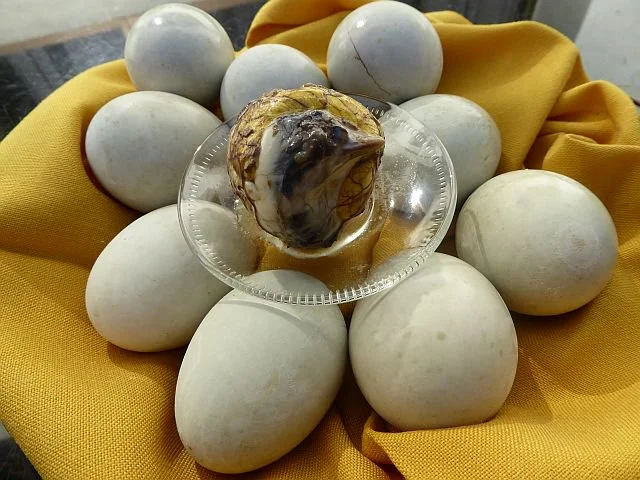
    Aside from Betamax, the boiled duck embryo delicacy, there are indeed other unique and exotic foods that are worth trying. These include dishes like balut from the Philippines, escamoles from Mexico, and haggis from Scotland. Exploring different culinary traditions can be a fascinating and delicious experience.

    Are Grilled Blood Pudding and Balut Both Considered Unconventional Foods?

    Grilled blood pudding and balut are indeed both considered unconventional foods. While grilled blood pudding is a savory blood-based dish, balut is a boiled duck embryo recipe that is popular in Filipino cuisine. Both are definitely not for the faint of heart when it comes to culinary adventures.

    Conclusion

    Next time you’re in the Philippines, don’t miss out on trying Betamax. The chewy texture and smoky flavor make it a unique street food experience.

    Despite its high cholesterol content, it’s packed with essential nutrients like iron and vitamins.

    Whether you enjoy it at a festival or as a quick snack on the go, Betamax offers a taste of Filipino cuisine and culture that you won’t forget.

  • Balut: Boiled Duck Embryo

    Balut: Boiled Duck Embryo

    Balut, a boiled duck embryo, is a symbol of Filipino identity and a popular street food delicacy in the Philippines, known for its rich flavors and cultural significance. It is considered an exotic delicacy alongside Chicharon Bulaklak, offering a unique culinary adventure with distinct textures and flavors.

    Key Takeaways

    • Balut is a symbol of Filipino identity and resilience, showcasing the traditions and beliefs of the Filipino people.
    • It is a rich source of protein, iron, calcium, and B vitamins, providing nutritional benefits.
    • Balut is a versatile ingredient in Filipino cuisine, adding a unique flavor and texture to various dishes.
    • Different regions have their own preferences and variations in the preparation and seasoning of balut, reflecting cultural and culinary traditions.

    Origin & Cultural Significance in Pateros

    The origin and cultural significance of balut in Pateros are deeply intertwined with the community’s history and traditions. Introduced during the Spanish colonial period, this Southeast Asian delicacy holds a special place as a symbol of Filipino identity and resilience.

    Fertilized duck eggs are meticulously processed, becoming a comfort food associated with celebrations and gatherings in Pateros. The balut industry not only provides livelihood for locals but also plays a significant role in the agricultural sector, contributing to the town’s economy.

    Ongoing efforts to promote balut as a tourist attraction and cultural heritage highlight its importance to the community. Research into the origins and cultural significance of balut aims to provide valuable insights into its history and development, particularly within the unique context of Pateros.

    Balut’s Impact on Tourism

    Intertwined with its cultural significance, balut’s impact on tourism in Pateros is increasingly drawing visitors interested in experiencing authentic Filipino cuisine and heritage.

    • Authentic Culinary Experience: Sampling balut offers tourists the opportunity to engage with local food culture and traditions, providing an authentic taste of Filipino street food.
    • Cultural Exploration: Efforts to promote balut as a cultural heritage draw visitors interested in exploring unique culinary traditions and understanding the cultural significance of the dish.
    • Economic Contribution: The production and consumption of balut contribute to the local economy, providing employment opportunities and boosting the agricultural sector, which can be a point of interest for tourists seeking authentic cultural experiences.

    Balut’s role as a popular street food and snack in the Philippines offers tourists a convenient and authentic culinary experience, allowing them to engage with local food culture and traditions.

    Balut in Bicol Region

    Elevating the culinary experience, Bicol Region boasts a thriving tradition of consuming balut as a popular late-night snack and street food. The region’s balut, made from fertilized duck eggs, offers a unique flavor and texture attributed to the local duck breeds and feed. Its popularity contributes significantly to the region’s economy and agricultural sector.

    Enjoyed as a cultural experience, the process of consuming balut, including cracking, sipping the broth, and eating the embryo, is deeply ingrained in Bicol’s culinary heritage. Whether it’s the late-night cravings or the bustling street food scene, balut eggs hold a special place in the hearts and palates of Bicolanos.

    The tradition of savoring this delicacy not only satisfies hunger but also brings a sense of belonging and pride to the region’s rich culinary identity.

    Regional Balut Preparation Methods

    Continuing our exploration of the culinary landscape, let’s now shift our focus to the diverse regional methods for preparing balut, each contributing its own unique nuances to this cherished delicacy.

    Different regions may have varying preferences for the stage of egg development, with some favoring a more developed fetus and others preferring a younger embryo.

    Balut preparation methods can vary in cooking time and technique, with some regions opting for longer boiling times to ensure a firmer texture, while others may prefer a softer consistency.

    Regional variations may exist in the seasoning and flavors used when consuming balut, such as the choice of condiments like salt, vinegar, or even chili-based sauces.

    These regional differences add depth and diversity to the experience of enjoying balut, reflecting the rich tapestry of cultural and culinary traditions surrounding this unique dish.

    Balut’s Nutritional Content

    Balut’s nutritional content offers a rich source of protein, essential vitamins, and minerals, including iron, calcium, and B vitamins. The table below provides a breakdown of the nutritional content found in a typical serving of balut.

    Nutrient Amount
    Protein High
    Iron Significant
    Calcium Moderate
    B Vitamins Abundant
    Egg White Rich in protein

    The duck embryo’s nutritional value, particularly its high protein content, makes balut a popular and filling snack, especially in the Philippines. It is believed to have various health benefits, such as improving fertility, enhancing brain function, and boosting energy levels.

    The varying stages of development in the duck embryo also affect the nutrient content, with older balut eggs containing more pronounced ducklings with bones and beaks, while younger eggs have more tender contents.

    Balut’s Boiling Process

    When boiling balut, select duck eggs aged between 19-22 days for optimal results. To ensure cleanliness, wash the balut duck eggs thoroughly before boiling. Boil the eggs on medium-high heat for 35 to 40 minutes to achieve the desired consistency.

    Rinse and wash Vietnamese coriander herb as a complimentary garnish. Prepare a mixture of salt and black pepper to season the boiled balut eggs.

    The boiling process of balut is crucial in achieving the right texture of the egg white and the development of the embryo. It’s essential to follow these steps carefully to fully experience the unique flavors and textures of this delicacy.

    Rich, Savory Umami Flavor

    Indulge in the rich, savory umami flavor of balut, a truly unique culinary experience. The combination of the duck embryo, yolk, and albumen creates a deeply satisfying and robust flavor that’s intensified by the broth-like consistency of the egg.

    The umami richness in balut offers a deeply savory and fulfilling eating experience, accentuated by the tender and delicate textures of the embryo and yolk. This results in a complex and indulgent culinary sensation that makes balut a prized delicacy, revered for its deeply satisfying and savory taste.

    The umami essence of balut contributes to its unique taste profile, making it a standout dish for those seeking a rich and savory culinary adventure.

    Balut in Filipino Celebrations

    In Filipino celebrations, balut is often embraced as a symbol of cultural heritage and communal joy. It holds a special place in various festivities, serving as a testament to Filipino traditions and culinary pride.

    During these celebrations, the presence of balut signifies a connection to the roots and values of Filipino culture, bringing people together over shared experiences and flavors. Whether it’s a joyful family gathering, a lively fiesta, or a momentous event, the inclusion of balut adds a touch of authenticity and nostalgia to the occasion.

    The act of enjoying balut becomes a cherished ritual, honoring the significance of duck in Filipino food culture and fostering a sense of belonging within the community.

    Balut as an Aphrodisiac

    Amidst its revered role in Filipino celebrations, balut’s cultural significance extends to being considered an aphrodisiac, believed to enhance fertility and vitality. Eating balut is believed to boost energy levels and act as a natural stimulant, contributing to its popularity as a late-night snack and recovery fuel in the Philippines.

    Its curative properties are thought to improve sexual health and performance, leading to its reputation as an aphrodisiac. This perception is deeply rooted in Filipino traditions and beliefs, shaping the way balut is consumed and regarded within the culture.

    As an aphrodisiac, balut holds a special place in Filipino folklore and culinary practices, showcasing its multifaceted importance beyond being a delicacy. Whether as a symbol of fertility or a source of vitality, balut’s association with aphrodisiac qualities reflects its integral role in Filipino culture.

    High Protein Content

    With its high protein content, balut offers a beneficial dietary option for those seeking to increase their protein intake. When considering the high protein content of balut, you might find it interesting to know that:

    • Balut is a fertilized duck egg that contains a substantial amount of protein, making it a nutritious choice for protein seekers.
    • The protein content in balut can aid in muscle repair and growth, contributing to overall physical well-being.
    • Due to its high protein content, balut can serve as a satisfying and filling snack or meal, helping you stay energized throughout the day.

    Considering the high protein content and its potential benefits, incorporating balut into your diet could be an appealing option for meeting your protein needs.

    Would Balut be considered a popular street food delicacy in the Philippines?

    Balut, a fertilized duck egg with a nearly developed embryo, stands as a musttry filipino street food, especially for the daring palate. Revered for its rich flavors, it encapsulates the bold spirit of Philippine cuisine, making street corner ventures a culinary adventure.

    Can Balut and Chicharon Bulaklak be considered exotic delicacies?

    Balut and Chicharon Bulaklak, each with their distinct textures and flavors, are undeniably part of an exotic culinary adventure. While Balut seduces with its unique embryonic allure, the Chicharon Bulaklak tantalizes taste buds through a deepfried pork intestines recipe, merging the crunch with intricate Filipino heritage.

    Conclusion

    In conclusion, balut is a culturally significant and unique delicacy in Filipino cuisine. Its impact on tourism and regional preparation methods showcase its importance in the Philippines.

    With its rich umami flavor and high protein content, balut holds a special place in Filipino celebrations and gatherings. Despite challenges, efforts to promote balut as a tourist attraction and cultural heritage are ongoing, highlighting its resilience and significance in Filipino identity.

  • Fish Balls and Squid Balls

    Fish Balls and Squid Balls

    Fish balls and squid balls originated in China, spread to Asia and the West, offering protein, omega-3, and cultural diversity. They are versatile street foods, rich in nutrients, enjoyed globally for their unique flavors and textures.

    Key Takeaways

    • Fish balls originated in China and have spread to other parts of Asia, as well as becoming popular in Western cuisine.
    • Fish balls have evolved to suit diverse cuisines, with each region infusing its unique flavors and cooking methods.
    • Fish ball festivals showcase a diverse array of culinary creativity and cultural performances.
    • Fish balls and squid balls are packed with high-quality protein, omega-3 fatty acids, essential amino acids, calcium, and iron, making them a healthy addition to meals.

    Chinese Fish Ball Origins

    Chinese fish balls have a long-established history, dating back to the Qin Dynasty, where they’re believed to have originated. The method of pulverizing fish meat, shaping it into balls, and cooking them in boiling water was developed by the Chinese and later spread to other parts of Asia.

    Originally made using a fish paste mixture and cooked in a clear soup, the traditional fish balls have evolved over time. They quickly gained popularity, becoming a staple in Asian cuisine and spreading to countries like Japan, Korea, Taiwan, and the Philippines.

    Today, fish balls aren’t only a popular street food in Asia but have also made their way into Western cuisine, showcasing their enduring influence and adaptation across different cultures. In places like Hong Kong, fish balls are deeply embedded in the local food culture, reflecting the rich history and culinary traditions of the region.

    Fish Ball’s Historical Transformation

    Through centuries of culinary evolution, fish balls have undergone a historical transformation, adapting to varying palates and culinary techniques around the world.

    1. Global Adaptation: Fish balls have evolved to suit diverse cuisines, from Asian delicacies to Western dishes, showcasing a remarkable ability to integrate into various culinary traditions.
    2. Technological Advancements: Modern production techniques, such as the use of extruding machines, have revolutionized the manufacturing process, resulting in consistent texture, color, and flavor.
    3. Cultural Significance: Fish balls have become emblematic of cultural identity, with each region infusing its unique flavors and cooking methods into this beloved food item.
    4. Quality Concerns: Despite their popularity, concerns over mislabeling and fraudulent practices have raised questions about food safety and transparency in the production of fish balls.

    The historical transformation of fish balls reflects their enduring appeal and adaptability across different cultures and culinary landscapes.

    Fish Ball in Japanese Cuisine

    In Japanese cuisine, fish balls are a popular and versatile ingredient, commonly featured in soups, noodle dishes, and street food offerings. They can be made from various types of fish, and their flavors, shapes, and sizes can vary, sometimes including added herbs and spices. In Japan, fish balls are commonly served in hot pots, noodle dishes, or as street food in bustling markets and food stalls. The production and texture of fish balls in Japanese cuisine may have unique characteristics compared to those in other Asian countries. Here’s a glimpse of the diverse types of fish balls you might encounter in Japanese cuisine:

    Type Flavor Serving Style
    Hotate Scallop Noodles
    Tarako Cod roe Soup
    Satsuma-age Minced fish Street food
    Hanpen Pollock Hot pot

    Fish Ball Festivals in Asia

    Fish ball festivals in Asia showcase a diverse array of culinary creativity, celebrating the beloved street food and its various shapes, sizes, and flavors.

    • These festivals highlight the versatility of fish balls in Asian cuisine, featuring dishes like fish ball noodles, skewers, and curry.
    • Visitors can indulge in a variety of fish ball variations, emphasizing the cultural significance of this popular snack.
    • The festivals represent unity, togetherness, and good luck, showcasing the role of fish balls as a common street food in many Asian countries.
    • In addition to the culinary aspect, Fish Ball Festivals in Asia may also feature cultural performances, competitions, and activities that further highlight the importance of fish balls in the region’s food culture.

    Fish Ball Raw Materials

    A key consideration in the preparation of fish balls is the selection and combination of raw materials. These include fresh fish, salt, pepper, cornflour, and water.

    Fresh fish, particularly white fish like tilapia, serves as the primary ingredient, providing the base for the fish balls. Salt and pepper are used to enhance the flavor, while cornflour acts as a binding agent, ensuring the desired texture. The addition of water helps in achieving the right consistency for the mixture.

    These raw materials form the foundation for crafting the beloved fish balls, renowned for their savory taste and delightful texture. The use of fresh fish ensures that the fish balls are of high quality, contributing to their widespread popularity as a delectable and satisfying snack or meal addition.

    Fish Ball Preparation Steps

    Mix ground fish meat with various ingredients and shape them into balls to prepare the fish balls. Here are the steps to prepare and cook delicious fish balls:

    1. Mix Ingredients: Combine the ground fish meat with seasonings, such as salt, pepper, and other desired flavors, and form the mixture into small, bite-sized balls.
    2. Boil the Fish Balls: Drop the fish balls into a pot of salted boiling water and cook them until they float to the surface, ensuring they’re thoroughly cooked.
    3. Drain Excess Water: Remove the boiled fish balls from the water and drain any excess liquid before serving.
    4. Serve Hot: Enjoy the hot, freshly cooked fish balls as a delightful snack, with a flavorful dipping sauce, or as a tasty addition to soups and noodle dishes.

    Experiment with different variations and cooking methods, such as deep frying, to create unique and satisfying fish ball dishes.

    Springy and Bouncy Texture

    To achieve the springy and bouncy texture characteristic of Taiwanese fish balls, the shaping and cooking process involves more air incorporation, resulting in their distinctive texture. This unique texture sets fish balls apart and enhances their versatility in various dishes.

    The commercial production process includes shaping by an extruding machine, setting in water, boiling, and cooling, ensuring the desired texture is achieved. Homemade fish balls also achieve this texture through soaking in salted water, boiling, and careful cooking until they float to the surface.

    The springy and bouncy texture of fish balls makes them a popular choice for street food and a versatile ingredient in Asian cuisine, such as in soups and noodle dishes. This texture also applies to squid balls, offering a delightful chewy experience in various culinary preparations.

    Fish Ball as Street Food

    In Asian countries like the Philippines, Taiwan, and Thailand, fish balls are a ubiquitous and beloved street food, often served on skewers as a convenient and flavorful snack.

    1. Easily Accessible: Street vendors offer fish balls as a convenient and affordable option, making them a staple of street food culture.
    2. Versatile Eating Experience: Fish balls are made from ground fish meat mixed with various ingredients, offering a variety of shapes, sizes, and flavors, perfect for different tastes.
    3. Various Serving Styles: Fish balls are often served in soups, noodle dishes, or as a standalone snack, and can be enjoyed with different dipping sauces to enhance their flavor.
    4. Nutritious Choice: Fish balls are a good source of protein, low in fat and calories, and rich in essential minerals, making them a nutritious and flavorful street food choice.

    Fish Ball Fillings

    Exploring the diverse fillings of fish balls reveals a range of flavors and textures shaped by regional variations and culinary creativity. The fillings typically consist of ground fish meat mixed with herbs, spices, and occasionally other meats, offering a variety of tastes. Regional differences result in unique characteristics like elasticity, color, and flavor.

    In commercial production, the fillings are shaped using extruding machines, then set in water, boiled, cooled, and packaged. Beyond fish meat, ingredients such as vegetables or tofu are sometimes added for additional variety. These fillings can also be flavored with a mix of herbs and spices, providing an array of options for consumers.

    This culinary creativity ensures that fish balls and squid balls offer a diverse and exciting range of fillings to suit various palates.

    Protein and Omega-3 Content

    Looking to boost your protein and omega-3 intake? Fish balls and squid balls are your answer. Here’s what you need to know:

    1. Protein Power: Fish balls and squid balls are packed with high-quality protein, essential for muscle growth and repair.
    2. Omega-3 Rich**: These seafood balls contain omega-3 fatty acids, promoting heart health and overall well-being.
    3. Nutrient Boost: In addition to protein and omega-3s, fish balls and squid balls provide essential amino acids, calcium, and iron.
    4. Versatile Addition**: Incorporating fish balls and squid balls into your meals offers a versatile way to elevate your protein and omega-3 intake.

    With their nutrient-packed profile, fish balls and squid balls make a valuable addition to your diet, supporting your quest for a healthier lifestyle.

    Can Isaw be considered a type of street food like Fish Balls and Squid Balls?

    Isaw can definitely be considered a type of street food, just like Fish Balls and Squid Balls. These grilled pork skewers are a popular delicacy in the Philippines, often found in bustling street food stalls. The smoky, savory flavor of the grilled pork skewers recipe makes them a beloved choice for locals and tourists alike.

    Conclusion

    So next time you’re craving a tasty and convenient snack, consider grabbing some fish balls or squid balls. With their protein-packed goodness and versatility in various dishes, they’re a great choice for a quick and satisfying meal.

    Plus, you can enjoy them on the go as a delicious street food option. Don’t miss out on these flavorful and nutritious balls!

  • Okoy: Savory Pancake

    Okoy: Savory Pancake

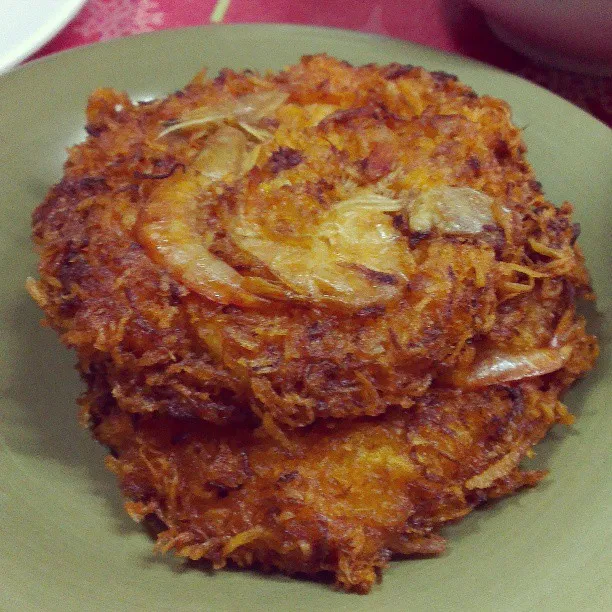
    Okoy: Savory Pancake is a traditional Filipino dish with a rich history and cultural significance, enjoyed for its crispy texture and unique blend of flavors. This savory pancake symbolizes Filipino culinary heritage and is a popular street food choice in the Philippines.

    Key Takeaways

    • Korean pancakes, known as Pajun or Pajeon, have deep cultural significance in Korean cuisine and symbolize celebrations and festivals.
    • Korean pancakes have influenced fusion dishes with international flavors, incorporating unique toppings and fillings and inspiring more vegetable-based dishes.
    • Jeon from Jeolla Province is a beloved dish in Korean cuisine, incorporating unique components and reflecting the rich culinary heritage of the region.
    • Jeolla Province’s Jeon-making techniques involve varying batter consistencies, using local ingredients for diverse flavors, layering ingredients for visual appeal, and achieving a crispy texture through pan-frying.

    Korean Pancake Origins: Centuries-Old Tradition

    Centuries-old tradition, Korean Pancakes, known as Pajun or Pajeon, have been cherished in Korean cuisine for generations. These savory pancakes, often enjoyed as street food, hold a deep cultural significance, symbolizing celebrations and festivals.

    The evolution of Pajun or Pajeon recipes over centuries showcases the adaptability and versatility of this beloved dish, with regional variations and diverse ingredients like shrimp and vegetables. As a part of Asian food culture, these vegetable fritters have stood the test of time, reflecting the enduring heritage of Korean culinary traditions.

    The rich history and enduring popularity of Korean Pancakes, akin to the Filipino Ukoy, demonstrate the deep roots and timeless appeal of this dish. Whether cooking Ukoy at home or savoring it as street food, the experience of enjoying these savory pancakes with spicy vinegar brings a sense of belonging and connection to a vibrant culinary tradition.

    Influence on Modern Cuisine

    Influencing modern cuisine, Korean Pancakes, also known as Pajun or Pajeon, have inspired fusion dishes that combine savory pancakes with international flavors, leading to their incorporation in modern brunch menus with unique toppings and fillings like pulled pork, kimchi, or sriracha aioli. This innovation has allowed for a diverse culinary experience, creating a sense of belonging for those seeking unique and inclusive dining options.

    The influence of Korean Pancakes can be seen in the integration of more vegetable-based dishes, promoting a healthier and inclusive approach to modern cuisine. Additionally, the trend of using Korean Pancake batter in various forms, such as taco shells or sandwich buns, has provided a new perspective on traditional ingredients, fostering a communal appreciation for global flavors and culinary experimentation.

    Savory Pancake Influence Okoy Recipe Street Vendors
    Korean Pancake Fusion Philippine Shrimp Ukoy Recipe

    Jeon From Jeolla Province

    Jeon from Jeolla Province showcases a tantalizing blend of regional flavors and ingredients, creating a distinctive and beloved dish in Korean cuisine.

    This savory pancake, often made with shrimp and vegetable fritters, incorporates unique components like sweet potato, bean sprouts, and green papaya, giving it a diverse and flavorful profile.

    The batter, typically made with rice flour, is seasoned with various spices and then mixed with the chosen ingredients before being pan-fried to perfection.

    It’s commonly served with spiced vinegar for dipping, adding an extra layer of tangy zest to the dish.

    Jeon from Jeolla Province represents a harmonious fusion of seafood, vegetables, and savory seasonings, reflecting the rich culinary heritage of the region.

    Whether enjoyed as an appetizer or a side dish, this pancake offers a delicious taste of Jeolla Province’s culinary tradition.

    Jeolla Province’s Jeon-making Techniques

    Drawing from a rich culinary heritage, Jeolla Province’s jeon-making techniques reflect a meticulous approach to achieving diverse textures and flavors in the savory pancakes.

    The batter consistencies vary to create different textures and flavors.

    Local ingredients like seafood and wild greens are used to achieve a wide range of flavors.

    Layering ingredients on the batter is a common method, ensuring visually appealing and flavorful pancakes.

    Pan-frying in a generous amount of oil is emphasized to achieve a crispy texture while maintaining a fluffy interior.

    These techniques result in savory pancakes with a balance of flavors, incorporating savory, sweet, and umami elements.

    Whether it’s fritters with shrimp or other local ingredients, the jeon-making techniques of Jeolla Province are deeply rooted in creating a sense of belonging through delicious flavors.

    Pairing these savory pancakes with a vinegar dipping sauce enhances the overall dining experience.

    Vegetable Options for Ukoy

    Consider experimenting with different vegetable options to elevate the texture and flavor of your Ukoy. Incorporating a variety of vegetables not only adds depth to the savory pancake but also provides a delightful mix of flavors. Below is a simple guide to help you choose the best vegetables for your Ukoy:

    Vegetable Texture Flavor
    Pumpkin Hearty, robust Sweet
    Sweet Potato Starchy, filling Earthy
    Bell Peppers Crisp, juicy Fresh

    Mix and match these options, along with the addition of small shrimp, to create a harmonious blend of textures and tastes in your Ukoy. By using this easy-to-follow guide and adding your preferred vegetables, you can customize your Ukoy to suit your palate while enjoying the process of creating this beloved Filipino dish.

    Whisking the Pancake Batter

    Gradually add water to the flour, egg, and salt mixture while whisking to ensure a smooth, lump-free pancake batter. Whisk together until smooth and well combined, creating a light and fluffy consistency.

    Use a large balloon whisk or a fork, whisking in one direction to develop the gluten and provide structure. Incorporate air to achieve a consistent texture for the pancakes. Continue whisking until all ingredients are fully incorporated, resulting in a uniform and lump-free batter.

    This process is essential to make delicious and easy okoy, whether you’re using shrimp or thinly sliced vegetables. The batter will crisp up beautifully when fried in hot oil, resulting in delightful, crispy fritters.

    You can also create a vegan version by substituting the eggs with plant-based alternatives.

    Crispy and Chewy Texture Contrast

    To achieve the desired crispy and chewy texture contrast, the pancake batter should be cooked over medium-high heat, creating a crisp exterior while maintaining a slightly chewy interior. This balance is essential for a satisfying savory pancake experience.

    When making okoy, a Filipino shrimp pancake, achieving the ideal texture is crucial. The batter, consisting of shredded potatoes, fresh vegetables, and a mix of savory flavors like soy sauce and fish sauce, provides the foundation for the contrast. Properly controlling the cooking time and heat level is key.

    The result is a delightful interplay of textures – a crispy, golden-brown exterior complemented by a chewy, flavorful interior. This balance sets okoy apart from sweet fritters and enhances its appeal.

    The contrast in textures makes okoy a delightful savory pancake, offering a unique and satisfying culinary experience.

    Pancake Symbolism in Korea

    Pancakes in Korean culture symbolize wealth and prosperity, often served during celebrations and special occasions. The circular shape of pancakes represents the full moon, symbolizing family unity and happiness in Korean tradition.

    In Korean folklore, serving pancakes to ancestors during ancestral rites is a way of honoring and showing respect to the deceased. Pancakes are also associated with the changing seasons and are often made during festive times such as Lunar New Year and Chuseok (Korean Thanksgiving).

    The act of sharing pancakes with others is a gesture of goodwill and hospitality, symbolizing warmth and togetherness in Korean society.

    Seafood-filled Korean Pancakes

    Seafood-filled Korean Pancakes offer a delightful combination of savory flavors, showcasing a crispy exterior and a soft, moist interior. These pancakes are made with a standard pancake batter mixed with shredded potatoes and various fresh vegetables, filled with seafood such as shrimp or squid, and pan-fried to perfection. They are often served as a side dish or appetizer in Korean cuisine, providing a delectable option for seafood enthusiasts.

    You can enjoy them with a soy dipping sauce, typically containing soy sauce, sesame seeds, and other ingredients, adding a savory touch to the seafood filling. For a spicy twist, consider customizing them by adding kimchi. Here’s a table comparing Sweet Fritters and Seafood-filled Korean Pancakes:

    Sweet Fritters Seafood-filled Korean Pancakes
    Made with sweet potatoes Made with seafood, potatoes, and vegetables
    Often served with sweet chili sauce Enjoyed with soy dipping sauce
    Can be air fried for a healthier option Pan-fried to perfection

    For more information on Korean cuisine, feel free to reach out to us at [email address].

    Caloric Content per Serving

    Highlighting the nutritional aspect, the caloric content per serving of Korean Pancakes can vary significantly based on the ingredients and cooking methods employed. To manage the caloric content of your savory Okoy, consider these tips:

    • Opt for healthier oil options or use less oil during the pan-frying process.
    • Increase the vegetable to batter ratio by incorporating nutrient-dense vegetables like spinach, kale, or mushrooms.
    • Modify the proportion of batter to vegetables to adjust the caloric content.
    • Include lean protein sources such as shrimp to impact the caloric content per serving positively.

    What Are Different Savory Filipino Snacks?

    Savory Filipino snacks include a variety of delicious options such as kare-kare, lumpia, and adobo. Another popular choice is savory rice cakes recipe, or “bibingka,” which is made with rice flour, coconut milk, and cheese, creating a unique and satisfying snack that is enjoyed throughout the Philippines.

    Are Okoy and Betamax Common Filipino Street Foods?

    Yes, Okoy and Betamax are common Filipino street foods. Okoy is a crispy shrimp fritter and Betamax is grilled cubes of coagulated pork blood. To make Betamax, try this grilled blood pudding recipe: mix pork blood with vinegar, salt, and spices, then grill until cooked through.

    Conclusion

    You’ve just experienced the delicious and crispy world of okoy, a savory pancake that’s a popular Filipino dish.

    Its unique blend of shredded vegetables, shrimp or small fish, and crispy texture make it a favorite among Filipinos.

    Whether enjoyed as an appetizer or snack, the combination of flavors and textures in okoy is sure to leave you craving for more.</pAs you delve into the world of okoy, you’ll discover the rich history and cultural significance behind this beloved Filipino dish, and you might just find yourself craving more.e can be like. The combination of the crispy exterior and the burst of flavors from the vegetables and seafood is truly something to savor.

    But there’s more to this savory pancake than meets the eye. Its roots run deep, and the techniques used to create it are steeped in tradition. As you delve into the world of okoy, you’ll discover the rich history and cultural significance behind this beloved Filipino dish, and you might just find yourself craving more.

    Key Takeaways

    • Korean pancakes, known as Pajun or Pajeon, have deep cultural significance in Korean cuisine and symbolize celebrations and festivals.
    • Korean pancakes have influenced fusion dishes with international flavors, incorporating unique toppings and fillings and inspiring more vegetable-based dishes.
    • Jeon from Jeolla Province is a beloved dish in Korean cuisine, incorporating unique components and reflecting the rich culinary heritage of the region.
    • Jeolla Province’s Jeon-making techniques involve varying batter consistencies, using local ingredients for diverse flavors, layering ingredients for visual appeal, and achieving a crispy texture through pan-frying.

    Korean Pancake Origins: Centuries-Old Tradition

    Centuries-old tradition, Korean Pancakes, known as Pajun or Pajeon, have been cherished in Korean cuisine for generations. These savory pancakes, often enjoyed as street food, hold a deep cultural significance, symbolizing celebrations and festivals.

    The evolution of Pajun or Pajeon recipes over centuries showcases the adaptability and versatility of this beloved dish, with regional variations and diverse ingredients like shrimp and vegetables. As a part of Asian food culture, these vegetable fritters have stood the test of time, reflecting the enduring heritage of Korean culinary traditions.

    The rich history and enduring popularity of Korean Pancakes, akin to the Filipino Ukoy, demonstrate the deep roots and timeless appeal of this dish. Whether cooking Ukoy at home or savoring it as street food, the experience of enjoying these savory pancakes with spicy vinegar brings a sense of belonging and connection to a vibrant culinary tradition.

    Influence on Modern Cuisine

    Influencing modern cuisine, Korean Pancakes, also known as Pajun or Pajeon, have inspired fusion dishes that combine savory pancakes with international flavors, leading to their incorporation in modern brunch menus with unique toppings and fillings like pulled pork, kimchi, or sriracha aioli. This innovation has allowed for a diverse culinary experience, creating a sense of belonging for those seeking unique and inclusive dining options.

    The influence of Korean Pancakes can be seen in the integration of more vegetable-based dishes, promoting a healthier and inclusive approach to modern cuisine. Additionally, the trend of using Korean Pancake batter in various forms, such as taco shells or sandwich buns, has provided a new perspective on traditional ingredients, fostering a communal appreciation for global flavors and culinary experimentation.

    Savory Pancake Influence Okoy Recipe Street Vendors
    Korean Pancake Fusion Philippine Shrimp Ukoy Recipe

    Jeon From Jeolla Province

    Jeon from Jeolla Province showcases a tantalizing blend of regional flavors and ingredients, creating a distinctive and beloved dish in Korean cuisine.

    This savory pancake, often made with shrimp and vegetable fritters, incorporates unique components like sweet potato, bean sprouts, and green papaya, giving it a diverse and flavorful profile.

    The batter, typically made with rice flour, is seasoned with various spices and then mixed with the chosen ingredients before being pan-fried to perfection.

    It’s commonly served with spiced vinegar for dipping, adding an extra layer of tangy zest to the dish.

    Jeon from Jeolla Province represents a harmonious fusion of seafood, vegetables, and savory seasonings, reflecting the rich culinary heritage of the region.

    Whether enjoyed as an appetizer or a side dish, this pancake offers a delicious taste of Jeolla Province’s culinary tradition.

    Jeolla Province’s Jeon-making Techniques

    Drawing from a rich culinary heritage, Jeolla Province’s jeon-making techniques reflect a meticulous approach to achieving diverse textures and flavors in the savory pancakes.

    The batter consistencies vary to create different textures and flavors.

    Local ingredients like seafood and wild greens are used to achieve a wide range of flavors.

    Layering ingredients on the batter is a common method, ensuring visually appealing and flavorful pancakes.

    Pan-frying in a generous amount of oil is emphasized to achieve a crispy texture while maintaining a fluffy interior.

    These techniques result in savory pancakes with a balance of flavors, incorporating savory, sweet, and umami elements.

    Whether it’s fritters with shrimp or other local ingredients, the jeon-making techniques of Jeolla Province are deeply rooted in creating a sense of belonging through delicious flavors.

    Pairing these savory pancakes with a vinegar dipping sauce enhances the overall dining experience.

    Vegetable Options for Ukoy

    Consider experimenting with different vegetable options to elevate the texture and flavor of your Ukoy. Incorporating a variety of vegetables not only adds depth to the savory pancake but also provides a delightful mix of flavors. Below is a simple guide to help you choose the best vegetables for your Ukoy:

    Vegetable Texture Flavor
    Pumpkin Hearty, robust Sweet
    Sweet Potato Starchy, filling Earthy
    Bell Peppers Crisp, juicy Fresh

    Mix and match these options, along with the addition of small shrimp, to create a harmonious blend of textures and tastes in your Ukoy. By using this easy-to-follow guide and adding your preferred vegetables, you can customize your Ukoy to suit your palate while enjoying the process of creating this beloved Filipino dish.

    Whisking the Pancake Batter

    Gradually add water to the flour, egg, and salt mixture while whisking to ensure a smooth, lump-free pancake batter. Whisk together until smooth and well combined, creating a light and fluffy consistency.

    Use a large balloon whisk or a fork, whisking in one direction to develop the gluten and provide structure. Incorporate air to achieve a consistent texture for the pancakes. Continue whisking until all ingredients are fully incorporated, resulting in a uniform and lump-free batter.

    This process is essential to make delicious and easy okoy, whether you’re using shrimp or thinly sliced vegetables. The batter will crisp up beautifully when fried in hot oil, resulting in delightful, crispy fritters.

    You can also create a vegan version by substituting the eggs with plant-based alternatives.

    Crispy and Chewy Texture Contrast

    To achieve the desired crispy and chewy texture contrast, the pancake batter should be cooked over medium-high heat, creating a crisp exterior while maintaining a slightly chewy interior. This balance is essential for a satisfying savory pancake experience.

    When making okoy, a Filipino shrimp pancake, achieving the ideal texture is crucial. The batter, consisting of shredded potatoes, fresh vegetables, and a mix of savory flavors like soy sauce and fish sauce, provides the foundation for the contrast. Properly controlling the cooking time and heat level is key.

    The result is a delightful interplay of textures – a crispy, golden-brown exterior complemented by a chewy, flavorful interior. This balance sets okoy apart from sweet fritters and enhances its appeal.

    The contrast in textures makes okoy a delightful savory pancake, offering a unique and satisfying culinary experience.

    Pancake Symbolism in Korea

    Pancakes in Korean culture symbolize wealth and prosperity, often served during celebrations and special occasions. The circular shape of pancakes represents the full moon, symbolizing family unity and happiness in Korean tradition.

    In Korean folklore, serving pancakes to ancestors during ancestral rites is a way of honoring and showing respect to the deceased. Pancakes are also associated with the changing seasons and are often made during festive times such as Lunar New Year and Chuseok (Korean Thanksgiving).

    The act of sharing pancakes with others is a gesture of goodwill and hospitality, symbolizing warmth and togetherness in Korean society.

    Seafood-filled Korean Pancakes

    Seafood-filled Korean Pancakes offer a delightful combination of savory flavors, showcasing a crispy exterior and a soft, moist interior. These pancakes are made with a standard pancake batter mixed with shredded potatoes and various fresh vegetables, filled with seafood such as shrimp or squid, and pan-fried to perfection. They are often served as a side dish or appetizer in Korean cuisine, providing a delectable option for seafood enthusiasts.

    You can enjoy them with a soy dipping sauce, typically containing soy sauce, sesame seeds, and other ingredients, adding a savory touch to the seafood filling. For a spicy twist, consider customizing them by adding kimchi. Here’s a table comparing Sweet Fritters and Seafood-filled Korean Pancakes:

    Sweet Fritters Seafood-filled Korean Pancakes
    Made with sweet potatoes Made with seafood, potatoes, and vegetables
    Often served with sweet chili sauce Enjoyed with soy dipping sauce
    Can be air fried for a healthier option Pan-fried to perfection

    For more information on Korean cuisine, feel free to reach out to us at [email address].

    Caloric Content per Serving

    Highlighting the nutritional aspect, the caloric content per serving of Korean Pancakes can vary significantly based on the ingredients and cooking methods employed. To manage the caloric content of your savory Okoy, consider these tips:

    • Opt for healthier oil options or use less oil during the pan-frying process.
    • Increase the vegetable to batter ratio by incorporating nutrient-dense vegetables like spinach, kale, or mushrooms.
    • Modify the proportion of batter to vegetables to adjust the caloric content.
    • Include lean protein sources such as shrimp to impact the caloric content per serving positively.

    What Are Different Savory Filipino Snacks?

    Savory Filipino snacks include a variety of delicious options such as kare-kare, lumpia, and adobo. Another popular choice is savory rice cakes recipe, or “bibingka,” which is made with rice flour, coconut milk, and cheese, creating a unique and satisfying snack that is enjoyed throughout the Philippines.

    Conclusion

    You’ve just experienced the delicious and crispy world of okoy, a savory pancake that’s a popular Filipino dish.

    Its unique blend of shredded vegetables, shrimp or small fish, and crispy texture make it a favorite among Filipinos.

    Whether enjoyed as an appetizer or snack, the combination of flavors and textures in okoy is sure to leave you craving for more.

  • Chicharon Bulaklak: Deep-Fried Pork Intestines

    Chicharon Bulaklak: Deep-Fried Pork Intestines

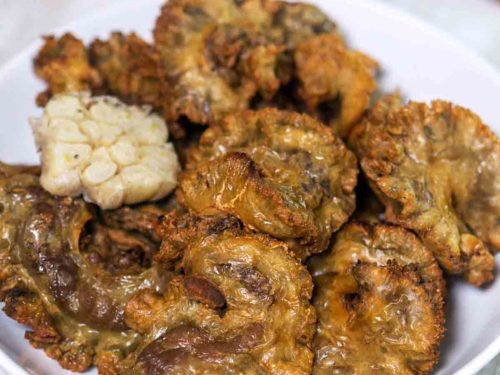
    Chicharon Bulaklak is a popular Filipino dish made from deep-fried pork intestines, enjoyed for its crispy texture and savory flavor, often served with a tangy vinegar dip. Its cultural significance and rich culinary heritage make it a must-try street food in the Philippines, symbolizing abundance and prosperity in festive celebrations.

    Key Takeaways

    • Chicharon Bulaklak is a protein-rich dish in Filipino cuisine, providing essential nutrients for the body.
    • It is high in both protein and fat, making it a filling and indulgent option.
    • The fat content contributes to its rich flavor profile and crispy texture.
    • Enjoying Chicharon Bulaklak in moderation as part of a balanced diet is key.

    Chicharon Bulaklak From Philippines

    Chicharon Bulaklak from the Philippines is a popular appetizer often enjoyed with alcoholic drinks, best known for its extra crispy texture and spicy vinegar dip. This Filipino food is made from deep-fried ruffled fat, not pure fat or intestines, giving it a unique texture when consumed warm.

    Leftover Chicharon Bulaklak can be recycled into a congee dish, perfect with lemon or calamansi. The recipe involves boiling, simmering, deep-frying, and serving with spiced vinegar. Proper cleaning and preparation of the pork are crucial for crunchy Chicharon Bulaklak.

    Considered a Filipino street food, it’s often found in local food stalls and markets, holding cultural significance as a beloved comfort food. Embracing Chicharon Bulaklak allows you to connect with the rich culinary heritage of the Philippines.

    Chicharon Bulaklak’s Historical Journey

    Having explored the culinary heritage of Chicharon Bulaklak from the Philippines, it’s time to trace its historical journey, shedding light on its origins and cultural significance. Believed to have originated during the Spanish colonization period, this deep-fried pork intestines dish is thought to have its roots in the Ilocos province.

    Its cultural significance lies in being a popular street food and appetizer in the Philippines, enjoyed by people of all ages and backgrounds. Despite being challenging to find in some areas, it remains a well-known and beloved dish, often shared and enjoyed with friends and family.

    Its crunchy texture and rich flavor offer a unique and satisfying eating experience, making it a must-try for pork and fried food enthusiasts. Reflecting its accessibility and affordability, Chicharon Bulaklak has become a beloved comfort food enjoyed by people of all backgrounds within Filipino cuisine.

    Chicharon Bulaklak in Visayas

    In Visayas, chicharon bulaklak is a favored appetizer, often paired with local alcoholic beverages and complemented by a tangy dipping sauce.

    This deep-fried pork intestines dish holds a special place in the hearts and palates of Visayans, adding a satisfying crunch to social gatherings and celebrations.

    The crispy texture and savory flavor of chicharon bulaklak perfectly match the convivial atmosphere of Visayan feasts, making it a staple in the region’s culinary scene.

    The dish’s versatility also allows it to be repurposed into a delightful congee, showcasing the resourcefulness and practicality deeply ingrained in Visayan food culture.

    Whether enjoyed as a crunchy snack or transformed into a heartwarming meal, chicharon bulaklak continues to be an essential part of Filipino food traditions in Visayas.

    Filipino Festive Celebrations

    Festive celebrations in the Philippines captivate with vibrant music, traditional performances, and a dynamic display of cultural heritage. During these lively events, you can immerse yourself in the rich tapestry of Filipino culture, with colorful parades, street dancing, and elaborate costumes.

    At festivals like Sinulog, Ati-Atihan, and Pahiyas, you’ll witness religious processions, feasting on traditional Filipino cuisine, and various cultural activities. These gatherings provide a wonderful opportunity to honor patron saints, express gratitude for bountiful harvests, and celebrate historical events.

    Joining in these celebrations allows you to experience the warmth of Filipino hospitality and the deep-rooted traditions of the country. It’s a chance to connect with the community and embrace the spirit of togetherness that defines Filipino festive celebrations.

    Intestinal Lining as Key Ingredient

    To prepare Chicharon Bulaklak, the pig mesentery is thoroughly cleaned, boiled, and deep-fried to achieve its distinctive texture and flavor. The mesentery, connecting the pig’s internal organs to its body, is the key ingredient, providing the dish with its unique taste and crunchiness.

    Careful handling and cooking of the pig mesentery are crucial in creating the crispy and savory result of Chicharon Bulaklak. The dish’s distinct flavor is directly attributed to the use of the pig’s intestinal lining. It’s the proper preparation and cooking of the pig mesentery that ultimately determines the success of Chicharon Bulaklak.

    The mesentery’s role in this deep-fried pork intestines dish can’t be overstated, as it’s central to achieving the desired taste and texture.

    Deep-Frying the Pork Intestines

    When deep-frying pork intestines, there are a few important steps to follow to achieve maximum crispiness in the final dish.

    First, it is crucial to clean the pigs’ intestines meticulously. This can be done by soaking them in water, rock salt, and vinegar to remove impurities and dirt.

    After the cleaning process, the intestines need to be boiled. Once they are boiled, it is essential to ensure thorough drying before proceeding to deep-fry them. This step is crucial in achieving the desired crispiness.

    To deep-fry the intestines, a deep-fryer should be used. Vegetable oil is the recommended choice for frying. The frying process should continue until the intestines turn crispy and golden brown.

    While the chicharon bulaklak is hot, it is recommended to season it with salt. This will enhance the flavor and add an extra dimension to the dish.

    To serve the chicharon bulaklak, it is best to do so immediately after frying. It is recommended to accompany it with a side of spiced vinegar. This will provide an added taste that complements the dish perfectly.

    Crispiness and Chewy Texture

    After achieving the perfect crispiness through thorough drying and deep-frying, the focus shifts to understanding the chewy texture of chicharon bulaklak.

    The slow deep-frying process is essential in creating the crispy texture of the pork intestines, resulting in a golden brown appearance. Properly dried and seasoned with salt post-frying, the chicharon bulaklak offers a delightful balance of crispiness and chewiness.

    Its chewy texture is derived from the connective tissues and ruffled fat within the pork intestines. To maintain this desired texture, it’s best served immediately after frying.

    The combination of the crispy exterior and chewy interior makes chicharon bulaklak a delectable treat, providing a satisfying contrast that keeps you coming back for more.

    Symbolic Role in Celebrations

    During festive celebrations and special occasions in the Philippines, Chicharon Bulaklak is often served, symbolizing abundance and prosperity. Its symbolic role in celebrations is deeply rooted in Filipino culture, signifying the following:

    1. Abundance and Prosperity: Chicharon Bulaklak is associated with a bountiful harvest and indulgence, representing wealth and prosperity for the coming year.
    2. Good Luck and Happiness: The crispy and savory nature of Chicharon Bulaklak is believed to bring good luck and happiness to those who consume it during festivities.
    3. Unity and Togetherness: Sharing and enjoying Chicharon Bulaklak with loved ones signifies unity and togetherness in celebratory gatherings, fostering a sense of community and belonging.

    The tradition of serving Chicharon Bulaklak holds cultural significance, emphasizing the importance of food in Filipino celebrations and social gatherings.

    Regional Flavor Additions

    To enhance the flavor of Chicharon Bulaklak, consider incorporating regional spices and herbs during the boiling process. Experiment with garlic, onion, and local spices to infuse the pork intestines with diverse regional flavors.

    Try using cane vinegar or coconut vinegar to add a unique regional twist to the dish. Incorporate indigenous ingredients like calamansi or local chili peppers to customize the spicy vinegar dip according to different culinary traditions.

    Adding local herbs such as lemongrass or bay leaves during boiling can infuse the dish with distinct regional aromas.

    Rich in Protein and Fat

    Consider the nutritional aspects of Chicharon Bulaklak, as it’s rich in protein and fat, providing essential nutrients for the body. The protein content supports muscle growth and repair, while the fat content serves as a source of energy and contributes to its savory taste.

    When consumed in moderation, Chicharon Bulaklak can be part of a balanced diet, offering valuable nutrients. Keep in mind that the fat in Chicharon Bulaklak adds to its rich flavor profile and crispy texture, making it a satisfying treat.

    As with any food, moderation is key, and enjoying Chicharon Bulaklak as an occasional indulgence can fit into a well-rounded diet. Embrace the balance of protein and fat in this deep-fried pork intestines dish, knowing it can be a part of your culinary experiences.

    Can I Use the Same Deep-Frying Technique for Lumpiang Shanghai as Chicharon Bulaklak?

    Yes, you can use the same deep-frying technique for lumpia Shanghai and chicharon bulaklak. Both dishes require the same method in the deepfried spring rolls recipe. Make sure to fry them until they are crispy and golden brown for the perfect taste and texture.

    Can Chicharon Bulaklak be a Vegan-friendly Alternative to Turon?

    Chicharon Bulaklak, the golden snack of the Philippines, is a crispy treat made from deep-fried pork intestines. While it’s a popular indulgence, it’s not a vegan-friendly alternative to turon, a sweet banana and jackfruit spring roll. Vegans can still enjoy turon with its delightful combination of fruits and sugar.

    Conclusion

    You’ve learned about Chicharon Bulaklak, a popular Filipino appetizer made from deep-fried pork intestines. It’s enjoyed as a snack or appetizer, often paired with alcoholic drinks.

    Its crispy texture and savory flavor, along with the tangy kick from spicy vinegar, make it a beloved street food in the Philippines. Whether at festive celebrations or as a casual snack, Chicharon Bulaklak offers a unique and flavorful experience that reflects the rich culinary traditions of the Philippines.</pIts cultural significance lies in being a popular street food and appetizer in the Philippines, enjoyed by people of all ages and backgrounds.p>

    With its staggering 86% of the daily recommended intake of protein and 72% of the daily recommended intake of fat in just a 100-gram serving, it’s certainly not a light option.

    But what makes this deep-fried pork intestine dish so beloved, and why is it such a staple in Filipino cuisine?

    Let’s take a closer look at this intriguing dish and uncover the secrets behind its appeal.

    Key Takeaways

    • Chicharon Bulaklak is a protein-rich dish in Filipino cuisine, providing essential nutrients for the body.
    • It is high in both protein and fat, making it a filling and indulgent option.
    • The fat content contributes to its rich flavor profile and crispy texture.
    • Enjoying Chicharon Bulaklak in moderation as part of a balanced diet is key.

    Chicharon Bulaklak From Philippines

    Chicharon Bulaklak from the Philippines is a popular appetizer often enjoyed with alcoholic drinks, best known for its extra crispy texture and spicy vinegar dip. This Filipino food is made from deep-fried ruffled fat, not pure fat or intestines, giving it a unique texture when consumed warm.

    Leftover Chicharon Bulaklak can be recycled into a congee dish, perfect with lemon or calamansi. The recipe involves boiling, simmering, deep-frying, and serving with spiced vinegar. Proper cleaning and preparation of the pork are crucial for crunchy Chicharon Bulaklak.

    Considered a Filipino street food, it’s often found in local food stalls and markets, holding cultural significance as a beloved comfort food. Embracing Chicharon Bulaklak allows you to connect with the rich culinary heritage of the Philippines.

    Chicharon Bulaklak’s Historical Journey

    Having explored the culinary heritage of Chicharon Bulaklak from the Philippines, it’s time to trace its historical journey, shedding light on its origins and cultural significance. Believed to have originated during the Spanish colonization period, this deep-fried pork intestines dish is thought to have its roots in the Ilocos province.

    Its cultural significance lies in being a popular street food and appetizer in the Philippines, enjoyed by people of all ages and backgrounds. Despite being challenging to find in some areas, it remains a well-known and beloved dish, often shared and enjoyed with friends and family.

    Its crunchy texture and rich flavor offer a unique and satisfying eating experience, making it a must-try for pork and fried food enthusiasts. Reflecting its accessibility and affordability, Chicharon Bulaklak has become a beloved comfort food enjoyed by people of all backgrounds within Filipino cuisine.

    Chicharon Bulaklak in Visayas

    In Visayas, chicharon bulaklak is a favored appetizer, often paired with local alcoholic beverages and complemented by a tangy dipping sauce.

    This deep-fried pork intestines dish holds a special place in the hearts and palates of Visayans, adding a satisfying crunch to social gatherings and celebrations.

    The crispy texture and savory flavor of chicharon bulaklak perfectly match the convivial atmosphere of Visayan feasts, making it a staple in the region’s culinary scene.

    The dish’s versatility also allows it to be repurposed into a delightful congee, showcasing the resourcefulness and practicality deeply ingrained in Visayan food culture.

    Whether enjoyed as a crunchy snack or transformed into a heartwarming meal, chicharon bulaklak continues to be an essential part of Filipino food traditions in Visayas.

    Filipino Festive Celebrations

    Festive celebrations in the Philippines captivate with vibrant music, traditional performances, and a dynamic display of cultural heritage. During these lively events, you can immerse yourself in the rich tapestry of Filipino culture, with colorful parades, street dancing, and elaborate costumes.

    At festivals like Sinulog, Ati-Atihan, and Pahiyas, you’ll witness religious processions, feasting on traditional Filipino cuisine, and various cultural activities. These gatherings provide a wonderful opportunity to honor patron saints, express gratitude for bountiful harvests, and celebrate historical events.

    Joining in these celebrations allows you to experience the warmth of Filipino hospitality and the deep-rooted traditions of the country. It’s a chance to connect with the community and embrace the spirit of togetherness that defines Filipino festive celebrations.

    Intestinal Lining as Key Ingredient

    To prepare Chicharon Bulaklak, the pig mesentery is thoroughly cleaned, boiled, and deep-fried to achieve its distinctive texture and flavor. The mesentery, connecting the pig’s internal organs to its body, is the key ingredient, providing the dish with its unique taste and crunchiness.

    Careful handling and cooking of the pig mesentery are crucial in creating the crispy and savory result of Chicharon Bulaklak. The dish’s distinct flavor is directly attributed to the use of the pig’s intestinal lining. It’s the proper preparation and cooking of the pig mesentery that ultimately determines the success of Chicharon Bulaklak.

    The mesentery’s role in this deep-fried pork intestines dish can’t be overstated, as it’s central to achieving the desired taste and texture.

    Deep-Frying the Pork Intestines

    When deep-frying pork intestines, there are a few important steps to follow to achieve maximum crispiness in the final dish.

    First, it is crucial to clean the pigs’ intestines meticulously. This can be done by soaking them in water, rock salt, and vinegar to remove impurities and dirt.

    After the cleaning process, the intestines need to be boiled. Once they are boiled, it is essential to ensure thorough drying before proceeding to deep-fry them. This step is crucial in achieving the desired crispiness.

    To deep-fry the intestines, a deep-fryer should be used. Vegetable oil is the recommended choice for frying. The frying process should continue until the intestines turn crispy and golden brown.

    While the chicharon bulaklak is hot, it is recommended to season it with salt. This will enhance the flavor and add an extra dimension to the dish.

    To serve the chicharon bulaklak, it is best to do so immediately after frying. It is recommended to accompany it with a side of spiced vinegar. This will provide an added taste that complements the dish perfectly.

    Crispiness and Chewy Texture

    After achieving the perfect crispiness through thorough drying and deep-frying, the focus shifts to understanding the chewy texture of chicharon bulaklak.

    The slow deep-frying process is essential in creating the crispy texture of the pork intestines, resulting in a golden brown appearance. Properly dried and seasoned with salt post-frying, the chicharon bulaklak offers a delightful balance of crispiness and chewiness.

    Its chewy texture is derived from the connective tissues and ruffled fat within the pork intestines. To maintain this desired texture, it’s best served immediately after frying.

    The combination of the crispy exterior and chewy interior makes chicharon bulaklak a delectable treat, providing a satisfying contrast that keeps you coming back for more.

    Symbolic Role in Celebrations

    During festive celebrations and special occasions in the Philippines, Chicharon Bulaklak is often served, symbolizing abundance and prosperity. Its symbolic role in celebrations is deeply rooted in Filipino culture, signifying the following:

    1. Abundance and Prosperity: Chicharon Bulaklak is associated with a bountiful harvest and indulgence, representing wealth and prosperity for the coming year.
    2. Good Luck and Happiness: The crispy and savory nature of Chicharon Bulaklak is believed to bring good luck and happiness to those who consume it during festivities.
    3. Unity and Togetherness: Sharing and enjoying Chicharon Bulaklak with loved ones signifies unity and togetherness in celebratory gatherings, fostering a sense of community and belonging.

    The tradition of serving Chicharon Bulaklak holds cultural significance, emphasizing the importance of food in Filipino celebrations and social gatherings.

    Regional Flavor Additions

    To enhance the flavor of Chicharon Bulaklak, consider incorporating regional spices and herbs during the boiling process. Experiment with garlic, onion, and local spices to infuse the pork intestines with diverse regional flavors.

    Try using cane vinegar or coconut vinegar to add a unique regional twist to the dish. Incorporate indigenous ingredients like calamansi or local chili peppers to customize the spicy vinegar dip according to different culinary traditions.

    Adding local herbs such as lemongrass or bay leaves during boiling can infuse the dish with distinct regional aromas.

    Rich in Protein and Fat

    Consider the nutritional aspects of Chicharon Bulaklak, as it’s rich in protein and fat, providing essential nutrients for the body. The protein content supports muscle growth and repair, while the fat content serves as a source of energy and contributes to its savory taste.

    When consumed in moderation, Chicharon Bulaklak can be part of a balanced diet, offering valuable nutrients. Keep in mind that the fat in Chicharon Bulaklak adds to its rich flavor profile and crispy texture, making it a satisfying treat.

    As with any food, moderation is key, and enjoying Chicharon Bulaklak as an occasional indulgence can fit into a well-rounded diet. Embrace the balance of protein and fat in this deep-fried pork intestines dish, knowing it can be a part of your culinary experiences.

    Can I Use the Same Deep-Frying Technique for Lumpiang Shanghai as Chicharon Bulaklak?

    Yes, you can use the same deep-frying technique for lumpia Shanghai and chicharon bulaklak. Both dishes require the same method in the deepfried spring rolls recipe. Make sure to fry them until they are crispy and golden brown for the perfect taste and texture.

    Conclusion

    You’ve learned about Chicharon Bulaklak, a popular Filipino appetizer made from deep-fried pork intestines. It’s enjoyed as a snack or appetizer, often paired with alcoholic drinks.

    Its crispy texture and savory flavor, along with the tangy kick from spicy vinegar, make it a beloved street food in the Philippines. Whether at festive celebrations or as a casual snack, Chicharon Bulaklak offers a unique and flavorful experience that reflects the rich culinary traditions of the Philippines.</pEmbrace the balance of protein and fat in this deep-fried pork intestines dish, knowing it can be a part of your culinary experiences.e you.

    With its staggering 86% of the daily recommended intake of protein and 72% of the daily recommended intake of fat in just a 100-gram serving, it’s certainly not a light option.

    But what makes this deep-fried pork intestine dish so beloved, and why is it such a staple in Filipino cuisine?

    Let’s take a closer look at this intriguing dish and uncover the secrets behind its appeal.

    Key Takeaways

    • Chicharon Bulaklak is a protein-rich dish in Filipino cuisine, providing essential nutrients for the body.
    • It is high in both protein and fat, making it a filling and indulgent option.
    • The fat content contributes to its rich flavor profile and crispy texture.
    • Enjoying Chicharon Bulaklak in moderation as part of a balanced diet is key.

    Chicharon Bulaklak From Philippines

    Chicharon Bulaklak from the Philippines is a popular appetizer often enjoyed with alcoholic drinks, best known for its extra crispy texture and spicy vinegar dip. This Filipino food is made from deep-fried ruffled fat, not pure fat or intestines, giving it a unique texture when consumed warm.

    Leftover Chicharon Bulaklak can be recycled into a congee dish, perfect with lemon or calamansi. The recipe involves boiling, simmering, deep-frying, and serving with spiced vinegar. Proper cleaning and preparation of the pork are crucial for crunchy Chicharon Bulaklak.

    Considered a Filipino street food, it’s often found in local food stalls and markets, holding cultural significance as a beloved comfort food. Embracing Chicharon Bulaklak allows you to connect with the rich culinary heritage of the Philippines.

    Chicharon Bulaklak’s Historical Journey

    Having explored the culinary heritage of Chicharon Bulaklak from the Philippines, it’s time to trace its historical journey, shedding light on its origins and cultural significance. Believed to have originated during the Spanish colonization period, this deep-fried pork intestines dish is thought to have its roots in the Ilocos province.

    Its cultural significance lies in being a popular street food and appetizer in the Philippines, enjoyed by people of all ages and backgrounds. Despite being challenging to find in some areas, it remains a well-known and beloved dish, often shared and enjoyed with friends and family.

    Its crunchy texture and rich flavor offer a unique and satisfying eating experience, making it a must-try for pork and fried food enthusiasts. Reflecting its accessibility and affordability, Chicharon Bulaklak has become a beloved comfort food enjoyed by people of all backgrounds within Filipino cuisine.

    Chicharon Bulaklak in Visayas

    In Visayas, chicharon bulaklak is a favored appetizer, often paired with local alcoholic beverages and complemented by a tangy dipping sauce.

    This deep-fried pork intestines dish holds a special place in the hearts and palates of Visayans, adding a satisfying crunch to social gatherings and celebrations.

    The crispy texture and savory flavor of chicharon bulaklak perfectly match the convivial atmosphere of Visayan feasts, making it a staple in the region’s culinary scene.

    The dish’s versatility also allows it to be repurposed into a delightful congee, showcasing the resourcefulness and practicality deeply ingrained in Visayan food culture.

    Whether enjoyed as a crunchy snack or transformed into a heartwarming meal, chicharon bulaklak continues to be an essential part of Filipino food traditions in Visayas.

    Filipino Festive Celebrations

    Festive celebrations in the Philippines captivate with vibrant music, traditional performances, and a dynamic display of cultural heritage. During these lively events, you can immerse yourself in the rich tapestry of Filipino culture, with colorful parades, street dancing, and elaborate costumes.

    At festivals like Sinulog, Ati-Atihan, and Pahiyas, you’ll witness religious processions, feasting on traditional Filipino cuisine, and various cultural activities. These gatherings provide a wonderful opportunity to honor patron saints, express gratitude for bountiful harvests, and celebrate historical events.

    Joining in these celebrations allows you to experience the warmth of Filipino hospitality and the deep-rooted traditions of the country. It’s a chance to connect with the community and embrace the spirit of togetherness that defines Filipino festive celebrations.

    Intestinal Lining as Key Ingredient

    To prepare Chicharon Bulaklak, the pig mesentery is thoroughly cleaned, boiled, and deep-fried to achieve its distinctive texture and flavor. The mesentery, connecting the pig’s internal organs to its body, is the key ingredient, providing the dish with its unique taste and crunchiness.

    Careful handling and cooking of the pig mesentery are crucial in creating the crispy and savory result of Chicharon Bulaklak. The dish’s distinct flavor is directly attributed to the use of the pig’s intestinal lining. It’s the proper preparation and cooking of the pig mesentery that ultimately determines the success of Chicharon Bulaklak.

    The mesentery’s role in this deep-fried pork intestines dish can’t be overstated, as it’s central to achieving the desired taste and texture.

    Deep-Frying the Pork Intestines

    When deep-frying pork intestines, there are a few important steps to follow to achieve maximum crispiness in the final dish.

    First, it is crucial to clean the pigs’ intestines meticulously. This can be done by soaking them in water, rock salt, and vinegar to remove impurities and dirt.

    After the cleaning process, the intestines need to be boiled. Once they are boiled, it is essential to ensure thorough drying before proceeding to deep-fry them. This step is crucial in achieving the desired crispiness.

    To deep-fry the intestines, a deep-fryer should be used. Vegetable oil is the recommended choice for frying. The frying process should continue until the intestines turn crispy and golden brown.

    While the chicharon bulaklak is hot, it is recommended to season it with salt. This will enhance the flavor and add an extra dimension to the dish.

    To serve the chicharon bulaklak, it is best to do so immediately after frying. It is recommended to accompany it with a side of spiced vinegar. This will provide an added taste that complements the dish perfectly.

    Crispiness and Chewy Texture

    After achieving the perfect crispiness through thorough drying and deep-frying, the focus shifts to understanding the chewy texture of chicharon bulaklak.

    The slow deep-frying process is essential in creating the crispy texture of the pork intestines, resulting in a golden brown appearance. Properly dried and seasoned with salt post-frying, the chicharon bulaklak offers a delightful balance of crispiness and chewiness.

    Its chewy texture is derived from the connective tissues and ruffled fat within the pork intestines. To maintain this desired texture, it’s best served immediately after frying.

    The combination of the crispy exterior and chewy interior makes chicharon bulaklak a delectable treat, providing a satisfying contrast that keeps you coming back for more.

    Symbolic Role in Celebrations

    During festive celebrations and special occasions in the Philippines, Chicharon Bulaklak is often served, symbolizing abundance and prosperity. Its symbolic role in celebrations is deeply rooted in Filipino culture, signifying the following:

    1. Abundance and Prosperity: Chicharon Bulaklak is associated with a bountiful harvest and indulgence, representing wealth and prosperity for the coming year.
    2. Good Luck and Happiness: The crispy and savory nature of Chicharon Bulaklak is believed to bring good luck and happiness to those who consume it during festivities.
    3. Unity and Togetherness: Sharing and enjoying Chicharon Bulaklak with loved ones signifies unity and togetherness in celebratory gatherings, fostering a sense of community and belonging.

    The tradition of serving Chicharon Bulaklak holds cultural significance, emphasizing the importance of food in Filipino celebrations and social gatherings.

    Regional Flavor Additions

    To enhance the flavor of Chicharon Bulaklak, consider incorporating regional spices and herbs during the boiling process. Experiment with garlic, onion, and local spices to infuse the pork intestines with diverse regional flavors.

    Try using cane vinegar or coconut vinegar to add a unique regional twist to the dish. Incorporate indigenous ingredients like calamansi or local chili peppers to customize the spicy vinegar dip according to different culinary traditions.

    Adding local herbs such as lemongrass or bay leaves during boiling can infuse the dish with distinct regional aromas.

    Rich in Protein and Fat

    Consider the nutritional aspects of Chicharon Bulaklak, as it’s rich in protein and fat, providing essential nutrients for the body. The protein content supports muscle growth and repair, while the fat content serves as a source of energy and contributes to its savory taste.

    When consumed in moderation, Chicharon Bulaklak can be part of a balanced diet, offering valuable nutrients. Keep in mind that the fat in Chicharon Bulaklak adds to its rich flavor profile and crispy texture, making it a satisfying treat.

    As with any food, moderation is key, and enjoying Chicharon Bulaklak as an occasional indulgence can fit into a well-rounded diet. Embrace the balance of protein and fat in this deep-fried pork intestines dish, knowing it can be a part of your culinary experiences.

    Can I Use the Same Deep-Frying Technique for Lumpiang Shanghai as Chicharon Bulaklak?

    Yes, you can use the same deep-frying technique for lumpia Shanghai and chicharon bulaklak. Both dishes require the same method in the deepfried spring rolls recipe. Make sure to fry them until they are crispy and golden brown for the perfect taste and texture.

    Conclusion

    You’ve learned about Chicharon Bulaklak, a popular Filipino appetizer made from deep-fried pork intestines. It’s enjoyed as a snack or appetizer, often paired with alcoholic drinks.

    Its crispy texture and savory flavor, along with the tangy kick from spicy vinegar, make it a beloved street food in the Philippines. Whether at festive celebrations or as a casual snack, Chicharon Bulaklak offers a unique and flavorful experience that reflects the rich culinary traditions of the Philippines.</pIts cultural significance lies in being a popular street food and appetizer in the Philippines, enjoyed by people of all ages and backgrounds.p>

    With its staggering 86% of the daily recommended intake of protein and 72% of the daily recommended intake of fat in just a 100-gram serving, it’s certainly not a light option.

    But what makes this deep-fried pork intestine dish so beloved, and why is it such a staple in Filipino cuisine?

    Let’s take a closer look at this intriguing dish and uncover the secrets behind its appeal.

    Key Takeaways

    • Chicharon Bulaklak is a protein-rich dish in Filipino cuisine, providing essential nutrients for the body.
    • It is high in both protein and fat, making it a filling and indulgent option.
    • The fat content contributes to its rich flavor profile and crispy texture.
    • Enjoying Chicharon Bulaklak in moderation as part of a balanced diet is key.

    Chicharon Bulaklak From Philippines

    Chicharon Bulaklak from the Philippines is a popular appetizer often enjoyed with alcoholic drinks, best known for its extra crispy texture and spicy vinegar dip. This Filipino food is made from deep-fried ruffled fat, not pure fat or intestines, giving it a unique texture when consumed warm.

    Leftover Chicharon Bulaklak can be recycled into a congee dish, perfect with lemon or calamansi. The recipe involves boiling, simmering, deep-frying, and serving with spiced vinegar. Proper cleaning and preparation of the pork are crucial for crunchy Chicharon Bulaklak.

    Considered a Filipino street food, it’s often found in local food stalls and markets, holding cultural significance as a beloved comfort food. Embracing Chicharon Bulaklak allows you to connect with the rich culinary heritage of the Philippines.

    Chicharon Bulaklak’s Historical Journey

    Having explored the culinary heritage of Chicharon Bulaklak from the Philippines, it’s time to trace its historical journey, shedding light on its origins and cultural significance. Believed to have originated during the Spanish colonization period, this deep-fried pork intestines dish is thought to have its roots in the Ilocos province.

    Its cultural significance lies in being a popular street food and appetizer in the Philippines, enjoyed by people of all ages and backgrounds. Despite being challenging to find in some areas, it remains a well-known and beloved dish, often shared and enjoyed with friends and family.

    Its crunchy texture and rich flavor offer a unique and satisfying eating experience, making it a must-try for pork and fried food enthusiasts. Reflecting its accessibility and affordability, Chicharon Bulaklak has become a beloved comfort food enjoyed by people of all backgrounds within Filipino cuisine.

    Chicharon Bulaklak in Visayas

    In Visayas, chicharon bulaklak is a favored appetizer, often paired with local alcoholic beverages and complemented by a tangy dipping sauce.

    This deep-fried pork intestines dish holds a special place in the hearts and palates of Visayans, adding a satisfying crunch to social gatherings and celebrations.

    The crispy texture and savory flavor of chicharon bulaklak perfectly match the convivial atmosphere of Visayan feasts, making it a staple in the region’s culinary scene.

    The dish’s versatility also allows it to be repurposed into a delightful congee, showcasing the resourcefulness and practicality deeply ingrained in Visayan food culture.

    Whether enjoyed as a crunchy snack or transformed into a heartwarming meal, chicharon bulaklak continues to be an essential part of Filipino food traditions in Visayas.

    Filipino Festive Celebrations

    Festive celebrations in the Philippines captivate with vibrant music, traditional performances, and a dynamic display of cultural heritage. During these lively events, you can immerse yourself in the rich tapestry of Filipino culture, with colorful parades, street dancing, and elaborate costumes.

    At festivals like Sinulog, Ati-Atihan, and Pahiyas, you’ll witness religious processions, feasting on traditional Filipino cuisine, and various cultural activities. These gatherings provide a wonderful opportunity to honor patron saints, express gratitude for bountiful harvests, and celebrate historical events.

    Joining in these celebrations allows you to experience the warmth of Filipino hospitality and the deep-rooted traditions of the country. It’s a chance to connect with the community and embrace the spirit of togetherness that defines Filipino festive celebrations.

    Intestinal Lining as Key Ingredient

    To prepare Chicharon Bulaklak, the pig mesentery is thoroughly cleaned, boiled, and deep-fried to achieve its distinctive texture and flavor. The mesentery, connecting the pig’s internal organs to its body, is the key ingredient, providing the dish with its unique taste and crunchiness.

    Careful handling and cooking of the pig mesentery are crucial in creating the crispy and savory result of Chicharon Bulaklak. The dish’s distinct flavor is directly attributed to the use of the pig’s intestinal lining. It’s the proper preparation and cooking of the pig mesentery that ultimately determines the success of Chicharon Bulaklak.

    The mesentery’s role in this deep-fried pork intestines dish can’t be overstated, as it’s central to achieving the desired taste and texture.

    Deep-Frying the Pork Intestines

    When deep-frying pork intestines, there are a few important steps to follow to achieve maximum crispiness in the final dish.

    First, it is crucial to clean the pigs’ intestines meticulously. This can be done by soaking them in water, rock salt, and vinegar to remove impurities and dirt.

    After the cleaning process, the intestines need to be boiled. Once they are boiled, it is essential to ensure thorough drying before proceeding to deep-fry them. This step is crucial in achieving the desired crispiness.

    To deep-fry the intestines, a deep-fryer should be used. Vegetable oil is the recommended choice for frying. The frying process should continue until the intestines turn crispy and golden brown.

    While the chicharon bulaklak is hot, it is recommended to season it with salt. This will enhance the flavor and add an extra dimension to the dish.

    To serve the chicharon bulaklak, it is best to do so immediately after frying. It is recommended to accompany it with a side of spiced vinegar. This will provide an added taste that complements the dish perfectly.

    Crispiness and Chewy Texture

    After achieving the perfect crispiness through thorough drying and deep-frying, the focus shifts to understanding the chewy texture of chicharon bulaklak.

    The slow deep-frying process is essential in creating the crispy texture of the pork intestines, resulting in a golden brown appearance. Properly dried and seasoned with salt post-frying, the chicharon bulaklak offers a delightful balance of crispiness and chewiness.

    Its chewy texture is derived from the connective tissues and ruffled fat within the pork intestines. To maintain this desired texture, it’s best served immediately after frying.

    The combination of the crispy exterior and chewy interior makes chicharon bulaklak a delectable treat, providing a satisfying contrast that keeps you coming back for more.

    Symbolic Role in Celebrations

    During festive celebrations and special occasions in the Philippines, Chicharon Bulaklak is often served, symbolizing abundance and prosperity. Its symbolic role in celebrations is deeply rooted in Filipino culture, signifying the following:

    1. Abundance and Prosperity: Chicharon Bulaklak is associated with a bountiful harvest and indulgence, representing wealth and prosperity for the coming year.
    2. Good Luck and Happiness: The crispy and savory nature of Chicharon Bulaklak is believed to bring good luck and happiness to those who consume it during festivities.
    3. Unity and Togetherness: Sharing and enjoying Chicharon Bulaklak with loved ones signifies unity and togetherness in celebratory gatherings, fostering a sense of community and belonging.

    The tradition of serving Chicharon Bulaklak holds cultural significance, emphasizing the importance of food in Filipino celebrations and social gatherings.

    Regional Flavor Additions

    To enhance the flavor of Chicharon Bulaklak, consider incorporating regional spices and herbs during the boiling process. Experiment with garlic, onion, and local spices to infuse the pork intestines with diverse regional flavors.

    Try using cane vinegar or coconut vinegar to add a unique regional twist to the dish. Incorporate indigenous ingredients like calamansi or local chili peppers to customize the spicy vinegar dip according to different culinary traditions.

    Adding local herbs such as lemongrass or bay leaves during boiling can infuse the dish with distinct regional aromas.

    Rich in Protein and Fat

    Consider the nutritional aspects of Chicharon Bulaklak, as it’s rich in protein and fat, providing essential nutrients for the body. The protein content supports muscle growth and repair, while the fat content serves as a source of energy and contributes to its savory taste.

    When consumed in moderation, Chicharon Bulaklak can be part of a balanced diet, offering valuable nutrients. Keep in mind that the fat in Chicharon Bulaklak adds to its rich flavor profile and crispy texture, making it a satisfying treat.

    As with any food, moderation is key, and enjoying Chicharon Bulaklak as an occasional indulgence can fit into a well-rounded diet. Embrace the balance of protein and fat in this deep-fried pork intestines dish, knowing it can be a part of your culinary experiences.

    Can I Use the Same Deep-Frying Technique for Lumpiang Shanghai as Chicharon Bulaklak?

    Yes, you can use the same deep-frying technique for lumpia Shanghai and chicharon bulaklak. Both dishes require the same method in the deepfried spring rolls recipe. Make sure to fry them until they are crispy and golden brown for the perfect taste and texture.

    Conclusion

    You’ve learned about Chicharon Bulaklak, a popular Filipino appetizer made from deep-fried pork intestines. It’s enjoyed as a snack or appetizer, often paired with alcoholic drinks.

    Its crispy texture and savory flavor, along with the tangy kick from spicy vinegar, make it a beloved street food in the Philippines. Whether at festive celebrations or as a casual snack, Chicharon Bulaklak offers a unique and flavorful experience that reflects the rich culinary traditions of the Philippines.
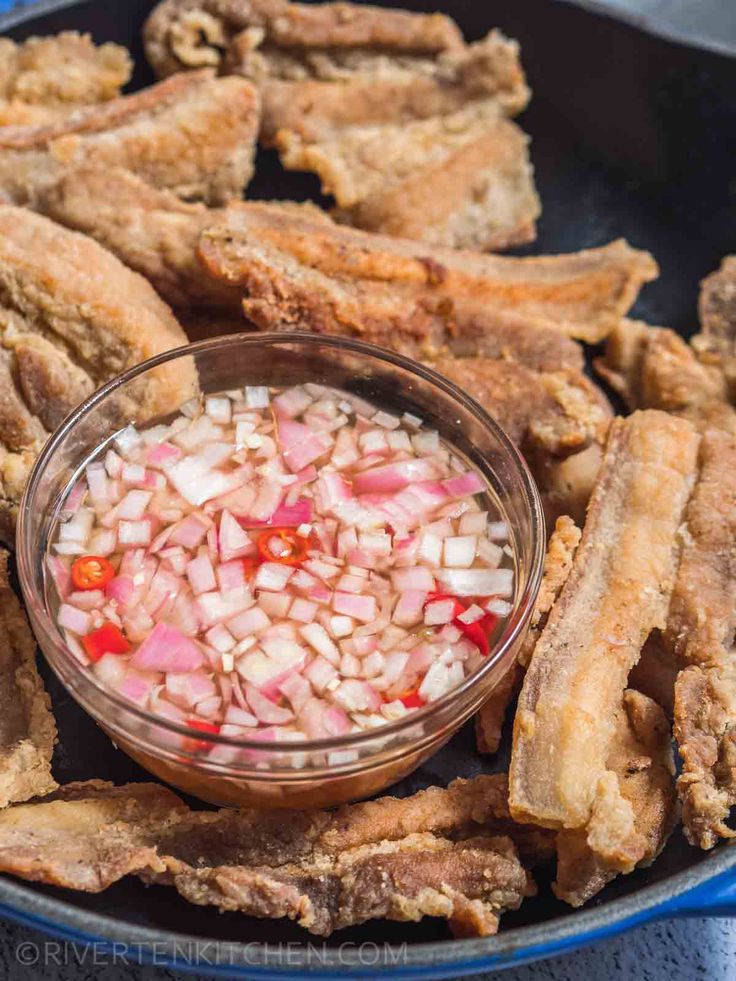
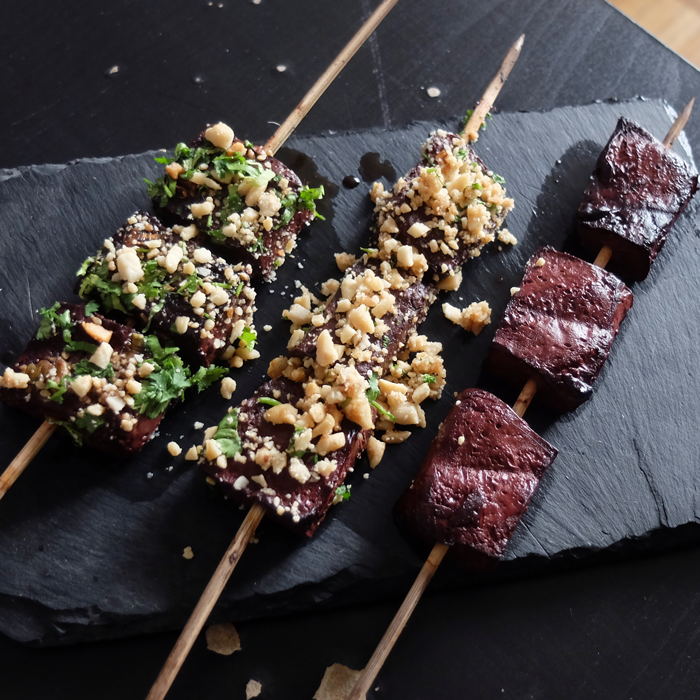
  • Puto: Savory Rice Cakes

    Puto: Savory Rice Cakes

    “Puto: Savory Rice Cakes” are traditional Filipino rice cakes with diverse flavors and toppings, symbolizing Filipino hospitality and culinary heritage, enjoyed during special occasions. They have evolved over time to include gluten-free versions, reflecting adaptability to modern dietary preferences and cooking methods.

    Key Takeaways

    • Puto is a traditional Filipino rice cake made from rice flour and other ingredients.
    • It has evolved over time to include gluten-free versions and variations in flavors and toppings.
    • Puto is enjoyed in different regional variations, such as putong puti, sapin-sapin, and puto bumbong.
    • It holds significance in traditional occasions and symbolizes Filipino hospitality and togetherness.

    Puto’s Pre-Colonial Origins

    Puto’s pre-colonial origins lie in the traditional preparation of rice grains soaked in water overnight and processed into a smooth batter called galapong. This reflects the indigenous culinary practices of the Philippines.

    The rice batter was steamed in banana-lined bamboo platters or individual molds, showcasing the indigenous steaming techniques. Pre-colonial puto was less sweet and had a more natural flavor, reflecting traditional cooking methods. Indigenous rice varieties and local ingredients were used, highlighting adaptation to the agricultural practices and culinary traditions of early Filipino communities.

    The pre-colonial origins of puto showcase the rich culinary heritage of the Philippines, reflecting the resourcefulness and ingenuity of the indigenous people in creating this beloved rice cake.

    Puto’s Historical Adaptations

    With its pre-colonial roots in indigenous culinary practices, Puto has undergone historical adaptations that encompass variations in flavors, dietary considerations, and modernized preparation methods.

    The evolution of Puto from its traditional form to include gluten-free versions reflects its adaptability to dietary requirements and preferences.

    Variations in flavors and toppings cater to different preferences and occasions, showcasing Puto’s versatility in Filipino cuisine.

    Changes in the recipe and ingredients, such as using rice flour instead of fermented rice batter, demonstrate the modernization of Puto’s preparation methods.

    Puto’s adaptability to different molds and cooking techniques highlights its integration with modern kitchen equipment and cooking practices.

    These historical adaptations have allowed Puto to remain a beloved Filipino delicacy, versatile enough to complement a wide range of savory dishes and to accommodate various dietary needs.

    Puto Variations in Different Regions

    Exploring the diverse regions of the Philippines reveals a rich tapestry of puto variations, each reflecting unique local flavors and culinary traditions.

    From the traditional putong puti to the colorful layers of sapin-sapin, Filipino steamed rice cakes offer a wide range of flavors and textures.

    In some regions, puto bumbong, topped with coconut and cheese, is a beloved winter holiday treat. The variations extend to the toppings as well, with American yellow cheese slices being a popular choice in certain areas.

    Additionally, puto is often paired with specific regional dishes, such as dinuguan, a pork blood stew, showcasing how different regions enjoy puto in varying culinary contexts.

    The versatility of puto reflects the rich and diverse Filipino culinary heritage, making it a beloved staple across the country.

    Puto’s Traditional Occasions

    During traditional Filipino winter holidays, puto bumbong is commonly served as a beloved seasonal treat. It holds a special place in Filipino festivities, bringing families and communities together to celebrate the joyous occasions.

    The aroma of steamed rice and coconut milk wafting through the air creates a sense of nostalgia and warmth, evoking cherished memories of past celebrations. The traditional process of preparing puto in intricately crafted puto molds and steaming them in a bamboo steamer adds to the cultural significance and authenticity of the dish.

    The act of sharing and savoring these savory rice cakes with loved ones during traditional occasions embodies the essence of Filipino hospitality and togetherness.

    Rice Flour and Yeast

    To achieve a light and airy texture in your puto cakes, consider using rice flour as a substitute for traditionally fermented rice batter, and adding yeast to enhance the leavening and fermentation process. While yeast isn’t typically used in traditional Filipino puto recipes, incorporating it can contribute to a more complex and fermented flavor profile.

    The combination of rice flour and yeast can create a delightful texture in the puto cakes. Understanding the appropriate yeast-to-flour ratio is crucial to achieve the desired texture and flavor.

    When using rice flour and yeast, ensure the batter is well-fermented before steaming to achieve the best results. By incorporating these ingredients and techniques, you can elevate your puto to a new level, delighting your taste buds with the perfect combination of flavor and texture.

    Puto’s Steaming Time

    When steaming puto, you can achieve a light and airy texture by adjusting the steaming time to about eight minutes when using mini muffin molds, ensuring the desired fluffiness and firmness without overcooking. It’s crucial to pay attention to the stove type and batter consistency to fine-tune the steaming time for optimal results.

    Overcooking can lead to a stiff texture, so be cautious and vigilant. Before removing the puto from the steamer, check its fluffiness and firmness to ensure it meets your expectations. Proper steaming time is essential in achieving the perfect texture of the puto.

    Spongy and Slightly Sweet

    Experience the spongy, slightly sweet delight of puto, a traditional Filipino rice cake. These fluffy and airy cakes are made from steamed rice and all-purpose flour, giving them their characteristic soft and light texture.

    The slightly sweet flavor makes them an easy-to-make treat that can be enjoyed on its own or paired with savory dishes. Puto can be conveniently made in mini muffin molds or cupcake molds, allowing for individual servings perfect for gatherings and celebrations.

    The spongy nature of puto allows it to absorb the flavors of accompanying dishes, making it a versatile addition to any meal. Its Filipino origins and unique texture make puto a delightful and beloved treat for those seeking comforting and familiar flavors.

    Puto’s Festive Symbolism in Fiestas

    During fiestas, puto becomes a symbol of festivity and celebration in Filipino culture. The sight of steaming puto being prepared in traditional steamer molds evokes a sense of anticipation and joy.

    The aroma of the steamed rice cakes, made from rice flour and often soaked in water overnight, fills the air with a delicious promise of indulgence. The vibrant colors of puto, adorned with toppings like cheese and salted egg, add to the festive atmosphere, reflecting the diversity and rich traditions of Filipino cuisine.

    The act of sharing and enjoying puto during fiestas fosters a sense of community and togetherness, as it’s a beloved treat that brings people together to savor the flavors of Filipino heritage.

    Puto’s Unique Toppings

    Puto’s festive symbolism in Filipino culture extends to its unique toppings, adding savory and sweet flavors that enhance the traditional rice cake. American yellow cheese slices provide a savory and salty twist, while salted egg offers a rich and creamy contrast to the sweetness.

    Puto bumbong, a variant of puto, is commonly topped with coconut and cheese, creating a delightful blend of sweet and salty flavors. For a simple yet satisfying taste, traditional puto can be enjoyed plain or with a sprinkle of grated coconut.

    Experiment with different toppings like ube (purple yam) or pandan to create your own unique flavor combinations. Whether it’s the classic white puto or the stew made with putong bigas, these toppings add depth and variety to this delicious Filipino midday snack.

    Caloric Content per Serving

    You consume approximately 119 calories per serving of puto, making it a low-protein, low-fat, and high-carbohydrate snack.

    Puto, a Filipino delicacy, is steamed in special molds, resulting in its unique fluffy texture. The caloric content may vary based on the ingredients used, with some recipes incorporating flour instead of rice.

    Puto offers minimal amounts of vitamins and minerals, such as Vitamin C, but it’s high in saturated fat due to the use of coconut milk or butter.

    Despite its simplicity, puto’s caloric content can add up, so moderation is key for those watching their calorie intake.

    Enjoying this savory rice cake as an occasional treat can be a delightful way to connect with Filipino culinary traditions.

    Conclusion

    So, next time you’re craving a savory Filipino treat, try some puto. Its soft, fluffy texture and slightly sweet flavor make it the perfect complement to your favorite savory dishes.

    Whether you top it with cheese or salted egg, puto is sure to satisfy your taste buds.

    And with its historical significance and traditional ties to Filipino celebrations, puto is more than just a rice cake—it’s a cultural symbol worth savoring.

  • Lumpiang Shanghai: Deep-Fried Spring Rolls

    Lumpiang Shanghai: Deep-Fried Spring Rolls

    Lumpiang Shanghai, a Filipino dish with Chinese influences, features ground pork and vegetables in crispy spring rolls, perfect for parties and celebrations. This popular appetizer showcases a fusion of flavors and cultural exchange between the Philippines and China, making it a versatile and flavorful choice.

    Key Takeaways

    • Lumpiang Shanghai is a Filipino dish with origins from Chinese settlers in the Philippines, showcasing the cultural exchange between the two countries.
    • It represents a fusion of Chinese and Filipino flavors, using thin wrappers, soy sauce, garlic, and oyster sauce, along with a filling of ground pork and minced vegetables.
    • Regional variations of Lumpiang Shanghai exist, with differences in flavors and ingredients, reflecting local tastes and culinary influences.
    • Lumpia Shanghai is a popular choice for festive occasions, adding flavor and tradition to Filipino celebrations, and can be enjoyed as a versatile appetizer or finger food.

    Lumpia Shanghai’s Chinese Influence

    Influenced by Chinese settlers from Fujian China, Lumpia Shanghai is a Filipino spring roll with a filling of ground pork and vegetables. The deep-fried spring rolls reflect the Chinese influence in their thinner wrappers and longer shape, a departure from the fatter spring rolls.

    The filling, comprising ground pork, carrots, celery, and onions, further showcases the dish’s Chinese influence through the use of these ingredients. The fusion of Filipino and Chinese flavors is evident in the cooking process, which involves a combination of ground pork, garlic, onion, carrots, scallions, soy sauce, and oyster sauce.

    This amalgamation of culinary traditions highlights the cultural exchange between the Philippines and China, providing a sense of belonging through shared culinary influences.

    Chinese-Filipino Fusion Influence

    The fusion of Chinese and Filipino culinary influences is evident in the preparation and ingredients of Lumpiang Shanghai, a popular spring roll dish in Filipino cuisine.

    This crispy fried spring roll reflects the blending of Chinese and Filipino flavors, showcasing the influence of Chinese settlers from Fujian China who brought the recipe to the Philippines.

    The use of thin wrappers, soy sauce, garlic, oyster sauce, and spring roll wrappers in the dish highlights the fusion of Chinese and Filipino cooking techniques and flavors.

    The filling, typically comprising ground pork and minced vegetables, further emphasizes the harmonious integration of Chinese and Filipino culinary traditions.

    As a result, Lumpiang Shanghai stands as a delicious testament to the rich and vibrant fusion of Chinese and Filipino influences in Filipino cuisine, providing a sense of belonging and connection to both cultures.

    Lumpia Shanghai in Different Regions

    Across various regions, the preparation and presentation of Lumpia Shanghai can exhibit distinct nuances in flavors and ingredients. The table below provides an overview of the regional differences in the preparation of Lumpia Shanghai.

    Region Flavors Ingredients
    Philippines Sweet and savory Pork, carrots, onions
    China Savory and aromatic Pork, shrimp, water chestnuts
    United States Diverse and fusion Ground pork, garlic, soy sauce

    Lumpia Shanghai remains a beloved dish in each region, with variations that reflect local tastes and culinary influences. Whether it’s the deep-fry technique, the type of lumpia wrappers used, or the specific ingredients incorporated, the essence of Lumpia Shanghai continues to be a delightful culinary symbol of Filipino-Chinese heritage.

    Lumpia Shanghai’s Festive Occasions

    Drawing from the regional variations in flavors and ingredients, Lumpia Shanghai’s presence at festive occasions is a testament to its enduring appeal and versatility. These deep-fried spring rolls are a staple at Filipino celebrations and festivities, adding a burst of flavor and a touch of tradition to any gathering.

    Whether it’s a birthday, holiday, or any joyous occasion, Lumpia Shanghai’s crispy texture and savory filling make it a beloved choice for party spreads. The recipe’s Chinese influence and Filipino adaptation create a fusion of flavors that resonate with the spirit of communal feasting. Making Lumpia Shanghai with pork can evoke holiday memories and flavors, making it a great addition to festive party spreads.

    Its status as a versatile and delicious appetizer or finger food ensures its place at the heart of festive occasions.

    Lumpia Shanghai Filling Components

    For a flavorful and moist Lumpia Shanghai filling, combine ground pork, garlic, onions, carrots, and soy sauce thoroughly. The mixture should be well-seasoned and tested before assembling the spring rolls.

    Use thinner Lumpia Shanghai wrappers to encase the filling and ensure a crispy texture when deep-fried.

    When assembling, roll the filling tightly in the wrapper, seal it with egg wash, and cut it into smaller pieces for frying.

    For extended shelf life, freeze uncooked Lumpiang Shanghai in a zip-lock bag for up to one month, remembering to thaw before cooking.

    These simple steps ensure a delectable and authentic Lumpia Shanghai experience, perfect for any occasion.

    Preparing Lumpia Shanghai Filling

    To prepare the Lumpia Shanghai filling, thoroughly combine ground pork, garlic, onions, carrots, and soy sauce in a mixing bowl. Ensure the ingredients are well mixed for proper seasoning. Test a small portion of the filling by cooking it and adjust the seasoning if necessary. This step guarantees the desired flavor.

    Once the filling is ready, use it to assemble the spring rolls by placing it on a spring roll wrapper and rolling it tightly. Ensuring the filling is flavorful and well-seasoned before wrapping it will result in delicious spring rolls.

    The filling, with its combination of pork, vegetables, and soy sauce, adds savory and aromatic elements to the spring rolls, making them a perfect addition to any meal.

    Crunchy and Savory Filling

    After preparing the flavorful and well-seasoned Lumpia Shanghai filling, the next step is to focus on achieving a crunchy and savory texture that complements the crispy exterior of the spring roll wrapper. The filling of ground pork, combined with garlic, onions, carrots, and soy sauce, provides a delightful contrast of textures with the crispy spring rolls.

    When deep-fried to golden perfection, the savory and umami flavors of the filling are enhanced, resulting in a satisfying and delicious bite. The combination of ingredients in the filling offers a well-balanced taste that makes Lumpiang Shanghai a popular choice for appetizers or finger foods.

    This crunchy and savory filling ensures that each bite of the deep-fried spring rolls is a delightful culinary experience, perfect for gatherings and shared moments.

    Lumpia Shanghai’s Historical Significance

    Lumpia Shanghai holds historical significance as a Filipino spring roll influenced by Chinese culinary traditions, showcasing the cultural exchange between the two nations. Its deep-fried, savory nature reflects the fusion of flavors and techniques from both cultures, symbolizing a harmonious blend of culinary heritage. To further appreciate the historical importance of Lumpia Shanghai, consider the following:

    Cultural Fusion Culinary Heritage
    Chinese settlers from Fujian, China brought the recipe to the Philippines Represents the blending of flavors and culinary techniques from both cultures
    Thinner crepe wrapper distinct from traditional Chinese spring rolls Showcases the influence of Chinese culinary techniques in Filipino cuisine
    Longer shape compared to fatter spring rolls Reflects its unique identity as a Filipino delicacy influenced by Chinese culinary traditions
    Popular at Filipino parties and traditional celebrations Integral part of the country’s culinary heritage

    This historical significance resonates deeply, emphasizing a sense of belonging through shared cultural experiences.

    Unique Filling Combinations

    Experiment with adding water chestnuts, mushrooms, or jicama to create a flavorful twist on traditional lumpia fillings. These unique ingredients can bring a delightful crunch and earthy flavors to your filling.

    Consider incorporating minced shrimp or additional vegetables like bell peppers, celery, or raisins for added texture and taste. You can also try using ground chicken or beef as a substitute for pork to create different variations of lumpia with unique flavor profiles.

    When using these new filling combinations, be sure to wrap them tightly in spring roll wrappers before deep frying to achieve that perfect crispy texture.

    Don’t be afraid to explore different dipping sauces such as sweet and sour, banana ketchup, or chili sauce to complement and enhance the flavors of your lumpia.

    Caloric Content per Serving

    Consider the caloric content per serving of your deep-fried spring rolls, as it provides essential nutritional information for meal planning.

    Each serving of Lumpiang Shanghai contains approximately 45.7kcal, with 0.9g of carbohydrates, 3g of protein, and 3.4g of fat. Additionally, it contains 1.2g of saturated fat and 16.3mg of cholesterol.

    The sodium content per serving is approximately 157.8mg, with 0.1g of fiber and 0.2g of sugar. These values are crucial for maintaining a balanced diet and making informed dietary choices.

    When enjoying Lumpiang Shanghai, it’s important to be mindful of portion sizes and overall caloric intake. Incorporating these nutritional values into your meal planning will enable you to savor deep-fried spring rolls while aligning with your dietary goals.

    Can I Use Fish or Squid Balls in Lumpiang Shanghai?

    Yes, you can use delicious homemade seafood snacks like fish or squid balls in Lumpiang Shanghai. These flavorful and savory balls will add a unique twist to the traditional recipe and make it even more enjoyable for seafood lovers. Give it a try and savor the delicious flavors!

    Conclusion

    In conclusion, Lumpiang Shanghai is a beloved Filipino dish with Chinese influences, featuring a savory filling of ground pork and vegetables. These crispy spring rolls are a popular appetizer or finger food, often served with a dipping sauce.

    With its historical significance and versatility in filling combinations, Lumpiang Shanghai continues to be a staple in Filipino cuisine, perfect for festive occasions and everyday enjoyment.

  • Isaw: Grilled Pork Skewers

    Isaw: Grilled Pork Skewers

    Isaw is a popular street food in the Philippines made from barbecued pig or chicken intestines. The intestines are cleaned several times and are then either boiled or marinated before being grilled on sticks. For presentability, the intestines are usually applied with orange food coloring.

    Key Takeaways

    • Isaw holds significant cultural importance in Filipino cuisine and street food heritage.
    • Filipino street food showcases the rich and diverse tapestry of Filipino food, influenced by Spanish, Chinese, and American cuisines.
    • The grilling techniques used for pork intestine skewers reflect Filipino culture’s ability to transform humble ingredients and create unique flavors.
    • Grilled pork skewers provide a rich source of protein and contribute to a balanced diet.

    Isaw’s Significance in Filipino Cuisine

    Isaw holds significant cultural importance in Filipino cuisine with deep-rooted nostalgic and economic connections. This popular dish, made from grilled pork skewers, reflects the integral role of street food in Filipino culture.

    The preparation of Isaw involves marinating pork pieces with a blend of spices like cumin, garlic powder, and black pepper, then grilling and basting them with a sweet and savory mixture of sugar, banana ketchup, soy sauce, vinegar, and oil.

    The dish isn’t only a testament to Filipino resourcefulness but also a symbol of creativity in transforming unconventional ingredients into flavorful grub. Its popularity showcases the rich and diverse tapestry of Filipino food, providing a sense of belonging and identity within the community.

    Isaw’s significance goes beyond its culinary appeal, embodying the spirit of Filipino cuisine and tradition.

    Isaw’s Historical Development

    The historical development of pork intestine skewers (isaw) mirrors the innovative spirit and cultural significance of Filipino street food, embodying a tradition of resourcefulness and creativity in transforming unconventional ingredients into flavorful culinary delights.

    The process of creating pork intestine skewers involves thorough cleaning, boiling until tender, seasoning with various spices, marinating overnight, skewering, grilling, and serving with spicy vinegar. This method of preparation highlights the Filipino tradition of utilizing every part of the animal and infusing it with bold flavors.

    The combination of grilling the skewers over charcoal for a few minutes imparts a smoky aroma and a distinct taste.

    Unique Grilling Techniques in Asia

    Asian grilling techniques encompass a diverse range of methods that infuse meats with a harmonious blend of sweet, salty, and spicy flavors, often achieved through marinating and grilling over charcoal or open flames. Here’s a glimpse of some unique grilling techniques in Asia:

    Grilling Technique Description Popular in
    Yakitori Skewered and grilled bite-sized pieces of chicken, often seasoned with salt or tare sauce. Japan
    Satay Skewered and grilled meat, typically marinated in a mixture of turmeric, lemongrass, and lime. Indonesia, Malaysia
    Bulgogi Thinly sliced beef marinated in a mixture of soy sauce, sugar, sesame oil, and garlic, then grilled. South Korea

    These techniques showcase the art of grilling in Asia, each contributing to the region’s rich culinary tapestry.

    Filipino Street Food Heritage

    Grilling techniques in Asia offer a rich tapestry of flavors and traditions. Within this diverse culinary landscape, Filipino street food heritage stands out with its unique blend of Spanish, Chinese, and American influences.

    Filipino BBQ Pork, often made from succulent pork shoulder, is a quintessential part of street foods in the Philippines. The meat is meticulously marinated in a mixture of Datu Puti vinegar, garlic, and soy sauce, infusing it with a savory and tangy flavor.

    Bamboo skewers, soaked in water to prevent charring, are used to thread the marinated pork, which is then grilled over charcoal grills. This tradition not only delivers delicious food but also fosters a sense of community, as families and vendors pass down their grilling methods and recipes.

    Marinade for Isaw

    Consider thoroughly cleaning the intestines with running water before marinating them with a blend of salt, cumin, garlic powder, black pepper, and cayenne pepper powder for an infusion of flavors.

    After refrigerating the marinated pork intestine slices overnight, skewer them using bamboo skewers and grill each side for 3 minutes.

    Baste the skewers with a mixture of sugar, banana ketchup, soy sauce, vinegar, and oil for a caramelized glaze.

    For the best results, serve the grilled pork intestine skewers with spicy vinegar for a burst of tangy flavor.

    To prepare the marinade, use a large mixing bowl to ensure the pork belly is evenly coated.

    Consider sourcing the ingredients from an Asian grocery for an authentic touch to your grilled pork skewers.

    Pork Intestine Skewer Marinade

    After thoroughly cleaning the pork intestines with a water and vinegar mixture and boiling them for one hour, season the boiled intestines with a blend of salt, cumin, garlic powder, black pepper, and cayenne pepper, then refrigerate overnight.

    When preparing the marinade for the pork intestine skewers, remember to:

    • Skewer the marinated intestine slices and grill them to perfection.
    • Baste the skewers with a delightful mixture of soy sauce, garlic powder, and black pepper.
    • Serve the grilled pork intestine skewers with spicy vinegar for that authentic Filipino experience.

    Crispy and Chewy Texture

    Boiling the intestines for an hour not only achieves tenderness but also contributes to the crispy and chewy texture of the grilled pork skewers. The marinated pork tenderloin, combined with the thorough cleaning and boiling of the intestines, creates a delightful texture experience.

    The large bowl used for marinating allows the flavors to infuse, enhancing the overall texture. The cooking time is crucial, ensuring that the intestines are tender yet chewy. Continuously basting the skewers with a sweet and tangy mixture while grilling creates a crispy exterior and a chewy interior, offering a satisfying contrast in textures. Enjoy the crispy and chewy texture of the grilled pork skewers with a side of spicy vinegar to complement the flavors.

    Aspect Details
    Texture Crispy exterior, chewy interior
    Cooking Method Grilling and continuous basting
    Flavor Enhancement Overnight marination

    Street Food Staple in Philippines: Isaw

    In the bustling streets of the Philippines, a beloved and flavorful staple awaits: Inihaw na Isaw ng Baboy.

    This grilled pork skewer, made from marinated and flavorful pork intestines, is a popular and mouthwatering delight.

    The process involves thoroughly cleaning and boiling large pieces of pork butt, before seasoning and marinating them overnight.

    The skewered intestines are then grilled and continuously basted with a flavorful mixture of soy sauce, sugar, banana ketchup, vinegar, and oil.

    This traditional dish is often served with spicy vinegar and is a favorite amongst locals and visitors alike.

    Grilled Pork Intestine Skewer Shapes

    To achieve diverse skewer shapes, consider varying the length and thickness of the marinated pork intestine slices before grilling. By adjusting the size of the pork intestine pieces, you can create unique and visually appealing skewers that will enhance your grilled pork experience. Here’s a simple guide to help you explore different pork intestine skewer shapes:

    Shape Length Thickness
    Straight Large Regular
    Curved Large Thick
    Spiral Large Thin
    Zigzag Small Regular
    Double Skew Small Thick

    Experimenting with these shapes will not only add variety to your grilled pork skewers but also provide an exciting and enjoyable cooking experience.

    Isaw Has High Protein Content

    Pork skewers are a rich source of protein, assisting in muscle repair and growth. The marinade, typically made with soy and sesame oil, enhances the flavor while adding to the protein content.

    Grilled pork skewers offer essential amino acids vital for the body’s protein synthesis and overall health. The high protein content in these skewers promotes feelings of fullness, aiding in appetite control. Additionally, the nutrient density of grilled pork skewers provides a substantial amount of protein per serving, contributing to a balanced diet.

    Consuming high-protein foods like pork skewers supports muscle health and function, making it a satisfying and beneficial choice for those seeking to incorporate more protein into their diet.

    Conclusion

    So, next time you’re in the Philippines, don’t miss out on trying isaw.

    It’s a unique and flavorful snack that’s deeply rooted in Filipino culinary tradition.

    The combination of crispy and chewy texture, along with the high protein content, makes it a satisfying snack.

    And the history and grilling techniques behind it add to the experience of enjoying this popular Filipino dish.