Category: Sweet Treats

  • Suman: Exploring the Cultural Significance and Varieties of a Filipino Staple

    Suman: Exploring the Cultural Significance and Varieties of a Filipino Staple

    Suman is a traditional Filipino delicacy, essentially a steamed sticky rice cake, often wrapped in banana or palm leaves. It’s made with glutinous rice cooked in coconut milk and can be enjoyed as a snack or dessert.

    Ingredients: The primary ingredients are glutinous rice and coconut milk.
    Preparation: The rice is cooked in coconut milk until it becomes sticky, then often wrapped in banana or palm leaves for steaming.
    Variations: Suman can be eaten plain, with sugar, or with toppings like latik (toasted coconut milk curds), caramel, or mangoes.
    Popularity: Suman is a widely enjoyed snack and dessert across the Philippines.

    The Origins of Suman

    For centuries, the origins of suman in the Philippines have been rooted in tradition and cultural significance, reflecting the rich history of this beloved staple.

    Suman, a traditional Filipino cuisine, dates back to ancient times when it was offered to idols and foreign visitors. Notably, historian Antonio Pigafetta described suman as rice cakes wrapped in leaves, showcasing its long history.

    This delicacy isn’t only a popular treat found throughout the Philippines’ 7,000-plus islands but also boasts unique varieties from region to region.

    The wrapping and folding techniques of suman have been passed down through generations, highlighting its cultural significance and the pride Filipinos take in their culinary heritage.

    From its humble beginnings to its diverse adaptations, the story of suman mirrors the rich tapestry of Filipino culture and traditions.

    Traditional Suman Recipes

    Looking to explore traditional suman recipes from the Philippines? Traditional suman comes in various forms, showcasing the diverse flavors and ingredients found across different regions of the country.

    Suman sa ibus from Antipolo features glutinous rice, salt, coconut milk, and turmeric, creating a savory and aromatic treat.

    On the other hand, suman moron from Samar offers a sweet twist with the addition of real cacao or store-bought chocolate to the rice cake.

    For a unique variation, consider trying sumang kamoteng kahoy, which is made with grated cassava instead of rice.

    Despite the regional differences, the common elements of traditional suman remain consistent: glutinous rice and coconut milk, steamed and wrapped in buri palm leaves or plain banana leaves.

    These traditional suman recipes truly encapsulate the rich culinary heritage of Filipino culture.

    Regional Variations of Suman

    When it comes to suman in the Philippines, each region boasts its own unique variations that showcase the diversity of flavors and ingredients.

    From the vibrant flavors of Visayas to the traditional suman in Luzon and the distinct taste of suman in Mindanao, the regional differences in preparation and ingredients offer a fascinating glimpse into the rich culinary heritage of the country.

    Whether it’s the use of turmeric in suman sa ibus or the addition of cacao in Suman moron, each regional variation adds a special touch to this beloved Filipino staple.

    Suman in Visayas

    In the Visayas region of the Philippines, the diversity of suman reflects the rich culinary heritage of the area. Suman in Visayas encompasses a wide array of flavors and styles.

    It’s common to find suman as rice cakes wrapped in leaves, a traditional method that imparts a distinct aroma and flavor to the dish. The ingredients used in Visayan suman vary widely, with some variations featuring glutinous rice, coconut milk, and sugar, while others incorporate unique elements such as turmeric or cacao.

    Each province within the Visayas region boasts its own signature suman, showcasing the region’s vibrant culinary traditions. Whether it’s the savory suman sa ibus from Antipolo or the sweet suman moron from Samar, Visayan suman offers a delightful exploration of Filipino food at its finest.

    Suman in Luzon

    Suman in Luzon boasts its own distinct regional variations, adding to the diverse tapestry of suman found across the Philippines.

    In Antipolo, Suman sa ibus is a popular type of suman made with glutinous rice, salt, coconut milk, and turmeric, giving it a unique yellow color and a slightly savory flavor.

    Moving to Samar, Suman moron is a sweet rice cake made with real cacao or store-bought chocolate, offering a delightful blend of sweetness and richness.

    Additionally, sumang kamoteng kahoy stands out as a type of suman made with grated cassava instead of rice, showcasing the versatility of ingredients and flavors in suman across Luzon.

    Each variation reflects the rich cultural heritage and culinary creativity present in Luzon’s suman as rice cakes.

    Suman in Mindanao

    Featuring a variety made from glutinous rice, coconut milk, and sugar and commonly wrapped in banana leaves, Suman in Mindanao offers unique regional variations that showcase the rich culinary diversity of the region.

    One notable variation is the suman sa binaki, which acquires a distinct flavor from being cooked in bamboo tubes.

    The diverse wrapping styles and flavors of Mindanao’s suman provide a rich culinary experience, reflecting the cultural diversity and creativity of the region’s culinary traditions.

    Each variation showcases the artistry and techniques of suman wrapping, emphasizing the craftsmanship and creativity of Mindanao.

    From the traditional ingredients to the distinctive cooking methods, Suman in Mindanao embodies the region’s passion for culinary excellence and innovation, making it a must-try for anyone seeking to explore the vibrant flavors of Filipino cuisine.

    Suman in Filipino Festivals

    Hey there! Let’s talk about the vibrant presence of suman in Filipino festivals.

    From the Grand Suman Festival in Baler, Aurora, to SumBingTik and Sumakah in Rizal, these celebrations showcase the rich diversity of suman, bringing together various flavors and regional variations.

    At these festivals, you’ll witness not only the deliciousness of suman but also traditional dance challenges, cooking contests, and other cultural festivities that highlight the deep-rooted significance of suman in Filipino traditions.

    Festival Traditions

    Festivals in the Philippines come alive with the vibrant celebration of suman, as local communities showcase their rich culinary heritage and cultural traditions through this beloved rice cake.

    Suman is celebrated in festivals such as the Grand Suman Festival in Baler, Aurora, where locals adorn the streets and houses with finger-shaped rice cakes. It’s also incorporated in other festivals like SumBingTik in Cainta and Sumakah in Antipolo, where it plays a significant role in the celebrations.

    The festival traditions showcase various flavors and iterations of suman, and feature activities like dance challenges, cooking contests, and beauty pageants.

    Suman symbolizes the country’s history, culture, and resilience, and is deeply rooted in Filipino traditions associated with religious and secular celebrations. The significance of suman in festivals reflects its enduring popularity and its profound symbol of the Philippines’ culinary heritage.

    Regional Variations

    Highlighting the diverse flavors and iterations of suman in Filipino festivals, you’ll discover a rich tapestry of regional variations that add depth to the cultural celebration. Suman holds significant importance in various festivals across the Philippines, showcasing unique variations and flavors specific to each region. Below is a table illustrating some of the regional variations of suman in Filipino festivals:

    Region Festival
    Baler, Aurora Grand Suman Festival
    Cainta SumBingTik
    Antipolo Sumakah
    Various regions Local festivals celebrating suman

    Each region takes pride in its distinct suman traditions, contributing to the cultural diversity and richness of Filipino festivals. Whether it’s the Grand Suman Festival in Baler, the SumBingTik in Cainta, or the religiously significant Sumakah Festival in Antipolo, suman continues to play a vital role in these celebratory events.

    Suman: Symbol of Filipino Culture

    Suman, with its rich history and diverse regional variations, has become an enduring symbol of Filipino culture, reflecting the deep-rooted significance of rice in the culinary traditions and celebrations of the Philippines.

    Here’s why suman holds such cultural importance:

    1. Culinary Traditions: Suman has been a part of Filipino culture for centuries, initially used as offerings and presents, and is enjoyed throughout the 7,000-plus islands of the Philippines.
    2. Regional Variations: Varieties of suman, such as suman sa ibus, suman moron, and sumang kamoteng kahoy, demonstrate the diverse culinary landscape of the Philippines, each with its own unique ingredients and flavors based on the region.
    3. Celebrations and Artistry: Suman holds cultural significance in Filipino celebrations, particularly during the holiday season, showcasing the creativity and craftsmanship of Filipino culture through the varying techniques of suman wrapping across different regions.

    Modern Interpretations of Suman

    Get ready to tantalize your taste buds with the modern interpretations of suman.

    Chefs and food enthusiasts are pushing the boundaries by experimenting with new ingredients and flavors, creating suman variations like ube, mango, and chocolate suman.

    These innovative takes on the traditional Filipino staple aren’t only appealing to diverse palates but also reimagining suman as a gourmet dessert with unique presentation and fusion with international flavors.

    Creative Suman Variations

    Discover the innovative world of modern suman variations, where traditional flavors and fillings are reimagined with a creative twist.

    Suman comes in diverse flavors like chocolate, ube, mango, and pandan, adding a modern flair to the Filipino staple.

    Creative suman variations feature fillings such as custard, chocolate ganache, and tropical fruit compotes, offering a delightful surprise with every bite.

    Innovative suman creations incorporate toppings like caramelized coconut, toasted nuts, and flavored syrups, elevating the sensory experience of enjoying this traditional delicacy.

    These creative interpretations showcase the adaptability of suman, demonstrating how a beloved Filipino staple can evolve to cater to contemporary tastes while still staying true to its cultural roots.

    From imaginative fillings to artistic presentation, these modern suman variations bring a fresh and exciting perspective to a time-honored favorite.

    Fusion With International Flavors

    With a tantalizing blend of traditional Filipino suman and global culinary influences, modern interpretations of suman have ushered in an exciting era of fusion with international flavors. These innovative variations incorporate a diverse range of international ingredients and cooking techniques, resulting in suman that reflects the evolving culinary landscape.

    From matcha-infused suman to coconut and pandan flavored ones, the fusion with international flavors showcases the adaptability and versatility of Filipino cuisine. By integrating global tastes and techniques, these modern interpretations of suman highlight the rich history and cultural significance of this traditional Filipino staple while embracing a world of diverse culinary influences.

    This fusion not only adds a new dimension to suman but also underscores the global influence on traditional Filipino dishes, illustrating the dynamic nature of Filipino cuisine in adapting to international flavors.

    Suman in Modern Cuisine

    Exploring the vibrant world of modern interpretations of suman unveils an array of unconventional ingredients and innovative flavors that have redefined this traditional Filipino rice cake in contemporary cuisine. Chefs and home cooks are experimenting with diverse presentations, such as deconstructed suman, suman ice cream, and suman-inspired desserts, to elevate the classic Filipino delicacy into a modern culinary experience.

    The use of non-traditional wrapping techniques and creative plating showcases the artistic evolution of suman in modern cuisine. Suman has also been incorporated into fusion dishes, blending Filipino flavors with international cuisines to appeal to a broader audience and cater to evolving palates.

    The growing popularity of Filipino cuisine has led to the reinterpretation of suman, with restaurants and chefs infusing it with contemporary elements while still honoring its cultural roots.

    Suman’s Role in Filipino Cuisine

    Suman plays a significant role in Filipino cuisine, embodying centuries-old traditions and regional diversity. This delightful treat, made from glutinous rice and coconut milk, is a staple found throughout the 7,000-plus islands of the Philippines.

    The art of wrapping suman is a well-kept tradition, showcasing the creativity and craftsmanship of Filipino culture. Its somewhat longish shape and the use of buri palm leaves or banana leaves for wrapping make it easily identifiable. Suman holds a special place in the celebration of native Christmas and during the holiday season in the Philippines.

    It’s featured in the book ‘Memories of Philippine Kitchens’ and is a beloved part of Filipino culinary heritage. This delicious rice cake, with its various regional varieties, is a testament to the rich and diverse culinary landscape of the Philippines.

    The Art of Making Suman

    Indulge in the centuries-old tradition of crafting suman, the Filipino delicacy that embodies creativity and craftsmanship through its intricate wrapping techniques and regional flavors. The art of making suman involves a meticulous process that showcases the expertise and creativity of Filipino culinary traditions.

    Here’s how it’s done:

    1. Ingredients: The traditional preparation of suman involves using glutinous rice and coconut milk, creating a rich and flavorful base for this beloved delicacy.
    2. Wrapping Techniques: Suman wrapping is an art form, with intricate techniques passed down through generations. From simple folds to complex geometric patterns, the wrapping showcases the skill and creativity of Filipino artisans.
    3. Regional Flavors: There are various regional varieties of suman in the Philippines, each with unique ingredients and flavors that reflect the diverse culinary landscape of the country.

    Suman: A Culinary Tradition

    Delve into the rich culinary heritage of the Philippines through the time-honored tradition of preparing and savoring suman, a beloved staple that embodies the artistry and flavors of Filipino cuisine.

    Suman has been a part of Filipino culture for centuries, originally offered to idols and foreign visitors. The varieties of suman, such as Suman sa ibus, Suman moron, and Sumang kamoteng kahoy, each showcase unique ingredients and flavors.

    Traditional preparation involves using glutinous rice and coconut milk, steaming the mixture, and wrapping it in banana leaves.

    Suman holds significant cultural value and is often served during the holiday season, reflecting the importance of rice in Filipino cuisine.

    The art of wrapping suman is a well-kept tradition, with different regions showcasing distinct wrapping styles, displaying the creativity and craftsmanship of Filipino culture.

    Suman’s Cultural Significance

    Steeped in centuries of tradition and cultural significance, the art of preparing and savoring suman offers a captivating glimpse into the diverse culinary heritage of the Philippines. The cultural significance of suman extends beyond its role as a delicious treat, encompassing a rich tapestry of traditions and customs.

    Here’s why suman holds such profound cultural importance:

    1. Regional Diversity: Different regions in the Philippines boast their own unique types of suman, reflecting the country’s diverse culinary heritage with variations in ingredients and flavors.
    2. Symbolism in Festivities: Suman, along with other rice cakes, plays a pivotal role in Filipino culture during special occasions, particularly during the New Year and holiday seasons. It symbolizes prosperity and abundance, adding a meaningful touch to these festivities.
    3. Artistic Expression: The intricate and beautiful wrapping styles of suman showcase the creativity and craftsmanship of Filipino culture. These wrapping techniques have been preserved and passed down through generations, serving as a representation of artistic expression and cultural pride.

    Exploring Suman’s Ingredients

    Suman, a traditional Filipino rice cake, is crafted from a combination of glutinous rice and coconut milk, creating a delectable treat that epitomizes the rich culinary heritage of the Philippines. The use of glutinous rice gives suman its distinct sticky texture, while the addition of coconut milk lends it a creamy, aromatic flavor. These two primary ingredients are essential in capturing the essence of traditional Filipino cuisine.

    The combination of glutinous rice and coconut milk serves as the foundation for various suman varieties, each offering a unique taste and texture. The simplicity of these ingredients underscores the focus on natural flavors and showcases the skillful art of transforming humble ingredients into a beloved Filipino delicacy.

    Moreover, the reliance on these staple ingredients reflects the deep-rooted connection between Filipino culture and its agricultural traditions.

    Suman: A Filipino Household Staple

    Suman has long been a cherished part of Filipino households, often enjoyed as a delightful treat during various special occasions and everyday meals. Its presence is deeply embedded in Filipino culture and traditions. Here’s why suman is a Filipino household staple:

    1. Versatility: Suman can be enjoyed as a sweet dessert, a snack, or even as a part of a savory meal, making it a versatile and beloved dish in Filipino households.
    2. Cultural Symbolism: Suman holds cultural significance in Filipino celebrations, believed to bring good fortune, making it an integral part of many family gatherings and festive occasions.
    3. Regional Variations: Different regions in the Philippines have their own unique ways of preparing and enjoying suman, showcasing the diversity and richness of Filipino culinary traditions.

    Frequently Asked Questions

    What Is the Cultural Significance of Suman?

    Suman holds deep cultural significance in Filipino tradition. It’s a symbol of heritage and unity, showcased in various regional varieties. The art of preparation and intricate wrapping techniques reflect the creativity and craftsmanship of Filipino culture.

    What Is the Symbolism of Suman?

    Suman symbolizes unity and abundance in Filipino culture, reflecting the importance of rice as a staple. Enjoyed during holidays, this treat brings good fortune in the New Year. Its diverse varieties showcase the creativity of Filipino cuisine.

    What Is Suman in the Philippines?

    In the Philippines, suman is a traditional rice cake with various types like suman sa ibus and suman moron, each offering unique flavors. It’s made with glutinous rice and coconut milk, wrapped in palm or banana leaves.

    How Did Suman Originate?

    Suman originated in the Philippines as a practical way to use excess rice grains before the arrival of the Spaniards. Over time, it became a cultural staple, with different regions crafting their own unique variations using glutinous rice and coconut milk.

    What are the cultural and regional variations of Filipino staples like Suman and Bibingka?

    Filipino staples like Suman and Bibingka have cultural and regional variations that make them unique. The bibingka tradition and taste are different in different parts of the Philippines, with various regions having their own take on this beloved treat. Each variation offers a delicious glimpse into Filipino cuisine.

    Conclusion

    So there you have it – suman, a beloved Filipino staple with a rich cultural significance and a wide variety of flavors and styles.

    From its ancient origins to its modern-day presence in Filipino festivals and households, suman continues to be a symbol of Filipino culture and culinary tradition.

    Its unique blend of glutinous rice, coconut milk, and banana leaves reflects the creativity and craftsmanship of Filipino cuisine, making it a must-try for anyone exploring the diverse flavors of the Philippines.

  • Bibingka: Taste and Tradition in a Filipino Delicacy

    Bibingka: Taste and Tradition in a Filipino Delicacy

    Bibingka is a popular Filipino rice cake, especially associated with Christmas celebrations. Its name is thought to have origins in the Sanskrit word “bhinnapanka,” meaning “baked flour”. While sometimes used as a slang term, in the Filipino context, bibingka refers to this traditional rice cake.

    Elaboration:

    Definition:
    Bibingka is a type of rice cake commonly enjoyed in the Philippines, often during the Christmas season.
    Etymology:
    The name “bibingka” is believed to be derived from the Sanskrit word “bhinnapanka,” which translates to “baked flour”.
    Traditional Preparation:
    Bibingka is traditionally baked in a clay pot lined with banana leaves, giving it a unique smoky flavor and aroma.
    Ingredients:
    The main ingredients are glutinous rice, water or coconut milk, and sometimes sugar, butter, and other flavorings.
    Association with Christmas:
    Bibingka is a staple food during the Simbang Gabi (Christmas dawn mass) and is often served with coffee or milk as a breakfast or merienda (snack).

    The Origins of Bibingka

    The origins of bibingka can be traced back to the rich culinary heritage of the Philippines, reflecting a blend of indigenous flavors and influences from neighboring cultures. This traditional Filipino Christmas food holds a special place in the hearts of many, especially during the holiday season.

    The very name ‘bibingka’ has an uncertain origin, possibly originating from a Malay loanword, and is consistently partially reduplicated in most Philippine languages. It’s a staple often eaten after attending the nine-day Simbang Gabi (Night mass), and is commonly sold near churches.

    Bibingka comes in various textures, ranging from soft and spongy to firm, and is typically enjoyed hot or warm with a slightly sweet taste reminiscent of rice pudding. Over time, it has evolved from using traditional methods with simpler ingredients to more modern and complex techniques, showcasing the effects of globalization on culinary practices.

    Cultural Significance

    Having explored the origins of bibingka, you can now appreciate its cultural significance as a symbol of togetherness and celebration in Filipino culture.

    Bibingka plays a pivotal role in traditional Filipino festivities, bringing families and friends together. Its irresistible aroma and delectable taste make it a staple during the Christmas season, especially during the early morning masses known as ‘Simbang Gabi.’

    This beloved and versatile treat has become deeply embedded in celebratory customs, symbolizing joy and unity. Beyond satisfying hunger, bibingka feeds the soul, creating enduring memories and strengthening bonds.

    Its presence at gatherings and special occasions exemplifies the warmth and generosity of Filipino hospitality, making it an indispensable part of the country’s cultural fabric.

    Traditional Ingredients

    When making bibingka, it’s important to understand the traditional ingredients that go into this beloved Filipino treat.

    From the key components like galapong and coconut milk to the unique regional variations incorporating ingredients such as palm wine and durian, each element contributes to the rich culinary significance of bibingka.

    Learning about these traditional ingredients will give you a deeper appreciation for the flavors and textures that make bibingka a staple in Filipino cuisine.

    Key Ingredients

    To make traditional bibingka, you’ll need a few key ingredients that come together to create its unique and delicious flavor:

    1. Galapong: This is ground soaked glutinous rice, which forms the base of the bibingka batter.
    2. Coconut Milk: It adds a rich, creamy texture and imparts a delightful tropical flavor to the bibingka.
    3. Sugar and Eggs: These ingredients provide sweetness and contribute to the moistness and structure of the bibingka.
    4. Banana Leaves: Used for flavor and as a lining for the baking container, they infuse the bibingka with a subtle, aromatic essence.

    These ingredients, along with a few others like water and traditional yeast, are crucial in creating the distinct taste and texture of traditional bibingka. Each element plays a significant role in capturing the authentic essence of this beloved Filipino delicacy.

    Regional Variations

    With a myriad of regional variations in the Philippines, bibingka transforms its traditional ingredients to showcase diverse local flavors, such as tubâ (palm wine), cassava, and durian. This adaptation reflects the rich tapestry of Filipino culture and traditional preparation methods. Below is a table that highlights some of the regional variations of bibingka and their unique ingredients:

    Regional Variation Unique Ingredients
    Bibingkang Malagkit Sticky rice, coconut milk
    Bibingka from Cavite City Cheese, salted eggs, and kesong puti
    Bibingka a la Luisiana, Laguna Grated coconut, buko strips, and kesong puti

    These regional variations of bibingka not only showcase the diverse flavors found across the Philippines, but also demonstrate the adaptability of traditional recipes to incorporate local ingredients.

    Culinary Significance

    Traditional bibingka’s key ingredients, including ground soaked glutinous rice, coconut milk, and water, are vital to its culinary significance and unique flavor profile. These traditional ingredients contribute to the rich and creamy texture, as well as the distinct coconut aroma that permeates each delectable bite of bibingka.

    The ground soaked glutinous rice provides a dense and chewy consistency, while the coconut milk infuses a subtle sweetness and a hint of nuttiness. The water helps to achieve the perfect batter consistency, resulting in a moist and flavorful cake.

    Additionally, the traditional preparation method, which involves soaking the rice overnight to make galapong, further enhances the depth of flavor and authenticity of this beloved Filipino delicacy.

    Regional Variations

    Regional variations of bibingka showcase the diverse and unique twists that different areas of the Philippines bring to this beloved traditional dessert. Each region adds its own flair, incorporating local ingredients and flavors to create distinct versions of this mouthwatering delicacy. Below is a table detailing some of these regional variations:

    Regional Variation Key Ingredients Unique Features
    Bibingkang Malagkit Sticky rice, ripe jackfruit, latik Moist texture, sweet and nutty flavors
    Cassava bibingka with custard Cassava, custard topping Chewy texture, creamy custard topping
    Bibingka from Cavite City Rice flour, salted duck eggs Salty-sweet flavor, rich and creamy texture
    Bibingka a la Luisiana, Laguna Rice flour, coconut milk, cheese Creamy and cheesy, with a hint of coconut
    Durian Bibingka Rice flour, durian fruit Unique durian flavor, creamy and aromatic

    These variations not only showcase the creativity and diversity of Filipino cuisine but also provide a delightful culinary experience that reflects the unique traditions and flavors of each region.

    Baking Techniques

    To achieve the perfect bibingka, mastering the essential baking techniques is crucial for creating the delectable texture and flavors that define this traditional Filipino dessert. Here are some key techniques to consider:

    1. Use of Rice Flour: Modern variations may use rice flour or mochiko flour as substitutes for galapong, offering flexibility in baking techniques.
    2. Traditional Baking Method: Baking bibingka in a clay pot lined with banana leaves over coals or dried coconut husks is the traditional method, but modern variations use gas or electric ovens and parchment paper as substitutes.
    3. Timing for Toppings: Different toppings should be added at specific times during baking to prevent burning, such as salted egg slices after 9 minutes and cheddar cheese after 19 minutes.
    4. Baking Tips: Softening banana leaves before lining the molds, checking for a clean toothpick when testing for doneness, and whisking ingredients to avoid lumps are essential baking tips for bibingka.

    Festive Occasions

    For festive occasions, indulge in the rich tradition of enjoying bibingka as a centerpiece of Filipino celebrations, infusing gatherings with its delightful flavors and cultural significance.

    During the Christmas season, bibingka, also known as Christmas Rice Cakes, holds a special place in Filipino culture. It’s a customary treat after attending the nine-day Simbang Gabi, adding a touch of sweetness to the festivities.

    The Bibingkang kamoteng kahoy from Iloilo and bibingkoy from northern Cavite offer regional variations, each contributing to the diversity of flavors and textures. The sweet taste, combined with the aroma of coconut milk, creates a delightful experience for your taste buds. Topped with salted egg, it presents a unique blend of flavors, making it an ideal choice for breakfast or as a dessert after a hearty meal.

    Whether bought from street vendors or enjoyed in cafes and restaurants, bibingka symbolizes togetherness and celebration, enriching festive occasions with its cultural importance.

    Toppings and Flavors

    Indulge in the delightful array of bibingka toppings and flavors, adding a burst of diverse tastes to the traditional Christmas centerpiece.

    1. Salted Egg: A classic topping, the salted egg provides a savory contrast to the sweet and smoky flavors of the bibingka.
    2. Grated Coconut: This adds a delightful texture and a nutty, tropical flavor to the bibingka, enhancing its overall richness.
    3. Coconut Cream: Drizzled over the bibingka, the coconut cream infuses the dessert with a luscious, creamy sweetness.
    4. Banana Leaves: Not just for decoration, the banana leaves impart a subtle earthy aroma to the bibingka, elevating its flavor profile.

    These toppings and flavors, carefully selected and combined, create a harmonious blend that makes bibingka a beloved Filipino delicacy, perfect for celebrating special occasions and everyday indulgences.

    Religious Rituals

    As you savor the delectable flavors of bibingka, it’s important to understand the religious rituals associated with this beloved Filipino treat.

    The spiritual significance and ceremonial preparation of bibingka add depth and meaning to its enjoyment, enriching the tradition with a sense of reverence and history.

    Spiritual Significance

    After attending the nine-day Simbang Gabi (Night mass), you’ll find bibingka, a dish with deep spiritual significance in Filipino religious rituals, being sold near churches. This delicious treat holds a special place in the hearts of Filipinos, particularly during the Christmas season. Here’s why bibingka is more than just a delightful dessert:

    1. Cultural and Religious Symbol: Bibingka isn’t just a culinary delight; it symbolizes the unity of faith and tradition, bringing people together after the Simbang Gabi to share in its warm, comforting taste.
    2. Sacred Preparation: The traditional way of making bibingka involves the sacred process of soaking rice overnight, emphasizing the reverence and care that goes into its creation.
    3. Regional Influences: Different variations of bibingka across the Philippines reflect the diverse cultural and religious influences, showcasing the dish’s adaptability while maintaining its spiritual importance.
    4. Christmas Celebration: Its presence during the Christmas season, especially after night masses, serves as a reminder of its integral role in Filipino religious customs and celebrations.

    Ceremonial Preparation

    Immerse yourself in the ceremonial preparation of bibingka, a revered dish entwined with profound religious rituals and cultural significance in the Philippines.

    The traditional method of preparing bibingka involves soaking rice overnight, then grinding it into a smooth batter. This batter is poured into a clay pot lined with traditional banana leaves, infusing the dish with a distinct aroma and flavor.

    The ceremonial aspect is further emphasized by baking the bibingka over coals or dried coconut husks, a method that has been passed down through generations and reflects the deep-rooted traditions surrounding this dish.

    The meticulous preparation process, often carried out with great care and reverence, underscores the integral role of bibingka in Filipino cultural and religious practices, making it an indispensable part of ceremonial and religious rituals.

    Modern Adaptations

    Incorporating modern ingredients and innovative flavors, contemporary adaptations of bibingka have brought a delightful twist to this traditional Filipino delicacy. The evolution of bibingka recipes reflects changes in culinary practices and cooking methods, influenced by globalization and easy access to ingredients.

    Here are some exciting ways bibingka has been adapted in modern times:

    1. Flour Variations: Modern adaptations may use regular rice flour or mochiko flour as a substitute for traditional galapong.
    2. Innovative Flavors: Some versions incorporate ingredients like purple yam or ube, salted eggs, and cheese for unique and innovative flavors.
    3. Global Influences: Global influences and creative twists have led to the development of modern variations of bibingka in different parts of the Philippines and beyond.
    4. Culinary Evolution: Bibingka’s adaptability is showcased through its influence on culinary traditions beyond the Philippines, highlighting its ability to evolve and resonate with diverse palates.

    Serving and Enjoying

    Adapted in modern times with innovative flavors and global influences, bibingka offers a delightful experience when it comes to serving and enjoying this traditional Filipino delicacy. Serve bibingka hot or warm, straight from the oven to savor its delicious taste and aroma.

    Traditionally, it’s served on banana leaves, enhancing its flavor and aroma, adding to the festive experience. The slightly sweet taste of bibingka makes it a perfect accompaniment to hot salabat (ginger tea) or tsokolate (hot chocolate), especially during Christmas festivities.

    A regular-sized bibingka can be shared among 3 to 4 people, making it a delightful treat for gatherings, further emphasizing its role as a Christmas food tradition. Top it with traditional toppings like salted egg, grated coconut, or cheese for a delightful contrast to the sweet and slightly chewy texture of bibingka.

    Bibingka in Filipino Cuisine

    In Filipino cuisine, bibingka is a beloved traditional delicacy that holds a special place in the hearts and palates of the Filipino people. This baked treat, made primarily from rice flour, has a rich history and cultural significance, especially during the Christmas season. Here’s why bibingka is an essential part of Filipino cuisine:

    1. Cultural Tradition: Bibingka is a staple during the nine-day Simbang Gabi, a Filipino Christmas tradition, and is often sold near churches.
    2. Diverse Textures: This delicacy offers a delightful range of textures, from soft and spongy to firm, with a slightly sweet taste, reminiscent of rice pudding.
    3. Regional Variations: There are various regional variations and recipes of bibingka, such as bibingkang galapong, bibingkang malagkit, and durian bibingka.
    4. Availability: Bibingka can be found in traditional markets, street vendors outside churches during Christmas, modern cafes, restaurants, and online platforms.

    Popular Bibingka Recipes

    If you’re a fan of traditional Filipino desserts, you’ll love discovering the diverse and delicious world of bibingka recipes.

    From the classic bibingka galapong to modern twists using different flours, there’s a bibingka variety for every palate.

    Regional specialties also offer unique flavors and ingredients, making bibingka a truly exciting and versatile treat to explore.

    Traditional Bibingka Varieties

    Discover the delightful array of traditional bibingka varieties, each offering a unique blend of flavors and textures that embody the rich culinary heritage of the Philippines.

    1. Bibingka Galapong: This traditional form is made from ground soaked glutinous rice, water, and coconut milk, resulting in a soft and slightly chewy texture.
    2. Bibingkang Malagkít: A moist version sliced into square blocks, often including ripe jackfruit and latik, providing a sweet and aromatic flavor.
    3. Bibingkang Mandaue: Traditionally made with tubâ (palm wine) but often substituted with yeast, giving it a distinct taste.
    4. Royal Bibingka: Hailing from Vigan, Ilocos Sur, this variety is shaped like cupcakes with a cheese and margarine topping, offering a unique take on the traditional bibingka.

    These traditional bibingka varieties, often cooked on banana leaves and made from rice flour, showcase the diverse and rich culinary traditions of the Philippines.

    Modern Bibingka Twists

    Embrace the vibrant evolution of bibingka with these popular modern twists, offering a delectable fusion of traditional flavors and innovative ingredients. Modern bibingka recipes have taken a creative turn, incorporating regular rice flour or mochiko flour as a substitute for galapong. Some exciting variations include buko bibingka, pineapple cassava bibingka, royal bibingka, durian bibingka, and cassava cake. Regional variations such as tapay, bibingkang malagkit, cassava bibingka with custard topping, and bibingkang Mandaue add to the diverse array of options.

    These modern bibingka creations can be found in secular establishments like cafes and restaurants, as well as Filipino bakeries and popular online platforms like Amazon and Etsy. Additionally, modern bibingka can be made in a regular oven, providing more consistent results compared to charcoal grilling.

    Popular Modern Bibingka Twists Ingredients Unique Features
    Buko Bibingka Coconut, Rice Flour, Sugar, Cheese Topped with tender young coconut strips
    Pineapple Cassava Bibingka Pineapple, Cassava, Coconut Milk, Eggs Sweet and tangy flavor combination
    Royal Bibingka Rice Flour, Coconut Milk, Salt, Sugar Creamy and indulgent with a custard top

    Regional Bibingka Specialties

    Explore the rich tapestry of regional bibingka specialties, each showcasing unique local ingredients and flavors, adding to the vibrant evolution of this beloved Filipino delicacy.

    1. Balasan-style bibingka from Iloilo: This variation incorporates strips of young coconut, adding a delightful crunch and a hint of sweetness to the cake.
    2. Bibingkoy from northern Cavite: This unique bibingka is made dumpling-style, filled with red bean paste, offering a surprising burst of flavor with each bite.
    3. Varied rice flour options: Regional specialties may use galapong (rice flour), a mix of rice flour and glutinous rice flour, glutinous rice for bibingka malagkit or biko, and cassava flour for bibingkang kamoteng kahoy.
    4. Traditional preparation: Bibingka is traditionally cooked in a clay pot lined with banana leaves, infusing the cake with a subtle, earthy aroma and imparting it with a distinct, smoky flavor.

    Frequently Asked Questions

    What Is the Taste of Bibingka?

    Bibingka has a unique taste that combines the sweetness of coconut milk and the slight saltiness of cheese. The texture is moist and slightly dense, with a delightful aroma of banana leaves. Try it!

    What Is the Tradition of Bibingka?

    The tradition of bibingka is deeply rooted in Philippine culture, especially during Christmas. It’s a beloved delicacy served after Simbang Gabi. The process of making bibingka involves using galapong, a rice dough, and baking it in a clay pot lined with banana leaves.

    Is Bibingka a Native Delicacy?

    Yes, bibingka is a native delicacy in the Philippines. It’s a beloved treat with a range of textures and flavors, often enjoyed during the Christmas season. Its versatility and cultural significance make it a cherished tradition.

    How Is Bibingka Served?

    Bibingka is served hot or warm, often wrapped in banana leaves for a unique flavor. Toppings like salted egg, coconut, and cheese are added during baking. It’s a delightful treat that’s perfect for sharing with friends and family.

    What Traditional Ingredients are Commonly Used in Filipin Desserts like Bibingka?

    Filipino desserts like bibingka showcase a delightful blend of traditional ingredients that make them truly unique. One such colorful dessert in the Philippines is bibingka made with galapong (rice flour), coconut milk, eggs, and sugar. Toppings like kesong puti (white cheese) and salted duck eggs add rich flavors to this delightful treat. The use of these traditional ingredients gives bibingka its distinct taste and makes it a beloved dessert among Filipinos.

    Conclusion

    So next time you’re in the Philippines during the Christmas season, be sure to indulge in the delightful flavors and textures of bibingka.

    With its rich history, cultural significance, and delicious variations, bibingka is a beloved dessert that brings joy and togetherness to the Filipino people.

    Don’t miss out on this traditional delicacy that embodies the warmth and celebration of the holiday season.

  • Sorbetes: Unveiling the Secrets of the Philippines’ Street Ice Cream

    Sorbetes: Unveiling the Secrets of the Philippines’ Street Ice Cream

    Sorbetes is a traditional Filipino frozen dessert, often called “dirty ice cream,” known for being sold by street vendors in colorful pushcarts. It’s a flavorful and refreshing treat, typically served in sugar cones, waffle cones, or sandwiched between soft bread. Sorbetes is characterized by its use of coconut milk and/or carabao milk, and its various flavors are often dyed in bright colors.

    Ingredients:
    Sorbetes is typically made with coconut milk, carabao milk (water buffalo milk), sugar, and various flavorings.
    Flavors:
    Common flavors include mango, mantecado (butter), ube (purple yam), queso helado (cheese), buko pandan (young coconut with screwpine leaves), and avocado. Other flavors include pinipig (toasted pounded rice), melon, and jackfruit.
    Serving:
    It’s often served in small sugar or waffle cones, or sandwiched between slices of soft bread.
    Street Vendor Tradition:
    The name “dirty ice cream” is a lighthearted nickname because sorbetes is traditionally sold by street vendors rather than in commercial ice cream shops, as explained in the Simpol.ph post.
    Historical Significance:
    The origins of sorbetes can be traced back to the 19th century when ice was first imported to the Philippines during the Spanish colonial era.
    Modernization:
    While the traditional pushcart method remains popular, larger commercial brands have begun manufacturing their own sorbetes-inspired products.

    Origins of Sorbetes

    The origins of Sorbetes can be traced back to the Philippines, where it has been a beloved street food for generations, delighting locals and visitors alike with its unique flavors and creamy texture.

    This delectable treat is distinct from traditional ice cream due to its use of coconut milk, sugar, and milk, giving it a rich and smooth consistency.

    Despite being referred to as ‘dirty ice cream,’ the name actually stemmed from a fabricated story, not the actual cleanliness of the ice cream.

    It’s fascinating to learn that the dedication of ice cream vendors, like Domingo Adobas, is truly remarkable as they endure physical discomfort to provide this delightful ice cream to customers.

    Furthermore, the commitment to authenticity and quality is exemplified by Marlon Canaway’s ‘Six Angels’ ice cream shop, which prides itself on using real ingredients and making ice cream daily.

    Cultural Significance

    You’re about to uncover the historical roots, community celebrations, and shared family traditions that make street ice cream an integral part of Filipino culture.

    From its humble beginnings to its presence in local festivities, street ice cream has woven itself into the fabric of Filipino society.

    The significance of this frozen treat goes beyond its taste, representing a sense of community, heritage, and cherished family moments.

    Historical Roots

    Discover the vibrant historical roots of street ice cream in the Philippines, woven into the fabric of local culture and tradition.

    The term ‘dirty ice cream’ may have originated from a miscommunication, but it holds a special place in the hearts of Filipinos. Ice cream vendors like Domingo Adobas endure physical discomfort to provide this sweet treat, reflecting the resilience and dedication ingrained in the Filipino spirit.

    The ‘Six Angels’ ice cream shop, named after the owner’s six children, takes pride in using real, fresh ingredients like mango and melon to create ice cream daily, showcasing the rich agricultural heritage of the country.

    Additionally, individuals like Marlon Canaway have contributed to the historical roots of street ice cream by persevering through challenges and striving to support locally made ice cream, aiming for affordability to benefit less fortunate kids.

    This enduring tradition is a fusion of milk, sugar, and the Filipino spirit.

    Community Celebrations

    Navigating through the vibrant historical roots of street ice cream in the Philippines, you’ll find that community celebrations play a significant role in shaping the cultural significance of this beloved sweet treat.

    These celebrations are deeply ingrained in the cultural identity of the Philippines, often revolving around the sharing of traditional food, including the iconic ‘dirty ice cream’, as a means of bringing people together.

    Ice cream vendors, such as Domingo Adobas, endure physical discomfort to provide the community with ice cream, highlighting their dedication to these celebrations.

    The ‘Six Angels’ Ice Cream Shop symbolizes the bonding of family and community through the owner’s commitment to creating fresh, delicious ice cream.

    Similarly, Marlon Canaway’s journey from selling ice cream in his school to opening his own shop reflects the profound cultural connection between ice cream and community celebrations in the Philippines.

    Shared Family Tradition

    Continuing the rich legacy of ice cream making and selling in the Philippines, families have passed down this cherished tradition through generations, adding to its cultural significance. Ice cream vendors often involve their families in the business, teaching their children the trade and instilling a sense of pride and responsibility in them. The tradition of making and selling ice cream is a way for families to bond and work together, fostering a strong sense of unity and cooperation.

    Many ice cream shop owners, like Marlon Canaway, have carried on the family tradition, honoring their heritage and preserving the cultural significance of street ice cream. The act of enjoying ice cream together as a family is a cherished tradition in Filipino culture, creating lasting memories and strengthening family ties.

    Cultural Significance of Shared Family Tradition
    Passing down cherished tradition through generations
    Involving children in the business to instill pride and responsibility
    Fostering unity and cooperation within families
    Honoring heritage and preserving cultural significance
    Strengthening family ties and creating lasting memories

    Churning Techniques

    Are you curious about the fascinating churning techniques used to create the creamy and smooth texture of Philippines’ street ice cream? The churning process is a crucial step in producing the beloved sorbetes. Here’s how it’s done:

    • Ice cream is made through a slow churning process to incorporate air and prevent ice crystals from forming.
    • The churning technique involves freezing the ice cream base while constantly stirring or agitating it to achieve a smooth texture.
    • Slow churning allows for the development of small ice crystals, resulting in a creamy consistency.

    This meticulous churning method is what gives sorbetes its delightful texture, ensuring every scoop is a satisfying indulgence.

    Traditional Ingredients

    Get ready to explore the key ingredients that make Filipino sorbetes so irresistible.

    From the rich creaminess of carabao’s milk to the sweet and aromatic flavors of mango and ube, traditional sorbetes offer a delightful variety of tastes.

    You’ll also discover the unique preparation process that brings together these ingredients to create the beloved street ice cream of the Philippines.

    Key Ingredients

    Traditional Filipino street ice cream, or sorbetes, is made using a combination of fresh carabao milk, coconut milk, and cream, sweetened with sugar and condensed milk, and flavored with native ingredients such as ube, mango, and cheese to create unique and delightful flavors.

    Along with these key ingredients, the ice cream mixture is thickened with cornstarch or cassava flour, resulting in its creamy texture.

    Furthermore, natural colorings and flavorings from local fruits and ingredients are added to enhance the taste and appearance of the ice cream, ensuring an authentic and vibrant experience with every scoop.

    These traditional ingredients not only contribute to the rich cultural heritage of sorbetes but also reflect the diverse and bountiful resources found in the Philippines.

    Flavor Varieties

    Exploring the diverse array of traditional flavors in Filipino street ice cream, you’ll uncover a captivating tapestry of unique and authentic taste experiences. Sorbetes boasts an assortment of flavors such as ube (purple yam), cheese, avocado, and mango, each offering a distinctive and delightful taste.

    What makes these flavors truly special is the use of real ingredients like coconut milk, cassava, and locally sourced fruits, preserving the ice cream’s traditional essence. Vendors take great pride in crafting these flavors daily, ensuring that the taste stays faithful to its roots.

    The utilization of fresh, locally sourced ingredients such as melon and mango further contributes to the genuine and rich taste of the ice cream. With its wide range of traditional flavors, sorbetes allows you to savor the diverse and authentic taste of Filipino street ice cream.

    Preparation Process

    Uncover the authentic process behind crafting the delectable sorbetes flavors, rooted in the traditional ingredients of milk, sugar, and occasionally eggs, drawing from the rich tapestry of Filipino street ice cream.

    The preparation of sorbetes begins with the use of carabao’s milk, contributing to its distinct flavor and creamy texture. Sometimes, coconut milk is added to enhance the flavor and richness of the ice cream.

    The mixture is continuously stirred while being cooked in a large metal tube immersed in a mixture of ice and salt.

    Common flavorings such as ube (purple yam), mango, cheese, and chocolate are added to the base mixture during the cooking process, creating a plethora of delightful flavors that have become beloved by locals and visitors alike.

    Historical Evolution

    The evolution of street ice cream in the Philippines can be traced back to the early 20th century, when vendors began selling homemade frozen treats using simple hand-cranked machines. Over time, this beloved tradition has become deeply ingrained in Filipino culture, evolving into the iconic ‘dirty ice cream’ sold from colorful carts on bustling streets.

    The table below offers a glimpse into the rich history and personal stories behind this cherished dessert, invoking a sense of nostalgia and appreciation for the dedication of those who have contributed to its evolution.

    Historical Evolution Personal Stories
    Origin of ‘Dirty Ice Cream’ Marlon Canaway clarifies ‘dirty ice cream’
    Physical toll of selling ice cream Domingo Adobas’ dedication
    The story behind ‘Six Angels’ Prioritizing daily fresh ice cream
    Starting young to support family Marlon Canaway’s journey

    The historical evolution of street ice cream in the Philippines is not just a tale of culinary progression, but a testament to the resilience and passion of the people behind it.

    Popular Flavors

    You’re in for a treat as we explore the traditional flavors, unique fruit combinations, and regional specialties of Philippines’ street ice cream.

    From the vibrant purple yam of ube to the sweet and salty delight of cheese, these flavors showcase the diverse and unique palate of Filipino street ice cream.

    Get ready to experience the refreshing tropical twist of mango and avocado, capturing the essence of the Philippines in every scoop.

    Traditional Flavors

    Wondering what makes sorbetes, the Philippine street ice cream, so popular? Let’s delve into the traditional flavors that have captured the hearts of locals and visitors alike.

    The popular traditional flavors of sorbetes include:

    • Ube, a beloved flavor for its sweet and nutty taste in ice cream.
    • Cheese, a unique and creamy option that has gained popularity among locals.
    • Mango, offering a refreshing and tropical taste, capturing the essence of the Philippines.

    These flavors, along with the classic favorite of chocolate, provide a diverse range of options, each offering a unique and delightful experience. From the rich and indulgent chocolate to the sweet and nutty ube, these traditional flavors showcase the rich culinary heritage of the Philippines and have made sorbetes a beloved street ice cream across the country.

    Unique Fruit Combinations

    Captivating the taste buds of both locals and visitors, the Philippines’ street ice cream offers unique fruit combinations that elevate the traditional flavors to a whole new level of delight. Popular flavors such as mango, melon, and cassava bring a burst of tropical sweetness with each scoop.

    Street ice cream shops take pride in their daily production, using fresh fruit flavors to create a truly authentic experience. The addition of cassava as a binder not only enhances the flavor but also creates a unique and distinct texture that sets this ice cream apart. Real ingredients like mango and melon are carefully selected to ensure each scoop is packed with delicious, natural flavors.

    Priced at an affordable Php10, this delightful treat is accessible for everyone to enjoy these unique fruit combinations.

    Regional Specialties

    Regional specialties of street ice cream in the Philippines offer a tantalizing array of popular flavors, each reflecting the unique culinary heritage of different regions. As you explore the streets, you’ll encounter a delightful range of options, from the creamy sweetness of ube (purple yam) to the tropical goodness of mango and the savory delight of cheese.

    Vendors across the country showcase their creativity by infusing local flavors like avocado and corn into their ice cream. In the Visayas and Mindanao region, you might find the addition of macapuno (coconut sport) adding a delightful twist. Moreover, in Northern Luzon, the fondness for ube prevails, showcasing how regional preferences shape the street ice cream scene.

    The variety of flavors truly reflects the diverse and rich culinary heritage of the Philippines.

    Street Vendors’ Stories

    Domingo Adobas, a seasoned ice cream vendor since 1973, has experienced the physical toll of his job and found solace in the kindness of Marlon Canaway, an ice cream shop owner. As the scorching sun beats down on the bustling streets of the Philippines, Domingo tirelessly pushes his cart, offering sweet relief in the form of ‘dirty ice cream’.

    Despite the hardships, he cherishes the heartwarming encounters with customers. On the other hand, Marlon Canaway, the owner of ‘Six Angels’ ice cream shop, symbolizes resilience and determination. Starting as a young ice cream vendor himself, Marlon now takes pride in using real, fresh ingredients, continuing the tradition of serving affordable, locally made ice cream. Below is a table to illustrate the contrasting experiences of the ice cream vendors:

    Domingo Adobas Marlon Canaway
    Seasoned ice cream vendor since 1973 Owner of ‘Six Angels’ ice cream shop
    Physical toll of the job Pride in using real, fresh ingredients
    Cherishes heartwarming encounters Started as a young ice cream vendor
    Finds solace in the kindness of Marlon Symbolizes resilience and determination

    Sorbetes Carts and Bells

    As you stroll through the bustling streets of the Philippines, you can’t miss the vibrant sorbetes carts adorned with colorful designs and the melodic sound of bells calling out to passersby. These carts, an iconic part of the Philippines’ street culture, add vibrancy to the local community.

    The vendors use bells to signal their presence and attract customers to their sorbetes carts, creating a familiar and nostalgic atmosphere for Filipinos. The carts are often brightly colored and adorned with playful designs, appealing to both children and adults alike.

    The sight and sound of these carts evoke a sense of joy and delight, making them an integral part of the street ice cream experience in the Philippines.

    Modern Innovations

    Amidst the traditional charm of the sorbetes carts and their nostalgic allure, modern innovations are paving the way for a new era of flavorful, accessible treats in the Philippines’ street ice cream scene.

    Marlon Canaway’s ice cream shop stands out with its innovative use of real ingredients like mango and melon, setting a new standard for quality. Adding cassava to the ice cream not only enhances the flavor but also serves as a natural binder, showcasing a forward-thinking approach.

    Priced at Php10, Canaway’s ice cream isn’t only delicious but also accessible, appealing to less fortunate kids. His emphasis on sustainability and affordability reflects a deep understanding of the industry’s challenges and a commitment to making locally made ice cream a success.

    Canaway’s modern approach is revolutionizing the street ice cream scene, promising a bright future for this beloved Filipino treat.

    Serving Styles

    When enjoying the street ice cream in the Philippines, you’ll find a variety of serving styles that add a unique twist to this beloved treat.

    Ice cream is served in a classic cone or cup, offering a convenient handheld option for customers. Some vendors also serve ice cream on bread or pandesal, providing a unique and flavorful twist to the traditional serving style.

    Other serving styles include ice cream sandwiches, where the ice cream is sandwiched between two cookies or biscuits for a delightful treat. Customers can also enjoy their ice cream served in a plastic cup, allowing for easy consumption while on the go.

    Select vendors may offer ice cream served in a bun, creating a sweet and savory combination that appeals to a wide range of taste preferences.

    Sorbetes in Festivals

    Sorbetes takes center stage at Filipino festivals, delighting both locals and visitors with its colorful carts and diverse flavors, creating a vibrant and festive atmosphere. Vendors participate in the celebrations, offering a wide array of flavors to cater to the diverse festival crowds. The presence of Sorbetes in festivals showcases its cultural significance and its role in bringing joy to people during celebratory events. It adds a unique and traditional touch to the festival experience, becoming a memorable part of the festivities for many.

    Witnessing the colorful carts and savoring the delightful flavors of Sorbetes adds an authentic and immersive dimension to the festival experience, allowing both locals and visitors to indulge in a beloved Filipino tradition.

    Sorbetes Flavors Description
    Ube Purple yam flavor, popular among locals
    Queso Cheese-flavored Sorbetes, a unique delight
    Mango Refreshing and tropical, a favorite during festivals

    Health and Dietary Considerations

    Considering your health and dietary needs, it’s essential to be mindful of the sugar content and potential allergens when indulging in sorbetes. When enjoying this delightful treat, keep the following in mind:

    • Moderation is key for individuals with diabetes or those monitoring their sugar intake.
    • Always inquire about the ingredients to avoid any potential allergens, especially for individuals with nut or dairy allergies.
    • If you have lactose intolerance, be cautious as traditional sorbetes may not be suitable due to the method of preparation.

    Being aware of these factors will help you make informed decisions about incorporating sorbetes into your diet. By staying mindful of portion sizes and being cautious with any dietary restrictions, you can still savor the unique flavors of sorbetes while prioritizing your health.

    Frequently Asked Questions

    Why Is Sorbetes Called Dirty Ice Cream?

    Sorbetes is called dirty ice cream due to a misnomer, not actual dirtiness. Vendors endure physical discomfort to serve this beloved treat. It’s a testament to their dedication and the love for sharing this unique delicacy.

    What Is the History of Sorbetes in the Philippines?

    The history of sorbetes in the Philippines is rich and colorful. It dates back to the Spanish colonial era and has since evolved into a beloved street treat enjoyed by locals and tourists alike.

    What Is the Best Ice Cream Brand in the Philippines?

    You should try ‘Six Angels’ ice cream shop. Marlon Canaway’s 34 years of experience and dedication shine through in his delicious, real ingredient ice cream. Priced affordably at Php10, it’s a treat for everyone.

    When Was Ice Cream Introduced to Philippines?

    Ice cream was introduced to the Philippines during the late 19th century, coinciding with the American occupation. It was brought by American soldiers and Filipino immigrants who returned from the United States.

    What Are the Ingredients and Preparation Process for Sorbetes, and Can it Be Made at Home?

    Sorbetes, a popular Filipino ice cream, is made with milk, sugar, and the savory okoy pancake recipe. A simple preparation involves mixing the ingredients, cooking the mixture, and freezing it. To make this treat at home, just follow a basic ice cream recipe and add the flavorful okoy pancake for a unique twist.

    Can Spiced Vinegar Dipping Sauces also be Used as Toppings for Sorbetes?

    Yes, Philippine spiced vinegar dips can be used as toppings for sorbetes. The tangy and slightly spicy flavor of the vinegar can add a unique twist to the sweet and creamy sorbetes. It creates a contrast of flavors that can elevate the overall taste experience.

    Conclusion

    So next time you find yourself in the Philippines, be sure to try a scoop of sorbetes, the iconic street ice cream that has captured the hearts of locals and visitors alike.

    With its rich history, unique flavors, and traditional churning techniques, sorbetes is more than just a sweet treat – it’s a cultural experience that you won’t want to miss.

    Support local ice cream makers and savor the delicious taste of this beloved Filipino dessert!

  • Halo-Halo: The Colorful Dessert Behind the Philippines’ Culinary Scene

    Halo-Halo: The Colorful Dessert Behind the Philippines’ Culinary Scene

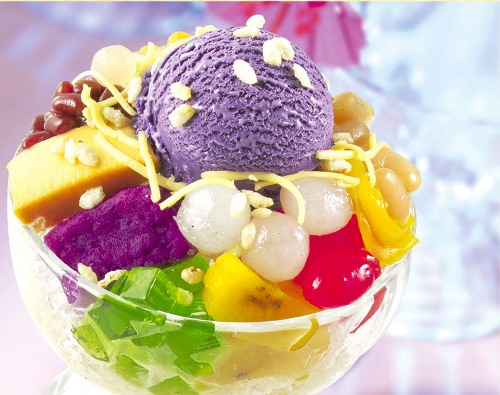
    Halo-halo is a Philippine dessert made of sweet ingredients like fruits, jellies, beans, and ube (purple yam), which adds a unique sweetness.

    It’s a celebration of flavors, textures, and cultural influences that will leave you craving for more.

    Key Takeaways

    • Halo-Halo originated in the Philippines and has evolved over time, incorporating ingredients influenced by Japanese, Chinese, Spanish, and American migrants.
    • The dessert is a mix of sweet ingredients like fruits, jellies, beans, and ube (purple yam), which adds a unique earthy sweetness.
    • Halo-Halo is a symbol of culinary diversity and cultural fusion, representing the vibrant mix of flavors and textures in Filipino cuisine.
    • It is a popular dessert during festive celebrations and each region in the Philippines has its own unique variation, incorporating local produce and culinary influences.

    The Origins of Halo-Halo

    The origins of Halo-Halo can be traced back to the Philippines, where a vibrant blend of culinary influences from Japanese, Chinese, Spanish, and American migrants converged to create this beloved dessert. This delightful concoction represents the rich tapestry of Filipino culture and history.

    Initially, Halo-Halo consisted of cooked beans in crushed ice, with key ingredients such as shaved ice, evaporated milk, and sugar. Over time, it evolved into a colorful mix of various sweet ingredients like sweetened fruits, jellies, beans, and purple yam, creating a symphony of flavors and textures.

    The addition of purple yam, known as ube, not only adds a delightful hue to the dessert but also contributes a unique earthy sweetness. This dessert perfectly encapsulates the Filipino spirit, and its popularity has transcended borders, becoming a cherished symbol of Filipino heritage.

    Flavorful Ingredients of Halo-Halo

    In crafting the vibrant and delectable Halo-Halo, you’ll find an array of flavorful ingredients that contribute to its delightful medley of textures and tastes.

    The sweet beans, shredded coconut, jackfruit, and coconut gelatin (nata de coco) provide a mix of chewy and refreshing elements. Ube, a sweet purple yam, adds a unique and creamy flavor to the dessert, enhancing its appeal. Traditional toppings like pinipig or toasted flat rice offer a satisfying crunch, complementing the creamy and velvety components.

    It’s important to note that the toppings can vary based on personal preference, allowing for a customizable experience. These flavorful ingredients come together to create a beloved traditional dessert in the Philippines, representing the diverse culinary traditions and popularity in Filipino cuisine.

    When making Halo-Halo, the combination of these ingredients results in a truly delightful and refreshing treat.

    Significance in Filipino Culture

    Halo-Halo isn’t just a dessert; it’s a cultural symbol that holds a special place in Filipino celebrations and traditions. Its significance lies in its representation of the diverse and multicultural influences that shape Filipino cuisine.

    From its colorful mix of ingredients to its presence in festive gatherings, Halo-Halo embodies the vibrant and diverse cultural tapestry of the Philippines.

    Cultural Symbolism

    Representing a colorful and diverse culinary heritage, Halo-Halo is a beloved dessert that holds significant cultural symbolism in Filipino cuisine. This iconic dessert serves as a symbol of the Philippines’ rich cultural tapestry, showcasing a fusion of various traditions and influences. Below is a visual representation of the cultural symbolism embodied by Halo-Halo:

    Cultural Symbolism of Halo-Halo Description
    Culinary Diversity Reflects the mix of flavors and textures, representing the diverse culinary influences in Filipino heritage.
    Cultural Fusion Symbolizes the blend of cultural influences and traditions, showcasing the vibrant mix of cultures in the Philippines.
    Representation of Diversity Serves as a culinary representation of the country’s diverse cultural heritage, celebrating the richness of Filipino culture.
    Beloved Tradition Embraced as a beloved dessert, Halo-Halo holds a special place in Filipino culinary traditions, symbolizing unity and diversity.

    Halo-Halo encapsulates the essence of Filipino culture, making it not just a dessert, but a cultural emblem that embodies the nation’s diversity and heritage.

    Festive Celebrations

    Celebrating joyous occasions and communal gatherings, Filipino festive celebrations are elevated by the presence of Halo-Halo, a cherished dessert that symbolizes the vibrant tapestry of cultural influences in the Philippines.

    • Community Unity: Festive celebrations in the Philippines often center around community unity, with Halo-Halo serving as a unifying treat that brings people together to share in its delightful flavors and textures. Halo-Halo, with its mix of ingredients, mirrors the diverse Filipino community, promoting a sense of togetherness and inclusivity during celebrations.
    • Symbol of Abundance: During festivals and special events, Halo-Halo is a symbol of abundance and generosity, reflecting the warmth and hospitality of Filipino culture. Its colorful and plentiful ingredients represent the richness and fullness of life, making it a perfect addition to festive feasts.
    • Cultural Pride: Halo-Halo embodies the pride Filipinos take in their culinary heritage, and its presence at celebrations reinforces the deep-rooted connection to traditional Filipino food and culture.

    Halo-Halo truly enriches the festive spirit, creating a sense of belonging and pride in Filipino celebrations.

    Evolution of Halo-Halo

    Influenced by a rich tapestry of cultural flavors, the evolution of this delightful dessert has seen an exciting interplay of ingredients and preparation methods, resulting in a truly vibrant culinary masterpiece. The evolution of halo-halo has been marked by innovative changes, with the addition of new ingredients like ube ice cream, leche flan, and macapuno (coconut sport) adding unique textures and flavors. This evolution has sparked controversies, as traditionalists argue for the preservation of the original recipe, while others embrace the creative variations. Despite the debates, halo-halo continues to hold cultural significance, reflecting the rich diversity of Filipino culinary heritage. Its evolution has propelled it to international fame, becoming a beloved dessert not only in the Philippines but also globally, captivating taste buds with its colorful and refreshing medley of ingredients.

    Ingredients Preparation Methods Cultural Significance
    Ube ice cream Innovative changes Reflects diverse culinary traditions
    Leche flan Creative variations Gained international recognition
    Macapuno Controversies Popular dessert in Filipino cuisine

    Symbolism in Filipino Cuisine

    So, what makes Filipino cuisine so symbolic and special?

    Well, let’s talk about it.

    The cultural significance, traditional ingredients, and historical influences behind Filipino cuisine all come together to create a rich tapestry of flavors and stories.

    It’s a celebration of diversity and history that’s as vibrant as the colorful layers of a perfectly made Halo-Halo.

    Cultural Significance

    Representing a vibrant mix of cultures, Halo-Halo embodies the rich and diverse cultural heritage of the Philippines through its unique combination of flavors and textures. The cultural significance of this iconic dessert is truly fascinating, and here’s why it’s so remarkable:

    • Melting Pot of Cultures: Halo-Halo symbolizes the diverse culinary traditions and cultural influences in the Philippines, reflecting the vibrant mix of cultures and people.
    • Culinary Traditions: It represents the nation’s culinary traditions, showcasing the unique combination of ingredients that embody the Filipino heritage and culture.
    • Beloved Tradition: Like other shaved ice dishes in different cultures, Halo-Halo is a beloved traditional dessert in Filipino cuisine, making it a symbol of cultural pride and unity.

    Halo-Halo isn’t just a dessert; it’s a celebration of the Philippines’ rich cultural tapestry, making it an essential part of the nation’s culinary identity.

    Traditional Ingredients

    Embodying the vibrant cultural heritage of the Philippines, the traditional ingredients found in halo-halo serve as symbolic representations of Filipino cuisine, blending a colorful array of flavors and textures into a unique and beloved dessert.

    Key elements such as sweet beans, shredded coconut, jackfruit, nata de coco, and fresh fruit bring a delightful mix of sweetness and chewiness to every spoonful.

    Ube, a sweet yam with a natural purple color, adds a distinct and popular flavor to Filipino desserts, including halo-halo.

    Toppings like pinipig or toasted flat rice provide a satisfying crunch, while additions such as leche flan and plantains contribute to the dessert’s rich and diverse textures.

    These traditional ingredients showcase the diverse culinary traditions of the Philippines, making halo-halo a beloved and refreshing dessert that symbolizes the country’s rich heritage.

    Historical Influences

    Influenced by a rich tapestry of cultural and culinary traditions, halo-halo is a vibrant and symbolic representation of Filipino cuisine’s historical influences.

    • Culinary Fusion: The dessert showcases a mix of various culinary and cultural influences from Chinese, Japanese, Malaysian, Spanish, American, and other cultures, reflecting the diverse heritage of the Philippines.
    • Evolution of Flavor: The dish has evolved over time, with changes in preparation methods and key ingredients, such as the addition of ube ice cream sparking controversy among enthusiasts.
    • Literary Reflection: Filipino poet Jose F. Lacaba wrote a poem about halo-halo, reflecting on its challenges and symbolism in Filipino food culture, emphasizing its cultural significance.

    These influences, ranging from the fusion of culinary traditions to literary reflections, make halo-halo a profound and dynamic symbol of Filipino historical influences in cuisine.

    Iconic Halo-Halo Toppings

    With its key iconic toppings like sweet beans, shredded coconut, and nata de coco, Halo-Halo offers a vibrant and diverse range of flavors and textures. This Filipino dessert also includes jackfruit, fresh fruit, and nata de coco (coconut gelatin) among its traditional toppings, providing a delightful mix of sweet, creamy, and chewy elements.

    Ube ice cream, made from the purple yam, is a must-have topping, adding a unique flavor and a delightful pop of color to the dessert. Additionally, toppings like pinipig, or toasted flat rice, contribute a satisfying crunch, enhancing the overall experience.

    The variety of toppings reflects the colorful and vibrant culinary traditions of the Philippines, making Halo-Halo a truly iconic and beloved dessert.

    Halo-Halo: A Culinary Delight

    Halo-Halo, a delightful and colorful Filipino dessert, is a true culinary delight that captivates with its diverse range of flavors and textures. When you indulge in a serving of this iconic dessert, you can expect an explosion of tastes and sensations. Here’s why it’s an absolute must-try:

    • A Symphony of Ingredients: Halo-Halo is a harmonious blend of sweet beans, shredded coconut, jackfruit, nata de coco, and fresh fruit, creating a delightful medley of flavors and textures.
    • Unique Ube Flavor: The addition of Ube, a sweet purple yam, infuses the dessert with a distinctive, delectable taste that’s synonymous with Filipino culture.
    • Customizable Toppings: With options like pinipig, leche flan, and plantains, you can tailor your Halo-Halo to suit your preference, adding a delightful crunch and personal touch to the experience.

    Intriguing, isn’t it? The rich tapestry of flavors and cultural significance make Halo-Halo a true culinary gem.

    Regional Variations of Halo-Halo

    When it comes to regional variations of Halo-Halo, get ready to experience a wide array of flavorful ingredient combinations and unique presentation styles.

    Each region boasts its own twist on this beloved dessert, incorporating local produce and culinary influences to create a truly diverse and vibrant experience.

    From sweet potatoes and sago pearls to ice cream made from unique local fruits, the possibilities are as endless as they’re delicious.

    Flavorful Ingredient Combinations

    Regional variations of Halo-Halo boast diverse ingredient combinations, including sweet beans, shredded coconut, jackfruit, coconut gelatin (nata de coco), and fresh fruit, each contributing to the colorful and flavorful nature of this beloved Filipino dessert.

    These flavorful ingredient combinations make each regional variation of Halo-Halo a delightful surprise, showcasing the rich culinary diversity of the Philippines.

    In some regions, the addition of Ube, a sweet purple yam, and its representation in the form of Ube ice cream, adds a unique and delightful twist. Toppings can also vary, with options like pinipig providing a crunchy texture and traditional choices such as leche flan and plantains.

    Each region’s take on Halo-Halo reflects a vibrant tapestry of flavors, textures, and ingredients, offering a truly immersive and delightful culinary experience.

    Unique Presentation Styles

    Reflecting the rich culinary diversity of the Philippines, the unique presentation styles of Halo-Halo in different regions showcase a vibrant tapestry of flavors, textures, and ingredients. Each region offers its own twist on this beloved dessert, creating a visually stunning and diverse array of presentations. Below is a glimpse into the regional variations of Halo-Halo:

    Region Unique Presentation Styles
    Metro Manila Topped with a scoop of ube ice cream and flan, featuring a variety of toppings such as pinipig or toasted rice.
    Visayas Served in a tall glass, allowing for layers of colorful and textured ingredients to be showcased.
    Mindanao Customizable with additional traditional toppings like leche flan and plantains, reflecting personal preferences.

    The unique presentation styles of Halo-Halo not only make for a delightful treat but also highlight the Philippines’ rich culinary heritage.

    The Perfect Halo-Halo Recipe

    To create the perfect halo-halo, gather a vibrant array of ingredients such as sweet beans, shredded coconut, jackfruit, nata de coco, and fresh fruit, and layer them in a tall glass with shaved ice, topped with a generous serving of evaporated milk, Ube ice cream, and Mango ice cream.

    • Ube, the Must-Have Ingredient: Incorporating the sweet yam adds a unique flavor and creamy texture to the halo-halo, enriching its overall taste and visual appeal.
    • Traditional Toppings: Explore the delightful crunch of pinipig or toasted flat rice, or opt for diverse flavors with leche flan and plantains, allowing for a personalized halo-halo experience.
    • Cultural Significance: Embrace the culinary traditions of Filipino culture through the creation and enjoyment of halo-halo, a beloved and refreshing dessert that represents the country’s diverse flavors and culinary heritage.

    Halo-Halo’s Influence on Desserts

    Halo-Halo’s irresistible blend of flavors and textures hasn’t only captivated taste buds but has also left a lasting impact on the world of desserts, inspiring a wave of innovative recipes and culinary fusions.

    Its influence is seen in the use of traditional Filipino ingredients like ube ice cream, sweetened beans, and jellies in modern dessert creations. This has led to the fusion of different cultural desserts, showcasing the rich diversity of Filipino food culture.

    The controversy surrounding the addition of ube ice cream has sparked discussions about the evolution of traditional desserts and their modern adaptations, further highlighting Halo-Halo’s influence.

    Filipino street food, including Halo-Halo, has gained global recognition, contributing to the widespread influence of its flavors and presentation in desserts worldwide.

    Modern Twists on Halo-Halo

    With its ever-evolving culinary landscape, modern twists on Halo-Halo have introduced an array of creative and innovative ingredients, elevating this beloved Filipino dessert to new heights of indulgence and flavor.

    When it comes to modern variations of Halo-Halo, the possibilities are endless. Some contemporary twists include the addition of unique ingredients such as ube ice cream and mango ice cream, offering a refreshing and contemporary touch.

    Toppings on modern Halo-Halo may include pinipig or toasted flat rice for a crunchy texture and an added twist. Moreover, non-traditional toppings like leche flan, plantains, and even modern innovations like crispy rice cereal offer exciting variations of the classic Halo-Halo, providing a delightful surprise with every spoonful.

    The addition of taro milk as a glaze or a flavor enhancement in Halo-Halo gives it a modern and innovative twist, while unique flavors like pandan, green apple nata jelly, and strawberry nata jelly offer a contemporary spin, making every serving a delightful adventure.

    Halo-Halo’s Global Appeal

    Captivating food enthusiasts worldwide, Halo-Halo’s diverse mix of flavors and textures has garnered international recognition. The Filipino dessert’s unique combination of ingredients such as sweet beans, jackfruit, coconut gelatin, and ube ice cream adds to its global appeal.

    Its representation of vibrant culinary traditions has made it popular among non-Filipinos, contributing to its worldwide popularity. The dish offers a multisensory experience with its intriguing mix of sweet preserved beans, coconut, fruits, and ice cream, attracting a global audience.

    Halo-Halo’s symbolic representation of the diverse cultural influences in the Philippines resonates with people worldwide, further contributing to its global appeal. Its ability to showcase the rich and diverse flavors of Filipino cuisine has undoubtedly played a significant role in its widespread recognition and appreciation on a global scale.

    Frequently Asked Questions

    Why Is Halo-Halo Important to Filipino Culture?

    Halo-Halo is important to Filipino culture because it represents the diverse culinary traditions in the country. It reflects the multicultural influences on Filipino food and symbolizes the vibrant mix of cultures and traditions.

    What Is the History of the Filipino Halo-Halo?

    Halo-halo’s history traces back to Japanese, Chinese, Spanish, and American influences. Originally, it featured cooked beans in crushed ice, evolving to include sweetened fruits, jellies, beans, and toppings. Over time, its preparation has modernized, sparking debates among enthusiasts.

    What Is Halo-Halo in the Philippines?

    Halo-Halo in the Philippines is a delightful, colorful dessert bursting with sweet beans, coconut, jackfruit, gelatin, fresh fruit, and topped with Ube and Mango ice cream. It’s a refreshing and customizable treat enjoyed in warm weather.

    What Is the Famous Dessert in the Philippines?

    What’s the famous dessert in the Philippines? Halo-Halo is the colorful, beloved treat that represents the diverse culinary traditions of the Philippines. It’s a delightful mix of flavors, textures, and ingredients that’s sure to delight your taste buds.

    Can Halo-Halo and Sorbetes be Considered as Traditional Filipino Desserts?

    Halo-Halo and Sorbetes are definitely traditional Filipino desserts that have been enjoyed for generations. While Halo-Halo is a colorful mix of shaved ice, fruits, and sweet preserves, Sorbetes is a creamy and rich ice cream. If you want to learn secrets of sorbetes, ask the local vendors for their special recipes.

    How Does Suman Compare to Halo-Halo in terms of Cultural Significance in Filipino Cuisine?

    Suman and Halo-Halo both hold significant cultural importance in Filipino cuisine. Suman, a sticky rice dessert, is often served during special occasions and represents tradition and celebration. Meanwhile, Halo-Halo, a popular shaved ice dessert, reflects the diversity of flavors and textures in Filipino cuisine. Exploring cultural significance of filipino staple reveals the rich culinary heritage of the Philippines.

    Conclusion

    So, the next time you’re in the Philippines or at a Filipino restaurant, don’t miss out on trying the colorful and vibrant dessert that’s halo-halo.

    With its mix of sweet beans, shredded coconut, jackfruit, coconut gelatin, and more, it’s a burst of flavors, textures, and colors that represents the diverse culinary traditions and cultural influences in the Philippines.

    Halo-halo isn’t just a dessert, it’s a symbol of Filipino cuisine and a must-try for anyone with a sweet tooth.</pIts evolution has propelled it to international fame, becoming a beloved dessert not only in the Philippines but also globally, captivating taste buds with its colorful and refreshing medley of ingredients.the Philippines and discover the delightful and colorful dessert known as Halo-Halo.

    This iconic shaved ice treat is not just a dessert; it’s a celebration of flavors, textures, and cultural influences that will leave you craving for more.

    As you explore the tantalizing world of Halo-Halo, you’ll uncover the fascinating origins, the rich symbolism, and the modern twists that have elevated this dessert to a global sensation.

    Get ready to embark on a journey that will tantalize your taste buds and expand your culinary horizons.

    Key Takeaways

    • Halo-Halo originated in the Philippines and has evolved over time, incorporating ingredients influenced by Japanese, Chinese, Spanish, and American migrants.
    • The dessert is a mix of sweet ingredients like fruits, jellies, beans, and ube (purple yam), which adds a unique earthy sweetness.
    • Halo-Halo is a symbol of culinary diversity and cultural fusion, representing the vibrant mix of flavors and textures in Filipino cuisine.
    • It is a popular dessert during festive celebrations and each region in the Philippines has its own unique variation, incorporating local produce and culinary influences.

    The Origins of Halo-Halo

    The origins of Halo-Halo can be traced back to the Philippines, where a vibrant blend of culinary influences from Japanese, Chinese, Spanish, and American migrants converged to create this beloved dessert. This delightful concoction represents the rich tapestry of Filipino culture and history.

    Initially, Halo-Halo consisted of cooked beans in crushed ice, with key ingredients such as shaved ice, evaporated milk, and sugar. Over time, it evolved into a colorful mix of various sweet ingredients like sweetened fruits, jellies, beans, and purple yam, creating a symphony of flavors and textures.

    The addition of purple yam, known as ube, not only adds a delightful hue to the dessert but also contributes a unique earthy sweetness. This dessert perfectly encapsulates the Filipino spirit, and its popularity has transcended borders, becoming a cherished symbol of Filipino heritage.

    Flavorful Ingredients of Halo-Halo

    In crafting the vibrant and delectable Halo-Halo, you’ll find an array of flavorful ingredients that contribute to its delightful medley of textures and tastes.

    The sweet beans, shredded coconut, jackfruit, and coconut gelatin (nata de coco) provide a mix of chewy and refreshing elements. Ube, a sweet purple yam, adds a unique and creamy flavor to the dessert, enhancing its appeal. Traditional toppings like pinipig or toasted flat rice offer a satisfying crunch, complementing the creamy and velvety components.

    It’s important to note that the toppings can vary based on personal preference, allowing for a customizable experience. These flavorful ingredients come together to create a beloved traditional dessert in the Philippines, representing the diverse culinary traditions and popularity in Filipino cuisine.

    When making Halo-Halo, the combination of these ingredients results in a truly delightful and refreshing treat.

    Significance in Filipino Culture

    Halo-Halo isn’t just a dessert; it’s a cultural symbol that holds a special place in Filipino celebrations and traditions. Its significance lies in its representation of the diverse and multicultural influences that shape Filipino cuisine.

    From its colorful mix of ingredients to its presence in festive gatherings, Halo-Halo embodies the vibrant and diverse cultural tapestry of the Philippines.

    Cultural Symbolism

    Representing a colorful and diverse culinary heritage, Halo-Halo is a beloved dessert that holds significant cultural symbolism in Filipino cuisine. This iconic dessert serves as a symbol of the Philippines’ rich cultural tapestry, showcasing a fusion of various traditions and influences. Below is a visual representation of the cultural symbolism embodied by Halo-Halo:

    Cultural Symbolism of Halo-Halo Description
    Culinary Diversity Reflects the mix of flavors and textures, representing the diverse culinary influences in Filipino heritage.
    Cultural Fusion Symbolizes the blend of cultural influences and traditions, showcasing the vibrant mix of cultures in the Philippines.
    Representation of Diversity Serves as a culinary representation of the country’s diverse cultural heritage, celebrating the richness of Filipino culture.
    Beloved Tradition Embraced as a beloved dessert, Halo-Halo holds a special place in Filipino culinary traditions, symbolizing unity and diversity.

    Halo-Halo encapsulates the essence of Filipino culture, making it not just a dessert, but a cultural emblem that embodies the nation’s diversity and heritage.

    Festive Celebrations

    Celebrating joyous occasions and communal gatherings, Filipino festive celebrations are elevated by the presence of Halo-Halo, a cherished dessert that symbolizes the vibrant tapestry of cultural influences in the Philippines.

    • Community Unity: Festive celebrations in the Philippines often center around community unity, with Halo-Halo serving as a unifying treat that brings people together to share in its delightful flavors and textures. Halo-Halo, with its mix of ingredients, mirrors the diverse Filipino community, promoting a sense of togetherness and inclusivity during celebrations.
    • Symbol of Abundance: During festivals and special events, Halo-Halo is a symbol of abundance and generosity, reflecting the warmth and hospitality of Filipino culture. Its colorful and plentiful ingredients represent the richness and fullness of life, making it a perfect addition to festive feasts.
    • Cultural Pride: Halo-Halo embodies the pride Filipinos take in their culinary heritage, and its presence at celebrations reinforces the deep-rooted connection to traditional Filipino food and culture.

    Halo-Halo truly enriches the festive spirit, creating a sense of belonging and pride in Filipino celebrations.

    Evolution of Halo-Halo

    Influenced by a rich tapestry of cultural flavors, the evolution of this delightful dessert has seen an exciting interplay of ingredients and preparation methods, resulting in a truly vibrant culinary masterpiece. The evolution of halo-halo has been marked by innovative changes, with the addition of new ingredients like ube ice cream, leche flan, and macapuno (coconut sport) adding unique textures and flavors. This evolution has sparked controversies, as traditionalists argue for the preservation of the original recipe, while others embrace the creative variations. Despite the debates, halo-halo continues to hold cultural significance, reflecting the rich diversity of Filipino culinary heritage. Its evolution has propelled it to international fame, becoming a beloved dessert not only in the Philippines but also globally, captivating taste buds with its colorful and refreshing medley of ingredients.

    Ingredients Preparation Methods Cultural Significance
    Ube ice cream Innovative changes Reflects diverse culinary traditions
    Leche flan Creative variations Gained international recognition
    Macapuno Controversies Popular dessert in Filipino cuisine

    Symbolism in Filipino Cuisine

    So, what makes Filipino cuisine so symbolic and special?

    Well, let’s talk about it.

    The cultural significance, traditional ingredients, and historical influences behind Filipino cuisine all come together to create a rich tapestry of flavors and stories.

    It’s a celebration of diversity and history that’s as vibrant as the colorful layers of a perfectly made Halo-Halo.

    Cultural Significance

    Representing a vibrant mix of cultures, Halo-Halo embodies the rich and diverse cultural heritage of the Philippines through its unique combination of flavors and textures. The cultural significance of this iconic dessert is truly fascinating, and here’s why it’s so remarkable:

    • Melting Pot of Cultures: Halo-Halo symbolizes the diverse culinary traditions and cultural influences in the Philippines, reflecting the vibrant mix of cultures and people.
    • Culinary Traditions: It represents the nation’s culinary traditions, showcasing the unique combination of ingredients that embody the Filipino heritage and culture.
    • Beloved Tradition: Like other shaved ice dishes in different cultures, Halo-Halo is a beloved traditional dessert in Filipino cuisine, making it a symbol of cultural pride and unity.

    Halo-Halo isn’t just a dessert; it’s a celebration of the Philippines’ rich cultural tapestry, making it an essential part of the nation’s culinary identity.

    Traditional Ingredients

    Embodying the vibrant cultural heritage of the Philippines, the traditional ingredients found in halo-halo serve as symbolic representations of Filipino cuisine, blending a colorful array of flavors and textures into a unique and beloved dessert.

    Key elements such as sweet beans, shredded coconut, jackfruit, nata de coco, and fresh fruit bring a delightful mix of sweetness and chewiness to every spoonful.

    Ube, a sweet yam with a natural purple color, adds a distinct and popular flavor to Filipino desserts, including halo-halo.

    Toppings like pinipig or toasted flat rice provide a satisfying crunch, while additions such as leche flan and plantains contribute to the dessert’s rich and diverse textures.

    These traditional ingredients showcase the diverse culinary traditions of the Philippines, making halo-halo a beloved and refreshing dessert that symbolizes the country’s rich heritage.

    Historical Influences

    Influenced by a rich tapestry of cultural and culinary traditions, halo-halo is a vibrant and symbolic representation of Filipino cuisine’s historical influences.

    • Culinary Fusion: The dessert showcases a mix of various culinary and cultural influences from Chinese, Japanese, Malaysian, Spanish, American, and other cultures, reflecting the diverse heritage of the Philippines.
    • Evolution of Flavor: The dish has evolved over time, with changes in preparation methods and key ingredients, such as the addition of ube ice cream sparking controversy among enthusiasts.
    • Literary Reflection: Filipino poet Jose F. Lacaba wrote a poem about halo-halo, reflecting on its challenges and symbolism in Filipino food culture, emphasizing its cultural significance.

    These influences, ranging from the fusion of culinary traditions to literary reflections, make halo-halo a profound and dynamic symbol of Filipino historical influences in cuisine.

    Iconic Halo-Halo Toppings

    With its key iconic toppings like sweet beans, shredded coconut, and nata de coco, Halo-Halo offers a vibrant and diverse range of flavors and textures. This Filipino dessert also includes jackfruit, fresh fruit, and nata de coco (coconut gelatin) among its traditional toppings, providing a delightful mix of sweet, creamy, and chewy elements.

    Ube ice cream, made from the purple yam, is a must-have topping, adding a unique flavor and a delightful pop of color to the dessert. Additionally, toppings like pinipig, or toasted flat rice, contribute a satisfying crunch, enhancing the overall experience.

    The variety of toppings reflects the colorful and vibrant culinary traditions of the Philippines, making Halo-Halo a truly iconic and beloved dessert.

    Halo-Halo: A Culinary Delight

    Halo-Halo, a delightful and colorful Filipino dessert, is a true culinary delight that captivates with its diverse range of flavors and textures. When you indulge in a serving of this iconic dessert, you can expect an explosion of tastes and sensations. Here’s why it’s an absolute must-try:

    • A Symphony of Ingredients: Halo-Halo is a harmonious blend of sweet beans, shredded coconut, jackfruit, nata de coco, and fresh fruit, creating a delightful medley of flavors and textures.
    • Unique Ube Flavor: The addition of Ube, a sweet purple yam, infuses the dessert with a distinctive, delectable taste that’s synonymous with Filipino culture.
    • Customizable Toppings: With options like pinipig, leche flan, and plantains, you can tailor your Halo-Halo to suit your preference, adding a delightful crunch and personal touch to the experience.

    Intriguing, isn’t it? The rich tapestry of flavors and cultural significance make Halo-Halo a true culinary gem.

    Regional Variations of Halo-Halo

    When it comes to regional variations of Halo-Halo, get ready to experience a wide array of flavorful ingredient combinations and unique presentation styles.

    Each region boasts its own twist on this beloved dessert, incorporating local produce and culinary influences to create a truly diverse and vibrant experience.

    From sweet potatoes and sago pearls to ice cream made from unique local fruits, the possibilities are as endless as they’re delicious.

    Flavorful Ingredient Combinations

    Regional variations of Halo-Halo boast diverse ingredient combinations, including sweet beans, shredded coconut, jackfruit, coconut gelatin (nata de coco), and fresh fruit, each contributing to the colorful and flavorful nature of this beloved Filipino dessert.

    These flavorful ingredient combinations make each regional variation of Halo-Halo a delightful surprise, showcasing the rich culinary diversity of the Philippines.

    In some regions, the addition of Ube, a sweet purple yam, and its representation in the form of Ube ice cream, adds a unique and delightful twist. Toppings can also vary, with options like pinipig providing a crunchy texture and traditional choices such as leche flan and plantains.

    Each region’s take on Halo-Halo reflects a vibrant tapestry of flavors, textures, and ingredients, offering a truly immersive and delightful culinary experience.

    Unique Presentation Styles

    Reflecting the rich culinary diversity of the Philippines, the unique presentation styles of Halo-Halo in different regions showcase a vibrant tapestry of flavors, textures, and ingredients. Each region offers its own twist on this beloved dessert, creating a visually stunning and diverse array of presentations. Below is a glimpse into the regional variations of Halo-Halo:

    Region Unique Presentation Styles
    Metro Manila Topped with a scoop of ube ice cream and flan, featuring a variety of toppings such as pinipig or toasted rice.
    Visayas Served in a tall glass, allowing for layers of colorful and textured ingredients to be showcased.
    Mindanao Customizable with additional traditional toppings like leche flan and plantains, reflecting personal preferences.

    The unique presentation styles of Halo-Halo not only make for a delightful treat but also highlight the Philippines’ rich culinary heritage.

    The Perfect Halo-Halo Recipe

    To create the perfect halo-halo, gather a vibrant array of ingredients such as sweet beans, shredded coconut, jackfruit, nata de coco, and fresh fruit, and layer them in a tall glass with shaved ice, topped with a generous serving of evaporated milk, Ube ice cream, and Mango ice cream.

    • Ube, the Must-Have Ingredient: Incorporating the sweet yam adds a unique flavor and creamy texture to the halo-halo, enriching its overall taste and visual appeal.
    • Traditional Toppings: Explore the delightful crunch of pinipig or toasted flat rice, or opt for diverse flavors with leche flan and plantains, allowing for a personalized halo-halo experience.
    • Cultural Significance: Embrace the culinary traditions of Filipino culture through the creation and enjoyment of halo-halo, a beloved and refreshing dessert that represents the country’s diverse flavors and culinary heritage.

    Halo-Halo’s Influence on Desserts

    Halo-Halo’s irresistible blend of flavors and textures hasn’t only captivated taste buds but has also left a lasting impact on the world of desserts, inspiring a wave of innovative recipes and culinary fusions.

    Its influence is seen in the use of traditional Filipino ingredients like ube ice cream, sweetened beans, and jellies in modern dessert creations. This has led to the fusion of different cultural desserts, showcasing the rich diversity of Filipino food culture.

    The controversy surrounding the addition of ube ice cream has sparked discussions about the evolution of traditional desserts and their modern adaptations, further highlighting Halo-Halo’s influence.

    Filipino street food, including Halo-Halo, has gained global recognition, contributing to the widespread influence of its flavors and presentation in desserts worldwide.

    Modern Twists on Halo-Halo

    With its ever-evolving culinary landscape, modern twists on Halo-Halo have introduced an array of creative and innovative ingredients, elevating this beloved Filipino dessert to new heights of indulgence and flavor.

    When it comes to modern variations of Halo-Halo, the possibilities are endless. Some contemporary twists include the addition of unique ingredients such as ube ice cream and mango ice cream, offering a refreshing and contemporary touch.

    Toppings on modern Halo-Halo may include pinipig or toasted flat rice for a crunchy texture and an added twist. Moreover, non-traditional toppings like leche flan, plantains, and even modern innovations like crispy rice cereal offer exciting variations of the classic Halo-Halo, providing a delightful surprise with every spoonful.

    The addition of taro milk as a glaze or a flavor enhancement in Halo-Halo gives it a modern and innovative twist, while unique flavors like pandan, green apple nata jelly, and strawberry nata jelly offer a contemporary spin, making every serving a delightful adventure.

    Halo-Halo’s Global Appeal

    Captivating food enthusiasts worldwide, Halo-Halo’s diverse mix of flavors and textures has garnered international recognition. The Filipino dessert’s unique combination of ingredients such as sweet beans, jackfruit, coconut gelatin, and ube ice cream adds to its global appeal.

    Its representation of vibrant culinary traditions has made it popular among non-Filipinos, contributing to its worldwide popularity. The dish offers a multisensory experience with its intriguing mix of sweet preserved beans, coconut, fruits, and ice cream, attracting a global audience.

    Halo-Halo’s symbolic representation of the diverse cultural influences in the Philippines resonates with people worldwide, further contributing to its global appeal. Its ability to showcase the rich and diverse flavors of Filipino cuisine has undoubtedly played a significant role in its widespread recognition and appreciation on a global scale.

    Frequently Asked Questions

    Why Is Halo-Halo Important to Filipino Culture?

    Halo-Halo is important to Filipino culture because it represents the diverse culinary traditions in the country. It reflects the multicultural influences on Filipino food and symbolizes the vibrant mix of cultures and traditions.

    What Is the History of the Filipino Halo-Halo?

    Halo-halo’s history traces back to Japanese, Chinese, Spanish, and American influences. Originally, it featured cooked beans in crushed ice, evolving to include sweetened fruits, jellies, beans, and toppings. Over time, its preparation has modernized, sparking debates among enthusiasts.

    What Is Halo-Halo in the Philippines?

    Halo-Halo in the Philippines is a delightful, colorful dessert bursting with sweet beans, coconut, jackfruit, gelatin, fresh fruit, and topped with Ube and Mango ice cream. It’s a refreshing and customizable treat enjoyed in warm weather.

    What Is the Famous Dessert in the Philippines?

    What’s the famous dessert in the Philippines? Halo-Halo is the colorful, beloved treat that represents the diverse culinary traditions of the Philippines. It’s a delightful mix of flavors, textures, and ingredients that’s sure to delight your taste buds.

    Can Halo-Halo and Sorbetes be Considered as Traditional Filipino Desserts?

    Halo-Halo and Sorbetes are definitely traditional Filipino desserts that have been enjoyed for generations. While Halo-Halo is a colorful mix of shaved ice, fruits, and sweet preserves, Sorbetes is a creamy and rich ice cream. If you want to learn secrets of sorbetes, ask the local vendors for their special recipes.

    Conclusion

    So, the next time you’re in the Philippines or at a Filipino restaurant, don’t miss out on trying the colorful and vibrant dessert that’s halo-halo.

    With its mix of sweet beans, shredded coconut, jackfruit, coconut gelatin, and more, it’s a burst of flavors, textures, and colors that represents the diverse culinary traditions and cultural influences in the Philippines.

    Halo-halo isn’t just a dessert, it’s a symbol of Filipino cuisine and a must-try for anyone with a sweet tooth.</pWhat’s the famous dessert in the Philippines?de array of desserts, but have you ever truly indulged in the vibrant and eclectic world of Filipino cuisine?

    Step into the culinary wonderland of the Philippines and discover the delightful and colorful dessert known as Halo-Halo.

    This iconic shaved ice treat is not just a dessert; it’s a celebration of flavors, textures, and cultural influences that will leave you craving for more.

    As you explore the tantalizing world of Halo-Halo, you’ll uncover the fascinating origins, the rich symbolism, and the modern twists that have elevated this dessert to a global sensation.

    Get ready to embark on a journey that will tantalize your taste buds and expand your culinary horizons.

    Key Takeaways

    • Halo-Halo originated in the Philippines and has evolved over time, incorporating ingredients influenced by Japanese, Chinese, Spanish, and American migrants.
    • The dessert is a mix of sweet ingredients like fruits, jellies, beans, and ube (purple yam), which adds a unique earthy sweetness.
    • Halo-Halo is a symbol of culinary diversity and cultural fusion, representing the vibrant mix of flavors and textures in Filipino cuisine.
    • It is a popular dessert during festive celebrations and each region in the Philippines has its own unique variation, incorporating local produce and culinary influences.

    The Origins of Halo-Halo

    The origins of Halo-Halo can be traced back to the Philippines, where a vibrant blend of culinary influences from Japanese, Chinese, Spanish, and American migrants converged to create this beloved dessert. This delightful concoction represents the rich tapestry of Filipino culture and history.

    Initially, Halo-Halo consisted of cooked beans in crushed ice, with key ingredients such as shaved ice, evaporated milk, and sugar. Over time, it evolved into a colorful mix of various sweet ingredients like sweetened fruits, jellies, beans, and purple yam, creating a symphony of flavors and textures.

    The addition of purple yam, known as ube, not only adds a delightful hue to the dessert but also contributes a unique earthy sweetness. This dessert perfectly encapsulates the Filipino spirit, and its popularity has transcended borders, becoming a cherished symbol of Filipino heritage.

    Flavorful Ingredients of Halo-Halo

    In crafting the vibrant and delectable Halo-Halo, you’ll find an array of flavorful ingredients that contribute to its delightful medley of textures and tastes.

    The sweet beans, shredded coconut, jackfruit, and coconut gelatin (nata de coco) provide a mix of chewy and refreshing elements. Ube, a sweet purple yam, adds a unique and creamy flavor to the dessert, enhancing its appeal. Traditional toppings like pinipig or toasted flat rice offer a satisfying crunch, complementing the creamy and velvety components.

    It’s important to note that the toppings can vary based on personal preference, allowing for a customizable experience. These flavorful ingredients come together to create a beloved traditional dessert in the Philippines, representing the diverse culinary traditions and popularity in Filipino cuisine.

    When making Halo-Halo, the combination of these ingredients results in a truly delightful and refreshing treat.

    Significance in Filipino Culture

    Halo-Halo isn’t just a dessert; it’s a cultural symbol that holds a special place in Filipino celebrations and traditions. Its significance lies in its representation of the diverse and multicultural influences that shape Filipino cuisine.

    From its colorful mix of ingredients to its presence in festive gatherings, Halo-Halo embodies the vibrant and diverse cultural tapestry of the Philippines.

    Cultural Symbolism

    Representing a colorful and diverse culinary heritage, Halo-Halo is a beloved dessert that holds significant cultural symbolism in Filipino cuisine. This iconic dessert serves as a symbol of the Philippines’ rich cultural tapestry, showcasing a fusion of various traditions and influences. Below is a visual representation of the cultural symbolism embodied by Halo-Halo:

    Cultural Symbolism of Halo-Halo Description
    Culinary Diversity Reflects the mix of flavors and textures, representing the diverse culinary influences in Filipino heritage.
    Cultural Fusion Symbolizes the blend of cultural influences and traditions, showcasing the vibrant mix of cultures in the Philippines.
    Representation of Diversity Serves as a culinary representation of the country’s diverse cultural heritage, celebrating the richness of Filipino culture.
    Beloved Tradition Embraced as a beloved dessert, Halo-Halo holds a special place in Filipino culinary traditions, symbolizing unity and diversity.

    Halo-Halo encapsulates the essence of Filipino culture, making it not just a dessert, but a cultural emblem that embodies the nation’s diversity and heritage.

    Festive Celebrations

    Celebrating joyous occasions and communal gatherings, Filipino festive celebrations are elevated by the presence of Halo-Halo, a cherished dessert that symbolizes the vibrant tapestry of cultural influences in the Philippines.

    • Community Unity: Festive celebrations in the Philippines often center around community unity, with Halo-Halo serving as a unifying treat that brings people together to share in its delightful flavors and textures. Halo-Halo, with its mix of ingredients, mirrors the diverse Filipino community, promoting a sense of togetherness and inclusivity during celebrations.
    • Symbol of Abundance: During festivals and special events, Halo-Halo is a symbol of abundance and generosity, reflecting the warmth and hospitality of Filipino culture. Its colorful and plentiful ingredients represent the richness and fullness of life, making it a perfect addition to festive feasts.
    • Cultural Pride: Halo-Halo embodies the pride Filipinos take in their culinary heritage, and its presence at celebrations reinforces the deep-rooted connection to traditional Filipino food and culture.

    Halo-Halo truly enriches the festive spirit, creating a sense of belonging and pride in Filipino celebrations.

    Evolution of Halo-Halo

    Influenced by a rich tapestry of cultural flavors, the evolution of this delightful dessert has seen an exciting interplay of ingredients and preparation methods, resulting in a truly vibrant culinary masterpiece. The evolution of halo-halo has been marked by innovative changes, with the addition of new ingredients like ube ice cream, leche flan, and macapuno (coconut sport) adding unique textures and flavors. This evolution has sparked controversies, as traditionalists argue for the preservation of the original recipe, while others embrace the creative variations. Despite the debates, halo-halo continues to hold cultural significance, reflecting the rich diversity of Filipino culinary heritage. Its evolution has propelled it to international fame, becoming a beloved dessert not only in the Philippines but also globally, captivating taste buds with its colorful and refreshing medley of ingredients.

    Ingredients Preparation Methods Cultural Significance
    Ube ice cream Innovative changes Reflects diverse culinary traditions
    Leche flan Creative variations Gained international recognition
    Macapuno Controversies Popular dessert in Filipino cuisine

    Symbolism in Filipino Cuisine

    So, what makes Filipino cuisine so symbolic and special?

    Well, let’s talk about it.

    The cultural significance, traditional ingredients, and historical influences behind Filipino cuisine all come together to create a rich tapestry of flavors and stories.

    It’s a celebration of diversity and history that’s as vibrant as the colorful layers of a perfectly made Halo-Halo.

    Cultural Significance

    Representing a vibrant mix of cultures, Halo-Halo embodies the rich and diverse cultural heritage of the Philippines through its unique combination of flavors and textures. The cultural significance of this iconic dessert is truly fascinating, and here’s why it’s so remarkable:

    • Melting Pot of Cultures: Halo-Halo symbolizes the diverse culinary traditions and cultural influences in the Philippines, reflecting the vibrant mix of cultures and people.
    • Culinary Traditions: It represents the nation’s culinary traditions, showcasing the unique combination of ingredients that embody the Filipino heritage and culture.
    • Beloved Tradition: Like other shaved ice dishes in different cultures, Halo-Halo is a beloved traditional dessert in Filipino cuisine, making it a symbol of cultural pride and unity.

    Halo-Halo isn’t just a dessert; it’s a celebration of the Philippines’ rich cultural tapestry, making it an essential part of the nation’s culinary identity.

    Traditional Ingredients

    Embodying the vibrant cultural heritage of the Philippines, the traditional ingredients found in halo-halo serve as symbolic representations of Filipino cuisine, blending a colorful array of flavors and textures into a unique and beloved dessert.

    Key elements such as sweet beans, shredded coconut, jackfruit, nata de coco, and fresh fruit bring a delightful mix of sweetness and chewiness to every spoonful.

    Ube, a sweet yam with a natural purple color, adds a distinct and popular flavor to Filipino desserts, including halo-halo.

    Toppings like pinipig or toasted flat rice provide a satisfying crunch, while additions such as leche flan and plantains contribute to the dessert’s rich and diverse textures.

    These traditional ingredients showcase the diverse culinary traditions of the Philippines, making halo-halo a beloved and refreshing dessert that symbolizes the country’s rich heritage.

    Historical Influences

    Influenced by a rich tapestry of cultural and culinary traditions, halo-halo is a vibrant and symbolic representation of Filipino cuisine’s historical influences.

    • Culinary Fusion: The dessert showcases a mix of various culinary and cultural influences from Chinese, Japanese, Malaysian, Spanish, American, and other cultures, reflecting the diverse heritage of the Philippines.
    • Evolution of Flavor: The dish has evolved over time, with changes in preparation methods and key ingredients, such as the addition of ube ice cream sparking controversy among enthusiasts.
    • Literary Reflection: Filipino poet Jose F. Lacaba wrote a poem about halo-halo, reflecting on its challenges and symbolism in Filipino food culture, emphasizing its cultural significance.

    These influences, ranging from the fusion of culinary traditions to literary reflections, make halo-halo a profound and dynamic symbol of Filipino historical influences in cuisine.

    Iconic Halo-Halo Toppings

    With its key iconic toppings like sweet beans, shredded coconut, and nata de coco, Halo-Halo offers a vibrant and diverse range of flavors and textures. This Filipino dessert also includes jackfruit, fresh fruit, and nata de coco (coconut gelatin) among its traditional toppings, providing a delightful mix of sweet, creamy, and chewy elements.

    Ube ice cream, made from the purple yam, is a must-have topping, adding a unique flavor and a delightful pop of color to the dessert. Additionally, toppings like pinipig, or toasted flat rice, contribute a satisfying crunch, enhancing the overall experience.

    The variety of toppings reflects the colorful and vibrant culinary traditions of the Philippines, making Halo-Halo a truly iconic and beloved dessert.

    Halo-Halo: A Culinary Delight

    Halo-Halo, a delightful and colorful Filipino dessert, is a true culinary delight that captivates with its diverse range of flavors and textures. When you indulge in a serving of this iconic dessert, you can expect an explosion of tastes and sensations. Here’s why it’s an absolute must-try:

    • A Symphony of Ingredients: Halo-Halo is a harmonious blend of sweet beans, shredded coconut, jackfruit, nata de coco, and fresh fruit, creating a delightful medley of flavors and textures.
    • Unique Ube Flavor: The addition of Ube, a sweet purple yam, infuses the dessert with a distinctive, delectable taste that’s synonymous with Filipino culture.
    • Customizable Toppings: With options like pinipig, leche flan, and plantains, you can tailor your Halo-Halo to suit your preference, adding a delightful crunch and personal touch to the experience.

    Intriguing, isn’t it? The rich tapestry of flavors and cultural significance make Halo-Halo a true culinary gem.

    Regional Variations of Halo-Halo

    When it comes to regional variations of Halo-Halo, get ready to experience a wide array of flavorful ingredient combinations and unique presentation styles.

    Each region boasts its own twist on this beloved dessert, incorporating local produce and culinary influences to create a truly diverse and vibrant experience.

    From sweet potatoes and sago pearls to ice cream made from unique local fruits, the possibilities are as endless as they’re delicious.

    Flavorful Ingredient Combinations

    Regional variations of Halo-Halo boast diverse ingredient combinations, including sweet beans, shredded coconut, jackfruit, coconut gelatin (nata de coco), and fresh fruit, each contributing to the colorful and flavorful nature of this beloved Filipino dessert.

    These flavorful ingredient combinations make each regional variation of Halo-Halo a delightful surprise, showcasing the rich culinary diversity of the Philippines.

    In some regions, the addition of Ube, a sweet purple yam, and its representation in the form of Ube ice cream, adds a unique and delightful twist. Toppings can also vary, with options like pinipig providing a crunchy texture and traditional choices such as leche flan and plantains.

    Each region’s take on Halo-Halo reflects a vibrant tapestry of flavors, textures, and ingredients, offering a truly immersive and delightful culinary experience.

    Unique Presentation Styles

    Reflecting the rich culinary diversity of the Philippines, the unique presentation styles of Halo-Halo in different regions showcase a vibrant tapestry of flavors, textures, and ingredients. Each region offers its own twist on this beloved dessert, creating a visually stunning and diverse array of presentations. Below is a glimpse into the regional variations of Halo-Halo:

    Region Unique Presentation Styles
    Metro Manila Topped with a scoop of ube ice cream and flan, featuring a variety of toppings such as pinipig or toasted rice.
    Visayas Served in a tall glass, allowing for layers of colorful and textured ingredients to be showcased.
    Mindanao Customizable with additional traditional toppings like leche flan and plantains, reflecting personal preferences.

    The unique presentation styles of Halo-Halo not only make for a delightful treat but also highlight the Philippines’ rich culinary heritage.

    The Perfect Halo-Halo Recipe

    To create the perfect halo-halo, gather a vibrant array of ingredients such as sweet beans, shredded coconut, jackfruit, nata de coco, and fresh fruit, and layer them in a tall glass with shaved ice, topped with a generous serving of evaporated milk, Ube ice cream, and Mango ice cream.

    • Ube, the Must-Have Ingredient: Incorporating the sweet yam adds a unique flavor and creamy texture to the halo-halo, enriching its overall taste and visual appeal.
    • Traditional Toppings: Explore the delightful crunch of pinipig or toasted flat rice, or opt for diverse flavors with leche flan and plantains, allowing for a personalized halo-halo experience.
    • Cultural Significance: Embrace the culinary traditions of Filipino culture through the creation and enjoyment of halo-halo, a beloved and refreshing dessert that represents the country’s diverse flavors and culinary heritage.

    Halo-Halo’s Influence on Desserts

    Halo-Halo’s irresistible blend of flavors and textures hasn’t only captivated taste buds but has also left a lasting impact on the world of desserts, inspiring a wave of innovative recipes and culinary fusions.

    Its influence is seen in the use of traditional Filipino ingredients like ube ice cream, sweetened beans, and jellies in modern dessert creations. This has led to the fusion of different cultural desserts, showcasing the rich diversity of Filipino food culture.

    The controversy surrounding the addition of ube ice cream has sparked discussions about the evolution of traditional desserts and their modern adaptations, further highlighting Halo-Halo’s influence.

    Filipino street food, including Halo-Halo, has gained global recognition, contributing to the widespread influence of its flavors and presentation in desserts worldwide.

    Modern Twists on Halo-Halo

    With its ever-evolving culinary landscape, modern twists on Halo-Halo have introduced an array of creative and innovative ingredients, elevating this beloved Filipino dessert to new heights of indulgence and flavor.

    When it comes to modern variations of Halo-Halo, the possibilities are endless. Some contemporary twists include the addition of unique ingredients such as ube ice cream and mango ice cream, offering a refreshing and contemporary touch.

    Toppings on modern Halo-Halo may include pinipig or toasted flat rice for a crunchy texture and an added twist. Moreover, non-traditional toppings like leche flan, plantains, and even modern innovations like crispy rice cereal offer exciting variations of the classic Halo-Halo, providing a delightful surprise with every spoonful.

    The addition of taro milk as a glaze or a flavor enhancement in Halo-Halo gives it a modern and innovative twist, while unique flavors like pandan, green apple nata jelly, and strawberry nata jelly offer a contemporary spin, making every serving a delightful adventure.

    Halo-Halo’s Global Appeal

    Captivating food enthusiasts worldwide, Halo-Halo’s diverse mix of flavors and textures has garnered international recognition. The Filipino dessert’s unique combination of ingredients such as sweet beans, jackfruit, coconut gelatin, and ube ice cream adds to its global appeal.

    Its representation of vibrant culinary traditions has made it popular among non-Filipinos, contributing to its worldwide popularity. The dish offers a multisensory experience with its intriguing mix of sweet preserved beans, coconut, fruits, and ice cream, attracting a global audience.

    Halo-Halo’s symbolic representation of the diverse cultural influences in the Philippines resonates with people worldwide, further contributing to its global appeal. Its ability to showcase the rich and diverse flavors of Filipino cuisine has undoubtedly played a significant role in its widespread recognition and appreciation on a global scale.

    Frequently Asked Questions

    Why Is Halo-Halo Important to Filipino Culture?

    Halo-Halo is important to Filipino culture because it represents the diverse culinary traditions in the country. It reflects the multicultural influences on Filipino food and symbolizes the vibrant mix of cultures and traditions.

    What Is the History of the Filipino Halo-Halo?

    Halo-halo’s history traces back to Japanese, Chinese, Spanish, and American influences. Originally, it featured cooked beans in crushed ice, evolving to include sweetened fruits, jellies, beans, and toppings. Over time, its preparation has modernized, sparking debates among enthusiasts.

    What Is Halo-Halo in the Philippines?

    Halo-Halo in the Philippines is a delightful, colorful dessert bursting with sweet beans, coconut, jackfruit, gelatin, fresh fruit, and topped with Ube and Mango ice cream. It’s a refreshing and customizable treat enjoyed in warm weather.

    What Is the Famous Dessert in the Philippines?

    What’s the famous dessert in the Philippines? Halo-Halo is the colorful, beloved treat that represents the diverse culinary traditions of the Philippines. It’s a delightful mix of flavors, textures, and ingredients that’s sure to delight your taste buds.

    Can Halo-Halo and Sorbetes be Considered as Traditional Filipino Desserts?

    Halo-Halo and Sorbetes are definitely traditional Filipino desserts that have been enjoyed for generations. While Halo-Halo is a colorful mix of shaved ice, fruits, and sweet preserves, Sorbetes is a creamy and rich ice cream. If you want to learn secrets of sorbetes, ask the local vendors for their special recipes.

    Conclusion

    So, the next time you’re in the Philippines or at a Filipino restaurant, don’t miss out on trying the colorful and vibrant dessert that’s halo-halo.

    With its mix of sweet beans, shredded coconut, jackfruit, coconut gelatin, and more, it’s a burst of flavors, textures, and colors that represents the diverse culinary traditions and cultural influences in the Philippines.

    Halo-halo isn’t just a dessert, it’s a symbol of Filipino cuisine and a must-try for anyone with a sweet tooth.
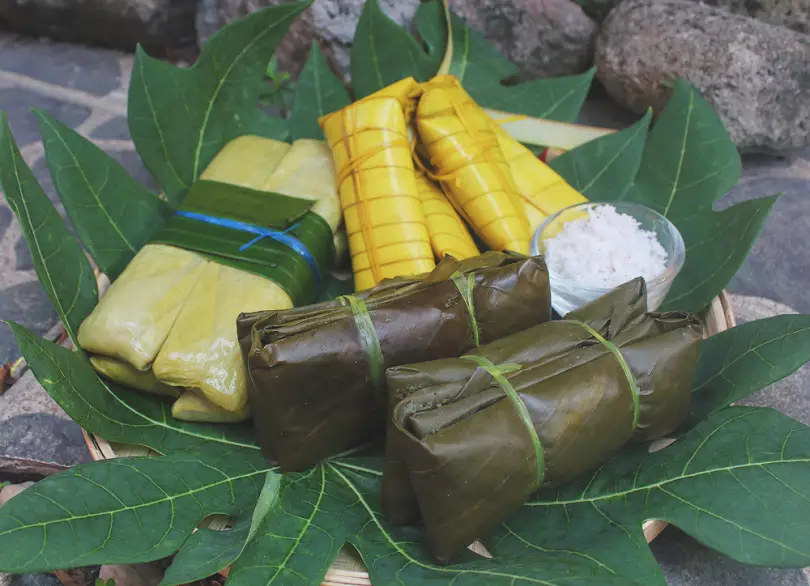
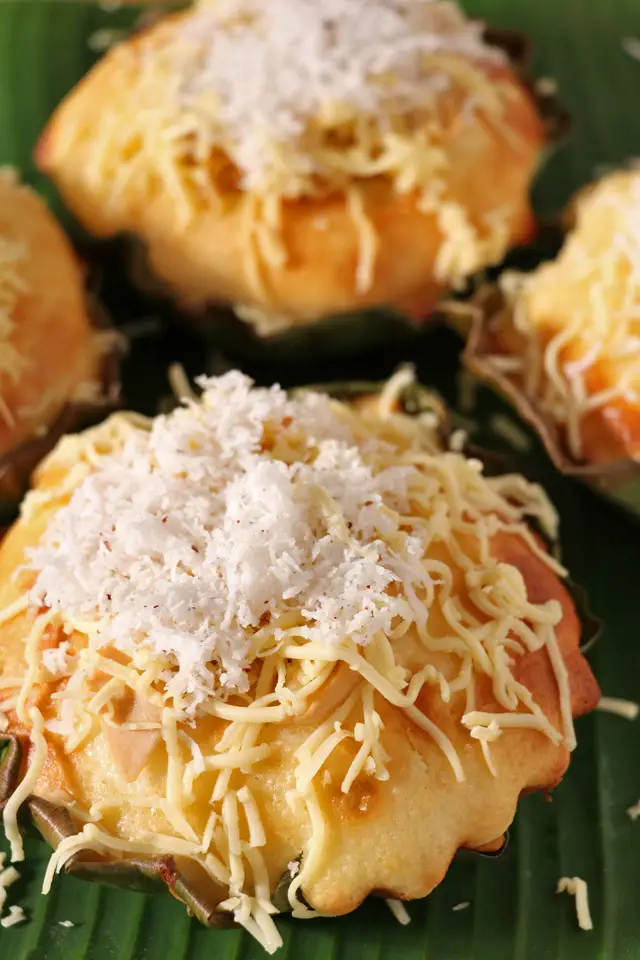
  • Turon: The Golden Snack of the Philippines – A Comprehensive Guide and Recipe

    Turon: The Golden Snack of the Philippines – A Comprehensive Guide and Recipe

    Turon, a Filipino dessert, is a beloved snack with ripe bananas and jackfruit wrapped in a crispy spring roll, deep-fried to perfection, and coated in caramel. Its cultural significance and delicious flavors make it a must-try treat in Filipino cuisine.

    Key Takeaways

    • Turon originated during the Spanish colonial period in the Philippines and is deeply ingrained in Filipino traditions.
    • Ripe saba bananas and canned jackfruit are essential ingredients for an authentic Filipino turon.
    • Pre-made spring roll wrappers save time and effort, and Thin and sturdy wrappers ensure a crispy and even texture when fried.
    • The caramel sauce adds sweetness to turon, and it is best to enjoy turon while still warm for optimal texture and taste.

    The History of Turon

    During the Spanish colonial period in the Philippines, the roots of turon, a delightful treat, were influenced by the rich tapestry of Spanish cuisine. The history of turon is a testament to the fusion of Filipino and Spanish culinary traditions.

    Initially, turon was inspired by the Spanish word ‘turrón,’ associated with a type of nougat confection. Over time, Filipinos adapted the concept, transforming it into a beloved snack.

    The traditional recipe for turon involves wrapping slices of banana in a crispy wrapper, often made from spring roll pastry, and then frying them to golden perfection. This delectable treat has become an iconic part of Filipino culture, enjoyed by people of all ages.

    The history of turon reflects the cultural exchange and evolution of cuisine, capturing the essence of Filipino creativity and culinary ingenuity.

    Cultural Significance

    Turon holds a special place in Filipino culture, symbolizing the rich culinary heritage and traditions of the Philippines. As a beloved Filipino street food, it represents the vibrant and diverse culinary landscape of the nation. Whether it’s a casual snack, a sweet ending to a family meal, or a festive treat during celebrations, turon is deeply ingrained in Filipino traditions.

    The process of making turon isn’t just about cooking; it’s about preserving the cultural heritage of Filipino cuisine, with recipes passed down through generations. This golden snack reflects the resourcefulness and creativity of Filipino cooking, using simple ingredients to create a flavorful delight.

    The communal aspect of Filipino food culture is evident in the presence of turon in local markets and street food stalls, where people come together to enjoy and share this cherished treat.

    Essential Ingredients

    When preparing turon, the essential ingredients play a crucial role in capturing the authentic flavors and textures of this beloved Filipino snack. To create the perfect turon, you’ll need:

    1. Ripe saba bananas, known for their thicker and stickier texture, perfect for coating in brown sugar.
    2. Canned jackfruit, or langka, which adds a sweet and aromatic touch to the turon.
    3. Fresh lumpia wrappers, essential for achieving the crispy and golden exterior of the turon.
    4. Brown sugar, for that caramelized sweetness that makes turon irresistible.

    Using these key ingredients, you can ensure that your turon stays true to its Filipino roots, delighting your taste buds with every bite.

    Choosing the Right Bananas

    As you embark on the journey of creating the perfect turon, the key to achieving its authentic flavors lies in selecting the right bananas to complement the other essential ingredients.

    In Filipino cuisine, the traditional choice for turon is the saba banana, known for its sticky texture and rich flavor. When choosing saba bananas, look for a thicker and stockier appearance compared to regular American bananas. If saba bananas are unavailable, ripe but firm American bananas can be a suitable substitute.

    Remember to cut them in half if they are too long when rolling. Additionally, ripe plantains can also be used as a substitute for saba bananas in turon. Here’s a helpful guide for choosing the right bananas:

    Banana Type Texture Flavor
    Saba Sticky Rich
    American Ripe and firm Sweet
    Plantains Versatile Mildly Sweet

    Selecting the perfect bananas is crucial in ensuring that your turon turns out crispy and bursting with authentic Filipino flavors.

    Incorporating Jackfruit

    Incorporating jackfruit into your turon recipe can add a delightful touch of sweetness and depth, enhancing the overall flavor profile of this beloved Filipino treat. When you layer ripe saba bananas with thin strips of jackfruit, it creates a luscious combination of tropical flavors.

    The canned variety is a convenient option, easily found in many Asian grocery stores, while fresh jackfruit can be challenging to prepare due to its size and stickiness. As a traditional filling for turon, the addition of jackfruit brings a unique twist, and in modern variations, it complements other fillings like ube halaya and coconut.

    To prepare the jackfruit, cut it into thin strips. Then, layer it with ripe saba bananas. Finally, wrap the filling tightly in the spring roll wrapper to create the perfect golden snack.

    Selecting Spring Roll Wrappers

    For the best results, consider using pre-made spring roll wrappers to save time and effort when making turon. When selecting spring roll wrappers, look for thin and sturdy ones to ensure a crispy and even texture when fried.

    It’s important to choose wrappers that are thin and stretchy to prevent soaking through during frying. A recommended brand is Spring House spring roll wrappers, known for their thin and sturdy quality, making them ideal for turon. To help you in your selection, here’s a comparison table of spring roll wrappers:

    Spring Roll Wrappers Thinness Sturdiness Stretchiness Ideal for Turon
    Spring House High High Yes Yes
    Other Brands Varies Varies Varies No

    Using water to seal the turon with the spring roll wrappers ensures a perfect Filipino snack with a delightful combination of bananas and jackfruit.

    Step-by-Step Wrapping Guide

    Ready to wrap your turon? Let’s start by mastering the folding technique, choosing the perfect wrapper, and sealing the edges for a flawless finish.

    Get ready to create the perfect turon by following these simple yet crucial steps.

    It’s time to elevate your turon-making skills and impress everyone with your delicious golden snack.

    Folding Technique

    When wrapping the turon, start by laying the spring roll wrapper in a diamond shape with a corner pointing towards you.

    Place the banana and jackfruit filling in the middle of the wrapper.

    Next, fold the bottom corner over the filling, then fold in the sides, and roll tightly to create a neat package.

    Ensure the turon is securely wrapped to prevent the delicious filling from spilling during frying.

    Lastly, use the cornstarch slurry to seal the final corner of the wrapper, holding everything in place.

    This folding technique ensures that the turon is perfectly encased in the wrapper before it’s coated with brown sugar and fried to golden perfection.

    Choosing the Wrapper

    Selecting the perfect wrapper for your turon is essential to achieving the ideal texture and flavor in each bite. For convenience, opt for pre-made spring roll wrappers, ensuring they’re thin and sturdy for even cooking. Spring House spring roll wrappers are recommended for their ideal results.

    It’s crucial to ensure the wrappers are moist, using water to seal the turon securely. For a lighter and crispier texture when fried, consider using Filipino spring roll wrappers. These wrappers complement the sweetness of the banana and the caramelized sugar, resulting in a delightful contrast of textures in every bite.

    Choosing the right wrapper is a crucial step in perfecting your turon recipe, as it significantly impacts the overall crispy and delicious outcome.

    Sealing the Edges

    To achieve a perfectly sealed turon, ensure the filling is centered on the wrapper for even distribution, and use a cornstarch slurry to securely seal the edges, preventing any filling from spilling out during frying.

    1. Begin by placing the wrapper on a clean surface and positioning the ripe bananas and sugar filling in the center.
    2. Next, brush the edges of the wrapper with the cornstarch slurry using a pastry brush to create a strong adhesive for sealing.
    3. Gently fold the sides of the wrapper over the filling and apply light pressure as you roll to ensure a snug fit.
    4. Seal the edges tightly, pressing firmly to prevent any oil from seeping into the turon during frying.

    With these steps, you’ll create perfectly sealed turon, ready to be fried to golden perfection.

    Crafting the Sugary Caramel Sauce

    Now, it’s time to bring out the sweetness.

    Start by combining brown sugar and water in a saucepan over medium heat, stirring continuously until the sugar is completely dissolved.

    Watching the mixture boil and thicken is a tantalizing sight, and adding a dash of vanilla extract gives the caramel that extra layer of flavor you crave.

    Caramel Sauce Ingredients

    Crafting the sugary caramel sauce involves combining granulated white sugar, butter, heavy cream, vanilla extract, and a pinch of salt to achieve a smooth and creamy texture with a rich and flavorful profile.

    1. Granulated white sugar: It forms the base of the caramel, providing the sweetness and golden color that gives turon its signature appeal.
    2. Butter: This adds a rich and indulgent flavor to the caramel, enhancing the overall decadence of the Filipino snack.
    3. Heavy cream: Essential for achieving the luscious, creamy texture that coats the turon, elevating its taste and visual appeal.
    4. Vanilla extract: It imparts a delightful aroma and depth of flavor to the caramel, enhancing the overall sensory experience.

    These ingredients, when combined and heated to perfection, result in a luxurious caramel sauce that complements the golden brown and crispy exterior of the turon, creating a delectable treat that perfectly balances sweetness and crunch.

    Cooking the Caramel

    After preparing the sugar and banana slices, heat the sugar in a pan until it melts and develops a golden brown color. This step is crucial in creating the rich, sugary caramel that gives turon its irresistible sweetness.

    As the sugar begins to caramelize, add the ripe saba bananas and jackfruit slices into the pan, ensuring they’re well-coated in the luscious caramel sauce. Stir the mixture gently to guarantee an even coating and caramelization of the bananas and jackfruit.

    Once the fruits are thoroughly coated, remove them from the heat and allow them to cool before wrapping them in the delicate lumpia wrappers.

    The caramelization process infuses the turon with a delectable sweetness that perfectly complements the ripe bananas and jackfruit.

    Serving and Storage Tips

    For the best experience, serve turon while it’s still warm, allowing the delicious flavors and textures to be fully enjoyed.

    Here are some serving and storage tips to enhance your turon experience:

    1. Drizzle caramel sauce over the turon to add a rich and sweet flavor, or sprinkle cinnamon powder for a warm and aromatic touch.
    2. Enjoy the turon on its own for a delightful snack, or pair it with a scoop of your favorite ice cream for a decadent treat.
    3. It’s best to indulge in turon when it’s freshly cooked to savor its crispy exterior and soft, sweet banana filling.
    4. Avoid refrigerating turon as the wrapper may become soggy, but if you need to store them, freeze uncooked turon in a single layer on a baking sheet before transferring to a resealable bag for up to 3 months.

    These serving and storage tips will help you make the most of this Filipino favorite!

    Nutritional Information

    Hey there! Ready to dig into the nutritional side of turon?

    Let’s talk about the health benefits, the macronutrient breakdown, and get some serving size recommendations to help you enjoy this golden snack in a balanced way.

    It’s all about finding that sweet spot between indulgence and mindful eating, and I’m here to guide you through it!

    Health Benefits

    Indulge in the delectable goodness of turon, a delightful Filipino snack that offers a myriad of health benefits through its nutritious ingredients and delightful flavors.

    Turon is a good source of potassium, essential for heart health and proper muscle function, keeping you energized.

    Ripe saba bananas used in turon are rich in vitamin C, supporting your immune system and promoting healthy, glowing skin.

    The dietary fiber from bananas aids in digestion and keeps you feeling full and satisfied.

    The use of jackfruit in turon not only adds a sweet, aromatic flavor but also provides vitamin A, crucial for maintaining good eye health.

    While turon is a delicious treat, it’s best enjoyed in moderation due to its sugar content and deep-fried preparation.

    This delightful snack, a variation of the Filipino Lumpia, is a perfect blend of flavor and nutrition.

    Macronutrient Breakdown

    Delve into the macronutrient breakdown of turon, revealing the nutritional information that shapes this beloved Filipino snack.

    Turon is an Asian snack that packs a punch in terms of carbs, owing to the ripe bananas and sugar used in the recipe. The deep-frying process also makes it a high-fat indulgence, especially when generous amounts of oil are used.

    However, protein content is relatively low, primarily sourced from the bananas and jackfruit.

    The calorie count varies depending on factors such as the size of the rolls and the sugar quantity in the recipe.

    It’s essential to be mindful of portion sizes and consumption frequency due to its high calorie and sugar content.

    Nevertheless, the delectable fusion of sweet bananas and aromatic jackfruit makes turon a delightful treat worth savoring in moderation.

    Serving Size Recommendations

    When considering the nutritional information of turon, understanding the recommended serving size is vital for maintaining a balanced and enjoyable diet.

    1. A typical serving size for turon is one to two pieces per person, depending on individual preferences and dietary requirements.
    2. The nutritional content of turon, including ingredients like bananas, jackfruit, and sugar, should be taken into account when determining serving sizes.
    3. Portion control and dietary planning can be assisted by understanding the serving size recommendations for turon.
    4. Balancing the enjoyment of this Filipino snack within a healthy diet can be achieved by paying attention to serving size recommendations.

    Understanding the recommended serving size for turon is essential in ensuring that you can savor this delightful snack while still maintaining a health-conscious approach to your diet.

    Frequently Asked Questions

    What Is Turon Filipino Food in English?

    Turon is a delightful Filipino dessert, consisting of ripe saba banana slices coated with sugar, layered with jackfruit, wrapped in a thin crepe-like spring roll, deep-fried to a golden crisp, and rolled in a crunchy caramel coating.

    Why Turon Is Famous in the Philippines?

    Turon is famous in the Philippines because of its irresistible combination of sweet bananas, caramelized sugar, and crispy texture. It’s a beloved snack and dessert, often enjoyed with ice cream or other tasty variations.

    What Is the Difference Between Turon and Lumpia?

    Turon and lumpia differ in their flavors and fillings. Turon is a sweet dessert with ripe bananas and jackfruit, coated in a thin spring roll and caramel, while lumpia is a savory spring roll typically filled with meat and vegetables.

    Is Turon Healthy or Unhealthy?

    Turon may not be the healthiest choice due to deep-frying and sugar content. It’s calorie-dense, but bananas and jackfruit offer some nutrients. Enjoy in moderation for a balanced snack option.

    Can Turon be Paired with Philippine Spiced Vinegar Dipping Sauces?

    Yes, turon can be paired with Philippine spiced vinegar dips to add a tangy and savory kick to the sweet and crispy banana dessert. The combination of the crunchy spring rolls and the flavorful dipping sauce creates a perfect balance of flavors for a truly satisfying culinary experience.

    Can Turon and Sorbetes Be Made at Home?

    Yes, Turon and Sorbetes can be made at home, giving you the delightful flavors of the unveiling Philippines street ice cream. With the right ingredients and simple recipes, you can enjoy these popular Filipino treats in the comfort of your own home.

    Conclusion

    So what’re you waiting for? Grab your ingredients, roll up your sleeves, and get ready to make your own batch of delicious turon.

    Whether you’re a seasoned cook or a beginner in the kitchen, this guide has everything you need to create the perfect golden snack.

    Join our food community and share your turon adventures with us – we can’t wait to see and hear all about your tasty creations!