Author: A. Pineda

  • Beyond the Smell: Discover the Creamy Sweetness of Durian

    Beyond the Smell: Discover the Creamy Sweetness of Durian

    Delight in durian’s creamy sweetness beyond its pungent smell—imagine custard’s silkiness or baked pumpkin’s softness. As you bite, it melts, leaving a lush sensation that elevates any dish.

    Key Takeaways

    • Durian varieties like Musang King and D24 offer a creamy sweetness beyond their pungent smell.
    • Taste testing different durian types reveals a range of flavors from sweet and creamy to bold and intense.
    • Durian’s texture and aroma enhance its unique sweet and musky profile, perfect for culinary experimentation.
    • Enjoy the nutritional benefits of durian, including fiber, vitamins, and antioxidants, complementing its creamy sweetness.

    The Origins of Durian

    Hailing from the lush landscapes of Southeast Asia, Durian holds the prestigious title of the ‘King of Fruits’ due to its unrivaled taste and aroma. This tropical fruit, which thrives in countries like Malaysia, Indonesia, Thailand, and the Philippines, has captured the hearts of locals and fruit enthusiasts worldwide.

    The perfect combination of rich soil and humid climate in these regions allows durian trees to grow up to an impressive height of 40 meters and produce multiple fruits each season.

    Durian’s allure extends beyond its regal title, as it offers a diverse range of varieties that cater to different taste preferences. From the creamy Musang King to the bittersweet XO and the buttery D24, there’s a durian type to satisfy every palate. This adaptability to various growing conditions within tropical regions showcases the versatility and resilience of this beloved fruit, solidifying its status as a true gem of Southeast Asia.

    The popularity of durian can be attributed to its unique flavor and aroma, which is often described as a blend of sweet, creamy, and slightly pungent notes. Its distinct scent has been compared to a combination of rotten onions, turpentine, and gym socks, yet its devotees find it irresistibly enticing. This polarizing characteristic has even led to durian being banned in certain public spaces due to its strong odor.

    In addition to its delectable taste and aroma, durian is also known for its nutritional benefits. It’s rich in vitamins, minerals, and antioxidants, and has been associated with various health benefits such as improved digestion, strengthened immune system, and reduced risk of chronic diseases. This makes durian not only a delicious treat but also a nutritious addition to a balanced diet.

    Furthermore, durian holds cultural significance in Southeast Asia, where it’s often considered a symbol of abundance, prosperity, and good fortune. It’s a common ingredient in traditional dishes and desserts, and its presence in celebrations and festivals is a testament to its cultural importance.

    Different Types of Durian

    Durian, known as the king of fruits, offers a tantalizing variety of flavors and textures to suit every taste. From the sweet and creamy Musang King to the bold and pungent XO, each type of durian has its own unique characteristics that make it a delight to explore.

    Whether you prefer the rich and custard-like texture of D24 or the delightful blend of sweetness and creaminess in D13, there’s a durian type out there waiting to cater to your specific taste preferences.

    The diverse range of durian types is a testament to the fruit’s versatility and appeal. Musang King, with its vibrant yellow flesh, is celebrated for its irresistible sweetness and creaminess. It’s a popular choice among durian enthusiasts who crave a luscious and indulgent experience. On the other hand, XO durian stands out with its intense and pungent taste that leaves a lasting impression.

    If you enjoy bold and robust flavors, XO durian might be the perfect choice for you.

    For those seeking a luxuriously creamy texture, D24 durian is a must-try. Its rich and custard-like flesh offers a truly decadent experience that’s sure to satisfy even the most discerning taste buds. And if you’re looking for a unique blend of sweetness and creaminess, look no further than D13 durian. With its orange flesh and delightful flavor profile, D13 durian is a true treat for the senses.

    Each type of durian offers its own distinct aroma, texture, and flavor profile, making the fruit a true culinary adventure. Whether you prefer the sweet and creamy notes of Musang King or the bold and intense flavors of XO, there’s a durian type out there waiting to be discovered.

    So why not embark on a durian tasting journey and explore the variety of flavors and textures that this remarkable fruit has to offer? You might just find your new favorite durian type.

    Knowing Which Type To Try

    When it comes to choosing which type of durian to try, consider the diverse flavor profiles each variety offers. From the sweet and creamy Musang King to the bold and pungent XO, there’s a durian out there suited to your taste preferences.

    Taste testing different types will allow you to explore the range of textures and sweetness levels durians have to offer.

    Durian Flavor Profiles

    Durian, known as the ‘king of fruits,’ offers an exquisite range of flavor profiles that captivate the taste buds and leave a lasting impression. Each variety of durian presents a unique sensory experience that’s worth exploring. From the sweet and creamy Musang King to the bold and pungent XO, the diverse array of flavors is sure to delight even the most discerning palates.

    When it comes to durian, the flavor profile is just as important as the texture. Musang King, with its sweet and creamy taste, offers a smooth and luscious texture that melts in your mouth. On the other hand, XO durian boasts a bold and pungent flavor that’s intense and robust, leaving a lasting impression.

    D24, another popular variety, has a rich and custard-like flavor that’s complemented by its creamy and velvety texture. D13, on the other hand, is known for its varied flavors and aromas, offering a soft and decadent texture that adds to its appeal. Lastly, Red Prawn durian tantalizes the senses with its aromatic and nuanced taste, while its silky and flavorful texture adds to the overall experience.

    Each durian variety promises a delightful adventure for your taste buds, with its unique flavor profile and texture. Whether you prefer the luxurious creaminess of Musang King or the intense flavors of XO, embracing the diversity of durian will surely elevate your culinary experience. So, indulge in the enticing world of durian and savor the unique characteristics each variety brings to your palate.

    Taste Testing Tips

    Durian taste testing is an exciting journey that allows you to explore the wide range of flavors this unique fruit has to offer. To begin your taste testing adventure, it’s helpful to start with Musang King. Known for its sweet and creamy taste, Musang King is a popular choice among durian lovers. Its smooth texture and rich flavor make it a delightful treat for those with a sweet tooth.

    If you’re someone who enjoys bold and pungent flavors, XO durian is a must-try. This variety is known for its strong aroma and intense taste. It may not be for the faint of heart, but for those who appreciate the robust flavors, XO durian is a true delight.

    For a taste that’s rich and custard-like, D24 durian is a great option. Its creamy texture and buttery flavor make it a favorite among many durian enthusiasts. If you’re looking for a durian experience that’s reminiscent of indulgent desserts, D24 is the way to go.

    In addition to the well-known varieties, don’t forget to explore lesser-known options like D13. With its orange flesh and unique flavor profile, D13 adds another layer of diversity to your durian taste testing adventure. The different types of durian offer a range of textures and sweetness levels, ensuring that there’s something for everyone to enjoy.

    Describing The Taste of Durian

    When you first taste durian, you’ll be greeted by a symphony of flavors that dance on your palate. The sweet, savory, and creamy notes come together like a culinary masterpiece, leaving you intrigued and satisfied.

    The hints of hazelnut, apricot, and caramelized banana create a delightful complexity that sets durian apart from any other fruit you’ve tried.

    Flavor Profile Overview

    Durian is a fruit known for its unique and complex flavor profile. It combines elements of sweetness, savory notes, and creamy textures to create a truly captivating gustatory experience. While some may initially be put off by its strong aroma, once you taste durian, you’ll be hooked by its rich and indulgent flavor.

    Enthusiasts often describe the taste as a delightful fusion of sweetness with subtle hints of garlic and tropical fruit undertones. The creamy texture of durian perfectly complements its lightly sweet and deeply musky flavor, offering a luxurious eating sensation. Its flavor is often compared to a mix of onions, garlic, avocado, pineapple, and custard, showcasing the diverse and multi-dimensional nature of this exotic fruit.

    Texture and Aroma

    Durian, known for its custard-like texture and unique aroma, offers a sensory experience that’s truly indulgent. The creamy flesh of durian, similar to velvety custard, adds a luxurious mouthfeel to each bite. But what truly sets durian apart is its pungent yet intriguing aroma, which combines sweet, savory, and musky notes. This complexity in both texture and aroma creates a one-of-a-kind experience for your taste buds.

    The creamy texture of durian, reminiscent of custard, is a key aspect of its appeal. With its soft and velvety flesh, each bite of durian feels like a decadent treat. This creamy texture enhances the overall luxurious mouthfeel of the fruit, making it a truly indulgent experience.

    But it’s not just the texture that makes durian special. The aroma of durian is equally captivating. Combining sweet, savory, and musky notes, the aroma of durian is a complex sensory experience. It tantalizes the senses and adds another layer of intrigue to the fruit. This unique combination of creaminess and musky sweetness is what truly sets durian apart from other fruits.

    The Texture of Durian

    Indulging in the velvety smoothness of durian fruit is a sensory experience like no other. This unique tropical fruit, known for its pungent aroma, offers a surprising delight in its creamy texture. Imagine the luxurious creaminess of custard or the softness of baked pumpkin, and you’ll begin to understand the buttery smoothness that durian brings to the table.

    With each bite, the durian melts in your mouth, leaving behind a luscious sensation that adds a touch of decadence to any dish.

    When ripe, the texture of durian becomes even more indulgent, almost resembling a decadent dessert on its own. The flesh of the durian is smooth and velvety, making it the perfect ingredient for creamy smoothies or rich desserts. Its buttery softness blends effortlessly with other ingredients, creating a harmonious symphony of flavors and textures.

    Whether you’re incorporating durian into a sweet treat or a savory dish, its creamy texture elevates the culinary experience to new heights.

    The rich and indulgent nature of durian’s texture has played a significant role in its popularity among fruit enthusiasts. It offers a unique mouthfeel that’s unlike anything else, making it a standout ingredient in the world of fruits.

    So, the next time you encounter durian, don’t just focus on its notorious smell; embrace its luxurious creaminess and let your taste buds revel in its velvety goodness. Durian truly offers a texture experience that’s worth exploring and savoring.

    The Smell of Durian

    When you catch a whiff of durian, it’s like a sensory rollercoaster hitting you with a mix of pungent notes that can be polarizing.

    Some find it off-putting, reminiscent of a dumpster on a hot day, while others are intrigued by its complex layers of aroma.

    The divisive scent of durian sparks a lively debate, challenging your olfactory senses with its unique and intense presence.

    Olfactory Experience of Durian

    The Olfactory Experience of Durian: A Journey of Contrasting Sensations

    Durian, known as the ‘king of fruits,’ elicits a wide range of opinions when it comes to its aroma. The olfactory experience of durian is a complex interplay of enchanting allure and repulsive aversion that can evoke strong reactions from those who encounter it. The scent of durian is often described as a mix of dirty gym socks, sewage, and rotting fish, causing polarized reactions.

    This potent odor has even led to bans in certain public spaces, highlighting the intensity of its fragrance.

    Despite its off-putting initial impression, many durian enthusiasts argue that the unique taste of the fruit can transform the perception of its scent, making it more tolerable. They believe that once the creamy, sweet, and custard-like flesh of the durian is experienced, the initial repulsion towards its smell fades away.

    This transformation of perception adds a layer of complexity to the olfactory experience of durian, showcasing the power of taste in influencing our sensory perceptions.

    The journey of experiencing durian’s aroma is undeniably powerful, creating a sensory experience that challenges and intrigues in equal measure. Its strong and distinctive scent, although initially divisive, can be transformed by the taste of the fruit itself.

    This interplay between smell and taste adds depth and richness to the overall experience, making durian a truly unique fruit that continues to captivate and divide opinions.

    Perception of Durian Scent

    The perception of durian’s scent is a topic that elicits strong reactions and varying opinions. This exotic fruit, known for its creamy texture and unique flavor, has a scent that’s either loved or loathed by individuals.

    Described as a combination of ripe fruits, onions, and fermented notes, the aroma of durian is often polarizing. Some people find the smell overpowering and unpleasant, comparing it to sewage or gym socks. However, there are others who are drawn to the scent, finding it intriguing and alluring.

    The blend of skunky and fruity scents creates a complex aroma that captivates certain individuals. Despite its divisive nature, durian’s creamy sweetness is cherished by many aficionados who appreciate its rich and intricate flavors.

    The complexity of durian’s scent can be attributed to the presence of over 50 compounds that contribute to its distinctive smell, further adding to the allure of this polarizing fruit. Whether one loves or loathes the scent of durian, there’s no denying its unique and captivating nature.

    Where to Find Durian

    Durian, known as the King of Fruits, is a delicacy that holds a special place in the hearts of Malaysians. This creamy and flavorful fruit can be found in various locations throughout the country, where enthusiasts gather to indulge in its unique taste. One popular spot to experience the allure of durian is Jalan Alor food street, a bustling hub in Malaysia.

    Here, amidst the lively atmosphere, you can savor the rich flavors of durian and join fellow durian lovers in the quest for this revered fruit.

    Another renowned location to find high-quality durians is Durian Man in SS2. This establishment is known for offering a variety of durian types to cater to different taste preferences. Whether you prefer a sweeter or more savory durian, Durian Man has you covered. Their commitment to quality ensures that each durian you taste will be a delightful experience.

    If you happen to visit Malaysia during the durian season, which runs from July to October, keep an eye out for pop-up stalls throughout the city. These temporary stalls offer fresh durians straight from the source, allowing you to relish the fruit at its peak freshness. It’s an opportunity not to be missed for any durian lover.

    Nutritional Value of Durian

    Durian, often referred to as the ‘king of fruits,’ isn’t only known for its unique taste and aroma, but also for its impressive nutritional value. Packed with essential nutrients, durian offers a range of health-boosting properties that can support your overall well-being. Let’s delve into the nutritional richness of this fruit and explore the benefits it provides.

    Dietary fiber, an important component of a healthy diet, is found abundantly in durian. With 3.8 grams of fiber per 100 grams, durian can support digestive health and help maintain a healthy weight. Fiber not only aids in smooth digestion, but it also promotes feelings of fullness, which can assist in weight management.

    In addition to fiber, durian is a good source of vitamin C. With 19.7 milligrams per 100 grams, this fruit can boost your immune system and aid in collagen production. Vitamin C is known for its antioxidant properties, which help protect your cells from damage and strengthen your body’s defense against illnesses.

    Potassium, an essential mineral for various bodily functions, is also found in significant amounts in durian. With 436 milligrams per 100 grams, durian can help regulate blood pressure and support heart health. Potassium plays a crucial role in maintaining proper heart rhythm and ensuring the smooth functioning of muscles and nerves.

    But the nutritional benefits of durian don’t stop there. This fruit is also rich in heart-healthy fats, iron, and antioxidants. The heart-healthy fats found in durian can help reduce the risk of heart disease and promote overall cardiovascular health. Iron is essential for the production of red blood cells and the transportation of oxygen throughout the body. Antioxidants, on the other hand, help protect your cells from oxidative stress and reduce the risk of chronic diseases.

    Whether you enjoy durian as a snack or incorporate it into your meals, this fruit can provide a range of health benefits. It promotes skin health, aids in digestion, and provides a natural energy boost. Embrace the goodness of durian and indulge in its nutritious benefits to support your body’s wellness journey.

    Culinary Uses of Durian

    Delve into the world of culinary creativity with durian, a versatile fruit that can elevate both sweet and savory dishes with its unique flavor profile and creamy texture. Known for its tropical sweetness, durian is a sought-after ingredient in various cuisines, offering a wide range of culinary possibilities.

    Durian’s creamy consistency and distinct flavor make it a perfect addition to curry dishes. When incorporated into curries, the creamy texture of durian blends beautifully with the spices, creating a rich and flavorful sauce that’s sure to tantalize your taste buds. The combination of the fruit’s sweetness and the savory spices in curry dishes is a match made in heaven.

    If you have a sweet tooth, durian ice cream is a must-try dessert. Indulge in the decadent creaminess of durian with a scoop of durian ice cream, which highlights the fruit’s natural sweetness. The creamy texture of the fruit lends itself perfectly to the smooth and creamy texture of ice cream, creating a delightful treat that’s both refreshing and satisfying.

    For a luscious twist on a classic breakfast or brunch dish, try making durian pancakes. The fluffy pancakes are filled with a creamy durian filling, adding a unique and delicious twist to this beloved dish. The combination of the fluffy pancakes and the creamy durian filling creates a breakfast or brunch option that’s sure to impress.

    Whether you’re looking to add a unique touch to your savory meals or exploring new dessert recipes, durian’s creamy texture and distinct flavor are sure to impress your palate and leave you craving more. Its versatility in both sweet and savory dishes makes it a truly remarkable fruit to experiment with in the kitchen. So go ahead and embrace the culinary possibilities that durian has to offer.

    How Does the Sweetness of Santol Compare to the Creamy Sweetness of Durian?

    The culinary uses of santol vary widely, but its sweetness is often compared to the creamy sweetness of durian. While santol is tart and slightly sweet, durian is known for its rich, indulgent sweetness. Both fruits offer unique flavors that can be enjoyed in a variety of dishes.

    How To Eat Durian

    Durian is a unique and delicious fruit that’s worth exploring. Known for its strong aroma and distinctive taste, durian is a tropical fruit that’s native to Southeast Asia. It has a thick, spiky shell that needs to be carefully opened to reveal its creamy flesh inside. Once opened, the durian pods can be enjoyed by scooping out the custard-like texture with a spoon.

    In addition to being enjoyed fresh, durian can also be used in a variety of ways in the kitchen. Its rich and creamy texture makes it a perfect addition to smoothies, where it adds a unique flavor profile. Durian can also be incorporated into desserts, where its sweetness and creaminess can elevate cakes, ice creams, and pies. On the savory side, durian can be used in dishes such as curries or stir-fries, adding a complex and flavorful element.

    When you first bite into durian, you’ll experience a combination of sweetness, savoriness, and creaminess that’s truly one-of-a-kind. The taste can be polarizing, with some people loving its bold flavors and others finding it too intense. However, for those who appreciate its unique taste, durian can be a culinary adventure like no other.

    Frequently Asked Questions

    Why Is Durian Fruit Banned?

    Durian fruit is banned in public places in Singapore and Malaysia due to its overpowering foul smell, often compared to raw sewage. Its offensive aroma prompts restrictions in enclosed areas to prevent discomfort.

    What Does Durian Do to Your Body?

    Durian boosts your health by providing essential nutrients like vitamin C and fiber, supporting energy levels and blood function. Its antioxidants combat free radicals, and phosphorus aids in energy production. Incorporate durian for a balanced diet.

    What Type of Durian Is Sweet Creamy?

    For a sweet, creamy durian, Musang King is your go-to choice. Its rich texture and delightful balance of sweetness make it a top pick for those seeking a luscious tropical fruit experience.

    Why Does Durian Smell so Bad but Taste so Good?

    You may wonder why durian smells so bad but tastes so good. It’s the unique blend of over 50 chemical compounds that creates its divisive aroma, while the high sugar content balances the savory notes for a creamy, sweet delight.

    Conclusion

    Now that you’ve learned about the creamy sweetness of durian, don’t let its unique smell hold you back from experiencing its delicious flavor.

    Embrace the custard-like texture and rich taste of durian for a culinary adventure like no other.

    Step outside your comfort zone and give durian a try – you might just discover a new favorite fruit that surprises your taste buds in the best way possible.

    Don’t let the initial pungent reputation deter you from enjoying this sweet delight!
  • A Unique Filipino Flavor: Duhat Jam, Wine, and More

    A Unique Filipino Flavor: Duhat Jam, Wine, and More

    Duhat jam and wine embody Filipino culture through traditional recipes and artisanal crafting, offering health benefits and a unique flavor profile that elevates Filipino dishes. Crafted with expertise, duhat-based beverages unlock rich Filipino flavors, providing a delightful taste of the Philippines.

    Key Takeaways

    • Duhat jam and wine embody Filipino culture through traditional recipes and artisanal crafting.
    • Duhat products offer health benefits with antioxidants and essential nutrients for overall well-being.
    • Duhat’s versatile culinary uses elevate Filipino dishes with its sweet and tangy flavor profile.
    • Crafting duhat-based beverages requires expertise to unlock rich Filipino flavors in delightful drinks.

    The Delightful Duhat Jam

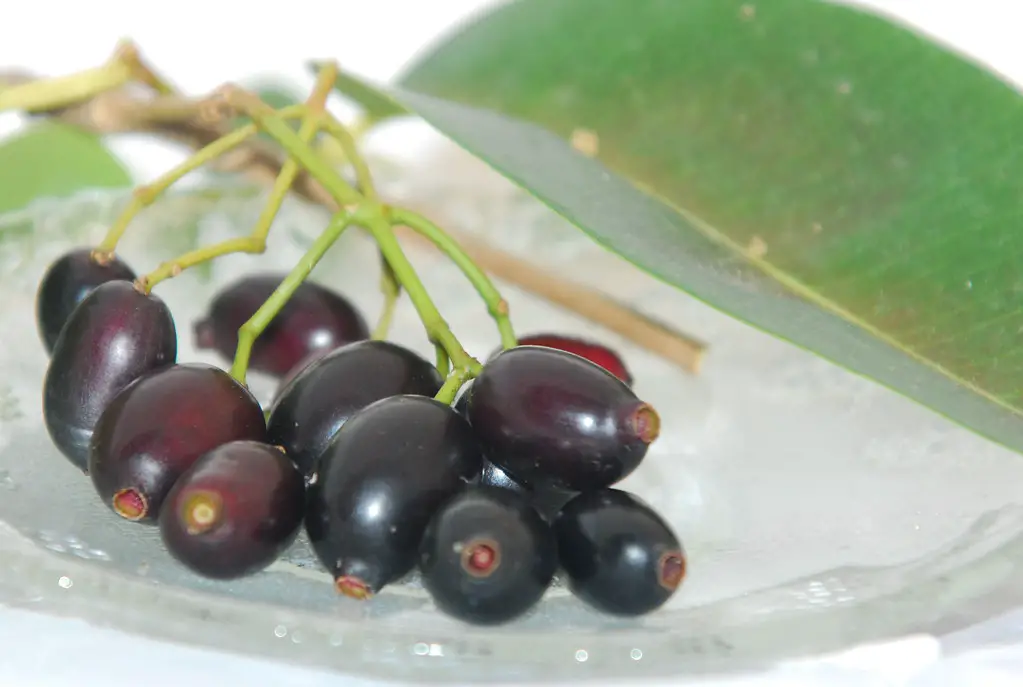
    Indulge in the luscious sweetness of Filipino Duhat Jam, a beloved spread cherished for its unique flavor profile. This local delicacy captures the essence of the Philippines with its distinct taste that sets it apart from other fruit jams. Made from ripe duhat fruit, this jam is a staple in Filipino cuisine, adding a sweet and tangy touch to various dishes.

    The process of simmering duhat pulp with sugar and sometimes lemon juice or spices preserves the rich flavors of the fruit, creating a delightful treat for your taste buds.

    Not only does Duhat Jam offer a burst of flavor, but it also offers a connection to the local culture and tradition. Its presence in Filipino households brings a sense of belonging and nostalgia, reminding you of home-cooked meals and family gatherings. This jam is more than just a condiment; it carries the stories and memories of generations.

    Whether spread on toast, drizzled over pancakes, or used as a filling for pastries, Duhat Jam is a versatile addition to your kitchen that guarantees to satisfy your cravings for something sweet with a unique Filipino twist.

    With its rich and distinctive flavor, Duhat Jam adds a touch of Filipino heritage to your meals. Its tangy sweetness and deep purple color make it a visually appealing and flavorful addition to any dish. Whether you’re enjoying it on a piece of warm bread or incorporating it into your favorite recipes, Duhat Jam brings a taste of the Philippines to your table.

    So why not indulge in the delightful flavors and cultural significance of Duhat Jam today? Your taste buds and your connection to Filipino culture will thank you.

    Exploring Duhat Wine Varieties

    Ready to uncover the diverse world of duhat wine varieties?

    From the rich flavors of bignay and duhat wines showcased at Sofitel La Veranda to the unique twist of Dielles Black Plum Honey Wine, there’s a range of options to explore.

    Discover the distinct production methods, flavor profiles, and ideal pairings that make these Filipino duhat wines a delightful experience for your palate.

    Duhat Wine Flavors

    Duhat wines offer an incredible range of flavors that can truly captivate the palate. These wines, such as Dielles Black Plum Honey Wine and St. Ambrose Bignay Wine, showcase the versatility and uniqueness of duhat wine varieties. Dielles Black Plum Honey Wine, for example, not only has a beautiful rosé tint but also a lovely lavender fragrance, creating a sensory experience unlike any other.

    On the other hand, St. Ambrose Bignay Wine presents a rich color similar to cabernet and a flavor profile reminiscent of Merlot, demonstrating the diverse range of options available in the world of duhat wines.

    Companies like Dielles and St. Ambrose specialize in crafting these distinctive beverages, each with its own charm and flavor profile. The duhat wines they create offer a delightful journey for wine enthusiasts seeking something out of the ordinary.

    From the creamy fruity notes reminiscent of Pouilly-Fumé to the spicy hints of ginger and cinnamon, duhat wines provide a truly unique and exciting experience for the palate.

    Whether you’re a seasoned wine connoisseur or simply looking to explore new and interesting flavors, duhat wines are a must-try. Their diverse range of flavors and aromas, coupled with the craftsmanship of companies like Dielles and St. Ambrose, make them a fascinating choice for any wine enthusiast. So why not embark on a journey of flavor and try a duhat wine today? You may just discover a new favorite.

    Production Methods

    Duhat wine varieties, such as Bignay and Duhat wines showcased at Sofitel La Veranda, are crafted using unique production methods that highlight the rich flavors of the fruit. These wines aren’t made using traditional methods but instead employ innovative techniques that bring out the best in the fruit.

    When it comes to creating these exquisite local wines, companies like Dielles and St. Ambrose follow specific steps to ensure a delightful end product.

    Dielles, for example, produces their Black Plum Honey Wine using the fruit of the Duhat tree. This particular variety of wine is known for its deep, robust flavor that’s reminiscent of ripe, juicy plums. The Duhat fruit is carefully selected and processed to extract the sweet, aromatic juice that forms the base of the wine.

    Another unique offering from Dielles is their Turmeric Honey Wine, which combines turmeric with Duhat. This combination creates a wine that isn’t only delicious but also boasts the health benefits of both ingredients. The turmeric adds a subtle earthy note to the wine, while the Duhat provides a natural sweetness.

    St. Ambrose, on the other hand, specializes in Bignay Wine, which is produced from the bignay fruit. Bignay is a tropical fruit that’s native to the Philippines and is known for its tart and tangy flavor. St. Ambrose carefully selects the ripest bignay fruits and uses a meticulous fermentation process to create a wine that captures the unique essence of this fruit.

    Both Dielles and St. Ambrose offer a variety of Duhat-based wines, each with its own distinct flavor profile. These local wine companies take pride in their innovative production methods, ensuring that each bottle of wine is a true representation of the fruit from which it’s made.

    Pairing Suggestions

    When it comes to finding the perfect pairing for Filipino Duhat wines, the possibilities are endless. Duhat wine’s unique combination of sweet and tangy flavors makes it a versatile companion for a variety of dishes. Whether you’re enjoying it on its own or looking to enhance its flavor profile, there are plenty of options to explore.

    One popular pairing for duhat wine is cheese platters and charcuterie boards. The fruity notes of the wine complement the flavors and textures of various cheeses, making it a delightful combination. From creamy brie to sharp cheddar, there are endless cheese options to experiment with.

    If you’re looking to elevate the flavor profile of duhat wine, consider pairing it with spicy or tangy dishes. The sweetness of the wine can balance out the heat and acidity of dishes like spicy adobo or tangy sinigang. This combination creates a unique sensory experience that’s sure to impress.

    For those with a sweet tooth, duhat wine can also be enjoyed as a dessert wine. Pair it with dark chocolate for a decadent treat that brings out the rich flavors of both the wine and the chocolate. The sweetness of the wine and the bitterness of the chocolate create a harmonious balance that’s truly indulgent.

    To truly embrace a Filipino culinary adventure, consider pairing duhat wine with traditional favorites like lechon, kare-kare, or sinigang. The sweet and tangy profile of the wine enhances the flavors of these dishes, creating a well-rounded dining experience.

    Duhat-Inspired Culinary Creations

    Get ready to tantalize your taste buds with a variety of flavorful duhat desserts, savory duhat entrées, and creative duhat beverages.

    From duhat jam spreading smoothly on toast to duhat salad adding a refreshing twist to your meals, there’s a culinary creation for every palate.

    Whether you’re craving something sweet, savory, or tangy, duhat-inspired dishes are sure to elevate your dining experience.

    Flavorful Duhat Desserts: Indulging in the Unique Essence of Duhat Fruit

    Duhat fruit, with its sweet and tangy profile, is a unique ingredient that adds a delightful twist to a variety of desserts. From creamy ice cream to refreshing sorbet, duhat-infused desserts offer a range of flavors that will tantalize your taste buds.

    When it comes to duhat desserts, one standout option is duhat ice cream. This creamy and cold treat combines the smoothness of ice cream with the distinct essence of duhat fruit. The result is a dessert that’s both refreshing and indulgent, perfect for satisfying your sweet cravings.

    Another delicious duhat dessert is duhat pie. This pastry is filled with duhat fruit, sugar, and spices, creating a unique twist on traditional fruit pies. The combination of the sweet and tangy duhat flavor with the flaky crust makes for a delightful dessert that’s sure to impress.

    For those looking for a lighter option, duhat sorbet is a great choice. This frozen dessert has a smooth texture and intense duhat flavor, making it the perfect treat for hot days. The refreshing taste of duhat sorbet is sure to cool you down and leave you wanting more.

    If you’re a fan of spreads and jams, duhat jam is a must-try. Made from ripe duhat fruit, this sweet and tangy jam can be spread on your favorite bread or pastries. The unique flavor of duhat adds a delicious twist to your morning toast or afternoon snack.

    Finally, for those who enjoy a good glass of wine, duhat wine offers a rich and fruity taste with a hint of tartness. This Filipino flavor is sure to impress wine enthusiasts and adds a touch of elegance to any occasion.

    Savory Duhat Entrées: A Delectable Twist on Traditional Filipino Cuisine

    When it comes to exploring the culinary possibilities of the Java Plum, there’s more to discover than just its sweet and tangy flavor. In Filipino cuisine, duhat isn’t limited to desserts and jams, but also finds its way into savory dishes, adding a delightful twist to traditional recipes. The natural sweetness of duhat makes it a star ingredient in pork or chicken dishes, where it adds a unique and unexpected flavor profile.

    Filipino chefs have long recognized the distinct taste of duhat, incorporating it into stews, sauces, and marinades for an extra burst of flavor. The tangy notes of duhat complement the savory ingredients like meat, vegetables, and spices, creating a harmonious balance that delights the palate. Whether simmered in a hearty stew or used as a glaze for grilled meats, duhat elevates savory dishes to a whole new level of culinary excellence.

    Creative Duhat Beverages

    Duhat, a versatile Filipino fruit, offers endless possibilities for creative culinary creations. One area where duhat truly shines is in the realm of beverages. From duhat wine to duhat-flavored cocktails, there are plenty of exciting options to explore. The rich and fruity flavors of duhat can be enjoyed in a variety of ways, making it a perfect choice for those looking for something unique and refreshing.

    When it comes to duhat beverages, one standout option is duhat wine. This alternative to traditional wines offers a rich and flavorful experience. The natural sweetness of duhat combines with the fermentation process to create a unique and delightful drink. Whether enjoyed on its own or paired with a meal, duhat wine is sure to impress.

    For those looking for a more adventurous option, duhat-flavored cocktails are a great choice. By mixing duhat with other ingredients, such as spirits and mixers, you can create a range of unique and refreshing drinks. From duhat mojitos to duhat margaritas, the possibilities are endless. These cocktails offer a perfect balance of sweet and tart flavors, making them a hit at any gathering.

    If you prefer something creamy and indulgent, duhat shakes are the way to go. By blending duhat with milk, ice cream, and other ingredients, you can create a delightful treat that’s perfect for any time of the day. The creamy texture of the shake combined with the sweet and tangy flavors of duhat make for a truly irresistible combination.

    For those looking for a healthier option, duhat smoothies are a great choice. By adding duhat to a blend of fruits, yogurt, and other healthy ingredients, you can create a nutritious and delicious smoothie. The natural sweetness of duhat adds a burst of flavor to the smoothie, making it a perfect choice for a quick and refreshing snack.

    Lastly, duhat can also be used to create a variety of desserts. From duhat-flavored ice cream to duhat sorbets, there are plenty of options to satisfy your sweet tooth. The natural sweetness and tanginess of duhat make it a perfect choice for desserts, adding a unique and refreshing twist to classic treats.

    Health Benefits of Duhat Products

    Duhat products offer a wide range of health benefits that can enhance your overall well-being. With their rich antioxidant content, duhat jam and wine can effectively combat harmful free radicals in your body, promoting good health. These antioxidants play a crucial role in preventing oxidative stress and reducing the risk of chronic diseases.

    In addition to their antioxidant properties, duhat seeds have shown potential antidiabetic effects. This makes them a valuable addition to the diets of individuals managing diabetes. Consuming duhat products can help regulate blood sugar levels and improve insulin sensitivity, contributing to better diabetes management.

    Duhat also has traditional healing uses, such as treating diarrhea. Its natural properties can help alleviate gastrointestinal discomfort and promote digestive health. This versatility in promoting wellness highlights the diverse benefits of duhat products.

    Furthermore, duhat is a great source of essential nutrients like vitamin C and iron. Vitamin C is known for its immune-boosting properties, while iron is crucial for proper oxygen transportation and energy production in the body. By incorporating duhat products into your diet, you can’t only enjoy their unique Filipino flavor but also nourish your body with these essential nutrients.

    Duhat: A Filipino Superfruit

    The duhat, also known as the Filipino superfruit, is a fascinating fruit that has a long history and a wide range of uses in Filipino culture. This tropical fruit, which is deeply rooted in local traditions, offers a unique combination of flavors and health benefits that have been cherished for generations.

    With its versatile culinary applications, duhat is a staple ingredient in Filipino cuisine. From jams to shakes and even wines, this fruit adds a distinct and delicious taste to a variety of dishes. Its rich and tangy flavor enhances the overall flavor profile of these dishes, making them even more enjoyable.

    In addition to its culinary uses, duhat is also believed to have medicinal properties. It’s known for its astringent taste, which is believed to aid in the treatment of ailments such as diarrhea. This traditional medicinal use of duhat has been passed down through generations and continues to be valued by many.

    Furthermore, duhat is a nutrient-rich fruit that offers numerous health benefits. Studies have shown that duhat is packed with antioxidants, vitamin C, and iron, making it a nutritious addition to one’s diet. These nutrients are essential for maintaining good health and can help boost the immune system and improve overall well-being.

    While duhat trees can be invasive in some regions, efforts are being made to control their spread and explore their potential as a source of essential oils. This not only helps manage the ecological impact of duhat trees but also opens up new possibilities for their use in various industries.

    Finally, duhat is a seasonal delight that thrives in the summer months. From March to June, duhat trees bear fruit, delighting locals with its unique taste and versatility. This limited availability adds to the allure of duhat, making it a highly anticipated fruit during its harvest season.

    Crafting Duhat-Based Beverages

    Crafting duhat-based beverages requires expertise and skill to unlock the natural flavors of the fruit and create uniquely flavorful drinks. Duhat, also known as Java plum, has a thin skin and white pulp that serve as an ideal base for crafting beverages like duhat wine. In the production of duhat wine, the fruit undergoes fermentation to develop a rich and sweet taste that captures the essence of Filipino flavors.

    Duhat-based beverages offer a distinct Filipino taste with a hint of sweetness, making them a popular choice among those seeking unique and local flavors. To effectively create these beverages, it’s essential to have expertise in handling the fruit to extract its natural essence. The process of crafting duhat wine involves a careful balance of flavors to ensure a delightful drinking experience.

    Duhat in Traditional Filipino Cuisine

    Duhat, also known as Java plum, is a versatile fruit that plays a prominent role in traditional Filipino cuisine. Its sweet and tangy flavor adds a unique Filipino touch to a variety of dishes and delicacies, making it a beloved ingredient in local culinary traditions. With its distinct taste, duhat is used in a range of recipes to create delightful flavors that are both familiar and exciting.

    One popular dish that showcases duhat is Sinigang sa Duhat, a sour soup that incorporates the fruit to bring a distinctive fruity twist to the savory broth. The tartness of duhat balances out the richness of the soup, creating a harmonious blend of flavors that’s both refreshing and satisfying. Another way duhat is enjoyed is in a Duhat Salad, where its tartness is combined with fresh greens and a tangy dressing.

    This salad is a refreshing and light option that highlights the natural flavors of duhat, making it a perfect choice for a healthy and flavorful meal.

    In addition to soups and salads, duhat is also used in meat dishes to enhance their flavors. Adobo with Duhat is a prime example of this. The richness of the adobo is complemented by the subtle sweetness of duhat, creating a flavorful dish that’s both savory and sweet. Duhat Glazed Pork Belly is another mouthwatering creation, where duhat jam is used to glaze tender pork belly slices.

    The combination of the sweet and savory flavors creates a delightful contrast that’s sure to please any palate.

    Lastly, duhat isn’t limited to savory dishes. It’s also used in desserts, such as Duhat Sorbet. This cooling treat showcases the natural sweetness of duhat in a frozen form, allowing its flavors to shine through. The tanginess of the fruit adds a refreshing element to the sorbet, making it a perfect ending to a meal.

    Duhat: From Farm to Table

    As you explore the journey of duhat from the farm to your table, you’ll uncover the intricate process of harvesting these fruits and the art of making flavorful duhat jam.

    From the careful selection of ripe duhat to the meticulous preparation of jam, each step contributes to the rich tapestry of flavors that grace your taste buds.

    Delve into the world of duhat production, where nature’s bounty is transformed into delectable treats for you to savor.

    Harvesting Duhat Fruit

    Harvesting the succulent duhat fruit in the Philippines from March to June offers a delightful opportunity for creating various delectable products, from jams to wines, showcasing the versatility of this local favorite. Duhat trees, commonly found in local farms, bear fruits that are typically ripe from March to June. These fruits are picked when they turn from purple to black, indicating their readiness for harvest.

    The process of harvesting duhat fruit involves carefully picking the ripe fruits from the tree, ensuring that they’re handled with care to prevent any damage. Once harvested, the duhat fruit can be processed immediately to create jams, wines, or other culinary delights.

    Duhat fruit harvesting season in the Philippines spans from March to June, providing ample opportunity for creating a range of delectable products. The versatility of this local favorite is showcased through the various culinary delights that can be made, such as jams and wines. Duhat trees, commonly found in local farms, are the source of these succulent fruits.

    These trees thrive in the Philippine climate and bear fruits that are ripe and ready to be picked during the specified season.

    To determine the optimal time for harvest, farmers look for the characteristic color change of the duhat fruit. When the fruits turn from purple to black, it indicates that they’re fully ripe and ready for picking. Careful attention is given to ensure that only the ripe fruits are harvested, as unripe ones may not have developed the desired sweetness and flavor.

    Harvesting duhat fruit requires a delicate touch. Farmers carefully pick the ripe fruits from the tree, taking care not to damage them in the process. It’s crucial to handle the fruits gently to prevent bruising or any other form of damage that may affect their quality.

    Once the duhat fruits are harvested, they can be processed immediately to create a variety of products. Jams, wines, and other culinary delights can be made from these freshly harvested fruits. The immediate processing ensures that the fruits’ flavors and qualities are preserved, resulting in delicious and high-quality products.

    Making Duhat Jam: Preserving the Taste of Java Plum Year-Round

    After harvesting the succulent duhat fruit, it’s time to embark on the delightful journey of making Duhat jam. This tropical fruit, also known as Java Plum, can be transformed into a delicious and versatile spread that can be enjoyed throughout the year. Duhat jam captures the unique sweet and tart flavors of the fruit, making it a perfect addition to your breakfast table or a delightful topping for desserts.

    To make your own duhat jam, start by washing and pitting the duhat fruits. The pits should be removed to ensure a smooth texture in the final jam. Once the fruits are prepared, cook the duhat pulp with sugar over medium heat. The sugar will help to enhance the natural sweetness of the fruit and create a thick, jam-like consistency.

    As the mixture simmers, it will gradually thicken. Stir occasionally to prevent it from sticking to the bottom of the pan. If you prefer a hint of citrus in your jam, add a squeeze of lemon juice. The acidity of the lemon juice will balance out the sweetness and add a refreshing twist to the flavor.

    For those who enjoy warm, comforting spices, you can also add a dash of cinnamon to the jam. Cinnamon pairs beautifully with the sweet and tangy taste of duhat, adding a warm and aromatic element to the spread. However, this step is optional and can be skipped if you prefer a more straightforward flavor profile.

    Once the duhat jam has reached your desired consistency, remove it from the heat and let it cool. The jam will continue to thicken as it cools, so don’t worry if it seems a bit runny at first. Once cooled, transfer the jam into clean, sterilized jars and seal them tightly.

    Now, you can enjoy your homemade duhat jam in a variety of ways. Spread it on toast for a delightful breakfast treat, swirl it into yogurt for a burst of flavor, or use it as a filling for pastries like croissants or tarts. The possibilities are endless, and with your own homemade duhat jam, you can savor the taste of Java Plum all year round.

    Duhat Harvesting and Processing: Unveiling a World of Culinary Possibilities

    Duhat, a tropical gem found in the Philippines, offers a world of culinary possibilities during its ripe months from March to June. The harvesting and processing of these sweet fruits is a journey that showcases the versatility and richness of Filipino cuisine.

    To begin the process, locals carefully handpick the ripe duhat fruits from the trees. This meticulous selection ensures that only the best fruits are chosen for processing. Once harvested, the duhat undergoes a pulping process, where the pulp is carefully extracted. This pulp serves as the base for a wide range of delectable creations.

    The extracted pulp is then sweetened and cooked down to perfection, resulting in flavorful duhat jam. This jam captures the essence of the fruit and can be enjoyed in various ways, from spreading it on toast to using it as a topping for desserts. The natural sweetness of duhat shines through in every jar of jam.

    In addition to jam, duhat is also used in the production of duhat wine. To create this unique and indigenous Filipino wine, the fruit is fermented with sugar and yeast. The fermentation process brings out the complex flavors of duhat, resulting in a wine that’s both refreshing and distinct.

    The art of making duhat products like jam and wine not only highlights local agricultural practices but also preserves Filipino culinary traditions. These traditions have been passed down through generations and continue to be cherished. Each jar of duhat jam and bottle of duhat wine represents a taste of Filipino heritage.

    Duhat: A Taste of Filipino Heritage

    Delve into the rich tapestry of Filipino heritage through the exquisite flavors of duhat, a tropical gem that encapsulates centuries of culinary tradition and innovation. Also known as Java Plum or black plum, this fruit holds a special place in Filipino culture, offering not just a unique taste but a connection to the country’s roots.

    Duhat, or Java Plum, is a fruit that has been enjoyed in the Philippines for generations. Its sweet and tart flavor profile makes it a versatile ingredient in Filipino cuisine, adding depth and complexity to a variety of dishes. Whether it’s used in jams, jellies, desserts, or even as a topping for savory dishes, duhat brings a distinct taste that’s both familiar and comforting.

    But duhat’s significance goes beyond its culinary uses. It’s also a symbol of Filipino heritage and tradition. The fruit is deeply rooted in the country’s history, with its cultivation dating back centuries. It has been passed down through generations, with families and communities preserving the knowledge and techniques of growing and preparing duhat.

    As the Filipino diaspora has spread across the globe, so too has duhat. In California, it’s known as Java Plum and is prized for its wine-producing qualities. The dark purple fruit is used to make rich, flavorful wines that pay homage to the Filipino roots of the farmers and winemakers.

    Similarly, in India, duhat is known as Jamun and is a popular fruit with a rich cultural history. It’s used in various dishes, from desserts to drinks, and is celebrated for its deep purple color and sweet-tart flavor.

    Each region brings its own twist to this versatile fruit, showcasing the diversity of its uses and flavors. From fresh consumption to jelly making and even wine production, duhat represents a harmonious blend of tradition and modernity, making it a beloved ingredient in Filipino cuisine.

    Embrace the taste of heritage with duhat, a fruit that tells a story with every bite. Whether you enjoy it in its traditional form or discover new ways to incorporate it into your cooking, duhat is a true taste of Filipino culture and a testament to the rich culinary heritage of the Philippines.

    Frequently Asked Questions

    What Is the Name of the Java Plum in the Philippines?

    In the Philippines, the Java Plum is known as ‘Duhat.’ Its sweet taste and dark skin make it a popular summer fruit. You’ll find it in jams, jellies, wines, and vinegar, showcasing its versatility.

    What Is the Filipino Fruit Like Lychee?

    Duhat, a Filipino fruit akin to lychee, boasts a sweet taste and a purple to black thin skin. Its white pulp mirrors lychee, offering a unique flavor experience. Try duhat in various forms like jam and wine for a delightful Filipino twist!

    Which Fruit Is Similar to Duhat?

    If you’re curious about a fruit akin to duhat, look to jamun fruit. These tiny, purple-black gems pack a flavor punch similar to duhat, offering a mix of sour and sweet notes. Rich in antioxidants and vitamins, they’re both healthful treats.

    What Is the National Fruit of the Philippines?

    Mango, bursting with sweetness and cultural significance, is the national fruit of the Philippines. From Manila to carabao varieties, enjoy this versatile fruit in various dishes. Explore the peak season between March and June for the best flavors.

    Conclusion

    Indulge in the unique flavors of duhat through its delicious jam, wine, and culinary creations. Experience the health benefits and traditional uses of this Filipino superfruit, showcasing its versatility and global appeal.

    From farm to table, duhat represents a taste of Filipino heritage that continues to captivate taste buds worldwide. Embrace the rich antioxidants and delightful taste of duhat in various forms, celebrating its role in Filipino cuisine and beyond.

  • A Filipino Twist on Citrus: Creative Ways to Use Dalandan

    A Filipino Twist on Citrus: Creative Ways to Use Dalandan

    Dalandan, a vibrant citrus fruit from Southeast Asia, enhances traditional Filipino dishes like Sinigang and Adobo with its unique citrusy flavor. Elevate your culinary creations with the zesty punch of dalandan in both traditional pairings and innovative recipes.

    Key Takeaways

    • Dalandan enhances traditional Filipino dishes like Sinigang and Adobo with its unique citrusy flavor.
    • Explore innovative culinary uses by creating Dalandan-infused recipes and cocktails.
    • Incorporate Dalandan in beverages, desserts, and baking for a delightful Filipino twist.
    • Elevate condiments with Dalandan to add a refreshing citrus kick to meats, salads, and more.

    Dalandan: A Filipino Citrus Delight


    Dalandan, a vibrant citrus fruit from Southeast Asia, is a true delight for the taste buds. With its unique blend of sourness and subtle sweetness, it offers a refreshing twist to traditional citrus flavors. But Dalandan isn’t just delicious, it’s also packed with vitamin C, making it a nutritious addition to your diet.

    In Filipino culture, Dalandan holds a special place. It’s often enjoyed dipped in salt or chile powder, showcasing the diverse ways it can be savored. But its versatility doesn’t stop there. Dalandan can be used in a variety of culinary applications, from juicing to salad pairings, adding a tangy kick to your dishes.

    But what sets Dalandan apart is its rich profile of essential nutrients. It isn’t only a good source of vitamin C but also contains potassium and magnesium, which are important for overall health. This makes Dalandan a go-to ingredient for both flavor and wellness.

    Dalandan in Traditional Filipino Dishes

    Discover the essence of traditional Filipino flavors with dalandan.

    From the iconic Sinigang to the beloved Adobo, this citrusy fruit adds a zesty punch to classic dishes.

    Get ready to elevate your culinary creations with the unique tang of dalandan in both traditional pairings and innovative recipes.

    Classic Dalandan Pairings

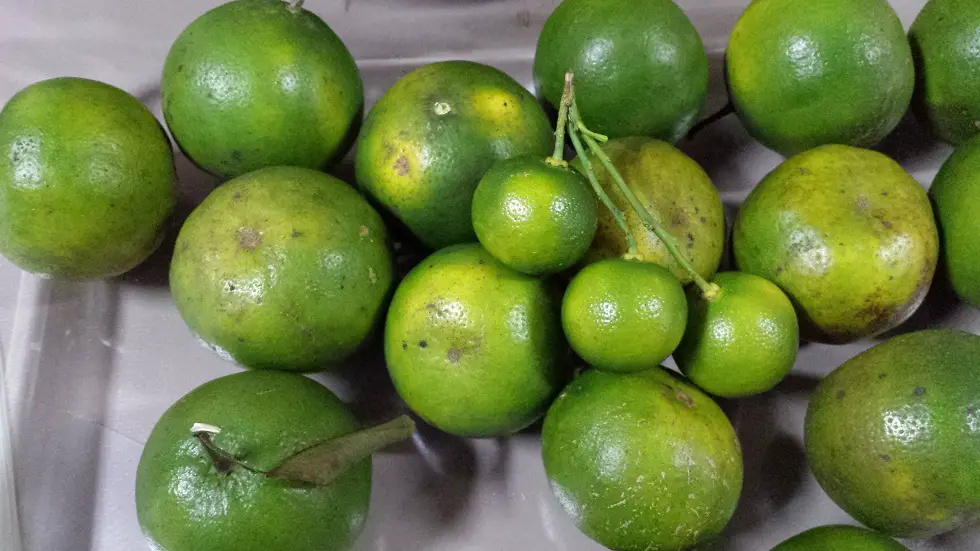
    When it comes to cooking traditional Filipino dishes, dalandan is a versatile ingredient that can elevate the flavors with its citrusy and tangy profile. Dalandan, also known as Philippine orange or sour orange, is a small citrus fruit that’s widely used in Filipino cuisine. Its unique taste adds a refreshing twist to a variety of dishes, making it a popular choice among Filipino cooks.

    One classic pairing that showcases the versatility of dalandan is in sinigang, a sour tamarind soup. The small size of dalandan helps neutralize the flavors in this soup, providing a refreshing citrus twist that complements the sourness of the tamarind. The tangy notes of dalandan add a burst of flavor to the sinigang, making it even more delicious and satisfying.

    Another popular dish that benefits from the addition of dalandan is adobo. Adobo is a Filipino favorite that’s known for its savory and tangy flavors. By adding dalandan, you can enhance the zesty notes of the dish, creating a harmonious balance between the savory and citrusy flavors. The tangy and citrusy profile of dalandan complements the rich and flavorful adobo sauce, taking the dish to a whole new level.

    In addition to savory dishes, dalandan is also a popular ingredient in marinades. The juice of dalandan is a great source of vitamin C and its acidity helps tenderize meat and seafood. By incorporating dalandan juice into your marinades, you can brighten up your meat and seafood dishes, adding a burst of citrus flavor that enhances the overall taste.

    Lastly, dalandan can also be used in desserts like leche flan. In this sweet treat, the zest or juice of dalandan can be used to infuse a unique citrusy essence into the creamy and caramelized flavors of the leche flan. The citrusy notes of dalandan add a refreshing and bright element to the dessert, making it even more delightful to indulge in.

    Innovative Dalandan Recipes

    Elevate your traditional Filipino dishes with a burst of citrusy innovation by incorporating Citrus aurantium, commonly known as dalandan, in creative recipes that will tantalize your taste buds. Dalandan, a type of citrus fruit native to the Philippines, offers a unique flavor profile that adds a vibrant and tangy twist to classic dishes.

    Its sour notes can enhance the traditional Sinigang, creating a more vibrant and tangy flavor. By adding dalandan to the Sinigang broth, you can elevate the dish and give it a refreshing citrus kick.

    For those who love the classic Adobo, why not try infusing it with the citrusy essence of dalandan? The combination of savory and tangy flavors in Adobo can be complemented by the bright and refreshing taste of dalandan, adding a new dimension to this beloved Filipino dish. The citrusy notes of dalandan can enhance the flavors of the meat and create a unique and delicious twist on the traditional recipe.

    If you’re looking for a lighter option, you can whip up a Dalandan Salad Dressing using dalandan juice, olive oil, honey, and herbs. This zesty dressing will elevate your salads and add a burst of citrusy flavor. The dalandan juice adds a refreshing and tangy element to the dressing, making it a perfect complement to fresh greens and vegetables.

    When it comes to desserts, dalandan can also be a great addition. Try incorporating dalandan zest or juice into Filipino desserts like Leche Flan or Puto for a unique citrusy touch. The bright and citrusy flavor of dalandan can add a refreshing twist to these sweet treats, balancing out the richness and adding a burst of flavor.

    Lastly, don’t forget to experiment with using dalandan in marinades for meats. Adding dalandan juice or zest to marinades can infuse the meat with a bright and citrusy flavor. Whether you’re marinating chicken for Chicken Inasal or pork for BBQ, the addition of dalandan can take your dish to the next level and add a burst of freshness.

    Incorporating dalandan into your recipes allows you to explore new flavors and add a unique twist to traditional Filipino dishes. Its citrusy and tangy notes can elevate the flavors of your dishes and create a refreshing and vibrant culinary experience. So why not give it a try and let dalandan take your cooking to new heights?

    Dalandan Infused Beverages and Cocktails

    Are you ready to tantalize your taste buds with refreshing Dalandan mocktails and zesty cocktail recipes?

    Whether you’re craving a citrusy spritzer or a tangy margarita, Dalandan-infused beverages offer a unique twist to elevate your drinking experience.

    Get ready to sip on vibrant, flavorful concoctions that blend the bright notes of Dalandan with a variety of spirits and herbs for a truly tantalizing treat.

    Refreshing Dalandan Mocktails

    Unleash your creativity with Dalandan juice by crafting refreshing mocktails that offer a delightful Filipino twist. Dalandan, a citrus fruit native to the Philippines, is known for its bright and tangy flavor. Dive into the world of Dalandan mocktails with these exciting ideas that will transport you to a sunny Filipino beach with every sip.

    One way to enjoy Dalandan juice is to create a Dalandan Spritzer. Simply mix Dalandan juice with sparkling water or soda for a bubbly and citrusy delight. The effervescence of the sparkling water or soda enhances the refreshing qualities of the Dalandan juice, creating a drink that’s both light and invigorating.

    For those looking to add an extra layer of flavor to their mocktails, consider an Herbal Infusion. By infusing Dalandan juice with herbs or spices, you can create a unique twist on the traditional mocktail. For example, adding a sprig of mint or a dash of ginger can add a refreshing and aromatic element to the drink.

    The combination of the herbal infusion with the bright citrus flavor of the Dalandan juice creates a mocktail that’s both complex and satisfying.

    If you’re in the mood for something fruity and tropical, try a Fruity Fusion mocktail. Experiment by blending Dalandan juice with other fruits such as mango, pineapple, or coconut for a refreshing and exotic drink. The combination of the Dalandan juice with the other fruits creates a tropical flavor profile that will transport you to a faraway beach paradise with every sip.

    For those who enjoy a classic margarita, why not put a Filipino spin on it with a Mocktail Margarita? Instead of using traditional citrus fruits, substitute Dalandan juice for a tropical twist. The bright and tangy flavor of the Dalandan juice pairs perfectly with the tequila and adds a unique Filipino touch to this beloved cocktail.

    With these exciting Dalandan mocktail ideas, you can unleash your creativity and enjoy a taste of paradise in every glass. Whether you prefer a bubbly spritzer, an herbal infusion, a fruity fusion, or a tropical margarita, Dalandan juice offers endless possibilities for refreshing and delightful mocktails. So go ahead, get creative, and let the flavors of the Philippines transport you to a sunny beach getaway with every sip.

    Zesty Dalandan Cocktail Recipes: Elevating Summer Gatherings with Tangy Delights

    Dive into a world of zesty delights with creative Dalandan-infused cocktail recipes that will elevate your summer gatherings to a whole new level. Dalandan, a citrus fruit native to the Philippines, offers a natural tangy flavor that can be infused into classic cocktails, giving them a unique citrus twist.

    Imagine sipping on a Dalandan Mojito or a Dalandan Margarita, where the refreshing taste of dalandan combines with the crispness of vodka, rum, tequila, or gin. These vibrant beverages are perfect for any occasion, whether you’re hosting a tropical-themed party or a cozy get-together with friends.

    To craft a Dalandan-infused cocktail, start by squeezing the juice from fresh dalandan fruit and mixing it with your choice of spirit. Add a splash of soda water or tonic for some fizz and garnish with fresh dalandan slices, mint leaves, or a salt rim to enhance both the visual appeal and taste of your drink.

    But the possibilities don’t stop there. Take your dalandan-infused cocktails to the next level by experimenting with different flavors and ingredients. For a sweeter option, try adding a splash of simple syrup or a dash of grenadine. You can also mix in other citrus fruits like lime or lemon for an extra burst of freshness.

    If you prefer a non-alcoholic option, simply mix dalandan juice with soda water or tonic to create a flavorful dalandan spritzer or mocktail. This refreshing beverage is perfect for those who want to enjoy the tangy taste of dalandan without the alcohol.

    Dalandan Salad Dressings and Marinades: Elevating Your Dishes with a Filipino Twist

    Dalandan, also known as the Filipino sour orange, offers a vibrant and refreshing flavor that can take your salads and marinades to the next level. Its citrusy profile adds a unique twist to your dishes, infusing them with a tangy and zesty taste that will tantalize your taste buds. Let’s explore some creative ideas to incorporate dalandan into your culinary creations.

    To start, you can mix dalandan juice with a variety of herbs and spices to create a zesty salad dressing. The combination of the citrusy dalandan with the aromatic herbs and spices will elevate the flavors of your greens, making your salads burst with freshness and complexity.

    But why stop at salads? Dalandan can also be used as a marinade for meats or seafood. By blending dalandan juice with a selection of herbs and spices, you can infuse your proteins with a tangy and refreshing twist. The acidity of the dalandan juice helps tenderize the meat while adding a burst of flavor that complements the natural taste of the ingredients.

    If you’re looking for a more complex dressing, you can create a delectable dalandan vinaigrette. By combining dalandan juice with olive oil, honey, and Dijon mustard, you achieve a perfect balance of sweet and sour flavors. This vinaigrette pairs well with a variety of salads, making them truly irresistible.

    Don’t forget about the zest! Dalandan zest can be used to enhance the citrus aroma and flavor in your marinades. By incorporating the zest into your mix, you give your dishes an extra burst of freshness that will leave your guests wanting more.

    Incorporating dalandan into your salads and marinades opens up a world of possibilities. Its vibrant and tangy profile adds a Filipino twist to your dishes, making them stand out with their unique flavors.

    So go ahead, experiment with these ideas and explore the versatility of dalandan in your kitchen. Whether you’re looking to add a refreshing twist to your salads or seeking a tangy marinade for your meats, dalandan is sure to impress.

    Dalandan Desserts: Sweet Citrus Treats

    Looking to satisfy your sweet tooth with a burst of citrusy flavor? Zesty Dalandan Cupcakes, Tangy Dalandan Sorbet, and Refreshing Dalandan Popsicles are just a few treats you can whip up to explore the vibrant taste of dalandan in desserts.

    Get ready to elevate your dessert game with these delightful creations that balance the tangy and sweet notes of this versatile citrus fruit.

    Zesty Dalandan Cupcakes: A Burst of Filipino Flavors

    Infusing your baking with the vibrant essence of dalandan, a native citrus fruit in the Philippines, these zesty cupcakes offer a delightful twist on traditional citrus treats. Imagine sinking your teeth into a fluffy cupcake that bursts with the unique and tangy flavor of dalandan. Here’s what makes these cupcakes so special:

    Fresh dalandan juice takes center stage in these cupcakes, adding a tangy and refreshing taste that sets them apart from your ordinary citrus-flavored treats. The bright and vibrant flavors of the dalandan juice elevate the cupcakes to a whole new level.

    But it doesn’t stop there. The batter itself is infused with dalandan zest, which gives an extra burst of citrus flavor with every bite. The zest adds a subtle yet distinctive note to the cupcakes, ensuring that the citrusy goodness is present in every mouthful.

    These cupcakes are a true delight for lovers of all things citrus, especially those who appreciate the unique flavors of Filipino cuisine. Drawing inspiration from the vibrant and diverse culinary traditions of the Philippines, these cupcakes offer a Filipino-inspired dessert that’s sure to satisfy any sweet tooth.

    With each bite, you’ll experience a bright and vibrant explosion of dalandan goodness. The zesty flavors dance on your taste buds, leaving you craving for more. These cupcakes aren’t just a dessert; they’re a celebration of the rich and diverse flavors that the Philippines has to offer.

    Tangy Dalandan Sorbet: A Refreshing Delight for Citrus Lovers

    Tangy Dalandan Sorbet is a frozen dessert that perfectly captures the refreshing essence of dalandan oranges, a popular citrus fruit in Filipino cuisine. This delightful sorbet embodies the sweet and tangy flavors that make dalandan so unique, offering a burst of tropical goodness in every spoonful.

    Dalandan, also known as the Philippine sour orange, is a citrus fruit that’s native to Southeast Asia. It’s known for its vibrant green skin and juicy, tangy flesh. In Filipino cuisine, dalandan is often used in various dishes and desserts to add a citrusy punch.

    To create this tangy sorbet, you only need a few simple ingredients, allowing the natural brightness of dalandan to shine through. The sorbet strikes the perfect balance between tartness and sweetness, creating a refreshing treat that’s both cooling and satisfying.

    Imagine indulging in a smooth and creamy sorbet that bursts with the zesty flavors of dalandan. Each spoonful offers a taste of the tropics, transporting you to sunny beaches and lush green landscapes. The tanginess of the dalandan adds a refreshing twist to the traditional sorbet, making it a perfect choice for those who love citrusy desserts.

    Whether you’re a fan of Filipino cuisine or simply enjoy the bright and tangy flavors of citrus fruits, Tangy Dalandan Sorbet is a must-try. Its simplicity and deliciousness make it a crowd-pleaser, while its unique flavor profile sets it apart from other frozen treats.

    Refreshing Dalandan Popsicles

    Crafting a batch of refreshing Dalandan popsicles allows you to savor the sweet and tangy essence of this citrus fruit in a delightful frozen treat. Dalandan, a citrus fruit native to the Philippines, is known for its vibrant flavor and high vitamin C content.

    To make these delicious popsicles, start by squeezing fresh Dalandan juice into a blender. The juice provides the base for the popsicles and gives them their distinct flavor. Next, add a sprinkle of sugar to balance out the tartness of the Dalandan juice and create the perfect level of sweetness.

    Blend the mixture until smooth, ensuring that the sugar is fully dissolved. Pour the mixture into popsicle molds and place them in the freezer to solidify. Once frozen, you can enjoy the cool and revitalizing flavors of these homemade treats on a hot day.

    To add even more variety and depth to your Dalandan popsicles, consider incorporating other fruits like mango or pineapple. These additional fruits not only enhance the flavor profile but also provide additional nutritional benefits. Mango, for example, adds a tropical sweetness and is a great source of vitamin A and fiber.

    Pineapple adds a tangy twist and is rich in vitamin C and bromelain, which is known for its anti-inflammatory properties.

    By personalizing your Dalandan popsicles with these fruits, you can create a unique flavor combination that suits your taste preferences.

    Whether you’re making these popsicles for yourself or to share with others, they’re sure to be a crowd-pleaser for all ages. The refreshing taste and vibrant colors of the Dalandan popsicles make them a perfect treat for hot summer days or any time you’re craving a cool and satisfying dessert.

    Plus, the natural sweetness of the fruit and the absence of artificial additives make these popsicles a healthier alternative to store-bought options.

    Dalandan: The Versatile Flavor Enhancer

    Dalandan, with its vibrant and tangy essence, has the power to elevate the flavor profile of your culinary creations to new heights. This unique citrus fruit adds a refreshing twist to both sweet and savory recipes, making it a versatile addition to any dish.

    When it comes to marinating meats or seafood, Dalandan juice is the perfect choice. Its bright and zesty flavor infuses the ingredients, leaving your taste buds tingling with delight. The tanginess of Dalandan creates a harmonious balance when paired with rich and fatty foods, making it an ideal companion for dishes that need a touch of acidity.

    Incorporating Dalandan segments into salads or salsa brings a burst of freshness and acidity, instantly making your dish pop with vibrant flavors. The natural tanginess of Dalandan not only enhances the taste but also adds depth to the overall dining experience.

    Dalandan Pickles and Preserves

    Elevate your culinary repertoire by exploring the delectable world of Dalandan pickles and preserves, where tangy flavors harmonize with sweet and sour notes to create a delightful culinary experience. Dalandan pickles are a unique blend of dalandan oranges infused with vinegar, sugar, and spices, offering a zesty kick that dances on your taste buds.

    The natural acidity of dalandan oranges lends itself perfectly to pickling, resulting in a tantalizing mix of sweet and sour flavors that adds depth to your dishes.

    Indulge in the sweet and citrusy spread of Dalandan preserves, created by cooking dalandan oranges with sugar until it reaches a thick, jam-like consistency. This versatile spread is ideal for spreading on toast or pastries, adding a burst of dalandan flavor to your breakfast or afternoon snack.

    But Dalandan preserves can also be used as a glaze for meats, elevating your dishes with a tangy and citrusy twist. Whether you’re looking to add a Filipino twist to your culinary creations or simply want to explore new flavors, Dalandan pickles and preserves offer a creative and delicious way to savor the distinct taste of dalandan oranges.

    Dalandan in Baking: Cakes and Pastries

    Dalandan, also known as the Filipino orange, offers a burst of vibrant citrus flavor that can transform your baked goods into tantalizing treats. Whether in the form of zest, juice, or infused syrups, dalandan brings a refreshing twist to cakes and pastries. The zesty peel of dalandan adds a tangy kick to your favorite desserts, while the juice moistens and enhances the flavor of cake batters, creating a delightful harmony of tanginess and sweetness.

    Imagine biting into a fluffy muffin or a buttery scone with hints of dalandan, elevating the taste to a whole new level.

    To further deepen the complexity of flavors in your baked goods, consider pairing dalandan with ingredients like coconut, chocolate, or nuts. The combination of dalandan’s citrusy essence with these complementary flavors creates a unique and delightful twist to traditional recipes. The bright and tangy notes of dalandan can balance the richness of chocolate or add a tropical touch when combined with coconut.

    The possibilities are endless when it comes to incorporating dalandan into your baking adventures.

    For a more intense burst of dalandan flavor, you can also create dalandan-infused syrups to drizzle over your cakes and pastries. This adds an extra layer of citrusy essence that tantalizes the taste buds and enhances the overall experience. The syrup can be made by simmering dalandan juice with sugar until it thickens, creating a concentrated burst of flavor that can be poured over your creations.

    Whether you’re a seasoned baker or just starting out, embracing the vibrant essence of dalandan in your baking can take your creations to exciting new heights. From fluffy cakes to buttery pastries, dalandan adds a refreshing and citrusy twist that will leave your taste buds craving for more. So why not infuse your baked goods with the zesty goodness of dalandan and embark on a flavor-filled baking adventure?

    Dalandan Seasonings and Rubs for Meats

    Infusing meats with dalandan-infused seasonings and rubs can add a burst of unique citrusy flavor to your dishes. Dalandan, a Filipino citrus fruit, brings a refreshing twist to traditional meat preparations. By incorporating dalandan seasonings and rubs, you can elevate the taste of your meats and create a memorable dining experience.

    One creative way to use dalandan seasonings and rubs is to create a Citrus Herb Rub. This zesty rub blends dalandan zest, garlic, thyme, and olive oil, which is perfect for seasoning chicken or fish. The combination of citrus and herbs adds depth and complexity to the flavors of the meat.

    Another delicious option is to make a Soy Dalandan Marinade. Mixing soy sauce, dalandan juice, ginger, and brown sugar creates a tangy-sweet marinade that pairs well with pork chops. The dalandan juice adds a citrusy brightness that balances the richness of the pork.

    If you prefer a spicy kick, a Spicy Dalandan Glaze is a great choice. Combining dalandan juice, honey, chili flakes, and a touch of vinegar creates a fiery glaze that can elevate grilled meats. The combination of heat and citrus creates a tantalizing flavor profile that will leave your taste buds tingling.

    For a simple yet delicious option, try making Dalandan Infused Butter. By mixing dalandan zest, parsley, salt, and pepper, you can create a compound butter that melts over steaks, infusing them with a burst of citrus freshness. The butter adds richness and moisture to the meat, while the dalandan zest provides a vibrant citrus flavor.

    How Can Dalandan and Caimito be Used Together in Creative Recipes?

    Mixing the tropical taste of caimito with the zesty flavor of dalandan can create unique and refreshing recipes. Try combining them in a fruit salad for a burst of tangy sweetness, or blend them together in a smoothie for a tropical twist. The possibilities are endless for these two exotic fruits.

    Discover the Versatility of Dalandan in Homemade Condiments

    When it comes to enhancing the flavors of our favorite meats, dalandan is often a go-to ingredient. But have you ever considered exploring its versatility in homemade condiments? By incorporating dalandan into vinaigrettes, marinades, and dipping sauces, you can transform ordinary sauces and dressings into flavorful accompaniments that elevate a variety of dishes.

    The vibrant citrus kick of dalandan infuses these condiments with a refreshing and zesty twist. The sour and tart notes of dalandan enhance the flavors, adding a Filipino flair that complements grilled meats, seafood, salads, and roasted vegetables. Whether you’re looking to add a burst of flavor to your barbecue marinade or brighten up a simple salad dressing, dalandan can do wonders.

    One of the key benefits of using dalandan in condiments is its acidity. The juice of dalandan offers a versatile ingredient that balances out the richness of savory dishes, bringing a hint of brightness to every bite. It adds a citrusy tang that cuts through the richness and adds depth to the overall flavor profile. This unique and exotic flavor profile can turn everyday dining into a delightful culinary experience.

    Frequently Asked Questions

    What Is the Use of Dalandan?

    Dalandan, rich in vitamin C and nutrients, offers a unique sour-sweet flavor. Use it fresh, juiced, or in salads. Ease nausea, aid digestion, and suppress appetite. Embrace its versatility in Filipino cuisine and commercial products.

    What Is Dalandan in the Philippines?

    Dalandan in the Philippines is a citrus fruit known for its sour taste and vitamin C benefits. Locals enjoy it fresh, juiced, or with salt for health perks. Its versatility shines in products like soda and candy.

    What Is the English Name for Dalandan?

    The English name for Dalandan is Green Mandarin Orange. It’s a citrus fruit with a unique flavor popular in the Philippines. You can explore creative ways to use Dalandan in your culinary adventures for a delightful twist!

    Is Citrus and Dalandan the Same?

    Citrus and Dalandan are not the same. While all Dalandan oranges fall under the citrus family, not all citrus fruits are Dalandan. Understanding this difference can inspire you to explore unique ways to incorporate Dalandan into your dishes.

    Conclusion

    You’ve just scratched the surface of the endless possibilities that dalandan brings to the table. From savory dishes to sweet treats, this Filipino citrus fruit adds a burst of flavor that will elevate your culinary creations.

    Embrace the vibrant and unique taste of dalandan in your cooking, and let its sour, tart, and sweet notes take your dishes to a whole new level.

    Get creative, experiment, and savor the delicious results of incorporating dalandan in your kitchen adventures!

  • Beyond the Brown: Exploring the Sweetness and Uses of Chico

    Beyond the Brown: Exploring the Sweetness and Uses of Chico

    Discover chicozapote’s sweetness and uses—a versatile fruit with a natural 18–24° Brix sweetness, providing nutrition and flavor. Slice it raw, blend into smoothies, or toss in salads for a satisfying snack or meal enhancement.

    Key Takeaways

    • Chicozapote offers essential vitamins, minerals, and antioxidants for health and vitality.
    • Its burnt sugar custard flavor enhances both sweet and savory dishes creatively.
    • Pairing chicozapote with citrus, vanilla, or nuts creates delightful culinary experiences.
    • From salads to desserts, chicozapote elevates global cuisine with its versatile and unique taste.

    Nutritional Benefits

    Chicozapote, also known as sapodilla, is a fruit that offers a wide range of nutritional benefits. Packed with essential vitamins and minerals, chicozapote is a powerhouse of nutrients that contribute to optimal health. It contains a variety of vitamins, including vitamin A, B complex, and C, as well as folate, niacin, and pantothenic acid.

    These vitamins play crucial roles in supporting immune health and aiding in energy production. Additionally, chicozapote provides essential minerals such as potassium, calcium, magnesium, and phosphorus, which are important for overall well-being and proper body functioning.

    One of the notable aspects of chicozapote is its antioxidant activity. Antioxidants help combat oxidative stress and inflammation in the body, which can reduce the risk of chronic diseases and support longevity. The high total dietary fiber content of chicozapote also contributes to its nutritional value. Dietary fiber aids in digestion and promotes gut health, ensuring a balanced and healthy digestive system.

    With its sweetness and abundance of nutrients, chicozapote isn’t only delicious but also nourishing. Including chicozapote in your diet can provide you with a wide range of vitamins, minerals, and antioxidants that support your overall health and well-being. So why not enjoy this tasty fruit and reap its many nutritional benefits?

    Culinary Inspiration: Exploring the Versatility of Chicozapote

    Chicozapote, with its exceptional nutritional profile, not only promotes health but also serves as a source of culinary inspiration. This versatile fruit offers a unique and delightful flavor that can be applied in both sweet and savory dishes, making it a favorite ingredient among chefs and home cooks alike.

    The taste profile of chicozapote is truly remarkable, reminiscent of burnt sugar custard with hints of cinnamon and sweet potato. This flavor adds a distinct and delicious touch to a variety of recipes. From traditional Mexican beverages like agua de zapote and chicozapote shakes to enjoying it fresh, sliced, or chilled for a refreshing culinary experience, the possibilities are endless.

    What makes chicozapote truly special is its ability to enhance the flavor of dishes, adding a touch of sweetness and warmth. Its adaptability allows for creative experimentation in the kitchen, making it a versatile ingredient that can be incorporated into a wide range of cuisines.

    Whether you’re looking to elevate a sweet dessert or add depth to a savory creation, chicozapote’s complex flavor profile offers a delightful culinary journey for your taste buds.

    Sweet and Savory Pairings

    As you explore the world of chicozapote in culinary creations, you’ll encounter a realm of flavorful combinations waiting to be discovered.

    The unexpected matches between chicozapote’s sweetness and savory ingredients create a harmonious balance on your palate.

    Embrace the opportunity to blend different flavors and textures to elevate your dishes with a touch of culinary magic.

    Flavorful Combinations

    Chicozapote, a unique and flavorful ingredient, has the power to elevate your culinary creations with its sweet taste. Whether you’re looking to add a touch of sweetness to a dessert or enhance the flavors of a savory dish, chicozapote can be your go-to ingredient. Its versatility allows for a wide range of pairings that will surely delight your taste buds.

    When it comes to desserts, chicozapote can be paired with citrus fruits to create a refreshing and zesty treat. The combination of the sweet chicozapote and the tanginess of citrus fruits creates a perfect balance of flavors. Additionally, pairing chicozapote with vanilla adds a classic yet sophisticated profile to your desserts.

    The subtle sweetness of chicozapote complements the rich and creamy flavor of vanilla, resulting in a delightful combination.

    For those looking to add a tropical twist to their culinary creations, chicozapote can be combined with coconut. The sweet and creamy taste of coconut pairs perfectly with the unique sweetness of chicozapote, creating a flavor profile that transports you to a tropical paradise.

    If you’re a fan of nutty flavors, chicozapote can be enhanced by incorporating various nuts like almonds or pecans. The nuttiness of these ingredients complements the sweetness of chicozapote, adding a delightful crunch and depth of flavor to your dishes.

    But it’s not just desserts where chicozapote shines. It can also be used in savory dishes, such as meat glazes, to introduce a unique sweetness that perfectly complements the flavors of the dish. The balance between the savory and sweet notes creates a harmonious taste experience that will leave you wanting more.

    Unexpected Matches

    Enhancing your culinary repertoire with unexpected matches, the sweet and savory pairings featuring chicozapote promise to redefine your flavor experiences. Chicozapote, a versatile fruit with seeds, leaves, and pulp, can be incorporated into various dishes, creating a symphony of flavors that surprise and delight.

    The unique combination of sweet and savory elements showcases the fruit’s ability to harmonize with different ingredients, offering a delightful culinary adventure.

    The sweet and savory pairings with chicozapote mentioned in the table above demonstrate the fruit’s versatility and ability to complement a range of flavors. For example, the chicozapote salsa combines the fruit with tomatoes and onions, resulting in a chunky salsa with a sweet twist. This unexpected pairing adds a touch of sweetness to a traditional savory dish, creating a unique and tantalizing flavor profile.

    Another innovative combination is the chicozapote-glazed pork. By marinating the pork loin in a chicozapote glaze, the meat is infused with a caramelized finish that enhances its natural flavors. The sweetness of the chicozapote complements the savory notes of the pork, creating a harmonious blend that’s both delicious and unexpected.

    Chicozapote chutney is yet another example of the fruit’s ability to elevate savory dishes. By simmering chicozapote with apples and spices, a tangy condiment is created that adds depth and complexity to a variety of dishes. The combination of the fruit’s sweetness with the tartness of the apples and the aromatic spices creates a chutney that’s both vibrant and flavorful.

    Incorporating chicozapote into sweet and savory pairings offers a unique culinary adventure. The fruit’s ability to harmonize with different ingredients allows for endless possibilities in creating unexpected and delightful flavor combinations. Whether it’s adding a sweet twist to a savory salsa, infusing a caramelized finish to pork, or creating a tangy chutney, chicozapote opens up a world of culinary exploration.

    Culinary Harmony: Exploring the Delicate Balance of Sweet and Savory Pairings

    When it comes to culinary harmony, the art of balancing sweet and savory flavors is a delicate dance that can elevate any dish. One versatile ingredient that brings a unique flavor profile to this intricate balance is chicozapote. With its sweet taste reminiscent of burnt sugar custard and hints of cinnamon, chicozapote offers a myriad of culinary uses that can enhance both sweet and savory dishes.

    Chicozapote can be transformed into a flavorful salsa that complements a variety of dishes. Its sweet notes add a delightful contrast to the heat of spicy peppers, creating a harmonious balance that tantalizes the taste buds. Additionally, chicozapote can be used to create a chutney with a unique twist on traditional condiments.

    The combination of its sweet flavor and tangy undertones adds a complex layer of taste that pairs well with both meats and vegetarian dishes.

    Incorporating chicozapote into savory dishes goes beyond just condiments. It can also be used as a topping for grilled meats, adding a touch of sweetness that perfectly balances the savory flavors. The result is a dish that’s both satisfying and intriguing to the palate.

    On the sweet side, chicozapote can be a decadent addition to desserts. Whether used in pies, tarts, or jams, the sweet and cinnamon-like flavor of chicozapote creates a rich and indulgent treat. Its unique taste can bring a new dimension to classic dessert recipes and surprise and delight those who taste them.

    But chicozapote’s culinary uses don’t stop at sweet and savory pairings. It can also be blended into smoothies, yogurt, or salads to create a delightful contrast of flavors. The creamy sweetness of chicozapote adds a burst of flavor to these dishes, creating a refreshing and satisfying experience.

    Healthful Snacking Ideas

    When looking for healthful snacking ideas, consider incorporating chicozapote into your routine for a nutritious boost.

    By slicing it into a mixed fruit salad or blending it into a smoothie, you can enjoy quick and easy treats that are both flavorful and satisfying.

    Experiment with unique pairings like sprinkling chicozapote wedges with lime juice and chili powder for a zesty twist that will tantalize your taste buds.

    Nutritious Snack Options

    Curious about incorporating more healthful snacking options into your daily routine? Look no further than chicozapote, a fantastic choice that offers a wide range of health benefits. Chicozapote is packed with essential vitamins and minerals, including vitamins A, B complex, and C. But what makes chicozapote a nutritious snack option? Let’s explore five reasons why chicozapote should be on your snack list.

    First and foremost, chicozapote is a great source of dietary fiber, with 5.3g per 100g. This means that snacking on chicozapote will help keep you feeling satisfied and full for longer periods of time. Additionally, chicozapote contains flavonoids and phenolic acids, which contribute to its antioxidant properties. These antioxidants help protect the body against damage caused by harmful free radicals.

    One of the best things about chicozapote is its natural sweetness. It has a total soluble solid content of 17 to 23.40 °Brix, making it a guilt-free option for those with a sweet tooth. You can enjoy the delicious taste of chicozapote without worrying about added sugars or artificial sweeteners.

    Furthermore, chicozapote is a versatile snack option. You can enjoy it fresh on its own, or incorporate it into fruit salads for an extra burst of flavor. For those who prefer smoothies, chicozapote can be blended into a refreshing and nutritious beverage. The possibilities are endless when it comes to incorporating chicozapote into your snacking routine.

    Last but certainly not least, chicozapote is simply delicious. Its sweet and creamy taste makes it a favorite among many snack enthusiasts. And the best part? While indulging in the deliciousness of chicozapote, you’re also reaping its numerous nutritional benefits.

    Quick and Easy Ways to Elevate Your Snacking Experience with Chicozapote

    If you’re looking for quick and easy ways to enhance your snacking routine with healthy treats, chicozapote is the perfect option. This delicious fruit can be enjoyed in a variety of ways that not only satisfy your cravings but also provide a nutritious boost.

    To start, simply slicing chicozapote and indulging in its natural sweetness makes for a satisfying snack. Its juicy and flavorful flesh is a delight to the taste buds, and its natural sugars provide an instant energy boost.

    For a refreshing twist, try chilling chicozapote slices. This not only adds a cool and refreshing element to your snack but also creates a nutritious option that will keep you energized throughout the day. The chilled fruit is perfect for hot summer days or when you need a quick pick-me-up.

    Incorporating chicozapote into fruit salads is another great way to enjoy this versatile fruit. Its sweet and tangy flavor adds a burst of taste to the salad, while its natural juiciness enhances the overall texture. It’s a fantastic way to add a touch of wholesomeness to your snacking routine.

    If you’re a fan of yogurt bowls, consider mixing chicozapote into your favorite yogurt. The combination of creamy yogurt and the sweet, tropical taste of chicozapote creates a delightful and nourishing treat. It’s a great way to add variety to your yogurt bowls and enjoy the goodness of fresh fruit.

    For a more substantial snack, blend chicozapote into smoothies or fruit juices. This not only adds a unique sweetness to your drink but also provides a nutrient-packed boost. You can combine it with other fruits or even add some greens for an extra dose of vitamins and minerals.

    Flavorful Snack Pairings: Elevating Your Snacking Experience with Chicozapote

    When it comes to snacking, finding the perfect combination of flavors is key. And one delicious option to consider is chicozapote. Chicozapote, also known as sapodilla, is a sweet and creamy fruit native to Mexico and Central America. It has a unique caramel-like flavor that pairs beautifully with a variety of nutritious snacks, allowing you to indulge in a harmonious blend of tastes and textures.

    To create a balanced and satisfying snack, try pairing chicozapote with a handful of nuts. Nuts aren’t only delicious but also packed with healthy fats, protein, and fiber. This combination provides a satisfying crunch and a nutrient boost, making it a great option for those looking for a wholesome and filling snack.

    For a protein-rich and probiotic-packed option, savor chicozapote slices with Greek yogurt. Greek yogurt is known for its creamy texture and tangy taste, and when combined with the sweetness of chicozapote, it creates a truly delightful snack. This pairing not only satisfies your taste buds but also provides a good source of protein and beneficial gut bacteria.

    If you’re looking to add a flavorful twist to your snacking routine, try creating a refreshing chicozapote salsa. Simply dice the fruit and mix it with jalapeños, cilantro, and lime juice. This combination of flavors creates a vibrant and zesty salsa that complements the natural sweetness of chicozapote. Enjoy it with tortilla chips or use it as a topping for grilled chicken or fish for a burst of tropical flavor.

    For a quick and nutritious snack that will boost your energy levels, spread almond butter on chicozapote slices. Almond butter is rich in healthy fats, protein, and fiber, making it a great choice for a satisfying and satiating snack. The creamy and nutty taste of almond butter pairs perfectly with the sweetness of chicozapote, creating a snack that’s both delicious and nourishing.

    And finally, for those with a sweet tooth, indulge in a sweet and tropical treat by combining chicozapote chunks with dark chocolate chips. The combination of the creamy chicozapote and the rich, slightly bitter dark chocolate creates a decadent and satisfying snack. It’s the perfect way to satisfy your cravings while adding a hint of tropical flavor to your snack time.

    Chico in Desserts

    Incorporating chicozapote, also known as chico, into desserts is a delightful way to enhance their flavor profiles and elevate the overall indulgence of these sweet treats. With its unique sweetness and creamy texture, chicozapote adds a distinct richness to desserts like pies, tarts, and cakes.

    The caramel-like flavor of chicozapote infuses these desserts with a delightful depth and complexity that sets them apart. Its versatility as an ingredient allows for the creation of indulgent desserts that tantalize the taste buds.

    Chicozapote’s subtle cinnamon undertones complement a variety of ingredients such as chocolate, nuts, and spices, adding a touch of warmth and complexity to desserts. Imagine a decadent chicozapote pie with a buttery crust filled with caramelized chicozapote filling. Each bite would be a perfect balance of sweet and creamy, with the subtle hint of cinnamon enhancing the overall flavor.

    Or picture mini chicozapote tarts, filled with a luscious chicozapote custard and topped with a sprinkle of cinnamon. These bite-sized treats would be both visually appealing and deliciously satisfying.

    Another delightful option is chicozapote sorbet, a refreshing and creamy dessert with a pronounced chicozapote flavor. The smooth texture of the sorbet combined with the sweet and tangy taste of chicozapote would make for a perfect palate cleanser or a light and refreshing dessert option.

    Chico Infused Beverages: Elevating Your Drinking Experience

    Chico, with its unique burnt sugar custard flavor, can do more than just enhance desserts. It can also be creatively infused into a variety of beverages, taking your drinking experience to new heights. Chicozapote-infused beverages offer a refreshing and exotic taste profile, adding a touch of excitement to your drinks.

    The natural sweetness and aromatic notes of chicozapote make it a versatile ingredient for creating flavorful and enticing drinks. Its cinnamon and sweet potato undertones add a complex and intriguing flavor dimension to infused beverages. Whether enjoyed chilled or mixed with other fruits, chicozapote beverages create delicious and innovative drink combinations.

    Chico in Salads

    When incorporating chicozapote in salads, you’ll discover its ability to add a delightful crunch and enhance the overall flavors.

    This fruit’s caramel-like sweetness, combined with hints of cinnamon and burnt sugar, can elevate both fruit and green salads to a new level of taste sophistication.

    Chico Adds Crunch

    Adding chicozapote, also known as chicle or chico, to salads can truly elevate the dining experience. Chicozapote brings a delightful crunch and a hint of sweetness that enhances the overall flavor profile of the dish. Its unique texture provides a delightful contrast to other salad ingredients, adding a new dimension to every bite.

    Chicozapote’s mild flavor is versatile and complements a variety of salad components. Whether it’s mixed greens, vegetables, or even fruits, chicozapote can seamlessly blend with them all. Its subtle sweetness adds a refreshing and tropical twist to the salad, making it a perfect addition for those who enjoy a hint of sweetness in their meals.

    When it comes to preparing chicozapote for salads, the options are endless. It can be sliced or cubed and tossed into the salad, adding bursts of flavor and texture. Each bite becomes a delightful surprise as the chicozapote adds its unique crunch and sweetness to the mix.

    Including chicozapote in salads not only enhances the taste but also adds a tropical flair to the dish. It brings a touch of exoticism and a burst of flavor that takes the salad to a whole new level. Whether you’re looking to impress your guests or simply want to elevate your own dining experience, adding chicozapote to salads is a surefire way to do so.

    Chico Enhances Flavors

    Chicozapote, also known as chico, is a versatile ingredient that adds a special touch to salads with its distinct sweetness and texture. This tropical fruit not only enhances the flavor profile of salads but also brings a range of health benefits. Rich in bioactive compounds, chicozapote contributes to the antioxidant capacity of salads, as evidenced by its effectiveness in the DPPH assay.

    Its caramel-like taste with hints of cinnamon creates a delightful contrast with savory ingredients, resulting in a harmonious blend of flavors. By incorporating chicozapote into salads, you can elevate your culinary experience and indulge in a burst of flavors.

    In addition to its flavor-enhancing properties, chicozapote adds a touch of exotic sweetness to traditional salad offerings. Its sweet and aromatic notes bring a tropical twist to the table, appealing to those who crave a hint of the extraordinary in their meals. Moreover, chicozapote’s versatile texture allows it to complement a wide range of salad ingredients, from crisp greens to juicy fruits and crunchy nuts. Whether you’re looking to create a refreshing summer salad or a hearty winter mix, chicozapote can be the star ingredient that takes your creation to the next level.

    Not only does chicozapote enhance the taste of salads, but it also provides a variety of health benefits. The bioactive compounds found in chicozapote have been shown to have antioxidant properties, which can help protect the body against oxidative stress and inflammation. These compounds may also have potential anticancer effects and support cardiovascular health. By adding chicozapote to your salads, you’re not only elevating the flavors but also boosting the nutritional value of your meal.

    Cooking With Chico

    Incorporating chicozapote into your culinary creations opens up a realm of delectable possibilities. This exotic fruit infuses dishes with a unique sweetness reminiscent of burnt sugar custard and subtle hints of cinnamon. Its versatility allows for a wide range of culinary experimentation, making it a valuable ingredient for those seeking to add a tropical twist to their recipes.

    Chicozapote can be blended into refreshing beverages like agua de zapote and chicozapote shakes, enhancing their flavor with its distinctive sweetness. Imagine sipping on a chilled chicozapote-infused drink on a hot summer day, enjoying the tropical flavors that dance on your taste buds. It’s a refreshing and satisfying way to elevate your beverage options.

    Not only can chicozapote be enjoyed in drinks, but it can also be enjoyed fresh or chilled as a quick and flavorful snack. Simply slice it up and enjoy the juicy sweetness of the fruit. It’s a convenient and delicious option for those looking for a healthy snack on the go.

    But why stop at drinks and snacks? Experiment with incorporating chicozapote into both sweet and savory dishes to add a unique flavor profile to your meals. Imagine the possibilities of chicozapote-infused desserts like cakes, pies, or even ice cream. Or consider adding it to savory dishes like salsas, marinades, or glazes for a tropical twist. The options are endless and the flavors are sure to impress.

    In addition to its rich taste, chicozapote also offers nutritional benefits. It’s a good source of vitamins and minerals, making it a valuable addition to your cooking repertoire. By incorporating chicozapote into your recipes, you not only enhance the flavors of your dishes, but also provide a nutritious boost to your meals.

    Chico Preserves and Jams

    Crafting delectable chico preserves and jams allows you to explore the rich, caramel-like sweetness of this exotic fruit and adds a nutritious and flavorful element to your culinary repertoire. Chicozapote, with its natural sweetness, is the perfect fruit to create preserves that can be enjoyed in a variety of ways.

    Whether you spread it on toast or use it as a topping for desserts, the delicious taste of chico preserves will leave your taste buds satisfied. But it’s not just about the taste – chicozapote jams also offer a range of health benefits. Packed with essential vitamins, minerals, and antioxidant compounds, these preserves are a nutritional powerhouse.

    When making chicozapote jams, the process can also involve phytochemical extraction, which enhances the functional foods aspect of these products. This extraction process allows for the concentration of beneficial plant compounds, further boosting the nutritional value of the jams.

    With their rich flavor and added health benefits, chico preserves and jams are a fantastic way to incorporate the goodness of this fruit into your diet year-round.

    Whether you choose to make your own homemade chico preserves or opt for commercially produced ones, these jams provide a convenient and tasty way to indulge in the exotic and delightful flavor profile of chicozapote. They’re particularly appealing to health-conscious consumers who are looking for options with minimal added sugars but still want to enjoy the unique taste of this fruit.

    So why not elevate your culinary creations with the addition of chico preserves and jams? Your taste buds and your health will thank you.

    How Can Chico and Mangga be Used in Similar Sweet and Sour Dishes?

    Chico and mangga can be used in similar sweet and sour dishes by using mangga ultimate guide. Both fruits provide a unique combination of sweetness and tanginess that complements savory dishes. Whether in a salsa, salad, or chutney, their flavors can add a refreshing twist to any recipe.

    Chico in Global Cuisine

    Chicozapote, with its unique burnt sugar custard flavor, has become a sought-after ingredient in global cuisine. This versatile fruit enhances dishes worldwide with its rich flavor profile and ability to elevate traditional beverages, desserts, and a variety of sweet and savory dishes. Let’s explore how chicozapote enhances global cuisine and adds a delightful twist to culinary creations.

    Chicozapote isn’t only a beloved ingredient in Mexican cuisine, but it also enhances traditional Mexican beverages. It’s a key component in drinks like agua de zapote and chicozapote shakes, where its sweet and depth of flavor adds a delightful sweetness to these refreshing beverages. Additionally, chicozapote’s versatility shines through in global cuisine.

    Whether it’s sliced and eaten fresh, or incorporated into various dishes, its distinct flavor profile remains prominent. From salads to curries, chicozapote adds a unique twist and depth of flavor to both sweet and savory creations.

    In the realm of desserts, chicozapote is a sought-after ingredient worldwide. Its sweet and cinnamon-like taste enhances the flavor of desserts, creating a memorable experience for those indulging in sweet treats. Whether it’s used in cakes, pastries, or ice creams, chicozapote adds a unique and delightful twist to desserts, making them stand out for their distinct flavor.

    Chicozapote’s rich flavor profile and ability to enhance the culinary experience make it a beloved ingredient in various cuisines across the globe. Its global culinary appeal transcends borders, adding a unique twist to dishes and making them more memorable.

    Whether it’s used in traditional Mexican cuisine or incorporated into international dishes, chicozapote brings a depth of flavor that enhances the overall taste and enjoyment of the food.

    Frequently Asked Questions

    What Is the Chico Tree Used For?

    The chico tree is used for its sweet chicozapote fruit and latex, historically used for making gum. Its fruits are rich in nutrients and bioactive compounds with health benefits. This tree holds cultural significance in Mexico and Central America.

    What Is the Meaning of Chico Fruit?

    Chico fruit embodies a rich cultural significance, reflecting Mexico and Central America’s heritage. Its intricate flavor, reminiscent of burnt sugar custard with hints of cinnamon and sweet potato, symbolizes tradition, history, and culinary artistry.

    What Do We Call Chiko in English?

    In English, you call ‘chico’ as ‘Sapodilla.’ This sweet, tropical fruit from the Manilkara zapota tree carries cultural and linguistic significance. Embrace the international recognition of ‘Sapodilla’ in culinary and botanical realms.

    What Are the Benefits of Eating Chicos?

    Eating chicos benefits you in various ways. They pack essential vitamins and minerals, boasting antioxidants and anti-inflammatory properties. With high fiber content aiding digestion and weight maintenance, chicos can help prevent chronic diseases, supporting your overall health.

    Conclusion

    In conclusion, chicozapote isn’t just a fruit with a brown exterior, but a treasure trove of sweetness, nutrition, and culinary possibilities waiting to be explored. Its rich history, unique flavor profile, and health benefits make it a versatile ingredient that can elevate both sweet and savory dishes.

    From desserts to salads to preserves, chicozapote offers a delightful and nutritious addition to global cuisine. Embrace the sweetness of chicozapote and discover a world of culinary delights.

  • Flavor Adventures: Discover the Tropical Taste of Caimito

    Flavor Adventures: Discover the Tropical Taste of Caimito

    Indulge in the tropical taste of Caimito, a fruit with a sweet and tangy flavor profile. Blend it with other tropical treats for a refreshing smoothie or add it to your fruit salad for a splash of color and flavor.

    Key Takeaways

    • Caimito offers a creamy, sweet taste with hints of grape, pear, and vanilla, perfect for tropical culinary creations.
    • Rich in nutrients like antioxidants, fiber, and vitamins, promoting health benefits and a vibrant flavor experience.
    • Requires warm, tropical climates for growth, with proper harvesting techniques essential for preserving flavor and appearance.
    • Symbolizes cultural pride and culinary heritage in Puerto Rican cuisine, integrating into traditional dishes with a tropical twist.

    History of Caimito

    The history of Caimito, also known as Star Apple, dates back to the lush tropical regions of the Caribbean and parts of South America. This unique fruit has captivated generations with its creamy texture and striking appearance. From its discovery in these tropical havens, Caimito quickly became a beloved fruit among locals, thanks to its luscious, sweet, and creamy flesh.

    One of the most distinctive features of Caimito is its star-like pattern when sliced horizontally. This visual appeal adds to the allure of the fruit, making it a popular choice for fresh fruit platters and culinary creations. When you bite into a Caimito, you’re greeted with a burst of flavors that are both familiar and novel. Many describe the taste as a delightful blend of grapes and apples.

    The versatility of Caimito has allowed it to find its way into various culinary delights. Its rich and flavorful pulp lends itself well to desserts, drinks, and jams. Whether it’s used as an ingredient in a refreshing smoothie or as a topping for a decadent cake, Caimito adds a unique touch to any dish.

    The journey of Caimito isn’t just about its taste and appearance, but also about the lasting impression it leaves. This fruit has become a symbol of the tropical regions where it thrives, representing the vibrant and diverse flavors of the Caribbean and South America. Its history is intertwined with the cultures and traditions of these regions, making it a fruit with deep cultural significance.

    Flavor Profile of Caimito

    Ready to tantalize your taste buds with the unique flavor profile of Caimito?

    This tropical fruit boasts a delightful mix of grape, pear, and vanilla notes, creating a sweet and aromatic experience.

    With its slightly grainy texture and rich nutritional content, Caimito isn’t only delicious but also a healthy addition to your diet.

    Taste of Caimito

    Caimito, also known as Star Apple, is a tropical fruit that offers a delightful taste experience. Its flavor is a harmonious blend of sweetness and tanginess that will leave your taste buds craving for more. The translucent white flesh of Caimito has a creamy and juicy texture, similar to that of a ripe pear.

    When you take a bite, you’ll be greeted with a burst of refreshing flavors that can range from slightly sweet to mildly sour, depending on the fruit’s ripeness.

    The unique flavor profile of Caimito combines hints of apple, pear, and starfruit, creating a truly exotic taste sensation. It’s like taking a bite of paradise, as the flavors transport you to a tropical island getaway. The fruit’s refreshing taste is best enjoyed when it’s chilled and eaten fresh. The coolness enhances the flavors, making it the perfect choice for a sunny day indulgence.

    Aroma and Texture

    Immerse yourself in the tropical allure of Caimito, also known as Star Apple. This exotic fruit captivates your senses with its sweet, aromatic essence and indulges your taste buds with its creamy, juicy texture. The fragrance of Caimito is delicate yet captivating, drawing you into a world of tropical fruits. Its sweet flavor is enhanced by hints of vanilla and milk, creating a truly unique taste profile.

    As you bite into this tropical delight, the creamy and juicy texture, reminiscent of a ripe pear, adds to its appeal, making each bite a luxurious experience. Keep an eye out for the vibrant shift from green to purple in its skin, signaling the perfect moment to enjoy the paradise-like experience of Caimito.

    The tropical allure of Caimito isn’t just limited to its aroma and texture, but also extends to its vibrant appearance and health benefits. The vibrant shift from green to purple in Caimito’s skin isn’t just visually appealing, but also signifies the fruit’s ripeness and readiness to be enjoyed. This visual cue adds to the anticipation and excitement of indulging in this tropical delight.

    In addition to its enticing qualities, Caimito also offers a range of health benefits. It’s rich in antioxidants, which help protect the body against free radicals and oxidative stress. It’s also a good source of fiber, which aids in digestion and promotes a healthy gut. Furthermore, Caimito is packed with vitamins and minerals, including vitamin C, potassium, and calcium, which contribute to overall health and well-being.

    Culinary Uses of Caimito: Exploring the Versatile Flavor Profile

    Caimito, also known as Star Apple, is a fruit that offers a versatile flavor profile, making it a fascinating ingredient to experiment with in the kitchen. With its sweet and mildly tangy taste, Caimito can adapt beautifully to various culinary creations, adding a unique and tropical essence to your dishes.

    When it comes to enjoying Caimito, there are several culinary uses that can showcase its creamy texture and delightful taste. One simple way to indulge in this fruit is by slicing it and savoring it as a refreshing snack on its own. The natural sweetness and subtle tanginess of Caimito make it a perfect choice for a light and satisfying treat.

    Another way to incorporate Caimito into your culinary repertoire is by adding it to fruit salads. The creamy texture of Caimito chunks can introduce a unique element to your fruit salads, complementing the other fruits and adding a tropical twist to the mix. The combination of flavors and textures will create a refreshing and delicious salad that’s sure to impress.

    For those who enjoy smoothies, Caimito can be a wonderful addition to your blend. By blending Caimito with other tropical fruits, you can create a luscious and nutritious smoothie that will transport your taste buds to a tropical paradise. The creamy texture of Caimito will add a velvety smoothness to the smoothie, while its sweet and tangy taste will provide a delightful burst of flavor.

    Culinary Uses of Caimito

    Get ready to elevate your culinary creations with the tropical touch of Caimito!

    This versatile fruit can be the star of your dishes, offering a sweet and tangy flavor that pairs well with a variety of ingredients.

    From smoothies to desserts, Caimito opens up a world of delicious recipe ideas waiting for you to explore.

    Cooking With Caimito

    Caimito, also known as Star Apple, is a tropical fruit that offers a multitude of culinary possibilities. With its sweet and perfumed taste, Caimito can elevate your dishes to new heights. Whether you’re looking to create refreshing smoothies, unique fruit salads, or tropical desserts, Caimito is a versatile ingredient that will delight your taste buds.

    Smoothies are a fantastic way to enjoy the vibrant flavors of Caimito. By blending the flesh of Caimito with other tropical fruits like mango or pineapple, you can create a refreshing and nutritious beverage. The combination of these fruits adds a tropical twist to your smoothie, making it the perfect choice for a hot summer day.

    In addition to smoothies, Caimito can also be a great addition to fruit salads. Adding slices of Caimito to your fruit salad introduces a unique sweetness and texture to the mix. The subtle flavor of Caimito complements a variety of fruits, creating a well-balanced and delicious dish.

    For those with a sweet tooth, Caimito can be used in desserts to add a tropical twist. Whether you choose to use it as a topping for ice cream or incorporate it into puddings or custards, Caimito brings a burst of flavor to your desserts. Its sweet and fragrant taste pairs perfectly with creamy textures, creating a delightful dessert experience.

    Flavor Pairings

    Caimito, also known as Star Apple, is a versatile tropical fruit that can enhance your culinary creations in a variety of ways. Its creamy and sweet taste makes it a perfect addition to a range of dishes, from refreshing fruit salads to indulgent desserts.

    When using Caimito, consider pairing it with other tropical fruits like mango, pineapple, and papaya to create vibrant and flavorful fruit salads that are perfect for a summer day. The combination of these tropical fruits will give your salad a refreshing and exotic twist.

    In addition to fruit salads, Caimito can also be used in smoothies and fruit juices to add a delightful tropical flavor. The creamy texture of Caimito blends well with other fruits, creating a smooth and luscious beverage. Whether you’re making a simple fruit smoothie or a more complex layered juice, incorporating Caimito will give your drinks a unique and tropical essence.

    For those with a sweet tooth, Caimito can be incorporated into ice creams, sorbets, and fruit tarts. The sweet and creamy taste of Caimito adds a tropical flair to these classic desserts, making them even more delicious and satisfying. Whether you’re making a rich and creamy Caimito ice cream or a refreshing Caimito sorbet, this tropical fruit will elevate your desserts to a whole new level.

    If you’re looking for a simple snack, slicing Caimito and serving it with a drizzle of honey or a sprinkle of cinnamon is a great option. The natural sweetness of Caimito pairs well with honey, creating a delightful combination of flavors. The addition of cinnamon adds a warm and aromatic touch to the snack, making it even more enjoyable.

    Lastly, don’t be afraid to experiment with savory dishes using Caimito. It can be used in salsas, chutneys, or grilled fruit skewers to add a unique sweet and savory flavor combination. The natural sweetness of Caimito balances well with the tanginess of salsas and chutneys, creating a harmonious blend of flavors.

    Grilling Caimito brings out its natural sugars and adds a smoky element to the dish, making it even more delicious.

    Recipe Ideas

    When it comes to incorporating Caimito into your culinary creations, the possibilities are truly endless. Caimito, also known as star apple, is a tropical fruit that offers a unique and delicious flavor. Its sweet and creamy flesh makes it a versatile ingredient that can be used in a variety of dishes.

    Whether you’re looking to add a tropical twist to your smoothies, create a vibrant fruit salad, or experiment with new dessert recipes, Caimito is sure to elevate your culinary adventures.

    One excellent way to enjoy Caimito is by blending it into tropical smoothies. By combining Caimito with other tropical fruits like pineapple and mango, you can create a refreshing and nutritious beverage that will transport you to a tropical paradise. The creamy texture and sweet taste of Caimito complement the tanginess of pineapple and the tropical flavors of mango, resulting in a perfectly balanced and delicious smoothie.

    In addition to smoothies, Caimito can also be incorporated into yogurt parfaits. By layering Caimito slices with yogurt, granola, and honey, you can create a tropical twist on a classic breakfast favorite. The combination of the creamy Caimito, the tangy yogurt, the crunchy granola, and the sweet honey creates a harmonious blend of flavors and textures that will leave you wanting more.

    Another way to enjoy the versatility of Caimito is by adding it to fruit salads. The unique texture and flavor of Caimito make it a great addition to any fruit salad. Its juicy and sweet flesh pairs well with other fruits like strawberries, kiwis, and oranges, adding a tropical touch to the salad. The vibrant color and refreshing taste of Caimito will surely impress your guests and transport them to a tropical paradise.

    Health Benefits of Caimito

    Curious about the health benefits of Caimito, also known as Star Apple? This tropical fruit not only delights your taste buds with its sweet flavor but also packs a punch when it comes to keeping you healthy.

    Caimito is rich in dietary fiber, which aids digestion and promotes gut health. The fiber content helps regulate bowel movements and prevents constipation, ensuring a healthy digestive system. Additionally, the fruit’s high water content aids in softening stools and preventing dehydration, contributing to overall digestive well-being.

    Moreover, Caimito is a good source of vitamin C, which is essential for boosting your immune system and supporting overall well-being. Vitamin C plays a crucial role in the production of white blood cells, which are responsible for fighting off infections and diseases. By including Caimito in your diet, you can give your immune system a natural boost and enhance your body’s ability to ward off illnesses.

    But that’s not all – Caimito also contains powerful antioxidants that help protect your cells from damage and reduce inflammation in your body. These antioxidants, such as polyphenols and flavonoids, neutralize harmful free radicals and prevent oxidative stress. By reducing inflammation, Caimito can potentially lower the risk of chronic diseases, such as heart disease and certain types of cancer.

    Furthermore, the moderate glycemic index and natural sugars in Caimito may assist in regulating blood sugar levels. This is beneficial for individuals with diabetes or those looking to maintain stable blood sugar levels. The fruit’s natural sugars are released slowly into the bloodstream, preventing sudden spikes in blood sugar levels.

    In addition to its numerous health benefits, Caimito also contributes to healthy, glowing skin. Its high water content helps keep the skin hydrated and plump, reducing the appearance of wrinkles and promoting a youthful complexion. The antioxidants in Caimito also play a role in maintaining healthy skin by protecting against damage caused by environmental factors, such as UV radiation.

    Caimito Varieties and Types: Exploring the Vibrant World of Caimito

    Caimito, also known as Star Apple, is a tropical fruit that offers a tantalizing taste experience with its two main varieties. Each variety has its own unique flavor and texture, providing a delightful adventure for your taste buds. Let’s dive into the world of Caimito and discover what makes each type special.

    The first variety is the Purple Caimito. With its dark purple skin, this variety stands out for its exceptional sweetness. When you bite into a ripe Purple Caimito, you’ll be greeted with a luscious, sugary flavor that’s truly indulgent. The vibrant color of its skin hints at the richness of the taste that awaits inside.

    On the other hand, we’ve the Green Caimito. This variety offers a slightly tangier twist compared to its purple counterpart. The green skin provides a visual contrast to the purple variety, making it even more appealing. The Green Caimito has a touch of tartness that balances out its sweetness, creating a well-rounded flavor profile.

    Both the Purple and Green Caimito varieties share a delightful creamy, custard-like texture when perfectly ripe. Every bite is a luxurious experience for your palate, as the fruit melts in your mouth. The texture adds another layer of enjoyment to the already delicious flavors.

    With these diverse varieties, the world of Caimito offers a tropical taste adventure that caters to a range of flavor preferences. Whether you prefer the exceptional sweetness of the Purple Caimito or the tangy twist of the Green Caimito, you’re sure to find a Caimito variety that satisfies your taste buds. So go ahead and explore the vibrant world of Caimito and indulge in its delicious flavors and textures.

    Growing and Harvesting Caimito

    Ready to grow and harvest delicious Caimito fruit?

    The cultivation of Caimito requires warm, tropical climates and plenty of sunlight for optimal growth.

    When harvesting, remember to gently twist the ripe fruit to preserve its integrity and flavor.

    Cultivation of Caimito

    Cultivation of Caimito can be a rewarding endeavor, but it requires careful attention to certain factors for successful growth.

    First and foremost, it’s crucial to choose the right soil for planting the seeds or seedlings. Opt for well-draining soil that’s rich in organic matter, as this will promote healthy root development and overall plant growth.

    Additionally, Caimito trees thrive in full sun, so it’s important to ensure they receive ample sunlight. Aim for at least 6-8 hours of sunlight daily to maximize their growth potential.

    Lastly, maintaining a consistent watering schedule is essential, especially during dry spells. Keep the soil moist, but be cautious not to overwater and create waterlogged conditions.

    Harvesting Techniques

    Caimito, also known as Star Apple, is a tropical fruit that boasts a delicate skin and a unique flavor. Harvesting this fruit requires careful handling to preserve its quality. To ensure top-notch Caimito, it’s important to pick it at the peak of ripeness. This means choosing the right time to harvest, as the fruit doesn’t ripen further once picked.

    By gently twisting or using pruning shears to cut the fruit from the tree, you can avoid any bruising that may affect its appearance and taste. These harvesting techniques are crucial in maximizing the enjoyment of Caimito’s tropical essence.

    When it comes to harvesting Caimito, timing is everything. Picking the fruit at the peak of ripeness ensures that its delicate skin remains intact and its flavor is at its best. To determine the right time for harvesting, look for signs of ripeness such as a deep purple color and a slight softness when gently squeezed.

    Once you’ve identified a ripe Caimito, use gentle twisting or pruning shears to separate it from the tree. This careful handling prevents any damage to the fruit and helps maintain its pristine appearance.

    Caimito: Enhancing Tropical Cuisine with Its Sweet and Tangy Flavor

    Caimito, also known as star apple, is a tropical fruit that adds a delightful twist to culinary creations with its sweet and mildly tangy flavor profile. Reminiscent of a blend of apple and grape, accented by hints of vanilla, caimito elevates dishes in tropical cuisine to new heights.

    Whether used in desserts, paired with other tropical fruits, or incorporated into savory dishes, caimito’s versatility shines through, allowing chefs and home cooks to infuse a tropical essence into their culinary creations.

    Desserts become even more irresistible with the addition of caimito. Its sweet and tangy flavor makes it a perfect ingredient for salads, ice creams, and fruit bowls, bringing a refreshing taste to these sweet treats. Imagine indulging in a caimito-infused fruit salad, where the sweetness of the fruit is enhanced by the tanginess of caimito, creating a burst of flavors in every bite.

    Pairing caimito with other tropical fruits is a match made in culinary heaven. The harmonious combination of caimito, mango, pineapple, and coconut creates a symphony of flavors that transport you to a tropical paradise. Picture a tropical smoothie with caimito, mango, and coconut milk, blending together to create a creamy and tropical delight that satisfies both your taste buds and your wanderlust.

    The versatility of caimito knows no bounds. It can be used in both sweet concoctions and savory dishes, allowing chefs to experiment and create unique flavor profiles. For example, caimito can be used to add a touch of sweetness and tanginess to a tropical salsa, complementing the spiciness of jalapenos and the freshness of cilantro.

    This versatility opens up a world of possibilities for adding a tropical twist to various cuisines.

    Caimito Recipes to Try

    Caimito, also known as star apple, is a delicious fruit that can transport your taste buds to a tropical paradise. Its sweet and juicy flavor makes it a versatile ingredient that can be used in both sweet and savory dishes. Whether you’re craving a dessert, a refreshing smoothie, a colorful salad, a tropical salsa, or a flavorful main course, caimito can add a delightful twist to your recipes.

    One of the delightful caimito recipes you can try is Caimito Pie. This delectable pie features a creamy caimito filling that will satisfy your sweet tooth. It’s the perfect dessert to indulge in after a meal or to serve at a gathering.

    Another option is a Caimito Smoothie, which combines the tropical flavors of caimito with yogurt and honey for a refreshing and nutritious breakfast or snack. The creamy texture and fruity taste of caimito make this smoothie a perfect way to start your day.

    If you’re looking for a side dish, you can try a Caimito Salad. This colorful mix of caimito, mixed greens, and nuts adds a burst of freshness to any meal. The combination of textures and flavors creates a delightful balance that will leave you wanting more. And if you’re in the mood for something savory, you can make a Caimito Salsa.

    This tropical salsa combines caimito, tomatoes, and cilantro for a tangy and flavorful appetizer or topping. It’s the perfect accompaniment to grilled meats or as a dip for tortilla chips.

    For a main course option, you can try Grilled Caimito Shrimp. The succulent shrimp is marinated in a caimito glaze, which adds a sweet and tangy flavor to the dish. The combination of the juicy shrimp and the tropical flavors of caimito creates a delicious and satisfying meal.

    These recipes showcase the versatility of caimito, allowing you to experience the tropical flavors of this delightful fruit in a variety of culinary creations. From sweet to savory, caimito can elevate any dish and take your taste buds on a flavor adventure. So why not give these tantalizing caimito recipes a try and bring a taste of the tropics to your kitchen?

    Fun Facts About Caimito

    Caimito, also known as Star Apple, is a tropical fruit that’s known for its unique star-shaped core when sliced open. The fruit’s vibrant skin can range in color from green to purple, reflecting the luscious and sweet flesh found inside. Caimito trees are towering evergreens that can reach heights of up to 60 feet, and they bear fruit year-round in tropical regions.

    These fun facts about Caimito only scratch the surface of the wonders waiting to be discovered within this starry delight.

    Caimito, or Star Apple, gets its name from the star-shaped core that’s visible when the fruit is cut open. This distinctive feature adds to the fruit’s appeal and mystique. But Caimito isn’t just known for its unique appearance. The fruit’s skin can display a range of vibrant colors, from green to purple, giving it a visually appealing and tropical look. These colors hint at the luscious and sweet flesh that awaits inside.

    In addition to its visual appeal, Caimito trees are also impressive in their size and productivity. These majestic evergreen trees can reach heights of up to 60 feet, providing a towering presence in tropical landscapes. And what’s even more remarkable is that Caimito trees bear fruit throughout the year in tropical regions, ensuring a continuous supply of this delectable treat. This makes Caimito a reliable and abundant source of tropical fruit.

    These fun facts about Caimito highlight its unique features and characteristics. From the star-shaped core to the vibrant colors of its skin, Caimito is truly a visually stunning fruit. And with its towering presence and year-round fruit production, Caimito trees are a testament to the abundance of tropical fruits in the world.

    So the next time you enjoy the tropical taste of Caimito, remember the fascinating facts that make this fruit truly special.

    How Can I Use Caimito and Mabolo in Different Recipes and Dishes?

    Caimito and Mabolo, two delectable tropical fruits, can enhance the flavors of various recipes. When preparing a refreshing smoothie, simply blend caimito with other fruits for a delightful twist. To enjoy mabolo fruit flavor in desserts, consider adding it to custards or ice creams. These unique fruits bring an exotic touch to your culinary creations, elevating your dishes to new levels of deliciousness.

    Caimito in Popular Culture

    Caimito, also known as Star Apple for its star-shaped core, isn’t just a fruit but a cultural icon in Puerto Rican cuisine. Its vibrant purple to white flesh and vanilla ice cream-like taste have made it a beloved ingredient in various Puerto Rican dishes. From refreshing salads to delightful desserts and juices, Caimito showcases its versatility and popularity among locals.

    This tropical delight has become deeply integrated into the island’s culinary traditions, symbolizing Puerto Rico’s rich culinary heritage and serving as a source of pride and identity for its people.

    Puerto Ricans celebrate Caimito for its unique flavor, often enjoying it fresh or incorporating it into traditional recipes that have been passed down through generations. The presence of Star Apple in Puerto Rican cuisine highlights its cultural significance and its role as a symbol of the island’s culinary traditions. It isn’t just a fruit, but a representation of the vibrant tapestry of Puerto Rican culture.

    Caimito’s popularity in Puerto Rican cuisine goes beyond its delicious taste. The fruit’s incorporation into various dishes and beverages showcases its versatility and adaptability. Whether it’s used in a refreshing salad or a decadent dessert, Caimito adds a unique and tropical twist to traditional Puerto Rican recipes.

    Moreover, Caimito’s cultural significance is evident in its role as a symbol of pride and identity for the people of Puerto Rico. By incorporating Caimito into their culinary traditions, Puerto Ricans honor their heritage and pass down the knowledge and love for this fruit from one generation to another.

    The deep integration of Caimito into Puerto Rican culture reflects the island’s strong connection to its culinary roots and its desire to preserve and celebrate its traditions.

    Frequently Asked Questions

    Is Caimito and Star Apple the Same?

    Yes, caimito and star apple are the same fruit, scientifically known as Chrysophyllum cainito. In Puerto Rico, it’s called Caimito; elsewhere, it goes by Star Apple. Enjoy its sweet, creamy flesh in various delightful ways!

    What Is the Difference Between Green and Purple Caimito?

    In green caimito, you’ll savor a firmer, slightly sour taste, perfect for savory dishes or pickling. The mature purple caimito, on the other hand, boasts a sweet, juicy flavor with a creamy white flesh. Taste the difference!

    Is Caimito a Tropical Fruit?

    Yes, caimito is a tropical fruit. It grows in the Caribbean and Central America. Its sweet taste and health benefits make it a popular choice. Try it fresh or in desserts for a tropical treat!

    How Long Does It Take for Caimito to Fruit?

    Caimito typically takes 4-5 years to start fruiting after planting. Depending on conditions, it can bear fruit sooner, around 3 years. With well-drained soil, sun, and watering, your Caimito tree will thrive and yield sweet fruits annually.

    Conclusion

    Now that you’ve uncovered the tropical taste of Caimito, why not embark on your own flavor adventure and try incorporating this exotic fruit into your culinary creations?

    From refreshing smoothies to delicious desserts, the possibilities are endless.

    So go ahead, indulge in the sweet and unique flavor of Caimito and bring a taste of the tropics to your next meal. Happy exploring!

  • A Filipino Flavor Burst: Creative Ways to Use Bignay

    A Filipino Flavor Burst: Creative Ways to Use Bignay

    Bignay offers a unique blend of sweet and tangy flavors, enhancing Filipino cuisine. Incorporate bignay into your dishes for a delightful burst of flavor and a touch of Filipino flair.

    Key Takeaways

    • Bignay offers a unique blend of sweet and tangy flavors, enhancing Filipino cuisine.
    • Bignay provides health benefits like immunity boost and improved digestion.
    • Bignay can be used in various culinary creations, from salads to desserts.
    • Bignay products, such as ice cream, showcase rich flavors, cultural significance, and sustainability.

    Bignay-infused Salad Dressings

    Bignay-infused dressings offer a delightful fusion of flavors that can enhance your salad experience. These dressings provide a burst of sweet and tangy tastes that tantalize your taste buds. But they offer more than just a delicious addition to your greens. The bignay fruit, from which these dressings are made, is known for its potential health benefits.

    It has been found to help regulate blood pressure and cholesterol levels, making it a smart choice for those concerned about their well-being.

    In addition to their health benefits, bignay-infused dressings can also be a great addition to a weight loss journey. These dressings are typically lower in unhealthy fats and sugars compared to traditional dressings, making them a healthier option for those watching their weight. So, not only do they add flavor to your salads, but they also align with your weight management goals.

    Next time you’re preparing a salad, consider drizzling it with some bignay-infused dressing. Not only will you be enjoying a burst of flavor, but you’ll also be making a choice that supports your well-being and weight management efforts. So go ahead and elevate your salad game with the delicious and health-conscious option of bignay-infused dressings.

    Bignay-Flavored Desserts

    Elevate your dessert game by incorporating the delightful infusion of bignay berries into your favorite sweet treats. With their unique sweet and tangy flavor profile, bignay berries add a creative twist to traditional Filipino desserts. Imagine biting into a slice of bignay-flavored cake or indulging in a bignay-infused tart; the possibilities are endless.

    Not only can bignay berries be used to enhance cakes and tarts, but they can also be transformed into flavorful jams, jellies, and sorbets. These vibrant berries bring a burst of fruity taste to your palate, whether drizzled over pancakes, waffles, or fruit salads. For a more sophisticated dessert experience, try bignay-infused custards, puddings, and pastries that are sure to impress your guests.

    Embracing the Filipino flair, you can even bake cookies, muffins, and pies with bignay, creating delicious treats that pay homage to the rich culinary heritage of the Philippines. The versatility of bignay berries allows you to explore endless possibilities and embark on a delightful culinary journey. Get ready to experience the magic of bignay-flavored desserts that will leave you craving for more.

    Bignay-Infused Beverages

    Looking for a new way to enjoy Bignay?

    Discover the world of unique Bignay mocktails that offer a refreshing twist on traditional drinks.

    Explore the realm of Bignay smoothies, blending this Filipino fruit into delicious and nutritious beverages.

    Unique Bignay Mocktails

    Infuse your gatherings with a touch of exotic flair by incorporating unique Bignay mocktails that tantalize your taste buds with their tart and refreshing flavors. Bignay berries, sourced from local farmers in Southeast Asia, bring a burst of Filipino flavor to your glass. These health-packed mocktails are a non-alcoholic delight, perfect for those seeking a distinctive taste experience.

    Bignay berries are known for their tartness, which adds a delightful twist to traditional mocktail recipes. Whether you’re hosting a special occasion or a casual get-together, bignay mocktails are sure to be a hit. The vibrant and unique flavors of bignay will leave your guests craving more.

    But why stop at just the bignay berries? Customize your bignay mocktails with herbs, spices, or other fruits to create a personalized beverage that suits your taste. Whether you prefer a hint of mint, a touch of ginger, or the sweetness of pineapple, the possibilities are endless. By experimenting with different combinations, you can create a truly unique mocktail that reflects your personal style.

    Not only are bignay mocktails delicious, but they’re also packed with health benefits. Bignay berries are rich in antioxidants, which help protect your body against free radicals and reduce the risk of chronic diseases. They’re also a good source of vitamin C, which supports a healthy immune system. So not only will you be enjoying a flavorful and refreshing beverage, but you’ll also be giving your body a boost of nutrients.

    Refreshing Bignay Smoothies

    Bignay smoothies are a delicious and nutritious addition to any culinary repertoire. These refreshing beverages bring together the tropical essence of bignay berries with a symphony of healthful goodness in every sip. Bignay smoothies aren’t only bursting with flavor, but they also offer a myriad of health benefits.

    Packed with vitamins and antioxidants, these smoothies serve as a natural remedy to boost your overall well-being.

    Starting your day with a bignay smoothie is a fantastic way to energize your body and kickstart your morning. By choosing this healthy and nourishing option for breakfast, you can fuel your body with the essential nutrients it needs to tackle the day ahead. The combination of bignay berries with other ingredients creates a vibrant and flavorful smoothie that will leave you feeling invigorated.

    The beauty of bignay smoothies lies in their versatility. You can personalize your smoothie by adding additional fruits, yogurt, or honey to suit your taste preferences. This customization allows you to experiment with different flavor combinations and create a smoothie that’s uniquely yours. Whether you prefer a tangy and tropical blend or a sweeter, fruit-filled concoction, the options are endless.

    Not only do bignay smoothies offer a delicious and customizable treat, but they also provide an opportunity to appreciate the rich history of bignay berries. By incorporating this indigenous fruit into your diet, you can connect with its vibrant color and tangy taste while exploring its cultural significance. Bignay smoothies are a creative way to celebrate and honor the traditions associated with this unique fruit.

    Bignay-Marinated Meats

    Bignay berries are a unique and indigenous ingredient that adds a delightful blend of sweet and tangy flavors to marinated meats. With their natural acidity, bignay berries not only tenderize the meats but also impart a rich and fruity flavor profile. In Filipino cuisine, bignay-marinated meats stand out as a delicious showcase of this tropical Filipino twist.

    When using bignay berries to marinate meats, the sweet and tangy notes add depth and complexity to your favorite cuts of meat. The result is a culinary experience that’s both familiar and exotic. Whether you’re grilling or cooking in the oven, marinating your meats with bignay will surely impress your family and friends.

    The versatility of bignay berries allows you to explore different marinade options, enhancing the flavors of various meat dishes. The natural acidity of the berries helps to tenderize the meats, making them juicy and flavorful. The rich and fruity flavor profile of bignay adds a unique twist to your dishes, elevating them to a whole new level.

    Incorporating bignay into your marinades not only adds a tropical Filipino twist but also showcases the indigenous flavors of the Philippines. This unique ingredient can be used to marinate a range of meats, from chicken and pork to beef and fish. The sweet and tangy flavors of bignay complement the meats perfectly, creating a harmonious blend of tastes.

    Sweet and Tangy Bignay Jams

    Bignay jams are a delicious combination of sweet and tangy flavors that can elevate your meals from breakfast to dessert. Made from bignay berries, sugar, and lemon juice, these jams offer a unique twist to traditional jam recipes, setting them apart from other fruit jams. The natural tartness of the bignay berries adds a delightful burst of flavor that can enhance a variety of dishes.

    One of the great things about bignay jams is their versatility. They can be paired with cheeses and crackers for a delicious appetizer or used as a glaze for meats, adding a Filipino touch to your culinary creations. The sweet and tangy taste of bignay jams can complement a wide range of flavors, making them a great addition to your kitchen pantry.

    Crafting bignay jams at home allows you to enjoy the homemade goodness and preserve the essence of the bignay berries. By using fresh bignay berries, sugar, and lemon juice, you can create a flavorful spread that captures the true essence of this Filipino flavor. Plus, making your own jams gives you the opportunity to customize the sweetness and tartness to your liking.

    Bignay jams also serve as a versatile condiment that can inspire culinary creativity. You can use them as a topping for pancakes, waffles, or toast, or incorporate them into dessert recipes like cheesecakes or tarts. The sweet and tangy flavors of bignay jams can add a unique twist to your favorite dishes and inspire you to explore new and creative ways to incorporate them into your meals.

    Bignay-Inspired Cocktails

    Bignay is a versatile fruit that lends itself well to creating a variety of delicious cocktails. With its vibrant flavors and refreshing qualities, Bignay-inspired cocktails are a great addition to your drink repertoire. Whether you’re looking for something zesty, bubbly, or adventurous, there’s a Bignay cocktail to suit your taste.

    One popular Bignay cocktail is the Bignay Mojito. This cocktail combines the zesty kick of Bignay berries with rum, lime juice, and simple syrup. Muddling the Bignay berries releases their sweet and tangy flavors, while the lime juice and rum add a refreshing twist. The result is a perfectly balanced cocktail that’s both fruity and refreshing.

    If you prefer something bubbly, the Bignay Spritzer is a fantastic choice. This cocktail features tart Bignay wine mixed with sparkling water, creating a light and effervescent drink that’s perfect for celebratory moments. The tartness of the Bignay wine pairs beautifully with the bubbles, creating a delightful and refreshing beverage.

    For those who are feeling adventurous, why not try creating your own Bignay-infused vodka? By steeping Bignay berries in vodka for a few days, you can create a unique and flavorful base for various cocktails. The infusion process allows the flavors of the Bignay berries to infuse into the vodka, resulting in a one-of-a-kind spirit that can be used in a variety of cocktail recipes.

    If you’re looking to add a twist to classic recipes, Bignay syrup is a fantastic option. By simmering Bignay berries with sugar and water, you can create a sweet and tangy syrup that can elevate drinks like the Bignay Margarita. The syrup adds depth and complexity to the cocktail, enhancing the flavors and creating a truly unique drinking experience.

    Finally, for a smooth and fruity burst of flavor, blending Bignay puree into cocktails like the Bignay Daiquiri is a fantastic choice. The puree adds a rich and intense fruitiness to the cocktail, creating a drink that’s both refreshing and satisfying.

    Bignay-Infused Sauces

    Looking to elevate your dishes with a burst of unique flavor? Bignay-infused sauces offer a delightful blend of sweetness and tanginess that can take your culinary creations to the next level.

    From flavorful marinades to tangy dressings and even spicy glazes, incorporating Bignay into your sauces opens up a world of creative possibilities.

    Flavorful Bignay Marinades

    Transform your culinary creations with the flavorful essence of bignay-infused marinades and sauces. Bignay berries, known for their sweet and tangy profile, can add a delightful Filipino touch to your dishes. Whether you’re marinating meats, seafood, or vegetables, bignay can work wonders in enhancing the taste and texture of your food.

    The natural acidity of bignay berries not only brings a unique taste to your marinades, but it also helps tenderize meats and seafood. This tenderizing power, combined with the flavorful essence of bignay, can take your dishes to the next level. Whether you’re grilling, roasting, or using it as a dipping sauce, bignay marinades are versatile and can be used in a variety of cooking methods.

    Incorporating bignay-infused sauces into your cooking can also add a cultural twist to your culinary experience. Filipino cuisine is known for its bold and flavorful dishes, and by using bignay in your marinades and sauces, you can elevate your dishes with a Filipino-inspired touch. The sweet and tangy flavors of bignay can complement a variety of dishes, adding a unique twist to your cooking repertoire.

    Tangy Bignay Dressings

    Enhance your culinary repertoire with the tangy allure of bignay-infused dressings. These dressings offer a unique flavor to salads and dishes, enhancing them with the natural tartness of Bignay berries. With their vibrant Filipino twist, bignay-infused dressings can be used as marinades or dips for meats, vegetables, and seafood, bringing a touch of Filipino flair to your meals.

    The versatility of Bignay dressings allows for them to be used in everyday meals or special occasions, making them a delightful addition to any dish. Whether you’re looking to add a tangy kick to a simple salad or want to elevate the flavors of your grilled dishes, bignay dressings are the perfect choice.

    Here are some ideas for incorporating tangy bignay dressings into your cooking:

    • Use them as a salad dressing to add a burst of flavor to your greens.
    • Try them as a dip for meats and seafood, providing a tangy accompaniment to grilled or roasted proteins.
    • Use them as a marinade for vegetables, infusing them with the unique taste of bignay.
    • Drizzle them over grilled dishes to add a tangy finishing touch.

    Spicy Bignay Glazes: Adding a Filipino Twist to Your Dishes

    When it comes to adding bold and unique flavors to your culinary creations, look no further than Spicy Bignay Glazes. These tantalizing sauces bring a delightful Filipino twist to your dishes, elevating them to new heights of taste and excitement. Whether you’re a seasoned chef or an adventurous home cook, incorporating Spicy Bignay Glazes into your cooking repertoire is sure to be a game-changer.

    One of the key factors that make Spicy Bignay Glazes so versatile is their wide range of uses. These glazes can be used in various ways, making them a must-have in any kitchen. You can use them as marinades for meats, infusing your proteins with their sweet and tangy kick.

    Additionally, these glazes serve as a perfect drizzle over grilled vegetables, adding a burst of flavor to your plant-based creations. The possibilities are endless, allowing you to explore different combinations and experiment with new taste profiles.

    Crafted by simmering Bignay berries with sugar, vinegar, and spices, Spicy Bignay Glazes boast a rich and complex flavor profile. The careful combination of ingredients results in a sauce that enhances the taste of your dish without overpowering it. The sweetness of the berries is balanced perfectly with the tang from the vinegar, while the spices add depth and complexity.

    Each bite is a burst of flavor that keeps you coming back for more.

    When it comes to pairing Spicy Bignay Glazes with your dishes, the options are plentiful. The spicy kick of these glazes complements grilled chicken, pork, or seafood exceptionally well. It adds a zing that elevates the taste profile of your meal, turning an ordinary dish into something extraordinary.

    Whether you’re grilling up some juicy chicken thighs or searing a succulent piece of fish, adding a drizzle or a brush of Spicy Bignay Glaze will take it to the next level.

    The versatility of Spicy Bignay Glazes extends beyond just meat and vegetables. These multi-purpose sauces can also be used as dipping sauces for appetizers or as flavorful toppings for salads and stir-fries. Imagine dipping your favorite spring rolls into a tangy and spicy glaze or adding a drizzle of it over a fresh and vibrant salad. The possibilities for exploration and creativity are endless.

    Bignay-Enhanced Baked Goods: Elevating Your Culinary Creations with Sweet Tanginess

    When it comes to creating truly exceptional baked goods, incorporating unique and unexpected flavors can take your creations to the next level. One such flavor that can add a delightful twist to your treats is Bignay berries. These berries bring a perfect balance of sweet and tangy to pies, tarts, muffins, and cakes, creating a sensory experience that’s truly unforgettable.

    The natural tartness of Bignay berries adds a unique flavor dimension to your baked goods. Imagine biting into a Bignay-infused pastry and experiencing a burst of fruity freshness that sets it apart from traditional desserts. The tangy notes of the berries create a delightful contrast with the sweetness of the baked goods, resulting in a harmonious blend of flavors.

    To incorporate the distinctive taste of Bignay into your baking recipes, you can use Bignay extract or puree. This allows you to infuse your treats with the essence of this indigenous fruit, showcasing its versatility in both traditional and modern culinary creations.

    Whether you’re a baking enthusiast looking to experiment with innovative flavors or simply someone who appreciates a delicious twist on classic desserts, Bignay-enhanced baked goods offer a creative and flavorful way to enjoy this Filipino fruit in a whole new light.

    Pickled Bignay Delights: Elevating Your Culinary Repertoire

    If you’re looking to explore new flavors and add a touch of Filipino flair to your meals, pickled Bignay is a must-try. This beloved Filipino delicacy tantalizes the taste buds with its unique blend of tartness and sweetness. The pickling process enhances the natural flavors of the Bignay berries, creating a zesty and tangy taste that’s both refreshing and satisfying.

    Pickled Bignay delights are incredibly versatile and can be enjoyed as a side dish or condiment to complement a wide range of savory dishes. Whether you’re serving it alongside grilled meats, adding it to sandwiches or wraps, or incorporating it into salads, pickled Bignay offers a burst of flavor to each bite. Its tanginess cuts through rich and heavy flavors, while its sweetness adds a delightful balance.

    One of the great advantages of pickling Bignay berries is the ability to preserve their freshness for extended periods. By pickling them, you can enjoy this delightful treat whenever the craving strikes, even if Bignay berries aren’t in season. The pickling process seals in the flavors and allows you to savor the unique taste of Bignay all year round.

    If you’re a fan of the sweet and sour flavor profile, pickled Bignay delights are sure to become a favorite in your kitchen. They offer a perfect balance of tanginess and sweetness in every bite, creating a symphony of flavors that will leave you wanting more.

    So why not elevate your culinary repertoire with the zesty allure of pickled Bignay delights? Give them a chance and let your taste buds embark on a thrilling Filipino culinary adventure.

    Bignay-Flavored Ice Cream

    Indulge in the rich infusion of bignay berries in ice cream, creating a delightful and creamy treat with a unique flavor profile.

    The bignay-flavored ice cream offers a refreshing twist on a classic frozen dessert, showcasing the versatility of this indigenous fruit in culinary creations.

    Experience the sweet and tart notes of bignay in every scoop, a perfect balance of flavors that will leave you craving for more.

    Rich Bignay Infusion

    Indulge in the ultimate dessert experience with a luxurious scoop of Bignay-flavored ice cream. This delectable treat offers a delightful blend of tartness and sweetness that will tantalize your taste buds like never before. Let’s dive into the world of rich Bignay infusion and uncover the unique flavor profile that sets it apart from traditional ice cream flavors.

    Bignay-infused ice cream provides a one-of-a-kind taste experience that’s truly unparalleled. The infusion of Bignay berries adds a fruity depth to the ice cream, creating a flavor profile that’s both refreshing and satisfying. It’s the perfect indulgence for those who are craving something different and want to explore new culinary horizons.

    What makes Bignay-flavored ice cream even more exceptional is its versatility as an ingredient. It showcases the adaptability of this Filipino ingredient in creating modern culinary delights. Whether it’s used as a topping for a decadent cake or as a base for a unique milkshake, Bignay-infused ice cream can elevate any dessert to new heights.

    This creative dessert beautifully combines traditional Filipino flavors with innovative culinary techniques, offering a deliciously unique sensation. It’s a delightful twist on the classics, bringing together the familiar and the unexpected in a harmonious blend of flavors. With Bignay-flavored ice cream, you can experience the best of both worlds and indulge in a truly extraordinary dessert.

    Creamy Delightful Treat

    Indulge in the luscious and delightful flavors of Bignay-flavored ice cream, a unique twist on traditional frozen treats. Bignay berries, with their fruity and slightly tart notes, bring a refreshing complexity to this frozen delight, creating an unforgettable sensory experience. The perfect harmony of sweetness and tanginess in this ice cream is sure to captivate those with an adventurous palate.

    Beyond its traditional use, bignay ice cream showcases the versatility of these berries in culinary creations, opening up a world of possibilities for innovative and creative desserts.

    Bignay-flavored ice cream isn’t just a delicious treat; it’s a testament to the endless possibilities of flavor combinations. The bignay berries add a distinct and exotic element to the ice cream, elevating it to a whole new level of taste sensation. Whether enjoyed on its own or paired with other desserts, this Filipino flavor burst is sure to leave you craving for more.

    Embrace the creamy and delightful essence of bignay-flavored ice cream and treat yourself to a one-of-a-kind dessert. Its unique flavors and versatility make it a true culinary delight that will satisfy even the most discerning taste buds. So take a scoop, savor the richness of the bignay berries, and experience the magic of this extraordinary frozen treat.

    Unique Frozen Dessert

    When it comes to frozen desserts, bignay-flavored ice cream stands out as a unique and refreshing option. The combination of tart bignay berries and creamy ice cream creates a delightful fusion of flavors that’s sure to please your taste buds. Bignay berries have a distinct taste that’s both tart and slightly sweet, offering a delightful contrast to the smooth and creamy texture of the ice cream.

    This unique flavor profile adds a new dimension to traditional ice cream and provides a refreshing twist on a classic treat.

    What makes bignay-flavored ice cream even more special is its Filipino touch. By incorporating bignay berries into ice cream recipes, it showcases the rich and fruity undertones of this indigenous Filipino fruit. This not only adds a burst of flavor but also celebrates the local ingredients and culinary traditions of the Philippines.

    It’s a creative way to experience the exotic taste of bignay in a familiar dessert, allowing you to connect with the flavors and culture of the Philippines.

    Enjoying bignay ice cream goes beyond just satisfying your taste buds. It’s a cultural experience that allows you to explore the unique flavors of the Philippines. Whether you’re a fan of fruity desserts or looking to try something new, bignay-flavored ice cream offers a delicious and refreshing option that’s sure to leave you wanting more.

    So why not indulge in this unique frozen dessert and discover the delightful combination of tart bignay berries and creamy goodness for yourself?

    Frequently Asked Questions

    What Is the Uses of Bignay?

    Explore the uses of bignay – from teas to jams, this versatile fruit adds a unique flavor to beverages and condiments. Incorporate its leaves into salads for a culinary twist. Enjoy its health benefits while avoiding the toxic roots for safe consumption.

    What Does Bignay Taste Like?

    Bignay tastes like a delightful blend of tartness and subtle sweetness. It offers a burst of rich, fruity undertones, resembling wild cherries. The flavor is versatile, enhancing both savory and sweet dishes, making it a must-try in Filipino cuisine.

    What Is Bignay Called in the Philippines?

    In the Philippines, bignay is known as ‘Bugnay,’ a term that embodies the fruit’s Filipino roots. Bugnay berries are cherished for their distinct taste and are a staple in Filipino cuisine, adding a burst of flavor to various dishes.

    Is Bignay Leaves Good for Diabetes?

    Yes, bignay leaves can be beneficial for diabetes. They contain compounds that may help regulate blood sugar levels. Adding them to your diet could offer a natural way to support diabetes care. Consult your healthcare provider for guidance.

    Conclusion

    Incorporating bignay into your dishes is a delightful way to infuse Filipino flavors into your meals. From salads to desserts, beverages to marinades, the possibilities are endless.

    The sweet and tangy taste of bignay adds a unique twist to traditional recipes, making every bite a burst of flavor.

    So why not give bignay a try and experience the rich cultural heritage and health benefits this versatile fruit has to offer. Enjoy the taste of bignay in every bite!

  • Taste the Tropics: Traditional Filipino Uses for Bayabas

    Taste the Tropics: Traditional Filipino Uses for Bayabas

    Bayabas, rich in vitamin C and antioxidants, is a versatile fruit in Filipino cuisine, used in jams, teas, and savory dishes. Its medicinal properties support traditional healing practices in the Philippines, offering health benefits for skin and digestion.

    Key Takeaways

    • Bayabas is rich in vitamin C and antioxidants, making it a healthy ingredient for culinary and medicinal purposes.
    • Bayabas is a versatile ingredient in Filipino dishes, from savory to sweet, adding unique tropical flavors.
    • Bayabas offers medicinal properties like antimicrobial and antioxidant effects, supporting traditional healing practices in the Philippines.
    • Bayabas provides health benefits for skin, digestion, and overall well-being, making it a valuable fruit in Filipino culture.

    Culinary Uses of Bayabas

    Bayabas, also known as guava, is a fruit that holds a significant place in Filipino cuisine. Its sweet and aromatic essence is harnessed in a wide range of culinary creations, making it a versatile ingredient in Filipino dishes. From jams and jellies to refreshing beverages and savory snacks, bayabas adds a tropical touch to every meal.

    One of the main culinary uses of bayabas in Filipino cuisine is in making jams and jellies. The fruit’s high pectin content makes it perfect for creating these preserves, adding a natural sweetness and texture that’s enjoyed throughout the Philippines. Whether spread on bread or used as a topping for desserts, bayabas jams and jellies are a staple in Filipino households.

    In addition to its use in preserves, bayabas leaves are often brewed into a tea or juiced to create a refreshing and antioxidant-rich beverage. This beverage not only quenches thirst but also provides health benefits due to the high levels of vitamins and minerals found in bayabas.

    Roasted bayabas seeds are also a popular snack in Filipino cuisine. Offering a crunchy texture and nutty flavor, these seeds complement many dishes and are often enjoyed on their own as a quick and tasty snack.

    Traditional Bayabas Beverages

    Traditional Bayabas Beverages: Exploring the Versatile Essence of Bayabas

    Bayabas, also known as guava, is a fruit native to the Philippines that has been a significant part of traditional Filipino culture for centuries. While bayabas is widely recognized for its culinary uses, its versatility extends beyond the kitchen. Filipino culture embraces the essence of bayabas by incorporating it into a variety of refreshing beverages with both medicinal properties and tropical flavors.

    One popular way bayabas is utilized in beverages is through the brewing of Bayabas Tea. The leaves of the bayabas plant are commonly used to make a traditional tea known for its medicinal properties and refreshing taste. The tea offers a soothing and aromatic experience, making it a popular choice for those seeking a natural remedy or a moment of relaxation.

    Another beloved bayabas beverage in the Philippines is Bayabas Juice. This refreshing drink is enjoyed for its natural sweetness and health benefits. The juice provides a tropical twist to your refreshment, making it a favorite choice for those looking for a taste of the tropics in a glass.

    Bayabas leaves can also be used to make a flavorful and nutritious Bayabas Smoothie. By blending the tropical fruit with other ingredients, such as yogurt or coconut water, a satisfying and refreshing smoothie can be created. This smoothie not only offers a delightful taste but also provides the nutritional benefits of bayabas.

    In addition to these beverages, bayabas juice is often incorporated into Filipino desserts. Traditional recipes use bayabas juice to infuse gelatin or fruit salads with a tropical essence. These desserts not only provide a refreshing treat but also showcase the versatility of bayabas in different culinary creations.

    Bayabas in Filipino Desserts

    Guava, also known as bayabas in Filipino cuisine, is a versatile fruit that plays a central role in traditional Filipino desserts. With its unique tropical flavor and natural sweetness, bayabas adds a delightful burst of taste to a variety of sweet treats enjoyed across the Philippines.

    From refreshing guava jelly to flaky pastries filled with sweet guava paste, and moist, flavorful cakes infused with the essence of bayabas, these desserts showcase the rich tropical taste of this beloved fruit.

    Guava jelly is a popular dessert made from bayabas juice. It’s a light and refreshing treat that’s enjoyed by many. The jelly is made by extracting the juice from the bayabas fruit and combining it with sugar and gelatin. The result is a sweet and tangy jelly that’s perfect for a hot summer day or as a light dessert after a meal.

    Another delicious dessert that features bayabas is guava pastries, also known as ‘bocadillo.’ These pastries are made with flaky pastry dough and filled with sweet guava paste. The guava paste is made by boiling bayabas pulp with sugar until it thickens and forms a smooth paste. The paste is then used as a filling for the pastries, creating a delightful combination of flaky pastry and sweet guava flavor.

    Lastly, guava-flavored cakes are a hit at celebrations in the Philippines. These moist and flavorful cakes are infused with the tropical essence of bayabas, creating a unique and delicious dessert. The cakes are made by adding bayabas juice or puree to the batter, giving them a distinct guava flavor. They’re often topped with a guava glaze or frosting, further enhancing the taste of the fruit.

    These desserts not only highlight the delicious taste of bayabas but also offer a glimpse into Filipino culinary traditions. The use of guava in these sweet treats showcases the country’s love for tropical flavors and its creativity in incorporating them into their cuisine.

    So whether you’re enjoying a refreshing guava jelly, savoring the flaky goodness of guava pastries, or indulging in a slice of moist guava-flavored cake, you’re sure to experience the unique tropical taste that bayabas brings to Filipino desserts.

    Bayabas in Savory Filipino Dishes

    When it comes to savory Filipino dishes, bayabas plays a crucial role in classics like adobo and sinigang.

    The sweet and tangy flavor of bayabas fruit complements the rich flavors of adobo, while the tangy notes from bayabas leaves enhance the sourness of sinigang.

    These traditional uses of bayabas add a unique twist to Filipino culinary staples.

    Bayabas in Adobo

    Bayabas, also known as guava, is a tropical fruit that adds a delightful touch of sweetness and tanginess to traditional Filipino Adobo. This unique ingredient elevates the savory dish with a tropical twist, bringing a new flavor profile that complements the richness of Adobo.

    Bayabas in Adobo showcases the versatility of this fruit, demonstrating its adaptability in both sweet and savory culinary creations. The natural sweetness of bayabas harmonizes perfectly with the savory elements of Adobo, creating a delicious fusion of flavors that balances the tastes.

    Adding bayabas to Adobo introduces a fresh and tropical element to this traditional Filipino favorite, giving it a vibrant twist. The inclusion of bayabas enhances the overall taste of Adobo, making it a must-try for those seeking a new culinary experience.

    Bayabas in Sinigang

    The incorporation of guava into Sinigang not only enhances the traditional Filipino sour soup dish but also adds a unique tangy flavor profile. Guava’s natural tartness blends perfectly with the savory and tangy broth of Sinigang, creating a delightful contrast that tantalizes the taste buds. The addition of bayabas, or guava, not only brings a subtle sweetness but also introduces a hint of acidity, which elevates the overall complexity of the dish.

    This flavorful fruit helps balance the richness of meat or seafood in the Sinigang, offering a refreshing and citrusy note that brightens every spoonful. Sinigang with bayabas showcases the mastery of traditional Filipino cuisine in combining different flavors to create a truly satisfying and unforgettable culinary experience.

    By incorporating guava into Sinigang, the dish gains a unique tangy flavor that sets it apart from other sour soup dishes. The guava’s natural tartness adds a delightful contrast to the savory and tangy broth, creating a taste sensation that’s both refreshing and satisfying. Additionally, the use of bayabas not only brings a subtle sweetness but also introduces a hint of acidity, enhancing the overall complexity of the dish.

    This combination of flavors helps to balance the richness of the meat or seafood in the Sinigang, creating a harmonious blend of tastes.

    The addition of guava to Sinigang not only adds flavor but also offers a range of health benefits. Guava is packed with vitamins and minerals, including vitamin C, which boosts the immune system and helps fight off illnesses. It’s also a good source of dietary fiber, which aids in digestion and helps maintain a healthy gut.

    Furthermore, guava is rich in antioxidants, which help protect the body against cell damage and reduce the risk of chronic diseases.

    Medicinal Properties of Bayabas

    Bayabas, also known as guava, is a tropical fruit that not only tantalizes your taste buds but also offers a wealth of medicinal properties. Rich in tannin, saponins, phenolic acids, flavonoids, and catechin components, bayabas has been a staple in traditional Filipino practices for its numerous health benefits. From skincare to digestive health, bayabas has proven to be a go-to natural remedy.

    One of the remarkable benefits of bayabas is its ability to heal various skin issues. Whether it’s burns, wounds, psoriasis, or eczema, bayabas has been used to effectively treat these conditions due to its healing properties. The fruit’s antimicrobial activity also makes it a powerful fighter against fungi, amoeba, and bacteria, providing a natural defense mechanism for your body.

    In addition to its skin-saving capabilities, bayabas is also a digestive aid. Leaf decoctions made from bayabas have been used to alleviate stomach problems such as diarrhea, dysentery, and flatulence. This natural remedy helps soothe and heal the digestive system, promoting overall gut health.

    Beyond its specific applications, bayabas offers a range of overall health benefits. It possesses anti-spasmodic properties, antioxidant properties, and hepatoprotective properties. Bayabas is also known for its anti-allergy and antimicrobial benefits, making it a versatile and valuable addition to any wellness routine.

    Nature’s pharmacy has truly provided a remarkable gift with bayabas. Its rich array of medicinal properties makes it a valuable resource for promoting overall well-being. Whether you’re seeking relief for skin issues, a digestive aid, or simply looking to boost your overall health, bayabas is a natural remedy worth exploring.

    Bayabas in Traditional Healing Practices

    Bayabas, also known as guava, has long been utilized in traditional Filipino healing practices due to its medicinal properties. This fruit has been used for generations to address a wide range of health concerns and is highly valued for its therapeutic benefits. The leaves of the bayabas tree, in particular, have been traditionally employed to treat stomach ailments such as diarrhea, dysentery, and flatulence.

    This natural remedy has been trusted by Filipinos for its efficacy in alleviating these digestive issues.

    In addition to its role in addressing specific health conditions, bayabas is also recognized for its disease prevention and overall wellness benefits. The fruit is known to have anti-spasmodic, antioxidant, hepatoprotective, and antimicrobial properties, making it a staple in traditional Filipino medicine. These properties contribute to its effectiveness in wound healing, burn treatment, and managing various skin conditions.

    Furthermore, bayabas has been found to have renal protective properties, supporting kidney health, and it’s believed to help regulate blood sugar levels, making it beneficial for individuals with diabetes.

    The natural diuretic properties of bayabas further enhance its medicinal value, aiding in the elimination of toxins from the body. This ability to promote detoxification and cleanse the system has made bayabas a popular choice for overall well-being in traditional healing practices.

    The use of bayabas in traditional Filipino healing practices highlights the deep-rooted connection between Filipinos and natural remedies. Its wide range of therapeutic benefits and versatility in addressing various health concerns have made it a trusted ally in promoting overall wellness for generations.

    Whether it’s treating digestive issues, supporting kidney health, or enhancing detoxification, bayabas continues to be a valuable resource in traditional healing practices in the Philippines.

    Skin Care Benefits of Bayabas

    Bayabas, also known as guava, is a traditional Filipino remedy that offers remarkable skin care benefits. This tropical fruit isn’t only delicious to eat but also provides numerous benefits for maintaining healthy skin. The potent antiseptic and astringent properties of bayabas make it a valuable resource for promoting skin health and healing various skin conditions.

    One of the key benefits of bayabas is its ability to aid in wound healing. The leaves of the bayabas plant have been used for centuries to speed up the recovery process for cuts and injuries. Their natural healing properties help to promote the growth of new skin cells and reduce the risk of infection.

    In addition to wound healing, bayabas is also effective in treating a variety of skin conditions. Its antiseptic properties make it particularly useful for burns, psoriasis, and eczema. By applying bayabas topically, you can help alleviate symptoms and promote healing in these conditions.

    Acne is another common skin concern that can be effectively treated with bayabas. The astringent properties of bayabas help to reduce inflammation and prevent breakouts. Regular use of bayabas as a natural acne treatment can help improve the overall appearance and health of your skin.

    Furthermore, bayabas contributes to overall skin health by providing protection and promoting healing. It contains compounds like tannins, phenolic acids, and flavonoids, which have antioxidant and anti-inflammatory effects. These compounds help to protect the skin from damage caused by free radicals and environmental factors, as well as promote the healing of existing skin issues.

    Incorporating bayabas into your skincare routine can be a beneficial and natural way to maintain healthy and radiant skin. By following the traditional Filipino practices of skin care, you can harness the skin healing properties of bayabas and enjoy its numerous benefits for your skin.

    Bayabas for Digestive Health

    Bayabas, also known as guava, is a fruit that has been highly regarded in traditional Filipino medicine for its numerous health benefits. One area where bayabas shines is in promoting digestive health. The leaves of the bayabas plant have long been used to treat digestive issues such as diarrhea, dysentery, and flatulence.

    This is because bayabas leaves contain compounds that have anti-parasitic properties, helping to combat parasites that can disrupt digestive functions. Additionally, the anti-spasmodic properties of bayabas can help soothe digestive discomfort and promote overall gastrointestinal health.

    Incorporating bayabas into your diet can have a positive impact on your digestive system. The decoction of bayabas leaves, when consumed regularly, can help manage stomach problems and regulate bowel movements. This can be particularly beneficial for those who struggle with irregularity or digestive ailments.

    The astringent qualities of bayabas also contribute to toning the digestive system and supporting overall digestive well-being.

    Bayabas in Natural Remedies

    You’re about to discover the healing properties of bayabas and its common medicinal uses.

    From treating skin problems like burns and wounds to addressing stomach issues such as diarrhea and dysentery, bayabas offers a wide range of natural remedies.

    Its anti-spasmodic, antioxidant, and antimicrobial benefits showcase the versatility and effectiveness of this traditional Filipino remedy.

    Healing Properties of Bayabas

    Bayabas, also known as guava, has long been celebrated in traditional Filipino remedies for its healing properties. This tropical fruit offers a wide range of health benefits, making it a popular choice for natural treatments. From addressing skin problems to aiding in digestion, bayabas has proven to be a versatile and effective remedy.

    One of the primary uses of bayabas is in treating skin problems. The leaves of the bayabas tree are traditionally used to soothe burns, wounds, psoriasis, and eczema. The natural compounds found in bayabas leaves have anti-inflammatory and anti-bacterial properties that help promote healing and reduce skin irritation.

    In addition to its benefits for the skin, bayabas is also effective in addressing stomach issues. The decoction of bayabas leaves, when consumed as a tea or infusion, can help alleviate symptoms of diarrhea, dysentery, and flatulence. The astringent properties of bayabas help tighten and tone the digestive system, providing relief from gastrointestinal discomfort.

    But the healing properties of bayabas go beyond just skin and digestive health. This tropical fruit offers a wide range of health benefits. Bayabas has been found to have anti-spasmodic properties, helping to relax muscles and relieve spasms. It also has antioxidant properties, which help protect the body against oxidative stress and reduce the risk of chronic diseases.

    Furthermore, bayabas is known for its hepatoprotective properties, meaning it helps protect the liver from damage and improve its function. This is particularly important for those with liver problems or those who want to support their liver health. Bayabas has also been found to have anti-allergy properties, helping to reduce allergic reactions and relieve symptoms such as itching and inflammation.

    The mechanisms of action of bayabas contribute to disease prevention and overall well-being. Studies have shown that bayabas can help prevent certain diseases, such as diabetes and cardiovascular diseases. Additionally, bayabas has been found to have renal protective properties, supporting kidney health and reducing the risk of kidney diseases.

    Furthermore, bayabas has been shown to help regulate blood sugar levels, making it beneficial for those with diabetes or those at risk of developing the condition.

    Common Medicinal Uses

    Bayabas, a tropical fruit native to the Philippines, is highly regarded for its medicinal properties in traditional Filipino remedies. It has long been used in natural remedies to treat various stomach ailments such as diarrhea, dysentery, and flatulence. The leaf decoction of Bayabas is particularly effective in addressing these issues due to its antibacterial activity and ability to promote gastrointestinal health.

    In addition to its use in treating stomach ailments, Bayabas is also recognized in traditional Filipino medicine for its anti-inflammatory properties. This makes it a valuable ingredient in addressing a range of health concerns. Its anti-spasmodic, antioxidant, and hepatoprotective properties further contribute to its widespread use in natural remedies.

    Bayabas isn’t only beneficial for addressing specific health issues, but it also has other medicinal uses. It’s often used for wound healing, as it has antimicrobial properties that can help prevent infections and promote faster healing. Additionally, Bayabas is known to help regulate blood sugar levels and act as a natural diuretic.

    Its anti-inflammatory effects can also be beneficial for managing conditions such as arthritis and inflammatory bowel disease.

    :Are Bayabas (Guava) Used in Traditional Filipino Snacks?

    Yes, bayabas (guava) is commonly used in traditional Filipino snacks. Bayabas-based delicacies such as bayabas candy, pastillas de bayabas, and bayabas jam are well-loved in the Philippines, showcasing the versatility of this fruit in creating sweet treats that are distinctly Filipino. Bayabas snacks are a delightful alternative to American snacks in Philippines.

    Incorporating Bayabas in Daily Cooking

    Incorporating bayabas, also known as guava, into your daily cooking routine can add a delightful tropical twist to your meals and elevate the flavors of your dishes. Bayabas offers a sweet and tangy flavor profile that can be used in a variety of creative ways. From sweet and tangy delights to refreshing beverages, there are many ways to incorporate bayabas into your cooking.

    One delicious way to use bayabas is by making jams, jellies, and desserts with the fruit. The sweet and tangy flavor of bayabas adds a delightful twist to these treats, creating a unique and tropical flavor experience.

    Another option is to brew bayabas leaves into tea or juice, creating a refreshing beverage that’s both tasty and invigorating. The natural flavors of bayabas add a tropical touch to your drink, making it a perfect choice for a hot summer day or as a refreshing pick-me-up.

    If you’re looking for a crunchy snack, you can roast bayabas seeds for a quick and easy on-the-go option. The roasted seeds provide a satisfying crunch and can be enjoyed as is or incorporated into recipes for an added textural element.

    In addition to their delicious flavor, bayabas also offers a nutritional boost to your dishes. By incorporating bayabas into your salads, smoothies, and various dishes, you not only enhance the flavor but also increase the nutritional value. Bayabas is rich in vitamins and minerals, making it a healthy addition to your daily meals.

    Incorporating bayabas into your daily cooking routine is a great way to introduce new flavors and add a tropical twist to your dishes. Whether you’re making sweet and tangy delights, refreshing beverages, crunchy snacks, or nutrient-packed dishes, bayabas can elevate the flavors and bring a taste of the tropics to your meals.

    Frequently Asked Questions

    What Is the Traditional Use of Bayabas?

    In traditional Filipino medicine, bayabas is used to treat stomach issues like diarrhea and aid wound healing. Its astringent properties make it valuable for skin conditions. Brewing its leaves into tea is a common practice.

    What Are the Traditional Uses of Guava?

    Guava, a staple in traditional Filipino remedies, aids with stomach issues, skin conditions, and infections due to its antimicrobial and astringent properties. It promotes digestion, reduces inflammation, and supports overall health and wellness.

    What Is Guava Leaves Used for in the Philippines?

    In the Philippines, guava leaves are used for various remedies. Boil them for digestive issues, chew for toothaches, and find relief from skin conditions like acne. These traditional practices showcase the versatile benefits of guava leaves.

    What Is the Local Name of Bayabas in the Philippines?

    In the Philippines, the local name for Bayabas is ‘Bayabas,’ derived from its scientific name Psidium Guajava. It’s a term reflecting the cultural significance of guava in Filipino traditions, cuisine, and medicine.

    Conclusion

    So next time you’re looking to add a tropical twist to your dishes or boost your health naturally, consider incorporating bayabas into your daily cooking routine.

    With its delicious flavor, versatile uses, and impressive medicinal properties, this Filipino superfood is sure to elevate your culinary experience and promote your overall well-being.

    Taste the tropics with bayabas and discover the many benefits this traditional ingredient has to offer!

  • Beyond the Slice: Creative Ways to Use Balimbing in Filipino Dishes

    Beyond the Slice: Creative Ways to Use Balimbing in Filipino Dishes

    Add balimbing (star fruit) to Filipino dishes for a tangy twist — boost flavors in Pancit Palabok, Lechón Kawali, and more. Balimbing’s tartness complements rich flavors while bringing a tropical vibe.

    Key Takeaways

    • Balimbing adds unique tanginess and tropical twist to traditional Filipino dishes.
    • Elevate flavors with balimbing in salads, sauces, smoothies, and desserts.
    • Showcase innovative culinary creations with balimbing in Filipino recipes.
    • Transform traditional dishes with modern twists using balimbing for visual and taste enhancements.

    Balimbing Infused Adobo Twist

    Balimbing, also known as star fruit, is a tropical fruit tree that adds a tangy and exotic twist to traditional adobo recipes. When you incorporate balimbing into adobo, it brings a unique flavor profile that’s both sweet and tangy. The tartness of the balimbing complements the savory and tangy elements of the adobo, creating a delightful balance of flavors.

    Not only does balimbing enhance the taste of adobo, but it also adds a touch of acidity and sweetness to the rich adobo sauce. The infusion of balimbing into this classic Filipino dish offers a refreshing and exotic variation that showcases the versatility of this fruit. You can even experiment with using balimbing to make jams or preserves to enjoy its sweet and juicy goodness in different culinary creations.

    Embracing the creativity of adding balimbing to your adobo allows you to experience a whole new world of flavors.

    Expand Your Culinary Horizons with Starfruit Sinigang Surprise

    Filipino cuisine is known for its vibrant flavors and unique dishes, and one that stands out is the Starfruit Sinigang Surprise. This delightful twist on the traditional sour soup takes the tartness of balimbing, or starfruit, and infuses it into the broth for a tangy and exciting taste. If you’re looking to broaden your culinary repertoire, here are three reasons why you should give Starfruit Sinigang Surprise a try:

    Tropical Citrus Twist: Balimbing adds a tropical and citrusy note to the sinigang broth, taking the flavor profile of the dish to a whole new level. The tartness of the starfruit complements the other ingredients and adds a refreshing twist to the traditional soup.

    Harmonious Flavor Blend: In Filipino cuisine, the combination of different flavors is key, and Starfruit Sinigang Surprise is no exception. The blend of balimbing, vegetables, and meat creates a harmonious combination of sweet, sour, and savory elements that are characteristic of Filipino dishes. The starfruit adds a unique dimension to the sinigang, enhancing the overall taste experience.

    Textural Delight: One of the joys of eating is experiencing a variety of textures, and Starfruit Sinigang Surprise delivers just that. The softness of the fruit pairs perfectly with the heartiness of the soup, creating a delightful contrast that keeps you coming back for more. This dish isn’t only flavorful but also satisfying in terms of texture.

    Balimbing Ceviche Delight

    Looking to whip up a zesty and refreshing dish?

    Balimbing Ceviche Delight might just be your next culinary adventure!

    The flavorful citrus marinade, paired with fresh seafood, creates a mouthwatering combination that’s quick and easy to prepare.

    Give your taste buds a tropical treat with this innovative twist on a classic ceviche recipe!

    Flavorful Citrus Marinade: Elevating Your Culinary Repertoire with the Zesty Essence of Balimbing

    If you’re looking to add a burst of zesty creativity to your culinary repertoire, look no further than this Flavorful Citrus Marinade infused with the tangy essence of balimbing. Balimbing, also known as starfruit, brings a unique tangy and tart flavor to your ceviche, enhancing its overall taste profile.

    But it doesn’t stop there – the natural acidity of balimbing also helps to ‘cook’ the seafood in the ceviche, resulting in a flavorful and refreshing dish. This innovative marinade showcases the versatility of balimbing in creating a delightful culinary experience, making it a popular choice in Filipino cuisine.

    Let’s dive deeper into the tangy twist that balimbing brings to the table. Its distinct flavor adds a refreshing and citrusy kick to your ceviche, taking it to a whole new level. The tanginess of balimbing balances out the richness of the seafood, creating a harmonious blend of flavors.

    Whether you’re using fish, shrimp, or any other seafood of your choice, this marinade will elevate the taste and make your ceviche truly stand out.

    But it’s not just about the flavor – the natural acidity of balimbing also plays a crucial role in the ceviche-making process. When combined with the seafood, the acid in balimbing helps to ‘cook’ the raw fish or shrimp, giving it a firm and tender texture. This unique cooking method adds a layer of complexity to the dish, making it a delightful experience for your taste buds.

    In Filipino cuisine, balimbing ceviche is a favorite dish that showcases the versatility of this exotic fruit. The bold flavors of balimbing complement the freshness of the seafood, resulting in a dish that’s both vibrant and satisfying. Whether you’re serving it as an appetizer or a main course, this balimbing-infused ceviche is sure to impress your guests and leave them wanting more.

    Fresh Seafood Pairing

    Dive into a culinary adventure by exploring the delightful combination of fresh seafood with the tangy and slightly sweet flavor of balimbing in this Balimbing Ceviche Delight. Balimbing, also known as star fruit, is a tropical fruit that’s native to Southeast Asia. It gets its name from its unique star-shaped appearance when sliced.

    Balimbing has a crisp texture and a tangy flavor that’s reminiscent of a mix between citrus and pineapple. When diced and mixed with seafood like shrimp, tuna, or squid, balimbing creates a flavorful ceviche dish that stands out for its unique twist on tradition.

    The acidity of balimbing acts as a ‘cooking’ agent for the seafood in the ceviche, enhancing both taste and texture. The tanginess of the fruit helps to marinate and ‘cook’ the seafood, resulting in a tender and flavorful dish.

    The slight sweetness of balimbing balances out the savory flavors of the seafood, creating a harmonious blend of tastes. The texture of the fruit adds a refreshing crunch to the ceviche, complementing the soft and delicate texture of the seafood.

    This seafood pairing not only showcases balimbing’s versatility in savory dishes but also highlights its ability to elevate the flavors of seafood. The unique flavor profile of balimbing adds a refreshing and tangy twist to the traditional ceviche recipe, making it a standout dish. The combination of fresh seafood and balimbing creates a refreshing and light dish that’s perfect for warm weather.

    The tangy and slightly sweet flavor of balimbing enhances the natural flavors of the seafood, resulting in a dish that’s both vibrant and delicious.

    Quick and Easy

    Balimbing, also known as star fruit, is a tropical fruit that adds a burst of citrusy flavor to any dish. One delicious way to showcase the tangy twist of balimbing is by making a Balimbing Ceviche Delight. Ceviche is a traditional dish that typically features seafood marinated in lime juice, onions, and chili. By adding balimbing to the mix, you can elevate the flavors and give it a unique tropical twist.

    To make this Balimbing Ceviche Delight, start by slicing and dicing fresh balimbing into small pieces. This will ensure that you get the full citrusy flavor in every bite. Next, mix the balimbing with your choice of seafood, such as shrimp or fish, and add lime juice, onions, and chili for a zesty kick.

    Allow the mixture to marinate in the fridge for at least 30 minutes, allowing the flavors to meld together and the seafood to become tender.

    The result is a flavorful and refreshing ceviche with a tropical twist. The tanginess of the balimbing adds a unique element to the dish, making it a standout among traditional ceviches. Serve this Balimbing Ceviche Delight as an appetizer or main course, and impress your guests with its exotic flavors.

    Starfruit Kare-Kare Innovation

    Starfruit, also known as balimbing, can add a delightful tangy twist to your traditional Kare-Kare stew. This Filipino favorite is known for its rich and savory sauce, and the addition of starfruit slices introduces a refreshing contrast that will tantalize your taste buds. The starfruit’s unique tangy flavor pairs beautifully with the nutty undertones of the Kare-Kare sauce, creating a dynamic and flavorful combination.

    Incorporating starfruit into your Kare-Kare not only elevates the dish’s taste profile but also showcases a creative fusion of flavors in Filipino cuisine. The tartness of the balimbing slices complements the richness of the sauce, adding a burst of freshness to every spoonful. By using starfruit as a garnish, you not only enhance the dish’s visual appeal but also add a pop of color that makes it even more inviting.

    Experimenting with traditional Filipino flavors and showcasing your creativity in the kitchen is made easy with starfruit. Embrace the tangy twist of starfruit in your Kare-Kare for a truly unforgettable dining experience. Whether you’re a fan of this classic dish or looking to try something new, adding starfruit slices is a simple yet effective way to elevate your culinary skills and explore the diverse flavors of Filipino cuisine.

    Balimbing Pancit Palabok Fusion

    Looking to elevate your pancit palabok game? Imagine the tangy burst of balimbing complementing the rich flavors of the dish.

    By thinly slicing balimbing as a garnish, you can add a visually striking element to your palabok presentation.

    Get ready to wow your taste buds with this innovative fusion of flavors in your next noodle creation!

    Flavorful Noodle Combination: Balimbing’s Tartness Elevates Pancit Palabok

    When it comes to traditional Filipino noodle dishes, there’s always room for innovation and fusion. One delightful twist to consider is infusing the tangy flavors of balimbing into your Pancit Palabok. Balimbing, also known as starfruit, offers a unique and refreshing element to the savory Pancit Palabok.

    Pancit Palabok is a classic Filipino noodle dish that features a rich sauce, seafood toppings, and various garnishes. By incorporating sliced balimbing, you not only add a burst of tartness to the dish but also create a harmonious fusion of flavors and textures. The crisp and juicy balimbing slices complement the seafood and sauce, enhancing the overall taste experience.

    This creative elevation of Pancit Palabok offers a modern twist that takes this beloved Filipino dish to a whole new level of culinary delight. The addition of balimbing brings a refreshing and innovative touch, making each bite a burst of flavors that excite the taste buds.

    Garnish Innovation Ideas

    When it comes to enhancing your dishes, garnishes can make all the difference. They not only add visual appeal but also bring unique flavors to the table. One innovative idea to elevate your Pancit Palabok is to incorporate balimbing as a garnish. Balimbing, with its star shape, adds an eye-catching element to your dish, instantly elevating its presentation.

    But it’s not just about looks – balimbing also brings a tart flavor that complements the savory notes of the Pancit Palabok. By strategically placing slices of balimbing on top of the noodles, you create a stunning visual and introduce a burst of flavor that takes this fusion dish to a whole new level.

    Now that we’ve introduced the concept of using balimbing as a garnish, let’s delve deeper into its versatility and how it enhances the dining experience. Balimbing, also known as starfruit, is a tropical fruit commonly found in Southeast Asia. Its unique shape and vibrant color make it a standout ingredient in any dish.

    When used as a garnish, it not only adds visual interest but also brings a tangy and refreshing taste to the palate.

    In the case of Balimbing Pancit Palabok, the tartness of the balimbing slices complements the rich and savory flavors of the dish. It adds a delightful contrast that keeps your taste buds engaged and wanting more. Furthermore, the star shape of the balimbing slices creates an aesthetically pleasing presentation that’s sure to impress your guests.

    The use of balimbing as a garnish in fusion dishes like Pancit Palabok highlights the creativity and innovation in Filipino cuisine. It showcases how traditional dishes can be elevated with a modern twist, capturing the essence of both old and new.

    Incorporating this creative garnish idea into your Filipino cooking repertoire not only adds a visually appealing element to your dishes but also introduces new flavors and textures.

    It allows you to experiment with different ingredients and elevate your culinary skills to the next level. So why not try adding some balimbing slices to your Pancit Palabok and see how it transforms the dish into a true masterpiece?

    Starfruit Lechon Kawali Twist

    The starfruit lechon kawali twist is a culinary innovation that takes the classic Filipino dish to new heights. By infusing the tangy flavors of starfruit into the crispy pork belly of lechon kawali, this dish offers a refreshing and citrusy twist that elevates the overall flavor profile.

    The harmonious balance between the rich and savory lechon kawali and the tangy starfruit creates a perfect fusion of tastes. It’s a unique combination that showcases the versatility of starfruit in traditional Filipino cuisine.

    The starfruit lechon kawali twist also brings a tropical flair to the dish. The addition of starfruit not only adds a burst of vibrant flavor but also gives the dish a touch of the tropics. This innovative twist on a Filipino favorite allows for a creative exploration of how starfruit can be integrated into traditional recipes.

    It demonstrates the adaptability and versatility of starfruit, showing that it can be used in unexpected ways to enhance the flavors of beloved dishes.

    The incorporation of starfruit into lechon kawali not only reinvents the classic dish but also adds a zesty and tropical twist that will leave your taste buds craving more. It’s a unique and delicious combination that brings a new dimension to the traditional flavors of lechon kawali.

    Whether you’re a fan of the original dish or a curious foodie looking to try something new, the starfruit lechon kawali twist is a must-try for anyone seeking a delightful and innovative culinary experience.

    Balimbing Ensaladang Talong Fusion

    Get ready to elevate your ensaladang talong game with a flavorful fusion twist using balimbing.

    The tartness of balimbing perfectly complements the smoky essence of grilled eggplant, creating a harmonious blend of flavors.

    Flavorful Fusion Combinations

    Infuse a burst of creativity into your culinary adventures by combining balimbing with ensaladang talong, a traditional Filipino dish made with grilled eggplant and a tangy dressing. This fusion dish offers a unique combination that tantalizes both the taste buds and the eyes. The tartness of balimbing adds a refreshing twist to the traditional flavors of ensaladang talong, creating a delightful blend of sweet, sour, and savory notes.

    The visually appealing star fruit slices bring an extra touch of elegance to the dish, making it a feast for both the eyes and the palate.

    Balimbing, also known as star fruit, is a tropical fruit that’s native to Southeast Asia. It’s known for its distinctive shape, which resembles a star when sliced. The fruit has a tart flavor that’s reminiscent of a combination of apple, grape, and citrus.

    Ensaladang talong, on the other hand, is a popular Filipino salad made with grilled eggplant, tomatoes, onions, and a tangy dressing. It’s often served as a side dish or appetizer and is loved for its combination of smoky, tangy, and slightly sweet flavors.

    By combining balimbing with ensaladang talong, you add a new dimension to the dish. The tartness of the balimbing cuts through the richness of the grilled eggplant and adds a refreshing and tangy element to the overall flavor profile. The sweet and sour notes of the fruit complement the savory flavors of the dressing, creating a well-balanced taste experience.

    Not only does the combination of balimbing and ensaladang talong offer a unique flavor profile, but it also adds a visual appeal to the dish. The star fruit slices aren’t only visually striking but also bring a touch of elegance to the plate. The vibrant colors and unique shape of the fruit slices make the dish more visually appealing, making it a feast for both the eyes and the palate.

    Balimbing in Traditional Dishes

    Elevate your traditional Filipino dishes with a modern twist by incorporating balimbing, also known as starfruit, into classics like Ensaladang Talong. Balimbing’s tartness adds a refreshing contrast to the smoky flavors of grilled eggplant in this dish, creating a unique flavor profile that will tantalize both your taste buds and your eyes.

    Not only does the tartness of balimbing enhance the taste of Ensaladang Talong, but its star-shaped slices also enhance the visual appeal of the dish. The vibrant colors and distinctive shape of balimbing make the dish look more appetizing and visually stunning.

    The combination of balimbing and eggplant in Ensaladang Talong creates a harmonious blend of textures and tastes. The soft and creamy texture of the eggplant complements the crispness of the balimbing, creating a delightful culinary experience.

    Starfruit Beef Kaldereta Remix

    Transform your traditional beef kaldereta into a vibrant culinary masterpiece with the delightful addition of starfruit in this innovative remix. This modern twist on the classic Filipino dish brings a refreshing twist to your dining experience. Starfruit, also known as carambola, is a tropical fruit with a unique flavor that adds a tangy and citrusy note to dishes.

    By incorporating starfruit into your beef kaldereta, you create a harmonious blend of flavors that combines the richness of the beef and savory kaldereta sauce with the refreshing taste of starfruit. This unique flavor fusion elevates the traditional kaldereta to new heights, offering a creative and innovative dish that will impress your family and friends.

    In addition to its unique flavor, the addition of starfruit also adds a tropical touch to the kaldereta. The tangy and citrusy notes of the starfruit transport your taste buds to a paradise of flavor with each delicious bite. This tropical flair adds an element of excitement and adventure to the dish, making it a memorable dining experience.

    Dare to be different and infuse your cooking with the vibrant essence of starfruit in this reinvented beef kaldereta. With its unique flavor fusion and tropical touch, this innovative remix is sure to impress and delight your taste buds. So why not give it a try and experience the vibrant and refreshing flavors of starfruit in your favorite Filipino dish?

    Balimbing Bibingka Surprise

    Balimbing, also known as star fruit, is a unique ingredient that can add a delightful twist to your Filipino culinary repertoire. This tropical fruit has a tangy taste that complements the sweet and savory notes of the classic bibingka, a traditional rice cake. By incorporating balimbing into your bibingka recipe, you can create a fusion of flavors that will tantalize your taste buds.

    When it comes to preparing balimbing bibingka, the key is to arrange slices of the fruit on top of the bibingka before baking. This not only adds a decorative touch to the dish but also ensures that every bite is filled with the refreshing essence of balimbing. The vibrant yellow color and star-shaped slices of the fruit create a visually appealing presentation that will impress your friends and family.

    But balimbing bibingka isn’t just about aesthetics. It’s a creative way to showcase the versatility of this underrated ingredient in a well-loved Filipino treat. The tanginess of balimbing adds a layer of complexity to the bibingka, elevating it from a simple rice cake to a flavor-packed dessert. It’s a surprising twist that will leave your guests wanting more.

    How Can Balimbing be Incorporated into American Dishes in Filipino Kitchens?

    Balimbing, also known as starfruit, can add a unique and tropical touch to American dishes in Filipino kitchens. Its tart flavor and striking appearance make it a great addition to salads, salsas, or even mixed into cocktails. Balimbing’s versatility can bring a fresh twist to traditional Filipino-American fusion cuisine.

    Starfruit Halo-Halo Twist

    Unleash a burst of flavors with the innovative Starfruit Halo-Halo Twist, a delightful twist on the traditional Filipino dessert. By incorporating slices of balimbing, also known as starfruit, into your halo-halo, you can elevate this classic dessert to a whole new level.

    Balimbing brings a unique sweet and tart combination to your halo-halo, adding a burst of flavor that perfectly complements the other ingredients. The starfruit slices not only enhance the taste but also provide a crunchy texture and a citrusy kick that take this dessert to the next level.

    What sets the Starfruit Halo-Halo Twist apart from the ordinary is its balanced and refreshing flavor profile. The combination of the sweet and tart balimbing with the starfruit slices creates a harmonious blend that’s both satisfying and refreshing.

    Not only does this twist showcase the versatility of balimbing in Filipino cuisine, but it also offers a visually appealing presentation. The star-shaped fruit slices add a decorative touch to your dessert, making it a feast for the eyes as well as the taste buds.

    Whether you’re looking to surprise your taste buds or impress your guests with a creative culinary creation, the Starfruit Halo-Halo Twist is sure to elevate your dessert game and leave a lasting impression. So why not give this unique twist a try and experience the delightful flavors and textures it has to offer?

    Frequently Asked Questions

    What Is the National Fruit of the Philippines?

    The national fruit of the Philippines is mango. It’s loved for its sweet taste and is a key ingredient in Filipino cuisine. From desserts to savory dishes like mango salsa, mangoes are a versatile and delicious staple.

    What Is Balimbing Used For?

    You can use balimbing in various ways in Filipino dishes! It adds a unique tartness to sinigang, a twist to adobo, a zesty kick when pickled, a sweet-sour balance in desserts, and enhances flavors when blended into marinades.

    What Is the Most Expensive Fruit in the Philippines?

    Balimbing holds the title of the priciest fruit in the Philippines, with costs soaring up to $1.99 per piece. Its exclusivity stems from its unique taste and scarcity in certain regions. Indulge in this luxury treat sparingly!

    What Is the Filipino Fruit With Spikes?

    The Filipino fruit with spikes is Balimbing, also known as Carambola or Star Fruit. When sliced, its star-like shape is visually appealing. Balimbing is used in Filipino dishes for its tart flavor and decorative value.

    Conclusion

    In conclusion, the versatile balimbing fruit brings a unique twist to traditional Filipino dishes, adding a sweet and tangy flavor that elevates the culinary experience.

    From adobo to sinigang, ceviche to kare-kare, balimbing can be creatively incorporated into a wide range of savory and sweet dishes.

    So next time you’re in the kitchen, don’t just slice it up – get creative and explore the endless possibilities of using balimbing in your Filipino cooking!

  • The Goodness of Atis: Benefits and Recipes for the Filipino Table

    The Goodness of Atis: Benefits and Recipes for the Filipino Table

    Atis, a tropical fruit rich in nutrients like vitamin C and fiber, boosts immunity and aids in disease prevention. Including Atis in Filipino cuisine not only enriches dishes with tropical sweetness but also supports overall well-being.

    Key Takeaways

    • Atis offers essential nutrients and health benefits, supporting overall well-being.
    • Incorporating Atis into Filipino cuisine enriches dishes with its tropical sweetness.
    • Atis boosts immunity with Vitamin C, aiding in disease prevention and defense against infections.
    • Explore Atis in various recipes to discover its versatile culinary applications and unique flavors.

    Nutritional Profile of Atis

    Atis, also known as sugar apple, is a tropical fruit that offers a multitude of health benefits due to its impressive nutritional profile. This fruit is rich in essential vitamins and minerals, making it a valuable addition to any diet.

    One of the standout nutrients found in atis is vitamin C. This powerful antioxidant is essential for a healthy immune system and plays a key role in maintaining glowing skin. By consuming atis, you can boost your vitamin C intake and support your body’s defenses against illnesses and infections.

    In addition to vitamin C, atis is also a good source of fiber. Fiber is crucial for digestive health as it promotes regular bowel movements and prevents constipation. Moreover, fiber helps you feel full and satisfied, making it an excellent addition to a weight management plan.

    Atis is also rich in B vitamins, which are essential for energy production and overall vitality. These vitamins play a crucial role in converting food into energy, ensuring that your body functions optimally. By including atis in your diet, you can support your energy levels and enhance your overall well-being.

    Furthermore, atis contains iron, an essential mineral that aids in oxygen transportation throughout the body. Iron is vital for energy levels and cognitive function, making atis an excellent choice for those looking to improve their mental clarity and focus.

    Additionally, atis is a great source of calcium and potassium, which are essential for maintaining strong bones and a healthy heart. These minerals play a crucial role in maintaining proper muscle function and supporting cardiovascular health.

    The presence of beta-carotene in atis adds to its nutritional value. Beta-carotene is a precursor to vitamin A and possesses antioxidant properties that help protect your cells from damage caused by free radicals. By consuming atis, you can support your body’s defense against oxidative stress and promote overall well-being.

    Lastly, atis has a low glycemic index, making it a suitable choice for individuals looking to manage their blood sugar levels effectively. It provides a steady release of energy without causing rapid spikes in blood sugar levels, making it a healthy option for individuals with diabetes or those aiming to maintain stable blood sugar levels.

    Health Benefits of Atis

    Atis, also known as sugar apple, is a fruit that offers a remarkable array of health benefits. From its anti-inflammatory properties to its support for heart health and more, atis is a fruit that deserves a place in your diet.

    One of the key benefits of atis is its anti-inflammatory power. It contains compounds that help reduce inflammation in the body, which can be beneficial for managing conditions like arthritis. By incorporating atis into your diet, you can potentially experience relief from inflammation and its associated symptoms.

    In addition to its anti-inflammatory properties, atis is also rich in antioxidants. These antioxidants help combat free radicals in the body, protecting your cells from damage and promoting overall well-being. By consuming atis regularly, you can give your body a powerful boost of antioxidants that can contribute to your overall health.

    Another impressive benefit of atis is its anti-microbial properties. This fruit has medicinal properties that include anti-microbial benefits, which can assist in fighting off harmful microorganisms and support your immune system. By incorporating atis into your diet, you can potentially enhance your body’s natural defenses and improve your overall health.

    Lastly, atis is a fruit that supports heart health. It contains nutrients like potassium and magnesium, which are known to be beneficial for cardiovascular health. By including atis in your diet, you can contribute to a healthy heart and support your overall cardiovascular system.

    Incorporating atis into your diet not only adds a burst of flavor but also provides a range of health benefits. It’s a nutritious fruit with a low glycemic index, making it a great choice for those looking to maintain stable blood sugar levels. So why not give atis a try and let your body reap the rewards of this delicious and healthful fruit?

    Antioxidant Properties of Atis

    Antioxidants are essential for maintaining overall wellness and fortifying the body’s defenses against harmful free radicals. Atis, a remarkable fruit, is a rich source of antioxidants that can promote health and longevity. With its high content of vitamin C, beta-carotene, and phytonutrients, atis plays a crucial role in reducing oxidative stress and combating free radicals within the body.

    Regularly incorporating atis into your diet can lower the risk of chronic diseases such as heart disease and cancer. These antioxidants offer protective properties that contribute to disease prevention. Furthermore, the antioxidant properties of atis also provide anti-inflammatory benefits, helping to reduce inflammation and support the body’s natural healing processes.

    Atis for Digestive Health

    Atis, also known as sugar apple or custard apple, is a tropical fruit that can play a significant role in enhancing your digestive health. With its rich fiber content, atis can support a well-functioning gut and provide various benefits for your digestive system.

    One key way atis promotes digestive health is by preventing constipation. The dietary fiber present in atis helps promote regular bowel movements, ensuring smooth digestion and preventing the discomfort caused by constipation.

    Furthermore, atis supports overall gut function by providing essential nutrients that aid in the digestion process. These nutrients help maintain the health of your digestive system, ensuring it functions optimally and efficiently.

    In addition to preventing constipation and supporting gut function, atis can also help reduce bloating. The fiber present in atis helps reduce the risk of bloating and cramping, keeping your digestive system comfortable and functioning properly.

    Moreover, by incorporating atis into your diet, you can improve nutrient absorption. The fruit’s fiber content enhances the absorption of nutrients, ensuring that your body receives the necessary vitamins and minerals for optimal health.

    Incorporating atis into your meals not only adds a delicious tropical flavor but also brings a host of benefits for your digestive wellness. Its fiber content, along with its support for gut function and nutrient absorption, can contribute to a healthier and more efficient digestive system. So why not give atis a try and enjoy its tasty and beneficial effects on your digestive health?

    Boosting Immunity Naturally with Atis

    Atis, also known as sugar apple, is a fruit packed with immune-boosting properties. With its high vitamin C content, atis can naturally enhance your immunity and help protect your body against infections. But what exactly does that mean and how does it work?

    Vitamin C is a powerful antioxidant that plays a crucial role in supporting the immune system. It helps stimulate the production of white blood cells, which are essential for fighting off pathogens and mounting a robust immune response. By incorporating atis into your diet regularly, you can increase your vitamin C intake and give your immune system a much-needed boost.

    But atis doesn’t stop at just providing vitamin C. It’s also rich in other antioxidants that help protect your cells from damage. These antioxidants work by neutralizing harmful free radicals, which can cause oxidative stress and weaken the immune system. By consuming atis regularly, you can strengthen your body’s defenses and reduce the risk of falling prey to common illnesses such as colds and flu.

    In addition to its immune-boosting properties, atis also contributes to your overall well-being. By supporting white blood cell production and enhancing immune response, atis helps promote a healthy immune system that can effectively fight off infections. This not only keeps you healthy but also ensures that your body is better equipped to handle any health challenges that may come your way.

    Atis: Supporting Heart Health

    Discover how atis can be your heart’s best friend!

    Packed with potassium, atis helps keep your blood pressure in check.

    The fiber, vitamin C, and magnesium in atis work together to support a healthy heart.

    Heart-Friendly Atis Nutrients

    Atis, also known as sugar apple, isn’t only a delicious fruit but also a heart-healthy addition to the Filipino table. This tropical delight is packed with essential nutrients that support heart health, making it a great choice for those looking to take care of their cardiovascular system. Let’s explore why atis is beneficial for your heart.

    One of the key nutrients found in atis is potassium. Potassium plays a crucial role in regulating blood pressure, which in turn reduces the risk of heart disease. By maintaining healthy blood pressure levels, atis helps to protect your heart and keep it functioning optimally.

    In addition to potassium, atis is also rich in magnesium. This mineral supports a healthy heart rhythm and muscle function. A balanced level of magnesium in the body is essential for maintaining a regular heartbeat and preventing any abnormal heart rhythms. By incorporating atis into your diet, you can ensure that your heart is getting the magnesium it needs to stay strong and healthy.

    Another heart-healthy component of atis is fiber. Fiber plays a vital role in lowering cholesterol levels, which is crucial for reducing the risk of heart-related conditions. By including atis in your diet, you can help decrease the levels of harmful cholesterol in your body, promoting a healthy heart.

    Lastly, atis is a great source of vitamin C, an antioxidant that helps protect the heart from damage caused by free radicals. Free radicals can cause oxidative stress, leading to inflammation and damage to the heart. By consuming atis, you can provide your heart with the necessary antioxidants to combat these harmful free radicals and keep your heart protected.

    With its low glycemic index, atis isn’t only beneficial for heart health but also helps maintain stable blood sugar levels. This makes it an excellent choice for those with diabetes or those looking to manage their blood sugar levels.

    Incorporating atis into your diet can provide a heart-healthy boost while offering a delicious tropical flavor. So why not indulge in this nutrient-rich fruit and give your heart the support it deserves?

    Atis for Cholesterol

    Supporting heart health with atis is a beneficial addition to your diet due to its cholesterol-improving properties. Atis, a tropical fruit, is rich in niacin, a B vitamin known for its ability to improve cholesterol levels. This means that incorporating atis into your meals can actively promote a healthy heart and help maintain optimal cholesterol levels.

    In addition to niacin, atis also contains dietary fiber, which plays a crucial role in preventing high cholesterol levels. Fiber helps to reduce the absorption of cholesterol in the body, thereby lowering overall levels. By including atis in your diet, you can increase your fiber intake and support your heart health.

    Furthermore, atis is also a good source of potassium, which is essential for managing blood pressure. High blood pressure can strain the heart and increase the risk of heart disease. The potassium in atis helps to regulate blood pressure levels, promoting overall heart health.

    Not only does atis contribute to heart health, but it also contains minerals like calcium and magnesium, which are important for maintaining strong bones. This is particularly relevant for older adults who may be at a higher risk of developing osteoporosis. By incorporating atis into your diet, you can support both your heart and bone health.

    Atis and Blood Pressure

    Atis, also known as sugar apple, is a tropical fruit that offers numerous benefits for heart health, including its ability to effectively manage blood pressure. This fruit contains high levels of potassium, a vital mineral that plays a crucial role in controlling blood pressure and promoting heart health. Potassium acts as a vasodilator in atis, meaning it relaxes the blood vessels and reduces strain on the cardiovascular system. This helps to maintain healthy blood pressure levels.

    Additionally, the fiber content in atis is important for supporting heart health by lowering cholesterol levels, which can also contribute to maintaining optimal blood pressure.

    Regular consumption of atis can have a positive impact on blood pressure management and overall cardiovascular well-being. By incorporating this heart-friendly fruit into your diet, you can take advantage of its natural properties that support a healthy heart.

    Atis in Filipino Cuisine

    If you’re a fan of Filipino cuisine, you’ll be delighted to know that atis plays a significant role in many traditional dishes and desserts.

    From creamy halo-halo to refreshing shakes, atis adds a tropical sweetness that elevates these treats to a whole new level.

    Whether enjoyed as a snack on its own or as a key ingredient in various recipes, atis brings a unique and flavorful touch to the Filipino table.

    Atis in Desserts

    When it comes to Filipino desserts, atis is a tropical fruit that adds a delightful sweetness to traditional favorites like halo-halo and leche flan. Atis, also known as sugar apple or custard apple, has a creamy texture that makes it a perfect addition to custards, puddings, and pies. Its luscious tropical flavor adds a unique twist to these classic desserts.

    Not only does atis work well in creamy delights, but it can also be used to create refreshing treats. Blending atis into smoothies or shakes captures the essence of Filipino flavors while providing a refreshing and nutritious beverage. The combination of atis with other tropical fruits like mangoes, bananas, and pineapples creates vibrant and flavorful fruit salads that are perfect for a summer treat.

    If you’re looking for a frozen indulgence, experimenting with atis in ice cream recipes is a must-try. The creamy texture of atis translates well into a unique and creamy frozen dessert that will leave you craving for more. Whether you’re enjoying it on its own or pairing it with other flavors, atis adds a tropical twist to your frozen treats.

    Incorporating atis into your dessert recipes opens up a world of possibilities. Its creamy texture and tropical sweetness elevate traditional Filipino desserts, while its versatility allows for creativity in the kitchen. So why not give atis a try and bring a taste of the tropics to your dessert table?

    Atis as Snack

    Atis, also known as sugar apple, is a tropical fruit that’s widely enjoyed as a snack in Filipino cuisine. With its sweet and creamy goodness, atis is a delightful treat that can be enjoyed in various ways. Whether you scoop it out with a spoon or cut it into bite-sized pieces, eating fresh atis is a simple and satisfying experience. Its luscious texture and rich flavor make it a versatile ingredient for a wide range of snacks and desserts.

    One way to enjoy atis is by adding it to fruit salads. Its unique taste and texture can bring a refreshing twist to a traditional fruit salad. You can also blend atis into smoothies, combining it with other tropical fruits for a tropical and creamy beverage. The creamy nature of atis lends itself well to desserts too. You can use it to make ice cream, sorbets, and fruit shakes, adding a burst of tropical goodness to these sweet treats.

    In addition, atis can be incorporated into traditional Filipino sweets like halo-halo. Halo-halo is a popular dessert made with a combination of various ingredients such as sweet beans, jelly, fruits, and shaved ice. By adding atis to halo-halo, you can elevate the classic recipe with its luscious texture and tropical flavor.

    Sweet and Savory Atis Recipes

    Atis, also known as sugar apple, is a versatile fruit that can bring a tropical flair to your culinary creations. With its creamy texture and versatile flavor profile, atis can enhance both sweet and savory dishes in delightful ways. Whether you’re craving something sugary or savory, incorporating atis into your recipes can elevate your dishes and add a unique touch.

    When it comes to sweet treats, atis can be a refreshing addition to desserts. You can indulge in atis ice cream, shakes, or popsicles for a tropical twist on your favorite treats. The creamy texture of atis complements the sweetness, creating a delightful combination that will satisfy your sweet tooth.

    In addition to sweet treats, atis can also be used to add a surprising burst of flavor to savory dishes. You can include atis in salads, grilled meats, or savory sauces to give them a unique twist. The creamy texture and versatile flavor of atis can add depth and complexity to your dishes, taking them to a whole new level.

    For those interested in exploring different cuisines, atis can be a great addition to traditional Filipino desserts. Halo-halo, a popular Filipino dessert, often includes atis as one of its ingredients. You can also find pastries filled with atis, creating a delicious blend of flavors that showcase the versatility of this tropical fruit.

    Atis Desserts for Every Occasion

    Indulge in a delightful array of desserts for any occasion with Atis creations. From sweet and creamy atis ice cream to refreshing atis shakes, there’s a dessert to satisfy every palate. Arce Dairy’s seasonal atis ice cream is a standout option, capturing the essence of this tropical fruit with its unique and delicious flavor.

    But it doesn’t stop there – pastry chefs can also get creative with atis, incorporating its taste into a variety of pastries that will leave you craving for more.

    Atis desserts offer a versatile and flavorful option that’s sure to please. Whether you’re celebrating a special occasion or simply looking for a refreshing treat, the sweet and creamy nature of the atis fruit shines through in every dessert. Its adaptability and delicious taste elevate your culinary experience, making atis desserts a must-try for any dessert lover.

    So dive into the world of atis creations and discover the fruity delights that await you.

    How Can Atis be Incorporated into American Breakfast for a Filipino-American Fusion Dish?

    Atis, also known as sugar apple, can be incorporated into American breakfast in Filipino dining by adding it to a fruit salad served alongside classic breakfast items like pancakes, eggs, and bacon. The sweet and creamy texture of atis can complement the savory flavors of an American breakfast for a unique Filipino-American fusion dish.

    Atis: A Versatile Ingredient

    Atis is a versatile ingredient waiting to elevate your culinary creations.

    From refreshing salads to indulgent smoothies, the possibilities are endless.

    Get ready to explore new flavors and textures with atis in your kitchen!

    Atis in Salads

    Atis, also known as sugar apple, is a tropical fruit that can add a delightful twist to your salads. Its unique sweetness and texture can elevate your dining experience in several ways. Let’s explore why incorporating atis in salads is a great idea.

    Firstly, adding atis to your salads enhances the flavor profile of the dish. The creamy, custard-like taste of atis complements a variety of salad ingredients, creating a harmonious blend of flavors. Whether you’re using leafy greens, nuts, seeds, or vinaigrettes, atis adds a burst of sweetness that balances out the savory elements of the salad.

    In addition to its delicious taste, atis also provides a nutrient boost to your salads. This tropical fruit is a rich source of vitamins, minerals, and fiber, enhancing the nutritional value of your meal. By incorporating atis into your salads, you can increase your intake of important nutrients and promote overall health and well-being.

    One of the great things about atis is its versatility as a culinary ingredient. It pairs well with a wide range of salad components, allowing for endless culinary creativity. You can experiment with different combinations of atis, leafy greens, nuts, and dressings to create unique and delicious salad recipes.

    Whether you prefer a classic green salad with atis slices or a more complex salad with a variety of ingredients, atis can add a tropical touch to any dish.

    Lastly, adding atis to your salads offers a Filipino-inspired fusion that tantalizes the taste buds. This tropical fruit is commonly found in the Philippines, and incorporating it into your salads can give your dishes a unique twist. By combining traditional salad ingredients with atis, you can create a fusion dish that showcases the flavors of the Philippines and introduces a new culinary experience.

    Atis Smoothie Ideas

    Blending atis into your smoothies opens up a world of possibilities when it comes to creating refreshing tropical flavors and creamy textures. Not only do atis smoothies provide a delightful tropical twist, but they also offer a creamy texture that’s both satisfying and nourishing.

    By incorporating atis into your smoothie recipes, you can boost the fiber content and infuse your drink with essential vitamins, making it a nutritious choice.

    One delicious atis smoothie idea is to combine it with mango. The sweetness of the mango complements the unique flavor of atis, creating a tropical paradise in each sip. Another tasty option is to blend atis with pineapple. The tanginess of the pineapple adds a refreshing twist to the creamy atis, resulting in a balanced and tropical smoothie.

    For those looking to add some green goodness to their smoothie, try combining atis with spinach. This combination not only adds a vibrant green color to your drink but also packs it with nutrients from both the atis and spinach.

    These atis smoothie ideas are just the beginning. Feel free to get creative and experiment with different combinations to find your perfect tropical blend. Whether you prefer a sweeter or more tangy flavor, there’s a delicious atis smoothie waiting to be discovered. So grab your blender and start blending your way to a refreshing and nutritious atis smoothie experience.

    Atis Dessert Recipes

    Atis, also known as custard apple or sweetsop, is a versatile ingredient that can elevate the taste of desserts with its unique and tropical flavor. Whether you’re a fan of ice creams or pastries, incorporating atis into your dessert recipes will add a delightful twist to your favorites. But what makes atis desserts so special? Let’s explore some reasons why atis is a great addition to your table.

    First and foremost, atis leaves impart a subtle hint of freshness to desserts, enhancing their overall taste. This refreshing element adds a delightful burst of flavor that can elevate any sweet treat. Additionally, atis is rich in vitamins and nutrients, making it a healthier option for those who love indulging in sweets. By using atis in your desserts, you can enjoy a guilt-free treat that not only satisfies your sweet tooth but also provides essential nutrients.

    Moreover, the light yellow and fleshy pulp of atis lends a creamy texture to dishes, perfect for creating indulgent desserts. Whether it’s a creamy atis ice cream or a decadent atis-filled pastry, the creamy texture adds a luxurious element to your desserts. It creates a smooth and velvety mouthfeel that will leave you craving for more.

    Frequently Asked Questions

    What Are Benefits of Atis?

    Discover the benefits of atis! This fruit is a powerhouse of vitamins and minerals, helping regulate sugar levels, control blood pressure, and boost your immunity. Enjoy its fiber and antioxidants for a healthier you!

    What Are Side Effects of Atis?

    When you eat atis, be cautious as its seeds are toxic, some people might be allergic, and too much can upset your stomach. Enjoy atis in moderation, but consult your healthcare provider if unsure.

    What Is the English Name for Atis Fruit?

    The English name for the atis fruit you’re curious about is ‘Sugar Apple’ or ‘Sweetsop.’ It’s also called custard apple or sweet sop in some places. This fruit has a creamy, sweet taste.

    Is Atis Good for Diabetics?

    Yes, Atis is good for diabetics. Its low glycemic index and natural sugar fructose help regulate blood sugar levels. Rich in fiber, vitamins, and minerals, Atis is a beneficial addition to a balanced diet for individuals managing diabetes.

    Conclusion

    So next time you’re at the market, don’t forget to pick up some atis and reap its amazing benefits.

    Whether you’re looking to boost your immune system, improve digestion, or simply indulge in some delicious Filipino dishes, atis has got you covered.

    With its versatility and nutritional value, atis is truly a fruit that deserves a special place on every Filipino table.

    Enjoy the goodness of atis in your meals and desserts today!

  • What Role Do Indigenous Fruits Play in Philippine Cuisine?

    What Role Do Indigenous Fruits Play in Philippine Cuisine?

    Indigenous fruits like calamansi, guava, and tamarind are essential in Filipino cuisine, preserving cultural heritage and offering unique flavors. They also provide vital nutrients, support sustainable agriculture, and symbolize the deep connection between food, culture, and identity in the Philippines.

    Key Takeaways

    • Indigenous fruits in Philippine cuisine preserve cultural heritage and traditional culinary practices.
    • They enhance flavor profiles, offer nutritional benefits, and support sustainable agriculture.
    • Conservation efforts and awareness are crucial to protect indigenous fruit varieties.
    • These fruits symbolize Filipino culinary traditions, offer economic value, and face threats like deforestation.

    Significance of Indigenous Fruits in Cuisine

    Indigenous fruits play a significant role in Philippine cuisine, not only in terms of flavor but also in cultural significance. These fruits are deeply ingrained in Filipino culinary traditions and are essential ingredients in traditional recipes that have been passed down through generations.

    From the tangy calamansi to the tart batuan and the fragrant guava, each fruit adds a unique flavor profile to dishes, enhancing their complexity and taste.

    However, the incorporation of indigenous fruits into Filipino cuisine goes beyond just taste. It’s also a way for Filipinos to honor the land and its bountiful offerings. By using these fruits, Filipinos demonstrate their close relationship with the environment and their appreciation for its rich diversity.

    Moreover, the utilization of indigenous fruits helps in preserving local biodiversity and supports sustainable agricultural practices that benefit both the land and its people.

    Through the use of indigenous fruits, a deeper appreciation for native ingredients is fostered, highlighting the beauty and importance of local produce in Filipino culinary traditions. It serves as a reminder of the rich culinary heritage of the Philippines and the cultural significance of these fruits in shaping the nation’s cuisine.

    By incorporating these fruits into their dishes, Filipinos not only create delicious meals but also pay homage to their heritage and contribute to the preservation of traditional culinary practices.

    Historical Roots of Local Fruits in Philippine Cuisine

    Local fruits have played a central role in Philippine cuisine for centuries, showcasing the rich culinary heritage of the country. From calamansi to guava and tamarind, these indigenous fruits have deep historical significance and are essential components of Filipino cooking. They not only offer distinct tastes but also symbolize the deep connection between the Filipino people and their land.

    Understanding the historical significance of local fruits is crucial for appreciating the cultural importance of Philippine cuisine.

    The use of native fruits in Filipino diets dates back to ancient times, reflecting the long-standing relationship between the people and the land. These fruits have been cultivated and consumed for generations, passing down traditional knowledge and culinary practices. The diverse ecosystems and agricultural practices across the country have contributed to the abundance and variety of local fruits available.

    Furthermore, the historical use of indigenous fruits highlights the sustainable farming practices that have been integral to preserving culinary traditions over generations. Filipino farmers have long practiced biodiversity conservation, nurturing and protecting the plants and trees that bear these native fruits.

    By maintaining a balance between cultivation and preservation, they’ve ensured the availability of these fruits for future generations.

    The presence of local fruits in Philippine cuisine also speaks to the country’s cultural diversity and heritage. Each region has its own unique fruits and flavors, adding depth and complexity to Filipino dishes. For example, the sweet and tangy calamansi is a staple in many dishes in the Visayas and Mindanao regions, while the tartness of tamarind is often used in savory dishes in the northern parts of the country.

    Culinary Applications of Native Fruits

    Discover how indigenous fruits like calamansi, guava, and batuan elevate Filipino cuisine with their flavorful fruit pairings and traditional dessert ingredients.

    These fruits not only add depth and complexity to dishes but also contribute to the vibrant and unique flavor profiles of Philippine food.

    Embrace the rich culinary heritage of the Philippines through the diverse and versatile applications of these native fruits.

    Flavorful Fruit Pairings

    Exploring the vibrant culinary landscape of the Philippines reveals the integral role that native fruits play in elevating the flavors of traditional dishes. Calamansi, green mangoes, pineapple, bilimbi, and guava are just a few of the indigenous fruits that serve as key ingredients in Filipino cuisine. These fruits enhance the flavor profile of various seafood dishes with their unique characteristics.

    Calamansi, for example, acts as a souring agent for seafood dishes like kinilaw and bistek Tagalog. Its tangy flavor adds a refreshing and acidic element that complements the freshness of the seafood. Similarly, green mangoes offer a sour-sweet blend that’s perfect for adding a tangy element to soups such as sinigang.

    The tartness of the green mangoes balances out the richness of the broth and enhances the overall flavor of the dish.

    Pineapple, especially green varieties, provides immense tartness to braised innards dishes like pork sinigang and paklay. The acidity of the pineapple cuts through the richness of the innards, creating a well-balanced and flavorful dish. Additionally, bilimbi, or kamias, adds a mild sourness to fish and seafood dishes like sinigang, contributing to a well-rounded flavor profile.

    The subtle tartness of bilimbi enhances the natural flavors of the seafood without overpowering them.

    Traditional Filipino Dessert Ingredients: Exploring the Richness of Indigenous Fruits

    Indigenous fruits such as atis (custard apple) and balimbing (star fruit) hold a special place in traditional Filipino desserts. These fruits, along with aratilis (muntingia) and guayabano (soursop), aren’t only delicious but also showcase the Philippines’ rich culinary heritage.

    Incorporating these native ingredients into kakanin (rice cakes) and halo-halo (mixed dessert) adds distinct flavors and textures that highlight the country’s biodiversity.

    Filipino sweet treats like buko pandan, halo-halo, and leche flan are beloved for their unique combination of flavors. By using indigenous fruits, these desserts become even more authentic and culturally significant. The atis and balimbing add a touch of sweetness and tanginess, while the aratilis and guayabano provide a subtle hint of tartness. These flavors bring a depth to the desserts that’s truly unparalleled.

    When we embrace traditional dessert ingredients like these indigenous fruits, we not only create delicious treats but also connect to the heart of Filipino cuisine. The Philippines’ rich biodiversity is celebrated through the use of these native fruits, and their inclusion in desserts allows us to appreciate the natural flavors that have been cherished for generations.

    So the next time you indulge in a Filipino dessert, take a moment to savor the unique tastes that these indigenous fruits bring, and let them transport you to the vibrant culinary world of the Philippines.

    Indigenous Fruits in Traditional Dishes

    Indigenous fruits like calamansi, green mangoes, and pineapple play a crucial role in traditional Filipino dishes, infusing them with unique flavors that have been passed down through generations. These fruits not only add depth and complexity to local cuisine but also serve as a way to preserve culinary heritage, connecting modern Filipino dishes to their roots.

    Exploring the use of these indigenous fruits in traditional recipes offers a glimpse into the rich tapestry of flavors that define Philippine gastronomy.

    Flavor in Local Dishes: The Role of Indigenous Fruits in Filipino Cuisine

    In traditional Filipino cuisine, the use of indigenous fruits such as calamansi, green mango, and pineapple brings a distinctive and vibrant flavor profile that enhances the overall culinary experience. These fruits not only add depth and complexity to the dishes but also play a crucial role in balancing the savory, sour, and sweet flavors that define many traditional Filipino recipes.

    Calamansi, a small citrus fruit native to the Philippines, is a staple souring agent in Filipino cuisine. Its tangy and citrusy flavor enhances seafood and meat dishes like sinigang (a sour soup) and bistek Tagalog (Filipino-style beef steak). The acidity of calamansi cuts through the richness of the meat or seafood, adding a refreshing and tangy element to the dish.

    Another fruit commonly used in Filipino dishes is the green mango. With its sour-sweet blend, green mango elevates the flavor profile of various dishes, including sinigang. The tartness of the green mango adds a unique twist to the sourness of the soup, creating a more complex and balanced taste.

    Pineapple, especially the green variety, also makes its mark in Filipino cuisine. The tartness of green pineapple adds a delightful contrast of flavors to dishes like pork sinigang (sour soup with pork) and paklay (a Filipino stew). The sweetness of the pineapple cuts through the richness of the meat, creating a harmonious blend of flavors.

    Incorporating these indigenous fruits into traditional Filipino dishes not only adds a burst of flavor but also highlights the diversity and richness of the country’s culinary heritage. The combination of savory, sour, and sweet flavors creates a unique taste experience that’s distinctly Filipino.

    So, the next time you indulge in Filipino cuisine, be sure to appreciate the role of these indigenous fruits in enhancing the deliciousness of the dishes.

    Preserving Culinary Heritage: A Flavorful Tribute to Filipino Culture

    Filipino cuisine is a vibrant tapestry of flavors and traditions that reflect the country’s rich cultural heritage. At the heart of this culinary identity lies the preservation of native fruits in traditional Filipino dishes. By incorporating indigenous fruits like calamansi, guava, and tamarind, Filipino cooks pay homage to their ancestors and celebrate the unique flavors that define their cuisine.

    These native fruits play a crucial role in traditional Filipino dishes, infusing them with distinct flavors and acidity that are emblematic of the country’s culinary heritage. From the tangy sinigang soup to the savory adobo and the refreshing kinilaw, these dishes prominently feature indigenous fruits, showcasing their deep connection to Filipino culinary traditions.

    Preserving culinary heritage goes beyond mere preservation. It’s a celebration of cultural diversity and a way of honoring the roots and ancestral practices that connect food, culture, and identity in the Philippines. By using native fruits in cooking, Filipinos not only ensure the continuity of their culinary traditions but also create a sense of pride and identity associated with their unique flavors.

    The incorporation of native fruits in traditional Filipino dishes isn’t only about flavor but also about sustainability and environmental consciousness. By utilizing local ingredients, Filipino cooks promote the preservation of biodiversity and support local farmers who grow these indigenous fruits.

    This practice not only benefits the culinary heritage but also contributes to the overall sustainability of the Filipino food system.

    Nutritional Value of Local Fruits

    Exploring the nutritional benefits of local fruits in Philippine cuisine reveals a treasure trove of essential nutrients that enhance overall health and well-being. Indigenous fruits in the Philippines aren’t only delicious but also packed with essential vitamins, minerals, and antioxidants. These nutrient powerhouses offer a natural source of energy and fiber, supporting a balanced diet and promoting hydration.

    Indigenous fruits are rich in essential vitamins and minerals, which are crucial for maintaining optimal health. Fruits like mangoes are loaded with vitamin C, which supports a healthy immune system and aids in collagen production. Other fruits like bananas are high in potassium, which helps regulate blood pressure and maintain heart health.

    By incorporating these local fruits into your meals, you can ensure that you’re getting a wide range of essential nutrients.

    In addition to vitamins and minerals, these local fruits also provide antioxidants that help protect the body from damage caused by free radicals. Free radicals are unstable molecules that can cause oxidative stress and contribute to the development of chronic diseases such as heart disease and cancer.

    By consuming fruits like guavas and pineapples, which are rich in antioxidants, you can help reduce the risk of these diseases and promote overall health.

    Furthermore, local fruits offer a natural source of energy and fiber. Fruits like bananas and mangoes are high in carbohydrates, which are the body’s main source of energy. By incorporating these fruits into your diet, you can fuel your body with the energy it needs to perform daily activities. Additionally, fruits like papayas and avocados are high in fiber, which aids in digestion and helps maintain a healthy weight.

    Including local fruits in your diet can enhance overall health and well-being. These fruits not only add a burst of flavor to your meals but also provide a boost of essential nutrients that are beneficial for your health.

    Whether you enjoy them as a snack, in a smoothie, or as part of a meal, incorporating local fruits into your diet is a delicious way to support your health. So go ahead, explore the wide variety of indigenous fruits in the Philippines and reap the nutritional benefits they’ve to offer.

    Regional Varieties of Indigenous Fruits

    The culinary landscape of the Philippines is enriched by a wide array of regional varieties of indigenous fruits. These fruits not only add unique flavors to traditional dishes but also bring their own nutritional benefits.

    One such fruit is the batuan, which is popular in the Visayas region. The tangy and slightly sour taste of batuan enhances dishes like kansi and KBL, giving them a distinctive flavor.

    Another versatile fruit used in various regional Filipino dishes is guava. Known for its fruity tartness, guava adds a refreshing twist to salads and stews, making them even more delightful.

    Tamarind, a common ingredient in Filipino cuisine, is utilized in different parts – the pulp for its tangy flavor and the leaves for their unique aroma. Its presence adds depth and complexity to dishes across the country.

    Calamansi, a staple citrus fruit, brings its zesty taste to seafood dishes, enhancing their flavors.

    Lastly, green mango, often featured in dishes like sinigang, offers a delightful sour-sweet flavor profile that complements the savory elements of the dish perfectly. These regional fruits not only contribute distinct tastes but also reflect the rich cultural heritage of Filipino cuisine.

    The use of indigenous fruits in Filipino cooking showcases the country’s deep connection to its natural resources and traditional culinary practices.

    Indigenous Fruits in Filipino Desserts: A Celebration of Tropical Flavors and Textures

    Filipino desserts are known for their unique blend of flavors and textures, and indigenous fruits play a prominent role in creating these delightful treats. One such fruit is the atis, also known as custard apple. With its creamy texture and sweet taste, atis is a popular choice for creamy Filipino desserts like custard and ice cream.

    The richness of the atis adds a luscious and indulgent element to these sweet treats, making them truly irresistible.

    Another indigenous fruit that adds a refreshing twist to Filipino desserts is the balimbing, also known as star fruit. With its star-like shape and tangy flavor, balimbing is a popular ingredient in fruit tarts and gelatin desserts in the Philippines. The vibrant and tangy taste of the balimbing adds a burst of freshness to these desserts, balancing out the sweetness and creating a harmonious blend of flavors.

    But it’s not just in custards and tarts that these indigenous fruits shine. They also enhance traditional Filipino sweets such as halo-halo and fruit salads. The addition of atis or balimbing to these desserts brings a unique tropical flavor to the mix, elevating the overall taste experience and showcasing the rich diversity of flavors in Filipino cuisine.

    Incorporating indigenous fruits in desserts isn’t only a way to create delicious treats, but it’s also a celebration of the local produce and cultural heritage. By using these fruits in traditional Filipino desserts, we honor and preserve the flavors and traditions that have been passed down through generations.

    Indigenous Fruits in Beverages

    Indigenous fruits in Filipino beverages are a treasure trove of unique flavors and acidity, enhancing the drinking experience with their distinct characteristics. Calamansi, a staple in Filipino cuisine, is a popular choice for refreshing drinks like calamansi juice and cocktails. Its tangy and citrusy notes bring a zesty kick to any beverage, creating a burst of freshness.

    Guava, another indigenous fruit, is often transformed into sweet and tangy guava juice or blended into creamy smoothies. The tropical essence of guava adds a delightful balance of sweetness and acidity in every sip, making it a favorite among locals.

    Bilimbi, known as kamias in the Philippines, introduces a unique sourness to Filipino beverages and is commonly used in fruit punches. The sharp tang of bilimbi adds a distinct flavor profile, making it a memorable ingredient in traditional Filipino drinks.

    Cultural Symbolism of Native Fruits

    Have you ever considered the cultural significance behind the use of indigenous fruits in Filipino cuisine?

    These native fruits not only add flavor to dishes but also hold symbolic meanings deeply rooted in Filipino traditions.

    Exploring the symbolism of these fruits unveils a rich tapestry of history, heritage, and culinary artistry in the Philippines.

    Symbolism in Filipino Cuisine

    Filipino cuisine is rich in symbolism, with native fruits playing a significant role in conveying cultural significance and meaning. These fruits not only add flavor to dishes but also serve as a connection for Filipinos to their land, history, and traditional culinary practices, fostering a sense of belonging and appreciation for their heritage.

    Coconuts are a prominent symbol in Filipino culture, representing tropical abundance and versatility. From the meat to the water and even the husk, every part of the coconut is utilized in Filipino cuisine. This reflects the resourcefulness and adaptability of the Filipino people.

    Another fruit with symbolic importance is the calamondin. Known for its acidity, the calamondin represents the balance of sourness cherished in many Filipino dishes. It adds a tangy flavor that complements other ingredients and is a staple in Filipino cooking, particularly in dishes like sinigang.

    Pineapple leaves, while primarily used in culinary creations like desserts and beverages, also hold cultural significance in Filipino traditions. In traditional clothing like the barong Tagalog, pineapple leaves are woven to create intricate patterns. This showcases the craftsmanship and artistry of Filipino culture.

    Mangoes and guava are fruits that reflect the rich agricultural heritage of the Philippines. These fruits are deeply rooted in Filipino culture and are enjoyed both as snacks and in various dishes. Their vibrant colors and sweet flavors are a testament to the bountiful harvests and the natural beauty of the Philippine landscape.

    Indigenous Fruits: A Flavorful Tribute to Filipino Culinary Heritage

    Native fruits have long been celebrated in Filipino cuisine, serving as flavorful ambassadors of the country’s rich culinary heritage. These fruits not only add depth to dishes but also symbolize the essence of Filipino culinary traditions, connecting people through shared experiences and a love for authentic flavors.

    Calamansi, tamarind, and guava are staples in Filipino cuisine, each offering a unique flavor profile that reflects the traditional tastes of the Philippines. Calamansi, with its strong sour notes, adds a tangy and refreshing kick to dishes. Tamarind, known for its distinct tangy flavor, brings a delightful complexity to various Filipino recipes.

    And guava, with its fruity tartness, adds a touch of sweetness to balance out savory dishes.

    These indigenous fruits play a pivotal role in Filipino cooking, infusing dishes with their unique flavors and enhancing the overall dining experience. But their significance goes beyond taste alone.

    They represent a connection to the past, a nod to the culinary practices that have been passed down through generations. Indigenous fruits aren’t just ingredients; they’re cultural symbols, embodying the history and traditions of the Filipino people.

    Furthermore, these fruits serve as a bridge between communities, as their flavors and uses are shared and enjoyed by Filipinos from all walks of life. Whether it’s a simple calamansi-infused marinade, a tangy tamarind soup, or a refreshing guava juice, these fruits bring people together, creating shared experiences and a sense of unity.

    How Can Indigenous Fruits Like Pomegranate Enhance Philippine Cuisine?

    Indigenous fruits like pomegranate in Filipino cuisine add a unique sweetness and tartness to dishes. Pomegranate seeds can be used as a garnish in salads and desserts, or the juice can be added to marinades and sauces for a burst of flavor. Embracing these native fruits can elevate traditional Filipino recipes.

    Preservation Efforts for Indigenous Fruits: Safeguarding Cultural and Culinary Significance

    Indigenous fruits in the Philippines hold immense cultural and culinary significance, representing a rich diversity of flavors and traditions. To ensure their preservation and promotion, various organizations are actively engaged in seed banking and conservation programs. These efforts are crucial in safeguarding the heritage of Filipino culinary traditions and maintaining the integrity of Philippine cuisine.

    One key initiative in place is the organization of indigenous fruit festivals and fairs. These events raise awareness about the importance of indigenous fruits and their role in Philippine cuisine and culture. By showcasing a wide variety of indigenous fruits and their culinary applications, these festivals and fairs help educate the public and promote appreciation for these unique flavors.

    In addition to promoting awareness, traditional farmers and communities are encouraged to continue cultivating and using indigenous fruits. This not only helps to preserve the culinary traditions associated with these fruits but also ensures the transmission of knowledge and skills to future generations.

    By actively involving these communities, the preservation efforts become more sustainable and rooted in the cultural fabric of the country.

    Collaboration between government agencies, non-profit organizations, and local communities is also vital in documenting and safeguarding indigenous fruit varieties. Through these partnerships, efforts are made to identify and protect endangered fruit species from extinction. By preserving the genetic diversity of these fruits, the cultural and culinary heritage they represent is safeguarded for future generations to enjoy.

    Furthermore, initiatives like agroecology and sustainable farming practices play a crucial role in protecting the biodiversity of indigenous fruits. By adopting sustainable farming methods, such as organic farming and agroforestry, the natural ecosystems that support the growth of indigenous fruits are preserved.

    This ensures the continued presence of these fruits in Philippine cuisine and promotes a more sustainable and resilient food system.

    Frequently Asked Questions

    What Are the Indigenous Food in the Philippines?

    In the Philippines, indigenous foods like calamansi, guava, and pineapple are staples. They bring unique flavors and nutrients to traditional dishes. Embrace these local treasures to experience the rich and diverse culinary heritage of the Philippines.

    Why Are Fruit Trees Important in the Philippines?

    Fruit trees in the Philippines are vital for biodiversity, local ecosystems, and food security. They offer fresh fruits year-round, sustaining traditional dishes. Cultivating these trees preserves cultural heritage and indigenous practices, ensuring a rich culinary tradition.

    What Is the Most Important Fruit in the Philippines?

    As you explore the diverse fruits of the Philippines, you’ll discover that mangoes hold a special place as the national fruit. Their sweetness, versatility, and cultural significance make them a beloved ingredient in Filipino cuisine.

    What Foreign Flavor Has a Great Contribution to Filipino Cuisine?

    Soy sauce, a foreign flavor, plays a significant role in Filipino cuisine, adding a savory umami taste to many dishes. Its introduction by Chinese influences has become a staple, enriching the diverse and evolving culinary tradition.

    Conclusion

    As you savor the flavors of Philippine cuisine, remember the vital role that indigenous fruits play in creating the unique taste and cultural identity of these dishes.

    From the tangy calamansi in your sinigang to the sweet mango in your dessert, these fruits bring a depth of flavor and history to every bite.

    Embrace the rich heritage and nutritional benefits that these local fruits offer, and continue to appreciate and support their preservation in Filipino culinary traditions.