Author: A. Pineda

  • American Dishes Reinvented in Filipino Kitchens

    American Dishes Reinvented in Filipino Kitchens

    Filipino chefs are putting a creative twist on classic American dishes, creating a unique culinary experience.

    Burgers with banana ketchup and patis offer a fusion of flavors, while BBQ ribs with adobo infusion provide a tangy richness.

    Sinigang-inspired chicken wings and lechon-style roasted turkey showcase Filipino influences.

    Filipino-style fried chicken, lumpia-empanada fusion, and halo-halo milkshakes are some innovative delights to try.

    This culinary mashup blends East and West flavors seamlessly, offering a borderless taste experience.

    Explore this culinary melting pot for a delicious adventure.

    Filipino Twists on Classic Burgers

    Filipino burgers offer a unique twist on the classic patty. They blend traditional flavors with Filipino ingredients like banana ketchup and patis. Banana ketchup adds a sweet tropical taste, while patis gives a savory umami kick.

    This fusion showcases Filipino chefs’ creativity and innovation in the culinary world. The result is a flavor explosion that challenges conventional burger norms.

    Filipino-style burgers are a delicious and bold experiment that introduces new and exciting flavors to the palate.

    Adobo Inspiration for BBQ Ribs

    Adobo-infused BBQ ribs offer a unique blend of flavors, combining the tangy richness of adobo with the classic American BBQ style. This fusion creates a sweet and savory taste experience that’s both familiar and exciting. The vinegar, soy sauce, and chili peppers in adobo sauce work together harmoniously to elevate the traditional BBQ rib dish to a new level of deliciousness.

    The fusion of adobo with BBQ ribs introduces a fresh culinary experience that combines East and West flavors. For example, the tanginess of vinegar in adobo adds a zesty kick to the rich taste of BBQ sauce, creating a unique flavor profile. Additionally, the heat from chili peppers in adobo complements the smoky flavors of BBQ ribs, enhancing the overall taste sensation.

    Sinigang Flair in Chicken Wings

    Sinigang-flavored chicken wings offer a tangy and savory taste experience that will have you craving more. The fusion of sinigang’s sour soup with spicy chicken wings creates a deliciously bold flavor profile. The sinigang broth’s acidity cuts through the richness of the wings, providing a unique and satisfying contrast.

    The tangy and slightly sweet sinigang-infused broth balances out the heat of the wings, creating a harmonious blend of flavors. Marinating the wings in sinigang broth, chili peppers, and a touch of sugar before baking results in a flavorful dish that elevates traditional chicken wings to a whole new level.

    Lechon-Style Roasted Turkey

    Lechon-Style Roasted Turkey is a fusion of Filipino and American cuisines, combining lemongrass, garlic, and patis for a unique flavor. This dish is perfect for holiday feasts and creating new family traditions.

    Flavor Profiles: The turkey is seasoned with lemongrass, garlic, and patis, creating a blend of familiar and exotic flavors.

    Cultural Fusion: It merges Filipino and American cooking styles, offering an innovative twist while honoring culinary heritage.

    Family Traditions: Ideal for holiday gatherings, this dish helps establish new family traditions and lasting memories.

    Heritage Cooking: By incorporating traditional Filipino flavors and techniques, it celebrates the country’s culinary legacy.

    Filipino-Style Fried Chicken

    Filipino-Style Fried Chicken is known for its crispy exterior and juicy interior, marinated with patis, garlic, and black pepper for a bold flavor. The secret lies in the marinade combining Filipino fish sauce, garlic, and black pepper for a unique taste.

    As you bite into the crunchy Crispy Breading, the tender meat is infused with savory flavors. The Spicy Kick adds an extra layer of excitement to each bite.

    This reinvented classic offers a familiar yet new taste experience, perfect for those craving a delicious twist on fried chicken.

    Sweet Potato Fries With Ube Mayo

    Sweet potato fries with ube mayo offer a delicious flavor contrast. The ube mayo complements the spicy sweet potato fries.

    The sweet and nutty taste of ube pairs well with the sweetness of the sweet potatoes. The vibrant purple color of the ube mayo adds a fun touch to the dish.

    This combination of flavors creates a delightful experience that will keep you coming back for more.

    Pancit Noodle Dishes Gone Wild

    Welcome to the world of pancit noodle dishes, where Filipino flavors collide with international influences. These dishes blend traditional pancit with unique twists, creating a fusion of flavors that will tantalize your taste buds.

    For example, you might encounter pancit topped with Korean chili flakes, adding a spicy kick to the familiar dish.

    In this culinary adventure, creativity knows no bounds. Expect to see pancit dishes infused with ingredients like Italian parmesan cheese, offering a savory twist to the classic noodles. One constant in this realm is the innovative spirit driving chefs to experiment with new flavors and combinations.

    Overall, the pancit noodle world is a place of endless possibilities and unexpected delights. From Filipino staples to global inspirations, these dishes showcase the diversity and creativity of modern cuisine.

    Prepare to savor a unique blend of flavors that will take your taste buds on a culinary journey like no other.

    Pancit Fusion Frenzy

    Pancit Fusion Frenzy

    Pancit, a Filipino noodle dish, is being transformed through fusion with international flavors, leading to a variety of creative combinations. This trend can be seen in food trucks and upscale eateries, reflecting a growing Pancit fusion movement.

    Examples of Pancit Fusion Creations:

    1. K-Town Pancit: Traditional Pancit noodles mixed with spicy Korean chili flakes, topped with crispy kimchi and a fried egg.
    2. Japanese-Mexican Mashup: Pancit noodles paired with spicy tuna sashimi, wasabi mayo, and crispy tortilla strips.
    3. Indian-Style Pancit: Basmati rice noodles in a curry sauce with crispy onions and toasted cashews.
    4. Southern Comfort Pancit: BBQ pulled pork, bacon, and coleslaw combined with Pancit noodles.

    These innovative Pancit blends are reshaping the dish, showcasing a diverse culinary trend.

    Noodle Innovations Abound

    Pancit fusion introduces innovative variations to traditional noodles, such as colorful vegetable dyes and diverse textures.

    Chefs are incorporating turmeric, beets, and spirulina to create vibrant noodles. Moreover, unique ingredients like ube, coconut, and activated charcoal are being used to add flair to the dish.

    Noodle experimentation extends to textures, with chefs crafting crispy noodle ‘straws’ and soft, pillowy strands.

    Alternative grains like quinoa and rice flour are utilized for gluten-free options. This creativity has led to a new wave of visually appealing and delicious Pancit dishes.

    The Noodle Renaissance is driven by a fusion of traditional flavors with modern twists.

    For example, dishes like turmeric-infused noodles or ube-flavored strands showcase this innovative approach. Chefs are pushing boundaries by exploring a wide range of ingredients and techniques to elevate the humble noodle into a culinary masterpiece.

    Filipino Breakfast Tacos Fusion

    Filipino Breakfast Tacos Fusion

    Tacos for breakfast may seem unusual, but the blend of Mexican and Filipino flavors creates a delightful twist.

    Key components like savory meats, eggs, and vibrant vegetables come together in a tortilla for a satisfying meal.

    For instance, a breakfast taco might feature longganisa, a Filipino sausage, paired with scrambled eggs, tomatoes, and onions, all wrapped in a warm tortilla.

    Tropical touches like mango salsa or coconut milk-infused sauces add a unique flair to these breakfast tacos.

    Taco Fusion Essentials

    Filipino breakfast tacos combine traditional taco fillings with garlic fried rice and eggs. The fusion works by balancing bold taco flavors with familiar Filipino staples.

    1. Taco essentials: Start with crunchy taco shells as the base for your creation.
    2. Flavor variations: Experiment with spicy chorizo, savory carne asada, or tangy fish sauce-infused beef for unique tastes.
    3. Filipino twist: Incorporate garlic fried rice for a savory and aromatic touch.
    4. Egg topping: Add a fried egg for extra richness and flavor.

    By combining these elements, you’ll experience a flavorful and innovative breakfast taco that blends Filipino and Mexican influences.

    Dive into this fusion for a delightful morning meal that’s both comforting and exciting.

    Tropical Twist on Classics

    Breakfast tacos with a tropical twist featuring Filipino flavors can be made by adding mango, pineapple, or jackfruit. The sweetness of these fruits complements the savory taste of scrambled eggs, crispy bacon, and melted cheese.

    Adding toasted coconut flakes or a sprinkle of patis (fish sauce) can enhance the island vibes. For example, pineapple pairs well with chorizo, while mango balances jalapeños’ spiciness. These combinations create a unique and bold flavor profile, showcasing the Filipino love for unexpected taste fusions.

    Morning Flavor Boost

    Enhance your morning routine with a fusion of Filipino flavors. Infuse your coffee with sweetened condensed milk or coffee-flavored syrup for a unique twist.

    Swap traditional breakfast meats for Filipino longganisa or chorizo to add a spicy kick. Elevate your scrambled eggs with adobo seasoning for a bold, savory flavor.

    Try ube-infused waffles instead of regular pancakes for a sweet and colorful breakfast option. Embrace these innovative breakfast ideas to start your day with excitement and flavor.

    Lumpia-Style Empanadas Delight

    Lumpia-style empanadas are a fusion of Filipino lumpia and Spanish empanadas, combining crispy wrappers with savory fillings. These snacks offer a delicious blend of flavors and textures.

    The golden-brown empanada wrapper encases a mix of ground beef, onions, and spices, creating a satisfying crunch and a burst of flavor.

    Filipino-American kitchens have embraced these treats, showcasing the fusion of Eastern and Western culinary influences.

    Give these delightful lumpia-style empanadas a try for a tasty twist on traditional snacks.

    How are American condiments incorporated into Filipino reinvented dishes?

    Filipinos love incorporating American condiments into their reinvented dishes. With their unique flavors and versatility, these condiments add a distinct twist to traditional Filipino recipes. From mayonnaise-based sauces to tangy barbecue sauces, the fusion of American and Filipino flavors creates a culinary experience that locals and tourists alike can’t resist. Trying Filipino reinvented dishes with American condiments is a must for any food lover seeking a delightful gastronomic adventure.

    Halo-Halo Milkshake Madness

    The Halo-Halo Milkshake Madness is a unique twist on the traditional milkshake. This special treat combines the flavors of a classic Filipino dessert with a creamy, cold milkshake. The result is a delicious and refreshing drink that’s perfect for summer.

    Halo-Halo is a popular Filipino dessert that includes a mix of sweet ingredients like fruit, beans, jellies, and shaved ice. By blending these flavors into a milkshake, you get a creamy and flavorful beverage unlike any other.

    The Halo-Halo Milkshake Madness offers a new way to enjoy a beloved dessert. It’s a fun and tasty way to cool off during hot days. Give it a try for a refreshing and delightful treat this summer!

    Halo-Halo Flavor Boost

    The Halo-Halo Flavor Boost transforms the classic Filipino dessert into a creamy and Instagrammable milkshake, offering a thrilling taste experience.

    1. Diverse Halo Flavors: Enjoy traditional Filipino flavors like ube, langka, and jackfruit blended with milk and ice for a refreshing treat.

    2. Perfect for Summer: Stay cool and beat the heat with this creamy twist on a classic summer dessert.

    3. Exciting Flavor Fusion: Indulge in the sweet taste of halo-halo combined with creamy milk for a delightful fusion.

    4. Decadent Indulgence: Treat yourself to a refreshing and decadent escape with this unique milkshake.

    Experience a new level of dessert enjoyment with the Halo-Halo Flavor Boost.

    Summer Treat Revamp

    The Halo-Halo Flavor Boost transforms the traditional Filipino dessert into a refreshing milkshake for hot summer days. It combines creamy frozen yogurt with ube halaya, kaong, and langka for a delightful treat.

    Enhance your milkshake by adding colorful fruit popsicles. These popsicles, in shades like orange, pink, and yellow, add a playful element to your Halo-Halo drink.

    The revamped Halo-Halo milkshake offers a cool and Instagram-worthy experience, elevating your summer treat game beyond plain ice cream.

    Frequently Asked Questions

    Can I Use Pork Belly Instead of Turkey for Lechon-Style Roasted Turkey?

    Yes, you can substitute pork belly for turkey in lechon-style roasted dishes. Pork belly is a flavorful and fatty cut of meat that can enhance the dish.

    Are Sinigang Flair Chicken Wings Suitable for a Gluten-Free Diet?

    Sinigang flair chicken wings may or may not be gluten-free. It depends on the ingredients used in the marinade and seasonings. To ensure they are gluten-free, check the labels of the ingredients for any gluten-containing items like soy sauce or wheat-based seasonings. If these are present, the dish may not be suitable for a gluten-free diet. To be safe, consider making your own marinade using gluten-free alternatives like tamari or coconut aminos.

    Can I Substitute Ube With Purple Yam for the Sweet Potato Fries With Ube Mayo?

    Substituting purple yam for ube in sweet potato fries with ube mayo is a viable option. While ube may not always be available, purple yam can be a good alternative. However, the flavor profiles of ube and purple yam differ, so the results may not be identical.

    Do Filipino Breakfast Tacos Fusion Require Special Tortillas or Can I Use Regular Ones?

    Yes, you can use regular tortillas for your Filipino breakfast tacos fusion. However, using artisanal tortillas can enhance the flavors and overall experience. Some examples of artisanal tortillas include corn tortillas made from heirloom corn or flour tortillas with unique flavorings like garlic or herbs. These special tortillas can add a gourmet touch to your dish and make it stand out from the ordinary.

    Can I Bake Lumpia-Style Empanadas Instead of Frying Them for a Healthier Option?

    Yes, you can bake lumpia-style empanadas as a healthier option. Baking them reduces the amount of oil used compared to frying. Although they won’t be exactly the same as fried empanadas, baking them still provides a crispy exterior and delicious flavor. For a healthier twist, consider using lean protein like ground turkey or chicken and plenty of vegetables in the filling.

    Conclusion

    Filipino-American fusion dishes blend Filipino flavors with American classics.

    Examples include adobo-infused BBQ ribs and lechon-style turkey.

    Pancit, a Filipino noodle dish, can be transformed into a delicious meal.

    One popular fusion dessert is the halo-halo milkshake.

    Experimenting with these flavors can be a delightful experience for your taste buds.

  • Exploring American Culinary Impact in the Philippines

    Exploring American Culinary Impact in the Philippines

    American culinary influences have significantly impacted Filipino cuisine, creating a unique fusion of traditional flavors with American dishes like burgers and fries.

    Fast food culture has risen in the Philippines due to American culinary influence, with popular chains like McDonald’s and Jollibee dominating the market.

    American techniques and ingredients have been integrated into Filipino cooking, seen in dishes like adobo with a twist of American spices or sinigang with added American vegetables like corn.

    The cultural exchange between American and Filipino culinary practices has led to a distinct culinary identity that showcases the blending of flavors and cooking styles from both cultures.

    American Food Staples in the Philippines

    American food staples like burgers, fries, and fried chicken are popular in the Philippines. Burger joints, food trucks, and brunch spots offer a variety of American-inspired dishes.

    Meal delivery services make it convenient to enjoy American food at home. Filipino foodies share reviews of restaurants serving American cuisine, praising the creativity and flavors of these dishes.

    Influence on Filipino Cooking Techniques

    American culinary influence has impacted traditional Filipino cooking techniques, leading to a fusion of both styles.

    Filipino chefs now use grilling techniques like American-style grilling for dishes such as grilled pork belly and lemongrass-infused chicken.

    Sous vide cooking has gained popularity in Filipino restaurants for precise temperature control, ensuring consistent results.

    Pan-searing meats and fish has become common, creating a crispy crust on dishes like crispy pata and grilled fish.

    Smoking meats and fish is another technique that adds depth to traditional Filipino dishes.

    Rise of Fast Food Culture

    The Philippines has embraced a fast food culture, influenced by American cooking techniques. American fast-food chains like McDonald’s, KFC, and Burger King are widespread in cities like Manila and Cebu.

    This trend reflects the country’s shift towards becoming a Fast Food Nation. Local fast-food chains have also emerged, offering American-style menus tailored to Filipino preferences.

    As a result, traditional Filipino dishes coexist with burgers and fries, showcasing a blend of culinary influences.

    American-Style Dining Experiences

    American-style dining experiences have become popular in the Philippines, offering classic comfort foods like burgers and milkshakes.

    These eateries, reminiscent of traditional American diners, have revived the nostalgia of diner culture in the local food scene.

    Classic Comfort Foods

    Classic American comfort foods like burgers, mac and cheese, and chicken wings have become popular in Filipino restaurants. These dishes offer a taste of home for expats and a new experience for locals.

    The blend of American flavors with local ingredients creates a unique fusion of East meets West. Filipino restaurants put their twist on these classics by incorporating bold Filipino spices.

    Burgers, mac and cheese, and chicken wings are popular staples.

    They infuse American flavors with local Filipino ingredients and spices.

    They provide a sense of warmth and nostalgia, reminiscent of family traditions and cozy gatherings.

    Fast Food Invasion

    American-style fast food chains have become prevalent in Manila, reflecting the influence of globalization on Filipino dining habits. The first chain, Kentucky Fried Chicken (KFC), arrived in the 1960s, paving the way for others like McDonald’s, Burger King, and Pizza Hut. These chains offer convenient and familiar food options and are now widespread in urban areas.

    The fast food invasion in the Philippines has led to job creation and economic growth. However, it has also impacted local cuisine by promoting unhealthy eating habits and standardizing food choices. For example, the popularity of fast food has led to an increase in consumption of high-calorie, processed foods among Filipinos.

    This culinary shift showcases the complex relationship between globalization, cultural identity, and dietary preferences in Manila. As you navigate the city streets, you’ll notice the dominance of American fast food chains, highlighting the changing culinary landscape influenced by multinational corporations.

    Diner Culture Revival

    The Philippines is experiencing a revival of diner culture, with modern American-style diners popping up in cities. These diners aim to recreate a nostalgic experience with retro decor and classic American menu items.

    The revival focuses on providing comfort food in a comforting atmosphere to customers seeking a break from city life. Examples of classic American diner staples served include milkshakes, burgers, and fries, all prepared with high-quality ingredients and attention to detail.

    Impact on Filipino Food Business

    In the Filipino food scene, entrepreneurs are blending traditional flavors with Western influences to attract a wider customer base. This trend is driven by the demand for innovative and Instagram-worthy food experiences. Fusion dishes combining Filipino and American elements are becoming popular.

    Entrepreneurs are leveraging social media to showcase their creations and build a loyal following. They focus on targeted marketing, online ordering, and delivery services to stay competitive. Food trucks and cloud kitchens have made entering the market more accessible.

    Adoption of New Ingredients

    The adoption of new ingredients has significantly influenced Filipino cuisine due to American culinary impact.

    Exotic spices and herbs have become essential in traditional Filipino dishes. For example, the use of paprika and cilantro has added depth of flavor to classic recipes.

    Meat and dairy products have been integrated into local dishes, creating a fusion of American and Filipino tastes. This can be seen in dishes like cheesy beef empanadas and creamy carbonara with a Filipino twist.

    Tropical fruits have also been incorporated into American-influenced Filipino cuisine, offering a unique blend of flavors. The combination of mango in BBQ sauce or pineapple in burgers showcases this flavorful fusion.

    Exotic Spices and Herbs

    Filipino dishes incorporate exotic spices and herbs introduced by American cuisine, such as cardamom. This spice is commonly used in both sweet and savory Filipino dishes, adding a unique flavor profile. For example, cardamom is often found in Filipino desserts like rice cakes and in savory dishes like adobo.

    Sumatra coffee, known for its rich and earthy flavor, has become a staple in many Filipino households. This coffee is sourced and used in local blends, enhancing the coffee culture in the Philippines. The addition of Sumatra coffee adds depth and complexity to traditional Filipino coffee drinks.

    The integration of these exotic spices and herbs has inspired Filipino chefs to create innovative recipes that blend American and Filipino flavors. This fusion results in a culinary landscape where traditional dishes are given modern twists, showcasing a harmonious combination of east and west flavors.

    Meat and Dairy Integration

    American meats and dairy products like beef and cheddar cheese have become popular in Filipino cuisine. Cattle ranching, brought by American settlers, is now a thriving industry in the Philippines, boosting local beef production and decreasing reliance on imports.

    The incorporation of American ingredients has expanded Filipino culinary options and provided economic opportunities for local farmers and entrepreneurs.

    Filipino Adaptation:

    • Beef: Filipino dishes like Tapa (cured beef) and Beef Steak
    • Cheddar Cheese: Found in Grilled Cheese Sandwiches and Cheesy Spaghetti
    • Dairy Farming: Utilized in Carabao Milk-based desserts and ice cream

    Beef-based dishes, cheese snacks, and dairy products are now common in Filipino markets and eateries, enhancing the country’s food scene.

    Tropical Fruit Fusion

    In the Philippines, a new culinary trend has emerged – the fusion of tropical fruits with traditional Filipino ingredients. This trend has opened up new flavor possibilities in Filipino cuisine.

    Mango salsa is now paired with fried fish or grilled meats, while pineapple adds a fresh twist to dishes like adobo and sinigang. Other tropical fruits like strawberries and blueberries are also making their way into Filipino dishes.

    Strawberries are used in salads, smoothies, and as a BBQ topping, while blueberries enhance desserts like leche flan and maja blanca. The fusion of tropical fruits with local ingredients reflects the influence of American cuisine on Filipino food, creating exciting new flavors for food enthusiasts in the Philippines.

    Changes in Filipino Eating Habits

    Changes in Filipino Eating Habits

    Filipino eating habits have shifted towards Western-style diets due to American influence. This change has led to the Westernization of Filipino cuisine, replacing traditional dishes with fast food and processed snacks.

    The influx of international cuisines in the Philippines has resulted in overconsumption. Large meal portions and frequent snacking have become common, influenced by the availability of various food options.

    The rise of food delivery apps has increased eating frequency and meal skipping. This convenience has made it easier to grab quick meals but requires maintaining dining etiquette and a balanced diet.

    It is important to be mindful of these changes and make informed food choices. By understanding the impact of Western influences on Filipino eating habits, individuals can prioritize healthier eating practices.

    Cultural Exchange Through Food

    Cultural exchange through food blends American and Filipino cuisines, creating a unique culinary identity.

    Examples include Adobo Fried Chicken marinated in Filipino adobo sauce, burgers topped with banana ketchup and grilled pineapple, and Pancit inspired by American-style pancakes.

    Fusion dishes like Fried Ice Cream with ube and mango flavors showcase this cross-cultural influence.

    This food diplomacy exemplifies how food can unite people and promote cross-cultural understanding.

    By enjoying these fusion dishes, you appreciate the beauty of blending culinary traditions to create new and exciting flavors.

    Blending of American and Filipino Flavors

    Blending American and Filipino flavors results in a unique fusion of culinary traditions.

    Classic Filipino dishes like adobo are being reinvented with American influences, incorporating new ingredients and cooking techniques.

    This innovative approach creates dishes that redefine the culinary landscape in the Philippines.

    American Twist on Adobo

    Filipino chefs are infusing American flavors into the traditional Adobo dish, creating a unique fusion.

    Traditional Adobo:

    • Ingredients include vinegar, soy sauce, and garlic.
    • Meat options are chicken or pork.
    • Served with steamed rice.

    American Twist:

    • American flavors like bourbon, brown sugar, and smoked paprika are used.
    • Protein choices can be grilled shrimp or tofu.
    • Side dish is garlic mashed sweet potatoes.

    In this updated Adobo version, the blend of flavors includes American hot sauce and Filipino patis.

    This fusion showcases a mix of traditional and innovative elements.

    Chefs are evolving recipes to offer a fresh culinary experience that combines different cultural influences.

    Fusion of Flavors Rising

    The fusion of American and Filipino flavors has led to innovative dishes in the Philippines. Traditional recipes now include modern twists and ingredients, creating a new culinary identity. This trend is reshaping the food scene with creative dishes that combine familiar and unexpected elements.

    For example, you might find dishes like adobo fried chicken or halo-halo ice cream that showcase this fusion.

    Modern Filipino restaurants are embracing this blend of flavors, introducing bold tastes by incorporating international ingredients into local cuisine. This trend is revitalizing the culinary landscape and reflecting the country’s cultural diversity.

    This fusion of flavors isn’t just a passing trend; it represents the rich cultural heritage of the Philippines, blending East and West traditions while promoting culinary innovation.

    How has American culinary culture influenced food holidays in the Philippines?

    The American food holidays Philippines embraced have significantly influenced its culinary culture. From Thanksgiving to National Cheesecake Day, these celebrations have introduced new flavors and dishes to Filipino cuisine. This cross-cultural exchange has expanded the Filipino palate and added a unique twist to traditional dishes.

    Legacy of American Culinary Influence

    American colonial influence has left a lasting mark on Filipino cuisine.

    Many popular dishes and ingredients in the Philippines show American influence. For example, spaghetti with a sweet-style sauce and arroz caldo, a rice porridge similar to American chicken soup, are direct results of this influence.

    New ingredients, cooking techniques, and food products introduced during the colonial period have significantly impacted Filipino gastronomy.

    This legacy continues to influence modern Filipino chefs and food enthusiasts, contributing to the unique blend of American, Spanish, Chinese, and indigenous culinary influences found in the country today.

    Frequently Asked Questions

    How Did American Food Influence Filipino Food Presentation Styles?

    American influence in Filipino cuisine is evident in refined food plating and menu engineering. This influence has elevated the dining experience, making it more visually appealing and sophisticated. For example, Filipino restaurants now pay more attention to the presentation of dishes, arranging them meticulously on plates to enhance their aesthetic appeal. Additionally, menu engineering techniques such as strategic placement of dishes and descriptions have been adopted to guide diners towards certain choices, similar to practices seen in American dining establishments.

    Are There American Restaurants in the Philippines That Serve Filipino Dishes?

    American restaurants in the Philippines offer Filipino dishes, creating a blend of cultural flavors. For example, you can try adobo burgers or sinigang ribs, providing a unique twist on traditional Filipino cuisine.

    Did American Colonization Affect Filipino Food Prices and Accessibility?

    American colonization significantly impacted Filipino food prices and accessibility. Trade agreements influenced food distribution, market trends, and import costs. For example, the introduction of American goods like canned meats and processed foods affected local food prices and availability. This shaped the country’s culinary landscape by changing the types of food available and the cost of traditional ingredients.

    Can Filipino Chefs Work in American Restaurants Without Culinary Training?

    Filipino chefs can work in American restaurants without formal culinary training. Culinary exemptions and cultural adaptations allow them to excel without traditional credentials. For example, many Filipino chefs have gained valuable experience and skills through hands-on training in family kitchens or local eateries. Adaptability and creativity are also key qualities that Filipino chefs bring to the table, enabling them to thrive in diverse culinary environments.

    Are American Food Festivals Popular in the Philippines?

    American food festivals are moderately popular in the Philippines due to the influence of Foodie Trends and Cultural Fusion. Locals in the Philippines seek novelty and unique experiences, contributing to the popularity of American food festivals. Additionally, traditional cuisine remains highly valued among Filipinos, showcasing a strong culinary heritage. For example, events like the annual American Food Festival in Manila attract food enthusiasts looking to explore American cuisine without sacrificing their love for traditional Filipino dishes.

    Conclusion

    American culinary influence in the Philippines has significantly impacted Filipino cuisine. American staples like hamburgers and fried chicken have become popular in Filipino restaurants. Cooking techniques such as grilling and baking have been incorporated into traditional Filipino dishes.

    The introduction of fast-food chains like McDonald’s and KFC has influenced dining habits in the Philippines. While some may miss traditional flavors, the fusion of American and Filipino tastes has created a unique culinary identity. This exchange hasn’t only affected food but also influenced social interactions and business practices in the country.

    The legacy of American culinary influence in the Philippines continues to shape the evolving food culture in the nation.

  • What Role Have Burgers Played in Filipino Cuisine?

    What Role Have Burgers Played in Filipino Cuisine?

    Burgers have become an essential part of Filipino cuisine, combining American and local flavors.

    Filipino burgers often use high-quality beef from local farms and incorporate traditional Filipino spices.

    They feature gourmet toppings like truffle aioli, showcasing the country’s culinary creativity.

    From street vendors to upscale eateries, burgers are a popular dish in the Philippines.

    This fusion reflects the adaptability and innovation of Filipino cooking.

    Burgers in Filipino Fast Food

    Burgers in popular Filipino fast food chains like Jollibee and McDonald’s have evolved to cater to local tastes with unique flavor combinations. These burgers often blend international flavors with local twists, such as Jollibee’s ‘Yumburger’ with a sweet-style patty and McDonald’s ‘McSpaghetti Burger’ that combines beef with sweet spaghetti sauce. This reflects Filipinos’ love for sweet and savory flavors.

    The fast food scene in the Philippines has seen a surge in burger variations that appeal to local preferences. Local chain innovations have made burgers more accessible and redefined traditional burger concepts. By trying these Filipino-style burgers, you can enjoy a fusion of global and local flavors that highlight the country’s dynamic fast food culture.

    Influence of American Cuisine

    American cuisine has had a significant influence on Filipino burgers, evident in the similarity between the two styles. This culinary exchange showcases food globalization, where culinary ideas are shared between cultures.

    Filipino burger joints often serve burgers that closely resemble American ones, reflecting the impact of American cuisine on local flavors. While some criticize this as culinary imperialism, the popularity of American-style burgers in the Philippines is undeniable.

    Local restaurants have adapted to meet the demand for American-style burgers, creating a fusion of Filipino and American flavors in the burger scene.

    Local Ingredients in Burgers

    Local ingredients play a significant role in Filipino burgers, giving them a unique flavor. Beef from local farms is commonly used, combined with traditional Filipino spices and seasonings to create a distinct taste.

    For example, burgers may include ingredients like garlic, soy sauce, and calamansi, a local citrus fruit. This fusion of local flavors results in a burger that’s both familiar and exotic, providing a captivating culinary experience for those who try it.

    Beef and Local Spices

    Filipino burgers combine imported beef with local spices, creating a unique flavor profile. This blend showcases the country’s cultural heritage through a balance of flavors. The quality of beef and spice blends play a crucial role in the taste experience. The marbling in the meat influences tenderness and juiciness, enhancing the overall flavor.

    Key Elements of Filipino Burger Flavor Profiles:

    • Beef Quality: Different types of beef contribute to varying taste experiences.
    • Spice Blends: Local spices like garlic, black pepper, chili flakes, and paprika add distinct flavors.
    • Flavor Profiles: Varieties like rich and savory, spicy and smoky, umami and nutty, bright and herbaceous, and deep and savory are common.

    Examples of Flavor Combinations:

    • High-marbled beef with garlic and black pepper for a rich, savory, and slightly sweet taste.
    • Grass-fed beef with chili flakes and paprika for a spicy, smoky, and earthy flavor.
    • Wagyu beef with sesame oil and soy sauce for an umami, nutty, and slightly sweet profile.
    • Lean beef with lemon zest and thyme for a bright, invigorating, and herbaceous taste.
    • Dry-aged beef with smoked paprika and thyme for a deep, complex, and savory experience.

    The unique gastronomic experience of Filipino burgers comes from the blend of high-quality beef and local spices, creating a memorable taste journey.

    Traditional Filipino Flavors

    Traditional Filipino flavors like ube, patis, and calamansi give Filipino burgers a unique taste.

    Ube, a purple yam, adds a subtle sweetness to the burger.

    Patis, or fish sauce, brings a salty umami flavor to enhance the overall taste.

    Calamansi, a small citrus fruit, adds a refreshing kick to each bite.

    Some burger joints in the Philippines go a step further by incorporating traditional dishes into their burgers.

    For example, the Adobo Twist burger features a beef patty marinated in adobo sauce, a sweet and savory Filipino favorite.

    Another creative option is the Sinigang Inspiration burger, inspired by the tangy and sour flavors of sinigang broth.

    These unique combinations showcase the rich culinary heritage of the country, elevating the burger experience for locals and tourists alike.

    The Rise of Gourmet Burgers

    The rise of gourmet burgers in Filipino cuisine shows a shift towards high-quality ingredients and premium patty options.

    Chefs are using gourmet toppings like truffle aioli and caramelized onions to enhance the classic burger.

    These toppings are carefully selected to elevate the burger-eating experience.

    High-End Ingredients Matter

    High-end ingredients like dry-aged beef, caramelized onions, and truffle aioli are crucial for gourmet burgers.

    Dry-aged beef offers a rich and intense flavor, while caramelized onions add sweetness and depth.

    Truffle aioli brings a luxurious touch that elevates the burger’s taste.

    When these top-quality ingredients are combined, they create a gourmet burger experience that’s unmatched.

    The careful selection and pairing of ingredients enhance the overall flavor profile, making each bite truly exceptional.

    Premium Patty Options

    Premium patty options like wagyu beef, bison, and plant-based alternatives offer a gourmet twist to your burger. These high-quality options provide unique flavors and textures, enhancing your burger experience.

    Wagyu beef is known for its marbling, adding a rich, buttery taste to the patty. On the other hand, bison offers a leaner, gamey alternative.

    For those seeking plant-based choices, mushrooms, black beans, or lentils can replicate the texture and flavor of traditional beef.

    Choosing a premium patty elevates your burger to a gourmet level, providing a delectable experience while supporting the craft of quality meat production.

    Gourmet Toppings Abound

    Crafting a gourmet burger involves choosing gourmet toppings to enhance flavors and textures. Instead of basic toppings like lettuce and tomato, you can opt for artisanal cheeses like truffle gouda or blue cheese crumbles. These cheeses add a tangy and creamy element to your burger.

    For example, exotic mushrooms such as shiitake or oyster mushrooms can provide an earthy flavor and meaty texture that complements the patty well. Additionally, toppings like caramelized onions, roasted garlic mayo, and fried eggs can add depth and complexity to your burger.

    The key is to balance your toppings so that each bite offers a harmonious blend of flavors and textures.

    With gourmet toppings, you have endless possibilities to create a burger that reflects your personality. Don’t hesitate to get creative and experiment with different combinations to elevate your burger game.

    Filipino Style Burger Toppings

    Filipino-style burger toppings combine traditional Filipino flavors with international influences, creating a unique culinary fusion.

    An example is burgers topped with grilled pork belly, reminiscent of the popular Filipino dish, lechon.

    Another variation includes a fried egg and sinangag, a Filipino-style fried rice, adding a local twist to the classic burger.

    These toppings showcase bold flavors and textures typical of Filipino cuisine.

    For instance, some burgers feature spicy sisig, a dish made with chopped pork’s face, served sizzling with calamansi.

    Grilled pineapple is also a common addition, blending sweet and savory flavors beloved in Filipino cooking.

    Filipino-style burger toppings reflect a cultural mix where East meets West harmoniously.

    Burgers in Filipino Street Food

    Filipino street food burgers in Manila offer a unique twist on traditional favorites. Vendors in places like Cubao’s night market cater to late-night cravings with juicy burgers featuring local flavors. These include options like the Classic Beef Burger for 100-150 PHP and the Adobo-Style Burger for 120-180 PHP. For a spicier kick, try the Spicy Longganisa Burger priced at 150-200 PHP.

    Breakfast Burger with Fried Egg for 180-250 PHP and the Burger with Fried Banana Fritters for 200-300 PHP are also popular choices. The affordable prices allow for sampling various flavors, making it a delightful experience for both locals and tourists.

    Filipino street food burgers are a must-try for anyone looking to explore the diverse culinary scene in Manila.

    Western Chains Vs Local Brands

    In the Philippines, global chains like McDonald’s and Burger King dominate the burger market. However, local brands are also gaining popularity by offering unique flavors tailored to Filipino tastes.

    The country’s burger culture is shaped by the competition between Western chains and local brands.

    Western chains like McDonald’s and Burger King are well-established in the Philippines, known for their consistent quality and familiar menu options. Local brands, such as Jollibee and Zark’s Burgers, are gaining traction by incorporating Filipino flavors like sweet-style spaghetti or spicy sauces into their burgers.

    McDonald’s and Burger King appeal to customers looking for classic fast-food experiences with globally recognized brands. In contrast, Jollibee is a local favorite known for its signature ‘Jolly’ spaghetti and Yumburger. On the other hand, Zark’s Burgers offers oversized, indulgent burgers with unique toppings like bacon jam and onion rings.

    The presence of Western chains reflects the influence of global food culture in the Philippines, providing consistency and familiarity to customers. Local brands, however, cater to specific Filipino preferences by offering innovative flavor combinations and localized menu items.

    In conclusion, while Western chains dominate the burger market in the Philippines, local brands are carving out their niche by infusing Filipino flavors into their offerings.

    This dynamic competition between global and local players contributes to the diverse and evolving burger culture in the country.

    Global Brands Dominate

    Global fast-food chains like McDonald’s and Burger King dominate the burger market in the Philippines. These international brands have over 500 outlets collectively, capturing 70% of the market share.

    Local burger joints, numbering between 100-200, struggle to compete, holding only a 20% share. Other or independent establishments make up the remaining 10% with 50-100 outlets.

    The disparity between global and local brands is evident in the market presence. Global brands have a significant advantage in brand recognition and consumer loyalty. This advantage makes it challenging for local brands to establish themselves and attract a loyal customer base.

    As a result, global brands are widely recognized and preferred by consumers, while local brands face difficulties in gaining traction.

    In the Philippines, the burger landscape is dominated by global brands like McDonald’s and Burger King, which have a strong presence with numerous outlets. Local brands face an uphill battle in competing with these well-established global chains.

    Local Flavors Emerge

    Local flavors are taking center stage in the Filipino burger scene, challenging the dominance of Western chains. Filipino entrepreneurs are introducing innovative twists by incorporating traditional Filipino ingredients and cooking techniques into their burgers. This infusion creates a unique culinary identity that showcases the country’s rich food heritage.

    For example, some burger joints are incorporating regional flavors from different parts of the Philippines. You might come across burgers infused with Mindanao’s spicy cuisine or those featuring the sweetness of Visayan mangoes.

    This cultural fusion not only enhances the taste but also highlights the diverse culinary landscape of the country.

    Burgers in Filipino Fine Dining

    In upscale Filipino restaurants, burgers have transformed into sophisticated dishes, combining local flavors with international flair for a unique dining experience. These gourmet burgers feature adobo-seasoned beef patties and buns garnished with grilled pineapple and crispy bacon, showcasing a fusion of traditional and modern tastes.

    The presentation of these upscale burgers is exceptional, often served on artisanal buns and adorned with edible flowers. For instance, a burger might include a juicy patty topped with foie gras, truffle aioli, and arugula, sandwiched between a toasted brioche bun. The attention to detail in these culinary creations is remarkable, with meticulously selected toppings and delicate garnishes enhancing the overall aesthetic.

    Whether you’re a food enthusiast or seeking a refined dining experience, Filipino fine dining burgers offer a delightful blend of flavors and artistry that shouldn’t be missed.

    The Cultural Significance of Burgers

    Burgers in the Philippines reflect a blend of East and West flavors. Filipino families commonly enjoy burgers as a symbol of national pride and innovation. Local entrepreneurs have crafted unique burger variations, such as sweet and spicy options.

    The Filipino burger scene showcases the nation’s history, adaptability, and culinary identity.

    How Has American Fast Food Influenced Filipino Cuisine, Including Burgers?

    The American pizza craze has made a significant impact on Filipino cuisine. Fast food chains like McDonald’s and Jollibee have introduced American-style burgers to the Philippines, which has become a popular choice for locals. The influence of American fast food can be seen in the diverse offerings at Filipino dive spots.

    Future of Burgers in PH

    The future of burgers in the Philippines looks promising, with upcoming trends shaping the burger industry.

    Sustainable burgers: Expect more eco-friendly burger options like plant-based patties and reduced-waste packaging to address environmental concerns.

    Food tech integration: Burger joints will incorporate food tech advancements for automation, delivery, and online ordering, enhancing customer experience.

    Fusion flavors: Innovative burger creations blending Filipino and international flavors will be on the rise, offering unique taste experiences.

    Gourmet burger joints: Upscale burger venues will emerge, offering premium ingredients and distinctive flavor combinations for elevated dining experiences.

    Frequently Asked Questions

    Are Burgers a Staple in Traditional Filipino Cuisine?

    Burgers are not a staple in traditional Filipino cuisine. They are a result of food globalization and are considered a modern adaptation. While Filipino cuisine is rich in dishes like adobo, sinigang, and lechon, burgers have been introduced to the culture through global influences. This culinary fusion reflects the evolving food landscape in the Philippines, where traditional flavors meet international trends.

    What Is the Most Popular Burger Topping in the Philippines?

    The most popular burger topping in the Philippines is sweet-style bacon. This choice reflects the country’s preference for sweet and savory flavors in their toppings. For example, Filipinos enjoy combining sweet and salty elements, such as in dishes like tocino (sweet cured pork) or longganisa (sweet sausage). This cultural inclination influences burger topping preferences, making sweet-style bacon a favorite option for many in the Philippines.

    Do Filipinos Prefer Beef or Chicken Burgers?

    Filipinos prefer chicken burgers over beef burgers. This reflects their overall preference for poultry in their diet. For example, popular fast-food chains in the Philippines offer a variety of chicken burger options, showcasing the local demand for this choice. The leaner and more affordable nature of chicken meat also makes it a preferred option for many Filipinos. Additionally, the familiar taste of chicken appeals to a wider audience in the Philippines.

    Are Gourmet Burgers Only for the Upper Class in the Philippines?

    Gourmet burgers in the Philippines are not only for the upper class. Luxury marketing and food snobbery have led some to believe that high-end burgers are exclusive to the elite, but this is not true. In reality, gourmet burgers are available at various price points and can be enjoyed by people from different social backgrounds. For example, burger chains like 8Cuts and Sweet Ecstasy offer gourmet burgers that are accessible to a wider range of customers, regardless of their social status. The perception of exclusivity around gourmet burgers is mainly a result of marketing strategies rather than the actual accessibility of these food items to the general public.

    Can Burgers Be Considered a Comfort Food in Filipino Culture?

    Burgers are considered a comfort food in Filipino culture, evoking childhood nostalgia and cultural identity. This food resonates deeply with Filipinos, bridging East and West influences. For example, popular Filipino burger chains like Jollibee offer unique variations like the “Aloha Yumburger” with pineapple slices, catering to local tastes while embracing the global appeal of burgers.

    Conclusion

    Burgers have become a significant part of Filipino cuisine, blending local flavors with international influences.

    Local brands are gaining popularity alongside Western chains in offering diverse burger options.

    Filipino fine dining establishments have incorporated burgers into their menus, showcasing the versatility of this dish.

    Examples include Jollibee’s ‘Aloha Yumburger’ with pineapple or 8Cuts Burger Blends’ ‘Aligue’ burger featuring crab fat.

    As the burger scene in the Philippines continues to expand, it’s evident that burgers have secured a lasting presence in the local culinary landscape.

  • Chinese Influences on Philippine Cuisine

    Chinese Influences on Philippine Cuisine

    Chinese immigration to the Philippines began in the 9th century, bringing unique cooking methods, ingredients, and flavors.

    This fusion with Filipino cuisine birthed dishes like lumpia, siopao, and taho.

    Stir-frying, steaming, and noodle-making techniques were integrated, enriching Filipino culinary practices.

    Pancit and siomai are popular examples of this cultural exchange.

    The historical influence of Chinese settlers has shaped the diverse and flavorful landscape of Filipino cuisine.

    Key Takeaways

    Chinese immigration to the Philippines in the 9th century influenced Filipino cuisine. Chinese immigrants introduced stir-frying, steaming, and noodle-making techniques. This influenced how Filipinos cook their food. Popular Filipino dishes like pancit, lumpia, and siopao have Chinese origins.

    These dishes reflect the cultural exchange between China and the Philippines. Chinese culinary traditions, such as using soy sauce and other seasonings, have greatly impacted Filipino cuisine. These flavors are now integral to Filipino cooking. The Hokkien dialect has influenced Filipino culinary vocabulary. Many dishes and cooking methods in the Philippines have names derived from Chinese.

    Early Chinese Immigration

    • Chinese immigration to the Philippines dates back to the 9th century, initially for trade and cultural exchange.
    • These early settlers introduced unique cooking methods, ingredients, and flavors that merged with Filipino cuisine.
    • For example, stir-frying, a technique mastered by Chinese immigrants, became widely adopted in Filipino cooking.
    • The exchange of goods and ideas through trade was pivotal in shaping Filipino gastronomy.
    • Chinese immigration not only brought new flavors and ingredients but also influenced how Filipinos prepared and enjoyed food.
    • This fusion created a diverse culinary landscape with subtle Chinese influences.

    Cultural Exchange Through Food

    Chinese immigrants influenced Filipino cuisine through culinary exchange, creating a unique blend of flavors.

    The Hokkien dialect impacted Filipino dishes, seen in names and cooking methods. For instance, lumpia originates from the Hokkien word ‘lunpia.’

    Moreover, dishes like siopao, taho, and puto also reflect Chinese culinary influences.

    This exchange not only enriched Filipino cuisine but also strengthened cultural bonds between the two communities.

    Adaptation of Chinese Cooking Techniques

    Chinese immigrants introduced stir-frying, steaming, and noodle-making techniques to Filipino cuisine.

    These techniques have become integral to Filipino cooking, blending with traditional dishes to create a unique fusion of flavors.

    The Hokkien dialect, spoken by Chinese settlers from Fujian province, influenced Filipino culinary terms and cooking methods.

    Popular Filipino dishes like pancit, lumpia, and siopao have Chinese origins, showcasing the historical cultural exchange.

    The adaptation of Chinese cooking techniques enriched Filipino cuisine, forming a distinct culinary identity.

    This fusion of Chinese expertise with local ingredients has created a diverse culinary landscape in the Philippines.

    Popular Dishes With Chinese Roots

    Filipino cuisine has been significantly influenced by Chinese culinary traditions.

    Noodle dishes, such as pancit canton and lomi, showcase the fusion of Chinese and Filipino flavors.

    Stir-fry dishes, like beef broccoli and chop suey, highlight the heritage connection to Chinese cooking techniques.

    Dim sum, a popular Chinese style of small dishes, has been adapted in Filipino cuisine with favorites like siomai and siopao.

    These dishes have evolved over time to cater to the Filipino taste preferences while retaining their Chinese roots.

    Noodle Fusion Delights

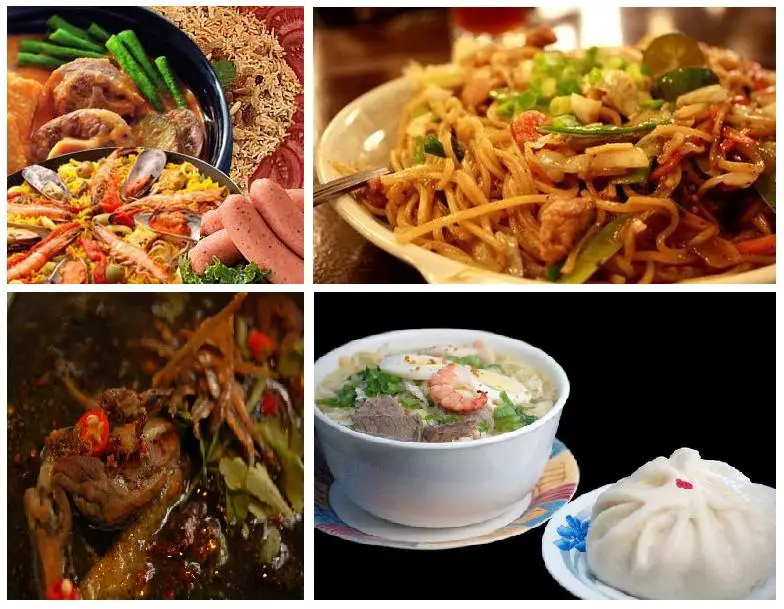
    Pancit noodlesOverall, the current trends, innovations, and collaborations in the Chinese-Filipino culinary scene are contributing to a dynamic and exciting food culture that celebrates the rich history and diverse influences of both Chinese and Filipino cuisines.

    Pancit Canton features thick, crispy noodles with vegetables and meat or seafood, influenced by Chinese culinary traditions but tailored to suit Filipino tastes.

    Pancit Malabon, originating from Malabon, Metro Manila, consists of thin, soft noodles coated in savory sauce and topped with a variety of vegetables and proteins.

    Pancit Bihon is a popular choice in Filipino households, comprising thin rice flour noodles stir-fried with a mix of vegetables and meat or seafood.

    Pancit Lugaw presents thick, chewy noodles in a flavorful broth, often paired with vegetables and protein, found in diverse regional variations.

    The stir-frying method used in preparing Pancit pays homage to Chinese cooking techniques, delivering a versatile and delicious noodle dish cherished by many Filipinos.

    Stir-Fry Heritage Dishes

    Chinese influence is evident in Filipino stir-fry heritage dishes like Pancit Canton and Chopsuey. Stir-fry heritage dishes in Filipino cuisine showcase Chinese cooking techniques and flavors.

    Chinese immigrants introduced stir-frying to the Philippines, leading to popular dishes such as Beef Broccoli and Sweet and Sour Pork. These dishes combine meat, vegetables, and noodles or rice in a harmonious fusion of Chinese and Filipino culinary traditions.

    The use of woks and high heat cooking methods highlights the enduring Chinese culinary legacy in Filipino cuisine.

    Dim Sum Influence

    Chinese Influence on Filipino Cuisine

    Dim sum, a traditional Cantonese cuisine, has had a significant impact on popular Filipino snacks like siopao and siomai. Siopao is a Filipino version of Chinese bao, a snack filled with savory meat or sweet custard.

    Siomai is a type of Chinese dumpling that has become a beloved street food in the Philippines.

    Siopao and Siomai are examples of how Chinese dim sum dishes have seamlessly integrated into Filipino cuisine. The influence of dim sum on Filipino snacks highlights the cultural exchange between China and the Philippines.

    Filipino-Chinese Fusion Cuisine

    Filipino-Chinese fusion cuisine combines traditional Filipino flavors with Chinese cooking techniques, showcasing cultural exchange.

    Chinese immigrants introduced new spices and cooking styles, notably from the Fujian province.

    This fusion results in dishes like pancit, lumpia, and siopao, blending Chinese techniques like stir-frying and steaming with Filipino ingredients.

    The cuisine reflects historical ties and creates a unique culinary identity that’s distinctly Filipino-Chinese.

    Influence on Regional Filipino Dishes

    Southern Chinese flavors have significantly influenced Filipino cuisine in Luzon. Traditional Chinese cooking techniques and ingredients have been seamlessly integrated into local specialties.

    For example, pancit Canton showcases savory Chinese-inspired flavors, while siopao highlights the sweet and flaky pastries that have become popular in the region.

    Southern Chinese Flavors

    Southern Chinese flavors have left a lasting influence on Filipino cuisine, evident in stir-frying techniques, soy sauce use, and noodle dishes.

    Stir-frying is a common cooking method in the Philippines, providing quick and flavorful meals.

    Soy sauce is widely used in Filipino dishes, adding richness and depth of flavor.

    Noodle-based dishes like pancit are popular in Filipino gatherings, showcasing the fusion of Chinese and Filipino culinary traditions.

    The Hokkien dialect has influenced Filipino culinary terms and flavors, seen in traditional dishes.

    Chinese immigrants have played a significant role in shaping Filipino cuisine, introducing new ingredients and techniques that have been integrated into local cooking practices.

    Luzon’s Culinary Adaptations

    Chinese influences have significantly impacted Luzon’s culinary scene in the Philippines.

    Stir-frying and steaming, traditional Chinese cooking methods, have been integrated into regional dishes. For example, Pancit Canton, a stir-fried noodle dish, and Lumpiang Shanghai, a crispy spring roll, reflect this fusion of Chinese techniques with local flavors.

    These dishes demonstrate the enduring legacy of Chinese culinary influences in Luzon’s cuisine.

    Chinese Ingredients in Filipino Cooking

    Chinese traders brought soy sauce to the Philippines, enhancing dishes like adobo. This condiment is now a key flavor enhancer in Filipino cuisine.

    Noodles have become a Filipino staple, especially in dishes like pancit.

    Dim sum treats like siopao and siomai are beloved snacks in the Philippines, influenced by Chinese cuisine.

    Filipino cooking has adopted stir-frying techniques from Chinese culinary traditions.

    Steaming and braising methods, inspired by Chinese cooking, are used in preparing Filipino favorites like lechon and humba.

    Various Chinese cooking methods have been integrated into traditional Filipino recipes, enriching the culinary landscape in the Philippines.

    The Role of Trade in Culinary Exchange

    Trade played a crucial role in the culinary exchange between China and the Philippines.

    Chinese merchants traveling along Austronesian maritime routes introduced stir-frying techniques, soy sauce, and noodles to Filipino cuisine.

    The Hokkien dialect, spoken by Chinese immigrants from Fujian province, influenced Filipino dishes and cooking methods.

    Chinese immigrants settling in the Philippines integrated their culinary traditions with local flavors, resulting in a unique Filipino cuisine.

    This exchange not only shaped the culinary history of the Philippines but also contributed to its cultural identity.

    Deep Dive into the Legacy of Chinese Cuisine in Philippines

    Chinese culinary traditions have had a significant impact on Filipino cuisine.

    Examples of Chinese influence on Filipino cuisine include:

    • Pancit, lumpia, and siopao are popular dishes with clear Chinese origins.
    • Stir-frying techniques introduced by Chinese immigrants are now widely used in Filipino cooking.
    • Soy sauce and other seasonings brought by Chinese immigrants have become essential in Filipino dishes.
    • The Hokkien dialect has influenced Filipino culinary vocabulary.
    • Chinese flavors and cooking methods are evident in many Filipino dishes.

    Brief Overview of the Historical and Cultural Connections between China and the Philippines

    The historical and cultural connections between China and the Philippines are deeply rooted in centuries of interaction, trade, migration, and cultural exchange. These connections have significantly influenced various aspects of Philippine society, including language, religion, art, and most prominently, cuisine.

    Historically, Chinese traders and settlers have been visiting the Philippines long before the arrival of the Spanish colonizers in the 16th century. The Chinese established trading networks in the archipelago, bringing goods such as silk, ceramics, tea, and spices to exchange for local products like pearls, gold, and agricultural goods. This early interaction laid the foundation for a long-standing relationship between the two nations.

    Culturally, the Chinese immigrants who settled in the Philippines brought with them their traditions, beliefs, and practices, which gradually integrated with the local culture. This cultural fusion can be seen in various aspects of Filipino life, from language (with Chinese loanwords in Filipino vocabulary) to religion (the influence of Chinese folk beliefs on Filipino spirituality).

    One of the most significant areas where Chinese influence is evident in the Philippines is cuisine. Chinese culinary techniques, ingredients, and dishes have been seamlessly incorporated into Filipino cooking, resulting in a unique blend of flavors and textures. Some iconic Filipino dishes with Chinese origins include pancit (noodles), lumpia (spring rolls), and siopao (steamed buns).

    Overall, the historical and cultural connections between China and the Philippines have enriched both societies, creating a shared heritage that continues to be celebrated and preserved to this day. The culinary influences of China on Philippine cuisine serve as a delicious reminder of the enduring bond between these two neighboring nations.

    How Chinese Influences Have Shaped Philippine Cuisine

    Chinese influences have played a significant role in shaping Philippine cuisine throughout history. The fusion of Chinese flavors, cooking techniques, and ingredients with indigenous Filipino ingredients has resulted in a unique and diverse culinary tradition that is distinctly Filipino. Here are some key ways in which Chinese influences have shaped Philippine cuisine:

    1. Ingredients: Chinese ingredients such as soy sauce, tofu, bean sprouts, and Chinese cabbage have become integral parts of Filipino cooking. These ingredients are used in a variety of Filipino dishes, adding depth of flavor and texture that are characteristic of Chinese cuisine.
    2. Cooking Techniques: Chinese cooking techniques like stir-frying, steaming, and braising have been adopted and adapted by Filipino cooks. These techniques are commonly used in preparing popular Filipino dishes such as pancit (noodle dishes), lumpia (spring rolls), and siomai (dumplings).
    3. Flavors: Chinese flavors such as the umami-rich taste of soy sauce, the savory notes of oyster sauce, and the aromatic profile of five-spice powder have influenced the flavor profile of many Filipino dishes. These flavors enhance the taste of Filipino dishes and give them a unique Chinese-Filipino twist.
    4. Food Preparation: Chinese food preparation methods like chopping ingredients finely, marinating meats, and using a wok for cooking have become common practices in Filipino kitchens. These methods help infuse dishes with flavors and textures that are reminiscent of Chinese cooking.
    5. Regional Variations: Chinese influences on Philippine cuisine vary across regions due to historical migration patterns and local adaptations. For example, in the provinces of Cebu and Pampanga, Chinese immigrants have influenced local dishes such as lechon (roast pig) and sisig (sizzling pork dish) with Chinese cooking techniques and ingredients.
    6. Cultural Exchange: The blending of Chinese and Filipino culinary traditions has not only enriched the flavors of Philippine cuisine but also reflects the cultural exchange between the two communities. This culinary fusion serves as a testament to the shared history and interconnectedness of Chinese and Filipino cultures.

    Chinese influences have left a lasting impact on Philippine cuisine, contributing to its diversity, complexity, and deliciousness. By exploring the rich history of Chinese influences on Philippine cuisine, we gain a deeper appreciation for the culinary heritage that continues to evolve and delight food enthusiasts around the world.

    Exploring Ancient Chinese Culinary Traditions in the Philippines

    The rich history of Chinese influences on Philippine cuisine dates back centuries and continues to play a significant role in shaping the flavors and ingredients found in Filipino dishes today. In order to truly understand the depth of this culinary exchange, it is essential to delve into the ancient Chinese culinary traditions that were brought to the Philippines.

    1. Introduction to Chinese Culinary Traditions: Chinese cuisine is renowned worldwide for its diversity, complexity, and emphasis on balance in flavors and textures. The ancient Chinese culinary traditions are deeply rooted in principles such as the harmony of yin and yang, the importance of color and presentation, and the use of fresh and seasonal ingredients.
    2. Migration of Chinese Culinary Influences to the Philippines: Chinese traders, immigrants, and settlers have been coming to the Philippines for centuries, bringing with them their culinary practices, ingredients, and cooking techniques. This migration of Chinese influences laid the foundation for what would later become the fusion of Chinese and Filipino cuisines.
    3. Key Chinese Ingredients and Techniques: Some of the key ingredients and techniques that were introduced to the Philippines from ancient Chinese culinary traditions include soy sauce, tofu, bean sprouts, Chinese cabbage, and various types of noodles. Cooking methods such as stir-frying, steaming, and braising also became integral parts of Filipino cooking.
    4. Influence on Filipino Dishes: The impact of ancient Chinese culinary traditions on Filipino dishes is evident in popular dishes such as Pancit (noodle dishes), Lumpia (spring rolls), Siomai (dumplings), and Asado (braised meat dishes). These dishes showcase a harmonious blend of Chinese flavors and Filipino ingredients, creating a unique and delicious culinary experience.
    5. Cultural Significance: Beyond the realm of food, the influence of ancient Chinese culinary traditions on Philippine cuisine has also had cultural significance. It has fostered cultural exchange, mutual understanding, and appreciation for the culinary diversity that exists within the Philippines. Key Ingredients, Cooking Techniques, and Flavor Profiles That Define Chinese Cuisine Chinese cuisine is renowned for its diverse range of key ingredients, cooking techniques, and flavor profiles that have heavily influenced Philippine cuisine throughout history. Here, we will delve into these elements that define the rich tapestry of Chinese culinary traditions.

    Key Ingredients: Chinese cuisine is characterized by a myriad of key ingredients that form the foundation of its dishes. Some of the most common ingredients include soy sauce, oyster sauce, rice wine, sesame oil, ginger, garlic, and various types of soybean products such as tofu and soybean paste.

    Fresh vegetables like bok choy, Chinese cabbage, and snow peas are also staples in Chinese cooking. Additionally, meats such as pork, chicken, and duck are widely used in Chinese dishes, along with seafood like shrimp, fish, and squid.

    Cooking Techniques: Chinese cuisine is renowned for its mastery of various cooking techniques that enhance the flavors and textures of ingredients. Stir-frying is one of the most popular techniques, which involves cooking ingredients quickly over high heat in a wok.

    Other common techniques include steaming, boiling, braising, deep-frying, and roasting. Chinese chefs also utilize techniques like velveting (pre-coating proteins with a mixture of egg white, cornstarch, and sometimes rice wine) to achieve tender and succulent meats.

    Flavor Profiles: Chinese cuisine is celebrated for its harmonious balance of flavors, often described as a combination of sweet, sour, salty, bitter, and umami. Soy sauce, oyster sauce, and hoisin sauce contribute savory and salty notes, while rice wine and vinegar add a touch of sweetness and acidity.

    Spices like star anise, Sichuan peppercorns, and dried chili peppers bring warmth and complexity to dishes. Additionally, the use of aromatics such as ginger, garlic, and scallions infuse dishes with fragrant and savory flavors.

    The key ingredients, cooking techniques, and flavor profiles that define Chinese cuisine are integral to the culinary heritage of the Philippines. The influence of Chinese culinary traditions has not only shaped the flavors of Philippine dishes but also contributed to the multicultural tapestry of Filipino cuisine.

    Influence of Chinese Migration and Trade on Early Philippine Food Culture

    The influence of Chinese migration and trade on early Philippine food culture is profound and long-standing, shaping the culinary landscape of the archipelago in significant ways. Chinese migrants have been coming to the Philippines for centuries, bringing with them not only their skills and traditions but also their culinary practices and ingredients. This historical exchange has enriched Philippine cuisine, resulting in a fusion of flavors and techniques that have become integral to the country’s food culture.

    One of the most notable impacts of Chinese migration on Philippine cuisine is the introduction of noodles, which have become a staple in Filipino dishes such as pancit (stir-fried noodles) and mami (noodle soup). Chinese immigrants also brought along various cooking methods, such as stir-frying and steaming, which have been incorporated into Filipino cooking styles. Additionally, Chinese ingredients like soy sauce, tofu, and oyster sauce have become essential components in many Filipino recipes, adding depth and complexity to the flavors.

    Furthermore, the Chinese influence on early Philippine food culture can be seen in the prevalence of dishes like lumpia (spring rolls), siopao (steamed buns), and siomai (dumplings) in Filipino cuisine. These dishes have become beloved favorites among Filipinos, reflecting the enduring legacy of Chinese culinary traditions in the Philippines.

    In terms of trade, Chinese merchants played a crucial role in the exchange of goods between China and the Philippines, facilitating the importation of spices, condiments, and other food products that have since become integral to Filipino cuisine. This trade network not only brought new ingredients to the Philippines but also enabled the sharing of culinary knowledge and techniques between Chinese and Filipino cooks.

    The influence of Chinese migration and trade on early Philippine food culture is a testament to the rich history of cultural exchange and culinary innovation that has shaped Filipino cuisine. The fusion of Chinese and Filipino flavors and ingredients has created a diverse and vibrant food culture that continues to evolve and delight palates around the world.

    Adoption and Adaptation of Chinese Ingredients

    The fusion of Filipino and Chinese culinary traditions has given rise to a unique and vibrant food culture that showcases the best of both worlds.

    One of the most prominent Chinese ingredients that have found their way into Philippine cuisine is soy sauce. Known for its savory and umami-rich flavor, soy sauce is a staple in Filipino cooking, used in a wide range of dishes from adobo to pancit. Its versatility and depth of flavor make it an essential ingredient in many Filipino recipes, adding depth and complexity to the final dish.

    Another key Chinese ingredient that has become integral to Philippine cuisine is tofu. Tofu, or bean curd, is a versatile ingredient that is used in a variety of Filipino dishes, from stir-fries to soups. Its mild flavor and soft texture make it a popular choice for both vegetarian and meat-based dishes, adding a creamy and silky element to the overall composition.

    Chinese vegetables such as bok choy and Chinese cabbage have also made their mark on Philippine cuisine. These leafy greens are commonly used in stir-fries, soups, and noodle dishes, adding a fresh and crispy texture to the final dish. Their subtle flavor profiles complement a wide range of ingredients, making them a popular choice in Filipino cooking.

    Other Chinese ingredients that have become integral to Philippine cuisine include oyster sauce, hoisin sauce, and black beans. These condiments and seasonings add depth and complexity to Filipino dishes, creating a harmonious blend of sweet, savory, and umami flavors that are characteristic of Chinese cooking.

    How Chinese Ingredients Were Adopted, Adapted, and Incorporated Into Traditional Filipino Dishes

    One of the key ways in which Chinese ingredients were adopted into Filipino cuisine is through trade and cultural exchange between China and the Philippines. Historical records show that Chinese traders and immigrants have been interacting with the indigenous peoples of the Philippines since ancient times, bringing with them a variety of ingredients such as soy sauce, tofu, and noodles. These ingredients were readily incorporated into Filipino cooking, leading to the creation of dishes that blend Chinese and Filipino culinary traditions.

    The adaptation of Chinese ingredients into Filipino cuisine often involved modifying traditional Chinese recipes to suit local tastes and ingredient availability. For example, the popular Filipino dish “Pancit” is a noodle dish that has its roots in Chinese stir-fried noodles. However, Filipinos have added their own twist to the dish by using local ingredients such as calamansi, shrimp, and pork, creating a unique flavor profile that is distinct from traditional Chinese noodle dishes.

    Incorporating Chinese ingredients into traditional Filipino dishes also involved experimenting with different cooking techniques and flavor combinations. Filipino chefs and home cooks have creatively integrated Chinese ingredients like oyster sauce, hoisin sauce, and black beans into classic Filipino dishes such as adobo, sinigang, and lechon, resulting in innovative fusion dishes that showcase the harmonious blend of Chinese and Filipino flavors.

    Role of Chinese Markets, Food Stalls, and Restaurants in Introducing These Ingredients to the Philippines

    Chinese influence on Philippine cuisine has been significant, with a rich history that dates back centuries. This influence can be seen in the various ingredients, cooking techniques, and dishes that have become integral to Filipino cooking. In this section, we will explore the role of Chinese markets, food stalls, and restaurants in introducing these ingredients to the Philippines.

    Chinese Markets: Chinese markets have played a crucial role in introducing a wide range of ingredients to Filipino cuisine. These markets are often filled with a diverse array of fresh produce, herbs, spices, and other culinary essentials that have found their way into Filipino dishes. The bustling atmosphere of Chinese markets also creates a vibrant culinary exchange, where Filipino cooks can discover new ingredients and cooking techniques.

    Food Stalls: Chinese food stalls, or “turo-turo” stalls, have become a common sight in many Filipino communities. These stalls offer a variety of Chinese-inspired dishes that have been adapted to suit Filipino tastes. From steaming bowls of noodles to savory dumplings, these food stalls provide a taste of Chinese cuisine right in the heart of the Philippines. Through these food stalls, Filipinos have been able to experience the flavors and ingredients of Chinese cooking firsthand.

    Restaurants: Chinese restaurants have long been a fixture in the Philippine culinary scene. These establishments serve up a wide range of Chinese dishes, from classic favorites like sweet and sour pork to more adventurous offerings like century egg congee. Chinese restaurants have not only introduced Chinese ingredients to Filipino diners but have also influenced the way Filipino chefs approach cooking and flavor combinations. Many Filipino dishes today bear the unmistakable imprint of Chinese culinary traditions.

    Overall, Chinese markets, food stalls, and restaurants have played a crucial role in introducing Chinese ingredients and cooking techniques to the Philippines. Through these avenues, Filipino cooks and diners have been able to experience the rich and diverse flavors of Chinese cuisine, leading to a fusion of culinary traditions that continues to evolve and flourish in the vibrant tapestry of Philippine gastronomy.

    Significance of These Dishes in Both Chinese and Filipino Communities

    The significance of Chinese-influenced dishes in both Chinese and Filipino communities is profound, reflecting a rich culinary heritage and cultural exchange that has shaped the culinary landscape of the Philippines.

    In Chinese communities, these dishes hold a special place as they serve as a link to their ancestral roots and traditions. Chinese cuisine is deeply rooted in symbolism and tradition, with certain dishes being associated with specific festivals, celebrations, and rituals. Through these dishes, Chinese communities in the Philippines are able to maintain a connection to their cultural heritage, passing down recipes and cooking techniques from one generation to the next.

    In Filipino communities, Chinese-influenced dishes have become an integral part of the local culinary scene, showcasing the diverse influences that have contributed to Filipino cuisine. These dishes are often enjoyed during special occasions, family gatherings, and everyday meals, serving as a reminder of the historical ties between China and the Philippines. Moreover, the popularity of Chinese-influenced dishes in Filipino cuisine highlights the adaptability and creativity of Filipino cooks, who have put their own unique spin on traditional Chinese recipes, incorporating local ingredients and flavors to create dishes that are distinctly Filipino.

    The significance of Chinese-influenced dishes in both Chinese and Filipino communities lies in their ability to preserve cultural heritage, foster cross-cultural connections, and celebrate the shared history of China and the Philippines through the universal language of food.

    These dishes serve as a bridge between two cultures, bringing people together through the joy of cooking and sharing meals, while also honoring the diverse culinary traditions that have enriched both Chinese and Filipino cuisine over the centuries.

    How Chinese Influences on Philippine Cuisine Extend Beyond Just Food

    Chinese influences on Philippine cuisine extend far beyond just the dishes and flavors that have been integrated into Filipino cooking. These influences have permeated various aspects of Philippine culture and society, reflecting a deep and enduring connection between the two nations.

    One significant way in which Chinese influences manifest beyond food is through culinary techniques and practices. Chinese cooking methods such as stir-frying, steaming, and braising have become integral parts of Filipino culinary tradition. These techniques not only affect the taste and texture of dishes but also shape the way Filipinos prepare and cook their food.

    Moreover, the Chinese influence on Philippine cuisine has also extended to the use of ingredients and cooking utensils. Chinese ingredients such as soy sauce, tofu, and oyster sauce are commonly used in Filipino dishes, adding distinct flavors and textures. Additionally, Filipino kitchens are often equipped with Chinese cooking utensils like woks and bamboo steamers, highlighting the practical influence of Chinese culinary tools on Filipino cooking practices.

    In addition to food and cooking techniques, Chinese influences on Philippine cuisine have also shaped the dining culture and traditions in the Philippines. The concept of family-style dining, where dishes are shared among diners, is a practice that is deeply rooted in Chinese culinary customs and has been adopted and embraced by Filipinos. This communal style of eating fosters a sense of togetherness and unity, reflecting the importance of food in bringing people together.

    Furthermore, the fusion of Chinese and Filipino culinary traditions has given rise to unique dishes and culinary creations that showcase the rich diversity and creativity of Philippine cuisine. Dishes like pancit, lumpia, and siopao are examples of culinary creations that blend Chinese and Filipino influences, resulting in flavors and textures that are uniquely Filipino yet distinctly Chinese.

    Overall, the influence of Chinese cuisine on Philippine culinary heritage extends beyond just the food on the plate. It encompasses cooking techniques, ingredients, dining traditions, and culinary innovations that have enriched and diversified the Filipino culinary landscape, reflecting the enduring and dynamic relationship between China and the Philippines.

    Examination of the Cultural Significance of Chinese Culinary Practices

    Chinese culinary practices carry deep cultural significance, encompassing a rich tapestry of food symbolism and dining etiquette that have greatly influenced various cuisines around the world, including the Philippines.

    Food Symbolism: Chinese culinary traditions are steeped in symbolism, with each ingredient and dish holding specific meanings and associations. For instance, the color, shape, and name of a dish can all have symbolic significance. Red-colored dishes symbolize good luck and prosperity, while round-shaped foods such as dumplings represent unity and completeness.

    Moreover, the use of certain ingredients like noodles signifies longevity and abundance, while fish symbolizes prosperity and surplus. Even the way dishes are prepared and presented, such as the use of whole fish or chicken, conveys auspicious meanings related to wholeness and unity within families.

    Dining Etiquette: Chinese dining etiquette is characterized by a set of rituals and customs that emphasize harmony, respect, and social hierarchy. Key aspects of Chinese dining etiquette include:

    1. Seating Arrangement: Traditional Chinese banquets often follow a strict seating arrangement based on hierarchy and seniority, with the most honored guests seated at the head of the table.
    2. Table Manners: Chopsticks are the primary eating utensils in Chinese cuisine, and using them correctly is crucial. It is considered rude to point chopsticks at others or leave them sticking upright in a bowl, as these actions are associated with death and funerals.
    3. Sharing Food: Family-style dining is common in Chinese culture, where dishes are placed in the center of the table for everyone to share. It is polite to serve others before helping yourself and to take only a small portion of each dish at a time to ensure that everyone gets to sample the offerings.
    4. Toasting: Toasting plays a significant role in Chinese dining etiquette, especially during formal gatherings. Guests are expected to raise their glasses and make a toast to express goodwill, respect, and camaraderie.

    By examining the cultural significance of Chinese culinary practices, we gain a deeper appreciation for the intricate connections between food, symbolism, and social customs, and how these elements have shaped the diverse culinary landscape of the Philippines and beyond.

    Impact of Chinese Culinary Traditions on Filipino Celebrations, Rituals, and Daily Life

    Chinese culinary traditions have significantly influenced Filipino celebrations, rituals, and daily life, creating a unique fusion of flavors and cooking techniques that are deeply embedded in Filipino culture. The impact of Chinese culinary traditions on Filipino cuisine can be seen in various aspects of Filipino life:

    1. Celebrations: Chinese culinary traditions have played a major role in shaping Filipino celebrations, especially during important occasions such as weddings, birthdays, and festivals. Many Filipino families incorporate Chinese dishes into their feasts, such as pancit (noodles), siomai (dumplings), and lumpia (spring rolls), which have become staple dishes in Filipino celebrations. These dishes are often served to symbolize good luck, prosperity, and long life, reflecting the influence of Chinese beliefs and customs on Filipino festivities.
    2. Rituals: Chinese culinary traditions have also influenced Filipino rituals, particularly in religious and cultural practices. For example, during Chinese New Year celebrations, Filipino families prepare traditional Chinese dishes like tikoy (sticky rice cake) and dumplings to bring good fortune and prosperity for the coming year. These food rituals have become an integral part of Filipino customs, highlighting the seamless integration of Chinese culinary practices into Filipino traditions.
    3. Daily Life: Chinese culinary traditions have become deeply ingrained in Filipino daily life, with many Filipino households incorporating Chinese cooking techniques and ingredients into their everyday meals. Stir-frying, steaming, and braising are common cooking methods borrowed from Chinese cuisine that are widely used in Filipino kitchens. Additionally, ingredients such as soy sauce, tofu, and oyster sauce are commonly used in Filipino dishes, showcasing the enduring influence of Chinese culinary traditions on Filipino cooking.

    The impact of Chinese culinary traditions on Filipino celebrations, rituals, and daily life is undeniable, creating a rich tapestry of flavors and culinary practices that reflect the cultural exchange between China and the Philippines. This fusion of Chinese and Filipino culinary traditions has resulted in a diverse and vibrant food culture that continues to evolve and thrive in the Filipino community.

    Contemporary Reflections and Future Directions

    Reflecting on the ongoing evolution of Chinese influences on modern Philippine cuisine reveals a rich tapestry of culinary heritage and innovation. The historical connections between China and the Philippines have significantly shaped the food culture of the archipelago, leading to a fusion of flavors, ingredients, and cooking techniques that continue to thrive in contemporary Filipino dishes.

    Chinese influences on Philippine cuisine can be traced back to ancient trade relations, migration patterns, and cultural exchanges between the two countries. The early Chinese settlers in the Philippines brought with them not only their culinary traditions but also a diverse range of ingredients, such as soy sauce, tofu, and various spices, which were integrated into local cooking practices. Over time, these ingredients and cooking methods were adapted and transformed to create a unique blend of Chinese and Filipino flavors.

    One of the most prominent examples of Chinese influence on modern Philippine cuisine is seen in the popularity of dishes like pancit, lumpia, and siopao. These dishes have become staples in Filipino households and are often enjoyed during special occasions and celebrations. The use of noodles, spring rolls, and steamed buns in these dishes reflects the influence of Chinese culinary techniques and ingredients on Filipino cooking.

    Furthermore, the ongoing evolution of Chinese influences on modern Philippine cuisine can also be observed in the rise of fusion restaurants and innovative culinary creations that blend traditional Chinese and Filipino flavors. Chefs and food enthusiasts are constantly experimenting with new combinations of ingredients and cooking styles to create exciting dishes that appeal to a diverse range of palates.

    The dynamic interplay between Chinese influences and Filipino culinary traditions has resulted in a vibrant and diverse food culture that continues to evolve and adapt to changing tastes and preferences. The ongoing evolution of Chinese influences on modern Philippine cuisine serves as a testament to the enduring legacy of cultural exchange and culinary innovation in the Philippines.

    Current Trends, Innovations, and Collaborations in the Chinese-Filipino Culinary Scene

    In recent years, the Chinese-Filipino culinary scene has seen a surge in creativity, innovation, and collaborations, resulting in a vibrant fusion of flavors and techniques from both cultures. This blending of Chinese and Filipino culinary traditions has given rise to several exciting trends that are shaping the way people perceive and enjoy Chinese-Filipino cuisine.

    One of the key trends in the Chinese-Filipino culinary scene is the increasing popularity of modern interpretations of traditional dishes. Chefs and food enthusiasts are putting a contemporary twist on classic Chinese and Filipino recipes, using innovative cooking methods, presentation techniques, and ingredient combinations. This trend is redefining the boundaries of Chinese-Filipino cuisine and attracting a new generation of diners who appreciate both the heritage and the evolution of these culinary traditions.

    Furthermore, collaborations between Chinese and Filipino chefs have become more common, leading to exciting culinary exchanges and cross-pollination of ideas. These collaborations often result in unique dishes that showcase the best of both cultures, as well as the creativity and expertise of the chefs involved. By working together, these culinary professionals are pushing boundaries, experimenting with new flavors, and creating memorable dining experiences for their patrons.

    Another noteworthy trend in the Chinese-Filipino culinary scene is the emphasis on sustainability and locally sourced ingredients. Chefs are increasingly focusing on using fresh, seasonal produce and ethically sourced meats and seafood in their dishes. This commitment to sustainability not only enhances the flavor and quality of the food but also reflects a broader awareness of environmental issues and a desire to support local farmers and producers.

    In terms of innovation, technology is playing an increasingly important role in the Chinese-Filipino culinary scene. From interactive dining experiences to online cooking classes and food delivery services, technology is reshaping how people engage with and experience Chinese-Filipino cuisine. Chefs and restaurateurs are leveraging social media platforms, food apps, and other digital tools to reach a wider audience, showcase their creations, and connect with food enthusiasts around the world.

    Overall, the current trends, innovations, and collaborations in the Chinese-Filipino culinary scene are contributing to a dynamic and exciting food culture that celebrates the rich history and diverse influences of both Chinese and Filipino cuisines. As chefs continue to experiment, collaborate, and push boundaries, we can expect to see even more creative and delicious offerings that reflect the best of both culinary traditions.

    The Future of Chinese Influences on Philippine Cuisine and How These Culinary Traditions Will Continue To Shape the Country’s Food Culture

    In contemplating the future of Chinese influences on Philippine cuisine, it is clear that these culinary traditions will play a significant role in shaping the country’s food culture for years to come. The historical ties between China and the Philippines have fostered a rich exchange of ingredients, cooking techniques, and flavors that have become deeply embedded in Filipino culinary practices.

    As globalization continues to connect people and cultures around the world, the prevalence of Chinese cuisine in the Philippines is expected to persist and even evolve. With the increasing popularity of Asian fusion cuisine and the growing interest in diverse culinary experiences, Filipino chefs and home cooks are likely to continue incorporating Chinese elements into their dishes.

    Moreover, the ongoing migration of Chinese nationals to the Philippines and the establishment of Chinese communities in the country will further contribute to the cross-pollination of culinary traditions. This influx of new ideas, ingredients, and culinary practices will undoubtedly influence the way Filipinos prepare, consume, and appreciate food.

    In addition, the rise of social media and digital platforms has made it easier for people to share recipes, cooking tips, and food experiences across borders. This interconnectedness allows for a more seamless exchange of culinary knowledge and inspiration, paving the way for innovative interpretations of traditional Chinese dishes within the Philippine context.

    Furthermore, as the demand for authentic and diverse dining experiences grows, Filipino diners are becoming more adventurous in their food choices, seeking out unique and culturally rich dishes that reflect the country’s multicultural heritage. This shift in consumer preferences will likely drive the continued integration of Chinese flavors and cooking styles into mainstream Filipino cuisine.

    Overall, the future of Chinese influences on Philippine cuisine is promising, with a fusion of flavors, techniques, and ingredients that will continue to shape and redefine the country’s food culture. By embracing and celebrating this culinary diversity, the Philippines can look forward to a vibrant and dynamic gastronomic landscape that honors its rich history and embraces the ever-evolving nature of food.

  • Indigenous Fruits in Philippine Cuisine

    Indigenous Fruits in Philippine Cuisine

    The Philippines is a country blessed with a rich diversity of indigenous fruits that contribute significantly to the country’s vibrant culinary landscape. These fruits are not only delicious and unique in flavor, but they also reflect the rich cultural heritage and biodiversity of the archipelago. In this section, we will explore the wide array of indigenous fruits found in the Philippines, highlighting their flavors, uses in traditional cuisine, and cultural significance.

    Diversity of Indigenous Fruits

    The Philippines boasts a wide variety of indigenous fruits that grow abundantly across the different regions of the country. From the tropical rainforests of Mindanao to the highlands of the Cordillera region, each area offers a unique selection of fruits that thrive in the local climate and soil conditions. Some of the most notable indigenous fruits include:

    • Durian: Known as the “king of fruits,” durian is famous for its pungent aroma and creamy texture. It is highly prized in the Philippines and is often used in desserts and savory dishes.
    • Mangosteen: Often referred to as the “queen of fruits,” mangosteen is a sweet and tangy fruit with a delicate flavor. It is highly valued for its antioxidant properties and is commonly eaten fresh or used in juices and jams.
    • Rambutan: With its hairy red exterior and sweet, juicy flesh, rambutan is a popular fruit in the Philippines. It is often enjoyed as a snack or used in salads and desserts.
    • Lanzones: Lanzones are small, translucent fruits with a sweet and slightly sour taste. They are typically eaten fresh and are a favorite among locals during the harvest season.
    • Santol: Santol is a tropical fruit with a thick rind and juicy pulp that is both sweet and sour. It is commonly used in jams, preserves, and pickles.

    Culinary Uses

    Indigenous fruits play a crucial role in traditional Filipino cuisine, adding unique flavors and textures to dishes. Many fruits are enjoyed fresh as snacks or desserts, while others are used in cooking to add sweetness, acidity, or fragrance to savory dishes. For example:

    • Tamarind is often used to add a tangy flavor to soups, stews, and marinades.
    • Guava is used to make jams, jellies, and beverages.
    • Jackfruit is commonly used in savory dishes such as stews and curries.
    • Bignay berries are used to make wine and vinegar

    Cultural Significance

    Indigenous fruits hold a special place in Filipino culture, often symbolizing abundance, hospitality, and shared traditions. Many fruits are enjoyed during festivals and celebrations, where they are shared among friends and family as a gesture of goodwill and unity. Additionally, some fruits are associated with specific regions or provinces, reflecting the unique culinary identities of different communities across the Philippines.

    The rich diversity of indigenous fruits found in the Philippines is a testament to the country’s natural wealth and cultural heritage. These fruits not only provide sustenance and nourishment but also serve as a source of pride and connection to the land. By celebrating and preserving these fruits, we honor the traditions and flavors that make Filipino cuisine truly special.

    Importance of Indigenous Fruits in Philippine Culture and Cuisine

    Indigenous fruits play a crucial role in Philippine culture and cuisine, reflecting the country’s rich agricultural heritage and diverse culinary traditions. These fruits have been a staple in Filipino diets for centuries and are deeply intertwined with the cultural identity of the Filipino people. Here are some key aspects highlighting the importance of indigenous fruits in Philippine culture and cuisine:

    1. Cultural Significance: Indigenous fruits hold a special place in Filipino culture as they are often associated with local traditions, folklore, and rituals. Many of these fruits have been part of Filipino cuisine since ancient times and are used in various cultural celebrations and ceremonies. For example, the lanzones fruit is a symbol of prosperity and abundance in the Philippines and is commonly offered during harvest festivals and weddings.
    2. Nutritional Value: Indigenous fruits are not only valued for their unique flavors but also for their nutritional benefits. Many of these fruits are rich in essential vitamins, minerals, and antioxidants, making them an important source of nutrition in the Filipino diet. For instance, the Philippine mango is not only beloved for its sweet taste but also for its high vitamin C content, which boosts the immune system and promotes overall health.
    3. Culinary Diversity: Indigenous fruits contribute to the diverse and vibrant flavors of Filipino cuisine. They are used in a wide range of dishes, from savory stews to sweet desserts, adding depth and complexity to traditional Filipino recipes. For example, the tangy kamias fruit is commonly used as a souring agent in dishes like sinigang, a popular Filipino soup known for its distinctive tart flavor.
    4. Sustainable Agriculture: The cultivation and consumption of indigenous fruits promote sustainable agricultural practices in the Philippines. Many of these fruits are well-adapted to the local climate and soil conditions, requiring minimal input in terms of pesticides and fertilizers. By supporting the cultivation of indigenous fruits, Filipinos help preserve biodiversity, protect traditional farming methods, and promote food security in the country.
    5. Economic Importance: Indigenous fruits also have significant economic value in the Philippines, supporting local farmers and small-scale producers. These fruits are not only sold fresh in markets but also processed into various products such as jams, juices, and preserves. The growing demand for indigenous fruits both domestically and internationally has created economic opportunities for Filipino farmers, contributing to rural livelihoods and sustainable development.

    Indigenous fruits are an integral part of Philippine culture and cuisine, embodying the country’s cultural heritage, nutritional richness, culinary diversity, and economic significance. By celebrating and promoting the use of indigenous fruits, Filipinos can preserve their culinary traditions, support local agriculture, and showcase the unique flavors of the Philippines to the world.

    Nutritional Benefits and Unique Flavors of Indigenous Fruits in Philippine Cuisine

    Indigenous fruits play a significant role in Philippine cuisine, not only for their unique flavors but also for their exceptional nutritional benefits. These fruits are not only delicious but are also packed with essential vitamins, minerals, and antioxidants that contribute to overall health and well-being.

    Nutritional Benefits

    • Many indigenous fruits in Philippine cuisine are rich in vitamins C, A, and E, which are essential for maintaining a healthy immune system, promoting good vision, and supporting skin health.
    • These fruits are also a good source of dietary fiber, promoting digestive health and aiding in weight management.
    • Some indigenous fruits, such as guava and mangosteen, are known for their high antioxidant content, which helps protect cells from damage and reduces the risk of chronic diseases.
    • Other fruits like star apple and santol are rich in calcium, promoting strong bones and teeth.

    The diverse range of nutrients found in these fruits makes them a valuable addition to a balanced diet, providing an array of health benefits.

    Unique Flavors

    • Indigenous fruits in Philippine cuisine offer a wide range of flavors, from sweet and tangy to creamy and nutty, providing a delightful sensory experience.
    • The tropical climate of the Philippines contributes to the rich and intense flavors of these fruits, making them distinct and sought after in local dishes and desserts.
    • Fruits like lanzones and durian have a unique aroma and taste that may be an acquired preference for some, but are beloved by many for their exotic flavors.
    • Some fruits, such as calamansi and Philippine mango, are known for their refreshing and zesty flavors, adding a burst of brightness to dishes and beverages.
    • The versatility of these fruits allows for creative culinary uses, whether eaten fresh, juiced, blended into smoothies, or incorporated into savory dishes, showcasing their diverse flavors and enhancing the overall dining experience.

    The nutritional benefits and unique flavors of indigenous fruits in Philippine cuisine make them a valuable and flavorful addition to the local culinary landscape. By incorporating these fruits into everyday meals and recipes, one can enjoy a variety of health benefits while savoring the vibrant and distinct flavors that these fruits have to offer.

    Harvesting and Selecting Indigenous Fruits

    • Seasonality and regions where indigenous fruits are commonly found Seasonality and regions where indigenous fruits are commonly found:
    • Mangoes
      • Seasonality: Mangoes are typically in season during the summer months, from March to June.
      • Regions: Mangoes are commonly found all over the Philippines, with notable mango-producing regions including Guimaras, Zambales, and Cebu.
    • Lanzones
      • Seasonality: Lanzones are usually in season from August to October.
      • Regions: The provinces of Camiguin, Sulu, and Laguna are known for their abundant lanzones production.
    • Durian
      • Seasonality: Durian is commonly harvested from June to August.
      • Regions: Davao, particularly in Mindanao, is famous for its durian orchards.
    • Santol
      • Seasonality: Santol is typically harvested from May to August.
      • Regions: Santol trees are commonly found in the provinces of Pangasinan, Quezon, and Negros Occidental.
    • Guyabano
      • Seasonality: Guyabano is usually in season from September to December.
      • Regions: Guyabano trees thrive in various regions such as Davao, Palawan, and Sorsogon.
    • Rambutan
      • Seasonality: Rambutan is typically harvested from July to September.
      • Regions: Rambutan trees are commonly found in regions like Nueva Ecija, Camiguin, and Quezon.
    • Mangosteen
      • Seasonality: Mangosteen is usually in season from May to July.
      • Regions: Mangosteen trees are commonly found in regions such as Davao, Zamboanga, and Sulu.
    • Balimbing
      • Seasonality: Balimbing is typically harvested from September to December.
      • Regions: Balimbing trees are commonly found in regions like Batangas, Cavite, and Bulacan.

    Understanding the seasonality and regions where these indigenous fruits are commonly found can help in planning meals and recipes to fully enjoy the abundance of flavors that the Philippines has to offer.

    Techniques for Harvesting Indigenous Fruits Sustainably

    • Understanding the Ecosystem: Before harvesting indigenous fruits, it is essential to have a thorough understanding of the ecosystem where these fruits grow. This includes knowledge of the specific plant species, their growth patterns, and the interactions with other flora and fauna in the area.
    • Harvesting Season: Indigenous fruits have specific seasons when they are ripe and ready for harvesting. It is crucial to follow these natural cycles to ensure the sustainability of the fruit-bearing plants. Harvesting fruits off-season can disrupt the natural process and harm the plant’s ability to reproduce.
    • Selective Harvesting: Instead of clearing entire areas of indigenous fruit-bearing plants, practice selective harvesting. This involves carefully choosing which fruits to pick, leaving some behind to mature and ensure the plant’s continued growth and reproduction.
    • Ethical Harvesting Practices: When harvesting indigenous fruits, it is essential to do so ethically and respectfully. Avoid causing damage to the plants or their surrounding environment. Use tools like sharp shears or knives to carefully remove fruits without harming the plant.
    • Minimize Waste: When harvesting indigenous fruits, aim to minimize waste by only picking what you can consume or share with others. Wasting fruits not only harms the environment but also reduces the availability of these precious resources for others in the ecosystem.
    • Supporting Local Communities: Engage with local communities who have traditional knowledge about harvesting indigenous fruits sustainably. Learn from their practices and support initiatives that promote the conservation and sustainable use of these valuable resources.
    • Replanting and Reforestation: To ensure the long-term sustainability of indigenous fruit-bearing plants, consider participating in replanting and reforestation efforts. By planting new trees and supporting forest restoration projects, you can help preserve the biodiversity of these ecosystems for future generations.

    By following these techniques for harvesting indigenous fruits sustainably, we can contribute to the conservation of these unique resources and support the rich culinary heritage of the Philippines.

    Tips on Selecting Ripe and High-Quality Indigenous Fruits for Culinary Use

    Selecting ripe and high-quality indigenous fruits is crucial to ensure the best flavor and texture in your culinary creations. Here are some tips to help you choose the best indigenous fruits for your dishes:

    1. Color and Texture: When selecting indigenous fruits, look for vibrant colors that are typical of ripe fruits. Avoid fruits that are dull in color or have blemishes, bruises, or soft spots. The texture of the fruit should be firm but yield slightly to gentle pressure, indicating ripeness.
    2. Fragrance: Ripe fruits often have a pleasant, sweet aroma that is characteristic of the fruit variety. Take a moment to smell the fruit to ensure it is fragrant and enticing.
    3. Weight: Heavier fruits are often juicier and more ripe than lighter ones. When selecting indigenous fruits, choose fruits that feel heavy for their size, as this can indicate a higher water content and better flavor.
    4. Sound: Some fruits, like melons, should produce a deep, hollow sound when tapped gently. This indicates that the fruit is ripe and ready to be eaten. However, this method may not apply to all indigenous fruits, so it’s essential to consider the other factors as well.
    5. Firmness: While ripe fruits should yield slightly to pressure, they should not be too soft or mushy. Avoid fruits that are overly soft, as they may be overripe and lacking in flavor.
    6. Seasonality: Indigenous fruits have specific growing seasons, so it’s essential to choose fruits that are in season for the best flavor and quality. Seasonal fruits are often fresher, more flavorful, and more nutritious.
    7. Local Markets and Farmers: For the freshest and highest-quality indigenous fruits, consider purchasing directly from local markets or farmers. These sources often offer fruits that are harvested at the peak of ripeness and have not undergone long-distance transportation, preserving their flavor and nutritional value.

    By following these tips, you can select ripe and high-quality indigenous fruits for culinary use, enhancing the taste and authenticity of your dishes. Experiment with different varieties of indigenous fruits to discover unique flavors and create delicious recipes inspired by the rich culinary heritage of the Philippines.

    Traditional and Modern Culinary Uses of Indigenous Fruits

    Traditional Filipino cuisine is deeply rooted in the use of indigenous fruits, which not only add unique flavors but also reflect the rich agricultural biodiversity of the Philippines. In this section, we will delve into some of the most popular traditional Filipino dishes that incorporate indigenous fruits, showcasing the creativity and resourcefulness of Filipino cooks.

    1. Sinigang sa Bayabas (Guava Stew): Sinigang is a classic Filipino sour soup known for its tangy flavor. In this variation, ripe guavas are used to provide the signature sourness instead of the more common tamarind or green mangoes. The guavas add a subtle sweetness to the broth, balancing the sourness and creating a rich, flavorful stew that is both comforting and refreshing.
    2. Ensaladang Pakwan (Watermelon Salad): Ensaladang Pakwan is a simple yet refreshing salad that combines chunks of sweet watermelon with tomatoes, onions, and salted egg. The sweetness of the watermelon pairs beautifully with the tangy tomatoes and savory salted egg, creating a colorful and flavorful dish that is often served as a side dish or appetizer.
    3. Halo-Halo (Mixed Fruit Dessert): Halo-Halo is a popular Filipino dessert that translates to “mix-mix” in English. This colorful and refreshing dessert is a medley of various ingredients, including sweetened beans, jellies, shaved ice, and evaporated milk, topped with a scoop of ice cream. Indigenous fruits such as langka (jackfruit), ube (purple yam), and saba (cooking bananas) are often included in Halo-Halo, adding unique textures and flavors to this beloved sweet treat.
    4. Adobong Manggang Hilaw (Green Mango Adobo): Adobo is a quintessential Filipino dish known for its savory and tangy flavors. In this version, unripe green mangoes are stewed in a mixture of soy sauce, vinegar, garlic, and spices to create a deliciously tangy and slightly sour dish. The green mangoes absorb the flavors of the adobo sauce, resulting in a unique and appetizing dish that is perfect for pairing with steamed rice.
    5. Pinakbet (Mixed Vegetable Stew): Pinakbet is a traditional Filipino vegetable dish that features a colorful assortment of vegetables such as squash, eggplant, okra, and bitter melon. Indigenous fruits like ampalaya (bitter gourd) and kalabasa (squash) are often included in this dish, adding a natural sweetness and depth of flavor to the stew. The dish is typically cooked in shrimp paste and flavored with garlic and onions, creating a savory and aromatic vegetable medley that is both nutritious and delicious.

    Traditional Filipino dishes that incorporate indigenous fruits showcase the diversity and richness of Filipino culinary heritage. By utilizing local fruits in creative and innovative ways, Filipino cooks are able to create dishes that are not only delicious but also reflective of the vibrant flavors of the Philippines. These dishes serve as a testament to the ingenuity and resourcefulness of Filipino cuisine, highlighting the importance of indigenous fruits in shaping the culinary identity of the Philippines.

    Creative Modern Recipes Featuring Indigenous Fruits as Key Ingredients

    In recent years, there has been a growing trend towards incorporating indigenous fruits into modern culinary creations. These unique and flavorful fruits not only add a distinct taste to dishes but also contribute to preserving traditional Filipino flavors. In this section, we will explore some creative modern recipes that showcase indigenous fruits as key ingredients, offering a fresh take on classic dishes.

    1. Mango-Pomelo Salad with Tamarind Dressing: This refreshing salad combines the sweet and tangy flavors of ripe mangoes and juicy pomelo segments with a zesty tamarind dressing. The addition of chopped fresh herbs and crunchy roasted peanuts adds a delightful contrast of textures. This dish is perfect as a light appetizer or a side dish for grilled meats.
    2. Guava Glazed Pork Ribs: Tender pork ribs are marinated in a flavorful guava glaze made from pureed guava fruit, soy sauce, honey, and spices. The ribs are then slow-roasted until caramelized and sticky, resulting in a mouthwatering combination of sweet and savory flavors. Serve these guava glazed pork ribs with steamed rice and pickled vegetables for a delicious and satisfying meal.
    3. Jackfruit and Coconut Curry: Jackfruit, a tropical fruit with a meaty texture, is the star of this rich and aromatic curry dish. Simmered in a creamy coconut milk-based sauce with fragrant spices, tender chunks of jackfruit absorb all the flavors, creating a hearty and satisfying vegan-friendly meal. Garnish with fresh cilantro and serve with steamed jasmine rice for a complete and nutritious meal.
    4. Avocado and Soursop Smoothie Bowl: Indulge in a healthy and delicious smoothie bowl featuring creamy avocado and tangy soursop fruit. Blended together with coconut milk, honey, and a hint of lime juice, this smoothie bowl is both refreshing and satisfying. Top with a variety of crunchy granola, fresh berries, and chia seeds for added texture and nutrients.
    5. Pineapple Upside-Down Cake with Langka (Jackfruit): Put a tropical twist on a classic dessert by incorporating langka (jackfruit) into a traditional pineapple upside-down cake. The sweet and juicy jackfruit adds a unique flavor profile to the cake, complementing the caramelized pineapple slices perfectly. Serve warm with a dollop of whipped cream or a scoop of vanilla ice cream for a delightful treat.

    These creative modern recipes featuring indigenous fruits highlight the versatility and richness of Filipino cuisine. By incorporating these unique ingredients into everyday dishes, we can celebrate and preserve the diverse flavors of indigenous fruits in Philippine cuisine.

    Tips on How to Pair Indigenous Fruits with Other Ingredients to Enhance Flavors

    Pairing indigenous fruits with complementary ingredients can elevate the flavors of your dish. Here are some tips on how to effectively pair indigenous fruits with other ingredients:

    1. Consider the flavor profile of the fruit: Before pairing an indigenous fruit with other ingredients, consider its flavor profile. Is it sweet, tangy, or tart? Understanding the primary flavor of the fruit will help you choose complementary ingredients that enhance rather than overpower its taste.
    2. Balance flavors: When pairing indigenous fruits with other ingredients, aim to create a balance of flavors. For example, if the fruit is sweet, consider adding ingredients with contrasting flavors like salty, sour, or spicy to create a harmonious blend of tastes.
    3. Texture contrast: Mixing indigenous fruits with ingredients that offer a contrasting texture can create a more interesting culinary experience. For instance, pairing a juicy fruit like mango with crunchy nuts or crispy fried shallots can provide a delightful textural contrast.
    4. Consider the cooking method: Different cooking methods can bring out unique flavors in indigenous fruits. Grilling, baking, or caramelizing fruits can enhance their natural sweetness, while incorporating them in salads or ceviches can provide a refreshing and light touch.
    5. Seasonal pairings: Pairing indigenous fruits with ingredients that are in season can create a harmonious and fresh flavor profile. For example, combining ripe mangoes with fresh herbs like basil or mint can enhance the overall taste of the dish.
    6. Experiment with herbs and spices: Don’t be afraid to experiment with herbs and spices when pairing indigenous fruits with other ingredients. Ingredients like cinnamon, ginger, or chili can add depth and complexity to the flavor profile of the dish.
    7. Use indigenous fruits in both sweet and savory dishes: Indigenous fruits can be versatile and used in a variety of dishes, including both sweet and savory preparations. Consider incorporating fruits like calamansi or duhat in marinades, sauces, or dressings to add a unique twist to your dishes.

    By following these tips and experimenting with different combinations, you can create delicious and innovative dishes that highlight the flavors of indigenous fruits in Philippine cuisine.

    Preserving and Storing Indigenous Fruits

    Various methods for preserving indigenous fruits, such as drying, pickling, and making jams:

    Preserving indigenous fruits is essential to prolong their shelf life and enjoy them even when they are out of season. Various methods can be utilized to preserve indigenous fruits, including drying, pickling, and making jams. These methods not only help in preserving the fruits but also enhance their flavors and create new culinary possibilities.

    Here is a detailed section on each preservation method:

    Drying

    Drying is one of the oldest and simplest methods of preserving fruits. Indigenous fruits can be dried using either sun-drying or using a food dehydrator. Sun-drying involves spreading the fruits out in a single layer on a clean surface under direct sunlight for several days until they are completely dried. Food dehydrators provide a more controlled environment for drying fruits, ensuring consistent results.

    To dry indigenous fruits, they should be washed, peeled (if necessary), and sliced thinly or cut into small pieces to facilitate even drying. Once dried, the fruits can be stored in airtight containers in a cool, dark place. Dried indigenous fruits can be enjoyed as snacks, added to baked goods, or rehydrated for use in cooking.

    Pickling

    Pickling is a popular preservation method that involves immersing fruits in a brine solution or acidic liquid to create a tangy and flavorful product. Indigenous fruits can be pickled to extend their shelf life and add a unique twist to dishes. To pickle indigenous fruits, they are typically washed, peeled (if needed), and cut into desired shapes before being submerged in a pickling solution.

    The pickling solution can be made by combining vinegar, water, sugar, salt, and spices. The fruits are then placed in sterilized jars, covered with the pickling solution, and sealed tightly. Pickled indigenous fruits can be stored in the refrigerator for several weeks and served as a side dish, condiment, or flavoring agent.

    Making Jams

    Jam-making is a sweet and delicious way to preserve indigenous fruits while capturing their natural flavors. To make jams, indigenous fruits are cooked down with sugar and pectin to create a thick and spreadable preserve. The fruits are typically washed, peeled, and chopped before being cooked with sugar over low heat until they break down and thicken.

    Once the jam reaches the desired consistency, it is poured into sterilized jars and sealed. Jams can be stored in a cool, dark place for several months or in the refrigerator for shorter periods. Indigenous fruit jams can be enjoyed on toast, paired with cheese, or used as a filling for pastries and desserts.

    Incorporating these preservation methods into the preparation of indigenous fruits can help preserve their unique flavors and make them accessible throughout the year. Experimenting with drying, pickling, and jam-making can also inspire creative culinary creations and showcase the diversity of indigenous fruits in Philippine cuisine.

    Guidelines for Storing Fresh Indigenous Fruits to Prolong Their Shelf Life

    Proper storage is crucial in maintaining the freshness and quality of indigenous fruits. By following these guidelines, you can extend the shelf life of these fruits and enjoy them at their best:

    1. Temperature Control: Most indigenous fruits prefer cool temperatures for storage. Store fruits like mangosteen, lanzones, and durian in a cool place away from direct sunlight. Refrigeration is ideal for fruits like rambutan and santol, which can help slow down the ripening process and extend their shelf life.
    2. Handling Carefully: Handle indigenous fruits with care to prevent bruising and damage. Avoid squeezing or pressing the fruits too hard, as this can lead to spoilage. Treat fruits like balimbing and atis delicately to avoid any physical damage that can accelerate the ripening process.
    3. Separate Ethylene Producers: Certain fruits, such as mangoes and papayas, produce ethylene gas, which speeds up the ripening of other fruits. Keep these fruits separate from others to prevent premature ripening. Store ethylene-sensitive fruits like guava and langka away from ethylene producers to maintain their freshness.
    4. Use Ventilated Containers: When storing indigenous fruits in the refrigerator, use ventilated containers or perforated bags to allow air circulation. This helps prevent moisture buildup, which can lead to mold growth and spoilage. Keep fruits like lanzones and mangosteen in perforated bags to maintain their crispness.
    5. Check for Ripeness: Before storing indigenous fruits, check their ripeness. Some fruits, like chico and duhat, are best stored when slightly unripe to prolong their shelf life. Monitor the ripeness of fruits like suha and aratilis regularly to consume them at the optimal stage.
    6. Avoid Washing Before Storage: To prevent excess moisture, avoid washing indigenous fruits before storage. Only wash them right before consumption to maintain their freshness. Fruits like siniguelas and bignay should be kept dry to prevent mold growth.
    7. Rotate Stock: Practice the first-in, first-out method when storing indigenous fruits. Consume the older fruits first to avoid wastage and ensure you enjoy them at their peak freshness. Rotate your stock of fruits like guyabano and balimbing regularly to maintain a constant supply of fresh produce.

    By following these guidelines for storing fresh indigenous fruits, you can prolong their shelf life and savor their unique flavors for an extended period. Proper storage practices not only help maintain the quality of these fruits but also reduce food wastage, allowing you to fully appreciate the diversity of Philippine cuisine.

    Benefits of preserving indigenous fruits for year-round culinary enjoyment

    Preserving indigenous fruits for year-round culinary enjoyment offers numerous benefits that contribute to both the preservation of cultural heritage and the promotion of sustainable gastronomy. By utilizing traditional preservation methods such as drying, canning, pickling, or making jams and preserves, indigenous fruits can be enjoyed throughout the year, even when they are out of season. This practice not only ensures a steady supply of these unique fruits but also helps to maintain the biodiversity of local ecosystems.

    One of the key benefits of preserving indigenous fruits is the preservation of cultural heritage. Many indigenous fruits hold significant cultural and historical value, often being integral to traditional Philippine cuisine and culinary practices. By preserving and incorporating these fruits into year-round dishes, we help to keep these cultural traditions alive and pass them on to future generations.

    Furthermore, preserving indigenous fruits contributes to food security and promotes sustainable agriculture. By supporting local farmers who cultivate these fruits, we help to maintain agricultural diversity and reduce dependency on imported fruits. This, in turn, strengthens local economies and promotes sustainable farming practices that are essential for environmental conservation.

    In addition to cultural and environmental benefits, preserving indigenous fruits also offers health advantages. Indigenous fruits are often rich in essential nutrients, vitamins, and antioxidants that are beneficial for overall health and well-being. By preserving these fruits, we ensure their availability year-round, allowing us to incorporate them into our diet regularly and enjoy their numerous health benefits.

    Overall, the benefits of preserving indigenous fruits for year-round culinary enjoyment are multifaceted. From preserving cultural heritage and promoting sustainable agriculture to enhancing food security and supporting local economies, preserving indigenous fruits plays a crucial role in promoting a diverse, healthy, and sustainable food system. It is essential to recognize the value of these unique fruits and incorporate them into our culinary practices to celebrate and preserve the rich culinary heritage of the Philippines. Chapter 5: Promoting Sustainability and Conservation of Indigenous Fruits

    Importance of preserving indigenous fruit varieties for future generations

    Preserving indigenous fruit varieties is crucial for ensuring food security, biodiversity conservation, cultural heritage preservation, and sustainable development. In the context of the Philippines, where a rich diversity of indigenous fruits exists, the importance of preserving these varieties for future generations cannot be overstated.

    • Biodiversity Conservation: Indigenous fruit varieties are often well-adapted to local environmental conditions and play a key role in maintaining ecosystem diversity. By preserving these fruits, we help protect the genetic diversity of plant species, which is essential for the resilience of ecosystems in the face of climate change and other environmental challenges.
    • Food Security: Indigenous fruits are not only a source of nutrition but also a potential solution to food security issues, particularly in rural areas where access to a diverse range of fruits can help ensure a balanced diet. Preserving indigenous fruit varieties means safeguarding a valuable resource that can contribute to improving food security for present and future generations.
    • Cultural Heritage Preservation: Indigenous fruits are often deeply intertwined with the cultural identity and traditions of local communities. Preserving these fruits ensures that traditional knowledge related to their cultivation, harvesting, and culinary uses is passed down through generations. By maintaining these cultural connections, we honor the heritage of indigenous communities and promote cultural diversity.
    • Sustainable Development: The conservation and sustainable use of indigenous fruit varieties can contribute to sustainable development goals by promoting agrobiodiversity, supporting small-scale farmers, and fostering local economies. By preserving these fruits, we support sustainable agricultural practices and contribute to the resilience of food systems.
    • Nutritional Value: Indigenous fruits often possess unique nutritional profiles, offering a diverse range of vitamins, minerals, and antioxidants. Preserving these fruits ensures that future generations have access to a wide variety of healthy and nutritious foods, contributing to overall health and well-being.

    Initiatives and projects aimed at promoting sustainable cultivation and conservation of indigenous fruits

    Initiatives and projects aimed at promoting sustainable cultivation and conservation of indigenous fruits play a crucial role in preserving biodiversity, supporting local communities, and promoting sustainable food systems. In the Philippines, various organizations, government agencies, and communities have been actively involved in efforts to protect and promote indigenous fruits through a range of initiatives and projects.

    • Community-Based Conservation Programs: Many initiatives focus on working directly with local communities to promote the cultivation and conservation of indigenous fruits. These programs often involve providing training and resources to farmers on sustainable agricultural practices, seed saving techniques, and the importance of preserving native fruit varieties. By empowering communities to take ownership of their natural resources, these programs help ensure the long-term sustainability of indigenous fruits.
    • Agroforestry Systems: Agroforestry is a sustainable land management practice that integrates trees and shrubs into agricultural systems. This approach not only helps conserve indigenous fruit tree species but also contributes to soil health, water conservation, and increased biodiversity. Projects promoting agroforestry as a way to cultivate indigenous fruits are gaining traction in the Philippines, as they offer a holistic approach to sustainable food production and environmental conservation.
    • Seed Banks and Germplasm Conservation: To safeguard the genetic diversity of indigenous fruit species, seed banks and germplasm conservation initiatives are essential. These projects involve collecting, storing, and cataloging seeds from native fruit trees to ensure their availability for future generations. By preserving the genetic diversity of indigenous fruits, these initiatives help maintain resilience in the face of climate change and other environmental challenges.
    • Promotion and Marketing Campaigns: In order to raise awareness about the value of indigenous fruits and encourage their consumption, promotion and marketing campaigns are crucial. These initiatives often include activities such as food fairs, cooking demonstrations, and educational workshops that highlight the nutritional benefits and cultural significance of indigenous fruits. By creating demand for these fruits, these campaigns support local farmers and contribute to the conservation of traditional food systems.
    • Policy Advocacy and Research: Advocacy efforts aimed at incorporating the conservation and sustainable cultivation of indigenous fruits into government policies and research agendas are essential for long-term impact. By advocating for policies that support agroecology, biodiversity conservation, and small-scale farming, stakeholders can create an enabling environment for the preservation of indigenous fruits and the livelihoods of those who depend on them.

    Tips for Individuals on How to Support the Sustainability of Indigenous Fruits in Philippine Cuisine

    Indigenous fruits play a vital role in Philippine cuisine, offering unique flavors, textures, and nutritional benefits. However, many of these fruits are facing threats due to factors such as deforestation, climate change, and changing dietary preferences. As individuals who appreciate and enjoy Philippine cuisine, there are several ways in which you can help support the sustainability of indigenous fruits.

    Buy Local and Seasonal Indigenous Fruits

    • Support local farmers and markets by purchasing indigenous fruits that are in season. This helps reduce the carbon footprint associated with transportation and supports local agricultural practices.
    • Buying directly from farmers or local markets also ensures that you are getting fresh, high-quality produce while contributing to the local economy.

    Promote Biodiversity in Your Diet

    • Incorporate a variety of indigenous fruits into your diet to promote biodiversity and support the conservation of different fruit species.
    • Experiment with lesser-known fruits and traditional recipes to discover new flavors and textures.
    • By consuming a diverse range of indigenous fruits, you can help preserve traditional knowledge and culinary practices associated with these fruits.

    Educate Yourself and Others

    • Take the time to learn about the cultural significance, nutritional value, and conservation status of indigenous fruits in the Philippines.
    • Share this knowledge with friends, family, and your community to raise awareness about the importance of preserving these fruits.
    • Encourage others to try indigenous fruits and dishes, helping to create a demand for these products and support their continued cultivation.

    Practice Sustainable Harvesting and Consumption

    • If you have access to indigenous fruit trees or bushes, practice sustainable harvesting techniques such as only taking what you need and leaving some fruits for wildlife and future generations.
    • Reduce food waste by using all parts of the fruit, including peels, seeds, and leaves, in cooking or composting. This minimizes the environmental impact of fruit consumption.

    Support Conservation Efforts and Initiatives

    • Get involved in local conservation projects or initiatives that aim to protect and preserve indigenous fruit species and their habitats. This can include tree planting programs, seed banks, or advocacy campaigns.
    • Donate to organizations working towards the conservation of Philippine biodiversity or volunteer your time to help with conservation activities in your area.

    Conclusion

    By following these tips and adopting sustainable practices in your consumption of indigenous fruits, you can make a positive impact on the preservation of Philippine biodiversity and culinary heritage. Your choices as an individual can contribute to the sustainability of indigenous fruits in Philippine cuisine for future generations to enjoy. Each chapter will also feature personal stories, tips from chefs, and stunning photography showcasing the beauty and versatility of indigenous fruits in Philippine cuisineThese fruits have been a staple in Filipino diets for centuries and are deeply intertwined with the cultural identity of the Filipino people. t culinary landscape. These fruits are not only delicious and unique in flavor, but they also reflect the rich cultural heritage and biodiversity of the archipelago. In this section, we will explore the wide array of indigenous fruits found in the Philippines, highlighting their flavors, uses in traditional cuisine, and cultural significance.

    Diversity of Indigenous Fruits

    The Philippines boasts a wide variety of indigenous fruits that grow abundantly across the different regions of the country. From the tropical rainforests of Mindanao to the highlands of the Cordillera region, each area offers a unique selection of fruits that thrive in the local climate and soil conditions. Some of the most notable indigenous fruits include:

    • Durian: Known as the “king of fruits,” durian is famous for its pungent aroma and creamy texture. It is highly prized in the Philippines and is often used in desserts and savory dishes.
    • Mangosteen: Often referred to as the “queen of fruits,” mangosteen is a sweet and tangy fruit with a delicate flavor. It is highly valued for its antioxidant properties and is commonly eaten fresh or used in juices and jams.
    • Rambutan: With its hairy red exterior and sweet, juicy flesh, rambutan is a popular fruit in the Philippines. It is often enjoyed as a snack or used in salads and desserts.
    • Lanzones: Lanzones are small, translucent fruits with a sweet and slightly sour taste. They are typically eaten fresh and are a favorite among locals during the harvest season.
    • Santol: Santol is a tropical fruit with a thick rind and juicy pulp that is both sweet and sour. It is commonly used in jams, preserves, and pickles.

    Culinary Uses

    Indigenous fruits play a crucial role in traditional Filipino cuisine, adding unique flavors and textures to dishes. Many fruits are enjoyed fresh as snacks or desserts, while others are used in cooking to add sweetness, acidity, or fragrance to savory dishes. For example:

    • Tamarind is often used to add a tangy flavor to soups, stews, and marinades.
    • Guava is used to make jams, jellies, and beverages.
    • Jackfruit is commonly used in savory dishes such as stews and curries.
    • Bignay berries are used to make wine and vinegar

    Cultural Significance

    Indigenous fruits hold a special place in Filipino culture, often symbolizing abundance, hospitality, and shared traditions. Many fruits are enjoyed during festivals and celebrations, where they are shared among friends and family as a gesture of goodwill and unity. Additionally, some fruits are associated with specific regions or provinces, reflecting the unique culinary identities of different communities across the Philippines.

    The rich diversity of indigenous fruits found in the Philippines is a testament to the country’s natural wealth and cultural heritage. These fruits not only provide sustenance and nourishment but also serve as a source of pride and connection to the land. By celebrating and preserving these fruits, we honor the traditions and flavors that make Filipino cuisine truly special.

    Importance of Indigenous Fruits in Philippine Culture and Cuisine

    Indigenous fruits play a crucial role in Philippine culture and cuisine, reflecting the country’s rich agricultural heritage and diverse culinary traditions. These fruits have been a staple in Filipino diets for centuries and are deeply intertwined with the cultural identity of the Filipino people. Here are some key aspects highlighting the importance of indigenous fruits in Philippine culture and cuisine:

    1. Cultural Significance: Indigenous fruits hold a special place in Filipino culture as they are often associated with local traditions, folklore, and rituals. Many of these fruits have been part of Filipino cuisine since ancient times and are used in various cultural celebrations and ceremonies. For example, the lanzones fruit is a symbol of prosperity and abundance in the Philippines and is commonly offered during harvest festivals and weddings.
    2. Nutritional Value: Indigenous fruits are not only valued for their unique flavors but also for their nutritional benefits. Many of these fruits are rich in essential vitamins, minerals, and antioxidants, making them an important source of nutrition in the Filipino diet. For instance, the Philippine mango is not only beloved for its sweet taste but also for its high vitamin C content, which boosts the immune system and promotes overall health.
    3. Culinary Diversity: Indigenous fruits contribute to the diverse and vibrant flavors of Filipino cuisine. They are used in a wide range of dishes, from savory stews to sweet desserts, adding depth and complexity to traditional Filipino recipes. For example, the tangy kamias fruit is commonly used as a souring agent in dishes like sinigang, a popular Filipino soup known for its distinctive tart flavor.
    4. Sustainable Agriculture: The cultivation and consumption of indigenous fruits promote sustainable agricultural practices in the Philippines. Many of these fruits are well-adapted to the local climate and soil conditions, requiring minimal input in terms of pesticides and fertilizers. By supporting the cultivation of indigenous fruits, Filipinos help preserve biodiversity, protect traditional farming methods, and promote food security in the country.
    5. Economic Importance: Indigenous fruits also have significant economic value in the Philippines, supporting local farmers and small-scale producers. These fruits are not only sold fresh in markets but also processed into various products such as jams, juices, and preserves. The growing demand for indigenous fruits both domestically and internationally has created economic opportunities for Filipino farmers, contributing to rural livelihoods and sustainable development.

    Indigenous fruits are an integral part of Philippine culture and cuisine, embodying the country’s cultural heritage, nutritional richness, culinary diversity, and economic significance. By celebrating and promoting the use of indigenous fruits, Filipinos can preserve their culinary traditions, support local agriculture, and showcase the unique flavors of the Philippines to the world.

    Nutritional Benefits and Unique Flavors of Indigenous Fruits in Philippine Cuisine

    Indigenous fruits play a significant role in Philippine cuisine, not only for their unique flavors but also for their exceptional nutritional benefits. These fruits are not only delicious but are also packed with essential vitamins, minerals, and antioxidants that contribute to overall health and well-being.

    Nutritional Benefits

    • Many indigenous fruits in Philippine cuisine are rich in vitamins C, A, and E, which are essential for maintaining a healthy immune system, promoting good vision, and supporting skin health.
    • These fruits are also a good source of dietary fiber, promoting digestive health and aiding in weight management.
    • Some indigenous fruits, such as guava and mangosteen, are known for their high antioxidant content, which helps protect cells from damage and reduces the risk of chronic diseases.
    • Other fruits like star apple and santol are rich in calcium, promoting strong bones and teeth.

    The diverse range of nutrients found in these fruits makes them a valuable addition to a balanced diet, providing an array of health benefits.

    Unique Flavors

    • Indigenous fruits in Philippine cuisine offer a wide range of flavors, from sweet and tangy to creamy and nutty, providing a delightful sensory experience.
    • The tropical climate of the Philippines contributes to the rich and intense flavors of these fruits, making them distinct and sought after in local dishes and desserts.
    • Fruits like lanzones and durian have a unique aroma and taste that may be an acquired preference for some, but are beloved by many for their exotic flavors.
    • Some fruits, such as calamansi and Philippine mango, are known for their refreshing and zesty flavors, adding a burst of brightness to dishes and beverages.
    • The versatility of these fruits allows for creative culinary uses, whether eaten fresh, juiced, blended into smoothies, or incorporated into savory dishes, showcasing their diverse flavors and enhancing the overall dining experience.

    The nutritional benefits and unique flavors of indigenous fruits in Philippine cuisine make them a valuable and flavorful addition to the local culinary landscape. By incorporating these fruits into everyday meals and recipes, one can enjoy a variety of health benefits while savoring the vibrant and distinct flavors that these fruits have to offer.

    Harvesting and Selecting Indigenous Fruits

    • Seasonality and regions where indigenous fruits are commonly found Seasonality and regions where indigenous fruits are commonly found:
    • Mangoes
      • Seasonality: Mangoes are typically in season during the summer months, from March to June.
      • Regions: Mangoes are commonly found all over the Philippines, with notable mango-producing regions including Guimaras, Zambales, and Cebu.
    • Lanzones
      • Seasonality: Lanzones are usually in season from August to October.
      • Regions: The provinces of Camiguin, Sulu, and Laguna are known for their abundant lanzones production.
    • Durian
      • Seasonality: Durian is commonly harvested from June to August.
      • Regions: Davao, particularly in Mindanao, is famous for its durian orchards.
    • Santol
      • Seasonality: Santol is typically harvested from May to August.
      • Regions: Santol trees are commonly found in the provinces of Pangasinan, Quezon, and Negros Occidental.
    • Guyabano
      • Seasonality: Guyabano is usually in season from September to December.
      • Regions: Guyabano trees thrive in various regions such as Davao, Palawan, and Sorsogon.
    • Rambutan
      • Seasonality: Rambutan is typically harvested from July to September.
      • Regions: Rambutan trees are commonly found in regions like Nueva Ecija, Camiguin, and Quezon.
    • Mangosteen
      • Seasonality: Mangosteen is usually in season from May to July.
      • Regions: Mangosteen trees are commonly found in regions such as Davao, Zamboanga, and Sulu.
    • Balimbing
      • Seasonality: Balimbing is typically harvested from September to December.
      • Regions: Balimbing trees are commonly found in regions like Batangas, Cavite, and Bulacan.

    Understanding the seasonality and regions where these indigenous fruits are commonly found can help in planning meals and recipes to fully enjoy the abundance of flavors that the Philippines has to offer.

    Techniques for Harvesting Indigenous Fruits Sustainably

    • Understanding the Ecosystem: Before harvesting indigenous fruits, it is essential to have a thorough understanding of the ecosystem where these fruits grow. This includes knowledge of the specific plant species, their growth patterns, and the interactions with other flora and fauna in the area.
    • Harvesting Season: Indigenous fruits have specific seasons when they are ripe and ready for harvesting. It is crucial to follow these natural cycles to ensure the sustainability of the fruit-bearing plants. Harvesting fruits off-season can disrupt the natural process and harm the plant’s ability to reproduce.
    • Selective Harvesting: Instead of clearing entire areas of indigenous fruit-bearing plants, practice selective harvesting. This involves carefully choosing which fruits to pick, leaving some behind to mature and ensure the plant’s continued growth and reproduction.
    • Ethical Harvesting Practices: When harvesting indigenous fruits, it is essential to do so ethically and respectfully. Avoid causing damage to the plants or their surrounding environment. Use tools like sharp shears or knives to carefully remove fruits without harming the plant.
    • Minimize Waste: When harvesting indigenous fruits, aim to minimize waste by only picking what you can consume or share with others. Wasting fruits not only harms the environment but also reduces the availability of these precious resources for others in the ecosystem.
    • Supporting Local Communities: Engage with local communities who have traditional knowledge about harvesting indigenous fruits sustainably. Learn from their practices and support initiatives that promote the conservation and sustainable use of these valuable resources.
    • Replanting and Reforestation: To ensure the long-term sustainability of indigenous fruit-bearing plants, consider participating in replanting and reforestation efforts. By planting new trees and supporting forest restoration projects, you can help preserve the biodiversity of these ecosystems for future generations.

    By following these techniques for harvesting indigenous fruits sustainably, we can contribute to the conservation of these unique resources and support the rich culinary heritage of the Philippines.

    Tips on Selecting Ripe and High-Quality Indigenous Fruits for Culinary Use

    Selecting ripe and high-quality indigenous fruits is crucial to ensure the best flavor and texture in your culinary creations. Here are some tips to help you choose the best indigenous fruits for your dishes:

    1. Color and Texture: When selecting indigenous fruits, look for vibrant colors that are typical of ripe fruits. Avoid fruits that are dull in color or have blemishes, bruises, or soft spots. The texture of the fruit should be firm but yield slightly to gentle pressure, indicating ripeness.
    2. Fragrance: Ripe fruits often have a pleasant, sweet aroma that is characteristic of the fruit variety. Take a moment to smell the fruit to ensure it is fragrant and enticing.
    3. Weight: Heavier fruits are often juicier and more ripe than lighter ones. When selecting indigenous fruits, choose fruits that feel heavy for their size, as this can indicate a higher water content and better flavor.
    4. Sound: Some fruits, like melons, should produce a deep, hollow sound when tapped gently. This indicates that the fruit is ripe and ready to be eaten. However, this method may not apply to all indigenous fruits, so it’s essential to consider the other factors as well.
    5. Firmness: While ripe fruits should yield slightly to pressure, they should not be too soft or mushy. Avoid fruits that are overly soft, as they may be overripe and lacking in flavor.
    6. Seasonality: Indigenous fruits have specific growing seasons, so it’s essential to choose fruits that are in season for the best flavor and quality. Seasonal fruits are often fresher, more flavorful, and more nutritious.
    7. Local Markets and Farmers: For the freshest and highest-quality indigenous fruits, consider purchasing directly from local markets or farmers. These sources often offer fruits that are harvested at the peak of ripeness and have not undergone long-distance transportation, preserving their flavor and nutritional value.

    By following these tips, you can select ripe and high-quality indigenous fruits for culinary use, enhancing the taste and authenticity of your dishes. Experiment with different varieties of indigenous fruits to discover unique flavors and create delicious recipes inspired by the rich culinary heritage of the Philippines.

    Traditional and Modern Culinary Uses of Indigenous Fruits

    Traditional Filipino cuisine is deeply rooted in the use of indigenous fruits, which not only add unique flavors but also reflect the rich agricultural biodiversity of the Philippines. In this section, we will delve into some of the most popular traditional Filipino dishes that incorporate indigenous fruits, showcasing the creativity and resourcefulness of Filipino cooks.

    1. Sinigang sa Bayabas (Guava Stew): Sinigang is a classic Filipino sour soup known for its tangy flavor. In this variation, ripe guavas are used to provide the signature sourness instead of the more common tamarind or green mangoes. The guavas add a subtle sweetness to the broth, balancing the sourness and creating a rich, flavorful stew that is both comforting and refreshing.
    2. Ensaladang Pakwan (Watermelon Salad): Ensaladang Pakwan is a simple yet refreshing salad that combines chunks of sweet watermelon with tomatoes, onions, and salted egg. The sweetness of the watermelon pairs beautifully with the tangy tomatoes and savory salted egg, creating a colorful and flavorful dish that is often served as a side dish or appetizer.
    3. Halo-Halo (Mixed Fruit Dessert): Halo-Halo is a popular Filipino dessert that translates to “mix-mix” in English. This colorful and refreshing dessert is a medley of various ingredients, including sweetened beans, jellies, shaved ice, and evaporated milk, topped with a scoop of ice cream. Indigenous fruits such as langka (jackfruit), ube (purple yam), and saba (cooking bananas) are often included in Halo-Halo, adding unique textures and flavors to this beloved sweet treat.
    4. Adobong Manggang Hilaw (Green Mango Adobo): Adobo is a quintessential Filipino dish known for its savory and tangy flavors. In this version, unripe green mangoes are stewed in a mixture of soy sauce, vinegar, garlic, and spices to create a deliciously tangy and slightly sour dish. The green mangoes absorb the flavors of the adobo sauce, resulting in a unique and appetizing dish that is perfect for pairing with steamed rice.
    5. Pinakbet (Mixed Vegetable Stew): Pinakbet is a traditional Filipino vegetable dish that features a colorful assortment of vegetables such as squash, eggplant, okra, and bitter melon. Indigenous fruits like ampalaya (bitter gourd) and kalabasa (squash) are often included in this dish, adding a natural sweetness and depth of flavor to the stew. The dish is typically cooked in shrimp paste and flavored with garlic and onions, creating a savory and aromatic vegetable medley that is both nutritious and delicious.

    Traditional Filipino dishes that incorporate indigenous fruits showcase the diversity and richness of Filipino culinary heritage. By utilizing local fruits in creative and innovative ways, Filipino cooks are able to create dishes that are not only delicious but also reflective of the vibrant flavors of the Philippines. These dishes serve as a testament to the ingenuity and resourcefulness of Filipino cuisine, highlighting the importance of indigenous fruits in shaping the culinary identity of the Philippines.

    Creative Modern Recipes Featuring Indigenous Fruits as Key Ingredients

    In recent years, there has been a growing trend towards incorporating indigenous fruits into modern culinary creations. These unique and flavorful fruits not only add a distinct taste to dishes but also contribute to preserving traditional Filipino flavors. In this section, we will explore some creative modern recipes that showcase indigenous fruits as key ingredients, offering a fresh take on classic dishes.

    1. Mango-Pomelo Salad with Tamarind Dressing: This refreshing salad combines the sweet and tangy flavors of ripe mangoes and juicy pomelo segments with a zesty tamarind dressing. The addition of chopped fresh herbs and crunchy roasted peanuts adds a delightful contrast of textures. This dish is perfect as a light appetizer or a side dish for grilled meats.
    2. Guava Glazed Pork Ribs: Tender pork ribs are marinated in a flavorful guava glaze made from pureed guava fruit, soy sauce, honey, and spices. The ribs are then slow-roasted until caramelized and sticky, resulting in a mouthwatering combination of sweet and savory flavors. Serve these guava glazed pork ribs with steamed rice and pickled vegetables for a delicious and satisfying meal.
    3. Jackfruit and Coconut Curry: Jackfruit, a tropical fruit with a meaty texture, is the star of this rich and aromatic curry dish. Simmered in a creamy coconut milk-based sauce with fragrant spices, tender chunks of jackfruit absorb all the flavors, creating a hearty and satisfying vegan-friendly meal. Garnish with fresh cilantro and serve with steamed jasmine rice for a complete and nutritious meal.
    4. Avocado and Soursop Smoothie Bowl: Indulge in a healthy and delicious smoothie bowl featuring creamy avocado and tangy soursop fruit. Blended together with coconut milk, honey, and a hint of lime juice, this smoothie bowl is both refreshing and satisfying. Top with a variety of crunchy granola, fresh berries, and chia seeds for added texture and nutrients.
    5. Pineapple Upside-Down Cake with Langka (Jackfruit): Put a tropical twist on a classic dessert by incorporating langka (jackfruit) into a traditional pineapple upside-down cake. The sweet and juicy jackfruit adds a unique flavor profile to the cake, complementing the caramelized pineapple slices perfectly. Serve warm with a dollop of whipped cream or a scoop of vanilla ice cream for a delightful treat.

    These creative modern recipes featuring indigenous fruits highlight the versatility and richness of Filipino cuisine. By incorporating these unique ingredients into everyday dishes, we can celebrate and preserve the diverse flavors of indigenous fruits in Philippine cuisine.

    Tips on How to Pair Indigenous Fruits with Other Ingredients to Enhance Flavors

    Pairing indigenous fruits with complementary ingredients can elevate the flavors of your dish. Here are some tips on how to effectively pair indigenous fruits with other ingredients:

    1. Consider the flavor profile of the fruit: Before pairing an indigenous fruit with other ingredients, consider its flavor profile. Is it sweet, tangy, or tart? Understanding the primary flavor of the fruit will help you choose complementary ingredients that enhance rather than overpower its taste.
    2. Balance flavors: When pairing indigenous fruits with other ingredients, aim to create a balance of flavors. For example, if the fruit is sweet, consider adding ingredients with contrasting flavors like salty, sour, or spicy to create a harmonious blend of tastes.
    3. Texture contrast: Mixing indigenous fruits with ingredients that offer a contrasting texture can create a more interesting culinary experience. For instance, pairing a juicy fruit like mango with crunchy nuts or crispy fried shallots can provide a delightful textural contrast.
    4. Consider the cooking method: Different cooking methods can bring out unique flavors in indigenous fruits. Grilling, baking, or caramelizing fruits can enhance their natural sweetness, while incorporating them in salads or ceviches can provide a refreshing and light touch.
    5. Seasonal pairings: Pairing indigenous fruits with ingredients that are in season can create a harmonious and fresh flavor profile. For example, combining ripe mangoes with fresh herbs like basil or mint can enhance the overall taste of the dish.
    6. Experiment with herbs and spices: Don’t be afraid to experiment with herbs and spices when pairing indigenous fruits with other ingredients. Ingredients like cinnamon, ginger, or chili can add depth and complexity to the flavor profile of the dish.
    7. Use indigenous fruits in both sweet and savory dishes: Indigenous fruits can be versatile and used in a variety of dishes, including both sweet and savory preparations. Consider incorporating fruits like calamansi or duhat in marinades, sauces, or dressings to add a unique twist to your dishes.

    By following these tips and experimenting with different combinations, you can create delicious and innovative dishes that highlight the flavors of indigenous fruits in Philippine cuisine.

    Preserving and Storing Indigenous Fruits

    Various methods for preserving indigenous fruits, such as drying, pickling, and making jams:

    Preserving indigenous fruits is essential to prolong their shelf life and enjoy them even when they are out of season. Various methods can be utilized to preserve indigenous fruits, including drying, pickling, and making jams. These methods not only help in preserving the fruits but also enhance their flavors and create new culinary possibilities.

    Here is a detailed section on each preservation method:

    Drying

    Drying is one of the oldest and simplest methods of preserving fruits. Indigenous fruits can be dried using either sun-drying or using a food dehydrator. Sun-drying involves spreading the fruits out in a single layer on a clean surface under direct sunlight for several days until they are completely dried. Food dehydrators provide a more controlled environment for drying fruits, ensuring consistent results.

    To dry indigenous fruits, they should be washed, peeled (if necessary), and sliced thinly or cut into small pieces to facilitate even drying. Once dried, the fruits can be stored in airtight containers in a cool, dark place. Dried indigenous fruits can be enjoyed as snacks, added to baked goods, or rehydrated for use in cooking.

    Pickling

    Pickling is a popular preservation method that involves immersing fruits in a brine solution or acidic liquid to create a tangy and flavorful product. Indigenous fruits can be pickled to extend their shelf life and add a unique twist to dishes. To pickle indigenous fruits, they are typically washed, peeled (if needed), and cut into desired shapes before being submerged in a pickling solution.

    The pickling solution can be made by combining vinegar, water, sugar, salt, and spices. The fruits are then placed in sterilized jars, covered with the pickling solution, and sealed tightly. Pickled indigenous fruits can be stored in the refrigerator for several weeks and served as a side dish, condiment, or flavoring agent.

    Making Jams

    Jam-making is a sweet and delicious way to preserve indigenous fruits while capturing their natural flavors. To make jams, indigenous fruits are cooked down with sugar and pectin to create a thick and spreadable preserve. The fruits are typically washed, peeled, and chopped before being cooked with sugar over low heat until they break down and thicken.

    Once the jam reaches the desired consistency, it is poured into sterilized jars and sealed. Jams can be stored in a cool, dark place for several months or in the refrigerator for shorter periods. Indigenous fruit jams can be enjoyed on toast, paired with cheese, or used as a filling for pastries and desserts.

    Incorporating these preservation methods into the preparation of indigenous fruits can help preserve their unique flavors and make them accessible throughout the year. Experimenting with drying, pickling, and jam-making can also inspire creative culinary creations and showcase the diversity of indigenous fruits in Philippine cuisine.

    Guidelines for Storing Fresh Indigenous Fruits to Prolong Their Shelf Life

    Proper storage is crucial in maintaining the freshness and quality of indigenous fruits. By following these guidelines, you can extend the shelf life of these fruits and enjoy them at their best:

    1. Temperature Control: Most indigenous fruits prefer cool temperatures for storage. Store fruits like mangosteen, lanzones, and durian in a cool place away from direct sunlight. Refrigeration is ideal for fruits like rambutan and santol, which can help slow down the ripening process and extend their shelf life.
    2. Handling Carefully: Handle indigenous fruits with care to prevent bruising and damage. Avoid squeezing or pressing the fruits too hard, as this can lead to spoilage. Treat fruits like balimbing and atis delicately to avoid any physical damage that can accelerate the ripening process.
    3. Separate Ethylene Producers: Certain fruits, such as mangoes and papayas, produce ethylene gas, which speeds up the ripening of other fruits. Keep these fruits separate from others to prevent premature ripening. Store ethylene-sensitive fruits like guava and langka away from ethylene producers to maintain their freshness.
    4. Use Ventilated Containers: When storing indigenous fruits in the refrigerator, use ventilated containers or perforated bags to allow air circulation. This helps prevent moisture buildup, which can lead to mold growth and spoilage. Keep fruits like lanzones and mangosteen in perforated bags to maintain their crispness.
    5. Check for Ripeness: Before storing indigenous fruits, check their ripeness. Some fruits, like chico and duhat, are best stored when slightly unripe to prolong their shelf life. Monitor the ripeness of fruits like suha and aratilis regularly to consume them at the optimal stage.
    6. Avoid Washing Before Storage: To prevent excess moisture, avoid washing indigenous fruits before storage. Only wash them right before consumption to maintain their freshness. Fruits like siniguelas and bignay should be kept dry to prevent mold growth.
    7. Rotate Stock: Practice the first-in, first-out method when storing indigenous fruits. Consume the older fruits first to avoid wastage and ensure you enjoy them at their peak freshness. Rotate your stock of fruits like guyabano and balimbing regularly to maintain a constant supply of fresh produce.

    By following these guidelines for storing fresh indigenous fruits, you can prolong their shelf life and savor their unique flavors for an extended period. Proper storage practices not only help maintain the quality of these fruits but also reduce food wastage, allowing you to fully appreciate the diversity of Philippine cuisine.

    Benefits of preserving indigenous fruits for year-round culinary enjoyment

    Preserving indigenous fruits for year-round culinary enjoyment offers numerous benefits that contribute to both the preservation of cultural heritage and the promotion of sustainable gastronomy. By utilizing traditional preservation methods such as drying, canning, pickling, or making jams and preserves, indigenous fruits can be enjoyed throughout the year, even when they are out of season. This practice not only ensures a steady supply of these unique fruits but also helps to maintain the biodiversity of local ecosystems.

    One of the key benefits of preserving indigenous fruits is the preservation of cultural heritage. Many indigenous fruits hold significant cultural and historical value, often being integral to traditional Philippine cuisine and culinary practices. By preserving and incorporating these fruits into year-round dishes, we help to keep these cultural traditions alive and pass them on to future generations.

    Furthermore, preserving indigenous fruits contributes to food security and promotes sustainable agriculture. By supporting local farmers who cultivate these fruits, we help to maintain agricultural diversity and reduce dependency on imported fruits. This, in turn, strengthens local economies and promotes sustainable farming practices that are essential for environmental conservation.

    In addition to cultural and environmental benefits, preserving indigenous fruits also offers health advantages. Indigenous fruits are often rich in essential nutrients, vitamins, and antioxidants that are beneficial for overall health and well-being. By preserving these fruits, we ensure their availability year-round, allowing us to incorporate them into our diet regularly and enjoy their numerous health benefits.

    Overall, the benefits of preserving indigenous fruits for year-round culinary enjoyment are multifaceted. From preserving cultural heritage and promoting sustainable agriculture to enhancing food security and supporting local economies, preserving indigenous fruits plays a crucial role in promoting a diverse, healthy, and sustainable food system. It is essential to recognize the value of these unique fruits and incorporate them into our culinary practices to celebrate and preserve the rich culinary heritage of the Philippines. Chapter 5: Promoting Sustainability and Conservation of Indigenous Fruits

    Importance of preserving indigenous fruit varieties for future generations

    Preserving indigenous fruit varieties is crucial for ensuring food security, biodiversity conservation, cultural heritage preservation, and sustainable development. In the context of the Philippines, where a rich diversity of indigenous fruits exists, the importance of preserving these varieties for future generations cannot be overstated.

    • Biodiversity Conservation: Indigenous fruit varieties are often well-adapted to local environmental conditions and play a key role in maintaining ecosystem diversity. By preserving these fruits, we help protect the genetic diversity of plant species, which is essential for the resilience of ecosystems in the face of climate change and other environmental challenges.
    • Food Security: Indigenous fruits are not only a source of nutrition but also a potential solution to food security issues, particularly in rural areas where access to a diverse range of fruits can help ensure a balanced diet. Preserving indigenous fruit varieties means safeguarding a valuable resource that can contribute to improving food security for present and future generations.
    • Cultural Heritage Preservation: Indigenous fruits are often deeply intertwined with the cultural identity and traditions of local communities. Preserving these fruits ensures that traditional knowledge related to their cultivation, harvesting, and culinary uses is passed down through generations. By maintaining these cultural connections, we honor the heritage of indigenous communities and promote cultural diversity.
    • Sustainable Development: The conservation and sustainable use of indigenous fruit varieties can contribute to sustainable development goals by promoting agrobiodiversity, supporting small-scale farmers, and fostering local economies. By preserving these fruits, we support sustainable agricultural practices and contribute to the resilience of food systems.
    • Nutritional Value: Indigenous fruits often possess unique nutritional profiles, offering a diverse range of vitamins, minerals, and antioxidants. Preserving these fruits ensures that future generations have access to a wide variety of healthy and nutritious foods, contributing to overall health and well-being.

    Initiatives and projects aimed at promoting sustainable cultivation and conservation of indigenous fruits

    Initiatives and projects aimed at promoting sustainable cultivation and conservation of indigenous fruits play a crucial role in preserving biodiversity, supporting local communities, and promoting sustainable food systems. In the Philippines, various organizations, government agencies, and communities have been actively involved in efforts to protect and promote indigenous fruits through a range of initiatives and projects.

    • Community-Based Conservation Programs: Many initiatives focus on working directly with local communities to promote the cultivation and conservation of indigenous fruits. These programs often involve providing training and resources to farmers on sustainable agricultural practices, seed saving techniques, and the importance of preserving native fruit varieties. By empowering communities to take ownership of their natural resources, these programs help ensure the long-term sustainability of indigenous fruits.
    • Agroforestry Systems: Agroforestry is a sustainable land management practice that integrates trees and shrubs into agricultural systems. This approach not only helps conserve indigenous fruit tree species but also contributes to soil health, water conservation, and increased biodiversity. Projects promoting agroforestry as a way to cultivate indigenous fruits are gaining traction in the Philippines, as they offer a holistic approach to sustainable food production and environmental conservation.
    • Seed Banks and Germplasm Conservation: To safeguard the genetic diversity of indigenous fruit species, seed banks and germplasm conservation initiatives are essential. These projects involve collecting, storing, and cataloging seeds from native fruit trees to ensure their availability for future generations. By preserving the genetic diversity of indigenous fruits, these initiatives help maintain resilience in the face of climate change and other environmental challenges.
    • Promotion and Marketing Campaigns: In order to raise awareness about the value of indigenous fruits and encourage their consumption, promotion and marketing campaigns are crucial. These initiatives often include activities such as food fairs, cooking demonstrations, and educational workshops that highlight the nutritional benefits and cultural significance of indigenous fruits. By creating demand for these fruits, these campaigns support local farmers and contribute to the conservation of traditional food systems.
    • Policy Advocacy and Research: Advocacy efforts aimed at incorporating the conservation and sustainable cultivation of indigenous fruits into government policies and research agendas are essential for long-term impact. By advocating for policies that support agroecology, biodiversity conservation, and small-scale farming, stakeholders can create an enabling environment for the preservation of indigenous fruits and the livelihoods of those who depend on them.

    Tips for Individuals on How to Support the Sustainability of Indigenous Fruits in Philippine Cuisine

    Indigenous fruits play a vital role in Philippine cuisine, offering unique flavors, textures, and nutritional benefits. However, many of these fruits are facing threats due to factors such as deforestation, climate change, and changing dietary preferences. As individuals who appreciate and enjoy Philippine cuisine, there are several ways in which you can help support the sustainability of indigenous fruits.

    Buy Local and Seasonal Indigenous Fruits

    • Support local farmers and markets by purchasing indigenous fruits that are in season. This helps reduce the carbon footprint associated with transportation and supports local agricultural practices.
    • Buying directly from farmers or local markets also ensures that you are getting fresh, high-quality produce while contributing to the local economy.

    Promote Biodiversity in Your Diet

    • Incorporate a variety of indigenous fruits into your diet to promote biodiversity and support the conservation of different fruit species.
    • Experiment with lesser-known fruits and traditional recipes to discover new flavors and textures.
    • By consuming a diverse range of indigenous fruits, you can help preserve traditional knowledge and culinary practices associated with these fruits.

    Educate Yourself and Others

    • Take the time to learn about the cultural significance, nutritional value, and conservation status of indigenous fruits in the Philippines.
    • Share this knowledge with friends, family, and your community to raise awareness about the importance of preserving these fruits.
    • Encourage others to try indigenous fruits and dishes, helping to create a demand for these products and support their continued cultivation.

    Practice Sustainable Harvesting and Consumption

    • If you have access to indigenous fruit trees or bushes, practice sustainable harvesting techniques such as only taking what you need and leaving some fruits for wildlife and future generations.
    • Reduce food waste by using all parts of the fruit, including peels, seeds, and leaves, in cooking or composting. This minimizes the environmental impact of fruit consumption.

    Support Conservation Efforts and Initiatives

    • Get involved in local conservation projects or initiatives that aim to protect and preserve indigenous fruit species and their habitats. This can include tree planting programs, seed banks, or advocacy campaigns.
    • Donate to organizations working towards the conservation of Philippine biodiversity or volunteer your time to help with conservation activities in your area.

    Conclusion

    By following these tips and adopting sustainable practices in your consumption of indigenous fruits, you can make a positive impact on the preservation of Philippine biodiversity and culinary heritage. Your choices as an individual can contribute to the sustainability of indigenous fruits in Philippine cuisine for future generations to enjoy. Each chapter will also feature personal stories, tips from chefs, and stunning photography showcasing the beauty and versatility of indigenous fruits in Philippine cuisineIn this section, we will delve into some of the most popular traditional Filipino dishes that incorporate indigenous fruits, showcasing the creativity and resourcefulness of Filipino cooks. delicious and unique in flavor, but they also reflect the rich cultural heritage and biodiversity of the archipelago. In this section, we will explore the wide array of indigenous fruits found in the Philippines, highlighting their flavors, uses in traditional cuisine, and cultural significance.

    Diversity of Indigenous Fruits

    The Philippines boasts a wide variety of indigenous fruits that grow abundantly across the different regions of the country. From the tropical rainforests of Mindanao to the highlands of the Cordillera region, each area offers a unique selection of fruits that thrive in the local climate and soil conditions. Some of the most notable indigenous fruits include:

    • Durian: Known as the “king of fruits,” durian is famous for its pungent aroma and creamy texture. It is highly prized in the Philippines and is often used in desserts and savory dishes.
    • Mangosteen: Often referred to as the “queen of fruits,” mangosteen is a sweet and tangy fruit with a delicate flavor. It is highly valued for its antioxidant properties and is commonly eaten fresh or used in juices and jams.
    • Rambutan: With its hairy red exterior and sweet, juicy flesh, rambutan is a popular fruit in the Philippines. It is often enjoyed as a snack or used in salads and desserts.
    • Lanzones: Lanzones are small, translucent fruits with a sweet and slightly sour taste. They are typically eaten fresh and are a favorite among locals during the harvest season.
    • Santol: Santol is a tropical fruit with a thick rind and juicy pulp that is both sweet and sour. It is commonly used in jams, preserves, and pickles.

    Culinary Uses

    Indigenous fruits play a crucial role in traditional Filipino cuisine, adding unique flavors and textures to dishes. Many fruits are enjoyed fresh as snacks or desserts, while others are used in cooking to add sweetness, acidity, or fragrance to savory dishes. For example:

    • Tamarind is often used to add a tangy flavor to soups, stews, and marinades.
    • Guava is used to make jams, jellies, and beverages.
    • Jackfruit is commonly used in savory dishes such as stews and curries.
    • Bignay berries are used to make wine and vinegar

    Cultural Significance

    Indigenous fruits hold a special place in Filipino culture, often symbolizing abundance, hospitality, and shared traditions. Many fruits are enjoyed during festivals and celebrations, where they are shared among friends and family as a gesture of goodwill and unity. Additionally, some fruits are associated with specific regions or provinces, reflecting the unique culinary identities of different communities across the Philippines.

    The rich diversity of indigenous fruits found in the Philippines is a testament to the country’s natural wealth and cultural heritage. These fruits not only provide sustenance and nourishment but also serve as a source of pride and connection to the land. By celebrating and preserving these fruits, we honor the traditions and flavors that make Filipino cuisine truly special.

    Importance of Indigenous Fruits in Philippine Culture and Cuisine

    Indigenous fruits play a crucial role in Philippine culture and cuisine, reflecting the country’s rich agricultural heritage and diverse culinary traditions. These fruits have been a staple in Filipino diets for centuries and are deeply intertwined with the cultural identity of the Filipino people. Here are some key aspects highlighting the importance of indigenous fruits in Philippine culture and cuisine:

    1. Cultural Significance: Indigenous fruits hold a special place in Filipino culture as they are often associated with local traditions, folklore, and rituals. Many of these fruits have been part of Filipino cuisine since ancient times and are used in various cultural celebrations and ceremonies. For example, the lanzones fruit is a symbol of prosperity and abundance in the Philippines and is commonly offered during harvest festivals and weddings.
    2. Nutritional Value: Indigenous fruits are not only valued for their unique flavors but also for their nutritional benefits. Many of these fruits are rich in essential vitamins, minerals, and antioxidants, making them an important source of nutrition in the Filipino diet. For instance, the Philippine mango is not only beloved for its sweet taste but also for its high vitamin C content, which boosts the immune system and promotes overall health.
    3. Culinary Diversity: Indigenous fruits contribute to the diverse and vibrant flavors of Filipino cuisine. They are used in a wide range of dishes, from savory stews to sweet desserts, adding depth and complexity to traditional Filipino recipes. For example, the tangy kamias fruit is commonly used as a souring agent in dishes like sinigang, a popular Filipino soup known for its distinctive tart flavor.
    4. Sustainable Agriculture: The cultivation and consumption of indigenous fruits promote sustainable agricultural practices in the Philippines. Many of these fruits are well-adapted to the local climate and soil conditions, requiring minimal input in terms of pesticides and fertilizers. By supporting the cultivation of indigenous fruits, Filipinos help preserve biodiversity, protect traditional farming methods, and promote food security in the country.
    5. Economic Importance: Indigenous fruits also have significant economic value in the Philippines, supporting local farmers and small-scale producers. These fruits are not only sold fresh in markets but also processed into various products such as jams, juices, and preserves. The growing demand for indigenous fruits both domestically and internationally has created economic opportunities for Filipino farmers, contributing to rural livelihoods and sustainable development.

    Indigenous fruits are an integral part of Philippine culture and cuisine, embodying the country’s cultural heritage, nutritional richness, culinary diversity, and economic significance. By celebrating and promoting the use of indigenous fruits, Filipinos can preserve their culinary traditions, support local agriculture, and showcase the unique flavors of the Philippines to the world.

    Nutritional Benefits and Unique Flavors of Indigenous Fruits in Philippine Cuisine

    Indigenous fruits play a significant role in Philippine cuisine, not only for their unique flavors but also for their exceptional nutritional benefits. These fruits are not only delicious but are also packed with essential vitamins, minerals, and antioxidants that contribute to overall health and well-being.

    Nutritional Benefits

    • Many indigenous fruits in Philippine cuisine are rich in vitamins C, A, and E, which are essential for maintaining a healthy immune system, promoting good vision, and supporting skin health.
    • These fruits are also a good source of dietary fiber, promoting digestive health and aiding in weight management.
    • Some indigenous fruits, such as guava and mangosteen, are known for their high antioxidant content, which helps protect cells from damage and reduces the risk of chronic diseases.
    • Other fruits like star apple and santol are rich in calcium, promoting strong bones and teeth.

    The diverse range of nutrients found in these fruits makes them a valuable addition to a balanced diet, providing an array of health benefits.

    Unique Flavors

    • Indigenous fruits in Philippine cuisine offer a wide range of flavors, from sweet and tangy to creamy and nutty, providing a delightful sensory experience.
    • The tropical climate of the Philippines contributes to the rich and intense flavors of these fruits, making them distinct and sought after in local dishes and desserts.
    • Fruits like lanzones and durian have a unique aroma and taste that may be an acquired preference for some, but are beloved by many for their exotic flavors.
    • Some fruits, such as calamansi and Philippine mango, are known for their refreshing and zesty flavors, adding a burst of brightness to dishes and beverages.
    • The versatility of these fruits allows for creative culinary uses, whether eaten fresh, juiced, blended into smoothies, or incorporated into savory dishes, showcasing their diverse flavors and enhancing the overall dining experience.

    The nutritional benefits and unique flavors of indigenous fruits in Philippine cuisine make them a valuable and flavorful addition to the local culinary landscape. By incorporating these fruits into everyday meals and recipes, one can enjoy a variety of health benefits while savoring the vibrant and distinct flavors that these fruits have to offer.

    Harvesting and Selecting Indigenous Fruits

    • Seasonality and regions where indigenous fruits are commonly found Seasonality and regions where indigenous fruits are commonly found:
    • Mangoes
      • Seasonality: Mangoes are typically in season during the summer months, from March to June.
      • Regions: Mangoes are commonly found all over the Philippines, with notable mango-producing regions including Guimaras, Zambales, and Cebu.
    • Lanzones
      • Seasonality: Lanzones are usually in season from August to October.
      • Regions: The provinces of Camiguin, Sulu, and Laguna are known for their abundant lanzones production.
    • Durian
      • Seasonality: Durian is commonly harvested from June to August.
      • Regions: Davao, particularly in Mindanao, is famous for its durian orchards.
    • Santol
      • Seasonality: Santol is typically harvested from May to August.
      • Regions: Santol trees are commonly found in the provinces of Pangasinan, Quezon, and Negros Occidental.
    • Guyabano
      • Seasonality: Guyabano is usually in season from September to December.
      • Regions: Guyabano trees thrive in various regions such as Davao, Palawan, and Sorsogon.
    • Rambutan
      • Seasonality: Rambutan is typically harvested from July to September.
      • Regions: Rambutan trees are commonly found in regions like Nueva Ecija, Camiguin, and Quezon.
    • Mangosteen
      • Seasonality: Mangosteen is usually in season from May to July.
      • Regions: Mangosteen trees are commonly found in regions such as Davao, Zamboanga, and Sulu.
    • Balimbing
      • Seasonality: Balimbing is typically harvested from September to December.
      • Regions: Balimbing trees are commonly found in regions like Batangas, Cavite, and Bulacan.

    Understanding the seasonality and regions where these indigenous fruits are commonly found can help in planning meals and recipes to fully enjoy the abundance of flavors that the Philippines has to offer.

    Techniques for Harvesting Indigenous Fruits Sustainably

    • Understanding the Ecosystem: Before harvesting indigenous fruits, it is essential to have a thorough understanding of the ecosystem where these fruits grow. This includes knowledge of the specific plant species, their growth patterns, and the interactions with other flora and fauna in the area.
    • Harvesting Season: Indigenous fruits have specific seasons when they are ripe and ready for harvesting. It is crucial to follow these natural cycles to ensure the sustainability of the fruit-bearing plants. Harvesting fruits off-season can disrupt the natural process and harm the plant’s ability to reproduce.
    • Selective Harvesting: Instead of clearing entire areas of indigenous fruit-bearing plants, practice selective harvesting. This involves carefully choosing which fruits to pick, leaving some behind to mature and ensure the plant’s continued growth and reproduction.
    • Ethical Harvesting Practices: When harvesting indigenous fruits, it is essential to do so ethically and respectfully. Avoid causing damage to the plants or their surrounding environment. Use tools like sharp shears or knives to carefully remove fruits without harming the plant.
    • Minimize Waste: When harvesting indigenous fruits, aim to minimize waste by only picking what you can consume or share with others. Wasting fruits not only harms the environment but also reduces the availability of these precious resources for others in the ecosystem.
    • Supporting Local Communities: Engage with local communities who have traditional knowledge about harvesting indigenous fruits sustainably. Learn from their practices and support initiatives that promote the conservation and sustainable use of these valuable resources.
    • Replanting and Reforestation: To ensure the long-term sustainability of indigenous fruit-bearing plants, consider participating in replanting and reforestation efforts. By planting new trees and supporting forest restoration projects, you can help preserve the biodiversity of these ecosystems for future generations.

    By following these techniques for harvesting indigenous fruits sustainably, we can contribute to the conservation of these unique resources and support the rich culinary heritage of the Philippines.

    Tips on Selecting Ripe and High-Quality Indigenous Fruits for Culinary Use

    Selecting ripe and high-quality indigenous fruits is crucial to ensure the best flavor and texture in your culinary creations. Here are some tips to help you choose the best indigenous fruits for your dishes:

    1. Color and Texture: When selecting indigenous fruits, look for vibrant colors that are typical of ripe fruits. Avoid fruits that are dull in color or have blemishes, bruises, or soft spots. The texture of the fruit should be firm but yield slightly to gentle pressure, indicating ripeness.
    2. Fragrance: Ripe fruits often have a pleasant, sweet aroma that is characteristic of the fruit variety. Take a moment to smell the fruit to ensure it is fragrant and enticing.
    3. Weight: Heavier fruits are often juicier and more ripe than lighter ones. When selecting indigenous fruits, choose fruits that feel heavy for their size, as this can indicate a higher water content and better flavor.
    4. Sound: Some fruits, like melons, should produce a deep, hollow sound when tapped gently. This indicates that the fruit is ripe and ready to be eaten. However, this method may not apply to all indigenous fruits, so it’s essential to consider the other factors as well.
    5. Firmness: While ripe fruits should yield slightly to pressure, they should not be too soft or mushy. Avoid fruits that are overly soft, as they may be overripe and lacking in flavor.
    6. Seasonality: Indigenous fruits have specific growing seasons, so it’s essential to choose fruits that are in season for the best flavor and quality. Seasonal fruits are often fresher, more flavorful, and more nutritious.
    7. Local Markets and Farmers: For the freshest and highest-quality indigenous fruits, consider purchasing directly from local markets or farmers. These sources often offer fruits that are harvested at the peak of ripeness and have not undergone long-distance transportation, preserving their flavor and nutritional value.

    By following these tips, you can select ripe and high-quality indigenous fruits for culinary use, enhancing the taste and authenticity of your dishes. Experiment with different varieties of indigenous fruits to discover unique flavors and create delicious recipes inspired by the rich culinary heritage of the Philippines.

    Traditional and Modern Culinary Uses of Indigenous Fruits

    Traditional Filipino cuisine is deeply rooted in the use of indigenous fruits, which not only add unique flavors but also reflect the rich agricultural biodiversity of the Philippines. In this section, we will delve into some of the most popular traditional Filipino dishes that incorporate indigenous fruits, showcasing the creativity and resourcefulness of Filipino cooks.

    1. Sinigang sa Bayabas (Guava Stew): Sinigang is a classic Filipino sour soup known for its tangy flavor. In this variation, ripe guavas are used to provide the signature sourness instead of the more common tamarind or green mangoes. The guavas add a subtle sweetness to the broth, balancing the sourness and creating a rich, flavorful stew that is both comforting and refreshing.
    2. Ensaladang Pakwan (Watermelon Salad): Ensaladang Pakwan is a simple yet refreshing salad that combines chunks of sweet watermelon with tomatoes, onions, and salted egg. The sweetness of the watermelon pairs beautifully with the tangy tomatoes and savory salted egg, creating a colorful and flavorful dish that is often served as a side dish or appetizer.
    3. Halo-Halo (Mixed Fruit Dessert): Halo-Halo is a popular Filipino dessert that translates to “mix-mix” in English. This colorful and refreshing dessert is a medley of various ingredients, including sweetened beans, jellies, shaved ice, and evaporated milk, topped with a scoop of ice cream. Indigenous fruits such as langka (jackfruit), ube (purple yam), and saba (cooking bananas) are often included in Halo-Halo, adding unique textures and flavors to this beloved sweet treat.
    4. Adobong Manggang Hilaw (Green Mango Adobo): Adobo is a quintessential Filipino dish known for its savory and tangy flavors. In this version, unripe green mangoes are stewed in a mixture of soy sauce, vinegar, garlic, and spices to create a deliciously tangy and slightly sour dish. The green mangoes absorb the flavors of the adobo sauce, resulting in a unique and appetizing dish that is perfect for pairing with steamed rice.
    5. Pinakbet (Mixed Vegetable Stew): Pinakbet is a traditional Filipino vegetable dish that features a colorful assortment of vegetables such as squash, eggplant, okra, and bitter melon. Indigenous fruits like ampalaya (bitter gourd) and kalabasa (squash) are often included in this dish, adding a natural sweetness and depth of flavor to the stew. The dish is typically cooked in shrimp paste and flavored with garlic and onions, creating a savory and aromatic vegetable medley that is both nutritious and delicious.

    Traditional Filipino dishes that incorporate indigenous fruits showcase the diversity and richness of Filipino culinary heritage. By utilizing local fruits in creative and innovative ways, Filipino cooks are able to create dishes that are not only delicious but also reflective of the vibrant flavors of the Philippines. These dishes serve as a testament to the ingenuity and resourcefulness of Filipino cuisine, highlighting the importance of indigenous fruits in shaping the culinary identity of the Philippines.

    Creative Modern Recipes Featuring Indigenous Fruits as Key Ingredients

    In recent years, there has been a growing trend towards incorporating indigenous fruits into modern culinary creations. These unique and flavorful fruits not only add a distinct taste to dishes but also contribute to preserving traditional Filipino flavors. In this section, we will explore some creative modern recipes that showcase indigenous fruits as key ingredients, offering a fresh take on classic dishes.

    1. Mango-Pomelo Salad with Tamarind Dressing: This refreshing salad combines the sweet and tangy flavors of ripe mangoes and juicy pomelo segments with a zesty tamarind dressing. The addition of chopped fresh herbs and crunchy roasted peanuts adds a delightful contrast of textures. This dish is perfect as a light appetizer or a side dish for grilled meats.
    2. Guava Glazed Pork Ribs: Tender pork ribs are marinated in a flavorful guava glaze made from pureed guava fruit, soy sauce, honey, and spices. The ribs are then slow-roasted until caramelized and sticky, resulting in a mouthwatering combination of sweet and savory flavors. Serve these guava glazed pork ribs with steamed rice and pickled vegetables for a delicious and satisfying meal.
    3. Jackfruit and Coconut Curry: Jackfruit, a tropical fruit with a meaty texture, is the star of this rich and aromatic curry dish. Simmered in a creamy coconut milk-based sauce with fragrant spices, tender chunks of jackfruit absorb all the flavors, creating a hearty and satisfying vegan-friendly meal. Garnish with fresh cilantro and serve with steamed jasmine rice for a complete and nutritious meal.
    4. Avocado and Soursop Smoothie Bowl: Indulge in a healthy and delicious smoothie bowl featuring creamy avocado and tangy soursop fruit. Blended together with coconut milk, honey, and a hint of lime juice, this smoothie bowl is both refreshing and satisfying. Top with a variety of crunchy granola, fresh berries, and chia seeds for added texture and nutrients.
    5. Pineapple Upside-Down Cake with Langka (Jackfruit): Put a tropical twist on a classic dessert by incorporating langka (jackfruit) into a traditional pineapple upside-down cake. The sweet and juicy jackfruit adds a unique flavor profile to the cake, complementing the caramelized pineapple slices perfectly. Serve warm with a dollop of whipped cream or a scoop of vanilla ice cream for a delightful treat.

    These creative modern recipes featuring indigenous fruits highlight the versatility and richness of Filipino cuisine. By incorporating these unique ingredients into everyday dishes, we can celebrate and preserve the diverse flavors of indigenous fruits in Philippine cuisine.

    Tips on How to Pair Indigenous Fruits with Other Ingredients to Enhance Flavors

    Pairing indigenous fruits with complementary ingredients can elevate the flavors of your dish. Here are some tips on how to effectively pair indigenous fruits with other ingredients:

    1. Consider the flavor profile of the fruit: Before pairing an indigenous fruit with other ingredients, consider its flavor profile. Is it sweet, tangy, or tart? Understanding the primary flavor of the fruit will help you choose complementary ingredients that enhance rather than overpower its taste.
    2. Balance flavors: When pairing indigenous fruits with other ingredients, aim to create a balance of flavors. For example, if the fruit is sweet, consider adding ingredients with contrasting flavors like salty, sour, or spicy to create a harmonious blend of tastes.
    3. Texture contrast: Mixing indigenous fruits with ingredients that offer a contrasting texture can create a more interesting culinary experience. For instance, pairing a juicy fruit like mango with crunchy nuts or crispy fried shallots can provide a delightful textural contrast.
    4. Consider the cooking method: Different cooking methods can bring out unique flavors in indigenous fruits. Grilling, baking, or caramelizing fruits can enhance their natural sweetness, while incorporating them in salads or ceviches can provide a refreshing and light touch.
    5. Seasonal pairings: Pairing indigenous fruits with ingredients that are in season can create a harmonious and fresh flavor profile. For example, combining ripe mangoes with fresh herbs like basil or mint can enhance the overall taste of the dish.
    6. Experiment with herbs and spices: Don’t be afraid to experiment with herbs and spices when pairing indigenous fruits with other ingredients. Ingredients like cinnamon, ginger, or chili can add depth and complexity to the flavor profile of the dish.
    7. Use indigenous fruits in both sweet and savory dishes: Indigenous fruits can be versatile and used in a variety of dishes, including both sweet and savory preparations. Consider incorporating fruits like calamansi or duhat in marinades, sauces, or dressings to add a unique twist to your dishes.

    By following these tips and experimenting with different combinations, you can create delicious and innovative dishes that highlight the flavors of indigenous fruits in Philippine cuisine.

    Preserving and Storing Indigenous Fruits

    Various methods for preserving indigenous fruits, such as drying, pickling, and making jams:

    Preserving indigenous fruits is essential to prolong their shelf life and enjoy them even when they are out of season. Various methods can be utilized to preserve indigenous fruits, including drying, pickling, and making jams. These methods not only help in preserving the fruits but also enhance their flavors and create new culinary possibilities.

    Here is a detailed section on each preservation method:

    Drying

    Drying is one of the oldest and simplest methods of preserving fruits. Indigenous fruits can be dried using either sun-drying or using a food dehydrator. Sun-drying involves spreading the fruits out in a single layer on a clean surface under direct sunlight for several days until they are completely dried. Food dehydrators provide a more controlled environment for drying fruits, ensuring consistent results.

    To dry indigenous fruits, they should be washed, peeled (if necessary), and sliced thinly or cut into small pieces to facilitate even drying. Once dried, the fruits can be stored in airtight containers in a cool, dark place. Dried indigenous fruits can be enjoyed as snacks, added to baked goods, or rehydrated for use in cooking.

    Pickling

    Pickling is a popular preservation method that involves immersing fruits in a brine solution or acidic liquid to create a tangy and flavorful product. Indigenous fruits can be pickled to extend their shelf life and add a unique twist to dishes. To pickle indigenous fruits, they are typically washed, peeled (if needed), and cut into desired shapes before being submerged in a pickling solution.

    The pickling solution can be made by combining vinegar, water, sugar, salt, and spices. The fruits are then placed in sterilized jars, covered with the pickling solution, and sealed tightly. Pickled indigenous fruits can be stored in the refrigerator for several weeks and served as a side dish, condiment, or flavoring agent.

    Making Jams

    Jam-making is a sweet and delicious way to preserve indigenous fruits while capturing their natural flavors. To make jams, indigenous fruits are cooked down with sugar and pectin to create a thick and spreadable preserve. The fruits are typically washed, peeled, and chopped before being cooked with sugar over low heat until they break down and thicken.

    Once the jam reaches the desired consistency, it is poured into sterilized jars and sealed. Jams can be stored in a cool, dark place for several months or in the refrigerator for shorter periods. Indigenous fruit jams can be enjoyed on toast, paired with cheese, or used as a filling for pastries and desserts.

    Incorporating these preservation methods into the preparation of indigenous fruits can help preserve their unique flavors and make them accessible throughout the year. Experimenting with drying, pickling, and jam-making can also inspire creative culinary creations and showcase the diversity of indigenous fruits in Philippine cuisine.

    Guidelines for Storing Fresh Indigenous Fruits to Prolong Their Shelf Life

    Proper storage is crucial in maintaining the freshness and quality of indigenous fruits. By following these guidelines, you can extend the shelf life of these fruits and enjoy them at their best:

    1. Temperature Control: Most indigenous fruits prefer cool temperatures for storage. Store fruits like mangosteen, lanzones, and durian in a cool place away from direct sunlight. Refrigeration is ideal for fruits like rambutan and santol, which can help slow down the ripening process and extend their shelf life.
    2. Handling Carefully: Handle indigenous fruits with care to prevent bruising and damage. Avoid squeezing or pressing the fruits too hard, as this can lead to spoilage. Treat fruits like balimbing and atis delicately to avoid any physical damage that can accelerate the ripening process.
    3. Separate Ethylene Producers: Certain fruits, such as mangoes and papayas, produce ethylene gas, which speeds up the ripening of other fruits. Keep these fruits separate from others to prevent premature ripening. Store ethylene-sensitive fruits like guava and langka away from ethylene producers to maintain their freshness.
    4. Use Ventilated Containers: When storing indigenous fruits in the refrigerator, use ventilated containers or perforated bags to allow air circulation. This helps prevent moisture buildup, which can lead to mold growth and spoilage. Keep fruits like lanzones and mangosteen in perforated bags to maintain their crispness.
    5. Check for Ripeness: Before storing indigenous fruits, check their ripeness. Some fruits, like chico and duhat, are best stored when slightly unripe to prolong their shelf life. Monitor the ripeness of fruits like suha and aratilis regularly to consume them at the optimal stage.
    6. Avoid Washing Before Storage: To prevent excess moisture, avoid washing indigenous fruits before storage. Only wash them right before consumption to maintain their freshness. Fruits like siniguelas and bignay should be kept dry to prevent mold growth.
    7. Rotate Stock: Practice the first-in, first-out method when storing indigenous fruits. Consume the older fruits first to avoid wastage and ensure you enjoy them at their peak freshness. Rotate your stock of fruits like guyabano and balimbing regularly to maintain a constant supply of fresh produce.

    By following these guidelines for storing fresh indigenous fruits, you can prolong their shelf life and savor their unique flavors for an extended period. Proper storage practices not only help maintain the quality of these fruits but also reduce food wastage, allowing you to fully appreciate the diversity of Philippine cuisine.

    Benefits of preserving indigenous fruits for year-round culinary enjoyment

    Preserving indigenous fruits for year-round culinary enjoyment offers numerous benefits that contribute to both the preservation of cultural heritage and the promotion of sustainable gastronomy. By utilizing traditional preservation methods such as drying, canning, pickling, or making jams and preserves, indigenous fruits can be enjoyed throughout the year, even when they are out of season. This practice not only ensures a steady supply of these unique fruits but also helps to maintain the biodiversity of local ecosystems.

    One of the key benefits of preserving indigenous fruits is the preservation of cultural heritage. Many indigenous fruits hold significant cultural and historical value, often being integral to traditional Philippine cuisine and culinary practices. By preserving and incorporating these fruits into year-round dishes, we help to keep these cultural traditions alive and pass them on to future generations.

    Furthermore, preserving indigenous fruits contributes to food security and promotes sustainable agriculture. By supporting local farmers who cultivate these fruits, we help to maintain agricultural diversity and reduce dependency on imported fruits. This, in turn, strengthens local economies and promotes sustainable farming practices that are essential for environmental conservation.

    In addition to cultural and environmental benefits, preserving indigenous fruits also offers health advantages. Indigenous fruits are often rich in essential nutrients, vitamins, and antioxidants that are beneficial for overall health and well-being. By preserving these fruits, we ensure their availability year-round, allowing us to incorporate them into our diet regularly and enjoy their numerous health benefits.

    Overall, the benefits of preserving indigenous fruits for year-round culinary enjoyment are multifaceted. From preserving cultural heritage and promoting sustainable agriculture to enhancing food security and supporting local economies, preserving indigenous fruits plays a crucial role in promoting a diverse, healthy, and sustainable food system. It is essential to recognize the value of these unique fruits and incorporate them into our culinary practices to celebrate and preserve the rich culinary heritage of the Philippines. Chapter 5: Promoting Sustainability and Conservation of Indigenous Fruits

    Importance of preserving indigenous fruit varieties for future generations

    Preserving indigenous fruit varieties is crucial for ensuring food security, biodiversity conservation, cultural heritage preservation, and sustainable development. In the context of the Philippines, where a rich diversity of indigenous fruits exists, the importance of preserving these varieties for future generations cannot be overstated.

    • Biodiversity Conservation: Indigenous fruit varieties are often well-adapted to local environmental conditions and play a key role in maintaining ecosystem diversity. By preserving these fruits, we help protect the genetic diversity of plant species, which is essential for the resilience of ecosystems in the face of climate change and other environmental challenges.
    • Food Security: Indigenous fruits are not only a source of nutrition but also a potential solution to food security issues, particularly in rural areas where access to a diverse range of fruits can help ensure a balanced diet. Preserving indigenous fruit varieties means safeguarding a valuable resource that can contribute to improving food security for present and future generations.
    • Cultural Heritage Preservation: Indigenous fruits are often deeply intertwined with the cultural identity and traditions of local communities. Preserving these fruits ensures that traditional knowledge related to their cultivation, harvesting, and culinary uses is passed down through generations. By maintaining these cultural connections, we honor the heritage of indigenous communities and promote cultural diversity.
    • Sustainable Development: The conservation and sustainable use of indigenous fruit varieties can contribute to sustainable development goals by promoting agrobiodiversity, supporting small-scale farmers, and fostering local economies. By preserving these fruits, we support sustainable agricultural practices and contribute to the resilience of food systems.
    • Nutritional Value: Indigenous fruits often possess unique nutritional profiles, offering a diverse range of vitamins, minerals, and antioxidants. Preserving these fruits ensures that future generations have access to a wide variety of healthy and nutritious foods, contributing to overall health and well-being.

    Initiatives and projects aimed at promoting sustainable cultivation and conservation of indigenous fruits

    Initiatives and projects aimed at promoting sustainable cultivation and conservation of indigenous fruits play a crucial role in preserving biodiversity, supporting local communities, and promoting sustainable food systems. In the Philippines, various organizations, government agencies, and communities have been actively involved in efforts to protect and promote indigenous fruits through a range of initiatives and projects.

    • Community-Based Conservation Programs: Many initiatives focus on working directly with local communities to promote the cultivation and conservation of indigenous fruits. These programs often involve providing training and resources to farmers on sustainable agricultural practices, seed saving techniques, and the importance of preserving native fruit varieties. By empowering communities to take ownership of their natural resources, these programs help ensure the long-term sustainability of indigenous fruits.
    • Agroforestry Systems: Agroforestry is a sustainable land management practice that integrates trees and shrubs into agricultural systems. This approach not only helps conserve indigenous fruit tree species but also contributes to soil health, water conservation, and increased biodiversity. Projects promoting agroforestry as a way to cultivate indigenous fruits are gaining traction in the Philippines, as they offer a holistic approach to sustainable food production and environmental conservation.
    • Seed Banks and Germplasm Conservation: To safeguard the genetic diversity of indigenous fruit species, seed banks and germplasm conservation initiatives are essential. These projects involve collecting, storing, and cataloging seeds from native fruit trees to ensure their availability for future generations. By preserving the genetic diversity of indigenous fruits, these initiatives help maintain resilience in the face of climate change and other environmental challenges.
    • Promotion and Marketing Campaigns: In order to raise awareness about the value of indigenous fruits and encourage their consumption, promotion and marketing campaigns are crucial. These initiatives often include activities such as food fairs, cooking demonstrations, and educational workshops that highlight the nutritional benefits and cultural significance of indigenous fruits. By creating demand for these fruits, these campaigns support local farmers and contribute to the conservation of traditional food systems.
    • Policy Advocacy and Research: Advocacy efforts aimed at incorporating the conservation and sustainable cultivation of indigenous fruits into government policies and research agendas are essential for long-term impact. By advocating for policies that support agroecology, biodiversity conservation, and small-scale farming, stakeholders can create an enabling environment for the preservation of indigenous fruits and the livelihoods of those who depend on them.

    Tips for Individuals on How to Support the Sustainability of Indigenous Fruits in Philippine Cuisine

    Indigenous fruits play a vital role in Philippine cuisine, offering unique flavors, textures, and nutritional benefits. However, many of these fruits are facing threats due to factors such as deforestation, climate change, and changing dietary preferences. As individuals who appreciate and enjoy Philippine cuisine, there are several ways in which you can help support the sustainability of indigenous fruits.

    Buy Local and Seasonal Indigenous Fruits

    • Support local farmers and markets by purchasing indigenous fruits that are in season. This helps reduce the carbon footprint associated with transportation and supports local agricultural practices.
    • Buying directly from farmers or local markets also ensures that you are getting fresh, high-quality produce while contributing to the local economy.

    Promote Biodiversity in Your Diet

    • Incorporate a variety of indigenous fruits into your diet to promote biodiversity and support the conservation of different fruit species.
    • Experiment with lesser-known fruits and traditional recipes to discover new flavors and textures.
    • By consuming a diverse range of indigenous fruits, you can help preserve traditional knowledge and culinary practices associated with these fruits.

    Educate Yourself and Others

    • Take the time to learn about the cultural significance, nutritional value, and conservation status of indigenous fruits in the Philippines.
    • Share this knowledge with friends, family, and your community to raise awareness about the importance of preserving these fruits.
    • Encourage others to try indigenous fruits and dishes, helping to create a demand for these products and support their continued cultivation.

    Practice Sustainable Harvesting and Consumption

    • If you have access to indigenous fruit trees or bushes, practice sustainable harvesting techniques such as only taking what you need and leaving some fruits for wildlife and future generations.
    • Reduce food waste by using all parts of the fruit, including peels, seeds, and leaves, in cooking or composting. This minimizes the environmental impact of fruit consumption.

    Support Conservation Efforts and Initiatives

    • Get involved in local conservation projects or initiatives that aim to protect and preserve indigenous fruit species and their habitats. This can include tree planting programs, seed banks, or advocacy campaigns.
    • Donate to organizations working towards the conservation of Philippine biodiversity or volunteer your time to help with conservation activities in your area.

    Conclusion

    By following these tips and adopting sustainable practices in your consumption of indigenous fruits, you can make a positive impact on the preservation of Philippine biodiversity and culinary heritage. Your choices as an individual can contribute to the sustainability of indigenous fruits in Philippine cuisine for future generations to enjoy. Each chapter will also feature personal stories, tips from chefs, and stunning photography showcasing the beauty and versatility of indigenous fruits in Philippine cuisineThese fruits have been a staple in Filipino diets for centuries and are deeply intertwined with the cultural identity of the Filipino people. t culinary landscape. These fruits are not only delicious and unique in flavor, but they also reflect the rich cultural heritage and biodiversity of the archipelago. In this section, we will explore the wide array of indigenous fruits found in the Philippines, highlighting their flavors, uses in traditional cuisine, and cultural significance.

    Diversity of Indigenous Fruits

    The Philippines boasts a wide variety of indigenous fruits that grow abundantly across the different regions of the country. From the tropical rainforests of Mindanao to the highlands of the Cordillera region, each area offers a unique selection of fruits that thrive in the local climate and soil conditions. Some of the most notable indigenous fruits include:

    • Durian: Known as the “king of fruits,” durian is famous for its pungent aroma and creamy texture. It is highly prized in the Philippines and is often used in desserts and savory dishes.
    • Mangosteen: Often referred to as the “queen of fruits,” mangosteen is a sweet and tangy fruit with a delicate flavor. It is highly valued for its antioxidant properties and is commonly eaten fresh or used in juices and jams.
    • Rambutan: With its hairy red exterior and sweet, juicy flesh, rambutan is a popular fruit in the Philippines. It is often enjoyed as a snack or used in salads and desserts.
    • Lanzones: Lanzones are small, translucent fruits with a sweet and slightly sour taste. They are typically eaten fresh and are a favorite among locals during the harvest season.
    • Santol: Santol is a tropical fruit with a thick rind and juicy pulp that is both sweet and sour. It is commonly used in jams, preserves, and pickles.

    Culinary Uses

    Indigenous fruits play a crucial role in traditional Filipino cuisine, adding unique flavors and textures to dishes. Many fruits are enjoyed fresh as snacks or desserts, while others are used in cooking to add sweetness, acidity, or fragrance to savory dishes. For example:

    • Tamarind is often used to add a tangy flavor to soups, stews, and marinades.
    • Guava is used to make jams, jellies, and beverages.
    • Jackfruit is commonly used in savory dishes such as stews and curries.
    • Bignay berries are used to make wine and vinegar

    Cultural Significance

    Indigenous fruits hold a special place in Filipino culture, often symbolizing abundance, hospitality, and shared traditions. Many fruits are enjoyed during festivals and celebrations, where they are shared among friends and family as a gesture of goodwill and unity. Additionally, some fruits are associated with specific regions or provinces, reflecting the unique culinary identities of different communities across the Philippines.

    The rich diversity of indigenous fruits found in the Philippines is a testament to the country’s natural wealth and cultural heritage. These fruits not only provide sustenance and nourishment but also serve as a source of pride and connection to the land. By celebrating and preserving these fruits, we honor the traditions and flavors that make Filipino cuisine truly special.

    Importance of Indigenous Fruits in Philippine Culture and Cuisine

    Indigenous fruits play a crucial role in Philippine culture and cuisine, reflecting the country’s rich agricultural heritage and diverse culinary traditions. These fruits have been a staple in Filipino diets for centuries and are deeply intertwined with the cultural identity of the Filipino people. Here are some key aspects highlighting the importance of indigenous fruits in Philippine culture and cuisine:

    1. Cultural Significance: Indigenous fruits hold a special place in Filipino culture as they are often associated with local traditions, folklore, and rituals. Many of these fruits have been part of Filipino cuisine since ancient times and are used in various cultural celebrations and ceremonies. For example, the lanzones fruit is a symbol of prosperity and abundance in the Philippines and is commonly offered during harvest festivals and weddings.
    2. Nutritional Value: Indigenous fruits are not only valued for their unique flavors but also for their nutritional benefits. Many of these fruits are rich in essential vitamins, minerals, and antioxidants, making them an important source of nutrition in the Filipino diet. For instance, the Philippine mango is not only beloved for its sweet taste but also for its high vitamin C content, which boosts the immune system and promotes overall health.
    3. Culinary Diversity: Indigenous fruits contribute to the diverse and vibrant flavors of Filipino cuisine. They are used in a wide range of dishes, from savory stews to sweet desserts, adding depth and complexity to traditional Filipino recipes. For example, the tangy kamias fruit is commonly used as a souring agent in dishes like sinigang, a popular Filipino soup known for its distinctive tart flavor.
    4. Sustainable Agriculture: The cultivation and consumption of indigenous fruits promote sustainable agricultural practices in the Philippines. Many of these fruits are well-adapted to the local climate and soil conditions, requiring minimal input in terms of pesticides and fertilizers. By supporting the cultivation of indigenous fruits, Filipinos help preserve biodiversity, protect traditional farming methods, and promote food security in the country.
    5. Economic Importance: Indigenous fruits also have significant economic value in the Philippines, supporting local farmers and small-scale producers. These fruits are not only sold fresh in markets but also processed into various products such as jams, juices, and preserves. The growing demand for indigenous fruits both domestically and internationally has created economic opportunities for Filipino farmers, contributing to rural livelihoods and sustainable development.

    Indigenous fruits are an integral part of Philippine culture and cuisine, embodying the country’s cultural heritage, nutritional richness, culinary diversity, and economic significance. By celebrating and promoting the use of indigenous fruits, Filipinos can preserve their culinary traditions, support local agriculture, and showcase the unique flavors of the Philippines to the world.

    Nutritional Benefits and Unique Flavors of Indigenous Fruits in Philippine Cuisine

    Indigenous fruits play a significant role in Philippine cuisine, not only for their unique flavors but also for their exceptional nutritional benefits. These fruits are not only delicious but are also packed with essential vitamins, minerals, and antioxidants that contribute to overall health and well-being.

    Nutritional Benefits

    • Many indigenous fruits in Philippine cuisine are rich in vitamins C, A, and E, which are essential for maintaining a healthy immune system, promoting good vision, and supporting skin health.
    • These fruits are also a good source of dietary fiber, promoting digestive health and aiding in weight management.
    • Some indigenous fruits, such as guava and mangosteen, are known for their high antioxidant content, which helps protect cells from damage and reduces the risk of chronic diseases.
    • Other fruits like star apple and santol are rich in calcium, promoting strong bones and teeth.

    The diverse range of nutrients found in these fruits makes them a valuable addition to a balanced diet, providing an array of health benefits.

    Unique Flavors

    • Indigenous fruits in Philippine cuisine offer a wide range of flavors, from sweet and tangy to creamy and nutty, providing a delightful sensory experience.
    • The tropical climate of the Philippines contributes to the rich and intense flavors of these fruits, making them distinct and sought after in local dishes and desserts.
    • Fruits like lanzones and durian have a unique aroma and taste that may be an acquired preference for some, but are beloved by many for their exotic flavors.
    • Some fruits, such as calamansi and Philippine mango, are known for their refreshing and zesty flavors, adding a burst of brightness to dishes and beverages.
    • The versatility of these fruits allows for creative culinary uses, whether eaten fresh, juiced, blended into smoothies, or incorporated into savory dishes, showcasing their diverse flavors and enhancing the overall dining experience.

    The nutritional benefits and unique flavors of indigenous fruits in Philippine cuisine make them a valuable and flavorful addition to the local culinary landscape. By incorporating these fruits into everyday meals and recipes, one can enjoy a variety of health benefits while savoring the vibrant and distinct flavors that these fruits have to offer.

    Harvesting and Selecting Indigenous Fruits

    • Seasonality and regions where indigenous fruits are commonly found Seasonality and regions where indigenous fruits are commonly found:
    • Mangoes
      • Seasonality: Mangoes are typically in season during the summer months, from March to June.
      • Regions: Mangoes are commonly found all over the Philippines, with notable mango-producing regions including Guimaras, Zambales, and Cebu.
    • Lanzones
      • Seasonality: Lanzones are usually in season from August to October.
      • Regions: The provinces of Camiguin, Sulu, and Laguna are known for their abundant lanzones production.
    • Durian
      • Seasonality: Durian is commonly harvested from June to August.
      • Regions: Davao, particularly in Mindanao, is famous for its durian orchards.
    • Santol
      • Seasonality: Santol is typically harvested from May to August.
      • Regions: Santol trees are commonly found in the provinces of Pangasinan, Quezon, and Negros Occidental.
    • Guyabano
      • Seasonality: Guyabano is usually in season from September to December.
      • Regions: Guyabano trees thrive in various regions such as Davao, Palawan, and Sorsogon.
    • Rambutan
      • Seasonality: Rambutan is typically harvested from July to September.
      • Regions: Rambutan trees are commonly found in regions like Nueva Ecija, Camiguin, and Quezon.
    • Mangosteen
      • Seasonality: Mangosteen is usually in season from May to July.
      • Regions: Mangosteen trees are commonly found in regions such as Davao, Zamboanga, and Sulu.
    • Balimbing
      • Seasonality: Balimbing is typically harvested from September to December.
      • Regions: Balimbing trees are commonly found in regions like Batangas, Cavite, and Bulacan.

    Understanding the seasonality and regions where these indigenous fruits are commonly found can help in planning meals and recipes to fully enjoy the abundance of flavors that the Philippines has to offer.

    Techniques for Harvesting Indigenous Fruits Sustainably

    • Understanding the Ecosystem: Before harvesting indigenous fruits, it is essential to have a thorough understanding of the ecosystem where these fruits grow. This includes knowledge of the specific plant species, their growth patterns, and the interactions with other flora and fauna in the area.
    • Harvesting Season: Indigenous fruits have specific seasons when they are ripe and ready for harvesting. It is crucial to follow these natural cycles to ensure the sustainability of the fruit-bearing plants. Harvesting fruits off-season can disrupt the natural process and harm the plant’s ability to reproduce.
    • Selective Harvesting: Instead of clearing entire areas of indigenous fruit-bearing plants, practice selective harvesting. This involves carefully choosing which fruits to pick, leaving some behind to mature and ensure the plant’s continued growth and reproduction.
    • Ethical Harvesting Practices: When harvesting indigenous fruits, it is essential to do so ethically and respectfully. Avoid causing damage to the plants or their surrounding environment. Use tools like sharp shears or knives to carefully remove fruits without harming the plant.
    • Minimize Waste: When harvesting indigenous fruits, aim to minimize waste by only picking what you can consume or share with others. Wasting fruits not only harms the environment but also reduces the availability of these precious resources for others in the ecosystem.
    • Supporting Local Communities: Engage with local communities who have traditional knowledge about harvesting indigenous fruits sustainably. Learn from their practices and support initiatives that promote the conservation and sustainable use of these valuable resources.
    • Replanting and Reforestation: To ensure the long-term sustainability of indigenous fruit-bearing plants, consider participating in replanting and reforestation efforts. By planting new trees and supporting forest restoration projects, you can help preserve the biodiversity of these ecosystems for future generations.

    By following these techniques for harvesting indigenous fruits sustainably, we can contribute to the conservation of these unique resources and support the rich culinary heritage of the Philippines.

    Tips on Selecting Ripe and High-Quality Indigenous Fruits for Culinary Use

    Selecting ripe and high-quality indigenous fruits is crucial to ensure the best flavor and texture in your culinary creations. Here are some tips to help you choose the best indigenous fruits for your dishes:

    1. Color and Texture: When selecting indigenous fruits, look for vibrant colors that are typical of ripe fruits. Avoid fruits that are dull in color or have blemishes, bruises, or soft spots. The texture of the fruit should be firm but yield slightly to gentle pressure, indicating ripeness.
    2. Fragrance: Ripe fruits often have a pleasant, sweet aroma that is characteristic of the fruit variety. Take a moment to smell the fruit to ensure it is fragrant and enticing.
    3. Weight: Heavier fruits are often juicier and more ripe than lighter ones. When selecting indigenous fruits, choose fruits that feel heavy for their size, as this can indicate a higher water content and better flavor.
    4. Sound: Some fruits, like melons, should produce a deep, hollow sound when tapped gently. This indicates that the fruit is ripe and ready to be eaten. However, this method may not apply to all indigenous fruits, so it’s essential to consider the other factors as well.
    5. Firmness: While ripe fruits should yield slightly to pressure, they should not be too soft or mushy. Avoid fruits that are overly soft, as they may be overripe and lacking in flavor.
    6. Seasonality: Indigenous fruits have specific growing seasons, so it’s essential to choose fruits that are in season for the best flavor and quality. Seasonal fruits are often fresher, more flavorful, and more nutritious.
    7. Local Markets and Farmers: For the freshest and highest-quality indigenous fruits, consider purchasing directly from local markets or farmers. These sources often offer fruits that are harvested at the peak of ripeness and have not undergone long-distance transportation, preserving their flavor and nutritional value.

    By following these tips, you can select ripe and high-quality indigenous fruits for culinary use, enhancing the taste and authenticity of your dishes. Experiment with different varieties of indigenous fruits to discover unique flavors and create delicious recipes inspired by the rich culinary heritage of the Philippines.

    Traditional and Modern Culinary Uses of Indigenous Fruits

    Traditional Filipino cuisine is deeply rooted in the use of indigenous fruits, which not only add unique flavors but also reflect the rich agricultural biodiversity of the Philippines. In this section, we will delve into some of the most popular traditional Filipino dishes that incorporate indigenous fruits, showcasing the creativity and resourcefulness of Filipino cooks.

    1. Sinigang sa Bayabas (Guava Stew): Sinigang is a classic Filipino sour soup known for its tangy flavor. In this variation, ripe guavas are used to provide the signature sourness instead of the more common tamarind or green mangoes. The guavas add a subtle sweetness to the broth, balancing the sourness and creating a rich, flavorful stew that is both comforting and refreshing.
    2. Ensaladang Pakwan (Watermelon Salad): Ensaladang Pakwan is a simple yet refreshing salad that combines chunks of sweet watermelon with tomatoes, onions, and salted egg. The sweetness of the watermelon pairs beautifully with the tangy tomatoes and savory salted egg, creating a colorful and flavorful dish that is often served as a side dish or appetizer.
    3. Halo-Halo (Mixed Fruit Dessert): Halo-Halo is a popular Filipino dessert that translates to “mix-mix” in English. This colorful and refreshing dessert is a medley of various ingredients, including sweetened beans, jellies, shaved ice, and evaporated milk, topped with a scoop of ice cream. Indigenous fruits such as langka (jackfruit), ube (purple yam), and saba (cooking bananas) are often included in Halo-Halo, adding unique textures and flavors to this beloved sweet treat.
    4. Adobong Manggang Hilaw (Green Mango Adobo): Adobo is a quintessential Filipino dish known for its savory and tangy flavors. In this version, unripe green mangoes are stewed in a mixture of soy sauce, vinegar, garlic, and spices to create a deliciously tangy and slightly sour dish. The green mangoes absorb the flavors of the adobo sauce, resulting in a unique and appetizing dish that is perfect for pairing with steamed rice.
    5. Pinakbet (Mixed Vegetable Stew): Pinakbet is a traditional Filipino vegetable dish that features a colorful assortment of vegetables such as squash, eggplant, okra, and bitter melon. Indigenous fruits like ampalaya (bitter gourd) and kalabasa (squash) are often included in this dish, adding a natural sweetness and depth of flavor to the stew. The dish is typically cooked in shrimp paste and flavored with garlic and onions, creating a savory and aromatic vegetable medley that is both nutritious and delicious.

    Traditional Filipino dishes that incorporate indigenous fruits showcase the diversity and richness of Filipino culinary heritage. By utilizing local fruits in creative and innovative ways, Filipino cooks are able to create dishes that are not only delicious but also reflective of the vibrant flavors of the Philippines. These dishes serve as a testament to the ingenuity and resourcefulness of Filipino cuisine, highlighting the importance of indigenous fruits in shaping the culinary identity of the Philippines.

    Creative Modern Recipes Featuring Indigenous Fruits as Key Ingredients

    In recent years, there has been a growing trend towards incorporating indigenous fruits into modern culinary creations. These unique and flavorful fruits not only add a distinct taste to dishes but also contribute to preserving traditional Filipino flavors. In this section, we will explore some creative modern recipes that showcase indigenous fruits as key ingredients, offering a fresh take on classic dishes.

    1. Mango-Pomelo Salad with Tamarind Dressing: This refreshing salad combines the sweet and tangy flavors of ripe mangoes and juicy pomelo segments with a zesty tamarind dressing. The addition of chopped fresh herbs and crunchy roasted peanuts adds a delightful contrast of textures. This dish is perfect as a light appetizer or a side dish for grilled meats.
    2. Guava Glazed Pork Ribs: Tender pork ribs are marinated in a flavorful guava glaze made from pureed guava fruit, soy sauce, honey, and spices. The ribs are then slow-roasted until caramelized and sticky, resulting in a mouthwatering combination of sweet and savory flavors. Serve these guava glazed pork ribs with steamed rice and pickled vegetables for a delicious and satisfying meal.
    3. Jackfruit and Coconut Curry: Jackfruit, a tropical fruit with a meaty texture, is the star of this rich and aromatic curry dish. Simmered in a creamy coconut milk-based sauce with fragrant spices, tender chunks of jackfruit absorb all the flavors, creating a hearty and satisfying vegan-friendly meal. Garnish with fresh cilantro and serve with steamed jasmine rice for a complete and nutritious meal.
    4. Avocado and Soursop Smoothie Bowl: Indulge in a healthy and delicious smoothie bowl featuring creamy avocado and tangy soursop fruit. Blended together with coconut milk, honey, and a hint of lime juice, this smoothie bowl is both refreshing and satisfying. Top with a variety of crunchy granola, fresh berries, and chia seeds for added texture and nutrients.
    5. Pineapple Upside-Down Cake with Langka (Jackfruit): Put a tropical twist on a classic dessert by incorporating langka (jackfruit) into a traditional pineapple upside-down cake. The sweet and juicy jackfruit adds a unique flavor profile to the cake, complementing the caramelized pineapple slices perfectly. Serve warm with a dollop of whipped cream or a scoop of vanilla ice cream for a delightful treat.

    These creative modern recipes featuring indigenous fruits highlight the versatility and richness of Filipino cuisine. By incorporating these unique ingredients into everyday dishes, we can celebrate and preserve the diverse flavors of indigenous fruits in Philippine cuisine.

    Tips on How to Pair Indigenous Fruits with Other Ingredients to Enhance Flavors

    Pairing indigenous fruits with complementary ingredients can elevate the flavors of your dish. Here are some tips on how to effectively pair indigenous fruits with other ingredients:

    1. Consider the flavor profile of the fruit: Before pairing an indigenous fruit with other ingredients, consider its flavor profile. Is it sweet, tangy, or tart? Understanding the primary flavor of the fruit will help you choose complementary ingredients that enhance rather than overpower its taste.
    2. Balance flavors: When pairing indigenous fruits with other ingredients, aim to create a balance of flavors. For example, if the fruit is sweet, consider adding ingredients with contrasting flavors like salty, sour, or spicy to create a harmonious blend of tastes.
    3. Texture contrast: Mixing indigenous fruits with ingredients that offer a contrasting texture can create a more interesting culinary experience. For instance, pairing a juicy fruit like mango with crunchy nuts or crispy fried shallots can provide a delightful textural contrast.
    4. Consider the cooking method: Different cooking methods can bring out unique flavors in indigenous fruits. Grilling, baking, or caramelizing fruits can enhance their natural sweetness, while incorporating them in salads or ceviches can provide a refreshing and light touch.
    5. Seasonal pairings: Pairing indigenous fruits with ingredients that are in season can create a harmonious and fresh flavor profile. For example, combining ripe mangoes with fresh herbs like basil or mint can enhance the overall taste of the dish.
    6. Experiment with herbs and spices: Don’t be afraid to experiment with herbs and spices when pairing indigenous fruits with other ingredients. Ingredients like cinnamon, ginger, or chili can add depth and complexity to the flavor profile of the dish.
    7. Use indigenous fruits in both sweet and savory dishes: Indigenous fruits can be versatile and used in a variety of dishes, including both sweet and savory preparations. Consider incorporating fruits like calamansi or duhat in marinades, sauces, or dressings to add a unique twist to your dishes.

    By following these tips and experimenting with different combinations, you can create delicious and innovative dishes that highlight the flavors of indigenous fruits in Philippine cuisine.

    Preserving and Storing Indigenous Fruits

    Various methods for preserving indigenous fruits, such as drying, pickling, and making jams:

    Preserving indigenous fruits is essential to prolong their shelf life and enjoy them even when they are out of season. Various methods can be utilized to preserve indigenous fruits, including drying, pickling, and making jams. These methods not only help in preserving the fruits but also enhance their flavors and create new culinary possibilities.

    Here is a detailed section on each preservation method:

    Drying

    Drying is one of the oldest and simplest methods of preserving fruits. Indigenous fruits can be dried using either sun-drying or using a food dehydrator. Sun-drying involves spreading the fruits out in a single layer on a clean surface under direct sunlight for several days until they are completely dried. Food dehydrators provide a more controlled environment for drying fruits, ensuring consistent results.

    To dry indigenous fruits, they should be washed, peeled (if necessary), and sliced thinly or cut into small pieces to facilitate even drying. Once dried, the fruits can be stored in airtight containers in a cool, dark place. Dried indigenous fruits can be enjoyed as snacks, added to baked goods, or rehydrated for use in cooking.

    Pickling

    Pickling is a popular preservation method that involves immersing fruits in a brine solution or acidic liquid to create a tangy and flavorful product. Indigenous fruits can be pickled to extend their shelf life and add a unique twist to dishes. To pickle indigenous fruits, they are typically washed, peeled (if needed), and cut into desired shapes before being submerged in a pickling solution.

    The pickling solution can be made by combining vinegar, water, sugar, salt, and spices. The fruits are then placed in sterilized jars, covered with the pickling solution, and sealed tightly. Pickled indigenous fruits can be stored in the refrigerator for several weeks and served as a side dish, condiment, or flavoring agent.

    Making Jams

    Jam-making is a sweet and delicious way to preserve indigenous fruits while capturing their natural flavors. To make jams, indigenous fruits are cooked down with sugar and pectin to create a thick and spreadable preserve. The fruits are typically washed, peeled, and chopped before being cooked with sugar over low heat until they break down and thicken.

    Once the jam reaches the desired consistency, it is poured into sterilized jars and sealed. Jams can be stored in a cool, dark place for several months or in the refrigerator for shorter periods. Indigenous fruit jams can be enjoyed on toast, paired with cheese, or used as a filling for pastries and desserts.

    Incorporating these preservation methods into the preparation of indigenous fruits can help preserve their unique flavors and make them accessible throughout the year. Experimenting with drying, pickling, and jam-making can also inspire creative culinary creations and showcase the diversity of indigenous fruits in Philippine cuisine.

    Guidelines for Storing Fresh Indigenous Fruits to Prolong Their Shelf Life

    Proper storage is crucial in maintaining the freshness and quality of indigenous fruits. By following these guidelines, you can extend the shelf life of these fruits and enjoy them at their best:

    1. Temperature Control: Most indigenous fruits prefer cool temperatures for storage. Store fruits like mangosteen, lanzones, and durian in a cool place away from direct sunlight. Refrigeration is ideal for fruits like rambutan and santol, which can help slow down the ripening process and extend their shelf life.
    2. Handling Carefully: Handle indigenous fruits with care to prevent bruising and damage. Avoid squeezing or pressing the fruits too hard, as this can lead to spoilage. Treat fruits like balimbing and atis delicately to avoid any physical damage that can accelerate the ripening process.
    3. Separate Ethylene Producers: Certain fruits, such as mangoes and papayas, produce ethylene gas, which speeds up the ripening of other fruits. Keep these fruits separate from others to prevent premature ripening. Store ethylene-sensitive fruits like guava and langka away from ethylene producers to maintain their freshness.
    4. Use Ventilated Containers: When storing indigenous fruits in the refrigerator, use ventilated containers or perforated bags to allow air circulation. This helps prevent moisture buildup, which can lead to mold growth and spoilage. Keep fruits like lanzones and mangosteen in perforated bags to maintain their crispness.
    5. Check for Ripeness: Before storing indigenous fruits, check their ripeness. Some fruits, like chico and duhat, are best stored when slightly unripe to prolong their shelf life. Monitor the ripeness of fruits like suha and aratilis regularly to consume them at the optimal stage.
    6. Avoid Washing Before Storage: To prevent excess moisture, avoid washing indigenous fruits before storage. Only wash them right before consumption to maintain their freshness. Fruits like siniguelas and bignay should be kept dry to prevent mold growth.
    7. Rotate Stock: Practice the first-in, first-out method when storing indigenous fruits. Consume the older fruits first to avoid wastage and ensure you enjoy them at their peak freshness. Rotate your stock of fruits like guyabano and balimbing regularly to maintain a constant supply of fresh produce.

    By following these guidelines for storing fresh indigenous fruits, you can prolong their shelf life and savor their unique flavors for an extended period. Proper storage practices not only help maintain the quality of these fruits but also reduce food wastage, allowing you to fully appreciate the diversity of Philippine cuisine.

    Benefits of preserving indigenous fruits for year-round culinary enjoyment

    Preserving indigenous fruits for year-round culinary enjoyment offers numerous benefits that contribute to both the preservation of cultural heritage and the promotion of sustainable gastronomy. By utilizing traditional preservation methods such as drying, canning, pickling, or making jams and preserves, indigenous fruits can be enjoyed throughout the year, even when they are out of season. This practice not only ensures a steady supply of these unique fruits but also helps to maintain the biodiversity of local ecosystems.

    One of the key benefits of preserving indigenous fruits is the preservation of cultural heritage. Many indigenous fruits hold significant cultural and historical value, often being integral to traditional Philippine cuisine and culinary practices. By preserving and incorporating these fruits into year-round dishes, we help to keep these cultural traditions alive and pass them on to future generations.

    Furthermore, preserving indigenous fruits contributes to food security and promotes sustainable agriculture. By supporting local farmers who cultivate these fruits, we help to maintain agricultural diversity and reduce dependency on imported fruits. This, in turn, strengthens local economies and promotes sustainable farming practices that are essential for environmental conservation.

    In addition to cultural and environmental benefits, preserving indigenous fruits also offers health advantages. Indigenous fruits are often rich in essential nutrients, vitamins, and antioxidants that are beneficial for overall health and well-being. By preserving these fruits, we ensure their availability year-round, allowing us to incorporate them into our diet regularly and enjoy their numerous health benefits.

    Overall, the benefits of preserving indigenous fruits for year-round culinary enjoyment are multifaceted. From preserving cultural heritage and promoting sustainable agriculture to enhancing food security and supporting local economies, preserving indigenous fruits plays a crucial role in promoting a diverse, healthy, and sustainable food system. It is essential to recognize the value of these unique fruits and incorporate them into our culinary practices to celebrate and preserve the rich culinary heritage of the Philippines. Chapter 5: Promoting Sustainability and Conservation of Indigenous Fruits

    Importance of preserving indigenous fruit varieties for future generations

    Preserving indigenous fruit varieties is crucial for ensuring food security, biodiversity conservation, cultural heritage preservation, and sustainable development. In the context of the Philippines, where a rich diversity of indigenous fruits exists, the importance of preserving these varieties for future generations cannot be overstated.

    • Biodiversity Conservation: Indigenous fruit varieties are often well-adapted to local environmental conditions and play a key role in maintaining ecosystem diversity. By preserving these fruits, we help protect the genetic diversity of plant species, which is essential for the resilience of ecosystems in the face of climate change and other environmental challenges.
    • Food Security: Indigenous fruits are not only a source of nutrition but also a potential solution to food security issues, particularly in rural areas where access to a diverse range of fruits can help ensure a balanced diet. Preserving indigenous fruit varieties means safeguarding a valuable resource that can contribute to improving food security for present and future generations.
    • Cultural Heritage Preservation: Indigenous fruits are often deeply intertwined with the cultural identity and traditions of local communities. Preserving these fruits ensures that traditional knowledge related to their cultivation, harvesting, and culinary uses is passed down through generations. By maintaining these cultural connections, we honor the heritage of indigenous communities and promote cultural diversity.
    • Sustainable Development: The conservation and sustainable use of indigenous fruit varieties can contribute to sustainable development goals by promoting agrobiodiversity, supporting small-scale farmers, and fostering local economies. By preserving these fruits, we support sustainable agricultural practices and contribute to the resilience of food systems.
    • Nutritional Value: Indigenous fruits often possess unique nutritional profiles, offering a diverse range of vitamins, minerals, and antioxidants. Preserving these fruits ensures that future generations have access to a wide variety of healthy and nutritious foods, contributing to overall health and well-being.

    Initiatives and projects aimed at promoting sustainable cultivation and conservation of indigenous fruits

    Initiatives and projects aimed at promoting sustainable cultivation and conservation of indigenous fruits play a crucial role in preserving biodiversity, supporting local communities, and promoting sustainable food systems. In the Philippines, various organizations, government agencies, and communities have been actively involved in efforts to protect and promote indigenous fruits through a range of initiatives and projects.

    • Community-Based Conservation Programs: Many initiatives focus on working directly with local communities to promote the cultivation and conservation of indigenous fruits. These programs often involve providing training and resources to farmers on sustainable agricultural practices, seed saving techniques, and the importance of preserving native fruit varieties. By empowering communities to take ownership of their natural resources, these programs help ensure the long-term sustainability of indigenous fruits.
    • Agroforestry Systems: Agroforestry is a sustainable land management practice that integrates trees and shrubs into agricultural systems. This approach not only helps conserve indigenous fruit tree species but also contributes to soil health, water conservation, and increased biodiversity. Projects promoting agroforestry as a way to cultivate indigenous fruits are gaining traction in the Philippines, as they offer a holistic approach to sustainable food production and environmental conservation.
    • Seed Banks and Germplasm Conservation: To safeguard the genetic diversity of indigenous fruit species, seed banks and germplasm conservation initiatives are essential. These projects involve collecting, storing, and cataloging seeds from native fruit trees to ensure their availability for future generations. By preserving the genetic diversity of indigenous fruits, these initiatives help maintain resilience in the face of climate change and other environmental challenges.
    • Promotion and Marketing Campaigns: In order to raise awareness about the value of indigenous fruits and encourage their consumption, promotion and marketing campaigns are crucial. These initiatives often include activities such as food fairs, cooking demonstrations, and educational workshops that highlight the nutritional benefits and cultural significance of indigenous fruits. By creating demand for these fruits, these campaigns support local farmers and contribute to the conservation of traditional food systems.
    • Policy Advocacy and Research: Advocacy efforts aimed at incorporating the conservation and sustainable cultivation of indigenous fruits into government policies and research agendas are essential for long-term impact. By advocating for policies that support agroecology, biodiversity conservation, and small-scale farming, stakeholders can create an enabling environment for the preservation of indigenous fruits and the livelihoods of those who depend on them.

    Tips for Individuals on How to Support the Sustainability of Indigenous Fruits in Philippine Cuisine

    Indigenous fruits play a vital role in Philippine cuisine, offering unique flavors, textures, and nutritional benefits. However, many of these fruits are facing threats due to factors such as deforestation, climate change, and changing dietary preferences. As individuals who appreciate and enjoy Philippine cuisine, there are several ways in which you can help support the sustainability of indigenous fruits.

    Buy Local and Seasonal Indigenous Fruits

    • Support local farmers and markets by purchasing indigenous fruits that are in season. This helps reduce the carbon footprint associated with transportation and supports local agricultural practices.
    • Buying directly from farmers or local markets also ensures that you are getting fresh, high-quality produce while contributing to the local economy.

    Promote Biodiversity in Your Diet

    • Incorporate a variety of indigenous fruits into your diet to promote biodiversity and support the conservation of different fruit species.
    • Experiment with lesser-known fruits and traditional recipes to discover new flavors and textures.
    • By consuming a diverse range of indigenous fruits, you can help preserve traditional knowledge and culinary practices associated with these fruits.

    Educate Yourself and Others

    • Take the time to learn about the cultural significance, nutritional value, and conservation status of indigenous fruits in the Philippines.
    • Share this knowledge with friends, family, and your community to raise awareness about the importance of preserving these fruits.
    • Encourage others to try indigenous fruits and dishes, helping to create a demand for these products and support their continued cultivation.

    Practice Sustainable Harvesting and Consumption

    • If you have access to indigenous fruit trees or bushes, practice sustainable harvesting techniques such as only taking what you need and leaving some fruits for wildlife and future generations.
    • Reduce food waste by using all parts of the fruit, including peels, seeds, and leaves, in cooking or composting. This minimizes the environmental impact of fruit consumption.

    Support Conservation Efforts and Initiatives

    • Get involved in local conservation projects or initiatives that aim to protect and preserve indigenous fruit species and their habitats. This can include tree planting programs, seed banks, or advocacy campaigns.
    • Donate to organizations working towards the conservation of Philippine biodiversity or volunteer your time to help with conservation activities in your area.

    Conclusion

    By following these tips and adopting sustainable practices in your consumption of indigenous fruits, you can make a positive impact on the preservation of Philippine biodiversity and culinary heritage. Your choices as an individual can contribute to the sustainability of indigenous fruits in Philippine cuisine for future generations to enjoy. Each chapter will also feature personal stories, tips from chefs, and stunning photography showcasing the beauty and versatility of indigenous fruits in Philippine cuisine.


  • Understanding Filipino Cuisine

    Understanding Filipino Cuisine

    Overview of the Rich Culinary History of the Philippines

    The culinary history of the Philippines is a vibrant tapestry woven from a diverse range of cultural influences, resulting in a unique and flavorful cuisine that reflects the country’s rich heritage. Spanning centuries of history, Filipino cuisine has evolved and adapted through a combination of indigenous ingredients, Spanish colonial influences, Chinese trade connections, and American flavors. This section aims to provide a comprehensive overview of the multifaceted culinary history of the Philippines.

    Indigenous Roots

    Filipino cuisine traces its origins to the pre-colonial era when indigenous communities relied on locally sourced ingredients for their sustenance. Staples such as rice, root crops, and coconut formed the foundation of their diet, supplemented by an array of seafood, tropical fruits, and wild game. Traditional cooking methods like grilling, boiling, and steaming were employed, with flavors enhanced by native herbs and spices like ginger, lemongrass, and calamansi.

    Spanish Colonial Influence

    The arrival of Spanish colonizers in the 16th century left an indelible mark on Filipino cuisine, introducing new ingredients and cooking techniques that reshaped the local culinary landscape. The Spanish legacy is evident in dishes such as adobo (marinated meat stew), paella (rice dish), and lechon (roast pig), which have become iconic symbols of Filipino gastronomy. Ingredients like tomatoes, garlic, and onions were incorporated into local dishes, creating a fusion of Spanish and indigenous flavors.

    Chinese Trade Connections

    Centuries of trade relations with Chinese merchants brought a wealth of culinary influences to the Philippines, further enriching the local cuisine. Chinese ingredients such as soy sauce, tofu, and various noodles found their way into Filipino kitchens, contributing to the diversity of flavors and textures in traditional dishes. Popular Chinese-inspired dishes like pancit (noodle dishes), lumpia (spring rolls), and siopao (steamed buns) have become integral components of Filipino cuisine.

    American Influence

    The period of American colonization in the early 20th century introduced new ingredients and cooking styles to the Philippines, shaping the evolution of Filipino cuisine once again. American fast food chains proliferated, leading to the incorporation of dishes like fried chicken, burgers, and spaghetti into the local food culture. Meanwhile, American influences can be seen in the widespread use of processed foods, condiments, and baking techniques in Filipino kitchens.

    Key Ingredients and Flavors Used in Filipino Cooking

    Filipino cuisine is a vibrant fusion of various flavors and ingredients influenced by the country’s rich history and diverse cultural heritage. This section will discuss the key ingredients and flavors that form the backbone of Filipino cooking, highlighting the unique characteristics that define this beloved culinary tradition.

    Key Ingredients:

    1. Rice: Rice is a staple in Filipino cuisine and is often served with every meal. Whether it’s steamed white rice or sticky rice cooked with coconut milk, rice is a fundamental component of Filipino dishes.
    2. Coconut: Coconut is another essential ingredient in Filipino cooking, used in various forms such as coconut milk, coconut cream, and grated coconut. It adds a rich and creamy texture to dishes and is commonly found in desserts and savory dishes alike.
    3. Fish and Seafood: Given the Philippines’ abundant coastal resources, fish and seafood play a prominent role in Filipino cuisine. Dishes like adobo, sinigang, and kinilaw showcase the diverse ways in which fish and seafood are prepared in Filipino cooking.
    4. Pork: Pork is a widely consumed meat in the Philippines and is used in various dishes, from the iconic lechon (roast pig) to pork adobo and pork sinigang. Different parts of the pig, such as the belly, shoulder, and offal, are used in Filipino recipes to create rich and flavorful dishes.
    5. Citrus Fruits: Citrus fruits like calamansi, kalamansi, and dayap are commonly used in Filipino cooking to add a tangy and refreshing flavor to dishes. These fruits are often used as a marinade, dipping sauce, or as a garnish to brighten up the flavors of a dish.

    Key Flavors:

    1. Sourness: Sour flavors are a hallmark of Filipino cuisine, achieved through the use of ingredients like vinegar, calamansi, tamarind, and green mango. Sourness adds a depth of flavor to dishes like sinigang (sour soup) and adobo (vinegar-braised meat).
    2. Sweetness: Filipino dishes often balance sour and savory flavors with a touch of sweetness. Ingredients like coconut milk, palm sugar (patis), and sweet fruits like banana and jackfruit are used to add sweetness to dishes like kare-kare and halo-halo.
    3. Umami: Umami, the savory fifth taste, is prominent in Filipino cooking, especially in dishes like adobo, sisig, and sinigang. Ingredients like soy sauce, fish sauce (patis), and shrimp paste (bagoong) contribute to the umami-rich flavors that define Filipino cuisine.
    4. Aromatic Spices: Aromatic spices like garlic, onions, ginger, and bay leaves are commonly used in Filipino cooking to add depth and complexity to dishes. These spices are often sautéed in oil as a base for many Filipino recipes, infusing the dish with a fragrant aroma.

    Filipino cuisine is a delightful melange of flavors and ingredients that reflect the country’s diverse culinary heritage. From the use of coconut and seafood to the balance of sour, sweet, and savory flavors, Filipino cooking is a celebration of bold and vibrant tastes that continue to captivate food enthusiasts around the world.

    Cultural significance of food in Filipino society

    Food holds a deeply significant role in Filipino culture, serving as a reflection of the country’s history, traditions, and values. In the Philippines, food is not just sustenance but an integral part of social interactions, celebrations, and identity. Understanding the cultural significance of food in Filipino society requires examining various aspects of its culinary heritage and practices.

    1. Historical Influences: Filipino cuisine is a melting pot of diverse influences, combining indigenous flavors with Spanish, Chinese, American, and Malay influences. The long history of colonization and trade has shaped the Filipino palate, resulting in a rich and diverse culinary tradition. The integration of foreign ingredients and cooking techniques into local dishes showcases the adaptive nature of Filipino cuisine and its ability to evolve over time.
    2. Social Cohesion: Food plays a central role in social gatherings and celebrations in Filipino society. Sharing meals with family and friends is a common way to strengthen relationships and foster a sense of community. The act of preparing and sharing food is seen as an expression of hospitality and generosity, reflecting the Filipino value of “pakikisama” or communal harmony.
    3. Cultural Identity: Filipino cuisine is a source of national pride and identity, with dishes like adobo, sinigang, and lechon being considered cultural icons. Food is often used to convey a sense of belonging and heritage, connecting Filipinos to their roots and traditions. Regional variations in ingredients and cooking styles further highlight the diversity and richness of Filipino culinary heritage.
    4. Rituals and Traditions: Food plays a significant role in various rituals and traditions in Filipino society. Special dishes are prepared during religious holidays, fiestas, and family gatherings, symbolizing abundance, prosperity, and blessings. Traditional cooking methods, such as “lutong bahay” or home-cooked meals, are cherished practices that are passed down from generation to generation.
    5. Health and Wellness: In recent years, there has been a growing awareness of the importance of healthy eating in Filipino society. Traditional ingredients like kamote (sweet potato), malunggay (moringa), and fish are being rediscovered for their nutritional benefits. The promotion of local and sustainable food practices reflects a shift towards preserving Filipino culinary heritage while prioritizing health and wellness.

    The cultural significance of food in Filipino society is deeply rooted in history, social cohesion, cultural identity, rituals, and traditions. Filipino cuisine serves as a powerful symbol of the country’s rich heritage and values, highlighting the importance of food as a unifying force that brings people together and preserves cultural heritage for future generations.

    Regional Diversity in Filipino Cuisine

    The Philippines is a diverse archipelago, consisting of 7,641 islands, each with its own unique culture and culinary traditions. The regional cuisines of the Philippines reflect this diversity, showcasing a wide range of flavors, ingredients, and cooking techniques. In this section, we will explore some of the most prominent regional cuisines in the Philippines.

    1. Luzon Cuisine: Luzon, the largest island in the Philippines, is home to a variety of regional cuisines. In the Ilocos region, known for its strong flavors and use of fermented ingredients, dishes such as bagnet (crispy fried pork belly) and pinakbet (a vegetable stew) are popular. In the Bicol region, famous for its spicy dishes, the use of coconut milk and chili peppers is prevalent in dishes like laing (taro leaves cooked in coconut milk) and Bicol Express (pork cooked in a spicy coconut sauce).
    2. Visayas Cuisine: The Visayas region is known for its seafood-centric cuisine, with dishes like kinilaw (ceviche), inasal (grilled chicken), and lechon (roast pig) being popular choices. In Cebu, lechon is a specialty, with the province being famous for its crispy-skinned, succulent roasted pig. The region also boasts a variety of sweet delicacies, such as piaya (flatbread filled with muscovado sugar) and mango float (a layered dessert made with mangoes and cream).
    3. Mindanao Cuisine: Mindanao, the southernmost island in the Philippines, is known for its rich and flavorful dishes influenced by indigenous, Malay, and Muslim culinary traditions. Dishes like beef rendang, tiyula itum (black soup), and piaparan (chicken cooked in coconut milk) are popular in this region. The use of spices, coconut milk, and fresh ingredients is prevalent in Mindanao cuisine, giving the dishes a unique and complex flavor profile.
    4. Cordillera Cuisine: The Cordillera region in northern Luzon is known for its hearty and flavorful dishes, often made with indigenous ingredients sourced from the mountains. Dishes like pinikpikan (chicken soup), etag (smoked pork), and pinuneg (blood sausage) are staples in Cordillera cuisine. The region’s cuisine reflects the resourcefulness of the indigenous tribes living in the mountainous terrain, with a focus on sustainability and using local ingredients.

    Northern Luzon: Known for its hearty and robust dishes, Northern Luzon features specialties such as pinikpikan, a chicken dish prepared by beating the chicken with a stick to tenderize the meat before cooking. Another popular dish is pinuneg, a type of blood sausage made from pork intestines and coagulated blood, seasoned with local herbs and spices.

    Central Luzon: The cuisine in Central Luzon is heavily influenced by the abundance of rice fields in the region. Dishes like bringhe, a local version of paella made with glutinous rice, coconut milk, and various meats and vegetables, showcase the region’s love for rice-based dishes. Another notable specialty is betute tugak, or stuffed frog, a unique delicacy that highlights the region’s culinary creativity.

    Visayas: The central islands of the Visayas region are known for their fresh seafood dishes and unique cooking techniques. Kinilaw, a type of ceviche made with raw fish marinated in vinegar and citrus juices, is a popular dish that reflects the region’s coastal heritage. Another standout dish is inasal, a grilled chicken dish marinated in a blend of vinegar, soy sauce, and local spices, giving it a distinct smoky flavor.

    Mindanao: The southern island of Mindanao boasts a diverse range of dishes influenced by its indigenous populations and Muslim communities. Satti, a dish of skewered meat served with rice cakes and spicy peanut sauce, is a staple breakfast item in the region. Another notable dish is tiyula itum, a dark and savory beef soup flavored with burnt coconut meat, ginger, and local herbs.

    Bicol Region: Known for its love of spicy food, the Bicol region features dishes like laing, a creamy and spicy dish made with taro leaves, coconut milk, and chili peppers. Another popular dish is Bicol express, a fiery stew made with pork, shrimp, or fish cooked in coconut milk and plenty of red and green chilies.

    By highlighting these unique dishes and cooking techniques from various regions, “Understanding Filipino Cuisine” offers readers a comprehensive look at the diverse culinary landscape of the Philippines, showcasing the country’s rich history, cultural influences, and vibrant flavors.

    Influence of Geography and History on Regional Filipino Cuisine

    Filipino cuisine is a rich tapestry of flavors, ingredients, and cooking techniques that reflect the country’s diverse geography and complex history. The culinary landscape of the Philippines is heavily shaped by the country’s geography, history, and cultural influences, resulting in a wide variety of regional dishes that highlight the unique characteristics of each region.

    Geography:

    The Philippines is an archipelago consisting of over 7,000 islands, each with its own unique geography and climate. This diverse landscape has a significant impact on the ingredients available in different regions and the cooking techniques used by the local population. For example, regions located near the coast have easy access to fresh seafood, resulting in dishes like sinigang (a sour soup made with tamarind and seafood) and kinilaw (a Filipino ceviche). In contrast, regions with fertile land produce an abundance of tropical fruits, vegetables, and rice, leading to dishes like pinakbet (a vegetable stew) and dinuguan (a savory pork blood stew).

    History:

    The history of the Philippines is marked by centuries of colonization and trade with various countries, including Spain, China, and the United States. These colonial influences have left a lasting impact on Filipino cuisine, with many dishes incorporating ingredients and cooking techniques from different cultures. For example, the Spanish introduced ingredients like tomatoes, garlic, and onions, which are now staples in Filipino cooking. The Chinese brought techniques like stir-frying and noodles, leading to dishes like pancit (stir-fried noodles) and siopao (steamed buns). American influence can be seen in dishes like fried chicken and spaghetti, which have been adapted to suit Filipino tastes.

    Regional Variations:

    Due to the diverse geography and complex history of the Philippines, each region has developed its own unique culinary traditions and specialties. For example, the Bicol region is known for its spicy dishes made with coconut milk and chili peppers, such as Bicol Express. In the Visayas, seafood dishes like kinilaw and grilled fish are popular due to the region’s proximity to the sea. In the northern region of Ilocos, dishes like bagnet (crispy fried pork belly) and pinakbet are common due to the abundance of pork and vegetables in the area.

    The regional variations in Filipino cuisine are a testament to the country’s rich history and diverse geography. By understanding the influence of geography and history on regional Filipino cuisine, we can gain a deeper appreciation for the flavors, ingredients, and traditions that make Filipino food so unique and delicious.

    Essential Ingredients in Filipino Cooking

    Detailed examination of common ingredients used in Filipino dishes such as rice, coconut, and various tropical fruits Detailed examination of common ingredients used in Filipino dishes such as rice, coconut, and various tropical fruits:

    • Rice: Rice is a staple ingredient in Filipino cuisine and is a fundamental part of every meal. Filipinos consume rice in various forms, such as steamed, fried, or as a component of dishes like sinangag (garlic fried rice) or arroz caldo (rice porridge). The most commonly used rice varieties in Filipino cooking are jasmine rice and glutinous rice. Jasmine rice is preferred for its fragrant aroma and fluffy texture, while glutinous rice, also known as sticky rice, is used in desserts like suman (sticky rice cakes) and bibingka (rice cake).
    • Coconut: Coconut is another essential ingredient in Filipino cuisine, as the Philippines is abundant in coconut trees. Different parts of the coconut tree are utilized in cooking, such as coconut milk, coconut cream, coconut water, and coconut oil. Coconut milk and coconut cream are commonly used in savory dishes like adobo and kare-kare, adding a rich and creamy texture to the dishes. Coconut water is a refreshing beverage and is often enjoyed on its own or used as a base for fruit shakes and smoothies. Coconut oil is used for frying, sautéing, and as a flavor enhancer in various Filipino recipes.
    • Tropical Fruits: The Philippines is blessed with a wide variety of tropical fruits, which are integral to Filipino cuisine. Some of the most commonly used tropical fruits in Filipino dishes include mangoes, bananas, pineapples, papayas, and calamansi. Mangoes are often enjoyed ripe and sweet or used in desserts like mango float and mango sago. Bananas are used in dishes like turon (banana spring rolls) and maruya (banana fritters). Pineapples are used in savory dishes like hamonado (pineapple-glazed ham) and in desserts like fruit salads. Papayas are used in atchara (pickled papaya) and as a side dish. Calamansi is a small citrus fruit used as a flavoring agent in dishes like pancit and as a condiment for dipping sauces.

    The common ingredients of rice, coconut, and various tropical fruits play a crucial role in defining the flavors and textures of Filipino cuisine. Their versatility and abundance in the Philippines contribute to the rich and diverse culinary heritage of the country.

    Importance of Local Produce and Traditional Condiments in Filipino Cuisine

    Local produce plays a crucial role in Filipino dishes, as the abundance of fresh ingredients grown in the country’s fertile lands forms the foundation of many traditional recipes. From tropical fruits like mangoes, bananas, and coconuts to a variety of vegetables such as eggplant, okra, and bitter melon, Filipino cuisine celebrates the vibrant flavors and textures of locally sourced produce. By using fresh and seasonal ingredients, Filipino cooks are able to create dishes that are not only delicious but also deeply connected to the land and its people.

    Traditional condiments are another essential component of Filipino cuisine, adding depth and complexity to dishes through their unique flavors. Condiments like fish sauce (patis), shrimp paste (bagoong), and vinegar are commonly used in Filipino cooking to enhance the taste of meats, vegetables, and seafood. These condiments are often fermented or aged, resulting in a rich umami flavor that is characteristic of Filipino cuisine.

    The discussion on the importance of local produce and traditional condiments in Filipino cuisine highlights the close relationship between food, culture, and the environment. By using locally sourced ingredients and traditional condiments, Filipino cooks are able to preserve culinary heritage, support local farmers, and create dishes that are both delicious and sustainable. Understanding the role of local produce and traditional condiments in Filipino cuisine provides insight into the rich tapestry of flavors that make Filipino food so unique and beloved around the world.

    Tips on Where to Source Authentic Filipino Ingredients

    When it comes to cooking authentic Filipino cuisine, sourcing the right ingredients is crucial to achieving the true flavors and essence of the dishes. Here are some tips on where to find authentic Filipino ingredients to elevate your culinary experience:

    Filipino Grocery Stores

    One of the best places to find authentic Filipino ingredients is at Filipino grocery stores. These specialty stores carry a wide range of products such as fish sauce (patis), shrimp paste (bagoong), banana ketchup, calamansi juice, and various dried goods like dried fish and shrimp. You can also find fresh produce like tropical fruits and vegetables that are commonly used in Filipino cooking.

    Asian Markets

    If you don’t have access to a Filipino grocery store, Asian markets are another great option for sourcing Filipino ingredients. Many Asian markets carry a selection of Filipino products alongside other Asian ingredients. Look for sections dedicated to Filipino food items or ask the store staff for help in locating specific Filipino ingredients.

    Online Retailers

    With the rise of online shopping, you can now easily find authentic Filipino ingredients on various online retailers and specialty food websites. There are dedicated online stores that specifically cater to Filipino cuisine, offering a wide range of products that can be delivered right to your doorstep. This is especially convenient for those living in areas where Filipino grocery stores are not readily available.

    Farmers’ Markets

    For fresh and locally sourced Filipino ingredients, consider visiting farmers’ markets in your area. While not all Filipino ingredients may be available at farmers’ markets, you can still find a variety of fruits, vegetables, herbs, and spices that are commonly used in Filipino cooking. Supporting local farmers also adds a personal touch to your culinary journey.

    Community Events and Festivals

    Attending Filipino community events and festivals can also be a great way to source authentic Filipino ingredients. These events often feature food vendors selling traditional Filipino dishes and ingredients, giving you the opportunity to purchase fresh produce, spices, sauces, and condiments directly from local vendors.

    By exploring these different avenues for sourcing authentic Filipino ingredients, you can enhance your cooking skills and create dishes that truly capture the rich and diverse flavors of Filipino cuisine. Remember to always check the quality and freshness of the ingredients to ensure the best results in your culinary creations.

    Traditional Cooking Methods in Filipino Cuisine

    Filipino cuisine is a rich tapestry of flavors and influences that have been shaped by the country’s history and geography. Traditional cooking methods play a crucial role in creating the unique dishes that define Filipino food culture. In this section, we will explore three popular cooking methods – adobo, sinigang, and kinilaw – that are celebrated for their distinct flavors and techniques.

    Adobo

    Adobo is perhaps one of the most iconic Filipino dishes, known for its savory and tangy flavor profile. The cooking method involves marinating meat, usually chicken or pork, in a mixture of vinegar, soy sauce, garlic, bay leaves, and peppercorns. The marinated meat is then simmered in the same marinade until tender, resulting in a rich and flavorful dish.

    The key to a good adobo lies in the balance of flavors and the slow cooking process, which allows the meat to absorb the marinade and develop its unique taste. Adobo is often served with steamed rice and is a staple in Filipino households and celebrations.

    Sinigang

    Sinigang is a sour soup that is beloved for its refreshing and tangy taste. The traditional cooking method involves simmering meat, usually pork or shrimp, in a broth made with tamarind, tomatoes, and various vegetables such as radish, eggplant, and water spinach. The sourness of the tamarind gives sinigang its distinctive flavor, which is balanced by the sweetness of the vegetables.

    Sinigang is typically enjoyed hot and is often served as a comforting meal during rainy days or when seeking a light and nutritious dish. The slow simmering of the ingredients allows the flavors to meld together, creating a harmonious and satisfying soup.

    Kinilaw

    Kinilaw is a traditional Filipino dish that showcases the country’s abundant seafood and vibrant flavors. The cooking method involves marinating raw fish or seafood in vinegar, calamansi juice (Philippine lime), onions, ginger, and chili peppers. The acidity of the vinegar and calamansi juice “cooks” the seafood, resulting in a ceviche-like dish that is fresh, tangy, and full of flavor.

    Kinilaw is often enjoyed as a refreshing appetizer or pulutan (beer snack) and is a popular choice during festive occasions and gatherings. The simplicity of the cooking method allows the natural flavors of the seafood to shine, making kinilaw a favorite among seafood lovers.

    Traditional cooking methods like adobo, sinigang, and kinilaw are integral to Filipino cuisine, offering a glimpse into the country’s culinary heritage and diverse flavors. Whether it’s the savory and tangy notes of adobo, the refreshing sourness of sinigang, or the vibrant flavors of kinilaw, these dishes exemplify the creativity and resourcefulness of Filipino cooks in creating delicious and memorable meals.

    Step-By-Step Guide on How To Prepare and Cook Popular Filipino Dishes

    Filipino cuisine is known for its unique blend of flavors, influenced by various cultures and traditions. To help you explore the rich and vibrant world of Filipino cooking, here is a step-by-step guide on how to prepare and cook some of the most popular Filipino dishes:

    Adobo:

    1. Cut the meat (chicken or pork) into bite-sized pieces and marinate in a mixture of soy sauce, vinegar, garlic, black peppercorns, and bay leaves for at least 30 minutes.
    2. Heat oil in a pan and sauté the marinated meat until browned.
    3. Pour in the marinade and simmer until the meat is tender and the sauce has thickened.
    4. Serve hot with steamed rice.

    Sinigang:

    1. In a pot, boil water and add sliced tomatoes, onions, and radish.
    2. Once the vegetables are tender, add the tamarind soup base and bring to a simmer.
    3. Add the meat (pork, shrimp, or fish) and cook until tender.
    4. Add leafy greens like kangkong (water spinach) and simmer for a few more minutes.
    5. Season with fish sauce or salt to taste.
    6. Serve hot with steamed rice.

    Kare-Kare:

    1. Boil oxtail, tripe, and vegetables (eggplant, string beans, and banana heart) until tender.
    2. In a separate pan, sauté ground toasted rice and peanuts until fragrant.
    3. Add annatto seeds for color and pour in the broth from the boiled meat.
    4. Simmer until the sauce thickens, then add peanut butter and ground toasted rice.
    5. Season with salt and pepper to taste.
    6. Serve hot with bagoong (shrimp paste) on the side.

    Pancit Canton:

    1. Sauté garlic, onions, and sliced meat (chicken, pork, or shrimp) in a wok.
    2. Add sliced vegetables (cabbage, carrots, and bell peppers) and cook until tender-crisp.
    3. Pour in chicken broth and bring to a boil.
    4. Add pre-soaked pancit canton noodles and toss until fully cooked.
    5. Season with soy sauce and pepper to taste.
    6. Garnish with sliced boiled eggs and spring onions before serving.

    By following these step-by-step guides, you can recreate the authentic flavors of Filipino cuisine in your own kitchen. Experiment with different ingredients and techniques to make these dishes your own and enjoy the delicious and comforting taste of Filipino food.

    Insights into the Significance of Food Preparation Rituals in Filipino Culture

    Food holds a special place in Filipino culture, not just as sustenance but as an integral part of social gatherings, celebrations, and everyday life. Food preparation rituals play a crucial role in Filipino culinary traditions, reflecting the rich cultural heritage and values of the Filipino people. Understanding the significance of these rituals provides insights into the deep connection between food, family, community, and spirituality in Filipino society.

    1. Family Bonds and Tradition: Food preparation rituals in Filipino culture are often passed down from generation to generation, making them a vital aspect of family traditions. Cooking together, sharing recipes, and passing on culinary knowledge strengthen family bonds and create a sense of continuity and connection with ancestors. Family members often gather in the kitchen to prepare meals, fostering a sense of unity and cooperation that transcends generations.
    2. Celebration and Festivities: Filipinos have a strong tradition of celebrating special occasions with food, and food preparation rituals play a central role in these festivities. Whether it’s a birthday, wedding, fiesta, or religious holiday, preparing traditional dishes is a way to honor the occasion and show hospitality to guests. The act of cooking and serving food is a way to express love, respect, and gratitude, making every meal a celebration of life and community.
    3. Cultural Identity and Heritage: Food preparation rituals in Filipino culture are deeply rooted in the country’s diverse culinary heritage. Each region in the Philippines has its own unique cooking techniques, ingredients, and flavors that reflect the local culture and history. By preserving and practicing these traditional food preparation rituals, Filipinos not only celebrate their cultural identity but also pass on their culinary heritage to future generations, ensuring that traditional recipes and cooking methods are not lost over time.
    4. Spiritual and Symbolic Meaning: In Filipino culture, food preparation rituals often have spiritual and symbolic significance. Certain dishes are prepared for specific occasions or ceremonies, such as birthdays, weddings, or funerals, to symbolize blessings, prosperity, or respect for the deceased. Ingredients may be chosen for their symbolic meanings, such as long noodles for longevity or round fruits for prosperity. The act of cooking itself is seen as a form of reverence and offering, connecting food preparation with spirituality and cultural beliefs.
    5. Sense of Community and Sharing: Food preparation rituals in Filipino culture emphasize the importance of sharing meals with others, whether it’s within the family, with neighbors, or during community gatherings. Cooking and sharing food is a way to build relationships, forge alliances, and strengthen social bonds. In Filipino culture, hospitality is highly valued, and preparing a meal for others is a gesture of kindness and generosity that fosters a sense of belonging and unity within the community.

    Food preparation rituals in Filipino culture are more than just culinary practices; they are a reflection of the values, traditions, and beliefs that shape Filipino society. By understanding the significance of these rituals, we gain a deeper appreciation for the role that food plays in connecting people, preserving heritage, and enriching the cultural tapestry of the Philippines. Chapter 5: Modern Trends and Innovations in Filipino Cuisine

    Exploration of Contemporary Filipino Food Trends and Fusion Cuisine

    In recent years, Filipino cuisine has undergone a renaissance, with chefs and food enthusiasts exploring innovative ways to blend traditional Filipino flavors with global culinary influences. This movement towards contemporary Filipino food trends and fusion cuisine has resulted in a dynamic and exciting evolution of the country’s culinary landscape.

    One of the key trends in contemporary Filipino cuisine is the use of locally-sourced, sustainable ingredients. Chefs are increasingly turning to indigenous produce and traditional cooking techniques to create dishes that highlight the rich and diverse flavors of the Philippines. From heirloom rice varieties to rare seafood caught in local waters, there is a growing appreciation for the bounty of the land and sea among Filipino chefs and diners alike.

    Another important aspect of contemporary Filipino food trends is the emphasis on creativity and experimentation. Chefs are pushing the boundaries of traditional Filipino dishes by incorporating elements of other cuisines, such as Japanese, Korean, and Spanish. This fusion of flavors and techniques has led to the creation of exciting new dishes that showcase the versatility and adaptability of Filipino cuisine.

    One popular example of fusion cuisine in the Philippines is the rise of Filipino-Japanese restaurants, where traditional Filipino ingredients are prepared using Japanese cooking methods. Dishes like sushi rolls filled with adobo or tempura battered longganisa demonstrate the innovative ways in which Filipino chefs are blending different culinary traditions to create unique and delicious offerings.

    Contemporary Filipino food trends also include a focus on health and wellness. With an increasing awareness of the importance of a balanced diet, chefs are incorporating more fresh fruits, vegetables, and whole grains into their menus. Traditional Filipino dishes are being reimagined with lighter cooking techniques and healthier ingredients, making them more accessible to health-conscious diners.

    Overall, the exploration of contemporary Filipino food trends and fusion cuisine represents an exciting chapter in the ongoing evolution of Filipino cuisine. By embracing innovation, creativity, and a deep respect for tradition, Filipino chefs are redefining what it means to eat and experience Filipino food in the modern age.

    Profiles of Filipino Chefs and Restaurants Making Waves in the Culinary World

    Filipino cuisine is gaining recognition on the global stage, thanks to the talent and creativity of Filipino chefs and the innovative restaurants they helm. In this section, we highlight some of the notable Filipino chefs and restaurants that are making waves in the culinary world.

    1. Margarita Fores – Margarita Fores is a highly acclaimed Filipino chef known for her innovative approach to traditional Filipino dishes. She has been recognized as Asia’s Best Female Chef and has been instrumental in promoting Filipino cuisine internationally. Her restaurant, Grace Park, showcases the best of Filipino ingredients and flavors in a modern and sophisticated setting.
    2. Jordy Navarra – Chef Jordy Navarra is the creative force behind Toyo Eatery, a restaurant in Manila that has been making headlines for its inventive take on Filipino cuisine. Navarra’s dishes are a blend of traditional Filipino flavors and contemporary techniques, resulting in a unique and exciting dining experience that has garnered international acclaim.
    3. Nicole Ponseca – Nicole Ponseca is the owner of Maharlika and Jeepney, two popular Filipino restaurants in New York City. Ponseca has been at the forefront of promoting Filipino food in the US, introducing diners to the rich and diverse flavors of the Philippines. Her restaurants have been praised for their authentic dishes and vibrant atmosphere.
    4. Romy Dorotan – Romy Dorotan is the chef-owner of Purple Yam, a Filipino restaurant in Brooklyn that has been lauded for its creative and delicious dishes. Dorotan’s culinary skills and commitment to showcasing the diverse culinary traditions of the Philippines have earned him a loyal following and critical acclaim.
    5. Manila Social Club – Manila Social Club is a Filipino restaurant in Miami that has been gaining attention for its unique and inventive approach to Filipino cuisine. Chef Bjorn DelaCruz creates dishes that are both visually stunning and delicious, drawing inspiration from traditional Filipino flavors and ingredients.

    These are just a few examples of the Filipino chefs and restaurants that are making a significant impact in the culinary world. Their dedication to showcasing the flavors and traditions of Filipino cuisine is helping to elevate the profile of Filipino food on a global scale.

    Discussion on the Future of Filipino Cuisine and Its Evolving Global Influence

    Filipino cuisine is gaining recognition and popularity on the global stage, with its unique flavors, diverse dishes, and rich culinary traditions capturing the attention of food enthusiasts worldwide. As we look towards the future of Filipino cuisine, several key trends and factors indicate that it is poised for even greater growth and influence in the global culinary scene.

    One significant aspect of the future of Filipino cuisine is its increasing presence in international markets and restaurants. Filipino chefs and food entrepreneurs are showcasing the country’s culinary heritage through innovative interpretations of traditional dishes and creative fusions with other global cuisines. This trend is not only raising awareness about Filipino food but also expanding its reach to a wider audience of food lovers who are eager to explore new flavors and culinary experiences.

    Furthermore, the growing interest in authenticity and sustainability in food consumption is driving the demand for Filipino ingredients and cooking techniques. As consumers become more conscious of the origins and impact of their food choices, Filipino cuisine’s focus on fresh, locally sourced ingredients and traditional cooking methods aligns well with these preferences. This emphasis on authenticity and sustainability positions Filipino cuisine as a compelling choice for those seeking genuine and environmentally friendly culinary experiences.

    Another important factor shaping the future of Filipino cuisine is the increasing recognition and celebration of Filipino food culture on the global stage. Events such as food festivals, culinary competitions, and pop-up dining experiences dedicated to Filipino cuisine are helping to elevate its profile and introduce it to new audiences. Additionally, social media platforms and food-focused websites are playing a vital role in spreading awareness about Filipino dishes, recipes, and culinary traditions, contributing to the growing appreciation and popularity of Filipino cuisine worldwide.

    Looking ahead, the evolving global influence of Filipino cuisine presents exciting opportunities for collaboration, creativity, and cultural exchange within the culinary world. As Filipino chefs, food enthusiasts, and advocates continue to share their passion for the country’s diverse culinary heritage, we can expect to see more collaborations between Filipino and international chefs, the development of new Filipino-inspired dishes, and the exploration of innovative ways to showcase Filipino flavors on the global stage.

    The future of Filipino cuisine is bright and promising, with its evolving global influence set to shape the culinary landscape in exciting ways. By embracing authenticity, sustainability, and creativity, Filipino cuisine is well-positioned to captivate the hearts and taste buds of people around the world, inviting them to savor the rich flavors and vibrant culinary traditions of the Philippines. Conclusion:

    Indigenous Roots

    Filipino cuisine traces its origins to the pre-colonial era when indigenous communities relied on locally sourced ingredients for their sustenance. Staples such as rice, root crops, and coconut formed the foundation of their diet, supplemented by an array of seafood, tropical fruits, and wild game. Traditional cooking methods like grilling, boiling, and steaming were employed, with flavors enhanced by native herbs and spices like ginger, lemongrass, and calamansi.

    Spanish Colonial Influence

    The arrival of Spanish colonizers in the 16th century left an indelible mark on Filipino cuisine, introducing new ingredients and cooking techniques that reshaped the local culinary landscape. The Spanish legacy is evident in dishes such as adobo (marinated meat stew), paella (rice dish), and lechon (roast pig), which have become iconic symbols of Filipino gastronomy. Ingredients like tomatoes, garlic, and onions were incorporated into local dishes, creating a fusion of Spanish and indigenous flavors.

    Chinese Trade Connections

    Centuries of trade relations with Chinese merchants brought a wealth of culinary influences to the Philippines, further enriching the local cuisine. Chinese ingredients such as soy sauce, tofu, and various noodles found their way into Filipino kitchens, contributing to the diversity of flavors and textures in traditional dishes. Popular Chinese-inspired dishes like pancit (noodle dishes), lumpia (spring rolls), and siopao (steamed buns) have become integral components of Filipino cuisine.

    American Influence

    The period of American colonization in the early 20th century introduced new ingredients and cooking styles to the Philippines, shaping the evolution of Filipino cuisine once again. American fast food chains proliferated, leading to the incorporation of dishes like fried chicken, burgers, and spaghetti into the local food culture. Meanwhile, American influences can be seen in the widespread use of processed foods, condiments, and baking techniques in Filipino kitchens.

  • Nutritional Gems: Filipino Wild Fruits Unveiled

    Nutritional Gems: Filipino Wild Fruits Unveiled

    Filipino wild fruits like duhat, bignay, and balimbing are not only cherished for their unique flavors but also valued for their rich nutritional benefits and medicinal properties. These fruits play a significant role in Filipino culture, from cuisine to traditional remedies, showcasing the deep appreciation for nature’s gifts and the importance of preserving them.

    Key Takeaways:

    • Filipino wild fruits are rich in essential nutrients and antioxidants, promoting overall health.
    • These fruits offer unique flavors and culinary versatility, enhancing dishes with tropical zest.
    • Consuming Filipino wild fruits supports disease prevention, immune function, and healthy aging.
    • The cultural significance and sustainability of these fruits highlight their role in Filipino cuisine and heritage.

    Health Benefits of Filipino Wild Fruits

    Filipino wild fruits are a hidden treasure when it comes to health benefits. These fruits are packed with bioactive compounds, such as anthocyanins and flavonoids, which contribute to their remarkable antioxidant capacity. By incorporating Filipino wild fruits into your diet, you can experience a wide range of positive effects on your well-being.

    The antioxidant properties of Filipino wild fruits make them excellent for reducing inflammation in the body. Inflammation has been linked to numerous chronic diseases, including heart disease, diabetes, and neurodegenerative disorders. By consuming these fruits regularly, you can help protect your body against these conditions and promote overall health.

    In addition to their anti-inflammatory effects, Filipino wild fruits also support cardiovascular health. They can help reduce the risk of coronary artery disease and hypertension, which are major contributors to heart disease. The high antioxidant content of these fruits has been shown to have a positive impact on blood pressure and cholesterol levels, further promoting heart health.

    Moreover, Filipino wild fruits show promise in lowering the risk of type 2 diabetes and improving insulin sensitivity. The antioxidants found in these fruits help regulate blood sugar levels and improve the body’s response to insulin. This can be beneficial for individuals with diabetes or those at risk of developing the disease.

    Not only do Filipino wild fruits offer numerous health benefits, but they also contribute to enhancing cognitive function and vision. The antioxidants found in these fruits have neuroprotective effects, helping to protect the brain from age-related decline and improve cognitive function. Additionally, the bioactive compounds in these fruits can support eye health and improve vision.

    Incorporating Filipino wild fruits into your diet is a natural and delicious way to support your overall well-being. Their potent antioxidant properties make them a valuable addition to any healthy eating plan. So why not try adding some of these nutritious fruits to your next meal and enjoy the health benefits they’ve to offer?

    Nutrient Profile of Indigenous Wild Fruits

    Wild indigenous fruits from the Philippines offer a bounty of essential nutrients like vitamins, minerals, and antioxidants, enriching your diet with a burst of goodness.

    Each fruit brings forth its distinctive flavor and texture, adding a delightful twist to your culinary adventures.

    Dive into the nutrient profiles of duhat, aratilis, and balimbing, discovering a treasure trove of dietary fiber and phytochemicals for your well-being.

    Health Benefits Highlighted

    Indigenous Filipino wild fruits aren’t only delicious but also offer a wide range of health benefits. These fruits are packed with essential nutrients like vitamin C, antioxidants, and dietary fiber, making them a great addition to a healthy diet. Each wild fruit has its own unique set of advantages, providing a variety of benefits for your overall well-being.

    Duhat, also known as the Java plum, is a wild fruit that can help boost your immunity and support skin health. It’s rich in vitamin C, which is essential for a strong immune system. Additionally, duhat contains antioxidants that can help protect your skin from damage caused by free radicals.

    Bignay is another indigenous wild fruit that offers digestive aid and antioxidant properties. It’s known to help improve digestion and promote a healthy gut. Bignay is also rich in antioxidants, which can help prevent cell damage and reduce the risk of chronic diseases.

    Balimbing, also known as the star fruit, is a wild fruit that serves as a great source of vitamin C. Vitamin C is important for the growth and repair of tissues in your body and plays a key role in overall well-being. Including balimbing in your diet can help support your immune system and keep you feeling healthy.

    Incorporating these indigenous wild fruits into your diet not only provides you with the nourishment your body needs but also allows you to experience the traditional flavors that reflect the culinary heritage of the Philippines. So, why not give these fruits a try and enjoy their delicious taste while reaping their many health benefits?

    Rich in Antioxidants

    Indigenous Filipino wild fruits aren’t only known for their unique flavors but also for their impressive antioxidant-rich nutrient profile. These fruits contain a wide range of antioxidants, such as polyphenols, flavonoids, and vitamin C, which play a crucial role in protecting our cells from oxidative damage.

    By consuming these antioxidant-rich fruits, we can potentially prevent chronic diseases, boost our immune function, and promote healthy skin.

    The high levels of anthocyanins, carotenoids, and phenolic compounds found in these fruits contribute to their antioxidant properties. These compounds have been shown to reduce inflammation in the body and support overall health. Inflammation is a natural response to injury or infection, but when it becomes chronic, it can lead to a variety of health issues, such as heart disease, diabetes, and cancer.

    By including these antioxidant-rich fruits in our diet, we can help reduce inflammation and lower our risk of developing these chronic conditions.

    Additionally, the antioxidants found in these fruits can also benefit our immune system. They help to strengthen our immune response and protect against harmful pathogens. This is especially important during times of illness or when our immune system is weakened. By consuming these fruits regularly, we can give our immune system a natural boost and support its ability to fight off infections and diseases.

    Furthermore, the antioxidants in these fruits have been shown to have positive effects on our skin health. They help to protect our skin cells from oxidative damage caused by environmental factors, such as UV radiation and pollution. This can help prevent premature aging, reduce the appearance of wrinkles, and promote a healthy, glowing complexion.

    Unique Flavor Profiles

    Filipino wild fruits offer a delightful array of flavors that are truly one-of-a-kind. These indigenous fruits showcase a diverse nutrient profile that enhances their distinct taste and nutritional value. Bursting with essential nutrients like vitamin C, fiber, and phytochemicals, they not only add a touch of local tradition to your meals but also pack a healthful punch.

    One of the key benefits of these wild fruits is their high levels of vitamin C. Vitamin C is known for its immune-boosting properties, helping to strengthen the body’s natural defenses against illnesses and infections. By incorporating Filipino wild fruits into your diet, you can give your immune system a powerful boost while enjoying their unique flavors.

    In addition to vitamin C, these fruits are also rich in fiber. Fiber is essential for good digestion, helping to regulate bowel movements and prevent constipation. By including Filipino wild fruits in your meals or snacks, you can support a healthy digestive system and improve your overall gut health.

    Furthermore, these wild fruits are packed with phytochemicals, which are natural compounds found in plants that have been shown to have numerous health benefits. These phytochemicals contribute to skin health, helping to promote a clear and radiant complexion. By regularly consuming Filipino wild fruits, you can nourish your skin from the inside out and achieve a healthy and glowing appearance.

    Culinary Applications of Wild Fruits: Exploring the Tangy and Sour Flavors of Calamansi

    Wild fruits like calamansi offer a burst of tangy and sour flavors that can transform Filipino cuisine. These unique fruits have become a staple in many Filipino dishes, adding a delightful twist to traditional recipes. From marinades to dipping sauces and even sweet treats, calamansi can be incorporated into a wide array of culinary creations, enhancing the overall dining experience.

    When it comes to marinades, calamansi’s acidic and citrusy notes make it a perfect ingredient. Its flavors not only help tenderize meat and seafood but also infuse them with a refreshing taste that complements various dishes. Whether you’re marinating chicken, pork, or fish, adding calamansi to the mix can elevate the flavors to a whole new level.

    In addition to marinades, calamansi can also be used to create delicious dipping sauces. Whether you’re preparing spring rolls or grilling meats, a dipping sauce featuring calamansi can add a tangy kick that pairs well with savory dishes. The zesty flavor of calamansi enhances the overall dining experience, providing a refreshing and citrusy element to each bite.

    But calamansi’s culinary applications don’t stop there. This versatile fruit can also be used to create sweet treats. From pies to cakes, calamansi can be incorporated into various desserts, adding a unique blend of tartness and sweetness. The distinct flavor profile of calamansi makes these sweet treats stand out in a crowd of traditional desserts, offering a refreshing and tangy twist.

    Incorporating wild fruits like calamansi into your culinary creations can introduce a whole new world of flavors to your meals. The tangy and sour notes of calamansi can enhance the taste of marinades, elevate dipping sauces, and add a distinctive flavor profile to desserts. So why not explore the culinary possibilities of calamansi and discover the delightful twist it can bring to your cooking?

    Antioxidant Properties of Local Wild Fruits

    Discover how local wild fruits in the Philippines pack a powerful punch of antioxidants like vitamin C, polyphenols, and flavonoids that shield your cells from free radical damage. These antioxidants play a vital role in reducing the risk of chronic diseases, making fruits like calamansi, duhat, and bignay essential for your overall health and well-being.

    Rich in Antioxidants: Boosting Your Health with Local Wild Fruits

    Local wild fruits found in the Philippines are a treasure trove of antioxidants, offering a wide range of health benefits. These fruits are packed with essential nutrients like vitamin C, flavonoids, and polyphenols, which act as powerful antioxidants in the body. Antioxidants play a crucial role in maintaining your health by neutralizing harmful free radicals and reducing oxidative stress.

    Let’s explore why indulging in these antioxidant-rich fruits is a great way to support your overall well-being.

    Antioxidants are nature’s defense against free radicals, unstable molecules that can cause damage to your cells. By consuming local wild fruits rich in antioxidants, you provide your body with the tools it needs to combat these harmful free radicals. The antioxidants in these fruits act as scavengers, neutralizing free radicals and protecting your cells from oxidative damage.

    Reducing oxidative stress is another significant benefit of consuming antioxidant-rich fruits. Oxidative stress occurs when there’s an imbalance between free radicals and antioxidants in the body. This imbalance can lead to chronic inflammation and contribute to the development of various diseases.

    However, by incorporating local wild fruits into your diet, you can lower oxidative stress levels and decrease the risk of chronic illnesses.

    In addition to combating free radicals and reducing oxidative stress, the antioxidants found in local wild fruits also provide support to your immune system. Studies have shown that these antioxidants can enhance overall health and boost immune function. By consuming these fruits regularly, you can strengthen your body’s natural defense mechanisms, helping to protect against infections and illnesses.

    Health Benefits Explained

    Antioxidants play a crucial role in maintaining our overall health and well-being. They help protect our cells from damage caused by free radicals, reduce inflammation, and boost our immune system. In the Philippines, there’s a wide variety of local wild fruits that are rich in antioxidants, such as calamansi.

    These fruits contain high levels of vitamin C, flavonoids, and phenolic compounds, which make them a powerhouse of health benefits.

    One of the key benefits of consuming these antioxidant-rich fruits is the boost they provide to our immune system. Vitamin C is known for its immune-boosting properties, and calamansi is packed with this essential nutrient. By incorporating these fruits into your diet, you can strengthen your immune system and ward off common illnesses.

    In addition to immune support, the antioxidants found in Filipino wild fruits also contribute to healthy aging. As we age, our cells become more susceptible to damage caused by free radicals, leading to chronic diseases and premature aging. The diverse range of antioxidants in these fruits helps combat oxidative stress and protect our cells from damage, promoting healthy aging.

    Furthermore, these fruits are also beneficial for our skin health. Antioxidants help to reduce inflammation and protect our skin cells from damage caused by environmental factors, such as UV rays and pollution. By consuming these fruits, you can promote a healthy complexion and maintain youthful-looking skin.

    Incorporating local wild fruits into your diet not only provides essential nutrients, but it also adds unique flavors and culinary experiences. Whether you enjoy them in your favorite dishes, as a refreshing drink, or as a snack, these fruits offer a delicious way to enhance your nutritional intake.

    Disease-Fighting Properties of Local Wild Fruits in the Philippines

    Local wild fruits in the Philippines, such as calamansi, are known for their powerful disease-fighting properties due to their high antioxidant content. These fruits offer a wide range of health benefits that can contribute to overall well-being.

    Antioxidants play a crucial role in combating oxidative stress, which is linked to various chronic diseases. By neutralizing harmful free radicals in the body, the antioxidant properties present in these local wild fruits help protect against cell damage and reduce the risk of conditions such as heart disease, cancer, and neurodegenerative disorders.

    In addition to combating oxidative stress, regular consumption of these antioxidant-rich fruits can also help reduce inflammation in the body. Chronic inflammation is a common underlying factor in many diseases, including heart disease and diabetes. By incorporating local wild fruits into your diet, you can potentially lower the risk of these conditions and promote better overall health.

    Furthermore, Filipino wild fruits are packed with vitamins and phytochemicals that can boost the immune system. A strong immune system is essential for fighting off infections and diseases. The high levels of these beneficial compounds in local wild fruits can enhance the body’s defense system, improving overall health and vitality.

    Incorporating antioxidant-rich wild fruits into your diet can significantly contribute to a healthier lifestyle and disease prevention. By harnessing the disease-fighting properties of local wild fruits in the Philippines, you can support your body’s natural defenses and promote long-term well-being.

    Wild Fruits in Filipino Culture: A Treasure Trove of Flavors, Nutrition, and Tradition

    In Filipino culture, wild fruits such as duhat, bignay, and balimbing aren’t just ordinary fruits; they hold a revered place for their versatile uses in cuisine and traditional remedies. These fruits are cherished for their unique flavors and are highly valued for their nutritional benefits and medicinal properties.

    In Filipino households, they’re commonly transformed into jams, jellies, and refreshing beverages that showcase the rich flavors of the Philippine landscape.

    Beyond their culinary uses, wild fruits have deep roots in indigenous Filipino culture. Indigenous tribes have long incorporated these fruits into their diets for sustenance and health purposes. Foraging these fruits from forests and rural areas is an age-old practice that highlights the country’s diverse biodiversity and its deep connection to nature.

    Throughout Filipino folklore and traditional medicine, these wild fruits are recognized for their healing properties. Passed down through generations, the knowledge of their medicinal benefits enriches local communities with cultural significance and a profound understanding of the health benefits they offer.

    The versatility of these wild fruits isn’t limited to their culinary and medicinal uses. They also serve as a symbol of the Filipinos’ close relationship with their natural surroundings and their respect for the abundance of resources that nature provides.

    Incorporating these fruits into various aspects of Filipino culture, from daily meals to traditional remedies, showcases the deep appreciation for the gifts of nature and the importance of preserving and celebrating them.

    Seasonality and Availability of Wild Fruits

    Seasonality and availability are crucial factors that shape the abundance and diversity of wild fruits in the Philippines. Understanding the seasonal patterns of these natural treasures is essential for appreciating their unique flavors. It allows us to navigate the ebb and flow of their availability and make the most of the bountiful harvests that occur throughout the year.

    The peak seasons of certain wild fruits, such as duhat and mangosteen, vary across different regions of the Philippines. This means that while one region may be experiencing an abundance of duhat, another region may be in the midst of mangosteen season. It’s important to keep an eye out for local variations and take advantage of the specific peak seasons to enjoy these fruits at their most abundant and flavorful.

    While some wild fruits have distinct peak seasons, others, like balimbing and tambis, are available year-round in certain areas. This year-round availability provides a consistent source of nutrition and income for local communities. It also allows for a continuous supply of these fruits, ensuring that they can be enjoyed throughout the year.

    Climate plays a significant role in the availability of wild fruits. Seasonal variations in rainfall and temperature greatly influence the timing and abundance of these natural treasures. Changes in climate patterns can disrupt the delicate balance between nature and sustainability, affecting the availability of wild fruits.

    It’s important to consider the impact of climate change on these fruits and work towards sustainable practices to protect their availability for future generations.

    Exploring Exotic Flavors of Wild Fruits

    Exploring the exotic flavors of wild fruits opens the door to a world of culinary delights just waiting to be discovered and savored. These wild fruits, with their rich bioactive compounds like anthocyanins and flavonoids, offer a burst of unique flavors that tantalize the taste buds. But their appeal goes beyond just their taste – these bioactive properties also bring a host of health benefits.

    Research has shown that wild fruits exhibit diverse bioactivities, making them valuable for promoting overall well-being.

    The underutilized nature of wild fruits adds to their exotic appeal, presenting a thrilling opportunity to explore and integrate these flavors into traditional cuisine. Imagine the possibilities of incorporating wild fruits into jams, desserts, or even savory dishes. The distinct flavors of wild fruits can bring a new level of excitement and complexity to familiar recipes. But the potential of wild fruits extends far beyond the kitchen.

    The bioactivities found in wild fruits have opened doors for developing functional foods and pharmaceutical products. With their rich content of bioactive compounds, wild fruits can be utilized in the creation of nutritional supplements, health drinks, and even natural remedies.

    The diverse range of bioactivities exhibited by wild fruits makes them a valuable resource for the development of products that promote health and well-being.

    Through collaborative efforts, researchers are delving into the depths of these wild treasures, enriching our understanding of their health benefits and expanding their applications. By studying the bioactive compounds and their effects on the body, scientists are uncovering the potential of wild fruits to improve health and prevent diseases.

    The more we learn about these exotic fruits, the more we can harness their power for our well-being.

    Exploring the Abundance of Wild Fruits in the Philippines

    Venture into the lush forests of the Philippines and uncover a hidden treasure trove of exotic and nutritious wild fruits. Foraging for these wild fruits isn’t only a rewarding experience but also a way to connect with the rich biodiversity of the region.

    As you wander through the forests, you’ll be greeted by a diverse selection of wild fruits such as duhat, bignay, and balimbing, each offering unique flavors and a wealth of essential vitamins, minerals, and antioxidants.

    Foraging for wild fruits in the Philippines is more than just a culinary adventure; it’s a deep-rooted cultural practice that has been passed down through generations in indigenous communities. These communities have long relied on wild fruits for both their culinary delights and medicinal properties.

    By partaking in this tradition, you not only immerse yourself in their cultural heritage but also support the preservation of their knowledge and way of life.

    Engaging in wild fruit foraging also promotes sustainable practices and contributes to the conservation of natural ecosystems and native fruit species. By harvesting these fruits in a responsible manner, you help maintain the delicate balance of the forest ecosystem and ensure the continued availability of these fruits for future generations.

    Your exploration becomes not just a nourishment for your body but also a way to support the preservation of local biodiversity.

    Incorporating Wild Fruits Into Modern Dishes

    Discover how incorporating wild fruits like calamansi into modern dishes can elevate your culinary creations.

    By pairing these flavorful fruits with various ingredients, you can create a creative fusion of traditional and contemporary flavors.

    Not only does this add a unique twist to your dishes, but it also enhances the health benefits with the natural goodness of these wild fruits.

    Flavorful Wild Fruit Pairings: Elevating Your Dishes with Calamansi

    Calamansi, a wild fruit known for its unique and exotic flavor, has the power to transform your dishes into culinary delights. Whether you’re a seasoned chef or an adventurous home cook, incorporating calamansi into your recipes can take your taste experience to a whole new level.

    When it comes to infusing calamansi into your dishes, there are endless possibilities. One delightful way to incorporate this exotic fruit is by adding a splash of calamansi juice to your favorite soup recipes. The tangy twist that calamansi brings to soups brightens up the flavors and adds a refreshing kick. Imagine a bowl of warm chicken soup with a hint of calamansi, creating a harmonious blend of savory and citrusy notes.

    Another fantastic pairing is calamansi with seafood. Drizzling calamansi over grilled fish or shrimp enhances the natural taste of the seafood with its citrusy notes. The bright and zesty flavor of calamansi beautifully complements the delicate flavors of fish or shrimp, creating a burst of freshness with every bite. It’s a match made in culinary heaven that will leave your taste buds craving for more.

    But why stop at savory dishes? Calamansi can also be a delightful addition to desserts. Using calamansi zest in desserts like cakes or tarts introduces a tropical hint and a zesty flavor that beautifully complements the sweetness of the treats. Picture a creamy lemon tart with a calamansi twist, adding a refreshing and tangy element to the classic dessert.

    Incorporating calamansi into your dishes not only adds a unique flavor profile but also brings a touch of exoticness to your culinary creations. Whether you’re experimenting with soups, seafood, or desserts, calamansi can elevate your dishes and take them to new heights of deliciousness. So next time you’re looking to add a burst of flavor to your recipes, reach for calamansi and prepare to be amazed.

    Creative Culinary Fusion

    Elevate your culinary creations to new heights by infusing modern dishes with the unique tangy and citrusy flavors of Filipino wild fruits like calamansi. Calamansi is a small citrus fruit native to the Philippines, known for its distinct flavor that combines the tartness of a lime with the sweetness of an orange. Incorporating calamansi into your cooking can transform ordinary recipes into extraordinary gastronomic experiences.

    Imagine the zesty burst of flavor in a calamansi-infused vinaigrette drizzled over a fresh salad, or the refreshing citrus notes in a tangy calamansi sorbet. The addition of calamansi can add a bright and vibrant dimension to your dishes, enhancing both the taste and visual appeal.

    From savory sauces to tangy dressings and even delightful desserts, the possibilities are endless when it comes to experimenting with calamansi.

    Not only does calamansi offer a delightful twist to your dishes, but it also brings nutritional benefits to the table. These wild fruits are rich in antioxidants and essential vitamins, making them a great addition to any meal. By incorporating calamansi into your cooking, you not only tantalize your taste buds but also boost the nutritional value of your meals.

    Embracing the vibrant culinary traditions of the Philippines by experimenting with calamansi allows you to offer a unique and exotic twist to your dishes. It’s a way to captivate a broader audience seeking innovative flavors and to showcase your creativity in the kitchen. Whether you’re a professional chef or a home cook, infusing modern dishes with the tangy and citrusy flavors of calamansi is a surefire way to impress your guests and elevate your culinary creations.

    So why not give it a try and explore the possibilities that calamansi brings to your cooking?

    Health Benefits Enhanced

    Enhancing the health benefits of modern dishes is a goal that many people strive for. And one way to achieve this is by infusing them with the unique tangy and citrusy flavors of Filipino wild fruits like calamansi. These nutritional gems not only add a burst of flavor but also elevate the nutritional value of your dishes, making your culinary creations both delicious and beneficial for your health.

    Calamansi, in particular, is rich in Vitamin C, which is essential for boosting your immune system and overall health. By incorporating calamansi into your recipes, you can increase your intake of this vital nutrient and support your body’s defenses.

    But that’s not all. Calamansi is also an antioxidant powerhouse. The antioxidants present in calamansi help fight free radicals, which can damage your skin and overall well-being. Regular consumption of calamansi can contribute to better skin health and overall vitality.

    Incorporating Filipino wild fruits like calamansi into your modern dishes not only adds a unique flavor profile but also enhances the nutritional content of your meals. So why not try infusing your recipes with the tangy and citrusy goodness of calamansi and unlock a whole new level of health benefits?

    Promoting Sustainability Through Wild Fruit Consumption

    By embracing the consumption of Filipino wild fruits, you can actively contribute to promoting sustainability and nurturing local ecosystems. Wild fruits, such as calamansi, offer a sustainable alternative to conventional fruits as they thrive in diverse environments, requiring fewer resources for cultivation. This makes them an excellent choice for individuals seeking to minimize their environmental impact.

    In addition to their sustainability benefits, wild fruits also play a vital role in promoting biodiversity conservation and supporting local ecosystems. By integrating these fruits into diets, individuals can encourage sustainable agricultural practices and reduce reliance on monoculture farming.

    Monoculture farming, which involves the cultivation of a single crop over a large area, can lead to environmental degradation and the loss of biodiversity. By consuming wild fruits, individuals contribute to the preservation of a diverse range of plant species and the habitats they rely on.

    Furthermore, wild fruits contribute significantly to food security by providing nutritious options that are resilient to climate change and pests. These fruits have adapted to local conditions and are often more resistant to adverse weather conditions and pests compared to conventional fruits.

    By incorporating wild fruits into their diets, individuals can ensure a more stable and reliable food source, particularly in regions vulnerable to climate change impacts.

    Choosing wild fruits also supports the preservation of traditional knowledge and cultural heritage associated with foraging and harvesting practices in Filipino communities. For generations, Filipino communities have relied on wild fruits as a source of nutrition and sustenance.

    By embracing these fruits, individuals not only benefit their health but also help preserve the rich cultural traditions and practices that have been passed down through generations.

    Frequently Asked Questions

    What Are the Nutrients in Wild Fruits?

    In wild fruits, you find a treasure trove of nutrients like vitamins, fiber, and antioxidants. These gems offer unique health benefits and may pack more nutrients than cultivated fruits. Try these nature’s gifts for your daily nutrient boost!

    Who Fruit Has Highest Nutritional Value?

    Calamansi stands out as the fruit with the highest nutritional value among Filipino wild fruits. Its rich vitamin C content and antioxidant properties make it a versatile ingredient in various dishes and beverages, offering immunity-boosting benefits.

    Are Wild Fruits Healthier?

    Wild fruits are indeed healthier! Packed with powerful antioxidants, they offer unique health benefits. Including them in your diet can enhance overall well-being and provide essential nutrients not commonly found in commercial fruits.

    What Are the Benefits of Vaccinium Corymbosum?

    Enjoy the benefits of Vaccinium Corymbosum, known as blueberries. Rich in anthocyanins, they promote heart health, lower diabetes risk, and boost brain function. Enhance eye health and fight inflammation with these nutritious gems.

    Conclusion

    You’ve now uncovered the hidden treasures of Filipino wild fruits, rich in health-boosting nutrients and antioxidants. From their traditional uses in Filipino culture to their potential in modern cuisine, these exotic gems offer a unique taste of the Philippines.

    By incorporating these wild fruits into your diet, you not only savor their delicious flavors but also support sustainability and well-being. Embrace the bounty of nature and indulge in the nutritional benefits of these Filipino wild fruits today!

  • Tiesa Treats: Explore the Sweet and Creamy Possibilities

    Tiesa Treats: Explore the Sweet and Creamy Possibilities

    Tiesa fruit is not only a nutritional powerhouse but also a unique culinary delight. Its health benefits, combined with its distinctive taste and texture, make it a valuable addition to a balanced diet. Whether you’re looking to boost your immune system, support your digestive health, or simply enjoy a new and exotic fruit, Canistel is definitely worth trying.

    The Nutritional and Sensory Profile of Tiesa (Canistel) Fruit

    Benefits of Eating Tiesa Fruit

    Tiesa, also known as Canistel or Egg Fruit, is a tropical fruit that offers a wealth of health benefits. It is an excellent source of niacin, which has been found effective in treating arthritis. The bright yellow color of the fruit indicates its high beta-carotene content, which is crucial for maintaining healthy skin and vision. Canistel is also rich in vitamins A and C, both of which are essential for a strong immune system.

    The dietary fiber in Canistel promotes digestive health, while the iron content helps prevent anemia and supports brain health, potentially reducing the risk of nervous system disorders like Alzheimer’s disease and dementia. The fruit is also packed with minerals such as calcium, iron, and phosphorus, which are vital for bone health, oxygen transport, and overall well-being.

    Taste Profile of Canistel

    Canistel has a unique flavor and texture that can be quite delightful. The flesh is dry, creamy, and crumbly, similar to a hard-boiled egg yolk, with a sweet taste that includes hints of sweet potato, pumpkin, mango, and other tropical fruits. It is often described as sweet and rich, with a nutty aftertaste. Despite its somewhat off-putting smell, the taste is predominantly sweet and nutty.

    Canistel is versatile in the kitchen, pairing well with various spices, sweeteners, and fruits. It can be enjoyed fresh or used in cooking, particularly in desserts and baked goods, where its creamy texture and sweet flavor can truly shine.

    Is Tiesa Native to the Philippines?

    Tiesa, also known as Canistel or Egg Fruit, is not native to the Philippines but was introduced to the country less than a century ago. It is originally from the West Indies, and has since been cultivated in various tropical countries, including the Philippines.

    What Does a Tiesa Fruit Taste Like?

    The taste of Tiesa fruit is somewhat sweet, with a texture and flavor that some compare to a root crop rather than a typical fruit. It has a dry mouthfeel that can be unappealing to some, with descriptions ranging from unpleasant to likening it to “partially dried Elmer’s glue”. However, others find it sweet and rich, with a melt-in-your-mouth texture similar to that of cooked egg yolk, hence its nickname “egg fruit”.

    What Are the Benefits of Canistel Leaves?

    While the key points provided do not specifically mention the benefits of Canistel leaves, the seeds of the Tiesa tree have been found useful as a remedy for ulcers, and the seed oils are believed to prevent hair loss. The fruit itself is known to be an excellent source of nutrients, including carotene and antioxidants.

    What Are the Benefits of Egg Fruit?

    Egg Fruit, or Tiesa, is packed with a variety of nutrients. It is an excellent source of vitamin A, vitamin C, and potassium. It also contains fair levels of carbohydrates, niacin, ascorbic acid, iron, protein, calcium, phosphorus, thiamin, and riboflavin. The high antioxidant content in Tiesa, particularly in its seeds, helps protect the body from damage caused by free radicals.

    What Is the Description of Tiesa?

    Tiesa is a medium-sized evergreen tree that can grow up to 7-12 meters tall, with a trunk width reaching up to 1 meter. The fruit is nearly round to oblong, with a semi-woody yellow skin and a soft, sweet, yellow to orange flesh on the inside, containing 1 to 4 large, shiny dark brown seeds. It is well-adapted to the Philippine climate and can be grown from sea level to medium altitudes. The tree is also valued for its shade, latex production, and timber.

    Decadent Chocolate Confections

    Indulge in the rich and creamy world of Tiesa Treats’ Decadent Chocolate Confections, where luxurious fillings and coatings await to tantalize your taste buds. Our coconut milk-filled chocolate truffles are one of the most intriguing flavors you must try.

    These truffles offer a unique twist on traditional confections, combining decadent chocolate with creamy coconut milk to create a velvety smooth texture that melts in your mouth.

    When you bite into one of these treats, you’ll experience a burst of interesting flavors that dance on your palate, making each bite a delightful surprise. The buttery smoothness of the chocolate coating enhances the richness of the coconut milk filling, creating a harmonious blend of sweet and creamy notes.

    Every bite is like a journey through a world of indulgence, where every flavor is perfectly balanced to create a truly unforgettable experience.

    But these decadent chocolate confections aren’t just about the taste. They also offer a feast for the eyes with their beautiful presentation. Each truffle is meticulously crafted, with a glossy chocolate coating that begs to be savored. The coconut milk filling is perfectly piped into each truffle, creating a visual delight that’s as pleasing as the taste.

    Not only are these chocolate confections delicious and visually stunning, but they also offer a touch of luxury and sophistication. They’re the perfect treat for a special occasion or a moment of self-indulgence. Whether you savor them slowly or devour them in one bite, Tiesa Treats’ Decadent Chocolate Confections are sure to leave a lasting impression.

    So go ahead, treat yourself to a taste of luxury and experience the magic of these coconut milk-filled chocolate truffles.

    Velvety Smooth Ice Creams

    Indulge in the velvety smooth indulgence of Tiesa Treats’ handcrafted ice creams. Made with premium ingredients, these luxurious treats offer a creamy texture that’s simply irresistible. When you take your first bite, you’ll be transported to a world of pure delight. Tiesa Treats takes great care in creating these delectable ice creams, ensuring that each scoop provides a heavenly experience that will leave you wanting more.

    Tiesa Treats is committed to using only the finest ingredients to create their wide array of unique ice cream flavors. Whether you prefer traditional favorites or crave innovative blends, there’s something for everyone. Each ice cream is crafted with precision and passion, resulting in a base that isn’t only rich and creamy but also incredibly satisfying.

    With Tiesa Treats’ velvety smooth ice creams, you can expect a perfect balance of sweetness and a smooth consistency that glides effortlessly on your palate. The flavors are carefully chosen to linger, leaving you craving more. Indulge in these creamy delights and treat yourself to a luxurious dessert experience that will satisfy even the most discerning sweet tooth.

    Creamy Custard Delights

    Indulge in the luxurious and velvety richness of Tiesa Treats’ Creamy Custard Delights. These decadent treats promise to deliver a truly indulgent experience with their creamy texture and indulgent flavor. Made with a blend of eggs, milk, sugar, and vanilla, these custard delights offer a luscious and smooth mouthfeel that will leave you wanting more.

    Whether you prefer silky smooth puddings or baked tarts with a creamy center, custard desserts come in a variety of forms to suit every preference. With their rich texture, decadent flavor, and versatile options, Tiesa Treats’ Creamy Custard Delights are sure to become your new favorite indulgence.

    When you take a bite of Tiesa Treats’ Creamy Custard Delights, you’ll immediately notice the rich and luscious texture. Each spoonful melts in your mouth, creating a truly indulgent experience that will leave you craving more. The velvety smoothness of the custard is perfectly balanced, making it a delight to savor.

    Not only do these creamy custard delights have a luxurious texture, but they also boast a decadent flavor. The combination of eggs, milk, sugar, and vanilla creates a flavor profile that’s both comforting and satisfying. Each bite is a symphony of sweetness and richness that will transport you to dessert heaven.

    What sets Tiesa Treats’ Creamy Custard Delights apart is their versatility. Whether you enjoy custard in the form of silky smooth puddings or baked tarts with a creamy center, there’s an option to suit every preference. You can enjoy these delights on their own or use them as a base for other desserts. Get creative and incorporate them into your favorite recipes for an extra touch of indulgence.

    Sweet and Savory Treats

    Indulge in the delectable world of sweet and savory treats offered by Tiesa Treats. From chocolate wafers to candy bars and butter-based halva candy, their selection is sure to satisfy any craving. With a focus on unique flavors and high-quality ingredients, Tiesa Treats takes snacking to a whole new level.

    Intriguing combinations await you, such as hazelnut-coated wafers and pineapple coconut milk cream-filled wafers. These treats offer a delightful blend of familiar and exotic flavors, transporting your taste buds to new culinary destinations. For those who enjoy a bit of crunch, crispy crepes filled with zesty ginger and chocolate-coated candy peanuts deliver a satisfying snacking experience.

    But it’s not just about the sweet treats at Tiesa Treats. They also offer savory options that are equally enticing. Picture yourself biting into a milk wafer, savoring its rich and creamy goodness. Or imagine the surprise and delight of biting into a milky sphere with its crispy outer shell and burst of flavor. These snacks aren’t just indulgences; they’re a journey through international flavors.

    Whether you’re sharing these treats with friends or enjoying them on your own, Tiesa Treats has something to satisfy every snacking desire. So why wait? Treat yourself to a delightful mix of sweet and savory delights today and embark on a flavorful adventure like no other.

    Indulgent Dessert Creations

    Indulge your taste buds in rich chocolate delights, decadent ice cream, and sweet confection creations from Tiesa Treats.

    These indulgent dessert creations are designed to satisfy your sweet cravings with their luxurious flavors and textures.

    Treat yourself to a delightful experience with Tiesa Treats’ range of creamy and decadent treats.

    Indulge in the Decadent World of Rich Chocolate Delights

    Are you ready to embark on a journey into the indulgent world of rich chocolate delights? At Tiesa Treats, we’ve crafted a collection of irresistible dessert creations that will leave you craving for more. Picture this – creamy milk wafer bars coated in a layer of velvety milk chocolate, creating a delightful texture that tantalizes your taste buds and leaves you longing for another bite.

    But let’s not stop there. Our unique candy bars take the chocolate experience to a whole new level. Imagine biting into a luscious chocolate outer layer, only to discover a creamy, alcohol-infused filling that creates a taste sensation like no other. It’s an exquisite blend of flavors that will have you savoring every moment.

    And if you’re a fan of the classic milk wafer bar, we’ve something special for you too. Our milk wafer bars feature crispy wafer layers sandwiching a rich, creamy milk center. Each bite offers a satisfying combination of textures that will make your taste buds dance with joy.

    At Tiesa Treats, we believe that indulgence should be a sensory experience. That’s why we carefully craft each of our chocolate creations to provide a symphony of flavors and textures. From the smoothness of the milk chocolate to the crunch of the wafer, every bite is a journey of pure delight.

    Indulge in the Luxurious Delights of Tiesa Treats’ Decadent Ice Cream

    When it comes to treating your taste buds to something truly luxurious, Tiesa Treats has you covered with their selection of decadent ice cream flavors. With each scoop, you can expect a delightful indulgence that will satisfy even the most discerning sweet tooth.

    Tiesa Treats is renowned for their creamy texture and rich flavors, making their indulgent ice cream creations the perfect choice for those seeking a premium dessert experience.

    Using only the highest quality ingredients, Tiesa Treats ensures that every spoonful of their decadent ice cream delivers a truly premium and satisfying experience. From classic favorites like chocolate and vanilla to more innovative options such as salted caramel and cookie dough, there’s a flavor to suit every palate.

    Whether you’re celebrating a special occasion or simply treating yourself to a moment of self-care, indulging in Tiesa Treats’ decadent ice cream is sure to bring joy and satisfaction to your dessert experience.

    Not only does Tiesa Treats offer a wide range of delicious flavors, but they also prioritize the use of high-quality ingredients. This commitment to excellence ensures that each scoop of their indulgent ice cream is packed with rich, authentic flavors that are sure to tantalize your taste buds.

    Whether you prefer the traditional comfort of classic flavors or the excitement of more unique combinations, Tiesa Treats has something to offer everyone.

    In addition to their commitment to quality, Tiesa Treats also understands the importance of variety. They continuously strive to develop new and exciting flavors to keep their menu fresh and enticing. This dedication to innovation means that every visit to Tiesa Treats is an opportunity to discover a new favorite flavor or indulge in a unique combination that you won’t find anywhere else.

    Sweet Confection Creations

    Experience the sheer delight of Tiesa Treats’ exquisite array of sweet confection creations, where every bite is a journey into a world of unparalleled sweetness.

    From creamy milk chocolate bars that effortlessly melt in your mouth, to rich caramel-filled treats that offer a harmonious blend of smoothness and flavor, Tiesa Treats has mastered the art of crafting decadent desserts that will leave you craving for more.

    Indulging in Tiesa Treats’ confections is like embarking on a flavor adventure, with each treat offering a unique and delightful taste experience. Whether you have a penchant for classic favorites or crave innovative options, Tiesa Treats has something to satisfy every sweet tooth.

    From traditional milk chocolate bars to inventive creations that push the boundaries of confectionery, their diverse range of indulgent desserts caters to all palates and occasions.

    With a dedication to creating confections that are both unique and delicious, Tiesa Treats ensures that every sweet treat is a work of art. Whether you’re celebrating a special occasion or simply looking to treat yourself, their meticulously crafted confections are sure to elevate the experience.

    So, dive into the delightful world of Tiesa Treats and let your taste buds revel in the exquisite flavors of their sweet confection creations.

    Rich and Creamy Milkshakes

    Indulge in the velvety smooth goodness of rich and creamy milkshakes, a beloved treat enjoyed by people of all ages around the world. Made with luscious ingredients like milk, ice cream, and delectable flavorings, these milkshakes are a delightful experience for the senses. The beauty of milkshakes lies in their customizability, allowing you to create your perfect blend of flavors and textures.

    Add a dollop of whipped cream, drizzle some chocolate syrup, sprinkle on some colorful sprinkles, or top it off with fresh fruits – the possibilities are endless.

    Served tall with a straw for easy sipping, milkshakes aren’t just a drink but a complete indulgence. They can be enjoyed on their own as a delightful treat or paired with savory snacks like burgers and fries for a satisfying combination. The creamy and smooth texture of milkshakes complements the savory flavors, creating a balance that’s truly satisfying.

    Whether you prefer classic flavors like chocolate and vanilla or more adventurous combinations like cookies and cream or salted caramel, there’s a milkshake for everyone’s taste. The richness of the milk and ice cream combined with the decadent flavorings creates a truly indulgent experience that’s hard to resist.

    Heavenly Tiramisu Treats

    Get ready to tantalize your taste buds with Tiesa Treats’ heavenly tiramisu variations.

    From classic flavors to innovative twists, explore the diverse range of tiramisu-inspired treats waiting to delight you.

    Discover easy tiramisu recipes and creative dessert presentations that elevate the traditional Italian flavors to a whole new level of indulgence.

    Tiramisu Flavor Variations

    Tiramisu, a classic Italian dessert, has taken on new and exciting flavor variations that offer a delightful twist to its traditional taste. These variations infuse the dessert with new elements, elevating its flavor profile and creating an exciting adventure for your taste buds.

    One popular way to enhance the flavor of tiramisu is by adding a hint of amaretto or rum. These liqueurs add a touch of sophistication to the dessert, giving it a subtle yet distinct flavor that complements the richness of the mascarpone cream and coffee-soaked ladyfingers.

    In addition to the traditional flavors, tiramisu can also be enhanced with the addition of chocolate, fruits, or nuts. These ingredients add layers of richness and texture to every bite, creating a more indulgent and satisfying dessert experience. Imagine biting into a tiramisu that’s studded with chocolate chips or topped with fresh berries – it takes this beloved dessert to a whole new level.

    But the flavor variations don’t stop there. Tiramisu can also be enjoyed in different forms, such as cakes, cupcakes, parfaits, and even ice cream. These different presentations showcase the dessert’s versatility and adaptability in the world of sweets. Whether you prefer a slice of tiramisu cake or a scoop of tiramisu ice cream, you can enjoy the same flavors and textures in a whole new way.

    With these tiramisu flavor variations, the possibilities are endless. Each variation offers a unique interpretation of this beloved dessert while still maintaining its essence. So whether you prefer the classic version or want to embark on a flavor adventure, tiramisu has something to offer for everyone.

    Easy Tiramisu Recipes

    Tiramisu, the classic Italian dessert, is a heavenly treat that can be easily created with these delightful recipes. This delectable dessert consists of layers of coffee-soaked ladyfingers and luscious mascarpone cheese. To enhance the flavors, espresso, cocoa powder, and a hint of rum or Marsala wine are added. But why stop there?

    Get creative and customize your tiramisu with fruits, chocolate shavings, or various liqueurs for a unique twist. The best part? You don’t even need to bake it! Tiramisu is perfect for any special occasion or gathering, offering a rich and indulgent experience with its harmonious blend of coffee, sweetness, and creaminess in every mouthful.

    To truly understand the beauty of tiramisu, let’s delve deeper into its components. The ladyfingers, soaked in coffee, provide a soft and moist base for the dessert. The mascarpone cheese, with its creamy and smooth texture, adds a luxurious element. The espresso infuses the dessert with a bold and robust coffee flavor, while the cocoa powder adds a hint of bitterness.

    And let’s not forget the rum or Marsala wine, which adds a subtle warmth and depth to the overall taste.

    But tiramisu doesn’t have to be limited to these traditional ingredients. You can experiment with different flavors and textures by adding fruits like strawberries or raspberries. The tartness of the fruit can provide a refreshing contrast to the sweetness of the mascarpone cheese. You can also sprinkle chocolate shavings on top for a touch of decadence.

    And if you’re feeling adventurous, try using different liqueurs like amaretto or Baileys to add even more complexity to the dessert.

    The beauty of tiramisu lies in its simplicity and versatility. With just a few basic ingredients, you can create a dessert that’s elegant, indulgent, and full of flavor. So why not treat yourself and your loved ones to a taste of Italy with these easy-to-make tiramisu recipes?

    Whether it’s a special occasion or a casual get-together, tiramisu is sure to impress with its rich and creamy layers of goodness. So go ahead, whip up a batch and savor the delights of this classic Italian dessert.

    Tiramisu Dessert Presentation

    Enhance your dining experience with the irresistible allure of beautifully presented Tiramisu treats that promise to captivate both your eyes and taste buds. Tiramisu, a classic Italian dessert, is traditionally made with layers of coffee-soaked ladyfingers and luscious mascarpone cheese. When it comes to serving Tiramisu, there are various creative presentation ideas that can elevate your dessert game.

    Experiment with serving Tiramisu in elegant glassware to showcase the delicate layers of flavors and textures. The transparency of the glass allows the diners to visually appreciate the different components of the dessert. It also adds a touch of sophistication to the presentation, making it a perfect choice for special occasions or dinner parties.

    To add an artistic touch to your Tiramisu, consider dusting cocoa powder or grated chocolate in intricate patterns on top of the dessert. This not only provides a visually appealing presentation but also adds an extra layer of decadence to the dish. The contrast between the dark cocoa powder and the creamy mascarpone creates a feast for the eyes before the dessert even touches the palate.

    In addition to the visual appeal, you can also enhance the flavors of your Tiramisu by incorporating flavorful garnishes. Fresh berries, such as raspberries or strawberries, can add a pop of color and a burst of fruity sweetness to the dessert. Mint leaves can provide a refreshing contrast to the rich flavors of the coffee and mascarpone.

    For an extra touch of indulgence, consider drizzling a bit of espresso-infused syrup over the dessert. This won’t only intensify the coffee flavor but also add a glossy sheen to the presentation.

    Delicate Panna Cotta Offerings: A Journey into Creamy Indulgence

    Tiesa Treats presents a delightful array of delicate panna cotta offerings that promise to take you on a journey of creamy indulgence. Panna cotta, a smooth Italian dessert made with sweetened cream and gelatin, is a luxurious treat just waiting to be enjoyed.

    In the realm of dessert delights, Tiesa Treats’ subscription box offers a delightful surprise with a variety of panna cotta flavors. From classic vanilla to rich chocolate, refreshing fruit, or bold coffee, there’s something for everyone’s taste buds. These creamy delights are best served chilled, allowing the flavors to meld perfectly with delectable toppings like fruit compote, caramel drizzle, or decadent chocolate sauce.

    Indulging in Tiesa Treats’ panna cotta offerings brings a touch of Italy’s sweetness right to your doorstep. The comfort of your own home becomes the perfect backdrop for elevating your dessert experience with each spoonful of this velvety treat. Take a moment to savor the creamy goodness and let Tiesa Treats whisk you away on a journey of pure delight.

    Flavor:

    • Vanilla
    • Chocolate
    • Fruit

    Description:

    • Classic and comforting
    • Rich and decadent
    • Refreshing burst of fruitiness

    Topping:

    • Fruit compote
    • Caramel drizzle
    • Chocolate sauce

    With Tiesa Treats, you can explore the classic and comforting flavors of vanilla, or indulge in the rich and decadent experience of chocolate. If you’re looking for a refreshing burst of fruitiness, their fruit-flavored panna cotta with a drizzle of chocolate sauce is the perfect choice. Each flavor offers its own unique experience, allowing you to discover your personal favorite.

    Whether you’re a fan of the classics or crave something bold and new, Tiesa Treats’ panna cotta offerings have something to satisfy every dessert lover’s palate. So why not treat yourself to a subscription box and let the creamy indulgence of panna cotta transport you to a world of pure delight?

    Dreamy Cheesecake Varieties: A Decadent Indulgence for Every Palate

    Cheesecake lovers rejoice! Tiesa Treats offers a heavenly selection of dreamy cheesecake varieties that will satisfy even the most discerning taste buds. From classic New York style to rich chocolate and fruity flavors like raspberry and blueberry, there’s a cheesecake for everyone to enjoy.

    What sets Tiesa Treats’ cheesecakes apart is their rich and creamy texture. Each cheesecake is meticulously crafted using only the finest ingredients, resulting in a velvety smoothness that will melt in your mouth with every bite. The high-quality ingredients ensure that every slice is a decadent treat that leaves you wanting more.

    But it’s not just the ingredients that make these cheesecakes special. Tiesa Treats takes pride in handcrafting their cheesecakes in small batches, ensuring freshness and consistency in every slice. Each cake is made with love and attention to detail, guaranteeing a delightful and indulgent experience with every bite.

    What makes Tiesa Treats’ cheesecake varieties truly exceptional is their versatility. Whether you have a sweet tooth or prefer something tangy, their range of flavors caters to a wide range of taste preferences. With options like classic New York style, decadent chocolate, and fruity delights, there’s a cheesecake to suit every occasion and every palate.

    And let’s not forget about the presentation. Tiesa Treats’ cheesecakes are elegantly presented, whether in individual servings or as full-size cakes. They’re perfect for a personal indulgence or for sharing with loved ones on special occasions. The exquisite flavors and beautiful presentation make these cheesecakes a true slice of heaven.

    Are Chico Treats a Suitable Alternative to Tiesa Treats?

    Chico treats offer a unique level of sweetness and uses of chico that sets them apart from Tiesa treats. With their distinct flavor and versatility, chico treats can be a suitable alternative for those looking for a different taste and experience.

    Indulge in the Tempting World of Tiesa Treats’ Gelato Flavors

    When it comes to gelato, Tiesa Treats is a name that stands out. Their irresistible gelato flavors offer a delightful journey through a world of creamy indulgence. Whether you’re a fan of classic options or crave the excitement of unique creations, Tiesa Treats has something to satisfy every palate.

    Tiesa Treats prides itself on using premium ingredients to create gelato with a velvety texture and robust taste. Their classic flavors, such as creamy vanilla, rich chocolate, and fresh strawberry, provide a sense of familiarity and comfort. But it’s their unique creations that truly capture the imagination.

    Picture yourself savoring the delicate combination of lavender honey or the floral notes of pistachio rose. These flavors push the boundaries of traditional gelato and offer a truly unique taste experience.

    But Tiesa Treats doesn’t stop there. They also offer seasonal specials that celebrate the flavors of the season. Imagine the warm and cozy taste of pumpkin spice or the refreshing coolness of peppermint bark. And during the holiday season, you can indulge in the creamy goodness of eggnog.

    These seasonal specials are a testament to Tiesa Treats’ commitment to providing a diverse and ever-changing menu that keeps customers coming back for more.

    Each scoop of Tiesa Treats’ gelato is a work of art, crafted with care and attention to detail. They embrace tradition while also inviting innovation, creating a sweet symphony of flavors that will transport you to the streets of Italy. So, whether you’re a gelato connoisseur or simply looking for a delicious treat, Tiesa Treats is the place to be.

    Explore their rotating selection and discover the taste of authentic craftsmanship in every delightful scoop.

    Frequently Asked Questions

    How Do I Cancel My Try Treats Subscription?

    To cancel your Try Treats subscription, log in to your account on the website. Navigate to ‘Manage Subscription,’ find the cancel option, and follow the prompts to confirm. Cancelling before renewal stops charges.

    Is Snack Crate Real?

    Yes, Snack Crate is real! It delivers a diverse array of international snacks to your doorstep each month. Subscribers enjoy a curated selection of candies, chips, and treats from around the world, making it a fun and tasty experience.

    What Are Considered Treats?

    When it comes to treats, think of a delicious world filled with sweet and creamy snacks like chocolate wafers, hazelnut candies, and buttery halva. These goodies offer unique flavors, textures, and a hint of adventure.

    Conclusion

    Indulge in the delightful world of sweet and creamy treats with the TR Treats Snack Box. From decadent chocolate confections to creamy custard delights, this box offers a truly global culinary adventure.

    With each bite, you’ll experience the rich flavors and unique textures of desserts from around the world.

    Treat yourself to a monthly exploration of indulgent flavors that will satisfy your sweet tooth and leave you craving more. Join us on this delicious journey today!

  • 8 Homemade Jams From Filipino Indigenous Fruits

    8 Homemade Jams From Filipino Indigenous Fruits

    Homemade jams from Filipino indigenous fruits can utilize various fruits beyond the commonly known varieties. For example, rattan fruit, a sour fruit not commonly used for jam, can be a unique ingredient. Mango jam, a popular option, uses mangoes from places like the Island Garden City of Samal known for their sweetness. Other indigenous fruits could be used to create jams, jellies, and marmalades, preserving them through sugar and other methods.

    Here’s a more detailed look:

    Rattan Fruit:
    While not a typical jam ingredient, rattan fruit, known for its sourness, could be used to create a unique flavor profile.
    Mango Jam:
    Mangoes, especially those from Samal Island, are a popular choice for jam due to their sweetness and color, making them a flavorful and visually appealing option.
    Other Indigenous Fruits:
    Many other Philippine fruits could be used to create jams, jellies, and marmalades. These could include fruits with high pectin content, like apples, or fruits that require pectin supplementation.
    Preserving Methods:
    Jams, jellies, and marmalades are preserved using sugar, which acts as a preservative and also contributes to flavor and gelling.

    Mango Jam Recipe

    Indulge your taste buds with the delightful sweetness of homemade mango jam, a tropical treat bursting with ripe flavors. Mango jam is a luscious fruit preserve made by simmering ripe mangoes with brown sugar and a splash of lemon juice. The process of creating mango jam is simple yet rewarding.

    By peeling and chopping the mangoes, you release their natural juices and intensify their fragrance. Simmering them with brown sugar adds a rich depth of flavor that perfectly complements the sweetness of the mangoes. As the mixture thickens, the jam reaches a glossy consistency, promising a delectable spread to enjoy.

    Once it has cooled and been poured into sterilized jars, this homemade mango jam can be stored in the refrigerator, allowing you to savor the essence of ripe mangoes whenever you desire a taste of the tropics.

    Mango jam isn’t only a delicious addition to your breakfast table, but it’s also a way to preserve the essence of ripe mangoes. The process of making mango jam allows you to capture the flavors of the fruit at their peak ripeness and enjoy them throughout the year.

    The combination of ripe mangoes and brown sugar creates a sweet and tangy jam that can be spread on toast, used as a topping for pancakes or waffles, or even added to yogurt for a tropical twist. The versatility of mango jam makes it a pantry staple that can elevate a variety of dishes.

    In addition to its delicious taste, mango jam also offers health benefits. Mangoes are rich in vitamins, minerals, and antioxidants, making them a nutritious addition to your diet. The process of making mango jam preserves these nutrients, allowing you to enjoy the health benefits of mangoes long after their season has ended.

    The natural sweetness of mango jam also makes it a healthier alternative to store-bought jams and spreads that are often loaded with added sugars and preservatives.

    Duhat (Java Plum) Jam

    Capture the unique essence of Filipino indigenous fruits by exploring the rich and flavorful world of Duhat (Java Plum) Jam. Duhat jam isn’t only a delicious spread but also a way to connect with the tropical fruit that’s native to the Philippines. The deep purple hue of Duhat jam not only makes it visually appealing but also signifies the abundance of antioxidants present in this delightful spread.

    By incorporating Duhat jam into your meals, you not only savor a unique Filipino flavor but also benefit from its rich vitamins and minerals. Spread it on toast, mix it into yogurt, or use it as a filling for pastries to experience the wholesome goodness of Duhat.

    Duhat jam is rich in antioxidants, which help fight free radicals and promote overall health. These antioxidants are essential for maintaining a healthy immune system and protecting against various diseases. Additionally, Duhat jam is packed with vitamins and minerals that provide essential nutrients for your body. From vitamin C to iron, Duhat jam is a nutritious addition to your diet.

    Not only is Duhat jam healthy, but it also offers a delicious flavor that delights the palate. The sweet and tangy taste of Duhat jam adds a burst of flavor to any dish or snack. Whether you spread it on a piece of toast or swirl it into yogurt, the unique taste of Duhat jam is sure to satisfy your cravings.

    Making Duhat jam at home is an opportunity to infuse your kitchen with homemade goodness. By carefully selecting the ripest Duhat fruits and preparing them with care and love, you can create a jam that isn’t only tasty but also made with your personal touch. Homemade Duhat jam is a labor of love that can be shared with your loved ones, spreading joy and deliciousness with every bite.

    The versatility of Duhat jam is another reason to incorporate it into your meals. From breakfast to dessert, Duhat jam can be used in various dishes and snacks. Spread it on pancakes or waffles, mix it into oatmeal or smoothies, or use it as a filling for pastries. The possibilities are endless, allowing you to explore different culinary creations with the delightful flavor of Duhat jam.

    Guava Jelly Homemade Recipe

    Guava jelly is a delightful spread that captures the tropical essence of this sweet and tangy fruit. Making your own homemade guava jelly allows you to savor the flavors of this indigenous fruit in a versatile and delectable way. It’s a rewarding experience that enhances your culinary skills and delights your taste buds.

    To make guava jelly at home, you’ll need guava pulp, sugar, and pectin. Start by cooking the guava pulp with sugar until it softens. This process helps release the natural sweetness of the guava and allows the flavors to meld together. Then, add pectin to the mixture to help thicken it into a jelly-like consistency. Pectin is a natural thickening agent that helps give the jelly its smooth and spreadable texture.

    Once the mixture is ready, pour it into sterilized jars and allow it to cool before refrigerating. This step ensures the jelly sets properly and can be stored for a longer period. When the guava jelly is chilled and set, it’s ready to be enjoyed in a variety of ways.

    Spread it on toast for a delicious breakfast treat, where the sweetness of the jelly pairs perfectly with the crunchiness of the toast. You can also pair it with crackers or cheese for a flavorful snack that balances the sweet and savory notes. For a more adventurous culinary experience, get creative by using guava jelly as a glaze for meats or a topping for desserts.

    It adds a unique tropical twist that complements a wide range of dishes.

    Santol (Cottonfruit) Jam

    Santol, also known as Cottonfruit, is a tropical fruit native to Southeast Asia that offers a delightful combination of sweetness and tanginess. When transformed into jam, Santol’s unique flavor shines even more. To make Santol jam at home, you simply need to cook the fruit pulp with sugar until it thickens into a spreadable consistency.

    This process captures the tangy and citrusy notes of the fruit, resulting in a delicious preserve.

    Enjoying Santol jam is a versatile experience. Spread it on bread or crackers for a tropical twist to your usual snacks. You can also use it as a filling in pastries, adding a burst of flavor to your baked goods. Making Santol jam at home allows you to appreciate the distinct flavors of this indigenous Filipino fruit in a delightful and convenient form.

    Once your Santol jam reaches the desired consistency, remember to let it cool before transferring it to jars for storage. To ensure easy identification later, don’t forget to label your jars with the date and contents. This way, you can always enjoy the taste of Santol jam long after the fruit season has passed.

    Visit our website for more exciting recipes and to share your homemade Santol jam creations. By subscribing with your email address, you can stay updated on new recipes and tips for making the most out of this tropical fruit. Happy jam-making!

    Rambutan Jam How-To

    So, you’re ready to whip up your own batch of delicious rambutan jam?

    First, choose the ripest and most flavorful rambutans for the best taste.

    Then, follow a simple jam-making process that will have your kitchen smelling divine in no time.

    Lastly, don’t forget to store your homemade rambutan jam properly and get creative with how you serve it!

    Creating Delicious Rambutan Jam: A Step-by-Step Guide

    Rambutan jam is a delightful homemade spread that captures the vibrant flavors of this exotic fruit. To ensure your jam turns out perfectly, it’s essential to choose the right rambutans for the job. When selecting rambutans for your jam, it’s important to find fruits that are ripe yet still firm to the touch. Here are some tips to help you pick the best rambutans:

    Firstly, look for vibrant red colors on the exterior of the rambutan. This indicates that the fruit is ripe and ready to be used in your jam. The rich red hue is a visual indicator of the fruit’s sweetness and flavor.

    Secondly, gently squeeze the rambutan to determine its ripeness. The fruit should have a slight give when you apply pressure, but it shouldn’t be too soft. The perfect rambutan for jam-making is one that’s just right – not too firm and not too mushy.

    Lastly, check the spikes on the rambutan. They should be pliable and flexible, which shows that the fruit is fresh and not overripe. If the spikes are too hard or brittle, it may be a sign that the rambutan is past its prime and not suitable for making jam.

    Simple Jam-Making Process

    Making your own rambutan jam is a simple and rewarding process that allows you to bring a taste of the tropics to your table. Rambutans are delicious tropical fruits with a sweet and tangy flavor, and turning them into jam is a great way to preserve their taste and enjoy them all year round.

    To start the jam-making process, you’ll first need to select the perfect rambutans. Look for fruits that are ripe and firm, with bright skin and no blemishes. Once you have your rambutans, it’s time to get to work.

    Begin by washing the rambutans thoroughly under running water to remove any dirt or debris. Then, peel the skin off the fruits using a knife or your fingers. The skin of rambutans is quite thick and hairy, so be careful and take your time to remove it completely.

    After peeling the rambutans, you’ll need to remove the flesh from the seeds. This can be done by gently squeezing the fruits or using a small knife to cut around the seed and release the flesh. Make sure to remove any seeds or pith from the flesh, as they can give a bitter taste to the jam.

    Once you have the rambutan flesh ready, it’s time to start cooking. In a saucepan, combine the rambutan flesh with sugar and a splash of fresh lemon juice. The sugar will help to sweeten the jam and act as a natural preservative, while the lemon juice will add a tangy flavor and help to balance the sweetness.

    Cook the mixture over low heat, stirring occasionally, until it thickens into a jam-like consistency. This can take anywhere from 20 to 30 minutes, depending on the desired thickness of your jam. Keep an eye on the mixture and adjust the heat as needed to prevent it from burning.

    Once the jam has reached the desired consistency, remove it from the heat and allow it to cool. As it cools, it will continue to thicken, so don’t worry if it seems a bit runny at first. Once cooled, transfer the jam to sterilized jars for storage. Make sure to leave a bit of space at the top of the jars to allow for expansion as the jam cools and seals.

    Now that you have your homemade rambutan jam, you can enjoy it on toast, pancakes, or even as a topping for ice cream. The possibilities are endless! Plus, the satisfaction of making your own jam from scratch is hard to beat. So why not give it a try and bring a taste of the tropics to your breakfast table?

    Storage and Serving Tips

    To ensure that your homemade rambutan jam stays fresh and flavorful, it’s important to store it properly. By following these storage and serving tips, you can maintain the optimal taste and quality of your delicious creation.

    First and foremost, refrigeration is key. By keeping your rambutan jam chilled, you can extend its shelf life and ensure that it stays fresh for longer periods of time. The cool temperature of the refrigerator helps to preserve the flavor and texture of the jam, allowing you to enjoy it for weeks or even months after making it.

    In addition to refrigeration, it’s important to store your rambutan jam in airtight jars. This helps to prevent air exposure, which can lead to spoilage and a loss of flavor. Make sure that the jar is tightly sealed to create a barrier between the jam and the outside environment. This will help to maintain the jam’s texture and prevent any unwanted changes in taste.

    Now that you have properly stored your rambutan jam, it’s time to enjoy it! This versatile jam can be used in a variety of ways to add a sweet tropical twist to your dishes. Spread it on toast or pastries for a delicious breakfast treat, or use it as a topping for desserts like ice cream or yogurt. The unique flavor of rambutan will add a burst of sweetness to any dish, making it a versatile and tasty addition to your pantry.

    Calamansi Marmalade Guide

    Calamansi marmalade is a delightful condiment that adds a burst of flavor to your dishes. Made from ripe calamansi fruits, this tangy marmalade can elevate your meals and bring a refreshing twist to your taste buds.

    To make your own calamansi marmalade, follow this simple guide:

    Start by selecting ripe calamansi fruits with a vibrant color and firm texture. These small, tart citrus fruits are essential for creating a bright and tangy marmalade. Once you have your calamansi fruits, wash them thoroughly to remove any dirt or impurities.

    Next, cut the calamansi fruits in half and extract the juice and seeds. The juice will provide the tangy flavor while the seeds can be discarded. If you prefer a more intense flavor, you can also grate the peels for zest.

    Now, it’s time to prepare the marmalade mixture. In a pot, combine the calamansi juice, zest, sugar, and water. The sugar will sweeten the marmalade and help it thicken, while the water will provide the necessary liquid for cooking.

    Cook the mixture over low heat, stirring occasionally, until it thickens to your desired consistency. This process may take some time, so be patient. The low heat will ensure that the marmalade doesn’t burn or stick to the pot.

    Once the marmalade has reached the desired consistency, remove it from the heat and let it cool. It’s important to let it cool before transferring it to sterilized jars to prevent any contamination.

    Now, you have your homemade calamansi marmalade ready to be enjoyed. Spread it on toast, use it as a topping for pancakes or waffles, or even incorporate it into your favorite recipes for a tangy twist. The possibilities are endless!

    Lanzones (Langsat) Jam Recipe

    Are you ready to discover the unique flavor of Lanzones jam?

    This simple jam-making process will allow you to enjoy the taste of fresh, local ingredients while adding a delightful twist to your breakfast or baking creations.

    Get ready to experience the sweet and tangy goodness of this indigenous fruit in a whole new way!

    Unique Lanzones Flavor

    Indulge your taste buds with a burst of unique flavor by trying out this Lanzones (Langsat) Jam Recipe showcasing the essence of Filipino indigenous fruits. Lanzones, also known as langsat, is a tropical fruit native to Southeast Asia. It has a sweet and tangy flavor that’s truly distinct. In this recipe, the langsat fruit is combined with brown sugar to create a low-calorie spread with a delightful taste.

    To enhance the complexity of the jam, you can consider customizing it with herbs like rosemary, mint, or lavender. These herbs will add a subtle yet delightful aroma to the jam, making it even more interesting to the palate. The simple recipe calls for just langsat fruit and brown sugar, making it accessible for homemade preparation.

    One interesting aspect of this recipe is that you can choose between two methods to create different textures. If you prefer a smooth consistency, you can blend the langsat fruit and brown sugar together until well combined. On the other hand, if you prefer a caramelized texture, you can cook the langsat fruit and brown sugar together over low heat until it thickens and caramelizes.

    Both methods yield delicious results, so it really depends on your personal preference.

    Once you have made the lanzones jam, it’s important to store it properly to preserve its freshness and flavor. Transfer the jam into an airtight jar and keep it in the refrigerator. This will ensure that it stays good for a longer period of time, allowing you to enjoy it whenever you desire. Spread it on toast, use it as a filling for pastries, or simply enjoy it by the spoonful.

    The possibilities are endless with this unique and flavorful lanzones jam.

    Simple Jam-Making Process

    Are you ready to take your culinary skills to the next level? Explore the delightful world of homemade Lanzones (Langsat) jam and discover the joy of creating your own delicious spread. This simple yet rewarding process allows you to customize your jam with unique flavor twists while keeping it low in calories. Let’s dive in and see how you can make this delectable treat in the comfort of your own kitchen.

    To start, you’ll need to peel and deseed the langsat fruit. This may take around 15 minutes, but the effort is well worth it. Once the fruit is peeled and deseeded, you have two options: blending or heating it with brown sugar. Blending the fruit will give you a smoother texture, while heating it with brown sugar will create a thicker jam. This step will take approximately 20 minutes, allowing the flavors to meld together perfectly.

    Now comes the fun part – customizing your jam with herbs. Adding herbs like rosemary, mint, or lavender can give your jam a unique and delightful twist. This step will only take about 5 minutes, but the flavors will infuse your jam with a whole new level of deliciousness.

    Once your jam is ready, it’s important to store it properly to extend its shelf life. Transfer it to an airtight jar and refrigerate it. This will help preserve the freshness and flavor of your homemade creation.

    Local and Fresh Ingredients

    When it comes to creating a truly authentic and flavorful Lanzones (Langsat) jam, sourcing local and fresh ingredients is absolutely essential. By using the freshest ingredients available, you can capture the true essence of this tropical fruit and create a jam that’s bursting with flavor.

    To start, it’s important to choose ripe Lanzones fruits. Look for fruits that are fragrant and slightly soft to the touch, as this indicates that they’re at their peak ripeness. Ripe Lanzones will have a natural sweetness that will enhance the flavor of your jam.

    In addition to using ripe fruit, opting for locally sourced brown sugar can also make a big difference in the taste of your jam. Not only does using local brown sugar support your community, but it can also enhance the sweetness of the jam and add depth to the overall flavor.

    To take your Lanzones jam to the next level, consider adding fresh herbs to the mix. Experiment with herbs like rosemary, mint, or lavender to elevate the taste of the jam and give it a unique twist. The addition of fresh herbs can add complexity and depth to the flavor profile, making your Lanzones jam truly stand out.

    Tamarillo (Tree Tomato) Jam

    If you’re looking to elevate your pantry with a burst of tropical flavor, why not try your hand at making homemade Tamarillo (Tree Tomato) Jam?

    Tamarillo, also known as tree tomato, is a tropical fruit native to South America and widely grown in the Philippines. This jam offers a unique tangy-sweet flavor profile that can complement both sweet and savory dishes, making it a versatile addition to your culinary creations. In addition to its delicious taste, Tamarillo jam is packed with antioxidants, vitamins, and minerals, potentially offering various health benefits.

    One of the joys of making your own Tamarillo jam is the ability to customize it according to your preferences. You can add spices like cinnamon or ginger for an even more complex flavor profile, enhancing the overall taste experience. Moreover, the vibrant red or orange color of the jam adds an aesthetically pleasing touch to desserts and breakfast items, making them visually appealing as well as delicious.

    Guyabano (Soursop) Jam Making

    Get ready to discover the wonderful benefits of guyabano fruit and how to whip up a simple jam recipe that will surely tantalize your taste buds.

    Guyabano is packed with essential vitamins and antioxidants, making it a nutritious choice for your morning toast or snack.

    Let’s dive into the world of guyabano jam making and unlock the delicious possibilities waiting for you.

    Guyabano Fruit Benefits

    Guyabano jam is a delicious and tangy-sweet spread that’s made by blending the nutrient-rich pulp of the guyabano fruit with sugar and cooking it to a thick consistency. Guyabano, also known as soursop, is a tropical fruit that isn’t only tasty but also offers a multitude of health benefits. Incorporating guyabano jam into your diet can be highly beneficial for several reasons.

    First and foremost, guyabano is packed with antioxidants, making it a powerhouse for protecting your cells from damage. Antioxidants are compounds that help neutralize harmful free radicals in the body, which can prevent chronic diseases and promote overall health.

    Consuming guyabano jam regularly can provide a significant boost to your antioxidant intake and help enhance your body’s defense against oxidative stress.

    Additionally, guyabano is rich in vitamin C, which is essential for a healthy immune system. Vitamin C is known to boost the production of white blood cells, which are crucial for fighting off infections and illnesses. By enjoying guyabano jam, you can increase your vitamin C intake and support your immune system’s ability to ward off diseases.

    Furthermore, guyabano jam is a good source of dietary fiber. Fiber is essential for digestive health as it helps promote regular bowel movements and prevents constipation. It also aids in maintaining a healthy weight and controlling blood sugar levels. By incorporating guyabano jam into your diet, you can contribute to your daily fiber intake and support a healthy digestive system.

    Simple Jam Recipe

    To continue your culinary exploration of the benefits of guyabano fruit, let’s embark on a flavorful journey by learning how to make a simple and delicious Guyabano (Soursop) jam at home. Guyabano jam is a popular spread known for its unique sweet and tangy flavor, perfect for enhancing your bread and pastries.

    Making this jam at home allows you to savor the tropical taste of the fruit while controlling the ingredients for a fresh and flavorful outcome.

    To make Guyabano jam, you’ll need 4 cups of guyabano pulp, 2 cups of sugar, 1/4 cup of lemon juice, and 1/2 cup of water. Start by simmering the guyabano pulp in a pot. This helps to soften the fruit and extract its natural flavors. Once the pulp is simmering, add the sugar to the pot and mix well. The sugar will help to sweeten the jam and create a thick, spreadable consistency.

    To add a tangy kick to the jam, stir in 1/4 cup of lemon juice. The lemon juice will enhance the natural acidity of the guyabano fruit and give the jam a refreshing taste. Finally, gradually add 1/2 cup of water to the pot to reach your desired consistency. The water will help to thin out the jam slightly and make it easier to spread.

    Once everything is mixed together, continue to simmer the jam for about 10-15 minutes, stirring occasionally to prevent it from sticking to the bottom of the pot. As the jam cooks, it will thicken and develop a rich, vibrant color. Once it reaches your desired consistency, remove it from the heat and let it cool.

    Once cooled, transfer the guyabano jam into clean, sterilized jars and seal them tightly. You can store the jam in the refrigerator for up to a month, or you can process the jars in a water bath canner to preserve them for longer periods.

    With this simple recipe, you can enjoy the tropical goodness of guyabano fruit in the form of a delicious homemade jam. Spread it on your favorite breads, pastries, or even use it as a topping for desserts. The sweet and tangy flavors of the guyabano will surely elevate any dish. Give this recipe a try and experience the joy of homemade guyabano jam.

    Can Filipino Indigenous Fruits Be Used for Making Exotic Fruit Jams?

    Yes, Filipino indigenous fruits can be used for making exotic fruit jams. Fruits like guava, mango, and calamansi are some of the best exotic fruits for salads and are perfect for creating unique and flavorful jams. Their natural sweetness and aromatic flavors make them ideal for creating delicious spreads.

    Balimbing (Starfruit) Jam Recipe

    Unlock the tropical flavors of starfruit with this easy-to-follow recipe for homemade Balimbing jam that will elevate your breakfast spread. Balimbing, also known as starfruit, is a unique tropical fruit that gets its name from its star-like shape when sliced. The starfruit’s tangy and slightly sweet flavor makes it the perfect base for a delicious and refreshing jam.

    With just a few simple ingredients and some patience, you can make your own Balimbing jam at home.

    To start, you’ll need some fresh starfruit, sugar, and spices (optional, like cinnamon or ginger) to enhance the flavor. Begin by washing and slicing the starfruit, removing any seeds that you come across. Then, in a pot, combine the starfruit slices with the sugar and spices, if desired.

    Next, cook the mixture over low heat, stirring occasionally, until it thickens to the desired consistency. This process may take some time, so be patient and keep an eye on the pot. Once the jam has thickened, remove it from the heat and let it cool.

    Now comes the best part – enjoying your homemade Balimbing jam! Spread it on toast or pastries for a delicious breakfast treat. You can also use it as a topping for desserts like ice cream or yogurt, adding a tropical twist to your favorite sweets. And don’t forget to share this tropical delight with your friends and family for a truly unique and flavorful experience.

    Frequently Asked Questions

    What Fruits Are Best for Homemade Jam?

    For your homemade jam, consider fruits like strawberries, raspberries, and apricots. These fruits are bursting with flavor, making them perfect for creating delicious jams that will brighten your morning toast or add sweetness to your desserts.

    What Fruits Can You Make Jelly With?

    You can make jelly with a variety of fruits like strawberries, raspberries, blueberries, and peaches. These fruits offer a range of flavors and textures, perfect for creating delicious homemade jams that you’ll love.

    Can You Make Jam Without Pectin?

    Yes, you can make jam without pectin. Cooking fruits high in natural pectin like apples, citrus fruits, or berries with sugar and acid helps create a gel-like consistency. Experiment with different fruits for delicious homemade jam.

    What Fruit Is in Mixed Fruit Jam?

    In mixed fruit jam, a delightful blend of strawberries, raspberries, apricots, and peaches creates a complex and colorful flavor explosion. Enjoy its versatility by spreading it on toast or topping desserts for a harmonious balance of sweet and tangy notes.

    Conclusion

    Now that you’ve tried these delicious homemade jams made from Filipino indigenous fruits, you’ve experienced a burst of tropical flavors and cultural richness in every spoonful.

    From the sweet mango jam to the tangy guava jelly, these jams not only taste amazing but also offer a healthy dose of vitamins and antioxidants.

    So next time you’re craving a taste of the Philippines, whip up a batch of these jams and enjoy a little slice of paradise!

  • A Filipino Favorite: All About Sineguelas (Spanish Plum)

    A Filipino Favorite: All About Sineguelas (Spanish Plum)

    So, you want to know all about sineguelas, huh? This little Spanish Plum is a rock star in the fruit world, packing a punch with its sweet and tangy flavor. Originating from sunny places like the Philippines, it needs that tropical heat to thrive.

    Loaded with antioxidants, Vitamin C, and other nutrients, this bad boy not only tastes divine but also keeps your body in top shape. Introduced during summer when it’s bursting with flavor, sineguelas is making waves globally with its vibrant red skin and zesty twist to dishes. Don’t miss out on the opportunity to savor this gem – there’s a whole world of juicy goodness waiting for you!

    What Is Sineguelas in English?

    Sineguelas, known as Spanish Plum in English, is a tropical fruit prized for its distinct taste and vibrant red skin. This fruit offers a delightful mix of sweetness and tanginess, making it a versatile choice for various culinary creations. Whether incorporated into jams or desserts, sineguelas adds a unique twist to dishes, pleasing the palate with its exotic flavor profile. Beyond its culinary appeal, sineguelas is a nutritional powerhouse, containing high levels of antioxidants, beta-carotene, and vitamin A.

    These nutrients contribute to its reputation as a healthful option in the fruit world. Originating from warm climates like the Philippines, where it thrives particularly well during the summer, sineguelas is gaining popularity globally for its delicious taste and beneficial properties.

    In addition to its culinary versatility and health benefits, sineguelas stands out for its adaptability to warm climates, such as its native Philippines. The fruit’s popularity during the summer months in these regions attests to its refreshing and invigorating qualities.

    With a surge in global interest, more individuals are exploring the unique flavors and health advantages that sineguelas offers. Its vibrant red skin and intriguing taste make it a standout addition to various recipes, appealing to those seeking both flavor diversity and nutritional value in their meals. As awareness of this tropical gem spreads, sineguelas is poised to become a staple in kitchens worldwide, adding a touch of exotic flair to culinary experiences.

    What Is Siniguelas Fruit in Philippines?

    Siniguelas fruit, also known as Spanish Plum, is a tropical fruit that stands out for its unique characteristics and health benefits. This tiny powerhouse is rich in antioxidants, beta-carotene, and vitamin A, offering cell protection and overall health benefits.

    Its flavor profile is a delightful mix of sweet and sour, providing a refreshing taste experience unlike any other tropical fruit. Siniguelas can be enjoyed fresh or incorporated into traditional Filipino dishes like sinigang or kinilaw, showcasing its versatility in culinary applications.

    Thriving in tropical climates, siniguelas trees require ample sunlight and well-drained soil to grow. Despite being low in calories, siniguelas is high in Vitamin C and fiber, making it a nutritious snack choice.

    This nutritional value adds to the appeal of siniguelas, making it a popular choice for health-conscious individuals looking to enjoy a tasty treat while reaping its health benefits. Overall, siniguelas stands out among tropical fruits for its unique flavor profile and nutritional value, making it a must-try for those seeking a delicious and nutritious fruit option.

    What Month Is Sineguelas Season?

    Sineguelas season typically kicks off in April and reaches its peak in May in the Philippines. This small, sweet fruit, also known as the Spanish plum or sinigwelas, is a favorite among locals for its juicy flesh and tangy flavor. Farmers employ traditional harvesting techniques to carefully pluck ripe sineguelas, ensuring the delicate skin remains intact.

    The sunny summer months see an abundance of sineguelas in markets, offering a perfect opportunity to indulge in this seasonal delight.

    When it comes to sineguelas, the possibilities are endless. From sinigwelas shakes to sinigwelas salad, there are numerous creative ways to enjoy this versatile fruit. Beyond its culinary appeal, sineguelas also packs a nutritional punch. Rich in antioxidants and vitamin A, it not only boosts your immune system but also promotes healthy eyesight.

    As you explore the market stalls overflowing with sineguelas, keep an eye out for popular varieties like ‘Mariana’ and ‘Manila Super,’ known for their exceptional taste and quality. So, make the most of sineguelas season and savor the unique flavors this fruit has to offer.

    What Is Another Name for Siniguelas?

    Siniguelas, also known as Spanish plum, hog plum, or red mombin, is a versatile fruit that goes by various names depending on the region. Despite its identity playing hide and seek, siniguelas’ taste profile is a delightful balance of sweet and sour flavors that tantalize the taste buds.

    This small fruit can be enjoyed in different ways, from fresh to pickled, and even transformed into jams and jellies. Cultivated in tropical climates, siniguelas come in diverse varieties, each offering nutritional benefits. Whether snacking on them or using them in recipes like siniguelas salad, this fruit holds cultural significance and is believed to have medicinal properties.

    Siniguelas, with its intriguing mix of flavors, is a popular choice among fruit enthusiasts. Its adaptability in various culinary creations, from salads to preserves, showcases its versatility. The different varieties of siniguelas not only offer a range of tastes but also pack a nutritional punch, making them a valuable addition to a balanced diet. Additionally, the cultural importance and potential health benefits associated with siniguelas make it a fruit worth exploring and incorporating into your culinary repertoire.

    Where Is Sineguelas Mostly Found in the Philippines?

    Sineguelas, a popular fruit in the Philippines, thrives in regions with warm climates and abundant sunlight, making Luzon, Visayas, and Mindanao ideal locations for its cultivation. These tropical areas provide the perfect environment for sineguelas trees to flourish, with their sweet and tangy fruits adored by locals.

    Whether found in home gardens, along roadsides, or at bustling markets, sineguelas is a staple during the summer months when Filipinos eagerly await their seasonal availability from April to June, peaking in May. The demand for sineguelas is high, given its versatility in culinary applications, from eating raw as a refreshing snack to incorporating its unique flavor in various treats.

    Filipinos have a special affinity for sineguelas, relishing the joy of indulging in these little red gems during the hot summer days. The fruit’s popularity stems not only from its delicious taste but also from its adaptability in different dishes and desserts.

    As sineguelas ripens under the nurturing Filipino sun, it becomes a sought-after item in local markets, attracting both locals and tourists alike. Its presence in various settings, from home gardens to roadside stalls, reflects its integral role in Filipino cuisine and culture. So, when the summer heat kicks in, be sure to keep an eye out for these delectable fruits and explore the diverse ways they can be enjoyed.

    Is Sineguelas a Plum?

    Sineguelas, commonly mistaken for a plum due to its similar size and color, is a tropical fruit that stands out with its unique characteristics. Despite its plum-like appearance, this fruit, also known as Spanish Plum, hails from tropical regions and offers a distinct flavor profile that sets it apart from traditional plum varieties.

    While it may resemble a plum at first glance, Sineguelas surprises with its sweet or sour taste, bringing a tropical twist to your culinary creations. This vibrant red fruit isn’t just another plum impostor; it’s a tropical delight that adds an exotic flair to your dishes.

    Expanding on the allure of Sineguelas, its tropical origins infuse it with a rich and diverse taste that captures the essence of exotic regions. The Spanish Plum’s versatility in flavor, ranging from sweet to sour, opens up a world of culinary possibilities, making it a prized ingredient in various dishes.

    Whether used in desserts to add a tangy kick or in savory dishes to balance flavors, Sineguelas brings a burst of tropical freshness to every bite. So, next time you encounter this tropical gem, remember that it’s not just a mere plum look-alike—it’s a flavorful and vibrant addition to your culinary repertoire.

    What Is the Benefits of Sineguelas?

    Sineguelas, also known as Spanish plum, offers a plethora of health benefits that can enhance your overall well-being. This tropical fruit is rich in antioxidants, which help combat free radicals in the body, reducing the risk of chronic diseases and promoting cellular health.

    Sineguelas is a great source of vitamin A, essential for maintaining good eyesight and promoting healthy vision. By incorporating Sineguelas into your diet, you can support your immune system and protect your eyes from age-related degeneration.

    When it comes to cholesterol control, Sineguelas can be a valuable ally. Its nutritional profile aids in managing cholesterol levels, reducing the risk of heart disease and improving cardiovascular health. The fruit’s high vitamin content also contributes to its overall health benefits, providing essential nutrients that support various bodily functions.

    It’s important to note that Sineguelas is typically available seasonally, so take advantage of its delicious taste and health-boosting properties when it’s in peak harvest. Incorporating this fruit into your diet can be a tasty way to reap its many benefits and support your well-being year-round.

    What Are the Benefits of Spanish Plum Leaves?

    Spanish Plum leaves, also known as duhat leaves, have been a staple in traditional Filipino folk medicine for their remarkable health benefits. These leaves are renowned for their potent anti-inflammatory properties, which can help combat various health issues. Rich in antioxidants, Spanish Plum leaves play a crucial role in fighting off free radicals that can harm the body and contribute to overall well-being. Additionally, research suggests that these leaves may aid in promoting digestive health and improving gut function, making them a valuable addition to one’s wellness regimen.

    In the realm of wellness, Spanish Plum leaves act as tiny superheroes within the body, tirelessly fighting inflammation and supporting optimal health. Beyond their anti-inflammatory prowess, these leaves also serve as digestive aids, potentially enhancing gut health and overall digestive function. Picture them as the unsung heroes of well-being, quietly working behind the scenes to keep you feeling your best.

    What Is the Filipino Fruit Like Grapefruit?

    In the realm of tropical fruits, the Filipino fruit sineguelas stands out as a distinct alternative to the familiar grapefruit. Offering a unique blend of flavors and textures, sineguelas presents a delightful mix of sweetness, tartness, and a hint of sourness, setting it apart from the tangy profile of grapefruit. Bursting with exotic antioxidants, beta-carotene, and vitamin A, sineguelas not only tantalizes the taste buds but also provides a healthy boost for the body.

    Sineguelas, unlike its larger citrus cousin, can be enjoyed at various ripeness levels, from firm and slightly tangy to soft and sweet, making it a versatile option for snacking or enhancing the flavors of salads. Thriving in tropical climates with a need for warmth and regular watering, sineguelas offers a delectable way to incorporate a powerhouse of goodness into your diet. By helping prevent cell damage, managing cholesterol levels, and supporting eye health to combat macular degeneration, sineguelas emerges as a fruit with both delectable taste and essential nutritional benefits.

    What Vitamins Are in Sineguelas?

    When we talk about the vitamins found in sineguelas, we can’t overlook the powerhouse nutrient – Vitamin C. This tropical fruit is bursting with Vitamin C benefits, offering a significant 26% of your daily recommended intake in just one serving.

    Vitamin C is renowned for its antioxidant properties, which play a crucial role in protecting your cells from damage and enhancing your immune system. But that’s not all sineguelas has to offer in terms of nutrition. Alongside Vitamin C, this fruit also contains essential minerals like calcium and iron in small amounts, further boosting its nutritional value.

    Diving deeper into the health benefits of sineguelas, its high water content not only makes it a hydrating snack but also aids in digestion. Additionally, the fruit’s low calorie count and dietary fiber content make it a smart choice for supporting overall health.

    Furthermore, sineguelas may possess anti-inflammatory properties that could potentially benefit skin health. So, the next time you indulge in this juicy treat, remember that you’re not just enjoying its delicious taste but also giving your body a well-rounded dose of health-boosting nutrients.

    Is Sineguelas a Tropical Fruit?

    Sineguelas, a tropical fruit indigenous to warm regions such as the Philippines, thrives in tropical climates due to its specific requirements for growth and development. This exotic fruit is known for its vibrant taste and numerous health benefits, making it a popular choice among fruit enthusiasts. With its rich antioxidants, beta-carotene, and vitamin A content, sineguelas plays a vital role in preventing cell damage, managing cholesterol levels, and safeguarding eye health against conditions like macular degeneration.

    Delving deeper into the culinary realm, sineguelas offers a versatile ingredient that can be utilized in various culinary creations, from jams to refreshing sorbets. Its unique flavor profile adds a delightful twist to dishes, captivating taste buds with a harmonious blend of sweetness and tanginess.

    For those inclined towards horticulture, sineguelas necessitates the nurturing care of a tropical climate, with peak ripeness signaled by firm, brightly colored fruits ready for consumption. Harvested predominantly during the summer months, sineguelas showcases its peak flavor and abundance during this period, enticing consumers with its succulent and flavorful characteristics. Whether relished for its sweetness or appreciated for its sour notes, sineguelas promises a culinary adventure that leaves an enduring impression on discerning palates.

    What Is the Scientific Name of Sarguelas?

    The scientific name of Sarguelas, Muntingia calabura, serves as a botanical identity tag that unlocks a treasure trove of information about this unique fruit. This name goes beyond mere nomenclature; it’s a gateway to understanding Sarguelas within the realm of plant taxonomy.

    By belonging to the Elaeocarpaceae family, Sarguelas is placed in a specific botanical classification, shedding light on its evolutionary relationships and characteristics. When you encounter a Sarguelas tree, knowing its scientific name allows you to appreciate its horticultural significance and ecological distribution. This name isn’t just a label but a key that reveals the genetic diversity and ecological role of our beloved red fruit companion.

    Delving into the scientific name of Sarguelas, Muntingia calabura, unveils a rich tapestry of information that extends far beyond mere words. Understanding this botanical moniker provides insights into the intricate web of connections that define Sarguelas within the plant kingdom.

    By recognizing its taxonomic classification within the Elaeocarpaceae family, we gain a deeper appreciation for Sarguelas’ place in the natural world. This knowledge allows us to explore the horticultural significance of Sarguelas, appreciate its ecological distribution, and unravel the genetic diversity that shapes its existence. The scientific name of Sarguelas isn’t just a string of letters; it’s a powerful tool that illuminates the hidden depths of our botanical friend, enriching our understanding of its significance in the ecosystem.

    What Is Sineguelas in Ilocano?

    In Ilocano culture, the fruit known as Sineguelas is referred to as ‘sarisa,’ a small, sweet fruit akin to the Spanish plum. ‘Sarisa’ plays a significant role in Ilocano traditions, being a staple ingredient in various traditional dishes that reflect the rich culinary heritage of the region. This beloved fruit isn’t only cherished for its unique flavor and texture but also holds cultural significance, symbolizing the essence of Ilocano cuisine and customs.

    Locals in Ilocano regions have a deep appreciation for ‘sarisa’ and often incorporate it into their cooking to enhance the taste of their dishes. The versatility of ‘sarisa’ allows it to be enjoyed fresh as a snack or cooked in savory recipes, showcasing its ability to add a delightful twist to local cuisine. Whether it’s used in refreshing salads, flavorful stews, or sweet desserts, ‘sarisa’ remains a favorite among the people of Ilocano for its distinct taste and culinary appeal.

    How Can I Incorporate Dalandan into Traditional Filipino Dishes Like Sineguelas?

    Incorporating dalandan into traditional Filipino dishes like sineguelas can add a unique twist to the flavors. Try creating creative dalandan citrus recipes, such as dalandan-infused adobo or a refreshing dalandan salad dressing for a modern take on classic Filipino cuisine.

    What Fruit Is Duhat?

    Duhat, commonly known as Java plum or black plum, is a tropical fruit that thrives in the Philippines. This small purple fruit is bursting with a delightful blend of sweetness and tanginess, making it a popular choice for jams and desserts.

    Beyond its delicious taste, duhat shines as a health powerhouse. Brimming with antioxidants, vitamins, and minerals, this fruit offers a myriad of benefits. It combats harmful free radicals, bolsters the immune system, and promotes overall well-being.

    With its diverse varieties, exploring the world of duhat promises a fruity adventure like no other. Remember, when you indulge in duhat, you’re not just savoring a fruit; you’re embracing a delectable form of health insurance.

    Conclusion

    So there you have it, folks! Sineguelas may be small, but it packs a punch when it comes to flavor and health benefits. Just remember, watch out for those sneaky toxic seeds and don’t go overboard with your siniguelas indulgence.

    Stay safe, stay healthy, and keep enjoying this sweet and tangy treat in moderation. And who knows, maybe the next time you bite into a siniguelas, you’ll appreciate its goodness even more!

    Happy snacking!

    Frequently Asked Questions

    What Is Spanish Plum in the Philippines?

    In the Philippines, Spanish plum is a beloved fruit. It’s thin-skinned, red when ripe, and can be sweet or sour. Enjoy it dipped in salt and vinegar. The tree grows about 5 meters tall, evoking nostalgia for Filipinos.

    Where Is Sineguelas Mostly Found in the Philippines?

    In the Philippines, sineguelas thrives in regions like Luzon, Visayas, and Mindanao. You’ll often spot these trees in Filipino home gardens and bustling markets in cities such as Manila and Cebu from April to June.

    What Is the Tagalog of Spanish Plum?

    The Tagalog term for Spanish Plum is ‘Sineguelas.’ It’s a beloved fruit in the Philippines. Known by various names like ‘Sarguelas,’ it’s significant culturally. Embrace its flavors in diverse dishes. Enjoy Sineguelas!

    What Is the English Name for Siniguelas?

    The English name for siniguelas is ‘Spanish Plum,’ reflecting its origins and characteristics. It’s also known as scarlet plum or hog plum. Understanding this name aids in recognizing siniguelas in global culinary discussions.