Author: A. Pineda

  • What Is a Typical Filipino Breakfast Menu for Room Service?

    What Is a Typical Filipino Breakfast Menu for Room Service?

    A typical Filipino breakfast menu for room service includes rice, porridge, meat dishes, and bread or pastries, offering a flavorful start to the day. It features popular options like Champorado, Tapsilog, Daing na Bangus, Pandesal, and Ensaymada.

    Key Takeaways

    • Filipino breakfast often includes a combination of rice, porridge, meat dishes, and bread or pastries.
    • Champorado and Arroz Caldo are popular rice porridge options, while Tapsilog and Daing na Bangus are common meat dishes.
    • Rice and porridge options are diverse and flavorful, providing a satisfying and energizing start to the day.
    • The Filipino breakfast experience also includes a variety of bread and pastry selections such as Pandesal and Ensaymada.

    Filipino Breakfast Staples

    When you walk into a Filipino kitchen in the morning, the aroma of sizzling garlic fried rice and eggs will most likely greet you, signaling the start of a day filled with delectable breakfast staples. The Filipino breakfast menu for room service is a delightful array of flavors and textures.

    You’ll find classics like Champorado, a rich chocolate rice porridge often paired with dried salted fish, and Pan de Sal, a sweet bread roll perfect for dipping into hot coffee. For those craving savory dishes, Daing na Bangus, marinated and fried milkfish, served with garlic rice, is a must-try. Arroz Caldo, a comforting rice porridge, and Tortang Talong, an eggplant omelet, are also typical favorites.

    To satisfy your sweet tooth, indulge in Bibingka, a coconut rice cake, or Taho, a silken tofu dessert topped with sago pearls. The Filipino breakfast staples offer a delightful blend of savory and sweet flavors to kickstart your day.

    Popular Meat Dishes

    Indulge in the enticing flavors of popular meat dishes that grace the Filipino breakfast menu, featuring a tantalizing array of savory options to awaken your taste buds.

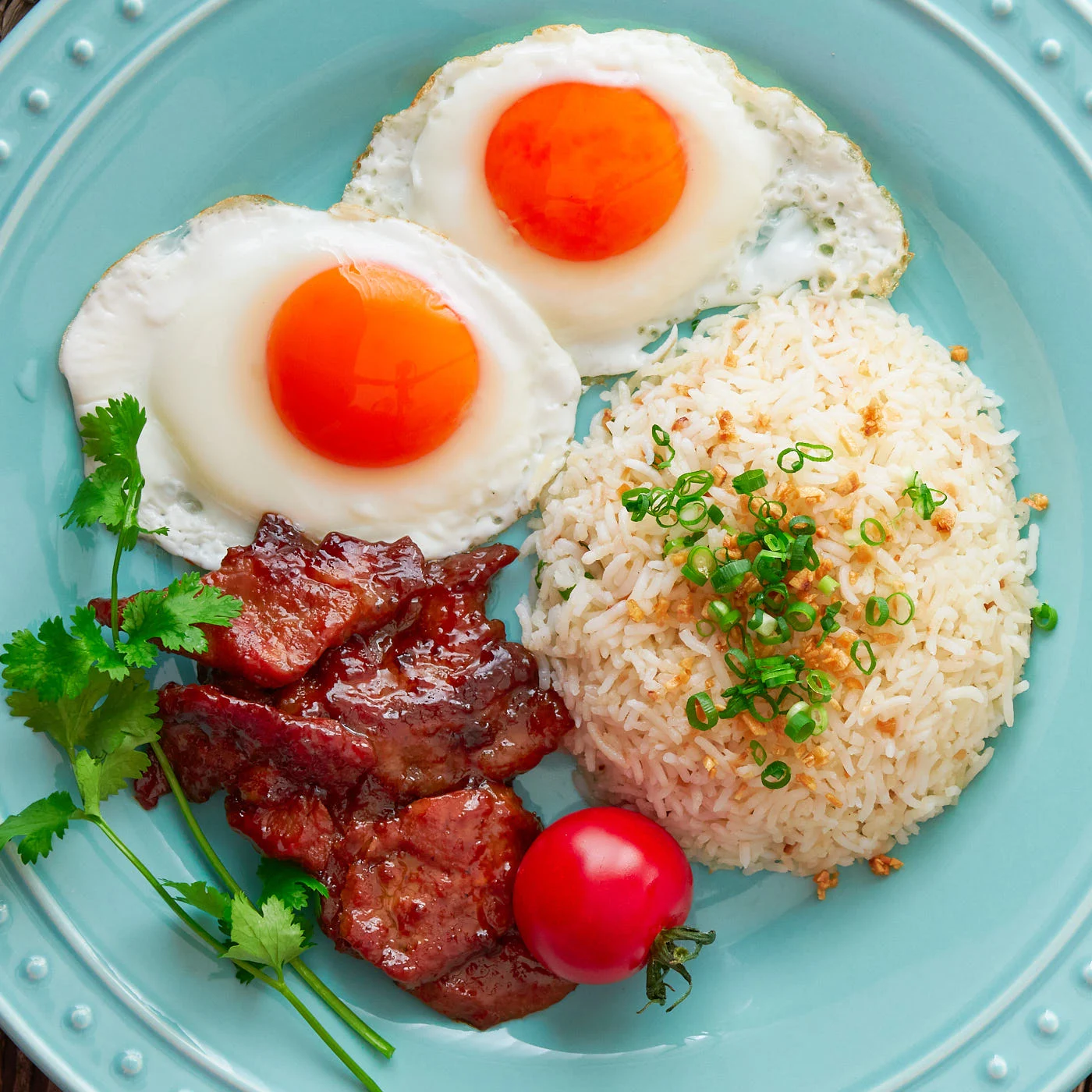
    • Tapsilog: Thinly sliced beef sirloin cured with spices, served with garlic rice and a fried egg, creating a delightful blend of flavors.
    • Tocino: Sweet-cured pork belly with a delightful sweet and garlicky taste, perfect when paired with hot rice and eggs, a testament to the Spanish influence in Filipino cuisine.
    • Daing Na Bangus: Marinated milkfish belly, deep-fried to perfection, often served with egg or accompanied by tomato and cucumber slices, providing a unique and satisfying breakfast experience.

    These meat dishes, whether beef or pork-based, are a staple in Filipino breakfast cuisine and are often accompanied by a steaming cup of hot chocolate, completing your morning feast.

    Rice and Porridge Options

    You’re in for a treat with a delightful array of rice and porridge options for your breakfast.

    From the rich and chocolatey Champorado to the comforting and flavorful Arroz Caldo, there’s something to satisfy every craving.

    Pair these hearty porridges with a selection of delicious side dishes for a truly satisfying morning meal.

    Rice Varieties

    Explore the delightful array of rice and porridge options that make up the heart of the Filipino breakfast menu, offering a diverse and flavorful start to your day.

    • Arroz Caldo (Thick Rice Porridge): A comforting dish made with glutinous rice, chicken, and safflower plant for color, perfect for a warm and satisfying morning meal.
    • Champorado (Chocolate Rice Porridge): Indulge in this sweet rice porridge made with glutinous rice, tablea chocolate, evaporated milk, and sugar, served alone or with crispy danggit or tuyo for a delightful contrast of flavors.
    • Tapsilog (Beef Tapa, Egg, And Garlic Fried Rice): Savor the classic Filipino breakfast dish of thinly sliced beef sirloin cured with spices and served with garlic rice, offering a delicious and hearty way to start your day.

    Whether you prefer a comforting bowl of champorado or the savory goodness of tapsilog, Filipino breakfast rice and porridge options are sure to please your palate and energize you for the day ahead.

    Porridge Choices

    The Filipino breakfast menu offers a diverse and flavorful start to your day, with a delightful array of rice and porridge options. Champorado, also known as chocolate rice, is cooked in coconut milk, creating a rich and indulgent flavor that pairs perfectly with fried garlic rice and fried eggs. Arroz Caldo, a Filipino garlic-flavored rice porridge, is often garnished with crispy fried garlic and tender chicken pieces, making it a hearty and comforting choice.

    Lugaw, a simple yet delicious bowl of rice porridge, is typically served with steamed white rice and wrapped in banana leaves, offering a soothing and fulfilling way to start your day.

    These delicious Filipino breakfasts are sure to satisfy your morning cravings.

    Side Dish Options

    Indulge in a delectable array of side dish options to complement your rice and porridge choices, adding depth and flavor to your Filipino breakfast experience.

    Pair your rice or porridge with these delightful side dish options:

    • Pandesal (Filipino Bread): Enjoy this soft and fluffy bread roll, perfect for dipping into your arroz caldo or champorado.
    • Filipino fish: Elevate your breakfast with crispy danggit or tuyo, adding a savory and salty kick to your champorado.
    • Filipino eggplant: Try the tortang talong, a tasty eggplant omelet that pairs wonderfully with sinangag or steamed white rice.

    These side dishes enhance the flavors of your rice or porridge, creating a symphony of tastes that make for a truly satisfying and delicious Filipino breakfast.

    Sweet Breakfast Treats

    Savor the delightful combination of sweet and savory flavors with the tempting array of Filipino breakfast treats. These sweet breakfast delights are an essential part of the best Filipino breakfast experience, providing a delicious start to the day. These treats are often served warm, reflecting the Filipino culture’s emphasis on the important meal. Indulge in these beloved sweet breakfast treats, such as champorado and lugaw, both made with glutinous rice and offering a comforting and satisfying start to your day.

    Sweet Breakfast Treats Description
    Champorado A thick rice porridge made with boiled glutinous rice and chocolate, often accompanied by coconut milk, sugar, and dried salted fish.
    Lugaw Filipino rice porridge made with boiled glutinous rice seasoned with garlic, ginger, and salt, often topped with scallions, toasted garlic bits, and a hard-boiled egg.

    Bread and Pastry Selection

    You’re in for a treat when it comes to the bread and pastry selection for your Filipino breakfast. From the beloved pandesal to the indulgent ensaymada, there’s a delightful variety of options to start your day.

    With each pastry and bread offering its own unique flavors and textures, your breakfast is sure to be a delightful experience.

    Bread Options

    For a delightful morning meal, consider the diverse bread and pastry selection offered for your Filipino breakfast, featuring popular choices like pandesal and ensaymada alongside comforting dishes such as arroz caldo and champorado.

    • Pandesal: A staple in Filipino breakfasts, this soft bread roll is best served warm, often paired with your favorite spread or used to make a tasty sandwich with a variety of fillings.
    • Ensaymada: Indulge in this sweet pastry – a buttery brioche topped with grated cheese and sugar, perfect with a cup of hot chocolate or coffee for a delightful morning treat.
    • Other Options: Explore a range of rice cakes, fritters, and snacks like bibingka, suman, maruya, and spicy dilis, popular during the Christmas season and enjoyed as Filipino street food delicacies.

    Pastry Varieties

    Indulge in the delightful array of pastry varieties offered for your Filipino breakfast, complementing the bread selection with delectable options such as rice cakes, fritters, and other enticing snacks. At a typical Filipino restaurant, you can savor the best of both sweet and savory pastries. From the classic pandesal, a soft and fluffy bread roll perfect with a spread of butter or jam, to the ensaymada, a sweet brioche topped with cheese and sugar.

    You can also enjoy the comforting Champorado, a chocolate rice porridge cooked using glutinous rice and chocolate, paired with dried fish for a unique combination of flavors. Embrace the Filipino breakfast food culture with these pastry varieties:

    Sweet Pastries Savory Pastries
    Ensaymada Pandesal
    Champorado Arroz Caldo
    Taho

    These pastry selections promise a satisfying start to your day, reflecting the diverse and rich flavors of Filipino cuisine.

    Breakfast Accompaniments

    Explore the delectable variety of breakfast accompaniments, including an enticing selection of bread and pastry options that promise to tantalize your taste buds and provide a satisfying start to your day.

    Dive into the typical Filipino breakfast menu and discover the delightful bread and pastry choices available for room service:

    • Pandesal: Enjoy this popular Filipino bread roll with butter, jam, or as a sandwich with various fillings.
    • Ensaymada: Indulge in a soft and buttery brioche topped with grated cheese and sugar, a perfect treat for breakfast with coffee or hot chocolate.
    • Arroz Caldo: Try the comforting Filipino rice porridge made with chicken, ginger, and garlic, commonly topped with toasted garlic and scallions.

    These options, whether you’re in a Filipino restaurant or exploring the bustling streets of the Philippines, are sure to elevate your breakfast experience.

    Regional Breakfast Specialties

    Discover the rich array of regional breakfast specialties that showcase the diverse flavors and culinary traditions of the Philippines.

    When dining at a Filipino restaurant, don’t miss out on trying the unique and delicious bibingka, a rice cake that’s baked and usually served with grated coconut or salted egg.

    For a hearty start to your day, indulge in cornsilog, a popular dish featuring corned beef, garlic fried rice, and fried egg.

    Another must-try is the national fish of the Philippines, milkfish, often enjoyed as a breakfast staple.

    Experience the delightful flavors of Puto Bumbong, a purple rice cake steamed in bamboo tubes, and Taho, a sweet treat made from fresh soft tofu, arnibal (sweet syrup), and sago pearls.

    These regional breakfast specialties offer a delightful insight into Filipino culinary diversity.

    Is Arroz Caldo a Common Item on Filipino Breakfast Menus?

    Yes, arroz caldo is a common item on Filipino breakfast menus. The arroz caldo preparation in Philippines often includes chicken, rice, ginger, and saffron. It’s a warm and comforting dish that’s perfect for starting the day off right.

    Beverage Choices

    Embrace the diverse flavors and culinary traditions of the Philippines by starting your day with a delightful selection of beverage choices that perfectly complement the regional breakfast specialties.

    • Indulge in a refreshing glass of sago’t gulaman, a popular Filipino beverage made with tapioca pearls, agar strips, and brown sugar syrup.
    • Enjoy a cup of traditional Filipino tsokolate (hot chocolate) made with tablea, providing a rich and comforting start to your day.
    • Start your day with a classic cup of Filipino barako coffee, known for its strong flavor and rich aroma, a perfect complement to your breakfast.

    These beverage choices offer a mix of rich, refreshing, and tropical flavors, enhancing your typical Filipino breakfast menu. Whether you prefer a comforting hot chocolate, a strong cup of coffee, or a unique local beverage, the options are tailored to elevate your dining experience at a Filipino restaurant or through room service.

    Frequently Asked Questions

    What Is a Traditional Filipino Breakfast?

    A traditional Filipino breakfast is a flavorful feast! Tuck into silog meals with garlic fried rice and eggs, or savor tuyo, galunggong, or tinapa fish dishes. Beef pares and comforting champorado or lugaw complete the spread. Enjoy!

    What Is the Average Breakfast in the Philippines?

    For breakfast in the Philippines, you can enjoy delicious silog meals like tapsilog, longsilog, or tocilog. Popular fish dishes include tuyo, galunggong, and tinapa. Beef pares and champorado are also common breakfast options.

    What Are 3 Traditional Breakfast Dishes?

    Traditional Filipino breakfast dishes include silog meals with meat, garlic fried rice, and fried eggs, tuyo or tinapa paired with rice, and beef pares with garlic rice and beef stock. These options offer a delicious start to your day.

    What Is the Very Typical Breakfast of the Filipino Being Paired With Coffee?

    Pair your typical Filipino breakfast with a steaming cup of coffee. Enjoy silog meals like tapsilog, longsilog, or tocilog, or savor fish dishes like tuyo, galunggong, or tinapa with garlic rice. It’s a delicious start to your day.

    Conclusion

    So whether you’re craving savory meats, comforting rice dishes, or sweet pastries, a typical Filipino breakfast menu for room service has got you covered.

    With options like beef tapa, garlic fried rice, and pandesal, you’ll start your day with a satisfying and delicious meal.

    And don’t forget to pair it with a warm cup of coffee or hot chocolate to complete your ultimate Filipino breakfast experience.

    Bon appétit!
  • What Are Some Vegetable-Based Filipino Breakfast Options?

    What Are Some Vegetable-Based Filipino Breakfast Options?

    Some vegetable-based Filipino breakfast options include Vegetable Omelette and Grilled Eggplant Salad, offering nutritious and flavorful choices for a healthy start to the day.

    Key Takeaways

    • Vegetable-based Filipino breakfast options offer a customizable and nutritious start to the day.
    • They are quick and easy to prepare, making them convenient for busy mornings.
    • These dishes showcase the diverse and vibrant flavors of Filipino cuisine.
    • They provide a high fiber content and essential nutrients, supporting a healthy immune system.

    Vegetable Omelette

    Start your day with a nutritious and satisfying Filipino breakfast by whipping up a delicious Vegetable Omelette packed with assorted vegetables and fluffy eggs. This classic Filipino vegetable dish offers a hearty and healthy start to your morning.

    You can customize this vegetarian dish with an array of vegetables such as spinach leaves, green beans, bell peppers, onions, and tomatoes, making it a versatile option for breakfast. The omelette is cooked until golden brown on the outside and delightfully fluffy on the inside, creating a satisfying meal that pairs perfectly with a side of rice or bread.

    Not only does this eggplant omelet provide a delicious burst of flavors, but it also offers a wonderful way to incorporate more vegetables into your Filipino breakfast routine.

    Grilled Eggplant Salad

    Transitioning from the delectable Vegetable Omelette to the next delightful option, the Grilled Eggplant Salad offers a simple yet refreshing dish made with grilled eggplant, tomatoes, onions, and vinegar. This Filipino vegetable dish, also known as Ensaladang Talong, is a staple in Filipino cuisine and provides a unique texture and flavor combination.

    Here’s how you can fully enjoy the Grilled Eggplant Salad:

    • Simple Preparation: Grilled Eggplant Salad is easy to prepare and can be served as a side dish or a main course, making it a versatile option for any meal.
    • Customizable: It can be customized with additional ingredients such as shrimp paste or chili to suit individual preferences, adding a personal touch to the dish.

    This vegetable stew is a delicious and nutritious addition to any breakfast menu, providing a healthy start to your day.

    Sauteed Mixed Vegetables

    Looking to add more veggies to your morning routine? Sauteed Mixed Vegetables is a nutritious and fiber-rich option that offers a quick and easy prep.

    This colorful medley of carrots, bell peppers, green beans, and cabbage can be customized to your liking and seasoned with garlic, onions, and soy sauce for added flavor.

    It’s a convenient and healthy way to kick start your day with a burst of nutrients.

    Nutritious Vegetable Medley

    Sauteed Mixed Vegetables, a delightful and nutritious Filipino breakfast option, offers a colorful medley of essential vitamins and fiber, providing a healthy and balanced start to your day. When savoring the taste of this popular vegetable dish, consider customizing it with tofu or meat for added protein, making it a hearty vegan meal.

    Additionally, this dish is a quick and easy addition to your morning routine. Consider these points to enjoy what’s written:

    • Incorporate common vegetables such as cabbage, carrots, bell peppers, and green beans for a traditional Filipino vegetable medley.
    • Experiment with variations by adding other ingredients like tofu or meat, making it a versatile and satisfying dish.

    Quick and Easy Prep

    When you’re ready to whip up a quick and nutritious Filipino breakfast, the Sauteed Mixed Vegetables offers a delightful and convenient option to kickstart your day with a burst of flavor and essential nutrients.

    This stir-fried dish is a simple sautéed vegetable combination that can be prepared in minimal time, making it an ideal side dish for a vegetable-based Filipino breakfast.

    The dish allows for customization with a variety of vegetables and seasoning choices, adding versatility to your breakfast menu.

    Not only is it easy to make, but it also provides a nutritious and flavorful addition to your morning meal.

    With the Sauteed Mixed Vegetables, you can enjoy a quick and easy way to incorporate an array of vegetables into your breakfast, setting a healthy and vibrant tone for your day.

    Vegan Filipino Porridge

    Interested in trying a delicious and creamy vegan Filipino porridge for breakfast? Vegan Filipino Porridge, also known as ‘Ginataang Mais,’ is a comforting breakfast dish made with glutinous rice, corn, and coconut milk.

    Here’s how you can enjoy this delightful dish:

    • Ingredients: Gather glutinous rice, corn kernels, coconut milk, and optional sweeteners like sugar or condensed milk.
    • *Tip*: For a savory twist, you can also add fermented anchovies (bagoong) or salted egg on the side.
    • Preparation: In a pot, combine glutinous rice, corn, and coconut milk. Cook until the rice is tender and the mixture has thickened to a creamy consistency.
    • *Tip*: For added flavor and texture, consider topping your porridge with ‘Puso ng saging’ (banana blossoms) or ‘Utan Bisaya’ (mixed vegetables).

    This vegan Filipino porridge offers a delightful blend of flavors and textures, making it a perfect addition to your breakfast repertoire.

    Coconut Milk Veggie Stew

    If you’re craving another delectable vegetable-based breakfast option after enjoying the Vegan Filipino Porridge, let’s now explore the rich and flavorful world of Coconut Milk Veggie Stew.

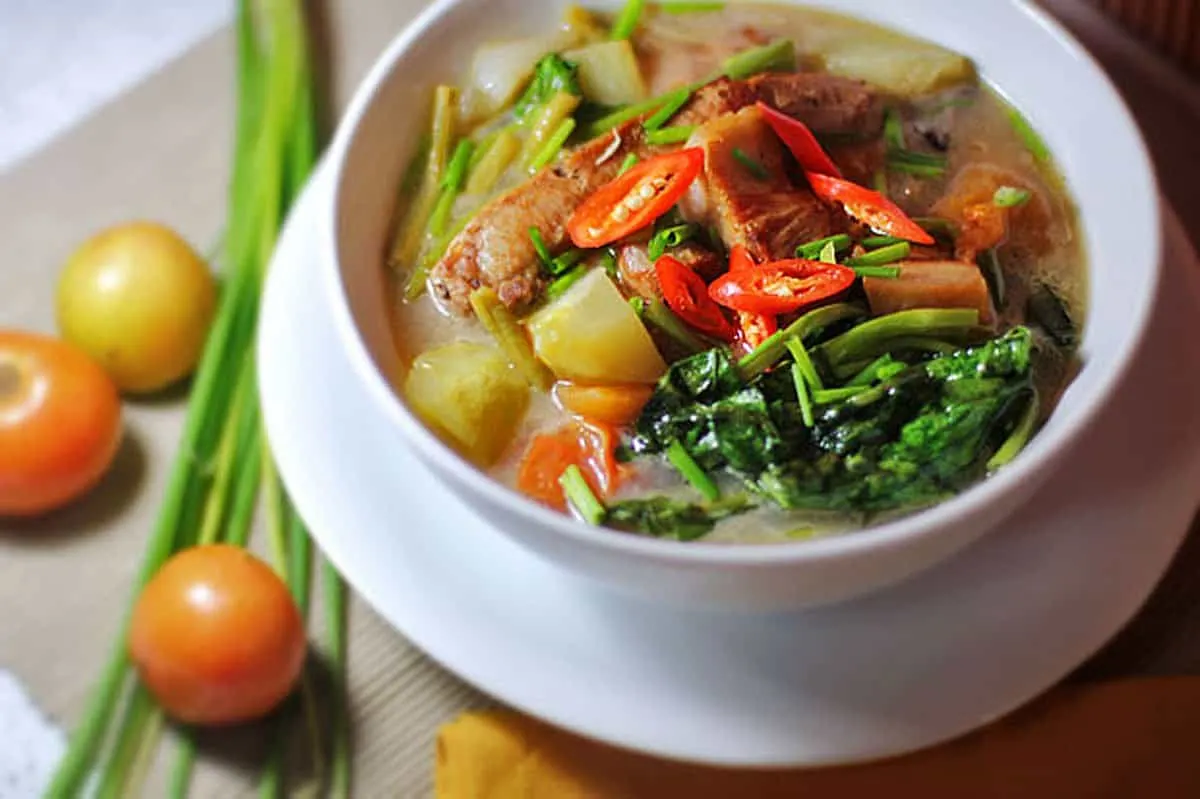
    This classic Filipino breakfast dish features a creamy base of coconut milk and a delightful medley of fresh vegetables, such as string beans and water spinach, creating a hearty and nutritious stew.

    The aromatic blend of fish sauce, garlic, and onions adds a depth of savory flavors to this dish, making it a satisfying morning meal.

    What’s great about this stew is its versatility – you can customize it with additional ingredients to suit your preferences.

    Coconut Milk Veggie Stew offers a comforting and nourishing way to start your day, showcasing the diverse and vibrant flavors of Filipino cuisine.

    Stir-Fried Veggies

    Looking for a nutritious and quick breakfast option? Stir-fried veggies might just be the answer.

    This colorful and flavorful dish can be whipped up in no time, offering a hearty and satisfying start to your day.

    Plus, it’s an easy way to incorporate a variety of vegetables into your breakfast, giving you the essential nutrients you need to kickstart your morning.

    Nutritious Vegetable Medley

    Start your day with a burst of flavor and nutrition by savoring the vibrant mix of bell peppers, carrots, cabbage, and green beans in the Nutritious Vegetable Medley, a delightful Filipino breakfast option that’s stir-fried to preserve its natural goodness.

    • Ways to Enjoy the Nutritious Vegetable Medley:
    • Pair it with a side of Pancit for a hearty and veggie-packed breakfast.
    • Enhance the flavors by adding coconut milk and mung beans to create a creamy and nutritious twist on the traditional stir-fried veggies.

    This flavorful medley can also be incorporated into other Filipino breakfast dishes such as Pinakbet Ilocano, Ginisang Ampalaya, and Gising gising. Embracing the rich culinary heritage of the Philippines, this dish complements traditional morning fare like sitaw at kalabasa.

    Try this satisfying and nutritious dish for a wholesome start to your day.

    Quick and Easy Recipe

    For a quick and nutritious addition to your breakfast, try the simple and colorful stir-fried veggie dish that offers a burst of flavors and essential nutrients to kickstart your day. This Filipino vegetarian recipe, known as “Ginisang Sayote,” is an easy-to-make option that involves a quick sautéing process, making it perfect for busy mornings. The dish includes a variety of vibrant vegetables, providing a visually appealing and appetizing meal.

    You can customize this stir-fried veggie dish with additional ingredients based on your personal preferences and availability. It’s a delicious and healthy way to start your day, packed with essential nutrients and flavors. Below is a table depicting some other quick and easy vegetable-based Filipino breakfast options:

    Quick and Easy Recipe Ingredients
    Ginisang Sayote Sayote, Garlic, Onions
    Roasted Eggplant Eggplant, Tomatoes, Onions
    Tortang Talong Eggplant, Eggs, Tomatoes

    Filipino Veggie Fritters

    Entice your taste buds with the crispy and flavorful Filipino Veggie Fritters, a beloved snack or side dish that showcases a colorful mix of assorted vegetables.

    When preparing or indulging in Filipino Veggie Fritters, consider the following:

    • Versatile Delicacy: Enjoy the versatility of Filipino Veggie Fritters by customizing them with a variety of vegetables, such as green papaya and taro leaves, to suit your taste preferences.
    • Experiment with different vegetables to create your own unique fritter recipes, adding a personal touch to this traditional Filipino dish.
    • Perfect Pairing: Enhance your dining experience by serving the fritters with a tangy dipping sauce, elevating the flavors and providing a delightful burst of taste with every crispy bite.

    Filipino Veggie Fritters, also known as Lumpiang Sariwa, offer a delectable way to savor vegetable-based Filipino breakfast options.

    Vegetable Noodle Soup

    Looking for a hearty and nutritious breakfast option? Vegetable Noodle Soup might just be what you need.

    This comforting dish features a flavorful broth packed with a variety of fresh veggies, making it a wholesome way to kickstart your day.

    Plus, it’s quick and easy to prepare, allowing you to enjoy a satisfying meal without spending too much time in the kitchen.

    Nutritious Vegetable Broth

    Indulge in the comforting aroma and wholesome flavors of our Nutritious Vegetable Broth (Vegetable Noodle Soup), a hearty breakfast option packed with an assortment of colorful vegetables and aromatic spices. Here’s how you can enjoy this nutritious and delicious Filipino vegetable-based breakfast:

    • Customize it: Experiment with different types of noodles to add variety to your breakfast bowl. Try using rice noodles for a lighter option or egg noodles for a heartier meal.
    • Pair it with steamed rice: Enjoy your Vegetable Noodle Soup with a side of steamed rice for a more filling and satisfying breakfast experience.

    This nutrient-packed soup is a great way to kickstart your day with a burst of flavor and essential nutrients, making it a perfect addition to your veggie recipes repertoire.

    Variety of Fresh Veggies

    Enhance your morning with a nourishing and flavorful Vegetable Noodle Soup, brimming with a vibrant medley of fresh veggies and savory broth.

    This vegetable-based Filipino breakfast option is a delightful way to start your day with a hearty dose of nutrition. The soup is filled with colorful vegetables like carrots, cabbage, and green beans, offering a wholesome and satisfying meal for the whole family.

    You can customize it by adding your favorite veggies, creating a personalized breakfast experience. Whether served as a side to dishes like Filipino Chop or Lumpiang Ubod, this soup provides a versatile and delicious way to incorporate fresh veggies into your morning routine.

    It’s a fantastic way to enjoy the benefits of bitter gourd and other nutritious vegetables while relishing a comforting bowl of noodles.

    Quick and Easy Prep

    Start your day by easily preparing a creamy and nutritious Vegetable Noodle Soup, a delightful Filipino breakfast option bursting with a colorful medley of fresh veggies and classic Pinoy flavors. Here’s how to make it your own:

    • Quick Stir-Fry: Begin by quickly stir-frying garlic and onions in a pot to infuse the soup with delicious flavors.
    • Use a combination of your favorite vegetables such as carrots, bell peppers, and snap peas for a vibrant mix of textures and tastes.
    • Add coconut milk and a dash of soy sauce to create a rich and creamy base, elevating the dish to a whole new level of indulgence.

    This comforting and flavorful soup is the perfect way to kickstart your day, providing a nourishing and hearty option for a vegetable-based Filipino breakfast.

    Tofu and Veggie Stir-Fry

    Looking for a flavorful and nutritious breakfast option? Have you considered trying a delicious Tofu and Veggie Stir-Fry? This Filipino vegetarian dish is a delightful addition to any vegetable-based Filipino breakfast. The Tofu and Veggie Stir-Fry is a colorful medley of assorted vegetables such as bell peppers, broccoli, carrots, and snap peas, providing a vibrant and crunchy texture. The marinated tofu adds a hearty, protein-rich element, stir-fried to a golden brown perfection.

    Seasoned with a delightful combination of soy sauce, garlic, ginger, and a touch of sweetness, it offers a delicious umami flavor profile. This Filipino stir-fried dish is versatile, allowing for the addition of other ingredients like mushrooms, water chestnuts, or bamboo shoots. Get ready to relish this delightful blend of flavors and textures in your vegetable-based Filipino breakfast.

    Ingredient Health Benefits Unique Feature
    Tofu High in protein and iron Hearty and versatile
    Assorted Vegetables Rich in vitamins and fiber Colorful and crunchy
    Soy Sauce Source of amino acids Umami flavor

    Veggie Spring Rolls

    Have you explored other delightful additions to your vegetable-based Filipino breakfast after trying the Tofu and Veggie Stir-Fry?

    Another fantastic option to consider is the Veggie Spring Rolls, also known as lumpiang sariwa in Filipino cuisine. These spring rolls are filled with a vibrant mix of julienned carrots, cucumbers, lettuce, and fresh herbs like cilantro and mint, offering a burst of refreshing flavors. Additionally, the filling may include cooked rice vermicelli noodles and tofu, providing a satisfying texture and protein boost.

    These delectable spring rolls are typically served with a savory and slightly sweet peanut dipping sauce, creating a perfect balance of flavors.

    Veggie Spring Rolls are a light and healthy way to kickstart your day, offering a delightful combination of vegetables and enticing tastes.

    Filipino Veggie Pancakes

    Embrace the flavorful allure of Filipino Veggie Pancakes, a savory and satisfying breakfast option crafted with grated vegetables, flour, and spices. These vegetable-based pancakes offer a delightful vegetarian dish that’s both nutritious and delicious.

    The addition of vegetables like carrots, squash, and string beans not only adds vibrant colors but also provides essential nutrients to kick start your day. These pancakes are pan-fried to a golden crisp, creating a delightful crunch with each bite. Served with a tangy vinegar dipping sauce, they offer a perfect balance of flavors.

    Filipino Veggie Pancakes are a delicious way to start the day, providing a hearty and wholesome breakfast option that will leave you feeling satisfied and energized.

    Try incorporating eggplant for a unique twist on this Filipino breakfast classic.

    Can Lechon Belly be a Part of a Vegetable-Based Filipino Breakfast?

    Yes, lechon belly Filipino delicacy can be a delicious addition to a vegetable-based Filipino breakfast. Its savory, crispy skin and tender, flavorful meat can complement dishes like ensalada (vegetable salad) or a side of stir-fried veggies. It can provide a satisfying and indulgent touch to a healthy morning meal.

    Can Vegetable-Based Filipino Breakfast Options Also Appeal to Kids as Non-Alcoholic Drinks?

    Revolutionizing breakfast, kidfriendly Filipino drinks beam as nutrition-packed, vegetable-incorporated beverages. They’re not just for adults; vibrant colors, natural sweetness, and fun presentations make these juices a hit. Kids won’t even realize they’re sipping on health, as traditional flavors blend seamlessly in these delightful morning refreshments.

    Coconut Milk Veggie Curry

    Indulge in the rich and creamy flavors of Coconut Milk Veggie Curry, a delightful stew brimming with vibrant vegetables and classic Pinoy cuisine taste.

    To enjoy this dish, start by sautéing garlic and onions in a pan until fragrant.

    Then, add your choice of vegetables such as eggplant, bell peppers, and squash to create a colorful and nutritious mix.

    Enhance the flavor with a splash of fish sauce and coconut cream for that authentic Filipino taste.

    Coconut Milk Veggie Curry is a perfect vegetable-based Filipino breakfast option that can be tailored to your preferences, whether you prefer to add ground meat or keep it entirely plant-based.

    This hearty and comforting curry is a delicious way to start your day with a nutritious and satisfying meal.

    Frequently Asked Questions

    What Vegetables Do Filipinos Eat?

    Filipinos eat a variety of vegetables, such as eggplant, bitter melon, okra, and squash. These are often featured in dishes like pinakbet, dinengdeng, and laing. These veggies add unique flavors and textures to Filipino cuisine.

    What Are the Different Ways of Cooking Vegetable in the Philippines?

    In the Philippines, various cooking styles for vegetables include stir-frying, stewing in coconut milk, and making hearty soups. These methods create delicious and nutritious dishes, perfect for a satisfying and healthy breakfast.

    What Are Typical Filipino Lunches?

    Filipino lunches are diverse and delicious, featuring dishes like Adobo, Sinigang, Kare-Kare, and Lechon. They often combine meat, seafood, and vegetables with rice, providing a hearty and balanced meal for a fulfilling dining experience.

    What Is a Vegetable Dish?

    A vegetable dish is a flavorful and nutritious addition to your meals. It offers a variety of textures and tastes, providing essential nutrients to fuel your day. Try incorporating more veggies for a balanced diet.

    Conclusion

    So there you have it! Whether you’re craving something light and refreshing or a hearty and flavorful breakfast, Filipino cuisine offers a variety of vegetable-based options to start your day off right.

    From omelettes to stir-fries to coconut milk stews, there’s something for everyone to enjoy.

    So next time you’re looking for a delicious and nutritious breakfast, consider trying out one of these vegetable-based Filipino dishes!

  • How Is Filipino Breakfast Plated?

    How Is Filipino Breakfast Plated?

    Filipino breakfast is plated with silog meals, featuring meat, garlic fried rice, and fried eggs, balancing sweet and savory flavors. Modern trends include vibrant arrangements and minimalist designs for visually stunning compositions.

    Key Takeaways

    • Silog meals, consisting of meat, garlic fried rice, and fried eggs, are a common and traditional Filipino breakfast option.
    • The visual appeal of Filipino breakfast is enhanced by balancing sweet and savory flavors and incorporating vibrant and fresh ingredients.
    • Modern plating trends involve experimenting with vibrant and colorful arrangements, using unique serving platters, and incorporating minimalist design for visually stunning compositions.
    • Filipino breakfast presentation is influenced by the country’s culinary heritage, regional ingredients, and diverse cultural influences.

    Traditional Filipino Breakfast Components

    When enjoying a traditional Filipino breakfast, one can’t miss the flavorful silog meals, which consist of meat, garlic fried rice, and fried eggs, offering a delightful start to the day.

    The garlic fried rice, known locally as ‘sinangag,’ is made by stir-frying pre-cooked white rice with garlic for a fragrant and savory flavor. It serves as the perfect base for the meal.

    The fried egg, often cooked sunny-side-up with a slightly runny yolk, adds a rich and creamy element to the dish.

    Common meat options for silog meals include beef tapa, a marinated and thinly-sliced beef, which brings a sweet and slightly tangy taste.

    Together, these components create a hearty and satisfying breakfast that’s a staple in Filipino cuisine.

    Plating Techniques for Filipino Breakfast

    When plating Filipino breakfast dishes, consider the traditional components while incorporating modern plating trends.

    Balance the sweet and savory flavors of tocilog and longsilog for an eye-catching and satisfying presentation.

    Use vibrant and fresh ingredients to enhance the visual appeal of your Filipino breakfast plating.

    Traditional Breakfast Dishes

    Plating traditional Filipino breakfast dishes involves showcasing a vibrant array of flavors and textures that represent the rich culinary heritage of the Philippines.

    When it comes to delicious Filipino breakfasts, several traditional dishes stand out:

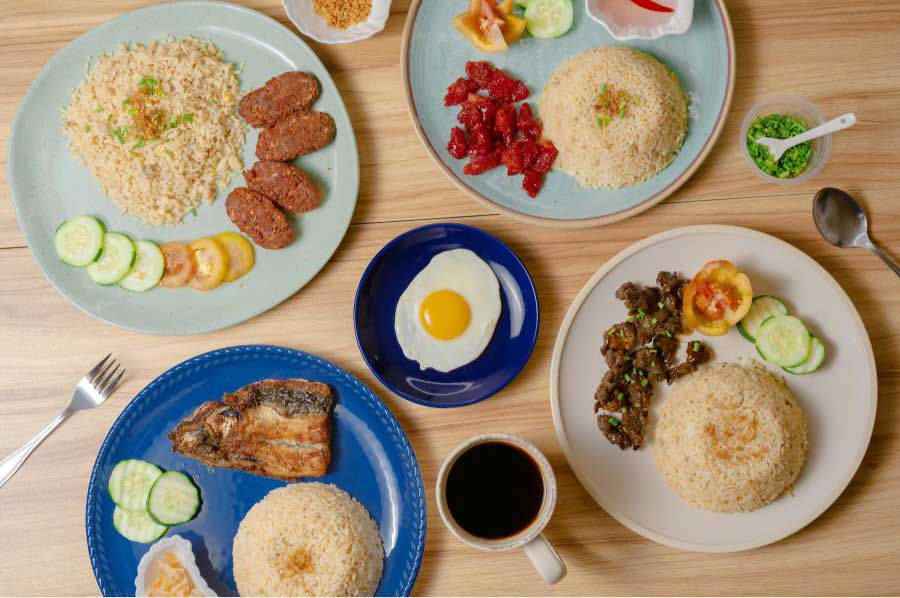
    • Silog meals: These popular breakfast dishes consist of meat, garlic fried rice, and fried eggs, with variations like tapsilog, longsilog, and tocilog.
    • Fish dishes: Tuyo, galunggong, and tinapa are favored for breakfast, often paired with plain rice or enjoyed as part of a silog meal.
    • Beef pares: A Filipino braised beef stew served with garlic rice and clear beef stock, often enjoyed with a chili dipping sauce for breakfast.

    These dishes offer a diverse range of flavors, from the savory richness of beef pares to the comforting simplicity of fish paired with rice.

    Modern Plating Trends

    Embrace the evolution of Filipino breakfast plating as it ventures into modern trends, showcasing a fusion of traditional flavors and contemporary presentation techniques.

    Modern plating trends for Filipino breakfast focus on elevating classic dishes like ‘silog’ meals by incorporating artistic elements and refining portion sizes. Chefs are experimenting with vibrant, colorful arrangements to entice the eyes, using fresh herbs and edible flowers as garnishes.

    Additionally, there’s a growing emphasis on utilizing unique serving platters and minimalist design to create visually stunning compositions.

    Moreover, deconstructed versions of traditional breakfast items are gaining popularity, allowing diners to appreciate each ingredient individually. This trend aligns with the global movement towards visually appealing culinary experiences while still preserving the authentic taste and essence of Filipino breakfast favorites.

    Influences on Filipino Breakfast Presentation

    When it comes to Filipino breakfast presentation, the influences are deeply rooted in the country’s culinary heritage and the availability of regional ingredients.

    The diverse cultural influences in the Philippines have also contributed to the vibrant and colorful plating of traditional breakfast dishes.

    These influences are reflected in the way ingredients are artfully arranged on the plate and the use of local serving vessels to enhance the visual appeal of the dishes.

    Culinary Heritage

    In Filipino breakfast presentation, the culinary heritage of the Philippines is richly showcased through a diverse array of traditional dishes and unique treats that offer a tapestry of flavors and textures.

    This heritage is evident in the variety of ‘silog’ meals, such as tapsilog, longsilog, and tocilog, which feature different meats paired with garlic fried rice and fried eggs.

    Popular fish dishes like tuyo, galunggong, and tinapa are often enjoyed with plain rice or as part of a ‘silog’ meal.

    Additionally, comforting options like champorado, lugaw, arroz caldo, mami, and siopao provide a glimpse into the rich culinary traditions of the Philippines.

    Unique treats like taho, pandesal, ensaymada, and kakanin, including suman and bibingka, further exemplify the country’s culinary heritage.

    Regional Ingredients

    Building upon the rich culinary heritage showcased in Filipino breakfast presentation, the regional influences and diverse ingredients play a significant role in shaping the unique flavors and textures of the morning meal.

    Filipino breakfast often features an array of regional influences and diverse ingredients, showcasing the country’s culinary diversity. Ingredients like longanisa, tocino, and tuyo highlight the regional variations in Filipino breakfast, each offering distinct flavors and textures.

    Coastal regions incorporate fish dishes like galunggong and tinapa into breakfast options, adding a delightful seafood element to the morning spread.

    Moreover, regional spices and flavors, such as in beef pares and lugaw, contribute to the diverse regional tastes present in breakfast dishes.

    The use of coconut milk and unique fruits in dishes like champorado and bibingka reflects regional agricultural influences, further enhancing the depth and variety of Filipino breakfast.

    Common Filipino Breakfast Garnishes

    Common Filipino breakfast garnishes add vibrant flavors and textures to the morning meal, enhancing the overall dining experience. When you sit down to enjoy a traditional Filipino breakfast, you can expect to find a delightful array of garnishes that complement the main dishes.

    • Vinegar Dipping Sauce: This tangy and slightly acidic condiment is commonly used to add a punch of flavor to breakfast staples like longganisa (Filipino sausage) and garlic fried rice.
    • Scallions and Toasted Garlic Bits: These garnishes provide a burst of aromatic flavors and crunchy textures, elevating the taste of savory dishes such as tapsilog (cured beef with garlic fried rice and fried egg).
    • Squeeze of Calamansi: The addition of calamansi, a citrus fruit native to the Philippines, brings a refreshing and zesty twist to various breakfast items, balancing out rich and savory flavors.

    These garnishes are essential components of the Filipino breakfast experience, adding depth and complexity to the plated dishes.

    Modern Trends in Filipino Breakfast Plating

    Embarking on a culinary journey through the evolution of Filipino breakfast plating reveals an exciting fusion of traditional flavors and innovative presentation techniques, offering a delightful twist on familiar morning fare. Modern trends in Filipino breakfast plating showcase a creative blend of traditional dishes with contemporary plating styles, elevating the visual appeal of classic breakfast options. The following table illustrates some of the modern trends in Filipino breakfast plating:

    Modern Trends Description
    Deconstructed Disassembling traditional dishes and presenting them in a visually appealing manner.
    Fusion Blending Filipino breakfast staples with international flavors and plating techniques.
    Minimalist Embracing simplicity in presentation, often focusing on the vibrant colors of fresh ingredients.
    Elevated Elevating traditional Filipino breakfast dishes through upscale plating and elegant serving styles.
    Interactive Incorporating DIY elements, allowing diners to personalize their breakfast experience.

    These modern trends in Filipino breakfast plated reflect a dynamic shift in the culinary landscape, showcasing a harmonious blend of tradition and innovation.

    Regional Variations in Filipino Breakfast Presentation

    Regional variations in Filipino breakfast presentation showcase a diverse array of flavors, ingredients, and culinary traditions that reflect the rich cultural tapestry of the Philippines. In different regions across the country, the presentation of Filipino breakfast varies, offering unique and mouthwatering dishes.

    Some popular breakfast dishes include Silog Meals, such as tapsilog and tocilog, which feature meat, garlic fried rice, and fried eggs, each with its own distinct flavors and preparations.

    Fish dishes like tuyo, galunggong, and tinapa are commonly enjoyed with plain rice or as part of a silog meal, providing a delightful taste of the sea in breakfast presentations.

    Rice-based dishes such as champorado, arroz caldo, and lugaw, topped with flavorful additions like scallions and dried fish, offer a warm and satisfying start to the day.

    The regional variations in Filipino breakfast presentation truly capture the essence of Filipino cuisine, showcasing the diverse and vibrant culinary heritage of the country.

    Balancing Flavors in Filipino Breakfast Dishes

    Balancing a symphony of flavors, Filipino breakfast dishes artfully weave together sweet and savory elements, creating a culinary experience that excites the palate and satisfies the senses. The table below highlights the diverse flavors and complementary sides that make Filipino breakfast dishes so distinctive:

    Flavor Complementary Side
    Sweet Vinegar
    Savory Garlic fried rice
    Rich Beef pares
    Comforting Arroz caldo

    These combinations create a delightful balance, like the sweetness of tocino paired with the savory richness of garlic fried rice or the comforting warmth of arroz caldo. The diverse protein options, such as longanisa, tocino, and beef tapa, offer a range of flavors and textures, ensuring every breakfast is a satisfying and flavorful experience. Whether it’s the sweet treats of champorado or the comforting savory dishes, Filipino breakfasts offer a perfect balance of flavors to start your day.

    Can Dinorado rice be used in Filipino breakfast dishes?

    Yes, Dinorado rice can be used in Filipino breakfast dishes. It is commonly used to make fried rice, champorado, and arroz caldo. The versatility of Filipino cuisine Dinorado rice makes it suitable for various meal preparations, including breakfast options.

    Creative Serving Ideas for Filipino Breakfast

    Now let’s explore exciting ways to present and serve those delicious Filipino breakfast flavors that we’ve come to love.

    Elevate your Filipino breakfast experience with creative serving ideas that won’t only tantalize the taste buds but also delight the eyes.

    • Banana Leaf Wrapping: Embrace tradition by serving your Filipino breakfast dishes on banana leaves for an authentic and visually appealing presentation.
    • Colorful Condiment Bowls: Arrange an assortment of vibrant, flavorful condiments in small bowls or banana leaf cups to add a pop of color and variety to your breakfast spread.
    • Bamboo Steamers: Serve hot and steaming rice cakes or dumplings in traditional bamboo steamers for an added touch of authenticity and visual appeal.

    Frequently Asked Questions

    What Is a Traditional Filipino Breakfast?

    For a traditional Filipino breakfast, you can enjoy silog meals with garlic fried rice, fried eggs, and your choice of meat. You might also savor fish dishes like tuyo and galunggong, or comforting rice porridges like champorado and arroz caldo.

    What Is the Traditional Filipino Breakfast Meat?

    The traditional Filipino breakfast meat is a flavorful lineup including tapsilog (beef tapa), longsilog (Filipino sausage), and tocilog (sweet cured meat). These are often enjoyed with garlic fried rice and fried eggs.

    How Is Filipino Food Served?

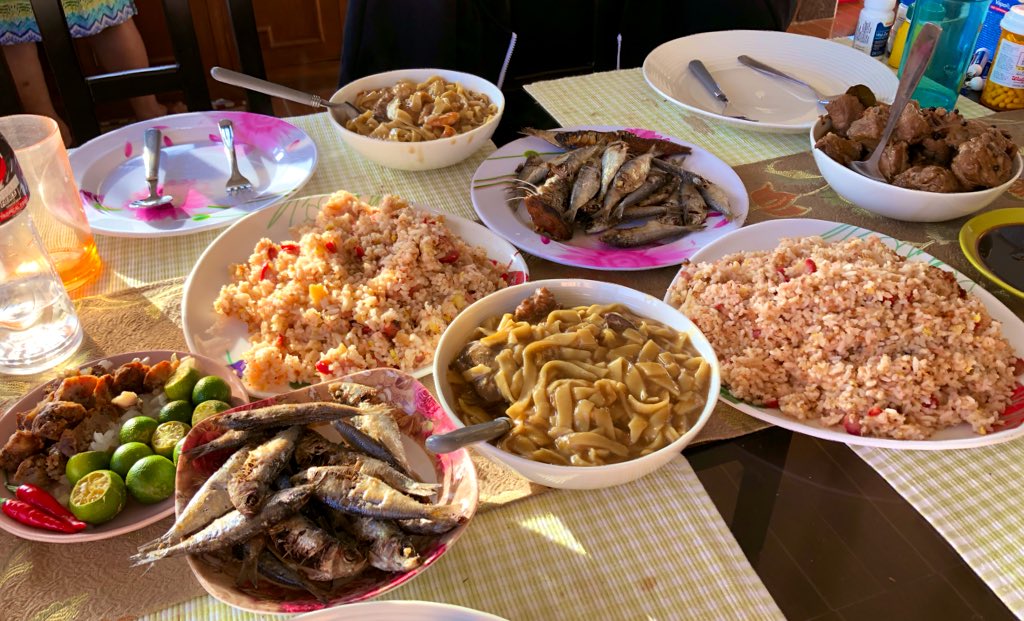
    When serving Filipino food, meals are typically served family-style, encouraging everyone to share and enjoy a variety of flavors and textures. Dishes are placed in the center, and everyone helps themselves.

    What Is a Filipino Breakfast Called?

    Filipino breakfast is called Silog, featuring meat, garlic fried rice, and fried eggs. Variations like tapsilog (beef tapa) and tocilog (sweet cured meat) offer a balance of sweet and savory flavors, traditionally enjoyed with a tangy vinegar dipping sauce.

    Conclusion

    So, next time you sit down to enjoy a Filipino breakfast, remember the perfect combination of sinangag and itlog, the delicious longanisa or tocino, and the vibrant flavors of vinegar and vegetables.

    Whether it’s a traditional presentation or a modern twist, Filipino breakfast plating is all about balance, flavor, and creativity.

    So go ahead, savor every bite and appreciate the art of Filipino breakfast plating at its finest.

  • What Is a Filipino Breakfast for Diabetics?

    What Is a Filipino Breakfast for Diabetics?

    A diabetic-friendly Filipino breakfast can include items like half a cup of brown rice, one medium egg, or one boiled tosino (the size of a palm of your hand). Adding a medium orange and a cup of skim or 1% milk can complete the meal. It’s important to focus on controlling portion sizes and choosing foods that are lower in carbs and higher in protein and healthy fats, according to the Philippine Center for Diabetes Education Foundation, Inc..

    Here’s a more detailed breakdown of a diabetic-friendly Filipino breakfast:

    Carbohydrates:

    Brown Rice:
    Opting for brown rice over white rice provides more fiber and a lower glycemic index, helping to regulate blood sugar levels. 
    Oats:
    Steel-cut and rolled oats are also good choices for a diabetic breakfast due to their lower glycemic index compared to processed instant oats.

    Protein:

    Eggs:
    Eggs are a great source of protein and are a versatile option for a diabetic breakfast. 
    Tosino:
    If choosing tosino (pork belly), ensure it’s cooked properly and the size of a palm of your hand to control portion sizes,. 
    Lean Protein Options:
    Incorporate other lean protein sources like tofu, fish, or lean meats in your breakfast.

    Fruits and Vegetables:

    Fruits:
    Include a serving of fruit like oranges or blueberries, which are rich in antioxidants and can help with insulin sensitivity. 
    Vegetables:
    Consider adding a side of steamed or roasted vegetables like ampalaya (bitter melon), eggplant, or squash for fiber and nutrients.

    Drinks:

    Unsweetened Tea or Coffee:
    Enjoy your regular coffee or tea unsweetened to avoid added sugars, according to GoodRx. 
    Skim or 1% Milk:
    Add skim or 1% milk to your coffee or tea for creaminess without the added sugar.

    Other Considerations:

    Portion Control: Pay close attention to portion sizes to manage carbohydrate intake. 
    Fatty Fish: Incorporating fatty fish like salmon can be beneficial for heart health, according to Healthline. 
    Fiber: Prioritize foods that are high in fiber, as they can help slow down the absorption of sugar into the bloodstream.

    Pancit, while a popular dish, should be consumed in moderation by individuals with diabetes due to its high carbohydrate content. The noodles themselves are rich in carbohydrates that can quickly raise blood sugar levels. Additionally, some pancit recipes may also include high sodium ingredients, which can be detrimental to overall health, says Abbott Nutrition.

    Here’s a more detailed look:

    Carbohydrates: Pancit, especially varieties like Canton noodles, can significantly impact blood sugar levels due to their high carbohydrate content.  Sodium: Some pancit preparations may contain high sodium levels, which can be problematic for individuals with diabetes and may contribute to other health issues.  Portion Control: For individuals with diabetes, portion control is crucial. Smaller portions of pancit can help minimize the impact on blood sugar levels.  Smart Swaps: Opting for thinner rice noodles (like Pancit Bihon) over wider, thicker noodles like Canton, can help reduce the overall carbohydrate intake in a pancit dish.  Ingredients: Be mindful of the ingredients used in the pancit preparation, especially those that contribute to high sodium or saturated fat content.  Healthy Options: Consider adding lean protein sources, vegetables, and healthy fats to pancit to make it a more balanced and nutrient-rich meal.

    Pancit can be enjoyed in moderation by people with diabetes, but it’s crucial to be mindful of the carbohydrate and sodium content and to choose healthier options whenever possible. By making smart swaps and practicing portion control, individuals with diabetes can still enjoy this beloved Filipino dish from time to time.

    Yes, monggo (mung beans) is generally considered a good food choice for people with diabetes due to its high fiber content and low glycemic index. This helps regulate blood sugar levels, which is crucial for managing diabetes.

    Here’s why monggo is beneficial for diabetics:

    High in Fiber: Fiber slows down the absorption of sugar into the bloodstream, helping prevent blood sugar spikes.  Low Glycemic Index (GI): Mung beans have a low GI, meaning they release glucose into the bloodstream slowly, helping to stabilize blood sugar levels.  May Improve Blood Sugar Control: Studies suggest that mung beans can help improve blood glucose, blood lipid, and blood pressure.  Other Health Benefits: Mung beans are also rich in vitamins, minerals, and antioxidants, offering additional health benefits.

    Monggo (mung beans) can be a beneficial food for diabetics due to its high fiber and low GI.  These properties help regulate blood sugar levels and provide other health benefits.

    Traditional Filipino Breakfast Options

    When planning your traditional Filipino breakfast options as a diabetic, consider incorporating a variety of vegetables, grains, lean proteins, fruits, and calcium-rich foods to create a balanced and nutritious meal.

    Start your day with a colorful plate of bitter melon, bok choy, carrots, moringa leaves, okra, squash, sweet potato leaves, and kang kong. These vegetables provide essential nutrients and fiber while keeping your blood sugar levels in check.

    Choose healthy grains like regular or brown rice, oatmeal, pan de sal, and whole-grain bread in moderation to fuel your body with sustained energy.

    Opt for lean protein options such as skinless poultry, lean beef and pork, fresh seafood, or dried beans and legumes to support muscle health.

    Including a variety of fruits like papayas, oranges, pineapples, bananas, and mangoes in moderation can satisfy your sweet cravings without causing blood sugar spikes.

    Lastly, don’t forget to incorporate calcium-rich foods such as milk, yogurt, or cheese into your breakfast meals to support bone health.

    Creating a balanced meal plan with a variety of vegetables, grains, lean proteins, fruits, and calcium-rich foods can help manage your diabetes and keep you feeling energized throughout the day.

    Balancing Flavor and Nutrition

    Enhance your diabetic meal plan by infusing a diverse array of vegetables rich in flavor and essential nutrients. Start your day with a breakfast that incorporates vegetables such as spinach, bell peppers, tomatoes, and onions. These not only add a burst of flavor but also provide essential vitamins, minerals, and fiber.

    Consider creating omelets or frittatas loaded with these veggies for a satisfying and diabetes-friendly meal. Additionally, including a variety of colorful vegetables in your breakfast can help regulate blood sugar levels and contribute to overall health.

    Experiment with different cooking methods like roasting, grilling, or sautéing to bring out the natural flavors of the vegetables. By prioritizing a balance of flavors and nutrition, you can enjoy a delicious Filipino breakfast while managing your diabetes effectively.

    Recommended Diabetic-Friendly Substitutes

    To manage your diabetes effectively, consider incorporating recommended diabetic-friendly substitutes into your daily meals, making mindful choices that support your health and well-being.

    When planning your meals, opt for whole grains like brown rice, oatmeal, and whole-grain bread, which are low in carbohydrates and can help manage blood sugar levels.

    Additionally, consider swapping high-sugar fruits with lower-sugar options such as berries, melons, and apples to satisfy cravings while keeping sugar intake in check.

    When it comes to protein, choose lean sources like skinless poultry, fresh seafood, and legumes to maintain a balanced diet that supports your health.

    Lastly, opt for healthy fats like avocados, olive oil, and nuts, which can be used as diabetic-friendly substitutes for saturated or trans fats to promote good heart health.

    Managing Blood Sugar Levels

    To manage your blood sugar levels effectively, it’s important to monitor them regularly.

    Additionally, aim for balanced meal planning by including a variety of vegetables, healthy grains, and lean proteins in your diet.

    Practice portion control techniques to ensure you’re not consuming excessive amounts of carbohydrates or sugars.

    Blood Sugar Monitoring

    Regularly testing your blood sugar using a glucose meter is essential for tracking your levels throughout the day and managing your diabetes effectively. It allows you to monitor the impact of food, physical activity, and stress on your blood sugar levels.

    Keeping a record of your blood sugar readings and sharing them with your healthcare provider during check-ups helps in making informed decisions about your diabetes management. Understand the target range for your blood sugar levels and take appropriate action if they fall outside this range.

    Additionally, learning to recognize symptoms of high or low blood sugar and taking necessary steps to manage them is crucial. By actively monitoring your blood sugar, you can better understand how different factors affect your levels and make informed choices, such as incorporating low-cholesterol options into your Filipino breakfast.

    Balanced Meal Planning

    As you manage your diabetes, understanding the impact of your meal choices on your blood sugar levels is crucial for your overall health and well-being.

    When planning a balanced meal for a Filipino breakfast, it’s important to consider low-cholesterol, diabetic-friendly options.

    Aim to fill at least half of your plate with vegetables such as bitter melon, bok choy, and squash.

    Limit carbohydrates to around 25% of your meal, opting for whole grains like brown rice or oatmeal.

    Ensure that lean protein makes up another 25% of your breakfast, choosing options like skinless poultry or fresh seafood.

    Additionally, enjoy fruits in moderation and consider incorporating calcium-rich foods like yogurt or calcium-fortified alternatives.

    Portion Control Techniques

    Consider using measuring cups, spoons, or a food scale to accurately portion your food, helping you control carbohydrate intake and manage blood sugar levels effectively. When managing diabetes, portion control techniques play a crucial role in maintaining stable blood sugar levels.

    Here are some practical tips to help you master portion control techniques for a low-cholesterol Filipino breakfast:

    • Use Smaller Plates: Opt for smaller plates to visually control portion sizes, preventing overeating. A full-looking plate on a smaller dish can help you feel satisfied with smaller portions.
    • Fill Half Your Plate with Non-Starchy Vegetables: Incorporating a variety of non-starchy vegetables fills you up with fiber and nutrients while controlling calorie intake. This promotes better blood sugar management and adds essential nutrients to your meal.

    Delicious and Nutritious Breakfast Ideas

    Looking for delicious and nutritious breakfast ideas to start your day off on the right foot?

    Think about incorporating low-glycemic breakfast options like berries, melons, and apples to help manage your blood sugar levels.

    Balancing carbs and proteins is also crucial, so consider adding lean protein sources like skinless poultry or fresh seafood to your morning meal.

    And don’t forget about portion control – it’s important to keep your portions in check to help maintain a healthy weight and keep your blood sugar levels stable throughout the day.

    Low-Glycemic Breakfast Options

    For a delicious and nutritious breakfast that’s diabetes-friendly, consider starting your day with a combination of low-glycemic grains, lean protein, and fresh fruits. Here are some low-glycemic breakfast options to kickstart your morning:

    • Low-Glycemic Grains and Starchy Vegetables

    Incorporate low-glycemic grains such as brown rice, oatmeal, and whole-grain bread into your breakfast. Moderation is key when including starchy vegetables like taro, cassava, gabi, or potatoes.

    • High in Protein and Healthy Fats

    Opt for lean protein choices such as skinless poultry, lean beef, fresh seafood, or dried beans and legumes. Consider using a small amount of olive oil for cooking to add healthy fats to your breakfast.

    These options will help manage your blood sugar levels while providing you with the necessary nutrients to start your day.

    Balancing Carbs and Proteins

    To balance your carbohydrate intake and increase your protein consumption at breakfast, consider incorporating nutrient-dense foods like eggs, whole grains, Greek yogurt, and cottage cheese into your morning meal.

    Eggs are low in carbs and rich in protein, helping to prevent blood sugar spikes.

    Whole grains such as brown rice and whole-wheat foods are high in fiber, which aids in slowing down sugar absorption, benefiting those with diabetes.

    Greek yogurt is a great choice due to its higher protein and lower carb content, along with the added benefit of beneficial probiotics.

    Cottage cheese is a delicious and diabetic-friendly option, being high in protein and low in carbs.

    Additionally, choose fruits like berries, melons, and apples, which have moderate sugar content and are rich in fiber, further assisting in balancing your carb and protein intake.

    Portion Control Importance

    As you explore delicious and nutritious breakfast ideas, remember the importance of portion control, building on the foundation of balancing carbs and proteins for a diabetic-friendly meal. When it comes to managing diabetes, portion control plays a crucial role in regulating blood sugar levels and maintaining a healthy weight. Here are some key points to consider:

    • Utilize smaller plates and bowls to control portion sizes effectively.
    • This simple trick can help you manage your food intake without feeling deprived.
    • By visually filling a smaller plate, you can still enjoy a satisfying meal while keeping portions in check.

    Exploring Filipino Breakfast Staples

    When exploring Filipino breakfast staples, you’ll discover a rich tapestry of flavors and ingredients that reflect the diverse culinary heritage of the Philippines. Traditional Filipino breakfast options include a variety of dishes such as garlic fried rice (sinangag), omelets (torta), and dried fish (tuyo). To cater to a diabetic-friendly diet, it’s important to use low-cholesterol cooking oil and incorporate lean protein options like fresh seafood and skinless poultry. Additionally, supplementing the meal with fiber and essential vitamins from vegetables like tomatoes, kale, and broccoli can enhance the nutritional value. To provide a quick overview, here’s a table highlighting some diabetic-friendly Filipino breakfast staples:

    Dish Key Ingredients Notes
    Sinangag Garlic, Rice Use brown rice for added fiber.
    Torta Eggs, Tomatoes, Onions Opt for egg whites for lower cholesterol.
    Tuyo Dried Fish, Vinegar, Garlic Look for low-sodium options.

    Are Filipino Breakfast Dishes Like Puto Bumbong Suitable for Diabetics?

    Filipino breakfast dishes, like Puto Bumbong, a specialty from Luzon cuisine, can be enjoyed by diabetics in moderation. Puto Bumbong is made from ground sticky rice and topped with butter, coconut, and sugar. Diabetics can opt for sugar substitutes to satisfy their cravings while managing their condition.

    Promoting Health Through Filipino Breakfast

    Exploring the nutritional value of Filipino breakfast staples can serve as a foundation for promoting a healthier morning routine, especially for individuals managing diabetes. To promote health through Filipino breakfast, consider these tips:

    • Incorporate Vegetables: Include Pinoy favorites like bitter melon, bok choy, and squash in your breakfast. Try serving vegetables grilled, steamed, or roasted instead of fried.
    • Choose Healthy Grains: Limit carbohydrate-rich foods to approximately 25% of each meal and opt for whole-grain bread and noodles like bihon or misuwa.

    Frequently Asked Questions

    What Is the Best Food for Diabetics in the Philippines?

    For diabetics in the Philippines, focus on including veggies, healthy grains, lean protein, some fruit, and calcium-rich foods in your meals. Limit added sugars and unhealthy fats, and keep portion sizes in check.

    What Is the Healthiest Breakfast for a Diabetic?

    For a diabetic, the healthiest breakfast includes veggies, whole grains, lean protein, and fruits. Choose low-sodium canned veggies, brown rice, skinless poultry, and berries. Try to keep carbs at 25% of your meal.

    Is Adobo Good for Diabetics?

    Adobo can be good for diabetics if made with lean protein and minimal oil. Including vinegar can lower the glycemic index. Controlling portion sizes and pairing with fiber-rich foods can aid in managing blood sugar levels.

    Which Breakfast Menu Is Most Appropriate for a Patient With Diabetes?

    For a patient with diabetes, a suitable breakfast includes half vegetables, limited carbs, lean protein, and moderate fruit. Opt for brown rice, oatmeal, eggs, and fruits like papayas and berries. These choices help manage blood sugar levels and provide essential nutrients.

    Conclusion

    So, whether you’re a diabetic or just looking to eat a healthier breakfast, Filipino cuisine offers a variety of delicious and nutritious options.

    By making smart food choices and incorporating a balance of vegetables, lean protein, and healthy grains, you can enjoy a satisfying meal while managing your blood sugar levels effectively.

    Try out some of the diabetic-friendly breakfast ideas mentioned to start your day off right and promote better health through your morning meal.

  • How Is a Filipino Breakfast Table Set Up?

    How Is a Filipino Breakfast Table Set Up?

    A Filipino breakfast table is set up with rice as the centerpiece, accompanied by savory dishes like tapa, tocino, and longganisa, along with eggs, fresh fruits, and traditional drinks.

    Key Takeaways

    • Rice is a foundational element and centerpiece of a Filipino breakfast, complementing and enriching the flavors of savory dishes.
    • Traditional Filipino breakfast staples include Tapa, Tocino, Longganisa, Danggit, and Pandesal.
    • Popular Filipino breakfast meats include Longganisa, Tocino, Tapa, Bangus, and Hamon.
    • A variety of Filipino breakfast eggs can be enjoyed, such as Balut, Ginisang Itlog, Tortang Talong, Pritong Itlog, and Maanghang na Itlog.
    • Fresh fruits like mangoes, bananas, pineapples, and papayas are commonly served, adding color and natural sweetness to the morning spread.

    Traditional Filipino Breakfast Staples

    When you sit down to a traditional Filipino breakfast, the table is often graced with mouthwatering staples such as tapa, tocino, longganisa, and danggit, complemented by steaming rice, fried eggs, and pandesal.

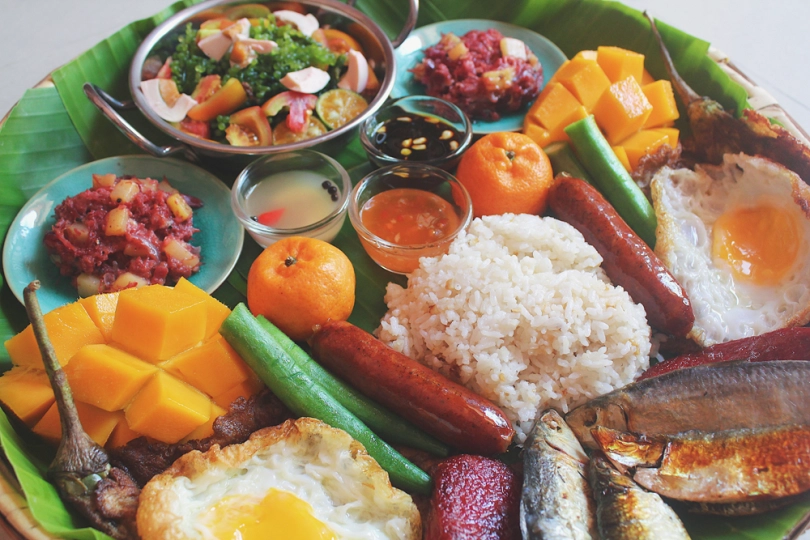
    As you take your seat at the dining table, you’ll notice the enticing aroma of these savory meats and the inviting sight of the banana leaf-lined table adorned with an array of delectable choices.

    The tapa, with its savory and slightly sweet flavor, pairs perfectly with the garlicky and slightly sweet tocino. Meanwhile, the longganisa offers a delightful blend of sweet and savory flavors, and the danggit provides a satisfyingly salty and crispy addition.

    These flavorful meats, along with the fragrant rice, create a breakfast experience that’s both hearty and satisfying, setting the perfect tone for the day ahead.

    The Role of Rice in Filipino Breakfast

    At the heart of a Filipino breakfast table, rice plays an essential role, serving as a foundational element that complements and enriches the array of savory and flavorful dishes. The Filipino breakfast table is incomplete without the presence of rice, which is a staple and integral part of the meal.

    Whether it’s sinangag (garlic fried rice) paired with sunny-side-up eggs, tapa (cured beef) with garlic rice, or tuyo (dried fish) with steamed rice, the variations are endless. The versatility of rice in Filipino breakfast extends to how it’s prepared – steamed, stir-fried, or boiled, offering a diverse range of textures and flavors.

    Beyond its role as a source of sustenance, rice holds significant cultural and traditional importance, symbolizing the essence of Filipino cuisine and daily life. It’s a fundamental element that ties together the various components of a Filipino breakfast, making it a centerpiece on the morning dinner table.

    Popular Filipino Breakfast Meats

    Indulge in the rich and savory flavors of popular Filipino breakfast meats, each offering a tantalizing combination of sweet, tender, and marinated goodness that pairs perfectly with garlic fried rice and eggs.

    • Longganisa: A sweet and savory sausage made from ground pork, garlic, and various spices.
    • Tocino: A sweet and tender cured pork, typically marinated in a mixture of sugar, salt, and various spices.
    • Tapa: Thinly sliced beef that’s been cured or marinated, often with a sweet and savory flavor.
    • Bangus: Marinated and fried milkfish, a popular Filipino breakfast option often served with vinegar and garlic rice.
    • Hamon: Filipino-style ham often served during special occasions, typically paired with eggs and garlic fried rice.

    These meats bring an explosion of flavors to the breakfast table, making each morning meal a delightful and satisfying experience.

    Variety of Filipino Breakfast Eggs

    Explore the delightful array of Filipino breakfast eggs that perfectly complement the rich and savory flavors of popular Filipino breakfast meats.

    Balut, a unique delicacy, is a popular choice, offering a mix of textures and flavors.

    Scrambled eggs with tomatoes and onions, known as ‘Ginisang Itlog,’ provide a comforting and familiar taste.

    For a heartier option, ‘Tortang Talong,’ a Filipino eggplant omelette, brings a satisfying and wholesome element to the breakfast table.

    If you prefer simplicity, ‘Pritong Itlog,’ or fried eggs, offer a classic and quick addition.

    Hard-boiled eggs, known locally as ‘maanghang na itlog’ when spiced, provide a protein-packed option that can be enjoyed in various ways.

    The diverse range of Filipino breakfast eggs ensures there’s something to suit every palate and craving.

    Fresh Fruits on the Breakfast Table

    Fresh fruits adorn the breakfast table, adding a burst of color and natural sweetness to the morning spread. They’re a staple in Filipino breakfasts, offering a refreshing and healthy start to the day.

    Picture the vibrant hues and enticing aromas of freshly cut mangoes, bananas, pineapples, and papayas. As you take a bite, the juicy goodness of the fruits invigorates your senses, awakening your taste buds with every mouthful.

    The tropical flavors transport you to sun-kissed orchards, infusing your morning with a touch of paradise. Each piece is meticulously prepared, enticing you to savor the succulent goodness.

    The sight of these fresh fruits on the table promises a delightful and invigorating breakfast experience.

    Signature Filipino Breakfast Drinks

    When it comes to breakfast in the Philippines, the drinks are just as important as the food. From the robust and aromatic barako coffee to the comforting pairings of champorado and tsokolate, there’s a beverage to suit every taste and mood.

    These signature Filipino breakfast drinks aren’t only delicious but also offer a glimpse into the rich and flavorful traditions of Filipino cuisine.

    Popular Morning Beverages

    Indulge in the richness and distinct flavors of signature Filipino breakfast drinks, including the strong and bold Barako Coffee and the soothing ginger tea known as Salabat. Immerse yourself in the enticing world of Filipino morning beverages, where each sip tells a story of tradition and flavor.

    Picture yourself savoring these popular morning drinks:

    • Barako Coffee: Feel the robust aroma and taste of this strong coffee made from Liberica beans.
    • Salabat: Experience the warmth and comfort of ginger tea with a hint of sweetness.
    • Tsokolate: Imagine indulging in a rich and creamy traditional Filipino hot chocolate made from tablea.
    • Sago’t Gulaman: Refresh yourself with this sweet drink made from tapioca pearls and agar gel, served with crushed ice.
    • Calamansi Juice: Quench your thirst with the zesty and invigorating flavor of this refreshing citrus drink made from calamansi.

    Traditional Filipino Drinks

    Immerse yourself in the enticing world of Filipino morning beverages, where each sip tells a story of tradition and flavor, as we explore the realm of Traditional Filipino Drinks, the signature breakfast fare that adds an extra layer of richness to the Filipino breakfast table.

    Start your morning with the robust and aromatic Barako Coffee, made from Liberica beans, and typically served with sugar and milk.

    For a warm and soothing option, savor a cup of Salabat, a ginger tea known for its health benefits.

    Indulge in the velvety Tsokolate, a thick hot chocolate made from tableya, paired perfectly with traditional Filipino breads like pandesal.

    If you prefer something refreshing, try Sago’t Gulaman, a drink made of tapioca pearls, gelatin, and brown sugar.

    And for a tangy and invigorating beverage, delight in a glass of Calamansi Juice, made from the small citrus fruit mixed with water and sugar.

    Each drink embodies Filipino tradition and is a delightful accompaniment to a hearty breakfast.

    Breakfast Drink Pairings

    Enhance your Filipino breakfast experience with signature drink pairings that perfectly complement the rich flavors and textures of traditional morning fare.

    Start your day with a refreshing glass of calamansi juice, a citrusy and tart local beverage that pairs well with any breakfast dish.

    Enjoy a cup of hot tsokolate (Filipino hot chocolate) with pandesal for a classic Filipino breakfast experience.

    Embrace the tropical flavors with a glass of fresh buko juice (young coconut water) to complement your morning meal.

    For a more indulgent option, savor a creamy and sweet cup of kapeng barako (Philippine brewed coffee) alongside your favorite Filipino breakfast delicacies.

    Experience the unique taste of salabat (ginger tea) to invigorate your senses and accompany your Filipino breakfast spread.

    Condiments and Sauces for Filipino Breakfast

    As you sit down for a Filipino breakfast, you’ll notice an array of condiments and sauces waiting to elevate your meal. From the pungent tang of vinegar to the savory richness of soy sauce, each one plays a crucial role in enhancing the flavors of your morning feast.

    Local variations in these condiments offer a glimpse into the diverse and vibrant culinary traditions of the Philippines.

    Common Condiments Used

    When setting up your Filipino breakfast table, you’ll want to include an array of common condiments and sauces that add vibrant flavors and textures to your morning meal. Here are some essential condiments to elevate your breakfast experience:

    • Vinegar with chopped garlic and chili: Adds a tangy and spicy kick, perfect for dipping fried dishes like tapa and longganisa.
    • Banana ketchup: A sweet and tangy ketchup made from bananas and spices, ideal for pairing with fried or grilled meats like tocino and hotdogs.
    • Soy sauce with calamansi: Combines the saltiness of soy sauce with the tangy flavor of calamansi, perfect for drizzling over dishes like fried rice and tuyo (dried fish).
    • Spicy vinegar: Provides a zesty and fiery kick to breakfast dishes, especially when paired with fried fish and other seafood.
    • Atchara: A sweet and tangy pickled papaya relish, adding a refreshing and crunchy element to the breakfast table, commonly paired with fried or grilled meats.

    Serving Methods for Sauces

    On your Filipino breakfast table, the vibrant array of condiments and sauces from the previous subtopic are elegantly presented in small saucers or containers, enticing you to customize and personalize your morning meal according to your individual taste preferences. The serving methods for sauces in Filipino breakfast include providing a variety of condiments like vinegar, soy sauce, and chili garlic paste within easy reach for diners to enhance their dishes. Additionally, separate dishes of atchara (pickled papaya) and bagoong (fermented shrimp paste) are often available for diners to add to their meal as desired. Furthermore, freshly chopped tomatoes, onions, and calamansi (Philippine lime) are commonly provided as additional toppings to be placed in individual saucers. This thoughtful presentation allows for a personalized dining experience, complementing and enhancing the flavors of the various breakfast dishes.

    Condiments and Sauces Serving Methods
    Vinegar Small saucers or bowls
    Soy Sauce Small saucers or bowls
    Chili Garlic Paste Small saucers or bowls
    Atchara (Pickled Papaya) Separate dishes
    Bagoong (Shrimp Paste) Separate dishes

    Local Variations in Condiments

    Unlock a world of diverse flavors and textures as you explore the local variations in condiments and sauces that adorn the Filipino breakfast table. These condiments and sauces add depth and excitement to every dish, elevating the dining experience to new heights. Here are some local variations you might encounter:

    • Sawsawan: A tantalizing dipping sauce made with a blend of vinegar, soy sauce, chopped onions, and chili peppers.
    • Atchara: A delightful sweet and tangy pickled papaya, offering a burst of refreshing flavor.
    • Spicy vinegar: A staple condiment featuring vinegar, garlic, and chili peppers, adding a fiery kick to your meal.
    • Tomato ketchup: A classic, offering a sweet and tangy twist to your breakfast favorites.
    • Banana ketchup: A uniquely Filipino condiment that brings a tropical sweetness to the table, perfect for dipping or drizzling.

    Breads and Pastries in Filipino Breakfast

    Amidst the morning stillness, the Filipino breakfast table beckons with an array of enticing breads and pastries, tempting you with the aroma of pandesal, ensaymada, pan de coco, and Spanish bread. These beloved staples are a delightful start to your day.

    The pandesal, a soft and fluffy bread roll coated with breadcrumbs, is perfect with a spread of butter or dipped in hot coffee. Then there’s the ensaymada, a sweet pastry topped with butter, sugar, and cheese, offering a rich and indulgent flavor. As you glance over the table, the pan de coco, filled with sweetened coconut, and the Spanish bread, a sweet and buttery roll, also vie for your attention.

    The Filipino breakfast spread is a celebration of these delectable breads and pastries, complemented by other delights like bibingka, puto bumbong, hotcakes, and waffles.

    Cultural Influences on Filipino Breakfast

    When you sit down to a Filipino breakfast, you’ll notice the diverse culinary influences that have shaped this meal.

    From the Spanish-inspired use of banana leaf ceramic plates to the American-influenced incorporation of meats and eggs, each element tells a story of cultural fusion.

    Regional variations further showcase the rich tapestry of flavors and traditions that make Filipino breakfast a unique and vibrant experience.

    Culinary Influences

    Influenced by a rich tapestry of cultural traditions, the Filipino breakfast presents a vibrant fusion of flavors and dishes from Spain, China, and the United States. This culinary blend showcases the diverse history and influences that have shaped Filipino cuisine into what it’s today.

    Imagine waking up to the aroma of champorado, a rich chocolate rice porridge that reflects the Spanish influence, or savoring the comforting warmth of arroz caldo, a rice porridge with Chinese origins.

    Picture yourself indulging in the savory goodness of longganisa, a flavorful sausage brought by the Americans, or enjoying the sweetness of tocino, a beloved sweetened pork dish.

    The interplay of these cultural influences creates a breakfast spread that isn’t only diverse but also a testament to the Philippines’ rich and dynamic culinary heritage.

    Regional Breakfast Variations

    The regional breakfast variations in the Philippines reflect a rich tapestry of cultural influences and local ingredients, creating a diverse and vibrant morning culinary experience.

    In the Visayas region, breakfast may feature puto, a soft and fluffy rice cake, paired with sikwate, a rich and decadent hot chocolate.

    Meanwhile, in Bicol, the morning table might showcase laing, taro leaves cooked in creamy coconut milk, alongside Bicol express, a fiery and flavorful spicy pork stew.

    These regional variations are influenced not only by indigenous flavors but also by historical interactions with Spanish, Chinese, and American cuisines.

    The fusion of these diverse culinary influences has resulted in a breakfast landscape that’s as varied and colorful as the archipelago itself, offering a tantalizing array of flavors and textures to start the day.

    What dishes are typically included in a Filipino breakfast table set up?

    A Filipino breakfast table is usually stocked with a variety of dishes, including biko and sticky rice cake. Other common items are garlic fried rice, cured meats such as tocino or longanisa, eggs cooked in various ways, and slices of fresh tropical fruits like mango or papaya.

    Setting Up a Filipino Breakfast Table

    For a captivating and inviting Filipino breakfast table, start by laying a clean tablecloth or placemat to set the stage for an enjoyable dining experience.

    Set the scene with a colorful and vibrant floral centerpiece that adds a touch of freshness to the table.

    Use fine bone china or ceramic plates for a traditional feel, and complement them with modern bamboo flatware for a stylish contrast.

    Serve staple items like white rice and spicy boneless daing flakes as breakfast fare to complete the Filipino dining experience.

    Enhance the setting with clear drinking glasses and a stylish table napkin for a well-rounded and visually appealing breakfast spread.

    Your guests will surely be enticed by the inviting and warm atmosphere you’ve created for a memorable meal.

    Frequently Asked Questions

    How Should Breakfast Tables Be Set?

    To set the breakfast table, place a plate, utensils, and a napkin for each person. Arrange a glass for water or juice at each setting. Place serving dishes in the center of the table and add a centerpiece for a polished look.

    What Is the Basic Table Setup for Breakfast?

    To set up a basic breakfast table, you’d place a placemat, a plate, and a napkin for each person. Add a fork, knife, and spoon on the right side, and a glass for drinks on the top right.

    How Do You Set a Full Breakfast Table?

    To set a full breakfast table, start with a clean tablecloth. Place a plate, utensils, and a napkin for each guest. Add a glass for water or juice, cup and saucer for coffee or tea, and a centerpiece for ambiance.

    How Do You Set up a Continental Breakfast Table?

    You set up a continental breakfast table by using a simple white fine bone china, adding a vibrant placemat, and opting for classic silver or bamboo handle flatware. Consider incorporating mismatched and textured table settings for a modern touch.

    Conclusion

    Now that you’ve learned about the traditional Filipino breakfast table, imagine waking up to the aroma of sweet cured pork, marinated beef, and Filipino sausage. Picture a spread of rice, eggs, and a variety of fruits and vegetables.

    Don’t forget the condiments for dipping and hot beverages to start your day. Setting up a Filipino breakfast table is more than just a meal – it’s a cultural experience that brings together delicious flavors and local traditions.

  • What Is a Typical Filipino Breakfast Menu in Hotels?

    What Is a Typical Filipino Breakfast Menu in Hotels?

    A typical Filipino breakfast menu in hotels includes silog meals, fish dishes, beef pares, champorado, and taho, offering a mix of savory and sweet options.

    Key Takeaways

    • Traditional Filipino breakfast staples include silog meals, assortment of fish dishes, beef pares, champorado, and taho.
    • Rice and meat dishes like tapsilog, longsilog, and tocilog are popular, accompanied by atchara, tomatoes, and cucumbers.
    • Sweet breakfast treats like champorado, ensaymada, and taho are enjoyed by many.
    • Hot and savory porridges like lugaw, arroz caldo, and goto are commonly paired with garlic rice and beef tapa.

    Traditional Filipino Breakfast Staples

    When exploring traditional Filipino breakfast staples, you’ll encounter a variety of flavorful and satisfying dishes that form the foundation of a hearty morning meal.

    Filipino breakfast dishes, commonly served in hotel breakfast menus, include the famous silog meals. Tapsilog, longsilog, and tocilog are popular variations, all consisting of meat, garlic fried rice, and fried eggs.

    Another staple is the assortment of fish dishes such as tuyo, galunggong, and tinapa, often enjoyed with plain rice.

    For those who prefer a heartier meal, beef pares, a Filipino braised beef stew, served with garlic rice and clear beef stock, is a savory option.

    To satisfy a sweet tooth in the morning, champorado, a thick rice porridge with chocolate, is a popular choice.

    And for a warm, comforting breakfast, taho, a silken tofu dish served with arnibal and sago, is a nostalgic favorite among Filipinos.

    Rice and Meat Dishes

    How do the enticing combinations of meat, garlic fried rice, and eggs create the quintessential Filipino breakfast experience? The Filipino breakfast staple, tapsilog, features marinated beef tapa served with garlic fried rice (sinangag) and a sunny-side-up egg (itlog). Another popular variation is longsilog, which substitutes the beef tapa with sweet pork sausage (longganisa). Tocilog is a sweeter option, with cured pork (tocino) as the meat component. These hearty silog meals are often accompanied by atchara (pickled papaya) or slices of tomatoes and cucumbers. The rich flavors of the meat, the fragrance of the garlic fried rice, and the creamy yolk of the fried egg make these dishes a beloved part of the Filipino breakfast tradition.

    Dish Meat Component Accompaniments
    Tapsilog Beef Tapa Atchara
    Longsilog Longganisa Tomatoes, Cucumbers
    Tocilog Tocino Atchara

    Sweet Breakfast Treats

    Indulge in a delightful start to your day with an array of sweet breakfast treats that offer a unique and delectable experience, showcasing the diverse flavors of Filipino cuisine.

    • Champorado: A comforting chocolate rice porridge often enjoyed with coconut milk, sugar, and dried salted fish.
    • Ensaymada: A soft, buttery pastry topped with grated cheese and sugar, perfect alongside coffee or hot chocolate.
    • Taho: A unique and delicious breakfast option consisting of warm silken tofu served with simple syrup and sago.

    These sweet treats provide a delightful breakfast experience, infusing the morning with the rich flavors of Filipino culture. Whether you’re savoring the comforting warmth of champorado or delighting in the delicate sweetness of ensaymada and taho, these sweet breakfast treats offer a truly satisfying way to begin your day.

    Hot and Savory Porridges

    Step into the realm of hot and savory porridges, where the comforting allure of Filipino breakfast cuisine continues with rich, flavorful options to satisfy your morning cravings.

    In the Philippines, hot and savory porridges like lugaw, arroz caldo, and goto are staples. These dishes consist of boiled glutinous rice seasoned with garlic, ginger, and salt, providing a warm and soothing start to your day.

    You can elevate these porridges by adding ingredients such as chicken or tripe and intestines, creating a hearty and satisfying meal. Toppings like scallions, toasted garlic bits, and a hard-boiled egg enhance the flavors, making each spoonful a delightful experience.

    Pair your hot porridge with a side of garlic rice and beef tapa for a complete and fulfilling Filipino breakfast that will energize you for the day ahead.

    Noodle Soups and Dumplings

    Curiously exploring the vibrant world of Filipino breakfast cuisine, you’ll be captivated by the allure of noodle soups and dumplings, offering a delightful and satisfying start to your day.

    Imagine savoring a steaming bowl of mami, a Filipino-Chinese noodle soup made with wheat flour noodles, perfectly complemented by succulent beef tapa dumplings. The aroma of the rich broth fills the air, creating an enticing breakfast experience.

    As you indulge in the comforting warmth of the chicken mami soup, picture pairing it with siopao, a soft and fluffy steamed bun filled with flavorful pork asado or bola-bola. These noodle soups and dumplings provide a unique and delicious breakfast experience, showcasing the diverse flavors of Filipino cuisine.

    It’s a perfect way to start your day, especially when accompanied by a side of fragrant fried rice.

    Breakfast Beverage Options

    When it comes to breakfast beverages in Filipino hotels, you’re in for a treat.

    From the rich and aromatic local coffee served with condensed milk to the indulgent hot chocolate made with sweetened milk, options abound.

    You’ll also find a range of refreshing fruit juices and unique traditional Filipino tsokolate to complement your morning meal.

    Beverage Variety

    Start your morning at a Filipino hotel with a delightful array of breakfast beverages that include local favorites, international classics, and traditional Filipino drinks. The beverage variety at Filipino hotels is a treat for your taste buds, offering options such as:

    • Local Favorites:
    • Barako coffee
    • Tsokolate (Filipino hot chocolate)
    • Fresh fruit juices
    • International Classics:
    • Brewed coffee
    • Tea
    • Refreshing smoothies
    • Traditional Filipino Drinks:
    • Salabat (ginger tea)
    • Fresh buko (young coconut) juice

    The well-stocked breakfast beverage station may also include hot and cold milk, flavored syrups for coffee, and a selection of herbal teas. Some hotels may even offer special breakfast cocktails or mocktails for a unique morning experience. With these beverage options, complement your garlic fried rice and milk fish with a refreshing beverage of your choice.

    Local Specialties

    As you explore the local specialties of breakfast beverage options in Filipino hotels, you’ll discover a delightful array of traditional drinks that cater to diverse tastes and preferences.

    Barako coffee, known for its robust flavor, is a popular choice, brewed from native Liberica beans. Its aromatic richness makes it a perfect complement to the hearty flavors of Filipino breakfast dishes like beef tapa.

    Tsokolate, a hot chocolate made from cacao tablets, offers a comforting and indulgent option, often paired with warm pandesal.

    For a refreshing start to your day, fresh fruit juices such as calamansi, mango, and pineapple provide a tropical burst of flavors.

    As you sip on these local specialties, the vibrant and distinct tastes of Filipino breakfast beverages will undoubtedly enhance your morning dining experience.

    Health-Conscious Options

    For a healthy and refreshing breakfast beverage option, freshly squeezed fruit juices such as orange, watermelon, or pineapple provide a delightful burst of natural flavors to start your day.

    When you’re looking for a soothing and caffeine-free choice, unsweetened herbal teas like chamomile, peppermint, or ginger can be the perfect fit.

    If you prefer a nutritious and calcium-rich option, low-fat or non-fat milk is readily available to accompany your breakfast.

    For those seeking antioxidants and a gentle caffeine boost, freshly brewed black or green tea can be an excellent choice.

    Additionally, if you’re in the mood for a hydrating and dairy-free alternative, a selection of natural coconut water or coconut milk is also available.

    These health-conscious beverage options perfectly complement traditional Filipino breakfast dishes like fried rice and beef tapa.

    Popular Rice Cake Varieties

    Looking for a delightful and traditional Filipino breakfast option? Consider exploring the array of popular rice cake varieties that offer a delicious blend of flavors and textures to start your day.

    One such favorite is bibingka, a soft and slightly sweet rice cake made with coconut milk, often topped with salted egg and cheese, then baked in banana leaves for a delightful aroma.

    Another beloved choice is puto, a steamed rice cake with a fluffy texture, commonly paired with savory dishes like beef tapa or enjoyed on its own.

    Both bibingka and puto perfectly complement other breakfast staples such as garlic fried rice and beef tapa, providing a delightful mix of sweet and savory flavors to kick start your morning.

    Freshly Baked Bread Selections

    You step into the hotel dining area, and the aroma of freshly baked bread fills the air, drawing your attention to the enticing display of pandesal, ensaymada, and other local bread rolls.

    The golden-brown crusts and soft, fluffy interiors of these bread varieties beckon to be paired with creamy butter or fruity jams. As you take a closer look, the baking techniques used to achieve the perfect texture and flavor of each bread selection become apparent, adding to the anticipation of savoring these delightful breakfast treats.

    Bread Varieties

    Freshly baked bread selections at Filipino hotels offer a delightful assortment of soft, fluffy, and slightly sweet varieties, including pandesal, ensaymada, and an array of bread rolls, perfect for creating a delectable breakfast experience.

    • Pandesal: These small, soft bread rolls are a Filipino breakfast staple, with a slightly crunchy exterior and a fluffy interior, ideal for spreading with butter or jam.
    • Ensaymada: A sweet and buttery brioche bread, often topped with grated cheese and sugar, providing a delightful combination of savory and sweet flavors.
    • Bread Rolls: The selection includes various types of bread rolls, such as Chocolate Rice rolls, offering a unique twist with the addition of sweet chocolate and rice toppings, adding a touch of indulgence to your breakfast spread.

    These bread varieties, deeply rooted in Filipino culture, are sure to elevate your breakfast experience with their rich flavors and soft textures.

    Baking Techniques

    Utilizing precise baking techniques is essential for achieving the light and airy texture, golden crust, and rich flavors that characterize freshly baked Filipino bread selections.

    To create these delectable breads, understanding the process of yeast activation is crucial. Proper kneading techniques are necessary to develop gluten and achieve the desired bread structure.

    Additionally, the importance of proofing the dough can’t be overstated, as it allows the bread to rise and develop flavor before baking. Mastering the art of baking at the right temperatures is also vital for achieving a golden crust and fully cooked interior.

    Furthermore, enhancing the flavor of freshly baked bread can be achieved through the use of herbs, spices, or infused oils. These techniques contribute to the delightful accompaniment that freshly baked bread provides to classic Filipino breakfast favorites like fried rice and beef tapa.

    Sweet Filled Pastries

    Sweet filled pastries are a delightful and indulgent breakfast option that can be enjoyed throughout the Philippines. When it comes to sweet filled pastries, the Philippines offers a variety of delectable options:

    • Ensaymada: A soft and buttery brioche topped with grated cheese and sugar, often enjoyed with a steaming cup of coffee or hot chocolate for breakfast.
    • Pandesal: This sweet Filipino bread roll is a staple for breakfast, commonly enjoyed with butter, jam, or as a sandwich with various fillings.
    • Chocolate Rice: A unique and flavorful pastry filled with sweet chocolate and often served warm, making it a perfect morning indulgence.

    These pastries can be found in bakeries and cafes throughout the Philippines, and trying ensaymada and pandesal is a must for anyone looking to experience a typical Filipino breakfast.

    Local Breakfast Delicacies

    You’re in for a treat as we explore the diverse and flavorful Filipino breakfast delicacies.

    From the classic silog meals featuring meat, garlic fried rice, and fried eggs to the aromatic beef pares stew served with garlic rice, there’s a wide array of dishes to tantalize your taste buds.

    As we delve into the regional variations and unique preparations of tuyo, galunggong, tinapa, champorado, and lugaw, get ready to embark on a culinary journey filled with delightful flavors and textures.

    Popular Filipino Dishes

    When you sit down to enjoy a Filipino breakfast, you’ll find an array of local delicacies that tantalize your taste buds and awaken your senses. Here are some popular Filipino dishes that you might encounter:

    • Silog: A classic Filipino breakfast dish featuring garlic fried rice, fried eggs, and a choice of meat such as tapa (cured beef), longganisa (sausage), or tocino (sweetened pork).
    • Tuyo, Galunggong, and Tinapa: These are popular fish dishes often enjoyed for breakfast. Galunggong is commonly fried and eaten with plain rice, providing a delightful and savory morning meal.
    • Beef Pares: This is a Filipino braised beef stew commonly served with garlic rice and clear beef stock, known for its tender meat and savory-sweet flavor.

    These dishes showcase the rich and diverse flavors of Filipino breakfast, often centered around the comforting combination of fried rice and fried egg.

    Regional Variations

    Embracing the vibrant tapestry of flavors found across the Philippines, regional variations of traditional breakfast delicacies offer a captivating exploration of local culinary treasures.

    In Metro Manila, the breakfast landscape is enriched by an array of regional specialties. While silog meals are ubiquitous, each region adds its own twist.

    In the Visayas, danggit, a salted and sun-dried rabbitfish, is a breakfast staple, paired with fried rice and eggs.

    Meanwhile, in the Bicol Region, the fiery kick of coconut milk-infused dishes like Bicol Express elevates breakfast.

    In the north, the Ilocano favorite, bagnet, deep-fried pork belly, takes the spotlight.

    Moreover, the rich and chocolatey flavors of champorado find their way to the breakfast tables across the country, but with regional tweaks like the addition of coconut milk in Bicol.

    These regional variations truly showcase the diverse and delicious Filipino breakfast offerings.

    Can I Find Filipino Breakfast Steak on Hotel Menus in the Philippines?

    Visitors to the Philippines might be delighted to find Filipino style breakfast steak recipe on hotel menus. This popular dish combines thinly sliced beef, marinated in soy sauce and calamansi juice, and pan-seared to perfection. Served with garlic fried rice and eggs, it is a flavorful way to start the day and experience the local cuisine.

    Canned Goods and Preserved Meats

    Canned Goods and Preserved Meats are a staple of Filipino breakfast menus, offering a convenient and flavorful start to the day. Filipino breakfast menus commonly feature options like corned beef, vienna sausages, SPAM, and sardines in tomato sauce. These items are often pan-fried to enhance their flavors and can be enjoyed with aromatic garlic rice and a perfectly fried egg.

    The convenience of these canned goods and preserved meats makes them a popular choice in Filipino households, providing a quick, affordable, and satisfying meal option. Whether you prefer the savory richness of corned beef or the smoky goodness of vienna sausages, these breakfast options cater to diverse tastes and offer a delicious way to kickstart your morning.

    Frequently Asked Questions

    What Is a Traditional Filipino Breakfast?

    A traditional Filipino breakfast features a variety of flavorful dishes like silog meals with garlic fried rice, fried eggs, and meat, along with popular fish options like tuyo and galunggong. Champorado and rice porridge dishes are also enjoyed.

    What Is the Average Breakfast in the Philippines?

    For breakfast in the Philippines, people typically enjoy dishes like silog meals, tuyo, galunggong, tinapa, beef pares, champorado, and rice porridge. The flavors are rich, with a mix of savory and sweet elements.

    What Are 3 Traditional Breakfast Dishes?

    For a traditional Filipino breakfast, try silog meals featuring tasty variations like tapsilog, longsilog, or tocilog. Also, savor classic fish dishes such as tuyo, galunggong, or tinapa. Beef pares with garlic rice is another beloved option.

    What Is the Very Typical Breakfast of the Filipino Being Paired With Coffee?

    For a typical Filipino breakfast paired with coffee, you’d enjoy a hearty silog meal, like tapsilog or longsilog, featuring flavorful meat, garlic fried rice, and sunny-side-up eggs. It’s a satisfying and delicious way to start the day.

    Conclusion

    Indulge in a traditional Filipino breakfast at the hotel. Here, you can savor rice and meat dishes, sweet treats, hot savory porridges, and noodle soups. Additionally, they offer freshly baked bread, sweet pastries, local delicacies, and preserved meats.

    With a variety of options to cater to different preferences, you can start your day with a flavorful and satisfying meal. This will give you a taste of the rich and diverse Filipino culinary heritage.

  • What Is the Best Filipino Food for a Beach Outing?

    What Is the Best Filipino Food for a Beach Outing?

    The best Filipino food for a beach outing includes grilled seafood, tropical fruit, satisfying rice and noodle dishes, refreshing halo-halo, and portable snacks like lumpia and isaw. These options offer a mix of flavors perfect for enjoying by the sea, providing a delightful and convenient beach dining experience.

    Key Takeaways

    • Grilled seafood delights and tropical fruit medley are perfect for a beach picnic, offering a healthy and indulgent feast combining the ocean’s bounty with the grill.
    • Satisfying rice and noodle dishes provide a hearty and satisfying meal option for a beach outing, keeping you energized and satisfied throughout the day.
    • Halo-Halo and ice cream offer a refreshing and customizable treat to enjoy by the sea, allowing you to savor the flavors of the Philippines while enjoying the beach vibes.
    • Portable Filipino snacks such as lumpia, isaw, and puto are quick and tasty finger foods that are perfect for munching on the go at the beach. These snacks add variety and convenience to a delightful beach outing.

    Grilled Seafood Delights

    Indulge in the tantalizing aroma and succulent flavors of grilled seafood, a quintessential choice for your beach outing in the Philippines. Picture this: perfectly grilled fish, squid, or shrimp, marinated with garlic, olive oil, and a sprinkle of salt and pepper, creating a delightful explosion of flavors with every juicy bite.

    Pair this seafood delight with a zesty calamansi juice for a burst of refreshing citrus, or a sauce made from the same calamansi juice, adding a tangy kick to complement the smoky essence of the grill.

    Imagine yourself basking in the sun, enjoying the beach atmosphere while relishing the mouthwatering taste of grilled seafood. This is the epitome of a perfect beach picnic, where the ocean’s bounty meets the grill, offering you a feast that’s both healthy and indulgent.

    Tropical Fruit Medley

    Savor the tropical bounty with a vibrant mix of fresh fruits, perfect for keeping you hydrated and energized during your beach outing.

    This Tropical Fruit Medley is a refreshing combination of watermelon, pineapple, mango, and papaya, providing a burst of juicy sweetness. Prepared in advance and stored in a cooler, it’s an easy and healthy beach snack.

    The colorful and vibrant mix adds a tropical touch to your outing, suitable for all ages. For an extra zing, enhance the medley with a sprinkle of calamansi or lime juice.

    It’s the ideal snack to enjoy while basking in the sun and feeling the ocean breeze. So, pack a small bowl of this delightful medley and indulge in the tropical flavors as you soak in the beach vibes.

    Satisfying Rice and Noodle Dishes

    Looking for a hearty and satisfying meal for your beach outing?

    Filipino rice and noodle dishes are just what you need. From flavorful stir-fried rice noodles to comforting noodle soups, these options are sure to keep you energized and satisfied throughout your day at the beach.

    Whether you’re craving something light or filling, these beach-friendly choices have got you covered.

    Tasty Rice Dishes

    Prepare your taste buds for a delightful array of rice and noodle dishes that will elevate your beach outing to a culinary adventure. Filipino cuisine offers a variety of tasty rice dishes perfect for a day by the sea. Consider preparing Chicken or Pork Adobo in advance; the savory and tangy flavors make it an ideal beach meal when served with rice.

    Sinigang, a sour soup with tamarind and meat or seafood, provides a comforting and tangy option for a beach picnic. For a refreshing dessert, indulge in the delightful choice of halo-halo, a Filipino treat with shaved ice, sweet beans, jellies, fruit, and milk, perfect for beating the heat. Ube Halaya, a sweet purple yam jam, offers a unique and delicious dessert to savor during your beach outing.

    Dish Description
    Chicken Adobo Savory and convenient, perfect when served with rice on the beach
    Pork Adobo Tangy and flavorful, a great make-ahead option for a beach outing
    Sinigang Comforting and tangy sour soup, ideal for a beach picnic
    Halo-Halo Refreshing Filipino dessert with a mix of sweet and fruity flavors
    Ube Halaya Unique and sweet purple yam jam, a delicious beach dessert

    Flavorful Noodle Options

    Elevate your beach outing with an enticing array of flavorful noodle options that complement the satisfying rice dishes you’ve already savored.

    Picture indulging in Pancit, a delightful mix of rice noodles, vegetables, and your choice of meat or seafood, perfect for a day by the sea.

    Bihon Guisado offers thin rice noodles stir-fried with vegetables, meat, and soy sauce, providing a convenient and flavorful beach meal.

    For a more indulgent option, consider Palabok, a Filipino noodle dish topped with a rich shrimp sauce, eggs, shrimp, and crispy pork cracklings.

    Lomi, a comforting noodle soup with thick egg noodles, meat, and vegetables, is perfect for a warm and hearty beach gathering.

    And if you prefer something lighter, Sotanghon is a clear glass noodle dish cooked with meat, vegetables, and savory broth, making it a satisfying choice for a beach day.

    Beach-Friendly Food Choices

    Enhance your beach outing with a delectable selection of satisfying rice and noodle dishes that are sure to delight your taste buds and satisfy your appetite.

    When it comes to beach-friendly food choices, consider the following options:

    • Pancit: This Filipino noodle dish, packed with vegetables and choice of meat or seafood, is a perfect beach-friendly option.
    • Sinigang na Hipon: A light and satisfying choice, this sour shrimp soup with tamarind and vegetables is a refreshing addition to your beach menu.
    • Bicol Express: Add a kick to your beach gathering with this spicy pork dish cooked in coconut milk and chili peppers, originating from the Bicol region.

    These dishes offer a flavorful and satisfying experience, complementing the beach ambiance and making your outing even more enjoyable.

    Refreshing Halo-Halo and Ice Cream

    Indulge in a colorful, sweet escape with a refreshing serving of Halo-Halo and a scoop of ice cream, perfect for your beach outing.

    Halo-Halo, a popular Filipino dessert, is a delightful mix of shaved ice, sweet beans, jellies, fruits, and milk, creating a satisfying beach snack. Its customizable nature allows for a unique and enjoyable experience, catering to individual preferences.

    For an extra indulgent twist, consider adding a scoop of ice cream on top, enhancing the cooling effect and adding a creamy texture to the already delightful mix.

    The combination of Halo-Halo and Ice Cream offers a sweet, colorful, and refreshing indulgence, making it an ideal treat for a day by the sea. It’s a perfect way to savor the flavors of the Philippines while enjoying the beach vibes.

    Flavorful Adobo Varieties

    Exploring the diverse and flavorful world of adobo varieties adds an exciting dimension to your beach dining experience. Whether you prefer chicken or pork, the classic adobo made with soy sauce, vinegar, garlic, and spices is a perfect choice for a day by the sea. Adobo can be enjoyed with a side of steamed rice or paired with a refreshing salad for a complete meal. Its versatility and rich, savory flavor have made it a Philippine cuisine staple, loved by locals and visitors alike. No beach gathering is complete without a taste of this traditional dish, bringing a touch of Filipino culture to your seaside experience.

    Consider these options to elevate your beach outing:

    • Seafood adobo: Delight in the tantalizing blend of flavors by using seafood like shrimp or squid in your adobo.
    • Vegetable adobo: Embrace a lighter option by infusing your adobo with a variety of fresh and colorful vegetables.
    • Fusion adobo: Get creative with different meats and unique ingredients to craft a one-of-a-kind adobo for a memorable beach dining experience.

    With its versatility and rich taste, adobo is sure to satisfy your beach cravings.

    Portable Filipino Snacks

    Hey there!

    Ready to pack some tasty finger foods for your beach outing?

    From crunchy lumpia to refreshing halo-halo, there are plenty of easy-to-carry munchies that will keep you satisfied while soaking up the sun.

    Don’t forget to grab some fresh fruits and quick snack options for a hassle-free and delicious beach picnic!

    Tasty Finger Foods

    Looking for tasty finger foods to enjoy at the beach? Consider these portable Filipino snacks that are perfect for satisfying your cravings while lounging by the shore.

    • Lumpia: This portable Filipino snack, filled with veggies and meat, is a great option for a beach outing. The crunchy exterior and flavorful filling make it a delightful finger food.
    • Isaw: Grilled chicken or pork intestines on skewers, a popular Filipino street food, can be a tasty finger food for a beach trip. The smoky, savory flavor makes it an excellent choice for a quick beach snack.
    • Halo-halo: This refreshing Filipino dessert with shaved ice, sweet beans, jellies, and fruit is a delightful finger food to enjoy at the beach. The mix of textures and flavors will surely satisfy your sweet tooth on a hot day at the beach.

    Easy-To-Carry Munchies

    When planning for a beach outing, consider packing these enticing and convenient Filipino snacks to satisfy your cravings while enjoying the sun and surf.

    Puto, small steamed rice cakes, are easy to pack and perfect for munching on the go.

    Banana Cue, deep-fried bananas coated in caramelized sugar and served on skewers, offers a convenient and delicious snacking option.

    Crispy pork rinds, known as Chicharon, are a popular grab-and-go snack in the Philippines and make for a satisfying beach treat.

    Kakanin, various sweet delicacies made from glutinous rice, coconut milk, and sugar, are easily packed and provide a delightful taste of Filipino flavors.

    Additionally, don’t forget to bring along some Pan de Coco, sweet coconut-filled bread rolls that are both convenient and enjoyable for snacking by the beach.

    Quick Snack Options

    Indulge in the convenience and flavor of portable Filipino snacks, perfect for satisfying your cravings during a quick beach outing.

    Empanadas are savory turnovers filled with meat, vegetables, and sometimes, potatoes, making them easy to eat on the go.

    Traditional Filipino rice cakes like puto or bibingka, known as kakanin, are delicious and easily transportable snacks.

    Taho, a sweet treat made of soft tofu, arnibal (sweet syrup), and sago pearls, can be conveniently put in a cup for a quick snack option.

    These portable Filipino snacks ensure that you can enjoy the delightful flavors of Filipino cuisine without compromising your time in the sun and surf.

    Is Coconut Vinegar a Common Ingredient in Filipino Beach Outing Foods?

    Yes, coconut vinegar is a common ingredient in Filipino beach outing foods. It is used in marinades, dipping sauces, and refreshing drinks. Aside from adding a unique tangy flavor, it also offers the health perks of coconut vinegar, such as aiding digestion and regulating blood sugar levels.

    Thirst-Quenching Beverages

    Quench your beachside thirst with a refreshing array of Filipino beverages. Ranging from the hydrating Buko juice to the sweet and tangy Sago’t Gulaman. Buko juice, extracted from young coconuts, is packed with electrolytes, making it an excellent choice for rehydration.

    Sago’t Gulaman, a delightful concoction of tapioca pearls, jelly, and brown sugar syrup, offers a satisfyingly sweet and tangy flavor.

    For a fruity twist, indulge in fresh fruit shakes like mango, watermelon, or pineapple, providing a burst of natural sweetness.

    If you crave something citrusy, opt for Calamansi juice, a zesty and refreshing thirst-quencher.

    Don’t forget the essentials – ice-cold bottled water or coconut water – to keep you cool and hydrated as you soak up the sun on the beautiful Filipino beaches.

    Frequently Asked Questions

    What Food to Bring to the Beach Philippines?

    When heading to the beach in the Philippines, you’ll want to bring grilled seafood like fish, squid, and shrimp, adobo made with chicken or pork, easy-to-pack lumpia, and refreshing halo-halo for a delightful beach feast. Don’t forget fresh fruits for a healthy treat!

    What Food to Bring to a Picnic Filipino Style?

    For a picnic, Filipino-style, bring grilled seafood like fish and shrimp with marinade, adobo for flavorful convenience, and lumpia for easy snacking. Don’t forget halo-halo for a refreshing dessert and fresh fruits for a delightful beach feast.

    What Kind of Food Should I Bring to the Beach?

    When heading to the beach, you’ll want to pack light yet satisfying food. Fresh grilled seafood, flavorful adobo, crispy lumpia, and refreshing halo-halo are some of the best Filipino dishes for a beach outing.

    What Is the Best Food to Eat at the Beach?

    For your beach outing, you need food that’s easy to pack, refreshing, and delicious. Grilled seafood, chicken adobo, lumpia, and halo-halo are perfect choices. Don’t forget some fresh tropical fruits for a healthy and satisfying beach feast!

    Conclusion

    So, next time you’re planning a beach outing, don’t forget to pack some delicious grilled seafood, tropical fruit, satisfying rice and noodle dishes, refreshing halo-halo and ice cream, flavorful adobo, portable snacks, and thirst-quenching beverages.

    These Filipino delights will make your beach day even more enjoyable and memorable.

    Happy beach feasting!

  • What Is a Bilao Breakfast and What Does It Typically Include?

    What Is a Bilao Breakfast and What Does It Typically Include?

    A Bilao Breakfast is a traditional Filipino dish showcasing a mix of corned beef, garlic, eggplants, tinapa, and more, served on a large platter. It embodies Filipino culinary creativity and communal dining spirit.

    Key Takeaways

    • Bilao breakfast is a traditional Filipino dish that showcases the resourcefulness and creativity of Filipino cuisine.
    • It reflects the rich history and cultural significance of food in the Philippines, representing a fusion of tradition and practicality.
    • Bilao breakfast is associated with special occasions and emphasizes its role in familial and communal gatherings, symbolizing the communal spirit and culinary artistry of the Philippines.
    • The dish has gained popularity through social media, which has helped promote and preserve traditional Filipino dishes like Bilao breakfast.

    Origin of Bilao Breakfast

    The origin of Bilao Breakfast can be traced back to the traditional Filipino practice of using woven winnowing baskets, known as ‘bilao,’ for winnowing rice, which eventually evolved into a unique way of serving and presenting breakfast dishes.

    These winnowing baskets, typically used in the Philippines for separating rice grains from husks, have found a new purpose in the culinary world. The Bilao breakfast, deeply rooted in Philippine food culture, showcases the resourcefulness and creativity of Filipino cuisine.

    The use of the bilao as a food container lined with banana leaves adds a rustic and authentic touch to the presentation of the dish. This tradition reflects the rich history and cultural significance of food in the Philippines, where every meal tells a story and preserves a heritage of flavors and practices.

    Cultural Significance

    In Filipino culture, the Breakfast Bilao embodies a rich tapestry of traditions and flavors, symbolizing the communal spirit and culinary artistry of the Philippines. Its cultural significance is profound and reflects the following:

    1. Tradition and Practicality: The dish’s historical use for winnowing rice, now repurposed as a food container, represents the fusion of tradition and practicality in Filipino culinary practices.
    2. Culinary Adaptability and Creativity: The customization of ingredients and presentations showcases the diverse flavors and culinary artistry of the Philippines, highlighting cultural adaptability and creativity.
    3. Influence of Social Media: The dish’s evolution, inspired by a small single serving version seen on Instagram, illustrates the impact of social media in promoting and preserving traditional dishes in modern culinary practices.
    4. Role in Special Occasions: The association of Breakfast Bilao with special occasions such as Christmas morning emphasizes its role in familial and communal gatherings, underlining its place in Filipino heritage and traditions.

    Essential Ingredients

    When preparing the iconic Bilao Breakfast, a harmonious blend of fresh corned beef, garlic cloves, small potato, red onion, eggs, Lebanese eggplants, tinapa, tuyo, and longganisa creates a vibrant tapestry of flavors and textures. The essential ingredients come together to offer a rich and savory experience. The garlic rice, infused with the creamy richness of coconut milk, adds a comforting and aromatic element to the dish. Here’s a visual representation of the essential ingredients that make the Bilao Breakfast a beloved Filipino tradition:

    Essential Ingredients
    Fresh corned beef
    Garlic cloves
    Small potato
    Red onion
    Eggs
    Lebanese eggplants
    Tinapa
    Tuyo
    Longganisa
    Garlic rice
    Coconut milk

    These ingredients, when combined and prepared thoughtfully, result in a breakfast experience that is both satisfying and culturally significant.

    Main Dishes

    So, you’re ready to dig into the main dishes of a Bilao breakfast.

    Picture a colorful and vibrant array of traditional Filipino flavors coming together on a single large platter.

    The main dishes are the heart of this breakfast feast, offering a delightful mix of ingredients and textures that will surely tantalize your taste buds.

    Bilao Breakfast Dishes

    Customize your Bilao Breakfast with an array of delectable ingredients, including corned beef, garlic, potato, Lebanese eggplants, eggs, tinapa, tuyo, longganisa, and garlic fried rice for a flavorful and satisfying morning meal.

    1. Corned Beef: Savory and tender, corned beef adds a rich and meaty element to the dish.
    2. Tinapa and Tuyo: These dried and smoked fish varieties offer a delightful smoky flavor, perfect for adding depth to the breakfast spread.
    3. Longganisa: A sweet and savory Filipino sausage that brings a burst of flavor to the table.
    4. Garlic Fried Rice: Fragrant and savory, the garlic-infused rice serves as a hearty base, complementing the various flavors of the other ingredients.

    These components come together to create a vibrant and diverse Bilao Breakfast, showcasing the richness of Filipino cuisine.

    Typical Ingredients

    Boasting a medley of fresh and savory ingredients, the typical main dishes of a Bilao Breakfast promise a delightful culinary experience that captures the essence of Filipino cuisine.

    The main dishes are a feast for the senses, with garlic playing a prominent role in many recipes. Fresh corned beef, garlic cloves, small potatoes, and small red onions are used to create aromatic garlic fried rice and corned beef.

    Meanwhile, medium-sized Lebanese eggplants are incorporated into a delectable eggplant omelette. To achieve the perfect flavors and textures, oil is used for frying tinapa, tuyo, longganisa, and corned beef.

    Additionally, traditional Filipino ingredients like okra, pork jowl, ears, liver, chicharron, and coconut milk are skillfully combined to craft various other mouthwatering main dishes that make the Bilao Breakfast a true culinary delight.

    Side Dishes

    Now let’s talk about the tasty side dishes that accompany a Bilao breakfast.

    These dishes aren’t just add-ons; they bring a burst of flavor and texture to the table.

    From traditional accompaniments to regional variations, the sides play a crucial role in enhancing your breakfast experience.

    Popular Side Dishes

    When enjoying a Bilao Breakfast, the popular side dishes complement the main components with their flavorful and diverse offerings. The following are popular side dishes that enhance the Bilao Breakfast experience:

    1. Garlic Fried Rice: This aromatic and savory rice is a staple side dish that adds a delightful crunch and garlicky flavor to your meal.
    2. Grilled Eggplants: These tender and smoky eggplants bring a unique earthy flavor to the table, complementing the richness of the other ingredients.
    3. Sautéed Garlic and Onions: The fragrant and caramelized notes of sautéed garlic and onions add depth and complexity to the overall flavor profile of the breakfast spread.
    4. Coffee or Hot Beverage: A comforting cup of coffee or a hot beverage of your choice is the perfect accompaniment to the hearty and flavorful Bilao Breakfast.

    These side dishes, alongside the main components, create a well-rounded and satisfying Bilao Breakfast experience.

    Traditional Accompaniments

    As you savor the hearty Filipino breakfast bilao, you’ll find it accompanied by an array of traditional side dishes that enrich the overall dining experience with their diverse and flavorful offerings.

    The fragrant garlic fried rice, paired with perfectly fried eggs, creates a comforting base for the meal.

    The addition of tinapa and tuyo, both offering distinct smoky and savory flavors, adds depth to the spread.

    Longganisa, the Filipino sausage, brings a touch of sweetness and spiciness to the table.

    For those seeking more elaborate accompaniments, Bicol express, tilapia escabeche, and kare kare offer rich and savory flavors that complement the simplicity of the rice and eggs.

    At Bilao, you can also indulge in sizzling sisig and the delightful sweetness of halo-halo, elevating your Bilao breakfast experience to a whole new level.

    Regional Variations

    Intriguing regional variations in the side dishes of Bilao breakfast introduce a delightful array of flavors and ingredients, adding a unique twist to this traditional Filipino morning feast.

    Some regions feature garlic fried rice, while others offer grilled eggplants and okra as side dishes.

    Unique ingredients such as tinapa, tuyo, and longganisa are incorporated in side dishes in different areas, reflecting the diversity of Filipino culinary traditions.

    The presentation of side dishes may vary across regions, showcasing the influence of local customs on food preparation and serving.

    Regional preferences in seasoning and flavors can impact the taste and composition of side dishes, contributing to the rich tapestry of flavors that make up the Bilao breakfast experience.

    The diverse regional variations in side dishes further enhance the appeal of this beloved Filipino morning meal.

    Sweet Treats

    Indulge in the delectable array of sweet treats that complement the savory delights of Bilao Breakfast, adding a delightful touch to your Filipino dining experience.

    A popular sweet addition to the Bilao breakfast is bibingka, a moist rice cake made with coconut milk and topped with salted egg and cheese.

    Another delightful treat is the puto bumbong, a purple-colored steamed rice cake with a unique flavor, often enjoyed during the Christmas season.

    Satisfy your sweet tooth with suman, a sticky rice cake wrapped in banana leaves and served with a sprinkle of sugar and a drizzle of rich coconut vinegar.

    These sweet treats perfectly balance the savory flavors of the Bilao breakfast, creating a harmonious blend of flavors that will leave you craving for more.

    Beverage Options

    For a comforting and traditional pairing to complement your Bilao breakfast, typical beverage options may include hot coffee or tea. However, there are other delightful choices to consider:

    1. Filipino favorites such as tsokolate (Filipino hot chocolate) or salabat (ginger tea) can perfectly complement the hearty meal.
    2. For a refreshing choice, cold beverages like fresh fruit juices or sweetened tamarind or calamansi juice could be delightful accompaniments.
    3. If you’re looking for a more indulgent option, sago’t gulaman (tapioca and agar jelly in brown sugar syrup) offers a creamy and sweet balance to the savory components of the meal.
    4. Another popular Filipino breakfast beverage is ‘sago at gulaman,’ a sweet and refreshing drink made with tapioca pearls and agar jelly in a syrup of brown sugar with water and infused with vanilla.

    These options provide a range of flavors to enhance your Bilao breakfast experience.

    Regional Variations

    As we explore regional variations of Bilao breakfast, the diverse tastes and local influences bring a rich tapestry of culinary traditions to the table. Across different Filipino regions, Bilao breakfast takes on unique characteristics, reflecting the varied culinary landscape of the country. Here’s a glimpse of the regional variations you might encounter:

    Region Key Features Local Influence
    Ilocos Region Longganisa and Bagnet are prominent, showcasing the region’s love for savory and crispy flavors. Indigenous spices and cooking techniques.
    Visayas Region Tocino and Danggit are popular choices, offering a blend of sweet and salty profiles. Abundance of seafood and tropical fruits.
    Bicol Region Spicy Bicol Express and Tinapa highlight the region’s fondness for heat and smoky flavors. Extensive use of coconut milk and chili peppers.

    These regional variations exemplify the diverse culinary heritage that contributes to the vibrant tapestry of Bilao breakfast across the Philippines.

    Serving and Presentation

    Enhancing the visual allure of Breakfast Bilao, the presentation involves creatively arranging various components on a large round platter, reminiscent of the traditional winnowing rice serving method.

    The serving and presentation of Bilao Breakfast include the following key features:

    1. Colorful and Vibrant Ingredients: The dish is presented with a vivid array of ingredients, creating an appealing and visually enticing display for the diners.
    2. Artistic Banana Leaf Liner: The banana leaves used to line the bilao can be intricately folded or formed into decorative shapes, adding an element of traditional artistry to the presentation.
    3. Symmetry and Balance: Incorporating symmetry and balance in the arrangement of the elements on the bilao elevates the overall aesthetic appeal, contributing to an Instagram-worthy visual impact.
    4. Communal Dining Experience: Serving Breakfast Bilao often involves communal dining, promoting a sense of togetherness and conviviality among family and friends.

    Bilao Breakfast Etiquette

    When serving Bilao breakfast, it’s essential to present it creatively, drawing inspiration from Instagram’s @symmetrybreakfast, and ensure that all elements are warm when served. To ensure a delightful Bilao breakfast experience, use an oven preheated to 90C (190F) to keep all the components warm. Consider setting the table with a beautiful tablecloth and adding fresh flowers for a touch of elegance. Bilao breakfast etiquette also involves enjoying it with a hot beverage of choice, typically served with coffee to complement the flavors. As for timing, consider the effort it takes to prepare Bilao breakfast, making it suitable for brunch depending on the occasion. These etiquette tips will ensure a memorable and enjoyable experience when savoring this traditional Filipino feast.

    Bilao Breakfast Etiquette
    Present creatively Ensure warmth when served
    Use oven to keep warm Enjoy with hot beverage
    Consider brunch timing Suitable for special occasions

    Is Tinapa Silog a Variation of Bilao Breakfast and What Sets It Apart?

    Tinapa silog breakfast recipe is indeed a variation of the traditional Bilao breakfast. What sets it apart is the use of smoked fish called tinapa, which adds a unique smoky flavor to the meal. Despite their similarities, the distinct taste of tinapa makes this dish stand out.

    Modern Interpretations

    With modern interpretations, you can infuse personalized ingredients and innovative presentations to give a contemporary twist to the traditional Filipino Bilao breakfast, creating visually captivating and creatively inspired dining experiences.

    Here are some ways modern interpretations of Bilao breakfast are being showcased:

    1. Personalized Ingredients: Incorporating unique and non-traditional elements such as quinoa, avocado, or artisanal cheeses to add a modern touch to the traditional components.
    2. Innovative Presentations: Utilizing modern plating techniques and artistic arrangements to enhance the visual appeal of the dish, making it more Instagram-worthy and visually appealing.
    3. Fusion of Flavors: Experimenting with the fusion of different cuisines and flavors to create innovative taste profiles that cater to evolving palates.
    4. Aesthetic Influences: Drawing inspiration from visually captivating styles seen on platforms like @symmetrybreakfast to create visually striking and aesthetically pleasing dining experiences.

    Frequently Asked Questions

    What Is the Purpose of the Bilao?

    The purpose of the Bilao is to showcase Filipino cuisine and foster communal dining. It promotes sharing and togetherness through its large tray, encouraging creative food displays and honoring tradition while adapting to modern practices.

    What Is Traditional Filipino Breakfast?

    For a traditional Filipino breakfast, you’ll indulge in a Bilao spread. It typically includes a variety of ingredients like corned beef, garlic, eggplants, tinapa, and more creatively plated with inspiration from @symmetrybreakfast.

    What Is Filipino Breakfast Called?

    Filipino breakfast, known as “Bilao Breakfast,” is a vibrant, flavorful feast. It typically includes a delightful mix of fresh corned beef, garlic, potato, Lebanese eggplants, and eggs for the eggplant omelette. Enjoy!

    What Is the Most Important Meal of the Day for Filipinos?

    For Filipinos, breakfast is the most important meal of the day. It sets the tone for your energy and mood. Starting with a hearty Bilao breakfast, packed with flavorful options like corned beef, eggplant omelette, and garlic fried rice, ensures a satisfying and delicious beginning.

    Conclusion

    So next time you’re craving a hearty and satisfying breakfast, consider indulging in a Bilao breakfast.

    With its origins deeply rooted in Filipino culture, this traditional meal served in a bamboo or wood tray offers a delightful spread of garlic fried rice, eggs cooked in various styles, flavorful sausages or cured meats, and a side of fresh fruits.

    It’s a feast for the senses that promises to start your day off on the right foot.

  • What Is an Easy Pinoy Breakfast?

    What Is an Easy Pinoy Breakfast?

    An easy Pinoy breakfast typically includes dishes like tapsilog, champorado, longganisa, and pandesal, offering a mix of savory and sweet flavors for a delightful start to the day. Traditional Filipino breakfast items are hearty and nutritious, providing a delicious and nourishing way to kickstart your morning routine.

    Key Takeaways

    • Pinoy breakfast offers a rich and diverse range of flavors from Filipino cuisine.
    • Traditional Filipino breakfast dishes like tapsilog and champorado are hearty and nutritious options.
    • Breakfast in Filipino culture is a communal and familial practice that fosters appreciation for culinary traditions.
    • Quick and easy options like sunny side up eggs with garlic fried rice or a breakfast burrito ensure a delicious and nourishing start to the day.

    Pinoy Breakfast: A Brief Overview

    Providing a glimpse into the rich and diverse flavors of Filipino cuisine, Pinoy breakfast offers a tantalizing array of traditional dishes and modern twists to start your day on a delicious note.

    Filipino breakfast ideas often revolve around hearty and flavorful options, with rice and fried egg being a staple. Tapsilog, a combination of cured beef (tapa), garlic-fried rice (sinangag), and fried egg (itlog), is a beloved meal of the day.

    Corned Beef Omelet, Longganisa (Filipino sausage), Champorado (chocolate rice porridge), and Pandesal (Filipino bread roll) are also popular choices. These dishes are usually served with a side dish such as tomatoes, cucumber, or atchara (pickled papaya) to complement the savory flavors.

    Whether you prefer traditional or modern variations, Pinoy breakfast never fails to satisfy with its delightful flavors.

    The Importance of Pinoy Breakfast

    Hey there! Ever wondered why Pinoy breakfast is such a big deal? Well, here’s the scoop!

    Nutritious morning meals not only kickstart your day but also provide the energy you need to tackle whatever comes your way.

    Plus, with the cultural significance of breakfast in Filipino society, you’ll discover quick and easy options that celebrate traditional flavors and culinary influences.

    Nutritious Morning Meals

    Start your day with a nutritious Pinoy breakfast to fuel your body and mind for the day ahead. Traditional Filipino breakfast dishes like tapsilog, corned beef omelet, longganisa, champorado, and pandesal are hearty and popular options.

    For a quick and easy meal, try breakfast sandwiches such as egg and cheese, ham and cheese croissant, avocado toast, bacon and egg bagel, or sausage and egg muffin.

    If you prefer a healthy and convenient option, consider breakfast smoothies like berry blast, green goddess, tropical paradise, peanut butter banana, or oatmeal cookie smoothies.

    You can also explore international breakfast recipes such as French toast, shakshuka, congee, full English breakfast, and chilaquiles to add variety to your morning routine.

    For busy mornings, prepare on-the-go breakfasts like overnight oats, breakfast burrito, yogurt parfait, breakfast smoothie bowl, or energy balls.

    Cultural Significance of Breakfast

    Indulge in the cultural significance of Pinoy breakfast, where traditional flavors and communal practices come together to create a unique culinary experience.

    1. Heritage and Tradition: Filipino breakfast dishes like tapsilog, longganisa, and champorado are deeply rooted in the country’s culinary heritage, offering a taste of traditional flavors and textures that reflect the rich diversity of Filipino cuisine.
    2. Culinary Diversity: These breakfast dishes often blend savory, sweet, and hearty elements, showcasing the diverse cultural influences present in Filipino cuisine.
    3. Connection and Communal Practice: Enjoying a Filipino breakfast goes beyond mere sustenance; it provides a cultural experience that connects individuals to the culinary traditions and values of the Philippines.
    4. Family and Sharing: Filipino breakfast represents a communal and familial practice, bringing people together to share and appreciate the country’s culinary heritage, fostering a sense of togetherness and appreciation for tradition.

    Exploring the flavors of a traditional Pinoy breakfast offers a window into the vibrant food culture of the Philippines, fostering an appreciation for its unique culinary traditions and regional specialties.

    Quick and Easy Options

    Experience the convenience and deliciousness of quick and easy Pinoy breakfast options that cater to your busy mornings without compromising on flavor or nutrition.

    Start your day with sunny side up eggs paired with garlic fried rice for a classic and satisfying Filipino breakfast.

    If you’re on the go, whip up a breakfast burrito with scrambled eggs, cheese, and your choice of fillings wrapped in a warm tortilla.

    For a lighter option, indulge in a refreshing and nutrient-packed smoothie bowl topped with fresh fruits, granola, and a drizzle of honey.

    Overnight oats are another great choice, offering a customizable and convenient breakfast that you can grab and enjoy anywhere.

    These quick and easy options ensure that you have a delicious and nourishing start to your day, setting you up for success.

    Classic Pinoy Breakfast Dishes

    Savor the classic Pinoy breakfast dishes that will fill your mornings with savory delights and hearty flavors.

    1. Tapsilog: Marinated beef, garlic fried rice, and a fried egg create a satisfying and flavorful meal that’s a staple of Filipino breakfasts.
    2. Corned Beef Omelet: Enjoy a hearty dish made with corned beef, eggs, and onions, providing a delicious start to your day.
    3. Longganisa: Indulge in the sweet and savory flavors of Filipino sausage, complemented by garlic fried rice and a fried egg for a truly fulfilling breakfast experience.
    4. Champorado: Savor the comforting chocolate rice porridge, often paired with dried fish or tuyo, offering a unique and comforting breakfast option.

    These classic Pinoy breakfast dishes showcase the rich and diverse flavors of Filipino cuisine, providing a delightful way to start your day.

    Simple Pinoy Breakfast Favorites

    Looking for a no-fuss breakfast that hits the spot every time?

    From traditional Filipino favorites like tapsilog and pandesal to easy breakfast sandwiches and healthy smoothies, there’s something for everyone.

    These popular dishes and quick options are sure to satisfy your morning cravings and get your day off to a great start.

    Popular Breakfast Dishes

    Indulge in the satisfying flavors of traditional Pinoy breakfast favorites, ranging from savory longganisa to sweet champorado.

    1. Tapsilog: Experience the perfect blend of marinated beef, garlic fried rice, and a fried egg, creating a delightful morning feast.
    2. Champorado: Delight in a unique sweet and savory breakfast option with this chocolate rice porridge, often paired with dried fish or tuyo.
    3. Pandesal: Enjoy a quick and easy breakfast with this soft and fluffy Filipino bread roll, commonly paired with butter or filled with various spreads.
    4. Corned Beef Omelet: Savor a hearty and simple Pinoy breakfast favorite featuring corned beef, eggs, and onions, providing a filling start to your day.

    These dishes offer a wide range of flavors, from the sweet and savory to the rich and satisfying, making them beloved choices for a comforting and delicious breakfast.

    Quick and Easy Options

    Explore quick and easy options for your Pinoy breakfast, offering simple yet delightful choices to kick start your day.

    Indulge in the classic Tapsilog, featuring marinated beef, garlic fried rice, and a perfectly fried egg, delivering a burst of savory flavors.

    For a comforting and sweet breakfast, opt for Champorado, a Filipino chocolate rice porridge often paired with dried fish or tuyo.

    If you’re on the go, consider quick and delicious breakfast sandwich options like Egg and Cheese Sandwich, Ham and Cheese Croissant, or Bacon and Egg Bagel.

    For a healthy and refreshing choice, try a Berry Blast Smoothie or a Green Goddess Smoothie.

    And if you need something convenient for busy mornings, consider Overnight Oats, a Breakfast Burrito, or a Yogurt Parfait.

    Enjoy these quick and easy Pinoy breakfast options tailored to your busy lifestyle.

    Quick and Easy Pinoy Breakfast Recipes

    Start your day with the classic Filipino breakfast favorite, Tapsilog, featuring marinated beef, garlic fried rice, and a fried egg, for a flavorful and satisfying morning meal.

    For a quick and easy Pinoy breakfast, try these Best Filipino recipes:

    1. Corned Beef Omelet: Create a simple yet flavorful dish with corned beef, eggs, and onions.
    2. Pandesal: Experience the soft and fluffy Filipino bread roll, perfect with butter or filled with various spreads.
    3. Maruya (Banana Fritters): Enjoy a delightful treat made with ripe bananas coated in batter and fried to golden perfection.
    4. Champorado: Savor a chocolate rice porridge, often served with dried fish or tuyo for a unique breakfast.

    These recipes offer a taste of Filipino cuisine, showcasing the delicious combination of flavors and textures, including the beloved fried rice and delightful local ingredients.

    Sweet Options for Pinoy Breakfast

    Looking for a sweet and delightful option for your Pinoy breakfast? Try tapsilog, a flavorful combination of marinated beef, garlic fried rice, and a perfectly fried egg. It’s a classic sweet and savory dish that will surely satisfy your morning cravings.

    If you’re in the mood for something indulgent, champorado is a perfect choice – a rich chocolate rice porridge often paired with dried fish or tuyo.

    For a simpler yet delightful option, pandesal, a soft and fluffy Filipino bread roll, is perfect with butter or filled with various spreads.

    You can also opt for a healthier twist with avocado toast, topped with mashed avocado and other delicious toppings.

    And to wash it all down, treat yourself to a refreshing Filipino avocado milkshake, blending ripe avocados, ice cream, sugar, and crushed ice.

    Savory Choices for Pinoy Breakfast

    Indulge in the rich and savory flavors of Filipino breakfast with options like tapsilog, corned beef omelet, longganisa, champorado, and pandesal, each offering a delightful start to your day.

    1. Tapsilog: The combination of marinated beef, garlic fried rice, and a perfectly fried egg creates a satisfying and flavorful meal, a staple of Filipino breakfast cuisine.
    2. Corned Beef Omelet: This dish offers a delightful blend of corned beef, eggs, and onions, providing a hearty and savory start to your morning.
    3. Longganisa: Enjoy the sweet and savory flavors of Filipino sausage served with garlic fried rice and a fried egg, a delicious and fulfilling breakfast option.
    4. Champorado: Savor the comforting and indulgent chocolate rice porridge, often paired with dried fish or tuyo, for a unique and satisfying breakfast experience.
    5. Pandesal: This soft and fluffy Filipino bread roll, commonly eaten with butter or filled with various spreads, is a simple yet delicious option for a savory breakfast.

    Pinoy Breakfast Beverages

    Savor the rich and varied flavors of Pinoy breakfast beverages, a delightful complement to the savory choices of Filipino breakfast cuisine.

    Start your day with a refreshing Filipino Avocado Milkshake, a creamy blend of ripe avocados, ice cream, sugar, and crushed ice.

    Indulge in the deep and luscious flavor of Tsokolate, Filipino hot chocolate made with tablea, a cocoa tablet.

    Experiment with unique flavors like pandan, mango, or ube to add a Filipino twist to your morning beverage.

    These drinks are quick and easy to prepare, perfect for a delicious start to your day.

    Pair them with traditional Filipino breakfast dishes for a satisfying and flavorful meal.

    Embrace the vibrant and diverse world of Pinoy breakfast beverages for a truly authentic Filipino breakfast experience.

    How Is a Gulay Breakfast Different from an Easy Pinoy Breakfast?

    A Gulay breakfast offers the benefits of a healthy start with nutritious vegetables, while an Easy Pinoy breakfast may include heavier, more traditional Filipino dishes. The Gulay breakfast benefits include providing essential vitamins and minerals to kickstart your day, promoting overall health and wellness.

    Tips for Enjoying a Pinoy Breakfast

    Start your Pinoy breakfast experience with a delectable array of traditional Filipino dishes, offering a delightful blend of savory and sweet flavors to kickstart your day.

    To make the most of your Pinoy breakfast, consider these tips:

    1. Try a variety of dishes: Sample different traditional Filipino breakfast items like Tapsilog, Corned Beef Omelet, Longganisa, Champorado, and Pandesal to experience the rich diversity of flavors.
    2. Explore international flavors: Expand your breakfast horizons by exploring international breakfast recipes such as French Toast, Shakshuka, Congee, Full English Breakfast, and Chilaquiles to add global flair to your morning routine.
    3. Incorporate healthy options: Consider adding nutritious options like breakfast smoothies such as Berry Blast, Green Goddess, Tropical Paradise, Peanut Butter Banana, and Oatmeal Cookie for a refreshing and healthy start.
    4. Convenience is key: For busy mornings, opt for quick and easy breakfast sandwiches or on-the-go ideas like Overnight Oats, Breakfast Burrito, Yogurt Parfait, Breakfast Smoothie Bowl, and Energy Balls for a convenient and nourishing meal.

    Frequently Asked Questions

    What Is the Typical Filipino Breakfast?

    A typical Filipino breakfast includes delicious options like tapsilog, champorado, pandesal, longganisa, and corned beef omelet. These dishes offer a perfect blend of savory and sweet flavors to kickstart your day with a satisfying meal.

    What Should I Eat in the Morning Philippines?

    In the morning in the Philippines, you should try a delightful mix of Tapsilog, Corned Beef Omelet, Longganisa, Champorado, and Pandesal. These dishes offer a burst of flavors and textures that will kickstart your day with a smile.

    What Are Quick Things to Eat for Breakfast?

    For a quick breakfast, whip up a tasty egg and cheese sandwich or blend a refreshing berry smoothie. Grab a yogurt parfait or overnight oats for a convenient and healthy on-the-go option. Enjoy your morning!

    What Are 3 Traditional Breakfast Dishes?

    Three traditional breakfast dishes in the Philippines are Tapsilog, Corned Beef Omelet, and Longganisa. These dishes feature marinated beef, corned beef, and sweet and savory sausage, all served with rice and eggs for a delicious start to the day.

    Conclusion

    So, when you wake up in the morning, you have a few options for a delicious Pinoy breakfast.

    You can grab some pandesal with butter and a hot cup of coffee.

    Alternatively, you can whip up a quick and easy tapa or longganisa with fried rice and eggs.

    To make your breakfast more balanced, don’t forget to add some fresh fruit or a healthy smoothie.

    By starting your day with these simple and delicious options, you’ll feel ready to take on whatever comes your way!

    Happy eating!

  • What Is a Typical Pinoy Breakfast Meal Plan?

    What Is a Typical Pinoy Breakfast Meal Plan?

    A typical Pinoy breakfast meal plan includes garlic fried rice, fried eggs, and a choice of meat like tocino or longganisa. This meal plan offers a flavorful and filling start to the day in Filipino culture.

    Key Takeaways

    • A typical Pinoy breakfast consists of rice-based delicacies, savory dishes, fish-based options, egg-based creations, and refreshing beverages.
    • Popular Filipino breakfast dishes include garlic rice (sinangag), chocolate rice porridge, silog meals (tapsilog, tosilog), and traditional breakfast meats and fish like longganisa and daing na bangus.
    • Regional variations in Filipino breakfast rice dishes include garlic fried rice (sinangag) from the Tagalog region, sticky rice cake (puto) from the Visayas region, corned beef fried rice (cornsilog) from the Luzon region, rice porridge (lugaw) from the Bicol region, and grilled sausage and fried rice (longsilog) from the Ilocos region.
    • Sweet treats for breakfast in the Philippines include bibingka, puto bumbong, taho, tsokolate, and champorado, while savory egg-based breakfasts include tapsilog, longsilog, corned beef and rice, scrambled eggs with onions and tomatoes, and Filipino eggplant omelette.

    Essential Components of a Pinoy Breakfast

    When preparing a typical Pinoy breakfast, it’s essential to include a variety of rice-based delicacies, savory dishes, fish-based options, egg-based creations, and refreshing beverages.

    The breakfast meal in a Filipino household is a delightful array of flavors and textures. The aroma of sinangag, Filipino garlic fried rice, fills the air while crispy eggplant and savory beef tapa sizzle in the pan.

    The meal is incomplete without the sweet and salty taste of daing na bangus, a marinated and fried milkfish, or the rich and robust flavors of Filipino corned beef.

    The breakfast spread also includes hearty helpings of fluffy scrambled eggs and the comforting warmth of champorado, a chocolate rice porridge.

    To wash it all down, a cool Filipino avocado milkshake or a steaming cup of traditional tsokolate awaits, completing the perfect Pinoy breakfast experience.

    Popular Filipino Breakfast Dishes

    As you explore the culinary landscape of popular Filipino breakfast dishes, you’ll discover a delightful array of rice-based delicacies, savory creations, fish-based options, egg-based treats, and refreshing beverages that form the heart of a typical Pinoy morning meal. Here’s a glimpse of the popular Filipino breakfast dishes:

    Popular Filipino Dish Description Pairing
    Garlic Rice (Sinangag) Fragrant fried rice with garlic Sunny Side Up Eggs
    Chocolate Rice Porridge Sweet rice porridge with cocoa Tuyo (dried fish)
    Silog Meals Various meats (Tapa, Tocino, etc.) Garlic Rice and Fried Egg

    These dishes are often accompanied by Filipino hot chocolate or coffee, creating a satisfying and flavorful breakfast experience. Whether you prefer the savory goodness of garlic rice and eggs or the comforting sweetness of chocolate rice porridge, Filipino breakfast dishes offer a diverse and delicious start to the day.

    Traditional Breakfast Meats and Fish

    When it comes to traditional breakfast meats and fish, Filipino cuisine offers a tantalizing array of options.

    From the succulent Longganisa, a sweet and savory sausage, to the flavorful Daing na Bangus, marinated milkfish fried to perfection, there’s no shortage of delicious choices.

    Whether it’s the aroma of marinated beef in Tapsilog or the salty goodness of Tuyo, the cooking methods and unique flavors make these breakfast options a true feast for the senses.

    Meat Options

    Indulge in the mouthwatering flavors of traditional Filipino breakfast meats and fish, each offering a delightful combination of sweet, savory, and salty tastes.

    The classic breakfast meats include Tapa (cured beef), Tocino (sweetened pork), and Longganisa (Filipino sausage), each bringing its unique flavor to the table. These meats are typically marinated and then pan-fried to perfection, resulting in tender, caramelized goodness.

    If you prefer fish, options like Daing na Bangus (marinated milkfish), Tuyo (dried fish), and Danggit (rabbitfish) are popular choices. These fish are often fried to a crisp, offering a satisfyingly salty and savory taste.

    Whichever you choose, these meats and fish are commonly served with sinangag (garlic fried rice), fried eggs, and atchara (pickled papaya) to create delicious meals like Tapsilog, Tosilog, Longsilog, Daingsilog, and more.

    Fish Choices

    Delight in the array of traditional Filipino breakfast fish choices, each offering a savory and satisfying start to your day.

    When it comes to delicious Filipino breakfasts, the fish options aren’t to be missed. From the marinated and fried Daing na Bangus to the sun-dried Tuyo, these options are a staple in Filipino cuisine.

    The Danggit, made from sun-fried rabbitfish, is commonly served as a side dish to rice meals, including breakfast.

    Tinapa, a smoked fish typically made from blackfin scad or milkfish, is a popular breakfast dish often enjoyed with rice.

    Lastly, the Galunggong, a mackerel scad, is commonly fried and eaten with plain rice for a traditional Filipino breakfast.

    Each of these fish choices adds a unique and flavorful touch to your Filipino breakfast spread.

    Cooking Methods

    Whether grilling marinated milkfish for a crispy outer layer while retaining tenderness, or frying sun-dried herrings until crispy and pairing them with fried rice and spicy vinegar, traditional Filipino breakfast meats and fish are prepared using methods that enhance flavors and textures. The table below highlights the different cooking methods for popular Filipino breakfast meats and fish:

    Meat/Fish Cooking Method Description
    Daing na Bangus (Marinated Milkfish) Grilling Marinated in vinegar, garlic, and peppercorns, then grilled to achieve a crispy exterior and succulent interior.
    Tuyo (Sun-Dried Herring) Frying Sun-dried herrings fried until crispy, often served with fried rice and spicy vinegar for a delightful combination of flavors.
    Danggit (Salted Rabbitfish) Sun-drying Rabbitfish salted and sun-dried, then fried to achieve a savory and crunchy addition to breakfast meals.

    These cooking methods are integral to creating the best breakfast experience and offer quick and easy Filipino breakfast ideas that are immensely popular.

    Filipino Breakfast Rice Dishes

    Alright, let’s talk about the mouthwatering Filipino Breakfast Rice Dishes.

    From the aromatic Sinangag to the comforting Champorado, these dishes are bursting with flavors that will make your taste buds dance.

    Get ready to explore the popular rice dishes, their unique ingredients, and the regional variations that make them such a beloved part of the Filipino breakfast table.

    Popular Rice Dishes

    Discover the array of popular Filipino breakfast rice dishes, each offering a delightful combination of flavors and textures that will surely tantalize your taste buds.

    • Tapsilog: A best-loved Filipino breakfast meal featuring tapa (cured beef), sinangag (garlic fried rice), and itlog (fried egg).
    • Longganisa: A Filipino sausage with various regional versions, inspired by Spanish chorizo, a staple in Filipino breakfast culture.
    • Sinangag (Filipino Garlic Fried Rice): A must-have in Filipino breakfast meals, made by stir-frying leftover rice with garlic and scrambled eggs.
    • Daing na Bangus: Marinated milkfish butterflied and fried, served with sinangag (garlic fried rice) and fried egg, a Filipino breakfast favorite.
    • Champorado: A delicious Filipino chocolate rice porridge or pudding, often paired with crispy-fried fish, a unique and popular breakfast dish in Filipino culture.

    Ingredients and Flavors

    Indulge in the enticing aroma of garlic-infused rice, complementing the savory richness of cured beef and the satisfying savoriness of fried egg in the beloved Filipino breakfast dish, tapsilog. This meal of the day captures the essence of Filipino breakfast, combining flavorful ingredients to create a satisfying and hearty dish.

    The typical Pinoy breakfast encompasses a variety of dishes, from sinangag to tocino, offering a mix of sweet, savory, and garlicky flavors.

    Additionally, egg-based options such as tortang talong and champorado provide a delightful blend of textures and tastes.

    The Filipino breakfast culture emphasizes the importance of breakfast and the exploration of unique flavors, showcasing a diverse array of culinary traditions. Whether it’s the comforting aroma of garlic fried rice or the indulgent sweetness of champorado, Filipino breakfast dishes never fail to delight the senses.

    Regional Variations

    Regional variations in Filipino breakfast rice dishes offer a diverse array of flavors and cooking styles across different provinces and islands in the Philippines. When it comes to Filipino food, breakfast rice dishes vary widely, showcasing the rich culinary heritage of the country.

    Here are some regional variations to tantalize your taste buds:

    • Garlic Fried Rice (Sinangag) from the Tagalog region
    • Sticky Rice Cake (Puto) from the Visayas region
    • Corned Beef Fried Rice (Cornsilog) from the Luzon region
    • Rice Porridge (Lugaw) from the Bicol region
    • Grilled Sausage and Fried Rice (Longsilog) from the Ilocos region

    Whether it’s the savory aroma of garlic fried rice, the sweet and sticky texture of puto, or the comforting warmth of lugaw, Filipino breakfast rice dishes cater to a wide range of tastes and preferences.

    Sweet Treats for Breakfast

    Amidst the bustle of a typical Pinoy breakfast, sweet treats take center stage, adding a delightful touch of indulgence to the morning spread.

    Filipino breakfast is a harmonious blend of savory and sweet, and the sweet treats are nothing short of tempting. Imagine digging into warm bibingka, a rice cake made with coconut milk, or savoring the soft, fluffy texture of puto bumbong, a purple rice cake steamed in bamboo tubes.

    Taho, a sweet snack made of silken tofu, arnibal (sweet syrup), and sago pearls, is another popular choice. These delectable delicacies perfectly complement the savory delights like beef tapa and sinangag, creating a breakfast experience that’s both comforting and satisfying.

    And to complete the meal, a cup of rich and frothy tsokolate completes this delightful morning feast.

    Savory Egg-based Breakfasts

    Get ready to savor the rich and savory flavors of traditional Filipino breakfasts.

    The egg and rice combo offers a satisfying blend of fluffy scrambled eggs and steaming hot rice, perfect for fueling your day.

    You can also explore the diverse omelette variations, from cheesy to veggie-packed, that are sure to tantalize your taste buds.

    Egg and Rice Combo

    In the bustling kitchens of Filipino households, the sizzle of eggs and the aroma of garlic fried rice blend together to create the classic and hearty egg and rice breakfast combo. This savory delight is a staple morning meal, and here’s why you’ll love it:

    • Tapsilog: Marinated beef, garlic fried rice, and a fried egg make for a flavorsome start to the day.
    • Longsilog: Sweet and savory Filipino sausage served with garlic fried rice and a fried egg.
    • Corned Beef and Rice: Pan-fried corned beef with garlic and onions, paired with garlic fried rice and eggs.
    • Scrambled Eggs with Onions and Tomatoes: A flavorful twist to the classic eggs and rice combination.
    • Filipino Eggplant Omelette: A delicious mix of Filipino eggplant and eggs, served with garlic fried white rice and a side of banana ketchup for a kick.

    Omelette Variations

    Exploring the world of omelette variations opens up a delightful array of savory egg-based breakfast options that are sure to tantalize your taste buds and energize your morning routine.

    In Filipino dishes, omelette variations are a beloved part of breakfast, with each bite offering a burst of flavor. The Filipino delicacy, Tortang Talong, is a grilled eggplant omelette dipped in beaten eggs and fried to perfection, creating a unique and satisfying dish.

    Equally delightful is the Tortang Giniling, a beef omelette made with ground beef, onions, and tomatoes mixed with beaten eggs. For a healthier twist, the Tortang Tuna with Spinach provides a flavorful and nutritious option.

    These Filipino versions of omelette variations can be found in a Filipino restaurant, making it a perfect breakfast choice for a delicious and fulfilling start to your day.

    Breakfast Beverages in the Philippines

    Indulge in the delightful array of breakfast beverages that tantalize the senses and invigorate the start of your day in the Philippines.

    • Filipino Avocado Milkshake: A creamy and sweet beverage made with ripe avocados, ice cream, sugar, and crushed ice, commonly enjoyed for breakfast.
    • Tsokolate (Filipino Hot Chocolate): A rich and luscious hot chocolate beverage made with tablea, providing a deep and comforting chocolate flavor, often paired with traditional Filipino breakfast dishes.
    • Barako Coffee: A strong and bold coffee variety, known for its robust flavor and often served alongside Filipino breakfast meals.
    • Salabat (Ginger Tea): A warm and aromatic tea made from fresh ginger, offering a soothing and invigorating beverage option for breakfast.
    • Calamansi Juice: A refreshing and tangy citrus drink made from calamansi fruit, providing a zesty and thirst-quenching addition to a Filipino breakfast spread.

    Regional Variations in Pinoy Breakfasts

    Discover the diverse and enticing regional variations that define the vibrant tapestry of Pinoy breakfasts, each reflecting the unique culinary traditions and local flavors of the Philippines.

    In the northern regions, you can savor Filipino garlic fried rice with dried rabbitfish, a delightful combination that captures the coastal influence on morning fare.

    Head to the Visayas for a taste of Filipino hot tsokolate paired with rice cakes like puto or bibingka, showcasing the region’s love for sweet and savory flavors.

    In the southern areas, indulge in Filipino bread with a side of eggplant omelet, a reflection of the region’s rich agricultural produce.

    Each region’s breakfast spread offers a distinct culinary experience, highlighting the Philippines’ rich and diverse gastronomic heritage.

    Unique Filipino Breakfast Pastries

    Start your day with a tantalizing array of unique Filipino breakfast pastries that will delight your senses and transport you to the vibrant world of Filipino flavors and culinary traditions.

    Dive into the world of Filipino Bread, where you can indulge in:

    • Ensaymada: Soft and buttery brioche topped with grated cheese and sugar, a popular sweet pastry often enjoyed with coffee or hot chocolate for breakfast.
    • Pandesal: A soft, slightly sweet bread roll, often eaten with butter or used to make sandwiches with various fillings, a staple breakfast item in the Philippines.
    • Arroz Caldo: A comforting rice porridge made with chicken, ginger, and garlic, commonly topped with toasted garlic and scallions, a popular and filling breakfast dish.
    • Suman: A traditional Filipino kakanin made with glutinous rice and coconut milk, tightly wrapped in banana leaves and typically eaten for breakfast with sugar or caramelized coconut cream syrup.
    • Bibingka: A Filipino rice cake made from glutinous rice flour and coconut milk, often associated with Christmas, baked in a clay pot lined with banana leaves and enjoyed for breakfast or as a snack.

    Vegan and Vegetarian Options for Breakfast

    Looking to add a delicious and satisfying twist to your breakfast routine? Consider trying some vegan and vegetarian options for your Filipino breakfast.

    Start your day with a savory Tofu Scramble or Sinangag, a garlic fried rice dish.

    Delight in traditional Filipino rice cakes like Puto or Suman, both made with coconut milk and rice flour.

    For a heartier meal, indulge in Champorado, a chocolate rice porridge sweetened with sugar and made with plant-based milk.

    Try Tofu Tapa or Veggie Longganisa as plant-based alternatives to classic breakfast meats.

    For a nutritious start, savor Poqui Poqui, a roasted eggplant and tomato medley, or Taho, a sweet tofu dessert typically served with a vegan-friendly simple syrup.

    These options promise to add a burst of flavor and variety to your morning routine.

    Breakfast Condiments and Sides

    Add a flavorful touch to your vegan and vegetarian Filipino breakfast with an array of traditional condiments and sides that elevate the flavors and textures of your morning meal.

    • Vinegar, Soy Sauce, and Fish Sauce: Perfect for dipping and adding flavor to your breakfast dishes.
    • Sliced Tomatoes, Cucumber, and Atchara: These sides add a fresh, tangy element to your breakfast.
    • Crispy Fried Garlic and Shallots: Popular toppings that add texture and savory flavor to dishes like sinangag and lugaw.
    • Sliced Green Mangoes with Bagoong: A classic sweet and salty side that contrasts well with savory breakfast items.
    • Freshly Chopped Spring Onions and Cilantro: Used as garnishes to add a pop of color and herbal freshness to your breakfast meals.

    These condiments and sides are the perfect complement to classic Filipino breakfast dishes like cornsilog, tsokolate, and dried rabbitfish. Elevate your breakfast experience with these delightful additions, especially during the holiday season.

    What are the typical components of a Pinoy breakfast meal plan?

    A typical Pinoy breakfast meal plan consists of garlic fried rice, fried eggs, and a choice of meat like tocino, longganisa, or pork silog. The pork silog cost information can vary depending on the location and quality of the meat, but it’s generally an affordable and filling option.

    Breakfast Etiquette in Filipino Culture

    When dining with Filipinos, it’s customary to wait for the host or the eldest person to begin eating before you start your meal, demonstrating respect for their position and hospitality. Saying ‘Kain tayo!’ (Let’s eat!) before starting your meal shows eagerness and enthusiasm for the food.

    Using a spoon and fork for most breakfast dishes is common in Filipino culture, and it’s considered impolite to eat using only a fork. If offered a drink before a meal, accepting the offer is a sign of appreciation for the host’s hospitality. Finally, showing gratitude by saying ‘Salamat po’ (Thank you) after the meal is a respectful way to acknowledge the host’s effort and hospitality.

    Filipino Breakfast Description
    Cornsilog Corned beef, sinangag, and fried egg
    Tsokolate Rich, thick Filipino hot chocolate
    Sinangag Garlic fried rice

    Frequently Asked Questions

    What Is Traditional Filipino Breakfast?

    Traditional Filipino breakfast is a delightful array of rice-based delicacies, savory dishes like sinangag, tapsilog, and longganisa, fish options such as daing na bangus and tuyo, and hearty egg-based meals. It’s a flavorful start to your day.

    What Is the Average Breakfast in the Philippines?

    In the Philippines, a typical breakfast is a delightful mix of rice-based delicacies like puto and savory dishes like sinangag. You’ll also find fish-based options and egg-based favorites, all complemented by refreshing beverages.

    What Is the Staple Breakfast in the Philippines?

    For a staple breakfast in the Philippines, you’ll find flavorful options like sinangag (garlic fried rice), tapsilog (marinated beef, garlic fried rice, and fried egg), champorado (chocolate rice porridge), and egg-based dishes such as tortang talong.

    What Should I Eat in the Morning Philippines?

    In the morning in the Philippines, you should try rice-based delicacies like Puto, Suman, and savory options like Sinangag, Tapsilog, and Daing na Bangus. Don’t miss out on Filipino egg-based dishes and Avocado Milkshake or Tsokolate.

    Conclusion

    So, the next time you sit down to enjoy a Pinoy breakfast, savor the delightful combination of savory and sweet flavors, the comforting aroma of rice and meat dishes, and the rich, indulgent taste of Filipino beverages.

    Experience the vibrant and unique culture of the Philippines through its breakfast traditions, and start your day off right with a satisfying and delicious meal that will give you the energy you need to tackle whatever comes your way.

    Mabuhay!