Author: A. Pineda

  • What Are Some Filipino Breakfast Menu Ideas?

    What Are Some Filipino Breakfast Menu Ideas?

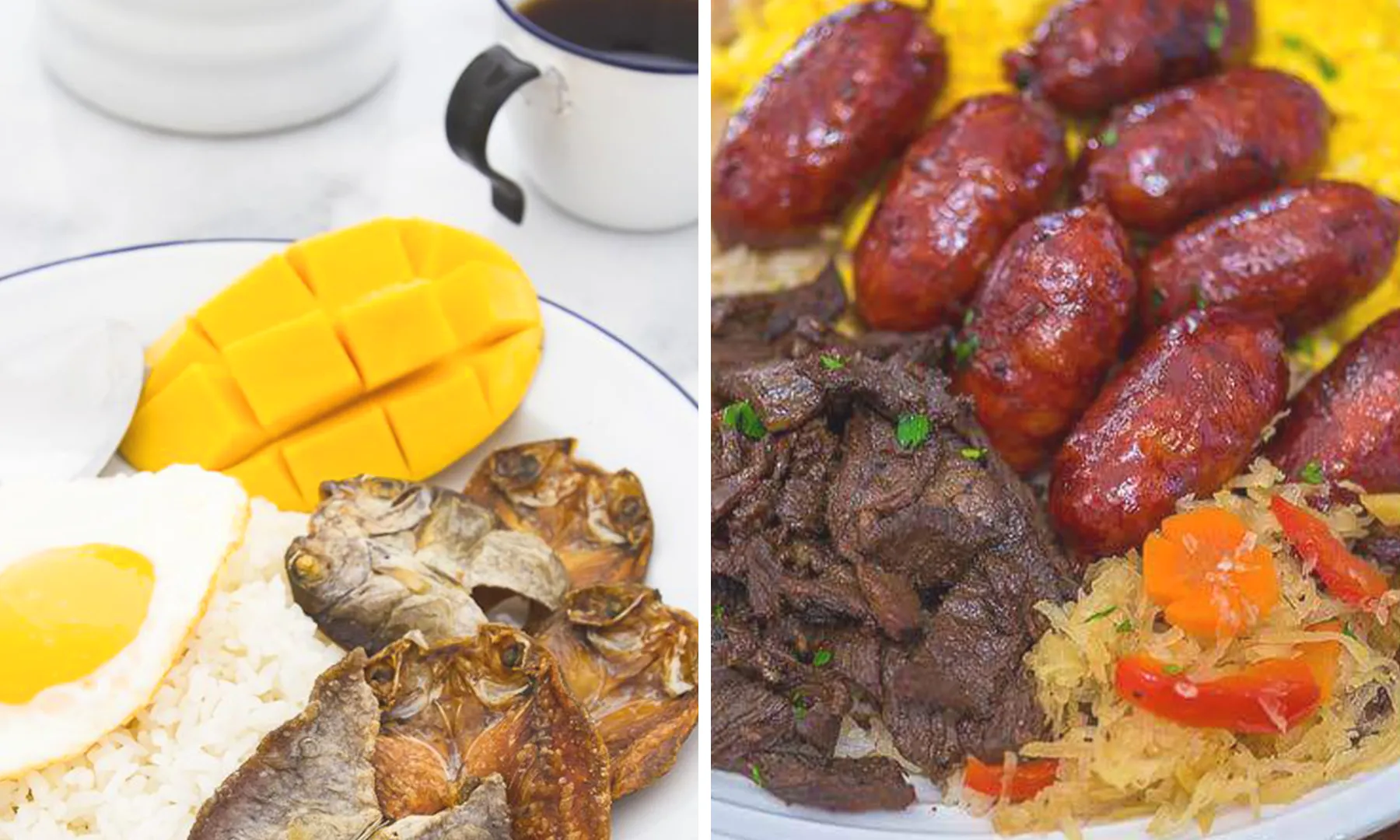
    Filipino breakfast menu ideas include Corned Beef Hash over Rice, Maruya, Pork Tocino, and Beef Tapa with garlic fried rice. These dishes offer a delightful fusion of sweet and savory flavors to tantalize your taste buds in the morning.

    Key Takeaways

    • Filipino breakfast dishes often include savory options like corned beef hash over rice, pork tocino, and beef tapa with garlic fried rice.
    • Sweet breakfast options in the Filipino cuisine include maruya (banana fritters), tortang talong (eggplant omelet), and arroz caldo (Filipino rice porridge).
    • Traditional Filipino rice dishes like tapsilog (marinated beef with garlic fried rice and sunny side up eggs) and sinangag (fried rice with garlic and scrambled eggs) are popular breakfast choices.
    • Filipino breakfast beverages range from tsokolate (traditional hot chocolate) and Filipino avocado milkshake to barako coffee and taho (soft tofu beverage).

    Classic Filipino Breakfast Dishes

    If you’re craving a classic Filipino breakfast that’s bursting with savory and comforting flavors, you’ll be delighted by traditional dishes like Corned Beef Hash over Rice, Maruya, Pork Tocino, Burong Babi, and Pressure Cooker Beef Tapa.

    These dishes often feature succulent beef, garlic-infused rice, and fried eggs for a truly satisfying meal. The comforting aroma of garlic and the hearty texture of the beef make these dishes perfect for starting your day right.

    Filipino breakfast is more than just a meal; it’s a way to embrace the morning with a sense of comfort and familiarity. Whether it’s the side dish of eggs, the importance of rice in the meal, or the overall sense of comfort food, these dishes hold a special place in the hearts of many Filipinos.

    Sweet and Savory Breakfast Options

    Explore the delightful combination of sweet and savory flavors in traditional Filipino breakfast dishes, featuring a variety of mouthwatering options to kickstart your day.

    Start your morning with the savory goodness of Beef Tapa, a marinated beef dish served with garlic fried rice and a sunny side up egg.

    Indulge in the satisfying Corned Beef Omelet, a flavorful mix of corned beef and eggs.

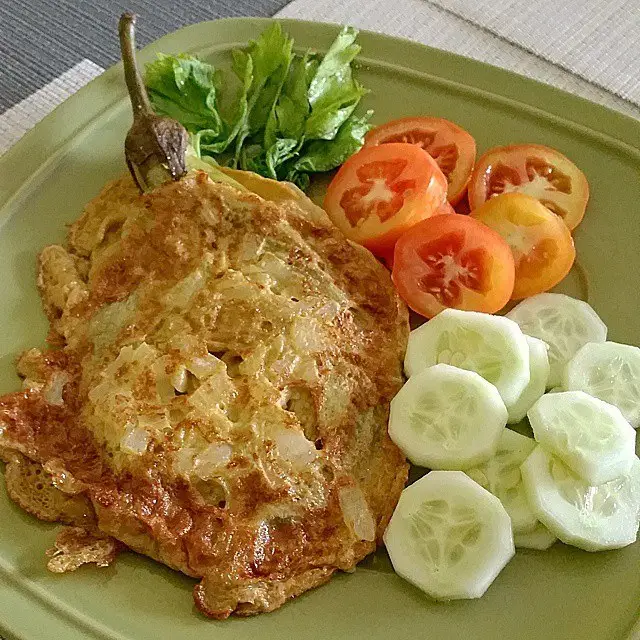
    For a lighter option, savor the Tortang Talong, an eggplant omelet that’s both savory and healthy.

    If you prefer something comforting, try Arroz caldo, a Filipino-style rice porridge garnished with ginger, scallions, and crispy garlic.

    To satisfy your sweet tooth, delight in Maruya (Banana Fritters) or Puto bumbong, a steamed rice cake.

    These sweet and savory Filipino breakfast ideas ensure a delicious start to your day.

    Traditional Filipino Rice Dishes

    Discover the heartwarming appeal of traditional Filipino rice dishes, an essential part of the sweet and savory breakfast options that create a truly satisfying start to your day.

    1. Tapsilog: Marinated beef paired with garlic fried rice and sunny side up eggs, offering a hearty and flavorful breakfast dish.
    2. Sinangag: A must-have Filipino breakfast staple made by frying leftover rice with garlic and scrambled eggs, providing a savory and comforting morning meal.
    3. Champorado: A sweet rice porridge flavored with chocolate, often served with crispy-fried fish, offering a unique and indulgent breakfast option.

    Traditional Filipino rice dishes such as Daing na Bangus at Sinangag and Tocino at Sinangag also offer a flavorful and satisfying breakfast choice. These dishes showcase the diverse and delightful flavors of Filipino cuisine, making your breakfast a memorable and satisfying experience.

    Filipino Breakfast Beverages

    Looking for a refreshing and flavorful beverage to complement your Filipino breakfast? Start your day with a traditional Filipino Hot Chocolate called Tsokolate. Made with tablea, this rich and luscious cocoa drink perfectly complements your sinangag (fried rice) and eggs with garlic.

    For a unique twist, try the Filipino Avocado Milkshake, a creamy blend of ripe avocados, ice cream, sugar, and crushed ice, offering a delightful contrast to your Rice and Fried Egg.

    If you prefer something warm, savor a cup of barako coffee or salabat (ginger tea) for a comforting start to your day.

    You can also explore Taho, a popular breakfast beverage made with soft tofu, sweet syrup, and sago pearls, or the tangy and refreshing Calamansi juice.

    Whether at a Filipino restaurant or from street vendors, these beverages perfectly complement your morning maruya (banana) or salted egg.

    Can Filipino Breakfast Menu Ideas Be Adapted for Noche Buena?

    Looking for the best quick Noche Buena menu ideas? Why not consider adapting Filipino breakfast menu ideas? Favorites like longganisa, tocino, and champorado can easily make a festive and delicious spread for the holiday feast. Plus, it’s a unique way to introduce something new to your traditional Noche Buena spread.

    Unique Filipino Breakfast Treats

    Indulge in a unique Filipino breakfast experience with a variety of delectable treats that perfectly complement your morning beverages, such as:

    1. Burong Babi with Garlic Fried Rice and Eggs: This traditional Filipino dish consists of fermented pork paired with fragrant garlic fried rice and eggs, creating a symphony of flavors that will awaken your senses.
    2. Maruya (Banana Fritters): Satisfy your sweet cravings with these delightful banana fritters, a beloved Filipino breakfast staple. The ripe bananas are coated in a light batter and fried to golden perfection, offering a delightful contrast of textures and flavors.
    3. Pressure Cooker Filipino Beef Tapa: Enjoy succulent and flavorful strips of beef tapa, marinated in vinegar, garlic, and spices, served with diced potatoes. This hearty dish is a popular choice for a satisfying and fulfilling Filipino breakfast.

    These unique Filipino breakfast treats showcase the rich and diverse flavors of Filipino cuisine, offering a perfect start to your day.

    Frequently Asked Questions

    What Are the Typical Filipino Breakfast?

    Filipino breakfast typically includes Corned Beef Hash over Rice, Maruya (Banana Fritters), Pork Tocino, Burong Babi with garlic fried rice and eggs, and Pressure Cooker Filipino Beef Tapa. These dishes offer a flavorful and hearty start to your day.

    What Are 3 Traditional Breakfast Dishes?

    For a traditional Filipino breakfast, you can try Tapsilog, Corned Beef Omelet, or Longganisa. They’re all delicious and satisfying choices that will give you a taste of authentic Filipino cuisine in the morning.

    What Should I Eat in the Morning Philippines?

    In the morning in the Philippines, you should try traditional breakfast dishes like Corned Beef Hash over Rice, Maruya, Pork Tocino, or Tapa. These flavorful options will give you a taste of authentic Filipino cuisine to start your day.

    What Are the Menu Good for Breakfast?

    You should consider a variety of options for breakfast. These can include traditional Filipino dishes like Corned Beef Hash over Rice, Maruya, Pork Tocino, Burong Babi, and Pressure Cooker Beef Tapa. Additionally, Power breakfast options offer a range of delicious choices.

    Conclusion

    So, whether you’re craving something sweet or savory, traditional or modern, Filipino breakfast menu has got you covered. From classic dishes like Corned Beef Hash and Tapsilog to unique treats like Puto and Bibingka, there’s something for everyone to enjoy.

    Don’t forget to pair your meal with a refreshing beverage like Barako coffee or Sago’t Gulaman.

    Start your day off right with a delicious Filipino breakfast that will surely satisfy your taste buds!

  • What Are Some Low-Carb Options for a Filipino Breakfast?

    What Are Some Low-Carb Options for a Filipino Breakfast?

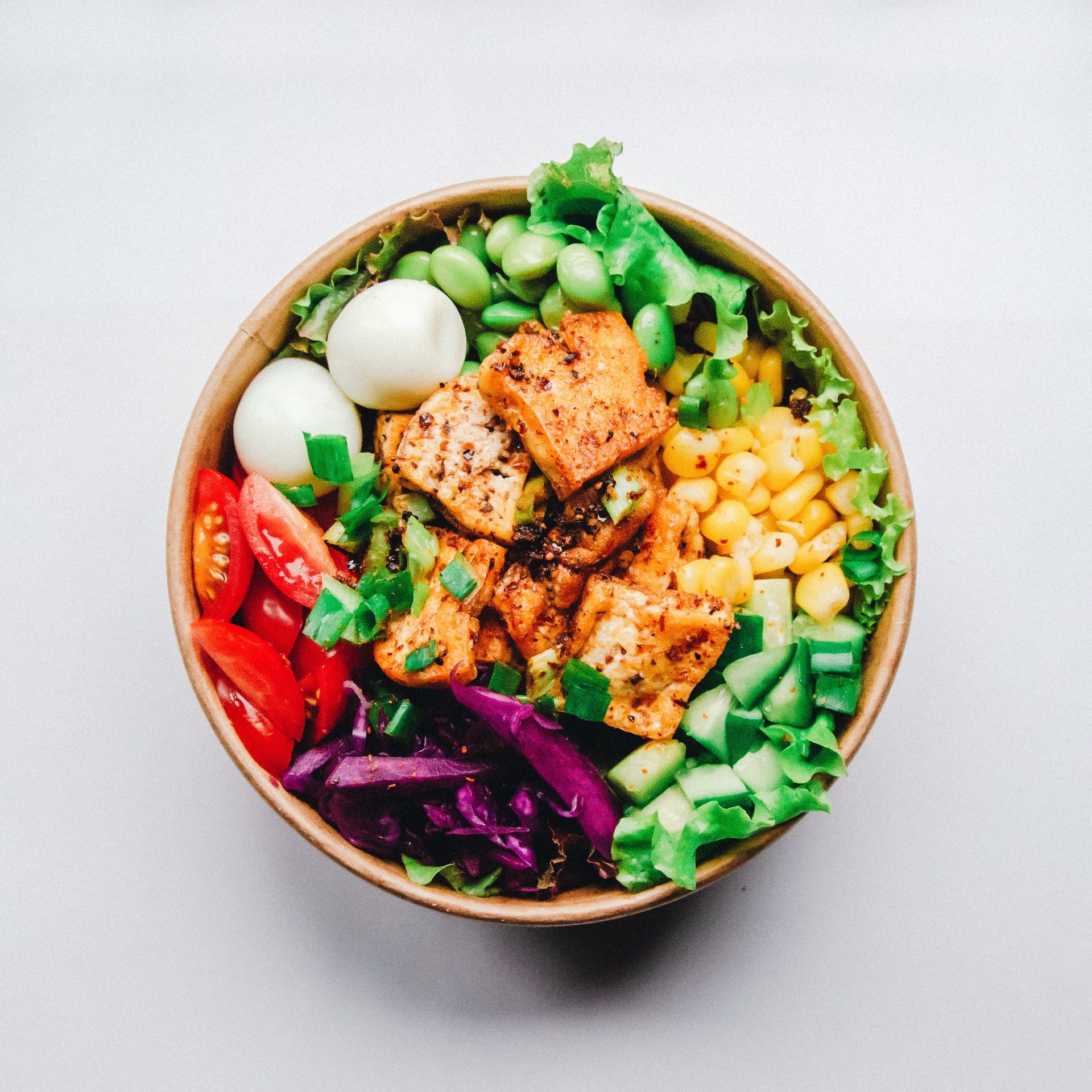
    Low-carb Filipino breakfast options include cauliflower rice for garlic fried rice, zucchini noodles, and avocado spreads. These alternatives offer a healthy twist to traditional Filipino breakfast staples, catering to low-carb dietary needs.

    Key Takeaways

    • Cauliflower rice can be used as a low-carb alternative to traditional rice in Filipino breakfast dishes like garlic fried rice and baked sushi.
    • Other low-carb alternatives for rice include zucchini noodles and eggplant tortillas.
    • Avocado can be used as a spread or topping for low-carb bread or wraps, adding healthy fats to the breakfast.
    • Chia seeds can be added to yogurt or smoothies for a low-carb and high-fiber boost, providing added nutrition to the meal.

    Low-Carb Filipino Breakfast Staples

    When you’re looking for low-carb options to start your day the Filipino way, you can explore a variety of delicious staples that cater to your dietary needs and still satisfy your cravings.

    One popular low-carb alternative to traditional rice in Filipino breakfasts is cauliflower rice. It’s a versatile ingredient that can replace the rice in dishes like garlic fried rice, allowing you to enjoy the flavors of a classic Filipino breakfast while keeping the carb count low.

    Cauliflower rice can also be used as a base for dishes like baked sushi, providing a keto-friendly option that doesn’t skimp on taste.

    Keto-Friendly Tapsilog Alternative

    To create a keto-friendly alternative to the classic Filipino breakfast dish, tapsilog, consider swapping out the traditional tapa with homemade sugar-free longanisa sausages. This low-carb version allows you to indulge in the delicious flavors of tapsilog while adhering to a keto diet. Here’s how to make this keto-friendly tapsilog alternative:

    1. Prepare homemade sugar-free longanisa sausages for a healthier protein option.
    2. Swap garlic fried rice with equally flavorful garlic fried cauliflower rice to reduce carb intake.
    3. Accompany the dish with a side of scrambled eggs or tofu scramble with tomatoes and onions for added flavor and nutrients.
    4. Enjoy a satisfying and keto-compliant breakfast without compromising on taste.

    Please share this keto-friendly tapsilog alternative with fellow Filipino food enthusiasts.

    Vegetable-Packed Omelets

    Want to add more vegetables to your breakfast? Vegetable-packed omelets are a great way to start your day with a dose of nutrients.

    You can fill your omelet with a variety of low-carb vegetables such as spinach, bell peppers, and mushrooms for a burst of flavor and added nutrition.

    Nutrient-Rich Omelet Fillings

    Enhance the nutritional value of your breakfast by incorporating a variety of vegetables as nutrient-rich omelet fillings, creating a flavorful and essential morning meal.

    For a Filipino Keto or low-carb diet meal, consider these options:

    1. Spinach: Loaded with iron and vitamins, spinach adds a vibrant green color and a dose of nutrition to your omelet.
    2. Bell Peppers: Packed with vitamin C and antioxidants, bell peppers bring a sweet crunch to your omelet.
    3. Mushrooms: These earthy delights are rich in B vitamins and can add a savory, meaty texture to your omelet.
    4. Tomatoes: Bursting with lycopene and vitamin A, tomatoes provide a juicy and tangy flavor to complement your omelet.

    Incorporating these omelet fillings not only adds an explosion of flavors but also ensures that your breakfast is a nutrient-rich and satisfying start to the day.

    Flavorful Herb Combinations

    Incorporate a burst of flavor into your vegetable-packed omelets by using aromatic herb combinations like basil and thyme, building on the nutrient-rich omelet fillings discussed earlier.

    Make sure to finely chop fresh herbs such as cilantro and parsley to add vibrancy and depth to the omelet. Experiment with herb-infused oils, such as rosemary-infused olive oil, to elevate the flavors of the omelet.

    Consider using aromatic herbs like dill and chives to bring a refreshing and savory element to the omelet. Additionally, incorporating a variety of herbs such as tarragon and oregano can provide a unique and delightful flavor profile in the vegetable-packed omelets.

    Cooking Technique Tips

    To ensure a perfectly cooked and flavorful vegetable-packed omelet, start by using a non-stick skillet to prevent sticking and aid in easy flipping.

    Here are some essential cooking technique tips to elevate your vegetable-packed omelet game:

    1. Pre-cook any dense vegetables like potatoes or carrots to ensure they’re fully cooked when the omelet is done.
    2. Add a small amount of water to the skillet and cover it with a lid to steam the top of the omelet and ensure thorough cooking.
    3. Fold the omelet in half to encase the filling and create a visually appealing presentation.
    4. Experiment with various vegetable combinations to customize the omelet to your personal preferences.

    These techniques won’t only ensure a well-cooked omelet but also maximize the flavor and texture of the vegetables.

    Low-Carb Fish Dishes

    Looking to add some variety to your low-carb breakfast options? How about incorporating some delicious and nutritious fish dishes into your morning routine?

    Grilled bangus, ginataang alimango, sinigang na hipon, baked tahong, and inihaw na pusit are all fantastic choices that will keep you satisfied and energized throughout the day.

    With their flavorful and protein-packed profiles, these low-carb fish dishes are sure to become your new breakfast favorites.

    Fish and Eggs

    Grill up some delicious low-carb fish dishes for a satisfying and healthy Filipino breakfast. Fish and eggs are excellent low-carb options that will keep you energized throughout the day. Here are some mouthwatering low-carb fish and egg dishes to kick start your morning:

    1. Grilled Bangus: Marinated in vinegar, garlic, and spices, this flavorful milkfish is a perfect low-carb seafood choice.
    2. Scrambled Eggs with Tomatoes and Onions (or Tofu): Enjoy a protein-rich breakfast with this low-carb option. Substitute tofu for a delicious twist.
    3. Baked Tahong: Indulge in mussels topped with garlic, cheese, and breadcrumbs for a delectable low-carb seafood dish.
    4. Chicken Inasal: If you’re in the mood for grilled chicken, this low-carb protein option marinated in calamansi juice, soy sauce, and spices is a great choice.

    Vegetable Omelette

    Consider adding a variety of low-carb vegetables such as bell peppers, spinach, and mushrooms to your Vegetable Omelette for a nutritious and satisfying breakfast option. Incorporating fish like bangus or tuna into the omelette adds flavor and healthy fats. This dish is high in protein and low in carbohydrates, making it an ideal choice for a low-carb Filipino breakfast.

    The combination of traditional flavors and healthy ingredients makes Vegetable Omelette (Low-Carb Fish Dishes) a perfect addition to your morning routine. Here’s a simple table showcasing some low-carb vegetables you can include in your omelette:

    Low-Carb Vegetables Net Carbs (per 100g) Benefits
    Bell Peppers 2.6g Rich in Vitamin C
    Spinach 1.4g High in Iron and Vitamin A
    Mushrooms 3.3g Source of B Vitamins

    Cauliflower Substitutes for Rice Dishes

    For a low-carb twist on traditional Filipino breakfast dishes, consider swapping out regular rice for cauliflower rice to create healthier and equally delicious options. Cauliflower rice can be used as a versatile low-carb alternative, providing a nutritious foundation for various rice dishes. Here are a few ways to incorporate cauliflower rice into your Filipino breakfast repertoire:

    1. Garlic Fried Cauliflower Rice: This flavorful side dish complements breakfast favorites and adds a satisfying texture to your meal.
    2. Pairing with Longanisa Sausages: Cauliflower rice pairs well with longanisa sausages, offering a low-carb option that doesn’t compromise on taste.
    3. Base for Baked Sushi Casserole: Using cauliflower rice as a base for baked sushi casserole creates a keto-friendly dish that’s both delicious and healthy.
    4. Substitute in Tofu Scramble: Filipino tofu scramble with tomatoes and onions can include cauliflower rice as a low-carb substitute, providing a nutritious alternative to traditional rice.

    Low-Carb Filipino Breakfast Sausages

    When seeking a low-carb option for a satisfying Filipino breakfast, you can’t go wrong with the flavorful and versatile longanisa sausages.

    These sausages, a popular choice for breakfast in the Philippines, can be modified to fit a low-carb diet by using sugar-free ingredients or making them at home to control the amount of sugar.

    Longanisa sausages come in variations such as hot and sweet, offering options to suit different taste preferences. For added convenience, they can also be made skinless.

    Pairing these sausages with low-carb side dishes like garlic fried cauliflower rice can create a delicious and satisfying breakfast that aligns with a low-carb lifestyle.

    Embracing the flavors of longanisa sausages provides a delightful way to kickstart your day while staying true to Filipino culinary traditions.

    Keto-Friendly Filipino Egg Dishes

    You’ve explored the savory and versatile longanisa sausages as a low-carb option for your Filipino breakfast, and now it’s time to savor the delicious and keto-friendly Filipino egg dishes that will elevate your morning routine.

    These egg dishes offer a variety of options to choose from, such as:

    1. Garlic Fried Cauliflower Rice: A flavorful and low-carb alternative to traditional rice, paired with eggs for a satisfying breakfast.
    2. Filipino Scramble with Tofu: A protein-packed dish with traditional Filipino flavors, offering a keto-friendly twist on a classic breakfast favorite.
    3. Baked Sushi Casserole with Cauliflower Rice: A unique and delicious way to enjoy sushi flavors in a low-carb, egg-based casserole.
    4. Customizable Options: These dishes can be easily customized to fit your personal preferences and dietary requirements, ensuring a fulfilling and enjoyable breakfast experience.

    Can Low-Carb Options for Filipino Breakfast Also Be Suitable for the Elderly?

    Low-carb options for Filipino breakfast can be good breakfast options for elderly. Dishes like sinangag with scrambled eggs and tuyo or champorado made with sugar substitute can provide a tasty and healthy alternative for seniors. These dishes are fulfilling and can help in maintaining stable blood sugar levels throughout the day.

    Refreshing Low-Carb Breakfast Beverages

    Indulge in the invigorating burst of flavor from a refreshing low-carb beverage, crafted with calamansi juice, stevia drops, and crisp, cool water. This zesty concoction not only awakens your taste buds but also provides a healthy start to your day. Here’s a quick overview of some energizing low-carb breakfast beverages to kickstart your mornings:

    Beverage Ingredients
    Calamansi Cooler Calamansi juice, stevia drops, water
    Iced Bulletproof Coffee Coffee, MCT oil, stevia, ice
    Matcha Green Tea Latte Matcha powder, almond milk, stevia
    Cucumber Mint Refresher Cucumber slices, mint leaves, water

    These low-carb options are not only delicious but also help keep your carb intake in check, setting a positive tone for the rest of your day.

    Frequently Asked Questions

    What Do Filipinos Eat for Breakfast?

    For breakfast, Filipinos enjoy a variety of dishes like tapa, longganisa, and tocino. These might be paired with garlic fried cauliflower rice or tofu scramble for a low-carb twist. You can also sip on a refreshing calamansi juice.

    Is Lumpia Wrapper Keto Friendly?

    Yes, lumpia wrappers are not keto-friendly due to their high carb content from flour. You can use lettuce leaves or thinly sliced vegetables as low-carb alternatives. Always check nutritional info for substitutes.

    Are Eggs a Good Low-Carb Breakfast?

    Yes, eggs are a fantastic low-carb breakfast! They’re high in protein and healthy fats, versatile in preparation, and nutrient-dense. Pair them with low-carb sides like avocado or spinach for a satisfying start to your day.

    What Is the Staple Breakfast in the Philippines?

    For a low-carb Filipino breakfast, consider options like garlic fried cauliflower rice, tofu scramble with tomatoes and onions, homemade sugar-free longanisa sausages, and baked sushi casserole on cauliflower rice. These dishes provide flavorful alternatives while fitting into a keto diet.

    Conclusion

    So, if you’re looking to enjoy a delicious Filipino breakfast while keeping it low-carb, there are plenty of options to choose from. Whether it’s a veggie-packed omelet, a keto-friendly tapsilog alternative, or a refreshing calamansi drink, you can still enjoy the flavors of Filipino cuisine without the guilt.

    With a little creativity and some simple ingredient swaps, you can start your day off right with a satisfying and healthy low-carb breakfast.

  • How Is Spam Incorporated Into a Filipino Breakfast?

    How Is Spam Incorporated Into a Filipino Breakfast?

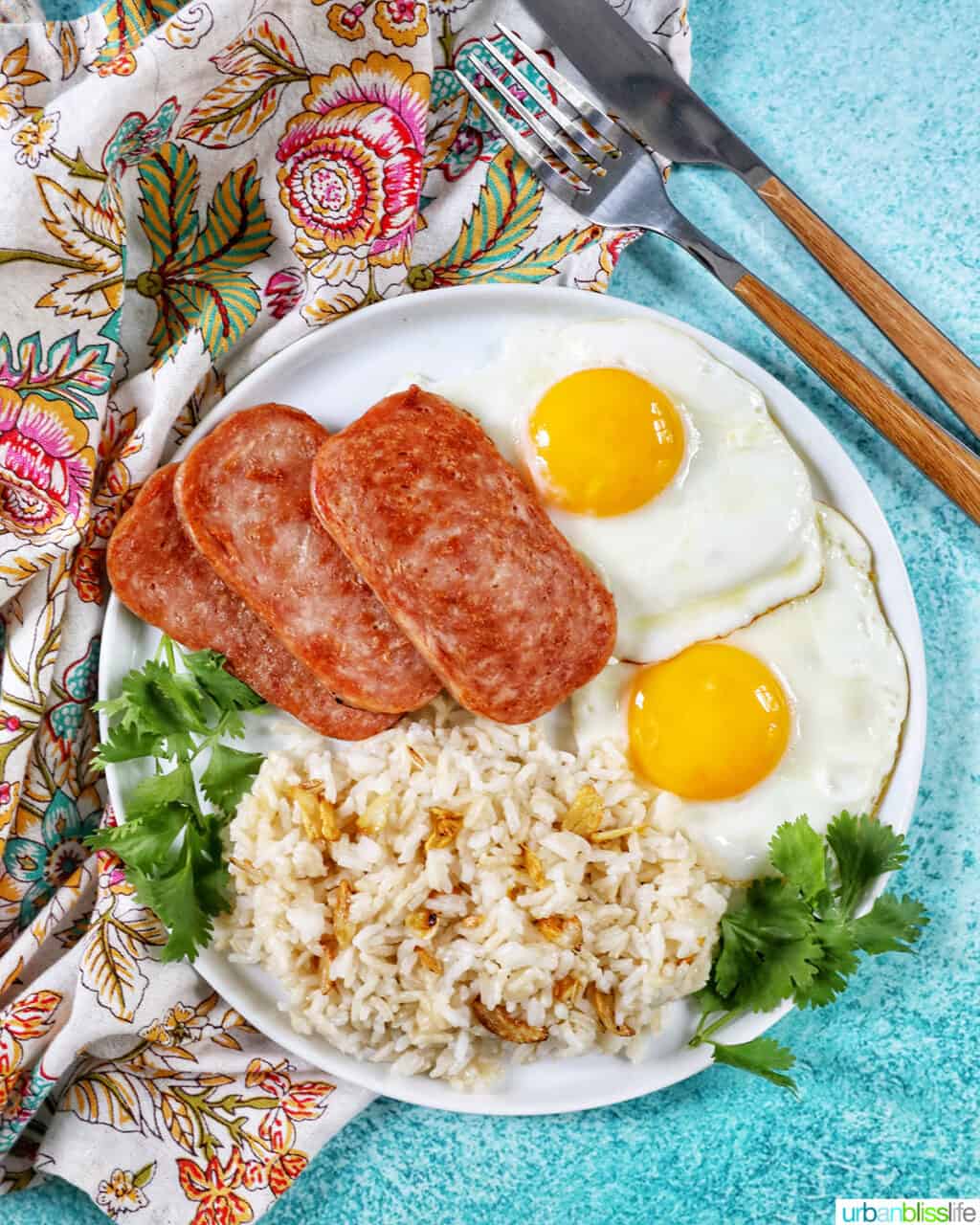
    Spam is integrated into Filipino breakfast through dishes like Spamsilog, a blend of cultural history and culinary innovation. Its introduction during World War II by U.S. soldiers shaped Filipino breakfast traditions, reflecting a fusion of flavors and cultural influences.

    Key Takeaways

    • Spam was introduced to Filipino cuisine during World War II by U.S. soldiers and has since become a key ingredient in the popular Filipino breakfast dish, Spamsilog.
    • Spamsilog is a classic Filipino breakfast dish consisting of Spam, fried rice, and eggs, and it showcases the lasting impact of Spam in Filipino cuisine.
    • Spam is integrated into breakfast dishes across various regions in the Philippines, reflecting cultural influences and the influence of American GIs.
    • While Spam can be enjoyed as part of a balanced breakfast, it should be consumed in moderation due to its high fat, sodium, and calorie content.

    History of Spam in Filipino Cuisine

    As you step back in time to the era of World War II, Spam made its debut in Filipino cuisine, forever altering the breakfast traditions of the nation. The introduction of this canned meat to the Filipino food scene can be traced back to its use as a main source of meat for soldiers stationed in Asia and the Pacific.

    U.S. soldiers are credited with introducing Spam to Filipinos, and its popularity soared after the war. This led to the emergence of Spam-related fast food chains and the incorporation of Spam into the beloved Filipino breakfast dish, Spam-si-log.

    Since then, the love for Spam has been passed down through generations, with its cultural significance solidifying its place as a prestigious imported product in the Philippines. The history of Spam in Filipino cuisine reflects the cultural exchange between the U.S. and the Philippines, shaping Filipino food traditions.

    Cultural Significance of Spam

    The journey from the wartime introduction of Spam to its esteemed status in Filipino cuisine has woven a tapestry of cultural significance, shaping the very fabric of breakfast traditions and emotional connections in the Philippines. Here are four reasons why Spam holds such a special place in Filipino culture:

    1. Nostalgia: The canned meat evokes memories of shared meals and family gatherings, creating a sense of nostalgia and comfort.
    2. Symbol of Filipino Identity: Spam’s widespread incorporation into Filipino dishes reflects the adaptability and resilience of Filipino cuisine, symbolizing the country’s ability to embrace diverse influences.
    3. Emotional Connections: Its presence in lunch boxes and as a breakfast option signifies the emotional connections and care associated with preparing and sharing meals in Filipino households.
    4. Culinary Prestige: The imported nature of Spam and its unique texture contribute to its cultural significance, elevating it to a prestigious ingredient in Filipino cuisine.

    Traditional Filipino Spam Dishes

    In Filipino cuisine, Spam has become an integral part of traditional dishes, adding a savory and satisfying element to meals throughout the day. Filipinos love Spam, and one classic Filipino breakfast dish that showcases this is ‘Spamsilog,’ a delightful combination of Spam, fried rice, and eggs.

    The dish’s simplicity and deliciousness have made it a staple that can be enjoyed for breakfast, lunch, or dinner. The tradition of incorporating Spam into Filipino cuisine started during World War II when American soldiers introduced it to the locals. The dish is best enjoyed with plain white or Sinangag garlic rice, crispy Spam slices, and eggs.

    It’s a testament to the lasting impact of SPAM in the Philippines, where it has seamlessly integrated into traditional Filipino meals, delighting generations with its unique flavor.

    Modern Filipino Breakfast Innovations

    Embrace the evolution of Filipino breakfast traditions by discovering the innovative ways Spam has redefined morning meals in the Philippines.

    1. Spamsilog: Experience the delectable combination of Spam, garlicky fried rice, and eggs, creating a flavorful and convenient breakfast option that has become a staple across the country.
    2. Versatility: Explore how Spam has transcended traditional boundaries, being enjoyed not only for breakfast but also as a satisfying meal for any time of the day.
    3. Cultural Influence: Delve into the enduring influence of American soldiers and the Hormel Foods Corporation, shaping Filipino cuisine and breakfast traditions through the incorporation of Spam.
    4. Generational Love: Witness how the love for Spam has been passed down through generations, making it an integral and beloved ingredient in modern Filipino breakfast innovations.

    Innovative and delicious, these modern Filipino breakfast innovations showcase how Spam has seamlessly integrated into the vibrant tapestry of Filipino cuisine.

    Regional Variations of Spam Breakfast Dishes

    Discover the diverse regional variations of Spam breakfast dishes, each offering a unique and flavorful twist to this beloved Filipino classic.

    In various regions of the Philippines, Spam is integrated into breakfast dishes, reflecting both cultural influences and local tastes. For instance, in ‘Spamsilog’, a popular Filipino dish, Spam is paired with garlic rice and eggs, creating a satisfying and hearty meal. The dish’s versatility is evident as it can be enjoyed not only for breakfast but also for lunch or dinner.

    The introduction of Spam to the Philippines during World War II by American GIs has led to its widespread adoption in Filipino cuisine, showcasing the enduring influence of American culture.

    These regional variations of Spam breakfast dishes highlight the adaptability and integration of international flavors into traditional Filipino cuisine.

    Health and Nutrition Considerations

    Hey there! Let’s talk about the health and nutrition considerations when it comes to incorporating Spam into your breakfast.

    It’s important to be mindful of the high fat, sodium, and calorie content of Spam, so enjoying it in moderation is key. Consider pairing it with fresh fruits and veggies, exploring homemade versions, and opting for healthier cooking methods to make your breakfast more balanced and nutritious.

    Health Benefits of Spam

    If you’re looking for a protein-rich breakfast option that’s low in carbohydrates but high in sodium and fat, Spam can be a convenient choice, but it should be consumed in moderation to maintain a balanced diet. Here are a few health benefits of incorporating Spam into your diet:

    1. Provides essential protein for muscle growth and repair.
    2. Suitable for low-carb diets due to its low carbohydrate content.
    3. Offers a quick and easy meal option, particularly in the context of a Filipino breakfast with rice.
    4. However, it’s important to be mindful of its high sodium and fat content, as excessive consumption may lead to health issues.

    Incorporating Spam into your diet can offer convenience and protein but should be balanced with other nutritious foods to promote overall health.

    Nutritional Value of Spam

    Considering the health and nutrition considerations of Spam, it’s important to recognize the impact of its high fat and sodium content on your overall well-being and dietary choices.

    While Spam can be a convenient addition to a Filipino breakfast of rice and eggs, it’s essential to be mindful of its nutritional value. With its high fat and sodium content, regular consumption of Spam may pose health concerns, including an increased risk of heart disease and high blood pressure.

    Additionally, being calorie-dense, portion control is crucial, especially for individuals watching their caloric intake. Although Spam provides quick protein, it lacks essential nutrients found in whole foods.

    It’s advisable to consume Spam in moderation and balance it with nutrient-dense whole foods for a healthier, well-rounded diet. Prioritize whole foods like fruits, vegetables, and whole grains for better overall nutrition.

    Popular Filipino Breakfast Combinations

    When it comes to popular Filipino breakfast combinations, Spam and eggs is a classic choice that never disappoints. Imagine the savory taste of Spam perfectly complementing the richness of a perfectly cooked egg.

    And let’s not forget about Spam and rice, a comforting and hearty meal that will keep you satisfied throughout the day.

    Lastly, there’s Spam and bread, a simple yet satisfying combination that’s perfect for those on the go.

    Spam and Eggs

    Spam and eggs, a beloved Filipino breakfast combination, tantalizes the taste buds with its savory flavors and hearty satisfaction. The sizzle of the Spam as it hits the frying pan, the aroma of garlic rice wafting through the air, and the sight of golden, runny egg yolks all come together to create a breakfast experience that’s nothing short of delightful.

    Picture yourself digging into a plate of perfectly cooked Spam and eggs, the richness of the Spam complementing the creaminess of the eggs, and the fluffy garlic rice rounding out each mouthful. It’s a symphony of flavors that leaves you feeling content and ready to take on the day.

    Whether you enjoy it with a steaming cup of coffee or a refreshing green smoothie, Spam and eggs are a Filipino breakfast classic that never disappoints.

    Spam and Rice

    Picturing the sizzle of Spam in the frying pan, the aroma of garlic rice wafting through the air, and the sight of golden, runny egg yolks, one can’t help but anticipate the delectable combination of Spam and rice, a popular Filipino breakfast delight.

    The origins of this dish can be traced back to World War II, when American GIs landed in the Philippines, bringing with them canned Spam. The shortage of food during this time led to the inventive use of Spam in Filipino cuisine.

    Today, it remains a staple, often enjoyed with a side of garlic fried rice. This simple yet satisfying meal has found its way into the hearts of Filipinos, from bustling city streets to the humblest breakfast tables.

    Whether at a local eatery or a health clinic, Spam and rice continue to be a beloved combination for many.

    Spam and Bread

    With each bite, the savory blend of Spam, fried rice, and eggs on a warm slice of bread creates a culinary symphony that embodies the essence of a classic Filipino breakfast. Here’s why Spam and bread, known as ‘Spam-si-log’, is a breakfast favorite in the Philippines:

    1. The salty and savory flavors of Spam perfectly complement the soft texture of the bread, creating a delightful taste sensation.
    2. The simplicity of the dish makes it a convenient and satisfying option for any time of the day.
    3. The combination of Spam, fried rice, and eggs on bread encapsulates the fusion of Filipino and American culinary influences.
    4. For a portable twist, the concept of Spam and bread has also inspired the creation of ‘SPAM MUSUBI’, a popular snack that features Spam and rice wrapped in seaweed.

    Indulge in this iconic Filipino breakfast combination, and savor the harmonious blend of flavors in every bite.

    Cooking Techniques for Spam

    Considering the delicious possibilities, you can transform Spam into a mouthwatering dish using a variety of cooking techniques. Whether you prefer it crispy or succulent, there’s a method to suit your taste.

    Pan-frying offers a quick and simple way to achieve a crispy, golden-brown exterior, ideal for pairing with garlic rice in a traditional Filipino breakfast.

    If you’re a fan of smoky flavors, grilling Spam can infuse it with a delightful charred taste, perfect for a unique twist on the classic SPAM MUSUBI.

    Alternatively, baking produces a caramelized crust while air-frying yields a crispy texture without excess oil.

    For a softer texture and reduced saltiness, consider simmering Spam slices in water before incorporating them into your breakfast spread.

    With these cooking techniques, you can elevate Spam into a delectable centerpiece for any Filipino breakfast.

    Influence of American Colonization

    So, how did American colonization influence the way Spam became a staple in Filipino breakfasts?

    Well, let’s think about it.

    American culinary influence, historical trade connections, and local adaptation techniques all played a role in shaping the Filipino love for this iconic canned meat.

    American Culinary Influence

    The influence of American colonization on Filipino cuisine is evident in the widespread presence of Spam in Filipino breakfasts, reflecting a fusion of culinary traditions and tastes.

    1. Picture yourself in a bustling Filipino market, the aroma of sizzling Spam wafting through the air, as locals eagerly line up for their favorite American-inspired breakfast.
    2. Imagine the shared history between the Philippines and the United States, where Spam became a symbol of the American Dream Got Canned, finding its way into the hearts and kitchens of many Filipino households.
    3. Consider the impact of American military presence and the subsequent introduction of Spam to the Philippines, shaping the culinary landscape and becoming a staple in Filipino breakfast culture.
    4. Reflect on the story of how Spam gained popularity in the Philippines, with roots tracing back to its use in a health clinic in Hawaii and eventually making its way to Filipino breakfast tables.

    Historical Trade Connections

    During the era of American colonization, the introduction of SPAM to the Philippines brought about a significant shift in the country’s culinary landscape, intertwining the flavors of two distinct cultures. The historical trade connections between the U.S. and the Philippines have left a lasting imprint on Filipino breakfast traditions, with SPAM becoming a beloved ingredient in dishes like the popular “SPAMsilog” (SPAM, sinangag, itlog) – a breakfast combination of SPAM, garlic fried rice, and egg. This amalgamation of flavors reflects the historical intertwining of American and Filipino influences, showcasing how the introduction of SPAM has become a symbol of cultural exchange. Below is a table highlighting the influence of American colonization on Filipino cuisine:

    Influence of American Colonization on Filipino Cuisine
    Introduction of SPAM
    Incorporation of American food items like hotdogs and hamburgers
    Perceived taste of SPAM due to its American origins

    The integration of SPAM into Filipino breakfasts is a testament to the enduring impact of historical trade connections on the culinary heritage of the Philippines.

    Local Adaptation Techniques

    From the historical trade connections that introduced SPAM to Filipino breakfasts, the influence of American colonization on local adaptation techniques in Filipino cuisine becomes evident. The impact of American influence on Filipino culinary traditions is palpable, and it’s no surprise that SPAM has become a beloved ingredient.

    Here’s how American colonization has shaped the local adaptation techniques in Filipino cuisine:

    1. Nostalgia: The incorporation of SPAM into Filipino breakfast dishes like Spamsilog evokes a sense of nostalgia for the American presence during World War II.
    2. Fusion: The fusion of SPAM with traditional Filipino staples such as garlic rice and white rice showcases the blending of American and Filipino flavors.
    3. Innovation: The creation of SPAM MUSUBI, a Hawaiian-inspired snack with SPAM and rice, demonstrates the innovative ways in which Filipino cuisine has evolved.
    4. Symbolism: SPAM’s presence symbolizes the enduring impact of American culture on Filipino culinary traditions.

    Can I Incorporate Spam into a Typical Filipino Breakfast Menu for Room Service?

    Yes, you can definitely incorporate Spam into a typical Filipino breakfast menu for room service. In fact, Spam is a popular ingredient in many Filipino breakfast dishes, such as Spam silog or Spam with garlic rice and fried egg. It adds a salty and savory flavor to the typical filipino breakfast menu.

    Future of Spam in Filipino Breakfast

    With its enduring presence in Filipino cuisine and the cultural significance it holds, the future of Spam in Filipino breakfast seems poised to continue its influential role in shaping the country’s dining traditions.

    The love for Spam has transcended generations, becoming a staple dish often associated with special occasions and celebrations. Its incorporation into popular breakfast dishes like Spam-silog, alongside garlic rice and eggs, reflects its deep-rooted presence in Filipino culinary tradition.

    The Philippines’ cultural affinity for Spam showcases the enduring influence of American culture in the country, symbolizing the historical and ongoing exchange between the U.S. and the Philippines.

    As a result, the future of Spam in Filipino breakfast appears promising, with cans of Spam likely to remain a familiar sight on breakfast tables across the Philippines, continuing to enrich and shape the country’s breakfast traditions.

    Frequently Asked Questions

    Do Filipinos Eat Spam for Breakfast?

    Yes, Filipinos do eat Spam for breakfast. It’s a cultural staple known as Spamsilog, a delicious combination of Spam, fried rice, and eggs. This meal has been a beloved part of Filipino breakfast traditions for generations.

    What Is a Filipino Breakfast Made Of?

    A Filipino breakfast typically consists of a delicious combination of fried rice, eggs, and various meats like longganisa or tocino. It’s a hearty and flavorful way to start your day with authentic Filipino flavors.

    Why Is Spam so Popular in Asia?

    Spam is popular in Asia because of its history, versatility, and taste. Its introduction by American soldiers during World War II created a lasting cultural impact, making it a beloved ingredient in various Asian cuisines.

    What Is Silog in Filipino?

    Silog in Filipino cuisine is a delicious combination of garlic fried rice and a protein like tapa, tocino, longganisa, or Spam, often served with fresh tomatoes, cucumber, and a dipping sauce. It’s a beloved breakfast comfort food in the Philippines.

    Conclusion

    So next time you’re looking for a hearty and flavorful breakfast, consider trying Spamsilog!

    The crispy fried Spam, garlicky sinangag, and perfectly fried egg come together to create a truly satisfying meal that will leave you feeling full and happy.

    Whether you’re enjoying it at a local eatery or making it at home, this classic Filipino breakfast dish is sure to become a favorite.

    Give it a try and experience the deliciousness for yourself!

  • What Are Some Healthy Breakfast Options in Pinoy Style?

    What Are Some Healthy Breakfast Options in Pinoy Style?

    Some healthy breakfast options in Pinoy style include champorado, a chocolate rice porridge, and pandesal, a type of bread roll. These traditional Filipino dishes offer a nutritious start to the day with a touch of local flavor.

    Key Takeaways

    • Filipino fried rice variations, such as sinangag and tapsilog, are versatile and delicious breakfast options that can be personalized with meats, vegetables, and sauces.
    • Tocino, longganisa, and Filipino corned beef are popular meat breakfast options in the Philippines, often served with garlic fried rice and eggs.
    • Daing na bangus, tuyo, and danggit are flavorful fish breakfast options that can be enjoyed with fragrant fried rice and a perfectly fried egg.
    • Filipino scrambled eggs and tortang talong are nutritious egg breakfast options that can be customized with ingredients like onions, tomatoes, and ground meat.

    Filipino Garlic Fried Rice (Sinangag)

    Enhance your breakfast experience with the aromatic and savory delight of Filipino Garlic Fried Rice, locally known as Sinangag.

    This classic breakfast staple is made by sautéing leftover rice with minced garlic until it’s fragrant and golden brown. The result is a flavorful and satisfying dish that perfectly complements other breakfast favorites.

    The key to perfect Sinangag is using day-old rice, which gives it a firmer texture and prevents it from turning mushy during cooking. You can also personalize your Sinangag by adding diced meats, vegetables, or a splash of soy sauce or patis (fish sauce) for an extra savory kick.

    Whether enjoyed on its own or paired with a variety of toppings and sides, Sinangag is a versatile dish that adds a delicious twist to your morning meal.

    Tapsilog

    Transform your breakfast experience with the delectable combination of tapa, sinangag, and itlog that makes up the beloved Filipino dish known as Tapsilog.

    Tapa, a marinated beef cured in a flavorful blend of soy sauce, calamansi, garlic, and sugar, is then pan-fried to perfection.

    The sinangag, a garlic fried rice, is stir-fried with loads of garlic until fragrant and golden, adding a satisfying crunch to every bite.

    Tapsilog is often served with atchara (pickled green papaya) or fresh tomato slices for a burst of tangy flavor, making it a hearty and delightful breakfast option.

    This Filipino breakfast staple is loved for its fulfilling and savory flavors, often enjoyed alongside other favorites like daing na bangus (marinated milkfish) or Arroz caldo (congee made from glutinous rice).

    Tocino

    Indulge in the mouthwatering flavors of Filipino cuisine with a classic breakfast dish known as Tocino.

    This popular Filipino breakfast meat dish is made from cured pork, renowned for its sweet and savory flavor. Served with garlic fried rice and a fried egg, Tocino is a beloved choice for a satisfying and flavorful breakfast in Filipino cuisine.

    The pork is marinated in a delectable mixture of sugar, salt, and spices before being pan-fried or grilled to perfection. Tocino’s appetizing appearance, with its distinctive red color, comes from the addition of saltpeter or food coloring.

    This sweet and savory delicacy is a staple on breakfast tables across the Philippines, offering a delightful combination of flavors that will surely tantalize your taste buds.

    Longganisa

    So, you’re curious about longganisa, huh? Well, you’re in for a treat because there are various regional varieties of this Filipino sausage, each with its own unique blend of flavors. Whether it’s the garlicky Vigan longganisa or the slightly sweet Lucban longganisa, you’ll find a wide range to tantalize your taste buds.

    Plus, we’ll explore different cooking methods to help you savor this delicious morning staple in all its glory.

    Longganisa Varieties

    Curious about the diverse flavors of longganisa? Filipino longganisa comes in a wide array of regional varieties, each offering a unique blend of flavors and seasonings. Here’s a closer look at some popular options:

    • Northern Flavors
    • Vigan longganisa: Known for its garlicky and tangy taste, perfect for those who enjoy a punch of flavor.
    • Lucban longganisa: This variety is celebrated for its sweet and spicy profile, offering a delightful contrast of flavors.
    • Other Regional Delights
    • Tuguegarao longganisa: If you prefer a milder flavor, this type might be the perfect choice for you.
    • Pampanga longganisa: Renowned for its sweet and savory notes, this variety is sure to tantalize your taste buds.

    These longganisa types are commonly enjoyed with garlic fried rice and eggs, making them a beloved part of many Filipino breakfast spreads.

    Longganisa Cooking Methods

    When preparing longganisa, you can explore various cooking methods such as frying, grilling, or steaming, each offering unique flavors and textures to suit your preferences.

    Frying longganisa is a popular method, where you’ll need to prick the casing to prevent bursting and ensure even cooking.

    Grilling over hot coals or on a stovetop grill gives the longganisa a smoky flavor and a slightly charred exterior.

    Steaming is a healthier option as it reduces the amount of fat used in the cooking process.

    Whichever method you choose, the longganisa pairs well with garlic fried rice, enhancing the overall flavor and creating a delicious breakfast experience.

    Experiment with these cooking methods to find the perfect balance of crispy exterior and juicy, flavorful interior for your longganisa.

    Filipino Corned Beef

    For a hearty and flavorful breakfast, consider indulging in a plate of sizzling Filipino corned beef, a popular choice for a satisfying start to your day.

    • Versatile Dish
    • Filipino corned beef is often made from canned corned beef and is commonly pan-fried with garlic and onions for a savory meal of the day.
    • It pairs well with steamed rice, garlic fried rice, or as a filling for breakfast sandwiches.

    Filipino corned beef, also known as ‘Daing na corned beef,’ offers a convenient and quick breakfast solution, especially when time is limited in the morning. This cured beef dish, showcasing the flavors and influences of Filipino cuisine, can be easily customized by adding ingredients like potatoes, bell peppers, or tomatoes for an extra burst of flavor and texture.

    Daing Na Bangus

    Frying up a crispy daing na bangus is a delightful way to kickstart your day with a burst of savory flavors and a satisfying crunch. This Filipino dish, made from marinated milkfish, is a popular choice for a traditional Pinoy breakfast.

    The marination process infuses the fish with delicious flavors, creating a savory and aromatic dish. When served with fragrant fried rice and a perfectly fried egg, it becomes a complete and satisfying meal that will keep you energized throughout the morning.

    Daing na bangus can be a healthy option when prepared using minimal oil and paired with nutritious sides like a fresh salad or steamed vegetables. Its rich and hearty taste, combined with the satisfying texture of the crispy fish and warm rice, makes it a beloved breakfast option for many in the Philippines.

    Tuyo

    Are you curious about how to prepare tuyo for a delicious breakfast?

    Want to know about the health benefits of this savory dried fish?

    Interested in creative serving ideas to elevate your tuyo breakfast experience?

    Tuyo Preparation Tips

    To prepare tuyo for a delicious Pinoy breakfast, start by soaking the sun-dried herrings in water to reduce their saltiness before removing the head, tail, and bones for easier eating.

    Here are some helpful tips for preparing tuyo:

    • Soak the tuyo in water for about 30 minutes, changing the water at least once to reduce its saltiness.
    • This step is crucial to ensure that the tuyo isn’t too salty when cooked and paired with fried rice.
    • After soaking, carefully remove the head, tail, and bones from the tuyo.
    • This makes it easier to eat the tuyo, especially when enjoyed with fried rice.

    Tuyo Health Benefits

    Tuyo, a Filipino delicacy made from sun-dried herrings, offers a wealth of health benefits, making it a nutritious addition to your diet.

    This dried fish is packed with protein and omega-3 fatty acids, promoting heart health and reducing the risk of cardiovascular diseases.

    Additionally, tuyo is rich in calcium and phosphorus, which are essential for maintaining strong and healthy bones.

    Its versatility allows you to incorporate it into various dishes, adding a savory and umami flavor to your meals.

    You can enjoy tuyo with fried rice, creating a delicious and wholesome breakfast option that provides a good balance of nutrients to start your day.

    With its long shelf life, tuyo is a convenient and flavorful choice for a quick and nutritious morning meal, contributing to your overall well-being.

    Tuyo Serving Ideas

    When it comes to exploring delicious ways to enjoy tuyo, you can elevate your breakfast with creative serving ideas that build upon its rich flavor and nutritional benefits. Here are some ideas to incorporate tuyo into your healthy breakfast:

    • Traditional Filipino Twist:
    • Serve tuyo with champorado for a delightful contrast of savory and sweet flavors.
    • Pair tuyo with scrambled eggs and garlic fried rice for a classic Pinoy breakfast.
    • Creative Fusion Ideas:
    • Wrap tuyo in a warm tortilla or pandesal for a quick and portable meal option.
    • Incorporate tuyo into breakfast sandwiches or omelets to add a flavorful twist to your morning dishes.

    These serving ideas won’t only add a unique touch to your breakfast but also provide essential nutrients, making it a healthy and satisfying meal option.

    Danggit

    If you’re looking for a flavorful and crispy addition to your Filipino breakfast, danggit, made from salted and sun-fried rabbitfish, is a popular choice that pairs perfectly with garlic fried rice and eggs. Danggit is a savory and aromatic delicacy that adds a delightful crunch to your morning meal.

    The dish is a staple in many Filipino households, often enjoyed with a side of spicy vinegar for an extra kick. The rabbitfish used to make danggit provides a rich and distinct flavor, making it an excellent accompaniment to a hearty breakfast. Here’s a quick overview of the delicious danggit:

    Danggit Description
    Flavor Savory and aromatic
    Pairing Perfect with garlic fried rice and eggs
    Texture Crispy and satisfying
    Serving Suggestion Often enjoyed with spicy vinegar on the side

    Filipino Scrambled Eggs

    When making Filipino Scrambled Eggs, it’s important to know the different egg preparation techniques, like how to achieve that perfect balance of fluffy and moist.

    You’ll also want to consider the various ingredients and seasonings commonly used, such as onions, tomatoes, and a touch of fish sauce for that distinct Pinoy flavor.

    And finally, don’t forget about serving suggestions to complement this hearty breakfast dish, like pairing it with garlic rice or a side of crispy fried danggit.

    Egg Preparation Techniques

    Enhance your Filipino breakfast experience with the flavorful and satisfying Filipino Scrambled Eggs, a traditional dish made with onions and tomatoes for added richness and depth of flavor.

    • Elevate your breakfast with Filipino Scrambled Eggs paired with garlic fried rice, creating a hearty and filling meal to kickstart your day.
    • The combination of the creamy eggs and the garlicky fried rice provides a perfect balance of textures and flavors, making it a beloved breakfast choice in Filipino cuisine.

    Filipino Scrambled Eggs, also known as ‘migas’ or ‘ginisang itlog,’ is a staple in many Filipino households. The eggs are often cooked until they’re slightly runny, creating a luscious and indulgent texture that pairs exceptionally well with the savory and aromatic fried rice.

    Ingredients and Seasonings

    For a delicious and authentic Filipino scrambled eggs dish, start by preparing ripe tomatoes and onions to add rich flavor and texture. Season the scrambled eggs with a pinch of salt and a dash of ground black pepper for a balanced savory taste. Enhance the dish with a touch of fish sauce (patis) or soy sauce for an umami depth of flavor.

    Freshly chopped green chilies or red chili flakes can be added for a hint of spiciness to the scrambled eggs. Garnish the Filipino scrambled eggs with a sprinkle of fresh cilantro or spring onions for a vibrant and aromatic finish.

    Ingredients Seasonings
    Ripe Tomatoes Pinch of Salt
    Onions Ground Black Pepper
    Eggs Fish Sauce (Patis)

    These ingredients and seasonings guarantee a burst of flavors that will make your healthy breakfast options a delightful experience.

    Serving Suggestions

    Consider adding sautéed onions and tomatoes to your Filipino scrambled eggs for an extra burst of flavor. By incorporating these aromatic ingredients, you can enhance the overall taste profile of the dish, infusing it with a delightful savory and slightly sweet undertone.

    Additionally, serve your Filipino scrambled eggs with a side of crispy fried fish or tocino, offering a contrast in texture and a complementary savory element to your meal.

    Along with this, sprinkle chopped spring onions on top of your Filipino scrambled eggs for a fresh and vibrant touch, adding a pop of color and a subtle hint of onion flavor.

    Can Beef Tapa be Included in a Healthy Pinoy Style Breakfast?

    Yes, beef tapa can be included in a healthy Pinoy style breakfast. When prepared with the right ingredients and portion control, variations of beef tapa can be a flavorful and protein-packed addition to a balanced meal. Including fiber-rich vegetables and whole grains can further enhance its nutritional value.

    Tortang Talong

    Start your day with a flavorful and satisfying Filipino breakfast by savoring the delicious simplicity of Tortang Talong.

    This traditional dish features grilled eggplant dipped in beaten eggs and fried to perfection, offering a savory option that pairs wonderfully with rice.

    You can customize your Tortang Talong by adding ingredients such as onions, tomatoes, or ground meat to elevate its flavor and provide variety.

    Not only is it a quick and simple recipe, but it also offers a nutritious way to incorporate vegetables into your morning meal, contributing to a balanced diet.

    With its combination of protein, fiber, and essential nutrients, Tortang Talong is a delightful and wholesome choice for a hearty breakfast that will surely leave you feeling satisfied and energized for the day ahead.

    Frequently Asked Questions

    What to Eat for Breakfast Filipino Style?

    For a delicious Filipino-style breakfast, try sinangag with scrambled eggs and your choice of tapa, tocino, or longganisa. Add a side of fresh fruit or a glass of refreshing avocado milkshake for a healthy and satisfying start to your day.

    What Is the Healthiest Thing to Make for Breakfast?

    For a healthy breakfast, consider a Filipino twist with Sinangag and scrambled eggs, Daing na Bangus with ensalada, Tortang Talong, Champorado with reduced sugar and protein, avocado milkshake, Tsokolate, and Poqui Poqui for a nutrient-packed start to your day.

    What Is a Pinoy Breakfast?

    A Pinoy breakfast typically includes savory dishes like Tapsilog, Tocino, Longganisa, and Corned Beef served with garlic fried rice and eggs. Rice-based delicacies such as Puto, Bibingka, and Suman provide a sweet and filling start to the day.

    What Are 5 Healthy Breakfast Combinations?

    Looking for 5 healthy breakfast combinations? Try Sinangag with Daing na Bangus, Tapsilog, Filipino Scrambled Eggs with Pandesal, Champorado with Tuyo, or Tortang Talong with Avocado Milkshake for a delicious and nutritious start to your day.

    Conclusion

    So there you have it! With options like Sinangag, Tapsilog, Tocino, and more, you can enjoy a delicious and healthy Filipino-style breakfast. These dishes are packed with flavor and are a great way to start your day off right.

    Whether you’re in the mood for something savory or sweet, there’s a Pinoy-style breakfast option for everyone to enjoy. So go ahead, explore these tasty choices and kickstart your morning with a nutritious meal!

  • What Is a Filipino Breakfast for Pregnant Women?

    What Is a Filipino Breakfast for Pregnant Women?

    A Filipino breakfast for pregnant women includes dishes like Chicken Tinola, Monggo Guisado, and Laing, rich in essential nutrients for fetal development and maternal health. These nutrient-dense meals provide vital vitamins, minerals, and proteins crucial for a healthy pregnancy.

    Key Takeaways

    • Traditional Filipino breakfast dishes like Chicken Tinola, Monggo Guisado, and Laing are nutrient-rich and provide essential vitamins, minerals, and proteins for pregnant women.
    • Including a variety of colorful fruits and vegetables in the breakfast helps meet the nutritional needs of pregnant women and supports the development of the fetus.
    • Lean proteins like chicken, fish, and eggs are important for providing essential amino acids and supporting tissue growth during pregnancy.
    • Hydrating beverages such as water, herbal teas, and coconut water are recommended to meet increased fluid needs and provide essential electrolytes for pregnant women.

    Traditional Filipino Breakfast Dishes

    Start your day with a delightful spread of traditional Filipino breakfast dishes, each brimming with essential nutrients to support your pregnancy journey.

    Chicken Tinola, rich in folic acid and protein, supports your baby’s development and your tissue growth.

    The Monggo Guisado is a healthy choice, packed with calcium, potassium, zinc, and magnesium, essential for your baby’s healthy bones, heart, and immune system.

    Additionally, Laing is a great option as it’s rich in vitamin A, vitamin C, calcium, and iron, aiding blood production and preventing anemia.

    Opt for these nutrient-dense dishes, packed with vegetables, fruits, lean proteins, and whole grains for a healthy Filipino breakfast during pregnancy.

    Balance your meals with servings of protein, carbohydrates, and vegetables for a well-rounded start to your day.

    Nutrient-Rich Ingredients to Include

    When it comes to nourishing your body and supporting your baby’s development, including essential nutrients is key.

    Leafy greens like malunggay leaves, spinach, and gabi leaves provide vital vitamins and minerals.

    Protein-rich ingredients such as chicken, pork, fish, and eggs support fetal development.

    Additionally, choosing nutrient-dense fruits, healthy fats, and whole grains ensures a balanced meal that meets your dietary needs during this important time.

    Essential Nutrients

    You can ensure a nutrient-rich Filipino breakfast for pregnant women by incorporating lean proteins like chicken, fish, and eggs, along with a variety of colorful fruits and vegetables to provide essential vitamins, minerals, and antioxidants.

    Essential nutrients are crucial during pregnancy for the proper development of the fetus and the overall health of the mother. Here are some nutrient-rich ingredients to include in a Filipino breakfast for pregnant women:

    Nutrient-Rich Ingredients Benefits Sources
    Lean Proteins (chicken, fish, eggs) Essential amino acids vital for fetal development Chicken, fish, eggs
    Colorful Fruits and Vegetables Essential vitamins, minerals, and antioxidants crucial for a healthy pregnancy Berries, spinach, bell peppers
    Whole Grains (brown rice, oats, quinoa) Fiber and sustained energy levels Brown rice, oats, quinoa

    Incorporating these nutrient-rich ingredients into a Filipino breakfast can contribute to a healthy and balanced diet for pregnant women.

    Balanced Meal

    Incorporate a colorful array of vegetables, juicy fruits, lean proteins, whole grains, and healthy fats into your Filipino breakfast to ensure a balanced and nutrient-rich meal for pregnant women.

    Opt for vitamin C-rich vegetables such as spinach, broccoli, and carrots to support your immune system and aid iron absorption.

    Lean proteins like chicken, fish, tofu, or mung beans provide essential amino acids and iron vital for you and your baby’s development.

    Choose whole grains like brown rice or quinoa to sustain your energy levels and promote digestive health.

    Adding healthy fats from sources like avocados and nuts can contribute to brain development.

    Don’t forget to include a glass of milk for calcium, crucial for bone health and the baby’s growth.

    Dietary Restrictions

    To ensure a nutrient-rich Filipino breakfast for pregnant women, focus on incorporating a vibrant selection of ingredients such as fish, lean proteins, vegetables, fruits, and whole grains, vital for supporting the health and development of both mother and baby.

    1. Opt for dishes rich in folic acid, protein, calcium, potassium, zinc, magnesium, vitamin A, vitamin C, and iron, such as Chicken Tinola, Monggo Guisado, and Laing to support the nutritional needs of pregnant women.
    2. Consider including ingredients like ginger, garlic, malunggay leaves, mung beans, shrimp paste, coconut milk, and taro leaves to enhance the nutrient content of the meals.
    3. Choose nutrient-dense Filipino snacks that incorporate whole grains, protein sources, fruits, vegetables, and healthy fats to meet dietary needs while avoiding excessive calorie or sugar intake.
    4. When eating out at Filipino restaurants, opt for nutrient-dense dishes, communicate dietary restrictions, and prioritize food safety to ensure a well-rounded and healthy dining experience for pregnant women. Remember to consult medical advice for a healthy Filipino diet tailored to the development of your baby and the red blood cells of the pregnant woman.

    Importance of Balanced Meal for Pregnancy

    Ensuring a well-balanced and nutritious meal plan is essential during pregnancy to support the healthy growth and development of both the mother and the baby. Filipino cuisine offers a diverse range of dishes that can help meet the nutritional needs of pregnant women. Incorporating a variety of food groups such as lean proteins, whole grains, fruits, vegetables, and dairy products is crucial.

    Traditional Filipino ingredients like malunggay leaves, rich in essential vitamins and minerals, can be beneficial for pregnant women. Consuming a balanced meal not only provides the necessary nutrients for the baby’s development but also supports the mother’s overall health. It aids in reducing the risk of birth defects and anemia, making it a vital aspect of prenatal care.

    Prioritizing a well-rounded diet is paramount for a healthy and successful pregnancy.

    Filipino Rice-Based Breakfast Options

    Balancing your morning meal with Filipino rice-based breakfast options like Chicken Tinola, Monggo Guisado, and Laing can provide essential nutrients for a healthy start to your day during pregnancy.

    1. Chicken Tinola: This dish is a good source of protein and is rich in folic acid, supporting the development of your baby and helping in the growth of your maternal tissues.
    2. Monggo Guisado: Packed with calcium, potassium, zinc, and magnesium, this breakfast option is essential for healthy bones, heart, and immune system during pregnancy.
    3. Laing: This dish is rich in vitamin A, vitamin C, calcium, and iron, aiding in blood production and preventing iron deficiency anemia.
    4. Arroz Caldo and Sinigang na Isda: Including these nutrient-dense options in your breakfast can provide essential vitamins and minerals for fetal development in pregnant women. They’re made with coconut milk and whole grains, enhancing their nutritional value.

    Nourishing Soup and Stew Choices

    When you’re craving a nourishing and comforting meal during pregnancy, consider indulging in Filipino soup and stew choices that are packed with essential nutrients for both you and your baby’s well-being.

    Pinoy dishes like Chicken Tinola provide a rich source of folic acid and protein, supporting your baby’s development and your tissue growth.

    The Monggo Guisado is packed with calcium, potassium, zinc, and magnesium, helping to build healthy bones and a strong immune system.

    Laing, abundant in vitamin A, vitamin C, calcium, and iron, aids in blood production and prevents iron deficiency anemia.

    Pinakbet, loaded with fiber and vitamin A, improves digestion and supports fetal cell growth.

    Sinigang na Isda, a protein-rich dish with omega-3 fatty acids, aids in brain and body development.

    These lean meat and nutrient-packed options are excellent choices for your pregnancy diet.

    Incorporating Fresh Fruits in Breakfast

    Start your day with a burst of natural sweetness and essential vitamins by incorporating an array of fresh fruits into your Filipino breakfast. Including fresh fruits in your morning meal can significantly increase your intake of heart-healthy nutrients and contribute to a well-balanced diet during pregnancy.

    Here are some delicious and nutritious fruits to consider:

    1. Bananas: Rich in potassium and vitamin B6, bananas can help support your body’s increased energy needs during pregnancy.
    2. Mangoes: Packed with vitamin C, mangoes can aid in the development of a healthy immune system for you and your baby.
    3. Papayas: High in folate, papayas are essential for proper brain development in your growing baby.
    4. Berries: Whether it’s strawberries, blueberries, or raspberries, these fruits are loaded with antioxidants and essential vitamins, making them a great addition to your breakfast for overall health and wellness.

    Protein-Packed Filipino Breakfast Ideas

    Looking to fuel your day with a protein-packed Filipino breakfast that will support your pregnancy? Consider starting your morning with Chicken Tinola, a rich source of folic acid crucial for DNA production and protein for tissue growth, reducing the risk of birth defects.

    Another excellent option is Monggo Guisado, packed with calcium, potassium, zinc, and magnesium, essential for bone health and a robust immune system.

    Laing, a dish with dried taro leaves, is a great source of vitamin A, vitamin C, calcium, and iron, vital for blood production and preventing anemia.

    If you’re craving a comforting meal, Arroz Caldo provides protein and carbohydrates, offering energy and comfort.

    Vegetarian Breakfast Choices for Pregnant Women

    Consider incorporating a variety of nutrient-dense dishes packed with vegetables, fruits, legumes, lean proteins, and whole grains to create a balanced vegetarian breakfast that supports a healthy pregnancy. Here are some vegetarian breakfast choices for pregnant women:

    1. Spinach and Feta Omelette: Increase your iron intake with this protein-packed omelette, essential for healthy blood production and to prevent anemia during pregnancy.
    2. Quinoa Breakfast Bowl: Consume a complete protein source with quinoa, supporting the growth and development of your baby.
    3. Avocado Toast with Whole Grain Bread: It’s important to eat healthy fats during pregnancy. Avocado provides essential nutrients for your baby’s brain development.
    4. Mixed Berry Smoothie with Greek Yogurt: Ensure a good dose of vitamin C and antioxidants to support your immune system and overall health during pregnancy.

    These vegetarian choices offer a well-rounded breakfast for pregnant women, supporting the increased nutritional needs during this important time.

    Can Pregnant Women Eat a Simple Filipino Breakfast?

    Pregnant women can enjoy a variety of simple Filipino breakfast basics like champorado, a chocolate rice porridge; longganisa, a sweet or spicy sausage; and tuyo, dried fish. These dishes are rich in essential nutrients and can be a delicious addition to a healthy pregnancy diet.

    Hydration and Beverage Recommendations

    Ensure you stay well-hydrated throughout your pregnancy by incorporating a variety of refreshing and nutritious beverages into your daily diet. Proper hydration is crucial for pregnant women, supporting the increased fluid needs of your body. Opt for hydrating options such as water and coconut water, which also provide essential electrolytes. Herbal teas like ginger and peppermint can help ease nausea and aid digestion, contributing to your overall well-being.

    Fresh fruit juices, particularly those high in vitamin C, are a great way to boost your immune system and support the health of both you and your baby. To help maintain a healthy diet and manage blood sugar levels, it’s important to limit the intake of sugary beverages and opt for natural, low-sugar options.

    Beverage Benefits
    Water Supports increased fluid needs
    Herbal teas Eases nausea and aids digestion
    Fruit juices High in vitamin C for immune support
    Coconut water Hydrating with essential electrolytes
    Low-sugar options Maintains healthy diet and blood sugar

    Frequently Asked Questions

    What Is Healthy Filipino Food for Pregnant Women?

    For a healthy Filipino food during pregnancy, focus on nutrient-dense options like fruits, whole grains, and lean proteins. Avoid high-mercury fish and undercooked meats. Balancing meals with a variety of nutrient-rich foods is crucial.

    What Is the Best Breakfast for Pregnant?

    For a healthy breakfast during pregnancy, you should aim for a balanced meal. Consider having whole grain toast with avocado and eggs for a boost of protein and healthy fats, coupled with a side of fresh fruit.

    What Must a Pregnant Woman Eat in the Morning?

    In the morning, you should eat nutrient-dense dishes packed with veggies, fruits, legumes, lean proteins, and whole grains. Avoid raw or undercooked meat, unpasteurized dairy, deli meats, excessive caffeine, and alcohol for a healthy pregnancy.

    What Do Asians Eat While Pregnant?

    During pregnancy, Asian women often include nutrient-rich foods like rice, vegetables, and lean proteins in their diet. These dishes provide essential vitamins and minerals for fetal development, supporting both the mother and the baby’s health.

    Conclusion

    Start your day with a nutrient-rich Filipino breakfast to support a healthy pregnancy.

    Enjoy a hearty meal of rice, soup, and fresh fruits, or opt for protein-packed options to keep you energized.

    Don’t forget to stay hydrated with water or herbal teas.

    Consult with a healthcare professional for personalized advice.

    Savor the delicious flavors of traditional Filipino cuisine while nourishing your body and your baby.

  • What Is a Typical Filipino Breakfast Drink?

    What Is a Typical Filipino Breakfast Drink?

    A typical Filipino breakfast drink includes Tsokolate, Kapeng Barako, Salabat, and Taho, each offering unique flavors and cultural significance. These traditional beverages like Tsokolate are deeply rooted in Filipino culture and provide a rich and indulgent start to the day.

    Key Takeaways

    • Tsokolate, Kapeng Barako, Salabat, and Taho are traditional Filipino breakfast drinks with unique flavors and cultural significance.
    • Calamansi Juice and Guyabano Juice are refreshing fruit-based beverages commonly enjoyed during hot weather and known for their health benefits.
    • Mango Shake is a creamy and tropical breakfast drink made with ripe mangoes.
    • Sagot Gulaman and Tapuy represent the rich history and tradition of Filipino beverages, offering a customizable and indulgent experience.

    Tsokolate

    Tsokolate, a traditional Filipino breakfast drink, is made from tablea, a type of local cacao tablets. It is often prepared by dissolving the tablea in hot water or milk until it becomes thick and frothy.

    This rich and indulgent beverage is a staple in many Filipino households, enjoyed for its deep chocolate flavor. It’s a popular choice during special occasions and holidays, providing a warm and satisfying start to the day.

    The aroma of the chocolate drink wafts through the air, creating a comforting and inviting atmosphere. The thick and frothy texture adds to the sensory experience, making each sip a delight.

    Tsokolate is often served with rice cakes or pan de sal, complementing its decadent flavor with a touch of sweetness. It’s no wonder that this beloved chocolate drink holds a special place in Filipino culture.

    Kapeng Barako

    With its distinctive woody and smoky notes, Kapeng Barako is a beloved breakfast drink in Filipino culture, known for its strong taste and invigorating aroma. This Filipino coffee, made from liberica beans, is a significant part of the local coffee culture. Grown primarily in Batangas, it has a floral aroma that sets it apart from other coffee varieties.

    Kapeng Barako is cherished for its bold and rich flavor, making up only 2% of the worldwide commercial production of coffee. It is a type of coffee that evokes passion and pride among Filipinos. Many people enjoy it with a touch of coconut milk, creating a unique and satisfying beverage that perfectly complements traditional Filipino food. Below is a table illustrating the unique qualities of Kapeng Barako:

    Qualities Description
    Aroma Woody, smoky, and floral notes
    Flavor Bold, rich, and strong
    Origin Batangas, Philippines
    Complements Traditional Filipino food, especially with coconut milk

    Salabat

    Salabat, a traditional Filipino ginger tea, shares a common place with Kapeng Barako as a beloved breakfast drink, offering soothing and warming effects, especially during cooler weather. The process of making this invigorating beverage involves boiling ginger slices in water, then sweetening it with honey or sugar to taste.

    It’s renowned for its medicinal properties, believed to alleviate symptoms of cough, cold, and flu. Often, a squeeze of calamansi juice is added for a zesty flavor and additional health benefits.

    The aromatic steam rising from a cup of freshly brewed Salabat is enough to awaken your senses in the morning. It’s a delightful alternative to Filipino coffee or coconut juice, providing a comforting start to your day while embracing the rich cultural heritage of the Philippines.

    Calamansi Juice

    Calamansi juice, a sweet and sour beverage made from traditional Philippine limes, is a popular and refreshing choice for breakfast or any time of day due to its invigorating taste and high Vitamin C content. This traditional Filipino drink is a staple in local Filipino cuisine, offering a burst of citrusy flavor and a range of health benefits. Here’s a quick overview of why calamansi juice is a beloved part of Filipino breakfasts:

    Key Points Details
    Flavor Offers a refreshing and invigorating taste similar to lemonade.
    Health Benefits Known for its high Vitamin C content and natural antioxidants.
    Consumption Commonly enjoyed during hot weather and as a breakfast beverage.
    Cultural Significance Considered a staple in Filipino cuisine and a symbol of local flavors.

    Calamansi juice perfectly encapsulates the zest and vibrancy of traditional Filipino drinks, making it a must-try for anyone exploring the local culinary scene.

    Guyabano Juice

    Looking for a refreshing and nutritious morning beverage? Guyabano Juice might just be the answer. With its health benefits, including immune-boosting properties, it’s a delightful way to start your day.

    Picture the sweet, tart, and creamy flavor of guyabano fruit blended into a refreshing drink – that’s exactly what you can expect from this beloved Filipino breakfast beverage.

    Health Benefits

    With its rich array of antioxidants, guyabano juice offers a powerful way to protect your body from free radical damage and reduce the risk of chronic diseases. This refreshing Filipino drink not only tantalizes your taste buds but also provides various health benefits. Take a look at the table below to see the specific health advantages of consuming guyabano juice.

    Health Benefits Description
    Antioxidants Protect the body from free radical damage
    Immune-boosting Strengthen the immune system to fight off infections and illnesses
    Anti-inflammatory Reduce inflammation, benefiting conditions like arthritis and other inflammatory diseases
    Digestive health Aid in digestion and promote a healthy digestive system
    Potential anti-cancer Compounds may have anticancer effects, though more research is needed to confirm its efficacy

    Guyabano juice, coupled with its potential health benefits, makes for a delightful and nourishing addition to your diet.

    Preparation Process

    To prepare delicious guyabano juice, start by selecting ripe guyabano fruits with a slight firmness and no soft spots for juicing. Wash the fruits thoroughly to remove any dirt or impurities.

    Then, cut the guyabano fruits into halves and remove the seeds and fibrous parts. Place the fruit pulp in a blender or juicer and add water, then blend until smooth.

    After blending, strain the mixture through a fine mesh sieve or cheesecloth to extract the juice, discarding any solids.

    Making guyabano juice is a refreshing and straightforward process that allows you to enjoy the sweet and sour taste of this Filipino dessert. It’s a perfect way to incorporate the starter culture called into your breakfast routine.

    Flavor Profile

    After preparing the delicious guyabano juice using the ripe fruits and blending process described earlier, you’ll be delighted to discover its invigorating flavor profile, reminiscent of a tropical blend of pineapple and banana.

    Filipinos love its sweet, tart, and creamy taste, which offers a unique balance of sweetness and tanginess, providing a delightful sensory experience with each sip.

    This refreshing and tropical flavor profile makes it a popular choice for a morning beverage or a midday refreshment. Similar to the beloved flavors of orange juice and buko pandan, guyabano juice is a nutritious addition to a balanced breakfast or snack, and it’s known for its immune-boosting properties.

    Its distinct and pleasant taste has made it a beloved part of Filipino beverage culture, offering a refreshing start to the day.

    Mango Shake

    Craving a tropical and creamy start to your day? Mango Shake is a delightful breakfast drink that combines the sweetness of ripe mangoes with a smooth, creamy texture.

    With just a few simple ingredients like mangoes, sugar, ice, and milk, you can whip up this refreshing and satisfying beverage in no time.

    Let’s explore the ingredients, preparation steps, and serving suggestions to make the most out of your Mango Shake experience.

    Mango Shake Ingredients

    Enhance your breakfast experience with a tropical smoothie bursting with the tangy sweetness of fresh mangoes – the Mango Shake. To make this delightful beverage, you’ll need:

    • Ripe and juicy fresh mangoes
    • A sweetener like sugar to balance the natural tartness of the mangoes
    • Ice cubes to give the shake a refreshing chill

    These ingredients are typically blended together with a liquid base such as milk or water to create a creamy and luscious texture. Some variations may include additional flavorings like a splash of mango juice or a hint of vanilla for an extra layer of indulgence.

    As you sip on this vibrant drink, you’ll be instantly transported to a tropical paradise, making it an ideal way to kickstart your day or as a delightful refresher anytime.

    Preparation Steps

    Start your mango shake preparation by gathering fresh ripe mangoes, ice cubes, sugar, water, and a blender. Peel and dice the mangoes, removing the seeds. Then, add the mango chunks, ice cubes, sugar, and a splash of water to the blender. Blend the mixture until smooth and creamy. Finally, pour the mango shake into glasses and serve it chilled.

    This refreshing drink is a popular choice for breakfast in the Philippines and is often enjoyed alongside street food like pandesal or longganisa. For a twist, you can also add a splash of buko juice or even a dash of coconut wine to elevate the flavors. Enjoy the vibrant taste of mango in a delightful beverage that perfectly complements your morning meal.

    Ingredients Quantity Notes
    Ripe Mangoes 2-3 medium-sized Peeled and diced
    Ice Cubes 1 cup Crushed
    Sugar 2-3 tablespoons Adjust to taste
    Water 1/4 cup Use as needed

    Serving Suggestions

    To elevate the enjoyment of your mango shake, consider adding a scoop of ice cream or a dollop of whipped cream for a richer and creamier texture.

    Here are some serving suggestions to enhance your drinking experience:

    • Garnish the mango shake with a slice of fresh mango or a sprig of mint for an appealing presentation.
    • Serve the refreshing drink in a tall glass with a colorful straw to create a delightful visual appeal.
    • Pair the tropical flavors of the mango shake with a light brunch or a selection of Filipino breakfast dishes for a perfect start to your day.

    Whether it’s a refreshing non-alcoholic beverage or a base for a fruity cocktail, the mango shake is a versatile and delightful addition to any breakfast spread.

    Taho

    With its creamy silken tofu, chewy tapioca pearls, and sweet caramelized syrup, Taho is a beloved traditional Filipino breakfast drink that offers a delightful combination of textures and flavors.

    This sweet concoction is a popular street food, often served in the morning by vendors carrying large metal containers suspended on bamboo sticks.

    The silken tofu provides a smooth and creamy base, while the tapioca pearls add a delightful chewiness.

    The sweet taste of the caramelized syrup, known as arnibal, gives taho its distinctive flavor. To make it even more indulgent, some vendors also drizzle condensed milk over the top, adding an extra layer of richness.

    Taho is a comforting and satisfying breakfast option that showcases the unique and delicious flavors of Filipino cuisine.

    Buko Juice

    Taho, a beloved traditional Filipino breakfast drink with its creamy silken tofu and sweet caramelized syrup, offers a delightful combination of textures and flavors.

    Now, let’s pivot to the equally popular and refreshing Buko Juice.

    • Hydrating Delight: Imagine sipping on a glass of Buko Juice, made from the pure, refreshing water of young coconuts, sweetened with just the right amount of sugar, and enriched with creamy coconut milk. It’s like a tropical oasis in a glass.
    • Nutrient Boost: Not only does Buko Juice tantalize your taste buds, but it also provides essential minerals like magnesium and calcium, making it a nutritious and natural source of electrolytes.
    • Versatile Wonder: From being a standalone refreshment to being used as a base for delicious buko salad, this traditional Filipino drink is an integral part of local markets and street vendors, offering a taste of the country’s tropical flavors.

    Mais Con Hielo

    If you’re curious about the ingredients that go into making Mais Con Hielo, the preparation and serving process, and the various toppings and variations you can try, then you’re in for a treat.

    This sweet Filipino breakfast drink has a delightful blend of textures, with the crunch of ice and corn contrasting with the smoothness of milk and syrup.

    Get ready to discover the delightful ways Mais Con Hielo can be customized to suit your taste preferences.

    Ingredients for Mais Con

    To create a refreshing glass of Mais Con (Mais Con Hielo), you’ll want to start with sweet corn kernels as the base flavor, complemented by the creamy richness of milk and a touch of sweetness from sugar. Enhance the drink by adding a burst of fruity flavor with melon juice, a delightful texture with sago pearls, and a tropical twist with coconut meat.

    These ingredients blend together to create a visually appealing and flavorful beverage. The sweet corn kernels provide a unique base, while the milk adds a luscious creaminess. The addition of sugar gives just the right amount of sweetness. Meanwhile, the melon juice, sago pearls, and coconut meat elevate the Mais Con, offering a delightful medley of flavors and textures in every sip.

    Preparation and Serving

    Layering crushed ice with sweet corn kernels and generously drizzling milk creates the creamy texture and rich flavor that defines the preparation and serving of Mais Con Hielo. The drink is then sweetened with sugar and topped with syrup, providing a refreshing and indulgent treat. Traditionally, it is served with a long spoon or straw to allow for easy enjoyment of the layers and flavors. Mais Con Hielo is a typical Filipino breakfast drink enjoyed during hot weather, often as a midday refreshment. Below is a table that visually represents the layers and ingredients in this delightful beverage:

    Layer 1 Layer 2 Layer 3 Layer 4
    Crushed Ice Sweet Corn Kernels Generous Drizzle of Milk Sugar and Syrup

    This presentation enhances the appeal of the preparation and serving process, making it an enticing option for those seeking a unique and flavorful non-alcoholic beverage.

    Variations and Toppings

    When preparing Mais Con Hielo, you have the option to enhance its flavors and textures with a variety of delicious toppings and variations, adding a delightful twist to this classic Filipino breakfast drink. Here are some popular choices to elevate your Mais Con Hielo experience:

    • Nata de Coco: These chewy, translucent coconut gel cubes add a delightful texture and a hint of tropical flavor to your Mais Con Hielo.
    • Tapioca Pearls: Also known as ‘sago,’ these small, chewy pearls provide a satisfying texture and can be a fun addition to your drink.
    • Privacy Policy: It’s important to respect your customers’ privacy. When serving Mais Con Hielo or any beverage, always ensure that you handle personal information according to your privacy policy.

    These variations and toppings can take your Mais Con Hielo to the next level, providing a refreshing and indulgent start to your day.

    Sagot Gulaman

    During a hot summer morning in the Philippines, indulge in the refreshing and sweet taste of Sagot Gulaman, a popular Filipino breakfast drink made with tapioca pearls, gelatin, brown sugar, and water.

    This delightful beverage is commonly sold by street food vendors and in Filipino restaurants as part of the chilled drinks category known as samalamig. The drink is traditionally sweetened with honey, giving it a unique and pleasing flavor.

    Served in plastic jugs, Sagot Gulaman is particularly sought after during the scorching summer months, offering a respite from the heat with its cool and revitalizing properties.

    Its distinct texture, combined with the sweetness of honey and the earthy taste of brown sugar, makes it a must-try for anyone looking to explore the diverse and delicious world of Filipino beverages.

    Tapuy

    Tapuy, a traditional Filipino breakfast drink, is a fermented rice wine with a mild and sweet taste, enjoyed for its cultural significance and unique flavor. When you sip on a glass of tapuy, you’ll experience the subtle sweetness and pleasant aroma that comes from the careful fermentation process.

    Here are a few key points about tapuy:

    • It’s a significant part of Filipino culinary heritage, deeply rooted in Cordillera culture.
    • The preparation involves using glutinous rice, ginger extract, and bubod (powdered starter culture), showcasing the intricate process behind its creation.
    • With around 14% alcohol content, tapuy offers a delicate balance of flavors, making it a delightful choice for breakfast or special occasions in the Philippines.

    The allure of tapuy lies not just in its taste, but also in the rich history and tradition it represents.

    Are These Classic Philippine Beverages Also Consumed for Breakfast?

    Yes, classic Filipino holiday beverages such as tsokolate (chocolate) and salabat (ginger tea) are also commonly consumed for breakfast in the Philippines. These hot drinks are perfect for warming up on cool mornings and are often paired with traditional Filipino breakfast dishes like pandesal and champorado.

    Iskrambol

    If you’re looking for a refreshing and indulgent treat in the Philippines, Iskrambol is a must-try milk-based drink that offers a delightful blend of flavors and textures. This popular street food is made with shaved ice, milk powder, marshmallows, and chocolate syrup, creating a creamy and sweet concoction. It’s often served in plastic cups or small containers, making it convenient for on-the-go consumption.

    Iskrambol is a favorite among locals, especially during hot and humid weather, offering a cooling respite. What’s interesting is that some variations of Iskrambol may include additional toppings such as fruit-flavored syrups, chocolate sprinkles, or candy, allowing for a customizable experience.

    While traditionally non-alcoholic, some modern versions may include a splash of coconut vodka, adding a subtle twist to this beloved Filipino drink.

    Frequently Asked Questions

    What Do Filipinos Drink for Breakfast?

    For breakfast, Filipinos enjoy a variety of refreshing drinks. You might start your day with a glass of buko juice, a delicious blend of coconut water, sugar, and coconut milk, known for its rich magnesium and calcium content.

    What Is the Signature Drink of the Philippines?

    The signature drink of the Philippines is a blend of diverse flavors. From refreshing buko juice to robust kapeng barako, the Filipino breakfast drink offers a delightful start to your day, reflecting the rich culinary heritage.

    What Is the Most Common Drink in the Philippines?

    The most common drink in the Philippines is a refreshing blend of buko juice, a hydrating and sweet beverage made from young coconut water. It’s a popular choice for breakfast, offering a delightful start to your day.

    What Is the Drink of Choice in the Philippines?

    In the Philippines, the drink of choice varies. Some enjoy the refreshing Buko juice, others opt for the zesty Calamansi juice, while some savor the soothing Salabat or the bold Kapeng Barako for a morning kick.

    Conclusion

    So, the next time you find yourself in the Philippines, don’t miss out on the opportunity to try some of these delicious and unique breakfast drinks.

    From the strong and bold Kapeng Barako to the refreshing Calamansi Juice, there’s something for every taste bud.

    Start your day the Filipino way with these flavorful and energizing beverages!

  • What Is the Most Famous Food in Zamboanga Sibugay?

    What Is the Most Famous Food in Zamboanga Sibugay?

    Zamboanga Sibugay is known for its unique Chavacano cuisine, a blend of Spanish, Southeast Asian, and indigenous influences. Some popular dishes include Satti, a breakfast item of meat sticks with sticky rice and a semi-sweet sauce. Seafood paella, a rice dish with various sauces, meats, seafood, and vegetables, is also common. Curacha, a crab variant, is prepared with coconut milk and spices. Additionally, sweet snacks like Panyam (glutinous rice pancake), Knickerbocker (fresh fruit halo-halo), and Chicalang (fried street food) are popular.

    Here’s a more detailed look at some of the famous food in Zamboanga Sibugay:

    Satti: A breakfast staple consisting of small strips of meat on a stick, served with sticky rice and a sweet and spicy sauce.
    Seafood Paella: A traditional rice dish featuring various sauces, meats, seafood, and vegetables.
    Curacha: A crab variant cooked with coconut milk and spices.
    Panyam: A chewy glutinous rice pancake, thicker in the middle, made with ground glutinous rice, coconut milk, and brown sugar.
    Knickerbocker: A fresh fruit variation of halo-halo, often served in a tall glass with various fruits, flavored gulaman (agar), and nata de coco.
    Chicalang: A fried street food made with glutinous purple rice dough.

    Unique Flavors of Zamboanga Sibugay

    Experience the unique flavors of Zamboanga Sibugay that will tantalize your taste buds and leave you craving for more.

    The province is renowned for its delectable seafood, a staple in Filipino cuisine. Alavar Seafood Restaurant is a must-visit, celebrated for its mouthwatering crabs and shrimps.

    Meanwhile, Mano-Mano na Greenfields offers a truly authentic experience with its home-cooked style food, where you can even eat with your bare hands, as the name suggests.

    For the freshest catch, Hai San Seafood Market And Restaurant is the go-to place, boasting an array of seafood options like lobsters, crabs, prawns, and the local favorite, curacha.

    Lastly, don’t miss out on Tsokolate by Linfood, known for its delectable cakes and cozy ambiance. These unique delicacies, including curacha, Satti, Knickerbocker, Bangbang Sug, and Banana Cue, offer a diverse range of taste experiences that make Zamboanga Sibugay a food lover’s paradise.

    Culinary Heritage of Zamboanga Sibugay

    You’re about to uncover the rich culinary heritage of Zamboanga Sibugay, where local ingredients and traditional cooking methods have shaped the region’s distinct flavors.

    Influenced by a blend of cultural traditions, the cuisine reflects a harmonious fusion of diverse tastes, offering a truly unique and unforgettable dining experience.

    From the vibrant markets to the bustling eateries, the culinary heritage of Zamboanga Sibugay awaits your exploration.

    Local Ingredients Used

    Incorporating a variety of locally sourced ingredients, the culinary heritage of Zamboanga Sibugay showcases a rich tapestry of flavors and traditions. When you explore the food in Zamboanga Sibugay, you’ll find an array of ingredients that bring its dishes to life.

    From the grilled seafood dishes to the creamy coconut milk-based delicacies, the local ingredients used in Zamboanga Sibugay’s cuisine include:

    • Curacha: This famous crab dish is cooked in a savory tomato-based sauce with garlic, ginger, and a blend of spices.
    • Satti: Enjoy grilled meat skewers (chicken or beef) served with a spicy peanut sauce, a popular choice for breakfast or lunch.
    • Knickerbocker: Indulge in this sweet treat made by layering gelatin, condensed milk, and fruit to create a delightful dessert.
    • Bangbang Sug: Delight in Jolo Sulu native pastries, which include a variety of sweet and flavorful treats such as Daral, Baolu, Pitis, Biyaki, and Putli Mandi.
    • Banana Cue: Savor skewered bananas coated in caramelized brown sugar, a beloved street snack.

    Traditional Cooking Methods

    Exploring the culinary heritage of Zamboanga Sibugay, you’ll find that traditional cooking methods, deeply rooted in the local culture, play a vital role in creating the vibrant and flavorful dishes that showcase the region’s rich tapestry of flavors and traditions. Traditional Filipino cooking methods in Zamboanga Sibugay reflect the diverse cultural influences and abundant natural resources of the region. Here’s a glimpse of some traditional cooking methods deeply ingrained in the culinary heritage of Zamboanga Sibugay:

    Traditional Cooking Methods Description
    Dagmay Weaving Intricate weaving technique used to create traditional mats and baskets, often made from pandan leaves and dyed with natural colors.
    Palapa Preparation Traditional method of preparing a spicy condiment made from sakurab, grated coconut, chili, and ginger, commonly used to add flavor to local dishes.
    Panyalam Cooking Traditional method of cooking using a large, shallow pan made of brass, often used for grilling and sautéing local ingredients and dishes.
    Sutokil Technique Traditional cooking method involving grilling, stewing, and broiling, typically used for preparing seafood dishes with a unique blend of flavors.
    Badjao Culinary Practices Cultural cooking methods of the Badjao tribe, known for their expertise in preparing seafood using traditional techniques such as smoking and drying.

    Influences on Cuisine

    Influences from indigenous, Malay, Spanish, and Muslim Mindanao cuisines have intricately shaped the culinary heritage of Zamboanga Sibugay, resulting in a vibrant fusion of flavors and cooking techniques. This amalgamation has led to a diverse range of traditional dishes that reflect the region’s rich cultural history.

    The influences on Zamboanga Sibugay’s cuisine can be seen in:

    • The abundance of seafood dishes, particularly crab and shrimp preparations, showcasing the region’s coastal location and rich marine resources.
    • The unique blend of herbs, spices, and cooking methods, reflecting the influence of diverse cultural groups that have settled in the region over centuries.
    • Traditional dishes such as Tiulah Itum, Piyanggang Manuk, Beef Kurma, Satti, and Tetuan Lechon, which are emblematic of the region’s culinary heritage, showcasing a blend of indigenous, Spanish, and Muslim Mindanao influences.
    • The prevalence of rice as a staple ingredient in many dishes, demonstrating the strong influence of Malay and indigenous culinary traditions.
    • The proliferation of restaurants in Zamboanga City offering a wide array of dishes that highlight the diverse culinary influences in the region.

    Local Delicacies You Must Try

    When visiting Zamboanga Sibugay, you simply must indulge in the local delicacies that showcase the region’s unique flavors and culinary traditions.

    Head to Zamboanga City to savor the famous del dish, Curacha. This delectable crab dish is cooked in a tomato-based sauce with garlic, ginger, and spices, offering a burst of savory flavors.

    While there, don’t miss out on trying Satti, grilled meat skewers served with spicy peanut sauce, a popular breakfast or lunch option.

    For those with a sweet tooth, Knickerbocker is a must-try. This delightful treat layers gelatin, condensed milk, and fruit, offering a refreshing and indulgent experience.

    Additionally, explore the local pastries like Bangbang Sug, featuring a variety of Jolo Sulu native pastries with unique flavors.

    Finally, satisfy your cravings with Banana Cue, skewered bananas coated in caramelized brown sugar, a beloved street snack.

    Be sure to visit a seafood restaurant to indulge in these delightful local delicacies.

    Exploring Zamboanga Sibugay’s Cuisine

    Savor the diverse and unique flavors of Zamboanga Sibugay as you immerse yourself in the local delicacies that showcase the region’s rich culinary traditions.

    • Indulge in the famous Curacha dish at Alavar Seafood Restaurant, known for its delectable crabs and shrimps.
    • Experience the authentic dining at Mano-Mano na Greenfields, offering home-cooked style food and a non-pretentious dining experience.
    • Visit Hai San Seafood Market And Restaurant, the go-to place for guaranteed fresh seafood, including the must-try curacha, lobsters, and prawns.
    • Treat yourself at Tsokolate by Linfood, renowned for its heavenly cakes and cozy ambiance, perfect for relaxation.
    • Don’t miss out on the local favorite, Fried Chicken, while exploring the historical Fort Pilar.

    Zamboanga Sibugay’s cuisine not only offers a delightful experience but also reflects the rich cultural heritage of the region.

    Traditional Dishes of Zamboanga Sibugay

    Discover the tantalizing array of traditional dishes that showcase the rich culinary heritage of Zamboanga Sibugay, each bursting with unique flavors and cultural significance.

    In Zamboanga City, Alavar Seafood Restaurant is renowned for its delicious crabs and shrimps cooked in traditional Zamboanga style. Another must-try is the grilled fish at Hai San Seafood Market And Restaurant, offering guaranteed fresh seafood, including lobsters, crabs, prawns, and curacha.

    For a unique dining experience, visit Mano-Mano na Greenfields, known for its affordable, home-cooked style food and ‘eating with bare hands’ concept.

    Don’t miss out on Zamboanga’s unique delicacies such as Curacha, Satti, Knickerbocker, Bangbang Sug, and Banana Cue.

    Whether you’re craving seafood, grilled fish, or traditional Zamboanga flavors, the traditional dishes of Zamboanga Sibugay are sure to delight your taste buds.

    Signature Food of Zamboanga Sibugay

    The signature food of Zamboanga Sibugay tantalizes with its diverse range of flavors, showcasing the region’s rich culinary heritage and cultural significance. When in Zamboanga City, make sure to indulge in the following must-try dishes and visit these renowned restaurants:

    • Alavar Seafood Restaurant: Famous for their delicious crabs and shrimps, cooked in traditional Zamboanga style.
    • Mano-Mano na Greenfields: Offers affordable and delicious home-cooked style food, translating to ‘eating with bare hands’.
    • Hai San Seafood Market And Restaurant: The only restaurant in Zamboanga City with guaranteed fresh seafood, offering a variety of options like lobsters, crabs, prawns, and curacha.
    • Tsokolate by Linfood: Known for their amazing cakes and cozy ambiance, perfect for reading and enjoying sweets.
    • Signature Food: Unique delicacies like Curacha, Satti, Knickerbocker, Bangbang Sug, and Banana Cue, showcasing the diverse range of taste experiences in the region.

    Tasting Zamboanga Sibugay’s Specialties

    Indulge in the rich and diverse flavors of Zamboanga Sibugay by sampling its unique culinary specialties. When you take a trip to Zamboanga City, don’t miss out on the delectable seafood dishes that the region is famous for.

    Alavar Seafood Restaurant is renowned for its mouthwatering crabs and shrimps, recommended by both locals and visitors.

    For a taste of home-cooked style food at affordable prices, head to Mano-Mano na Greenfields, where you can experience the tradition of ‘eating with bare hands.’

    If you’re a seafood lover, Hai San Seafood Market And Restaurant is a must-visit, offering guaranteed fresh seafood and known for their delectable hot pot and sweet and sour sauce.

    Complete your culinary journey with delightful cakes and a cozy ambiance at Tsokolate by Linfood, a perfect spot near the pier and Paseo del Mar.

    Iconic Food From Zamboanga Sibugay

    You’re in for a treat as we explore the iconic food from Zamboanga Sibugay.

    From the mouthwatering crabs and shrimps at Alavar Seafood Restaurant to the home-cooked delights at Mano-Mano na Greenfields, the culinary traditions in this region will surely captivate your taste buds.

    Get ready to savor the signature dishes and local delicacies that showcase the diverse and flavorful food culture of Zamboanga Sibugay.

    Signature Dishes

    Uncover the iconic flavors of Zamboanga Sibugay through its signature dishes, each offering a unique blend of local ingredients and cultural influences. When in Zamboanga City, make sure to indulge in these must-try dishes:

    • Curacha: A local delicacy consisting of a spanner crab cooked in a savory sauce, showcasing the region’s love for seafood.
    • Satti: A flavorful skewered meat dish served with a side of spiced vinegar, reflecting the rich culinary heritage of the area.
    • Knickerbocker: A delightful mixed fruit dessert with layers of cream, jelly, and fruits, perfect for satisfying your sweet tooth.
    • Bangbang Sug: A traditional snack made of grated cassava and coconut, providing a taste of authentic local flavors.
    • Banana Cue: A popular Filipino street food consisting of deep-fried caramelized bananas, a sweet treat enjoyed by locals and visitors alike.

    In addition to these dishes, don’t miss out on trying the famous strawberry ice cream at Dennis Coffee Garden, a refreshing and delightful treat that perfectly captures the essence of Zamboanga Sibugay’s culinary offerings.

    Local Delicacies

    Discover the iconic food of Zamboanga Sibugay, a tantalizing fusion of local flavors and cultural influences that will leave your taste buds craving for more. When in Zamboanga City, don’t miss out on trying the local delicacies that showcase the unique culinary heritage of the region.

    Indulge in the sweet and savory flavors of Curacha, a deep-sea crab that’s a local specialty, and Satti, a dish of skewered meats served with spicy peanut sauce. For those with a sweet tooth, delight in the delightful combination of sweetened coconut and glutinous rice in the popular dessert known as Bangbang Sug.

    These local delicacies not only offer a delicious experience but also provide a glimpse into the rich and vibrant food culture of Zamboanga Sibugay.

    Culinary Traditions

    Immerse yourself in the culinary traditions of Zamboanga Sibugay and savor the iconic flavors that have been passed down through generations, showcasing the rich and diverse food culture of the region.

    When in Zamboanga City, make sure to indulge in the following culinary experiences:

    • Alavar Seafood Restaurant: Known for their delicious crabs and shrimps, this place comes highly recommended by locals and visitors alike.
    • Mano-Mano na Greenfields: Offers delicious home-cooked style food at affordable prices, translating to ‘eating with bare hands’.
    • Hai San Seafood Market And Restaurant: The only restaurant in Zamboanga City with guaranteed fresh seafood, perfect for business trips or family reunions.
    • Tsokolate by Linfood: Known for their amazing cakes and offers a cozy and quaint ambiance, perfect for reading and enjoying sweets.
    • Unique Delicacies: Local specialties like Curacha, Satti, Knickerbocker, Bangbang Sug, and Banana Cue are a must-try, showcasing the diverse local cuisine.

    Gastronomic Wonders of Zamboanga Sibugay

    Indulge in the vibrant culinary scene of Zamboanga Sibugay, where a myriad of flavors and delights await your palate.

    In Zamboanga City, you’ll find a range of gastronomic wonders that are sure to tantalize your taste buds. From the sweetened coconut-infused curacha to the flavorful Satti wrapped in fragrant banana leaves, the local cuisine offers a diverse and delectable experience.

    Don’t miss the chance to savor the famous Knickerbocker and the irresistible Banana Cue, both of which showcase the region’s unique and delicious food culture.

    Whether you’re dining at Alavar Seafood Restaurant for their renowned crabs and shrimps or enjoying home-cooked style dishes at Mano-Mano na Greenfields, the gastronomic wonders of Zamboanga Sibugay promise a memorable and satisfying culinary adventure.

    Must-Eat Foods in Zamboanga Sibugay

    What are the must-eat foods that you simply can’t miss when visiting Zamboanga Sibugay?

    • Crabs and Shrimps at Alavar Seafood Restaurant: Indulge in the delicious flavors of their renowned crabs and shrimps, complemented by a wonderful interior decor.
    • Home-Cooked Style Food at Mano-Mano na Greenfields: Enjoy delicious, affordable home-cooked style dishes in a non-pretentious atmosphere.
    • Fresh Seafood at Hai San Seafood Market And Restaurant: Delight in a variety of fresh seafood options such as lobsters, crabs, and prawns, known for their hot pot and sweet and sour sauce.
    • Cakes at Tsokolate by Linfood: Satisfy your sweet tooth with their amazing cakes, and enjoy a cozy ambiance with unlimited iced tea.
    • Local and International Cuisine at Lantaka Hotel by the Sea and Palmeras Restaurant: Experience a diverse range of local and international flavors at these popular dining spots.

    When in Zamboanga Sibugay, these are the must-try foods and dining experiences that offer a taste of the region’s culinary delights, from fresh seafood to delectable desserts.

    Exquisite Tastes of Zamboanga Sibugay

    Discover the exquisite tastes of Zamboanga Sibugay through its renowned seafood offerings and delightful local delicacies.

    In Zamboanga City, Alavar Seafood Restaurant is a must-visit, known for its delectable crabs and shrimps. For a truly authentic experience, Mano-Mano na Greenfields offers affordable, home-cooked style food where you can savor the flavors with your bare hands. If you’re in the mood for the freshest seafood, Hai San Seafood Market And Restaurant is the place to go, with a variety of options perfect for business trips or family reunions.

    Indulge your sweet tooth at Tsokolate by Linfood, known for its amazing cakes and cozy ambiance. Additionally, don’t miss the opportunity to try unique local delicacies such as Curacha, Satti, Knickerbocker, Bangbang Sug, and Banana Cue, showcasing the diverse flavors and spices of the region.

    Authentic Zamboanga Sibugay Cuisine

    If you’re eager to experience the authentic flavors of Zamboanga Sibugay, the renowned seafood offerings and delightful local delicacies set the stage for a culinary adventure like no other.

    When exploring Zamboanga City, make sure to visit Alavar Seafood Restaurant, known for its delicious crabs and shrimps, and Hai San Seafood Market And Restaurant, the only restaurant in Zamboanga City with guaranteed fresh seafood.

    For a taste of home-cooked style food, head to Mano-Mano na Greenfields, where you can enjoy authentic local dishes while eating with your bare hands.

    And to satisfy your sweet tooth, don’t miss Tsokolate by Linfood, known for its amazing cakes and cozy ambiance.

    Frequently Asked Questions

    What Is the Delicacies of Zamboanga Sibugay?

    When in Zamboanga Sibugay, savor the unique delicacies like Curacha, Satti, Knickerbocker, Bangbang Sug, and Banana Cue. These dishes showcase the diverse flavors and spices of the region, offering a delightful culinary experience.

    What Is the Main Product of Zamboanga Sibugay?

    The main product of Zamboanga Sibugay is its delicious and unique seafood dishes. From Alavar Seafood Restaurant’s famous seafood platter to Greenfields Mano-Mano Resto’s grilled food, the region is renowned for its mouthwatering seafood offerings.

    What Is Zamboanga Sweet Delicacy?

    Zamboanga Sweet Delicacy is a delightful fusion of Malay flavors. It includes the popular Knickerbocker, a sweet treat layered with gelatin, condensed milk, and fruit. Tausug classics like Jaa, Kahawa-Sug coffee, and Lokot-lokot showcase rich cultural traditions.

    What Is Zamboanga Sibugay Known For?

    Zamboanga Sibugay is known for its diverse flavors and unique delicacies such as Curacha, Satti, Knickerbocker, Bangbang Sug, and Banana Cue. The region’s local cuisine offers a delicious taste of its rich culture and heritage.

    What are the Unique and Famous Foods in Zamboanga Sibugay?

    Zamboanga Sibugay offers a taste of the Philippine regional cuisine uniqueness with its famous foods like Curacha, a large deep-sea crab often steamed or sautéed in garlic, and Alavar sauce, made with coconut milk, shrimp, and spices. The region’s food blends indigenous flavors with multicultural influences to create truly unique dishes.

    Conclusion

    You’ve just scratched the surface of the culinary delights of Zamboanga Sibugay. From the unique and flavorful Curacha to the mouthwatering Satti and Knickerbocker, the province offers a diverse range of dishes that will surely tantalize your taste buds.

    Don’t miss the chance to explore the rich culinary heritage of Zamboanga Sibugay and savor the authentic flavors of this region. Your food adventure awaits in Zamboanga Sibugay!

  • 20 Foods for Lunch Ideas in Philippines

    20 Foods for Lunch Ideas in Philippines

    The top 20 lunch ideas in the Philippines include Chicken Caldereta, Pork Menudo, Filipino Chicken Asado, Giniling, and Filipino Pork Adobo. These dishes offer a flavorful mix of stews, coconut-based recipes, and classic noodle dishes for a satisfying lunch experience.

    Key Takeaways

    • Popular Filipino lunch dishes include Chicken Caldereta, Pork Menudo, Filipino Chicken Asado, Giniling, and Filipino Pork Adobo.
    • Flavorful Filipino noodle dishes such as Pancit Palabok and Pancit Canton are also popular for lunch.
    • Filipino meat dishes like Filipino Beef Caldereta, Filipino Pork BBQ, Kare Kare, and Beef Mechado are commonly enjoyed for lunch.
    • Filipino seafood dishes like Ginataang Hipon are a delicious option for lunch.

    Chicken Caldereta

    Indulge in the rich, aromatic flavors of Chicken Caldereta, a coconut-based Filipino stew brimming with tender chicken, vibrant vegetables, and a symphony of Asian seasonings.

    This traditional Filipino dish, often made with beef, has found a delightful variation with chicken as the star. The creamy coconut milk and tangy tomato sauce create a luscious base for the tender chicken and hearty vegetables. The dish is a testament to the rich culinary history of the Philippines, showcasing a blend of Spanish and Asian influences.

    The savory and slightly spicy flavors make it a standout among traditional Filipino dishes. With its comforting and robust taste, Chicken Caldereta is an excellent choice for a satisfying lunch, providing a burst of umami that’s sure to leave you craving for more.

    Filipino Pork Menudo

    If you’re craving a hearty and comforting dish, Filipino Pork Menudo is a must-try.

    This savory stew features tender pork, liver, and a medley of vegetables simmered in a rich tomato sauce.

    The combination of flavors and textures makes it a beloved staple in Filipino households and gatherings.

    Recipe Ingredients

    What are the essential ingredients that make Filipino Pork Menudo a flavorful and hearty stew?

    Filipino Pork Menudo, a beloved Filipino recipe and a staple of Filipino street food, gets its rich and comforting taste from a combination of key ingredients.

    To create this hearty stew, you’ll need pork, liver, carrots, potatoes, bell peppers, and green peas, all simmered in a luscious tomato sauce.

    To elevate the flavors, make sure to have garlic, onions, soy sauce, and tomato paste on hand. These ingredients add depth and richness to the dish.

    Don’t forget to season with bay leaves, salt, and pepper for that authentic taste.

    Some variations might include the addition of hotdogs or raisins, providing a delightful touch of sweetness.

    Pair this delectable dish with garlic fried rice and a drizzle of soy sauce and vinegar for a truly satisfying meal.

    Cooking Instructions

    To begin preparing Filipino Pork Menudo, start by sautéing the pork, garlic, and onion until the pork is browned and aromatic.

    Then, follow these steps to cook an authentic Filipino Pork Menudo:

    1. Add the liver spread, tomato sauce, soy sauce, and water, then simmer until the pork is tender.
    2. Toss in the potatoes, carrots, and bell peppers, then cook until the vegetables are tender.
    3. Season with salt and pepper, and add hotdogs and raisins for a sweet and savory touch.
    4. Serve the Filipino Pork Menudo hot and enjoy with steamed rice.

    Authentic Filipino cooking instructions for Pork Menudo result in a hearty, flavorful dish that combines the richness of pork with the sweetness of vegetables and raisins. The blend of flavors creates a truly satisfying meal, perfect for lunch or dinner.

    Filipino Chicken Asado

    Indulge your taste buds with the irresistible flavors of Filipino Chicken Asado, a beloved and satisfying dish that showcases the rich culinary heritage of the Philippines.

    This comfort food combines tender chicken with a delightful mix of tangy, sweet, sour, and savory flavors, creating a unique and satisfying dish. The succulent chicken is marinated in a flavorful blend of Filipino pork, creating a delicious Filipino dish that pairs perfectly with steamed white rice.

    Filipino Chicken Asado is a popular choice for a hearty and comforting meal, allowing you to explore the diverse and delicious flavors of Filipino cooking.

    If you’re looking for a lunch option that offers a balance of flavors and textures, Filipino Chicken Asado is a must-try for a fulfilling and satisfying dining experience.

    Giniling (Filipino Picadillo)

    After savoring the delightful flavors of Filipino Chicken Asado, you can now explore the equally satisfying and budget-friendly dish of Giniling (Filipino Picadillo), a classic Pinoy comfort food made with ground pork and veggies simmered in a flavorful tomato-based sauce.

    This versatile and budget-friendly dish is perfect for a satisfying lunch, and here’s why:

    1. Packed with Great Flavors: Giniling is a flavorful dish that offers a delightful blend of savory, sweet, and tangy flavors.
    2. Quick and Accessible: This recipe is accessible and quick to prepare, making it ideal for busy workdays or when you’re short on time.
    3. Perfect with Rice: Enjoy Giniling with a side of hot rice for a delicious and filling meal option.
    4. Essence of Filipino Cuisine: If you’re looking to explore the diverse flavors of the Philippines, Giniling is a must-try dish that captures the essence of Filipino cuisine.

    Filipino Pork Adobo

    Looking for a hearty and flavorful lunch option? Filipino Pork Adobo might just be the answer.

    The recipe for this classic dish includes a tantalizing marinade and a blend of savory ingredients that create a mouthwatering flavor profile.

    With easy-to-follow cooking instructions, you’ll be able to whip up a delicious batch of Filipino Pork Adobo in no time.

    Recipe for Adobo

    In the vibrant kitchens of the Philippines, crafting a delectable Filipino Pork Adobo is a cherished tradition, celebrated for its fusion of tangy and savory flavors that captivate the senses.

    Here’s a simple yet authentic recipe for Filipino Pork Adobo that you can easily recreate at home:

    1. Start by marinating pork belly in a mixture of soy sauce, vinegar, garlic, and bay leaves to infuse it with rich, savory flavors.
    2. Sear the marinated pork belly until golden brown, then pour in the marinade and let it simmer until the meat is tender and the flavors have melded together perfectly.
    3. Serve the Filipino Pork Adobo with steamed rice and enjoy the delightful combination of tangy, savory, and tender pork belly.
    4. For a classic Filipino breakfast, pair your Pork Adobo with a side of garlic fried rice and a perfectly fried egg on top for a truly satisfying meal.

    Ingredients and Marinade

    To create the authentic and flavorful marinade for Filipino Pork Adobo, start by infusing soy sauce, vinegar, garlic, bay leaves, and black peppercorns to achieve the perfect balance of savory and tangy flavors that will elevate your pork stew to new heights of deliciousness.

    The soy sauce brings a deep umami richness, while the vinegar adds a delightful tang. The garlic infuses its aromatic essence, and the bay leaves and black peppercorns contribute layers of earthy and spicy notes. This marinade is the key to achieving the signature taste of Filipino Pork Adobo.

    The succulent pork, when marinated in this flavorful adobo sauce, becomes tender and juicy, absorbing the complex flavors. This dish pairs wonderfully with a side of hot rice, making it a satisfying and hearty meal option for lunch or dinner.

    Cooking Instructions

    1. Marinate pork in soy sauce, vinegar, garlic, and bay leaves.
    2. Sear marinated pork until browned, then simmer with the marinade.
    3. Adjust seasoning with sugar and pepper for a balanced flavor.
    4. Serve with hot rice as a delicious side dish.

    Cooking the Filipino Pork Adobo is a delightful experience that fills the kitchen with irresistible aromas, promising a truly satisfying meal when served with steaming hot rice.

    Pancit (Filipino Fried Rice Noodles)

    Amidst the vibrant culinary landscape of the Philippines, discover the flavorful allure of Pancit, a beloved stir-fried noodle dish that beckons with its tantalizing mix of textures and tastes.

    Whether it’s the savory Pancit Palabok or the classic Pancit Canton, these Filipino snacks are a celebration of the country’s rich culinary heritage.

    The dish is a delightful medley of vermicelli, meats, and vegetables, offering a versatile and customizable dining experience.

    The recipe for Pancit is readily available, allowing you to recreate this Filipino favorite at home with ease.

    Its cultural significance and delicious taste make it a popular and beloved noodle dish in Filipino cuisine.

    Whether you’re enjoying it for a quick lunch or a special occasion, Pancit is a delightful addition to any meal repertoire, offering a satisfying and flavorful experience.

    Filipino Beef Caldereta

    Indulge in the rich and savory flavors of Filipino Beef Caldereta, a coconut-based stew that tantalizes the taste buds with tender beef and a vibrant medley of vegetables. Here’s why you should add this delectable dish to your lunch repertoire:

    1. Bursting with umami: The beef stew is a flavor explosion, showcasing the depth and complexity of Filipino cuisine.
    2. Beloved comfort food: Its hearty and satisfying nature makes it a popular choice for special occasions and gatherings.
    3. Colorful medley of ingredients: The recipe typically includes potatoes, carrots, bell peppers, and olives, creating a harmonious blend of textures and tastes.
    4. Perfect pairing: Filipino Beef Caldereta is often enjoyed with steamed rice, providing a comforting and fulfilling meal experience.

    Elevate your lunch with the tantalizing flavors of Filipino Beef Caldereta, where the sweetness of brown sugar enhances the savory richness of the stew.

    Filipino Pork BBQ

    Are you ready to savor the mouthwatering flavors of Filipino Pork BBQ?

    Let’s talk about the irresistible marinade that infuses the pork with a perfect blend of sweet, savory, and smoky notes.

    Then, we’ll dive into the grilling technique that results in tender, caramelized perfection.

    And don’t worry, we’ve got some fantastic serving suggestions to elevate your Filipino Pork BBQ experience.

    Marinade Ingredients

    Enhance the flavor of your Filipino Pork BBQ by marinating the pork with a perfect blend of soy sauce, calamansi juice, garlic, brown sugar, and black pepper. The marinade is crucial in infusing the pork with a delightful mix of sweet, tangy, and savory flavors.

    Here are some key ingredients to create an authentic marinade for your Filipino Pork BBQ:

    1. Soy sauce
    2. Calamansi juice
    3. Garlic
    4. Brown sugar

    Consider experimenting with additional ingredients like banana ketchup, lemon soda, or 7-Up to add layers of flavor to your marinade. Marinating the pork for several hours or overnight can result in tender and flavorful BBQ. Customizing the marinade to suit your taste preferences can elevate your overall BBQ experience.

    Grilling Technique

    After marinating the pork in a delightful blend of soy sauce, calamansi juice, garlic, brown sugar, and black pepper, it’s time to master the grilling technique for creating authentic and flavorful Filipino Pork BBQ. Achieve tender and flavorful results by grilling the Filipino Pork BBQ over charcoal or an open flame. Here’s a simple table to guide you through the grilling process:

    Grilling Technique for Filipino Pork BBQ
    Preheat the Grill Skewer the Marinated Pork Grill to Perfection
    Ensure the grill is hot before placing the skewers. Thread the marinated pork onto skewers. Grill the skewers, turning occasionally, until the pork is cooked through and has a rich peanut color.

    Now, you’re ready to enjoy the mouthwatering Filipino Pork BBQ, perfect for a delicious lunch or a delightful snack.

    Serving Suggestions

    Consider complementing your Filipino Pork BBQ with a vibrant tropical fruit salad or a light papaya slaw to enhance the flavors of your meal. Here are some serving suggestions to elevate your dining experience:

    1. Best served with rice to soak up the sweet and savory BBQ sauce.
    2. Pair with pickled vegetables and a side of spicy vinegar dipping sauce for a satisfying meal.
    3. Garnish with fresh cilantro, sliced green onions, and a squeeze of calamansi for a balanced and vibrant presentation.
    4. Serve with a refreshing tropical fruit salad or a light papaya slaw to complement the rich and savory flavors of the dish.

    These easy-to-make accompaniments will add a delightful contrast to the Filipino Pork BBQ, creating a memorable and authentic Filipino stew experience.

    Kare Kare

    You’ll find Kare Kare to be a flavorful and hearty oxtail stew with a rich peanut base, traditionally served with rice, making it a popular comfort food in the Philippines. This dish is renowned for its melt-in-your-mouth oxtail and the addition of tender bok choy, creating a perfect balance of flavors and textures.

    Kare Kare is a staple in Filipino cuisine and is often considered one of the best dishes made in the country. Many locals and visitors enjoy indulging in this dish, whether it’s at popular Filipino street food stalls or in high-end restaurants. Here’s a quick look at some of the key ingredients found in Kare Kare:

    Key Ingredients Description
    Oxtail Melt-in-your-mouth meat
    Peanut Sauce Rich and savory base
    Bok Choy Tender and flavorful

    Kare Kare’s unique combination of flavors and textures makes it an excellent choice for a satisfying lunch.

    Ginataang Hipon

    Kare Kare, a beloved dish in Filipino cuisine, offers a rich and flavorful experience with its melt-in-your-mouth oxtail and tender bok choy. Transitioning to the equally satisfying Ginataang Hipon, a shrimp dish simmered in a decadent coconut sauce, brings another delightful lunch option to the table.

    If you’re craving a taste of the Philippines, Ginataang Hipon is a must-try. Here’s why you should indulge in this Filipino delicacy:

    1. Easy and Flavorful: Ginataang Hipon is an easy and flavorful shrimp dish.
    2. Decadent Coconut Sauce: It’s simmered in a thick and well-flavored coconut sauce.
    3. Satisfying Lunch Option: This dish is decadent and satisfying, making it a great lunch option.
    4. Popular and Beloved: Ginataang Hipon is a popular and beloved dish in the Philippines.

    For a taste of the Philippines, access the recipe to enjoy this delicious seafood meal.

    Beef Mechado

    Beef Mechado, a delightful fusion of Spanish and Filipino flavors, presents a hearty and flavorful option for your lunchtime enjoyment.

    This Filipino stew made with beef showcases a rich culinary heritage, combining tender pieces of beef, potatoes, carrots, and bell peppers in a savory tomato-based sauce.

    The Spanish influence is evident in the addition of tangy flavors like soy sauce and calamansi juice, creating a unique and satisfying taste.

    The slow cooking process allows the meat to become tender and absorb all the rich flavors of the stew.

    Whether enjoyed with steamed rice or a side of crusty bread, Beef Mechado is a comforting and fulfilling choice for lunch.

    Its aromatic blend of spices and tender beef makes it a popular dish that truly captures the essence of Filipino cuisine.

    Lumpia (Filipino Spring Rolls)

    After savoring the delightful flavors of Beef Mechado, you’ll be eager to try another iconic dish that captures the essence of Filipino cuisine: Lumpia, also known as Filipino Spring Rolls. These crispy and flavorful spring rolls are a must-try. Here’s why you should indulge in this exotic Filipino dish:

    1. Delicious Filling: Enjoy the perfect blend of ground pork and mixed veggies encased in a crispy wrapper.
    2. Versatile Appetizer: Whether you’re looking for a tasty snack or a side dish, Lumpia fits the bill perfectly.
    3. Easy to Make: With a readily available recipe, you can easily prepare these delectable spring rolls at home.
    4. Authentic Filipino Flavor: Each bite of Lumpia showcases the satisfying and authentic taste of Filipino cuisine.

    Indulge in the tantalizing flavors of Lumpia, a dish that adds a delightful variety to lunch options in the Philippines.

    Frequently Asked Questions

    What Are Typical Filipino Lunches?

    Filipino lunches are hearty and flavorful, featuring stews like Chicken Caldereta and Pork Adobo, coconut-based dishes like Ginataang Hipon, and classic noodle dishes like Pancit. Don’t miss out on the unique flavors of Pork Sisig and comforting rice dishes.

    What Are 10 Good Lunch Foods?

    Looking for 10 good lunch foods? Try quick and easy recipes like salads, wraps, stir-fries, and grain bowls. Opt for nutrient-dense ingredients such as lean proteins, whole grains, and plenty of colorful veggies for a satisfying meal.

    What Are the Top 10 Foods in the Philippines?

    In the Philippines, the top 10 foods are a delicious mix of Chicken Caldereta, Pork Menudo, Chicken Afritada, Pork Adobo, and more. These dishes boast rich flavors, diverse spices, and a fusion of indigenous, Spanish, Chinese, and American influences.

    What Food to Bring to a Filipino Party?

    When bringing food to a Filipino party, consider dishes like Pork BBQ, Pancit, and Lumpia, which are well-loved. Traditional favorites such as Chicken Adobo and Leche Flan are sure to be a hit. Showcase diverse flavors with ingredients like Adobong Balut or Saba Banana.

    Can Sigarilyas be Included in Lunch Ideas in the Philippines?

    Yes, there are multiple ways to prepare sigarilyas meals to include in your lunch ideas in the Philippines. You can sauté them with garlic and onions, add them to sinigang or even incorporate them into a healthy salad. There are plenty of delicious options to choose from!

    Conclusion

    Now that you have a list of delicious lunch options, it’s time to bring the flavors of the Philippines to your table.

    Whether you’re craving a hearty stew, flavorful pork dish, or a tasty noodle dish, Filipino cuisine has something for everyone.

    So go ahead and whip up one of these mouthwatering recipes and treat yourself to a truly satisfying lunch experience!

  • What Are the Top Selling Food in Philippines?

    What Are the Top Selling Food in Philippines?

    The top-selling foods in the Philippines include adobo, lumpia, inasal, pancit, sinigang, lechon, kinilaw, tocino, and halo-halo. These dishes represent the rich and diverse culinary heritage of Filipino cuisine.

    Key Takeaways

    • Adobo is considered the unofficial national food of the Philippines and is a beloved and versatile dish made with soy sauce, vinegar, and garlic.
    • Lumpia is a deep-fried spring roll with Chinese influences and represents the essence of Filipino cuisine. It is enjoyed as a snack or appetizer and is filled with vegetables and minced meat.
    • Inasal is a popular Filipino dish known for its perfect balance of flavors. It includes chicken marinated in ginger, lemongrass, and calamansi juice and is grilled over hot coals for a smoky taste. It is often served with rice and special sauce.
    • Pancit is a staple in Filipino cuisine and comes in various regional variations with unique flavors and influences. It is a noodle dish that is accompanied by other dishes like Chicken Adobo, Garlic Fried Rice, and Pork Sisig.

    Adobo

    Adobo, being a beloved and versatile Filipino dish, has gained widespread popularity for its delicious combination of soy sauce, vinegar, and garlic. This traditional dish holds a special place in Filipino cuisine and is often considered the unofficial national food of the Philippines.

    The succulent pork, or sometimes chicken, is marinated and simmered in a rich blend of soy sauce and vinegar, creating a savory and slightly tangy flavor that’s simply irresistible. The aroma of garlic infuses the dish, adding depth to its taste.

    Adobo’s versatility allows for variations in the choice of meat, and it pairs perfectly with a side of steamed rice, creating a truly satisfying meal. Its unique flavor profile and adaptability make it a staple in Filipino households and a must-try for anyone exploring the diverse and delicious world of Filipino cuisine.

    Lumpia

    Lumpia, a delectable deep-fried spring roll with Chinese influences, offers a delightful alternative to the beloved adobo, showcasing the diverse and flavorful range of Filipino cuisine. When you sink your teeth into a crispy lumpia, you’ll experience a burst of flavors from the mixture of chopped vegetables and minced meat, wrapped in a thin, golden-brown shell.

    This popular Filipino street food is a must-try for those exploring traditional Filipino dishes. Whether enjoyed as a snack or appetizer, lumpia’s savory filling and satisfying crunch make it a favorite among locals and visitors alike.

    With its versatility and delicious taste, it’s no wonder that lumpia has become one of the best-selling and famous Filipino dishes, representing the essence of Filipino cuisine.

    1. Burst of flavors from the mixture of vegetables and minced meat
    2. Versatile – enjoyed as a snack or appetizer
    3. Satisfying crunch and savory filling
    4. Represents the essence of Filipino cuisine

    Inasal

    If you’ve ever wondered about the perfect balance of flavors in Filipino cuisine, then the exploration of Inasal is a must for you. Picture succulent chicken, marinated in a blend of ginger, lemongrass, and calamansi juice, then perfectly grilled to tender, flavorful perfection.

    As you delve into the world of Inasal, you’ll discover the various popular varieties and unique preparation techniques that make this dish a standout in Filipino gastronomy.

    Popular Inasal Varieties

    When it comes to exploring the delectable world of Filipino cuisine, the array of popular Inasal varieties never fails to captivate the senses with their tantalizing flavors and rich culinary history. Here are four of the best traditional Filipino Inasal varieties that you must try:

    1. Chicken Inasal: A succulent and juicy grilled chicken dish, marinated in a blend of vinegar, calamansi, garlic, lemongrass, and ginger.
    2. Pork Barbecue: An authentic Filipino favorite, featuring marinated and grilled pork belly, delivering a perfect balance of sweetness and smokiness.
    3. Inihaw na Baboy: A delectable grilled pork belly dish, marinated in a flavorful combination of coconut milk, soy sauce, garlic, and spices, offering a rich and savory indulgence.
    4. Inihaw na Manok: A classic grilled chicken dish, marinated in a tangy blend of calamansi juice, vinegar, and annatto oil, creating a perfect harmony of flavors.

    These Inasal varieties promise a delightful journey through the vibrant and diverse Filipino culinary heritage.

    Inasal Preparation Techniques

    In mastering the art of Inasal preparation, the key lies in skillfully infusing the chicken with a harmonious blend of ginger, lemongrass, and calamansi juice, imparting it with a distinctive and tantalizing flavor profile.

    The traditional method involves marinating the chicken thoroughly in these flavors and then grilling it over hot coals, creating that sought-after smoky taste. This meticulous process is a testament to the rich culinary heritage of Filipino foods.

    To achieve an authentic Inasal, attention to detail is crucial, ensuring the chicken is infused with the right blend of spices and herbs. The result is a perfectly roasted chicken, a staple of traditional Filipino food, served with a side of rice and a special sauce made from vinegar, calamansi, and annatto oil, offering a truly delightful culinary experience.

    Pancit

    If you’re a fan of flavorful noodles, get ready to explore the regional variations and popular accompaniments of Pancit in the Philippines.

    From the savory Pancit Malabon to the stir-fried Pancit Canton, each dish offers a unique blend of ingredients and influences.

    Whether it’s the vibrant colors of the vegetables or the aroma of the seasonings, Pancit dishes are a visual and culinary delight.

    Regional Variations

    Explore the diverse and delicious regional variations of pancit, a beloved staple in Filipino cuisine, to discover the unique flavors and culinary traditions across the Philippines. Here’s a taste of the regional variations you can find:

    1. Pancit Habhab – A traditional Filipino dish hailing from Southern Luzon, known for its use of miki noodles and savory flavors.
    2. Pancit Malabon – Originating from the city of Malabon in the Philippines, this version is characterized by its thick rice noodles, fresh seafood, and vibrant orange hue.
    3. Pancit Molo – A Filipino version of wanton soup, originating from the Visayan islands, featuring small dumplings filled with savory meat and served in a rich broth.
    4. Pancit Bam-i – Hailing from the Bicol region and the island of Cebu, this dish combines two types of noodles, typically egg and flour, with an assortment of meats and vegetables, offering a delightful medley of flavors and textures.

    Popular Accompaniments

    Discover the array of mouthwatering accompaniments that perfectly complement the rich flavors and diverse textures of Filipino pancit, elevating your culinary journey through the regional variations of this beloved dish.

    Accompaniment Description Best Dishes
    Chicken Adobo A savory stew with tender chicken, soy sauce, and Pancit Bihon,
    vinegar, adding a delightful contrast to the noodles. Pancit Canton
    Garlic Fried Fragrant, crispy garlic complements the savory flavors Pancit Malabon
    Rice of pancit, offering a satisfying and filling side.
    Pork Sisig A sizzling, flavorful pork dish with onions and chili, Any Pancit Variety
    adding a spicy kick to your pancit experience.

    These accompaniments are the perfect partners to the top-selling food in the Philippines, enhancing the dining experience and offering a symphony of flavors that will leave you craving for more.

    Sinigang

    Featuring a tantalizing blend of sour tamarind, fresh vegetables, and your choice of savory protein, Sinigang is a beloved Filipino stew that delights the senses with its vibrant flavors and comforting appeal.

    Whether you prefer it as a hot bowl of sour soup or a hearty pork stew simmered in tomato sauce and liver, Sinigang offers a comforting experience that’s hard to resist.

    The dish can also be enjoyed with tender beef shanks and bone, adding a rich depth of flavor to the already delicious Filipino comfort food.

    The combination of tangy tamarind and savory ingredients creates a unique taste that’s both refreshing and satisfying, making Sinigang a popular choice for anyone craving a bowl of hearty, flavorful goodness.

    Cassava Cake

    Indulge in the tantalizing flavors of Sinigang, and then treat yourself to the delightful sweetness of Cassava Cake, a popular Filipino dessert made with freshly-grated cassava flour and coconut milk. This popular dish is often served as a street food and is a must-try when exploring Philippines food.

    Cassava Cake isn’t only a delectable treat but also a symbol of long life in Filipino culture. The dish is traditionally baked on coals, infusing it with a unique flavor that has captured the attention of food enthusiasts like Anthony Bourdain.

    This Filipino stew is known for its health benefits, making it a guilt-free indulgence. When visiting the Philippines, don’t miss the opportunity to savor the irresistible taste of Cassava Cake and delve into the rich tapestry of Filipino desserts.

    Arroz Caldo

    If you’re a fan of comforting and nourishing dishes, then Arroz Caldo is a must-try on your culinary journey. Packed with tender chicken, fragrant ginger, and perfectly cooked rice, this Filipino favorite is a hearty and flavorful option.

    From its soothing effects on the stomach to its regional variations, Arroz Caldo represents the rich culinary tradition of the Philippines.

    Popular Filipino Dish

    Arroz Caldo, a comforting and hearty rice and chicken porridge stewed in flavorful broth, is a beloved staple in Filipino cuisine. When it comes to popular Filipino dishes, Arroz Caldo holds a special place in the hearts of locals and visitors alike.

    To truly experience the depth of Filipino cuisine, here are a few must-try dishes:

    1. Sinangag na Liempo: Indulge in deep fried pork belly served with sinangag, garlic fried rice, and spiced vinegar for an explosion of flavors.
    2. Sisig: Savor the medley of chopped vegetables and minced parts of a pig’s head, roasted over charcoal, creating a delightful blend of smoky and savory goodness.
    3. Bulalo: Delight in this savory beef shank soup, simmered to perfection with corn, cabbage, and other vegetables, delivering a rich and comforting experience.
    4. Adobo: Experience the tangy and savory taste of meat or seafood marinated in vinegar, soy sauce, and garlic, a quintessential Filipino favorite.

    Ingredients and Preparation

    When preparing Arroz Caldo, start by sautéing the chicken, garlic, ginger, and onion in a pot to create a flavorful base for the hearty rice and chicken porridge. This popular Philippines food is known for its comforting and aromatic flavors.

    Once the chicken is golden and the aromatics are fragrant, add the rice and saffron, stirring to coat the grains. Pour in the broth and let the mixture simmer until the rice is tender and the flavors meld together.

    The dish is often served garnished with hard-boiled eggs, fried garlic, and sliced green onions, adding layers of texture and taste.

    Whether enjoyed during cold weather or as a hearty breakfast dish, Arroz Caldo is a beloved comfort food that showcases the rich and heartwarming flavors of Filipino cuisine.

    Regional Variations

    Exploring the diverse regional variations of Arroz Caldo offers a captivating journey through the rich culinary heritage and local preferences across various provinces in the Philippines. These regional adaptations showcase the unique flavors and ingredients of specific areas in the country, reflecting the rich diversity of Filipino cuisine.

    When exploring these variations, you may encounter:

    1. Pork or Chicken: While the traditional Arroz Caldo is made with chicken, some regions use pork as the main protein, adding a different depth of flavor to the dish.
    2. Deep Fried Pork: In certain provinces, Arroz Caldo is served with crispy deep-fried pork on top, providing a delightful textural contrast.
    3. Garlic Fried Rice: Some regions accompany Arroz Caldo with a side of fragrant garlic fried rice, elevating the overall dining experience.
    4. Suckling Pig or Pigs Face: In specific areas, Arroz Caldo may include unique ingredients like suckling pig or pigs face, adding an adventurous twist to this comforting stew.

    These variations truly exemplify the dynamic nature of Filipino cuisine, offering a delightful exploration of flavors and textures.

    Chicharon

    Indulge in the irresistible allure of chicharon, a beloved Filipino street food that boasts crispy, flavorful pork cracklings, perfect for satisfying snack cravings or adding a savory crunch to your favorite dishes.

    This deep-fried pork delicacy isn’t just a snack but a national dish and one of the best things to try in the Philippines. You can find chicharon almost everywhere, from local markets to Filipino restaurants, making it an essential part of the country’s culinary scene.

    Its preparation involves boiling pork skin until tender, then deep-frying it until it becomes puffy and crunchy. Whether you’re exploring tourist attractions or simply craving a crunchy treat, chicharon is a must-try among the diverse and delightful dishes in the Philippines.

    Lechon

    If you’ve savored the crispy delight of chicharon, get ready to experience another iconic Filipino dish that will tantalize your taste buds: lechon, a whole roasted suckling pig renowned for its crispy skin and tender meat, a staple at special occasions and fiestas in the Philippines.

    Slowly Roasted: The whole pig is slowly roasted, resulting in succulent, flavorful meat and crispy skin.

    Garlic Fried Rice: It’s often served with garlic fried rice, adding a delightful aroma and taste to the meal.

    Crushed Chicharon: Some variations include crushed chicharon sprinkled on top for extra crunch and flavor.

    Dipping Sauces: Lechon is typically enjoyed with spiced vinegar or shrimp sauce, enhancing the overall dining experience.

    Indulge in the mouthwatering experience of lechon and savor the rich culinary heritage of the Philippines through this delectable dish.

    Kinilaw

    Experience the vibrant flavors of the Philippines with Kinilaw, a refreshing dish featuring raw fish or seafood marinated in vinegar or citrus juice, offering a unique and tantalizing culinary adventure.

    This beloved Filipino food is a version of ceviche, known for its fresh and tangy flavors. In seaside cities and towns in the Philippines, Kinilaw is a popular choice, showcasing the country’s rich culinary heritage.

    The dish pairs perfectly with white rice, garlic fried rice, or alongside deep-fried pork and vegetables. The raw fish is typically marinated in spiced vinegar, creating a delightful blend of savory and tangy notes.

    Kinilaw is a must-try for those seeking an authentic taste of Philippines food, as it captures the essence of the country’s coastal cuisine with its zesty and invigorating flavors.

    Tocino

    Savor the irresistible flavors of the Philippines with Tocino, a delectable Filipino version of bacon crafted from cured pork belly, renowned for its delightful sweet and savory taste.

    When you indulge in this classic Philippines food, you’ll often find it served as a breakfast dish, paired with fragrant garlic fried rice and a perfectly cooked side of raw egg. The succulent, deep-fried pork is a staple comfort food, enjoyed throughout the day.

    Its preparation involves marinating the pork belly in a blend of sugar, salt, and various spices, resulting in its distinctive red color. Tocino is also a popular accompaniment to other Filipino dishes like caldo and garlic rice, making it a versatile and beloved component of the country’s culinary landscape.

    Halo-Halo

    Indulge in the delectable and refreshing Filipino dessert, Halo-Halo, a delightful mix of shaved ice, sweetened fruits, beans, jellies, and creamy evaporated milk. This beloved treat offers a symphony of flavors and textures, making it a must-try in the Philippines. To add a visual element to your experience, here’s a table showcasing some popular Filipino dishes to pair with your Halo-Halo:

    Main Dish Side Dish
    Deep Fried Pork Sinangag (Garlic Fried Rice)
    Pancit Guisado Goat Meat
    Calamansi Juice Halo-Halo

    Pairing your Halo-Halo with deep fried pork or sinangag will provide a delightful contrast of sweet and savory flavors. The refreshing calamansi juice complements the dessert perfectly, offering a balanced and satisfying culinary experience. Whether you’re in the Philippines or seeking an authentic taste abroad, Halo-Halo is a true delight not to be missed.

    Frequently Asked Questions

    What Is the Most Popular Food in the Philippines?

    The most popular food in the Philippines is adobo, a savory dish made with pork or chicken simmered in soy sauce and vinegar. It’s a staple in Filipino cuisine, known for its bold flavors and unique combinations.

    What Is the Top Selling Food Product in the Philippines?

    The top selling food product in the Philippines is adobo, a delicious dish made with pork or chicken simmered in soy sauce and vinegar. It’s known for its savory flavor and is a staple in Filipino cuisine.

    What Is the National Dish of the Philippines?

    The national dish of the Philippines is adobo, a flavorful mix of soy sauce, vinegar, and either pork or chicken. It’s a beloved symbol of Filipino cuisine, known for its tangy and savory taste.

    What Is the Dominant Food in the Philippines?

    The dominant food in the Philippines reflects a rich culinary heritage with dishes like adobo, sinigang, and lechon. Street foods like lumpia and cassava cake, along with regional specialties like inasal, offer a diverse and flavorful dining experience.

    Is the Most Famous Food in Zamboanga Sibugay also a Top Seller in the Philippines?

    Yes, the most famous food in Zamboanga Sibugay, the “curacha”, is also a top seller in the Philippines. This delicious seafood dish, often compared to a crab and a lobster, is a favorite among locals and tourists alike. Its unique flavor and versatility in cooking make it a highly sought-after delicacy in the country.

    Conclusion

    So, if you ever find yourself in the Philippines, make sure to try the top selling food items like adobo, lumpia, inasal, pancit, sinigang, lechon, kinilaw, tocino, and halo-halo.

    These dishes aren’t only delicious and flavorful, but they also represent the rich and diverse culinary heritage of the Philippines.

    Don’t miss out on experiencing the vibrant and savory flavors of Filipino cuisine!

  • What Are Examples of Unique Cuisine Dishes in Philippines?

    What Are Examples of Unique Cuisine Dishes in Philippines?

    Examples of unique cuisine dishes in the Philippines include Pork Sisig, Crispy Lumpia, Tasty Okoy, Tangy Tokwat Baboy, and Zesty Chicken Inasal, showcasing a diverse culinary heritage influenced by Southeast Asian flavors. These dishes offer a blend of bold, savory, and tangy flavors, making them a must-try for anyone exploring Filipino cuisine.

    Key Takeaways

    • Filipino street food is popular and includes dishes like Pork Sisig, Crispy Lumpia, Tasty Okoy, Tangy Tokwat Baboy, Zesty Chicken Inasal.
    • The Philippines has a variety of unique dishes such as Savory Torta, Hearty Pinakbet, Unique Balut, Juicy Longganisa, Succulent Pork Barbecue, and Comforting Sinigang.
    • Filipino cuisine showcases a rich and diverse culinary heritage influenced by Southeast Asian flavors.
    • Regional variations and flavors add depth to Filipino dishes, with examples like Crispy Lumpia, Tasty Okoy, Tangy Tokwat Baboy, Hearty Pinakbet, Unique Balut, and Juicy Longganisa.

    Flavorful Pork Sisig

    If you’re a fan of bold and sizzling flavors, then Flavorful Pork Sisig is a must-try dish that will tantalize your taste buds with its unique combination of pig parts, zesty seasonings, and a perfectly fried egg on top.

    This traditional Filipino food has gained popularity as a national dish and is widely enjoyed as a street food. The Philippines is renowned for its unique cuisine dishes, and Pork Sisig stands out as a flavorful delight.

    The dish offers a perfect blend of textures, with a crunchy-chewy combination that makes it an ideal companion for a cold beer. Originating from Angeles City, Pampanga, Pork Sisig has become a beloved part of Filipino culinary culture.

    Its sizzling presentation on a hotplate adds to the overall experience, making it a dish not to be missed.

    Crispy Lumpia

    If you’ve ever craved a crispy and flavorful appetizer, then get ready to be wowed by the delightful world of Crispy Lumpia.

    Imagine biting into a golden, crunchy shell filled with a savory mixture of minced meat, vegetables, and perhaps a hint of seafood.

    As you explore the filling and wrapping technique, regional variations, and the array of serving and dipping options, you’ll discover the unique and delightful qualities of this beloved Filipino dish.

    Filling and Wrapping Technique

    Explore the art of filling and wrapping technique used in creating the delectably crispy Lumpia, which involves a tantalizing combination of chopped vegetables and minced meat encased in a delicate pastry wrapper. The unique cuisine of the Philippines offers a delightful array of dishes, and the filling and wrapping technique plays an integral role in creating the beloved street food and traditional dish, Lumpia.

    Here’s what makes this technique stand out:

    1. Versatility: The filling and wrapping technique can be adapted to create various types of lumpia, such as Lumpiang Shanghai, Lumpiang Ubod, and Lumpiang Sariwa, each offering a unique flavor and texture.
    2. Flavorful Ingredients: The technique often includes a mixture of ingredients such as carrots, cabbage, bean sprouts, minced pork, and shrimp, seasoned with soy sauce, garlic, and pepper, producing a burst of flavors in every bite.
    3. Serving Accompaniments: The crispy lumpia is typically served with a vinegar-based dipping sauce or sweet banana ketchup, adding a tangy or sweet complement to the savory crunch of the dish.

    Regional Variations and Flavors

    When it comes to crispy lumpia, regional variations and flavors bring a unique and diverse culinary experience to the table, showcasing the rich tapestry of Filipino cuisine.

    Across the Philippines, this traditional dish undergoes delightful transformations, incorporating an array of local ingredients and flavors. In various regions, you may encounter crispy lumpia filled with a medley of minced meat, vegetables, and even seafood, each reflecting the distinct tastes of different locales.

    Filipino cuisine, influenced by the bountiful produce of Southeast Asian countries, often infuses crispy lumpia with the flavors of Filipino fruits and other regional ingredients, creating a symphony of taste and texture.

    Whether it’s the size, the filling, or the accompanying dipping sauce, every bite of crispy lumpia tells a story of tradition and innovation, making it a must-try dish for anyone exploring the vibrant flavors of the Philippines.

    Serving and Dipping Options

    As you embark on your culinary journey through the diverse flavors of Filipino cuisine, the serving and dipping options for crispy lumpia offer a delightful array of choices to enhance your dining experience.

    When indulging in this iconic Filipino dish, consider the following options to elevate your enjoyment:

    1. Traditional Dipping Sauces: Embrace the classic flavors by serving crispy lumpia with either banana ketchup or a vinegar-based dipping sauce.
    2. Sweet and Spicy Twist: For a fusion of sweet and spicy, opt for a side of sweet chili sauce to dip your crispy lumpia into.
    3. Unique Infusions: Explore a unique culinary experience by trying crispy lumpia with a garlic-infused vinegar dipping sauce, adding layers of savory depth to this beloved appetizer.

    The serving and dipping options for crispy lumpia reflect the diverse and vibrant street food culture of the Philippines, adding an extra dimension to the enjoyment of this beloved Filipino dish.

    Tasty Okoy

    Indulge in the delightful crunch of Tasty Okoy, a Filipino fritter bursting with small shrimp, vegetables, and a tantalizing blend of flavors, all deep-fried to perfection and served with a zesty vinegar-based dipping sauce. Tasty Okoy is a popular street food in the Philippines, offering a unique culinary experience.

    The combination of glutinous rice batter, succulent shrimp, and crisp vegetables creates a medley of textures and tastes that is truly satisfying. The dish is a testament to the diverse and delicious dishes found in the culinary capital of the Philippines. Try Tasty Okoy for a taste of authentic Filipino foods and discover why it’s a beloved choice among locals and visitors alike.

    Tasty Okoy Features Description
    Texture Crunchy
    Main Ingredients Shrimp, Vegetables, Glutinous Rice Batter
    Best Enjoyed With Vinegar-based Dipping Sauce

    Tangy Tokwat Baboy

    Treat your taste buds to the enticing blend of deep-fried tofu and pork belly in the classic Filipino dish, Tangy Tokwat Baboy. This unique cuisine dish is a delightful combination of flavors and textures, showcasing the culinary heritage of the Philippines.

    The dressing, made from a blend of vinegar, soy sauce, onion, and chili pepper, adds a tangy and savory kick to the dish. Whether made with boiled or fried pork, Tangy Tokwat Baboy is often served as a bar food or appetizer, perfect for sharing with friends.

    This flavorful dish is commonly enjoyed as a side to rice porridge dishes, making it a versatile and popular street food in the Philippines. Get ready to savor the bold and tangy flavors of this Filipino favorite!

    Creamy Laing

    Get ready to experience another delightful and flavorful traditional Filipino dish as we turn our attention to Creamy Laing, a rich and creamy taro leaf creation from the Bicol region. This unique cuisine is a staple in Filipino cooking, known for its rich, creamy, and often spicy flavor profile.

    Creamy Laing is a must-try for those looking to explore the rich and diverse array of traditional Filipino cuisine. It features taro leaves cooked in rich coconut milk, along with pork or seafood, chili peppers, garlic, onions, ginger, and lemongrass. It is often served as a side dish paired with grilled pork or fish and steamed rice, offering a unique and satisfying dining experience. Check out the table below for a quick visual guide to the delightful Creamy Laing:

    Creamy Laing Ingredients Description
    Taro Leaves Rich and creamy
    Coconut Milk Flavorful
    Pork or Seafood Spicy

    Savory Torta

    Savor the delightful flavors of the Philippines with the traditional dish of Savory Torta, a delectable omelette made with eggs and a variety of ingredients, often served alongside banana ketchup.

    1. Versatile Delicacy: Savory Torta can be filled with an array of ingredients such as ground meat, shrimp, bell peppers, onions, and tomatoes, offering a burst of flavors in every bite.
    2. Street Food Favorite: This dish is a popular street food in the Philippines, enjoyed by locals and tourists alike for its satisfying and comforting taste.
    3. Perfect Pairings: It’s commonly served with spicy vinegar for an extra kick, and often accompanied by crunchy deep-fried pork rinds or even balut, a developing duck embryo, creating a unique and fulfilling culinary experience.

    Savory Torta embodies the heart of Filipino cuisine, offering a symphony of textures and flavors that will surely tantalize your taste buds.

    Hearty Pinakbet

    Indulge in the rich flavors of the Philippines with Hearty Pinakbet, a traditional vegetable stew bursting with indigenous ingredients and savory shrimp paste.

    This unique cuisine dish is a delightful mix of bitter melon, eggplant, string beans, and squash, creating a symphony of flavors and textures. The stew is often made heartier with the addition of pork, infusing it with even more richness.

    The use of fish sauce gives it a distinctive umami flavor that sets it apart from other Filipino dishes. Hearty Pinakbet is a testament to the diverse and vibrant culinary traditions of the Philippines, showcasing the abundance of fresh produce and the creativity of Filipino cooks.

    Whether you’re a fan of traditional stews or looking to explore new flavors, Hearty Pinakbet is a must-try for anyone seeking an authentic taste of Filipino cuisine.

    Unique Balut

    If you’ve never tried balut before, get ready for a one-of-a-kind culinary adventure.

    The cultural significance of balut runs deep, and its preparation process is as fascinating as it’s unique.

    When you finally take that first bite, get ready for a taste experience unlike any other.

    Balut’s Cultural Significance

    Balut, a fertilized duck egg embryo, holds significant cultural and culinary importance in Filipino cuisine, making it a unique and intriguing dish for travelers and food enthusiasts alike. Here’s why balut’s cultural significance is so compelling:

    1. Cultural Symbol: Balut isn’t just a dish; it represents a cultural symbol deeply embedded in Filipino heritage, often enjoyed as a street food delicacy passed down through generations. Grandmothers know the best ways to savor and appreciate this unique culinary experience.
    2. Rite of Passage: For many foreigners visiting the Philippines, trying balut is a rite of passage. It’s more than just food; it’s a cultural experience and a culinary adventure that showcases the country’s diverse and unique food culture.
    3. Late-Night Favorite: A popular Filipino dish made from the Philippines’ street food scene, balut is a late-night favorite. It is often enjoyed with a sprinkle of vinegar and salt, offering a taste that’s both exotic and familiar.

    Balut Preparation Process

    During the unique balut preparation process, the eggs are carefully incubated for a specific duration, resulting in a distinctive flavor and texture that sets this Filipino delicacy apart.

    The duck egg embryo is incubated for about 14 to 18 days, allowing the embryo to develop before being cooked. The balut is then boiled and served as a popular street food, often enjoyed with a dash of salt, vinegar, or a mixture of soy sauce and coconut milk for added flavor.

    The marinated balut offers a unique blend of savory and tangy taste that’s both intriguing and satisfying. The preparation process contributes to the dish’s reputation as a must-try in Filipino cuisine, providing a one-of-a-kind culinary experience that captures the essence of local flavors and traditions.

    Balut Taste Experience

    For an unforgettable culinary adventure, savor the unique taste experience of Unique Balut, a Filipino snack that combines the rich flavors of duck meat and the familiar comfort of boiled egg, seasoned with vinegar and salt for a truly distinctive snacking encounter.

    When you try Unique Balut, you’ll embark on a sensory journey that captures the essence of Filipino cuisine, offering a one-of-a-kind snacking experience. The blend of textures and flavors, encompassing the richness of duck meat and the familiar comfort of boiled egg, makes it an intriguing and unforgettable culinary adventure.

    Sampling Unique Balut provides an opportunity to explore the diverse and unconventional world of Filipino snacks, offering a taste adventure that’s distinct, memorable, and reflective of the country’s rich culinary heritage. Get ready to experience a surprising combination of flavors and textures that will redefine your perception of street food.

    Juicy Longganisa

    If you’re a fan of delectable sausages with a perfect blend of sweet and savory flavors, Juicy Longganisa is a must-try Filipino delicacy that will tantalize your taste buds.

    This unique cuisine dish is a type of longganisa, a Filipino pork sausage that’s bursting with juiciness and flavor. Made with ground pork, garlic, vinegar, and various spices, it offers a delightful taste that sets it apart from other sausages.

    Typically enjoyed as a breakfast dish, it pairs wonderfully with garlic fried rice and eggs. Its popularity extends beyond breakfast; it’s also relished as street food and often used as a filling for sandwiches.

    When indulging in Juicy Longganisa, make sure to have some vinegar or soy sauce on the side for that extra tangy kick.

    Succulent Pork Barbecue

    Grilling the succulent pork skewers over hot coals infuses them with a smoky flavor and creates a tantalizing aroma that will make your mouth water.

    Succulent Pork Barbecue is a quintessential Filipino street food, marinated in a blend of soy sauce, vinegar, garlic, and spices, resulting in a flavorful and juicy dish. Here are three reasons why it’s a must-try:

    1. Flavorful Marinade: The pork is marinated in a mixture of soy sauce, calamansi juice, garlic, brown sugar, and spices, creating a succulent and savory taste that sets it apart from other grilled meats.
    2. Grilled Perfection: The skewered pork is grilled over hot coals, imparting a smoky and charred exterior while retaining its tender and juicy texture.
    3. Versatile Enjoyment: Often served with a side of steamed rice and paired with a refreshing drink, making it a satisfying and delightful meal option.

    Succulent Pork Barbecue is an essential part of Filipino cuisine, offering a delightful combination of flavors and textures that will leave you craving for more.

    Zesty Chicken Inasal

    Are you ready to tantalize your taste buds with the vibrant flavors of zesty Chicken Inasal?

    Picture succulent pieces of chicken, marinated in a blend of vinegar, calamansi juice, garlic, and spices, then grilled to perfection.

    The result is a dish that’s bursting with flavor, a bit tangy, and a bit smoky, making it a favorite street food across the Philippines.

    Marinade and Grilling

    When preparing Zesty Chicken Inasal, you’ll marinate the chicken in a vibrant mix of vinegar, calamansi juice, garlic, and spices to infuse it with a tangy and flavorful taste. The marinade is the key to achieving the dish’s signature zesty flavor, making it a beloved street food in the Philippines.

    Once marinated, the chicken is grilled to perfection, creating a tantalizing aroma that will surely whet your appetite. The grilling process gives the chicken a smoky charred exterior while keeping the meat tender and juicy on the inside.

    This unique cuisine dish showcases the skillful use of herbs and spices, and it’s a must-try for anyone seeking an authentic and delicious Filipino culinary experience.

    Flavorful Barbecue Dish

    Immerse yourself in the vibrant flavors of Filipino cuisine with the tantalizing Zesty Chicken Inasal, a grilled barbecue dish that’s a must-try in the Philippines.

    This flavorful street food features succulent chicken skewered and grilled to perfection, then marinated in a delightful blend of vinegar, calamansi juice, garlic, and spices.

    The result is a crunchy, flavorful experience that perfectly captures the essence of Filipino cuisine.

    The unique blend of tangy, slightly sweet marinade, combined with the smoky aroma from the grilling process, makes Zesty Chicken Inasal a standout dish.

    Whether you enjoy it as a quick street food snack or as part of a hearty meal with garlic rice and achara, this dish truly represents the diverse and delicious flavors of Filipino cuisine.

    Popular Street Food

    Indulge in the enticing flavors of Filipino street food with the irresistible Zesty Chicken Inasal, a grilled barbecue dish that captures the essence of the vibrant local cuisine.

    This popular street food boasts a unique marinade of vinegar, calamansi juice, garlic, and spices, giving the meat a smoky and tangy flavor. Enjoy it with a side of garlic rice and a generous serving of sinamak, a spicy and vinegary dipping sauce.

    The aroma of the grilling chicken is a common and inviting scent in Filipino neighborhoods, making it a must-try for any food enthusiast. The chicken is typically cut into smaller pieces, perfect for on-the-go consumption, offering a quick and flavorful street food experience.

    Zesty Chicken Inasal truly represents the rich and diverse street food culture of the Philippines.

    Comforting Sinigang

    Get ready to savor the comforting and revitalizing flavors of Sinigang, a beloved hot and sour soup in Filipino cuisine. Sinigang is a favorite dish known for its unique blend of savory, sour, and aromatic elements. This Filipino soup is traditionally made with a tamarind base, offering a delightful bitter-sweet taste. The addition of tart kalamansi limes and coconut milk further enriches the flavors, creating a truly unique culinary experience.

    Sinigang can feature various ingredients such as pork, beef, prawns, fish, and an assortment of vegetables like spinach, eggplant, tomatoes, onions, and ginger. This comforting dish is often enjoyed with a side of steamed rice, making it a hearty and satisfying meal. Sinigang’s versatility and comforting nature have made it a staple in Filipino cuisine.

    Comforting Sinigang
    Beloved hot and sour soup
    Unique blend of flavors
    Versatile and hearty

    Frequently Asked Questions

    What Are the Unique Cuisines Dishes in Philippines?

    In the Philippines, you’ll find unique cuisine dishes like balut, kwek kwek, pancit, sisig, and betute. These dishes offer a diverse range of flavors, from the intriguing combination of balut to the crispy goodness of betute.

    What Is a Rare Dish in the Philippines?

    A rare dish in the Philippines is Betute, which consists of ground meat stuffed into frogs, deep-fried until crispy, and is considered a delicacy. It’s not widely available due to its unusual combination of meats.

    What Are the Exotic Foods in the Philippines?

    You’ve got to try balut, kwek kwek, pancit, betute, and halo-halo when in the Philippines! These exotic dishes offer a mix of flavors and textures, from savory to sweet, and are sure to tantalize your taste buds.

    What Are the Top 10 Filipino Dishes?

    You’ll love the top 10 Filipino dishes! Adobo, sinigang, lechon, and pancit offer bold flavors and unique combinations. Don’t miss out on the iconic halo-halo for a refreshing and colorful dessert experience. Try them all!

    What Are Some Unique Cuisine Dishes in the Philippines Besides the National Dish?

    Aside from the national dish of the Philippines, there are other unique cuisine dishes worth trying. One of them is “lechon”, a roasted suckling pig with crispy skin. Another is “kare-kare”, a stew made with oxtail and peanut sauce. Lastly, there’s “sinigang”, a sour soup with various meat and vegetables.

    Conclusion

    So next time you’re in the Philippines, make sure to try some of these unique and delicious dishes!

    From the flavorful pork sisig to the tangy tokwat baboy, there’s something for everyone to enjoy.

    The diverse and creative cuisine of the Philippines is sure to delight your taste buds and leave you wanting more.

    Don’t miss out on these tasty culinary delights!