Category: Filipino Bread and Pastries

  • Perfect Monay: A Filipino Bakery Guide

    Perfect Monay: A Filipino Bakery Guide

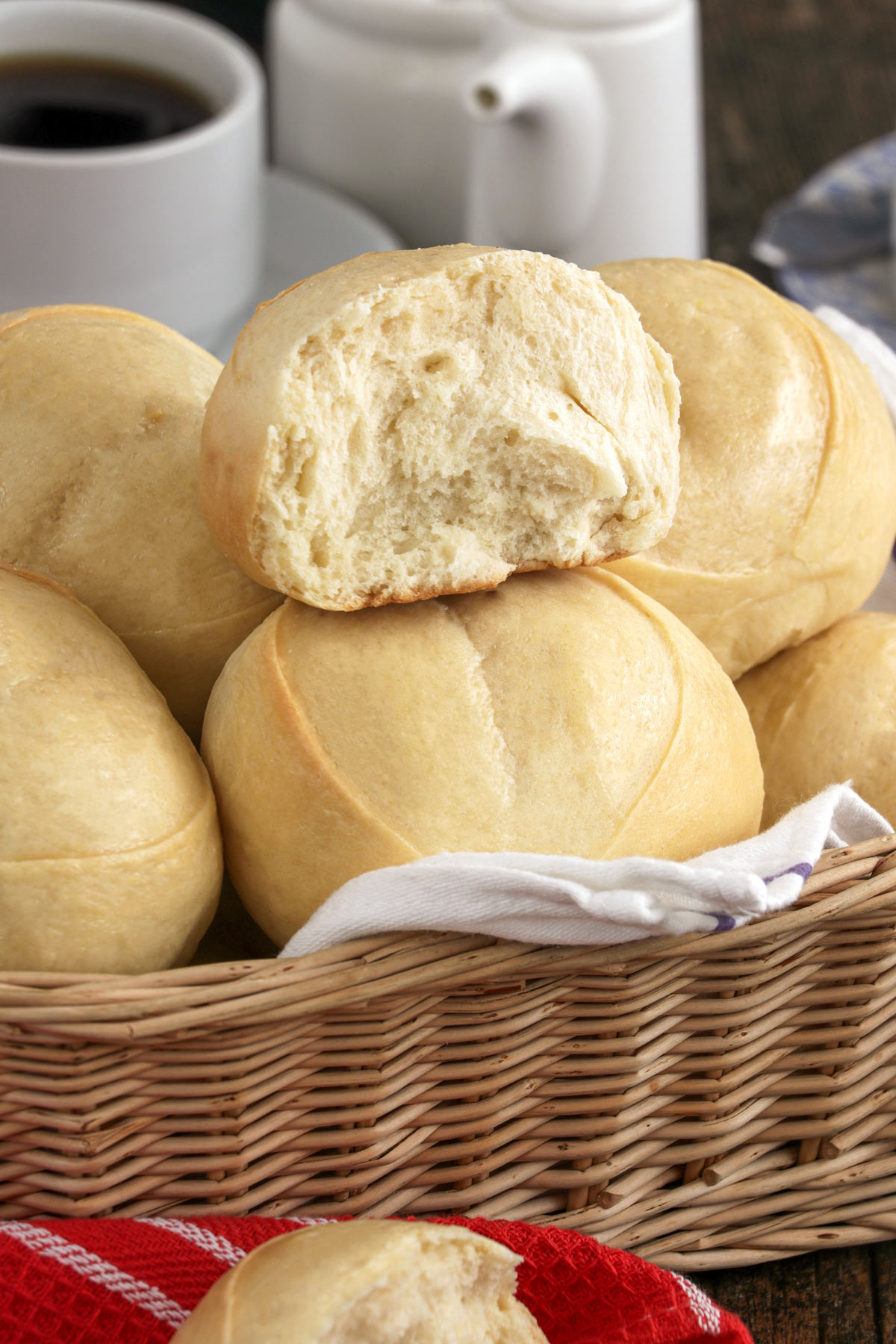
    Perfect Monay bread should have a golden brown crust, a soft texture, a slightly sweet flavor, and a chewy crumb, making it ideal for breakfast or merienda in the Philippines.

    Key Takeaways

    • Monay bread originated from the colonial era and was introduced by Spanish colonizers.
    • It is known for its distinct flavor, traditional round and flat shape, and chewy crumb.
    • Monay bread has evolved with variations in recipes and flavors, including popular variations like Bibingka Cassava and Ensaymadas.
    • The best Filipino bakeries for Monay bread are known for their consistent quality, use of high-quality ingredients, and loyal customer base.

    The Origin of Monay Bread

    The origin of Monay bread in the Philippines can be traced back to the colonial era, when Spanish colonizers introduced this iconic bread with its distinctive resemblance to a coin.

    Over time, it has become a staple in Filipino bakeries and households. The name ‘monay’ is derived from the Spanish word ‘money,’ reflecting the bread’s shape.

    This bread has evolved, with variations in recipes and flavors. Some variations include incorporating purple yam or coconut filling, offering a delightful variety of flavors to suit different preferences.

    Its popularity has led to an array of options, making it a versatile choice for those who enjoy this traditional Filipino bread.

    As a result, Monay bread continues to be a beloved and enduring part of Filipino culinary heritage.

    Characteristics of Perfect Monay

    For the perfect Monay bread, achieving a golden brown crust and a soft, pillowy texture is essential. To ensure its perfection, the following characteristics should be present:

    1. Distinct Flavor: The bread should have a slightly sweet flavor with a hint of butter, adding to its overall appeal.
    2. Traditional Shape: The dough is traditionally shaped into a round, flat form with crisscross patterns on top, contributing to its recognizable appearance.
    3. Chewy Crumb: Monay bread boasts a chewy and dense crumb, making it ideal for dipping in coffee or hot chocolate, enhancing the overall experience.

    These characteristics define the essence of perfect Monay bread, making it a delightful choice for breakfast or merienda in the Philippines.

    Traditional Monay Bread Recipe

    Crafting traditional Monay bread involves combining bread flour, sugar, salt, yeast, butter, and water to create the perfect dough. The dough is then kneaded until smooth and left to rise until doubled in size. Afterward, it is shaped into oval rolls and left to rise again before baking. Here’s a breakdown of the traditional Monay bread recipe:

    Ingredients Measurements
    Bread Flour 4 cups
    Sugar ¼ cup
    Salt 1 teaspoon
    Yeast 1 packet
    Butter ¼ cup
    Water 1 ¼ cups

    The resulting bread has a hard crust and a soft interior, making it perfect for spreading butter or dipping in hot drinks like coffee or chocolate.

    Popular Variations of Monay

    Exploring the popular variations of Monay bread offers a delightful journey into the diverse and flavorful world of Filipino baked goods.

    While the traditional Monay bread is a staple in Filipino bakeries, there are several delightful variations that add an exciting twist to this beloved classic.

    Here are some popular variations you should definitely try:

    1. Bibingka Cassava: A chewy cake made with cassava or yuca root, featuring a sweet and coconutty flavor and often served during the Christmas season.
    2. Ensaymadas: Brioche-like breads topped with butter, sugar, and cheese flakes, commonly enjoyed for breakfast or as a snack and can be filled with coconut or ube (purple yam).
    3. Hopia Hapon, Mongo, and Baboy: Similar to mooncakes in appearance, these flaky pastries come in various flavors like hapon (red bean), mongo (mung bean), or baboy (winter melon with pork fat) and are often eaten as a dessert or snack, best enjoyed with tea or coffee.

    Best Filipino Bakeries for Monay

    Looking for the best Filipino bakeries for monay bread? You’re in for a treat!

    Get ready to discover top monay bread bakeries, popular monay bread shops, and must-try monay bakeries that will satisfy your craving for this beloved Filipino bakery item.

    Top Monay Bread Bakeries

    When seeking out the best Filipino bakeries for monay bread, explore the top bakeries that consistently deliver the perfect balance of softness and density in this traditional Filipino favorite.

    These bakeries use high-quality ingredients to ensure the authentic flavor and texture of monay bread, offering variations such as classic, cheese-filled, or topped with sesame seeds.

    Additionally, the best monay bread bakeries prioritize freshness, providing warm and freshly baked monay bread daily. They often have a loyal customer base who appreciate the consistent quality and taste of their monay bread, making these bakeries a go-to destination for monay bread enthusiasts.

    Popular Monay Bread Shops

    For the best Filipino bakeries that specialize in monay bread, consider these popular shops known for their unique takes on this traditional favorite.

    Bakery Description
    Julie’s Bakeshop Soft and fluffy monay bread with a slightly sweet flavor.
    Pan de Manila Offers traditional monay bread with a crusty exterior and soft interior.
    Goldilocks Famous for their monay bread that pairs well with various spreads and fillings.
    Red Ribbon Offers a modern twist to the classic monay bread, often with unique flavors.
    Baker’s Maison Known for their freshly baked monay bread that’s perfect for breakfast or snacks.

    Must-Try Monay Bakery

    If you’re craving the authentic and delicious flavors of traditional Filipino monay bread, look no further than Must-Try Monay Bakery. Here’s why this bakery is a must-visit for monay enthusiasts:

    1. Variety: Must-Try Monay Bakery offers a wide selection of Filipino bread and pastries, ensuring there’s something for every taste.
    2. Authentic Monay Bread: The bakery is renowned for its delicious and authentic monay bread, a staple in Filipino baking.
    3. Filipino Favorites: In addition to monay bread, customers can indulge in other Filipino favorites such as Bibingka Cassava, Ensaymadas, Hopia, Kutchinta, and Mamon, providing a true taste of traditional Filipino flavors and specialties.

    Experience the best of Filipino baking and satisfy your cravings at Must-Try Monay Bakery.

    Tips for Baking Perfect Monay at Home

    To achieve perfect Monay at home, consider incorporating a longer fermentation time for a more flavorful and aromatic bread. This traditional Filipino bread benefits from a slow fermentation process, which develops its distinct flavor and texture. Here are some essential tips to help you bake the perfect Monay at home:

    Tips for Baking Perfect Monay at Home
    1. Use bread flour for better texture
    2. Knead the dough until smooth and elastic
    3. Allow the dough to ferment for at least 6-8 hours
    4. Shape the dough into oval or round pieces
    5. Make diagonal cuts on top of the dough before baking

    Monay Tasting and Pairing

    Ready to savor the taste of monay bread and explore its perfect pairings?

    Discover the ideal dishes to enjoy with its slightly sweet and dense texture. Whether it’s with savory stews, eggs and bacon, or a cup of coffee, you’ll find the perfect combination to enhance the flavors of this Filipino bakery favorite.

    Monay Bread Pairings

    Enhance your Monay bread tasting experience by exploring a variety of savory and sweet pairings that complement its soft texture and versatile flavor.

    Try these pairings to elevate your Monay bread experience:

    1. Pair with savory dishes like stews, soups, or grilled meats to complement its slightly sweet flavor.
    2. Enjoy with creamy and salty spreads such as cheese, butter, or salted egg to enhance its taste.
    3. For a sweet pairing, try it with jams, preserves, or sweetened coconut spreads for a delightful contrast of flavors.

    Experiment with pairing Monay bread with traditional Filipino snacks like Bibingka Cassava, Ensaymadas, Hopia, Kutchinta, or Mamon for a unique and diverse tasting experience.

    Don’t forget to accompany it with hot beverages like coffee or tsokolate for a complete delight.

    Tasting Monay Varieties

    When exploring the world of Monay bread tasting and pairing, you’ll discover an array of delightful varieties that complement both savory and sweet dishes, expanding your culinary experience with each unique flavor.

    The traditional plain monay offers a classic taste perfect for pairing with savory dishes or enjoying on its own.

    For a sweet and buttery option with a hint of cheese, try the sweet monay, ideal for pairing with coffee or hot chocolate for breakfast or merienda.

    If you’re feeling adventurous, explore the unique taste of ube-filled monay, a delightful pairing with a cup of tea or as a midday snack.

    Indulge in the rich and savory monay with coconut filling, great for pairing with a refreshing glass of cold milk or a tropical fruit smoothie.

    Lastly, savor the delightful combination of salted egg and monay, a perfect pairing for a light and refreshing iced tea or lemonade.

    Recommended Beverage Pairings

    Wondering what beverages pair best with the delightful flavors of Monay bread? Here are some perfect pairings to elevate your Monay bread tasting experience:

    1. Hot Coffee: The rich flavor and aroma of hot coffee complement the hearty taste of Monay bread, creating a satisfying combination.
    2. Hot Chocolate: Indulge in the delightful contrast of sweet and savory flavors by enjoying Monay bread with a cup of hot chocolate.
    3. Warm Milk: For a comforting and soothing experience, pair your Monay bread with warm milk to enhance its wholesome taste.

    These beverage pairings are designed to enhance the flavors of Monay bread, offering a delightful culinary experience. Whether you prefer a hot beverage or a refreshing glass of fruit juice, there’s a perfect pairing to complement your Monay bread tasting journey.

    Monay in Filipino Culture

    In Filipino culture, Monay bread holds a significant place as a beloved staple in bakeries and households.

    Its round shape and scored top, along with a slightly sweet flavor and soft, dense texture, make it a favorite choice for breakfast or snacks.

    You’ll often find Monay bread paired with a steaming cup of coffee or rich hot chocolate, adding to its appeal as a comforting treat.

    Whether enjoyed on its own or with a warm beverage, Monay bread is a symbol of Filipino culinary tradition and community.

    Its presence in bakeries and homes across the country reflects its enduring popularity and cultural significance, making it a cherished part of Filipino food culture.

    Health Benefits of Monay

    Monay bread’s popularity and cultural significance in Filipino culture extend beyond its delicious taste, as it also offers various health benefits.

    When you enjoy monay bread, you’re not only savoring its delightful flavor but also reaping its nutritional value. Here’s why it’s a good choice for your well-being:

    1. Energy Boost: Monay bread provides a good source of carbohydrates, making it an excellent choice for a quick energy boost, especially for active individuals.
    2. Nutrient Content: It contains essential nutrients like iron and B vitamins, which are vital for maintaining good health and overall well-being.
    3. Digestive Health: The fiber in monay bread supports digestive health, aiding in proper digestion and regularity.

    Can I Find Perfect Monay at a Filipino Bakery to Pair with Puto Cheese?

    Yes, you can find the perfect Monay at a Filipino bakery to pair with authentic puto cheese recipe. The fluffy texture and slightly sweet taste of Monay complements the cheesy goodness of puto cheese perfectly. It’s a match made in Filipino bakery heaven.

    Future of Monay Bread Industry

    The future of the Monay bread industry presents exciting opportunities for growth and innovation. By embracing modern technology and alternative ingredients, you can cater to evolving consumer preferences and tap into new market segments.

    Exploring innovative packaging, digital platforms, and sustainable practices will position your bakery for success in a competitive market landscape.

    Industry Trends

    With the evolving consumer landscape, embracing technology, focusing on health and wellness, and diversifying flavors are key strategies shaping the future of the monay bread industry.

    1. Embracing technology: Incorporating online ordering systems and delivery services to cater to changing consumer preferences.
    2. Health and wellness focus: Developing gluten-free and healthier variants of monay bread to meet the demand for healthier options.
    3. Sustainability initiatives: Implementing eco-friendly packaging and sustainable sourcing practices to appeal to environmentally conscious consumers.

    These industry trends reflect a proactive approach to meet the evolving needs of consumers. By embracing technology, focusing on health and wellness, and diversifying flavors, bakeries can position themselves for sustained success in the dynamic market.

    This strategic evolution aligns with changing consumer preferences and ensures the continued relevance of monay bread in the bakery industry.

    Market Opportunities

    Catering to the rising demand for traditional Filipino bread in international markets presents a significant market opportunity for the Monay Bread industry.

    With the potential for innovation and product diversification, such as introducing gluten-free or whole-grain variations, the industry can appeal to health-conscious consumers.

    Leveraging e-commerce platforms and online marketing can open up new avenues for reaching a wider customer base, both locally and globally.

    Collaborating with cafes, restaurants, and food retailers also presents an opportunity to expand the distribution of Monay Bread and introduce it to new customer segments.

    Furthermore, the increasing interest in Filipino cuisine and culture worldwide provides a favorable environment for promoting and popularizing Monay Bread as a unique and authentic Filipino bakery product.

    Embracing these market opportunities can pave the way for the Monay Bread industry to thrive in the future.

    Frequently Asked Questions

    What Is the Difference Between Monay and Pandesal Bread?

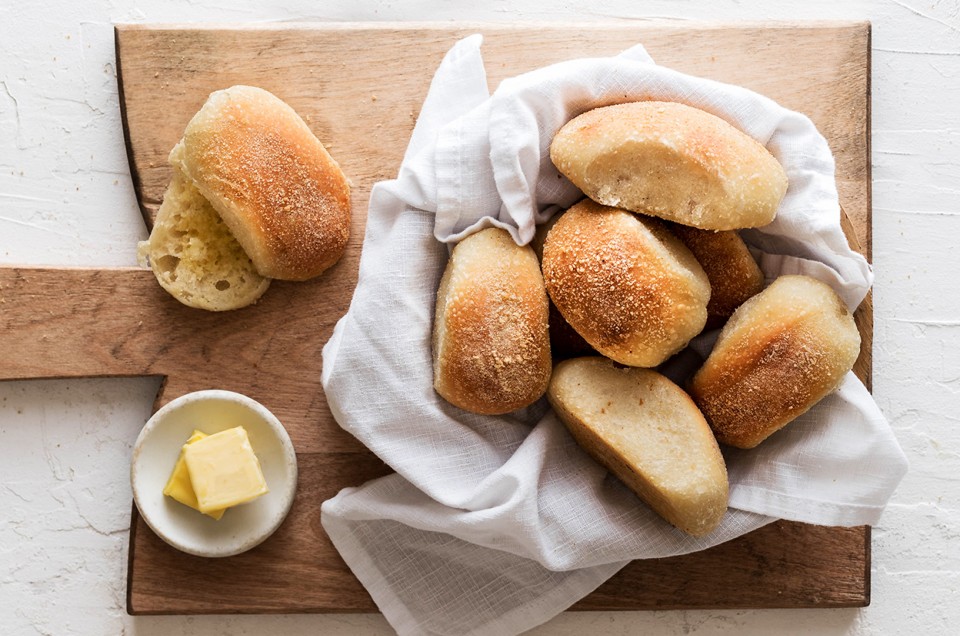
    Monay bread is denser, slightly sweet, and often shaped like a small bun with ridges. Pandesal bread is lighter, slightly salty, and shaped like a small roll with a crusty exterior. Monay is a mid-morning snack, while pandesal is a staple breakfast item in the Philippines.

    What Is the Mother of All Filipino Bread?

    The Mother of all Filipino bread is the classic and iconic Pan de Sal. It’s a traditional bread roll that’s soft, airy, and slightly sweet. It’s a staple for breakfast and can be enjoyed in various ways.

    What Are the Characteristics of Monay Bread?

    Monay bread has a dense, chewy texture with a soft, slightly sweet interior. Its distinct oval shape and golden brown crust give it a rustic appearance. It’s typically made with bread flour, sugar, eggs, and milk.

    What Is the Most Famous Bread in the Philippines?

    The most famous bread in the Philippines is pandesal. It’s a small, sweet bread roll commonly eaten for breakfast and enjoyed throughout the day. It’s often paired with coffee or hot chocolate.

    Conclusion

    Now that you have all the information you need, it’s time to get baking and enjoy the deliciousness of perfect Monay bread.

    Whether you’re making it at home or seeking out the best bakeries, this Filipino bakery guide has equipped you with the knowledge to appreciate and savor this beloved bread.

    So go ahead, indulge in the flavors and traditions of Monay bread and be a part of the thriving Filipino bakery culture.
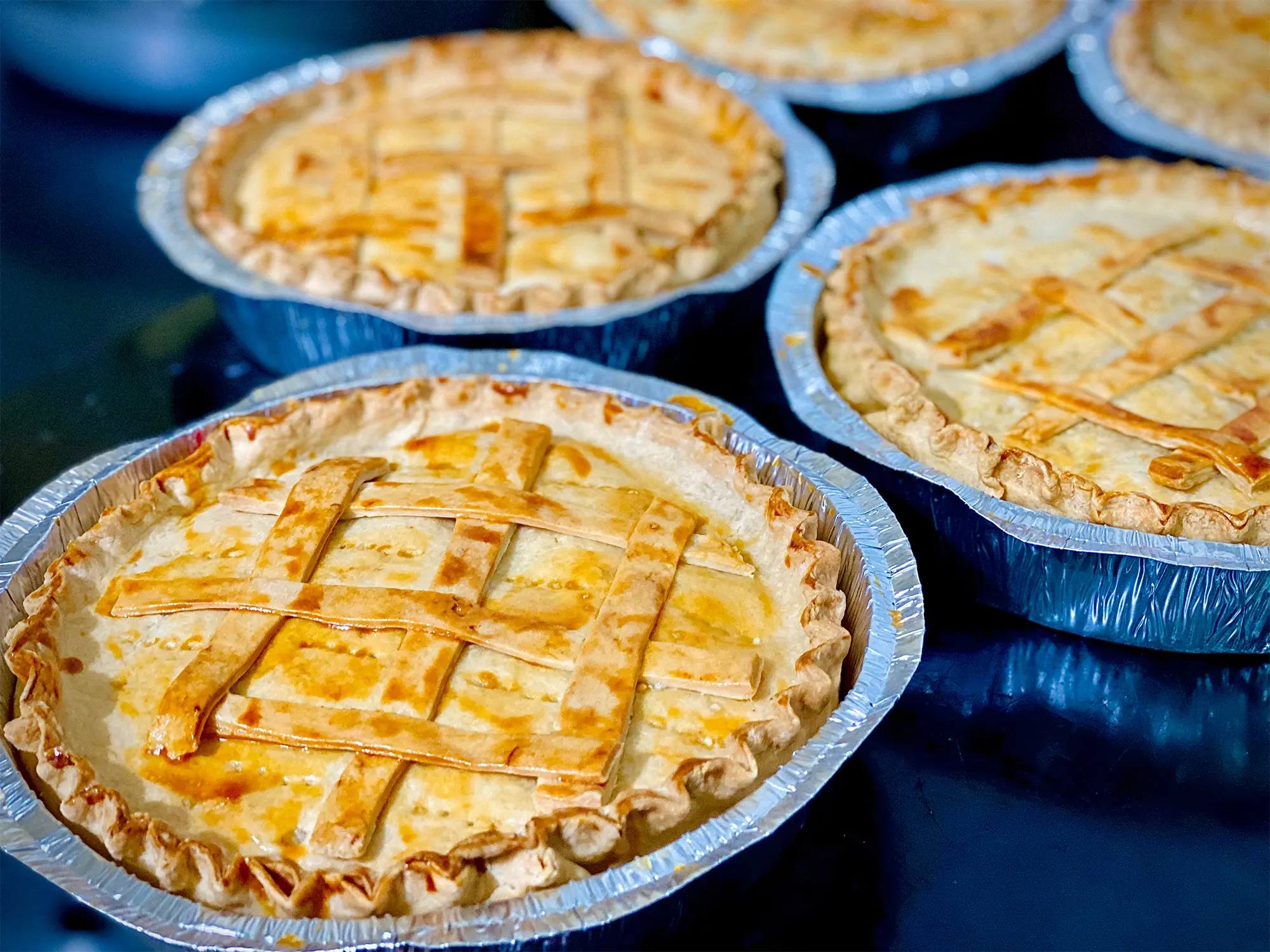

  • What Is Buko Pie? a Beloved Coconut Delight

    What Is Buko Pie? a Beloved Coconut Delight

    Buko Pie is a beloved Filipino coconut dessert originating from the Pahud sisters in Laguna, Philippines, known for its sweet and creamy filling made with young coconut meat and a flaky crust.

    Key Takeaways

    • Buko Pie originated from the Pahud sisters in Laguna, Philippines, who adapted the concept of American apple pie and used coconuts as a local alternative.
    • The key ingredients and flavors of Buko Pie include young coconut meat, sweetened condensed creamer, flaky pie crust, and optional flavorings like vanilla extract or pandan leaves.
    • There are variations of Buko Pie that can be made at home, such as experimenting with different crust options, using fresh young coconut, and adding condensed milk for sweetness.
    • Proper packaging and storage in an airtight container or freezer can extend the shelf life of Buko Pie, which is typically 2-3 months.

    The Origins of Buko Pie

    The origins of Buko Pie can be traced back to the Pahud sisters in Laguna, Philippines, who adapted the concept of American apple pie and used coconuts as a local alternative due to the scarcity and expense of apples.

    Soledad Pahud and her sisters created the original Buko Pie, a delicious recipe that quickly became a Filipino favorite. Their innovative use of coconut transformed the traditional American pie into a unique Filipino delicacy.

    The Province of Laguna, particularly in Los Baños, became the home of the first Buko Pie bakeshop, where the pastry gained immense popularity. This adaptation is a testament to the resourcefulness of Filipino cuisine, incorporating local ingredients to create a beloved coconut delight that continues to be enjoyed by locals and visitors alike.

    Key Ingredients in Buko Pie

    With the origins of Buko Pie rooted in the resourceful adaptation of American apple pie, let’s now explore the key ingredients that make this beloved coconut delight.

    • Young coconut meat: The star ingredient, providing the pie’s signature flavor and texture. This tender and juicy coconut meat gives Buko Pie its distinct tropical taste and chewy consistency, setting it apart from other coconut desserts.
    • Sweetened condensed creamer: Adds sweetness and richness to the filling. The creamy and sweet condensed creamer enhances the coconut flavor and creates a luscious, indulgent filling that’s a hallmark of this Filipino food favorite.

    The combination of these key ingredients results in a delectable creamy filling encased in a flaky pastry crust, making Buko Pie a delectable coconut pie that’s cherished by many.

    The Flavors of Buko Pie

    Explore the delightful array of flavors that make Buko Pie a beloved treat in Filipino cuisine. The pie filling can vary, but the key ingredients remain the same: young coconut, Filipino Coconut, and a flaky pastry crust. The pie is often sweetened with condensed milk, which adds a rich and creamy texture to the filling.

    Some recipes also incorporate coconut water for a more refreshing taste. The addition of vanilla extract or pandan leaves enhances the overall flavor profile, providing a unique and aromatic experience. Below is a table summarizing the flavors and variations of Buko Pie:

    Flavor Profile Description
    Sweet and Creamy Condensed milk sweetness
    Refreshing Coconut water infusion
    Aromatic Vanilla or pandan essence

    These flavors combine to create a truly indulgent and satisfying dessert experience.

    Variations of Buko Pie

    For a unique twist on the classic Buko Pie, consider experimenting with different crust options to add a new dimension to this beloved coconut dessert. You can try a graham cracker crust to bring a hint of sweetness and a slightly different texture to the pie.

    Additionally, consider using fresh young coconut instead of frozen shredded coconut for a more authentic and flavorful filling. This can elevate the taste and provide a different texture, enhancing the overall experience of the Filipino pie.

    Making Buko Pie at Home

    Ready to make your own delicious buko pie at home?

    Let’s start by exploring the recipe for homemade buko pie, the essential ingredients you’ll need, and the step-by-step baking instructions.

    With these simple points in mind, you’ll be well-equipped to create this beloved coconut delight in your own kitchen.

    Recipe for Homemade Buko Pie

    To prepare a homemade Buko Pie, start by gathering the necessary ingredients and equipment:

    • Ingredients:
    • Young, tender coconut meat
    • Flaky pie crust
    • Process:
    • Follow the step-by-step process for making the Buko Pie filling, combining dry ingredients, whisking in eggs, and mixing well with shredded young coconut.

    Explore variations such as using fresh coconut, adding condensed milk for sweetness, incorporating flavorings like vanilla extract, or using a different crust like graham cracker.

    Ingredients Needed

    Looking to make homemade Buko Pie? Wondering which ingredients you’ll need to create this delicious coconut treat? Here’s what you’ll need:

    Ingredients Instructions
    Double pie crust or ready-made pie crust for convenience Prepare the crust for the pie.
    1/4 teaspoon salt Enhance the flavor of the crust and filling.
    1 cup flour Use for the crust and to thicken the filling.
    1/2 cup plus 2 tablespoons sugar Sweeten the filling.
    3/4 cup powdered milk Enrich the filling and add creaminess.

    Additionally, you’ll need water, butter, cups of young coconut meat, a rolling pin for preparing the crust, a pie pan for baking, unsalted butter for the filling, and egg wash for a golden finish. Now you have all the ingredients to start making your delightful Buko Pie at home!

    Baking Instructions

    For a delicious homemade Buko Pie, start by preheating your oven to 375 degrees Fahrenheit.

    • Roll out the pie dough and fit it into a pie dish.
    • Ensure the edges are properly sealed to prevent the filling from leaking during baking.
    • Prick the bottom and sides of the crust with a fork to prevent air pockets from forming.

    Prepare the Buko Pie filling by combining the shredded young coconut, water, and meat with the dry ingredients. Then, whisk in the eggs until well combined.

    • Make sure the filling is evenly spread in the pie crust.
    • Place the top crust over the filling and seal the edges properly.

    Serving Suggestions for Buko Pie

    How can you enhance your Buko Pie experience with simple serving suggestions?

    • Enjoy Buko Pie at room temperature or slightly warmed to bring out its flavors.
    • Pair it with a scoop of vanilla ice cream for a delightful dessert experience.
    • Serve Buko Pie as a popular pasalubong (gift) during holidays and special occasions.
    • Refrigerate leftover Buko Pie for a few days and reheat before serving for continued enjoyment.
    • Explore different stores in Laguna, Batangas, and Tagaytay to find the best Buko Pie that suits your taste.
    • You can also complement your Buko Pie with a refreshing glass of coconut water to enhance the overall coconut experience.

    These serving suggestions will make your Buko Pie indulgence even more enjoyable.

    Storing and Preserving Buko Pie

    To ensure the freshness of your Buko Pie, it’s important to store it properly.

    Refrigerate the pie for short-term freshness or freeze it for longer preservation.

    Make sure to wrap the pie tightly before refrigerating or freezing to maintain its quality and flavor.

    Refrigeration for Freshness

    To maintain the freshness and flavor of leftover Buko Pie, it should be stored in the refrigerator for 3-4 days. Here are some tips to ensure the pie stays delicious:

    • Keep the Buko Pie in an airtight container to prevent it from absorbing refrigerator odors and to retain its moisture. This will help preserve the pie’s taste and texture, as well as prevent it from drying out.

    Freezing for Longevity

    When it comes to preserving the delightful flavor of Buko Pie for an extended period, freezing is a key method to ensure its longevity and continued enjoyment. Freezing the pie allows you to savor the taste of young coconut and its water content for an extended period. This method significantly extends the shelf life of the pie, maintaining its freshness and flavors. Below is a table illustrating the freezing process for Buko Pie:

    Freezing Instructions Details
    Storage container Airtight, freezer-safe
    Preparation Cool completely before freezing
    Shelf life 2-3 months

    Packaging for Transport

    For optimal preservation and safe transport of Buko Pie, ensure it’s securely stored in an airtight container or tightly wrapped in plastic film or aluminum foil.

    When packaging for transport, consider the following:

    • Secure Packaging: Use an airtight container or tightly wrap the pie in plastic film or aluminum foil to prevent air and moisture from reaching the pie. This helps maintain the pie’s freshness and prevents it from drying out during transport.
    • Stable Positioning: Place the packaged pie on a flat surface and avoid tilting or stacking heavy items on it. This ensures the pie remains intact and prevents any damage to its structure during transportation.

    Can I use the same secrets for making Egg Pie to make Buko Pie?

    Yes, you can apply the same creamy egg pie secrets to make Buko Pie. The key to a lusciously creamy filling lies in the perfect balance of fresh ingredients, precise measurements, and careful baking. With the right technique, you can create a delectable Buko Pie with the same secrets used for Egg Pie.

    Exploring the Popularity of Buko Pie

    The popularity of Buko Pie in the Philippines is undeniable, with its widespread availability and numerous variations catering to diverse tastes. This beloved coconut dessert is a favorite pasalubong, especially in Laguna Province, and is enjoyed year-round, particularly during holidays and special occasions.

    Variations of Buko Pie range from using fresh coconut instead of frozen shredded coconut to incorporating additional flavorings like vanilla extract or pandan leaves. Different types of crust using white cheese or a round baking style add to the diversity of this treat. It’s recommended to explore different stores to find the one that suits your taste.

    The basic Buko Pie recipe includes a crust and a filling made with young coconut meat, and there are several variations of Buko Pie, each with its own unique taste.

    Frequently Asked Questions

    What Is the Meaning of Buko Pie?

    The meaning of buko pie is a beloved Filipino dessert made with young coconut meat, known for its sweet and creamy filling and flaky crust. It’s a must-try when visiting the Philippines.

    How Much Is Buko Pie in the Philippines?

    In the Philippines, buko pie typically costs around 100 to 150 pesos. It’s a popular coconut dessert that’s well-loved for its sweet, creamy filling and flaky crust. You should definitely try it!

    Is Buko Pie Good for Health?

    Yes, buko pie can be a delicious treat, but it’s best enjoyed in moderation. The young coconut meat provides a creamy, satisfying filling. Like any dessert, it’s important to consider portion sizes for overall health.

    How Long Can You Eat Buko Pie?

    You can eat Buko Pie at room temperature for a day or two, refrigerated for 3-4 days, or frozen for 2-3 months. Thaw frozen pie in the refrigerator overnight before serving and reheat in the oven at 375°F for 20-30 minutes.

    Conclusion

    So, now you know all about buko pie – a delicious Filipino coconut dessert that has captured the hearts of many.

    From its origins in the Laguna Province to its various flavors and variations, buko pie is a versatile and beloved treat.

    Whether you’re enjoying it as a dessert or sharing it as a gift, buko pie is sure to bring delight to any coconut lover.

    Try making it at home and experience the joy of this delightful coconut delight!

  • Top 6 Filipino Bread and Pastry Shops Guide

    Top 6 Filipino Bread and Pastry Shops Guide

    These top 6 Filipino bread and pastry shops are a must-visit for anyone looking to indulge in the best of Filipino baked goods, offering a wide range of options from classic favorites to innovative creations. Whether you’re a local or a tourist, be sure to stop by these shops and treat yourself to mouthwatering bread and pastries that will leave you craving for more.

    Key Takeaways

    • Tous Les Jours is a prominent bread and pastry shop in the Philippines, known for its high-quality ingredients and attention to freshness.
    • Conveniently located in various areas across the country, Tous Les Jours is easily accessible for customers in different regions.
    • The shop offers a combination of traditional and modern Filipino breads and pastries, showcasing the heritage of Filipino bread-making while also adding a contemporary twist.
    • Other well-known Filipino bread and pastry shops include Pan De Manila, Goldilocks Bakeshop, Red Ribbon Bakeshop, and Mary Grace Cafe, each offering their own signature treats.

    Pan De Manila

    Offering a delectable array of traditional and modern Filipino breads and pastries, Pan De Manila stands as a beloved bakery chain, renowned for its signature Pandesal and Spanish Bread.

    As you step into Pan De Manila, the aroma of freshly baked Filipino bread welcomes you, enticing you to savor every bite. From the classic Pan de Sal to the delightful Pan de Coco, each bread exudes the authentic flavors of the Philippines. The soft, pillowy texture of the Pan de Coco, filled with sweetened coconut, is an absolute delight for your taste buds.

    As you explore the shelves, you’ll also find fusion creations like Ube Cheese Pandesal and Cheese Roll, adding a modern twist to traditional favorites. Pan De Manila caters to every palate, ensuring that even health-conscious individuals can indulge in guilt-free delights like Sugar-free Puto and Whole Wheat Pan de Sal.

    Goldilocks Bakeshop

    If you’re a fan of Filipino breads and pastries, Goldilocks Bakeshop offers an impressive selection of popular pastries and the best bread choices.

    From the classic pandesal to the unique ube cheese pandesal, there’s something for every palate at Goldilocks.

    Whether you’re craving traditional or modern Filipino treats, Goldilocks Bakeshop is the place to explore the diverse and delicious world of Filipino baked goods.

    Popular Pastries at Goldilocks

    Indulge in the delightful array of popular pastries at Goldilocks (Goldilocks Bakeshop), showcasing a rich diversity of flavors and textures that have captivated the Filipino palate for generations.

    Goldilocks is renowned for its freshly baked Filipino breads and pastries, with signature treats that have become beloved classics.

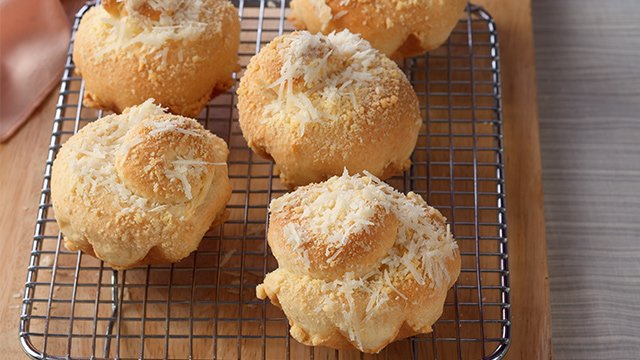
    The Ensaymada is a sweet and buttery bread topped with grated cheese and sugar, offering a perfect balance of flavors.

    Mamon, a soft and fluffy sponge cake, comes in various delectable flavors such as ube, butter, and mocha.

    The Polvoron, a sweet, powdery shortbread-like treat, melts in your mouth with its delightful sweetness.

    And who can resist the Ube Roll, a delightful purple yam cake roll filled with sweet ube jam and creamy filling?

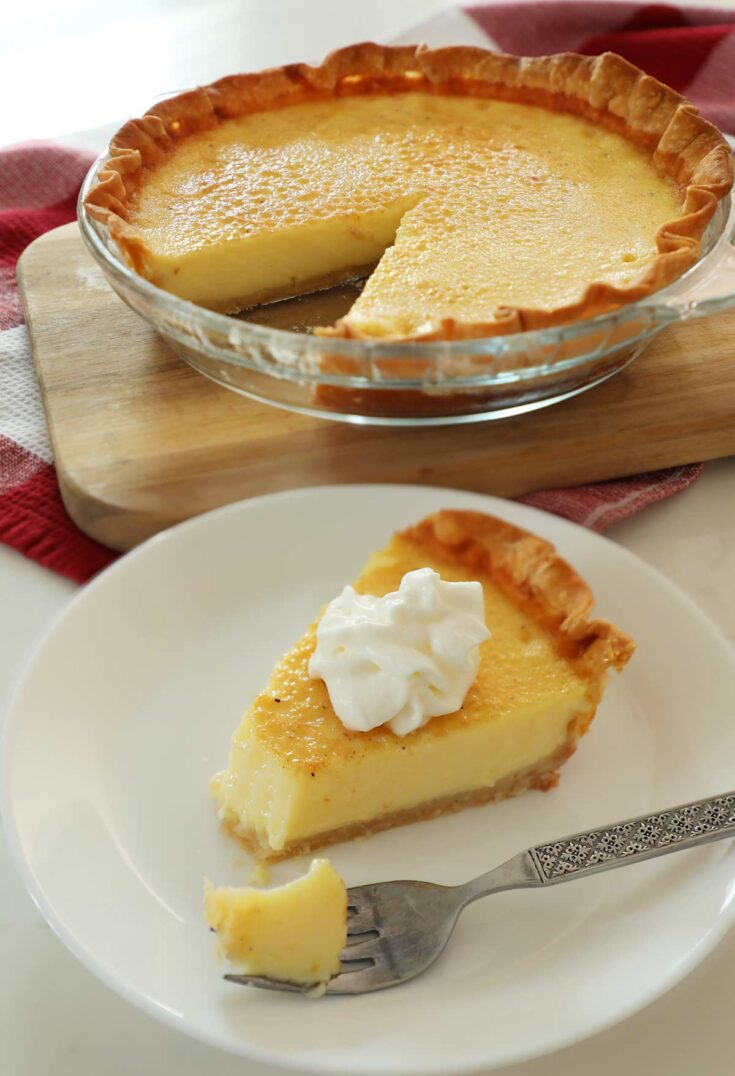
    Lastly, the Egg Pie, a creamy custard pie with a flaky crust, is a timeless Filipino dessert that embodies Goldilocks’ commitment to quality and tradition.

    Best Bread Selections

    Explore the tantalizing array of Goldilocks Bakeshop’s best bread selections, showcasing a delightful fusion of traditional and modern Filipino flavors. When you visit Goldilocks Bakeshop in Metro Manila, be sure to indulge in their exquisite Filipino bread offerings, including:

    • Pandesal: A classic Filipino bread roll, perfect for breakfast or as a snack.
    • Ensaymada: A sweet and buttery bread topped with grated cheese and sugar.
    • Spanish Bread: Soft bread filled with sweet butter and sugar.
    • Pan de Coco: A bread filled with sweetened coconut flakes.
    • Hopia: A flaky pastry with sweet mung bean or pork filling.

    Goldilocks Bakeshop also offers a variety of fusion and modern Filipino breads and pastries, such as Ube Cheese Pandesal, Yema Cake, and Mango Bravo.

    Indulge in these exquisite flavors that represent the rich culinary heritage of the Philippines.

    Red Ribbon Bakeshop

    Red Ribbon Bakeshop beckons all dessert enthusiasts with its delectable array of Filipino breads and pastries, renowned for their rich flavors and moist textures.

    This popular bakeshop is a go-to for those seeking traditional Filipino desserts. Their extensive menu features a wide variety of Filipino breads and pastries, including the famous ensaymada and ube cake. Customers rave about their mango cake and mamon, a soft sponge cake that melts in your mouth.

    Red Ribbon Bakeshop has numerous locations, making it easily accessible for anyone craving authentic Filipino sweets. Whether you’re in the mood for a classic Filipino treat or looking to try a fusion dessert, Red Ribbon Bakeshop has something for every sweet tooth.

    Mary Grace Cafe

    When you step into Mary Grace Cafe, you’ll immediately feel the inviting ambiance and warm service that sets the stage for a delightful dining experience.

    The cafe’s popular menu items, from their delectable pastries to the comforting Filipino dishes, are sure to satisfy your cravings.

    Whether you’re in the mood for a leisurely coffee break or a hearty meal, Mary Grace Cafe offers a charming setting and delicious food that you won’t want to miss.

    Popular Menu Items

    What makes Mary Grace Cafe’s menu stand out as a must-try for anyone with a sweet tooth or a craving for authentic Filipino flavors?

    Mary Grace Cafe offers a delightful range of Filipino breads and pastries that are sure to satisfy your cravings. Indulge in their decadent Hot Chocolate, a perfect complement to their classic Ensaymada—a sweet and buttery bread topped with grated cheese and sugar.

    For a savory treat, their Tuyo Pasta, made with dried fish and olive oil, is a popular choice. Don’t miss out on their Tapsilog, a delicious Filipino breakfast dish featuring beef tapa, garlic fried rice, and a fried egg.

    Lastly, their Cheese Roll, filled and topped with cheese, is another beloved option for those craving delicious breads.

    Ambiance and Service

    Indulging in the delightful range of Filipino breads and pastries at Mary Grace Cafe will be complemented by the cozy and homey ambiance, as well as the warm and attentive service, creating a welcoming and friendly atmosphere for your dining experience. The cafe’s charming and rustic interior adds to the ambiance, providing a comforting environment for patrons.

    The staff’s excellent customer service ensures that guests feel valued and well taken care of during their visit. The combination of the cafe’s inviting ambiance and impeccable service creates a delightful setting to enjoy Filipino cuisine and baked goods.

    Ambiance Service
    Cozy and homey Warm and attentive
    Charming and rustic Excellent customer service
    Comforting environment Guests feel valued
    Delightful setting Welcoming and friendly
    Inviting atmosphere Impeccable service

    BreadTalk

    BreadTalk, located in Luzon, beckons with its reputation for offering a wide variety of high-quality bread and pastries that have made it a favorite among locals. The bakery is a go-to destination for those seeking delicious Filipino breads and pastries. Here are some reasons why BreadTalk stands out:

    • Freshly baked bread: BreadTalk prides itself on delivering freshly baked Filipino breads and pastries, ensuring top-notch quality.
    • Innovative flavors: The bakery constantly introduces new and innovative flavors, catering to diverse palates.
    • Cozy ambiance: The inviting ambiance at BreadTalk enhances the overall experience of enjoying their delectable treats.
    • Community favorite: With a rating of 2.2, BreadTalk has garnered a loyal following within the local community.
    • Varied selection: From classic favorites to unique creations, BreadTalk offers a wide range of bread and pastry options to satisfy every craving.

    Which Filipino Bread and Pastry Shops Offer the Best Monay?

    When it comes to finding the best monay, look no further than your local Filipino bakery. These shops offer the perfect blend of traditional flavors and modern twists in their baked goods. From classic monay to unique variations, Filipino bakery monay perfect options are sure to satisfy your cravings.

    Tous Les Jours

    Tous Les Jours, a prominent fixture in the Filipino bakery scene, is renowned for its diverse selection of freshly baked bread and pastries that captivate the senses with their delightful flavors and textures.

    From the soft and pillowy Spanish Bread to the sweet and creamy Ensaymada, Tous Les Jours offers an array of Filipino breads that cater to every palate.

    The bakery’s commitment to using high-quality ingredients shines through in their products, ensuring an exceptional culinary experience with every bite.

    Conveniently located in several areas across the Philippines, Tous Les Jours provides a delightful escape into the world of delectable pastries and breads.

    Whether you’re craving a traditional Pan de Coco or a modern twist on the classic Ube Ensaymada, Tous Les Jours is the go-to destination for satisfying your bread and pastry cravings.

    Frequently Asked Questions

    What Are the Top 10 Pinoy Breads?

    You asked about the top 10 Pinoy breads. While there are many delicious options, some classics include pandesal, ensaymada, Spanish bread, pan de coco, and hopia. Each offers a unique and delightful flavor experience.

    What Is the Famous Bun in the Philippines?

    The famous bun in the Philippines is the pandesal. It’s a staple enjoyed for breakfast, known for its softness and slightly sweet flavor. It’s a beloved part of Filipino culture and a must-try for visitors.

    What Is the Most Popular Baked Products in the Philippines?

    The most popular baked products in the Philippines include pandesal, ensaymada, Spanish bread, pan de coco, and hopia. These traditional breads and pastries are beloved for their unique flavors and are enjoyed by many Filipinos every day.

    What Is the Most Popular Bakery Items?

    The most popular bakery items in the Philippines are pandesal, ensaymada, Spanish bread, pan de coco, and hopia. These delectable treats are beloved for their unique flavors and textures, making them a delightful choice for locals and visitors alike.

    Conclusion

    In conclusion, these top 6 Filipino bread and pastry shops are a must-visit for anyone looking to indulge in the best of Filipino baked goods.

    From the classic favorites to innovative creations, these shops offer a wide range of options to satisfy your cravings.

    So, whether you’re a local or a tourist, be sure to stop by these shops and treat yourself to some mouthwatering bread and pastries that will leave you craving for more.

  • Egg Pie Perfection: 4 Creamy Delight Secrets Revealed

    Egg Pie Perfection: 4 Creamy Delight Secrets Revealed

    To achieve creamy delight in an egg pie, start by mastering the perfect pie crust with flour, sugar, cold butter, and egg yolk, then create a creamy filling using evaporated milk and warm milk for a velvety texture.

    Key Takeaways

    • A perfect pie crust is achieved by combining flour, sugar, salt, cold butter, and egg yolk and letting the dough rest before rolling it out and baking it for a golden finish.
    • To create a creamy filling, use evaporated milk for a rich texture and slowly add warm milk to the sugar mixture. Beat egg whites until soft peaks form and gently combine them with the milk mixture before pouring it into the pie crust.
    • Enhance the flavor of the pie by using high-quality vanilla extract, freshly grated nutmeg, different types of sugar, and a small amount of lemon zest.
    • Follow baking and serving tips such as preheating the oven, placing the pie on the middle rack, covering it with foil to prevent over-browning, allowing it to cool before slicing, and serving it with whipped cream or powdered sugar.

    The Perfect Pie Crust

    When you want to create the perfect pie crust, start by combining flour, sugar, salt, cold butter, and egg yolk in a food processor until the dough comes together. This is where the magic begins. As the ingredients blend, the scent of butter and flour fills the air, promising a delectable treat.

    After you cut the butter into the dry ingredients, slowly add the egg yolk, watching as the mixture transforms into a cohesive dough. Then, let it rest in the fridge for 30 minutes. This waiting period is essential for the dough to relax and become more pliable. It’s like a well-deserved break before the grand performance.

    Once it’s rested, roll it out between two sheets of baking paper, and transfer it to the pie pan. Now, it’s ready to embrace the luscious filling and be placed in the preheated oven for a golden finish.

    Secret to Creamy Filling

    To achieve a perfectly creamy filling for your pie, consider using a can of evaporated milk to impart a rich and luxurious texture. Slowly adding warm milk to the sugar mixture creates a smooth and velvety filling.

    Beating egg whites until soft peaks form adds lightness and fluffiness to the filling. Gently combine the egg white foam with the milk mixture to maintain the airy texture.

    When pouring the filling into the pie crust, you’ll achieve a luscious and creamy egg pie. This secret to a creamy filling ensures that every bite of your pie is a delightfully decadent experience.

    The use of evaporated milk and the careful incorporation of ingredients result in a filling that isn’t only creamy but also perfectly balanced in texture and flavor.

    Flavorful Ingredient Enhancements

    After mastering the secret to a perfectly creamy filling, you’re now ready to elevate the flavor profile with some exciting ingredient enhancements.

    1. Start by using high-quality vanilla extract to infuse the filling with a rich and aromatic flavor that complements the custardy texture of the pie.
    2. Consider adding a pinch of freshly grated nutmeg to introduce a warm and fragrant note that will tantalize your taste buds with every bite.
    3. Experiment with different types of sugar such as brown sugar or coconut sugar to impart a unique and nuanced sweetness that adds depth to the overall flavor.
    4. Incorporate a small amount of lemon zest for a burst of citrusy brightness that cuts through the richness of the filling, adding a refreshing twist to the classic egg pie.

    What are the Secret Ingredients for Making a Creamy Egg Pie?

    When making a creamy egg pie, the secret ingredient is using a perfect sweet coconut bread recipe for the crust. The slight sweetness and hint of coconut flavor add depth to the dish. Combined with the creamy egg filling, it creates a delicious and unique flavor combination. Try it for your next brunch!

    Baking and Serving Tips

    For a perfectly baked and elegantly served egg pie, it’s essential to ensure the oven is preheated to the specified temperature and that the pie is placed on the middle rack for even heat distribution. This ensures that the pie bakes evenly, with a golden crust and a creamy center.

    To prevent over-browning, cover the pie with foil halfway through the baking time. Once the pie is done, allow it to cool completely before slicing to ensure clean, neat slices that showcase the luscious filling.

    When serving, add a dollop of whipped cream or a sprinkle of powdered sugar for an extra touch of indulgence. These simple tips will elevate your egg pie experience, making it a delightful treat for any occasion.

    Frequently Asked Questions

    What Are the 5 Tips for Pie Perfection?

    To achieve pie perfection, choose high-quality ingredients, chill the crust, and use a proper pie pan. Gradually combine warm milk with sugar, and beat egg whites to soft peaks. Incorporating these tips ensures a creamy, delightful pie.

    What Is the Secret to Making Amazing Pie Dough?

    To make amazing pie dough, keep everything cold and use a food processor to evenly mix butter for a flaky texture. Gradually add wet ingredients to avoid overworking the dough. Let it rest in the fridge before rolling.

    What Is the Secret to Rolling Out Pie Crust?

    When rolling out pie crust, start by chilling the dough to make it easier to work with. Use a light touch and roll from the center outwards, dusting with flour to prevent sticking. Carefully transfer it to the pan and patch any tears.

    What Is the Most Important Rule When Making Pie Crust?

    When making pie crust, the most important rule is keeping everything cold. The colder the ingredients and utensils, the flakier the crust. Handle the dough gently and blind bake for a perfect, crispy bottom.

    Conclusion

    Now that you know the secrets to achieving creamy delight in an egg pie, it’s time to put your new knowledge to the test.

    Start by perfecting your pie crust, then focus on creating a creamy filling using the secret ingredient.

    Don’t forget to enhance the flavor with your favorite ingredients and follow the baking and serving tips for a truly perfect egg pie.

    Get ready to impress with your delicious creation!

  • Long-Term Storage Tips for Filipino Breads

    Long-Term Storage Tips for Filipino Breads

    To keep Filipino bread fresh, use paper wrapping or a bread box for proper air circulation and protection from pests. Avoid plastic wrap and refrigeration, opt for airtight containers in a cool, dry area of the kitchen.

    Key Takeaways

    • Use paper wrapping and bags, or invest in a bread box, to ensure proper air circulation and protection from pests.
    • Avoid plastic wrap and refrigeration, as they can dry out the bread and promote mold growth.
    • Store bread in airtight containers made of glass or plastic with tight-fitting lids to keep it fresh.
    • Choose a cool and dry area of the kitchen for bread storage, away from direct sunlight, heat sources, and high humidity levels.

    Proper Packaging for Freshness

    For optimal freshness, ensure proper packaging is employed when storing Filipino breads.

    To keep your bread fresh, avoid using plastic wrap. Instead, opt for paper wrapping and bags to allow for better air circulation and moisture control.

    Consider investing in a bread box, which not only keeps your bread fresh but also provides the necessary air circulation and protection from pests.

    Refrigeration is a no-go, as it can dry out the bread and promote mold growth due to moisture retention.

    Freezing bread in portioned slices with freezer bags and properly defrosting them can help maintain freshness for longer periods.

    Additionally, store your bread away from heat-releasing appliances and avoid plastic to extend its shelf life.

    These simple packaging and storage tips can make a significant difference in preserving the freshness of your Filipino bread.

    Ideal Storage Locations

    Consider storing your Filipino bread in a cool and dry area of the kitchen to maintain its freshness, while also protecting it from heat-releasing appliances and pests.

    To achieve this, you can:

    1. Place the bread in a paper bag or a reusable bread bag to allow it to breathe and maintain its texture.
    2. Store the bread in a cabinet or deep drawer if you prefer not to keep it on the counter, ensuring that it’s shielded from direct sunlight and heat sources.
    3. Avoid storing bread in plastic as it can trap moisture and lead to mold growth.

    Avoiding Moisture and Heat

    To maintain the freshness of your Filipino bread, it’s crucial to shield it from moisture and heat sources. When you store your freshly baked bread, avoid using plastic as it prevents the bread from breathing and traps moisture, which can lead to mold growth. Instead, opt for paper storage to maintain its quality.

    The best way to store your bread is to keep it in the paper wrapping it came in and cover the cut or exposed end with another paper bag. Additionally, ensure that you don’t place the bread near heat-releasing appliances, as heat can expedite staleness and spoilage.

    Utilizing Freezing Techniques

    When freezing your Filipino bread, portion it out to maintain its freshness and prevent unnecessary waste. Utilize freezing techniques to keep your bread at its best for longer periods. Here’s how to do it:

    1. Portion the bread into serving sizes before freezing to make it easier to thaw only what you need. This helps maintain the freshness of the remaining bread.
    2. Use freezer bags or plastic wrap to protect the bread from freezer burn and to keep it from absorbing odors from other foods in the freezer.
    3. When defrosting, remove the plastic to prevent moisture from affecting the bread’s texture. For the best taste and texture, warm the frozen bread in an oven or toaster after defrosting.

    Freezing is the best way to store Filipino bread for extended periods while keeping it fresh.

    Longevity of Bread Box Use

    Looking to keep your bread fresh for longer? Using a bread box can work wonders for extending the shelf life of your bread.

    Not only does it provide proper ventilation, but it also keeps pests at bay, ensuring your bread stays delicious and enjoyable for an extended period of time.

    Plus, with their attractive designs, bread boxes can add a touch of style to your kitchen while serving a practical purpose.

    Bread Box Effectiveness

    Consider utilizing a bread box to effectively maintain the freshness of your Filipino bread and protect it from pests. The bread box’s design allows for proper air circulation, keeping bread from becoming too moist or too dry, which ultimately extends its lifespan.

    Additionally, the enclosed space of a bread box provides a barrier against pests, preventing insects or rodents from getting to your bread.

    Not only does a bread box serve a practical function, but it can also add a touch of charm to your kitchen decor. With its dual purpose of preservation and aesthetics, a bread box is a valuable tool for keeping your Filipino bread fresh and lasting longer.

    1. Proper air circulation
    2. Protection from pests
    3. Practical and decorative kitchen storage

    Shelf Life Extension

    To maximize the longevity of your Filipino bread’s freshness, incorporating a bread box into your storage routine ensures proper air circulation and protection from pests, ultimately extending its shelf life.

    A bread box serves as an attractive and effective method for storing bread, allowing for longer freshness and also serving as kitchen decor. The box effectively lets out air and keeps bread safe from pests, making it a great choice for prolonging bread shelf life.

    Opting for a bread box as a storage option is a simple yet effective way to maintain the quality and taste of your Filipino bread over an extended period. With a bread box, you can keep your bread fresh and delicious for a longer time, ensuring that none of it goes to waste.

    Proper Ventilation Importance

    The key to maximizing the longevity of your Filipino bread’s freshness, as discussed in the previous subtopic, is ensuring proper ventilation in your chosen bread box. Proper ventilation is vital for maintaining bread freshness over time.

    Here’s why it matters:

    1. Preventing Moisture Buildup: Adequate air circulation helps prevent moisture from accumulating inside the bread box, which can lead to soggy or moldy bread.
    2. Preserving Texture and Flavor: Proper ventilation preserves the texture and flavor of the bread, ensuring it stays delightful to eat for an extended period.
    3. Mold Prevention: Good ventilation minimizes the risk of mold spores settling on the bread, keeping it mold-free and safe to eat.

    Selecting a bread box with proper ventilation is essential for long-term storage of your Filipino bread, ensuring it stays fresh and delicious for as long as possible.

    Are Filipino Breads Safe for Long-Term Storage for People with Diabetes?

    When it comes to diabetesfriendly bread recipes, Philippines offers a variety of options that can be suitable for long-term storage. However, it’s important to carefully choose breads with low glycemic index and high fiber content to ensure they are safe for people with diabetes.

    Managing Stale Bread

    Feeling disappointed with stale bread? No need to toss it out just yet! There are simple ways to revive that loaf and prevent it from spoiling prematurely.

    Let’s explore some effective tips to bring life back into your stale bread and keep it fresh for longer.

    Reviving Stale Bread

    If you’re faced with stale bread, there are several easy and creative ways to bring it back to life and avoid unnecessary waste. Here are some tips to revive stale bread:

    1. Spritz the stale bread with water and heat it in the oven for a few minutes to refresh its texture and taste.
    2. Transform the stale bread into croutons, breadcrumbs, or bread pudding to avoid wastage and create delicious dishes.
    3. Consider making French toast or grilled sandwiches with stale bread for a tasty alternative.

    Preventing Bread From Spoiling

    To prevent your bread from spoiling and manage stale bread effectively, consider implementing these practical storage tips to maintain its freshness and taste.

    • When it comes to long-term storage, avoid keeping bread in plastic, as it can trap moisture and encourage mold growth. Instead, opt for paper or a bread box to promote proper air circulation.
    • While it’s best to avoid refrigerating bread to prevent dryness, if you need to store it overnight, place it in the refrigerator in a paper bag to minimize moisture loss.
    • Freezing bread in portioned sizes with proper wrapping can also help prolong its freshness.
    • Additionally, consider alternative storage methods such as beeswax wraps, foil, or airtight containers with uncooked rice to prevent spoilage and preserve the quality of your Filipino bread.

    Frequently Asked Questions

    How Do You Preserve Bread Long Term?

    To preserve bread long term, you should store it in its original paper wrapping to maintain freshness. Cover the cut end with a paper bag and avoid plastic, heat, or moisture. Consider using a bread box for proper air circulation.

    How Do You Keep Bread Fresh in the Tropics?

    To keep bread fresh in the tropics, store it in paper wrapping to maintain freshness and prevent mold. Consider using a bread box for proper air circulation and to keep pests away. Avoid refrigerating bread.

    How Do You Keep Bread From Molding in Humid Weather?

    To keep bread from molding in humid weather, store it in its paper wrapping to let it breathe, and cover the cut end with another paper bag. Avoid plastic as it traps moisture, and steer clear of heat-releasing appliances.

    What Is the Proper Storage of Bread to Increase Its Lifespan?

    To increase bread’s lifespan, store it in its original paper wrapping and cover the cut end with another paper bag. Avoid refrigeration as it can dry out the bread. Consider using a bread box for proper air circulation and protection.

    Conclusion

    So, remember to keep your Filipino bread fresh by following these tips:

    • Store it in paper to allow it to breathe
    • Avoid moisture and heat
    • Utilize freezing techniques

    A bread box is also a great way to maintain freshness. Additionally, managing stale bread by turning it into delicious treats ensures that nothing goes to waste.

    With these tips, you can enjoy your favorite Filipino bread for longer periods of time.

  • 4 Must-Try Filipino Bread for the Holidays

    4 Must-Try Filipino Bread for the Holidays

    For a Filipino holiday treat, try the soft pandesal and ube pandesal, or indulge in the sweet ensaymada and ube ensaymada for a delightful baking experience.

    Key Takeaways

    • Soft pandesal and ube pandesal are delicious Filipino breads perfect for the holidays.
    • Ensaymada and ube ensaymada are sweet and buttery bread rolls that make a great addition to any holiday celebration.
    • These Filipino breads are easy to make at home and require simple ingredients.
    • Adding these breads to your holiday table allows you to explore the delightful world of Filipino baking and impress your loved ones.

    Soft Pandesal – Easy Traditional Recipe

    If you’re craving a taste of traditional Filipino baking, try your hand at making soft pandesal with this easy recipe.

    This beloved Filipino bread roll is a staple during the holidays, and with this simple recipe, you can recreate its soft and fluffy texture at home.

    The traditional recipe results in bread with a slightly sweet taste, perfect for pairing with your morning coffee or hot chocolate.

    The best part is, you can customize your soft pandesal by filling it with ingredients like cheese, ube, or leaving it plain for a classic experience.

    With just a few basic ingredients and easy-to-follow steps, you’ll have a batch of delicious soft pandesal to enjoy with your family and friends.

    Ube Pandesal (Plain, Cheese, Ube Jam)

    Now, let’s take your soft pandesal baking skills to the next level by exploring the delightful world of Ube Pandesal, with its vibrant purple color and delicious flavor variations.

    Ube Pandesal offers a unique twist on the classic pandesal, making it an exciting choice for the holidays. Whether you prefer it plain, filled with creamy cheese, or with a delectable ube jam center, there’s a flavor for everyone to enjoy.

    The soft and fluffy texture of the bread, combined with the delightful sweetness of the ube jam or the savory richness of cheese, creates a truly irresistible treat.

    Surprisingly easy to make, Ube Pandesal is a must-try Filipino bread that will surely impress your friends and family during the holiday season.

    Easy Cheesy Filipino Ensaymada

    Indulge in the irresistible delight of Easy Cheesy Filipino Ensaymada, a sweet and buttery bread roll topped with grated cheese and sugar, perfect for your holiday celebrations. Making this delightful treat is easy and requires simple ingredients, making it a perfect addition to your holiday baking repertoire.

    Ube Ensaymada is a delicious variation of the classic ensaymada, filled with ube jam or ube halaya to add a unique ube flavor to the bread.

    Here are some reasons why you should try Easy Cheesy Filipino Ensaymada:

    • It’s a sweet and buttery bread roll that’s perfect for holiday gatherings.
    • Topped with grated cheese and sugar, it offers a delightful combination of flavors.
    • Ube Ensaymada provides a unique twist with its delicious ube filling.
    • Easy to make, this bread is a must-try for anyone who loves cheese and sweet treats.

    Where Can I Find the Best Filipino Bread for the Holidays in Manila?

    Looking for the top spots for Filipino bread for the holidays in Manila? You’re in luck! Some of the best places to find delicious and festive Filipino bread include Panadero, Pan de Manila, and Tasty Tucker. These bakeries offer a wide variety of traditional and modern Filipino bread that are perfect for the holiday season.

    Ube Ensaymada (Easy Recipe, Tips and More)

    With its delightful ube filling and vibrant purple color, Ube Ensaymada offers a unique twist to the classic ensaymada, making it a must-try for those seeking a delightful and visually appealing treat for the holidays.

    This Filipino bread, filled with ube jam or ube halaya, is a popular choice for special occasions. The recipe for Ube Ensaymada is easy to follow, requiring simple ingredients found at a standard grocery store.

    It’s a delightful treat for ube lovers and offers a perfect blend of sweet and salty flavors. The vibrant color and delicious taste make it a standout at any holiday gathering.

    Whether you’re a seasoned baker or just starting out, this easy recipe allows you to create a delectable batch of Ube Ensaymada to share with family and friends.

    Frequently Asked Questions

    What Is the Most Iconic Filipino Bread?

    The most iconic Filipino bread is pan de regla, with its vibrant-colored custard filling and unique regional variations. It’s a must-try for its sweet, custardy goodness that sets it apart from other Filipino breads.

    What Is the Traditional Pinoy Bread?

    For the holidays, try traditional pinoy bread like pan de regla. It’s a soft roll filled with custard-like pudding and vibrant colors, making it a standout Filipino treat. You’ll love its unique taste and festive appearance.

    What Is the National Bread of the Philippines?

    The national bread of the Philippines is pandesal, a soft and fluffy bread roll coated in breadcrumbs. It’s a staple in Filipino households and often enjoyed as a breakfast or snack with coffee.

    What Is the Famous Bun in the Philippines?

    The famous bun in the Philippines is pan de regla, known for its vibrant custard-like filling. It’s a must-try for its unique taste and cultural significance. However, there are also other popular bread options like pandesal, ensaymada, and ube bread rolls.

    Conclusion

    So, if you’re looking to add some Filipino flavor to your holiday spread, don’t forget to try these must-have breads.

    From the classic Pandesal to the indulgent Ube Bread Rolls, there’s something for everyone to enjoy.

    Whether you’re craving something sweet or savory, these Filipino breads are sure to be a hit at your holiday gatherings.

    So go ahead, treat yourself and your loved ones to these delicious and festive breads this holiday season!

  • Why Try Lactose-Free Ensaymada? A Tasty Guide

    Why Try Lactose-Free Ensaymada? A Tasty Guide

    Lactose-free ensaymada is a delicious pastry suitable for those with lactose intolerance, offering a flavorful and inclusive treat without discomfort. It incorporates ingredients like ube and cheese, providing nutritional value while maintaining the rich taste of this Filipino favorite.

    Key Takeaways

    • Lactose-free ensaymada provides a solution for individuals with lactose intolerance, allowing them to enjoy the pastry without discomfort.
    • By incorporating lactose-free ingredients, ensaymada becomes accessible to a wider range of people, making it a more inclusive treat.
    • Ingredients like ube and cheese add nutritional value to lactose-free ensaymada, with ube being high in antioxidants and essential nutrients, and cheese providing calcium and protein.
    • Indulging in lactose-free ensaymada means making a health-conscious choice while still enjoying a delicious and satisfying treat.

    Health Benefits of Lactose-Free Ensaymada

    Enjoy the delectable taste of lactose-free ensaymada while reaping the health benefits of this delightful pastry. For individuals with lactose intolerance, this option provides a solution without compromising on flavor.

    Lactose-free ensaymada allows you to savor the rich, buttery goodness of this Filipino favorite without the discomfort. By incorporating lactose-free ingredients, this pastry becomes accessible to a wider range of people with dietary restrictions.

    Additionally, the incorporation of ingredients like ube and cheese not only enhances the flavor but also adds nutritional value. Ube, a purple yam, is high in antioxidants and essential nutrients, while cheese provides a good source of calcium and protein.

    Indulging in lactose-free ensaymada means relishing a delectable treat while making a health-conscious choice.

    Creamy Toppings for Lactose-Free Ensaymada

    Looking to top your lactose-free ensaymada with rich and indulgent flavors?

    Explore a variety of dairy-free frosting options that boast creamy textures and delicious taste.

    From luscious non-dairy spreads to delectable lactose-free glazes, elevate your ensaymada with an array of mouthwatering options.

    Dairy-Free Frosting Options

    When it comes to topping your lactose-free Ensaymada with a creamy frosting, there are several delightful options to consider. You can choose from a variety of dairy-free frosting options to enhance the flavor and texture of your Ensaymada.

    Here are some dairy-free frosting options to consider:

    • Melted Ube jam for a vibrant purple color and a sweet, earthy flavor
    • Ube halaya for a rich and creamy topping with a delightful ube taste
    • Shredded cheese for a savory and slightly salty contrast to the sweet bread
    • Powdered sugar for a simple yet classic touch of sweetness
    • Dairy-free cream cheese for a tangy and creamy frosting option

    These options provide a wide range of flavors and textures to complement your lactose-free Ensaymada, allowing you to indulge in a delicious treat without any concerns about lactose.

    Rich Non-Dairy Spreads

    For a delectable and creamy topping to complement your lactose-free Ensaymada, consider exploring rich non-dairy spreads that add a delightful twist to the beloved ube flavor.

    One option that stands out is the ube jam, known for its vibrant purple color and sweet, nutty flavor. This non-dairy spread is perfect for those looking to enhance their Ensaymada with a luscious and indulgent topping without the presence of lactose.

    The ube jam provides a creamy texture and a rich, decadent taste that pairs beautifully with the soft, buttery goodness of the Ensaymada. Whether you’re enjoying this Filipino pastry for breakfast, snack, or dessert, the addition of non-dairy spreads like ube jam offers a delectable alternative for lactose-intolerant individuals, elevating the overall flavor experience.

    Delicious Lactose-Free Glazes

    Indulge in the creamy richness of lactose-free glazes, elevating the delectable experience of Ensaymada to new heights. Whether you’re enjoying a classic lactose-free ensaymada or a delightful Ube-infused version, these delicious glazes are the perfect finishing touch.

    Here are some mouthwatering options to consider:

    • Ube Cream Cheese Glaze: Experience the delightful combination of creamy, tangy cream cheese and the delightful flavor of Ube.
    • Coconut Milk Glaze: Enjoy the tropical twist of coconut milk, adding a rich and luscious texture to your lactose-free ensaymada.
    • Vanilla Bean Glaze: Delight in the aromatic and sweet flavor of real vanilla beans, enhancing the buttery taste of your ensaymada.
    • Chocolate Ganache: Indulge in the decadent richness of chocolate, creating a luxurious topping for your Ube ensaymada.
    • Matcha White Chocolate Drizzle: Explore the delightful contrast of earthy matcha and sweet white chocolate, adding a unique flavor profile to your lactose-free ensaymada.

    Lactose-Free Ensaymada Variations

    Looking to add a flavorful twist to your lactose-free ensaymada? Explore a variety of ingredient options that can elevate the taste and texture of this beloved pastry.

    From unique baking process tips to creative serving and presentation ideas, there are endless possibilities to customize your lactose-free ensaymada variations.

    Flavorful Ingredient Options

    Discover a multitude of flavorful ingredient options that can be incorporated into lactose-free ensaymada variations, each offering a unique and delectable twist to this beloved Filipino pastry.

    • Ube Jam: Incorporate this rich and vibrant purple yam jam into the ensaymada recipe for a delightful burst of flavor.
    • Coconut Flakes: Add a tropical touch with lactose-free coconut flakes, enhancing the texture and taste of the ensaymada.
    • Almond Crumble: Infuse a nutty essence by sprinkling lactose-free almond crumble on top of the ensaymada, creating a delightful contrast.
    • Dark Chocolate Shavings: Elevate the indulgence with lactose-free dark chocolate shavings, offering a delicious bittersweet flavor profile.
    • Taro Paste: Introduce a unique twist by incorporating lactose-free taro paste, adding a delightful earthy sweetness to the ensaymada.

    These flavorful ingredient options provide a tantalizing array of choices to customize lactose-free ensaymada, ensuring a delectable experience for all.

    Baking Process Tips

    As you explore the baking process tips for lactose-free ensaymada variations, you’ll find that incorporating the flavorful ingredient options previously discussed adds an exciting dimension to the overall baking experience. When working with the sticky dough, knead it well to ensure the butter is fully incorporated, and consider using a small amount of oil to coat your hands instead of adding too much flour.

    Utilize non-expired yeast and follow the water roux step diligently to guarantee the best results. It’s also advisable to opt for lactose-free dairy milk and milk products to accommodate lactose intolerance. To enhance the enjoyment of your ube ensaymada, serve it warm and pair it with coffee, tea, or a delightful milk dip.

    Baking Process Tips Effective Techniques
    Use Non-Expired Yeast Ensure optimal rising of the dough
    Follow Water Roux Step Enhance moisture and texture
    Knead Sticky Dough Well Incorporate butter without excess flour

    Serving and Presentation

    For an exquisite and appetizing presentation of your lactose-free ensaymada variations, consider incorporating vibrant and complementary colors to enhance the visual appeal of your delectable creations.

    When serving and presenting your lactose-free ensaymada variations, consider the following tips:

    • Use colorful and decorative serving plates or platters to showcase the vibrant hues of the ube jam or purple yam toppings.
    • Garnish your ensaymada with fresh fruits such as strawberries, blueberries, or kiwi to add a pop of color and a touch of freshness.
    • Dust the tops of the ensaymada with powdered sugar for an elegant and inviting presentation.
    • Consider serving the ensaymada alongside a scoop of dairy-free ice cream in a complementary flavor such as coconut or mango for a delightful and indulgent pairing.
    • Arrange the ensaymada on a bed of fresh edible flowers to create a visually stunning display that’s sure to impress your guests.

    Lactose-Free Ensaymada Ingredients

    When making lactose-free ensaymada, you can easily substitute traditional dairy ingredients with lactose-free alternatives to create a delicious and inclusive treat. The key is to use lactose-free butter, milk, and cheese in your recipe.

    Instead of using traditional butter, opt for a lactose-free alternative to maintain the rich and creamy texture without the lactose. Additionally, you can use lactose-free milk to achieve the same level of moisture and flavor in the dough.

    When it comes to toppings, consider using lactose-free shredded cheese to sprinkle on top of the ensaymada for that perfect savory touch. As for the ube jam, it’s naturally lactose-free, making it a great choice for adding that distinct ube flavor to your lactose-free ensaymada.

    Step-By-Step Guide to Making Lactose-Free Ensaymada

    To create delectable lactose-free ensaymada, follow these steps:

    1. Start by activating the yeast and mixing the dry and wet ingredients to form a dough with the perfect texture and flavor.
    2. Once the dough is ready, make a roux by cooking flour and lactose-free milk until it thickens.
    3. Mix the roux with the other dry ingredients like flour, sugar, and instant yeast.
    4. Knead the dough until it becomes smooth and elastic.
    5. Allow the dough to rise until it doubles in size.
    6. Roll out the dough, spread a generous amount of ube jam, shape it into a log, and coil it into a spiral shape.

    Following these steps will ensure that you create delicious lactose-free ensaymada with delightful ube jam filling.

    Lactose-Free Ensaymada Baking Tips

    When baking lactose-free ensaymada, it’s important to make ingredient substitutions for dairy milk and butter to cater to individuals with lactose intolerance.

    Experimenting with lactose-free cheese and butter alternatives for the topping can add a delicious twist to the traditional recipe.

    Baking Without Lactose

    To ensure a lactose-free baking experience, consider incorporating lactose-free milk and non-dairy alternatives such as almond milk or coconut milk into your Ube Ensaymada recipe. When baking without lactose, it’s essential to be mindful of lactose-free alternatives and their availability in stores to ensure that the ingredients you use are indeed lactose-free.

    Additionally, you can substitute traditional butter with lactose-free margarine or non-dairy butter alternatives to achieve the desired texture and flavor. Using Ube jam that’s free from lactose can enhance the flavor of your lactose-free Ensaymada.

    Lastly, if you’re sensitive to lactose, you may consider using lactase supplements to aid in digesting any residual lactose-containing ingredients in the recipe.

    Ingredient Substitution Tips

    Consider substituting lactose-free milk for traditional milk in your Ensaymada recipe to make it suitable for those with lactose intolerance. This simple swap ensures that your lactose-free ensaymada remains creamy and delicious.

    Additionally, using lactose-free butter as an alternative to regular butter can help maintain the rich flavor and texture of the pastry.

    When it comes to toppings, experiment with lactose-free cheese to add a savory twist to your ensaymada. If your recipe calls for other dairy products like yogurt or cream, look for lactose-free versions to keep the dish lactose-free.

    For a unique flavor, consider incorporating ube jam as a filling.

    Ensuring Rich Flavor

    Incorporate the water roux, egg, and butter into the dough for a rich and flavorful lactose-free ensaymada.

    To ensure rich flavor and a delightful eating experience, consider adding ube jam to the filling for a unique and delicious twist.

    Additionally, allowing the dough to rise in a warm place for an hour until it doubles in size will result in a light and fluffy texture.

    After baking, brush the lactose-free ensaymada with melted butter and top it with shredded cheese and powdered sugar for a flavorful finish.

    Lastly, using high-quality ingredients, such as fresh yeast and good-quality butter, will enhance the overall taste of your lactose-free ensaymada.

    Serving Suggestions for Lactose-Free Ensaymada

    When serving lactose-free ensaymada, complement its delicious flavor by pairing it with a hot cup of coffee or tea for a delightful breakfast or snack experience. The warmth of the beverage enhances the rich, buttery taste of the ensaymada, creating a perfect balance of flavors.

    For a lactose-free alternative, try serving it with a glass of almond milk, which adds a creamy texture without the lactose. If you’re looking for a more refreshing option, enjoy your ensaymada with a side of fresh fruit to add a burst of natural sweetness.

    Whether it’s a casual gathering or a formal event, sharing lactose-free ensaymada with friends and family is always a hit. To elevate this treat, consider serving it with a scoop of dairy-free ice cream for a decadent and indulgent dessert.

    Lactose-Free Ensaymada Flavor Profile

    To truly appreciate the delightful flavors of lactose-free ensaymada, it’s important to understand its unique and indulgent flavor profile, especially when it comes to the beloved Ube Ensaymada.

    The Ube Ensaymada offers a sweet, buttery, and fluffy flavor profile with a creamy texture from the sugar and butter frosting. Crafted with dedication to the freshest and finest ingredients, the Ube Ensaymada is a delightful blend of ube-infused goodness that delights with every bite, combining the rich and indulgent Filipino pastry at its finest.

    Here are some key points to note about the flavor profile of lactose-free ensaymada:

    • Ube Ensaymada offers a sweet, buttery, and fluffy flavor profile
    • It has a creamy texture from the sugar and butter frosting
    • Crafted with dedication to the freshest and finest ingredients
    • A delightful blend of ube-infused goodness
    • Combines the rich and indulgent Filipino pastry at its finest

    Lactose-Free Ensaymada Taste Test

    Curious to know how the flavors of lactose-free ensaymada measure up in a taste test? Well, get ready for a delightful experience!

    In a taste test, the sumptuous ube-infused lactose-free ensaymada stands out with its sweet, buttery, and fluffy texture. The indulgent ube jam filling adds a unique and vibrant flavor, while the creamy sugar and butter frosting creates a rich, satisfying taste.

    Each bite offers a delectable combination of traditional Filipino pastry flavors, without the discomfort of lactose. The taste test reveals that lactose-free ensaymada not only caters to dietary restrictions but also maintains the authentic, beloved taste of this pastry.

    What Are the Benefits of Trying Lactose-Free Ensaymada Compared to Gluten-Free Pinoy Bakery Treats Online?

    Lactose-free ensaymada offers a creamy, buttery alternative for those sensitive to dairy, without compromising on traditional Filipino flavors. Venturing into glutenfree Pinoy bakery treats online caters to celiac needs, merging health with heritage, ensuring no one misses out on the sweet taste of home.

    Where to Find Lactose-Free Ensaymada

    For those seeking delectable lactose-free ensaymada, numerous luxury hotels and cafes in Manila offer a variety of options to indulge in this delightful treat. You can easily find lactose-free ensaymada and other ube-infused pastries at the following locations:

    • Ube Creations at Conrad Manila, Shangri-La at the Fort, Manila, Marco Polo Ortigas Manila, and Sofitel Philippine Plaza Manila.
    • Ube Ensaymada at Marco Polo Ortigas Manila’s Café Pronto and Sofitel Philippine Plaza Manila’s Le Bars Galette.
    • Ube Langka Roll at Conrad Manila’s Bru Coffee Bar and Ube Macapuno Danish at Shangri-La at the Fort, Manila’s Bake House.
    • Unique lactose-free twist at The Fat Seed Café + Roastery with their Ube Waffles with Buttermilk Chicken and Salted Egg Custard Sauce.
    • Various luxury hotels and cafes in Manila offering lactose-free ensaymada and other ube-infused pastries.

    In addition to these options, Red Ribbon also offers a selection of lactose-free ensaymada.

    Frequently Asked Questions

    What Is the Shelf Life of Ensaymada?

    Ensaymada typically lasts 2-3 days at room temperature in an airtight container. Refrigerate it for up to a week or freeze for 3 months. Before serving or reheating, let it reach room temperature.

    Is Ensaymada a Filipino Food?

    Yes, ensaymada is a Filipino food, a sweet, buttery, and fluffy pastry that originated from Spain but has become a beloved part of Filipino cuisine, showcasing the fusion of Spanish and Filipino culinary influences.

    Can You Freeze Ensaimadas?

    Yes, you can freeze ensaimadas to keep them fresh for longer. Wrap them tightly in plastic wrap or aluminum foil, then store in an airtight container or freezer bag. When you’re ready to enjoy, simply thaw at room temperature or reheat in the oven.

    Where Are Ensaimadas From?

    Ensaymadas originated from Mallorca, Spain, and were brought to the Philippines during Spanish colonization. They are a traditional spiral-shaped pastry that has become a famous Filipino bread. You’ll find ube-infused goodness in every bite, delivering an indulgent Filipino pastry experience.

    Conclusion

    So, why not give lactose-free ensaymada a try?

    With its health benefits, creamy toppings, delicious variations, and easy-to-find ingredients, it’s a tasty treat that everyone can enjoy.

    Whether you’re lactose intolerant or just looking for a unique and flavorful pastry, lactose-free ensaymada is a must-try.

    So grab a bite of this delectable Filipino pastry and indulge in its soft, fluffy texture and delightful ube flavor!

  • Top 4 Spots for Filipino Bread in Manila

    Top 4 Spots for Filipino Bread in Manila

    The top 4 spots for Filipino bread in Manila include Bungalow Cafe & Bakery, Butterboy, Kumori Cafe, and Panaderya Toyo, offering a wide range of traditional and innovative bread and pastries. These spots provide a diverse selection of flavors and options, making them must-visit destinations for locals and tourists alike.

    Key Takeaways

    • Bungalow Cafe & Bakery and Butterboy are renowned for their delicious and wide selection of traditional Filipino bread and pastries, as well as innovative treats.
    • Kumori Cafe tantalizes patrons with Japanese-inspired breads and pastries, with signature items like cheese tarts and fluffy Hanjuku cheese.
    • Panaderya Toyo offers moist and flavorful cakes, breads, and pastries, with a must-try being their dark chocolate-infused pastries.
    • Overall, these four spots provide a wide variety of flavors and options, with a welcoming atmosphere, making them must-visit destinations for locals and tourists alike.

    Bungalow Cafe & Bakery

    When you step into Bungalow Cafe & Bakery in Manila, you’ll immediately be captivated by the enticing aroma of traditional Filipino bread and pastries with a modern twist.

    This bakery cafe is renowned for its delicious offerings, embracing the rich flavors of Filipino bread and pastries. The friendly staff eagerly assists you in navigating through their wide selection, which includes classics like pandesal and ensaymada, as well as innovative treats like salted egg yema bread and ube pandan cake.

    One of their standout delicacies is the carrot cake, a perfect blend of moistness and rich flavors.

    Situated in Makati City, Bungalow Cafe & Bakery has become a go-to spot for those seeking authentic and delightful Filipino baked goods, making it a must-visit destination for locals and tourists alike.

    Butterboy

    Nestled in a bustling neighborhood of Manila, Butterboy beckons with its reputation for crafting delectable Filipino bread and pastries that showcase a delightful fusion of traditional and innovative flavors.

    Located on Pedro Gil St, this bakery is a must-visit in the realm of bakeries in Metro Manila. Butterboy is famed for its freshly baked, delicious breads that perfectly marry the essence of Filipino baking with modern flair.

    Whether you’re a fan of the classics or seeking inventive creations, Butterboy has something to entice every palate. Its convenient location makes it an accessible spot for both locals and visitors to indulge in Filipino bread delights.

    When in Quezon City, don’t miss the chance to experience the unique and creative offerings at Butterboy, a standout in the vibrant Filipino bakery scene.

    Kumori Cafe

    Tucked away in several bustling neighborhoods across Metro Manila, Kumori Cafe tantalizes patrons with a delectable array of Japanese-inspired breads and pastries that are sure to delight any palate.

    Their freshly made, savory pastries, filled with custard or white chocolate, are a must-try for bread enthusiasts.

    The cozy and modern ambiance makes it a nice place to savor their tasty bread and other baked goods. Kumori Cafe is definitely one of the best bakeries in Metro Manila, offering not only delicious treats but also a comfortable space to enjoy them.

    Once you’ve experienced the delightful flavors at Kumori Cafe, it’s hard not to come back for more. Whether you’re craving their signature cheese tarts or the fluffy Hanjuku cheese, this spot is an absolute winner for Japanese-inspired baked goods.

    Which Bread and Pastry Shops in Manila Offer the Best Filipino Bread Options?

    Looking for the best Filipino bread options in Manila? Look no further than the local Filipino bread pastry shops. These shops offer a wide variety of traditional Filipino bread and pastries, from pandesal to ensaymada, that will surely satisfy your cravings for authentic Filipino baked goods.

    Panaderya Toyo

    Panaderya Toyo, located in either Quezon City or Makati City, offers a delectable array of moist and flavorful cakes and a wide selection of breads and pastries, making it a go-to spot for bread lovers in Manila.

    The bakery is a great place to indulge in undeniably delicious Filipino breads and pastries, always fresh and of top-notch quality. When you step into Panaderya Toyo, the aroma of freshly baked goods fills the air, creating a warm and inviting atmosphere.

    You can’t miss trying their dark chocolate-infused pastries, a true delight for chocolate lovers. The selection of breads and pastries is diverse, catering to various preferences and tastes, ensuring there’s something for everyone to enjoy.

    Frequently Asked Questions

    What Is the Most Famous Bread in the Philippines?

    Pandesal is the most famous bread in the Philippines, enjoyed for breakfast and throughout the day. Its soft, fluffy texture and slightly sweet taste make it a beloved staple in Filipino households.

    What Is the Famous Bakery Chain in the Philippines?

    The famous bakery chain in the Philippines is BreadTalk. They offer a diverse range of Asian-inspired bread and pastries, catering to a wide range of tastes. With multiple branches in Metro Manila, BreadTalk is popular for its unique and creative bread designs.

    What Is the Famous Bun in the Philippines?

    Pandesal is the famous bun in the Philippines. It’s soft, fluffy, and lightly sweetened, often served with butter or cheese. Whether for breakfast or a snack, it’s a must-try for anyone visiting Manila.

    What Is the Most Popular Baked Products in the Philippines?

    The most popular baked products in the Philippines are pandesal, ensaymada, Spanish bread, pan de coco, and hopia. These delicious treats are loved for their unique flavors and textures, making them a must-try for any bread lover.

    Conclusion

    So, whether you’re a bread enthusiast or just looking for a tasty treat, Manila has a variety of top spots to satisfy your cravings.

    From Wildflour Café + Bakery to BreadTalk, there’s something for everyone.

    Take a trip to these bakeries and indulge in the delicious and creative bread offerings that Manila has to offer.

    Your taste buds will thank you!

  • Why Go Sugar-Free With Philippine Desserts?

    Why Go Sugar-Free With Philippine Desserts?

    Going sugar-free with Philippine desserts offers healthier alternatives without sacrificing flavor. Enjoy traditional flavors guilt-free while benefiting from a balanced, low-sugar diet.

    Key Takeaways

    • Sugar-free Philippine desserts incorporate superfoods like chia seeds, flaxseeds, and cacao, providing essential vitamins and minerals while improving digestion and increasing energy levels.
    • Enjoying sugar-free Filipino desserts can support better immunity, manage blood sugar levels, reduce the risk of developing diabetes, aid in weight management, and promote better dental health.
    • Traditional Filipino desserts like leche flan and halo-halo showcase the delightful combination of coconut, condensed milk, and various fruits, and can be made sugar-free while still maintaining their rich flavors.
    • Opting for sugar-free or low-sugar alternatives in desserts helps regulate calorie intake, support weight management goals, and reduce the risk of chronic diseases like diabetes and heart disease.

    Health Benefits

    By incorporating superfoods into Filipino desserts, you can enjoy a guilt-free treat that not only satisfies your sweet cravings but also provides a range of health benefits.

    The Nutrition Research Institute highlights the importance of healthy eating, and incorporating superfoods into traditional Filipino desserts is a great way to achieve this. These desserts offer essential vitamins and minerals, high dietary fiber, and energy from carbohydrates.

    Superfoods like chia seeds, flaxseeds, and cacao not only enhance the nutritional value but also offer health benefits such as improved digestion, increased energy levels, and better immunity.

    Traditional Flavors

    Traditional Filipino desserts are renowned for their rich, coconut-infused flavors and the use of condensed milk and fruits, which aligns with the traditional flavors often found in local snacks and savory dishes.

    When it comes to traditional flavors, Filipino desserts like leche flan and halo-halo are prime examples of the delightful combination of coconut, condensed milk, and various fruits.

    Meanwhile, local snacks such as turon and suman incorporate traditional flavors like banana, jackfruit, and coconut, offering a unique blend of sweet and savory tastes.

    The use of coconut sugar in these desserts not only enhances their traditional flavors but also provides a healthier alternative to refined sugar, making them suitable for those looking to enjoy authentic Filipino treats while maintaining a sugar-free lifestyle.

    Weight Management

    To effectively manage your weight, it’s crucial to focus on balancing your caloric intake and energy expenditure while prioritizing overall health and well-being.

    When it comes to weight management, monitoring your sugar intake is essential. Added sugars in desserts and processed foods can contribute to excess calorie consumption, leading to weight gain over time. By opting for sugar-free or low-sugar alternatives, you can better regulate your calorie intake and support your weight management goals.

    Additionally, reducing added sugars in your diet can have positive effects on overall health, including lower risk of chronic diseases such as diabetes and heart disease.

    Natural Sweeteners

    When exploring natural sweeteners for Filipino desserts, you’ll discover a range of healthier alternatives to processed sugars commonly used in traditional recipes. Here’s what makes natural sweeteners a great choice for your favorite treats:

    • Healthier Options: Organic coconut sugar, erythritol, and date paste offer a natural sweetness without the harmful effects of refined sugar.
    • Variety of Flavors: Natural sweeteners provide a diverse range of flavors, allowing you to experiment with different combinations to achieve the perfect level of sweetness for desserts like halo-halo.
    • Nutritional Benefits: Using natural sweeteners in Filipino desserts can also infuse essential vitamins and minerals, enhancing the overall nutritional value of the sweet treats.

    Guilt-Free Indulgence

    Looking for guilt-free indulgence in Filipino desserts? With our sugar-free and low-carb options, you can satisfy your sweet tooth without any sugar-related guilt. Our treats are made with organic coconut sugar or alternative sweeteners like erythritol, ensuring that you can indulge without compromising your overall health.

    Whether you’re following a keto, diabetic-friendly, or low-carb diet, our desserts cater to various dietary needs, offering options like gluten-free carrot cake, rice flour chocolate cake, and sugar-free muffins.

    Embrace guilt-free indulgence with our selection of delicious Filipino desserts that not only taste great but also support your commitment to a healthier lifestyle. Enjoy the satisfaction of treating yourself without the worry, knowing that you’re making choices that align with your well-being.

    Balanced Diet

    Looking for healthier dessert options that won’t compromise your balanced diet?

    With our sugar-free Philippine desserts, you can manage your sugar intake while still enjoying delicious treats.

    These desserts offer nutritional benefits that align with a balanced diet, making it easier to satisfy your sweet tooth without straying from your health goals.

    Healthier Dessert Options

    To maintain a balanced diet while still enjoying delicious treats, incorporating healthier dessert options into your meal plan is essential. When it comes to satisfying your sweet tooth, there are numerous healthier dessert options that offer essential vitamins and minerals.

    Consider incorporating superfoods into your Filipino sweet treats to improve digestion and boost immunity. Using fruits to create desserts like banana turon and mango float provides a natural sweetness while offering a dose of nutrients.

    Additionally, opting for natural sweeteners and guilt-free dessert recipes allows for healthier versions of traditional Filipino sweets. These healthier dessert options cater to various tastes and dietary preferences, including vegan-friendly and sugar-free choices, ensuring that you can indulge in delicious treats without compromising your health.

    Managing Sugar Intake

    How can you effectively manage your sugar intake while maintaining a balanced diet in Filipino cuisine?

    When it comes to Philippine desserts and savory dishes, it’s essential to monitor your sugar intake. Understanding the historical significance of sweetness in Filipino cuisine can help you make informed choices about your sugar consumption.

    Be mindful of the health effects of excessive sugar, which can contribute to diseases like diabetes. It’s crucial to rethink your sugar consumption by following recommended intake guidelines and considering policies like a tax on sugar-sweetened beverages.

    Explore sugar-free or low-sugar dessert options from bakeries and shops that cater to specific dietary needs, such as gluten-free, diabetic-friendly, low-carb, and keto diets.

    Nutritional Benefits

    As you navigate the landscape of managing your sugar intake in Filipino cuisine, understanding the nutritional benefits of a balanced diet becomes a crucial aspect of maintaining overall health and well-being.

    Here’s why a balanced diet is essential:

    • Reduced Risk of Chronic Diseases: A balanced diet helps in maintaining healthy sugar levels and reduces the risk of chronic diseases like diabetes, heart disease, and obesity. Consuming high levels of sugar can lead to various health issues, and a balanced diet helps in managing and reducing these risks.
    • Promotes Vitality and Well-Being: Including a variety of foods like fruits, vegetables, lean proteins, and healthy fats in your diet provides essential vitamins and minerals. Opting for sugar-free alternatives like desserts made with cream cheese can help in maintaining nutritional balance and sustaining energy levels.

    How Can I Enjoy Sugar-Free Philippine Desserts and Still Benefit from the Health Wonders of Kalamansi Juice?

    Indulge in sugar-free Philippine desserts while still reaping the kalamansi juice health benefits in Philippines. Swap sugar with natural sweeteners like stevia or monk fruit to satisfy your sweet tooth without compromising on health. Pair your treats with a refreshing glass of kalamansi juice for a vitamin C boost and improved immunity.

    Filipino Dessert Options

    Looking for delicious Filipino dessert options that are sugar-free? You’re in luck—there are various alternatives for sugar-free and healthier Filipino desserts. Check out the table below for some exciting options to satisfy your sweet tooth without the guilt.

    Dessert Options Description
    Wholesome Bakery Offers a variety of sugar-free and keto-friendly treats.
    KetoGo PH Specializes in sugar-free, low-carb, and keto desserts.
    Giannas Low Carb Provides a range of low-carb and sugar-free delicacies.
    Healthy Bean PH Known for its sugar-free and diabetic-friendly desserts.
    Chrishas Kitchen Offers a selection of guilt-free, sugar-free sweets.

    These Filipino dessert options cater to different dietary needs and preferences, providing a delightful way to enjoy traditional sweets without the added sugar.

    Frequently Asked Questions

    Are Sugar Free Desserts Better for You?

    Yes, sugar-free desserts can be better for you. They offer a way to satisfy your sweet tooth without the negative health effects of excessive sugar. Making this switch can support your overall well-being and help in maintaining a balanced diet.

    How Much Sugar Does an Average Filipino Consume?

    On average, an average Filipino consumes about 19g of free sugar per day, which makes up 3% of their total caloric intake. Wealthier individuals tend to have a higher daily intake, positively associated with wealth status.

    What Is the Number One Dessert in the Philippines?

    Halo-Halo, a delightful mix of shaved ice, fruits, beans, coconut shavings, condensed milk, and ice cream, holds the title of the number one dessert in the Philippines. It’s a beloved and refreshing treat enjoyed by many.

    Why Do Filipinos Love Leche Flan?

    You love leche flan for its rich, creamy texture and sweet caramel topping. It’s a classic Filipino dessert that brings comfort and nostalgia. However, going sugar-free with Philippine desserts can offer healthier alternatives without sacrificing flavor.

    Conclusion

    So, next time you’re craving a sweet treat, consider going sugar-free with Philippine desserts. You’ll still get to enjoy the traditional flavors and indulge guilt-free while reaping the health benefits of a balanced, low-sugar diet.

    With natural sweeteners and a focus on weight management, sugar-free options can be a delicious and satisfying choice for anyone looking to maintain a healthy lifestyle without sacrificing the joy of dessert.

    Try it out and see the difference for yourself!

  • 9 Best Easy Filipino Siopao Asado Recipes

    9 Best Easy Filipino Siopao Asado Recipes

    Siopao Asado is a traditional Filipino dish with a savory pork filling in a sweet bun; variations include bola-bola, chicken pao, and cuapao. Authentic Siopao Asado features tender pork shoulder, soy sauce, oyster sauce, sugar, and star anise for a rich flavor profile.

    Key Takeaways

    • Siopao Asado is a traditional Filipino dish influenced by Chinese and Spanish cuisines, featuring a savory pork filling enclosed in a soft and sweet bun made from yeasted dough.
    • There are variations of Siopao Asado, including classic recipes with a sweet and savory pork filling flavored with soy sauce, oyster sauce, sugar, and star anise, as well as authentic versions using tender pork shoulder and sautéed garlic.
    • Siopao Asado can also be made with store-bought pre-made dough specifically designed for siopao, which reduces preparation time and offers convenience.
    • To add a unique twist to Siopao Asado, ingredients like oyster sauce, water chestnuts, or roasted peanuts can be incorporated for a rich umami flavor and added texture. Other Siopao variations include bola-bola, chicken pao, cuapao, and sweet monggo fillings, offering a range of distinct taste profiles.

    Traditional Siopao Asado Recipe

    If you’re craving a taste of authentic Filipino flavors, the traditional Siopao Asado recipe is a must-try for its savory pork filling and soft, sweet bun.

    This classic Filipino dish begins with a yeasted dough, which is divided, rolled, and filled with a delectable mixture of braised pork, soy sauce, oyster sauce, and aromatic seasonings.

    The filled dough is then gathered, pleated, and sealed before undergoing the steaming process. The result is a fluffy, slightly sweet bun encasing a succulent and flavorful pork filling, reflecting the Chinese and Spanish influences on Filipino cuisine.

    This steamed meat bun, known as Siopao Asado, is a beloved snack or meal accompaniment, often paired with mami noodle soup. The combination of tender pork and soft, pillowy dough makes this recipe a favorite among Filipino households and food enthusiasts alike.

    Quick and Easy Siopao Asado

    Transitioning from the traditional Siopao Asado recipe, let’s now explore a quick and easy way to make this beloved Filipino steamed meat bun.

    • For a time-saving option, consider using store-bought pre-made dough to streamline the process without compromising on flavor.
    • This can be a convenient alternative for those with busy schedules or limited experience in making dough from scratch.
    • Look for pre-made dough specifically designed for siopao or steamed buns at your local Asian grocery store.
    • Using pre-made dough can significantly reduce the overall preparation time while still yielding delicious siopao.

    With these quick and easy tips, you can create mouthwatering siopao Asado without spending hours in the kitchen.

    Classic Siopao Asado

    Considering that Siopao Asado is a beloved Filipino dish with a rich and flavorful history, mastering the classic recipe is an essential culinary endeavor.

    The classic siopao asado features a sweet and savory pork filling, known as Asado filling, which is made by braising the pork in a mixture of soy sauce, oyster sauce, sugar, and star anise.

    The dough recipe for this Filipino Steamed favorite includes warm milk, yeast, sugar, and salt, combined with flour and baking powder to achieve a soft and fluffy texture.

    When making classic siopao asado, the dough is flattened and filled with the steamed pork before being pleated, pinched, and twisted to seal the edges.

    Once assembled, the siopao is then steamed in a steamer until the dough becomes fluffy and the pork filling is heated through.

    Authentic Siopao Asado

    Let’s talk about what makes an authentic siopao asado truly stand out.

    The filling ingredients are key – tender pork shoulder, soy sauce, oyster sauce, sugar, and star anise come together to create a rich and flavorful filling.

    Then, there’s the dough preparation – a perfect blend of warm milk, yeast, sugar, and flour to create that soft and fluffy bun.

    These are the essential elements that make an authentic siopao asado a beloved Filipino classic.

    Filling Ingredients

    To prepare the filling for authentic Siopao Asado, follow these essential steps and use the listed ingredients:

    • Start with quality pork shoulder, known for its rich flavor and tender texture.
    • Trim excess fat and cut the pork shoulder into small pieces for even cooking.
    • Saute garlic in oil until fragrant before adding the pork to enhance the savory notes.
    • Use a steamer to cook the pork shoulder until it’s tender and easily shreds.

    The combination of soy sauce, oyster sauce, sugar, and star anise creates the classic asado flavor profile, reminiscent of char siu or roasted pork.

    The resulting filling should be rich, savory, and slightly sweet, a perfect complement to the soft, pillowy siopao dough.

    Dough Preparation

    After preparing the flavorful asado filling for your siopao, the next step is to master the art of creating the soft and fluffy dough that will encase the delicious savory filling.

    Start by combining warm water, sugar, and yeast in a bowl, allowing it to sit for a few minutes until it becomes frothy.

    Then, mix in flour, baking powder, and vegetable oil until it forms a sticky dough.

    Turn the dough onto a floured surface and knead it for about 10 minutes until it becomes smooth and elastic.

    Place the dough in a greased bowl, cover it with plastic, and allow it to rise in a warm place for about an hour or until it doubles in size.

    Once risen, divide the dough into portions, fill each with the prepared asado filling, then place them in a steamer and steam until the dough is Filipino Steamed and fluffy.

    Siopao Asado for Beginners

    If you’re new to making siopao asado, mastering the art of preparing the flavorful pork filling is a great place to start. Here’s how to get started:

    • Choosing the Right Cut: Opt for pork shoulder as it has the perfect balance of lean meat and fat, resulting in a juicy and savory filling.
    • Marinating Techniques: Experiment with marinating the pork in a mixture of soy sauce, oyster sauce, sugar, and star anise to infuse rich flavors into the meat.
    • Cooking Methods: Try braising the marinated pork until it’s tender and flavorful, then shredding it into small pieces for the perfect siopao asado filling.

    Siopao Asado With a Twist

    Looking to elevate your siopao asado game? Consider adding a unique twist to the traditional recipe for a delightful culinary surprise.

    One way to add a twist to your Filipino Steamed Siopao Asado is by incorporating oyster sauce into the asado filling. The oyster sauce brings a rich umami flavor that perfectly complements the sweet and savory asado filling, giving your siopao an extra depth of taste.

    Another twist you can try is incorporating different textures into your siopao, such as adding crunchy water chestnuts or roasted peanuts to the filling. These additions can provide a delightful contrast to the soft and fluffy siopao bun.

    Whether you’re serving it as a snack or an appetizer, these twists will surely give your siopao asado a unique and delicious twist that everyone will love.

    Siopao Asado Variations

    When exploring siopao asado variations, consider the diverse fillings available, including bola-bola, pork asado, chicken pao, cuapao, and sweet monggo, each offering a unique and flavorful twist to this beloved Filipino dish.

    To delve deeper into these variations, here are some points to consider:

    • Flavor Profiles: Each variation offers a distinct taste profile, from the savory and aromatic pork asado to the hearty and comforting chicken pao.
    • *Bola-Bola and Cuapao*: These variations provide a delightful mix of meat and seasonings, creating a delicious snack or appetizer.
    • *Sweet Monggo Filling*: For those with a sweet tooth, sweet monggo-filled siopao is a delectable option, perfect for those who enjoy a touch of sweetness in their steamed buns.

    With these variations, you can explore the versatility of Filipino steamed siopao, preparing a delightful array of soft siopao buns to steam and serve using a steamer. Try them with a dash of sesame oil for an authentic touch!

    Family-Favorite Siopao Asado

    To make the family-favorite siopao asado, begin by marinating the pork shoulder in a flavorful mixture of soy sauce, oyster sauce, sugar, and star anise to create the delicious filling for your steamed buns.

    The Filipino steamed dough for siopao requires proper proofing and should be rolled into flat disks with thinner edges to prevent filling leakage. In a mixing bowl, combine the dough ingredients, including flour, sugar, baking powder, and yeast, to form a smooth and elastic dough.

    Once the dough has risen, portion it into rounds, fill with the savory asado mixture, and seal the buns before placing them in the steamer.

    The result is a delectable treat that’s perfect for any occasion and sure to become a beloved family favorite.

    Can I Use Mamon Recipes as a Variation for Filipino Siopao Asado?

    Yes, you can use the best mamon recipes as a variation for Filipino Siopao Asado. The soft and fluffy texture of mamon can be a great alternative to the traditional dough used in siopao. Using mamon as a filling can add a unique and delicious twist to the classic Filipino dish.

    Mouthwatering Siopao Asado Options

    After perfecting your family-favorite siopao asado, you may be eager to explore mouthwatering siopao asado options that offer a delightful twist on this classic Filipino steamed bun. Here are some options to consider:

    • Bola-Bola Siopao: Try filling your fluffy siopao dough with a mixture of ground pork, Chinese sausage, and salted duck egg for a savory and indulgent variation.
    • Spicy Chicken Siopao: Experiment with a spicy chicken filling, infused with chili flakes and a hint of ginger, to add a kick to your traditional siopao experience.
    • Adobo Siopao: Incorporate the flavors of the well-loved Filipino adobo by using shredded adobo chicken or pork as a filling, creating a fusion of two iconic dishes in one delightful steamed bun.

    These options will add diversity to your siopao repertoire and are sure to impress your friends and family.

    Frequently Asked Questions

    What Is Asado Made of in Siopao?

    Asado in siopao is made of braised pork shoulder cooked in soy sauce, oyster sauce, sugar, and star anise. It’s thickened with a cornstarch slurry, offering a sweet and savory flavor profile in this popular Filipino snack.

    What Are the Two Types of Siopao?

    Siopao comes in two popular types: bola-bola, made with minced meat, Chinese sausage, and salted eggs; and Asado, featuring a sweet pork filling. Enjoy siopao as a snack or pair it with mami noodle soup.

    Why Is My Siopao Dough Hard?

    If your siopao dough is hard, ensure proper yeast activation, thorough kneading, sufficient proofing, and punching to remove excess gas. Also, make sure to steam it long enough to cook thoroughly and maintain a soft texture.

    What Is the Difference Between Asado and Bola-Bola?

    Asado filling is sweet and savory, made with braised pork. Bola-bola is a mix of minced meat, Chinese sausage, and salted eggs, offering a more complex flavor. The difference in fillings provides a variety of taste experiences.

    Conclusion

    Now that you have these 9 amazing siopao asado recipes, you can easily make this delicious Filipino snack at home.

    Whether you prefer the traditional recipe or want to try a new twist, there’s something here for everyone.

    So grab your ingredients, follow the simple instructions, and enjoy the mouthwatering taste of homemade siopao asado.

    Happy cooking!