Category: Filipino Bread and Pastries

  • Why Is Kababayan Bread a Beloved Muffin?

    Why Is Kababayan Bread a Beloved Muffin?

    Kababayan bread is beloved for its soft, sweet, and moist texture, embodying Filipino heritage and unity among countrymen. Its enduring popularity stems from its ability to evoke shared identity and nostalgia within Filipino communities.

    Key Takeaways

    • Kababayan bread is deeply rooted in Filipino culture and tradition, representing the country’s culinary heritage and showcasing its diverse culinary landscape.
    • It holds great significance in family traditions and community celebrations, symbolizing unity, togetherness, and the passing down of cherished customs to future generations.
    • The irresistible aroma, flavor, and unique salakot shape of Kababayan bread evoke memories of home and community, making it a beloved symbol of Filipino culinary heritage.
    • Kababayan bread offers versatility and creativity, with various flavors and serving options, allowing for experimentation and innovation in recipes and highlighting the culinary skills of Filipino bakers.

    The Origins of Kababayan Bread

    The origins of Kababayan bread can be traced back to the rich culinary traditions of the Philippines. It has become a beloved symbol of Filipino baking artistry and cultural heritage. This popular Filipino muffin is renowned for its soft, sweet, and moist texture. It is a favorite treat among locals and visitors alike.

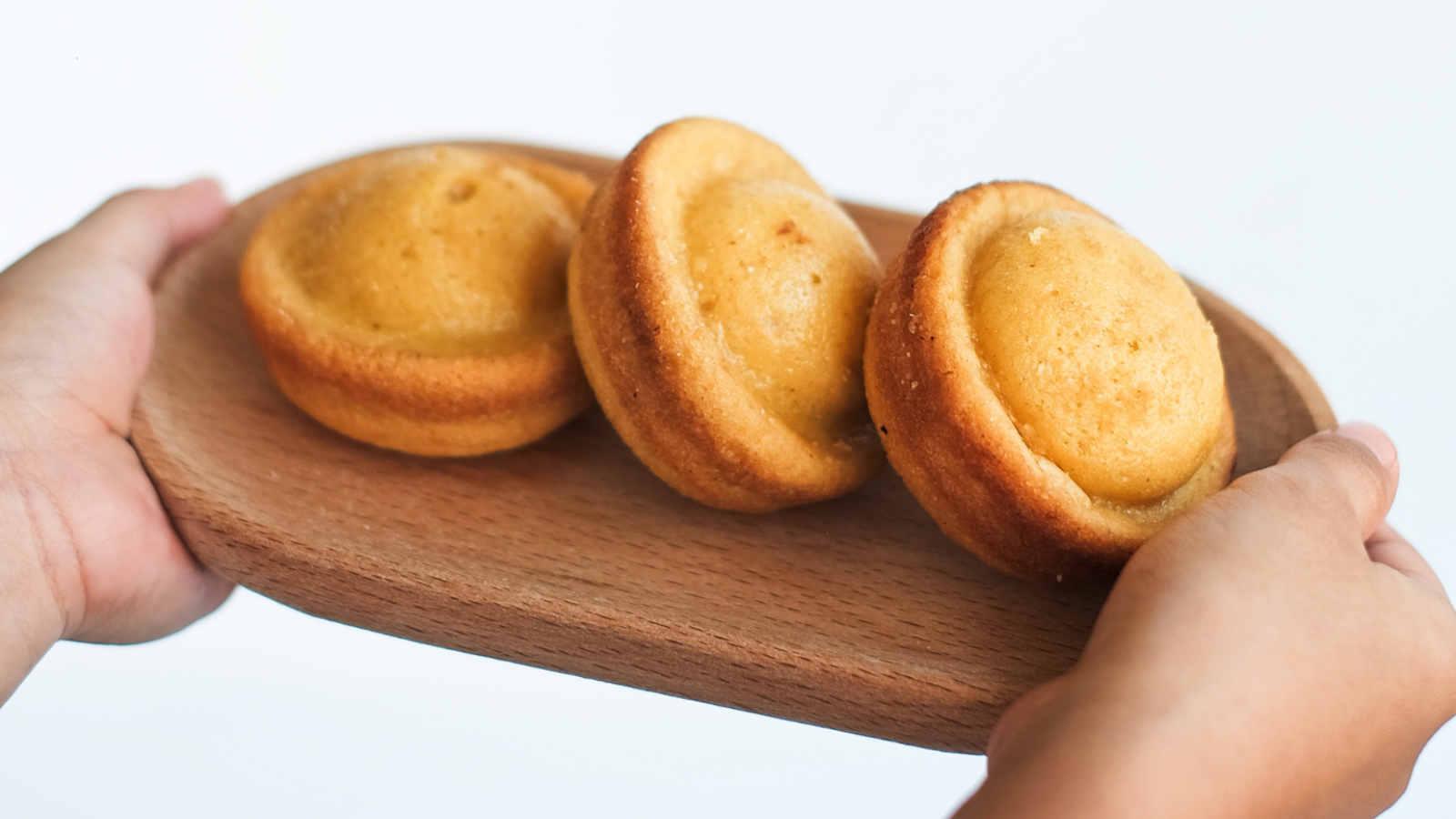
    The unique salakot shape, resembling a traditional cone-shaped headgear, adds a distinct Filipino touch to this delightful creation. The name ‘Kababayan’ itself reflects its Filipino identity, meaning ‘fellow countrymen’. This emphasizes its cultural significance.

    Bakers utilize a specific technique to achieve the hat-like shape, further enhancing its appeal as a beloved and distinctive Filipino muffin. Beyond its culinary charm, Kababayan bread holds practical significance. It was historically used as a makeshift hat and even as a fashion statement, showcasing its cultural versatility and relevance.

    Cultural Significance and Traditions

    As you bite into a warm, fluffy Kababayan bread, you’re not just tasting a delicious treat – you’re experiencing a slice of Filipino heritage.

    This beloved muffin carries with it a rich cultural significance, deeply rooted in family traditions, community celebrations, and the inheritance of Filipino customs.

    From its distinctive salakot shape to the variations that showcase regional flavors, Kababayan bread is a symbol of the dynamic and diverse culinary landscape of the Philippines.

    Family Traditions

    Indulge in the rich tapestry of Filipino culture by savoring the beloved Kababayan bread, a muffin deeply intertwined with family traditions and cultural heritage.

    Within Filipino households, the aroma of freshly baked Kababayan bread evokes memories of cherished family gatherings and shared meals. The tradition of enjoying this muffin with loved ones has been passed down through generations, creating a strong sense of cultural continuity and familial connection.

    Whether enjoyed during lively fiestas or intimate gatherings, Kababayan bread holds a special place in Filipino families, symbolizing unity, warmth, and togetherness. The process of baking and sharing Kababayan bread becomes a ritual that strengthens familial bonds and celebrates the essence of being Filipino.

    This beloved muffin isn’t just a culinary delight; it’s a testament to the enduring traditions and values that unite Filipino families.

    Community Celebrations

    Celebrating community traditions and cultural significance through vibrant gatherings and shared experiences fosters a deep sense of belonging and unity among participants.

    In Filipino communities, the aroma of freshly baked Kababayan bread often signals the start of a joyous celebration. These community celebrations, often centered around significant cultural events or holidays, serve as occasions for sharing traditional Filipino muffins and strengthening communal bonds.

    During these festive gatherings, the rich heritage of Filipino cuisine takes center stage, with Kababayan bread being a beloved treat that symbolizes togetherness and cultural pride. The vibrant colors, lively music, and traditional dances create an atmosphere of jubilation, allowing community members to connect, reminisce, and pass down cherished customs to future generations.

    These celebrations play a vital role in preserving and promoting Filipino cultural heritage, ensuring its enduring legacy.

    Cultural Inheritance

    In Filipino culture, the tradition of passing down the cherished recipe for Kababayan bread from one generation to the next embodies the enduring cultural significance and deep-rooted traditions of the Filipino people.

    The name ‘Kababayan’ itself, meaning fellow countrymen in Tagalog, reflects the communal bond and shared heritage among Filipinos. This beloved Filipino bread, shaped like a salakot, a traditional hat in the Philippines, isn’t only a staple in panaderias but also a symbol of unity and connection.

    The recipe for Kababayan bread has been lovingly passed down through generations, becoming an integral part of Filipino cultural inheritance and traditions. Even with variations like Matcha Kababayan, the adaptability of cultural traditions to contemporary tastes demonstrates the resilience and timelessness of this cultural inheritance.

    Kababayan bread is more than just a muffin; it’s a testament to the rich cultural heritage that continues to thrive through generations.

    The Irresistible Aroma and Flavor

    As you take a bite of Kababayan bread, the irresistible aroma of freshly baked goodness wafts through the air, instantly capturing your senses.

    The soft, sweet, and moist texture of the muffin-like treat delivers a flavorful delight that reflects the rich culinary heritage of the Philippines.

    Its unique salakot shape not only makes it visually distinctive but also enhances the overall experience, creating a beloved snack that embodies the traditional flavors of Filipino cuisine.

    Aroma’s Allure

    The alluring aroma and flavor of Kababayan bread beckons with its moist, sweet, and soft texture, capturing the essence of its cultural significance and culinary versatility.

    As you take a bite, the comforting scent of freshly baked bread fills the air, evoking memories of home and community. The delicate sweetness teases your taste buds, perfectly balanced with a hint of richness.

    This beloved muffin, with its traditional salakot shape, not only delights the palate but also serves as a visual representation of Filipino heritage and unity.

    The aroma’s allure is further enhanced by the bread’s versatility, as it can be enjoyed plain, with spreads, or as a base for delectable sandwiches.

    Kababayan bread, with its irresistible aroma and flavor, truly embodies the heart and soul of Filipino baking traditions.

    Flavorful Delight

    How does the delightful aroma of Kababayan bread, with its enticing mix of sweetness and buttery notes, captivate your senses and evoke a sense of warmth and comfort?

    As you prepare the batter and fill the muffin pan, the sweet, buttery scent fills the air, creating a feeling of anticipation.

    When the Kababayan bread is finally ready, its flavor delivers on the promise of its aroma. Each bite reveals a moist and tender crumb infused with the perfect balance of sweetness and richness. The buttery notes linger on your palate, providing a truly indulgent experience.

    The flavorful delight of Kababayan bread is a sensory journey that transcends mere taste; it’s a cultural experience that brings comfort and joy, leaving a lasting impression that beckons you to savor every moment.

    The Art of Making Kababayan Bread

    Step into the bustling kitchen of a Filipino bakery, where the art of making Kababayan bread comes to life through the skilled hands of the bakers.

    Creating Kababayan bread is an art form that begins with a simple batter consisting of flour, sugar, and eggs. The dough is carefully mixed to achieve the perfect consistency before being poured into the iconic salakot-shaped molds.

    The shaping technique is crucial, as it gives Kababayan bread its unique appearance. Once shaped, the bread is baked to perfection, filling the kitchen with its irresistible aroma.

    The process is a labor of love, but the result is a delightful treat that captures the essence of Filipino heritage in every bite. Indeed, making Kababayan bread is an easy and rewarding way to celebrate the rich culture and camaraderie of the Philippines.

    Kababayan Bread in Filipino Communities

    Woven into the fabric of Filipino communities, the beloved Kababayan bread holds a special place in the hearts and palates of locals and visitors alike.

    Found in every local bakery, this iconic muffin brings people together through its delightful taste and cultural significance. Its distinct salakot shape and sweet, moist texture make it a recognizable symbol of Filipino culinary heritage.

    As a staple in Filipino households, it’s often enjoyed with various toppings like butter, jam, or condensed milk, providing a comforting and familiar taste.

    The versatility of Kababayan bread, with flavors ranging from pandan to ube, reflects the diversity and creativity within Filipino communities.

    Whether shared during festive gatherings or savored as a daily treat, this muffin embodies the warmth and hospitality of Filipino culture.

    What Makes Kababayan Bread a Popular Choice for Filipino Muffin Lovers?

    Kababayan bread is a popular choice for Filipino muffin lovers due to its soft, fluffy texture and slightly sweet flavor. This classic Filipino ensaymada cheese bread recipes have been passed down for generations, making it a beloved treat for both young and old.

    Exploring Enduring Popularity

    With its soft, sweet, and moist texture, Kababayan bread has captured the hearts and taste buds of many, contributing to its enduring popularity in Filipino communities. The beloved muffin’s unique salakot shape adds to its cultural significance, while the name ‘Kababayan’ fosters a sense of camaraderie among Filipinos. Bakers’ mastery of the distinctive hat-like shape technique has further cemented the muffin’s enduring popularity and recognizability.

    Its versatility in serving options and flavor variations makes it a favorite treat for various occasions and preferences. The enduring charm of Kababayan bread lies in its ability to evoke a sense of shared identity and nostalgia, making it a beloved symbol of Filipino heritage.

    Kababayan Bread Facts
    Soft, Sweet, Moist Unique Shape
    Filipino Heritage Versatile
    Enduring Popularity Cultural Charm

    Frequently Asked Questions

    Why Is It Called Kababayan?

    The name ‘Kababayan’ reflects Filipino origins, meaning fellow countrymen. It’s shaped like a salakot, a traditional hat, symbolizing unity and shared heritage. Kababayan bread is a staple, signifying belonging and connection among Filipinos.

    Where Did the Muffin Originate?

    The muffin originated in the Philippines, where locals have cherished it for generations. It’s a symbol of tradition and community, often enjoyed with various toppings. Its connection to Filipino culture makes it a beloved treat.

    What’s the Difference Between Bread and Muffins?

    Muffins are sweeter, moister, and have a cake-like texture, while bread is chewier and more structured. Muffins are smaller and baked individually, perfect for a quick snack or breakfast, while bread is great for sandwiches and toast.

    What Are the 2 Main Types of Muffins?

    There are two main types of muffins: quick bread and yeast bread. Quick bread muffins are leavened with baking powder or baking soda, while yeast bread muffins use yeast for rising. Quick bread muffins are quicker and easier to make.

    Conclusion

    So, next time you bite into a soft, sweet, and moist Kababayan bread, remember the rich cultural significance and traditions it holds.

    The irresistible aroma and flavor of this beloved muffin will continue to bring Filipinos together, whether in their homes or in Filipino communities around the world.

    Embrace the art of making Kababayan bread and savor the enduring popularity of this delightful treat that represents camaraderie and unity among fellow countrymen.
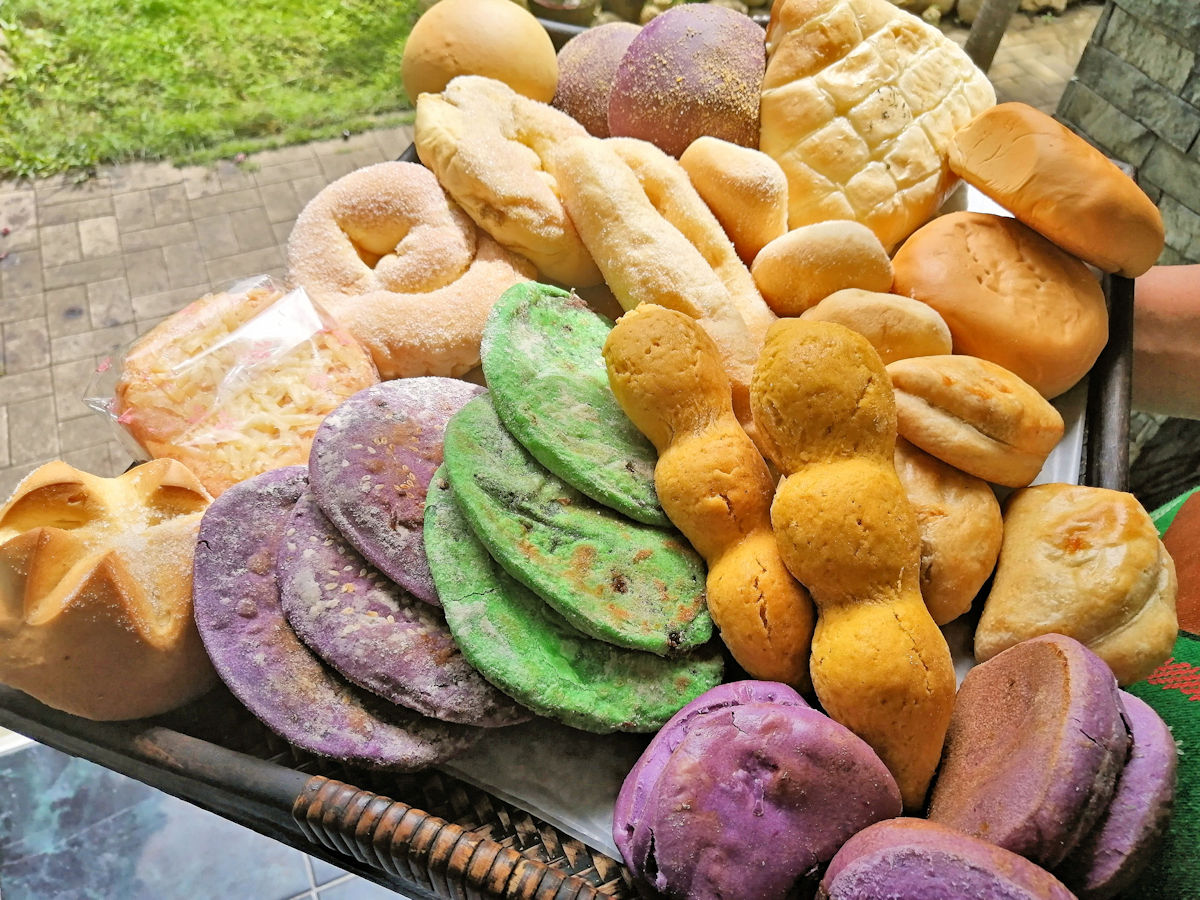
  • Why Choose Unique Filipino Pastries for Your Party?

    Why Choose Unique Filipino Pastries for Your Party?

    Unique Filipino pastries are an excellent choice for your party due to their diverse flavors and cultural significance, offering sweet and savory combinations that cater to various taste preferences.

    Key Takeaways

    • Filipino pastries reflect the rich cultural heritage and diverse influences of Filipino cuisine.
    • They offer a wide range of diverse flavor profiles, catering to various taste preferences.
    • The symphony of textures in Filipino pastries adds a whole new dimension to the snacking experience.
    • Modern twists on traditional Filipino treats showcase the creativity and diversity of Filipino cuisine.

    Cultural Significance of Filipino Pastries

    Indulge in the cultural significance of Filipino pastries, where flavors and traditions intertwine to create a delightful culinary experience.

    Filipino cuisine is a beautiful blend of sweet and savory, reflecting the rich cultural heritage and diverse influences that have shaped it over time. The unique combination of ingredients like ube, coconut, and beans in Filipino desserts such as puto, kutsinta, bibingka, pandesal, and steamed buns showcases the intricate tapestry of flavors and textures that define Filipino pastries.

    Each bite tells a story of tradition, nostalgia, and the warmth of Filipino hospitality. These pastries aren’t just sweet treats; they’re a representation of the Filipino way of life, bringing people together and celebrating the richness of the culture through the universal language of food.

    Diverse Flavor Profiles

    Get ready to tantalize your taste buds with the diverse flavor profiles of Filipino pastries!

    From the delightful sweetness of coconut-based treats to the savory richness of bean-filled pastries, there’s something for every palate.

    The fusion of cultural influences in Filipino cuisine creates a truly unique and authentic flavor experience that you won’t want to miss.

    Flavor Variety

    Explore a diverse array of flavor profiles in Filipino pastries, ranging from sweet and rich coconut-based treats to savory and hearty bean-filled delights.

    When it comes to flavor variety, Filipino pastries offer an unmatched selection that will surely captivate your taste buds. Indulge in the delightful sweetness of ube desserts, the savory goodness of meat-filled empanadas, the richness of layered desserts, and the comforting sweetness of buttery Filipino breakfast breads.

    The unique blend of cultural influences in Filipino cuisine results in a wide range of flavor profiles, catering to various taste preferences. Whether you have a sweet tooth or prefer savory treats, Filipino pastries provide an array of flavors that will elevate any party or gathering, making them an ideal choice for your next event.

    Cultural Authenticity

    Experience the vibrant and diverse flavor profiles of Filipino pastries, reflecting a rich tapestry of cultural influences and culinary traditions. Filipino cuisine offers a wide range of sweet and savory flavor combinations that showcase the cultural authenticity and unique taste preferences of the Philippines. The table below provides a glimpse into the diverse flavor profiles of Filipino pastries, highlighting the use of unconventional ingredients and creative cooking techniques that result in a full sensory experience.

    Flavor Profile Description Example
    Ube Purple yam with a mildly sweet flavor Ube Ensaymada
    Buko Pandan Coconut and pandan leaf with a sweet, floral taste Buko Pandan Tart
    Bibingka Rice cake with a hint of salted egg Bibingka Muffin
    Leche Flan Creamy caramel custard Leche Flan Cupcake
    Pastillas Milk-based sweet confection Pastillas de Leche

    Unique Texture Combinations

    When it comes to Filipino pastries, you’re in for a treat as you experience a symphony of textures that will tantalize your taste buds.

    From the smooth and creamy to the crunchy and chewy, these pastries offer a delightful contrast that adds a whole new dimension to your snacking experience.

    Get ready to savor the flavorful combinations and visually appealing creations that make Filipino pastries stand out from the rest.

    Texture Pairings

    Curiously, have you ever savored the delightful contrast of smooth, creamy textures mingling with crispy, crunchy layers in Filipino pastries? Texture pairings play a crucial role in creating an unforgettable experience when indulging in these delightful treats. Here are some unique texture combinations to consider for your party:

    1. Filipinos love the interplay of chewy and soft textures, often found in steamed rice cakes like bibingka or sapin-sapin.
    2. Pairing the velvety richness of purple yam jam with crispy, flaky pastry can create an intriguing contrast in texture and flavor.
    3. Incorporating the creaminess of ube ice cream with crunchy toppings provides a delightful mix of cold, smooth, and crispy textures.
    4. Balancing the moist, tender layers of pastries with the firm, brittle crunch of toasted coconut or nuts can offer a diverse and satisfying range of mouthfeel experiences.

    Flavorful Combinations

    Have you ever marveled at the delectable interplay of textures in Filipino pastries, from the chewy softness of bibingka to the crispy flakiness of purple yam jam-filled pastries?

    Filipinos love the flavorful combinations found in their pastries, which perfectly complement the savory Filipino dishes.

    Take, for example, the beloved Pan de coco, a sweet bread roll filled with a delightful mixture of sweetened coconut. The contrast between the soft, fluffy bread and the sweet, slightly chewy coconut filling creates an explosion of flavor and texture in every bite.

    Another popular choice is the buko pie, a pastry with a crispy, buttery crust filled with tender young coconut and a creamy filling. The combination of the flaky crust and the luscious coconut filling makes it an irresistible treat for any occasion.

    Visual Appeal

    Indulge in the visually captivating array of unique texture combinations found in Filipino pastries, offering an enticing feast for both the eyes and the palate. These popular pastries are known for their visually appealing and diverse textures, making them a delightful treat for anyone with a sweet tooth. Here’s why the unique texture combinations of Filipino pastries are a must-have at your next party:

    1. Vibrant Colors: The use of vibrant hues, like the iconic purple color of ube, adds to the visual appeal of these pastries.
    2. Soft and Chewy: From soft and chewy fillings to delicate, flaky crusts, the variety of textures creates an interesting visual experience.
    3. Contrasting Textures: Filipino pastries often combine contrasting textures, such as creamy and crunchy, for a visually dynamic presentation.
    4. Captivating Presentation: The combination of textures results in visually captivating pastries, making them a standout addition to any party spread.

    Modern Twists on Traditional Treats

    With a fusion of flavors inspired by various cultures and culinary influences, modern twists on traditional Filipino treats offer a unique and memorable dining experience. Filipinos usually enjoy a diverse menu of modern twists on traditional treats, catering to different taste preferences and offering a wide range of sweet and savory options. These creative variations enhance the traditional Filipino desserts, showcasing the creativity and diversity of Filipino cuisine.

    Adding sweetness to savory dishes, such as incorporating purple yam jam into pastries, not only balances out flavors but also adds complexity and depth, enhancing the overall dining experience. Below is an example of modern twists on traditional treats, showcasing the innovative and diverse nature of Filipino cuisine.

    Modern Twists on Traditional Treats Description
    Ube Leche Flan Cake A fusion of ube (purple yam) and leche flan, combining two popular Filipino desserts into one delightful cake.
    Bibingka Cheesecake A modern take on the classic bibingka, infusing the rich flavors of coconut and rice flour with a creamy cheesecake twist.
    Halo-Halo Ice Cream A deconstructed version of the popular halo-halo dessert, blending sweet treats like ube, sweet beans, and fruits into a delightful ice cream creation.

    Visual Appeal of Filipino Pastries

    Embrace the vibrant and distinctive visual appeal of Filipino pastries, a delightful continuation from the innovative modern twists on traditional treats. When you include these unique Filipino pastries at your party, you’re not just offering delicious desserts; you’re also treating your guests to a feast for the eyes.

    Here’s why the visual appeal of Filipino pastries is simply irresistible:

    1. Vibrant Colors: From the vivid purples of ube (purple yam) jam to the bright yellows of mangoes, Filipino pastries boast a stunning array of colors.
    2. Intricate Designs: The use of shredded coconut meat and other decorative elements creates visually captivating patterns and textures on these pastries.
    3. Creative Presentation: Filipino pastry chefs skillfully craft each treat into visually stunning displays, making them a feast for the eyes as well as the taste buds.
    4. Traditional and Modern Fusion: Filipino pastries beautifully blend traditional designs with modern twists, offering a visually captivating spread for any event.

    Healthier Ingredient Options

    To create healthier Filipino pastries, consider incorporating natural sweeteners like honey or stevia and using whole grain or alternative flours such as coconut or almond flour to increase fiber content and reduce refined carbohydrates.

    Try using sweet potatoes in place of condensed milk to add natural sweetness and nutrients to your pastries. For instance, you can make a delectable purple yam jam that’s both visually stunning and packed with antioxidants.

    Additionally, coconut bread made with coconut flour is a great alternative to traditional bread, offering a delightful tropical flavor and a lower carbohydrate content.

    Versatility in Serving Options

    Explore the myriad ways Filipino pastries can be savored, adding a touch of cultural delight to any occasion. The versatility in serving options makes them perfect for various events. Here’s how you can present these unique Filipino pastries:

    1. Finger Foods: Serve bite-sized treats like purple yam jam-filled pastries on elegant platters for guests to enjoy while mingling.
    2. Plated Desserts: Create stunning dessert plates with a selection of Filipino pastries, beautifully garnished for a sophisticated presentation.
    3. Buffet-style Treats: Arrange a visually appealing dessert station featuring an assortment of pastries in bamboo tubes, allowing guests to pick and choose their favorites.
    4. Customization for Dietary Preferences: Offer gluten-free or vegan options to accommodate the dietary needs of your guests, ensuring everyone can indulge in these delightful Filipino pastries.

    Filipino Pastry Pairing Ideas

    Pairing Filipino pastries is an art that involves combining distinct flavors and textures to create delightful culinary experiences.

    For a unique Filipino pastry pairing, try combining the sweet and creamy Ube Halaya with the distinct taste of Puto Bumbong.

    Another delightful combination is the light and fluffy Puto with the creamy and rich Leche Flan.

    If you’re looking for a classic breakfast or snack pairing, indulge in the sweet and cheesy Ensaymada alongside a cup of rich and comforting Filipino Tsokolate.

    You can also combine the sticky sweetness of Bibingka Malagkit with the refreshing and fruity flavors of Mango Float for a satisfying dessert duet.

    Lastly, delight in the bean-filled Hopia along with a slice of fragrant and coconut-infused Pandan Buko Pie for a delightful blend of savory and sweet pastries.

    These Filipino pastry pairings are the perfect way to introduce your guests to the unique flavors of Filipino desserts.

    Are Unique Filipino Pastries Made with Tsokolate a Good Choice for a Party?

    Delight your guests with the Filipino tsokolate uniqueness by serving unique Filipino pastries made with tsokolate at your next party. These delectable treats will surely be a crowd-pleaser, and the rich, chocolatey flavor of tsokolate is the perfect complement to any celebration.

    Memorable Impressions on Guests

    Impress your guests with the unforgettable blend of flavors, aromas, and cultural significance found in Filipino pastries, creating a dining experience that will leave a lasting impression. As you plan your party, consider the impact that unique Filipino pastries can have on your guests during the Christmas holidays.

    Here’s how serving these pastries can create memorable impressions:

    1. Diverse Menu: Filipino cuisine caters to various tastes and preferences, ensuring that there’s something for everyone at your party.
    2. Sweet and Savory Combinations: Filipino pastries offer a variety of taste sensations, satisfying different palate preferences among your guests.
    3. Cultural Significance: The traditional comfort food aspect of Filipino pastries adds warmth and familiarity to your party, infusing it with a sense of tradition.
    4. Vibrant Ingredients: Ingredients like ube introduce a unique and vibrant touch to desserts, offering something special and distinct for your guests to enjoy.

    Frequently Asked Questions

    What Do You Think Is the Reason Why Filipino Food Are Considered Unique?

    Filipino food is considered unique due to its blend of cultural influences, resulting in diverse flavors, aromas, and ingredients. This fusion creates a distinct and satisfying dining experience, offering something for everyone.

    What Foods Are Unique to the Philippines?

    Filipino cuisine boasts a rich tapestry of flavors, influenced by Spanish, Chinese, Indian, and Western cooking. Unique dishes like adobo, lechon, and halo-halo showcase the vibrant and diverse culinary landscape of the Philippines.

    What Was the Distinct Characteristics of Preparing Filipino Food That Could Be Marketed Internationally?

    To market Filipino food internationally, highlight its fusion of diverse influences, unconventional ingredients, and wide range of aromas, flavors, and colors. The sweet-savory combinations and adaptability cater to different tastes, creating a memorable dining experience.

    What Dessert Is the Philippines Known For?

    The Philippines is known for its vibrant and diverse desserts, such as ube, bibingka, and ensaymada. These unique pastries offer a delightful blend of sweet and savory flavors, adding a colorful and flavorful touch to any party.

    Conclusion

    So next time you’re planning a party, consider adding some unique Filipino pastries to your menu. Not only will you treat your guests to a delightful array of flavors and textures, but you’ll also introduce them to the rich culinary heritage of the Philippines.

    From Pan de Sal to Crema de Fruta, these pastries are sure to leave a lasting impression and make your party a memorable one.

    Try them out and let the delicious experience speak for itself!

  • 3 Best Soft and Chewy Mamon Recipes Unveiled

    3 Best Soft and Chewy Mamon Recipes Unveiled

    The 3 best soft and chewy mamon recipes unveiled include classic, ube, and cheese flavors, each offering a delightful twist on the traditional Filipino treat. These recipes are easy to follow and promise a delicious outcome that will leave you craving for more.

    Key Takeaways

    • Preheat the oven to 350°F for all three mamon recipes.
    • Use muffin molds or cupcake liners for the classic mamon recipe.
    • For the ube mamon and cheese mamon recipes, bake in large baking cups in a water bath.
    • Store all mamons in an airtight container or individually wrapped in plastic wrap for freshness.

    Classic Mamon Recipe

    You’ll love the simplicity and deliciousness of this classic mamon recipe, creating a treat that’s soft, chewy, and utterly irresistible.

    To start, preheat the oven to 350°F and prepare your muffin molds or cupcake liners.

    Then, create a smooth mixture of cream cheese, butter, milk, and canola oil. Stir the mixture until it’s perfectly blended, and the aroma of the cream cheese begins to fill the air.

    Next, beat the egg whites until firm peaks form, and gently fold them into the yolk batter, creating a fluffy and airy texture.

    Pour the batter into the prepared molds and let it bake for 25-30 minutes, or until a toothpick comes out clean.

    The anticipation builds as the aroma of freshly baked mamon fills your kitchen.

    Ube Mamon Recipe

    For a delightful twist on the classic mamon, indulge in the vibrant flavors of our Ube Mamon recipe, featuring the irresistible combination of ube and fluffy goodness.

    Start by using a double boiler to mix cream cheese, melted butter, milk, and canola oil until smooth. Incorporate egg yolks and the sifted flour mixture into the batter, stirring until smooth. Then, beat the egg whites with lemon juice and sugar until firm peaks form, and gently fold it into the batter. Using a stand mixer, ensure the batter is well combined.

    Bake the batter in large baking cups in a water bath for 25-30 minutes at 350°F. Once baked, the Ube Mamon can be stored individually wrapped in plastic wrap, making it perfect for gifting.

    Try this delicious twist on a classic Filipino treat today!

    Can Soft and Chewy Mamon Recipes Be Adapted to Include Alimango (Crab) as an Ingredient?

    Yes, soft and chewy mamon recipes can definitely be adapted to include alimango as an ingredient. Instead of the traditional mamon, try preparing alimango in Philippine dishes by incorporating the crab meat into the batter or filling of the mamon for a unique and delicious twist on a classic dessert.

    Cheese Mamon Recipe

    To create a delectable twist on the traditional mamon, introduce your taste buds to the rich and savory goodness of our Cheese Mamon recipe. This recipe promises a delightful combination of soft and chewy textures, with a creamy cheese flavor that will leave you craving for more. Using a double boiler, blend cream cheese, butter, milk, and canola oil into a smooth mixture.

    Then, fold in beaten egg whites to achieve that fluffy consistency. Once the batter is ready, pour it into muffin molds and bake in a preheated oven at 350°F for 25-30 minutes. The end result is a batch of irresistible cheese mamons that are perfect for any occasion. Individually wrap them in plastic for a convenient grab-and-go treat. Try this recipe and indulge in the comforting flavors of cheese and mamon.

    Ingredients Instructions Tips
    Cream cheese Use a double boiler Fold in beaten egg whites for extra fluffiness
    Butter Blend until smooth Store in an airtight container for freshness
    Milk Bake at 350°F Use muffin molds for variety
    Canola oil for 25-30 minutes Enjoy with a cup of coffee or tea
    Beaten egg whites Individually wrap

    Frequently Asked Questions

    Does Mamon Need to Be Refrigerated?

    Yes, mamon needs to be refrigerated to maintain its freshness, especially in warmer climates. Store it in an airtight container and allow it to come to room temperature before serving for the best texture and flavor.

    What Is a Butter Mamon?

    A butter mamon is a delightful Filipino treat, known for its soft, chewy texture and rich, buttery flavor. Baked in individual molds, it’s a perfect snack or dessert, boasting a moist and tender crumb.

    What Is Ube Cake Made Of?

    Ube cake is made of flour, sugar, baking powder, eggs, milk, and ube extract, giving it a distinctive purple color and flavor. Some recipes also use grated or mashed ube for added texture and natural flavor.

    What Is the History of Mamon Cake?

    Mamon cake, tracing back to the Philippines, reflects a rich history influenced by Spanish colonization. This airy sponge cake, made with simple ingredients, has evolved into various flavors and toppings, remaining a beloved dessert in Filipino cuisine.

    Conclusion

    Get ready to indulge in the softest, chewiest, and most delicious mamon you’ve ever tasted.

    These three recipes are easy to follow and will have your kitchen smelling amazing.

    Whether you prefer the classic, ube, or cheese flavor, you’ll be delighted with the results.

    So grab your ingredients and get baking – you won’t be disappointed!

  • Why Make Ube Pandesal at Home?

    Why Make Ube Pandesal at Home?

    Making ube pandesal at home is a healthier, customizable, and cost-effective choice that guarantees freshness and quality. Baking it yourself offers a creative and bonding experience for the family, connecting with your culture and sharing the joy of homemade goodness.

    Key Takeaways

    • Healthier Ingredients and Customized Flavors: Incorporate healthier ingredients like whole wheat flour for added fiber and nutrients, and customize the flavors of your ube pandesal with various fillings and flavors.
    • Cost-Effectiveness: Making ube pandesal at home allows you to control the cost of ingredients, purchase in bulk for long-term savings, and freeze leftovers for cost-effective homemade snacks or breakfasts.
    • Freshness and Quality: Making ube pandesal at home ensures the freshness of every component, choose the finest ingredients for the highest quality, and achieve an unparalleled level of freshness and quality through proper techniques.
    • Personal Connection to Filipino Culture through Ube Pandesal: Making ube pandesal at home allows you to connect with Filipino culinary heritage, introduce friends and family to unique flavors of Filipino cuisine, and foster meaningful cultural exchanges through food.

    Healthier Ingredients

    To make your Ube Pandesal healthier, consider incorporating whole wheat flour or almond flour for added fiber and nutrients. Whole wheat flour provides more fiber and nutrients compared to traditional bread flour, enhancing the nutritional value of your Ube Pandesal. You can also use all-purpose flour for a lighter texture while still reaping some of the benefits of whole wheat.

    Additionally, ube powder, ube extract, instant yeast, warm milk, and purple yam jam are key ingredients for making delicious Ube Pandesal at home. These healthier ingredients contribute to a more nutritious and wholesome version of this Filipino favorite.

    Customized Flavors

    Consider experimenting with various fillings and flavors to create personalized pandesal options that cater to your unique preferences and taste. When making ube pandesal, you have the opportunity to customize the flavors to your liking.

    Here are some ideas to give your ube pandesal a delicious twist:

    1. Ube and Cheese Combo: Incorporate cheese into the ube pandesal for a delightful contrast of sweet and savory flavors.
    2. Pandesal with Ube Halaya: Add a generous dollop of ube jam or halaya inside the pandesal for an extra burst of ube goodness.
    3. Ube Coconut Topping: Experiment with a coconut topping to complement the ube flavor and add a tropical twist to your pandesal.

    Cost-Effective

    Experimenting with various flavors and fillings not only allows you to personalize your ube pandesal but also contributes to making it a cost-effective option to enjoy at home.

    When you make ube pandesal at home, you have control over the cost of ingredients, such as flour and yeast, and can purchase them in bulk for long-term savings. Additionally, learning to bake this Filipino favorite means you can ensure the quality of ingredients while keeping the overall cost low.

    Leftover ube pandesal can also be frozen, providing a convenient and cost-effective option for quick homemade snacks or breakfasts.

    Freshness and Quality

    For achieving the freshest and highest quality Ube Pandesal, utilizing fresh, locally sourced ingredients is paramount.

    Here are three reasons why homemade Ube Pandesal ensures freshness and quality:

    1. Freshness of Ingredients: When you make Ube Pandesal at home, you have control over the freshness of every component, from the ube extract to the yeast, resulting in a warm, soft, and fluffy bread that simply can’t be matched by store-bought options.
    2. Customization and Premium Choices: By baking at home, you can choose the finest ingredients, such as premium cheeses and spreads, ensuring that every bite of your Ube Pandesal is of the highest quality.
    3. Technique and Care: Through proper kneading and proofing techniques, the homemade dough achieves an unparalleled level of freshness and quality, making each Ube Pandesal a delightful treat.

    Creative Baking Experience

    Ready to elevate your baking game?

    Get ready to explore unique flavor combinations, learn through hands-on experience, and create personalized recipe adaptations.

    It’s time to infuse your creativity into the baking process and make each batch of Ube Pandesal a one-of-a-kind masterpiece.

    Unique Flavor Combinations

    Explore a world of flavors and fillings as you embark on the creative baking journey of making Ube Pandesal, where traditional Filipino bread recipes come alive with unique and delicious combinations.

    When making ube pandesal, consider these unique flavor combinations:

    1. Ube Cheese Pandesal: Elevate the classic ube bread rolls by adding a delectable mixture of Quick Melt Cheese and cream cheese to create a delightful surprise in every bite.
    2. Coconut-Topped Ube Pandesal: Enhance the ube pandesal experience with a coconut topping that complements the subtle sweetness of the mashed purple yam, offering a delightful contrast of flavors and textures.
    3. Ube Ensaymada: Experiment with ube pandesal by incorporating a dollop of ube into the ensaymada, creating a fusion of flavors that’s sure to impress with its unique twist on a traditional favorite.

    These combinations infuse the pandesal with exciting flavors and textures, making your baking experience truly exceptional.

    Hands-On Learning Opportunity

    Embark on an exciting journey of creative baking with a hands-on learning opportunity that allows you to develop new skills and techniques while crafting your own unique and delicious Ube Pandesal.

    Making Ube Pandesal at home provides a chance to engage in a fun and interactive baking experience, where you can experiment with pandesal dough, active dry yeast, and kneading techniques.

    This hands-on learning opportunity enables you to gain confidence in working with yeasted dough and shaping bread rolls, all while exploring different bread recipes and flavor combinations.

    Whether you choose to fill your Ube Pandesal with a delightful cheese filling or enjoy them plain, the satisfaction of creating fluffy and soft Filipino breakfast staple from scratch is unmatched.

    It’s a chance to personalize and savor the delightful outcome of your baking endeavors.

    Personalized Recipe Adaptations

    Enhance your Ube Pandesal baking experience by customizing the recipe to suit your personal tastes and dietary preferences, allowing for a delightful and personalized result.

    Here are three ways to personalize your Ube Pandesal recipe:

    1. Fillings: Experiment with different fillings such as cheese, chocolate, or sweet spreads to add a unique twist to your Ube Pandesal.
    2. Yeast and Dough: Adjust the amount of yeast for a lighter or denser texture, and customize the dough consistency to achieve the perfect balance of softness and chewiness.
    3. Recipe Variations: Explore variations of the traditional Ube Pandesal recipe to suit your dietary needs, such as using alternative flours or sweeteners for a healthier homemade option.

    Family Bonding Opportunity

    Looking for an enjoyable way to bring the family together? Making Ube Pandesal at home is a perfect opportunity for bonding and creating something delicious as a team. It provides a chance for parents to involve children in the cooking process, teaching them valuable skills and creating lasting memories.

    The process of kneading, shaping, and filling the pandesal encourages teamwork and collaboration among family members. It also offers a great opportunity to share and pass down family recipes and traditions, fostering a sense of cultural heritage and identity. Enjoying the freshly baked Ube Pandesal together creates a warm and joyful atmosphere, strengthening family bonds through shared experiences.

    Here’s a helpful table to guide you through the process:

    Kitchen Equipment Ingredients
    Warm area Ube Halaya
    Baking sheet Hot water and stir
    Kneading board Kitchen towel or plastic
    Soft and fluffy
    Best enjoyed freshly

    Cultural Connection

    Now, let’s explore the cultural significance of ube pandesal and its personal connection to Filipino heritage.

    Understanding the historical and social context of this beloved treat will deepen your appreciation for its role in Filipino cuisine.

    Cultural Significance

    1. To truly appreciate the cultural significance of Ube Pandesal, consider the fusion of Filipino and Western baking traditions that reflect the rich blend of flavors and influences in Filipino cuisine.
    2. Making Ube Pandesal at home allows you to connect personally with Filipino culture, gaining a deeper appreciation for the country’s culinary heritage and the importance of pandesal in Filipino daily life.
    3. By learning to make Ube Pandesal, you can engage with the cultural practices and traditions of baking and sharing bread in Filipino communities, fostering a sense of belonging and understanding.
    4. Ube Pandesal serves as a way to celebrate and preserve Filipino culinary traditions, creating a profound sense of cultural connection and heritage through the act of baking and sharing this beloved bread.
    5. It’s not just about making bread; it’s about celebrating a rich culinary tradition and cultural identity.

    Personal Connection

    Embracing the unique fusion of flavors and influences in Ube Pandesal, you can cultivate a personal connection to Filipino culture through the joy of baking and sharing this beloved bread. Making Ube Pandesal at home allows you to immerse yourself in the rich culinary heritage of the Philippines, learning about the significance of ube and its integration into traditional desserts.

    As you knead the dough and witness the vibrant purple hue of the ube cheese pandesal, you are actively participating in a cultural exchange, gaining a deeper understanding of Filipino baking traditions. Sharing your homemade pandesal with others becomes a way to connect with Filipino friends or family, offering them a taste of home and fostering meaningful cultural exchanges. Through the process of making ube pandesal at home, you can create lasting connections and celebrate the warmth of Filipino hospitality.

    Ube Pandesal Recipe Ingredients
    Warm water Active dry yeast
    Ube pandesal at home Homemade pandesal
    Ube cheese pandesal Knead the dough
    Melted cheese Room temperature

    – What Ingredients and Techniques are Needed to Make Ube Pandesal Soft and Fluffy like Regular Pandesal?

    Achieving **soft fluffy pandesal secrets** lies in selecting quality ingredients: high-grade flour, fresh yeast, and ube extract. Technique-wise, ensure proper kneading to develop gluten, and let the dough rise until it doubles in size, creating that heavenly texture synonymous with the finest pandesal.

    Sharing With Others

    Share the joy of freshly baked ube pandesal with your loved ones and create unforgettable moments together. Making ube pandesal at home isn’t only about enjoying the delicious treat yourself, but also about sharing the love and warmth with others. Here’s why sharing homemade ube pandesal is so meaningful:

    1. Cultural Showcase: By sharing ube pandesal, you’re introducing your friends and family to the unique and delightful flavors of Filipino cuisine. It’s a way to celebrate and showcase the rich culture and traditions through food.
    2. Community Bonding: Sharing the experience of making and enjoying ube pandesal can bring people closer together. It creates a sense of togetherness and fosters a feeling of community as you bond over the process of bread making and the joy of savoring homemade treats.
    3. Thoughtful Gesture: Giving a batch of homemade ube pandesal to others is a thoughtful and delicious gesture. It’s a way to show appreciation and care for your loved ones through the time and effort put into baking at home.

    Frequently Asked Questions

    What Is Special About Pandesal?

    Pandesal, a traditional Filipino bread, is special for its soft, fluffy texture and slightly sweet flavor. It’s a staple in Filipino breakfasts and snacks, often enjoyed with coffee or hot chocolate.

    Does Pandesal Need to Be Refrigerated?

    No, pandesal doesn’t need to be refrigerated. It’s best stored in an airtight container at room temperature. This keeps it fresh and fluffy. Enjoy it warm and fresh from the oven, and freeze any leftovers for later!

    What Is the Flavor of Ube?

    Ube has a unique sweet, nutty, and slightly floral taste. It provides a distinct purple color and a subtle earthy flavor to dishes. Its flavor is often compared to a mix of vanilla and sweet potato with hints of coconut.

    Why Is Pandesal Hard?

    Over-kneading, improper proofing, too much flour, and high baking temperatures can make pandesal hard. Avoid these pitfalls by kneading gently, proofing properly, using the right amount of flour, and baking at the correct temperature.

    Conclusion

    So, why make ube pandesal at home?

    Because it’s a healthier, customizable, and cost-effective option that ensures freshness and quality.

    Plus, baking it yourself is a creative and bonding experience for the whole family.

    And, by sharing it with others, you’re also connecting with your culture and spreading the joy of homemade goodness.

    Give it a try and taste the difference!

  • Diabetes-Friendly Bread Recipes From the Philippines

    Diabetes-Friendly Bread Recipes From the Philippines

    Diabetes-friendly bread recipes from the Philippines offer sugar-free dessert options using local ingredients and traditional techniques, providing a healthier choice for those with dietary restrictions. Enjoy the flavors of the Philippines without compromising taste or health.

    Key Takeaways

    • Using alternative ingredients such as almond flour and coconut oil can make pandesal recipes low-carb and healthier.
    • Ube pandesal variations can be made diabetes-friendly by using ube halaya and making tweaks to the recipe.
    • Adding fillings to pandesal enhances the taste and can be a delicious treat for any occasion.
    • Other Filipino bread recipes like ensaymada, ube bread rolls, and pan de coco can also be enjoyed with diabetes-friendly modifications and creative serving suggestions.

    Soft Pandesal Recipe

    Start your morning with the irresistible aroma of freshly baked Soft Pandesal, a classic Filipino breakfast bread that boasts a soft and fluffy texture.

    For those seeking a low-carb option, consider using almond flour in place of all-purpose flour. Incorporate coconut oil for a healthier fat alternative.

    When making the dough, ensure you use the right proportion of yeast and allow sufficient time for it to rise. For people with diabetes, it’s crucial to carefully measure the dry ingredients to manage the carbohydrate content. Additionally, consider using low-carb bread crumbs to further reduce the carb count.

    Ube Pandesal Variations

    You’ve mastered the art of making classic pandesal, and now it’s time to infuse it with the irresistible flavor of ube.

    Imagine the soft, purple-hued bread, filled with sweet ube jam or creamy cheese, adding a delightful twist to your favorite breakfast or snack.

    With a few simple tweaks to your traditional recipe, you can create a batch of ube pandesal that’s both diabetes-friendly and bursting with Filipino flavors.

    Ube Pandesal Ingredients

    For an extra burst of flavor and a pop of color, consider incorporating vibrant ube into your pandesal recipe. To make ube pandesal, you’ll need the basic ingredients for pandesal such as all-purpose flour, yeast, milk, and bread crumbs.

    In addition to these, you’ll also need ube halaya or purple yam jam to infuse the distinct ube flavor and color into the dough. You can also add a filling of your choice, such as cheese or more ube jam, to enhance the taste of the bread.

    Making ube pandesal is a delightful way to add Filipino flair to a classic bread recipe, and the soft, fluffy texture combined with the unique ube flavor makes it a delightful treat for any occasion.

    Ube Pandesal Baking Instructions

    Enhancing the traditional pandesal recipe with vibrant ube creates a delightful and unique variation that will surely captivate your taste buds.

    To make your own batch of delicious ube pandesal, follow these simple baking instructions:

    • Preparing the dough with the aromatic ube will fill your kitchen with a delightful fragrance.
    • Rolling the dough in bread crumbs adds a satisfying crunch to every bite.
    • Watching the vibrant purple color emerge as the pandesal bakes will surely bring a smile to your face.

    With these easy steps, you can create a batch of ube pandesal that not only looks beautiful but also tastes absolutely delightful.

    Easy Cheesy Ensaymada

    Indulge in the mouthwatering delight of Easy Cheesy Ensaymada, a sweet and salty Filipino bread roll filled and sprinkled with butter, sugar, and cheese. This delightful treat is a favorite on special occasions, offering a perfect balance of flavors.

    The combination of the rich, creamy cheese with the sweet butter and a hint of saltiness creates a truly irresistible taste. If you’re looking to add a twist to the classic ensaymada, you can explore the ube ensaymada variation, which incorporates the delicious ube flavor into the bread.

    Whether you’re savoring the traditional Easy Cheesy Ensaymada or trying the unique ube ensaymada, these Filipino bread rolls are sure to captivate your taste buds with their delightful blend of sweetness and savory goodness.

    Ube Bread Rolls

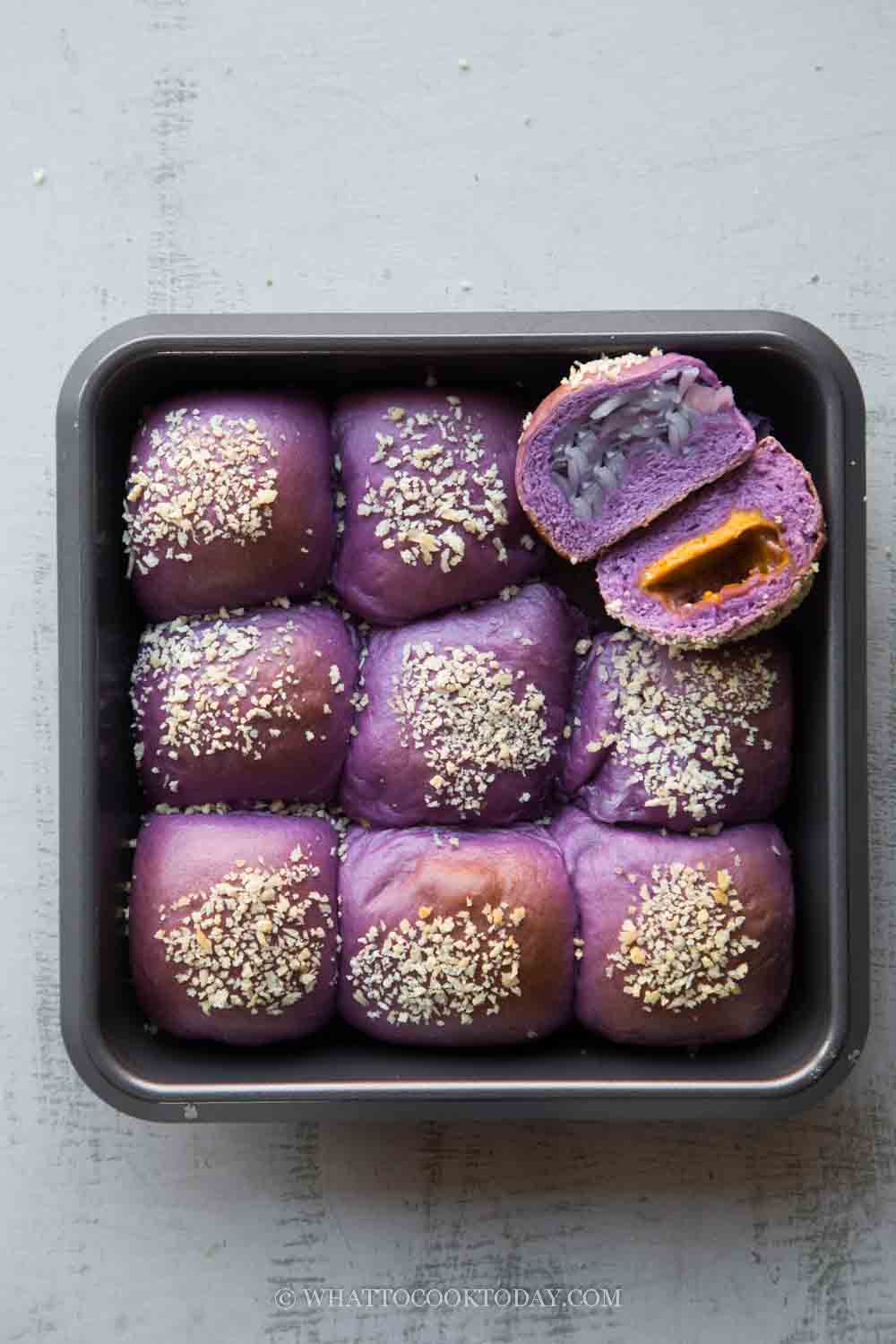
    Ube bread rolls, with their soft and fluffy texture and enticing purple yam filling, offer a delightful twist on traditional Filipino bread options. When you bite into one of these delectable treats, you’ll experience a burst of unique ube flavor that will tantalize your taste buds.

    The combination of the sweet, creamy ube filling and the pillowy soft bread creates a truly indulgent experience. These rolls are often served with toasted coconut, adding a delightful crunch to each bite.

    Whether you enjoy them plain or filled with additional ingredients like cheese or ube jam, ube bread rolls are a delicious addition to the array of traditional Filipino bread favorites. Get ready to savor the delightful blend of flavors and textures in every mouthful.

    Filipino Spanish Bread

    As you explore more Filipino bread options, the Filipino Spanish Bread offers a delightful sweet and soft experience with its butter-sugar filling and crunchy breadcrumb coating.

    This popular snack or merienda in the Philippines is often made with ingredients like milk and eggs, giving it a rich and indulgent flavor.

    The bread dough is carefully filled with a luscious mixture of butter and sugar before being rolled in breadcrumbs for a satisfying crunch.

    The combination of sweet filling and the slight saltiness from the breadcrumb coating creates a perfect balance of flavors.

    Enjoyed with a hot beverage like coffee or tsokolate (chocolate), Filipino Spanish Bread is a beloved treat that brings comfort and warmth.

    Whether you’re craving a midday snack or a sweet ending to your meal, this bread is sure to satisfy your cravings.

    Pan De Coco Recipe

    Get ready to savor the tropical flavors of Pan de Coco with its sweet coconut filling and soft, fluffy texture.

    You’ll need basic ingredients like flour, coconut milk, and sugar to bring this delightful treat to life in your own kitchen.

    The baking instructions and serving suggestions will ensure your homemade Pan de Coco turns out perfect every time.

    Ingredients for Pan De Coco

    One of the key components in crafting a delicious Pan De Coco is the use of freshly grated coconut, which adds a rich and natural sweetness to the bread.

    To make this diabetes-friendly bread, you’ll also need coconut milk, which provides a creamy texture and enhances the coconut flavor.

    In addition, using whole wheat flour instead of all-purpose flour adds a nutty taste and extra fiber, making it a healthier option.

    Finally, incorporating a small amount of honey or coconut sugar as a sweetener can complement the coconut flavor without causing a drastic spike in blood sugar levels.

    These ingredients not only make Pan De Coco a delectable treat but also ensure that it aligns with a diabetes-friendly diet.

    Baking Instructions

    Once the dough has risen to double its size in a warm place, brush the tops of the Pan De Coco with beaten egg before baking for a glossy finish. Preheat the oven to 350°F and bake the Pan De Coco for 20-25 minutes or until golden brown. After baking, cool the Pan De Coco on a wire rack before serving. Below is a table to guide you through the baking process and evoke a sense of excitement and anticipation.

    Baking Instructions
    Preheat oven to 350°F
    Allow dough to rise until doubled in size
    Brush tops of Pan De Coco with beaten egg for a glossy finish
    Bake for 20-25 minutes or until golden brown
    Cool on wire rack before serving

    The aroma of freshly baked Pan De Coco filling your kitchen will surely make your mouth water. Enjoy the delightful experience of baking and savoring these delicious treats!

    Serving Suggestions

    After savoring the delightful aroma of freshly baked Pan De Coco, you can now explore creative and delectable ways to serve this diabetes-friendly bread.

    • Serve Pan de Coco as a sweet treat with a hot cup of coffee or tea. The combination of the coconut-filled bread and a warm beverage creates a comforting and indulgent experience.
    • Pair Pan de Coco with a savory dish, such as a hearty stew or soup, for a balanced meal. The sweetness of the bread complements the savory flavors, enhancing the overall dining experience.
    • Enjoy Pan de Coco as a midday snack with a side of fresh fruit or yogurt for added nutrition. This pairing provides a satisfying and wholesome option for a quick pick-me-up.

    These serving suggestions aim to elevate your Pan De Coco experience, enticing your taste buds with delightful flavor combinations.

    How can diabetes-friendly bread recipes from the Philippines help with sugar-free options for desserts?

    Diabetes-friendly bread recipes from the Philippines offer delicious sugar-free options for desserts. By using local ingredients and traditional techniques, these sugarfree Philippine desserts provide a healthier alternative for those with dietary restrictions. Enjoy the flavors of the Philippines without sacrificing taste or health.

    Ube Bars and Pianono Rolls

    Indulge in the vibrant flavors of ube and the delicate sweetness of pianono rolls in these delightful diabetes-friendly bread recipes.

    Ube bars are a Filipino favorite, made with purple yam that adds a unique earthy sweetness. These bars are a wonderful alternative to traditional sugary treats and can be enjoyed without worrying about spiking blood sugar levels.

    Pianono rolls, on the other hand, are light and fluffy, filled with just the right amount of sweetness. The combination of ube and pianono rolls creates an explosion of flavors that will leave you craving for more.

    These recipes offer a delicious way to enjoy bread while managing diabetes, proving that you don’t have to compromise on taste to maintain a healthy diet.

    Frequently Asked Questions

    What Is the Best Bread for Diabetics to Eat?

    The best bread for you, as a diabetic, is whole grain, low-carb, gluten-free, high-protein, or sugar-free. These options can help regulate blood sugar levels and meet your dietary needs while still enjoying bread.

    What Bread Does Not Raise Blood Sugar?

    Choose whole grain or low-carb bread for stable blood sugar. Opt for high-protein or sugar-free bread to regulate digestion and prevent spikes. Nut and seed bread provide nutrients and help manage blood sugar levels.

    Can a Diabetic Eat Homemade Bread?

    Yes, you can enjoy homemade bread as a diabetic. Opt for whole grain and low-carb flours to manage blood sugar. Explore high-fiber, sugar-free, and vegetable-based recipes to boost nutrients and keep energy levels steady.

    What Is a Good Substitute for Bread for Diabetics?

    If you’re looking to swap bread, try whole grain wraps, lettuce wraps, or cloud bread. These options can help manage your blood sugar levels and provide variety in your diet, offering a tasty alternative to traditional bread.

    Conclusion

    So go ahead and indulge in these diabetes-friendly bread recipes from the Philippines.

    With the right ingredients and a little creativity, you can enjoy delicious bread while still managing your blood sugar levels.

    From soft pandesal to ube bread rolls, there’s something for every Filipino with diabetes to enjoy without worry.

    Try out these recipes and savor the flavors of the Philippines in a way that’s healthy and satisfying.

  • Authentic Puto Cheese Recipe: A Filipino Favorite

    Authentic Puto Cheese Recipe: A Filipino Favorite

    Authentic Puto Cheese, a beloved Filipino favorite, combines the rich sweetness of sugar, the aroma of steamed rice flour, and the savory kick of cheese to create a magical dessert. Experiment with different cheese types like Kraft Eden, Gouda, or Cheddar to elevate the flavors in your puto cheese recipe.

    Key Takeaways

    • Puto Cheese is a traditional Filipino delicacy that blends indigenous and foreign culinary influences.
    • The recipe has been passed down through generations, with each family adding their unique touch.
    • Puto Cheese is steamed using traditional molds and reflects the diverse cultural tapestry of the Philippines.
    • It is a beloved snack that continues to bring joy to many.

    The Origin of Puto Cheese

    The origin of Cheese Puto can be traced back to the rich culinary heritage of the Philippines, where the combination of indigenous and foreign influences has given rise to a delightful array of traditional delicacies.

    This authentic Filipino favorite has a fascinating history and has been cherished for generations. The Puto Cheese recipe has been passed down through families, each adding their unique touch to the beloved treat.

    Steamed to perfection, these delightful morsels of goodness are created using molds that have been used for centuries.

    The origin of Puto Cheese reflects the Philippines’ diverse cultural tapestry, blending together various culinary techniques and flavors to create a beloved snack that continues to bring joy to countless people.

    It’s a testament to the enduring popularity and significance of this delightful creation in Filipino cuisine.

    Key Ingredients for Puto Cheese

    Are you ready to discover the essential cheese types and perfect puto texture that will elevate your Cheese Puto recipe?

    The type of cheese you choose can greatly impact the flavor profile, and the right flour will determine the texture of your puto.

    Let’s explore these key ingredients that will make your Cheese Puto a Filipino favorite!

    Essential Cheese Types

    When making Puto Cheese, you’ll want to carefully select the essential cheese types that will impart the perfect flavor and texture to this beloved Filipino treat. The right cheese can make all the difference in your Puto Cheese recipe.

    Here are some essential cheese types to consider:

    • Kraft Eden cheese: A popular choice for Puto Cheese, similar to Kraft Velveeta in the US.
    • Experiment with different types of cheese for varying flavors in Puto Cheese.
    • Gouda or Cheddar: Great alternatives if Kraft Eden cheese isn’t available.

    Selecting the right cheese is crucial in creating an authentic and delicious Puto Cheese. Whether you opt for the classic Kraft Eden cheese or decide to experiment with different varieties like Gouda or Cheddar, the key is to find the perfect balance of flavor and texture for this Filipino favorite.

    Perfect Puto Texture

    For achieving the perfect texture in your Puto Cheese, the key ingredients you’ll need are all-purpose flour, cheese, baking powder, and milk, along with the crucial right consistency of the batter.

    Using all-purpose flour gives the Filipino steamed delicacy a smoother and softer texture, elevating it from the traditional rice flour version.

    Cheese not only adds a delicious flavor but also contributes to the richness of the Puto.

    Baking powder is essential for that sought-after rise and fluffy texture, while milk ensures the moist and tender mouthfeel.

    Achieving the right consistency of the batter, thick but pourable, is crucial for the perfect Puto texture.

    When you make Puto Cheese, it’s vital to steam it just right, and you’ll know it’s done when a toothpick inserted comes out clean.

    Preparing the Puto Cheese Batter

    Why not enhance the flavor of your puto cheese by combining all-purpose flour, sugar, baking powder, milk, vanilla extract, and cheese in a bowl?

    When preparing the puto cheese batter for this authentic puto cheese recipe, make sure to gradually stir in the milk until the batter becomes smooth and lump-free.

    Then, add the vanilla extract and half of the cheese into the mixture, ensuring that the flavors blend perfectly.

    Once the batter is ready, pour it into molds and arrange them in an electric steamer for 25 minutes.

    After that, don’t forget to top the steamed puto with the remaining cheese and continue steaming for an additional 5 minutes.

    This step ensures that the cheese on top melts beautifully, adding an irresistible appeal to your delicious puto cheese.

    Choosing the Right Puto Molds

    To achieve the traditional puto shape, select medium-sized molds (2 1/4 wide) for an authentic and visually appealing outcome. Consider using the recommended molds commonly found in the Philippines for authentic results. Look for light and easy-to-clean molds, as they are ideal for making puto. It’s advisable to get at least 50 pieces of molds to accommodate larger batches. If traditional molds are not available, consider using silicon cupcake molds as an alternative.

    Puto Molds Features Description Ideal for
    Medium-sized 2 1/4 wide molds Traditional puto shape
    Easy to clean Light and simple to clean Convenient puto making
    Large quantity At least 50 pieces Making larger batches
    Alternative option Silicon cupcake molds When traditional molds are unavailable

    Steaming the Puto Cheese

    Now, let’s get into the nitty-gritty of steaming the puto cheese.

    First, you’ll need a steamer to get the job done.

    The steaming process typically takes around 25 minutes, during which the puto cheese transforms into fluffy, delectable treats.

    Steaming Equipment Needed

    Consider using a traditional bamboo steamer for an authentic touch and efficient steaming when preparing your delicious Puto Cheese. This classic steaming equipment adds an authentic Filipino touch to your cooking, enhancing the overall experience of making this Filipino favorite.

    If a bamboo steamer isn’t available, a metal steamer with stackable racks can be used as a practical alternative. Ensure the steamer is spacious enough to accommodate multiple molds with batter without overcrowding. To prevent water from dripping into the batter, place cheesecloth or a clean kitchen towel between the steamer racks and the cover.

    When steaming, maintain a medium-low heat to ensure even cooking and achieve the perfect dome shape for your Puto Cheese.

    Steaming Time and Process

    For optimal results, ensure the steamer is filled with boiling water before placing the puto molds to begin the steaming process for the delicious Puto Cheese.

    Once the water is boiling, steam the puto cheese for 25 minutes. After this time, top each with remaining cheese and steam for an additional 5 minutes. To achieve the perfect dome shape, use medium-low heat for even cooking.

    It’s important to avoid opening the steamer during the steaming process to prevent heat loss and uneven cooking. After steaming, allow the puto cheese to cool before removing them from the molds for serving.

    Following these steaming steps is crucial in creating the authentic puto cheese, a beloved Filipino rice cake. Mastering the steaming time and process is key to achieving the perfect texture and flavor for this Filipino favorite.

    Adding the Cheese Topping

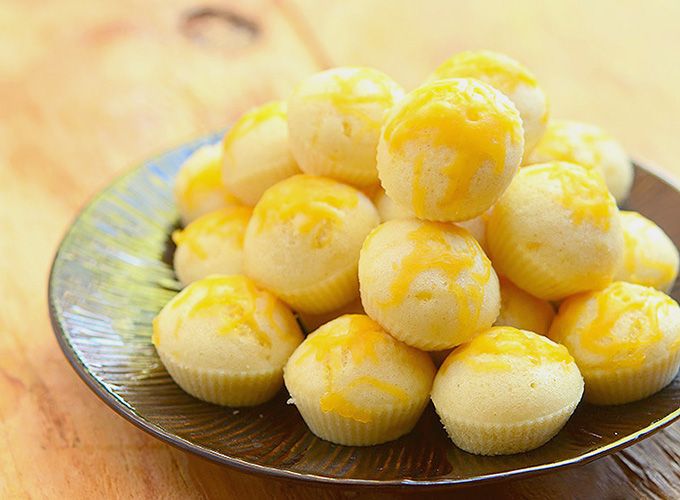
    Generously sprinkle grated cheese on top of each freshly steamed puto to create a deliciously gooey and savory topping that will enhance every bite. The cheese topping is a crucial element in the authentic puto cheese recipe, adding a rich and flavorful dimension to the fluffy puto.

    Here’s what you need to know about adding the cheese topping:

    • Ensure even distribution of cheese for consistent flavor in every bite.
    • Consider using various cheese types like cheddar, Gouda, or a combination for a unique flavor profile.
    • Let the cheese-topped puto sit for a few minutes to allow the flavors to meld before serving.

    The recipe uses all-purpose flour, and the cheese topping, when melted by the heat of the freshly steamed puto, adds a delightful contrast to the soft texture.

    Elevate your puto experience with this simple yet essential step.

    Serving Suggestions for Puto Cheese

    Indulge in the delectable combination of soft, fluffy puto and savory cheese topping, creating a delightful treat that can be enjoyed as a snack or paired with your favorite Filipino dishes. Serve cheese puto as a delightful snack or pair it with savory Filipino dishes like dinuguan or pancit.

    Enjoy cheese puto as a merienda or snack on its own, paired with tea or coffee for a delightful treat. Experiment with different toppings such as cheddar cheese, bacon, or salted egg to enhance the flavor of cheese puto. Try serving cheese puto with various combinations of flavors and pairings to create a delightful snacking experience.

    Consider using a steamer or rice cooker to cook cheese puto, and explore endless flavor and topping combinations for this Filipino favorite.

    Storing Leftover Puto Cheese

    To maintain the deliciousness of your leftover cheese puto, it’s essential to store it in an airtight container to preserve its freshness. Here’s how to ensure your authentic puto cheese recipe stays just as delightful when stored:

    • Store leftover cheese puto in an airtight container to maintain freshness. This prevents the puto from drying out and helps to retain its flavor.
    • Refrigerate the puto to extend its shelf life for up to 3 days. Proper refrigeration helps in preventing the growth of molds and keeps the puto fresh for a longer time.

    Tips for Perfecting Puto Cheese

    For perfecting your Puto Cheese recipe, choosing the right kind of flour is crucial to achieving the desired texture and consistency. Opt for a high-quality rice flour, preferably a finely ground variety, to ensure the puto turns out light and fluffy.

    Additionally, sifting the dry ingredients, including the flour, baking powder, and sugar, is essential to guarantee a smooth batter. Be mindful not to overmix the puto batter, as this could lead to a dense and tough texture rather than the desired fluffiness.

    When it comes to the molds, invest in good quality puto molds and remember to grease them generously before pouring the batter.

    Lastly, ensure that the water in the steamer is boiling before adding the puto to achieve even cooking.

    These tips will help you perfect your authentic Filipino puto cheese recipe.

    Can I Use the Same Cheese in My Siopao Asado Recipe as in the Puto Cheese Recipe?

    Yes, you can use the same cheese in your Siopao Asado recipe as in the Puto Cheese recipe. The cheese adds a delicious flavor to both dishes. For easy Filipino Siopao Asado recipes, using the same cheese will give a consistent taste and make the cooking process simpler.

    Variations of Puto Cheese

    Looking to take your Puto Cheese to the next level?

    Let’s talk about the exciting variations you can try. From experimenting with flavorful cheese combinations to getting creative with presentation ideas, there are endless ways to make your Puto Cheese uniquely delicious.

    Plus, we’ll discuss some clever ingredient substitution options for those looking to switch things up.

    Flavorful Cheese Combinations

    Experiment with different types of cheese to create exciting and diverse flavors in your puto cheese recipe, elevating this Filipino favorite to new heights of deliciousness. Consider these flavorful cheese combinations:

    • Classic Twist
    • Use Kraft Eden cheese for a traditional taste with a creamy and mild flavor.
    • Add a hint of sweetness by incorporating maple syrup into the batter.
    • Bold and Savory
    • Substitute the usual cheese with Gouda or Cheddar for a richer and more robust flavor.
    • Intensify the savory notes by adding salted egg to your puto recipe.

    These combinations will surely add a new dimension to your authentic puto cheese recipe, making it a standout in any Filipino gathering. Get creative, experiment, and let your taste buds guide you to your own unique puto cheese masterpiece!

    Creative Presentation Ideas

    Enhance the visual appeal and excitement of your puto cheese creations by exploring a variety of creative presentation ideas and variations. Try topping your cheese puto with unique ingredients like bacon, salted egg, or a dollop of ube jam for a creative twist.

    Experiment with different molds to create fun shapes such as hearts, stars, or mini bundt cakes to make your cheese puto visually appealing. Create layers of cheese puto by alternating batter with cheese for an eye-catching effect, or try filling the puto with a surprise center of cream cheese or ube for added flavor.

    Add food coloring to the batter to create vibrant and colorful cheese puto, such as pink for a playful touch or pastel shades for an elegant presentation. Consider making miniature cheese puto cupcakes for an adorable and convenient way to serve this Filipino favorite at parties or gatherings.

    Ingredient Substitution Options

    Consider substituting all-purpose flour for rice flour to achieve a smoother and softer texture in your puto cheese recipe. This simple switch can make a significant difference in the mouthfeel and overall enjoyment of your puto cheese.

    Additionally, if you’re unable to find Kraft Eden cheese, Gouda or Cheddar cheese can be used as alternatives to maintain that delightful cheesy flavor.

    For a creative twist, experiment with adding ube flavoring or pandan flavored food coloring to create Ube Puto or green-colored puto cheese.

    You can also explore using maple syrup or honey as sugar substitutes to introduce a different flavor profile.

    Lastly, don’t hesitate to try different types of cheese, like salted egg, to elevate the flavors in your authentic puto cheese recipe.

    Frequently Asked Questions

    What Is the Best Puto in the Philippines?

    The best puto in the Philippines is a personal choice, with various styles and flavors to try. Look for recommendations from locals, explore different regions, and savor the unique textures and tastes of this beloved Filipino delicacy.

    What Is Filipino Puto Made Of?

    Filipino puto is made with rice flour, water, and sugar. It can also be made with all-purpose flour and topped with cheese for a savory version. Variations include ube, salted egg, or pandan flavoring for different tastes and colors.

    Why Is My Puto Not Fluffy?

    If your puto is not fluffy, it could be due to overmixing the batter or using the wrong type of flour. Ensure the batter is gently mixed and the right flour is used to achieve that perfect fluffy texture.

    Why Is My Puto so Dense?

    If your puto is dense, it may be due to overmixing the batter, using old baking powder, insufficient steaming time, or an incorrect wet to dry ingredient ratio. Also, avoid overfilling the molds.

    Conclusion

    Now that you’ve mastered the art of making Authentic Puto Cheese, you can savor the fluffy, cheesy goodness of this beloved Filipino treat anytime.

    With the right ingredients and careful steaming, you can enjoy a taste of Filipino cuisine right in your own home.

    Whether you’re a fan of sweet and savory flavors or simply looking to broaden your culinary horizons, this puto cheese recipe is sure to become a favorite in your kitchen.

    Try it today and experience the deliciousness for yourself!

  • 5 Secrets to Perfect Sweet Coconut Bread

    5 Secrets to Perfect Sweet Coconut Bread

    To make the perfect sweet coconut bread, select a heavy coconut with firm flesh, adjust sweetness with natural sweeteners and acidity, use coconut oil or butter, and experiment with extracts like coconut or vanilla to enhance the flavor. Incorporate these tips for a delicious and indulgent coconut bread that balances sweetness and richness while intensifying the tropical experience in every bite.

    Key Takeaways

    • Select a heavy coconut with a slight sloshing sound and firm flesh for the best taste and freshness.
    • Adjust the sweetness of the bread to your preference by using natural sweeteners and adding a touch of acidity.
    • Use coconut oil or butter to enhance the richness and texture of the bread.
    • Experiment with different extracts like coconut, vanilla, almond, or rum to intensify and personalize the flavor.

    Selecting the Best Coconut

    When selecting the best coconut for your perfect sweet coconut bread, it’s crucial to ensure that the coconut feels heavy for its size, indicating a higher water content and fresher taste. You want to savor the natural sweetness and rich, tropical flavor of the coconut in every bite of your loaf.

    Look for coconuts that have a slight sloshing sound when shaken, a sign of ample coconut water. This will ensure your coconut bread is moist and bursting with flavor.

    You want the flesh of the coconut to be firm, indicating its freshness. Incorporating fresh coconut in your baking is essential to achieve that authentic, indulgent taste.

    Balancing the Sweetness

    To achieve the perfect balance of sweetness in your coconut bread, consider adjusting the sugar level to suit your taste preferences while enhancing the natural flavors of the coconut. You can experiment with natural sweeteners like honey or maple syrup to add a delightful sweetness without overpowering the coconut.

    Additionally, incorporating a touch of acidity, such as a splash of lemon juice or a hint of citrus zest, can help balance the overall sweetness. Try different extracts like vanilla or almond to enhance the sweetness and add depth to the coconut flavor. Don’t forget to add a pinch of salt to the batter to counterbalance the sweetness and bring out the coconut’s natural taste.

    Sweetness Enhancement Method Benefits
    Natural sweeteners Honey or maple syrup Adds sweetness without overpowering
    Acidity Lemon juice or citrus zest Balances overall sweetness
    Extracts Vanilla or almond Enhances sweetness and adds depth

    Experiment with these methods to find the perfect balance of sweetness for your coconut bread recipe.

    Incorporating the Right Fats

    for a crunchy texture and healthy fats. By incorporating these elements, you’ll create a sweet coconut bread that’s both indulgent and nourishing.

    Enhancing the Flavor With Extracts

    Enhancing the flavor of your sweet coconut bread with extracts creates a delightful depth and richness, elevating the tropical experience of each bite.

    Consider using coconut extract to intensify the already present coconut flavor, or experiment with vanilla or almond extracts to add complexity. Start with a small amount and adjust to taste, as extracts can be potent.

    For a unique twist, combine different extracts to create a personalized flavor profile. A hint of rum extract can also complement the coconut flavor, giving your bread a Caribbean-inspired taste.

    When incorporating extracts into your recipe, ensure that you whisk them in with the other wet ingredients before adding the flour mixture and baking soda. The quick addition of extracts can make a significant difference in the overall taste of your coconut bread.

    Prepare to delight your taste buds by infusing your bread with these flavorful enhancements before baking it in a loaf pan.

    Can I Use Healthy Twists to Make Perfect Sweet Coconut Bread?

    Yes, you can definitely use healthy Filipino bread twists to make the perfect sweet coconut bread. By incorporating nutritious ingredients such as whole wheat flour, coconut oil, and natural sweeteners, you can enjoy a healthier version of this classic Filipino treat while still satisfying your cravings for something sweet and delicious.

    Perfecting the Baking Process

    Intensifying the tropical flavors in your sweet coconut bread with extracts sets the stage for perfecting the baking process, ensuring every bite is a delectable experience of rich, nuanced tastes. To achieve the perfect sweet coconut bread, follow these essential baking tips:

    • Use a well-greased loaf pan to prevent sticking and ensure an easy release.
    • Preheat the oven to the precise temperature recommended in the recipe to guarantee even baking.
    • When mixing the batter, use a whisk to ensure that all ingredients are thoroughly combined for a smooth texture.
    • Bake the bread until the center comes out clean when a toothpick is inserted, as indicated in the recipe card.
    • Allow the bread to cool to the ideal temperature before slicing to ensure the best texture and flavor.

    Frequently Asked Questions

    What Is the Secret to Making Good Bread?

    You want to know the secret to making good bread? It’s all about using fresh, high-quality ingredients, precise measurements, understanding leavening agents, perfecting mixing techniques, and mastering baking time and temperature for that perfect loaf.

    How Do You Increase the Texture of Bread?

    To increase the texture of bread, use bread flour, vital wheat gluten, and higher hydration. Knead the dough longer and consider adding dough enhancers like ascorbic acid. These methods will result in a chewier, denser, and more structured bread.

    How to Make More Flavorful Bread?

    To make more flavorful bread, try adding ingredients like honey, herbs, or spices. Experiment with different types of flour and consider using a pre-ferment like a sourdough starter. These additions can elevate the taste of your bread.

    How Do You Make Bread More Airy?

    To make bread more airy, try using bread flour, which has a higher protein content, and knead the dough thoroughly to develop gluten. Also, let the dough rise in a warm, draft-free place.

    Conclusion

    Now that you know the secrets to making the perfect sweet coconut bread, it’s time to get baking!

    Select the best quality coconut ingredients, balance the sweetness just right, and don’t forget to enhance the flavor with extracts.

    Incorporate the right fats and perfect the baking process for a moist and tender texture.

    Once you’ve drizzled on a sweet glaze and added some crunchy toasted coconut flakes, you’ll have a delicious treat ready to enjoy anytime.

    So go ahead, indulge in this tropical delight!

  • 4 Best Filipino Cheese Bread Rolls Recipes

    4 Best Filipino Cheese Bread Rolls Recipes

    Filipino Cheese Bread Rolls Recipes offer a delightful twist on classic favorites, from Ensaymada to Ube Cheese Rolls, perfect for any holiday table. These recipes can be customized with different cheeses or made healthier with alternative ingredients for a guilt-free indulgence.

    Key Takeaways

    • Classic Ensaymada Cheese Rolls are a beloved favorite in Filipino bakeries, known for their soft and fluffy bread and gooey cheese filling.
    • Pandesal Cheese Rolls With a Twist offer a unique variation of the classic Filipino cheese rolls, with creative shaping and filling methods to create a distinctive appearance and taste.
    • Cheesy Spanish Bread Rolls are known for their soft and pillowy texture, balanced sweetness and cheesiness, and are brushed with butter for added richness.
    • Ube Cheese Bread Rolls combine the delightful flavors of sweet ube and gooey cheese, making them a favorite Filipino bread for snacks or desserts.

    Classic Ensaymada Cheese Rolls

    When making Classic Ensaymada Cheese Rolls, consider using a subordinating conjunction to enhance the flow of your recipe. As you embark on creating these delectable Filipino cheese bread rolls, it’s crucial to note the significance of using the right cheese.

    Classic Ensaymada Cheese Rolls are renowned for their gooey, cheesy filling and soft, fluffy bread. To achieve this, it’s recommended to use Queso de Bola or Eden Cheese, ensuring that the cheese doesn’t easily melt or ooze out during baking.

    The process of crafting these delightful treats mirrors the technique for making Filipino Cheese Rolls, a beloved favorite in Filipino bakeries. Pay close attention to the dough, as it can be refrigerated at specific stages for convenience.

    The result is an addictive taste and texture, with a perfect balance of cheese flavor, making Classic Ensaymada Cheese Rolls an absolute must-try in the realm of Filipino Cheese Bread.

    Pandesal Cheese Rolls With a Twist

    Introducing a delightful twist to the classic Filipino cheese rolls, the Pandesal Cheese Rolls With a Twist offer a unique and intriguing variation that will elevate your baking repertoire.

    These rolls have a special twist in their preparation method and ingredients, setting them apart from traditional recipes. The recipe involves a creative take on shaping and filling the rolls, resulting in a distinctive appearance and taste.

    This version of cheese rolls may incorporate non-traditional cheese types or additional flavor elements for an unexpected culinary experience.

    The Pandesal Cheese Rolls With a Twist offer a delightful and intriguing deviation from the familiar Filipino cheese roll recipe. Get ready to explore a new dimension of flavor and texture with these innovative and delectable cheese rolls.

    Cheesy Spanish Bread Rolls

    If you enjoyed exploring the unique twist on the classic Filipino cheese rolls, get ready to savor the delightful and cheesy Spanish bread rolls that offer a sweet and savory combination sure to captivate your taste buds.

    These delectable rolls are a beloved Filipino bread variation, featuring a soft, pillowy texture and a delightful balance of sweetness and cheesiness.

    To make these irresistible treats, you’ll need bread flour, instant yeast, warm milk, egg yolks, and the star ingredient – cheddar cheese or the popular Eden Cheese.

    The dough, when mixed using a dough hook attachment, should be allowed to rise until it doubles in size.

    Once filled with the cheese and sugar mixture, the rolls are baked to perfection and then brushed with butter for an added richness.

    Cheesy Spanish Bread Rolls are a must-try for anyone looking to experience the delicious flavors of Filipino baked goods.

    Can Filipino Cheese Bread Rolls Recipes be Used for Other Holidays as Well?

    Absolutely! The musttry filipino holiday bread, with its soft, buttery texture and sweet cheese filling, transcends seasons. Whether it’s a festive Christmas breakfast or a treat for Easter brunch, these Filipino Cheese Bread Rolls add a delightful twist to any holiday table, proving their versatile appeal.

    Ube Cheese Bread Rolls

    Indulge in the exquisite flavors of Ube Cheese Bread Rolls, a beloved Filipino bread roll variation that tantalizes the palate with its delightful combination of sweet ube and gooey cheese.

    To make these delightful rolls, start by adding warm milk, sugar, and active dry yeast to a bowl. Then mix in mashed potato, melted butter, ube flavoring, and all-purpose flour to form a soft dough.

    After letting it rise, shape the dough into rolls, fill them with grated cheese and ube jam, and place them on a lined baking sheet. Once baked until golden brown, these rolls boast a perfect balance of sweet and savory flavors that make them a favorite Filipino bread.

    Whether as a snack or a dessert, Ube Cheese Bread Rolls are sure to satisfy your cravings.

    Frequently Asked Questions

    Can I Use a Different Type of Cheese in These Recipes, or Is It Best to Stick With the Recommended Cheese?

    You can definitely use a different type of cheese in these recipes! Experiment with your favorite cheeses to find the perfect flavor. Whether it’s cheddar, mozzarella, or gouda, feel free to get creative and make it your own!

    Are There Any Alternative Ingredients I Can Use to Make These Recipes Healthier or Allergy-Friendly?

    To make the recipes healthier or allergy-friendly, try using gluten-free flour, dairy-free cheese, or alternative sweeteners. Experiment with whole wheat flour or reducing sugar. Swap out ingredients to suit your dietary needs and enjoy guilt-free indulgence.

    Can I Make These Cheese Bread Rolls Ahead of Time and Freeze Them for Later Use?

    Absolutely! You can definitely make these cheese bread rolls ahead of time and freeze them for later. Just be sure to let them cool completely, wrap them tightly, and pop them in the freezer for delicious convenience.

    How Can I Prevent the Cheese From Oozing Out of the Rolls During Baking?

    To prevent cheese from oozing out of the rolls during baking, ensure the dough is tightly sealed around the cheese filling. Use a generous amount of dough to encase the cheese, and avoid overfilling the rolls. Proper sealing is key for deliciously intact cheese bread rolls.

    Can I Make These Recipes Without a Stand Mixer or Any Special Equipment?

    You can definitely make these recipes without a stand mixer or any special equipment. Just use a mixing bowl and a wooden spoon to combine the ingredients, and your hands to knead the dough.

    Conclusion

    Now that you have these 4 delicious Filipino cheese bread roll recipes, you can bring a taste of the Philippines into your own kitchen.

    Whether you prefer the classic ensaymada, a twist on the pandesal, the cheesy Spanish bread, or the unique ube cheese bread rolls, there’s a recipe here to satisfy your cravings.

    So gather your ingredients, roll up your sleeves, and get ready to enjoy these irresistible treats!

  • Why Choose Gluten-Free Pinoy Bakery Treats Online?

    Why Choose Gluten-Free Pinoy Bakery Treats Online?

    Filipino cheese bread rolls recipes are a delightful addition to any kitchen, offering a savory and cheesy twist to traditional bread rolls. Enjoy the fusion of Filipino flavors with the richness of cheese in these delectable treats.

    Key Takeaways

    • The demand for gluten-free options is growing, leading to an expansion of dedicated restaurants and food producers offering gluten-free Pinoy bakery treats online.
    • The authentic Pinoy flavors of traditional recipes passed down through generations add depth and character to gluten-free Pinoy bakery treats.
    • Unique local ingredients such as coconut, cassava, and ube are meticulously crafted into gluten-free Pinoy bakery treats, adding a tropical sweetness, earthy and nutty flavors, and subtly sweet and floral notes.
    • Gluten-free Pinoy bakery treats provide a genuine taste of Filipino pastries and breads by utilizing time-honored baking techniques and authentic ingredients.

    The Growth of Gluten-Free Options

    As the demand for gluten-free options continues to rise, dedicated restaurants and food producers are expanding their offerings to meet the needs of individuals with dietary restrictions. This growth is a result of the increasing awareness of Celiac Disease and gluten sensitivities, prompting more people to seek out gluten-free food options.

    The availability of gluten-free products has significantly improved, with a variety of options now widely accessible. More recipes are being developed to make gluten-free versions of traditional favorites, catering to a diverse range of dietary needs. Food brands like Ener-G Foods and Cocoabeans are at the forefront, offering not only gluten-free options but also catering to other dietary restrictions such as dairy-free and nut-free.

    As a result, individuals with dietary restrictions now have more choices and better accessibility to gluten-free products than ever before.

    Authentic Pinoy Flavors

    Get ready to embark on a culinary journey that will transport you to the bustling streets and vibrant markets of the Philippines.

    From traditional recipes passed down through generations to the unique local ingredients that add depth and character to every dish, authentic Pinoy flavors are a celebration of time-honored baking techniques and rich cultural heritage.

    Whether it’s the savory aroma of adobo, the tangy punch of sinigang, or the succulent taste of lechon, these flavors will tantalize your taste buds and immerse you in the diverse and vibrant culinary landscape of the Philippines.

    Traditional Filipino Recipes

    Immerse yourself in the vibrant and diverse food culture of the Philippines with traditional Filipino recipes, brimming with authentic Pinoy flavors that will transport your taste buds to the heart of Filipino culinary heritage.

    From the sweet, salty, and sour medley of adobo to the tangy and savory sinigang, and the succulent and crispy lechon, each dish tells a story of tradition and flavor.

    Indulge in delicious desserts like bibingka, infused with coconut and brown sugar, the colorful and refreshing halo-halo, and the soft and fluffy puto, showcasing the rich culinary heritage of the Philippines.

    These recipes, passed down through generations, offer a bold, aromatic, and comforting experience, perfect for a truly authentic dining journey through the Philippines.

    Unique Local Ingredients

    Infuse your palate with the vibrant and authentic flavors of the Philippines through a delectable array of gluten-free Pinoy treats, meticulously crafted with unique local ingredients. Embrace the rich and diverse culinary heritage of the Philippines as you indulge in baked goods that incorporate indigenous flavors. Below, discover a variety of gluten-free bakery treats that capture the essence of Filipino cuisine through the use of unique local ingredients:

    Unique Local Ingredients Description
    Coconut Enjoy the tropical sweetness and texture of coconut in a range of gluten-free treats.
    Cassava Delight in the earthy and nutty flavors of cassava used in traditional Filipino recipes.
    Ube Indulge in the vibrant purple yam, known for its subtly sweet and floral notes, a beloved ingredient in Filipino desserts.
    Pandan Experience the distinct aroma and flavor of pandan, a popular ingredient in Filipino sweets and pastries.
    Langka Savor the unique and sweet taste of langka (jackfruit), adding a tropical twist to gluten-free bakery treats.

    Explore the fusion of traditional Filipino flavors and gluten-free offerings, crafted with local ingredients to provide a delightful and authentic culinary experience.

    Time-Honored Baking Techniques

    Embrace the authentic flavors of the Philippines as you discover the time-honored baking techniques that infuse Pinoy treats with their distinctive and traditional taste.

    When you indulge in gluten-free Pinoy bakery treats online, you’ll experience the rich heritage of Filipino baking through:

    • Utilization of traditional methods: Each treat is crafted using time-honored baking techniques that have been passed down through generations, preserving the essence of authentic Filipino flavors.
    • Meticulous preservation of flavors: The bakers ensure that the classic recipes are infused with a modern twist while maintaining the original taste, providing you with a genuine taste of Filipino pastries and breads.
    • Incorporation of authentic ingredients: By incorporating unique and local ingredients, these bakery treats capture the true essence of traditional Filipino flavors, offering a delightful culinary experience.

    Health-Conscious Ingredients

    You’ll love that our bakery treats are made with nutritious ingredients, ensuring that you get the best of both worlds – delicious and healthy.

    We understand the importance of considering dietary restrictions, which is why we use gluten-free, dairy-free, and egg-free ingredients to cater to everyone.

    Nutritious Ingredients

    When seeking nutritious and health-conscious bakery treats, Cocoabeans stands out for its commitment to using allergen-free ingredients and emphasizing the importance of protein and fiber in its baked goods.

    You’ll love that their baked goods are made with more protein, fiber, and less starch, providing nutritious and filling options.

    Additionally, Cocoabeans uses allergen-free ingredients, ensuring their treats are free from wheat, rye, and barley, making them suitable for those needing gluten-free, dairy-free, or egg-free options.

    Furthermore, the bakery emphasizes the importance of using safe and nutritious ingredients, pledging to use ingredients free from allergens.

    With handcrafted comfort food ready to heat and serve, Cocoabeans ensures both convenience and health-consciousness.

    Their talented decorators can also bring your ideas to life for special events or milestones, creating delicious and nutritious treats.

    Dietary Restrictions Considered

    Cocoabeans continues its dedication to using health-conscious ingredients, ensuring their baked goods cater to various dietary restrictions such as gluten-free, nut-free, non-GMO, preservative-free, dairy-free, and soy-free.

    Ener-G Foods also offers a wide range of allergen-free products, dedicated to wheat-free, gluten-free, dairy-free, nut-free baking, ensuring safety for those with dietary restrictions.

    The bakery’s commitment to using ingredients free from wheat, rye, and barley provides a worry-free experience for those with dietary restrictions.

    Cocoabeans’ gluten-free baked goods are handcrafted comfort food with more protein, more fiber, and less starch, ensuring a delicious experience without compromising on taste.

    This emphasis on safe ingredients creates a safe space for people who need or choose to eat gluten-free, dairy-free, or egg-free, providing nutritious and filling options for everyone.

    Convenience of Online Ordering

    With just a few clicks, you can easily browse and select a wide variety of gluten-free products from the comfort of your home, saving time and enjoying the convenience of doorstep delivery. Online ordering offers numerous advantages:

    • Easily browse and select gluten-free products from the comfort of your home.
    • Save time by avoiding the need to physically visit multiple bakeries or stores.
    • Enjoy the convenience of doorstep delivery, eliminating the hassle of transportation.

    This means you can access a diverse range of gluten-free options with just a few clicks, and even schedule and pre-order items for specific events or occasions.

    Embracing online ordering not only simplifies the process but also ensures that you have access to a wide array of delicious gluten-free Pinoy bakery treats without any hassle.

    Safe for Gluten Sensitivities

    The bakery ensures a wide range of allergen-free products, including gluten-free, nut-free, and dairy-free options, catering to individuals with gluten sensitivities or dietary preferences. By emphasizing the use of safe ingredients free from wheat, rye, and barley, the bakery provides a safe space for people needing or choosing to eat gluten-free. Their commitment to using safe and allergen-free ingredients ensures a pledge to provide a delicious and safe gluten-free dining experience.

    Additionally, their ready-to-eat baked goods offer more protein, more fiber, and less starch for nutritious and filling options. Moreover, customers can enjoy handcrafted comfort food that’s ready to heat and serve, with talented decorators available for special events or milestones.

    Diverse Gluten-Free Treats

    Indulge in a variety of delectable gluten-free treats, each meticulously crafted to cater to diverse dietary needs and preferences while ensuring a safe and delicious experience for those with gluten sensitivities.

    When you explore Diverse Gluten-Free Treats, you’ll discover a range of allergen-free products, including bread, bagels, and even communion wafers. These products go beyond being just gluten-free; they’re also nut-free, non-GMO, preservative-free, dairy-free, soy-free, and Kosher/Parve.

    Ener-G Foods takes it a step further by providing innovative vacuum packaging for extended shelf life and unconditionally guarantees the freshness of all products.

    Additionally, Cocoabeans Gluten-Free Products offer nutritious and filling options with more protein, more fiber, and less starch. You can even spoil your loved ones with gluten-free desserts from Cocoabeans, with convenient pre-orders available for special occasions.

    Quality and Freshness Assurance

    Ensuring the utmost in quality and freshness, our gluten-free bakery treats are meticulously crafted with the finest ingredients to deliver a delectable experience with every bite. We prioritize the use of fresh and locally sourced ingredients to guarantee the freshness of our products.

    Our commitment to quality assurance means strict adherence to standards, ensuring the taste and freshness of our treats. Even during transit, we carefully package our gluten-free treats to maintain their quality.

    Our dedicated team consistently monitors and evaluates our baking processes, upholding the highest standards of quality and freshness. This dedication ensures that when you order our gluten-free bakery treats online, you receive nothing but the freshest, most delicious treats that meet our rigorous quality standards.

    Supporting Local Bakeries

    Supporting local bakeries not only ensures the freshness and quality of gluten-free treats but also contributes to the local economy and sustains small businesses. When you choose gluten-free treats from local bakeries, you’re making a positive impact on your community in several ways:

    • Economic Support: Your purchase directly supports the livelihood of local bakers and their families, helping to keep money circulating within the community.
    • Preservation of Tradition: Local bakeries often uphold traditional baking methods and recipes, preserving cultural heritage and offering unique, authentic flavors.
    • Environmental Impact: By purchasing from local bakeries, you reduce the carbon footprint associated with transportation and packaging, promoting environmental sustainability in your area.

    Are Gluten-Free Pinoy Bakery Treats a Good Option for Those Who Enjoy Philippine Seafood Dishes?

    Gluten-free Pinoy bakery treats can be a great option for those who love Philippine seafood dishes, especially tilapia in Philippine cuisine. With a range of tasty treats made from alternative flours, it’s easy to enjoy local flavors without worrying about gluten. It’s a win-win for food lovers.

    Customer Testimonials

    Impressed by the exceptional quality and wide variety of gluten-free treats, customers have been sharing their enthusiastic testimonials about the Pinoy bakery’s delicious offerings. Jane raves about the exceptional quality of gluten-free food, particularly the cookies and cupcakes.

    Evan expresses amazement at the extensive variety of baked goods, highlighting the wide selection available.

    Melissa praises the bakery for creating a custom cake that significantly enhanced her wedding experience.

    By joining the newsletter, customers can stay informed about new products and exclusive offers.

    These glowing testimonials showcase the bakery’s dedication to providing top-notch gluten-free treats. The heartfelt feedback from satisfied customers not only highlights the bakery’s commitment to quality but also serves as a testament to the joy and satisfaction that their treats bring to those who enjoy them.

    Frequently Asked Questions

    What Are the Benefits of Gluten-Free Bakery Products?

    Gluten-free bakery products benefit you by offering safe, nutritious, and diverse options. They cater to dietary restrictions, provide comfort foods made with love, and are allergen-free. Enjoy delicious, ready-to-eat baked goods that prioritize your health and well-being.

    Why Do People Choose Gluten-Free Products?

    You choose gluten-free products because of health concerns, digestive issues, weight management, dietary preferences, and to support allergen-free food options. Gluten-free Pinoy bakery treats online offer delicious options that cater to your specific needs.

    Why Is It Important to Make Sure the Companies Are Truly Selling Gluten-Free Brands?

    Ensuring companies truly sell gluten-free brands is crucial for your safety. It prevents cross-contamination, meets dietary needs, and builds trust. It supports the integrity of the gluten-free market and promotes food labeling transparency.

    Are Gluten Free Baked Goods Better for You?

    Yes, gluten-free baked goods can be better for you if you have celiac disease, gluten sensitivity, or specific dietary restrictions. They offer a wider variety of nutrients and can help reduce inflammation and digestive discomfort.

    Conclusion

    So, next time you’re craving a delicious treat that’s gluten-free, look no further than Gluten-Free Pinoy Bakery online.

    With their commitment to quality, safety, and authentic flavors, you can enjoy a wide variety of baked goods without worrying about gluten.

    And with the convenience of online ordering, you can satisfy your cravings with just a few clicks.

    Don’t miss out on these amazing gluten-free treats and support local bakeries while you’re at it!

  • What’s the Simplest Filipino Spanish Bread Recipe?

    What’s the Simplest Filipino Spanish Bread Recipe?

    The simplest Filipino Spanish Bread recipe involves experimenting with the sweet, buttery filling and essential ingredients like bread flour, egg yolks, unsalted butter, sugar, milk, and water. Enjoy the delightful tradition by preparing the dough, filling it, rolling into logs, coating with bread crumbs, and baking until golden brown.

    Key Takeaways

    • Filipino Spanish Bread is a beloved tradition in the Philippines known for its sweet, buttery filling and soft, pillowy texture.
    • The recipe involves experimenting with the filling to achieve the perfect texture.
    • Essential ingredients for the dough include bread flour, all-purpose flour, egg yolks, unsalted butter, sugar, milk, and water.
    • Preparing and baking the bread requires dividing the dough, filling it, rolling it into logs, coating with bread crumbs, and baking until golden brown.

    Exploring Filipino Spanish Bread

    When exploring the delectable world of Filipino Spanish Bread, the unique blend of flavors and textures creates a truly indulgent experience.

    The Filipino Spanish bread recipe is a beloved tradition, cherished for its sweet, buttery filling and soft, pillowy texture. Perfecting the recipe involves experimenting with the filling to achieve a moist, textured center that doesn’t ooze out during baking.

    The process of preparing the dough, dividing and filling it, allowing it to rise, and finally baking it’s outlined to guide you through the entire recipe.

    This Filipino bread isn’t only a popular afternoon snack in the Philippines but also a delightful treat for anyone with a sweet tooth.

    You can even print the recipe, which has received high ratings, making it a reliable choice for those looking to try making it at home.

    Essential Ingredients for the Recipe

    You’re ready to gather the essential ingredients for making Filipino Spanish Bread.

    From bread flour to egg yolks, each component plays a crucial role in creating the perfect dough and filling.

    Don’t forget to also have granulated sugar, brown sugar, milk, and water on hand to sweeten, moisten, and enrich your bread.

    Key Ingredients

    To ensure the success of your Filipino Spanish bread recipe, it is essential to have the key ingredients on hand. The table below provides an overview of the essential components needed to create these soft and delectable treats.

    Key Ingredients Purpose
    Bread flour and all-purpose flour Forms the base of the dough
    Egg yolks Enriches the dough, giving it a soft texture
    Pure unsalted butter Creates the sweet, buttery filling
    Sugar Sweetens both the dough and the filling
    Milk and water Hydrates the dough and contributes to its softness

    These ingredients work together to produce the delightful Filipino Spanish bread, ensuring a perfect balance of flavors and textures.

    Necessary Tools

    Now that you have the essential key ingredients for your Filipino Spanish bread recipe, let’s move on to the necessary tools needed to bring this delightful treat to life.

    To start, you’ll need a sturdy mixing bowl for combining the bread dough, flour, and other ingredients. A good quality rolling pin will be essential for evenly flattening the dough before adding the filling. Additionally, having a clean, flat surface for rolling out the dough will make the process much easier.

    When it comes to shaping the bread, having a sharp knife for cutting the dough into portions is crucial. Lastly, a baking tray lined with parchment paper will be necessary for baking the bread to golden perfection.

    With these tools on hand, you’ll be well-equipped to create your own delicious Filipino Spanish bread.

    Preparation Steps

    Gather the essential ingredients for the Filipino Spanish bread recipe, including bread flour, all-purpose flour, egg yolks, unsalted butter, sugar, milk, water, active dry yeast or instant dry yeast, and bread crumbs. Here’s a handy table to help you keep track of the necessary ingredients:

    Ingredients Quantity
    Bread Flour 2 cups
    All-purpose Flour 1 cup
    Egg Yolks 2
    Unsalted Butter 1/4 cup
    Sugar 1/4 cup
    Milk 3/4 cup
    Water 1/4 cup
    Yeast 1 packet
    Bread Crumbs 1/2 cup

    Now, let’s make the Spanish bread! Activate the yeast, knead the dough until smooth, prepare the sweet, buttery filling, and then divide the dough into portions, fill, roll into logs, coat with bread crumbs, and allow the rolls to rest and rise before baking. Enjoy the delightful aroma as these delectable treats bake to golden perfection!

    Step-by-Step Instructions

    Now that you’ve gathered all the essential ingredients, it’s time to start putting everything together.

    The preparation steps are crucial – from making the dough to creating the sweet filling and rolling the bread.

    Once you’ve baked them to golden perfection, it’s time to savor these delightful treats and share them with your loved ones.

    Ingredients Needed

    Using lukewarm water for activating the yeast and adding sugar to the water before stirring in the yeast will help ensure that the dough rises properly.

    For the simplest Filipino Spanish bread recipe, you’ll need bread flour, all-purpose flour, egg yolks, pure unsalted butter, sugar, milk, water, active dry yeast or instant dry yeast, and bread crumbs.

    These ingredients will come together to form a soft and slightly sticky bread dough. The combination of these elements will give the bread its characteristic flavor and texture.

    With the right ingredients and careful preparation, you’ll be well on your way to creating a delightful batch of Filipino Spanish bread.

    Preparation Steps

    Mix the bread flour, all-purpose flour, sugar, salt, and yeast in a large bowl, and then create a well in the center for the wet ingredients.

    Here are the step-by-step instructions for making Filipino Spanish Bread:

    • Prepare the Dough: Add the wet ingredients (milk, melted butter, and beaten eggs) to the well in the dry ingredients. Mix well until a dough forms.
    • Make the Filling: Combine breadcrumbs, melted butter, and sugar to make the filling for the bread.
    • Divide, Fill, and Shape the Dough: Divide the dough into portions, flatten each portion, add the filling, then roll and shape into logs.
    • Let the Dough Rise and Rest: Allow the shaped dough to rise until doubled in size, then refrigerate for 10-15 minutes.
    • Bake and Store the Spanish Bread: Bake the bread until golden brown, then store in an airtight container once cooled.

    Enjoy your freshly baked Filipino Spanish Bread!

    Baking and Serving

    After preparing the dough and filling, and allowing the rolls to rest and rise, it’s time to bake and serve your Filipino Spanish Bread to enjoy its delightful flavor and texture. Preheat the oven to 180C (356F) and bake the rolls for 18 to 20 minutes, ensuring they are lightly browned on top. Once baked, remove the Filipino Spanish Bread from the oven and allow them to cool for a few minutes before serving.

    For optimal flavor and texture, enjoy the bread within 2 to 3 days. If reheating is desired, bake in the oven for 10 minutes at 350F/180C or use a mini-toaster/oven at a lower temperature. If making ahead, refrigerate the dough overnight for a slow rise, shape the rolls, then store them in an airtight container in the fridge before baking the next day.

    Baking and Serving Instructions Time
    Preheat the oven 180C (356F)
    Baking time 18-20 minutes
    Cooling time before serving A few minutes
    Shelf life 2-3 days

    Tips for Successful Bread Baking

    To ensure successful bread baking, activate the yeast in lukewarm water with sugar, and avoid letting the dough rise for too long. When baking Filipino Spanish Bread, keep these tips in mind:

    • Knead the dough until smooth and elastic, but be careful not to over-knead.
    • Use an instant-read thermometer to ensure the oven is at the correct temperature for baking the bread rolls.
    • Store the bread in an airtight container in the fridge and reheat in the oven, wrapped in aluminum foil, to maintain its freshness and texture.
    • For a successful rise, proof the dough in a warm place for 1 hour until it doubles in size, or use a baking dish with boiling water to create a warm environment for proofing in colder months.
    • Remember that this Spanish Bread recipe is easy to make, so enjoy the process!

    Filling and Rolling the Bread

    When filling and rolling the bread for this Filipino Spanish Bread recipe, gently flatten each portion of dough with a rolling pin to create an oval shape. This step is easy and ensures an even distribution of the sweet, buttery filling.

    Once the dough is flattened, generously spread the filling onto the surface before carefully rolling it into a log. It’s important to ensure that the filling is evenly distributed to guarantee a delicious filling in every bite.

    To make the rolling process even easier, evenly coat the logs with breadcrumbs before allowing them to rest and rise. Remember to handle the dough gently to maintain its soft texture and avoid squeezing out the filling.

    Following these simple steps will result in perfectly filled and rolled Filipino Spanish Bread.

    Storage and Shelf Life

    For optimal freshness and extended shelf life, refrigerate the Filipino Spanish Bread in an airtight container. Here are some key storage and shelf life tips for your delicious bread:

    • Store the bread in an airtight container in the fridge to maintain its freshness.
    • Enjoy within 2 to 3 days for best flavor and texture.
    • To reheat, bake in the oven for 10 minutes at 350F/180C or use a mini-toaster/oven at a lower temperature. Wrap the bread in aluminum foil to prevent burning.
    • Shape the rolls and do the final rise in the fridge, then bake the rolls the next day for a convenient make-ahead option.
    • You can also freeze the Spanish bread, which helps maintain its freshness and extends its shelf life.

    Following these storage and reheating tips will ensure that your Filipino Spanish Bread stays delicious for longer.

    Other Filipino Bread Recipes

    If you’ve enjoyed making and storing the delicious Filipino Spanish Bread, you’ll be excited to explore other Filipino bread recipes that offer equally delightful flavors and textures.

    In addition to Spanish bread, there are several other popular Filipino bread variations that you can try your hand at, such as Ensaymada, Ube Pandesal, Ube Ensaymada, and Pan de Coco.

    These recipes showcase the rich and diverse flavors of Filipino cuisine, offering a delightful range of sweet and savory options.

    Whether you’re a fan of traditional Spanish bread or looking to expand your baking repertoire with other Filipino delights, these recipes provide a wonderful opportunity to experience the authentic flavors of Filipino bread.

    Get ready to indulge in the aromatic and mouthwatering world of Filipino bread-making!

    Can I Use Sago in my Filipino Spanish Bread Recipe?

    Yes, you can use sago in your Filipino Spanish bread recipe. Add cooked sago to the bread dough for a unique twist. And if you’re looking for an easy sago’t gulaman recipe, simply boil sago until transparent, then mix with brown sugar, water, and gulaman for a refreshing drink.

    Video Tutorial

    Discover how to create the perfect Filipino Spanish Bread by following the step-by-step guidance in this engaging video tutorial.

    • Learn essential tips for perfecting the sweet, buttery filling and preparing the dough
    • Get valuable insight into baking and storage tips, making it easier for beginners to follow
    • Explore nutritional information and variations for dietary preferences
    • Access additional tips, expert advice, and an overview of Filipino Spanish Bread

    Enhance your baking skills and create delectable Spanish bread with the simplest recipe available in this comprehensive video tutorial.

    Frequently Asked Questions

    What Is Spanish Bread Filling Made Of?

    Spanish bread filling is made of a mixture of margarine, granulated sugar, brown sugar, and flour. It creates a sweet and buttery contrast with the soft bread when baked. Make sure to let the dough rise in a warm place for the best results.

    What Is the Most Famous Bread in the Philippines?

    The most famous bread in the Philippines is pandesal. It’s a staple breakfast item, loved for its softness and slightly sweet flavor. You can find it in bakeries and enjoy it with your favorite spreads.

    What Is the Difference Between Pan De Sal and Senorita Bread?

    Pan de Sal and Senorita Bread differ in shape and filling. Pan de Sal is a small, oval-shaped bread roll, while Senorita Bread is larger and has a sweet, buttery filling. They cater to different preferences and occasions.

    What Is the National Bread of the Philippines?

    The national bread of the Philippines is pandesal, a soft and slightly sweet bread roll. It’s a staple in Filipino households and often enjoyed with coffee or as part of breakfast.

    Conclusion

    Now that you know the essentials of making Filipino Spanish Bread, you can easily recreate this delicious snack at home.

    With simple ingredients and easy-to-follow steps, you’ll be enjoying soft, sweet, and buttery bread rolls in no time.

    Don’t be afraid to experiment with different fillings or shapes to make the recipe your own.

    Happy baking!