Category: Meat-Based Dishes

  • What Is King Silog?

    What Is King Silog?

    King Silog is a popular Filipino dish consisting of garlicky rice, savory meat, and a fried egg, deeply ingrained in Filipino breakfast culture. It originated from Tapsi ni Vivian in the 1980s and offers various delicious variations to cater to diverse culinary preferences.

    Key Takeaways

    • King Silog is a popular Filipino dish that consists of garlicky rice, savory meat, and a fried egg.
    • It originated from Tapsi ni Vivian, a humble eatery in Marikina, in the 1980s.
    • Silog dishes, including King Silog, have become deeply ingrained in Filipino breakfast culture.
    • King Silog offers various variations, such as Tapsilog, Longsilog, Chickensilog, Bangsilog, and Veggie Silog, to cater to diverse culinary preferences.

    History of King Silog

    When tracing the history of King Silog, one can’t deny the fascinating evolution of this iconic Filipino breakfast dish.

    The term ‘tapsilog’ originated in the 1980s from Tapsi ni Vivian, a humble eatery in Marikina. This small restaurant, founded by Vivian del Rosario, played a pivotal role in popularizing the concept of ‘silog’ meals.

    The original tapsilog consisted of beef tapa and sinangag (fried rice), a simple yet flavorful combination that quickly gained popularity. Tapa King, another well-known establishment in Quezon City, also contributed to the widespread recognition of silog dishes.

    The concept of silogs has since become deeply ingrained in Filipino breakfast culture, with various iterations and combinations now available across the country.

    These hearty meals aren’t only a quick breakfast option but also a favored choice for late-night hangover food, showcasing their versatility and enduring appeal.

    Ingredients in King Silog

    The evolution of King Silog’s iconic Filipino breakfast dish, rooted in the rich history of tapsilog, comes to life through the exquisite selection of high-quality ingredients that define their signature offerings.

    Each dish at King Silog is meticulously crafted, starting with the flavorful garlic fried rice, a staple in Filipino breakfast cuisine. Paired with a perfectly fried egg, it forms the base for the various types of silog offered.

    The crispy pork, known as ‘tapa,’ is marinated to perfection, while the pork in the tocino is cured with a sweet and savory marinade resulting in tender, delicious meat. Longsilog features the rich and aromatic longganisa, and the bangsilog showcases the delicate and mild taste of bangus, a popular milkfish in the Philippines.

    Lastly, the tosilog combines the sweet and savory flavors of tocino with the garlic fried rice and egg, creating a harmonious blend of tastes and textures.

    Variations of King Silog

    Discover the delightful array of variations that King’s Silog offers, each showcasing a unique blend of flavors and ingredients that cater to diverse culinary preferences. From traditional breakfast options to mouthwatering fast food meals, King’s Silog has something for everyone. Check out the table below to see some of the popular variations available at King’s Silog:

    Variations Description
    Tapsilog Marinated beef served with garlic fried rice and fried egg
    Longsilog Sweet pork sausage with garlic fried rice and fried egg
    Chickensilog Savory chicken with garlic fried rice and fried egg
    Bangsilog Fried milkfish with garlic fried rice and fried egg
    Veggie Silog Stir-fried vegetables with garlic fried rice and fried egg

    Each variation is served with a side of soy sauce for an added burst of flavor. Whether you’re craving a classic breakfast or a satisfying fast food meal, King’s Silog has you covered.

    Cultural Significance of King Silog

    Explore the cultural significance of King Silog and its impact on Filipino cuisine, showcasing the rich heritage and beloved comfort food traditions of the Philippines.

    King Silog, a restaurant in Marikina, has preserved and elevated the cultural significance of silog dishes. Originally intended as a quick breakfast or late-night meal, silog, with its combination of fried rice and fried egg, has become an integral part of Filipino culinary culture.

    King Silog’s dedication to high-quality ingredients and authentic preparation methods further emphasizes the cultural importance of this iconic dish. By offering a variety of silog meals, the restaurant highlights the versatility and regional variations of this beloved Filipino comfort food, contributing to the preservation and celebration of the cultural heritage of silog.

    King Silog truly embodies the cultural significance and culinary tradition of silog in the Philippines.

    King Silog as Comfort Food

    You’re in for a treat as we talk about King Silog as the ultimate comfort food destination.

    From the mouthwatering aroma of sizzling meats to the hearty portions of perfectly cooked rice, King Silog has mastered the art of satisfying your cravings.

    Let’s explore the popularity and the exceptional ingredients that make King Silog a go-to spot for a comforting and fulfilling dining experience.

    King Silog’s Popularity

    Being a beloved comfort food in the Philippines, King Silog has gained widespread popularity for its satisfying and diverse selection of silog meals, making it a go-to choice for many.

    The term ‘tapsilog’ refers to the classic combination of thinly sliced beef, fried rice, and fried egg, a staple that has become a favorite among locals and visitors alike.

    Whether it’s for breakfast or a late-night hangover cure, King Silog’s offerings never fail to hit the spot. The addition of spicy vinegar adds an extra kick to the already flavorful dish, making it a delightful culinary experience.

    The affordability, generous portions, and quick service at King Silog have cemented its status as a comfort food icon in the Philippines.

    King Silog’s Ingredients

    Indulge in the comforting allure of King Silog’s signature ingredients, where sinangag, itlog, and a choice of delectable protein come together to create a truly satisfying culinary experience.

    Here’s what makes the ingredients of King Silog truly special:

    1. Sinangag: This fried rice is made by tossing cold leftover rice with crispy fried garlic flakes, infusing it with a delightful aroma and flavor.
    2. Itlog: The fried egg, with its runny yolk, adds a comforting touch to the dish, complementing the savory flavors of the other components.
    3. Protein: Choose from options like tocino, longganisa, or tapa, each offering a unique and satisfying taste to the meal.
    4. Additional Options: Some variations include plain boiled rice, brown sugar, or dried fish, adding diversity to this already delightful culinary experience.

    How Is Longanisa Silog Different from King Silog?

    Longanisa silog breakfast combo and king silog are both popular Filipino breakfast choices, but they differ in the type of meat used. Longanisa silog features sweet and savory longanisa sausage, while king silog uses kingfish. Both are served with garlic fried rice and fried eggs, but offer unique flavor profiles.

    Exploring King Silog in Filipino Cuisine

    Exploring the vibrant flavors and diverse menu offerings at King Silog, a Filipino restaurant specializing in the beloved breakfast dish of silog, promises an exciting culinary adventure for food enthusiasts.

    The restaurant takes pride in being one of the first to use corned beef and beef steak as meat options for their silog meals, adding a unique twist to this traditional Filipino cuisine.

    Whether you’re craving the savory richness of the beef steak silog or the hearty and flavorful corned beef silog, King Silog’s menu offers a delightful array of choices.

    Each silog meal is served with fragrant garlic-fried rice and a perfectly cooked fried egg, creating a harmonious blend of textures and tastes.

    With its commitment to quality ingredients and authentic flavors, King Silog is a must-visit destination for anyone eager to savor the essence of Filipino cuisine.

    Frequently Asked Questions

    What Is the Purpose of Silog?

    The purpose of Silog is to satisfy your craving for a hearty breakfast. It combines sinangag and itlog with your choice of protein, offering a versatile and flavorful meal that can be enjoyed at any time of day.

    What Does Silog Mean in English?

    In English, “silog” means a delicious Filipino breakfast dish featuring sinangag (garlic fried rice) and itlog (egg). It’s a flavorful combo that can be customized with various meats and toppings for a satisfying meal.

    What Is the Meaning of Tapsilog?

    Tapsilog is a delicious Filipino dish consisting of tender beef (tapa), garlic fried rice (sinangag), and a perfectly fried egg (itlog). It’s a flavorful combination that satisfies your cravings any time of day.

    What Does Tapsilog Taste Like?

    Tapsilog tastes like a delightful symphony of sweet, salty, and savory flavors. The succulent beef tapa, garlicky sinangag, and creamy egg create a satisfying blend of textures and tastes that will leave you craving more.

    Conclusion

    So, if you’re looking for a delicious and satisfying meal, look no further than King Silog!

    With its high-quality ingredients, variety of options, and affordable prices, King Silog is the perfect place to enjoy a comforting and flavorful Filipino meal.

    Whether you dine in, take out, or have it delivered, you’re sure to love the delicious flavors and prompt service that King Silog has to offer.

    Don’t miss out on this must-try restaurant experience!

  • How Much Does Longsilog Typically Cost?

    How Much Does Longsilog Typically Cost?

    Longsilog typically costs between ₱100 to ₱180 in local eateries, influenced by factors like location and meat quality.

    Key Takeaways

    • Longsilog prices in local eateries range from ₱100 to ₱180.
    • Factors such as the establishment’s location, ambiance, and type of restaurant can affect the price.
    • Additional items like extra garlic rice or sides may increase the overall cost.
    • The quality and type of meat used, as well as the availability of ingredients, can influence the cost of Longsilog.

    Average Longsilog Prices in Local Eateries

    When dining at local eateries, you can expect to find Longsilog priced between ₱100 to ₱180, with variations based on the establishment’s location and ambiance. Longsilog, a popular Filipino breakfast dish, typically consists of beef tapa, garlic fried rice, and a fried egg. The price range may also be influenced by the type of restaurant you choose. In more upscale or high-end eateries, Longsilog may be priced at a premium compared to smaller local establishments.

    Some eateries may offer Longsilog as part of a breakfast combo, affecting the overall price. Additionally, extra items such as additional garlic rice or sides may increase the overall cost of Longsilog. Therefore, when deciding on where to enjoy this classic Filipino dish, consider the location, ambiance, and additional offerings that may impact the overall price.

    Factors Affecting Longsilog Cost

    When it comes to the cost of Longsilog, there are several key factors that play a role in determining the price you pay. The quality and type of meat used, as well as the additional elements like side dishes and condiments, can all influence the overall cost. Furthermore, the location of the restaurant, market demand, and seasonal availability of ingredients can also contribute to variations in pricing.

    Ingredients Affecting Cost

    The type of meat chosen for Longsilog significantly impacts its cost. Premium cuts like sirloin or ribeye elevate the overall price. Additionally, the quality of the rice can also influence the overall cost of Longsilog. Whether it’s regular or specialty rice, the choice of rice can affect the price. The grade of eggs utilized contributes to the cost of Longsilog. Options like organic, free-range, or conventional eggs can vary in price.

    Furthermore, additional ingredients like condiments, vegetables, or special seasonings may affect the overall price of Longsilog. It’s important to note that market fluctuations and availability of ingredients can also influence the cost of Longsilog. This is particularly true for imported or seasonal components. When considering factors affecting the cost of Longsilog, it’s essential to recognize the impact of these ingredients. Garlic fried rice and cured pork are two key components that affect the overall price.

    Location and Demand

    Transitioning from the discussion of ingredient influence on the cost of Longsilog, the impact of location and demand becomes a significant factor affecting its overall price. The cost of Longsilog may vary based on the location of the Filipino restaurant or eatery. Areas with higher demand for Filipino cuisine may influence the cost of Longsilog.

    Urban locations with a larger Filipino community might have a higher demand for Longsilog, impacting its cost. Tourist or popular food destinations may have increased demand for Longsilog, affecting its price. The availability of specific ingredients in certain locations may also influence the cost of Longsilog.

    Portion Size Variations

    To understand how portion size affects the cost of Longsilog, consider the impact of meat quality, additional ingredients, serving size, restaurant location, and special additions on pricing. The portion size of Longsilog can significantly influence its cost. Larger servings often come with a higher price tag, especially if they contain premium ingredients or larger quantities of meat. The quality of meat used, such as choosing between regular or premium cuts, can also affect the overall cost.

    Additionally, the inclusion of extra components like marinated meats or premium condiments can contribute to price variations. Moreover, certain restaurants may offer unique or gourmet variations of Longsilog, which may come with special additions, leading to cost discrepancies. All these factors, along with the standard serving size of garlic fried rice, contribute to the portion size variations and subsequently impact the cost of Longsilog.

    Comparison of Homemade Longsilog Expenses

    Considering the potential savings and flexibility in portion sizes and ingredients, preparing Longsilog at home offers a cost-effective and customizable dining experience. When comparing the expenses of homemade Longsilog to purchasing it from a restaurant, you can expect to save money while still enjoying a delicious meal. Here are some factors to consider when comparing the expenses of homemade Longsilog:

    • Quality of Ingredients: The cost of cured beef, eggs, and rice can vary based on the quality and brand, influencing the overall expense.
    • Flexibility in Portion Sizes: By cooking at home, you have the freedom to adjust portion sizes according to your preferences, potentially impacting the total expenses.
    • Condiments and Seasonings: It’s important to account for the cost of condiments and seasonings, such as soy sauce and garlic, which contribute to the overall cooking expenses.

    Longsilog Price Range Across Different Locations

    When exploring the price range of Longsilog across different locations, you’ll discover a variety of costs that can range from ₱80 to ₱300, reflecting the diverse dining options available in Filipino restaurants. In more casual or budget-friendly eateries, Longsilog may be offered at a lower range of ₱80 to ₱120. In various Filipino restaurants, the price typically falls between ₱100 to ₱200.

    However, in some areas, the price may be slightly higher, ranging from ₱150 to ₱250 due to location and restaurant type. Upscale or specialty Filipino restaurants might price Longsilog at a higher range of ₱200 to ₱300 due to their unique presentation or premium ingredients. The price variation is influenced by factors such as location, restaurant type, and the quality of ingredients used in the dish, such as garlic fried rice and cured beef.

    Tips for Finding Affordable Longsilog Options

    Looking for affordable Longsilog options? You’re in luck! In the upcoming section, we’ll explore tips for finding budget-friendly alternatives and how to compare prices to get the best deal. Whether you’re craving this flavorful Filipino breakfast dish for delivery or pickup, we’ve got you covered with practical strategies for enjoying Longsilog without breaking the bank.

    Price Comparison Tips

    To find affordable Longsilog options, you can compare prices at different Filipino restaurants and keep an eye out for promotions or discounts. When comparing prices, consider factors such as portion size and additional inclusions to assess the overall value for money. Here are some tips for finding the best deals on Longsilog:

    • Check for promotions or discounts at Filipino restaurants offering Longsilog.
    • Consider the portion size and additional inclusions, such as garlic fried rice and cured beef, when comparing prices.
    • Utilize customer reviews and ratings to gauge the quality and value for money of Longsilog options at different restaurants.

    Budget-Friendly Alternatives

    For those seeking budget-friendly alternatives for enjoying Longsilog, exploring local eateries and food stalls can often yield affordable and satisfying options. These establishments often offer delicious variations of Longsilog at a fraction of the cost of restaurants. Additionally, keep an eye out for Longsilog specials or meal deals, which may provide a cost-effective way to enjoy this Filipino breakfast dish.

    If dining out isn’t the most budget-friendly option for you, consider making homemade Longsilog using simple ingredients such as garlic fried rice and cured beef. This not only allows you to control the cost but also provides a fun cooking experience. To help you get started, here’s a table with some budget-friendly Longsilog options to consider:

    Location Longsilog Price Special Offers
    Local Eatery ₱80.00 Meal Deals
    Food Stall ₱90.00 Discounts
    Homemade ₱60.00 DIY Savings

    – How Does Longsilog Pair with Filipino Breakfast Drinks?

    Longsilog, a popular Filipino breakfast dish, pairs perfectly with a typical Filipino breakfast drink like coffee or tsokolate. The sweet and savory flavors of the longganisa, garlic rice, and fried egg complement the bitterness of the drink, creating a satisfying and comforting morning meal.

    Understanding Additional Costs for Longsilog

    Considering the budget-friendly nature of Longsilog, it’s essential to be mindful of potential additional costs that may arise when enjoying this delectable Filipino breakfast option. When indulging in Longsilog, keep in mind the following potential additional costs:

    • Taxes and service charges: These fees can vary based on the restaurant’s policies and may affect the total cost of your meal.
    • Meal combos: Some establishments offer Longsilog as part of a combo meal, which could impact the overall cost of your dining experience.
    • Customization and add-ons: Adding extra toppings or side dishes to your Longsilog may result in supplementary charges, so be mindful of these options to avoid unexpected costs.

    Being aware of these potential additional costs will help you enjoy your Longsilog, featuring its delicious combination of cured beef and fried egg, while staying within your budget.

    Frequently Asked Questions

    What Is the Most Popular Silog?

    The most popular silog is tapsilog, a delicious Filipino breakfast dish featuring tapa (marinated beef), sinangag (garlic fried rice), and itlog (fried egg). It’s a flavorful and satisfying choice for breakfast in Filipino cuisine.

    What Is Longsilog in English?

    In English, Longsilog translates to a delicious Filipino breakfast dish made of sweet pork sausage, garlic fried rice, and a fried egg. It’s a beloved item in the Filipino breakfast scene and typically costs around ₱140.00.

    What Is the Difference Between Longsilog and Tapsilog?

    Longsilog and Tapsilog are both Filipino breakfast dishes. Longsilog features longanisa (pork sausage), while Tapsilog contains tapa (marinated beef). Each dish offers a distinct taste experience, highlighting the unique flavors of its featured meat.

    What Is Silog in Filipino?

    In Filipino cuisine, silog refers to breakfast dishes with meat, garlic fried rice, and a fried egg. It’s a tasty combo of sinangag (garlic fried rice) and itlog (fried egg). Silog dishes cater to diverse tastes and include options like tapsilog and longsilog.

    Conclusion

    So, the next time you’re craving a delicious and satisfying breakfast, consider trying longsilog! With an average cost of around ₱140.00, this Filipino favorite is both affordable and flavorful. Whether you’re dining out or making it at home, longsilog is a tasty way to start your day. Keep an eye out for affordable options and enjoy the unique flavors of Filipino cuisine with this classic dish.

  • What Is Skin Silog?

    What Is Skin Silog?

    Skin Silog is a creative Filipino breakfast dish featuring crispy chicken skin, garlic fried rice, and a fried egg, offering a unique twist on traditional silog meals. It showcases the adaptability and ingenuity of Filipino culinary traditions with its savory and crunchy elements.

    Key Takeaways

    • Skin Silog is a creative variation of the classic Filipino breakfast dish, silog, featuring crispy chicken skin.
    • Filipino breakfast dishes are known for their hearty and flavorful combinations, and Skin Silog exemplifies the adaptability and ingenuity of Filipino culinary traditions.
    • The main ingredients of Skin Silog include crispy, marinated chicken skin, sinangag (garlic fried rice), and itlog (fried egg), with optional sides and sauces for added flavor.
    • Skin Silog has popular variations such as Bacsilog, Chiksilog, Adosilog, Porksilog, and Sisilog, each featuring different main components to suit various preferences.

    Origins of Skin Silog

    The origins of Skin Silog trace back to the rich culinary traditions of the Philippines. Filipino breakfast dishes are known for their hearty and flavorful combinations, often featuring garlic rice, fried eggs, and various proteins. The classic silog meals served as the inspiration for this innovative breakfast dish. Skin Silog takes this concept to a new level by introducing crispy chicken skin as the star component.

    This dish offers a unique twist on the traditional silog, infusing it with the savory crunch of chicken skin. The incorporation of this unexpected ingredient showcases the creative evolution of Filipino breakfast cuisine, appealing to those who enjoy indulgent and delicious morning meals.

    The origins of Skin Silog exemplify the adaptability and ingenuity present in Filipino culinary traditions. It demonstrates how a classic dish can be reimagined into something entirely new and exciting.

    Ingredients of Skin Silog

    Using a blend of traditional Filipino flavors and a modern twist, the ingredients of Skin Silog create a tantalizing breakfast experience.

    The main star of this dish is the crispy, marinated chicken skin, which provides a savory and crunchy element.

    The sinangag, or garlic fried rice, offers a fragrant and flavorful base that complements the richness of the chicken skin.

    The itlog, or fried egg, adds a creamy yolk and a layer of protein, enhancing the overall texture and taste of the dish.

    For added dimensions of flavor, optional sides and sauces such as achara (pickled green papaya relish), sawsawan (various dipping sauces), fresh tomatoes, cucumbers, and salted egg can be included.

    Various seasonings and spices used in marinating the chicken skin contribute to the dish’s overall taste profile, making it a truly satisfying Filipino breakfast option.

    Popular Variations of Skin Silog

    Curious about the various flavorful twists on the classic Skin Silog dish? You’ll be delighted to explore the popular variations that add exciting new dimensions to this Filipino favorite.

    Bacsilog features crispy bacon as the main component, introducing a savory and smoky flavor to the dish.

    For those who prefer poultry, Chiksilog offers the delectable crunch of crispy chicken wings or drumsticks.

    Adosilog showcases the beloved adobo, infusing the dish with its rich and tangy flavor.

    If you’re a fan of pork, Porksilog presents deep-fried pork loin as the featured protein, adding a satisfying crispiness.

    Lastly, Sisilog introduces pork sisig, a beloved Filipino bar chow dish, providing a delightful twist on the classic Skin Silog.

    Each variation is skillfully paired with sinangag and itlog to complete the delicious meal.

    Tapsilog

    Exploring the diverse array of flavorful variations in the silog family, you’ll now be tantalized by the savory allure of Tapsilog, a classic Filipino breakfast dish.

    Tapsilog features tender beef tapa, marinated in a delectable blend of savory and slightly sweet flavors. This is served alongside sinangag, fragrant garlic fried rice, and a perfectly fried egg.

    The name ‘tapsilog’ is a clever combination of ‘tapa’ (marinated beef), ‘sinangag’ (garlic fried rice), and ‘itlog’ (egg). This hearty and satisfying meal is a staple in Filipino cuisine, often enjoyed as a breakfast option.

    The beef tapa adds a delightful savory note to the dish, complemented by the aroma of garlic-infused fried rice. Tapsilog is commonly found in eateries called ‘tapsihan’ or ‘silogan,’ where it’s cherished for its comforting and flavorful appeal.

    Longsilog

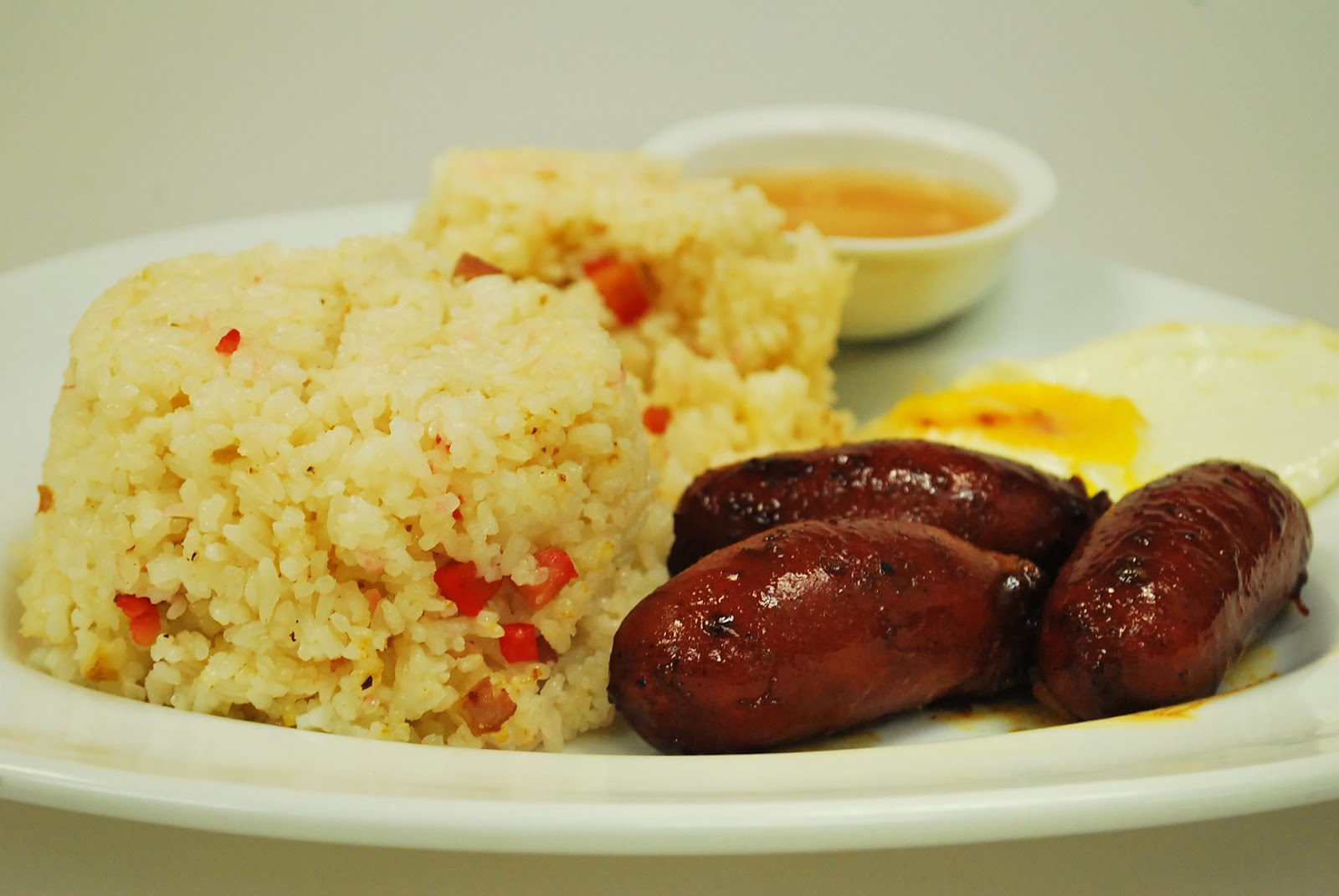
    Longsilog, a delightful Filipino breakfast dish, features longganisa, garlic fried rice, and a fried egg, creating a flavorful and satisfying combination.

    The longganisa, a type of red hotdog, is sweet and savory, adding a unique and delicious flavor to the meal.

    The garlic fried rice, known as sinangag, is aromatic and perfectly complements the succulent longganisa.

    When paired with a perfectly fried egg, the Longsilog becomes a hearty and fulfilling breakfast choice.

    To enhance the flavors, it’s often enjoyed with a side of spicy vinegar dip and pickled papaya or fresh tomato slices.

    This popular dish is widely available in local eateries and is beloved by many as a go-to breakfast option in the Philippines.

    Tocilog

    So, you want to know more about tocilog? Well, let’s start with the mouthwatering ingredients that make up this beloved Filipino breakfast dish.

    Then, we’ll walk you through the simple yet precise cooking process that brings out the perfect blend of sweet and savory flavors.

    And of course, we’ll wrap it up with some serving suggestions to take your tocilog experience to the next level.

    Tocilog Ingredients

    Tocilog is a delectable combination of tocino, sinangag, and itlog that creates a flavorful and satisfying Filipino breakfast dish. Each ingredient plays a crucial role in forming the delicious flavor profile of Tocilog. Here’s a breakdown of the key components of Tocilog:

    Ingredient Description
    Tocino Sweet cured pork that imparts a sweet and savory taste to Tocilog.
    Sinangag Garlic fried rice that adds a delightful aroma and texture to the dish.
    Itlog Fried egg that provides a protein element, making Tocilog a hearty breakfast option.

    These ingredients come together to create a harmonious blend of sweet, savory, and aromatic flavors, making Tocilog a beloved choice for breakfast among Filipinos.

    Tocilog Cooking Process

    The flavorful and satisfying Filipino breakfast dish known as Tocilog involves the marination of pork in a sweet and savory mixture before it’s fried to perfection.

    To start the tocilog cooking process, the pork is typically marinated in a blend of sugar, soy sauce, garlic, and other seasonings to achieve its signature sweet and savory flavor. Once marinated, the pork is then fried until it reaches a caramelized, slightly crispy texture, adding a delightful contrast to the tender meat.

    Alongside the tocino, the sinangag, or garlic fried rice, is prepared by stir-frying day-old rice with a generous amount of garlic until it’s fragrant and golden, offering a delicious accompaniment to the savory pork.

    Tocilog Serving Suggestions

    Looking for the perfect accompaniments to elevate your tocilog experience? Here are three tocilog serving suggestions to take your meal to the next level:

    1. Sinangag: The garlic fried rice, sinangag, is a staple side dish that perfectly complements the sweet and savory flavors of tocilog. Its aromatic and slightly crispy texture adds depth to each bite, creating a delightful contrast to the tender tocino.
    2. Spicy Vinegar Dip: Enhance the flavors of tocilog by pairing it with a side of spicy vinegar dip. The tangy and spicy notes of the vinegar cut through the richness of the tocino, providing a refreshing and zesty element to the dish.
    3. Pickled Papaya or Fresh Tomato Slices: Adding a side of pickled papaya or fresh tomato slices brings a burst of acidity and freshness to the meal, balancing the richness of the tocilog with their vibrant flavors.

    These serving suggestions will elevate your tocilog experience, creating a harmonious and satisfying breakfast feast.

    Bangsilog

    Featuring crispy pan-fried bangus, savory sinangag, and perfectly fried itlog, Bangsilog is a delightful and popular Filipino breakfast dish that tantalizes the taste buds with its unique flavors and textures. The combination of these three main components creates a flavorful and satisfying meal that is commonly enjoyed for breakfast in the Philippines.

    The crispy and flavorful bangus adds a delicious twist to the traditional silog meals, making Bangsilog a favorite choice for starting the day on a delightful note. Here’s a table to further entice your taste buds:

    Component Description
    Bangus Crispy pan-fried milkfish
    Sinangag Garlic fried rice
    Itlog Perfectly fried egg

    With its savory, crunchy, and satisfying elements, Bangsilog is a must-try for anyone looking to experience the delicious flavors of Filipino cuisine for breakfast.

    Danggitsilog

    Hey there, it’s time to talk about Danggitsilog!

    Get ready to explore the unique flavor profile of danggit, learn about different cooking methods to bring out its best, and discover some creative serving suggestions that will elevate your danggitsilog game.

    Let’s dive into the delicious world of danggitsilog!

    Danggit Flavor Profile

    The savory and umami flavor of danggit, a salted and sun-dried rabbitfish, plays a pivotal role in the delightful taste experience of Danggitsilog, a popular Filipino breakfast dish.

    The crispy and salty profile of danggit perfectly complements the garlicky and aromatic sinangag (garlic fried rice), creating a delightful contrast of textures and tastes.

    The danggit’s saltiness is balanced by the fragrance of the sinangag, while the fried egg adds a creamy and rich component to the dish, enhancing the overall flavor profile.

    This classic Filipino silog variation offers a unique and delicious taste of Filipino cuisine, showcasing the delectable combination of the distinct flavors of danggit, sinangag, and fried egg.

    Cooking Methods for Danggitsilog

    To prepare a delectable Danggitsilog meal, start by marinating the danggit with salt, pepper, and calamansi juice to enhance its flavor. After marinating, pan-fry the danggit until it turns golden brown and crispy. Then, prepare the sinangag by sautéing garlic and leftover rice in the same pan to create flavorful garlic fried rice. In a separate pan, fry an egg sunny-side up or according to your preference.

    Finally, plate the crispy danggit, sinangag, and fried egg together, and serve with your choice of vinegar or atchara for a delicious danggitsilog meal.

    Cooking Step Description
    Marinate the danggit Season with salt, pepper, and calamansi juice, then let it marinate for 30 min
    Pan-fry the danggit Heat oil and fry until golden brown and crispy
    Prepare the sinangag Sauté garlic and leftover rice to make garlic fried rice
    Fry the egg Fry sunny-side up or according to preference

    Serving Suggestions for Danggitsilog

    When serving Danggitsilog, consider adding a side of spicy vinegar dip to complement the savory flavors of the danggit.

    Here are some serving suggestions to enhance your Danggitsilog experience:

    1. Garlic Fried Rice: Serve Danggitsilog with a generous portion of sinangag, garlic fried rice. The aromatic and flavorful rice perfectly complements the saltiness of the danggit, creating a satisfying combination.
    2. Spicy Vinegar Dip: Pair your Danggitsilog with a side of spicy vinegar dip for a burst of tangy flavor that elevates the overall taste profile of the dish.
    3. Pickled Papaya or Tomato Slices: Enhance the meal with a side of pickled papaya or fresh tomato slices to add a refreshing crunch and acidity, balancing the richness of the danggit and sinangag.

    These serving suggestions will elevate your Danggitsilog, offering a delightful and authentic taste of Filipino cuisine.

    Spamsilog

    Incorporating Spam into the classic Filipino breakfast dish, spamsilog offers a delicious twist on the traditional silog concept with its savory flavors and hearty appeal. This popular breakfast option features a winning combination of sliced Spam, garlic fried rice, and a perfectly fried egg.

    The name ‘Spamsilog’ is derived from the blend of Spam, sinangag (garlic fried rice), and itlog (egg), showcasing the adaptability of the silog concept with the incorporation of a well-loved canned meat product. The savory and comforting flavors of Spamsilog make it a satisfying meal to kick start your day. Here’s a breakdown of the key components in a typical serving of spamsilog:

    Ingredients Description
    Sliced Spam Adds savory and salty flavors to the dish
    Garlic Fried Rice Aromatic and flavorful base for the meal
    Fried Egg Provides richness and a delicious runny yolk
    Optional Side Often served with sliced tomatoes or atchara (pickled papaya) for a pop of acidity

    Spamsilog is a beloved breakfast choice known for its simplicity and delicious taste, making it a staple in Filipino cuisine.

    Cornsilog

    Indulge in the mouthwatering flavors of Filipino cuisine with the delectable breakfast dish known as Cornsilog.

    This classic dish brings together the rich and satisfying taste of corned beef, the aromatic goodness of garlic fried rice, and a perfectly fried egg.

    When you dig into a plate of Cornsilog, you’re treated to a delightful blend of savory and slightly salty corned beef, complemented by the fragrant and slightly crispy garlic fried rice.

    The dish is then completed by the lusciousness of a sunny-side-up egg that adds a creamy texture to each bite.

    To enhance the experience, it’s often served with a side of spicy vinegar dip or pickled papaya, adding a zesty and tangy kick to the meal.

    Cornsilog truly encapsulates the heartiness and deliciousness of Filipino breakfast fare.

    Hotsilog

    If you’re a fan of savory and sweet flavors combined, you’re in for a treat with hotsilog.

    Picture this: tasty garlic fried rice, a juicy hotdog bursting with flavor, and a perfectly fried egg on top.

    It’s a breakfast dish that offers a delightful mix of textures and tastes, making it a beloved choice for many in the Philippines.

    Tasty Garlic Rice

    Tasty Garlic Rice (Hotsilog) entices with its aromatic garlic-infused rice, complemented by a juicy hotdog and a perfectly fried egg, creating a delightful symphony of flavors.

    1. The garlic fried rice, known as ‘sinangag,’ is the star of this dish. It’s cooked to perfection, with each grain of rice infused with the rich and distinct flavor of garlic.
    2. The hotdog, often sweet and savory, adds a delightful contrast to the garlicky rice. Its juicy and tender texture provides a satisfying bite in every forkful.
    3. The fried egg, with its golden, runny yolk, brings a creamy richness that ties the entire dish together, creating a harmonious blend of flavors.

    When you take a bite of Hotsilog, the fragrant garlic, savory hotdog, and creamy egg yolk come together in a delicious medley that will surely leave you craving for more.

    Savory Sweet Sausage

    The savory sweet sausage in Hotsilog tantalizes the taste buds with its tender, slightly sweet flavor, adding a unique and delightful twist to this classic Filipino breakfast dish.

    The sausage, often a pink hotdog, brings a distinct savory and mildly sweet taste that complements the garlicky fried rice and the richness of the fried egg.

    Unlike traditional salty hotdogs, the pink hotdog used in Hotsilog offers a milder and more tender bite, making it a favorite among locals and visitors alike.

    Served with a side of spicy vinegar dip and pickled papaya or fresh tomato slices, the combination of flavors and textures creates a truly satisfying breakfast experience.

    Hotsilog’s popularity in the Philippines demonstrates the widespread appreciation for its appealing blend of savory and sweet elements.

    Fried Egg Topping

    When preparing the fried egg topping for Hotsilog, you can achieve a perfect balance of tenderness and flavor by ensuring the yolk is cooked to a runny consistency while the whites are fully set. The key to achieving this delicate balance lies in the cooking technique and timing.

    Here’s how to perfect the fried egg topping for your Hotsilog:

    1. Heat the oil in a non-stick skillet over medium heat until it shimmers.
    2. Crack the egg gently into the skillet, taking care not to break the yolk.
    3. Cook the egg for about 2-3 minutes until the whites are fully set but the yolk remains gloriously runny.

    Mastering the art of preparing the fried egg topping will elevate your Hotsilog to a whole new level of deliciousness, adding a delightful richness to this classic Filipino breakfast dish.

    Can Skin Silog be a Variation of Corned Silog?

    If you’re a fan of Filipino breakfast, you may have heard of corned silog. But have you ever tried skin silog? This variation swaps out the corned beef for crispy pork skin, giving it a unique twist. If you want to learn about corned silog, you should definitely give skin silog a try!

    Bacsilog

    Derived from the savory combination of crispy bacon, garlic fried rice, and a fried egg, Bacsilog is a popular and satisfying Filipino breakfast dish. This flavorful meal offers a delightful blend of crispy bacon, aromatic garlic fried rice (sinangag), and a perfectly cooked fried egg. The harmony of these elements creates a hearty and fulfilling breakfast option that has gained popularity for its rich and savory flavors. Here’s a breakdown of the key components of Bacsilog:

    Component Description
    Crispy Bacon Adds savory and crispy texture to the dish
    Sinangag Aromatic garlic fried rice that complements the bacon
    Fried Egg Provides a creamy and satisfying element to the dish

    Bacsilog showcases the versatility of Filipino breakfast dishes, offering a delightful alternative to the traditional silog meals.

    Frequently Asked Questions

    What Do You Mean by Silog?

    You mean silog, a popular Filipino breakfast dish? It’s a flavorful combo of meat, garlic fried rice, and a fried egg. Variations like tapsilog (with marinated beef) and bacsilog (with crispy bacon) offer endless delicious options.

    What Is an Example of a Silog?

    One example of a silog dish is tapsilog, which consists of sinangag (garlic fried rice), itlog (fried egg), and beef tapa. It’s a flavorful and filling breakfast option that’s popular in Filipino cuisine.

    What Type of Food Is Tapsilog?

    Tapsilog is a delicious Filipino breakfast dish featuring marinated beef tapa, garlic fried rice, and a fried egg. It’s a savory and slightly sweet combination that’s become a staple in Filipino cuisine.

    What Is the Most Popular Silog?

    The most popular silog is the Skin Silog, a Filipino breakfast favorite. It features crispy and flavorful chicken skin as the main protein, served with garlic fried rice and a fried egg for a delicious start to the day.

    Conclusion

    So there you have it – skin silog is a delicious Filipino breakfast dish that combines sinangag, itlog, and crispy chicken skin for a unique and flavorful meal.

    Whether you’re a fan of traditional tapsilog or want to try something new like spamsilog or cornsilog, there’s a variation of skin silog to suit every taste.

    Give it a try and experience the satisfying and delicious flavors of skin silog for yourself!
  • How Much Does Pork Silog Typically Cost?

    How Much Does Pork Silog Typically Cost?

    Pork Silog typically costs between $2.50 to $3.00 to make at home. Prices at Filipino restaurants like Fill House range from $8.90 to $8.99.

    Key Takeaways

    1. The cost of Pork Silog can vary depending on factors such as region, quality of pork, and cut of the meat.
    2. Fill House, a Filipino restaurant, offers Pork Silog for $8.90 to $8.99, including two breakfast items, an egg, and fried rice. Their prices are slightly higher compared to Pancake House in the Philippines.
    3. Homemade Pork Silog typically ranges from $2.50 to $3.00 to make.
    4. Regional price variations, market influences, and the quality and cut of pork all play a role in determining the final cost of Pork Silog.

    Cost Factors for Pork Silog

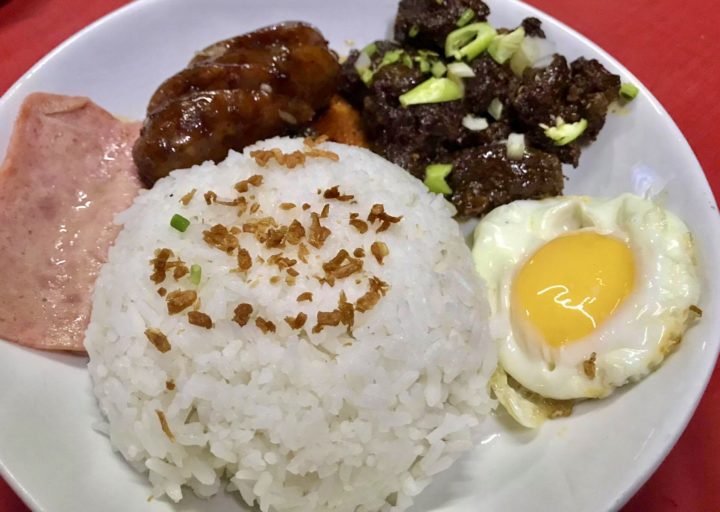
    When considering the cost factors for Pork Silog, it’s essential to understand the value you’re getting for the price you pay. The price for Pork Silog at Fill House ranges from $8.90 to $8.99, and it includes two breakfast items, an egg, and two scoops of fried rice.

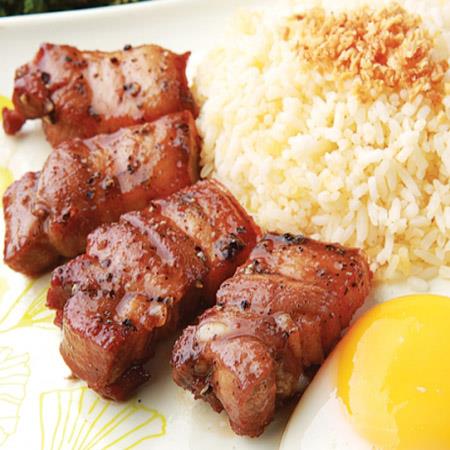
    Despite being slightly more expensive than a chain restaurant in the Philippines, Fill House offers a variety of Filipino breakfast options, such as spam, red hot dogs, and tosino, making it a favorite among those who love traditional Filipino cuisine.

    The Silog challenge at Fill House provides insight into the size and cost of the meals compared to the Philippines, giving you an opportunity to experience the authentic flavors of a Filipino breakfast while understanding the cost factors for Pork Silog.

    Pricing at Filipino Restaurants

    When dining at Filipino restaurants, you’ll find that pricing can vary between different establishments.

    Comparing the cost of popular dishes like Silog breakfasts can give you insight into how different restaurants price their meals.

    Understanding these pricing variations can help you make informed choices about where to enjoy a delicious and affordable meal.

    Pricing Comparison

    The prices for Silog breakfast at Fill House are slightly higher compared to those at Pancake House in the Philippines, ranging from $8.90 to $8.99. Here’s what you can expect in terms of pricing at Filipino restaurants:

    1. Fill House’s tosino breakfast includes marinated pork, fried rice, and an egg for $8.90 to $8.99.
    2. The red hot dog breakfast at Fill House consists of red hot dogs, garlic rice, fried egg, and spam, also in the $8.90 to $8.99 range.
    3. The bungus breakfast at Fill House costs 355 pesos, including rice and egg, which is approximately $7.16.

    When considering pricing at Filipino restaurants, it’s important to note the variations in costs for different Silog breakfast options. While Fill House’s prices are slightly higher, the variety and unique offerings may justify the difference in pricing.

    Cost Variations

    Exploring the diverse flavors of Filipino breakfast options, you’ll find varying costs for classic Silog meals at different restaurants, offering a range of delectable choices to savor.

    Fill House serves Pork Silog for breakfast, priced between $8.90 and $8.99. Compared to Pancake House in the Philippines, Fill House is slightly more expensive for this dish.

    Additionally, Fill House offers other breakfast options like spam, red hot dogs, and tosino, each served with fried rice and an egg.

    The Silog challenge encourages patrons to try different savory breakfast items from the Philippines and compare the prices at Fill House to a chain restaurant in the Philippines.

    Furthermore, the dine-in and take-out options for Pork Silog are priced at 99.00 and 106.00, respectively, providing cost variations based on dining preferences.

    Average Grocery Store Prices

    At your local grocery store, you can typically find a range of prices for pork silog ingredients, making it essential to compare and select the best value for your budget.

    Here are some average grocery store prices to consider:

    1. Pork: Look for cuts like pork shoulder or pork belly, which can range from $3.99 to $5.99 per pound, depending on the quality and source.
    2. Garlic Rice: You can find pre-made garlic rice in the refrigerated or frozen section for around $2.99 to $4.99 per pack, or you can make your own using basic ingredients.
    3. Eggs: A carton of a dozen eggs usually costs between $1.99 to $3.99, with prices varying based on factors such as organic or free-range options.

    When shopping for Filipino food ingredients, keep an eye out for sales and promotions to maximize your savings on these essential pork silog components.

    Homemade Pork Silog Expenses

    As you consider the average grocery store prices for pork silog ingredients, you’ll find that making Homemade Pork Silog at home can be a cost-effective and enjoyable culinary endeavor. The total expenses for Homemade Pork Silog typically range from $2.50 to $3.00, depending on the current price of pork and other ingredients. This makes it an affordable meal option, especially when compared to dining out at a restaurant.

    By preparing Pork Silog at home, you can exercise greater control over portion sizes and ingredients, allowing you to customize the meal according to your preferences and budget. It’s worth noting that the cost of Homemade Pork Silog may vary based on the region and the availability of ingredients.

    Regional Price Variations

    When it comes to the cost of Pork Silog, regional price variations play a significant role in determining the final price you’ll pay.

    Factors such as market influences and local economic conditions can lead to noticeable differences in pricing between regions.

    Understanding these variations will help you make informed decisions about where to purchase your Pork Silog, ensuring you get the best value for your money.

    Regional Price Differences

    Wondering how regional price differences impact the cost of your favorite dishes like Pork Silog? Understanding regional price differences is super easy and can help you make informed decisions about spending and budgeting in various regions. Here are three key points to consider:

    1. Local Demand and Supply: The demand for pork and other ingredients in Pork Silog can vary by region, affecting prices due to local availability and consumer preferences.
    2. Production Costs: Regional differences in production costs, including labor and overhead expenses, can influence the overall cost of preparing Pork Silog in restaurants and food establishments.
    3. Economic Conditions: Variances in economic conditions across regions, such as taxes and cost of living, can have an impact on the final price of Pork Silog.

    Understanding these regional price differences can provide insights into why the cost of Pork Silog may differ between locations.

    Market Influences

    Curious about the factors driving regional price variations for Pork Silog? Let’s explore the market influences that contribute to these cost differences and how they impact your dining choices. When it comes to the price of Pork Silog, numerous market influences can lead to regional price variations. Factors such as import/export information, labor costs, and local market conditions play a significant role in determining the cost of Pork Silog in different areas.

    Chain restaurants and local eateries may also offer varying prices due to these market influences. Understanding these variations can help you compare the cost of Pork Silog between different locations. Below is a table outlining some of the key market influences affecting the price of Pork Silog in various regions.

    Market Influences Impact on Price of Pork Silog
    Import/Export Information Increased costs in remote areas
    Labor Costs Higher prices in urban areas
    Local Market Conditions Fluctuations based on demand
    Consumer Preferences Influence on pricing strategies
    Economic Conditions Impact on overall affordability

    Quality and Cut of Pork

    Understanding the quality and cut of pork is essential for creating delicious and tender pork dishes like Pork Silog. When it comes to choosing the right pork for your recipe, consider the following:

    1. Marbling: Quality pork is characterized by marbling, the intramuscular fat that contributes to its tenderness and juiciness. Look for cuts with a good amount of marbling for optimal flavor and texture.
    2. Common Cuts: The most common cuts of pork used for Filipino dishes like Pork Silog include pork belly, pork shoulder, and pork loin. Each cut offers its own unique texture and flavor profile.
    3. Bone-in vs. Boneless: The cut of pork, whether bone-in or boneless, can affect the cooking time and flavor of the dish. Understanding the differences can help you choose the best option for your recipe.

    Additional Ingredients Impacting Cost

    When it comes to the cost of Pork Silog, it’s important to consider how additional ingredients such as garlic rice, fried egg, and specialty items impact the overall price, especially at Fill House.

    The inclusion of specific ingredients significantly influences the cost of Silog breakfast. At Fill House, the prices for Silog breakfast range from $8.90 to $8.99, showcasing the impact of additional ingredients. Specialty items like tosino, red hot dogs, and spam contribute to the variation in prices.

    Comparing Fill House with a chain restaurant like Pancake House in the Philippines further highlights how the selection of ingredients affects the overall cost of Silog breakfast.

    Understanding the influence of additional ingredients on the cost is crucial for those looking to enjoy a delicious and satisfying Pork Silog breakfast.

    What is the Average Cost of Filipino Breakfast Silog Dishes?

    The typical longsilog cost for a Filipino breakfast dish can range from 80 to 150 pesos, depending on the location and the type of establishment. Silog dishes usually consist of garlic fried rice, fried eggs, and a specific meat such as longganisa, tapa, or tocino. It’s a popular and affordable meal option.

    Tips for Cost-Effective Pork Silog

    To enjoy a cost-effective Pork Silog, consider customizing your order to include the essential components and minimize additional toppings and specialty items that could increase the overall price. Here are three tips to help you make your Pork Silog more cost-effective:

    1. Stick to the basics: Opt for the traditional Pork Silog consisting of pork, garlic fried rice, and a fried egg to keep costs down.
    2. Skip the add-ons: Avoid adding extra toppings or specialty items to your order, as these can significantly increase the overall price of your meal.
    3. Check for combo deals: Look for combo options that may offer better value for money, allowing you to enjoy a satisfying Pork Silog at a more cost-effective price.

    Frequently Asked Questions

    What Is the Most Popular Silog?

    The most popular silog breakfast at Fill House is the tosino. It’s a flavorful and sweet marinated pork dish that pairs perfectly with the savory fried rice and egg. Customers rave about its delicious taste!

    Why Is Silog Famous?

    Silog is famous for its unique blend of savory and sweet flavors, making it a popular Filipino breakfast choice. The affordability and accessibility in local eateries have contributed to its fame, reflecting the Filipino palate and cultural preferences.

    What Is Silog Filipino Food?

    Silog, a beloved Filipino breakfast, combines sinangag (garlic fried rice) and itlog (egg) with various meats. It’s a budget-friendly, flavorful dish found in eateries across the Philippines, typically priced around $2 to $5.

    What Is the Difference Between Longsilog and Tapsilog?

    Longsilog and tapsilog are both popular Filipino breakfast dishes. The main difference is the meat used. Longsilog uses longganisa (Filipino sausage), while tapsilog uses tapa (marinated beef). Both are delicious with garlic fried rice and a fried egg.

    Conclusion

    So, when it comes to the cost of pork silog, there are a few factors to consider. From the pricing at Filipino restaurants to the average grocery store prices, and even the quality and cut of the pork, it all adds up.

    But with a little bit of creativity and planning, you can still enjoy a delicious and cost-effective pork silog at home or at your favorite restaurant. Happy eating!