Category: Chinese Influences in Philippine Cuisine

  • Chinese Influences on Philippine Cuisine

    Chinese Influences on Philippine Cuisine

    Chinese immigration to the Philippines began in the 9th century, bringing unique cooking methods, ingredients, and flavors.

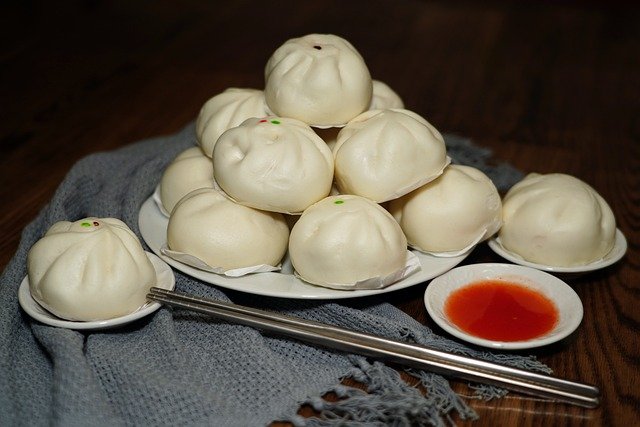
    This fusion with Filipino cuisine birthed dishes like lumpia, siopao, and taho.

    Stir-frying, steaming, and noodle-making techniques were integrated, enriching Filipino culinary practices.

    Pancit and siomai are popular examples of this cultural exchange.

    The historical influence of Chinese settlers has shaped the diverse and flavorful landscape of Filipino cuisine.

    Key Takeaways

    Chinese immigration to the Philippines in the 9th century influenced Filipino cuisine. Chinese immigrants introduced stir-frying, steaming, and noodle-making techniques. This influenced how Filipinos cook their food. Popular Filipino dishes like pancit, lumpia, and siopao have Chinese origins.

    These dishes reflect the cultural exchange between China and the Philippines. Chinese culinary traditions, such as using soy sauce and other seasonings, have greatly impacted Filipino cuisine. These flavors are now integral to Filipino cooking. The Hokkien dialect has influenced Filipino culinary vocabulary. Many dishes and cooking methods in the Philippines have names derived from Chinese.

    Early Chinese Immigration

    • Chinese immigration to the Philippines dates back to the 9th century, initially for trade and cultural exchange.
    • These early settlers introduced unique cooking methods, ingredients, and flavors that merged with Filipino cuisine.
    • For example, stir-frying, a technique mastered by Chinese immigrants, became widely adopted in Filipino cooking.
    • The exchange of goods and ideas through trade was pivotal in shaping Filipino gastronomy.
    • Chinese immigration not only brought new flavors and ingredients but also influenced how Filipinos prepared and enjoyed food.
    • This fusion created a diverse culinary landscape with subtle Chinese influences.

    Cultural Exchange Through Food

    Chinese immigrants influenced Filipino cuisine through culinary exchange, creating a unique blend of flavors.

    The Hokkien dialect impacted Filipino dishes, seen in names and cooking methods. For instance, lumpia originates from the Hokkien word ‘lunpia.’

    Moreover, dishes like siopao, taho, and puto also reflect Chinese culinary influences.

    This exchange not only enriched Filipino cuisine but also strengthened cultural bonds between the two communities.

    Adaptation of Chinese Cooking Techniques

    Chinese immigrants introduced stir-frying, steaming, and noodle-making techniques to Filipino cuisine.

    These techniques have become integral to Filipino cooking, blending with traditional dishes to create a unique fusion of flavors.

    The Hokkien dialect, spoken by Chinese settlers from Fujian province, influenced Filipino culinary terms and cooking methods.

    Popular Filipino dishes like pancit, lumpia, and siopao have Chinese origins, showcasing the historical cultural exchange.

    The adaptation of Chinese cooking techniques enriched Filipino cuisine, forming a distinct culinary identity.

    This fusion of Chinese expertise with local ingredients has created a diverse culinary landscape in the Philippines.

    Popular Dishes With Chinese Roots

    Filipino cuisine has been significantly influenced by Chinese culinary traditions.

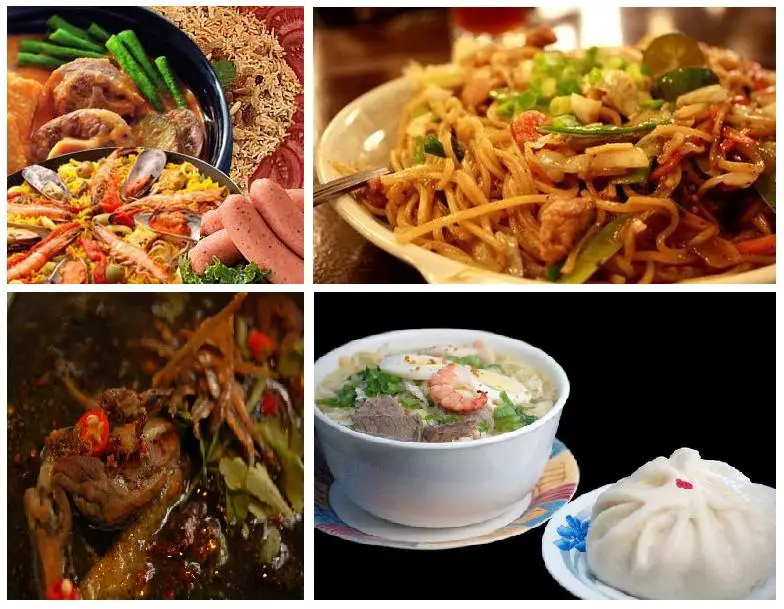
    Noodle dishes, such as pancit canton and lomi, showcase the fusion of Chinese and Filipino flavors.

    Stir-fry dishes, like beef broccoli and chop suey, highlight the heritage connection to Chinese cooking techniques.

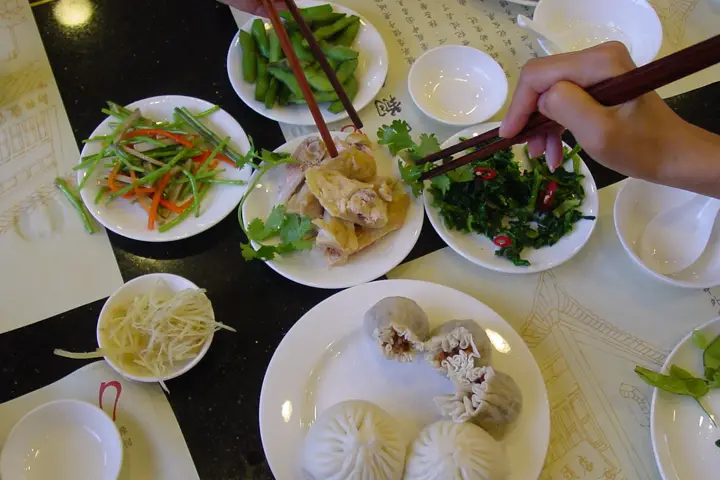
    Dim sum, a popular Chinese style of small dishes, has been adapted in Filipino cuisine with favorites like siomai and siopao.

    These dishes have evolved over time to cater to the Filipino taste preferences while retaining their Chinese roots.

    Noodle Fusion Delights

    Pancit noodlesOverall, the current trends, innovations, and collaborations in the Chinese-Filipino culinary scene are contributing to a dynamic and exciting food culture that celebrates the rich history and diverse influences of both Chinese and Filipino cuisines.

    Pancit Canton features thick, crispy noodles with vegetables and meat or seafood, influenced by Chinese culinary traditions but tailored to suit Filipino tastes.

    Pancit Malabon, originating from Malabon, Metro Manila, consists of thin, soft noodles coated in savory sauce and topped with a variety of vegetables and proteins.

    Pancit Bihon is a popular choice in Filipino households, comprising thin rice flour noodles stir-fried with a mix of vegetables and meat or seafood.

    Pancit Lugaw presents thick, chewy noodles in a flavorful broth, often paired with vegetables and protein, found in diverse regional variations.

    The stir-frying method used in preparing Pancit pays homage to Chinese cooking techniques, delivering a versatile and delicious noodle dish cherished by many Filipinos.

    Stir-Fry Heritage Dishes

    Chinese influence is evident in Filipino stir-fry heritage dishes like Pancit Canton and Chopsuey. Stir-fry heritage dishes in Filipino cuisine showcase Chinese cooking techniques and flavors.

    Chinese immigrants introduced stir-frying to the Philippines, leading to popular dishes such as Beef Broccoli and Sweet and Sour Pork. These dishes combine meat, vegetables, and noodles or rice in a harmonious fusion of Chinese and Filipino culinary traditions.

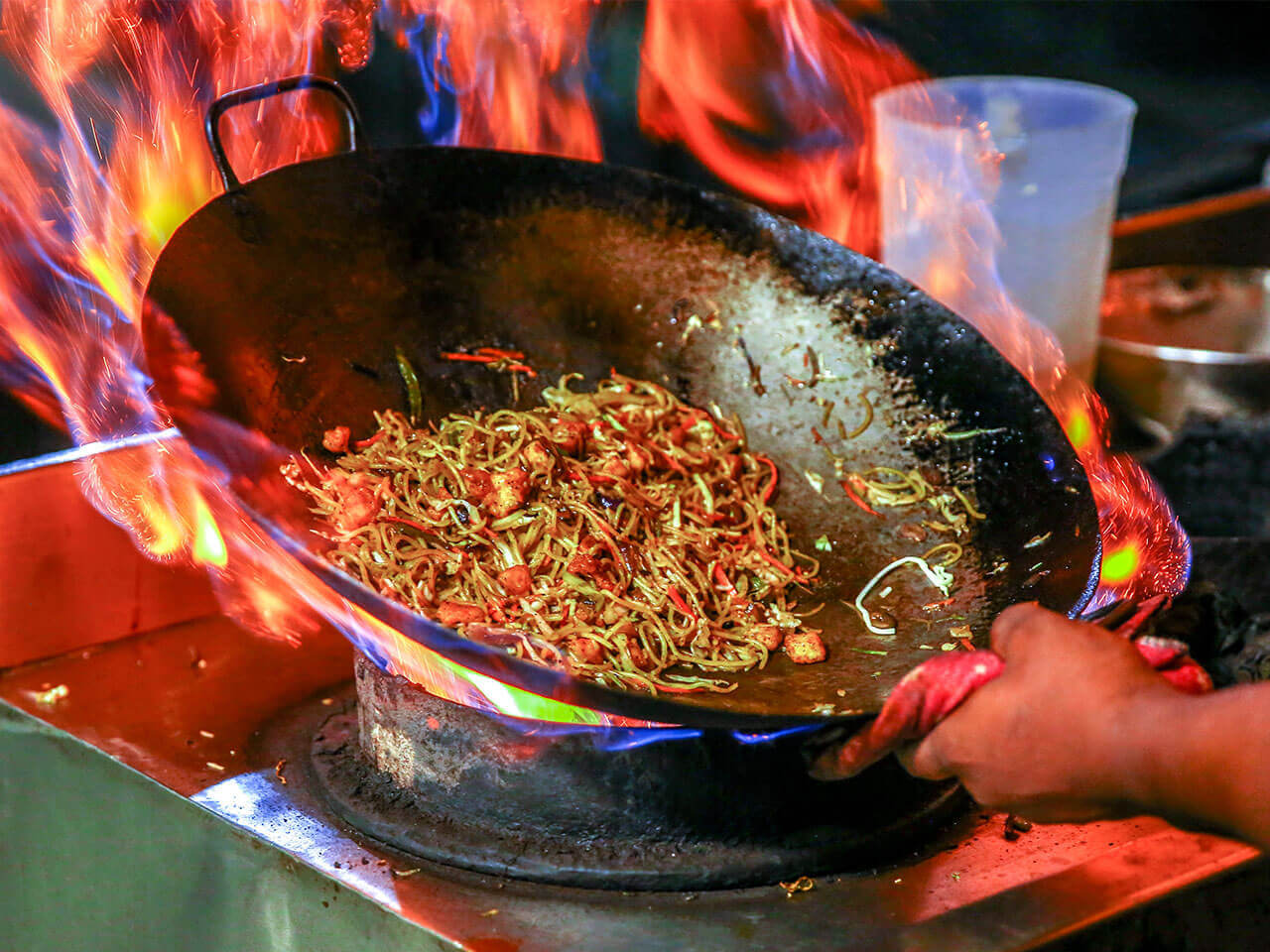
    The use of woks and high heat cooking methods highlights the enduring Chinese culinary legacy in Filipino cuisine.

    Dim Sum Influence

    Chinese Influence on Filipino Cuisine

    Dim sum, a traditional Cantonese cuisine, has had a significant impact on popular Filipino snacks like siopao and siomai. Siopao is a Filipino version of Chinese bao, a snack filled with savory meat or sweet custard.

    Siomai is a type of Chinese dumpling that has become a beloved street food in the Philippines.

    Siopao and Siomai are examples of how Chinese dim sum dishes have seamlessly integrated into Filipino cuisine. The influence of dim sum on Filipino snacks highlights the cultural exchange between China and the Philippines.

    Filipino-Chinese Fusion Cuisine

    Filipino-Chinese fusion cuisine combines traditional Filipino flavors with Chinese cooking techniques, showcasing cultural exchange.

    Chinese immigrants introduced new spices and cooking styles, notably from the Fujian province.

    This fusion results in dishes like pancit, lumpia, and siopao, blending Chinese techniques like stir-frying and steaming with Filipino ingredients.

    The cuisine reflects historical ties and creates a unique culinary identity that’s distinctly Filipino-Chinese.

    Influence on Regional Filipino Dishes

    Southern Chinese flavors have significantly influenced Filipino cuisine in Luzon. Traditional Chinese cooking techniques and ingredients have been seamlessly integrated into local specialties.

    For example, pancit Canton showcases savory Chinese-inspired flavors, while siopao highlights the sweet and flaky pastries that have become popular in the region.

    Southern Chinese Flavors

    Southern Chinese flavors have left a lasting influence on Filipino cuisine, evident in stir-frying techniques, soy sauce use, and noodle dishes.

    Stir-frying is a common cooking method in the Philippines, providing quick and flavorful meals.

    Soy sauce is widely used in Filipino dishes, adding richness and depth of flavor.

    Noodle-based dishes like pancit are popular in Filipino gatherings, showcasing the fusion of Chinese and Filipino culinary traditions.

    The Hokkien dialect has influenced Filipino culinary terms and flavors, seen in traditional dishes.

    Chinese immigrants have played a significant role in shaping Filipino cuisine, introducing new ingredients and techniques that have been integrated into local cooking practices.

    Luzon’s Culinary Adaptations

    Chinese influences have significantly impacted Luzon’s culinary scene in the Philippines.

    Stir-frying and steaming, traditional Chinese cooking methods, have been integrated into regional dishes. For example, Pancit Canton, a stir-fried noodle dish, and Lumpiang Shanghai, a crispy spring roll, reflect this fusion of Chinese techniques with local flavors.

    These dishes demonstrate the enduring legacy of Chinese culinary influences in Luzon’s cuisine.

    Chinese Ingredients in Filipino Cooking

    Chinese traders brought soy sauce to the Philippines, enhancing dishes like adobo. This condiment is now a key flavor enhancer in Filipino cuisine.

    Noodles have become a Filipino staple, especially in dishes like pancit.

    Dim sum treats like siopao and siomai are beloved snacks in the Philippines, influenced by Chinese cuisine.

    Filipino cooking has adopted stir-frying techniques from Chinese culinary traditions.

    Steaming and braising methods, inspired by Chinese cooking, are used in preparing Filipino favorites like lechon and humba.

    Various Chinese cooking methods have been integrated into traditional Filipino recipes, enriching the culinary landscape in the Philippines.

    The Role of Trade in Culinary Exchange

    Trade played a crucial role in the culinary exchange between China and the Philippines.

    Chinese merchants traveling along Austronesian maritime routes introduced stir-frying techniques, soy sauce, and noodles to Filipino cuisine.

    The Hokkien dialect, spoken by Chinese immigrants from Fujian province, influenced Filipino dishes and cooking methods.

    Chinese immigrants settling in the Philippines integrated their culinary traditions with local flavors, resulting in a unique Filipino cuisine.

    This exchange not only shaped the culinary history of the Philippines but also contributed to its cultural identity.

    Deep Dive into the Legacy of Chinese Cuisine in Philippines

    Chinese culinary traditions have had a significant impact on Filipino cuisine.

    Examples of Chinese influence on Filipino cuisine include:

    • Pancit, lumpia, and siopao are popular dishes with clear Chinese origins.
    • Stir-frying techniques introduced by Chinese immigrants are now widely used in Filipino cooking.
    • Soy sauce and other seasonings brought by Chinese immigrants have become essential in Filipino dishes.
    • The Hokkien dialect has influenced Filipino culinary vocabulary.
    • Chinese flavors and cooking methods are evident in many Filipino dishes.

    Brief Overview of the Historical and Cultural Connections between China and the Philippines

    The historical and cultural connections between China and the Philippines are deeply rooted in centuries of interaction, trade, migration, and cultural exchange. These connections have significantly influenced various aspects of Philippine society, including language, religion, art, and most prominently, cuisine.

    Historically, Chinese traders and settlers have been visiting the Philippines long before the arrival of the Spanish colonizers in the 16th century. The Chinese established trading networks in the archipelago, bringing goods such as silk, ceramics, tea, and spices to exchange for local products like pearls, gold, and agricultural goods. This early interaction laid the foundation for a long-standing relationship between the two nations.

    Culturally, the Chinese immigrants who settled in the Philippines brought with them their traditions, beliefs, and practices, which gradually integrated with the local culture. This cultural fusion can be seen in various aspects of Filipino life, from language (with Chinese loanwords in Filipino vocabulary) to religion (the influence of Chinese folk beliefs on Filipino spirituality).

    One of the most significant areas where Chinese influence is evident in the Philippines is cuisine. Chinese culinary techniques, ingredients, and dishes have been seamlessly incorporated into Filipino cooking, resulting in a unique blend of flavors and textures. Some iconic Filipino dishes with Chinese origins include pancit (noodles), lumpia (spring rolls), and siopao (steamed buns).

    Overall, the historical and cultural connections between China and the Philippines have enriched both societies, creating a shared heritage that continues to be celebrated and preserved to this day. The culinary influences of China on Philippine cuisine serve as a delicious reminder of the enduring bond between these two neighboring nations.

    How Chinese Influences Have Shaped Philippine Cuisine

    Chinese influences have played a significant role in shaping Philippine cuisine throughout history. The fusion of Chinese flavors, cooking techniques, and ingredients with indigenous Filipino ingredients has resulted in a unique and diverse culinary tradition that is distinctly Filipino. Here are some key ways in which Chinese influences have shaped Philippine cuisine:

    1. Ingredients: Chinese ingredients such as soy sauce, tofu, bean sprouts, and Chinese cabbage have become integral parts of Filipino cooking. These ingredients are used in a variety of Filipino dishes, adding depth of flavor and texture that are characteristic of Chinese cuisine.
    2. Cooking Techniques: Chinese cooking techniques like stir-frying, steaming, and braising have been adopted and adapted by Filipino cooks. These techniques are commonly used in preparing popular Filipino dishes such as pancit (noodle dishes), lumpia (spring rolls), and siomai (dumplings).
    3. Flavors: Chinese flavors such as the umami-rich taste of soy sauce, the savory notes of oyster sauce, and the aromatic profile of five-spice powder have influenced the flavor profile of many Filipino dishes. These flavors enhance the taste of Filipino dishes and give them a unique Chinese-Filipino twist.
    4. Food Preparation: Chinese food preparation methods like chopping ingredients finely, marinating meats, and using a wok for cooking have become common practices in Filipino kitchens. These methods help infuse dishes with flavors and textures that are reminiscent of Chinese cooking.
    5. Regional Variations: Chinese influences on Philippine cuisine vary across regions due to historical migration patterns and local adaptations. For example, in the provinces of Cebu and Pampanga, Chinese immigrants have influenced local dishes such as lechon (roast pig) and sisig (sizzling pork dish) with Chinese cooking techniques and ingredients.
    6. Cultural Exchange: The blending of Chinese and Filipino culinary traditions has not only enriched the flavors of Philippine cuisine but also reflects the cultural exchange between the two communities. This culinary fusion serves as a testament to the shared history and interconnectedness of Chinese and Filipino cultures.

    Chinese influences have left a lasting impact on Philippine cuisine, contributing to its diversity, complexity, and deliciousness. By exploring the rich history of Chinese influences on Philippine cuisine, we gain a deeper appreciation for the culinary heritage that continues to evolve and delight food enthusiasts around the world.

    Exploring Ancient Chinese Culinary Traditions in the Philippines

    The rich history of Chinese influences on Philippine cuisine dates back centuries and continues to play a significant role in shaping the flavors and ingredients found in Filipino dishes today. In order to truly understand the depth of this culinary exchange, it is essential to delve into the ancient Chinese culinary traditions that were brought to the Philippines.

    1. Introduction to Chinese Culinary Traditions: Chinese cuisine is renowned worldwide for its diversity, complexity, and emphasis on balance in flavors and textures. The ancient Chinese culinary traditions are deeply rooted in principles such as the harmony of yin and yang, the importance of color and presentation, and the use of fresh and seasonal ingredients.
    2. Migration of Chinese Culinary Influences to the Philippines: Chinese traders, immigrants, and settlers have been coming to the Philippines for centuries, bringing with them their culinary practices, ingredients, and cooking techniques. This migration of Chinese influences laid the foundation for what would later become the fusion of Chinese and Filipino cuisines.
    3. Key Chinese Ingredients and Techniques: Some of the key ingredients and techniques that were introduced to the Philippines from ancient Chinese culinary traditions include soy sauce, tofu, bean sprouts, Chinese cabbage, and various types of noodles. Cooking methods such as stir-frying, steaming, and braising also became integral parts of Filipino cooking.
    4. Influence on Filipino Dishes: The impact of ancient Chinese culinary traditions on Filipino dishes is evident in popular dishes such as Pancit (noodle dishes), Lumpia (spring rolls), Siomai (dumplings), and Asado (braised meat dishes). These dishes showcase a harmonious blend of Chinese flavors and Filipino ingredients, creating a unique and delicious culinary experience.
    5. Cultural Significance: Beyond the realm of food, the influence of ancient Chinese culinary traditions on Philippine cuisine has also had cultural significance. It has fostered cultural exchange, mutual understanding, and appreciation for the culinary diversity that exists within the Philippines. Key Ingredients, Cooking Techniques, and Flavor Profiles That Define Chinese Cuisine Chinese cuisine is renowned for its diverse range of key ingredients, cooking techniques, and flavor profiles that have heavily influenced Philippine cuisine throughout history. Here, we will delve into these elements that define the rich tapestry of Chinese culinary traditions.

    Key Ingredients: Chinese cuisine is characterized by a myriad of key ingredients that form the foundation of its dishes. Some of the most common ingredients include soy sauce, oyster sauce, rice wine, sesame oil, ginger, garlic, and various types of soybean products such as tofu and soybean paste.

    Fresh vegetables like bok choy, Chinese cabbage, and snow peas are also staples in Chinese cooking. Additionally, meats such as pork, chicken, and duck are widely used in Chinese dishes, along with seafood like shrimp, fish, and squid.

    Cooking Techniques: Chinese cuisine is renowned for its mastery of various cooking techniques that enhance the flavors and textures of ingredients. Stir-frying is one of the most popular techniques, which involves cooking ingredients quickly over high heat in a wok.

    Other common techniques include steaming, boiling, braising, deep-frying, and roasting. Chinese chefs also utilize techniques like velveting (pre-coating proteins with a mixture of egg white, cornstarch, and sometimes rice wine) to achieve tender and succulent meats.

    Flavor Profiles: Chinese cuisine is celebrated for its harmonious balance of flavors, often described as a combination of sweet, sour, salty, bitter, and umami. Soy sauce, oyster sauce, and hoisin sauce contribute savory and salty notes, while rice wine and vinegar add a touch of sweetness and acidity.

    Spices like star anise, Sichuan peppercorns, and dried chili peppers bring warmth and complexity to dishes. Additionally, the use of aromatics such as ginger, garlic, and scallions infuse dishes with fragrant and savory flavors.

    The key ingredients, cooking techniques, and flavor profiles that define Chinese cuisine are integral to the culinary heritage of the Philippines. The influence of Chinese culinary traditions has not only shaped the flavors of Philippine dishes but also contributed to the multicultural tapestry of Filipino cuisine.

    Influence of Chinese Migration and Trade on Early Philippine Food Culture

    The influence of Chinese migration and trade on early Philippine food culture is profound and long-standing, shaping the culinary landscape of the archipelago in significant ways. Chinese migrants have been coming to the Philippines for centuries, bringing with them not only their skills and traditions but also their culinary practices and ingredients. This historical exchange has enriched Philippine cuisine, resulting in a fusion of flavors and techniques that have become integral to the country’s food culture.

    One of the most notable impacts of Chinese migration on Philippine cuisine is the introduction of noodles, which have become a staple in Filipino dishes such as pancit (stir-fried noodles) and mami (noodle soup). Chinese immigrants also brought along various cooking methods, such as stir-frying and steaming, which have been incorporated into Filipino cooking styles. Additionally, Chinese ingredients like soy sauce, tofu, and oyster sauce have become essential components in many Filipino recipes, adding depth and complexity to the flavors.

    Furthermore, the Chinese influence on early Philippine food culture can be seen in the prevalence of dishes like lumpia (spring rolls), siopao (steamed buns), and siomai (dumplings) in Filipino cuisine. These dishes have become beloved favorites among Filipinos, reflecting the enduring legacy of Chinese culinary traditions in the Philippines.

    In terms of trade, Chinese merchants played a crucial role in the exchange of goods between China and the Philippines, facilitating the importation of spices, condiments, and other food products that have since become integral to Filipino cuisine. This trade network not only brought new ingredients to the Philippines but also enabled the sharing of culinary knowledge and techniques between Chinese and Filipino cooks.

    The influence of Chinese migration and trade on early Philippine food culture is a testament to the rich history of cultural exchange and culinary innovation that has shaped Filipino cuisine. The fusion of Chinese and Filipino flavors and ingredients has created a diverse and vibrant food culture that continues to evolve and delight palates around the world.

    Adoption and Adaptation of Chinese Ingredients

    The fusion of Filipino and Chinese culinary traditions has given rise to a unique and vibrant food culture that showcases the best of both worlds.

    One of the most prominent Chinese ingredients that have found their way into Philippine cuisine is soy sauce. Known for its savory and umami-rich flavor, soy sauce is a staple in Filipino cooking, used in a wide range of dishes from adobo to pancit. Its versatility and depth of flavor make it an essential ingredient in many Filipino recipes, adding depth and complexity to the final dish.

    Another key Chinese ingredient that has become integral to Philippine cuisine is tofu. Tofu, or bean curd, is a versatile ingredient that is used in a variety of Filipino dishes, from stir-fries to soups. Its mild flavor and soft texture make it a popular choice for both vegetarian and meat-based dishes, adding a creamy and silky element to the overall composition.

    Chinese vegetables such as bok choy and Chinese cabbage have also made their mark on Philippine cuisine. These leafy greens are commonly used in stir-fries, soups, and noodle dishes, adding a fresh and crispy texture to the final dish. Their subtle flavor profiles complement a wide range of ingredients, making them a popular choice in Filipino cooking.

    Other Chinese ingredients that have become integral to Philippine cuisine include oyster sauce, hoisin sauce, and black beans. These condiments and seasonings add depth and complexity to Filipino dishes, creating a harmonious blend of sweet, savory, and umami flavors that are characteristic of Chinese cooking.

    How Chinese Ingredients Were Adopted, Adapted, and Incorporated Into Traditional Filipino Dishes

    One of the key ways in which Chinese ingredients were adopted into Filipino cuisine is through trade and cultural exchange between China and the Philippines. Historical records show that Chinese traders and immigrants have been interacting with the indigenous peoples of the Philippines since ancient times, bringing with them a variety of ingredients such as soy sauce, tofu, and noodles. These ingredients were readily incorporated into Filipino cooking, leading to the creation of dishes that blend Chinese and Filipino culinary traditions.

    The adaptation of Chinese ingredients into Filipino cuisine often involved modifying traditional Chinese recipes to suit local tastes and ingredient availability. For example, the popular Filipino dish “Pancit” is a noodle dish that has its roots in Chinese stir-fried noodles. However, Filipinos have added their own twist to the dish by using local ingredients such as calamansi, shrimp, and pork, creating a unique flavor profile that is distinct from traditional Chinese noodle dishes.

    Incorporating Chinese ingredients into traditional Filipino dishes also involved experimenting with different cooking techniques and flavor combinations. Filipino chefs and home cooks have creatively integrated Chinese ingredients like oyster sauce, hoisin sauce, and black beans into classic Filipino dishes such as adobo, sinigang, and lechon, resulting in innovative fusion dishes that showcase the harmonious blend of Chinese and Filipino flavors.

    Role of Chinese Markets, Food Stalls, and Restaurants in Introducing These Ingredients to the Philippines

    Chinese influence on Philippine cuisine has been significant, with a rich history that dates back centuries. This influence can be seen in the various ingredients, cooking techniques, and dishes that have become integral to Filipino cooking. In this section, we will explore the role of Chinese markets, food stalls, and restaurants in introducing these ingredients to the Philippines.

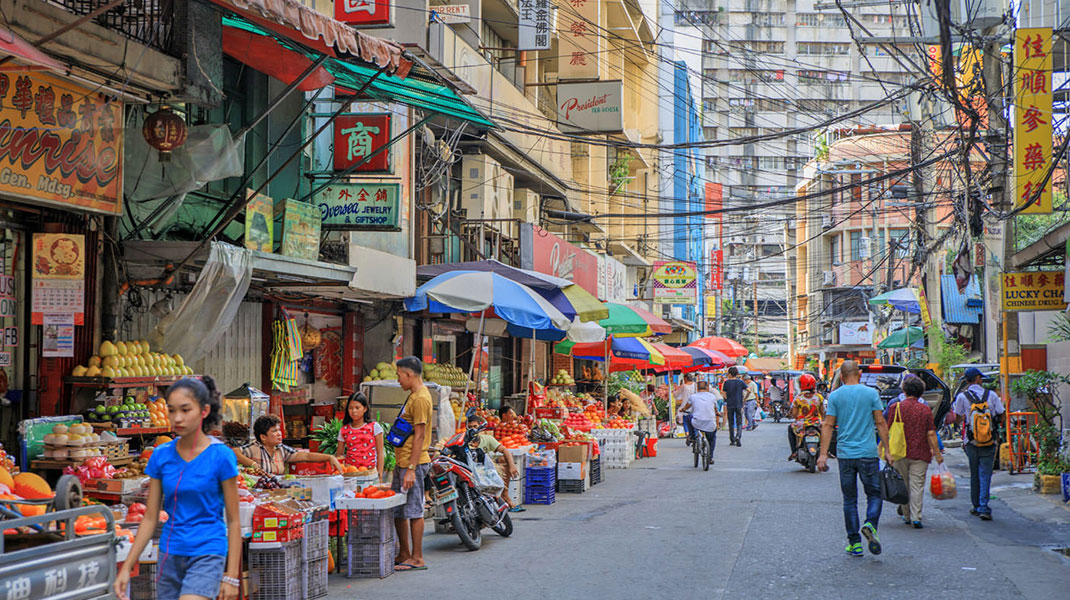
    Chinese Markets: Chinese markets have played a crucial role in introducing a wide range of ingredients to Filipino cuisine. These markets are often filled with a diverse array of fresh produce, herbs, spices, and other culinary essentials that have found their way into Filipino dishes. The bustling atmosphere of Chinese markets also creates a vibrant culinary exchange, where Filipino cooks can discover new ingredients and cooking techniques.

    Food Stalls: Chinese food stalls, or “turo-turo” stalls, have become a common sight in many Filipino communities. These stalls offer a variety of Chinese-inspired dishes that have been adapted to suit Filipino tastes. From steaming bowls of noodles to savory dumplings, these food stalls provide a taste of Chinese cuisine right in the heart of the Philippines. Through these food stalls, Filipinos have been able to experience the flavors and ingredients of Chinese cooking firsthand.

    Restaurants: Chinese restaurants have long been a fixture in the Philippine culinary scene. These establishments serve up a wide range of Chinese dishes, from classic favorites like sweet and sour pork to more adventurous offerings like century egg congee. Chinese restaurants have not only introduced Chinese ingredients to Filipino diners but have also influenced the way Filipino chefs approach cooking and flavor combinations. Many Filipino dishes today bear the unmistakable imprint of Chinese culinary traditions.

    Overall, Chinese markets, food stalls, and restaurants have played a crucial role in introducing Chinese ingredients and cooking techniques to the Philippines. Through these avenues, Filipino cooks and diners have been able to experience the rich and diverse flavors of Chinese cuisine, leading to a fusion of culinary traditions that continues to evolve and flourish in the vibrant tapestry of Philippine gastronomy.

    Significance of These Dishes in Both Chinese and Filipino Communities

    The significance of Chinese-influenced dishes in both Chinese and Filipino communities is profound, reflecting a rich culinary heritage and cultural exchange that has shaped the culinary landscape of the Philippines.

    In Chinese communities, these dishes hold a special place as they serve as a link to their ancestral roots and traditions. Chinese cuisine is deeply rooted in symbolism and tradition, with certain dishes being associated with specific festivals, celebrations, and rituals. Through these dishes, Chinese communities in the Philippines are able to maintain a connection to their cultural heritage, passing down recipes and cooking techniques from one generation to the next.

    In Filipino communities, Chinese-influenced dishes have become an integral part of the local culinary scene, showcasing the diverse influences that have contributed to Filipino cuisine. These dishes are often enjoyed during special occasions, family gatherings, and everyday meals, serving as a reminder of the historical ties between China and the Philippines. Moreover, the popularity of Chinese-influenced dishes in Filipino cuisine highlights the adaptability and creativity of Filipino cooks, who have put their own unique spin on traditional Chinese recipes, incorporating local ingredients and flavors to create dishes that are distinctly Filipino.

    The significance of Chinese-influenced dishes in both Chinese and Filipino communities lies in their ability to preserve cultural heritage, foster cross-cultural connections, and celebrate the shared history of China and the Philippines through the universal language of food.

    These dishes serve as a bridge between two cultures, bringing people together through the joy of cooking and sharing meals, while also honoring the diverse culinary traditions that have enriched both Chinese and Filipino cuisine over the centuries.

    How Chinese Influences on Philippine Cuisine Extend Beyond Just Food

    Chinese influences on Philippine cuisine extend far beyond just the dishes and flavors that have been integrated into Filipino cooking. These influences have permeated various aspects of Philippine culture and society, reflecting a deep and enduring connection between the two nations.

    One significant way in which Chinese influences manifest beyond food is through culinary techniques and practices. Chinese cooking methods such as stir-frying, steaming, and braising have become integral parts of Filipino culinary tradition. These techniques not only affect the taste and texture of dishes but also shape the way Filipinos prepare and cook their food.

    Moreover, the Chinese influence on Philippine cuisine has also extended to the use of ingredients and cooking utensils. Chinese ingredients such as soy sauce, tofu, and oyster sauce are commonly used in Filipino dishes, adding distinct flavors and textures. Additionally, Filipino kitchens are often equipped with Chinese cooking utensils like woks and bamboo steamers, highlighting the practical influence of Chinese culinary tools on Filipino cooking practices.

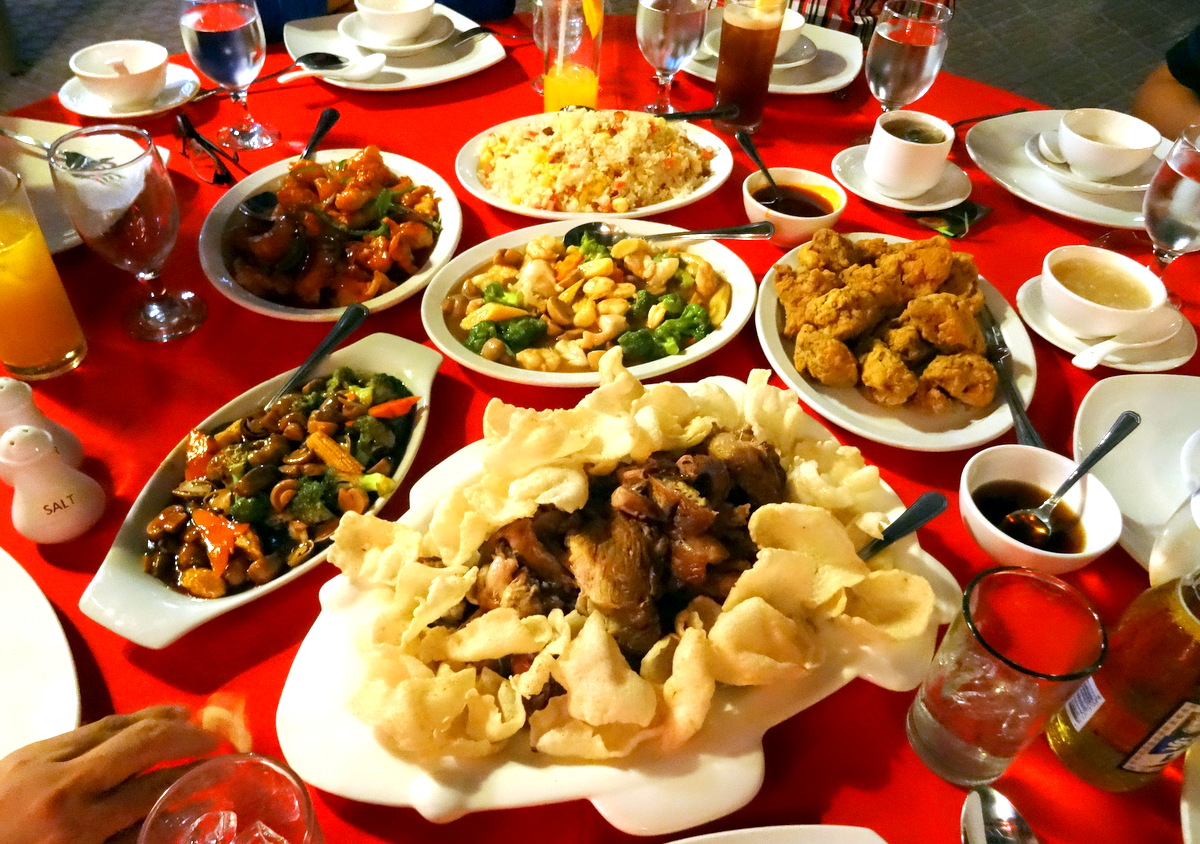
    In addition to food and cooking techniques, Chinese influences on Philippine cuisine have also shaped the dining culture and traditions in the Philippines. The concept of family-style dining, where dishes are shared among diners, is a practice that is deeply rooted in Chinese culinary customs and has been adopted and embraced by Filipinos. This communal style of eating fosters a sense of togetherness and unity, reflecting the importance of food in bringing people together.

    Furthermore, the fusion of Chinese and Filipino culinary traditions has given rise to unique dishes and culinary creations that showcase the rich diversity and creativity of Philippine cuisine. Dishes like pancit, lumpia, and siopao are examples of culinary creations that blend Chinese and Filipino influences, resulting in flavors and textures that are uniquely Filipino yet distinctly Chinese.

    Overall, the influence of Chinese cuisine on Philippine culinary heritage extends beyond just the food on the plate. It encompasses cooking techniques, ingredients, dining traditions, and culinary innovations that have enriched and diversified the Filipino culinary landscape, reflecting the enduring and dynamic relationship between China and the Philippines.

    Examination of the Cultural Significance of Chinese Culinary Practices

    Chinese culinary practices carry deep cultural significance, encompassing a rich tapestry of food symbolism and dining etiquette that have greatly influenced various cuisines around the world, including the Philippines.

    Food Symbolism: Chinese culinary traditions are steeped in symbolism, with each ingredient and dish holding specific meanings and associations. For instance, the color, shape, and name of a dish can all have symbolic significance. Red-colored dishes symbolize good luck and prosperity, while round-shaped foods such as dumplings represent unity and completeness.

    Moreover, the use of certain ingredients like noodles signifies longevity and abundance, while fish symbolizes prosperity and surplus. Even the way dishes are prepared and presented, such as the use of whole fish or chicken, conveys auspicious meanings related to wholeness and unity within families.

    Dining Etiquette: Chinese dining etiquette is characterized by a set of rituals and customs that emphasize harmony, respect, and social hierarchy. Key aspects of Chinese dining etiquette include:

    1. Seating Arrangement: Traditional Chinese banquets often follow a strict seating arrangement based on hierarchy and seniority, with the most honored guests seated at the head of the table.
    2. Table Manners: Chopsticks are the primary eating utensils in Chinese cuisine, and using them correctly is crucial. It is considered rude to point chopsticks at others or leave them sticking upright in a bowl, as these actions are associated with death and funerals.
    3. Sharing Food: Family-style dining is common in Chinese culture, where dishes are placed in the center of the table for everyone to share. It is polite to serve others before helping yourself and to take only a small portion of each dish at a time to ensure that everyone gets to sample the offerings.
    4. Toasting: Toasting plays a significant role in Chinese dining etiquette, especially during formal gatherings. Guests are expected to raise their glasses and make a toast to express goodwill, respect, and camaraderie.

    By examining the cultural significance of Chinese culinary practices, we gain a deeper appreciation for the intricate connections between food, symbolism, and social customs, and how these elements have shaped the diverse culinary landscape of the Philippines and beyond.

    Impact of Chinese Culinary Traditions on Filipino Celebrations, Rituals, and Daily Life

    Chinese culinary traditions have significantly influenced Filipino celebrations, rituals, and daily life, creating a unique fusion of flavors and cooking techniques that are deeply embedded in Filipino culture. The impact of Chinese culinary traditions on Filipino cuisine can be seen in various aspects of Filipino life:

    1. Celebrations: Chinese culinary traditions have played a major role in shaping Filipino celebrations, especially during important occasions such as weddings, birthdays, and festivals. Many Filipino families incorporate Chinese dishes into their feasts, such as pancit (noodles), siomai (dumplings), and lumpia (spring rolls), which have become staple dishes in Filipino celebrations. These dishes are often served to symbolize good luck, prosperity, and long life, reflecting the influence of Chinese beliefs and customs on Filipino festivities.
    2. Rituals: Chinese culinary traditions have also influenced Filipino rituals, particularly in religious and cultural practices. For example, during Chinese New Year celebrations, Filipino families prepare traditional Chinese dishes like tikoy (sticky rice cake) and dumplings to bring good fortune and prosperity for the coming year. These food rituals have become an integral part of Filipino customs, highlighting the seamless integration of Chinese culinary practices into Filipino traditions.
    3. Daily Life: Chinese culinary traditions have become deeply ingrained in Filipino daily life, with many Filipino households incorporating Chinese cooking techniques and ingredients into their everyday meals. Stir-frying, steaming, and braising are common cooking methods borrowed from Chinese cuisine that are widely used in Filipino kitchens. Additionally, ingredients such as soy sauce, tofu, and oyster sauce are commonly used in Filipino dishes, showcasing the enduring influence of Chinese culinary traditions on Filipino cooking.

    The impact of Chinese culinary traditions on Filipino celebrations, rituals, and daily life is undeniable, creating a rich tapestry of flavors and culinary practices that reflect the cultural exchange between China and the Philippines. This fusion of Chinese and Filipino culinary traditions has resulted in a diverse and vibrant food culture that continues to evolve and thrive in the Filipino community.

    Contemporary Reflections and Future Directions

    Reflecting on the ongoing evolution of Chinese influences on modern Philippine cuisine reveals a rich tapestry of culinary heritage and innovation. The historical connections between China and the Philippines have significantly shaped the food culture of the archipelago, leading to a fusion of flavors, ingredients, and cooking techniques that continue to thrive in contemporary Filipino dishes.

    Chinese influences on Philippine cuisine can be traced back to ancient trade relations, migration patterns, and cultural exchanges between the two countries. The early Chinese settlers in the Philippines brought with them not only their culinary traditions but also a diverse range of ingredients, such as soy sauce, tofu, and various spices, which were integrated into local cooking practices. Over time, these ingredients and cooking methods were adapted and transformed to create a unique blend of Chinese and Filipino flavors.

    One of the most prominent examples of Chinese influence on modern Philippine cuisine is seen in the popularity of dishes like pancit, lumpia, and siopao. These dishes have become staples in Filipino households and are often enjoyed during special occasions and celebrations. The use of noodles, spring rolls, and steamed buns in these dishes reflects the influence of Chinese culinary techniques and ingredients on Filipino cooking.

    Furthermore, the ongoing evolution of Chinese influences on modern Philippine cuisine can also be observed in the rise of fusion restaurants and innovative culinary creations that blend traditional Chinese and Filipino flavors. Chefs and food enthusiasts are constantly experimenting with new combinations of ingredients and cooking styles to create exciting dishes that appeal to a diverse range of palates.

    The dynamic interplay between Chinese influences and Filipino culinary traditions has resulted in a vibrant and diverse food culture that continues to evolve and adapt to changing tastes and preferences. The ongoing evolution of Chinese influences on modern Philippine cuisine serves as a testament to the enduring legacy of cultural exchange and culinary innovation in the Philippines.

    Current Trends, Innovations, and Collaborations in the Chinese-Filipino Culinary Scene

    In recent years, the Chinese-Filipino culinary scene has seen a surge in creativity, innovation, and collaborations, resulting in a vibrant fusion of flavors and techniques from both cultures. This blending of Chinese and Filipino culinary traditions has given rise to several exciting trends that are shaping the way people perceive and enjoy Chinese-Filipino cuisine.

    One of the key trends in the Chinese-Filipino culinary scene is the increasing popularity of modern interpretations of traditional dishes. Chefs and food enthusiasts are putting a contemporary twist on classic Chinese and Filipino recipes, using innovative cooking methods, presentation techniques, and ingredient combinations. This trend is redefining the boundaries of Chinese-Filipino cuisine and attracting a new generation of diners who appreciate both the heritage and the evolution of these culinary traditions.

    Furthermore, collaborations between Chinese and Filipino chefs have become more common, leading to exciting culinary exchanges and cross-pollination of ideas. These collaborations often result in unique dishes that showcase the best of both cultures, as well as the creativity and expertise of the chefs involved. By working together, these culinary professionals are pushing boundaries, experimenting with new flavors, and creating memorable dining experiences for their patrons.

    Another noteworthy trend in the Chinese-Filipino culinary scene is the emphasis on sustainability and locally sourced ingredients. Chefs are increasingly focusing on using fresh, seasonal produce and ethically sourced meats and seafood in their dishes. This commitment to sustainability not only enhances the flavor and quality of the food but also reflects a broader awareness of environmental issues and a desire to support local farmers and producers.

    In terms of innovation, technology is playing an increasingly important role in the Chinese-Filipino culinary scene. From interactive dining experiences to online cooking classes and food delivery services, technology is reshaping how people engage with and experience Chinese-Filipino cuisine. Chefs and restaurateurs are leveraging social media platforms, food apps, and other digital tools to reach a wider audience, showcase their creations, and connect with food enthusiasts around the world.

    Overall, the current trends, innovations, and collaborations in the Chinese-Filipino culinary scene are contributing to a dynamic and exciting food culture that celebrates the rich history and diverse influences of both Chinese and Filipino cuisines. As chefs continue to experiment, collaborate, and push boundaries, we can expect to see even more creative and delicious offerings that reflect the best of both culinary traditions.

    The Future of Chinese Influences on Philippine Cuisine and How These Culinary Traditions Will Continue To Shape the Country’s Food Culture

    In contemplating the future of Chinese influences on Philippine cuisine, it is clear that these culinary traditions will play a significant role in shaping the country’s food culture for years to come. The historical ties between China and the Philippines have fostered a rich exchange of ingredients, cooking techniques, and flavors that have become deeply embedded in Filipino culinary practices.

    As globalization continues to connect people and cultures around the world, the prevalence of Chinese cuisine in the Philippines is expected to persist and even evolve. With the increasing popularity of Asian fusion cuisine and the growing interest in diverse culinary experiences, Filipino chefs and home cooks are likely to continue incorporating Chinese elements into their dishes.

    Moreover, the ongoing migration of Chinese nationals to the Philippines and the establishment of Chinese communities in the country will further contribute to the cross-pollination of culinary traditions. This influx of new ideas, ingredients, and culinary practices will undoubtedly influence the way Filipinos prepare, consume, and appreciate food.

    In addition, the rise of social media and digital platforms has made it easier for people to share recipes, cooking tips, and food experiences across borders. This interconnectedness allows for a more seamless exchange of culinary knowledge and inspiration, paving the way for innovative interpretations of traditional Chinese dishes within the Philippine context.

    Furthermore, as the demand for authentic and diverse dining experiences grows, Filipino diners are becoming more adventurous in their food choices, seeking out unique and culturally rich dishes that reflect the country’s multicultural heritage. This shift in consumer preferences will likely drive the continued integration of Chinese flavors and cooking styles into mainstream Filipino cuisine.

    Overall, the future of Chinese influences on Philippine cuisine is promising, with a fusion of flavors, techniques, and ingredients that will continue to shape and redefine the country’s food culture. By embracing and celebrating this culinary diversity, the Philippines can look forward to a vibrant and dynamic gastronomic landscape that honors its rich history and embraces the ever-evolving nature of food.
  • Chinese Soups’ Impact on Philippine Cuisine

    Chinese Soups’ Impact on Philippine Cuisine

    Chinese soups have had a significant historical influence on Filipino cuisine, integrating Chinese cooking techniques and flavors into traditional dishes like ‘nilaga’ and ‘sinigang’. The fusion of Chinese and Filipino culinary elements in dishes such as ‘mami’ and ‘batchoy’ showcases the enduring impact of Chinese soups on Philippine gastronomy.

    Key Takeaways

    • Chinese soups have had a significant historical influence on Filipino cuisine, brought by Chinese traders and immigrants.
    • Traditional Filipino dishes like ‘nilaga’ and ‘sinigang’ have been influenced by Chinese soups, incorporating Chinese cooking techniques and flavors.
    • Chinese culinary techniques such as braising and stir-frying have become embedded in Filipino soup preparation.
    • Chinese soups have become staples in Filipino cuisine, with dishes like ‘mami’ and ‘batchoy’ being beloved favorites.

    Historical Chinese Influence on Filipino Soups

    With the historical Chinese influence on Filipino soups dating back centuries, the adaptation and integration of Chinese culinary practices have significantly shaped the development of Filipino soup dishes. Chinese culinary techniques such as braising and stir-frying have become deeply embedded in Filipino soup preparation, showcasing the enduring impact of Chinese influence.

    Notably, dishes like chicken mami and batchoy have strong roots in Chinese cuisine, adapted to suit Filipino tastes. Moreover, ingredients like soy sauce, tofu, and bean sprouts, introduced by Chinese immigrants, have become essential components of Filipino soups, underscoring the profound influence of Chinese culinary traditions.

    The incorporation of Chinese-inspired noodle soups, such as pancit molo, further highlights the fusion of Chinese and Filipino culinary elements, illustrating the adaptability and diversity of Chinese-influenced Filipino dishes across different regions.

    Chinese Soups in Traditional Filipino Dishes

    Chinese soups have become a staple in traditional Filipino dishes, serving as a comforting and nourishing component of the cuisine. Filipino variations of Chinese soups incorporate local ingredients and flavors, showcasing the blending of Chinese and Filipino culinary traditions.

    Different regions in the Philippines have developed their unique versions of Chinese soups, contributing to the diverse tapestry of traditional dishes.

    Soup as Staple

    1. Incorporating Chinese soups into traditional Filipino dishes has resulted in a dynamic fusion of flavors and cooking techniques, reflecting the rich influence of Chinese cuisine on Filipino culinary practices. This integration has led to the development of a unique culinary landscape in the Philippines, where Chinese soups have become a staple in traditional Filipino dishes. This culinary exchange hasn’t only influenced the flavors and ingredients used in Filipino cuisine but has also contributed to the adaptation of various culinary techniques.
    2. The incorporation of Chinese soups into Filipino dishes has particularly impacted noodle dishes, with mami and batchoy becoming beloved favorites.
    3. This demonstrates how Chinese influence has deeply permeated the culinary traditions of the Philippines, enriching the local food culture with the depth and complexity of Chinese soups.

    Chinese Soup Variations

    The infusion of Chinese soup variations into traditional Filipino dishes has significantly enriched the culinary landscape, adding depth and complexity to the flavors and cooking techniques employed in Filipino cuisine.

    For centuries, Chinese traders and immigrants have influenced Philippine cuisine, bringing Chinese cooking techniques and flavors. Archaeological evidence, such as trade pottery excavated in the Philippines, demonstrates the long history of cultural exchange between the Chinese and Filipinos.

    Chinese immigrants adapted their recipes to local ingredients, resulting in Chinese-inspired Filipino delicacies like siopao, siomai, and taho. These reflect a fusion of Chinese and Filipino culinary influences. Regional variations further showcase the adaptability of Chinese-inspired Filipino dishes, incorporating local ingredients and flavors.

    Filipino cuisine, including dishes like pansit, lumpia, and arroz caldo, bears the unmistakable mark of Chinese culinary influence.

    Regional Soup Influences

    The evolution of Chinese soup variations into traditional Filipino dishes has significantly broadened the spectrum of flavors and culinary techniques present in Filipino cuisine, introducing a new dimension to regional soup influences. The influence of Chinese soups can be seen in various Filipino dishes, reflecting a cultural exchange that has shaped the culinary landscape of the Philippines.

    Here’s how Chinese soups have influenced Filipino dishes:

    1. Adaptation of Cooking Techniques and Ingredients: Chinese soups have inspired the use of cooking techniques and ingredients in Filipino dishes, such as the incorporation of Chinese herbs and spices in regional soups.
    2. Influence on Regional Dishes: Different regions in the Philippines, like the Bicol region, have integrated Chinese soup elements into their traditional dishes, resulting in unique and varied interpretations of Chinese-inspired soups.
    3. Culinary Fusion: Filipino cuisine showcases a fusion of Chinese influences, reflecting the adaptability and regional variations of Chinese-inspired soups in Filipino culinary practices.

    Culinary Exchange: Chinese Soup Techniques

    Exploring the culinary exchange of Chinese soup techniques in Philippine cuisine reveals the depth of influence that Chinese traders have had on the country’s culinary heritage. Chinese soup techniques, characterized by the delicate balance of flavors and meticulous cooking methods, have significantly impacted Philippine cuisine.

    The use of various meat cuts, slow simmering, and precise seasoning are hallmarks of Chinese soup techniques that have seamlessly integrated into Filipino cooking practices. The Chinese influence is evident in the preparation of soups, where techniques such as double-boiling, braising, and stir-frying are employed to create rich and flavorful broth-based dishes.

    This culinary exchange hasn’t only enriched Philippine cuisine but also showcases the adaptability and versatility of Chinese soup techniques, which have become an integral part of the country’s culinary identity.

    Incorporating Chinese Broths in Filipino Cooking

    You can enhance the depth of flavor in Filipino soups and stews by incorporating Chinese broths, such as bone broth or chicken broth, into your cooking.

    By infusing Chinese broths with Filipino herbs and spices, you can create a harmonious blend of Chinese and Filipino flavors in your dishes.

    The use of Chinese broths in Filipino cooking not only adds complexity and richness but also provides a healthier alternative to flavoring soups with natural, nutrient-rich ingredients.

    Broth in Filipino Dishes

    Incorporating Chinese broths in Filipino cooking elevates the depth of flavor and richness in traditional noodle soups, reflecting the fusion of culinary traditions and the influence of Chinese cuisine on Filipino gastronomy.

    The impact of Chinese broths on Filipino cuisine can be enjoyed through:

    1. Enhanced Flavor: The use of Chinese broths, often seasoned with soy sauce and aromatic spices, infuses Filipino noodle soups with an umami-rich taste.
    2. Cultural Exchange: Through the Galleon Trade, the influence of Chinese culinary techniques and ingredients, such as rice noodles and seafood broths, became integrated into Filipino cooking.
    3. Diverse Ingredients: Chinese broths contribute to the diversity of Filipino soups by incorporating seafood or meat-based stocks, adding complexity and depth to the dish.

    The incorporation of Chinese broths into Filipino dishes not only adds depth and richness but also highlights the interconnectedness of culinary traditions.

    Flavor Fusion Techniques

    Enhancing traditional Filipino dishes with the infusion of Chinese broths elevates the depth of flavors and creates a harmonious fusion of culinary traditions, demonstrating the interconnectedness of Chinese and Filipino gastronomy.

    Chinese soups, particularly those made with ingredients like soy sauce and aromatic spices, have a significant impact on Philippine cuisine. The flavor fusion techniques involved in incorporating Chinese broths into Filipino cooking add a rich umami taste and aroma to dishes such as sinigang, tinola, and nilaga.

    This infusion introduces a new dimension of savory and aromatic elements to traditional Filipino recipes, showcasing the influence of Chinese culinary traditions. By integrating Chinese broths, Filipino cooking achieves a harmonious blend of savory flavors, elevating the dining experience and highlighting the interconnectedness of Chinese and Filipino culinary influences.

    Culinary Influence Exchange

    The infusion of Chinese broths into Filipino cooking brings about a rich umami taste and aromatic depth, elevating traditional dishes and highlighting the interconnectedness of culinary influences.

    This exchange has significantly impacted Philippine cuisine, creating a harmonious blend of Chinese and Filipino flavors. The incorporation of Chinese broths in Filipino cooking has led to the development of unique dishes that reflect the fusion of these culinary traditions.

    This exchange underscores the depth of the Chinese influence on Filipino cuisine and the continuous evolution of Filipino versions of Chinese dishes. The undocumented trade and cultural exchanges between China and the Philippines, dating back to the Tang dynasty, have facilitated this culinary influence.

    The integration of Chinese broths into Filipino cooking exemplifies the ongoing cultural exchange and mutual appreciation of culinary traditions.

    Legacy of Chinese Soups in Philippine Cuisine

    With the rich historical ties between Chinese and Filipino culinary traditions, the legacy of Chinese soups in Philippine cuisine is deeply ingrained and continues to play a significant role in shaping the flavors and culinary practices of the Philippines.

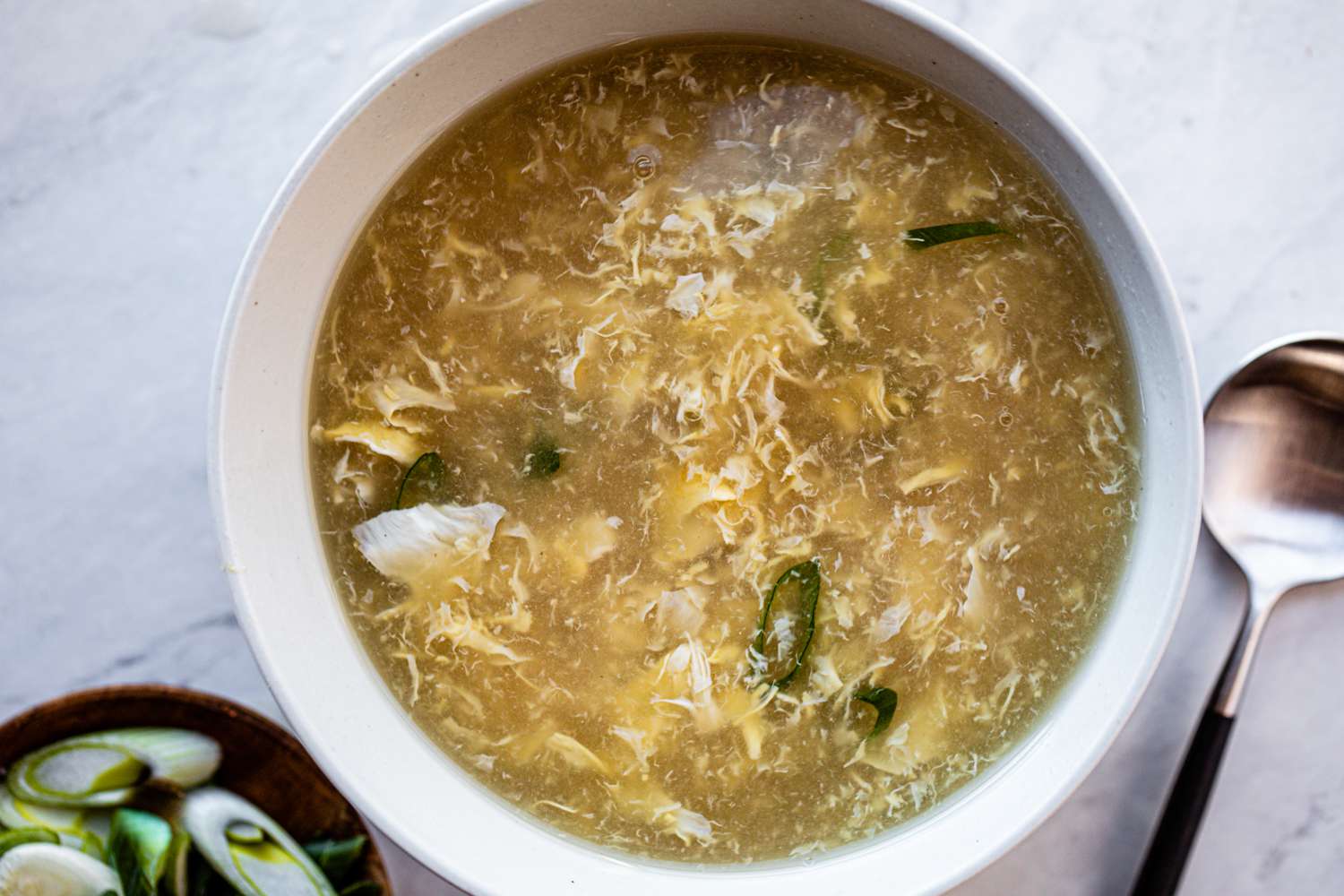
    Chinese soups have left an indelible mark on Philippine cuisine, reflecting the enduring impact of Chinese culinary heritage. The integration of Chinese soups into Filipino culinary practices highlights the enduring legacy of Chinese influence on Filipino cooking. The influence of Chinatown on Filipino cuisine is also evident in the widespread popularity of traditional Chinese soups such as hot and sour soup, wonton soup, and egg drop soup. These dishes have become staples in Filipino households and restaurants, showcasing the adaptability and appeal of Chinese flavors in Philippine cooking. The melding of Chinese and Filipino culinary traditions in soup-making underscores the rich cultural exchange that has shaped the gastronomic landscape of the Philippines.

    From the Fujian/Hokkien influence on Filipino Chinese cuisine to the Spanish-era adaptations of Chinese dishes in panciterias, Chinese soups have become an integral part of Filipino gastronomy. This legacy is further evidenced by the incorporation of Chinese-inspired desserts into Filipino celebrations.

    The enduring presence of Chinese soups in Philippine cuisine underscores the intertwined nature of Chinese and Filipino culinary traditions, enriching the diverse tapestry of flavors in the Philippines.

    How has Chinese-Filipino fusion cuisine influenced traditional Chinese soups in the Philippines?

    Chinese-Filipino fusion cuisine has taken the culinary scene in the Philippines by storm, and its influence on traditional Chinese soups is undeniable. Through their chinesefilipino seafood fusion journey, chefs have seamlessly incorporated local ingredients and flavors into classic Chinese soup recipes. The result? Delightfully unique soups that reflect both Chinese and Filipino culinary traditions, making for an exciting and flavorful gastronomic experience.

    Fusion of Chinese and Filipino Soup Flavors

    Fusing together the diverse flavors of Chinese and Filipino culinary traditions, the soup repertoire in the Philippines reflects a harmonious blend of distinct tastes and influences.

    The fusion of Chinese and Filipino soup flavors creates a unique and flavorful culinary experience. This fusion is evident in Filipino soup dishes such as ‘mami’ and ‘batchoy,’ which were introduced by Chinese traders and have evolved to include local ingredients and flavors.

    Additionally, Chinese cooking techniques such as braising and stir-frying are widely used in Filipino soup dishes, adding a distinct Chinese touch. The incorporation of soy sauce, introduced by Chinese immigrants, has become a staple ingredient in Filipino soup recipes, further showcasing the impact of Chinese culinary heritage on Filipino cuisine.

    Frequently Asked Questions

    How Did the Chinese Influence Filipino Cuisine?

    Chinese traders and immigrants introduced new flavors and cooking techniques to Filipino cuisine. They fused their culinary traditions with local ingredients, creating dishes like pancit and lumpia. This cultural exchange expanded the range of flavors in Filipino cuisine.

    What Are the Chinese Influences in the Philippines?

    Chinese influences in the Philippines are widespread, seen in dishes like pansit, lumpia, and braised meats. These demonstrate the fusion of Chinese and indigenous Filipino cooking practices, creating a unique culinary identity for the country.

    What 4 Cultures Influenced Filipino Cuisine?

    Chinese, Spanish, Malay, and indigenous Filipino cultures have significantly influenced Filipino cuisine. The fusion of these diverse culinary traditions has shaped the flavors and cooking techniques that are prevalent in Filipino dishes today.

    What Kind of Cooking Technique Did the Chinese Bring to the Philippines?

    The Chinese brought stir-frying, braising, and ginger-based broth boiling techniques to the Philippines. These methods influenced Filipino cuisine significantly, integrating with local ingredients and flavors. The impact of Chinese cooking techniques on Filipino food is undeniable.

    Conclusion

    In conclusion, the impact of Chinese soups on Philippine cuisine is undeniable.

    From the historical influence on traditional dishes to the incorporation of Chinese soup techniques and flavors, Chinese soups have become an integral part of Filipino cooking.

    The legacy of Chinese soups in Philippine cuisine is a testament to the culinary exchange between the two cultures, resulting in a fusion of flavors that continue to enrich and diversify Filipino food.

  • Chinese Cooking’s Impact on Philippine Culinary Traditions

    Chinese Cooking’s Impact on Philippine Culinary Traditions

    Chinese cooking has significantly influenced Philippine culinary traditions, with the introduction of ingredients like soy sauce and cooking techniques such as stir-frying, boiling in ginger-based broth, and braising. These methods, along with the creation of Filipino-Chinese hybrid dishes like lumpia and pancit, have enriched and diversified the culinary landscape of both China and the Philippines.

    Key Takeaways

    • Chinese immigrants played a significant role in shaping Filipino culinary traditions.
    • Chinese cooking methods such as stir-frying and braising have been integrated into Filipino dishes.
    • Filipino adaptations of Chinese recipes led to the creation of iconic dishes like lumpia and pancit.
    • The fusion of Chinese and Filipino food traditions contributes to the vibrant tapestry of Philippine cuisine.

    Historical Chinese Influence in Philippines

    The historical influence of Chinese culture on Filipino cuisine is undeniable, as Chinese immigrants in the Philippines have played a significant role in shaping the culinary traditions of the country.

    The fusion of Chinese and Filipino culinary influences has resulted in a diverse array of dishes that showcase the unique blend of flavors and cooking techniques. Chinese immigrants introduced ingredients such as soy sauce, which has now become a staple in Filipino cuisine.

    Additionally, Chinese cooking methods like stir-frying and braising have been seamlessly integrated into Filipino dishes. The Filipino adaptation of Chinese recipes has led to the creation of iconic dishes such as lumpia, a versatile spring roll filled with a mix of meat and vegetables, and pancit, a flavorful stir-fried noodle dish.

    These dishes reflect the rich historical and cultural exchange between Chinese and Filipino food traditions, contributing to the vibrant tapestry of Philippine cuisine.

    Culinary Fusion and Techniques

    Chinese cooking techniques have had a profound impact on Philippine culinary traditions, leading to a fusion of flavors and culinary methods. The adaptation of Chinese stir-frying, boiling in ginger-based broth, and braising by Filipino cooks has resulted in a unique blend of cooking techniques.

    The use of soy sauce, introduced by the Chinese, has become a staple in Filipino cuisine and further exemplifies the fusion of culinary traditions.

    Culinary Fusion Techniques

    Incorporating Chinese cooking techniques and ingredients into Filipino culinary traditions has led to a unique fusion of flavors and culinary practices in the Philippines.

    Chinese influence on Filipino culinary techniques is evident in the integration of stir-frying, boiling in ginger-based broth, and braising methods.

    The introduction of soy sauce by the Chinese has become a staple ingredient in Filipino cooking, showcasing the blending of both culinary traditions.

    Chinese immigrants in the Philippines have adapted their traditional cooking techniques to local ingredients, resulting in a fusion of Chinese and Filipino flavors.

    Filipino variations of Chinese recipes, such as lumpia, pancit, siopao, and taho, reflect the harmonious amalgamation of Chinese and Filipino culinary techniques and ingredients.

    This culinary fusion has contributed to the rich and diverse tapestry of Philippine cuisine, offering a delightful blend of flavors and cooking methods.

    Chinese Cooking Influence

    Amalgamating Chinese cooking techniques and ingredients into Filipino culinary traditions has resulted in a unique fusion of flavors and culinary practices in the Philippines. The influence of Chinese cooking on Filipino cuisine is evident in several ways:

    • Culinary Fusion:

    Filipino dishes like pancit and arroz caldo reflect a fusion of Chinese and Filipino flavors, incorporating Chinese stir-frying and boiling techniques with local ingredients.

    • Cultural Exchange:

    The integration of Chinese culinary methods into Filipino cooking represents a cultural exchange, where Chinese immigrants adapted their traditional dishes to suit local tastes, leading to the emergence of a Filipino version of Chinese-inspired dishes.

    This cultural exchange has enriched Filipino culinary traditions, shaping a diverse and flavorful cuisine that embodies the fusion of Chinese and Filipino cooking styles.

    Traditional Cooking Methods

    Using traditional cooking methods, Filipino cuisine has seamlessly integrated Chinese culinary techniques and ingredients, resulting in a harmonious fusion of flavors and cultural influences.

    Chinese cooking techniques like stir-frying, boiling in ginger-based broth, and braising have been incorporated into traditional Filipino cooking. The use of soy sauce, introduced by the Chinese, has become ubiquitous in Filipino dishes, adding richness and complexity.

    Regional variations in the Philippines have further evolved these traditional cooking methods, showcasing the diverse cultural heritage of the islands.

    Dishes like lumpia (spring rolls), pancit, siopao, and siomai exemplify the fusion of Chinese and Filipino culinary techniques, catering to the Filipino palate while honoring Chinese influences.

    This integration of Chinese cooking techniques into traditional Filipino methods has created a unique and vibrant culinary tradition, reflective of the country’s rich historical and cultural exchange.

    Iconic Chinese-Inspired Filipino Dishes

    You’ve likely encountered iconic Chinese-inspired Filipino dishes that showcase the fusion of Chinese and Filipino flavors. These dishes, such as lumpia, pancit, siopao, and taho, have become staples in Filipino cuisine with their traditional Chinese ingredients adapted to suit Filipino tastes.

    The culinary influences from China have significantly impacted the popularity and evolution of these popular Chinese-Filipino fusion dishes.

    Popular Chinese-Filipino Fusion

    Chinese culinary influence has significantly shaped the landscape of iconic Chinese-inspired Filipino dishes, creating a fusion that reflects the rich intertwining of both cultures’ culinary traditions.

    This unique fusion of Chinese and Filipino culinary techniques and ingredients has resulted in dishes that have a significant influence on Filipino cuisine.

    Some popular Chinese-Filipino fusion dishes include:

    • Lumpia: a Filipino-Chinese hybrid dish filled with ground meat, vegetables, and seasonings, enjoyed fresh or fried. Variations of lumpia showcase the influence of Chinese traders and the exchange between China and the Philippines.
    • Pancit: a traditional stir-fried noodle dish in the Philippines with various regional versions, showcasing Chinese origins and cooking techniques. The use of Filipino-style noodles in pancit reflects the integration of Chinese culinary elements into Philippine food.

    Culinary Influences From China

    The culinary influences from China have left an indelible mark on Filipino cuisine, giving rise to a myriad of iconic Chinese-inspired dishes that reflect the fusion of both culinary traditions.

    Chinese cooking techniques like stir-frying, boiling in ginger-based broth, and braising are widely used in the Philippines, showcasing the deep-rooted impact of Chinese cuisine.

    Moreover, Filipino twists have been added to Chinese recipes, resulting in unique flavors and variations that have become staples in Filipino food culture.

    Soy sauce, introduced by the Chinese, has become a fundamental ingredient in Filipino cooking.

    Iconic Chinese-inspired Filipino dishes such as Lumpia, Pancit, Siopao, and Taho are testament to the enduring influence of Chinese cuisine in the Philippines, highlighting the harmonious culinary exchange between the two Asian countries.

    Traditional Chinese Ingredients Adapted

    Adapting traditional Chinese ingredients has significantly shaped the iconic Chinese-inspired Filipino dishes, underscoring the ongoing fusion of culinary traditions between the two cultures. The fusion of these culinary traditions is evident in Filipino dishes such as lumpia, pancit, siopao, and taho.

    To paint a picture for the audience:

    • Lumpia: Influenced by Chinese spring rolls, this Filipino-Chinese hybrid dish can be enjoyed fresh or fried and is filled with ground meat, vegetables, and seasonings.
    • Pancit: A traditional stir-fried noodle dish in the Philippines that symbolizes longevity and good health, utilizing Chinese cooking techniques and ingredients such as soy and rice noodles, with variations from different regions.

    These dishes showcase the adaptation of traditional Chinese ingredients into savory Filipino dishes, reflecting the influence of Chinese culinary practices, particularly from the Fujian province, on Filipino cuisine.

    Regional Variations in Chinese-Filipino Cuisine

    In exploring the regional variations of Chinese-Filipino cuisine, one can discover the diverse interpretations and unique ingredients that contribute to the distinct pancit dishes found across different provinces, cities, and municipalities in Luzon Island.

    The Chinese-Filipino cuisine in Luzon Island showcases a blend of cooking techniques and ingredients influenced by centuries of trade and cultural exchange. Each region’s local ingredients and cooking methods add a unique flavor profile to their pancit dishes, reflecting the adaptability and creativity of Chinese-inspired Filipino cuisine.

    The availability of local resources, alongside the influence of modernization and technology, further contributes to the development of raw ingredients for these dishes. The introduction of Chinese culinary techniques, such as stir-frying, and the use of soy sauce, has resulted in a fusion of Chinese and Filipino flavors, exemplifying the rich cultural integration within the Philippine culinary landscape.

    Chinese Ingredients in Filipino Cooking

    Integrating Chinese ingredients into Filipino cooking has significantly enriched the flavors and culinary traditions of the Philippines. This integration is evident in the widespread use of soy sauce, which was introduced by the Chinese and has become a staple ingredient in Filipino cuisine.

    Additionally, Chinese cooking techniques such as stir-frying, boiling in ginger-based broth, and braising have been seamlessly incorporated into Filipino dishes, adding depth and variety to the culinary traditions.

    The influence of Chinese ingredients is also reflected in popular Filipino-Chinese hybrid dishes like lumpia, which resembles Chinese spring rolls but has been adapted with Filipino flavors.

    Moreover, traditional Filipino stir-fried noodle dish, pancit, showcases Chinese influence through the use of soy sauce and Chinese cabbage.

    Filipino variations of Chinese steamed pork buns and dumplings, known as siopao and siomai, have also become integral parts of Filipino cuisine.

    Evolution of Chinese-Filipino Fusion

    The evolution of Chinese-Filipino fusion in culinary traditions showcases a seamless integration of Chinese cooking techniques and ingredients, which has significantly enriched the flavor profiles of Filipino dishes. This fusion reflects the historical influence of Chinese immigrants and their culinary traditions on Filipino cuisine. The intermingling of Chinese and Filipino cooking styles has given rise to beloved dishes such as lumpia, siopao, and taho, each embodying a harmonious blend of flavors and culinary techniques from both cultures.

    The table below provides a glimpse of the evolution of Chinese-Filipino fusion in culinary traditions:

    Chinese-Filipino Fusion Culinary Traditions Chinese Noodles
    Soy Immigrants Food Trips

    The modern Filipino-Chinese fusion cuisine continues to evolve, offering innovative and creative culinary delights that celebrate the rich traditions of both cultures.

    Chinese Cooking Methods in Philippine Cuisine

    Using centuries-old Chinese cooking methods, Philippine cuisine has been infused with a rich tapestry of flavors and techniques that have become integral to the country’s culinary traditions. The influence of Chinese cooking methods on Philippine cuisine is unmistakable and has resulted in a fusion of culinary practices.

    In Filipino households, the process of cooking involves stir-frying, boiling in ginger-based broth, and braising, all of which are similar to traditional Chinese cooking techniques. Additionally, ingredients such as soy sauce, brought by Chinese immigrants, have become a staple in Filipino cooking.

    Dishes like lumpia, a Filipino-Chinese hybrid, and pancit, a stir-fried noodle dish, showcase the integration of Chinese techniques and flavors, utilizing soy sauce and Chinese cabbage. Filipino variations of Chinese steamed pork buns, siopao, and siomai, a popular Chinese dim sum in the Philippines, have also become staples in Filipino cuisine.

    Filipino Adaptations of Chinese Dishes

    Filipino households have embraced Chinese culinary influence, leading to the adaptation of traditional Chinese dishes using local ingredients and unique cooking styles to create flavors reminiscent of the Chinese homeland.

    Filipino adaptations of Chinese dishes often incorporate a mix of vegetables, such as bell peppers, carrots, and onions, adding a colorful and flavorful twist. The sweet and sour flavor profile, a trademark of Chinese cuisine, has been integrated into Filipino dishes, becoming a beloved comfort food.

    Filipinos have also perfected the art of creating a crispy outer layer, evident in dishes like sweet and sour pork and fried spring rolls. These adaptations have become a sweet treat for many, showcasing the fusion of Chinese and Filipino flavors.

    Soy sauce, introduced by the Chinese, has become a fundamental ingredient, infusing depth and umami into Filipino adaptations of Chinese dishes.

    How has Chinese soup influenced Philippine culinary traditions as a whole?

    Chinese soups in Philippines have greatly impacted the culinary traditions. The use of ingredients like tofu, century eggs, and different varieties of noodles can be credited to Chinese influence. The flavors and techniques used in preparing Chinese soups have become integral components of Filipino cuisine.

    Contemporary Chinese Influence in Filipino Food

    Embracing a fusion of flavors and culinary techniques, contemporary Chinese influence continues to shape and elevate the vibrant tapestry of Filipino cuisine.

    This influence is evident in the widespread use of Filipino cooking techniques such as stir-frying, boiling in ginger-based broth, and braising, all of which are reminiscent of traditional Chinese cooking methods.

    Additionally, soy sauce, introduced by the Chinese, has become a staple ingredient in Filipino culinary practices, further highlighting the enduring impact of Chinese cooking on Philippine culinary traditions.

    Furthermore, Filipino-Chinese hybrid dishes like lumpia (spring rolls) and pancit (stir-fried noodles) showcase the seamless integration of Chinese culinary elements with local flavors, cementing the contemporary Chinese influence on Filipino food.

    This interplay between Chinese and Filipino culinary traditions continues to enrich and diversify the culinary landscape of both China and the Philippines.

    Frequently Asked Questions

    How Did China Influence the Philippines Culture?

    China has influenced Philippine culture through its culinary traditions. Chinese immigrants adapted their dishes using local ingredients, leading to Filipino-Chinese hybrid dishes. Soy sauce, stir-frying, and other Chinese cooking techniques have become integral to Filipino cuisine.

    What Kind of Cooking Technique Did the Chinese Bring to the Philippines?

    The Chinese brought cooking techniques like stir-frying, ginger-based broth boiling, and braising to the Philippines. These methods, along with the introduction of soy sauce, have significantly impacted Filipino culinary traditions, adding depth and flavor to the cuisine.

    Which Culture Has Influenced the Cuisine of the Philippines?

    Chinese culture has significantly influenced Filipino cuisine, with dishes featuring local ingredients and Chinese cooking techniques. Soy sauce, stir-frying, and braising are now widely used, and Filipino-Chinese hybrid dishes like lumpia and siopao showcase this fusion.

    Why Is Chinese Food Popular in the Philippines?

    Chinese food is popular in the Philippines because Chinese immigrants brought their culinary traditions and adapted them to local ingredients, creating a fusion of flavors. Filipinos embraced Chinese cooking techniques and ingredients, adding their own twists to create unique dishes.

    Conclusion

    In conclusion, the impact of Chinese cooking on Philippine culinary traditions is evident in the fusion of flavors and techniques. The use of Chinese ingredients and cooking methods has contributed to the evolution of Chinese-Filipino fusion dishes. This reflects the historical and contemporary influence of Chinese culinary traditions on Filipino food.

    Additionally, the adaptation of iconic Chinese dishes in Filipino cuisine is another testament to the influence of Chinese cooking. Filipino chefs and home cooks have put their own spin on Chinese classics such as siopao (steamed buns) and pancit (noodles). These dishes have become beloved staples in Filipino cuisine, showcasing the integration of Chinese flavors and techniques into the local culinary scene.

    Overall, the impact of Chinese cooking on Philippine culinary traditions is multifaceted. It is not only seen in the fusion of flavors and techniques but also in the adaptation of iconic Chinese dishes. This culinary exchange reflects the rich history and ongoing cultural connections between China and the Philippines.

  • 9 Chinese-Inspired Sweet and Savory Philippine Desserts

    9 Chinese-Inspired Sweet and Savory Philippine Desserts

    Chinese-inspired sweet and savory Philippine desserts like Puto and Tikoy showcase a fusion of flavors and traditions passed down through generations. These desserts highlight the cultural exchange between China and the Philippines, evident in their ingredients and cooking techniques.

    Key Takeaways

    • Chinese culinary influence is evident in Filipino desserts such as hopia and tikoy, showcasing the fusion of Chinese and Filipino culinary traditions.
    • Tikoy, a popular Chinese New Year dessert, symbolizes good luck and prosperity and can be cooked in various ways such as steaming, pan-frying, or grilling.
    • Mooncakes have evolved to cater to a broader audience and can have a variety of fillings, making them enjoyed by people of different cultures.
    • Siopao, a beloved Filipino snack, reflects the fusion between Chinese and Filipino culinary traditions and consists of a soft, fluffy dough filled with savory meat.

    Hopia

    Hopia, originating from Chinese culinary influence, is a traditional Filipino pastry renowned for its thin, flaky crust and delectable sweet mung bean or winter melon filling.

    This pastry holds cultural significance in the Philippines, symbolizing the country’s historical ties with Chinese traders and immigrants.

    The sweet mung bean or winter melon filling is often complemented with other flavors such as sweetened coconut, coconut milk, and sticky rice balls, creating a delightful combination of textures and tastes.

    The pastry’s evolution reflects the fusion of Chinese and Filipino culinary traditions, making it a beloved treat enjoyed by many.

    Hopia’s enduring popularity as a snack or dessert highlights its historical and cultural significance in the Philippines, showcasing the enduring influence of Chinese culinary heritage in Filipino cuisine.

    Tikoy

    Tikoy, also known as nian gao, has a rich history deeply intertwined with Chinese traditions and Philippine celebrations.

    It’s made from simple yet symbolic ingredients, such as glutinous rice flour and sugar, and filled with sweet red bean paste or nuts.

    The cooking methods, like steaming and pan-frying, create a distinctive texture that signifies the unity and togetherness that Tikoy symbolizes during the Chinese New Year.

    Tikoy History

    Derived from the Hokkien dialect, the traditional Chinese New Year delicacy known as tikoy, or nian gao, holds deep cultural and symbolic significance.

    Tikoy has a history dating back to ancient China, symbolizing good luck and prosperity. The word ‘tikoy’ means ‘sweet rice cake’ in Hokkien, signifying the hope for a sweet and harmonious life in the coming year.

    This sweet treat is made from glutinous rice flour, sugar, and water, and is steamed to achieve its sticky, chewy texture. Tikoy is often cut into slices, dipped in egg, and pan-fried to develop a crispy exterior while maintaining its soft and gooey interior.

    The tradition of eating tikoy during Chinese New Year signifies the hope for a sweeter and better life ahead.

    Tikoy Ingredients

    Originating from the Hokkien culture and deeply rooted in Chinese traditions, the ingredients of tikoy, including sweetened glutinous rice flour, sugar, and water, reflect the rich historical and cultural significance of this traditional Chinese New Year delicacy.

    The sweetened glutinous rice flour forms the base of tikoy, giving it its distinctive chewy texture. Often, additional flavors such as ube halaya or coconut cream are incorporated to add depth and richness to the cake.

    These ingredients not only contribute to the delightful taste but also carry symbolic meanings, with the sweetness representing a sweet and harmonious life.

    The combination of these ingredients showcases the fusion of Chinese and Philippine culinary traditions, making tikoy a beloved and significant part of both cultures.

    Tikoy Cooking Methods

    When preparing tikoy, various cooking methods such as steaming, pan-frying, and grilling are employed to achieve diverse textures and flavors, reflecting both cultural traditions and culinary creativity.

    • Steaming Tikoy involves cutting it into slices and steaming until soft and sticky, often served with grated coconut or dipped in egg and then fried for a crispy exterior.
    • Pan-frying Tikoy results in a caramelized and crispy outside, achieved by slicing the Tikoy and frying it until golden brown.
    • Grilling Tikoy creates a smoky and charred flavor, typically done by slicing and grilling the Tikoy over charcoal or an open flame.
    • Tikoy can also be used in desserts like Tikoy Suman, where it’s wrapped in banana leaves and steamed with glutinous rice, coconut milk, and sugar for a delightful treat.

    These cooking methods highlight the versatility of this popular dessert in Filipino cuisine, especially during the New Year festivities.

    Buchi

    Buchi, a beloved Chinese-inspired dessert in the Philippines, is a delectable treat made from glutinous rice flour and sweet mung bean paste.

    The process of making Buchi involves deep-frying the filled glutinous rice balls to achieve a crispy golden exterior.

    The sesame seed coating not only adds a nutty flavor but also provides a satisfying crunch with every bite.

    Buchi Ingredients

    Made with glutinous rice flour and sweet red bean paste, Buchi Ingredients (Buchi) are a fundamental component of the popular Chinese-inspired Philippine dessert known for its crispy exterior and chewy, glutinous rice texture with a sweet red bean filling. When making Buchi, the dough is typically mixed with water, rolled into balls, and filled with sweet red bean paste before being deep-fried to golden brown perfection.

    Other essential ingredients for Buchi may include sugar, sesame seeds, and oil for frying. This delightful treat is a beloved sweet and savory dessert in the Philippines, often enjoyed as a snack or at special occasions. Buchi holds a significant place in Filipino dishes, offering a unique blend of flavors and textures that make it a standout among sweet treats.

    Cooking Buchi

    To cook Buchi, start by shaping the dough into small balls, flattening them, adding the filling, and then sealing the edges before rolling them in sesame seeds and deep-frying to a golden crisp. This process results in the iconic crispy exterior and soft, chewy interior that make Buchi a beloved Filipino dessert.

    Traditionally, banana leaves are used to line the steamer or deep-frying basket to prevent sticking and impart a subtle aroma to the Buchi. Once cooked, these delightful sesame seed balls are often drizzled with sweetened condensed milk, adding a rich and creamy sweetness to the treat. The combination of textures and flavors makes Buchi a popular choice for special occasions and everyday indulgences alike.

    Cooking Buchi
    1. Shape the dough into small balls
    2. Flatten the dough and add the filling
    3. Seal the edges and roll in sesame seeds

    Buchi With Monggo

    A delightful fusion of culinary traditions, Buchi with Monggo is a popular and beloved Philippine dessert that tantalizes the taste buds with its sticky rice balls filled with sweetened mung bean paste and coated with sesame seeds, creating a harmonious blend of sweet and savory flavors.

    This dish holds cultural significance and historical ties to both Chinese and Filipino culinary influences, showcasing the rich and diverse dessert offerings of the Philippines.

    Buchi with Monggo is a sweet and savory delight commonly enjoyed in the Philippines, often found in local bakeries and food stalls. The mung bean paste filling provides a sweet and earthy flavor that complements the crispy texture of the sesame-coated exterior.

    This dessert offers a delightful combination of textures and flavors, making it a favorite snack or dessert choice for many.

    Mooncake

    The culinary exchange between Chinese and Filipino traditions extends to the delectable realm of desserts. One beloved Filipino dessert is Buchi with Monggo, while in Chinese cuisine, Mooncake takes center stage. Mooncake is a traditional Chinese pastry that symbolizes cultural interconnectedness and celebrates shared culinary heritage. It is a staple during the Mid-Autumn Festival and features a thin, tender skin filled with sweetened concoctions like lotus seed paste, red bean paste, and sometimes salted egg yolks. The pastry is often embossed with intricate designs or Chinese characters, symbolizing unity and good fortune.

    Mooncakes come in various regional styles, such as Cantonese, Suzhou, and Beijing, and are enjoyed with a cup of tea. With modern variations including flavors like green tea, chocolate, and even ice cream fillings, mooncakes have evolved to appeal to a wider audience. They are often packaged in ornate boxes and are popular gifts during the festival season.

    Siopao

    Steaming with cultural fusion, the Filipino delicacy Siopao embraces a rich history and a tantalizing blend of flavors. Siopao is a beloved Chinese-inspired Filipino snack, reflecting the rich culinary influences in Philippine cuisine.

    Here are some key points about Siopao:

    • Siopao consists of a soft, fluffy white dough filled with savory meat such as pork, chicken, or beef, seasoned with soy sauce and other flavors.
    • It’s a popular snack or street food in the Philippines, often enjoyed steamed or baked for a slight variation in texture.
    • The dish is commonly served with a side of sweet and savory sauce, enhancing its already delicious flavors.
    • Siopao’s cultural significance lies in its reflection of the fusion between Chinese and Filipino culinary traditions.
    • Enjoyed by locals and tourists alike, Siopao offers a delectable combination of textures and flavors that make it a must-try in Philippine cuisine.

    Pancit Malabon

    Originating from Malabon City, Pancit Malabon showcases a harmonious blend of vibrant flavors and textures, embodying the rich culinary heritage of the Philippines.

    This savory noodle dish, considered one of the BEST FILIPINO culinary offerings, is native to the Philippines and holds significant cultural and historical significance.

    At Filipino restaurants, Pancit Malabon is celebrated for its unique preparation method, which involves assembling the toppings on top of the noodles rather than stir-frying. The dish features thick rice noodles, shrimp, smoked fish, and a rich annatto-infused sauce, giving it a distinct orange hue.

    Toppings typically include an array of seafood, hard-boiled eggs, crushed chicharron, and green onions, offering a delightful mix of flavors and textures.

    The sauce, made from shrimp broth, fish sauce, and annatto oil, contributes to the dish’s umami flavor and velvety texture, making Pancit Malabon a truly indulgent and visually appealing Filipino delicacy.

    Pancit Canton

    Indulge in the aromatic flavors and cultural significance of Pancit Canton, a beloved Filipino noodle dish with Chinese influences.

    This dish is a staple in Filipino cuisine and is known for its delectable combination of stir-fried wheat flour noodles, vibrant vegetables, and choice of meat or seafood. The colorful mix of carrots, cabbage, and bell peppers provides a delightful crunch and burst of flavor.

    Seasoned with soy sauce and other savory sauces, Pancit Canton offers a rich and umami taste profile that’s truly satisfying. It’s often served during special occasions, symbolizing long life and prosperity in Filipino culture.

    Variations of Pancit Canton may include shrimp, pork, or chicken, making it a versatile and customizable dish for different tastes.

    Whether enjoyed as a main course or a side dish, Pancit Canton continues to be a beloved Filipino culinary treasure.

    Can Chinese-Inspired Desserts in the Philippines also Include Rice-Based Options?

    Chinese-inspired desserts have woven their way into the fabric of Philippine cuisine, leading to an array of sweets that highlight local flavors and ingredients. The incorporation of ricebased filipino desserts into this mix pays homage to both cultural heritages, with glutinous rice and tropical fruits often playing starring roles.

    Kiampong

    Kiampong is a delightful blend of sweet and savory flavors, embodying the rich culinary fusion of Chinese and Filipino influences in Philippine cuisine. This Chinese-inspired savory dish features sticky rice cooked with soy sauce and topped with a variety of toppings such as pork, peanuts, and fried garlic. It is a popular choice for special occasions and celebrations in the Philippines, offering a unique and flavorful addition to any meal.

    The sticky rice is infused with aromatics like garlic and shallots, creating a rich and savory taste. Typically, Kiampong is garnished with sliced green onions and hard-boiled eggs, adding depth to its flavor and texture. This dish showcases the harmonious blend of Chinese and Filipino culinary traditions, reflecting the diversity and vibrancy of Philippine cuisine.

    Ingredients Toppings
    Sticky rice Pork
    Soy sauce Peanuts
    Garlic Fried garlic
    Shallots Green onions
    Hard-boiled eggs

    Frequently Asked Questions

    How Did the Chinese Influence Filipino Food?

    The Chinese influenced Filipino food through the introduction of various sweet and savory desserts. Traditional Filipino desserts like Suman and Bibingka Malagkit/Biko are also influenced by Chinese cooking techniques, using sticky rice and coconut milk.

    What Is the Most Famous Dessert in Philippines?

    The most famous dessert in the Philippines is Halo-Halo. It’s a cold, refreshing treat with shaved ice, various sweet ingredients, and evaporated milk. Enjoyed nationwide, it’s a symbol of Filipino creativity and love for diverse flavors.

    What Is the Traditional Sweet of the Philippines?

    The traditional sweet of the Philippines is a diverse array of desserts, including Puto, Kutsinta, Pichi-Pichi, Suman, Bibingka Malagkit, Sapin-Sapin, Sans Rival, Halo-Halo, Sorbetes, Ube Halaya, and Ginataang Bilo-Bilo, each offering unique flavors and textures.

    What Is the Traditional Dessert for Filipino Weddings?

    At Filipino weddings, traditional desserts include Puto, Kutsinta, Pichi-Pichi, Suman, Bibingka Malagkit, Sapin-Sapin, Sans Rival, Halo-Halo, Ube Halaya, Ginataang Bilo-Bilo, Puto Bumbong, Taho, Leche Flan, Mango Float, Turon, and other unique Asian-inspired treats.

    Conclusion

    In conclusion, Chinese-inspired sweet and savory Philippine desserts are a delightful blend of flavors and traditions that have been passed down through generations.

    These desserts reflect the rich cultural exchange between China and the Philippines, and their historical significance is evident in the use of traditional ingredients and cooking techniques.

    Whether it’s the steamed rice cakes or the sweet purple yam jam, these desserts are a testament to the enduring influence of Chinese cuisine in Filipino culinary traditions.

  • Savoring Chinese-Filipino Seafood Fusion: A Culinary Journey

    Savoring Chinese-Filipino Seafood Fusion: A Culinary Journey

    Chinese-Filipino seafood fusion is a culinary journey that combines the flavors and techniques of two rich cultural traditions. This fusion is a result of centuries of cultural exchange, blending Chinese and Filipino culinary traditions to create unique dishes. Key ingredients such as coconut milk, calamansi, and fish sauce are used to add richness, tanginess, and umami to dishes. Slow cooking techniques, like those used in Adobo, allow flavors to fully permeate seafood and enhance the taste experience.

    Key Takeaways

    • Chinese-Filipino cuisine is a result of centuries of cultural exchange, blending Chinese and Filipino culinary traditions to create unique flavors and cooking techniques.
    • The fusion of Spanish, Chinese, and Malay influences with indigenous flavors in Filipino seafood preparation creates a delightful tapestry of taste and texture.
    • Coconut milk, calamansi, and fish sauce are essential ingredients in Filipino seafood fusion, adding richness, tanginess, and umami to dishes.
    • Slow cooking techniques, such as in Adobo, allow flavors to fully permeate seafood and enhance the taste experience.

    The Origins of Chinese-Filipino Cuisine

    Chinese-Filipino cuisine traces its origins to centuries of cultural exchange, resulting in a fusion of Chinese and Filipino culinary traditions that has shaped the unique flavors and cooking techniques found in this delightful culinary heritage.

    The culinary journey of Chinese-Filipino cuisine reflects the cultural significance of both nations, blending indigenous Filipino food with Chinese influences. This fusion has led to the integration of ingredients such as fish sauce and Chinese condiments into traditional Filipino recipes, creating a harmonious blend of sweet, sour, and savory flavors.

    The marriage of Chinese and Filipino flavors holds a special place in the hearts of those who savor it, representing the rich tapestry of cultural exchange and culinary innovation. Chinese-Filipino cuisine not only tantalizes the taste buds but also tells the story of two nations coming together through the art of food.

    Influences on Seafood Preparation

    When preparing seafood in Filipino cuisine, you’ll undoubtedly notice the intricate influences of centuries-old culinary traditions and regional ingredients.

    The harmonious blend of Spanish, Chinese, and Malay influences with indigenous flavors creates a delightful tapestry of taste and texture.

    The delicate balance of sweet, sour, and savory flavors, as well as the skillful use of coconut milk, spices, and herbs, showcases the rich and diverse influences on seafood preparation in Filipino cuisine.

    Culinary Traditions

    Influenced by a rich tapestry of culinary traditions, Filipino seafood preparation techniques and flavors have been shaped by Chinese and Spanish influences, resulting in a unique fusion of cooking styles and ingredients. The blending of these culinary traditions has introduced a myriad of flavors and cooking techniques to Filipino seafood dishes.

    When savoring Chinese-Filipino seafood fusion, you can appreciate the following influences:

    1. Stir-frying and Steaming: Chinese culinary traditions have introduced these cooking methods to Filipino seafood dishes, adding a delicate and savory touch to the flavors.
    2. Use of Tomatoes, Saffron, and Garlic: Spanish influences have brought in these ingredients, adding depth and richness to Filipino seafood recipes.
    3. Incorporation of Shrimp Paste (Bagoong): This ingredient is a prime example of the influence of Chinese and Malay culinary traditions on Filipino seafood preparation, adding a unique umami flavor to the dishes.

    Regional Ingredients

    The regional ingredients in Filipino seafood preparation reflect a diverse blend of indigenous flavors and influences from Spanish, Chinese, and Malay culinary traditions, contributing to the rich tapestry of Filipino cuisine. These ingredients tantalize the taste buds of food enthusiasts, offering a glimpse into the vibrant world of Filipino cuisine. The table below showcases some key regional ingredients that play an integral role in the preparation of flavorful Filipino dishes, particularly seafood fusion.

    Regional Ingredients Description Culinary Use
    Soy Sauce A staple in Filipino cooking, soy sauce adds depth and savory richness to seafood dishes. Adobo marinades, stir-fries, and dipping sauces.
    Calamansi A citrus fruit with a tangy flavor, calamansi provides a zesty and refreshing touch to seafood. Ceviche, marinades, and dipping sauces.
    Coconut Milk Creamy and slightly sweet, coconut milk lends a luscious texture and tropical aroma to seafood dishes. Curries, stews, and braised seafood.

    These regional ingredients form the essence of Filipino seafood fusion, elevating the culinary experience with their distinct flavors and cultural significance.

    Essential Ingredients in Fusion Cooking

    In fusion cooking, the harmonious blend of native Filipino spices, Chinese influences, and Spanish culinary elements creates a tapestry of unique and captivating flavors.

    To embark on a culinary journey of fusion cooking, essential ingredients play a crucial role in achieving the delectable fusion of these rich and diverse culinary traditions.

    These essential ingredients include:

    1. Coconut Milk: This versatile ingredient adds a creamy richness to dishes and is commonly used in both Filipino and Chinese cuisines, creating a smooth and luscious texture.
    2. Calamansi: A citrus fruit essential in Filipino cooking, it brings a tangy and slightly sweet flavor, often used to add a refreshing zest to fusion dishes.
    3. Fish Sauce: Known as patis in Filipino cuisine and as a staple in Chinese cooking, this pungent and savory condiment adds depth and umami to fusion dishes, elevating the overall flavor profile.

    These essential ingredients form the foundation of fusion cooking, creating a culinary experience that intertwines traditions and flavors in a harmonious blend.

    Popular Seafood Fusion Dishes

    When it comes to popular seafood fusion dishes, you can expect a delightful blend of Chinese and Filipino culinary traditions.

    These dishes are known for their unique flavor combinations, often featuring a harmonious mix of sweet, sour, and savory notes.

    The skillful use of spices, herbs, and indigenous ingredients further elevates the experience of these signature fusion dishes.

    Signature Fusion Dishes

    Exploring the culinary landscape of Chinese-Filipino seafood fusion, one discovers a tantalizing array of popular dishes that artfully blend traditional Chinese and Filipino flavors. These signature fusion dishes offer a unique and delicious way to experience the intersection of Chinese and Filipino culinary traditions. In particular, the Chinese-Filipino seafood fusion cuisine showcases the artful use of local seafood such as prawns, crabs, and fish, paired with traditional Chinese cooking techniques and flavorful Filipino sauces. One popular Chinese-Filipino seafood fusion dish is the “Sweet and Sour Lapu-Lapu”, which beautifully marries the sweet and tangy flavors of the Chinese sweet and sour sauce with the delicate, flaky texture of the Lapu-Lapu fish, a Filipino cuisine specialty. Another beloved dish is the “Crispy Pata with Salted Egg Shrimp”, which combines the crispy, tender pork knuckle with the rich, creamy salted egg sauce commonly found in Filipino cuisine.

    When trying these dishes, you’ll encounter a delightful blend of Chinese and Filipino culinary influences, showcasing a harmonious marriage of flavors. Popular seafood fusion dishes include salted egg prawns, combining the richness of salted egg with succulent prawns, and crispy fish fillet with sweet and sour sauce, offering a perfect balance of tangy and sweet flavors.

    These fusion dishes often incorporate traditional Chinese flavors like oyster sauce and soy sauce with Filipino ingredients like calamansi and coconut milk, creating a truly unforgettable dining experience.

    Unique Flavor Combinations

    Amidst the rich tapestry of Chinese-Filipino seafood fusion, one discovers a symphony of unique flavor combinations in the popular signature dishes. These dishes, such as salted egg shrimp, sweet and sour fish, and garlic crab, blend Chinese cooking techniques with Filipino flavors to create a delightful dining experience.

    The fusion of seafood with Chinese and Filipino flavors results in a harmonious balance of sweet, sour, and savory notes, tantalizing the taste buds with every bite. Fresh seafood is often paired with Filipino ingredients like calamansi, coconut milk, and native spices, adding depth and complexity to the dishes.

    Each bite offers a journey through the contrasting yet complementary flavors, showcasing the artistry and creativity of Chinese-Filipino seafood fusion.

    Cooking Techniques and Methods

    Utilizing traditional Filipino cooking techniques, such as braising, stewing, and grilling, is essential for creating the authentic flavors of Chinese-Filipino seafood fusion dishes. These techniques infuse the seafood with rich, savory flavors while maintaining its natural tenderness and juiciness.

    By skillfully using indigenous ingredients like calamansi, fish sauce, and native peppers, you can add depth and complexity to your dishes. Experimenting with the art of slow cooking, as seen in the traditional method of making Adobo, allows the flavors to fully permeate the seafood.

    Embracing the diverse regional culinary customs and methods, from the hearty stews of the Visayas to the fiery dishes of Bicol, provides a comprehensive understanding of Philippine cuisine and enhances your culinary repertoire.

    Cultural Significance of Fusion Cuisine

    Fusion cuisine in the context of Chinese-Filipino seafood dishes embodies a captivating narrative of cultural exchange and historical amalgamation, blending indigenous flavors with diverse influences to create a harmonious culinary experience.

    It reflects the intertwining of Spanish, Chinese, and Malay influences, showcasing a harmonious blend of sweet, sour, and savory flavors that mirror the diverse regional identities and historical journeys.

    The foundation of many Filipino dishes, rice symbolizes sustenance and unity, binding together the archipelago’s diverse flavors.

    Each region boasts its own culinary heritage, highlighting the depth of Philippine cuisine and its diverse culinary landscape.

    The national dish, adobo, made by simmering meat in soy sauce, vinegar, garlic, bay leaf, and black peppercorns, further exemplifies the rich fusion of flavors and techniques that define the cultural significance of Chinese-Filipino seafood fusion cuisine.

    Fusion of Flavors and Seasonings

    As you explore the rich tapestry of Chinese-Filipino seafood fusion cuisine, the harmonious blend of diverse flavors and seasonings creates a tantalizing mosaic of taste experiences that reflect centuries of cultural exchange and culinary innovation.

    This fusion draws from the indigenous flavors of the Philippines, incorporating Spanish, Chinese, and Malay influences to create a unique and vibrant culinary tradition. The sweet, sour, and savory flavors in Filipino cuisine harmonize to create a delightful dance on the taste buds, while the use of rice as a foundational element symbolizes sustenance and unity in meals.

    Additionally, the national dish of the Philippines, Adobo, showcases the fusion of flavors through its savory, tangy, and slightly sweet taste, achieved by simmering meat in soy sauce, vinegar, garlic, bay leaf, and black peppercorns.

    Seafood Fusion in Festive Celebrations

    During festive celebrations, the vibrant fusion of seafood and traditional flavors takes center stage, infusing the festivities with a modern twist and abundant culinary delights. Seafood fusion dishes such as adobo with shrimp, lechon belly stuffed with seafood, and seafood pansit symbolize abundance and prosperity, adding a unique touch to celebratory feasts.

    Tamarind-based seafood stews (cang) bring a delightful tanginess to the array of flavors, while seafood halo-halo offers a refreshing and colorful dessert option. The rich cultural fusion of Spanish, Chinese, and Filipino influences is evident in these seafood-centric celebratory dishes, showcasing the diverse culinary landscape of the archipelago.

    Seafood Fusion Dishes in Festive Celebrations Description
    Adobo with Shrimp Traditional adobo infused with succulent shrimp.
    Lechon Belly Stuffed with Seafood Roasted pork belly filled with a medley of seafood.
    Seafood Pansit A classic noodle dish featuring an assortment of seafood.
    Tamarind-based Seafood Stews (Cang) A tangy seafood stew with a unique flavor profile.
    Seafood Halo-Halo A refreshing dessert with sweetened fruits and seafood-infused jellies.

    How Can Chinese-Filipino Seafood Fusion Benefit from Using Fish Sauce in Their Dishes?

    Chinese-Filipino seafood fusion can benefit from using fish sauce in Philippine cuisine by adding a distinct umami flavor to their dishes. Fish sauce in Philippine cuisine is a key ingredient that can elevate the overall taste and aroma of seafood dishes, creating a unique culinary experience for diners.

    Embracing the Future of Fusion Cuisine

    Amidst the evolving culinary landscape, a harmonious blend of innovative techniques and traditional flavors is shaping the future of Filipino seafood fusion cuisine.

    This fusion cuisine takes the rich culinary heritage of the Philippines and infuses it with Chinese influences, resulting in a delightful array of seafood dishes that tantalize the taste buds.

    As you embrace the future of fusion cuisine, consider the following:

    1. Innovative Culinary Techniques: Chefs are pushing the boundaries of traditional cooking methods, incorporating modern techniques to elevate Filipino seafood fusion dishes.
    2. Exploration of Flavors: The melding of Chinese and Filipino flavors opens up a world of possibilities, offering a diverse and exciting range of taste experiences.
    3. Cultural Appreciation: Embracing fusion cuisine allows for a deeper appreciation of the cultural diversity and culinary traditions present in the Philippines.

    This harmonious marriage of flavors and techniques propels Filipino seafood fusion cuisine into an exciting future.

    Frequently Asked Questions

    Which 4 Cultures Greatly Influenced Filipino Cooking?

    Spanish, Chinese, Malay, and indigenous cultures greatly influenced Filipino cooking. Their culinary exchange over centuries shaped a diverse and flavorful cuisine. Indigenous ingredients fused with Spanish, Chinese, and Malay influences create the rich flavors of Filipino cuisine.

    What Filipino Dish That Has a Chinese Influence?

    Pansit, a staple in Filipino cuisine, showcases Chinese influence with its stir-fried noodles and variety of ingredients. It’s a symbol of long life and is often served on birthdays, reflecting the fusion of Chinese and Filipino culinary traditions.

    Conclusion

    As you conclude your culinary journey through Chinese-Filipino seafood fusion, you can’t help but marvel at the seamless blending of flavors and techniques from both cultures.

    The unique combination of Chinese and Filipino influences has resulted in a vibrant and dynamic seafood cuisine that continues to captivate and delight.

    With each dish, you have experienced the harmonious marriage of tradition and innovation, creating an unforgettable dining experience that celebrates the rich culinary heritage of both cultures.

  • Chinatown’s Mark on Philippine Culinary Landscape

    Chinatown’s Mark on Philippine Culinary Landscape

    Chinatown’s influence on the Philippine culinary landscape has led to a fusion of Chinese and Filipino flavors, enriching Filipino cuisine with dishes like Lechon Macau and Pancit Canton. This cultural exchange showcases adaptability and creativity within the Philippines’ culinary scene.

    Key Takeaways

    • Fusion of Chinese and Filipino culinary traditions has greatly influenced Filipino street food and enriched Filipino cuisine.
    • Chinese-Filipino fusion dishes, such as Lechon Macau and Pancit Canton, showcase a harmonious blend of ingredients and techniques, introducing new flavors and textures.
    • Regional variations of Chinese-inspired Filipino cuisine highlight the adaptability and creativity in blending local ingredients, with dishes like pancit luglug and pancit molo showcasing unique twists.
    • Chinese techniques, such as stir-frying and steaming, have been integrated into traditional Filipino cooking, contributing to the growth of Filipino restaurants and showcasing the deep-rooted influence of Chinese culinary traditions.

    Chinatown’s Influence on Filipino Street Food

    How has Chinatown’s influence shaped the evolution of Filipino street food, showcasing a rich interplay of culinary traditions and flavors?

    Chinese cultural and culinary influences have significantly shaped Filipino street food, particularly in Manila Chinatown. The fusion of traditional Filipino ingredients with Chinese techniques has produced iconic dishes such as Lechon Macau and Pancit Canton. These dishes reflect the adaptation of Chinese culinary elements to suit Filipino tastes, resulting in a diverse and flavorsome street food scene.

    Moreover, Chinese-inspired sweets like hopia and tikoy have become integral parts of Filipino dessert offerings. The cultural exchange between Chinese and Filipino communities has led to a dynamic evolution of street food, where the melding of culinary traditions has created a unique and distinctly Filipino-Chinese food culture.

    This intersection hasn’t only enriched Filipino cuisine but also demonstrated the adaptability and creativity within the Philippines’ culinary landscape.

    Evolution of Chinese-Filipino Fusion Dishes

    The evolution of Chinese-Filipino fusion dishes showcases a harmonious blend of traditional Filipino ingredients with Chinese culinary techniques, resulting in a dynamic and diverse culinary landscape.

    This fusion has introduced new flavors and textures to both Chinese and Filipino food, creating a unique cultural landscape on main streets across the Philippines.

    Dishes like Lechon Macau and Pancit Canton exemplify how Chinese culinary influence has seamlessly integrated with Filipino cuisine, offering a blend of flavors that appeal to a wide audience.

    The adaptability and creativity of these fusion dishes are evident in regional variations found throughout the country.

    Moreover, Chinese-inspired Filipino sweets like hopia and tikoy have added a new dimension to the Filipino dessert scene, highlighting the enduring influence of Chinese cuisine on the Filipino culinary landscape.

    Regional Variations of Chinese-Inspired Filipino Cuisine

    Regional variations of Chinese-inspired Filipino cuisine showcase the adaptability and creativity of blending local ingredients and flavors into traditional Chinese-inspired delicacies across different regions in the Philippines. Chinese immigrants have deeply influenced Filipino cuisine, leading to diverse regional variations.

    For example, the use of soy sauce and other Chinese condiments in Filipino dishes demonstrates the cultural ties between the two cuisines. Each region offers its unique twist on traditional Chinese-inspired dishes, such as pancit luglug in Pampanga and pancit molo in the Visayas region. These variations reflect the rich diversity and creativity in Filipino culinary traditions.

    Furthermore, Filipino restaurants worldwide feature Chinese-inspired Filipino delicacies, each with its interpretation, capturing the essence of the Chinese touch. Exploring these regional variations allows for a deeper appreciation of the fusion of Chinese and Filipino flavors.

    Impact of Chinese Techniques on Filipino Cooking

    Chinese techniques have significantly impacted Filipino cooking, shaping the culinary landscape with their influence on ingredients, flavors, and cooking methods. This harmonious blend is evident in various aspects of Filipino cuisine, including:

    • Traditional Filipino Dishes: Chinese-inspired cooking techniques like stir-frying and steaming have been integrated into traditional Filipino dishes, creating a unique fusion of flavors and textures.
    • Influence on Filipino Restaurants: Chinese culinary techniques have influenced the cooking methods used in Filipino restaurants, contributing to the diversity of dishes offered to customers.
    • Impact on Economic Growth: The incorporation of Chinese techniques has contributed to the economic growth of the Philippines, creating job opportunities within the food industry.
    • Cultural Celebrations: Chinese New Year celebrations in the Philippines often feature Chinese cooking techniques and flavors, showcasing the deep-rooted influence of Chinese culinary traditions in Filipino cooking.

    How Has Chinatown Shaped the Culinary Scene in the Philippines?

    The impact of Chinese immigrants on the culinary scene in the Philippines is undeniable, especially in Chinatown. Their influence has brought a fusion of flavors, techniques, and ingredients that have enriched the local cuisine. From noodle dishes to dumplings and various flavorful herbal teas, Chinatown has shaped the diversity of Filipino culinary offerings.

    Filipino Dishes With Chinese Culinary Roots

    Filipino culinary heritage has been enriched by the infusion of Chinese culinary techniques, ingredients, and flavors, leading to a diverse array of dishes with unique cultural significance. Over the years, Chinese culinary roots have become deeply intertwined with Filipino dishes, creating a fusion that is now an integral part of the Philippine food scene.

    Filipino dishes like Lechon Macau and Pancit Canton showcase the influence of Chinese culinary roots, reflecting the harmonious blend of these two rich culinary traditions. Chinese-inspired sweets like Hopia and Tikoy add a unique flavor to the Filipino dessert landscape, further emphasizing the impact of Chinese culinary heritage.

    Regional variations of Filipino dishes with Chinese influence incorporate local flavors into Chinese-inspired delicacies, creating a truly distinctive culinary experience that reflects the historical and cultural ties between the Philippines and Chinatown.

    Filipino Dishes with Chinese Culinary Roots Description Cultural Significance
    Lechon Macau Roast pork belly marinated in Chinese spices, showcasing the fusion of Chinese and Filipino cooking techniques Reflects the historical and cultural ties between the Philippines and Chinatown
    Pancit Canton Stir-fried noodles with Chinese seasonings and a variety of meats and vegetables, representing the influence of Chinese culinary techniques in Filipino cuisine Illustrates the harmonious blend of these two rich culinary traditions
    Hopia and Tikoy Chinese-inspired sweets that have become integral to the Filipino dessert landscape, adding a unique flavor to the local food scene Emphasizes the impact of Chinese culinary heritage on Filipino cuisine

    Frequently Asked Questions

    How Did China Influence Filipino Cuisine?

    Chinese influence on Filipino cuisine is evident in techniques, ingredients, and flavors. Dishes like Lechon Macau and Pancit Canton showcase this fusion. Chinese culinary traditions have left a lasting impact, shaping the diverse and flavorful Filipino culinary landscape.

    What Are the Characteristics of Filipino Cuisine?

    Filipino cuisine is a delightful blend of indigenous, Chinese, Spanish, and American influences. It features a diverse range of flavors and ingredients, showcasing a fusion of culinary techniques and cultural heritage.

    What Kind of Chinese Food Is in the Philippines?

    In the Philippines, you’ll find a rich variety of Chinese food, from traditional dishes like Lechon Macau and Pancit Canton to fusion cuisine that blends Filipino and Chinese flavors, showcasing the influence of Chinese culinary techniques.

    What Shaped the Cuisine of Metro Manila?

    Chinese traders and immigrants have significantly shaped the cuisine of Metro Manila. Their culinary techniques, ingredients, and flavors have influenced popular dishes like Lechon Macau and Pancit Canton, showcasing the fusion of Chinese and Filipino culinary traditions in the region.

    Conclusion

    In conclusion, Chinatown’s influence on the Philippine culinary landscape has been significant, contributing to the fusion of Chinese and Filipino flavors, techniques, and ingredients.

    This cultural exchange has led to the evolution of Filipino street food, the creation of Chinese-Filipino fusion dishes, and the regional variations of Chinese-inspired Filipino cuisine.

    The impact of Chinese culinary techniques on Filipino cooking has expanded the range of flavors and ingredients, showcasing the creativity and innovation of Filipino cuisine.

  • Exploring Chinese-Inspired Dishes Across the Philippines

    Exploring Chinese-Inspired Dishes Across the Philippines

    Chinese culinary influence has significantly shaped Filipino cuisine, resulting in a blend of flavors across the Philippines. This fusion is evident in dishes like pancit and arroz caldo, showcasing the deep cultural and culinary connections between the two traditions.

    Key Takeaways

    • Chinese culinary influence has significantly shaped Filipino cuisine through trade and cultural exchange.
    • The fusion of Chinese and Filipino culinary traditions has resulted in a unique array of dishes and flavors.
    • Chinese influences can be seen in regional variations of Filipino dishes, showcasing the adaptability and creativity of Filipino chefs.
    • The celebration of Chinese New Year in the Philippines highlights the enduring impact of Chinese cuisine on Filipino food culture.

    Chinese Culinary Influence in the Philippines

    Chinese culinary influence in the Philippines has left an indelible mark on the country’s cuisine. It has shaped the flavors, ingredients, and cooking techniques that are integral to Filipino cooking. Before Spanish colonization, Chinese culture significantly impacted Filipino cuisine through trade. This introduced ingredients and cooking methods that are still used today. Filipino dishes like Lumpia, Siopao, Taho, and Puto all have Chinese origins and cooking techniques.

    The fusion of Chinese and Filipino cuisines has expanded the range of flavors and ingredients in Filipino cooking. It has created a sense of cultural exchange and appreciation between the two cultures. This is evident in the celebration of the Chinese New Year by many Filipinos. Traditional Filipino dishes served during the festivities often reflect Chinese inspiration.

    Regional variations of Filipino delicacies with Chinese influence further highlight the adaptability and reinterpretation of Chinese-inspired Filipino dishes. This showcases the enduring impact of Chinese culinary traditions on Filipino food. Overall, the Chinese culinary influence in the Philippines has played a significant role in shaping the country’s cuisine, and its influence can still be seen and tasted today.

    The Evolution of Chinese-Filipino Fusion

    You’ll find that the culinary influences in the Philippines have created a rich tapestry of flavors and techniques that reflect the country’s diverse cultural heritage.

    The fusion of Chinese and Filipino culinary traditions has given rise to a unique array of dishes that hold cultural significance in Philippine cuisine.

    As chefs continue to experiment with fusion techniques and flavors, the evolution of Chinese-Filipino fusion cuisine remains an integral part of the culinary landscape, preserving the cultural heritage of both cuisines.

    Culinary Influences in Philippines

    How has the fusion of Chinese and Filipino culinary traditions shaped the evolution of Filipino cuisine, reflecting a rich tapestry of cultural influences and flavors?

    Chinese influences have significantly impacted Filipino cooking, with Chinese traders and migrants introducing ingredients, cooking techniques, and dishes to Filipino cuisine. This fusion has given rise to a diverse range of Chinese-inspired Filipino dishes, such as lumpia, siopao, taho, and puto, which showcase a blend of Chinese and Filipino flavors.

    Regional variations also play a key role, with certain areas in the Philippines adopting specific Chinese cooking styles and flavors. The integration of Chinese culinary elements into Filipino cuisine has created a unique and vibrant food culture, demonstrating the ongoing evolution and adaptation of traditional dishes to reflect the interplay of cultural influences within the Philippines.

    Fusion Techniques and Flavors

    The fusion of Chinese and Filipino culinary traditions has led to a vibrant evolution of flavors and techniques, shaping the rich tapestry of Filipino cuisine. This unique fusion of Chinese and Filipino flavors has resulted in the creation of Filipino dishes with Chinese influences, such as Lumpia, Siopao, Taho, and Puto. These dishes showcase the seamless integration of Chinese and Filipino culinary techniques, reflecting the historical and cultural ties between the two nations.

    Additionally, the influence of Chinese food can be seen in various delicacies, sweets, and regional variations across the Philippines, further highlighting the evolution of Chinese-Filipino fusion. The celebration of Chinese New Year in the Philippines also underscores the enduring impact of Chinese cuisine on Filipino culinary practices, solidifying the cultural significance of this fusion.

    Cultural Significance in Cuisine

    The seamless integration of Chinese and Filipino culinary techniques, reflecting their historical and cultural ties, has given rise to an evolution of flavors and culinary practices, shaping the cultural significance of Chinese-Filipino fusion in Filipino cuisine.

    Chinese origins are evident in Filipino dishes like lumpia, siopao, taho, and puto, seen in their names, cooking techniques, and ingredients. Chinese culture’s influence on Filipino cuisine has expanded the range of flavors and ingredients, creating a sense of cultural exchange and appreciation.

    The Lunar New Year celebration, with its Filipino version, is a testament to the enduring Chinese influence on Filipino cultural traditions.

    Filipino food enthusiasts can explore the unique flavors and signature creations of popular Fil-Am chefs, representing the increasing interest in Filipino food and the cultural significance of Chinese-Filipino fusion.

    Regional Variations of Chinese-Inspired Dishes

    Exploring the regional variations of Chinese-inspired dishes in the Philippines reveals a rich tapestry of culinary evolution, blending local ingredients and flavors with traditional Chinese cooking techniques.

    • Adaptation to Local Ingredients

    Chinese spring rolls, known as lumpiang Shanghai in the Philippines, are a prime example of the fusion of Chinese and Philippine culinary traditions. This dish, introduced by Chinese immigrants, incorporates local ingredients such as ground pork, carrots, and water chestnuts, creating a unique Filipino version of the traditional Chinese spring roll.

    • Culinary Diversity Across Regions

    Each region in the Philippines puts its own spin on Chinese-inspired dishes, resulting in a diverse array of flavors and cooking styles that reflect the local culture. This showcases the adaptability and creativity of Filipino chefs in integrating Chinese influences into Philippine food.

    Popular Chinese-Inspired Filipino Delicacies

    Originating from the fusion of Chinese and Philippine culinary traditions, popular Chinese-inspired Filipino delicacies have become integral parts of the country’s diverse culinary landscape. These dishes reflect the historical and cultural exchange between the two nations, resulting in a unique fusion of flavors and cooking techniques. The table below highlights some of the most beloved Chinese-inspired Filipino delicacies.

    Filipino Delicacies Chinese Influence Culinary Significance
    Lumpia Spring Rolls Popular street food
    Siopao Steamed Buns Commonly consumed during breakfast or teatime
    Taho Tofu and Brown Sugar Syrup Sweet dessert with Chinese roots

    These dishes often incorporate Chinese noodles, soy sauce, and a variety of unique flavors, making them a staple in Filipino households and a significant part of the country’s culinary heritage.

    Chinese-Inspired Street Foods in the Philippines

    You may be excited to explore the vibrant world of Chinese-inspired street foods in the Philippines. From the bustling streets of Manila to the local markets in Cebu, you’ll find popular street food like fish balls, kikiam, and squid balls that bear the influence of Chinese culinary traditions.

    These street foods often showcase regional variations, with each area adding its unique twist to the flavors, making them an essential part of the Filipino street food scene.

    Popular Street Food

    Chinese-inspired street foods have become an integral part of Filipino street food culture, reflecting the fusion of Chinese and Filipino flavors and techniques.

    When exploring popular street food in the Philippines, you’ll find a wide array of Chinese-inspired dishes that have been embraced by the Filipino palate. These street foods often feature noodle dishes and savory dishes with a crispy outer layer, satisfying the locals and tourists alike.

    The use of soy sauce and other Chinese ingredients like bean sprouts and cabbage further highlights the influence of Chinese culinary traditions in Filipino street food. It’s fascinating to see how Chinese immigrants brought their culinary heritage, which has evolved to cater to the Filipino palate, resulting in beloved street food offerings across the Philippines.

    Regional Variations

    With the fusion of Chinese and Filipino flavors already evident in popular street foods, exploring the regional variations of these Chinese-inspired dishes in the Philippines reveals the diverse incorporation of local ingredients and flavors.

    In different regions of the Philippines, you’ll find unique twists on Chinese staples. For instance, in Pampanga, the local version of pancit consists of thick noodles and a savory soy sauce-based flavor.

    In Cebu, the popular street food, ngohiong, is a spring roll filled with julienned vegetables and bamboo shoots.

    Moreover, in the Ilocos region, they’ve their own take on rice cakes like tikoy, sweetened with local muscovado sugar.

    These regional variations showcase the adaptability and creativity of Filipino cuisine, blending Chinese influences with local ingredients to create distinct and flavorful dishes.

    Influences on Flavors

    Chinese influence on flavors in Filipino street foods is evident through the integration of traditional Chinese cooking techniques and the incorporation of Chinese ingredients into popular Filipino dishes. This fusion of culinary traditions has resulted in a unique blend of flavors and textures that have become synonymous with Filipino cuisine.

    The use of soy sauce, a staple in Chinese cooking since the Tang Dynasty, has permeated Filipino dishes, adding depth and umami to various street foods.

    The incorporation of sweet and sour flavors, characteristic of dishes from the Fujian province in China, can be seen in Filipino street foods like sweet and sour pork or fish, showcasing the adaptation of Chinese flavors into Filipino cuisine.

    These influences haven’t only expanded the range of flavors and ingredients in Filipino cuisine but also reflect a rich history of cultural exchange and culinary evolution.

    Chinese Ingredients in Traditional Filipino Dishes

    Incorporating Chinese ingredients such as bean sprouts, cabbage, and soy sauce into traditional Filipino dishes has enriched the flavor profile and culinary techniques of Filipino cuisine, reflecting the influence of Chinese culinary traditions on Filipino gastronomy.

    For instance, Filipino lumpia, a type of spring roll, often includes bean sprouts and cabbage, showcasing the Chinese influence on Filipino cuisine. Soy sauce, a staple in Chinese cooking, is widely used in Filipino dishes, adding a savory umami flavor.

    Moreover, the use of glutinous rice and bean paste in Filipino kakanin, or rice-based delicacies, demonstrates the integration of Chinese ingredients into local desserts.

    Whether you’re exploring local markets or indulging in food trips across the Philippines, you’ll encounter these Chinese ingredients that have become essential to traditional Filipino dishes, highlighting the fusion of these culinary traditions.

    Chinese Culinary Techniques in Filipino Cooking

    The influence of Chinese culinary traditions on Filipino gastronomy extends beyond ingredient incorporation to encompass the adoption of Chinese culinary techniques in Filipino cooking.

    Filipino dishes often utilize Chinese culinary techniques, such as stir-frying and steaming, to create traditional favorites like Pancit Canton and Pancit Malabon, showcasing the fusion of Chinese and Filipino flavors.

    The use of soy sauce and other Chinese seasonings in Filipino cooking reflects the influence of Chinese culinary techniques, adding depth and umami to a wide array of Filipino dishes.

    As a result, Chinese culinary techniques have become deeply ingrained in Filipino cooking, demonstrating the adaptability and evolution of Chinese-inspired dishes in the Philippines.

    This integration of techniques has led to the creation of unique Chinese-Filipino fusion cuisine, showcasing the rich cultural exchange between the two culinary traditions.

    How has Chinese culinary influence impacted traditional Philippine dishes?

    The presence of Chinatown’s culinary influence in traditional Philippine dishes is undeniable. From the use of soy sauce and oyster sauce to the incorporation of stir-frying techniques, Chinese culinary influence has greatly enriched the flavors and cooking methods of Filipino cuisine over the years.

    Can Chinese-Inspired Dishes Be Adapted to Include More Vegetable Options in Filipino Breakfasts?

    Chinese-inspired dishes can definitely be adapted to include more Filipino vegetable breakfast options. Dishes like stir-fried vegetables, vegetable omelettes, and vegetable congee can be incorporated into traditional Filipino breakfasts to provide healthier and more varied menu choices for those seeking a nutritious start to the day.

    Modern Innovations in Chinese-Inspired Filipino Cuisine

    How have modern culinary innovators in the Philippines reimagined traditional Chinese-inspired dishes to create a new wave of fusion cuisine that captivates both local and international palates?

    The modern Filipino-Chinese fusion cuisine has seen innovative use of traditional ingredients like soy sauce and Chinese culinary techniques, resulting in dishes that tantalize taste buds with harmonious flavors.

    By blending Filipino and Chinese flavors and cooking methods, the Philippines has birthed a culinary revolution that appeals to a diverse audience.

    This approach hasn’t only elevated the local food scene but has also gained international recognition, showcasing the culinary prowess of Filipino chefs.

    The integration of Chinese influences into Filipino cuisine has broadened the spectrum of flavors, ingredients, and cooking styles, contributing to the growth and popularity of Filipino delicacies.

    Frequently Asked Questions

    What Foods Did China Influence in the Philippines?

    Chinese influence in the Philippines encompasses a wide array of dishes, from Lumpia and Siopao to Taho and Puto. These Chinese-inspired delicacies showcase the fusion of flavors and cooking methods, reflecting the rich cultural exchange between China and the Philippines.

    What Are the Chinese Influences in the Philippines?

    Chinese influences in the Philippines are pervasive, evident in popular dishes like pancit, lumpia, and siopao. Trade and migration brought ingredients and cooking techniques, shaping Filipino cuisine and creating a rich culinary fusion.

    What Kind of Cooking Technique Did the Chinese Bring to the Philippines?

    The Chinese brought stir-frying to the Philippines, a cooking technique that has left a lasting imprint on Filipino cuisine. This method has infused Filipino dishes with Chinese flavors and textures, showcasing the rich culinary fusion between the two cultures.

    What Is the Most Noticeable Influence of the Filipino Cuisine?

    The most noticeable influence of Filipino cuisine is the infusion of Chinese flavors and ingredients. Chinese influence can be seen in popular dishes like Lumpia, Siopao, Taho, and Puto, showcasing a rich cultural exchange and appreciation.

    Conclusion

    As you explore Chinese-inspired dishes across the Philippines, you’ll gain a deeper understanding of the rich culinary ties between the two cultures.

    From the use of Chinese ingredients in traditional Filipino dishes to the evolution of Chinese-Filipino fusion, these dishes showcase the cultural exchange and culinary innovation that continue to shape the Filipino food landscape.

    With regional variations and modern innovations, Chinese-inspired Filipino cuisine continues to evolve, reflecting the dynamic relationship between the Philippines and China.

  • What’s the Impact of Chinese Immigrants on Philippine Cuisine?

    What’s the Impact of Chinese Immigrants on Philippine Cuisine?

    Chinese immigrants have profoundly influenced Filipino cuisine, integrating their culinary traditions with local ingredients, resulting in iconic dishes like lumpia and siopao. The fusion of Chinese and Filipino culinary traditions has created a unique and vibrant culinary landscape in the Philippines.

    Key Takeaways

    • Chinese immigrants in the late 19th and early 20th centuries brought their culinary traditions to the Philippines, integrating them with local ingredients.
    • Chinese cooking techniques such as stir-frying, boiling in ginger-based broth, and braising became deeply ingrained in Filipino cooking.
    • Soy sauce, introduced by the Chinese, became a staple in Filipino households and added depth of flavor to Filipino dishes.
    • Chinese culinary traditions significantly contributed to the diverse and vibrant nature of Filipino food, resulting in iconic dishes like lumpia and Filipino variations of Chinese dishes like siopao and siomai.

    Historical Chinese Immigration to the Philippines

    During the late 19th and early 20th centuries, a significant influx of Chinese immigrants arrived in the Philippines, profoundly impacting the culinary landscape of the archipelago. The Chinese influence on Filipino cuisine is undeniable, with Chinese immigrants integrating their culinary traditions with local ingredients.

    Chinese cooking techniques such as stir-frying (gisa/chǎo), boiling in ginger-based broth (pesa/白煠), and braising (pa ta tim/燉) became deeply rooted in Filipino cooking. Soy sauce, introduced by the Chinese, is now a staple in Filipino households and widely used in Filipino cuisine.

    Moreover, Cantonese immigrant Ma Mon Luk made a lasting impact by introducing siopao and siomai to the Philippines. This historical influx of Chinese immigrants has left a lasting imprint on the names and cooking techniques of popular Filipino dishes, demonstrating the enduring cultural influence on Filipino cuisine.

    Chinese Culinary Traditions in the Philippines

    Influencing the culinary landscape of the Philippines, Chinese immigrants integrated their culinary traditions with local ingredients, creating a unique fusion of flavors and cooking techniques. The Chinese influence on Filipino cuisine is evident in the widespread use of soy sauce, a staple introduced by Chinese immigrants.

    Furthermore, Chinese cooking techniques such as stir-frying, boiling in ginger-based broth, and braising have become integral to Filipino culinary practices. Iconic dishes like lumpia, a Filipino-Chinese hybrid spring roll filled with ground meat and vegetables, showcase the blending of Chinese and Filipino flavors.

    Additionally, Filipino variations of Chinese dishes like siopao, a steamed pork bun, and siomai, a popular dim sum, have become beloved staples in Filipino cuisine. This rich amalgamation of Chinese culinary traditions in the Philippines has significantly contributed to the diverse and vibrant nature of Filipino food.

    Chinese Culinary Traditions in the Philippines
    Soy Sauce Stir-frying Lumpia
    Boiling in Ginger-based Broth Braising Siopao & Siomai

    Influence on Filipino Savory Dishes

    You’ll find that Chinese influence in Filipino savory dishes is particularly evident in the flavorful meat dishes and the variety of noodle and dumpling options.

    The use of soy sauce and Chinese cooking techniques like stir-frying and braising have greatly impacted the development of Filipino savory dishes, creating a unique fusion of flavors and cooking styles.

    From classic stir-fried noodle dishes to Filipino versions of Chinese steamed buns, the influence of Chinese immigrants on Filipino savory cuisine is unmistakable.

    Flavorful Meat Dishes

    The influence of Chinese immigrants on Filipino savory dishes is evident in the flavorful meat dishes that have become staples in Philippine cuisine. Here’s how this influence manifests:

    1. Adaptation of Chinese Cooking Techniques: Filipino food now showcases Chinese cooking techniques such as stir-frying, boiling in ginger-based broth, and braising, creating a fusion of flavors and textures.
    2. Integration of Soy Sauce: Soy sauce, introduced by the Chinese, has been seamlessly integrated into Filipino cuisine, enhancing the savory depth of various meat dishes.
    3. Incorporation of Chinese Ingredients: Chinese influence can be seen in the use of Chinese cabbage and other traditional Chinese ingredients, adding a unique dimension to Filipino meat-based dishes.
    4. Innovation and Fusion: Filipinos have added their own twists to Chinese meat recipes, resulting in a diverse array of flavorful and aromatic dishes that reflect the fusion of these culinary traditions.

    Noodle and Dumpling Varieties

    Chinese immigrants have significantly impacted Filipino savory dishes through the incorporation of noodle and dumpling varieties, contributing to the rich and diverse culinary landscape of the Philippines.

    The influence of Chinese cuisine on Filipino cooking techniques is evident in the adaptation of noodle and dumpling dishes. Filipino versions of Chinese noodles, like pancit canton, demonstrate a fusion of Chinese and Filipino flavors, showcasing the integration of Chinese influence into Filipino cuisine.

    Moreover, Filipino savory dishes also reflect Chinese dumpling varieties, as seen in the Filipino steamed bun, siopao. This integration adds depth and diversity to Filipino culinary traditions, creating a unique and flavorful dining experience.

    The melding of Chinese noodle and dumpling varieties into Filipino savory dishes highlights the dynamic nature of Filipino cuisine, shaped by centuries of cultural exchange.

    Impact on Filipino Sweet Delicacies

    Embracing Chinese-inspired sweets has added a unique and flavorful dimension to the Filipino dessert scene, with delicacies like hopia and tikoy enriching traditional celebrations and everyday indulgences.

    1. Hopia: These pastries, with their flaky crust and sweet fillings, are reminiscent of Chinese mooncakes, showcasing the Chinese influence on Filipino cuisine.
    2. Tikoy: This sticky rice cake, a Chinese delicacy, has become a staple in Filipino households, especially during Lunar New Year celebrations.
    3. Enriched Flavor: Chinese-inspired sweets often incorporate brown sugar syrup, adding depth and richness to Filipino desserts.
    4. Cultural Fusion: Filipino celebrations now often feature a blend of traditional Filipino sweet delicacies and Chinese-inspired treats, reflecting the harmonious integration of these culinary influences.

    The integration of Chinese-inspired sweets hasn’t only diversified Filipino dessert offerings but also deepened the cultural connections between the two nations.

    Chinese Ingredients in Filipino Cuisine

    Chinese ingredients have significantly impacted Filipino cuisine, shaping the flavors and culinary techniques adopted by Filipino cooks.

    Soy sauce, for example, has become a staple in Filipino cooking, adding depth of flavor to various dishes.

    The fusion of Chinese and Filipino culinary traditions has also led to the creation of unique dishes like lumpia and siopao, blending the best of both cuisines into a harmonious culinary experience.

    Influence on Flavors

    Incorporating a variety of indigenous ingredients, Chinese immigrants in the Philippines reimagined traditional Chinese dishes to create a fusion cuisine that reflects the diverse culinary influences in the region. This resulted in a unique flavor profile that combines the bold, savory elements of Chinese cuisine with the tropical, tangy notes of Filipino cooking.

    The Chinese influence on Filipino cuisine is evident through the use of soy sauce, which has become a staple in Filipino dishes. Moreover, Chinese cooking techniques like stir-frying, boiling in ginger-based broth, and braising have been seamlessly integrated into Filipino culinary practices.

    The incorporation of Chinese cabbage and other traditional Chinese ingredients into Filipino dishes further showcases the enduring impact of Chinese immigrants on the flavors of Filipino cuisine.

    Culinary Techniques Adopted

    Adopting culinary techniques and integrating Chinese ingredients has significantly enriched the flavor and diversity of Filipino cuisine. Chinese influence is evident in the widespread use of soy sauce, a staple introduced by the Chinese that now features prominently in Filipino dishes.

    Additionally, Chinese cooking techniques such as stir-frying (gisa/chǎo), boiling in ginger-based broth (pesa/白煠), and braising (pa ta tim/燉) have become integral to Filipino culinary practices.

    The incorporation of Chinese ingredients like bean sprouts, cabbage, and soy sauce in Filipino lumpia further demonstrates the impact of Chinese cuisine on Filipino cooking. The historical influence of Chinese immigrants is reflected in the Filipino word for lumpia, derived from the Hokkien word ‘lunpia,’ signifying the deep-rooted connection between Chinese culinary traditions and Filipino cuisine.

    Fusion Dish Creations

    The fusion of Chinese and Filipino culinary traditions has resulted in the creation of innovative dishes that showcase the harmonious blending of diverse ingredients and cooking techniques. This fusion has led to the development of dishes such as:

    1. Lumpia: These Filipino-Chinese hybrid spring rolls combine the use of Chinese ingredients like bean sprouts and ground pork with Filipino flavors and cooking methods.
    2. Pancit: This traditional Filipino stir-fried noodle dish demonstrates Chinese influence through the use of soy sauce and cooking techniques, while incorporating local ingredients such as mixed vegetables and meat.
    3. Taho: A Filipino dessert made from tofu and soybean products, this dish has been sweetened to cater to Filipino tastes, differing from its less sweet Chinese counterpart.
    4. Soy Sauce: Introduced by the Chinese, soy sauce is now a staple in Filipino cuisine, used in various dishes to enhance flavor profiles.

    Fusion of Chinese and Filipino Cooking Techniques

    Utilizing a harmonious blend of traditional Chinese cooking methods and local Filipino ingredients, the fusion of Chinese and Filipino cooking techniques has resulted in a unique and flavorful culinary tradition. This fusion has profoundly influenced Filipino dishes with Chinese cooking techniques and ingredients. The table below illustrates some prominent examples of Filipino dishes that exhibit Chinese influence:

    Filipino Dish Chinese Influence
    Lumpia Fusion of Chinese spring rolls with Filipino twists in fillings and flavors
    Pancit Showcases Chinese influence through its cooking techniques and the use of soy sauce and Chinese cabbage
    Siopao and Siomai Filipino variations of Chinese steamed buns and dim sum, reflecting the fusion of Chinese and Filipino culinary traditions

    The incorporation of stir-frying, boiling in ginger-based broth, braising, and the use of soy sauce in Filipino cuisine demonstrates the seamless integration of Chinese cooking techniques into Filipino culinary practices.

    Chinese-Inspired Filipino Street Food

    Showcasing a rich tapestry of culinary innovation, Chinese-inspired Filipino street food captivates both locals and visitors with its delectable fusion of flavors and cultural influences.

    1) Imagine savoring a crispy lumpia filled with seasoned vegetables and ground meat, a perfect blend of Chinese cooking techniques and Filipino ingredients.

    2) Picture biting into a fluffy siopao, a steamed bun filled with savory pork asado or sweet mongo, showcasing the harmonious marriage of Chinese flavors with Filipino tastes.

    3) Visualize enjoying a plate of pancit, where stir-fried noodles are infused with Chinese-style seasonings and combined with Filipino spices and meats.

    4) Consider the cultural exchange and culinary creativity embodied in each bite, as Chinese-inspired Filipino street food continues to enthrall food enthusiasts with its unique blend of Chinese and Filipino cuisine.

    Regional Variations of Chinese-Influenced Filipino Dishes

    Regional variations of Chinese-influenced Filipino dishes reflect the diverse culinary landscape of the Philippines, incorporating local ingredients and flavors to create unique adaptations of traditional Chinese-inspired delicacies. These variations highlight the fusion of Chinese influence with Filipino cuisine, resulting in distinct flavors and cooking styles across different regions. Below is a table showcasing some regional variations of Chinese-influenced Filipino dishes:

    Region Dish Unique Variation
    Pampanga Pancit Luglug Uses thick rice noodles, topped with a rich, flavorful sauce made from ground pork, shrimp, and annatto seeds.
    Cebu Steamed Siomai Incorporates local spices and ground pork, wrapped in thin wonton wrappers, and served with a tangy soy-based sauce.
    Ilocos Miki Guisado Features egg noodles stir-fried with vegetables and a savory sauce, often including local longganisa for added flavor.
    Batangas Lomi Utilizes thick egg noodles in a rich, savory broth, sometimes adding local chilies for a spicy kick.

    Exploring these regional variations offers a deeper understanding of the adaptability and creativity present in Chinese-influenced Filipino cuisine.

    Chinese-Influenced Filipino Desserts

    When exploring Chinese-influenced Filipino desserts, you’ll find a delightful array of sweet pastries and dessert soups that perfectly blend Chinese and Filipino flavors.

    These desserts represent a fusion of culinary techniques and ingredients, creating a unique and delicious experience.

    From the beloved hopia to the comforting taho, each dessert tells a story of cultural exchange and culinary innovation.

    Sweet Chinese Pastries

    Sweet Chinese pastries, a delightful fusion of Chinese and Filipino flavors and ingredients, have become a beloved addition to the Filipino dessert scene. When you bite into a piece of hopia, the flaky pastry filled with sweet mung bean paste or winter melon, you experience the influence of Chinese food and culture on Filipino desserts. The use of soy sauce and lard in the dough gives it a unique savory hint, blending perfectly with the sweetness of the filling.

    Another favorite is tikoy, a sticky rice cake that symbolizes unity and prosperity in Chinese culture. Its sticky, chewy texture and subtle sweetness make it a staple during Chinese New Year celebrations, showing how Filipino families have embraced this Chinese delicacy.

    These Chinese-inspired sweets not only satisfy the Filipino sweet tooth but also showcase the rich culinary heritage that Chinese immigrants have brought to the Philippines.

    Dessert Soups

    Incorporating a rich blend of Chinese and Filipino culinary traditions, dessert soups have emerged as a popular and distinctive facet of Chinese-influenced Filipino desserts. These soups, influenced by Chinese origins, are an integral part of Filipino recipes and are a testament to the cultural fusion between the two cuisines. Ingredients such as mung beans, sweet potatoes, tapioca pearls, and coconut milk are commonly used in creating these delightful soups.

    Often sweetened with sugar or condensed milk, they also feature flavors like pandan, ube, and jackfruit, adding depth and variety to the desserts. Enjoyed both hot and cold, dessert soups are a refreshing treat that showcases the creativity and adaptability of Filipino cuisine. Doreen Fernandez, a renowned food historian, has highlighted the significance of these desserts in the culinary landscape, further solidifying their place in Filipino gastronomy.

    Ingredients Flavors
    Mung beans Pandan
    Sweet potatoes Ube
    Tapioca pearls Jackfruit

    How Have Chinese Cooking Techniques Influenced Philippine Cuisine?

    Chinese cooking influence Philippine traditions in numerous ways, particularly in the culinary domain, with the introduction of cooking techniques, ingredients, and flavors. The widespread use of stir-frying, steaming, and noodle-making in Filipino cuisine reflects the deep impact of Chinese cooking on the country’s traditional culinary practices.

    Availability of Chinese-Inspired Filipino Cuisine Worldwide

    With Chinese-inspired Filipino cuisine now available worldwide, it reflects the profound impact of Chinese immigrants on Filipino food and the global accessibility of these fusion dishes.

    The influence of Chinese immigrants on Filipino cuisine has transcended geographical boundaries, allowing people from various countries to savor the unique blend of flavors. As a result, you can easily find Filipino-Chinese fusion dishes like lumpia, pancit, siopao, and taho in international food markets and restaurants.

    The integration of Chinese cooking techniques, such as stir-frying and braising, has made Filipino dishes more familiar and palatable to a global audience. Additionally, Chinese-inspired Filipino sweets like hopia and tikoy are now readily available in international markets, underscoring the worldwide reach of Filipino cuisine.

    The increasing popularity of Filipino food has also led to the establishment of Filipino restaurants and food festivals across the globe, further enhancing the accessibility of Chinese-influenced Filipino cuisine.

    Frequently Asked Questions

    How Did the Chinese Influence Philippines?

    The influence of Chinese immigrants on the Philippines is evident in various aspects, from cuisine to language. Chinese immigrants impacted Philippine cuisine by introducing new ingredients, cooking techniques, and culinary traditions, leading to a rich fusion of flavors.

    What Nationality Has the Most Influence on Filipino Cuisine?

    Chinese culture has significantly impacted Filipino cuisine. Their influence is evident in cooking techniques, use of ingredients like soy sauce and Chinese cabbage, and dishes like lumpia. You’ll find their influence throughout Filipino culinary traditions.

    What Is the History of Chinese Food in the Philippines?

    Chinese food history in the Philippines is rich. Immigrants brought culinary traditions, influencing local ingredients and techniques. Soy sauce, stir-frying, and braising are now integral to Filipino cuisine. The fusion of flavors created beloved dishes like lumpia.

    How Does Chinese Culture Impact Food Choices?

    Chinese culture impacts food choices through its emphasis on fresh ingredients, balance of flavors, and cooking methods. These aspects influence the creation of dishes that are both flavorful and nutritionally balanced, appealing to a wide range of palates.

    Conclusion

    You have learned about the significant impact of Chinese immigrants on Philippine cuisine. From traditional dishes like lumpia and pancit to the widespread use of soy sauce and Chinese cooking techniques, Chinese influence has greatly enriched Filipino cuisine.

    The fusion of Chinese and Filipino culinary traditions has resulted in a diverse and unique range of dishes, reflecting the cultural exchange between the two communities.

    This influence continues to be evident in Filipino cuisine both in the Philippines and worldwide.

  • What Chinese Ingredients Shape Philippine Cuisine?

    What Chinese Ingredients Shape Philippine Cuisine?

    Chinese merchants introduced cooking techniques, ingredients, and flavors to Philippine cuisine through ancient trade routes, showcasing enduring Chinese influence. Key Chinese ingredients like soy sauce, noodles, coconut-based ingredients, bean sprouts, and cabbage shape Filipino cooking.

    Key Takeaways

    • Chinese merchants introduced cooking techniques, ingredients, and flavors to Philippine cuisine through ancient trade routes.
    • Soy sauce, a staple in both Chinese and Filipino cooking, showcases the enduring Chinese influence on Philippine cuisine.
    • Noodles, coconut-based ingredients, bean sprouts, cabbage, and Chinese-inspired sweets are key Chinese ingredients used in Filipino cooking.
    • Chinese fusion has influenced the flavors, ingredients, and culinary techniques of Filipino cuisine, showcasing the adaptability of Filipino gastronomy.

    Historical Roots of Chinese Influence

    Chinese influence on Philippine cuisine has deep historical roots that have significantly shaped the culinary traditions of the Philippines. The influence dates back to ancient trade routes, where Chinese merchants introduced their cooking techniques, ingredients, and flavors to the local cuisine.

    The extensive use of soy sauce in Filipino dishes is a testament to this influence, as it’s a staple in traditional Chinese cooking. Additionally, the integration of Chinese and Filipino flavors, such as the use of bean sprouts and cabbage in local dishes, reflects the fusion of culinary traditions.

    The Spanish colonial period further solidified the Chinese influence on Filipino cuisine, as Spanish colonial influences from various regions also incorporated Chinese cooking methods and ingredients into Filipino dishes, creating a unique and diverse culinary heritage.

    Key Chinese Ingredients in Filipino Cooking

    In the culinary landscape of the Philippines, the incorporation of key Chinese ingredients has played a pivotal role in shaping the rich and diverse flavors found in traditional Filipino cooking. The influence of Chinese ingredients is evident in Filipino dishes, adding depth and variety to the cuisine.

    Some key Chinese ingredients in Filipino cooking include:

    1. Soy Sauce: Widely used in Filipino cooking, soy sauce adds a savory and umami flavor to various meat and vegetable dishes.
    2. Noodles: Noodles are a staple in Chinese cuisine and have become integral to Filipino cooking, as seen in dishes like Pancit Canton, where they bring a delightful texture and heartiness.
    3. Coconut: While not traditionally Chinese, coconut milk and coconut-based ingredients are commonly used in Chinese-Filipino fusion dishes, contributing a creamy and tropical undertone to the flavors.

    Filipino Dishes Infused With Chinese Flavors

    Infusing Filipino dishes with the flavors of Chinese cuisine has resulted in a culinary fusion that showcases the harmonious blend of two distinct culinary traditions.

    Chinese influence can be seen in popular Filipino dishes like Lechon Macau, featuring Chinese-style roasted duck, and Pancit Canton, a stir-fried noodle dish.

    Chinese ingredients such as bean sprouts, cabbage, and soy sauce are used in Filipino lumpia (spring rolls), reflecting the influence of Chinese cuisine in Filipino cooking.

    Moreover, Chinese-inspired sweets like hopia and tikoy add a unique flavor to the Filipino dessert scene and are enjoyed during Filipino celebrations.

    This infusion of Chinese flavors into Filipino dishes creates a culinary adventure that continues to evolve, shaping the culinary landscape of the Philippines with its fusion cuisine and innovative cooking techniques.

    Regional Variations of Chinese-Influenced Filipino Cuisine

    Regional variations of Filipino cuisine influenced by Chinese flavors showcase the adaptability and creativity of local chefs in integrating Chinese culinary elements with indigenous ingredients and cooking techniques. The fusion of flavors in Chinese-inspired Filipino dishes reflects the influence of Chinese immigrants and the unique fusion of flavors that have emerged over time.

    This culinary fusion isn’t only popular within the Philippines but also extends to Filipino restaurants worldwide, showcasing the widespread appeal of these regional variations.

    Some notable examples of these regional variations include:

    1. Pancit Luglug or Pancit Malabon: Thick rice noodles topped with a rich shrimp sauce, a specialty of Pampanga.
    2. Pancit Molo: A popular dish in the Visayas region resembling Chinese dumplings.
    3. Incorporation of Local Ingredients: Regional variations incorporate local ingredients and flavors into Chinese-inspired Filipino delicacies, further enhancing their distinctiveness.

    Impact of Chinese Fusion on Filipino Gastronomy

    Chinese fusion has significantly impacted Filipino gastronomy, influencing the flavors, ingredients, and culinary techniques that define the rich tapestry of Filipino cuisine.

    Chinese culinary influence is evident in popular Filipino dishes such as Pancit Canton, a stir-fried noodle dish that reflects the Chinese art of stir-frying.

    Moreover, the incorporation of Chinese ingredients like fish sauce and seafood in Filipino dishes like seafood salad demonstrates the fusion of Chinese and Filipino flavors.

    The impact of Chinese fusion on Filipino gastronomy can also be seen in the adaptation of traditional Chinese cooking methods to create Filipino delicacies.

    This culinary fusion continues to evolve, showcasing the adaptability of Chinese-inspired Filipino cuisine and the enduring influence of Chinese culture on Filipino gastronomy.

    What Chinese ingredients can be used to make Spicy Bagoong Alamang paste in Philippine cuisine?

    Some Chinese ingredients commonly used in Spicy Bagoong Alamang paste recipe in Philippine cuisine are chili peppers, ginger, and garlic. These ingredients add a spicy kick and depth of flavor to the traditional Filipino shrimp paste, creating a unique and delicious condiment for various dishes.

    Availability of Chinese-Inspired Filipino Dishes Abroad

    The widespread availability of Chinese-inspired Filipino dishes abroad reflects the enduring influence of Chinese fusion on Filipino gastronomy, showcasing the adaptability and appeal of these culinary creations beyond the Philippines. The influences on Filipino cuisine are vividly present in various international locations, allowing people to savor the unique flavors that fuse Chinese and Filipino culinary traditions.

    This accessibility provides a taste of home for the Filipino diaspora and introduces non-Filipinos to the rich tapestry of Filipino cuisine. You can enjoy a diverse array of Chinese-inspired Filipino dishes in different parts of the world, such as Lechon Macau, Pancit Canton, and Lumpiang Shanghai. These dishes not only bring together the distinct flavors of both cultures but also signify the enduring cultural ties between the Philippines and China.

    Frequently Asked Questions

    What Are the Chinese Influences in the Philippines?

    Chinese influences in the Philippines are evident in culinary traditions, with Chinese-style roasted duck and stir-fried noodle dishes showcasing the fusion of flavors. Chinese-inspired sweets like Hopia and Tikoy add a unique dimension to Filipino desserts.

    What Shapes the Flavors of Filipino Cuisine?

    Chinese culinary techniques and ingredients significantly shape the flavors of Filipino cuisine, infusing it with stir-frying, soy sauce, and bean sprouts. Their influence expands the range of flavors and ingredients, contributing to a fusion of culinary traditions.

    What Kind of Cooking Technique Did the Chinese Bring to the Philippines?

    The Chinese brought stir-frying, boiling in ginger-based broth, and braising cooking techniques to the Philippines. Stir-frying, known as ‘gisa’ in Filipino, is a widely used Chinese cooking technique in Filipino dishes, influencing local cuisine.

    What Kind of Chinese Food Is in the Philippines?

    In the Philippines, Chinese food has made a significant impact, with dishes like Lechon Macau and Pancit Canton reflecting the fusion of Chinese and Filipino culinary traditions. This integration has expanded the flavor palette and ingredients in Filipino cuisine.

    Conclusion

    In conclusion, Chinese ingredients have significantly shaped Philippine cuisine through historical trade and immigration, leading to the infusion of culinary techniques, flavors, and ingredients. Chinese immigrants brought with them various cooking styles, such as stir-frying and steaming, which have become essential techniques in Filipino cooking. Additionally, popular ingredients like soy sauce, tofu, and bok choy have become staples in Filipino dishes. The influence of Chinese cuisine can be seen in the widespread popularity of dishes like pancit and lumpia, as well as the incorporation of Chinese-inspired desserts like the pandan leaves drink.

    The incorporation of Chinese elements like bean sprouts, cabbage, and soy sauce has expanded the range of flavors and ingredients in Filipino dishes, creating a sense of cultural exchange and appreciation.

    This fusion has had a lasting impact on Filipino gastronomy, with Chinese-inspired dishes being widely available both in the Philippines and abroad.