Category: Philippine Exotic Foods and Delicacies

  • Live Seafood: Picking Your Meal in the Philippines

    Live Seafood: Picking Your Meal in the Philippines

    When selecting live seafood in the Philippines, remember to choose active and healthy options for freshness and quality. Communicate your preferences clearly to enjoy a customized cooking experience while respecting the seafood culture.

    Key Takeaways

    • Explore vibrant seafood culture in the Philippines through diverse live seafood options.
    • Customize your seafood meal at Dampa Market in Manila for a unique dining experience.
    • Assess seafood freshness by observing clear eyes, shiny shells, and responsive movement.
    • Elevate seafood dishes with local flavors like calamansi, coconut milk, and ginger for a flavorful feast.

    The Rich Seafood Culture in the Philippines

    Immerse yourself in the vibrant seafood culture of the Philippines, shaped by its bountiful marine resources and thriving fishing industry.

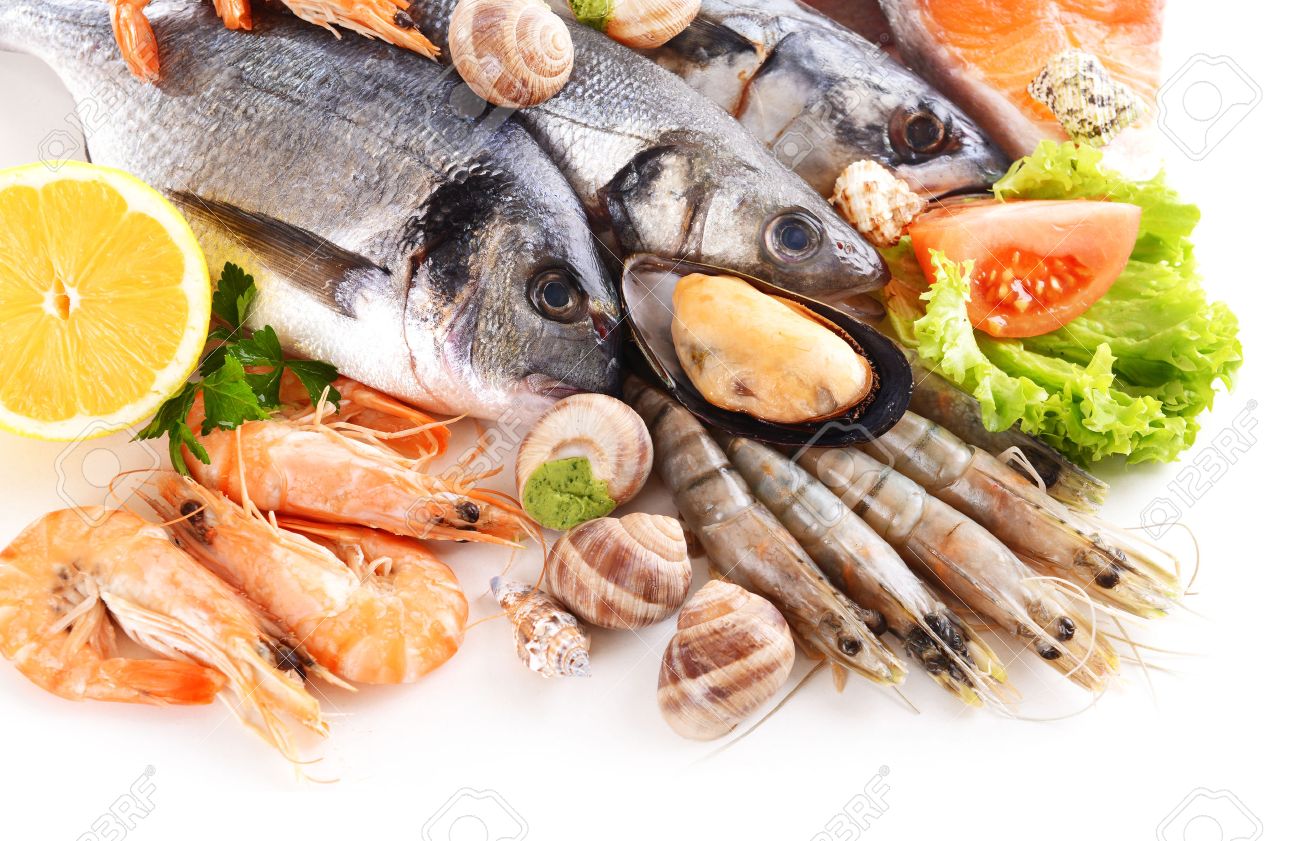
    In the Philippines, wet markets are bustling hubs where you can find an array of fresh seafood, ranging from succulent prawns to delicate crabs and a variety of fish species. These markets offer an authentic glimpse into the diverse marine bounty that the country has to offer.

    As you navigate through the stalls, you’ll encounter different varieties of seafood displayed on ice or in tanks, ready for you to select for your next delicious meal. The lively atmosphere and the opportunity to choose your seafood directly contribute to the unique and immersive culinary experience that defines Filipino seafood culture.

    Top Live Seafood Choices in Markets

    Discover the top live seafood choices available at markets in the Philippines, offering a diverse selection of fish, crabs, shrimp, clams, and more for you to savor.

    At Dampa Market in Manila, you can find a wide variety of live seafood options, including colorful and fresh varieties like sea grapes. The market allows customers to customize their seafood meals according to their preferences, providing a unique dining experience.

    Not only do you get to choose your seafood, but you can also negotiate prices with the vendors, ensuring a fair deal.

    If you’re a seafood lover, don’t miss the chance to visit Dampa Market and explore the opportunity to purchase giant crabs and other delectable seafood items during your visit to Manila.

    Selecting the Freshest Seafood

    When choosing the freshest seafood, keep an eye out for clear eyes, intact shells, and active movements.

    Ensure the seafood reacts when touched to confirm its live status.

    Remember to trust your senses – a vibrant appearance and a fresh sea smell indicate quality.

    Freshness Indicators

    To ensure you are selecting the freshest seafood, look for live seafood tanks in restaurants or markets as a key indicator of freshness. When choosing seafood, opt for specimens with clear, bright eyes and shiny, firm shells, indicative of optimal freshness. Live seafood should exhibit responsive movement, showcasing vitality and ensuring freshness.

    Fresh seafood emits a mild, briny ocean smell, not a strong fishy odor, signifying its freshness.

    Additionally, select live seafood that is actively moving or swimming, as this is a clear indicator of freshness and quality.

    Freshness Indicators
    Clear, bright eyes Shiny, firm shells
    Responsive movement Mild, briny smell
    Active movement

    Visual Inspection Tips

    For a thorough assessment of seafood freshness, your best approach is to visually inspect key indicators such as eyes, shells, and movement. Look for clear, bright eyes in fish and shrimp as a sign of freshness. Check for shiny, intact shells on crabs and lobsters for the best quality. Choose clams and mussels that are tightly closed or close when tapped.

    Smell Test Technique

    To ensure you select the freshest seafood in the Philippines, trust your sense of smell to detect a clean, briny scent as a key indicator of freshness and quality.

    • Look for a mild, oceanic fragrance indicating freshness.
    • Avoid strong, fishy odors that may suggest age or poor handling.
    • Fresh seafood should have a pleasant, seawater-like aroma.
    • The smell test is a reliable way to choose the best seafood.
    • Opt for seafood with a clean, briny smell for the freshest options.

    How to Spot Quality Seafood

    When selecting quality seafood, ensure it is active, with moving fins or tentacles, clear eyes, and a mild oceanic smell. Freshness is key, so look for vibrant colors like red or pink in shrimp.

    Here’s a helpful guide to spotting quality seafood:

    Signs of Quality Seafood What to Look For
    Moving Fins or Tentacles Indicates freshness
    Clear, Bright Eyes Sign of quality in fish
    Translucent Shells Quality indicator in shellfish
    Mild Oceanic Smell Ensures freshness

    Live Seafood Preparation Techniques

    When preparing live seafood, it’s crucial to start with cleaning and gutting the creatures properly.

    Assessing freshness is key to guaranteeing a top-notch dish for customers.

    Handle live seafood with care and precision to ensure a delectable dining experience.

    Cleaning and Gutting

    Ensuring the cleanliness and freshness of live seafood is a fundamental step in preparing delectable seafood dishes. Here are some key points to consider when cleaning and gutting live seafood:

    • Remove internal organs, scales, and clean thoroughly.
    • Proper cleaning enhances the dish’s flavor.
    • Skilled chefs use precise techniques for cleanliness.
    • Different seafood may require varying cleaning methods.
    • Cleaning and gutting are crucial for a delicious seafood meal.

    Freshness Assessment

    To assess the freshness of live seafood, observe its movement and activity to gauge its vitality. When selecting your meal, opt for vibrant and lively seafood like crabs and lobsters, as they’re known for their freshness and superior quality.

    Look for signs such as bright, clear eyes and firm, responsive flesh, which indicate readiness for cooking. Choosing live seafood allows you to ensure the freshness and quality of your dish, adding to the overall dining experience.

    Keep an eye out for natural colors like the vivid red of live lobsters, as these can also be indicators of the seafood’s freshness and health. By paying attention to these cues, you can enjoy a delicious and satisfying seafood meal.

    Handling Live Seafood

    Properly handling live seafood is essential for ensuring its freshness and quality. When preparing live seafood, there are various techniques you can use to bring out its best flavors. Here’s what you need to know:

    • Selecting live seafood: Choose your seafood from tanks or displays in markets or restaurants.
    • Preparation techniques: Consider blanching, steaming, grilling, or frying to cook your live seafood.
    • Expert handling: Skilled chefs can expertly handle live seafood to preserve its natural flavor and texture.
    • Cleaning procedures: Carefully clean and prepare live seafood to maintain food safety standards.
    • Freshness maintenance: Proper handling ensures that your live seafood remains fresh and delicious for your meal.

    Best Cooking Methods for Live Seafood

    When cooking live seafood in the Philippines, consider choosing the best method to enhance its natural flavors and textures.

    Steaming is a popular choice, keeping the seafood’s taste intact.

    Grilling adds a smoky flavor while maintaining juiciness.

    Stir-frying with herbs and spices creates a savory dish.

    Boiling in a flavorful broth infuses delicious tastes.

    Deep-frying results in a crispy exterior and a moist interior.

    Each method offers a unique way to bring out the best in live seafood, ensuring a delightful dining experience.

    Whether you prefer the simplicity of steaming or the boldness of grilling, experimenting with different cooking techniques can elevate your seafood dishes to new heights.

    Popular Seafood Dishes in the Philippines

    Indulge in a variety of popular seafood dishes in the Philippines, showcasing the diverse and flavorful offerings of Filipino cuisine.

    • Szechuan Crab: Enjoy the spicy and savory sauce that makes this dish a favorite.
    • Sea Grapes Salad: Taste the unique and refreshing flavors of this dish.
    • Clams in Black Bean Sauce: Delight in the tender texture and rich flavors of this seafood classic.
    • Prawns: Dive into the freshness and juiciness of giant prawns.
    • Fish in Spicy Broth: Experience the crispy and spicy delight of this Filipino favorite.

    These dishes are a testament to the rich seafood heritage of the Philippines, offering a culinary journey that you won’t want to miss.

    Pairing Seafood With Local Flavors

    When pairing seafood with local flavors in the Philippines, you’ll discover a delightful fusion of sweet, sour, and savory tastes that enhance the seafood experience.

    Ingredients like calamansi, coconut milk, and shrimp paste play a crucial role in elevating the flavors of seafood dishes.

    Traditional Filipino cooking techniques, such as grilling, stewing, and frying, combined with local herbs and spices, create a harmonious balance of flavors that reflect regional taste influences.

    Local Flavor Combinations

    Enhancing seafood dishes in the Philippines involves skillfully blending sweet, salty, sour, and savory local flavors to create a harmonious culinary experience. When it comes to local flavor combinations, consider the following:

    • Calamansi: Known as the Philippine lime, it adds a tangy kick to seafood dishes.
    • Coconut Milk: Creamy and rich, coconut milk is often used to create flavorful seafood curries.
    • Ginger: Adds warmth and depth to seafood soups and stews.
    • Chili Peppers: Spice up seafood dishes with a touch of heat for an extra kick.
    • Soy Sauce and Vinegar: A classic Filipino combination that brings a unique umami and tangy flavor to seafood recipes.

    Pairing these flavors with staples like rice or pickled vegetables ensures a satisfying dining experience that celebrates the local tastes of the Philippines.

    Regional Taste Influences

    Building on the foundation of local flavor combinations, exploring regional taste influences in the Philippines reveals a diverse palette of flavors that harmonize with fresh seafood offerings. Local Filipino flavors like calamansi, coconut milk, and vinegar infuse seafood dishes with a unique taste.

    Regional preferences lean towards sweet, sour, and savory profiles, often incorporating spices such as garlic, ginger, and chili peppers. Seafood dishes may surprise with combinations like lemongrass and annatto seeds.

    Traditional cooking methods like grilling, steaming, and stewing are employed to enhance the natural flavors of seafood. Embracing these regional taste influences allows you to experience the authentic and vibrant culinary landscape of the Philippines through its bountiful seafood dishes.

    Seafood Dining Etiquette Tips

    To dine on live seafood in the Philippines, it’s crucial to observe proper etiquette when selecting your meal. Here are some essential seafood dining etiquette tips:

    • Choose active and healthy seafood for freshness and quality.
    • Select the specific seafood you want to be cooked for your meal.
    • Be respectful and courteous to the seafood vendors during the selection process.
    • Communicate your preferences clearly to the restaurant staff for a customized cooking experience.

    These tips won’t only ensure a delicious meal but also show your appreciation for the seafood and the people who provide it. Enjoy your dining experience while respecting the seafood culture in the Philippines!

    Sustainable Seafood Practices

    Sustainable seafood practices in the Philippines prioritize responsible fishing methods to maintain fish populations and ensure long-term marine biodiversity. By supporting initiatives like the Marine Stewardship Council certification, fishermen are encouraged to use sustainable techniques, preserving marine life for future generations.

    As a consumer, you can play a crucial role in promoting sustainability by choosing seafood products with eco-labels that indicate responsible sourcing and fishing practices. Through awareness campaigns and education efforts, the public is informed about the significance of sustainable seafood consumption in environmental conservation.

    Sustainable Seafood Practices
    Responsible fishing methods Marine Stewardship Council certification Eco-labels on seafood products
    Preservation of fish populations Encouraging sustainable techniques Public awareness campaigns
    Long-term marine biodiversity Traceability in the seafood industry Education on sustainable seafood

    Seafood Allergies and Safety Guidelines

    Inform restaurant staff about any seafood allergies or dietary restrictions before ordering to ensure a safe dining experience. Here are some important guidelines to keep in mind:

    • Check for cross-contamination risks in the kitchen.
    • Verify the freshness and quality of the seafood.
    • Ask about the cooking methods to align with your dietary needs.
    • Be cautious of hidden seafood ingredients in sauces or broths.
    • Ensure the restaurant staff understands the severity of your allergies.

    Where Can I Find the Freshest Live Seafood in the Philippines?

    If you’re looking for the best seafood in the Philippines, be sure to check out the local markets and coastal areas where you can find the freshest live seafood. The seafood is caught daily and available for purchase, ensuring that you get the highest quality and freshest catches.

    Exploring Seafood Festivals and Events

    When attending seafood festivals and events in the Philippines, immerse yourself in a vibrant culinary experience showcasing a wide array of fresh seafood options. These events serve as a platform to celebrate and promote local seafood culture and traditions, offering live cooking demonstrations and seafood tastings for visitors to enjoy.

    Competitions for the best seafood dishes are a common highlight, drawing both locals and tourists to participate and savor the flavors. By participating in these festivals, you have a unique opportunity to dive into the lively seafood scene of the Philippines, connecting with the rich culinary heritage of the region.

    Don’t miss out on the chance to explore and indulge in the diverse seafood offerings at these exciting events!

    Frequently Asked Questions

    Is Philippines Known for Seafood?

    Yes, the Philippines is renowned for its fresh seafood. With a vast coastline and rich marine resources, seafood is a staple in Filipino cuisine. You’ll find a diverse selection of live seafood in local markets and restaurants.

    What Is Dampa?

    Dampa is where you pick live seafood in the Philippines. Choose your favorites like a local. Enjoy the vibrant market vibes and get your meal cooked just the way you like it. Dive into the experience!

    Conclusion

    So next time you’re in the Philippines, make sure to check out Live Seafood: Picking Your Meal for a unique and delicious dining experience.

    With a wide range of fresh live seafood options, customizable cooking preferences, and a glass-enclosed kitchen for a delightful meal selection process, you’ll be sure to enjoy every bite.

    Don’t miss out on this upscale market style restaurant that truly embodies the rich seafood culture of the Philippines.

    Bon appétit!
  • Filipino Seaweed Cuisine: Exploring Delicious Varieties

    Filipino Seaweed Cuisine: Exploring Delicious Varieties

    Filipino seaweed cuisine offers a rich source of essential vitamins and minerals, enhancing both taste and nutrition. Incorporating seaweed like Guso, Nori, and Kombu into meals provides a culinary adventure with numerous health benefits.

    Key Takeaways

    • Filipino seaweed cuisine offers a rich source of essential vitamins and minerals for overall health.
    • Seaweed varieties like Guso, Nori, and Kombu bring unique flavors and nutrients to dishes.
    • Incorporating seaweed into meals provides a culinary adventure with numerous health benefits.
    • From Lato to Caulerpa, exploring Filipino seaweed varieties enhances both taste and nutrition.

    Benefits of Filipino Seaweed Cuisine

    Indulging in Filipino seaweed cuisine provides a myriad of health benefits that can enhance your overall well-being. Filipino seaweed dishes, such as Lato and Guso, aren’t only delicious but also rich in essential vitamins and minerals like iodine, calcium, and vitamins A and C. These nutrients play a crucial role in supporting your immune system and protecting your cells from damage.

    Moreover, the high iodine content in seaweed helps regulate thyroid function, while the antioxidants present aid in reducing cholesterol levels, promoting heart health. Including seaweed in your diet can also improve digestion due to its fiber content, supporting gut health and ensuring regular bowel movements.

    Embrace the goodness of Filipino seaweed cuisine for a healthier you!

    Health Properties of Seaweed Varieties

    Discover the diverse health properties of seaweed varieties like Nori, Kombu, and Wakame, known for their rich content of vitamins and minerals. These seaweeds offer a range of health benefits, making them a nutritious addition to your diet. Check out the table below to understand the specific health properties of each seaweed variety.

    Seaweed Variety Health Properties
    Nori High in vitamins A, C, and E
    Kombu Rich in iodine and calcium
    Wakame Contains magnesium and folate

    Including these seaweeds in dishes like salads can provide you with essential nutrients while adding unique flavors and textures. Embrace the goodness of seaweed in your meals for a healthier lifestyle.

    Culinary Uses of Filipino Seaweed

    Exploring the vibrant culinary landscape of Filipino cuisine reveals a delightful incorporation of seaweed, known as ‘lato,’ offering a unique blend of flavors and nutrients. Seaweed, in its fresh form, is a versatile ingredient in Filipino cooking, enhancing dishes with its distinct taste and nutritional benefits.

    In Filipino cuisine, various types of edible seaweed like Guso are used to create salads, soups, and stir-fries, adding a touch of the sea to everyday meals. Incorporating seaweed into your diet not only introduces new flavors but also provides essential antioxidants, vitamins, and minerals for a healthier lifestyle.

    Embracing seaweed dishes allows you to experience the rich marine resources of the Philippines and the diverse cultural influences present in Filipino flavors.

    • Versatile Ingredient: Seaweed adds unique flavors and textures to dishes.
    • Nutritional Benefits: Seaweed is rich in antioxidants, vitamins, and minerals.
    • Cultural Significance: Seaweed dishes reflect the abundance of marine resources and diverse flavor profiles in Filipino cuisine.

    Lato: A Popular Seaweed Delicacy

    You’re about to discover the unique taste of lato, a popular seaweed delicacy in Filipino cuisine. Its health benefits and versatile uses make it a standout ingredient in local dishes.

    Get ready to explore how lato adds a burst of flavor and nutrition to Filipino culinary traditions.

    Lato’s Unique Taste

    Lato, a beloved seaweed delicacy in Filipino cuisine, captivates diners with its distinctive taste and texture, setting it apart as a sought-after ingredient in culinary creations. When you indulge in lato, you experience:

    • A burst of brininess that elevates the flavors in your favorite Filipino salad.
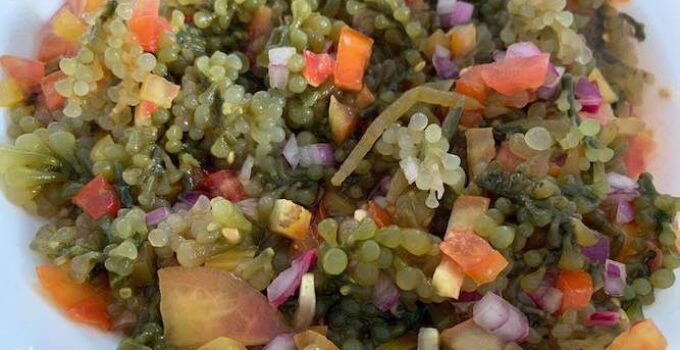
    • Visual appeal with its small circular or bigger oval shapes, resembling tiny grapes or caviar.
    • A refreshing oceanic flavor that complements dishes like ceviche and seafood creations.

    Lato’s versatility allows chefs to showcase their creativity, making it a staple in Filipino gastronomy. Embrace the unique taste of lato and discover the wonders it brings to your dining experience.

    Lato’s Health Benefits

    Lato’s popularity in Filipino cuisine extends beyond its unique taste to its numerous health benefits, making it a sought-after seaweed delicacy for its nutritional value. This edible seaweed is a powerhouse of essential vitamins, minerals, and antioxidants that can boost your immunity and support overall health.

    Lato is believed to aid in regulating thyroid function and promoting heart health due to its nutrient-rich composition. Not only does lato add a distinct flavor to dishes, but it also aids in digestion, making it a versatile and beneficial ingredient to incorporate into your meals.

    Embrace the goodness of lato as a flavorful and nutritious addition to your diet, reaping its many health advantages while enjoying its delicious taste.

    Lato in Filipino Cuisine

    Indulge your taste buds in the savory delight of this popular Filipino seaweed delicacy, known as sea grapes or Lato, a nutritious addition to various dishes.

    • Lato is a type of edible seaweed that’s often referred to as sea grapes due to its resemblance to small circular and bigger oval grapes.
    • This seaweed is rich in vitamins and minerals, making it a healthy choice for enhancing the nutritional value of meals.
    • In Filipino cuisine, Lato is commonly used in salads to provide a burst of brininess and a unique texture that elevates the overall dish.

    Give your taste buds a treat with the delightful flavors and health benefits that Lato, the sea grapes of the Philippines, bring to your culinary experience.

    Guso: Umami-Rich Seaweed Flavor

    Guso, also known as Eucheuma seaweed, offers a rich umami flavor that elevates your dishes. Its versatility in salads, soups, and stews makes it a must-try ingredient for adding depth to your meals.

    Discover the culinary magic of Guso and unlock a world of savory possibilities.

    Guso’s Umami Profile

    Enhance your culinary creations with the rich umami flavor of guso, a seaweed variety that adds depth and complexity to Filipino dishes. Dive into the sea of flavors with guso and experience its umami-rich taste that elevates your cooking to new heights.

    Here are three reasons why guso’s umami profile stands out:

    • Guso’s umami taste enhances the overall flavor of salads, soups, and stir-fries.
    • This seaweed variety is rich in vitamins and minerals, making it a nutritious addition to meals.
    • The unique umami taste of guso elevates the culinary experience and adds a distinctive Filipino touch to dishes.

    Culinary Uses of Guso

    Guso’s versatile nature extends beyond its umami profile, offering a range of culinary uses that showcase its rich flavor in various Filipino dishes. In Filipino cuisine, this sea grape is commonly used in salads, soups, and as a side dish, enhancing the taste and nutritional value of the meal.

    Its unique texture and umami taste make it a sought-after ingredient, contributing to both traditional and modern Filipino cooking. Below is a table illustrating how guso, also known as sea grapes, can be incorporated into a classic Filipino salad:

    Filipino Salad with Guso Ingredients
    Guso Salad Guso (sea grapes), tomatoes, onions
    Sea Grape and Shrimp Salad Guso (sea grapes), shrimp, lettuce
    Guso and Mango Salad Guso (sea grapes), ripe mango, cilantro

    Nori: Versatile Seaweed Ingredient

    Nori, a versatile seaweed ingredient with a rich umami flavor profile, is commonly used in making sushi rolls and various other dishes.

    • Nori, also known as zicai in Chinese or gim in Korean, is packed with essential vitamins, minerals, and antioxidants that are beneficial for your health.
    • This seaweed variety is harvested from the sea, dried, and pressed into thin sheets, making it easy to handle and use in your culinary creations.
    • Besides sushi, nori can elevate the flavor and texture of dishes like rice balls, soups, and salads, giving them a delightful depth and richness.

    Explore the world of nori and enhance your dishes with this nutritious and flavorful seaweed!

    Sea Grapes: Unique Seaweed Variety

    Sea grapes, also known as Lato in Filipino cuisine, offer a unique culinary experience with their small circular or oval edible seaweeds resembling grapes. Lato is a popular seaweed variety in the Philippines, often used in salads and side dishes. These sea grapes are rich in essential vitamins and minerals, providing a unique texture and flavor to dishes.

    Sea grapes are abundant in coastal areas of the Philippines, making them readily available for culinary use. The vibrant green color and briny taste of sea grapes add a refreshing element to Filipino dishes, enhancing their visual appeal and taste.

    Sea Grapes Facts
    Type Edible seaweed
    Usage Filipino salad
    Nutritional Value Vitamins & minerals

    Wakame: Nutrient-Packed Seaweed Option

    Indulge in the nutrient-packed seaweed option of Wakame, renowned for its rich vitamins and minerals essential for a healthy diet. Wakame makes a wonderful addition to your meals, offering a variety of benefits that contribute to your overall well-being. Here are some reasons why Wakame stands out among the types of seaweeds:

    • Rich in Essential Nutrients: Wakame is packed with calcium, magnesium, and iodine, crucial for optimal health.
    • Promotes Gut Health: With its high fiber content, Wakame supports a healthy digestive system.
    • Antioxidant Power: The antioxidants in Wakame help reduce inflammation in the body, keeping you feeling great.

    Include Wakame in your dishes to enjoy its nutritional advantages and delicious taste!

    Kombu: Essential Seaweed in Filipino Cooking

    Discover the essential role that Kombu plays in elevating the flavors of traditional Filipino dishes with its rich umami taste and valuable health benefits. This type of edible kelp is a staple in Filipino cuisine, commonly used to make flavorful broths that enhance soups, stews, and sauces.

    Kombu’s high iodine and mineral content, including calcium, supports a balanced diet and thyroid function. Its natural glutamic acid contributes to enhancing the taste and depth of dishes. In Filipino cooking, Kombu is a versatile ingredient that offers both culinary and health advantages.

    Try incorporating Kombu into your next Filipino salad to elevate its flavors and reap the nutritional benefits this seaweed gem has to offer.

    Caulerpa: Lesser-Known Seaweed Gem

    Discover the wonders of Caulerpa, a hidden gem of the sea with its vibrant green color and unique texture.

    Explore its versatile culinary uses in salads, soups, and as a flavorful garnish.

    Embrace the health benefits of Caulerpa, packed with essential vitamins and minerals for a nutritious boost.

    Caulerpa’s Unique Flavors

    Caulerpa, the lesser-known seaweed gem in Filipino cuisine, captivates with its unique flavors reminiscent of the ocean’s bounty. If you haven’t tried this delicacy yet, you’re in for a treat. Here are some fascinating facts about Caulerpa:

    • Caulerpa is often referred to as ‘sea grapes’ or ‘green caviar’ because of its appearance and pop-in-the-mouth texture.
    • Rich in vitamins, minerals, and antioxidants, Caulerpa offers various health benefits when included in your diet.
    • This versatile seaweed can be a delightful addition to salads, soups, or even as a garnish for seafood dishes. Incorporate it into your next salad recipe for a refreshing and slightly salty taste that will elevate your meal to a whole new level.

    Culinary Uses of Caulerpa

    Caulerpa’s unique texture and flavor make it a standout ingredient in Filipino cuisine, adding a refreshing taste and vibrant color to a variety of dishes. When preparing a Seaweed Salad Recipe, consider combining Caulerpa with other fresh ingredients to enhance its flavors. Here’s a simple yet delicious way to incorporate Caulerpa into your culinary repertoire:

    Ingredients Instructions Additional Tips
    Caulerpa Rinse thoroughly Choose fresh Caulerpa for optimal taste
    Cherry Tomatoes Halve Use ripe tomatoes for sweetness
    Red Onions Slice thinly Soak onions in cold water to reduce sharpness
    Cucumber Dice Peel if desired for a milder flavor
    Vinegar Dressing Drizzle over salad Mix vinegar with a bit of sugar for balance

    Enjoy the burst of flavors and textures that Caulerpa, the sea grape, brings to your dishes!

    Health Benefits of Caulerpa

    Rich in essential nutrients like vitamins A, C, and K, as well as minerals such as iron and calcium, Caulerpa stands out as a powerhouse of health benefits among lesser-known seaweed varieties. When it comes to your well-being, incorporating this edible seaweed into your diet can offer you a range of advantages:

    • Boosted Immunity: Sea grapes are a rich source of antioxidants that can help strengthen your immune system.
    • Digestive Support: Caulerpa’s high fiber content may aid in digestion and promote gut health.
    • Low-Calorie Option: Enjoy the benefits of Caulerpa without worrying about excessive calories or fat intake.

    Make the most of Caulerpa’s health benefits and unique flavor by adding it to your meals for a wholesome culinary experience.

    Agar: Seaweed-Based Dessert Delight

    Indulge in the delightful world of Asian desserts with agar, a vegan-friendly gelatinous substance derived from seaweed that adds a nutritious and unique twist to sweet treats. Agar, rich in fiber, calcium, and iron, is a popular alternative to traditional gelatin due to its health benefits.

    This versatile ingredient is known for its exceptional gelling properties, setting at room temperature without refrigeration. You can use agar to create a variety of desserts such as jellies, custards, and fruit-based sweets. Explore the endless possibilities of agar in your culinary creations and enjoy the goodness of this seaweed-based delight.

    Agar Fun Facts
    Vegan-friendly Rich in fiber
    Calcium and iron-rich Sets at room temp
    Versatile ingredient Various dessert options

    What Role Does Seaweed Play in Filipino Empanadas?

    Seaweed is a key ingredient in Filipino empanadas, adding a unique umami flavor and a hint of ocean freshness to the savory filling. In our empanada masterclass tutorial, we’ll teach you how to incorporate this traditional ingredient into your homemade empanadas for an authentic Filipino taste.

    Seaweed in Traditional Filipino Recipes

    In Filipino culinary traditions, seaweed plays a fundamental role, infusing dishes with a distinctive flavor and texture that captivates the palate. Seaweed in traditional Filipino recipes brings a unique touch to the cuisine, showcasing the diverse flavors of the sea.

    When you try Ensaladang Lato, a popular seaweed salad in the Philippines, you experience a burst of freshness and crunch that complements various dishes. Incorporating seaweed into Filipino recipes not only adds depth to the flavor but also provides essential nutrients like vitamins and minerals, enhancing the overall health benefits of these dishes.

    Embracing seaweed in traditional Filipino cooking connects you to the rich cultural heritage and vibrant flavors of the Philippines.

    Frequently Asked Questions

    What Seaweed Is Edible in the Philippines?

    In the Philippines, edible seaweed varieties like Guso and Lato are popular. Guso has a unique flavor and nutritional benefits. Lato, known as sea grapes, is often used in salads and seafood dishes. Enjoy these healthy options in Filipino cuisine.

    What Is Goso Filipino Food?

    Guso is a popular Filipino food made from edible seaweed. It’s loved for its unique texture and briny flavor. You can enjoy it in salads, soups, or as a side dish. Guso is not only delicious but also packed with essential vitamins and minerals.

    What Is Lato in Ilocano?

    Lato in Ilocano is a type of edible seaweed known as ‘sea grapes.’ It’s a popular Filipino ingredient, rich in nutrients. With its appearance resembling small pearls, lato adds a unique touch to salads and seafood dishes.

    What Is Lato Seaweed in English?

    Lato seaweed in English is often called sea grapes because of its resemblance to tiny grapes. It’s a popular ingredient in Filipino salads like Ensaladang Lato, known for its unique texture and brininess.

    Conclusion

    Indulge in the delectable world of Filipino seaweed cuisine for a flavorful and nutrient-packed dining experience.

    From the popular Lato to the versatile Kombu, each seaweed variety offers unique health benefits and culinary possibilities.

    Expand your palate and elevate your dishes with the rich flavors of seaweed in traditional Filipino recipes.

    Dive into the ocean of delicious varieties and savor the taste of the sea in every bite.

  • Sea Urchin in the Philippines: Raw Delicacy or Not?

    Sea Urchin in the Philippines: Raw Delicacy or Not?

    Sea urchin, a prized delicacy in the Philippines, is enjoyed raw or in various dishes, showcasing a rich culinary tradition. Sustainable harvesting practices are crucial for its conservation and well-being.

    Key Takeaways

    • Sea urchin is a prized delicacy in the Philippines, enjoyed raw or in various dishes.
    • Sustainable harvesting practices and regulations are crucial for sea urchin population conservation.
    • Health risks like bacterial contamination highlight the importance of safe sourcing and food handling.
    • Sea urchin offers a nutrient-rich profile, promoting overall well-being when consumed responsibly.

    Sea Urchin Culinary Traditions

    Sea Urchin culinary traditions in the Philippines showcase the art of savoring raw delicacies with a rich history and unique flavor profiles.

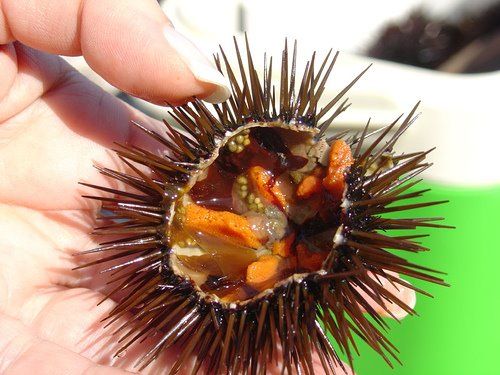
    Known as tayom locally, sea urchin holds a special place in Filipino cuisine. Enjoyed raw with vinegar and salt, or as a delightful addition to sushi and pasta dishes, sea urchin has been a staple in Filipino coastal communities for generations.

    The meticulous preparation process, involving breaking the spines, cutting it open, and thorough rinsing, highlights the care taken to savor this delicacy. Its exotic and flavorful nature has made sea urchin a beloved ingredient for both locals and tourists, underscoring its significance in the vibrant tapestry of Filipino culinary delights.

    Sea Urchin Harvesting in Philippines

    When harvesting sea urchins in the Philippines, it’s crucial to use proper techniques to ensure sustainability. Local regulations aim to protect the delicate balance of marine ecosystems.

    Careful handling is essential to prevent injuries from the sea urchins’ sharp spines.

    Harvesting Techniques

    Using handheld hooks or tongs, local fishermen in the Philippines carefully extract mature sea urchins from rocks and shallow pools to ensure high-quality meat. Here are some fascinating points about sea urchin harvesting techniques:

    • Skilled harvesters target mature sea urchins with plump and firm bodies for the best meat.
    • The process involves navigating rocky terrain to collect sea urchins manually.
    • Sustainable practices include leaving some sea urchins behind to maintain population balance.
    • Regulations in certain areas control harvesting to ensure sustainability.
    • Harvesters play a crucial role in preserving the delicate ecosystem by practicing responsible harvesting methods.

    Sustainability Practices

    To ensure the sustainability of sea urchin populations in the Philippines, responsible harvesting practices are crucial for maintaining a balanced marine ecosystem. Sustainable practices, such as implementing size limits and seasonal restrictions, help prevent overfishing and protect sea urchin habitats.

    It’s vital for local communities to engage in responsible harvesting methods to secure the long-term viability of sea urchin populations. Collaborative efforts involving government agencies, conservation groups, and fishermen are actively promoting sustainable practices in sea urchin harvesting.

    Monitoring programs play a significant role in tracking sea urchin populations and evaluating the impact of harvesting activities on marine ecosystems. Education and awareness campaigns further raise public consciousness about the importance of sustainable sea urchin harvesting for environmental conservation.

    Health Benefits of Sea Urchin

    Sea urchins offer a plethora of health benefits due to their rich nutrient profile, including omega-3 fatty acids, antioxidants, and essential minerals. Dive into the sea of goodness with sea urchins and enjoy:

    • Omega-3 Fatty Acids: Support heart health and brain function.
    • Antioxidants: Reduce inflammation and promote overall health.
    • Protein: Essential for muscle repair and growth.
    • Minerals like Calcium and Magnesium: Contribute to bone health.
    • Vitamin D: Boost immune system support and overall well-being.

    Embrace these health benefits by including sea urchins in your diet. Nourish your body with the goodness of the sea for a healthier you!

    Risks of Consuming Raw Uni

    Navigating the culinary delights of sea urchin comes with a cautionary note – consuming raw uni poses potential health risks that demand attention. Raw sea urchin carries the risk of bacterial infections such as Vibrio and Salmonella, which can lead to severe foodborne illnesses if not handled correctly.

    To safeguard against these dangers, it’s crucial to source sea urchin from reputable suppliers and adhere to strict food safety practices. Proper storage, handling, and preparation are essential steps in minimizing the risk of bacterial contamination. By prioritizing food safety measures, you can enjoy sea urchin dishes without compromising your well-being.

    Stay informed and vigilant to savor this delicacy while protecting your health.

    Sea Urchin Preparation Methods

    When preparing sea urchins, you’ll need to master the art of cleaning, opening, and serving them just right. Breaking the spines, cutting, and rinsing are essential steps in the process.

    Whether you enjoy them raw or cooked, these methods are key to a delicious sea urchin dish.

    Cleaning Sea Urchins

    Carefully use an ice cream stick to remove the intestine and any attached seaweeds when cleaning sea urchins.

    Wash the sea urchin thoroughly in water after removing internal parts.

    Allow the sea urchin to dry before further handling to prevent spine injuries.

    Handle the sea urchins with care throughout the cleaning process to avoid accidental injuries.

    Carefully remove any embedded spines from the skin to prevent complications.

    Ensure the sea urchin is entirely clean before proceeding with any further preparations.

    Cleaning sea urchins requires attention to detail and gentle handling to ensure a safe and enjoyable culinary experience. By following these steps, you can prepare fresh sea urchins confidently and safely.

    Opening Sea Urchins

    To open sea urchins for consumption, break their spines and carefully cut them in half before rinsing thoroughly. This preparation method ensures you can safely enjoy the delicacy of sea urchins without any risks. Handling these creatures with caution is crucial due to their sharp spines. Here’s a simple guide to opening sea urchins:

    Steps to Open Sea Urchins
    Break spines
    Cut in half
    Rinse thoroughly

    Following these steps guarantees a safe and enjoyable experience when preparing sea urchins. Whether you prefer them raw or in dishes like sushi, proper preparation is key to fully savoring the unique flavor of this marine delicacy.

    Serving Sea Urchins

    Serving sea urchins raw is a popular culinary tradition in the Philippines, often accompanied by a splash of calamansi juice for added zest. When it comes to enjoying this delicacy, here are some exciting ways you can savor the taste of sea urchins:

    • Try sea urchins in ‘Kinilaw’ for a tangy and flavorful experience.
    • Indulge in sea urchin pasta dishes with creamy sauces for a unique twist.
    • Taste the prized sea urchin roe, known as uni, for a rich and creamy flavor.
    • Explore sea urchins in dishes like ceviche or sushi for a diverse culinary adventure.
    • Top your salads with sea urchin for a delightful umami boost that elevates your meal.

    Sea Urchin Flavor Profile

    When savoring sea urchin, you’ll discover a unique umami flavor profile that combines hints of sweetness and brininess, varying in richness and buttery textures depending on the species and harvest location. Some describe it as having a rich, buttery taste, reminiscent of the ocean. The flavor is often likened to a creamy custard or the texture of raw egg yolk. Sea urchin’s taste is best enjoyed when fresh and raw.

    Umami Flavor Sweetness Brininess
    Rich & Buttery Moderate High

    This table illustrates how the umami flavor of sea urchin is complemented by moderate sweetness and a high level of brininess, culminating in a unique and savory culinary experience.

    Sea Urchin Farming Practices

    Exploring the sustainable practices of sea urchin farming in the Philippines reveals a harmonious blend of traditional harvesting methods and modern conservation efforts.

    • Community Engagement: Local fishermen and divers play a vital role in the manual harvesting of sea urchins, fostering a sense of community involvement.
    • Habitat Preservation: Farming practices prioritize the preservation of natural sea urchin habitats, ensuring the sustainability of this delicacy.
    • Economic Opportunities: Initiatives promoting sea urchin farming create economic opportunities for coastal communities, enhancing livelihoods.
    • Quality Assurance: Maintaining the natural habitat of sea urchins results in superior quality and taste of the harvested delicacy.
    • Population Conservation: The growth of sea urchin farming helps meet the demand for this delicacy while safeguarding wild sea urchin populations for future generations.

    Sustainable Sea Urchin Consumption

    For sustainable sea urchin consumption, responsible harvesting practices are crucial to safeguarding these marine delicacies for future enjoyment. Proper regulations play a vital role in ensuring that sea urchin populations aren’t depleted.

    By adhering to sustainable sea urchin consumption practices, you can help maintain the delicate balance of marine ecosystems. Overfishing poses a significant threat to sea urchin populations, emphasizing the need for proper regulations and monitoring.

    Supporting local communities that rely on sea urchin harvesting can promote sustainable practices and economic growth. Educating yourself and others about responsible seafood choices is key to preserving healthy sea urchin populations for generations to come.

    Sea Urchin in Filipino Street Food

    To experience the unique fusion of flavors in Filipino street food, consider seeking out rare delicacies like sea urchin that add a touch of luxury to roadside dining experiences.

    • Discover the hidden gem of sea urchin dishes in select seafood stalls or markets.
    • Indulge in the delicate taste of freshly harvested sea urchins from coastal vendors.
    • Elevate your street food adventure with upscale sea urchin offerings in specialty seafood establishments.
    • Uncover the exotic side of Filipino street food by trying sea urchin at high-end food festivals.
    • Immerse yourself in the luxurious experience of savoring sea urchin, a rare find in the bustling street food scene of the Philippines.

    Sea Urchin Nutrition Facts

    Want to know the nutritional benefits of sea urchins?

    Get ready to discover the nutrient content breakdown and health benefits that these marine delicacies offer.

    From being rich in protein and healthy fats to providing essential vitamins and minerals, sea urchins can be a valuable addition to your diet.

    Nutrient Content Breakdown

    Wondering how sea urchins stack up in terms of nutrient content? Here’s a breakdown to highlight their nutritional value:

    • Low in calories yet packed with protein for a nutritious meal.
    • Rich in omega-3 fatty acids, promoting heart health.
    • Contains essential vitamins B12, C, and D, along with minerals like calcium, iron, and magnesium.
    • The vibrant color of sea urchins is due to antioxidant-rich carotenoids.
    • Eating sea urchins can contribute to your overall well-being, thanks to their nutrient-rich profile.

    Dive into this ocean delicacy for a flavorful and healthful experience!

    Health Benefits Overview

    With a nutrient-packed profile that includes high protein content and essential vitamins and minerals, sea urchins offer a multitude of health benefits for those who enjoy this seafood delicacy. Sea urchins are low in calories and high in protein, providing a nutritious option. They are a good source of omega-3 fatty acids, beneficial for heart health and brain function.

    These marine creatures contain vitamins A, C, and E, contributing to overall health and immunity. Rich in minerals like calcium, magnesium, and zinc, sea urchins support bone health and metabolism. Additionally, their antioxidant properties may help support skin health and promote collagen production.

    Nutrient Health Benefit
    High Protein Muscle Building
    Omega-3 Fatty Acids Heart and Brain Health
    Vitamins (A, C, E) Overall Health and Immunity
    Minerals (Calcium, Magnesium, Zinc) Bone Health and Metabolism

    Sea Urchin in Fine Dining

    In upscale dining establishments worldwide, sea urchin, also known as uni, reigns as a coveted delicacy for its luxurious flavor and delicate texture.

    • Indulge in Luxury: Renowned chefs use sea urchin to elevate dishes with a unique and luxurious taste.
    • Raw Elegance: Savor sea urchin in its purest form, often served raw in high-end restaurants.
    • Menu Stars: Fine dining menus showcase sea urchin in dishes like sushi, risotto, and pasta for its rich, briny taste.
    • Elevated Experience: The buttery flavor and delicate texture of sea urchin enhance the culinary experience in upscale settings.
    • Global Appeal: Sea urchin’s presence in fine dining reflects its worldwide allure as a premium ingredient.

    Are Raw Sea Urchin and Balao-balao both Considered Delicacies in the Philippines?

    Yes, raw sea urchin and balao-balao are both considered delicacies in the Philippines. Raw sea urchin, known as “uni” in Japanese cuisine, is prized for its rich and creamy texture. Balao-balao, a type of fermented rice, is often enjoyed as a traditional red shrimp and rice delicacy.

    Sea Urchin: Cultural Significance

    Embracing sea urchins as a symbol of abundance and tradition, Filipinos celebrate special occasions with this luxurious delicacy, highlighting its cultural significance in the culinary landscape of the Philippines.

    Sea urchins hold a special place in Filipino culture, often enjoyed during festivities and gatherings. They aren’t just a food item but a representation of generosity and togetherness within communities. The act of sharing sea urchins underscores the importance of hospitality and camaraderie among Filipinos.

    Frequently Asked Questions

    Is Sea Urchin Served Raw?

    Sea urchin is indeed served raw, allowing you to savor its pure, unadulterated taste. The delicacy is often enhanced with vinegar and salt, highlighting its natural flavors. Experience the unique texture and freshness firsthand.

    What Is the Sea Urchin Delicacy in the Philippines?

    In the Philippines, the sea urchin delicacy is known as ‘tayom.’ Found in Puerto Galera’s Coral Garden, it’s a raw treat. With their spiky exterior, sea urchins are a unique sight in shallow pools, often enjoyed raw or in sushi.

    Is Sea Urchin Sushi Cooked?

    Sea urchin sushi is not cooked. Its raw state preserves its delicate texture and unique flavor, allowing the natural sweetness and briny essence to shine. Enjoy this prized ingredient in its fresh, unaltered form.

    How Do You Know if a Sea Urchin Is Edible?

    To know if a sea urchin is edible, look for vibrant color, firm texture, intact shells. Avoid foul odor, decay, or discoloration. Source from reputable suppliers or restaurants. Freshness is key for safe consumption.

    Conclusion

    So, next time you see sea urchin on the menu in the Philippines, don’t hesitate to give it a try.

    With its unique taste and cultural significance, sea urchin is more than just a raw delicacy – it’s a symbol of local culinary traditions and sustainable harvesting practices.

    Embrace the experience of tasting this spiky marine creature, and you might just discover a new favorite dish that showcases the rich flavors of the ocean.

  • Beyond the Basics: Exotic Filipino Organ Meats

    Beyond the Basics: Exotic Filipino Organ Meats

    Explore the bold and adventurous side of Filipino cuisine with exotic organ meats like Pig’s Face Sisig and Duck Egg Delight, offering unique culinary experiences beyond the basics. Embrace the richness of Filipino gastronomy and tantalize your taste buds with these diverse and flavorful delicacies.

    Key Takeaways

    • Filipino cuisine showcases culinary creativity with unique organ meat dishes.
    • Exotic ingredients like woodworms and ant eggs add diversity to Filipino street food.
    • Traditional preparation techniques bring out the flavors of organ meats.
    • Filipino dishes offer a flavorful and unconventional organ meat dining experience.

    Pig’s Face Sisig

    When preparing Pig’s Face Sisig, begin by boiling, grilling, and chopping the pig’s face before sautéing it with onions, garlic, and chili peppers.

    This dish highlights the rich flavors of pork meat and the unique texture of grilled intestines. The combination of crispy pig’s face with the aromatic blend of onions, garlic, and chili peppers creates a savory explosion in every bite.

    Sisig isn’t just a dish; it’s a symbol of Filipino culinary creativity, showcasing how every part of the animal can be utilized to create a delicious masterpiece.

    Whether enjoyed as a street food favorite or paired with a cold beer, Pig’s Face Sisig offers a taste of Filipino tradition and ingenuity that you won’t soon forget.

    Chicken Blood Adobo

    Explore the bold flavors and culinary ingenuity of Chicken Blood Adobo, a unique Filipino dish simmered in vinegar, soy sauce, garlic, and spices, showcasing the rich tradition of utilizing every part of the animal in Filipino cuisine.

    This chicken blood stew offers an exotic food experience, with a rich, earthy taste and a slightly gelatinous texture that adds depth to each bite. Enjoyed for its savory and bold flavors, Chicken Blood Adobo is commonly paired with steamed rice to balance the intensity of the dish.

    This traditional delicacy exemplifies the Filipino culinary practice of creating delicious dishes from all parts of the animal, demonstrating a heritage of resourcefulness and creativity in the kitchen.

    Pork Intestine Skewers

    Delight your taste buds with Pork Intestine Skewers, popularly known as ‘Isaw,’ a beloved Filipino street food grilled to perfection and best enjoyed with soy sauce or spicy vinegar. These skewers are a must-try delicacy, offering a unique and flavorful experience.

    Whether you’re a local or a visitor, indulging in Isaw is a culinary adventure not to be missed. The process of preparing these skewers involves skewering and grilling cleaned and boiled pork intestines until they’re crispy on the outside and tender on the inside.

    For an extra kick, dip your Isaw in spicy vinegar to elevate the flavors and add a zesty twist to every bite. Try this Filipino favorite and savor the delicious blend of smoky, savory, and tangy notes in every mouthful.

    Woodworm Delicacy

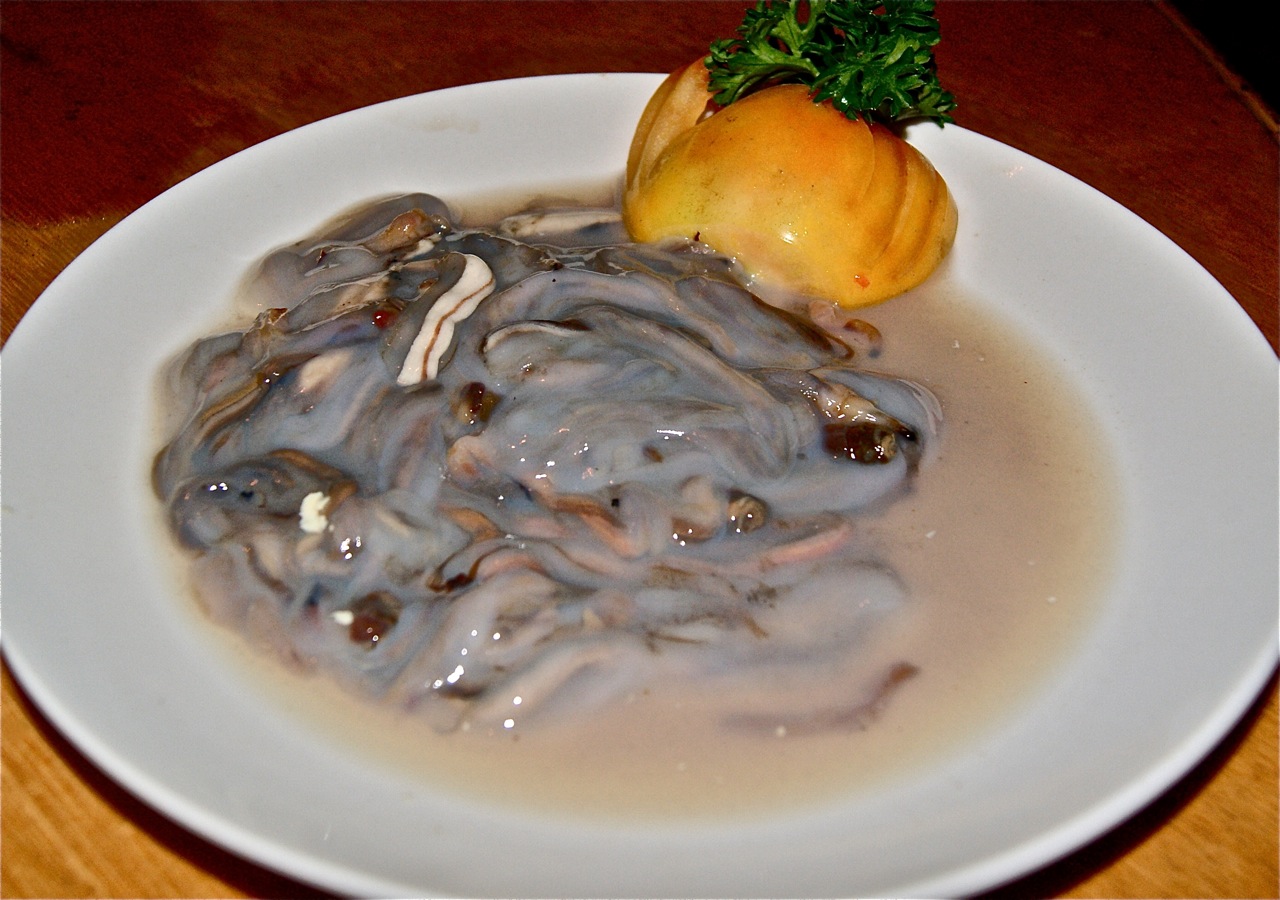
    Embark on a culinary adventure with the exotic Filipino delicacy of woodworms, locally known as Tamilok, offering a unique seafood experience unlike any other. These saltwater clams, resembling long, thick worms, are a distinctive and traditional Filipino delicacy that showcases the diverse and exotic offerings of Filipino cuisine.

    Enjoyed raw, Tamilok is often dipped in a mix of vinegar, calamansi juice, and chili oil before savoring its sweet, milky taste reminiscent of raw oysters. Despite their appearance, Tamilok is prized for its delicious flavor profile, attracting adventurous food enthusiasts seeking new gastronomic experiences.

    Dive into the world of Filipino cuisine with this exotic delicacy, a true testament to the country’s culinary diversity and creativity.

    Ant Egg Specialties

    Discover the culinary allure of Abuos, Filipino ant eggs, renowned for their buttery flavor and unique texture in various traditional dishes like adobo and sauteed in garlic. When you indulge in these Filipino ant egg specialties, you’re in for a delightful treat that showcases the rich flavors of Filipino cuisine.

    Here are three ways ant eggs are enjoyed in Filipino dishes:

    1. Adobo Style: Cooked in a savory sauce made of vinegar, soy sauce, garlic, and spices, ant eggs add a rich and distinctive taste to this classic Filipino dish.
    2. Sauteed in Garlic: Lightly sauteed with garlic and other aromatic ingredients, ant eggs create a flavorful and aromatic side dish or topping for rice.
    3. Buttery Nutty Flavor: Raw ant eggs are known for their buttery, nutty flavor that elevates the overall taste profile of the dish.

    Exotic Chicken Feet Dish

    Bring a bold twist to your Filipino culinary exploration with the exotic Chicken Feet Dish, a flavorful delicacy known as ‘Adidas’ in local cuisine.

    Filipino Style chicken feet, or ‘Adidas’, are a popular exotic organ meat dish that offers a unique culinary experience. These chicken feet are cleaned, cooked, and seasoned with various spices, showcasing Filipino creativity in utilizing all parts of the animal for flavorful dishes.

    Whether grilled or stewed, chicken feet are enjoyed for their distinct texture and rich collagen content. Often found as a common street food option, ‘Adidas’ isn’t only delicious but also an affordable delicacy in the Philippines.

    Embrace the adventurous side of Filipino cuisine by trying this exotic dish on your next culinary journey.

    Unique Pork Brain Recipe

    You’re about to uncover the intriguing world of cooking with pork brains.

    Get ready to explore the unique and flavorful dishes you can create using this exotic ingredient.

    Let’s discover the richness and delicate texture that pork brains can bring to your culinary creations.

    Cooking Pork Brains

    To cook pork brains, start by carefully cleaning them to remove the outer membrane before proceeding with the recipe. Here are three essential steps to prepare this unique delicacy:

    1. Cleaning: Gently remove the outer membrane from the pork brains to ensure a smooth texture.
    2. Boiling: Place the cleaned brains in boiling water for a few minutes to cook them thoroughly.
    3. Pan-frying: After boiling, pan-fry the pork brains with aromatic seasonings like garlic, onions, and peppers to enhance their flavor.

    These steps will help you create a delectable dish with a creamy texture and rich taste. Remember to handle the brains with care and cook them properly for a delightful culinary experience.

    Flavorful Brain Dishes

    Transitioning from cooking pork brains, explore the exciting world of flavorful brain dishes with this unique pork brain recipe that promises a creamy texture and rich taste. When it comes to pork brain dishes, incorporating soy sauce can elevate the flavors to new heights. The combination of creamy pork brain with the savory umami of soy sauce creates a delightful culinary experience.

    Try this simple yet delicious recipe that balances the delicate flavors of the pork brain with the boldness of soy sauce:

    Ingredients Instructions Additional Notes
    Pork Brain 1. Clean the brain – Choose fresh brain
    Soy Sauce 2. Marinate in soy sauce – Use light soy sauce for a subtle flavor
    Garlic 3. Saute with garlic – Crush garlic for a stronger taste

    Sizzling Pork Ears

    Get ready to savor the crispy goodness of Sizzling Pork Ears.

    These savory treats offer a unique textural experience that will leave your taste buds craving for more.

    Are you ready to indulge in the flavorful delight of this Filipino street food favorite?

    Crispy Pork Ear

    Savor the crispy delight of Sizzling Pork Ears, a beloved Filipino dish crafted from deep-fried pig’s ears, seasoned to perfection for a flavorful experience. When you delve into this culinary delight, you’ll discover:

    1. Thinly sliced pig’s ears, boiled and deep-fried to a golden crisp.
    2. Served sizzling on a hot plate with onions, chili peppers, and a tangy soy-based sauce for a burst of flavors.
    3. Enjoyed for its crunchy texture, savory taste, and unique culinary adventure that sets it apart from the ordinary.

    Crispy Pork Ear isn’t just a dish; it’s a celebration of flavors and textures that will leave you craving more. Dive into this crispy goodness and experience a true Filipino culinary gem.

    Flavorful Pork Ear

    Indulge in the delectable crunch of Flavorful Pork Ear, a beloved Filipino dish that tantalizes the taste buds with its chewy texture and rich flavors. When it comes to Sizzling Pork Ears, the Filipino culinary tradition shines through in every bite. The process of boiling, grilling, and finally sizzling the pork ears with onions and spices creates a symphony of flavors that will leave you craving more.

    Served on a sizzling plate, this dish not only delights your palate but also appeals to your senses with its enticing aroma. Pair it with a side of vinegar dipping sauce for that perfect balance of tanginess. This dish truly exemplifies how Filipino cuisine transforms humble ingredients like pork ears into culinary masterpieces.

    Flavorful Pork Ear Facts
    Popular Filipino Dish Chewy Texture
    Rich Flavor Sizzling Technique
    Served on Sizzling Plate Onion and Spices
    Enjoyed with Vinegar Sauce Culinary Tradition

    Duck Egg Delight

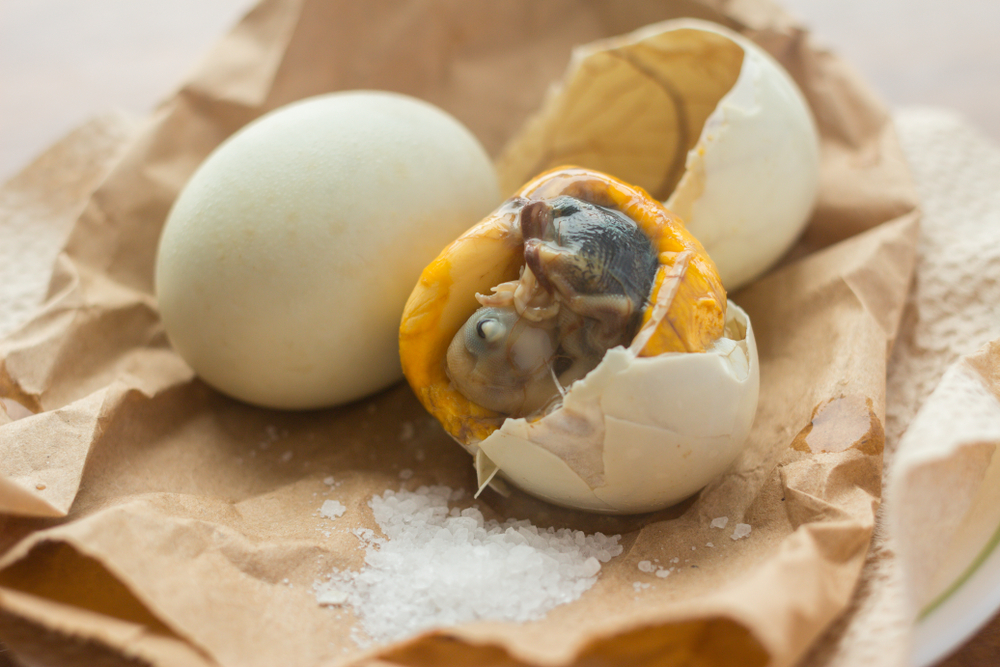
    An exotic Filipino delicacy that intrigues both locals and visitors is the renowned Balut, a unique street food made from fertilized duck eggs. When you try Balut, you’re in for a culinary adventure.

    Here’s what to expect:

    1. Visual Experience: Witness the partially developed duck embryo inside the shell, a sight that may surprise you.
    2. Texture: Experience a mix of textures, from the broth-like liquid to the soft embryo and the chewy egg white.
    3. Flavor Profile: Taste a combination of savory and slightly gamey flavors that locals love and visitors find intriguing.

    Embrace the Filipino tradition and savor this exotic delicacy for a true taste of the Philippines’ culinary heritage.

    Savory Mole Crickets

    Are you ready to tantalize your taste buds with the unique crunch of Savory Mole Crickets? These crispy critters are deep-fried to perfection and seasoned with a blend of salt and spices that will leave you craving more.

    Get ready for a flavorful adventure as you explore the world of exotic Filipino organ meats with this intriguing delicacy!

    Cooking Mole Crickets

    To savor the nutty crunch of mole crickets, begin by cleaning and removing their wings before roasting or frying them to crispy perfection with local spices and ingredients. When cooking mole crickets, consider these tips:

    1. Marinate: Infuse flavor by marinating the mole crickets in a mixture of coconut milk, garlic, and soy sauce.
    2. Season: Enhance the taste with a blend of salt, pepper, and chili flakes for a kick of heat.
    3. Cooking Method: Experiment with different cooking methods like pan-frying with onions and tomatoes or roasting with lemongrass for a unique twist.

    Embrace the Filipino tradition of savoring these sustainable protein sources for a truly authentic culinary experience.

    Flavor Profile Exploration

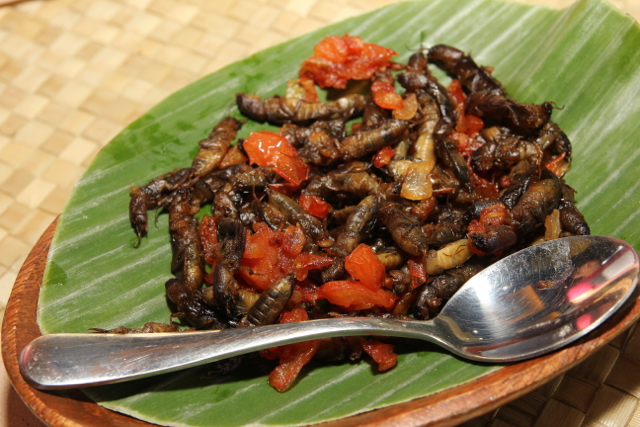
    Start your flavor exploration journey with savory mole crickets, a unique delicacy known as ‘kamaru’ in the Philippines, celebrated for their nutty taste and crispy texture. These exotic insects, often seasoned with garlic, onions, and chilies, provide a delightful crunch that pairs well with various dishes.

    When cooked, mole crickets offer a flavorful experience akin to trying a new type of chip. Their popularity in Pampanga showcases their appeal to those seeking adventurous culinary experiences. Considered a sustainable protein source due to their abundance in rice fields and grassy areas, these delicacies add a touch of novelty to Filipino cuisine.

    Embrace the opportunity to savor the rich flavors of mole crickets and expand your palate with this enticing delicacy.

    Rich Chicken Liver Dish

    Delve into the delectable world of Filipino cuisine with a succulent chicken liver dish that promises a burst of rich and savory flavors. As you explore this organ meat delicacy, here are some key points to consider:

    1. Versatility: Chicken liver can be prepared in various styles such as adobo, sautéed with garlic, or grilled, offering a range of delicious options to suit your taste buds.
    2. Nutrient-Rich: Packed with protein, iron, and essential vitamins, this ingredient not only delights your palate but also provides valuable nutritional benefits.
    3. Culinary Significance: Featured in traditional Filipino dishes like adobo and sisig, the creamy texture and distinct taste of chicken liver elevate the overall flavor profile, making it a staple in Filipino gastronomy.

    What Are Some Exotic Organ Meats Used in Filipino Cuisine Beyond Longganisa?

    When exploring Filipino longganisa variations, you may come across some exotic organ meats used in Filipino cuisine. Beyond longganisa, dishes like dinuguan (pork blood stew) and sisig (pig head and liver) showcase the unique and diverse flavors of Filipino organ meats. These dishes are popular and unique to Filipino culture.

    Crispy Chicharon Bulaklak

    Explore the crispy delight of Chicharon Bulaklak, a beloved Filipino dish featuring deep-fried pork mesentery renowned for its crunchy texture and savory taste. The mesentery, a thin membrane enveloping the intestines, transforms into a delectable treat when fried to perfection.

    Served in local eateries as a beer match or appetizer, this dish is a delicacy cherished for its unique preparation and flavorful experience. The deep-fried pork mesentery delivers a satisfying crunch with each bite, offering a delightful contrast to its rich taste.

    Whether you’re a seasoned fan of exotic organ meats or someone looking to expand your culinary horizons, indulging in crispy Chicharon Bulaklak promises a memorable gastronomic adventure. Dive into this crispy indulgence and savor the authentic flavors of Filipino cuisine.

    Frequently Asked Questions

    What Is a Filipino Dish With Internal Organs?

    If you’re curious about Filipino cuisine with internal organs, Dinuguan is your go-to dish. It features pork organs cooked in blood, vinegar, and spices, offering a rich and flavorful experience that’s a favorite among food enthusiasts.

    What Is the Most Controversial Food in the Philippines?

    Balut, a fertilized duck egg with a partially developed embryo, is the most controversial food in the Philippines. Locals and foreigners debate its consumption due to its unique appearance. Trying balut is a cultural experience.

    What Is the Most Exotic Food in the Philippines?

    Balut, a fertilized duck egg with a partially developed embryo inside, is often viewed as the most exotic food in the Philippines. Its unique taste and texture provide a daring culinary adventure for those seeking unusual gastronomic experiences.

    What Is Filipino Food With Intestines?

    You should try Isaw, a Filipino dish made with intestines like pork or chicken that are cleaned, boiled, skewered, and grilled. It’s a popular street food in the Philippines, best enjoyed with soy sauce or spiced vinegar.

    Conclusion

    So next time you’re feeling adventurous and looking to explore the diverse and flavorful world of Filipino cuisine, don’t be afraid to go beyond the basics and try some exotic organ meats.

    From Pig’s Face Sisig to Duck Egg Delight, these dishes offer a unique culinary experience that will surely tantalize your taste buds and leave you craving for more.

    Embrace the richness of Filipino gastronomy and savor the deliciousness of these exotic delicacies!

  • Stuffed Frogs & Frog Dishes: Unusual Filipino Fare

    Stuffed Frogs & Frog Dishes: Unusual Filipino Fare

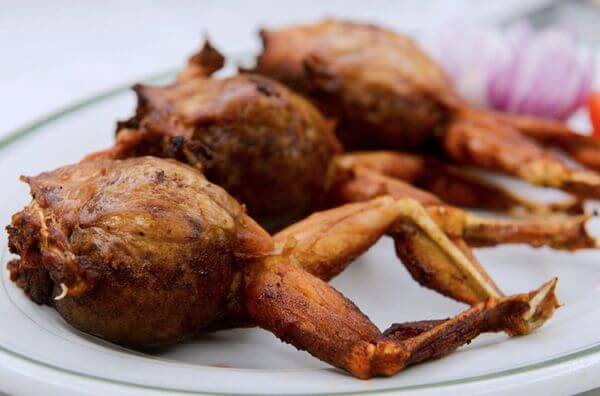
    Stuffed frogs, known as Betute Tagak in Pampanga, are a unique and flavorful dish in Filipino cuisine, traditionally stuffed with minced pork and deep-fried, offering a taste often compared to chicken. Filipino frog cuisine blends traditional and innovative flavors, offering a nutritious and protein-rich alternative.

    Key Takeaways

    • Filipino frog cuisine blends traditional and innovative flavors.
    • Frog dishes offer a nutritious and protein-rich alternative.
    • Craft activity links Valentine’s Day with Filipino frog culinary heritage.
    • Frog farming promotes sustainability and economic opportunities.

    Unique Frog Cooking Methods

    When preparing frog dishes in the Philippines, various unique cooking methods are employed to enhance the flavors and textures of these amphibians.

    One fun and easy way to connect with Filipino frog cuisine is by making a plush frog stuffed animal on Valentine’s Day. This activity not only lets you celebrate the holiday in a unique way but also helps you appreciate the cultural significance of frogs in Filipino dishes.

    By engaging in this craft, you can get a glimpse into the world of Filipino culinary traditions while having a memorable experience.

    Historical Significance of Frog Dishes

    With a rich history dating back to pre-colonial times, frog dishes hold a significant place in Filipino cuisine. Traditionally hunted and cooked in various ways, these dishes reflect the resourcefulness and adaptability of Filipino food culture.

    Considered a delicacy in some regions of the Philippines, frog dishes like ‘Adobong Palakang Bukid’ and ‘Sinampalukang Palaka’ are appreciated for their unique taste and texture.

    The preparation and consumption of frog dishes in the Philippines showcase the diverse culinary practices and regional preferences within the country. Through centuries, frogs haven’t only provided sustenance but have also become a symbol of culinary heritage, connecting Filipinos to their roots and the flavors that have stood the test of time.

    Cultural Influences on Frog Cuisine

    Drawing from a blend of Spanish, Chinese, and indigenous culinary influences, Filipino frog cuisine embodies a tapestry of flavors that have shaped the country’s gastronomic landscape. When exploring frog dishes in the Philippines, you’ll find:

    • A fusion of Spanish, Chinese, and native flavors creating a unique taste profile.
    • Traditional cooking methods like deep-frying, grilling, or stewing to enhance the meat.
    • Delicacies enjoyed, especially in rural areas where frogs are abundant.
    • Popular dishes like ‘Adobong Palakang Bukid’ and ‘Sinampalukang Palaka’.
    • Frog meat offering a protein-rich alternative to common meats like pork and chicken, appreciated for its tenderness and flavor.

    Health Benefits of Eating Frogs

    Exploring the health benefits of consuming frogs reveals a nutritious and flavorful protein source rich in essential nutrients. A 3.5-ounce serving of frog meat packs around 16 grams of lean protein, making it a great choice for those looking to increase their protein intake.

    Additionally, frog meat is low in fat and cholesterol, offering a healthier option compared to some other meats. Rich in vital nutrients like vitamin A, vitamin D, iron, and potassium, frogs contribute to a well-rounded diet.

    The high levels of omega-3 fatty acids in frog meat may also help boost your immune system. Some cultures even believe that consuming frog legs can enhance fertility and act as an aphrodisiac.

    Popular Frog Dishes in Filipino Cuisine

    In Filipino cuisine, you’ll discover a variety of popular frog dishes that showcase the unique flavors and textures of this traditional protein source. Here are some must-try frog dishes in Filipino cuisine:

    • Adobong Palakang Bukid (Frog Adobo)
    • Sinampalukang Palaka (Frog in Tamarind Soup)
    • Ginataang Palakang Bukid (Frog in Coconut Milk)

    Frog meat is commonly used for its chicken or fish-like taste. Frogs are abundant in rice fields and marshy areas, making them a traditional protein source.

    Regional Variations in Frog Preparations

    Explore the diverse cooking methods and local flavor influences that shape frog dishes across different regions in the Philippines.

    Each area offers a unique twist on preparing frogs, showcasing a rich tapestry of culinary techniques and taste profiles.

    From savory stews to tangy soups, regional variations add depth and complexity to Filipino frog cuisine.

    Cooking Methods Diversity

    Discover the diverse cooking methods used across different regions in the Philippines for preparing frog dishes, ranging from frying and grilling to stewing and marinating. When it comes to Filipino frog cuisine, each region adds its unique twist to create flavorful dishes. Here are some ways frogs are cooked in the Philippines:

    • Frying: Crispy fried frog legs are a popular choice in many Filipino households.
    • Grilling: Grilled frogs are often seasoned with local spices for a smoky flavor.
    • Stewing: Frogs cooked in a flavorful broth are a comforting dish in some regions.
    • Adobo: Frogs are marinated in a mixture of vinegar and spices before being stewed.
    • Sinampalukang Palaka: A Pampanga specialty featuring frogs cooked in a tangy tamarind broth.

    Local Flavor Influences

    Exploring the diverse regional influences on frog preparations in the Philippines reveals a rich tapestry of flavors and culinary traditions. Each region showcases its unique twist on frog dishes, such as the savory adobong palak from Pampanga or the tangy sinampalukang palak enjoyed in other parts of the country.

    Whether it’s the zesty kilawing palak or the delicate frog legs served in specialty restaurants, Filipino cuisine truly embraces the versatility of frogs in cooking. These regional variations not only highlight the diverse culinary landscape of the Philippines but also celebrate the creativity and resourcefulness of Filipino cooks in utilizing local ingredients like frogs.

    With each bite, you can taste the essence of different regions, creating a sense of belonging and connection to Filipino heritage through these flavorful dishes.

    Frog Farming Practices in the Philippines

    Farmers in provinces like Pampanga, Bulacan, and Nueva Ecija use sustainable practices to raise Asian Bullfrogs and Edible Frogs.

    They often rely on natural ponds or constructed wetlands to cultivate these frogs, keeping in mind the environmental impact of their farming methods.

    Farming Techniques Used

    Frog farming in the Philippines thrives on sustainable practices that prioritize the natural habitat and growth of these amphibians. Here are some farming techniques used:

    • Utilizing rice fields, swamps, or ponds for breeding and raising frogs.
    • Cultivating frogs in outdoor enclosures with access to water, vegetation, and insects.
    • Prioritizing sustainability and natural growth methods for frog health.
    • Focusing on maintaining optimal conditions for growth and development.
    • Using organic feed and minimal chemical inputs to preserve ecological balance.

    Environmental Impact Considerations

    To understand the full scope of frog farming practices in the Philippines, it’s essential to consider the environmental impact considerations associated with these sustainable methods. Frog farming contributes to the local economy and offers livelihood opportunities while prioritizing sustainability through natural breeding and habitat preservation.

    By preventing overexploitation of wild frog populations, sustainable frog farming helps maintain ecological balance. Efficient practices aim to minimize environmental impact with responsible waste management and resource utilization.

    Embracing sustainable frog farming not only supports biodiversity conservation but also meets the demand for frog dishes in Filipino cuisine. By promoting these practices, the Philippines can ensure a harmonious coexistence between culinary traditions and environmental stewardship, creating a balanced ecosystem for future generations.

    Sustainability of Consuming Frogs

    Considering the environmental benefits and nutritional value, consuming frogs can be a sustainable choice for both individuals and communities. Here’s why it’s a great option:

    • Frogs reproduce quickly and have a high feed conversion ratio.
    • Frog farming helps reduce pressure on wild frog populations.
    • Frog meat is low in fat and high in protein, offering a nutritious alternative.
    • Sustainable frog farming can provide economic opportunities and alleviate food insecurity.
    • Proper regulation and monitoring of frog harvesting are crucial for long-term sustainability.

    Traditional Frog Recipes With a Modern Twist

    From crispy frog legs with salted egg sauce to frog leg kare-kare, these creative interpretations offer a fresh take on classic frog dishes.

    Experience a blend of flavors that harmonize tradition with contemporary culinary trends in these exciting frog delicacies.

    Fusion Frog Dishes

    Featuring a fusion of traditional frog recipes with modern culinary techniques, Filipino chefs are crafting innovative and exciting dishes known as Fusion Frog Dishes. These dishes offer a delightful blend of flavors and ingredients, bringing a fresh twist to classic frog recipes. Check out these popular fusion frog dishes:

    • Frog adobo tacos
    • Crispy frog sisig sliders
    • Frog congee with a twist
    • Frog lumpia spring rolls

    Experimented cooking methods and seasonings elevate the taste and presentation of traditional frog dishes, showcasing the culinary creativity and diversity of Filipino cuisine. Enjoy these adventurous dining experiences!

    Innovative Frog Recipes

    With a modern culinary flair, Filipino chefs are transforming traditional frog recipes into innovative gastronomic delights that captivate adventurous palates. By incorporating new cooking techniques and unique flavor combinations, dishes like ‘Adobong Palakang Bukid’ (Frog Adobo) are being reinvented to appeal to contemporary tastes.

    Fusion creations such as ‘Crispy Frog Legs with Salted Egg Sauce’ blend local frog delicacies with global culinary influences, offering a unique gastronomic adventure. Creative presentations like ‘Frog Leg Tacos with Mango Salsa’ showcase the versatility of frog meat in both traditional and unconventional culinary styles.

    Restaurants specializing in frog dishes are on the rise, catering to food enthusiasts seeking new taste sensations. Embrace the innovative spirit of Filipino cuisine with these modern twists on traditional frog recipes.

    Frog Dish Pairing Suggestions

    Enhance the flavors of your frog dishes with ideal pairings of rice, fresh vegetables, and zesty condiments like calamansi or vinegar. To truly enjoy your frog dish, consider these pairing suggestions:

    • Steamed white rice to soak up the delicious sauces.
    • A side of sautéed kangkong (water spinach) for a nutritious addition.
    • A refreshing tomato and salted egg salad to balance the richness.
    • A drizzle of spiced vinegar for an extra kick of flavor.
    • A cold glass of calamansi juice to cleanse your palate between bites.

    These pairings will elevate your frog dish experience, making it a delightful and satisfying meal.

    Exploring Exotic Ingredients in Frog Dishes

    Explore the vibrant array of exotic ingredients that infuse Filipino frog dishes with bold and distinctive flavors. Filipino frog dishes often incorporate ingredients like coconut milk, chili peppers, and an assortment of local spices to create a unique flavor profile.

    Frog legs, a popular choice in Filipino cuisine, are prized for their tender texture that effortlessly absorbs the rich flavors of the dish. Traditional Filipino frog dishes such as ‘Adobong Palakang Bukid’ (frog legs stewed in vinegar, soy sauce, and garlic) and ‘Ginataang Palakang Bukid’ (frog legs cooked in coconut milk) showcase the depth of flavor achieved by these exotic ingredients.

    The use of frogs in Filipino cuisine dates back to ancient times, elevating frog dishes to a delicacy in certain regions of the Philippines.

    – Is Tuyo commonly paired with stuffed frogs in Filipino cuisine?

    Tuyo, a Filipino dried fish staple, is not commonly paired with stuffed frogs in Filipino cuisine. Instead, it is typically served with rice, tomatoes, and vinegar. Stuffed frogs, on the other hand, are often paired with other Filipino dishes like adobo or sinigang.

    Frog Dishes: A Gastronomic Adventure

    Embark on a culinary journey like no other as you delve into the realm of Filipino frog dishes, each offering a taste of adventure and tradition.

    • Adobong Palakang Bukid (Frog Adobo): A flavorful dish where frog meat is marinated in vinegar, soy sauce, garlic, and spices before being simmered to perfection.
    • Sinampalukang Palakang Bukid (Frog in Tamarind Soup): A tangy and savory soup made with frog meat, tamarind broth, vegetables, and spices, creating a unique taste experience.
    • Lean and High in Protein: Frog meat is a healthy alternative, often likened to chicken or fish in taste, making it a versatile ingredient in various Filipino dishes.
    • Delicacy in Some Regions: Frogs are considered a delicacy in certain parts of the Philippines, prepared in different ways like fried, grilled, or stewed to showcase their delicious flavors.
    • Local Herbs and Spices: Filipino frog dishes are seasoned with a blend of indigenous herbs and spices that elevate the dish’s aroma and taste profile to new heights.

    Frequently Asked Questions

    Can Frogs Be Prepared and Cooked in the Same Way as Other Meats, Such as Chicken or Pork?

    Yes, frogs can be prepared and cooked similarly to other meats like chicken or pork. They can be fried, grilled, or stewed, offering a unique taste and texture. Don’t be afraid to explore new culinary adventures!

    Are There Any Superstitions or Taboos Associated With Eating Frogs in Filipino Culture?

    In Filipino culture, eating frogs may be associated with superstitions or taboos. You might find beliefs linked to fertility, prosperity, or avoiding certain health issues. These traditions add depth and meaning to the culinary experience.

    How Do Different Regions in the Philippines Source Their Frogs for Cooking?

    To source frogs for cooking in different regions of the Philippines, locals often catch them from nearby bodies of water like ponds, swamps, or rice fields. This practice ensures fresh and readily available ingredients for traditional dishes.

    What Are Some Creative Ways to Incorporate Frog Meat Into Modern Dishes?

    Looking to mix things up in the kitchen? Try adding frog meat to pasta dishes, stir-fries, or tacos for a unique twist. Experiment with different spices and sauces to create flavorful and modern frog-inspired meals.

    Are There Any Specific Wines or Beverages That Pair Well With Frog Dishes?

    When enjoying frog dishes, opt for light-bodied white wines like Sauvignon Blanc or Pinot Grigio. Their crisp acidity complements the delicate flavors of frog meat. For a non-alcoholic choice, try a citrusy sparkling water. Cheers!

    Conclusion

    Indulge in the unique flavors of Filipino cuisine with stuffed frogs and frog dishes. From crispy fried frog legs to savory frog adobo, these dishes offer a culinary adventure like no other.

    Explore the historical significance, cultural influences, and health benefits of eating frogs while enjoying the delicious flavors of these traditional dishes with a modern twist.

    Embark on a gastronomic journey with Unusual Filipino Fare and discover the exotic ingredients and flavors of frog cuisine. Bon appétit!

  • Kamaru: Pampanga’s Crispy Fried Crickets

    Kamaru: Pampanga’s Crispy Fried Crickets

    Kamaru is a Kapampangan term referring to mole crickets, particularly those found in rice fields. They are a popular food item in Pampanga, Philippines, and are often prepared in a dish called “adobong kamaru,” a traditional Filipino adobo dish using the crickets instead of chicken or pork.

    What is Kamaru?
    Kamaru is a Kapampangan word for mole crickets, an insect species commonly found in rice fields.
    Where is it eaten?
    Kamaru is a specialty of Pampanga, a province in the Philippines known for its unique and often exotic culinary traditions.
    How is Kamaru cooked?
    One common way to prepare kamaru is in adobong kamaru, which is the Filipino adobo dish but with the crickets as the main ingredient. Adobo is a dish characterized by its tangy, savory flavor profile, often involving a marinade of soy sauce, vinegar, garlic, and peppercorns.
    Why is it eaten?
    Kamaru are a local delicacy and a cultural staple in Pampanga, with some locals considering it a sign of their culinary identity.
    Beyond adobo:
    While adobong kamaru is the most common preparation, kamaru can also be sautéed or grilled.
    Ilokano Connection:
    Ararawan, a term used by Ilokano people, is another name for the kamaru cricket, highlighting its presence in both Pampanga and Ilokano culinary traditions.

    Kamaru is a Kapampangan (Pampanga) delicacy featuring mole crickets, often prepared as “Adobong Kamaru” or “Arobung Kamaru”. It’s a unique and adventurous culinary experience, showcasing the Kapampangan tradition of utilizing local ingredients.

    Kamaru as a Culinary Tradition: Kamaru, meaning “mole cricket” in Pampanga, is a key ingredient in Kapampangan cuisine, particularly in dishes like adobo.  Adobong Kamaru: This dish is essentially a Kapampangan version of adobo, where the meat is replaced with crickets.  Arobung Kamaru: Another popular dish, Arobung Kamaru, is made by sautéing rice field crickets with tomatoes and onions.  Finding Kamaru: Kamaru are typically harvested during the first rainfall of the year in rice paddies.  A Unique Culinary Experience: For those who enjoy trying new and unusual foods, Kamaru is a must-try dish from Pampanga, offering a taste of Kapampangan culinary heritage.

    The Origins of Kamaru

    Kamaru, a beloved delicacy in Pampanga, Philippines, has a rich history that traces back to the local culinary traditions of the region. These crispy fried critters are none other than mole crickets, a protein and B-vitamin-rich ingredient.

    The secret to their delectable taste lies in the deep-frying process, which gives them a crispy texture that captivates your taste buds. Seasoned with garlic, onions, and vinegar, kamaru offers a savory profile that mirrors the innovative spirit of Pampanga’s cuisine.

    Every bite of kamaru represents not just a dish, but a piece of the region’s culinary heritage, showcasing the creativity and flavors that have made it a standout delicacy in Filipino cuisine.

    Cultural Significance of Kamaru

    Deeply ingrained in the culinary tapestry of Pampanga, the traditional delicacy of Kamaru carries a profound cultural significance that resonates through generations. This exotic dish not only showcases the region’s unique flavors but also reflects the creativity and heritage of Pampanga’s culinary scene.

    The preparation and consumption of kamaru dishes are deeply intertwined with the cultural identity and pride of Kapampangans, symbolizing their connection to the rich traditions of the region. Often served during special occasions and celebrations, kamaru adds an authentic touch to the culinary experience, highlighting the importance of food in Pampanga’s cultural center.

    Embracing kamaru dishes not only honors the past but also celebrates the vibrant culinary heritage and tradition that make Pampanga’s cuisine truly exceptional.

    How to Prepare Kamaru

    To prepare kamaru, start by removing the harder outer wings and legs.

    Then, sauté them in garlic, onion, and tomatoes for a flavorful dish.

    Lastly, simmer the kamaru in vinegar to enhance its taste.

    Cooking Kamaru Recipe

    For a delectable dish that showcases the unique flavors of Pampanga, begin by preparing the crunchy kamaru by removing the harder outer wings and legs. Once cleaned, follow this simple recipe to cook the kamaru to perfection:

    Ingredients Instructions
    Cleaned Kamaru Heat oil in a pan.
    Garlic Saute garlic until golden.
    Onion Add onions and cook until translucent.
    Tomatoes Mix in tomatoes and cook until soft.
    Vinegar Pour vinegar and let it simmer.
    Salt and Pepper Season with salt and pepper to taste.
    Fry the kamaru until crispy.
    Serve hot and enjoy the crunchy goodness.

    Follow these steps, and you’ll have a delicious kamaru dish ready to be enjoyed as your favorite pulutan.

    Serving Suggestions for Kamaru

    To elevate the experience of enjoying the crispy kamaru, consider incorporating these creative serving suggestions that showcase the diverse flavors of this Pampanga delicacy.

    1. Kamaru Tacos: Fill soft tortillas with crispy fried kamaru, top with fresh salsa, and a drizzle of lime crema for a unique twist on a classic dish.
    2. Kamaru Salad: Toss crispy kamaru with mixed greens, cherry tomatoes, cucumbers, and a zesty vinaigrette dressing for a refreshing and crunchy salad option.
    3. Kamaru Skewers: Thread crispy kamaru onto skewers with colorful bell peppers and onions, then grill for a flavorful and fun appetizer that will make your taste buds dance.

    These serving suggestions will help you appreciate the acquired taste of kamaru while embracing the culinary delights of Angeles City.

    Health Benefits of Eating Kamaru

    What makes kamaru an exceptional choice for boosting your daily protein intake significantly?

    Kamaru, with its rich protein content, offers a remarkable 28% of your daily protein needs in just 5 ounces of mole crickets.

    Not only that, but these crunchy critters also provide a substantial energy source, making up 74% of your daily caloric requirements.

    By incorporating kamaru into your diet, you’re choosing a cost-effective and nutritious alternative to traditional meats.

    Additionally, mole crickets are harmless indoors and pose no threat to your belongings, ensuring a safe and sustainable source of protein.

    Embrace the high nutritional value of kamaru as it contributes to a well-rounded and balanced diet, promoting your overall health and well-being.

    Kamaru: A Sustainable Food Source

    Looking for a sustainable protein source rich in essential nutrients? Kamaru, or crispy fried crickets, might just be the answer you’re looking for. Here’s why kamaru is a sustainable food source worth considering:

    1. Nutrient-Rich: Kamaru is packed with protein and B-vitamins, making it a nutritious addition to your diet.
    2. Cost-Effective: At around P50 per kilo in the wet market, kamaru is an affordable protein option, offering value for money.
    3. Contribution to Daily Protein Intake: Incorporating kamaru into your meals can significantly boost your daily protein intake, helping you maintain a well-rounded and healthy diet.

    Make a sustainable choice for your diet and explore the benefits of including kamaru in your meals.

    Kamaru in Kapampangan Cuisine

    Considering the culinary heritage of Pampanga, kamaru in Kapampangan cuisine stands out as a unique and flavorful delicacy enjoyed by many. This traditional dish made of crispy fried crickets is a popular pulutan (appetizer) in Pampanga, known for its crunchiness and rich flavor.

    Kamaru isn’t only delicious but also nutritious, packed with protein and B-vitamins, offering a healthy alternative to conventional meat dishes. The preparation of kamaru involves marinating the crickets in vinegar and spices before deep-frying them to a golden crisp, enhancing their taste.

    This exotic delicacy truly showcases the culinary creativity and adventurous spirit of Kapampangan cuisine, making it a must-try for those seeking a taste of authentic local flavors.

    Kamaru: A Delicacy in Pampanga

    Pampanga’s culinary scene boasts a unique delicacy known as kamaru, a flavorful dish made from crispy fried crickets. If you’re eager to delve into the local gastronomy, kamaru is a must-try for those seeking an authentic Kapampangan experience. Here’s why kamaru stands out in Pampanga:

    1. Culinary Innovation: Kamaru showcases Pampanga’s inventive spirit, blending traditional ingredients in a new and exciting way.
    2. Crunchy Delight: The dish is renowned for its crispy exterior, offering a satisfying texture with every bite.
    3. Savory Goodness: Kamaru’s preparation with garlic, onions, and tomatoes creates a flavorful taste that will leave you craving more.

    Don’t miss out on this delicacy that embodies the rich culinary heritage of Pampanga!

    The Unique Taste of Kamaru

    Indulge in the unique taste of Kamaru, a local delicacy in Pampanga that offers a crispy and flavorful experience like no other.

    When you bite into these crispy fried crickets, you’ll be surprised by the burst of rich protein and savory goodness they offer.

    The preparation, which involves removing the harder outer wings and legs, ensures that each piece is perfectly crunchy.

    The flavor of Kamaru is elevated by sautéing with garlic, onions, and tomatoes, creating a mouthwatering dish that will leave you wanting more.

    Every bite of this nutritious snack or side dish provides a memorable and adventurous culinary journey, making Kamaru a must-try delicacy for those seeking a taste of Pampanga’s unique flavors.

    Kamaru: From Field to Plate

    Embark on a journey tracing the path of kamaru from the fields to your plate, revealing the intricate process behind this beloved Pampanga delicacy.

    1. Harvesting: Local farmers collect mole crickets from rice fields and grassy areas in the early morning when the crickets are most active.
    2. Cleaning and Preparation: The collected crickets undergo thorough cleaning to remove dirt and impurities before being cooked.
    3. Cooking Methods: The cleaned crickets are then sautéed with garlic, onions, and tomatoes or simmered in vinegar to create the distinct flavors of kamaru dishes.

    Experience the authentic taste of kamaru as you delve into the journey from the fields of Pampanga to a flavorful delicacy on your plate.

    Cooking Techniques for Kamaru

    Exploring different cooking techniques for kamaru can elevate your culinary skills and introduce you to a unique gastronomic experience. When preparing these crispy critters, start by cleaning and removing the wings and legs. Then, consider deep-frying them for a crunchy texture or simmering in vinegar, garlic, onions, and tomatoes for a burst of flavor.

    The contrast between the crispy exterior and moist interior of kamaru adds an exciting element to your dish. To showcase the versatility of cooking kamaru, here is a table highlighting key cooking techniques:

    Cooking Technique Description Result
    Deep-frying Results in a crispy texture Crunchy kamaru
    Simmering Infuses flavors of vinegar, garlic, and tomatoes Flavorful kamaru
    Grilling Adds a smoky taste to the crickets Smoky kamaru

    Kamaru: A Crunchy Snack

    As you savor the crunchy texture of kamaru, you’ll discover a unique snack that encapsulates Pampanga’s culinary creativity. Here’s what makes it special:

    1. Crunchy Delight: Bite into the crispy exterior of kamaru to reveal a moist and flavorful interior, creating a delightful contrast in every mouthful.
    2. Seasoned to Perfection: Enjoy the harmonious blend of garlic, onions, and vinegar that gives kamaru its distinct and savory taste, making it a treat for your taste buds.
    3. Perfect Pairing: Whether you’re enjoying it as pulutan (beer food) with friends or as a snack on its own, kamaru is a crunchy delight that complements any gathering, adding a touch of local flair to your culinary experience.

    What Other Unique Delicacies Can I Try in Pampanga Besides Crispy Fried Crickets?

    In addition to crispy fried crickets, Pampanga offers a variety of sweet delights of Pampanga for adventurous foodies. Indulge in the famous tibuk-tibuk, a creamy rice pudding topped with coconut milk and sugar. Don’t miss out on trying the delectable tibok-tibok, a sweet delicacy made of carabao’s milk.

    Exploring Kamaru Variations

    Discover the diverse regional flavors of kamaru dishes, each offering a unique twist on this crunchy snack.

    Experiment with different preparation styles to unlock new taste experiences and culinary trends.

    Dive into the cultural significance behind these variations, showcasing the rich heritage and creativity found in Pampanga’s cuisine.

    Regional Flavor Variations

    With various kamaru variations showcasing unique twists on traditional recipes, the regional flavor diversity in Pampanga’s culinary scene truly shines. When exploring the kamaru dishes across different localities in Pampanga, you’ll encounter:

    1. Adobo-style preparations: Some regions infuse the crickets with the rich flavors of adobo, adding a familiar yet distinct taste to the dish.
    2. Deep-frying techniques: Certain areas master the art of deep-frying kamaru to achieve a perfect crispy texture that enhances the overall enjoyment of the dish.
    3. Unique seasoning combinations: Local variations introduce a range of seasonings that elevate the taste profile, offering a delightful culinary experience that reflects the creativity of the region.

    Embrace the regional flavors of Pampanga through these diverse kamaru variations, each a testament to the vibrant culinary heritage of the province.

    Culinary Experimentation Trends

    Explore the cutting-edge culinary trends in Pampanga’s kamaru variations, where innovative flavors and techniques redefine traditional dishes. From adobo-style to deep-fried and stir-fried with garlic and vinegar, kamaru dishes offer a versatile and crunchy texture with a rich flavor profile.

    Local chefs in Pampanga push boundaries by creating unique dishes like Kamaru Sisig, blending traditional recipes such as Kare-Kare and Pinakbet with the adaptability of kamaru. This experimentation reflects the region’s culinary creativity and ingenuity, showcasing a bold approach to incorporating this local delicacy into a wide range of dishes.

    Embrace the exciting evolution of kamaru in Pampanga, where each bite tells a story of culinary innovation and tradition.

    Cultural Significance in Cuisine

    Uncover the cultural tapestry woven into Pampanga’s kamaru variations, where traditional flavors intertwine with innovative culinary expressions.

    1. Experience kamaru in adobo-style dishes, deep-fried preparations, and stir-fried recipes, showcasing the diverse ways this delicacy can be enjoyed.
    2. The crunchy exterior and moist interior texture of kamaru dishes create a unique culinary experience that tantalizes the taste buds and leaves you craving more.
    3. Indulge in kamaru as a pulutan or appetizer, elevating social gatherings and bar hopping experiences in Pampanga with a touch of local tradition and flavor.

    Delve into the world of kamaru variations to discover a blend of heritage and creativity, making each bite a journey through Pampanga’s rich culinary landscape.

    Frequently Asked Questions

    What Does Kamaru Taste Like?

    Imagine biting into an adventure. Kamaru tastes nutty with a hint of seafood, offering a satisfying crunch and juicy contrast. The seasoning can sway from savory to tangy, evoking memories of roasted nuts or pumpkin seeds.

    What Is Kamaru in Philippines?

    In the Philippines, kamaru is a traditional Kapampangan delicacy made from crispy fried mole crickets. It’s known for its unique taste and crunchy texture, often seasoned with garlic, onions, and vinegar for a flavorful experience.

    What Is a Kapampangan Insect Delicacy?

    Looking for a unique Kapampangan insect delicacy? Kamaru, a crispy fried mole cricket, is what you seek. Rich in protein and B-vitamins, it offers a tasty crunch. Try it as a pulutan for a flavorful experience.

    What Is Kamaru Insect in English?

    In English, the kamaru insect is known as mole crickets. They’re famous for a crunchy outside and a juicy inside. Remove their tough wings and legs, and you’ve got a protein-packed treat!

    Conclusion

    So, next time you find yourself in Pampanga, don’t miss the chance to try Kamaru!

    This crispy fried cricket dish isn’t only delicious but also packed with protein and B-vitamins.

    With its unique flavor and cultural significance, Kamaru is a must-try for anyone looking to explore the diverse and flavorful cuisine of the region.

    Don’t be afraid to step out of your comfort zone and experience this sustainable and crunchy snack for yourself!

  • Eating Tamilok: Filipino Woodworm Delicacy

    Eating Tamilok: Filipino Woodworm Delicacy

    Tamilok, a type of woodworm found in the Philippines, is typically eaten raw as ceviche or as a snack with beer. It is often harvested by chopping open decaying mangrove branches or trunks. Before eating, the worm’s head and feet are removed, and any feces are squeezed out. Many describe the taste as similar to oysters, but some prefer it fresh with a dip of coconut vinegar, salt, and chili.

    Here’s a more detailed look at how tamilok is prepared and consumed:

    Harvesting and Preparation:

    Harvesting: Tamilok are harvested from decaying mangrove branches or trunks by chopping them open.
    Cleaning: Before eating, the worm’s head, feet, and any fecal matter are removed.

    Consumption:

    Raw: Tamilok is commonly eaten raw, often in a ceviche-style preparation with coconut vinegar, lime juice, and chili.
    Snack: It’s a popular “pulutan,” or finger food, often enjoyed with beer.
    Cooking: While raw is the traditional way, some prepare it cooked or fried.

    Taste:

    Oyster-like: Many compare the taste to oysters, but some find it has a unique woody aftertaste.
    Fresh: The raw, fresh taste is often considered more enjoyable.

    Key Takeaways

    • Tamilok is a protein-rich mollusk with a unique slimy texture, resembling oysters.
    • Preservation of mangroves and Tamilok population is crucial due to sustainability concerns.
    • Marinating and experimenting with cooking methods enhance Tamilok’s taste and culinary experience.
    • Tamilok plays a significant role in Filipino cuisine, offering a blend of fishy, slimy, and creamy notes.

    The Origins of Tamilok

    The origins of Tamilok can be traced back to the mangroves of the Philippines, where this unique shell-less mollusk dwells in decaying trees. Despite its name, Tamilok isn’t a worm but a clam-like mollusk that thrives in the brackish waters of the mangrove forests.

    Harvesting Tamilok involves chopping the decaying wood to extract the slimy delicacy hidden within. Once harvested, the mollusk is meticulously cleaned, removing any unwanted parts before being marinated and served raw.

    This Filipino delicacy’s distinct flavor and texture are a result of its environment and the traditional harvesting methods passed down through generations. Embracing Tamilok as a culinary experience offers a taste of the rich coastal heritage and flavors unique to the Philippines.

    Harvesting Tamilok From Mangroves

    Venture into the heart of the mangroves to witness the intricate process of harvesting Tamilok, a delicacy deeply rooted in Filipino coastal tradition. The Tamilok, shell-less saltwater clams, are carefully extracted from decaying mangrove wood submerged underwater. Harvesters crack open the wood to reveal these prized mollusks, which thrive in the saltwater-rich mangrove environment.

    However, the sustainability of Tamilok harvesting is a growing concern due to the increasing demand driven by its status as a delicacy. As this delicacy gains popularity, the delicate balance of the mangrove ecosystems is at risk. It’s crucial to find a way to meet the demand for Tamilok while ensuring the preservation of the mangroves and the Tamilok population for future generations.

    Cleaning and Preparing Tamilok

    When preparing Tamilok for consumption, ensuring thorough cleaning and proper marination is essential to enhance its natural flavors and texture. Begin by meticulously removing the head, feet, and feces of the woodworm.

    Next, cure the Tamilok in a mixture of vinegar, lime juice, chili, and salt to achieve a balanced and flavorful taste. The preparation process aims to preserve the woodworm’s unique flavors while elevating its overall taste profile.

    Cooking Techniques for Tamilok

    For an exquisite dining experience, consider exploring various cooking techniques to elevate the flavors of Tamilok. Start by marinating the woodworm in a mixture of coconut vinegar, lime juice, chili, and salt to enhance its taste.

    You can enjoy the woodworm ceviche-style (Kinilaw), where the acidity of the marinade ‘cooks’ the Tamilok without heat, providing a fresh and zesty flavor. If you prefer a different texture, lightly grilling or blanching the Tamilok before marinating can offer a unique twist.

    In traditional preparation, ensure to remove the head, feet, and feces before curing it in the marinade. For a different culinary experience, try grilling or sautéing the cooked Tamilok with garlic, onions, and other seasonings. Experiment with these techniques to savor the woodworm in diverse and delicious ways.

    Tamilok: Nutritional Value

    Explore the nutritional benefits of Tamilok, a Filipino woodworm delicacy. This protein-rich clam-like delicacy is packed with essential amino acids, iron, calcium, and vital vitamins and minerals for optimal health.

    Harvested from decaying wood, Tamilok offers a unique taste and texture experience. It’s a nutritious delicacy that can be a great addition to your diet, providing the necessary nutrients for muscle growth, bone health, and overall well-being.

    Low in fat and high in nutrients, Tamilok is a lean protein option that supports energy levels and muscle function. Include this delicacy in your diet for a taste of Filipino tradition and a boost in essential nutrients.

    Health Benefits of Eating Tamilok

    Indulging in Tamilok offers a myriad of health benefits that can enhance your overall well-being.

    1. Protein: Tamilok is a good source of protein, essential for muscle growth and repair.
    2. Omega-3 Fatty Acids**: Rich in omega-3 fatty acids, Tamilok supports heart health and reduces inflammation.
    3. Iron: Contains high levels of iron, aiding in the production of red blood cells for optimal oxygen transport.
    4. Vitamins**: Packed with vitamins and minerals like B12, calcium, and zinc, contributing to overall health and well-being.

    With its low-calorie content, Tamilok serves as a healthy option for those looking to maintain or lose weight. Embrace the health benefits of this woodworm delicacy to nourish your body and enjoy a nutritious meal.

    Tamilok: A Cultural Tradition

    Cultural tradition intertwines with every bite of Tamilok, a delicacy cherished in Filipino gatherings and celebrations. The unique culinary experience of Tamilok stems from its harvesting process, where woodworms are extracted from decaying logs submerged underwater. This practice not only adds to the richness of Filipino cuisine but also reflects the importance of sharing food with loved ones.

    Beyond mainstream dishes, Tamilok showcases the diverse and adventurous nature of Filipino gastronomy. However, the increasing demand for Tamilok raises concerns about the sustainability of mangrove ecosystems. Balancing tradition with conservation efforts is crucial to ensure that future generations can continue to enjoy this cultural delicacy while preserving the environment it comes from.

    Where to Find Tamilok in the Philippines

    Venture to regions like Palawan and Aklan in the Philippines to discover where Tamilok, the Filipino woodworm delicacy, can be found thriving in decaying logs submerged underwater.

    Places to Find Tamilok in the Philippines:

    1. Palawan: Explore the mangrove forests where locals harvest tamilok from decaying wood.
    2. Aklan: Visit the Bakhawan Eco-Park in Kalibo for a firsthand experience of tamilok harvesting.
    3. Coastal Areas: Look for tamilok in mangrove habitats, where they burrow in decaying tree trunks.
    4. Culinary Experiences: Taste tamilok in its natural habitat along the coast for an authentic Filipino delicacy.

    Experience the thrill of discovering this unique woodworm delicacy in its natural environment while exploring the beautiful landscapes of the Philippines.

    Sustainability of Tamilok Harvesting

    Harvesting Tamilok sustainably is vital to safeguarding the delicate mangrove ecosystems in the Philippines. Overharvesting this delicacy poses a significant threat to the balance of these crucial habitats.

    The rising demand for Tamilok has led to unsustainable harvesting practices, endangering the very ecosystems that support its existence. Conservation efforts are imperative to protect the mangrove habitats where Tamilok thrive.

    By implementing sustainable harvesting practices and regulations, we can ensure the long-term availability of Tamilok while safeguarding the environment. Limiting consumption is also key to preserving the delicate balance of mangrove ecosystems.

    Let’s work together to promote sustainable harvesting of Tamilok and contribute to the conservation of these valuable mangrove ecosystems.

    Tamilok: Unique Flavor Profile

    Discover the unusual texture sensation of Tamilok, often likened to oysters but with a twist.

    Experience the coastal delicacy that challenges your taste buds with its subtly fishy flavor.

    Consider the sourcing and sustainability of Tamilok as you savor this unique Filipino delicacy.

    Unusual Texture Sensation

    With a texture reminiscent of oysters but with a jelly-like consistency, Tamilok offers a unique mouthfeel that intrigues adventurous eaters. When trying Tamilok, you’ll notice these key points:

    1. Slimy and Creamy: Tamilok’s texture is slimy, creamy, and milky, similar to oysters.
    2. Jelly-Like Sensation: The jelly-like texture of Tamilok creates an unusual and intriguing experience.
    3. Exotic Appeal: The sliminess of Tamilok adds to its exotic appeal, making it a distinctive culinary adventure.
    4. Focal Point: While the flavor isn’t overpowering, the unconventional texture takes center stage, providing a memorable and distinct seafood encounter.

    Embrace the adventure of Tamilok as you delve into its unique texture and savor a sensation like no other.

    Coastal Delicacy Experience

    Indulge in the coastal delicacy experience of Tamilok, a Filipino delicacy found in Palawan. This raw or marinated treat offers a unique flavor profile blending fishy, slimy, and creamy notes reminiscent of oysters.

    Whether you savor it straight from the shell or prepared ceviche-style with vinegar, lime juice, chili, and salt, Tamilok promises a culinary adventure. While its chewy texture may not suit everyone, this dish is rich in energy and protein, with some believing it holds aphrodisiac properties.

    Exclusive to the coastal regions of Palawan and Aklan, Tamilok provides a distinct taste of Filipino cuisine for those seeking a daring gastronomic experience. Discover the taste of the sea with Tamilok, a delight waiting to be explored.

    Sourcing and Sustainability

    To ensure the continued availability of Tamilok as a delicacy, sustainable sourcing practices are crucial in protecting mangrove ecosystems in the Philippines.

    Key Points:

    1. Harvesting Methods: Tamilok is harvested from decaying logs or tree trunks underwater in mangrove ecosystems.
    2. Threat of Overharvesting: The rising demand for Tamilok as a delicacy has led to overharvesting, endangering sustainability.
    3. Impact on Conservation: Increased harvesting for tourism purposes has compromised the availability of Tamilok and the conservation of mangrove habitats.
    4. Recommendations: Conservation efforts are essential to limit Tamilok consumption and preserve mangrove ecosystems for future generations.

    Tamilok in Filipino Cuisine

    You’ll discover the unique texture of Tamilok plays a significant role in Filipino cuisine.

    Understanding the preparation process of this delicacy will unveil its culinary versatility and cultural significance.

    Get ready to explore Tamilok’s role in Filipino dishes and the intriguing ways it adds flavor to local recipes.

    Tamilok’s Unique Texture

    Tamilok’s unique texture, often likened to that of oysters, is a result of its habitat in decaying wood submerged in saltwater. When you try this delicacy, you’ll notice its slimy, creamy, and milky texture that sets it apart from other seafood. Here’s why Tamilok’s texture stands out:

    1. Influenced by Environment: The woodworm’s slimy yet creamy texture comes from its home in decaying wood beneath the sea.
    2. Ceviche-style Preparation: When marinated in vinegar and lime juice, Tamilok’s texture transforms, becoming firmer and more palatable.
    3. Not for Every Palate: While some may find its sliminess off-putting, many prize Tamilok for its unique texture.
    4. Regional Delicacy: Enjoyed in regions like Palawan and Aklan, Tamilok provides a source of energy and protein for many.

    Tamilok’s Preparation Process

    The traditional Filipino cuisine method for preparing Tamilok involves carefully cleaning and marinating the woodworm in a flavorful mixture before serving it raw or cooked. To prepare Tamilok, you start by removing the head, feet, and feces. Then, the woodworm is marinated in a blend of vinegar, lime juice, chili, and salt to enhance its taste.

    Street vendors in the Philippines often offer Tamilok raw in small cups, accompanied by various sauces like vinegar or wasabi for added flavor. Whether raw or cooked, Tamilok is a delicacy enjoyed whole at celebrations or family gatherings in the Philippines. Restaurants across the country serve Tamilok in different styles, catering to those intrigued by this unique dish.

    What Other Unique Filipino Delicacies Can I Explore Besides Eating Tamilok?

    Aside from indulging in Tamilok, you can also explore another crispy Filipino delicacy explained: chicharon bulaklak. This deep-fried dish is made from pork intestines and is a popular beer match in the Philippines. Its crispy texture and savory taste make it a favorite among locals and visitors alike.

    Trying Tamilok: Tips for First-Timers

    If you’re a first-timer looking to dive into the world of Tamilok, brace yourself for a unique culinary adventure that promises a texture akin to oysters with a tang influenced by the marinating vinegar.

    To make the most of your first Tamilok experience, consider the following tips:

    1. Expect a Chewy Texture: Similar to oysters, Tamilok offers a chewy consistency that might surprise your taste buds.
    2. Savor the Vinegar Influence: The taste of Tamilok is distinctively influenced by the vinegar used during the marination process.
    3. Ideal for Adventurous Eaters: Trying Tamilok can provide a one-of-a-kind culinary experience, perfect for those seeking new flavors.
    4. Visit Bakhawan Eco-Park: Enhance your Tamilok adventure by observing the woodworm harvesting process at Bakhawan Eco-Park in Kalibo.

    Frequently Asked Questions

    What Does a Tamilok Worm Taste Like?

    Tamilok tastes like a fishy, oyster-like treat. It’s creamy, with a mild flavor that might need getting used to. Some say it’s like chicken but more oyster-ish. Try it for a protein-packed adventure!

    What Is the Worm Delicacy in Palawan?

    In Palawan, the worm delicacy is Tamilok, a shell-less saltwater clam found in decaying logs. It’s harvested by cracking open wood and is a Filipino favorite. Try it raw or cooked for a unique, slimy oyster-like experience.

    Do Philippines Eat Worms?

    Yes, Filipinos do not eat actual worms. However, they enjoy Tamilok, a shell-less clam mistaken for a woodworm. It is a delicacy in the Philippines, often consumed raw or as ceviche, offering a unique local culinary experience.

    What Is Worm Exotic Food in the Philippines?

    In the Philippines, a unique exotic food that might catch your eye is Tamilok, a mollusk mistaken for a worm. It’s harvested from dead trees in mangroves and enjoyed raw or as ceviche.

    Conclusion

    Indulge in the unique and unforgettable experience of trying Tamilok, the Filipino woodworm delicacy.

    From its origins in mangroves to its rich nutritional value, Tamilok offers a taste like no other.

    While concerns about sustainability exist, enjoying Tamilok responsibly can make for a truly special meal.

    So take a leap and savor this slimy yet delicious treat at your next gathering – you won’t regret it!

  • Balut: Are You Brave Enough for the Filipino Delicacy?

    Balut: Are You Brave Enough for the Filipino Delicacy?

    Embark on a culinary adventure with balut, a Filipino delicacy featuring a fertilized duck egg with a partially developed embryo inside, offering a blend of unique flavors and textures. Experience the cultural significance and high nutritional value of balut while fostering social bonding and supporting sustainability in Filipino cuisine.

    Key Takeaways

    • Balut embodies tradition and cultural identity in Filipino cuisine.
    • It offers high nutritional value promoting health and well-being.
    • Balut consumption fosters social bonding and community ties.
    • Supporting balut promotes sustainability by aiding local farmers and reducing food waste.

    History of Balut

    The history of Balut dates back to its origins in China before it was introduced to the Philippines in the 17th century. This unique dish, deeply intertwined with Filipino culture, holds a special place in the hearts of many.

    The egg, a fundamental ingredient in Balut, represents more than just food; it embodies tradition, heritage, and a sense of belonging. In Filipino culture, Balut isn’t just a snack but a symbol of shared experiences and community. It’s a delicacy enjoyed during celebrations, bonding moments, and even everyday gatherings.

    Through Balut, the Filipino identity is preserved, and the resilience of the culture shines through, making it a dish with historical and cultural significance that continues to be cherished.

    Nutritional Value of Balut

    Rich in essential nutrients like vitamins, minerals, and amino acids, Balut is a high-protein snack that provides valuable benefits for your health. This Filipino delicacy, made from a fertilized duck egg, is a fantastic source of energy, aiding in muscle growth and repair.

    The duck embryo inside the egg also offers vital minerals such as iron, calcium, and phosphorus, crucial for bone health and blood circulation. Additionally, the dietary fiber present in Balut promotes digestion and gut health.

    While Balut has numerous nutritional advantages, it’s important to consume it in moderation due to its high cholesterol and fat content. Enjoy this unique and nutrient-rich food while being mindful of your overall diet.

    Cultural Significance of Balut

    The cultural significance of balut lies in its impact on culinary traditions, fostering social bonding as communities come together to share this delicacy.

    Through the consumption of balut, individuals preserve their heritage, connecting with their roots and celebrating their cultural identity.

    Balut serves as more than just a food item; it symbolizes resilience, resourcefulness, and the rich tapestry of Filipino cultural heritage.

    Culinary Tradition Impact

    In exploring the cultural significance of balut, one cannot overlook its deep-rooted impact on Filipino culinary traditions. Balut is not just a delicacy; it is a symbol of Filipino heritage and culinary expertise, passed down through generations. Here is a glimpse of how balut has influenced Filipino culinary traditions:

    Culinary Tradition Impact Description
    Special Occasions Consumed during celebrations and family gatherings.
    Comfort Food Provides a sense of nostalgia and connection to one’s roots.
    Regional Heritage Reflects the diverse culinary heritage of the Philippines.
    Culinary Innovation Inspires creativity and fusion in Filipino cuisine.

    Through its presence in everyday life and significant events, balut continues to shape and preserve the culinary legacy of the Philippines.

    Social Bonding Over Balut

    When enjoying balut, connections aren’t just made over a meal but through shared experiences and memories. This Filipino tradition goes beyond the act of eating; it’s a symbol of social bonding and community ties.

    The preparation and sharing of balut bring people together, strengthening relationships and fostering a sense of belonging. As you gather with others to partake in this cultural delicacy, you’re participating in a shared experience that transcends mere food consumption.

    Through balut, you’re engaging in a tradition that links you to your heritage, evoking nostalgia and creating a bond with others who share in this unique culinary practice. Embrace the camaraderie and unity that balut brings, and savor the connections it helps you forge.

    Heritage Preservation Through Balut

    Preserving cultural heritage through balut involves embracing a culinary tradition that embodies resilience and connection to Filipino roots. Balut, as a symbol of cultural significance in Filipino cuisine, contributes to heritage preservation in the following ways:

    1. Culinary Tradition: Balut represents a longstanding culinary practice passed down through generations, showcasing the rich history and traditions of Filipino cuisine.
    2. Social Connection: Sharing balut fosters a sense of community and togetherness, strengthening social bonds and promoting unity among Filipino individuals and families.
    3. Resilience and Identity: Consuming balut signifies resilience and resourcefulness, reflecting the Filipino people’s ability to adapt and thrive amidst challenges while honoring their cultural identity.

    How Balut Is Prepared

    To prepare balut, you boil a fertilized duck egg with a developing embryo in boiling water for 20-30 minutes. This process cooks the contents inside the egg, creating the unique delicacy that’s balut.

    Once boiled, the egg is typically seasoned with salt, vinegar, or soy sauce to enhance its flavor. After seasoning, the balut is cracked open and served warm, ready to be enjoyed.

    In different regions like Vietnam, additional seasonings such as salt, pepper, and Vietnamese coriander are used to give the dish a distinct taste. The preparation of balut includes consuming not just the broth and yolk but also the duck parts inside, offering a flavorful and fulfilling experience.

    Balut Eating Traditions

    Crack open the boiled balut egg, sip the flavorful broth, and savor the unique combination of yolk and duck parts to partake in the rich balut eating traditions. When engaging in balut eating, consider these key aspects:

    1. Cultural Delicacy: Embrace the cultural significance as you enjoy this traditional Filipino and Vietnamese delicacy, often relished during festive gatherings.
    2. Social Connection: Explore how sharing and preparing balut with others can strengthen the bonds within communities, fostering a sense of belonging and heritage preservation.
    3. Street Vendors: Experience the authenticity of balut by trying it from street vendors, immersing yourself in the vibrant local food culture and traditions.

    Balut Myths and Facts

    Unveil the truth behind balut by debunking common misconceptions and shedding light on its unique qualities and origins. When it comes to eating balut, it’s essential to separate fact from fiction. Despite what some may believe, balut is not a fully formed duckling but rather an embryo at 16-20 days of incubation.

    The production of balut involves boiling fertilized duck eggs and enjoying the creamy yolk along with duck parts like beak, feet, and bones. Below is a table highlighting key facts about balut:

    Fact Description
    Balut is an embryo at 16-20 days Contrary to myths, balut is not a fully developed duckling, but rather an embryo at a specific stage.
    High in protein Balut is a high-protein snack, making it a popular choice for a quick and filling meal.
    Balut is a cultural delicacy Despite misconceptions, balut is considered a cultural delicacy in the Philippines.

    Balut Around the World

    Discover the global allure of balut, a cherished delicacy not confined to the Philippines but embraced in various Southeast Asian nations like Vietnam and Cambodia. The ethnic food industry thrives on the popularity of balut, showcasing its widespread consumption and cultural significance.

    Here are some interesting facts about balut around the world:

    1. Vietnam’s version of balut, known as hot vit lon, is seasoned with salt, pepper, and herbs for a unique taste experience.
    2. Variations of balut can be found in different regions, each offering its own flavors and preparation methods.
    3. Cambodian ‘pong tia koon’ is a similar dish to balut, highlighting the cross-border appeal and acceptance of this delicacy in the global culinary scene.

    Balut in Popular Culture

    You’ll be interested to know that balut has made its mark in popular culture through appearances in movies and music. From being a shock factor in films to being referenced in catchy tunes, balut has become more than just a culinary delight; it’s a cultural symbol.

    Get ready to explore how this Filipino delicacy has transcended the dining table to leave a lasting impression in various forms of entertainment.

    Balut in Movies

    In movies and TV shows, balut captures viewers’ attention with its unique cultural allure and culinary intrigue. When it comes to its appearances on screen, balut showcases its exotic nature in the following ways:

    1. Symbol of Adventure: Balut is often used in movies to symbolize adventure and risk-taking, adding a sense of daring to characters who indulge in this exotic delicacy.
    2. Cultural Significance: Its portrayal in popular culture highlights the cultural significance of balut, shedding light on Filipino culinary traditions and practices to a global audience.
    3. Curiosity Factor: Balut’s inclusion in entertainment sparks curiosity among viewers, introducing them to the distinctiveness of Filipino cuisine and encouraging exploration of new culinary experiences.

    Balut in Music

    Balut’s presence in popular music underscores its pervasive influence on Filipino cultural expression, seamlessly integrating this unique delicacy into the fabric of artistic storytelling. Filipino artists like Eraserheads and Parokya ni Edgar have referenced balut in their songs, depicting the act of eating this street food.

    In Eraserheads’ song ‘Balut,’ the experience of consuming balut is humorously portrayed, highlighting its cultural significance. Similarly, Parokya ni Edgar’s track ‘Buloy’ weaves balut into the character’s narrative, reflecting its common presence in Filipino society.

    These musical mentions of balut not only showcase it as a food item but also as a cultural symbol deeply embedded in Filipino music and storytelling, emphasizing its unique status in popular culture.

    Balut Variations and Recipes

    Exploring the diverse world of balut variations and recipes reveals a multitude of creative culinary possibilities. Here are some ways you can enjoy this Filipino delicacy:

    1. Seasoning: Try balut with salt, vinegar, or soy sauce for enhanced flavor.
    2. Spicy Twist: Add chili peppers or garlic to your balut for a spicy kick.
    3. Unique Flavors: Experiment with herbs and spices to create a one-of-a-kind taste experience.

    These variations showcase the versatility of balut, allowing you to enjoy it in different ways beyond the traditional method. Get creative with your recipes and discover the best balut dishes that suit your palate.

    Health Benefits of Balut

    You know balut is packed with nutrients and is a protein powerhouse.

    It’s a snack that brings a lot of health benefits to the table.

    Keep in mind that moderation is key to enjoying its goodness without overdoing it.

    Nutrient-Rich Balut

    What makes nutrient-rich balut a powerhouse of essential vitamins and minerals? Balut is packed with nutrients vital for your health, offering a range of benefits:

    1. Protein: Balut is a rich source of protein, essential for muscle growth and repair.
    2. B Vitamins: It contains B vitamins like B6 and B12, crucial for energy production and a healthy nervous system.
    3. Iron and Calcium: Balut provides iron for oxygen transport in the body and calcium for strong bones and teeth.

    Including balut in your diet can help you meet your daily nutrient requirements and boost your overall health. So, why not give this nutrient-rich delicacy a try?

    Protein Powerhouse Balut

    Balut’s reputation as a protein powerhouse is well-deserved, offering a dense nutritional profile that contributes significantly to your health and well-being. The consumption of balut provides a substantial amount of essential nutrients such as protein, vitamins, and minerals.

    This high-protein snack not only supplies you with energy but also supports your overall health. Many believe that balut holds medicinal properties, further enhancing its appeal for consumption.

    However, it’s crucial to consume balut in moderation due to its high cholesterol and fat content. By incorporating balut into your diet sensibly, you can enjoy its protein-rich benefits while minimizing potential health risks associated with excessive cholesterol intake.

    Embrace the protein-packed goodness of balut for a healthier you.

    Balut and Sustainability

    Utilizing duck eggs in balut production fosters sustainable agriculture practices in the Philippines. When you enjoy balut, you contribute to a cycle of sustainability that benefits both the environment and local communities. Here’s why balut supports sustainability:

    1. Support for Local Farmers: By using duck eggs, balut production provides income for local farmers, helping to boost economic sustainability in the region.
    2. Reduction of Food Waste: Balut aligns with the idea of utilizing all parts of an animal, reducing food waste and promoting a more sustainable food system.
    3. Preservation of Culinary Traditions: Sustainable sourcing of ingredients for balut production ensures the preservation of traditional culinary practices, supporting cultural sustainability in the Philippines.

    Have You Tried Balut with Inihaw?

    Have you tried Balut with Inihaw? Experience the unique art of Filipino grilling with this traditional dish. The smoky flavors from the grill complement the rich and savory taste of the Balut, creating a one-of-a-kind culinary experience. Try it and savor the authentic taste of Filipino cuisine.

    Where to Find Balut

    When searching for balut in the Philippines, look no further than the bustling streets where street vendors offer this popular delicacy at affordable prices. Balut vendors can be found in most parts of the country, making it easily accessible to locals and tourists alike.

    You’ll spot these street vendors selling balut for around 15php or 0.29usd per piece, with the option to buy a batch of 6 for 75php or 1.5usd, perfect for sharing with friends or colleagues. The experience of purchasing balut from these vendors adds to the cultural significance of this Filipino delicacy, creating a unique and authentic culinary adventure.

    Frequently Asked Questions

    Is Balut a Filipino Delicacy?

    Yes, balut is indeed a Filipino delicacy. It’s a unique dish made from a developing bird or duck embryo. If you’re feeling adventurous and want to try something culturally significant, balut is a must-try!

    Is Balut Legal in the Us?

    Yes, balut is legal in the US. You can find it in some Asian grocery stores. The USDA allows balut imports if they meet requirements. It’s not FDA-regulated but safe when prepared correctly.

    What Is so Good About Balut?

    You’ll love balut for its rich nutrients, unique taste, and cultural significance. It’s a popular snack that offers a delicious and complex flavor profile. Remember, moderation is key to enjoying this Filipino delicacy fully.

    How Many Balut Should You Eat per Day?

    You should eat balut in moderation, limiting yourself to one or two per week. Consuming too many in a day can pose health risks due to its high cholesterol content. Enjoy balut as a treat, not a daily snack.

    Conclusion

    So, are you brave enough to try balut?

    This iconic Filipino delicacy may seem intimidating at first, but its rich history, cultural significance, and unique flavors make it a must-try for adventurous foodies.

    Whether you’re intrigued by its nutritional benefits, interested in its preparation process, or simply want to experience a taste of Filipino tradition, balut is a dish that will surely leave a lasting impression on your culinary journey.

    So, dare to take a bite and discover the world of balut!

  • How to Make Delicious Ginisang Munggo in 10 Easy Steps

    How to Make Delicious Ginisang Munggo in 10 Easy Steps

    To make delicious Ginisang Munggo in 10 easy steps, start by properly preparing and cooking Mung beans for essential texture and taste, then sauté onions, garlic, and tomatoes to build a flavorful base. Remember to season with fish sauce, salt, and pepper for a well-balanced flavor and garnish with herbs, citrus, and protein accompaniments for a complete experience.

    Key Takeaways

    • Properly prepare and cook Mung beans for essential texture and taste.
    • Sauté onions, garlic, and tomatoes to build a flavorful base.
    • Season with fish sauce, salt, and pepper for a well-balanced flavor.
    • Garnish with herbs, citrus, and protein accompaniments for a complete Ginisang Munggo experience.

    Preparing the Mung Beans

    To begin preparing the Mung beans, thoroughly rinse 1 ½ cups of Mung beans to remove any dirt or debris. Once clean, boil 24 ounces of water in a pot before adding the rinsed Mung beans to cook until soft. During boiling, remember to skim off any foam that forms on the water’s surface. Stir the Mung beans occasionally to prevent them from sticking to the pot’s bottom.

    To check if they’re ready, press one bean between your fingers; it should easily mash. Cooking the Mung beans to the right consistency is crucial for a delicious Ginisang Munggo, a traditional Filipino dish.

    Next, we’ll move on to sautéing the aromatics to enhance the flavors further.

    Sautéing the Aromatics

    When sautéing the aromatics for your Ginisang Munggo, remember to heat the oil first before adding onions, garlic, and tomatoes. This process allows the flavors to develop and create a rich base for your dish.

    Soften and caramelize the aromatics until they’re fragrant to enhance the overall taste of your mung bean dish.

    Onion and Garlic Sauté

    Begin by sautéing finely chopped onions until they turn translucent to bring out their sweet flavor.

    Adding minced garlic to the sautéed onions enhances the aromatic base for your Ginisang Munggo.

    The combination of these ingredients forms the essential flavor profile of the dish. Cooking them together properly ensures a rich and savory taste in your final dish.

    The sautéed onions and garlic create a flavorful foundation, setting the stage for the rest of the ingredients to shine. Pay attention to this step, as it lays the groundwork for a delicious and authentic Ginisang Munggo.

    Mastering the art of onion and garlic sauté will elevate the overall taste of your dish.

    Aromatic Flavor Development

    Enhance the depth and richness of your Ginisang Munggo by sautéing aromatics like garlic, onion, and tomato to release their flavors and create a tantalizing aroma that will elevate your dish to new heights. Sautéing the aromatics on medium heat allows them to soften and caramelize slightly, unlocking their full potential in the dish.

    The combination of garlic, onion, and tomato forms the base of many Filipino dishes, providing depth and richness to the flavor profile. Properly sautéing the aromatics until they are fragrant helps to build layers of flavor in the dish. The aroma from the sautéed aromatics creates a tantalizing scent that entices the appetite and adds to the overall sensory experience of the dish.

    Aromatics Sautéing Flavors
    Garlic Fragrant Rich
    Onion Caramelize Depth
    Tomato Release Layers

    Adding the Mung Beans

    To incorporate the Mung beans into your Ginisang Munggo, start by rinsing 1 ½ cups of Mung beans and adding them to 24 ounces of boiling water.

    Boil the Mung beans until they become soft and tender, usually requiring 45 minutes to 1 hour. Remember to stir occasionally to ensure even softening and avoid sticking.

    Mung beans are packed with protein, fiber, and essential nutrients, making them a nutritious choice for your dish. These beans not only add texture and flavor to your Ginisang Munggo but also contribute to its overall nutritional value.

    Adding Mung beans is a fundamental step in creating a delicious and wholesome dish that your taste buds and body will appreciate.

    Seasoning the Dish

    As you continue preparing your Ginisang Munggo, the next step is to season the dish to enhance its flavors and overall taste profile. Adding fish sauce brings an umami flavor and saltiness that balances the dish perfectly. Don’t forget to sprinkle a bit of salt and pepper for that extra depth and heat.

    Balancing the seasoning is crucial; taste as you go to ensure it meets your preferences. Proper seasoning not only elevates the mung beans but also enhances the flavors of the vegetables and meats in the stew.

    Incorporating Vegetables

    To enhance the nutritional value and flavor profile of your Ginisang Munggo, consider incorporating a variety of vegetables such as leafy greens like spinach or malunggay. These vegetables not only add vitamins and minerals but also bring a unique taste to the dish.

    You can also add vegetables like bokchoy or cubed squash for different textures and flavors. Experimenting with leafy greens such as pepper leaves can offer a twist to your traditional Ginisang Munggo, making it a versatile and nutritious vegetable dish.

    If you prefer a lighter option, you can skip the coconut milk to reduce the calorie content while still enjoying the delicious flavors of the pork and fish sauce in your vegetable dish.

    Simmering to Perfection

    When simmering your mung beans, aim for that ideal softness by cooking them for about 1 to 1.5 hours. Remember to stir now and then to keep them from sticking and ensure even cooking.

    Adjust the water level as needed to get that perfect, hearty consistency.

    Ideal Simmering Time

    For the perfect Ginisang Munggo, ensure the simmering time lasts between 30 to 45 minutes post adding the sautéed ingredients to the boiled mung beans. Here’s a quick guide to help you achieve the ideal simmering time:

    1. Maintain the Simmer: Keep the heat low to medium to maintain a gentle simmer.
    2. Infuse Flavors: Allow the aromatics, meats, and vegetables to infuse with the mung beans for a well-rounded taste.
    3. Stir Occasionally: Prevent sticking or burning by stirring occasionally during the simmering process.
    4. Adjust Consistency: If the dish becomes too thick, adjust the consistency by adding more water as needed.

    Flavor-Enhancing Simmering Techniques

    Enhance the flavors of your Ginisang Munggo to perfection by skillfully simmering the ingredients together, allowing their essences to meld harmoniously.

    When simmering mung beans with aromatics like garlic, onion, and tomatoes, you’re infusing your dish with layers of flavor. The gentle simmering process helps the mung beans absorb the rich flavors of the broth and seasonings, resulting in a more robust taste.

    Adding spinach to the simmering mix not only brings a vibrant color to your dish but also introduces extra nutrients.

    Adding Coconut Milk

    To enhance the creamy texture and rich flavor of your Ginisang Munggo, consider adding coconut milk for a luscious tropical twist. When adding coconut milk to your dish, follow these steps:

    1. Creamy Texture: Coconut milk provides a velvety texture, making your Ginisang Munggo more satisfying and filling.
    2. Rich Flavor Profile: The addition of coconut milk adds a hint of sweetness that enhances the earthy flavors of the mung beans.
    3. Luscious Consistency: Coconut milk creates a more luscious and creamy consistency, elevating the overall dining experience.
    4. Tropical Twist: The tropical notes from the coconut milk bring a unique twist to the dish, making it a flavorful and comforting meal option.

    Final Seasoning Touches

    Consider adding a splash of fish sauce to infuse your Ginisang Munggo with a savory umami flavor that elevates its overall taste profile.

    Sprinkle some freshly ground black pepper to add a subtle warmth and depth to the dish.

    Remember to adjust the seasonings carefully, tasting as you go and balancing the flavors. If needed, add a pinch of salt, but be mindful of the saltiness from the fish sauce.

    Before serving, taste the Ginisang Munggo one last time and make any final adjustments to ensure a well-balanced and delicious flavor typical of Filipino Cuisine.

    These final seasoning touches will bring out the best in your dish, making it a flavorful delight for everyone to enjoy.

    Garnishing and Serving

    When garnishing Ginisang Munggo, consider topping it with freshly chopped spring onions or cilantro for a burst of freshness and color.

    To enhance the overall dining experience, serve the hot Ginisang Munggo with a side of crispy fried fish or pork cracklings for added texture and flavor contrast.

    Just before serving, squeeze some calamansi or lemon juice over the dish to elevate its brightness and tanginess.

    For those who enjoy a bit of spice, sprinkle chopped red chilies or add a dollop of chili garlic sauce on top of the Ginisang Munggo.

    To add a touch of homeliness to the presentation, consider serving the dish in a traditional Filipino clay pot or a rustic ceramic bowl.

    Can I Use the Same Cooking Technique for Making Ginisang Munggo to Make Ginisang Repolyo With Chicken?

    Yes, you can use the same cooking technique in your make ginisang repolyo recipe for both making ginisang munggo and ginisang repolyo with chicken. The sautéing method and seasoning process can be applied to both dishes, resulting in delicious and flavorful Filipino meals.

    Enjoying Your Ginisang Munggo

    For maximum enjoyment of your Ginisang Munggo, pair it with steamed white rice for a satisfying meal.

    Garnish your Ginisang Munggo with crispy fried fish or pork to add extra flavor and texture.

    Enhance the dish’s brightness by squeezing some calamansi or lemon juice before serving.

    Especially on cold days, savor your Ginisang Munggo hot for a comforting meal.

    If you have leftovers, don’t worry; you can reheat your delicious Ginisang Munggo and enjoy it for up to 3-4 days, making it a convenient meal option.

    Frequently Asked Questions

    What Is Ginisang Monggo Made Of?

    Ginisang Munggo is made of boiled mung beans sautéed with garlic, onions, tomatoes, and protein like pork or tofu for flavor. Seasoned with fish sauce and black pepper, it often includes leafy greens for nutrients.

    What to Eat With Ginisang Monggo?

    Pair Ginisang Monggo with steamed white rice for a classic combo. Enhance the meal with fried or grilled fish, crispy pork cracklings, and sliced tomatoes with calamansi. Add leafy greens or a salad for a complete feast.

    Why Is Ginisang Munggo Healthy?

    Ginisang Munggo is healthy because mung beans are packed with fiber, protein, vitamins, and minerals. Spinach adds nitrates, chlorophyll, and other nutrients. This dish can help prevent high blood pressure and offers a nutritious, balanced meal option.

    How Long Does It Take to Cook Mung Beans?

    To cook mung beans, it usually takes about 1 to 1.5 hours until they’re soft. The time can vary based on freshness, with older beans needing more time. Presoaking overnight can help soften them faster.

    Conclusion

    In just 10 easy steps, you can create a delicious Ginisang Munggo dish that will warm you up on cold days.

    With the perfect balance of flavors and ingredients, this Filipino favorite is sure to satisfy your cravings.

    So gather your ingredients, follow the steps, and enjoy a hearty and comforting meal that will surely impress your family and friends.

    Ginisang Munggo – a simple and flavorful dish that never disappoints.