Category: Philippine Exotic Foods and Delicacies

  • Tabon-tabon: Mindanao’s Secret Flavoring Fruit

    Tabon-tabon: Mindanao’s Secret Flavoring Fruit

    Tabon-tabon, a fruit native to Mindanao, has a unique flavor similar to a mix of lime and passion fruit, enhancing dishes like kinilaw with its tangy taste. It is crucial for traditional Filipino cuisine, offering both flavor and natural tenderizing properties.

    Key Takeaways

    • Tabon-tabon fruit is a hidden gem in Mindanao cuisine, known for its unique flavor and tenderizing properties.
    • It plays a crucial role in traditional dishes like kinilaw, enhancing flavor and eliminating fishy tastes.
    • Rich in antioxidants and medicinal properties, tabon-tabon offers potential health benefits and aids digestion.
    • Indigenous to Mindanao, tabon-tabon showcases the region’s rich culinary heritage and influences traditional Filipino cuisine.

    Origins of Tabon-tabon Fruit

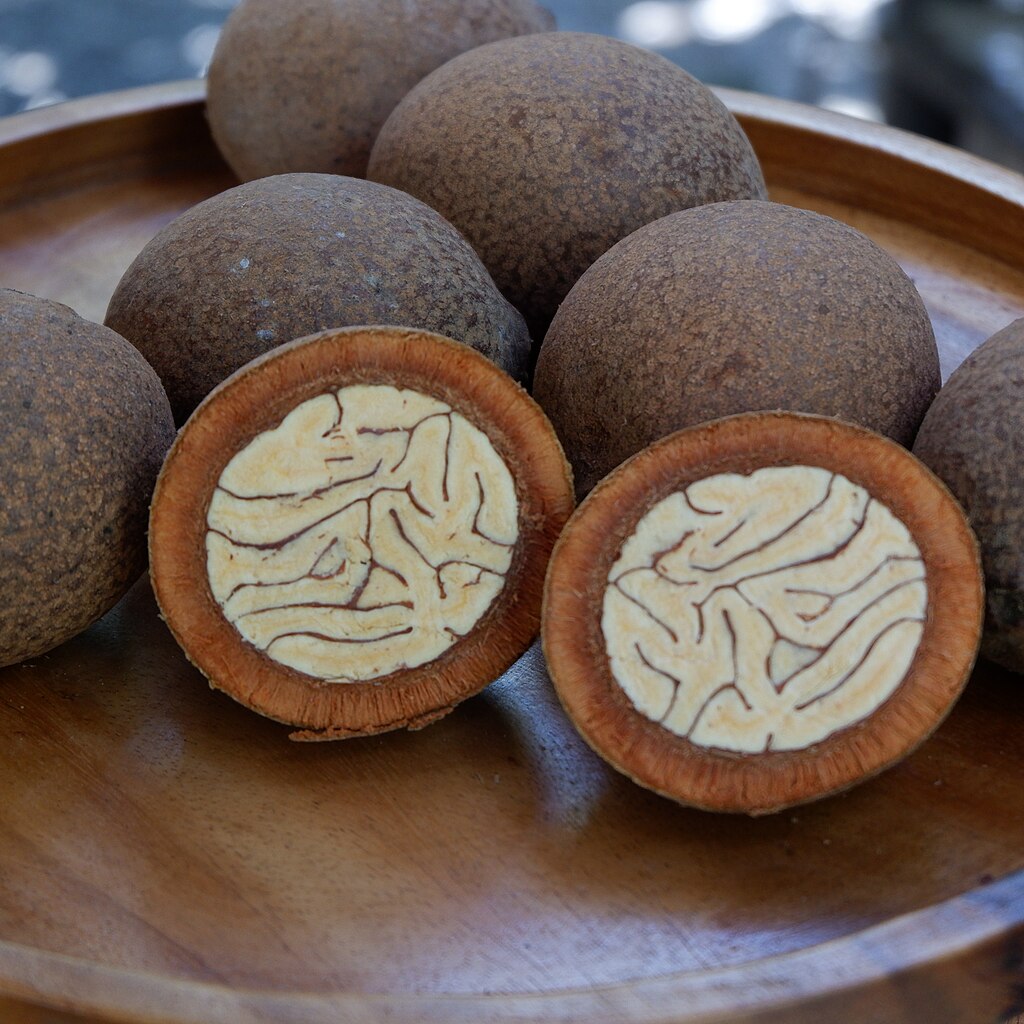
    Native to Northern Mindanao and Camiguin Island, the origins of the Tabon-tabon fruit trace back to the lush landscapes of these regions. The Tabon-tabon, scientifically known as Hydrophytune orbiculatum, stands out with its elongated chico-like appearance and a tough outer shell that protects its brain-like pulp inside.

    This fruit, often unknown to outsiders, plays a vital role in the local cuisine of Mindanao. When you crack open a Tabon-tabon, the unique aroma it releases sets the stage for a flavorful dish. By using the Tabon-tabon as a natural flavor enhancer, the people of Northern Mindanao and Camiguin Island have crafted dishes that showcase the rich and authentic flavors of their region.

    Cultural Significance

    Tabon-tabon fruit plays a crucial role in Mindanao’s culinary traditions, enriching dishes like kinilaw with its unique flavor. Its use highlights the cultural significance of indigenous ingredients and showcases the impact of regional culinary heritage.

    Culinary Traditions Impact

    With its indispensable role in traditional Mindanao cuisine, the tabon-tabon fruit influences culinary practices deeply, particularly in dishes like kinilaw. This unique fruit isn’t just a flavoring agent but a cultural symbol, enhancing the taste of kinilaw by eliminating the fishy undertones and infusing a sour-sweet essence when mixed with vinegar.

    Its antibacterial properties not only aid in preventing indigestion and food poisoning but also showcase its value as a culinary ingredient. The tabon-tabon fruit contributes significantly to Filipino culinary heritage, preserving age-old flavors and techniques that have been passed down through generations.

    Indigenous Ingredient Showcase

    Enhancing the culinary landscape of Mindanao, the indigenous ingredient showcase embodies the rich cultural heritage and unique flavors of the region.

    • Tabon-tabon fruit: Key ingredient in traditional dishes like kinilaw.
    • Flavor enhancement: Removes fishy taste and adds a unique sour-sweet note to kinilaw.
    • Cultural significance: Preserves local culinary heritage and promotes traditional cooking methods.
    • Community value: Indigenous communities cherish tabon-tabon for its culinary properties and role in maintaining authentic regional flavors.

    Through its use in dishes like kinilaw, tabon-tabon showcases the rich culinary diversity and unique flavors of Mindanao, connecting you to the heart of the region’s food culture.

    Unique Flavor Profile

    You’ll be intrigued by the tangy taste profile of tabon-tabon, a fruit that adds a unique twist to traditional Filipino dishes.

    Mixing with vinegar, it creates an aromatic culinary addition that heightens the flavors of kinilaw and other local favorites.

    This local ingredient is sure to become a favorite in your kitchen for its distinctive and versatile flavor.

    Tangy Taste Profile

    Adding a distinctive tangy and sour twist to various dishes, the Tabon-tabon fruit stands out for its unique flavor profile that enhances the overall taste experience. When used in culinary creations, this fruit offers a taste that’s both bold and refreshing. Here are some key points to note about the tangy taste profile of Tabon-tabon fruit:

    • Enhances the overall taste profile of dishes like kinilaw.
    • Helps to remove fishy smells and tastes from raw fish preparations.
    • Creates a distinct sweet-sour taste when combined with vinegar.
    • Essential in authentic Mindanao cuisine for its unique flavor contribution to traditional recipes.

    Aromatic Culinary Addition

    Tabon-tabon fruit’s aromatic essence elevates dishes with its distinctive flavor profile, setting it apart as a unique culinary addition in Mindanao cuisine. Its subtle bitterness and astringency add depth, while its ability to remove fishy odors from raw fish makes it a must-have in traditional kinilaw recipes.

    This fruit’s pulp and sap not only enhance taste but also offer health benefits like antioxidants and potential anticancer properties. By incorporating Tabon-tabon, you can enjoy a sour-sweet flavor that complements various dishes, making it a prized ingredient in Filipino cooking.

    Embrace the rich flavors of Mindanao cuisine by exploring the unique aroma and taste that Tabon-tabon brings to your culinary creations.

    Local Ingredient Favorite

    Indigenous to Mindanao, this sought-after fruit boasts a unique flavor profile that has become a favorite local ingredient in Filipino culinary creations. When eating kinilaw na Tuna, the addition of tabon-tabon fruit brings a distinct taste that enhances the dish. Here are four reasons why this fruit is a beloved ingredient:

    • Removes fishy smells and tastes from raw fish effectively.
    • Rich in phytochemicals, antioxidants, and potential anticancer properties.
    • Believed to have deworming properties, adding to its traditional medicinal uses.
    • Highly sought after for its unique flavor profile and culinary benefits.

    Embrace the authentic flavors of Filipino cuisine by incorporating tabon-tabon fruit into your dishes and experience a taste of Mindanao in every bite!

    Culinary Uses

    When preparing kinilaw, culinary enthusiasts find that the addition of tabon-tabon fruit significantly enhances the overall flavor profile of the dish. This fruit is essential in removing the fishy taste and odor from raw fish, making the dish more palatable.

    Tabon-tabon’s unique sour-sweet flavor, especially when combined with vinegar in kinilaw recipes, creates a delightful culinary experience. Not only does it improve the taste, but the fruit’s antibacterial properties also help prevent indigestion that can sometimes occur from consuming raw fish.

    Additionally, tabon-tabon is packed with phytochemicals, antioxidants, and potential anticancer properties, adding a nutritious boost to your meal. With its culinary and health benefits, tabon-tabon fruit proves to be a versatile and valuable ingredient in traditional Filipino cuisine.

    Traditional Recipes With Tabon-Tabon

    Enhance your culinary repertoire with traditional recipes featuring the versatile and prized ingredient, tabon-tabon fruit. Dive into the rich flavors of Mindanao with these tantalizing dishes:

    • Kinilaw na Isda: Marinate fresh fish in vinegar and mix with tabon-tabon pulp for a zesty kick.
    • Kinilaw na Tuna: Create a unique sour-sweet taste by combining tabon-tabon pulp with vinegar in this classic dish.
    • Kinilaw sa Gata: Elevate your kinilaw with coconut milk and the distinctive flavor of tabon-tabon.
    • Kinilaw Bisaya: Experience the authentic flavors of Cagayan de Oro and Camiguin with tabon-tabon as a key ingredient in this traditional recipe.

    Tabon-tabon adds a special touch to these dishes, making them a must-try for any culinary enthusiast seeking a taste of Filipino heritage.

    Health Benefits

    Tabon-tabon fruit offers a myriad of health benefits. Its rich phytochemicals and antioxidants contribute to potential anticancer properties.

    You’ll discover its anti-bacterial qualities that aid digestion and its unique ability to neutralize fishy tastes.

    Nutritional Value

    Rich in phytochemicals, antioxidants, and potential anticancer properties, the tabon-tabon fruit offers a myriad of health benefits that make it a valuable addition to culinary creations.

    • Aids Digestion: The fruit’s antibacterial qualities help in digestion, preventing indigestion from raw fish consumption.
    • Potential Deworming Properties: Some studies suggest tabon-tabon fruit may have deworming properties.
    • Enhances Flavor: It eliminates fishy tastes and odors from raw fish, enhancing dishes like kinilaw.
    • Unique Taste Profile: Combining it with vinegar adds a distinctive sour-sweet taste to culinary preparations.

    With its nutritional richness and health benefits, incorporating tabon-tabon fruit into your diet can elevate your culinary experience while promoting overall well-being.

    Medicinal Properties

    With its impressive array of health benefits, the tabon-tabon fruit proves to be a valuable addition to your culinary repertoire. Rich in phytochemicals and antioxidants, it offers potential anticancer properties and antibacterial qualities that aid digestion, preventing indigestion and food poisoning, especially from raw fish consumption. Some believe it may even have deworming properties, adding to its medicinal value.

    Additionally, consuming tabon-tabon helps eliminate fishy odors in dishes like kinilaw, enhancing the overall flavor profile. Its unique sour-sweet taste, when combined with vinegar, adds a distinct and appetizing element to your culinary creations. Embrace the health benefits of tabon-tabon while elevating the taste of your dishes.

    Harvesting and Preparation

    When harvesting and preparing the tabon-tabon fruit, the key lies in carefully extracting the pulp and diluting it in vinegar to enhance culinary dishes. Here are some essential steps to make the most of this unique fruit:

    • Cut the tabon-tabon fruit open to reveal the pulp inside.
    • Gently scrape off the pulp and dilute it in vinegar.
    • Strain the extracted pulp to remove solid pieces.
    • Use the flavorful vinegar solution to elevate traditional Mindanao dishes like kinilaw.

    These steps ensure that the tabon-tabon’s sour-sweet flavor profile shines through, neutralizing fishy tastes and creating a delightful culinary experience.

    Tabon-tabon in Local Cuisine

    Tabon-tabon fruit plays a crucial role in the vibrant local cuisine of Mindanao, infusing dishes with its unique sour-sweet flavor profile. In dishes like kinilaw, a traditional Filipino favorite, tabon-tabon is essential for eliminating fishy tastes and elevating flavors.

    Found prominently in Cagayan de Oro and Camiguin kinilaw recipes, this fruit adds a distinct taste to the dish. By scraping the fruit’s pulp and combining it with vinegar, a delightful solution is crafted, enhancing the overall taste of kinilaw. Often combined with biasong to create a harmonious balance of flavors, tabon-tabon brings a refreshing twist to this beloved dish.

    Its scarcity outside of Mindanao makes it a prized ingredient, cherished by those who appreciate the rich flavors of Mindanao cuisine.

    Cooking Tips and Tricks

    Enhance your culinary skills by incorporating tabon-tabon fruit into your dishes with these expert cooking tips and tricks:

    • Cutting Technique: Slice the tabon-tabon fruit carefully to extract its unique flavors effectively.
    • Balancing Flavors: Mix the fruit with vinegar to achieve a delightful sour-sweet taste in your dishes.
    • Coconut Milk Fusion: Experiment with adding coconut milk to recipes featuring tabon-tabon for a creamy and rich texture.
    • Enhanced Health Benefits: Utilize tabon-tabon’s antibacterial properties to prevent food-related illnesses, especially in raw fish dishes.

    Where to Find Tabon-tabon

    If you’re exploring the markets of Mindanao, keep an eye out for the elusive tabon-tabon fruit, a prized ingredient in local cuisine. Tabon-tabon can commonly be found in areas like Cagayan de Oro and Camiguin Island, where it’s cultivated in small farms and sold in local markets.

    This fruit is crucial for traditional kinilaw recipes, alongside biasong and good tuba. While biasong adds a lime-like flavor to kinilaw, tabon-tabon enhances it with its unique fragrance.

    If you’re a food enthusiast looking to experience authentic Mindanao flavors, seeking out tabon-tabon is a must. Remember, in Mindanao, tabon-tabon isn’t just a fruit – it’s a key element that brings out the best in local dishes.

    Growing Your Own Tabon-tabon Tree

    Consider adding a unique tropical fruit tree to your garden with the potential to enhance your culinary adventures. Growing your own tabon-tabon tree can be a rewarding experience, especially for its culinary purposes.

    Here are some tips to help you get started:

    • Plant your tabon-tabon tree in well-draining soil with plenty of sunlight.
    • Water your tree regularly to keep the soil moist but not waterlogged.
    • Prune your tabon-tabon tree to maintain its shape and promote healthy fruit production.
    • Harvest the fruit when it’s mature to enjoy its unique flavor in your cooking.

    How Can Tabon-tabon Fruit and Suka Pinakurat Vinegar Be Used Together in Cooking?

    Tabon-tabon fruit and suka pinakurat vinegar can be used together in cooking to add unique and bold flavors to dishes. The fruit’s extract works as a natural meat tenderizer, while the fiery Mindanao spiced vinegar brings a spicy and tangy kick to any recipe. Try it in your next culinary creation!

    Sustainability and Conservation

    To safeguard the future availability of tabon-tabon fruit and preserve its cultural significance, sustainable conservation efforts must be prioritized. Conservation initiatives play a critical role in protecting the biodiversity of tabon-tabon and its traditional culinary uses.

    Implementing sustainable farming practices is key to maintaining the fruit’s presence in local markets and preventing its extinction. Collaborating with local communities, farmers, and organizations is essential for the long-term conservation of tabon-tabon.

    Increasing awareness about the importance of preserving tabon-tabon and its role in indigenous cuisine can drive sustainable conservation actions. By supporting conservation initiatives and promoting sustainable farming practices, we can ensure that future generations can enjoy the unique flavors and cultural heritage associated with the tabon-tabon fruit.

    Frequently Asked Questions

    What Does Tabon Tabon Taste Like?

    Tabon-tabon has a bitter and astringent taste that transforms into a sour-sweet flavor when mixed with vinegar. It enhances dishes like kinilaw and removes fishy odors. The fruit’s anti-bacterial properties aid in preventing indigestion from consuming raw fish.

    What Is the English of Tabon?

    The English name for ‘tabon’ is ‘cover.’ It’s a simple translation that captures the essence of hiding or protecting. This word carries the idea of shielding, concealing, or wrapping something up.

    Conclusion

    So next time you’re in Mindanao, don’t forget to try the unique and versatile tabon-tabon fruit in your dishes. Its distinct flavor and health benefits make it a valuable ingredient in local cuisine.

    Whether you’re using it to remove fishy taste in kinilaw or exploring its potential in other recipes, tabon-tabon is a secret flavoring fruit that shouldn’t be missed.

    Enjoy the taste of Mindanao with this special ingredient!
  • Exotic Bagoong: Unique Shrimp & Fish Pastes

    Exotic Bagoong: Unique Shrimp & Fish Pastes

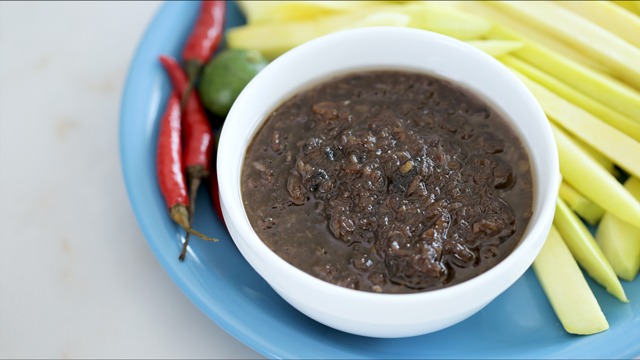
    Exotic Bagoong is a unique shrimp and fish paste that adds a depth of flavor to dishes. It comes in various types, such as crab paste, taba ng talangka, aligue, and ginamos. These pastes can be combined with different dishes to create a variety of flavors. You can find exotic bagoong in local Asian markets or specialty grocery stores. It’s a healthy choice, offering protein, probiotics, and nutrient absorption. It’s also a good source of vitamins and minerals. So, try exotic bagoong to enhance your meals with a unique taste.

    Key Takeaways

    • Bagoong offers diverse flavors and textures, showcasing regional variations and culinary creativity.
    • Rich in protein, essential amino acids, and minerals, promoting overall health and nutrient absorption.
    • Homemade bagoong provides probiotics for gut health and authentic Filipino cuisine exploration.
    • Bridging tradition with innovation, bagoong enhances modern dishes with its iconic umami-rich taste.

    History and Origins

    Bagoong, with its centuries-old tradition in Filipino cuisine, traces its roots back to ancient fermentation techniques using shrimp or fish with salt. This iconic condiment, known for its pungent aroma and intense flavor, has been a staple in Filipino households for generations.

    The process of fermenting shrimp or fish with salt creates a unique umami-rich paste that adds depth and complexity to dishes. In Filipino food culture, bagoong is celebrated for its ability to enhance the taste of various dishes, ranging from simple sautéed vegetables to complex stews.

    Embracing bagoong in your cooking not only connects you to Filipino culinary heritage but also introduces your taste buds to a world of bold and savory flavors.

    Types of Bagoong

    From crab paste to ginamos, each type of bagoong offers unique flavors and textures that enhance your dishes. Discover how different bagoong varieties can elevate your culinary experiences and add depth to your recipes.

    Regional Bagoong Variations

    Among the diverse range of regional bagoong variations found in the Philippines are crab paste, taba ng talangka, aligue, and ginamos, each offering a unique taste and texture derived from local traditions.

    • Crab Paste: Known for its intense umami flavor made from fermented crab.
    • Taba ng Talangka: Rich and creamy shrimp paste made from tiny crabs abundant in Pampanga.
    • Aligue: A type of shrimp paste made from the fat of crabs, adding a luxurious and savory element to dishes.
    • Ginamos: A Visayan shrimp paste known for its strong aroma and bold flavor profile.

    These regional bagoong varieties showcase the diverse culinary landscape of the Philippines, highlighting the creativity and unique preferences of different regions.

    Culinary Uses of Bagoong

    Exploring the culinary landscape of bagoong opens up a world of diverse flavors and textures that elevate Filipino dishes to new heights.

    From Bagoong Alamang made with fermented shrimp to Bagoong Isda, a fish paste aged for 30-90 days, each type offers a unique taste profile.

    Patis, a sharp and salty fish sauce, adds depth to dishes, while Crab Paste, Taba ng Talangka, and Aligue bring a range of flavors and textures to the table.

    Whether you’re cooking up Bagoong Fried Rice, Binagoongan, or Balao-balao, bagoong’s versatility shines through in Filipino cuisine.

    Embrace the rich history and flavors of bagoong as it continues to be a beloved staple in Filipino food culture.

    Health Benefits of Bagoong

    Bagoong, whether it’s alamang or isda, packs a nutritional punch with its rich protein content essential for muscle repair and growth.

    • This paste contains good fats that support brain function and heart health.
    • The fermentation process of bagoong enhances the bioavailability of nutrients.
    • Different types of bagoong offer varying nutritional benefits, making it a versatile ingredient.
    • Bagoong is a good source of minerals like iron and calcium, crucial for overall health.

    These health benefits make bagoong, whether made from shrimp or fish, a valuable addition to your diet. Try incorporating this nutritious paste into your meals to enjoy its many advantages.

    Flavor Profiles and Aromas

    Unveil the intricate world of flavor profiles and aromas found in exotic bagoong, adding depth and richness to Filipino dishes.

    Bagoong Alamang, made from shrimp, offers a unique umami taste that ranges from super funk to mellow, complementing dishes like kare kare perfectly.

    The fermentation process of bagoong contributes to its complex aroma, with hints of saltiness and seafood richness.

    Different varieties like Crab Paste and Taba ng Talangka showcase distinct flavor profiles and aromas, enriching Filipino cuisine.

    As a seasoning condiment, bagoong enhances dishes with its savory, briny notes, creating an iconic depth of flavor and aroma in Filipino culinary traditions.

    Culinary Uses and Pairings

    Mixing bagoong with ingredients like garlic shrimp can create a mouthwatering combination that tantalizes your taste buds.

    Understanding how to incorporate bagoong into your cooking will open up a world of rich and savory culinary possibilities.

    Flavorful Pairings for Bagoong

    Enhance your culinary creations with the bold and savory flavors of bagoong, elevating your dishes to new heights of taste and complexity.

    • Bagoong Alamang with Green Mango: Pair this classic combo for a burst of flavor in Filipino cuisine.
    • Bagoong Fried Rice: Use bagoong as a key ingredient to infuse a unique taste into this dish.
    • Bagoong Butter: Combine bagoong paste with butter to add richness to seafood and noodles.
    • Garlic Shrimp with Bagoong Butter: Create a flavorful dish with a garlicky butter sauce that complements steamed rice or noodles perfectly.

    Try these flavorful pairings to experience the versatility and umami richness that bagoong brings to your cooking.

    Cooking Techniques With Bagoong

    Discover exciting culinary techniques to elevate your dishes using the bold and savory flavors of bagoong. Try incorporating bagoong butter into your cooking repertoire. This compound butter, made with bagoong paste, enhances the taste of seafood and noodles.

    Create a delicious garlic shrimp dish by cooking shrimp with bagoong butter, resulting in a flavorful blend with a garlicky butter sauce that pairs perfectly with steamed rice or noodles. The fermentation process of bagoong intensifies its umami flavor, making it a key ingredient in Filipino cuisine.

    Experiment with adding bagoong to stir-fries, soups, or even salad dressings for a unique twist that will surely impress your taste buds.

    Bagoong in Traditional Dishes

    Unleash the bold flavors of bagoong in traditional Filipino dishes to elevate your culinary creations.

    • Enhance Flavor: Bagoong Alamang is a staple in Filipino cuisine, adding depth to dishes like green mango with bagoong.
    • Rich Fermentation: Made through weeks or months of fermentation with salt, intensifying its flavor profile.
    • Key Umami Boost: Bagoong is a crucial ingredient that brings a punch of umami to traditional Filipino dishes.
    • Versatile Options: Varieties such as shrimp paste (alamang) and fish paste (guinamos) offer diverse taste profiles, allowing for a range of culinary creations.

    Health Benefits and Nutritional Value

    When considering the health benefits and nutritional value of exotic bagoong, it becomes evident that this fermented condiment offers a multitude of advantages for overall well-being. Bagoong is a good source of protein and essential amino acids, aiding in muscle repair and growth.

    It contains beneficial probiotics from the fermentation process, promoting gut health and digestion. Additionally, bagoong is rich in vitamins and minerals like iron, calcium, and vitamin B12, supporting overall health.

    The fermentation of bagoong enhances nutrient absorption, making it a nutrient-dense condiment. Consuming bagoong in moderation can contribute to a balanced diet by providing essential nutrients and promoting overall well-being.

    Health Benefits Nutritional Value Overall Well-being
    Good source of protein Rich in vitamins and minerals Aids in muscle repair
    Contains beneficial probiotics High in essential amino acids Supports overall health
    Promotes gut health Enhances nutrient absorption Contributes to balanced diet

    Homemade Bagoong Recipes

    Ready to elevate your culinary skills? Discover the secrets behind crafting flavorful shrimp bagoong, tangy fish paste, and spicy homemade recipes.

    Unleash your creativity in the kitchen and explore the diverse world of Filipino cuisine through these unique and traditional bagoong variations!

    Flavorful Shrimp Bagoong

    For those seeking to elevate their culinary creations with an authentic Filipino touch, exploring the realm of Flavorful Shrimp Bagoong through homemade recipes is a rewarding journey into the depths of umami flavors.

    Dive into the world of homemade Shrimp Bagoong with these key pointers:

    • Ferment shrimp with salt for weeks to achieve a rich, savory paste.
    • Use Bagoong as a key ingredient in Filipino dishes like green mango with bagoong and Kare-Kare.
    • Allow the fermentation process to intensify flavors over 30-90 days.
    • Experiment with Bagoong in various dishes such as Bagoong fried rice, Binagoongan, and Balao-balao to unlock its culinary significance.

    Tangy Fish Paste

    Dive into the world of tangy fish paste, a versatile and essential element in Filipino cuisine, through these homemade bagoong recipes. Homemade bagoong recipes involve fermenting fish or shrimp with salt for weeks, enhancing flavors uniquely.

    Different seafood choices, like fish or shrimp, yield various taste profiles in bagoong. The fermentation process can last from months to a year, allowing flavors to develop and mature, enriching dishes like kare kare and sinigang.

    Making homemade bagoong permits customization of flavors and textures based on personal preferences and regional differences. Try your hand at crafting this tangy fish paste to elevate your dishes and experience the authentic flavors of Filipino cuisine.

    Spicy Homemade Recipes

    To add a fiery kick to your culinary creations, explore these spicy homemade bagoong recipes that will elevate your dishes to new levels of flavor intensity.

    • Spicy Shrimp Bagoong: Infuse shrimp with hot peppers for a zesty twist.
    • Fiery Fish Bagoong: Ferment fish with chili peppers to create a bold, spicy flavor.
    • Sizzling Pork Bagoong: Combine pork with spicy seasonings for a unique taste sensation.
    • Blazing Mixed Seafood Bagoong: Mix different seafood types with fiery spices for a diverse and intense bagoong.

    Experiment with these homemade bagoong recipes to customize the heat levels and create condiments that suit your taste preferences. Let the spicy kick of these bagoong recipes take your dishes to a whole new flavorful dimension.

    Regional Variations and Specialties

    In exploring the regional variations and specialties of bagoong in the Philippines, one encounters a rich tapestry of unique flavors and traditional recipes.

    Region Specialties
    Northern Luzon Bagoong Balayan
    Visayas Ginamos Amahong
    Mindanao Bagoong Talaba

    Each region showcases its distinct twist on bagoong, from the salty-sour punch of Bagoong Balayan in Northern Luzon to the rich and flavorful Ginamos Amahong in Visayas. Meanwhile, Mindanao’s Bagoong Talaba offers a unique taste experience with its briny and savory notes.

    These regional specialties highlight the diverse culinary landscape of the Philippines, where bagoong plays a central role in adding depth and complexity to various dishes.

    Bagoong in Filipino Culture

    Exploring the role of bagoong in Filipino culture reveals its deep-rooted significance as a traditional condiment that elevates the flavor profile of various dishes.

    • Culinary Heritage: Bagoong is a staple in Filipino cuisine, showcasing the country’s rich culinary heritage.
    • Historical Importance: Historical texts depict bagoong as both exotic and essential in Filipino cooking, with varying descriptions over the centuries.
    • Cultural Defense: Prominent figures like Jose Rizal defended bagoong against negative portrayals, often stemming from misconceptions due to unfamiliarity.
    • Diverse Flavors: Different types of bagoong exist, each offering a distinct flavor profile, enriching dishes like kare-kare and green mango with bagoong.

    These aspects highlight how bagoong isn’t just a condiment but a cultural symbol that connects Filipinos to their roots and flavors.

    Popular Bagoong Brands

    Discover the diverse array of popular bagoong brands that add a unique flavor to traditional Filipino dishes.

    Popular Bagoong Brands Description Varieties Available
    Lingayen Shrimp ALAMANG BAGOONG Jar 12oz Pink tiny salted bagoong alamang Traditional shrimp paste
    Lornas Special Bagoong Offers sweet & spicy or classic bagoong with pork bits Sweet & spicy, Classic with pork bits
    Barrio Fiesta Bagoong Known for its quality and authentic taste Regular, Spicy, Sweet variants

    Explore these brands to enhance your Filipino dishes with the rich flavors of bagoong!

    Bagoong in Modern Cuisine

    Dive into the dynamic world of modern cuisine where bagoong plays a pivotal role in elevating flavors and creating culinary masterpieces. Explore how chefs worldwide are embracing this versatile condiment to craft innovative dishes that tantalize taste buds.

    Here are some ways bagoong is making its mark in contemporary culinary scenes:

    • Infusing bagoong into fusion recipes for a unique twist.
    • Elevating traditional Filipino dishes with a modern flair.
    • Experimenting with bagoong in unexpected pairings for surprising flavor combinations.
    • Showcasing bagoong’s umami-rich taste and adaptability in diverse cuisines.

    Join the culinary journey where bagoong takes center stage, adding depth and savory notes to dishes that bridge tradition and innovation.

    Unique Bagoong Combinations

    For a tantalizing culinary experience, consider pairing unique bagoong combinations like crab paste, taba ng talangka, aligue, ginamos amahong, and ginamos tugnos with various dishes. These distinctive bagoong varieties bring a depth of flavor that can elevate your meals to new heights.

    Try combining crab paste with grilled seafood for a savory twist, or experiment with taba ng talangka in traditional Filipino stews for a rich and indulgent taste. Aligue adds a luxurious umami flavor to fried rice or pasta dishes, while ginamos amahong and ginamos tugnos offer a bold kick when paired with grilled meats or fresh vegetables.

    Explore the endless possibilities of unique bagoong combinations and let your taste buds embark on a flavorful journey.

    What Role Does Bagoong Play in Filipino Grilled Seafood Dishes Like Sinugba?

    Bagoong is a staple in Filipino flavor-infused grilled seafood dishes like Sinugba. The condiment’s salty and savory taste enhances the natural flavors of the seafood, creating a perfect balance of flavors. Its pungent aroma and umami taste make it an essential ingredient in various Filipino grilled seafood recipes.

    Where to Buy Exotic Bagoong

    When looking to purchase exotic bagoong, explore local Asian markets or specialty grocery stores for a diverse selection of unique shrimp and fish pastes. Here are some tips to help you find these flavorful condiments:

    • Check the international aisle for a variety of bagoong options.
    • Look for bagoong in glass jars or sealed containers for freshness.
    • Ask store staff for recommendations on different bagoong brands or types.
    • Explore online Asian grocery stores for a wider range of bagoong products.

    Frequently Asked Questions

    What Are the Two Types of Bagoong?

    You’ve got two main types of bagoong: Bagoong Isda made with fish and Bagoong Alamang made with shrimp. Isda ferments fish in salt for 30-90 days, while Alamang mixes shrimp and salt. Each adds Filipino flair to dishes.

    Is Shrimp Paste Same as Bagoong?

    Shrimp paste is not the same as bagoong. While both involve fermented shrimp, bagoong is distinctively Filipino, undergoing a longer fermentation process. Bagoong adds a unique flavor to Filipino dishes like green mango with bagoong.

    What Is the Difference Between Patis and Bagoong?

    Patis is a clear liquid byproduct of fermentation, while bagoong is a shrimp or fish paste. Patis has a distinct flavor, different from bagoong’s intense salty taste. Both are Filipino culinary staples, each offering unique flavors.

    Is Fermented Shrimp Paste Healthy?

    Fermented shrimp paste is a healthy choice. It offers protein for muscle growth, probiotics for gut health, and boosted nutrient absorption. Enjoy its vitamins and minerals but watch the salt if you have hypertension. Moderation is key.

    Conclusion

    Indulge in the rich flavors of Exotic Bagoong to elevate your dishes and experience the authentic taste of Filipino cuisine.

    With a variety of shrimp and fish pastes to choose from, you can add a unique twist to your favorite recipes and explore new culinary combinations.

    Don’t miss out on the opportunity to savor the tradition and heritage of bagoong in every bite.

    Get your hands on Exotic Bagoong today and take your meals to the next level!

  • Papaitan: Decoding the Bitter Filipino Sauce

    Papaitan: Decoding the Bitter Filipino Sauce

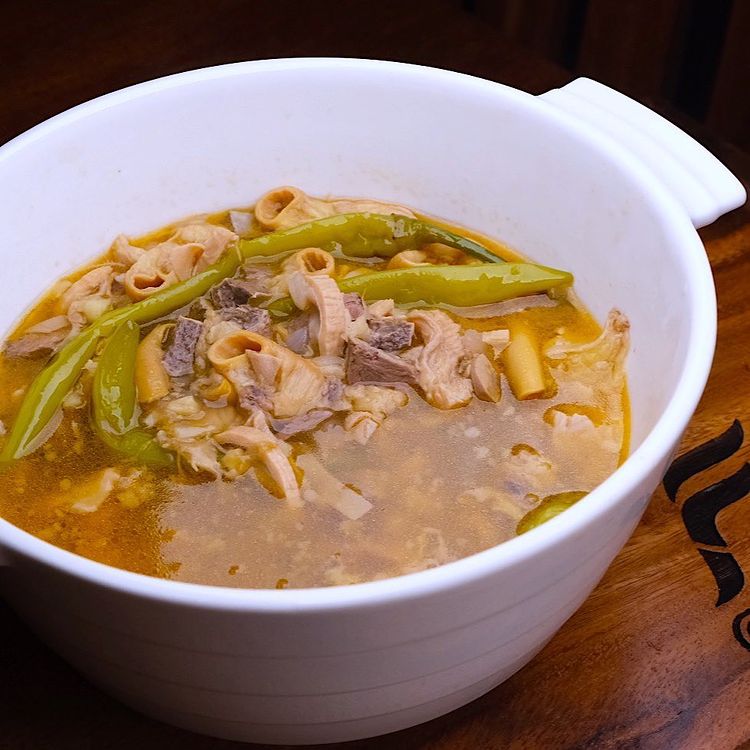
    Papaitan, a traditional Filipino soup, is renowned for its bitter taste derived from bile juice, offering a unique and acquired flavor profile loved by many in the Philippines. Despite its strong taste, papaitan is a cherished dish in various regions, especially in the northern parts where it is considered a delicacy.

    Key Takeaways

    • Papaitan showcases the authenticity and richness of Filipino cuisine through its unique flavors and ingredients.
    • The flavor profile of papaitan is characterized by the depth added by bile juice, complemented by sour and spicy elements.
    • Regional variations highlight diverse adaptations, preferences for innards, and the use of bittering agents like bile.
    • Papaitan’s culinary innovation includes traditional variations with goat or beef innards and modern twists with different meats and ingredients.

    Origins of Papaitan

    Papaitan, a traditional Filipino soup renowned for its bitter taste, traces its origins back to the northern regions of the Philippines. In Filipino cuisine, this dish stands out for its unique flavor profile, incorporating a combination of beef or goat innards and bile juice.

    Despite its bitterness, papaitan is cherished during special Filipino celebrations, showcasing the culinary diversity of the culture. The dish’s origins highlight the resourcefulness of using all parts of the animal in cooking, adding to its authenticity and richness.

    Embracing papaitan means embracing the roots and traditions of Filipino cuisine, where bitter flavors are celebrated and enjoyed in a harmonious blend with other tastes like sourness and heat.

    Bitter Sauce in Filipino Cuisine

    From the distinct flavor profiles to the regional variations, there’s a world of culinary exploration awaiting.

    Discover the diverse applications and creative uses that make bitter sauces a standout element in Filipino cooking.

    Flavor Profile Insights

    Balancing the bitter notes with tangy and spicy flavors, the Filipino sauce in papaitan offers a unique and complex taste experience. When exploring the flavor profile of this bitter sauce, consider the following insights:

    1. The bitterness derived from bile juice adds depth and character to the dish, elevating its overall flavor profile.
    2. The infusion of sour elements complements the bitterness, creating a harmonious blend that tantalizes the taste buds.
    3. The hint of spiciness not only adds a kick to the sauce but also enhances the complexity of flavors, making each spoonful a delightful adventure.

    Embrace the diverse flavors of Filipino cuisine and savor the unconventional ingredients that come together to create this distinctive and memorable dish.

    Regional Variations Explored

    Explore the diverse regional adaptations of bitter sauce in Filipino cuisine, showcasing a range of flavors and ingredients that reflect the creativity and culinary traditions of each area.

    Regional variations of papaitan highlight the unique use of bittering agents like bile, adding depth to the dish. Some regions opt for goat innards, while others favor beef innards, resulting in distinctive flavor profiles that cater to local preferences.

    The incorporation of sour elements such as calamansi or vinegar helps balance the bitter taste, creating a harmonious blend of flavors. These regional interpretations of papaitan exemplify the richness and diversity of Filipino cuisine, offering a culinary journey that celebrates the intricate tapestry of regional gastronomy.

    Culinary Applications Explored

    In Filipino cuisine, the culinary applications of bitter sauce, such as in the traditional soup papaitan, showcase a unique and acquired taste that balances savory, sour, and spicy flavors. When exploring the bitter taste of papaitan, you’ll discover a rich culinary experience that combines the following elements:

    1. Bile Juice: Adds a distinct bitterness that sets papaitan apart from other soups.
    2. Beef Liver: Provides a hearty and flavorful base for the dish, enhancing its complexity.
    3. Balanced Flavors: The bitter undertones of papaitan harmonize with the savory, sour, and spicy notes, creating a well-rounded taste that intrigues the palate.

    Embrace the bold flavors of papaitan and delve into the world of Filipino cuisine where every ingredient plays a crucial role in crafting a memorable dining experience.

    Key Ingredients of Papaitan

    Let’s break down the essential components that make up Papaitan: the bitter flavor from bile juice, the beef or goat innards like tripe, liver, and heart, and the aromatic blend of onions, garlic, ginger, and spices.

    Understanding these key ingredients forms the foundation of crafting a traditional Papaitan recipe that captures its unique taste.

    Discover the variations in regional adaptations that give Papaitan its diverse and flavorful identity.

    Bitterness Explained

    Bitterness in Papaitan, a Filipino sauce, stems primarily from the inclusion of bile juice as a key ingredient, providing a distinctive and challenging flavor profile. When experiencing the bitterness of Papaitan, consider these points:

    1. Authenticity: Bile juice, carefully sourced from reputable butchers, ensures the genuine bitter taste of Papaitan.
    2. Complexity: The bitterness is balanced with sourness and heat, creating a unique flavor profile that intrigues the palate.
    3. Acquired Taste: The bitterness in Papaitan is an acquired taste that improves with each try, offering a culinary journey of unique flavors and experiences.

    Traditional Papaitan Recipe

    To craft a traditional Papaitan recipe, you must gather key ingredients that include bile juice, ginger, onions, garlic, and an assortment of meats like tripe, liver, and brisket. These components come together to create the unique and bold flavors that define this Filipino dish. Below is a table outlining the key ingredients for making Papaitan:

    Key Ingredients
    Beef Bile
    Tripe
    Ginger

    Regional Variations of Papaitan

    For exploring the regional variations of Papaitan, delve into the diverse key ingredients that contribute to the distinct flavors of this Filipino dish. The variations in different regions across the Philippines bring out unique tastes and cooking styles, making each version of Papaitan a culinary adventure.

    Here are three key elements that play a crucial role in shaping the regional differences:

    1. Bile: The addition of bile juice gives Papaitan its signature bitter undertone, which varies in intensity based on the region.
    2. Regional Variations: Different areas may use specific ingredients or techniques, like the Ilocano version known for its intense bitter flavor.
    3. Bitterness: Embrace the acquired taste of bitterness in Papaitan, as it distinguishes this dish and reflects the diverse culinary traditions found throughout the Philippines.

    Traditional Papaitan Recipe

    In crafting a traditional Papaitan recipe, you must carefully select a variety of ingredients to achieve the distinctive bitter yet flavorful profile of this Filipino soup. Commonly used ingredients include beef tripe, liver, and bitter gourd. The bitterness in papaitan, which provides its unique taste, comes from bile juice.

    To enhance the flavors, aromatics like garlic, onions, and ginger are often added. This bitter delicacy is traditionally enjoyed with steamed rice and condiments like fish sauce, calamansi, and green chili peppers for an extra kick.

    Cooking Techniques for Papaitan

    Now, let’s explore the essential cooking techniques that bring out the bold flavors of papaitan, the bitter Filipino sauce, starting with preparing the innards to achieve the desired tenderness and rich taste.

    When cooking papaitan, remember to:

    1. Clean the Beef Innards: Ensure to meticulously clean the beef tripe, liver, and heart to remove any impurities and achieve a clean taste in your dish.
    2. Tenderize the Liver: To avoid an overpowering bitter taste, soak the liver in milk or a mixture of water and vinegar before cooking to help reduce the bitterness while keeping it tender.
    3. Store the Beef Properly: Store the beef innards correctly to maintain freshness and prevent spoilage, ensuring that your papaitan stays delicious and safe to eat.

    Regional Variations of Papaitan

    Explore the diverse regional variations of papaitan, from Luzon’s traditional take to Mindanao’s unique twist and the distinctive styles found in Visayas.

    Discover how each region infuses its own flavors by using different innards, bittering agents, and a variety of herbs and spices.

    Regional differences in papaitan highlight the rich tapestry of Filipino cuisine, showcasing the creativity and culinary expertise of each area.

    Papaitan in Luzon

    Discover the diverse regional variations of papaitan in Luzon, showcasing a range of innards and flavors unique to each area. In the Ilocos region, papaitan stands out with its intense bitter flavor, derived from the addition of bile juice, and the use of goat innards like tripe, liver, and heart.

    Explore the rich culinary tapestry of Luzon through these vibrant papaitan renditions:

    1. Taste the robust flavors of Ilocos papaitan, where the bold bitterness is balanced by the tender goat innards, creating a harmonious symphony of tastes.
    2. Savor the complexity of Batangas papaitan, where the unique blend of spices enhances the natural richness of the goat innards, elevating the dish to new heights.
    3. Indulge in the hearty Bulacan papaitan, where the generous portions of tender innards simmered in a flavorful broth will warm your soul and make you feel at home.

    Mindanao’s Unique Twist

    In Mindanao, experience a tantalizing twist on papaitan with its unique regional variations that infuse beef innards with lemongrass, turmeric, and coconut milk for a distinct flavor profile. Mindanao’s papaitan showcases a perfect balance of bitter notes, richness, and spiciness, setting it apart from other versions.

    This regional take on papaitan often includes local herbs and spices like sambal belacan and pandan leaves, adding layers of flavor depth. The incorporation of beef tripe, liver, and heart in a rich broth highlights the culinary diversity of Mindanao.

    The addition of ingredients like lemongrass and coconut milk brings a refreshing twist to the traditional bitterness of papaitan, creating a memorable and unique dining experience that reflects the essence of Mindanao’s culinary heritage.

    Visayas Papaitan Styles

    Mindanao’s unique twist on papaitan offers a tantalizing blend of beef innards infused with lemongrass, turmeric, and coconut milk, setting the stage for exploring the diverse Visayas Papaitan styles. When delving into the taste of Visayan Papaitan, you’re welcomed by a symphony of flavors that dance on your palate:

    1. The rich and flavorful soup made with a combination of goat or beef innards like tripe, liver, and heart creates a culinary experience like no other.
    2. The unique balance of bitter, sour, and savory notes in Visayan Papaitan showcases the complexity of Filipino taste profiles.
    3. Local ingredients such as alugbati leaves or green papaya add a regional touch, highlighting the diverse culinary traditions within the Philippines.

    Health Benefits of Papaitan

    Uncover the nutritional advantages of papaitan, a traditional Filipino dish rich in essential nutrients. Despite its bitter taste, papaitan offers various health benefits. It is high in protein, providing 8g per serving, making it a valuable source of this essential nutrient. Additionally, with only 3g of carbohydrates per serving, papaitan is a low-carb option.

    The dish contains 48g of fat per serving, offering a significant amount of energy from healthy fats. Papaitan is calorie-dense, with 473kcal per serving, making it a hearty and satisfying choice. The diverse nutrient profile of papaitan includes essential vitamins and minerals that contribute to overall health.

    Nutrient Amount per Serving
    Protein 8g
    Carbohydrates 3g
    Fat 48g
    Calories 473kcal
    Nutrient Profile Vitamins, minerals

    Papaitan: Cultural Significance

    Delve into the cultural richness of papaitan, a traditional Filipino soup renowned for its distinct bitter flavor.

    1. Bitter Flavor: Embrace the boldness of papaitan’s bitter taste, a flavor that sets it apart and captivates those with a daring palate.
    2. Culinary Diversity: Explore the diverse culinary landscape of the Philippines through papaitan, a dish that showcases the utilization of innards and bile in a unique and flavorful way.
    3. Innards: Celebrate the authenticity of Filipino cuisine with papaitan’s use of innards, reflecting a deep-rooted tradition of resourcefulness and respect for all parts of the animal.

    In each bowl of papaitan lies a story of cultural heritage, a testament to the Filipino people’s ingenuity and appreciation for the flavors that define their culinary identity.

    Tips for Perfecting Papaitan

    To elevate your Papaitan to perfection, ensure you use fresh bile juice for that authentic and traditional bitter flavor. Soak the tripe in water and vinegar before cooking to eliminate any unwanted odors.

    Adjust the bitterness level according to your taste preferences. Cooking Papaitan slowly will help tenderize the tripe and enhance its flavors.

    When reheating Papaitan, do so gently to prevent the dish from becoming overly bitter. By following these tips and tricks, you can create a delicious and authentic Papaitan that captures the true essence of this Filipino dish.

    Mastering the use of bile juice, preparing the tripe correctly, and balancing the bitterness will result in a Papaitan that’s sure to impress.

    Serving Suggestions for Papaitan

    Enhance your Papaitan dining experience by exploring creative serving suggestions that elevate the flavors and presentation of this traditional Filipino soup.

    1. Pair with Steamed Rice: The fluffy texture of steamed rice acts as the perfect balance to the bitter flavor of Papaitan, creating a satisfying meal.
    2. Experiment with Condiments: Elevate the taste by adding condiments like fish sauce, calamansi, and green chili peppers to customize the flavors to your liking.
    3. Add Sautéed Vegetables: Enhance the meal by including sautéed or blanched vegetables as a side dish, bringing freshness and a variety of textures to complement the rich flavors of the soup.

    Papaitan: Popular Misconceptions

    If you’ve ever hesitated to try Papaitan due to its reputation for bitterness, it’s time to debunk some popular misconceptions surrounding this unique Filipino soup. Papaitan does indeed mean bitter, but the bitterness primarily comes from the bile or ‘apdo’ used in the dish. Despite this, the bitterness doesn’t overpower the flavors; instead, it adds depth and character to the soup.

    Many people enjoy the unique taste that the bile brings to Papaitan. In the northern part of the Philippines where Papaitan originates, it’s considered a delicacy and is often served during special occasions. So, don’t let the misconception about its bitterness deter you from experiencing this flavorful and culturally significant dish.

    How is Kare-Kare sauce different from Papaitan sauce?

    Kare-Kare sauce is a rich peanut-based sauce commonly used in Filipino cuisine, while Papaitan sauce is a bitter, savory sauce made with bile. Mastering karekare peanut stew involves perfecting the balance of flavors in the thick, creamy sauce, whereas papaitan sauce relies on the distinct bitter taste from the bile.

    Papaitan: Future Trends and Innovations

    As the culinary landscape continues to evolve, the future of Papaitan holds exciting possibilities for innovative twists and creative adaptations. Here are three trends to watch for:

    1. Exploration of Innovative Ingredients: Chefs may experiment with unconventional elements like truffle oil or exotic herbs to elevate the traditional flavors of papaitan.
    2. Incorporation of International Influences: Expect to see influences from other cuisines seamlessly integrated into papaitan, creating a fusion of flavors that appeal to a diverse global audience.
    3. Alternative Uses of Bile Juice: Chefs might find new ways to incorporate bile juice into the dish, exploring different types or sources to enhance the bitterness and depth of flavor in innovative ways.

    Stay tuned for these exciting developments in the world of papaitan!

    Frequently Asked Questions

    What Gives Pinapaitan Its Bitter Flavour?

    You get that bitter kick in Pinapaitan from bile juice sourced from animal gallbladders. It’s the key to its unique taste, balancing sourness and heat. Filipinos in the north love this acquired bitterness, showing off their culinary tradition.

    What Does Papaitan Taste Like?

    Papaitan tastes like a rich, savory dish with a hint of bitterness that sets it apart. The unique flavor profile includes sour and spicy notes, creating a complex taste experience that improves with each try.

    What Is the Difference of Sinanglaw and Papaitan?

    In Sinanglaw, you’ll savor a sour and savory taste, with veggies like eggplant. Papaitan, on the other hand, offers a bold and bitter flavor, thanks to goat innards and bile. These Filipino dishes are distinct in their flavors.

    How Many Calories Are in a Papaitan?

    In a serving of Papaitan, there are 473 calories. It’s a hearty Filipino soup with 3g carbs, 8g protein, and 48g fat. The dish’s unique bitter taste comes from bile, making it a flavorful and nutritious choice.

    Conclusion

    So next time you’re craving a bold and unique flavor experience, give papaitan a try. With its bitter, sour, and spicy notes, this traditional Filipino soup is sure to tantalize your taste buds.

    Don’t be afraid to experiment with different ingredients and cooking techniques to make the perfect bowl of papaitan. Embrace the flavors of Filipino cuisine and enjoy this rich and flavorful dish with your favorite condiments and steamed rice.

    Happy cooking!

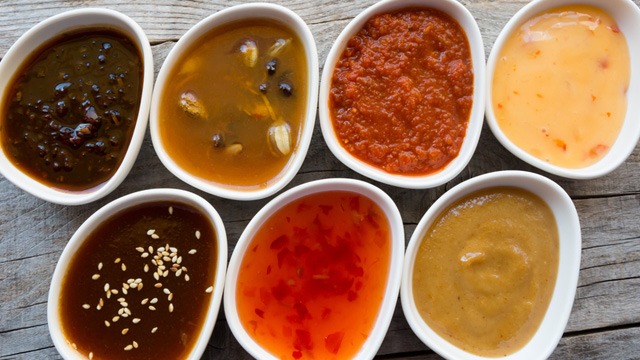
  • Sawsawan Guide: Filipino Dipping Sauces Explained

    Sawsawan Guide: Filipino Dipping Sauces Explained

    Filipino dipping sauces, known as Sawsawan, feature unique ingredients like calamansi for a tangy kick, offering sweet, spicy, and sour varieties to enhance diverse dishes. Vegan options and umami-rich elements elevate traditional Sawsawan profiles, adding authenticity to culinary adventures.

    Key Takeaways

    • Filipino dipping sauces feature unique ingredients like calamansi for a tangy kick.
    • Sawsawan offers sweet, spicy, and sour varieties to enhance diverse dishes.
    • Vegan options and umami-rich elements elevate traditional Sawsawan profiles.
    • Complex flavor profiles in Filipino sawsawan add authenticity to culinary adventures.

    Types of Filipino Dipping Sauces

    When exploring the types of Filipino dipping sauces, you’ll discover a diverse array of flavors that elevate every meal.

    In Filipino cuisine, soy sauce and vinegar are the foundation of many sawsawan variations. Soy sauce adds a rich umami taste, while vinegar provides a tangy kick. These two ingredients are often mixed with calamansi, garlic, onions, and chili peppers to create unique flavor profiles.

    For example, toyomansi combines soy sauce with calamansi juice, while inihaw toyo mixes soy sauce with grilled meats’ drippings. These sauces aren’t only delicious but also essential condiments that enhance the taste of dishes like fried tofu or seafood.

    Embracing these Filipino dipping sauces will undoubtedly add a touch of authenticity to your culinary adventures.

    Unique Ingredients in Sawsawan

    Explore the uncommon components that make up Sawsawan, from the zesty calamansi to the fiery Siling labuyo and savory patis.

    Discover the exotic ingredients that give Filipino dipping sauces their distinct flavor profiles.

    Uncover the unique elements that contribute to the vibrant and diverse world of Sawsawan.

    Uncommon Sawsawan Components

    Uncommon components in Filipino sawsawan introduce a delightful twist to the traditional dipping sauces, elevating flavors with ingredients like calamansi juice, spiced coconut vinegar, fermented coconut sap vinegar, bagoong alamang, and siling labuyo. These unique ingredients add a burst of flavor that can enhance your dining experience.

    Here are three uncommon components that you might want to try in your next sawsawan creation:

    1. Calamansi Juice: A citrus fruit that brings a tangy and refreshing taste to the sauce.
    2. Spiced Coconut Vinegar: Adds a distinct flavor profile with hints of spice and coconut undertones.
    3. Bagoong Alamang: A shrimp paste that contributes a savory and umami richness to the dipping sauce.

    Exploring these uncommon components can open up a world of new flavors for your dipping sauces.

    Exotic Sawsawan Ingredients

    Adding to the unique flavors found in uncommon Filipino dipping sauces, the exotic sawsawan ingredients introduce an intriguing twist to traditional recipes, incorporating elements like native calamansi juice and spicy siling labuyo. Coconut vinegar is another distinctive ingredient that contributes to the complex flavor profiles of Filipino sawsawan.

    Below is a table showcasing these exotic ingredients commonly used in Filipino dipping sauces:

    Exotic Sawsawan Ingredients
    Calamansi Juice
    Siling Labuyo
    Coconut Vinegar

    Distinct Sawsawan Elements

    In Filipino dipping sauces, the distinct sawsawan elements bring a burst of unique flavors to traditional recipes.

    1. Calamansi: This Filipino lime adds a tangy and citrusy kick to sawsawan, enhancing the overall taste experience.
    2. Siling labuyo: These fiery chilis provide a spicy heat that’s characteristic of many Filipino dipping sauces, adding a bold flavor element.
    3. Fish sauce: A staple in Filipino cuisine, fish sauce contributes a rich umami taste to sawsawan, elevating the savory profile of the dipping sauce.

    Flavor Profiles of Sawsawan

    Exploring the diverse flavor profiles of sawsawan reveals a harmonious blend of savory, sour, and spicy notes that elevate Filipino dishes to new heights. Key ingredients like soy sauce, vinegar, garlic, and chili peppers contribute to the rich tapestry of flavors found in Filipino dipping sauces.

    The tangy kick of vinegar pairs seamlessly with the umami depth of soy sauce, while the aromatic touch of garlic adds complexity. Whether it’s the zingy toyomansi combining calamansi juice, soy sauce, and chilis, or the fiery sinamak with its spiced vinegar base, Filipino sawsawan offers a spectrum of tastes to enhance your dining experience.

    Embrace the bold flavors and textures of these sauces to truly immerse yourself in the Filipino culinary tradition.

    Popular Filipino Condiments

    Discover the array of popular Filipino condiments that bring unique flavors to traditional dishes. Filipino condiments play a vital role in enhancing the taste of meals. Here are three common Filipino condiments:

    1. Toyomansi and Inihaw Toyo: These soy sauce variants are staples in Filipino cuisine, adding a savory umami flavor to dishes like grilled meats and seafood.
    2. Suka Pinakurat: A spiced vinegar dipping sauce that’s known for its tangy and slightly spicy taste, perfect for complementing fried dishes and grilled foods.
    3. Atchara: This pickled papaya relish offers a sweet and tangy flavor that balances rich and fatty dishes like lechon (roasted pork) or fried fish.

    These condiments, along with others like suka, atchara, and banana ketchup, enrich the Filipino dining experience with their diverse and flavorful profiles.

    Sweet Filipino Dipping Sauces

    Sweet and Savory

    When looking to add a touch of sweetness to your Filipino dishes, turn to the array of sweet dipping sauces that feature a perfect balance of sugar, banana ketchup, and fruit juices. These sauces are your go-to for enhancing the flavors of your favorite dishes.

    Sweet and Savory Sauces:

    1. Agre Dulce: A classic sweet and sour sauce made with a combination of vinegar, sugar, and soy sauce.
    2. Banana Ketchup: A unique Filipino condiment that adds a hint of sweetness to your meals.
    3. Sweet and Sour Sauces: Varieties made with ingredients like pineapple juice and ketchup, offering a delightful contrast to savory dishes.

    These sweet Filipino dipping sauces provide a delicious contrast to the savory elements in your meals, ensuring a well-rounded and flavorful dining experience.

    Popular Choices

    For those seeking a delectable complement to Filipino dishes, sweet dipping sauces like banana ketchup and agre dulce offer a perfect blend of flavors. These Filipino sweet and sour sauces add a unique touch to your meals, enhancing the overall taste experience.

    Check out the table below for a quick overview of these popular choices:

    Sweet Dipping Sauces Description
    Banana Ketchup Made primarily from bananas, it provides a sweet and tangy flavor profile.
    Agre Dulce A sweet and sour sauce made with tomato or banana ketchup, sugar, and vinegar.
    Asado Sauce Flavorful option made from the leftover liquid of asado, pineapple juice, soy sauce, sugar, and cornstarch.

    These sauces bring depth and complexity to your dishes, ensuring a delightful balance of savory and sweet notes.

    Unique Flavor Combinations

    Exploring the realm of unique flavor combinations, Filipino sweet dipping sauces infuse your dishes with a delightful blend of sweet and sour notes, elevating your culinary experience to new heights.

    3 Unique Flavor Combinations in Filipino Sweet Dipping Sauces:

    1. Banana Ketchup: A popular sweet condiment made from bananas, vinegar, and spices.
    2. Asado Sauce: Derived from the flavorful liquid of asado meat, pineapple juice, and soy sauce.
    3. Agre Dulce: A sweet and sour sauce containing ingredients like cornstarch, sugar, and tomato or banana ketchup.

    These sweet Filipino dipping sauces offer a harmonious balance of flavors that perfectly complement a wide range of dishes, enhancing your dining experience with each delectable dip.

    Spicy Filipino Dipping Sauces

    Incorporating the fiery kick of Siling labuyo, Filipino spicy dipping sauces bring a burst of heat and flavor to your taste buds. These sauces, like sinamak, a spicy vinegar sauce with chili peppers and spices, offer a range of spiciness levels to suit different preferences.

    Siling labuyo, known for its vibrant color and intense heat, is a common ingredient in these flavorful dips. Whether mild or extremely hot, the spiciness in Filipino dipping sauces adds a kick that elevates the overall taste of your meal.

    Sour Filipino Dipping Sauces

    Sour Filipino dipping sauces, with their tangy vinegar base and zesty citrus notes, offer a refreshing contrast to rich and savory dishes. When it comes to enhancing the flavor of grilled fish or other dishes, these vinegar-based sauces are a must-try.

    1. Vinegar Power: Vinegar takes the lead in these sauces, providing that signature tanginess that cuts through the richness of dishes.
    2. Calamansi Kick: Calamansi juice, a staple in Filipino cuisine, adds a citrusy punch to these sauces, elevating their flavor profile.
    3. Perfect Pairing: These sauces are ideal for grilled fish, as they bring a refreshing and zesty element to every bite.

    Umami-rich Sawsawan Varieties

    For a burst of umami flavor, try out the diverse range of sawsawan varieties popular in Filipino cuisine. These umami-rich Filipino dipping sauces are perfect for enhancing the taste of your favorite dishes. Check out the table below to explore some delicious options:

    Dipping Sauce Ingredients Flavor Profile
    Toyomansi Soy sauce, calamansi, Siling labuyo Tangy and spicy
    Inihaw toyo, suka, at sili Soy sauce, vinegar, Siling labuyo, onions, garlic, sugar, black pepper Flavorful kick
    Grilled fish sauce Fish sauce, diced tomatoes, patis or bagoong Savory touch
    Vinegar-based sauces Vinegar, Siling labuyo, garlic, soy sauce Tangy and zesty
    Sinamak Vinegar, spices, fruits Complex and aromatic

    Try these umami-packed sawsawan varieties to elevate your dining experience!

    Vegan Options for Sawsawan

    Explore the flavorful world of vegan Sawsawan with ingredients like soy sauce, vinegar, calamansi juice, and more for a cruelty-free dipping experience. When experimenting with vegan Filipino dipping sauces, consider these points:

    1. Substitute Wisely: Swap traditional ingredients like fish sauce with plant-based alternatives such as mushroom-based sauces for a vegan twist.
    2. Flavorful Delights: Vegan Sawsawan can be just as tasty and aromatic as non-vegan versions, providing a compassionate option for your dipping needs.
    3. Expanding Palates: By incorporating plant-based versions of Sawsawan, you can introduce exciting new flavors and textures to your favorite Filipino dishes, catering to a wider audience of food enthusiasts.

    Enjoy the diverse world of vegan Filipino dipping sauces while maintaining the rich flavors of traditional Sawsawan.

    Regional Variations in Dipping Sauces

    Curious about the diverse flavors that different regions in the Philippines bring to their dipping sauces?

    In Filipino cuisine, regional variations in dipping sauces offer a glimpse into the unique culinary traditions of each area. Provinces across the Philippines showcase their distinct preferences through a blend of local ingredients like soy sauce, vinegar, citrus fruits, and chili peppers.

    For example, regions such as Pampanga are renowned for their sweet and tangy sawsawan, while others may lean towards spicier or more savory options. Coastal areas often feature seafood-based elements like shrimp paste or fish sauce in their dips.

    These regional variations not only add depth to Filipino dishes but also celebrate the rich culinary heritage present throughout the country.

    Pairing Sawsawan With Filipino Dishes

    When enjoying Filipino dishes, like grilled meats or fried fish, remember that pairing them with the right sawsawan can elevate the flavors.

    Traditional combinations of sawsawan with dishes like adobo, sinigang, and sisig offer a delightful culinary experience.

    Enhance your meal with a savory, tangy, or spicy touch by choosing the perfect sawsawan to complement your favorite Filipino dishes.

    Flavor Enhancements for Dishes

    Enhance the flavors of your favorite Filipino dishes by expertly pairing them with the versatile and customizable Sawsawan. When enjoying grilled, fried, or Filipino soy sauce-based dishes, consider these tips:

    1. Balancing Act: Sawsawan adds a perfect balance of savory, sour, and spicy notes to dishes like grilled fish or meat, enhancing their overall taste profile.
    2. Customized Experience: With Sawsawan, you have the freedom to customize the flavors at the table, ensuring each bite is tailored to your liking.
    3. Flavor Absorption: Pair Sawsawan with air-fried tokwa or extra firm tofu for maximum flavor absorption, elevating the taste of your meal to new heights.

    Traditional Pairings for Sawsawan

    Discover the traditional pairings of Sawsawan with a variety of classic Filipino dishes, enhancing each culinary experience with a burst of flavor.

    Filipino sauces like Sawsawan are best enjoyed with grilled meats such as inihaw na baboy (grilled pork) and seafood dishes like daing na bangus (milkfish) or inihaw na pusit (grilled squid). Pairing Sawsawan with lechon (roast pig) creates a delightful combination of flavors.

    These Filipino sauces also complement meaty dishes like adobo, kaldereta, and bistek Tagalog (Filipino beef steak), adding an extra layer of taste.

    For vegetable lovers, Sawsawan elevates the flavors of pinakbet (mixed vegetable stew) and ginataang gulay (vegetables in coconut milk).

    Whether enjoying street foods like fish balls or indulging in a hearty meal, Sawsawan enhances the Filipino dining experience.

    How Can Filipino Dipping Sauces Like Sawsawan Complement the Bitterness of Papaitan?

    Filipino dipping sauces, known as sawsawan, are a vital component of many dishes. When it comes to balancing the bitterness of papaitan, a popular Filipino dish, the right sawsawan is crucial. The bitterness of papaitan can be complemented by the tangy and savory flavors of sawsawan, creating a perfect harmony of taste. Bitter Filipino sauce decoding is essential for enhancing the overall dining experience.

    Homemade Filipino Dipping Sauce Recipes

    Elevate your culinary experience with these versatile homemade Filipino dipping sauce recipes.

    1. Customizable and Flavorful: Mix soy sauce, vinegar, calamansi juice, garlic, onions, and chili peppers to create a personalized dipping sauce that suits your taste buds.
    2. Control Your Flavors: Making your own Filipino dipping sauces allows you to adjust the spiciness, sweetness, and overall flavor profile to complement different dishes perfectly.
    3. Enhance Your Dishes: Experiment with various combinations of ingredients to craft unique dipping sauces that elevate the taste of grilled meats, fried seafood, and vegetable spring rolls.

    With these homemade Filipino dipping sauce recipes, you can add a touch of authenticity and flavor to your favorite Filipino dishes. Start creating your signature dip today!

    Frequently Asked Questions

    What Are the Most Common Dipping Sauces of Filipino Dishes?

    The most common dipping sauces in Filipino cuisine include toyomansi with soy sauce and calamansi juice, inihaw toyo with soy sauce, vinegar, and Siling labuyo, and simple vinegar-based sauces with vinegar, Siling labuyo, and garlic.

    What Are the 10 Sauces and the Food Where It Is Commonly Used in the Philippines?

    You’ll find soy-calamansi for meats, inihaw toyo-suka-sili with pork, and grilled fish sauce for seafood. Don’t forget vinegar-garlic for veggies and sinamak’s tangy kick for various dishes. Filipino flavors await your taste buds!

    What Are the Condiments of Pinoy Liquid?

    You’ll find Filipino liquid condiments like soy sauce, vinegar, calamansi juice, and chili peppers in Pinoy dishes. These flavors add zest to your food, making each bite a delightful experience. Try them out!

    What Is the Name of the Filipino Sauce?

    The name of the Filipino sauce is ‘Sawsawan.’ It’s a mix of soy sauce, vinegar, and spices. You’ll love how it adds savory, sour, and spicy flavors to dishes. Make it at the table for a personalized touch!

    Conclusion

    Explore the rich and diverse world of Filipino dipping sauces with our guide. From tangy Toyomansi to bold Buro, each sauce offers a unique taste experience that complements traditional Filipino dishes.

    Whether you prefer sweet, savory, or spicy flavors, there’s a sawsawan for everyone. Enhance your dining experience and immerse yourself in the vibrant culture of Filipino cuisine with these delicious condiments.

    Happy dipping!

  • Suka Pinakurat: Fiery Mindanao Spiced Vinegar

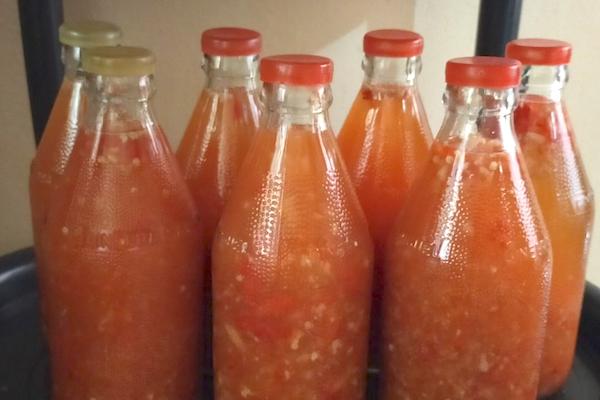
    Suka Pinakurat: Fiery Mindanao Spiced Vinegar

    Suka Pinakurat is a fiery Filipino condiment made from coconut sap vinegar and spices, perfect for enhancing various dishes with its tangy and spicy flavor. It can be used as a dipping sauce, marinade, or flavor enhancer, adding a unique taste to your favorite meals.

    Key Takeaways

    • Originates from Mindanao, Philippines, using coconut sap vinegar and traditional spices.
    • Offers extra hot spice level with antioxidant-rich ingredients for health benefits.
    • Enhances Filipino dishes like adobo, lechon, and grilled meats with bold flavors.
    • Reflects regional variations and homemade recipes, showcasing diverse tastes and culinary traditions.

    Origins of Suka Pinakurat

    Originating from the vibrant Mindanao region in the Philippines, Suka Pinakurat is a fiery spiced vinegar that has captivated taste buds worldwide.

    This vinegar, made from coconut sap vinegar and a blend of spices like chili, garlic, and ginger, offers a unique kick to any dish it accompanies.

    The use of coconut sap vinegar gives Suka Pinakurat a distinct flavor, making it a sought-after condiment in Filipino cuisine.

    The name ‘Pinakurat’ hints at the surprise and amazement one experiences when tasting this bold vinegar.

    Its origins in Mindanao, known for rich culinary traditions, contribute to the special appeal of Suka Pinakurat as a versatile and flavorful addition to marinades and dishes, adding a touch of Filipino flair to your meals.

    Traditional Ingredients Used

    The traditional ingredients used in Suka Pinakurat play a crucial role in creating its signature bold and fiery flavor profile. This spiced vinegar is made from Spiced Natural Coconut Vinegar, which serves as its base. A harmonious blend of spices such as chili, garlic, onions, ginger, and sweet peppers is then added to the vinegar, giving Suka Pinakurat its distinct fiery taste.

    The combination of these traditional ingredients not only reflects the rich and diverse flavors of Filipino cuisine but also pays homage to the vibrant culinary traditions of Mindanao.

    Each ingredient contributes to the overall taste experience, making Suka Pinakurat a beloved condiment in Filipino households.

    Ingredients Role
    Spiced Natural Coconut Vinegar Base ingredient
    Chili, garlic, onions, ginger, sweet peppers Blend of spices

    Spice Level and Heat Index

    Exploring the Spice Level and Heat Index of Suka Pinakurat reveals its fiery intensity and bold flavor profile. When it comes to this spiced natural vinegar, get ready for a taste sensation that packs a punch. Here’s what to expect:

    1. Extra Hot Flavor: Suka Pinakurat’s Extra Hot variety offers a fiery and intense spice level that will awaken your taste buds.
    2. High Heat Index: Known for its high heat index, this vinegar provides a strong kick of spiciness that adds depth to your dishes.
    3. Bold Flavor Profile: Made with kulikot chilies, garlic, and ginger, Suka Pinakurat delivers a bold and fiery flavor profile that enhances your meals.
    4. Spicy Dip: Whether used for marinating, cooking, or simply as a dipping sauce, this vinegar is perfect for those who enjoy a spicy kick.

    Health Benefits and Nutritional Value

    When consuming Suka Pinakurat spiced vinegar, you benefit from its antioxidant properties, aiding in overall well-being.

    Suka Pinakurat offers a range of health benefits that go beyond just flavor enhancement.

    Antioxidant Properties Explained

    Enhance your understanding of Suka Pinakurat’s health benefits by delving into its antioxidant properties and nutritional value. Suka Pinakurat, a Filipino vinegar made with fermented coco nectar, offers a range of health benefits due to its antioxidant content:

    1. Antioxidant-Rich Ingredients: Suka Pinakurat contains chili, garlic, and onions, which are rich in antioxidants.
    2. Combat Free Radicals: The antioxidants in Suka Pinakurat help combat free radicals in your body.
    3. Enhanced Antioxidant Properties: The fermentation process of coconut nectar boosts the vinegar’s antioxidant properties.
    4. Overall Health Support: Including Suka Pinakurat in your diet can contribute to your overall health and well-being through its antioxidant content.

    Incorporating Suka Pinakurat into your meals can provide a flavorful way to increase your antioxidant intake and support your health.

    Nutrient Content Breakdown

    To better understand the health benefits and nutritional value of Suka Pinakurat, let’s break down its nutrient content.

    Suka Pinakurat, a Filipino spiced natural coconut sauce, is packed with essential vitamins and minerals that contribute to its health benefits. This zesty dipping sauce contains key nutrients like vitamin C, which supports the immune system, and antioxidants that help fight inflammation.

    Additionally, the garlic and ginger in Suka Pinakurat offer antibacterial properties, aiding in digestion and overall gut health. With its flavorful blend of chili, onion, sweet peppers, and salt, this versatile condiment not only enhances the taste of dishes but also provides a range of nutrients for your well-being.

    Health Benefits Overview

    Packed with essential vitamins and minerals, Suka Pinakurat spiced vinegar offers a range of health benefits and nutritional value that can enhance your overall well-being.

    Suka Pinakurat brings you:

    1. Natural Ingredients: Suka Pinakurat contains fermented coco nectar, chili, garlic, onion, ginger, sweet peppers, and salt, providing a natural source of nutrients.
    2. Aids Digestion: This Filipino condiment can aid digestion due to its natural ingredients, promoting gut health.
    3. Boosts Metabolism: The fiery hot flavor profile of Suka Pinakurat can help boost metabolism, aiding in weight management.
    4. Antioxidant Benefits: With no preservatives, Suka Pinakurat offers antioxidants from its natural components, supporting your body’s defense against free radicals.

    Embrace the goodness of Suka Pinakurat spiced vinegar as a versatile seasoning for your culinary creations!

    Culinary Uses in Filipino Dishes

    Suka Pinakurat can elevate the flavors of your favorite Filipino dishes like adobo by adding a tangy and spicy kick.

    Try using it as a zesty dipping sauce for crispy lechon or as a flavorful marinade for grilled meats to bring a taste of Mindanao to your table.

    Its versatility makes it a must-have condiment for enhancing the traditional flavors of Filipino cuisine.

    Flavor Enhancer in Adobo

    When preparing traditional Filipino adobo dishes, incorporating Suka Pinakurat as a flavor enhancer can elevate the overall taste profile with its fiery and tangy notes.

    1. Key Ingredient: Suka Pinakurat is crucial for marinating meats like chicken, pork, and beef for adobo.
    2. Unique Flavor Profile: The blend of chili, garlic, onion, and spices in this spiced vinegar brings a distinctive depth of flavor.
    3. Tenderizing Agent: Suka Pinakurat helps tenderize and infuse meats with a bold and aromatic taste in adobo recipes.
    4. Versatile Adaptability: Its versatile nature allows for creative variations in adobo preparations, catering to individual preferences for spice levels and tanginess.

    Dipping Sauce for Lechon

    To enhance the culinary experience of Filipino dishes like Lechon, consider the flavorful addition of Suka Pinakurat as a zesty dipping sauce.

    Suka Pinakurat, a popular Filipino condiment, is traditionally paired with Lechon, the beloved roasted pig dish. This spiced vinegar offers a fiery and tangy kick that complements the rich and crispy Lechon meat perfectly.

    Crafted from fermented coconut vinegar and a blend of spices, Suka Pinakurat cuts through the richness of Lechon, creating a delightful contrast of flavors that will leave your taste buds craving more.

    Whether enjoyed at home or in restaurants, this versatile dipping sauce showcases the unique taste profile of Filipino cuisine, making it a must-try accompaniment for your next Lechon feast.

    Marinade for Grilled Meats

    Consider infusing your grilled meats with the fiery and spiced flavors of Suka Pinakurat to elevate your Filipino culinary experience. Here are some ways Suka Pinakurat can enhance your grilled dishes:

    1. Versatility: Use Suka Pinakurat as a marinade for various meats like pork, chicken, and seafood.
    2. Flavor Enhancement: The unique blend of spices in Suka Pinakurat adds depth and complexity to your grilled dishes.
    3. Tenderizing: The vinegar in Suka Pinakurat helps tenderize the meat while infusing it with a zesty kick.
    4. Authenticity: Incorporating Suka Pinakurat in your marinade brings an authentic Filipino touch to your grilled meat recipes.

    Elevate your grilled meats with the vibrant flavors of Suka Pinakurat for a truly delightful dining experience in the realm of Filipino cuisine.

    Regional Variations and Flavors

    Regional variations in Suka Pinakurat showcase diverse levels of spiciness and unique flavor profiles influenced by local ingredients across different regions of the Philippines. Different versions of this Spiced Natural Coconut Sauce offer a range of tastes to suit various preferences. Below is a table highlighting some regional variations and flavors of Suka Pinakurat:

    Region Spiciness Level Flavor Profile
    Mindanao High Fiery, robust, intense heat
    Visayas Medium Balanced, hints of sweetness
    Luzon Mild Subtle, aromatic, tangy

    These distinct differences in Suka Pinakurat exemplify the rich culinary traditions present throughout the Philippines, providing a glimpse into the diverse tastes enjoyed across the regions.

    Homemade Suka Pinakurat Recipe

    Craft your own aromatic and fiery batch of Suka Pinakurat at home with this simple recipe that captures the essence of Mindanao’s spiced vinegar tradition. Here’s how to make your homemade Suka Pinakurat:

    1. Ingredients:
    • Fermented coconut sap vinegar
    • Chili
    • Garlic
    • Onions
    1. Preparation:
    • Blend all the ingredients together in a jar.
    • Let the mixture ferment for a few days.
    • Strain the vinegar to remove the solid pieces.
    1. Usage:
    • Use as a dipping sauce for grilled meats.
    • Marinate chicken or pork for a flavorful kick.

    Making your own Suka Pinakurat allows you to tailor the spice level and ingredients to your liking, creating a unique Filipino condiment perfect for various dishes.

    Incorporating Suka Pinakurat in Marinades

    Want to elevate your marinades?

    Suka Pinakurat is your secret weapon. It’s not just a flavorful meat tenderizer but also a tangy seafood enhancer and a versatile vegetable marinade.

    Give your dishes a Filipino twist and a kick of bold, aromatic flavors with Suka Pinakurat.

    Flavorful Meat Tenderizer

    Enhance your meat marinades with the bold and fiery flavors of Suka Pinakurat for a tender and flavorful dish. When incorporating Suka Pinakurat into your marinades, you can expect the following benefits:

    1. The acidity of Suka Pinakurat effectively tenderizes the meat, making it juicy and soft.
    2. The spiced flavor of Suka Pinakurat adds a unique and fiery kick to your marinades, elevating the overall taste of the dish.
    3. Infuse your meat with bold flavors of chili, garlic, onion, ginger, and sweet peppers by using Suka Pinakurat in your marinades.
    4. Reduce cooking time and achieve a more tender and flavorful dish by marinating your meat with Suka Pinakurat, breaking down tough fibers effortlessly.

    Tangy Seafood Enhancer

    Incorporate a splash of Suka Pinakurat spiced vinegar into your seafood marinades for a tangy and fiery flavor boost that elevates your dishes to new heights. When using this Filipino spiced vinegar in your seafood marinades, you are infusing your dishes with a bold flavor that is sure to impress.

    Check out the table below for some quick and easy ideas on how to incorporate Suka Pinakurat into your seafood recipes:

    Seafood Suka Pinakurat Other Ingredients
    Grilled Shrimp 2 tbsp Garlic, Lemon Juice
    Seared Tuna 3 tbsp Soy Sauce, Ginger
    Baked Salmon 1.5 tbsp Honey, Dijon Mustard
    Garlic Butter Scallops 2.5 tbsp Butter, Parsley

    Versatile Vegetable Marinade

    When looking to give your vegetable dishes a fiery kick and enhanced flavor profile, consider incorporating Suka Pinakurat in your marinades for a robust and delicious outcome. Here’s how you can create a versatile vegetable marinade with Suka Pinakurat:

    1. Fiery Kick: Suka Pinakurat adds a spicy punch that elevates the taste of marinated vegetables.
    2. Enhanced Flavor Profile: The spiced coconut vinegar enhances the overall flavor profile of your dish.
    3. Simple Ingredients: Mix Suka Pinakurat with oil, herbs, and spices for a flavorful marinade.
    4. Versatile Option: Using Suka Pinakurat in marinades offers a versatile and delicious option for your vegetable dishes.

    Incorporating Suka Pinakurat in your marinades will surely take your vegetable dishes to the next level of flavor and excitement.

    Suka Pinakurat as a Dipping Sauce

    Suka Pinakurat, with its fiery Mindanao spiced vinegar blend, serves as a dynamic dipping sauce that elevates the flavors of various dishes with its intense heat. This extra hot flavor is crafted from fermented coconut sap vinegar, chili, garlic, onion, ginger, sweet peppers, and salt, creating a unique taste experience.

    When paired with grilled dishes, Suka Pinakurat adds a kick that enhances the natural flavors of the food. Its versatility shines through as it complements fried dishes as well, making it a go-to condiment for those seeking to spice up their meals.

    Embrace the boldness of Mindanao spiced vinegar and take your culinary adventures to new heights with Suka Pinakurat as your trusty dipping sauce.

    Suka Pinakurat Salad Dressing Ideas

    Elevate your salad game with the bold and fiery flavors of Suka Pinakurat as a unique and flavorful dressing option. Here are some ideas to add that fiery kick and zesty twist to your salads:

    1. Mix Suka Pinakurat with olive oil, lemon juice, and honey for a tangy dressing.
    2. Drizzle Suka Pinakurat over a green salad with grilled chicken or shrimp for a zesty twist.
    3. Create an Asian-inspired salad by combining Suka Pinakurat with soy sauce, sesame oil, and ginger.

    These salad dressing ideas won’t only bring a new dimension to your salads but also introduce you to the vibrant and exotic flavors of Asian cuisine.

    Suka Pinakurat in Pickling and Preserving

    Incorporating Suka Pinakurat into your pickling and preserving recipes can infuse your fruits and vegetables with a spicy kick while extending their shelf life and enhancing their flavors. The spiced vinegar adds a fiery twist to traditional pickling, creating bold and tangy preserved foods. It helps enhance the taste of pickled items like cucumbers, carrots, and onions, making your preserved goods stand out.

    Here is a table showcasing how Suka Pinakurat can elevate your pickling and preserving game:

    Suka Pinakurat Pickling Ideas Benefits Examples
    Pickled Cucumbers Adds spicy kick Spicy Cucumber Pickles
    Pickled Carrots Extends shelf life Spiced Carrot Sticks
    Pickled Onions Enhances flavors Tangy Onion Rings

    Does Suka Pinakurat play a significant role in Mindanaoan cuisine due to its spiciness?

    Suka Pinakurat plays a significant role in Mindanaoan cuisine due to its spiciness. This vinegar-based condiment is a staple in many dishes, adding a distinct flavor to Mindanaoan cuisine influences spicy. Its unique taste enhances the overall dining experience, making it a must-try for those who love spicy food.

    Suka Pinakurat Pairing Suggestions

    Enhance your culinary creations with the bold and tangy flavors of Suka Pinakurat through these delectable pairing suggestions:

    1. Grilled Chicken: Infuse your grilled chicken with a fiery kick by marinating it in Suka Pinakurat for a flavorful twist.
    2. Seafood: Elevate the taste of grilled fish or shrimp by adding Suka Pinakurat, enhancing the seafood’s flavors with its spiced vinegar taste.
    3. Marinade: Use Suka Pinakurat as a marinade for pork or beef to give your meat dishes a bold and tangy flavor profile.
    4. Salad Dressings: Add a unique twist to your salads by incorporating Suka Pinakurat into your dressings, bringing spicy and aromatic notes to your greens.

    Frequently Asked Questions

    What Is Suka Pinakurat Vinegar Used For?

    Suka Pinakurat vinegar elevates your dishes. It’s perfect for dipping, marinating BBQ meats, or adding flair to Asian or rice-based meals. Mix with Greek yogurt for a creamy spread or dilute with cucumbers for milder dressings.

    Is Pinakurat Coconut Vinegar?

    Pinakurat is not just coconut vinegar; it’s a fiery spiced version with a unique flavor. Originating from Mindanao, it’s perfect for grilling. So, no, Pinakurat isn’t your average coconut vinegar—it’s a spicy twist worth trying!

    Who Is the Owner of Sukang Pinakurat?

    The owner of Sukang Pinakurat is the Datu Puti company, a well-known Filipino food brand. They have crafted a unique and fiery spiced vinegar that enhances the flavors of Filipino cuisine, making it a beloved household staple.

    What Is the Meaning of Pinakurat?

    Pinakurat means ‘to be surprised or amazed’ in Filipino. It embodies the fiery and intense flavors of the spiced vinegar, offering a unique taste experience. The name captures the vinegar’s kick and bold flavors.

    Conclusion

    In conclusion, Suka Pinakurat is a must-have condiment for those who love bold and fiery flavors in their dishes. Its unique blend of ingredients and intense taste make it a versatile and delicious addition to a wide range of recipes.

    Whether you use it as a dipping sauce, salad dressing, or in pickling and preserving, Suka Pinakurat is sure to add a kick to your meals. Try it today and elevate your culinary experience with this fiery Mindanao spiced vinegar.

  • Kilawin Kambing: Raw Goat Meat, Filipino Style

    Kilawin Kambing: Raw Goat Meat, Filipino Style

    Kilawin Kambing is a Filipino dish featuring raw goat meat marinated in vinegar and spices, offering a tangy and fiery flavor profile. It symbolizes celebration, tradition, and community, reflecting the vibrant culinary heritage of the Philippines.

    Key Takeaways

    • Kilawin Kambing is a marinated raw goat meat dish in Filipino cuisine, showcasing bold flavors.
    • It features a unique flavor profile with vinegar, ginger, and chili peppers, offering a tangy and fiery kick.
    • This dish is rich in high-quality protein, iron, and good zinc content, making it a nutritious choice.
    • Kilawin Kambing symbolizes celebration, tradition, and community, reflecting the vibrant culinary heritage of the Philippines.

    History of Kilawin Kambing

    In the culinary heritage of the Philippines, the origins of Kilawin Kambing trace back to a time when vinegar became a key ingredient in preserving meat, reflecting a tradition that endures in Filipino cuisine.

    This traditional Filipino dish features raw goat meat marinated in vinegar and spices, showcasing the unique flavors of the Philippines. The use of vinegar not only adds a tangy kick to the dish but also serves to tenderize the goat meat, making it a flavorful and succulent treat.

    Kilawin Kambing is a beloved dish in regions like Batangas and Pampanga, where goat-raising culture is strong. Whether enjoyed as an appetizer or as pulutan with cold beer or liquor during social gatherings, this dish embodies the rich culinary heritage of the Philippines.

    Traditional Ingredients Used

    You’re about to uncover the essential ingredients that give Kilawin Kambing its distinctive taste.

    Get ready to explore the fusion of goat meat, vinegar, and aromatic spices in this traditional Filipino dish.

    Discover how regional variations add a unique twist to this flavorful recipe.

    Key Traditional Ingredients

    When crafting Kilawin Kambing, the key traditional ingredients utilized include goat meat, vinegar, ginger, onion, chili peppers, and an array of spices.

    • Goat meat
    • Vinegar
    • Ginger
    • Onion
    • Chili peppers

    These ingredients form the heart of Kilawin Kambing, a dish deeply rooted in Filipino cuisine. The use of goat skin in this recipe adds a unique texture and flavor, while marinating the goat meat in vinegar not only tenderizes it but also imparts a tangy twist to each bite.

    Kilawin Kambing stands out as a popular appetizer or main course, celebrated for its bold and savory taste that brings a piece of Filipino culinary tradition to your table.

    Unique Flavor Combinations

    Transitioning from the discussion of Key Traditional Ingredients in crafting Kilawin Kambing, the unique flavor combinations derived from the traditional ingredients create a bold and memorable taste experience. The goat meat’s distinct flavor is enhanced by the tangy acidity of vinegar and the fiery kick of chili peppers.

    The marination process is crucial in allowing these flavors to meld together, resulting in a dish that is both aromatic and delicious.

    Here’s a visual representation of the traditional ingredients used in Kilawin Kambing:

    Ingredients Description Purpose
    Goat Meat Tender and flavorful meat Base protein
    Vinegar Tangy and acidic liquid Tenderizing agent
    Chili Pepper Spicy and hot flavor Adds heat to the dish
    Ginger Aromatic and pungent root Adds depth of flavor
    Onions Sweet and savory vegetable Enhances overall taste

    Regional Variations in Recipes

    Regional variations in Kilawin Kambing recipes showcase a diverse array of traditional ingredients utilized to infuse unique flavors into this Filipino dish. When exploring different regions, you may find variations that include:

    • Using calamansi, coconut vinegar, and native spices for a tangy and aromatic twist.
    • Incorporating local herbs and seasonings to add depth and complexity to the marinade.
    • Marinating the goat meat in coconut milk or coconut cream for a richer taste experience.
    • Seasoning with wild herbs and plants from indigenous communities for a cultural touch.
    • Choosing vinegar like palm vinegar or sugarcane vinegar based on regional availability and preference to enhance the overall flavor profile.

    Health Benefits of Goat Meat

    Goat meat offers a multitude of health benefits, making it a nutritious choice for protein consumption. This meat is packed with high-quality protein, essential for muscle growth and repair.

    Additionally, goat meat is a rich source of iron, crucial for red blood cell production and oxygen transport in your body. Compared to other meats, goat meat contains lower levels of saturated fats, making it a healthier protein option.

    It also provides a good amount of zinc, necessary for immune function, wound healing, and DNA synthesis. By incorporating goat meat into your diet, you can help maintain healthy cholesterol levels and support overall heart health.

    Marinating Techniques and Tips

    To enhance the flavors of your Kilawin Kambing, consider using acidic marinades that can infuse the goat meat with delicious taste.

    Experiment with various herbs and spices to create unique flavor profiles that suit your preferences.

    For optimal results, marinate the goat meat in the refrigerator overnight to ensure tenderness and food safety.

    Acidic Marinades Enhance Flavors

    For enhanced flavors and tenderized meat, utilizing acidic marinades like vinegar or citrus juices is key when preparing Kilawin Kambing, the Filipino raw goat meat dish. When marinating goat meat, consider the following:

    • Tenderization: Acidic marinades break down proteins, making the meat more tender.
    • Flavor Enhancement: Eliminates gaminess and adds a tangy, refreshing taste.
    • Balancing Richness: The acidity balances the natural richness of the goat meat.
    • Marinating Time: Aim for at least 30 minutes for flavors to penetrate.
    • Preservation: Acidity acts as a natural preservative, extending the meat’s shelf life.

    Acidic marinades not only enhance the flavors but also play a crucial role in the overall preparation of Kilawin Kambing.

    Experiment With Herbs/Spices

    Enhance the flavors of your Kilawin Kambing by experimenting with a variety of traditional herbs and spices in your marinating techniques. Use ingredients like ginger, onion, chili, garlic, bay leaves, and peppercorns to infuse your goat meat with authentic Filipino flavors.

    Try different marinating techniques such as dry rubs or wet marinades to create diverse taste profiles. Consider adding unique herbs like lemongrass, pandan leaves, or tamarind for a creative twist on the traditional Kilawing Kambing recipe.

    Adjust the marinating time and ingredient ratios to suit your preferences and explore bold flavor combinations in your Kilawin preparation. Experimenting with herbs and spices will elevate the taste of your dish and provide a rich culinary experience.

    Marinate in Refrigerator Overnight

    Consider marinating your Kilawin Kambing in the refrigerator overnight to allow the flavors to deeply infuse the meat, enhancing its tenderness and taste.

    When marinating goat meat in the refrigerator overnight, you ensure that the flavors penetrate deeply, tenderizing the meat and creating a more flavorful dish. This technique is commonly used in Filipino cuisine to develop rich and delicious flavors.

    The cold temperature of the refrigerator slows down bacterial growth, keeping the meat safe while it marinates. By marinating overnight, you allow the meat to fully absorb the marinade, resulting in a more flavorful and tender Kilawin Kambing dish.

    Enjoy the delicious taste of Filipino cuisine by trying this marinating method today!

    Regional Variations of Kilawin Kambing

    Across the Philippines, various regions put their own unique spin on Kilawin Kambing, showcasing a diverse array of flavors and cooking techniques. Each region may use different types of vinegar and spices in their Kilawin Kambing recipe, resulting in a wide range of flavor profiles.

    Some areas incorporate additional ingredients like coconut milk or local herbs to enhance the complexity of the dish. The cooking techniques for Kilawin Kambing also vary regionally; some regions focus on grilling the meat before marinating, while others opt for a longer marinating process.

    These regional variations of Kilawin Kambing authentically reflect the local culinary traditions and preferences, making each version a unique culinary experience that celebrates the rich diversity of Filipino cuisine.

    Serving Suggestions and Pairings

    To elevate your Kilawin Kambing experience, explore the perfect serving suggestions and pairings that complement this flavorful dish.

    Pair your Kilawing Kambing with these options for a delightful dining experience:

    • Enjoy it as a pulutan or appetizer alongside cold beer or spirits.
    • Try it with steamed rice to turn it into a satisfying main course.
    • Squeeze fresh kalamansi over the dish for a tangy, citrusy flavor boost.
    • Serve it at gatherings and celebrations for a popular choice among Filipino dishes.
    • Embrace the versatility of Kilawing Kambing, suitable for various occasions, offering a unique and flavorful experience.

    Cultural Significance of the Dish

    Exploring the cultural roots of Kilawin Kambing unveils a rich tapestry of Filipino culinary heritage and traditions. In Filipino cuisine, goat meat holds a special place, symbolizing gatherings, celebrations, and the vibrancy of Filipino flavors. The use of raw meat in Kilawin Kambing showcases the Filipinos’ boldness in experimenting with ingredients, resulting in a dish that is both traditional and daring.

    This raw goat meat dish reflects the Filipinos’ love for bold, tangy flavors and their appreciation for the natural taste of ingredients. Kilawin Kambing is more than just a dish; it is a representation of Filipino identity and the spirit of togetherness. Below is a table highlighting the cultural significance of Kilawin Kambing:

    Cultural Significance Emotion Connection
    Celebratory dish Joy Community
    Bold flavors Adventure Tradition
    Shared experience Belonging Heritage

    Safety Precautions When Consuming Raw Meat

    When consuming raw goat meat, always prioritize safety. Ensure freshness, separate utensils, refrigerate promptly, and maintain good hygiene practices.

    These precautions reduce the risk of foodborne illness and enhance your overall dining experience.

    Handling Raw Meat

    When handling raw goat meat for preparing Kilawin Kambing, prioritize safety by always using fresh, high-quality meat and practicing proper sanitation measures.

    Here are some safety precautions to consider:

    • Use fresh, high-quality goat meat: Ensure the meat is fresh and of good quality to minimize health risks.
    • Practice proper sanitation: Wash hands and utensils thoroughly after handling raw meat to prevent contamination.
    • Keep meat refrigerated: Store raw goat meat in the refrigerator until ready to use to avoid bacterial growth.
    • Avoid cross-contamination: Use separate cutting boards and knives for raw meat to prevent mixing with other ingredients.
    • Educate yourself about risks: Understand the potential health hazards of consuming raw meat and take necessary precautions for a safer meal.

    Proper Storage Methods

    To ensure the safety and freshness of raw goat meat when preparing Kilawin Kambing, it’s crucial to implement proper storage methods that prevent bacterial growth and cross-contamination.

    Store raw goat meat in the refrigerator below 40°F to inhibit the growth of harmful bacteria.

    Always use separate cutting boards and utensils for raw goat meat to avoid cross-contamination with other foods in your kitchen.

    Consume raw goat meat within 1-2 days of purchase to maintain its freshness and safety.

    Seal raw goat meat in airtight containers or plastic bags to shield it from exposure to air and potential contaminants.

    Remember to follow essential food handling practices, such as washing your hands thoroughly after handling raw goat meat, to reduce the risk of foodborne illnesses.

    Sustainability of Using Goat Meat

    Embracing goat meat as a sustainable protein choice showcases the environmental benefits of utilizing this versatile livestock. When you opt for goat meat, you’re making a positive impact on the planet by:

    • Supporting a protein choice that thrives in diverse environments.
    • Choosing a meat option that requires less land and water than cattle.
    • Contributing to lower greenhouse gas emissions and land use compared to larger livestock.
    • Encouraging hardiness, adaptability, and natural foraging habits in livestock.
    • Promoting food security, economic opportunities, and biodiversity conservation through sustainable goat farming practices.

    Make a conscious choice for sustainability by incorporating goat meat into your diet and supporting responsible goat farming practices.

    Flavor Profile and Taste Experience

    Transitioning from the sustainability aspect, exploring the flavor profile and taste experience of Kilawin Kambing reveals a vibrant blend of tangy vinegar, spicy chili peppers, and fresh ginger and onions.

    The goat meat, marinated in a mixture of these ingredients, offers a unique taste that combines the tanginess of vinegar with the kick of spices. The marination process not only helps to tenderize the meat but also infuses it with the bold and zesty flavors of the marinade.

    When you take a bite of Kilawin Kambing, you’ll experience a rich and slightly gamey taste that’s both refreshing and appetizing. The dish’s bold and savory flavors make it a favorite among those who appreciate the distinctive taste of Filipino cuisine.

    Popular Occasions for Serving Kilawin Kambing

    During festive gatherings in the Philippines, Kilawin Kambing is a sought-after delicacy that adds a flavorful touch to the occasion. This raw goat meat dish holds a special place in Filipino cuisine, making appearances at various special occasions. Here are popular instances where Kilawin Kambing takes the spotlight:

    • Fiestas celebrating local traditions and culture.
    • Family gatherings, strengthening bonds over shared meals.
    • Weddings, symbolizing unity and joyous beginnings.
    • Birthdays, marking another year with delicious flavors.
    • Pulutan sessions, enhancing social gatherings with tasty bites and drinks.

    Can I Substitute Goat Meat in Kilawin Kambing with Fish for Kinunot?

    Yes, you can substitute goat meat in Kilawin Kambing with fish for Kinunot. Kinunot is a traditional coconut fish stew recipe from the Philippines. It typically uses shark meat, but you can definitely use any firm-fleshed fish as a substitute for a delicious and satisfying alternative.

    Exploring Modern Twists on the Classic Dish

    As you explore the evolution of Kilawin Kambing, you’ll uncover a vibrant tapestry of innovative flavors and culinary creativity that breathe new life into this beloved Filipino dish.

    Modern twists on this classic dish often incorporate fusion ingredients like truffle oil or balsamic vinegar, adding a gourmet flair. Some versions blend traditional Filipino flavors with international influences such as Japanese soy sauce or Korean gochujang, creating a unique culinary fusion.

    Chefs and home cooks experiment with textures by including crunchy elements like toasted nuts or fried shallots. Vegan and vegetarian adaptations use ingredients such as mushrooms, tofu, or jackfruit to replicate the dish’s essence.

    Creative presentations include deconstructed versions in martini glasses or as part of tapas-style small plates, offering a modern dining experience while celebrating Filipino food heritage.

    Frequently Asked Questions

    What Is Kilawin Kambing in English?

    In English, kilawin kambing translates to ‘Raw Goat Meat.’ You marinate raw goat meat in vinegar, spices, and seasonings. The dish is famous for its unique flavor and tender texture, often served at Filipino gatherings.

    What Is the Difference Between Kilawin and Kinilaw?

    In Kilawin, you savor raw meat marinated in vinegar, while Kinilaw delights with raw seafood. Both offer unique flavors: tangy and savory for Kilawin, refreshing and citrusy for Kinilaw. Dive into Filipino culinary delights!

    What Is Kilawin Made Of?

    Kilawin is made of raw goat meat marinated in vinegar, spices, and seasonings. It includes goat skin, meat, and internal organs. The dish is known for its tangy and savory flavors, often enhanced with ginger, onions, and chili peppers.

    How to Season Goat Meat?

    Season goat meat by marinating with vinegar, salt, pepper, and spices for enhanced flavor. Add ginger, onions, garlic, and chili peppers for depth. Let it marinate for 30 minutes. Adjust seasoning to taste for tender, flavorful goat meat.

    Conclusion

    Indulge in the bold flavors of Kilawin Kambing, a traditional Filipino dish that offers a unique taste experience. With tender goat meat marinated in a blend of spices and vinegar, this dish is sure to impress your taste buds.

    Whether served at a special occasion or enjoyed as a weeknight treat, Kilawin Kambing is a delicious way to explore Filipino cuisine. Try it today and savor the rich flavors of raw goat meat, Filipino style.

  • Palos: Coconut Eel Delicacy of the Philippines

    Palos: Coconut Eel Delicacy of the Philippines

    Palos is a Filipino delicacy that combines coconut milk, ginger, garlic, and eel to create a rich and savory dish. It’s a traditional dish that’s been passed down through generations and is enjoyed for its unique flavors and cultural significance. The dish is also sustainable, with eel populations being carefully managed to ensure their availability for future generations.

    Key Takeaways

    • Palos showcases a rich indigenous culinary tradition intertwined with local eel populations.
    • Sustainable harvesting methods ensure the availability of eels for Palos production.
    • Eel habitat research and conservation efforts are essential for maintaining eel populations.
    • Regional variations in Palos reflect diverse flavor profiles influenced by local ingredients and traditions.

    Indigenous Roots of Palos

    The indigenous roots of Palos in the Philippines showcase a culinary tradition deeply intertwined with local eel populations. For generations, indigenous communities have perfected the art of preparing palos using ingredients sourced locally. Passed down through oral tradition, the cooking methods for palos highlight the rich culinary heritage of the Philippines.

    This traditional dish reflects the resourcefulness of Filipino ancestors who made use of ingredients readily available in their environment. Palos serves as a testament to the deep connection between Filipino culture, nature, and sustainable food practices. By honoring these indigenous roots and culinary practices, you become a part of preserving a heritage that has sustained communities for centuries.

    Harvesting Eels for Palos

    When harvesting eels for palos, you’ll need to consider their natural habitat, sustainable methods, and the crucial role local fishing communities play. Understanding where eels thrive helps in efficient harvesting, while sustainable methods ensure the ecosystem’s health.

    Supporting local fishermen and eel farmers is key to maintaining a steady supply for the production of this Filipino delicacy.

    Eel Habitat Research

    In exploring eel habitat research for harvesting Palos, one discovers the intricate balance of ecosystems in the Philippines.

    1. Eels in the Philippines are typically found in freshwater rivers, lakes, and ponds, thriving in muddy or sandy bottoms where they can burrow and hide during the day.
    2. Traditional fishing communities use traps, nets, or hand-catching methods to harvest eels for Palos, ensuring a sustainable approach to protect the ecosystem.
    3. Careful monitoring of eel habitats is essential to support conservation efforts by understanding their behavior, migration patterns, and population dynamics.

    Sustainable Harvesting Methods

    Exploring sustainable harvesting methods for eels in the Philippines, one uncovers the careful practices employed by local fishermen to preserve the delicate balance of the ecosystem while ensuring a steady supply of Palos delicacy. Using traps or pots, eels are caught without harming other marine life, following eco-friendly traditions.

    The timing of eel harvesting during migration seasons helps maintain population sustainability. Local authorities regulate the harvesting process to prevent overfishing and protect eel populations.

    Local Fishing Communities

    Local fishing communities along the Philippine coast actively engage in the traditional practice of harvesting eels for the esteemed Palos delicacy, a cherished part of their culture and livelihood.

    These communities honor sustainable fishing methods to ensure the eel populations remain abundant for future generations.

    The art of catching and preparing eels for Palos is a skill passed down through familial lines, deeply rooted in the heritage of these coastal dwellers.

    The demand for Palos not only supports the local economy but also safeguards a culinary legacy unique to the Philippines, fostering a sense of pride and belonging among community members.

    Coconut Infusion in Palos

    Enhancing the flavor profile of Palos, the infusion of coconut brings a rich and creamy texture to this traditional Filipino dish. The coconut milk used in Palos not only adds a unique and delicious taste but also provides essential healthy fats and nutrients. Moreover, the coconut infusion helps tenderize the eel during cooking, resulting in a juicy and flavorful meal that has been enjoyed for generations.

    Below is a table showcasing some key facts about the coconut infusion in Palos:

    Coconut Infusion in Palos
    Key Ingredient Coconut milk
    Flavor Enhancement Rich and creamy
    Nutritional Benefits Healthy fats, nutrients
    Cooking Effect Tenderizes eel
    Tradition Passed down through generations

    Traditional Palos Cooking Methods

    For a traditional approach to preparing Palos, begin by simmering cleaned and cut eel in a coconut milk mixture with ginger, garlic, and onions until tender and bursting with flavor.

    Here are some tips to enhance your Palos cooking experience:

    1. Enhance Flavor: Season your Palos with salt, pepper, and chili for a spicy kick.
    2. Add Freshness: Garnish your Palos with chopped spring onions to add a touch of freshness.
    3. Experiment with Variations: Try adding vegetables like eggplant or string beans, or incorporating shrimp paste and lemongrass for a unique flavor profile.

    Palos in Filipino Festivals

    When you explore Filipino festivals, you’ll encounter palos, a traditional delicacy celebrated for its unique flavors and cultural significance.

    Local chefs and cooks showcase various ways to prepare and present palos dishes, adding a touch of culinary artistry to the festivities.

    Tasting palos at these events offers a delicious insight into the rich gastronomic heritage of the Philippines.

    Festival Palos Origins

    With a rich history dating back centuries, Festival Palos emerges as a vibrant celebration of the revered eel delicacy known as palos in Filipino festivals.

    1. Cultural Heritage: Festival Palos serves as a cultural heritage event, honoring the traditional significance of palos in Filipino cuisine.
    2. Community Gathering: The festival brings together locals and tourists, fostering a sense of community and shared culinary appreciation.
    3. Promotion of Culinary Traditions: Through cooking demonstrations and competitions, Festival Palos promotes and preserves the culinary traditions associated with eel dishes in the Philippines.

    Experience the lively festivities of Festival Palos, where the flavors and heritage of Filipino cuisine come to life, inviting you to join in the celebration of palos in all its culinary glory.

    Palos Culinary Presentations

    Amidst the vibrant atmosphere of Filipino festivals, Palos culinary presentations captivate visitors with their diverse and flavorful renditions of this traditional eel delicacy.

    Featured prominently in festivals like Pahiyas in Lucban, Quezon, Palos is showcased in various ways, from grilled to stewed in coconut milk, emphasizing its unique taste.

    Local vendors and food stalls offer Palos dishes alongside other delicacies, drawing both locals and tourists to experience this regional specialty. These culinary displays not only highlight the versatility of Palos in Filipino gastronomy but also serve as a means to promote the rich local culture and cuisine of the Philippines.

    It’s an opportunity for visitors to explore and savor the different styles of Palos, contributing to the celebration of flavors and ingredients within Filipino food culture.

    Health Benefits of Palos

    Indulging in palos not only tantalizes your taste buds but also offers a plethora of health benefits.

    Health Benefits of Palos:

    1. Nutritious Protein: Eel, a key ingredient in palos, is a great source of protein essential for muscle health and overall well-being.
    2. Omega-3 Goodness**: The omega-3 fatty acids found in eel help promote heart health and support brain function, making palos a nutritious choice.
    3. Anti-Inflammatory Properties**: The ginger and garlic used in palos have anti-inflammatory properties that can aid in reducing inflammation and boosting your immune system.

    Palos: A Culinary Tradition

    Embrace the rich culinary heritage of the Philippines through the traditional dish of Palos, which features eel simmered in a flavorful blend of coconut milk, ginger, garlic, and onions. This dish has been passed down through generations, delighting taste buds with its creamy and savory flavors.

    Below is a table highlighting key aspects of this culinary tradition:

    Palos: A Culinary Tradition
    Main Ingredients Eel Coconut Milk
    Additional Flavors Ginger Garlic
    Customization Vegetables Shrimp Paste

    Palos is not just a meal; it’s a cultural experience that brings people together to savor the unique and delicious flavors of Filipino cuisine.

    Regional Variations of Palos

    Palos Flavor Profiles

    Exploring the diverse regional variations of Palos in the Philippines reveals an array of unique flavor profiles that showcase the rich culinary heritage of the country.

    1. In Bicol, Palos is cooked with spicy coconut milk, giving it a distinct heat and flavor.
    2. In Visayas, Palos is often prepared with a tangy tamarind base, adding a unique sourness to the dish.
    3. In Mindanao, Palos is cooked with a blend of local spices and herbs, creating a rich and aromatic flavor profile.

    These regional differences highlight the versatility of Palos, allowing for a range of taste experiences influenced by local ingredients and traditions. Whether you prefer the fiery kick of Bicol’s spicy coconut milk, the tangy twist of Visayas’ tamarind base, or the aromatic blend of spices from Mindanao, each variation offers a delicious glimpse into the diverse flavors of Filipino cuisine.

    Cooking Techniques for Palos

    Regional variations of Palos in the Philippines showcase a diverse array of cooking techniques that highlight the country’s rich culinary traditions and flavors. Some regions grill the eel instead of simmering it in coconut milk, while others marinate it in soy sauce, calamansi juice, and spices before cooking.

    A touch of vinegar is added to the coconut milk sauce in some areas for a slightly tangy flavor. Unique local ingredients like regional herbs and spices are used to enhance the taste of palos in different regions. These variations reflect the broad spectrum of culinary practices and flavors present across the Philippines.

    Cooking Techniques Description Regional Variation
    Grilling Eel is grilled instead of simmered in coconut milk Northern Luzon
    Marinating Eel is marinated in soy sauce, calamansi juice, and spices Visayas
    Tangy Flavor Vinegar is added to the coconut milk sauce Bicol Region

    Traditional Palos Accompaniments

    Enhancing the traditional Palos dish in the Philippines involves incorporating an array of regional accompaniments that elevate its flavors and textures.

    1. Pickled green papaya: In some regions, Palos is served with a side of pickled green papaya to balance the rich flavors of the dish.
    2. Sliced okra: Adding sliced okra to the Palos stew provides a textural contrast and additional nutrients.
    3. Roasted eggplants: Filipino households often incorporate roasted eggplants alongside Palos for a smoky flavor that complements the creamy coconut milk sauce.

    These regional variations showcase the diverse ways in which Palos can be enjoyed, offering a unique culinary experience that reflects the vibrant food culture of the Philippines.

    Sustainable Practices in Palos

    Amid the lush landscapes of Palos in the Philippines, sustainable practices ensure the abundance and preservation of the local eel population. Palos eels thrive in the freshwater rivers and lakes of the region, serving as a sustainable food source for nearby communities.

    Traditional fishing methods like bamboo traps and nets are employed to maintain a balanced ecosystem and prevent overexploitation. Regulations on eel fishing in some areas help safeguard the species’ long-term sustainability.

    Conservation efforts focus on protecting the eels’ habitats, including mangrove forests and clean water sources. By promoting responsible harvesting practices and raising environmental awareness, locals are committed to securing the future availability of palos eels for generations to enjoy.

    Palos: A Taste of History

    Indulge in the flavors of history with Palos, a traditional Filipino dish originating in the province of Bicol.

    1. Culinary Heritage: Bicol is renowned for its rich culinary heritage, and Palos is a testament to the region’s vibrant food culture.
    2. Spanish and Malay Influence: The use of coconut milk in Palos showcases the influence of Spanish and Malay cooking styles on Filipino cuisine.
    3. Generational Tradition: Palos has been passed down through generations in Filipino households, often gracing tables during special celebrations, making it a cherished dish that symbolizes family ties and cultural pride.

    Immerse yourself in the historical tapestry of Filipino cuisine by savoring the unique flavors and traditions that Palos brings to your table.

    Serving Palos: Tips and Etiquette

    Looking to elevate your dining experience with Palos? When serving this delicacy, remember to pair it with steamed rice to enhance its rich flavors. Whether as a main dish or part of a spread, palos is best enjoyed with other Filipino viands for a complete meal. Add pickled vegetables on the side for a contrasting texture and tangy taste. To bring a traditional flair, serve palos on a banana leaf to evoke an authentic Filipino dining ambiance.

    Finally, share a meal of palos with loved ones to create a warm, communal atmosphere, reflecting the essence of Filipino culture.

    Serving Tips for Palos
    Pair with steamed rice Serve on a banana leaf
    Enjoy with pickled vegetables Share with loved ones
    Can be a main dish Create a communal dining experience

    Are Palos and Tinapa Traditional Filipino Delicacies?

    Yes, palos and tinapa are traditional Filipino delicacies. Both are popular choices for an authentic Filipino meal. Palos is a type of Filipino smoked fish made from tuba or bamboo shoots, while tinapa is a Filipino smoked fish typically made from small mackerel or sardines.

    Palos in Modern Filipino Cuisine

    Palos in modern Filipino cuisine presents a fusion of traditional eel delicacy with contemporary flavors, reflecting the evolving culinary preferences of today’s diners.

    1. Creative Twists: Chefs and cooks experiment with Palos by incorporating ingredients like vegetables, shrimp paste, and lemongrass to innovate the dish.
    2. Versatile Enjoyment: Palos can be relished as a standalone main course paired with rice or as part of a larger meal, adding a rich and flavorful dimension to dining experiences.
    3. Nutritional Benefits: Beyond its delicious taste, Palos offers nutritional advantages such as protein, healthy fats from coconut milk, and antioxidants from the aromatic spices used in its preparation.

    This modern take on Palos not only honors its traditional roots but also invites a contemporary flair that resonates with the diverse palates of today’s Filipino food enthusiasts.

    Frequently Asked Questions

    What Is Palos Fish in English?

    Palos fish in English is commonly known as swamp eel or rice eel. It’s a slender, snake-like creature found in freshwater habitats. Its tender flesh and delicate flavor make it a sought-after delicacy in Filipino cuisine.

    Can You Eat Fried Eel?

    Yes, you can eat fried eel! It’s a popular dish globally, offering a crispy texture and rich nutrients. Pair it with sauces for a delicious experience. Enjoy it as a main dish or appetizer with salad or rice for a satisfying meal.

    Conclusion

    Savor the rich flavors of Palos, a coconut eel delicacy that embodies the culinary heritage of the Philippines.

    With its tender eel simmered in a savory coconut milk broth, seasoned with fragrant spices, Palos offers a unique dining experience that’s both delicious and culturally significant.

    Whether enjoyed at a festive gathering or as a comforting meal at home, Palos is sure to leave a lasting impression on your taste buds.

    Try it today and discover the taste of tradition.

  • Uok: The Visayan Delicacy You Didn’t Know Existed

    Uok: The Visayan Delicacy You Didn’t Know Existed

    Uok is a term for coconut beetle larvae, a type of edible insect found in dead or decaying coconut logs. While some locals eat them raw, they are also often cooked, like adobo-style or fried, to enhance their flavor. Uok is considered an exotic food in the Philippines.

    Here’s a more detailed look:

    What it is:
    Uok are the larvae of coconut beetles, specifically found within the wood of fallen or dead coconut trees.
    How it’s eaten:
    Some people eat uok raw, but they are also cooked in various ways, including frying or making them into a dish similar to adobo. To eat them raw, the head is removed and the inside is “sipped”.
    Flavor:
    Uok are described as having a savory, earthy, and buttery flavor, with some comparing it to crabs or shrimp.
    Cultural significance:
    Uok is a unique food item, particularly in areas with abundant coconut trees, and is considered an “exotic” food in the Philippines.

    Exotic food refers to dishes that are considered unusual or striking due to their origin, ingredients, or preparation methods, often associated with foreign countries or cultures. It’s a subjective term, with what’s considered exotic varying depending on individual experiences and cultural norms. Essentially, it’s food that stands out as different or unusual from what one typically encounters.

    Here’s a more detailed look:

    Origin and Culture: Exotic foods often come from distant lands or cultures, introducing unfamiliar ingredients and cooking styles.  Unusual Ingredients: This can include meats, fruits, vegetables, or spices that are not commonly found in one’s usual diet.  Preparation Methods: Exotic dishes can also be distinguished by unique cooking techniques or flavor combinations.  Subjective Perception: What one person considers exotic, another might not, as individual preferences and exposure to different cuisines play a role.  Cultural Significance: Exotic foods can be expressions of regional, religious, or ethnic identities, reflecting the diversity of global culinary traditions.

    History of Uok in Visayan Cuisine

    The history of Uok in Visayan Cuisine dates back centuries, showcasing the region’s culinary ingenuity and cultural heritage. Coconut milk plays a vital role in the preparation of this traditional dish, adding a rich and creamy texture to the ant eggs.

    When combined with vegetables and spices, coconut milk enhances the flavors of Uok, creating a unique and savory experience for your taste buds. The Visayans have perfected the art of cooking Uok with coconut milk, turning a simple ingredient into a culinary masterpiece that reflects the richness of the region’s gastronomic traditions.

    Embrace the history and flavors of Uok, a dish that not only delights the palate but also celebrates the vibrant culinary heritage of the Visayan people.

    Ingredients Used in Uok

    Embark on a culinary adventure as we unveil the essential ingredients that give Uok its unique and delectable flavor profile.

    1. Coconut Worms: These larvae of the Rhynchophorus ferrugineus beetle are the main ingredient in Uok, providing a rich source of protein.
    2. Coconut: The coconut itself plays a crucial role in the dish, as the worms are found in rotting coconut logs, infusing the dish with a distinct coconut flavor.
    3. Seasonings: Various seasonings and spices are often used to enhance the taste of Uok, adding layers of flavor to the creamy, nutty, and slightly sweet profile of this rare and exotic delicacy.

    Traditional Preparation Methods

    Begin your culinary journey into the traditional preparation methods of Uok by delving into the intricate process that transforms coconut worms into a delectable delicacy.

    Harvested from decaying coconut trunks, these coconut worms are cleaned meticulously before being cooked using traditional techniques such as boiling or roasting. The result is a dish with a unique texture – crunchy on the outside and soft on the inside.

    Apart from its remarkable taste, Uok is also a rich source of protein, vitamins, and minerals, offering a nutritious and sustainable food option. Despite its exotic origins, this delicacy carries cultural significance and is cherished by many Visayans as a special treat.

    Get ready to savor the flavors of tradition with each bite of Uok!

    Unique Characteristics of Uok

    Its exotic taste profile offers a nutty and slightly sweet flavor with a hint of coconut, perfect for adventurous eaters.

    Not only is Uok delicious, but it’s also sustainably harvested and can be used in various culinary applications.

    Exotic Taste Profile

    Delve into the unique taste profile of Uok, a Visayan delicacy that tantalizes the palate with its delicate crunchiness and subtly sweet, nutty flavors.

    1. Crunchy Delight: The texture of Uok offers a satisfying crunch that contrasts beautifully with its tender interior.
    2. Sweet Nuttiness: Experience a harmonious blend of sweetness and nuttiness that lingers on your taste buds.
    3. Subtle Elegance: Uok’s flavor profile is subtly sophisticated, offering a taste that’s both intriguing and delightful.

    These characteristics make Uok a rare and exotic delicacy, perfect for those seeking a unique culinary adventure rooted in the bounties of the coconut trees.

    Sustainable Harvesting Practices

    Explore the sustainable harvesting practices that contribute to the unique characteristics of Uok, a Visayan delicacy derived from coconut worms thriving in mangrove forests. Harvesting uok involves gently tapping coconut tree trunks to collect the worms that feed on decaying coconut wood.

    This traditional practice not only ensures the preservation of mangrove habitats but also promotes ecological balance in these vital ecosystems.

    By sustainably harvesting coconut worms, local communities are able to enjoy the high-protein delicacy of Uok while supporting the livelihoods of harvesters. The careful collection of these worms not only maintains the delicate balance of the mangrove forests but also guarantees a continued source of income for those involved.

    Embrace the sustainable practices that make Uok a truly unique and environmentally conscious delicacy.

    Versatile Culinary Applications

    Discover the myriad ways in which the versatile Uok, a Visayan delicacy derived from coconut worms, can elevate both savory and sweet dishes with its creamy texture and rich coconut flavor.

    1. Enhancing Flavor: Incorporate uok into traditional Visayan soups and stews to add a unique coconut meat richness.
    2. Sweet Delights: Experiment with using uok in desserts like rice cakes or custards for a tropical twist.
    3. Savory Snacks: Create flavorful snacks by incorporating uok into fritters or spring rolls for a delightful crunch.

    Regional Variations of Uok

    Each region puts its spin on this delicacy, whether it’s marinated in tangy vinegar or served raw with a briny dipping sauce.

    The way uok is enjoyed can differ greatly from one place to another, offering a rich tapestry of culinary experiences to explore.

    Uok Across Provinces

    In various Visayan provinces, uok, known by different names such as ‘tamilok,’ ‘sisi,’ and ‘antot,’ showcases intriguing regional variations in preparation and consumption.

    1. Cebu’s Raw Delight: In Cebu, uok is commonly enjoyed raw, marinated in vinegar, calamansi, and onions, providing a fresh and tangy flavor that pairs perfectly with a side of rice.
    2. Iloilo’s Cooked Creations: In Iloilo, ‘sisi’ is often cooked in various ways, from sautéed dishes to soups, offering a unique taste experience that complements the staple rice in Visayan meals.
    3. Antique’s Traditional Touch: ‘Antot’ in Antique may be prepared with traditional methods passed down through generations, incorporating local spices and ingredients, creating a nostalgic connection to the region’s culinary heritage.

    Unique Flavor Profiles

    Uncover the diverse flavor profiles of uok across different regions in the Visayas, each offering a unique culinary experience that highlights the essence of local gastronomy.

    From Antique’s creamy and rich uok cooked in coconut milk to Negros Occidental’s savory and aromatic fried uok with garlic and onions, the variations in preparation bring out the best of the coconut worm larvae.

    These regional adaptations not only showcase the Visayan’s culinary creativity but also demonstrate the ingenious use of local ingredients.

    Each bite of uok tells a story of tradition and innovation, inviting you to explore the depths of Visayan flavors that are as diverse as the regions they hail from.

    Preparation Techniques Varied

    Dive into the array of regional techniques employed in preparing the Visayan delicacy, Uok, each method infusing distinct flavors and textures into this unique dish.

    1. Grilling: In Cebu, uok is commonly grilled over charcoal to enhance its natural flavors and add a smoky taste.
    2. Boiling: Ilonggos often boil uok in a flavorful broth to infuse it with rich and savory notes.
    3. Sautéing: Some Visayan regions prefer to sauté uok with garlic, onions, and local herbs for a more aromatic and seasoned dish.

    These diverse cooking techniques showcase the culinary creativity and regional influences within Visayan cuisine, offering a taste of tradition and innovation in every bite.

    Health Benefits of Consuming Uok

    Rich in protein and essential nutrients, consuming uok offers a variety of health benefits for your body.

    As a traditional Visayan delicacy made from coconut worms, uok is a rich source of protein, providing essential amino acids crucial for muscle repair and growth. Additionally, the iron content in uok supports improved oxygen transport in your body, promoting overall health.

    The high protein levels can also assist in weight management by increasing satiety levels. By including uok in your diet, you not only experience a unique culinary adventure but also support your body with valuable nutrients that contribute to your well-being.

    Embrace the health benefits of uok and savor its nutritious qualities.

    Cultural Significance of Uok

    Explore how uok intertwines with the fabric of Visayan culture through its presence in celebrations, rituals, and daily life.

    From being a symbol of abundance during festivals to a customary dish in important ceremonies, uok’s cultural significance runs deep in the hearts of the Visayan people.

    Embrace the traditions and stories behind this delicacy that encapsulate the spirit of resilience and community values in Visayan heritage.

    Uok in Celebrations

    What cultural traditions make Uok a significant delicacy in Visayan celebrations?

    Uok plays a vital role in various festivities due to its symbolic importance and delicious taste. Here’s why Uok stands out during Visayan celebrations:

    1. Symbol of Abundance: Uok symbolizes prosperity and abundance, making it a staple during joyous occasions like weddings and fiestas.
    2. Community Togetherness: The act of preparing and sharing Uok brings people together, fostering strong social bonds and a sense of unity among community members.
    3. Culinary Heritage: Uok showcases the rich culinary heritage of the Visayas, reflecting the region’s unique food traditions and adding a touch of cultural pride to celebratory gatherings.

    Uok in Rituals

    During special occasions and rituals, Uok, a traditional Visayan delicacy, holds significant cultural importance as a symbol of abundance, prosperity, and unity in Visayan culture. Serving Uok during ceremonies is believed to bring blessings and good fortune, emphasizing the value of community ties and social bonds.

    The act of preparing and sharing Uok reinforces the cultural significance of this dish, showcasing the role of traditional foods in Visayan customs. By partaking in Uok during rituals, individuals not only honor their heritage but also contribute to the preservation of Visayan culinary traditions.

    The presence of Uok in these events highlights its role as more than just a meal; it symbolizes the shared values and prosperity within the Visayan community.

    Uok in Daily Life

    In daily life, the cultural significance of Uok as a traditional Visayan delicacy extends beyond mere sustenance to embody a rich tapestry of heritage and community values.

    • Uok serves as a link to the past, connecting present generations with the traditions and practices of their ancestors.
    • Sharing uok with loved ones fosters bonds and strengthens relationships within Visayan families and communities.
    • The preparation and enjoyment of uok evoke a sense of pride and identity, celebrating the unique flavors and culinary expertise that define Visayan culture.

    Where to Find Authentic Uok

    To get your hands on authentic Uok, head straight to traditional markets and local eateries scattered across Visayan regions like Cebu, Iloilo, and Bohol. These places are where you’ll find the rare delicacy made from coconut tree worms, a unique and exotic culinary experience awaiting your discovery.

    Local vendors and specialty food shops in Visayas offer Uok prepared by cleaning, boiling, and sautéing the coconut tree worms with garlic, onions, and spices. For those seeking a taste of this traditional Visayan delicacy, exploring local food festivals and markets known for showcasing such specialties is the way to go.

    Embrace the adventure and immerse yourself in the authentic flavors of Uok found in these vibrant regions.

    Uok in Modern Visayan Cuisine

    Embark on a culinary journey through modern Visayan cuisine and discover the innovative ways Uok is being incorporated into contemporary dishes.

    1. Uok Tacos: Savory coconut worms sautéed with aromatic spices, tucked into a crunchy taco shell, topped with fresh salsa and a drizzle of citrus-infused aioli.
    2. Uok Pasta: Tender coconut worms tossed with al dente pasta, garlic, and herbs, finished with a sprinkle of Parmesan cheese for a unique twist on a classic dish.
    3. Uok Skewers: Juicy coconut worms marinated in a blend of soy sauce, calamansi, and ginger, skewered with colorful veggies, then grilled to perfection for a flavorsome and exotic barbecue experience.

    Innovative chefs are reimagining traditional Visayan delicacies like Uok, infusing them into modern recipes that tantalize taste buds and celebrate the rich culinary heritage of the region.

    Uok: A Sustainable Food Choice

    Consider the sustainability of choosing Uok as a food option in Visayan cuisine. These coconut tree worms, a delicacy also known as uok, offer a sustainable choice due to their eco-friendly harvesting from coconut trees.

    By consuming uok, you support ethical dining practices and local livelihoods in the Visayan region. Not only is uok a rich source of protein and essential nutrients, but it also aids in promoting a balanced and nutritious diet.

    As the popularity of uok grows, so does its significance as a sustainable food source that aligns with eco-conscious values. Embrace the tradition of uok harvesting and enjoy a sustainable culinary experience that nourishes both you and the environment.

    Uok: Popular Myths and Facts

    Unveil the truth behind the myths and facts surrounding Uok, the traditional Visayan delicacy made from coconut worms found in rotting coconut tree trunks.

    1. Nutrient-Rich Delicacy: Despite its origins as coconut worms, uok is a delicacy packed with protein and essential nutrients vital for your body.
    2. Seasonal Delight: Harvested during the rainy season, uok is a seasonal dish eagerly anticipated and enjoyed by many in the Visayan region.
    3. Cultural Significance: While the idea of consuming coconut worms might be unsettling to some, uok holds a special place in Visayan culture as a beloved and cherished dish.

    How Does Uok Compare to the Popular Visayan Noodle Soup, Batchoy?

    Uok is a unique delicacy that can be found in the Visayan region. While it shares some similarities with the popular Visayan noodle soup batchoy, uok distinguishes itself with its use of coconut milk and various seafood ingredients, creating a distinct flavor that sets it apart from traditional batchoy.

    Uok: How to Cook and Enjoy It

    Uok, made from coconut tree worms, is typically sautéed with garlic, onions, and tomatoes to enhance its natural flavors. When cooked, Uok offers a unique texture reminiscent of a blend of shrimp and squid, providing a delightful culinary experience.

    Rich in protein, this dish also serves as a sustainable food source in the Visayas, showcasing the resourcefulness and culinary creativity of the region. To enjoy Uok is to partake in a cultural tradition that not only nourishes the body but also celebrates the rich culinary heritage of the Visayan people.

    Frequently Asked Questions

    What Is the Famous Food in Visayas?

    In the Visayas, the famous food you seek is lechon, a whole roasted pig with crispy skin and juicy meat. Indulge in this savory delight during fiestas and celebrations, a culinary experience you won’t forget!

    What Is Visayas Best Known For?

    Visayas is best known for its diverse culinary offerings, from lechon to coconut shell delicacies. The region’s sugary ingenuity shines in Bohol’s peanut sweets. Ube, a purple yam delight, is a traditional treasure. Explore Visayan flavors today!

    What Is the Famous Appetizer in Visayas?

    Looking for a famous appetizer in Visayas? Try Ginabot – Cebuano fried pork intestines, crispy and flavorful. Popular as a street food in Cebu, it’s a must-try for those seeking unique Visayan cuisine flavors.

    What Food Is Unique to Cebu?

    In Cebu, you must try Ngohiong, a flavorful spring roll filled with seasoned pork and veggies, Utan Bisaya, a comforting vegetable soup, Cebu’s iconic Lechon, a crispy roast pig, Bibingka, a coconut rice cake, and Rosquillos, a sweet cookie delight.

    Conclusion

    Now that you know about uok, the hidden gem of Visayan cuisine, why not give it a try? Explore the unique flavors and rich culinary heritage of the Visayas by cooking up this exotic dish.

    With its sustainable sourcing and delicious taste, uok is sure to be a hit at your next meal. Don’t miss out on this opportunity to experience a true taste of the Visayas with uok!

  • Abuos: Ant Eggs – Mountain Delicacy in the Philippines

    Abuos: Ant Eggs – Mountain Delicacy in the Philippines

    “Abuos,” also known as ant eggs or pupae, is a popular, often adventurous, delicacy found in the Philippines and parts of Asia. Specifically, it refers to the eggs or pupae of the red weaver ant, a species known for its stinging bite. These ant eggs, also called “itlog ti abuos,” are considered a delicacy in Ilocos, particularly in Abra, where they are harvested from the trunk of mango trees. They are often fried with garlic, onion, and tomatoes, or sautéed with vegetables and a bit of lemon juice.

    What it is:
    Abuos are the eggs or pupae (immature form) of the red weaver ant, Oecophylla smaragdina.
    Where it’s from:
    It’s a delicacy primarily known from the Ilocos region of the Philippines, particularly in Abra.
    How it’s prepared:
    Abuos can be fried with garlic, onion, and tomatoes, or sautéed with vegetables. Some recipes also include a touch of lemon juice to enhance the sour taste.
    Why it’s considered a delicacy:
    The ant eggs are considered a unique and flavorful dish, and are often referred to as the “caviar of Ilocos”.
    Other uses:
    Ant eggs are also used in Vietnam and other Asian countries in various dishes, including soups and as fillings in cakes.

    History of Abuos in Filipino Cuisine

    Uncover the rich culinary heritage of Filipino cuisine through the intriguing history of Abuos, the mountain delicacy of Northern Luzon.

    Abuos, also known as ant eggs, hold a special place in Ilocano cuisine, revered as the ‘caviar of Ilocos.’ These delicate ant larvae are considered a prized delicacy, often prepared by sautéing them with garlic and soy sauce to create a unique blend of gooey and crunchy textures.

    In Ilocos, Abuos are prominently featured in local markets and restaurants, symbolizing the deep-rooted appreciation for this exotic ingredient. The slightly sour flavor of Abuos adds a distinctive touch to traditional Filipino dishes, showcasing the culinary diversity and innovation within the region.

    Nutritional Benefits of Abuos

    Abuos, the mountain delicacy of Northern Luzon, packs a powerful nutritional punch with its high protein content. These ant eggs aren’t only a unique culinary experience but also offer essential nutrients for your body.

    The high protein content in abuos makes them a great choice for a nutritious snack or dish. Additionally, in Filipino culture, abuos are known for their aphrodisiac properties, adding an intriguing element to their consumption.

    Harvesting Process of Abuos

    When gathering Abuos, you carefully poke nests to collect the delicate pupae of red weaver ants. After collecting them, make sure to meticulously clean the pupae to remove any adult ants before cooking.

    Harvesting Techniques

    To gather the delicate Abuos, the process involves delicately poking the nests to collect the pupae within. Once the ant eggs are harvested, they’re meticulously cleaned to remove adult ants, ensuring only the prized pupae remain.

    These harvested pupae must be cooked swiftly to preserve their unique texture. Some enthusiasts prefer immediate cooking, while others opt to wait for the optimal texture before preparation.

    Restaurants in Bangued and Vigan even accept pre-orders for these sought-after ant eggs, showcasing their popularity and demand. The harvesting techniques employed in the Philippines highlight the care and precision involved in obtaining this mountain delicacy, making each Abuos a true culinary treasure.

    Seasonal Availability

    As the egg-laying season of red weaver ants approaches, the limited 11 to 15-day window signals the time for the meticulous harvesting of Abuos in the Philippines. This short period is crucial for gathering the delicate pupae before they develop into adult ants. The process involves carefully poking the nests of red weaver ants to collect the fragile pupae, which are then cleaned to remove any adult ants.

    Due to their seasonal availability and delicate nature, Abuos are highly valued and considered a sought-after delicacy, making them quite expensive. To secure these mountain treasures, restaurants in regions like Bangued and Vigan often accept pre-orders to guarantee availability during this short harvesting window.

    Seasonal Availability Facts Details
    Harvesting Season 11 to 15 days
    Harvesting Method Poking ant nests
    Pupae Preparation Cleaning process
    Rarity Expensive delicacy
    Pre-Ordering Common practice

    Culinary Uses of Abuos in Dishes

    Discover the rich flavor profiles Abuos bring to dishes when sautéed with garlic and soy sauce.

    Learn about the intricate cooking techniques that highlight the delicate yet slightly sour taste of these ant eggs.

    Explore traditional Abuos recipes that showcase the unique caviar-like texture of this mountain delicacy.

    Flavor Profiles in Dishes

    Enhancing the culinary experience with a delicate yet slightly sour taste, sautéed Abuos with garlic and soy sauce provide a unique and flavorful addition to Filipino dishes. The soft white ant larvae, known as ant eggs, offer a gooey and crunchy texture when cooked, adding a distinctive element to the meal.

    Considered the caviar of Ilocos, Abuos are readily available in public markets and restaurants in the region. The flavor profile of Abuos is elevated by the blend of garlic and soy sauce, resulting in a savory and slightly tangy dish that surprises the palate. Despite their small size, Abuos deliver a powerful burst of flavor, making them a highly sought-after delicacy in Filipino cuisine.

    Cooking Techniques With Abuos

    Exploring the culinary versatility of Abuos, consider different cooking techniques that showcase the unique flavors and textures of these mountain delicacies in Filipino cuisine.

    Abuos are often sautéed with garlic and soy sauce to enhance their delicate flavor. Their gooey and crunchy texture when cooked adds depth to dishes. Found in public markets and restaurants in Ilocos, Abuos are a sought-after delicacy.

    Cooking Abuos rapidly preserves their taste and texture. The soft white larvae of ants make Abuos a unique ingredient in Filipino cuisine. Experiment with these cooking techniques to experience the rich flavors and textures of Abuos, a distinctive Filipino delicacy enjoyed by many.

    Traditional Abuos Recipes

    Traditional Abuos recipes often feature the soft white ant larvae sautéed with garlic and soy sauce, creating a unique and flavorful dish reminiscent of caviar in Filipino cuisine.

    In Ilocos, these traditional recipes showcase the culinary artistry that transforms ant eggs into a delicacy sought after by many.

    The gooey and crunchy texture of Abuos adds a delightful contrast to various dishes, highlighting the adventurous eating habits prevalent in Filipino culture.

    Whether found in public markets or specialty restaurants across the region, the preparation and consumption of Abuos offer a glimpse into the rich culinary diversity of Ilocos.

    Embrace the tradition and savor the flavors of these ant eggs, a mountain delicacy that holds a special place in Filipino gastronomy.

    Traditional Abuos Recipes in the Philippines

    Delight your taste buds with the exquisite flavors of sautéed Abuos, a mountain delicacy in the Philippines, where the soft white ant larvae are cooked with garlic and soy sauce to create a unique and savory dish.

    Explore the traditional Abuos recipes commonly enjoyed in the Philippines:

    Recipe Description
    Sautéed Abuos Soft white ant larvae sautéed with garlic and soy sauce, offering a savory taste.
    Abuos Omelette Ant eggs mixed with beaten eggs, creating a flavorful and protein-rich omelette.
    Abuos Adobo Ant eggs stewed in vinegar, soy sauce, and spices, resulting in a tangy Filipino dish.
    Abuos Salad Fresh vegetables paired with boiled Abuos, providing a crunchy and unique salad option.

    These traditional recipes showcase the versatility and culinary creativity surrounding the preparation of Abuos in Filipino cuisine.

    Health Considerations When Consuming Abuos

    Considering the nutritional value of Abuos, it’s important to understand the health considerations when consuming these mountain delicacies in the Philippines.

    1. Nutrient-Rich: Abuos are a nutritious food packed with protein and essential nutrients, contributing to a well-rounded diet.
    2. Aphrodisiac Properties: In Filipino culture, Abuos are believed to possess aphrodisiac properties, enhancing their allure beyond just culinary enjoyment.
    3. Moderation: While Abuos offer health benefits, it’s crucial to consume them in moderation due to their unique nature and exclusivity, ensuring a balanced diet.

    Embrace the health benefits of these ant eggs while being mindful of their cultural significance and the need for moderation in enjoying this delicacy.

    Cultural Significance of Abuos in Filipino Mountain Communities

    Abuos, or ant eggs, play a vital role in the traditions of Filipino mountain communities. They aren’t just a food item but a symbol of heritage and togetherness.

    Discover how these tiny delicacies are intertwined with the culture and stories of the local people.

    Traditional Preparation Methods

    In Filipino mountain communities, the traditional preparation methods for Abuos hold a deep cultural significance, elevating these ant eggs to gourmet status in local cuisine. When it comes to cooking Abuos, the following methods are commonly employed:

    1. Sautéing with Onions and Tomatoes: This rapid preparation technique helps preserve the delicate texture of Abuos, ensuring a burst of flavors in every bite.
    2. Serving Fresh: Abuos are often enjoyed fresh, akin to how one would relish high-quality caviar, highlighting their premium status in Filipino culinary traditions.
    3. Pairing with Local Ingredients: Abuos are frequently paired with indigenous herbs and spices, showcasing a harmonious blend of flavors unique to Filipino mountain communities.

    Role in Community Gatherings

    Enriching Filipino mountain gatherings with a touch of cultural heritage, Abuos stand as a symbol of culinary tradition and community unity.

    In mountain communities, the presence of Abuos in fiestas and special occasions signifies not just a meal but a shared experience that brings families and neighbors together. These ant eggs, with their unique flavors and textures, cater to diverse culinary preferences, reflecting the richness of Filipino gastronomy.

    Wealthier families showcase their cultural importance by including Abuos in their fiesta fare, highlighting the delicacy’s significance in these gatherings. Whether enjoyed with lemon juice like Monsignor Vicente Avila prefers or prepared in a specific way like former congresswoman Grace Singson, Abuos play a vital role in binding Filipino mountain communities through their culinary delights.

    Historical Significance and Stories

    As Filipino mountain communities gather to celebrate, the cultural significance of Abuos shines through in historical tales and cherished stories passed down through generations.

    Cultural Significance of Abuos in Filipino Mountain Communities:

    1. Connection to Nature: Harvesting the pupae of red weaver ants not only provides a delicacy but also fosters a deep connection to the surrounding environment.
    2. Symbol of Resilience: Weaver ants, with their protective nature, symbolize strength and unity within the community, reflecting the resilience of mountain dwellers.
    3. Preservation of Traditions: The tradition of consuming Abuos during festivals and special occasions preserves the cultural heritage of Filipino mountain communities, keeping stories and customs alive for future generations.

    Conservation Efforts for Abuos Harvesting

    Efforts to conserve Abuos harvesting focus on promoting sustainable practices to safeguard the long-term availability of ant eggs. Conservation initiatives emphasize educating harvesters on responsible collection methods to prevent harm to ant populations.

    Collaborations with local communities raise awareness about preserving the ecosystem where Abuos thrive. Monitoring programs are in place to track the harvesting impact on ant colonies and habitats, supporting conservation endeavors.

    Sustainable harvesting practices include setting limits on ant egg collection to prevent overexploitation and maintain ecological balance. By implementing these strategies, the preservation of ant eggs becomes a shared responsibility, ensuring the continuation of this mountain delicacy for future generations.

    Unique Flavor Profile of Abuos

    To truly appreciate the delicacy of Abuos, one must savor their unique flavor profile that sets them apart as a culinary gem in Ilocos, Philippines. These ant eggs offer a taste experience like no other, combining savory and delicate notes that intrigue the palate. Here’s what makes their flavor profile stand out:

    1. Delicate Sweetness: Abuos possess a subtle sweetness that contrasts beautifully with the savory elements when cooked.
    2. Nutty Undertones: The larvae carry a hint of nuttiness that adds depth to the overall flavor profile, creating a harmonious blend.
    3. Umami Richness: When sautéed with garlic and soy sauce, Abuos develop a rich umami taste that lingers on the taste buds, making each bite a memorable experience.

    Comparison of Abuos With Other Exotic Filipino Delicacies

    Comparing Abuos with other exotic Filipino dishes reveals a spectrum of flavors and textures unique to each culinary delight.

    Abuos, with their delicate taste and gooey yet crunchy texture, stand out among the exotic offerings. Unlike Uok and Tamilok, which are less commonly found, Abuos are readily available in public markets and restaurants in Ilocos.

    Each dish brings its own distinct appeal to adventurous eaters, showcasing the rich diversity of Filipino cuisine.

    While Uok and Tamilok offer their own unique experiences, Abuos provide a more accessible option for those looking to explore unconventional food choices.

    Embrace the adventure of trying these exotic Filipino delicacies and discover the varied and fascinating flavors of the Philippines.

    Popular Restaurants Serving Abuos Dishes

    Frequently sought after by food enthusiasts in the region are the Abuos dishes served at renowned gourmet restaurants in Bangued and Vigan.

    Here are three popular restaurants where you can savor these delicacies in the Philippines:

    1. Gourmet Haven: Known for its innovative twist on traditional Filipino dishes, Gourmet Haven in Bangued offers a sophisticated Abuos tasting menu that attracts both locals and tourists.
    2. Vigan Delicacies: This cozy restaurant in Vigan specializes in authentic Filipino cuisine, including a must-try Abuos stew that has garnered rave reviews from diners seeking a taste of local flavors.
    3. Ant Eggs Euphoria: With a name that pays homage to the star ingredient, Ant Eggs Euphoria in Bangued is a hotspot for Abuos enthusiasts looking for a modern dining experience with a focus on traditional recipes.

    What are the traditional Filipino dishes that use Abuos (ant eggs) as an ingredient?

    Some traditional Filipino dishes that use Abuos (ant eggs) as an ingredient include ginataang suso, a creamy snail dish, and kamaru, a crispy and tangy dish made with fried field crickets. These unique dishes are prepared using the traditional method of poaching fish Filipino way for an authentic flavor.

    Future Trends for Abuos Consumption

    As the demand for Abuos dishes continues to evolve, exploring innovative solutions to overcome the challenges of ant egg harvesting becomes imperative in shaping the future trends for Abuos consumption.

    Despite the limited availability and high costs associated with these delicacies, Abuos are set to remain an exclusive item on the exotic Filipino food list. To adapt, gourmet restaurants may need to find sustainable ways to source ant eggs, ensuring their presence on upscale menus.

    The allure of Abuos lies in their unique flavor and texture, making them a sought-after ingredient for creating luxurious dishes. Embracing Abuos in culinary creations adds an element of exclusivity, appealing to those seeking extraordinary dining experiences.

    Watch for Abuos to maintain their status as a prized delicacy in the realm of gourmet cuisine.

    Frequently Asked Questions

    What Is Ant Egg Dish in the Philippines?

    In the Philippines, the ant egg dish is called Abuos, a delicacy made from red weaver ants’ pupae. It’s sautéed with garlic and soy sauce, offering a gooey and crunchy texture, known for its unique taste.

    Are Ant Eggs a Delicacy?

    Yes, ant eggs are indeed a delicacy. They are prized for their unique flavor and are often compared to caviar. Try sautéing them with garlic and soy sauce for a gourmet experience in Filipino cuisine.

    Are Red Ant Eggs Edible?

    Yes, red ant eggs are edible. When cooked, these soft white larvae, known as abuos in Ilocos, Philippines, are sautéed with garlic and soy sauce for a unique flavor. They are compared to caviar due to their delicate texture.

    What Is the Weaver Ant Egg Delicacy?

    The weaver ant egg delicacy is a prized dish in Ilocos, known for its gooey and crunchy texture similar to caviar. Sautéed with garlic and soy sauce, these soft white ant larvae offer a unique taste experience.

    Conclusion

    Indulge in the unique and flavorful experience of Abuos, a mountain delicacy from the Philippines. With its rich history in Filipino cuisine, high nutritional benefits, and aphrodisiac properties, Abuos offer a one-of-a-kind taste that will leave you craving for more.

    Explore traditional recipes, savor the delicate sour notes, and discover a new culinary adventure with Abuos.

    Don’t miss out on this exotic delicacy that’s sure to tantalize your taste buds.

  • Grilled Chicken Heads: From Street Food to Delicacy

    Grilled Chicken Heads: From Street Food to Delicacy

    Grilled chicken heads have evolved from street food to a sought-after delicacy, symbolizing Filipino culinary heritage and the vibrant street food culture, captivating food enthusiasts globally. This unique dish reflects a blend of tradition and modernity, showcasing the rich tapestry of Filipino gastronomy and the growing acceptance of unconventional delicacies in global culinary trends.

    Key Takeaways

    • Grilled chicken heads symbolize Filipino street food culture’s evolution into a revered delicacy.
    • Street food influence elevates grilled chicken heads as a sought-after dish in the Philippines.
    • Culinary innovation transforms chicken heads into a gourmet delight embracing tradition and modernity.
    • Global gastronomic trends reflect growing acceptance of unconventional delicacies like grilled chicken heads.

    The Origins of Grilled Chicken Heads

    Grilled chicken heads emerged from Filipino street food culture, showcasing the ingenuity of utilizing every part of the chicken. Filipino vendors popularized this unique delicacy, drawing in both locals and adventurous eaters to try this flavorful treat.

    The tradition of grilling chicken heads reflects Filipino resourcefulness and creativity in food preparation, highlighting a commitment to minimizing waste and maximizing flavor. When you stroll through Filipino street food stalls, the sight of sizzling chicken heads is a common one, a testament to the country’s nose-to-tail eating culture.

    Embracing grilled chicken heads isn’t just about food—it’s about connecting with Filipino culinary heritage and the vibrant street food scene that shapes community and belonging.

    Street Food Culture Influence

    You’re about to explore how street food popularity, cultural significance, and culinary evolution intertwine to elevate grilled chicken heads from a simple street snack to a coveted delicacy in the Philippines.

    This journey will shed light on the impact of Filipino street food culture in shaping the culinary landscape and challenging conventional food norms.

    Get ready to delve into the fascinating world where tradition meets innovation, all through the lens of grilled chicken heads as a testament to the rich tapestry of Filipino gastronomy.

    Street Food Popularity

    Embracing the vibrant street food culture in the Philippines reveals a world of culinary adventures waiting to be savored. The popularity of grilled chicken heads as a street food delicacy is undeniable. Here are three reasons why they’ve become such a hit:

    1. Unique Flavor: Grilled chicken heads offer a distinctive taste that attracts food enthusiasts looking for something different.
    2. Texture: The texture of grilled chicken heads, crispy on the outside and tender inside, adds to the overall appeal of this street food delight.
    3. Cultural Experience: Trying grilled chicken heads isn’t just about the food; it’s a cultural immersion into the adventurous Filipino street food scene, connecting you with locals and their traditions.

    Cultural Significance

    Cultural significance shines through in the realm of Filipino street food, showcasing how local traditions and flavors intertwine to create a unique culinary experience.

    Grilled chicken heads hold a special place in Filipino street food culture, symbolizing the creativity and resourcefulness of the cuisine. These iconic delicacies aren’t just about taste; they represent a connection to Filipino culinary heritage and a sense of adventure for those willing to try them.

    Enjoyed for their distinct flavor and texture, chicken heads are a popular choice among locals and an intriguing option for visitors exploring the vibrant street food scene. Embracing grilled chicken heads is a way to immerse yourself in the rich tapestry of Filipino flavors and traditions, celebrating the diversity and ingenuity of this culinary culture.

    Culinary Evolution

    In the vibrant realm of Filipino street food culture, grilled chicken heads have undergone a remarkable transformation from humble beginnings to becoming a sought-after delicacy.

    Street food culture has significantly influenced the culinary evolution of this unique dish, propelling it from a simple snack to a revered delicacy. The acceptance and popularity of grilled chicken heads reflect a shift in food preferences driven by a desire for authentic and adventurous culinary experiences.

    This evolution highlights how Filipino cuisine continues to adapt and innovate, blending traditional flavors with modern gastronomic trends. The journey of grilled chicken heads from the bustling streets to fine dining establishments showcases the dynamic nature of street food in shaping global culinary perceptions.

    Culinary Perception Shift

    As perceptions surrounding grilled chicken heads evolve, a shift towards embracing them as a delicacy emerges in culinary circles. Once considered unconventional, chicken heads are now sought-after for their unique flavors and versatility.

    Chefs and food enthusiasts are showcasing the gourmet potential of grilled chicken heads, highlighting culinary innovation and creativity. This change in perception signifies a broader exploration of food culture, where previously overlooked ingredients are now celebrated.

    The elevation of chicken heads from street food to a delicacy reflects a growing appreciation for diverse culinary experiences. Embracing this shift allows for a deeper connection to the evolving landscape of food trends, inviting you to be part of a community that values exploration and discovery in the realm of gastronomy.

    Flavor Profile and Seasoning Techniques

    Enhance the rich and savory flavor profile of grilled chicken heads by mastering the art of seasoning techniques.

    Tips to Elevate Your Grilled Chicken Heads:

    1. Balanced Seasoning: Achieve a perfect balance of flavors by using a mix of salt, pepper, garlic, and your favorite herbs and spices.
    2. Marinating Magic: Consider marinating the chicken heads in a blend of soy sauce, vinegar, and seasonings before grilling to infuse them with extra taste.
    3. Dipping Delight: Serve your grilled chicken heads with a side of spicy vinegar or a tangy dipping sauce for an added burst of flavor.

    With these seasoning techniques, your grilled chicken heads will be packed with deliciousness, making them a delightful treat for your taste buds.

    Grilled Chicken Heads: Texture Evolution

    Exploring the evolution of texture in grilled chicken heads reveals a culinary journey from crispy exteriors to tender meats and creamy consistencies, offering a diverse sensory experience with each bite.

    When these street food delicacies are grilled over open flames, they develop a crispy and charred exterior that adds a satisfying crunch. The texture varies throughout the head, from crunchy cartilage to tender meat near the neck area, providing a range of mouthfeels.

    Grilling not only enhances the flavor profile by rendering fat and caramelizing the skin but also creates a well-balanced texture by evenly distributing heat when cooked on skewers. The chewy jaw muscles contrast with the creamy consistency of the brain, delivering a unique textural experience in every bite of grilled chicken heads.

    Rising Popularity in Food Trends

    The rising popularity of grilled chicken heads as a food trend reflects a growing interest in diverse culinary experiences.

    Here are three reasons why grilled chicken heads are making waves in food trends:

    1. Uniqueness: Street food enthusiasts are drawn to the novelty of grilled chicken heads, seeking out new and unconventional dining options.
    2. Cultural Exploration: Trying street food like chicken heads allows you to immerse yourself in the rich culinary traditions of different regions, offering a taste of authentic local cuisine.
    3. Social Media Buzz: The buzz around grilled chicken heads on social platforms fuels curiosity and encourages foodies to experiment with this trendy street food delight.

    Embrace the trend and savor the exciting flavors of grilled chicken heads while being part of a growing food movement.

    Grilled Chicken Heads: Fine Dining Appeal

    You’ll be intrigued by the gourmet transformation of chicken heads in upscale eateries, where culinary innovation is taking center stage.

    Experience an exotic food adventure as chefs reimagine these once humble parts into sophisticated delicacies.

    Fine dining is embracing the trend, offering a unique and rich taste that will captivate food enthusiasts.

    Gourmet Chicken Head

    Indulge in the upscale dining experience of gourmet chicken head dishes, where chefs elevate this once humble street food to a sophisticated culinary delight with premium ingredients and unique flavor profiles. If you’re looking to embark on a culinary adventure, consider trying gourmet chicken heads at upscale restaurants. Here’s what makes these dishes stand out:

    1. Premium Ingredients: Chefs carefully select high-quality ingredients to complement the tender meat of the chicken heads.
    2. Unique Flavor Profiles: From spicy marinades to savory glazes, each gourmet chicken head dish offers a one-of-a-kind taste experience.
    3. Presentation: Fine dining establishments go the extra mile in presenting grilled chicken heads elegantly, making the dining experience visually appealing.

    Experience the transformation of grilled chicken heads into a delicacy fit for the most discerning food enthusiasts.

    Culinary Innovation Trend

    Embark on a culinary journey exploring the fine dining appeal of grilled chicken heads, where culinary innovation meets exquisite flavors and presentation. Chefs are redefining traditional perceptions of street food by incorporating grilled chicken heads into upscale dining menus, offering a blend of creativity and sophistication.

    The trend of elevating unconventional ingredients like grilled chicken heads reflects a broader culinary innovation wave, where chefs strive to surprise and delight diners with unique experiences. The presentation and preparation of grilled chicken heads in fine dining settings showcase a fusion of tradition and modernity, appealing to food enthusiasts seeking adventurous gastronomic ventures.

    Delve into this trend to discover how grilled chicken heads have evolved from humble beginnings to a sought-after delicacy in the realm of fine cuisine.

    Culinary Innovation Trend Fine Dining Appeal
    Grilled chicken heads now a delicacy in upscale dining Unique and exotic culinary experiences
    Transformation from street food to fine dining Showcase of culinary innovation and creativity
    Sought after by food enthusiasts for sophisticated dining Reflects trend of elevating unconventional ingredients

    Exotic Food Experience

    Exploring the fine dining allure of grilled chicken heads reveals a unique and exotic culinary experience for adventurous eaters. Here’s why this delicacy has gained popularity:

    1. Rich Flavors: Grilled chicken heads offer a burst of rich flavors that tantalize your taste buds, creating a memorable dining experience.
    2. Textural Delight: The crispy exterior paired with tender meat provides a delightful contrast in every bite, adding to the overall appeal of this dish.
    3. Distinct Taste Profile: Despite its unconventional nature, grilled chicken heads have become a favorite among food connoisseurs for their unique and distinct taste, setting them apart from traditional street food options.

    Indulge in this exotic food experience and savor the flavors of grilled chicken heads in a fine dining setting.

    Health Benefits and Nutritional Value

    When considering the health benefits and nutritional value of grilled chicken heads, it becomes evident that they offer a significant source of protein and essential nutrients.

    Grilled chicken heads are packed with protein, crucial for muscle growth and repair. Additionally, they contain important nutrients like iron, zinc, and B vitamins, which support overall health.

    For those following low-carb or keto diets, chicken heads are a suitable choice as they’re low in carbohydrates. The brains found in chicken heads provide omega-3 fatty acids, beneficial for heart and brain health.

    Including grilled chicken heads in moderation can add flavor and nutrition to a well-balanced diet. So, next time you’re looking for a protein-rich and nutrient-dense option, consider adding grilled chicken heads to your menu!

    Regional Variations and Preparation Methods

    As you explore the world of grilled chicken heads, the regional variations and preparation methods showcase the diverse culinary influences that shape this unique dish.

    1. In the Philippines, grilled chicken heads are a popular street food known as ‘Helmet,’ reflecting Filipino culinary creativity and love for bold flavors.
    2. Different regions around the world offer unique twists on grilled chicken heads through varying marinades, spices, and cooking techniques, highlighting the rich tapestry of cultural influences.
    3. Indigenous communities have preserved traditional preparation methods for grilled chicken heads, emphasizing authentic flavors and cooking styles that have been passed down through generations.

    Experience how the essence of street food and regional variations come together to elevate the humble chicken head into a culinary delight rich in history and taste.

    Grilled Chicken Heads: Social Media Buzz

    You’ve probably noticed the viral buzz around grilled chicken heads on social media lately. Influencers are sharing their unique reviews and experiences with this adventurous street food, sparking curiosity among their followers.

    Hashtags and posts featuring grilled chicken heads are generating engagement and discussions across various platforms.

    Viral Chicken Head Posts

    Grilled chicken heads have taken social media by storm, captivating audiences with their unique appeal and flavor profile. If you’re curious about the viral chicken head posts flooding your feed, here’s what you need to know:

    1. Engagement Magnet: These posts stand out for their novelty and unconventional nature, drawing in likes, comments, and shares.
    2. Culinary Curiosity: Social media users express a mix of fascination and intrigue when encountering grilled chicken head content, sparking conversations about trying this unusual delicacy.
    3. Food Exploration: The trend reflects a broader interest in diverse and uncommon food experiences, as individuals seek out new culinary adventures to share and enjoy with others.

    Influencers’ Unique Reviews

    Capturing the essence of grilled chicken heads through unique reviews from influencers adds a flavorful twist to the social media buzz surrounding this unconventional delicacy. Influencers on platforms like Instagram and YouTube delve into the taste, texture, and overall experience of street food delicacies like grilled chicken heads.

    They spotlight the rich, savory flavor profile and umami goodness packed into every bite.

    Some reviewers focus on the crispy skin and juicy meat, highlighting the contrasting textures that make grilled chicken heads a popular choice. By discussing the cultural significance and traditional preparation methods, influencers offer insights into the culinary heritage of this dish. Through creative content and engaging visuals, influencers contribute to sparking curiosity and interest in the world of grilled chicken heads.

    Sustainability and Ethical Considerations

    Considering sustainability and ethical considerations is paramount when exploring the consumption of unconventional animal parts like chicken heads in culinary practices. Embracing these principles can lead to a more responsible and mindful approach to food consumption. Here are three key points to consider:

    1. Reduction of Food Waste: Sustainable sourcing of chicken heads can help minimize waste in the poultry industry, contributing to more efficient use of resources.
    2. Promotion of Ethical Practices: Utilizing unconventional animal parts like chicken heads aligns with ethical considerations by supporting humane farming practices and responsible sourcing.
    3. Community Support: By incorporating chicken heads into culinary traditions, communities can back local farmers and reduce the environmental impact of food production.

    What Makes Grilled Chicken Heads a Delicacy in Different Cultures?

    Grilled chicken heads are considered a delicacy in many cultures due to their unique flavors and textures. The process of grilling helps unlock the grilled chicken flavors, making the heads a popular and sought-after dish. In certain cultures, consuming the entire animal is a sign of respect and appreciation for the food.

    Future Outlook: Global Gastronomic Impact

    Looking ahead to the future impact on global gastronomy, unconventional culinary choices like grilled chicken heads are poised to revolutionize traditional food experiences.

    The increasing acceptance and popularity of unique street foods indicate a shift towards embracing diverse and exotic food options. Culinary enthusiasts and food adventurers seeking out new and exciting flavors are driving the recognition of grilled chicken heads as a delicacy in various international food scenes.

    This trend showcases the innovation and diversity present in global gastronomy, shaping the future of food exploration. As the world continues to evolve in its culinary preferences, the consumption of grilled chicken heads may become more mainstream, symbolizing a broader acceptance of unconventional food choices.

    Embracing such diverse street food offerings can lead to a more inclusive and exciting gastronomic landscape globally.

    Frequently Asked Questions

    Do Some Cultures Eat Chicken Heads?

    Yes, some cultures eat chicken heads as a delicacy. They consider the brains a prized treat, showcasing diverse culinary traditions. Enjoying chicken heads holds cultural significance, reflecting heritage and unique food practices. Traditional preparation methods vary, highlighting culinary diversity.

    What Do They Do With All the Chicken Heads?

    When chicken heads are left over, they’re often used creatively in Filipino cuisine to minimize waste. Seasoned, grilled, and enjoyed by many as a delicacy, these dishes showcase the culture’s resourcefulness and unique flavors.

    What to Do With Chicken Heads?

    When you wonder what to do with chicken heads, consider grilling them for a unique culinary experience. Season them with spices for added flavor. Embrace resourcefulness, reduce food waste, and savor a rich, textured delicacy.

    Is Chicken Beak Edible?

    Yes, chicken beaks are technically edible, but they are tough and lack nutritional value, making them unappealing for consumption in most culinary traditions. While some cultures may use them, they’re not a common delicacy.

    Conclusion

    You’ve now witnessed the transformation of grilled chicken heads from a simple street food to a coveted delicacy, reflecting the diverse culinary traditions and creative resourcefulness of different cultures.

    The evolving perception, unique flavor profiles, and regional variations all contribute to the global gastronomic impact of this unconventional dish.

    As you savor the texture and seasoning techniques, consider the cultural significance and sustainability of enjoying this flavorful treat.

    Embrace the culinary journey and explore the world of grilled chicken heads!