Category: Understanding Filipino Cuisine

  • How Are Geography and History Related to the Development of Philippine Cuisine?

    How Are Geography and History Related to the Development of Philippine Cuisine?

    Geography and history have shaped Philippine cuisine in several ways. Firstly, the country's location in Southeast Asia has exposed it to a wide range of ingredients and cooking techniques from neighboring countries. This has resulted in a diverse culinary landscape that incorporates flavors and spices from different cultures.

    Secondly, the Philippines' history of colonization by various foreign powers has also left a significant impact on its cuisine. The Spanish colonization, in particular, introduced ingredients such as tomatoes, potatoes, and onions, as well as cooking techniques like frying and sautéing. These influences are still evident in many Filipino dishes today.

    Furthermore, the fusion of indigenous, Austronesian, Spanish, and other cultural culinary traditions has created a unique and vibrant food culture in the Philippines. This blending of different cooking styles and ingredients has given rise to the rich and varied flavors that define Filipino gastronomy.

    Overall, the combination of geography, history, and cultural influences has played a crucial role in shaping Philippine cuisine. It is a testament to the country's diverse heritage and has resulted in a culinary tradition that is both distinct and delicious.

    Key Takeaways

    • Austronesian maritime trade routes and Spanish colonization played a significant role in shaping the development of Philippine cuisine.
    • The utilization of native ingredients in traditional Filipino dishes not only enhances flavors but also showcases the country's rich agricultural heritage and promotes sustainable food practices.
    • Filipino cuisine reflects a deep culinary heritage and cultural diversity, blending Spanish cooking techniques with Chinese food and preserving traditional eating practices.
    • The geography of the Philippines, including its tropical climate, abundant marine resources, and rice cultivation, has influenced the diverse culinary traditions found in the country.

    Influences of Pre-Colonial Period

    During the pre-colonial period, Austronesian maritime trade routes played a pivotal role in introducing new culinary influences to the Philippines, shaping the foundations of its cuisine. These trade routes facilitated the exchange of farming practices, indigenous ingredients, and cooking techniques among different ethnolinguistic groups.

    The first inhabitants of the Philippines, nomadic hunter-gatherers, relied on wild tubers, seafood, and game meat. However, seafaring Austronesians introduced rice cultivation, significantly impacting the agricultural landscape. Rice cultivation became a significant part of Filipino farming practices.

    Additionally, these trade routes introduced aquaculture and domesticated foodstuffs, expanding the culinary repertoire of the indigenous people. The geography of the Philippines, with its abundant coastal areas and fertile lands, further influenced the development of diverse and vibrant culinary traditions during this period.

    Spanish Colonial Influences

    In the wake of Spanish colonization, Filipino cuisine underwent a profound transformation as new cooking techniques, ingredients, and dishes were introduced, enriching the culinary landscape of the archipelago. Spanish influence led to the integration of ingredients like chili peppers, tomatoes, and garlic, which became staples in Filipino cooking. The Spanish introduced dishes like morcon, embutido, and caldereta, which have been adapted and become Filipino staples. The use of vinegar, soy sauce, and annatto seeds in Filipino cuisine is attributed to Spanish influence. Spanish colonization also influenced the use of certain cooking methods and utensils in Filipino kitchens. This blending of Spanish and local culinary traditions reflects the complex interplay of geography, history, and trade routes in shaping the cuisine of the Philippines, making it an integral part of Filipino culture.

    Spanish Colonial Influences Description Impact on Filipino Cuisine
    New Ingredients Chili peppers, tomatoes, garlic Became staples in Filipino cooking
    Introduction of Dishes Morcon, embutido, caldereta Adapted and became Filipino staples
    Use of Condiments Vinegar, soy sauce, annatto seeds Integrated into Filipino cuisine

    Contemporary Culinary Evolution

    Contemporary Filipino culinary evolution showcases a fusion of traditional flavors and modern influences, reflecting the dynamic nature of the country's cuisine.

    The Philippines' geography and history have strongly influenced its cuisine, creating a vibrant tapestry of tastes and techniques. Spanish colonial rule introduced ingredients such as tomatoes, potatoes, and chili peppers, while American influence brought in canned goods and fast food culture. Chinese culinary traditions, particularly in noodle and stir-fry dishes, have also left a lasting impact.

    This amalgamation of influences has resulted in a diverse and flavorful contemporary Filipino cuisine. The development of Filipino cuisine continues to be shaped by globalization, immigration, and the evolving preferences of its people.

    Today, Filipino cuisine isn't only a reflection of its rich history but also a testament to its adaptability and openness to new culinary experiences.

    Utilization of Native Ingredients

    You'll be fascinated by the diverse array of native ingredients that elevate the flavors of traditional Filipino dishes. From the tangy citrusy notes of kalamansi to the unique aroma of tabon-tabon, these indigenous elements bring a distinct character to the cuisine.

    Embracing these native ingredients isn't just about taste; it's a way of honoring the rich culinary heritage and sustainable food practices of the Philippines.

    Native Ingredient Diversity

    Utilizing a rich array of native ingredients, Filipino cuisine captivates the palate with its diverse and vibrant flavors, showcasing the deep connection to the country's natural resources and biodiversity.

    The use of indigenous ingredients, such as kalamansi, tabon-tabon, and pili nuts, not only enhances the flavors of Filipino dishes but also reflects the rich agricultural heritage of the Philippines.

    This deep connection to native ingredients is a testament to the creativity of Filipino cooks in integrating locally sourced elements into their dishes, resulting in a unique and rich taste that defines the distinct regional specialties within the Filipino culinary landscape.

    These native ingredients highlight the diverse cooking culture of the tribes across the archipelago, ultimately shaping the history and geography of Philippine cuisine.

    Culinary Heritage Influence

    Incorporating a rich array of native ingredients, Filipino cuisine vividly reflects the deep culinary heritage and cultural diversity of the Philippines, enhancing the flavors and textures of local dishes while showcasing the influence of indigenous traditions.

    The utilization of native ingredients in Filipino cuisine underlines the deep connection between geography, history, and the development of culinary practices. It demonstrates the resourcefulness and creativity of Filipino cooks in utilizing the natural abundance of the archipelago.

    Native ingredients such as kalamansi, tabon-tabon, and pili nuts play a significant role in enriching the flavors of Filipino dishes, highlighting the influence of indigenous traditions on the culinary heritage.

    This integration also reflects the blend of Spanish cooking techniques and Chinese food, all while preserving the traditional way of eating in the Philippines, making Filipino cuisine a beautiful blend of indigenous and foreign-influenced flavors.

    Cooking and Consumption Practices

    When it comes to Filipino cooking and consumption practices, you'll find a rich tapestry of culinary influences, including indigenous food practices and the lasting impact of Spanish colonial rule. The blending of traditional techniques with foreign flavors has created a unique and vibrant cuisine that reflects the country's diverse history.

    From the Kamayan eating style to the national dish of adobo, Filipino cooking and consumption practices offer a fascinating glimpse into the cultural heritage and identity of the Philippines.

    Culinary Influences

    In the vibrant tapestry of Filipino cuisine, a rich blend of sweet, sour, salty, and sometimes spicy flavors comes together, often featuring the delightful interplay of sweet and salty in various dishes. These culinary influences have shaped Filipino food, reflecting a history of trade, colonization, and cultural exchange. The cooking methods and consumption practices are a testament to the diverse influences that have contributed to the development of Filipino cuisine.

    Here are some notable influences:

    • Native ingredients like kalamansi, tabon-tabon, and pili nuts
    • Spanish introduced ingredients such as vinegar and the popular dish adobo
    • Chinese influence in Filipino dining etiquette and traditional breakfast
    • Western practices affecting Filipino dining etiquette
    • Filipino festive foods like bibingka and puto bumbong during Christmas

    These influences have woven a complex and diverse culinary culture that continues to evolve.

    Indigenous Food Practices

    Indigenous food practices in the Philippines reflect a rich tapestry of culinary traditions influenced by Austronesian maritime trade and a diverse array of domesticated foodstuffs, resulting in a unique balance of flavors and cooking techniques. The geography and history of the archipelago have shaped the indigenous food practices of various tribes. Rice cultivation, for example, has been a cornerstone of Philippine cuisine, with many indigenous groups incorporating it into their traditional dishes. Coconut milk, extracted from the abundant coconut trees, is another essential ingredient used in cooking, adding richness and depth to many indigenous recipes. Additionally, the use of banana leaves as a natural and sustainable means of food packaging and cooking is a testament to the resourcefulness and ingenuity of the indigenous food practices in the Philippines.

    Indigenous Food Practices Description
    Rice Cultivation Staple in traditional dishes
    Coconut Milk Adds richness to recipes
    Banana Leaf Natural food packaging

    Spanish Colonial Impact

    The rich tapestry of indigenous food practices in the Philippines underwent significant transformation with the arrival of Spanish colonial influence, ushering in new cooking and consumption practices that left a lasting impact on the archipelago's culinary traditions.

    Spanish colonial impact introduced new ingredients, cooking techniques, and integrated Spanish and Mexican dishes into Filipino cuisine. The use of cutlery and the tradition of Christmas feasts in the 16th century were attributed to Spanish influence. This influence significantly shaped the cooking and consumption practices of the Philippines, marking a pivotal moment in the development of Philippine cuisine.

    The fusion of Spanish and indigenous culinary traditions created a unique and flavorful Filipino diet, still evident in the cuisine today.

    The Treaty of Paris and subsequent American influences further contributed to the evolution of Filipino cooking and consumption practices.

    Regional Culinary Distinctions

    Northern Luzon's cuisine offers a robust array of vegetable and meat-based dishes, highlighting the region's use of mountain rice, root crops, and native herbs. This culinary tradition is deeply intertwined with the geography, history, and development of Philippine cuisine.

    The region's cool climate and mountainous terrain have influenced the use of hearty and nourishing ingredients, reflecting the agricultural practices of the indigenous tribes. In contrast, the coastal areas of the Visayas region boast a cuisine heavily centered on seafood, a testament to the abundant coastal resources and fishing heritage.

    Meanwhile, the Muslim Mindanao region's culinary distinctions showcase a fusion of Middle Eastern and Southeast Asian influences, underscoring the diverse cultural tapestry across the archipelago. These regional culinary variations vividly illustrate how local geography, historical influences, and cultural diversity have shaped the rich tapestry of Philippine cuisine.

    Unique Cooking Methods

    Using traditional cooking methods, Filipino cuisine showcases a unique blend of flavors and aromas that reflect the rich cultural heritage of the Philippines. The cooking methods contribute to the distinct taste of Filipino dishes, creating a sensory experience that's deeply rooted in history and geography.

    • Boiling, steaming, and roasting techniques create a rich flavor profile in Filipino cuisine, influenced by the Southeast Asian geography.
    • Kamayan, the traditional practice of eating with hands, adds an intimate and communal aspect to Filipino dining experiences.
    • The use of banana leaves for serving and cooking imparts a delightful aroma and flavor to Filipino dishes, enhancing the dining experience.
    • Native ingredients such as Pili nut, Kalamansi, and Ube halaya are essential in Filipino cooking, encapsulating the history and development of the cuisine.
    • The meticulous balance of vinegar, soy sauce, and spices in dishes like adobo showcases the unique and traditional cooking methods that define Filipino cuisine.

    Fusion of International Influences

    Incorporating diverse culinary elements, Filipino cuisine presents a delightful fusion of international influences that have shaped its unique flavors and cooking styles. The Philippines' history as a melting pot of cultures is vividly reflected in its cuisine, with Chinese, Spanish, and American culinary elements playing significant roles. The table below illustrates the impact of these international influences on the development of Philippine cuisine.

    Cuisine Origin Influence
    China Ingredients such as soy sauce and tofu, and cooking techniques like stir-frying.
    Spain Introduction of new crops like tomatoes and potatoes, and cooking methods such as stewing and braising.
    USA Influence of fast food culture and convenience foods, contributing to the Filipino diet and culinary landscape.

    The fusion of these international influences has resulted in a rich tapestry of techniques and styles that define Filipino cuisine.

    Impact of Geography on Cuisine

    The geography of the Philippines has played a pivotal role in shaping the diverse and vibrant cuisine of the nation. The impact of geography on Filipino cuisine is profound, as it has been influenced by various factors such as trade routes, agriculture, and foreign influences.

    The tropical climate and abundant marine resources have contributed to a rich and varied culinary tradition. This has led to a cuisine that's characterized by a harmonious blend of flavors and ingredients.

    The interaction with other Asian countries through trade routes has brought about an exchange of culinary practices and foodstuffs, enriching Filipino cuisine. Additionally, the historical influences of trade, colonization, and agriculture have all left an indelible mark on the development of Philippine cuisine.

    • The Austronesian maritime trade routes facilitated the exchange of cuisine and ingredients between Island Southeast Asia, South Asia, and China, influencing Filipino cuisine.
    • Seafaring Austronesians introduced aquaculture and agriculture techniques, as well as domesticated foodstuffs and animals, impacting the development of Filipino cuisine.
    • Rice cultivation became significant, with certain regions becoming major producers and exporting surplus to the rest of the archipelago, shaping the staple food of the Philippines.
    • Chinese and Mexican influences were brought to the Philippines through the Manila galleon trade, contributing to the diverse flavors and ingredients in Filipino cuisine.
    • American colonization introduced fast food and convenient foods to the Filipino diet, further impacting the culinary landscape of the Philippines.

    Historical Influences on Street Food

    Historical interactions have intricately woven a tapestry of diverse culinary influences that are vividly reflected in the rich street food culture of the Philippines.

    The historical influences on street food in the Philippines, stemming from Austronesian, Chinese, Spanish, and American trade and cultural interactions, have shaped the development of this vibrant aspect of Philippine cuisine.

    The Chinese influence brought in flavors like soy sauce and tofu, which are integral to many Filipino street food dishes.

    Spanish influence introduced cooking techniques, ingredients such as tomatoes and potatoes, and the concept of tapas, influencing the creation of Filipino street food such as empanadas and chicharrones.

    American influence contributed to the popularity of fast food and influenced the evolution of street food, introducing dishes like hotdogs and burgers.

    The street food culture in the Philippines is a testament to the historical and cultural exchange that has occurred over centuries, resulting in a unique and diverse culinary landscape.

    Evolution of Exotic Dishes

    The tapestry of diverse culinary influences that have shaped the rich street food culture of the Philippines extends its vibrant threads into the evolution of exotic dishes in Filipino cuisine, showcasing a fusion of indigenous, Chinese, Spanish, and American flavors and techniques.

    This evolution is a testament to the geographical and historical influences that have shaped Filipino cuisine, with each dish telling a story of the country's past and present.

    The evolution of exotic dishes in Filipino cuisine evokes a sense of adventure and cultural exploration, enticing you to embark on a flavorful journey. It highlights the resilience and adaptability of Filipino cuisine, reflecting the resilience and adaptability of Filipinos throughout history.

    The fusion of flavors and techniques creates an explosion of taste, captivating your senses and leaving a lasting impression.

    Filipino Cuisine Beyond the Philippines

    Embark on a culinary journey that transcends borders as Filipino cuisine captivates palates beyond the Philippines, showcasing its vibrant blend of flavors and cooking techniques. Filipino cuisine has made its mark on the global stage, reflecting the country's geography, history, and culture. Below is a table illustrating the influence and presence of Filipino cuisine beyond the Philippines.

    Country Influence/Presence Notable Dishes
    United States Influential Filipino-American community Adobo, halo-halo, lechon
    Canada Growing popularity in major cities Lumpia, pansit, kare-kare
    Australia Filipino food festivals and pop-ups Sinigang, bibingka, longganisa
    United Kingdom Filipino restaurants and fusion cuisine Tocino, sisig, balut
    United Arab Emirates Filipino expatriate community Chicken adobo, halo-halo, kakanin

    Filipino cuisine's expansion beyond the Philippines mirrors the country's rich history and its culinary development, making it an integral part of the global culinary scene.

    Frequently Asked Questions

    How Does the Geography in the Philippines Affect Its Food?

    The geography of the Philippines greatly influences its food. With its abundant coastline, tropical climate, and diverse ecosystems, the country's cuisine features a rich variety of seafood, tropical fruits, and unique ingredients.

    What Is the History of Cuisine in the Philippines?

    The history of Philippine cuisine is shaped by Austronesian trade, Spanish colonization, and American influence. These historical factors introduced rice cultivation, aquaculture, and a blend of indigenous, Chinese, Spanish, and American flavors that define Filipino cuisine today.

    Which Culture Has Influenced the Cuisine of the Philippines?

    The cuisine of the Philippines has been influenced by numerous cultures. Austronesian, Chinese, Spanish, Mexican, and American influences have all played a significant role in shaping the diverse and flavorful dishes found in Filipino cuisine.

    What Is the History of Food Preservation in the Philippines?

    The history of food preservation in the Philippines dates back to pre-colonial times, with indigenous methods like sun-drying and salt curing. Spanish influence introduced new techniques like canning and pickling, shaping the diversity of Filipino cuisine.

    How Does the Development of Philippine Cuisine Relate to Its Promotion?

    The development of Philippine cuisine is closely tied to promoting Filipino cuisine article. As Filipino dishes gain recognition worldwide, the promotion of local ingredients, traditional cooking methods, and culinary heritage becomes crucial. By showcasing the rich flavors and diversity of Filipino cuisine, articles play a vital role in attracting international attention and appreciation.

    Conclusion

    As you can see, the development of Philippine cuisine has been heavily influenced by its geography and history.

    From the introduction of rice cultivation by the Austronesians to the Spanish colonization bringing new ingredients and cooking techniques, the culinary traditions of the Philippines have been shaped by a rich and diverse tapestry of influences.

    Today, Filipino cuisine continues to evolve, utilizing native ingredients and showcasing a wide range of cooking and consumption practices that reflect the country's unique cultural heritage.
  • What Is Philippine Cuisine?

    What Is Philippine Cuisine?

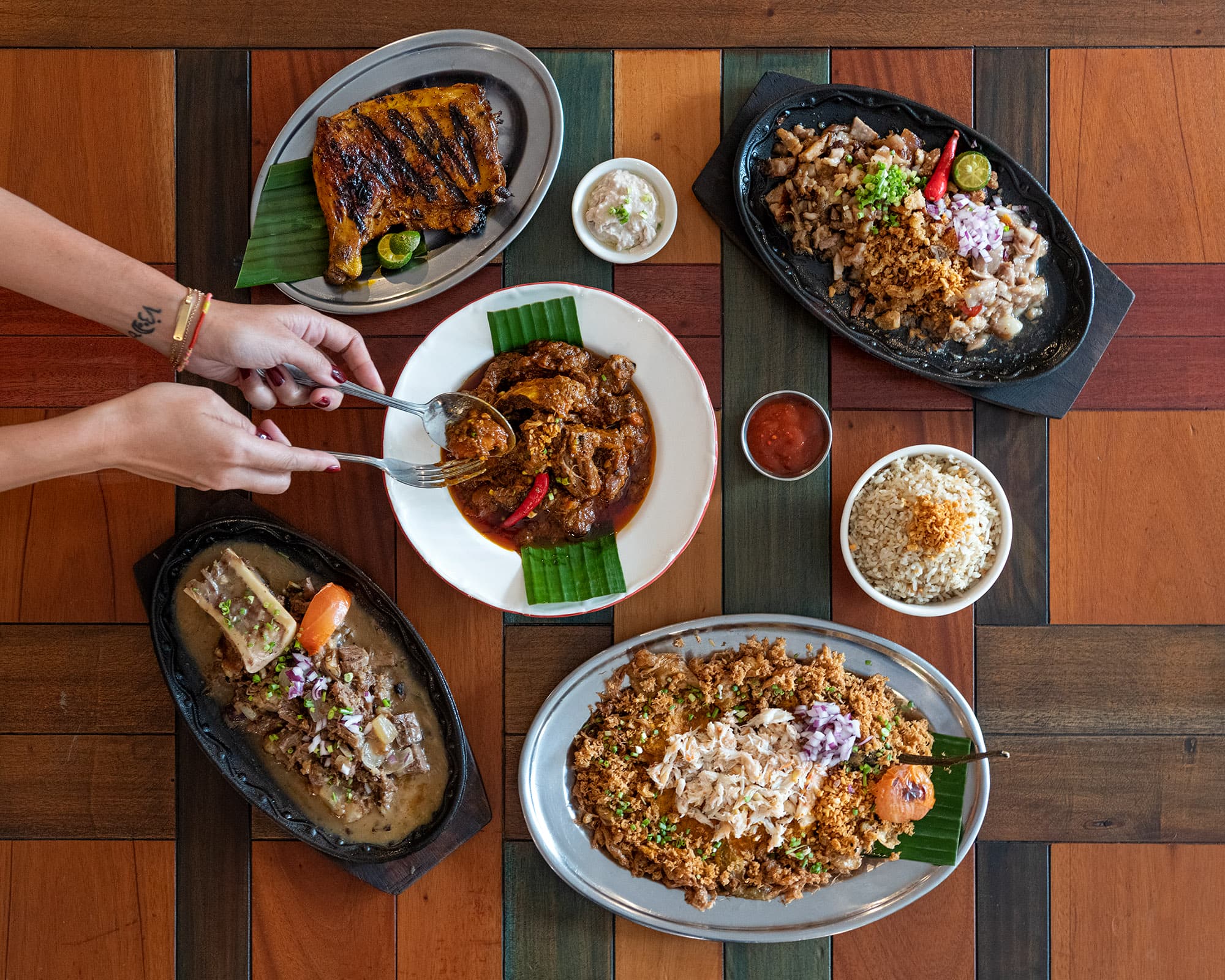
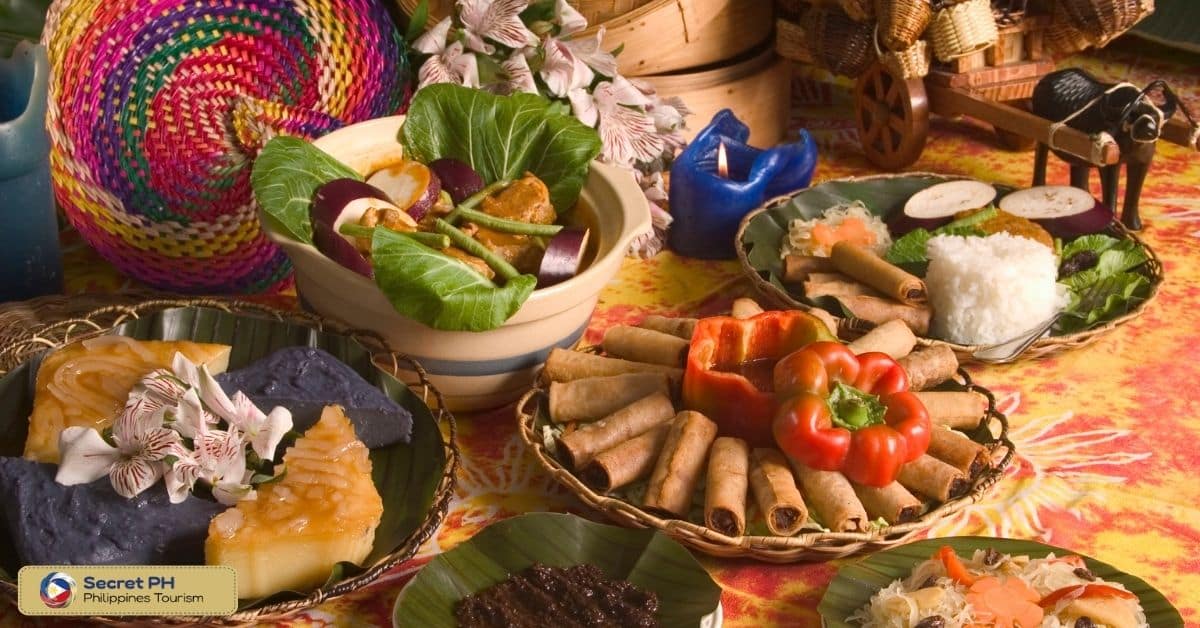
    Philippine cuisine is a rich tapestry of flavors and cultural influences. It is a unique culinary tradition shaped by indigenous roots, Spanish and Chinese influences, and a variety of signature dishes.

    Offering a vibrant celebration of diverse ingredients, Philippine cuisine showcases the country's rich culinary heritage. From the use of tropical fruits like mangoes and coconuts to the abundance of seafood from the surrounding waters, the cuisine reflects the bountiful resources of the archipelago.

    The indigenous roots of Philippine cuisine can be seen in the use of ingredients like rice, root crops, and native vegetables. These staples form the foundation of many traditional dishes such as adobo, sinigang, and kare-kare.

    The Spanish influence on Philippine cuisine is evident in dishes like lechon, paella, and caldereta, which were introduced during the colonial period. The use of ingredients like tomatoes, garlic, and onions, as well as cooking techniques like sautéing and braising, are a testament to this culinary influence.

    Chinese influences can be seen in dishes like pancit (noodles), lumpia (spring rolls), and siopao (steamed buns). The use of soy sauce, tofu, and different types of noodles are a result of the Chinese culinary heritage that has been integrated into Filipino cuisine.

    With its diverse range of flavors and influences, Philippine cuisine offers a truly unique and delicious culinary experience. Whether it's enjoying a hearty bowl of sinigang, savoring the crispy skin of lechon, or indulging in the sweet and sticky goodness of halo-halo, Filipino food never fails to delight the taste buds.

    Key Takeaways

    • Philippine cuisine is greatly influenced by historical trade routes and colonization, resulting in a unique fusion of flavors and culinary traditions.
    • Indigenous ingredients such as coconut, banana leaf, and bagoong alamang play a crucial role in Filipino dishes, adding richness, flavor, and depth.
    • Filipino dining culture includes the practice of eating with hands, promoting a deeper connection with food and community.
    • Each region in the Philippines has its own specialties, showcasing cultural and geographical diversity in traditional cuisine.

    Historical Influences

    The Austronesian maritime trade routes played a pivotal role in shaping the historical influences on Philippine cuisine, facilitating the exchange of a rich variety of culinary traditions and ingredients from Island Southeast Asia, South Asia, and China.

    The diverse ethnic groups in the Philippines each contributed to the tapestry of flavors, resulting in a vibrant and eclectic cuisine.

    The historical influences from foreign trade and colonization, such as the introduction of rice cultivation by the Austronesians and the arrival of Chinese and Mexican influences through the Manila galleon trade, have deeply impacted traditional Filipino dishes.

    Furthermore, the exchange of foodstuffs from the New World added a new dimension to regional dishes, creating a fusion of flavors that continues to evolve.

    The historical influences have woven a complex and fascinating narrative into the fabric of Philippine cuisine.

    Indigenous Ingredients

    Indigenous ingredients play a crucial role in enhancing the vibrant flavors and unique character of Filipino cuisine. These ingredients are a testament to the rich biodiversity of the Philippines, showcasing the deep connection between the land and its culinary traditions. The table below highlights some of the essential indigenous ingredients used in Filipino cuisine:

    Indigenous Ingredients Description
    Coconut Milk A staple in Filipino cooking, used to add richness and creaminess to dishes.
    Banana Leaf Used for wrapping and cooking various dishes, imparting a subtle, earthy flavor.
    Bagoong Alamang Fermented shrimp paste that adds a distinct umami and salty flavor to many Filipino dishes.
    Rice Cake A traditional Filipino delicacy made from glutinous rice, showcasing the importance of rice in Filipino cuisine.
    Taro Leaves Cooked Often used to make Laing, a popular dish in Filipino cuisine known for its creamy and spicy flavors.

    These indigenous ingredients not only contribute to the delicious flavors of Filipino cuisine but also reflect the cultural heritage and culinary ingenuity of the Filipino people.

    Dining Culture

    When dining in the Philippines, you'll experience a vibrant blend of influences from history and diverse regional specialties.

    You'll notice that it's common to eat with your hands, adding a tactile and communal element to the dining experience.

    The unique combination of Spanish, American, and indigenous traditions has shaped Filipino dining culture into a truly immersive and flavorful experience.

    Eating With Hands

    During festive gatherings, experiencing the vibrant flavors of traditional Filipino dishes with your hands, known as 'kamayan,' fosters a sense of togetherness and connection with the food. Eating with hands is not just about satisfying hunger, it's a sensory experience that allows you to feel the textures and temperatures of the dishes. Below is a table showcasing some popular Filipino kamayan dishes:

    Dish Description
    Sinigang A sour soup typically made with pork, shrimp, or fish, mixed with various vegetables and enjoyed with rice.
    Adobo A savory dish made with meat, soy sauce, vinegar, and garlic, often served with rice for a satisfying meal.
    Lechon A festive dish consisting of a whole roasted pig with crispy skin, usually enjoyed with bare hands.

    Eating with hands is a cherished part of Filipino dining culture, promoting a deeper connection with the cuisine and a sense of community.

    Influences From History

    In understanding the influences from history on Filipino dining culture, one can't overlook the significant role that historical trade routes and exchanges played in shaping the vibrant and diverse cuisine of the Philippines.

    The Austronesian maritime trade routes facilitated the exchange of cuisine and ingredients between Island Southeast Asia, South Asia, and China, profoundly influencing Filipino food. Seafaring Austronesians introduced aquaculture and agriculture techniques, as well as domesticated foodstuffs and animals, shaping the historical dining culture.

    Additionally, Chinese and Mexican influences were brought to the Philippines through the Manila galleon trade, leaving a lasting imprint on Filipino dining culture and historical culinary practices.

    The tropical climate and the diverse ethnolinguistic groups also contributed to the rich tapestry of flavors and cooking techniques that define Philippine cuisine.

    These influences have made Filipino cuisine a unique fusion of flavors and culinary traditions.

    Regional Specialties

    Nestled within the Philippines' diverse culinary landscape, regional specialties showcase a rich tapestry of flavors and cooking techniques. Each province boasts unique dishes that reflect the country's cultural and geographical diversity.

    Exploring regional specialties offers a deeper understanding of the local dining culture and the influence of geography and heritage on Filipino cuisine. Bicol is known for its spicy coconut-based cuisine, while Ilocano cuisine celebrates the use of fresh vegetables and seafood. Mindanaoan cuisine showcases influences from Indonesian and Malaysian culinary traditions.

    These regional specialties highlight the country's rich cultural and geographical diversity, offering a wide array of flavors and ingredients. From the spicy and rich to the fresh and light, the regional specialties of Philippine cuisine encompass a vibrant and diverse spectrum of flavors, giving insight into the traditional way of eating across the archipelago.

    Staple Foods

    Rice is the heart of Filipino cuisine, with various dishes showcasing its versatility and importance in daily life. From the classic sinangag to the iconic adobo, rice is a staple that binds the diverse flavors of the Philippines together.

    Additionally, exploring the regional variations and indigenous ingredients used in Filipino cuisine provides a deeper understanding of the cultural significance of staple foods.

    Popular Rice Dishes

    Nourish your palate with a delightful array of staple rice dishes that form the heart of Filipino cuisine, offering comforting flavors and diverse culinary influences.

    Indulge in the comforting warmth of Arroz Caldo, a popular rice porridge enjoyed during breakfast or as a warm snack.

    Goto, a rice congee with beef tripe, is a staple comfort food, best enjoyed with calamansi and a hard-boiled egg.

    For a unique sweet and salty combination, savor the beloved Champorado, a sweet chocolate rice porridge often paired with tuyo (dried fish).

    Kiampong, a festive rice dish with Chinese influences, features a flavorful mix of rice, vegetables, and meat, often served during special occasions.

    And don't miss out on Sinangag, garlic fried rice, a versatile dish commonly enjoyed as a side with various Filipino ulam (main dishes).

    Indigenous Ingredients

    Amidst the rich agricultural heritage and diverse natural resources of the Philippines, indigenous staple foods such as rice, root crops, and seafood form the foundation of Filipino cuisine, showcasing their versatility and importance in traditional dishes.

    Rice, the staple grain, is used in various dishes like rice porridge, while root crops like taro and yams add depth to stews and soups.

    Seafood, including fish and shrimp, is a key component in many Filipino dishes, reflecting the influence of the country's abundant coastal resources. Coconut, often used in both savory and sweet dishes, adds a delightful tropical flavor.

    Additionally, pork and chicken are commonly used meats, and bean sprouts are frequently incorporated, providing a crunchy texture to numerous Filipino favorites.

    These indigenous ingredients truly capture the essence of Filipino food, highlighting the nation's rich culinary heritage.

    Regional Flavor Variations

    Regional flavor variations in Filipino cuisine are a delightful reflection of the diverse geographical influences and agricultural practices across different parts of the Philippines.

    When it comes to staple foods, rice is at the heart of Filipino meals, symbolizing prosperity, and is often accompanied by stews known as 'sabaw.'

    The use of ingredients such as coconut, chili, and seafood contributes to the unique flavor profiles found in regions like Bicol and Mindanao.

    Additionally, the Philippines boasts a variety of coffee, and the way it's prepared and enjoyed varies from region to region, making it one of the best ways to experience the diverse flavors of Filipino cuisine.

    These diverse flavor variations in staple foods are what make Filipino food so popular throughout the Philippines.

    Signature Dishes

    With a rich tapestry of flavors and cultural influences, Philippine cuisine boasts a diverse array of signature dishes that embody the unique essence of Filipino culinary tradition.

    Adobo, a beloved Filipino food, features meat marinated in vinegar, soy sauce, and spices, offering a delightful blend of sweet, sour, and salty flavors.

    Lechon, a centerpiece for festive occasions, showcases the spirit of hospitality and abundance with its whole roasted pig.

    Sinigang, a sour soup made with meat or fish and a tamarind or guava base, captures the perfect balance of sweet and sour flavors.

    Pancit, a variety of stir-fried noodles with meat and vegetables, reflects the rich diversity of Filipino flavors.

    Lastly, halo-halo, a shaved ice dessert with sweet ingredients like fruits and beans, topped with evaporated milk and ice cream, exemplifies the unique textures and tropical flavors of Filipino desserts.

    Culinary Techniques

    Get ready to explore the exciting world of Filipino culinary techniques!

    From the art of combining sweet, sour, salty, and spicy flavors to utilizing native ingredients like kalamansi and pili nuts, Filipino cuisine is a delightful fusion of diverse tastes.

    Using a variety of cooking methods such as stewing, grilling, and sautéing, Filipino dishes achieve a perfect balance of flavors that will leave you craving for more.

    Cooking Methods

    Utilizing a variety of cooking methods, Filipino cuisine showcases a rich tapestry of flavors and textures that elevate its dishes to culinary delights. The diverse cooking techniques used in Filipino food preparation create a symphony of taste and aroma that's truly captivating.

    • Braising: This method is commonly used in creating the iconic Filipino adobo, where meat is simmered with vinegar, soy sauce, and aromatics to produce a tender and savory stew made.
    • Grilling: Often employed for seafood, meats, and vegetables, grilling imparts a delightful smoky flavor and a charred exterior, as evident in dishes like inihaw na bangus (grilled milkfish) and inasal (grilled chicken).
    • Steaming: This gentle cooking method is frequently used for creating healthy and flavorful dishes such as kakanin, a local version of rice cakes, and for preserving the natural taste and nutrients of vegetables and seafood.

    Flavor Combinations

    Flavor combinations in Filipino cuisine elevate the diverse cooking methods discussed earlier, creating a symphony of taste and aroma that is truly captivating. The table below showcases some essential flavor combinations and ingredients commonly used in Philippine cuisine.

    Flavor Combinations Example Dishes Key Ingredients
    Sweet and Salty Adobo Vinegar, Soy Sauce
    Sour and Spicy Sinigang Tamarind, Chili
    Savory and Creamy Bicol Express Coconut Milk, Pork

    Filipino dishes often balance sweet with salty notes, such as in the iconic adobo where vinegar and soy sauce create a harmonious blend. Additionally, the use of native ingredients like coconut milk and rice flour in dishes like Bicol Express adds depth and richness, showcasing the intricate interplay of flavors in Philippine cuisine.

    Regional Varieties

    The diverse culinary landscape of the Philippines is shaped by regional varieties, reflecting the unique traditions and flavors of different areas across the country. Filipino cuisine varies widely by region, province, and ethnic group, offering a rich tapestry of culinary traditions.

    Tagalog, Visayan, Ilocano, Kapampangan, Bicol, Moro, and Filipino-Chinese cuisines are prominent regional varieties. Each region boasts its own popular dishes, unique cooking methods, and main ingredients.

    Ilocano cuisine is known for its use of fresh vegetables and seafood, while Mindanaoan cuisine is influenced by Indonesian and Malaysian flavors. Different regions have their own specialties and local flavors, showcasing the diverse culinary traditions across the country.

    Filipino food is often served with vinegar, and regional variations make it a delightful adventure to explore the favorite Filipino cuisines from different parts of the archipelago.

    Street Eats

    Offering a wide array of affordable and flavorful options, street eats in the Philippines are a vibrant showcase of the diverse and dynamic culinary culture of the country. These fast food delights are often cooked and sold by vendors in bustling markets and streets, providing convenient and quick bites for both locals and tourists. From skewered delights like isaw (grilled chicken intestines) and fishballs to sweet treats such as banana cue (deep-fried caramelized bananas) and ice cream served with crushed ice and colorful toppings, the street eats scene in the Philippines is a feast for the senses. Additionally, bar chow like shrimp paste and other savory snacks are popular choices for those looking to savor the rich and varied flavors of Filipino cuisine.

    Skewered Delights Sweet Treats Bar Chow
    Isaw Banana Cue Shrimp Paste
    Fishballs Ice Cream
    Crushed Ice

    Exotic Flavors

    Experiencing the vibrant street eats of the Philippines opens the door to a world of exotic flavors that are a fusion of sweet, sour, salty, and sometimes spicy tastes, showcasing the diverse and dynamic culinary culture of the country.

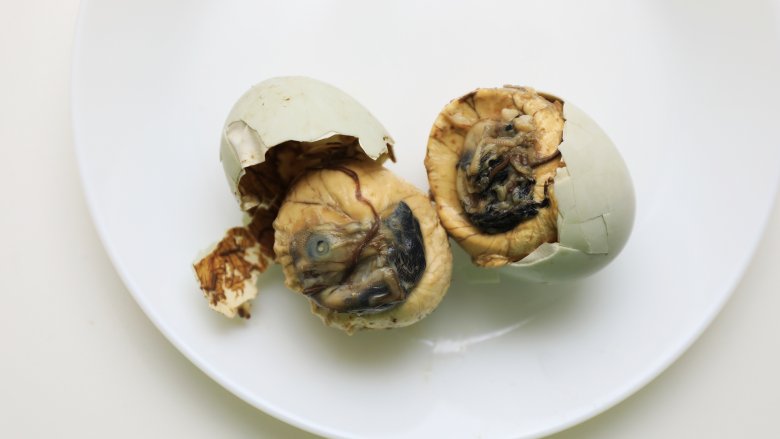
    Filipino cuisine boasts an array of exotic flavors, including the renowned corned beef served with fragrant white rice. Delve into the unique gastronomic adventure of balut, a fertilized duck egg, and explore the pungent allure of shrimp paste, a staple condiment that accompanies various dishes.

    Sample the tantalizing blend of pork or fish with tropical fruits, creating a symphony of flavors that's both unfamiliar and delightful. Each bite offers a harmonious balance of distinct tastes, exemplifying the rich and eclectic essence of Filipino cuisine.

    Global Impact

    Influenced by a myriad of global culinary traditions, Filipino cuisine has made a significant impact on the international gastronomic scene. The Filipino version of the rice porridge, known as arroz caldo, has become a beloved comfort food worldwide.

    Filipino cooking techniques and flavors have also gained recognition, with the use of ingredients like kalamansi and tabon-tabon adding unique and distinctive tastes to dishes. The late Anthony Bourdain, a renowned chef and food expert, praised the diversity and richness of the Filipino diet, bringing global attention to the country's culinary offerings.

    Additionally, food products such as dried mangoes and ube-flavored treats have found their way into international markets, showcasing the global appeal of Filipino flavors and delicacies.

    Filipino cuisine continues to captivate the world with its delicious and diverse culinary traditions.

    Mealtime Delights

    With a rich array of Filipino dishes blending sweet, sour, salty, and sometimes spicy flavors, Mealtime Delights offers a diverse culinary experience that will tantalize your taste buds.

    At Mealtime Delights, you can savor the comforting warmth of rice porridge, the succulent flavors of chicken and pork cooked in traditional Filipino techniques, and the aromatic delights of noodle soup.

    The restaurant's menu also features the piquant tang of shrimp paste wrapped in banana leaves, bringing a burst of umami to every bite.

    Whether you're craving something sweet and sour or a hearty, soul-warming meal, Mealtime Delights has something for every palate.

    Immerse yourself in the rich tapestry of Philippine cuisine with these mealtime delights.

    Sweet Endings

    Indulge in the delectable array of desserts and sweet treats that complete the culinary journey of Philippine cuisine. Filipino food is renowned for its unique sweet endings, often incorporating rice, coconut, and tropical fruits into delightful confections.

    Savor the creamy goodness of leche flan, a caramel custard with a rich, silky texture. Dive into the refreshing sweetness of halo-halo, a shaved ice dessert layered with young coconut meat, sweetened beans, and fruits, topped with ice cream and a sauce made from evaporated or condensed milk.

    Experience the comforting flavors of bibingka, a traditional rice cake cooked in clay pots, topped with salted egg, grated coconut, and a sprinkle of ground peanuts. Sweet endings in Filipino cuisine offer a delightful blend of textures and flavors, often accompanied by fried pork rinds for that perfect balance of sweet and savory.

    Frequently Asked Questions

    What Is Typical Filipino Cuisine?

    Filipino cuisine is a rich blend of Austronesian, Chinese, Spanish, American, and global influences. It showcases diverse flavors and dishes, from savory adobo to sweet halo-halo. Exploring it will surely tantalize your taste buds!

    How Would You Describe Philippine Cuisine?

    You'd describe Philippine cuisine as a flavorful blend of Austronesian, Chinese, Spanish, American, and indigenous influences. It balances sweet, sour, salty, and sometimes spicy flavors, using native ingredients and diverse meat and rice dishes.

    What Is the Philippines Famous Food?

    Filipino cuisine is famous for its diverse flavors and unique combinations. Dishes like adobo, lechon, and sinigang are popular staples. The blend of sweet, sour, and salty flavors makes Philippine food a delightful culinary experience.

    What Is the Typical Filipino Diet?

    The typical Filipino diet is a delicious fusion of Austronesian, Chinese, Spanish, American, and indigenous influences. It features a delightful mix of sweet, sour, salty, and sometimes spicy flavors, with dishes like adobo, sinigang, and lechon.

    How is Kangkong commonly used in Philippine cuisine?

    Kangkong, also known as water spinach, is a staple in delicious kangkong recipes Filipino cuisine. It is commonly used in sinigang, a sour soup with pork or shrimp, and adobong kangkong, a stir-fry dish with garlic, vinegar, and soy sauce. Its versatility and nutrient-rich profile make it a popular ingredient in Filipino cooking.

    Conclusion

    Congratulations! You've now experienced the rich and vibrant flavors of Philippine cuisine. With its diverse influences and use of indigenous ingredients, Filipino dishes are a true delight for your taste buds.

    From the savory adobo to the tangy sinigang, and the sweet endings of Filipino desserts, every meal is a journey of exotic flavors.

    Now that you've learned about the historical influences and dining culture, you're ready to savor the deliciousness of Philippine cuisine.

    Cheers to a flavorful culinary adventure!

  • What Makes Philippine Regional Cuisine Unique?

    What Makes Philippine Regional Cuisine Unique?

    Philippine regional cuisine is unique because of its fusion of flavors and cooking techniques influenced by Spanish, Chinese, Indian, and Western traditions, creating a truly distinct dining experience.

    What makes it special is its diverse range of ingredients and the way it reflects the country's rich culinary heritage.

    Key Takeaways

    • Filipino regional cuisine is a fusion of flavors, techniques, and ingredients, blending indigenous and Western influences.
    • Indigenous ingredients and methods, such as the use of calamansi, tabon-tabon, and pili nuts, contribute to the distinct taste of Filipino regional dishes.
    • Foreign influences, particularly Spanish and Chinese, have enriched Filipino cuisine by introducing ingredients and culinary techniques.
    • Regional uniqueness is showcased through dishes like Ilocos Region's bagnet and Bicol's spicy coconut cuisine, highlighting each region's mastery of cooking and unique flavors.

    Cultural Fusion in Cooking

    Cultural fusion in cooking brings together a diverse range of culinary traditions and ingredients, resulting in the creation of unique and innovative dishes that showcase a delightful mix of flavors, techniques, and ingredients.

    In Philippine regional cuisine, cultural fusion is evident through the blending of indigenous ingredients and cooking methods with Western influences. The use of traditional Filipino cooking techniques, such as grilling, stewing, and braising, is combined with Spanish, Chinese, and American culinary influences, resulting in a rich tapestry of flavors.

    Indigenous ingredients like calamansi, coconut, and various tropical fruits are often paired with Western staples like tomatoes, potatoes, and peppers, creating a harmonious blend of flavors that's both familiar and exotic.

    This cultural fusion not only reflects the country's history of colonization and trade but also celebrates the diverse cultural heritage of the Philippines.

    Indigenous Ingredients and Methods

    Indigenous ingredients and methods in Philippine regional cuisine embody a rich tapestry of flavors and techniques, reflecting the diverse cultural heritage of the country.

    • Indigenous Ingredients
    • Calamansi, tabon-tabon, and pili nuts are integral to Filipino cuisine, infusing dishes with unique flavors.
    • These ingredients, along with others, contribute to the distinct taste that sets Filipino regional dishes apart.
    • Cooking Techniques
    • Slow-cooking in clay pots or bamboo, and the use of banana leaves for wrapping, enhance the textures and flavors of local cuisine.
    • Traditional methods, like wood-fired clay stoves and traditional grinding tools, uphold the authenticity and richness of Filipino regional dishes.

    These indigenous ingredients and cooking techniques, passed down through generations, form the heart of Philippine cuisine, representing the diverse and vibrant flavors of the Philippine archipelago.

    Spanish Influences on Cuisine

    With Spanish colonial rule leaving a lasting impact on Filipino cuisine, the incorporation of ingredients like tomatoes, potatoes, and chili peppers, along with the adoption of cooking techniques such as braising and stewing, has significantly enriched the culinary landscape of the Philippines. The fusion of Spanish influences with indigenous Filipino ingredients and methods has given birth to a unique culinary tradition that reflects the rich tapestry of Filipino culture. Here's a glimpse of the Spanish influences on Filipino cuisine:

    Spanish Influences Description Filipino Dish
    Tomatoes Introduced by the Spanish, tomatoes are now a staple in Filipino stews and sauces Menudo, Kaldereta
    Potatoes Spanish introduction of potatoes led to their use in Filipino dishes, adding a new dimension to the cuisine Torta Espanola, Ukoy
    Chili Peppers The Spanish brought chili peppers, which are now widely used in Filipino cooking, adding heat and flavor to many dishes Bicol Express, Sinigang

    The Spanish influences have not only shaped Filipino cuisine but also contributed to what makes it truly unique.

    Chinese Culinary Imprint

    You'll be fascinated to discover the rich Chinese culinary imprint on Filipino cuisine.

    From the use of Chinese noodles and spring rolls to the innovative incorporation of unconventional ingredients, the fusion of flavors and techniques is truly captivating.

    The geographical and historical ties between the Philippines and China have given birth to a unique culinary heritage that continues to flourish in the Filipino kitchen.

    Chinese Flavor Influences

    The Chinese culinary imprint on Filipino cuisine has resulted in a vibrant fusion of flavors and cooking techniques, showcasing the rich diversity and adaptability of both culinary traditions.

    This influence is evident in the use of ingredients like soy sauce and ginger, which have become staples in Filipino cooking due to the early presence of Chinese merchants in the Philippines.

    The adaptation of popular Chinese dishes to suit local palates has led to the creation of unique Filipino variations, reflecting the assimilation of Chinese culinary influences into Filipino regional dishes.

    Additionally, desserts like halo-halo, originally introduced by the Chinese, demonstrate the fusion of flavors and culinary traditions in Filipino cuisine, highlighting the impact of Chinese flavor influences on the rich and diverse tapestry of Filipino culinary offerings.

    Fusion of Cooking Styles

    Reflecting the vibrant fusion of Chinese and indigenous Filipino flavors and cooking techniques, the culinary imprint of Chinese influences on Filipino cuisine is evident in the rich and diverse tapestry of regional dishes.

    Filipino cuisine seamlessly blends Chinese culinary elements with local flavors and methods, resulting in a unique and diverse gastronomic experience. The fusion of cooking styles showcases the harmonious integration of popular Chinese ingredients and cooking techniques with Filipino culinary traditions.

    This amalgamation is apparent in well-loved Filipino dishes such as pancit, lumpia, and siopao, which have become staples in Filipino households. The Chinese culinary imprint contributes to the rich and diverse flavors found in Filipino regional cuisine, creating a truly unique dining experience that's a testament to the cultural and historical fusion of these two culinary traditions.

    Shared Culinary Techniques

    Showcasing a seamless blending of Chinese culinary elements with local flavors and methods, Filipino cuisine exemplifies a rich tapestry of regional dishes.

    The Chinese culinary imprint on Filipino cuisine is evident through the meticulous preparation and use of techniques like stir-frying, steaming, double cooking (kawali), and deep frying (prito). The incorporation of Chinese ingredients such as tofu, bok choy, and Chinese sausage further emphasizes this culinary influence.

    Additionally, the usage of soy sauce, hoisin sauce, and oyster sauce in Filipino dishes highlights the fusion of Chinese culinary techniques with Southeast Asian ingredients. Chinese-inspired dishes like pancit (noodles) and lumpia (spring rolls) have become integral parts of Filipino cuisine, reflecting the shared culinary techniques that have been passed down through generations.

    Filipino cuisine truly embodies a harmonious blend of diverse culinary influences.

    Malay Flavor Influences

    You'll discover that Malay flavor influences have left a lasting mark on Filipino cuisine, infusing it with a tantalizing array of aromatic spices and herbs.

    The fusion of Malay spices and indigenous ingredients has given rise to a unique and vibrant culinary tradition that's deeply rooted in the Filipino palate.

    From the use of coconut milk to the art of wrapping dishes in banana leaves, the Malay influence in Filipino cooking is unmistakable and adds a rich depth of flavor to the culinary landscape.

    Malay Spices and Herbs

    Malay spices and herbs, such as turmeric, lemongrass, and pandan, play a pivotal role in crafting the distinctive flavor profile of Filipino dishes, infusing them with a captivating blend of aromatics and savory notes. These ingredients are fundamental to the rich tapestry of flavors found in Filipino cuisine, enhancing dishes with their unique characteristics.

    Here's how Malay spices and herbs influence Filipino dishes:

    • Turmeric and other spices are used to marinate chicken inasal, showcasing the bold and aromatic Malay flavors in this grilled dish.
    • Lemongrass adds a citrusy and floral note to soups and stews, reflecting Malay influences in comforting Filipino recipes.
    • Pandan leaves infuse a sweet, floral flavor in desserts like buko pandan, exemplifying the influence of Malay spices and herbs in Filipino sweets.

    The use of these ingredients, along with rice, coconut milk, and chili peppers, creates a tapestry of flavors that define Filipino cuisine.

    Fusion With Indigenous Ingredients

    Infusing the vibrant flavors of Malay cuisine with indigenous ingredients has resulted in a fusion that uniquely defines the rich and diverse tapestry of Filipino regional dishes.

    Filipino cuisine boasts a rich tapestry of flavors, and the fusion with indigenous ingredients plays a pivotal role in shaping its distinctiveness. Ingredients like coconut, banana, and taro root not only infuse Malay flavors but also add depth to Filipino delicacies.

    This fusion creates a distinct flavor profile that sets Filipino regional cuisine apart. The Malay influence also contributes to the use of unique herbs and spices, enhancing the authenticity of Filipino dishes.

    The incorporation of indigenous ingredients adds a layer of complexity, enriching the already diverse Filipino fusion cuisine. It's this fusion that truly captures the essence of Filipino regional cuisine, making it a delight for the palate.

    Ilocos Region's Rich Dishes

    The Ilocos Region's rich dishes are renowned for their bold, savory flavors and unique cooking methods, offering a distinct culinary experience that captivates the senses.

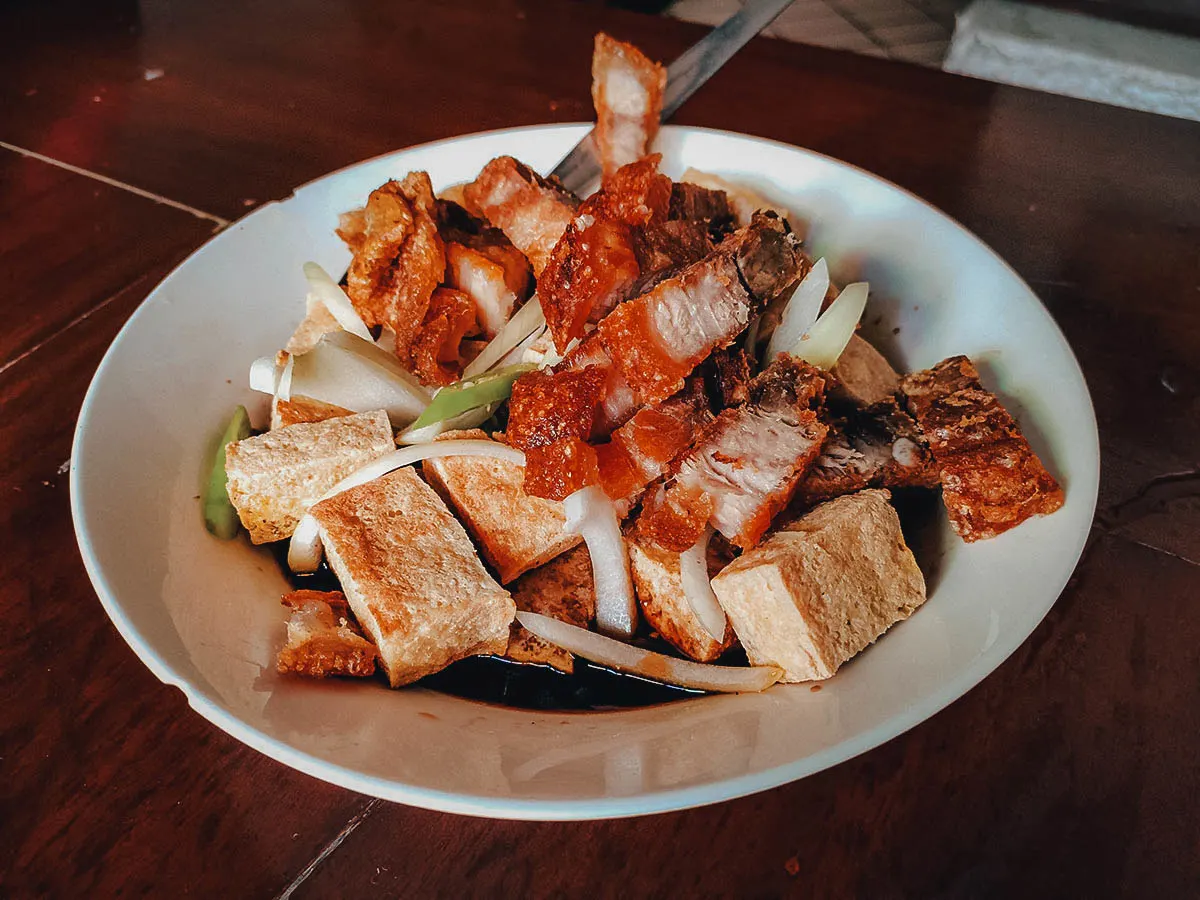
    When exploring the cuisine of the Ilocos region, you must indulge in the iconic 'Bagnet,' a deep-fried crispy pork belly that exemplifies the region's mastery of cooking.

    Another must-try is 'Pinakbet,' a flavorful vegetable dish made with a mix of native vegetables and shrimp paste, showcasing the region's expertise in creating savory Filipino food.

    Additionally, the 'Empanada,' a delicious deep-fried pastry filled with a combination of vegetables, egg, and longganisa (Filipino sausage), is a delicacy that perfectly encapsulates the Ilocos culinary tradition.

    Lastly, the famous 'Ilocos longganisa,' a garlicky and slightly sour pork sausage, is a testament to the region's commitment to crafting unique and flavorful Filipino cuisine.

    Bicol's Spicy Coconut Cuisine

    Get ready to experience the vibrant and bold flavors of Bicol's Spicy Coconut Cuisine.

    The region's culinary creations are a fiery celebration of local ingredients, with coconut milk and chili peppers taking center stage in every dish.

    Bicol's love for intense and spicy flavors shines through in its iconic dishes, promising a culinary adventure like no other.

    Spices and Flavors

    With its vibrant blend of fiery chilies and rich coconut milk, Bicol's cuisine delivers a memorable and distinct culinary experience.

    The popular Filipino cuisine of Bicol is renowned for its use of coconut milk and spicy flavors, with the region's signature dish, Bicol Express, featuring pork cooked in spicy coconut milk. Local ingredients such as siling labuyo (bird's eye chili) contribute to the distinct fiery taste that characterizes Bicolano dishes.

    The cuisine of Bicol showcases a unique blend of heat from chilies and richness from coconut, creating a dining experience that's both bold and comforting. This combination of spicy and coconut-based flavors embodies the essence of Bicolano cuisine and adds to the rich tapestry of Island Southeast's diverse culinary heritage.

    Culinary Influences

    Influenced by a fusion of Spanish, Mexican, and native Bicolano flavors, Bicol's spicy coconut cuisine offers a tantalizing blend of heat and creaminess that defines its unique culinary identity.

    The use of coconut milk and chili peppers creates a distinct spicy and creamy taste, with dishes such as laing and Bicol express showcasing the region's abundant use of gata (coconut milk).

    Bicol's cuisine often incorporates local produce like taro leaves, adding earthy flavors and textures to the dishes.

    The culinary influences in Bicol's cuisine showcase a harmonious blend of indigenous, Spanish, and regional flavors, making it a must-try for those seeking a unique gastronomic experience.

    This rich culinary heritage also extends to desserts, with Bicol known for its delicious rice cakes made from fermented rice and coconut milk, offering a delightful conclusion to a flavorful meal.

    Festive Spirit in Filipino Dishes

    The vibrant and colorful Filipino dishes, often served on banana leaves, embody the festive spirit in Filipino cuisine. When you indulge in Filipino food, you experience a full sensory experience that captivates not only your taste buds but also your eyes with its lively and vibrant presentation.

    The aroma of the dishes, often a mix of sweet, savory, and smoky scents, fills the air, further enhancing the festive spirit. Additionally, at Filipino celebrations, the centerpiece dish of Lechon or cochinillo takes the spotlight, adding to the celebratory atmosphere.

    Moreover, the long table of delicacies at fiestas showcases the rich Filipino culture and adds to the festive spirit in Filipino cuisine. Pinoy food truly creates a unique gastronomic experience for guests, making every gathering and special occasion lively and jubilant.

    Magic of Rice in Filipino Cooking

    Embrace the culinary essence of Filipino cuisine as we uncover the enchanting role of rice in its diverse and vibrant culinary tapestry.

    In Filipino cooking, the magic of rice is undeniable. It serves as the cornerstone of countless dishes, offering a canvas for rich flavors to meld and develop.

    From the simplicity of steamed rice to the complexity of suman, a rice cake wrapped in banana leaves, the versatility of rice in Filipino cuisine is truly remarkable. Its ability to complement and balance the bold, savory flavors of Filipino dishes is unparalleled.

    The resourcefulness of Filipino cooking shines through in the myriad ways rice is incorporated into both savory and sweet recipes. This deep-rooted connection to rice is a reflection of the cultural and traditional significance it holds in Filipino culinary heritage.

    Resourcefulness in Ingredients

    Delving into the heart of Filipino culinary tradition reveals a deep-seated resourcefulness in utilizing every component of ingredients, showcasing a dedication to maximizing flavor and minimizing waste.

    • Filipinos exemplify resourcefulness by using all parts of an ingredient, such as pig or chicken, in diverse and flavorful dishes like chicharon, crispy pata, and sisig.
    • These dishes reflect Filipino ingenuity and contribute to the unique and inventive nature of Filipino cuisine.
    • The meticulous preparation of these dishes requires time and effort, highlighting the dedication and craftsmanship in Filipino culinary traditions.
    • This resourcefulness is a testament to the Filipino culinary heritage, showcasing a deep appreciation for utilizing the full potential of every component.

    This resourcefulness in ingredients not only adds depth and complexity to Filipino cuisine but also reflects the Filipino value of minimizing waste and maximizing the potential of ingredients, making regional Filipino cuisine truly unique.

    Hearty Meriendas in Filipino Cuisine

    In Filipino cuisine, hearty meriendas beckon with a tempting array of sweet dishes and rice cakes, offering a delightful snacking experience that reflects the diverse and creative nature of the culinary tradition.

    These meriendas often include ice-cold desserts like mais con yelo and saging con yelo, as well as popular rice cakes such as puto, biko, sapin-sapin, and kutsinta. The variety of sweet and flavorful options creates a perfect snacking mood, showcasing the unique and creative side of Filipino cuisine.

    Rice cakes, known as kakanin, are a staple for hearty meriendas, providing a delightful and satisfying snack experience. The merienda culture in Filipino cuisine reflects the love for sweet treats and offers a unique insight into the Filipino way of enjoying snacks.

    Hearty meriendas are an integral part of the Filipino culinary tradition, contributing to the overall uniqueness of regional cuisine.

    Filipino Street Food and Snacks

    When exploring the vibrant and bustling streets of the Philippines, you'll encounter a diverse array of tempting street food and snacks that showcase the rich flavors and culinary creativity of the Filipino culture.

    Filipino street food offers a diverse range of options, including skewered meats, seafood, and unique snacks. Popular street food items in the Philippines include fish balls, squid balls, kwek-kwek (quail eggs), isaw (grilled chicken intestines), and balut (boiled duck embryo). Street food vendors can be found in bustling markets and along busy streets, showcasing the vibrant and flavorful street food culture in the Philippines.

    From sweet rice cakes (kakanin) to savory grilled meats, Filipino street food and snacks offer a wide array of flavors and textures to tantalize the taste buds. It's a convenient and delicious way to explore the country's culinary delights while on the go. The use of unique condiments like banana ketchup further adds to the distinctiveness of Filipino dishes.

    Frequently Asked Questions

    What Is so Special About Filipino Food?

    You're in for a treat with Filipino food! It's a delightful fusion of flavors influenced by Spanish, Chinese, Indian, and Western cuisines. Each region brings its unique cooking style, offering a diverse and vibrant culinary experience.

    What Are the Characteristics of Philippine Cuisine?

    The characteristics of Philippine cuisine include a rich blend of flavors from Spanish, Chinese, Indian, and Western influences. Each region boasts distinct cooking methods, vibrant colors, and carefully balanced flavors, creating a diverse culinary experience.

    What Is the Most Noticeable Influence of the Filipino Cuisine?

    The most noticeable influence of Filipino cuisine is its rich tapestry of flavors, blending indigenous ingredients with Spanish, Chinese, Indian, and Western influences. This fusion creates a vibrant, diverse culinary landscape that delights the senses.

    What Makes Philippine Gastronomy Diverse and Unique Brainly?

    The diverse culinary traditions across the Philippines, influenced by various cultures and geographical factors, make Philippine gastronomy unique. Each region's distinct flavors, ingredients, and cooking techniques contribute to a rich and vibrant food culture.

    What Makes Philippine Regional Cuisine Unique Compared to Other Types of Cuisine in the Philippines?

    Philippine regional cuisine stands out for its diverse flavors and cooking techniques, setting it apart from other different types of cuisine in the country. Each region boasts distinct ingredients and cooking styles, resulting in a wide array of dishes that showcase the Philippines’ rich culinary heritage.

    Conclusion

    Indulge in the diverse and rich culinary heritage of Philippine regional cuisine, where cultural fusion, indigenous ingredients, and Spanish, Chinese, and Malay influences come together to create a vibrant and delicious dining experience.

    From the magic of rice to the resourcefulness in using local ingredients, Filipino cuisine offers a unique and flavorful journey through the country's cultural diversity.

    Don't miss out on the hearty meriendas and flavorful street food that showcase the creativity and passion of Filipino cooking.

  • How To Describe Filipino Cuisine?

    How To Describe Filipino Cuisine?

    To describe Filipino cuisine, highlight its fusion of Asian, Spanish, Chinese, and American flavors, known for its sweet, sour, salty, and spicy taste profile. This cuisine blends diverse ingredients like kalamansi and pili nuts, offering a vibrant and unique culinary experience influenced by centuries of cultural exchange.

    Key Takeaways

    • Filipino cuisine is influenced by a fusion of Austronesian, South Asian, Chinese, Spanish, and American influences.
    • It is characterized by a harmonious blend of sweet, sour, salty, and sometimes spicy flavors.
    • Indigenous ingredients like kalamansi and pili nuts add depth and distinctiveness to Filipino dishes.
    • Traditional cooking techniques such as boiling, steaming, grilling, braising, stewing, fermentation, sautéing, and stir-frying are used in Filipino cuisine.

    Understanding Filipino Culinary Roots

    Delving into the origins of Filipino cuisine uncovers a rich tapestry woven from centuries of cultural exchange and culinary evolution.

    The Philippines, with its diverse ethnolinguistic groups, has embraced a fusion of Austronesian, South Asian, Chinese, Spanish, and American influences in its cooking methods. This amalgamation has resulted in a truly unique culinary landscape, characterized by a harmonious blend of sweet, sour, salty, and sometimes spicy flavors.

    Filipino cuisine showcases the inventive use of native ingredients like kalamansi and pili nuts, adding depth and distinctiveness to its dishes.

    Traditional Filipino dining, influenced by Western etiquette, presents a variety of meals such as pandesal for breakfast and merienda for afternoon snacks, reflecting the intricate balance of tradition and innovation.

    Understanding the roots of Filipino cuisine provides a glimpse into the cultural tapestry that has shaped this vibrant and flavorful culinary tradition.

    Embracing Indigenous Ingredients

    Embracing indigenous ingredients in Filipino cuisine infuses each dish with a rich tapestry of flavors, connecting the culinary tradition to the land and heritage of the Philippines. Filipino food draws on a diverse array of native ingredients, each contributing to the vibrant tapestry of flavors that define Philippine cuisine. Here are some indigenous ingredients that are essential in creating the distinct taste of Filipino dishes:

    Indigenous Ingredient Description Culinary Use
    Kalamansi Small citrus fruit Used as a condiment, marinade, or flavor enhancer
    Tabon-tabon Green fruit with a sour taste Commonly used in soups, particularly in Visayan cuisine
    Pili nuts Creamy and rich-flavored nuts Utilized in desserts, sauces, and even savory dishes

    Exploring Traditional Cooking Techniques

    Traditional cooking techniques in Filipino cuisine encapsulate the vibrant flavors of indigenous ingredients, weaving a culinary tapestry that connects the heritage of the Philippines to each savory dish.

    These techniques involve:

    • Boiling, Steaming, and Grilling: Common methods used to prepare a variety of Filipino dishes, from the beloved national dish, sinigang, a sour soup typically made with pork and vegetables, to inihaw na baboy, a grilled pork dish marinated in a blend of soy sauce, calamansi, and garlic.
    • Braising and Stewing: These methods are employed in dishes like kare-kare, a rich oxtail stew flavored with ground roasted peanuts, creating a complex and nutty flavor profile.
    • Fermentation: Widely used in Filipino cuisine, as seen in the preparation of burong isda, a fermented rice and fish dish, and in the souring agents like vinegar and calamansi that impart distinctive tangy flavors to dishes.
    • Sautéing and Stir-frying: Techniques that bring out the flavors of ingredients in dishes such as adobo and pancit, enhancing the taste and aroma of the final dish.

    Unveiling Regional Flavor Variations

    Regional flavor variations in Filipino cuisine captivate the palate with an array of distinct and tantalizing tastes, reflecting the diverse culinary heritage of each locality. The cooking process varies across the Philippines, leading to a rich tapestry of flavors and textures in Filipino recipes.

    In the northern regions, such as Ilocos, dishes are known for their robust and savory profiles, often incorporating the use of fermented fish or shrimp paste.

    Meanwhile, the Visayas region boasts a preference for tangy and spicy flavors, with dishes like kinilaw, a type of ceviche, showcasing the region’s love for fresh and zesty ingredients.

    On the other hand, in Mindanao, influences from neighboring countries have resulted in dishes featuring bold, aromatic spices and coconut milk, creating a fusion of flavors unique to the region.

    These regional variations offer a delightful exploration of Filipino cuisine, showcasing the country’s diverse culinary landscape.

    Sampling Filipino Street Food Delights

    Immerse yourself in the vibrant world of Filipino street food delights, where an array of flavors and aromas await to tantalize your taste buds. Explore the bustling streets of the Philippines and savor the aromatic and mouth-watering delights of local street vendors, offering an authentic taste of Filipino cuisine.

    Sample classic Filipino street food delights like balut, isaw, or fish balls to experience the diverse and vibrant flavors of Filipino cuisine. Indulge in the unique combinations of sweet, sour, and savory flavors found in Filipino street food, showcasing the culinary creativity and ingenuity of the culture.

    Immerse yourself in the lively atmosphere of Filipino street food culture, where you can enjoy traditional favorites like taho, kwek-kwek, and banana cue. Experience the rich history and cultural significance of Filipino street food, reflecting the diverse influences and regional specialties of this dynamic culinary tradition.

    Experiencing Exotic Filipino Dishes

    Indulge in the tantalizing array of exotic Filipino dishes, each offering a unique blend of flavors and cultural influences.

    Filipino cuisine is a treasure trove of exotic flavors waiting to be explored. From the pungent and savory taste of balut (fertilized duck embryo) to the aromatic and spicy flavors of pinakbet (mixed vegetable stew), the culinary landscape of the Philippines is a fusion of original flavors and influences.

    As you wander the bustling streets of the Philippines, you’ll encounter street vendors dishing out adventurous delights such as isaw (grilled chicken intestines) and betamax (grilled chicken blood). These dishes are a testament to the Filipino’s ingenuity in creating delectable dishes from the most unexpected ingredients.

    Embrace the bold and exotic flavors of Filipino cuisine, and savor the original fusion that makes it truly unique.

    Appreciating Filipino Bread and Pastry Artistry

    Feast your senses on the delightful fusion of Spanish and Filipino culinary influences showcased in the intricate designs and creative flavors of Filipino bread and pastries. The artistry of Filipino bread and pastries is a testament to the country’s rich history and diverse cultural influences.

    When exploring Filipino bakeries, you’ll encounter a wide array of delectable treats, including pandesal, ensaymada, hopia, and various Spanish-inspired breads, each offering a unique combination of sweet and savory flavors. These creations feature locally sourced ingredients such as ube, coconut, and pandan, adding a Southeast Asian twist to the traditional Spanish pastries.

    Appreciating Filipino bread and pastry artistry provides a glimpse into the creativity, craftsmanship, and flavors that make them an integral part of Filipino dining.

    Sipping Filipino Brewed Beverages

    Savor the rich aroma and diverse flavors of Filipino brewed beverages, each sip reflecting the country’s unique agricultural heritage and cultural traditions.

    Filipino brewed beverages, such as barako coffee and tsokolate, offer a sensory journey through the influence of Spanish colonization and the rich history of coffee and cacao in the Philippines. These traditional drinks often feature local ingredients like tablea (cacao tablets) and kapeng barako (Philippine Liberica coffee), providing a rich and distinctive flavor profile.

    From the strong and bold taste of kapeng barako to the rich and velvety texture of tsokolate, each sip offers a glimpse into the country’s cultural heritage and agricultural traditions.

    Exploring Filipino brewed beverages provides an opportunity to appreciate the artistry and craftsmanship involved in brewing and enjoying these traditional drinks.

    Indulging in Filipino Alcoholic Beverages

    Get ready to tantalize your taste buds with popular Filipino cocktails, traditional rice wine, and unique local spirits.

    From the sweet and potent flavor of Lambanog, a traditional coconut wine, to the refreshing taste of Tuba, a beloved palm wine, Filipino alcoholic beverages offer a diverse and rich drinking experience.

    Craft breweries in the Philippines are also making waves with innovative beer flavors that incorporate local fruits and herbs, adding a modern twist to traditional brewing techniques.

    Popular Filipino Cocktails

    Indulge in the rich and vibrant flavors of popular Filipino cocktails, which offer a unique blend of tropical ingredients and native fruits, creating refreshing and indulgent drinks.

    • Mango Rum Punch: This cocktail combines the sweetness of ripe mangoes with the kick of rum, delivering a tropical explosion in every sip.
    • Calamansi Margarita: The tangy flavor of calamansi, a native citrus fruit, adds a Filipino twist to the classic margarita, creating a zesty and refreshing concoction.
    • Pineapple Tuba Cooler: Tuba, a traditional palm wine, blends with the tropical sweetness of pineapple, offering a truly authentic Filipino drinking experience.
    • Coconut Water Mojito: Fresh coconut water, mint, and a hint of lime come together to create a revitalizing and tropical take on the classic mojito.

    These vibrant and colorful cocktails are perfect companions to the rich and flavorful Filipino cuisine, from crispy fried chicken to hearty sour soup, all served on a traditional banana leaf.

    Traditional Rice Wine

    Immerse yourself in the rich tapestry of Filipino alcoholic beverages by exploring the traditional rice wine, known as ‘Tapuy’ or ‘Basi’, a beloved and integral part of Filipino culture. This indigenous beverage, deeply rooted in the Philippine archipelago, offers a delightful and unique drinking experience. The fermentation process involves the use of traditional yeast called ‘Bubod’, infusing the wine with a depth of flavor that is both sweet and tangy, with a mild alcoholic kick.

    Tapuy or Basi is not only a local favorite for celebrations and rituals but has also gained popularity in the United States as an exotic and intriguing addition to the world of alcoholic beverages. It is a must-try for those seeking to savor a local version of wine that is deeply embedded in Filipino heritage.

    Traditional Rice Wine Description
    Tapuy or Basi Sweet, tangy, and mildly alcoholic
    Fermentation Process Uses traditional yeast ‘Bubod’
    Cultural Significance Integral part of Filipino celebrations
    Popularity Gaining attention in the United States
    Flavor Profile Unique and delightful taste

    Unique Local Spirits

    Embark on a captivating journey into the realm of Filipino alcoholic beverages, where unique local spirits like lambanog, tuba, and basi await to tantalize your senses with their rich history and distinct flavors.

    Indulge in the classic Filipino lambanog, a traditional coconut wine known for its potency and versatility in cocktails.

    Immerse yourself in the popular tuba, or coconut toddy, with its unique sweet and sour taste derived from the tropical climate’s coconut flowers.

    Explore the rich history and distinct flavor of basi, a sugarcane wine aged in earthen jars.

    Dive into the world of Filipino craft beers like Cerveza Negra and Red Horse, offering a local twist to the global beer scene.

    Embrace the unique flavors deeply rooted in the country’s cultural heritage and traditions, where each sip tells a story of Filipino craftsmanship and passion.

    Discovering Filipino Merienda Culture

    When it’s merienda time in the Philippines, you’re in for a delightful treat.

    Picture yourself savoring a warm, fluffy pandesal paired with a steaming cup of coffee or rich tsokolate.

    The array of popular snack choices reflects the diverse culinary influences that have shaped Filipino merienda culture.

    Merienda Time

    During merienda time, the Filipino culture comes alive with an array of traditional light meals and snacks that offer a delightful break in the afternoon. This cherished tradition reflects the rich tapestry of Filipino cuisine, blending historical, cultural, and regional influences.

    Merienda time isn’t just about food; it represents a moment of relaxation and socialization, emphasizing the importance of taking a pause in the day.

    The menu for merienda is diverse, featuring a mix of comfort food and fast food options, ranging from savory treats like empanadas and lumpia to sweet delicacies such as puto and kutsinta.

    This practice, deeply rooted in Filipino culinary heritage, showcases the enduring legacy of Spanish colonization and the Filipino ingenuity in creating delectable snacks that satisfy both hunger and the soul.

    Popular Snack Choices

    Popular snack choices in Filipino merienda culture encompass a diverse array of savory and sweet delicacies, each offering a delectable taste of the country’s rich culinary heritage.

    Puto, kutsinta, and rice cakes are commonly enjoyed during merienda in the afternoon, highlighting the emphasis on light meals or snacks.

    Street food like fish balls, squid balls, and kwek-kwek are popular choices, often sold by vendors.

    Bibingka and turon showcase the country’s diverse and flavorful culinary heritage.

    Additionally, savory treats like lumpia, pancit, and empanadas are commonly used for merienda. These snacks are similar to those found in other Southeast Asian cuisines, but with a unique Filipino twist.

    For meat lovers, skewered and grilled chicken or pork, commonly cooked in vinegar, are also popular snack options.

    Decoding the Essence of Adobo

    With its tender meat bathed in a rich, tangy marinade, Filipino adobo captures the essence of savory comfort in every bite. This iconic dish, rooted in Filipino cuisine, has a fascinating history and a distinct flavor profile. Here’s what makes adobo truly special:

    • Adobo is a popular Filipino dish known for its simplicity and storage capabilities due to its use of vinegar.
    • Filipino cuisine combines sweet, sour, salty, and sometimes spicy flavors, with counterpoint being a prominent feature in dishes like adobo.
    • Filipino adobo comes in various forms and regional variations, typically made with chicken, pork, soy sauce, vinegar, garlic, and peppercorns.
    • The dish has evolved over time, with influences from the Spanish–American War and the addition of ingredients like tomato sauce, showcasing the dynamic nature of Filipino cuisine.

    Tasting the Diversity of Filipino Dishes

    Get ready to embark on a mouthwatering journey through the diverse flavors of Filipino cuisine.

    You’ll savor regional specialties that showcase the rich cultural tapestry of the Philippines, each dish influenced by a unique blend of history and local ingredients.

    From the savory and tender adobo to the comforting warmth of sinigang, prepare to experience a symphony of flavors that will leave you craving for more.

    Regional Flavor Varieties

    Embracing the rich tapestry of regional flavors, Filipino cuisine offers a captivating journey through the diverse and vibrant culinary landscape of the Philippines. Each region boasts its own distinct culinary traditions, influenced by geography, history, and available ingredients.

    The Galleon trade introduced new ingredients, such as corned beef, which became a staple in Filipino cuisine.

    Minced garlic, a fundamental ingredient in many Filipino dishes, adds aromatic depth and flavor.

    The Visayas region is renowned for its succulent and flavorful chicken inasal, a grilled chicken dish marinated in a blend of vinegar, lime, and annatto.

    Regional specialties showcase the diversity of Filipino cuisine, from the hearty and robust flavors of the northern provinces to the delicate and intricate dishes of the southern islands.

    Influences From History

    Influenced by a rich tapestry of historical encounters and cultural exchanges, Filipino cuisine offers a diverse and tantalizing array of flavors that reflect the country’s complex and vibrant culinary heritage. The cuisine’s roots can be traced back to Austronesian maritime trade routes, which brought in influences from neighboring regions. Chinese, Mexican, and American colonization also left an indelible mark on Filipino cooking, introducing ingredients like soy sauce, tomatoes, and potatoes.

    In the Northern Philippines, raw seafood dishes are popular, showcasing the abundance of fresh ingredients from the surrounding seas. Western influences have also shaped Filipino dining etiquette, with traditional meals featuring a food variant and rice, and an afternoon merienda. Here’s a glimpse of the historical influences that have contributed to the rich tapestry of Filipino cuisine:

    Influence Impact
    Austronesian Trade Routes Introduction of diverse regional ingredients
    Chinese, Mexican, and American Colonization Incorporation of soy sauce, tomatoes, and potatoes
    Western Influences on Dining Etiquette Shaping traditional meal structures and practices

    Unique Ingredients Combination

    Exploring the rich tapestry of Filipino cuisine, you’ll encounter a tantalizing array of unique ingredient combinations that create a diverse and vibrant culinary experience. Filipino cuisine beautifully blends sweet, sour, salty, and sometimes spicy flavors, resulting in a taste profile that’s truly distinctive.

    The use of native ingredients like kalamansi, tabon-tabon, and pili nuts enhances the flavors of Filipino dishes, adding depth and complexity to the culinary landscape. Additionally, the balance of flavors in Filipino cuisine is achieved through unconventional ingredients such as pig’s blood and pig head in dishes like dinuguan and sizzling sisig.

    This blend of Spanish, Chinese, Indian, and Western influences in Filipino cuisine creates a unique taste and creativity, reflecting the country’s diverse cultural heritage. Filipino cuisine offers a diverse menu suitable for various occasions, from adobo to paksiw, and is gaining popularity globally, introducing people to the rich culinary heritage of the Philippines.

    Frequently Asked Questions

    How Would You Describe Philippine Cuisine?

    You’d describe Filipino cuisine as a delightful fusion of Asian, Spanish, Chinese, and American flavors. It’s a vibrant mix of sweet, sour, salty, and spicy, with diverse meat, soup, noodle, and rice-based dishes.

    What Can You Say About Filipino Cuisine?

    You can say Filipino cuisine is a vibrant fusion of sweet, sour, salty, and spicy flavors, featuring unique ingredients like kalamansi and pili nuts. It offers a diverse menu influenced by Spanish, Chinese, and American cuisines.

    What Does Filipino Cuisine Taste Like?

    It tastes like a symphony of sweet, sour, salty, and sometimes spicy flavors, creating a beautifully balanced and unique experience in every bite. The use of native ingredients adds a distinct and authentic taste to Filipino dishes.

    Why or How Filipino Cuisine Has Its Unique Flavour?

    Filipino cuisine boasts a unique flavor due to a rich blend of influences, from Austronesian trade to American colonization. The combination of sweet, sour, salty, and spicy flavors, along with native ingredients, creates its distinct taste.

    What Are Some Common Ingredients and Flavors Found in Filipino Cuisine?

    Some common ingredients and flavors found in Filipino cuisine include tangy calamansi, savory fish sauce (patis), and the aromatic lemongrass. Dishes like Filipino patola vegetable soup recipe often incorporate these flavors, creating a delicious and comforting meal that showcases the diverse and vibrant flavors of Filipino cooking.

    Conclusion

    Now that you’ve had a taste of Filipino cuisine, you’ve experienced the unique blend of flavors, the use of indigenous ingredients, and the creativity in traditional dishes.

    From the sweet and salty combinations to the unconventional ingredients, Filipino food offers a culinary experience like no other.

    Whether it’s street food or regional specialties, Filipino cuisine is a delightful journey of flavors and cultural heritage that continues to captivate food enthusiasts worldwide.

  • Why is Filipino Cusine Important to Our Culture?

    Why is Filipino Cusine Important to Our Culture?

    Filipino cuisine is important to our culture because it preserves our traditions and reflects our heritage through its flavors and dishes.

    It also strengthens the bonds within families and communities, creating enduring connections through shared culinary experiences.

    Key Takeaways

    • Filipino cuisine is a fusion of various culinary traditions, including Spanish, Chinese, Indian, and Western influences.
    • Sharing meals plays a crucial role in fostering a sense of togetherness within Filipino families and communities.
    • Traditional Filipino dishes embody the traditions, values, and history of Filipino culture, preserving a sense of belonging and connection to one's roots.
    • Preserving the culinary heritage of Filipino dishes strengthens relationships within families, acts as a peacemaker in difficult situations, and ensures the cultural heritage continues to be passed down for generations.

    Historical Influences on Filipino Cuisine

    How have historical influences shaped the vibrant and diverse flavors of Filipino cuisine?

    Filipino cuisine, also known as Philippine cuisine, is a rich tapestry woven from a variety of historical influences. Chinese culinary traditions have left an indelible mark on Filipino cuisine, with dishes like wontons and zongzi being particularly popular.

    The period of Spanish colonization introduced Western food types and tableware to the Philippines, significantly impacting the local culinary landscape. American influence brought fried food into Filipino cuisine, adding another layer to its diverse flavors.

    Moreover, religious beliefs, particularly Catholicism, have influenced fasting periods in Filipino food culture, shaping the types of dishes that are consumed during these times.

    Filipino cuisine is rightly celebrated as the original fusion cuisine, drawing inspiration from a myriad of influences, including Spanish, Chinese, Indian, and Western culinary traditions.

    Role of Family and Community

    The vibrant flavors of Filipino cuisine aren't only shaped by historical influences but also deeply intertwined with the role of family and community in the sharing and preparation of food.

    In Filipino culture, the act of sharing meals goes beyond mere sustenance; it fosters a sense of togetherness, strengthening family bonds and nurturing a communal spirit. Family gatherings often revolve around food, serving as a means of communication, expression, and reconciliation.

    The significance of food in Filipino culture extends to the broader community, where it creates a sense of belonging and connection. This emphasis on the role of family and community in preserving culinary heritage is reflected in the diversity and richness of regional traditions within Filipino cuisine.

    Through the shared experience of preparing and enjoying meals, Filipino families and communities celebrate their cultural identity and traditions.

    Significance of Traditional Filipino Dishes

    Traditional Filipino dishes hold immense significance, serving as a testament to the rich culinary heritage and cultural identity of the Filipino people. These dishes aren't merely food; they embody the traditions, values, and history of the Filipino culture, preserving a sense of belonging and connection to one's roots.

    Through the flavors and stories behind each dish, a deeper understanding of the Filipino way of life is shared, creating a profound and meaningful experience for both locals and those discovering the cuisine for the first time.

    Culinary Heritage Preservation

    Preserving the culinary heritage of Filipino dishes is essential as it serves as a language of connection, bringing family members together and bridging generational gaps. Traditional Filipino cuisine plays a vital role in expressing affection and strengthening relationships.

    It acts as a peacemaker, mending relationships and keeping the peace in difficult family situations. These dishes also serve as a means of expressing cultural identity and heritage, representing history and traditions within a family.

    The significance of traditional Filipino dishes goes beyond just being food; it provides a sense of home, comfort, and togetherness, evoking feelings of connection and love. By preserving these traditional recipes and cooking methods, we ensure that the cultural heritage of Filipino cuisine continues to be a source of unity, joy, and shared experiences for generations to come.

    Cultural Identity Representation

    Transitioning from the significance of preserving heritage to the cultural identity representation found in Filipino cuisine, one can truly appreciate the way traditional dishes serve as a conduit for love, history, and togetherness within the Filipino culture.

    Filipino food isn't merely sustenance; it's a profound expression of care and affection. It acts as a unifying force, bringing family and friends together, strengthening bonds, and creating cherished memories.

    Each dish tells a story, representing the rich tapestry of Filipino heritage, history, and traditions. The familiarity of Filipino cuisine evokes a sense of home, providing comfort and a feeling of belonging. It's a tangible embodiment of cultural identity, connecting individuals to their roots and instilling a deep sense of pride.

    Filipino food culture goes beyond taste; it encapsulates the essence of Filipino values and community.

    Cultural Identity Through Food

    When it comes to cultural identity, food plays a significant role in expressing heritage, traditions, and values.

    Filipino cuisine is a symbol of your family's history, passed down through generations, carrying stories of resilience and love.

    The diverse flavors and rich culinary traditions of the Philippines reflect the unique and vibrant cultural identity of its people.

    Food and Heritage

    Embracing and celebrating the rich culinary heritage of the Philippines, food serves as a powerful means of expressing cultural identity and preserving traditions passed down through generations. Filipino cuisine is a language of love and affection, with shared meals demonstrating care and appreciation. It serves as a social connector, bringing families together and bridging generational gaps. Filipino food plays a role as a peacemaker, expressing emotions, mending relationships, and promoting communication within families. It is a means of cultural expression, representing heritage and identity through different dishes and traditions. Familiar foods evoke a sense of home and togetherness, creating a feeling of connection and love.

    Facts about Filipino Cuisine and Heritage
    Filipino cuisine is a language of love and affection Food serves as a social connector It is a means of cultural expression
    Shared meals demonstrate care and appreciation Filipino food plays a role as a peacemaker Familiar foods evoke a sense of home
    It brings families together and bridges generational gaps It expresses emotions and mends relationships It creates a feeling of connection and love

    Family Traditions

    Family traditions in Filipino culture revolve deeply around the sharing and preparation of food, embodying a significant gesture of affection and serving as a cornerstone for family relationships. The act of cooking for someone is considered an expression of love and care.

    Traditional Filipino cuisine plays a crucial role in strengthening family bonds, as it brings everyone together to share meals, stories, and laughter. Every dish tells a story, reflecting the rich heritage and cultural identity of the Filipino people.

    The preparation and enjoyment of familiar Filipino dishes create a sense of home, comfort, and connection within families. Through food, generations pass down recipes and culinary techniques, preserving the essence of Filipino traditions and values.

    It's through these culinary traditions that the Filipino culture is sustained and celebrated.

    Culinary Diversity

    Culinary diversity in Filipino cuisine embodies the rich cultural identity of the Filipino people, reflecting a vibrant tapestry of flavors, techniques, and traditions that have been passed down through generations. The geographical location of the Philippines, with its 7,000 islands, has contributed to a wide array of ingredients and cooking styles, resulting in a diverse culinary landscape. This diversity is evident in the varying regional dishes across the country, each influenced by the local produce and cultural heritage. Filipino cuisine encompasses a fusion of indigenous, Spanish, Chinese, and American culinary influences, creating a unique and eclectic blend of flavors. The table below highlights some of the diverse dishes from different regions of the Philippines:

    Region Signature Dish Notable Ingredients
    Luzon Bicol Express Coconut milk, chili peppers
    Visayas Chicken Inasal Lemongrass, annatto
    Mindanao Beef Kulma Turmeric, ginger
    Bicol Region Laing Taro leaves, chili peppers
    Ilocos Region Pinakbet Bitter melon, eggplant

    This culinary diversity not only showcases the richness of Filipino food but also serves as a testament to the country's cultural heritage and identity.

    Importance of Food in Filipino Celebrations

    Food plays a central role in Filipino celebrations, serving as a powerful language of love and connection within families and communities. Filipino cuisine holds a significant place in the culture, and traditional dishes are meticulously prepared to celebrate special occasions.

    From the renowned national dish, adobo, to the vibrant flavors of halo-halo, each dish holds a unique place in the hearts of the Filipino people. The use of locally available ingredients like seaweeds and fermented shrimp paste add a distinct flavor to Filipino cooking.

    In Filipino homes, preparing food is a communal activity that strengthens family bonds. The tropical fruits, noodles, and even ice cream are incorporated into Filipino celebrations, showcasing the rich diversity of ingredients and flavors.

    Filipino cuisine truly embodies the essence of celebration, uniting people and promoting a sense of togetherness.

    Preservation of Filipino Culinary Traditions

    Preserving Filipino culinary traditions is crucial for maintaining a strong connection to heritage and ensuring the continuation of the cultural significance of Filipino cuisine in celebrations and everyday life.

    Filipino cuisine holds a rich tapestry of flavors, textures, and cooking techniques that have been passed down through generations. By preserving these culinary traditions, you're actively contributing to the preservation of a vital aspect of Filipino culture.

    This preservation also promotes cultural exchange and understanding, as it allows for the sharing of unique Filipino flavors and traditions with the world. Moreover, it ensures that the future generations can savor and appreciate the distinctiveness of Filipino cuisine.

    Through the preservation of Filipino culinary traditions, you're safeguarding a precious heritage and contributing to the global diversity of cuisine.

    Connection Between Generations Through Food

    Connecting through the sharing and enjoyment of traditional Filipino dishes creates a meaningful bond between generations, fostering a sense of unity and belonging within the family. It's through the act of preparing and sharing meals that a deep connection is forged, transcending age gaps and creating lasting memories. This connection between generations through food is vital in preserving Filipino culinary traditions and passing on cultural heritage.

    Here's why it matters:

    1. Cultural Continuity: Sharing traditional Filipino dishes allows for the transmission of cultural values, practices, and beliefs from one generation to the next.
    2. Family Unity: The act of cooking and eating together strengthens family ties, promoting a sense of togetherness and harmony.
    3. Preservation of Heritage: Passing down recipes and culinary techniques ensures the preservation and celebration of Filipino culinary heritage, keeping the culture alive and thriving.

    Diversity of Flavors in Filipino Cuisine

    Indulge your senses in the vibrant and diverse flavors that define Filipino cuisine, a culinary tapestry woven from a rich variety of influences and ingredients.

    Filipino cuisine is a harmonious blend of sweet, savory, and tangy flavors, reflecting the country's history of trade and colonization. From the Spanish-influenced adobo to the Chinese-inspired pancit, and the indigenous use of calamansi and coconut, Filipino dishes offer a spectrum of tastes that cater to every palate.

    The use of aromatic spices like garlic, ginger, and lemongrass adds depth and complexity to the dishes, creating a sensory experience that's both comforting and exciting.

    These diverse flavors not only showcase the ingenuity of Filipino cooks but also reflect the country's rich cultural heritage and its openness to embracing a wide array of culinary influences.

    Impact of Foreign Influences on Filipino Food

    Influenced by Chinese, Spanish, and American culinary traditions, Filipino cuisine has evolved into a diverse and unique tapestry of flavors and ingredients, reflecting a rich and complex cultural heritage. The impact of foreign influences on Filipino food is profound, shaping its culinary landscape in the following ways:

    1. Fusion of Flavors: Foreign influences have led to a fusion of flavors, resulting in a harmonious blend of sweet, savory, and tangy tastes in Filipino dishes.
    2. Diverse Ingredients: The introduction of foreign ingredients has expanded the variety of produce and proteins used in Filipino cooking, adding depth and diversity to the cuisine.
    3. Unique Cooking Techniques: Foreign influences have contributed to the development of unique cooking techniques, enriching Filipino cuisine with a wide array of preparation methods.

    These influences haven't only diversified Filipino cuisine but have also contributed to its global appeal and recognition.

    Symbolism in Filipino Culinary Practices

    Food in Filipino culture holds deep symbolism. It brings people together and is an integral part of traditional rituals. The dishes served at gatherings and celebrations convey a sense of cultural identity and heritage. They reinforce the importance of food in Filipino society. Rejecting certain foods can be seen as a rejection of one's cultural identity, highlighting the powerful role that food symbolism plays in Filipino culinary practices.

    Cultural Significance

    In Filipino culture, the act of sharing food holds deep symbolic significance, serving as a profound expression of care, love, and unity within families and communities. This cultural practice emphasizes the importance of togetherness and demonstrates the value placed on relationships and communal harmony.

    The significance of Filipino cuisine goes beyond mere sustenance; it embodies the rich heritage and traditions of the Filipino people, serving as a powerful symbol of cultural identity and belonging. Within the Filipino culinary landscape, certain dishes carry historical and regional significance, connecting individuals to their roots and fostering a sense of pride in one's heritage.

    Rejecting traditional Filipino cuisine can be perceived as a rejection of one's cultural identity, underlining the deep-rooted ties between food and cultural pride.

    Traditional Rituals

    Symbolizing a deep connection to tradition and heritage, Filipino culinary practices are steeped in rich symbolism, with each dish and ritual carrying profound cultural significance. Traditional rituals in Filipino cuisine play a pivotal role in expressing love, fostering connections, and resolving conflicts within families. The table below showcases the symbolic meanings behind some traditional culinary rituals in Filipino culture.

    Ritual Symbolism Cultural Significance
    Kamayan (eating with hands) Unity and Equality among family members Emphasizes closeness and togetherness during meals
    Noche Buena (Christmas Eve feast) Celebration of family, love, and togetherness Strengthens family bonds and fosters a sense of belonging
    Boodle Fight (shared meal on banana leaves) Camaraderie and Equality among participants Promotes a spirit of sharing and cooperation
    Salo-Salo (gathering or feast) Hospitality and Generosity Reflects the warmth and generosity of Filipino hospitality

    These rituals not only satisfy physical hunger but also nourish the soul, reinforcing the importance of family, love, and togetherness in Filipino culture.

    Importance of Street Food in Filipino Culture

    Reflecting the diversity and creativity of Filipino cuisine, street food holds a significant place in the hearts and palates of Filipinos. It isn't just about the food itself, but the experience, the connection, and the heritage it represents.

    Here's why street food is so important in Filipino culture:

    1. Accessibility: Street food provides an accessible and affordable way for people to experience authentic Filipino flavors and dishes, regardless of their socioeconomic status.
    2. Culinary Heritage: Street food vendors often use traditional family recipes, preserving and passing down culinary heritage, ensuring that the essence of Filipino cuisine isn't lost.
    3. Community and Economy: Street food hubs serve as social gathering places, fostering a sense of community and connection among locals, while also contributing to the economic livelihood of many Filipinos, supporting local entrepreneurs and small businesses.

    Street food isn't just a part of Filipino cuisine, but a vital part of Filipino culture and society.

    Influence of Regional Variations on Filipino Cuisine

    The regional variations of Filipino cuisine offer a diverse tapestry of flavors, ingredients, and cooking techniques that reflect the rich cultural and historical influences of each Philippine region. Filipino cuisine's regional diversity is shaped by factors such as geography, available resources, and historical influences.

    The northern regions, such as Ilocos, are known for their robust and flavorful dishes like pinakbet and bagnet, influenced by the abundance of vegetables and pork in the area.

    In contrast, the Visayas region boasts a cuisine characterized by fresh seafood and tropical fruits, giving rise to dishes like kinilaw and lechon.

    The southern region, with its heavy use of spices and coconut milk, creates dishes such as beef rendang and pianggang manok.

    These regional variations showcase the country's culinary diversity, creativity, and the impact of cultural and historical factors, making Filipino cuisine a truly unique and multifaceted culinary experience.

    Frequently Asked Questions

    Why Is Food so Important in Filipino Culture?

    Food is vital in Filipino culture because it fosters love, connection, and healing. It's a medium for expressing emotions and bridging gaps. Filipino cuisine embodies history, identity, and diversity, globally representing the country's culinary richness.

    What Is Special About Filipino Cuisine?

    Filipino cuisine is special for its rich, diverse flavors, reflecting a blend of cultural influences. The dishes hold deep meaning, serving as a means of expressing love, fostering connections, and preserving cultural identity through shared meals.

    Which Culture Has Influenced the Cuisine of the Philippines?

    Spanish, Chinese, Indian, and Western cultures have heavily influenced Filipino cuisine. These diverse influences have brought a rich variety of flavors, ingredients, and cooking techniques to the Philippines, shaping the unique and vibrant culinary landscape.

    How Important Is Meal for Filipinos?

    Mealtime holds immense importance for Filipinos, fostering family bonds and creating moments of connection and love. It serves as a language of connection, bringing generations together and expressing cultural identity and traditions within the family.

    How Does the Use of Okra in Filipino Cuisine Reflect the Importance of Filipino Cuisine to Our Culture?

    Okra in Filipino cuisine holds a significant place in our culture, reflecting the importance of Filipino cuisine. Its versatility in dishes like pinakbet and gumbo shows how it has been integrated into Filipino cooking, showcasing the rich and diverse flavors that are essential to our culinary heritage.

    Conclusion

    In conclusion, Filipino cuisine is a rich tapestry of flavors, traditions, and love that binds the community together.

    From the historical influences to the significance of traditional dishes, food plays a vital role in expressing cultural identity and fostering connections among family and friends.

    The impact of foreign influences and regional variations only adds to the diversity and depth of Filipino cuisine, making it an essential part of our culture and heritage.

  • Why Do Filipino Loves To Eat?

    Why Do Filipino Loves To Eat?

    Filipinos love to eat because food is a language of love and connection, expressing cultural identity and building relationships through shared meals. The act of eating in Filipino culture fosters togetherness, strengthens family bonds, and celebrates the rich culinary heritage of the Philippines.

    Key Takeaways

    • Food is a language of love and connection in Filipino culture, bringing families together and bridging generational gaps.
    • Filipino cuisine reflects a rich history, diverse regional flavors, and culinary creativity.
    • Embracing Filipino food allows for a deeper understanding of the culture, expressing love, and building relationships through food.
    • Filipino hospitality is expressed through the act of sharing delicious meals, which play a central role in celebrations and gatherings.

    Cultural Influences on Filipino Cuisine

    Cultural influences play a vital role in shaping the rich and diverse tapestry of Filipino cuisine, weaving together a tapestry of flavors, traditions, and values that reflect the heart and soul of the Filipino people.

    In Filipino culture, food is more than sustenance; it’s a language of love and connection. Sharing food is a profound expression of care and affection, a way of nurturing relationships. The question ‘Have you eaten yet?’ isn’t just a greeting; it’s an invitation to connect.

    Meals bring families together, bridging generational gaps and different values. Moreover, food has the power to express unspoken emotions and mend relationships, acting as a peacemaker in challenging family situations.

    Rejecting certain foods can be seen as a rejection of cultural identity, as food is a powerful medium for expressing heritage and cultural pride. Familiar dishes evoke a sense of home, comfort, and deep emotional connections.

    Traditional Filipino Dishes

    You’re in for a treat as we explore traditional Filipino dishes that have captured the hearts and taste buds of people around the world.

    From the iconic adobo to the flavorful sinigang, each dish tells a story of heritage and regional culinary specialties.

    Get ready to savor the rich, diverse flavors that make Filipino cuisine truly unforgettable.

    Popular Filipino Dishes

    Indulge in the vibrant and flavorful world of traditional Filipino dishes, a culinary heritage that beautifully weaves together indigenous, Spanish, Chinese, and American influences to create a unique and unforgettable dining experience. Let’s explore the most beloved traditional Filipino dishes that capture the hearts and palates of Filipinos everywhere:

    1. Adobo: A quintessential Filipino dish featuring tender meat or seafood marinated in vinegar, soy sauce, garlic, and spices, creating a perfect balance of savory and tangy flavors.
    2. Sinigang: A comforting and sour soup made with tamarind, tomatoes, and various meats or seafood, offering a delightful burst of flavors in every spoonful.
    3. Lechon: A festive centerpiece of Filipino gatherings, showcasing a whole roasted pig with crispy, flavorful skin and juicy, succulent meat.
    4. Local Ingredients: The use of coconut milk, calamansi, and banana leaves infuses traditional Filipino dishes with a distinct taste and aroma that’s deeply cherished in Filipino culture.

    These popular Filipino dishes embody the passion and love that Filipinos have for their cuisine.

    Regional Culinary Specialties

    Explore the diverse and flavorful array of regional culinary specialties that further showcase the rich tapestry of traditional Filipino dishes, each one a testament to the vibrant and dynamic nature of Filipino cuisine.

    From the iconic adobo, with its savory and tangy flavors, to the comforting sourness of sinigang, traditional Filipino dishes never fail to captivate the palate.

    During Filipino celebrations, the lechon takes center stage, its crispy skin and succulent meat symbolizing festivity and joy.

    The rich and creamy kare-kare, simmered in a peanut-based sauce, offers a unique indulgence.

    Meanwhile, the fiery Bicol Express, originating from the Bicol region, tantalizes with its spicy coconut milk-infused goodness.

    Filipinos love to eat, and with these regional culinary specialties, every meal becomes a celebration.

    The Role of Food in Filipino Celebrations

    In the vibrant tapestry of Filipino celebrations, food takes center stage as a language of love, a catalyst for social connection, and a powerful symbol of cultural identity and heritage.

    Food as a Language of Love and Connection:

    Sharing food is a way to show care and love in Filipino culture, and cooking for someone is a significant gesture of affection.

    Food as a Social Connection:

    ‘Have you eaten yet?’ is a common greeting, and sharing meals brings family members together, bridging generational gaps and different values.

    Food as a Peacemaker:

    Food can express unspoken emotions and mend relationships, and sharing meals can help overcome past struggles and tensions.

    Cultural Expression through Food:

    Different dishes can represent history and traditions within a family, and food is a way to express cultural identity and heritage.

    In Filipino celebrations, the act of sharing and enjoying food is a profound expression of love, connection, and cultural pride. It’s a beautiful way for Filipinos to come together, celebrate, and honor their rich culinary heritage.

    Social Significance of Eating in Filipino Culture

    When it comes to eating in Filipino culture, it’s not just about satisfying hunger; it’s a way of life.

    Family bonding through meals is a cherished tradition, where sharing food becomes an expression of love and togetherness.

    Traditional food rituals and the act of gathering for a meal are deeply ingrained in Filipino society, fostering a sense of celebration and connection.

    Family Bonding Through Meals

    Indulge in the rich tapestry of Filipino culture as you explore the profound social significance of sharing meals as a way to strengthen family bonds and express love and care.

    1. Filipinos use food as a means to mend relationships, show affection, and express care within the family unit.
    2. Food serves as a central element in Filipino social connections, promoting togetherness and bridging generational gaps.
    3. It has the power to express unspoken emotions, mend relationships, and maintain peace during family disagreements.
    4. Filipino cuisine represents cultural identity and heritage, with dishes embodying history and traditions within families.

    In Filipino culture, family bonding through meals isn’t merely a routine but a heartfelt tradition that weaves love, care, and togetherness into the fabric of everyday life.

    The dining table becomes a sanctuary where relationships are nurtured, and the flavors of tradition and love are savored.

    Traditional Food Rituals

    Amidst the vibrant tapestry of Filipino culture, traditional food rituals stand as an integral thread, weaving together the social significance of eating as a profound expression of community, heritage, and shared identity. Filipinos love to eat, and this love is deeply intertwined with traditional food rituals that go beyond mere sustenance. These rituals serve as a way to show care and love, expressing unspoken emotions and mending relationships.

    In Filipino homes, the common greeting “Have you eaten yet?” reflects the importance of food in nurturing relationships. Moreover, food is a powerful means to express cultural identity and heritage. Familiar dishes not only satisfy hunger but also create a sense of home and comfort, connecting individuals to their roots and strengthening the bonds of community. The table below illustrates the social significance of traditional food rituals in Filipino culture.

    Social Significance Examples
    Expression of care and love Sharing homemade meals with family and friends
    Strengthening of relationships Resolving conflicts through shared meals
    Preservation of cultural identity Passing down traditional recipes through generations
    Sense of belonging and comfort Finding solace in familiar dishes during celebrations and gatherings

    Celebration and Togetherness

    Celebration and togetherness are deeply ingrained in Filipino culture, with the act of eating serving as a powerful expression of unity and familial bonds.

    Filipinos love to gather around food, celebrating special occasions and creating lasting memories with loved ones.

    Sharing meals brings the family together, fostering a sense of belonging and strengthening relationships.

    Food is a centerpiece during festivities, serving as a symbol of joy and togetherness.

    In Filipino culture, the act of preparing and sharing meals is a way to express love, care, and respect for one another, creating a warm and welcoming atmosphere.

    The communal aspect of eating plays a significant role in fostering a sense of togetherness and belonging, promoting harmony and unity within the family.

    Historical Roots of Filipino Gastronomy

    Nestled within the rich tapestry of Filipino culture, the historical roots of Filipino gastronomy trace back centuries, intertwining with a diverse blend of influences and traditions. The table below illustrates the historical roots of Filipino gastronomy, showcasing the diverse influences that have shaped the culinary landscape of the Philippines.

    Influence Impact on Filipino Gastronomy
    Malay Introduction of rice and coconut milk-based dishes.
    Spanish Incorporation of tomatoes, potatoes, and garlic in Filipino cuisine.
    Chinese Introduction of stir-frying, noodle-based dishes, and soy sauce.
    Indigenous Filipino Utilization of local ingredients such as coconut, bananas, and fermented shrimp paste (bagoong).

    These influences have contributed to the unique and vibrant tapestry of Filipino gastronomy, reflecting a rich history and cultural diversity. Fermented shrimp paste, in particular, remains an essential ingredient in many Filipino dishes, symbolizing the resilience and adaptability of Filipino cuisine throughout history.

    The Art of Filipino Food Preparation

    The rich historical influences that have shaped Filipino gastronomy have paved the way for an artful and vibrant approach to Filipino food preparation that’s both captivating and deeply rooted in tradition.

    Filipinos enjoy the art of marinating their meats and seafood in soy sauce and other flavorful ingredients, creating dishes bursting with umami goodness.

    The use of sawsawan, a variety of condiments, adds an exciting layer of flavor and texture to every meal. Banana ketchup, with its sweet and tangy taste, is a beloved accompaniment that complements a wide array of dishes.

    A bowl of rice is considered the heart of every Filipino meal, as it’s rare to find a table without it.

    The meticulous process of food preparation reflects a deep-seated love for creating dishes that bring people together, making every meal an unforgettable experience.

    Street Food Culture in the Philippines

    You’re in for a treat as we explore the vibrant street food culture in the Philippines.

    From the sizzle of skewered meats on the grill to the aroma of sweet delicacies wafting through the air, the street food scene is a sensory delight.

    Get ready to discover popular street foods that have become an integral part of Filipino culture and how they influence the culinary landscape of the country.

    Popular Street Foods

    Amidst the bustling streets of the Philippines, a tantalizing array of popular street foods awaits, enticing locals and visitors alike with their unique flavors and affordable prices.

    1. Balut: This fertilized duck embryo is a Filipino delicacy, loved for its savory broth and unique texture.
    2. Isaw: Grilled chicken or pork intestines on a stick, seasoned and chargrilled to perfection, offering a smoky and flavorful experience.
    3. Fish Balls: These deep-fried savory fish balls are a popular choice, often served with a sweet and tangy dipping sauce, offering a delightful burst of flavors.
    4. Kwek-Kwek: Quail eggs covered in an orange batter, deep-fried to crispy perfection, and served with a spiced vinegar dip, providing a satisfying and flavorful snack.

    Filipino street foods embody the love for good food, and indulging in these flavorful delights is an essential part of the vibrant street food culture in the Philippines.

    Influence on Culture

    Strolling through the bustling streets of the Philippines, you can’t help but feel the irresistible pull of the vibrant street food culture, beckoning you to indulge in a tantalizing array of popular street foods that embody the love for good food and the rich cultural heritage of the Filipino people.

    The street food culture in the Philippines reflects the deep influence of food on Filipino society. It serves as a language of love and connection, where sharing food is a gesture of care and affection, bringing families and communities together. Food also acts as a peacemaker, expressing unspoken emotions and mending relationships.

    Furthermore, it’s a powerful medium for cultural expression, representing the history and traditions of different Filipino families. Ultimately, the street food culture in the Philippines is deeply intertwined with the reasons why Filipinos love and how it influences their culture.

    Regional Diversity in Filipino Cuisine

    Diving into the diverse regional influences and cultural heritage of the Philippines, Filipino cuisine offers a tantalizing array of flavors and traditional dishes that vary from one region to another. The regional diversity in Filipino cuisine showcases the country’s culinary creativity and vibrant food culture. Here’s why it’s so captivating:

    1. Unique Flavors: Each region boasts its own distinct flavor profiles and ingredients, from the rich and creamy coconut-based dishes of Bicol to the savory and earthy flavors of Ilocano cuisine.
    2. Traditional Specialties: Different regions have their own signature dishes, such as the hearty and flavorful adobo of Luzon or the spicy and aromatic dishes of Mindanao.
    3. Cultural Influences: The historical influences of Spanish, Chinese, and Malay cultures have shaped the varying cooking techniques and flavor combinations across the regions.
    4. Diverse Ingredients: Filipino cuisine showcases a wide range of indigenous ingredients, seafood, tropical fruits, and vegetables, each playing a vital role in regional dishes.

    The Importance of Rice in Filipino Meals

    Rice holds a central place in Filipino meals, serving as a foundational element that complements and enhances the diverse flavors of the accompanying viands. The neutrality of rice balances out the rich flavors brought together in Filipino cuisine. It symbolizes sustenance and abundance, reflecting its significance in Filipino meals.

    The act of eating rice and viands together is a way Filipinos express their communal spirit, emphasizing the importance of togetherness in Filipino culture. In Filipino culinary traditions, rice is more than just a grain; it’s a symbol of unity and shared experiences.

    This staple food is like the developing bird embryo in a nest, providing nourishment and bringing people together, just as it does in Filipino households every day.

    Filipino Desserts and Snacks

    The rich blend of sweet and savory flavors that define Filipino desserts and snacks continues the culinary journey from the importance of rice in Filipino meals, capturing the essence of the diverse and vibrant gastronomic culture of the Philippines.

    1. Traditional Filipino desserts like halo-halo and bibingka showcase the delightful combination of sweet and savory flavors, providing a unique and satisfying taste experience.
    2. Filipino snacks, such as turon (banana spring rolls) and kakanin (rice cakes), offer a perfect balance of sweetness and savory elements that cater to the Filipino preference for bold and contrasting flavors.
    3. These desserts and snacks reflect a rich blend of cultural influences and culinary creativity, making them not only delicious but also a reflection of the Filipino heritage and tradition.
    4. The incorporation of sweet and savory elements in Filipino desserts and snacks makes them a delightful and essential part of the Filipino culinary experience.

    Eating Etiquette in Filipino Culture

    Indulging in culinary traditions, you’ll find that the eating etiquette in Filipino culture revolves around the deep-seated values of care, affection, and communal connection through food.

    Sharing meals isn’t just about satisfying hunger but also a way to express love and strengthen relationships.

    When dining with Filipinos, expect to be greeted with ‘Have you eaten yet?’ as this reflects their warm hospitality and genuine concern for your well-being.

    It’s customary to wait for the eldest or the most senior person to start eating before you begin your meal, demonstrating respect and consideration.

    Rejecting food offered by a host is often seen as a rejection of their hospitality and may cause offense.

    Embracing the Filipino eating etiquette fosters a deeper understanding of the culture’s emphasis on family ties, respect, and the expression of love through food.

    Embracing Filipino Food as a Visitor

    Embracing Filipino food as a visitor invites you to experience firsthand the warmth and hospitality deeply ingrained in the culture’s culinary traditions.

    1) You’ll be greeted with the famous Filipino hospitality, often expressed through the act of sharing delicious meals.

    2) The question ‘Have you eaten yet?’ isn’t just a greeting but an invitation to partake in the community’s bonding ritual.

    3) You’ll discover that food is more than just sustenance; it’s a powerful tool for building and repairing relationships, often serving as a peacemaker in Filipino culture.

    4) By savoring traditional Filipino dishes, you’ll gain insight into the rich cultural identity and heritage of the Filipino people, as each dish represents history and traditions within families.

    Embracing Filipino food as a visitor will undoubtedly leave you with a deeper understanding of the Filipino way of life.

    Frequently Asked Questions

    Why Do Filipinos Eat 5 Times a Day?

    You eat five times a day because it’s a way to connect and show love in Filipino culture. Sharing meals bridges generational gaps, promotes peace, and expresses unspoken emotions, making it a significant part of family life.

    Why Is Filipino Food so Special?

    Filipino food is special because it serves as a language of love and connection, bridging generational gaps and promoting a sense of community. It expresses unspoken emotions, preserves culture, and provides a sense of home and comfort.

    Why Do Filipinos Love to Eat With Their Hands?

    Eating with your hands connects you deeply to the food, enhancing the dining experience. It’s a cultural tradition that promotes a more intimate and communal atmosphere, reflecting the relaxed nature of Filipino dining.

    Why Do Filipinos Always Eat With Rice?

    You always eat with rice because it’s a vital part of Filipino cuisine. The well-cooked, aromatic rice complements and enhances the flavors of other dishes, making every meal complete and delicious.

    What Are the Common Filipino Dishes That Filipinos Enjoy Eating?

    Some popular Filipino dishes that Filipinos enjoy eating as part of their traditional Filipino eating habits include adobo, sinigang, lechon, and kare-kare. These dishes showcase the diverse flavors and cooking techniques of Filipino cuisine, making them favorites for both locals and tourists alike.

    Conclusion

    So, next time you sit down to a meal with Filipinos, remember that it’s not just about the food on the table. It’s about the love, connection, and sense of community that comes with it.

    From traditional dishes to eating etiquette, food is an essential part of Filipino culture and identity.

    So, embrace the flavors, the stories, and the warmth that Filipino cuisine has to offer, and you’ll truly understand why Filipinos love to eat.

  • 10 Unique Food Products in the Philippines

    10 Unique Food Products in the Philippines

    10 Unique Food Products in the Philippines include Ube Jam, Dried Mangoes, Balut, and Chichacorn, offering diverse flavors and cultural significance. These foods showcase the rich culinary heritage of the Philippines and are popular among locals and tourists alike.

    Key Takeaways

    • Filipino snacks like Ube Jam, Dried Mangoes, Balut, and Chichacorn offer unique flavors and textures that are popular among locals and tourists alike.
    • Regional delicacies such as Taba Ng Talangka, Kesong Puti, Longganisa, Bagoong, and Pandesal showcase the diverse culinary traditions of different regions in the Philippines.
    • Filipino desserts like Polvoron Flavors, Buko Pie, and Ube Jam highlight the use of local ingredients and traditional recipes to create delicious and visually appealing sweet treats.
    • The culinary heritage and cultural significance of dishes like Buko Pie, Taba Ng Talangka, and Balut contribute to the rich food culture of the Philippines and play a role in tourism and economic development.

    Ube Jam

    Ube jam, a delectable and vibrant spread made from purple yam, is a beloved and versatile ingredient in Filipino cuisine. It adds a delightful pop of color and flavor to a variety of traditional desserts and baked goods. In the Philippines, ube jam holds a national status, celebrated for its unique taste and captivating purple hue.

    November, in particular, is a month when the popularity of this traditional Filipino food peaks. You can often find it being sold as street food, where its rich, creamy texture and natural sweetness are showcased in various forms.

    Ube jam is a staple in traditional Filipino dishes, lending its nutty flavor and stunning color to classics like ube halaya, ice cream, and cakes. Its vibrant purple color makes it a unique and memorable food product, elevating the visual appeal of any dish it graces.

    Dried Mangoes

    Craving a sweet and chewy snack packed with intense mango flavor? Dried Mangoes are the answer!

    Let’s explore the health benefits and traditional production process behind this popular Filipino treat.

    Health Benefits

    Indulge in the nutritious goodness of dried mangoes, packed with vitamin C, fiber, and antioxidants that can benefit your overall health and well-being. Dried mangoes, a delightful addition to Filipino cuisine, offer an array of health benefits. Here’s why you should consider adding them to your diet:

    1. Vitamin C and Fiber: Dried mangoes are a good source of vitamin C and fiber, essential for a healthy immune system and digestion.
    2. Antioxidants: These dried fruits contain antioxidants that can help boost your immune system and promote overall health.
    3. Natural Sweetness: Enjoy a natural sweet treat without added sugars or preservatives, making them a healthier snack option.
    4. Digestive Health: Their high fiber content can aid digestion, promoting a healthy gut.

    Incorporating dried mangoes into your diet in moderation can contribute to a balanced diet and provide essential nutrients.

    Production Process

    Explore the meticulous process behind the creation of dried mangoes, a journey that transforms ripe, succulent mangoes into a delightful chewy snack bursting with natural sweetness and flavor.

    The production process begins with the careful selection of ripe mangoes, followed by washing, peeling, and slicing the fruit into uniform pieces.

    These slices then undergo dehydration to remove moisture, resulting in the chewy texture of dried mangoes. Quality checks are conducted to ensure proper dehydration before the dried mangoes are packaged for distribution.

    Some manufacturers may add a light coating of sugar or citric acid to enhance flavor and prolong shelf life.

    This process aims to retain the mangoes’ natural sweetness and flavor while ensuring a longer shelf life for this unique food product.

    Balut

    When you visit the Philippines, one of the unique food products that you must try is Balut, a notorious Filipino snack made from incubated chicken or duck eggs.

    It’s a novelty bar chow dish and a popular Filipino street food, often served with a sprinkle of salt and a dash of vinegar, creating a unique blend of flavors.

    Balut, which is a Filipino word, is essentially a fertilized duck egg embryo, offering a taste that’s a cross between duck meat and a boiled egg.

    It’s a weird Filipino delicacy that’s a rite of passage for many visitors to the culinary capital of the Philippines.

    The unusual combination of textures and flavors makes it an intriguing and distinctive dish in Filipino cuisine.

    Taba Ng Talangka

    So, you’re ready to explore the unique flavor profile and culinary uses of Taba Ng Talangka?

    This delicacy, made from the fat of small crabs, offers a rich and savory taste that’s unlike anything you’ve ever tried.

    Whether it’s used as a sauce for prawns or enjoyed with fried fish and rice, Taba Ng Talangka is a true culinary delight that will leave your taste buds craving for more.

    Unique Flavor Profile

    Indulge in the rich and savory flavor of Taba Ng Talangka, derived from the fat of small crabs sautéed in garlic, creating a unique and delightful culinary experience. When enjoying this unique flavor profile, you can expect a combination of intense umami and a hint of natural sweetness, making it a versatile ingredient for various dishes.

    Here are some ways to experience the diverse flavors of Filipino cuisine:

    1. Pork Belly Stuffed with Herbs and Spices: Indulge in succulent pork belly marinated in a blend of Filipino fruits and fish sauce, then slow-cooked in coconut milk for a creamy and flavorful dish.
    2. Spicy Vinegar Dip: Enhance your meal with a tangy and spicy vinegar dip, perfect for adding an extra kick to your favorite Filipino dishes.
    3. Pancit Palabok: Delight in a textured noodle dish with a rich orange sauce made from shrimp broth and pork, topped with hard-boiled eggs and shrimps.
    4. Bulalo: Savor the comforting taste of this popular Filipino soup, made with freshly slaughtered Batangas beef resulting in a rich and hearty broth.

    Culinary Uses

    Experience the culinary versatility of Taba Ng Talangka, as it adds a unique Filipino touch to various dishes, elevating the flavors with its rich and savory profile. This unique ingredient from the Philippines is a favorite in Filipino cuisine, known for its ability to enhance the taste of seafood and rice dishes. It is often used as a sauce for prawns, eaten with fried fish and rice, or sampled at specialty shops like Bulacan Sweets for an authentic experience.

    Taba ng talangka, sourced from regions like Pampanga, Tarlac, and Bulacan, brings a distinct flavor to dishes, making it a must-try for food enthusiasts. Check out the table below for some popular dishes where Taba Ng Talangka can be used:

    Dish Culinary Use
    Sinigang Enhances the sour broth with its rich flavor
    Adobo Adds depth to the savory pork and vinegar
    Bicol Express Intensifies the creamy coconut sauce

    Chichacorn

    When you bite into a piece of chichacorn, the delightful crunch and burst of savory flavor will instantly captivate your taste buds. This unique Filipino snack, made from toasted corn kernels and savory seasonings, has become a popular choice for locals and tourists alike. Here’s why you should try it:

    1. Variety of Flavors: Chichacorn comes in diverse flavors such as garlic, cheese, and spicy variants, ensuring there’s something for every taste preference.
    2. Availability: You can easily find chichacorn in local markets and souvenir shops across the Philippines, making it a convenient and must-try snack for visitors.
    3. Addictive Crunch: Its addictive crunch makes it a perfect on-the-go snack, ideal for satisfying cravings and enjoying a burst of flavor anytime.
    4. Cultural Experience: Trying chichacorn offers a cultural experience, allowing you to taste a beloved Filipino snack and discover the country’s unique food products.

    Polvoron

    You’re in for a treat with Polvoron!

    Let’s talk about the exciting array of flavors, from classic milk to chocolate, pinipig, or fruity variations.

    And don’t forget the delightful packaging that adds a pop of color and charm to these crumbly goodies.

    Plus, we’ll explore the simple yet delightful ingredients that make Polvoron a beloved Filipino favorite.

    Polvoron Flavors

    Indulge in a delightful array of flavors with Polvoron, a beloved Filipino delicacy that offers a unique twist on the traditional treat.

    1. Classic Plain: The original flavor, boasting a rich, buttery taste that melts in your mouth.
    2. Pinipig (Crisped Rice): Adds a satisfying crunch to the smooth texture of the polvoron, creating a delightful contrast.
    3. Ube (Purple Yam): Known for its vibrant color and nutty flavor, this variety is a standout in Filipino cuisine.
    4. Cookies and Cream: A modern twist that combines crumbled cookies and rich cream, offering a delightful contrast of textures.

    Each flavor provides a new and exciting experience, showcasing the creativity and innovation in Filipino food culture.

    Whether you prefer the traditional taste or seek a unique flavor adventure, Polvoron has something for everyone.

    Polvoron Packaging

    Embrace the vibrant and culturally rich tradition of Polvoron packaging, which showcases an array of colorful and decorative wrappers representing the delightful flavors enclosed within. The packaging of Polvoron is not only visually appealing but also practical, as it is commonly packed in small, individual-sized cellophane or paper wrappers, making it convenient for snacking on the go.

    These wrappers often incorporate traditional Filipino designs and patterns, adding a distinct and culturally rich appeal to the product. Some Polvoron packaging includes branding and labeling that highlights the quality and authenticity of the product. Additionally, in line with modern sustainability practices, Polvoron packaging may also incorporate innovative and eco-friendly materials. Here’s a deeper look into the diverse and vibrant Polvoron packaging:

    Flavor Wrapper Design Packaging Material
    Classic Floral patterns Cellophane
    Ube Purple hues and swirls Biodegradable paper
    Cookies and Cream Modern geometric designs Recycled plastic
    Mango Bright tropical illustrations Eco-friendly cardboard

    Polvoron Ingredients

    Featuring a delightful blend of toasted flour, powdered milk, sugar, and melted butter, the Polvoron Ingredients (Polvoron) encapsulate the essence of a crumbly and sweet Filipino delicacy. When making Polvoron, the ingredients are meticulously mixed to achieve the perfect crumbly texture. Additionally, the flavors can be enhanced by incorporating ingredients like pinipig (toasted rice), crushed nuts, or cocoa powder.

    The next step involves shaping the mixture into small, oval-shaped molds, adding a touch of personalization to each piece. Finally, these delectable treats are wrapped in colorful cellophane or paper, making them visually appealing.

    Whether you’re visiting the Philippines or simply craving a taste of Filipino food, Polvoron is a must-try. Its rich history and traditional preparation methods make it a favorite among locals and tourists alike.

    Kesong Puti

    Kesong Puti, a traditional Filipino soft white cheese, is a delightful and versatile culinary treasure made from carabao’s milk. Its mild, slightly salty flavor and creamy texture make it a unique addition to various Filipino dishes, like ensalada, pandesal, and empanadas. This cheese is also perfect for standalone snacking or paired with ripe mangoes.

    Hailing from the provinces of Laguna and Bulacan, kesong puti is a popular specialty product in the Philippines. Its production involves processing carabao’s milk, the main ingredient, to create this delectable cheese. Whether you’re a food enthusiast or just looking for information about distinct food products in the Philippines, kesong puti is a must-try for anyone who appreciates the rich flavors of Filipino cuisine.

    Longganisa

    With its diverse range of regional variations and distinct flavor profiles, longganisa has captured the hearts and appetites of food enthusiasts across the Philippines. This sweet and garlicky Filipino sausage, typically made with pork, is a beloved breakfast food and a versatile ingredient in Filipino cuisine.

    Here’s why longganisa is an essential part of the Filipino culinary experience:

    1. Regional Variations: Longganisa comes in various regional styles, such as Vigan longganisa and Lucban longganisa, each offering a unique taste and preparation method.
    2. Popular Breakfast Dish: Commonly served with garlic rice, eggs, and dipped in vinegar, longganisa is a staple breakfast dish in the Philippines.
    3. Versatile Ingredient: Used in a variety of Filipino dishes, from pasta to pizza, adding its unique sweet and tangy profile to the recipe.
    4. Snack or Meal Option: Enjoyed as a filling for sandwiches or paired with atchara (pickled papaya) for a flavorful snack or meal.

    Bagoong

    Bagoong, a traditional Filipino condiment, adds a unique and savory umami flavor to a variety of dishes, making it an essential element of Filipino cuisine.

    This fermented shrimp paste isn’t only a popular dipping sauce but also a key ingredient in Filipino dishes like Kare-Kare and Pinakbet. Its pungent and salty taste provides a perfect contrast to the rich and savory flavors of these traditional dishes.

    Bagoong alamang, made from fermented shrimp, and bagoong isda, made from fermented fish, offer distinct flavors and are widely used in Filipino cooking.

    The condiment also pairs wonderfully with green mangoes and is known for its ability to enhance the overall taste and aroma of Filipino cuisine.

    Embrace the unique and bold flavors of the Philippines with a touch of bagoong in your next culinary adventure.

    Pandesal

    A beloved staple in Filipino cuisine, pandesal is a soft and fluffy bread roll with a hint of sweetness, perfect for breakfast or merienda.

    Here are some interesting ways pandesal is enjoyed in the Philippines:

    1. Versatile Pairings: Pandesal is commonly filled with cheese, butter, or jam, and can be paired with savory dishes like tocino or longganisa.
    2. Traditional Name: It’s often referred to as the ‘bread of salt’ due to its slight saltiness, a nod to its traditional recipe.
    3. Creative Twists: Some eateries serve pandesal with fried egg, making it a hearty breakfast option. It can also be toasted to be crunchy on the outside and soft inside.
    4. Flavorful Additions: For a spicy kick, it’s sometimes served with bird’s eye chili and black pepper, elevating its taste.

    Pandesal’s versatility makes it a favorite not only for breakfast but also as an appetizer or snack alongside rice cakes in the Philippines.

    Taho

    Pandesal may be a beloved breakfast option, but when it comes to iconic Filipino street snacks, taho takes the spotlight with its delightful blend of soft tofu, sweet arnibal syrup, and chewy sago pearls.

    Taho is a unique food product in the Philippines, often eaten as a warm and comforting breakfast or snack. This traditional Filipino snack captures the essence of Filipino comfort food culture, reflecting the blending of Chinese and Spanish influences in the country’s cuisine.

    When enjoying taho, don’t miss the chance to try it with a sprinkle of bird’s eye chili for a kick of heat, or experiment with other street food delights like panit bihon and pork intestines.

    For a refreshing twist, try taho served over crushed ice for a cool and satisfying treat on a warm day.

    Buko Pie

    Buko Pie, with its luscious blend of sweet young coconut meat and creamy custard, is a beloved traditional Filipino pastry that captivates the senses with its tropical flavors and flaky crust. When in the Philippines, don’t miss the chance to indulge in this delightful dessert.

    Here’s why it’s a must-try:

    1. Delicious Ingredients: Made with young coconut meat, condensed milk, and sometimes flavored with vanilla, Buko Pie offers a delightful fusion of creamy, sweet, and tropical flavors.
    2. Refreshing Treat: Perfect for hot weather, this pie is a refreshing and satisfying dessert or snack enjoyed by locals and visitors alike.
    3. Culinary Heritage: Buko Pie represents the rich culinary heritage of the Philippines, showcasing the abundant use of coconut in traditional dishes.
    4. Availability: You can find Buko Pie in various bakeries and restaurants throughout the Philippines, making it easily accessible for everyone to enjoy.

    Frequently Asked Questions

    What Are Some Unique Foods in the Philippines?

    You’ve got to try Filipino delicacies like balut, kwek kwek, sisig, kare kare, and halo-halo. Each dish packs a punch of flavor and unique textures that will leave your taste buds begging for more!

    What Are the Exotic Food in Philippines?

    You’ll find exotic Filipino foods like balut, chicharon bulaklak, isaw, betamax, dinuguan, adobong kamaru, etag, tamilok, and ant eggs. They offer unique flavors and reflect the Filipino value of minimizing waste.

    What Are the Major Food Products in the Philippines?

    In the Philippines, major food products include adobo, sinigang, kare-kare, lechon, and pancit. These dishes showcase bold flavors, unique combinations, and diverse ingredients, offering a satisfying and revitalizing dining experience that you won’t forget.

    What Makes Filipino Food Unique?

    Filipino food is unique due to its fusion of flavors from various cultures, creating a harmonious blend of sweet, sour, and salty tastes. The national dish, adobo, showcases this with its marinated meat and vinegar-soy sauce base.

    What Unique Food Products from the Philippines Can be Used to Make Delicious Ube Desserts?

    The Philippines offers a variety of unique food products that can be used to create delicious ube dessert innovations. Ube, a purple yam native to the region, can be turned into ice cream, flan, or even cheesecake, providing a colorful and flavorful twist to traditional desserts.

    Conclusion

    So there you have it, 10 unique and delicious food products that you can find in the Philippines.

    From the sweet and creamy ube jam to the savory and tangy taba ng talangka, there’s something for everyone to enjoy.

    Whether you’re a fan of street food like taho and pandesal, or you prefer the more exotic options like balut and bagoong, Filipino cuisine has a lot to offer.

    Don’t miss out on these tasty treats when you visit the Philippines!

  • What Is Filipino Cuisine Known For?

    What Is Filipino Cuisine Known For?

    Filipino cuisine is known for its unique blend of sweet, sour, and savory flavors, influenced by Spanish, Chinese, Indian, and Southeast Asian cooking. This culinary tradition reflects cultural diversity and resourcefulness, offering a delightful explosion of taste profiles that make it truly exceptional.

    Key Takeaways

    • Filipino cuisine is known for its unique blend of sweet, sour, and savory flavors, created by the use of vinegar, citrus, tropical fruits, soy sauce, and fish sauce.
    • The cuisine reflects a rich cultural heritage and resourcefulness, fusing influences from Spanish, Chinese, Indian, and Southeast Asian cooking.
    • Popular dishes like adobo, sinigang, kare-kare, lechon, and pancit have gained global recognition for their delicious flavors.
    • Traditional cooking techniques such as marinating, braising, grilling, roasting, fermentation, and slow cooking are used to preserve and intensify the natural flavors of the ingredients.

    Unique Blend of Flavors

    In Filipino cuisine, the unique blend of flavors not only tantalizes the taste buds but also tells a story of cultural diversity and culinary ingenuity.

    The food is a delightful explosion of sweet, sour, and savory notes that dance on your palate. Imagine the zing of vinegar or citrus, the subtle sweetness of tropical fruits, and the rich umami from soy sauce or fish sauce.

    These flavors come together in traditional Filipino dishes, creating a culinary experience like no other. The use of aromatic herbs and bold spices adds depth and complexity to the already vibrant taste profiles.

    What makes Filipino cuisine stand out is its ability to seamlessly fuse influences from Spanish, Chinese, Indian, and Southeast Asian cooking, resulting in a truly unique blend of flavors that reflects the country’s rich cultural heritage and the resourcefulness in combining diverse ingredients.

    Diverse Cultural Influences

    With the tantalizing blend of flavors already discussed, you’ll now discover how Filipino cuisine’s diverse cultural influences have contributed to its rich and varied culinary landscape. Filipino food is a delightful fusion of Spanish, Chinese, Indian, and Western culinary traditions. This diverse mix is evident in the use of spices, cooking methods, and ingredients, resulting in a wide array of regional and ethnic Filipino dishes. The table below highlights the key cultural influences on traditional Filipino cuisine.

    Cultural Influence Impact on Filipino Cuisine
    Spanish influence Introduction of ingredients like tomatoes, potatoes, and chili peppers.
    Chinese cuisine Adoption of cooking techniques such as stir-frying and the use of soy sauce.
    Southeast Asian countries Influence on the use of coconut milk, shrimp paste, and tropical fruits.
    Immigrants from the Fujian Incorporation of noodles, spring rolls, and the art of noodle-making.
    Western culinary traditions Influence on baking, desserts, and meat preservation techniques.

    The blending of these cultural influences has given Filipino cuisine its unique taste, vibrant colors, and diverse menu, making it a truly remarkable culinary experience.

    Savory and Zesty Dishes

    Embark on a flavorful journey through the vibrant and robust world of Filipino cuisine, where savory and zesty dishes will tantalize your taste buds and leave you craving more.

    Filipino cuisine boasts an array of savory delights that will satisfy any palate. From the iconic adobo, a tantalizing blend of chicken or pork marinated in soy sauce and vinegar, to the rich and creamy kare-kare, a hearty stew made with oxtail and peanut sauce, the savory Filipino dishes are a testament to the country’s culinary prowess.

    The use of coconut milk, banana leaves, and a medley of herbs and spices infuses these dishes with an irresistible zest. Whether it’s the sizzling sisig made with chopped pig’s face and chicken liver or the tangy sinigang soup, Filipino cuisine is a celebration of bold, savory, and zesty flavors.

    Rich Culinary Heritage

    You’re about to discover the rich tapestry of flavors that make up Filipino cuisine.

    From the savory and tangy to the sweet and spicy, the diverse flavor profiles in Filipino dishes are a testament to the country’s vibrant culinary heritage.

    Influences from centuries of history have shaped the unique blend of ingredients and cooking techniques that make Filipino food stand out on the global stage.

    Diverse Flavor Profiles

    In Filipino cuisine, the diverse flavor profiles, shaped by a rich culinary heritage influenced by Spanish, Chinese, Indian, and Western traditions, offer a tantalizing sensory experience that delights the palate and reflects the creativity of Filipino cooking. The use of ingredients such as garlic, vinegar, coconut milk, and a variety of tropical fruits creates a harmonious blend of flavors and textures.

    Filipino dishes are often served with rice, which acts as the perfect canvas to soak up the rich sauces and flavors. The balance of sweet, sour, and savory in Filipino cuisine makes it a true culinary delight. Here’s a glimpse of the diverse flavor profiles in Filipino cuisine:

    Flavor Profile Example Dish Key Ingredients Used
    Sweet and Salty Adobo Soy sauce, vinegar, garlic
    Tangy and Spicy Sinigang Tamarind, chili, shrimp
    Savory and Creamy Kare-Kare Peanut sauce, oxtail, vegetables
    Zesty and Refreshing Kinilaw Vinegar, lime, raw seafood

    These diverse flavor profiles make Filipino cuisine a true delight for the senses.

    Influences From History

    Intricately woven into the tapestry of Filipino cuisine are the profound influences from history, resulting in a rich culinary heritage that continues to shape the vibrant flavors and diverse dishes found across the archipelago.

    The Spanish colonization introduced ingredients such as tomatoes, corn, and potatoes, and cooking methods like sautéing and frying, which heavily influenced Filipino cuisine.

    The Chinese and Indian traders also left their mark, contributing noodles, soy sauce, and rice-based dishes.

    The cuisine further evolved during World War II when canned goods from the United States became prevalent, leading to the Filipino version of familiar Western dishes.

    These influences, combined with indigenous cooking techniques and locally sourced ingredients, have created a unique and flavorful cuisine that embodies the rich and diverse history of the Philippines.

    Popular Dishes Around the World

    When it comes to popular dishes around the world, Filipino cuisine boasts a diverse array of flavorful and aromatic dishes that have captivated taste buds globally.

    From the iconic adobo, known for its savory and tangy flavors, to the quintessential sinigang with its tangy tamarind broth, Filipino dishes offer a unique blend of tastes.

    Kare-Kare, a Filipino peanut stew, stands out with its rich and creamy sauce made from ground peanuts and savory oxtail or tripe.

    Lechon, a centerpiece of festive occasions, features whole roasted pig with crispy skin and succulent meat, symbolizing celebration.

    Additionally, the staple pancit encompasses a variety of noodle dishes stir-fried with an assortment of vegetables, meat, and seafood.

    These popular Filipino dishes are more than just food; they represent a rich culinary heritage and a celebration of flavor.

    Traditional Cooking Techniques

    Get ready to savor the rich tapestry of traditional Filipino cooking techniques!

    From adobo’s tantalizing blend of vinegar and soy sauce to sinigang’s tangy tamarind soup base, each method showcases the intricate fusion of flavors deeply rooted in Filipino culinary heritage.

    As you explore these indigenous cooking methods, you’ll appreciate the art of preserving authentic tastes and the conservation of culinary traditions passed down through generations.

    Indigenous Cooking Methods

    Have you ever wondered how indigenous Filipinos infuse their dishes with unique flavors using traditional cooking techniques?

    Open-flame cooking, fermentation, and pit-cooking are just a few of the fascinating methods that contribute to the rich tapestry of Filipino cuisine.

    The use of open flames, like grilling and roasting over wood or charcoal fires, imparts a distinct smoky flavor to dishes such as lechon de leche.

    Traditional clay pots and bamboo tubes are employed to cook dishes like Bicol Express, infusing them with earthy aromas.

    Fermentation plays a crucial role, preserving and flavoring ingredients in dishes like adobo.

    Steaming in banana leaves, known as ‘inutak,’ infuses steamed white rice and other ingredients with a unique fragrance.

    Indigenous Filipinos also utilize pit-cooking, imparting a slow, smoky essence to dishes like balut eggs and the iconic dish featuring pigs’ blood, dinuguan.

    Preservation of Flavors

    Infusing Filipino dishes with distinctive flavors, the preservation of flavors through traditional cooking techniques is an essential aspect of indigenous cuisine, showcasing a deep-rooted connection to local ingredients and culinary heritage. Filipino cuisine is renowned for its meticulous preservation of flavors, achieved through time-honored methods.

    Here’s how it’s done:

    • Marinating, Braising, and Stewing: These techniques are used to lock in and intensify the natural flavors of ingredients.
    • Utilization of Indigenous Ingredients: By prioritizing local and indigenous ingredients, Filipino cuisine ensures that the flavors are authentic and reflective of the region’s culinary heritage.
    • Slow Cooking Methods: Through slow simmering and stewing, flavors are allowed to develop into rich and complex profiles.
    • Balancing Flavors: Careful combination of sweet, sour, salty, and savory elements results in a harmonious flavor profile.
    • Signature Cooking Styles: Iconic dishes like adobo and sinigang exemplify the meticulous preservation and enhancement of flavors in Filipino cuisine.

    Culinary Heritage Conservation

    To truly appreciate the essence of Filipino culinary heritage, one must delve into the traditional cooking techniques that have been meticulously preserved and passed down through generations. Filipino cuisine is known for its rich and diverse flavors, which are a result of the culinary heritage conservation that has been upheld by the Filipino people.

    When visiting the Philippines, you’ll find that traditional cooking techniques play a vital role in creating iconic Filipino foods like adobo, lechon de leche, sa gata (coconut milk-based dishes), and tortang talong (eggplant omelet). These techniques often involve slow cooking, marinating, and the use of indigenous ingredients such as glutinous rice.

    The late Anthony Bourdain once declared Filipino cuisine as the next big thing, and it’s the preservation of these traditional cooking methods that keeps the flavors and essence of Filipino food alive and thriving.

    Use of Local Ingredients

    The vibrant tapestry of Filipino cuisine is woven with the rich and diverse flavors of locally sourced ingredients, creating a culinary experience that’s both authentic and captivating.

    In Filipino cuisine, local ingredients play a pivotal role, infusing dishes with unique and tantalizing tastes. The use of coconut milk, rice, and shrimp paste is prevalent, adding depth and richness to classic dishes like adobo. The aroma of garlic fried rice wafting through bustling kitchens is a testament to the ubiquitous presence of rice in Filipino cooking.

    Furthermore, the ingenious use of bananas, even the ones with the embryo inside, showcases the creativity and resourcefulness of Filipino cooks.

    This intricate interplay of local ingredients elevates Filipino cuisine, offering a symphony of flavors that’s truly unparalleled.

    Emphasis on Communal Dining

    Embrace the vibrant tradition of communal dining in Filipino cuisine, where meals are meant to be shared and savored together, fostering a warm and inclusive dining experience.

    The emphasis on communal dining reflects the Filipino value of hospitality and generosity, creating a sense of togetherness. It allows for a diverse selection of dishes such as the iconic lechon (roast pig), rice cakes in coconut milk, and a variety of dipping sauces to be enjoyed collectively, showcasing the richness of Filipino culinary traditions.

    Whether it’s enjoying a hearty stew made with love by your grandmother or indulging in street vendor delicacies, communal dining encourages interaction and conversation among diners, contributing to a convivial and celebratory atmosphere.

    This tradition truly embodies the spirit of Filipino cuisine, bringing people together through the joy of sharing and savoring delicious food.

    Influence of Spanish Cuisine

    In the vibrant tapestry of Filipino cuisine, the enduring influence of Spanish culinary traditions is unmistakable, intertwining flavors, techniques, and ingredients for a truly unique gastronomic experience.

    Spanish colonization introduced ingredients like garlic, onions, and olive oil to Filipino cuisine, enriching its flavors. Techniques such as adobo (marination) and escabeche (pickling) were adopted from Spanish cooking, adding depth to Filipino dishes.

    Spanish dishes like paella and morcon influenced Filipino versions like bringhe and embutido, creating delightful fusions. Even Filipino desserts like leche flan and ensaymada have Spanish origins, showcasing a sweet connection.

    Spanish cuisine has left a lasting impact on Filipino cooking, seen in classic dishes and cooking methods, and is evident in the mouthwatering offerings at Filipino restaurants, fast food chains, and homes across the Philippines.

    Delicious Desserts and Snacks

    Indulge in a symphony of flavors and textures with Filipino desserts and snacks, each offering a delightful burst of sweetness and creativity.

    From the creamy decadence of Leche Flan and Ube Halaya to the refreshing delight of Halo-halo, Filipino cuisine is known for its mouthwatering array of sweet treats. The use of coconut milk, shaved ice, and ice cream creates a luscious and cooling sensation, perfect for hot days.

    Kakanin, made of sweet rice, provides a chewy yet delectable experience that pairs perfectly with a cup of hot tea.

    On the savory side, snacks like marinated chicken, dried fish, and taro leaves cooked in coconut milk showcase the diverse range of flavors within Filipino cuisine.

    Whether you’re craving something sweet or savory, Filipino desserts and snacks offer a delightful variety to satisfy your taste buds.

    Regional and Ethnic Variations

    Discover the rich tapestry of regional and ethnic variations in Filipino cuisine, each offering a unique blend of flavors and culinary traditions that will transport your taste buds to different parts of the Philippines.

    Indulge in the creamy and flavorful Bicol express, a spicy coconut milk-based dish from the Bicol region.

    Experience the savory and tangy adobo, a staple dish in Filipino cuisine, prepared differently in various regions.

    Sample the comforting Filipino breakfast of sticky rice paired with sweet and sour tuyo (dried fish) or daing (sun-dried fish).

    Delight in the heartwarming congee, a rice porridge dish enjoyed throughout the country with regional twists.

    Savor the Filipino-style spaghetti, sweet and savory with hotdogs and ground meat, reflecting the fusion of local and foreign influences.

    Growing International Recognition

    With Filipino cuisine gaining recognition worldwide, its unique flavors and textures are attracting food enthusiasts globally, contributing to its growing international popularity.

    The distinct use of ingredients like fish sauce and the cooking method of adobo, where meat is marinated and then simmered in vinegar and soy sauce, have captured the interest of food lovers around the world.

    The succulent and flavorful Filipino suckling pig, known for its crispy skin, has become popular throughout different regions, drawing attention to the artistry and skill of Filipino culinary traditions.

    Additionally, the influence of Spanish colonization is evident in Filipino cuisine, adding depth and variety to the dishes.

    As more people savor the rich and diverse flavors of Filipino food, its growing international recognition is a testament to its rising prominence in the global culinary landscape.

    Frequently Asked Questions

    What Is Special About Filipino Cuisine?

    When you savor Filipino cuisine, you’ll discover a symphony of flavors and textures that’s truly special. From succulent adobo to refreshing halo-halo, each dish is a delightful blend of sweet, savory, and aromatic goodness.

    What Food Is Philippines Famous For?

    Filipino cuisine is famous for its diverse flavors, with popular dishes like adobo, sinigang, and lechon. Each region offers unique cooking methods, creating a rich culinary landscape that’s sure to tantalize your taste buds.

    Why Is Philippines Known for Its Food?

    You know, Philippines is known for its food because it’s a delicious fusion of flavors from various cultures. The blend of Spanish, Chinese, Indian, and Western influences creates a unique and vibrant culinary experience.

    What Is the Most Important Ingredient in Filipino Cuisine?

    In Filipino cuisine, the most important ingredient is flavor. It’s all about the savory adobo, tangy sinigang, rich kare-kare, crispy lechon, flavorful pancit, refreshing halo-halo, and sweet bibingka that make it truly unique.

    – How Do Filipino Chefs Incorporate Saluyot Leaves into Traditional Filipino Dishes?

    Saluyot leaves in Filipino cuisine are commonly used by Filipino chefs to incorporate a unique flavor and texture into traditional dishes. The leaves are often added to soups, stews, and sautéed dishes to enhance the overall taste and nutritional value.

    Conclusion

    You’ve got to try Filipino cuisine!

    With its unique blend of flavors influenced by Spanish, Chinese, Indian, and Western cultures, Filipino dishes are a culinary adventure waiting to be explored.

    From savory and zesty dishes to delicious desserts and snacks, the rich culinary heritage of the Philippines offers a taste sensation like no other.

    With its growing international recognition, Filipino cuisine is making its mark around the world, and for good reason!

  • How Much Is Food in Philippines?

    How Much Is Food in Philippines?

    The cost of food in the Philippines varies significantly depending on the type of establishment and the food being purchased. A meal at an inexpensive restaurant can cost around ₱200, while a mid-range three-course meal for two might range from ₱750 to ₱3,000. Fast food options, like a McDonald’s combo meal, average around ₱200.

    Here’s a more detailed breakdown:

    Inexpensive Restaurants: Expect to pay around ₱200 for a meal.
    Mid-Range Restaurants: Three-course meals for two can range from ₱750 to ₱3,000.
    Fast Food: A McDonald’s combo meal averages around ₱200.
    Groceries:
    Milk (1 liter): ₱102.
    Bread (500g loaf): ₱72.
    Eggs (dozen): ₱117.
    Chicken fillets (per kilogram): ₱247.
    Beef round (per kilogram): ₱420.
    Apples (per kilogram): ₱167.
    Bananas (per kilogram): ₱84.
    Potatoes (per kilogram): ₱125.
    Other Food Items:
    Carinderia/Eatery/Canteen with complete meals: ₱150.
    Decent fast food: ₱250.
    Mall food court lunch: ₱300.
    Decent white meal (bread + veggies + ham + egg + drink): ₱500.
    Good restaurant: ₱600.
    Good Korean unli bbq: ₱500.
    Western or Asian restaurant: ₱800.
    Buffet restaurant: ₱1200.

    Street Food and Local Eateries

    Are you curious about the diverse and affordable street foods and local eateries in the Philippines?

    The Philippines offers a wide array of street foods, ranging from PHP 50 to PHP 150, providing a budget-friendly way to explore the local culinary scene. From skewered meats to rice cakes and savory snacks, there’s something to tantalize every palate.

    Additionally, local eateries, known as carinderias, serve up delicious, home-cooked Filipino meals at similar prices, making it a must-try for those seeking an authentic dining experience.

    However, it’s important to note that while street foods offer an affordable way to delve into Filipino culture, some may not always adhere to the highest health standards.

    For a more reliable option, fast-food chains like Jollibee and McDonald’s provide meals within the PHP 150 to PHP 200 range.

    Fast-Food Chains

    If you’re craving a quick and affordable meal in the Philippines, fast-food chains like Jollibee and McDonald’s offer a range of options priced between PHP 150 to PHP 200. Fast food provides a convenient and budget-friendly dining experience, making it a popular choice for locals and travelers alike.

    Here’s a snapshot of the current fast-food scene in the Philippines:

    • Jollibee and McDonald’s offer meals ranging from PHP 150 to PHP 200.
    • A typical Jollibee meal for one costs PHP 200, while a McDonald’s meal for two costs PHP 250.
    • Prices at fast-food chains can range from PHP 100 to PHP 300, catering to various budget preferences.
    • Fast food is a go-to option for those looking for quick, satisfying meals at reasonable prices.

    Dining Out in Mid-Range Restaurants

    When dining out in mid-range restaurants in the Philippines, you’ll find a diverse menu with local specialties such as paella valenciana and seafood pesto pasta. The average cost per person is around PHP 400 ($8), offering a more upscale dining experience compared to fast-food chains.

    You can expect a comfortable ambiance and excellent service, making it a great option for a satisfying and enjoyable meal.

    Menu Variety and Pricing

    Wondering what to expect when dining out in mid-range restaurants in the Philippines? You’ll find a diverse and upscale dining experience with an average price of around PHP 400 ($8) per person. Here’s what you can expect in terms of menu variety and pricing:

    • Popular dishes like paella valenciana (PHP 545) and seafood pesto pasta (PHP 400) are offered at mid-range restaurants.
    • Menu prices can vary depending on the establishment, location, and the specific dishes chosen.
    • The cost of living in the Philippines contributes to affordable food options in mid-range restaurants.
    • Compared to street foods and fast-food chains, mid-range restaurants provide a wider selection of dishes.

    With such a variety of dishes and affordable options, dining out in mid-range restaurants offers a delightful experience for food enthusiasts.

    Ambiance and Service

    Transitioning from menu variety and pricing, dining in mid-range restaurants in the Philippines offers not only a diverse selection of popular dishes but also an upscale and delightful ambiance paired with attentive service.

    The average cost of a meal in these restaurants is around PHP 400 ($8) per person, providing excellent value for the quality and experience offered. Picture yourself enjoying a delectable paella valenciana or savoring a sumptuous seafood pesto pasta while surrounded by a chic and inviting atmosphere.

    The restaurants’ interiors are often tastefully decorated, creating a warm and sophisticated setting for your dining pleasure. Moreover, the staff is renowned for their courteous and prompt service, ensuring that your dining experience isn’t only gastronomically satisfying but also seamlessly delightful.

    This combination of delectable meals, inviting ambiance, and attentive service truly elevates the dining experience in mid-range restaurants in the Philippines.

    Local Specialties Offered

    Indulge in a tantalizing array of local specialties offered at mid-range restaurants, where you can savor the flavors of traditional Filipino cuisine with a modern twist.

    When dining out in the Philippines, you can expect to encounter a diverse range of delectable dishes, including:

    • Adobo: A beloved Filipino dish featuring meat marinated in vinegar, soy sauce, and garlic, then browned in oil, and simmered until tender.
    • Lechon: A festive staple, consisting of a whole roasted pig with crispy skin and tender meat, often served with liver sauce.
    • Sinigang: A sour soup typically made with pork, shrimp, or fish, flavored with tamarind, tomatoes, and various vegetables.
    • Halo-halo: A beloved dessert offering a delightful mix of shaved ice, sweetened fruits, beans, and jellies, topped with leche flan, ube halaya, and ice cream.

    These local specialties showcase the rich and diverse flavors of Filipino cuisine.

    Dining Out in High-End Restaurants

    Dining out in high-end restaurants in the Philippines offers a luxurious and upscale experience, with prices ranging from PHP 1,000 ($40) to PHP 5,000 ($100) for a meal for two. These establishments, such as China Blue by Jereme Leung and Yakumi, offer exquisite Filipino and international dishes in a sophisticated ambiance.

    The average price for a meal in these fine dining restaurants is higher compared to street foods, fast-food chains, and mid-range restaurants. For a premium dining experience, you can explore popular high-end restaurants like Finestra Italian Steakhouse and Marriott Cafe.

    Despite the higher prices, there are still many options for affordable dining in the country, catering to various budgets and preferences. When dining at these high-end restaurants, expect not only exceptional food but also impeccable service and a truly indulgent atmosphere.

    Coffee Prices in the Philippines

    If you’ve savored the upscale dining experience in high-end restaurants in the Philippines, now let’s explore the diverse and enticing world of coffee prices in the country.

    When it comes to coffee prices in the Philippines, you can find a wide range of options to suit your budget and taste preferences. Here are some interesting facts about coffee prices in the Philippines:

    • The cost of a cup of coffee in the Philippines can range from as low as PHP 20 ($.40) to PHP 250 ($5) or more.
    • Coffee prices vary depending on the type of coffee, coffee shop, and location in the Philippines.
    • Popular coffee options include iced coffee (PHP 150), Spanish latte (PHP 250), and iced coffee, tea, and frappe (PHP 150 to PHP 250).
    • In general, urban areas tend to have higher coffee prices compared to rural areas in the Philippines.

    Coffee enthusiasts can indulge in a variety of coffee options while considering their budget and preferences.

    Tips for Budget-Savvy Foodies

    Looking to savor delicious meals without breaking the bank? In the Philippines, you can enjoy affordable and delicious food by cooking at home, where you can save up to 50% compared to eating out.

    Inexpensive restaurants offer meals for less than 150 pesos ($3), and street food ranges from PHP 50 ($1) to PHP 150 ($3).

    If you’re a budget-savvy foodie, consider exploring local markets and shops for cost-effective grocery shopping. Shopping at these marketplaces not only provides a wide variety of fresh produce and ingredients but can also be a great way to experience the local culture and interact with friendly vendors.

    Average Cost of a Meal in the Philippines

    Explore the average cost of a meal in the Philippines, where cooking at home can save you up to 50% compared to dining out, making it a budget-friendly option for experiencing the local cuisine.

    When considering the average cost of a meal in the Philippines, keep in mind that:

    • The average price of food per day in the Philippines is about 605 pesos ($12).
    • Inexpensive restaurants offer meals for less than 150 pesos ($3) in the Philippines.
    • Dinner for two at a middle-range restaurant costs about 12 to 14 dollars in the Philippines.
    • Fast food and street food are generally cheaper than sit-down restaurants in the Philippines.

    These factors make it clear that opting for local eateries or preparing your own meals can significantly impact your budget while savoring the diverse flavors of Filipino cuisine.

    Regional Variations in Food Prices

    Hey there!

    Let’s talk about the fascinating differences in food prices across different regions in the Philippines.

    From bustling urban centers like Metro Manila to the serene rural areas of Bicol and Iloilo, you’ll find a wide range of dining options with varying costs.

    We’ll explore the factors that influence these regional price variations and compare the dining scenes in urban and rural settings.

    Price Differences by Region

    In the Philippines, food prices exhibit notable variations across different regions, with urban areas generally presenting higher meal costs and rural areas offering more budget-friendly dining options. This means that the price of a meal can significantly differ depending on where you’re in the country.

    Here are some specific examples of price differences by region:

    • In Luzon, Metro Manila offers dining options costing around PHP 300 to 800, whereas Bicol’s meal costs range from PHP 120 to 250.
    • The Visayas region also shows variation, with Cebu’s dining costs varying from PHP 200 to 500, while Iloilo offers meals ranging from PHP 80 to 150.
    • Mindanao provides diverse dining options with Davao’s meal costs averaging PHP 180 to 400 and Zamboanga offering meals priced around PHP 50 to 120.

    These differences highlight the regional nuances in food prices across the Philippines.

    Factors Influencing Regional Prices

    Regional variations in food prices in the Philippines are influenced by multiple factors. One factor is the cost of living index in specific cities or areas. Another factor is the availability and proximity of local food producers and suppliers. Additionally, demand and consumption patterns also play a role in determining food prices. Transportation and logistics costs are also a significant factor, especially in an archipelagic country like the Philippines where moving goods between islands can be expensive.

    Economic factors, such as inflation, exchange rates, and regional development disparities, further contribute to the varying costs of food in different regions. The proximity of agricultural areas to urban centers can impact the cost of fresh produce, while demand for specific items like seafood or fruits can drive prices higher in certain regions. Overall, the complex interplay of these elements influences regional food prices in the Philippines.

    Comparing Urban and Rural

    When comparing urban and rural areas in the Philippines, you’ll notice distinct variations in food prices that reflect the diverse culinary landscapes across different regions. Here are some key differences to keep in mind:

    • Urban areas generally have higher meal costs compared to rural areas in the Philippines.
    • In Metro Manila, the average cost for a meal is around PHP 300 to 800, while in Bicol, it ranges from PHP 120 to 250.
    • In Visayas, meal costs vary with Cebu ranging from PHP 200 to 500 and Iloilo from PHP 80 to 150.
    • Mindanao also offers diverse dining options, with Davao ranging from PHP 180 to 400 and Zamboanga from PHP 50 to 120.

    These variations provide a glimpse into the rich tapestry of flavors and culinary experiences awaiting you across the Philippines.

    Grocery Shopping in the Philippines

    When grocery shopping in the Philippines, you can enjoy significant savings by cooking at home, with prices ranging from PHP 50 to PHP 150 for a satisfying Filipino meal. By shopping at local markets and supermarkets, you can find a wide array of affordable ingredients to create delicious dishes. Here’s a comparison of average prices for common grocery items in the Philippines:

    Grocery Item Average Price (PHP)
    Rice 50
    Chicken 120
    Fish (per kg) 200
    Eggs (dozen) 90
    Vegetables (kg) 60
    Fruits (kg) 80

    With these affordable prices, grocery shopping in the Philippines allows you to prepare homemade meals that are not only budget-friendly but also a delightful way to explore the local cuisine.

    Food Budgeting Tips for Travelers

    For travelers looking to manage their food budget effectively in the Philippines, considering cooking at home can lead to significant cost savings and an authentic culinary experience. Meal prices in the Philippines can vary greatly, so it’s essential to be mindful of your spending.

    To make the most of your food budget while traveling, here are some tips to consider:

    • Opt for inexpensive restaurants offering meals for less than 150 pesos ($3) to save on dining costs.
    • Explore street food and fast food options, which are generally cheaper than sit-down restaurants in the Philippines.
    • Utilize local marketplaces and shops for grocery shopping, which can be cost-effective and budget-friendly.
    • Be mindful of the regional variations in meal costs in popular cities and tourist destinations, as they might impact your food budget while traveling in the Philippines.

    Cost of Food in Different Philippine Regions

    Want to know how the cost of food varies across different regions in the Philippines?

    From the bustling streets of Metro Manila to the serene beaches of Palawan, each region offers its own unique culinary experience.

    Get ready to explore the regional food price variations and discover the popular local dishes that make each place a food lover’s paradise.

    Regional Food Price Variations

    Regional food prices in the Philippines vary significantly, offering diverse cost options for consumers across different regions. When it comes to Filipino cuisine, the cost of food can fluctuate based on the region you’re in. Consider the following variations:

    • In Metro Manila, food prices tend to be higher due to the urban setting and the influence of international cuisines.
    • In the Visayas and Mindanao regions, food prices are generally more affordable, especially for local produce and traditional Filipino dishes.
    • Prices for seafood are relatively lower in coastal areas such as Palawan, Cebu, and Davao due to their proximity to fishing grounds.
    • In rural provinces, food prices can be cheaper as they often rely on locally sourced ingredients and traditional cooking methods.

    These regional differences offer an array of culinary experiences at varying price points, allowing you to explore the rich tapestry of Filipino flavors while accommodating different budgets.

    Popular Local Dishes

    Exploring the culinary landscape in the Philippines reveals not only regional variations in food prices but also a delightful array of popular local dishes that showcase the diverse flavors and cost options across different regions.

    In the Philippines, popular tourist meals range from street foods like burgers, mixed street foods, taho, isaw, and fish balls, which can cost between PHP 50 ($1) to PHP 150 ($3).

    Local eateries, known as carinderias, offer Filipino home-cooked meals at prices ranging from PHP 50 to PHP 150, providing budget-friendly and authentic meal options.

    Fast-food chains such as Jollibee and McDonald’s offer meals ranging from PHP 150 ($3) to PHP 200 ($4), while mid-range restaurants cost an average of PHP 400 ($8) per person.

    Fine dining restaurants start from PHP 1,000 ($40) for a luxurious and upscale dining experience.

    Comparing Food Prices in the Philippines

    When comparing food prices in the Philippines, you’ll find that cooking at home can save you up to 50% compared to dining out. This can be a significant difference, especially if you’re on a budget. Consider the following points:

    • The average price of food per day in the Philippines is about 605 pesos ($12).
    • Inexpensive restaurants in the Philippines offer meals for less than 150 pesos ($3).
    • Dining out at a middle-range restaurant for two in the Philippines costs about 12 to 14 dollars.
    • Street food and fast food are generally cheaper options for dining in the Philippines.

    Frequently Asked Questions

    How Much Is Average Meal in Philippines?

    An average meal in the Philippines can cost around 150 pesos ($3) at inexpensive restaurants. If you opt for a middle-range restaurant, dinner for two could be about 12 to 14 dollars.

    How Much Money Do You Need per Day in the Philippines?

    You need about 605 pesos ($12) per day in the Philippines for food. For a comfortable lifestyle, expect to spend $200 to $500 monthly. Street foods range from PHP 50 ($1) to PHP 150 ($3).

    Is It Cheap to Eat Out in the Philippines?

    Eating out in the Philippines is relatively cheap, with options ranging from affordable street food stalls to mid-range restaurants and fast-food chains. You can enjoy a variety of delicious meals without breaking the bank.

    How Much Money Should I Bring to the Philippines for 2 Weeks?

    For a comfortable 2-week stay in the Philippines, you should bring around $300 to $750. This covers food, transportation, and some activities. It’s always good to have a bit extra for unexpected expenses, but you can manage with this range.

    Is the Cost of Food in the Philippines Affordable for a Meal?

    When it comes to the cost of meals in the Philippines, dining out is generally affordable. Street food and local eateries offer budget-friendly options, while higher-end restaurants may have slightly higher prices. Overall, the Philippines offers a wide range of dining choices to accommodate various budgets.

    Conclusion

    So, whether you’re munching on delicious street food, grabbing a quick bite at a fast-food chain, or indulging in a fancy dinner, the Philippines offers a wide range of dining options to fit any budget.

    From the bustling streets to the high-end restaurants, there’s something for everyone.

    And with the average cost of food per day being around 605 pesos, you can enjoy a variety of tasty dishes without breaking the bank.

    Happy eating!

  • 50 Filipino Food Facts

    50 Filipino Food Facts

    Filipino cuisine is diverse and flavorful, characterized by the use of vinegar, soy sauce, and a variety of spices. Here are 50 facts about Filipino food:

    1. Adobo: The National Dish

    A versatile dish made by stewing meat (chicken, pork, or both) in vinegar, soy sauce, garlic, and other spices.
    A practical way to preserve meat without refrigeration, according to Scribd.
    Can be made with various meats and ingredients, including fish, seafood, and even tofu.
    Often served with rice.

    2. Lechon: The Roasted Pig

    A whole roasted pig, typically served with a liver sauce.
    The skin is the most sought-after part, crispy and golden brown.
    In Cebu, lechon is stuffed with aromatics like star anise and lemongrass, according to CNN.
    A favorite dish for special occasions and gatherings.

    3. Sisig: The Crunchy and Chewy Dish

    A sizzling dish made from pork cheeks, head, and liver.
    Crunchy and chewy texture makes it a great appetizer with cold beer.
    Served with hot sauce and Knorr seasoning.
    A specialty of Pampanga, the culinary capital of the Philippines, according to Scribd.

    4. Sinigang: The Sour Soup

    A sour soup with a base of tamarind or tomato, similar to tom yum but less spicy.
    Often made with meat, fish, or seafood, and vegetables like taro.
    A popular and versatile soup, enjoyed throughout the Philippines.
    A great way to use up vegetables from your garden.

    5. Pancit: Noodles

    Pancit refers to the wide variety of noodle dishes in the Philippines.
    Pancit can be made with different types of noodles, meats, seafood, and vegetables.
    Pancit Bihon is made with thin rice noodles, while Pancit Canton is made with egg noodles.
    Pancit is a popular dish for celebrations and gatherings.

    6. Bulalo: Beef Soup

    A rich and flavorful soup made from beef and bones, often with Batangas beef.
    The bones contribute to the richness of the broth.
    Bulalo is often served with a generous amount of bone marrow.

    7. Kare-Kare: The Peanut Sauce Stew

    A stew of oxtail, vegetables, and a rich peanut sauce.
    Served with a variety of ingredients like kangkong, string beans, and eggplant.
    A hearty and satisfying dish, often enjoyed during the cooler months.

    8. Lumpiang Ubod: The Coconut Pith Spring Rolls

    A delicate egg wrapper containing a savory filling of ubod (the pith of the coconut tree), shrimps, pork, onions, and a garlicky sweet sauce.
    A unique and delicious way to enjoy ubod, a delicacy of Filipino cuisine.

    9. Halo-Halo: The Ice and Milk Dessert

    A refreshing dessert made of crushed ice, evaporated milk, and a variety of ingredients like sweet beans, jellies, and fruits.
    A popular dessert, enjoyed by people of all ages.
    A great way to cool down during the hot summer months.

    Read on to see the rest!

    Influences on Filipino Cuisine

    Influences on Filipino cuisine are a fascinating blend of international and local flavors, creating a rich and diverse culinary tapestry.

    The indigenous flavors of the Philippines, combined with Western influences, have shaped the unique character of Filipino food. Rice is a staple in Filipino dishes, often served alongside meat, seafood, and a variety of sauces.

    The influence of Indian, Chinese, Spanish, Malaysian, and Western cuisines is evident in the diverse range of flavors and cooking techniques used in Filipino cooking. Popular dishes like pancit and lumpia reflect Chinese heritage, while desserts such as leche flan draw inspiration from Spanish cuisine.

    Each region in the Philippines contributes its distinct cooking style and local recipes, further enriching the tapestry of Filipino cuisine.

    Historical Background of Filipino Cuisine

    Shaped by a captivating blend of international and local flavors, the historical background of Filipino cuisine unveils a rich tapestry of culinary traditions that have evolved over centuries.

    Diverse Influences: Filipino cuisine reflects a fusion of Indian, Chinese, Spanish, Malaysian, and Western cooking styles, creating a unique and varied culinary experience.

    Regional Diversity: Each region in the Philippines contributes its own distinct cooking style and recipes, adding to the diverse nature of Filipino cuisine.

    Traditional Practices: Filipino food is traditionally served all at once, using a spoon and fork for eating, with knives rarely used. This traditional practice creates an immersive dining experience.

    Evolution and Recognition: Filipino cuisine continues to evolve with new techniques, cooking styles, and ingredients, leading to global recognition for Filipino chefs and restaurants.

    This historical background stems from the Manila galleon trade network, which introduced ingredients like soy sauce, calamansi, shrimp paste, and rice cakes, enriching Filipino cuisine with international influences.

    Staple Ingredients in Filipino Dishes

    When it comes to Filipino cuisine, common spices and essential vegetables play a vital role in creating the flavors that make the dishes unique.

    From the aromatic garlic and tangy calamansi to the versatile eggplant and bitter melon, these staple ingredients are the building blocks of Filipino cooking.

    Whether you’re simmering a savory adobo or whipping up a hearty sinigang, these essential elements are crucial in bringing out the authentic taste of Filipino dishes.

    Common Filipino Spices

    If you’re new to Filipino cuisine, you’ll quickly discover that garlic, onion, and ginger are foundational spices that form the essence of many traditional Filipino dishes. When cooking Filipino dishes, consider the following essential spices:

    1. Bay Leaves: Used to infuse rich flavor into dishes like chicken adobo and beef stew.
    2. Black Pepper: Adds a subtle heat and depth to dishes like crispy pata and sinigang.
    3. Soy Sauce and Calamansi: Combined to create a savory and tangy marinade for Filipino-style grilled meats.
    4. Annatto Seeds: Often used to impart a vibrant color and mild flavor to dishes like kare-kare and arroz caldo.

    These spices, along with others like lemongrass, chili peppers, and vinegar, play a crucial role in creating the diverse and flavorful profile of Filipino cuisine.

    Essential Filipino Vegetables

    In Filipino cuisine, a variety of essential vegetables form the foundation of many traditional dishes, contributing unique flavors and textures to the vibrant and diverse profile of Filipino cooking.

    Ampalaya, or bitter melon, adds a distinct bitter flavor to dishes like pinakbet and ginisang ampalaya.

    Talong, or eggplant, is versatile and used in dishes such as pinakbet, tortang talong, and the popular ensaladang talong.

    Kalabasa, or squash, is a staple vegetable in Filipino cooking, often featured in dishes like ginataang kalabasa, pinakbet, and as a filling in empanada.

    Sitaw, or string beans, are frequently used in Filipino cuisine, particularly in dishes like sinigang, pinakbet, and ginisang sitaw.

    Luya, or ginger, is an essential ingredient, adding a distinct flavor to Filipino dishes such as tinola, arroz caldo, and adobo.

    Unique Cooking Methods

    When it comes to Filipino cuisine, you’ll be amazed by the unique cooking methods used to prepare traditional dishes. Indigenous cooking techniques are employed to create uncommon food preparations that are both flavorful and distinctive.

    From marinating meat in vinegar and soy sauce for adobo to roasting a whole pig over an open flame for lechon, Filipino cooking methods are truly one-of-a-kind.

    Indigenous Cooking Techniques

    Indigenous Filipino cooking techniques showcase a rich tapestry of culinary traditions, including using bamboo and traditional clay pots for cooking. Grilling over hot coals for smoky flavors is another popular technique, as is marinating raw seafood in vinegar, similar to ceviche. Roasting whole pigs for special events is also a significant cooking method.

    These methods are deeply rooted in Filipino cuisine and are integral to the unique flavors and textures of typical Filipino dishes. For example, ‘sinugba’ imparts a distinct smoky taste to the meat and seafood. ‘Kinilaw’ showcases the freshness of raw seafood eaten using vinegar. The ‘lechon’ method results in succulent, flavorful meat, often served warm with grated coconut, a staple food cooked with coconut in maritime Southeast Asia.

    Additionally, ‘pitsi-pitsi,’ made from glutinous rice flour, is a delightful dessert commonly enjoyed in the Philippines.

    Uncommon Food Preparations

    Uncover the intriguing world of Filipino culinary artistry through the exploration of uncommon food preparations and unique cooking methods.

    Filipino cuisine embraces the use of unconventional animal parts, such as pig’s leg for crispy pata and pig’s head for sisig and dinakdakan. These unconventional ingredients add distinct flavors to dishes, contributing to the diverse and rich culinary heritage.

    Utilizing unique animal parts like chicken intestines, known as isaw, is also common, especially as a popular street dish. Unconventional animal parts are utilized in Filipino cuisine not only to avoid waste but also to create flavorful and innovative dishes.

    This diverse culinary landscape also features a variety of unique cooking methods and preparations. The use of unconventional animal parts creates distinctive flavors in soups, pork dishes, and rice and coconut-based recipes.

    Regional Specialties

    With each region in the Philippines boasting its own unique cooking style and recipes, a diverse array of regional specialties awaits exploration. These regional specialties showcase the distinct flavors, ingredients, and cooking techniques of different areas in the Philippines. Here are some popular Filipino regional specialties:

    1. Bicol Express: This spicy dish from the Bicol Region features pork cooked in coconut milk and chili peppers, offering a rich and flavorful experience.
    2. Crispy Pata: A beloved dish from Pampanga, crispy pata is a deep-fried pig trotter that boasts a crispy exterior and tender, juicy meat inside.
    3. La Paz Batchoy: Originating from Iloilo, this noodle soup is filled with savory pork, innards, and topped with chicharron, providing a hearty and comforting meal.
    4. Tuna Kinilaw: Hailing from Mindanao, this dish showcases the region’s abundant seafood, with raw tuna marinated in vinegar, coconut milk, and spices, offering a refreshing and zesty flavor.

    Exploring these regional specialties provides a deeper understanding of Filipino cuisine and the diverse influences that have shaped it.

    Traditional Filipino Snacks

    Get ready to explore the delightful world of traditional Filipino snacks.

    From sweet kakanin made with glutinous rice, coconut milk, and sugar to savory street food favorites like fish balls and quail eggs coated in orange batter, the Philippines offers a wide array of delicious treats.

    You’ll also discover regional snack variations that showcase the diverse culinary traditions found throughout the islands.

    Popular Filipino Snacks

    When it comes to popular Filipino snacks, the array of kakanin (rice cakes), turon (banana spring rolls), and puto (steamed rice cake) stands out as a testament to the rich and diverse culinary heritage of the Philippines.

    In addition to these traditional snacks, the streets of the Philippines are filled with an assortment of delectable treats. Here are some beloved Filipino snacks:

    1. Chicharon (Pork Cracklings): Crispy, savory pork cracklings are a common street food delight.
    2. Fish Balls and Squid Balls: These flavorful and inexpensive street snacks are popular for their delicious taste and accessibility.
    3. Bibingka and Halo-Halo: These traditional Filipino snacks are beloved for their unique and delightful flavors.
    4. Ube (Purple Yam) Treats: Iconic Filipino sweet snacks include ube ice cream, ube halaya, and ube pastries, showcasing the Philippines’ love for this vibrant purple yam.

    Filipino cuisine boasts an extensive variety of snacks, each offering a unique and delightful culinary experience.

    Street Food Favorites

    The diverse array of kakanin, turon, and puto showcased in the previous subtopic exemplifies the rich culinary heritage of the Philippines, and when it comes to street food favorites, traditional Filipino snacks hold a special place in the hearts and palates of locals and visitors alike. These snacks, often sold by street food vendors, offer an explosion of flavors and textures. Here’s a table featuring some of the most beloved traditional Filipino street food favorites:

    Traditional Filipino Snacks Description
    Fish Balls Deep-fried savory fish or squid balls served with a sweet or spicy dipping sauce.
    Kwek-Kwek Hard-boiled quail eggs coated in an orange batter and deep-fried to crispy perfection.
    Taho Sweet tofu with syrup and sago pearls, a popular sweet snack.
    Banana Cue Ripe bananas coated in caramelized brown sugar and deep-fried on skewers.
    Bibingka Rice cake cooked in banana leaf, often topped with salted egg and grated coconut.

    These snacks not only represent the rich tapestry of Filipino cuisine but also offer a glimpse into the vibrant and diverse culinary culture of the Philippines.

    Regional Snack Variations

    Regional snack variations in traditional Filipino cuisine showcase the diverse and vibrant culinary heritage of the Philippines, offering a delightful array of flavors and textures unique to each locality.

    1. Diverse Influences: The Philippine archipelago’s regional snack variations are deeply intertwined with the country’s history, reflecting major waves of influence from various cultures, resulting in a rich tapestry of flavors and ingredients.
    2. Sweet and Savory Delights: Filipino snack variations encompass a wide range of delicacies, from sweet thin crunchy wafers to deep-fried delights. These often eaten snacks include kakanin, bibingka, turon, halo-halo, ukoy, kwek-kwek, and chicharon, each showcasing the diverse range of tastes found throughout the country.
    3. Local Ingredients: The cuisine centers around indigenous ingredients such as coconut, rice, and a variety of tropical fruits, which are skillfully transformed into delectable snacks unique to each region.
    4. Continual Evolution: While traditional Filipino snacks remain prominent, the cuisine continues to evolve, embracing new influences and culinary techniques while staying true to its rich heritage.

    Popular Main Dishes

    Indulge in the flavorful array of popular main dishes that define Filipino cuisine. These dishes include adobo, sinigang, lechon, kare-kare, and sisig.

    Adobo, a Filipino staple, boasts tender meat marinated in vinegar and soy sauce, creating an exquisite balance of savory and tangy flavors.

    Sinigang, a comforting noodle soup, tantalizes the taste buds with its sour tamarind base and tender meats or seafood.

    For festive gatherings, lechon takes center stage with its succulent whole roasted pig, boasting crispy skin that crackles with each bite.

    Kare-kare, a rich oxtail stew, delights with its peanut-based sauce, best enjoyed with a side of bagoong and steamed rice.

    Lastly, sisig sizzles with a mix of pig’s head and liver, seasoned with calamansi and chili peppers, offering a unique and bold culinary experience.

    These Filipino dishes are a true celebration of pork, taro, yams, and rice porridge.

    Exotic Filipino Dishes

    Amidst the vibrant tapestry of Filipino cuisine, exotic dishes beckon with their unconventional ingredients and diverse cultural influences, offering a truly unique and flavorful dining experience.

    1. Crispy Pata: This dish features deep-fried pig’s leg, resulting in a crispy and flavorful delicacy that’s often enjoyed with a side of spiced vinegar for a perfect balance of flavors.
    2. Noodle Soup: Filipino noodle soups, such as batchoy and lomi, are hearty and comforting, often featuring pork offal, creating a rich and flavorful broth that’s perfect for warming the soul.
    3. Pork Stew: Dinuguan, a Filipino pork blood stew, is a unique and savory dish that showcases the Filipino talent for transforming unconventional ingredients into a delicious culinary experience.
    4. Desserts: Filipino desserts like ube ice cream, meringue, and buttercream cakes infused with flavors of taro and purple yam offer a sweet and indulgent finale to a sumptuous meal.

    Filipino Food in Contemporary Culture

    In today’s contemporary culture, Filipino food continues to captivate and delight with its fusion of international and local flavors, offering a rich and diverse culinary experience. Filipino cuisine has seamlessly integrated into fast food culture, with dishes like noodle soup, stew, and rice porridge being readily available at food stalls and restaurants.

    The historical trade network and diverse cultural influences have also led to the incorporation of unconventional ingredients, such as crispy pata (pig’s leg) and isaw (chicken intestines), adding unique flavors to Filipino dishes.

    The communal eating traditions of Filipino cuisine remain prevalent, with rice and dipping sauces serving as staples in most meals. As a result, Filipino food has become a beloved and integral part of contemporary culture, showcasing its adaptability and ability to appeal to a wide range of palates.

    Filipino Food in Foreign Countries

    1. With Filipino cuisine seamlessly integrating into fast food culture and showcasing its adaptability in contemporary culture, the influence of Filipino food in foreign countries is a reflection of the diverse cultural influences of the Philippines. When experiencing Filipino cuisine abroad, you’ll find an amalgamation of flavors influenced by Indian, Chinese, Spanish, and other culinary traditions.
    2. Filipino restaurants in foreign countries prioritize traditional staples like rice and dipping sauces, staying true to the essence of Filipino dishes. Additionally, unconventional ingredients such as balut and unique animal parts are available, offering a distinctive culinary adventure.
    3. The communal aspect of Filipino food culture, including kamayan and the tradition of sharing meals, is often preserved, fostering a sense of togetherness.
    4. Globally, Filipino cuisine has gained recognition, with Filipino chefs and restaurants contributing to its evolution abroad.

    Filipino Desserts and Sweets

    Indulge in the delectable world of Filipino desserts and sweets, where a symphony of flavors and textures awaits to tantalize your taste buds. Filipino cuisine boasts a rich variety of delectable desserts and sweets that perfectly blend indigenous flavors with Spanish and Chinese influences. From the sweet and creamy leche flan to the vibrant and earthy ube halaya, these treats are a delightful finale to any Filipino meal. Here’s a glimpse of some beloved Filipino desserts and sweets:

    Desserts and Sweets Description
    Halo-Halo Shaved ice dessert with sweet toppings and fruits
    Leche Flan Caramel custard with Spanish influence
    Ube Halaya Sweet purple yam pudding, a staple in Filipino celebrations
    Bibingka Rice cake topped with salted eggs and cheese, enjoyed during Christmas
    Turon Sweet banana and jackfruit spring roll, a popular Filipino snack

    These treats are a testament to the creativity and artistry of Filipino dessert-making, offering a delightful conclusion to any Filipino feast.

    Filipino Food and Social Customs

    Step into the vibrant world of Filipino food and social customs, where a fusion of international and local influences has shaped a diverse and flavorful culinary landscape. When experiencing Filipino cuisine, it’s not just about the food, but also the social customs that surround it. Here are some interesting aspects to be aware of:

    1. Table Setting: Filipino food is typically served all at once, with all courses in one meal. The use of a spoon and fork is common, and meat is often chopped into small pieces before serving.
    2. Unconventional Ingredients: Some Filipino dishes feature unique ingredients, such as crispy pata (pig’s leg) and isaw (chicken intestines), offering a blend of flavors that may be new to you.
    3. Souring Agents: Souring agents like calamansi and spiced vinegar are frequently used to complement and enhance flavors in Filipino stews, noodle soups, and rice porridge.
    4. Historical Influences: The diverse influences in Filipino cuisine reflect the country’s rich history, including its trade network and colonial past.

    Frequently Asked Questions

    What Is an Interesting Fact About Filipino Food?

    An interesting fact about Filipino food is its diverse influences, blending Indian, Chinese, Spanish, Malaysian, and Western flavors. Staples like rice and dipping sauces, unconventional ingredients, and regional cooking styles contribute to its unique and delicious cuisine.

    What Are Filipinos Known for Food?

    Filipinos are known for their diverse and flavorful cuisine, influenced by Indian, Chinese, Spanish, Malaysian, and Western flavors. They excel in using unconventional animal parts like pig’s leg and head to create unique and delicious dishes.

    What Makes Filipino Food Interesting?

    You’ll find Filipino food interesting due to its unique blend of international and local flavors, unconventional ingredients like animal parts and balut, and the way it’s served all at once, enhancing the dining experience.

    Why Is Philippines Known for Its Food?

    The Philippines is known for its food due to the diverse blend of international and local influences, unique cooking styles in each region, and the use of unconventional animal parts, creating distinct and flavorful dishes.

    What Are Some Traditional Filipino Foods Perfect for Lunch?

    Some delicious lunch ideas Philippines include adobo, a savory soy sauce and vinegar marinated meat, often served with rice. Another popular option is sinigang, a sour tamarind broth with pork or seafood. For a hearty meal, try kare-kare, a peanut-based stew with oxtail and vegetables.

    Conclusion

    So, whether you’re craving the savory flavors of adobo or the sweet treats of leche flan, Filipino cuisine has something for everyone.

    With its diverse influences, unique cooking methods, and regional specialties, Filipino food offers a culinary adventure that’s both delicious and culturally rich.

    From the bustling streets of Manila to the local eateries around the world, Filipino cuisine continues to captivate taste buds and bring people together through the love of food.