Category: Indigenous Fruits in Philippine Cuisine

  • Taste the Tropics: Traditional Filipino Uses for Bayabas

    Taste the Tropics: Traditional Filipino Uses for Bayabas

    Bayabas, rich in vitamin C and antioxidants, is a versatile fruit in Filipino cuisine, used in jams, teas, and savory dishes. Its medicinal properties support traditional healing practices in the Philippines, offering health benefits for skin and digestion.

    Key Takeaways

    • Bayabas is rich in vitamin C and antioxidants, making it a healthy ingredient for culinary and medicinal purposes.
    • Bayabas is a versatile ingredient in Filipino dishes, from savory to sweet, adding unique tropical flavors.
    • Bayabas offers medicinal properties like antimicrobial and antioxidant effects, supporting traditional healing practices in the Philippines.
    • Bayabas provides health benefits for skin, digestion, and overall well-being, making it a valuable fruit in Filipino culture.

    Culinary Uses of Bayabas

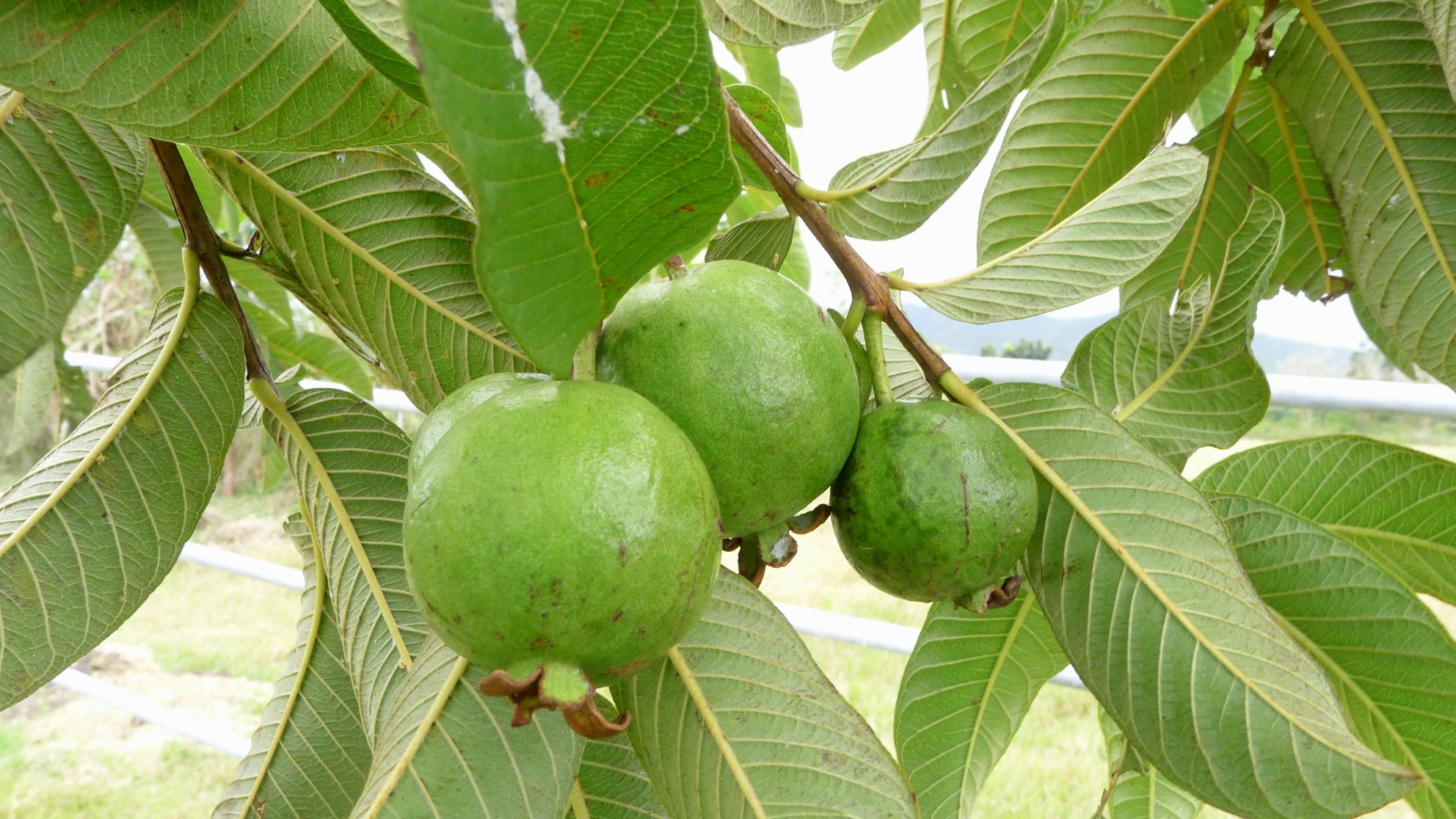
    Bayabas, also known as guava, is a fruit that holds a significant place in Filipino cuisine. Its sweet and aromatic essence is harnessed in a wide range of culinary creations, making it a versatile ingredient in Filipino dishes. From jams and jellies to refreshing beverages and savory snacks, bayabas adds a tropical touch to every meal.

    One of the main culinary uses of bayabas in Filipino cuisine is in making jams and jellies. The fruit’s high pectin content makes it perfect for creating these preserves, adding a natural sweetness and texture that’s enjoyed throughout the Philippines. Whether spread on bread or used as a topping for desserts, bayabas jams and jellies are a staple in Filipino households.

    In addition to its use in preserves, bayabas leaves are often brewed into a tea or juiced to create a refreshing and antioxidant-rich beverage. This beverage not only quenches thirst but also provides health benefits due to the high levels of vitamins and minerals found in bayabas.

    Roasted bayabas seeds are also a popular snack in Filipino cuisine. Offering a crunchy texture and nutty flavor, these seeds complement many dishes and are often enjoyed on their own as a quick and tasty snack.

    Traditional Bayabas Beverages

    Traditional Bayabas Beverages: Exploring the Versatile Essence of Bayabas

    Bayabas, also known as guava, is a fruit native to the Philippines that has been a significant part of traditional Filipino culture for centuries. While bayabas is widely recognized for its culinary uses, its versatility extends beyond the kitchen. Filipino culture embraces the essence of bayabas by incorporating it into a variety of refreshing beverages with both medicinal properties and tropical flavors.

    One popular way bayabas is utilized in beverages is through the brewing of Bayabas Tea. The leaves of the bayabas plant are commonly used to make a traditional tea known for its medicinal properties and refreshing taste. The tea offers a soothing and aromatic experience, making it a popular choice for those seeking a natural remedy or a moment of relaxation.

    Another beloved bayabas beverage in the Philippines is Bayabas Juice. This refreshing drink is enjoyed for its natural sweetness and health benefits. The juice provides a tropical twist to your refreshment, making it a favorite choice for those looking for a taste of the tropics in a glass.

    Bayabas leaves can also be used to make a flavorful and nutritious Bayabas Smoothie. By blending the tropical fruit with other ingredients, such as yogurt or coconut water, a satisfying and refreshing smoothie can be created. This smoothie not only offers a delightful taste but also provides the nutritional benefits of bayabas.

    In addition to these beverages, bayabas juice is often incorporated into Filipino desserts. Traditional recipes use bayabas juice to infuse gelatin or fruit salads with a tropical essence. These desserts not only provide a refreshing treat but also showcase the versatility of bayabas in different culinary creations.

    Bayabas in Filipino Desserts

    Guava, also known as bayabas in Filipino cuisine, is a versatile fruit that plays a central role in traditional Filipino desserts. With its unique tropical flavor and natural sweetness, bayabas adds a delightful burst of taste to a variety of sweet treats enjoyed across the Philippines.

    From refreshing guava jelly to flaky pastries filled with sweet guava paste, and moist, flavorful cakes infused with the essence of bayabas, these desserts showcase the rich tropical taste of this beloved fruit.

    Guava jelly is a popular dessert made from bayabas juice. It’s a light and refreshing treat that’s enjoyed by many. The jelly is made by extracting the juice from the bayabas fruit and combining it with sugar and gelatin. The result is a sweet and tangy jelly that’s perfect for a hot summer day or as a light dessert after a meal.

    Another delicious dessert that features bayabas is guava pastries, also known as ‘bocadillo.’ These pastries are made with flaky pastry dough and filled with sweet guava paste. The guava paste is made by boiling bayabas pulp with sugar until it thickens and forms a smooth paste. The paste is then used as a filling for the pastries, creating a delightful combination of flaky pastry and sweet guava flavor.

    Lastly, guava-flavored cakes are a hit at celebrations in the Philippines. These moist and flavorful cakes are infused with the tropical essence of bayabas, creating a unique and delicious dessert. The cakes are made by adding bayabas juice or puree to the batter, giving them a distinct guava flavor. They’re often topped with a guava glaze or frosting, further enhancing the taste of the fruit.

    These desserts not only highlight the delicious taste of bayabas but also offer a glimpse into Filipino culinary traditions. The use of guava in these sweet treats showcases the country’s love for tropical flavors and its creativity in incorporating them into their cuisine.

    So whether you’re enjoying a refreshing guava jelly, savoring the flaky goodness of guava pastries, or indulging in a slice of moist guava-flavored cake, you’re sure to experience the unique tropical taste that bayabas brings to Filipino desserts.

    Bayabas in Savory Filipino Dishes

    When it comes to savory Filipino dishes, bayabas plays a crucial role in classics like adobo and sinigang.

    The sweet and tangy flavor of bayabas fruit complements the rich flavors of adobo, while the tangy notes from bayabas leaves enhance the sourness of sinigang.

    These traditional uses of bayabas add a unique twist to Filipino culinary staples.

    Bayabas in Adobo

    Bayabas, also known as guava, is a tropical fruit that adds a delightful touch of sweetness and tanginess to traditional Filipino Adobo. This unique ingredient elevates the savory dish with a tropical twist, bringing a new flavor profile that complements the richness of Adobo.

    Bayabas in Adobo showcases the versatility of this fruit, demonstrating its adaptability in both sweet and savory culinary creations. The natural sweetness of bayabas harmonizes perfectly with the savory elements of Adobo, creating a delicious fusion of flavors that balances the tastes.

    Adding bayabas to Adobo introduces a fresh and tropical element to this traditional Filipino favorite, giving it a vibrant twist. The inclusion of bayabas enhances the overall taste of Adobo, making it a must-try for those seeking a new culinary experience.

    Bayabas in Sinigang

    The incorporation of guava into Sinigang not only enhances the traditional Filipino sour soup dish but also adds a unique tangy flavor profile. Guava’s natural tartness blends perfectly with the savory and tangy broth of Sinigang, creating a delightful contrast that tantalizes the taste buds. The addition of bayabas, or guava, not only brings a subtle sweetness but also introduces a hint of acidity, which elevates the overall complexity of the dish.

    This flavorful fruit helps balance the richness of meat or seafood in the Sinigang, offering a refreshing and citrusy note that brightens every spoonful. Sinigang with bayabas showcases the mastery of traditional Filipino cuisine in combining different flavors to create a truly satisfying and unforgettable culinary experience.

    By incorporating guava into Sinigang, the dish gains a unique tangy flavor that sets it apart from other sour soup dishes. The guava’s natural tartness adds a delightful contrast to the savory and tangy broth, creating a taste sensation that’s both refreshing and satisfying. Additionally, the use of bayabas not only brings a subtle sweetness but also introduces a hint of acidity, enhancing the overall complexity of the dish.

    This combination of flavors helps to balance the richness of the meat or seafood in the Sinigang, creating a harmonious blend of tastes.

    The addition of guava to Sinigang not only adds flavor but also offers a range of health benefits. Guava is packed with vitamins and minerals, including vitamin C, which boosts the immune system and helps fight off illnesses. It’s also a good source of dietary fiber, which aids in digestion and helps maintain a healthy gut.

    Furthermore, guava is rich in antioxidants, which help protect the body against cell damage and reduce the risk of chronic diseases.

    Medicinal Properties of Bayabas

    Bayabas, also known as guava, is a tropical fruit that not only tantalizes your taste buds but also offers a wealth of medicinal properties. Rich in tannin, saponins, phenolic acids, flavonoids, and catechin components, bayabas has been a staple in traditional Filipino practices for its numerous health benefits. From skincare to digestive health, bayabas has proven to be a go-to natural remedy.

    One of the remarkable benefits of bayabas is its ability to heal various skin issues. Whether it’s burns, wounds, psoriasis, or eczema, bayabas has been used to effectively treat these conditions due to its healing properties. The fruit’s antimicrobial activity also makes it a powerful fighter against fungi, amoeba, and bacteria, providing a natural defense mechanism for your body.

    In addition to its skin-saving capabilities, bayabas is also a digestive aid. Leaf decoctions made from bayabas have been used to alleviate stomach problems such as diarrhea, dysentery, and flatulence. This natural remedy helps soothe and heal the digestive system, promoting overall gut health.

    Beyond its specific applications, bayabas offers a range of overall health benefits. It possesses anti-spasmodic properties, antioxidant properties, and hepatoprotective properties. Bayabas is also known for its anti-allergy and antimicrobial benefits, making it a versatile and valuable addition to any wellness routine.

    Nature’s pharmacy has truly provided a remarkable gift with bayabas. Its rich array of medicinal properties makes it a valuable resource for promoting overall well-being. Whether you’re seeking relief for skin issues, a digestive aid, or simply looking to boost your overall health, bayabas is a natural remedy worth exploring.

    Bayabas in Traditional Healing Practices

    Bayabas, also known as guava, has long been utilized in traditional Filipino healing practices due to its medicinal properties. This fruit has been used for generations to address a wide range of health concerns and is highly valued for its therapeutic benefits. The leaves of the bayabas tree, in particular, have been traditionally employed to treat stomach ailments such as diarrhea, dysentery, and flatulence.

    This natural remedy has been trusted by Filipinos for its efficacy in alleviating these digestive issues.

    In addition to its role in addressing specific health conditions, bayabas is also recognized for its disease prevention and overall wellness benefits. The fruit is known to have anti-spasmodic, antioxidant, hepatoprotective, and antimicrobial properties, making it a staple in traditional Filipino medicine. These properties contribute to its effectiveness in wound healing, burn treatment, and managing various skin conditions.

    Furthermore, bayabas has been found to have renal protective properties, supporting kidney health, and it’s believed to help regulate blood sugar levels, making it beneficial for individuals with diabetes.

    The natural diuretic properties of bayabas further enhance its medicinal value, aiding in the elimination of toxins from the body. This ability to promote detoxification and cleanse the system has made bayabas a popular choice for overall well-being in traditional healing practices.

    The use of bayabas in traditional Filipino healing practices highlights the deep-rooted connection between Filipinos and natural remedies. Its wide range of therapeutic benefits and versatility in addressing various health concerns have made it a trusted ally in promoting overall wellness for generations.

    Whether it’s treating digestive issues, supporting kidney health, or enhancing detoxification, bayabas continues to be a valuable resource in traditional healing practices in the Philippines.

    Skin Care Benefits of Bayabas

    Bayabas, also known as guava, is a traditional Filipino remedy that offers remarkable skin care benefits. This tropical fruit isn’t only delicious to eat but also provides numerous benefits for maintaining healthy skin. The potent antiseptic and astringent properties of bayabas make it a valuable resource for promoting skin health and healing various skin conditions.

    One of the key benefits of bayabas is its ability to aid in wound healing. The leaves of the bayabas plant have been used for centuries to speed up the recovery process for cuts and injuries. Their natural healing properties help to promote the growth of new skin cells and reduce the risk of infection.

    In addition to wound healing, bayabas is also effective in treating a variety of skin conditions. Its antiseptic properties make it particularly useful for burns, psoriasis, and eczema. By applying bayabas topically, you can help alleviate symptoms and promote healing in these conditions.

    Acne is another common skin concern that can be effectively treated with bayabas. The astringent properties of bayabas help to reduce inflammation and prevent breakouts. Regular use of bayabas as a natural acne treatment can help improve the overall appearance and health of your skin.

    Furthermore, bayabas contributes to overall skin health by providing protection and promoting healing. It contains compounds like tannins, phenolic acids, and flavonoids, which have antioxidant and anti-inflammatory effects. These compounds help to protect the skin from damage caused by free radicals and environmental factors, as well as promote the healing of existing skin issues.

    Incorporating bayabas into your skincare routine can be a beneficial and natural way to maintain healthy and radiant skin. By following the traditional Filipino practices of skin care, you can harness the skin healing properties of bayabas and enjoy its numerous benefits for your skin.

    Bayabas for Digestive Health

    Bayabas, also known as guava, is a fruit that has been highly regarded in traditional Filipino medicine for its numerous health benefits. One area where bayabas shines is in promoting digestive health. The leaves of the bayabas plant have long been used to treat digestive issues such as diarrhea, dysentery, and flatulence.

    This is because bayabas leaves contain compounds that have anti-parasitic properties, helping to combat parasites that can disrupt digestive functions. Additionally, the anti-spasmodic properties of bayabas can help soothe digestive discomfort and promote overall gastrointestinal health.

    Incorporating bayabas into your diet can have a positive impact on your digestive system. The decoction of bayabas leaves, when consumed regularly, can help manage stomach problems and regulate bowel movements. This can be particularly beneficial for those who struggle with irregularity or digestive ailments.

    The astringent qualities of bayabas also contribute to toning the digestive system and supporting overall digestive well-being.

    Bayabas in Natural Remedies

    You’re about to discover the healing properties of bayabas and its common medicinal uses.

    From treating skin problems like burns and wounds to addressing stomach issues such as diarrhea and dysentery, bayabas offers a wide range of natural remedies.

    Its anti-spasmodic, antioxidant, and antimicrobial benefits showcase the versatility and effectiveness of this traditional Filipino remedy.

    Healing Properties of Bayabas

    Bayabas, also known as guava, has long been celebrated in traditional Filipino remedies for its healing properties. This tropical fruit offers a wide range of health benefits, making it a popular choice for natural treatments. From addressing skin problems to aiding in digestion, bayabas has proven to be a versatile and effective remedy.

    One of the primary uses of bayabas is in treating skin problems. The leaves of the bayabas tree are traditionally used to soothe burns, wounds, psoriasis, and eczema. The natural compounds found in bayabas leaves have anti-inflammatory and anti-bacterial properties that help promote healing and reduce skin irritation.

    In addition to its benefits for the skin, bayabas is also effective in addressing stomach issues. The decoction of bayabas leaves, when consumed as a tea or infusion, can help alleviate symptoms of diarrhea, dysentery, and flatulence. The astringent properties of bayabas help tighten and tone the digestive system, providing relief from gastrointestinal discomfort.

    But the healing properties of bayabas go beyond just skin and digestive health. This tropical fruit offers a wide range of health benefits. Bayabas has been found to have anti-spasmodic properties, helping to relax muscles and relieve spasms. It also has antioxidant properties, which help protect the body against oxidative stress and reduce the risk of chronic diseases.

    Furthermore, bayabas is known for its hepatoprotective properties, meaning it helps protect the liver from damage and improve its function. This is particularly important for those with liver problems or those who want to support their liver health. Bayabas has also been found to have anti-allergy properties, helping to reduce allergic reactions and relieve symptoms such as itching and inflammation.

    The mechanisms of action of bayabas contribute to disease prevention and overall well-being. Studies have shown that bayabas can help prevent certain diseases, such as diabetes and cardiovascular diseases. Additionally, bayabas has been found to have renal protective properties, supporting kidney health and reducing the risk of kidney diseases.

    Furthermore, bayabas has been shown to help regulate blood sugar levels, making it beneficial for those with diabetes or those at risk of developing the condition.

    Common Medicinal Uses

    Bayabas, a tropical fruit native to the Philippines, is highly regarded for its medicinal properties in traditional Filipino remedies. It has long been used in natural remedies to treat various stomach ailments such as diarrhea, dysentery, and flatulence. The leaf decoction of Bayabas is particularly effective in addressing these issues due to its antibacterial activity and ability to promote gastrointestinal health.

    In addition to its use in treating stomach ailments, Bayabas is also recognized in traditional Filipino medicine for its anti-inflammatory properties. This makes it a valuable ingredient in addressing a range of health concerns. Its anti-spasmodic, antioxidant, and hepatoprotective properties further contribute to its widespread use in natural remedies.

    Bayabas isn’t only beneficial for addressing specific health issues, but it also has other medicinal uses. It’s often used for wound healing, as it has antimicrobial properties that can help prevent infections and promote faster healing. Additionally, Bayabas is known to help regulate blood sugar levels and act as a natural diuretic.

    Its anti-inflammatory effects can also be beneficial for managing conditions such as arthritis and inflammatory bowel disease.

    :Are Bayabas (Guava) Used in Traditional Filipino Snacks?

    Yes, bayabas (guava) is commonly used in traditional Filipino snacks. Bayabas-based delicacies such as bayabas candy, pastillas de bayabas, and bayabas jam are well-loved in the Philippines, showcasing the versatility of this fruit in creating sweet treats that are distinctly Filipino. Bayabas snacks are a delightful alternative to American snacks in Philippines.

    Incorporating Bayabas in Daily Cooking

    Incorporating bayabas, also known as guava, into your daily cooking routine can add a delightful tropical twist to your meals and elevate the flavors of your dishes. Bayabas offers a sweet and tangy flavor profile that can be used in a variety of creative ways. From sweet and tangy delights to refreshing beverages, there are many ways to incorporate bayabas into your cooking.

    One delicious way to use bayabas is by making jams, jellies, and desserts with the fruit. The sweet and tangy flavor of bayabas adds a delightful twist to these treats, creating a unique and tropical flavor experience.

    Another option is to brew bayabas leaves into tea or juice, creating a refreshing beverage that’s both tasty and invigorating. The natural flavors of bayabas add a tropical touch to your drink, making it a perfect choice for a hot summer day or as a refreshing pick-me-up.

    If you’re looking for a crunchy snack, you can roast bayabas seeds for a quick and easy on-the-go option. The roasted seeds provide a satisfying crunch and can be enjoyed as is or incorporated into recipes for an added textural element.

    In addition to their delicious flavor, bayabas also offers a nutritional boost to your dishes. By incorporating bayabas into your salads, smoothies, and various dishes, you not only enhance the flavor but also increase the nutritional value. Bayabas is rich in vitamins and minerals, making it a healthy addition to your daily meals.

    Incorporating bayabas into your daily cooking routine is a great way to introduce new flavors and add a tropical twist to your dishes. Whether you’re making sweet and tangy delights, refreshing beverages, crunchy snacks, or nutrient-packed dishes, bayabas can elevate the flavors and bring a taste of the tropics to your meals.

    Frequently Asked Questions

    What Is the Traditional Use of Bayabas?

    In traditional Filipino medicine, bayabas is used to treat stomach issues like diarrhea and aid wound healing. Its astringent properties make it valuable for skin conditions. Brewing its leaves into tea is a common practice.

    What Are the Traditional Uses of Guava?

    Guava, a staple in traditional Filipino remedies, aids with stomach issues, skin conditions, and infections due to its antimicrobial and astringent properties. It promotes digestion, reduces inflammation, and supports overall health and wellness.

    What Is Guava Leaves Used for in the Philippines?

    In the Philippines, guava leaves are used for various remedies. Boil them for digestive issues, chew for toothaches, and find relief from skin conditions like acne. These traditional practices showcase the versatile benefits of guava leaves.

    What Is the Local Name of Bayabas in the Philippines?

    In the Philippines, the local name for Bayabas is ‘Bayabas,’ derived from its scientific name Psidium Guajava. It’s a term reflecting the cultural significance of guava in Filipino traditions, cuisine, and medicine.

    Conclusion

    So next time you’re looking to add a tropical twist to your dishes or boost your health naturally, consider incorporating bayabas into your daily cooking routine.

    With its delicious flavor, versatile uses, and impressive medicinal properties, this Filipino superfood is sure to elevate your culinary experience and promote your overall well-being.

    Taste the tropics with bayabas and discover the many benefits this traditional ingredient has to offer!
  • Beyond the Slice: Creative Ways to Use Balimbing in Filipino Dishes

    Beyond the Slice: Creative Ways to Use Balimbing in Filipino Dishes

    Add balimbing (star fruit) to Filipino dishes for a tangy twist — boost flavors in Pancit Palabok, Lechón Kawali, and more. Balimbing’s tartness complements rich flavors while bringing a tropical vibe.

    Key Takeaways

    • Balimbing adds unique tanginess and tropical twist to traditional Filipino dishes.
    • Elevate flavors with balimbing in salads, sauces, smoothies, and desserts.
    • Showcase innovative culinary creations with balimbing in Filipino recipes.
    • Transform traditional dishes with modern twists using balimbing for visual and taste enhancements.

    Balimbing Infused Adobo Twist

    Balimbing, also known as star fruit, is a tropical fruit tree that adds a tangy and exotic twist to traditional adobo recipes. When you incorporate balimbing into adobo, it brings a unique flavor profile that’s both sweet and tangy. The tartness of the balimbing complements the savory and tangy elements of the adobo, creating a delightful balance of flavors.

    Not only does balimbing enhance the taste of adobo, but it also adds a touch of acidity and sweetness to the rich adobo sauce. The infusion of balimbing into this classic Filipino dish offers a refreshing and exotic variation that showcases the versatility of this fruit. You can even experiment with using balimbing to make jams or preserves to enjoy its sweet and juicy goodness in different culinary creations.

    Embracing the creativity of adding balimbing to your adobo allows you to experience a whole new world of flavors.

    Expand Your Culinary Horizons with Starfruit Sinigang Surprise

    Filipino cuisine is known for its vibrant flavors and unique dishes, and one that stands out is the Starfruit Sinigang Surprise. This delightful twist on the traditional sour soup takes the tartness of balimbing, or starfruit, and infuses it into the broth for a tangy and exciting taste. If you’re looking to broaden your culinary repertoire, here are three reasons why you should give Starfruit Sinigang Surprise a try:

    Tropical Citrus Twist: Balimbing adds a tropical and citrusy note to the sinigang broth, taking the flavor profile of the dish to a whole new level. The tartness of the starfruit complements the other ingredients and adds a refreshing twist to the traditional soup.

    Harmonious Flavor Blend: In Filipino cuisine, the combination of different flavors is key, and Starfruit Sinigang Surprise is no exception. The blend of balimbing, vegetables, and meat creates a harmonious combination of sweet, sour, and savory elements that are characteristic of Filipino dishes. The starfruit adds a unique dimension to the sinigang, enhancing the overall taste experience.

    Textural Delight: One of the joys of eating is experiencing a variety of textures, and Starfruit Sinigang Surprise delivers just that. The softness of the fruit pairs perfectly with the heartiness of the soup, creating a delightful contrast that keeps you coming back for more. This dish isn’t only flavorful but also satisfying in terms of texture.

    Balimbing Ceviche Delight

    Looking to whip up a zesty and refreshing dish?

    Balimbing Ceviche Delight might just be your next culinary adventure!

    The flavorful citrus marinade, paired with fresh seafood, creates a mouthwatering combination that’s quick and easy to prepare.

    Give your taste buds a tropical treat with this innovative twist on a classic ceviche recipe!

    Flavorful Citrus Marinade: Elevating Your Culinary Repertoire with the Zesty Essence of Balimbing

    If you’re looking to add a burst of zesty creativity to your culinary repertoire, look no further than this Flavorful Citrus Marinade infused with the tangy essence of balimbing. Balimbing, also known as starfruit, brings a unique tangy and tart flavor to your ceviche, enhancing its overall taste profile.

    But it doesn’t stop there – the natural acidity of balimbing also helps to ‘cook’ the seafood in the ceviche, resulting in a flavorful and refreshing dish. This innovative marinade showcases the versatility of balimbing in creating a delightful culinary experience, making it a popular choice in Filipino cuisine.

    Let’s dive deeper into the tangy twist that balimbing brings to the table. Its distinct flavor adds a refreshing and citrusy kick to your ceviche, taking it to a whole new level. The tanginess of balimbing balances out the richness of the seafood, creating a harmonious blend of flavors.

    Whether you’re using fish, shrimp, or any other seafood of your choice, this marinade will elevate the taste and make your ceviche truly stand out.

    But it’s not just about the flavor – the natural acidity of balimbing also plays a crucial role in the ceviche-making process. When combined with the seafood, the acid in balimbing helps to ‘cook’ the raw fish or shrimp, giving it a firm and tender texture. This unique cooking method adds a layer of complexity to the dish, making it a delightful experience for your taste buds.

    In Filipino cuisine, balimbing ceviche is a favorite dish that showcases the versatility of this exotic fruit. The bold flavors of balimbing complement the freshness of the seafood, resulting in a dish that’s both vibrant and satisfying. Whether you’re serving it as an appetizer or a main course, this balimbing-infused ceviche is sure to impress your guests and leave them wanting more.

    Fresh Seafood Pairing

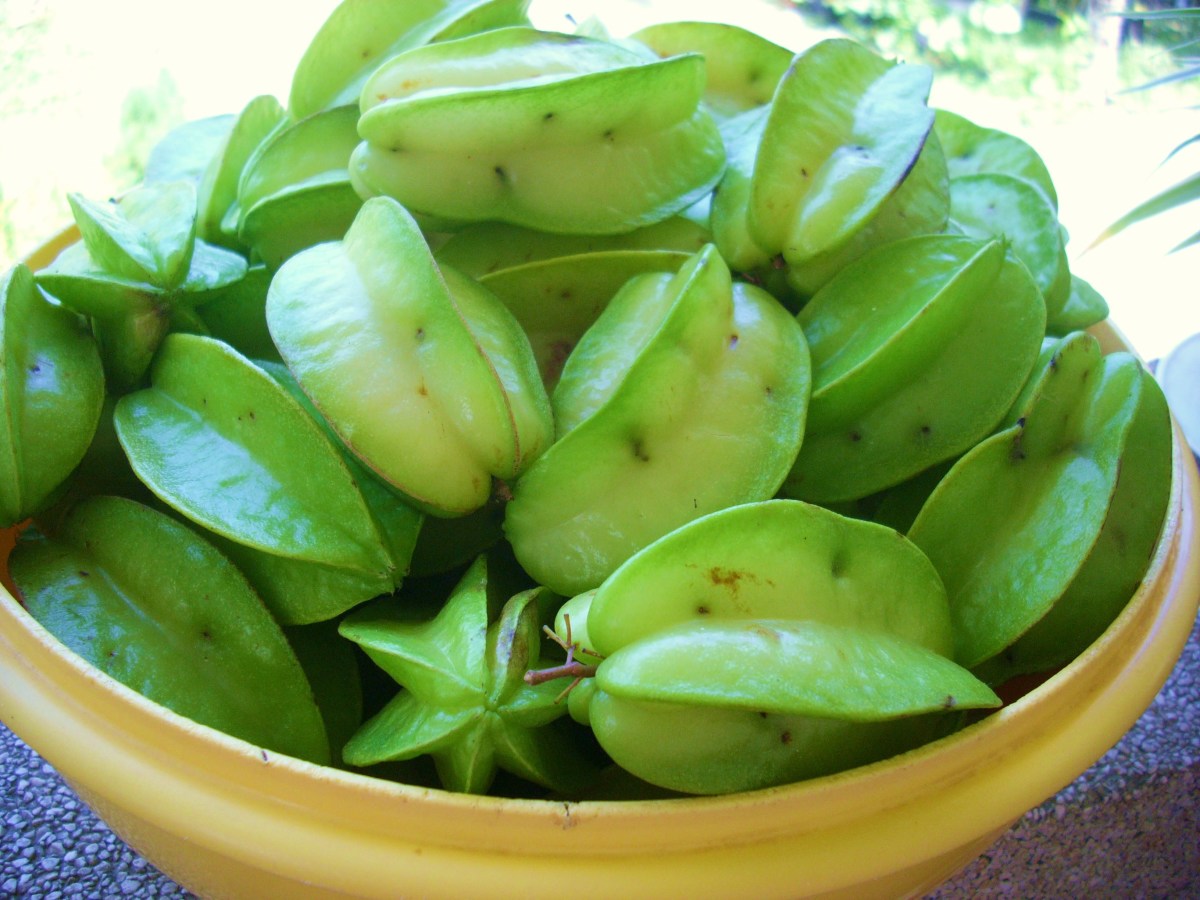
    Dive into a culinary adventure by exploring the delightful combination of fresh seafood with the tangy and slightly sweet flavor of balimbing in this Balimbing Ceviche Delight. Balimbing, also known as star fruit, is a tropical fruit that’s native to Southeast Asia. It gets its name from its unique star-shaped appearance when sliced.

    Balimbing has a crisp texture and a tangy flavor that’s reminiscent of a mix between citrus and pineapple. When diced and mixed with seafood like shrimp, tuna, or squid, balimbing creates a flavorful ceviche dish that stands out for its unique twist on tradition.

    The acidity of balimbing acts as a ‘cooking’ agent for the seafood in the ceviche, enhancing both taste and texture. The tanginess of the fruit helps to marinate and ‘cook’ the seafood, resulting in a tender and flavorful dish.

    The slight sweetness of balimbing balances out the savory flavors of the seafood, creating a harmonious blend of tastes. The texture of the fruit adds a refreshing crunch to the ceviche, complementing the soft and delicate texture of the seafood.

    This seafood pairing not only showcases balimbing’s versatility in savory dishes but also highlights its ability to elevate the flavors of seafood. The unique flavor profile of balimbing adds a refreshing and tangy twist to the traditional ceviche recipe, making it a standout dish. The combination of fresh seafood and balimbing creates a refreshing and light dish that’s perfect for warm weather.

    The tangy and slightly sweet flavor of balimbing enhances the natural flavors of the seafood, resulting in a dish that’s both vibrant and delicious.

    Quick and Easy

    Balimbing, also known as star fruit, is a tropical fruit that adds a burst of citrusy flavor to any dish. One delicious way to showcase the tangy twist of balimbing is by making a Balimbing Ceviche Delight. Ceviche is a traditional dish that typically features seafood marinated in lime juice, onions, and chili. By adding balimbing to the mix, you can elevate the flavors and give it a unique tropical twist.

    To make this Balimbing Ceviche Delight, start by slicing and dicing fresh balimbing into small pieces. This will ensure that you get the full citrusy flavor in every bite. Next, mix the balimbing with your choice of seafood, such as shrimp or fish, and add lime juice, onions, and chili for a zesty kick.

    Allow the mixture to marinate in the fridge for at least 30 minutes, allowing the flavors to meld together and the seafood to become tender.

    The result is a flavorful and refreshing ceviche with a tropical twist. The tanginess of the balimbing adds a unique element to the dish, making it a standout among traditional ceviches. Serve this Balimbing Ceviche Delight as an appetizer or main course, and impress your guests with its exotic flavors.

    Starfruit Kare-Kare Innovation

    Starfruit, also known as balimbing, can add a delightful tangy twist to your traditional Kare-Kare stew. This Filipino favorite is known for its rich and savory sauce, and the addition of starfruit slices introduces a refreshing contrast that will tantalize your taste buds. The starfruit’s unique tangy flavor pairs beautifully with the nutty undertones of the Kare-Kare sauce, creating a dynamic and flavorful combination.

    Incorporating starfruit into your Kare-Kare not only elevates the dish’s taste profile but also showcases a creative fusion of flavors in Filipino cuisine. The tartness of the balimbing slices complements the richness of the sauce, adding a burst of freshness to every spoonful. By using starfruit as a garnish, you not only enhance the dish’s visual appeal but also add a pop of color that makes it even more inviting.

    Experimenting with traditional Filipino flavors and showcasing your creativity in the kitchen is made easy with starfruit. Embrace the tangy twist of starfruit in your Kare-Kare for a truly unforgettable dining experience. Whether you’re a fan of this classic dish or looking to try something new, adding starfruit slices is a simple yet effective way to elevate your culinary skills and explore the diverse flavors of Filipino cuisine.

    Balimbing Pancit Palabok Fusion

    Looking to elevate your pancit palabok game? Imagine the tangy burst of balimbing complementing the rich flavors of the dish.

    By thinly slicing balimbing as a garnish, you can add a visually striking element to your palabok presentation.

    Get ready to wow your taste buds with this innovative fusion of flavors in your next noodle creation!

    Flavorful Noodle Combination: Balimbing’s Tartness Elevates Pancit Palabok

    When it comes to traditional Filipino noodle dishes, there’s always room for innovation and fusion. One delightful twist to consider is infusing the tangy flavors of balimbing into your Pancit Palabok. Balimbing, also known as starfruit, offers a unique and refreshing element to the savory Pancit Palabok.

    Pancit Palabok is a classic Filipino noodle dish that features a rich sauce, seafood toppings, and various garnishes. By incorporating sliced balimbing, you not only add a burst of tartness to the dish but also create a harmonious fusion of flavors and textures. The crisp and juicy balimbing slices complement the seafood and sauce, enhancing the overall taste experience.

    This creative elevation of Pancit Palabok offers a modern twist that takes this beloved Filipino dish to a whole new level of culinary delight. The addition of balimbing brings a refreshing and innovative touch, making each bite a burst of flavors that excite the taste buds.

    Garnish Innovation Ideas

    When it comes to enhancing your dishes, garnishes can make all the difference. They not only add visual appeal but also bring unique flavors to the table. One innovative idea to elevate your Pancit Palabok is to incorporate balimbing as a garnish. Balimbing, with its star shape, adds an eye-catching element to your dish, instantly elevating its presentation.

    But it’s not just about looks – balimbing also brings a tart flavor that complements the savory notes of the Pancit Palabok. By strategically placing slices of balimbing on top of the noodles, you create a stunning visual and introduce a burst of flavor that takes this fusion dish to a whole new level.

    Now that we’ve introduced the concept of using balimbing as a garnish, let’s delve deeper into its versatility and how it enhances the dining experience. Balimbing, also known as starfruit, is a tropical fruit commonly found in Southeast Asia. Its unique shape and vibrant color make it a standout ingredient in any dish.

    When used as a garnish, it not only adds visual interest but also brings a tangy and refreshing taste to the palate.

    In the case of Balimbing Pancit Palabok, the tartness of the balimbing slices complements the rich and savory flavors of the dish. It adds a delightful contrast that keeps your taste buds engaged and wanting more. Furthermore, the star shape of the balimbing slices creates an aesthetically pleasing presentation that’s sure to impress your guests.

    The use of balimbing as a garnish in fusion dishes like Pancit Palabok highlights the creativity and innovation in Filipino cuisine. It showcases how traditional dishes can be elevated with a modern twist, capturing the essence of both old and new.

    Incorporating this creative garnish idea into your Filipino cooking repertoire not only adds a visually appealing element to your dishes but also introduces new flavors and textures.

    It allows you to experiment with different ingredients and elevate your culinary skills to the next level. So why not try adding some balimbing slices to your Pancit Palabok and see how it transforms the dish into a true masterpiece?

    Starfruit Lechon Kawali Twist

    The starfruit lechon kawali twist is a culinary innovation that takes the classic Filipino dish to new heights. By infusing the tangy flavors of starfruit into the crispy pork belly of lechon kawali, this dish offers a refreshing and citrusy twist that elevates the overall flavor profile.

    The harmonious balance between the rich and savory lechon kawali and the tangy starfruit creates a perfect fusion of tastes. It’s a unique combination that showcases the versatility of starfruit in traditional Filipino cuisine.

    The starfruit lechon kawali twist also brings a tropical flair to the dish. The addition of starfruit not only adds a burst of vibrant flavor but also gives the dish a touch of the tropics. This innovative twist on a Filipino favorite allows for a creative exploration of how starfruit can be integrated into traditional recipes.

    It demonstrates the adaptability and versatility of starfruit, showing that it can be used in unexpected ways to enhance the flavors of beloved dishes.

    The incorporation of starfruit into lechon kawali not only reinvents the classic dish but also adds a zesty and tropical twist that will leave your taste buds craving more. It’s a unique and delicious combination that brings a new dimension to the traditional flavors of lechon kawali.

    Whether you’re a fan of the original dish or a curious foodie looking to try something new, the starfruit lechon kawali twist is a must-try for anyone seeking a delightful and innovative culinary experience.

    Balimbing Ensaladang Talong Fusion

    Get ready to elevate your ensaladang talong game with a flavorful fusion twist using balimbing.

    The tartness of balimbing perfectly complements the smoky essence of grilled eggplant, creating a harmonious blend of flavors.

    Flavorful Fusion Combinations

    Infuse a burst of creativity into your culinary adventures by combining balimbing with ensaladang talong, a traditional Filipino dish made with grilled eggplant and a tangy dressing. This fusion dish offers a unique combination that tantalizes both the taste buds and the eyes. The tartness of balimbing adds a refreshing twist to the traditional flavors of ensaladang talong, creating a delightful blend of sweet, sour, and savory notes.

    The visually appealing star fruit slices bring an extra touch of elegance to the dish, making it a feast for both the eyes and the palate.

    Balimbing, also known as star fruit, is a tropical fruit that’s native to Southeast Asia. It’s known for its distinctive shape, which resembles a star when sliced. The fruit has a tart flavor that’s reminiscent of a combination of apple, grape, and citrus.

    Ensaladang talong, on the other hand, is a popular Filipino salad made with grilled eggplant, tomatoes, onions, and a tangy dressing. It’s often served as a side dish or appetizer and is loved for its combination of smoky, tangy, and slightly sweet flavors.

    By combining balimbing with ensaladang talong, you add a new dimension to the dish. The tartness of the balimbing cuts through the richness of the grilled eggplant and adds a refreshing and tangy element to the overall flavor profile. The sweet and sour notes of the fruit complement the savory flavors of the dressing, creating a well-balanced taste experience.

    Not only does the combination of balimbing and ensaladang talong offer a unique flavor profile, but it also adds a visual appeal to the dish. The star fruit slices aren’t only visually striking but also bring a touch of elegance to the plate. The vibrant colors and unique shape of the fruit slices make the dish more visually appealing, making it a feast for both the eyes and the palate.

    Balimbing in Traditional Dishes

    Elevate your traditional Filipino dishes with a modern twist by incorporating balimbing, also known as starfruit, into classics like Ensaladang Talong. Balimbing’s tartness adds a refreshing contrast to the smoky flavors of grilled eggplant in this dish, creating a unique flavor profile that will tantalize both your taste buds and your eyes.

    Not only does the tartness of balimbing enhance the taste of Ensaladang Talong, but its star-shaped slices also enhance the visual appeal of the dish. The vibrant colors and distinctive shape of balimbing make the dish look more appetizing and visually stunning.

    The combination of balimbing and eggplant in Ensaladang Talong creates a harmonious blend of textures and tastes. The soft and creamy texture of the eggplant complements the crispness of the balimbing, creating a delightful culinary experience.

    Starfruit Beef Kaldereta Remix

    Transform your traditional beef kaldereta into a vibrant culinary masterpiece with the delightful addition of starfruit in this innovative remix. This modern twist on the classic Filipino dish brings a refreshing twist to your dining experience. Starfruit, also known as carambola, is a tropical fruit with a unique flavor that adds a tangy and citrusy note to dishes.

    By incorporating starfruit into your beef kaldereta, you create a harmonious blend of flavors that combines the richness of the beef and savory kaldereta sauce with the refreshing taste of starfruit. This unique flavor fusion elevates the traditional kaldereta to new heights, offering a creative and innovative dish that will impress your family and friends.

    In addition to its unique flavor, the addition of starfruit also adds a tropical touch to the kaldereta. The tangy and citrusy notes of the starfruit transport your taste buds to a paradise of flavor with each delicious bite. This tropical flair adds an element of excitement and adventure to the dish, making it a memorable dining experience.

    Dare to be different and infuse your cooking with the vibrant essence of starfruit in this reinvented beef kaldereta. With its unique flavor fusion and tropical touch, this innovative remix is sure to impress and delight your taste buds. So why not give it a try and experience the vibrant and refreshing flavors of starfruit in your favorite Filipino dish?

    Balimbing Bibingka Surprise

    Balimbing, also known as star fruit, is a unique ingredient that can add a delightful twist to your Filipino culinary repertoire. This tropical fruit has a tangy taste that complements the sweet and savory notes of the classic bibingka, a traditional rice cake. By incorporating balimbing into your bibingka recipe, you can create a fusion of flavors that will tantalize your taste buds.

    When it comes to preparing balimbing bibingka, the key is to arrange slices of the fruit on top of the bibingka before baking. This not only adds a decorative touch to the dish but also ensures that every bite is filled with the refreshing essence of balimbing. The vibrant yellow color and star-shaped slices of the fruit create a visually appealing presentation that will impress your friends and family.

    But balimbing bibingka isn’t just about aesthetics. It’s a creative way to showcase the versatility of this underrated ingredient in a well-loved Filipino treat. The tanginess of balimbing adds a layer of complexity to the bibingka, elevating it from a simple rice cake to a flavor-packed dessert. It’s a surprising twist that will leave your guests wanting more.

    How Can Balimbing be Incorporated into American Dishes in Filipino Kitchens?

    Balimbing, also known as starfruit, can add a unique and tropical touch to American dishes in Filipino kitchens. Its tart flavor and striking appearance make it a great addition to salads, salsas, or even mixed into cocktails. Balimbing’s versatility can bring a fresh twist to traditional Filipino-American fusion cuisine.

    Starfruit Halo-Halo Twist

    Unleash a burst of flavors with the innovative Starfruit Halo-Halo Twist, a delightful twist on the traditional Filipino dessert. By incorporating slices of balimbing, also known as starfruit, into your halo-halo, you can elevate this classic dessert to a whole new level.

    Balimbing brings a unique sweet and tart combination to your halo-halo, adding a burst of flavor that perfectly complements the other ingredients. The starfruit slices not only enhance the taste but also provide a crunchy texture and a citrusy kick that take this dessert to the next level.

    What sets the Starfruit Halo-Halo Twist apart from the ordinary is its balanced and refreshing flavor profile. The combination of the sweet and tart balimbing with the starfruit slices creates a harmonious blend that’s both satisfying and refreshing.

    Not only does this twist showcase the versatility of balimbing in Filipino cuisine, but it also offers a visually appealing presentation. The star-shaped fruit slices add a decorative touch to your dessert, making it a feast for the eyes as well as the taste buds.

    Whether you’re looking to surprise your taste buds or impress your guests with a creative culinary creation, the Starfruit Halo-Halo Twist is sure to elevate your dessert game and leave a lasting impression. So why not give this unique twist a try and experience the delightful flavors and textures it has to offer?

    Frequently Asked Questions

    What Is the National Fruit of the Philippines?

    The national fruit of the Philippines is mango. It’s loved for its sweet taste and is a key ingredient in Filipino cuisine. From desserts to savory dishes like mango salsa, mangoes are a versatile and delicious staple.

    What Is Balimbing Used For?

    You can use balimbing in various ways in Filipino dishes! It adds a unique tartness to sinigang, a twist to adobo, a zesty kick when pickled, a sweet-sour balance in desserts, and enhances flavors when blended into marinades.

    What Is the Most Expensive Fruit in the Philippines?

    Balimbing holds the title of the priciest fruit in the Philippines, with costs soaring up to $1.99 per piece. Its exclusivity stems from its unique taste and scarcity in certain regions. Indulge in this luxury treat sparingly!

    What Is the Filipino Fruit With Spikes?

    The Filipino fruit with spikes is Balimbing, also known as Carambola or Star Fruit. When sliced, its star-like shape is visually appealing. Balimbing is used in Filipino dishes for its tart flavor and decorative value.

    Conclusion

    In conclusion, the versatile balimbing fruit brings a unique twist to traditional Filipino dishes, adding a sweet and tangy flavor that elevates the culinary experience.

    From adobo to sinigang, ceviche to kare-kare, balimbing can be creatively incorporated into a wide range of savory and sweet dishes.

    So next time you’re in the kitchen, don’t just slice it up – get creative and explore the endless possibilities of using balimbing in your Filipino cooking!

  • The Goodness of Atis: Benefits and Recipes for the Filipino Table

    The Goodness of Atis: Benefits and Recipes for the Filipino Table

    Atis, a tropical fruit rich in nutrients like vitamin C and fiber, boosts immunity and aids in disease prevention. Including Atis in Filipino cuisine not only enriches dishes with tropical sweetness but also supports overall well-being.

    Key Takeaways

    • Atis offers essential nutrients and health benefits, supporting overall well-being.
    • Incorporating Atis into Filipino cuisine enriches dishes with its tropical sweetness.
    • Atis boosts immunity with Vitamin C, aiding in disease prevention and defense against infections.
    • Explore Atis in various recipes to discover its versatile culinary applications and unique flavors.

    Nutritional Profile of Atis

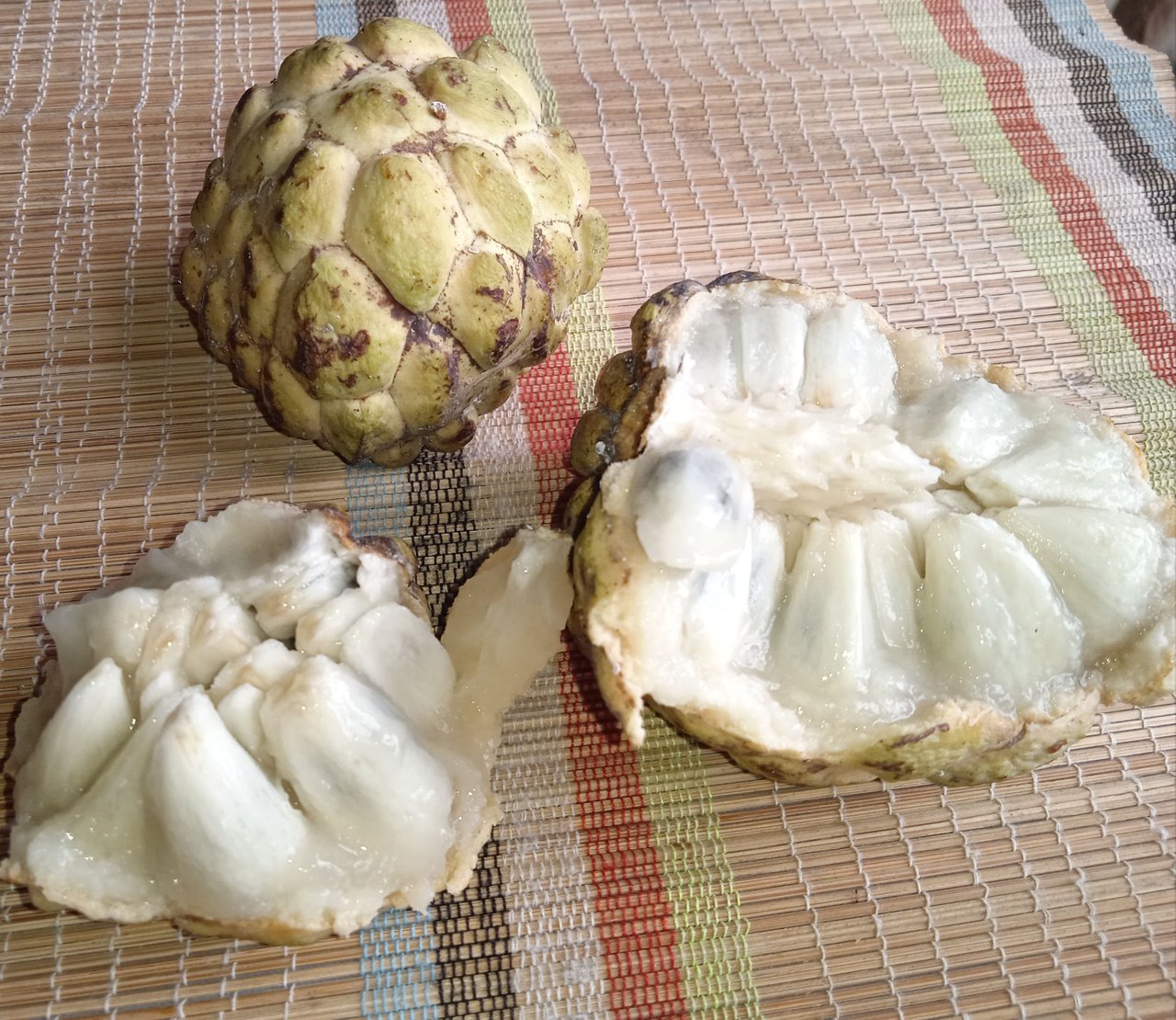
    Atis, also known as sugar apple, is a tropical fruit that offers a multitude of health benefits due to its impressive nutritional profile. This fruit is rich in essential vitamins and minerals, making it a valuable addition to any diet.

    One of the standout nutrients found in atis is vitamin C. This powerful antioxidant is essential for a healthy immune system and plays a key role in maintaining glowing skin. By consuming atis, you can boost your vitamin C intake and support your body’s defenses against illnesses and infections.

    In addition to vitamin C, atis is also a good source of fiber. Fiber is crucial for digestive health as it promotes regular bowel movements and prevents constipation. Moreover, fiber helps you feel full and satisfied, making it an excellent addition to a weight management plan.

    Atis is also rich in B vitamins, which are essential for energy production and overall vitality. These vitamins play a crucial role in converting food into energy, ensuring that your body functions optimally. By including atis in your diet, you can support your energy levels and enhance your overall well-being.

    Furthermore, atis contains iron, an essential mineral that aids in oxygen transportation throughout the body. Iron is vital for energy levels and cognitive function, making atis an excellent choice for those looking to improve their mental clarity and focus.

    Additionally, atis is a great source of calcium and potassium, which are essential for maintaining strong bones and a healthy heart. These minerals play a crucial role in maintaining proper muscle function and supporting cardiovascular health.

    The presence of beta-carotene in atis adds to its nutritional value. Beta-carotene is a precursor to vitamin A and possesses antioxidant properties that help protect your cells from damage caused by free radicals. By consuming atis, you can support your body’s defense against oxidative stress and promote overall well-being.

    Lastly, atis has a low glycemic index, making it a suitable choice for individuals looking to manage their blood sugar levels effectively. It provides a steady release of energy without causing rapid spikes in blood sugar levels, making it a healthy option for individuals with diabetes or those aiming to maintain stable blood sugar levels.

    Health Benefits of Atis

    Atis, also known as sugar apple, is a fruit that offers a remarkable array of health benefits. From its anti-inflammatory properties to its support for heart health and more, atis is a fruit that deserves a place in your diet.

    One of the key benefits of atis is its anti-inflammatory power. It contains compounds that help reduce inflammation in the body, which can be beneficial for managing conditions like arthritis. By incorporating atis into your diet, you can potentially experience relief from inflammation and its associated symptoms.

    In addition to its anti-inflammatory properties, atis is also rich in antioxidants. These antioxidants help combat free radicals in the body, protecting your cells from damage and promoting overall well-being. By consuming atis regularly, you can give your body a powerful boost of antioxidants that can contribute to your overall health.

    Another impressive benefit of atis is its anti-microbial properties. This fruit has medicinal properties that include anti-microbial benefits, which can assist in fighting off harmful microorganisms and support your immune system. By incorporating atis into your diet, you can potentially enhance your body’s natural defenses and improve your overall health.

    Lastly, atis is a fruit that supports heart health. It contains nutrients like potassium and magnesium, which are known to be beneficial for cardiovascular health. By including atis in your diet, you can contribute to a healthy heart and support your overall cardiovascular system.

    Incorporating atis into your diet not only adds a burst of flavor but also provides a range of health benefits. It’s a nutritious fruit with a low glycemic index, making it a great choice for those looking to maintain stable blood sugar levels. So why not give atis a try and let your body reap the rewards of this delicious and healthful fruit?

    Antioxidant Properties of Atis

    Antioxidants are essential for maintaining overall wellness and fortifying the body’s defenses against harmful free radicals. Atis, a remarkable fruit, is a rich source of antioxidants that can promote health and longevity. With its high content of vitamin C, beta-carotene, and phytonutrients, atis plays a crucial role in reducing oxidative stress and combating free radicals within the body.

    Regularly incorporating atis into your diet can lower the risk of chronic diseases such as heart disease and cancer. These antioxidants offer protective properties that contribute to disease prevention. Furthermore, the antioxidant properties of atis also provide anti-inflammatory benefits, helping to reduce inflammation and support the body’s natural healing processes.

    Atis for Digestive Health

    Atis, also known as sugar apple or custard apple, is a tropical fruit that can play a significant role in enhancing your digestive health. With its rich fiber content, atis can support a well-functioning gut and provide various benefits for your digestive system.

    One key way atis promotes digestive health is by preventing constipation. The dietary fiber present in atis helps promote regular bowel movements, ensuring smooth digestion and preventing the discomfort caused by constipation.

    Furthermore, atis supports overall gut function by providing essential nutrients that aid in the digestion process. These nutrients help maintain the health of your digestive system, ensuring it functions optimally and efficiently.

    In addition to preventing constipation and supporting gut function, atis can also help reduce bloating. The fiber present in atis helps reduce the risk of bloating and cramping, keeping your digestive system comfortable and functioning properly.

    Moreover, by incorporating atis into your diet, you can improve nutrient absorption. The fruit’s fiber content enhances the absorption of nutrients, ensuring that your body receives the necessary vitamins and minerals for optimal health.

    Incorporating atis into your meals not only adds a delicious tropical flavor but also brings a host of benefits for your digestive wellness. Its fiber content, along with its support for gut function and nutrient absorption, can contribute to a healthier and more efficient digestive system. So why not give atis a try and enjoy its tasty and beneficial effects on your digestive health?

    Boosting Immunity Naturally with Atis

    Atis, also known as sugar apple, is a fruit packed with immune-boosting properties. With its high vitamin C content, atis can naturally enhance your immunity and help protect your body against infections. But what exactly does that mean and how does it work?

    Vitamin C is a powerful antioxidant that plays a crucial role in supporting the immune system. It helps stimulate the production of white blood cells, which are essential for fighting off pathogens and mounting a robust immune response. By incorporating atis into your diet regularly, you can increase your vitamin C intake and give your immune system a much-needed boost.

    But atis doesn’t stop at just providing vitamin C. It’s also rich in other antioxidants that help protect your cells from damage. These antioxidants work by neutralizing harmful free radicals, which can cause oxidative stress and weaken the immune system. By consuming atis regularly, you can strengthen your body’s defenses and reduce the risk of falling prey to common illnesses such as colds and flu.

    In addition to its immune-boosting properties, atis also contributes to your overall well-being. By supporting white blood cell production and enhancing immune response, atis helps promote a healthy immune system that can effectively fight off infections. This not only keeps you healthy but also ensures that your body is better equipped to handle any health challenges that may come your way.

    Atis: Supporting Heart Health

    Discover how atis can be your heart’s best friend!

    Packed with potassium, atis helps keep your blood pressure in check.

    The fiber, vitamin C, and magnesium in atis work together to support a healthy heart.

    Heart-Friendly Atis Nutrients

    Atis, also known as sugar apple, isn’t only a delicious fruit but also a heart-healthy addition to the Filipino table. This tropical delight is packed with essential nutrients that support heart health, making it a great choice for those looking to take care of their cardiovascular system. Let’s explore why atis is beneficial for your heart.

    One of the key nutrients found in atis is potassium. Potassium plays a crucial role in regulating blood pressure, which in turn reduces the risk of heart disease. By maintaining healthy blood pressure levels, atis helps to protect your heart and keep it functioning optimally.

    In addition to potassium, atis is also rich in magnesium. This mineral supports a healthy heart rhythm and muscle function. A balanced level of magnesium in the body is essential for maintaining a regular heartbeat and preventing any abnormal heart rhythms. By incorporating atis into your diet, you can ensure that your heart is getting the magnesium it needs to stay strong and healthy.

    Another heart-healthy component of atis is fiber. Fiber plays a vital role in lowering cholesterol levels, which is crucial for reducing the risk of heart-related conditions. By including atis in your diet, you can help decrease the levels of harmful cholesterol in your body, promoting a healthy heart.

    Lastly, atis is a great source of vitamin C, an antioxidant that helps protect the heart from damage caused by free radicals. Free radicals can cause oxidative stress, leading to inflammation and damage to the heart. By consuming atis, you can provide your heart with the necessary antioxidants to combat these harmful free radicals and keep your heart protected.

    With its low glycemic index, atis isn’t only beneficial for heart health but also helps maintain stable blood sugar levels. This makes it an excellent choice for those with diabetes or those looking to manage their blood sugar levels.

    Incorporating atis into your diet can provide a heart-healthy boost while offering a delicious tropical flavor. So why not indulge in this nutrient-rich fruit and give your heart the support it deserves?

    Atis for Cholesterol

    Supporting heart health with atis is a beneficial addition to your diet due to its cholesterol-improving properties. Atis, a tropical fruit, is rich in niacin, a B vitamin known for its ability to improve cholesterol levels. This means that incorporating atis into your meals can actively promote a healthy heart and help maintain optimal cholesterol levels.

    In addition to niacin, atis also contains dietary fiber, which plays a crucial role in preventing high cholesterol levels. Fiber helps to reduce the absorption of cholesterol in the body, thereby lowering overall levels. By including atis in your diet, you can increase your fiber intake and support your heart health.

    Furthermore, atis is also a good source of potassium, which is essential for managing blood pressure. High blood pressure can strain the heart and increase the risk of heart disease. The potassium in atis helps to regulate blood pressure levels, promoting overall heart health.

    Not only does atis contribute to heart health, but it also contains minerals like calcium and magnesium, which are important for maintaining strong bones. This is particularly relevant for older adults who may be at a higher risk of developing osteoporosis. By incorporating atis into your diet, you can support both your heart and bone health.

    Atis and Blood Pressure

    Atis, also known as sugar apple, is a tropical fruit that offers numerous benefits for heart health, including its ability to effectively manage blood pressure. This fruit contains high levels of potassium, a vital mineral that plays a crucial role in controlling blood pressure and promoting heart health. Potassium acts as a vasodilator in atis, meaning it relaxes the blood vessels and reduces strain on the cardiovascular system. This helps to maintain healthy blood pressure levels.

    Additionally, the fiber content in atis is important for supporting heart health by lowering cholesterol levels, which can also contribute to maintaining optimal blood pressure.

    Regular consumption of atis can have a positive impact on blood pressure management and overall cardiovascular well-being. By incorporating this heart-friendly fruit into your diet, you can take advantage of its natural properties that support a healthy heart.

    Atis in Filipino Cuisine

    If you’re a fan of Filipino cuisine, you’ll be delighted to know that atis plays a significant role in many traditional dishes and desserts.

    From creamy halo-halo to refreshing shakes, atis adds a tropical sweetness that elevates these treats to a whole new level.

    Whether enjoyed as a snack on its own or as a key ingredient in various recipes, atis brings a unique and flavorful touch to the Filipino table.

    Atis in Desserts

    When it comes to Filipino desserts, atis is a tropical fruit that adds a delightful sweetness to traditional favorites like halo-halo and leche flan. Atis, also known as sugar apple or custard apple, has a creamy texture that makes it a perfect addition to custards, puddings, and pies. Its luscious tropical flavor adds a unique twist to these classic desserts.

    Not only does atis work well in creamy delights, but it can also be used to create refreshing treats. Blending atis into smoothies or shakes captures the essence of Filipino flavors while providing a refreshing and nutritious beverage. The combination of atis with other tropical fruits like mangoes, bananas, and pineapples creates vibrant and flavorful fruit salads that are perfect for a summer treat.

    If you’re looking for a frozen indulgence, experimenting with atis in ice cream recipes is a must-try. The creamy texture of atis translates well into a unique and creamy frozen dessert that will leave you craving for more. Whether you’re enjoying it on its own or pairing it with other flavors, atis adds a tropical twist to your frozen treats.

    Incorporating atis into your dessert recipes opens up a world of possibilities. Its creamy texture and tropical sweetness elevate traditional Filipino desserts, while its versatility allows for creativity in the kitchen. So why not give atis a try and bring a taste of the tropics to your dessert table?

    Atis as Snack

    Atis, also known as sugar apple, is a tropical fruit that’s widely enjoyed as a snack in Filipino cuisine. With its sweet and creamy goodness, atis is a delightful treat that can be enjoyed in various ways. Whether you scoop it out with a spoon or cut it into bite-sized pieces, eating fresh atis is a simple and satisfying experience. Its luscious texture and rich flavor make it a versatile ingredient for a wide range of snacks and desserts.

    One way to enjoy atis is by adding it to fruit salads. Its unique taste and texture can bring a refreshing twist to a traditional fruit salad. You can also blend atis into smoothies, combining it with other tropical fruits for a tropical and creamy beverage. The creamy nature of atis lends itself well to desserts too. You can use it to make ice cream, sorbets, and fruit shakes, adding a burst of tropical goodness to these sweet treats.

    In addition, atis can be incorporated into traditional Filipino sweets like halo-halo. Halo-halo is a popular dessert made with a combination of various ingredients such as sweet beans, jelly, fruits, and shaved ice. By adding atis to halo-halo, you can elevate the classic recipe with its luscious texture and tropical flavor.

    Sweet and Savory Atis Recipes

    Atis, also known as sugar apple, is a versatile fruit that can bring a tropical flair to your culinary creations. With its creamy texture and versatile flavor profile, atis can enhance both sweet and savory dishes in delightful ways. Whether you’re craving something sugary or savory, incorporating atis into your recipes can elevate your dishes and add a unique touch.

    When it comes to sweet treats, atis can be a refreshing addition to desserts. You can indulge in atis ice cream, shakes, or popsicles for a tropical twist on your favorite treats. The creamy texture of atis complements the sweetness, creating a delightful combination that will satisfy your sweet tooth.

    In addition to sweet treats, atis can also be used to add a surprising burst of flavor to savory dishes. You can include atis in salads, grilled meats, or savory sauces to give them a unique twist. The creamy texture and versatile flavor of atis can add depth and complexity to your dishes, taking them to a whole new level.

    For those interested in exploring different cuisines, atis can be a great addition to traditional Filipino desserts. Halo-halo, a popular Filipino dessert, often includes atis as one of its ingredients. You can also find pastries filled with atis, creating a delicious blend of flavors that showcase the versatility of this tropical fruit.

    Atis Desserts for Every Occasion

    Indulge in a delightful array of desserts for any occasion with Atis creations. From sweet and creamy atis ice cream to refreshing atis shakes, there’s a dessert to satisfy every palate. Arce Dairy’s seasonal atis ice cream is a standout option, capturing the essence of this tropical fruit with its unique and delicious flavor.

    But it doesn’t stop there – pastry chefs can also get creative with atis, incorporating its taste into a variety of pastries that will leave you craving for more.

    Atis desserts offer a versatile and flavorful option that’s sure to please. Whether you’re celebrating a special occasion or simply looking for a refreshing treat, the sweet and creamy nature of the atis fruit shines through in every dessert. Its adaptability and delicious taste elevate your culinary experience, making atis desserts a must-try for any dessert lover.

    So dive into the world of atis creations and discover the fruity delights that await you.

    How Can Atis be Incorporated into American Breakfast for a Filipino-American Fusion Dish?

    Atis, also known as sugar apple, can be incorporated into American breakfast in Filipino dining by adding it to a fruit salad served alongside classic breakfast items like pancakes, eggs, and bacon. The sweet and creamy texture of atis can complement the savory flavors of an American breakfast for a unique Filipino-American fusion dish.

    Atis: A Versatile Ingredient

    Atis is a versatile ingredient waiting to elevate your culinary creations.

    From refreshing salads to indulgent smoothies, the possibilities are endless.

    Get ready to explore new flavors and textures with atis in your kitchen!

    Atis in Salads

    Atis, also known as sugar apple, is a tropical fruit that can add a delightful twist to your salads. Its unique sweetness and texture can elevate your dining experience in several ways. Let’s explore why incorporating atis in salads is a great idea.

    Firstly, adding atis to your salads enhances the flavor profile of the dish. The creamy, custard-like taste of atis complements a variety of salad ingredients, creating a harmonious blend of flavors. Whether you’re using leafy greens, nuts, seeds, or vinaigrettes, atis adds a burst of sweetness that balances out the savory elements of the salad.

    In addition to its delicious taste, atis also provides a nutrient boost to your salads. This tropical fruit is a rich source of vitamins, minerals, and fiber, enhancing the nutritional value of your meal. By incorporating atis into your salads, you can increase your intake of important nutrients and promote overall health and well-being.

    One of the great things about atis is its versatility as a culinary ingredient. It pairs well with a wide range of salad components, allowing for endless culinary creativity. You can experiment with different combinations of atis, leafy greens, nuts, and dressings to create unique and delicious salad recipes.

    Whether you prefer a classic green salad with atis slices or a more complex salad with a variety of ingredients, atis can add a tropical touch to any dish.

    Lastly, adding atis to your salads offers a Filipino-inspired fusion that tantalizes the taste buds. This tropical fruit is commonly found in the Philippines, and incorporating it into your salads can give your dishes a unique twist. By combining traditional salad ingredients with atis, you can create a fusion dish that showcases the flavors of the Philippines and introduces a new culinary experience.

    Atis Smoothie Ideas

    Blending atis into your smoothies opens up a world of possibilities when it comes to creating refreshing tropical flavors and creamy textures. Not only do atis smoothies provide a delightful tropical twist, but they also offer a creamy texture that’s both satisfying and nourishing.

    By incorporating atis into your smoothie recipes, you can boost the fiber content and infuse your drink with essential vitamins, making it a nutritious choice.

    One delicious atis smoothie idea is to combine it with mango. The sweetness of the mango complements the unique flavor of atis, creating a tropical paradise in each sip. Another tasty option is to blend atis with pineapple. The tanginess of the pineapple adds a refreshing twist to the creamy atis, resulting in a balanced and tropical smoothie.

    For those looking to add some green goodness to their smoothie, try combining atis with spinach. This combination not only adds a vibrant green color to your drink but also packs it with nutrients from both the atis and spinach.

    These atis smoothie ideas are just the beginning. Feel free to get creative and experiment with different combinations to find your perfect tropical blend. Whether you prefer a sweeter or more tangy flavor, there’s a delicious atis smoothie waiting to be discovered. So grab your blender and start blending your way to a refreshing and nutritious atis smoothie experience.

    Atis Dessert Recipes

    Atis, also known as custard apple or sweetsop, is a versatile ingredient that can elevate the taste of desserts with its unique and tropical flavor. Whether you’re a fan of ice creams or pastries, incorporating atis into your dessert recipes will add a delightful twist to your favorites. But what makes atis desserts so special? Let’s explore some reasons why atis is a great addition to your table.

    First and foremost, atis leaves impart a subtle hint of freshness to desserts, enhancing their overall taste. This refreshing element adds a delightful burst of flavor that can elevate any sweet treat. Additionally, atis is rich in vitamins and nutrients, making it a healthier option for those who love indulging in sweets. By using atis in your desserts, you can enjoy a guilt-free treat that not only satisfies your sweet tooth but also provides essential nutrients.

    Moreover, the light yellow and fleshy pulp of atis lends a creamy texture to dishes, perfect for creating indulgent desserts. Whether it’s a creamy atis ice cream or a decadent atis-filled pastry, the creamy texture adds a luxurious element to your desserts. It creates a smooth and velvety mouthfeel that will leave you craving for more.

    Frequently Asked Questions

    What Are Benefits of Atis?

    Discover the benefits of atis! This fruit is a powerhouse of vitamins and minerals, helping regulate sugar levels, control blood pressure, and boost your immunity. Enjoy its fiber and antioxidants for a healthier you!

    What Are Side Effects of Atis?

    When you eat atis, be cautious as its seeds are toxic, some people might be allergic, and too much can upset your stomach. Enjoy atis in moderation, but consult your healthcare provider if unsure.

    What Is the English Name for Atis Fruit?

    The English name for the atis fruit you’re curious about is ‘Sugar Apple’ or ‘Sweetsop.’ It’s also called custard apple or sweet sop in some places. This fruit has a creamy, sweet taste.

    Is Atis Good for Diabetics?

    Yes, Atis is good for diabetics. Its low glycemic index and natural sugar fructose help regulate blood sugar levels. Rich in fiber, vitamins, and minerals, Atis is a beneficial addition to a balanced diet for individuals managing diabetes.

    Conclusion

    So next time you’re at the market, don’t forget to pick up some atis and reap its amazing benefits.

    Whether you’re looking to boost your immune system, improve digestion, or simply indulge in some delicious Filipino dishes, atis has got you covered.

    With its versatility and nutritional value, atis is truly a fruit that deserves a special place on every Filipino table.

    Enjoy the goodness of atis in your meals and desserts today!

  • What Role Do Indigenous Fruits Play in Philippine Cuisine?

    What Role Do Indigenous Fruits Play in Philippine Cuisine?

    Indigenous fruits like calamansi, guava, and tamarind are essential in Filipino cuisine, preserving cultural heritage and offering unique flavors. They also provide vital nutrients, support sustainable agriculture, and symbolize the deep connection between food, culture, and identity in the Philippines.

    Key Takeaways

    • Indigenous fruits in Philippine cuisine preserve cultural heritage and traditional culinary practices.
    • They enhance flavor profiles, offer nutritional benefits, and support sustainable agriculture.
    • Conservation efforts and awareness are crucial to protect indigenous fruit varieties.
    • These fruits symbolize Filipino culinary traditions, offer economic value, and face threats like deforestation.

    Significance of Indigenous Fruits in Cuisine

    Indigenous fruits play a significant role in Philippine cuisine, not only in terms of flavor but also in cultural significance. These fruits are deeply ingrained in Filipino culinary traditions and are essential ingredients in traditional recipes that have been passed down through generations.

    From the tangy calamansi to the tart batuan and the fragrant guava, each fruit adds a unique flavor profile to dishes, enhancing their complexity and taste.

    However, the incorporation of indigenous fruits into Filipino cuisine goes beyond just taste. It’s also a way for Filipinos to honor the land and its bountiful offerings. By using these fruits, Filipinos demonstrate their close relationship with the environment and their appreciation for its rich diversity.

    Moreover, the utilization of indigenous fruits helps in preserving local biodiversity and supports sustainable agricultural practices that benefit both the land and its people.

    Through the use of indigenous fruits, a deeper appreciation for native ingredients is fostered, highlighting the beauty and importance of local produce in Filipino culinary traditions. It serves as a reminder of the rich culinary heritage of the Philippines and the cultural significance of these fruits in shaping the nation’s cuisine.

    By incorporating these fruits into their dishes, Filipinos not only create delicious meals but also pay homage to their heritage and contribute to the preservation of traditional culinary practices.

    Historical Roots of Local Fruits in Philippine Cuisine

    Local fruits have played a central role in Philippine cuisine for centuries, showcasing the rich culinary heritage of the country. From calamansi to guava and tamarind, these indigenous fruits have deep historical significance and are essential components of Filipino cooking. They not only offer distinct tastes but also symbolize the deep connection between the Filipino people and their land.

    Understanding the historical significance of local fruits is crucial for appreciating the cultural importance of Philippine cuisine.

    The use of native fruits in Filipino diets dates back to ancient times, reflecting the long-standing relationship between the people and the land. These fruits have been cultivated and consumed for generations, passing down traditional knowledge and culinary practices. The diverse ecosystems and agricultural practices across the country have contributed to the abundance and variety of local fruits available.

    Furthermore, the historical use of indigenous fruits highlights the sustainable farming practices that have been integral to preserving culinary traditions over generations. Filipino farmers have long practiced biodiversity conservation, nurturing and protecting the plants and trees that bear these native fruits.

    By maintaining a balance between cultivation and preservation, they’ve ensured the availability of these fruits for future generations.

    The presence of local fruits in Philippine cuisine also speaks to the country’s cultural diversity and heritage. Each region has its own unique fruits and flavors, adding depth and complexity to Filipino dishes. For example, the sweet and tangy calamansi is a staple in many dishes in the Visayas and Mindanao regions, while the tartness of tamarind is often used in savory dishes in the northern parts of the country.

    Culinary Applications of Native Fruits

    Discover how indigenous fruits like calamansi, guava, and batuan elevate Filipino cuisine with their flavorful fruit pairings and traditional dessert ingredients.

    These fruits not only add depth and complexity to dishes but also contribute to the vibrant and unique flavor profiles of Philippine food.

    Embrace the rich culinary heritage of the Philippines through the diverse and versatile applications of these native fruits.

    Flavorful Fruit Pairings

    Exploring the vibrant culinary landscape of the Philippines reveals the integral role that native fruits play in elevating the flavors of traditional dishes. Calamansi, green mangoes, pineapple, bilimbi, and guava are just a few of the indigenous fruits that serve as key ingredients in Filipino cuisine. These fruits enhance the flavor profile of various seafood dishes with their unique characteristics.

    Calamansi, for example, acts as a souring agent for seafood dishes like kinilaw and bistek Tagalog. Its tangy flavor adds a refreshing and acidic element that complements the freshness of the seafood. Similarly, green mangoes offer a sour-sweet blend that’s perfect for adding a tangy element to soups such as sinigang.

    The tartness of the green mangoes balances out the richness of the broth and enhances the overall flavor of the dish.

    Pineapple, especially green varieties, provides immense tartness to braised innards dishes like pork sinigang and paklay. The acidity of the pineapple cuts through the richness of the innards, creating a well-balanced and flavorful dish. Additionally, bilimbi, or kamias, adds a mild sourness to fish and seafood dishes like sinigang, contributing to a well-rounded flavor profile.

    The subtle tartness of bilimbi enhances the natural flavors of the seafood without overpowering them.

    Traditional Filipino Dessert Ingredients: Exploring the Richness of Indigenous Fruits

    Indigenous fruits such as atis (custard apple) and balimbing (star fruit) hold a special place in traditional Filipino desserts. These fruits, along with aratilis (muntingia) and guayabano (soursop), aren’t only delicious but also showcase the Philippines’ rich culinary heritage.

    Incorporating these native ingredients into kakanin (rice cakes) and halo-halo (mixed dessert) adds distinct flavors and textures that highlight the country’s biodiversity.

    Filipino sweet treats like buko pandan, halo-halo, and leche flan are beloved for their unique combination of flavors. By using indigenous fruits, these desserts become even more authentic and culturally significant. The atis and balimbing add a touch of sweetness and tanginess, while the aratilis and guayabano provide a subtle hint of tartness. These flavors bring a depth to the desserts that’s truly unparalleled.

    When we embrace traditional dessert ingredients like these indigenous fruits, we not only create delicious treats but also connect to the heart of Filipino cuisine. The Philippines’ rich biodiversity is celebrated through the use of these native fruits, and their inclusion in desserts allows us to appreciate the natural flavors that have been cherished for generations.

    So the next time you indulge in a Filipino dessert, take a moment to savor the unique tastes that these indigenous fruits bring, and let them transport you to the vibrant culinary world of the Philippines.

    Indigenous Fruits in Traditional Dishes

    Indigenous fruits like calamansi, green mangoes, and pineapple play a crucial role in traditional Filipino dishes, infusing them with unique flavors that have been passed down through generations. These fruits not only add depth and complexity to local cuisine but also serve as a way to preserve culinary heritage, connecting modern Filipino dishes to their roots.

    Exploring the use of these indigenous fruits in traditional recipes offers a glimpse into the rich tapestry of flavors that define Philippine gastronomy.

    Flavor in Local Dishes: The Role of Indigenous Fruits in Filipino Cuisine

    In traditional Filipino cuisine, the use of indigenous fruits such as calamansi, green mango, and pineapple brings a distinctive and vibrant flavor profile that enhances the overall culinary experience. These fruits not only add depth and complexity to the dishes but also play a crucial role in balancing the savory, sour, and sweet flavors that define many traditional Filipino recipes.

    Calamansi, a small citrus fruit native to the Philippines, is a staple souring agent in Filipino cuisine. Its tangy and citrusy flavor enhances seafood and meat dishes like sinigang (a sour soup) and bistek Tagalog (Filipino-style beef steak). The acidity of calamansi cuts through the richness of the meat or seafood, adding a refreshing and tangy element to the dish.

    Another fruit commonly used in Filipino dishes is the green mango. With its sour-sweet blend, green mango elevates the flavor profile of various dishes, including sinigang. The tartness of the green mango adds a unique twist to the sourness of the soup, creating a more complex and balanced taste.

    Pineapple, especially the green variety, also makes its mark in Filipino cuisine. The tartness of green pineapple adds a delightful contrast of flavors to dishes like pork sinigang (sour soup with pork) and paklay (a Filipino stew). The sweetness of the pineapple cuts through the richness of the meat, creating a harmonious blend of flavors.

    Incorporating these indigenous fruits into traditional Filipino dishes not only adds a burst of flavor but also highlights the diversity and richness of the country’s culinary heritage. The combination of savory, sour, and sweet flavors creates a unique taste experience that’s distinctly Filipino.

    So, the next time you indulge in Filipino cuisine, be sure to appreciate the role of these indigenous fruits in enhancing the deliciousness of the dishes.

    Preserving Culinary Heritage: A Flavorful Tribute to Filipino Culture

    Filipino cuisine is a vibrant tapestry of flavors and traditions that reflect the country’s rich cultural heritage. At the heart of this culinary identity lies the preservation of native fruits in traditional Filipino dishes. By incorporating indigenous fruits like calamansi, guava, and tamarind, Filipino cooks pay homage to their ancestors and celebrate the unique flavors that define their cuisine.

    These native fruits play a crucial role in traditional Filipino dishes, infusing them with distinct flavors and acidity that are emblematic of the country’s culinary heritage. From the tangy sinigang soup to the savory adobo and the refreshing kinilaw, these dishes prominently feature indigenous fruits, showcasing their deep connection to Filipino culinary traditions.

    Preserving culinary heritage goes beyond mere preservation. It’s a celebration of cultural diversity and a way of honoring the roots and ancestral practices that connect food, culture, and identity in the Philippines. By using native fruits in cooking, Filipinos not only ensure the continuity of their culinary traditions but also create a sense of pride and identity associated with their unique flavors.

    The incorporation of native fruits in traditional Filipino dishes isn’t only about flavor but also about sustainability and environmental consciousness. By utilizing local ingredients, Filipino cooks promote the preservation of biodiversity and support local farmers who grow these indigenous fruits.

    This practice not only benefits the culinary heritage but also contributes to the overall sustainability of the Filipino food system.

    Nutritional Value of Local Fruits

    Exploring the nutritional benefits of local fruits in Philippine cuisine reveals a treasure trove of essential nutrients that enhance overall health and well-being. Indigenous fruits in the Philippines aren’t only delicious but also packed with essential vitamins, minerals, and antioxidants. These nutrient powerhouses offer a natural source of energy and fiber, supporting a balanced diet and promoting hydration.

    Indigenous fruits are rich in essential vitamins and minerals, which are crucial for maintaining optimal health. Fruits like mangoes are loaded with vitamin C, which supports a healthy immune system and aids in collagen production. Other fruits like bananas are high in potassium, which helps regulate blood pressure and maintain heart health.

    By incorporating these local fruits into your meals, you can ensure that you’re getting a wide range of essential nutrients.

    In addition to vitamins and minerals, these local fruits also provide antioxidants that help protect the body from damage caused by free radicals. Free radicals are unstable molecules that can cause oxidative stress and contribute to the development of chronic diseases such as heart disease and cancer.

    By consuming fruits like guavas and pineapples, which are rich in antioxidants, you can help reduce the risk of these diseases and promote overall health.

    Furthermore, local fruits offer a natural source of energy and fiber. Fruits like bananas and mangoes are high in carbohydrates, which are the body’s main source of energy. By incorporating these fruits into your diet, you can fuel your body with the energy it needs to perform daily activities. Additionally, fruits like papayas and avocados are high in fiber, which aids in digestion and helps maintain a healthy weight.

    Including local fruits in your diet can enhance overall health and well-being. These fruits not only add a burst of flavor to your meals but also provide a boost of essential nutrients that are beneficial for your health.

    Whether you enjoy them as a snack, in a smoothie, or as part of a meal, incorporating local fruits into your diet is a delicious way to support your health. So go ahead, explore the wide variety of indigenous fruits in the Philippines and reap the nutritional benefits they’ve to offer.

    Regional Varieties of Indigenous Fruits

    The culinary landscape of the Philippines is enriched by a wide array of regional varieties of indigenous fruits. These fruits not only add unique flavors to traditional dishes but also bring their own nutritional benefits.

    One such fruit is the batuan, which is popular in the Visayas region. The tangy and slightly sour taste of batuan enhances dishes like kansi and KBL, giving them a distinctive flavor.

    Another versatile fruit used in various regional Filipino dishes is guava. Known for its fruity tartness, guava adds a refreshing twist to salads and stews, making them even more delightful.

    Tamarind, a common ingredient in Filipino cuisine, is utilized in different parts – the pulp for its tangy flavor and the leaves for their unique aroma. Its presence adds depth and complexity to dishes across the country.

    Calamansi, a staple citrus fruit, brings its zesty taste to seafood dishes, enhancing their flavors.

    Lastly, green mango, often featured in dishes like sinigang, offers a delightful sour-sweet flavor profile that complements the savory elements of the dish perfectly. These regional fruits not only contribute distinct tastes but also reflect the rich cultural heritage of Filipino cuisine.

    The use of indigenous fruits in Filipino cooking showcases the country’s deep connection to its natural resources and traditional culinary practices.

    Indigenous Fruits in Filipino Desserts: A Celebration of Tropical Flavors and Textures

    Filipino desserts are known for their unique blend of flavors and textures, and indigenous fruits play a prominent role in creating these delightful treats. One such fruit is the atis, also known as custard apple. With its creamy texture and sweet taste, atis is a popular choice for creamy Filipino desserts like custard and ice cream.

    The richness of the atis adds a luscious and indulgent element to these sweet treats, making them truly irresistible.

    Another indigenous fruit that adds a refreshing twist to Filipino desserts is the balimbing, also known as star fruit. With its star-like shape and tangy flavor, balimbing is a popular ingredient in fruit tarts and gelatin desserts in the Philippines. The vibrant and tangy taste of the balimbing adds a burst of freshness to these desserts, balancing out the sweetness and creating a harmonious blend of flavors.

    But it’s not just in custards and tarts that these indigenous fruits shine. They also enhance traditional Filipino sweets such as halo-halo and fruit salads. The addition of atis or balimbing to these desserts brings a unique tropical flavor to the mix, elevating the overall taste experience and showcasing the rich diversity of flavors in Filipino cuisine.

    Incorporating indigenous fruits in desserts isn’t only a way to create delicious treats, but it’s also a celebration of the local produce and cultural heritage. By using these fruits in traditional Filipino desserts, we honor and preserve the flavors and traditions that have been passed down through generations.

    Indigenous Fruits in Beverages

    Indigenous fruits in Filipino beverages are a treasure trove of unique flavors and acidity, enhancing the drinking experience with their distinct characteristics. Calamansi, a staple in Filipino cuisine, is a popular choice for refreshing drinks like calamansi juice and cocktails. Its tangy and citrusy notes bring a zesty kick to any beverage, creating a burst of freshness.

    Guava, another indigenous fruit, is often transformed into sweet and tangy guava juice or blended into creamy smoothies. The tropical essence of guava adds a delightful balance of sweetness and acidity in every sip, making it a favorite among locals.

    Bilimbi, known as kamias in the Philippines, introduces a unique sourness to Filipino beverages and is commonly used in fruit punches. The sharp tang of bilimbi adds a distinct flavor profile, making it a memorable ingredient in traditional Filipino drinks.

    Cultural Symbolism of Native Fruits

    Have you ever considered the cultural significance behind the use of indigenous fruits in Filipino cuisine?

    These native fruits not only add flavor to dishes but also hold symbolic meanings deeply rooted in Filipino traditions.

    Exploring the symbolism of these fruits unveils a rich tapestry of history, heritage, and culinary artistry in the Philippines.

    Symbolism in Filipino Cuisine

    Filipino cuisine is rich in symbolism, with native fruits playing a significant role in conveying cultural significance and meaning. These fruits not only add flavor to dishes but also serve as a connection for Filipinos to their land, history, and traditional culinary practices, fostering a sense of belonging and appreciation for their heritage.

    Coconuts are a prominent symbol in Filipino culture, representing tropical abundance and versatility. From the meat to the water and even the husk, every part of the coconut is utilized in Filipino cuisine. This reflects the resourcefulness and adaptability of the Filipino people.

    Another fruit with symbolic importance is the calamondin. Known for its acidity, the calamondin represents the balance of sourness cherished in many Filipino dishes. It adds a tangy flavor that complements other ingredients and is a staple in Filipino cooking, particularly in dishes like sinigang.

    Pineapple leaves, while primarily used in culinary creations like desserts and beverages, also hold cultural significance in Filipino traditions. In traditional clothing like the barong Tagalog, pineapple leaves are woven to create intricate patterns. This showcases the craftsmanship and artistry of Filipino culture.

    Mangoes and guava are fruits that reflect the rich agricultural heritage of the Philippines. These fruits are deeply rooted in Filipino culture and are enjoyed both as snacks and in various dishes. Their vibrant colors and sweet flavors are a testament to the bountiful harvests and the natural beauty of the Philippine landscape.

    Indigenous Fruits: A Flavorful Tribute to Filipino Culinary Heritage

    Native fruits have long been celebrated in Filipino cuisine, serving as flavorful ambassadors of the country’s rich culinary heritage. These fruits not only add depth to dishes but also symbolize the essence of Filipino culinary traditions, connecting people through shared experiences and a love for authentic flavors.

    Calamansi, tamarind, and guava are staples in Filipino cuisine, each offering a unique flavor profile that reflects the traditional tastes of the Philippines. Calamansi, with its strong sour notes, adds a tangy and refreshing kick to dishes. Tamarind, known for its distinct tangy flavor, brings a delightful complexity to various Filipino recipes.

    And guava, with its fruity tartness, adds a touch of sweetness to balance out savory dishes.

    These indigenous fruits play a pivotal role in Filipino cooking, infusing dishes with their unique flavors and enhancing the overall dining experience. But their significance goes beyond taste alone.

    They represent a connection to the past, a nod to the culinary practices that have been passed down through generations. Indigenous fruits aren’t just ingredients; they’re cultural symbols, embodying the history and traditions of the Filipino people.

    Furthermore, these fruits serve as a bridge between communities, as their flavors and uses are shared and enjoyed by Filipinos from all walks of life. Whether it’s a simple calamansi-infused marinade, a tangy tamarind soup, or a refreshing guava juice, these fruits bring people together, creating shared experiences and a sense of unity.

    How Can Indigenous Fruits Like Pomegranate Enhance Philippine Cuisine?

    Indigenous fruits like pomegranate in Filipino cuisine add a unique sweetness and tartness to dishes. Pomegranate seeds can be used as a garnish in salads and desserts, or the juice can be added to marinades and sauces for a burst of flavor. Embracing these native fruits can elevate traditional Filipino recipes.

    Preservation Efforts for Indigenous Fruits: Safeguarding Cultural and Culinary Significance

    Indigenous fruits in the Philippines hold immense cultural and culinary significance, representing a rich diversity of flavors and traditions. To ensure their preservation and promotion, various organizations are actively engaged in seed banking and conservation programs. These efforts are crucial in safeguarding the heritage of Filipino culinary traditions and maintaining the integrity of Philippine cuisine.

    One key initiative in place is the organization of indigenous fruit festivals and fairs. These events raise awareness about the importance of indigenous fruits and their role in Philippine cuisine and culture. By showcasing a wide variety of indigenous fruits and their culinary applications, these festivals and fairs help educate the public and promote appreciation for these unique flavors.

    In addition to promoting awareness, traditional farmers and communities are encouraged to continue cultivating and using indigenous fruits. This not only helps to preserve the culinary traditions associated with these fruits but also ensures the transmission of knowledge and skills to future generations.

    By actively involving these communities, the preservation efforts become more sustainable and rooted in the cultural fabric of the country.

    Collaboration between government agencies, non-profit organizations, and local communities is also vital in documenting and safeguarding indigenous fruit varieties. Through these partnerships, efforts are made to identify and protect endangered fruit species from extinction. By preserving the genetic diversity of these fruits, the cultural and culinary heritage they represent is safeguarded for future generations to enjoy.

    Furthermore, initiatives like agroecology and sustainable farming practices play a crucial role in protecting the biodiversity of indigenous fruits. By adopting sustainable farming methods, such as organic farming and agroforestry, the natural ecosystems that support the growth of indigenous fruits are preserved.

    This ensures the continued presence of these fruits in Philippine cuisine and promotes a more sustainable and resilient food system.

    Frequently Asked Questions

    What Are the Indigenous Food in the Philippines?

    In the Philippines, indigenous foods like calamansi, guava, and pineapple are staples. They bring unique flavors and nutrients to traditional dishes. Embrace these local treasures to experience the rich and diverse culinary heritage of the Philippines.

    Why Are Fruit Trees Important in the Philippines?

    Fruit trees in the Philippines are vital for biodiversity, local ecosystems, and food security. They offer fresh fruits year-round, sustaining traditional dishes. Cultivating these trees preserves cultural heritage and indigenous practices, ensuring a rich culinary tradition.

    What Is the Most Important Fruit in the Philippines?

    As you explore the diverse fruits of the Philippines, you’ll discover that mangoes hold a special place as the national fruit. Their sweetness, versatility, and cultural significance make them a beloved ingredient in Filipino cuisine.

    What Foreign Flavor Has a Great Contribution to Filipino Cuisine?

    Soy sauce, a foreign flavor, plays a significant role in Filipino cuisine, adding a savory umami taste to many dishes. Its introduction by Chinese influences has become a staple, enriching the diverse and evolving culinary tradition.

    Conclusion

    As you savor the flavors of Philippine cuisine, remember the vital role that indigenous fruits play in creating the unique taste and cultural identity of these dishes.

    From the tangy calamansi in your sinigang to the sweet mango in your dessert, these fruits bring a depth of flavor and history to every bite.

    Embrace the rich heritage and nutritional benefits that these local fruits offer, and continue to appreciate and support their preservation in Filipino culinary traditions.