Category: Indigenous Fruits in Philippine Cuisine

  • Nutritional Gems: Filipino Wild Fruits Unveiled

    Nutritional Gems: Filipino Wild Fruits Unveiled

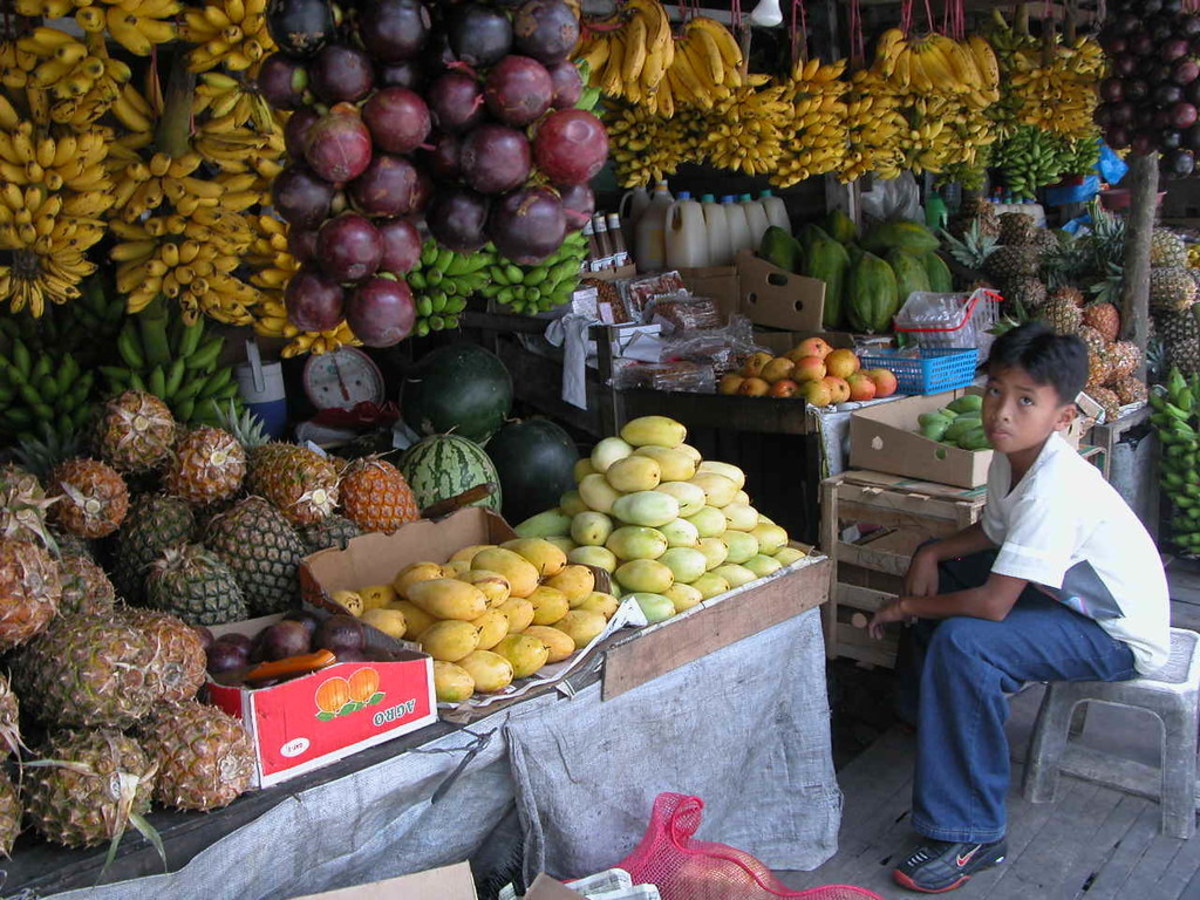
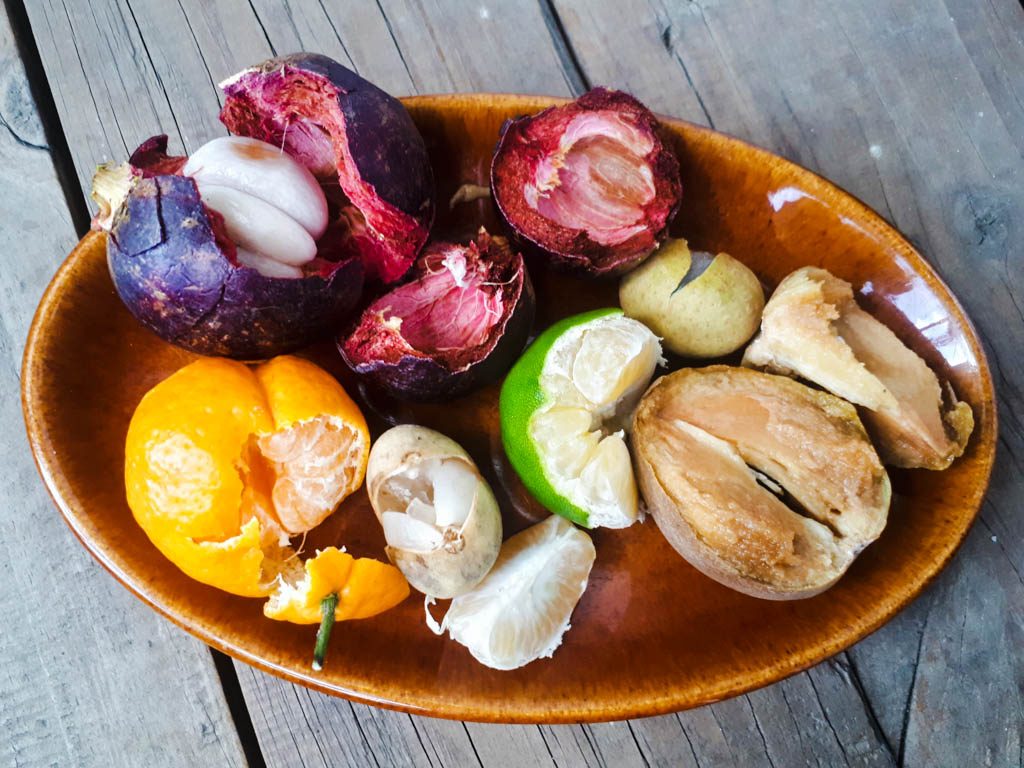
    Filipino wild fruits like duhat, bignay, and balimbing are not only cherished for their unique flavors but also valued for their rich nutritional benefits and medicinal properties. These fruits play a significant role in Filipino culture, from cuisine to traditional remedies, showcasing the deep appreciation for nature’s gifts and the importance of preserving them.

    Key Takeaways:

    • Filipino wild fruits are rich in essential nutrients and antioxidants, promoting overall health.
    • These fruits offer unique flavors and culinary versatility, enhancing dishes with tropical zest.
    • Consuming Filipino wild fruits supports disease prevention, immune function, and healthy aging.
    • The cultural significance and sustainability of these fruits highlight their role in Filipino cuisine and heritage.

    Health Benefits of Filipino Wild Fruits

    Filipino wild fruits are a hidden treasure when it comes to health benefits. These fruits are packed with bioactive compounds, such as anthocyanins and flavonoids, which contribute to their remarkable antioxidant capacity. By incorporating Filipino wild fruits into your diet, you can experience a wide range of positive effects on your well-being.

    The antioxidant properties of Filipino wild fruits make them excellent for reducing inflammation in the body. Inflammation has been linked to numerous chronic diseases, including heart disease, diabetes, and neurodegenerative disorders. By consuming these fruits regularly, you can help protect your body against these conditions and promote overall health.

    In addition to their anti-inflammatory effects, Filipino wild fruits also support cardiovascular health. They can help reduce the risk of coronary artery disease and hypertension, which are major contributors to heart disease. The high antioxidant content of these fruits has been shown to have a positive impact on blood pressure and cholesterol levels, further promoting heart health.

    Moreover, Filipino wild fruits show promise in lowering the risk of type 2 diabetes and improving insulin sensitivity. The antioxidants found in these fruits help regulate blood sugar levels and improve the body’s response to insulin. This can be beneficial for individuals with diabetes or those at risk of developing the disease.

    Not only do Filipino wild fruits offer numerous health benefits, but they also contribute to enhancing cognitive function and vision. The antioxidants found in these fruits have neuroprotective effects, helping to protect the brain from age-related decline and improve cognitive function. Additionally, the bioactive compounds in these fruits can support eye health and improve vision.

    Incorporating Filipino wild fruits into your diet is a natural and delicious way to support your overall well-being. Their potent antioxidant properties make them a valuable addition to any healthy eating plan. So why not try adding some of these nutritious fruits to your next meal and enjoy the health benefits they’ve to offer?

    Nutrient Profile of Indigenous Wild Fruits

    Wild indigenous fruits from the Philippines offer a bounty of essential nutrients like vitamins, minerals, and antioxidants, enriching your diet with a burst of goodness.

    Each fruit brings forth its distinctive flavor and texture, adding a delightful twist to your culinary adventures.

    Dive into the nutrient profiles of duhat, aratilis, and balimbing, discovering a treasure trove of dietary fiber and phytochemicals for your well-being.

    Health Benefits Highlighted

    Indigenous Filipino wild fruits aren’t only delicious but also offer a wide range of health benefits. These fruits are packed with essential nutrients like vitamin C, antioxidants, and dietary fiber, making them a great addition to a healthy diet. Each wild fruit has its own unique set of advantages, providing a variety of benefits for your overall well-being.

    Duhat, also known as the Java plum, is a wild fruit that can help boost your immunity and support skin health. It’s rich in vitamin C, which is essential for a strong immune system. Additionally, duhat contains antioxidants that can help protect your skin from damage caused by free radicals.

    Bignay is another indigenous wild fruit that offers digestive aid and antioxidant properties. It’s known to help improve digestion and promote a healthy gut. Bignay is also rich in antioxidants, which can help prevent cell damage and reduce the risk of chronic diseases.

    Balimbing, also known as the star fruit, is a wild fruit that serves as a great source of vitamin C. Vitamin C is important for the growth and repair of tissues in your body and plays a key role in overall well-being. Including balimbing in your diet can help support your immune system and keep you feeling healthy.

    Incorporating these indigenous wild fruits into your diet not only provides you with the nourishment your body needs but also allows you to experience the traditional flavors that reflect the culinary heritage of the Philippines. So, why not give these fruits a try and enjoy their delicious taste while reaping their many health benefits?

    Rich in Antioxidants

    Indigenous Filipino wild fruits aren’t only known for their unique flavors but also for their impressive antioxidant-rich nutrient profile. These fruits contain a wide range of antioxidants, such as polyphenols, flavonoids, and vitamin C, which play a crucial role in protecting our cells from oxidative damage.

    By consuming these antioxidant-rich fruits, we can potentially prevent chronic diseases, boost our immune function, and promote healthy skin.

    The high levels of anthocyanins, carotenoids, and phenolic compounds found in these fruits contribute to their antioxidant properties. These compounds have been shown to reduce inflammation in the body and support overall health. Inflammation is a natural response to injury or infection, but when it becomes chronic, it can lead to a variety of health issues, such as heart disease, diabetes, and cancer.

    By including these antioxidant-rich fruits in our diet, we can help reduce inflammation and lower our risk of developing these chronic conditions.

    Additionally, the antioxidants found in these fruits can also benefit our immune system. They help to strengthen our immune response and protect against harmful pathogens. This is especially important during times of illness or when our immune system is weakened. By consuming these fruits regularly, we can give our immune system a natural boost and support its ability to fight off infections and diseases.

    Furthermore, the antioxidants in these fruits have been shown to have positive effects on our skin health. They help to protect our skin cells from oxidative damage caused by environmental factors, such as UV radiation and pollution. This can help prevent premature aging, reduce the appearance of wrinkles, and promote a healthy, glowing complexion.

    Unique Flavor Profiles

    Filipino wild fruits offer a delightful array of flavors that are truly one-of-a-kind. These indigenous fruits showcase a diverse nutrient profile that enhances their distinct taste and nutritional value. Bursting with essential nutrients like vitamin C, fiber, and phytochemicals, they not only add a touch of local tradition to your meals but also pack a healthful punch.

    One of the key benefits of these wild fruits is their high levels of vitamin C. Vitamin C is known for its immune-boosting properties, helping to strengthen the body’s natural defenses against illnesses and infections. By incorporating Filipino wild fruits into your diet, you can give your immune system a powerful boost while enjoying their unique flavors.

    In addition to vitamin C, these fruits are also rich in fiber. Fiber is essential for good digestion, helping to regulate bowel movements and prevent constipation. By including Filipino wild fruits in your meals or snacks, you can support a healthy digestive system and improve your overall gut health.

    Furthermore, these wild fruits are packed with phytochemicals, which are natural compounds found in plants that have been shown to have numerous health benefits. These phytochemicals contribute to skin health, helping to promote a clear and radiant complexion. By regularly consuming Filipino wild fruits, you can nourish your skin from the inside out and achieve a healthy and glowing appearance.

    Culinary Applications of Wild Fruits: Exploring the Tangy and Sour Flavors of Calamansi

    Wild fruits like calamansi offer a burst of tangy and sour flavors that can transform Filipino cuisine. These unique fruits have become a staple in many Filipino dishes, adding a delightful twist to traditional recipes. From marinades to dipping sauces and even sweet treats, calamansi can be incorporated into a wide array of culinary creations, enhancing the overall dining experience.

    When it comes to marinades, calamansi’s acidic and citrusy notes make it a perfect ingredient. Its flavors not only help tenderize meat and seafood but also infuse them with a refreshing taste that complements various dishes. Whether you’re marinating chicken, pork, or fish, adding calamansi to the mix can elevate the flavors to a whole new level.

    In addition to marinades, calamansi can also be used to create delicious dipping sauces. Whether you’re preparing spring rolls or grilling meats, a dipping sauce featuring calamansi can add a tangy kick that pairs well with savory dishes. The zesty flavor of calamansi enhances the overall dining experience, providing a refreshing and citrusy element to each bite.

    But calamansi’s culinary applications don’t stop there. This versatile fruit can also be used to create sweet treats. From pies to cakes, calamansi can be incorporated into various desserts, adding a unique blend of tartness and sweetness. The distinct flavor profile of calamansi makes these sweet treats stand out in a crowd of traditional desserts, offering a refreshing and tangy twist.

    Incorporating wild fruits like calamansi into your culinary creations can introduce a whole new world of flavors to your meals. The tangy and sour notes of calamansi can enhance the taste of marinades, elevate dipping sauces, and add a distinctive flavor profile to desserts. So why not explore the culinary possibilities of calamansi and discover the delightful twist it can bring to your cooking?

    Antioxidant Properties of Local Wild Fruits

    Discover how local wild fruits in the Philippines pack a powerful punch of antioxidants like vitamin C, polyphenols, and flavonoids that shield your cells from free radical damage. These antioxidants play a vital role in reducing the risk of chronic diseases, making fruits like calamansi, duhat, and bignay essential for your overall health and well-being.

    Rich in Antioxidants: Boosting Your Health with Local Wild Fruits

    Local wild fruits found in the Philippines are a treasure trove of antioxidants, offering a wide range of health benefits. These fruits are packed with essential nutrients like vitamin C, flavonoids, and polyphenols, which act as powerful antioxidants in the body. Antioxidants play a crucial role in maintaining your health by neutralizing harmful free radicals and reducing oxidative stress.

    Let’s explore why indulging in these antioxidant-rich fruits is a great way to support your overall well-being.

    Antioxidants are nature’s defense against free radicals, unstable molecules that can cause damage to your cells. By consuming local wild fruits rich in antioxidants, you provide your body with the tools it needs to combat these harmful free radicals. The antioxidants in these fruits act as scavengers, neutralizing free radicals and protecting your cells from oxidative damage.

    Reducing oxidative stress is another significant benefit of consuming antioxidant-rich fruits. Oxidative stress occurs when there’s an imbalance between free radicals and antioxidants in the body. This imbalance can lead to chronic inflammation and contribute to the development of various diseases.

    However, by incorporating local wild fruits into your diet, you can lower oxidative stress levels and decrease the risk of chronic illnesses.

    In addition to combating free radicals and reducing oxidative stress, the antioxidants found in local wild fruits also provide support to your immune system. Studies have shown that these antioxidants can enhance overall health and boost immune function. By consuming these fruits regularly, you can strengthen your body’s natural defense mechanisms, helping to protect against infections and illnesses.

    Health Benefits Explained

    Antioxidants play a crucial role in maintaining our overall health and well-being. They help protect our cells from damage caused by free radicals, reduce inflammation, and boost our immune system. In the Philippines, there’s a wide variety of local wild fruits that are rich in antioxidants, such as calamansi.

    These fruits contain high levels of vitamin C, flavonoids, and phenolic compounds, which make them a powerhouse of health benefits.

    One of the key benefits of consuming these antioxidant-rich fruits is the boost they provide to our immune system. Vitamin C is known for its immune-boosting properties, and calamansi is packed with this essential nutrient. By incorporating these fruits into your diet, you can strengthen your immune system and ward off common illnesses.

    In addition to immune support, the antioxidants found in Filipino wild fruits also contribute to healthy aging. As we age, our cells become more susceptible to damage caused by free radicals, leading to chronic diseases and premature aging. The diverse range of antioxidants in these fruits helps combat oxidative stress and protect our cells from damage, promoting healthy aging.

    Furthermore, these fruits are also beneficial for our skin health. Antioxidants help to reduce inflammation and protect our skin cells from damage caused by environmental factors, such as UV rays and pollution. By consuming these fruits, you can promote a healthy complexion and maintain youthful-looking skin.

    Incorporating local wild fruits into your diet not only provides essential nutrients, but it also adds unique flavors and culinary experiences. Whether you enjoy them in your favorite dishes, as a refreshing drink, or as a snack, these fruits offer a delicious way to enhance your nutritional intake.

    Disease-Fighting Properties of Local Wild Fruits in the Philippines

    Local wild fruits in the Philippines, such as calamansi, are known for their powerful disease-fighting properties due to their high antioxidant content. These fruits offer a wide range of health benefits that can contribute to overall well-being.

    Antioxidants play a crucial role in combating oxidative stress, which is linked to various chronic diseases. By neutralizing harmful free radicals in the body, the antioxidant properties present in these local wild fruits help protect against cell damage and reduce the risk of conditions such as heart disease, cancer, and neurodegenerative disorders.

    In addition to combating oxidative stress, regular consumption of these antioxidant-rich fruits can also help reduce inflammation in the body. Chronic inflammation is a common underlying factor in many diseases, including heart disease and diabetes. By incorporating local wild fruits into your diet, you can potentially lower the risk of these conditions and promote better overall health.

    Furthermore, Filipino wild fruits are packed with vitamins and phytochemicals that can boost the immune system. A strong immune system is essential for fighting off infections and diseases. The high levels of these beneficial compounds in local wild fruits can enhance the body’s defense system, improving overall health and vitality.

    Incorporating antioxidant-rich wild fruits into your diet can significantly contribute to a healthier lifestyle and disease prevention. By harnessing the disease-fighting properties of local wild fruits in the Philippines, you can support your body’s natural defenses and promote long-term well-being.

    Wild Fruits in Filipino Culture: A Treasure Trove of Flavors, Nutrition, and Tradition

    In Filipino culture, wild fruits such as duhat, bignay, and balimbing aren’t just ordinary fruits; they hold a revered place for their versatile uses in cuisine and traditional remedies. These fruits are cherished for their unique flavors and are highly valued for their nutritional benefits and medicinal properties.

    In Filipino households, they’re commonly transformed into jams, jellies, and refreshing beverages that showcase the rich flavors of the Philippine landscape.

    Beyond their culinary uses, wild fruits have deep roots in indigenous Filipino culture. Indigenous tribes have long incorporated these fruits into their diets for sustenance and health purposes. Foraging these fruits from forests and rural areas is an age-old practice that highlights the country’s diverse biodiversity and its deep connection to nature.

    Throughout Filipino folklore and traditional medicine, these wild fruits are recognized for their healing properties. Passed down through generations, the knowledge of their medicinal benefits enriches local communities with cultural significance and a profound understanding of the health benefits they offer.

    The versatility of these wild fruits isn’t limited to their culinary and medicinal uses. They also serve as a symbol of the Filipinos’ close relationship with their natural surroundings and their respect for the abundance of resources that nature provides.

    Incorporating these fruits into various aspects of Filipino culture, from daily meals to traditional remedies, showcases the deep appreciation for the gifts of nature and the importance of preserving and celebrating them.

    Seasonality and Availability of Wild Fruits

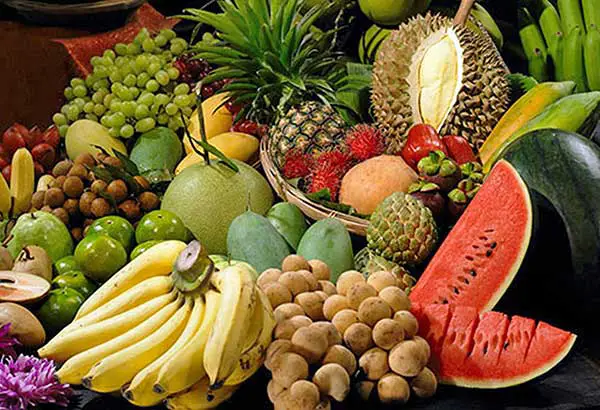
    Seasonality and availability are crucial factors that shape the abundance and diversity of wild fruits in the Philippines. Understanding the seasonal patterns of these natural treasures is essential for appreciating their unique flavors. It allows us to navigate the ebb and flow of their availability and make the most of the bountiful harvests that occur throughout the year.

    The peak seasons of certain wild fruits, such as duhat and mangosteen, vary across different regions of the Philippines. This means that while one region may be experiencing an abundance of duhat, another region may be in the midst of mangosteen season. It’s important to keep an eye out for local variations and take advantage of the specific peak seasons to enjoy these fruits at their most abundant and flavorful.

    While some wild fruits have distinct peak seasons, others, like balimbing and tambis, are available year-round in certain areas. This year-round availability provides a consistent source of nutrition and income for local communities. It also allows for a continuous supply of these fruits, ensuring that they can be enjoyed throughout the year.

    Climate plays a significant role in the availability of wild fruits. Seasonal variations in rainfall and temperature greatly influence the timing and abundance of these natural treasures. Changes in climate patterns can disrupt the delicate balance between nature and sustainability, affecting the availability of wild fruits.

    It’s important to consider the impact of climate change on these fruits and work towards sustainable practices to protect their availability for future generations.

    Exploring Exotic Flavors of Wild Fruits

    Exploring the exotic flavors of wild fruits opens the door to a world of culinary delights just waiting to be discovered and savored. These wild fruits, with their rich bioactive compounds like anthocyanins and flavonoids, offer a burst of unique flavors that tantalize the taste buds. But their appeal goes beyond just their taste – these bioactive properties also bring a host of health benefits.

    Research has shown that wild fruits exhibit diverse bioactivities, making them valuable for promoting overall well-being.

    The underutilized nature of wild fruits adds to their exotic appeal, presenting a thrilling opportunity to explore and integrate these flavors into traditional cuisine. Imagine the possibilities of incorporating wild fruits into jams, desserts, or even savory dishes. The distinct flavors of wild fruits can bring a new level of excitement and complexity to familiar recipes. But the potential of wild fruits extends far beyond the kitchen.

    The bioactivities found in wild fruits have opened doors for developing functional foods and pharmaceutical products. With their rich content of bioactive compounds, wild fruits can be utilized in the creation of nutritional supplements, health drinks, and even natural remedies.

    The diverse range of bioactivities exhibited by wild fruits makes them a valuable resource for the development of products that promote health and well-being.

    Through collaborative efforts, researchers are delving into the depths of these wild treasures, enriching our understanding of their health benefits and expanding their applications. By studying the bioactive compounds and their effects on the body, scientists are uncovering the potential of wild fruits to improve health and prevent diseases.

    The more we learn about these exotic fruits, the more we can harness their power for our well-being.

    Exploring the Abundance of Wild Fruits in the Philippines

    Venture into the lush forests of the Philippines and uncover a hidden treasure trove of exotic and nutritious wild fruits. Foraging for these wild fruits isn’t only a rewarding experience but also a way to connect with the rich biodiversity of the region.

    As you wander through the forests, you’ll be greeted by a diverse selection of wild fruits such as duhat, bignay, and balimbing, each offering unique flavors and a wealth of essential vitamins, minerals, and antioxidants.

    Foraging for wild fruits in the Philippines is more than just a culinary adventure; it’s a deep-rooted cultural practice that has been passed down through generations in indigenous communities. These communities have long relied on wild fruits for both their culinary delights and medicinal properties.

    By partaking in this tradition, you not only immerse yourself in their cultural heritage but also support the preservation of their knowledge and way of life.

    Engaging in wild fruit foraging also promotes sustainable practices and contributes to the conservation of natural ecosystems and native fruit species. By harvesting these fruits in a responsible manner, you help maintain the delicate balance of the forest ecosystem and ensure the continued availability of these fruits for future generations.

    Your exploration becomes not just a nourishment for your body but also a way to support the preservation of local biodiversity.

    Incorporating Wild Fruits Into Modern Dishes

    Discover how incorporating wild fruits like calamansi into modern dishes can elevate your culinary creations.

    By pairing these flavorful fruits with various ingredients, you can create a creative fusion of traditional and contemporary flavors.

    Not only does this add a unique twist to your dishes, but it also enhances the health benefits with the natural goodness of these wild fruits.

    Flavorful Wild Fruit Pairings: Elevating Your Dishes with Calamansi

    Calamansi, a wild fruit known for its unique and exotic flavor, has the power to transform your dishes into culinary delights. Whether you’re a seasoned chef or an adventurous home cook, incorporating calamansi into your recipes can take your taste experience to a whole new level.

    When it comes to infusing calamansi into your dishes, there are endless possibilities. One delightful way to incorporate this exotic fruit is by adding a splash of calamansi juice to your favorite soup recipes. The tangy twist that calamansi brings to soups brightens up the flavors and adds a refreshing kick. Imagine a bowl of warm chicken soup with a hint of calamansi, creating a harmonious blend of savory and citrusy notes.

    Another fantastic pairing is calamansi with seafood. Drizzling calamansi over grilled fish or shrimp enhances the natural taste of the seafood with its citrusy notes. The bright and zesty flavor of calamansi beautifully complements the delicate flavors of fish or shrimp, creating a burst of freshness with every bite. It’s a match made in culinary heaven that will leave your taste buds craving for more.

    But why stop at savory dishes? Calamansi can also be a delightful addition to desserts. Using calamansi zest in desserts like cakes or tarts introduces a tropical hint and a zesty flavor that beautifully complements the sweetness of the treats. Picture a creamy lemon tart with a calamansi twist, adding a refreshing and tangy element to the classic dessert.

    Incorporating calamansi into your dishes not only adds a unique flavor profile but also brings a touch of exoticness to your culinary creations. Whether you’re experimenting with soups, seafood, or desserts, calamansi can elevate your dishes and take them to new heights of deliciousness. So next time you’re looking to add a burst of flavor to your recipes, reach for calamansi and prepare to be amazed.

    Creative Culinary Fusion

    Elevate your culinary creations to new heights by infusing modern dishes with the unique tangy and citrusy flavors of Filipino wild fruits like calamansi. Calamansi is a small citrus fruit native to the Philippines, known for its distinct flavor that combines the tartness of a lime with the sweetness of an orange. Incorporating calamansi into your cooking can transform ordinary recipes into extraordinary gastronomic experiences.

    Imagine the zesty burst of flavor in a calamansi-infused vinaigrette drizzled over a fresh salad, or the refreshing citrus notes in a tangy calamansi sorbet. The addition of calamansi can add a bright and vibrant dimension to your dishes, enhancing both the taste and visual appeal.

    From savory sauces to tangy dressings and even delightful desserts, the possibilities are endless when it comes to experimenting with calamansi.

    Not only does calamansi offer a delightful twist to your dishes, but it also brings nutritional benefits to the table. These wild fruits are rich in antioxidants and essential vitamins, making them a great addition to any meal. By incorporating calamansi into your cooking, you not only tantalize your taste buds but also boost the nutritional value of your meals.

    Embracing the vibrant culinary traditions of the Philippines by experimenting with calamansi allows you to offer a unique and exotic twist to your dishes. It’s a way to captivate a broader audience seeking innovative flavors and to showcase your creativity in the kitchen. Whether you’re a professional chef or a home cook, infusing modern dishes with the tangy and citrusy flavors of calamansi is a surefire way to impress your guests and elevate your culinary creations.

    So why not give it a try and explore the possibilities that calamansi brings to your cooking?

    Health Benefits Enhanced

    Enhancing the health benefits of modern dishes is a goal that many people strive for. And one way to achieve this is by infusing them with the unique tangy and citrusy flavors of Filipino wild fruits like calamansi. These nutritional gems not only add a burst of flavor but also elevate the nutritional value of your dishes, making your culinary creations both delicious and beneficial for your health.

    Calamansi, in particular, is rich in Vitamin C, which is essential for boosting your immune system and overall health. By incorporating calamansi into your recipes, you can increase your intake of this vital nutrient and support your body’s defenses.

    But that’s not all. Calamansi is also an antioxidant powerhouse. The antioxidants present in calamansi help fight free radicals, which can damage your skin and overall well-being. Regular consumption of calamansi can contribute to better skin health and overall vitality.

    Incorporating Filipino wild fruits like calamansi into your modern dishes not only adds a unique flavor profile but also enhances the nutritional content of your meals. So why not try infusing your recipes with the tangy and citrusy goodness of calamansi and unlock a whole new level of health benefits?

    Promoting Sustainability Through Wild Fruit Consumption

    By embracing the consumption of Filipino wild fruits, you can actively contribute to promoting sustainability and nurturing local ecosystems. Wild fruits, such as calamansi, offer a sustainable alternative to conventional fruits as they thrive in diverse environments, requiring fewer resources for cultivation. This makes them an excellent choice for individuals seeking to minimize their environmental impact.

    In addition to their sustainability benefits, wild fruits also play a vital role in promoting biodiversity conservation and supporting local ecosystems. By integrating these fruits into diets, individuals can encourage sustainable agricultural practices and reduce reliance on monoculture farming.

    Monoculture farming, which involves the cultivation of a single crop over a large area, can lead to environmental degradation and the loss of biodiversity. By consuming wild fruits, individuals contribute to the preservation of a diverse range of plant species and the habitats they rely on.

    Furthermore, wild fruits contribute significantly to food security by providing nutritious options that are resilient to climate change and pests. These fruits have adapted to local conditions and are often more resistant to adverse weather conditions and pests compared to conventional fruits.

    By incorporating wild fruits into their diets, individuals can ensure a more stable and reliable food source, particularly in regions vulnerable to climate change impacts.

    Choosing wild fruits also supports the preservation of traditional knowledge and cultural heritage associated with foraging and harvesting practices in Filipino communities. For generations, Filipino communities have relied on wild fruits as a source of nutrition and sustenance.

    By embracing these fruits, individuals not only benefit their health but also help preserve the rich cultural traditions and practices that have been passed down through generations.

    Frequently Asked Questions

    What Are the Nutrients in Wild Fruits?

    In wild fruits, you find a treasure trove of nutrients like vitamins, fiber, and antioxidants. These gems offer unique health benefits and may pack more nutrients than cultivated fruits. Try these nature’s gifts for your daily nutrient boost!

    Who Fruit Has Highest Nutritional Value?

    Calamansi stands out as the fruit with the highest nutritional value among Filipino wild fruits. Its rich vitamin C content and antioxidant properties make it a versatile ingredient in various dishes and beverages, offering immunity-boosting benefits.

    Are Wild Fruits Healthier?

    Wild fruits are indeed healthier! Packed with powerful antioxidants, they offer unique health benefits. Including them in your diet can enhance overall well-being and provide essential nutrients not commonly found in commercial fruits.

    What Are the Benefits of Vaccinium Corymbosum?

    Enjoy the benefits of Vaccinium Corymbosum, known as blueberries. Rich in anthocyanins, they promote heart health, lower diabetes risk, and boost brain function. Enhance eye health and fight inflammation with these nutritious gems.

    Conclusion

    You’ve now uncovered the hidden treasures of Filipino wild fruits, rich in health-boosting nutrients and antioxidants. From their traditional uses in Filipino culture to their potential in modern cuisine, these exotic gems offer a unique taste of the Philippines.

    By incorporating these wild fruits into your diet, you not only savor their delicious flavors but also support sustainability and well-being. Embrace the bounty of nature and indulge in the nutritional benefits of these Filipino wild fruits today!

  • Tiesa Treats: Explore the Sweet and Creamy Possibilities

    Tiesa Treats: Explore the Sweet and Creamy Possibilities

    Tiesa fruit is not only a nutritional powerhouse but also a unique culinary delight. Its health benefits, combined with its distinctive taste and texture, make it a valuable addition to a balanced diet. Whether you’re looking to boost your immune system, support your digestive health, or simply enjoy a new and exotic fruit, Canistel is definitely worth trying.

    The Nutritional and Sensory Profile of Tiesa (Canistel) Fruit

    Benefits of Eating Tiesa Fruit

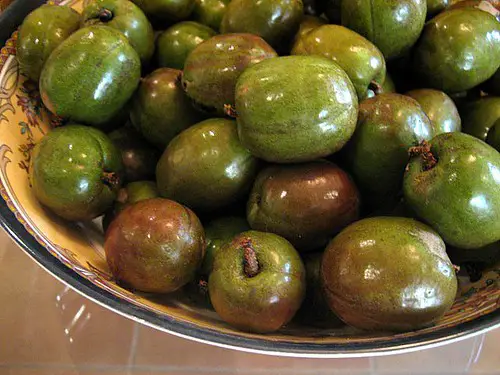
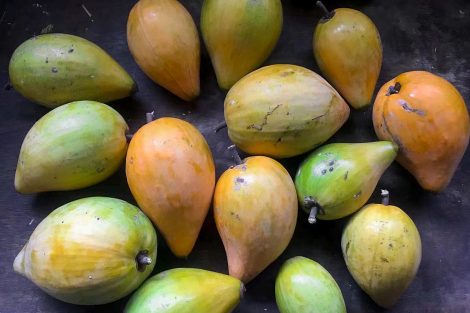
    Tiesa, also known as Canistel or Egg Fruit, is a tropical fruit that offers a wealth of health benefits. It is an excellent source of niacin, which has been found effective in treating arthritis. The bright yellow color of the fruit indicates its high beta-carotene content, which is crucial for maintaining healthy skin and vision. Canistel is also rich in vitamins A and C, both of which are essential for a strong immune system.

    The dietary fiber in Canistel promotes digestive health, while the iron content helps prevent anemia and supports brain health, potentially reducing the risk of nervous system disorders like Alzheimer’s disease and dementia. The fruit is also packed with minerals such as calcium, iron, and phosphorus, which are vital for bone health, oxygen transport, and overall well-being.

    Taste Profile of Canistel

    Canistel has a unique flavor and texture that can be quite delightful. The flesh is dry, creamy, and crumbly, similar to a hard-boiled egg yolk, with a sweet taste that includes hints of sweet potato, pumpkin, mango, and other tropical fruits. It is often described as sweet and rich, with a nutty aftertaste. Despite its somewhat off-putting smell, the taste is predominantly sweet and nutty.

    Canistel is versatile in the kitchen, pairing well with various spices, sweeteners, and fruits. It can be enjoyed fresh or used in cooking, particularly in desserts and baked goods, where its creamy texture and sweet flavor can truly shine.

    Is Tiesa Native to the Philippines?

    Tiesa, also known as Canistel or Egg Fruit, is not native to the Philippines but was introduced to the country less than a century ago. It is originally from the West Indies, and has since been cultivated in various tropical countries, including the Philippines.

    What Does a Tiesa Fruit Taste Like?

    The taste of Tiesa fruit is somewhat sweet, with a texture and flavor that some compare to a root crop rather than a typical fruit. It has a dry mouthfeel that can be unappealing to some, with descriptions ranging from unpleasant to likening it to “partially dried Elmer’s glue”. However, others find it sweet and rich, with a melt-in-your-mouth texture similar to that of cooked egg yolk, hence its nickname “egg fruit”.

    What Are the Benefits of Canistel Leaves?

    While the key points provided do not specifically mention the benefits of Canistel leaves, the seeds of the Tiesa tree have been found useful as a remedy for ulcers, and the seed oils are believed to prevent hair loss. The fruit itself is known to be an excellent source of nutrients, including carotene and antioxidants.

    What Are the Benefits of Egg Fruit?

    Egg Fruit, or Tiesa, is packed with a variety of nutrients. It is an excellent source of vitamin A, vitamin C, and potassium. It also contains fair levels of carbohydrates, niacin, ascorbic acid, iron, protein, calcium, phosphorus, thiamin, and riboflavin. The high antioxidant content in Tiesa, particularly in its seeds, helps protect the body from damage caused by free radicals.

    What Is the Description of Tiesa?

    Tiesa is a medium-sized evergreen tree that can grow up to 7-12 meters tall, with a trunk width reaching up to 1 meter. The fruit is nearly round to oblong, with a semi-woody yellow skin and a soft, sweet, yellow to orange flesh on the inside, containing 1 to 4 large, shiny dark brown seeds. It is well-adapted to the Philippine climate and can be grown from sea level to medium altitudes. The tree is also valued for its shade, latex production, and timber.

    Decadent Chocolate Confections

    Indulge in the rich and creamy world of Tiesa Treats’ Decadent Chocolate Confections, where luxurious fillings and coatings await to tantalize your taste buds. Our coconut milk-filled chocolate truffles are one of the most intriguing flavors you must try.

    These truffles offer a unique twist on traditional confections, combining decadent chocolate with creamy coconut milk to create a velvety smooth texture that melts in your mouth.

    When you bite into one of these treats, you’ll experience a burst of interesting flavors that dance on your palate, making each bite a delightful surprise. The buttery smoothness of the chocolate coating enhances the richness of the coconut milk filling, creating a harmonious blend of sweet and creamy notes.

    Every bite is like a journey through a world of indulgence, where every flavor is perfectly balanced to create a truly unforgettable experience.

    But these decadent chocolate confections aren’t just about the taste. They also offer a feast for the eyes with their beautiful presentation. Each truffle is meticulously crafted, with a glossy chocolate coating that begs to be savored. The coconut milk filling is perfectly piped into each truffle, creating a visual delight that’s as pleasing as the taste.

    Not only are these chocolate confections delicious and visually stunning, but they also offer a touch of luxury and sophistication. They’re the perfect treat for a special occasion or a moment of self-indulgence. Whether you savor them slowly or devour them in one bite, Tiesa Treats’ Decadent Chocolate Confections are sure to leave a lasting impression.

    So go ahead, treat yourself to a taste of luxury and experience the magic of these coconut milk-filled chocolate truffles.

    Velvety Smooth Ice Creams

    Indulge in the velvety smooth indulgence of Tiesa Treats’ handcrafted ice creams. Made with premium ingredients, these luxurious treats offer a creamy texture that’s simply irresistible. When you take your first bite, you’ll be transported to a world of pure delight. Tiesa Treats takes great care in creating these delectable ice creams, ensuring that each scoop provides a heavenly experience that will leave you wanting more.

    Tiesa Treats is committed to using only the finest ingredients to create their wide array of unique ice cream flavors. Whether you prefer traditional favorites or crave innovative blends, there’s something for everyone. Each ice cream is crafted with precision and passion, resulting in a base that isn’t only rich and creamy but also incredibly satisfying.

    With Tiesa Treats’ velvety smooth ice creams, you can expect a perfect balance of sweetness and a smooth consistency that glides effortlessly on your palate. The flavors are carefully chosen to linger, leaving you craving more. Indulge in these creamy delights and treat yourself to a luxurious dessert experience that will satisfy even the most discerning sweet tooth.

    Creamy Custard Delights

    Indulge in the luxurious and velvety richness of Tiesa Treats’ Creamy Custard Delights. These decadent treats promise to deliver a truly indulgent experience with their creamy texture and indulgent flavor. Made with a blend of eggs, milk, sugar, and vanilla, these custard delights offer a luscious and smooth mouthfeel that will leave you wanting more.

    Whether you prefer silky smooth puddings or baked tarts with a creamy center, custard desserts come in a variety of forms to suit every preference. With their rich texture, decadent flavor, and versatile options, Tiesa Treats’ Creamy Custard Delights are sure to become your new favorite indulgence.

    When you take a bite of Tiesa Treats’ Creamy Custard Delights, you’ll immediately notice the rich and luscious texture. Each spoonful melts in your mouth, creating a truly indulgent experience that will leave you craving more. The velvety smoothness of the custard is perfectly balanced, making it a delight to savor.

    Not only do these creamy custard delights have a luxurious texture, but they also boast a decadent flavor. The combination of eggs, milk, sugar, and vanilla creates a flavor profile that’s both comforting and satisfying. Each bite is a symphony of sweetness and richness that will transport you to dessert heaven.

    What sets Tiesa Treats’ Creamy Custard Delights apart is their versatility. Whether you enjoy custard in the form of silky smooth puddings or baked tarts with a creamy center, there’s an option to suit every preference. You can enjoy these delights on their own or use them as a base for other desserts. Get creative and incorporate them into your favorite recipes for an extra touch of indulgence.

    Sweet and Savory Treats

    Indulge in the delectable world of sweet and savory treats offered by Tiesa Treats. From chocolate wafers to candy bars and butter-based halva candy, their selection is sure to satisfy any craving. With a focus on unique flavors and high-quality ingredients, Tiesa Treats takes snacking to a whole new level.

    Intriguing combinations await you, such as hazelnut-coated wafers and pineapple coconut milk cream-filled wafers. These treats offer a delightful blend of familiar and exotic flavors, transporting your taste buds to new culinary destinations. For those who enjoy a bit of crunch, crispy crepes filled with zesty ginger and chocolate-coated candy peanuts deliver a satisfying snacking experience.

    But it’s not just about the sweet treats at Tiesa Treats. They also offer savory options that are equally enticing. Picture yourself biting into a milk wafer, savoring its rich and creamy goodness. Or imagine the surprise and delight of biting into a milky sphere with its crispy outer shell and burst of flavor. These snacks aren’t just indulgences; they’re a journey through international flavors.

    Whether you’re sharing these treats with friends or enjoying them on your own, Tiesa Treats has something to satisfy every snacking desire. So why wait? Treat yourself to a delightful mix of sweet and savory delights today and embark on a flavorful adventure like no other.

    Indulgent Dessert Creations

    Indulge your taste buds in rich chocolate delights, decadent ice cream, and sweet confection creations from Tiesa Treats.

    These indulgent dessert creations are designed to satisfy your sweet cravings with their luxurious flavors and textures.

    Treat yourself to a delightful experience with Tiesa Treats’ range of creamy and decadent treats.

    Indulge in the Decadent World of Rich Chocolate Delights

    Are you ready to embark on a journey into the indulgent world of rich chocolate delights? At Tiesa Treats, we’ve crafted a collection of irresistible dessert creations that will leave you craving for more. Picture this – creamy milk wafer bars coated in a layer of velvety milk chocolate, creating a delightful texture that tantalizes your taste buds and leaves you longing for another bite.

    But let’s not stop there. Our unique candy bars take the chocolate experience to a whole new level. Imagine biting into a luscious chocolate outer layer, only to discover a creamy, alcohol-infused filling that creates a taste sensation like no other. It’s an exquisite blend of flavors that will have you savoring every moment.

    And if you’re a fan of the classic milk wafer bar, we’ve something special for you too. Our milk wafer bars feature crispy wafer layers sandwiching a rich, creamy milk center. Each bite offers a satisfying combination of textures that will make your taste buds dance with joy.

    At Tiesa Treats, we believe that indulgence should be a sensory experience. That’s why we carefully craft each of our chocolate creations to provide a symphony of flavors and textures. From the smoothness of the milk chocolate to the crunch of the wafer, every bite is a journey of pure delight.

    Indulge in the Luxurious Delights of Tiesa Treats’ Decadent Ice Cream

    When it comes to treating your taste buds to something truly luxurious, Tiesa Treats has you covered with their selection of decadent ice cream flavors. With each scoop, you can expect a delightful indulgence that will satisfy even the most discerning sweet tooth.

    Tiesa Treats is renowned for their creamy texture and rich flavors, making their indulgent ice cream creations the perfect choice for those seeking a premium dessert experience.

    Using only the highest quality ingredients, Tiesa Treats ensures that every spoonful of their decadent ice cream delivers a truly premium and satisfying experience. From classic favorites like chocolate and vanilla to more innovative options such as salted caramel and cookie dough, there’s a flavor to suit every palate.

    Whether you’re celebrating a special occasion or simply treating yourself to a moment of self-care, indulging in Tiesa Treats’ decadent ice cream is sure to bring joy and satisfaction to your dessert experience.

    Not only does Tiesa Treats offer a wide range of delicious flavors, but they also prioritize the use of high-quality ingredients. This commitment to excellence ensures that each scoop of their indulgent ice cream is packed with rich, authentic flavors that are sure to tantalize your taste buds.

    Whether you prefer the traditional comfort of classic flavors or the excitement of more unique combinations, Tiesa Treats has something to offer everyone.

    In addition to their commitment to quality, Tiesa Treats also understands the importance of variety. They continuously strive to develop new and exciting flavors to keep their menu fresh and enticing. This dedication to innovation means that every visit to Tiesa Treats is an opportunity to discover a new favorite flavor or indulge in a unique combination that you won’t find anywhere else.

    Sweet Confection Creations

    Experience the sheer delight of Tiesa Treats’ exquisite array of sweet confection creations, where every bite is a journey into a world of unparalleled sweetness.

    From creamy milk chocolate bars that effortlessly melt in your mouth, to rich caramel-filled treats that offer a harmonious blend of smoothness and flavor, Tiesa Treats has mastered the art of crafting decadent desserts that will leave you craving for more.

    Indulging in Tiesa Treats’ confections is like embarking on a flavor adventure, with each treat offering a unique and delightful taste experience. Whether you have a penchant for classic favorites or crave innovative options, Tiesa Treats has something to satisfy every sweet tooth.

    From traditional milk chocolate bars to inventive creations that push the boundaries of confectionery, their diverse range of indulgent desserts caters to all palates and occasions.

    With a dedication to creating confections that are both unique and delicious, Tiesa Treats ensures that every sweet treat is a work of art. Whether you’re celebrating a special occasion or simply looking to treat yourself, their meticulously crafted confections are sure to elevate the experience.

    So, dive into the delightful world of Tiesa Treats and let your taste buds revel in the exquisite flavors of their sweet confection creations.

    Rich and Creamy Milkshakes

    Indulge in the velvety smooth goodness of rich and creamy milkshakes, a beloved treat enjoyed by people of all ages around the world. Made with luscious ingredients like milk, ice cream, and delectable flavorings, these milkshakes are a delightful experience for the senses. The beauty of milkshakes lies in their customizability, allowing you to create your perfect blend of flavors and textures.

    Add a dollop of whipped cream, drizzle some chocolate syrup, sprinkle on some colorful sprinkles, or top it off with fresh fruits – the possibilities are endless.

    Served tall with a straw for easy sipping, milkshakes aren’t just a drink but a complete indulgence. They can be enjoyed on their own as a delightful treat or paired with savory snacks like burgers and fries for a satisfying combination. The creamy and smooth texture of milkshakes complements the savory flavors, creating a balance that’s truly satisfying.

    Whether you prefer classic flavors like chocolate and vanilla or more adventurous combinations like cookies and cream or salted caramel, there’s a milkshake for everyone’s taste. The richness of the milk and ice cream combined with the decadent flavorings creates a truly indulgent experience that’s hard to resist.

    Heavenly Tiramisu Treats

    Get ready to tantalize your taste buds with Tiesa Treats’ heavenly tiramisu variations.

    From classic flavors to innovative twists, explore the diverse range of tiramisu-inspired treats waiting to delight you.

    Discover easy tiramisu recipes and creative dessert presentations that elevate the traditional Italian flavors to a whole new level of indulgence.

    Tiramisu Flavor Variations

    Tiramisu, a classic Italian dessert, has taken on new and exciting flavor variations that offer a delightful twist to its traditional taste. These variations infuse the dessert with new elements, elevating its flavor profile and creating an exciting adventure for your taste buds.

    One popular way to enhance the flavor of tiramisu is by adding a hint of amaretto or rum. These liqueurs add a touch of sophistication to the dessert, giving it a subtle yet distinct flavor that complements the richness of the mascarpone cream and coffee-soaked ladyfingers.

    In addition to the traditional flavors, tiramisu can also be enhanced with the addition of chocolate, fruits, or nuts. These ingredients add layers of richness and texture to every bite, creating a more indulgent and satisfying dessert experience. Imagine biting into a tiramisu that’s studded with chocolate chips or topped with fresh berries – it takes this beloved dessert to a whole new level.

    But the flavor variations don’t stop there. Tiramisu can also be enjoyed in different forms, such as cakes, cupcakes, parfaits, and even ice cream. These different presentations showcase the dessert’s versatility and adaptability in the world of sweets. Whether you prefer a slice of tiramisu cake or a scoop of tiramisu ice cream, you can enjoy the same flavors and textures in a whole new way.

    With these tiramisu flavor variations, the possibilities are endless. Each variation offers a unique interpretation of this beloved dessert while still maintaining its essence. So whether you prefer the classic version or want to embark on a flavor adventure, tiramisu has something to offer for everyone.

    Easy Tiramisu Recipes

    Tiramisu, the classic Italian dessert, is a heavenly treat that can be easily created with these delightful recipes. This delectable dessert consists of layers of coffee-soaked ladyfingers and luscious mascarpone cheese. To enhance the flavors, espresso, cocoa powder, and a hint of rum or Marsala wine are added. But why stop there?

    Get creative and customize your tiramisu with fruits, chocolate shavings, or various liqueurs for a unique twist. The best part? You don’t even need to bake it! Tiramisu is perfect for any special occasion or gathering, offering a rich and indulgent experience with its harmonious blend of coffee, sweetness, and creaminess in every mouthful.

    To truly understand the beauty of tiramisu, let’s delve deeper into its components. The ladyfingers, soaked in coffee, provide a soft and moist base for the dessert. The mascarpone cheese, with its creamy and smooth texture, adds a luxurious element. The espresso infuses the dessert with a bold and robust coffee flavor, while the cocoa powder adds a hint of bitterness.

    And let’s not forget the rum or Marsala wine, which adds a subtle warmth and depth to the overall taste.

    But tiramisu doesn’t have to be limited to these traditional ingredients. You can experiment with different flavors and textures by adding fruits like strawberries or raspberries. The tartness of the fruit can provide a refreshing contrast to the sweetness of the mascarpone cheese. You can also sprinkle chocolate shavings on top for a touch of decadence.

    And if you’re feeling adventurous, try using different liqueurs like amaretto or Baileys to add even more complexity to the dessert.

    The beauty of tiramisu lies in its simplicity and versatility. With just a few basic ingredients, you can create a dessert that’s elegant, indulgent, and full of flavor. So why not treat yourself and your loved ones to a taste of Italy with these easy-to-make tiramisu recipes?

    Whether it’s a special occasion or a casual get-together, tiramisu is sure to impress with its rich and creamy layers of goodness. So go ahead, whip up a batch and savor the delights of this classic Italian dessert.

    Tiramisu Dessert Presentation

    Enhance your dining experience with the irresistible allure of beautifully presented Tiramisu treats that promise to captivate both your eyes and taste buds. Tiramisu, a classic Italian dessert, is traditionally made with layers of coffee-soaked ladyfingers and luscious mascarpone cheese. When it comes to serving Tiramisu, there are various creative presentation ideas that can elevate your dessert game.

    Experiment with serving Tiramisu in elegant glassware to showcase the delicate layers of flavors and textures. The transparency of the glass allows the diners to visually appreciate the different components of the dessert. It also adds a touch of sophistication to the presentation, making it a perfect choice for special occasions or dinner parties.

    To add an artistic touch to your Tiramisu, consider dusting cocoa powder or grated chocolate in intricate patterns on top of the dessert. This not only provides a visually appealing presentation but also adds an extra layer of decadence to the dish. The contrast between the dark cocoa powder and the creamy mascarpone creates a feast for the eyes before the dessert even touches the palate.

    In addition to the visual appeal, you can also enhance the flavors of your Tiramisu by incorporating flavorful garnishes. Fresh berries, such as raspberries or strawberries, can add a pop of color and a burst of fruity sweetness to the dessert. Mint leaves can provide a refreshing contrast to the rich flavors of the coffee and mascarpone.

    For an extra touch of indulgence, consider drizzling a bit of espresso-infused syrup over the dessert. This won’t only intensify the coffee flavor but also add a glossy sheen to the presentation.

    Delicate Panna Cotta Offerings: A Journey into Creamy Indulgence

    Tiesa Treats presents a delightful array of delicate panna cotta offerings that promise to take you on a journey of creamy indulgence. Panna cotta, a smooth Italian dessert made with sweetened cream and gelatin, is a luxurious treat just waiting to be enjoyed.

    In the realm of dessert delights, Tiesa Treats’ subscription box offers a delightful surprise with a variety of panna cotta flavors. From classic vanilla to rich chocolate, refreshing fruit, or bold coffee, there’s something for everyone’s taste buds. These creamy delights are best served chilled, allowing the flavors to meld perfectly with delectable toppings like fruit compote, caramel drizzle, or decadent chocolate sauce.

    Indulging in Tiesa Treats’ panna cotta offerings brings a touch of Italy’s sweetness right to your doorstep. The comfort of your own home becomes the perfect backdrop for elevating your dessert experience with each spoonful of this velvety treat. Take a moment to savor the creamy goodness and let Tiesa Treats whisk you away on a journey of pure delight.

    Flavor:

    • Vanilla
    • Chocolate
    • Fruit

    Description:

    • Classic and comforting
    • Rich and decadent
    • Refreshing burst of fruitiness

    Topping:

    • Fruit compote
    • Caramel drizzle
    • Chocolate sauce

    With Tiesa Treats, you can explore the classic and comforting flavors of vanilla, or indulge in the rich and decadent experience of chocolate. If you’re looking for a refreshing burst of fruitiness, their fruit-flavored panna cotta with a drizzle of chocolate sauce is the perfect choice. Each flavor offers its own unique experience, allowing you to discover your personal favorite.

    Whether you’re a fan of the classics or crave something bold and new, Tiesa Treats’ panna cotta offerings have something to satisfy every dessert lover’s palate. So why not treat yourself to a subscription box and let the creamy indulgence of panna cotta transport you to a world of pure delight?

    Dreamy Cheesecake Varieties: A Decadent Indulgence for Every Palate

    Cheesecake lovers rejoice! Tiesa Treats offers a heavenly selection of dreamy cheesecake varieties that will satisfy even the most discerning taste buds. From classic New York style to rich chocolate and fruity flavors like raspberry and blueberry, there’s a cheesecake for everyone to enjoy.

    What sets Tiesa Treats’ cheesecakes apart is their rich and creamy texture. Each cheesecake is meticulously crafted using only the finest ingredients, resulting in a velvety smoothness that will melt in your mouth with every bite. The high-quality ingredients ensure that every slice is a decadent treat that leaves you wanting more.

    But it’s not just the ingredients that make these cheesecakes special. Tiesa Treats takes pride in handcrafting their cheesecakes in small batches, ensuring freshness and consistency in every slice. Each cake is made with love and attention to detail, guaranteeing a delightful and indulgent experience with every bite.

    What makes Tiesa Treats’ cheesecake varieties truly exceptional is their versatility. Whether you have a sweet tooth or prefer something tangy, their range of flavors caters to a wide range of taste preferences. With options like classic New York style, decadent chocolate, and fruity delights, there’s a cheesecake to suit every occasion and every palate.

    And let’s not forget about the presentation. Tiesa Treats’ cheesecakes are elegantly presented, whether in individual servings or as full-size cakes. They’re perfect for a personal indulgence or for sharing with loved ones on special occasions. The exquisite flavors and beautiful presentation make these cheesecakes a true slice of heaven.

    Are Chico Treats a Suitable Alternative to Tiesa Treats?

    Chico treats offer a unique level of sweetness and uses of chico that sets them apart from Tiesa treats. With their distinct flavor and versatility, chico treats can be a suitable alternative for those looking for a different taste and experience.

    Indulge in the Tempting World of Tiesa Treats’ Gelato Flavors

    When it comes to gelato, Tiesa Treats is a name that stands out. Their irresistible gelato flavors offer a delightful journey through a world of creamy indulgence. Whether you’re a fan of classic options or crave the excitement of unique creations, Tiesa Treats has something to satisfy every palate.

    Tiesa Treats prides itself on using premium ingredients to create gelato with a velvety texture and robust taste. Their classic flavors, such as creamy vanilla, rich chocolate, and fresh strawberry, provide a sense of familiarity and comfort. But it’s their unique creations that truly capture the imagination.

    Picture yourself savoring the delicate combination of lavender honey or the floral notes of pistachio rose. These flavors push the boundaries of traditional gelato and offer a truly unique taste experience.

    But Tiesa Treats doesn’t stop there. They also offer seasonal specials that celebrate the flavors of the season. Imagine the warm and cozy taste of pumpkin spice or the refreshing coolness of peppermint bark. And during the holiday season, you can indulge in the creamy goodness of eggnog.

    These seasonal specials are a testament to Tiesa Treats’ commitment to providing a diverse and ever-changing menu that keeps customers coming back for more.

    Each scoop of Tiesa Treats’ gelato is a work of art, crafted with care and attention to detail. They embrace tradition while also inviting innovation, creating a sweet symphony of flavors that will transport you to the streets of Italy. So, whether you’re a gelato connoisseur or simply looking for a delicious treat, Tiesa Treats is the place to be.

    Explore their rotating selection and discover the taste of authentic craftsmanship in every delightful scoop.

    Frequently Asked Questions

    How Do I Cancel My Try Treats Subscription?

    To cancel your Try Treats subscription, log in to your account on the website. Navigate to ‘Manage Subscription,’ find the cancel option, and follow the prompts to confirm. Cancelling before renewal stops charges.

    Is Snack Crate Real?

    Yes, Snack Crate is real! It delivers a diverse array of international snacks to your doorstep each month. Subscribers enjoy a curated selection of candies, chips, and treats from around the world, making it a fun and tasty experience.

    What Are Considered Treats?

    When it comes to treats, think of a delicious world filled with sweet and creamy snacks like chocolate wafers, hazelnut candies, and buttery halva. These goodies offer unique flavors, textures, and a hint of adventure.

    Conclusion

    Indulge in the delightful world of sweet and creamy treats with the TR Treats Snack Box. From decadent chocolate confections to creamy custard delights, this box offers a truly global culinary adventure.

    With each bite, you’ll experience the rich flavors and unique textures of desserts from around the world.

    Treat yourself to a monthly exploration of indulgent flavors that will satisfy your sweet tooth and leave you craving more. Join us on this delicious journey today!

  • 8 Homemade Jams From Filipino Indigenous Fruits

    8 Homemade Jams From Filipino Indigenous Fruits

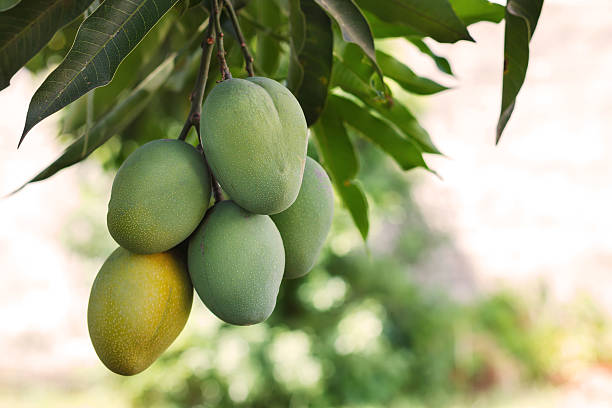
    Homemade jams from Filipino indigenous fruits can utilize various fruits beyond the commonly known varieties. For example, rattan fruit, a sour fruit not commonly used for jam, can be a unique ingredient. Mango jam, a popular option, uses mangoes from places like the Island Garden City of Samal known for their sweetness. Other indigenous fruits could be used to create jams, jellies, and marmalades, preserving them through sugar and other methods.

    Here’s a more detailed look:

    Rattan Fruit:
    While not a typical jam ingredient, rattan fruit, known for its sourness, could be used to create a unique flavor profile.
    Mango Jam:
    Mangoes, especially those from Samal Island, are a popular choice for jam due to their sweetness and color, making them a flavorful and visually appealing option.
    Other Indigenous Fruits:
    Many other Philippine fruits could be used to create jams, jellies, and marmalades. These could include fruits with high pectin content, like apples, or fruits that require pectin supplementation.
    Preserving Methods:
    Jams, jellies, and marmalades are preserved using sugar, which acts as a preservative and also contributes to flavor and gelling.

    Mango Jam Recipe

    Indulge your taste buds with the delightful sweetness of homemade mango jam, a tropical treat bursting with ripe flavors. Mango jam is a luscious fruit preserve made by simmering ripe mangoes with brown sugar and a splash of lemon juice. The process of creating mango jam is simple yet rewarding.

    By peeling and chopping the mangoes, you release their natural juices and intensify their fragrance. Simmering them with brown sugar adds a rich depth of flavor that perfectly complements the sweetness of the mangoes. As the mixture thickens, the jam reaches a glossy consistency, promising a delectable spread to enjoy.

    Once it has cooled and been poured into sterilized jars, this homemade mango jam can be stored in the refrigerator, allowing you to savor the essence of ripe mangoes whenever you desire a taste of the tropics.

    Mango jam isn’t only a delicious addition to your breakfast table, but it’s also a way to preserve the essence of ripe mangoes. The process of making mango jam allows you to capture the flavors of the fruit at their peak ripeness and enjoy them throughout the year.

    The combination of ripe mangoes and brown sugar creates a sweet and tangy jam that can be spread on toast, used as a topping for pancakes or waffles, or even added to yogurt for a tropical twist. The versatility of mango jam makes it a pantry staple that can elevate a variety of dishes.

    In addition to its delicious taste, mango jam also offers health benefits. Mangoes are rich in vitamins, minerals, and antioxidants, making them a nutritious addition to your diet. The process of making mango jam preserves these nutrients, allowing you to enjoy the health benefits of mangoes long after their season has ended.

    The natural sweetness of mango jam also makes it a healthier alternative to store-bought jams and spreads that are often loaded with added sugars and preservatives.

    Duhat (Java Plum) Jam

    Capture the unique essence of Filipino indigenous fruits by exploring the rich and flavorful world of Duhat (Java Plum) Jam. Duhat jam isn’t only a delicious spread but also a way to connect with the tropical fruit that’s native to the Philippines. The deep purple hue of Duhat jam not only makes it visually appealing but also signifies the abundance of antioxidants present in this delightful spread.

    By incorporating Duhat jam into your meals, you not only savor a unique Filipino flavor but also benefit from its rich vitamins and minerals. Spread it on toast, mix it into yogurt, or use it as a filling for pastries to experience the wholesome goodness of Duhat.

    Duhat jam is rich in antioxidants, which help fight free radicals and promote overall health. These antioxidants are essential for maintaining a healthy immune system and protecting against various diseases. Additionally, Duhat jam is packed with vitamins and minerals that provide essential nutrients for your body. From vitamin C to iron, Duhat jam is a nutritious addition to your diet.

    Not only is Duhat jam healthy, but it also offers a delicious flavor that delights the palate. The sweet and tangy taste of Duhat jam adds a burst of flavor to any dish or snack. Whether you spread it on a piece of toast or swirl it into yogurt, the unique taste of Duhat jam is sure to satisfy your cravings.

    Making Duhat jam at home is an opportunity to infuse your kitchen with homemade goodness. By carefully selecting the ripest Duhat fruits and preparing them with care and love, you can create a jam that isn’t only tasty but also made with your personal touch. Homemade Duhat jam is a labor of love that can be shared with your loved ones, spreading joy and deliciousness with every bite.

    The versatility of Duhat jam is another reason to incorporate it into your meals. From breakfast to dessert, Duhat jam can be used in various dishes and snacks. Spread it on pancakes or waffles, mix it into oatmeal or smoothies, or use it as a filling for pastries. The possibilities are endless, allowing you to explore different culinary creations with the delightful flavor of Duhat jam.

    Guava Jelly Homemade Recipe

    Guava jelly is a delightful spread that captures the tropical essence of this sweet and tangy fruit. Making your own homemade guava jelly allows you to savor the flavors of this indigenous fruit in a versatile and delectable way. It’s a rewarding experience that enhances your culinary skills and delights your taste buds.

    To make guava jelly at home, you’ll need guava pulp, sugar, and pectin. Start by cooking the guava pulp with sugar until it softens. This process helps release the natural sweetness of the guava and allows the flavors to meld together. Then, add pectin to the mixture to help thicken it into a jelly-like consistency. Pectin is a natural thickening agent that helps give the jelly its smooth and spreadable texture.

    Once the mixture is ready, pour it into sterilized jars and allow it to cool before refrigerating. This step ensures the jelly sets properly and can be stored for a longer period. When the guava jelly is chilled and set, it’s ready to be enjoyed in a variety of ways.

    Spread it on toast for a delicious breakfast treat, where the sweetness of the jelly pairs perfectly with the crunchiness of the toast. You can also pair it with crackers or cheese for a flavorful snack that balances the sweet and savory notes. For a more adventurous culinary experience, get creative by using guava jelly as a glaze for meats or a topping for desserts.

    It adds a unique tropical twist that complements a wide range of dishes.

    Santol (Cottonfruit) Jam

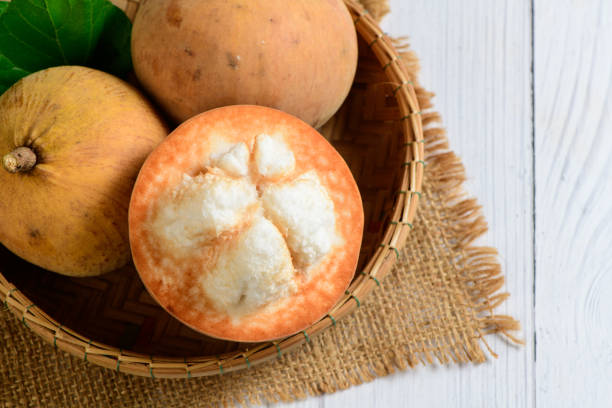
    Santol, also known as Cottonfruit, is a tropical fruit native to Southeast Asia that offers a delightful combination of sweetness and tanginess. When transformed into jam, Santol’s unique flavor shines even more. To make Santol jam at home, you simply need to cook the fruit pulp with sugar until it thickens into a spreadable consistency.

    This process captures the tangy and citrusy notes of the fruit, resulting in a delicious preserve.

    Enjoying Santol jam is a versatile experience. Spread it on bread or crackers for a tropical twist to your usual snacks. You can also use it as a filling in pastries, adding a burst of flavor to your baked goods. Making Santol jam at home allows you to appreciate the distinct flavors of this indigenous Filipino fruit in a delightful and convenient form.

    Once your Santol jam reaches the desired consistency, remember to let it cool before transferring it to jars for storage. To ensure easy identification later, don’t forget to label your jars with the date and contents. This way, you can always enjoy the taste of Santol jam long after the fruit season has passed.

    Visit our website for more exciting recipes and to share your homemade Santol jam creations. By subscribing with your email address, you can stay updated on new recipes and tips for making the most out of this tropical fruit. Happy jam-making!

    Rambutan Jam How-To

    So, you’re ready to whip up your own batch of delicious rambutan jam?

    First, choose the ripest and most flavorful rambutans for the best taste.

    Then, follow a simple jam-making process that will have your kitchen smelling divine in no time.

    Lastly, don’t forget to store your homemade rambutan jam properly and get creative with how you serve it!

    Creating Delicious Rambutan Jam: A Step-by-Step Guide

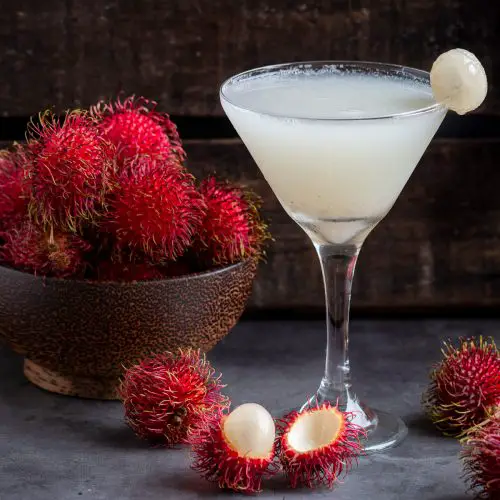
    Rambutan jam is a delightful homemade spread that captures the vibrant flavors of this exotic fruit. To ensure your jam turns out perfectly, it’s essential to choose the right rambutans for the job. When selecting rambutans for your jam, it’s important to find fruits that are ripe yet still firm to the touch. Here are some tips to help you pick the best rambutans:

    Firstly, look for vibrant red colors on the exterior of the rambutan. This indicates that the fruit is ripe and ready to be used in your jam. The rich red hue is a visual indicator of the fruit’s sweetness and flavor.

    Secondly, gently squeeze the rambutan to determine its ripeness. The fruit should have a slight give when you apply pressure, but it shouldn’t be too soft. The perfect rambutan for jam-making is one that’s just right – not too firm and not too mushy.

    Lastly, check the spikes on the rambutan. They should be pliable and flexible, which shows that the fruit is fresh and not overripe. If the spikes are too hard or brittle, it may be a sign that the rambutan is past its prime and not suitable for making jam.

    Simple Jam-Making Process

    Making your own rambutan jam is a simple and rewarding process that allows you to bring a taste of the tropics to your table. Rambutans are delicious tropical fruits with a sweet and tangy flavor, and turning them into jam is a great way to preserve their taste and enjoy them all year round.

    To start the jam-making process, you’ll first need to select the perfect rambutans. Look for fruits that are ripe and firm, with bright skin and no blemishes. Once you have your rambutans, it’s time to get to work.

    Begin by washing the rambutans thoroughly under running water to remove any dirt or debris. Then, peel the skin off the fruits using a knife or your fingers. The skin of rambutans is quite thick and hairy, so be careful and take your time to remove it completely.

    After peeling the rambutans, you’ll need to remove the flesh from the seeds. This can be done by gently squeezing the fruits or using a small knife to cut around the seed and release the flesh. Make sure to remove any seeds or pith from the flesh, as they can give a bitter taste to the jam.

    Once you have the rambutan flesh ready, it’s time to start cooking. In a saucepan, combine the rambutan flesh with sugar and a splash of fresh lemon juice. The sugar will help to sweeten the jam and act as a natural preservative, while the lemon juice will add a tangy flavor and help to balance the sweetness.

    Cook the mixture over low heat, stirring occasionally, until it thickens into a jam-like consistency. This can take anywhere from 20 to 30 minutes, depending on the desired thickness of your jam. Keep an eye on the mixture and adjust the heat as needed to prevent it from burning.

    Once the jam has reached the desired consistency, remove it from the heat and allow it to cool. As it cools, it will continue to thicken, so don’t worry if it seems a bit runny at first. Once cooled, transfer the jam to sterilized jars for storage. Make sure to leave a bit of space at the top of the jars to allow for expansion as the jam cools and seals.

    Now that you have your homemade rambutan jam, you can enjoy it on toast, pancakes, or even as a topping for ice cream. The possibilities are endless! Plus, the satisfaction of making your own jam from scratch is hard to beat. So why not give it a try and bring a taste of the tropics to your breakfast table?

    Storage and Serving Tips

    To ensure that your homemade rambutan jam stays fresh and flavorful, it’s important to store it properly. By following these storage and serving tips, you can maintain the optimal taste and quality of your delicious creation.

    First and foremost, refrigeration is key. By keeping your rambutan jam chilled, you can extend its shelf life and ensure that it stays fresh for longer periods of time. The cool temperature of the refrigerator helps to preserve the flavor and texture of the jam, allowing you to enjoy it for weeks or even months after making it.

    In addition to refrigeration, it’s important to store your rambutan jam in airtight jars. This helps to prevent air exposure, which can lead to spoilage and a loss of flavor. Make sure that the jar is tightly sealed to create a barrier between the jam and the outside environment. This will help to maintain the jam’s texture and prevent any unwanted changes in taste.

    Now that you have properly stored your rambutan jam, it’s time to enjoy it! This versatile jam can be used in a variety of ways to add a sweet tropical twist to your dishes. Spread it on toast or pastries for a delicious breakfast treat, or use it as a topping for desserts like ice cream or yogurt. The unique flavor of rambutan will add a burst of sweetness to any dish, making it a versatile and tasty addition to your pantry.

    Calamansi Marmalade Guide

    Calamansi marmalade is a delightful condiment that adds a burst of flavor to your dishes. Made from ripe calamansi fruits, this tangy marmalade can elevate your meals and bring a refreshing twist to your taste buds.

    To make your own calamansi marmalade, follow this simple guide:

    Start by selecting ripe calamansi fruits with a vibrant color and firm texture. These small, tart citrus fruits are essential for creating a bright and tangy marmalade. Once you have your calamansi fruits, wash them thoroughly to remove any dirt or impurities.

    Next, cut the calamansi fruits in half and extract the juice and seeds. The juice will provide the tangy flavor while the seeds can be discarded. If you prefer a more intense flavor, you can also grate the peels for zest.

    Now, it’s time to prepare the marmalade mixture. In a pot, combine the calamansi juice, zest, sugar, and water. The sugar will sweeten the marmalade and help it thicken, while the water will provide the necessary liquid for cooking.

    Cook the mixture over low heat, stirring occasionally, until it thickens to your desired consistency. This process may take some time, so be patient. The low heat will ensure that the marmalade doesn’t burn or stick to the pot.

    Once the marmalade has reached the desired consistency, remove it from the heat and let it cool. It’s important to let it cool before transferring it to sterilized jars to prevent any contamination.

    Now, you have your homemade calamansi marmalade ready to be enjoyed. Spread it on toast, use it as a topping for pancakes or waffles, or even incorporate it into your favorite recipes for a tangy twist. The possibilities are endless!

    Lanzones (Langsat) Jam Recipe

    Are you ready to discover the unique flavor of Lanzones jam?

    This simple jam-making process will allow you to enjoy the taste of fresh, local ingredients while adding a delightful twist to your breakfast or baking creations.

    Get ready to experience the sweet and tangy goodness of this indigenous fruit in a whole new way!

    Unique Lanzones Flavor

    Indulge your taste buds with a burst of unique flavor by trying out this Lanzones (Langsat) Jam Recipe showcasing the essence of Filipino indigenous fruits. Lanzones, also known as langsat, is a tropical fruit native to Southeast Asia. It has a sweet and tangy flavor that’s truly distinct. In this recipe, the langsat fruit is combined with brown sugar to create a low-calorie spread with a delightful taste.

    To enhance the complexity of the jam, you can consider customizing it with herbs like rosemary, mint, or lavender. These herbs will add a subtle yet delightful aroma to the jam, making it even more interesting to the palate. The simple recipe calls for just langsat fruit and brown sugar, making it accessible for homemade preparation.

    One interesting aspect of this recipe is that you can choose between two methods to create different textures. If you prefer a smooth consistency, you can blend the langsat fruit and brown sugar together until well combined. On the other hand, if you prefer a caramelized texture, you can cook the langsat fruit and brown sugar together over low heat until it thickens and caramelizes.

    Both methods yield delicious results, so it really depends on your personal preference.

    Once you have made the lanzones jam, it’s important to store it properly to preserve its freshness and flavor. Transfer the jam into an airtight jar and keep it in the refrigerator. This will ensure that it stays good for a longer period of time, allowing you to enjoy it whenever you desire. Spread it on toast, use it as a filling for pastries, or simply enjoy it by the spoonful.

    The possibilities are endless with this unique and flavorful lanzones jam.

    Simple Jam-Making Process

    Are you ready to take your culinary skills to the next level? Explore the delightful world of homemade Lanzones (Langsat) jam and discover the joy of creating your own delicious spread. This simple yet rewarding process allows you to customize your jam with unique flavor twists while keeping it low in calories. Let’s dive in and see how you can make this delectable treat in the comfort of your own kitchen.

    To start, you’ll need to peel and deseed the langsat fruit. This may take around 15 minutes, but the effort is well worth it. Once the fruit is peeled and deseeded, you have two options: blending or heating it with brown sugar. Blending the fruit will give you a smoother texture, while heating it with brown sugar will create a thicker jam. This step will take approximately 20 minutes, allowing the flavors to meld together perfectly.

    Now comes the fun part – customizing your jam with herbs. Adding herbs like rosemary, mint, or lavender can give your jam a unique and delightful twist. This step will only take about 5 minutes, but the flavors will infuse your jam with a whole new level of deliciousness.

    Once your jam is ready, it’s important to store it properly to extend its shelf life. Transfer it to an airtight jar and refrigerate it. This will help preserve the freshness and flavor of your homemade creation.

    Local and Fresh Ingredients

    When it comes to creating a truly authentic and flavorful Lanzones (Langsat) jam, sourcing local and fresh ingredients is absolutely essential. By using the freshest ingredients available, you can capture the true essence of this tropical fruit and create a jam that’s bursting with flavor.

    To start, it’s important to choose ripe Lanzones fruits. Look for fruits that are fragrant and slightly soft to the touch, as this indicates that they’re at their peak ripeness. Ripe Lanzones will have a natural sweetness that will enhance the flavor of your jam.

    In addition to using ripe fruit, opting for locally sourced brown sugar can also make a big difference in the taste of your jam. Not only does using local brown sugar support your community, but it can also enhance the sweetness of the jam and add depth to the overall flavor.

    To take your Lanzones jam to the next level, consider adding fresh herbs to the mix. Experiment with herbs like rosemary, mint, or lavender to elevate the taste of the jam and give it a unique twist. The addition of fresh herbs can add complexity and depth to the flavor profile, making your Lanzones jam truly stand out.

    Tamarillo (Tree Tomato) Jam

    If you’re looking to elevate your pantry with a burst of tropical flavor, why not try your hand at making homemade Tamarillo (Tree Tomato) Jam?

    Tamarillo, also known as tree tomato, is a tropical fruit native to South America and widely grown in the Philippines. This jam offers a unique tangy-sweet flavor profile that can complement both sweet and savory dishes, making it a versatile addition to your culinary creations. In addition to its delicious taste, Tamarillo jam is packed with antioxidants, vitamins, and minerals, potentially offering various health benefits.

    One of the joys of making your own Tamarillo jam is the ability to customize it according to your preferences. You can add spices like cinnamon or ginger for an even more complex flavor profile, enhancing the overall taste experience. Moreover, the vibrant red or orange color of the jam adds an aesthetically pleasing touch to desserts and breakfast items, making them visually appealing as well as delicious.

    Guyabano (Soursop) Jam Making

    Get ready to discover the wonderful benefits of guyabano fruit and how to whip up a simple jam recipe that will surely tantalize your taste buds.

    Guyabano is packed with essential vitamins and antioxidants, making it a nutritious choice for your morning toast or snack.

    Let’s dive into the world of guyabano jam making and unlock the delicious possibilities waiting for you.

    Guyabano Fruit Benefits

    Guyabano jam is a delicious and tangy-sweet spread that’s made by blending the nutrient-rich pulp of the guyabano fruit with sugar and cooking it to a thick consistency. Guyabano, also known as soursop, is a tropical fruit that isn’t only tasty but also offers a multitude of health benefits. Incorporating guyabano jam into your diet can be highly beneficial for several reasons.

    First and foremost, guyabano is packed with antioxidants, making it a powerhouse for protecting your cells from damage. Antioxidants are compounds that help neutralize harmful free radicals in the body, which can prevent chronic diseases and promote overall health.

    Consuming guyabano jam regularly can provide a significant boost to your antioxidant intake and help enhance your body’s defense against oxidative stress.

    Additionally, guyabano is rich in vitamin C, which is essential for a healthy immune system. Vitamin C is known to boost the production of white blood cells, which are crucial for fighting off infections and illnesses. By enjoying guyabano jam, you can increase your vitamin C intake and support your immune system’s ability to ward off diseases.

    Furthermore, guyabano jam is a good source of dietary fiber. Fiber is essential for digestive health as it helps promote regular bowel movements and prevents constipation. It also aids in maintaining a healthy weight and controlling blood sugar levels. By incorporating guyabano jam into your diet, you can contribute to your daily fiber intake and support a healthy digestive system.

    Simple Jam Recipe

    To continue your culinary exploration of the benefits of guyabano fruit, let’s embark on a flavorful journey by learning how to make a simple and delicious Guyabano (Soursop) jam at home. Guyabano jam is a popular spread known for its unique sweet and tangy flavor, perfect for enhancing your bread and pastries.

    Making this jam at home allows you to savor the tropical taste of the fruit while controlling the ingredients for a fresh and flavorful outcome.

    To make Guyabano jam, you’ll need 4 cups of guyabano pulp, 2 cups of sugar, 1/4 cup of lemon juice, and 1/2 cup of water. Start by simmering the guyabano pulp in a pot. This helps to soften the fruit and extract its natural flavors. Once the pulp is simmering, add the sugar to the pot and mix well. The sugar will help to sweeten the jam and create a thick, spreadable consistency.

    To add a tangy kick to the jam, stir in 1/4 cup of lemon juice. The lemon juice will enhance the natural acidity of the guyabano fruit and give the jam a refreshing taste. Finally, gradually add 1/2 cup of water to the pot to reach your desired consistency. The water will help to thin out the jam slightly and make it easier to spread.

    Once everything is mixed together, continue to simmer the jam for about 10-15 minutes, stirring occasionally to prevent it from sticking to the bottom of the pot. As the jam cooks, it will thicken and develop a rich, vibrant color. Once it reaches your desired consistency, remove it from the heat and let it cool.

    Once cooled, transfer the guyabano jam into clean, sterilized jars and seal them tightly. You can store the jam in the refrigerator for up to a month, or you can process the jars in a water bath canner to preserve them for longer periods.

    With this simple recipe, you can enjoy the tropical goodness of guyabano fruit in the form of a delicious homemade jam. Spread it on your favorite breads, pastries, or even use it as a topping for desserts. The sweet and tangy flavors of the guyabano will surely elevate any dish. Give this recipe a try and experience the joy of homemade guyabano jam.

    Can Filipino Indigenous Fruits Be Used for Making Exotic Fruit Jams?

    Yes, Filipino indigenous fruits can be used for making exotic fruit jams. Fruits like guava, mango, and calamansi are some of the best exotic fruits for salads and are perfect for creating unique and flavorful jams. Their natural sweetness and aromatic flavors make them ideal for creating delicious spreads.

    Balimbing (Starfruit) Jam Recipe

    Unlock the tropical flavors of starfruit with this easy-to-follow recipe for homemade Balimbing jam that will elevate your breakfast spread. Balimbing, also known as starfruit, is a unique tropical fruit that gets its name from its star-like shape when sliced. The starfruit’s tangy and slightly sweet flavor makes it the perfect base for a delicious and refreshing jam.

    With just a few simple ingredients and some patience, you can make your own Balimbing jam at home.

    To start, you’ll need some fresh starfruit, sugar, and spices (optional, like cinnamon or ginger) to enhance the flavor. Begin by washing and slicing the starfruit, removing any seeds that you come across. Then, in a pot, combine the starfruit slices with the sugar and spices, if desired.

    Next, cook the mixture over low heat, stirring occasionally, until it thickens to the desired consistency. This process may take some time, so be patient and keep an eye on the pot. Once the jam has thickened, remove it from the heat and let it cool.

    Now comes the best part – enjoying your homemade Balimbing jam! Spread it on toast or pastries for a delicious breakfast treat. You can also use it as a topping for desserts like ice cream or yogurt, adding a tropical twist to your favorite sweets. And don’t forget to share this tropical delight with your friends and family for a truly unique and flavorful experience.

    Frequently Asked Questions

    What Fruits Are Best for Homemade Jam?

    For your homemade jam, consider fruits like strawberries, raspberries, and apricots. These fruits are bursting with flavor, making them perfect for creating delicious jams that will brighten your morning toast or add sweetness to your desserts.

    What Fruits Can You Make Jelly With?

    You can make jelly with a variety of fruits like strawberries, raspberries, blueberries, and peaches. These fruits offer a range of flavors and textures, perfect for creating delicious homemade jams that you’ll love.

    Can You Make Jam Without Pectin?

    Yes, you can make jam without pectin. Cooking fruits high in natural pectin like apples, citrus fruits, or berries with sugar and acid helps create a gel-like consistency. Experiment with different fruits for delicious homemade jam.

    What Fruit Is in Mixed Fruit Jam?

    In mixed fruit jam, a delightful blend of strawberries, raspberries, apricots, and peaches creates a complex and colorful flavor explosion. Enjoy its versatility by spreading it on toast or topping desserts for a harmonious balance of sweet and tangy notes.

    Conclusion

    Now that you’ve tried these delicious homemade jams made from Filipino indigenous fruits, you’ve experienced a burst of tropical flavors and cultural richness in every spoonful.

    From the sweet mango jam to the tangy guava jelly, these jams not only taste amazing but also offer a healthy dose of vitamins and antioxidants.

    So next time you’re craving a taste of the Philippines, whip up a batch of these jams and enjoy a little slice of paradise!

  • A Filipino Favorite: All About Sineguelas (Spanish Plum)

    A Filipino Favorite: All About Sineguelas (Spanish Plum)

    So, you want to know all about sineguelas, huh? This little Spanish Plum is a rock star in the fruit world, packing a punch with its sweet and tangy flavor. Originating from sunny places like the Philippines, it needs that tropical heat to thrive.

    Loaded with antioxidants, Vitamin C, and other nutrients, this bad boy not only tastes divine but also keeps your body in top shape. Introduced during summer when it’s bursting with flavor, sineguelas is making waves globally with its vibrant red skin and zesty twist to dishes. Don’t miss out on the opportunity to savor this gem – there’s a whole world of juicy goodness waiting for you!

    What Is Sineguelas in English?

    Sineguelas, known as Spanish Plum in English, is a tropical fruit prized for its distinct taste and vibrant red skin. This fruit offers a delightful mix of sweetness and tanginess, making it a versatile choice for various culinary creations. Whether incorporated into jams or desserts, sineguelas adds a unique twist to dishes, pleasing the palate with its exotic flavor profile. Beyond its culinary appeal, sineguelas is a nutritional powerhouse, containing high levels of antioxidants, beta-carotene, and vitamin A.

    These nutrients contribute to its reputation as a healthful option in the fruit world. Originating from warm climates like the Philippines, where it thrives particularly well during the summer, sineguelas is gaining popularity globally for its delicious taste and beneficial properties.

    In addition to its culinary versatility and health benefits, sineguelas stands out for its adaptability to warm climates, such as its native Philippines. The fruit’s popularity during the summer months in these regions attests to its refreshing and invigorating qualities.

    With a surge in global interest, more individuals are exploring the unique flavors and health advantages that sineguelas offers. Its vibrant red skin and intriguing taste make it a standout addition to various recipes, appealing to those seeking both flavor diversity and nutritional value in their meals. As awareness of this tropical gem spreads, sineguelas is poised to become a staple in kitchens worldwide, adding a touch of exotic flair to culinary experiences.

    What Is Siniguelas Fruit in Philippines?

    Siniguelas fruit, also known as Spanish Plum, is a tropical fruit that stands out for its unique characteristics and health benefits. This tiny powerhouse is rich in antioxidants, beta-carotene, and vitamin A, offering cell protection and overall health benefits.

    Its flavor profile is a delightful mix of sweet and sour, providing a refreshing taste experience unlike any other tropical fruit. Siniguelas can be enjoyed fresh or incorporated into traditional Filipino dishes like sinigang or kinilaw, showcasing its versatility in culinary applications.

    Thriving in tropical climates, siniguelas trees require ample sunlight and well-drained soil to grow. Despite being low in calories, siniguelas is high in Vitamin C and fiber, making it a nutritious snack choice.

    This nutritional value adds to the appeal of siniguelas, making it a popular choice for health-conscious individuals looking to enjoy a tasty treat while reaping its health benefits. Overall, siniguelas stands out among tropical fruits for its unique flavor profile and nutritional value, making it a must-try for those seeking a delicious and nutritious fruit option.

    What Month Is Sineguelas Season?

    Sineguelas season typically kicks off in April and reaches its peak in May in the Philippines. This small, sweet fruit, also known as the Spanish plum or sinigwelas, is a favorite among locals for its juicy flesh and tangy flavor. Farmers employ traditional harvesting techniques to carefully pluck ripe sineguelas, ensuring the delicate skin remains intact.

    The sunny summer months see an abundance of sineguelas in markets, offering a perfect opportunity to indulge in this seasonal delight.

    When it comes to sineguelas, the possibilities are endless. From sinigwelas shakes to sinigwelas salad, there are numerous creative ways to enjoy this versatile fruit. Beyond its culinary appeal, sineguelas also packs a nutritional punch. Rich in antioxidants and vitamin A, it not only boosts your immune system but also promotes healthy eyesight.

    As you explore the market stalls overflowing with sineguelas, keep an eye out for popular varieties like ‘Mariana’ and ‘Manila Super,’ known for their exceptional taste and quality. So, make the most of sineguelas season and savor the unique flavors this fruit has to offer.

    What Is Another Name for Siniguelas?

    Siniguelas, also known as Spanish plum, hog plum, or red mombin, is a versatile fruit that goes by various names depending on the region. Despite its identity playing hide and seek, siniguelas’ taste profile is a delightful balance of sweet and sour flavors that tantalize the taste buds.

    This small fruit can be enjoyed in different ways, from fresh to pickled, and even transformed into jams and jellies. Cultivated in tropical climates, siniguelas come in diverse varieties, each offering nutritional benefits. Whether snacking on them or using them in recipes like siniguelas salad, this fruit holds cultural significance and is believed to have medicinal properties.

    Siniguelas, with its intriguing mix of flavors, is a popular choice among fruit enthusiasts. Its adaptability in various culinary creations, from salads to preserves, showcases its versatility. The different varieties of siniguelas not only offer a range of tastes but also pack a nutritional punch, making them a valuable addition to a balanced diet. Additionally, the cultural importance and potential health benefits associated with siniguelas make it a fruit worth exploring and incorporating into your culinary repertoire.

    Where Is Sineguelas Mostly Found in the Philippines?

    Sineguelas, a popular fruit in the Philippines, thrives in regions with warm climates and abundant sunlight, making Luzon, Visayas, and Mindanao ideal locations for its cultivation. These tropical areas provide the perfect environment for sineguelas trees to flourish, with their sweet and tangy fruits adored by locals.

    Whether found in home gardens, along roadsides, or at bustling markets, sineguelas is a staple during the summer months when Filipinos eagerly await their seasonal availability from April to June, peaking in May. The demand for sineguelas is high, given its versatility in culinary applications, from eating raw as a refreshing snack to incorporating its unique flavor in various treats.

    Filipinos have a special affinity for sineguelas, relishing the joy of indulging in these little red gems during the hot summer days. The fruit’s popularity stems not only from its delicious taste but also from its adaptability in different dishes and desserts.

    As sineguelas ripens under the nurturing Filipino sun, it becomes a sought-after item in local markets, attracting both locals and tourists alike. Its presence in various settings, from home gardens to roadside stalls, reflects its integral role in Filipino cuisine and culture. So, when the summer heat kicks in, be sure to keep an eye out for these delectable fruits and explore the diverse ways they can be enjoyed.

    Is Sineguelas a Plum?

    Sineguelas, commonly mistaken for a plum due to its similar size and color, is a tropical fruit that stands out with its unique characteristics. Despite its plum-like appearance, this fruit, also known as Spanish Plum, hails from tropical regions and offers a distinct flavor profile that sets it apart from traditional plum varieties.

    While it may resemble a plum at first glance, Sineguelas surprises with its sweet or sour taste, bringing a tropical twist to your culinary creations. This vibrant red fruit isn’t just another plum impostor; it’s a tropical delight that adds an exotic flair to your dishes.

    Expanding on the allure of Sineguelas, its tropical origins infuse it with a rich and diverse taste that captures the essence of exotic regions. The Spanish Plum’s versatility in flavor, ranging from sweet to sour, opens up a world of culinary possibilities, making it a prized ingredient in various dishes.

    Whether used in desserts to add a tangy kick or in savory dishes to balance flavors, Sineguelas brings a burst of tropical freshness to every bite. So, next time you encounter this tropical gem, remember that it’s not just a mere plum look-alike—it’s a flavorful and vibrant addition to your culinary repertoire.

    What Is the Benefits of Sineguelas?

    Sineguelas, also known as Spanish plum, offers a plethora of health benefits that can enhance your overall well-being. This tropical fruit is rich in antioxidants, which help combat free radicals in the body, reducing the risk of chronic diseases and promoting cellular health.

    Sineguelas is a great source of vitamin A, essential for maintaining good eyesight and promoting healthy vision. By incorporating Sineguelas into your diet, you can support your immune system and protect your eyes from age-related degeneration.

    When it comes to cholesterol control, Sineguelas can be a valuable ally. Its nutritional profile aids in managing cholesterol levels, reducing the risk of heart disease and improving cardiovascular health. The fruit’s high vitamin content also contributes to its overall health benefits, providing essential nutrients that support various bodily functions.

    It’s important to note that Sineguelas is typically available seasonally, so take advantage of its delicious taste and health-boosting properties when it’s in peak harvest. Incorporating this fruit into your diet can be a tasty way to reap its many benefits and support your well-being year-round.

    What Are the Benefits of Spanish Plum Leaves?

    Spanish Plum leaves, also known as duhat leaves, have been a staple in traditional Filipino folk medicine for their remarkable health benefits. These leaves are renowned for their potent anti-inflammatory properties, which can help combat various health issues. Rich in antioxidants, Spanish Plum leaves play a crucial role in fighting off free radicals that can harm the body and contribute to overall well-being. Additionally, research suggests that these leaves may aid in promoting digestive health and improving gut function, making them a valuable addition to one’s wellness regimen.

    In the realm of wellness, Spanish Plum leaves act as tiny superheroes within the body, tirelessly fighting inflammation and supporting optimal health. Beyond their anti-inflammatory prowess, these leaves also serve as digestive aids, potentially enhancing gut health and overall digestive function. Picture them as the unsung heroes of well-being, quietly working behind the scenes to keep you feeling your best.

    What Is the Filipino Fruit Like Grapefruit?

    In the realm of tropical fruits, the Filipino fruit sineguelas stands out as a distinct alternative to the familiar grapefruit. Offering a unique blend of flavors and textures, sineguelas presents a delightful mix of sweetness, tartness, and a hint of sourness, setting it apart from the tangy profile of grapefruit. Bursting with exotic antioxidants, beta-carotene, and vitamin A, sineguelas not only tantalizes the taste buds but also provides a healthy boost for the body.

    Sineguelas, unlike its larger citrus cousin, can be enjoyed at various ripeness levels, from firm and slightly tangy to soft and sweet, making it a versatile option for snacking or enhancing the flavors of salads. Thriving in tropical climates with a need for warmth and regular watering, sineguelas offers a delectable way to incorporate a powerhouse of goodness into your diet. By helping prevent cell damage, managing cholesterol levels, and supporting eye health to combat macular degeneration, sineguelas emerges as a fruit with both delectable taste and essential nutritional benefits.

    What Vitamins Are in Sineguelas?

    When we talk about the vitamins found in sineguelas, we can’t overlook the powerhouse nutrient – Vitamin C. This tropical fruit is bursting with Vitamin C benefits, offering a significant 26% of your daily recommended intake in just one serving.

    Vitamin C is renowned for its antioxidant properties, which play a crucial role in protecting your cells from damage and enhancing your immune system. But that’s not all sineguelas has to offer in terms of nutrition. Alongside Vitamin C, this fruit also contains essential minerals like calcium and iron in small amounts, further boosting its nutritional value.

    Diving deeper into the health benefits of sineguelas, its high water content not only makes it a hydrating snack but also aids in digestion. Additionally, the fruit’s low calorie count and dietary fiber content make it a smart choice for supporting overall health.

    Furthermore, sineguelas may possess anti-inflammatory properties that could potentially benefit skin health. So, the next time you indulge in this juicy treat, remember that you’re not just enjoying its delicious taste but also giving your body a well-rounded dose of health-boosting nutrients.

    Is Sineguelas a Tropical Fruit?

    Sineguelas, a tropical fruit indigenous to warm regions such as the Philippines, thrives in tropical climates due to its specific requirements for growth and development. This exotic fruit is known for its vibrant taste and numerous health benefits, making it a popular choice among fruit enthusiasts. With its rich antioxidants, beta-carotene, and vitamin A content, sineguelas plays a vital role in preventing cell damage, managing cholesterol levels, and safeguarding eye health against conditions like macular degeneration.

    Delving deeper into the culinary realm, sineguelas offers a versatile ingredient that can be utilized in various culinary creations, from jams to refreshing sorbets. Its unique flavor profile adds a delightful twist to dishes, captivating taste buds with a harmonious blend of sweetness and tanginess.

    For those inclined towards horticulture, sineguelas necessitates the nurturing care of a tropical climate, with peak ripeness signaled by firm, brightly colored fruits ready for consumption. Harvested predominantly during the summer months, sineguelas showcases its peak flavor and abundance during this period, enticing consumers with its succulent and flavorful characteristics. Whether relished for its sweetness or appreciated for its sour notes, sineguelas promises a culinary adventure that leaves an enduring impression on discerning palates.

    What Is the Scientific Name of Sarguelas?

    The scientific name of Sarguelas, Muntingia calabura, serves as a botanical identity tag that unlocks a treasure trove of information about this unique fruit. This name goes beyond mere nomenclature; it’s a gateway to understanding Sarguelas within the realm of plant taxonomy.

    By belonging to the Elaeocarpaceae family, Sarguelas is placed in a specific botanical classification, shedding light on its evolutionary relationships and characteristics. When you encounter a Sarguelas tree, knowing its scientific name allows you to appreciate its horticultural significance and ecological distribution. This name isn’t just a label but a key that reveals the genetic diversity and ecological role of our beloved red fruit companion.

    Delving into the scientific name of Sarguelas, Muntingia calabura, unveils a rich tapestry of information that extends far beyond mere words. Understanding this botanical moniker provides insights into the intricate web of connections that define Sarguelas within the plant kingdom.

    By recognizing its taxonomic classification within the Elaeocarpaceae family, we gain a deeper appreciation for Sarguelas’ place in the natural world. This knowledge allows us to explore the horticultural significance of Sarguelas, appreciate its ecological distribution, and unravel the genetic diversity that shapes its existence. The scientific name of Sarguelas isn’t just a string of letters; it’s a powerful tool that illuminates the hidden depths of our botanical friend, enriching our understanding of its significance in the ecosystem.

    What Is Sineguelas in Ilocano?

    In Ilocano culture, the fruit known as Sineguelas is referred to as ‘sarisa,’ a small, sweet fruit akin to the Spanish plum. ‘Sarisa’ plays a significant role in Ilocano traditions, being a staple ingredient in various traditional dishes that reflect the rich culinary heritage of the region. This beloved fruit isn’t only cherished for its unique flavor and texture but also holds cultural significance, symbolizing the essence of Ilocano cuisine and customs.

    Locals in Ilocano regions have a deep appreciation for ‘sarisa’ and often incorporate it into their cooking to enhance the taste of their dishes. The versatility of ‘sarisa’ allows it to be enjoyed fresh as a snack or cooked in savory recipes, showcasing its ability to add a delightful twist to local cuisine. Whether it’s used in refreshing salads, flavorful stews, or sweet desserts, ‘sarisa’ remains a favorite among the people of Ilocano for its distinct taste and culinary appeal.

    How Can I Incorporate Dalandan into Traditional Filipino Dishes Like Sineguelas?

    Incorporating dalandan into traditional Filipino dishes like sineguelas can add a unique twist to the flavors. Try creating creative dalandan citrus recipes, such as dalandan-infused adobo or a refreshing dalandan salad dressing for a modern take on classic Filipino cuisine.

    What Fruit Is Duhat?

    Duhat, commonly known as Java plum or black plum, is a tropical fruit that thrives in the Philippines. This small purple fruit is bursting with a delightful blend of sweetness and tanginess, making it a popular choice for jams and desserts.

    Beyond its delicious taste, duhat shines as a health powerhouse. Brimming with antioxidants, vitamins, and minerals, this fruit offers a myriad of benefits. It combats harmful free radicals, bolsters the immune system, and promotes overall well-being.

    With its diverse varieties, exploring the world of duhat promises a fruity adventure like no other. Remember, when you indulge in duhat, you’re not just savoring a fruit; you’re embracing a delectable form of health insurance.

    Conclusion

    So there you have it, folks! Sineguelas may be small, but it packs a punch when it comes to flavor and health benefits. Just remember, watch out for those sneaky toxic seeds and don’t go overboard with your siniguelas indulgence.

    Stay safe, stay healthy, and keep enjoying this sweet and tangy treat in moderation. And who knows, maybe the next time you bite into a siniguelas, you’ll appreciate its goodness even more!

    Happy snacking!

    Frequently Asked Questions

    What Is Spanish Plum in the Philippines?

    In the Philippines, Spanish plum is a beloved fruit. It’s thin-skinned, red when ripe, and can be sweet or sour. Enjoy it dipped in salt and vinegar. The tree grows about 5 meters tall, evoking nostalgia for Filipinos.

    Where Is Sineguelas Mostly Found in the Philippines?

    In the Philippines, sineguelas thrives in regions like Luzon, Visayas, and Mindanao. You’ll often spot these trees in Filipino home gardens and bustling markets in cities such as Manila and Cebu from April to June.

    What Is the Tagalog of Spanish Plum?

    The Tagalog term for Spanish Plum is ‘Sineguelas.’ It’s a beloved fruit in the Philippines. Known by various names like ‘Sarguelas,’ it’s significant culturally. Embrace its flavors in diverse dishes. Enjoy Sineguelas!

    What Is the English Name for Siniguelas?

    The English name for siniguelas is ‘Spanish Plum,’ reflecting its origins and characteristics. It’s also known as scarlet plum or hog plum. Understanding this name aids in recognizing siniguelas in global culinary discussions.

  • Culinary Uses of Santol

    Culinary Uses of Santol

    Santol, a tropical fruit, is a key ingredient in traditional Filipino cuisine, used in dishes like Santol in Sweet and Sour Sauce and Sinigang, showcasing its sweet and sour flavors. Its versatility in dishes like Escabeche and pickles makes it a beloved component in Filipino culinary creations.

    Key Takeaways:

    • Santol offers a range of flavors from sweet candy-like to tangy umami richness.
    • Its sweet varieties evoke tastes of candy, peaches, or apples, while sour varieties deliver a tangy umami experience.
    • Santol adds a unique sweet or sour twist to dishes, with a bitter note from the rind and flesh enhancing flavors.
    • This tropical fruit, high in nutrients, pairs well with coconut, citrus, ginger, and tamarind for diverse culinary creations.

    Santol Fruit Overview

    Santol fruits, also known as cottonfruit, are tropical fruits native to Southeast Asia. These round to ovate fruits have a fuzzy, leathery skin that starts off green and turns golden yellow as they ripen. But it’s the vibrant burst of flavor in their translucent white pulp that truly sets Santol apart. The taste of Santol can range from sour to very sweet, offering a delightful contrast of flavors.

    One popular way to enjoy Santol is by combining it with creamy coconut milk. The richness of the coconut milk complements the tangy sweetness of Santol, creating a harmonious balance of flavors. This combination is often used in Southeast Asian cuisine to make refreshing beverages, creamy desserts, and savory curries.

    The addition of coconut milk adds a smooth, velvety texture to dishes containing Santol, enhancing the overall taste profile.

    The versatility of Santol allows it to be incorporated into both sweet and savory dishes, making it a sought-after fruit in the culinary world. Whether you prefer Santol in a dessert or a main course, its unique flavor and texture bring a touch of tropical delight to any meal. So, the next time you come across Santol fruits, don’t hesitate to explore the endless possibilities it offers in the kitchen.

    Taste Profile of Santol

    When exploring the taste profile of Santol, you’ll encounter a delightful range of flavors from sweet to sour. Depending on the variety and ripeness, Santol can offer candy-like sweetness or a tangy umami richness.

    These diverse tastes open up a world of culinary possibilities, allowing you to craft anything from sweet jams to tangy sauces with this versatile fruit.

    Flavorful Santol Varieties

    Santol, a tropical fruit known for its unique flavors, offers a wide range of taste experiences. From sweet to sour, each variety of Santol brings its own distinct culinary potential. Sweet Santol varieties can be reminiscent of candy, peaches, or apples, providing a delightful and fruity sensation.

    On the other hand, sour Santol varieties deliver an umami taste that adds a tangy and unique flavor profile to various dishes. This diversity in flavors showcases the versatility of Santol, allowing for a range of culinary creations. Exploring the nuances of Santol flavors enables one to discover the perfect balance of sweetness and acidity for their dishes.

    Furthermore, it’s important to note that Santol fruits offer different flavors depending on the variety, location, and maturity, making the exploration of this fruit even more exciting.

    Cooking With Santol: Exploring the Diverse Taste Profile of Santol

    Santol, a tropical fruit known for its unique flavor, opens up a world of culinary possibilities. With its sweet and sour varieties, Santol can add a delightful twist to your meals. Sweet Santol varieties offer flavors reminiscent of candy, peaches, or apples, bringing a burst of sweetness to your dishes.

    On the other hand, sour Santol fruits bring a tangy and savory element, providing an umami experience that’s both unique and satisfying.

    The taste of Santol can vary depending on factors such as the variety, location, and ripeness of the fruit. This variety allows you to experiment and create a wide range of dishes with different flavor profiles. From sweet and fruity desserts to tangy and savory sauces, Santol can elevate your culinary creations.

    Incorporating Santol into your cooking not only adds flavor but also introduces a slightly bitter note from the rind and flesh of the fruit. This bitterness adds depth and complexity to your dishes, enhancing the overall flavor profile. Whether you’re using sweet or sour Santol, the bitterness adds a unique element that sets Santol apart from other fruits.

    Seasonal Availability of Santol

    Santol fruit graces markets from late spring to fall, making it a sought-after seasonal treat. The availability of Santol varies across regions, so keep an eye out for it during its peak season.

    Embrace the abundance of Santol at local markets and stores, and savor its unique flavors while it’s at its freshest.

    Harvesting Santol Fruit

    When it comes to harvesting Santol fruit, timing is everything. To enjoy the perfect balance of sweetness and tanginess, it’s crucial to wait for the skin to transition from green to a beautiful golden yellow hue. This color change indicates optimal ripeness and ensures that the Santol fruit is bursting with flavor.

    Santol fruit is a seasonal delight, with availability ranging from late spring through fall. During this time, it’s important to keep a close eye on the fruit and wait patiently for the skin to ripen. Once the golden yellow color is achieved, it’s time to pick the fruit and savor its delicious taste.

    Inside the Santol fruit, you’ll find translucent to white pulp that surrounds inedible seeds. This pulp is the star of the show, delivering the sweet and tangy flavors that Santol is renowned for. With each bite, you’ll experience a burst of refreshing taste that’s truly delightful.

    It is worth noting that a single Santol tree has the potential to yield an abundant harvest of over 20,000 fruits in a year. This makes Santol a fruitful choice for those looking to enjoy a bountiful harvest. Additionally, there are different varieties of Santol, including the red and yellow varieties. Each variety offers its own distinct flavor profile, providing a wonderful opportunity for exploration and taste discovery.

    Storage and Ripening

    To ensure that Santol fruits have the best flavor and juiciness, it’s important to employ proper storage and ripening techniques. Santol fruits are typically available from late spring to fall, with peak seasons varying depending on the region.

    To ripen Santol fruit at home, store them at room temperature until the skin turns from green to golden yellow. This process allows the fruit to ripen naturally and develop its sweet and tangy flavors. Once the Santol fruit is ripe, you can extend its freshness by storing it in the refrigerator for up to a week. Keep an eye on the skin, as it may become wrinkled as the fruit ripens, indicating that it’s ready to eat.

    Culinary Uses

    Santol, a tropical fruit, is a culinary gem that offers a wide range of possibilities in the kitchen. With its seasonal availability from late spring through fall, Santol fruits bring a burst of flavor to dishes during their peak growing months. The translucent to white pulp of Santol fruits can be utilized in various culinary applications, both sweet and savory.

    From creating jellies and jams to making syrups, Santol adds a unique and distinct flavor profile to any dish it’s incorporated into. In cooking, both the rind and flesh of Santol fruits are commonly used to lend a slightly bitter taste, which helps balance out sweet or sour flavors. To enhance the overall taste of a dish, Santol pairs exceptionally well with ingredients such as coconut, citrus, ginger, and tamarind.

    When it comes to exploring the culinary potential of Santol, there are endless possibilities. The fruit’s versatility allows it to be used in a wide range of dishes, be it a dessert or a savory main course. Santol fruits can be transformed into delightful jellies, with their pulp serving as a natural thickener.

    The tanginess of the fruit adds a refreshing twist to these sweet treats. Additionally, Santol fruits can be used to make jams, preserving their unique flavor and allowing it to be enjoyed long after the fruit’s season has passed.

    In savory dishes, the rind and flesh of Santol fruits can be incorporated to add complexity and depth. The slightly bitter taste of the rind helps to balance out the sweetness or sourness of other ingredients, creating a harmonious flavor profile. Santol pairs wonderfully with coconut, as the creamy and tropical notes of the coconut complement the tanginess of the fruit.

    Adding a splash of citrus, such as lime or lemon, can further enhance the overall taste of a dish by brightening up the flavors.

    For those who enjoy experimenting with bold flavors, Santol can be combined with ginger or tamarind to create unique and unforgettable dishes. The spicy kick of ginger or the tangy tartness of tamarind can elevate the taste of Santol, creating a delightful balance of flavors.

    Health Benefits of Santol

    Santol fruits, also known as cottonfruits, are a treasure trove of health benefits. These fruits are packed with essential nutrients that support your overall well-being. One of the key benefits of Santol fruits is their high iron content, which is crucial for the production of red blood cells and the transport of oxygen in your body.

    By incorporating Santol fruits into your diet, you can ensure that your body has an adequate supply of iron, which is essential for maintaining optimal health.

    In addition to iron, Santol fruits are also a great source of fiber. Fiber is important for digestive health as it aids in digestion and helps prevent constipation. By consuming Santol fruits, you can promote a healthy digestive system and ensure the smooth functioning of your gastrointestinal tract.

    Furthermore, Santol fruits are rich in vitamin C, which is known for its immune-boosting properties. Vitamin C helps strengthen your immune system, making it more efficient in fighting off infections and illnesses. By regularly consuming Santol fruits, you can give your immune system a natural boost and protect yourself against common ailments.

    Another benefit of Santol fruits is their calcium and phosphorus content, which are essential for maintaining strong and healthy bones. Calcium and phosphorus work together to support bone health and prevent conditions like osteoporosis. By including Santol fruits in your diet, you can provide your body with the nutrients it needs to maintain optimal bone density and strength.

    Culinary Uses of Santol

    Explore the tantalizing world of Santol in your culinary creations!

    Discover tasty Santol recipes that infuse this fruit’s sweet and sour notes into your dishes.

    Experiment with Santol flavor pairings like coconut, citrus, ginger, and tamarind to elevate your cooking to new heights!

    Tasty Santol Recipes

    If you’re looking to elevate your culinary experiences, look no further than the versatile Santol fruit. With its unique flavor profile and numerous culinary applications, Santol can add a sweet and tangy twist to a variety of dishes. Whether you’re making jams, jellies, or syrups, Santol can be transformed into delicious spreads that can be enjoyed on toast or used as a topping for desserts.

    The flesh of Santol can also be a great addition to salads or fruit bowls, providing a refreshing burst of flavor. Its tanginess pairs well with other fruits, making it a perfect ingredient for a tropical fruit salad.

    One of the more unique ways to enjoy Santol is by pickling it. Pickled Santol makes for a flavorful condiment that can add a burst of tanginess to sandwiches, burgers, or even cheese boards. The pickling process mellows out some of the fruit’s natural acidity, resulting in a more balanced flavor profile.

    For those with a sweet tooth, candied Santol rind is a must-try treat. By simmering the rind in a sugar syrup, you can transform it into a sweet and chewy delicacy. The candied rind can be enjoyed on its own as a snack or used as a topping for ice cream or cakes.

    If you’re looking for a refreshing beverage, consider blending Santol into smoothies or cocktails. Its tropical flavor pairs well with other fruits and can add a unique twist to your favorite drink. Whether you’re sipping on a Santol smoothie or enjoying a Santol-infused cocktail, you’ll be transported to a tropical paradise with every sip.

    Santol Flavor Pairings

    Santol, a tropical fruit known for its delightful flavor, can be a delicious addition to a variety of dishes. With its slightly bitter notes and tangy taste, Santol can bring a unique twist to your culinary creations. To enhance the flavors of Santol even further, there are several ingredients that pair exceptionally well with this tropical fruit.

    Coconut, with its creamy and tropical taste, complements the tanginess of Santol perfectly. The combination of Santol and coconut can create a harmonious blend of flavors that will transport your taste buds to a tropical paradise.

    In addition to coconut, citrus fruits also make a fantastic pairing with Santol. The zesty and refreshing flavors of citrus fruits, such as lime or orange, can balance out the sweetness of Santol and add a vibrant touch to your dishes. Whether it’s a Santol and citrus salad or a citrus-infused Santol sauce, this combination is sure to bring a burst of flavor to your plate.

    Another ingredient that works well with Santol is ginger. The warm and spicy notes of ginger can complement the tanginess of Santol, creating a well-rounded and complex flavor profile. Whether you use ginger in a marinade, sauce, or even as a garnish, it can add a unique depth of flavor to your Santol-infused dishes.

    Tamarind, with its sweet and tangy taste, is another excellent flavor pairing for Santol. The combination of these two tropical fruits can create a delightful balance of sweetness and tanginess in your dishes. Whether you use tamarind in a sauce, dressing, or as a marinade, it can enhance the flavors of Santol and create a delicious fusion of tastes.

    Traditional Santol Dishes

    Santol, a tropical fruit native to Southeast Asia, is a key ingredient in traditional Filipino cuisine. Known for its unique sweet and sour flavor profile, Santol is used in a variety of dishes that showcase its distinct taste. One popular dish is Santol in Sweet and Sour Sauce, where the fruit is cooked in a delicious sauce that brings out its tangy sweetness.

    Another beloved dish is Sinigang, a sour soup that features Santol as one of its key ingredients, adding a delightful tartness to the broth.

    But Santol doesn’t stop there. It also plays a crucial role in Escabeche, a popular Filipino dish that combines the fruit with fish to create a perfect balance of sweet and sour flavors. Additionally, Santol is used in pickles, chutneys, and preserves, where its sweet and sour profile elevates the taste of these condiments.

    Its versatility allows Santol to be a beloved component in both traditional and modern Filipino culinary creations, enhancing dishes with its distinct tangy taste.

    Whether you’re savoring a comforting bowl of Sinigang or enjoying the crispy goodness of Escabeche, Santol’s sweet and sour notes are sure to tantalize your taste buds. Its unique flavor profile and versatility make it a beloved ingredient in traditional Filipino dishes, adding a delightful twist to the culinary experience.

    Global Santol Cuisine Influences

    Santol, a tropical fruit with a sweet and sour essence, has become a global culinary sensation, influencing various cuisines around the world. Beyond its traditional Filipino roots, Santol has made notable appearances in Thai, Indonesian, and other culinary traditions, adding a unique twist to dishes and captivating taste buds everywhere.

    In Thai cuisine, Santol is a star ingredient that brings a burst of flavor to salads, stir-fries, and spicy dips, creating a delightful balance of sweetness and tanginess. Indonesians, on the other hand, use Santol in sambal, a fiery condiment that gains depth from the fruit’s tangy notes. Santol also shines as a key component in various traditional Indonesian sweets, showcasing its versatility in both savory and sweet dishes.

    The global appeal of Santol lies in its ability to enhance a wide range of flavor profiles, from the sweetness of desserts to the tanginess of savory dishes. By embracing Santol in your culinary adventures, you not only get to enjoy its unique taste but also connect with a global community that appreciates the diverse flavors and culinary traditions it brings.

    Santol truly embodies the essence of global cuisine, bridging cultures and creating a culinary experience that knows no boundaries.

    Growing Regions for Santol

    Nestled within the lush tropical regions of Southeast Asia, including the Philippines, Thailand, and Indonesia, Santol finds its ideal growing grounds. Santol is a fruit tree that thrives in the warm and humid climates of Southeast Asia, making it perfectly suited for cultivation in this tropical paradise.

    The regions provide the necessary conditions for Santol trees to flourish, with well-drained soil and ample sunlight that are essential for their healthy growth.

    Santol isn’t only a common sight in local markets and home gardens in these areas, but it’s also cherished as a versatile ingredient in various culinary delights. The fruit is known for its unique flavors and culinary uses, which are influenced by the diverse growing regions. Beyond Southeast Asia, Santol trees can also be found in parts of India and Malaysia, where the fruit goes by different names.

    This cultural diversity adds to the unique flavors and culinary uses of Santol, bringing a touch of tropical sweetness to dishes enjoyed worldwide.

    Historical Significance of Santol

    Santol holds a significant place in the history of Southeast Asia, with its deep cultural roots and culinary importance that have been cherished for centuries. This beloved fruit, cultivated in countries like the Philippines, Thailand, and Indonesia, goes beyond being just a fruit.

    Its historical significance is evident in the various ways in which different parts of the Santol tree have been utilized in traditional medicine and cooking practices.

    For generations, Santol trees have been a common sight in home gardens and orchards, providing not only shade and beauty but also a sustainable source of sweet and sour fruit. The flavors of Santol have become ingrained in traditional dishes, desserts, and preserves, adding a unique touch to Southeast Asian cuisine. Its versatility in culinary applications is a testament to its historical and cultural importance.

    Beyond its culinary appeal, Santol has also been valued for its nutritional richness. It’s packed with high levels of vitamin C, fiber, and essential minerals, making it a beneficial addition to a healthy diet. The fruit’s nutritional profile contributes to overall health and well-being, further enhancing its significance in the region.

    Embracing Santol means embracing a piece of Southeast Asian heritage that has stood the test of time. Its cultural, culinary, and nutritional significance have made it a cherished fruit in the region for centuries. Whether enjoyed fresh, cooked, or preserved, Santol continues to be a beloved part of Southeast Asian cuisine and a symbol of tradition and heritage.

    How Can Santol be Used in Culinary Delights Similar to Papaya?

    Santol, like papaya, can be utilized in various culinary creations. Its tangy flavor pairs well with savory dishes, and the fruit’s natural sweetness enhances desserts. Moreover, Santol shares some of papaya’s health benefits, such as being rich in vitamins and antioxidants, making it a versatile and nutritious ingredient.

    Santol Recipe Inspirations

    Unleash your culinary creativity with Santol, a tropical fruit that offers a unique flavor and incredible versatility in the kitchen. Whether you’re a seasoned chef or an adventurous home cook, there are endless possibilities to explore with Santol. From tangy jams to refreshing salads and even savory curries, this fruit can elevate your dishes with its sweet and sour sensations.

    One delightful way to enjoy Santol is by creating a tangy and sweet jam. Simply simmer Santol pulp with sugar until it thickens into a flavorful spread that can be enjoyed on toast, pastries, or even as a filling for cakes. The combination of the tropical fruit and the sweetness of the sugar creates a perfect balance of flavors.

    If you’re looking for a refreshing salad, try tossing Santol slices with fresh greens, nuts, and a citrus dressing. The tangy and slightly sour taste of the Santol pairs well with the crispness of the greens and the crunch of the nuts. The citrus dressing adds a bright and zesty note to the salad, making it a perfect choice for a light and flavorful meal.

    For those who love the bold flavors of curry, incorporating Santol into a curry dish can add a tropical twist. Combine Santol with coconut milk, spices, and vegetables to create a rich and flavorful curry that’s both comforting and exotic. The tanginess of the Santol adds a unique dimension to the curry, balancing out the richness of the coconut milk and spices.

    If you’re a fan of condiments, try making a zesty Santol chutney. Cook Santol with ginger, tamarind, and spices to create a flavorful chutney that pairs perfectly with meats or cheeses. The tangy and slightly sour taste of the Santol complements the savory flavors of the meats or the richness of the cheeses, creating a delicious combination of flavors.

    Finally, for a refreshing and exotic dessert, why not try making Santol sorbet? Blend Santol pulp with sugar and freeze it to create a delightful sorbet that will transport you to a tropical paradise. The sweet and tangy flavors of the Santol come through beautifully in the sorbet, making it a perfect ending to any meal.

    These recipe inspirations showcase the diverse ways Santol can be used in cooking. Whether you’re adding a tangy kick to sweet treats or bringing a tropical flair to savory dishes, Santol is a fruit that can truly elevate your culinary creations. So why not get creative in the kitchen and let Santol inspire you to try new and exciting flavors?

    Frequently Asked Questions

    What Is the Primary Use of Santol?

    Incorporate Santol into your dishes for a unique culinary experience. Use its juicy pulp in jams, jellies, and savory recipes. Elevate your cooking with a slightly bitter touch from its rind and flesh.

    Is Santol Sweet or Sour?

    Santol can vary in flavor from sweet to sour, with different varieties offering a spectrum of tastes. Depending on the variety, location, and maturity, you might experience a candy-like sweetness or a tangy, umami sensation.

    What Are the Benefits of Eating Santol?

    Eating santol benefits you by providing iron for energy, fiber for digestion, calcium for bone health, phosphorus for cell repair, and vitamin C for immunity. Including it in your diet helps you meet daily nutritional needs and promotes overall health.

    What Is the Flavor of Santol?

    Santol offers a unique flavor experience, ranging from sweet to sour. Its taste, influenced by variety and maturity, can resemble candy or bring an umami twist. When paired with ingredients like coconut or tamarind, Santol’s flavor shines.

    Conclusion

    Indulge in the delightful sweet and sour flavors of santol, a tropical fruit with a versatile culinary appeal. From its juicy pulp to its inedible seeds, santol offers a unique eating experience that can be enjoyed in a variety of dishes and desserts.

    Explore the rich history and health benefits of santol while experimenting with different recipes to truly savor the exotic taste of this tropical gem. Santol is sure to elevate your culinary creations with its tropical flair.

  • Tips and Recipes for Enjoying Rambutan

    Tips and Recipes for Enjoying Rambutan

    Rambutan, a tropical fruit, is versatile in global cuisine, enhancing dishes with its sweet and juicy flavors. From Malaysian rojak to Filipino halo-halo, rambutan adds a delightful tropical twist to recipes worldwide.

    Key Takeaways:

    • Explore various rambutan varieties and flavors for a diverse culinary experience.
    • Select, store, and prepare rambutans properly to maintain taste and texture.
    • Incorporate rambutan in salads, desserts, and savory dishes for exotic sweetness.
    • Enjoy rambutan’s health benefits and medicinal uses in addition to its culinary versatility.

    Rambutan Varieties and Seasonality

    Rambutan Varieties and Seasonality: Enhancing Your Culinary Experience

    Rambutans, with their tropical array of colors like red, yellow, maroon, and green, offer a diverse range of flavors that can elevate your culinary experience. But to fully appreciate the world of rambutans, it’s important to understand the various varieties and their seasonality.

    The peak season for rambutans typically occurs from May to September in tropical climates. During this time, you can expect to find the freshest and most flavorful rambutans available. It’s worth noting that the colors of rambutans can also indicate ripeness, with vibrant hues often hinting at optimal flavor.

    While red rambutans are the most commonly found variety, don’t overlook the yellow and green ones. Each variety brings its own unique taste to the table, with differences in sweetness, acidity, and juiciness. Exploring these different flavors can truly enrich your rambutan journey.

    Selecting and Storing Rambutan: Ensuring Optimal Culinary Delight

    Rambutan, a tropical fruit with its vibrant red, orange, or yellow skin, promises a delectable culinary experience. To fully enjoy this exotic fruit, it’s important to select and store it correctly. When choosing rambutans, look for those with firmness, free from blemishes or soft spots, indicating perfectly ripe and juicy flesh.

    The vibrant skin colors also serve as an indicator of optimal ripeness, ensuring a sweet and flavorful taste when you crack open the hairy exterior.

    To maintain the freshness of ripe rambutans, proper storage is crucial. Store them at room temperature for 3-4 days or in the refrigerator for up to a week. This will help preserve their taste and texture. However, it’s important to note that unripe rambutans shouldn’t be refrigerated. They require room temperature to ripen properly and develop their full flavor profile.

    Preparing Rambutan for Culinary Use

    When it comes to preparing rambutan for culinary use, remember to peel and pit the fruit, ensuring to remove the seed before consuming.

    Slice and serve the juicy flesh in various ways, like dicing for salads or blending into refreshing beverages.

    Cook and enjoy the exotic flavor of rambutan in dishes ranging from salads and curries to desserts and jams.

    Peel and Pit

    Rambutan, a tropical fruit known for its vibrant red skin and juicy flesh, is a culinary delight that can be enjoyed in a variety of ways. Before diving into the many ways to prepare rambutan, it’s important to know how to properly peel and pit this delicious fruit. By following these simple steps, you can easily unveil the luscious flesh inside while removing the inedible seed at the center.

    To begin the peeling and pitting process, it’s important to make a gentle cut in the skin of the rambutan. This small incision should be made without touching the sweet flesh inside, ensuring that the fruit remains intact. Slowly and carefully, peel away the skin to expose the juicy and flavorful flesh of the rambutan.

    Take your time during this step to avoid damaging the fruit and to fully appreciate the beauty of the vibrant red skin.

    Once the skin has been removed, it’s time to remove the seed at the center of the fruit. This seed is inedible and should be discarded before using the delicious flesh in your favorite recipes. Gently pry the seed out of the flesh, being careful not to damage the surrounding fruit. With the seed removed, you can now enjoy the sweet and succulent flesh of the rambutan in a variety of culinary creations.

    Whether you choose to enjoy rambutan on its own or incorporate it into a recipe, knowing how to properly peel and pit this tropical fruit is essential. By following these steps, you can easily unlock the deliciousness of the rambutan and savor its juicy goodness. So go ahead, give rambutan a try and discover the tropical delight that awaits you!

    Slice and Serve

    Slicing and serving rambutan is a delightful way to experience the tropical flavors and juicy goodness of this vibrant fruit. Rambutan, with its spiky exterior and sweet flesh, provides a unique culinary experience that can be enjoyed in a variety of dishes.

    To begin, it’s important to choose ripe fruits and carefully slice a slit in the skin without piercing the flesh. This allows you to gently tear off the skin and reveal the juicy flesh inside, while being mindful of the spines. Once the skin is removed, you can easily remove the seed from the center and incorporate the flesh into your favorite dishes.

    Whether it’s adding rambutan to salads, curries, desserts, drinks, or jams, this tropical fruit adds a refreshing twist to any recipe. By mastering the art of slicing and serving rambutan, you can explore the unique flavor and texture it brings to your culinary creations.

    Rambutan: A Tropical Delight for Culinary Exploration

    Rambutan, a tropical fruit known for its vibrant red skin and sweet, juicy flesh, offers a world of culinary possibilities. To fully enjoy the flavors and versatility of rambutan in your cooking, it’s important to know how to properly prepare and incorporate this fruit into your dishes.

    When preparing rambutan, start by making a shallow cut in the red skin to reveal the luscious flesh inside. This allows for easy peeling and reveals the fruit’s natural sweetness. Once peeled, be sure to remove the inedible seed before using rambutan in your recipes. This step ensures a smoother texture and enhances the overall enjoyment of the fruit.

    Now that you have prepared the rambutan, it’s time to explore its versatility in the kitchen. Chop or slice the fruit to add a tropical twist to your salads, stir-fries, desserts, and beverages. The juicy and refreshing nature of rambutan pairs well with a variety of dishes, adding a burst of flavor and visual appeal.

    Incorporating rambutan into your culinary creations not only elevates the taste but also opens up a world of new recipe possibilities. Its unique flavor profile brings a touch of the exotic to your meals, allowing you to explore and experiment with different combinations and flavors. So, don’t hesitate to embrace this tropical delight and let your creativity soar in the kitchen.

    Rambutan in Savory Dishes

    Looking to elevate your savory dishes with a tropical touch? Rambutan can do just that! From stir-fries bursting with flavor to refreshing salads, this exotic fruit adds a unique sweetness that pairs perfectly with a variety of ingredients.

    Get ready to impress your taste buds with creative rambutan-infused recipes that bring a whole new dimension to your culinary adventures.

    Rambutan in Stir-Fries

    Enhance your stir-fries with the addition of rambutan, a tropical fruit that brings a touch of sweetness and unique texture to your savory dishes. Rambutan is a small fruit with a hairy exterior and a juicy flesh inside. Its flavor is sweet and slightly acidic, making it a perfect complement to savory ingredients in stir-fries.

    The juicy texture of rambutan pairs wonderfully with stir-fry seasonings like soy sauce, ginger, and garlic. As you cook your stir-fry, the rambutan absorbs these flavors, creating a delicious combination of sweet and savory. The unique texture of rambutan adds a delightful contrast to the other ingredients in your dish, creating a more interesting and satisfying eating experience.

    In addition to its taste and texture, adding rambutan to your stir-fries brings an exotic flair and visual appeal to your dish. The vibrant color and unique appearance of rambutan make it an eye-catching ingredient that can elevate the presentation of your stir-fry.

    Whether you’re cooking a vegetable, chicken, or shrimp stir-fry, incorporating rambutan won’t only impress your taste buds but also add an element of surprise and excitement to your meal.

    Rambutan Salad Ideas

    Rambutan, a versatile fruit known for its tropical sweetness and unique texture, can be a game-changer when it comes to elevating your salad game. With its ability to enhance flavor profiles and add a touch of exoticness, rambutan opens up a world of possibilities for creating delicious and refreshing salads.

    Imagine a green salad with mixed greens, nuts, and a tangy vinaigrette, now imagine adding rambutan to that mix. The tropical sweetness and texture of the rambutan perfectly complement the crispness of the greens and the crunch of the nuts, creating a harmonious balance of flavors and textures. It’s a refreshing twist that will take your salad to a whole new level.

    But rambutan doesn’t stop at just green salads. You can also create a vibrant fruit salad by combining rambutan with other tropical fruits like mango and pineapple, and adding a hint of lime juice for a zesty kick. The combination of flavors and textures in this tropical medley will transport you straight to a beachside paradise.

    If you’re feeling adventurous, try incorporating rambutan into seafood salads like shrimp or crab. The unique and exotic touch of the rambutan adds a burst of flavor to the delicate seafood, creating a truly memorable dish. And for those who prefer chicken salads, rambutan can be a delightful addition. Pair it with mixed vegetables, herbs, and a light dressing for a refreshing and satisfying combination.

    Rambutan in Sweet Treats

    Rambutan, a tropical fruit known for its luscious sweetness, can be a delightful addition to a variety of sweet treats. Whether you’re looking to enhance traditional desserts or create new and exciting flavors, incorporating rambutan can take your indulgence to the next level.

    One way to incorporate rambutan into sweet treats is by adding it to creamy custards. The sweet flavor and creamy texture of rambutan complement custards perfectly, providing a unique twist to this classic dessert. The addition of rambutan adds a refreshing and indulgent element, making each bite a tropical delight.

    Another delicious option is to create rambutan ice cream. By adding rambutan to creamy ice cream, you can experience a burst of flavor and texture with every scoop. The juicy and sweet flesh of rambutan pairs harmoniously with the creaminess of the ice cream, creating a tropical treat that’s both refreshing and satisfying.

    If you’re feeling adventurous, you can also utilize the anti-inflammatory properties of rambutan to create flavorful jams and preserves. Spread this tropical goodness on toast, pastries, or use it as a filling for cakes and desserts. The exotic sweetness of rambutan will add a touch of uniqueness to your creations, making them stand out and delighting your taste buds.

    Incorporating rambutan into these sweet treats allows you to savor the tropical goodness in every bite. Whether you’re a fan of creamy custards, indulgent ice cream, or flavorful jams, rambutan can elevate your sweet treats and provide a unique and refreshing twist. So why not indulge your taste buds and try incorporating rambutan into your next dessert creation?

    Rambutan in Drinks and Preserves

    Rambutan, with its tropical sweetness, can be a delightful addition to a variety of beverages and preserves. Its juicy flesh brings a unique tropical twist to drinks and preserves, making it a versatile ingredient for those who want to explore exotic flavors.

    The sweet and slightly acidic notes of rambutan pair well with beverages such as smoothies, iced teas, lemonades, and cocktails, creating refreshing and distinctive drinks. Moreover, you can use rambutan’s sweet flesh to create flavorful jams and preserves, perfect for spreading on toast or enjoying with cheeses.

    One way to enjoy rambutan is by incorporating it into a refreshing smoothie. A blend of rambutan, yogurt, and honey creates a deliciously sweet and creamy drink that’s perfect for breakfast or as a snack. The tropical flavor of rambutan adds a unique twist to the traditional smoothie, making it a refreshing and energizing choice.

    For those who enjoy a touch of sweetness with their afternoon tea, rambutan jam is a perfect choice. Made by simmering rambutan flesh, this sweet spread is packed with the tropical essence of rambutan. Its vibrant color and fruity flavor make it a delightful addition to your tea time, adding a touch of exotic flair to your scones or biscuits.

    If you’re looking to spice up your happy hour, why not try a rambutan cocktail? Mixing rambutan with rum creates a tropical and refreshing drink that’s perfect for enjoying with friends. The sweetness of the rambutan balances well with the richness of the rum, creating a unique and delicious cocktail that will transport you to a tropical paradise.

    Incorporating rambutan into your drinks and preserves adds an exotic element to your culinary creations. Whether you’re starting your day with a rambutan smoothie, enjoying a sweet rambutan jam during afternoon tea, or sipping on a refreshing rambutan cocktail during happy hour, the tropical flavors of rambutan will elevate your overall dining experience.

    So go ahead and explore the versatility of rambutan in your beverages and preserves, and indulge in the tropical goodness it has to offer.

    Rambutan: A Vibrant and Versatile Decorative Element

    Rambutan, with its vibrant colors and unique texture, has become a popular choice for enhancing culinary presentations as a striking garnish or decor element. Its versatility and attractiveness make it a go-to option for adding a touch of elegance to various dishes and drinks.

    Rambutan’s vibrant red, yellow, or maroon hues make it a colorful addition to fruit carvings, platters, and desserts. These vibrant colors add a pop of brightness and visual appeal, making the dishes and drinks more enticing. Whether it’s a fruit arrangement for a special occasion or a simple dessert platter, rambutan’s vibrant colors are sure to catch the eye and create a visually stunning presentation.

    The spiky exterior of rambutan also makes it a perfect choice for garnishing cocktails and tropical-themed drinks. The unique appearance of the fruit adds a touch of excitement and a tropical vibe to the beverages. The spiky texture of rambutan complements the drink’s presentation, elevating it to a whole new level.

    Whether it’s a fruity cocktail or a refreshing mocktail, rambutan garnish adds a visually appealing element that enhances the overall drinking experience.

    Chefs often use rambutan in fruit arrangements and centerpieces for special occasions due to its versatility and attractiveness. Its unique appearance and vibrant colors make it a standout element in any fruit arrangement or centerpiece. Whether it’s a wedding reception, a birthday party, or a corporate event, rambutan can be used creatively to create stunning and memorable decorations.

    Rambutan in International Cuisines

    Explore the vast world of global cuisine with rambutan as a star ingredient. Discover exciting rambutan fusion dishes that blend traditional flavors with a tropical twist.

    Embark on a culinary journey with rambutan, opening up a world of delicious possibilities.

    Global Rambutan Recipes

    Rambutan, a tropical fruit known for its spiky exterior and sweet, juicy flesh, isn’t only delicious but also versatile in the culinary world. From Malaysia to the Philippines and beyond, rambutan is featured in a variety of dishes, adding a unique and tropical twist to traditional recipes.

    In Malaysian cuisine, rambutan is a staple ingredient in dishes like rojak and ais kacang, enhancing flavors with its sweetness. Similarly, in Filipino cuisine, rambutan, known as lomboy, brings a delightful sweetness to fruit salads and the popular dessert halo-halo.

    The appeal of rambutan extends far beyond Malaysia and the Philippines. This exotic fruit’s sweet taste and versatile nature make it a popular ingredient globally. Beyond its culinary uses, rambutan is also utilized in skincare products and beverages, showcasing its adaptability in different industries.

    Whether it’s used as a garnish or a key ingredient, rambutan adds a tropical flair to recipes across the globe. Its vibrant red skin and white flesh not only provide visual appeal but also contribute a burst of sweetness that complements a wide range of dishes.

    From salads and desserts to savory dishes, rambutan offers a delightful touch that elevates the flavors and adds a sense of adventure to the dining experience. So whether you’re exploring the vibrant flavors of Malaysian cuisine or indulging in the sweet treats of the Philippines, be sure to savor the unique taste and versatility of rambutan in these global recipes.

    Rambutan Fusion Dishes: Exploring the Versatility of Rambutan in International Cuisine

    Rambutan, with its sweet and juicy flavors, takes center stage in the diverse world of international cuisines. This unique fruit adds a delightful twist to traditional dishes, offering a burst of flavor and texture that elevates the overall dining experience.

    Southeast Asian cooking, rambutan is a versatile ingredient that seamlessly blends into both sweet and savory recipes, showcasing its ability to enhance a variety of dishes.

    One popular dish that showcases the versatility of rambutan is Malaysian rojak. This fruit and vegetable salad combines the sweetness of rambutan with a spicy shrimp paste dressing, creating a harmonious blend of flavors. The rambutan adds a refreshing and juicy element to the salad, balancing out the spiciness of the dressing and creating a delightful contrast of tastes.

    Another dish where rambutan shines is Thai Massaman curry. This flavorful curry incorporates rambutan for its added sweetness and unique texture. The juicy and tender flesh of the fruit complements the rich and aromatic flavors of the curry, making it a standout ingredient in this traditional Thai dish.

    Indonesian es campur dessert is another delightful treat that features rambutan. This mixed fruit shaved ice dessert combines rambutan with other tropical fruits, creating a refreshing and colorful dessert. The sweet and juicy rambutan adds a burst of flavor to the dessert, making it a popular choice among locals and tourists alike.

    Filipino halo-halo, a beloved and colorful dessert, also includes rambutan among its sweet ingredients. This mixed dessert is a medley of various fruits, jellies, beans, and sweetened toppings, all topped with shaved ice and evaporated milk. The addition of rambutan adds a unique and delicious element to the dessert, further enhancing its overall taste and appeal.

    These fusion dishes highlight rambutan’s ability to enhance a variety of dishes, making it a star ingredient in international cuisine. Whether it’s adding sweetness, texture, or a burst of flavor, rambutan adds a unique touch to traditional recipes, elevating them to new heights.

    So, the next time you come across this exotic fruit, don’t hesitate to experiment and incorporate it into your own culinary creations. The possibilities are endless, and the results are sure to be delightful.

    Culinary Rambutan Exploration

    Rambutan, a versatile fruit with a rich culinary history, has found its way into a variety of international cuisines. From Malaysian delicacies to Filipino favorites, rambutan adds a tropical touch and delicious flavor to a range of dishes. Its adaptability to different culinary styles has made it a sought-after ingredient in tropical climates around the world.

    In Malaysia, rambutan is a staple in dishes like rojak, ais kacang, and jams. The sweet and juicy flesh of the fruit complements the flavors of these traditional Malaysian delights, adding a unique twist to the dishes. Similarly, in the Philippines, rambutan, known as lomboy, is enjoyed in fruit salads, halo-halo, and preserves. Its vibrant red color and refreshing taste enhance the tropical flavors of these Filipino favorites.

    Beyond its presence in specific regional cuisines, rambutan has also made its way into global fusion dishes. Its versatility allows it to seamlessly integrate into different culinary styles, adding a touch of exotic flavor to a variety of dishes. Whether it’s used in a tropical fruit salsa, a Thai curry, or a refreshing cocktail, rambutan brings a burst of sweetness and juiciness that’s hard to resist.

    Embarking on a culinary exploration with fresh rambutans allows you to savor the unique flavors this fruit brings to a variety of dishes. Its presence in international cuisines highlights its adaptability and versatility, making it a delightful ingredient to experiment with in your own kitchen.

    So next time you come across a basket of rambutans at your local market, grab a few and let your taste buds embark on a journey around the world.

    Rambutan in Medicinal Practices

    Rambutan, a tropical fruit, has a long history of being used in traditional medicinal practices. It has been valued for its ability to treat a variety of health issues, including fever, dehydration, and digestive problems. One of the reasons rambutan is prized in traditional medicine is its cooling properties, which make it a popular choice for alleviating heat-related illnesses in certain cultures.

    Additionally, rambutan is rich in antioxidants, which can help boost the immune system and promote overall health. In fact, modern skincare products have started to utilize rambutan’s antioxidant properties to enhance skin health. The seeds of rambutan are also sometimes ground into a powder and used for various ailments, showcasing the fruit’s versatility beyond just culinary enjoyment.

    Rambutan has several medicinal uses that have been passed down through generations. One of the primary benefits of rambutan is its ability to provide relief from fever. Its cooling properties are effective in reducing body temperature during fever episodes. This can be achieved by consuming fresh rambutan fruit.

    Another important medicinal use of rambutan is its digestive aid properties. The fruit is known to aid digestion and alleviate digestive issues such as bloating and gas. Eating rambutan as a snack after meals can help promote better digestion and alleviate discomfort.

    Furthermore, rambutan’s high antioxidant content makes it an excellent immune booster. Antioxidants help strengthen the immune system, enabling it to fight off illnesses more effectively. Juicing rambutan to create a vitamin-rich drink is a popular way to harness its immune-boosting properties.

    Are These Rambutan Recipes Suitable for Enjoying Rambutan in Other Countries?

    Looking for new ways to enjoy rambutan? Try out some delicious rambutan recipes Philippines. From refreshing rambutan smoothies to exotic rambutan salads, these recipes are perfect for enjoying rambutan in other countries. Get a taste of the tropics with these creative and mouthwatering rambutan dishes.

    Creative Recipe Ideas With Rambutan

    Rambutan, a tropical fruit known for its unique and refreshing flavors, offers endless possibilities for culinary creativity. From exotic fruit salads to creamy desserts and vibrant cocktails, there are countless ways to incorporate rambutan into your recipes for a truly extraordinary dining experience.

    Imagine adding a sweet and tropical twist to your salads by including rambutan. Its unexpected burst of flavor will elevate your salad game and leave your taste buds craving more. The vibrant colors and juicy texture of rambutan will create a visually stunning and delicious dish.

    If you have a sweet tooth, rambutan can be the star ingredient in your creamy desserts. Imagine a silky custard infused with the refreshing and unique taste of rambutan. Or a delicate panna cotta with a surprise burst of flavor from the fruit. These desserts won’t only satisfy your sweet cravings but also provide a delightful and memorable dining experience.

    For those who enjoy a good cocktail, rambutan can add a tropical and colorful twist to your drinks. Muddle rambutan with fresh herbs and spirits to create vibrant and refreshing cocktails. The combination of the sweet and tangy flavors of rambutan with the aromatic herbs and spirits will create a truly unique and delightful drink.

    Whether you use rambutan as a garnish to beautify your cakes and pastries, infuse it into homemade jams for a sweet spread, or explore its potential in various recipes, this exotic fruit is sure to bring a touch of the extraordinary to your culinary creations. Embrace the versatility and sweetness of rambutan in your kitchen adventures for a truly special dining experience.

    Frequently Asked Questions

    What Is the Best Way to Eat Rambutan?

    When enjoying rambutan, carefully slice the skin, revealing the juicy flesh inside. Discard the seed, focusing on the sweet, translucent fruit. Be cautious of bitter seeds. Taste may vary; some types are slightly acidic or drier.

    What Does Rambutan Do to the Body?

    Rambutan boosts your immune system with vitamin C, aids digestion with fiber, fights inflammation with antioxidants, supports heart health with potassium, and helps weight management due to its low calorie and fat content. Enjoy the benefits!

    How Many Rambutan Should You Eat in a Day?

    You should aim to enjoy 3-5 rambutans a day for a healthy dose of vitamin C and fiber. Remember, each rambutan contains 7-9 calories, making it a low-calorie snack choice. Moderation is key to prevent overeating and ensure a balanced diet.

    Should Rambutan Be Refrigerated?

    Yes, you should refrigerate rambutan to maintain freshness and extend its shelf life. Remember to peel ripe rambutans before refrigerating to lock in flavor. Avoid refrigerating unripe ones to allow proper ripening. Keep those delicious fruits chilled!

    Conclusion

    In conclusion, rambutan isn’t just a visually striking fruit, but also a versatile ingredient that can elevate both savory and sweet dishes.

    With its sweet and slightly acidic flavor, rambutan can add a tropical twist to your culinary creations.

    From salads to desserts, and even as a garnish, there are endless possibilities to explore with this exotic fruit.

    So next time you come across rambutan, don’t hesitate to get creative in the kitchen and enjoy its unique taste!

  • Uncovering Papaya’s Benefits and Culinary Charms

    Uncovering Papaya’s Benefits and Culinary Charms

    Papaya is a nutritional powerhouse, aiding digestion and skin health with its antioxidants and enzymes. Its diverse varieties offer unique flavors and colors for culinary exploration.

    Key Takeaways:

    • Papaya offers rich nutrients, antioxidants, and digestive enzymes for overall health.
    • Culinary versatility makes papaya a sweet addition to dishes and smoothies.
    • Antioxidants in papaya protect cells, boost immunity, and combat inflammation.
    • Papaya aids digestion, supports gut health, and promotes regular bowel movements.

    Health Benefits of Papaya

    Unlock the Nutritional Powerhouse of Papaya: Understanding Its Health Benefits

    Papaya, a tropical fruit known for its vibrant color and sweet taste, is more than just a delicious treat. It’s a nutritional powerhouse that offers a wide range of health benefits. Loaded with antioxidants like vitamins C and A, papaya plays a vital role in lowering the risk of various diseases.

    These antioxidants not only help in boosting the immune system but also combat free radicals, reducing oxidative stress and promoting overall health.

    One of the key components of papaya is lycopene, a powerful antioxidant that gives the fruit its vibrant orange color. Studies have shown that lycopene has the potential to lower the risk of certain types of cancer, including prostate, breast, and lung cancer. By incorporating papaya into your diet, you can increase your intake of this beneficial compound and potentially reduce your risk of developing these diseases.

    In addition to its antioxidant properties, papaya also contains anti-inflammatory compounds such as carotenoids. These compounds help in reducing inflammation within the body, which is crucial for maintaining good health. Chronic inflammation has been linked to a range of health issues, including heart disease, diabetes, and arthritis.

    By including papaya in your meals, you can harness the anti-inflammatory benefits of carotenoids and support a healthy inflammatory response in your body.

    Furthermore, papaya is rich in digestive enzymes called papain and chymopapain. These enzymes aid in digestion by breaking down proteins and promoting better nutrient absorption. They also have anti-inflammatory effects, helping to reduce inflammation in the digestive tract. By improving digestion and reducing inflammation, papaya can contribute to better gut health and overall well-being.

    Lastly, papaya is a great source of vitamin C, which is essential for a healthy immune system. Vitamin C helps in the production of white blood cells, which are responsible for fighting off infections and illnesses. By consuming papaya regularly, you can boost your immune system and potentially reduce the risk of various health conditions, including the common cold and flu.

    Incorporating papaya into your diet is a simple and delicious way to enjoy these health benefits. Whether you eat it fresh, blend it into a smoothie, or add it to salads or salsas, papaya can provide a nutritional boost to your overall well-being. So why not unlock the power of papaya and start reaping its many health benefits today?

    Papaya: A Nutritional Powerhouse for Immune Function and Skin Health

    Papaya isn’t just a delicious tropical fruit, but also a nutritional powerhouse that can provide a significant boost to your overall well-being. Packed with essential nutrients and antioxidants, papaya offers a wide range of benefits for your immune system and skin health.

    One of the key nutritional benefits of papaya is its high antioxidant content, particularly vitamins C and A. Vitamin C is known for its role in supporting heart health and reducing inflammation, while vitamin A is essential for maintaining healthy skin.

    By including papaya in your diet, you can provide your body with the antioxidant power it needs to support these vital functions.

    In addition to its antioxidant content, papaya also offers digestive support. With 3 grams of fiber in a small serving, papaya aids digestion and helps maintain a healthy gut. This fiber content can contribute to improved bowel movements and overall digestive health.

    Furthermore, papaya contains an enzyme called papain, which can assist in protein digestion. This makes papaya a valuable addition to promote optimal digestive health. By including papaya in your meals, you can enhance your body’s ability to break down proteins and absorb essential nutrients.

    Culinary Delights With Papaya: Exploring the Versatility of this Tropical Fruit

    Papaya, with its sweet tropical notes, is a versatile ingredient that can elevate both sweet and savory recipes. Its soft, succulent texture makes it a beloved addition to various culinary dishes. Whether you’re looking to experiment with new flavors or simply add a tropical touch to your meals, papaya is a fantastic choice for exploring culinary delights.

    When it comes to fruit salads, papaya adds a burst of freshness and sweetness that complements other fruits beautifully. Its vibrant color and juicy flesh make it an eye-catching and flavorful addition to any salad. Additionally, its creamy consistency blends well with other ingredients, making it a perfect base for smoothies.

    The combination of papaya with other fruits or even vegetables creates a delightful and nutritious drink that’s both refreshing and satisfying.

    But papaya’s versatility doesn’t stop there. It can also bring a unique twist to traditional recipes when used in salsas. The fruit’s tangy sweetness balances the savory elements perfectly, creating a harmonious blend of flavors. Whether paired with grilled meats or used as a topping for tacos, papaya salsa adds a refreshing and unexpected dimension to any dish.

    To truly appreciate the culinary charms of papaya, it’s important to ensure it’s at optimal ripeness. This will ensure the best flavor and texture in your dishes. So the next time you’re in the mood to explore new flavors or add a tropical touch to your meals, consider incorporating papaya into your culinary creations.

    Its ability to enhance a wide range of dishes makes it a must-have ingredient for anyone seeking to create delicious and vibrant meals.

    Papaya’s Antioxidant Power

    Papaya, a tropical fruit known for its vibrant color and sweet taste, is a powerhouse of antioxidants. These antioxidants, such as lycopene, vitamin C, and carotenoids, are essential for neutralizing harmful free radicals in the body. By working together, they protect our cells from damage and support overall well-being.

    Lycopene, the red pigment found in papaya, is a potent antioxidant that specifically targets oxidative stress and inflammation in the body. It helps combat the harmful effects of free radicals, reducing the risk of chronic diseases.

    Vitamin C, another important antioxidant present in papaya, not only boosts the immune system but also promotes healthy skin and tissues. It acts as a powerful antioxidant, protecting against free radical damage.

    Carotenoids, the compounds responsible for the vibrant colors in fruits and vegetables, are also found in papaya. They work in harmony with other antioxidants to provide a protective shield against chronic diseases. By including papaya in your diet regularly, you can significantly lower your risk of developing long-term health issues.

    Papaya for Digestive Health

    Did you know that papaya is a powerhouse for digestive health?

    Its enzyme papain can help with protein digestion, reducing bloating and indigestion.

    The fiber content in papaya supports regular bowel movements and can relieve constipation, making it a great addition to your diet for gut health.

    Digestive Enzymes in Papaya: Unlocking the Key to Optimal Digestive Health

    Papaya, a tropical fruit known for its heavenly taste and vibrant color, holds a hidden secret within its juicy flesh – digestive enzymes. These enzymes, such as papain and chymopapain, aren’t only responsible for the fruit’s rich flavor but also play a crucial role in promoting optimal digestive health.

    By breaking down proteins, aiding digestion, and reducing issues like bloating and gas, these digestive enzymes in papaya offer a myriad of benefits that go beyond simply satisfying your taste buds.

    One of the primary benefits of the digestive enzymes found in papaya is enhanced digestion. Proteins are notorious for being challenging to break down, requiring the assistance of enzymes to facilitate the process. Papain and chymopapain, present abundantly in papaya, act as powerful catalysts that efficiently break down proteins into smaller, more manageable components.

    This enhanced protein digestion not only promotes better overall digestion but also ensures that your body can effectively extract the necessary nutrients from the food you consume.

    In addition to improved digestion, these digestive enzymes also contribute to reducing bloating and gas. Bloating and gas are often caused by undigested food particles fermenting in the gut, leading to discomfort and discomfort. By aiding in the breakdown of food, the enzymes in papaya prevent the accumulation of undigested material, thereby alleviating bloating and gas.

    This relief allows for a more comfortable digestive experience, freeing you from the discomfort and unease often associated with these issues.

    Furthermore, the digestive enzymes in papaya also support improved nutrient absorption. When food isn’t properly broken down, the body struggles to absorb the vital nutrients it contains. This can lead to nutrient deficiencies and hinder your overall well-being.

    However, by incorporating papaya into your diet and benefiting from its digestive enzymes, you can ensure that your body optimally absorbs essential nutrients, promoting overall health and vitality.

    Digestive Health Benefits of Papaya: A Natural Solution for Regular Bowel Movements

    Papaya, a tropical fruit rich in fiber, offers numerous benefits for digestive health. With approximately 3 grams of fiber in a small papaya, incorporating this delicious fruit into your diet can help maintain a healthy digestive system.

    Fiber plays a crucial role in supporting regular bowel movements and preventing constipation. By adding papaya to your meals, you can increase your fiber intake and promote optimal digestive function.

    In addition to preventing constipation, the fiber content in papaya also supports the growth of beneficial gut bacteria. These bacteria play a vital role in maintaining a healthy gut and reducing the risk of digestive issues such as bloating and indigestion.

    Gut Health Support

    Enhance your digestive well-being with the natural support of papaya, a tropical fruit renowned for its digestive health benefits and culinary charms. Papaya isn’t only a delicious fruit but also a powerhouse of nutrients that can support your gut health in multiple ways. One of the key components of papaya is the digestive enzyme papain, which aids in protein digestion and supports overall digestive health.

    By breaking down proteins more efficiently, papain helps alleviate digestive discomfort and promotes a healthy gut environment.

    In addition to its digestive enzyme content, papaya is also rich in fiber, which is essential for maintaining regular bowel movements and relieving symptoms of constipation. The high fiber content in papaya adds bulk to the stool, making it easier to pass through the digestive system and preventing constipation.

    This fiber also acts as a prebiotic, providing nourishment for beneficial gut bacteria and promoting a healthy gut microbiome.

    Furthermore, papaya’s anti-inflammatory properties can help reduce inflammation in the gut, which is often associated with digestive disorders and inflammatory conditions. Chronic inflammation in the gut can lead to various digestive issues, including bloating, diarrhea, and abdominal pain. By reducing inflammation, papaya can help improve overall gut health and alleviate symptoms of inflammatory conditions.

    Including papaya in your diet regularly can support a healthy gut microbiome, enhance nutrient absorption, and contribute to better overall digestion. Whether enjoyed on its own, added to smoothies, or used in various culinary creations, papaya is a versatile and delicious way to nourish your gut for optimal well-being.

    So indulge in the tropical taste of papaya while reaping its numerous digestive health benefits. Your gut will thank you!

    Papaya’s Impact on Skin Health

    Papaya is a tropical fruit that has gained recognition for its beneficial impact on skin health. One of the key reasons for this is its high vitamin C content. Vitamin C plays a vital role in protecting the skin from sun damage, reducing signs of aging, and maintaining skin elasticity and firmness through collagen production.

    By incorporating papaya into your diet, you can support overall skin health and achieve a more vibrant look.

    In addition to its vitamin C content, papaya also contains antioxidants that aid in skin repair and rejuvenation. These antioxidants help to give you a radiant complexion by reducing inflammation and improving skin texture. Conditions like acne can also benefit from papaya’s lycopene, which further enhances skin texture and reduces inflammation.

    Furthermore, papaya contains an enzyme called papain, which acts as a gentle exfoliator. This enzyme helps to remove dead skin cells and promote a smoother appearance. The exfoliation process also unclogs pores and prevents breakouts, contributing to clearer skin.

    Exploring Papaya Varieties

    Get ready to explore a world of papaya varieties, each with its own unique characteristics waiting to tantalize your taste buds.

    From the vibrant red-orange flesh of the Mexican Red to the buttery texture of the Hawaiian Solo, there’s a papaya for every palate.

    Discover the intriguing color variations, flavor profiles, and nutritional differences that make each variety stand out in the world of tropical fruits.

    Papaya Color Variations

    Papaya Color Variations: A Vibrant Spectrum of Flavors and Ripeness

    Papayas come in a stunning array of colors, ranging from radiant yellows to bold oranges and vibrant reds. These color variations not only add visual appeal to this tropical fruit but also provide important clues about their flavor profiles and ripeness. Understanding the different colors of papayas can help you choose the perfect fruit for your taste preferences.

    Yellow papayas, for example, are known for their mild flavor and soft, creamy texture. These papayas are often a favorite among those who prefer a subtler taste. On the other hand, orange papayas offer a balanced sweetness with a tropical tang, making them a popular choice for those who enjoy a fruit with a bit more flavor.

    And if you’re looking for a sweeter papaya experience, red papayas are the way to go. These papayas boast a vibrant red-orange flesh and are often considered the sweetest of the bunch.

    Each color variation of papaya brings its own unique characteristics to the table, enticing you to explore the diverse flavors and textures that this tropical fruit has to offer. Whether you prefer the mildness of yellow papayas, the balanced sweetness of orange papayas, or the intense sweetness of red papayas, there’s a papaya color variation that will suit your taste buds perfectly.

    So next time you’re at the grocery store or farmer’s market, don’t just reach for any papaya – consider the color and let it guide you towards a delightful tropical treat.

    Flavor Profiles

    When it comes to papayas, understanding the diverse flavor profiles of different varieties is key to discovering your perfect tropical fruit experience.

    Papayas come in various varieties, each with its own unique taste and characteristics. One popular variety is the Maradol papaya, which is known for its large size, vibrant orange flesh, and sweet, tropical taste. This variety offers a bold sweetness that’s sure to satisfy your cravings for a tropical treat.

    Another variety is the Solo papaya, which is smaller in size and has reddish-orange skin. These papayas have a sweet and musky flavor that tantalizes the taste buds. If you prefer a milder taste, the Mexican papaya might be the perfect choice for you. This variety is elongated with yellow skin and provides a milder, less sweet taste compared to other varieties.

    The flavor profiles of these papaya varieties can vary in sweetness, muskiness, and overall tropical notes, offering a range of culinary possibilities. Whether you prefer the bold sweetness of Maradol, the musky notes of Solo, or the milder taste of Mexican, there’s a papaya variety to suit your palate.

    Papaya Varieties and Their Nutritional Differences

    When it comes to papaya, understanding the nutritional variances among different varieties can provide valuable insights into their respective health benefits and dietary advantages. Each type of papaya offers unique qualities that can contribute to a well-rounded and nourishing diet.

    First and foremost, let’s talk about vitamin C. Red Lady and Maradol papayas are known for their rich vitamin C content. Vitamin C is an essential nutrient that plays a crucial role in supporting our immune system. By consuming these papaya varieties, you can give your immune system a significant boost, helping to ward off illnesses and maintain overall health.

    Moving on to dietary fiber, Solo papayas take the lead. These papayas are a great source of fiber, which is important for digestion and promoting gut health. Including Solo papayas in your diet can help regulate bowel movements and prevent constipation. Additionally, dietary fiber is known to support heart health and assist in weight management.

    Lastly, let’s explore the unique qualities of Hawaiian papayas. These papayas stand out for their high antioxidant content. Antioxidants are compounds that help combat oxidative stress and inflammation in the body, which can lead to various chronic diseases. By incorporating Hawaiian papayas into your diet, you can benefit from their antioxidant properties and promote overall wellness.

    Papaya’s Role in Heart Health

    Papaya is a tropical fruit that offers numerous benefits for heart health. Its rich content of lycopene and vitamin C make it a valuable addition to a heart-healthy diet. Lycopene is a powerful antioxidant that helps prevent heart disease by reducing oxidative stress and inflammation.

    Vitamin C, on the other hand, supports cardiovascular health by promoting the production of collagen, which helps maintain the integrity of blood vessels. These nutrients, along with the antioxidants found in papaya, work together to protect the heart from damage and reduce the risk of heart disease.

    In addition to its nutritional benefits, papaya also adds a delicious tropical flavor to meals. It can be enjoyed fresh, blended into smoothies, or added to salads, making it a versatile and nutritious addition to any diet. By incorporating papaya into your meals, you not only enhance the taste of your dishes but also take a natural and enjoyable approach to improving your heart health.

    Embracing papaya as part of your regular diet can be a flavorful and beneficial choice for your heart health journey. So go ahead, savor the goodness of papaya and let it support your overall well-being.

    Incorporating Papaya Into Recipes

    Incorporating Papaya Into Recipes

    Papaya, a tropical fruit known for its vibrant color and luscious taste, can bring a delightful twist to your dishes. Not only does it add a touch of sweetness, but it also offers a soft, juicy texture that can elevate a variety of recipes.

    Whether you’re looking to create a refreshing fruit salad, a creamy smoothie, or a flavorful salsa, papaya can be a versatile ingredient that enhances both the flavor and nutritional value of your culinary creations.

    When it comes to fruit salads, papaya can be a star player. Combining it with other tropical fruits like mango and pineapple can result in a refreshing and nutritious salad that’s bursting with flavor. The combination of these fruits not only provides a tropical taste but also offers a wealth of vitamins and minerals that contribute to a healthy diet.

    Smoothies are another great way to incorporate papaya into your recipes. By blending ripe papaya with yogurt, banana, and a splash of coconut milk, you can create a creamy and exotic smoothie that’s both satisfying and nourishing. The natural sweetness of the papaya pairs perfectly with the creaminess of the yogurt, while the addition of banana and coconut milk adds a tropical flair.

    Additionally, papaya can be used to create a flavorful salsa that complements grilled fish or chicken. By dicing papaya and mixing it with tomatoes, onions, cilantro, and lime juice, you can create a salsa that’s both tangy and sweet. The combination of these ingredients provides a burst of fresh flavors that can elevate any dish.

    Not only does papaya enhance the taste of your recipes, but it also offers numerous health benefits. With its high fiber content and wealth of vitamins, including vitamin C and vitamin A, papaya is a nutritious addition to your culinary creations. It can aid in digestion, boost your immune system, and contribute to overall well-being.

    How has American culinary influence impacted the use of papaya in Filipino cuisine?

    The American culinary impact on Philippines has introduced new flavors and ingredients to Filipino cuisine, including the use of papaya. This tropical fruit is now commonly used in Filipino dishes, adding a touch of sweetness and vibrant color to traditional recipes. American culinary influence has expanded the culinary diversity in the Philippines.

    Environmental Impact of Papaya Cultivation

    Papaya cultivation is a crucial aspect of agriculture, particularly in warm tropical climates. However, this agricultural practice has significant environmental implications that require careful consideration and sustainable solutions.

    The optimal conditions for papaya growth, such as temperatures between 70-90°F and well-drained soil with a pH level of 6-7, make it a resource-intensive crop. As such, it’s essential to adopt sustainable farming practices to mitigate the environmental impact.

    One effective approach to reducing the environmental footprint of papaya cultivation is through the implementation of organic farming methods. Organic farming eliminates the use of harmful chemicals, such as synthetic pesticides and fertilizers, which can have detrimental effects on the surrounding ecosystem. By avoiding these chemicals, organic papaya farming promotes a healthier environment and preserves biodiversity.

    Additionally, organic practices contribute to soil fertility and water conservation, further benefiting the overall sustainability of papaya cultivation.

    However, despite the advantages of organic farming, papaya trees are still susceptible to pests and diseases, such as fruit flies. To effectively manage these challenges while minimizing environmental harm, integrated pest management (IPM) strategies can be employed. IPM involves a combination of techniques, including biological control, cultural practices, and targeted pesticide application.

    By integrating these approaches, farmers can effectively control pests and diseases while minimizing the use of harmful chemicals. This approach not only reduces the environmental impact but also ensures the long-term sustainability of papaya cultivation.

    In addition to implementing sustainable practices, papaya cultivation also plays a vital role in supporting local economies in tropical regions. The industry creates employment opportunities and fosters agricultural growth, contributing to the economic well-being of communities. Therefore, finding a balance between environmental sustainability and economic development is crucial.

    Frequently Asked Questions

    What Are the Benefits of Papaya Supplements?

    Papaya supplements offer concentrated papain enzyme for digestion support. They can be handy if you lack fresh papaya intake. Some also include extra nutrients for overall health. Choose quality brands for effectiveness and safety.

    What Are the Health Benefits of Eating Papaya?

    Eating papaya offers numerous health benefits. Its antioxidants like vitamin C and lycopene reduce oxidative stress, lower disease risk, and may have anticancer effects. Papaya’s enzymes aid digestion, improve heart health, and reduce inflammation.

    Do Papaya Enzymes Really Work?

    Yes, papaya enzymes like papain really work! They aid digestion by breaking down proteins, promote nutrient absorption, and have anti-inflammatory properties. Additionally, they are used in skincare for exfoliation and wound healing, offering diverse benefits.

    What Are the Benefits and Side Effects of Papaya?

    Papaya offers a range of benefits like aiding digestion, boosting immunity, and fighting inflammation. However, watch out for potential side effects, especially if you have latex allergies. Enjoy this tropical fruit in moderation for overall well-being.

    Conclusion

    In conclusion, papaya’s numerous health benefits, rich nutritional value, and culinary versatility make it a must-have fruit in your diet. From aiding digestion to protecting your skin and potentially lowering disease risks, papaya offers a wide range of advantages.

    Its unique taste and essential nutrients make it a popular choice for various dishes, showcasing its cultural significance and global appeal. So go ahead and enjoy the tropical goodness of papaya in your meals for a healthy and delicious boost!

  • 10 Best Philippine Fruits for Vegan Dishes

    10 Best Philippine Fruits for Vegan Dishes

    Filipino cuisine shines with diverse fruits like mangoes and jackfruit for vegan dishes, adding natural sweetness and depth. Coconut enhances taste and texture in Filipino vegan recipes, offering a tropical twist to culinary creations.

    Key Takeaways: 

    • Filipino cuisine benefits from diverse fruits like mangoes, jackfruit, and calamansi for vegan recipes.
    • Incorporating fruits adds natural sweetness and depth to vegan Filipino dishes.
    • Coconut plays a versatile role in enhancing the taste and texture of vegan Filipino cuisine.
    • Dragon fruit, pineapple, and coconuts are essential ingredients in creating flavorful vegan Filipino dishes.

    Mango

    Mangoes are a beloved fruit in the Philippines, known for their succulent and flavorful taste. These vibrant fruits aren’t only enjoyed on their own but also play a significant role in Filipino cuisine, adding a tropical and sweet twist to various dishes.

    From incorporating ripe mango chunks into salads to blending them into creamy smoothies, the versatility of mangoes shines through in vegan recipes. Additionally, traditional Filipino desserts like mango float, made with ripe mangoes, graham crackers, and dairy-free cream, showcase the mango’s lusciousness in plant-based treats.

    Embracing the Filipino mango in your vegan culinary adventures allows you to savor its unique taste and celebrate its essence in delightful dishes that capture the essence of the Philippines.

    Coconut

    Coconuts are a versatile ingredient that adds a touch of tropical paradise to vegan dishes. In the Philippines, coconuts are widely used in both sweet and savory recipes, offering a range of products that can elevate your culinary creations.

    One of the most essential coconut-based ingredients is coconut milk, which brings a creamy richness and depth of flavor to Filipino desserts and savory dishes. It’s a must-have for those looking to add a Filipino flair to their vegan creations.

    Another popular coconut product is coconut oil, derived from coconuts and perfect for cooking and baking. It infuses a delicate coconut essence into your dishes, enhancing their taste and aroma.

    Additionally, coconut water, known for being refreshing and hydrating, is a natural drink made from young coconuts. It offers a tropical twist to your beverage selection, making it a popular choice in the Philippines.

    Lastly, grated flesh from mature coconuts, also known as coconut flesh, is a versatile addition to various Filipino recipes. It provides a nutritious source of healthy fats and a unique texture to your dishes.

    Pineapples: A Burst of Tropical Sweetness and Tang for Your Vegan Dishes

    Pineapples aren’t only a delicious fruit, but they also bring a burst of tropical sweetness and tang to your vegan dishes. With their versatility and rich flavor, pineapples can enhance the taste of your meals while providing a range of nutrients.

    Packed with vitamin C, pineapples are a great addition to your diet for boosting immunity. Vitamin C is known for its role in supporting a healthy immune system, helping to protect against illness and infection. Additionally, pineapples contain bromelain, an enzyme that aids in digestion and can help with digestive issues such as bloating or indigestion.

    Not only are pineapples nutritious, but they’re also low in calories and high in fiber and antioxidants. This makes them a great choice for those looking to maintain a healthy weight or support overall health. The fiber in pineapples can help promote healthy digestion and keep you feeling full, while the antioxidants can help protect against cell damage and reduce the risk of chronic diseases.

    To incorporate pineapples into your vegan dishes, try pairing them with coconut milk for a creamy and tropical twist. The combination of these two ingredients creates a luscious base for curries, smoothie bowls, or even a pineapple coconut tofu stir-fry. The natural sweetness of the pineapple complements the richness of the coconut milk, creating a flavor profile that’s both satisfying and delicious.

    For added texture and crunch, consider including fried pineapple as a topping for salads or as a side dish to complement the main course. The caramelization of the pineapple adds a depth of flavor and a crispy element that can elevate your dishes to the next level.

    When pineapples are in season from March to June in the Philippines, take advantage of their optimal freshness to truly enhance your culinary creations. Whether you’re a seasoned chef or a beginner in the kitchen, incorporating pineapples into your vegan dishes will bring a taste of the tropics and a wealth of nutrients to your plate. So go ahead, get creative, and let pineapples take your vegan cooking to new heights.

    Papaya

    Hey there!

    Ready to discover the wonders of papaya in your vegan dishes?

    Learn about the benefits it brings to your recipes, its versatility in cooking, and how its freshness elevates your dishes to a whole new level.

    Get ready to add a tropical twist to your meals with this vibrant and nutritious fruit!

    Papaya Benefits in Recipes

    Papaya, a tropical fruit known for its vibrant color and juicy flesh, has a lot to offer in terms of taste and health benefits. With its high vitamin C content, antioxidants, and fiber, papaya can’t only add a delicious tropical flavor to your vegan dishes but also provide a boost of nutrition.

    One of the key benefits of papaya is its enzymes, which aid in digestion and can help tenderize plant-based proteins. This can be particularly helpful for those following a vegan diet, as it can make it easier for the body to break down and absorb the nutrients from plant-based sources of protein.

    In addition to its digestive benefits, papaya’s sweet and musky flavor can add a tropical touch to a variety of dishes. From salads and salsas to smoothies and desserts, papaya can bring a unique and refreshing taste to your recipes.

    For those looking to explore different cuisines, green papaya is perfect for savory Filipino atchara or Thai som tam. These dishes showcase the versatility of papaya and how it can be used in different ways to create exciting and flavorful meals.

    And let’s not forget about ripe papaya. When fully ripe, papaya can be blended into creamy dressings, sauces, or desserts for a naturally sweet boost. This can be a great way to incorporate more fruits into your vegan creations and add a touch of indulgence without relying on processed sugars.

    Papaya Versatility in Cooking

    Papaya, a versatile fruit in Filipino cuisine, offers a wide variety of culinary possibilities. From savory to sweet dishes, papaya adds a tropical twist to traditional recipes. Green papaya, in particular, is a popular ingredient in savory dishes such as green papaya salad and sinigang, a sour soup with vegetables and meat.

    It can also be shredded and used in atchara, a sweet and tangy pickle that’s served as a side dish or condiment. With its crisp texture and slightly tangy flavor, green papaya adds a refreshing element to these dishes.

    Moving on to ripe papaya, it’s enjoyed as a sweet snack or dessert and can be incorporated into various preparations. It’s often blended into smoothies, shakes, or fruit salads, adding a burst of tropical sweetness. Ripe papaya isn’t only delicious but also offers health benefits.

    It contains enzymes that aid digestion, as well as vitamins A and C, antioxidants, and fiber. These nutrients provide immune support and contribute to improved digestion, making ripe papaya a nutritious addition to vegan dishes.

    Papaya Freshness: Unlocking the Tropical Allure in Vegan Dishes

    Papaya, with its vibrant flavors and tropical allure, has the power to breathe life into vegan dishes. Its freshness is key to unlocking its full potential and infusing meals with a delicious twist. So, how can we ensure that the essence of papaya’s freshness shines through in our culinary creations?

    When it comes to using papaya in your dishes, incorporating freshly diced papaya into coconut milk-based curries can create a creamy and exotic flavor profile. The combination of the creamy coconut milk and the freshness of the papaya adds a tropical twist that tantalizes the taste buds.

    For those who enjoy street food, why not try adding chunks of ripe papaya to your favorite recipes? The natural sweetness and refreshing texture of papaya can elevate your street food creations and provide a delightful surprise with every bite.

    If you have a sweet tooth, mixing diced papaya with glutinous rice can result in a sweet and satisfying dessert. The contrasting textures of the sticky rice and the juicy papaya create a delightful combination that’s perfect for indulging in a tropical treat.

    Lastly, incorporating papaya into your smoothies can provide a burst of tropical goodness that will leave you feeling revitalized. The natural sweetness and refreshing taste of papaya can add a tropical twist to your smoothies, making them a perfect choice for a refreshing and nutritious snack or meal replacement.

    Incorporating papaya into your vegan dishes not only adds a tropical allure but also brings a freshness that elevates the overall flavor profile. So, whether you’re looking to create a creamy curry, add a refreshing twist to your street food, indulge in a sweet dessert, or revitalize with a tropical smoothie, keeping the papaya fresh is key to unlocking its full potential in your culinary adventures.

    Guava: A Tropical Fruit Bursting with Flavor and Nutrients

    Guava, a tropical fruit known for its burst of flavors and vibrant taste, isn’t only delicious but also packed with essential nutrients. With its high content of vitamin C and fiber, guava is a valuable addition to vegan dishes. Whether you’re incorporating it into salads, smoothies, or desserts, guava adds a unique tropical twist that elevates your culinary creations.

    In vegan cooking, guava’s versatility shines through in both sweet and savory recipes. Its sweet and tangy taste can be a refreshing addition to street food stalls or homemade dishes. For a creamy touch, try blending guava with coconut milk for a tropical smoothie. The combination of these two tropical flavors creates a delightful and refreshing treat.

    Additionally, guava can be used as a filling in spring rolls, adding a burst of flavor to the savory dish.

    Not only does guava enhance the flavor profile of your vegan creations, but it also offers numerous health benefits. With its low calorie count and high fiber content, guava promotes digestive health and aids in weight management. The fiber in guava helps regulate digestion and keeps you feeling full, making it a great addition to your vegan diet.

    Incorporating guava into your vegan dishes not only adds a burst of tropical flavors but also provides a powerhouse of nutrients. Whether you’re enjoying it fresh or incorporating it into your favorite recipes, guava is a delicious and healthy addition to your vegan culinary adventures. Embrace the tropical goodness of guava and elevate your vegan dishes to new heights.

    Jackfruit

    If you’re looking to elevate your vegan cooking game, jackfruit is your secret weapon. Its meaty texture and ability to soak up flavors make it a star ingredient in plant-based dishes.

    From savory Filipino classics to sweet treats, jackfruit offers a world of culinary possibilities.

    Versatile Jackfruit Recipes

    Jackfruit is a versatile fruit that has gained popularity in vegan cooking, particularly in Filipino cuisine. Its unique texture, which closely resembles pulled pork, makes it an ideal meat substitute for those following a plant-based diet. With its nutritious profile and delicious flavor, jackfruit offers a plethora of possibilities for culinary exploration.

    Whether you’re a vegan looking to diversify your menu or simply curious about trying something new, there are numerous creative ways to enjoy this versatile fruit.

    One popular way to prepare jackfruit is by making vegan pulled pork. By shredding the fruit and simmering it in barbecue sauce, you can achieve a delicious and meat-free alternative that’s perfect for sandwiches or as a topping for various dishes. The natural sweetness of jackfruit pairs well with the tangy and smoky flavors of barbecue sauce, creating a mouthwatering combination that will satisfy even the most discerning palates.

    Another exciting way to incorporate jackfruit into your meals is by using it as a filling for tacos. By seasoning the jackfruit with your favorite spices and cooking it until tender, you can create a flavorful and versatile base for your tacos. Top it off with your preferred toppings such as salsa, guacamole, and shredded lettuce, and you’ll have a delicious and satisfying meal that showcases the versatility of jackfruit.

    If you’re a fan of curries, you’ll be delighted to know that jackfruit can also be incorporated into these fragrant and flavorful dishes. Adding jackfruit to a curry sauce enhances the dish with its unique texture and subtle sweetness. Its ability to absorb flavors makes it an excellent addition to any curry, whether it’s a spicy Thai curry or a milder Indian curry.

    The result is a unique and delicious dish that will leave you craving for more.

    Finally, for those with a sweet tooth, jackfruit can even be used to create a tropical vegan ice cream treat. By blending ripe jackfruit with coconut milk, you can create a creamy and refreshing ice cream that captures the essence of the fruit. The natural sweetness and tropical flavors of jackfruit make it a perfect ingredient for a dairy-free and plant-based dessert that everyone can enjoy.

    Health Benefits of Jackfruit

    The jackfruit is a versatile tropical fruit that not only offers a unique flavor and texture but also boasts a wide range of health benefits. Packed with essential nutrients such as vitamin C, fiber, and antioxidants, jackfruit is a great addition to any diet. Its meaty texture when cooked makes it a popular choice for those looking for a meat substitute in vegan and vegetarian dishes.

    Additionally, jackfruit is low in calories and fat, making it an excellent option for those watching their weight or maintaining a healthy diet. And let’s not forget about the edible seeds! Roasted or boiled, they provide additional protein and minerals, adding to the nutritional value of this tropical delight.

    One of the key benefits of jackfruit is its high vitamin C content. Vitamin C is an essential nutrient that plays a crucial role in supporting our immune system, promoting the growth and repair of tissues, and aiding in the absorption of iron. By incorporating jackfruit into your diet, you can boost your vitamin C intake and support your overall health and well-being.

    In addition to vitamin C, jackfruit is also a great source of fiber. Fiber is essential for maintaining a healthy digestive system and preventing constipation. It also helps to regulate blood sugar levels, lower cholesterol levels, and promote a feeling of fullness, making it an excellent choice for those looking to manage their weight or improve their overall health.

    Furthermore, jackfruit is rich in antioxidants, which are compounds that help protect our cells from damage caused by free radicals. Free radicals are unstable molecules that can cause oxidative stress and contribute to the development of chronic diseases such as heart disease and cancer. By consuming foods high in antioxidants, like jackfruit, we can help reduce our risk of these diseases and support our overall health.

    Jackfruit in Filipino Cuisine: A Versatile and Nutrient-Rich Meat Substitute

    In the vibrant world of Filipino cuisine, jackfruit has emerged as a star ingredient known for its remarkable versatility and unique ability to mimic meat textures in vegan dishes. This tropical fruit has become a favorite among vegan cooks for its ability to absorb flavors and create delicious meat substitutes. Let’s explore why jackfruit stands out in vegan Filipino cooking.

    Jackfruit is a versatile meat substitute that can be used in a variety of dishes, such as adobo and sisig. Its pork-like texture makes it an excellent alternative, providing a satisfying mouthfeel and adding depth to the dish. Whether shredded or cubed, jackfruit absorbs the flavors of the spices and sauces it’s cooked with, creating a savory and delicious vegan meal.

    But jackfruit isn’t just a tasty meat substitute. It’s also packed with nutrients. Rich in vitamin C, potassium, and fiber, jackfruit adds a healthy touch to your meals. Vitamin C is essential for a strong immune system, while potassium helps regulate blood pressure. The fiber content in jackfruit promotes digestive health and keeps you feeling full and satisfied.

    What makes jackfruit even more appealing is its eco-friendly nature. Jackfruit trees are easily cultivated and require minimal resources to grow. This makes it a sustainable choice for those looking to reduce their environmental footprint. By incorporating jackfruit into your meals, you’re making a conscious choice to support a more sustainable food system.

    In Filipino cuisine, jackfruit often pairs well with coconut milk. The combination of jackfruit’s meaty texture and the creamy richness of coconut milk creates a delightful flavor profile in various vegan recipes. Whether it’s a jackfruit curry or a jackfruit adobo simmered in coconut milk, the result is a dish that’s both satisfying and comforting.

    Calamansi

    Calamansi, also known as the Philippine lemon or lime, is a versatile fruit that takes center stage in Filipino and Vietnamese cuisines. With its distinctive sour flavor, calamansi adds a unique tang to a variety of dishes, making it a key ingredient during its peak season from August to October. This small citrus fruit is a staple in Filipino sauces, thanks to its complex sour profile.

    It’s equally beloved in Vietnam for its ability to elevate the taste of beverages and cooking. Its acidic and citrusy notes make calamansi a go-to ingredient for both savory and sweet recipes, adding a burst of zesty freshness.

    During the peak season of August to October, calamansi emerges as a key ingredient in Filipino and Vietnamese cuisines. Its versatile flavor profile lends itself well to a variety of dishes, making it a staple in sauces, dressings, and marinades. In Filipino cuisine, calamansi is known for its complex sour profile, which adds depth and tang to dishes.

    In Vietnamese cuisine, calamansi is beloved for its ability to elevate the taste of beverages and cooking. Despite its small size, calamansi packs a powerful flavor punch, making it a popular choice among cooks and chefs. Whether it’s squeezing fresh calamansi juice over a dish or incorporating it into a recipe, this fruit is sure to infuse your vegan creations with a burst of zesty freshness.

    Avocado

    Ready to elevate your vegan dishes with a creamy twist?

    Avocado, the beloved ‘butter fruit’ of the Philippines, is your go-to ingredient.

    Packed with healthy fats and essential vitamins, avocados aren’t just nutritious but also lend a luxurious texture to your plant-based creations.

    Avocado: A Versatile Fruit Packed with Nutrients

    Avocado, a nutrient-rich fruit, has become a cornerstone in vegan cuisine due to its creamy texture and numerous health benefits. With its versatility and ability to elevate dishes, avocados have become a must-have ingredient for vegans looking to add both flavor and nutritional value to their meals.

    One creative use for avocados is to incorporate them into smoothies. By blending avocado with coconut milk, you can create a creamy and refreshing treat that isn’t only delicious but also packed with nutrients. The combination of avocado’s smooth texture and the tropical taste of coconut milk makes for a perfect pairing that will leave you feeling satisfied and nourished.

    Another unique way to use avocados is by incorporating them into traditional Filipino snacks like sticky rice. This twist on a classic dish adds an unexpected creaminess to the rice, complementing the other flavors and textures. Avocado’s richness adds a new dimension to the dish and provides a healthy alternative to traditional ingredients.

    For those with a sweet tooth, mashed avocado can be used as a dairy-free alternative in desserts. Its creamy texture and mild flavor make it a perfect substitute for dairy products like butter or cream. From avocado chocolate mousse to avocado ice cream, the possibilities are endless when it comes to guilt-free indulgence.

    Avocado can also be used to create creamy dressings for salads, providing a dairy-free alternative that still adds a luxurious texture. By blending avocado with herbs, spices, and other flavorings, you can create a dressing that perfectly complements your salad while also adding a boost of nutrients.

    Avocado Recipes Galore: A Vegan Twist with Filipino Flavors

    Looking to expand your culinary repertoire with the creamy and nutrient-rich avocado? Avocado isn’t only a versatile fruit but also a staple ingredient in many vegan dishes. If you’re looking to bring a unique and healthy twist to your meals, why not try incorporating avocado into traditional Filipino street foods?

    By combining the creamy avocado with coconut milk, you can create a rich and indulgent texture that will elevate your dishes to a whole new level of deliciousness.

    Avocado Ice Cream is a perfect example of a creamy and indulgent vegan dessert with a Filipino twist. By blending avocado with coconut milk, you can create a smooth and luscious ice cream that’s both refreshing and satisfying. This dessert is a great way to enjoy the natural creaminess of avocado while adding a tropical touch to your sweet treats.

    Another refreshing option is an Avocado Smoothie. By blending avocado with coconut milk and adding sweet flavors, you can create a refreshing and nutritious drink. This smoothie isn’t only delicious but also a great way to incorporate avocado into your daily diet. It’s the perfect beverage for a hot summer day or as a quick and healthy snack.

    If you’re looking for a fresh and vibrant salad, look no further than an Avocado Salad. This salad puts avocado front and center, allowing its creamy texture and rich flavor to shine. By combining avocado with other fresh ingredients like lettuce, tomatoes, and onions, you can create a colorful and nutritious dish that’s both satisfying and delicious.

    Incorporating avocado into your meals doesn’t have to be complicated. By exploring Filipino-inspired recipes, you can bring a unique twist to your vegan dishes while enjoying the health benefits of avocado. So why not give these avocado recipes a try and discover the delicious possibilities that this versatile fruit has to offer?

    Banana

    Bananas, a beloved and versatile fruit in Filipino cuisine, are cherished for their natural sweetness and soft texture, making them a nutritious and delicious addition to vegan dishes. With their unique flavor and texture, bananas can be used in a variety of ways to create mouthwatering plant-based meals that celebrate the flavors of the Philippines.

    One exciting way to incorporate bananas into your vegan meals is by blending them with creamy coconut milk to create a tropical smoothie or vegan ice cream. The combination of the sweet bananas and creamy coconut milk transports you to paradise with every sip or bite. This refreshing and indulgent treat is perfect for hot summer days or anytime you want to satisfy your sweet tooth.

    Bananas can also be transformed into a crunchy and sweet snack or dessert by dipping banana slices in batter and frying them to golden perfection. The result is a crispy and delicious treat that’s perfect for snacking on or serving as a dessert. This crunchy fried goodness is sure to be a hit with both kids and adults alike.

    In addition to sweet treats, bananas can be used to create traditional Filipino desserts like banana cue. In this dessert, bananas are caramelized and skewered, creating a sticky and sweet treat that’s perfect for satisfying your sugar cravings. The combination of the caramelized bananas and the skewers adds a unique touch to this classic Filipino dessert.

    For a unique twist on a traditional dessert, you can try making turon. Turon is a dessert made by rolling slices of banana in spring roll wrappers, frying them until crispy, and enjoying a delightful dessert with a unique blend of flavors. The crispy exterior and the soft and sweet interior of the bananas make turon a delicious and satisfying treat.

    Incorporating bananas into your plant-based meals not only adds a natural sweetness and soft texture but also brings a taste of the Philippines to your plate. Whether you’re blending them into a creamy smoothie, frying them for a crispy treat, or caramelizing them for a sweet dessert, bananas are a versatile ingredient that can elevate any vegan dish.

    So go ahead and get creative with bananas in your kitchen, and enjoy the delicious flavors they bring to your plant-based meals.

    Dragon Fruit

    Dragon fruit, also known as pitahaya fruit, is a vibrant and nutrient-rich ingredient that’s harvested in the Philippines from July to October. This exotic fruit is celebrated for its unique flavor and health benefits, making it a staple in Filipino cuisine. Its availability during these months allows for a variety of vegan dishes to be created using dragon fruit, adding a sweet and visually appealing element to meals.

    When it comes to vegan dishes, dragon fruit is a versatile ingredient that can be incorporated in many ways. One popular option is to pair it with coconut milk, creating a creamy texture and tropical undertones. This combination works well in recipes such as smoothie bowls or vegan ice cream, providing a refreshing and nutrient-packed breakfast or a creamy and dairy-free dessert option.

    The mild taste of dragon fruit also complements both sweet and savory dishes, making it a versatile option for experimenting with Filipino-inspired cuisine.

    To give your meals a burst of freshness and flavor, consider making a dragon fruit salsa. This colorful topping combines diced dragon fruit, lime juice, and herbs, making it a perfect accompaniment for tacos or grilled dishes. It adds a tangy and refreshing element that complements the other flavors in the dish.

    Dragon fruit isn’t only a visually stunning ingredient but also a nutritious addition to any vegan dish. Its vibrant colors and unique flavor make it a versatile option for experimenting with different recipes. Whether you’re looking for a refreshing smoothie bowl, a light and colorful salad, a creamy dessert, or a burst of freshness in a salsa, dragon fruit is a fantastic ingredient to incorporate into your vegan cooking.

    Frequently Asked Questions

    Is Philippines Good for Vegans?

    You’re in luck because the Philippines is a vegan paradise! With its vibrant plant-based food scene, traditional dishes easily veganized, and an abundance of fresh tropical fruits, you’ll be spoiled for choice. Enjoy!

    What Is the Most Popular Fruit in the Philippines?

    The most popular fruit in the Philippines is the mango. It comes in different varieties like Manila, honey, and carabao mango. Mangoes are enjoyed unripe with rock salt or shrimp paste and have a peak season between March and June.

    What Fruit Is Similar to Lychee in the Philippines?

    Looking for a lychee-like fruit in the Philippines? Rambutan’s your go-to! With its sweet, juicy flesh and vibrant red color, it’s a perfect substitute. Add a tropical twist to your vegan dishes!

    What Is the Blue Fruit in the Philippines?

    In the Philippines, the blue fruit you’re curious about is the Blue Java banana, also known as the Ice Cream banana. When ripe, it offers a creamy, sweet flavor, rich in potassium and dietary fiber.

    Conclusion

    So there you have it, the top 10 best Philippine fruits for creating delicious vegan dishes!

    From the sweet and juicy mango to the creamy and versatile avocado, these fruits offer a wide range of flavors and textures that can elevate your plant-based meals.

    Whether you’re making a refreshing smoothie, a tropical salad, or a fruity dessert, incorporating these fruits into your recipes will surely take your vegan dishes to the next level.

    Happy cooking!

  • Recipes Using Indigenous Philippine Fruits

    Recipes Using Indigenous Philippine Fruits

    Traditional Filipino recipes like Sinigang na baboy and Bibingka showcase indigenous tropical fruits. Culinary heritage celebrates rich flavors and cultural diversity through dishes like Halo-halo.

    Key Takeaways

    • Traditional Filipino recipes like Sinigang na baboy and Bibingka showcase indigenous tropical fruits.
    • Culinary heritage celebrates rich flavors and cultural diversity through dishes like Halo-halo.
    • Unique characteristics like durian’s aroma and pomelo’s sweet-tangy flavor add depth to Filipino cuisine.
    • Tropical fruits offer health benefits, rich in nutrients, antioxidants, and fiber for overall well-being.

    Mango Sticky Rice Recipe


    Indulge in the delectable fusion of sweet sticky rice, creamy coconut sauce, and fresh mango slices with this irresistible Mango Sticky Rice recipe. This traditional Philippine delicacy is a celebration of indigenous tropical fruits, showcasing the vibrant and refreshing taste of ripe mangoes in a delightful and satisfying dessert.

    The star of this dish is the mango, which adds a burst of freshness and a touch of tropical flair. The ripe mango slices provide a juicy and sweet contrast to the soft, glutinous texture of the sticky rice. With each bite, you’ll be transported to a tropical paradise, where the flavors of mango and sticky rice come together in perfect harmony.

    To enhance the sweetness of the mango and add a luxurious creaminess, a rich coconut sauce is drizzled over the rice. The coconut sauce not only complements the flavors of the mango and rice but also adds a tropical undertone that further elevates the dish. It ties all the elements together, creating a symphony of flavors that’s truly irresistible.

    Garnished with sesame seeds or mung beans, this Mango Sticky Rice recipe not only offers a delightful taste but also provides added texture and nuttiness. The sesame seeds or mung beans add a crunchy element that contrasts with the softness of the rice and the smoothness of the coconut sauce.

    Whether you’re looking to satisfy your sweet tooth or impress your guests with a taste of the tropics, this Mango Sticky Rice recipe is a true crowd-pleaser. It brings together the best of Philippine cuisine, showcasing the richness of its indigenous fruits and the artistry of its traditional desserts. So go ahead, indulge in this tropical delight and let your taste buds transport you to paradise.

    Buko Pandan Dessert Recipe

    Buko Pandan is a traditional Filipino dessert that brings together the flavors of young coconut and pandan-flavored jelly. This vibrant green treat is often served at special occasions and showcases the tropical flavors of the Philippines. The creamy texture of the dessert comes from the coconut, while the pandan gives it a unique and aromatic aroma.

    To enhance the sweetness, condensed milk is added, creating a rich and indulgent flavor. Additionally, tapioca pearls are commonly mixed in to provide a delightful contrast in texture. Buko Pandan isn’t only visually appealing but also a delicious dessert that will transport you to the tropical paradise of the Philippines.

    The combination of coconut and pandan in Buko Pandan creates a symphony of flavors that truly captures the essence of Filipino cuisine. The young coconut adds a creamy and refreshing element to the dessert, while the pandan gives it a distinct and fragrant taste. This combination is a perfect representation of the tropical flavors that are abundant in the Philippines.

    In addition to its delicious taste, Buko Pandan also offers a unique sensory experience. The vibrant green color of the dessert is visually appealing and adds to the overall enjoyment of the dish. The creamy and smooth texture of the coconut and jelly, combined with the chewiness of the tapioca pearls, creates a delightful contrast that keeps you coming back for more.

    Whether you’re looking to satisfy your sweet tooth or wanting to explore the flavors of Filipino cuisine, Buko Pandan is a dessert that’s sure to impress. Its harmonious blend of coconut and pandan, along with its creamy texture and delightful contrast in texture, make it a truly indulgent and satisfying treat. So gather the ingredients – coconut, pandan, and condensed milk – and treat yourself to this tropical delight.

    Rambutan Salad Recipe

    Indulge in the tantalizing flavors of the Philippines with a refreshing and tropical Rambutan Salad. This delectable dessert captures the essence of Philippine indigenous fruits, combining the exotic sweetness of rambutan with a medley of other tropical fruits like pineapple, coconut, and nata de coco. The result is a delightful mix of flavors and textures that will transport your taste buds to a tropical paradise.

    To enhance the creaminess and sweetness of this salad, a combination of condensed milk and sour cream is added. This not only adds richness to the dish but also complements the natural sweetness of the rambutan and other fruits. The creamy dressing coats each fruit, creating a luscious and satisfying bite.

    Rambutan Salad isn’t only a delicious treat but also a vibrant and colorful dish that’s perfect for gatherings and special occasions. The bright hues of the fruits and the creamy white dressing create a visually appealing presentation that’s sure to impress your guests.

    Not only is this salad a feast for the senses, but it also offers numerous health benefits. Rambutan, known for its rich antioxidants and vitamin C content, provides a boost to your immune system and helps fight off free radicals. The combination of tropical fruits in this salad also provides a range of vitamins, minerals, and fiber, making it a nutritious choice for dessert.

    Lanzones Jam Recipe

    You’re about to discover the delightful world of lanzones jam, a sweet and tangy spread bursting with tropical flavor.

    Learn about the health benefits of this indigenous fruit and the simple cooking process that transforms lanzones into a luscious jam.

    Get ready to elevate your breakfast or snack game with this unique and delicious Filipino treat.

    Health Benefits of Lanzones

    Lanzones, a tropical fruit known for its rich antioxidant content and digestive benefits, can be transformed into a delightful jam that not only tastes delicious but also offers a range of health benefits. This makes it a fantastic addition to your diet. The antioxidants found in lanzones help boost your immunity, protecting your body against harmful free radicals.

    Additionally, lanzones are high in fiber, which supports digestive health and helps prevent constipation.

    Furthermore, lanzones have anti-inflammatory properties that can help reduce inflammation in the body. This is particularly beneficial for those with conditions such as arthritis or inflammatory bowel disease. In addition to these benefits, lanzones also promote skin health due to their essential vitamins and minerals. These nutrients help nourish your skin from within, giving it a healthy and radiant glow.

    Lanzones can be enjoyed in various ways, making them a versatile and delicious addition to your meals. Whether you spread lanzones jam on toast, mix it into yogurt, or use it as a topping for desserts, you can indulge in the goodness of lanzones while nourishing your body from the inside out. So go ahead and incorporate lanzones into your diet to reap its numerous health benefits and enjoy its delightful taste.

    Cooking Process for Jam

    Creating a delectable batch of lanzones jam is a simple yet rewarding process. Lanzones fruits, known for their vibrant color and firm texture, are the star ingredient in this sweet and tangy spread. Packed with antioxidants, vitamins, and minerals, this jam not only tastes great but also offers a unique taste of Philippine indigenous fruits.

    To begin, select ripe lanzones fruits that are at their peak of freshness. This ensures that the jam will have the best flavor and texture. Boil the lanzones fruits with sugar and water until the mixture thickens into a jam-like consistency. The sugar helps to sweeten the fruit and create a balanced flavor profile.

    Once the jam has reached the desired consistency, remove it from the heat and allow it to cool. Transfer the jam into clean, sterilized jars and seal them tightly. This will help to preserve the jam and extend its shelf life.

    Now comes the best part – enjoying the fruits of your labor! Spread this delicious lanzones jam on toast, crackers, or even pair it with cheese for a delightful culinary experience. The natural flavors of the fruit shine through in every bite, making this jam a true treat for the taste buds.

    Calamansi Pie Recipe

    Indulge your taste buds with the vibrant flavors of a traditional Filipino dessert – the irresistible Calamansi Pie. This delightful treat showcases the tangy and citrusy notes of calamansi, a small citrus fruit native to the Philippines. Calamansi is known for its distinct and refreshing flavor, which is a combination of lime, lemon, and tangerine.

    The pie filling is a harmonious blend of calamansi juice, sweetened condensed milk, and egg yolks, resulting in a creamy and zesty custard-like texture that will leave you craving more.

    To create the perfect Calamansi Pie, start with a buttery graham cracker or pastry crust that provides a delicious base for the tart filling. The calamansi filling is made by combining freshly squeezed calamansi juice with sweetened condensed milk and whisked egg yolks. The mixture is then poured into the prepared crust and baked until set. The result is a luscious and velvety pie with a bright and citrusy flavor.

    The Calamansi Pie is a culinary experience that celebrates the unique taste of this tropical fruit. The tangy and citrusy notes of the calamansi juice are perfectly balanced by the sweetness of the condensed milk, creating a symphony of flavors in every bite. The creamy and zesty custard-like texture adds a luxurious element to this dessert, making it a truly indulgent treat.

    To elevate the Calamansi Pie even further, consider topping it off with a dollop of whipped cream or meringue. The addition of these sweet and airy toppings adds a touch of lightness and texture to the pie, enhancing the overall dessert experience.

    Whether you’re a fan of citrusy desserts or looking to try something new, the Calamansi Pie is a must-try. Its vibrant flavors and creamy texture make it a delightful treat that will satisfy your sweet tooth and leave you wanting more. So go ahead, indulge in the tropical goodness of this Filipino dessert and experience the unique taste of calamansi in every bite.

    Guava Jelly: A Tropical Delight

    Indulge in the irresistible sweetness of guava with a tantalizing Guava Jelly recipe that captures the essence of this tropical fruit in a delightful spreadable form. Whether you’re a fan of guava or simply looking to explore new flavors, this homemade guava jelly is sure to please your taste buds.

    To make this delectable preserve, begin by simmering ripe guava pulp with sugar and water. This combination allows the natural flavors of the guava to meld with the sweetness of the sugar, resulting in a luscious and tangy spread. As the mixture thickens, the vibrant tropical essence of the guava is intensified, creating a truly delightful flavor profile.

    Once the guava jelly has reached the desired consistency, it can be enjoyed in a multitude of ways. Spread it generously on warm bread for a sweet and fruity breakfast treat, or use it as a topping for desserts like pancakes, waffles, or ice cream. The possibilities are endless!

    For optimal preservation, it’s recommended to store the guava jelly in sterilized jars in a cool, dark place. This will ensure that the flavors remain intact and the jelly stays fresh for a longer period of time. Additionally, feel free to adjust the amount of sugar used in the recipe to suit your personal preference for sweetness.

    Santol Pickles Recipe

    Get ready to tantalize your taste buds with the unique flavor profile of Santol pickles. This easy homemade preparation combines the sweetness of santol with a tangy kick, creating a condiment that elevates any meal.

    Discover a delightful blend of sweet and tangy notes in each bite, showcasing the versatility of this indigenous tropical fruit.

    Unique Flavor Profile

    Santol pickles are a true culinary delight, showcasing the unique flavor profile of this indigenous tropical fruit. The pickling process infuses the santol with a tangy and savory twist, resulting in a taste experience like no other.

    What sets santol pickles apart is the careful balance of flavors that enhances the natural tartness and slight sweetness of the fruit. The tangy vinegar works in harmony with the santol, while the hint of sweetness from sugar complements its unique flavor.

    Additionally, the addition of garlic adds a savory depth to the pickles, and chili peppers bring a subtle kick of heat to the dish. Through the pickling process, the distinct taste of santol is preserved while introducing a new dimension of flavor, making santol pickles an exceptional culinary creation.

    Easy Homemade Preparation

    Santol pickles are a delightful Filipino delicacy that combines the natural tartness of santol fruit with the sweet, sour, and savory flavors of the marinade. The process of making these pickles is easy and can be done at home. To start, slice the santol fruit and remove the seeds. Then, marinate the slices in a mixture of vinegar, sugar, and spices.

    For an added twist, you can also include a touch of coconut milk to enhance the flavors. This homemade preparation preserves the essence of santol while infusing it with the delicious blend of marinade ingredients, resulting in a tangy and sweet snack or side dish.

    Santol pickles showcase the versatility of indigenous tropical fruits in Filipino cuisine. The tanginess of the santol fruit pairs perfectly with the sweet, sour, and savory tastes of the marinade. The marinade, made with vinegar, sugar, and spices, adds depth and complexity to the overall flavor profile of the pickles.

    The addition of coconut milk adds a creamy richness that complements the tanginess of the santol fruit. This combination of flavors creates a unique and satisfying culinary experience.

    Making santol pickles at home is a great way to explore the flavors of Filipino cuisine and experiment with different ingredients. The process is simple and can be customized to suit your taste preferences. Whether you enjoy them as a snack or as a side dish, santol pickles are sure to impress with their tangy and sweet flavors.

    So why not give this easy homemade preparation a try and discover the deliciousness of santol pickles for yourself?

    Pomelo Salad Recipe

    Indulge in a tropical culinary experience with this vibrant and zesty Pomelo Salad recipe. This refreshing and tangy dish is a popular staple in Philippine cuisine, showcasing the unique flavors of pomelo, a citrus fruit native to Southeast Asia. Known for its sweet and slightly bitter taste, pomelo adds a delightful twist to this salad.

    The Pomelo Salad features a medley of ingredients, including succulent shrimp, grated coconut, sliced red onions, and a dressing made with calamansi juice and fish sauce. The combination of sweet, savory, and citrusy flavors creates a perfect balance that will tantalize your taste buds.

    To make this delightful salad, start by peeling and segmenting the fresh pomelo, ensuring that there are no seeds or pith. Then, add cooked and peeled shrimp to provide a protein boost and a satisfying texture. Sprinkle grated coconut over the salad for a tropical twist that adds a touch of creaminess. For a hint of sharpness, mix in thinly sliced red onions, which not only enhance the flavor but also add a pop of color to the dish.

    Finally, drizzle the salad with a dressing made from calamansi juice and fish sauce, infusing it with a burst of citrusy goodness.

    Enjoy this Pomelo Salad as a colorful appetizer or side dish, perfect for a taste of tropical goodness in every bite. Its vibrant flavors and refreshing combination of ingredients make it an excellent choice for your next meal. So why not bring a taste of the tropics to your dining table and treat yourself to this delightful Pomelo Salad?

    Durian Ice Cream Recipe

    Get ready to savor a tropical dessert delight with this luscious Durian Ice Cream recipe, capturing the essence of Philippine indigenous fruits in a creamy frozen treat. Durian ice cream is a beloved dessert in Filipino cuisine, renowned for its rich and creamy texture that melts in your mouth.

    The unique flavor of durian brings a tropical and exotic twist to traditional ice cream recipes, making it a truly special treat for your taste buds.

    Durian, known as the ‘king of fruits’ in Southeast Asia, is a fruit with a distinctive aroma and flavor. Its creamy and custard-like consistency blends perfectly with cream, sugar, and sometimes condensed milk to create a velvety smooth ice cream. The pungent aroma of the durian fruit shines through in every scoop, transporting you to the tropical landscapes of the Philippines.

    To make this delectable dessert, start by blending durian pulp with cream to create a smooth mixture. Add sugar to sweeten the ice cream and enhance the natural flavors of the fruit. For an extra creamy texture, you can also incorporate condensed milk. Once the ingredients are well combined, pour the mixture into an ice cream maker and let it churn until it reaches a soft and creamy consistency.

    Transfer the ice cream to a container and freeze it until firm.

    Whether you’re a durian enthusiast or curious to explore new flavors, this frozen delight offers a refreshing way to experience the distinct taste of durian in a cool and satisfying form. Treat yourself to a scoop of this indulgent durian ice cream and embark on a culinary adventure through the flavors of the Philippines.

    Dragon Fruit Smoothie Recipe

    Embrace the vibrant essence of the tropics with a refreshing Dragon Fruit Smoothie. This exotic fruit adds a unique taste to your smoothie, bringing you the flavors of tropical paradise. With its visually stunning pink hue, it’s the perfect drink to capture Instagram-worthy moments. But it’s not just about the aesthetics – this smoothie is also packed with health benefits.

    Each sip delivers a healthy dose of antioxidants, fiber, and vitamin C, giving your body the nourishment it needs.

    To make this delightful treat, simply blend together peeled and cubed dragon fruit, yogurt, honey, and ice. The result is a creamy and luscious texture that will leave you craving for more.

    Dragon fruit is native to the Philippines, and incorporating it into your daily routine allows you to experience a taste of this tropical paradise. So why not indulge in the flavors of the tropics and enjoy the health benefits of dragon fruit with this delicious smoothie?

    Frequently Asked Questions

    What Are the Tropical Fruits in the Philippines?

    In the Philippines, you’ll find a bounty of tropical fruits like mangoes, bananas, pineapples, and coconuts. Other indigenous treasures include langka, lanzones, duhat, and santol. These fruits add a burst of flavor to Filipino dishes.

    What Are the Traditional Fruits in the Philippines?

    Explore the traditional fruits in the Philippines like mangoes, bananas, pineapples, papayas, and coconuts. These widely loved fruits are cultivated and enjoyed in various forms, adding tropical sweetness to your dishes and desserts.

    What Is Filipino Fruit Salad Made Of?

    Filipino Fruit Salad blends canned tropical fruits, peaches, young coconut, nata de coco, and sweetened condensed milk with sour cream. Customize with macapuno or nata de piña. Chill before serving; leftovers keep in the fridge for 2-3 days.

    What Is the Filipino Fruit Like Lychee?

    Filipino lychee captivates with its sweet, floral flavor, reminiscent of strawberries and grapes. This tropical fruit, rich in vitamin C and antioxidants, adds a unique touch to desserts and drinks. Enjoy it fresh or in various culinary creations!

    Conclusion

    Indulge in the vibrant flavors of Philippine indigenous tropical fruits with these delicious recipes.

    From the creamy sweetness of Mango Sticky Rice to the refreshing tang of Calamansi Pie, each dish showcases the unique and diverse fruits of the Philippines.

    Whether you’re craving a tropical dessert or a zesty salad, these recipes will transport your taste buds to the sunny shores of the Philippines.

    Enjoy a taste of paradise with these delightful creations!

  • Mangga Guide: Uses, Taste, and Ripeness

    Mangga Guide: Uses, Taste, and Ripeness

    Explore mango’s sweet and savory sides! Use ripe mangoes in desserts (Mango Royale, Panna Cotta) and savory dishes (Curry, Salsa). Mango’s nutrition includes vitamins A & C, fiber, and antioxidants—supporting immunity and heart health. Plan recipes around seasonal varieties and regional availability.

    Key Takeaways

    • Mangos offer diverse flavors like rich Alphonso and tangy Hadens for a range of recipes.
    • Essential vitamins and antioxidants in mangos promote overall health and immune support.
    • Understanding mango seasonality and varieties aids in recipe planning and regional availability.
    • Pairing mangos with complementary ingredients enhances both sweet and savory dishes for a tropical twist.

    Mango Varieties for Different Flavors

    When it comes to selecting mango varieties for your recipes, it’s important to choose specific types that are known for their distinct flavors. This can elevate your dishes and make them truly exceptional. One such variety is the Alphonso mango, which is renowned for its rich flavor and less fibrous texture. These characteristics make it the perfect choice for desserts like Mango Lassi, as it adds a luxurious sweetness to your creations.

    If you’re looking for a substitute for Manila mangoes in recipes like Mango Royale, consider using Ataulfo mangoes, also known as champagne mangoes. These mangoes offer a similar sweet and sour taste profile, making them a great alternative. They can provide the same deliciousness and flavor that Manila mangoes bring to the table.

    When it comes to authentic Filipino mango desserts, Manila mangoes are highly recommended. These mangoes have a sweet and juicy taste that’s perfect for traditional Filipino desserts. They add a burst of flavor and freshness to dishes, making them a popular choice among chefs and home cooks alike.

    Each mango variety brings its own unique taste to the table. For example, Kents have a tropical sweetness that’s delightful in both savory and sweet dishes. On the other hand, Hadens have tangy notes that can add a refreshing twist to your recipes.

    Health Benefits of Mangos

    Discover the nutritional value and immune system support packed within mangos. With essential vitamins and antioxidants like vitamin C and beta-carotene, mangos work to boost your overall health and fight inflammation.

    Embrace the fiber and enzymes found in mangos to promote digestion, support gut health, and aid in nutrient absorption.

    Nutritional Value

    Mangos, with their rich nutritional profile and delicious taste, offer a multitude of health benefits that support overall well-being. These tropical fruits are packed with essential vitamins and antioxidants, making them a valuable addition to your diet. From boosting your immune system to promoting a healthy gut, mangos have a lot to offer.

    One of the key reasons to include mangos in your diet is their immune-boosting properties. They’re rich in vitamins A and C, which play a crucial role in supporting a strong immune system. Vitamin A helps maintain the integrity of the skin and mucous membranes, acting as a barrier against pathogens.

    Vitamin C, on the other hand, stimulates the production of white blood cells, which are essential for fighting off infections. By including mangos in your meals, you can give your immune system the support it needs to keep illnesses at bay.

    In addition to boosting your immune system, mangos also promote digestive health. These fruits are a great source of dietary fiber, which aids digestion and promotes a healthy gut. Fiber adds bulk to your stool, preventing constipation and ensuring regular bowel movements. It also acts as a prebiotic, providing nourishment for the beneficial bacteria in your gut.

    By including mangos in your diet, you can support a healthy digestive system and improve overall gut health.

    Furthermore, mangos are rich in antioxidants, which offer a range of health benefits. Antioxidants help reduce inflammation in the body, protecting against chronic diseases such as heart disease, diabetes, and certain types of cancer. The antioxidants found in mangos, such as beta-carotene and vitamin C, help neutralize harmful free radicals and prevent oxidative stress.

    By incorporating mangos into your meals, you can increase your antioxidant intake and support your body’s defense against inflammation and disease.

    Last but not least, mangos support heart health. These fruits are a good source of potassium, a mineral that plays a crucial role in regulating blood pressure and muscle function. Adequate potassium intake is essential for maintaining a healthy cardiovascular system. By including mangos in your diet, you can support optimal heart health and reduce the risk of hypertension and heart disease.

    Immune System Support

    A strong immune system is vital for overall health and well-being. One way to support your immune system is by incorporating mangos into your diet. Mangos are a rich source of essential vitamins and antioxidants that can enhance your body’s defense mechanisms. Specifically, mangos are packed with vitamins A and C, which are known to play a crucial role in supporting a healthy immune system.

    These vitamins help boost the production of white blood cells, which are key players in immune responses.

    In addition to vitamins A and C, mangos are also high in antioxidants like beta-carotene. Antioxidants help protect cells from damage caused by harmful molecules called free radicals. By reducing oxidative stress and inflammation in the body, antioxidants can enhance immune function. The presence of folate in mangos is another important nutrient for immune health.

    Folate is vital for the production and maintenance of cells in the immune system, helping to support overall immune function.

    Furthermore, the fiber content in mangos can indirectly benefit the immune system by promoting a healthy gut microbiome. A healthy gut is crucial for a well-functioning immune system, as a significant portion of immune cells reside in the gut. The fiber in mangos acts as a prebiotic, providing nourishment for beneficial gut bacteria.

    This, in turn, helps maintain a balanced gut microbiome, which is essential for immune health.

    Mango Seasonality and Availability

    So, you’re ready to explore the world of mango seasonality and availability. Discover the diverse array of seasonal mango varieties and gain insights into their regional availability.

    Understanding these factors will help you select the best mangoes for your recipes and savor their peak flavor.

    Seasonal Mango Varieties

    Mangoes are a beloved fruit known for their sweet and tropical flavor. But did you know that there are different varieties of mangoes available throughout the year? Each variety has its own unique peak season, allowing you to enjoy the freshest and most flavorful mangoes all year round.

    One popular variety is the Alphonso mango, which is typically available from April to June in India. These mangoes are prized for their rich and creamy texture, making them perfect for indulging in fresh or using in desserts.

    In the spring and summer months, you can look forward to Ataulfo mangoes. These mangoes have a sweet and buttery flavor that’s perfect for snacking on their own or adding to fruit salads.

    As we transition into late summer and early fall, Keitt mangoes come into season. These mangoes have a mild and sweet taste, making them ideal for adding to salads or salsas for a burst of tropical flavor.

    Finally, in the winter months, you can enjoy the juicy and tangy Tommy Atkins mangoes. These mangoes add a tropical touch to your dishes and are perfect for making smoothies or adding to savory recipes.

    Regional Availability Insights

    Regional Availability Insights

    Mango seasonality and availability patterns vary across different regions, offering a diverse culinary experience with this luscious fruit. Mangoes have peak seasons that typically occur during the summer months, but the specific timing varies based on the region. Factors such as climate, soil conditions, and agricultural practices influence the availability of fresh mangoes.

    In tropical climates such as the Philippines and India, mangoes are abundant during specific times of the year. These regions provide the ideal conditions for mango trees to thrive, resulting in a bountiful harvest. In the Philippines, for example, the peak mango season typically falls between April and June. This is when you can find an abundance of juicy, sweet mangoes in local markets and grocery stores.

    Different mango varieties also ripen at distinct times, contributing to year-round availability in some areas. For example, the Tommy Atkins variety, which is known for its vibrant red color and sweet flavor, is available from March to July in many regions. On the other hand, the Kent mango variety, with its rich, creamy texture and tropical aroma, is available from June to August.

    Understanding regional availability can assist you in planning recipes and enjoying mangoes when they’re at their peak freshness. By knowing when mangoes are in season in your area or in the region you’re visiting, you can ensure that you’re using the freshest and most flavorful mangoes in your dishes.

    Whether you want to make a refreshing mango salsa, a creamy mango smoothie, or a tropical mango dessert, embracing the unique flavors and textures that different mango varieties bring to your dishes will enhance your culinary experience. So, explore the regional availability of mangoes and savor the taste of this delicious fruit at its prime.

    Tips for Selecting Ripe Mangos

    When it comes to selecting ripe mangos, there are a few key factors to consider. First, gently press on the fruit to feel for slight yielding. Ripe mangos will give slightly when you apply gentle pressure, indicating that they’re ready to eat. However, be careful not to choose ones that are too firm or too mushy, as these may not be at the optimal ripeness.

    In addition to touch, you can also rely on your sense of smell to determine if a mango is ripe. Bring the mango close to your nose and smell near the stem end. A sweet, fruity aroma indicates that the mango is ripe and ready to be enjoyed.

    While color can be a helpful indicator of ripeness, it isn’t always the most reliable factor. Different varieties of mangos have varying hues when ripe, so it’s important to rely more on touch and smell to determine if a mango is ready to eat.

    Lastly, it’s important to avoid mangos with wrinkled skin or dark spots. These can be signs of overripeness and may indicate that the fruit is past its prime. By following these tips, you can ensure that you select the perfect ripe mango for your enjoyment.

    Sweet Mango Dessert Recipes

    Mango desserts are a delightful way to take your mango experience to the next level. While simply selecting ripe fruits is enjoyable, exploring the world of sweet mango dessert recipes adds a whole new dimension of flavor and indulgence. One must-try dessert is Mango Royale, a classic Filipino treat that combines layers of sweet whipped cream, Manila mangoes, and graham crackers for a heavenly experience.

    This dessert is a variation of the popular crema de fruta, with ripe Manila mangoes taking center stage and infusing the dessert with a burst of tropical flavor. Frozen in a cake pan or casserole dish, Mango Royale is best enjoyed slightly thawed, making it a perfect refreshing indulgence.

    Indulging in sweet mango desserts opens up a world of luscious sweetness and tropical flavors. Another delicious option is Mango Panna Cotta, an Italian dessert with a creamy mango flavor topped with fresh mangoes. The smooth and silky texture of the panna cotta combined with the vibrant taste of mango creates a truly decadent treat.

    For those who prefer a taste of Thailand, Mango Sticky Rice is a popular Thai dessert made with glutinous rice, coconut milk, and ripe mango. The combination of the sticky rice’s chewiness, the creamy coconut milk, and the sweet mango creates a delightful harmony of flavors and textures.

    These sweet mango dessert recipes offer a delectable way to savor the luscious sweetness of Manila mangoes. Whether it’s the creamy layers of Mango Royale, the velvety smoothness of Mango Panna Cotta, or the chewy goodness of Mango Sticky Rice, these desserts are sure to satisfy your sweet tooth and transport you to a tropical paradise. So why not elevate your mango experience and indulge in these delightful treats?

    Savory Mango Dishes: Exploring the Versatility of this Tropical Fruit

    Mangoes aren’t just for sweet treats and desserts. They can also be used to create savory dishes that will tantalize your taste buds. From tangy salsas to aromatic curries, mangoes add a burst of flavor and a touch of exotic flair to any meal.

    One delicious savory mango dish to try is Mango Salsa. This zesty salsa combines the sweetness of mangoes with the heat of jalapenos and the freshness of cilantro. It’s the perfect accompaniment to grilled fish or chicken, adding a refreshing fruity kick to your meal.

    Another way to enjoy the savory side of mangoes is through Mango Curry. This Indian-inspired dish combines the rich sweetness of mangoes with aromatic spices like turmeric, cumin, and coriander. The result is a flavorful curry that’s both sweet and savory, with a hint of spiciness.

    If you’re looking for a condiment to elevate any dish, Mango Chutney is the way to go. A staple in Indian cuisine, mango chutney combines ripe mangoes with vinegar, sugar, and spices to create a sweet and tangy sauce. It pairs well with both savory and spicy dishes, adding a burst of flavor to every bite.

    For a lighter option, Mango Salad is a refreshing choice. The tropical sweetness of mangoes pairs perfectly with crisp greens and other complementary ingredients like avocado, cucumber, and red onion. Tossed with a tangy dressing, this salad is a perfect balance of flavors and textures.

    Mango in Beverages and Cocktails

    Mango, a versatile fruit that can elevate your beverage game to a whole new level, offers a tropical and refreshing twist when incorporated into various drinks and cocktails. From creamy smoothies to fruity juices and exotic cocktails, mango can be the star ingredient in your drink of choice. By adding mango to your beverages, you can indulge in the sweet and tropical flavors that this fruit has to offer.

    One delightful way to enjoy mango in a beverage is by trying out a Mango Coconut Smoothie. This creamy blend combines the sweetness of mango with the rich and creamy taste of coconut milk. The combination of these two ingredients creates a refreshing and tropical drink that’s perfect for a hot summer day.

    Another option is a Mango Ice Cream Float, which pairs the sweetness of mango with the cool and creamy texture of mango ice cream. This refreshing treat is a delightful way to satisfy your sweet tooth while enjoying the tropical flavors of mango.

    If you’re looking for something with a bit more kick, a Mango Margarita might be just what you need. This exotic twist on a classic cocktail combines the sweetness of mango with tequila and mango puree, creating a refreshing and flavorful drink that will transport you to a tropical paradise.

    For those who prefer non-alcoholic options, a Mango Lassi is a traditional Indian drink that combines mango puree with yogurt. This creamy and refreshing beverage is perfect for cooling down on a hot day.

    Lastly, if you’re a fan of mojitos, you can try a Mango Mojito. This tropical variation of a popular cocktail combines the sweetness of mango with rum, mint, and mango puree, creating a refreshing and flavorful drink that’s sure to impress. The combination of the tropical flavors of mango with the refreshing taste of mint and rum makes this a perfect choice for a summer gathering or a night out with friends.

    Mango Preservation Techniques

    Want to make your mangoes last longer? Try freezing mango slices, canning mango puree, or dehydrating mango chunks. These preservation techniques can help you enjoy the unique flavor of mangoes all year round.

    Get ready to savor the taste of mangoes in different forms by exploring these simple methods.

    Freezing Mango Slices

    Freezing mango slices is a fantastic way to preserve their freshness and flavor for an extended period. By following proper freezing techniques, you can enjoy the taste of ripe mangoes long after their season has ended. To freeze mango slices effectively, there are a few steps you need to follow.

    Firstly, it’s important to prepare the mango before freezing. This involves peeling, pitting, and cutting the mango into your desired sizes. By doing this, you ensure that the mango slices are ready to be used in various recipes or enjoyed as a snack once they’re thawed.

    Once the mango slices are prepared, the next step is flash freezing. Flash freezing involves laying out the individual mango slices on a baking sheet. This step is crucial as it prevents the slices from sticking together during the freezing process. By flash freezing the mango slices, you ensure that they remain separate and easy to use when you need them.

    After flash freezing, it’s time to store the mango slices. Transfer the individually frozen mango slices into airtight containers or freezer bags. These containers or bags will help protect the mango slices from freezer burn and keep them fresh for up to 6 months. Make sure to label the containers or bags with the date of freezing for easy reference.

    When it comes to using the frozen mango slices, the possibilities are endless. Thawed frozen mango slices are perfect for adding to smoothies, desserts, salads, or simply enjoying on their own as a delicious and refreshing snack. The texture and taste of the mango slices will be preserved, allowing you to enjoy the sweet and tropical flavors year-round.

    Mango Puree Canning

    Preserving the vibrant flavor of ripe mangoes for an extended period is made possible through the art of mango puree canning. By mastering this technique, you can capture the essence of fresh mangoes and enjoy their delightful taste even in the hot summer months.

    To create canned mango puree, start by cooking fresh mango puree with sugar and lemon juice. This combination enhances the natural sweetness of the mangoes while adding a tangy twist. Once the puree is ready, pour it into sterilized jars, making sure to leave space for expansion. This step is crucial to prevent the jars from breaking during the canning process.

    Now, let’s delve deeper into the canning process. After filling the jars with the mango puree, it’s time to seal them to ensure their long shelf life. To do this, process the jars in a water bath canner. This method involves submerging the jars in boiling water for a specific amount of time. The high temperature kills any bacteria or microorganisms present in the jars, effectively sealing them and preventing spoilage.

    It’s important to follow the recommended processing time to ensure the safety and quality of the canned mango puree.

    Once the jars are processed and sealed, they can be stored in a cool, dark place for up to a year. This allows you to always have this delightful ingredient at hand, ready to add a burst of tropical flavor to your favorite dishes.

    Whether you want to create a refreshing mango smoothie, a tropical salsa, or a mouthwatering mango cheesecake, having canned mango puree on hand gives you the versatility to explore a wide range of culinary possibilities.

    Dehydrating Mango Chunks

    Preserving the vibrant flavor and versatility of mangoes goes beyond traditional methods like canning. One effective way to preserve mangoes is by dehydrating them into delicious and nutritious mango chunks. Dehydrating mango chunks involves removing moisture from the fruit, which not only extends their shelf life but also concentrates their flavor.

    This simple process begins by slicing ripe mangoes into uniform pieces, ensuring easy and even drying. The mango chunks are then placed on a dehydrator tray and dried at a low temperature for several hours. The end result is a healthy snack option that retains its nutrients and can last for months when properly stored.

    Dehydrated mango chunks aren’t only a convenient way to preserve the goodness of mangoes, but they also offer a delicious and versatile snack. They can be enjoyed on their own, added to trail mixes, or used as a topping for yogurt, salads, or desserts. The dehydration process intensifies the sweetness of the mangoes, making them even more flavorful.

    Plus, since the moisture has been removed, the mango chunks become lightweight and easy to pack, making them perfect for on-the-go snacking.

    In addition to their delicious taste, dehydrated mango chunks are a nutritious option. The dehydration process preserves the nutrients present in the mangoes, including vitamins A and C, fiber, and antioxidants. These nutrients contribute to a healthy immune system, digestion, and overall well-being. By dehydrating mango chunks, you can enjoy the benefits of mangoes year-round, even when they aren’t in season.

    To ensure the best results, it’s important to properly store the dehydrated mango chunks. After they’ve been dried, allow them to cool completely before transferring them to an airtight container. Store the container in a cool, dry place away from direct sunlight. With proper storage, dehydrated mango chunks can last for several months, allowing you to enjoy the taste of mangoes long after their season has ended.

    Mango Pairings: Elevating Your Culinary Creations

    Mango, with its tropical sweetness and vibrant flavor, is a versatile ingredient that pairs well with a variety of other ingredients. When combined with chili, lime, and salt, mango creates a classic sweet-sour-spicy combination that tantalizes the taste buds. This burst of flavor can elevate a range of dishes, from grilled meats and salads to seafood.

    The fruity and tangy twist of mango also adds a delightful element to salsas, chutneys, and relishes.

    To enhance the tropical flavors of mango, consider combining it with ingredients like coconut, ginger, or mint in desserts and beverages. The combination of mango and coconut creates a creamy and refreshing taste, while the addition of ginger or mint adds a subtle kick and aromatic freshness. These pairings can transform ordinary desserts or beverages into exotic treats that transport you to a tropical paradise.

    Not only does mango work well in sweet dishes, but it also has a place in savory creations. Adding mango to marinades or cocktails can bring a unique and exciting flavor profile to your recipes.

    The natural sweetness of mango balances well with the savory and tangy elements in marinades, creating a delicious and tenderizing effect on meats. In cocktails, mango adds a tropical twist and a touch of sweetness that complements a wide range of spirits.

    How Can I Incorporate Mangga into Traditional Philippine Dishes Using Indigenous Fruits?

    Mangga, a popular fruit in the Philippines, can be incorporated into traditional dishes with indigenous fruits in Philippine cuisine. Try adding ripe mangga to sinigang for a sweet and sour twist or make a refreshing salad with green mangga, tomatoes, and bagoong. The possibilities are endless!

    Creative Ways to Use Mango in Cooking

    Mango, with its sweet and juicy flavor, can add a tropical twist to various dishes. From salsas to dressings, there are so many creative ways to infuse mango into your cooking adventures.

    One innovative way to incorporate mango is by creating a vibrant mango salsa. This can be used to top off grilled fish or chicken, adding a fresh and tangy element to your meal. Another option is to blend pureed mango into salad dressings or marinades, elevating the overall taste profile with a fruity sweetness.

    But that’s not all! You can also whip up a batch of mango chutney, a versatile condiment that complements grilled meats or cheese platters with its unique blend of sweet and savory flavors. And if you’re looking to add a burst of juicy sweetness and a colorful touch to your salads, try adding diced mango to rice or quinoa salads.

    With these creative ideas, mango can take your dishes to a whole new level of deliciousness. So why not get creative in the kitchen and let mango be the star of your next culinary creation?

    Frequently Asked Questions

    How Do You Get Rid of the Sour Taste in Mangoes?

    To get rid of the sour taste in mangoes, ripen them at room temp for sweetness. Add a pinch of salt for balance. Mix with sugar or honey for a sweet-sour blend. Pair with creamy ingredients to mellow the sourness.

    How Many Mangoes Can I Eat a Day?

    You can enjoy 1 to 1.5 cups of sliced mango a day! This portion offers 100-150 calories, packed with vitamins and fiber. Remember, moderation is vital due to the natural sugars. Enjoy mangoes in balance for their benefits without overdoing it.

    Is Mango Good for Kidney Patients?

    Mangoes can be good for kidney patients in moderation due to their lower potassium content compared to other fruits. Consult your healthcare provider or dietitian for personalized guidance on incorporating mangoes into your diet safely.

    What Are the 10 Benefits of Mango?

    Mangoes offer 10 benefits for you. They boost your immune system, aid digestion, support eye health, lower cholesterol, and provide potassium for your heart. Enjoy these juicy fruits for a tasty way to stay healthy.

    Conclusion

    In conclusion, mangos are a versatile fruit that can be used in a variety of sweet and savory dishes. From pickling to desserts to cocktails, there are endless possibilities for incorporating mangos into your culinary creations.

    With their unique flavor profile and health benefits, mangos are a delicious addition to any meal. So next time you’re at the grocery store, be sure to pick up some mangos and get creative in the kitchen!