Category: Native Filipino Vegetables and Their Uses

  • Luya: A Medicinal Gem in Filipino Herbal Tradition

    Luya: A Medicinal Gem in Filipino Herbal Tradition

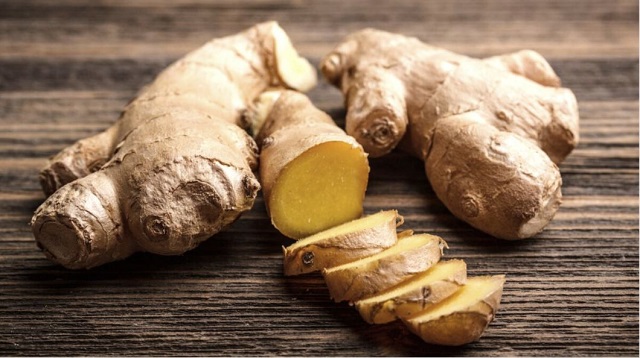
    Luya, also known as ginger, is a versatile herbal medicine with antibacterial and anti-inflammatory properties, aiding in nausea, sore throat, and stomach upset. It is a valuable addition to natural medicine cabinets and Filipino cuisine, offering both culinary delight and medicinal benefits.

    Key Takeaways

    • Luya (ginger) has numerous health benefits, including anti-inflammatory and antioxidant properties, aiding in digestion, relieving nausea, and potentially fighting cancer.
    • Ginger has a rich cultural and historical significance, being traded and used in various cuisines for thousands of years, and valued for its unique flavor and aroma.
    • Traditional medicinal uses of luya include alleviating nausea, easing stomachaches, soothing sore throats, and benefiting from its anti-inflammatory and antibacterial properties.
    • Luya offers versatility in herbal medicine, being used in various health concerns, enhancing herbal remedies, and providing a holistic approach to wellness. Traditional luya remedies include Salabat, Fire Cider, and luya-infused coconut oil.

    Luya’s Traditional Medicinal Uses

    Luya has long been cherished in Filipino herbal tradition for its multifaceted medicinal benefits, making it a versatile and invaluable natural remedy for a variety of ailments.

    One of its traditional medicinal uses is to alleviate nausea, making it a go-to remedy for stomach discomfort.

    Additionally, luya is highly valued for its ability to ease stomachaches, providing relief to those suffering from digestive issues.

    Its effectiveness in soothing a sore throat has also been recognized for generations, offering a natural alternative to alleviate discomfort.

    The inclusion of ginger in herbal medicine further enhances luya’s medicinal properties, adding to its anti-inflammatory and antibacterial benefits.

    Whether consumed fresh, powdered, or as a tincture, luya provides a range of options for incorporating its therapeutic properties into traditional medicinal practices.

    Health Benefits of Luya

    With its well-established traditional medicinal uses, you’ll now explore the extensive health benefits of luya, discovering its remarkable impact on digestive health, energy levels, and even its potential role in cancer prevention and treatment.

    Luya, also known as ginger, stimulates digestive acids, aiding in nutrient absorption and improving overall digestive function. Its anti-inflammatory effects not only alleviate discomfort but also contribute to better digestive health.

    Additionally, luya can help boost energy levels, improve mood, alleviate nausea, and relieve stomachaches. Furthermore, its antioxidant, anti-inflammatory, and antimicrobial properties make it a promising candidate for reducing cancer risk and preventing various diseases.

    Luya’s potential in weight loss and treating conditions such as osteoarthritis or rheumatoid arthritis further solidify its status as a medicinal gem in Filipino herbal tradition.

    Mechanism of Action in Disease Prevention

    Ginger’s mechanism of action in disease prevention involves its ability to reduce inflammation, neutralize free radicals, and inhibit the growth of harmful bacterial strains, making it a potent ally in maintaining overall health and well-being.

    Imagine ginger as a versatile shield, with its anti-inflammatory properties soothing conditions like osteoarthritis, its antioxidants combating free radicals to protect your cells, and its antibacterial activity fighting off harmful pathogens. It’s like a triple-threat defender, reducing TNF-α and hs-CRP concentrations in blood samples of type 2 diabetic patients, showing potential benefits in managing diabetes-related inflammation.

    Furthermore, ginger’s ability to inhibit the growth of H. pylori CagA+ strains and its fresh form’s antioxidant properties make it a formidable weapon in preventing diseases.

    With ginger, your health is safeguarded on multiple fronts.

    Luya Preparations and Usage

    Are you ready to explore the diverse ways in which luya can be incorporated into your culinary creations and medicinal remedies?

    From adding a fiery kick to your favorite dishes to infusing its healing properties into oils and tinctures, luya offers a world of possibilities.

    Get ready to discover the fascinating world of luya in both the kitchen and the medicine cabinet.

    Luya in Cooking

    Luya, a versatile ingredient in Filipino cooking, can be prepared and used in various forms to add a distinctive flavor and medicinal benefits to dishes. When using ginger root in cooking, consider these preparations:

    • Fresh: Grate or slice the ginger to infuse its strong, spicy flavor into stir-fries, soups, or marinades.
    • Pickled: Enjoy the tangy and pungent flavor of pickled ginger as a palate cleanser alongside sushi or as an accompaniment to rich, savory dishes.
    • Powdered: Utilize powdered ginger as a convenient and potent spice for baking cookies, cakes, or adding depth to spice blends.

    Luya is a staple in Filipino cuisine, enhancing dishes like tinola and lending its zesty kick to salad dressings. Its versatility and health benefits make it a valuable addition to your culinary repertoire.

    Luya in Medicine

    Enhance your understanding of luya by exploring its multifaceted use in traditional Filipino herbal medicine, where it’s prized for its diverse preparations and wide-ranging health benefits.

    Ginger, or luya, is a versatile ingredient in traditional medicine. It can be used to extract ginger oil, which is known for its amazing health benefits. The oil is often used to alleviate muscle aches and can be massaged onto the skin for relief.

    Additionally, ginger is a popular remedy for sore throat. Its anti-inflammatory properties help soothe irritation and its immune-boosting effects aid in fighting infections.

    Whether infused in coconut oil for muscle relief or prepared as Island Fire Cider to support gut health and immunity, luya offers a myriad of medicinal applications in Filipino herbal tradition.

    Warnings and Side Effects of Luya

    Excessive intake of ginger, known as Luya in Filipino herbal tradition, can lead to high blood pressure and stomach irritation, making it important to consume in moderation.

    Additionally, ginger has blood-thinning properties, making it unsuitable for individuals with bleeding disorders. Allergic reactions can also occur in sensitive individuals, warranting caution.

    For diabetics taking medications, excessive ginger use may lower blood sugar levels, so medical advice is essential.

    Despite these side effects, ginger consumption in food amounts is generally considered safe, even for pregnant women and children. However, it’s crucial to be mindful of potential reactions and always seek medical advice when using ginger/Luya to treat any condition.

    References for Luya Herbal Medicine

    Looking for reliable sources on the healing properties of luya and traditional remedies using this medicinal gem? Look no further! The references for luya herbal medicine we’re about to discuss will provide you with a wealth of information on the subject.

    From historical and cultural significance to island fire cider recipes, you’re in for a fascinating journey into the world of luya.

    Healing Properties of Luya

    Luya, also known as ginger, has long been revered in Filipino herbal tradition for its remarkable healing properties and has been used in various medicinal preparations. Its healing properties are extensive, including the ability to aid blood clotting, regulate blood sugar levels, and alleviate symptoms of Rheumatoid arthritis.

    Picture the warmth and comfort of a cup of salabat, the invigorating aroma and taste of fire cider, and the soothing relief of ginger-infused coconut oil on achy muscles. Luya’s impact on health is far-reaching, from supporting gut health to providing relief from sore throat and mild stomach upset.

    Its antibacterial and anti-inflammatory properties make it a versatile ingredient in herbal medicine, offering natural solutions for various health concerns.

    Traditional Luya Remedies

    Explore the rich tapestry of traditional Luya remedies, where the healing prowess of this revered herb unfolds in a myriad of time-honored medicinal practices.

    In Filipino herbal tradition, Luya, also known as ginger, is widely utilized for its diverse health benefits. Traditional Luya remedies have been passed down through generations, offering a holistic approach to wellness.

    One of the most popular remedies is salabat, a ginger tea known for its ability to soothe sore throats and alleviate mild stomach upsets. Additionally, fire cider, a tonic infused with Luya, is highly esteemed for its immune-boosting properties.

    Luya can also be infused in coconut oil for a month to create a potent remedy for muscle aches. Its antibacterial, anti-inflammatory, and digestive support properties make traditional Luya remedies a valuable asset in natural healing practices.

    Frequently Asked Questions

    What Are the Uses of Luya as Herbal Medicine?

    Luya, or ginger, is a versatile herbal medicine. It’s used as an antibacterial, anti-inflammatory, and for easing nausea, sore throat, and mild stomach upset. Its potent properties make it a valuable addition to your natural medicine cabinet.

    What Are the Traditional Medicinal Uses of Ginger?

    Ginger has been traditionally used for nausea, vomiting, motion sickness, and more. It stimulates digestive acids, aids in nutrient absorption, and has anti-inflammatory effects. It’s also used in cooking and shows promise in managing hypertension.

    What Is the Use of Ginger in Traditional Medicine?

    In traditional medicine, ginger is used to aid digestion, reduce inflammation, and support overall health. It’s incorporated into various concoctions like fire cider and salabat, offering immune-boosting and soothing properties for muscle aches and overall well-being.

    Is Luya Effective?

    Yes, luya is effective! It supports digestion, influences mood through gut bacteria, and helps with energy levels, mood, nausea, and stomachaches. Island Fire Cider, containing luya, is a potent remedy with numerous health benefits.

    Can Luya (Ginger) be used in Filipino cuisine as well as for medicinal purposes?

    Luya, or ginger, is a staple in Filipino cuisine and is often used in dishes such as adobo and sinigang. Its anti-inflammatory properties make it a popular choice for medicinal purposes among Filipino eating habits, helping to relieve nausea and aid digestion.

    Conclusion

    So, the next time you’re at the grocery store and see that knobby, pale yellow root called luya, don’t just pass it by. Grab some and explore the wonderful world of Filipino herbal tradition.

    From soothing upset stomachs to boosting your immune system, luya has been a trusted medicinal gem for centuries. Incorporate it into your cooking, brew a comforting cup of luya tea, or even try it as a supplement.

    Your body will thank you!
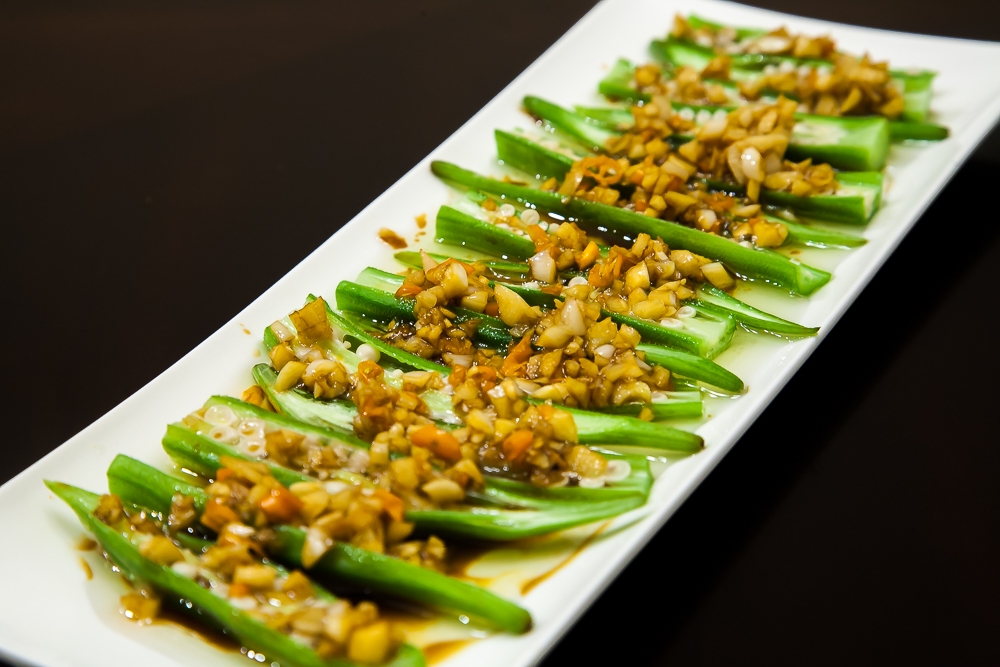
  • Why Is Okra Integral to Filipino Cuisine?

    Why Is Okra Integral to Filipino Cuisine?

    Okra is a versatile ingredient in Filipino cuisine, enhancing flavors and textures in dishes like sinigang and pinakbet. Its historical roots date back to pre-colonial times, reflecting the nation’s use of local ingredients and cultural influences.

    Key Takeaways

    • Okra has been a part of Filipino cuisine since pre-colonial times, showcasing the nation’s use of local ingredients.
    • Okra enhances the flavors and textures of various Filipino dishes, such as sinigang and pinakbet, and adds depth and richness with its unique slimy texture.
    • Okra is commonly used in regional variations of Filipino cuisine, including pinakbet in the Southern Philippines and sinigang in the Northern Philippines.
    • Okra is not only found in traditional Filipino dishes but also in Filipino street food and exotic dishes, showcasing its versatility in different culinary contexts.

    History of Okra in the Philippines

    Since pre-colonial times, okra has played a significant role in the culinary heritage of the Philippines, intertwining with traditional dishes and reflecting the country’s rich history of culinary adaptation and integration.

    Pre-colonial Filipinos cultivated and incorporated okra into their cuisine, laying the foundation for its enduring presence in Filipino dishes. The vegetable’s journey to the Philippines can be traced back to early trade routes and the influence of Austronesian seafarers who introduced various agricultural practices.

    Okra’s integration into Filipino cuisine highlights the nation’s penchant for utilizing local ingredients and embracing diverse culinary influences. In Filipino cuisine, okra is a versatile ingredient, enhancing the flavors and textures of traditional dishes like pinakbet and sinigang.

    Its deep-rooted history in Filipino culinary traditions underscores its status as a staple vegetable, contributing to the distinctiveness of Filipino flavors.

    Cultural Significance

    Okra holds a significant place in Filipino culture, with its historical roots dating back to ancient times.

    Its culinary versatility allows for a wide range of traditional recipes and dishes that have been passed down through generations.

    The cultural significance of okra in Filipino cuisine lies in its ability to preserve and showcase the country’s rich culinary heritage.

    Historical Roots

    Embedded in the tapestry of Filipino cuisine, the historical roots of okra reveal a rich cultural significance that has endured through centuries of culinary evolution.

    Okra has been a main ingredient in Filipino cuisine for generations, used in a variety of dishes. It has been traditionally incorporated into Filipino cooking, often alongside rice and coconut milk, creating a distinct and flavorful culinary experience.

    The historical roots of okra can be traced back to the Austronesian maritime trade routes, where seafaring Austronesians introduced new agricultural techniques, influencing Filipino culinary practices.

    Furthermore, Spanish rule also brought changes to Filipino cuisine through the Manila galleon trade network, incorporating Mexican and Chinese culinary influences.

    Despite these influences, okra has remained a staple in Filipino cuisine, reflecting the rich historical and cultural heritage of the Philippines.

    Culinary Versatility

    Culinary versatility and cultural significance are inherent in the enduring presence of okra in Filipino cuisine, showcasing its adaptability and rich historical roots in traditional dishes.

    In Filipino cuisine, okra is celebrated for its ability to enhance the flavors and textures of various dishes. It’s a staple ingredient in vegetable stews like sinigang and pinakbet, where its unique slimy texture adds depth and richness. Okra’s culinary versatility is highlighted through its role in thickening soups and stews, as well as its ability to absorb the flavors of the dishes it’s cooked in.

    Beyond its culinary uses, okra also offers notable health benefits, making it a valuable addition to Filipino food traditions. Its integration into a wide array of traditional recipes underscores its enduring importance in Filipino culinary heritage.

    Traditional Recipes

    Incorporating a medley of indigenous, Spanish, and Asian influences, traditional Filipino recipes reflect a rich tapestry of flavors and cultural significance that has been passed down through generations. Traditional Filipino dishes offer a glimpse into the country’s diverse history and culinary heritage, showcasing a wide array of flavors and cooking techniques.

    Some iconic traditional recipes include:

    1. Pork Adobo: This popular dish features succulent pork marinated in a flavorful blend of vinegar, soy sauce, garlic, and bay leaves, resulting in a savory and tangy flavor profile.
    2. Chicken Tinola: A comforting chicken stew infused with ginger, garlic, and green papaya, creating a soothing and aromatic soup that’s a staple in Filipino households.
    3. Bagoong: This fermented shrimp paste is a pungent and salty condiment that adds depth and umami to many traditional Filipino dishes, showcasing the country’s love for bold and complex flavors.

    These traditional Filipino recipes showcase the depth and richness of Filipino cuisine, reflecting the country’s vibrant culinary traditions.

    Nutritional Value

    Okra is a powerhouse of nutrients, offering a range of health benefits that make it a valuable addition to your diet. From being a great source of vitamins like C and K to its high fiber content for digestive health, okra’s nutritional value is impressive.

    Its versatility in Filipino cuisine allows you to enjoy these health benefits in a variety of delicious dishes.

    Health Benefits

    Rich in essential nutrients and low in calories, okra provides numerous health benefits, including support for digestion, immune system, and bone health.

    Here are three reasons why okra is a nutritional powerhouse in Filipino cuisine:

    1. Digestive Health: Okra is a good source of fiber, aiding in digestion and promoting a healthy digestive system. Its high fiber content helps to prevent constipation and maintain a healthy digestive tract.
    2. Immune System Support: Okra contains vitamins C and K, providing immune system support and aiding in blood clotting. These vitamins are essential for overall health and play a crucial role in boosting the body’s immune response.
    3. Bone Health: Rich in minerals such as magnesium, okra contributes to bone health and muscle function. Consuming okra regularly can help maintain strong and healthy bones, essential for overall well-being.

    Culinary Versatility

    With its impressive nutritional value and culinary versatility, okra proves to be a valuable addition to a diverse range of dishes in Filipino cuisine. In the Philippines, okra is a staple in many traditional recipes, adding not only a unique texture but also a host of health benefits.

    Its ability to thicken and enrich stews made with a wide variety of vegetables simmered in rich broths is particularly notable. The slimy texture, often a point of contention for some, is a key feature in Filipino cuisine, where it serves to enhance the overall consistency of dishes.

    Okra’s adaptability allows it to be used in various cooking methods, such as stir-fries and pickling, making it easy to incorporate into diverse dishes for enhanced nutritional value.

    Traditional Okra Dishes

    In Filipino cuisine, traditional okra dishes offer a delightful array of flavors and textures that showcase the versatility of this humble vegetable. Whether stewed, sautéed, or simmered in a tangy broth, okra takes on various delicious forms in Filipino cooking.

    Some common traditional okra dishes include:

    1. Okra and Tomato Stew: A classic Filipino dish where okra is stewed with tomatoes, onions, and garlic, creating a hearty and flavorful vegetable dish.
    2. Sinigang na Okra: A popular Filipino sour soup featuring okra, simmered in tamarind-flavored broth with a variety of meats or seafood, adding a tangy and savory element to the dish.
    3. Ginisang Okra: Okra sautéed with garlic, onions, and tomatoes, seasoned with fish sauce or soy sauce, showcasing the vegetable’s natural flavor and texture.

    These dishes often incorporate common ingredients in Filipino cuisine such as shrimp paste, soy sauce, and chicken stew to enhance the flavors of the okra.

    Versatile Uses in Filipino Cooking

    Incorporate okra into your Filipino dishes to introduce a unique texture and flavor, adding a delightful earthy taste while complementing other ingredients. Okra is a common ingredient in Filipino cuisine, known for its versatile uses in cooking.

    It’s a popular addition to traditional soups like sinigang, providing a satisfying crunch and enhancing the overall texture. In vegetable stews like pinakbet, okra contributes a distinct taste and boosts the dish’s nutritional value.

    Sautéed dishes in Filipino cooking often feature okra, offering a delightful earthy flavor that pairs well with various meats and vegetables. Additionally, okra is frequently used in vegetable stir-fries, absorbing the flavors of the dish and adding a pleasant texture.

    Its adaptability makes it an essential component in Filipino culinary creations, often combined with vinegar and soy for a delicious blend of flavors.

    Okra in Regional Cuisine

    From its versatile uses in Filipino cooking, okra takes on regional variations, adding diverse flavors and textures to dishes across the Philippines.

    1. Southern Philippines: In this region, okra is often used in the popular dish called ‘pinakbet,’ a flavorful stew that includes a variety of vegetables and sometimes pork or shrimp. The okra’s mild flavor complements the other ingredients, creating a harmonious blend of tastes.
    2. Northern Philippines: Here, okra is a staple in Filipino cooking and is commonly featured in the sour soup known as ‘sinigang.’ The okra’s natural thickening properties add a unique texture to the soup, making it heartier and more satisfying.
    3. Central Philippines: In this region, okra is a main source of nutrients and is frequently used in stir-fries, where its slightly crunchy texture and ability to absorb flavors enhance the overall cooking process.

    Okra in Street Food

    If you’re a fan of street food, then you’re in for a treat with the delightful inclusion of okra in popular Filipino snacks.

    Picture this: crispy, deep-fried okra served on skewers, ready to be enjoyed on the go.

    And the best part? The tangy or spicy dipping sauces that perfectly complement the natural crunchiness of the okra.

    Get ready to experience the unique texture and flavor of okra in classic street food staples like Lumpia, Kwek-Kwek, and Fishball.

    Okra in Lumpia

    Wrapped in a thin pastry and deep-fried to crispy perfection, okra in Lumpia is a popular street food in the Philippines, beloved for its unique texture and flavor. When you bite into a piece of okra in Lumpia, you experience a delightful crunch followed by the tender, savory taste of the okra.

    The combination of okra and the crispy wrapper creates a delightful contrast of textures that keeps you coming back for more. This street food delicacy is often served with a sweet and tangy dipping sauce, enhancing the overall taste experience.

    You can enjoy it as you walk through bustling markets, using a spoon and fork or simply with your hands. The okra is often cooked in vinegar and garlic, with a hint of chili peppers, adding a burst of flavor to this Filipino cuisine staple.

    Okra in Kwek-Kwek

    When indulging in Filipino street food, you’ll find that okra in Kwek-Kwek is a delightful crunchy snack that offers a unique twist on traditional favorites. Commonly used in this dish, okra is battered, deep-fried, and served together with a side of spiced vinegar for dipping.

    The deep-frying process gives the okra a crispy texture, while the savory seasoning adds a burst of flavor. When paired with the tangy kick of spiced vinegar, the okra in Kwek-Kwek becomes a flavorful and satisfying snack.

    Its presence in this popular street food not only showcases the versatility of okra but also provides a healthier alternative compared to other fried options. For those who enjoy spicy dishes, the combination of crispy okra and zesty vinegar makes for a truly enjoyable culinary experience.

    Okra in Fishball

    Okra in fishballs adds a delightful textural contrast to this popular Filipino street food, creating a unique culinary experience for those who savor its slimy yet crunchy texture.

    1. Crunchy and Slimy: The combination of okra and fishballs offers an intriguing contrast in textures. The crispy exterior of the fishball complements the slight sliminess and crunch of the okra, providing a delightful mouthfeel.
    2. Dipping Sauces: Street vendors often serve okra in fishballs with an array of dipping sauces, such as spicy vinegar or sweet chili sauce. These sauces add an extra layer of flavor, enhancing the overall taste experience.
    3. Filipino Street Food Culture: Okra in fishballs showcases the Filipino love for deep-fried snacks with a mix of flavors and textures. It represents the creativity and adaptability of Filipino cuisine, often incorporating a variety of fruits, vegetables, and condiments.

    Okra in Exotic Dishes

    Incorporating okra into exotic Filipino dishes introduces a delightful crunch and subtle flavor that enhances the overall dining experience.

    In typical Filipino cuisine, okra is a versatile vegetable that plays a significant role in exotic dishes, particularly those featuring chicken as the main meal component. The inclusion of okra in dishes such as sinigang, a sour soup, provides a pleasant texture and a hint of earthy taste, elevating the flavor profile.

    Furthermore, in ginataang gulay, a Filipino vegetable curry cooked in coconut milk, okra adds a delightful earthy taste and enhances the dish’s creamy texture. Its ability to complement a medley of flavors is showcased in bam-i, a noodle stir-fry, where the vegetable contributes a unique texture.

    Okra’s presence in these exotic Filipino dishes not only adds depth to the flavor but also offers a delightful crunch, making it an essential ingredient in the culinary landscape.

    Okra’s Role in Filipino Staple Dishes

    With its versatile nature and unique texture, okra plays a crucial role in shaping the distinct flavors of staple Filipino dishes, enhancing their overall depth and satisfaction.

    Here’s how okra contributes to some of the most beloved Filipino meals:

    1. Thickening Agent: Okra’s mucilaginous properties serve as a natural thickening agent in dishes like sinigang and pinakbet, giving these stews a delightful consistency and mouthfeel.
    2. Flavor Enhancer: In Filipino cuisine, okra complements and elevates the flavors of other ingredients, creating well-balanced and satisfying dishes that are a testament to the vegetable’s significance.
    3. Culinary Heritage: Okra’s presence in staple Filipino recipes highlights its integral role in the culinary heritage of the Philippines, showcasing its importance in traditional and cherished meals.

    Okra’s Presence in Filipino Side Dishes

    Having explored okra’s pivotal role in shaping the flavors of staple Filipino dishes, it’s time to shift our focus to its presence in Filipino side dishes, where it continues to add a unique texture and earthy flavor, enriching the overall dining experience.

    In Filipino cuisine, okra is a common ingredient in side dishes, such as pinakbet, a flavorful vegetable stew, and sinigang, a sour soup with vegetables and meat. Okra’s versatility allows it to thicken stews and contribute to the overall depth of flavors in these dishes. It’s often sautéed with garlic and onions, enhancing its taste and complementing other vegetables.

    When served as a side, okra provides a delightful contrast to the simplicity of white rice and is often paired with a splash of calamansi juice to elevate the meal.

    Cooking Methods for Okra

    Looking to enhance the flavors and textures of your okra dishes? There are several cooking methods for okra that can transform this versatile vegetable into a delectable addition to your Filipino cuisine:

    1. Sautéing: Try sautéing okra in a pan with a small amount of oil until it’s tender and slightly crispy. This method brings out the natural flavor of okra while adding a delightful crunch to your dish.
    2. Stewing with Shrimp Paste: Consider adding okra to soups and stews, such as sinigang, where it absorbs the flavors of the broth. The addition of shrimp paste can further elevate the dish with its savory and salty notes.
    3. Steaming with Banana Ketchup: Steaming okra can help retain its unique texture. For a Filipino twist, serve steamed okra with a side of banana ketchup, adding a sweet and tangy flavor to the dish.

    Okra’s Influence Outside the Philippines

    Influencing diverse global cuisines, okra has secured its place as a versatile and essential ingredient in a wide array of traditional dishes. From the Southern United States to Middle Eastern and African cuisines, okra plays a vital role in dishes like gumbo, bamia, and molokhia, bringing its unique flavor and thickening properties to the table.

    In Asian countries like India, okra shines in popular dishes like bhindi masala and sambar, showcasing its versatility and widespread use. Mediterranean cuisine also embraces okra, featuring it in recipes such as Greek bamies and Turkish bamya. Even in Caribbean cuisine, okra’s integral role is evident in dishes like callaloo and pepperpot.

    Okra’s influence outside the Philippines highlights its adaptability across different culinary traditions and its significance as a staple in diverse regional foods.

    Frequently Asked Questions

    Which Country Has Made the Biggest Impact on Filipino Cuisine?

    You’ll be surprised to learn that Spain has made the biggest impact on Filipino cuisine. Spanish colonization introduced ingredients like tomatoes, onions, and garlic, as well as cooking techniques that are still prominent in Filipino dishes today.

    Which 4 Cultures Greatly Influenced Filipino Cooking?

    Chinese, Spanish, American, and Indigenous cultures greatly influenced Filipino cooking. They brought rice noodles, Latin ingredients, canned food, and traditional dishes. These diverse influences shaped the rich and flavorful Filipino cuisine we know today.

    What Are the Two Most Important Ingredients in the Cuisine of the Philippines?

    Rice and fish are the two most important ingredients in the cuisine of the Philippines. Rice is a staple, and fish is widely used due to the country’s abundant coastline. Both are vital to Filipino culinary tradition.

    What Makes Filipino Cuisine Unique?

    Filipino cuisine is unique for its vibrant blend of sweet, sour, salty, and sometimes spicy flavors. Its informal and communal dining traditions reflect a rich history and cultural influences, creating a truly distinctive culinary experience.

    How has Okra been incorporated into Filipino cuisine?

    Okra has made its mark on Filipino cuisine, becoming a staple in popular dishes like pinakbet and sinigang. The slimy texture is counteracted by the savory flavors of pork or shrimp, creating a unique blend of influences on Filipino cuisine.

    Conclusion

    So, next time you’re enjoying a Filipino meal, remember the humble okra and its important role in adding flavor, texture, and nutrition to the dishes.

    Whether it’s in a hearty sinigang or a creamy ginataang kalabasa at sitaw, okra’s versatility and cultural significance make it a staple in Filipino cuisine.

    With its rich history, nutritional value, and traditional uses, okra continues to be an integral part of Filipino cooking.

  • 5 Native Filipino Vegetables in Gabing San Fernando Dishes

    5 Native Filipino Vegetables in Gabing San Fernando Dishes

    Gabing San Fernando dishes prominently feature okra, eggplant, kangkong, pechay, and sigarilyas. These vegetables provide various nutritional benefits and are adaptable in different cooking techniques.

    Key Takeaways

    • The Gabing San Fernando dishes prominently feature okra, eggplant, kangkong, pechay, and sigarilyas.
    • These vegetables provide various nutritional benefits such as fiber, vitamins, minerals, calcium, and protein.
    • Each vegetable has unique characteristics, such as okra’s slimy texture and sigarilyas’ nutty flavor.
    • These vegetables are highly adaptable in different cooking techniques and can be incorporated into a wide range of dishes.

    Okra

    Okra, a versatile and nutritious native Filipino vegetable, plays a prominent role in the flavorful dishes of Gabing San Fernando. You’ll often find it starring in popular dishes like sinigang, pinakbet, and bulanglang. Packed with fiber, vitamins, and minerals, okra brings a nutritious punch to the table.

    When cooked, it develops a slightly slimy texture, which might seem unusual at first but adds a unique element to the dish. Whether it’s stir-fried, grilled, or added to soups and stews, okra brings a delicious and healthy twist to the meal.

    Its ability to complement a wide range of flavors and cooking techniques makes it a beloved ingredient in Gabing San Fernando cuisine.

    Eggplant

    Eggplant, another versatile and nutritious native Filipino vegetable, plays a vital role in the flavorful dishes of Gabing San Fernando. It offers a unique texture and flavor profile that complements the other native vegetables and seafood commonly used in the cuisine.

    In Gabing San Fernando, eggplants are frequently featured in dishes like pinakbet and tortang talong. This showcases their versatility as they can be grilled, roasted, stir-fried, or incorporated into stews and soups. Their ability to absorb the flavors of the dishes they’re cooked in makes them a sought-after ingredient.

    Paired with other native vegetables and seafood, eggplants contribute to the heartiness and richness of Gabing San Fernando dishes. Additionally, they’re a good source of fiber, vitamins, and minerals, enhancing the nutritional value of traditional Filipino meals.

    Kangkong

    Wondering how kangkong contributes to the delicious and nutritious traditional Filipino dishes of Gabing San Fernando? Here’s why this leafy green vegetable is an essential part of Filipino cuisine:

    1. Versatile Ingredient: Kangkong is a staple in Filipino cooking, used in various dishes such as sinigang, adobo, and pinakbet.
    2. Nutritional Benefits: Packed with vitamins and minerals, kangkong adds a healthy dose of nutrients to your meals.
    3. Textural Delight: When cooked, kangkong offers a delightful combination of tender and crisp textures, enhancing the overall dining experience.
    4. Culinary Adaptability: Whether it’s in stir-fries, soups, or as a side dish, kangkong’s adaptability makes it a versatile and flavorful addition to traditional Filipino recipes.

    Pechay

    A versatile and nutritious leafy green vegetable commonly used in Filipino cuisine, pechay adds a delightful crunch and mild sweetness to a variety of traditional dishes. It’s also known as bok choy and is a staple in Filipino cooking.

    Pechay is incredibly versatile, as it can be stir-fried, added to soups, or used in fresh salads. This vegetable is a good source of essential vitamins such as A, C, and K, along with calcium, making it a nutritious addition to meals. When cooked, pechay has a mild, slightly sweet flavor and a crisp texture.

    In Filipino cuisine, it’s often used in popular dishes like sinigang, adobo, and stir-fried vegetable medleys. Including pechay in your meals not only adds a delicious element but also boosts the nutritional value of your dishes.

    Sigarilyas

    Sigarilyas, a versatile and nutritious vegetable commonly used in Filipino cuisine, adds a unique visual and flavorful element to traditional dishes. It’s also known as winged bean and is commonly used in Filipino dishes.

    This versatile vegetable can be used in stir-fries, soups, and as an ingredient in salads. Sigarilyas is rich in protein and nutrients, making it a healthy addition to meals.

    The vegetable has a unique shape with four wing-like edges, making it visually interesting in dishes. When cooked, sigarilyas offers a tender texture and a delicate nutty flavor. Its ability to absorb the flavors of the dish makes it a perfect complement to different seasonings and sauces.

    Whether mixed with savory meats or combined with other native Filipino vegetables, sigarilyas brings a delightful crunch and a wealth of nutrients to the table.

    Frequently Asked Questions

    What Are the Traditional Cooking Methods Used for Preparing Okra in Gabing San Fernando Dishes?

    To prepare okra in Gabing San Fernando dishes, you typically slice it and cook it with tomatoes, onions, and garlic. The traditional method involves sautéing the okra until it’s tender and flavorful.

    Are There Any Unique Varieties of Eggplant Commonly Used in Gabing San Fernando Dishes?

    Yes, unique eggplant varieties like the “Indian eggplant” are commonly used in Gabing San Fernando dishes. They add a rich, earthy flavor and a slightly firmer texture, enhancing the overall taste of the dish.

    How Is Kangkong Typically Incorporated Into Gabing San Fernando Dishes?

    Kangkong is typically incorporated into Gabing San Fernando dishes by being sautéed with garlic, onions, and tomatoes. It’s then simmered in a flavorful broth until tender, adding a delicious, nutritious element to the dish.

    What Are Some Popular Recipes That Feature Pechay as a Key Ingredient in Gabing San Fernando Cuisine?

    In Gabing San Fernando cuisine, pechay is a key ingredient in popular recipes like Pinakbet and Sinigang. Its crunchy texture and subtle flavor complement the savory and tangy profiles of these dishes, creating a delightful harmony of flavors.

    Can You Provide Tips for Selecting and Preparing Sigarilyas for Gabing San Fernando Dishes?

    When selecting sigarilyas for Gabing San Fernando dishes, look for firm, unblemished pods. To prepare, trim the ends and remove the tough strings. Slice or chop as desired, then cook according to your recipe’s instructions.

    What Are Some Traditional Filipino Dishes That Feature Native Vegetables?

    Some of the best bulanglang recipes with vegetables in Filipino cuisine include pinakbet, a savory stew of native vegetables and shrimp paste, and laing, a spicy dish of taro leaves and coconut milk. Both dishes showcase the unique flavors of native vegetables like eggplant, bitter melon, and squash.

    Conclusion

    So there you have it – the five native Filipino vegetables that bring the flavors of Gabing San Fernando dishes to life.

    From the earthy taste of saluyot to the crunch of sigarilyas, these vegetables add a unique and delicious touch to traditional Filipino cuisine.

    Whether you’re making a savory stew or a refreshing salad, these vegetables are sure to bring a burst of flavor and nutrients to your meal.

    Happy cooking!

  • 6 Delicious Kangkong Recipes in Filipino Cuisine

    6 Delicious Kangkong Recipes in Filipino Cuisine

    Kangkong, also known as water spinach, is a versatile and popular ingredient in Filipino cuisine, featured in dishes like crispy fritters and sinigang soup. Enjoy the tangy tamarind broth of sinigang na kangkong for a traditional Filipino culinary experience.

    Key Takeaways

    • Kangkong, also known as water spinach, is a versatile and popular ingredient in Filipino cuisine.
    • Crispy kangkong fritters and stir-fried kangkong with oyster sauce are delicious ways to enjoy this vegetable.
    • Kangkong soup, such as sinigang na kangkong, is a traditional Filipino dish that features tangy tamarind broth and fresh kangkong leaves.
    • Kangkong can also be cooked in adobo sauce or coconut milk for a flavorful and creamy dish.

    Crispy Kangkong Fritters

    To make crispy kangkong fritters, start by washing the kangkong leaves thoroughly and patting them dry with a clean kitchen towel.

    Once dry, separate the leaves from the stems and set them aside.

    In a bowl, prepare a batter by mixing flour, cornstarch, salt, and pepper. Gradually add water and whisk until the batter is smooth.

    Heat oil in a pan over medium-high heat.

    Dip the kangkong leaves into the batter, ensuring they’re evenly coated, then carefully place them in the hot oil.

    Fry until golden and crispy, then transfer to a plate lined with paper towels to drain excess oil.

    Serve the crispy kangkong fritters as a delightful side dish, or pair them with a flavorful Adobong Kangkong recipe.

    This Filipino favorite will surely be a hit at the dining table.

    Sinigang Na Kangkong

    Sinigang Na Kangkong, a traditional Filipino soup dish, features water spinach and tomatoes in a sour tamarind broth, creating a comforting and nutritious meal. This flavorful soup is a staple in Filipino cuisine and is loved for its tangy and refreshing taste. The vibrant green Kangkong leaves are added at the end of cooking to preserve their color and delicate texture. The dish can be personalized with shrimp, pork, or other vegetables, offering versatility in its preparation. Here’s a quick overview of the Sinigang Na Kangkong recipe:

    Ingredients Instructions
    Kangkong Stalks Boil tamarind broth
    Tomatoes Add Kangkong leaves
    Tamarind Broth Simmer until cooked

    This timeless recipe, popularized by Filipino food vlogger Vanjo Merano, perfectly balances the sourness of tamarind with the earthy flavors of Kangkong, making it a delightful culinary experience.

    Ginisang Kangkong With Oyster Sauce

    Indulge in the savory flavors of Filipino cuisine with Ginisang Kangkong With Oyster Sauce, a delightful dish that features water spinach and oyster sauce, creating a delectable and nutritious meal.

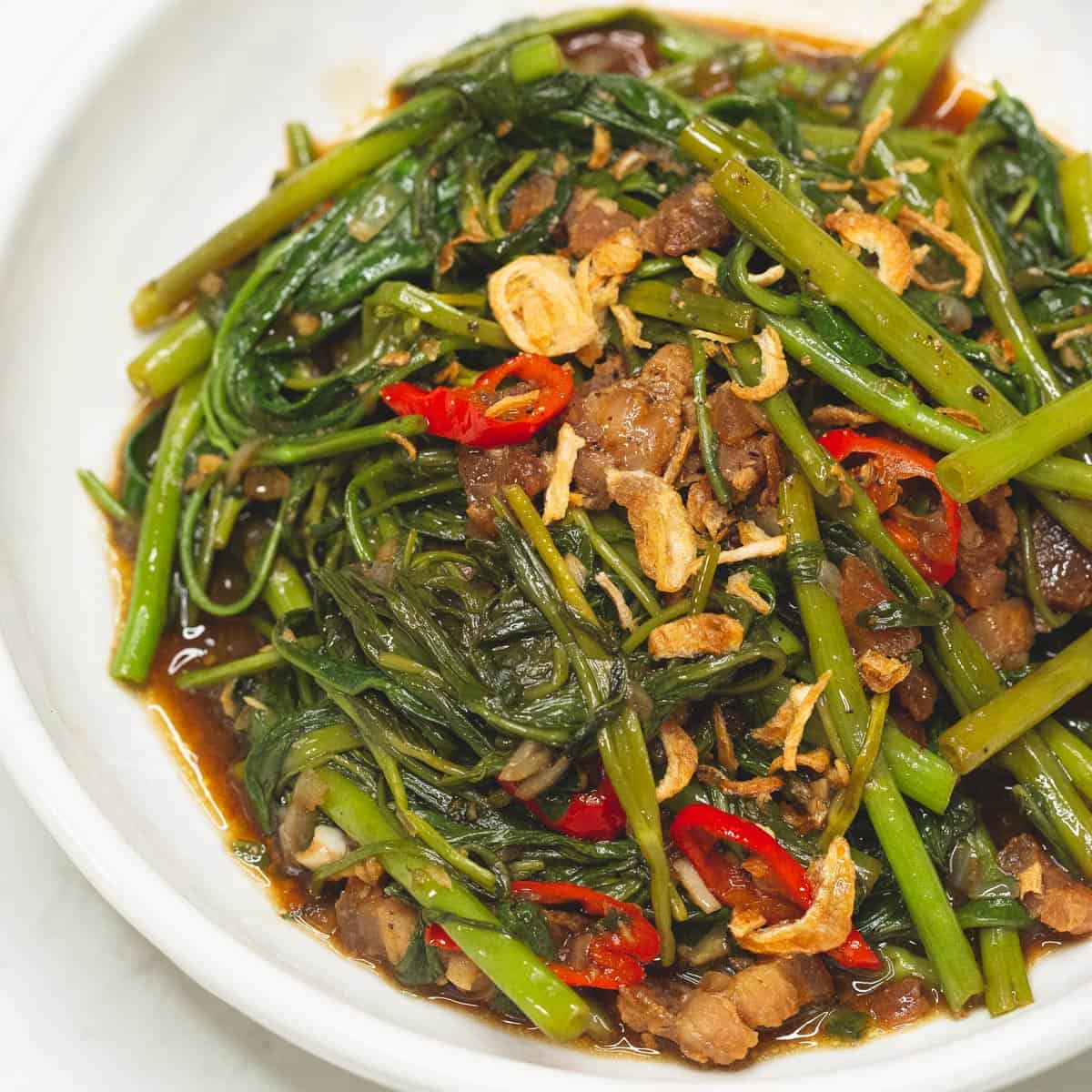
    To prepare this Filipino favorite, start by heating cooking oil in a pan and sautéing pork belly until it’s golden brown. Add chopped garlic and onions, then stir in the kangkong. Once the water spinach is tender, pour in a mixture of oyster sauce, soy sauce, and a dash of vinegar. Let the flavors meld together as the kangkong absorbs the savory sauce.

    Serve this flavorful dish with steaming white rice for a truly satisfying meal.

    Ginisang Kangkong With Oyster Sauce offers a quick, easy, and delicious way to incorporate nutritious greens into your Filipino food repertoire.

    Adobong Kangkong

    Looking for a lighter yet flavorful Filipino vegetable dish? Adobong Kangkong offers a delightful blend of savory soy sauce and vinegar, creating a nutritious and budget-friendly option for your next meal. Here’s why you should try it:

    • Quick and easy to make, involving sautéing garlic and onion, and then cooking the kangkong in the adobo sauce.
    • The simplicity of the recipe makes it perfect for busy weeknights or lazy weekends.
    • The dish can be enjoyed hot with steamed rice or as a side dish, complementing other main courses.

    Adobong Kangkong is a versatile dish that can be customized to suit your preferences, whether you want to add meat like pork or shrimp, make it spicy with chili peppers, or create a creamy version with coconut milk. This Filipino favorite is a must-try for anyone looking to explore the diverse and delicious world of Filipino cuisine.

    Kangkong in Coconut Milk (Ginataang Kangkong)

    Looking to add a creamy and flavorful dish to your Filipino cuisine repertoire?

    Ginataang Kangkong, or Kangkong in Coconut Milk, is a must-try.

    This tasty dish combines water spinach with a rich coconut milk sauce infused with garlic, onion, and ginger, creating a comforting and satisfying meal.

    Plus, you can easily customize it with your choice of protein or spice level for a personalized culinary experience.

    Cooking Kangkong Tips

    To create a flavorful and creamy Kangkong in Coconut Milk (Ginataang Kangkong), it’s essential to start with fresh kangkong leaves and stalks and to infuse them with the rich, aromatic flavors of coconut milk and spices. Here are some cooking tips to help you make the most delicious Kangkong in Coconut Milk:

    • Selecting Kangkong

    Choose fresh kangkong with vibrant green leaves and crisp stalks to ensure a tender texture and vibrant flavor.

    • Enhancing Flavor

    Enhance the flavor of the dish by sautéing the kangkong with fried pork, soy sauce, and vinegar before adding the coconut milk, creating a delightful blend of savory and creamy tastes.

    These tips will help you create a delightful dish of Kangkong in Coconut Milk, perfect for sharing on Instagram and enjoying as part of a Filipino food feast.

    Flavor Variations

    After mastering the essential cooking tips for creating a delightful Kangkong in Coconut Milk, you can now explore the intriguing flavor variations of this Filipino dish, adding a new level of richness and depth to your culinary repertoire. Ginataang Kangkong introduces a creamy coconut milk element to the dish, complementing the natural nuttiness of kangkong and creating a luscious flavor profile. To enhance this variation, consider adding spices like ginger or chili for complexity.

    The creamy texture of the coconut milk makes this variation a standout dish, perfect for those who enjoy a more indulgent and satisfying meal. Experiment with ground black pepper, salt, and other spices to elevate the flavors of this Filipino cuisine.

    Flavor Variations Description
    Coconut Milk (Ginataang Kangkong) Creamy and indulgent variation complementing the natural nuttiness of kangkong.
    Additional Spices Enhance the dish with ginger or chili for added complexity and depth of flavor.

    Kangkong Salad With Shrimp

    Incorporate the fresh flavors of kangkong, succulent shrimp, and a zesty dressing to create a vibrant and refreshing Kangkong Salad. This delightful Filipino dish offers a perfect blend of crisp textures and savory tastes that will elevate your dining experience.

    Here’s how to enjoy this delicious salad:

    • Ingredients:
    • Fresh kangkong and shrimp
    • Zesty dressing made with calamansi, soy sauce, and garlic
    • Preparation:
    • Blanch the kangkong and shrimp, then toss them together with the zesty dressing for a burst of flavor in every bite.

    Imagine the vibrant green of the kangkong complemented by the plump, juicy shrimp, all coated in a tangy dressing. This Kangkong Salad with Shrimp isn’t only a feast for the taste buds but also a visual delight, perfect for sharing on Instagram.

    Enjoy this refreshing salad as a light and satisfying meal that’s quintessentially Filipino.

    Frequently Asked Questions

    Is Kangkong Popular in the Philippines?

    Yes, kangkong is incredibly popular in the Philippines! It’s a versatile leafy green that’s widely used in Filipino cuisine, from soups to stir-fries. Its nutrient content and ability to absorb flavors make it a household staple.

    What Part of Kangkong Do You Eat?

    You eat the tender leaves and crunchy stalks of kangkong. When cooking, it’s important to thoroughly clean and trim the stalks. Kangkong can be used in various dishes like stir-fries, soups, and adobo.

    What Is Kangkong Good For?

    Kangkong is good for providing essential nutrients like Vitamin A, copper, and zinc. It’s low in carbs and high in protein, contributing to a balanced diet. Plus, it’s versatile in enhancing the nutritional value of various dishes.

    What Are the Other Uses of Kangkong?

    You can use kangkong in various ways! Add it to soups for a nutritional boost, stir-fry for a crunchy texture, or even blanch it for a refreshing salad. Kangkong is versatile and adds unique flavors to your dishes.

    Can Kangkong and Labong Recipes be Interchanged in Filipino Cuisine?

    Yes, kangkong and labong recipes can be interchanged in Filipino cuisine. Both ingredients offer a unique taste and texture that can complement various Filipino dishes such as sinigang, adobo, and ginataan. Experimenting with these ingredients can result in some of the best indigenous bamboo shoot recipes.

    Conclusion

    Now that you have these delicious kangkong recipes, you can bring the flavors of Filipino cuisine right into your kitchen. Whether you’re in the mood for crispy fritters, tangy sinigang, or savory adobo, kangkong can be the star of your next meal.

    With its versatility and nutrient-packed goodness, kangkong is sure to be a hit on your dining table. Try these recipes today and savor the taste of Filipino cooking at its finest!

  • What Are Talbos Ng Kamote Health Benefits?

    What Are Talbos Ng Kamote Health Benefits?

    Talbos ng Kamote is a nutritional powerhouse rich in vitamins A, C, and K, fiber, protein, and minerals, offering benefits like immunity boost and cholesterol control. Including it in your diet can support overall wellness and potentially provide relief from joint pain.

    Key Takeaways

    • Talbos ng kamote is a nutritional powerhouse, rich in vitamins A, C, and K, as well as fiber, protein, potassium, manganese, and iron.
    • Consuming talbos ng kamote can boost immunity, regulate digestion, and help control cholesterol levels.
    • Sweet potato leaves possess anti-inflammatory properties and can contribute to reducing inflammation levels in the body.
    • Including talbos ng kamote and sweet potato leaves in the diet can support overall wellness, blood sugar regulation, and potentially provide relief from joint pain.

    Nutritional Value of Talbos Ng Kamote

    When it comes to the nutritional value of Talbos ng Kamote, you’ll be delighted to know that it’s packed with essential nutrients and health-boosting properties.

    These sweet potato leaves are a rich source of vitamins A, C, and K, providing a significant boost to your overall health. The presence of fiber, protein, and minerals like potassium, manganese, and iron further enhances its nutritional profile.

    These vitamins and minerals contribute to various health benefits such as immunity-boosting, digestion regulation, and cholesterol control.

    Moreover, Talbos ng Kamote contains chlorophyll, lutein, and beta-carotene, all of which are powerful antioxidants that play a vital role in promoting eye health, cardiovascular well-being, and reducing inflammation.

    Incorporating these nutrient-dense leaves into your diet can offer a multitude of health benefits, making them an excellent addition to your meals.

    Immunity-Boosting Properties

    Looking to boost your immune system? Talbos ng Kamote provides a natural and effective way to enhance your body’s defense against illness and infection. The leaves are a rich source of vitamins and minerals that play a crucial role in strengthening the immune system. Here’s a table summarizing the immune-boosting properties of talbos ng kamote:

    Health Benefit How It Supports Immunity
    Increased Antibody Production Helps the body fight off infections more effectively
    Rich in Beta-Carotene Converted into vitamin A, essential for immune function
    High in Vitamin C Stimulates white blood cell production for enhanced immunity

    Incorporating talbos ng kamote into your diet can significantly contribute to a robust immune system, making you better equipped to ward off illnesses.

    Digestive Health Benefits

    To further enhance your overall health, delve into the digestive health benefits of talbos ng kamote, which complement its immunity-boosting properties.

    Sweet potato leaves, also known as talbos ng kamote, are rich in dietary fiber, essential for promoting healthy digestion. The dietary fiber found in talbos ng kamote supports regular bowel movements, aids in nutrient absorption, and helps in waste elimination, preventing digestive problems like constipation and diarrhea.

    By including sweet potato leaves in your diet, you can also contribute to stabilizing blood sugar levels and managing overall blood sugar. Furthermore, the nutrients in sweet potato leaves have anti-inflammatory properties, which can help in reducing inflammation levels in the body and promoting overall digestive health.

    Embracing talbos ng kamote in your diet can be an excellent way to support your digestive well-being.

    Cholesterol-Lowering Effects

    To unlock the cholesterol-lowering potential of talbos ng kamote, consider incorporating this nutrient-rich leafy green into your diet for tangible health benefits.

    Sweet potato leaves contain vitamin K, soluble fiber pectin, and antioxidants, all of which contribute to their cholesterol-lowering effects.

    Here’s how they work:

    • Soluble Fiber Pectin: Binds to cholesterol in the intestine, preventing its absorption into the bloodstream.
    • Antioxidants: Aid in reducing cholesterol levels, supporting overall cardiovascular health.

    Blood Sugar Regulation

    Hey there! Let’s talk about how Talbos ng Kamote can help you manage your blood sugar levels.

    With its low glycemic index and high fiber content, including Talbos ng Kamote in your meals can support stable blood sugar levels over time.

    The dietary fiber in Talbos ng Kamote slows down glucose absorption into your bloodstream, making it a beneficial addition to your balanced diet, especially if you have concerns about blood sugar control or diabetes management.

    Blood Sugar Control

    With its low glycemic index and high fiber content, Talbos ng Kamote supports stable blood sugar levels, making it a beneficial addition to your diet if you’re concerned about blood sugar control.

    Here are some reasons why sweet potato leaves can be helpful for managing blood sugar levels:

    • Fiber Regulation:

    The dietary fiber in Talbos ng Kamote slows down the absorption of glucose into your bloodstream, helping to regulate your blood sugar levels.

    • Vitamin C Benefits:

    Sweet potato leaves are a good source of vitamin C, which may play a role in improving insulin sensitivity and reducing blood sugar levels.

    Incorporating Talbos ng Kamote into your meals can be a simple yet effective way to support your blood sugar management.

    Diabetes Management

    If you’re looking for a natural way to manage your blood sugar levels, incorporating Talbos ng Kamote into your diet can be a wise choice due to its low glycemic index and rich fiber content, making it a valuable addition for diabetes management.

    Eating sweet potato leaves can support your efforts in diabetes management. The anti-diabetic properties of sweet potato leaves, attributed to their low glycemic index and fiber content, can help regulate your blood sugar levels.

    The dietary fiber in sweet potato leaves plays a crucial role in controlling blood sugar by slowing down glucose absorption into the bloodstream. This means that including sweet potato leaves in your meals can contribute to maintaining stable blood sugar levels, making them suitable for individuals with diabetes or prediabetes.

    Therefore, incorporating sweet potato leaves can be beneficial for overall blood sugar management.

    Anti-Inflammatory Properties

    Hey there!

    Did you know that sweet potato leaves are packed with anti-inflammatory properties?

    These powerful nutrients can naturally reduce swelling, fight chronic inflammation, and ease joint pain.

    Including talbos ng kamote in your diet could be a great way to combat inflammatory issues and improve your overall health.

    Reduces Swelling Naturally

    Sweet potato leaves contain powerful anti-inflammatory properties that can naturally reduce swelling and alleviate symptoms of conditions related to inflammation.

    When you consume sweet potato leaves, you benefit from the vitamins A and C, carotenoids, flavonoids, and chlorophyll present in them, all of which contribute to their anti-inflammatory effects.

    By including sweet potato leaves in your diet, you provide your body with a good source of these beneficial compounds, which can help lower inflammation levels and alleviate swelling.

    This natural remedy can be particularly helpful for conditions like arthritis or muscle soreness, offering a holistic approach to reducing inflammation and promoting overall health and well-being.

    Fights Chronic Inflammation

    With its exceptional anti-inflammatory properties, Talbos ng Kamote not only reduces swelling naturally but also combats chronic inflammation, offering a holistic approach to promoting overall health and well-being.

    The nutrients found in sweet potato leaves, such as vitamins A and C, carotenoids, flavonoids, and chlorophyll, contribute to lowering inflammation levels in the body. Chronic inflammation, which is associated with serious health issues like heart disease, stroke, cancer, Alzheimer’s disease, and degenerative diseases, can be reduced through the consumption of Talbos ng Kamote.

    Additionally, the antioxidants present in Talbos ng Kamote, including lutein and beta-carotene, play a significant role in fighting inflammation in the body. These anti-inflammatory properties make sweet potato leaves natural pain relievers, providing relief from conditions like gout and asthma.

    Embracing Talbos ng Kamote in your diet can aid in managing chronic inflammation and promoting overall wellness.

    Eases Joint Pain

    To ease joint pain and benefit from the anti-inflammatory properties of sweet potato leaves, incorporating them into your diet can contribute to reducing inflammation levels in your body and potentially provide relief from discomfort.

    When it comes to easing joint pain, sweet potato leaves offer valuable support due to their nutrient content and antioxidant properties. Here’s how they work their magic:

    • Nutrient-Rich: Sweet potato leaves contain essential nutrients like vitamins A and C, carotenoids, flavonoids, and chlorophyll, which possess anti-inflammatory properties that can help alleviate joint pain.
    • Beta-Carotene: The high beta-carotene content in sweet potato leaves acts as a natural pain reliever and can alleviate symptoms of conditions like gout and asthma due to their antioxidant properties.

    Including sweet potato leaves in your diet can provide protection against various inflammatory issues, potentially easing joint pain. So, why not give these sweet leaves a try?

    Frequently Asked Questions

    Is Talbos Ng Kamote Can Lower Blood Pressure?

    Eating Talbos ng Kamote can help lower blood pressure. It’s rich in nutrients like potassium and magnesium, along with antioxidants and fiber, which support heart health and regulate blood pressure levels. Including it in your diet contributes to maintaining healthy blood pressure.

    What Does Kamote Do to Your Body?

    Eating Talbos ng Kamote can do wonders for your body. It boosts immunity, regulates blood sugar, reduces inflammation, supports eye and heart health, and contributes to overall well-being. Its antioxidants provide pain relief and aid in cancer prevention.

    Can I Boil Sweet Potato Leaves and Drink?

    Yes, you can boil sweet potato leaves and drink the water for various health benefits. Boiling helps retain nutrients, making it a great way to boost immunity, aid digestion, reduce inflammation, and support overall well-being.

    What Does Sweet Potato Leaves Do for the Body?

    Sweet potato leaves support your body by boosting immunity, promoting healthy digestion, regulating blood sugar levels, and reducing inflammation. They also contribute to eye and cardiovascular health, offer pain relief, and have anti-inflammatory properties for your overall well-being.

    Are Talbos Ng Kamote Included in Filipino Food Facts?

    Yes, talbos ng kamote are indeed included in Filipino food facts. Talbos ng kamote, or sweet potato tops, are a popular vegetable in Filipino cuisine. They are commonly used in stir-fries, soups, and salads, adding a nutritious and flavorful element to traditional Filipino dishes.

    Conclusion

    So next time you see talbos ng kamote at the market, make sure to grab a bunch and enjoy its amazing health benefits.

    Whether you sauté it, add it to soups, or include it in your favorite Filipino dish, you can be sure that you’re giving your body a nutritious boost.

    With its immunity-boosting, cholesterol-lowering, and anti-inflammatory properties, talbos ng kamote is definitely a superfood worth adding to your diet for a healthier and happier you.

  • 5 Delicious Bitter Gourd Adobo Recipes From the Philippines

    5 Delicious Bitter Gourd Adobo Recipes From the Philippines

    Bitter gourd adobo is a versatile dish in Filipino cuisine, with recipes including classic, spicy, vegan, and coconut milk variations. The dish combines bitter gourd and pork belly for a harmonious blend of flavors, while soy sauce adds rich umami taste.

    Key Takeaways

    • Bitter gourd adobo is a versatile dish that can be prepared in different variations, such as classic, spicy, vegan, and with coconut milk.
    • The combination of bitter gourd and pork belly creates a harmonious blend of flavors in the dish.
    • Soy sauce is a key ingredient that infuses rich umami taste into the adobo.
    • Bitter gourd adobo is a nutritious meal option, packed with essential nutrients and vitamins.

    Classic Bitter Gourd Adobo

    Indulge in the rich and savory flavors of Classic Bitter Gourd Adobo. The bitterness of the gourd melds deliciously with tender pork belly, creating a delectable and nutritious dish.

    To prepare this Filipino classic, start by slicing the bitter gourd and stir-frying it with garlic, onion, and pork belly. This results in a delightful blend of flavors and textures.

    The addition of soy sauce and simmering infuses the dish with a rich umami taste, perfectly complementing the bitterness of the gourd.

    Seasoned with salt, pepper, and a touch of sugar for balance, this adobo is garnished with chopped green onions, adding a refreshing touch.

    Not only does this dish offer a delectable taste, but it also provides health benefits. Bitter gourd is rich in vitamins and known for its blood sugar-regulating properties. This is complemented by the nutritional value of pork belly, garlic, and onion.

    Spicy Bitter Gourd Adobo

    For a tantalizing twist on a Filipino favorite, consider adding a spicy kick to your Bitter Gourd Adobo. This variation of the classic dish features the delightful bitterness of ampalaya (bitter gourd) complemented by the savory flavors of pork belly.

    To prepare this spicy version, start by sautéing garlic and onion, then add tender pork belly and slices of ampalaya. Simmer these ingredients together with soy sauce, allowing the flavors to meld and infuse into the dish. Season with salt, pepper, and optionally sugar to achieve the perfect balance of flavors.

    This spicy Bitter Gourd Adobo offers a satisfying heat that enhances the natural bitterness of the gourd, creating a delectable combination that’s sure to excite the taste buds. Don’t forget to garnish with chopped green onions for a fresh finish.

    Bitter Gourd Adobo With Pork

    Building on the bold flavors of the Spicy Bitter Gourd Adobo, the Bitter Gourd Adobo With Pork introduces the delightful combination of bitter ampalaya and savory pork belly, resulting in a rich and satisfying dish. This classic Filipino recipe is a harmonious blend of flavors and textures that will surely tantalize your taste buds.

    Here’s why you should try it:

    1. Perfect Balance: The bitterness of the ampalaya is perfectly balanced by the savory pork and the medley of garlic, onion, and soy sauce, creating a delightful symphony of flavors in every bite.
    2. Nutritious Delight: Bitter gourd adobo with pork offers a nutritious meal rich in vitamins, antioxidants, and essential nutrients, making it a healthy and fulfilling option for a hearty dinner.
    3. Serving Suggestions: This delicious dish can be served hot with steamed rice for a satisfying meal, perfect for sharing with family and friends.

    Vegan Bitter Gourd Adobo

    Opt for a simmering technique to infuse the flavors of the bitter gourd and plant-based protein in the Vegan Bitter Gourd Adobo, creating a delectable dish with a delightful array of textures. In this vegan twist on a Filipino classic, substitute pork belly with tofu or seitan as a plant-based protein alternative.

    Use vegetable broth instead of soy sauce to keep the dish vegan-friendly. Consider adding a dash of coconut aminos for a savory flavor in place of soy sauce. Incorporate a variety of vegetables like bell peppers, carrots, and mushrooms for added texture and flavor. Experiment with different seasonings such as smoked paprika or liquid smoke to enhance the dish’s depth.

    Vegan Bitter Gourd Adobo
    Tofu or seitan
    Vegetable broth
    Coconut aminos
    Mixed vegetables

    Bitter Gourd Adobo With Coconut Milk

    To elevate your bitter gourd adobo experience, consider infusing the creamy richness of coconut milk into your dish, resulting in a delightful blend of flavors and a luxurious texture.

    Bitter gourd adobo with coconut milk offers a unique and delicious flavor combination, combining tender bitter gourd slices and succulent pork belly in a creamy coconut milk sauce. This creative twist to the traditional adobo incorporates the rich and creamy texture of coconut milk, adding a subtle sweetness to balance the bitter notes of the gourd.

    The result is a harmonious blend of flavors that’s both nutritious and hearty, making it perfect for serving with steamed rice.

    1. Unique and delicious flavor combination
    2. Creamy coconut milk balances the bitterness of the gourd
    3. Nutritious and hearty, ideal for serving with steamed rice

    Frequently Asked Questions

    How Do You Reduce Bitterness in Bitter Gourd Curry?

    To reduce bitterness in bitter gourd curry, soak it in salted water for 30 mins, blanch in boiling water, coat with turmeric, add a bit of jaggery or honey, and squeeze some lemon or lime juice. Enjoy!

    What Is the Filipino Name for Bitter Gourd?

    The Filipino name for bitter gourd is ‘Ampalaya.’ It’s a popular ingredient in Filipino cuisine, often used in traditional dishes like adobo. Ampalaya is known for its slightly bitter taste and health benefits.

    How Do You Remove Bitterness From Ampalaya When Cooking?

    To remove bitterness from ampalaya when cooking, soak the sliced ampalaya in salted water for 30 minutes, then rinse thoroughly. Consider adding vinegar or lemon juice to the soaking water. You can also blanch the slices in boiling water for a few minutes.

    What Is the Best Fertilizer for Ampalaya?

    For optimal ampalaya growth, use organic compost or balanced fertilizer with equal NPK ratio. Apply potassium-rich fertilizer to boost fruit development and disease resistance. Mulch with organic materials and monitor soil pH for best results.

    Can Bitter Gourd Adobo Be Considered a Traditional Dish in Philippine Cuisine?

    Bitter gourd adobo is a beloved dish in Philippine cuisine. While adobo is considered a traditional Filipino dish, bitter gourd adobo may not be as commonly featured. However, it is still a noteworthy example of the diverse and flavorful offerings within Philippine cuisine overview. Bitter gourd adobo is a unique twist on the traditional Filipino dish, incorporating the slightly bitter flavor of the vegetable with the savory and tangy adobo sauce. It showcases the creativity and resourcefulness of Filipino cooks in incorporating local ingredients into their dishes. Despite not being as well-known as other adobo variations, bitter gourd adobo still holds its own as a delicious and satisfying addition to traditional Filipino cuisine.

    Conclusion

    So there you have it, five delicious and flavorful bitter gourd adobo recipes from the Philippines. Whether you prefer a classic version, a spicy kick, or a vegan twist, there’s a recipe for everyone to enjoy.

    With simple ingredients and easy directions, you can create a satisfying and nutritious meal that highlights the unique taste of bitter gourd.

    Try these recipes and impress your family and friends with your Filipino cooking skills!

  • 9 Native Filipino Pako Fern Salad Recipes

    9 Native Filipino Pako Fern Salad Recipes

    Blanching or washing Pako ferns before using them ensures freshness and removes dirt. The combination of onions, tomatoes, and zesty dressing creates a flavorful salad.

    Key Takeaways

    • Blanching or washing the Pako ferns before using them in the salad ensures freshness and removes any dirt or debris.
    • The combination of fresh onions, tomatoes, and zesty dressing creates a delicious and flavorful salad.
    • Fiddlehead ferns are nutritious and packed with minerals and antioxidants, making the dish nourishing.
    • The different salad variations, such as creamy salted egg and spicy shrimp, offer a range of flavors and textures to enjoy.

    Traditional Ensaladang Pako Recipe

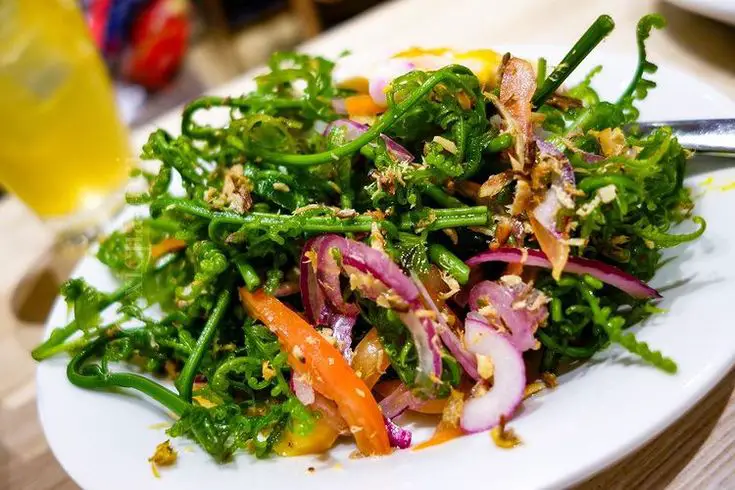
    Blanching the fiddlehead ferns before incorporating them into the traditional Ensaladang Pako salad creates a vibrant and crisp texture, enhancing the overall freshness and flavor of the dish.

    When you carefully wash or blanch the Pako, you ensure that any dirt, debris, or microbes are removed, leaving behind only the pure, earthy taste of the ferns.

    The combination of fresh onions, tomatoes, and the zesty dressing made with white vinegar, sugar, and ground pepper provides a delightful contrast to the ferns, creating a symphony of flavors in every bite.

    Additionally, the nutritional benefits of the fiddlehead ferns, rich in minerals and antioxidants, make this dish not only delicious but also incredibly nourishing.

    Including Ensaladang Pako in your meals introduces a unique and wholesome element that contributes to a well-rounded diet.

    Zesty Pako and Tomato Salad

    You’re in for a treat with this zesty Pako and tomato salad.

    The flavorful salad dressing perfectly complements the fresh Pako and tomatoes, creating a burst of tangy and refreshing flavors in every bite.

    Plus, with its simple preparation steps, this salad is a convenient and delicious addition to any meal.

    Flavorful Salad Dressing

    Indulge in the zesty and tangy flavors of the Filipino Pako and Tomato Salad dressing, which perfectly enhances the fresh pako and tomatoes with its unique blend of calamansi juice, bagoong, and red chili.

    This dressing will tantalize your taste buds with its vibrant and bold flavors, adding an extra kick to the refreshing pako salad.

    Imagine the burst of tangy calamansi juice combined with the rich umami taste of bagoong, creating a symphony of flavors in every bite.

    The hint of heat from the red chili adds a delightful spicy kick, elevating the overall taste experience to new heights.

    This dressing doesn’t just complement the Pako Salad; it elevates it, turning a simple dish into a culinary adventure.

    The vinegar mixture provides a perfect balance of sweet, sour, and savory elements, enhancing the natural crunchiness and freshness of the pako and tomatoes.

    Fresh Pako and Tomatoes

    For a zesty and refreshing salad, combine fresh Pako ferns and chopped tomatoes. The vibrant green Pako, also known as Fiddlehead Fern, pairs perfectly with the juicy, ripe tomatoes to create a delightful flavor and texture contrast.

    Toss the Pako and tomatoes with a dressing made from calamansi juice and fermented fish (Bagoong Isda) for a tangy and savory kick. If you’re feeling adventurous, add a bit of chopped red chilies to bring some heat to the salad.

    This simple and healthy Filipino dish offers a unique taste that’s sure to delight your taste buds. Just remember to ensure the Pako fronds are thoroughly washed or blanched before using to remove any impurities.

    Enjoy the crispness of the Pako and the burst of flavor from the tomatoes in this mouthwatering salad.

    Simple Preparation Steps

    After experiencing the vibrant combination of fresh Pako ferns and juicy tomatoes in the previous subtopic, you can now proceed to the simple preparation steps for creating the zesty Pako and tomato salad.

    To begin, the process is straightforward and will result in a refreshing and flavorful dish that will surely tantalize your taste buds. Here’s a simple guide to help you make this delightful Fiddlehead Fern Salad (Ensaladang Pako):

    • Nestled in the heart of the Filipino cuisine, the Fiddlehead Fern Salad is a vibrant blend of flavors and textures that will transport you to the lush landscapes of the Philippines.
    • As you wash the Pako ferns, envision the pure, natural essence of the water cleansing each delicate frond, preparing them for the culinary journey ahead.
    • Feel the anticipation build as you blanch the Pako ferns, the boiling water tenderly coaxing out their crisp, verdant flavors.

    Creamy Salted Egg and Pako Salad

    If you’re craving a creamy and flavorful salad that captures the essence of pako ferns and the rich creaminess of salted eggs, this recipe is a must-try. The Creamy Salted Egg and Pako Salad offers a delightful combination of textures and flavors. The creaminess of the salted egg dressing perfectly complements the crispiness of the pako ferns, creating a satisfying dish that is simple yet bursting with deliciousness.

    Here’s a table to showcase the key ingredients for this delectable salad:

    Ingredients Quantity
    Pako Ferns 2 cups
    Salted Eggs 2 pieces
    Mayonnaise 3 tbsp

    The creamy salted egg dressing enhances the overall taste of the salad, making it a refreshing addition to any meal. Get ready to indulge in the unique blend of flavors and textures in this delightful salad.

    Spicy Shrimp and Pako Salad

    Get ready to experience the bold flavors of Spicy Shrimp and Pako Salad.

    First, you’ll learn how to prepare the shrimp to infuse it with just the right amount of heat.

    Then, we’ll explore the key factors to consider when selecting the freshest and most vibrant Pako ferns.

    Spicy Shrimp Preparation

    To create a zesty and satisfying Spicy Shrimp and Pako Salad, marinate the shrimp with fiery spices such as chili, garlic, and ginger for an extra kick of flavor. The aroma of the spices will evoke a sense of anticipation, making your taste buds tingle with excitement.

    As the shrimp boils, the fragrant steam will fill the air, creating an atmosphere of mouth-watering anticipation. The vibrant colors of the red chilies and green Pako ferns will visually stimulate your senses, making your mouth water in eager anticipation of the flavorful dish.

    The combination of tangy calamansi juice and the spicy shrimp will create a burst of contrasting flavors that will tantalize your palate. The crunch of the edible fern will add a delightful texture to the Ensaladang dish.

    Pako Fern Selection

    After marinating the spicy shrimp, it’s time to select the perfect fresh and crisp Pako ferns to bring vibrant color and delightful crunch to your Spicy Shrimp and Pako Salad.

    When choosing Pako ferns, look for young fronds with tightly coiled tips and a vibrant green color. Inspect the ferns closely, avoiding any signs of wilting, discoloration, browning, or damage on the fronds.

    Opt for Pako ferns that emit a mild, fresh aroma, ensuring the best flavors for your salad. These young fronds will provide a tender texture and a delicate flavor, complementing the spicy shrimp beautifully.

    Careful pako fern selection is essential to enhance the overall freshness and visual appeal of your salad, making each bite a delightful experience.

    Salad Assembly Tips

    When assembling the flavorful Spicy Shrimp and Pako Salad, consider blanching the Pako ferns to ensure they’re free from any microbes, enhancing the safety and freshness of your dish.

    Here are some tips to make your Ensaladang Pako experience even more enjoyable:

    • Infuse the dish with a burst of freshness by adding crisp, vibrant Pako ferns.
    • This will elevate the texture and flavor of your salad, giving it a delightful crunch and earthy undertones.
    • Incorporate the spicy shrimp to add a zing and a protein boost to your salad.
    • The combination of flavors will create a truly satisfying and hearty meal that will leave you craving for more.

    Grilled Chicken and Pako Fern Salad

    As you savor the satisfying aroma of the marinated grilled chicken, prepare to elevate your culinary experience with the crisp, vibrant flavors of pako fern in this delightful salad.

    After marinating the chicken with your favorite herbs and spices, grill it to perfection. Meanwhile, blanch the pako ferns in boiling water, ensuring they’re safe to eat.

    Once the chicken is grilled to juicy tenderness, toss it with fresh pako ferns, tomatoes, and onions for a burst of flavors and textures.

    For a unique Filipino twist, drizzle the salad with a light dressing made from calamansi juice and bagoong. If you want to add an extra touch, consider topping the salad with sliced boiled eggs for added protein.

    This Grilled Chicken and Pako Fern Salad is a refreshing and nutritious meal option that perfectly balances flavors and textures.

    Tangy Mango and Pako Salad

    Indulge in the refreshing and tangy flavors of a delightful Filipino salad, the Tangy Mango and Pako Salad, which combines the crisp texture of pako ferns with the sweetness of ripe mangoes.

    Evoke Emotion:

    Imagine the burst of flavors as the tangy calamansi juice and sweet mangoes dance on your taste buds.

    Experience the satisfying crunch of the fresh pako ferns, perfectly complementing the juicy mangoes.

    This salad offers a delightful balance of sour, sweet, and savory notes, making it a popular choice among Filipino cuisine enthusiasts. The dressing, typically a mix of calamansi juice, sugar, and bagoong Isda (fermented fish paste), adds a unique depth of flavor.

    Whether as a light and nutritious appetizer or a refreshing side dish, the Tangy Mango and Pako Salad is a must-try for anyone seeking a burst of tropical flavors.

    Citrusy Pomelo and Pako Salad

    Transitioning from the tangy sweetness of the Tangy Mango and Pako Salad, the Citrusy Pomelo and Pako Salad offers a refreshing and zesty combination of pomelo and pako ferns, creating a delightful contrast of flavors and textures. The citrusy sweetness of pomelo perfectly complements the earthy taste of pako ferns, resulting in a unique and satisfying flavor profile.

    Typically dressed with a tangy vinaigrette, this salad enhances the citrus and fern flavors, making it a simple yet flavorful dish that can be enjoyed as a light and healthy appetizer or side dish. The blend of textures and flavors in the Citrusy Pomelo and Pako Salad makes it a unique and interesting addition to any meal.

    Pomelo and Pako Salad Description
    Flavor Citrusy and earthy
    Texture Crunchy and juicy
    Dressing Tangy vinaigrette

    Nutty Peanut and Pako Fern Salad

    Featuring a delightful blend of earthy pako ferns and nutty peanuts, the Nutty Peanut and Pako Fern Salad offers a refreshing and nutritious dish that tantalizes the taste buds with its unique combination of flavors and textures.

    As you delve into this native Filipino pako fern salad, you’ll experience a harmonious blend of tangy calamansi juice and savory bagoong Isda dressing, creating an explosion of taste that will leave you craving for more.

    The fresh pako ferns, tomatoes, red onions, and red chili deliver a satisfying mix of textures and flavors, while the addition of hard-boiled eggs provides a creamy contrast to the crunchy elements of the salad.

    Each bite of this salad promises a delightful journey for your palate, making it a perfect choice as a side dish or a main course.

    Smoked Fish and Pako Fern Salad

    With the addition of smoked fish, the Pako Fern Salad takes on a rich, smoky flavor that elevates the overall taste experience. The combination of the smokiness from the fish and the crispness of the Pako ferns creates a unique and flavorful salad that is both satisfying and refreshing. To give you an idea of how to prepare this delightful dish, here’s a simple recipe for a Smoked Fish and Pako Fern Salad:

    Ingredients Instructions
    Smoked fish Flake the fish into small pieces.
    Pako ferns Blanch the ferns in boiling water for 1-2 minutes, then shock in an ice bath.
    Eggs Hard boil the eggs, then slice them.
    Vinaigrette Prepare a tangy and savory vinaigrette to dress the salad.

    The smokiness of the fish complements the nutty flavor of the Pako ferns, while the protein-packed element from the smoked fish and eggs makes this salad a wholesome and satisfying meal.

    Frequently Asked Questions

    What Is a Pako Salad?

    Pako salad is a delicious Filipino dish made with fiddlehead ferns, onions, and tomatoes. It’s a crunchy and savory salad that’s low in calories and packed with nutrients. Make sure to wash or blanch the ferns before enjoying!

    What Is the English of Pako Fern?

    The English name for Pako Fern is Fiddlehead Fern. It’s a popular ingredient in Filipino cuisine, especially in salads and stews. Make sure to wash or blanch it before use to remove impurities.

    Can You Eat Pako Raw?

    Yes, you can eat pako raw, but it’s best to wash or blanch it first for safety. Raw pako adds a crispy texture and mild flavor to Filipino salads and stews, providing a refreshing and nutritious option.

    What Is Pohole Fern Salad?

    Pohole fern salad is a Hawaiian dish made with fiddlehead ferns. It’s typically prepared by blanching the ferns and mixing them with fresh ingredients like tomatoes and onions. The salad is known for its unique flavor and nutritional benefits.

    Can Pako Fern be a Substitute for Pipino in Filipino Salads?

    Pako fern can be a unique substitute for pipino in Filipino salads. While it won’t provide the same flavor, it can add a fresh and crunchy texture to the dish. Some ways to use pipino can include slicing it thinly and tossing it with other vegetables, or using it as a garnish for added crunch.

    Conclusion

    So there you have it, 9 delicious and nutritious native Filipino pako fern salad recipes to try out! Whether you’re in the mood for something zesty, creamy, spicy, or tangy, there’s a pako fern salad recipe for everyone.

    With their crunchy texture and savory flavor, these salads are a perfect way to enjoy the health benefits of fiddlehead ferns.

    So go ahead and give these recipes a try and add a refreshing twist to your meals!

  • Delicious Ube Dessert Innovations From the Philippines

    Delicious Ube Dessert Innovations From the Philippines

    Ube desserts from the Philippines, like Ube Cheesecakes and Ube Ice Cream, offer a unique blend of flavors and vibrant colors, captivating both locals and international food enthusiasts. Modern twists on classic ube desserts, incorporating ingredients like jackfruit and mangoes, are gaining popularity in luxury hotels and cafes in the Philippines, showcasing the versatility of this vibrant purple yam.

    Key Takeaways

    • Ube is a vibrant purple yam that is a cornerstone of Filipino cuisine and is used in various traditional desserts.
    • Luxury hotels and cafes in the Philippines offer modern twists on classic ube desserts, incorporating ingredients like jackfruit, mangoes, and macapuno.
    • Ube desserts have gained international popularity, with innovative chefs incorporating ube flavor into dishes like halo-halo and macarons.
    • Ube Cheesecakes and Ube Ice Cream are two popular and beloved desserts in the Philippines, showcasing the unique flavor and vibrant color of ube.

    Ube: A Culinary Treasure

    Ube, with its rich history and versatile uses, stands as a culinary treasure that captivates both the palate and the imagination. Indigenous to the Philippines, this vibrant purple yam is a cornerstone of Filipino cuisine, infusing traditional desserts with its unique flavor and color.

    One such Filipino favorite is ube halaya, a sweet, creamy dessert made from mashed purple yam, condensed milk, and other flavorful ingredients. Ube ice cream, another Filipino dessert, delights with its captivating hue and nutty undertones, enchanting both locals and international food enthusiasts. Ube’s influence extends to ube jam, a luscious spread that showcases the essence of Filipino flavors.

    Its significance in Filipino culture and cuisine is undeniable, as it continues to elevate traditional desserts and proudly embody the identity of the Philippines on the global culinary stage.

    Modern Twists on Ube Classics

    With luxury hotels and cafes in the Philippines leading the way, the culinary landscape is now witnessing a delightful wave of modern twists on classic ube desserts, bringing fresh flavors and innovative techniques to the forefront.

    Imagine indulging in Ube Langka Roll, Ube Macapuno Danish, Ube Ensaymada, or Ube Waffles with Buttermilk Chicken and Salted Egg Custard Sauce. These creations are skillfully crafted with dedication to fresh, locally sourced ingredients.

    At Conrad Manila’s Bru Coffee Bar, the Ube Langka Roll combines ube, jackfruit, and ripe mangoes for a soft, decadent texture.

    Meanwhile, Shangri-La at the Fort, Manila’s Bake House offers the delicate Ube Macapuno Danish, topped with white chocolate shards and macapuno strings.

    These modern twists beautifully fuse French pastry techniques with beloved Filipino flavors, delivering an innovative take on traditional Filipino desserts.

    Ube Desserts Around the World

    Renowned for its vibrant purple hue and distinct flavor, ube desserts have transcended borders and captivated the palates of food enthusiasts worldwide.

    From Manila to New York, innovative chefs are incorporating ube flavor into a variety of dishes, from classic Filipino desserts like halo-halo, a shaved ice dessert with ube jam and coconut flakes, to modern creations like ube cheesecakes and ube-flavored macarons.

    The vivid color of ube has taken social media by storm, with foodies around the world sharing their love for the unique ingredient.

    Ube’s popularity has even inspired international chefs to create their own interpretations of Filipino dishes, introducing new global audiences to the delightful purple hue and rich, sweet flavor of ube desserts.

    The Allure of Ube Cheesecakes

    Indulge in the decadent allure of Ube Cheesecakes, crafted with locally sourced ingredients to deliver a symphony of delightful flavors and a touch of Filipino-French culinary artistry.

    The Philippines’ luxury hotels, such as Conrad Manila and Shangri-La at the Fort, Manila, proudly showcase the popularity and prestige of these sweet purple desserts with a creamy texture.

    The allure of Ube Cheesecakes lies in the dedication to using locally sourced ingredients, creating a blend of tradition and taste that captivates both locals and global dessert enthusiasts.

    Elevating the culinary experience, these cheesecakes are free from trans fat, artificial dyes, and flavorings, offering a seasonal delicacy that highlights the versatility of ube as a flavor.

    Embodying the harmonious blend of flavors, Ube Cheesecakes represent Filipino culinary traditions, making them a beloved and delightful addition to the world of Filipino food.

    Exploring Ube Ice Cream Innovations

    Elevate your dessert experience further by venturing into the realm of Ube Ice Cream Innovations, where the luscious purple yam takes center stage in a delectable frozen treat.

    • Ube Ice Cream Varieties
    • Indulge in the vibrant purple hues of traditional Ube Ice Cream, made with the finest ube jam and carabao milk for an authentic Filipino flavor.
    • Experience the delightful fusion of flavors with Ube Bibingka Ice Cream, combining the rich taste of ube with the comforting essence of bibingka, sweetened milk, and butter.

    Prepare to be captivated by the creamy texture and delightful sweetness of these innovative Ube ice cream creations, each showcasing the unique essence of the water buffalo-derived carabao milk and the vibrant purple color of the beloved ube.

    Frequently Asked Questions

    Why Is Ube so Popular in the Philippines?

    Ube is popular in the Philippines due to its natural sweetness and nutty, vanilla-like flavor. It’s a cherished ingredient in Filipino-French bistronomy and traditional desserts, symbolizing Filipino culinary pride and making waves in the global culinary scene.

    What Is the Importance of Ube in the Philippines?

    Ube holds immense importance in the Philippines due to its rich cultural significance and versatile use in traditional and modern desserts. Its vibrant color and unique flavor make it a beloved symbol of Filipino identity and heritage.

    What Products Are Made From Ube?

    You can make a variety of treats with ube, like Ube Langka Roll, Ube Macapuno Danish, and Ube Ensaymada. Ube ice cream, with its vibrant color and nutty flavor, is a popular delicacy.

    What Is the History of Ube in the Philippines?

    Ube, a vibrant purple yam, has a rich history in the Philippines. It’s been a cherished part of Filipino cuisine for decades, celebrated in special occasions. Its popularity has even transcended borders, captivating international markets.

    Can Ube Desserts be Paired with Bitter Gourd Adobo Recipes for a Filipino Feast?

    Indulge in the unique combination of delicious Filipino bitter gourd adobo recipes and delectable Ube desserts for a truly unforgettable Filipino feast. The sweet and savory flavors will perfectly complement each other, offering a one-of-a-kind culinary experience that will delight your taste buds.

    Conclusion

    Indulge in the rich and vibrant world of ube desserts, where traditional Filipino flavors meet modern innovation.

    From ube ensaymadas to creamy ube ice cream, these delightful treats are taking the culinary world by storm.

    Whether you’re in Manila or halfway across the globe, the allure of ube’s nutty, slightly sweet flavor and stunning purple hue is sure to captivate your taste buds and leave you craving for more.

    Don’t miss out on the delicious ube dessert revolution!

  • 6 Best Labong Bamboo Shoots Indigenous Recipes

    6 Best Labong Bamboo Shoots Indigenous Recipes

    The 6 best Labong bamboo shoots indigenous recipes include Labong Adobo, Sinigang Na Labong, Tinola With Labong, Labong Guisado, Bicol Express With Labong, and Labong and Coconut Milk Soup. These Filipino dishes showcase the versatility and unique flavors of bamboo shoots, with options ranging from hearty stews to creamy soups.

    Key Takeaways

    • Bamboo shoots are a versatile and nutritious ingredient commonly used in Filipino cuisine.
    • They are often featured in adobo dishes, sour soups, soups, stir-fried dishes, and spicy dishes.
    • Bamboo shoots have the ability to absorb flavors and add depth to the dishes they are cooked in.
    • They can be paired with various ingredients such as pork, shrimp, chicken, tomatoes, onions, garlic, and coconut milk to create delicious and flavorful meals.

    Labong Adobo Recipe

    If you’re craving a hearty and savory Filipino stew, the Labong Adobo recipe is a must-try for its delicious blend of pre-boiled bamboo shoot slices, vinegar, soy sauce, and aromatic seasonings.

    The Labong Adobo is a traditional Filipino dish that offers a unique and flavorful taste. The bamboo shoots, with their tender texture, soak up the tangy flavors of the vinegar and soy sauce, creating a mouthwatering experience.

    The sweet onions and garlic add depth to the dish, while the salt and pepper bring out the earthy flavors of the bamboo shoots. Whether you choose to prepare it with pork, shrimp, or as a vegetarian option, this dish is a versatile and nutritious addition to any meal.

    The health benefits of bamboo shoots make the Labong Adobo not only a tasty delight but also a smart choice for your well-being.

    Try it today and savor the rich flavors of this Filipino favorite.

    Sinigang Na Labong

    Sinigang Na Labong, a beloved Filipino sour soup, is a comforting and hearty dish perfect for any occasion. The tangy broth and tender pieces of pork or shrimp tantalize the taste buds, creating a delightful combination of flavors and textures. One of the key ingredients, labong or bamboo shoots, infuse the soup with their unique earthy flavor and add a delightful crunchy texture.

    Additionally, the soup’s richness and vibrancy are enhanced by the addition of tomatoes, onions, and leafy greens. This iconic dish has become a staple in Filipino households and is best enjoyed when served with steamed rice, creating a complete and fulfilling meal.

    1. The bamboo shoots bring a unique earthy flavor and crunchy texture to the soup.
    2. The tamarind-flavored broth perfectly complements the succulent meat or seafood.
    3. The addition of tomatoes, onions, and leafy greens enriches the soup’s flavor and vibrancy.

    Tinola With Labong

    In the heart of Filipino cuisine, Tinola With Labong stands as a comforting and nutritious soup dish, bringing together the earthy flavors of bamboo shoots, tender chicken, and vibrant green papaya in a fragrant broth flavored with ginger, garlic, and fish sauce.

    This traditional Filipino soup, often served with steamed rice, offers a delightful combination of textures and tastes. To add a creamy richness, some variations of Tinola With Labong incorporate coconut milk, enhancing the overall depth of flavors.

    As the bamboo shoots simmer alongside the chicken and papaya, they absorb the savory essence of the broth, creating a delectable infusion of flavors.

    Whether enjoyed on a cool evening or as a hearty midday meal, this dish provides a satisfying and heartwarming experience that celebrates the essence of Filipino culinary tradition.

    Labong Guisado

    Indulge in the savory aroma and robust flavors of Labong Guisado, a delightful Filipino dish that showcases the versatility of bamboo shoots in traditional cuisine. This delectable dish is a testament to the rich flavors of Filipino cooking, combining tender bamboo shoots with fragrant garlic, onions, and tomatoes for a burst of taste in every bite.

    The coconut milk used in Labong Guisado lends a creamy texture that beautifully complements the earthy flavor of the bamboo shoots, creating a harmonious blend of ingredients. Whether served as a main dish or as a side, Labong Guisado offers a nutritious and delicious addition to any dining table, making it a beloved dish in Filipino households.

    The combination of tender bamboo shoots with fragrant garlic, onions, and tomatoes creates a burst of flavors.

    The addition of coconut milk lends a creamy texture that complements the earthy flavor of the bamboo shoots.

    Labong Guisado can be enjoyed as a main dish or as a side to complement other Filipino meals.

    Bicol Express With Labong

    You’re in for a treat with Bicol Express with Labong! The spicy coconut sauce combined with tender bamboo shoots and succulent pork creates a mouthwatering blend of flavors.

    Cooking the bamboo shoots to perfection is key to achieving the dish’s unique texture and taste.

    Spicy Coconut Sauce

    Immerse yourself in the vibrant flavors of the Visayas region with a tantalizing dish featuring the unique taste of labong (bamboo shoots) in a creamy coconut milk sauce with a spicy kick.

    Bicol Express with Labong is a beloved recipe that showcases the rich and aromatic combination of bamboo shoots and coconut, creating a symphony of flavors that dance on your palate. Here’s what makes this dish so special:

    1. Balance of Flavors: The creamy coconut milk base provides a luscious backdrop for the heat of the spicy elements, creating a harmonious balance that keeps you coming back for more.
    2. Textural Delight: The tender bamboo shoots absorb the flavorful coconut sauce, adding a delightful texture to each bite.
    3. Cultural Heritage: This dish isn’t just a meal; it’s a cultural experience that invites you to savor the traditional flavors of the Philippines.

    Prepare to be transported to the heart of the Visayas with every mouthful of this exquisite dish.

    Cooking the Bamboo

    When cooking the bamboo shoots for Bicol Express with Labong, it’s essential to pre-boil them to remove any bitterness before incorporating them into the dish. This step ensures that the bamboo shoots contribute a delicate, slightly sweet flavor without any hint of bitterness.

    To prepare the bamboo shoots, first, trim and peel off the tough outer layers before slicing them into desired shapes. Then, bring a pot of water to a boil and add the bamboo shoots, allowing them to cook for about 10-15 minutes. Once they’re tender, drain the bamboo shoots and rinse them with cold water to stop the cooking process.

    Now, the bamboo shoots are ready to be added to the flavorful mix of pork, coconut milk, and chilies, infusing the Bicol Express with Labong with their unique earthy taste and tender texture.

    Labong and Coconut Milk Soup

    Indulge in the creamy richness of Labong and Coconut Milk Soup, a traditional Filipino dish celebrated for its comforting flavors and versatile ingredients.

    The soup originates from the Visayas region and is known for its rich and flavorful base, created by cooking bamboo shoots in creamy coconut milk. It’s a popular choice for family meals due to its comforting and satisfying qualities.

    The dish often includes additional ingredients such as shrimp, fish, or vegetables, adding depth of flavor and texture.

    Labong and Coconut Milk Soup offers a delightful combination of tender bamboo shoots and the luxurious creaminess of coconut milk, making it a truly indulgent experience for your taste buds.

    1. The soup originates from the Visayas region.
    2. It features bamboo shoots cooked in creamy coconut milk.
    3. The dish often includes additional ingredients for added depth of flavor and texture.

    Frequently Asked Questions

    What Culture Eats Bamboo Shoots?

    You eat bamboo shoots in Asian cultures like China, Japan, Thailand, and the Philippines. They’re a staple in traditional dishes like stir-fries, curries, stews, and soups, adding a unique texture and flavor.

    What Is the Difference Between Labong and Ubod?

    Labong and Ubod are both popular in Filipino cuisine. Labong comes from bamboo, with a firmer texture and slightly bitter taste. Ubod is from coconut tree hearts, tender and sweet. Both are used in stir-fries, salads, and soups.

    What Is the Difference Between Bamboo Sprouts and Bamboo Shoots?

    Bamboo sprouts are the young, tender shoots of the bamboo plant, ideal for salads or light cooking. Bamboo shoots are the mature, firmer parts with an earthy, nutty taste, great for stir-fries and soups. Harvested at different stages, they offer diverse culinary possibilities.

    What Can I Do With Fresh Bamboo Shoots?

    You can do so much with fresh bamboo shoots! Try stir-frying, boiling, or pickling them to explore their versatility. Use them in stir-fries, curries, and meat dishes for a unique and flavorful culinary experience.

    Are Bamboo Shoots a Common Ingredient in Unique Filipino Food Products?

    Bamboo shoots are a common ingredient in unique Filipino food products. These crunchy and flavorful shoots are used in various traditional dishes such as sinigang and adobo. With their versatility and nutritional benefits, bamboo shoots add a unique touch to many beloved dishes in the Philippines.

    Conclusion

    Now that you have these 6 delicious labong recipes, it’s time to get cooking!

    Whether you’re in the mood for a savory adobo, a tangy sinigang, or a creamy coconut milk soup, there’s a recipe here for you.

    Embrace the flavors and textures of this versatile ingredient and treat yourself to a satisfying and flavorful meal.

    Get ready to impress your taste buds with these indigenous labong recipes!

  • Patola Vegetable Soup: A Filipino Recipe Guide

    Patola Vegetable Soup: A Filipino Recipe Guide

    Patola Vegetable Soup is a Filipino dish made with patola (a type of squash), misua noodles, ground pork, garlic, and fish sauce. The soup is prepared by sautéing garlic and onions, cooking ground pork until brown, adding chicken broth and simmering, then adding patola and simmering until soft. Misua noodles and fish sauce are added for the final minutes of cooking. The soup is rich in vitamins A and C, high in fiber for digestion and a healthy gut, and a good source of protein for muscle growth and repair.

    Key Takeaways

    • Patola Vegetable Soup is a Filipino dish made with fresh patola, misua noodles, ground pork, garlic, and fish sauce.
    • The soup is prepared by sautéing garlic and onions, cooking ground pork until brown, adding chicken broth and simmering, then adding patola and simmering until soft. Misua noodles and fish sauce are added for the final minutes of cooking.
    • To perfect the soup, it is recommended to sauté garlic for added flavor, season generously with salt and pepper, bring the soup to a slow boil over medium heat, and cook the vegetables until just tender to maintain their vibrant color.
    • Serving suggestions and pairings for the Patola Vegetable Soup include pairing it with Tempeh, steamed rice, and grilled meat, serving it as a side dish with Misua soup and ground pork, pairing it with warm white rice and pork bola-bola soup, accompanying it with patis (fish sauce) and crushed fresh chili pepper, or exploring different flavors and textures for a fulfilling dining experience.
    • Patola Vegetable Soup is rich in vitamins A and C, high in fiber for digestion and a healthy gut, a good source of protein for muscle growth and repair, and a low-calorie option for weight management. It offers a range of health benefits for a nourishing meal.

    Patola Vegetable Soup Ingredients

    To make a delicious Patola Vegetable Soup, gather fresh patola, misua noodles, and ground pork from your local Asian or Filipino grocery store. The patola, a versatile Filipino vegetable, adds a delightful crunch to the soup.

    As you prepare the ingredients, the aroma of garlic and pork fills the air, promising a satisfying meal. The tender patola, when cooked to perfection, complements the savory taste of the pork, creating a harmonious blend of flavors.

    The misua noodles, delicate and fine, absorb the essence of the soup, enhancing each spoonful with their soft texture. A dash of fish sauce adds depth to the vegetable-infused broth, elevating the dish to new heights.

    As the soup simmers, the vegetables release their natural sweetness, infusing every spoonful with wholesome goodness.

    Step-by-Step Cooking Instructions

    Start by sautéing the garlic and onions in oil until they become fragrant and golden brown.

    Once the aroma fills the air, add the ground pork and cook it until it turns a beautiful brown color.

    Then, pour in the chicken broth and bring it to a gentle boil. Let it simmer for about 5 minutes to allow the flavors to meld.

    After that, add the patola and continue to simmer for an additional 3 minutes until it becomes soft.

    Now, it’s time to introduce the misua and a dash of fish sauce. Let everything cook for 2 more minutes.

    Finally, season the soup to your liking and serve it hot, garnished with chopped green onions and an extra sprinkle of fried garlic on top.

    Enjoy your comforting bowl of Filipino patola soup!

    Tips for Perfecting Patola Vegetable Soup

    For an extra burst of flavor in your patola vegetable soup, consider adding a squeeze of fresh calamansi juice just before serving. This will provide a zesty and tangy kick that complements the earthy flavors of the vegetables.

    Here are some additional tips to perfect your delicious Filipino patola vegetable soup:

    1. Saute the garlic: Before adding the vegetables and broth, saute the garlic in a bit of oil until it becomes fragrant. This will infuse the soup with a rich, savory undertone.
    2. Season generously: Don’t be shy with the salt and pepper. The vegetables will absorb the flavors as the soup simmers, so make sure to season adequately for a well-rounded taste.
    3. Bring to a boil slowly: When bringing the soup to a boil, do so gradually over medium heat. This slow process allows the flavors to meld together seamlessly.
    4. Keep the vegetables green: To maintain the vibrant green color of the patola and other vegetables, cook them until just tender. Overcooking can lead to a duller appearance and a less appealing texture.

    Serving Suggestions and Pairings

    Consider pairing the flavorful Patola Soup with Tempeh with a side of steamed rice and grilled meat for a satisfying and wholesome meal.

    The light and delicate flavors of the patola vegetable soup complement the hearty texture of Tempeh, creating a balanced combination.

    Additionally, serving the Misua soup with patola and ground pork as a side dish enhances the overall dining experience. The Misua soup, made with Chinese vermicelli and ground pork, provides a comforting and savory addition to the meal.

    For a more substantial option, pairing the Patola Soup with Tempeh with warm white rice and a serving of pork bola-bola soup alongside a saucer of patis and crushed fresh chili pepper creates a rich and fulfilling dining experience.

    These pairings elevate the Filipino recipe, offering a variety of flavors and textures to savor.

    Health Benefits of Patola Vegetable Soup

    Packed with essential nutrients and high in fiber, Patola Vegetable Soup offers a flavorful and nourishing option for those seeking a healthy and satisfying meal.

    The health benefits include:

    1. Vitamins A and C: Essential for eye health and immune function.
    2. High Fiber Content: Luffa or Chinese okra aids in digestion and promotes a healthy gut.
    3. Good Source of Protein: Ground pork or shrimps provide essential nutrients for muscle growth and repair.
    4. Low-Calorie Dish: The combination of misua noodles and patola creates a low-calorie option, ideal for weight management.

    This Filipino recipe not only delivers on taste but also provides a range of health benefits, making it a valuable addition to your diet.

    Frequently Asked Questions

    What Is a Substitute for Patola?

    If you need a substitute for patola, zucchini is a great option. Its mild flavor and tender texture make it a good alternative in soups or stews. Just be mindful of cooking times!

    What Is the Ingredients of Nilaw Uy?

    Nilaw uy typically consists of fish, coconut milk, ginger, and lemongrass. The dish is commonly prepared by grilling or boiling the fish, then simmering it in a flavorful broth of coconut milk infused with the aromatic flavors of ginger and lemongrass.

    What Is Patola Food?

    Patola, a versatile gourd used in Filipino cuisine, brings a unique flavor and texture to dishes. You can find it in Asian grocery stores and use it to create delicious soups, stir-fries, and other Filipino recipes.

    What Is Misua Made Of?

    Misua is made of thin salted noodles crafted from wheat flour and eggs. The delicate strands cook in just a minute or two. It’s an affordable pantry staple perfect for extending servings and adding flavor to meals.

    Can I use Taro Leaves in Patola Vegetable Soup?

    Yes, you can use taro leaves in Patola vegetable soup. It adds a unique flavor and texture to the dish. To enhance the taste of this Filipino soup, try adding some sautéed garlic and onions before adding the taro leaves for an extra depth of flavor. Tips for Filipino soups like this can really elevate your cooking.

    Conclusion

    Now that you’ve mastered the art of making patola vegetable soup, you’re ready to impress your family and friends with this flavorful and nutritious dish.

    With its tender patola, savory meatballs, and delicate misua noodles, this soup is a comforting and satisfying addition to any meal.

    Whether enjoyed on its own or paired with your favorite Filipino dishes, this soup is sure to be a hit.

    So go ahead, whip up a batch and savor the delicious taste of homemade patola vegetable soup!