Category: Native Filipino Vegetables and Their Uses

  • 9 Best Ways to Prepare Sigarilyas for Meals

    9 Best Ways to Prepare Sigarilyas for Meals

    Sigarilyas, also known as winged beans, can be prepared in various ways, such as stir-frying with garlic and oyster sauce, making a refreshing salad with shrimp and mango, and creating crispy fritters with ground pork. It also pairs well with pork in sinigang soup and can be cooked in adobo with coconut milk.

    Key Takeaways

    • Sigarilyas can be stir-fried with garlic and oyster sauce for a savory and tangy dish.
    • It can also be used in a salad with shrimp, mango, and coconut milk for a refreshing and tropical flavor.
    • Another delicious option is to make crispy sigarilyas fritters, perfect as an appetizer or snack.
    • Sigarilyas pairs well with pork in a sinigang soup, where the flavorful broth complements the vegetable.

    Stir-Fried Sigarilyas With Garlic and Oyster Sauce

    For a flavorful and satisfying dish, stir-fry your sigarilyas with garlic and oyster sauce, bringing out the natural taste and texture of the winged beans.

    Begin by heating oil in a pan and adding minced garlic until fragrant. Toss in the sigarilyas and stir-fry until they’re slightly tender but still crisp.

    Then, pour in the oyster sauce, allowing it to caramelize and coat the vegetable. The oyster sauce adds a rich, savory flavor that complements the earthy taste of the sigarilyas.

    This stir-fried dish is quick and easy to prepare, making it a perfect addition to any meal. The garlic infuses the vegetable with its aromatic essence, creating a mouthwatering aroma.

    This simple yet delicious dish showcases the sigarilyas in a delightful and satisfying way.

    Sigarilyas Salad With Shrimp and Mango

    As you savor the delightful flavors of stir-fried sigarilyas with garlic and oyster sauce, imagine experiencing a refreshing twist with the vibrant and zesty Sigarilyas Salad With Shrimp and Mango. This Filipino-inspired salad combines the crunch of blanched sigarilyas, the succulent taste of shrimp, and the sweetness of ripe mango, all brought together in a creamy coconut, tangy fish sauce, and lime juice dressing.

    The combination of textures and flavors creates a delightful dish that can be enjoyed as a light main course or a vibrant appetizer. Here’s a helpful table to guide you through preparing this delectable Sigarilyas Salad With Shrimp and Mango:

    Ingredients Instructions
    Blanched sigarilyas Combine with cooked shrimp
    Cooked shrimp Add diced ripe mango
    Diced ripe mango Drizzle with coconut milk, fish sauce, lime juice, and sugar
    Coconut milk, fish sauce, lime juice, sugar Toss gently to coat
    Chopped cilantro, mint, roasted peanuts Garnish for added flavor and texture

    Enjoy the refreshing flavors of this vibrant salad!

    Sigarilyas Adobo With Coconut Milk

    You can elevate the flavor of your Sigarilyas Adobo by incorporating creamy coconut milk into the dish.

    The addition of coconut milk not only adds a rich and velvety texture, but also balances out the savory and tangy flavors of the adobo.

    As the coconut milk simmers with the winged beans and meat, it infuses the dish with a delightful aroma and a luscious, satisfying taste.

    Cooking Sigarilyas Adobo

    To create a delectable Sigarilyas Adobo with Coconut Milk, start by heating a tablespoon of oil in a large pan over medium heat.

    Sauté ground pork until it turns golden brown.

    Add chopped sigarilyas (winged beans) and cook until they’re slightly tender.

    Stir in coconut milk and let it simmer until the sauce thickens.

    Season with fish sauce for a savory flavor and add sliced long green chilies for a hint of spice.

    The combination of creamy coconut milk, savory adobo flavors, and the crunch of sigarilyas makes this dish a delightful addition to your meal.

    Serve the Sigarilyas Adobo hot and fresh, paired with steamed rice for a satisfying culinary experience.

    Adding Coconut Milk

    Enhance the savory profile of your sigarilyas adobo by incorporating the rich and creamy texture of coconut milk. Here’s how to prepare the perfect sigarilyas adobo with coconut milk:

    1. Heat a pan and add the cooked winged beans.
    2. Pour in the desired amount of coconut milk, adjusting for personal preference.
    3. Let the mixture simmer, allowing the flavors to meld while the coconut milk infuses its richness.
    4. Serve the sigarilyas adobo with coconut milk, savoring the luscious and velvety texture that perfectly complements the earthy taste of the sigarilyas.

    Don’t forget to capture your delicious creation and tag us on Instagram. We’d love to see how your sigarilyas adobo with coconut milk turned out!

    Crispy Sigarilyas Fritters

    Transform winged beans and ground pork into delightful crispy sigarilyas fritters, perfect for a savory appetizer or snack.

    To create the batter, finely chop the winged beans and mix them with ground pork. The addition of long green chilies adds a kick of heat to the fritters.

    Deep fry the mixture until it turns golden brown and crispy. The result is crunchy sigarilyas fritters that are irresistible.

    Serve them hot and fresh, paired with a sweet and tangy dipping sauce for an extra burst of flavor.

    These fritters make a fantastic addition to any Filipino meal or can stand alone as a delightful snack.

    Please your taste buds and add this vegetable side dish with a twist of Filipino cuisine to the rest of your menu.

    Sigarilyas and Pork Sinigang

    When making Sigarilyas and Pork Sinigang, you’ll love the flavorful pork broth that complements the fresh addition of sigarilyas.

    Tips for cooking this dish include using long green chillies for a milder spice or Thai chillies for a spicier kick.

    Adjust the amount of ground meat or try using ground chicken for a different twist on the classic recipe.

    Flavorful Pork Broth

    To create a flavorful pork broth using sigarilyas and pork sinigang, start by sautéing garlic and onion in heated oil. Then, add ground pork and cook until browned. Next, pour in the coconut milk and add the sigarilyas and long green peppers.

    Cook the winged beans a little longer to neutralize aroma and taste. Braise them for a longer period to enhance flavor.

    Use long green chilies for a mild spice or Thai chilies/siling labuyo for a spicier version. You can also adjust the amount of ground meat or use ground chicken as an alternative.

    Season the broth with fish sauce, shrimp paste, or bagoong alamang for added flavor. Pair the dish with 2 cups of rice for a satisfying meal, but be cautious if watching rice intake.

    To prepare the dish, heat oil in a deep pan. Sauté garlic and onion, then add the ground pork and cook until browned. Pour in the coconut milk and add the sigarilyas and long green peppers. Cover and cook for 30 to 35 minutes. Finally, season with fish sauce and ground black pepper.

    In the end, you will have created a delicious Filipino pork sinigang with sigarilyas and pork. The dish will be infused with the flavors of coconut sauce, pork, and green beans. Seasoned with fish sauce and ground black pepper, it will provide a truly satisfying dining experience.

    Fresh Sigarilyas Addition

    Enhance the flavor and texture of your sigarilyas and pork sinigang by carefully preparing the fresh winged beans and infusing them with the rich, savory broth.

    When adding fresh sigarilyas to your pork sinigang, cook the winged beans a little longer to neutralize the aroma and taste, ensuring they blend seamlessly with the dish. Braise the winged beans for a longer period to guarantee they’re tender and packed with the flavors of the sinigang.

    Consider using long green chilies for a milder spice or Thai chilies/siling labuyo for a spicier version, depending on your preference. You can also adjust the amount of ground pork used or opt for ground chicken as an alternative protein option in this classic Filipino dish.

    Season the sinigang with fish sauce, shrimp paste, or bagoong alamang for an added depth of flavor.

    This fresh sigarilyas addition will elevate your Ginisang Sigarilyas recipe or Sigarilyas Gising Gising to new heights.

    Cooking Method Tips

    After carefully preparing the fresh sigarilyas and pork sinigang, it’s time to master the cooking method tips to ensure a delectable and flavorful dish. Follow these essential tips to elevate your Filipino Food experience:

    1. Neutralize Aroma: Cook the winged beans a little longer to neutralize their aroma and taste before adding them to the sinigang.
    2. Braise for Flavor: Braise the winged beans for a longer period to ensure they’re tender and packed with flavor in the sinigang.
    3. Spice it Up: Use long green chilies for a mild spice, and Thai chilies or siling labuyo for a spicier version based on your preference.
    4. Healthier Option: Adjust the amount of ground pork or consider using ground chicken as an alternative for a healthier twist.

    For more culinary inspiration, check out Vanjo Merano’s Instagram for additional cooking method tips and tricks.

    Don’t forget to season with ground black pepper and your preferred sauce for the perfect finishing touch.

    Grilled Sigarilyas Skewers With Spicy Peanut Sauce

    Grill up your sigarilyas skewers with a mouthwatering blend of ground pork and long green chilies for a burst of flavor that will leave your taste buds craving for more.

    Once grilled to perfection, serve them with a spicy peanut sauce that adds a delightful kick to every bite.

    The combination of the smoky grilled sigarilyas and the zesty peanut sauce creates a flavor profile that’s truly irresistible.

    To enhance the taste further, consider adding Thai chilies or siling labuyo for an extra spicy version.

    Elevate the dish with fish sauce, shrimp paste, or bagoong alamang to bring out the unique Filipino flavors.

    Adjust the amount of ground meat or try using ground chicken for a delicious variation.

    These grilled sigarilyas skewers with spicy peanut sauce are a must-try for any fan of Filipino cuisine.

    Sigarilyas and Tofu Stir-Fry

    When preparing a mouthwatering Sigarilyas and Tofu Stir-Fry, cook the winged beans a little longer to neutralize the aroma and taste, and braise them for a longer period for a richer flavor.

    Dive into the delightful world of Filipino food with this delicious Filipino dish.

    Here’s how to create a delectable Sigarilyas and Tofu Stir-Fry:

    1. Adjust the spice level by using long green chillies for a milder kick or Thai chillies for a spicier version. You can also personalize it by choosing the amount of ground meat or using ground chicken as an alternative.
    2. Enhance the flavor by seasoning the dish with fish sauce, shrimp paste, or bagoong alamang.
    3. Enjoy it with 2 cups of rice for a satisfying meal, or pair it with your favorite fried fish or meat for a mouthwatering combination.
    4. Garnish with chopped cilantro or green onions for added freshness and share your delicious creation on Instagram. Tag #HappyCooking and Vanjo Merano for a chance to showcase your culinary skills.

    Creamy Sigarilyas Soup With Crispy Bacon

    To create a sumptuous creamy Sigarilyas soup with crispy bacon, start by preparing the winged beans and crisping up the bacon to impart a rich and savory flavor to this indulgent dish.

    Vanjo Merano, a Filipino food expert known for his delightful recipes on Instagram and PanlasangPinoy, recommends braising the winged beans for a longer period to enhance their flavor and texture.

    You can adjust the amount of ground pork or use ground chicken as an alternative protein, catering to your preferences. For a mild spice, use long green chilies, or opt for Thai chilies if you prefer a spicier version.

    Serve the creamy sigarilyas soup with crispy bacon hot and fresh for the best enjoyment, savoring the delightful combination of flavors and textures.

    Baked Stuffed Sigarilyas With Ground Meat and Cheese

    For a delicious and satisfying dish, start by preheating the oven and carefully cutting the sigarilyas in half lengthwise. Here’s a simple guide to creating Baked Stuffed Sigarilyas With Ground Meat and Cheese:

    1. Stuff the sigarilyas with a mixture of ground meat and cheese, ensuring they’re well-filled.
    2. Place the stuffed sigarilyas on a baking dish and drizzle with a bit of oil for browning.
    3. Bake the sigarilyas until the cheese is melted and bubbly, and the meat is thoroughly cooked.
    4. Serve the baked stuffed sigarilyas with ground meat and cheese hot as a flavorful and hearty dish.

    This recipe is a delightful way to enjoy the unique flavors of Filipino food.

    For more inspiring recipes, you can check out PanlasangPinoy on Instagram.

    If you have any questions, feel free to submit them to Vanjo Merano, the expert in Filipino cuisine.

    Frequently Asked Questions

    What Is Sigarilyas Vegetable in English?

    In English, sigarilyas vegetable is known as winged beans. They have a unique flavor and crisp texture when cooked. Try stir-frying or braising them with ingredients like garlic, onions, and coconut milk for delicious meals.

    How Do You Clean Winged Beans?

    To clean winged beans, rinse them under cold water to remove dirt. Trim the ends and cut into bite-sized pieces. Soak in water to remove bitterness, then drain. This prepares the beans for cooking.

    Is Sigarilyas Bitter?

    Yes, sigarilyas can be slightly bitter, but you can neutralize this by braising it longer or using ingredients like coconut milk and fish sauce for added flavor. Experiment with different techniques and flavors to find your favorite preparation.

    Can You Freeze Winged Beans?

    Yes, you can freeze winged beans! Wash and trim them, blanch in boiling water, cool in an ice bath, drain, pat dry, and store in airtight containers or freezer bags. Label with the date and freeze for 10-12 months.

    What Are Some Common Filipino Dishes That Include Sigarilyas?

    Some common Filipino dishes that include sigarilyas are pinakbet, sinigang, and ginataang sigarilyas. These dishes are popular in the Philippines due to their delicious flavors and health benefits. Despite fluctuating food prices in the Philippines, these dishes remain staple choices for many Filipino households.

    Conclusion

    So there you have it – 9 delicious ways to prepare sigarilyas for your next meal! From stir-fries to soups to fritters, there’s a sigarilyas dish for every craving.

    Whether you’re a meat lover or a fan of seafood, there’s a recipe that will surely satisfy your taste buds.

    So grab some sigarilyas, get cooking, and enjoy a flavorful and nutritious meal!
  • 3 Best Jackfruit Vegetable Recipes in Filipino Cuisine

    3 Best Jackfruit Vegetable Recipes in Filipino Cuisine

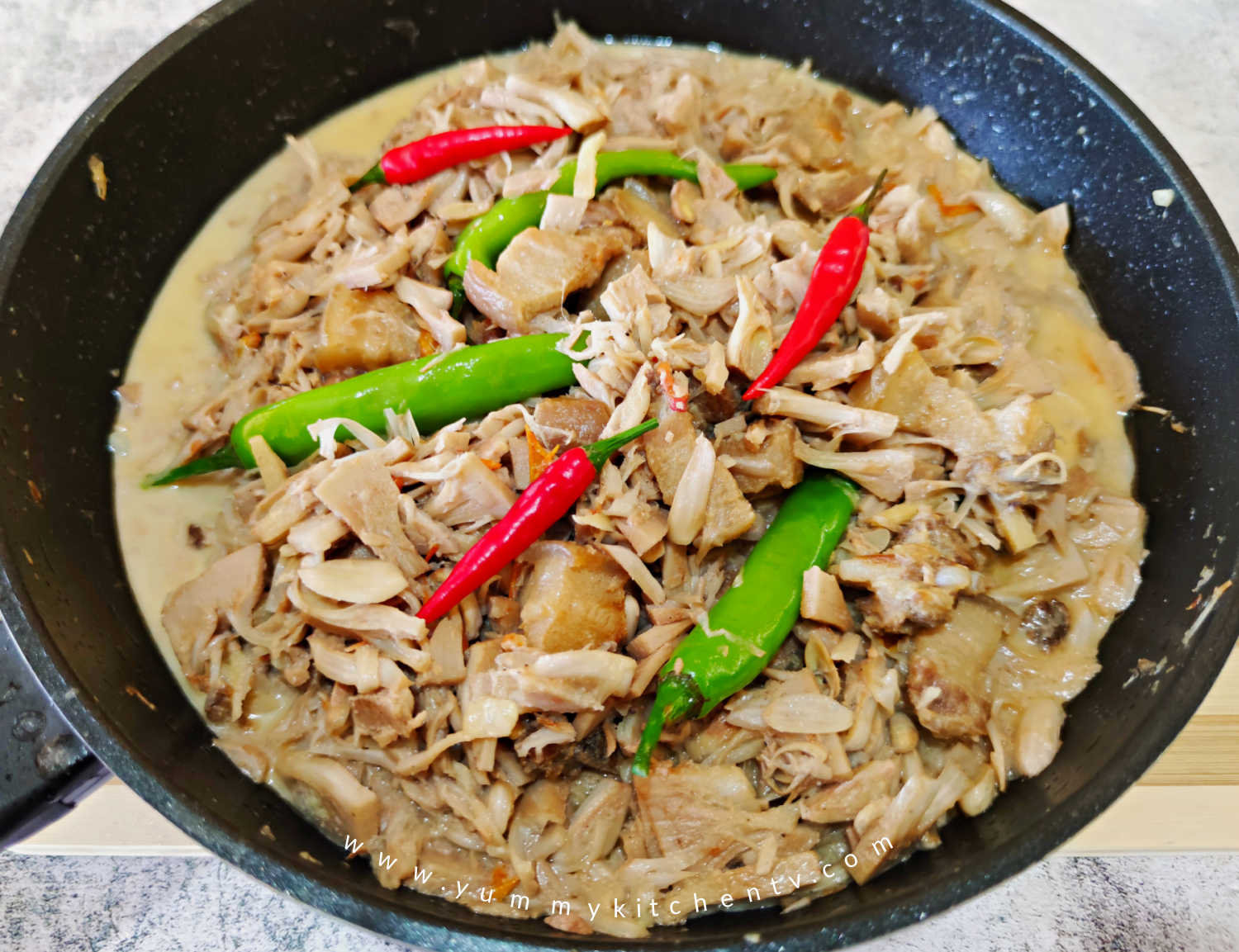
    The 3 best jackfruit vegetable recipes in Filipino cuisine are Savory Ginataang Langka Stew, Crispy Ginataang Langka Fritters, and Flavorful Ginisang Langka Salad. These dishes showcase the versatility and deliciousness of jackfruit in traditional Filipino cooking.

    Key Takeaways

    • Unripe jackfruit is a key ingredient in traditional Filipino dishes, adding a unique texture and flavor.
    • Coconut milk is commonly used in Filipino cuisine and pairs well with jackfruit, enhancing its taste.
    • Jackfruit can be used in a variety of dishes, such as stews, fritters, and salads, showcasing its versatility.
    • Filipino cuisine offers a diverse range of flavors, and incorporating jackfruit into recipes allows for a delicious exploration of these flavors.

    Savory Ginataang Langka Stew

    Savor the rich, creamy goodness of Savory Ginataang Langka Stew, a traditional Filipino dish brimming with unripe jackfruit, coconut milk, and a symphony of flavors from shrimp, garlic, and onions.

    This delightful combination creates a truly authentic Filipino culinary experience. The unripe jackfruit, known as Langka, is the star of this dish, adding a unique texture and absorbing the rich coconut milk it’s cooked in. The subtle sweetness of the jackfruit perfectly complements the savory notes of the shrimp, garlic, and onions.

    This dish is a testament to the Filipino love for coconut-based recipes, as it showcases the versatility and deliciousness of coconut milk in savory cooking. For those who enjoy a bit of heat, adding a touch of red chili brings a delightful kick to this already flavorful stew.

    Ginataang Langka is a must-try for anyone exploring Filipino vegetable recipes.

    Crispy Ginataang Langka Fritters

    With a crispy exterior and a creamy, flavorful center, these Ginataang Langka fritters offer a delightful twist on traditional Filipino cuisine. Made with unripe jackfruit and shrimp, this vegetarian dish is a unique take on the classic Filipino ginataang langka.

    Merano, the creator of this dish, ingeniously combines the richness of langka (jackfruit in coconut milk) with the crispy texture of fritters. The addition of green chilies adds a hint of heat, elevating the flavor profile.

    Perfect as a snack or appetizer for gatherings or parties, these fritters can be served with a side of spicy vinegar dip for an extra kick. Whether you’re a fan of Filipino food or simply looking to explore new recipes, these crispy ginataang langka fritters are a must-try, offering a delightful fusion of flavors.

    Flavorful Ginisang Langka Salad

    If you’re seeking a refreshing and savory addition to your Filipino cuisine repertoire, look no further than the flavorful Ginisang Langka Salad. This Filipino vegetable dish highlights the unique flavor of unripe jackfruit, combining it with garlic, onions, and tomatoes for a burst of savory goodness.

    Here are some key ingredients to consider for this delightful salad:

    1. Unripe Jackfruit: Provides a unique and refreshing flavor to the dish.
    2. Red Chilies: Adds a spicy kick to elevate the overall taste.
    3. Shrimp Paste: Offers a savory umami flavor that complements the dish.
    4. Mung Beans: Adds a nutritious element and enhances the texture of the salad.

    This salad not only offers a delightful and nutritious option for vegetarians and vegans but also provides a burst of flavors that cater to a wide range of palates.

    Frequently Asked Questions

    What Is the Famous Vegetable in the Philippines?

    In the Philippines, the famous vegetable is unripe jackfruit, known for its versatile use in Filipino cuisine. It’s loved for its unique texture and ability to absorb flavors, making it a staple in many Filipino vegetable recipes.

    What Are the Healthiest Vegetables in the Philippines?

    In Filipino cuisine, eggplant, bitter melon, okra, string beans, and squash are among the healthiest vegetables. They’re rich in vitamins and minerals, promote digestion, boost the immune system, and aid in weight loss and detoxification.

    Is Ginataang Langka Healthy?

    Yes, ginataang langka is healthy! It’s a nutritious dish made with creamy coconut milk and unripe jackfruit, which serves as a meat alternative. When prepared with the right ingredients, it can be part of a balanced diet.

    What Is the English of Ginataang Langka?

    The English translation of “ginataang langka” is “unripe jackfruit cooked in coconut milk.” It’s a creamy and flavorful Filipino dish. You can customize it with ingredients like fish sauce, garlic, and onions.

    Where Can I Find the Best Jackfruit Vegetable Recipes in Manila?

    Looking for the best jackfruit vegetable recipes in Manila? Look no further than the best Filipino cuisine restaurants in Manila. These establishments offer a wide variety of dishes featuring jackfruit as the star ingredient, allowing you to experience the rich and flavorful flavors of Filipino cuisine.

    Conclusion

    So whether you’re a vegetarian or just looking to switch things up in the kitchen, these jackfruit vegetable recipes are sure to satisfy your cravings for something delicious and nutritious.

    From the savory Ginataang Langka stew to the crispy Ginataang Langka fritters and the flavorful Ginisang Langka salad, there’s something for everyone to enjoy.

    Try these Filipino favorites and discover the amazing versatility of jackfruit in your cooking!

  • Kalabasa Blossoms: Edible Gems in Philippine Cuisine

    Kalabasa Blossoms: Edible Gems in Philippine Cuisine

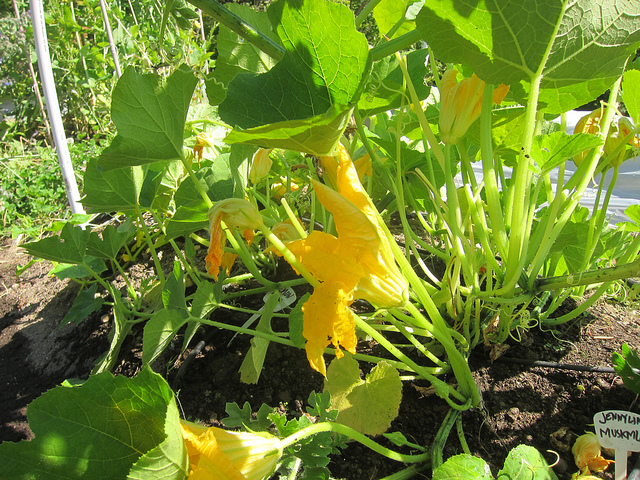
    Kalabasa blossoms are prized in Filipino cuisine for their delicate flavor and high nutritional value, often used in various traditional dishes. This unique ingredient adds both taste and health benefits to Filipino culinary creations.

    Key Takeaways

    • Kalabasa blossoms are a versatile and valued ingredient in Filipino cuisine, adding flavor and visual appeal to dishes.
    • They are high in calcium, iron, vitamins C and A, and antioxidants, making them a nutritious addition to the diet.
    • Proper handling and preparation, such as gentle washing and blanching, help retain their quality and texture.
    • Different cooking techniques, such as stir-frying, steaming, battering and frying, or grilling, can be used to savor the unique essence of kalabasa blossoms.

    Culinary Significance of Kalabasa Blossoms

    The culinary significance of kalabasa blossoms lies in their delicate, floral flavor and versatility as an ingredient in various traditional Filipino dishes. These edible flowers, also known as squash blossoms, are a cherished component of Philippine cuisine, often used to add a mild zucchini flavor to soups and stews.

    Their addition to dishes not only enhances the visual appeal but also imparts a subtle taste that elevates the overall culinary experience. Kalabasa blossoms are also valued for their nutritional benefits, containing calcium and iron.

    In addition to savory dishes, these blossoms can be added to salads, providing a unique touch to fresh herbs and greens. Their adaptability and gentle taste make them a sought-after ingredient in the rich tapestry of Filipino gastronomy.

    Nutritional Profile and Health Benefits

    High in calcium, iron, and vitamins C and A, kalabasa blossoms offer a nutritious boost to your meals. These fresh, vibrant blossoms aren’t only a delightful addition to your plate but also pack a powerful nutritional punch.

    Rich in antioxidants, they can fortify your immune system and combat harmful free radicals. Additionally, their low calorie and high fiber content make them a valuable ally for digestive health and weight management.

    With significant vitamin A, incorporating kalabasa blossoms into your diet may also promote good eye health. Moreover, their calcium and iron content can contribute to overall bone health and help prevent anemia.

    Including these nutrient-dense kalabasa flowers in your culinary repertoire is a flavorful and health-conscious choice.

    Traditional Filipino Kalabasa Blossom Dishes

    To savor the traditional Filipino kalabasa blossom dishes, one can start by blanching the vibrant flowers and stems before combining them with fresh spring onions and ripe tomatoes. Here’s what makes these dishes so special:

    1. Nutritious Delicacy: Kalabasa blossoms aren’t only delicious but also offer a great tender texture when cooked.
    2. Versatile Usage: They can be used in soups, stir-fries, or as a standalone side dish, adding a unique flavor to the meal.
    3. Creative Recipes: Try making squash flower fritters, where the blossoms are stuffed with cheese and mayonnaise, then lightly fried.
    4. Freshness: Unlike other vegetables, kalabasa blossoms have a short shelf life and are best enjoyed fresh.

    These edible gems of Philippine cuisine are now gaining popularity in the United States due to their versatile nature and delightful taste.

    Creative Uses in Modern Cuisine

    Venture into the realm of modern cuisine and discover the myriad creative uses of kalabasa flowers. Elevate your culinary repertoire with their vibrant colors and delicate flavors.

    These edible gems can be incorporated into contemporary dishes, adding a unique touch to your creations. From using them as a colorful and flavorful addition to salads to stuffing, frying, and incorporating them into various modern appetizers, the possibilities are endless.

    You can explore innovative recipes such as squash flower fritters, baked stuffed squash blossoms, and squash blossom quesadillas for a contemporary twist. Embrace modern culinary techniques and incorporate kalabasa flowers into breakfast items like omelets or savory pancakes for an unexpected flavor profile.

    Their subtle flavors make them perfect for fusion recipes. From spring vegetable lasagna to creative pairings with bold ingredients like chile peppers, pine nuts, or citrus, kalabasa flowers can add depth and excitement to your dishes.

    Harvesting and Selecting Fresh Kalabasa Blossoms

    Harvesting and selecting fresh kalabasa blossoms involves delicately detaching the flowers from the stalk, discarding the inner part, and thoroughly washing each piece before blanching them in boiling water for less than 1 minute. Here are some item details to keep in mind:

    1. Gentle Handling: When picking kalabasa blossoms, handle them gently to avoid damaging the delicate flower petals.
    2. Thorough Washing: After detaching the blossoms, make sure to thoroughly wash each piece to remove any dirt or debris.
    3. Blanching Technique: It’s crucial to blanch the kalabasa flowers and stems in boiling water for less than 1 minute before transferring them to an ice bath to cool and stop the cooking process.
    4. Direct Sourcing: For the freshest kalabasa blossoms, consider sourcing them directly from a seller to ensure quality and freshness.

    Now that you know the ins and outs of harvesting and selecting fresh kalabasa blossoms, let’s move on to exploring how these edible gems can be added to soups and other delectable dishes in Philippine cuisine.

    Culinary Tips for Cooking With Kalabasa Blossoms

    Ready to elevate your cooking with kalabasa blossoms? Discover essential culinary tips for bringing out the best in this delicate ingredient.

    From cooking techniques to flavor pairings and preparation methods, you’ll learn how to make the most of kalabasa blossoms in your dishes.

    Let’s explore the vibrant world of Philippine cuisine and unleash the full potential of these beautiful blossoms!

    Cooking Techniques

    To enhance the flavors and textures of kalabasa blossoms, consider incorporating them into your culinary creations using various cooking techniques that bring out their natural essence and appeal. Here are some culinary tips for cooking with kalabasa blossoms:

    1. Stir-frying: Quickly stir-frying the blossoms with garlic and ginger in a hot wok can help retain their crispiness and delicate flavor.
    2. Steaming: Steaming the blossoms with a splash of soy sauce and a drizzle of sesame oil can preserve their tender texture and subtle taste.
    3. Battering and frying: Coating the blossoms in a light batter and frying them until golden brown can add a delightful crunch to their mild flavor.
    4. Grilling: Grilling the blossoms with a sprinkle of salt and pepper can bring out their natural sweetness and create a smoky, caramelized flavor.

    Experimenting with these techniques will allow you to savor the unique essence of kalabasa blossoms in various delightful ways.

    Flavor Pairings

    Enhance the delicate flavor and texture of kalabasa blossoms by expertly pairing them with a variety of ingredients, creating vibrant and flavorful culinary experiences. When cooking with kalabasa blossoms, consider flavor pairings such as tomatoes, spring onions, and other fresh vegetables for a refreshing salad.

    Additionally, the mild zucchini-like flavor of blanched kalabasa blossoms can be elevated with cheeses, chile peppers, corn, and herbs like cilantro. For a unique twist, incorporate kalabasa blossoms into dishes like quesadillas, soups, stews, tacos, and enchiladas. Experiment with different cooking methods such as sautéing, pan frying, or stuffing the blossoms to discover new flavor pairings and textures.

    Flavor Pairings Culinary Tips
    Tomatoes Pair with fresh vegetables for a vibrant salad
    Cheeses Elevate the mild flavor of blanched blossoms
    Chile peppers Add a hint of heat to complement the blossoms

    Preparation Methods

    Looking to elevate your culinary repertoire with a delightful and versatile ingredient? Let’s explore the art of preparing kalabasa blossoms to unlock their vibrant flavors and textures.

    Here are some essential culinary tips for cooking with kalabasa blossoms:

    1. Clean the kalabasa flowers by detaching the flower from the stalk, discarding the inner part, and washing each piece thoroughly before use.
    2. Blanch the kalabasa flowers quickly in boiling water, followed by submerging them in an ice bath to stop the cooking process and retain their vibrant color and texture.
    3. To add flavor, boil the water with a small amount of salt before blanching the kalabasa flowers and stems, reducing the cooking time and enhancing taste.
    4. Consider serving the prepared kalabasa blossoms as a colorful and nutritious side dish or as the main vegetable component in a meal.

    Explore these methods to create a versatile and delicious culinary experience with kalabasa blossoms in Philippine cuisine.

    Frequently Asked Questions

    Can You Eat Gem Squash Flowers?

    Yes, you can eat gem squash flowers! They are a popular ingredient in Philippine cuisine and can be used to make a colorful squash blossom salad or as an ingredient in various recipes such as squash flower fritters.

    What Is Squash Flower in the Philippines?

    In the Philippines, squash flowers, known as kalabasa flowers, are a delightful culinary gem. They’re high in nutrients and can be used in a variety of dishes like salads and fritters. Cooking them offers a versatile and delicious experience.

    What Is Kalabasa Flower?

    Kalabasa flowers are the vibrant blossoms of the squash plant, prized for their mild zucchini flavor. They’re versatile in Philippine cuisine – add them to soups, sauté, stuff, or fry. High in nutrients, they’re a delightful addition to dishes.

    What Are Squash Blossoms Used For?

    Squash blossoms are used for creating vibrant salads, tasty fritters, and delicious breakfast dishes like quesadillas and lasagna. Packed with calcium, iron, and vitamins, they make a nutritious addition to any meal.

    Can Kalabasa Blossoms be Used in Medicinal Filipino Herbal Treatments?

    Yes, kalabasa blossoms can be used in traditional Filipino herbal treatments. In Filipino herbal tradition, these blossoms are believed to have medicinal properties and are often used to treat a variety of ailments. They are known for their potential anti-inflammatory and antioxidant effects, making them a valuable ingredient in natural remedies.

    Conclusion

    So, next time you come across these vibrant orange kalabasa blossoms, don’t hesitate to grab them and get creative in the kitchen!

    Their delicate flavor and nutritious profile make them a perfect addition to a variety of dishes, from salads to soups.

    With their rich cultural significance and culinary versatility, kalabasa blossoms are truly edible gems in Philippine cuisine.

    Happy cooking!

  • What Makes Organic Pechay a Must in Filipino Cuisine?

    What Makes Organic Pechay a Must in Filipino Cuisine?

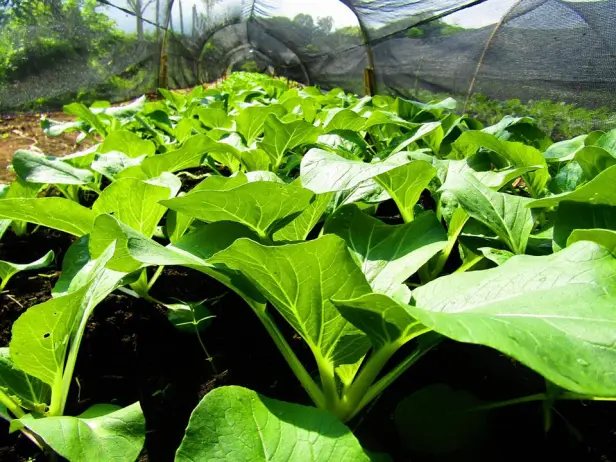
    Organic pechay is essential in Filipino cuisine due to its rich nutrients and support for sustainable agriculture, making it a valuable and healthy ingredient. Choosing organic pechay over conventional varieties ensures a nutrient-packed addition to Filipino dishes while promoting both personal health and environmental sustainability.

    Key Takeaways

    • Organic pechay is a versatile vegetable that is packed with essential nutrients, making it a must-have in Filipino cuisine.
    • Choosing organic pechay over conventional pechay ensures that you are consuming a vegetable that is free from pesticide residues and chemical fertilizers, promoting both your health and the health of the ecosystem.
    • Incorporating organic pechay into Filipino dishes enhances their nutritional value by promoting bone health, good eyesight, healthy digestion, and a strong immune system.
    • The cultivation of organic pechay supports sustainable agriculture and urban farming initiatives, contributing to environmental sustainability and economic growth.

    The Nutritional Benefits of Organic Pechay

    When you choose to incorporate organic pechay into your diet, you’re embracing a powerhouse of nutritional benefits that contribute to your overall health and well-being.

    Organic pechay, a staple in Filipino cuisine, is a versatile vegetable packed with essential nutrients. Grown in organic soil with natural fertilizers such as coconut water and organic fertilizer, it offers a rich source of calcium and phosphorus, promoting bone health.

    This leafy green is also abundant in Vitamin A, essential for eye health, and fiber, which supports healthy digestion and gut health. Its nutrients aid in reducing blood pressure, blood sugar, and cholesterol, contributing to overall heart health.

    Whether boiled, steamed, stir-fried, or added to saucy dishes and soups, organic pechay retains its nutritional value, making it a valuable addition to your meals.

    Organic Pechay Vs. Conventional Pechay: What’s the Difference?

    Choosing between organic pechay and conventional pechay can significantly impact your health and the environment. In the Philippines, organic pechay is cultivated using natural methods, such as urban farming and organic fertilizers like coconut water and banana peels. This approach promotes healthier soil and reduces the environmental impact of farming.

    On the other hand, conventional pechay may contain pesticide residues and chemical fertilizers, posing potential health risks. Organic pechay isn’t only nutritional but also supports sustainable agriculture, making it a healthier choice for consumption.

    Opting for organic pechay contributes to your well-being and the overall health of the ecosystem. By choosing organic pechay over conventional varieties, you support a farming approach that has high economic value and can thrive in high temperatures, benefiting both your health and the environment.

    Cooking With Organic Pechay: Delicious Filipino Recipes

    If you’re looking to infuse your Filipino cuisine with a healthy twist while supporting sustainable agriculture, cooking with organic pechay is the flavorful choice for you. Here are some delicious Filipino recipes to try with this nutritious vegetable:

    • Sinigang with Pechay: Instead of using conventional vegetables, enhance your sinigang with organic pechay for a nutrient-packed and flavorsome twist.
    • Adobong Pechay: This classic Filipino dish takes on a healthier note with organic pechay, providing a delightful combination of savory flavors and tender greens.
    • Pechay in Coconut Milk: Create a creamy and indulgent dish by combining organic pechay with coconut water, elevating the taste while adding valuable nutrients.

    Organic pechay not only offers high economic value in Filipino cuisine but also supports sustainable practices, as it can be grown through urban farming and by using waste materials like banana peels for compost.

    Health and Wellness: How Organic Pechay Boosts Filipino Dishes

    Boost your Filipino dishes with the nutritious benefits of organic pechay, enhancing both flavor and wellness in your culinary creations.

    This leafy green is a powerhouse of vitamins and minerals, including calcium, phosphorus, and Vitamin A, which promote bone health and good eyesight.

    The high fiber content in organic pechay aids digestion and helps in maintaining healthy blood sugar and cholesterol levels.

    Additionally, it’s rich in antioxidants, supporting a strong immune system.

    By choosing organic pechay, you also reduce the risk of exposure to harmful chemicals, as it’s cultivated using organic pesticides and amendments.

    Incorporating organic pechay into your Filipino dishes not only elevates their nutritional value but also contributes to sustainable urban farming, addressing food scarcity in the Philippines.

    Organic Pechay: Environmental and Sustainability Impact

    Cultivating organic pechay has a significant environmental and sustainability impact, contributing to the promotion of sustainable agriculture and economic development in the Philippines. Here’s a deeper look at its impact:

    • Bio-Organic Farming: Pechay cultivation embraces bio-organic fertilizers and upcycling techniques like banana peel fertilizer, promoting organic growth and reducing chemical runoff.
    • Urban Farming: High-density planting of pechay in urban areas minimizes environmental footprint, utilizing minimal equipment and organic soil, fostering sustainable urban farming.
    • Economic Value: Pechay plays a vital role in stimulating the local economy, improving food supply, and creating income opportunities for Filipino farmers.

    The environmental impact of organic pechay goes beyond its cultivation, influencing sustainable practices and economic growth, making it an indispensable ingredient in Filipino cuisine.

    Where to Source Organic Pechay for Filipino Cooking

    Looking for the freshest organic pechay to elevate your Filipino cooking? Check local farmers’ markets, organic produce stores, or health food stores for this nutritious green.

    Consider joining a community-supported agriculture (CSA) program that offers organic pechay as part of their seasonal produce. You can also explore online platforms connecting consumers directly with organic farmers for fresh pechay.

    If you’re interested in supporting local organic farming, inquire at organic farming cooperatives or associations in your region. Additionally, specialty grocery stores that prioritize organic and locally sourced vegetables may have organic pechay available.

    In the Philippines, urban farming initiatives utilizing natural fertilizers like coconut water and banana peels are also increasing crop quality, nutritional, and economic value of organic pechay.

    Frequently Asked Questions

    Why Is Pechay Important in the Philippines?

    Pechay is important in the Philippines due to its versatility and nutritional value. It adds a distinct flavor to many Filipino dishes and is packed with essential vitamins and minerals, making it a staple in Filipino cuisine.

    What Are the Benefits of Using Organic Fertilizer in Pechay?

    Using organic fertilizer in pechay offers numerous benefits. It enhances nutritional value, promotes sustainable agriculture, and improves soil quality. This contributes to the growth and yield of pechay plants, helping mitigate food scarcity.

    What Are the Most Important Vegetables in the Philippines?

    In Filipino cuisine, pechay, kangkong, sitaw, ampalaya, and okra are vital veggies. Pechay is high in calcium and phosphorus, perfect for bone health. Kangkong is rich in Vitamin A and lutein for good eyesight.

    What Are the Benefits of Pechay?

    Pechay offers numerous benefits, such as being rich in calcium, fiber, and Vitamin A. It supports bone health, digestion, and vision. Additionally, it aids in hormonal balance and blood pressure regulation.

    How Can Adding Organic Pechay Enhance the Health Benefits of Filipino Cuisine?

    Incorporating organic pechay into traditional Filipino dishes can significantly boost the health benefits of these classic meals. Pechay, known for its high nutritional value, adds vitamins, minerals, and fiber to popular Filipino recipes, making them among the healthiest Filipino food options available.

    Conclusion

    So, whether you’re looking to boost your bone health, improve your digestion, or simply add a delicious and nutritious element to your Filipino dishes, organic pechay is the way to go.

    With its rich nutritional value, versatility in cooking, and positive impact on the environment, it’s no wonder that organic pechay is a must-have in Filipino cuisine.

    So go ahead and start incorporating this amazing vegetable into your cooking for a healthier and more flavorful dining experience!

  • Growing Kamote for Authentic Philippine Cuisine Staples

    Growing Kamote for Authentic Philippine Cuisine Staples

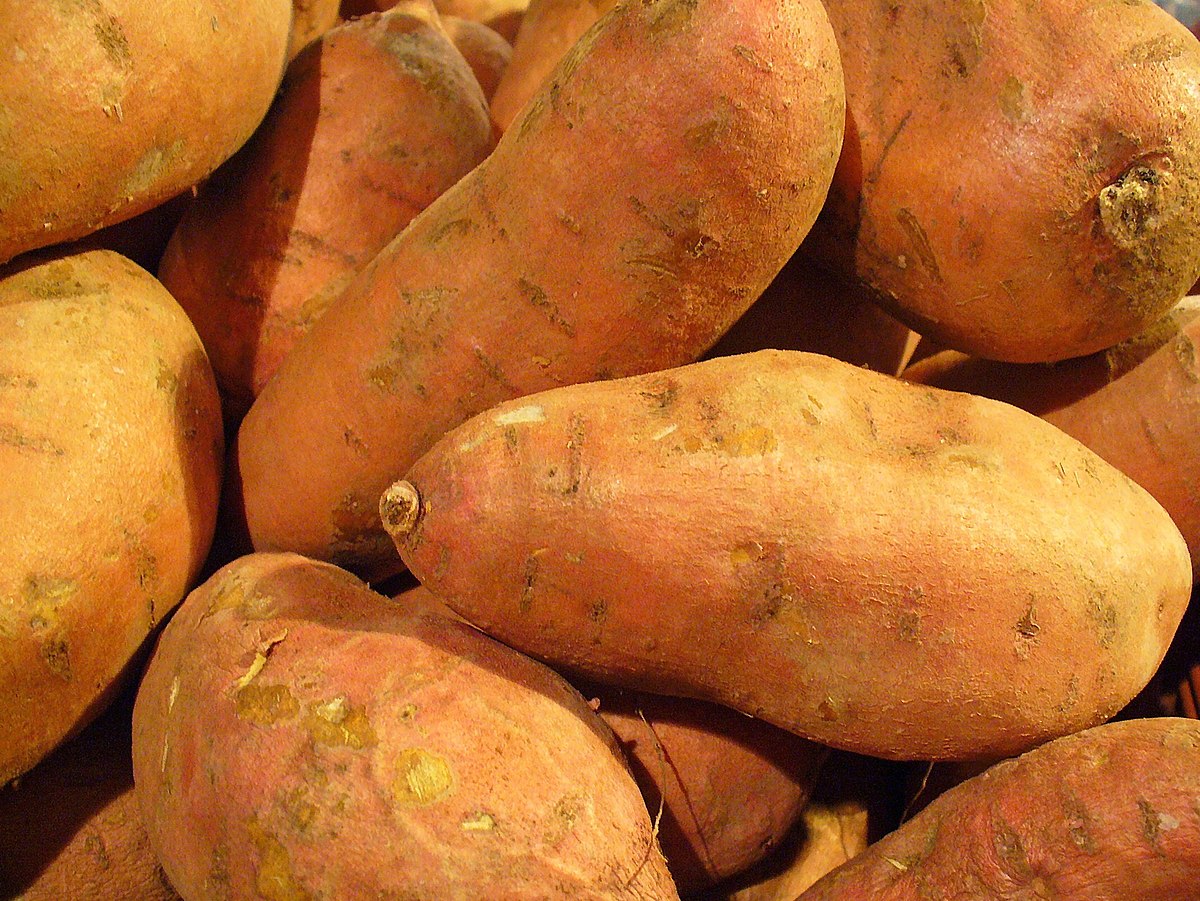
    Growing kamote for authentic Philippine cuisine staples involves understanding diverse varieties, soil requirements, and cultivation techniques. Proper nutrient management, pest control, and harvesting methods are crucial for successful kamote cultivation.

    Key Takeaways

    • Kamote varieties are resilient and adaptable, thriving in poor soils and different climates, making them a stable and reliable crop for cultivation.
    • Proper nutrient management and fertilization are essential for promoting healthy yields and soil fertility, with organic fertilizers being a sustainable option.
    • Integrated pest management strategies and the use of disease-resistant varieties can help control pests and diseases in kamote cultivation.
    • Harvesting and proper storage techniques are crucial for maintaining the quality of sweet potatoes, ensuring availability for culinary use and meeting market demand.

    Understanding Kamote Varieties

    Explore the diverse world of kamote varieties, each boasting unique characteristics and flavors that contribute to the rich tapestry of Philippine cuisine. With around 50 different sweet potato varieties in Japan alone, the range of flavors and textures is truly impressive.

    From the creamy and mildly sweet to the rich and earthy, these varieties offer a wide spectrum of tastes for Filipino dishes. Their resilience and ability to thrive in poor soils make them an ideal crop for planting in various regions, ensuring a stable supply for traditional Filipino recipes.

    Additionally, specific sweet potato varieties have been instrumental in combating plant diseases like the kamote kulot virus, showcasing their adaptability and importance in local agriculture.

    Understanding the nuances of these kamote varieties is crucial for preserving and elevating the authenticity of Philippine cuisine.

    Soil and Climate Requirements

    To successfully grow sweet potatoes for Philippine cuisine, it’s essential to understand the specific soil and climate requirements that contribute to their thriving growth.

    Sweet potatoes, being a versatile food crop, can adapt to various climates. They flourish in poor or depleted soils, making them a reliable root crop for different regions. The plants have a high potassium requirement, necessitating soil tests to assess fertility status.

    Short days promote fleshy root development and flowering, with the crop capable of growing at altitudes up to 2000 feet. To improve drainage, it’s recommended to plant sweet potatoes on 8- to 14-inch ridges.

    Additionally, vine terminal cuttings or sprouts from tubers serve as excellent planting materials for propagation.

    Understanding these soil and climate requirements is crucial for successfully cultivating sweet potatoes as a staple in authentic Philippine cuisine.

    Planting and Cultivation Techniques

    Planting and cultivating sweet potatoes involves implementing specific techniques to ensure successful growth and abundant yield. Sweet potatoes are a versatile crop that can be easily grown in home gardens. To plant sweet potatoes, start by using healthy and sprouting sweet potato roots as planting material. Ensure the soil is well-draining and loose to promote healthy root development. Plant the roots in mounds or ridges to provide good drainage and prevent waterlogging. Regular watering is essential, especially during the initial growth stages.

    Additionally, sweet potatoes can be grown in various climates, making them an adaptable and reliable crop. Once established, the vines and older leaves can also be utilized as animal feed, reducing waste and maximizing the utility of this valuable food resource.

    Nutrient Management and Fertilization

    You’ll need to pay close attention to the soil nutrient needs of your sweet potato plants and consider using organic fertilizers to meet these requirements.

    Understanding the potassium demand of sweet potato plants is essential, so conducting soil tests before planting is crucial.

    Properly incorporating and timing fertilizer applications will be key to achieving optimal growth and maximizing your sweet potato yields.

    Soil Nutrient Needs

    Ensuring that the soil has adequate nutrients is essential for the optimal growth and productivity of sweet potato crops. To address the soil nutrient needs effectively, consider the following:

    1. Soil Testing: Utilize soil testing services provided by institutions like the University of the Philippines or the Department of Agriculture to assess the nutrient levels and pH of the soil. This information guides the appropriate fertilization approach for sweet potato cultivation, ensuring that the soil has the necessary nutrients for the plants to thrive.
    2. Fertilization Strategy: Understanding the specific nutrient requirements of sweet potatoes is crucial for determining the right fertilization strategy. This approach contributes to improving soil fertility and promoting healthy yields.
    3. Poor Soil Management: Proper nutrient management and fertilization practices are vital for addressing poor soil conditions, enabling healthy root growth and overall plant development.

    Organic Fertilizers Usage

    To ensure optimal growth and productivity of sweet potato crops, addressing the soil nutrient needs is crucial. Organic fertilizers provide a sustainable solution for enhancing soil health and promoting nutrient-rich yields.

    Organic fertilizers, such as compost and manure, are essential for clean planting and are a vital part of sustainable agricultural practices. By using organic fertilizers, you not only support the production of nutrient-rich sweet potatoes, a staple food in the Philippines, but also contribute to healthier and more sustainable food systems.

    Proper fertilization with organic nutrients is key for minimizing environmental impact and promoting long-term soil productivity. This not only benefits the quality of the sweet potatoes but also supports the source of livelihood for many farmers who rely on these crops.

    Pest and Disease Control

    Inspect your sweet potato plants regularly for signs of pest infestation and disease development to ensure a healthy and bountiful harvest. To effectively control pests and diseases, follow these essential guidelines:

    1. Integrated Pest Management: Implement strategies to control insect pests while minimizing the use of pesticides. This approach includes natural predators, trap crops, and barriers to reduce the incidence of pests.
    2. Crop Rotation: Rotate sweet potato crops with other plants to reduce the buildup of specific diseases in the soil. This practice helps break the life cycles of pests and diseases associated with Ipomoea batatas.
    3. Disease-Resistant Varieties: Utilize disease-resistant sweet potato varieties to minimize the impact of common plant diseases, enhancing the overall resilience of your crop.

    Harvesting and Storage Tips

    When it comes to harvesting sweet potatoes, timing is crucial. You’ll want to wait until the vines have started to yellow and die back before digging up the roots.

    After harvesting, it’s important to cure the sweet potatoes in a warm, humid environment for about 10 days to improve their flavor and increase their storage life.

    Harvesting Techniques

    When harvesting sweet potatoes, gently dig around the plant and carefully pull the tubers from the soil, ensuring to handle them delicately to avoid bruising or damage.

    Consider these tips to ensure a successful harvest:

    1. Timing is crucial; harvest sweet potatoes before the first frost to prevent damage and maintain storage quality.
    2. After harvesting, let the sweet potatoes cure in a warm, humid place for around 10 days to toughen the skin and heal any cuts or bruises, extending their storage life.
    3. Store the cured sweet potatoes in a cool, dark, and well-ventilated area with specific temperature and humidity conditions to prevent sprouting and decay.

    These techniques are essential to meet the market demand for high-quality sweet potatoes, especially in regions like Central Luzon, where the authentic Philippine cuisine staples heavily rely on these nutritious tubers.

    Storage Recommendations

    To ensure the long-term quality of your harvested sweet potatoes, it’s crucial to store them in a cool, dark, and well-ventilated area, avoiding exposure to moisture and sunlight.

    The United States is one of the largest producers of sweet potatoes, and they’re commonly consumed in various traditional and modern dishes.

    Remember to keep sweet potatoes away from the refrigerator, as the cold temperature can affect their flavor and texture.

    Regularly inspect stored sweet potatoes for any signs of spoilage, and promptly remove any damaged ones to prevent them from affecting the others.

    Consider curing sweet potatoes at room temperature for 1-2 weeks after harvest to toughen the skin and heal any cuts or bruises, which can help extend their storage life.

    Following these storage recommendations will ensure that you have delicious sweet potatoes on hand for your culinary adventures.

    Traditional Filipino Kamote Recipes

    If you’re looking to explore the rich and diverse flavors of traditional Filipino cuisine, incorporating kamote into your recipes can add a unique and delicious twist to your culinary creations.

    Here are some traditional Filipino kamote recipes you can try:

    1. Kamote Cue and Ginataan: Kamote is used to make delectable Filipino desserts like kamote cue and ginataan, providing a delightful balance of sweetness and earthy flavors.
    2. Talbos ng Kamote in Pinakbet and Sinigang: The potato leaves, known as talbos ng kamote, are utilized in Filipino dishes such as pinakbet and sinigang, adding a nutritious and vibrant element to these traditional favorites.
    3. Kamote Fritters and Empanada Fillings: For savory options, kamote can be incorporated into dishes like kamote fritters or used as a filling for empanadas, offering a delightful contrast of textures and tastes.

    Kamote, an emergency crop originally from Central America, has become a staple ingredient in traditional Filipino cuisine, offering versatility and a delightful flavor profile.

    Embracing Kamote in Modern Cuisine

    Embracing kamote in modern cuisine unlocks a world of culinary innovation, building upon the rich tradition of incorporating this versatile ingredient in Filipino recipes. With its high beta carotene content and rich nutrients, kamote can elevate a wide range of dishes, from savory meals to delectable desserts.

    The integration of kamote in modern cuisine also presents an opportunity to explore lesser-known parts of the plant, such as the potato leaves, which can be used to add a unique flavor and texture to various dishes.

    Despite its potential, the lack of information about kamote has resulted in underutilization in the culinary world. However, as more people become aware of its benefits, kamote is gradually gaining recognition, paving the way for innovative food products and culinary creations that showcase its exceptional versatility.

    Frequently Asked Questions

    What Is the Recommended Variety of Sweet Potato in the Philippines?

    The recommended variety of sweet potato in the Philippines is the ‘Kamote’ variety. It’s known for adaptability to various soil conditions and rich nutrient content, making it a valuable staple in Filipino cuisine.

    Is Kamote Native to the Philippines?

    Yes, kamote is native to the Philippines. It’s a resilient crop, capable of growing in poor soils. The leaves are used in Filipino dishes. Emphasizing its health benefits is important for changing perceptions in the country.

    Is Sweet Potato a Staple Food in the Philippines?

    Yes, sweet potato is a staple food in the Philippines. It’s rich in nutrients, low glycemic index, and versatile for various dishes. It’s easily grown at home and can be used in many authentic Philippine recipes.

    How Do You Prepare Land for Sweet Potatoes in the Philippines?

    To prepare land for sweet potatoes in the Philippines, plow the soil and create ridges for better drainage. Use vine terminal cuttings or sprouts from tubers for propagation. Ensure irrigation for stand establishment and tuber formation, but stop a month before harvest.

    Can I Use Kamote Leaves for Authentic Philippine Cuisine?

    Yes, talbos ng kamote benefits can be used for authentic Philippine cuisine. Kamote leaves are often used in traditional Filipino dishes like sinigang and pinakbet. They not only add a unique flavor to the dishes but also provide a variety of health benefits, including being rich in vitamins and minerals.

    Conclusion

    So, next time you’re at the market, consider picking up some kamote and giving it a try!

    With its rich nutrients, easy cultivation, and delicious taste, it’s no wonder kamote is a staple in authentic Filipino cuisine.

    Embracing kamote in modern dishes not only promotes a healthy lifestyle but also supports local farmers.

    Let’s work together to make kamote a mainstream food in the Philippines and beyond.

  • What Are Saluyot Leaves Uses in Filipino Cuisine?

    What Are Saluyot Leaves Uses in Filipino Cuisine?

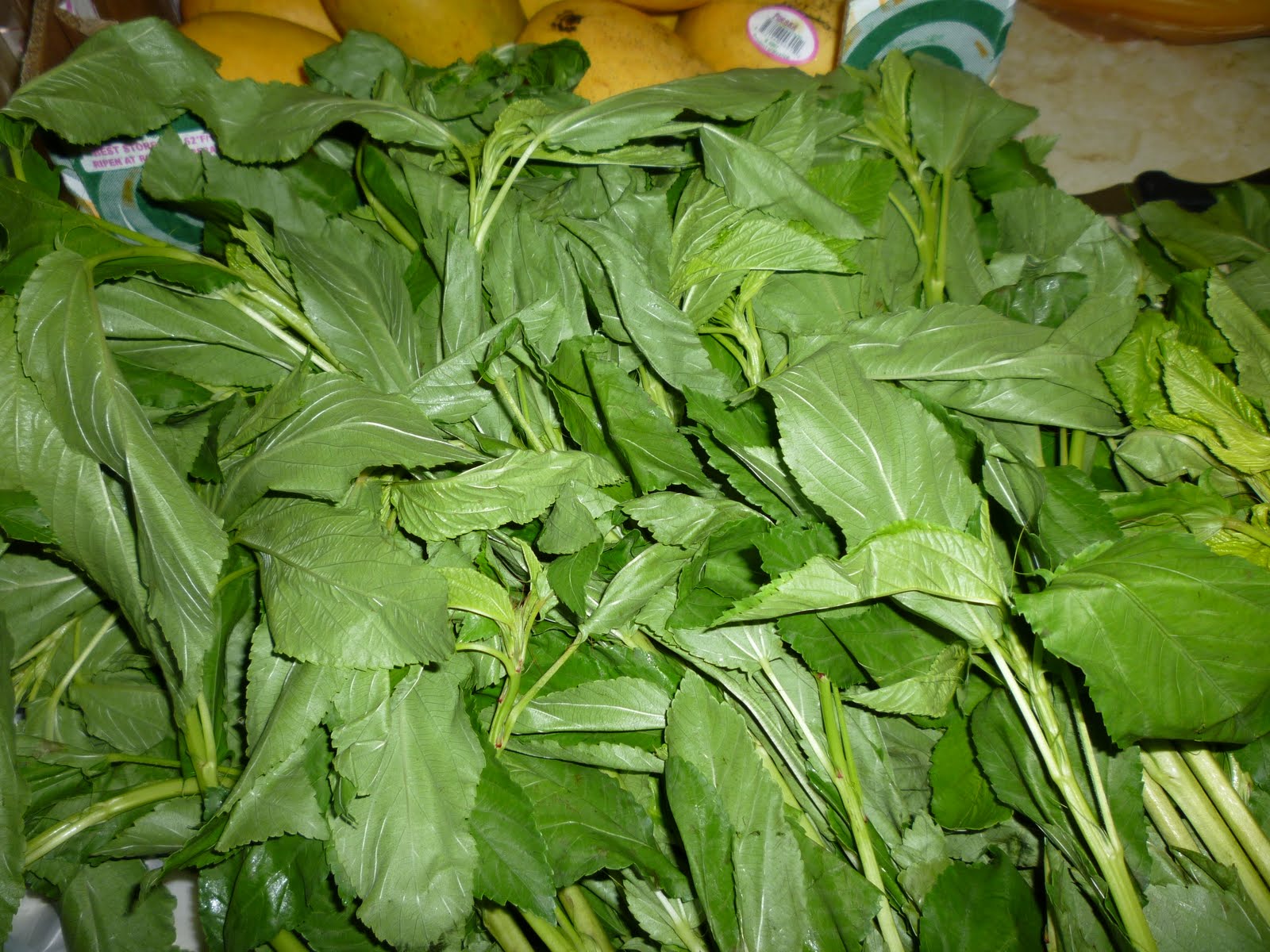
    Saluyot leaves are used in Filipino cuisine for their nutritional benefits and versatile flavor pairings. They add fiber, iron, antioxidants, vitamins A and C, calcium, and potassium to dishes, enhancing both taste and health.

    Key Takeaways

    • Saluyot leaves are nutritionally beneficial, as they are high in fiber, iron, antioxidants, vitamins A and C, calcium, and potassium.
    • Saluyot leaves are a versatile ingredient in Filipino cuisine, adding a slightly sweet flavor and enhancing the nutritional value of meals.
    • Saluyot leaves pair well with leafy greens, garlic, onions, meat, and seafood, creating delightful flavor combinations.
    • Saluyot leaves can be cooked by boiling, sautéing, or steaming, and they enhance the flavors of dishes while providing high fiber and vitamins.

    Nutritional Benefits

    Saluyot leaves offer a wealth of nutritional benefits that can significantly contribute to your overall health and well-being. In Filipino cuisine, this leafy green vegetable isn’t only delicious but also packed with essential nutrients.

    High in fiber, saluyot aids in digestion and promotes gut health. Its rich iron content makes it a valuable resource for preventing anemia and maintaining healthy red blood cells. Additionally, saluyot is a powerhouse of antioxidants, protecting your body from free radical damage and promoting overall health.

    With significant levels of vitamins A and C, saluyot boosts your immune system and supports eye health. Furthermore, its calcium content promotes strong bones and teeth, while the potassium helps regulate blood pressure.

    Including saluyot leaves in your diet can provide a diverse range of nutritional benefits for your well-being.

    Culinary Uses

    Saluyot leaves add a delightful, slightly sweet flavor to soups and stir-fries, making them a versatile ingredient in Filipino cuisine.

    You can pair them with various flavorful ingredients to create traditional dishes that are both nutritious and delicious.

    The leaves’ high fiber and vitamin content make them a popular choice for enhancing the nutritional value of your meals.

    Flavorful Ingredient Pairings

    When seeking flavorful ingredient pairings for your culinary creations, saluyot leaves can complement a wide range of dishes with their mild, slightly sweet taste and nutritional benefits.

    In Filipino cuisine, these versatile leaves pair exceptionally well with leafy greens like spinach, kale, or malunggay, adding depth and a hint of sweetness to salads, soups, and stews.

    Enhance the earthy flavors of saluyot by sautéing it with garlic and onions, creating a fragrant and nutritious side dish or a flavorful addition to meat or seafood entrees.

    The combination of these ingredients brings out the best in each other, creating a harmonious blend of flavors that’s a hallmark of Filipino cuisine.

    Experiment with different combinations to discover the delightful ways saluyot leaves can elevate your dishes.

    Traditional Cooking Methods

    To prepare saluyot leaves using traditional cooking methods, you can incorporate them into a variety of dishes, including soups, stir-fries, and steamed or sautéed side dishes, enhancing their mild, slightly sweet flavor and nutritional benefits. Saluyot leaves are commonly used in Filipino cuisine and can be prepared in various ways to create delicious and nutritious meals. Here are some traditional cooking methods and dishes where saluyot leaves are featured:

    Traditional Cooking Methods Dishes
    Boiled Soups, stews, salads
    Sautéed Side dishes, stir-fries
    Steamed Side dishes, wraps, spring rolls

    Incorporating saluyot into these dishes not only adds a unique flavor but also provides high fiber and vitamins A and C, making it a versatile and beneficial leafy green in traditional Filipino cooking.

    Flavor Enhancement

    Looking to elevate the flavors of your savory dishes?

    Saluyot leaves are the perfect ingredient to add an earthy and aromatic taste to your soups and stews.

    Their mild and slightly sweet flavor will infuse your recipes with a unique and delicious twist, enhancing the overall dining experience.

    Enhances Savory Dishes

    Enhance the savory depth and umami flavor of your Filipino dishes with the addition of versatile saluyot leaves. When used in cooking, saluyot leaves release a subtle, pleasing aroma that intensifies the savory essence of the dish, contributing to a rich and earthy umami flavor. Its slightly mucilaginous texture enhances the mouthfeel and overall dining experience, making it a perfect addition to a wide range of savory recipes. Below is a table that illustrates the versatility of saluyot leaves in enhancing the flavors of Filipino dishes:

    Dish Type Saluyot Leaves Pairing
    Meat Dishes Adds depth and richness
    Vegetable Dishes Complements earthy flavors
    Soups Enhances umami essence

    Saluyot leaves, also known as jute mallow, are indeed a valuable ingredient in Filipino cuisine, elevating the overall taste and dining experience.

    Adds Earthy Flavor

    Adding an earthy depth to your dishes, saluyot leaves bring a mild and slightly sweet flavor that complements a variety of ingredients in Filipino cuisine.

    Here’s how saluyot leaves add an earthy flavor to your dishes:

    1. Enhancing Overall Taste: Saluyot leaves add an earthy flavor to dishes, elevating the overall taste with their unique profile.
    2. Versatile Complement: Their mild and slightly sweet flavor makes them a versatile complement to various ingredients in Filipino cuisine.
    3. Perfect for Soups and Stews: When used in soups and stews, saluyot leaves contribute a distinct earthy depth to the dish, enriching the flavor profile.
    4. Sautéed with Aromatics: Saluyot leaves can be sautéed with garlic and onions to bring out their earthy notes, adding layers of flavor to the dish.

    In Filipino food, saluyot leaves are a go-to ingredient for adding an earthy flavor, especially in soups and stews.

    Infuses Aromatic Taste

    Infusing an aromatic taste, saluyot leaves enrich Filipino dishes with their versatile and flavorful essence. The leaves impart a mild, slightly sweet flavor to soups, stews, and stir-fries, adding depth to the dish. Its aromatic taste complements other ingredients, making it a versatile addition to various Filipino recipes. Saluyot leaves can be used to infuse an earthy and herbal essence into dishes, elevating the overall flavor profile. When used as an ingredient, saluyot contributes to creating a well-balanced, flavorful culinary experience.

    Saluyot Leaves Benefits Description
    Flavor Enhancement Infuses a mild, sweet taste into Filipino dishes
    Versatile Ingredient Complements various recipes with its aroma
    Culinary Balance Adds depth and richness to the overall flavor

    Traditional Dishes

    When preparing traditional Filipino dishes with saluyot, you can incorporate a variety of cooking methods and ingredients to create flavorful and nutritious meals. Traditional dishes featuring saluyot leaves, also known as jute mallow, offer a rich tapestry of flavors and textures.

    Here are some ways saluyot is used in traditional Filipino cuisine:

    1. Boiled, Sautéed, or Steamed: Saluyot can be prepared using different cooking methods to bring out its distinct taste and texture.
    2. Variety of Ingredients: It pairs well with ingredients like garlic, onions, shrimp, fish, and coconut milk.
    3. In Soups, Stews, and Salads: Saluyot can be added to various dishes, enhancing their nutritional value.
    4. Dinengdeng na Saluyot: This traditional dish involves cooking saluyot with smoked fish and fermented fish, offering a unique blend of flavors.

    These traditional recipes showcase the versatility of saluyot leaves in Filipino cuisine, providing both taste and nutritional benefits.

    Healthful Additions

    Incorporating healthful additions like saluyot into your diet can significantly contribute to your overall well-being and nutritional balance. Saluyot leaves, also known as jute mallow, are highly nutritious and offer a range of health benefits. Check out the table below to see the nutritional advantages of including saluyot in your meals.

    Nutrient Benefits
    Fiber Aids in digestion
    Iron Helps prevent anemia
    Antioxidants Promotes overall health
    Vitamin A Essential for eye health
    Vitamin C Boosts the immune system
    Calcium Promotes strong bones and teeth
    Potassium Regulates blood pressure
    Low in calories Healthy option for weight management

    In addition to its high nutritional value, saluyot is also known for its anti-inflammatory properties, making it a valuable addition to your diet.

    Cooking Techniques

    Now that you understand the healthful benefits of including saluyot in your diet, let’s explore the various cooking techniques that can enhance its flavors and textures.

    Cooking with saluyot leaves offers a range of delicious possibilities. Here are some techniques to try:

    1. Boiling and Sautéing: Common methods involving garlic and onions that bring out the natural flavors of saluyot.
    2. In Soups: Adding saluyot to soups can infuse them with a unique, earthy taste and contribute to their nutritional value.
    3. Steamed: Steaming saluyot leaves helps retain their nutrients while creating a tender texture that pairs well with various dishes.
    4. Stir-Frying and Salads: Incorporating saluyot into stir-fries and salads provides a fresh, crisp element to your culinary creations.

    Experiment with these techniques to discover the best way to enjoy saluyot with your favorite dishes, such as steamed rice or traditional Filipino soups.

    Cultural Significance

    How does the cultural significance of saluyot enrich and enliven the diverse tapestry of Filipino cuisine? Saluyot leaves, deeply rooted in Filipino culture, not only add a unique flavor to dishes but also carry historical and nutritional significance. The cultural importance of saluyot in Filipino cuisine is a testament to the country’s rich culinary heritage and its connection to traditional cooking methods. The table below highlights the cultural significance and nutritional benefits of saluyot leaves in Filipino cuisine.

    Aspects of Cultural Significance Description Nutritional Benefits
    Traditional Ingredient Saluyot is a staple in Filipino dishes, reflecting the country’s culinary traditions. Rich in vitamins A, C, and E, as well as minerals like iron and calcium.
    Indigenous Culinary Practices Its use reflects the preservation of indigenous cooking methods. Provides dietary fiber and antioxidants, promoting digestive health.
    Sustainable Sourcing Saluyot represents the value placed on locally sourced and sustainable ingredients. Supports overall health and well-being due to its nutrient-dense nature.

    Saluyot leaves not only contribute to the flavors of Filipino cuisine but also embody the cultural pride and nutritional wisdom of the Filipino people.

    Versatility in Filipino Cuisine

    Saluyot, with its rich nutritional profile and adaptable nature, is a versatile ingredient that brings depth and vibrancy to a wide array of Filipino dishes. Its tender leaves, vibrant green in color, and slightly mucilaginous texture make it a favorite in Filipino cuisine.

    Here are four ways saluyot showcases its versatility in Filipino cooking:

    1. Soup Staples: Saluyot is often used in soups, adding a unique flavor and texture to classic Filipino dishes like sinigang and bulanglang.
    2. Sautéed and Steamed: Whether sautéed with garlic and onions or lightly steamed, saluyot retains its nutritional value and contributes a delightful earthy flavor to the dish.
    3. Salads and Mixed Vegetable Dishes: Its versatility extends to salads and mixed vegetable dishes, where it can be combined with other greens or served on its own.
    4. Variety in Preparation: From combining it with seafood like shrimp or fish to using coconut milk in its preparation, saluyot offers a wide range of culinary possibilities.

    Frequently Asked Questions

    How Do You Use Saluyot?

    To use saluyot, you can incorporate the leaves into soups, stir-fries, or make a refreshing tea or juice. Its mild, slightly sweet flavor and high fiber content make it a nutritious addition to Filipino cuisine.

    What Does Saluyot Taste Like?

    Saluyot has a mild, slightly sweet flavor with a hint of earthiness. Some compare it to spinach but with a more subtle taste. It pairs well with savory ingredients like garlic and onions in Filipino cuisine.

    What Are the Edible Parts of Saluyot?

    The edible parts of saluyot are its leaves and tender stems. In Filipino cuisine, these are used in soups, stews, and stir-fries. They offer a mild, slightly sweet flavor and are packed with fiber, vitamins A and C.

    What Is the Benefits of Saluyot Leaves?

    Packed with fiber, iron, and antioxidants, saluyot benefits your digestion, prevents anemia, and promotes heart health. Its vitamins A, C, and E support immunity and eye health. This versatile leaf is a nutritious addition to Filipino cuisine.

    Are Saluyot Leaves and Native Squash Leaves Used in Similar Dishes in Filipino Cuisine?

    Yes, saluyot leaves and native squash leaves are both used in Filipino cuisine. Saluyot leaves are often used in sinigang and other soups, while native squash leaves are used in ginisang gulay and other sauteed dishes. Both are popular native squash leaves uses in Filipino cooking.

    Conclusion

    So next time you’re at the Asian market, be sure to pick up some fresh or frozen saluyot leaves to add to your meals.

    Whether you’re making a hearty soup, a flavorful stir-fry, or a refreshing tea, these nutritious and versatile leaves are sure to enhance the flavor and health benefits of your dishes.

    Embrace the cultural significance and culinary uses of saluyot leaves in Filipino cuisine for a truly authentic and delicious dining experience.

  • 5 Best Native Vegetables for Sinigang in the Philippines

    5 Best Native Vegetables for Sinigang in the Philippines

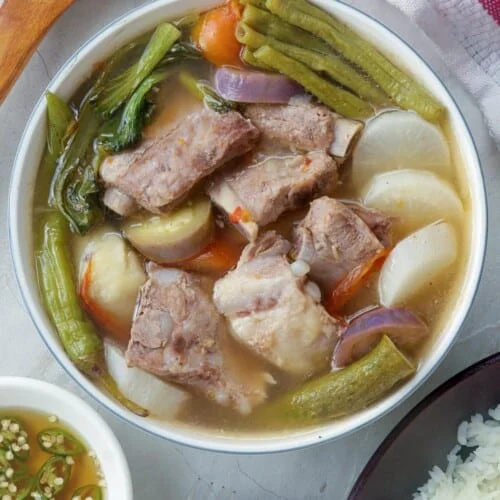
    The 5 best native vegetables for Sinigang in the Philippines are kangkong, gabi, labanos, talong, and sitaw, each adding unique flavors and textures to the dish. These vegetables enhance the taste and visual appeal of the classic Filipino sour soup, Sinigang.

    Key Takeaways

    • Kangkong, Gabi, Labanos, Talong, and Sitaw are the vegetables commonly used in sinigang.
    • These vegetables enhance the flavor, contribute to the texture, and absorb the flavors of sinigang.
    • Kangkong, Talong, and Sitaw provide visual appeal to the dish.
    • Talong and Sitaw retain their texture when added towards the end of cooking.

    Kangkong (Water Spinach)

    When preparing sinigang, you’ll find that kangkong, also known as water spinach, brings a delightful crunch and freshness to the dish, enhancing its savory and sour flavors. This Filipino recipe for sour soup features an array of vegetables, with kangkong playing a pivotal role.

    As the tamarind-infused broth simmers in the pot, the kangkong’s vibrant green leaves and tender stems absorb the tangy flavors, adding a unique dimension to each spoonful. The addition of kangkong not only contributes to the visual appeal of the dish but also introduces a satisfying textural element.

    With each bite, the inherent crispness of the kangkong complements the softness of the radish and the other vegetables, creating a harmonious medley of flavors and textures in every mouthful.

    Gabi (Taro Root)

    Building on the vibrant flavors of kangkong in sinigang, gabi, also known as taro root, brings a rich and earthy dimension to the dish. When added to pork sinigang, gabi enhances the overall flavor profile, providing a unique starchy and earthy taste. It also contributes to the texture and thickness of the sinigang broth.

    As it cooks, gabi softens and absorbs the savory and tangy flavors of the sinigang broth, making it an essential component of the dish. However, it’s crucial to thoroughly cook gabi to ensure its safety and to fully develop its flavor.

    This root vegetable, along with other sinigang ingredients like baby bok choy, daikon radish, and fish sauce, plays a pivotal role in creating the distinct and delightful taste that sinigang is known for.

    Labanos (Radish)

    Labanos, also known as radish, adds a delightful crunch and a hint of spiciness to the vibrant flavors of sinigang, enhancing both the texture and taste of the dish.

    When added to the sour soup, labanos soaks up the umami flavor, offering a juicy and slightly peppery bite that complements the pork belly and other vegetables. Its vibrant white color adds visual appeal to the sinigang, while its firmness, even when cooked, provides a refreshing crunch.

    Labanos is a perfect addition to sinigang, balancing the sour and savory notes with a mild peppery taste. It pairs exceptionally well with water spinach, green beans, and other native vegetables, making it an essential ingredient in this classic Filipino cuisine.

    Talong (Eggplant)

    Labanos’ delightful crunch and hint of spiciness in sinigang find a satisfying counterpart in the earthy flavor and smooth texture of talong (eggplant), making it an essential addition to this classic Filipino dish.

    When preparing sinigang, the firmness and freshness of the eggplant are crucial. Look for ones with shiny, unblemished skin. Eggplant is usually added towards the end of the cooking process to maintain its shape and texture. It absorbs the flavors of the broth, contributing a rich and savory element to the sinigang.

    Its versatility allows it to pair well with other sinigang ingredients like pork, shrimp, tamarind, water spinach, and green beans. The eggplant’s unique taste and texture enhance the overall experience of enjoying this sour soup, making it a beloved addition to Filipino cuisine.

    Sitaw (String Beans)

    String beans, also known as sitaw, contribute a delightful crunch and subtle sweetness to sinigang, creating a rich and diverse flavor profile in this classic Filipino dish.

    When preparing sinigang, consider the following about sitaw:

    1. Crunch and Sweetness: Sitaw’s texture and mild sweetness provide a satisfying contrast to the sour taste of the tamarind soup in sinigang.
    2. Visual Appeal: The vibrant green color of sitaw adds visual appeal to the sinigang, complementing other colorful vegetables like green mango and radish.
    3. Cooking Technique: When cooking sinigang, add sitaw towards the end to retain its crispness and prevent it from becoming too soft.
    4. Versatility: Apart from sinigang, sitaw is also a versatile vegetable that can be used in various Filipino dishes, showcasing its flexibility and importance in Filipino cuisine.

    When selecting sitaw for sinigang, choose firm, vibrant green beans without blemishes to ensure the best quality and taste.

    Frequently Asked Questions

    How to Cut Okra for Sinigang?

    To cut okra for sinigang, wash and dry it, then trim off the stem end. Slice into rounds, about 1/4 to 1/2 inch thick, discarding the tip with the stem. Add to the sinigang during the last few minutes of cooking.

    What Is the Original Sinigang?

    The original sinigang is a traditional Filipino sour soup known for its tart, savory flavor and can be made using various proteins and souring agents. It’s a stew of meat and vegetables in a sour broth.

    What Is the National Food of Sinigang?

    The national food of Sinigang in the Philippines is a classic Filipino sour soup. It’s known for its delightful blend of tartness and savory flavors, offering a comforting and satisfying dining experience.

    Can I Use Spinach Instead of Kangkong in Sinigang?

    Yes, you can definitely use spinach instead of kangkong in sinigang. Spinach offers a different texture but works well in the dish. Just remember that spinach may cook faster, so adjust your cooking time accordingly.

    How Can I Incorporate Malunggay Leaves into Sinigang for Added Health Benefits?

    Malunggay leaves are a fantastic addition to sinigang, giving it key health perks. Simply add the leaves to the simmering broth and let their nutrients infuse into the dish. This provides an easy, delicious way to incorporate malunggay leaves’ health benefits into your diet.

    Conclusion

    So there you have it, the 5 best native vegetables for sinigang in the Philippines!

    Whether you choose to use kangkong, gabi, labanos, talong, or sitaw, these flavorful vegetables will surely take your sinigang to the next level.

    Not only do they add a delicious twist to the dish, but they also offer a dose of essential nutrients.

    So, go ahead and give them a try in your next sinigang recipe!

  • What Ampalaya Dishes Help Control Diabetes?

    What Ampalaya Dishes Help Control Diabetes?

    Ampalaya stir-fry, bitter melon and chicken soup, stuffed ampalaya with ground pork, and ampalaya omelette are dishes that help control diabetes by regulating blood sugar levels and providing essential nutrients.

    Key Takeaways

    • Ampalaya stir-fry and bitter melon and chicken soup are delicious and nutritious dishes for diabetes management.
    • Stuffed ampalaya with ground pork and ampalaya omelette offer flavorful options for diabetes management.
    • Grilled bitter melon salad is a refreshing and nutritious option for diabetes management.
    • Bitter melon and fish curry provide a delicious and healthy option for diabetes management, rich in nutrients and blood sugar-regulating compounds.
    • Ampalaya juice helps regulate blood sugar levels, provides essential vitamins and minerals, and is a diabetic-friendly alternative to sugary drinks.

    Ampalaya Stir-Fry With Tofu

    Looking for a delicious way to incorporate the health benefits of ampalaya and the protein-packed goodness of tofu into your diabetic-friendly diet? Try this flavorful Ampalaya Stir-Fry With Tofu recipe!

    Ampalaya, also known as bitter melon, is a great addition to diabetic meals due to its ability to help regulate blood sugar. When combined with tofu, this dish becomes a powerhouse of nutrients.

    Start by sautéing garlic and onion in coconut oil to bring out their flavors. Then, add thinly sliced ampalaya and tofu, and stir-fry until the ampalaya is tender yet still slightly crisp. The bitterness of the ampalaya is balanced by the creamy texture of the tofu.

    This stir-fry not only tastes delicious but also provides a low-glycemic index meal option, making it an excellent choice for diabetes management.

    Bitter Melon and Chicken Soup

    Bitter Melon and Chicken Soup is a comforting and diabetes-friendly dish that combines the health benefits of bitter melon with the lean protein of chicken to help control blood sugar levels and provide a nutritious meal option.

    Bitter gourd, also known as bitter melon, contributes its distinct bitter taste to the soup, which is complemented by the savory flavor of minced garlic.

    To prepare this wholesome soup, start by sautéing minced garlic in a pot over medium heat, then add diced chicken and bitter gourd. Allow the ingredients to simmer until the chicken is cooked through and the flavors have melded together.

    This hearty soup isn’t only delicious but also a great addition to a diabetes-friendly meal plan, offering a nourishing way to manage blood sugar levels.

    Stuffed Ampalaya With Ground Pork

    If you enjoyed the satisfying combination of bitter melon and chicken in the previous dish, you’ll be delighted by the flavorful twist of stuffed ampalaya with ground pork. This dish offers a mouth-watering balance of flavors, combining the slightly bitter taste of ampalaya with the savory goodness of ground pork.

    To prepare this dish, start by cutting the ampalaya in half and removing the seeds and pith. Then, sauté the ground pork with onion, garlic, tomatoes, and a touch of soy sauce. Once the pork mixture is ready, stuff the ampalaya halves with it and bake until the ampalaya is tender.

    The result is a nutritious and delicious meal that not only satisfies your taste buds but also helps regulate blood sugar levels, making it a great option for individuals managing diabetes.

    Ampalaya Omelette

    Consider incorporating the nutritious and flavorful ampalaya omelette into your diabetic-friendly meal plan for a satisfying and health-conscious dining experience.

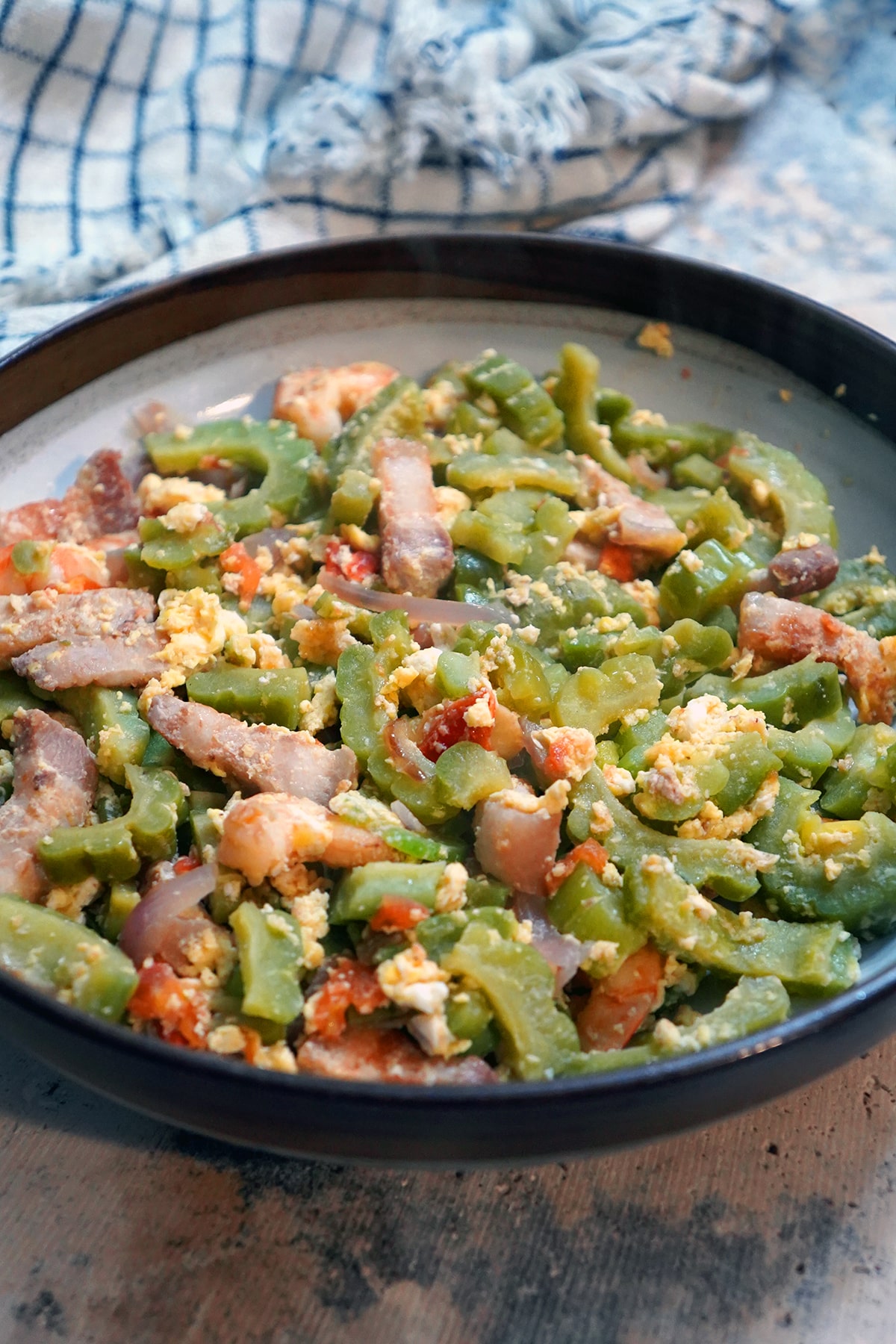
    This popular dish in the Philippines combines the bitterness of ampalaya with the richness of eggs, onions, tomatoes, and oil. To prepare, simply sauté the ampalaya, onions, and tomatoes, then pour beaten eggs over the vegetables and cook until set.

    The result is a delicious omelette that offers a good balance of protein and nutrients, making it suitable for individuals managing diabetes.

    By including ampalaya omelette in your diet, you can enjoy a tasty and satisfying meal while also reaping the health benefits of this unique vegetable.

    Try this diabetic-friendly dish to add variety and flavor to your meals.

    Grilled Bitter Melon Salad

    Looking to expand your diabetic-friendly meal options beyond the delicious ampalaya omelette? Let’s explore the delightful and nutritious Grilled Bitter Melon Salad, a refreshing way to enjoy the benefits of ampalaya while managing your blood sugar levels naturally.

    When preparing this salad next time, remember that the grilling process significantly reduces the bitter taste of the ampalaya, making it more palatable while retaining its health benefits.

    This dish provides a perfect balance of nutrients, making it suitable as a side dish or a light meal. The Grilled Bitter Melon Salad offers a great option for those seeking to manage their blood sugar levels naturally, and its versatility allows for various ingredient additions to suit your taste preferences.

    Try this salad to add a burst of flavor and nutrition to your diabetic-friendly menu.

    Ampalaya Smoothie

    For a refreshing and nutritious addition to your diabetic-friendly menu, consider incorporating ampalaya smoothie into your diet. This smoothie is a delicious way to enjoy the health benefits of ampalaya while managing your blood sugar levels.

    Here’s what you’ll need to make this delightful drink:

    1. 1 medium-sized ampalaya, deseeded and chopped
    2. 1 ripe banana
    3. 1/2 cup plain yogurt

    Simply blend these ingredients together with a drizzle of honey and some ice for a smooth and satisfying drink. The natural sweetness of the banana and honey helps balance the slight bitterness of the ampalaya, creating a flavorful and diabetes-friendly beverage.

    Adding ampalaya smoothie to your diet can provide a convenient and enjoyable way to incorporate this beneficial ingredient into your daily routine.

    Bitter Melon and Shrimp Sinigang

    If you’ve been enjoying the health benefits of ampalaya in your diet, you’ll be delighted to explore the flavorful and nutritious Bitter Melon and Shrimp Sinigang, a Filipino soup renowned for its ability to help regulate blood sugar levels.

    This dish is commonly used as a diabetes-friendly option due to its low glycemic index ingredients. The combination of sour broth, bitter melon, and shrimp makes this soup a delicious and healthy choice.

    The sour and savory flavors of the sinigang complement the slight bitterness of the melon, creating a unique and delectable dish.

    If you’re looking to make sure your diet includes diabetes-friendly options, Bitter Melon and Shrimp Sinigang, a staple dish at home in the Philippines, is an excellent choice to make sure you’re taking care of your health while enjoying a delightful meal.

    Ampalaya Chips

    When you’re craving a crunchy and nutritious snack, ampalaya chips offer a flavorful and guilt-free option to satisfy your munching desires. These crispy delights are made from thinly sliced bitter melon, providing a healthier alternative to traditional potato chips with their low calorie and high nutrient content.

    You can season them with salt, pepper, or other spices to suit your taste preferences. They’re a convenient way to incorporate the health benefits of ampalaya into your diet, offering a satisfying snack option that can be enjoyed on its own or paired with dips.

    Ampalaya chips not only cater to your cravings but also contribute to a balanced and wholesome snacking experience.

    Beef and Ampalaya Stir-fry

    Indulge in the satisfying flavors and health benefits of a beef and ampalaya stir-fry, a delicious and nutritious dish that complements a diabetes-friendly diet. This flavorful combination not only provides a savory experience but also offers essential vitamins, minerals, and fiber to aid in digestion and regulate blood sugar levels.

    The stir-fry method ensures that the dish retains the maximum nutritional value of the ampalaya, making it an excellent choice for those managing diabetes. With its versatility, beef and ampalaya stir-fry can be easily incorporated into a diabetic-friendly diet, offering a tasty and beneficial option for controlling blood sugar levels.

    Embrace the culinary delight of beef and ampalaya stir-fry as a satisfying and health-conscious addition to your meal plan.

    Bitter Melon and Fish Curry

    Transitioning from the delectable beef and ampalaya stir-fry, let’s now explore the savory world of Bitter Melon and Fish Curry, a delightful and nutritious dish designed to support your diabetes management journey.

    The combination of bitter melon and fish provides a delicious and healthy option for individuals with diabetes.

    The dish is rich in nutrients and helps in managing blood sugar levels due to the presence of bitter melon.

    The curry can be prepared with additional ingredients like coconut milk, spices, and herbs to enhance the flavors.

    This versatile dish can be paired with rice or bread, making it suitable for individuals seeking diabetic-friendly recipes.

    With its flavorful blend of ingredients, Bitter Melon and Fish Curry offers a satisfying way to incorporate the benefits of bitter melon into your diet.

    Ampalaya Juice

    Discover the refreshing and natural benefits of ampalaya juice as a valuable addition to your diabetes management regimen. With its high content of blood sugar-lowering compounds, ampalaya juice can help regulate blood sugar levels.

    Additionally, it’s a potent source of essential vitamins and minerals that support overall health and well-being. Drinking ampalaya juice not only aids in boosting the immune system but also improves digestion. Its rich fiber content makes it beneficial for individuals looking to manage their weight.

    Frequently Asked Questions

    Is Ginisang Ampalaya Good for Diabetes?

    Yes, ginisang ampalaya is good for diabetes. It regulates blood sugar levels and can be prepared with meat or eggs to suit your taste. Soak the bitter melon in salted water to reduce bitterness before cooking.

    How to Cook Bitter Melon for Diabetes?

    To cook bitter melon for diabetes, start by soaking it in salted water to reduce bitterness. Then, sauté it with garlic, onions, and ginger. Avoid overcooking, serve hot, and pair with meat or eggs for a balanced meal.

    How Long Does It Take Bitter Melon to Lower Blood Sugar?

    It takes time for bitter melon to lower blood sugar – weeks for noticeable results. Factors like metabolism and amount consumed play a role. Consistent consumption, balanced diet, and monitoring blood sugar levels are key. Be patient and persistent.

    What Is the Best Vegetable to Control Diabetes?

    When controlling diabetes, the best vegetable is ampalaya. It’s rich in vitamins, high in fiber, and helps regulate blood sugar. Try ampalaya con carne, salad, omelette, or smoothie for delicious and diabetes-friendly options.

    Can Filipino Cuisine Include Ampalaya Dishes that Help Control Diabetes?

    Filipino cuisine specialties may include ampalaya dishes that help control diabetes. Ampalaya, also known as bitter gourd, is a popular ingredient in Filipino cooking and is believed to have health benefits, especially for those managing diabetes. It is often used in dishes like pinakbet and ginisang ampalaya.

    Conclusion

    So there you have it – a variety of delicious ampalaya dishes that not only satisfy your taste buds but also help in controlling diabetes.

    From stir-fries to soups to salads, there are plenty of options to choose from.

    So why not give these recipes a try and enjoy the health benefits of ampalaya while managing your blood sugar levels in a natural and tasty way?

    Happy cooking!

  • Exploring Sitaw: Cooking Native Philippine Vegetable Delights

    Exploring Sitaw: Cooking Native Philippine Vegetable Delights

    Sitaw is a long, green, string bean vegetable, commonly used in Filipino and other Asian cuisines. It’s known for its crisp texture, mild flavor, and is a good source of vitamins and nutrients. Sitaw is often used in dishes like adobong sitaw (string beans cooked adobo style), pinakbet (a vegetable stew), and kare-kare (peanut stew).

    What it is:
    Sitaw, also called long beans or string beans, is a type of bean with long, thin pods.
    Flavor and Texture:
    It has a mild, slightly sweet flavor and a crisp, firm texture when cooked.
    Culinary Uses:
    Sitaw is a versatile vegetable used in various dishes, including stir-fries, soups, and as a main ingredient in Filipino specialties like adobong sitaw, pinakbet, and kare-kare.
    Nutritional Value:
    Sitaw is a good source of vitamins, minerals, and fiber, contributing to a healthy diet.
    Common Dishes:
    Adobong Sitaw: A popular Filipino dish where string beans are cooked in a savory and tangy sauce.
    Pinakbet: A Filipino vegetable stew that often includes sitaw along with other vegetables and meat.
    Kare-kare: A Filipino stew with a rich peanut sauce, often including sitaw as one of its main ingredients.

    Sitaw, also known as green beans or string beans, are a type of bean grown for its long, slender, and edible pods. They are a popular vegetable in many cultures, including the Philippines, where they are called “sitaw”. Sitao is a climbing plant, and its pods are harvested when young and tender, typically before the seeds inside fully develop.

    Appearance: Sitao pods are long, thin, and green, with a slightly stringy texture. The leaves are trifoliate, meaning they have three leaflets per leaf.  Plant: Sitao is a climbing herbaceous plant, meaning it needs support to grow upright, such as a trellis or stakes.  Edible Parts: The most commonly consumed part of the sitaw plant is its young, tender pods. Additionally, the shoots and young leaves can also be eaten.  Culinary Uses: Sitao is a versatile ingredient, used in a variety of dishes. It can be steamed, boiled, stir-fried, or added to soups and stews. In the Philippines, sitaw is often used in stir-fries like ginisang gulay.  Nutritional Value: Sitao is a good source of vitamins, minerals, and fiber. It is also a good source of folates, which are important for healthy cell growth and function.  Growth: Sitao plants grow best in warm climates with plenty of sunlight and well-drained soil, says Ramgo International. They can be grown year-round in many areas.

    Sitaw, also known as string beans or long beans, is a vegetable. While botanically a fruit (containing seeds developed from the flower), it’s widely considered and used as a vegetable due to its savory flavor and culinary preparation methods. Aling Gemma Online Palengke notes that it’s a popular vegetable in Filipino dishes.

    Botanical Definition: A fruit is any part of a plant that develops from a flower and contains seeds. Sitaw, like other beans, develops from the flower of the plant and contains seeds, making it botanically a fruit.  Culinary Use: However, the way sitaw is used in cooking, along with its savory taste, makes it commonly perceived and treated as a vegetable. It’s often added to soups, stews, stir-fries, or eaten as a side dish.  Common Language: In the Philippines and other cultures where sitaw is a staple, it’s referred to and used as a vegetable.  Nutritional Value: Sitaw is a nutritious vegetable, providing fiber, protein, and vitamins.

    The History of Sitaw in Filipino Cuisine

    The history of Sitaw in Filipino cuisine dates back to the pre-colonial era, where it played a vital role as a staple crop in the Philippines. This versatile vegetable, also known as string beans or yard-long beans, has been an integral part of traditional Filipino dishes, reflecting the rich agricultural and culinary heritage of the country.

    From the iconic Adobong Sitaw to the creamy Ginataang Sitaw at Kalabasa, Sitaw has been a beloved ingredient in Filipino households for centuries. Its presence in dishes like Puso ng Saging showcases its adaptability and significance in Filipino culinary culture.

    Sitaw isn’t only delicious but also nutritious, offering various health benefits. Its enduring presence in Filipino cuisine symbolizes the country’s agricultural abundance and diverse culinary heritage, making it an essential ingredient in the vibrant tapestry of Filipino cooking.

    Nutritional Benefits of Sitaw

    Sitaw is a powerhouse of vital nutrients that can greatly benefit your health. This indigenous Philippine vegetable is packed with fiber, vitamins, and minerals, making it a nutritious addition to your diet.

    With its low calorie content and high antioxidant properties, sitaw can help you manage your weight and combat inflammation, supporting your overall well-being.

    Health Benefits

    Packed with essential nutrients and boasting low-calorie content, adding sitaw to your diet can significantly enhance your overall health and well-being. These long, slender beans aren’t only nutritious but also burst with rich flavors when incorporated into your cooking.

    Sitaw is a powerhouse of essential vitamins like A and C, which are vital for boosting your immune system and maintaining healthy skin and vision. Additionally, its high fiber content supports digestive health and weight management. The presence of antioxidants in sitaw further contributes to its health benefits.

    Furthermore, this vegetable is an excellent source of minerals like iron and calcium, crucial for maintaining healthy blood and strong bones. Including sitaw in your meals can be a delightful way to nourish your body and promote a healthier lifestyle.

    Nutrient Profile

    Rich in essential nutrients and boasting a low-calorie content, sitaw offers a delightful way to enhance your meals with its nutritional benefits.

    This Filipino dish is a staple in Filipino cuisine, known for its rich taste and slightly sweet flavors. It’s a good source of protein and dietary fiber, making it a versatile and nutritious choice for various recipes.

    Sitaw is a great source of dietary fiber, which can aid in digestion and overall gut health. It’s also packed with essential vitamins and minerals, supporting overall well-being and a balanced diet.

    The vegetable can be customized with additional ingredients to enhance its nutrient profile, making it a valuable addition to your culinary repertoire.

    Popular Sitaw Recipes

    Get ready to tantalize your taste buds with classic Sitaw dishes and creative variations that showcase the versatility of this beloved Philippine vegetable.

    From the creamy coconut milk-based Ginataang Sitaw at Kalabasa with Crabs to the comforting Corn and Malunggay Soup, there’s a wide array of flavorful options to explore.

    Whether you’re craving a nourishing party dish like Vegetarian Pancit Sotanghon or a quick and easy Ampalaya Salad, there’s a Sitaw recipe for every occasion.

    Classic Sitaw Dishes

    Delighting the taste buds with its vibrant flavors and nutritious components, classic Sitaw dishes offer a delightful culinary experience rooted in Filipino tradition. These timeless Filipino food recipes showcase the rich culinary heritage of the region, providing a unique taste and texture.

    The classic Sitaw dishes also include a variety of vegetables, making them a nutritious and flavorful choice for any meal. Here are some popular classic Sitaw dishes:

    • Ginataang Sitaw at Kalabasa with Crabs: A creamy coconut milk-based dish with a classic Pinoy cuisine flavor and includes fish sauce, garlic, and onions.
    • Corn and Malunggay Soup: A warm and soothing soup dish made with chicken broth, malunggay, olive oil, and white corn.
    • Bulanglang: A vegetable-centric dish that boosts the immune system and features a variety of vibrant vegetables.
    • Vegetarian Pancit Sotanghon: A nourishing party dish made with vermicelli noodles and vegetables, suitable for vegan diets.
    • Ampalaya Salad: Offers distinctive bitter and tangy flavors, is visually appealing, and quick to prepare with tips for reducing bitterness.

    Creative Sitaw Variations

    Explore a world of culinary creativity with popular Sitaw recipes, offering a delightful array of innovative and flavorful twists on traditional Filipino vegetable dishes.

    Ginataang Sitaw at Kalabasa with Crabs is a creamy, coconut milk-based Filipino dish, rich in taste and made from mung beans, garlic, and onion. The cooking method creates a luscious texture and is a good source of dietary fiber.

    Corn and Malunggay Soup is a warm, soothing dish, quick and easy to make, and a nutritious and delicious option made with common kitchen ingredients.

    Bulanglang, a vegetable-centric Filipino dish, can be mild or seasoned with salt, originating from Batangas, and helps boost the immune system.

    Vegetarian Pancit Sotanghon is a nourishing party dish suitable for vegan diets, with vermicelli noodles and vegetables.

    Ampalaya Salad offers distinctive bitter and tangy flavors and is visually appealing, providing a unique taste experience.

    Cooking Techniques for Sitaw

    Discover the essential cooking techniques that bring out the full flavor and texture of sitaw, enhancing your culinary experience with this versatile and native Philippine vegetable.

    • Sautéing: Quickly stir-frying sitaw with garlic, onions, and tomatoes in a hot pan to preserve its crunchiness.
    • Steaming: Retaining the nutrients and vibrant color of sitaw by steaming it until it’s tender yet still crisp.
    • Boiling: Simmering sitaw in a flavorful broth until just tender, perfect for incorporating into soups and stews.
    • Braising: Slow-cooking sitaw with savory ingredients like soy sauce, coconut milk, and bok choy, infusing it with rich flavors.
    • Blanching: Preserving sitaw’s vibrant green color while reducing its bitterness, then serving it with shrimp paste or bitter melon for a delicious Filipino touch.

    Seasonal Availability of Sitaw

    During the rainy season in the Philippines, from June to November, sitaw emerges as a fresh and abundant vegetable, becoming a staple ingredient in many traditional Filipino dishes. Its seasonal availability allows for the creation of warm and comforting dishes that are perfect for the cooler, rainy weather. Sitaw is commonly used in Filipino dishes such as vegetable stew, where its tender beans add a rich taste and texture.

    This healthy dish is not only delicious but also rich in vitamins, making it a popular choice for many Filipino households. The availability of sitaw during this time ensures that fresh and locally sourced produce can be used in traditional recipes. Below is a table showing the nutritional benefits of sitaw compared to green beans and snow peas:

    Nutrient Sitaw Green Beans Snow Peas
    Vitamin C High Moderate Moderate
    Fiber High Moderate Moderate
    Folate High Low Moderate
    Iron High Moderate Low

    Traditional Uses of Sitaw in Filipino Culture

    Sitaw, an essential component of Filipino culinary heritage, is celebrated for its adaptability and rich flavor in traditional dishes.

    Traditional Filipino veggie dishes often feature sitaw, offering a wide range of nutritional benefits and promoting a plant-based diet.

    It’s a staple vegetable in Filipino cuisine, often used in traditional dishes like Ginataang Sitaw at Kalabasa with Crabs and Adobong Sitaw, a beloved Filipino dish showcasing the country’s rich culinary heritage.

    Sitaw is known for its versatility, as it can be customized with various ingredients while maintaining its classic Pinoy flavor.

    It’s often used in combination with other vegetables and ingredients to create rich and nutritious dishes such as Pinakbet and Ginisang Ampalaya with Shrimp.

    The rich taste of sitaw enhances the flavors of Filipino dishes, making it a popular and cherished ingredient in Filipino cooking.

    Frequently Asked Questions

    What Are the Different Ways of Cooking Vegetable in the Philippines?

    You can cook vegetables in the Philippines in various ways. It includes creamy coconut-based dishes, comforting soups with balanced flavors, vibrant vegetable-centric meals, nourishing party dishes, and unique salads with distinctive flavors and quick preparations.

    What Is the Introduction of Adobong Sitaw?

    Adobong Sitaw is a beloved Filipino dish that introduces the rich flavors of string beans and savory seasonings. It represents the country’s culinary heritage, showcasing hearty and comforting food that holds a special place in Filipino cuisine.

    What Vegetables Do They Eat in the Philippines?

    In the Philippines, people eat a rich variety of native vegetables like sitaw (string beans), kalabasa (squash), malunggay (moringa), ampalaya (bitter gourd), kangkong (water spinach), and more, creating delicious and nutritious dishes.

    Is Sitaw a Fruit or Vegetable?

    Sitaw is a vegetable, not a fruit. It’s a staple in Filipino cuisine, packed with nutrients, and used in traditional dishes like Ginataang Sitaw at Kalabasa and Adobong Sitaw. It’s versatile and delicious!

    Can Kalabasa Blossoms be Used in Cooking Sitaw Dishes?

    Yes, kalabasa blossoms can be used in cooking sitaw dishes. Kalabasa blossoms in cuisine add a unique flavor and texture to the dish. They can be added to sitaw dishes such as ginisang sitaw or adobong sitaw to enhance the overall taste and visual appeal.

    Conclusion

    So, if you’re looking to explore the delicious and nutritious world of Filipino vegetable delights, don’t miss out on trying Adobong Sitaw!

    With its rich history, numerous nutritional benefits, and versatile cooking techniques, it’s a must-try for anyone interested in Filipino cuisine.

    Whether you’re a vegetarian or just looking for a meat-free option, Adobong Sitaw is sure to satisfy your taste buds and leave you wanting more.

    Don’t wait, give it a try and experience the flavors of the Philippines!

  • 5 Key Health Perks of Malunggay Leaves

    5 Key Health Perks of Malunggay Leaves

    The 5 key health perks of Malunggay leaves include immune system support, digestive health promotion, skin and hair nourishment, anti-inflammatory properties, and being a nutrient-rich powerhouse, offering essential vitamins, minerals, and proteins for overall health.

    Key Takeaways

    • Malunggay leaves are a powerful immune system booster due to their antioxidants and bioactive compounds.
    • Incorporating malunggay leaves into meals can enhance digestive health by promoting overall gut function and protecting the digestive system.
    • Moringa leaves provide nourishment for the skin and hair, promoting rejuvenation and combating inflammation.
    • Both malunggay and moringa leaves have anti-inflammatory properties and are nutrient-rich powerhouses, offering essential vitamins, minerals, and proteins for overall health.

    Immune System Support

    Boost your immune system with the rich antioxidants and bioactive compounds found in malunggay leaves, supporting your body’s defense mechanisms and overall wellness.

    Moringa oleifera, also known as Drumstick, is a powerhouse of nutrients that can significantly impact your health. The leaves are packed with quercetin and chlorogenic acid, antioxidants that elevate blood antioxidant levels, fortifying your immune system.

    Scientific research backs the immune-boosting effects of malunggay leaves, making them a vital addition to your diet. The high nutritional value of these leaves, brimming with essential vitamins and minerals, further enhances immune system function.

    Incorporating malunggay leaves into your meals can provide substantial benefits, ensuring that your body is well-equipped to fend off illnesses and maintain optimal health.

    Digestive Health Promotion

    Promote your digestive health with the beneficial properties of moringa oleifera leaves.

    Research shows that moringa leaf extract supports overall gut function and may even help prevent colon cancer.

    The anti-inflammatory potential and antioxidant activity of moringa leaves aid in protecting the digestive system from damage.

    Additionally, moringa extracts have been found to reduce stomach acidity, potentially preventing peptic ulcers.

    Its antibiotic and antibacterial properties may also help prevent pathogen growth in the gut.

    Furthermore, moringa leaves have a laxative effect, aiding in relieving constipation.

    Skin and Hair Nourishment

    Nourish your skin and hair with the protective and rejuvenating properties found in moringa, a natural powerhouse known for its ability to promote overall health and well-being.

    Moringa leaf extract holds the potential to combat skin inflammation and promote antioxidant activity, leading to healthier skin. The vitamins and minerals present in moringa contribute to skin and hair nourishment, aiding in maintaining their natural glow and strength.

    Additionally, the amino acids in moringa play a crucial role in promoting wound healing and reducing oxidative stress, giving your skin a youthful and revitalized appearance. With its beneficial effect on skin and hair, incorporating moringa into your skincare and haircare routine can lead to noticeable improvements in overall appearance and health.

    Anti-Inflammatory Properties

    Transitioning from the skin and hair nourishment benefits of malunggay leaves, the anti-inflammatory properties present in this natural powerhouse offer a holistic approach to managing inflammatory conditions and promoting overall wellness.

    Moringa leaves contain compounds that have been found to reduce inflammation and swelling in the body. Research suggests that the anti-inflammatory potential of Moringa may aid in managing conditions related to inflammation, potentially providing relief for those with inflammatory issues.

    Incorporating Malunggay leaves into your diet may contribute to managing inflammatory conditions and supporting a healthy inflammatory response in the body.

    The antioxidant activity of moringa may also help lower blood pressure and reduce inflammation, potentially offering a natural and holistic approach to addressing inflammation in the body and reducing the risk of chronic diseases.

    Nutrient-Rich Powerhouse

    Moringa leaves, a nutrient-rich powerhouse, provide essential vitamins, minerals, and proteins crucial for maintaining overall health and well-being. This natural marvel is packed with antioxidants, such as vitamin C, that protect your cells and boost your immune system, contributing to your overall health and wellness.

    Additionally, the antioxidants found in moringa may aid in lowering blood pressure, reducing blood and body fat, and supporting cardiovascular health. Moringa leaf extract has also shown potential benefits for conditions like rheumatoid arthritis, diabetes, cancer, and memory, showcasing its diverse health perks.

    Moreover, the potential health benefits of moringa include managing blood sugar levels, treating asthma, preventing kidney stones, and improving eye health, highlighting its versatility as a natural health aid.

    Frequently Asked Questions

    What Are the Amazing Health Benefits of Malunggay?

    Malunggay offers amazing health benefits such as boosting immunity, reducing inflammation, and supporting heart health. This superfood packs a punch with essential nutrients, antioxidants, and bioactive compounds that can elevate your overall well-being.

    What Malunggay Leaves Can Cure?

    Malunggay leaves, rich in antioxidants and nutrients, may help lower blood sugar, reduce inflammation, and offer protection against arsenic toxicity. While research is ongoing, its potential benefits for diabetes, cancer, and memory are promising.

    Is It OK to Eat Malunggay Everyday?

    Yes, it’s okay to eat malunggay everyday. It provides essential vitamins and minerals, boosts the immune system, may lower blood pressure, and has potential benefits for diabetes and other conditions. Always consult with your doctor first.

    What Nutrients Can You Get From Malunggay Leaves?

    You can get essential vitamins and minerals like vitamin C, vitamin A, calcium, iron, and potassium from malunggay leaves. They’re also packed with antioxidants and protein, supporting overall health and immunity.

    How Can Malunggay Leaves Benefit Diabetic Individuals?

    Malunggay leaves, also known as moringa, can benefit diabetic individuals by helping to control blood sugar levels. These leaves are rich in nutrients like vitamins, minerals, and antioxidants, which can aid in managing diabetes. Incorporating malunggay leaves into ampalaya dishes can be a tasty way to maintain blood sugar levels.

    Conclusion

    Incorporate malunggay leaves into your diet for a nutritional boost and a range of health benefits. These nutrient-rich leaves can help you feel your best, providing immune system support and anti-inflammatory properties. With antioxidants, vitamins, and minerals, malunggay leaves are a powerhouse of nutrition.

    So, why not add a handful to your favorite dishes and reap the rewards for your overall health and well-being?