Category: Philippine Regional Culinary Specialties

  • Morcon: Decoding the Filipino Beef Roulade

    Morcon: Decoding the Filipino Beef Roulade

    Morcon, a Filipino beef roulade, blends Spanish and local flavors, showcasing a unique culinary fusion. Its name reflects the cultural exchange between Spain and the Philippines.

    Key Takeaways

    • Morcon is a fusion of Spanish and Filipino culinary traditions, evident in its ingredients and preparation techniques.
    • The name ‘Morcon’ reflects cultural exchange between Spain and the Philippines in its creation.
    • Morcon offers a balanced flavor profile with salty, sweet, and tangy notes, making it a delightful dish.
    • This Filipino beef roulade is a symbol of celebration, creativity, and the historical influences on Filipino cuisine.

    The Origins of Morcon


    Morcon, a traditional beef roulade in Filipino cuisine, is a culinary fusion of Spanish influences and local flavors. This vibrant dish is often served during festive occasions and holidays, making it an integral part of Filipino celebrations. The art of preparing Morcon involves thinly slicing beef and rolling it with a variety of flavorful fillings such as cheese, eggs, pickles, and sausages.

    These ingredients not only add depth to the dish but also showcase the creativity and diversity of Filipino culinary traditions.

    The roots of Morcon can be traced back to the historical ties between Spanish and Filipino cooking methods. The name ‘Morcon’ itself is derived from the Spanish term ‘morcón,’ highlighting the cultural exchange that has enriched Filipino cuisine over the years. This connection between Spanish and Filipino culinary traditions is reflected in the flavors and techniques used in preparing Morcon.

    As you savor each bite of Morcon, you aren’t only enjoying the savory combination of beef and fillings, but also experiencing a blend of histories and flavors. The dish represents the fusion of Spanish and Filipino influences, creating a unique culinary experience that’s distinctly Filipino. This cultural significance adds an extra layer of appreciation and enjoyment when indulging in this beloved dish.

    Key Ingredients of Morcon

    Morcon, a delicious Filipino beef roulade, is made with a tantalizing combination of key ingredients that work together to create a truly unforgettable culinary experience. Thinly sliced beef serves as the savory base for this dish, enveloping a delightful medley of cheese, eggs, carrots, pickles, and bacon.

    These ingredients not only add layers of taste but also provide a satisfying mix of textures, from the tender beef to the gooey cheese and crunchy carrots.

    The cheese in Morcon brings a creamy richness to the dish, adding depth and flavor to every bite. The eggs, on the other hand, offer a soft and velvety texture that perfectly complements the beef. The carrots add a subtle sweetness and a crisp bite, providing a refreshing contrast to the other ingredients.

    The pickles, with their tanginess, bring a burst of flavor that enhances the overall taste of the dish. And finally, the savory bacon infuses each bite with a smoky flavor that ties everything together.

    Cooking Techniques for Morcon

    Mastering the essential cooking techniques is key to achieving the perfect tenderness and flavor in your Morcon dish. When preparing this classic Filipino beef roulade, marinating and braising are crucial steps.

    Marinating the beef in a flavorful mixture of soy sauce, pepper, and lemon juice not only enhances its taste but also improves its texture. This step allows the beef to absorb the flavors and become more tender.

    Braising, on the other hand, involves searing the beef over high heat to caramelize the surface and lock in the juices. After searing, the beef is then simmered in the marinating sauce with tomatoes. This slow cooking process allows the beef to become fork-tender, creating a melt-in-your-mouth texture. The combination of marinating and braising ensures that every bite of Morcon is packed with flavor and tenderness.

    Another important technique in preparing Morcon is slicing the beef thinly and parallel to the grain. This technique enhances the tenderness of the final dish as it allows the fibers of the meat to be cut shorter, resulting in a more tender bite. Using lean tough cuts like Beef Brisket, Beef Round, or Chuck and slicing them thinly ensures that the Morcon is tender and easy to eat.

    Cooking Morcon may be a time-consuming process, but the end result is a delicious beef roulade steeped in the rich flavors of Filipino cuisine. By mastering the essential cooking techniques of marinating, braising, and slicing, you can create a Morcon dish that’s tender, flavorful, and a true delight to eat.

    Flavor Profile of Morcon

    Morcon, a traditional Filipino dish, offers a tantalizing flavor profile that combines elements of salty, sweet, and tangy. The careful balance of these flavors creates a dish that’s both delicious and symbolic of celebrations and gatherings in Filipino cuisine.

    The savory foundation of Morcon comes from marinating the beef in a mixture of soy sauce and lemon juice. This combination infuses the meat with a savory umami taste that forms the basis of the dish. The addition of liver spread to the sauce elevates the flavor even further, adding richness and an earthy undertone that complements the beef beautifully.

    In addition to the savory components, Morcon incorporates fillings such as cheese, pickles, and bacon, which enhance the flavor complexity of the dish. Each bite provides bursts of different tastes, adding depth and variety to the overall experience. Furthermore, traditional Morcon often includes a touch of sweetness from ingredients like pineapple juice, which adds a hint of fruity contrast to the savory elements.

    The interplay of salty, sweet, and tangy flavors in Morcon showcases the diversity and richness of Filipino culinary heritage. This dish not only satisfies the taste buds but also represents the spirit of celebration and togetherness. Whether enjoyed at a special occasion or as a comforting family meal, Morcon’s flavor profile is sure to delight and leave a lasting impression.

    Variations of Morcon

    Exploring the diverse array of variations in preparing this Filipino classic reveals a world of culinary creativity waiting to be discovered. Morcon, traditionally made with beef rolls, can take on new dimensions by embracing variations such as using chicken or pork as the main protein.

    These changes not only offer different flavors but also cater to individual preferences and dietary needs. Some recipes introduce a delightful twist by incorporating a sweet and tangy sauce made with pineapple juice, adding a burst of flavor to the dish.

    Fillings play a crucial role in enhancing the texture and taste of Morcon, with options ranging from bell peppers, olives, raisins to even chorizo, offering a medley of savory and sweet notes in each bite.

    The versatility of Morcon goes beyond simple ingredient substitutions. Regional variations showcase the Philippines’ diverse culinary traditions by incorporating local ingredients or spices. This not only adds unique flavors but also highlights the rich cultural heritage of different regions.

    For example, a Morcon from the Bicol region might include the famous Bicol Express sauce, made with coconut milk and spicy chili peppers, giving the dish a distinct and fiery kick. In contrast, a Morcon from the Ilocos region might feature the use of bagoong, a fermented shrimp paste, adding a salty and umami flavor to the dish.

    Morcon’s adaptability extends to accommodating different dietary preferences as well. Vegetarian versions of Morcon have gained popularity, utilizing plant-based proteins like tofu or seitan as a substitute for meat. This makes Morcon accessible to vegetarians and vegans alike, allowing them to enjoy the flavors and textures of this Filipino classic.

    By using creative combinations of vegetables, mushrooms, and plant-based proteins, these vegetarian versions of Morcon can be just as hearty and satisfying as their meat-based counterparts.

    Serving Suggestions for Morcon

    Enhance your Morcon dining experience with these creative serving suggestions that elevate the presentation and flavors of this Filipino beef roulade. Morcon is a traditional Filipino dish made of tender beef rolled with a variety of flavorful fillings, such as eggs, sausages, and vegetables. It’s usually served during special occasions and gatherings, adding a festive touch to any meal.

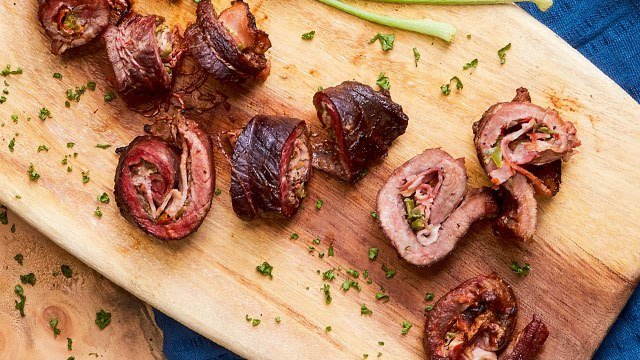
    To showcase the colorful fillings and create an enticing visual appeal, try slicing the Morcon into rounds and displaying them on a platter. This not only highlights the vibrant ingredients but also allows guests to see the layers of flavors within each slice.

    A rich, flavorful gravy can take the Morcon to the next level. Drizzle the gravy over the sliced Morcon on the platter to enhance moisture and taste. The combination of the succulent beef roulade and the savory gravy will make each bite even more satisfying.

    When it comes to pairing Morcon, simplicity is key. Enjoy it with steamed rice to let the flavors of the beef roulade and its fillings shine. The plain rice acts as a perfect canvas for the bold and complex flavors of the Morcon, creating a balanced and satisfying meal.

    Elevate the presentation of Morcon even further by arranging it on a serving plate in a festive manner. Add garnishes like chopped parsley or scallions for a pop of freshness. Serve it alongside side dishes such as buttered vegetables or a fresh salad to create a complete dining experience that’s both visually appealing and delicious.

    Morcon: A Culinary Masterpiece that Embodies Filipino Fusion

    Morcon, a flavorful roulade that combines Spanish and Filipino influences, isn’t just a dish in Filipino culture but a representation of the country’s culinary heritage. This traditional masterpiece holds a special place in Filipino celebrations, often gracing tables during holidays and significant occasions.

    The fusion of Spanish and local ingredients like hard-boiled eggs, sausages, sweet pickles, cheese, and carrots creates a harmonious blend of flavors that symbolizes the diversity of Filipino cuisine.

    The name Morcon itself reflects the intricate preparation method and exclusive nature of this dish. It showcases the creativity and innovation deeply rooted in Filipino cooking. Passed down through generations, recipes like Morcon preserve and celebrate the rich culinary tapestry of the Philippines.

    Whether it’s served at fiestas, family gatherings, or other special events, Morcon stands as a testament to the unique blend of flavors that define Filipino cuisine and culture.

    The significance of Morcon goes beyond its taste and presentation. It represents the historical and cultural exchange between Spain and the Philippines. Through the fusion of Spanish and local ingredients, Morcon embodies the harmonious relationship between the two cultures.

    It’s a reflection of the Philippines’ colonial past and the resilience of its people in adapting and transforming foreign influences into something uniquely Filipino.

    Furthermore, Morcon exemplifies the importance of food in Filipino celebrations. It’s often prepared with love and care, taking hours to make. The process of rolling and stuffing the meat with various ingredients requires skill and precision. This labor of love is a way for Filipino families to come together, bond, and create lasting memories.

    Morcon becomes a centerpiece on the dining table, symbolizing the joy and togetherness that comes with sharing a meal.

    Tips for Making Morcon

    Morcon is a popular Filipino dish made from marinated beef slices rolled up and stuffed with various ingredients like sausage, cheese, and pickles. It’s then braised until tender and served with a flavorful gravy. To achieve the best flavor and texture in your Morcon dish, it’s important to follow a few key tips.

    First and foremost, choosing the right beef slices is crucial. Opt for tough cuts like bottom round or chuck roast, as they can withstand the long cooking process without becoming too tender. Thinly slice the beef to about half an inch per slice to achieve the perfect roulade texture.

    Once you have your beef slices ready, marinating them is the next step. Create a marinade using soy sauce, lemon juice, and seasonings of your choice. Let the beef slices marinate for at least an hour to allow the flavors to penetrate the meat. However, be careful not to over-marinate the beef, as this can make it mushy and cause it to lose its desired texture.

    After marinating, it’s time to assemble the Morcon rolls. Place your chosen fillings, such as sausage, cheese, and pickles, on top of each beef slice and roll them up tightly. Secure the rolls with kitchen twine, making sure it’s snug but not too tight. This will allow the meat to expand evenly during cooking.

    When it comes to cooking the Morcon, braising is the preferred method. This involves searing the rolls in a hot pan to lock in the flavors, then simmering them in a flavorful liquid, such as beef broth or tomato sauce, until the beef is tender. Once cooked, remove the twine and slice the beef roulade into 1-inch thickness.

    Top it with the flavorful gravy and serve as a main dish alongside steamed rice for a delightful meal experience.

    Morcon: A Fusion of Spanish and Filipino Flavors Delighting Palates for Centuries

    Morcon, a captivating dish deeply rooted in Spanish culinary traditions, has become a beloved staple in Filipino cuisine. This flavorful creation, derived from the Spanish morcón, beautifully showcases a fusion of Spanish and Filipino flavors, reflecting the historical influence of Spanish colonization in the Philippines.

    The dish itself is a Filipino-style roulade, featuring thinly sliced beef filled with a delightful medley of ingredients such as cheese, eggs, pickles, and sausages. The combination of these flavors creates a savory taste that’s both familiar and unique to the Filipino palate.

    Morcon holds a special place in Filipino cuisine, particularly during holidays and special occasions, where its savory taste and festive presentation bring people together. Its cultural significance lies in its ability to blend traditional Filipino ingredients with innovative cooking techniques, symbolizing the rich culinary heritage of the Philippines.

    Through the lens of history, Morcon stands as a testament to the enduring legacy of Spanish colonization on Filipino food culture. It highlights the ways in which diverse influences have shaped and enriched the cuisine of the archipelago.

    The fusion of Spanish and Filipino flavors in Morcon is a testament to the cultural exchange that occurred during the colonial period. It represents the blending of ingredients, techniques, and culinary traditions from two distinct cultures, resulting in a dish that’s both familiar and unique.

    Morcon’s popularity and continued presence in Filipino cuisine serve as a reminder of the lasting impact Spanish colonization has had on the Philippines. It’s a delicious example of how different cultures can come together to create something truly special.

    What Are Some Unique Filipino Dishes Similar to Morcon?

    Aside from Morcon, some unique Filipino dishes similar to it include Embutido, which is a savory meatloaf with a distinct blend of flavors. Another dish worth trying would be the unusual twist on sisig, a sizzling pork dish usually made with parts of pig’s head and liver, perfected with a touch of calamansi and chili peppers.

    Popular Morcon Recipes

    Indulge in the tantalizing flavors of popular Morcon recipes featuring thinly sliced beef rolled with a delectable medley of fillings like cheese, eggs, carrots, pickles, bacon, and sausages. Morcon, a traditional Filipino beef roulade, is a staple at special occasions, offering a burst of flavors in every bite.

    These flavorful beef rolls are a beloved choice for celebrations in Filipino cuisine, and their versatility allows for endless variations.

    One must-try variation is the Cheesy Delight, where you can experience the creamy goodness of melted cheese oozing out of perfectly cooked Morcon rolls. The combination of the savory beef with the rich and gooey cheese creates a delightful taste sensation. Another delicious option is the Savory Bacon Twist, which elevates the Morcon with the smoky richness of crispy bacon wrapped around the beef rolls.

    The bacon adds an extra layer of flavor and texture to the dish.

    If you’re looking for a delightful surprise, try the Sausage Surprise variation. Bite into succulent pieces of sausage nestled within the tender layers of beef. The sausage adds a juicy and savory element to the Morcon, creating a burst of flavors with every bite. Lastly, for those who enjoy the velvety texture of boiled eggs, the Eggcellent Addition is a must-try.

    The boiled eggs are seamlessly integrated into the flavorful filling of the Morcon, adding a smooth and creamy element to the dish.

    These popular Morcon recipes showcase the endless possibilities for creating your own signature Morcon masterpiece. Experiment with different fillings and combinations to add your own personal touch to this classic Filipino dish. Whether you prefer the cheesy delight, the savory bacon twist, the sausage surprise, or the eggcellent addition, Morcon is sure to be a crowd-pleaser at your next gathering.

    Frequently Asked Questions

    What Is Morcon in English?

    In English, Morcon is a delightful Filipino beef roulade dish. It’s crafted by rolling fillings like cheese, eggs, and sausages in thinly sliced beef, braised to tenderness in a flavorful sauce, offering a unique culinary experience.

    Why Is It Called Morcon?

    You call it Morcon because of its Spanish roots. The term links the Filipino beef roulade to the Spanish ‘morcón,’ showcasing the historical ties between the two cuisines. Embrace the cultural fusion in each flavorful bite.

    What Is the Difference Between Embutido and Morcon?

    When comparing embutido and morcon, remember embutido is a steamed pork meatloaf, while morcon is a beef roulade with fillings like eggs and sausages. Each dish showcases unique flavors and cooking methods in Filipino cuisine.

    Which of the Following Is the Main Ingredients of Morcon?

    In Morcon, the main ingredients are thinly sliced beef, cheese, eggs, carrots, pickles, bacon, and sausages. These elements come together to create a flavorful and textured dish that is a staple in Filipino cuisine.

    Conclusion

    As you slice into the tender, flavorful layers of Morcon, you’re met with a symphony of tastes and textures that represent the rich culinary heritage of the Philippines.

    This beloved beef roulade isn’t just a dish, but a celebration of family, tradition, and togetherness.

    So next time you gather around the table with loved ones, consider serving Morcon to create lasting memories and savor the taste of Filipino culture.

  • Bringhe: The Filipino Celebration Dish Explained

    Bringhe: The Filipino Celebration Dish Explained

    Bringhe, the Filipino celebration dish, blends Southeast Asian and Spanish flavors, symbolizing abundance and prosperity in Filipino culture. It features coconut milk, chicken, and turmeric, creating a savory symphony that embodies Filipino hospitality and culinary artistry.

    Key Takeaways

    • Bringhe symbolizes abundance and prosperity in Filipino celebrations.
    • Regional variations showcase diverse culinary influences and cooking methods.
    • Modern twists include seafood options, vegan adaptations, and fusion recipes.
    • Nutrient-rich ingredients like turmeric, coconut milk, and chicken offer health benefits.

    Bringhe: A Filipino Twist on Spanish Paella


    Originating in the culinary landscape of Pampanga, Philippines, Bringhe has emerged as a popular and delectable local interpretation of the renowned Spanish paella. This festive dish, laden with a harmonious blend of rice, chicken, and coconut milk, carries the essence of Filipino celebrations. The marriage of these ingredients creates a savory symphony that tantalizes taste buds and leaves a lasting impression.

    The use of coconut in Bringhe not only adds a tropical twist but also imparts a subtle sweetness that enhances the overall flavor profile. As the dish simmers to perfection in a talyasi, the aroma of banana leaves infuses the rice, adding a fragrant touch that elevates the culinary experience.

    This culinary masterpiece encapsulates the warmth and vibrancy of Filipino hospitality, making it a beloved centerpiece during gatherings and festivities.

    Bringhe isn’t just a mere imitation of Spanish paella but a unique dish that has evolved over time to suit Filipino preferences and ingredients. The infusion of coconut milk into the rice creates a creamy texture that complements the tender chunks of chicken, resulting in a dish that’s both comforting and indulgent.

    The coconut also adds a subtle sweetness that balances out the savory flavors, creating a harmonious taste experience.

    The cultural significance of Bringhe goes beyond its delicious taste. It has become a symbol of Filipino hospitality and generosity, often served during special occasions and gatherings.

    The process of preparing Bringhe involves careful attention to detail, from selecting the freshest ingredients to layering them in the talyasi. This meticulous preparation reflects the Filipino value of taking pride in one’s cooking and sharing it with loved ones.

    Traditional Ingredients Used

    Bringhe, a celebrated Filipino dish with a unique twist on Spanish paella, is made with a blend of key ingredients that contribute to its rich taste and cultural significance. The traditional foundation of Bringhe includes coconut milk, Chorizo de Bilbao, banana leaves, glutinous rice, chicken, and turmeric.

    These ingredients come together to create a vibrant and flavorful dish that represents the diversity and creativity of Filipino cuisine.

    Coconut milk is a central ingredient in Bringhe, adding a rich and creamy texture to the dish. It not only enhances the overall taste but also provides a distinct tropical flavor. Chorizo de Bilbao, a Spanish sausage, brings a savory depth to the flavor profile of Bringhe. Its smoky and slightly spicy taste complements the other ingredients and adds a burst of umami to the dish.

    Banana leaves play a crucial role in Bringhe, both as a lining for the cooking vessel and as a flavor enhancer. When the dish is cooked in banana leaves, it imparts a subtle aroma and imparts a unique taste. This adds to the experience of enjoying Bringhe and gives it a distinct Filipino touch.

    Glutinous rice forms the base of Bringhe and gives it its signature texture. The sticky nature of glutinous rice helps to bind all the flavors together and creates a cohesive dish. Chicken is another essential ingredient in Bringhe, adding protein and flavor to the ensemble. It’s typically cooked with the rice and other ingredients, infusing them with its taste and juices.

    Finally, turmeric is used to give Bringhe its vibrant yellow color. It also adds a subtle earthy flavor and has health benefits, making Bringhe not only delicious but also nutritious.

    Cooking Techniques and Methods: Mastering the Art of Bringhe

    To truly excel in the art of preparing Bringhe, it’s crucial to have a thorough understanding of the various cooking techniques and methods involved. These techniques not only contribute to the dish’s signature creamy texture and vibrant flavors but also play a significant role in its cultural significance and festive allure.

    In traditional Filipino cooking, Bringhe is typically cooked in a talyasi, a large skillet that’s often lined with banana leaves. This step isn’t only for practical purposes but also infuses the dish with a subtle, earthy aroma. The banana leaves create a natural barrier between the heat source and the ingredients, allowing for even cooking and adding an extra layer of flavor.

    Once the skillet is prepared, the rice and meat mixture is steam-cooked with a combination of coconut milk and water. This method ensures that the rice absorbs the luxurious essence of coconut and turmeric, resulting in a luscious and savory consistency that’s characteristic of Bringhe.

    The slow cooking process over low heat is crucial as it allows the flavors to blend harmoniously, creating a well-balanced and flavorful dish.

    To further enhance the visual appeal and richness of Bringhe, it’s common to garnish the dish with quartered eggs. This not only adds a pop of color but also complements the other ingredients, contributing to the overall taste experience.

    The specific use of ingredients such as turmeric, coconut milk, and banana leaves is what sets Bringhe apart and gives it its distinct Filipino flavor profile. These ingredients not only add depth and complexity to the dish but also enhance its festive allure, making it a beloved and sought-after dish for special occasions.

    Bringhe: A Festive Delight in Filipino Culinary Traditions

    Bringhe, a beloved Filipino dish, holds a significant place in the hearts and tables of Filipino communities during festive occasions. With its rich flavors and vibrant colors, Bringhe embodies the spirit of togetherness and celebration.

    The dish’s use of coconut milk and turmeric powder not only gives it a unique taste but also symbolizes abundance and prosperity, making it a perfect choice for joyous events like Noche Buena and other celebrations.

    In Filipino culture, food is more than just sustenance; it’s a reflection of traditions and values. Bringhe, with its festive significance, showcases the culinary heritage of the Philippines. It brings families and communities together, serving as a centerpiece that gathers loved ones around the table. The dish symbolizes joy and celebration, creating an atmosphere of happiness and togetherness.

    The use of coconut milk and turmeric powder in Bringhe adds depth to its significance. Coconut milk represents abundance, reminding people of the bountiful blessings they’ve received. Turmeric powder, with its vibrant yellow color, symbolizes prosperity, bringing a sense of hope and good fortune to the festivities. These ingredients not only contribute to the flavors of Bringhe but also carry a cultural and symbolic importance.

    Moreover, Bringhe’s role in special occasions and gatherings goes beyond its taste and symbolism. It serves as a cultural emblem, proudly showcasing Filipino culinary traditions. Through the generations, the recipe has been passed down, keeping the spirit of Bringhe alive in Filipino households. It’s a dish that connects the present with the past, honoring the heritage and memories of those who came before.

    Regional Variations in the Preparation of Bringhe: A Taste of the Diverse Culinary Landscape of the Philippines

    Bringhe, a traditional Filipino dish, offers a tantalizing glimpse into the diverse culinary landscape of the Philippines. As you explore this dish across different regions, you’ll discover exciting variations that showcase the richness of Filipino cuisine.

    One of the key variations in Bringhe preparation lies in the choice of meat. In some regions, succulent chicken takes the spotlight, infusing the dish with its tender texture and savory flavors. In other areas, the richness of pork is celebrated, adding a unique depth of taste. In certain regions, a delightful combination of both meats is used, creating a harmonious flavor profile that satisfies all palates.

    In coastal regions, seafood lovers rejoice as prawns find their way into the Bringhe pot. The addition of these delectable crustaceans adds a delightful twist to the dish, infusing it with the flavors of the sea.

    This seafood infusion reflects the regional availability and preferences, showcasing the adaptability of Bringhe as it embraces local ingredients.

    Vegetables also play a crucial role in the regional variations of Bringhe. While the base ingredients remain consistent across regions, the inclusion of additional vegetables such as bell peppers, peas, and carrots varies. These vibrant additions not only bring a burst of color to the dish but also contribute essential nutrients, making Bringhe a wholesome and balanced meal.

    Cooking techniques further contribute to the regional diversity of Bringhe. Each region has its preferred method, which influences the final texture and taste of the dish. Some regions opt for steaming, ensuring a moist and fluffy Bringhe, while others prefer slow-cooking, allowing the flavors to deepen and meld together over time. These techniques reflect the culinary traditions and preferences of the different regions, adding unique nuances to the dish.

    Modern Twists on a Classic Dish

    Bringhe, a classic Filipino dish, has undergone a modern transformation that showcases the culinary creativity and innovation of chefs. This traditional recipe is being reimagined in various ways, with chefs pushing boundaries and introducing new flavors and ingredients to elevate the dining experience.

    One notable evolution of Bringhe is the incorporation of seafood variations. Chefs are now adding prawns, squid, and fish to the dish, giving it a taste of the sea and catering to the preferences of seafood lovers. This addition brings a fresh and vibrant twist to the traditional Bringhe, making it even more enticing and appealing to a wider range of palates.

    In addition, contemporary renditions of Bringhe have taken a luxurious turn by incorporating exotic ingredients such as truffle oil, mushrooms, and saffron. These ingredients add depth and complexity to the dish, transforming it into a gourmet experience. The infusion of these flavors creates a harmonious blend that tantalizes the taste buds and adds a touch of elegance to the traditional recipe.

    Fusion Bringhe recipes are also gaining popularity, as chefs experiment with blending Filipino flavors with international influences. Korean kimchi or Japanese furikake seasoning are being introduced, creating a fusion of tastes that appeal to adventurous food enthusiasts. This blending of flavors adds a unique twist to Bringhe, showcasing the versatility of the dish and providing an exciting culinary experience.

    For those with dietary restrictions, vegan and vegetarian adaptations of Bringhe are now available. Chefs are using plant-based proteins like tofu or seitan to create delicious alternatives that cater to different dietary needs. These adaptations ensure that everyone can enjoy the flavors and traditions of Bringhe, without compromising on taste or tradition.

    Finally, innovative chefs are exploring unconventional cooking techniques to bring a modern touch to the preparation of Bringhe. Sous vide and air frying are being used to enhance the flavors and textures of the dish, showcasing the adaptability of Bringhe and its ability to embrace new cooking methods.

    These techniques add an element of excitement and innovation to the dish, making it a truly modern and dynamic culinary experience.

    Serving Suggestions and Pairings

    When serving Bringhe, consider the perfect side dishes and wine or beverage pairings to elevate the dining experience. Mixing in crispy fried chicken or lechon can introduce a delightful contrast of textures and flavors to complement the dish.

    Enhance the overall taste with fresh spring onions and a splash of calamansi for a burst of citrusy goodness.

    Perfect Side Dishes

    To enhance your Bringhe dining experience, consider the perfect side dishes that will elevate the flavors and textures of this Filipino celebration dish. Bringhe, also known as Filipino paella, is a rice dish cooked in coconut milk and flavored with various meats, vegetables, and spices. It’s a festive and flavorful dish that’s often served during special occasions and gatherings.

    To complement the rich and savory notes of Bringhe, there are several side dishes that pair perfectly with it. One popular choice is Atchara, which is a pickled papaya dish. The tangy and refreshing flavors of atchara balance the richness of the Bringhe, creating a delicious contrast.

    Another great option is Ensaladang Talong, a grilled eggplant salad. The smoky and slightly charred flavors of the eggplant complement the Bringhe beautifully, adding a different layer of taste to the meal.

    For those who enjoy a bit of crunchiness in their meals, Crispy Fried Dilis, or crispy anchovies, is an excellent choice. These crispy anchovies add a crunchy texture and a salty contrast to the creamy Bringhe, creating a delightful combination of flavors and textures.

    And if you prefer something simpler, freshly sliced tomatoes and salted eggs are a great option. The freshness of the tomatoes and the richness of the salted eggs enhance the hearty flavors of the Bringhe, providing a simple yet flavorful side dish.

    Wine and Beverage Pairings

    Bringhe, a traditional Filipino celebration dish, can be enhanced with carefully selected wine and beverage pairings to elevate your dining experience. The vibrant flavors of Bringhe are complemented by light and crisp white wines like Sauvignon Blanc or Pinot Grigio. These wines help to enhance the richness of the coconut milk and bring out the savory notes of the chorizo.

    For those who prefer a non-alcoholic option, calamansi juice is a great choice. Its citrusy contrast cuts through the creaminess of the dish and adds a refreshing element. Another option for a bubbly accompaniment is sparkling water or sparkling rosé, which adds a festive touch to the meal.

    Additionally, red wines like light-bodied Pinot Noir or fruity Beaujolais can also complement Bringhe’s savory and slightly sweet profile. For a unique and traditional Filipino twist, consider experimenting with local beverages like tuba or lambanog for a truly immersive pairing experience.

    Health Benefits of Bringhe

    You’ll be pleased to know that Bringhe offers a nutritious balance of carbohydrates, proteins, and essential nutrients, making it a wholesome dish.

    The turmeric in Bringhe provides anti-inflammatory and antioxidant properties, while the coconut milk adds healthy fats that are beneficial for heart health.

    With a mix of chicken and vegetables, Bringhe serves as a good source of protein and vitamins, making it a smart choice for a well-rounded and healthy diet.

    Nutritional Value Breakdown

    For an enriching culinary experience that not only satisfies your taste buds but also nourishes your body, Bringhe is a dish that offers a balance of essential nutrients. Bringhe is a Filipino dish made with glutinous rice cooked in coconut, chicken, coconut milk, and turmeric.

    Each ingredient in Bringhe contributes to its nutritional value, providing sustained energy, lean protein, healthy fats, and beneficial compounds like curcumin.

    Glutinous rice cooked in coconut serves as the base of Bringhe, providing sustained energy and aiding in digestion. This type of rice is stickier and more compact than regular rice, which makes it a great source of carbohydrates for long-lasting energy. Additionally, the coconut used in the cooking process adds a rich flavor and texture to the dish.

    Chicken is another key component of Bringhe, offering lean protein for muscle growth and repair. Protein is essential for maintaining and building muscles, and chicken is a lean source of this vital nutrient. Including chicken in Bringhe ensures that you’re getting a good dose of protein to support your body’s needs.

    Coconut milk is used in Bringhe to add richness and flavor to the dish. While it does contain some saturated fats, it also provides healthy fats that are beneficial for the body. These healthy fats help with nutrient absorption, support hormone production, and provide a source of energy.

    Turmeric, a spice used in Bringhe, contains curcumin, which is known for its anti-inflammatory and antioxidant properties. Curcumin has been studied for its potential health benefits, including reducing inflammation in the body and protecting against oxidative stress. By including turmeric in Bringhe, you’re adding a flavorful ingredient that also provides potential health benefits.

    Dietary Advantages Highlighted

    Bringhe, a traditional Filipino celebration dish, offers a combination of health benefits due to its key ingredients. Glutinous rice, one of the core components of Bringhe, provides a much-needed energy boost. This type of rice is rich in carbohydrates, which are essential for fueling our bodies and providing us with the energy we need to carry out our daily activities.

    Whether it’s dancing, singing, or simply enjoying the festivities, Bringhe’s inclusion of glutinous rice ensures that we’ve the stamina to fully participate in the celebrations.

    Turmeric, another key ingredient in Bringhe, brings anti-inflammatory properties to the table. This vibrant yellow spice has been used in traditional medicine for centuries due to its ability to reduce inflammation in the body. Inflammation is a natural response by our immune system to protect us from injury or infection.

    However, chronic inflammation can lead to a variety of health issues, including heart disease and autoimmune disorders. By incorporating turmeric into Bringhe, we can enjoy its anti-inflammatory benefits while indulging in a delicious dish.

    Coconut milk, the final key ingredient in Bringhe, isn’t only rich and creamy but also provides essential healthy fats for brain function. Our brains rely on healthy fats to function optimally, and coconut milk is a great source of these fats.

    Consuming coconut milk in Bringhe can support cognitive function, improve memory, and enhance overall brain health. So while we’re celebrating and enjoying the flavors of Bringhe, we can also nourish our brains at the same time.

    Bringhe: Exploring the Cultural Significance and Flavors of a Beloved Filipino Dish

    Bringhe is more than just a dish; it’s a cultural connection to Filipino heritage and culinary traditions. This beloved dish symbolizes the essence of festive gatherings and special occasions in Filipino culture. Often served during events like fiestas, weddings, and holidays, Bringhe adds a touch of festivity to any gathering.

    But what makes Bringhe truly unique is its infusion of coconut milk, which not only enhances its creamy texture but also underscores its authentic Filipino taste.

    In Filipino culture, Bringhe holds a special place as a symbol of celebration. It’s a dish that brings people together, creating a sense of unity and joy. The flavors and aroma of Bringhe evoke memories of happy times spent with loved ones. From the moment the dish is served, it becomes the centerpiece of the table, inviting everyone to partake in the festivities.

    The use of coconut milk in Bringhe is what sets it apart from other rice dishes. The creamy richness of the coconut milk infuses every grain of rice, creating a luxurious and indulgent taste. This infusion also adds depth to the dish, bringing out the flavors of the other ingredients, such as chicken, vegetables, and spices. It’s this combination of flavors that makes Bringhe truly unique and beloved by many.

    Traditional cooking methods also play a significant role in the preparation of Bringhe. Cooking Bringhe in a talyasi lined with banana leaves infuses the dish with a unique aroma, elevating the overall dining experience. The banana leaves impart a subtle earthy flavor to the rice, enhancing its taste and adding visual appeal to the dish.

    This traditional technique not only adds to the cultural significance of Bringhe but also ensures that every bite is a delight to the senses.

    How Does Pinais Compare to Bringhe as a Filipino Celebration Dish?

    Pinais is a flavored pinais delicacy wrapped in banana leaves, while Bringhe is a savory rice dish typically cooked with coconut milk and turmeric. Both are popular Filipino celebration dishes. Pinais is known for its unique blend of flavors, while Bringhe is loved for its rich and creamy texture.

    Tips for Perfecting Your Bringhe

    Bringhe is a traditional rice dish that can be elevated to perfection with a few expert tips. One key tip is to use freshly grated turmeric instead of powder. This not only enhances the color of the dish but also adds a burst of flavor. By using this fresh ingredient, you can take your Bringhe to the next level.

    Another tip for perfecting your Bringhe is to achieve a crispy socarrat at the bottom of the pan. This delightful crunch adds texture to the dish and enhances the overall eating experience. To achieve this, make sure to cook the rice on low heat, allowing the bottom layer to crisp up while the rest of the rice cooks.

    For an authentic touch, consider lining your cooking vessel with banana leaves. This not only infuses the dish with a unique aroma but also adds a subtle flavor that elevates the overall taste. The banana leaves create a special ambiance and bring an authentic Filipino touch to your Bringhe.

    When it comes to the choice of meat, opting for boneless chicken can simplify the eating experience. It allows for easier consumption without compromising on taste. The chicken blends perfectly with the rice and other ingredients, creating a harmonious flavor profile.

    Lastly, to seal in the delightful aroma and heat, cover the rice with banana leaves during the cooking process. This not only helps to retain the flavors but also adds an extra layer of authenticity to your Bringhe.

    Frequently Asked Questions

    What Is the History of Bringhe in Pampanga?

    Delve into the rich history of Bringhe in Pampanga, where Spanish and Filipino culinary influences combined. The dish evolved during the Spanish colonial era, becoming a unique Filipino take on paella. Its flavors are a blend of coconut milk, turmeric, and glutinous rice.

    What Ingredient Gives Bringhe a Yellow Color?

    Turmeric gives Bringhe its vibrant yellow color. This spice, known for both its hue and mild earthy taste, reflects the diverse influences on Filipino cuisine. Its anti-inflammatory properties and visual appeal make it a popular choice in dishes.

    Conclusion

    Now that you know the origins, ingredients, cooking techniques, and cultural significance of Bringhe, you’re ready to impress your guests with this delicious Filipino celebration dish.

    Don’t forget to experiment with regional variations and pairings to make it your own. Embrace the rich flavors and festive spirit of Bringhe as you dive into the vibrant world of Filipino cuisine.

    Get cooking and enjoy the culinary journey ahead!

  • Igado: The Flavorful Ilocano Stir-Fry You Need to Try

    Igado: The Flavorful Ilocano Stir-Fry You Need to Try

    Igado is a flavorful Ilocano stir-fry dish that combines pork liver, tenderloin, and innards in a tangy soy sauce and vinegar marinade. It’s a cultural journey on a plate, rooted in Ilocano heritage and known for its rich flavors perfect for gatherings. High in protein and nutrients, it’s a balanced meal that can be customized with variations like potatoes and chilies for a personal touch.

    Key Takeaways

    • Igado showcases the savory blend of pork liver and tenderloin in a tangy stir-fry.
    • Rooted in Ilocano heritage, Igado captures rich flavors perfect for gatherings.
    • High in protein and nutrients, Igado offers a balanced and satisfying meal.
    • Customize Igado with variations like potatoes and chilies for a personalized touch.

    Igado: A Delightful Ilocano Dish


    Igado, a traditional stir-fry from the Ilocos region in the Philippines, is a delightful dish that has captured the hearts and taste buds of many Filipinos. This savory blend of pork liver, tenderloin, and innards creates a unique and satisfying flavor profile. The richness of the pork liver combines with the tenderness of the tenderloin to create a mouthwatering experience.

    Infused with soy sauce, vinegar, and a medley of spices, Igado boasts a tangy and robust taste that’s characteristic of Filipino cuisine.

    Igado holds a special place in the hearts of Filipinos and is often enjoyed during gatherings or as a pulutan paired with drinks. It not only represents the culinary heritage of the Ilocano people but also offers a glimpse into the diverse and vibrant flavors of traditional Filipino cooking.

    The mix of textures in Igado, from the tender meat to the rich liver, provides a fulfilling dining experience that captures the essence of Ilocano cuisine. Embracing the warmth and flavor of Igado truly embodies the spirit of Filipino culinary tradition.

    Exploring the Culinary Heritage of Igado in the Ilocos Region

    Originating from the picturesque Ilocos region of the Philippines, Igado embodies the rich culinary heritage and unique flavors that define this area’s gastronomy. In the heart of Ilocano cuisine, Igado stands out as a beloved dish that showcases the region’s culinary expertise and love for hearty meals.

    Igado’s regional roots can be traced back to the Ilocos region, specifically to the Ilocano people who’ve been perfecting this dish for generations. The dish is known for its combination of ingredients that create a harmonious blend of flavors and textures. One of the key ingredients in Ilocano Igado is pork liver, which adds a distinct savory flavor and tender texture to the dish.

    The pork liver is carefully cooked to preserve its rich taste and prevent it from becoming tough or overpowering.

    Another essential component of Igado is bell peppers. These vibrant peppers not only bring color to the dish but also contribute a subtle sweetness that balances the rich flavors of the pork and vinegar. The combination of soy sauce and vinegar forms the base of the flavorful marinade that gives Igado its signature tangy taste, reflecting the Filipino love for bold and zesty flavors.

    Embracing the essence of Ilocano cuisine, Igado captures the essence of regional flavors through its unique blend of ingredients and meticulous cooking process. The Ilocano people’s attention to detail and passion for their culinary heritage shine through in every bite of Igado.

    With its rich flavors and hearty composition, Igado has become a true culinary gem of the Philippines, celebrated both within the Ilocos region and beyond.

    Essential Ingredients for Authentic Igado

    To create an authentic Igado dish, you must gather key ingredients like pork liver, pork tenderloin, soy sauce, vinegar, and garlic.

    The harmonious blend of flavors in Igado arises from the marriage of savory pork liver, tangy vinegar, and rich soy sauce.

    Enhancing the traditional recipe with bay leaves, bell peppers, and green peas adds depth and complexity to this classic Ilocano stir-fry.

    Key Igado Components

    Igado, a traditional Filipino dish, is known for its rich flavors and textures. The key components in crafting authentic Igado include pork liver, pork tenderloin, and a mix of pig innards like kidney and heart. These ingredients work together to create a dish that captures the essence of Ilocano cuisine.

    In addition to the meats, bell peppers are also essential for adding color and flavor to the stir-fry. When combined with the savory goodness of soy sauce, the tangy kick of vinegar, and the flavor-enhancing Knorr Pork Cube, these ingredients create a unique blend of flavors that make Igado a truly delicious delicacy.

    To fully appreciate the flavors of Igado, it’s important to understand the role that each ingredient plays. Pork liver, with its distinct taste, adds a rich and earthy flavor to the dish.

    It’s often sliced thinly and cooked until tender. Pork tenderloin, on the other hand, provides a tender and juicy texture to the stir-fry. The bell peppers not only add a pop of color, but also contribute a subtle sweetness that balances out the savory flavors of the meats.

    In addition to the meats and bell peppers, the use of soy sauce, vinegar, and Knorr Pork Cube is crucial in enhancing the overall taste of Igado. Soy sauce adds a deep umami flavor, while vinegar provides a tangy and acidic kick. The Knorr Pork Cube, with its concentrated pork flavor, serves as a flavor enhancer, intensifying the taste of the dish.

    Traditional Cooking Techniques: The Heart and Soul of Authentic Igado

    Crafting authentic Igado requires mastering traditional cooking techniques that showcase the essence of Ilocano cuisine through a meticulous selection of essential ingredients. With its roots deeply embedded in the culinary heritage of the region, Igado represents more than just a dish; it captures the heart and soul of Ilocano culture.

    The process begins with marinating thinly sliced pork liver in Filipino soy sauce and vinegar, infusing it with a perfect balance of tanginess and richness. This step is crucial as it not only enhances the flavor of the liver but also helps to tenderize it, resulting in a more succulent and melt-in-your-mouth texture.

    Next, garlic and onions are sautéed until fragrant, creating a flavorful base for the dish. This step adds depth and complexity to the overall taste profile of Igado. The aromatics from the garlic and onions infuse the dish, providing a strong foundation of flavor.

    But the key to truly elevating Igado lies in the slow cooking method. By allowing the flavors to meld together harmoniously over a low heat, the dish takes on a depth and richness that can’t be achieved through rushed cooking techniques. The slow cooking process allows the flavors to develop and intensify, resulting in a dish that’s bursting with savory goodness.

    To further enhance the overall taste profile, pork belly is added to Igado. The addition of this fatty cut of meat not only adds an extra layer of flavor but also contributes to the dish’s richness and succulence. The pork belly becomes tender and juicy as it simmers alongside the other ingredients, creating a mouthwatering masterpiece.

    Lastly, the layering of seasonings further enhances the complexity of flavors in Igado. A combination of spices, such as bay leaves and black pepper, adds a subtle but distinct kick to the dish. These seasonings work together to create a symphony of flavors that dance on the taste buds.

    These traditional cooking techniques are what make Igado a beloved dish in the Ilocano community. By carefully selecting and preparing the ingredients, and utilizing slow cooking methods, Igado captures the essence of Ilocano culinary heritage. It’s a dish that not only satisfies the palate but also tells a story of tradition, culture, and the love that goes into creating a truly authentic Ilocano meal.

    Step-by-Step Igado Cooking Instructions

    Get ready to embark on a flavorful culinary journey with the step-by-step Igado cooking instructions. Igado is a mouthwatering Ilocano dish that combines marinated pork and liver with a delicious blend of flavors. To create this dish, you’ll start by marinating the pork and liver in a mixture of soy sauce and vinegar. This step helps infuse the meat with rich flavors and ensures it’s tender and juicy when cooked.

    Next, you’ll sauté the marinated pork and liver with plenty of garlic and onions. The aroma that fills your kitchen as the ingredients sizzle in the pan will be absolutely irresistible. The garlic and onions add depth and complexity to the dish, enhancing the overall flavor profile.

    Once the meat is browned and the onions are caramelized, it’s time to add vinegar and soy sauce to simmer everything together. This step brings all the flavors together, creating a harmonious blend of savory and tangy notes. The vinegar adds a tangy kick, while the soy sauce adds a rich umami flavor.

    Igado Recipe Video Tutorial

    For a comprehensive understanding of preparing the traditional Ilocano stir-fry dish, delve into the informative Igado recipe video tutorial. Igado is a beloved dish in Ilocano cuisine that combines pork, liver, and vegetables in a flavorful stir-fry. It’s a dish that showcases the unique flavors and techniques of Ilocano cooking.

    In the Igado recipe video tutorial, you’ll find step-by-step instructions that break down the cooking process, making it easier to follow along and replicate the flavors of Igado in your own kitchen. The video begins with ingredient preparation, showing you how to properly cut and marinate the pork and liver.

    It then moves on to the cooking process, guiding you through each stage from sautéing the onions and garlic to adding the meat and vegetables.

    The visual cues in the tutorial ensure that you grasp each stage with confidence, allowing you to master the art of making Igado. Whether you’re new to Ilocano cuisine or a seasoned cook looking to expand your repertoire, this video tutorial is a valuable resource. It not only provides a visual guide but also offers tips and tricks to enhance the flavors of Igado and make it your own.

    So, grab your ingredients and start cooking along with the Igado recipe video tutorial to enjoy this delicious dish in the comfort of your own home.

    Nutritional Value of Igado

    Discover the nutritional profile of Igado and how it can benefit your diet.

    With 38g of protein per serving, Igado is a high-protein dish that can support muscle growth and repair.

    Understanding the balance of nutrients in Igado can guide your meal planning towards a healthier and more wholesome diet.

    Vitamin Content Breakdown

    Unveiling the nutritional treasure trove within Igado, let’s delve into the vitamin content breakdown of this flavorful Ilocano stir-fry. Igado isn’t just a delicious dish; it’s also a powerhouse of essential vitamins that can nourish your body. By enjoying Igado, you aren’t only treating your taste buds but also supporting your health and well-being. Here’s a glimpse of the vitamin content in Igado:

    Igado is packed with Vitamin A, which plays a crucial role in supporting vision and immune function. By including Igado in your diet, you can keep your eyesight sharp and your immune system strong, helping you stay healthy and vibrant.

    Vitamin C is another vital nutrient found in Igado. It’s known for its role in collagen production, which is essential for maintaining healthy skin. Additionally, Vitamin C promotes swift wound healing, ensuring that your body can repair itself efficiently.

    Iron is also abundant in Igado, and it plays a crucial role in oxygen transport in the blood. This means that by consuming Igado, you’re ensuring that your body functions optimally, as oxygen is necessary for various bodily processes.

    Igado: A Nutritional Powerhouse for Overall Health

    Igado, a flavorful Ilocano stir-fry dish, offers a multitude of health benefits through its rich nutrient profile. This traditional dish features a combination of pork liver, meat, and vegetables, providing a diverse range of nutrients that support overall health and well-being. One notable benefit of Igado is its high protein content, with approximately 38g per serving.

    Protein is essential for muscle function and repair, making Igado a great option for those looking to support their fitness goals or maintain a healthy body composition.

    In addition to its protein content, Igado is also a powerhouse of other essential nutrients. It’s rich in iron, a mineral that plays a crucial role in the production of red blood cells and the transportation of oxygen throughout the body. Adequate iron intake is especially important for individuals at risk of iron deficiency, such as pregnant women and those with certain medical conditions.

    Furthermore, Igado is a great source of Vitamin A and Vitamin C. Vitamin A is crucial for maintaining healthy vision, supporting immune function, and promoting cell growth and development.

    On the other hand, Vitamin C is a powerful antioxidant that helps protect the body against oxidative stress and supports a healthy immune system. Incorporating Igado into your diet can help ensure you’re getting these vital vitamins to support your overall health.

    Despite its nutrient density, Igado remains relatively low in calories, with only 392 calories per serving. This makes it a satisfying and balanced option for those looking to manage their caloric intake while still enjoying a flavorful meal. The combination of carbohydrates, fats, and protein in Igado provides sustained energy and satiety, helping to keep you feeling full and satisfied.

    Cooking Tips for Perfect Igado

    Looking to take your Igado dish to the next level? We’ve expert cooking tips to help you create a truly unforgettable Igado experience. Here are some essential tips that will ensure your Igado turns out just right:

    Marinate the Pork Liver: One of the key steps in preparing Igado is marinating the pork liver. By marinating the liver in vinegar for at least an hour, you can reduce any undesirable smell and enhance the overall flavor profile of the dish. This step is crucial in achieving that perfect balance of flavors in your Igado.

    Master the Saute: The saute process is where the magic happens in Igado. Start by sauteing a flavorful base of garlic, ginger, and onions. This creates a solid foundation for your dish. Then, brown the pork belly and heart to add richness and depth to the flavors. The combination of these ingredients creates a harmonious blend of flavors that will make your Igado truly stand out.

    Simmer with Care: The simmering process is where the flavors of Igado develop and intensify. After sauteing the ingredients, add a mixture of vinegar, soy sauce, peppercorns, and bay leaves to the pan. Allow the mixture to simmer gently for about 25 minutes. This slow and careful simmering process allows the flavors to meld together and creates the complex and robust taste that’s characteristic of Igado.

    Serving and Storing Igado

    Igado is a delicious Ilocano stir-fry dish that’s sure to delight your taste buds. To fully enjoy the delightful flavors of Igado, it’s important to know the best practices for serving and storing this dish.

    When serving Igado, it’s commonly paired with steamed rice to create a satisfying meal. To enhance the flavors, you can also serve it with pickled vegetables or a side salad. For those who enjoy a bit of heat, sprinkle chili flakes according to your preference. It’s important to ensure that all the ingredients in Igado, including the green peas, bell peppers, and fresh liver, are fully cooked to guarantee food safety.

    The cooking time for Igado typically ranges from 30 to 45 minutes, allowing the flavors to blend beautifully.

    Now, let’s talk about storing Igado. Due to its vinegar content, Igado can be refrigerated for up to a week, making it a convenient option for meal prep or leftovers. If you want to store it for longer periods, freezing is a viable option. When storing Igado in the refrigerator, it’s best to use an airtight container to maintain its freshness.

    When you’re ready to enjoy it again, gently warm it on the stovetop or in the microwave, and you can savor the delicious flavors all over again.

    Taste Test: What Sets Igado Apart

    Igado, a popular Filipino dish, stands out in the realm of Filipino cuisine due to its distinctive blend of flavors. This traditional dish incorporates pork liver, tenderloin, and innards like heart and kidney, creating a unique taste experience. The combination of soy sauce, vinegar, and spices in Igado adds a depth of flavor that sets it apart from other stir-fry dishes.

    One of the key factors that sets Igado apart is its rich and savory taste. The addition of pork liver adds a depth of flavor that’s complemented by the tenderloin, creating a satisfying and indulgent experience for the taste buds. The combination of these ingredients creates a symphony of flavors that’s both comforting and exciting.

    Another distinguishing characteristic of Igado is its tangy twist. The hint of tanginess from the vinegar cuts through the richness of the dish, balancing the flavors and adding a unique dimension to each bite. This tangy element adds a refreshing contrast to the savory flavors, making Igado a well-rounded and satisfying dish.

    Furthermore, the preparation of Igado showcases the culinary heritage of the Ilocos Region in the Philippines. This traditional dish has been passed down through generations, giving it a sense of authenticity and tradition. The use of specific ingredients and cooking techniques in Igado reflects the cultural heritage of the region, making it not just a delicious dish, but also a representation of Filipino culinary traditions.

    Can Prito Techniques Be Used in Cooking Igado?

    Yes, Prito techniques can definitely be used in cooking Igado. This traditional Filipino dish can be enhanced with the use of Filipino deep frying techniques to bring out the rich flavors and textures of the meat and liver. Try using these techniques to elevate your Igado to a whole new level.

    Igado Variations and Customizations

    Explore the world of Igado beyond its traditional roots by experimenting with flavorful ingredient options like potatoes, radish, and chilies.

    Customize your Igado experience by varying the cooking methods, such as adding pork belly for richness or using annatto oil for color enhancement.

    Discover the balance between traditional and modern adaptations to create a unique and personalized version of this classic Ilocano dish.

    Flavorful Ingredient Options

    Delving into the realm of Igado variations and customizations reveals a world of flavorful ingredient options waiting to elevate your culinary experience. Igado, a popular Filipino dish, is traditionally made with pork and liver. However, if you’re looking to add a personal touch to your Igado, there are a few ingredients that can take it to the next level.

    One option is to incorporate potatoes into your Igado. Potatoes add a comforting and hearty element to the dish, balancing out the flavors of the pork and liver with a starchy touch. They also provide a textural contrast, adding a satisfying bite to each mouthful.

    Another ingredient to consider is radish. Adding radish to your Igado introduces a subtle peppery note and a crisp texture to the stir-fry. This enhances the overall complexity of the dish and adds a refreshing element to the flavor profile.

    If you enjoy spicy food, chilies are a great addition to your Igado. They can spice up your dish with a kick of heat, bringing a fiery contrast to the savory flavors of soy sauce and garlic. The chilies not only add heat but also add depth to the overall flavor profile, making each bite more exciting.

    These ingredient options provide a canvas for your creativity, allowing you to tailor your Igado to suit your taste preferences and culinary imagination. Whether you choose to add potatoes, radish, chilies, or all of the above, these flavorful additions will undoubtedly take your Igado to new heights. So get creative and enjoy the process of customizing this beloved Filipino dish.

    Cooking Method Variations

    Enhancing the traditional Igado dish involves exploring various cooking methods to infuse new flavors and textures into this beloved Filipino stir-fry. By experimenting with different techniques, you can transform the classic Igado into a personalized culinary masterpiece that delights your senses.

    One way to elevate the Igado dish is by using a pressure cooker. This cooking method not only reduces the cooking time but also helps to intensify the flavors of the ingredients. The pressure cooker allows the flavors to meld together, resulting in a rich and flavorful Igado dish.

    Another option is to opt for braising or slow cooking techniques. These methods involve cooking the ingredients over low heat for an extended period, allowing the flavors to develop and the meat to become tender. Braising or slow cooking can give the Igado a melt-in-your-mouth texture and deeper flavors.

    To add an extra dimension to the dish, you can customize it by incorporating diverse vegetables such as potatoes, green beans, or squash. These vegetables not only provide a variety of textures but also enhance the nutritional value of the dish. Adding vegetables can also contribute to the overall presentation and color of the Igado.

    For those who prefer a more intense flavor, marinating the pork and liver for a longer period before cooking can make a difference. Allowing the meat to marinate in a mixture of soy sauce, vinegar, and spices will infuse it with more flavor and depth. Adjusting the seasoning levels of these ingredients to suit your taste preferences perfectly can also enhance the overall taste of the Igado.

    Traditional Vs Modern Adaptations

    Igado, a traditional dish rooted in Ilocano culinary heritage, has undergone modern adaptations that offer a creative twist with diverse ingredient choices and cooking techniques. These modern variations bring a new dimension to the dish, allowing for personalization and innovation while still honoring its traditional roots.

    In traditional Igado dishes, the flavors and ingredients come together in a distinct blend that showcases the richness of Ilocano cuisine. However, modern adaptations have introduced a range of changes to the dish. One noticeable change is the addition of a modern touch, often featuring pork belly instead of the traditional cuts of meat.

    This not only adds a richer taste but also creates a tender texture that’s highly desired by contemporary palates.

    Another change in modern Igado is the inclusion of vegetable additions, such as bell peppers. These colorful and fresh ingredients not only add visual appeal but also contribute to the overall flavor profile of the dish. The addition of bell peppers brings a crisp and vibrant element that complements the other ingredients in the dish.

    Moreover, modern adaptations of Igado often involve experimenting with different proportions of soy sauce and vinegar. These seasoning variations create unique flavor profiles, allowing for a more personalized and innovative approach to the dish. By playing with the balance of these key ingredients, chefs can create Igado dishes that cater to different taste preferences and add their own creative touch.

    Frequently Asked Questions

    What Is Igado in English?

    In English, Igado translates to ‘Liver’ or ‘Liver Stew.’ It’s a delightful Ilocano stir-fry dish that blends pork liver and other meats with a symphony of flavors from soy sauce, vinegar, and seasonings.

    What Is Igado Made Of?

    Igado consists of pork tenderloin, liver, kidney, and heart, offering a unique mix of flavors. Seasoned with soy sauce, vinegar, garlic, and onion, it creates a rich taste. Veggies like bell pepper and carrots add nutrition and color to the dish.

    What’s the Difference Between Menudo and Igado?

    In Igado, a soy-vinegar or fish sauce base sets it apart from Menudo, which relies on tomato sauce. Igado boasts a unique blend of pork liver, tenderloin, and innards like heart and kidney, offering a distinct flavor experience.

    How Many Calories Are in Igado?

    You’ll find around 392 calories in Igado, a dish that brings together the flavors of Ilocano stir-fry. It offers a balanced mix of 13g of carbs, 38g of protein, 20g of fat, and 389mg of cholesterol per serving. Enjoy!

    Conclusion

    Experience the bold flavors and unique blend of ingredients in Igado, a traditional Ilocano stir-fry that will transport your taste buds to the Philippines.

    With its rich and savory taste profile, Igado is a dish that truly showcases the creativity and resourcefulness of Filipino cuisine.

    Don’t miss out on trying this delightful dish that offers a delicious glimpse into the culinary traditions of the Ilocos region.

  • Empanada Masterclass: Savory Filipino Pastries

    Empanada Masterclass: Savory Filipino Pastries

    Empanadas offer diverse fillings with traditional Filipino flavors and mastering sealing techniques is key for optimal texture and appearance.

    Key Takeaways

    • Empanadas offer diverse fillings with a savory base and traditional Filipino flavors.
    • Master sealing techniques for optimal texture, appearance, and moisture retention.
    • Choose between baking or frying empanadas based on desired texture and flavor.
    • Explore creative variations for unique empanada experiences, from fusion blends to sweet options.

    Empanada Origin and History

    Empanadas trace their roots back to the Spanish word ’empanar’ and made their way to the Philippines during the era of Spanish colonization. These savory pastries have become an integral part of Filipino cuisine, with variations that cater to different taste preferences.

    In Filipino empanadas, beef is a popular choice for the filling, adding a hearty and flavorful component to the dish. The recipe for Filipino empanadas typically includes a dough that’s both flaky and sturdy enough to hold the delicious filling together. This dough is essential for creating the perfect empanada, ensuring that each bite is a delightful experience.

    Whether you prefer your empanadas savory or with a touch of sweetness, Filipino empanadas offer a wide range of options to satisfy your cravings. Embrace the cultural heritage and culinary diversity of the Philippines through the delicious tradition of making and enjoying these flavorful empanadas.

    Essential Ingredients for Empanadas

    When making Filipino empanadas, you need ground meat, veggies like potatoes and carrots, and a hint of sweetness from raisins.

    These ingredients, along with seasonings like soy sauce and garlic, come together to create a flavorful filling.

    Ensure a rich and savory taste by including these essential elements in your empanada recipe.

    Key Empanada Ingredients

    Including a mix of ground beef, vegetables, and seasonings is essential for creating flavorful and satisfying Filipino empanadas. Ground meat like beef provides a savory base, while vegetables such as potatoes, carrots, and peas add texture and flavor.

    Filipino empanadas often feature a blend of spices like garlic, onions, soy sauce, and black pepper to enhance the taste profile. Additionally, a touch of sweetness from ingredients like raisins can balance the savory elements, creating a well-rounded taste experience.

    These key ingredients come together to reflect a harmonious fusion of traditional Filipino flavors, making empanadas a beloved snack or meal choice.

    Must-Have Empanada Fillings

    To create flavorful Filipino empanadas, ensure your fillings include essential ingredients like ground meat, vegetables, and a blend of seasonings for a harmonious taste experience.

    1. Ground Meat: Ground beef or pork serves as a savory base for the filling.
    2. Vegetables: Onions, garlic, carrots, and potatoes add depth and texture to the filling.
    3. Sweet and Savory Mix-Ins: Raisins provide a touch of sweetness, while peas add a burst of freshness.
    4. Seasonings: Soy sauce, oyster sauce, and black pepper infuse the filling with rich, savory flavors.

    Step-by-Step Empanada Dough Preparation

    First, gather your ingredients for the dough – flour, butter, water, and salt.

    Next, mix and knead the dough until it forms a cohesive ball.

    Then, allow the dough to rest before rolling it out to ensure optimal texture and elasticity.

    Ingredients for Dough

    For empanada dough, you’ll need flour, butter, water, salt, and sometimes vinegar or egg.

    1. Flour: Provides structure and texture to the dough.
    2. Butter: Adds richness and enhances the flakiness of the pastry.
    3. Water: Binds the ingredients together to form the dough.
    4. Salt: Enhances the overall flavor profile of the empanada dough.

    These ingredients work together to create a versatile dough that can be shaped and filled with various savory fillings.

    Mixing and Kneading

    Begin by combining 2 cups of all-purpose flour with 1 tsp of salt until well mixed. This step is crucial in ensuring that the salt is evenly distributed throughout the flour for consistent flavor. Next, cut in 1/2 cup of unsalted butter until the mixture resembles coarse crumbs. This process helps create a flaky texture in your empanada dough.

    Gradually stir in 1/2 cup of water until the dough forms and comes together. Once the dough is formed, knead it briefly until smooth. Proper kneading is essential to develop the gluten in the dough, providing structure for your savory Filipino pastries. Below is a table summarizing the mixing and kneading process:

    Mixing and Kneading Process
    Combine flour and salt
    Cut in butter until crumbly
    Gradually add water and form dough
    Knead briefly until smooth

    Resting and Rolling

    To ensure a well-prepared empanada dough, allow it to rest for optimal gluten relaxation and flavor enhancement before proceeding with the rolling process.

    1. Resting: Give the dough time to relax, making it easier to roll out without shrinking back.
    2. Flavor Enhancement: Let the ingredients meld together during the resting period for improved taste and texture.
    3. Rolling Consistency: Roll the dough uniformly to ensure even cooking and a balanced filling-to-pastry ratio.
    4. Techniques: Use proper rolling techniques to prevent sticking and tearing, resulting in smooth and uniform empanada shells.

    Crafting the Perfect Empanada Filling

    Craft your perfect empanada filling by combining a mix of ground meat, vegetables, and seasonings to achieve a rich and flavorful taste profile. When crafting your savory Filipino empanada filling, consider using a combination of ingredients like beef and pork for a hearty flavor. Add in vegetables such as onions, garlic, carrots, and potatoes to enhance texture and depth. For a touch of sweetness and color, incorporate ingredients like raisins and peas into the mix.

    Elevate the taste profile with seasonings like soy sauce, oyster sauce, sugar, and white pepper, typical of traditional Filipino recipes. Ensure that your filling is well-cooked and seasoned before encasing it in the empanada dough for a delicious end result.

    Ingredients Vegetables Seasonings
    Ground meat Onions Soy sauce
    Beef Garlic Oyster sauce
    Pork Carrots Sugar

    Fold and Seal: Empanada Assembly Technique

    When assembling empanadas, mastering the fold and seal technique is crucial. Ensuring a tight closure will prevent any filling from leaking out during cooking.

    Remember to crimp or press the edges for a decorative finish and a secure seal.

    Proper Folding Technique

    For a well-sealed and appetizing empanada, mastering the proper folding technique is essential. To achieve this, follow these steps:

    1. Fold with precision: Place the empanada filling in the center of the dough, then gently fold it over to create a half-moon shape.
    2. Crimp the edges: Seal the empanada by crimping the edges securely with a fork to prevent any leaks during baking.
    3. Seal efficiently: Ensure the folding and sealing process is done efficiently to maintain the structural integrity of the empanada.
    4. Enhance visual appeal: A well-folded and sealed empanada not only ensures the filling stays intact but also results in a visually appealing final product that’s as delicious as it looks.

    Secure Seal Method

    To ensure your empanadas are perfectly sealed and ready for baking, master the Secure Seal Method by expertly folding and crimping the edges.

    When folding, place your filling in the center of the dough circle, leaving space around the edges. Gently fold the dough over the filling to create a half-moon shape. Press the edges together firmly to seal the empanada, ensuring no filling leaks out during baking.

    To secure the seal further, use a fork or your fingers to crimp the edges decoratively. Properly sealed empanadas lock in the flavors of the filling, resulting in delicious pastries.

    Mastering the Fold and Seal technique won’t only prevent leakage but also give your empanadas a beautiful shape.

    Crimping for Closure

    For a perfectly sealed and visually appealing empanada, master the crimping technique to secure the delicious filling inside the pastry. Follow these steps for a flawless finish:

    1. Fold the empanada dough over the filling evenly.
    2. Seal the edges firmly to prevent any leaks while baking or frying.
    3. Use a fork to press down on the edges, ensuring a tight seal.
    4. Proper crimping not only enhances the look of your empanadas but also helps trap the flavor and moisture of the filling as they cook.

    Baking Vs. Frying Empanadas

    When deciding between baking and frying empanadas, consider the texture and health benefits each method offers. Baking empanadas is a healthier option with less oil absorption, making it a lighter choice. On the other hand, frying empanadas creates a crispier, more indulgent texture that some enjoy.

    Baked empanadas require less hands-on cooking time and attention, while frying provides a quicker cooking process and delivers a golden, crunchy exterior. Both methods can yield delicious empanadas; the choice ultimately depends on your personal preference for texture and taste.

    Aspect Baking Frying
    Health Benefits Less oil absorption Indulgent texture
    Texture Lighter Crispy and indulgent
    Cooking Time Requires more time Quick cooking process

    Creative Empanada Variations to Try

    Considering the diverse culinary landscape of empanadas, exploring creative variations can elevate your pastry-making skills to new heights.

    1. Empanada Recipe with a Filipino Twist: Infuse your empanadas with adobo chicken marinated in tangy soy sauce, offering a delightful Filipino twist to this classic pastry.
    2. Fusion Empanada Adventure: Embark on a flavor journey with a fusion empanada filled with Korean bulgogi beef, spicy gochujang sauce, and tangy kimchi for a unique culinary experience.
    3. Vegetarian Delight: Opt for a vegetarian empanada featuring roasted sweet potatoes, black beans, and a chipotle kick, catering to those seeking a meat-free option without compromising on taste.
    4. Sweet Sensation: Indulge your sweet tooth with a dessert empanada stuffed with caramelized bananas, chocolate chips, and a hint of cinnamon sugar, perfect for a delectable treat after a savory meal.

    Experimenting with these creative variations won’t only expand your palate but also showcase your culinary creativity in the world of empanadas.

    Tips for Serving and Enjoying Empanadas

    To fully savor the delightful flavors of empanadas, serve them warm and pair them with chimichurri sauce for a traditional dipping experience. The warmth enhances the flaky pastry and brings out the savory filling, creating a mouthwatering combination.

    Empanadas are versatile; they make for great party snacks or can be enjoyed as a main dish with complementary sides. When storing leftover empanadas, ensure to place them in an airtight container in the fridge, where they can stay fresh for up to a week.

    To reheat and maintain their delicious taste, use the oven for a crispy texture that revives the pastry’s original crunchiness. By following these tips for serving and enjoying empanadas, you can indulge in a flavorful experience that celebrates the essence of this popular pastry.

    Empanada Storage and Reheating Methods

    For optimal freshness and convenience, store your cooled empanadas in an airtight container in the fridge for up to a week.

    1. Reheat in a Flash: When you’re ready to enjoy your empanadas, pop them in a toaster oven until heated through for a quick and satisfying snack.
    2. Long-Term Enjoyment: Consider freezing your cooked empanadas for later. They can be a delightful treat even weeks after they were made.
    3. Preserve the Crunch: To maintain that crispy texture, opt for reheating your empanadas in the oven instead of the microwave. This way, you’ll savor every bite just like when they were freshly made.
    4. Quality Guaranteed: By following these storage and reheating tips, you ensure that the Filipino empanadas retain their quality and taste, bringing you back to that first delicious bite every time.

    Can Organ Meats be Used as Filling in Filipino Empanadas?

    Yes, exotic Filipino organ meats are commonly used as fillings in traditional Filipino empanadas. Varieties such as liver, heart, and intestines bring a unique flavor and texture to the dish. These meats are often seasoned with aromatic spices and herbs to create a savory and satisfying filling for the popular pastry.

    Empanada Masterclass: Expert Tips and Troubleshooting

    To master the art of making perfect empanadas, ensure the dough is pliable and the filling is properly cooled before assembly.

    If your empanada dough feels too dry, add water gradually until it reaches the right consistency. It’s crucial to have the filling cooled to prevent soggy dough.

    When sealing the empanadas, use a fork to crimp the edges securely, preventing any filling leakage during baking. For precision, use a kitchen scale to ensure accurate measurements when dividing dough or filling for uniform empanadas.

    To maintain freshness and flavor, store any leftover empanadas in an airtight container in the fridge.

    Frequently Asked Questions

    What Are Filipino Empanadas Made Of?

    Filipino empanadas are made of a flavorful mix of ground meat, veggies, and sometimes raisins. The dough, slightly sweet, adds a unique twist. Baked or fried, they offer versatility and regional variations, catering to diverse tastes.

    Are Empanadas Popular in the Philippines?

    Empanadas are incredibly popular in the Philippines. They’re enjoyed for their tasty fillings and flaky crusts. Sold in many places, these savory pastries are a must-try for locals and visitors alike.

    Are Empanadas Healthy?

    You can make empanadas healthy by choosing lean meats, veggies, and whole grain dough. Baking instead of frying cuts calories and fat. Control portions and watch salt for a balanced diet. Enjoy nutrient-rich fillings like beans and spinach.

    Is Empanada Dough the Same as Pastry Dough?

    Empanada dough is similar but not the same as pastry dough. It’s heartier to support savory fillings. The dough might have a hint of sweetness or acidity. Making it involves techniques like traditional pastry dough but tweaked for empanadas.

    Conclusion

    Now that you have mastered the art of making savory Filipino empanadas, you can impress your friends and family with your delicious creations.

    With the right ingredients, techniques, and a little creativity, you can customize your empanadas to suit your taste preferences.

    Remember to store them properly and reheat them for a tasty snack anytime.

    Enjoy your empanadas and happy cooking!

  • Filipino Longganisa: Exploring Sausage Variations

    Filipino Longganisa: Exploring Sausage Variations

    Filipino longganisa comes in various regional varieties, each with distinct flavors. For example, Vigan longganisa is known for its savory garlic taste and smoky flavor, while Pampanga longganisa is sweet and smoky, with two main varieties: de recado (savory) and hamonado (sweet). Cebu longganisa is spicy and tangy, and Batangas longganisa is bold and savory. Lucban longganisa has a Mediterranean influence, and Tuguegarao longganisa is robust and meaty. Pangasinan longganisa is light and refreshing, and Bicol longganisa is coconut-infused with a spicy kick.

    Key Takeaways

    • Filipino longganisa offers diverse regional varieties, from sweet to spicy, reflecting unique culinary traditions.
    • Regional longganisa varieties showcase a blend of flavors like garlic, vinegar, coconut, and local spices.
    • Longganisa represents a rich culinary heritage, connecting to tradition and expertise passed through generations.
    • Each regional longganisa variety provides a unique taste experience, reflecting the cultural roots of the Philippines.

    Regional Longganisa Varieties Overview

    Exploring the diverse regional longganisa varieties of the Philippines reveals a rich tapestry of flavors and ingredients reflecting each area’s unique culinary heritage. Filipino longganisa, a type of sausage, comes in various regional variations across the Philippines.

    In the Ilocos and Visayas regions, you’ll find a sweet-style longganisa made with pork, garlic, vinegar, and sugar. This type of longganisa is commonly enjoyed with garlic fried rice and fried eggs, showcasing a balance of savory and slightly sweet flavors.

    Moving to the Bicol region, longganisa is crafted with pork, garlic, and chili peppers, providing a spicy kick to the taste. It’s often served with steamed white rice and coconut milk, offering a rich and creamy element to the dish.

    As you explore Mindanao, you’ll encounter longganisa featuring pork, garlic, and coconut milk in its recipe. This variation pairs well with steamed white rice and pickled vegetables, providing a blend of flavors that represent the region’s culinary diversity.

    Ilocos Longganisa: Garlic and Vinegar

    What distinctive flavors characterize Ilocos Longganisa, a renowned sausage variant from the Philippines? Ilocos Longganisa is famous for its savory garlic taste accompanied by a subtle hint of vinegar. Here are some key points to help you savor the essence of this traditional delicacy:

    • Savory Garlic Flavor: The robust garlic infusion in Ilocos Longganisa sets it apart, offering a truly unique taste experience.
    • Hint of Vinegar: The addition of vinegar not only enhances the flavor but also provides a slight tanginess that complements the garlic perfectly.
    • Smoky Taste: Traditional preparation methods involve smoking the sausages, giving them a distinctive smoky undertone that adds depth to the overall flavor profile.
    • Sukang Iloko Pairing: Enjoy Ilocos Longganisa with Sukang Iloko, a local vinegar from the region, to elevate the taste and bring out the full richness of the sausage.

    Embrace the flavors of Ilocos Longganisa and immerse yourself in the culinary heritage of the Ilocos region through this delightful combination of garlic, vinegar, and tradition.

    Pampanga Longganisa: Sweet and Smoky

    Pampanga Longganisa, with its sweet and smoky flavor profile, stands out as the most popular variety hailing from the Culinary Capital of the Philippines. This variety of Filipino sausage offers a unique blend of sweetness and smokiness that sets it apart. Pampanga Longganisa comes in two main varieties: de recado, known for its savory taste, and hamonado, celebrated for its sweet notes.

    Both options are made with pork, providing a delightful combination of flavors that cater to those who enjoy sweet and savory dishes. The hamonado version, in particular, is a crowd pleaser with its deliciously sweet and savory taste that captures the essence of Filipino cuisine. I

    f you’re looking to experience the culinary excellence of the region, Pampanga Longganisa is a must-try for food enthusiasts seeking to explore the diverse world of Filipino sausages.

    Varieties Taste Main Ingredients
    de recado Savory Pork
    hamonado Sweet Pork

    Cebu Longganisa: Spicy and Tangy

    Pivoting from the sweet and smoky Pampanga Longganisa, now shift your focus to the spicy and tangy Cebu Longganisa, a vibrant variety known for its bold flavors.

    • Spicy, Tangy, and Garlicky: Cebu Longganisa boasts a flavor profile that combines spicy kick, tangy notes, and a strong garlicky taste.
    • Vibrant Red Color: Its diminutive round shape is complemented by a vibrant red color, making it visually appealing on the plate.
    • Best Enjoyed with Puso: Pair this flavorful offering with puso, a traditional rice dish, to enhance the overall dining experience.
    • Originating from Cebu: Hailing from Cebu, this longganisa variety represents the region’s rich culinary heritage with its unique blend of sweet and spicy flavors.

    Vigan Longganisa: Heritage and Tradition

    Hailing from the Ilocos region, Vigan Longganisa embodies a rich heritage and tradition in sausage-making. This iconic sausage is known for its distinct smoky flavor and savory taste profile, achieved through the infusion of garlic during preparation.

    Traditionally, Vigan Longganisa is hung in smoke and sometimes marinated in Sukang Iloko, a local vinegar, to enhance its tanginess. The combination of these flavors creates a unique culinary experience that reflects the cultural roots of the Ilocos region.

    Vigan Longganisa holds a special place in the hearts of locals, serving as a symbol of tradition and a testament to the culinary expertise passed down through generations. Enjoying Vigan Longganisa with Sukang Iloko not only satisfies the taste buds but also connects you to the rich heritage and flavors of Filipino cuisine.

    Embrace the heritage and tradition of Vigan Longganisa as you indulge in its smoky, garlicky goodness.

    Batangas Longganisa: Bold and Savory

    Batangas Longganisa is a bold and savory sausage variety that hails from the province of Batangas. Its robust and garlicky flavor profile appeals to those who crave strong savory tastes.

    Made with ground pork, garlic, vinegar, and a special blend of spices, it offers a traditional taste of Batangas cuisine.

    Bold Flavor Profile

    With its bold and savory flavor profile, Batangas Longganisa stands out among Filipino sausage varieties. This longganisa variety packs a punch with a perfect blend of garlic, vinegar, and spices, creating a unique taste experience. When enjoying Batangas Longganisa, you can savor the following:

    • Robust garlic undertones that add depth to each bite.
    • Tanginess from the vinegar that cuts through the richness of the meat.
    • A medley of spices that dance on your taste buds, enhancing the overall flavor.
    • Versatility in preparation, whether grilled to perfection or fried to a crispy finish.

    Batangas Longganisa is a culinary delight that captures the essence of bold and savory Filipino cuisine.

    Traditional Batangas Recipe

    For a taste of authentic Filipino cuisine, delve into the traditional Batangas recipe for Batangas Longganisa, known for its bold and savory flavors. This regional specialty from Batangas, Philippines, features a rich flavor profile achieved through a unique blend of garlic, vinegar, and spices. Made primarily with ground pork, this sausage offers a juicy and flavorful texture that is a favorite among Batangueños.

    Enjoyed grilled or fried, Batangas Longganisa showcases the culinary expertise of the region and the distinct taste preferences of its locals.

    Key Ingredients Cooking Methods
    Garlic Grilled
    Vinegar Fried
    Spices
    Ground Pork

    Lucban Longganisa: Aromatic and Flavorful

    You’ll find Lucban Longganisa to be a delightful blend of fragrant spices that reflect a rich regional culinary tradition.

    Its unique combination of Mediterranean flavors with Filipino influences creates a distinct taste experience that stands out.

    This sausage’s aromatic and flavorful profile is a testament to the harmonious fusion of diverse culinary influences.

    Fragrant Spices Blend

    Infused with a blend of fragrant spices, Lucban Longganisa captivates with its aromatic and flavorful essence.

    • Mediterranean Influence: The spices used in Lucban Longganisa offer a unique Mediterranean touch.
    • Balanced Flavors: Experience a perfect balance of salty and sour notes complemented by garlic and vinegar.
    • Culinary Fusion: Enjoy this European-influenced sausage best paired with Pancit Habhab for a delightful fusion of flavors.
    • Regional Heritage: Delight in a taste that represents Quezon’s rich culinary heritage and diverse flavor preferences.

    Regional Culinary Tradition

    Lucban Longganisa’s rich heritage intertwines European influence with local flavors, creating an aromatic and flavorful culinary tradition. This European-influenced Filipino sausage, originating from Quezon, boasts a unique blend of Mediterranean spices that set it apart as a regional specialty.

    The distinct salty and sour taste profile, accentuated by garlic and vinegar, offers a delightful culinary experience. Lucban Longganisa’s flavorful aroma permeates the air, enticing both locals and visitors alike to indulge in this culinary delight.

    Best enjoyed with Pancit Habhab, a dish that perfectly complements the fusion of Filipino and European flavors, this sausage exemplifies the diverse and aromatic culinary landscape of Quezon. Embrace the essence of tradition and savor the cultural tapestry woven into every bite of Lucban Longganisa.

    Tuguegarao Longganisa: Robust and Meaty

    Originating from the flavorsome region of Cagayan Valley, Tuguegarao Longganisa boasts a robust and meaty profile that sets it apart from other Filipino sausages. This local favorite is crafted with a blend of pork, garlic, and unique local spices, offering a savory explosion of flavors.

    Here are some key points to savor about Tuguegarao Longganisa:

    • Made with a blend of pork, garlic, and local spices
    • Traditionally prepared using carabao meat for a distinct taste
    • Characterized by a strong garlic flavor and savory profile
    • Smaller in size but packed with rich, flavorful taste

    Tuguegarao Longganisa’s robust and meaty essence reflects the culinary heritage of Cagayan Valley, making it a beloved delicacy among locals. Whether grilled, fried, or cooked in various dishes, this sausage is sure to tantalize your taste buds with its unique blend of ingredients and bold flavors.

    Pangasinan Longganisa: Light and Refreshing

    What makes Pangasinan Longganisa stand out is its light and refreshing flavor profile that distinguishes it from other Filipino sausage varieties.

    Alaminos Longganisa, specifically from Pangasinan, is a popular choice due to its traditional preparation methods and unique taste. This longganisa is crafted using a combination of pork meat and fat, resulting in a subtle flavor that pairs exceptionally well with various dipping sauces.

    One distinctive feature of Alaminos Longganisa is how it’s separated by toothpick-like wood, adding to its charm and presentation. This local favorite in Pangasinan offers a delightful culinary experience for those seeking a different type of longganisa.

    If you’re eager to explore a sausage with a light yet delicious taste, Alaminos Longganisa from Pangasinan should be at the top of your must-try list.

    Can Longganisa be used as an ingredient in making Morcon?

    Yes, Longganisa can be used as an ingredient in making Morcon, a traditional Filipino beef roulade recipe. The savory and slightly sweet flavor of the Longganisa adds depth to the dish and complements the other ingredients like carrots, pickles, and cheese.

    Bicol Longganisa: Coconut-infused Delight

    Indulge in a coconut-infused delight with Bicol Longganisa’s creamy and rich flavor profile. Bicol Longganisa is a traditional sausage made with pork, garlic, and chili peppers, offering a spicy kick that complements the creamy coconut infusion.

    When enjoying Bicol Longganisa, consider these tips:

    • Pair it with steamed white rice to create a satisfying meal experience.
    • Try serving it with a side of coconut milk for an authentic Bicolano touch.
    • Embrace the unique twist on the classic longganisa, showcasing Bicol’s culinary creativity.
    • Experience the popularity of Bicol Longganisa among those who appreciate flavorful and slightly spicy sausages.

    Bite into the flavorful blend of spices and coconut milk that sets Bicol Longganisa apart, making it a must-try for those seeking a delicious and traditional Filipino culinary experience.

    Frequently Asked Questions

    What Are the Variants of Longganisa?

    Explore various longganisa variants, each with distinct flavors: Vigan’s garlic-rich, smoky notes; Calumpit’s blend of garlic, pepper, sweetness, and paprika; Cabanatuan’s meaty profile; Negrense’s smoky, sour mix; and Lucban’s salty, sour taste with Mediterranean spices.

    What Is the Difference Between Longganisa Hamonado and Recado?

    In Longganisa, Hamonado is sweet with sugar or honey, while Recado is savory with garlic and spices. Hamonado offers a sugary-salty taste, and Recado has a robust seasoned flavor. They differ in sweetness and savoriness.

    What Is the Filipino Version of the Sausage?

    The Filipino version of sausage is longganisa, a flavorful sausage made with ground pork and various spices. It is a beloved part of Filipino cuisine, enjoyed throughout the day and offered in unique regional variations.

    What Makes Vigan Longganisa Unique?

    What makes Vigan Longganisa unique? Its savory garlic flavor, smoky taste, and preparation method set it apart. Hang in smoke, a hint of vinegar, and paired with Sukang Iloko for a distinct, beloved delicacy.

    Conclusion

    Explore the diverse world of Filipino longganisa and savor the unique flavors of each regional variety. From the garlicky notes of Ilocos Longganisa to the sweet and smoky profile of Pampanga Longganisa, each type offers a delicious glimpse into the rich culinary heritage of the Philippines.

    Embark on a flavorful journey through the country’s vibrant food culture by trying out different longganisa variations, and discover the true essence of Filipino sausage.