Category: Philippine Regional Culinary Specialties

  • Batchoy: Deconstructing the Visayan Noodle Soup

    Batchoy: Deconstructing the Visayan Noodle Soup

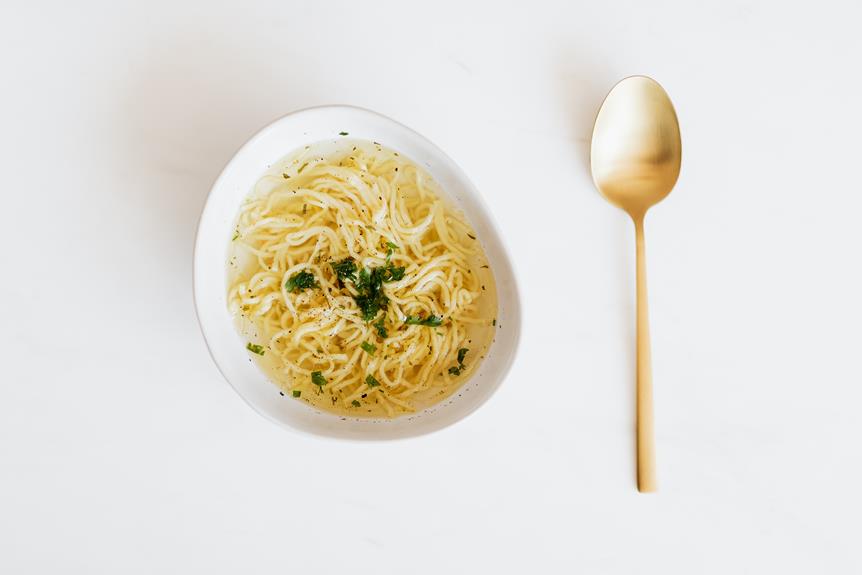
    Batchoy is a Visayan noodle soup with a rich culinary heritage. It originated in Iloilo City in the 1930s and is known for its layers of flavors, including pork offal, pork cracklings, beef loin, and round egg noodles. The dish represents Filipino culinary innovation and tradition, and it symbolizes regional pride, resilience, and community. Key ingredients offer a balance of nutrients for a healthy diet, and the dish serves as a bridge between diverse culinary traditions.

    Key Takeaways

    • Batchoy embodies Filipino culinary innovation and tradition.
    • It symbolizes regional pride, resilience, and community.
    • Key ingredients offer a balance of nutrients for a healthy diet.
    • Batchoy serves as a bridge between diverse culinary traditions.

    History of Batchoy


    Tracing back to the bustling streets of La Paz, Iloilo City in the 1930s, the origins of Batchoy reveal a culinary tale steeped in innovation and local flavors. It was within this vibrant setting that Federico Guillergan Sr. crafted the first steaming bowl of Batchoy in 1938, marking the inception of a dish that would soon become an icon of Filipino cuisine.

    Guillergan’s humble stall at La Paz Market in 1945 became the breeding ground for Batchoy’s popularity, attracting locals and visitors alike with the aroma of simmering broth and sizzling pork offal. But Batchoy’s significance goes beyond just being a delicious noodle soup. It represents the resourcefulness and creativity embedded within Filipino culinary traditions.

    As Guillergan Sr. combined pork offal, pork cracklings, beef loin, and round egg noodles in a harmonious broth, he not only satisfied hunger but also created a dish that resonated with the soul. The history of Batchoy is a testament to the rich tapestry of flavors that define Filipino comfort food.

    Batchoy’s roots in La Paz, Iloilo City speak to the spirit of innovation and local ingredients that have shaped Filipino cuisine throughout history. The dish captures the essence of Filipino comfort food, inviting you to delve deeper into a heritage flavored with pork offal and the vibrant flavors of La Paz.

    From its humble beginnings at Guillergan’s stall to its status as an iconic dish, Batchoy has become a symbol of Filipino culinary ingenuity. Its popularity has spread far beyond La Paz, with variations of the dish now enjoyed throughout the Philippines and even internationally. Each bowl of Batchoy tells a story of creativity, resourcefulness, and a commitment to preserving the unique flavors of Filipino cuisine.

    Key Ingredients of Batchoy

    Batchoy, a popular Filipino noodle soup, is known for its distinct flavor profile that’s created by a combination of key ingredients. These ingredients work together to create a harmonious and savory experience for the taste buds. The main components of Batchoy include pork offal, pork cracklings, beef loin, shrimp broth, and round egg noodles.

    Pork offal, which consists of organs like the heart, liver, and intestines, plays a crucial role in adding a rich and robust flavor to the broth. This gives Batchoy a depth that sets it apart from other noodle soups. The use of pork cracklings, crispy bits of fried pork skin, not only provides a delightful crunch but also infuses the soup with a smoky, porky essence that enhances the overall taste.

    The round egg noodles used in Batchoy are inspired by Chinese noodle soups and offer a comforting chewiness. They act as the perfect canvas for the flavorful broth and tender meat. These noodles provide a satisfying texture that complements the other ingredients and adds to the overall enjoyment of the dish.

    When you delve into a bowl of Batchoy, you’re greeted by a symphony of flavors that dance on your palate. The combination of pork offal, pork cracklings, beef loin, shrimp broth, and round egg noodles creates a unique and delicious experience. Each ingredient contributes its own distinct flavor and texture, resulting in a bowl of soup that’s truly unforgettable.

    Whether you’re a fan of Filipino cuisine or simply looking to try something new, Batchoy is a dish that’s sure to delight your taste buds.

    Traditional Batchoy Recipe: A Rich and Savory Filipino Soup

    Batchoy, a beloved Filipino soup, is known for its rich and savory flavor profile. This traditional recipe requires careful selection and preparation of key ingredients to achieve the soup’s distinctive taste. The combination of pork offal, pork cracklings, beef loin, and round egg noodles creates a hearty and satisfying dish.

    To begin, the ingredients are stir-fried in heated oil, allowing their flavors to meld together. Soy sauce is then added to enhance the depth of the broth. The soup is simmered until all the flavors are perfectly balanced, resulting in a deliciously savory base. Toppings such as leeks, pork cracklings, and sometimes a raw egg are added to add extra layers of taste and texture to the dish.

    When enjoying Batchoy, diners typically use both a spoon and fork. They start by savoring the flavorful soup before moving on to the noodles and toppings. The inclusion of pork cracklings not only provides a satisfying crunch but also adds to the overall richness of the soup. Each spoonful is a delightful combination of flavors and textures.

    The popularity of Batchoy can be attributed to its comforting and satisfying nature. It’s a dish that warms both the body and the soul. It isn’t uncommon for diners to request extra helpings of broth, prolonging the enjoyable experience of this traditional Filipino soup.

    Regional Variations of Batchoy

    To fully appreciate the richness and diversity of Filipino cuisine, it’s important to explore the regional variations that add unique twists to the traditional Batchoy recipe. These variations not only showcase different flavors and ingredients but also reflect the cultural and regional diversity of Filipino culinary practices.

    One popular regional variation is La Paz Batchoy, which originates from Iloilo City. This version of Batchoy is known for its hearty and savory taste. It typically includes pork offal, crushed pork cracklings, and a flavorful broth made from beef and pork bones. The combination of these ingredients creates a delicious and comforting noodle soup that’s beloved by many.

    Another regional variation is Batchoy Tagalog, which hails from Quezon province. This version offers a distinctive take on the traditional recipe. It features seasoned pork offal wrapped in banana leaf and served with its cooking broth, known locally as ‘batsoy’ or ‘bombay.’ The rich flavors and unique ingredients of Batchoy Tagalog highlight the diverse culinary traditions present in Filipino cuisine.

    These two regional variations are just a glimpse into the many different ways Batchoy is prepared across the Philippines. Each region puts its own spin on the recipe, incorporating local ingredients and flavors. Exploring these regional variations not only provides insight into the rich heritage of Filipino cuisine but also allows for a deeper appreciation of the flavors and traditions that make Batchoy such a beloved dish.

    Unique Toppings for Batchoy

    Explore the realm of unconventional Batchoy toppings that introduce fusion flavors and elevate the traditional dish to new heights.

    Experiment with combinations like crispy garlic, chicharon bits, and green onions to add layers of texture and taste to your bowl of noodle soup.

    Discover how these unique toppings can redefine your Batchoy experience, offering a delightful blend of crunchiness and savory richness.

    Elevating Your Batchoy Experience: Unconventional Toppings to Try

    Batchoy, the classic Visayan noodle soup, is a beloved comfort food that never fails to satisfy. But why not take it up a notch and explore new flavors and textures with unconventional toppings? Here are three unique toppings that will add a delightful twist to your Batchoy bowl.

    First and foremost, let’s talk about crispy bacon. Adding a few slices of crispy bacon to your Batchoy not only brings a smoky flavor but also adds a satisfying crunch to every spoonful. The contrast between the tender noodles and the crispy bacon creates a delightful texture that will keep you coming back for more.

    Another unconventional topping to consider is sautéed mushrooms. With their distinct earthy taste and meaty texture, sautéed mushrooms bring a whole new dimension to your Batchoy. They add depth and complexity to the broth, making each spoonful a flavorful and satisfying experience.

    Lastly, for those looking to elevate the richness of their Batchoy, a perfectly poached or soft-boiled egg is a must-try topping. The creamy yolk of the egg adds a velvety texture and richness to the soup, creating a luxurious mouthfeel that enhances the overall flavor profile.

    These unconventional toppings not only offer a new dimension to your Batchoy but also provide a delightful surprise with every bite. So the next time you’re craving this classic Visayan noodle soup, don’t be afraid to experiment and try these unique toppings. You might just discover a new favorite way to enjoy your Batchoy.

    Fusion Flavors for Batchoy

    Elevating your Batchoy experience with fusion flavors introduces an exciting array of unique toppings that promise to redefine your traditional Visayan noodle soup bowl. Fusion flavors in Batchoy bring together different culinary influences to create a harmonious blend of cultures in each spoonful.

    By incorporating elements like crispy fried garlic for texture, chopped green onions for freshness, and sliced pork liver for richness, you can enhance the flavors of your Batchoy. These toppings not only pay homage to the traditional La Paz Batchoy but also reflect the influence of the Chinese community in the Philippines.

    To add a creamy touch to your Batchoy, consider including soft-boiled or poached eggs into the simmering broth. The velvety yolk adds a luscious and indulgent element to the already flavorful soup. As you break into the egg, the runny yolk will mingle with the broth, creating a delectable combination of flavors.

    For a savory crunch, a sprinkle of crushed chicharon (pork cracklings) can take your Batchoy to the next level. The crispy and salty chicharon adds a satisfying texture contrast to the tender noodles and savory broth. Each bite becomes a delightful play of flavors and textures, elevating the overall dining experience.

    Serving Suggestions for Batchoy

    Enhancing the dining experience of Batchoy involves thoughtful consideration of complementary accompaniments that can elevate the robust flavors of this Visayan noodle soup. One popular and delicious addition to Batchoy is pork cracklings. The crispy texture and savory taste of pork cracklings add a delightful crunch to each spoonful of Batchoy.

    Sprinkle a generous amount on top of your soup to enhance its overall flavor profile.

    Another great accompaniment to consider is freshly chopped green onions. Not only do they provide a pop of color to your Batchoy, but they also bring a mild oniony flavor that complements the rich broth. Add them as a garnish before serving for a touch of freshness.

    Lastly, for a creamy and luscious addition to your soup, consider cracking a raw egg into the piping hot broth and give it a gentle stir. The egg will cook slightly in the hot liquid, creating a velvety texture that enriches the dish further.

    Health Benefits of Batchoy

    Batchoy offers a diverse range of health benefits that can positively impact your well-being.

    The protein-rich pork offal aids in muscle growth and repair, while the nutrient-rich broth provides essential vitamins and iron.

    Balancing carbohydrates from noodles and fats from the broth, Batchoy can be a flavorful and satisfying addition to your diet when enjoyed in moderation.

    Nutritional Content of Batchoy

    Batchoy is a delicious and satisfying dish that can be a great addition to your diet. It offers a moderate calorie option that’s packed with protein, essential fatty acids, and important nutrients. These nutritional benefits make Batchoy a valuable choice for those looking to maintain a healthy lifestyle.

    Protein is an essential macronutrient that plays a crucial role in supporting muscle growth and repair. With approximately 20g of protein per serving, Batchoy provides a significant amount of this important nutrient. Whether you’re an athlete looking to build muscle or simply want to support your overall health, incorporating Batchoy into your diet can help you meet your protein needs.

    In addition to protein, Batchoy also contains essential fatty acids. These healthy fats are important for various functions in the body, including energy production and nutrient absorption. With 7g of fat per serving, Batchoy offers a good source of these essential fatty acids. By including Batchoy in your diet, you can ensure that you’re getting the fats your body needs to function optimally.

    However, it’s important to note that Batchoy does contain cholesterol. With 192mg of cholesterol per serving, individuals who need to monitor their cholesterol levels should consume Batchoy in moderation. While cholesterol is necessary for certain bodily functions, excessive intake can increase the risk of heart disease. Therefore, it’s important to be mindful of your overall cholesterol intake and balance it with other dietary choices.

    Batchoy: A Nourishing Soup for Overall Well-Being

    Batchoy, a traditional Filipino soup, isn’t only a comforting and flavorful dish but also a source of nourishment for your overall well-being. This delicious soup offers a blend of nutrients that can contribute to your health in various ways.

    The key ingredients in Batchoy, such as pork offal, beef, and chicken, provide essential proteins that are crucial for the growth and repair of tissues in our bodies. These proteins are the building blocks of muscles, skin, and organs, helping to maintain their structure and function.

    Additionally, the organ meats in Batchoy, like liver and kidney, are rich in iron and vitamin B12. Iron is vital for the production of red blood cells, which carry oxygen throughout the body, while vitamin B12 is essential for nerve function and the formation of DNA.

    Moreover, the hot broth of Batchoy can help keep you hydrated, especially during cold or dry weather. Staying properly hydrated is essential for maintaining healthy bodily functions, as water is involved in nearly every process in our bodies, including digestion, circulation, and temperature regulation. By enjoying a steaming bowl of Batchoy, you can warm yourself up while also replenishing your body’s fluid levels.

    In addition to its nutritional benefits, Batchoy is a satisfying and filling meal. The combination of noodles, protein, and flavorful broth creates a hearty dish that can keep hunger at bay. This can be particularly helpful if you’re trying to maintain a balanced diet or manage your portion sizes.

    By indulging in a bowl of Batchoy, you can enjoy the flavors and textures of this traditional soup while still being mindful of your overall well-being.

    Popular Batchoy Accompaniments

    Batchoy is a popular Visayan noodle soup that’s known for its rich and flavorful broth filled with tender meats and noodles. To enhance the dining experience, there are several popular accompaniments that bring an extra burst of flavor and texture to each spoonful.

    One key accompaniment is pork cracklings. These crispy and savory pork pieces add a delightful crunch to the Batchoy, balancing out the richness of the broth and meats. Each bite of these flavorful cracklings enhances the overall taste and texture of the dish, providing a satisfying contrast.

    Another popular accompaniment is garlic oil. Drizzling some fragrant garlic oil over your Batchoy not only imparts a robust garlic flavor but also adds a layer of aromatic essence to the dish. The oil blends seamlessly with the broth, creating a harmonious and comforting flavor profile. The addition of garlic oil elevates the taste of the Batchoy, making it even more satisfying and delicious.

    Lastly, sliced green onions are a common accompaniment to Batchoy. These green onions bring a fresh and slightly pungent flavor to the dish, cutting through the richness of the broth. Not only do they add a burst of flavor, but the vibrant green color of the onions also adds a visual appeal to the Batchoy, making it even more inviting.

    These popular accompaniments, pork cracklings, garlic oil, and green onions, elevate the taste and experience of enjoying Batchoy. Whether it’s the satisfying crunch of the cracklings, the aromatic essence of the garlic oil, or the fresh flavor of the green onions, these accompaniments add depth and complexity to each spoonful of this beloved Visayan noodle soup.

    La Paz Batchoy: A Taste of Filipino Culinary Heritage

    La Paz Batchoy, a noodle soup originating from Iloilo, Philippines, has become an iconic dish that showcases the rich tapestry of flavors and history in Filipino cuisine. This beloved culinary masterpiece combines pork offal, crushed chicharon, fresh egg noodles, and savory meat stock to create a symphony of flavors that both warms the heart and satisfies the stomach.

    The roots of La Paz Batchoy can be traced back to 1938 when Federico Guillergan Sr. first crafted this delectable dish in La Paz. The name ‘Batchoy,’ derived from the Chinese term ‘Ba-Chui,’ meaning meat pieces, perfectly encapsulates the essence of this hearty soup.

    Over the years, it has gained immense popularity, transcending generations and becoming a favorite choice for both locals and tourists seeking an authentic taste of Filipino cuisine.

    But La Paz Batchoy is more than just a bowl of noodles. It represents the cultural richness and diversity of the Philippines. With each spoonful, you aren’t only savoring the flavors but also experiencing a culinary journey that connects you to the history and heritage of the country. The combination of ingredients and flavors in La Paz Batchoy tells a story of the blending of different culinary traditions, resulting in a dish that’s uniquely Filipino.

    Whether you’re a fan of hearty soups or a culinary enthusiast eager to explore new flavors, La Paz Batchoy is a must-try dish that will leave you craving for more. Its status as a culinary icon in the Philippines is well-deserved, as it captures the essence of Filipino cuisine and showcases the country’s rich culinary heritage. So, take a sip of La Paz Batchoy and let it transport you to the vibrant and flavorful world of Filipino cuisine.

    What Are the Similarities and Differences Between Batchoy and Kansi?

    Batchoy and Kansi are both Filipino soups with rich flavors. The main difference lies in the broth, as batchoy has a pork organ broth, while Kansi uses a sour beef soup recipe. Both are hearty and comforting, but the tangy flavor of Kansi sets it apart from the savory richness of batchoy.

    Exploring the Cultural Significance of La Paz Batchoy

    La Paz Batchoy is more than just a dish – it’s a cultural emblem that represents the rich culinary heritage and regional pride of the Visayas region in the Philippines. This hearty noodle soup, originating from La Paz, Iloilo City, showcases the vibrant and diverse culinary landscape of this area, becoming a culinary ambassador that embodies the flavors and traditions unique to this part of the Philippines.

    The creation of La Paz Batchoy is a testament to the historical ties between the Chinese and Filipino cultures. It’s a fusion of Chinese and Filipino culinary influences, highlighting the ability of food to serve as a bridge between different traditions and histories. This blending of flavors and techniques showcases how the culinary landscape of the Philippines has been shaped by various cultural influences over time.

    La Paz Batchoy not only represents the fusion of cultures but also serves as a symbol of regional pride and innovation. It’s a dish that has stood the test of time, with its hearty noodles, savory broth, and flavorful toppings continuing to bring communities together. La Paz Batchoy embodies the pride and resilience of the Visayan people, celebrating their legacy through a bowl of delicious and comforting soup.

    Frequently Asked Questions

    What Is the Story Behind La Paz Batchoy?

    You’re curious about the story behind La Paz Batchoy. Invented in 1938 by Federico Guillergan Sr. in Iloilo, Philippines, this iconic dish blends pork offal, chicharon, and egg noodles, creating a flavorful comfort food loved in Iloilo City.

    What Is the Difference Between Batchoy and Mami?

    In Batchoy, you’ll find a rich, flavorful broth with pork, beef, and chicken, topped with pork offal and chicharon. Mami, on the other hand, offers a lighter broth with simple toppings like boiled egg and veggies. Taste and indulge in the differences.

    What Is the Name of an Ilonggo Butcher Who Invented the Soup Dish in 1938?

    You’re looking for the Ilonggo butcher who crafted the soup dish in 1938. Federico Guillergan Sr. is the mastermind behind this iconic creation, known as La Paz Batchoy. His legacy lives on as a Filipino comfort food favorite.

    What Is the Origin of the Word Batchoy?

    The origin of the word “Batchoy” traces back to Hokkien Chinese, signifying ‘meat soup’ or ‘minced meat.’ Its evolution into a renowned noodle dish showcases the fusion of Filipino and Chinese culinary influences, enriching its cultural significance.

    Conclusion

    In conclusion, Batchoy is more than just a noodle soup – it’s a culinary masterpiece that reflects the rich history and cultural heritage of the Visayan region in the Philippines.

    The unique blend of ingredients, regional variations, and traditional preparation methods make Batchoy a true icon in Filipino cuisine.

    With its comforting flavors and satisfying textures, Batchoy continues to delight food enthusiasts and serve as a delicious reminder of the country’s culinary prowess.
  • Humba: Sweet & Savory Filipino Braised Pork

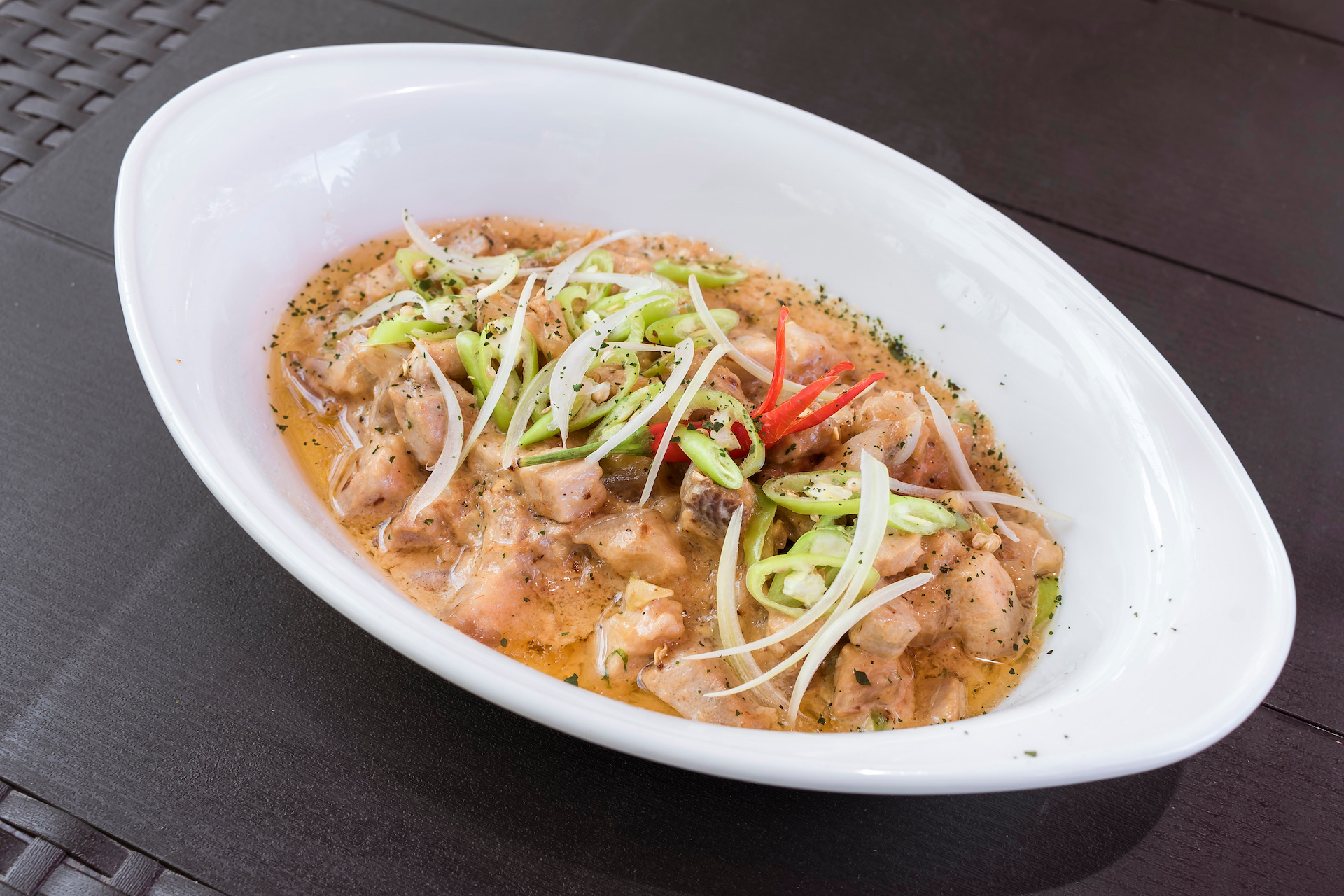
    Humba: Sweet & Savory Filipino Braised Pork

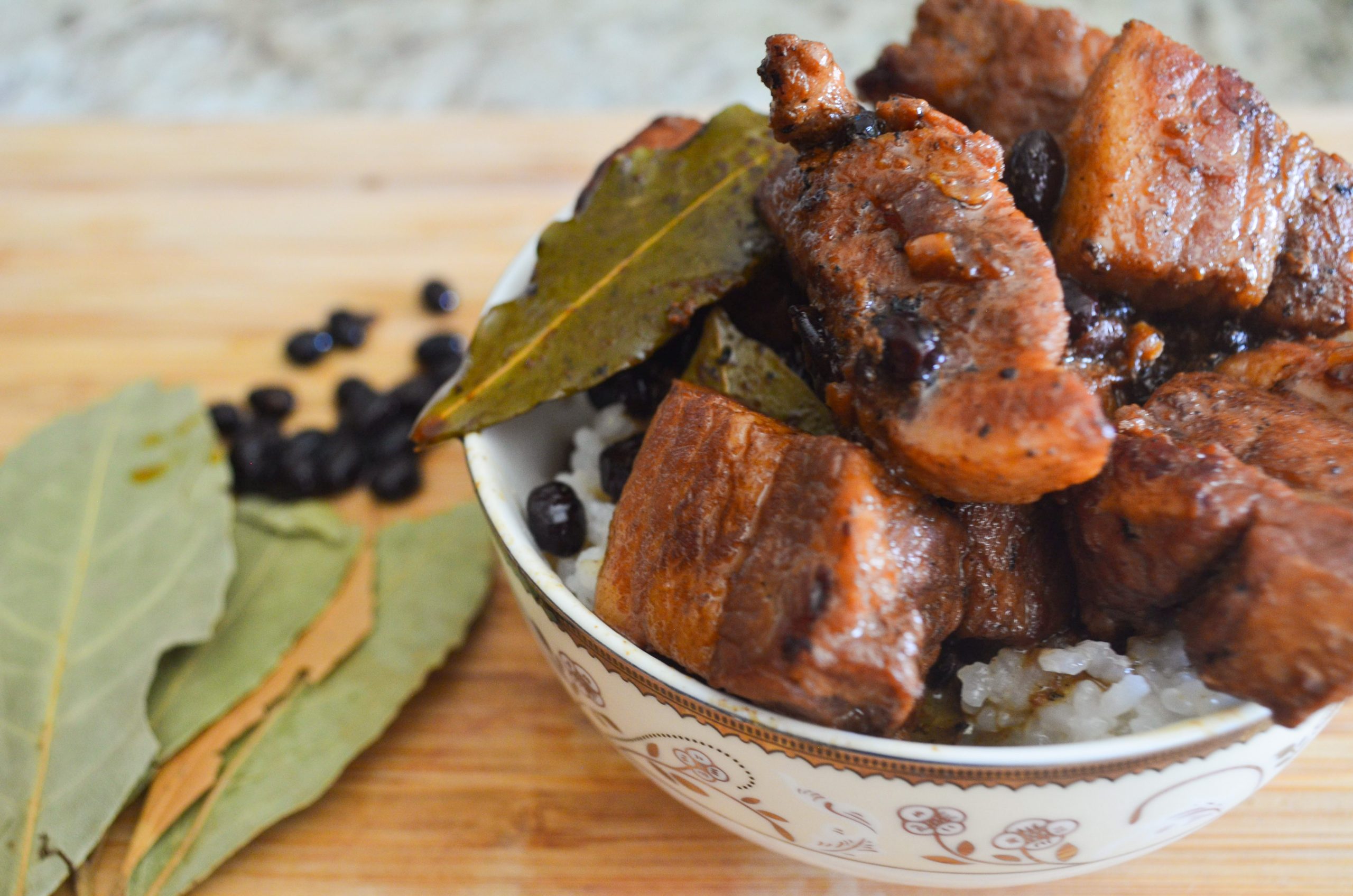
    Humba, a sweet and savory Filipino braised pork dish, blends Chinese techniques with Filipino ingredients, creating a rich and satisfying meal that brings families together during special occasions. The dish involves slow-braising pork belly in a mixture of soy sauce, vinegar, and aromatics to achieve tenderness and a well-rounded flavor profile.

    Key Takeaways

    • Humba is a fusion dish blending Chinese techniques with Filipino ingredients.
    • Essential ingredients like soy sauce, vinegar, and pineapple juice create a harmonious flavor.
    • Traditional cooking methods like browning and slow cooking enhance the dish’s taste.
    • Serving humba with rice and pickled vegetables offers a satisfying and nutritious meal.

    Origins of Humba


    Humba, a beloved Filipino dish, traces its roots back to the Chinese red braised pork belly dishes. This culinary delight made its way to the Philippines through the journey of Chinese immigrants, bringing with it a fusion of flavors that have come to define humba.

    The dish represents a cultural exchange between Chinese cooking techniques and Filipino ingredients, with the red braised pork belly acting as a symbol of this amalgamation.

    The process of making humba involves simmering the pork belly in a mixture of soy sauce, vinegar, sugar, and spices. As the meat cooks, it absorbs the rich flavors, resulting in succulent and tender pork that’s a hallmark of this dish. The combination of sweet and savory flavors tantalizes the taste buds and creates a truly delightful culinary experience.

    Humba has become a beloved comfort food for Filipino families, enjoyed during family gatherings and special occasions. Its popularity has spread across regions, leading to variations in ingredients and cooking methods that reflect the diverse culinary landscape of the Philippines. Each region adds its unique twist to the recipe, further enriching the flavors and textures of humba.

    Whether it’s the aroma that fills the kitchen or the melt-in-your-mouth pork, humba stands out as a standout dish in Filipino cuisine. Its origins and evolution highlight the cultural exchanges and culinary traditions that have shaped Filipino food throughout history. Humba is a testament to the blending of cultures and flavors, resulting in a dish that’s truly a delight to savor.

    Essential Ingredients for Humba

    Think succulent pork belly, tangy soy sauce, and the kick of vinegar.

    Imagine the sweet dance of brown sugar, the fruity touch of pineapple juice, and the depth brought by fermented black beans.

    Get ready to elevate your cooking game with these essential ingredients that make Humba a flavor-packed Filipino favorite.

    Key Humba Ingredients

    Humba, a traditional Filipino dish, is made with a delightful blend of key ingredients that come together to create a truly flavorful experience. At the heart of this dish is the pork belly, which provides a rich and fatty base that’s both tender and succulent. The pork belly is complemented by the addition of soy sauce, which adds a salty depth that perfectly balances the sweetness of the brown sugar.

    The brown sugar, in turn, brings a delightful sweetness to the dish, enhancing its overall flavor profile.

    In addition to the pork belly, soy sauce, and brown sugar, another key ingredient in Humba is vinegar. The vinegar adds a tangy kick to the dish, which helps to balance out the richness of the pork belly and the sweetness of the brown sugar. This tangy element adds a refreshing contrast to the overall taste of the dish, making it a truly delicious culinary experience.

    To further enhance the complexity of flavors in Humba, pineapple juice is also added to the mix. The pineapple juice brings a fruity twist to the dish, adding a hint of tropical sweetness that complements the other ingredients perfectly. This fruity element adds a refreshing and vibrant note to the dish, making it even more enjoyable to eat.

    When these key ingredients are combined with aromatic spices like garlic, onions, and bay leaves, the result is a mouthwatering Humba that’s sure to satisfy your cravings for a sweet and savory Filipino delight. The combination of flavors in this traditional braised pork dish is truly irresistible, and it’s no wonder that Humba is a beloved dish in Filipino cuisine.

    Cooking Techniques for Elevated Humba

    To truly elevate your Humba, it’s important to master the essential cooking techniques that will take your braised pork dish to a whole new level of deliciousness. One key technique is browning the pork belly before braising it. This step not only adds complex flavors to the dish but also creates a beautiful caramelization on the meat, enhancing both the taste and texture.

    Another important technique is properly rinsing and draining the tausi before adding it to the dish. Tausi, or fermented black beans, adds a unique saltiness to the sweet and salty sauce of Humba. By rinsing off the excess salt and draining the beans, you can ensure the right balance of flavors in your dish.

    Cooking low and slow is crucial when making Humba. This technique helps to render the fat from the pork belly and soften the connective tissues, resulting in incredibly tender pork that melts in your mouth. It also allows the flavors to develop and meld together over time, creating a rich and flavorful dish.

    Lastly, searing the meat before braising it can greatly enhance the overall taste and depth of flavor in Humba. The Maillard reaction that occurs during the searing process not only adds a beautiful caramelization to the meat but also brings out the natural flavors and intensifies the savory notes in the dish.

    Flavor Enhancers

    Pineapple juice is a versatile ingredient that can greatly enhance the flavor of various dishes. In the case of Humba, a Filipino braised pork dish, pineapple juice plays a pivotal role in elevating the overall taste profile. Its sweet and tangy notes add a refreshing element that perfectly complements the savory flavors of the pork.

    The acidity of the pineapple juice also helps to tenderize the meat, resulting in a melt-in-your-mouth texture.

    To further enhance the richness and depth of the sauce, brown sugar or palm sugar is added to the Humba. These sweeteners not only balance out the savory notes but also contribute their own distinct flavors. The caramel-like sweetness of brown sugar or the earthy sweetness of palm sugar adds complexity to the dish, making it more satisfying to the palate.

    Another flavor enhancer in Humba is fermented black beans, also known as tausi. These beans have a unique umami flavor that adds depth and complexity to the dish.

    The fermentation process brings out the beans’ natural flavors and creates a savory taste that enhances the overall taste profile of Humba. The texture of the beans also adds a delightful element to the dish, providing a contrasting bite to the tender pork.

    In addition to the flavor enhancers mentioned above, banana blossoms are also used in Humba. These blossoms offer a satisfying textural element and absorb the flavors of the braising liquid. They add a subtle sweetness and a slightly bitter taste that further complements the other flavors in the dish.

    The combination of soy sauce, vinegar, and these flavor enhancers creates a harmonious sweet and savory profile in Humba, making it a truly delightful and flavorful dish.

    Traditional Cooking Methods

    When it comes to preparing Pork Humba, you’ll find yourself immersed in a world of rich culinary history.

    The cooking techniques used are a testament to time-honored traditions that have been passed down through generations.

    Get ready to embrace heritage-inspired methods that infuse each bite with a taste of Filipino culture.

    Cooking Techniques Overview

    To master the art of cooking traditional Filipino dishes like Humba, understanding the essential techniques is crucial. One of the key techniques in preparing this sweet and savory braised pork dish is browning the pork belly before braising it. By searing the pork belly, you enhance its flavors and texture, creating a more delicious end result. This step is important as it adds depth and richness to the dish.

    Once the pork belly is browned, the next important technique is to braise it in a flavorful mixture. In the case of Humba, a blend of soy sauce, vinegar, and spices is used to infuse the meat with rich flavors. This mixture not only adds a savory taste to the pork belly but also helps to tenderize it as it slow cooks.

    Speaking of slow cooking, this is another crucial technique in preparing Humba. Cooking the pork belly on low heat for an extended period of time allows the meat to become tender and develop deep, savory flavors. It’s important to be patient during this step, as the slow cooking process is what gives Humba its distinct taste and texture.

    As the dish cooks, the sauce will naturally reduce. This reduction process is another technique that helps to intensify the sweetness and tanginess of the dish. Allowing the sauce to slowly reduce ensures that the flavors become concentrated and the dish becomes more flavorful.

    Lastly, before serving, it’s important to sear the pork belly again to achieve a caramelized exterior and a succulent interior. This final step adds another layer of flavor and texture to the dish, making it even more delicious.

    Time-Honored Culinary Practices: Exploring the Rich Flavors of Traditional Filipino Cooking

    Filipino cuisine is known for its vibrant and diverse flavors, and at the heart of this culinary tradition lie time-honored cooking techniques. These techniques have been passed down through generations, creating a rich tapestry of flavors and methods that continue to be cherished today. One such technique is the preparation of Humba, a delicious Filipino braised pork belly dish.

    Humba is a dish that showcases the use of soy sauce and vinegar in the braising liquid, which are essential to its distinctive flavor. The pork belly is first seared to add depth to the dish, enhancing its rich taste. Then, it’s slow-cooked over low heat to allow the flavors to intensify and the meat to become tender. By braising the pork belly in a covered pot, the moisture is retained, resulting in melt-in-your-mouth tender meat.

    The long, slow cooking process is key to achieving the sweet and savory taste profile that characterizes Humba. It allows the flavors to meld together and creates a dish that’s rich and satisfying. This method of cooking not only infuses the pork belly with flavor but also transforms it into a tender and succulent masterpiece.

    In Filipino culture, Humba is a dish that brings families together. It’s often served during special occasions and gatherings, and its preparation is a labor of love. The careful attention to detail and the use of traditional cooking techniques ensure that each bite of Humba is a taste of Filipino heritage.

    Heritage-Inspired Cooking Methods

    Immerse yourself in the rich culinary heritage of Filipino cuisine by exploring the time-honored and heritage-inspired cooking methods that have been passed down through generations. These traditional cooking techniques not only create delicious dishes but also connect us to the cultural roots and history of the Filipino people.

    One example of a traditional cooking method is used in the preparation of Humba, a popular Filipino dish. Humba involves slow-braising pork belly in a mixture of soy sauce, vinegar, and aromatics. This slow braising process allows the pork to become incredibly tender and allows it to absorb the flavors of the sauce.

    To enhance the depth of flavor and richness of the dish, the pork belly is typically seared before braising. This step adds a caramelized crust to the meat, which adds complexity to the overall taste. Aromatics such as garlic, onions, bay leaves, and peppercorns are also essential in infusing the dish with savory notes and creating a well-rounded flavor profile.

    The use of low heat and a tightly covered pot is crucial in ensuring that the pork belly cooks slowly and evenly. This gentle cooking method allows the pork to become melt-in-your-mouth tender and allows the flavors to meld together beautifully. By embracing these heritage-inspired cooking methods, you can experience the true essence of Filipino cuisine and create dishes that are both delicious and deeply rooted in tradition.

    Variations of Humba Recipes: Exploring the Delightful Flavors and Ingredients

    Humba, a traditional Filipino braised pork dish, is a beloved staple in Filipino cuisine. However, what makes humba truly fascinating is the wide range of variations that exist, each offering a unique exploration of flavors and ingredients. From the addition of banana blossoms to the use of artichokes or star anise, the variations of humba showcase the diversity and creativity of Filipino cooking.

    Filipino households across different regions have their take on humba, resulting in a wide array of dishes with distinct taste profiles. The addition of ingredients like banana blossoms adds a subtle floral note to the dish, while artichokes bring a tangy and slightly bitter flavor. The use of star anise infuses the dish with a warm and licorice-like taste.

    These variations highlight the versatility of humba and the endless possibilities for experimentation.

    Not only do the ingredients vary, but different cooking techniques also contribute to the unique flavors of humba. Some recipes call for slow braising, allowing the flavors to meld together over time, while others opt for a quicker cooking method for a more tender texture. These variations in cooking techniques further enhance the complexity of humba and provide a range of options for different preferences.

    One key aspect of humba variations is the level of sweetness. Some recipes use brown sugar to achieve a rich caramel flavor, while others prefer the use of palm sugar for a more subtle sweetness. Pineapple juice is also sometimes added to balance the flavors and add a hint of tanginess. The flexibility in sweetness levels allows for customization and ensures that there’s a humba recipe to suit every taste.

    Despite the creative variations, certain elements remain consistent in most humba recipes. Pork belly is the traditional cut of meat used, providing a rich and fatty base for the dish. Soy sauce and vinegar add depth and acidity, while garlic brings its signature aromatic flavor. These core ingredients anchor humba in its Filipino culinary heritage, ensuring that no matter the variation, it remains true to its roots.

    Sweet and Savory Flavor Profile

    Get ready to tantalize your taste buds with the flavorful combination of sweet and savory notes found in Humba. This dish expertly balances the richness of brown sugar and pineapple juice with the depth of soy sauce, vinegar, and aromatic spices.

    Embodying a traditional Filipino culinary technique, Humba showcases the art of harmonizing sweetness and saltiness to create a truly satisfying dish.

    Flavorful Taste Combination

    Indulge your taste buds in the exquisite dance of flavors found in Filipino humba, a dish that perfectly balances sweet and savory notes. Humba is a traditional Filipino dish that highlights the unique flavor combination of brown sugar, soy sauce, pineapple juice, and aromatic spices. This harmonious blend creates a culinary experience that captures the essence of Filipino cuisine.

    The balance between brown sugar and soy sauce is the key to the distinct flavor profile of humba. The sweetness of the brown sugar complements the savory richness of the soy sauce, creating a perfect harmony that tantalizes the taste buds. Additionally, the addition of pineapple juice adds a tangy sweetness to the dish, further enhancing the overall flavor.

    Aromatic spices like garlic, bay leaves, and peppercorns play a crucial role in elevating the savory depth of humba. These spices infuse the dish with their distinct flavors and aromas, adding layers of complexity to the overall taste. The combination of these ingredients reflects the rich culinary heritage of the Philippines, showcasing the diverse and vibrant flavors that are characteristic of Filipino cuisine.

    The interplay of sweet and savory elements in humba is what makes it such a comforting and satisfying dish loved by many. The contrast between the sweetness of the brown sugar and pineapple juice and the savory richness of the soy sauce and spices creates a well-rounded flavor profile that’s both indulgent and satisfying.

    Whether enjoyed on its own or paired with steamed rice, humba is a flavor-packed dish that’s sure to delight your taste buds.

    Balancing Sweetness and Saltiness in Filipino Humba

    Filipino humba is a dish that perfectly balances sweetness and saltiness to create a delightful harmony of flavors. The artful combination of brown sugar or palm sugar with the salty nuances of soy sauce and fermented black beans is what gives humba its signature taste. The interplay of sweet and salty elements in this braised pork dish is crucial in creating a mouthwatering experience that tantalizes your taste buds.

    The sweetness in humba comes from the addition of brown sugar or palm sugar. These sweet components not only add a pleasant sweetness to the dish, but they also help to caramelize the meat and create a rich, sticky sauce. The use of pineapple juice or bits further enhances the sweetness and adds a subtle tanginess that complements the other flavors.

    On the other hand, the saltiness in humba comes from the addition of soy sauce and fermented black beans. Soy sauce provides a savory umami flavor that balances out the sweetness and adds depth to the dish. Fermented black beans, also known as tausi, are a unique ingredient that adds a salty and slightly earthy taste to the dish. They’re often used in Filipino cuisine to add a complex flavor profile.

    The balance between sweetness and saltiness in humba is what makes it such a beloved dish in Filipino cuisine. It’s a testament to the culinary expertise of Filipino cooks who know how to create a perfect harmony of flavors. Whether you’re enjoying humba as a main course or as a side dish, the combination of sweet and salty elements is sure to satisfy your taste buds and leave you craving for more.

    Traditional Filipino Culinary Technique: Slow-Cooking Pork with a Harmonious Blend of Flavors

    When it comes to creating a sweet and savory flavor profile in Filipino dishes like Humba, one traditional culinary technique reigns supreme – slow-cooking pork. This meticulous process transforms the rich taste of pork belly into a delightful dish through the art of braising.

    By combining a harmonious blend of soy sauce, vinegar, and sugar, the flavors meld together, resulting in a dish that’s both succulent and satisfying.

    At the heart of this technique lies the choice of pork belly as the cut of meat. Known for its succulent texture, pork belly is the perfect canvas for absorbing the flavors of the braising liquid. Next comes the essential elements that contribute to the complex flavor profile of Humba. Soy sauce adds depth and umami to the dish, while vinegar provides a tangy contrast to the sweetness.

    The addition of brown sugar helps to balance out the flavors, with its caramel notes adding a touch of richness.

    But it’s the slow cooking process that truly sets this technique apart. Through braising, the pork belly is cooked in a flavorful liquid for an extended period of time, allowing the meat to become tender and infused with the sweet and savory essence of the sauce. This slow and gentle cooking method ensures that every bite of the Humba is bursting with flavor, with the pork belly practically melting in your mouth.

    Serving Suggestions for Humba

    Enhance your Humba dining experience by pairing this flavorful Filipino braised pork dish with steamed white rice to create a satisfying meal. The tender pork belly, simmered in a sweet and savory sauce, complements the fluffy rice perfectly. Additionally, consider serving pickled vegetables or a crisp salad on the side to cut through the richness of the dish.

    The tanginess and crunch of the pickles or salad provide a refreshing contrast to the tender pork and rice.

    To elevate the presentation and add a burst of freshness, sprinkle freshly chopped green onions as a garnish over the Humba. The vibrant green color of the onions not only enhances the visual appeal of the dish but also adds a mild onion flavor that complements the sweet and savory sauce.

    For a well-rounded dining experience, you can also enjoy your Humba with a side of sliced ripe mangoes. The natural sweetness of the mangoes pairs well with the rich flavors of the pork and adds a tropical touch to the meal.

    If you’re looking to further tantalize your taste buds, consider serving a zesty vinegar-based dipping sauce alongside your Humba. The tangy and acidic flavors of the sauce provide a delightful contrast to the sweetness of the pork and enhance the overall dining experience.

    Lastly, don’t forget that leftover Humba can be transformed into mouthwatering sandwiches or wraps for a delicious meal the next day. Simply slice the pork belly and place it between bread or wrap it in a tortilla with some fresh vegetables and condiments. This allows you to enjoy the flavors of Humba in a different way, creating a versatile and satisfying meal.

    Humba: A Family Favorite

    Humba, a beloved dish in Filipino households, is a culinary masterpiece that combines the delightful flavors of sweetness and savory. This traditional braised pork dish holds a special place in the hearts of many families, serving as a reminder of home and tradition.

    Passed down through generations, humba recipes are treasured secrets, adding a personal touch to each dish. The comforting aromas of pork belly simmering in a pot with tangy vinegar, rich soy sauce, and sweet ingredients like brown sugar and pineapple create an atmosphere that instantly makes anyone feel at home.

    Humba reflects the diverse culinary influences in Filipino cuisine, showcasing a blend of flavors that are both comforting and familiar. It’s often prepared for special occasions and fiestas, bringing loved ones together around the dining table. The nostalgic flavors of humba evoke memories of family gatherings, making it a staple in Filipino households.

    Health Benefits of Humba

    Humba, a delicious Filipino dish, offers more than just a satisfying meal. It’s packed with protein and essential nutrients that support your overall well-being. The pork belly used in humba is an excellent source of protein, which is essential for muscle growth and repair. Protein is also important for maintaining a healthy immune system and supporting various metabolic functions in the body.

    In addition to protein, humba provides vital nutrients like iron, zinc, and B vitamins. Iron is necessary for the production of red blood cells and the transport of oxygen throughout the body. Zinc is involved in immune function, wound healing, and DNA synthesis. B vitamins play a crucial role in energy production and maintaining a healthy nervous system.

    By including humba in your diet, you can ensure that you’re getting these important nutrients to support your overall health.

    The flavors of humba, with its sweet and savory combination, create a delightful culinary experience. What makes humba even better is that it doesn’t contain excessive added sugars, making it a great choice for those with a sweet tooth. By enjoying humba in moderation, along with a variety of other foods, you can maintain a balanced meal plan that satisfies your taste buds while nourishing your body.

    To enhance the nutritional value of humba, consider using leaner cuts of meat or adding more vegetables like banana blossoms. This won’t only increase the fiber and nutrient content of the dish but also add a unique twist to the flavors.

    Embracing the goodness of humba as part of a diverse and flavorful diet can help you enjoy a range of health benefits while indulging in a delicious and satisfying meal. So go ahead, savor the flavors of humba and reap the rewards it offers for your well-being.

    Tips for Perfecting Your Humba

    Mastering the art of cooking humba is a journey that requires attention to detail and a passion for flavor. By following these essential tips, you can take your humba dish to new heights of taste and perfection.

    When it comes to searing the pork belly, it’s important to do it like a pro. Properly searing the meat before braising not only enhances its flavor but also creates a delicious caramelized crust that adds depth to the dish. This step is crucial in achieving a mouthwatering humba experience.

    Another key element in perfecting your humba is taming the tausi. Fermented black beans, also known as tausi, add a unique flavor to the dish. However, they can be quite salty. To prevent your humba from becoming overly salty, make sure to rinse and drain the tausi well before using them. This will help remove excess saltiness and ensure a well-balanced flavor.

    Speaking of balance, achieving the perfect sweet and savory balance is essential in humba. Throughout the cooking process, taste-test the sauce and adjust the seasoning as needed. This will allow you to harmonize the flavors and create a well-rounded dish that will leave your taste buds wanting more.

    A slow and steady approach is also crucial in humba cooking. Gradually adding water while simmering the dish will prevent the sauce from reducing too quickly. This slow cooking process allows the flavors to meld together beautifully, resulting in a rich and flavorful sauce that coats the pork belly perfectly.

    Lastly, starting with a clean slate is important when cooking humba. Blanching the pork belly before cooking helps remove any impurities and ensures a clear and flavorful sauce. This step sets the stage for a truly delicious humba experience.

    Can Humba be Made with Goat Meat Instead of Pork?

    Yes, humba can be made with raw goat meat Filipino style instead of pork. The goat meat will give a unique and flavorful twist to the traditional dish. The rich and tender meat pairs perfectly with the sweet and savory flavors of the humba sauce. Try it for a delicious variation!

    Exploring Regional Humba Varieties

    Humba, a beloved dish in the Philippines, is a culinary delight that showcases the rich and vibrant flavors of Filipino cuisine. This dish has various regional variations, each with its own unique twist and combination of ingredients. From Luzon, Visayas, to Mindanao, the regional differences in Humba highlight the creativity and diversity present in Filipino cooking.

    In Luzon, Humba is made with coconut milk and soy sauce, giving it a rich and creamy texture. The key ingredient in this variation is pork belly, which adds a flavorful and succulent element to the dish. The use of coconut milk and soy sauce creates a harmonious blend of flavors, making Luzon’s Humba a comforting and satisfying meal.

    In Visayas, Humba takes on a different flavor profile with the incorporation of vinegar and local spices. One unique feature of this variation is the use of annatto seeds, which gives the dish a vibrant red color. The combination of vinegar and spices adds a tangy and aromatic element to the Humba, making it a flavor-packed dish that tantalizes the taste buds.

    In Mindanao, Humba is made with soy sauce and palm sugar, creating a balance of sweet and savory flavors. One distinctive ingredient in this variation is the inclusion of saba bananas, which adds a touch of sweetness to the dish. The combination of soy sauce, palm sugar, and saba bananas creates a complex and delightful flavor profile, making Mindanao’s Humba a unique and delicious culinary experience.

    These regional variations of Humba not only showcase the diverse ingredients and cooking techniques in the Philippines but also highlight the creativity and innovation present in Filipino cuisine. Each variation offers a culinary adventure, allowing food enthusiasts to explore the different flavors and textures that make Humba a beloved dish in the country.

    Frequently Asked Questions

    What Is Humba Made Of?

    Humba is comprised of pork belly, soy sauce, vinegar, and brown sugar, creating a delectable sweet and savory dish. You can add extras like pineapple juice, garlic, onions, and banana blossoms for richer flavors.

    What Is the Difference Between Humba and Adobo?

    In humba, sweetness rules with added sugar and pineapple; while adobo leans on umami. Humba’s braised for richness; adobo simmers. Humba’s got banana blossoms and fermented black beans; adobo keeps it classic.

    What Is the Difference Between Estofado and Humba?

    In Estofado and Humba, the contrast shines. Estofado, a Spanish-inspired stew, flaunts tomato sauce richness, while Humba, a Visayan gem, dazzles with soy-vinegar magic. Estofado simmers thick; Humba braises tender. Taste the Filipino flair!

    What Is the English of Humba?

    In English, the term ‘Humba’ translates to ‘Braised Pork.’ It captures the essence of a Filipino dish known for its delightful mix of sweet and savory flavors. Once you try it, you’ll understand why it’s a favorite!

    Conclusion

    So there you have it, a taste of the sweet and savory Filipino delight that’s Humba.

    With its rich history, unique flavor profile, and comforting appeal, Humba is sure to become a family favorite in your household.

    Whether you stick to traditional recipes or experiment with your own variations, this braised pork dish is a true culinary gem that will satisfy your taste buds and warm your soul.

    Give Humba a try and experience the deliciousness for yourself!

  • Bacolod Inasal: Unlocking the Flavors of Grilled Chicken

    Bacolod Inasal: Unlocking the Flavors of Grilled Chicken

    Bacolod Inasal is a Filipino grilled chicken dish known for its vibrant food culture and culinary heritage. The marinade includes vinegar, kalamansi juice, and spices, which enhance the chicken’s tenderness and flavor. Grilling techniques further enhance the dish’s taste. Serve with a dipping sauce and side dishes for a complete meal.

    Key Takeaways

    • Bacolod Inasal embodies the vibrant food culture and culinary heritage of Bacolod City.
    • The marinade secrets include essential ingredients like vinegar, kalamansi juice, and coconut vinegar.
    • Grilling techniques enhance tenderness and flavor, making Bacolod-style Chicken Inasal a culinary delight.
    • Serve with a flavorful dipping sauce and side dishes for a complete and satisfying dining experience.

    Bacolod Inasal: A Taste of Bacolod’s Culinary Heritage


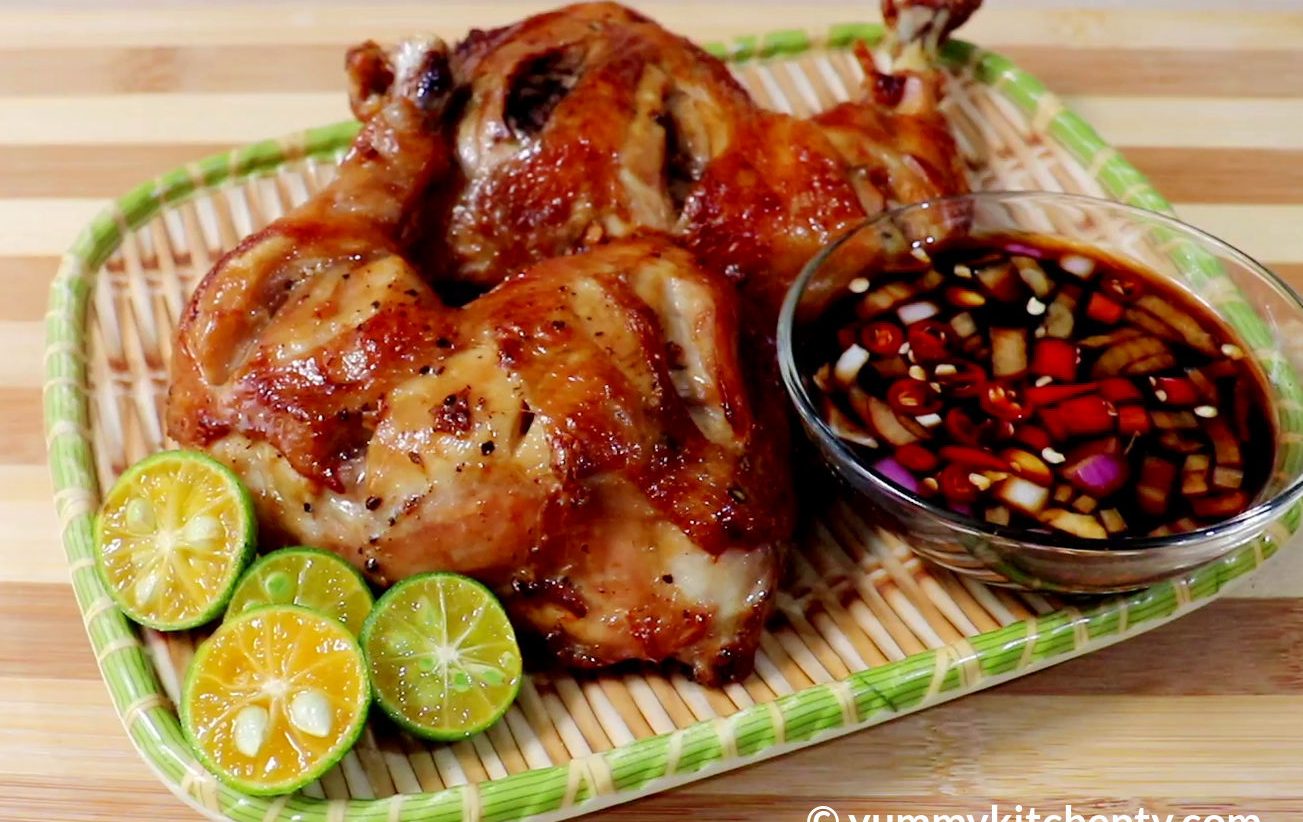
    Bacolod Inasal, a grilled chicken dish from Bacolod City, is more than just a tasty meal. It’s a reflection of the vibrant food culture and rich culinary heritage of the city. Marinated in a special blend of vinegar, kalamansi juice, and spices, Bacolod Inasal captures the hearts and taste buds of many. The chicken is then basted with annatto oil, giving it a signature orange hue that’s both visually appealing and appetizing.

    When you visit Manokan Country in Bacolod, you enter a paradise for grilled chicken enthusiasts. This bustling market strip is dedicated to serving Bacolod Inasal in all its char-grilled glory. The enticing aromas and sizzling grills create an atmosphere that truly embodies the essence of this beloved dish. Each bite is filled with the authentic flavors that have made Bacolod Inasal a culinary legend.

    Traditional Ingredients Used in Inasal

    Inasal, a popular Filipino dish, is known for its delicious flavors and tender chicken. The secret lies in the traditional ingredients used to marinate the chicken, infusing it with a burst of taste. Vinegar, kalamansi juice, garlic, ginger, and soy sauce are the essential components that come together to create a marinade that elevates the dish to new heights.

    The primary protein in Inasal is chicken, which undergoes a flavorful transformation through the marination process. The marinade is made using vinegar, which adds a tangy kick and helps tenderize the meat for a juicy texture. Additionally, the use of coconut vinegar in Bacolod-style Chicken Inasal gives it a distinctive flavor profile.

    Another key ingredient is annatto or atsuete oil, which is used for basting the chicken. Not only does it give the dish a vibrant orange hue, but it also adds a subtle earthy taste. Garlic plays a crucial role in infusing the marinade with aromatic notes and depth of flavor.

    These traditional ingredients combine harmoniously to create the mouthwatering experience that’s Bacolod Inasal. Each ingredient contributes to the overall flavor profile, ensuring that every bite is packed with deliciousness. So the next time you enjoy a plate of Inasal, take a moment to appreciate the careful selection and combination of these traditional ingredients that make it truly special.

    Marinade Secrets of Bacolod Inasal

    Unravel the mystery behind Bacolod Inasal’s tantalizing flavors by exploring its marinade secrets.

    Discover the unique blend of garlic, ginger, vinegar, and calamansi that sets this grilled chicken dish apart.

    Let the magic happen as the chicken marinates for hours, infusing every bite with a burst of tangy, savory goodness.

    Flavorful Marinade Ingredients

    Bacolod Inasal’s signature marinade is a delightful blend of garlic, ginger, vinegar, calamansi, and tanglad. This flavorful combination of ingredients creates a burst of unique flavors that sets Bacolod Inasal apart from other grilled chicken dishes. The garlic adds a robust and aromatic taste to the marinade, while the vinegar provides a tangy kick that tenderizes the chicken.

    The calamansi offers a citrusy freshness, and the tanglad imparts a subtle lemony flavor that enhances the overall profile. Additionally, annatto seeds infused in margarine or butter add color and a hint of earthy taste. These carefully selected ingredients work together harmoniously, creating a distinct and mouth-watering flavor experience.

    The combination of garlic, ginger, vinegar, calamansi, and tanglad in Bacolod Inasal’s marinade is carefully crafted to provide a tantalizing flavor experience.

    The garlic adds depth and richness to the marinade, while the vinegar tenderizes the chicken and adds a tangy element. The calamansi provides a refreshing citrusy note that balances the other flavors, while the tanglad imparts a subtle lemony taste that enhances the overall profile. To add color and a hint of earthiness, annatto seeds are infused in margarine or butter.

    This unique blend of ingredients is what sets Bacolod Inasal apart from other grilled chicken dishes. The flavors are carefully balanced, creating a mouth-watering marinade that enhances the taste of the chicken. Each ingredient plays a crucial role in adding depth and complexity to the overall flavor profile.

    Whether you’re a fan of tangy, citrusy, or savory flavors, Bacolod Inasal’s marinade has something to offer. So, the next time you’re craving delicious grilled chicken, be sure to try Bacolod Inasal’s signature marinade for a burst of unique and unforgettable flavors.

    Marinating Techniques for Flavorful Grilled Chicken

    When it comes to infusing flavors into grilled chicken, marinating is an art form. Bacolod Inasal, known for their signature grilled chicken dishes, has revealed their marinating techniques that create their distinctive flavors. In Bacolod-style marinades, ingredients like garlic, ginger, vinegar, calamansi, tanglad, salt, and pepper come together harmoniously to create a flavor profile that’s unique and delicious.

    What sets Bacolod-style marinades apart is the absence of soy sauce, which is commonly used in traditional Filipino chicken recipes. Instead, the focus is on the combination of these key ingredients to develop a deep and vibrant flavor. To achieve the best flavor penetration, it’s recommended to marinate the chicken for at least 4 hours, but ideally overnight.

    This allows the marinade to seep into the meat, resulting in a more flavorful and tender chicken.

    For an added touch of color and taste, Bacolod Inasal suggests enhancing the marinade with annatto seeds-infused margarine or butter. This not only adds a vibrant hue to the chicken but also enriches the taste when the chicken is basted during grilling. The combination of the marinade and the basting process ensures that the flavors are locked into the chicken, creating a mouthwatering dish.

    Another important aspect of Bacolod-style marinating is the proper slitting of the chicken pieces. This allows for more even cooking and ensures that the marinade can effectively permeate the meat. By creating small slits in the chicken, the flavors can penetrate every inch of the meat, resulting in a flavorful and succulent dish.

    Mastering these marinating techniques is the key to unlocking the authentic taste of Bacolod Inasal grilled chicken. By understanding the importance of the ingredients, the marinating time, and the slitting technique, you can recreate the flavors of Bacolod in your own kitchen. So next time you’re craving grilled chicken, try marinating it the Bacolod way for a truly delicious and satisfying meal.

    Grilling Techniques for Perfect Chicken

    To achieve the perfect grilled chicken, focus on marinating for enhanced flavor, mastering cooking temperature control, and choosing between charcoal and gas grills for distinct tastes.

    These techniques will elevate the taste and texture of your chicken, ensuring a juicy and flavorful outcome every time you grill.

    Experiment with these methods to find the perfect balance that suits your preference and brings out the best in your Bacolod inasal.

    Marinades for Flavor

    Marinades are a crucial component in enhancing the flavor of grilled chicken. By infusing marinades with ingredients such as garlic, ginger, vinegar, calamansi, and lemongrass, you can create a burst of unique flavors that will elevate your Bacolod Chicken Inasal. Experimenting with different marinades allows you to customize the flavor profile of your dish, catering to your personal preferences.

    In addition to adding flavor, proper marinating techniques are essential for achieving the desired taste and tenderness of your chicken. The marinade not only infuses the chicken with tanginess, sweetness, and savory notes but also acts as a tenderizer, making the meat juicy and flavorful when grilled. It’s through the marinating process that you can truly achieve the authentic taste of Bacolod Chicken Inasal.

    Cooking Temperature Control

    Grilled chicken is a delicious and versatile dish that can be enjoyed year-round. However, achieving the perfect texture and flavor requires mastering cooking temperature control. Cooking at a medium grilling temperature of around 350-400°F is essential for even cooking without burning the chicken.

    This temperature range allows the chicken to cook through while still retaining its juiciness. To ensure that the chicken is cooked to perfection, it’s crucial to use a meat thermometer to check the internal temperature. This ensures that the chicken is safe to eat without being overdone.

    In addition to maintaining the right temperature, covering the grill while cooking can create a consistent cooking environment and reduce flare-ups. This helps to ensure that the chicken cooks evenly and prevents it from drying out. Another important aspect of cooking temperature control is adjusting the distance between the chicken and the heat source.

    This allows you to control the intensity of the heat and achieve optimal grilling results. By moving the chicken closer to the heat source, you can create a nice sear on the outside while keeping the inside juicy and tender.

    One key step in cooking temperature control that shouldn’t be overlooked is preheating the grill properly. This ensures even cooking and a nice sear on the chicken. Preheating allows the grill to reach the desired temperature before placing the chicken on the grill. It also helps to prevent sticking and ensures that the chicken cooks evenly.

    By following these temperature control tips, you can achieve perfectly juicy and flavorful grilled chicken every time. So the next time you fire up the grill, remember to maintain a medium grilling temperature, use a meat thermometer, cover the grill, adjust the distance between the chicken and the heat source, and preheat the grill properly for the best results.

    Charcoal Vs Gas Grill

    When it comes to grilling chicken, the choice between a charcoal or gas grill can make a big difference in the final flavor and cooking experience. Each option brings its own distinct advantages to the table.

    Charcoal grills are known for providing a smokier flavor to the chicken, which can enhance its overall taste. The charcoal adds a rich, aromatic quality that many people enjoy. Additionally, charcoal grills are often associated with traditional and authentic preparations, such as Bacolod-style chicken inasal. The charcoal imparts a unique flavor that’s difficult to replicate with other cooking methods.

    On the other hand, gas grills offer a different set of benefits. They provide quicker and more controlled heat, allowing for precise cooking of chicken inasal. This can be especially useful when you want to achieve a specific level of doneness or when cooking for a larger group of people. Gas grills are also known for their convenience and ease of use, making them a practical choice for home cooking.

    Ultimately, the choice between charcoal and gas grills depends on personal preference and the desired flavor profile for your grilled chicken. Some people prefer the smokier taste that comes from charcoal grilling, while others appreciate the convenience and control of gas grills. It’s important to consider your own preferences and cooking style when making this decision.

    Flavorful Variations of Chicken Inasal

    Amplify the delectable essence of Chicken Inasal by exploring a myriad of flavorful variations that tantalize the taste buds. Chicken Inasal is a popular Filipino grilled chicken dish that’s known for its unique blend of tangy and savory flavors. By customizing your Chicken Inasal, you can experiment with different vinegar types to achieve a unique tanginess.

    For example, coconut vinegar or native vinegar can add a subtle yet distinct flavor to the marinade.

    In addition to vinegar, incorporating special ingredients can introduce exciting new flavors to your Chicken Inasal. Lemongrass, with its citrusy and herbal notes, can infuse the chicken with a refreshing aroma. Galangal, a rhizome similar to ginger, adds a spicy and peppery kick to the marinade.

    Another unique ingredient to consider is batwan, a sour fruit commonly used in Filipino cuisine, which lends a slightly sour and fruity taste to the dish.

    Adjusting the marinating time and ingredients allows you to tailor the taste of your Chicken Inasal to suit your preferences perfectly. You can experiment with different ratios of vinegar, soy sauce, and other seasonings to achieve the desired balance of flavors. The longer you marinate the chicken, the more flavorful and tender it will become.

    Furthermore, different cuts of chicken offer versatility in texture and taste. Chicken thighs, with their juicy and tender meat, are a popular choice for Chicken Inasal. Drumsticks, on the other hand, offer a meaty and succulent bite. By using different cuts of chicken, you can create a variety of Chicken Inasal dishes that cater to different preferences.

    For a creamy twist, consider adding star margarine to your marinade. Star margarine is a popular ingredient in Filipino cuisine and adds a rich and indulgent flavor to the dish. This addition gives your Chicken Inasal a luscious and buttery taste that’s sure to impress.

    Serving Suggestions for Bacolod Inasal

    Elevate your Bacolod Inasal experience by exploring the perfect serving suggestions that enhance the flavors of this traditional Filipino dish. Bacolod Inasal is a grilled chicken dish that’s known for its tanginess and smoky aroma. To fully enjoy the flavors of the chicken inasal, there are a few key components that can elevate your dining experience.

    One essential accompaniment to Bacolod Inasal is a dipping sauce. This sauce is made of soy sauce, vinegar, kalamansi juice, and chili, adding an extra kick of flavor to the grilled chicken. The combination of tangy, salty, and spicy flavors in the dipping sauce perfectly complements the smoky taste of the chicken.

    Steamed rice is the ideal partner to soak up the delicious marinade and juices from the grilled chicken. The fluffy texture of the rice helps to balance out the flavors of the dish and provides a satisfying base for the chicken.

    Another classic side dish that pairs well with Bacolod Inasal is atchara, which is pickled papaya. The sweet and tangy flavors of the atchara complement the savory notes of the chicken, adding a refreshing element to each bite.

    To add a touch of freshness to your meal, consider serving a side salad of tomatoes and onions. The crispness of the vegetables helps to balance out the richness of the grilled chicken and adds a burst of freshness to each bite.

    Lastly, don’t forget the visual appeal of Bacolod Inasal. The vibrant orange color of the dish not only looks appetizing but also signifies the authentic flavors of Bacolod Inasal. Presentation can play a big role in enhancing the overall dining experience, so take the time to arrange the chicken and accompanying dishes in an appealing way.

    Tips for Recreating Inasal at Home

    Chicken Inasal is a popular Filipino dish known for its tangy and savory flavors. To recreate this delicious dish at home, it’s important to marinate the chicken properly. A blend of vinegar, kalamansi juice, soy sauce, and spices is the key to infusing the chicken with the authentic flavors of Bacolod-style Inasal.

    These ingredients create a tangy and savory marinade that will make your chicken taste just like the ones you find in restaurants.

    In addition to the marinade, the cooking method is also crucial in achieving the authentic taste of Chicken Inasal. Nothing beats the smoky essence of charcoal-grilled chicken, so firing up your grill is a must. The char-grilled flavor adds depth and complexity to the dish, giving it that distinct Inasal taste.

    To enhance the flavor even further, traditional ingredients like garlic, ginger, and lemongrass can be added to the marinade. These ingredients provide an extra kick of flavor and elevate the overall taste of the dish.

    When serving your homemade Chicken Inasal, don’t forget to pair it with steamed rice and a side of soy sauce, vinegar, kalamansi juice, and chili dip. These condiments complement the dish perfectly and add an extra layer of flavor.

    Health Benefits of Grilled Chicken

    Grilled chicken isn’t only delicious but also packed with health benefits that make it a fantastic addition to your diet. One of the key advantages of grilled chicken is its high protein content. Protein is essential for weight management and muscle development, and grilled chicken serves as an excellent source of lean protein. By incorporating grilled chicken into your meals, you can support your fitness goals and nourish your body.

    In addition to being a great source of protein, grilled chicken is also nutrient-rich. When you grill chicken, you preserve essential nutrients like B vitamins, niacin, zinc, and phosphorus. These nutrients play a crucial role in overall well-being, supporting various bodily functions. By choosing grilled chicken, you can ensure that you’re getting a wide range of nutrients that contribute to your health.

    Furthermore, grilled chicken is a heart-healthy option. By cooking chicken on the grill without additional fats, you can reduce the risk of cardiovascular issues. Grilling helps to keep the chicken lean and lowers its saturated fat content, which is beneficial for heart health. Incorporating grilled chicken into your diet can be a delicious way to support your cardiovascular well-being.

    If you’re looking to maintain a healthy weight, grilled chicken is an ideal choice. It has low saturated fat and calorie content, making it a suitable option for weight management. By including grilled chicken in your meals, you can satisfy your hunger without consuming excessive calories. This can be especially beneficial for individuals who are trying to achieve or maintain a healthy weight.

    Lastly, the high protein content in grilled chicken helps promote satiety. When you consume protein-rich foods, you tend to feel full for longer periods, which can assist in regulating blood sugar levels and curbing unhealthy snacking habits. By incorporating grilled chicken into your meals, you can feel satisfied and reduce the temptation to indulge in unhealthy snacks.

    Cultural Significance of Inasal in Bacolod

    In exploring the vibrant culinary landscape of Bacolod, the cultural significance of Inasal emerges as a flavorful emblem of local heritage and culinary tradition. Bacolod City, nestled on the Northwest coast of Negros Island, takes immense pride in its renowned grilled chicken dish, Inasal.

    This beloved delicacy holds a special place in the hearts of Bacolodnons, symbolizing community gatherings, festive celebrations, and cherished family meals.

    Manokan Country, a bustling market strip dedicated to serving Inasal, stands as a testament to the dish’s cultural importance in the region, welcoming locals and tourists alike to savor its char-grilled flavor and aromatic allure. The vibrant orange hue of Inasal, derived from the annatto/achuete oil used in its basting sauce, is a visual representation of Bacolod’s rich culinary heritage.

    The marinade, a blend of vinegar, kalamansi juice, and spices, not only infuses the chicken with a tangy and flavorful profile but also reflects the region’s diverse culinary influences.

    Inasal goes beyond being just a delicious grilled chicken dish. It’s a culinary tradition that brings people together, creating a sense of community and shared experiences. Whether it’s a large fiesta or a simple family dinner, Inasal is often the centerpiece of gatherings, embodying the spirit of togetherness and celebration.

    The cultural significance of Inasal can also be seen in the way it represents Bacolod’s identity and history. The dish’s roots can be traced back to the Higaonon people, an indigenous group in the region. Over time, Inasal has evolved and incorporated various influences, including Spanish and Chinese flavors, showcasing the cultural diversity and fusion that defines Bacolod’s culinary landscape.

    Furthermore, Inasal isn’t just a dish to be enjoyed, but also a symbol of Bacolod’s resilience and creativity. Despite the challenges faced by the city, such as economic hardships and natural disasters, Inasal has remained a constant source of pride and comfort for the people of Bacolod. It represents the city’s ability to adapt and innovate, creating something unique and delicious out of simple ingredients and cooking techniques.

    How Can I Incorporate Filipino Salting Techniques into Grilled Chicken for Added Flavor and Preservation?

    Incorporating Filipino salting techniques into grilled chicken can enhance its flavor and promote preservation. By using a mixture of salt, sugar, and spices to cure the chicken before grilling, you can achieve a more flavorful and moist result. Try these traditional Filipino salting techniques for a unique and delicious twist on grilled chicken.

    Popular Accompaniments for Inasal

    You crave the perfect balance of flavors to elevate your grilled chicken experience.

    Discover the ideal side dish pairings, the tantalizing inasal dipping sauces, and the best drink choices to complement your meal.

    Let your taste buds embark on a journey of savory, tangy, and spicy sensations that enhance every bite of your Bacolod Inasal adventure.

    Side Dish Pairings

    When indulging in Bacolod Inasal, enhancing the experience with well-chosen side dishes elevates the flavors to a whole new level. Side dish pairings can add a variety of tastes and textures to savor alongside the flavorful Chicken Inasal.

    One popular side dish is steamed rice, with its fluffy texture that complements the juicy grilled chicken. The addition of atchara, a sweet and tangy pickled papaya, adds a delightful contrast to the savory chicken.

    Another option is a side salad of tomatoes and onions, providing a fresh and crisp element to balance the richness of the inasal. For those looking for bold flavors, garlic fried rice or garlic noodles are aromatic sides that enhance the overall dining experience.

    And for a twist on the classic dish, grilled vegetables or mango salsa offer a variety of tastes and textures to enjoy alongside the Chicken Inasal. These side dishes not only enhance the flavors of the main dish but also provide a well-rounded and satisfying meal.

    Inasal Dipping Sauces: Elevating the Grilled Chicken Experience

    Inasal dipping sauces are the perfect accompaniments to enhance the vibrant flavors of Bacolod Inasal. These sauces not only add an extra layer of enjoyment but also elevate the grilled chicken experience to new heights. One popular dipping sauce for Chicken Inasal is a mixture of soy sauce, vinegar, kalamansi juice, and chili.

    This combination of ingredients adds tangy and savory notes to the marinated chicken, creating a harmonious taste sensation.

    When enjoying Chicken Inasal, dipping the chicken in these flavorful sauces is a must. The smoky and caramelized flavors of the grilled chicken are perfectly complemented by the tangy and savory dipping sauce. It creates a perfect balance of flavors that tantalizes the taste buds.

    Serving Chicken Inasal with these dipping sauces, along with steamed rice and side salads, offers a complete and satisfying meal experience. The combination of flavors and textures creates a w

    ell-rounded dish that’s sure to please. The dipping sauces not only enhance the dish but also add depth and richness to the overall flavor profile. Whether you prefer a tangy kick from the vinegar or a spicy punch from the chili, these sauces provide a variety of options to suit every palate.

    Best Drink Choices

    When it comes to enjoying a delicious meal at Bacolod Inasal, the right choice of drink can make all the difference. To truly enhance your dining experience, consider complementing the vibrant flavors of the grilled chicken dish with a selection of popular drinks.

    Cold beer, soda, or iced tea are classic choices that pair well with the savory flavors of Chicken Inasal. For those who prefer something refreshing and citrusy, options like calamansi juice or fresh coconut water are great choices. If you’re in the mood for a more traditional accompaniment, classic soft drinks like Coke or Sprite can be a satisfying choice.

    For those looking for something different, sago’t gulaman, a sweet drink made with tapioca pearls and gelatin, can provide a unique and enjoyable contrast to the grilled chicken. And if you’re craving a tropical twist, citrusy lemonade or a tropical fruit punch can offer a burst of flavor that perfectly complements the dish.

    With these drink choices, you can create a well-rounded and satisfying dining experience that will leave your taste buds satisfied and your meal complete.

    Frequently Asked Questions

    What Makes Bacolod Chicken Inasal Unique?

    You’re in for a treat with Bacolod Chicken Inasal. It stands out for its marinade using vinegar and calamansi, its vibrant orange hue from annatto oil, and the irresistible char-grilled flavor that’s a perfect balance of sweet, tangy, and savory.

    What Is the Secret Ingredient of Mang Inasal?

    You unlock the rich flavors of Mang Inasal’s grilled chicken with its secret blend of vinegar, calamansi juice, and special spices in the marinade. This unique combination creates the tangy and aromatic taste loved by many.

    What Is the Best Tasting Chicken Inasal in the Philippines?

    You crave the best tasting Chicken Inasal in the Philippines. Look no further than Bacolod City. The unique marinade, charcoal grilling, and signature orange hue set this dish apart. Prepare your taste buds for a flavorful journey!

    What Is the Difference Between Chicken Inasal and BBQ Chicken?

    When comparing Chicken Inasal to BBQ chicken, note that Inasal offers a tangy, savory taste with a char-grilled aroma, distinct from the sweeter, smokier profile of BBQ chicken. Each dish boasts unique flavors and preparation methods.

    Conclusion

    Unlocking the flavors of Bacolod Inasal is a journey of taste and tradition. From its unique marinade to its grilling techniques, this dish embodies the rich culinary heritage of Bacolod City.

    By exploring the origins, ingredients, and cultural significance of Inasal, one can truly appreciate the art of creating this delicious grilled chicken dish.

    So next time you crave a flavorful meal, consider recreating Bacolod Inasal at home and savoring every bite.

  • Spicy Filipino Food: Your Guide to Bicolano Dishes

    Spicy Filipino Food: Your Guide to Bicolano Dishes

    Bicolano cuisine is known for its spicy flavors and creamy coconut milk. Key dishes include Laing, Bicol Express, Pinangat, and Sili Ice Cream. Pili nuts are used in various dishes, offering health benefits and cultural significance.

    Key Takeaways

    • Bicolano cuisine is renowned for its spicy flavors and creamy coconut milk.
    • Signature dishes like Laing and Bicol Express showcase the region’s flavorful culinary heritage.
    • Innovative creations like Sili Ice Cream blend sweet coconut milk with spicy chili peppers.
    • Pili nuts, used in various Bicolano dishes, offer health benefits and cultural significance.

    Bicolano Cuisine: A Symphony of Spicy Flavors and Creamy Coconut Milk


    Bicolano cuisine is a vibrant and exciting culinary tradition that originates from the Bicol Region in the Philippines. Known for its spicy flavors and creamy coconut milk, this cuisine is a true delight for the senses. The Bicol Region, with its abundance of coconut and chili peppers, plays a crucial role in shaping the unique taste of Bicolano dishes.

    One of the defining elements of Bicolano cuisine is the use of coconut milk. This rich and creamy ingredient not only adds a velvety texture to dishes but also helps to balance out the fiery kick of the spicy food that the region is famous for.

    Whether it’s the popular dish Bicol Express, where pork is cooked in spicy coconut milk, or the mouthwatering Pinangat, which combines fish with coconut milk and tamarind leaves, Bicolano dishes showcase a harmonious blend of flavors.

    In addition to coconut milk, Bicolano cuisine also incorporates other local ingredients such as pili nuts and coconut cream. These ingredients further enhance the taste profile and add a unique touch to the dishes. The use of these ingredients reflects the rich cultural heritage of the region and adds depth and complexity to the flavors.

    Whether you’re a fan of spicy food or enjoy creamy textures, Bicolano cuisine offers a delightful journey for your palate. From the symphony of flavors to the use of local ingredients, every dish tells a story and reflects the vibrant culinary tradition of the Bicol Region. So, immerse yourself in the world of Bicolano cuisine and experience the explosion of taste that awaits you.

    Laing: The Leafy Delight

    Indulge in the creamy richness and bold flavors of Bicolano cuisine with Laing, a traditional dish featuring taro leaves cooked in coconut milk. Laing isn’t just a dish; it’s a culinary experience that embodies the essence of Bicolano cooking. Dive into a bowl of Laing and savor the harmonious blend of coconut milk and taro leaves that define this beloved Bicolano specialty.

    Laing is a dish that celebrates the unique flavors and ingredients of the Bicol region in the Philippines. The star of the dish is the taro leaves, which contribute an earthy flavor and hearty texture to the dish. Not only do taro leaves add depth to the overall taste, but they’re also high in fiber and essential nutrients, making Laing not only delicious but also nutritious.

    Coconut milk is the creamy base that enhances the richness of Laing. Its smooth texture and tropical flavor add a delightful twist to the dish. The coconut milk perfectly complements the taro leaves, creating a velvety and indulgent experience with every bite.

    To elevate the flavors even further, Laing incorporates a blend of spices such as chili peppers, ginger, garlic, and onions. These spices infuse a delightful kick to the dish, balancing out the creaminess of the coconut milk and adding layers of complexity to the overall taste profile.

    When you indulge in a bowl of Laing, you aren’t just enjoying a delicious meal, but also immersing yourself in the rich culinary heritage of the Bicolano people. The combination of taro leaves, coconut milk, and spices creates a unique and satisfying dish that represents the flavors and traditions of the region.

    Bicol Express: Spicy Coconut Pork

    Bicol Express: Spicy Coconut Pork is a beloved Filipino dish that showcases the vibrant flavors of Bicolano cuisine. Originating from the Bicol region, known for its love of spicy and richly flavored dishes, Bicol Express is a tantalizing favorite that combines tender pork, creamy coconut milk, fiery chilies, shrimp paste, and aromatic spices.

    This unique blend creates a harmonious balance of flavors, appealing to those seeking a culinary adventure.

    Traditionally, Bicol Express is simmered until the pork reaches a melt-in-your-mouth tenderness, allowing the flavors to meld together perfectly. The result is a luscious, thick sauce that coats the pork, infusing it with the rich taste of coconut and the bold kick of chilies.

    This combination of spicy heat, creamy texture, and savory undertones has made Bicol Express a cherished staple in Filipino households and eateries alike.

    The complexity and comfort of Bicol Express make it an iconic dish in Filipino gastronomy, offering a taste of tradition and a touch of culinary indulgence. Each bite of this delectable pork dish is bursting with the flavors of the Bicol region, transporting you to a world of bold and exciting tastes.

    Whether you’re a fan of spicy food or simply looking to expand your culinary horizons, Bicol Express: Spicy Coconut Pork is sure to satisfy your cravings and leave you wanting more.

    Pinangat: Celebrating the Richness of Taro Leaves and Coconut Milk

    Pinangat, a traditional Bicolano dish, is a true celebration of the region’s culinary heritage. This delightful dish combines taro leaves, dried fish, and coconut milk to create a unique flavor profile that’s both comforting and satisfying. It’s a popular street food in the Bicol region, showcasing the local culinary expertise and captivating the taste buds of food enthusiasts.

    Taro leaves take center stage in Pinangat, cooked to perfection in creamy coconut milk until tender and bursting with flavor. The addition of dried fish adds a savory depth that perfectly complements the creaminess of the coconut milk. The result is a harmonious blend of textures and flavors that will leave you craving for more.

    But Pinangat is more than just a delicious dish. It represents the cultural heritage of the Bicol region and highlights the importance of local ingredients. The use of taro leaves, a staple in Bicolano cuisine, showcases the rich agricultural resources of the region. And the coconut milk, a common ingredient in Filipino cooking, adds a creamy richness that elevates the dish to another level.

    Pinangat is a dish that truly embodies the essence of Bicolano cuisine. It’s a testament to the creativity and skill of the local cooks, who’ve perfected the art of combining simple ingredients to create extraordinary flavors. Whether you’re a fan of Filipino cuisine or simply looking to explore new flavors, Pinangat is a must-try dish that promises a delightful culinary experience.

    So don’t miss the chance to savor this Bicolano classic and indulge in the richness of taro leaves and coconut milk in every delicious bite.

    Sili Ice Cream: Unique Dessert Twist

    Sili ice cream combines the unexpected duo of sweet and spicy flavors, creating a local favorite treat in the Bicol region.

    This unique dessert twist offers an unusual flavor combination that intrigues adventurous foodies looking for something different.

    The creamy texture of coconut milk balances out the spicy kick from the chili peppers, resulting in a surprising and delightful culinary experience.

    Sweet and Spicy

    Indulge your taste buds in a delightful fusion of sweet and spicy flavors with the unique dessert twist of Bicolano Sili Ice Cream. This popular Filipino dessert combines the richness of coconut milk with the heat of chili peppers, creating a harmonious balance between creamy sweetness and fiery spiciness.

    The varying levels of spiciness in sili ice cream cater to different palates, offering both a mild kick and an intense fiery experience. Adventurous foodies seeking a new culinary adventure shouldn’t miss trying this innovative treat.

    Bicolano Sili Ice Cream is a testament to the ingenuity of Filipino cuisine, showcasing the bold flavors and creativity that define Bicolano dishes. By incorporating unexpected ingredients like chili peppers into a traditional dessert, this unique ice cream highlights the ability of Filipino chefs to reimagine and reinvent classic flavors.

    The combination of coconut milk and chili peppers creates a flavor profile that’s both indulgent and exciting, offering a sensory experience unlike any other.

    The sweetness of the coconut milk provides a creamy base for the ice cream, while the chili peppers add a subtle heat that gradually builds as you indulge in each spoonful. Whether you prefer a milder kick or crave an intense fiery sensation, there’s a variation of sili ice cream to suit your taste. This versatility makes it a dessert that can be enjoyed by a wide range of palates.

    Not only does Bicolano Sili Ice Cream offer a unique flavor experience, but it also pays homage to the culinary traditions of the Bicol region in the Philippines. Known for its love of spicy food, Bicolano cuisine is celebrated for its use of chili peppers in various dishes. By incorporating this regional ingredient into a dessert, Bicolano Sili Ice Cream showcases the cultural heritage and culinary expertise of the Bicolanos.

    Bicol’s Spicy Delight: Sili Ice Cream

    Bicol, known for its vibrant culinary landscape, has a local favorite treat that stands out among the rest – the intriguing Sili Ice Cream. This unique dessert takes traditional flavors and turns them on their head, offering a delightful balance of spicy and sweet notes that’s sure to tantalize your taste buds.

    By combining the heat of chili peppers with the creaminess of coconut milk, this innovative twist on ice cream showcases the Bicolano love for incorporating spicy flavors into their dishes. As you take a scoop of Sili Ice Cream, get ready for a culinary adventure that pushes the boundaries of traditional desserts.

    The popularity of Sili Ice Cream has skyrocketed among adventurous foodies who are seeking a memorable experience that goes beyond the ordinary. Bicol has always been known for its love of spicy food, and this unique dessert is a testament to that. By infusing the ice cream with the fiery kick of chili peppers, it creates a flavor profile that’s both unexpected and exciting.

    What makes Sili Ice Cream truly special is the way it balances the spiciness of the chili peppers with the creaminess of coconut milk. The rich and velvety texture of the ice cream provides the perfect backdrop for the heat of the peppers, creating a harmonious blend of flavors that’s truly unique. It’s a combination that may seem unusual at first, but once you take a bite, you’ll understand why it has become a local favorite.

    In addition to its innovative flavors, Sili Ice Cream also showcases the Bicolano commitment to pushing the boundaries of traditional desserts. By taking a beloved treat like ice cream and infusing it with the bold flavors of the region, Bicolanos have created a dessert that isn’t only delicious but also representative of their rich culinary heritage.

    Unusual Flavor Combination

    Exploring the fusion of contrasting flavors, the Bicolano specialty, Sili Ice Cream, offers a unique dessert experience that marries the spiciness of chili peppers with the creaminess of coconut milk. This unconventional combination found in Bicolano food creates a delightful contrast that surprises and delights the taste buds.

    Bicolano cuisine is known for its bold and adventurous flavors, and Sili Ice Cream is a perfect example of this culinary creativity. The heat from the chili peppers blends harmoniously with the richness of coconut milk, resulting in a spicy-sweet flavor profile that’s both refreshing and memorable.

    The use of chili peppers in ice cream may seem unconventional, but it’s a testament to the Bicolano’s willingness to push the boundaries of flavor. By combining the spiciness of the chili peppers with the creaminess of the coconut milk, Sili Ice Cream offers a taste experience that’s truly unique.

    One might think that the spiciness of the chili peppers would overpower the sweetness of the ice cream, but in reality, they complement each other perfectly. The heat from the peppers adds a subtle kick to the creamy base, creating a balance of flavors that’s both surprising and delightful.

    If you’re an adventurous food enthusiast looking to try something new, Sili Ice Cream should definitely be on your list. The innovative twist of spicy chili peppers and creamy coconut milk in this dessert provides a satisfying balance that showcases the creativity and bold flavors of Bicolano cuisine.

    Pili Nuts: Bicol’s Nutty Delight

    Pili nuts from the Bicol region aren’t just tasty treats but also packed with nutrients like healthy fats and vitamin E.

    These nuts are a versatile ingredient, adding both crunch and flavor to Bicolano dishes.

    Whether in savory recipes like laing or sweet treats like pili tart, pili nuts bring a unique touch to the table.

    Pili Nut Harvesting: A Delicate Task That Connects Tradition and Skill

    Harvesting pili nuts in the Bicol region isn’t for the faint-hearted. It involves venturing into towering trees that can reach up to 20 meters in height, navigating spiky fruit pods to collect this prized local delight. Picture yourself in this challenging yet rewarding task, as you climb up tall trees and carefully pluck the nuts from thorny pods.

    The sense of accomplishment is palpable as you gather the nuts amidst the lush greenery of the Bicol landscape. But it’s not just about the physical effort – the process of harvesting pili nuts also connects you to the rich agricultural traditions of the region.

    The art of pili nut harvesting requires both skill and patience. As you ascend the tall trees, you must carefully navigate the spiky fruit pods, ensuring that you pluck the nuts without damaging them. It’s a delicate task that demands precision and dexterity. But the rewards are worth it, as the pili nuts are known for their rich and buttery flavor.

    The experience of harvesting pili nuts goes beyond the physical aspect. While you gather the nuts, you can listen to the rustling leaves and chirping birds, immersing yourself in the natural beauty of the Bicol landscape. The anticipation of tasting these flavorful nuts adds a sweet touch to the experience.

    Moreover, the process of harvesting pili nuts is deeply rooted in the agricultural traditions of the Bicol region. It’s a practice that has been passed down through generations, preserving the cultural heritage and connection to the land. By participating in this age-old tradition, you become a part of the tapestry of history and tradition that defines the region.

    Culinary Uses

    Venturing into the culinary realm of Bicolano cuisine, you’ll discover the exquisite use of pili nuts as a signature ingredient in a variety of dishes. Bicolanos skillfully incorporate pili nuts into their recipes, creating a unique blend of flavors and textures. These nutrient-rich nuts play a significant role in Bicolano culinary traditions, both in traditional and modern dishes.

    The versatility of pili nuts allows them to be used in a multitude of ways, adding a delightful crunch and nutty flavor to salads, main courses, and desserts.

    One popular Bicolano dish that showcases the use of pili nuts is laing, a spicy coconut milk stew with shredded taro leaves. Pili nuts are added to the stew, providing a distinct nuttiness that complements the richness of the coconut milk and the spiciness of the dish. The pili nuts also add a satisfying crunch, enhancing the overall texture of the dish.

    In addition to savory dishes, pili nuts are also used in desserts such as pili tart. The nuts are ground into a fine powder and incorporated into the tart crust, adding a subtle nutty flavor. The creamy filling of the tart is often made with pili nut butter, further enhancing the nutty profile of the dessert.

    The use of pili nuts in Bicolano cuisine not only adds flavor and texture to dishes but also showcases the rich diversity of the region’s culinary traditions. Whether it’s a savory stew or a sweet dessert, the incorporation of pili nuts elevates the overall dining experience and highlights the unique flavors of Bicolano cuisine.

    So, if you ever have the opportunity to try Bicolano dishes, don’t miss out on the chance to savor the exquisite taste of pili nuts.

    Health Benefits

    Pili nuts, native to the Bicol region, aren’t only a delicious treat but also a powerhouse of nutrients that can greatly contribute to your overall health and well-being. These nuts are rich in magnesium, vitamin E, and antioxidants, making them a great addition to your diet for promoting heart health and reducing inflammation.

    Moreover, the healthy fats found in pili nuts can support satiety and aid in weight management. But their benefits don’t stop there.

    One of the standout qualities of pili nuts is their high magnesium content. Magnesium is essential for various bodily functions, including brain health. Research has shown that magnesium can improve brain function and help with cognitive performance. By including pili nuts in your diet, you can give your brain a boost and support its optimal functioning.

    In addition to brain health, pili nuts also offer benefits for bone health and muscle function. Magnesium, along with other nutrients found in pili nuts, plays a crucial role in maintaining strong bones and supporting proper muscle function. This is especially important as we age, as bone density tends to decrease and muscle strength can decline.

    Incorporating pili nuts into your diet can help support these vital aspects of your overall well-being.

    Ginataang Santol: A Symphony of Flavors

    Ginataang Santol is a traditional Bicolano dish that embodies the bold and inventive flavors of Bicolano cuisine. This dish showcases the Bicolanos’ ingenuity in combining contrasting tastes to create a tantalizing experience for the taste buds. Santol fruit, known for its tangy notes, is simmered in creamy coconut milk, resulting in a dish that’s both flavorful and aromatic.

    The unique combination of sourness and spiciness in Ginataang Santol is a testament to the Bicolano culinary artistry. The tangy notes of the santol fruit harmonize perfectly with the rich coconut milk, creating a symphony of flavors on the palate. The dish is further elevated with the infusion of garlic, onions, ginger, and chili peppers, adding a depth of spices that dance on your taste buds.

    Ginataang Santol reflects the Bicolanos’ passion for crafting dishes that burst with bold flavors. It’s a celebration of the region’s penchant for utilizing local ingredients and employing distinctive cooking methods. Whether prepared with shrimp or pork, this dish showcases the Bicolano cuisine’s commitment to creating a harmonious blend of flavors that leave you craving for more.

    If you’re looking to delve into the heart of Bicolano cuisine, Ginataang Santol is a must-try dish that captures the essence of this vibrant culinary tradition. Its sour and spicy profile, combined with the richness of coconut milk, will take you on a gastronomic journey that highlights the unique flavors of the Bicol region.

    Prepare to be amazed by the symphony of flavors in Ginataang Santol, a dish that truly represents the ingenuity and creativity of Bicolano cuisine.

    Dinuguan Bicol: Blood Stew With a Kick

    Indulge in the bold and flavorful experience of Dinuguan Bicol, a spicy and savory blood stew originating from the vibrant culinary landscape of the Bicol region. This traditional dish combines the richness of pork adobo with the heat of siling labuyo (birds eye chili) to create a symphony of flavors that will tantalize your taste buds.

    The addition of coconut milk brings a creamy texture, balancing out the spiciness and adding a touch of sweetness to the dish.

    Dinuguan Bicol boasts a complex flavor profile, blending the deep umami of pork adobo with the fiery kick of siling labuyo. The combination of these flavors creates a unique and unforgettable taste experience. The use of coconut milk in this blood stew adds a luscious creaminess that enhances the overall eating experience, making each bite even more satisfying.

    To fully enjoy the flavors of Dinuguan Bicol, it’s best paired with steamed rice or warm buns. The mild sweetness of the rice or the softness of the buns complements the bold flavors and spicy notes of this Bicolano delicacy. The combination of the stew and the accompanying carbohydrates creates a well-rounded meal that will leave you craving for more.

    Sinapot: Bicol’s Sweet and Spicy Delight

    Sinapot, a delectable Bicolano dish, is a true culinary masterpiece that tantalizes the taste buds with its unique blend of sweet and spicy flavors. This dish perfectly complements the boldness of Dinuguan Bicol, creating a harmonious combination that showcases the brilliance of Bicolano cuisine.

    At the heart of Sinapot are succulent pork strips marinated in a flavorful mixture of vinegar, soy sauce, sugar, garlic, and chili peppers. The pork is stir-fried until tender, allowing the flavors to meld together and infuse every bite with a delicious aroma. The sweetness from the marinade is perfectly balanced by the heat and spice from the chili peppers, creating a symphony of flavors that will leave you craving for more.

    To give you a clearer idea of the delicious components that make up Sinapot, let’s break it down. The pork, with its meaty goodness, serves as the foundation of the dish, providing a satisfying texture and depth of flavor. The vinegar adds a tangy kick, enhancing the overall taste profile. And of course, the chili peppers infuse the dish with heat and spice, giving it that distinct Bicolano flair.

    Sinapot’s popularity among locals and visitors alike is a testament to the culinary creativity and rich flavors that define Bicolano cuisine. The sweet and spicy profile of this dish is a true delight for those who appreciate bold flavors. So, if you’re looking to embark on a culinary adventure that will leave your taste buds buzzing, give Sinapot a try and experience the magic of Bicol’s sweet and spicy delight.

    Are Bicolano Dishes and Palapa from Maguindanao Similar in Spice Level and Flavor?

    Bicolano dishes and Palapa from Maguindanao might not be similar in spice level and flavor. While Bicolano dishes are known for their spicy flavors, Palapa is a flavorful spice paste of Maguindanao that uses a unique blend of spices and herbs to create a different kind of heat and flavor.

    Puto Bukayo: Rice Cake Combo

    Imagine biting into a soft and fluffy rice cake, only to be greeted by a sweet and caramelized coconut filling bursting with flavor.

    Puto Bukayo offers a delightful harmony of textures and tastes, marrying the chewiness of glutinous rice with the richness of coconut.

    This classic Filipino dessert is a testament to the simple yet exquisite pleasures of Bicolano cuisine.

    Flavorful Rice Cakes: A Delightful Combination

    Puto Bukayo, a traditional Filipino snack, offers a truly flavorful experience with its unique blend of steamed rice cake and sweet coconut dessert. This delightful treat brings together the soft and fluffy texture of the Puto and the chewy and caramel-like consistency of the Bukayo, creating a harmonious marriage of flavors. Each bite is a delightful journey for your taste buds.

    Puto Bukayo is a staple merienda in Filipino cuisine, often enjoyed with a cup of hot coffee or rich tsokolate. The subtle sweetness from the brown sugar in the Bukayo contrasts beautifully with the mild coconut undertones in the Puto, creating a perfect balance of flavors. The combination of these two elements elevates the taste experience, making it a beloved treat among Filipinos.

    The Puto, a steamed rice cake, provides a light and fluffy base that complements the chewiness of the Bukayo. The rice cake is made from a batter of fermented rice flour and water, resulting in a soft and airy texture. It acts as a canvas for the flavors of the Bukayo to shine through.

    The Bukayo, on the other hand, is a sweet coconut dessert made from grated coconut and brown sugar. The mixture is cooked slowly until it reaches a caramel-like consistency, giving it a rich and indulgent flavor. The sweetness of the Bukayo adds a delightful contrast to the mild coconut undertones in the Puto, creating a unique and satisfying taste experience.

    Whether you’re looking for a sweet snack or a delightful treat to accompany your hot beverage, Puto Bukayo is a must-try. Its combination of flavors and textures creates a truly enjoyable eating experience. So indulge in this delectable Filipino delicacy and savor the rich flavors of Puto Bukayo.

    Sweet Coconut Filling

    Puto Bukayo is a popular Filipino treat that combines the soft and fluffy texture of sticky rice cake (puto) with the sweet and chewy goodness of sweetened coconut strips (bukayo). This delightful dessert is often enjoyed during festive gatherings and special occasions in the Philippines.

    The process of making the sweet coconut filling involves simmering grated coconut with brown sugar until it caramelizes, resulting in a sticky and sweet mixture that perfectly complements the rice cake. The combination of the luscious sweetness of the coconut filling and the chewy texture of the rice cake creates a harmonious blend of flavors and textures that’s simply irresistible.

    Coconut plays a central role in Filipino cuisine, and Puto Bukayo is a great example of how it’s used to enhance the flavors of a dish. The sweet coconut filling adds a depth of flavor and richness to the rice cake, creating a truly indulgent treat. The chewy texture of the coconut strips provides a delightful contrast to the soft and fluffy rice cake, making each bite a delight for the senses.

    The process of making the sweet coconut filling involves simmering grated coconut with brown sugar until it caramelizes, creating a sticky and sweet mixture that’s then spread over the rice cake. This caramelization process not only enhances the flavor of the coconut, but it also adds a beautiful golden color to the filling, making the Puto Bukayo even more visually appealing.

    In Filipino culinary tradition, coconut is often used to infuse dishes with a sweet and tropical flavor. Whether it’s used in desserts like Puto Bukayo or in savory dishes like coconut milk-based curries, coconut adds a unique and unmistakable taste to Filipino cuisine. The combination of coconut and sweet elements in Puto Bukayo exemplifies the harmonious blend of flavors that’s characteristic of Filipino food.

    Frequently Asked Questions

    What Is the Spicy Food in Bicolano?

    In Bicolano cuisine, the spicy food is vibrant and flavorful, often featuring chili peppers and coconut milk. Dishes like Bicol Express, Laing, and Pinangat showcase the region’s love for heat and bold flavors.

    What Filipino Dishes Are Spicy?

    Filipino dishes like Sisig, Bikol Express, and Laing bring the heat with their spicy flavors. These dishes offer a unique taste experience, showcasing the diverse and flavorful side of Filipino cuisine that you’ll enjoy exploring.

    What Is the Famous Dish in Bicol?

    You should try Bicol Express, a spicy stew from Bicol known for its delicious mix of chilies, coconut milk, and pork. It’s a flavorful reflection of the region’s love for spicy and coconut-based dishes, offering a unique culinary experience.

    What Are the Spicy and Coconut Based Dishes Abound Bicol Region?

    You’ll find Bicolano cuisine bursting with spicy and coconut-based delights like Bicol Express, Laing, and Pinangat. These dishes showcase a unique fusion of flavors, blending heat from chilies with the richness of coconut milk for a truly unforgettable culinary experience.

    Conclusion

    Now that you’ve explored the fiery flavors of Bicolano cuisine, it’s time to embark on your own spicy culinary adventure. Whether you’re craving the heat of Bicol Express or the unique twist of Sili Ice Cream, these dishes are sure to delight your taste buds.

    Don’t forget to visit the suggested places to sample authentic Bicolano meals and savor the rich blend of Filipino, Chinese, and Western influences. Get ready to spice up your dining experience!

  • Pili Nuts: Sweet & Savory Uses in Bicolano Cuisine

    Pili Nuts: Sweet & Savory Uses in Bicolano Cuisine

    Pili nuts are versatile in Bicolano cuisine, used in both sweet and savory dishes like Pili Nut Cheesecake and Pili Nut-infused sauces.

    Key Takeaways

    • Pili nuts are a versatile ingredient in both sweet and savory Bicolano dishes.
    • Traditional Bicolano recipes showcase the unique flavor and texture of Pili nuts.
    • Pili nuts play a significant role in honoring Filipino culinary heritage.
    • Pili nuts can be creatively used to add a rich and buttery taste to various cuisines.

    Health Benefits of Pili Nuts

    Pili nuts are a nutritional powerhouse, packed with essential nutrients that can benefit your overall health and well-being. These nuts are particularly rich in healthy fats and magnesium, both of which play crucial roles in supporting various bodily functions.

    When it comes to healthy fats, Pili nuts stand out. These fats are heart-friendly and can help lower bad cholesterol levels, ultimately reducing the risk of heart disease. By incorporating Pili nuts into your diet, you can enjoy a satisfying crunch while nourishing your body with these beneficial fats.

    In addition to healthy fats, Pili nuts are also a great source of magnesium. This mineral is involved in over 300 enzymatic processes in your body, supporting muscle function and nerve health. Moreover, magnesium plays a crucial role in maintaining a steady heartbeat and supporting overall cardiovascular health.

    By snacking on Pili nuts, you can ensure that your body receives an adequate amount of this vital mineral.

    But the benefits of Pili nuts don’t stop there. These nutrient-dense nuts also provide a source of plant-based protein and fiber, which are essential for digestion and overall health. With their delicious taste and wide range of health benefits, Pili nuts are a fantastic addition to any diet.

    Pili Nut Brittle Recipe

    Looking to whip up a crunchy Pili Nut Brittle at home?

    This easy homemade recipe guarantees a flavorful sweet treat that will have you reaching for more.

    Get ready to enjoy the delicious combination of roasted Pili nuts and caramelized sugar in every bite!

    Crunchy Pili Nut Brittle: A Delicious Bicolano Delight

    If you’re looking to indulge in a mouthwatering treat that captures the essence of Bicolano cuisine, look no further than Crunchy Pili Nut Brittle. This delightful recipe combines the rich flavors of Pili nuts, sugar, and coconut oil to create a treat that’s hard to resist. However, to ensure your Crunchy Pili Nut Brittle stands out from the rest, there are a few essential tips to keep in mind.

    To begin, it’s crucial to choose high-quality Pili nuts. Opting for fresh, high-quality nuts won’t only enhance the flavor but also provide a satisfying crunch in every bite. The quality of the nuts plays a significant role in the overall taste and texture of your brittle.

    Next, mastering the caramelization process is key. Caramelizing the sugar requires careful attention to achieve the perfect balance of sweetness. It’s essential to monitor the sugar closely, ensuring it reaches a rich golden color without burning. This step is crucial in creating a deliciously sweet brittle that will leave you craving more.

    Adding a pinch of salt may seem like a small detail, but it can make a significant difference in the flavor profile of your Crunchy Pili Nut Brittle. The salt enhances the flavors of the nuts and sugar, elevating the overall taste and providing a delightful contrast of sweet and savory notes.

    Finally, when it comes to presentation, embrace the natural look by breaking your brittle into unique, irregular pieces. This rustic charm adds visual appeal and allows for a more enjoyable eating experience. Breaking the brittle into irregular pieces also creates a satisfying crunch with every bite, making it even harder to resist.

    Easy Homemade Recipe

    Creating a batch of homemade Pili Nut Brittle is a simple and delightful way to indulge in the flavors of Bicolano cuisine. Pili nuts, sugar, and a touch of coconut come together to create a tropical twist on this classic treat. As you caramelize the sugar in a pan until it turns a golden brown, the kitchen will be filled with the sweet aroma that’s characteristic of this delectable brittle.

    Adding in the Pili nuts and coconut, you’ll stir until they’re evenly coated in the caramelized sugar, ensuring every bite is bursting with flavor. Once the nut mixture is ready, it’s time to spread it onto a baking sheet and let it cool and harden. The end result? A delectable Pili nut brittle that combines the sweetness of caramelized sugar with the nutty richness of Pili nuts.

    Now, let’s dive deeper into the process of making this irresistible treat. The caramelization of the sugar is a crucial step in creating the perfect texture and flavor for the brittle. By heating the sugar to a golden brown, you’re allowing it to reach its full potential, developing a rich and deep caramel taste.

    This process requires careful attention and constant stirring to prevent the sugar from burning. Once the sugar has reached the desired color, it’s time to add in the star ingredients – the Pili nuts and coconut. These additions not only provide a delightful crunch but also infuse the brittle with a tropical twist.

    The combination of the caramelized sugar, Pili nuts, and coconut creates a harmonious blend of flavors that will leave you craving more.

    Whether you’re looking for a sweet treat to satisfy your cravings or want to impress guests with a taste of the Philippines, this easy homemade Pili Nut Brittle recipe is sure to do the trick.

    The simplicity of the recipe allows you to enjoy the flavors of Bicolano cuisine in the comfort of your own home. So go ahead, grab some fresh Pili nuts, sugar, and coconut, and get ready to embark on a culinary adventure with this delectable Pili Nut Brittle recipe. Happy snacking, Pili Hunters!

    Flavorful Sweet Treat

    Incorporating the rich and nutty flavors of Bicolano cuisine into your snacking routine can be a delightful experience. One way to do this is by making a batch of homemade Pili Nut Brittle. This traditional Filipino treat combines caramelized sugar with roasted Pili nuts, resulting in a crunchy delicacy that’s loved for its addictive taste.

    Pili Nut Brittle isn’t only a delicious snack, but it also offers a variety of benefits that make it worth trying. Firstly, it’s perfect for gifting. The combination of the sweet caramel and the buttery goodness of Pili nuts makes it a thoughtful present that’s sure to bring joy to your loved ones. Whether it’s for a birthday, a holiday, or just to show someone you care, Pili Nut Brittle is a great choice.

    Additionally, this brittle is great for special occasions. Whether you’re celebrating a milestone or hosting a gathering, incorporating Pili Nut Brittle into the menu will elevate the event with its traditional Filipino flavor. The touch of sweetness it adds to the occasion will be appreciated by all.

    Not only is Pili Nut Brittle a treat for special occasions, but it’s also a crave-worthy snack. The combination of the buttery Pili nuts and the sweet caramel creates a satisfying treat that’s hard to resist. Whether you’re enjoying it as an afternoon snack or as a dessert after a meal, Pili Nut Brittle is sure to satisfy your cravings.

    Lastly, Pili Nut Brittle is ideal for foodies. Its versatility allows for various ways of enjoying it. You can use it as a topping for ice cream, yogurt, or even cakes and cupcakes. The crunchy texture and rich flavor of the brittle will add a delightful twist to your favorite desserts. Of course, you can also enjoy it on its own for a quick and delicious snack.

    Incorporating the rich and nutty flavors of Bicolano cuisine into your snacking routine with Pili Nut Brittle is a delightful choice. Whether you’re looking for a thoughtful gift, a sweet addition to a special occasion, a crave-worthy snack, or a versatile topping for desserts, Pili Nut Brittle has got you covered. So why not give it a try and indulge in the addictive taste of this traditional Filipino treat?

    Pili Nut Pastries Inspiration

    Bicolano cuisine is renowned for its delectable Pili nut pastries, which offer a delightful combination of rich flavors and satisfying crunch. These pastries, such as the traditional ‘Pili Tart’ and ‘Pili Macaroons,’ showcase the versatility of Pili nuts in sweet treats. With the sweetness of organic coconut and the nuttiness of Pili nuts, these pastries achieve a harmonious balance of flavors.

    To enhance the overall taste profile, Bicolanos often sprinkle a touch of Himalayan salt over these treats. These Pili nut pastries aren’t just desserts; they represent the culinary artistry of the region.

    In addition to the traditional pastries, Bicolano cuisine takes Pili nuts to new heights with creations like ‘Pili Nut Brittle’ and ‘Pili Nut Sans Rival.’ These treats demonstrate the region’s dedication to using locally abundant ingredients and showcase the buttery taste of roasted Pili nuts.

    The addition of Pili nuts adds a unique and decadent touch to these beloved treats, elevating them to a whole new level. Each bite of these Pili nut pastries captures the essence of Bicolano sweet style, showcasing the region’s commitment to culinary excellence.

    Pili Nut Crusted Seafood

    Experience the ultimate seafood dining experience with the irresistible crunch and rich flavor of Pili nut-crusted dishes in Bicolano cuisine. Pili nuts, finely ground and mixed with herbs and spices, create a flavorful crust that perfectly complements the delicate taste of seafood like fish, shrimp, and crabs. This unique twist on traditional Filipino recipes is a must-try for seafood lovers everywhere.

    The first reason why Pili nut-crusted seafood dishes are a culinary delight is their crunchy texture. The finely ground Pili nuts add a delightful crunch to your favorite seafood dishes, elevating the overall dining experience. Imagine biting into a perfectly cooked fish fillet or a succulent shrimp coated in a crispy Pili nut crust. The combination of textures creates a satisfying sensation with every bite.

    Not only do Pili nuts provide a crunchy texture, but they also bring a rich flavor to the table. The buttery and nutty taste of Pili nuts enhances the natural flavors of seafood, creating a harmonious blend of flavors. Each bite is a symphony of tastes, with the Pili nut crust adding depth and complexity to the dish.

    This unique flavor profile is what sets Pili nut-crusted seafood apart from other dishes and makes it a popular specialty in the Bicol region of the Philippines.

    Speaking of the Bicol region, Pili nut-crusted seafood dishes showcase the local culinary expertise and are a beloved specialty in the area. The region is known for its rich culinary heritage, and Pili nuts are a key ingredient in many traditional dishes. By incorporating Pili nuts into seafood dishes, the local chefs have created a unique fusion of flavors that highlights the best of Bicolano cuisine.

    Pili Nut Dessert Innovations: A Delightful Blend of Tradition and Innovation

    Indulge your sweet tooth with the delectable and innovative Pili nut dessert creations found in Bicolano cuisine. Bicol, a region in the Philippines known for its rich culinary heritage, has been using Pili nuts in traditional desserts like ‘Pili Tart’ and ‘Pili Brittle’ for generations. However, the region has also embraced the opportunity to showcase the nut’s unique flavor and texture in exciting new treats.

    In recent years, Bicolano chefs and home cooks have been experimenting with Pili nuts and creating innovative desserts that push the boundaries of traditional recipes. One such creation is Pili Nut Ice Cream, a creamy vanilla ice cream studded with crunchy Pili nuts. This dessert combines the smoothness of ice cream with the satisfying crunch of the nuts, creating a delightful contrast of textures.

    Another popular Pili nut dessert is Pili Nut Cheesecake. This rich and decadent cheesecake is topped with a generous amount of Pili nuts, adding a buttery richness and nutty flavor to every bite. The Pili nuts not only enhance the taste of the cheesecake but also provide a pleasing crunch that complements the creamy texture.

    For those who prefer cookies, Bicolano cuisine offers Pili Nut Cookies. These buttery treats are packed with roasted Pili nuts, creating a flavorful and satisfying snack. The nuts add a nutty undertone to the cookies, making them irresistible to anyone who loves the combination of butter and nuts.

    These innovative creations highlight the versatility of Pili nuts in sweet treats, offering a delightful blend of buttery richness and nutty goodness. Whether you’re a fan of traditional desserts or looking to try something new and exciting, Bicolano cuisine’s Pili nut desserts are sure to satisfy your cravings for sweetness with a unique twist. So, indulge in these Pili nut dessert innovations and discover the wonderful world of Bicolano flavors.

    Pili Nut-infused Sauces

    If you’re looking to elevate your dishes, consider adding Pili nut-infused sauces to your culinary repertoire. These sauces offer flavorful dipping options, rich marinades that are enhanced by the nutty taste of Pili nuts, and dressings that bring a unique twist to your salads.

    With their versatility in both sweet and savory applications, Pili nut-infused sauces can be the secret ingredient that takes your cooking to the next level.

    Flavorful Dipping Options in Bicolano Cuisine

    Bicolano cuisine is renowned for its ability to elevate the dining experience by incorporating rich and nutty flavors. One way this is achieved is through the use of Pili nut-infused sauces, which offer a delightful complement to grilled meats and seafood. These sauces not only add depth of flavor but also showcase the unique and delicious taste of Pili nuts.

    One of the most popular dipping options in Bicolano cuisine is the Creamy Coconut Pili Sauce. This velvety blend combines roasted Pili nuts, coconut milk, and garlic to create a smooth and creamy sauce that pairs perfectly with grilled chicken skewers. The nuttiness of the Pili nuts and the richness of the coconut milk create a truly indulgent dipping experience.

    Another option is the Spicy Pili Pepper Dip, which combines the creaminess of Pili nuts with a kick of chili peppers. This dip adds a zesty touch to grilled seafood dishes, adding a bit of heat and depth of flavor. The combination of the creamy Pili nuts and the spicy chili peppers creates a dynamic and flavorful dipping sauce that’s sure to impress.

    For those who love garlic, the Garlicky Pili Mayo is a must-try. This smooth mixture of Pili nuts and mayonnaise infused with garlic is the perfect dip for crispy fried snacks. The garlic adds a savory note to the creamy Pili nut base, creating a dip that’s both indulgent and satisfying.

    Lastly, the Citrusy Pili Vinaigrette offers a refreshing twist to salads. Made with Pili nuts, citrus juice, and herbs, this dressing adds a nutty and tangy flavor to any salad. The citrus juice brightens up the nuttiness of the Pili nuts, creating a vinaigrette that’s both refreshing and flavorful.

    Incorporating Pili nut-infused sauces into your culinary journey not only adds a unique and delicious twist to your meals but also showcases the flavors and traditions of Bicolano cuisine. Whether you prefer creamy, spicy, garlicky, or tangy, there’s a Pili nut-infused dipping option that’s sure to satisfy your taste buds. So go ahead, elevate your dining experience with these flavorful dipping options!

    Marinades With Pili Nuts: Elevating Culinary Creations with Richness and Flavor

    Pili nuts, with their irresistible richness and nutty flavor, have become a sought-after ingredient for enhancing culinary creations. Incorporating these delectable nuts into marinades can infuse dishes with a symphony of flavors, adding depth to meat, seafood, and vegetable dishes.

    Renowned in Bicolano cuisine, Pili nut-infused sauces create a velvety coating that not only enriches the texture of marinades but also elevates the overall dish.

    In Bicolano cuisine, chefs skillfully blend Pili nuts with local herbs and spices to craft signature marinades that enhance traditional dishes. The natural creaminess of Pili nuts adds a unique richness to the marinades, creating a satisfying taste experience. These marinades have a dual effect, tenderizing meats like pork and chicken while imparting a distinct flavor profile.

    By incorporating Pili nuts into marinades, chefs are able to showcase the region’s culinary artistry. The combination of Pili nuts with local ingredients creates a harmonious blend of flavors that truly represents the Bicolano food culture. Whether it’s a succulent grilled meat or a flavorful vegetable dish, the addition of Pili nut-infused marinades takes these dishes to a whole new level.

    Pili Nut-Infused Dressings

    Pili nut-infused dressings are a culinary delight that adds a unique twist to traditional dishes in Bicolano cuisine. These dressings are known for their irresistible richness and nutty flavor, which comes from the infusion of Pili nuts. They can elevate any culinary creation, whether it’s a fresh salad, a favorite dish that needs a kick of flavor, or a creamy aioli for dipping or spreading.

    One popular Pili nut-infused dressing is the Creamy Coconut Pili Nut Dressing. It combines the lusciousness of Pili nuts with the creaminess of coconut milk, creating a perfect drizzle for fresh salads. The combination of flavors adds a depth that takes your salad to the next level.

    Another option is the Spicy Pili Nut Chili Sauce. This sauce brings a fiery kick to your favorite dishes, while also featuring the nutty goodness of Pili nuts. It’s a perfect way to add some heat and flavor to your meals.

    For garlic lovers, the Garlic Pili Nut Aioli is a must-try. This savory and creamy aioli is infused with the distinct flavor of Pili nuts, making it an ideal choice for dipping or spreading. Its rich taste and smooth texture make it a versatile accompaniment to a variety of dishes.

    If you’re a fan of pesto, you’ll love the Pili Nut Pesto. It’s a delicious twist on the classic sauce, incorporating the rich taste of Pili nuts. The result is a flavorful pasta sauce that will leave you craving for more.

    Indulge in the flavors of Bicol with these Pili nut-infused dressings. Their unique and nutty flavor will elevate your culinary creations and add a touch of Bicolano cuisine to your dishes. Whether you’re drizzling it over a salad, adding a kick to your favorite dish, or enjoying it as a dip or spread, these dressings are sure to impress.

    Traditional Pili Nut Dishes

    Pili nuts are a versatile ingredient that plays a key role in traditional Bicolano dishes. These nuts are used in both sweet and savory culinary creations, showcasing their adaptability and enhancing the overall flavor profile of the dishes. In savory dishes like laing, a spicy taro leaf and coconut milk stew, Pili nuts add a delightful crunch that complements the creamy texture of the dish.

    The nuts bring a satisfying crunch and an extra layer of flavor to dishes like ginataang langka, a jackfruit stew cooked in rich coconut milk.

    When it comes to desserts, Pili nuts shine in dishes like Pili nut brittle and sugared Pili nuts. In these sweet treats, the nuts are caramelized to perfection, offering a delightful combination of sweetness and nuttiness. The rich, buttery taste of Pili nuts adds depth and complexity to these desserts, making them truly irresistible.

    The use of Pili nuts in traditional Bicolano cuisine showcases the region’s culinary heritage and the versatility of these nuts. Whether they’re used in savory or sweet dishes, Pili nuts bring a unique and delightful twist to the traditional recipes, ensuring a memorable dining experience.

    Their crunchy texture and rich flavor make them an essential and beloved ingredient in Bicolano cooking. So, whether you prefer a spicy stew or a sweet indulgence, be sure to savor the deliciousness that Pili nuts bring to these classic dishes.

    Pili Nut Pairing Suggestions

    When it comes to pairing pili nuts, the possibilities are endless.

    Try combining them with caramel for a sweet and nutty treat or adding them to chocolate desserts for a delightful crunch.

    They also work well with coconut flakes for a tropical twist or mixed with dried fruits for a balanced sweet and tangy flavor.

    Flavorful Combinations

    Wondering how to enhance your culinary creations with the delightful flavor of pili nuts? Look no further! Pili nuts are a versatile ingredient that can add a unique and delicious twist to a wide range of dishes. Whether you’re looking for a sweet treat, a traditional Filipino flavor, a satisfying crunch, or a savory sensation, pili nuts have got you covered.

    When it comes to indulgent desserts, pili nuts make a perfect pairing with chocolate. Their rich and buttery flavor complements the sweetness of chocolate, creating a decadent delight that’s hard to resist. From brownies to truffles, incorporating pili nuts into your chocolate creations will take them to a whole new level of deliciousness.

    For those who want to explore traditional Filipino flavors, combining pili nuts with coconut is the way to go. In Filipino desserts like bibingka and maja blanca, the combination of pili nuts and coconut adds an authentic taste that transports you to the tropical islands of the Philippines. The creamy and nutty flavors of pili nuts complement the sweet and fragrant taste of coconut, creating a fusion of flavors that’s truly delightful.

    If you’re a fan of texture in your dishes, adding roasted pili nuts to salads and granola will give you the satisfying crunch you crave. The natural crunchiness of pili nuts adds a wonderful texture to these dishes, making them even more enjoyable to eat.

    Whether you’re sprinkling them on top of a salad for added flavor and crunch or mixing them into your homemade granola for a nutritious and delicious snack, roasted pili nuts are a great addition to your crunchy creations.

    Lastly, pili nuts can also enhance the flavor of savory dishes. By incorporating roasted pili nuts into dishes like adobo, you can add an extra layer of richness and complexity to the flavor profile. The creamy and slightly sweet taste of pili nuts pairs well with the savory and tangy flavors of adobo, creating a savory sensation that will leave your taste buds wanting more.

    Versatile Culinary Uses

    Pili nuts, a staple in Bicolano cuisine, are incredibly versatile and can be used in a variety of culinary creations. These nuts can elevate the flavors of your dishes and add a unique twist to traditional Bicolano recipes.

    One popular way to use Pili nuts is by combining them with coconut milk, garlic, and chili peppers to create rich and spicy sauces. These sauces complement meats and seafood perfectly, adding a burst of flavor to your dishes. Additionally, ground Pili nut paste can be used to thicken soups and stews, giving them a creamy consistency and adding a subtle nutty flavor.

    When it comes to desserts, candied or caramelized Pili nuts are a delightful addition. They add a satisfying crunch and a touch of sweetness to treats like bibingka or maja blanca. The buttery flavor and crunchy texture of Pili nuts make them a versatile ingredient that can add depth and complexity to both traditional and modern Bicolano recipes.

    Pili Nut Snack Ideas

    Pili nuts are a versatile and tasty snack option that can be enjoyed in various ways. These nutrient-packed nuts can satisfy both sweet and savory cravings, making them a perfect choice for those looking for creative snack ideas. Whether you prefer a sweet treat or a crispy delight, there are plenty of innovative ways to enjoy Pili nuts.

    One way to indulge in the sweetness of Pili nuts is by coating them in sugar or organic coconut sugar. This creates a deliciously sweet snack that can satisfy your sugary cravings. The caramelized coating adds a touch of sweetness to the already rich flavor of the nuts, creating a delightful treat.

    If you prefer a savory snack, you can try frying Pili nuts in avocado oil or roasting them with Himalayan salt. This method creates a crispy and savory delight that will leave you wanting more. The nuts become perfectly crunchy, and the added seasoning enhances their natural flavor, making them a perfect snack for any occasion.

    For those who enjoy trail mix or granola blends, adding Pili nuts can be a nutritious and energy-boosting option. These nuts are packed with essential nutrients, including healthy fats and protein, which make them an ideal addition to your on-the-go snack mix. The combination of Pili nuts with other dried fruits and nuts creates a well-rounded and satisfying snack that will keep you fueled throughout the day.

    If you’re looking for a unique snacking experience, you can also try Pili nut butter. This creamy and flavorful spread can be used as a topping for toast or as a dip for fruits. The rich and buttery taste of Pili nut butter adds a burst of flavor to your snacking game, making it a delicious and satisfying choice.

    How are Pili Nuts Incorporated in Bicolano Cuisine’s Fiery Dishes?

    Pili nuts are a staple ingredient in Bicolano cuisine dishes, adding a unique crunch and creamy flavor to their fiery dishes. The nuts are often toasted and used as toppings for popular Bicolano dishes such as laing and Bicol express, enhancing the overall texture and taste of the traditional cuisine.

    Pili Nut Fusion Creations: Elevating Bicolano Cuisine with a Modern Twist

    Incorporating Pili nuts into fusion creations brings a whole new level of flavor to traditional Bicolano cuisine. These versatile nuts have the power to transform dishes like Pili Nut-crusted fish, chicken, and desserts into culinary masterpieces that blend Filipino tradition with contemporary cooking techniques.

    The addition of Pili Nut-infused sauces, dressings, and dips adds a delightful nutty essence to both sweet and savory dishes, taking the overall taste experience to new heights.

    For those with a sweet tooth, indulgent treats like Pili Nut brittle, cookies, and granola bars offer a rich and buttery flavor profile that sets them apart. The incorporation of Pili Nut toppings on salads, yogurt bowls, and ice cream sundaes provides not only a satisfying crunch but also a delightful nutty undertone. Every bite becomes a fusion of textures and tastes, creating a truly unique and memorable dining experience.

    Frequently Asked Questions

    What Does a Pili Nut Taste Like?

    Imagine biting into a Pili nut – a rich, buttery taste with a hint of sweetness that’s like a mix of macadamia and pine nuts. Its creamy texture and slightly earthy undertone make it perfect for both sweet and savory dishes.

    Why Are Pili Nuts so Expensive?

    Pili nuts are pricey due to their labor-intensive harvesting, limited growing areas like Bicol, rich taste, and high nutrition. Their demand in gourmet foods and skincare boosts prices, making them a sought-after delicacy.

    Are Pili Nuts Better Than Cashew Nuts?

    For those watching fat intake, pili nuts trump cashews with their lower fat content. Pili nuts boast more magnesium, great for bone health. Despite differing flavors, both offer unique health benefits, so choose based on your nutritional needs.

    Are Pili Nuts the Healthiest Nut in the World?

    You bet! Pili nuts pack a powerful punch of heart-healthy fats, magnesium, and vitamin E. They’re a top contender with low carbs, great for keto and paleo diets. Snack smart for a healthier you!

    Conclusion

    Indulge in the rich, buttery goodness of pili nuts with these sweet and savory Bicolano cuisine ideas.

    From crispy pili nut brittle to creamy pili nut pastries, there’s no shortage of delicious ways to enjoy this versatile ingredient.

    Whether you’re looking to add a crunchy crust to seafood or a unique twist to traditional dishes, pili nuts are sure to elevate your culinary creations.

    Get inspired and start experimenting with this beloved nut today!

  • Kinunot: Coconut Fish Stew You Should Know About

    Kinunot: Coconut Fish Stew You Should Know About

    Kinunot is a traditional Filipino dish made with stingray or shark meat, coconut milk, and spices. It’s a cultural symbol of Filipino cuisine and is enjoyed nationwide. The dish is nutrient-rich and offers health benefits. Variations and garnish ideas allow for creative and flavorful interpretations of the dish.

    Key Takeaways

    • Kinunot is a traditional Bicolano dish with shark meat, coconut milk, and spices.
    • It represents Filipino culinary heritage and is enjoyed nationwide.
    • Nutrient-rich ingredients like fish, malunggay, and coconut milk offer health benefits.
    • Variations and garnish ideas allow for creative and flavorful interpretations of Kinunot.

    Origin of Kinunot

    Kinunot, a delicious seafood stew originating from the vibrant Bicol region in the Philippines, has a fascinating culinary history that showcases the rich flavors of Bicolano cuisine. Known for its spicy dishes and the extensive use of coconut milk, the Bicol region is the perfect birthplace for Kinunot.

    This dish combines the creamy richness of coconut milk with the freshness of seafood, resulting in a unique and unforgettable flavor profile.

    Nestled in the heart of Bicol, where fertile lands meet abundant seas, Kinunot has been a culinary gem for generations. The name of the dish, derived from the Bicolano word ‘kunot,’ signifies the method of preparing the fish by flaking or shredding it into the savory coconut milk base. This technique not only enhances the texture but also allows the flavors to infuse the meat, creating a harmonious blend of tastes that’s characteristic of Bicolano cooking.

    The origins of Kinunot are deeply rooted in the culinary heritage of the Bicol region. Bicolanos have long relied on the bountiful seafood from their coastal waters as a staple in their cuisine. By combining the freshness of seafood with the creaminess of coconut milk, Kinunot showcases the region’s commitment to utilizing local ingredients and creating dishes that are both flavorful and comforting.

    Furthermore, the use of coconut milk in Bicolano cuisine isn’t only a matter of taste but also a reflection of the region’s agricultural abundance. The Bicol region is known for its coconut plantations, and coconut milk is a staple ingredient in many dishes. Its creamy texture and subtle sweetness complement the spiciness of Bicolano cuisine, creating a perfect balance of flavors.

    Key Ingredients for Kinunot

    To create the authentic flavors of Kinunot, you must gather key ingredients like coconut milk, malunggay leaves, ginger, garlic, onions, and chilies.

    These elements come together harmoniously, infusing the dish with a delightful blend of richness and tanginess.

    Mastering the art of balancing these components will ensure your Kinunot is a culinary masterpiece.

    Essential Kinunot Ingredients

    Kinunot, a traditional Filipino dish, is defined by its key ingredients: stingray or shark meat, coconut milk, vinegar, chilies, and malunggay leaves. These elements come together to create a rich and aromatic dish that embodies the essence of Filipino culinary tradition.

    Stingray or shark meat serves as the main protein in Kinunot, providing a unique and distinct flavor. The meat is cooked in coconut milk, which not only adds a creamy texture but also infuses the dish with the rich and tropical flavors of the Philippines. The addition of vinegar brings a tangy note that sets

    Kinunot apart from other coconut-based dishes. It provides a refreshing and acidic balance to the dish, enhancing the overall taste.

    To add a fiery kick to Kinunot, chilies are incorporated. These chilies bring a bold and spicy flavor that awakens the taste buds with each bite. They add a level of excitement and heat to the dish, making it a truly flavorful experience.

    Finally, malunggay leaves are added to Kinunot, not only for their taste but also for their nutritional benefits. These leaves enhance the flavor profile of the dish, adding a subtle earthiness. They’re also rich in vitamins and minerals, providing a nutritional boost to this coconut fish stew.

    Cooking Kinunot Perfectly

    Mastering the art of cooking Kinunot is all about skillfully combining key ingredients to create a culinary masterpiece. This delectable fish dish, cooked in coconut milk, requires a careful balance of flavors to achieve its authentic taste. Stingray or shark meat serves as the meat of choice, providing a meaty and flavorful base.

    The creamy texture is achieved by using coconut milk as a base, which is then enhanced with the richness of coconut cream. Adding a tangy twist to the dish is crucial, and this is achieved by incorporating vinegar. The combination of ginger, garlic, onions, and green chilies adds depth and complexity to the flavors.

    And let’s not forget the nutritional boost from the addition of malunggay leaves. By harmoniously combining these ingredients, you create a burst of flavors that will truly tantalize your taste buds.

    To truly enhance your Kinunot cooking skills, it’s important to understand the significance of each key ingredient. Stingray or shark meat is essential as it provides the meaty foundation for the dish. The coconut milk serves as a creamy base, giving the dish its signature texture. Vinegar adds a tangy element that balances the richness of the coconut milk and cream.

    The combination of ginger, garlic, onions, and green chilies adds aromatic flavors that elevate the dish to another level. And finally, the addition of malunggay leaves not only adds a vibrant green color but also brings a nutritional boost to the dish.

    Health Benefits of Kinunot

    Indulge in a bowl of Kinunot and reap the benefits of its nutrient-packed ingredients that can help boost your immune system.

    The protein-rich fish, vitamins from malunggay leaves, and healthy fats in coconut milk offer a wholesome combination for your well-being.

    With added anti-inflammatory properties from ginger and garlic, Kinunot isn’t just delicious but also a nourishing choice for your overall health.

    Nutrient-Rich Ingredients

    Kinunot, a traditional Coconut Fish Stew, is a dish that combines fish, coconut milk, and malunggay leaves to create a nutrient-rich powerhouse that offers a multitude of health benefits. The inclusion of these ingredients in your diet can significantly enhance your overall well-being.

    Protein is an essential nutrient that plays a vital role in supporting muscle repair, growth, and overall body function. With fish as the main ingredient in Kinunot, you can be assured of a good source of protein that can help you meet your daily requirements.

    Coconut milk, another key component of Kinunot, contains healthy fats that are beneficial for brain function and overall health. These fats are known to support cognitive function and provide a source of sustained energy.

    Malunggay leaves, abundant in antioxidants, are also a crucial part of Kinunot. Antioxidants help boost your immune system, protecting your body from harmful free radicals that can cause damage and contribute to chronic illnesses.

    In addition to antioxidants, malunggay leaves are also rich in iron, which is essential for improved blood health. Iron plays a key role in the production of red blood cells, which carry oxygen throughout the body.

    Furthermore, malunggay leaves provide a good source of calcium, which is essential for maintaining strong bones. Calcium is crucial for bone health, and incorporating malunggay leaves into your diet through dishes like Kinunot can help ensure that you’re meeting your daily calcium requirements.

    Boosts Immune System

    Boosting your immune system is crucial for maintaining overall health and well-being. One delicious way to support your body’s defense system is by enjoying the immune-boosting benefits of Kinunot. Kinunot is a traditional dish that combines a rich blend of ingredients known for their immune-boosting properties.

    The star ingredient in Kinunot is moringa leaves. These leaves are packed with antioxidants, vitamins, and minerals that help strengthen your immune system. Antioxidants are essential for fighting off harmful free radicals and reducing inflammation in the body. Vitamins and minerals, such as vitamin C and zinc, play a vital role in supporting immune function and keeping your body healthy.

    In addition to moringa leaves, Kinunot also contains garlic and onion. These two ingredients are commonly found in many dishes for their flavorful taste, but they also possess antibacterial properties that can enhance your immune response. Garlic, in particular, contains a compound called allicin, which has been shown to have antimicrobial effects and can help fight off infections.

    Coconut milk is another key ingredient in Kinunot that offers immune-boosting benefits. Coconut milk contains lauric acid, a medium-chain fatty acid known for its antimicrobial and antiviral effects. Lauric acid can help strengthen your immune system by fighting off harmful pathogens and reducing the risk of infections.

    Traditional Cooking Methods for Kinunot: Capturing the Essence of Bicolano Cuisine

    Kinunot, a beloved Bicolano dish featuring stingray or shark simmered in rich coconut milk, is a culinary masterpiece that relies on traditional cooking methods to capture its authentic flavors and essence. These methods ensure a harmonious blend of flavors and textures that make Kinunot a truly unforgettable dish.

    To achieve the perfect consistency in the stew, the fish, whether stingray or shark, is first boiled until tender. This delicate process allows the fish to become soft and flaky, enhancing its texture and making it easier to incorporate into the dish. The careful flaking of the fish ensures that every bite is a delightful combination of tender meat and creamy coconut milk.

    Once the fish is flaked, it’s gently simmered in a luscious coconut milk sauce. This slow and steady cooking process allows the flavors to meld together, creating a rich and creamy base for the dish. The coconut milk infuses the fish with its natural sweetness, adding depth and complexity to the overall flavor profile.

    But it’s not just the fish and coconut milk that contribute to the deliciousness of Kinunot. Skilled Bicolano cooks know the importance of balancing flavors. Ingredients like garlic, onions, ginger, vinegar, and chilies are added to create a symphony of tastes that elevate the dish to new heights.

    The sharpness of the garlic and onions, the warmth of the ginger, the tanginess of the vinegar, and the heat of the chilies all work together to create a flavor profile that’s both bold and harmonious.

    To further enhance the nutritional value of the dish, malunggay leaves are added. These leaves are packed with vitamins and minerals, providing a nutrient boost to the already flavorful dish. Not only do they add a vibrant green color to the stew, but they also contribute their own subtle flavor that complements the other ingredients perfectly.

    Tradition is an integral part of enjoying Kinunot. It’s traditionally served piping hot alongside steamed rice, embodying the warmth and richness of Filipino culinary heritage. The combination of tender fish, creamy coconut milk, bold flavors, and nutritious ingredients make Kinunot a dish that truly captures the essence of Bicolano cuisine.

    Variations of Kinunot Dish

    Kinunot, a traditional Filipino fish recipe, offers a world of flavor possibilities for those seeking to elevate their culinary experience. The type of fish used in this dish greatly influences its taste and texture, allowing for a range of adaptations. Whether you choose tanigue, tuna, or tilapia, each fish imparts a unique flavor profile to the flaked fish stew.

    Innovative chefs often experiment with additional spices like turmeric or lemongrass to infuse Kinunot with an extra layer of complexity. These aromatic spices not only enhance the overall flavor but also add depth to the dish. Moreover, incorporating vegetables such as eggplant or squash can bring a delightful textural contrast to the stew, making it even more visually appealing.

    Customization plays a key role in creating the perfect Kinunot dish. You can adjust the ratio of coconut milk to achieve your preferred consistency, whether you enjoy a thicker stew or a lighter broth. This flexibility allows you to tailor the dish to your taste preferences and culinary creativity.

    To further elevate your Kinunot, consider garnishing it with fresh cilantro or spring onions. These fresh herbs provide a burst of flavor and add a touch of freshness that complements the rich coconut flavors. By embracing these variations and experimenting with different ingredients, you can create a Kinunot dish that resonates with your unique taste preferences.

    Serving Suggestions for Kinunot

    Enhance your Kinunot experience with creative garnish ideas and side dish pairings to elevate the dish’s flavors.

    Consider adding a squeeze of calamansi or lime for a zesty twist, or indulge in pickled vegetables for a tangy contrast.

    Delight your taste buds with a spicy vinegar dipping sauce to complement the richness of Kinunot, creating a well-rounded dining experience.

    Garnish Ideas

    Garnish Ideas to Elevate Your Kinunot Experience

    Kinunot, a delicious Filipino dish made with creamy coconut sauce and tender fish, can be taken to the next level with the addition of some vibrant and flavorful garnishes. Not only do these garnishes enhance the visual appeal of the dish, but they also provide a burst of freshness and texture that complements the rich flavors of the coconut base.

    One idea is to sprinkle some chopped red chilies on top of your Kinunot for a spicy kick. This adds a layer of heat that balances well with the creaminess of the coconut sauce. If you prefer a citrusy twist, consider adding a zest of lime to your dish. The tangy and refreshing flavor of the lime adds brightness to the overall taste.

    For those who enjoy a bit of crunch, toasted coconut flakes are a great option. They not only provide texture but also add a hint of nutty flavor to the dish. If you’re looking for a delicate touch, microgreens can be a wonderful addition. These small, tender greens add a pop of color and a subtle freshness to each bite.

    Lastly, if you want to amp up the creaminess, drizzle some coconut cream over your Kinunot. This adds a luscious and velvety finish to the dish, making it even more indulgent.

    Side Dish Pairings

    To fully enhance your dining experience with Kinunot, it’s important to explore some delectable side dish pairings that perfectly complement the flavorful coconut fish stew. This traditional Bicol dish is best enjoyed with a few accompaniments that not only enhance the flavors but also provide a contrast in textures and tastes.

    First and foremost, a plate of steamed rice is a must when enjoying Kinunot. The tender fish meat and rich coconut broth are best savored when soaked up by the fluffy grains of rice. The combination of the creamy stew and the neutral rice creates a harmonious balance of flavors.

    To add a tangy crunch to your meal, consider serving a side of pickled vegetables. The acidity of the pickles not only cuts through the richness of the coconut but also provides a refreshing contrast to the creamy stew. The pickled vegetables can be customized to your liking, whether it’s pickled cucumber, carrots, or even green papaya.

    For a burst of citrus freshness, squeeze some calamansi or lime over your Kinunot. The citrus juice adds a bright and zesty flavor that complements the richness of the coconut and fish. It also helps to cut through any potential heaviness of the dish, making it more enjoyable and refreshing.

    To elevate the flavors even further, consider serving a spicy vinegar dipping sauce on the side. This adds a zesty punch to each mouthful of Kinunot, enhancing the overall taste experience. The spicy vinegar adds an extra layer of complexity and heat, creating a delicious contrast to the creamy stew.

    To complete your meal, consider enjoying a cold beverage like iced tea or coconut water. These refreshing drinks not only cleanse your palate between bites but also provide a cooling effect, especially if the Kinunot has a spicy kick. The combination of the flavorful stew and the cold beverage creates a delightful contrast that enhances the overall dining experience.

    Kinunot: A Family Favorite

    Kinunot, a traditional Bicolano dish, holds a special place as a beloved family favorite in the Philippines. This coconut fish stew, typically made with stingray or shark, showcases the culinary heritage of the Bicol region with its unique flavors and textures. Passed down through generations, Kinunot recipes are cherished family heirlooms that bring loved ones together.

    The rich, creamy coconut milk combined with the tender fish creates a comforting and satisfying meal that warms the heart. Kinunot is versatile and can be adapted to personal preferences, making it a flexible option for family gatherings. Incorporating malunggay leaves or spinach adds a nutritious twist to the dish, enhancing its health benefits.

    Furthermore, Kinunot is often present at special occasions, symbolizing joy, togetherness, and celebration among family and friends.

    Embrace the warmth and flavor of Kinunot, a dish that embodies the essence of family and tradition in every savory bite.

    Tips for Perfecting Kinunot: A Delicious Culinary Experience

    Kinunot is a traditional Filipino dish made with stingray or shark meat. To achieve the perfect texture, it’s important to boil the meat until it can be easily flaked with a fork. This ensures a tender and succulent outcome that will delight your taste buds.

    Start by placing the meat in boiling water and simmering it until it reaches the desired flakiness. Once the meat is properly flaked, marinate it with vinegar and pepper. This step not only enhances the flavor of the dish but also adds a tangy kick that balances out the richness of the stew.

    In a separate pot, simmer coconut milk with garlic, onions, and chilies to create a rich and aromatic base for the stew. This infusion of flavors adds depth and complexity, elevating the overall taste of the dish. The coconut milk acts as a creamy backdrop for the other ingredients, enhancing their flavors and creating a harmonious blend.

    As a final touch, add coconut cream towards the end of cooking to thicken the sauce and give the Kinunot a velvety smooth texture. This adds a luxurious creaminess that complements the tender meat and flavorful broth.

    Kinunot: Exploring the Cultural Significance of this Traditional Bicolano Dish

    Kinunot, a coconut fish stew originating from the Bicol region of the Philippines, holds significant cultural importance for Filipinos. As a cherished traditional dish passed down through generations, Kinunot stands as a culinary emblem that showcases the vibrant flavors and traditions of the country.

    This creamy coconut milk-based stew perfectly encapsulates the essence of Filipino cooking, highlighting the celebration of local ingredients such as chilies and locally sourced fish. As a result, it has become widely enjoyed across the country, representing a sense of unity and pride in Filipino cuisine.

    The cultural significance of Kinunot goes beyond its delicious taste. The preparation and enjoyment of this dish are steeped in cultural heritage, making it more than just a meal, but a symbol of community and tradition. In the Bicol region, where Kinunot originates, it holds a special place in local gatherings and celebrations.

    Families come together to cook and savor this dish, passing down their recipes and techniques from one generation to the next.

    Furthermore, Kinunot reflects the culinary practices of the Bicol region, which is known for its love of spicy flavors and the use of coconut milk in cooking. The combination of fresh ingredients, such as the locally sourced fish and chilies, creates a harmonious blend of flavors that’s both comforting and exciting to the palate.

    This dish is a testament to the rich biodiversity of the region and the resourcefulness of the Bicolanos in utilizing their natural resources.

    Moreover, Kinunot serves as a representation of the Filipino people’s deep connection to their land and its bounties. By using locally sourced ingredients, Filipinos showcase their appreciation for the abundance of their surroundings and their commitment to supporting local farmers and fishermen.

    This dish not only satisfies the taste buds but also serves as a reminder of the importance of sustainable and responsible food practices.

    What Role Does Gisa Play in Kinunot, the Coconut Fish Stew?

    Gisa, the flavor base of Filipino food, plays a crucial role in Kinunot, the coconut fish stew. It consists of sautéed garlic, onions, and tomatoes that give the dish its distinctive taste. The gisa enhances the overall flavor of the dish and adds depth to the creamy coconut milk broth.

    Kinunot: Where to Find It

    Kinunot is a popular dish in the Bicol region of the Philippines and beyond. This delicacy, known as Shark Meat stew, is deeply rooted in the Bicolano culinary tradition. When visiting the Bicol region, you can find Kinunot na Pagi in local eateries and restaurants, showcasing the rich heritage and flavors of the region.

    But even if you’re not in the Philippines, you can still enjoy this dish at Filipino restaurants in other countries, allowing you to experience the authentic taste of Bicolano cuisine no matter where you are.

    The unique blend of flavors and the creamy richness of coconut milk make Kinunot a top choice for food enthusiasts and those looking to expand their culinary horizons. The dish combines the tender and flavorful meat of the shark with the richness of coconut milk, resulting in a delectable and savory stew.

    The Bicol region is known for its use of coconut milk in dishes, and Kinunot is a prime example of how this ingredient can elevate the flavors of a dish.

    The popularity of Kinunot has spread beyond the borders of the Bicol region, reaching Filipino restaurants in various parts of the world. This allows people from different cultures to enjoy and appreciate the unique flavors and traditions of Bicolano cuisine. So, whether you find yourself in the Bicol region or in a Filipino restaurant abroad, be sure to keep an eye out for Kinunot on the menu.

    It’s a dish that truly represents the rich cultural heritage and culinary traditions of the Bicolano people.

    Frequently Asked Questions

    Where Did Kinunot Originate?

    Kinunot originated from the Bicol region of the Philippines. It is a traditional dish featuring fish cooked in coconut milk, known for its unique flavors and textures. Typically made with stingray or shark meat, it’s beloved among Bicolanos.

    What Is Appetizer in Bicol?

    In Bicol, an appetizer is a delightful introduction to a meal, setting the stage for the flavors to come. From Kinunot, a savory coconut fish stew, to spicy Bicol Express, each dish tantalizes your taste buds.

    Conclusion

    Discover the rich flavors of Kinunot, a traditional Bicolano dish that will tantalize your taste buds and take you on a culinary journey through the Philippines.

    With its creamy coconut milk stew and tender fish, Kinunot offers a unique dining experience that’s both delicious and nourishing.

    Whether you’re a fan of seafood or looking to explore authentic Filipino cuisine, Kinunot is a must-try dish that will leave you craving for more.

  • Laing: Deciphering the Coconut & Taro Leaf Dish

    Laing: Deciphering the Coconut & Taro Leaf Dish

    Laing is a Filipino dish that combines coconut milk and taro leaves. It’s made by simmering ingredients in coconut milk and sautéing garlic, onions, and ginger before adding taro leaves. The dish is then cooked slowly to develop flavors and tenderize the taro leaves. Umami is added with shrimp paste or bagoong alamang for a savory depth. The dish is a traditional Filipino dish that combines the rich flavors of coconut milk and shrimp paste, with ginger and garlic added during cooking for depth and complexity.

    Key Takeaways

    • Laing embodies Filipino culinary heritage through its traditional Bicolano roots.
    • Taro leaves and coconut milk in Laing offer essential nutrients and health benefits.
    • Cooking techniques like simmering and infusing flavors create a harmonious blend.
    • Balancing coconut milk, shrimp paste, and chili peppers is key for a delicious Laing dish.

    The Origins of Laing

    Laing, a traditional Filipino dish, is deeply rooted in Bicolano culinary tradition and showcases the unique flavors of dried or withered taro leaves. Also known as pinangat in the Bicol region, this beloved comfort food is a staple in many Filipino households.

    The combination of coconut milk and dried taro leaves creates a harmonious blend of flavors, while the addition of shrimp paste contributes a savory umami element.

    Coconut plays a crucial role in laing, not only adding creaminess to the dish but also adding a subtle sweetness that balances out the spiciness from the chili peppers. The dried taro leaves, when cooked slowly with the coconut milk and shrimp paste, absorb all the flavors, resulting in a hearty and flavorful dish.

    Laing represents a culinary heritage deeply cherished in Filipino cuisine, with its combination of coconut, dried taro leaves, and shrimp paste.

    Laing is a dish that exemplifies the rich and diverse flavors of Filipino cuisine. The use of dried taro leaves, a staple in Bicolano cooking, creates a distinct earthy essence that sets this dish apart. The coconut milk adds a creamy and subtly sweet taste, while the shrimp paste adds depth and umami. The slow cooking process allows the flavors to meld together, resulting in a dish that’s both comforting and satisfying.

    In addition to its delicious taste, laing also holds cultural significance. It’s a dish that has been passed down through generations, with each family adding their own unique twist to the recipe. It’s a dish that brings people together, whether it’s enjoyed as a family meal or shared at gatherings and celebrations.

    Traditional Ingredients Used in Laing

    Laing, a beloved Filipino dish, originates from the vibrant Bicolano culinary tradition. The traditional ingredients used in Laing play a crucial role in creating the unique flavors that make this dish stand out. Taro leaves, a staple in this recipe, bring a distinctive earthy taste and a slightly slippery texture that sets Laing apart from other dishes.

    These leaves are cooked in rich and creamy coconut milk, which forms the luscious base of the dish, infusing it with a tropical essence. To add a kick of heat, chili peppers are incorporated, balancing the creaminess with a spicy punch. The combination of these elements, along with the pork, bagoong alamang, ginger, onion, and garlic, results in a symphony of flavors that dance on your taste buds.

    Taro leaves are the star ingredient in Laing, providing a unique flavor profile that’s both earthy and slightly slippery. Their tender texture and distinct taste contribute to the overall experience of the dish.

    When cooked in rich and creamy coconut milk, the taro leaves absorb the flavors of the sauce, creating a harmonious blend that’s both comforting and indulgent. The coconut milk also adds a tropical essence to the dish, giving it a distinct Filipino flavor.

    In addition to the taro leaves and coconut milk, chili peppers are a key ingredient in Laing. These peppers bring a fiery heat to the dish, balancing out the creaminess of the coconut milk. The spiciness of the peppers adds another layer of complexity to the flavors, giving Laing a kick that’s characteristic of Bicolano cuisine.

    To enhance the flavors even further, other ingredients such as pork, bagoong alamang, ginger, onion, and garlic are added to the dish. The pork adds a meaty richness to the Laing, while the bagoong alamang, a fermented shrimp paste, brings a savory umami flavor. The ginger, onion, and garlic provide aromatic notes that complement the other ingredients and add depth to the overall taste profile.

    Health Benefits of Taro Leaves

    Embrace the goodness of taro leaves, packed with essential nutrients like vitamins A, C, and E, along with minerals such as calcium and iron.

    These leaves can work wonders for your immune system, while also providing support for your digestive health with their dietary fiber content.

    With their antioxidant properties, taro leaves offer protection against oxidative stress and inflammation, contributing to overall well-being.

    Nutrient-Packed Taro Leaves

    Taro leaves, packed with essential nutrients like vitamin C, vitamin A, and fiber, offer numerous health benefits that can greatly improve your overall well-being. Incorporating taro leaves into your diet can provide a wide range of advantages. Let’s explore some of the reasons why you should consider adding taro leaves to your meals.

    Taro leaves are known for their antioxidant power. They’re a rich source of antioxidants, which help combat oxidative stress and reduce inflammation in the body. By incorporating taro leaves into your diet, you can enhance your body’s ability to fight off harmful free radicals and promote better overall health.

    In addition to their antioxidant properties, taro leaves are also packed with essential minerals like potassium, magnesium, and iron. These minerals are vital for various bodily functions and can contribute to improved overall health. Consuming taro leaves can help ensure that your body has the necessary minerals to function optimally.

    Furthermore, taro leaves have been shown to support heart health. Regular consumption of taro leaves may help regulate blood pressure and promote proper circulation. By incorporating taro leaves into your meals, you can support your cardiovascular health and reduce the risk of heart-related issues.

    Another benefit of taro leaves is their ability to aid digestion. The high fiber content in taro leaves can help promote gut health and regular bowel movements. By including taro leaves in your diet, you can improve your digestive system’s efficiency and maintain a healthy gut.

    Incorporating taro leaves into dishes like the Laing Recipe with coconut cream can provide a delicious and nutritious boost to your well-being. By reaping the benefits of taro leaves, you can enhance your overall health and enjoy the numerous advantages they offer.

    Immune System Boost

    Taro leaves aren’t only delicious but also incredibly beneficial for your health. One of the key ways they can boost your well-being is by strengthening your immune system. These nutrient-packed leaves are rich in antioxidants, vitamins, and minerals, including vitamin C, which is essential for immunity and fighting off infections.

    When taro leaves are cooked with a touch of black pepper in traditional Filipino dishes like laing, they release their immune-boosting properties, making them even more beneficial for your health. Additionally, the iron content in taro leaves supports immune function and helps maintain energy levels.

    Supporting Your Digestive Health with Taro Leaves

    Taro leaves have long been recognized for their numerous health benefits, particularly when it comes to supporting digestive health. These leaves are an excellent source of fiber, which plays a crucial role in promoting regular bowel movements and preventing constipation. But the benefits of taro leaves for digestive health go beyond just fiber. Let’s explore some key points to consider:

    Maintenance of Gut Health: The high fiber content in taro leaves not only helps with regular bowel movements but also supports the growth of beneficial gut bacteria. These bacteria play a vital role in maintaining overall gut health and can contribute to improved digestion and nutrient absorption.

    Anti-inflammatory Properties: Inflammation in the digestive tract can lead to discomfort and digestive issues. Taro leaves contain antioxidants that help reduce inflammation, providing relief and promoting a healthier gut. By incorporating taro leaves into your diet, you can potentially alleviate digestive inflammation and improve your overall well-being.

    Blood Sugar Regulation: For individuals with digestive issues like diabetes, regulating blood sugar levels is crucial. Consuming taro leaves may assist in achieving this goal. These leaves have shown potential in helping to regulate blood sugar levels, making them a valuable addition to a diabetic-friendly diet.

    Nutrient Support: Taro leaves aren’t only rich in fiber but also provide essential vitamins and minerals that support optimal digestive function. For example, they’re a good source of vitamin C, which aids in the absorption of iron and supports a healthy immune system. Additionally, taro leaves contain magnesium, a mineral that plays a role in muscle contractions, including those involved in digestion.

    Incorporating taro leaves into your diet can be a flavorful way to support your digestive system. Whether you enjoy them in soups, stews, or stir-fries, these leaves offer a range of benefits that contribute to a healthier gut. So why not give taro leaves a try and experience the digestive health benefits for yourself?

    Coconut Milk: The Heart of Laing

    You might be surprised to learn that coconut milk isn’t just a tasty addition to laing; it’s also packed with essential nutrients and healthy fats.

    Understanding how to work with coconut milk can elevate your cooking skills and bring out the best flavors in your dishes.

    The way you handle and reduce coconut milk in laing can make all the difference in achieving that perfect balance of creaminess and flavor.

    Nutritional Benefits of Coconut Milk

    Laing, a traditional dish known for its rich and flavorful taste, owes much of its essence to one key ingredient: coconut milk. This creamy liquid not only adds a delightful texture to the dish but also brings a range of nutritional benefits to the table. From weight loss to heart health, here are some reasons why coconut milk is a nutritional powerhouse.

    Coconut milk is rich in medium-chain triglycerides (MCTs), which are known for their ability to aid in weight loss and provide quick energy. These MCTs are easily digested and metabolized by the body, making them a popular choice for those looking to shed a few pounds or boost their energy levels.

    In addition to MCTs, coconut milk also contains lauric acid, a healthy saturated fat that has been linked to heart health. Lauric acid has been shown to increase levels of HDL (good) cholesterol and decrease levels of LDL (bad) cholesterol, which can reduce the risk of heart disease.

    For those with dairy allergies or lactose intolerance, coconut milk serves as an excellent alternative. It’s naturally lactose-free and can be enjoyed by those who can’t consume dairy products without experiencing discomfort or digestive issues.

    Not only is coconut milk a delicious addition to dishes, but it also provides a variety of vitamins and minerals. It’s a great source of iron, calcium, and magnesium, which are essential for maintaining healthy bones and muscles. These nutrients play a key role in overall health and can contribute to improved energy levels and overall well-being.

    While coconut milk offers a range of health benefits, it’s important to enjoy it in moderation. Due to its high fat content, especially saturated fat, it’s important to monitor your fat intake. Incorporating coconut milk into a balanced diet can add flavor and nutritional value to your meals, but excessive consumption may lead to an increase in calorie intake and potential weight gain.

    Cooking Techniques With Coconut

    Coconut milk isn’t just a nutritious ingredient; it’s also a versatile and essential component in creating delicious dishes like Laing. Laing is a traditional Filipino dish that highlights the rich essence of coconut through various cooking techniques. By understanding and utilizing these techniques, you can create a truly delectable dish that showcases the tropical flavors of coconut.

    One of the key cooking techniques when working with coconut milk is simmering. Simmering involves slowly cooking the coconut milk-based sauce with taro leaves and spices. This allows the flavors to meld together and develop a depth that enhances the overall taste of the dish. The gentle heat ensures that the coconut milk is fully incorporated into the sauce, creating a creamy and flavorful base.

    Another technique that can elevate the flavors of your dish is reducing. Reducing involves simmering the sauce for a longer period, allowing the liquid to evaporate and the flavors to concentrate. This process thickens the sauce, intensifies the flavors, and creates a rich consistency. By reducing the coconut milk, you can create a more robust and flavorful sauce for your Laing.

    Braising is another cooking technique that works well with coconut milk. Braising involves cooking the ingredients in coconut milk over low heat for an extended period. This slow and gentle cooking method allows the flavors to infuse thoroughly, resulting in a dish that’s tender, flavorful, and full of depth. The coconut milk adds a creamy and tropical touch to the braised ingredients, creating a harmonious combination of flavors.

    Lastly, incorporating ingredients is an important technique to ensure that the flavors of coconut milk are fully integrated into your dish. By blending the coconut milk with other ingredients early in the cooking process, you allow the flavors to meld and develop. This creates a dish where the coconut flavor is evenly distributed, resulting in a well-balanced and delicious final product.

    Spices That Elevate the Flavor

    To truly elevate the flavor profile of Laing, a careful selection and balance of spices are essential to create a harmonious blend that enhances the rich and creamy coconut milk base of this traditional dish. Laing is a popular Filipino dish made with taro leaves cooked in coconut milk and spices. The combination of these key spices adds depth and complexity to Laing, taking it to the next level of deliciousness.

    Ginger is a crucial spice in Laing, contributing warmth and a subtle spiciness to the dish. Its aromatic flavor complements the creaminess of the coconut milk, creating a well-rounded taste experience. Garlic, known for its pungent flavor, enhances the savory notes of Laing, providing a robust undertone that adds depth to the overall taste. The combination of ginger and garlic creates a flavorful base that sets the stage for the other ingredients.

    Onion, with its sweet and sharp taste, brings a delicate balance to Laing. It adds layers of flavor that meld seamlessly with the other ingredients, creating a complex and satisfying dish. The use of onions in Laing not only enhances the taste but also adds texture to the dish.

    Lastly, shrimp paste is a game-changer when it comes to elevating the flavor of Laing. This unique ingredient adds a distinct umami taste, contributing depth and complexity to the dish. The shrimp paste enhances the overall taste profile of Laing, making it a truly memorable culinary experience.

    Cooking Techniques for Laing

    When cooking Laing, mastering flavorful techniques is crucial to achieving that perfect balance of taste.

    Slowly simmering the taro leaves in coconut milk allows the flavors to meld harmoniously, creating a rich and creamy texture.

    Don’t rush the process; let the dish develop its depth of flavor over time for a truly comforting Filipino favorite.

    Flavorful Cooking Methods

    Laing, a delicious Filipino dish, can be taken to the next level by mastering flavorful cooking methods that enhance its rich and creamy flavors. By simmering the ingredients in coconut milk and sautéing garlic, onions, and ginger before adding the taro leaves, you can create a truly elevated Laing. These expert tips will help you achieve the perfect balance of flavors:

    Infuse with Coconut Milk: Simmering the ingredients in coconut milk not only adds a luscious and creamy texture to the dish, but also infuses it with a depth of flavor that complements the other ingredients. The coconut milk acts as a base that brings all the flavors together, creating a harmonious blend.

    Sauté Aromatics: Before incorporating the taro leaves, start by sautéing garlic, onions, and ginger. This step is essential as it helps to build a flavorful base for the dish. The garlic, onions, and ginger release their aromatic oils when sautéed, enhancing the overall taste of the Laing.

    Low and Slow: To fully develop the flavors and tenderize the taro leaves, allow the dish to simmer on low heat for an extended period. This slow cooking process allows the flavors to meld together, resulting in a more complex and satisfying dish.

    Umami Boost: For an added savory depth, consider incorporating shrimp paste or bagoong alamang. These ingredients provide an umami boost that enhances the overall taste of the Laing. The shrimp paste or bagoong alamang adds a rich and salty flavor that complements the creaminess of the coconut milk.

    Secret Ingredient Tips

    Laing is a traditional Filipino dish that combines the rich flavors of coconut milk and shrimp paste. This combination creates a unique and harmonious blend that takes the taste profile of Laing to a whole new level. To enhance the dish even further, adding ginger and garlic during the cooking process adds depth and complexity to the flavors.

    These ingredients bring out the natural flavors of the other ingredients and create a more balanced and flavorful dish.

    When it comes to spiciness, it’s important to carefully measure the amount of chili peppers used in the recipe. This ensures that you achieve the perfect balance of heat without overpowering the other flavors. The authentic Laing experience is all about finding that perfect balance of spiciness that complements the richness of the coconut milk and shrimp paste.

    One of the secrets to a delicious Laing is slow simmering the dish. This allows all the flavors to meld together and develop a rich and savory taste. The slow cooking process allows the flavors to infuse into the coconut milk and shrimp paste, resulting in a more intense and flavorful dish.

    For a creamy and luscious texture, adding coconut cream towards the end of cooking is a must. This not only adds richness to the dish but also enhances the creaminess of the coconut milk. It takes Laing to a whole new level of decadence and indulgence.

    Regional Variations of Laing

    Laing, a classic Filipino dish, has a rich and diverse regional variation that showcases the creativity and tradition of Filipino cuisine. Each region in the Philippines adds its unique twist to the classic Laing recipe, resulting in a tapestry of flavors that reflects the country’s vibrant culinary landscape.

    From incorporating seafood to using different ingredients, here are some intriguing regional variations that will surely tantalize your taste buds.

    Inulukan is a variation of Laing that hails from Camalig, Albay. What sets this version apart is the inclusion of river crabs, which adds a delightful seafood twist to the dish. The combination of the creamy coconut milk and the flavors of the river crabs creates a unique and savory taste that’s sure to please seafood lovers.

    Another regional variation worth mentioning is Linapay or Tinamuk from Aklan. This version of Laing features freshwater shrimp immersed in creamy coconut milk, providing a rich and savory flavor profile. The combination of the shrimp and the coconut milk creates a harmonious blend of flavors that’s both comforting and indulgent.

    Tinumok is a traditional Bicol dish that takes Laing to another level. Instead of using taro leaves as the main ingredient, Tinumok wraps the leaves around a delectable mix of shrimp, fish flakes, and coconut meat. This combination creates a harmonious blend of textures and tastes that’s both satisfying and flavorful.

    These are just a few examples of the diverse regional variations of Laing throughout the Philippines. Each region puts its own spin on the dish, reflecting the innovative spirit and culinary traditions of Filipino cuisine. Whether it’s incorporating different ingredients or using unique cooking techniques, these regional variations highlight the richness and diversity of Filipino food.

    So, the next time you have a chance to try Laing, don’t be surprised if you encounter a version that’s completely different from what you’re used to. Embrace the variety and savor the flavors of this beloved Filipino dish.

    Serving Suggestions for Laing

    Laing is a rich and flavorful Filipino dish made with taro leaves cooked in coconut milk and spices. To enhance your dining experience with Laing, consider these creative serving suggestions that complement the dish’s bold flavors and creamy texture.

    One classic pairing for Laing is steamed white rice, which balances the spicy and creamy flavors of the dish. The fluffy rice helps to soak up the delicious sauce and provides a neutral base for the vibrant flavors of Laing to shine through. Another great option is to serve Laing with grilled or fried fish as a side dish for a complete meal.

    The delicate and flaky fish pairs well with the bold flavors of Laing and adds a contrasting texture to the dish.

    For a tangy contrast to the coconut milk base, consider serving Laing with pickled vegetables. The acidity of the pickled vegetables cuts through the richness of the dish, adding a refreshing and tangy element. Atchara, a Filipino-style pickled vegetable relish, is a popular choice and complements the flavors of Laing perfectly.

    If you’re looking for a vegetarian twist, try combining Laing with crispy fried tofu or tempeh. These plant-based proteins add a satisfying crunch and enhance the dish with added texture and protein. They also absorb the flavors of Laing, creating a harmonious blend of tastes.

    To introduce a refreshing element, serve Laing with sliced fresh tomatoes and salted duck eggs. The juicy tomatoes provide a burst of freshness, while the salted duck eggs add a rich and savory note. The combination of flavors and textures will leave your taste buds delighted.

    Tips for Perfecting Your Laing Dish

    To create a truly authentic and flavorful Laing dish, it’s crucial to master the art of selecting fresh taro leaves. These leaves play a vital role in enhancing the traditional taste and texture of the dish. When choosing taro leaves, opt for fresh ones to ensure the best flavor. Fresh taro leaves bring a unique taste and texture to the dish that can’t be replicated with older or wilted leaves.

    In addition to using fresh taro leaves, you can also adjust the amount of chili peppers according to your preferred level of spiciness. Whether you like your Laing mild or fiery hot, you have the flexibility to tailor the dish to your taste buds. By experimenting with the quantity of chili peppers, you can find the perfect balance that suits your palate.

    To further elevate the flavor profile of your Laing, it’s essential to sauté the aromatics properly. Sautéing ginger, garlic, and onions to perfection will deepen the flavors of the dish and add aromatic layers. Take your time with this step, allowing the ingredients to release their full flavor potential. The result will be a Laing dish that’s rich, flavorful, and satisfying.

    Finally, to achieve the authentic taste of Laing, it’s important to balance the creaminess of coconut milk with the savory notes of shrimp paste or bagoong alamang. This combination creates a harmonious blend of flavors that’s characteristic of traditional Laing. Adjust the amount of shrimp paste according to your taste preferences, ensuring that it complements the coconut milk without overpowering it.

    What are the traditional Filipino dishes that utilize both coconut and taro leaves?

    Some traditional Filipino dishes that utilize both coconut and taro leaves include laing and ginataang gulay. These dishes are prepared by mastering Filipino sauté techniques to bring out the rich flavors of the coconut and taro leaves.

    Laing: A Culinary Emblem of Filipino Tradition and Community

    Laing, deeply rooted in the vibrant cultural tapestry of the Philippines, holds a special place in the hearts of many. Originating from the Bicol region, this traditional Filipino dish isn’t just known for its delicious taste but also for its cultural significance. Laing, also known as pinangat in some regions, is a symbol of shared meals, festive celebrations, and the warmth of family ties.

    The preparation of Laing is a labor of love, with taro leaves simmered in creamy coconut milk infused with a blend of spices like ginger, garlic, and chili peppers. Each bite of this dish is a flavorful journey that speaks to the culinary heritage of the Bicolano people.

    It represents their ingenuity in using local ingredients to create a dish that isn’t only satisfying but also a testament to the rich flavors and traditions of Filipino cuisine.

    When you savor a plate of Laing, you aren’t just tasting food; you’re experiencing a piece of Filipino culture and history. This dish embodies the essence of community gatherings, where families and friends come together to share a meal and create lasting memories. Laing is often served during special occasions, such as birthdays, weddings, and fiestas, adding an extra touch of joy and celebration.

    Moreover, Laing serves as a cultural bridge, connecting generations and preserving the traditions of the past. It’s a dish that has been passed down from one generation to another, with each family adding their own unique twist to the recipe. This culinary heritage isn’t only cherished by the Bicolano people but also embraced by Filipinos from all regions, as it represents the diversity and unity of the Filipino culture.

    In addition to its cultural significance, Laing also showcases the abundance of flavors found in Filipino cuisine. The combination of taro leaves, coconut milk, and spices creates a harmonious blend of savory, creamy, and slightly spicy flavors.

    The use of local ingredients highlights the culinary ingenuity of the Filipino people, who’ve mastered the art of transforming simple and readily available ingredients into culinary masterpieces.

    Laing’s cultural significance and rich flavors make it more than just a dish; it’s a symbol of tradition, community, and the shared love for food. So, the next time you indulge in a plate of Laing, take a moment to appreciate the cultural heritage and the stories it tells.

    Frequently Asked Questions

    What Is Laing in English?

    In English, laing translates to dried or withered leaves, referring to the taro leaves used in the dish. It’s a traditional Filipino specialty from the Bicol region, known for its richness from coconut milk, chilis, and taro leaves.

    Why Is Laing Famous in Bicol?

    You love Laing because of its spicy kick and creamy goodness. The blend of chilis and coconut milk creates a comforting dish. Bicol’s pride, Laing, showcases taro leaves and bold flavors, simmered to perfection. It’s a taste of tradition and indulgence.

    What Is the Other Name for Laing?

    The other name for laing is pinangat. It’s a well-loved dish in the Bicol region, known for its blend of dried leaves, chilis, and coconut milk. Pinangat or laing, it’s a flavorful coconut and taro leaf delight.

    What Goes Well With Laing?

    To really enhance your laing experience, consider pairing it with steamed white rice for balance. Grilled or fried fish can complement its creamy and spicy flavors. Don’t forget to add some pickled veggies for that tangy kick!

    Conclusion

    Indulge in the rich, spicy flavors of laing and experience the vibrant taste of Bicolano cuisine. With its unique blend of taro leaves, coconut milk, and spices, laing offers a truly unforgettable culinary experience.

    Whether you stick to the traditional recipe or experiment with regional variations, this dish is sure to delight your taste buds and leave you craving for more. Embrace the cultural significance of laing and savor every delicious bite.

  • Bicol Express: Embracing the Fiery Filipino Classic

    Bicol Express: Embracing the Fiery Filipino Classic

    Bicol Express, a fiery Filipino classic, blends bold Bicolano flavors with pork, coconut milk, and chili peppers. Its rich history and regional variations offer a unique culinary experience.

    Key Takeaways

    • Bicol Express embodies bold Bicolano flavors with pork, coconut milk, and chili peppers.
    • Fusion of traditional and modern influences creates a rich and authentic dish.
    • Customizable spiciness levels allow for personalization and flavor exploration.
    • Regional variations offer diverse flavor profiles with unique twists and ingredient combinations.

    History of Bicol Express

    Bicol Express, a beloved Filipino dish with a fiery kick, traces its roots back to the vibrant culinary heritage of the Bicol region in the Philippines. This spicy delight was born out of the Bicolanos’ love for bold and intense flavors, making it a cherished part of their cuisine.

    The name ‘Bicol Express’ itself is a nod to the Bicol Express train, reflecting the dish’s journey from humble origins to becoming a celebrated part of Filipino culinary culture.

    The Bicol region, located in the southeastern part of Luzon island, is known for its rich culinary traditions and its use of local ingredients. Bicol Express is a perfect example of how these traditions have evolved and adapted over time. At the heart of Bicol Express lies shrimp paste, a key ingredient that adds depth and complexity to the dish.

    This traditional Filipino condiment not only enhances the flavor but also pays homage to the rich culinary traditions of the Philippines.

    The dish is typically made with pork, coconut milk, chili peppers, and various aromatics such as garlic, onions, and ginger. The combination of these ingredients creates a spicy, creamy, and flavorful dish that’s truly unique to the Bicol region. The use of coconut milk gives the dish a rich and creamy texture, while the chili peppers add a fiery kick that Bicol Express is known for.

    When Bicol Express graces the table, it signifies not just a meal but a celebration of Filipino heritage and the unity that comes from sharing a delicious, spicy feast with loved ones. It’s a dish that brings people together, symbolizing the warmth and hospitality that the Filipino culture is known for.

    Whether enjoyed at home or in a restaurant, Bicol Express is a culinary experience that captures the spirit and flavors of the Bicol region, making it a true gem in the Filipino culinary landscape.

    Key Ingredients and Their Roles

    Bicol Express is an iconic Filipino dish that has a rich and vibrant history. This spicy and flavorful dish is made with key ingredients that each play a pivotal role in creating its unique taste and character.

    The foundation of Bicol Express lies in the pork cubes, which not only provide a meaty texture but also infuse the dish with a deep and savory flavor. The pork serves as the backbone of the dish, offering a comforting and satisfying element that many people enjoy.

    To elevate the dish to a beloved comfort food, coconut milk is added, bringing a creamy texture and richness. The coconut milk adds a touch of sweetness and balances out the spiciness of the dish, creating a harmonious blend of flavors.

    Chili peppers are a crucial ingredient in Bicol Express, providing the fiery heat and distinctive spiciness that sets this dish apart. The heat from the chili peppers gives the dish its signature kick and adds an element of excitement to each bite.

    Another key ingredient that enhances the overall flavor profile of Bicol Express is shrimp paste. This ingredient adds depth and umami richness, further enhancing the savory taste of the dish. The shrimp paste adds a unique and complex flavor that complements the other ingredients perfectly.

    In addition to the meat and sauce, vegetables like eggplant are also added to Bicol Express. These vegetables add a wholesome element to the dish, balancing out the richness of the meat and coconut milk. They provide a fresh and vibrant contrast to the other flavors, adding texture and depth to the overall dish.

    When combined, these key ingredients create a symphony of flavors that characterize Bicol Express as a fiery Filipino classic. The pork, coconut milk, chili peppers, shrimp paste, and vegetables come together to create a dish that’s bold, flavorful, and deeply satisfying. It’s no wonder that Bicol Express has become a beloved comfort food in the Philippines and beyond.

    Cooking Techniques for Authentic Flavor

    To achieve the authentic flavors of Bicol Express, you must master key cooking techniques.

    Sautéing garlic and onions for aroma, browning pork for richness, and simmering with shrimp paste for umami are crucial steps.

    Spices for Bold Taste

    Spices for Bold Taste

    If you want to take your Bicol Express to the next level, it’s all about the spices. By skillfully selecting and combining an array of spices, you can enhance the vibrancy and intensity of this beloved dish, creating a bold and authentic flavor profile. Let’s explore some key spices that will elevate your Bicol Express to new heights.

    One essential spice for Bicol Express is chili peppers, both red and green. These peppers not only add a vibrant color to the dish but also bring intense heat, which is characteristic of an authentic Bicol Express. By carefully balancing the amount of chili peppers you use, you can achieve the perfect level of spiciness for your taste buds.

    Another spice that plays a crucial role in Bicol Express is shrimp paste. Marinating the pork cubes in shrimp paste before cooking enhances the umami flavor of the dish. It adds a depth of savory taste that complements the other ingredients, resulting in a more complex and satisfying dish.

    Garlic is another key spice in Bicol Express. Sautéing the garlic until fragrant before adding it to the dish brings a depth of flavor and complexity. The aroma of the garlic infuses the dish, enhancing the overall taste experience.

    Lastly, coconut milk is an essential ingredient that not only adds a creamy base to the Bicol Express but also helps to tenderize the pork and infuse it with a rich texture. The coconut milk brings a subtle sweetness that balances out the spiciness of the dish, creating a harmonious flavor profile.

    When these spices are balanced correctly, they come together to create a tantalizing experience when served with steamed rice. The bold and authentic flavors of Bicol Express will delight your taste buds and leave you craving for more. So, next time you prepare this labor of love, remember to select and combine these spices skillfully for a truly unforgettable Bicol Express.

    Proper Ingredient Balance

    To achieve an authentic and flavorful Bicol Express, it’s important to properly balance the ingredients for a harmonious taste experience. This means finding the perfect blend of spiciness, creaminess, and umami flavors. Fresh chili peppers not only add heat but also depth of flavor, elevating the dish to new heights.

    Browning the pork cubes before simmering with shrimp paste and coconut milk creates a rich and savory base, adding a delicious complexity to the dish. The combination of coconut milk and shrimp paste forms a creamy and savory sauce that perfectly complements the dish’s spicy elements. By cooking all the ingredients together, the flavors can meld and create a harmonious and satisfying Bicol Express.

    Mastering this balance of flavors is key to creating an authentic and delightful Filipino classic that will be a hit at any table. The spiciness from the chili peppers, the creaminess from the coconut milk, and the savory richness from the shrimp paste all come together to create a truly delicious dish.

    Each ingredient plays a crucial role in the overall flavor profile, and it’s important to ensure that none of them overpower the others. Achieving the right balance will result in a Bicol Express that’s both flavorful and authentic, allowing you to truly experience the culinary delights of the Philippines. So take the time to properly balance your ingredients and enjoy the rewards of a perfectly crafted dish.

    Spiciness Levels and Customization

    Spiciness is a crucial aspect of Bicol Express, a popular Filipino dish known for its fiery flavors. However, the level of spiciness can be easily customized to suit individual preferences. By adjusting the amount of chili peppers used in the cooking process, you can achieve the perfect balance of heat that suits your taste buds.

    Whether you prefer a mild kick or a scorching heat, Bicol Express offers a range of customization options to cater to your spice tolerance levels and flavor preferences.

    To begin customizing the spiciness of your Bicol Express, you can experiment with different types of chili peppers. Each variety offers a unique flavor profile and heat intensity, allowing you to discover new dimensions of taste. By gradually increasing or decreasing the number of chili peppers used, you can find your perfect balance of heat.

    This gradual adjustment allows you to fine-tune the spiciness throughout the cooking process, ensuring that you achieve the desired level of heat.

    In addition to chili peppers, you can also consider adding other aromatic spices like black pepper or cumin to enhance the overall flavor profile of your Bicol Express. These spices not only add depth to the dish but also complement the spiciness, creating a harmonious balance of flavors.

    Regional Variations and Influences

    Explore the diverse flavor profiles and fusion of spices that characterize the regional variations and influences of Bicol Express. Different provinces within the Bicol region offer unique twists to this fiery Filipino classic, showcasing a blend of traditional and modern culinary techniques.

    Discover how historical influences from Spanish and Mexican cuisines have shaped the evolution of this beloved dish.

    Diverse Flavor Profiles

    Bicol Express is a fiery Filipino classic that offers a culinary journey through the diverse flavor profiles of the Philippines. Influenced by regional variations, this dish reflects the country’s rich gastronomic landscape. As you explore the different versions of Bicol Express, you’ll encounter a range of taste experiences shaped by different regions.

    In some versions of Bicol Express, the spiciness is toned down to cater to those who prefer a milder taste. This allows for a wider audience to enjoy the dish without overwhelming their palates. On the other hand, there are versions that crank up the heat, providing a fiery kick for those who love spicy food. This variation in spiciness adds depth to the overall flavor profile of Bicol Express.

    Beyond the level of spiciness, additional ingredients are sometimes incorporated to enhance the flavor of Bicol Express. Lemongrass, ginger, and fish sauce are just a few examples of ingredients that can be added to the dish. These ingredients bring unique flavor dimensions to the overall taste experience, creating a more complex and layered dish.

    What makes Bicol Express truly fascinating is its regional diversity. Various regions in the Philippines put their own spin on this classic, showcasing their local ingredients and cooking styles. Each region adds their own unique touch, resulting in different interpretations of Bicol Express. This not only adds to the variety of flavors but also offers a glimpse into the culinary diversity of the Philippines.

    The balance of heat, creaminess, and umami in Bicol Express also varies based on regional interpretations. Some regions may prioritize the creaminess of the dish, while others focus more on the spiciness or the umami flavors. This variation creates a tapestry of flavors that can be savored and appreciated by food enthusiasts.

    Fusion of Spices: Exploring the Diverse Flavors of Bicol Express

    Bicol Express, a popular dish in the Philippines, is a true fusion of flavors that delights the taste buds with its vibrant and diverse influences. Combining spices from different regions and culinary traditions, this dish showcases a range of spiciness levels, reflecting the varied taste preferences across the country.

    Influenced by Spanish and Mexican cuisines, Bicol Express incorporates chili peppers introduced by these cultures, adding depth and complexity to its flavor profile.

    The name ‘Bicol Express’ itself is a nod to the train service that runs from Manila to the Bicol region, emphasizing the deep-rooted connection of this dish to Filipino heritage. However, despite regional variations, the core ingredients of pork, coconut milk, shrimp paste, and chili peppers remain consistent in most Bicol Express recipes.

    These ingredients embody the Filipino love for bold and intense flavors, making Bicol Express a beloved and iconic dish in the country.

    The fusion of spices in Bicol Express not only creates a tantalizing combination of flavors but also highlights the rich culinary history of the Philippines. Each bite of this dish tells a story of the cultural exchange between different nations and the creativity of Filipino cooks in incorporating these influences into their cuisine.

    Moreover, the use of chili peppers in Bicol Express is a testament to the diverse agricultural produce found in the Philippines. The country is known for its wide variety of chili peppers, each with its own unique flavor and level of spiciness.

    By incorporating these chili peppers into Bicol Express, the dish not only becomes a representation of the Filipino palate but also a celebration of the local produce that’s readily available in the country.

    Health Benefits of Bicol Express

    Indulging in the fiery flavors of Bicol Express not only satisfies your taste buds but also offers numerous health benefits. This popular spicy dish combines a unique blend of ingredients that contribute to its enticing taste and nutritional value.

    Let’s explore the health advantages of Bicol Express and why it should be a part of your culinary repertoire.

    Bicol Express is known for its spicy kick, thanks to the inclusion of chili peppers. These peppers contain capsaicin, a compound that not only adds heat to the dish but also offers potential metabolic benefits. Capsaicin has been found to boost metabolism and increase fat burning, potentially aiding in weight loss. So, if you’re looking to add a little spice to your diet while shedding some pounds, Bicol Express could be a flavorful option.

    Another key ingredient in Bicol Express is coconut milk. This creamy addition not only enhances the dish’s texture but also provides a host of health benefits. Coconut milk is rich in healthy fats, which are essential for a balanced diet. These fats can support brain health, improve cholesterol levels, and even promote weight loss.

    Additionally, coconut milk contains essential vitamins and minerals, such as iron and magnesium, which are important for maintaining overall health and wellbeing.

    Shrimp paste is another component that adds depth and complexity to the flavors of Bicol Express. This condiment not only provides a rich umami taste but also offers nutritional benefits. Shrimp paste is a good source of protein, which is essential for building and repairing tissues in the body.

    It also contains essential amino acids, which are the building blocks of proteins. Including shrimp paste in your Bicol Express dish can help ensure you’re getting a good dose of these important nutrients.

    Plating and Garnishing Tips

    Plating and garnishing are essential aspects of any culinary experience, and they can greatly enhance the overall appeal of a dish. When it comes to Bicol Express, a fiery Filipino classic, there are several creative tips you can use to elevate its presentation.

    One popular way to garnish Bicol Express is by adding fresh chili peppers. Not only do they add an extra kick of heat to the dish, but they also create a visually striking contrast on the plate. The vibrant red color of the chili peppers can really make the dish pop.

    Another option for plating Bicol Express is to use banana leaves. This rustic touch not only adds a touch of tradition to the presentation, but it also gives the dish a unique and eye-catching look. Plus, it’s an eco-friendly choice that adds a natural element to the overall presentation.

    To add a burst of freshness and color, consider sprinkling chopped spring onions or cilantro on top of the Bicol Express. Not only do these herbs add a pleasant aroma, but they also provide a vibrant green color that can make the dish more visually appealing.

    For an authentic Filipino dining experience, you can serve Bicol Express in a traditional clay pot. This not only adds an element of cultural richness to the presentation but also keeps the dish warm and adds a touch of nostalgia.

    Mastering the Balance of Flavors: The Art of Creating Bicol Express

    Bicol Express is a beloved Filipino dish that showcases the exquisite craftsmanship of Filipino cuisine. It’s a harmonious blend of flavors, combining creamy coconut milk, spicy chili peppers, savory shrimp paste, and tender pork cubes. Achieving the perfect balance of these flavors is the key to creating a Bicol Express dish that truly sings with every bite.

    To master the balance of flavors in Bicol Express, it’s important to pay close attention to the interplay of ingredients. One of the primary factors to consider is the spiciness of the dish. The level of heat can be adjusted according to personal preference by adding more or fewer chili peppers. This allows you to tailor the dish to your own taste, ensuring that it’s just the right amount of spicy.

    Another essential element in creating the flavors of Bicol Express is enhancing the umami. The addition of shrimp paste adds a depth of flavor that elevates the overall taste profile of the dish. It provides a rich and savory note that complements the creaminess of the coconut milk and the spiciness of the chili peppers.

    Consistency is also key in achieving the perfect flavors in Bicol Express. The sauce should be thick and coat the pork cubes perfectly, providing a satisfying mouthfeel. This ensures that every bite is filled with the creamy, spicy, and savory elements that make Bicol Express so delicious.

    Innovative Twists on Traditional Recipe

    Discover the exciting realm of flavorful ingredient substitutions and modern cooking techniques that have breathed new life into the traditional Bicol Express recipe.

    Chefs are pushing boundaries by incorporating unique elements like lemongrass and ginger to create a refreshing twist on this Filipino classic.

    From fusion flavors to health-conscious alternatives, the evolution of Bicol Express showcases a dynamic culinary landscape eager to embrace innovation.

    Flavorful Ingredient Substitutions: Elevating the Traditional Bicol Express Recipe

    Bicol Express is a fiery Filipino classic that’s known for its bold flavors and spicy kick. However, if you’re looking to put a modern twist on this dish, there are several flavorful ingredient substitutions that can take it to the next level.

    One option is to substitute the traditional pork with tofu or mushrooms to create a vegetarian version of Bicol Express. This not only caters to those who follow a plant-based diet, but it also adds a unique texture and taste to the dish. The tofu or mushrooms can absorb the flavors of the sauce, giving it a delicious and satisfying bite.

    Another substitution to consider is using coconut cream instead of coconut milk. Coconut cream is thicker and richer, which adds a luxurious mouthfeel to the dish. It also intensifies the coconut flavor, making it a perfect complement to the spiciness of the Bicol Express.

    For a unique umami flavor profile, you can replace shrimp paste with miso paste. Miso paste adds a depth of flavor and richness to the dish, enhancing the overall taste experience. It also pairs well with the other ingredients, creating a harmonious blend of flavors.

    To further customize the heat level of your Bicol Express, you can experiment with different types of chili peppers. Bird’s eye chili and jalapeños are popular options that offer varying levels of spiciness. This allows you to cater to different preferences, whether you prefer a milder or more fiery version of the dish.

    Modern Cooking Techniques: Elevating Traditional Recipes with Innovation

    In the culinary world, exploring innovative twists on traditional recipes has become a way to enhance flavors and textures, taking dishes like Bicol Express to new heights. By incorporating modern cooking techniques, chefs can elevate the culinary experience and create dishes that are both familiar and exciting.

    One technique that has revolutionized the cooking process is sous vide cooking. This method allows for precise temperature control, ensuring optimal tenderness in pork cubes for dishes like Bicol Express. By cooking the pork in a vacuum-sealed bag in a water bath, the meat is cooked evenly and retains its moisture, resulting in melt-in-your-mouth tenderness.

    Another modern cooking technique that can transform traditional recipes is the immersion blender. In the case of Bicol Express, using an immersion blender can create a velvety texture in the coconut milk base. This smooth and creamy consistency adds a luxurious element to the dish, enhancing its overall appeal.

    To add a twist to the flavors of Bicol Express, chefs can experiment with different chili pepper varieties or spices like lemongrass. These additions can offer a unique flavor experience, elevating the dish beyond its traditional roots.

    Grilling the pork cubes before adding them to the Bicol Express can introduce a delightful smoky essence. The charred flavor from the grill adds depth to the dish, creating a more complex and satisfying taste profile.

    For those looking for a truly modern twist, molecular gastronomy techniques such as spherification can be employed. By creating bursts of shrimp paste flavor in the form of tiny spheres, chefs can surprise and delight diners with unexpected bursts of flavor throughout the dish.

    Can Balut be Paired with Bicol Express for an Authentic Filipino Meal?

    Are you brave enough for balut? Pairing it with Bicol Express creates an authentic Filipino meal. The rich and spicy flavors of the Bicol Express complement the unique taste and texture of balut, making it a popular combination for those looking to experience traditional Filipino cuisine.

    Bicol Express Pairing Suggestions

    Bicol Express, a fiery Filipino classic, can be taken to new heights when paired with the perfect accompaniments. Enhancing its bold and spicy flavors can create a harmonious balance on your palate. Here are some suggestions to elevate your Bicol Express feast:

    When enjoying Bicol Express, steamed rice is the perfect companion. Its neutral flavor provides a canvas that complements the boldness of the dish, allowing the flavors to shine through. The combination of the spicy Bicol Express and the simplicity of steamed rice creates a satisfying and well-rounded meal.

    For those who enjoy an extra kick of heat, garnishing Bicol Express with additional chili peppers is a must. This not only intensifies the fiery flavors but also adds an extra layer of spiciness that takes the dish to a whole new level. The heat from the chili peppers enhances the overall flavor profile of the Bicol Express, making it a memorable dining experience.

    Bicol Express can be enjoyed as both a main course or as a pulutan, which is a Filipino term for an appetizer or finger food typically served with alcohol. Its versatility makes it suitable for any dining occasion. Whether you’re having a casual dinner or hosting a social gathering, Bicol Express adds a touch of Filipino flair to your table.

    In the spirit of Filipino cuisine, communal dining is highly encouraged when enjoying Bicol Express. Sharing a hearty serving of this classic dish with loved ones not only enhances the dining experience but also celebrates the rich culinary heritage of the Philippines. It brings people together and creates a sense of connection and camaraderie.

    Frequently Asked Questions

    What Does Bicol Express Symbolize?

    Bicol Express symbolizes the bold Filipino spirit with its fiery chili heat. It embodies passion, flavor, and regional diversity. Embrace this classic dish for a taste adventure that will ignite your senses and connect you to Filipino culture.

    What Is the Story Behind the Bicol Express?

    Delve into the tale of Bicol Express, a spicy Filipino delight that encapsulates the Bicol region’s rich culinary heritage. Discover the fusion of pork, coconut milk, shrimp paste, and chili peppers, symbolizing tradition and flavor fusion.

    What Is Bicol Express Also Known As?

    Known as ‘Sinilihan’ in the Bicol region of the Philippines, Bicol Express embodies the fiery spirit of Filipino cuisine. Its name, derived from the Bicol Express train, symbolizes the intense heat and flavor of this classic dish.

    What Is the Best Partner for Bicol Express?

    You know, the ideal companion for Bicol Express is steamed rice, offered in perfect harmony with its fiery and creamy flavors. Adding fresh chili peppers intensifies the experience, making each bite a delightful burst of taste.

    Conclusion

    As you take your last bite of Bicol Express, savor the harmonious blend of flavors that dance on your taste buds.

    The rich history and cultural significance of this fiery Filipino classic are reflected in every spicy, creamy bite.

    Whether enjoyed on a special occasion or a casual gathering, Bicol Express is a dish that brings people together, celebrating the vibrant and diverse culinary traditions of the Philippines.

    Embrace the heat, embrace the flavor, embrace Bicol Express.

  • Kare-Kare: Mastering the Filipino Peanut Stew

    Kare-Kare: Mastering the Filipino Peanut Stew

    Kare-Kare, a traditional Filipino peanut stew, features a rich and flavorful peanut sauce that symbolizes togetherness and comfort in Filipino cuisine. The dish’s versatility allows for various protein and vegetable options, making it a beloved family favorite.

    Key Takeaways

    • Kare-Kare reflects Filipino culinary heritage with oxtail, peanut butter, and annatto seeds.
    • Peanut sauce elevates the stew with creamy texture and unique taste profile.
    • Traditional family favorite symbolizing togetherness and comfort in Filipino cuisine.
    • Modern twists include vegan options and innovative ingredients for diverse flavors.

    History of Kare-Kare

    Kare-Kare, the traditional Filipino peanut stew, has a rich history that can be traced back to the culinary heritage of the Pampanga region in the Philippines. This savory delight emerged as a beloved dish, often prepared with oxtail and beef, and has since become a symbol of Filipino celebrations and special occasions.

    The vibrant history of Kare-Kare is deeply rooted in Filipino culture and is evident in its preparation. One of the defining features of this dish is its signature orange hue, which is achieved by using annatto seeds. This attention to detail and the use of traditional ingredients showcase the importance of preserving and honoring Filipino culinary traditions.

    Over time, Kare-Kare has evolved from a humble oxtail stew to a versatile dish that can feature various proteins such as pork, chicken, or seafood. This adaptability and creativity highlight the ingenuity of Filipino cuisine. Each ingredient in Kare-Kare plays a crucial role in creating a harmonious blend of flavors, resulting in a dish that captivates the senses and evokes a sense of nostalgia for those familiar with its taste.

    Exploring the history of Kare-Kare unveils not just a recipe, but a story of tradition, innovation, and the essence of Filipino

    identity. It’s a testament to the rich culinary heritage of the Philippines and the cultural significance of food in bringing people together. Whether enjoyed during a festive gathering or a simple family meal, Kare-Kare continues to be a beloved dish that represents the heart and soul of Filipino cuisine.

    Key Ingredients for Authentic Kare-Kare

    When it comes to creating an authentic and delicious Kare-Kare, there are several key ingredients that are essential. These ingredients not only contribute to the unique flavors and textures of the dish but also showcase the true essence of Filipino cuisine.

    One of the central elements in Kare-Kare is the use of oxtail and pork hock. These cuts of meat provide a rich and meaty flavor base for the stew. The oxtail, in particular, adds a depth of flavor that’s unparalleled. When cooked low and slow, these meats become tender and succulent, making them the perfect choice for this traditional dish.

    Another key ingredient in Kare-Kare is peanut butter. This may seem like an unusual addition, but it’s what gives the dish its distinctive creamy nuttiness. The peanut butter not only adds flavor but also acts as a thickening agent for the stew, giving it a luscious and velvety texture.

    To further enhance the texture and aroma of the Kare-Kare, ground toasted rice is used. The rice is toasted until golden brown, then ground into a fine powder. This powder adds a subtle thickness to the stew and also imparts a unique aroma that elevates the dish to another level.

    Lastly, annatto seeds are an essential component of Kare-Kare. These seeds not only give the dish its vibrant orange color but also contribute a delicate earthy taste. They add depth and complexity to the overall flavor profile of the stew.

    In addition to these key ingredients, garlic plays a crucial role in building layers of flavor in Kare-Kare. Sautéed garlic adds a robust depth that complements the sweetness of the peanut butter, creating a harmonious balance.

    Importance of Peanut Sauce

    Peanut sauce plays a pivotal role in elevating the flavors of Kare-Kare, offering a depth and richness that’s unmatched. Its combination of ground peanuts, peanut butter, and toasted rice creates a texture that’s both creamy and satisfying.

    The unique taste of the peanut sauce is a cherished tradition in Filipino households, making Kare-Kare a beloved family favorite.

    Rich Flavor Enhancer

    The peanut sauce in Kare-Kare stew isn’t just a mere condiment; it plays a crucial role in enhancing the depth of flavor and elevating the overall dining experience. With a combination of peanut butter, ground toasted rice, and annatto seeds, the peanut sauce creates a signature taste profile that’s synonymous with this beloved Filipino dish.

    The peanut butter adds a creamy and nutty taste, enriching the dish and providing a smooth texture. The ground toasted rice, on the other hand, not only thickens the sauce but also provides a unique texture that adds depth to each bite. Finally, the annatto seeds, known for their vibrant red color, also impart a subtle earthy flavor that complements the other ingredients. Together, these components work harmoniously to create a flavor powerhouse that makes Kare-Kare a truly satisfying and delicious dish.

    Kare-Kare is a traditional Filipino stew that’s known for its rich and flavorful peanut sauce. The peanut sauce serves as the centerpiece of this dish, adding a creamy and nutty taste that enhances the overall flavor. The combination of peanut butter, ground toasted rice, and annatto seeds creates a unique taste profile that’s both comforting and satisfying.

    The peanut butter not only adds richness to the sauce but also provides a smooth and creamy texture that coats each ingredient. The ground toasted rice, on the other hand, acts as a thickening agent and adds a subtle grainy texture that adds depth to the sauce. Lastly, the annatto seeds not only give the sauce its vibrant color but also contribute a subtle earthy flavor that complements the other ingredients. With these key components, the peanut sauce in Kare-Kare becomes a rich flavor enhancer that takes this traditional Filipino dish to a whole new level.

    Traditional Family Favorite

    Kare-Kare, a beloved Filipino dish, is more than just a meal; it’s a time-honored tradition that brings families together. At the heart of this dish lies the rich and savory peanut sauce, which is the defining element of Kare-Kare. This sauce, made from meticulously ground peanuts, creates a thick and flavorful coating that envelops each ingredient with a nutty essence.

    The addition of peanut butter further enhances the taste, making Kare-Kare a truly unique and delicious culinary masterpiece.

    In Filipino culture, Kare-Kare’s peanut sauce holds a special significance. It symbolizes togetherness and tradition, as families gather around the table to enjoy this dish.

    The process of preparing the sauce, from grinding the peanuts to adding the annatto seeds for color and depth, is a labor of love that showcases the care and attention put into every aspect of the meal.

    The versatility of Kare-Kare’s peanut sauce is another aspect that sets it apart. It serves as a versatile base for various proteins and vegetables, allowing for endless possibilities when it comes to creating different variations of the dish. Whether it’s the classic combination of oxtail and tripe or the modern twist of seafood or tofu, the peanut sauce adds a distinct flavor profile that elevates the overall dining experience.

    The warmth and comfort of Kare-Kare’s peanut sauce resonate with every Filipino family’s unique recipe and story. It’s a taste that transports individuals back to their roots, reminding them of cherished memories and the love shared around the dining table. So, the next time you sit down to enjoy a bowl of Kare-Kare, savor not only the flavors but also the rich cultural heritage that it represents.

    Meat Selection: Oxtail Vs. Tripe

    When deciding between oxtail and tripe for your Kare-Kare stew, it’s important to consider the unique textures and flavors that each option brings to the dish. Oxtail, known for its rich flavor and gelatinous texture, is a popular choice in Filipino stew. It requires longer cooking times to become tender, but the patience is rewarded with its meaty taste.

    On the other hand, tripe offers a chewy texture that absorbs the stew’s flavors exceptionally well. It cooks faster and adds a spongy dimension to the dish. Ultimately, the choice between oxtail and tripe comes down to personal preference.

    Some people enjoy the hearty taste of oxtail, appreciating its rich flavor and the way it adds depth to the stew. The gelatinous texture of oxtail also contributes to the overall mouthfeel of the dish. On the other hand, tripe provides a unique chewiness that adds a different dimension to the stew. It absorbs the flavors of the stew, making each bite burst with taste.

    For those who can’t decide, combining both oxtail and tripe in the Kare-Kare stew offers a diverse mix of flavors and textures. The richness of oxtail and the chewiness of tripe complement each other, creating a truly satisfying eating experience.

    Whether you choose the traditional richness of oxtail or the unique chewiness of tripe, both options promise a delicious and comforting stew that will surely delight your taste buds. Experiment with different combinations and find the perfect balance of flavors and textures that suits your preferences.

    Vegetable Varieties in Kare-Kare

    When making Kare-Kare, choosing the right vegetables is key to achieving a harmonious blend of flavors and textures. Eggplants, bok choy, and string beans are popular choices that provide a mix of earthy and crisp elements to the dish.

    Incorporating traditional root vegetables like banana blossoms not only adds a unique taste but also elevates the overall dining experience.

    Popular Veggie Choices

    Embark on a culinary journey through the vibrant world of Kare-Kare, a traditional Filipino peanut stew. This beloved dish is elevated by the diverse array of popular vegetable choices that contribute to its rich taste profile. From creamy eggplant to crisp bok choy and vibrant string beans, each vegetable brings its own unique flavors and textures to create a harmonious blend in every comforting bowl of Kare-Kare.

    In Kare-Kare, eggplant takes center stage with its ability to absorb flavors and add a creamy texture to the stew. This versatile vegetable not only contributes to the richness of the dish but also enhances the overall taste experience. Bok choy, with its crisp stems and tender leaves, adds a subtle bitterness that complements the nutty undertones of the peanut sauce.

    Its contrasting flavors create a harmonious balance that delights the palate. And let’s not forget about the vibrant string beans, which not only provide a pop of color but also offer a satisfying crunch. Their addition adds a delightful contrast to the tender vegetables in the stew, elevating the overall eating experience.

    Traditional Root Vegetables

    In the vibrant world of Kare-Kare, a traditional Filipino peanut stew, the use of root vegetables plays a crucial role in enhancing its texture, flavor, and overall richness. These vegetables, including banana blossom, eggplants, garlic sprouts, and bok choy, combine to create a symphony of flavors and textures that make Kare-Kare a truly delightful and satisfying culinary experience.

    Banana blossom, a key ingredient in Kare-Kare, offers a uniquely meaty texture that adds a hearty element to the dish. This texture provides a satisfying bite and gives the stew a substantial feel. Additionally, the banana blossom absorbs the delicious peanut sauce, further enhancing its flavor and contributing to the overall decadence of the stew.

    Eggplants, another essential component of Kare-Kare, are known for their ability to absorb flavors. In this stew, the eggplants soak up the rich peanut sauce, infusing each bite with a burst of flavor. The soft and creamy texture of the cooked eggplants also adds a smoothness to the stew, complementing the robust flavors of the other ingredients.

    To balance out the richness of the stew, the addition of garlic sprouts and bok choy brings a fresh and aromatic dimension to Kare-Kare. The garlic sprouts provide a subtle hint of garlic flavor, while the bok choy adds a crisp and refreshing element. These vegetables not only add depth to the overall taste profile of the dish but also contribute to its visual appeal with their vibrant green colors.

    Traditional Cooking Techniques

    To master the traditional cooking techniques of Kare-Kare, one must understand the importance of slow cooking oxtail or pork hock until tender. This slow cooking process allows the flavors to meld together, creating a rich and savory base for the stew. Additionally, the use of annatto powder is key in achieving the vibrant red/orange hue of Kare-Kare.

    Not only does it add color, but it also imparts a subtle earthy flavor that enhances the overall taste profile of the dish.

    Incorporating ground toasted rice is another crucial technique in the preparation of Kare-Kare. This ingredient not only adds a nutty undertone but also aids in thickening the sauce to achieve the desired consistency. The ground toasted rice acts as a natural thickening agent, giving the stew a velvety texture that coats each ingredient perfectly.

    To further enhance the flavors and texture of Kare-Kare, the addition of peanut butter is essential. The peanut butter not only contributes to the luxurious and creamy texture of the stew but also infuses a distinct nuttiness that complements the other flavors in the dish. It adds depth and richness, making each spoonful of Kare-Kare a truly indulgent experience.

    Modern Twists on Kare-Kare

    For a contemporary twist on the classic Filipino dish Kare-Kare, there are several innovative variations that introduce new ingredients and flavors to this beloved peanut stew.

    One way to give Kare-Kare a modern flair is by incorporating vegan shrimp paste. This ingredient adds a savory umami depth to the dish without using animal products, making it a great option for vegans and vegetarians.

    Additionally, experimenting with banana hearts can provide a unique texture and subtle sweetness to the dish. Banana hearts are the tender inner part of the banana blossom and can be a delicious addition to Kare-Kare. When sautéing garlic, it’s important to ensure it’s done to perfection in order to release its aromatic essence, enhancing the overall flavor profile of the dish.

    Finally, opting for smooth peanut butter can result in a velvety consistency that complements the richness of Kare-Kare.

    By incorporating vegan shrimp paste into Kare-Kare, you can add a savory umami depth to the dish without using animal products. This is a great option for those who are following a vegan or vegetarian diet, as it allows them to enjoy the flavors of Kare-Kare while still adhering to their dietary restrictions.

    Additionally, the use of banana hearts can provide a unique texture and subtle sweetness to the dish. Banana hearts are the tender inner part of the banana blossom and can be a delicious addition to Kare-Kare, adding both flavor and visual appeal.

    When sautéing garlic for Kare-Kare, it’s important to ensure it’s done to perfection. Sautéing the garlic releases its aromatic essence, enhancing the overall flavor profile of the dish. The garlic should be cooked until it’s golden brown, but be careful not to burn it as this can result in a bitter taste. Taking the time to sauté the garlic properly can make a noticeable difference in the taste of the final dish.

    Finally, opting for smooth peanut butter can result in a velvety consistency that complements the richness of Kare-Kare. Smooth peanut butter blends seamlessly into the stew, creating a creamy and luxurious texture. This can elevate the dish and make it even more enjoyable to eat.

    Serving and Pairing Suggestions

    To truly enhance your dining experience with Kare-Kare, it’s important to consider how the dish is served and paired with complementary flavors and textures. Here are three suggestions that will elevate your enjoyment of this traditional Filipino peanut stew:

    1. Blanched Long String Beans: Adding blanched long string beans to your Kare-Kare not only adds a vibrant pop of green color, but also provides a refreshing contrast to the rich and creamy peanut sauce. The crisp texture of the beans offers a satisfying crunch in every bite, balancing out the flavors of the dish.
    2. Crunchy Fried Garlic: Sprinkling crispy fried garlic on top of your Kare-Kare not only enhances its visual appeal, but also introduces a delightful crunch that complements the velvety smoothness of the stew. The aromatic and savory notes of the fried garlic elevate the overall taste profile of the dish, adding depth and complexity.
    3. Fish Sauce Infused with Rice Flour: A dipping sauce made with fish sauce infused with rice flour can add a tangy and slightly sweet element to your Kare-Kare experience. The umami-rich fish sauce complements the nutty flavors of the stew, while the rice flour provides a subtle thickness that enhances the sauce’s consistency. This combination of flavors and textures adds another layer of complexity to the dish.

    Tips for Perfecting Kare-Kare

    Kare-Kare is a Filipino Peanut Stew that requires attention to detail and a nuanced understanding of its key elements. To truly perfect this dish, it’s important to focus on selecting fresh vegetables such as eggplant, string beans, and banana blossom. Not only do these ingredients add texture, but they also enhance the overall flavor profile of Kare-Kare. The combination of these vegetables creates a harmonious blend of flavors that’s essential to the dish.

    In addition to selecting the right vegetables, using annatto seeds is crucial to achieving the vibrant red/orange color that’s characteristic of Kare-Kare. These seeds not only add color but also impart a subtle earthy flavor to the stew. The visual appeal of the dish is just as important as its taste, so paying attention to the aesthetics is key.

    When it comes to thickening the sauce, consider using rice flour or corn flour. These ingredients help achieve the perfect consistency, ensuring that the stew coats the vegetables evenly. This step is crucial in creating a rich and velvety texture that’s characteristic of a well-made Kare-Kare.

    To elevate the savory notes of the dish, incorporating vegan fish sauce and vegan shrimp paste is highly recommended. These ingredients add depth and umami to the stew, enhancing its overall flavor profile. While traditional fish sauce and shrimp paste are commonly used in Kare-Kare, vegan alternatives can be just as flavorful and satisfying.

    Lastly, for an authentic experience, serve your Kare-Kare hot with a side of bagoong, a fermented shrimp paste. Bagoong complements the dish perfectly, adding an extra layer of flavor and complexity. This condiment is a staple in Filipino cuisine and is often enjoyed alongside Kare-Kare.

    How Does Sisig Compare to Kare-Kare in Filipino Cuisine?

    When it comes to Kapampangan cuisine, sisig and kare-kare are two iconic dishes with contrasting flavors and textures. Sisig is a sizzling pork dish made with pig’s face and liver, while kare-kare is a rich and savory oxtail stew with a nutty peanut sauce. Both dishes showcase the diverse flavors of Filipino cuisine.

    Step-by-Step Kare-Kare Recipe

    Get ready to elevate your cooking game with the essential ingredient preparation tips and cooking process secrets for mastering Kare-Kare.

    Uncover the key to achieving that perfect balance of flavors and textures that make this Filipino peanut stew a standout dish.

    Follow along as we guide you through the step-by-step recipe to create a truly authentic and delicious Kare-Kare experience.

    Ingredient Preparation Tips

    Kare-Kare is a delicious Filipino stew known for its rich and nutty flavor. One key step in preparing this dish is to roast and grind peanuts, which creates a flavorful base for the stew. Additionally, to enhance the texture and consistency of Kare-Kare, toasting and grinding rice is also recommended. The toasted rice adds a subtle nuttiness, while ground rice acts as a binding agent, giving the stew a velvety texture.

    If you’re looking to make a vegan version of Kare-Kare, there are some simple swaps you can make. Instead of using traditional meat ingredients, you can opt for plant-based alternatives like tofu and tempeh. Not only does this modification cater to diverse dietary preferences, but it also enhances the health benefits of the dish.

    Another important step in preparing Kare-Kare is sautéing onion and garlic. This process releases their aromatic oils, infusing the stew with a flavorful base that forms the essence of Kare-Kare. By taking the time to sauté these ingredients before adding them to the stew, you’ll enhance the overall taste of the dish.

    Cooking Process Secrets

    To truly elevate your Kare-Kare and transform it into a mouthwatering masterpiece, it’s important to pay attention to the cooking process. This is where the secrets of this Filipino peanut stew are unveiled, bringing the flavors to life. When simmering the meat in the flavorful broth, it’s crucial to set the heat to medium high.

    This allows the flavors to meld perfectly, resulting in a rich and delicious stew. Make sure to mix the peanut butter and ground toasted rice thoroughly, as this creates a creamy and nutty base that will tantalize your taste buds. As the stew simmers, the meat becomes tender and infused with all the delicious flavors, making each bite a delight.

    To start the cooking process, you need to boil the oxtail and pork hock until they’re tender. This will ensure that the meat is juicy and succulent. Once the meats are cooked, strain the broth to create a rich base for the stew. This step is essential for achieving the perfect flavor profile.

    Next, it’s time to infuse the stew with even more deliciousness. Mix in the peanut butter and ground toasted rice, which will give the stew a creamy texture and a nutty flavor. To add a pop of color, you can also infuse the stew with annatto seeds. Not only do they provide a vibrant orange hue, but they also add a subtle earthiness to the dish.

    The final step is to simmer the stew until the meat is fully tender and the flavors have melded together. Using medium high heat is recommended for best results. This allows the stew to simmer at the perfect temperature, ensuring that all the flavors are fully developed.

    When serving the Kare-Kare, make sure to have blanched vegetables and shrimp paste on the side. These accompaniments add freshness and balance to the rich flavors of the stew. And of course, enjoy your Kare-Kare with a generous serving of steamed rice to complete the meal.

    Frequently Asked Questions

    What Is Kare-Kare Sauce Made Of?

    In Kare-Kare sauce, ground peanuts create a creamy texture, with annatto seeds for color. Toasted rice powder adds nuttiness, while peanut butter boosts creaminess. Thickened with rice flour or cornstarch, this sauce can be vegan with plant-based ingredients mimicking meaty textures.

    What Is a Substitute for Peanut Butter in Kare-Kare?

    For Kare-Kare, if you need a peanut butter substitute, consider using coconut cream for creaminess, almond or cashew butter for a nutty twist, tahini for a unique flavor, sunflower seed butter for allergies, or a blend of roasted sesame seeds with broth for depth.

    What Does Kare-Kare Mean in Filipino Food?

    In Filipino food, Kare-Kare embodies tradition and flavor. It signifies a rich stew with a savory peanut sauce, highlighting a blend of oxtail, tripe, or seafood. The name itself, derived from ‘kari,’ showcases its deep-rooted history in culinary culture.

    What Is the Difference Between Kare-Kare and Curry?

    When comparing kare-kare and curry, you’ll notice that kare-kare boasts a rich peanut sauce with oxtail or seafood, distinct from curry’s blend of spices like turmeric. Each dish brings a unique flavor journey to your taste buds.

    Conclusion

    In mastering the art of Filipino Kare-Kare, you unlock a world of rich flavors and cultural significance.

    From the history behind this beloved dish to the key ingredients that make it unique, every step in the process contributes to a truly unforgettable culinary experience.

    Whether you stick to tradition or put your own twist on it, Kare-Kare will always hold a special place in the hearts and bellies of those who savor its delicious complexities.

  • Tibok-Tibok: The Sweet Delights of Pampanga

    Tibok-Tibok: The Sweet Delights of Pampanga

    Tibok-tibok is a Pampangan dessert pudding made from carabao (water buffalo) milk and glutinous rice flour, also known as galapong. It’s characterized by its soft, jelly-like texture, creamy white color, and delicate, sweet flavor. The pudding is typically topped with latik (coconut curds) before serving.

    Ingredients:
    The main ingredients are carabao milk and glutinous rice flour. Sugar and sometimes a pinch of salt are also added.
    Texture:
    Tibok-tibok has a soft, jelly-like texture that is not as firm as a traditional pudding.
    Flavor:
    It has a delicate, sweet flavor with a slight saltiness, often attributed to the carabao milk.
    Topping:
    The dessert is traditionally topped with latik, which adds a golden brown, crunchy texture and flavor.
    Origin:
    Tibok-tibok is a Pampangan delicacy, a province in the Philippines.
    Similarities:
    It’s similar to maja blanca, another Filipino dessert, but tibok-tibok uses carabao milk and glutinous rice flour, while maja blanca typically uses coconut milk and cornstarch, according to Wikipedia.

    “Tibok” in Tagalog and Filipino languages, and also in Kapampangan, refers to a heart beat or a pulse, literally meaning “throb” or “pound”. The name “tibok-tibok” for the Filipino dessert, comes from this meaning as the process of cooking it involves a pulsating or rhythmic appearance of the bubbles on the surface as it cooks.

    Tibok-Tibok: A Taste of Kapampangan Tradition


    Originating from the vibrant province of Pampanga in the Philippines, Tibok-Tibok holds a special place in the hearts of Kapampangans. This delectable dessert, known for its smooth and creamy texture reminiscent of a heartbeat, is deeply rooted in centuries-old Kapampangan culinary traditions.

    The key to the richness of Tibok-Tibok lies in the use of Carabao milk, a staple ingredient that imparts a unique and indulgent flavor to the dish. Carabao milk, sourced from water buffalos native to the Philippines, is known for its high fat content and distinct taste. The creamy goodness of this dessert is further enhanced by the addition of coconut, which adds a subtle tropical twist to the overall taste profile.

    Imagine stepping into the bustling kitchens of Kapampangan households, where generations of families have perfected the art of creating this sweet delicacy. Each spoonful of Tibok-Tibok carries with it not just the flavors of Carabao milk and coconut, but also the warmth of tradition and the spirit of celebration.

    It’s no wonder that this dessert is often reserved for special occasions and fiestas, bringing people together to savor the sweetness of shared memories and the richness of Kapampangan culture.

    Tibok-Tibok is more than just a dessert; it’s a symbol of the pride and heritage of the Kapampangan people. With its smooth texture and unique flavors, it continues to captivate the taste buds of both locals and visitors alike. So the next time you find yourself in Pampanga, don’t miss the chance to indulge in this delightful treat and experience the true essence of Kapampangan cuisine.

    Ingredients for Tibok-Tibok

    Tibok-Tibok is a delectable dessert that showcases the unique flavors and textures of Pampanga’s culinary heritage. At its core, Tibok-Tibok is made from carabao’s milk, rice flour, sugar, and a hint of lime peel. These ingredients work together harmoniously to create a dessert that’s both creamy and rich in flavor.

    Carabao’s milk is the star of the show when it comes to Tibok-Tibok. It infuses the dessert with its authentic creamy goodness, providing a rich and indulgent taste that sets it apart from other sweets. The milk is carefully sourced and processed, ensuring that only the highest quality is used in creating this dessert.

    Rice flour plays a crucial role in thickening the Tibok-Tibok pudding. Meticulously mixed in, it creates a velvety smooth texture that melts in your mouth with each spoonful. The rice flour adds a unique element to the dessert, giving it a distinct mouthfeel that’s both satisfying and comforting.

    To strike the perfect balance of sweetness, sugar is added to the Tibok-Tibok. The amount of sugar is carefully measured to enhance the overall taste without overpowering the natural goodness of the milk and rice flour. This careful balance ensures that each bite of Tibok-Tibok is a delightful experience for the taste buds.

    Lastly, a touch of lime peel is added to the dessert. This not only elevates the aroma but also introduces a subtle citrusy note that dances on your taste buds. The lime peel adds a refreshing element to the dessert, creating a delightful symphony of flavors that keeps you coming back for more.

    Traditional Tibok-Tibok Recipe

    Tibok-Tibok, a traditional Filipino pudding, is a delightful dessert that combines the richness of carabao’s milk, the smoothness of rice flour, and the sweetness of sugar. The use of carabao’s milk sets Tibok-Tibok apart from other desserts, as it imparts a unique flavor that’s both creamy and distinct.

    Rice flour, acting as a thickening agent, gives the pudding its velvety consistency, ensuring a smooth and satisfying texture. The addition of sugar sweetens the mixture, creating a harmonious blend of flavors that’s sure to satisfy any sweet tooth. In some variations, coconut milk is used to enhance the dessert’s aroma and add a hint of tropical essence.

    To prepare this delectable treat, the ingredients are combined in a saucepan and cooked over low heat until the mixture thickens and bubbles. It’s important to stir constantly during this process to prevent lumps and ensure a smooth texture. Once the mixture has thickened, it’s poured into molds and left to set in the refrigerator.

    This chilling process not only firms up the pudding but also allows the flavors to meld together, resulting in a decadent dessert that’s perfect for celebrations or as a sweet indulgence.

    The process of making Tibok-Tibok highlights the importance of balance and precision. The careful combination of carabao’s milk, rice flour, and sugar creates a dessert that’s both creamy and sweet. The use of carabao’s milk adds a unique flavor that sets Tibok-Tibok apart from other desserts, while the rice flour acts as a thickening agent, ensuring a velvety texture.

    The addition of sugar provides the perfect amount of sweetness, creating a harmonious blend of flavors. Coconut milk can also be used in some variations to enhance the dessert’s aroma and add a tropical essence.

    When preparing Tibok-Tibok, it’s important to cook the mixture slowly over low heat to allow it to thicken and bubble. Stirring constantly during this process helps to prevent lumps and ensures a smooth texture.

    Once the mixture has thickened, it’s poured into molds and left to set in the refrigerator. This chilling process not only firms up the pudding but also allows the flavors to meld together, resulting in a decadent dessert that’s perfect for any occasion.

    Variations of Tibok-Tibok

    Tibok-Tibok, a traditional Filipino pudding, has been given a modern twist with the addition of flavors like pandan or vanilla. While the classic recipe calls for coconut milk, some variations have opted for the richness of carabao’s milk.

    In Kapampangan delicacies, it isn’t uncommon to find Tibok-Tibok topped with luscious leche flan, adding an extra layer of decadence. Additionally, a sprinkle of cinnamon can bring a delightful warmth to this beloved dessert.

    Experimenting with serving temperatures can also unlock new dimensions of flavor; enjoying Tibok-Tibok warm with a drizzle of caramel sauce elevates its richness to a whole new level. With its versatility and ability to adapt to different flavors and ingredients, Tibok-Tibok continues to hold its place as a beloved sweet treat in Filipino cuisine.

    Serving Suggestions for Tibok-Tibok

    Enhance your Tibok-Tibok experience by exploring various toppings and presentation ideas. Consider adding a sprinkle of golden coconut curds to elevate both the flavor and visual appeal of this creamy dessert.

    Serving it chilled alongside a refreshing samalamig will complement its rich and sweet taste, providing a delightful treat for your taste buds.

    Toppings for Tibok-Tibok

    When it comes to topping your Tibok-Tibok, there are a variety of options that can enhance the flavor and texture of this traditional Filipino dessert.

    One popular choice is to add traditional latik, which is made by simmering fresh carabao’s milk until it separates into coconut oil and golden-brown curds. This adds a rich and golden coconut flavor to your Tibok-Tibok.

    In addition to latik, you can also elevate your dessert by sprinkling toasted coconut flakes or shredded coconut on top. This adds a toasty coconut flavor and a bit of crunch to each bite.

    Another option is to garnish your Tibok-Tibok with toasted pinipig, which provides a crunchy texture and a nutty flavor.

    If you’re feeling adventurous, you can even experiment with toppings like langka (jackfruit) or ube to bring unique and exciting flavors to your Tibok-Tibok. The possibilities are endless when it comes to creating a personalized and delicious Tibok-Tibok experience.

    Presentation Ideas

    When it comes to presenting Tibok-Tibok, there are several elegant ideas that can elevate the dessert and create a memorable dining experience. One suggestion is to layer the chilled dessert in individual glass cups, alternating with generous sprinklings of toasted coconut flakes.

    This not only showcases the creamy texture of the rice-based sweet but also adds a delightful crunch and tropical flavor. Additionally, garnishing each cup with golden latik provides a beautiful contrast in both taste and appearance, enhancing the richness of the dessert.

    To make serving effortless and enjoyable for guests, consider cutting the Tibok-Tibok into bite-sized squares. This allows guests to easily enjoy this traditional delicacy without any fuss. Presenting the dessert on a decorative platter can also elevate its visual appeal and create a beautiful presentation.

    In addition to these presentation ideas, it’s important to consider the overall dining experience. Serving Tibok-Tibok alongside a refreshing samalamig can cleanse the palate between each indulgent bite and enhance the overall enjoyment of the dessert.

    Tibok-Tibok: A Celebration of Kapampangan Culinary Heritage

    Tibok-Tibok holds a special place in the hearts of Kapampangans, embodying the essence of their rich culinary heritage. This traditional dessert, made with carabao’s milk, isn’t just a sweet treat, but a symbol of community and celebration. It’s a staple on the tables during fiestas and family gatherings, connecting generations through the simple pleasure of dessert.

    The name ‘Tibok-Tibok’ perfectly captures the essence of this beloved dessert. It not only describes its smooth and creamy texture but also represents the pulsating rhythm of community bonds it fosters. Each spoonful of Tibok-Tibok is a reminder of the warmth and hospitality of Kapampangan culture.

    In Pampanga, Tibok-Tibok is more than just a dessert. It’s a testament to the region’s rich culinary diversity. Every family may have its own unique twist to the recipe, adding layers of flavor and tradition to this beloved treat. From generation to generation, the recipe is passed down, preserving the heritage and connecting the past, present, and future.

    Whether enjoyed during joyous celebrations or as a comforting indulgence, Tibok-Tibok encapsulates the spirit of Kapampangan culture. It’s a dessert that not only satisfies the taste buds but also nourishes the soul. With every spoonful, one can feel the love and pride that goes into making this traditional dessert, making it an integral part of Kapampangan identity.

    Best Places to Enjoy Tibok-Tibok

    Want to savor the best Tibok-Tibok in Pampanga?

    From top Tibok-Tibok spots to sweet treat hotspots, the options are endless.

    Pampanga’s dessert delights await your taste buds!

    Top Tibok-Tibok Spots

    Embark on a culinary adventure to discover the top Tibok-Tibok spots in Pampanga, where each location offers a unique and delectable twist to this traditional dessert. Tibok-Tibok, also known as carabao milk pudding, is a popular delicacy in the Philippines, particularly in the province of Pampanga. Made with fresh carabao milk, sugar, and rice flour, this creamy and sweet treat is a favorite among locals and tourists alike.

    One of the top spots to indulge in Tibok-Tibok is Everybody’s Cafe in Pampanga. Known for its authentic Kapampangan cuisine, Everybody’s Cafe serves up a mouthwatering Tibok-Tibok made with fresh carabao milk. The secret to their delicious pudding lies in the slow cooking process over low heat, resulting in a creamy and velvety texture that melts in your mouth.

    Whether you’re a Tibok-Tibok enthusiast or a first-time taster, Everybody’s Cafe is a must-visit for a truly authentic experience.

    Another must-visit spot for Tibok-Tibok enthusiasts is Susie’s Cuisine in Angeles City. This beloved establishment offers a variety of Tibok-Tibok flavors, each one adding a delightful twist to the classic recipe. From ube (purple yam) to mango, their creative flavors take this traditional dessert to a whole new level.

    With its cozy ambiance and wide selection of Filipino sweets, Susie’s Cuisine is the perfect place to satisfy your Tibok-Tibok cravings and explore the diverse flavors of Pampanga.

    If you’re looking for quality and flavorful Tibok-Tibok, Nathaniel’s Bakeshop in Pampanga is a must-visit. This popular bakeshop showcases a wide selection of Filipino sweets, including their famous Tibok-Tibok. Made with the finest ingredients and prepared with utmost care, Nathaniel’s Tibok-Tibok is a true delight for the senses.

    With its commitment to quality and taste, Nathaniel’s Bakeshop has earned a reputation as one of the top spots to indulge in this beloved Kapampangan delicacy.

    Sweet Treat Hotspots

    When it comes to satisfying your sweet tooth in Pampanga, Tibok-Tibok is the go-to treat that will surely delight your taste buds. This traditional milk pudding has become a beloved dessert in the province, and there are several sweet treat hotspots where you can indulge in this delectable delight. From local bakeries to bustling eateries, Pampanga offers a diverse range of options for Tibok-Tibok lovers.

    Tibok-Tibok is a creamy milk pudding that’s made from carabao’s milk, sugar, and rice flour. It’s often flavored with ingredients like pandan or coconut, giving it a distinct taste that’s both rich and refreshing. The dessert has a smooth and silky texture, making it a perfect treat for those who enjoy creamy desserts.

    One of the best places to enjoy Tibok-Tibok in Pampanga is at the cozy bakeries that specialize in this dessert. These establishments take pride in their mastery of crafting the perfect milk pudding, ensuring that each bite is a flavorful journey through the culinary heritage of the province.

    Whether you prefer a classic version of Tibok-Tibok or a unique twist on the traditional recipe, these bakeries have something to satisfy every craving.

    If you prefer a more bustling atmosphere, there are also local eateries that serve Tibok-Tibok alongside other Pampanga delicacies. These places offer a delightful experience for anyone craving a taste of authentic milk pudding. You can enjoy your Tibok-Tibok while immersing yourself in the vibrant food scene of Pampanga, exploring the rich culinary heritage of the province.

    Whether you’re a local looking for a comforting treat or a tourist eager to explore Pampanga’s vibrant food scene, these sweet treat hotspots are a must-visit for a truly memorable Tibok-Tibok experience. So, indulge your taste buds and satisfy your cravings at Pampanga’s finest sweet treat hotspots, where the mastery of crafting the perfect milk pudding awaits you.

    Pampanga’s Dessert Delights: Exploring the Richness of Tibok-Tibok

    When it comes to Pampanga’s vibrant culinary scene, there’s one dessert that stands out among the rest – Tibok-Tibok. This beloved traditional delicacy is a true testament to the province’s rich dessert culture and is a must-try for anyone exploring the region’s culinary delights.

    Tibok-Tibok, also known as carabao’s milk pudding, is a sweet treat made from fresh glutinous rice. It’s a creamy and smooth dessert that’s often enjoyed as a snack or after a hearty meal. The name ‘Tibok-Tibok’ is derived from the Tagalog word for heartbeat, and each bite of this delectable dessert is said to evoke feelings of joy and excitement.

    To truly experience the essence of Tibok-Tibok, a visit to Pampanga’s local eateries and restaurants is a must. These establishments take pride in serving authentic Tibok-Tibok made with the freshest ingredients, ensuring that every spoonful is a burst of flavor and delight. From the creamy texture to the subtle sweetness, each bite tells a story of tradition and passion.

    For a more immersive experience, exploring the bustling street food scene in Pampanga is a must. Here, street food vendors offer freshly made Tibok-Tibok, allowing you to indulge in this local favorite while soaking in the vibrant atmosphere of the province. The aroma of freshly cooked Tibok-Tibok wafts through the air, enticing passersby and inviting them to experience the true essence of Pampanga’s dessert culture.

    If you’re looking for a taste of home, some households in Pampanga also sell homemade Tibok-Tibok. These homemade versions showcase the region’s traditional flavors and are often made with love and care. It’s an opportunity to not only satisfy your sweet tooth but also connect with the locals and learn more about their culinary heritage.

    Health Benefits of Tibok-Tibok

    Harness the richness of carabao’s milk in Tibok-Tibok to elevate your calcium intake and enjoy a flavorful dose of essential nutrients. This traditional Filipino dessert not only satisfies your sweet cravings but also offers health benefits that make it a delightful addition to your diet.

    Tibok-Tibok is made using carabao’s milk, which is a rich source of calcium. Calcium is essential for bone health and muscle function. It helps to strengthen bones, making them less prone to fractures and breaks. Additionally, calcium plays a crucial role in muscle contraction and nerve signaling.

    By including Tibok-Tibok in your diet, you can increase your calcium intake and support the overall health of your bones and muscles.

    In addition to calcium, Tibok-Tibok is also packed with proteins and carbohydrates. Protein is necessary for muscle growth and repair. It helps to build and maintain muscle mass, making it an important nutrient for those who are physically active or looking to build strength. Carbohydrates, on the other hand, provide a quick source of energy. They fuel your body and can help you power through your day or workouts.

    By consuming Tibok-Tibok in moderation, you can enjoy these health benefits while satisfying your sweet tooth. It can be a part of a balanced diet, especially for those looking to increase their calcium intake. Indulge in this creamy delight guilt-free, knowing that you are nourishing your body with goodness.

    Nutrient Function Benefit
    Calcium Bone health Strengthens bones
    Protein Muscle growth Supports muscle mass
    Carbohydrates Energy source Provides quick energy

    Making Tibok-Tibok at Home

    To create the delectable Kapampangan milk pudding known as Tibok-Tibok, you’ll need carabao’s milk, rice flour, and a sprinkle of latik for that perfect finishing touch. Tibok-Tibok is a traditional Filipino dessert that’s loved for its creamy texture and delightful coconut flavor. Here are three essential steps to guide you through making Tibok-Tibok at home:

    First, let’s start with mixing the ingredients. In a saucepan, combine carabao’s milk and rice flour (or cornstarch) over low heat. It’s important to stir continuously to prevent lumps and ensure a smooth consistency. This step is crucial for achieving the creamy texture Tibok-Tibok is known for. The carabao’s milk adds a rich and creamy taste, while the rice flour gives it a slightly chewy texture.

    Next, we move on to cooking the mixture to perfection. Keep stirring the mixture until it thickens. It’s important to keep the heat low to avoid burning the bottom. This process may take some time, but it’s worth it to achieve the perfect consistency. Once the pudding reaches the desired thickness, remove it from the heat and pour it into molds for setting.

    You can use individual molds or a larger mold, depending on your preference.

    Finally, we add the finishing touch to our Tibok-Tibok. Sprinkle some latik on top of the pudding before refrigerating it. Latik is made from coconut cream that has been simmered until the oil separates and the solids turn golden brown. It adds a delightful coconut flavor to the dessert and enhances its presentation.

    The Tibok-Tibok needs to be refrigerated for a few hours to set completely.

    What Other Traditional Filipino Delicacies Are Worth Exploring?

    Aside from adobo and sinigang, other traditional Filipino delicacies worth exploring include kare-kare, a savory oxtail stew with a thick, peanut-based sauce, and asado, a popular braised pork dish. Both dishes showcase the unique flavors of Filipino cuisine and require expert boiling and simmering techniques to achieve the perfect tenderness and flavor infusion.

    Conclusion: Enjoying Tibok-Tibok

    Now that you’ve discovered the sweetness of Tibok-Tibok, a traditional Pampanga dessert, it’s time to indulge in this local delicacy. Treat yourself to the smooth and creamy texture that sets Tibok-Tibok apart, and savor the unique flavors and toppings that families add to make it their own.

    Whether warm with a caramel drizzle or with a touch of leche flan, there are endless ways to enjoy this delightful Kapampangan treat.

    Sweetness of Tibok-Tibok

    Indulge in the exquisite delight of Tibok-Tibok, a luscious milk pudding hailing from the culinary treasure trove of Kapampangan cuisine. This traditional Filipino dessert is a symphony of flavors and textures, with its smooth and creamy pudding base enriched by the use of carabao’s milk. The velvety sweetness of Tibok-Tibok promises to transport your taste buds to a realm of pure bliss.

    To fully appreciate the authentic flavor of Tibok-Tibok, take your time and savor each spoonful. Let the rich taste of carabao’s milk linger on your palate, as you experience the subtle nuances and delightful notes of this beloved dessert. The creaminess of the pudding is elevated by the use of carabao’s milk, which lends a unique and indulgent taste that sets Tibok-Tibok apart from other milk-based desserts.

    For those who enjoy a contrast in textures, Tibok-Tibok can be enhanced with a delightful crunch. Sprinkle toasted coconut on top of the creamy pudding, and experience the marriage of creamy and crunchy in each bite. The toasted coconut not only adds a textural contrast but also imparts a subtle nutty flavor that complements the sweetness of the pudding.

    One of the many wonderful aspects of Tibok-Tibok is its versatility. It can be enjoyed on various occasions, whether it’s a special celebration or a simple snack. Its smooth and velvety texture, combined with its sweet and creamy taste, make it a delightful treat that can be enjoyed any time of the day. Whether you’re indulging in a small portion or serving it to guests, Tibok-Tibok is sure to be a crowd-pleaser.

    Traditional Pampanga Dessert

    Tibok-Tibok, a beloved dessert from Pampanga, is a delicious embodiment of tradition and sweetness. This delightful treat consists of a smooth and creamy mixture made from carabao’s milk, rice flour, and sugar. Each bite of Tibok-Tibok melts in your mouth, leaving behind a lingering sweetness that’s hard to resist.

    The dessert is often garnished with golden coconut curds, known as latik, which adds a delightful crunch to its velvety consistency. Whether enjoyed chilled on a sunny day or savored during special gatherings, Tibok-Tibok holds a special place in the hearts of locals.

    The cultural heritage of Tibok-Tibok isn’t only reflected in its irresistible flavors but also in its significance to the culinary tapestry of Philippine cuisine. This dessert represents the rich tradition and culinary expertise of Pampanga, a province known for its vibrant food culture.

    Tibok-Tibok showcases the use of carabao’s milk, a staple ingredient in many Pampanga dishes, and highlights the skillful combination of rice flour and sugar to create a delectable dessert.

    Furthermore, the creamy texture and sweet taste of Tibok-Tibok make it a versatile dessert that can be enjoyed in various settings. Whether it’s a simple indulgence on a hot summer day or a delightful treat shared with loved ones during celebrations, Tibok-Tibok never fails to bring joy and satisfaction.

    Its smooth and creamy consistency, coupled with the added crunch of latik, creates a delightful contrast of textures that’s sure to please any dessert lover.

    Embarking on a Culinary Adventure in Pampanga

    Pampanga, known as the culinary capital of the Philippines, is a haven for food enthusiasts seeking to satisfy their taste buds with local delicacies. One such delight that shouldn’t be missed is Tibok-Tibok, a traditional Kapampangan dessert that offers a delightful indulgence in every bite. Made from rich carabao’s milk, this creamy treat showcases the culinary expertise of the Kapampangan people.

    Tibok-Tibok is a dessert that has stood the test of time, but that doesn’t mean it hasn’t evolved. Today, you can find a variety of flavors that add an exciting twist to the traditional recipe. From pandan to vanilla, these modern adaptations bring a new dimension to the classic dessert, appealing to those with adventurous palates.

    To elevate your Tibok-Tibok experience even further, get creative with the toppings. Imagine the creamy goodness topped with a layer of leche flan or a sprinkle of cinnamon. These additions not only enhance the overall taste but also add an element of visual appeal. The presentation becomes as enticing as the flavors themselves.

    Temperature preferences can also play a role in the enjoyment of Tibok-Tibok. Some prefer it chilled, topped with latik for a refreshing treat, while others may opt for a warm serving with caramel sauce, creating a comforting and indulgent experience. The versatility of Tibok-Tibok allows it to cater to various tastes and preferences, making it a dessert that can be enjoyed all year round.

    Indulging in Tibok-Tibok isn’t just about the taste; it’s about immersing yourself in the rich culinary heritage of Pampanga. Each spoonful is a symphony of flavors, a testament to the region’s culinary mastery. So, whether you’re a fan of classic flavors or eager to try something new, make sure to savor this local delicacy and embark on a sensory journey through the wonders of Pampanga’s cuisine.

    Frequently Asked Questions

    What Does Tibok-Tibok Taste Like?

    Imagine a sweet treat that melts in your mouth like a creamy dream. Tibok-Tibok offers a delicate balance of mild sweetness and a touch of saltiness, creating a decadent dessert experience that you won’t forget.

    What Is Tibuk Tibuk in Pampanga?

    In Pampanga, Tibok-Tibok is a luscious milk pudding with a velvety texture. Made from carabao’s milk, rice flour, and sugar, this dessert delights with its creamy richness and a touch of latik on top.

    Conclusion

    Indulge in the creamy goodness of Tibok-Tibok, a delectable Kapampangan dessert that will surely satisfy your sweet cravings. Its rich history and traditional recipe showcase the culinary heritage of Pampanga, making it a must-try for dessert lovers.

    Whether enjoyed as a snack or after a meal, Tibok-Tibok’s smooth texture and coconut aroma will transport you to a world of sweet delights. Treat yourself to this Filipino favorite and experience the joy of Tibok-Tibok!