Category: Filipino Rice Dishes and Varieties

  • How Is Cassava Cake Typically Prepared in Filipino Cooking?

    How Is Cassava Cake Typically Prepared in Filipino Cooking?

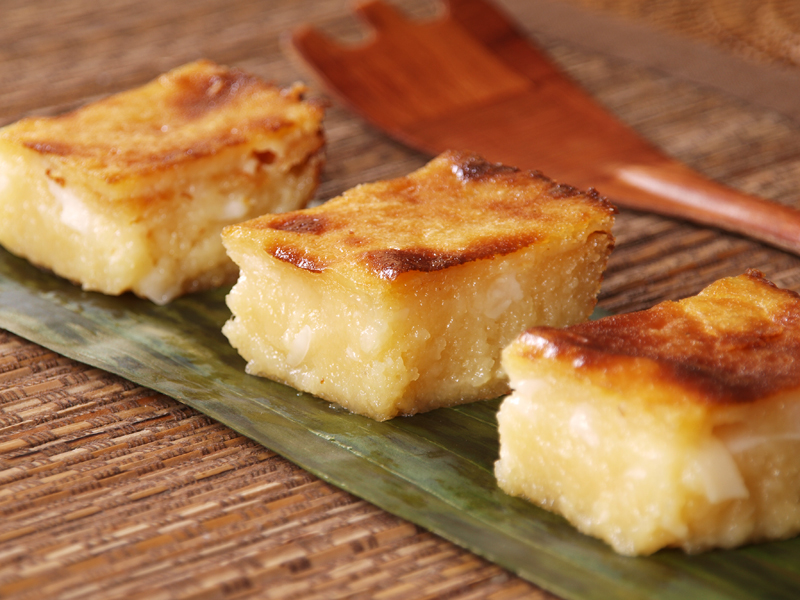
    Cassava cake in Filipino cooking is typically prepared by mixing grated cassava with canned coconut milk, condensed milk, and jarred macapuno in syrup, then baking the mixture in a greased dish. It’s a beloved delicacy at Filipino gatherings and celebrations due to its rich flavors and simple yet comforting ingredients.

    Key Takeaways

    • Cassava cake is a beloved Filipino delicacy and a staple at Filipino gatherings and celebrations.
    • The key ingredients for cassava cake include grated cassava, canned coconut milk, condensed milk, and jarred macapuno in syrup.
    • Traditional preparation methods involve grating the cassava, mixing it with the other ingredients, and baking it in a greased dish.
    • Important baking tools for making cassava cake include a grater or food processor, a large mixing bowl, a spoon and spatula, and a 9×13 inch baking dish.

    Cassava Cake: A Filipino Delicacy

    If you’ve ever had the pleasure of savoring a slice of cassava cake, you’ll understand why it has become a beloved Filipino delicacy. This traditional dessert embodies the rich flavors of the Philippines, combining grated cassava, coconut milk, and a luscious layer of custard. In Filipino cooking, the recipe for cassava cake has been passed down through generations, each family adding its unique touch. The process of baking this delicacy fills the kitchen with a tantalizing aroma that evokes memories of home.

    The simplicity of the ingredients – cassava, coconut, and a few others – belies the complex, comforting flavors that emerge from the oven. No wonder it’s a staple at Filipino gatherings and celebrations. Whether served at room temperature or slightly warm, each bite of cassava cake is a delightful journey into the heart of Filipino culinary tradition.

    Key Ingredients for Cassava Cake

    The process of preparing cassava cake in Filipino cooking begins by sourcing the key ingredients that will infuse this beloved delicacy with its signature flavors and textures. Start with grated cassava, which can be obtained as frozen grated cassava or by grating fresh cassava using a cheese grater or food processor. To achieve a creamy texture and tropical flavor, include canned coconut milk. Sweetness and richness are added to the cake through condensed milk.

    For a tender and sweet coconut flavor, consider using jarred macapuno in syrup. It’s important to note that this recipe doesn’t require eggs, making it suitable for those with egg allergies or dietary restrictions. These ingredients come together to create the traditional Filipino dessert known as cassava cake, a delightful treat often found in Filipino households and gatherings.

    Traditional Preparation Methods

    To prepare cassava cake using traditional methods, start by grating the cassava using a cheese grater or a food processor. Whether you’re using fresh cassava or frozen grated cassava, combine the grated cassava with jarred macapuno in syrup, canned coconut milk, sweetened condensed milk, brown sugar, unsalted butter, and salt in a large mixing bowl. Mix all the ingredients thoroughly by hand in the same bowl, eliminating the need for a mixer. Then, transfer the batter to a greased 9×13 inch baking dish and bake at 350°F for 45 minutes to an hour.

    For the custard topping, combine egg yolks, condensed milk, and coconut milk in a separate bowl and pour it over the pre-baked cassava cake before baking. This traditional method captures the authentic flavors of Filipino cassava cake, made from grated cassava roots and rich, creamy ingredients like coconut cream and evaporated milk.

    Baking Tools for Cassava Cake

    Grating the cassava with a cheese grater or food processor, as you did in the traditional method, is the first step in preparing for the next phase of baking the cassava cake. Once you have the grated cassava (manioc), you will need a few essential baking tools to continue. A large mixing bowl is necessary to combine the grated cassava, coconut milk, and other ingredients.

    Basic tools such as a spoon and spatula are essential for mixing and spreading the batter in the 9×13 inch baking dish, preferably a glass one. The cake will be baked in the oven at 350°F for 45 minutes to an hour, so make sure you have an oven and take caution if using the broiler to prevent burning the topping. Here’s a summarized table of the essential baking tools for making cassava cake:

    Baking Tools Description
    Mixing bowl Large bowl for combining ingredients
    Spoon and spatula Essential for mixing and spreading the batter
    9×13 inch baking dish Recommended size for baking the cake
    Oven and Broiler For baking and broiling the cassava cake

    Are Cassava Cakes a Common Dish in Filipino Breakfasts?

    Yes, cassava cakes are a common dish in Filipino breakfasts. They are often included as part of the traditional Filipino breakfast plating concept, alongside other popular dishes such as tocino, longganisa, and fried rice. The soft and sweet texture of cassava cakes makes them a delightful addition to any Filipino breakfast spread.

    Expert Tips for Making Cassava Cake

    For optimal results when preparing cassava cake, consider using frozen grated cassava or freshly grated cassava to ensure the desired texture and convenience. When making this Filipino dessert, expert tips can elevate your recipe:

    • Mix all the ingredients together in a large bowl for easy preparation and minimal clean-up.
    • Use a glass baking dish for best results and watch closely to avoid over-baking or burning the topping, especially when broiling.

    These expert tips will help you make a delicious cassava cake with ease. By following these suggestions, you’ll be able to bake a sweet and satisfying treat that will delight your taste buds and those of your loved ones.

    Frequently Asked Questions

    Where Is Cassava Cake Made Of?

    Cassava cake is made of grated cassava, coconut milk, condensed milk, eggs, and sugar. It’s a Filipino dessert known for its mildly sweet, milky flavor and distinct, chewy texture. It’s often served during special occasions.

    What Is Filipino Cake Made Of?

    In Filipino cooking, cassava cake is made of grated cassava, coconut milk, condensed milk, eggs, and sugar. You combine these ingredients, bake the mixture, and may add cheese and toasted coconut for extra flavor.

    What Is the Filipino Name for Cassava?

    The Filipino name for cassava is kamoteng kahoy. It’s a staple in Filipino cooking and is used to make a delicious dessert called cassava cake. You’ll love the rich, creamy texture and sweet flavor!

    Is Bibingka Made of Cassava?

    No, bibingka is not made of cassava. It is a traditional Filipino rice cake made with rice flour, coconut milk, and sugar. It’s often cooked in banana leaves and topped with salted eggs and cheese.

    Conclusion

    So next time you’re craving a sweet and creamy Filipino delicacy, try making cassava cake at home! With just a few simple ingredients and easy steps, you can enjoy this delicious dessert that’s perfect for special occasions or just as a sweet treat. Don’t forget to chill it in the fridge overnight for the best results, and enjoy the rich flavors of coconut, condensed milk, and cassava in every bite. Happy baking!

  • What Is Kakanin, or Assorted Rice Cakes, in Filipino Cuisine?

    What Is Kakanin, or Assorted Rice Cakes, in Filipino Cuisine?

    Kakanin, or assorted rice cakes, is a cherished part of Filipino cuisine, symbolizing unity and hospitality, with diverse regional variations showcasing the country’s culinary heritage. Its rich history dates back centuries, intertwining with Filipino culture and traditions, making it a beloved treat for special occasions and everyday enjoyment. One popular variation of kakanin is the cassava cake, which is made from grated cassava, coconut milk, and sugar. This delicious dessert is often enjoyed at parties, fiestas, and family gatherings, and its sweet, creamy texture makes it a hit with both young and old alike. Whether following a traditional cassava cake recipe or putting a modern twist on this classic dish, kakanin continues to be an integral part of Filipino culinary tradition.

    Key Takeaways

    • Kakanin is a staple in Filipino cuisine with a rich history dating back centuries.
    • It showcases the ingenuity and creativity of Filipinos in utilizing rice as a staple ingredient.
    • Kakanin holds cultural significance, symbolizing unity, warmth, and hospitality in Filipino culture.
    • There are regional variations of kakanin in the Philippines, highlighting diverse flavors and culinary traditions.

    Origin and History of Kakanin

    The rich history of kakanin in Filipino cuisine dates back centuries, intertwining with the diverse cultural tapestry of the Philippines and showcasing the ingenuity of its people in utilizing rice as a staple ingredient. Kakanin, or assorted rice cakes, has been a part of Filipino culinary heritage for generations, representing the deep-rooted traditions and customs of the country.

    Its origin can be traced to pre-colonial times, where it was already a significant part of Filipino feasts and gatherings. The early Filipinos used kakanin not only as a source of nourishment but also as offerings in religious rituals and ceremonies. Through the passage of time, the recipes for kakanin have been lovingly passed down from one generation to another, preserving the unique flavors and methods that make each variety a treasured part of Filipino culture and cuisine.

    Significance in Filipino Culture

    Kakanin holds a special place in Filipino culture, being a staple in cultural celebrations and traditional family gatherings. It symbolizes the unity of Filipinos and their warmth and hospitality, transcending regional differences. Enjoyed for generations, kakanin showcases the creativity and diversity of Filipino cuisine, becoming a beloved part of both special occasions and everyday meals.

    Cultural Celebrations

    In the tapestry of Filipino culture, cultural celebrations weave together the threads of tradition, history, and community, creating vibrant and enduring expressions of the Filipino identity. These celebrations are essential in showcasing the rich heritage and traditions of the diverse Filipino people. Through colorful festivities, traditional music and dances, religious rituals, and communal gatherings, Filipinos express their deep-rooted values, beliefs, and customs, fostering unity and pride in their cultural identity.

    The significance of cultural celebrations extends beyond mere revelry; it encompasses the preservation and passing on of the country’s cultural legacy to future generations. These celebrations also reflect the enduring influence of indigenous, Spanish, and American cultural elements that have shaped the Philippines over the centuries.

    From the grandeur of the Ati-Atihan festival to the solemn observance of Holy Week, kakanin and cultural celebrations play a pivotal role in strengthening the bonds of community, promoting cultural awareness, and upholding the collective memory of the nation.

    Traditional Family Gatherings

    Gathering with your family in Filipino culture holds profound significance, fostering a sense of community and strengthening familial bonds through shared traditions and stories. Traditional family gatherings are a cornerstone of Filipino culture, deeply rooted in the values of love, respect, and togetherness. Here’s why these gatherings are so important:

    1. Cultural Preservation: Family gatherings provide an avenue for the transmission of cultural practices, such as the preparation and sharing of kakanin, from one generation to the next.
    2. Community and Support: These gatherings bring together extended family members, nurturing a strong sense of community and providing a support system for all members.
    3. Celebration of Milestones: They serve as occasions for celebrating important milestones, fostering gratitude, and reinforcing familial connections.
    4. Storytelling and Bonding: Through these gatherings, stories of the past are shared, creating a shared familial history and strengthening bonds among relatives.

    Traditional Ingredients and Preparation

    When it comes to traditional ingredients and preparation of kakanin, you’ll find a rich blend of flavors and textures that make Filipino rice cakes truly unique. From the creamy richness of coconut milk to the earthy sweetness of purple yam and cassava, each ingredient plays a vital role in crafting these delectable treats. The traditional methods of steaming, baking, and boiling further enhance the intricate flavors and textures of these beloved rice cakes.

    Ingredients and Methods

    Using a blend of glutinous rice and coconut milk as the base, traditional kakanin recipes boast a rich array of additional ingredients, each contributing to the distinct flavors of Filipino rice cakes. Here are the traditional ingredients and methods for preparing kakanin:

    1. Sticky Rice: Glutinous rice forms the base for all kakanin recipes, lending its characteristic chewy texture to the rice cakes.
    2. Coconut Milk: This ingredient adds a creamy richness to the kakanin, enhancing its flavor and aroma.
    3. Grated Coconut: Often used as a topping, grated coconut provides a delightful contrast in texture and a fresh coconut flavor.
    4. Banana Leaf: Used for wrapping and steaming, banana leaves infuse the kakanin with a subtle, earthy fragrance.

    The traditional preparation methods of steaming, baking, or boiling, combined with these ingredients, result in a delectable array of kakanin that reflects the diverse and vibrant Filipino culinary heritage.

    Cultural Significance

    Immerse yourself in the rich tapestry of Filipino culture as kakanin, with its traditional ingredients and preparation methods, embodies the essence of unity, diversity, and hospitality in every mouthwatering bite. Kakanin’s cultural significance lies in its use of rice, a staple food in Filipino cuisine, and its representation of diverse regional flavors and techniques.

    The traditional ingredients of glutinous rice, coconut milk, and sugar, combined with unique additional components, showcase the cultural diversity of the Philippines. This is further exemplified through various preparation methods such as steaming, baking, or boiling, resulting in a wide array of textures and flavors.

    The cultural significance of kakanin transcends regional differences, symbolizing unity and hospitality, making it an integral part of Filipino cuisine for centuries.

    Traditional Ingredients Preparation Methods Cultural Significance
    Glutinous rice Steaming Unity
    Coconut milk Baking Diversity
    Sugar Boiling Hospitality

    Regional Variations

    Regional variations in Filipino kakanin feature a diverse array of traditional ingredients and preparation methods specific to each area, reflecting the rich culinary influences and cultural diversity across the Philippines.

    Varieties of Kakanin

    1. Unique Ingredients: Different regions in the Philippines have their own specialty kakanin, with unique traditional ingredients, often using elements specific to the region.
    2. Main Component: Glutinous rice is the main component, but regional variations introduce diverse elements such as coconut milk, root crops, and local sweeteners.
    3. Preparation Methods: Traditional preparation methods vary across regions, including steaming, baking, and boiling, contributing to the distinct textures and flavors of regional kakanin.
    4. Cultural Diversity: Regional variations of kakanin showcase the rich diversity of Filipino cuisine, reflecting the cultural and culinary influences specific to each area.

    Popular Types of Kakanin

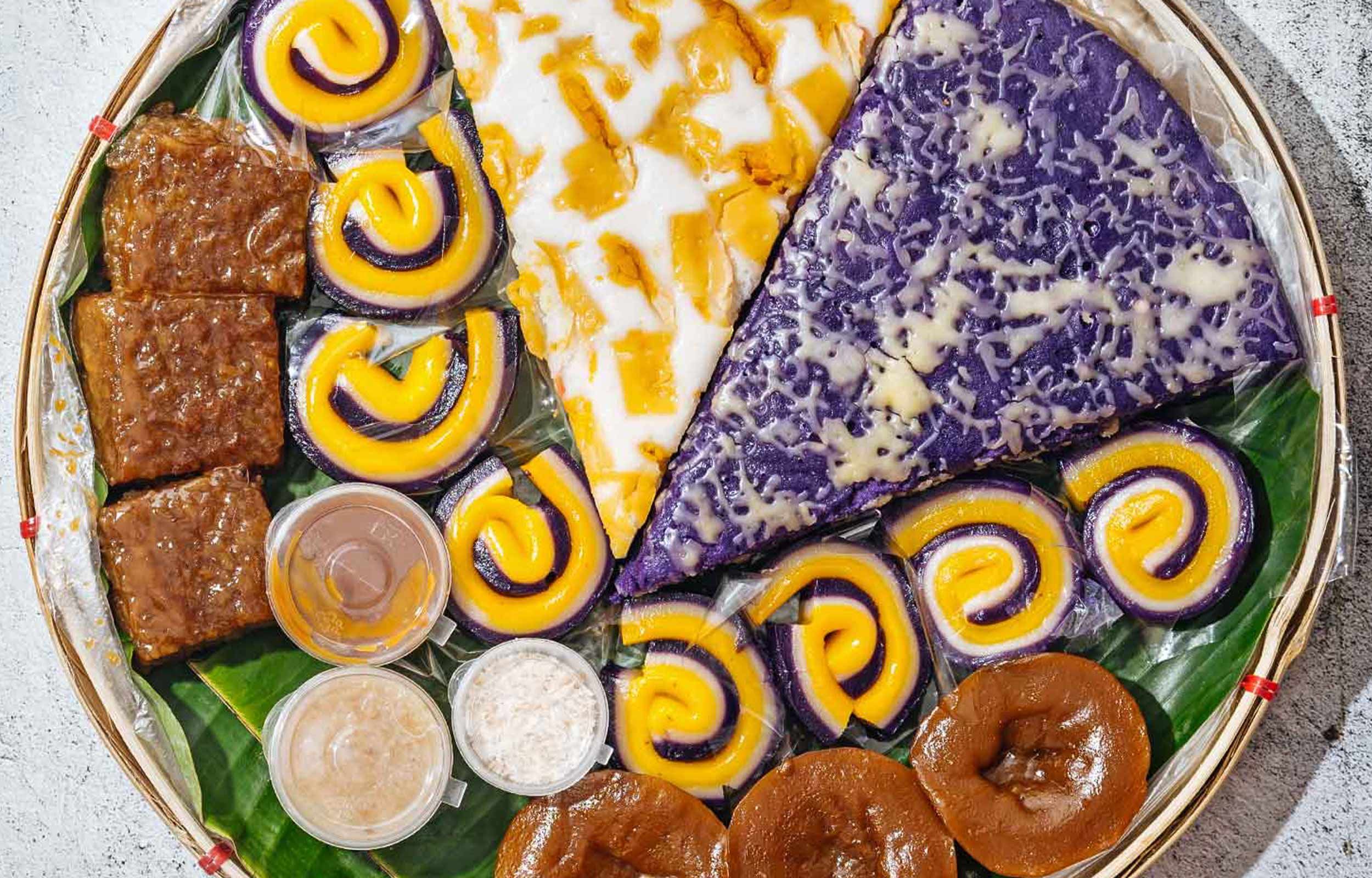
    When exploring the world of Filipino cuisine, one can’t help but be captivated by the diverse array of popular kakanin, or rice cakes, that are beloved for their delightful flavors and unique textures. Assorted kakanin comes in boxes serving up to 25 people with seven different kinds, including ube halaya, cassava cake, kutsinta, sapin-sapin, suman, palitaw, and biko.

    Each variety is made with glutinous rice and milk, incorporating unique ingredients such as coconut milk, sugar, purple yam (ube), cassava, and rice flour. Among these, palitaw stands out as a personal favorite, featuring a white rice cake coated with grated coconut and sugar. You can easily find kakanin in local markets, food stalls, and specialty stores in the Philippines, especially during special occasions and festivals.

    Their delightful taste and visually appealing presentation make kakanin a perfect treat for parties and gatherings in Filipino cuisine.

    Regional Variations Across the Philippines

    Get ready to explore the rich tapestry of flavors and culinary traditions that make up the regional variations of Filipino rice cakes. From the creamy and sweet delicacies of the Visayas to the sticky and savory treats of Mindanao, each region boasts its own unique take on these beloved kakanin. Traditional cooking methods and the use of local ingredients further enhance the distinctiveness of these regional rice cakes, offering a delightful journey through the diverse culinary landscape of the Philippines.

    Regional Flavor Differences

    Exploring the diverse kakanin offerings across the Philippines reveals a rich tapestry of regional flavors and culinary traditions that showcase the country’s vibrant and varied gastronomic heritage. Each region boasts its own specialty, contributing to the colorful array of kakanin variations. Here are the regional flavor differences:

    1. Bicol: Known for creamy and risotto-like kakanin, offering a unique texture and rich, indulgent flavors.
    2. Mindanao: Features distinct variations like Maranao Mamis, adding a blend of aromatic spices and flavors to the kakanin.
    3. Regional Names and Traditions: Each region has its own names and preparations for specific kakanin varieties, reflecting the diverse cultural influences present in Filipino cuisine.
    4. Cultural Significance: Kakanin represents unity and diversity, serving as a symbol of Filipino culture and heritage, despite the regional differences.

    The flavor variances in kakanin present an enriching exploration of the Philippines’ culinary heritage, celebrating the uniqueness of each region’s contribution to this beloved rice-based delicacy.

    Traditional Cooking Methods

    The regional flavor differences in Filipino kakanin reveal themselves not only in the ingredients used, but also in the traditional cooking methods employed, adding depth and nuance to the diverse culinary landscape across the Philippines. Traditional cooking methods play a pivotal role in creating the distinct textures and tastes of these beloved sticky rice cakes. Steaming is a common method, allowing the flavors to meld together while maintaining the desired soft and chewy texture.

    Baking is employed for some varieties, resulting in a slightly crispy exterior that gives way to a delectably moist interior. Boiling is used for suman, a rice cake wrapped in banana leaves, imparting a unique aroma and flavor. Furthermore, the use of coconut cream and the art of creating perfect latik to top the rice cakes differ across regions, adding an extra layer of regional uniqueness to these delightful treats.

    Unique Local Ingredients

    With a rich tapestry of local ingredients woven into traditional recipes, Filipino kakanin showcases a diverse array of flavors and textures that vary across the different regions of the Philippines. Regional variations in kakanin are influenced by unique local ingredients, resulting in an assortment of delectable rice cakes. Some of these regional ingredients include:

    1. Coconut: Used abundantly in kakanin, coconut milk and grated coconut are essential for imparting a rich, creamy flavor.
    2. Glutinous Rice: A staple in kakanin, glutinous rice provides a sticky, chewy texture that’s characteristic of many Filipino rice cakes.
    3. Cheese: Unconventional yet delightful, some regions incorporate cheese into kakanin, adding a savory and salty element to the sweet treats.
    4. Ripe Mango and Latik: In certain areas, ripe mango and latik (fried coconut milk curds) are used to infuse kakanin with a tropical sweetness and nutty undertones.

    These local ingredients contribute to the distinctiveness of kakanin, making it a truly diverse and captivating part of Filipino cuisine.

    Kakanin in Festive Celebrations

    Kakanin, a cherished staple in Filipino festive celebrations, serves as a symbol of abundance and joy, adding a colorful and traditional touch to the dessert table. During fiestas, weddings, and Christmas in the Philippines, kakanin takes center stage, delighting guests with its delightful flavors and textures. It isn’t just a dessert but a cultural emblem, representing the shared joy and togetherness during these special occasions.

    Assorted kakanin, with its vibrant hues and intricate designs, enhances the festive atmosphere, making it a feast for both the eyes and the palate. As families gather to celebrate, the preparation and sharing of homemade kakanin recipes become a cherished tradition, strengthening bonds and creating lasting memories. Kakanin in festive celebrations isn’t just about food; it’s about preserving heritage and creating moments of pure happiness.

    Kakanin as Everyday Snacks

    Incorporating kakanin into your everyday snacking routine infuses the vibrant joy and delightful flavors of Filipino festive celebrations into your daily life. Kakanin are traditional Filipino rice cakes enjoyed as everyday snacks, offering a diverse snacking experience with various flavors and textures. These rice cakes provide a filling and satisfying snack due to their main ingredient, rice, making them a convenient and accessible option found in local markets, food stalls, and specialty stores.

    Their colorful and visually appealing presentation adds a delightful touch to everyday snacking, elevating the experience to a celebration of flavors and textures. Whether you crave something sweet, savory, or sticky, kakanin has a delightful option for every snacking desire.

    Evolution of Kakanin Recipes

    The evolution of kakanin recipes reflects the dynamic nature of Filipino cuisine, influenced by centuries of regional and global culinary influences. Kakanin, deeply rooted in Filipino tradition, has adapted over time, preserving traditional recipes while embracing new variations and flavors. From the classic bibingka and puto to modern twists like ube-flavored puto and mango-infused biko, kakanin recipes have evolved to cater to contemporary tastes.

    Innovative ingredients and techniques have been incorporated, adding depth and diversity to the beloved rice cakes. This evolution is a testament to the historical, cultural, and global factors that have shaped Filipino cuisine. Despite these changes, the essence of kakanin as a cherished Filipino delicacy remains at the heart of its evolution, showcasing the resilience and adaptability of the country’s culinary heritage.

    Techniques for Making Kakanin

    As you explore the rich and evolving world of kakanin recipes, mastering the techniques for making these beloved rice cakes is essential for achieving their signature textures and flavors. When making kakanin, ensuring you choose the right rice, especially those made with glutinous rice, is crucial. Proper steaming or baking techniques are vital to achieve the desired texture and flavor.

    Balancing the ingredients, including coconut milk and sugar, is key to achieving the perfect sweetness and richness. Using traditional cooking vessels such as banana leaves, clay pots, and bamboo steamers imparts authentic flavors and textures to the kakanin. Incorporating unique flavors like ube, pandan, or jackfruit can add a distinctive twist to traditional kakanin recipes.

    Kakanin’s Influence on Modern Cuisine

    With its rich heritage and vibrant flavors, kakanin has revolutionized modern cuisine, infusing traditional Filipino essence into contemporary culinary creations. The influence of kakanin on modern cuisine goes beyond its symbolic representation of Filipino culture. It has inspired a cross-cultural fusion, leading to the creation of innovative dishes and desserts that blend traditional Filipino flavors with modern culinary techniques and ingredients.

    This influence is evident in the creative use of rice, coconut, and other traditional kakanin ingredients in contemporary dishes. Moreover, kakanin has sparked innovation in the dessert category, encouraging the use of rice-based ingredients and coconut milk in modern sweet treats. As a result, kakanin’s popularity has raised global awareness of Filipino cuisine, integrating it into international culinary scenes and inspiring new interpretations of traditional kakanin.

    Can I Make Traditional Filipino Kakanin at Home for the Holidays?

    Yes, you can absolutely make the best Filipino kakanin for holidays at home! With recipes for traditional kakanin like bibingka, puto, and sapin-sapin easily available online, you can bring the flavors of the Philippines to your holiday table with ease. Enjoy these sweet treats with loved ones!

    Exploring the Future of Kakanin

    Exploring the future of Kakanin opens a world of culinary evolution, where traditional flavors and techniques continue to inspire and shape the contemporary Filipino cuisine landscape. The future of Kakanin holds exciting possibilities and developments, driven by its rich cultural significance and the growing global interest in diverse culinary experiences. Here’s what you can expect:

    1. Fusion Creations: Expect to see innovative fusion dishes incorporating kakanin with modern flavors and ingredients, appealing to a wider audience.
    2. Health-Conscious Variations: Anticipate the emergence of healthier versions of kakanin, incorporating alternative ingredients and catering to health-conscious consumers.
    3. Global Accessibility: With increasing demand, kakanin is likely to become more accessible worldwide, allowing people to savor these delectable treats beyond traditional Filipino communities.
    4. Culinary Revival: The future promises a continued revival of traditional cooking methods and heirloom recipes, preserving the authenticity and cultural significance of kakanin.

    Frequently Asked Questions

    What Are the Filipino Kakanin?

    You’re in for a treat with Filipino kakanin! They’re an array of delightful rice cakes, each bursting with unique flavors like ube, cassava, and more. They’re perfect for sharing at gatherings and celebrations.

    What Are the Different Types of Rice Cakes in the Philippines?

    Explore the diverse world of Filipino rice cakes! Indulge in puto, suman, biko, bibingka, kalamay, palitaw, maja, tamales, and more. Each variety boasts unique flavors and textures, showcasing the rich culinary heritage of the Philippines.

    Is Kakanin a Rice Cake?

    Yes, kakanin is indeed a type of rice cake in Filipino cuisine. It’s a delicious assortment of traditional delicacies made from glutinous rice, coconut milk, and sugar, offering a delightful blend of flavors and textures.

    The Meaning of “Kakaning Pinoy” Is Filipino Snacks or Filipino Street Food

    In Filipino cuisine, “kakaning pinoy” refers to a delightful array of snacks and street food. These traditional delicacies, made with glutinous rice, milk, and various ingredients, offer a rich and diverse culinary experience.

    Conclusion

    So, next time you’re craving a taste of tradition and comfort, look no further than kakanin. With its rich history, diverse regional variations, and enduring significance in Filipino culture, kakanin offers a delightful and satisfying culinary experience. Whether it’s for a special occasion or simply a cozy evening at home, the sticky sweetness of kakanin paired with a hot cup of coffee or tea is sure to warm your heart and soul. Embrace the future of kakanin and continue to savor its timeless flavors.

  • What Are Some Rice-Based Desserts in Filipino Cuisine?

    What Are Some Rice-Based Desserts in Filipino Cuisine?

    Rice-based desserts in Filipino cuisine include Sticky Rice Cake (Biko) and Coconut Milk Pudding (Maja Blanca), enjoyed during special occasions and gatherings. These desserts, like Chocolate Rice Pudding (Champorado), Layered Rice Cake (Sapin-Sapin), and Rice Cake With Cheese (Bibingka), offer a delightful blend of flavors and textures that showcase the richness of Filipino sweets.

    Key Takeaways

    • Sticky rice-based desserts are popular in Filipino cuisine, with examples like Sticky Rice Cake (Biko) and Ginataang Bilo-Bilo.
    • Coconut milk-based desserts like Coconut Milk Pudding (Maja Blanca) and Ginataang Bilo-Bilo are enjoyed during special occasions and gatherings.
    • Chocolate rice-based desserts like Chocolate Rice Pudding (Champorado) are commonly eaten for breakfast or as a midday snack.
    • Layered rice-based desserts such as Layered Rice Cake (Sapin-Sapin) and Bibingka are served during special occasions and celebrations, with Sapin-Sapin topped with grated cheese and Bibingka cooked in banana leaves.

    Sticky Rice Cake (Biko)

    If you’ve ever indulged in Filipino cuisine, you’ve likely encountered the delightful chewy and sweet flavors of Biko, a traditional sticky rice cake that embodies the essence of Filipino desserts.

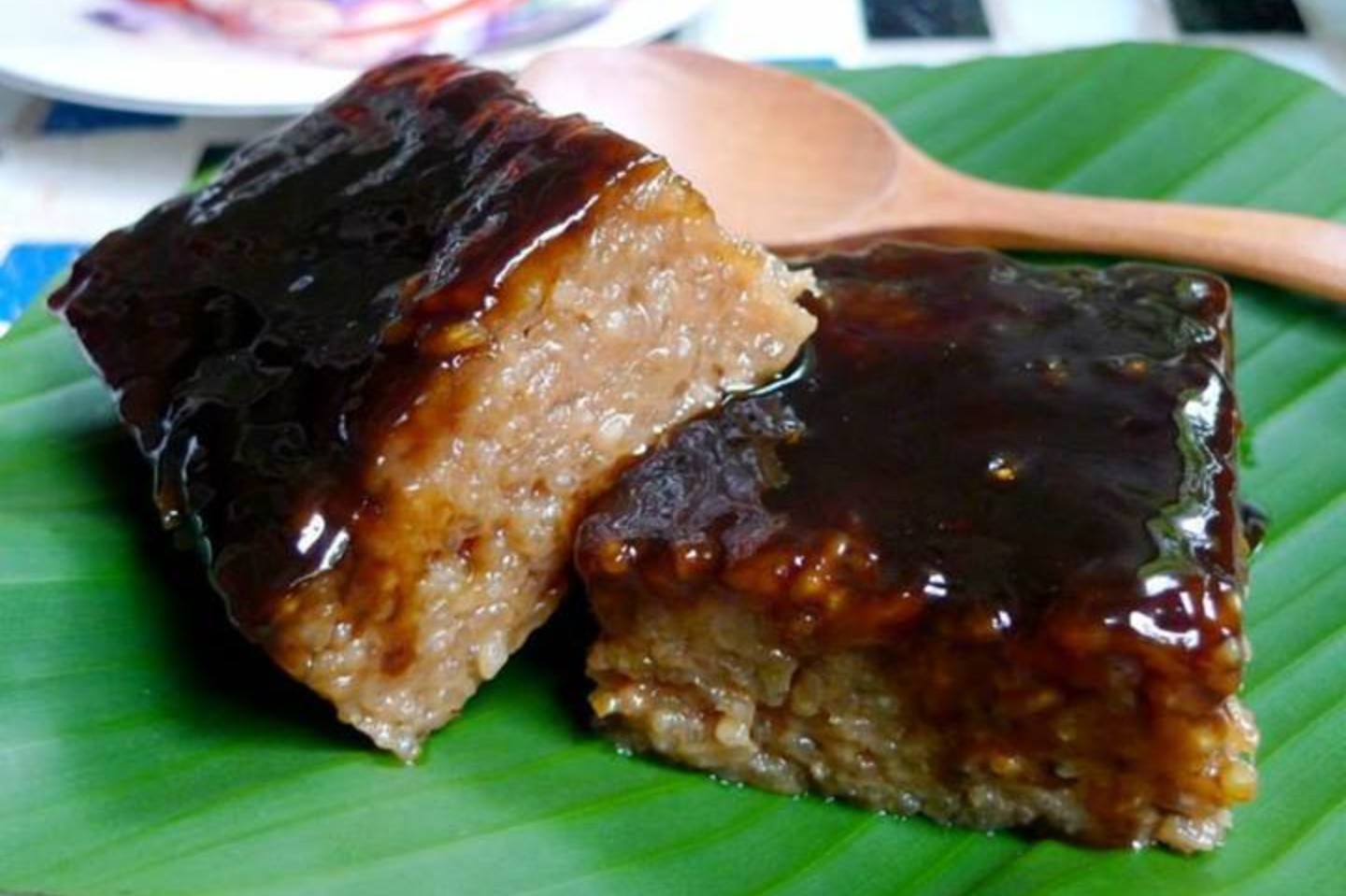
    Biko is a beloved dessert made from glutinous rice flour, coconut milk, and brown sugar. The sticky rice is cooked in rich coconut milk and brown sugar until it caramelizes, creating a decadent, sweet treat.

    The result is a chewy, caramelized delight that’s often served on special occasions or as a merienda (snack).

    Biko’s irresistible aroma and light sweet coconut flavor make it a popular choice for those with a sweet tooth.

    This classic Filipino dessert, with its sticky, indulgent texture, perfectly encapsulates the warmth and sweetness of Filipino hospitality.

    Coconut Milk Pudding (Maja Blanca)

    So, you’re ready to learn all about the irresistible Coconut Milk Pudding, Maja Blanca?

    First, let’s talk about the key ingredients that give this dessert its signature flavor and texture.

    Then, we’ll walk you through the simple yet precise cooking process that ensures a perfectly creamy and delightful Maja Blanca.

    Let’s get started on this delicious journey!

    Ingredients for Maja Blanca

    To create the delectable coconut milk pudding known as Maja Blanca, you’ll need a few key ingredients, including:

    • Coconut Milk: This is the star ingredient that gives Maja Blanca its rich and creamy texture.
    • Cornstarch: Used as a thickening agent to achieve the perfect consistency.
    • Sugar: To add sweetness to the dessert, balancing the flavors of the coconut and corn.
    • Sweet Corn Kernels: These add a delightful pop of sweetness and texture to the pudding.
    • Evaporated Milk: Enhances the creaminess and richness of the dessert.

    Maja Blanca is a traditional Filipino dessert that beautifully combines the flavors of coconut and corn. It’s often enjoyed as a sweet treat during special occasions and gatherings. The combination of coconut milk, sugar, and cornstarch creates a smooth, velvety pudding that’s a true delight to the taste buds.

    Cooking Process for Maja Blanca

    In preparing the delectable Maja Blanca, begin by collecting the coconut milk, cornstarch, sugar, and corn to set the stage for a delightful cooking process. Combine the coconut milk, cornstarch, and sugar in a pan, then cook until thickened. This step infuses the mixture with the rich flavor of coconut milk and brown sugar, creating the creamy base of the Maja Blanca.

    Stir in the corn, allowing the flavors to meld and the mixture to achieve a pudding-like consistency. Once ready, transfer the luscious concoction into a mold or serving dish and allow it to cool and set, patiently awaiting the moment it will be devoured.

    To add a delightful finishing touch, sprinkle crispy toasted coconut on top, enhancing the texture and flavor. Now, slice and serve the Maja Blanca, a true delight in Filipino cuisine.

    Chocolate Rice Pudding (Champorado)

    If you’ve ever craved a rich, chocolatey treat that warms your soul, then Champorado is the dish for you. Made with glutinous rice, cocoa powder, and sugar cooked in creamy coconut milk, this traditional Filipino sweet is a delightful blend of flavors and textures.

    Imagine spoonfuls of thick, creamy pudding with a comforting chocolate taste, perfect for any time of day.

    Ingredients for Champorado

    When making Champorado, remember to select the finest glutinous rice for the perfect texture and flavor. To create this delightful Filipino version of chocolate rice pudding, you’ll need the following ingredients:

    • Glutinous rice flour for its sticky and chewy consistency
    • Brown sugar to give Champorado its rich, sweet flavor and distinctive color
    • Coconut milk for a creamy and tropical taste
    • Milk to add richness and creaminess to the dish
    • Optional toppings like leche flan or nata de coco for extra sweetness and texture

    These ingredients come together to make Champorado one of the most beloved sweet treats in Filipino cuisine.

    Whether enjoyed for breakfast or as a midday snack, Champorado is a comforting and indulgent dessert that showcases the unique flavors of the Philippines.

    Cooking Champorado

    Get ready to whip up a delightful batch of Champorado, the beloved chocolate rice pudding of Filipino cuisine!

    To cook Champorado, start by using cooked glutinous rice or rice flour instead. In a pot, combine the rice with cocoa powder, milk, and brown sugar. You can opt for coconut milk for a richer flavor.

    Stir the mixture constantly over low heat until it thickens to a pudding-like consistency. For added sweetness, consider incorporating sweetened condensed milk.

    Once the Champorado reaches the desired thickness, ladle it into serving bowls and top it with caramelized coconut or young coconut meat. The contrast of the rich, chocolatey Champorado with the sweet, caramelized coconut is truly delightful.

    Enjoy this comforting and indulgent dessert that’s a staple in Filipino households.

    For more delicious recipes, feel free to reach out to us via email.

    Layered Rice Cake (Sapin-Sapin)

    Layering glutinous rice flour, coconut milk, and sugar, the traditional Filipino dessert known as Sapin-Sapin creates a visually stunning and flavorful experience with its colorful and distinct layers of ube, langka, and coconut. This Filipino classic showcases the vibrant and diverse flavors of Filipino cuisine, making it a popular choice for those looking to explore traditional Filipino sweets.

    When enjoying Sapin-Sapin, you can expect a delightful combination of textures and flavors. Here are some engaging facts about this delectable treat:

    • The layers are made from rice cooked in coconut milk, giving each a unique and rich taste.
    • Sapin-Sapin falls under the category of kakanin, which refers to various traditional Filipino rice cakes.
    • It’s commonly topped with grated cheese, adding a savory contrast to the sweetness of the cake.
    • This steamed rice cake is often served during special occasions and celebrations in the Philippines.
    • The dessert is typically finished with latik, a sweet coconut curd, providing it with a rich and creamy finish.

    Steamed Rice Cakes (Puto)

    Steaming its way into the spotlight of Filipino desserts, the traditional rice-based treat of Sapin-Sapin seamlessly leads us to the delectable world of Puto, a beloved steamed rice cake in Filipino cuisine.

    Puto is a type of Filipino steamed rice cake that’s less sweet compared to other Filipino desserts, making it versatile as it can be served as a dessert or a side dish. It’s traditionally made from fermented rice batter, but modern versions often use rice flour.

    The batter, usually made with rice flour, egg whites, egg yolks, and white sugar, is sifted to ensure a smooth texture. Puto is often topped with cheese and is sometimes wrapped in banana leaves for added aroma.

    This simple yet satisfying delicacy pairs perfectly with savory dishes or can be enjoyed on its own.

    Rice Cake With Cheese (Bibingka)

    Indulge in the delightful flavors of Filipino cuisine with the rich and savory rice cake known as Bibingka, topped with a layer of cheese and salted egg for a unique and satisfying treat. Here are some interesting points about this delectable dessert:

    • Bibingka is a traditional Filipino rice cake made with glutinous rice, coconut milk, and brown sugar, creating a creamy and sweet base.
    • The addition of cheese and salted egg on top gives it a delightful blend of sweet and savory flavors.
    • It’s often cooked in banana leaves, infusing the dessert with a subtle aroma that enhances its overall taste.
    • Bibingka is a staple during special occasions and holidays in the Philippines, such as Christmas and fiestas.
    • Its rich, creamy texture and the combination of sweet and salty flavors make it a beloved treat in Filipino cuisine.

    Bibingka is a must-try for anyone seeking to explore the diverse and delicious world of Filipino kakanin (sweet rice cakes).

    Glutinous Rice Balls in Coconut Milk (Ginataang Bilo-Bilo)

    Experience the luscious fusion of flavors and textures in Ginataang Bilo-Bilo, a coconut milk-based Filipino dessert featuring delightful glutinous rice balls, jackfruit, and tapioca pearls.

    This sweet dessert is a popular choice for an afternoon snack or a post-dinner indulgence.

    The glutinous rice balls, also known as bilo-bilo, are the highlight of this dish, providing a light and fluffy texture that complements the creamy coconut milk.

    The addition of jackfruit adds a subtle fruity sweetness, while the tapioca pearls offer a chewy contrast.

    Ginataang Bilo-Bilo is perfect for satisfying your sweet tooth, and its versatility allows it to be enjoyed either warm or chilled.

    Whether it’s a special celebration or a simple craving, this Filipino rice-based dessert is a delightful treat for any occasion.

    Sweet Rice Dumplings (Suman)

    Savor the traditional Filipino dessert, Suman, a delectable combination of glutinous rice, coconut milk, and a hint of sweetness, wrapped in aromatic banana leaves and steamed to perfection.

    Filipinos love this sticky rice dessert, often serving it during special occasions and celebrations. The unique cooking process using banana leaves imparts a subtle, earthy aroma to the suman, enhancing its overall flavor.

    Suman can be enjoyed on its own or paired with ripe mangoes, mango jam, or a sprinkle of toasted coconut for added sweetness and texture. This sweet rice dumpling perfectly complements other Filipino rice-based desserts such as bilo bilo, ube Halaya, and fruit salad.

    The addition of shredded coconut provides a delightful contrast to the chewy texture of the suman.

    – Can Soy Sauce be Used in Rice-Based Filipino Desserts?

    Yes, homemade Filipino soy sauce recipes can definitely be used in rice-based Filipino desserts. The rich and savory flavor of soy sauce can add depth to sweet treats like sapin-sapin or biko. It can provide a unique twist to traditional desserts, creating a delightful balance of sweet and savory flavors.

    Purple Yam Jam (Ube Halaya)

    Purple Yam Jam, also known as Ube Halaya, captivates with its vibrant purple hue and rich, creamy texture, a beloved rice-based dessert in Filipino cuisine. This classic Filipino dessert is commonly enjoyed for its sweet, earthy flavor and chewy texture. Made with coconut milk, condensed milk, and grated purple yam, Ube Halaya is a staple in Filipino celebrations and special occasions.

    Its luscious jam-like consistency makes it perfect for spreading on toast, filling pastries, or simply indulging on its own. Below is a table highlighting the key characteristics of Purple Yam Jam (Ube Halaya):

    Key Characteristics Description
    Color Vibrant purple
    Texture Creamy and chewy
    Flavor Sweet and earthy
    Commonly Enjoyed As a dessert or pastry filling

    Frequently Asked Questions

    What Are Traditional Filipino Desserts?

    Traditional Filipino desserts include Biko, a chewy sweet dish made of sticky rice, coconut milk, and brown sugar, and Puto, a less sweet rice cake often paired with savory dishes. These treats offer unique flavors and textures.

    What Are the Different Types of Rice Cakes in the Philippines?

    In the Philippines, rice-based desserts are diverse and delicious. When it comes to rice cakes, there’s puto, bibingka malagkit, biko, ube biko, and kalamay. Each offers a unique blend of flavors and textures to delight your taste buds.

    What Is the Most Popular Dessert in Philippines?

    The most popular dessert in the Philippines is biko, a delicious sweet treat made from sticky rice, coconut milk, and brown sugar. It’s loved for its chewy texture and light coconut flavor, and it’s a staple in Filipino cuisine.

    What Is the Filipino Dessert Similar to Mochi?

    Like mochi, biko is a Filipino sweet treat made of sticky rice, coconut milk, and brown sugar. It’s a staple in Filipino cuisine, enjoyed as a dessert or snack for its chewy texture and delicious taste.

    Conclusion

    So next time you’re craving a sweet treat, why not try making some delicious rice-based desserts from Filipino cuisine?

    With their chewy textures, coconut flavors, and unique ingredients like purple yam and coconut milk, these desserts are sure to satisfy your sweet tooth and introduce you to the wonderful world of Filipino flavors and traditions.

    Give them a try and experience the delightful taste of these rice-based desserts for yourself!

  • What Filipino Dishes Typically Use the Rice Soaking Technique?

    What Filipino Dishes Typically Use the Rice Soaking Technique?

    Filipino dishes like Suman, Biko, Kutsinta, and Bibingka typically use the rice soaking technique to achieve their perfect texture and flavor, enhancing the unique culinary heritage of the Philippines. The soaking process allows glutinous rice to absorb water, becoming plump and tender, resulting in delightful treats loved for their distinct taste and mouthfeel.

    Key Takeaways

    • Suman and Biko are traditional Filipino rice cakes that require soaking glutinous rice overnight for the perfect texture.
    • Puto is a traditional Filipino steamed rice cake that requires steaming for a light and fluffy texture.
    • Kutsinta and Bibingka are popular Filipino delicacies that showcase the rich culinary heritage of the Philippines and require the rice soaking technique for the perfect mouthfeel.
    • Sapin-sapin and Espasol are Filipino desserts made from glutinous rice and coconut milk, and they also require the soaking technique.

    Suman

    When making suman, it’s essential to start with soaking glutinous rice to achieve the perfect texture and flavor for this traditional Filipino rice cake. The soaking process allows the rice to absorb water, becoming plump and tender.

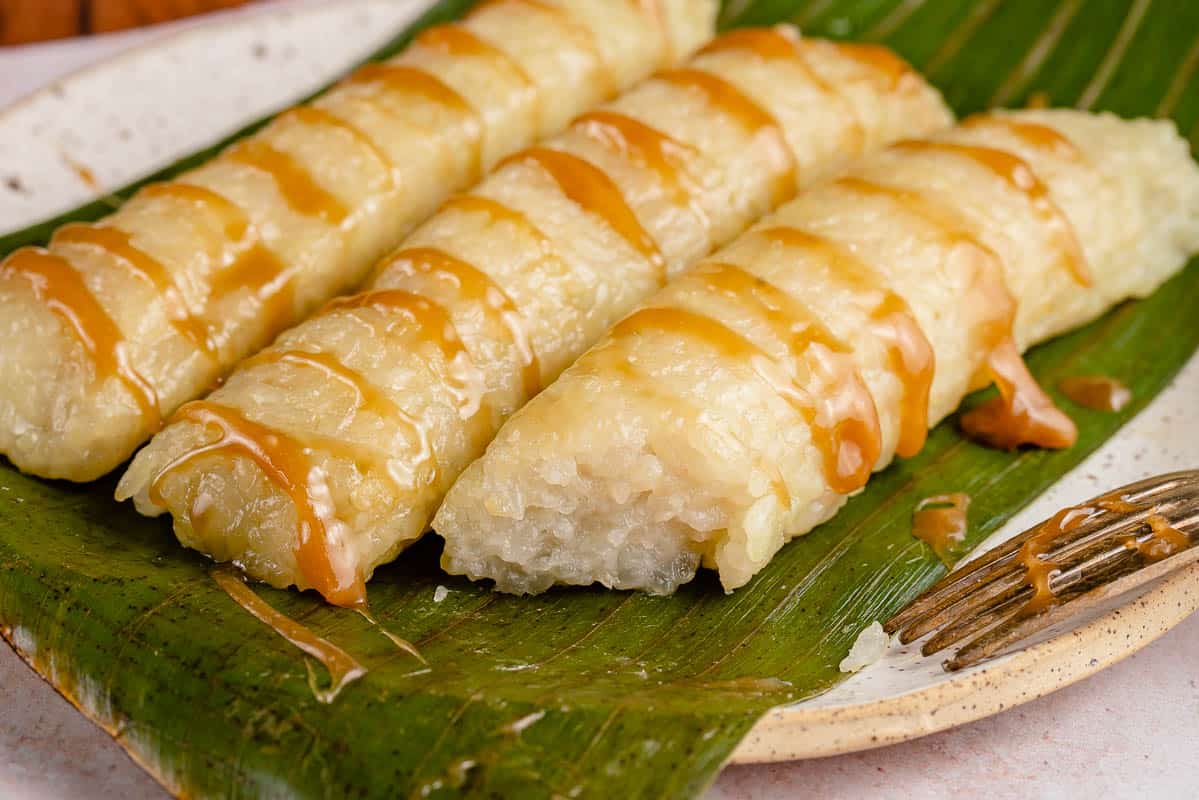
    One popular variation, suman sa lihiya, incorporates lye water, giving the rice a distinct flavor and a slightly chewy texture. After soaking, the glutinous rice is mixed with coconut milk, which adds a creamy richness to the suman.

    The mixture is then carefully wrapped in banana leaves, imparting a subtle, earthy aroma to the rice cake as it steams. The banana leaf also helps to shape the suman into a distinctive cylindrical form.

    The result is a delightful treat that showcases the unique flavors of coconut and glutinous rice, making suman a beloved Filipino delicacy.

    Biko

    So, you’re curious about Biko?

    Let’s talk about the key points.

    Biko is a delicious Filipino dessert made with glutinous rice, brown sugar, and coconut milk.

    The process involves soaking the rice, cooking it with coconut milk and sugar, and then baking it to perfection.

    Biko Ingredients

    To make the delicious Filipino sweet dish Biko, start by soaking glutinous rice overnight to achieve the perfect texture and taste.

    The key ingredients for Biko include glutinous rice, coconut milk, and brown sugar. The glutinous rice, also known as sticky rice, gives Biko its signature chewy texture. The coconut milk adds a rich, creamy flavor, while the brown sugar provides a delightful sweetness.

    The combination of these ingredients creates a delectable dessert that’s beloved in Filipino cuisine. Additionally, some recipes call for the use of banana leaves to add a subtle, earthy aroma to the Biko.

    You can easily find these ingredients in Asian marketplaces, allowing you to recreate this beloved Filipino treat in your own kitchen.

    Rice Preparation

    For perfect Biko rice preparation, consider soaking glutinous rice overnight to achieve the ideal texture and flavor. This process fully hydrates the grains, preventing burning and enhancing the sticky texture of the rice cake.

    After soaking, wash the rice thoroughly to remove excess starch. When cooking, use coconut milk to infuse the rice with a rich, sweet, and slightly nutty flavor. The coconut milk also adds creaminess to the dish, creating a delightful chewy texture.

    The balance of coconut milk and brown sugar is crucial, as it contributes to the overall sweetness and creaminess of the Biko. Once the rice is cooked, wrapping and steaming the Biko in banana leaves adds a floral aroma and enhances its visual appeal, elevating the experience of enjoying this traditional Filipino sweet treat.

    Cooking Process

    Consider soaking the glutinous rice overnight to achieve the ideal texture and flavor for your Biko, enhancing its sweetness and chewy texture. The rice soaking technique is crucial in the cooking process of Biko as it helps to reduce the cooking time and improve the overall texture of the dish.

    Once the rice is soaked, it’s then combined with coconut milk and sugar, creating a rich and creamy base. The mixture is then slowly cooked until the rice absorbs the flavors and becomes tender.

    Banana leaves are often used for wrapping and steaming the Biko, infusing it with a subtle, floral aroma. This traditional cooking process not only imparts a delightful flavor but also adds to the visual appeal of the dish when served.

    Puto

    So, you’re now ready to learn all about the delightful world of puto!

    Let’s start by talking about the steaming process, the different variations and flavors, and some great serving suggestions.

    Whether you’re a puto enthusiast or just looking to expand your culinary horizons, this discussion will definitely leave you craving a taste of this traditional Filipino treat!

    Steaming Process

    To achieve the perfect texture and flavor of Puto, the steaming process plays a crucial role in bringing out the delightful taste of this Filipino delicacy.

    Once the rice batter, or galapong, is prepared and poured into bamboo platters or molds lined with banana leaves, it’s ready to be steamed. This cooking method is essential in creating the signature light and fluffy texture of Puto.

    The steam gently cooks the mixture of rice flour, sugar, and coconut milk, resulting in a moist, spongy steamed cake. The coconut milk and brown sugar used in the batter give Puto its distinct sweet and slightly savory taste, providing a delightful contrast to other Filipino dishes.

    Variations and Flavors

    Explore the diverse array of flavors and variations that enrich the delightful Filipino delicacy known as Puto. These rice cakes aren’t only traditional but also bursting with unique flavors and textures.

    Here are some variations that will surely tantalize your taste buds:

    • Puto bao: A sweet and creamy version made with coconut milk, giving it a luscious, tropical flavor.
    • Puto bumbong: A purple-hued delicacy with a distinct, nutty taste, often steamed in bamboo tubes for an earthy aroma.
    • Puto dahon: Wrapped in banana leaves, infusing the rice cakes with a subtle, herbal essence.
    • Puto kutsinta: A chewy, jelly-like variation, usually tinted brown and sweetened with brown sugar, offering a delightful caramel flavor.
    • Puto mamon: A soft, sponge cake-like variation infused with cheese or butter for a rich and savory twist.

    Serving Suggestions

    Enhance your puto experience by serving these delectable rice cakes with a side of freshly grated coconut and a drizzle of sweetened condensed milk for an indulgent treat.

    The combination of the fluffy, subtly sweet puto with the rich creaminess of the coconut and condensed milk creates a harmonious blend of flavors and textures.

    Additionally, consider pairing your puto with a cup of hot tsokolate or sikwate, traditional Filipino hot chocolate, for a delightful contrast to the lightness of the rice cakes.

    The aromatic fragrance of the banana leaves used in steaming the puto adds an extra layer of appeal to the overall presentation.

    These serving suggestions aim to elevate your puto experience and provide a glimpse into the delightful world of Filipino steamed delicacies.

    Ginataang Bilo-Bilo

    If you’ve ever savored the rich and creamy delight of a traditional Filipino dessert, you may have encountered the comforting flavors of Ginataang Bilo-Bilo. This delightful dessert is made with steamed rice balls, root vegetables, and bananas, all simmered in luscious coconut milk.

    When you take your first spoonful of Ginataang Bilo-Bilo, you’re immediately enveloped in a warm, comforting embrace of rich coconut milk. The sticky rice balls provide a delightful chewy texture, perfectly complementing the creamy coconut milk. As you savor each spoonful, the sweetness of the dish, whether from sugar or condensed milk, brings a delightful balance to the creamy coconut taste.

    This dessert is a popular merienda (snack) or after-meal treat in the Philippines, enjoyed for its comforting and indulgent flavors.

    Kutsinta

    After tasting the comforting flavors of Ginataang Bilo-Bilo, let’s now dive into the delightful world of Kutsinta, a Filipino rice cake with a unique jelly-like consistency.

    Kutsinta is made from rice flour, sugar, and lye water, giving it a distinct texture and appearance. The rice for Kutsinta undergoes a soaking process, allowing the grains to fully hydrate and contribute to the desired sticky consistency. Once soaked, the rice is combined with water, brown sugar, and lye water before being steamed in small molds. This process results in the jelly-like texture that Kutsinta is known for.

    It’s fascinating how the rice soaking technique plays a crucial role in achieving the perfect mouthfeel of this beloved Filipino kakanin. Kutsinta is a popular delicacy enjoyed during special occasions and festivals, showcasing the rich culinary heritage of the Philippines.

    Bibingka

    When it comes to Bibingka, the ingredients used are key to its unique flavor and texture. The soaking rice method plays a crucial role in achieving the soft and fluffy consistency that Bibingka is known for.

    As you read on, you’ll discover the traditional cooking process and how it brings out the best in this beloved Filipino rice cake.

    Ingredients for Bibingka

    To make delicious Bibingka, start by combining glutinous rice flour, coconut milk, sugar, and salt to create a rich and flavorful batter. These ingredients work together to form the traditional base of this Filipino delicacy, offering a perfect blend of sweetness and creaminess.

    The glutinous rice flour provides a chewy texture, while the coconut milk adds a luscious richness. Additionally, the sugar contributes a delightful sweetness, and the salt balances the flavors harmoniously.

    Finally, topping the Bibingka with kesong puti, a traditional Filipino cheese, adds a savory and tangy dimension that perfectly complements the sweetness of the cake.

    These carefully selected ingredients, combined with the rice soaking technique, result in a unique and delightful culinary experience that captures the essence of Filipino cuisine. Our dishes are cooked with the same passion and attention to detail as traditional Filipino rice cooking methods, ensuring that every mouthful is infused with authentic flavors and aromas. We take pride in preserving the rich culinary heritage of the Philippines, and our commitment to using these time-honored techniques sets us apart as a true ambassador of Filipino cuisine. From our kitchen to your table, let us transport you to the beautiful shores of the Philippines with every bite.

    Soaking Rice Method

    For an authentic Bibingka experience, start by soaking the rice overnight to achieve that soft, fluffy texture and reduce cooking time. This traditional soaking method is crucial for creating the perfect sticky rice cake. Additionally, wrapping and steaming the Bibingka in banana leaves not only enhances its presentation but also imparts a delightful floral flavor, adding depth to the dish. Here’s a handy table to summarize the essential points about the soaking rice method for Bibingka:

    Key Points Details
    Texture Softer, fluffier texture
    Cooking Time Reduced cooking time
    Prevents Burning Prevents burning and improves the final sticky texture
    Flavor Imparts a distinct floral flavor

    Cooking Process

    Start by mixing the soaked rice with coconut milk and sugar to create the base for your Bibingka. Once you have the base ready, pour the mixture into a preheated pan lined with banana leaves.

    Sprinkle the top with cheese and salted eggs for a delightful savory-sweet contrast.

    Bake the Bibingka until it’s golden and a toothpick inserted into the center comes out clean.

    Serve it warm, allowing the aroma of the banana leaves to mingle with the coconut milk and rice, creating a sensory experience.

    The combination of creamy coconut milk and fluffy rice results in a moist, tender texture that’s simply irresistible.

    The final touch of salted eggs and cheese adds a burst of flavor, elevating the humble steamed rice cake into a decadent delight.

    Sapin-sapin

    Sapin-sapin, a delightful and colorful Filipino dessert, is made from glutinous rice and coconut milk, creating distinct layers and a vibrant appearance. The layers are achieved by using different natural food colorings like ube (purple yam) and jackfruit. The rice batter is steamed layer by layer to create the unique striped pattern. Sapin-sapin is often served during special occasions and celebrations in the Philippines. Here’s a table outlining the ingredients and the soaking technique used in making this delicious dessert:

    Ingredients Soaking Technique
    Glutinous Rice Yes
    Coconut Milk Yes
    Ube (purple yam) No
    Jackfruit No
    Sugar No

    Espasol

    Espasol, a popular delicacy in Filipino cuisine, is a cylindrical-shaped rice cake coated with toasted rice flour. It is traditionally enjoyed as a snack or dessert in Laguna, Philippines.

    The rice soaking technique is essential in making espasol, as it gives the rice flour a distinct texture and flavor.

    When you bite into a piece of espasol, you’ll experience a delightful combination of the creamy, coconut-infused rice cake and the nutty crunch of the toasted rice flour coating. The aroma of the banana leaves in which it’s wrapped adds to the overall sensory experience.

    Each bite tells a story of tradition, skill, and love, as it has been a beloved treat in Filipino households for generations.

    Try making espasol at home to savor its unique blend of flavors and textures.

    Palitaw

    When preparing Palitaw, soaking the glutinous rice overnight is crucial for achieving the desired soft and chewy texture of this Filipino rice cake. The rice is then pounded and shaped into small, flat discs before being dropped into boiling water. Once they float to the surface, they’re coated with sugar, grated coconut, and toasted sesame seeds.

    This traditional kakanin is a popular midday snack or merienda in the Philippines, often enjoyed with a hot drink like coffee or tea. The grated coconut not only adds a delightful texture but also enhances the overall flavor of the Palitaw. Its presence complements the chewy rice cake and the sweetness of the sugar, making it a delightful treat for anyone with a sweet tooth.

    Kalamay

    Indulge in the delightful sweetness and chewy texture of Kalamay, a beloved Filipino sticky rice cake that’s a staple in many festive celebrations.

    When you take a bite of Kalamay, you’ll experience the perfect blend of flavors and textures – the richness of coconut milk, the subtle sweetness of brown sugar, and the satisfying chewiness of glutinous rice. The aroma of banana leaves infuses the cake, adding a unique earthy fragrance.

    Kalamay is a labor of love, requiring the meticulous soaking and grinding of rice to achieve its signature smoothness. This sweet delicacy is a testament to the Filipino passion for creating dishes that delight the senses and bring people together in joyous occasions.

    Bibingkang Malagkit

    A beloved Filipino dessert, Bibingkang Malagkit, is a sticky rice cake made from glutinous rice, coconut milk, and brown sugar. To achieve its signature sticky and chewy texture, the glutinous rice used in Bibingkang Malagkit undergoes the rice soaking technique.

    This involves soaking the rice overnight, allowing it to fully hydrate before cooking. The soaked rice is then steamed and topped with a mixture of coconut milk and brown sugar. Sometimes, it’s also garnished with grated coconut and latik, a sticky coconut curd, for added flavor.

    The dish is then returned to the oven to caramelize the topping. The result is a delicious, sweet, and sticky rice cake with a caramelized topping, making Bibingkang Malagkit a popular choice for snacking or dessert in Filipino cuisine.

    Tupig

    If you’ve ever savored the delightful chewiness of Bibingkang Malagkit, you’ll appreciate the unique texture and flavor of Tupig, a Filipino rice cake with its own distinct twist. Here’s why you’ll love it:

    • The aroma of grilled banana leaves will transport you to a Filipino fiesta.
    • The combination of coconut milk, shredded coconut, and molasses creates a symphony of sweet flavors.
    • The smoky essence from grilling over charcoal adds an irresistible depth to every bite.
    • The process of soaking glutinous rice and pounding it showcases the dedication to preserving traditional culinary techniques.
    • Enjoying Tupig during special occasions will make you feel truly connected to Filipino culture.

    Tupig, with its rich history and tantalizing taste, is a must-try for anyone seeking an authentic Filipino culinary experience.

    Frequently Asked Questions

    What Rice Is Used in Filipino Dishes?

    When making Filipino dishes, jasmine or sticky rice is commonly used. Soaking the rice enhances its texture and flavor, making it perfect for dishes like suman and biko. Try using this technique for authentic Filipino flavors.

    What Is the Most Popular Rice in the Philippines?

    In the Philippines, the most popular rice is jasmine rice. It’s known for its fragrant aroma and soft, slightly sticky texture when cooked. Many Filipino dishes, like suman, benefit from the rice soaking technique to enhance flavor and texture.

    Is Biko and Suman the Same?

    No, Biko and suman are not the same. Biko is a sweet dish made of sticky rice boiled in coconut milk and brown sugar, while suman is a glutinous rice cake wrapped in palm leaves.

    What Is Biko Made Of?

    To make Biko, you use glutinous rice, coconut milk, and brown sugar. Soaking the rice overnight is crucial to fully hydrate the grains, resulting in a softer, fluffier texture. This Filipino sweet dish is a must-try!

    Conclusion

    So, there you have it! Suman, bibingkang malagkit, and puto are just a few of the delicious Filipino dishes that use the rice soaking technique to achieve their soft and fluffy texture.

    Whether you’re craving a sweet rice cake or a savory snack, these dishes showcase the unique and flavorful use of rice in Filipino cuisine.

    Give them a try and experience the delightful taste of these traditional treats!
  • How Is Sautéing Used as a Rice Cooking Technique in Filipino Cuisine?

    How Is Sautéing Used as a Rice Cooking Technique in Filipino Cuisine?

    Sautéing is a fundamental rice cooking technique in Filipino cuisine, infusing rich flavors of onions, garlic, and sometimes ginger into the dish, creating a symphony of tastes. Incorporating meats and seafood during sautéing adds depth and richness to Filipino rice dishes, enhancing the overall flavor profile.

    Key Takeaways

    • Sautéing is a crucial step in cooking rice in Filipino cuisine, infusing it with rich flavors of onions, garlic, and sometimes ginger.
    • Creating an aromatic sautéed base is crucial in preparing flavorful rice dishes, achieved by sautéing chopped onions and minced garlic.
    • Incorporating meats and seafood during the sautéing process adds depth and richness to Filipino rice dishes.
    • Sautéing vegetables intensifies their flavors and plays a pivotal role in creating flavorful rice in Filipino cuisine.

    Aromatic Sautéed Base for Rice

    You’ll find that creating an aromatic sautéed base is a crucial step in preparing flavorful rice dishes in Filipino cuisine. This cooking method involves sautéing chopped onions and minced garlic until they release their aromatic flavors.

    The sizzling sound and tantalizing aroma indicate the perfect moment to add other key ingredients like pork, fish, or soy sauce to the mix. Sautéing is a fundamental rice cooking technique in Filipino cuisine as it allows for the development of rich, deep flavors.

    The aromatic sautéed base serves as the foundation, enhancing the overall taste and aroma of the dish. It’s like setting the stage for a symphony of flavors that will dance on your taste buds with every mouthful of the delicious rice dish.

    Incorporating Meats and Seafood

    Incorporating meats and seafood into the aromatic sautéed base adds depth and richness to Filipino rice dishes, creating a symphony of flavors that will tantalize your taste buds. This cooking technique is fundamental in Filipino cuisine, where the sautéed base serves as the foundation for a myriad of traditional dishes.

    The sizzling of meat or seafood in the fragrant mixture of onions and garlic enhances the overall taste and aroma of the dish. Meats like chicken, pork, and beef, as well as seafood such as shrimp, mussels, and fish, are often added during the sautéing process to infuse the rice with their savory essence.

    The technique allows the flavors to meld together, resulting in a delectable and satisfying rice dish that showcases the diverse and vibrant flavors of Filipino cooking.

    Sautéed Vegetables for Flavorful Rice

    Sautéing vegetables in hot oil or fat not only enhances the overall flavor of the rice but also infuses it with a delightful aroma, signaling the perfect moment to add the next ingredients to your dish.

    In Filipino cuisine, sautéed vegetables play a pivotal role in creating flavorful rice. The local Filipino cooking styles often incorporate sautéing as a fundamental technique to bring out the natural flavors of the ingredients.

    As the vegetables sizzle in the pan, their flavors intensify, adding depth and complexity to the rice. Commonly used vegetables for sautéing include bell peppers, carrots, and green beans, among others. These vibrant and aromatic vegetables not only contribute to the visual appeal of the dish but also provide a spectrum of flavors that elevate the overall taste of the rice, making it a truly delightful culinary experience.

    Sautéing Spices and Seasonings

    As the sautéed vegetables infuse the rice with delightful aroma and flavors, the next crucial step in Filipino cuisine involves sautéing spices and seasonings to create a robust foundation for the dish’s rich and complex flavors.

    In traditional Filipino cooking methods, the sautéing of spices and seasonings is a fundamental technique that sets the stage for a dish’s flavor profile. Chopped onions and minced garlic are often the starting point, sizzling in the pan until aromatic, before other ingredients join in.

    This initial sautéing process is crucial as it enhances the flavors of the spices and seasonings, providing a strong base for the dish. The aromatic aroma that fills the kitchen during this process is indicative of the perfect time to introduce the next ingredients, ensuring a harmonious blend of flavors in many beloved Filipino dishes.

    What Are the Different Cooking Techniques Used for Rice in Filipino Cuisine?

    Filipino cuisine employs various rice cooking techniques in recipes, such as steaming, boiling, and braising. Steamed rice is a staple, while “arroz caldo” involves boiling rice with chicken. “Sinaing na tulingan” is a braised dish with rice, utilizing the rice cooking technique in Filipino cuisine to create diverse and flavorful dishes.

    Traditional Sautéing Techniques for Filipino Rice

    Enhance the flavors of Filipino rice dishes by infusing chopped onions and garlic with aromatic richness through the traditional sautéing technique known as ‘gisa’.

    In Filipino cuisine, ‘gisa’ is a popular method used to start the preparation of various rice dishes, such as sinangag and bagoong rice. This traditional sautéing technique serves as the foundation for creating flavorful rice dishes, as it adds depth and aroma to the ingredients.

    The process involves cooking the onions and garlic until they release their aromatic fragrance, signaling the perfect time to add the rice and other key ingredients. ‘Gisa’ is fundamental in achieving the rich and savory flavors that are characteristic of traditional Filipino rice dishes, making it an essential cooking method in Filipino cuisine.

    Frequently Asked Questions

    What Method of Cooking Used in Filipino Dishes?

    In Filipino cuisine, sautéing, known as ‘gisa,’ is a key cooking method. It involves cooking ingredients like onions and garlic until aromatic in hot oil, adding depth and complexity to the flavors of various dishes.

    What Is the Cooking Method of Sauteing?

    Sautéing is a cooking method in Filipino cuisine that involves cooking chopped onions and minced garlic until aromatic. It’s a common first step for stews and stir-fries, enhancing the taste and aroma of Filipino dishes.

    What Filipino Dishes Uses Boiling Method?

    In Filipino cuisine, popular dishes like nilaga and tinola use the boiling method. This traditional cooking technique involves simmering to ensure the meat doesn’t overcook. Adding vegetables at the end enhances the broth’s flavor.

    Which 4 Cultures Greatly Influenced Filipino Cooking?

    Spanish, Chinese, Malay, and Indigenous cultures significantly influenced Filipino cooking. Their culinary techniques, like sautéing, are incorporated into many Filipino dishes. The rich blend of flavors and cooking styles make Filipino cuisine truly unique and diverse.

    Conclusion

    So there you have it – sautéing is the key to flavorful and delicious rice dishes in Filipino cuisine.

    By starting with a base of aromatic onions and garlic, and then adding in meats, seafood, vegetables, and spices, you can create a mouthwatering and satisfying meal.

    These traditional sautéing techniques are essential for bringing out the best flavors in Filipino rice dishes.

    Try it out and experience the deliciousness for yourself!

  • How Is Boiling Used as a Rice Cooking Technique in Filipino Cuisine?

    How Is Boiling Used as a Rice Cooking Technique in Filipino Cuisine?

    Boiling rice is a traditional cooking method in Filipino cuisine, involving rinsing the rice, using the right water-to-rice ratio, and simmering until fully cooked. Different rice varieties like Jasmine, Basmati, Arborio, and short-grain rice are used to enhance authenticity and flavor.

    Key Takeaways

    • Boiling rice is a traditional cooking method in Filipino cuisine that involves rinsing the rice, using the right water-to-rice ratio, and simmering until fully cooked.
    • Different rice varieties, such as Jasmine, Basmati, Arborio, and short-grain rice, are used in Filipino cooking to enhance authenticity and flavor.
    • The water-to-rice ratio is crucial in achieving perfectly cooked rice, and it can vary based on the type of rice and personal preference.
    • Achieving the perfect texture requires paying close attention to the boiling and simmering process, checking the rice for doneness, allowing it to rest after boiling, and adjusting the cooking time and water level to suit individual preference.

    Traditional Boiling Methods

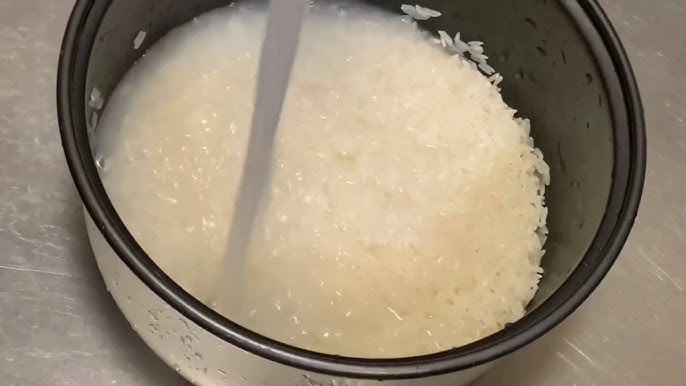
    When boiling rice using traditional methods in Filipino cuisine, rinsing the rice multiple times is an essential step to remove impurities before cooking. This process ensures that the rice is clean and free from any debris.

    After rinsing, the rice is then placed in a pot with the appropriate amount of water. The water-to-rice ratio can vary depending on personal preference and the desired texture of the cooked rice.

    Once the rice is in the pot, it’s brought to a boil, then the heat is reduced to a simmer until the rice is fully cooked. This traditional method allows for the easy incorporation of flavors, such as soy sauce or other seasonings, to enhance the taste of the rice.

    After boiling, the cooked rice is fluffed to ensure even texture and consistency before serving.

    Selection of Rice Varieties

    Selecting the right rice variety is crucial as it significantly influences the flavor and texture of your cooked rice in Filipino cuisine. Different rice varieties offer unique characteristics that can elevate your dish.

    For instance, jasmine rice is known for its fragrant aroma and slightly sticky texture, making it perfect for pairing with rich Filipino stews. If you prefer a nuttier flavor and long, slender grains, basmati rice would be an excellent choice.

    Meanwhile, dishes like creamy arroz caldo or savory paella benefit from the starchy texture of Arborio rice. On the other hand, for traditional Filipino desserts like suman, which require a sticky consistency, short-grain rice, such as sushi rice, is the ideal selection.

    Understanding the distinct qualities of each rice variety empowers you to enhance the authenticity and flavor of your Filipino rice dishes.

    Importance of Water-to-Rice Ratio

    Maintaining the right water-to-rice ratio is crucial to achieving perfectly cooked rice in Filipino cuisine. Getting the ratio right ensures that the rice is neither too mushy nor undercooked, resulting in a delightful texture.

    The water-to-rice ratio varies depending on the type of rice and personal preference for texture, so it’s essential to consider these factors when cooking. Adhering to the correct water-to-rice ratio enhances the overall flavor and consistency of the rice, making it a staple in Filipino meals.

    Understanding and adjusting the water-to-rice ratio based on trial and error will lead to consistently delicious rice, perfectly complementing Filipino dishes.

    For achieving perfectly cooked rice, consider the following:

    1. The ratio ensures the rice is neither too mushy nor undercooked.
    2. The water-to-rice ratio varies depending on the type of rice and personal preference for texture.
    3. Adhering to the correct ratio enhances the overall flavor and consistency of the rice.

    Achieving the Perfect Texture

    To achieve the perfect texture when boiling rice, pay close attention to the boiling and simmering process to ensure the rice is cooked just right. Consistently check the rice during the boiling process to avoid overcooking or undercooking. After boiling, allowing the rice to rest for a few minutes is crucial for achieving the perfect texture. Adjusting the boiling time and water level based on personal preference can also help achieve the desired texture. Here’s a helpful table to guide you in achieving the perfect texture when boiling rice in Filipino cuisine:

    Boiling and Simmering Process Checking Consistency Allowing Rest Time
    Ensure rice is cooked just right through careful monitoring Consistently check rice to avoid over or undercooking Rest rice for a few minutes after boiling

    Can Sautéing be an Alternative to Boiling in Filipino Rice Cooking Techniques?

    In Filipino rice cooking techniques, sautéing rice cooking technique is often used as an alternative to boiling. By lightly frying the rice in oil before adding liquid, it adds a nutty flavor and prevents the grains from becoming mushy. This method is commonly used in making dishes like garlic fried rice or paella.

    Cultural Significance of Boiled Rice

    Boiled rice holds immense cultural significance in Filipino cuisine, deeply rooted in tradition and serving as a foundational element in countless dishes. Its importance is reflected in various aspects of Filipino culture and culinary practices:

    1. Symbol of Unity: Boiled rice is often shared among family and friends, symbolizing togetherness and community bonding during meals.
    2. Historical Legacy: The tradition of boiling rice has been passed down through generations, preserving the heritage and authenticity of Filipino culinary customs.
    3. Culinary Versatility: Boiled rice serves as a canvas for flavors, adapting to various cooking styles and complementing a wide array of Filipino dishes, showcasing the adaptability and resourcefulness of the cuisine.

    Boiled rice not only nourishes the body but also embodies the spirit of Filipino hospitality and tradition, making it an integral part of the cultural identity.

    Frequently Asked Questions

    What Method Do Filipinos Cooked the Rice?

    Filipinos traditionally cook rice by boiling it in a pot with water until fully cooked. The rice is rinsed to remove impurities and can be flavored with ingredients like Aloha Shoyu for enhanced taste.

    What Is the Boiling Method of Cooking Rice?

    To cook rice using the boiling method, bring water to a boil, add rice, and stir once. Reduce heat, cover, and simmer until water is absorbed. Let the rice rest covered before fluffing with a fork for perfect texture.

    What Are the Cooking Methods in Filipino Cuisine?

    In Filipino cuisine, cooking methods vary, including boiling, steaming, and grilling. Each method brings out distinct flavors and textures in dishes. Boiling, particularly for rice, is a common technique, allowing precise control over the rice’s consistency and texture.

    How Do Asians Boil Rice?

    To boil rice in Asian cuisine, rinse it to remove impurities, adjust water based on preference, and use a rice cooker for convenience. After boiling, fluff the rice with a fork and check the texture before serving.

    Conclusion

    So, next time you want to cook rice the Filipino way, remember to rinse the rice, boil it with water, and simmer it until it’s fluffy and tender.

    Pay attention to the water-to-rice ratio and choose the right rice variety for the best results.

    This traditional boiling method has been a staple in Filipino cuisine for generations, and it’s not just a cooking technique – it’s a cultural tradition that brings families and communities together.

  • How Is Steaming Used as a Rice Cooking Technique in Filipino Cuisine?

    How Is Steaming Used as a Rice Cooking Technique in Filipino Cuisine?

    Steaming is a traditional and essential rice cooking technique in Filipino cuisine, preserving nutrients and flavors for healthier dishes. Different rice types like glutinous, jasmine, and long-grain are used in steaming to achieve diverse textures and tastes.

    Key Takeaways

    • Steaming is a traditional and integral method of cooking rice in Filipino cuisine.
    • Steaming retains the nutrients and natural flavors of ingredients, making it a healthier cooking technique.
    • Steaming rice symbolizes the importance of preserving traditions and embracing simplicity in Filipino culture.
    • Different types of rice, such as glutinous rice, jasmine rice, and long-grain rice, are used in steaming to achieve different textures and flavors.

    History of Steaming in Filipino Cuisine

    Steaming has long been an integral part of Filipino culinary tradition, infusing dishes with a unique depth of flavor and texture that has captivated diners for generations. The rice cooking technique of steaming goes beyond just cooking; it’s a method that enhances the essence of the dish.

    Steaming retains the nutrients and natural flavors of the ingredients, resulting in healthier and more vibrant dishes. In Filipino cuisine, the historical significance of steaming is profound. Rice, initially reserved for deities, leaders, and rituals, eventually led to the creation of various rice-based dishes and snacks.

    Steamed dishes, commonly served in dim sum restaurants, showcase the pervasive influence of steaming in Filipino cuisine. Moreover, the use of banana leaves for wrapping and steaming imparts a distinct floral flavor, adding complexity and enhancing the overall presentation of the dish.

    Steaming has truly shaped the rich tapestry of Filipino cuisine.

    Cultural Significance of Steaming Rice

    The historical significance of rice and its evolution from being a reserved food to becoming a staple in everyday Filipino life paved the way for the cultural significance of steaming in Filipino cuisine.

    Steaming rice holds a special place in Filipino culture as it symbolizes the importance of preserving traditions and embracing simplicity. The act of steaming rice isn’t just a cooking technique; it embodies the Filipino value of togetherness and sharing.

    It’s a way of honoring the connection between food, family, and community. The gentle, slow process of steaming rice reflects the Filipino spirit of patience, care, and respect for ingredients.

    Traditional Filipino Steamed Rice Dishes

    Traditional Filipino cuisine boasts a rich tapestry of steamed rice dishes that reflect the depth of flavor and cultural heritage. In Filipino cuisine, steamed rice isn’t only a staple but also the foundation of many traditional dishes.

    One such dish is the Bibingka, a Filipino rice cake made from glutinous rice, coconut milk, and sugar, steamed in banana leaves for a delightful aroma and flavor.

    Another beloved steamed rice dish is Suman, a sticky rice roll often wrapped in banana leaves, enjoyed with ripe mangoes or a sprinkle of sugar. These dishes showcase the versatility of steamed rice in Filipino cooking, with the glutinous rice providing a unique texture and sweetness.

    The traditional Filipino steamed rice dishes not only exemplify the art of steaming but also celebrate the cultural significance of rice in Filipino culinary traditions.

    Types of Rice Used in Steaming

    When steaming rice for Filipino cuisine, selecting the right type of rice is essential to achieve the desired texture and flavor for your dishes. Different types of rice, such as jasmine, glutinous, or long-grain rice, can be used for steaming in Filipino food.

    Glutinous rice, known as malagkit, is commonly used for traditional Filipino rice cakes like suman, offering a sticky and chewy texture.

    Jasmine rice is often used for steaming in savory dishes like Filipino fried rice or paired with stews and ulam, providing a fragrant aroma and slightly sticky texture.

    Long-grain rice, like jasmine or basmati, can be used for a fluffier texture when steamed, popular in Filipino dishes like garlic rice.

    Each type of rice used in steaming offers a unique texture and flavor suited for different Filipino dishes.

    Steaming Techniques and Equipment

    When it comes to steaming rice in Filipino cuisine, the right techniques and equipment can make all the difference. You’ll want to pay attention to the type of steaming equipment you use, as well as the process itself. These factors can greatly impact the final outcome of your steamed rice dish.

    Steaming Equipment

    To achieve the best results when steaming rice in Filipino cuisine, it’s essential to have the right steaming equipment and master the proper steaming techniques. Steaming is a crucial rice cooking technique in Filipino cuisine, and having the appropriate equipment can make a significant difference in the final dish.

    Here are four essential pieces of steaming equipment for perfecting your Filipino rice dishes:

    1. Bamboo Steamer: This traditional steaming tool allows for gentle, even steaming, imparting a subtle, woody aroma to the rice.
    2. Steamer Pot: A versatile option for steaming rice, a steamer pot with multiple tiers enables you to steam various dishes simultaneously, making it ideal for preparing a complete Filipino meal.
    3. Electric Steamer: Convenient and easy to use, an electric steamer offers precise control over the steaming process, ensuring consistent results every time.
    4. Steamer Basket: This simple yet effective tool can be placed in a regular pot, allowing you to steam rice without the need for specialized equipment.

    Steaming Process

    Consider investing in a bamboo steamer for gentle, even steaming, and a delightful woody aroma in your Filipino rice dishes. When it comes to the steaming process, it’s essential to use the right equipment and techniques to achieve perfect results. Steaming helps to retain the nutrients in the ingredients, enhancing the texture and flavor of the dish.

    In Filipino cuisine, steaming is commonly used in dishes such as Bibingka, a rice cake made with coconut milk and often cooked in banana leaves. This technique ensures that the rice cake is moist and aromatic, with a delicate, fluffy texture. The use of banana leaves adds a unique flavor to the dish, making it a favorite among many. Here’s a helpful table to showcase the benefits of the steaming process:

    Steaming Process Benefits
    Retains Nutrients
    Enhances Flavor
    Moist and Aromatic
    Delicate, Fluffy Texture

    Tips for Perfectly Steamed Rice

    For perfectly steamed rice, start by rinsing the rice in cold water until the water runs clear to remove excess starch.

    Then, use the correct ratio of rice to water, usually 1:1.25 or 1:1.5, depending on the variety of rice used.

    Add the rinsed rice to a pot and bring the water to a boil over medium heat before reducing the heat to low and covering the pot with a lid to cook for 12 to 15 minutes.

    Avoid lifting the lid or stirring the rice during cooking to prevent heat and moisture loss.

    Let the rice rest for 5 minutes after turning off the heat to allow it to steam and fluff up before serving.

    These tips will ensure that your steamed rice perfectly complements any Filipino cuisine dish.

    Modern Adaptations of Steaming in Filipino Cooking

    When it comes to modern adaptations of steaming in Filipino cooking, there are several exciting points to consider.

    From using steaming in desserts to creating flavorful seafood dishes, and even incorporating it into street food, the possibilities are endless.

    Steaming has become a versatile technique that adds a unique touch to various Filipino dishes, enhancing both their texture and taste.

    Steaming in Desserts

    Incorporating steaming into Filipino dessert recipes introduces a delightful fusion of traditional flavors and innovative techniques, elevating the dining experience with enticing textures and enhanced nutritional value. This cooking method isn’t only about retaining the nutrients in the ingredients but also about creating new and exciting flavors. Steaming in Filipino desserts offers a unique way to enjoy beloved treats while adding a healthy twist.

    Here’s how steaming is transforming Filipino desserts:

    1. Enhanced Texture: Steaming creates moist and tender desserts, offering a delightful contrast to the usual baked or fried options.
    2. Healthier Options: Steaming helps preserve the natural goodness of ingredients, making Filipino desserts healthier without compromising on taste.
    3. Innovative Presentations: Steaming allows for the development of unique presentations and flavors, adding a modern touch to traditional favorites.
    4. Diverse Flavors: Filipino steamed desserts, such as sticky rice cakes, showcase the versatility and appeal of steaming as a cooking technique, offering a wide array of flavors and textures.

    Steaming Seafood Dishes

    Ready to elevate your Filipino culinary skills with modern adaptations? Let’s dive into the art of steaming seafood dishes, a technique that infuses traditional recipes with a healthier and more flavorful twist. Steaming seafood in Filipino cuisine is a versatile method that retains natural flavors and essential nutrients while offering a lighter alternative to traditional frying or grilling. It involves cooking seafood over boiling water or broth, often with aromatic herbs and spices.

    This method not only results in moist and tender dishes but also requires little to no added fat, promoting healthier cooking. Using a steamer basket or a traditional bamboo steamer enhances the dish with subtle woody flavors, adding depth to the overall taste experience. Check out the table below for a quick reference on steaming seafood dishes in Filipino cuisine:

    Steaming Seafood Dishes
    Retains natural flavors and nutrients
    Healthier cooking method
    Versatile and adaptable to various recipes
    Utilizes aromatic herbs and spices
    Enhanced with subtle woody flavors

    Steaming in Street Food

    Steaming seafood dishes has long been a staple in Filipino cuisine, and now we’ll explore how this traditional cooking method has been creatively adapted in the realm of street food, bringing a modern twist to classic flavors and techniques.

    1. Steamed Buns: Vendors in the Philippines often offer delicious steamed buns filled with a variety of savory ingredients, creating a portable and satisfying snack.
    2. Steamed Rice Cakes: Street food stalls frequently serve steamed rice cakes, known as puto, which are soft, fluffy, and often topped with cheese or salted eggs, providing a delightful blend of flavors.
    3. Steamed Dumplings: These delectable treats, filled with meat or seafood, are a popular street food choice, showcasing the adaptability of traditional steaming techniques to modern tastes.
    4. Steamed Tamales: A modern take on the classic tamales, vendors now offer steamed tamales filled with an array of tasty fillings, ensuring a delightful and convenient street food option.

    What are the different rice cooking techniques commonly used in Filipino cuisine?

    Filipino cuisine embraces various rice cooking techniques in their culinary culture. Steaming is the most common rice cooking technique in Filipino, producing fluffy and separate grains. Another popular method is “sinangag” or garlic fried rice, made by stir-frying leftover rice with garlic and often with other ingredients like meat or vegetables.

    Health Benefits of Steamed Rice in Filipino Cuisine

    Steamed rice in Filipino cuisine offers numerous health benefits, making it a nutritious and flavorful choice for your meals. The steaming process helps to retain the essential nutrients in the rice grains, ensuring that you get the maximum nutritional value from your food. Additionally, steamed rice has a lower glycemic index compared to other cooking methods, which can be beneficial for managing blood sugar levels.

    This makes it an excellent option for individuals looking to maintain steady energy levels throughout the day. Moreover, steamed rice is a lower-fat cooking method, making it a healthier choice for those who are mindful of their fat intake. Below is a table summarizing the health benefits of steamed rice in Filipino cuisine.

    Health Benefits of Steamed Rice
    Retains essential nutrients
    Lower glycemic index
    Preserves natural flavors
    Lower in fat

    Frequently Asked Questions

    How Do You Cook Rice Using Steaming Method?

    To cook rice using the steaming method, rinse the rice, add water, and bring to a boil. Then, steam for 15-20 minutes until tender. This technique locks in flavor and preserves nutrients, creating fluffy, aromatic rice.

    How to Cook Rice in Filipino Style?

    To cook rice in Filipino style, rinse the rice and add it to a steamer with water. Steam for about 20 minutes until the rice is fluffy and tender. Steaming helps create moist and well-cooked rice, essential in Filipino cuisine.

    What Is the Process of Steam Rice?

    To steam rice, rinse it, add water, and place in a steamer for about 10 minutes. This method locks in nutrients and enhances flavor. It’s a popular technique in Filipino cuisine for serving soft, fluffy rice.

    Why Does Rice Need to Steam?

    Steaming rice helps it cook evenly, retain its nutrients, and develop a fluffy texture. It’s crucial for achieving that perfect, light, and airy rice that you love. It’s like giving your rice some spa treatment!

    Conclusion

    Steaming has been a vital part of Filipino cuisine for centuries, preserving the nutrients and enhancing the flavor and texture of rice. Whether enjoyed with savory stews or as a sweet rice cake, steamed rice is a beloved staple in Filipino meals.

    Its cultural significance and health benefits make it a time-honored cooking technique that continues to be cherished in Filipino households and celebrated in the country’s rich culinary traditions.

  • What Are Some Common Rice Cooking Techniques in Filipino Cuisine?

    What Are Some Common Rice Cooking Techniques in Filipino Cuisine?

    Steaming rice is a traditional Filipino technique popular for special occasions, retaining natural flavors and achieving a delightful texture. Boiling rice with aromatic ingredients like pandan leaves or garlic is essential for delicious dishes.

    Key Takeaways

    • Steaming rice is a traditional Filipino cooking technique that is popular for special occasions and festive dishes. It retains the natural aroma and flavors of sticky rice varieties and achieves a delightful texture through steam cooking.
    • Boiling rice is essential for delicious boiled rice dishes. Achieving the perfect texture is key, and it can be flavored with aromatic ingredients like pandan leaves or garlic. Mastering the water to rice ratio and simmering technique is important to customize the consistency for sticky or fluffy rice.
    • Choosing the right type of rice, such as Jasmine or Basmati, is crucial for perfecting the rice texture. Accurately measuring water using the finger-measure method and fluffing the rice after cooking with a fork contribute to the optimal texture for absorbing flavors of accompanying dishes.
    • Flavoring rice with aromatics like garlic, onions, and ginger enhances the taste and aroma of white rice. It is a cherished tradition in Filipino households and creates a fragrant base for various Filipino dishes. Aromatics also add depth and versatility to boiled rice.

    Steaming Rice

    When steaming rice, it’s essential to carefully monitor the water level and cooking time to achieve perfectly fluffy and separated grains. This traditional Filipino cooking technique involves placing a cup of rice in a pot with water and allowing the steam to work its magic.

    The steam evenly cooks the rice, resulting in a delightful texture that’s popular for special occasions and festive dishes. Steaming rice is especially favored for sticky rice varieties, as it helps retain the natural aroma and flavors of the rice.

    Boiling Rice

    When boiling rice, achieving the perfect texture is key to a delicious dish.

    Flavoring the rice with aromatic ingredients like pandan leaves or garlic can elevate the taste and aroma.

    Whether you prefer a sticky or fluffy consistency, mastering the water to rice ratio and simmering technique is essential to perfecting your boiled rice.

    Perfecting Rice Texture

    To achieve the perfect texture when boiling rice, it’s essential to master the art of simmering water and rice using the traditional absorption method in Filipino cuisine. Here’s what you need to do:

    1. Choose the right type of rice: Opt for Jasmine or Basmati rice for the best results in Filipino cuisine. These varieties cook up fluffy and separate, perfect for absorbing the flavors of the dishes they accompany.
    2. Measure the water accurately: For Jasmine or Milagrosa rice, the water to rice ratio is typically 1:1. The finger-measure method is also commonly used, ensuring the water reaches up to the second line or phalanx when touching the rice with the middle finger.
    3. Fluff the rice: After cooking, fluff the rice with a fork while it’s hot. This makes it less sticky and easier to scoop, contributing to the perfect texture.

    Flavoring With Aromatics

    Once you’ve mastered the art of achieving the perfect texture when boiling rice, it’s time to elevate the flavors by infusing aromatic ingredients such as garlic, onions, and ginger into the cooking process.

    In Filipino households, flavoring with aromatics is a cherished tradition when cooking rice. Adding these aromatic ingredients directly to the water as the rice boils creates a fragrant base that enhances the taste and aroma of the white rice.

    This technique not only complements various Filipino dishes but also adds a delightful depth of flavor to the rice, making it a versatile and delicious side dish.

    Experimenting with different aromatics allows you to create unique and flavorful variations of boiled rice, adding an extra layer of excitement to your culinary experiences.

    Cooking Rice in Coconut Milk

    If you want to elevate your rice dishes, cooking rice in coconut milk is a game-changer. The coconut milk ratio, cooking time, and flavoring options are crucial elements to perfect this technique.

    Get ready to create a creamy, aromatic, and flavorful rice that will complement any Filipino dish you pair it with.

    Coconut Milk Ratio

    Enhance the richness and flavor of your rice by increasing the coconut milk ratio when cooking in coconut milk for a stickier texture and a delightful tropical infusion.

    To achieve the perfect coconut rice, consider these tips:

    1. Experiment with the coconut milk ratio to create a creamy texture that complements savory dishes or serves as a luscious dessert.
    2. By adjusting the coconut milk to rice ratio, you can customize the consistency of the rice to suit your personal preferences.
    3. Infuse your rice with a tropical flair by using coconut milk as a cooking liquid, adding depth and aroma to your dish.

    Cooking rice in coconut milk not only offers a unique twist on traditional rice preparation but also allows for a delightful culinary adventure, creating a dish that’s both creamy and aromatic.

    Cooking Time

    When cooking rice in coconut milk, aim for a cooking time of around 20-25 minutes on low heat to achieve a creamy and flavorful dish through the absorption method.

    This method allows the rice to simmer in the coconut milk until fully absorbed, resulting in a rich, aromatic dish.

    Whether using wild rice or long-grain varieties, the absorption method is key to achieving the desired texture and flavor.

    For a more indulgent taste, consider adding pandan leaves or a pinch of salt during the cooking process.

    The result should be slightly sticky, creamy, and perfect for pairing with a variety of flavorful Filipino dishes.

    Experimenting with the water to coconut milk ratio can help you achieve the ideal consistency and flavor for your coconut milk rice.

    Flavoring Options

    Consider infusing your coconut milk rice with pandan leaves or a pinch of salt to enhance its tropical flavor and aroma, adding a unique twist to this traditional Filipino dish.

    To elevate the taste of your coconut milk rice, try incorporating the following flavoring options:

    1. First, steep pandan leaves in the coconut milk and water mixture to infuse a delightful, fragrant essence into the rice.
    2. Add a cup of water to the coconut milk when cooking the rice to achieve a creamy and luscious texture.
    3. Experiment with using brown rice instead of white rice for a nuttier flavor and added nutritional benefits.

    Your coconut milk rice can also be repurposed into a delicious fried rice dish, adding a new dimension to your culinary repertoire.

    Experiment with different flavor combinations to create a personalized coconut rice recipe.

    Cooking Rice in a Rice Cooker

    For perfectly cooked rice every time, the rice cooker offers a convenient and reliable method. It’s simple – just add the recommended amount of rice and water to the rice cooker, switch it on, and let it do the work for you. The following table provides a general guideline for the water-to-rice ratio when using a rice cooker:

    Rice Quantity Water Quantity
    One cup 1 1/2 cups
    Two cups 2 1/2 cups
    Three cups 3 1/2 cups
    Four cups 4 1/2 cups
    Five cups 5 1/2 cups

    Making Garlic Fried Rice

    After mastering the art of cooking rice in a rice cooker, you can elevate your culinary skills by learning the delightful technique of making Garlic Fried Rice.

    To make this mouthwatering dish, follow these steps:

    1. Heat a large wok or non-stick pan, infusing the air with the irresistible aroma of sizzling garlic.
    2. Mix the oil and salt, conjuring a symphony of flavors that will dance on your taste buds.
    3. Break apart any large chunks of rice, infusing each grain with the savory essence of garlic and oil.

    As you cook the rice, the fragrance of garlic will fill your kitchen, building anticipation for the delicious feast to come. The crispy texture and rich flavor of the garlic fried rice will undoubtedly leave you craving for more.

    Making Sticky Rice

    To achieve the perfect sticky rice in Filipino cuisine, begin by rinsing the rice thoroughly to remove excess starch, ensuring a stickier result. Whether using a rice cooker or the stovetop absorption method, adjusting the water-to-rice ratio is crucial for a stickier consistency. Consider using glutinous or sweet rice for an even stickier outcome.

    After cooking, allow the sticky rice to rest for at least 10 minutes to enhance its characteristic texture. For a traditional touch, use the finger-measure method to determine the water level, ensuring it reaches the second line or phalanx of the middle finger for stickier rice. Below is a table summarizing the key points for making sticky rice in Filipino cuisine.

    Key Points
    Rinsing Thoroughly rinse the rice to remove excess starch.
    Rice Type Consider using glutinous or sweet rice for a stickier result.
    Resting Allow the sticky rice to rest for at least 10 minutes after cooking.
    Water Level Use the finger-measure method to determine the water level for stickier rice.

    Cooking Rice in Banana Leaves

    Embrace the aromatic allure of Filipino cuisine by exploring the traditional technique of cooking rice in banana leaves, infusing each grain with a unique and captivating flavor.

    When cooking rice in banana leaves, you’ll experience a sensory journey like no other. The aroma of the leaves infuses the rice, creating a delightful and earthy fragrance that will tantalize your taste buds.

    As the rice steams within the banana leaves, it absorbs the natural essence, resulting in a dish that isn’t only visually appealing but also bursting with flavor. The process is labor-intensive, but the rewarding taste and texture make it well worth the effort.

    To enhance the experience, use the appropriate kind of rice and measure the water accurately for perfect results every time.

    Making Rice Porridge (Arroz Caldo)

    Sautéing garlic, onions, and ginger in a pot until fragrant sets the flavorful foundation for creating the comforting and aromatic Filipino rice porridge known as Arroz Caldo. To make this hearty dish, start by simmering chicken pieces and rice in a savory broth seasoned with fish sauce and pepper. Here’s a helpful table to guide you through the process:

    Ingredients Instructions
    Garlic, Onions, Ginger Sauté until fragrant
    Chicken Pieces Brown in the pot
    Rice Add and simmer until soft
    Chicken Broth Pour in to cook the rice

    Arroz Caldo is traditionally garnished with green onions, toasted garlic, and a squeeze of calamansi before serving. This cooking technique creates a rich and flavorful rice porridge that is perfect for warming your soul on a chilly day.

    What Other Filipino Cooking Techniques Can I Use to Prepare Rice Dishes?

    Aside from the popular cassava cake in Filipino cooking, there are other traditional techniques to prepare rice dishes. Suman, a sticky rice cooked in coconut milk and wrapped in banana leaves, is an excellent option. Another method is sinangag, or garlic fried rice, which adds immense flavor to any meal. These techniques beautifully showcase the versatility of rice in Filipino cuisine. Filipino rice varieties, such as jasmine and sticky rice, are also commonly used in dishes like arroz caldo and champorado. These different rice types bring unique textures and flavors to traditional Filipino cooking. Whether it’s for a savory dish or a sweet dessert, rice is a staple ingredient in Filipino cuisine and is celebrated in a wide variety of delicious ways.

    Baking Rice in the Oven

    After savoring the aromatic delights of Arroz Caldo, now let’s explore a convenient and versatile technique for achieving perfectly cooked rice – baking it in the oven. Here’s why you should consider using this method:

    1. Hands-off Cooking: Baking rice in the oven provides a hassle-free way to cook rice, allowing you to focus on other tasks in the kitchen without the need for constant monitoring.
    2. Space Saver: When stove-top space is limited, the oven offers a convenient alternative for cooking rice, freeing up valuable burner space for preparing other dishes.
    3. Consistent Results: This method is versatile and produces consistently fluffy and evenly cooked rice, regardless of the type of rice used, making it a reliable option for any meal.

    Give it a try for a fuss-free way to cook perfect rice every time.

    Frequently Asked Questions

    What Method Do Filipinos Cooked the Rice?

    You cook rice using the absorption method. First, wash the rice, then measure the water, simmer, and fluff with a fork for the perfect texture. In Filipino cuisine, it’s crucial to get the rice just right.

    What Are the Cooking Techniques With Rice?

    To achieve perfect rice in Filipino cuisine, start by washing the rice thoroughly. Then, use the absorption method by simmering until the rice absorbs all the water. Adjust water ratio for desired consistency. Enjoy fluffy rice!

    What Type of Rice Do Filipino Use?

    Filipinos commonly use Jasmine or Milagrosa rice. It’s perfect for traditional dishes. You measure water using the finger method, then cook with the absorption technique. For best results, try Basmati rice. Modern rice cookers are popular too.

    What Method Is Rice Commonly Cooked By?

    When cooking rice in Filipino cuisine, the common method is using the absorption technique. You wash the rice, determine the water to rice ratio, then boil and simmer until the rice absorbs all the water.

    Conclusion

    So there you have it! Those are some of the common rice cooking techniques in Filipino cuisine.

    Whether you’re steaming, boiling, or using a rice cooker, there are plenty of delicious ways to enjoy rice in Filipino dishes.

    From sticky rice to rice porridge, the possibilities are endless.

    So go ahead and try out these techniques to add some Filipino flavor to your next meal!

  • How Is Milagrosa Rice Used in Filipino Cuisine?

    How Is Milagrosa Rice Used in Filipino Cuisine?

    Milagrosa Rice, also known as Thai Jasmine Rice, is a versatile ingredient in Filipino cuisine, enhancing the flavors of savory dishes like sinangag and kare-kare, as well as sweet treats such as bibingka and suman.

    Key Takeaways

    • Milagrosa Rice, also known as Thai Jasmine Rice, is a popular variety in Filipino cuisine.
    • It is used in a wide range of savory dishes like sinangag, arroz caldo, and kare-kare.
    • Milagrosa Rice is also essential in the creation of Filipino desserts such as bibingka and suman.
    • It is a staple in Filipino festivals and street food, enhancing the flavors and textures of traditional dishes.

    History of Milagrosa Rice

    The history of Milagrosa rice can be traced back to the Philippines, where its seeds were originally cultivated and later adopted by Thai farmers for cultivation in their own country. This rice variety, also known as Thai Jasmine Rice, has gained popularity for its delicate aroma and slightly sticky texture when cooked.

    The International Rice Research Institute in the Philippines has played a crucial role in the development and distribution of Milagrosa rice seedlings and plants, contributing to its widespread cultivation.

    Milagrosa rice is a versatile ingredient, used for delicacies in both the Philippines and Thailand. While Southeast Asia favors long-grain rice that remains loose when cooked, the glutinous rice variety, like Milagrosa, is particularly prized for its use in traditional dishes and sweet treats.

    Milagrosa Rice in Traditional Filipino Dishes

    What role does Milagrosa Rice play in traditional Filipino dishes, and how does its unique texture and aroma enhance the flavors of these culinary creations?

    Versatility: Milagrosa Rice is a staple in Filipino cuisine, used in a wide array of savory dishes such as sinangag (garlic fried rice), arroz caldo (rice porridge), and kare-kare (peanut stew).

    Sweet treats: This type of rice is also utilized in the creation of delectable Filipino desserts, like bibingka (rice cakes) and suman (sticky rice cakes).

    Considered cakes: Milagrosa Rice is often ground into a fine powder and used to make traditional Filipino rice cakes, adding a distinct texture and flavor to these beloved sweet confections.

    Its loose, non-sticky texture and fragrant aroma elevate the taste of these dishes, making Milagrosa Rice an essential ingredient in Filipino culinary traditions.

    Milagrosa Rice in Sweet Filipino Treats

    When you indulge in Filipino sweet treats, the delicate fragrance and fluffy texture of Milagrosa Rice lend a unique and delightful character to these beloved desserts. This long-grain variety of rice is commonly used in traditional Filipino sweet delicacies, adding a distinct flavor and texture that enhances their overall taste and appeal.

    The loose, non-sticky nature of Milagrosa rice, when cooked, makes it an ideal ingredient for sweet treats, ensuring a light and airy mouthfeel. In Filipino cuisine, this rice is often featured in desserts such as creamy rice puddings, rich rice cakes, and sweet rice balls. Here’s a glimpse of how Milagrosa Rice is used in sweet Filipino treats:

    Filipino Sweet Treats Description Key Ingredient
    Rice Pudding Creamy and fragrant dessert Milagrosa Rice
    Rice Cakes Soft and fluffy cakes Milagrosa Rice
    Sweet Rice Balls Chewy and sweet delicacies Milagrosa Rice

    Milagrosa Rice in Filipino Festivals

    Indulging in Filipino sweet treats, you’ll find that Milagrosa Rice plays an essential role in the delightful flavors and textures of traditional festival dishes, adding a unique touch to the culinary celebrations.

    During Filipino festivals, Milagrosa rice is an integral part of the vibrant and diverse array of dishes served, reflecting the rich culinary heritage of the Philippines.

    Its fragrant and non-sticky nature enhances beloved festival classics, such as suman (sweet sticky rice cakes), biko (sweet rice cake), and bibingka (rice cake), creating a sensory experience that captivates both locals and visitors.

    The versatility of Milagrosa rice allows for the creation of savory festival favorites like paella, bringing a fusion of flavors that symbolize the unity and diversity of Filipino culture.

    Milagrosa Rice Varieties and Cultivation

    Milagrosa rice, with its fragrant aroma and loose, long-grain texture when cooked, is a staple in traditional Filipino cuisine and is cultivated and grown in Southeast Asia, particularly in the Philippines. There are several varieties of Milagrosa rice, each with its own unique qualities.

    The most common varieties include white, brown, and red Milagrosa rice. White Milagrosa rice is the most widely consumed variety and is known for its delicate flavor and fluffy texture when cooked. Brown Milagrosa rice, on the other hand, has a nuttier flavor and firmer texture due to the bran layer left intact. Red Milagrosa rice is similar to brown rice but has a deeper, earthier flavor and a chewier texture.

    The cultivation of Milagrosa rice involves careful irrigation, proper soil preparation, and meticulous harvesting to ensure the highest quality yield. Southeast Asian farmers have perfected these cultivation techniques over generations, making Milagrosa rice a cherished part of the region’s culinary heritage.

    Nutritional Benefits of Milagrosa Rice

    When incorporating Milagrosa rice into your diet, you can enjoy its nutritional benefits. These include a high carbohydrate content for sustained energy, essential vitamins and minerals, and heart-healthy attributes due to its low fat and cholesterol content.

    Here are three key nutritional benefits of Milagrosa rice:

    1. Sustained Energy: Milagrosa rice is a great source of carbohydrates, providing you with the fuel needed for your daily activities.
    2. Essential Nutrients: This rice variety contains important vitamins and minerals, such as B vitamins and iron, which are vital for your overall health and well-being.
    3. Heart-Healthy: With its low fat and cholesterol content, Milagrosa rice is a heart-healthy choice that promotes cardiovascular wellness.

    Incorporating Milagrosa rice into your meals not only offers these nutritional benefits but also adds a delightful, sticky texture to your dishes. This makes it a versatile and nutritious ingredient in Filipino cuisine.

    Milagrosa Rice in Modern Filipino Cuisine

    Incorporating Milagrosa rice into modern Filipino cuisine has transformed traditional cooking methods and expanded its culinary versatility, catering to the evolving preferences of contemporary cooks and food enthusiasts. Milagrosa rice, known for its fragrant aroma and fluffy texture, has been incorporated into various dishes such as paella, sushi, and even risotto, adding a unique twist to the traditional flavors of Filipino cuisine. In addition, dinorado rice uses have also expanded to include creamy rice pudding, flavorful stuffed bell peppers, and even as a base for a colorful and nutritious grain bowl. The versatility of Milagrosa rice and dinorado rice uses have helped elevate Filipino cuisine to a new level of sophistication while still maintaining its roots in traditional flavors and cooking techniques.

    Unlike its traditional use, modern Filipino cuisine embraces Milagrosa rice in innovative ways. It isn’t limited to being a side dish but is now a star ingredient in sushi, risotto, and even rice pudding. The literally viscous (sticky) nature of Milagrosa rice makes it ideal for crafting delectable rice cakes and sweet delicacies.

    Moreover, it has become a popular choice for fusion dishes, blending the rich flavors of Filipino cuisine with global culinary trends. As a result, Milagrosa rice has carved a niche in modern Filipino cooking, offering a delightful blend of tradition and innovation.

    Milagrosa Rice in Filipino Street Food

    With its loose, non-sticky texture and fragrant aroma, Milagrosa Rice has become a cornerstone of Filipino street food, adding a delightful touch to a wide array of dishes.

    Here’s how Milagrosa Rice enhances Filipino street food:

    1. Versatility: Milagrosa Rice’s loose and fluffy texture makes it a perfect base for popular street food dishes like fried rice and rice bowls, allowing it to absorb the flavors of various ingredients and sauces.
    2. Popular Choice: Its superior quality and fragrant aroma have made Milagrosa Rice a favorite among Filipino street food vendors and food stalls, elevating the overall taste of their offerings.
    3. Enhanced Dining Experience: The loose texture of Milagrosa Rice complements the flavors and ingredients used in Filipino street food, providing a satisfying and enjoyable dining experience for locals and tourists alike.

    Milagrosa Rice in Regional Filipino Cooking

    You’re about to discover the diverse regional rice dishes that showcase the culinary significance of Milagrosa Rice in Filipino cooking.

    From the beloved coconut-infused rice cakes of the Bicol region to the flavorful rice porridge or ‘lugaw’ variations found across the country, each dish reflects the unique flavors and cooking traditions of different Filipino provinces.

    Get ready to explore the rich tapestry of regional Filipino cuisine woven with the versatility of Milagrosa Rice.

    Regional Rice Dishes

    Milagrosa Rice, a cherished staple in regional Filipino cuisine, is celebrated for its loose, non-sticky texture and its versatility in creating diverse and flavorful rice dishes. When exploring regional Filipino cooking, you’ll find that Milagrosa rice plays a significant role in various rice dishes, each offering a unique blend of flavors and cultural influences.

    Here are a few regional rice dishes that highlight the versatility of Milagrosa rice:

    1. Arroz Valenciana: This dish, originating from the province of Pampanga, combines Milagrosa rice with chorizo, chicken, bell peppers, and various seasonings for a rich and savory flavor.
    2. Bringhe: Hailing from the Quezon province, Bringhe is a festive dish similar to paella, featuring Milagrosa rice cooked with coconut milk, turmeric, and a variety of meats and vegetables.
    3. Nasi Dagang: In the southern regions of the Philippines, particularly in Mindanao, Nasi Dagang showcases the influence of Malaysian cuisine, incorporating Milagrosa rice with aromatic spices and fish curry for a flavorful meal experience.

    Culinary Significance

    Celebrated across diverse regions and cherished for its loose, non-sticky texture, Milagrosa rice holds a significant place in the vibrant tapestry of regional Filipino cooking. This fragrant, long-grain variety is a staple ingredient in Filipino cuisine and is preferred for its ability to remain separate and fluffy when cooked. Each region in the Philippines has its own unique way of incorporating Milagrosa rice into traditional dishes. Here is a glimpse of how this versatile rice is used in regional Filipino cooking:

    Region Dish
    Ilocos Region Pinakbet – a flavorful vegetable and pork stew
    Central Visayas Puso – rice wrapped and boiled in a triangular casing
    Bicol Region Laing – taro leaves cooked in coconut milk
    Mindanao Region Palapa – a condiment made from chili and rice

    The adaptability of Milagrosa rice in these diverse regional dishes showcases its culinary significance in Filipino cooking.

    What Are the Different Uses of Unoy Rice in Filipino Cuisine Compared to Milagrosa Rice?

    Unoy rice is a popular choice for Filipino cuisine due to its sticky texture, making it ideal for dishes like suman and bibingka. On the other hand, Milagrosa rice is often preferred for savory dishes like adobo and sinigang due to its fluffy texture and ability to absorb flavors.

    Milagrosa Rice in Filipino Fusion Cuisine

    When infusing Filipino fusion cuisine with Milagrosa rice, the delicate, loose texture of this long-grain variety adds an exquisite dimension to traditional Filipino dishes.

    1. Innovative Sushi Rolls: Milagrosa rice can be used to create unique sushi rolls, combining Filipino flavors with Japanese techniques. The fluffy texture of the rice complements the fresh fish and vibrant flavors, resulting in a delightful fusion dish.
    2. Rice Bowl Creations: Milagrosa rice serves as an ideal base for Filipino-inspired rice bowls, incorporating diverse ingredients such as adobo, lechon, and longganisa. This fusion dish brings together the best of Filipino cuisine with a modern twist.
    3. Mango Sticky Rice Parfait: A fusion dessert combining the beloved Filipino dessert, mango sticky rice, with a Western-style parfait. The fragrant and light Milagrosa rice enhances the layers of creamy coconut milk and sweet mango, offering a delightful fusion of flavors and textures.

    Frequently Asked Questions

    What Is Milagrosa Rice?

    Milagrosa rice, a long-grain variety popular in Filipino and Thai cuisine, is known for its loose, non-sticky texture when cooked. It’s grown using Philippine seeds in Thailand and is favored for its fragrant aroma and versatile use in various dishes and desserts.

    What Is the Most Commonly Eaten Rice in the Philippines?

    The most commonly eaten rice in the Philippines is jasmine rice. It’s a fragrant, long-grain rice that’s a staple in Filipino cuisine. It’s used in a variety of dishes and is loved for its aromatic flavor and fluffy texture.

    Is Jasmine Rice Used in Philippines?

    Yes, jasmine rice is commonly used in Filipino cuisine, especially for dishes influenced by Thai and Vietnamese cooking. Its fragrant aroma and slightly sticky texture make it a favorite for pairing with flavorful meats and sauces.

    What Is the Local Rice in the Philippines?

    In the Philippines, the local rice, like Milagrosa rice, is a staple in many dishes. It’s preferred for its long-grain texture, perfect for making traditional Filipino recipes such as adobo and sinigang.

    Conclusion

    So next time you’re craving some delicious Filipino cuisine, don’t forget to include Milagrosa rice in your meal.

    Whether it’s as a side dish to complement savory adobo or sinigang, or as the star of a sweet bibingka or suman, Milagrosa rice brings a fragrant aroma and fluffy texture to traditional and modern Filipino dishes.

    Its versatility and popularity make it a staple in Filipino cooking, and a must-try for any food lover.

  • How Is Unoy Rice Used in Filipino Cuisine?

    How Is Unoy Rice Used in Filipino Cuisine?

    Unoy rice, a staple in Filipino cuisine, is used in various traditional dishes like adobo, sinigang, arroz caldo, and bibingka, enhancing their flavors with its unique nutty taste and cultural significance. Its presence in Filipino cuisine not only adds depth to dishes but also supports the preservation of indigenous knowledge and traditional farming practices. Unoy rice, also known as milagrosa rice, is prized for its long grains and fragrant aroma, making it a perfect accompaniment to a wide range of dishes. Many traditional milagrosa rice recipes have been passed down through generations, showcasing the versatility and importance of this indigenous rice variety in Filipino cooking. Its popularity continues to grow as more chefs and home cooks discover new and innovative ways to incorporate milagrosa rice into their culinary creations.

    Key Takeaways

    • Unoy rice is a staple in Filipino cuisine and plays a significant role in preserving traditional knowledge and cultural heritage.
    • The loss of Unoy rice varieties puts food security and indigenous knowledge at risk, making collaborative efforts and initiatives like the Slow Food Presidium crucial for its protection and increased production.
    • Unoy rice enhances the cultural significance of various traditional Filipino dishes, adding depth and flavor to popular dishes like Adobo, Sinigang, and Champorado.
    • Unoy rice is also used in suman, a traditional Filipino delicacy, where it imparts a subtle, earthy aroma and reflects the labor of love and tradition involved in its wrapping process.

    Unoy Rice: An Introduction

    Unoy rice, a staple in Filipino cuisine, is a diverse and culturally significant grain that holds the key to preserving traditional knowledge and ensuring food security in the region.

    The heirloom rice varieties of Unoy, particularly those cultivated in Pasil, Kalinga province, are essential to the Filipino culinary heritage. These varieties, with their distinct aromatic flavors and vibrant colors, not only add depth to traditional Filipino dishes but also represent the rich cultural tapestry of the region.

    The loss of these climate-resilient Unoy rice varieties poses a threat to both food security and the preservation of indigenous knowledge. Through collaborative efforts and the establishment of the Slow Food Presidium, there’s a renewed focus on protecting and increasing the production of these heirloom rice varieties, ensuring their continued presence in Filipino cuisine and the preservation of cultural traditions.

    Unoy Rice in Adobo

    How can the unique flavors and cultural significance of traditional Unoy rice varieties enhance the iconic Filipino dish, Adobo?

    Years ago, Indigenous farmers in the Cordillera region utilized their indigenous rice, like the red and sticky Unoy rice, in Adobo. The rich, nutty flavor of the red rice, when combined with the tangy and savory flavors of Adobo, creates a delightful symphony for the taste buds. The slow-growing and aromatic nature of Unoy rice varieties, such as Chong-ak and Imbuucan, adds depth to the dish, making it a true representation of Filipino food with deep-rooted cultural significance.

    Additionally, the use of Unoy rice in Adobo aligns with the efforts to preserve Indigenous traditions and supports the revival of these unique rice varieties.

    Furthermore, incorporating Unoy rice and vegetables cooked in coconut milk into Adobo adds a delightful twist to this beloved Filipino classic.

    Unoy Rice in Sinigang

    The aromatic and slow-growing nature of Unoy rice varieties, like Chong-ak and Imbuucan, not only enhances the flavors of Adobo but also brings a unique depth to the beloved Filipino classic, Sinigang.

    When you use Unoy rice in Sinigang, you experience a delightful fusion of flavors and textures that elevate this traditional dish to new heights. The nutty aroma and slightly chewy texture of the rice add a wonderful complexity to the tangy and savory broth, creating a truly satisfying culinary experience.

    As the rice absorbs the rich flavors of the Sinigang, every spoonful becomes a comforting and fulfilling delight. The heritage and cultural significance of Unoy rice varieties further enrich the experience, connecting you to the rich agricultural traditions of the Philippines.

    Unoy Rice in Arroz Caldo

    Arroz Caldo, a comforting Filipino rice porridge, gains a distinct nutty flavor and satisfying texture when prepared with the indigenous Unoy rice varieties, such as Chong-ak and Chaykot, adding a unique dimension to this beloved dish. The use of these native rice varieties enhances the traditional flavors of Arroz Caldo, making it a standout among Filipino dishes.

    The Unoy rice, with its white, red, or purple hues, contributes to the rich cultural significance of this dish, showcasing the agricultural heritage of Pasil. The Slow Food Presidium’s efforts to increase production and preserve these endangered rice varieties play a crucial role in ensuring the availability of key ingredients for Arroz Caldo and safeguarding the cultural identity tied to this beloved Filipino comfort food.

    Unoy Rice in Arroz Caldo  
    Flavor Distinct nutty flavor
    Texture Satisfying texture
    Color White, red, or purple
    Cultural Significance Showcases Pasil’s rich agricultural heritage and Indigenous culture
    Preservation Efforts Crucial in ensuring availability and safeguarding cultural identity

    Unoy Rice in Bibingka

    When preparing Bibingka, incorporating the indigenous Unoy rice varieties such as Chong-ak and Imbuucan adds a unique aromatic flavor and cultural significance to this traditional Filipino rice cake. Chong-ak rice, with its rust-red seed coat, brings a deep, earthy aroma to Bibingka, while Imbuucan rice, with its distinctive red stripe on its grains, contributes to the cake’s rich flavor profile.

    Here’s why Unoy rice in Bibingka is so special:

    1. Embrace the authentic flavors of traditional Filipino cuisine.
    2. Support Indigenous farmers and sustainable agricultural practices.
    3. Preserve endangered native rice varieties and cultural heritage.
    4. Experience the unique textures and aromas of Unoy rice in a beloved Filipino dessert.

    Unoy Rice in Champorado

    Incorporating Unoy rice varieties like Chong-ak and Imbuucan brought a unique aromatic flavor and cultural significance to Bibingka.

    Now, let’s explore how Unoy rice enhances the beloved Filipino chocolate rice porridge, Champorado. Unoy rice, with its white grains and nutty undertones, adds a distinct texture and depth of flavor to Champorado.

    The heirloom Unoy rice varieties from Pasil, known for their resilience to drought and cultural significance to the Indigenous people, bring a traditional touch to this classic Filipino dish. The revival of Unoy rice varieties not only enriches the gastronomic experience but also supports indigenous Filipino farmers and preserves traditional farming practices.

    Unoy Rice in Suman

    When making Suman with Unoy rice, you’ll want to pay attention to the wrapping method, as it plays a crucial role in the texture and overall experience of the dish.

    Additionally, consider the various flavoring and filling options available that can elevate the taste of the Suman.

    Suman Wrapping Method

    Utilizing the aromatic Unoy rice varieties, indigenous farmers from Pasil craft the distinctive flavor and texture of traditional Filipino suman through their meticulous wrapping method.

    The process involves skillfully encasing the Unoy rice mixture in soft banana leaves, imparting a subtle, earthy aroma to the suman. This traditional wrapping method not only ensures the suman retains its moisture and shape but also infuses it with a delightful hint of natural sweetness.

    As the suman steams within the banana leaves, the rice absorbs the essence of the leaves, creating a harmonious blend of flavors.

    The care and precision applied in the wrapping process reflect the deep-rooted cultural significance of suman in Filipino culinary heritage, making each suman a labor of love and tradition.

    Flavoring and Filling Options

    To enhance the traditional suman made with Unoy rice, consider experimenting with a variety of flavorful fillings and aromatic seasonings.

    Unoy rice, known for its resilience to drought and diverse colors, makes suman a versatile dish.

    When cooking Unoy rice suman, you can incorporate fillings such as sweetened coconut strips, ripe mango slices, or even a decadent chocolate filling for a modern twist.

    Additionally, you can infuse the rice with pandan leaves, lemongrass, or vanilla to add a delightful fragrance to the suman.

    These flavoring and filling options allow you to customize the Unoy rice suman to your taste preferences, whether you prefer a traditional Filipino flavor profile or an innovative fusion of different cuisines.

    Experimenting with these options will elevate the sumptuous experience of enjoying Unoy rice suman.

    Cooking and Serving Techniques

    As you prepare to cook and serve Unoy rice suman, consider how different flavoring and filling options can complement the dish, enhancing its traditional appeal or infusing it with innovative and modern twists.

    Here are some cooking and serving techniques to elevate your Unoy rice suman experience:

    1. Embrace tradition: Try making suman using the traditional method of wrapping the Unoy rice in banana leaves and steaming it. The aroma and flavor will transport you to the terraces where the rice is grown.
    2. Experiment with fillings: While the classic choice is to fill the suman with sweet coconut, consider trying modern fillings like chocolate, mango, or even savory options like adobo.
    3. Presentation matters: Serve the suman on a banana leaf for an authentic touch, and consider pairing it with a warm cup of traditional Filipino tsokolate.
    4. Share the story: As you serve your Unoy rice suman, share the story of its cultural significance and the efforts of organizations like the International Rice Research Institute to preserve traditional rice varieties.

    Unoy Rice in Biko

    Nestled within the sweet, sticky layers of Biko, Unoy rice adds a distinctive aroma and texture that elevates this traditional Filipino delicacy.

    The use of Unoy rice, particularly the glutinous Chaykot variety, contributes to the rich and chewy consistency of Biko.

    Its unique fragrance and slightly sticky nature enhance the overall sensory experience of this beloved Filipino dessert.

    The cultivation of Unoy rice in the Pasil River Valley holds cultural significance to the Indigenous people of Pasil and supports their resilience to drought.

    By incorporating Unoy rice into Biko, you not only enjoy a delicious treat but also contribute to the preservation of traditional rice varieties and the livelihood of Indigenous farmers.

    Embrace the depth of flavor and cultural heritage that Unoy rice brings to the timeless delight of Biko.

    Unoy Rice in Puto

    Unoy rice, historically cherished for its unique flavors and cultural significance, plays a vital role in creating the distinctive texture and aroma of Puto, a beloved Filipino delicacy. When you bite into a piece of Puto made with Unoy rice, you experience a delightful combination of nutty and slightly sweet flavors, a testament to the exceptional qualities of this indigenous rice.

    The chewy and slightly sticky texture of Unoy rice enhances the softness of Puto, making each bite a comforting experience. The fragrance of the rice permeates the entire dessert, filling the air with an irresistible aroma that evokes feelings of nostalgia and warmth. With each mouthful, you can appreciate the rich heritage and tradition that Unoy rice brings to this classic Filipino treat.

    Unoy Rice in Kakanin

    In Filipino cuisine, the use of Unoy rice in Kakanin has endured for generations, showcasing its distinct flavors and cultural significance.

    The varieties of Unoy rice, such as the red, white, and purple non-glutinous and glutinous types, offer a diverse range for culinary use in traditional Filipino rice cakes and desserts.

    Unoy rice adds a unique aroma and texture to Kakanin, enhancing the overall taste experience.

    The preservation efforts of Slow Food to protect the 18 different aromatic native rice varieties, including Unoy rice, are vital in sustaining the authenticity and cultural heritage of Kakanin.

    Unoy Rice in Fried Rice

    If you’re a fan of fried rice, you’ll be thrilled to learn about the unique twist Unoy rice brings to this classic dish.

    Using Unoy rice as the base for fried rice not only adds a delightful nutty flavor but also offers a hearty texture that complements a variety of toppings.

    Whether you’re pairing it with vegetables, meats, or seafood, Unoy rice brings a whole new dimension to the beloved fried rice dish.

    Unoy Rice as Base

    When creating fried rice, consider using Unoy rice as the base for a delicious and aromatic Filipino-style dish. Unoy rice, specifically the Chong-ak and Imbuucan varieties, offers a unique flavor profile and aroma that can elevate your fried rice to new heights.

    The resilience of Unoy rice to drought ensures a consistent and reliable ingredient for your dish, while its cultural significance to the Indigenous people of Pasil adds a touch of heritage and tradition to your meal.

    By using Unoy rice in your fried rice, you contribute to the preservation of traditional knowledge, support Indigenous farmers, and sustain local biodiversity.

    Embrace the richness and depth of Filipino cuisine by incorporating Unoy rice, the Eighth Wonder, into your cooking.

    1. Experience the aromatic and slow-growing nature of Unoy rice in every bite.
    2. Support the preservation of traditional knowledge and Indigenous farming practices.
    3. Infuse your dish with the cultural significance and heritage of the Pasil community.
    4. Elevate your cooking with the unique flavor profile of Unoy rice, the Wonder rice.

    Unoy Rice With Toppings

    As you whip up a sizzling skillet of fried rice, consider the unique texture and flavor profile that Unoy rice brings to the dish, elevating it to a whole new level of Filipino culinary delight.

    Unoy rice, with its slow-growing nature and cultural significance, adds a delightful nuttiness and slightly chewy texture to fried rice. When stir-fried with aromatic garlic, onions, and a medley of vegetables, Unoy rice absorbs the flavors while maintaining its distinct chewiness.

    This variety of rice, predominantly red but also available in white or purple, brings a rich color to the dish, making it visually appealing. The Slow Food Presidium’s efforts to increase production aim to ensure that this traditional rice variety continues to be a cherished ingredient in Filipino cuisine, especially in beloved dishes like fried rice.

    How Does Unoy Rice Enhance the Flavor and Texture of Filipino Dishes?

    Unoy rice enhances the flavor and texture of Filipino dishes through the traditional Filipino rice soaking technique. This method involves soaking the rice in water before cooking, which helps to achieve the perfect consistency and flavor for iconic Filipino dishes such as adobo, sinigang, and arroz caldo.

    Unoy Rice in Desserts

    With its aromatic and glutinous qualities, Unoy rice varieties like Chong-ak and Chaykot play a crucial role in creating delectable Filipino desserts. Here’s why you should be excited about Unoy rice in desserts:

    1. Rich Heritage: Unoy rice desserts aren’t just sweet treats; they’re a celebration of the rich agricultural heritage of the Indigenous people of Pasil.
    2. Sustainable Indulgence: Indulging in Unoy rice desserts means supporting sustainable and organic farming practices that help preserve local biodiversity.
    3. Aromatic Bliss: The slow-growing and aromatic flavor of Chong-ak adds a unique and delightful taste to traditional Filipino and Southeast Asian rice desserts.
    4. Preserving Tradition: By using Unoy rice in desserts, you’re contributing to the revival and preservation of heirloom rice varieties, ensuring that these culinary traditions continue for generations to come.

    Frequently Asked Questions

    What Is Heirloom Rice in the Philippines?

    Heirloom rice in the Philippines is a culturally significant and resilient grain variety. It comes in various colors and textures and is included in Slow Food’s Ark of Taste. Its revival is supported to increase visibility and recognition.

    What Is the Variety of Red Rice in the Philippines?

    The variety of red rice in the Philippines is known as Unoy rice. It’s cherished for its cultural significance and resilience to drought. Indigenous farmers in Pasil municipality are leading efforts to preserve and promote this unique rice.

    What Does Heirloom Rice Taste Like?

    Heirloom rice, like Unoy varieties, offers distinct aromas, flavors, and textures, often with nuttier, more complex taste profiles compared to commercial rice. It’s organically produced, contributing to its unique taste and nutritional values.

    What Is the Heirloom Rice of Ifugao?

    The heirloom rice of Ifugao carries rich cultural significance and comes in diverse varieties, each with unique flavors and aromas. Farmers in the region cultivate these traditional rice types using organic methods, preserving ancestral farming knowledge.

    Conclusion

    So there you have it! Unoy rice is a versatile ingredient in Filipino cuisine, used in a variety of dishes from savory to sweet.

    Whether it’s in adobo, sinigang, arroz caldo, or even desserts like bibingka and puto, Unoy rice adds a unique flavor and texture to these traditional Filipino dishes.

    Its importance in preserving traditional farming practices and supporting indigenous farmers makes it an essential part of Filipino culinary heritage.

    Try cooking with Unoy rice and experience the delicious flavors of Filipino cuisine!