Category: Filipino Rice Dishes and Varieties

  • How Is Dinorado Rice Used in Filipino Cuisine?

    How Is Dinorado Rice Used in Filipino Cuisine?

    Dinorado rice, a key ingredient in Filipino cuisine, enhances dishes with its unique aroma and flavor profile, making it a preferred choice for traditional Filipino recipes. Its cultivation in Isabela, Philippines, reflects a rich history and tradition, bringing people together around the table. Unoy rice in Filipino cuisine is known for its exceptional quality and versatility, allowing it to be used in a wide range of dishes from savory to sweet. Its ability to absorb flavors and maintain a perfect texture makes it a staple in Filipino households and restaurants alike. Whether it’s used in a simple garlic fried rice or a festive paella, unoy rice adds depth and character to every meal.

    Key Takeaways

    • Dinorado rice has a rich history and is grown in Isabela, Philippines.
    • It has a unique aroma and flavor profile, with a sweet, fragrant aroma and a soft, slightly sticky texture.
    • Dinorado rice enhances the taste of various Filipino dishes and is a preferred choice for traditional Filipino dishes.
    • It is used in a variety of culinary preparations, including rice cakes, sweet rice porridge, fried rice desserts, and rice pudding.

    History of Dinorado Rice

    Dinorado rice, with its rich history steeped in traditional Filipino agricultural tradition, has been a staple of local cuisine for generations.

    This special grain blend, grown in the fertile lands of Isabela, Philippines, boasts an exceptional taste and texture that has made it a preferred choice for traditional Filipino dishes. The natural fragrant aroma and long-grain appearance of Dinorado rice have earned it a reputation for excellence.

    Mothers trust it for its quality, taste, and nourishment for their children. Moreover, restaurants, airlines, and hotels favor Dinorado rice to enhance the quality of their dishes and satisfy their customers’ palates.

    This long-standing history of being the go-to rice for Filipino culinary traditions has solidified Dinorado rice as a beloved and essential ingredient in the local cuisine.

    Cultivation and Harvesting

    Cultivating and harvesting Dinorado rice requires meticulous attention to the region’s climate and soil conditions, ensuring the rice flourishes in its natural habitat to achieve its exceptional taste and texture.

    In Isabela, Philippines, where Dinorado rice is grown, the region’s favorable climate and soil quality play a crucial role in the cultivation process. The region’s abundant water supply, warm temperatures, and fertile soil create an ideal environment for growing this premium rice variety.

    Farmers meticulously cultivate the rice, employing traditional methods combined with modern agricultural practices to ensure the highest quality yield.

    The harvesting process involves careful timing to guarantee the rice is at its peak maturity, maximizing its aroma, texture, and taste.

    This dedication to cultivation and harvesting is integral to producing the beloved Dinorado rice that graces Filipino dining tables.

    Unique Aroma and Flavor Profile

    You’ll be fascinated to learn that Dinorado rice is an aromatic variety that boasts a unique flavor profile, making it a versatile flavor enhancer in Filipino cuisine.

    Its sweet, fragrant aroma and soft, slightly sticky texture contribute to its appeal as a culinary ingredient in various dishes.

    Whether you’re preparing traditional Filipino meals or experimenting with new recipes, Dinorado rice is sure to elevate your dining experience with its exceptional taste and aroma.

    Aromatic Rice Variety

    What makes the aroma and flavor profile of Dinorado rice unique and distinct in Filipino cuisine?

    This aromatic rice variety stands out for its exceptional fragrance and flavor. When cooked, it releases a natural, fragrant aroma that fills the kitchen, adding an enticing element to your culinary creations. Dinorado rice offers a delightful sweet taste, complemented by its distinct fragrance, making it a popular choice for various Filipino dishes.

    Its long-grain appearance and smooth, shiny texture not only enhance the visual appeal of your meals but also contribute to the overall dining experience.

    Grown in the favorable climate and soil of Isabela, Philippines, this local specialty embodies the rich tradition of quality rice production in the region. Incorporating Dinorado rice into your cooking infuses a unique aroma and flavor that elevates the essence of Filipino cuisine.

    Versatile Flavor Enhancer

    With its exceptional fragrance and sweet taste, Dinorado rice serves as a versatile flavor enhancer, imparting a unique aroma and delightful flavor to a wide range of recipes in Filipino cuisine.

    When cooked, it releases a distinct and natural fragrant aroma, enhancing the overall flavor profile of dishes. Its soft, slightly sticky texture and sweet taste make it a preferred choice for enhancing the taste of various culinary creations, from everyday meals to special occasions.

    The rice’s chewy texture further contributes to its versatility, allowing it to be used in both savory and sweet dishes. Whether used in traditional Filipino cuisine or in fusion recipes, Dinorado rice consistently elevates the aroma and flavor of the dishes it’s incorporated into.

    Its unique flavor profile and aroma make it a perfect ingredient for enhancing the taste of savory dishes, and it pairs exceptionally well with Asian desserts.

    Culinary Ingredient in Dishes

    When incorporating Dinorado rice into your culinary creations, its unique aroma and flavor profile will elevate the dining experience, adding a delightful sensory dimension to your dishes.

    The sweet taste, fragrant aroma, and slightly sticky, chewy texture of cooked Dinorado rice make it an exceptional culinary ingredient. Its renowned fluffiness and exceptional taste and texture are perfect for traditional Filipino dishes.

    Restaurants, airlines, and hotels favor this authentic Filipino rice variety for its ability to add value to their menu offerings and delight customers’ palates. Additionally, mothers trust Dinorado rice for its quality and taste, making it a popular choice for family meals.

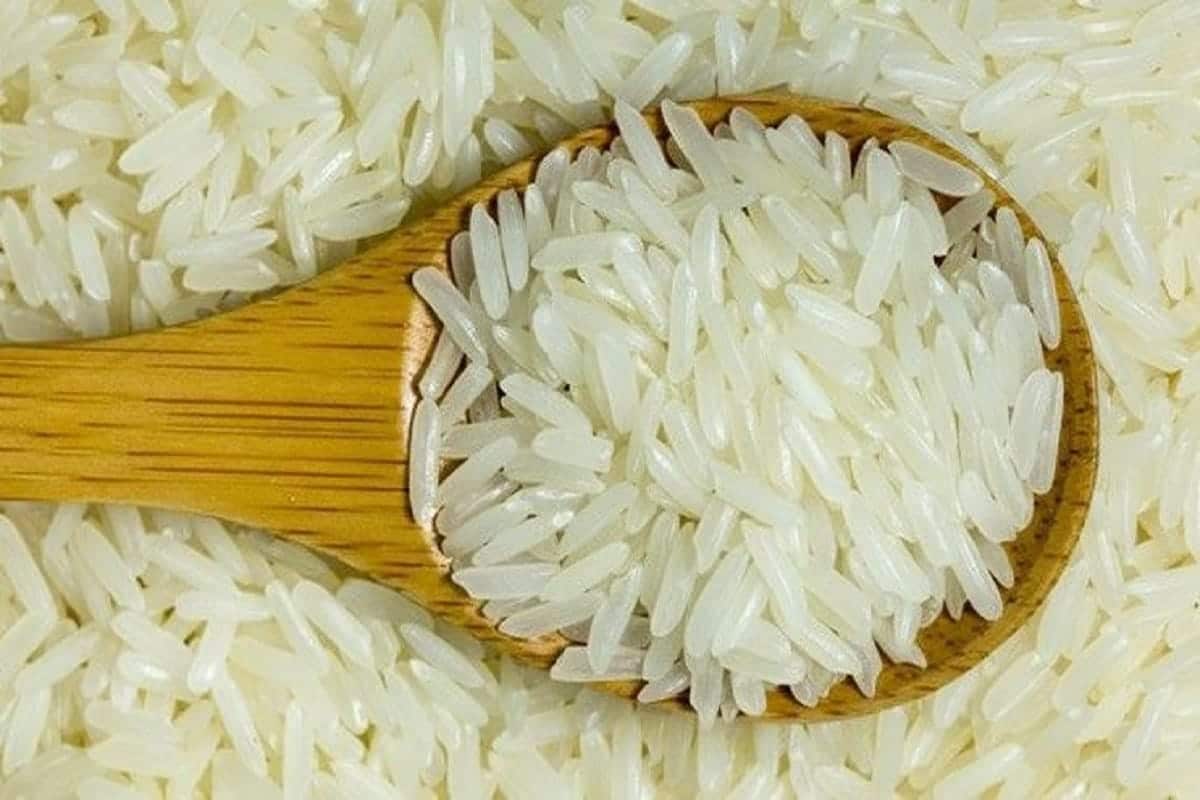
    Grown in Isabela, Philippines, this local specialty is known for its natural fragrant aroma, white, long-grain appearance, and smooth, shiny texture, making it a versatile flavor enhancer in various culinary creations.

    Traditional Dishes With Dinorado Rice

    Dinorado rice is a versatile ingredient that’s a key component in a variety of traditional Filipino dishes, each offering a unique blend of flavors and textures. You’ll find this fragrant rice in a range of delightful dishes, from savory breakfast staples to sweet treats for special occasions.

    Here are some traditional dishes featuring Dinorado rice:

    1. Sinangag: A breakfast favorite, this fried rice is often flavored with garlic for a flavorful start to the day.
    2. Paella: This Spanish-inspired dish takes on a Filipino twist with a delightful rice medley featuring various meats and seafood.
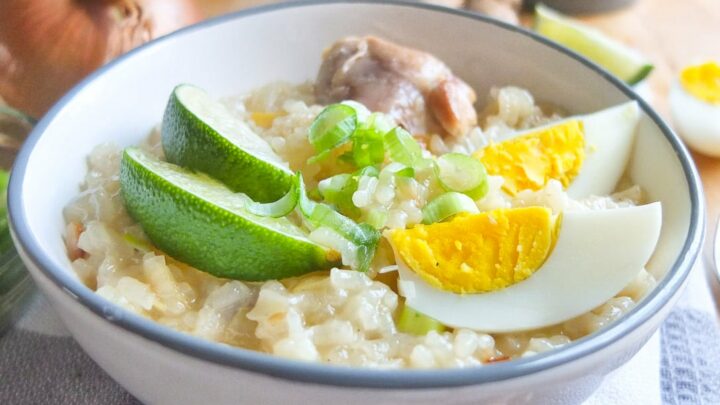
    3. Arroz Caldo: A comforting rice porridge made with chicken and ginger, perfect for cold days or when you’re feeling under the weather.
    4. Biko: A sweet sticky rice dessert made with coconut milk and brown sugar, commonly enjoyed during special occasions and celebrations.

    Festive and Special Occasion Meals

    When it comes to festive and special occasion meals, dinorado rice plays a significant role in Filipino cuisine.

    It’s not just about the food, but also about the traditions and the gatherings that make these meals truly special.

    From birthdays to weddings, dinorado rice is a staple that brings people together and adds meaning to these celebrations.

    Celebratory Meal Traditions

    During celebratory meal traditions, families and friends come together to enjoy a rich variety of dishes and flavors that symbolize abundance and prosperity. In Southeast Asian cultures, these festive and special occasion meals hold great significance and are celebrated with great enthusiasm.

    Here’s what makes these celebratory meal traditions unique:

    1. Shared Joy: These meals are often shared with loved ones to celebrate weddings, birthdays, and holidays, fostering a sense of togetherness and joy.
    2. Cultural Heritage: Traditional recipes passed down through generations take center stage, showcasing the culinary expertise and cultural heritage of the community.
    3. Elaborate Dishes: Special ingredients and cooking techniques are employed to create indulgent dishes reserved for these festive occasions, showcasing the skill and artistry of the cooks.
    4. Grand Presentation: The presentation and serving of these celebratory meals are meticulously planned to create a grand and memorable dining experience for all participants.

    Significance in Gatherings

    Embracing the warmth and togetherness of celebratory meal traditions, the significance of gatherings, particularly during festive and special occasion meals, is deeply rooted in the rich tapestry of Southeast Asian cultures.

    The first time you sit down to partake in a Filipino fiesta or a special celebration, you’ll notice how Dinorado rice takes center stage, signifying the importance of the occasion. Its exceptional taste and fluffy texture elevate the dining experience, making it a cherished part of Filipino culinary heritage.

    The fragrant aroma of this premium rice fills the air, adding a touch of tradition and authenticity to the festive table. As you savor each grain, you’ll feel the communal spirit and the deep-seated value placed on sharing meals with loved ones, making Dinorado rice an integral part of Filipino gatherings.

    Dinorado Rice in Desserts

    Dinorado Rice plays a pivotal role in Filipino desserts, bringing its fluffy texture and sweet aroma to a myriad of delectable sweet treats. When it comes to desserts, Dinorado Rice is an essential ingredient in Filipino households. Here’s how it’s used:

    1. Rice Cakes: The uncooked brown rice is ground into a fine flour, then used to make traditional rice cakes like bibingka and puto.
    2. Sweet Rice Porridge: Dinorado Rice is cooked to perfection in creamy coconut milk, resulting in a delightful dessert known as biko or sweet rice porridge.
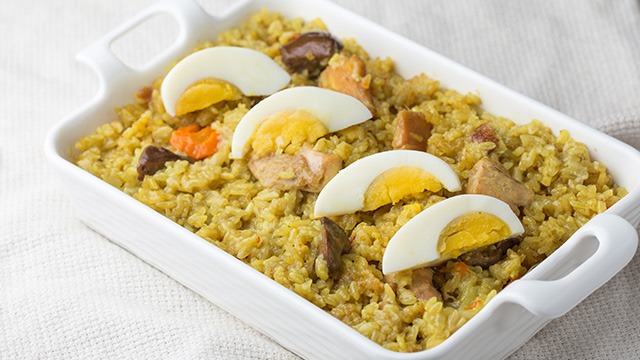
    3. Fried Rice Desserts: Leftover cooked Dinorado Rice is transformed into indulgent treats like sinukmani or fried rice mixed with coconut milk and sugar, then topped with latik or caramelized coconut cream.
    4. Rice Pudding: Its fluffy texture and sweet aroma make it perfect for creating creamy desserts like rice pudding, known as ‘arroz caldo’ in Filipino cuisine.

    Regional Variations and Specialties

    Now let’s explore the diverse regional variations and specialties that utilize Dinorado rice, offering a glimpse into the unique cooking methods and local rice dishes that make each region’s cuisine stand out.

    Whether it’s the fragrant and flavorful rice dishes from the northern provinces or the savory and robust flavors of the southern regions, each area has its own distinct way of preparing and enjoying this prized Filipino rice.

    Get ready to embark on a culinary journey through the Philippines, discovering the rich tapestry of flavors and traditions woven into each regional specialty.

    Local Rice Dishes

    Celebrating the rich diversity of Filipino cuisine, local rice dishes showcase a wide array of regional variations and specialties that contribute to the vibrant culinary tapestry of the Philippines.

    1. Sinangag – A popular breakfast staple made from leftover rice, garlic, and often mixed with meats or seafood.
    2. Puto – A type of steamed rice cake that comes in various flavors and colors, often enjoyed as a snack or dessert.
    3. Arroz Caldo – A comforting rice porridge often flavored with ginger, chicken, and sometimes topped with crispy garlic and spring onions.
    4. Biko – A sweet and sticky rice cake made from glutinous rice, coconut milk, and brown sugar, often served during special occasions.

    These local rice dishes not only reflect the culinary creativity of Filipino cooks but also hold cultural significance, making them an integral part of Filipino food traditions.

    Unique Cooking Methods

    When exploring the unique cooking methods of Filipino cuisine, one can’t overlook the diverse regional variations and specialties that contribute to the rich tapestry of flavors and techniques.

    One distinctive cooking method that showcases the versatility of Dinorado rice is its use in creating sticky rice. This method involves a specific rice-to-water ratio and a careful cooking process that results in a delightfully sticky texture, perfect for dishes like suman and bibingka.

    Each region in the Philippines has its own twist on cooking sticky rice, incorporating local flavors and ingredients to create unique and delectable variations. Whether it’s steamed in banana leaves or mixed with coconut milk, the art of making sticky rice with Dinorado rice reflects the ingenuity and creativity of Filipino cooking, adding a special touch to traditional dishes.

    Cooking Techniques for Dinorado Rice

    For perfectly fluffy and evenly cooked Dinorado rice, rinsing the rice thoroughly under cold water to remove excess starch before cooking is an essential step.

    When cooking this premium rice variety, follow these techniques for the best results:

    1. Use a rice cooker for perfectly fluffy and evenly cooked Dinorado rice.
    2. Follow the recommended rice to water ratio, typically 1:1.5, for optimal texture and consistency.
    3. Let the rice rest for 5-10 minutes after cooking to allow it to firm up and improve the texture.
    4. Fluff the rice gently with a fork to separate the grains and enhance its light and airy texture.

    Health Benefits and Nutrition

    Dinorado rice offers a plethora of health benefits and a rich nutritional profile, making it a valuable addition to your diet. Its nutrient-dense composition provides sustained energy, supports digestive health, and contributes to overall well-being. Here’s a snapshot of the health benefits and nutritional value of Dinorado rice:

    Health Benefits Nutrition
    Sustained energy Carbohydrates, protein, and fiber
    Digestive health B vitamins, iron, and antioxidants
    Blood sugar management Moderate glycemic index and fiber content

    Incorporating Dinorado rice into your meals not only offers these health advantages but also caters to diverse dietary needs as a naturally gluten-free option. Embrace the wholesome nutrition of Dinorado rice to create nourishing and satisfying dishes while supporting your well-being.

    Dinorado Rice in Contemporary Cuisine

    Embracing the versatility and culinary charm of contemporary cuisine, Dinorado rice adds a delightful touch to modern gastronomic creations.

    1. Versatile Attributes: Dinorado rice offers a sweet taste, fragrant aroma when cooked, and a slightly sticky yet chewy texture, making it a versatile and delicious choice for various culinary creations.
    2. Popularity: It’s favored by restaurants, airlines, and hotels for enhancing the quality of their dishes. Its easy preparation makes it a popular choice among families for everyday meals.
    3. Convenient Delivery: Dinorado rice comes with free delivery in Metro Manila and nearby provinces, providing a convenient rice delivery service that saves time and effort.
    4. Quality and Origin: This 100% Philippine rice variety features natural fragrant aroma and a silky appearance, making it a complete choice for contemporary dishes. Its quality is evident in its slightly sticky yet chewy texture, adding depth to modern recipes.

    Fusion and Modern Interpretations

    Incorporating Dinorado rice into non-traditional dishes like sushi, risottos, or paella allows for a fusion of Filipino flavors with global cuisine, creating a delightful culinary experience.

    Restaurants and chefs are embracing the versatility of Dinorado rice in fusion dishes, blending traditional Filipino rice with contemporary culinary trends. This experimentation results in unique combinations of flavors and textures that cater to a diverse range of palates.

    Modern interpretations of Dinorado rice extend to innovative dishes such as rice bowls, fusion wraps, and grain salads, where it serves as a base, showcasing its adaptability. Chefs are infusing traditional Dinorado rice with modern cooking techniques and international ingredients, unveiling exciting culinary creations.

    Additionally, blending Dinorado rice with other types of rice, grains, or ingredients adds a multi-dimensional and culturally diverse touch to the dining experience, appealing to evolving tastes and preferences.

    How Can I Use Dinorado Rice in Traditional Filipino Rice Dishes?

    Dinorado rice is perfect for traditional Filipino rice dishes like adobo and sinigang. You can use common rice cooking techniques like steaming or sautéing the rice with garlic and onions before adding water. This will enhance the flavor and aroma of the dish.

    Popular Brands and Availability

    Looking for the best quality Dinorado rice for your culinary creations? You’re in luck because there are several popular brands offering this premium rice variety. Here’s where you can find them:

    1. Various Weights: Authentic Dinorado is available in 5kg, 10kg, and 25kg options, catering to your specific needs.
    2. Online Platforms: You can order Authentic Dinorado online through reliable platforms like Lazada and Shopee, with prices starting from ₱450.
    3. Trusted Brands: Filipino rice brands such as Doña Maria, Master Chef, and Don Quijote offer premium quality Dinorado rice for purchase online.
    4. Curated Selections: The mybest team curates the best rice options online, based on best-sellers from e-commerce sites like Lazada, ensuring you have access to a range of high-quality products.

    Whether you prefer a specific weight, brand, or platform, purchasing Dinorado rice for your culinary endeavors has never been easier.

    Frequently Asked Questions

    What Is Dinorado Rice Used For?

    Dinorado rice is used for enhancing Filipino cuisine with its sweet taste, fragrant aroma, and chewy texture. It’s perfect for creating traditional dishes and adding value to your menu. Try it for a delicious and authentic flavor.

    What Kind of Rice Is Used in Filipino Cooking?

    In Filipino cooking, you use various rice types like Dinorado. It’s a high-quality, fluffy rice grown in Isabela, popular for its exceptional taste and texture. It’s an ideal choice for traditional Filipino dishes.

    What Is the Most Common Rice Eaten in the Philippines?

    The most common rice eaten in the Philippines is Jasmine rice. It’s favored for its fragrant aroma, slightly sticky texture, and versatile use in a variety of Filipino dishes, such as adobo and sinigang.

    What Is the Difference Between Sinandomeng and Dinorado for Fried Rice?

    When making fried rice, use Dinorado for a fluffier texture and richer taste compared to Sinandomeng. Rinse the rice to remove excess starch, then cook with oil, garlic, and other ingredients for a flavorful dish.

    Conclusion

    So, next time you’re craving for some delicious Filipino cuisine, don’t forget to include Dinorado rice in your meal! Whether it’s for a traditional dish, a special occasion, or a modern fusion creation, Dinorado rice adds that perfect touch of texture and flavor.

    With its rich history, unique aroma, and health benefits, it’s no wonder why Dinorado rice is a staple in Filipino cuisine. Try it out and experience the difference for yourself!
  • How Is Malagkit, or Glutinous Rice, Used in Filipino Cuisine?

    How Is Malagkit, or Glutinous Rice, Used in Filipino Cuisine?

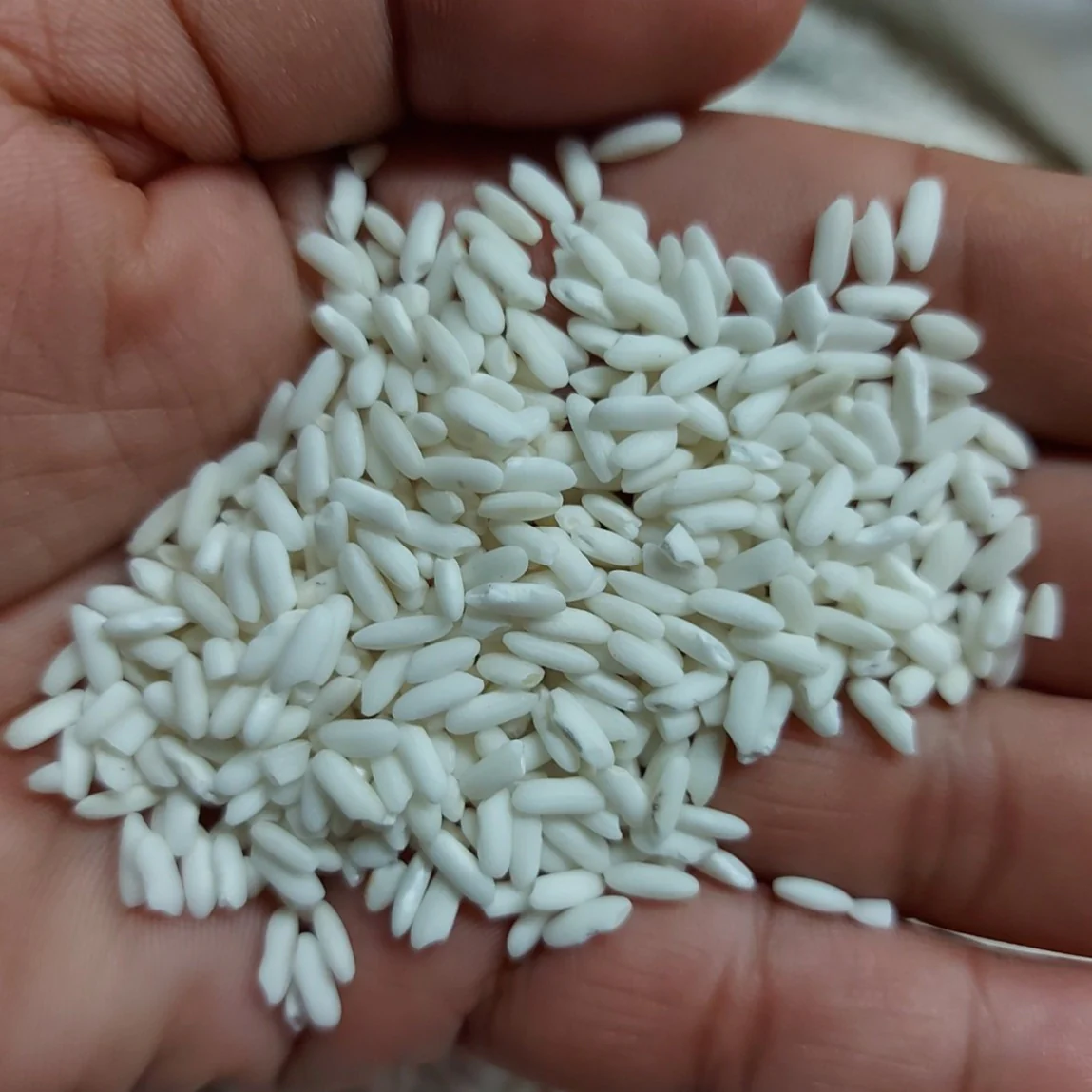
    Malagkit, or glutinous rice, is a key ingredient in traditional Filipino desserts like suman and biko, cooked with coconut milk, sugar, and salt for a sticky, sweet texture enjoyed during special occasions.

    Key Takeaways

    • Malagkit, or glutinous rice, is a key ingredient in various traditional Filipino desserts such as suman malagkit, bibingkang malagkit, biko, and kakanin.
    • These desserts are made by cooking malagkit with coconut milk, sugar, and salt, and are often wrapped in banana leaves and steamed.
    • Malagkit-based desserts are enjoyed during special occasions and festivals, showcasing the rich culinary heritage of the Philippines.
    • Malagkit is not only used in sweet desserts but also in savory rice cakes, where it is blended with coconut milk, salt, and sometimes sugar to create a sticky and flavorful base.

    Traditional Filipino Desserts With Malagkit

    Traditional Filipino desserts with malagkit are a delightful array of sweet treats that showcase the unique flavors and textures of glutinous rice combined with coconut milk and other delectable ingredients.

    Suman Malagkit, a beloved classic, involves cooking glutinous rice with coconut milk, sugar, and salt, then wrapping the mixture in banana leaves and steaming it for an hour.

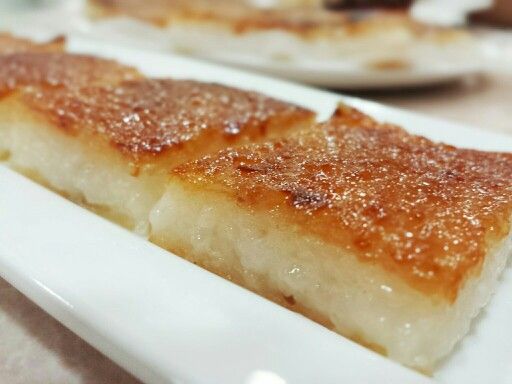
    Another popular choice is Bibingkang Malagkit, a sticky rice cake topped with coconut cream and brown sugar, often infused with langka, macapuno, or condensed milk.

    Biko, a traditional Filipino dessert, combines cooked glutinous rice with a luscious coconut milk and sugar mixture, creating a sweet, sticky indulgence.

    These traditional Filipino desserts, collectively known as Kakanin, offer a rich and satisfying experience, perfect for enjoying during special occasions and festivals. The sweet, sticky nature of these treats, coupled with the luxurious flavors of coconut, makes them a truly irresistible part of Filipino culinary heritage.

    Malagkit in Savory Rice Cakes

    When preparing savory rice cakes with malagkit, you skillfully blend the glutinous rice with coconut milk, salt, and sometimes sugar, creating a sticky and flavorful base for a delightful culinary experience. The combination of malagkit and coconut milk lends a rich and creamy texture, while the salt and sugar enhance the overall taste.

    This mixture is then carefully wrapped in banana leaves, adding a subtle earthy aroma to the dish, and steamed until fully cooked. The result is a delectable savory rice cake that’s a staple in Filipino cuisine, enjoyed as a snack or dessert.

    Toppings such as grated coconut, latik, or caramel sauce complement the natural sweetness of the malagkit, creating a harmonious blend of flavors and textures.

    These savory rice cakes are a beloved part of Filipino culinary tradition, often shared at gatherings, picnics, and various celebrations.

    Malagkit in Kakanin

    Tapping into the rich culinary heritage of Filipino cuisine, the use of malagkit extends beyond savory rice cakes to a variety of traditional kakanin, each offering a unique blend of flavors and textures.

    • Suman and bibingkang malagkit are classic examples of kakanin made with glutinous rice.
    • Soaked overnight and cooked with coconut milk, sugar, and salt, the malagkit transforms into a sticky and sweet rice cake.
    • The mixture is carefully wrapped in banana leaves and steamed, infusing the kakanin with a delightful aroma.
    • Suman malagkit is often paired with ripe mango or grated coconut and served with caramel sauce, enhancing its rich and indulgent taste.

    Kakanin, including bibingkang malagkit, biko, puto, and sapin-sapin, holds cultural significance and is a cherished part of special occasions and festivals in the Philippines.

    Malagkit in Bibingka

    You’re about to discover the delightful world of Bibingka Malagkit, where the sticky, sweet, and aromatic qualities of malagkit rice shine. As the main binding agent in this Filipino treat, malagkit rice creates a chewy, luscious texture that’s simply irresistible.

    Get ready to explore the various Bibingka Malagkit variations that elevate this traditional rice cake to new heights of flavor and indulgence.

    Bibingka Variations

    With its rich and decadent flavor, bibingkang malagkit stands as a beloved Filipino dessert, offering a delightful twist on the traditional bibingka. Here are some delightful variations of this Filipino delicacy:

    • Langka or jackfruit is often used to add a tropical and fruity flavor to the sticky rice cake.
    • Macapuno, a type of coconut sport, brings a delightful chewiness to the bibingka.
    • Condensed milk adds a creamy sweetness that complements the coconut milk used in the recipe.
    • Adjustments in sweetness can be made to cater to different preferences, making it a versatile treat for gatherings.
    • The use of ripe bananas in the mixture adds a natural sweetness and a subtle banana flavor to the bibingka.

    These variations showcase the adaptability and creativity in Filipino cuisine, offering a delightful array of flavors and textures.

    Malagkit as Binding Agent

    Using malagkit as a binding agent infuses bibingka with a dense, chewy texture that’s essential to its delectable appeal in Filipino cuisine.

    When preparing Bibingka, malagkit, also known as glutinous rice or sweet rice, is combined with coconut milk, sugar, and salt to create a sticky batter.

    This sticky batter, enriched with malagkit, is then poured into a pan lined with banana leaves and baked to perfection, resulting in a mouthwatering rice cake.

    The binding properties of malagkit play a crucial role in creating the cohesive texture of Bibingka, holding the cake together while providing a satisfying chewiness.

    This traditional use of malagkit in Bibingka highlights its versatility as a staple ingredient in Filipino cuisine, adding both texture and flavor to this beloved dessert.

    Malagkit in Biko

    You’re about to discover the delightful world of Biko, a beloved Filipino dessert that showcases the magical combination of malagkit and coconut.

    From the cooking process to the heavenly aroma that fills the air, Biko is a sweet rice cake that’s bound to captivate your senses and leave you craving for more.

    Get ready to experience the perfect harmony of flavors and textures that make Biko a true Filipino culinary treasure.

    Biko as Dessert

    Biko, a luscious Filipino dessert, embodies the rich flavors of glutinous rice, coconut milk, and brown sugar, creating a delightful treat that holds cultural significance in Filipino cuisine.

    When enjoying Biko, you’ll experience the sweet, sticky rice texture combined with the creamy richness of coconut milk, forming a heavenly indulgence.

    The dish is traditionally cooked until thick and sticky, then elegantly served on banana leaves, enhancing its authentic appeal.

    Biko can be savored on its own or adorned with various toppings like sugar, grated coconut, or latik, offering a delightful array of flavors.

    This beloved dessert perfectly complements ripe mango and is often served during special occasions and gatherings, showcasing its cultural and historical significance in Filipino hospitality and abundant use of rice, coconut, and sugar crops.

    Malagkit and Coconut

    Malagkit, the sticky variety of rice commonly used in Biko, plays a pivotal role in creating the delightful texture and richness of this traditional Filipino dessert. The combination of glutinous rice and coconut milk forms the foundation of Biko, infusing each grain with a luscious creaminess.

    The fragrance of the coconut milk permeates the rice, infusing it with a tropical aroma that is both comforting and enticing. When Biko is cooked, the coconut milk caramelizes, creating a luscious coconut caramel sauce that enrobes each grain of rice. This sweet and indulgent treat is often served on banana leaves, adding a touch of earthiness to the dessert.

    Biko perfectly showcases the harmonious marriage of malagkit and coconut, creating a decadent delight that is cherished in Filipino cuisine.

    Malagkit and Coconut in Biko
    Creates delightful texture and richness
    Coconut milk caramelizes into a luscious sauce

    Cooking Process

    Infusing the glutinous rice with coconut milk, sugar, and salt creates a sweet and creamy base for Biko, a traditional Filipino dessert cherished for its delightful texture and cultural significance.

    The cooking process involves specific steps to achieve the perfect biko:

    • The rice mixture is wrapped in banana leaves and steamed for an hour to achieve a soft and sticky texture.
    • The biko is traditionally served with a caramel sauce, enhancing its sweetness and adding depth of flavor.
    • Variations of biko can include toppings like latik (coconut curd) or even jackfruit for added texture and flavor.
    • Biko holds cultural significance in Filipino cuisine, often enjoyed during special occasions and gatherings as a symbol of hospitality and unity.

    The meticulous cooking process is crucial in creating the rich, indulgent flavor and sticky consistency that make biko a beloved dessert in Filipino culture.

    Malagkit in Suman

    Steaming in aromatic banana leaves, suman encapsulates the essence of Filipino culinary artistry, with malagkit infusing each bite with a luscious, sticky sweetness.

    Suman Malagkit, also known as Filipino sticky rice, is meticulously crafted using glutinous rice soaked overnight. The rice mixture is then cooked to perfection with coconut milk, sugar, and a hint of salt, creating a rich and creamy texture.

    Encased in banana leaves, the suman is steamed for an hour, allowing the flavors to meld and the rice to achieve its distinctive sticky consistency. The result is a delectable treat with a hint of coconut fragrance, a creamy mouthfeel, and a touch of natural sweetness.

    Suman Malagkit isn’t just a dessert; it’s a cultural emblem, symbolizing unity and joy in Filipino traditions.

    Malagkit in Ginataang Mais

    You’re in for a treat as we explore the delightful world of Ginataang Mais at Malagkit.

    Picture this: tender malagkit cooked in creamy coconut milk, with sweet corn adding a delightful pop of flavor.

    This sweet rice and corn porridge is a comforting dessert that will warm your heart and satisfy your sweet tooth.

    Cooking Malagkit With Corn

    Cooking Malagkit with Corn, or Ginataang Mais, creates a lusciously creamy porridge by marrying sweet sticky rice and tender corn with rich, velvety coconut milk.

    To make this delightful dish, start by rinsing the glutinous rice and soaking it in water for a few hours. Then, in a pot, combine the rice, corn, and coconut milk, and let it simmer until the mixture thickens.

    Wrap the mixture in banana leaves before steaming to infuse it with a subtle, earthy aroma. Sweeten the porridge with granulated sugar to your liking, and top it off with a sprinkle of toasted coconut flakes or crushed peanuts for added texture.

    Experiment with variations by adding fruits like mango or jackfruit, or infusing it with warm spices like cinnamon or nutmeg to elevate the flavors.

    Malagkit in Coconut Milk

    Indulge in the creamy decadence of Malagkit in Ginataang Mais, a beloved Filipino dessert that combines sweet sticky rice, succulent corn, and luxurious coconut milk, creating a rich and comforting treat.

    The glutinous rice, when cooked in coconut milk, takes on a velvety texture and a subtle sweetness that complements the tender corn kernels. This exquisite mixture is then gently simmered until the flavors meld together, producing a luscious and aromatic dessert.

    The use of banana leaves for steaming enhances the dish with a delicate hint of earthiness. Additionally, the final touch of coconut cream drizzled on top adds a layer of indulgence, making each spoonful a delightful experience.

    Malagkit in Ginataang Mais is a quintessential Filipino dessert that embodies the country’s love for combining simple, yet luxurious, ingredients to create a truly enchanting culinary experience.

    Sweet Malagkit Dessert

    What makes Malagkit in Ginataang Mais a beloved Filipino dessert that captivates the senses with its rich and sweet flavors? This sweet rice dessert, also known as Ginataang Mais at Malagkit, is a delightful blend of glutinous rice, coconut milk, cream-style corn, and sugar.

    Here’s why this dish is cherished in Filipino cuisine:

    • The combination of glutinous rice and coconut milk creates a creamy and indulgent texture.
    • The addition of cream-style corn offers bursts of sweetness and a pleasant contrast in texture.
    • Garnishes like toasted coconut flakes and crushed peanuts add a delightful crunch and depth of flavor.
    • This dessert can be customized with ripe mangoes or jackfruit for a tropical twist.
    • Its cultural significance as a comfort food highlights its role in festive gatherings, showcasing the influence of Spanish colonization on Filipino cuisine.

    Malagkit in Kalamay

    How does the combination of malagkit, coconut milk, and sugar create the irresistible sweetness and stickiness of Kalamay, a beloved Filipino dessert?

    Glutinous rice, known as malagkit, forms the base of Kalamay. When cooked with rich coconut milk and sweetened with sugar, malagkit transforms into a lusciously thick and sweet concoction.

    The coconut milk infuses the malagkit with a creamy richness, while the sugar adds a delightful sweetness, resulting in a dessert that’s both indulgent and comforting.

    Traditionally, Kalamay is carefully wrapped in banana leaves, imparting a subtle earthy aroma to the treat. This beloved dessert can be enjoyed in various ways, whether it’s topped with sugar, grated coconut, or latik.

    Whether steamed or boiled, Kalamay embodies the essence of Filipino cuisine, offering a delightful blend of flavors and textures that captivate the senses.

    Malagkit in Rice Porridge

    Malagkit, also known as glutinous rice, forms the heart of a traditional Filipino rice porridge called suman, creating a creamy and sweet delight that has deep cultural significance.

    When preparing this delightful dish, the malagkit is combined with coconut milk, sugar, and salt, resulting in a luscious and flavorsome porridge. Adding a touch of ginger infuses the dish with a delightful aroma and a subtle spicy note.

    The rice is then carefully enclosed in banana leaves and steamed until it reaches a tender, melt-in-your-mouth consistency.

    Suman malagkit is often served with a drizzle of caramel sauce, which further enhances its sweetness. To elevate the experience, it can be enjoyed with toppings like sugar, grated coconut, or latik, offering a delightful interplay of textures and flavors.

    Malagkit in Coconut Milk Desserts

    Flowing from the art of crafting suman, malagkit, also known as glutinous rice, continues to weave its irresistible charm into a myriad of coconut milk desserts in Filipino cuisine. The union of malagkit and coconut milk gives birth to a range of sweet delicacies that are deeply cherished in Filipino culture.

    These desserts, often wrapped in banana leaves for added fragrance, boast a luscious, sticky texture that delights the senses. The combination of glutinous rice and coconut milk creates a delectable harmony, resulting in desserts like Suman Malagkit and Bibingkang Malagkit. Served with delightful toppings such as sugar, grated coconut, or coconut curds, these treats offer a symphony of flavors and textures.

    Here’s a glimpse of some beloved malagkit-based coconut milk desserts:

    Dessert Description
    Suman Malagkit Sticky rice parcels steamed in coconut milk, often served with ripe mango.
    Bibingkang Malagkit Baked glutinous rice cake with a coconut cream and brown sugar topping.
    Biko Sweet sticky rice cake infused with coconut milk and brown sugar.
    Sapin-sapin Layered glutinous rice and coconut dessert, creating a vibrant, colorful treat.

    These desserts showcase the versatility of malagkit and its ability to turn simple ingredients into beloved Filipino delicacies.

    Malagkit in Filipino Sweet Snacks

    Indulge in the rich and delectable world of Filipino sweet snacks, where malagkit, or glutinous rice, takes center stage in creating an array of irresistible treats that captivate the senses.

    Dive into the delightful realm of Filipino kakanin, where malagkit is transformed into mouthwatering sweet snacks, such as:

    • Suman: A traditional Filipino sweet snack made by wrapping a mixture of glutinous rice, coconut milk, sugar, and salt in banana leaves and then steaming it to perfection.
    • Bibingkang malagkit: A sticky rice cake topped with coconut cream and brown sugar, baked in a pan lined with banana leaves, and adored for its irresistible aroma and taste.
    • Biko: A sweet treat involving glutinous rice cooked in coconut milk and a coconut milk-sugar mixture, chilled, sliced, and served for a delightful dessert.
    • Kakanin: An assortment of sweet delicacies made with glutinous rice and coconut milk, including biko, puto, sapin-sapin, ginataang bilo-bilo, and suman, each offering a unique flavor and texture experience.
    • Ginataang mais at malagkit: A delectable combination of sweet sticky rice, coconut milk, and cream style and kernel corn, presenting a harmonious blend of flavors that’s adored as a dessert or snack in Filipino cuisine.

    Can Glutinous Rice be Used to Make Kakanin in Filipino Cuisine?

    Yes, glutinous rice is commonly used to make kakanin in Filipino cuisine. Kakanin refers to a variety of traditional Filipino rice cakes, desserts, and snacks made from glutinous rice, coconut milk, sugar, and other ingredients. It is often steamed or boiled and can be sweet or savory.

    Malagkit in Sticky Rice Delicacies

    Discover the artistry of crafting irresistible sticky rice delicacies in Filipino cuisine. Malagkit, the heart and soul of these sweet snacks, weaves a tapestry of flavors and textures that elevate traditional recipes to culinary masterpieces.

    Suman, a traditional Filipino rice cake, is made by wrapping cooked glutinous rice in banana leaves. It is often served with toppings like sugar, grated coconut, or latik.

    Another delectable treat is bibingkang malagkit, a sticky rice cake topped with coconut cream and brown sugar. Biko, a similar dish, is a sweet rice cake made with glutinous rice, coconut milk, and brown sugar. It is often topped with latik or coconut curd.

    These sticky rice delicacies, cooked with coconut milk and steamed to perfection, are a testament to the Filipino’s love for kakanin. Kakanin is a variety of sweet treats that hold a special place in the heart of Filipino cuisine.

    Frequently Asked Questions

    What Is Glutinous Rice Used For?

    Glutinous rice, or malagkit, is used to create traditional Filipino desserts like suman and biko. It’s cooked with coconut milk, sugar, and salt to achieve a sticky, sweet texture, often wrapped in banana leaves for steaming or baking.

    What Is Glutinous Rice in the Philippines?

    In the Philippines, glutinous rice, or malagkit, holds a cherished place in cuisine. It’s used to craft delectable desserts like suman, biko, and bibingkang malagkit, showcasing the country’s rich culinary heritage and versatility. One classic sago’t gulaman recipe that uses glutinous rice is the creamy and refreshing beverage called “buko pandan sago’t gulaman.” This delightful drink combines the chewy texture of sago and the jelly-like consistency of gulaman with the coconut flavor of buko pandan. It’s a popular choice for refreshments during gatherings and celebrations in the Philippines.

    Do Filipinos Eat Sticky Rice?

    Yes, Filipinos absolutely love sticky rice! It’s a staple in traditional desserts like suman, bibingkang malagkit, and biko. The rich, creamy texture and sweet flavor make it a beloved part of Filipino cuisine.

    What Is a Native Suman Delicacy That Made of Sticky Rice?

    Suman, a beloved Filipino delicacy, is made of sticky rice and coconut milk, wrapped in banana leaves and steamed. It’s a traditional dessert enjoyed during special occasions, offering a sweet and sticky texture complemented by various toppings.

    Conclusion

    Now you know how malagkit, or glutinous rice, is used in Filipino cuisine!

    From traditional desserts like suman and biko to savory rice cakes and coconut milk desserts, malagkit is a versatile and essential ingredient in many Filipino dishes.

    Its sticky and soft texture, combined with the flavors of coconut milk and other ingredients, make malagkit-based dishes a beloved part of Filipino culinary tradition.

    Try making some of these delicious treats yourself and experience the rich flavors of Filipino cuisine!

  • What Are Some Rice Varieties Used in Filipino Cuisine?

    What Are Some Rice Varieties Used in Filipino Cuisine?

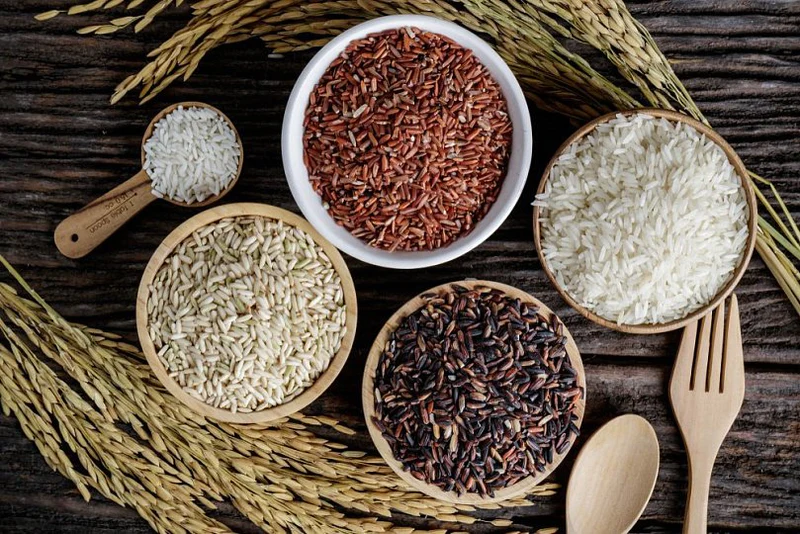
    Some rice varieties used in Filipino cuisine include fragrant Jasmine Rice and sticky Malagkit, enhancing both savory and sweet dishes. These varieties like Dinorado and Tinawon are cherished for their unique flavors and are commonly used in special occasions and festive meals, adding elegance to Filipino dining experiences.

    Key Takeaways

    • Jasmine Rice and Malagkit are fragrant and slightly sticky varieties of rice that enhance the flavors of savory and sweet dishes in Filipino cuisine.
    • Dinorado is a premium rice variety with a fragrant aroma and fluffy texture, commonly used in special occasions and festive meals to add elegance and enhance the dining experience.
    • Tinawon is a cherished heirloom rice variety from Cordillera’s mountainous regions, known for its distinctive nutty flavor and aroma, making it a sought-after ingredient in Filipino dishes, especially during special occasions.
    • Milagrosa Rice is known for its aroma, soft texture, and distinct flavor, making it suitable for various Filipino rice dishes and desserts, as well as for absorbing flavors in savory dishes.

    Jasmine Rice

    Indulge in the delightful aroma and slightly sticky texture of jasmine rice, a versatile staple in Filipino cuisine that enhances the flavors of both savory and sweet dishes.

    This long-grain variety, also known as Thai fragrant rice, holds cultural significance in Filipino rice dishes. Its fragrant nature and ability to absorb flavors make it a popular choice for traditional Filipino recipes such as chicken adobo and sinangag.

    The aromatic qualities of jasmine rice also make it a key ingredient in Filipino desserts, adding a delicate fragrance to coconut milk-based rice cakes and sweet rice porridge.

    Whether used in savory or sweet dishes, its fluffy and slightly sticky texture lends itself to diverse culinary applications, making jasmine rice a beloved and essential component of Filipino cuisine.

    Malagkit

    Hey there! Ready to explore the wonderful world of Malagkit?

    This sticky rice variety is a staple in Filipino cooking, especially in making mouthwatering desserts and snacks.

    Get ready to discover how Malagkit adds a delightful chewy texture to your favorite sweet treats and how it’s the secret ingredient in creating delectable rice cakes and other delicacies.

    Cooking With Malagkit

    When preparing dishes with malagkit (glutinous rice) for Filipino cuisine, it’s essential to understand its unique cooking requirements and sticky texture. Malagkit is a key ingredient in traditional Filipino rice cakes like suman, bibingka, and biko, cherished for its sticky and chewy texture. When cooking with malagkit, the water-to-rice ratio and cooking time differ from regular rice due to its sticky nature. Here’s a handy guide to cooking with malagkit:

    Cooking With Malagkit Tips
    Water-to-rice ratio Use less water compared to regular rice to prevent it from becoming too mushy.
    Washing Rinse the malagkit thoroughly to remove excess starch and enhance its texture.
    Soaking Soak the malagkit for at least 30 minutes to an hour before cooking to achieve an even and tender texture.
    Cooking time Steam or use a rice cooker for best results, and avoid stirring to maintain its sticky consistency.
    Storage Store cooked malagkit in an airtight container to retain its moisture and prevent it from drying out.

    Mastering the art of cooking with malagkit is crucial for creating delectable Filipino delicacies.

    Malagkit in Desserts

    To seamlessly shift from cooking with malagkit to its role in Filipino desserts, consider the versatile and sticky nature of malagkit, which makes it a crucial ingredient in creating a variety of sweet delicacies in Filipino cuisine.

    When it comes to desserts, malagkit shines in Filipino cuisine, adding a unique texture and flavor to beloved sweet treats. Here’s how malagkit enhances Filipino desserts:

    • It’s a staple in traditional rice cakes like biko and suman.
    • Malagkit is a key ingredient in popular desserts such as mango sticky rice and espasol.
    • Its sticky nature binds ingredients together, making it ideal for creating sweet delicacies.
    • The use of malagkit in Filipino desserts highlights its cultural significance.
    • Malagkit’s integral role in creating beloved sweet treats underscores its importance in Filipino cuisine.

    Dinorado

    You’re in for a treat as we explore the delightful world of Dinorado rice. This premium variety is renowned for its fragrant aroma and fluffy texture when cooked, making it a perfect choice for your special occasions and festive meals.

    From paella to biryani, Dinorado’s versatility and ability to absorb flavors make it a beloved ingredient in various Filipino dishes.

    Dinorado Characteristics

    A popular choice for special occasions and festive meals in Filipino cuisine, Dinorado rice stands out for its high quality, soft texture, and distinct floral aroma when cooked. This rice variety is highly versatile, making it an ideal choice for various Filipino dishes. Its slightly sticky consistency lends itself well to dishes such as paella and sushi, while its exceptional taste and cooking characteristics make it a premium option.

    Dinorado rice is commonly used in special occasions and festive meals, adding a touch of elegance to the dining experience. Whether you’re preparing a traditional Filipino feast or experimenting with international cuisines, consider using Dinorado rice as a delightful side dish. Its aromatic nature and fine texture will surely elevate your culinary creations.

    Culinary Uses

    Dinorado rice, with its premium quality and aromatic nature, enhances the dining experience, making it an ideal choice for various culinary creations in Filipino cuisine. Its delicate flavor and floral aroma elevate the taste of dishes, especially those served on special occasions and festive meals.

    The slightly sticky texture of Dinorado rice complements rich and flavorful dishes, creating a harmonious blend of flavors and textures. This premium aromatic rice variety is commonly used in biryani, paella, and other rice-based specialties, adding depth and fragrance to the overall dining experience.

    Whether it’s a traditional Filipino feast or a fusion dish, the unique qualities of Dinorado rice make it a sought-after choice for culinary enthusiasts looking to elevate their creations and impress diners with its exceptional taste and aroma.

    Regional Popularity

    Popularly grown in the fertile lands of the Cagayan Valley region, Dinorado rice is highly esteemed for its fragrant aroma and slightly sticky texture, making it a sought-after choice for special occasions and festive meals in the Philippines.

    This premium rice variety has garnered significant regional popularity due to its exceptional qualities and culinary versatility.

    Here are some key points about Dinorado rice:

    • Primarily cultivated in the Cagayan Valley region
    • Favored for special occasions and festive meals
    • Ideal for dishes like paella, biryani, and other rice-based delicacies
    • Demand for Dinorado rice is growing in international markets
    • Known for its distinctive flavor and texture

    Dinorado rice’s regional significance solidifies its place as a staple in Filipino cuisine, reflecting the rich diversity of rice varieties used in the country’s culinary traditions.

    Tinawon

    Tinawon rice, with its rich cultural heritage and distinctive nutty flavor, holds a revered place in Filipino cuisine as a cherished heirloom variety cultivated in the terraced fields of the Cordillera’s mountainous regions. This traditional rice is hand-harvested and processed using age-old techniques, ensuring its premium quality.

    The unique aroma and nutty taste make it a sought-after ingredient in Filipino dishes, especially during special occasions and feasts. The cultivation of Tinawon rice is a labor-intensive process, reflecting the deep cultural connection and reverence for this grain. Its significance goes beyond mere sustenance, embodying traditions and values passed down through generations.

    Below is a comparison of Tinawon rice with other rice varieties used in Filipino cuisine:

      Tinawon Rice Other Rice Varieties
    Flavor Nutty Varied
    Cultivation Hand-harvested Mechanized
    Cultural Significance Revered and cherished Diverse

    Milagrosa

    Milagrosa rice, with its distinct aroma and versatile culinary applications, has earned a revered place in Filipino cuisine. This medium-grain rice variety is beloved for its fluffy texture when cooked and its ability to absorb flavors, making it a popular choice for a wide range of Filipino dishes.

    Here are some key points about milagrosa rice:

    • Known for its aroma, soft texture, and distinct flavor.
    • Suitable for various Filipino rice dishes due to its fluffy nature when cooked.
    • Often used in traditional Filipino desserts like rice cakes and rice porridge.
    • Favored for its ability to absorb flavors, making it an excellent choice for savory dishes like adobo rice or sinangag.
    • A staple in Filipino cuisine, reflecting its cultural significance and versatility in various culinary applications.

    Milagrosa rice’s tender and sticky consistency makes it perfect for creating both sweet and savory Filipino delicacies.

    Pusô

    A traditional Filipino rice dish, Pusô, known as hanging rice, offers a unique and practical way to enjoy glutinous rice alongside grilled meats. Made from glutinous rice wrapped in a woven pouch crafted from coconut leaves, Pusô is a portable and convenient accompaniment to grilled dishes.

    This compact, flavorful, and aromatic rice cake is created by boiling the pouch in water until the rice is cooked. Pusô is a staple at Filipino barbecues and street food stalls, often served with skewered chicken or pork. Its distinctive presentation and practicality make Pusô an iconic part of Filipino cuisine, providing a delightful and convenient way to enjoy rice with grilled meats.

    Truly, Pusô adds a traditional and flavorful element to Filipino culinary experiences.

    Unoy

    Indulge in the creamy, sweet flavors of Unoy, a traditional Filipino rice dish that combines rice and coconut milk to create a delightful and culturally significant snack or dessert. Unoy offers a unique experience, showcasing the versatility of rice in Filipino cuisine.

    Here are some fascinating aspects of Unoy:

    • Creamy Texture: Unoy has a velvety smooth texture, courtesy of the coconut milk, creating a luscious eating experience.
    • Sweet Flavor: The dish boasts a delightful sweetness that appeals to those with a penchant for sugary treats.
    • Special Occasions: Unoy is often enjoyed during festive gatherings and celebrations, adding a touch of tradition and significance to these events.
    • Culinary Creativity: This dish exemplifies the rich culinary heritage and inventive use of rice in Filipino snacks and desserts.
    • Popular Choice: Unoy has garnered popularity for its unique blend of flavors and cultural relevance, making it a beloved choice among Filipino desserts.

    Balatinaw

    Experience the rich aromas and flavors of Balatinaw, a traditional Filipino rice dish that captures the essence of local cuisine with its unique use of balatinao leaves and stir-fried rice.

    Balatinaw is celebrated for its distinctive fragrance and taste derived from the balatinao leaves, which infuse the dish with a delightful herbal essence.

    The dish has garnered popularity among those who seek to indulge in authentic Filipino culinary experiences.

    Balatinaw can be enjoyed as a standalone meal or paired with other traditional Filipino viands, offering a versatile dining option that showcases the rich diversity of rice-based dishes in Filipino cuisine.

    Don’t miss the opportunity to savor this unique culinary creation, as it exemplifies the creativity and ingenuity found in Filipino cooking.

    Sinandomeng

    If you’re looking to elevate your rice dishes, Sinandomeng is the way to go.

    This premium-quality rice variety boasts an aromatic flavor and a soft, fluffy texture when cooked.

    Whether you’re making traditional Filipino recipes or experimenting with new flavors, Sinandomeng’s ability to absorb and complement a wide range of flavors makes it a versatile and delightful choice for any meal.

    Cooking Sinandomeng Rice

    When cooking Sinandomeng rice, thoroughly rinsing it to remove excess starch will ensure a fluffy and aromatic texture when it’s cooked. Follow these steps for perfect Sinandomeng rice:

    • Rinse the rice under cold water until the water runs clear to remove excess starch.
    • Use a 1:1.5 ratio of rice to water for optimal texture and consistency.
    • Place the rinsed rice and water in a pot and bring to a boil.
    • Once boiling, reduce the heat to low, cover, and simmer for 18-20 minutes.
    • After cooking, let the rice rest for 5-10 minutes before fluffing it with a fork and serving.

    Following these simple steps will result in perfectly cooked Sinandomeng rice, ready to be enjoyed as a delicious side dish or as the base for other Filipino culinary delights.

    Sinandomeng in Recipes

    Sinandomeng rice adds a delightful depth of flavor and texture to traditional Filipino dishes, elevating the culinary experience with its aromatic and fluffy grains. Its versatility makes it a staple in various recipes, including the beloved Sinangag, a garlic fried rice dish.

    The texture and aroma of Sinandomeng rice make it an ideal choice for creating flavorful and aromatic Sinangag, complementing other Filipino dishes perfectly. Whether paired with hearty stews or savory meats, Sinandomeng rice enhances the overall dining experience with its fluffy and separate grains.

    Its ability to absorb flavors makes it a versatile option for a wide range of Filipino recipes, ensuring that each dish is infused with the distinct essence of Sinandomeng rice.

    How Do Chinese Ingredients Influence the Rice Varieties Used in Filipino Cuisine?

    Chinese ingredients in Philippine cuisine have greatly impacted the rice varieties used in Filipino dishes. The introduction of Chinese elements like soy sauce, oyster sauce, and Chinese vegetables has led to the creation of popular Filipino-Chinese rice dishes like Yang Chow fried rice and Chao fan.

    Ulikan

    ‘Ulikan’ rice, renowned for its resilience and adaptability, plays a vital role in the rich tapestry of Filipino cuisine. This traditional Filipino rice variety is well-suited for cultivation in various climates, making it a versatile choice for farmers.

    Its distinct flavor and texture add depth to rice-based meals, enhancing the dining experience. Cultivating and preserving ‘Ulikan’ rice reflects the rich heritage and agricultural practices in the Philippines, showcasing the country’s commitment to preserving its culinary traditions.

    Furthermore, ‘Ulikan’ contributes to the diversity of Filipino rice varieties, supporting sustainable farming practices and ensuring a steady supply of this essential ingredient.

    Whether used in savory or sweet dishes, ‘Ulikan’ rice stands as a testament to the resilience and ingenuity of Filipino agriculture.

    Frequently Asked Questions

    What Are the Different Varieties of Rice in the Philippines?

    In the Philippines, you’ll find a diverse range of rice varieties used in cuisine. Jasmine, glutinous, black, and dinorado rice are commonly featured. Each type brings its own unique flavor and texture to traditional and modern Filipino dishes.

    What Is the Most Popular Filipino Rice?

    The most popular Filipino rice dishes include adobo rice, sinangag, bagoong rice, sisig rice, and Kare-Kare rice. Each offers a unique blend of flavors and ingredients, reflecting the diverse and rich rice-based cuisine in the Philippines.

    What Is the Famous Rice Dish in the Philippines?

    In the Philippines, the famous rice dishes are Adobo rice, Sinangag, Bagoong rice, Sisig rice, and Kare-Kare rice. These dishes feature unique flavors like adobo sauce, garlic, bagoong, sisig, and kare-kare stew, offering a delightful culinary experience.

    What Are 5 Different Varieties of Rice?

    You have basmati, jasmine, arborio, wild, and brown rice varieties. Each brings its unique flavor and texture to different dishes. Experiment with them in your cooking to discover exciting new flavors.

    Conclusion

    So there you have it! Filipino cuisine boasts a variety of rice dishes that are sure to tantalize your taste buds. From the savory adobo rice to the flavorful bagoong rice, each dish offers a unique and delicious experience.

    The use of diverse ingredients and flavors truly showcases the rich culinary heritage of the Philippines. So why not try making one of these rice dishes at home and experience the vibrant flavors of Filipino cuisine for yourself?

  • What Is Kinalas, a Specialty From Bicol, in Filipino Cuisine?

    What Is Kinalas, a Specialty From Bicol, in Filipino Cuisine?

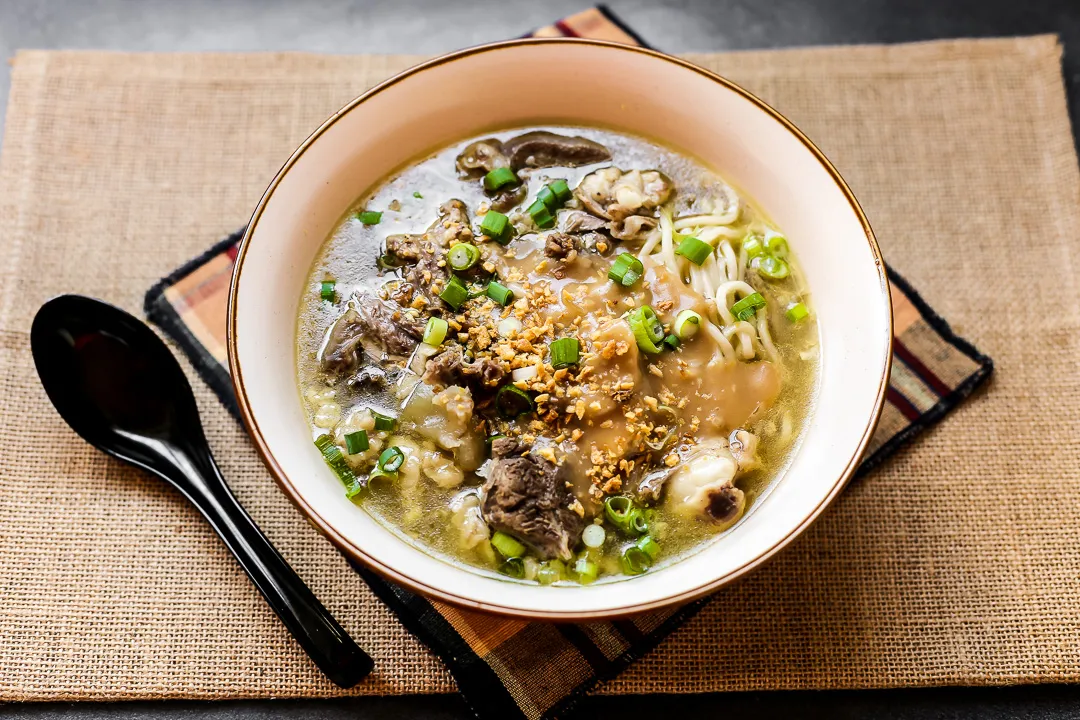
    Kinalas is a popular dish from the Bicol region in the Philippines, made with beef shank, miki noodles, and a unique gravy with cow’s brains. It showcases the culinary diversity of Bicol and is known for its tender meat and flavorful gravy topped with eggs, chicharon, and siomai.

    Key Takeaways

    • Kinalas is a popular dish in the Bicol region of the Philippines, particularly in Naga, Camarines Sur.
    • The dish is made with beef shank, miki noodles, and a unique gravy made with cow’s brains and other ingredients.
    • Kinalas showcases the culinary diversity of the Bicol region and highlights its rich and diverse flavors.
    • The dish is known for its tender meat, flavorful gravy, and various toppings like hard-boiled eggs, chicharon, and siomai.

    Origins of Kinalas

    The origins of Kinalas can be traced back to the bustling streets of Barangay Dayangdang in Naga, Camarines Sur, where tricycle drivers would boil cattle heads before their early dawn shift. The rich and aromatic beef noodle gravy, served with silky egg noodles, became a staple for the hardworking locals.

    As the dish gained popularity, food businesses started offering their own versions, making Kinalas a must-try in the Bicol region. Its name, ‘Kinalas,’ derives from ‘kalas,’ reflecting the tender meat cooked until it falls off the bone. This traditional Filipino dish not only showcases the culinary diversity of the Philippines but also exemplifies the resourcefulness of the locals in transforming simple ingredients into a flavorful and satisfying meal.

    The origins of Kinalas in Dayangdang, Naga City, hold a special place in the heart of Bicol’s culinary heritage.

    Key Ingredients of Kinalas

    Explore the essential elements that make Kinalas a flavorful and satisfying dish, showcasing the culinary diversity of the Bicol region.

    Kinalas, a beloved dish in Filipino cuisine, incorporates these key ingredients:

    • Beef shank: The tender, flavorful meat that forms the base of the dish.
    • Miki noodles: These traditional soft noodles provide the perfect texture and absorb the rich flavors of the gravy.
    • Kinalas gravy: A delicious concoction made with cow’s brains, garlic, onion, soy sauce, vinegar, and other flavorful additions.
    • Toppings: Hard-boiled eggs, chicharon, and siomai are common toppings that enhance the overall taste and texture of the dish.

    These components come together to create a truly unique and satisfying culinary experience, further highlighting the rich and diverse flavors of the Bicol region.

    Unique Preparation of Kinalas

    So, you’re probably wondering about the unique preparation of Kinalas. Well, it all starts with the special blend of ingredients and the meticulous cooking process.

    The way it’s served also adds to the distinct experience of enjoying this Bicolano favorite.

    Kinalas Ingredients

    How do you create the unique preparation of Kinalas, a Bicol specialty, that sets it apart from other noodle dishes in Filipino cuisine?

    The distinctiveness of Kinalas lies in its combination of ingredients and the preparation of its signature gravy.

    In a bowl of Kinalas, you’ll find soft noodles topped with hard-boiled egg, chicharon, siomai, and possibly cows eyes as an extra option.

    The defining feature of Kinalas is the rich brown gravy poured over the noodles, made with cows brains for thickening and flavor.

    The gravy can have different variations, such as shrimp and garlic-forward flavors, or a simple flour-butter roux.

    Essential ingredients for the Kinalas gravy include garlic, onion, dried shrimps, cornstarch, soy sauce, vinegar, sesame oil, Knorr Shrimp Cube, fish sauce, and beef or pork broth.

    These components come together to create the unique and delicious Kinalas experience.

    Cooking Process

    The unique preparation of Kinalas involves a meticulous process that begins with parboiling the meat, ensuring it becomes incredibly tender and flavorful before being simmered to perfection for about 2 hours. This slow cooking method allows the meat, usually beef shank, to become so tender that it falls off the bone, infusing the broth with rich, meaty flavors.

    The distinctive brown sauce, a hallmark of Kinalas, is created using cows’ brains, dried shrimp, garlic, and flour, adding a unique depth of flavor. Once the meat and gravy are ready, the dish is assembled by cooking the noodles in the flavorful broth and topping it with the tender meat.

    Kinalas is then served with traditional toppings like soft noodles, hard-boiled egg, chicharon, and siomai, making it a satisfying and hearty meal, especially sought after by tricycle drivers in Bicol.

    Serving Style

    For an authentic serving of Kinalas, you can expect to savor incredibly tender meat that effortlessly falls off the bone, creating a hearty and fulfilling dish.

    When you order Kinalas, it typically comes with soft noodles, a hard-boiled egg, chicharon, and siomai, all topped with a unique brown gravy made with cows’ brains for added flavor. For an extra cost, some variations even offer the option of adding cows’ eyes as a topping.

    Different cooks may use various gravies, such as shrimp and garlic-forward gravy, adding distinct flavors to the dish.

    The Filipino specialty, Kinalas, has gained popularity among locals and tourists in Bicol due to its rich and potent flavors. Its thick, savory broth and tender beef or pork chunks are a testament to the culinary expertise of the region. Additionally, the dish is often served with a side of fresh vegetables and a squeeze of calamansi, adding a burst of citrusy flavor to the hearty meal. Another well-loved specialty from Iloilo is the La Paz Batchoy, a comforting noodle soup dish filled with pork, liver, and crispy pork rinds, making it a favorite among locals and visitors alike.

    The Rich Broth of Kinalas

    Immerse yourself in the savory aroma and depth of flavor found in the rich, velvety broth of Kinalas, a specialty dish from Bicol in Filipino cuisine. Originating in Barangay Dayangdang in Naga, Camarines Sur, Kinalas boasts a unique and delectable broth that sets it apart from other noodle soups in Filipino cuisine.

    The broth is made by boiling cattle heads, extracting every bit of richness and flavor from the meat nestled in tight crevices. This results in a hearty and robust broth that forms the foundation of the dish. The addition of cows’ brains thickens the broth and adds a distinct flavor, making it a standout among Filipino noodle soups.

    It’s no wonder that Kinalas has become a must-try dish, serving over 400 bowls a day and gaining popularity among locals and tourists in Bicol.

    Meat in Kinalas

    You’re probably wondering about the meat in Kinalas. Well, it’s typically beef shank or beef head, which becomes incredibly tender and flavorful as it simmers in the broth.

    The preparation and cooking methods are crucial in ensuring that the meat reaches the perfect level of tenderness for this beloved Bicolano dish.

    Kinalas Meat Cuts

    Featuring tender meat cuts from beef shank and other parts of the animal, such as the head or brisket, Kinalas offers a flavorful and hearty dining experience in Filipino cuisine.

    The meat in Kinalas is cooked until extremely tender, allowing it to fall off the bone and infuse the broth with rich flavor. Kinalas gravy, thickened with cow’s brains, adds a distinct liver spread-like flavor to the dish.

    This specialty from Bicol is served with traditional toppings like soft noodles, hard-boiled egg, chicharon, and siomai, providing a delightful mix of textures and flavors.

    Some eateries even offer an optional add-on of cow’s eyes for an extra cost, catering to adventurous food enthusiasts.

    Kinalas has gained immense popularity among locals and tourists in the Bicol region, with some eateries serving over 400 bowls a day, making it a must-try dish in the area.

    Cooking Kinalas Meat

    To cook the meat for Kinalas, start by boiling the beef shank in a pot with enough water to cover it. After 10 minutes, drain the beef and return it to the pot with onion, peppercorns, and salt. Simmer the beef until it becomes tender.

    Once the beef is tender, chop it into bite-sized pieces for the kinalas.

    Next, create the kinalas gravy by browning flour. Then, add soy sauce, fish sauce, and reserved broth. Cook the mixture until it thickens.

    In a separate pot, bring the reserved broth to a boil. Cook the egg noodles in the broth according to the package directions.

    Finally, divide the cooked noodles and chopped beef shank into bowls. Pour the gravy over them and top with reserved broth. Garnish with hard-boiled egg, spring onions, and chicharon before serving.

    Get ready to savor the flavors of this traditional dish, with every bite of tender meat in those tight!

    Kinalas Meat Preparation

    Preparing the meat for Kinalas involves boiling beef shank until tender, then chopping it into bite-sized pieces for the dish. The meat preparation for Kinalas is a crucial step that ensures the dish’s signature tenderness and flavor. Here are some essential meat preparation steps for Kinalas:

    • Boil the beef shank until it reaches a tender texture, allowing the meat to easily fall off the bone.
    • Carefully chop the boiled beef into bite-sized pieces to be incorporated into the Kinalas dish.
    • The meat should be thoroughly cooked, maintaining its natural juices and tenderness.
    • The cut beef shank is then ready to be added to the rich, flavorful broth, enhancing the overall taste of the Kinalas.

    These steps are essential to ensure that the meat in Kinalas achieves the desired tenderness and flavor that makes it a beloved dish in Bicol’s culinary scene.

    Kinalas Gravy

    The rich and savory Kinalas gravy, made with cow’s brains, adds a unique and flavorful element to this Bicol specialty, elevating the overall dining experience. The gravy, known for its distinct brown color, is a favorite among locals in Naga, Bicol. It is poured onto the base of the bowl, complementing the soft noodles, hard-boiled egg, chicharon, and siomai.

    The use of cow’s brains in the gravy gives it a liver spread-like flavor, enhancing the rich and satisfying taste of Kinalas. Different variants of gravy are used with Kinalas, including options like shrimp and garlic-forward gravy. The gravy thickens the broth and adds a distinct taste to the Kinalas, making it a beloved dish in Filipino cuisine.

    Kinalas Gravy Description
    Color Distinct brown
    Flavor Savory, with a liver spread-like taste
    Usage Poured onto the base of the bowl

    :Can Malagkit be used in the preparation of Kinalas in Filipino Cuisine?

    Yes, malagkit can be used in the preparation of Kinalas in Filipino cuisine. Malagkit, or glutinous rice, adds a unique texture to the savory broth of this rich and flavorful noodle soup. It is a popular ingredient in many traditional Filipino dishes, including Kinalas.

    Serving Kinalas

    When serving Kinalas, ensure that the soft noodles, hard-boiled egg, chicharon, and siomai are all arranged to create a visually appealing and appetizing presentation. You should place the hard-boiled egg and siomai strategically in the bowl, complementing the soft noodles, and sprinkle the chicharon on top for a delightful crunch.

    The brown gravy, made with cow’s brains, should be poured generously over the ingredients, adding depth of flavor and richness to the dish. To further enhance the experience of eating Kinalas, consider offering the optional add-on of cow’s eyes for those seeking a unique culinary adventure.

    The combination of these elements creates a sensory delight that’s sure to leave a lasting impression.

    • Arrange ingredients for visual appeal
    • Pour the brown gravy generously
    • Consider offering the optional cow’s eyes add-on
    • Create a sensory delight

    Frequently Asked Questions

    What Is Kinalas in Bicol?

    Kinalas in Bicol is a unique noodle soup made with miki noodles and tender meat scraped off a cow’s face. It’s traditionally enjoyed with toasted siopao, maruya, or turon and is a must-try dish in the region.

    What Is the History of Kinalas in the Philippines?

    In the Philippines, Kinalas has a rich history. Originating in Naga, Camarines Sur, it gained popularity for its potent broth and tender meat. Locals and tourists alike savor its unique taste, making it a must-try dish in Bicol.

    What Does Kalas Mean in Bicol?

    In Bicol, “kalas” means to remove or take apart. It refers to the process of scraping meat off the cow’s face for the traditional noodle soup known as Kinalas.

    What Is the Difference Between Kinalas and Mami?

    Kinalas and Mami differ in origin, broth, and toppings. Kinalas, from Naga, Bicol, features a potent cattle head broth with unique toppings like chicharon, while Mami offers a lighter, clear broth with various meats and vegetables.

    Conclusion

    So, next time you find yourself in Bicol, make sure to try kinalas, a unique and flavorful dish that has become a local favorite.

    With its rich broth, tender meat, and special gravy made with cow’s brains, kinalas offers a one-of-a-kind culinary experience that you won’t want to miss.

    Whether you’re a local or a tourist, kinalas is a must-try dish that will leave you craving for more.

  • What Is Inutak, a Specialty From Iloilo, in Filipino Cuisine?

    What Is Inutak, a Specialty From Iloilo, in Filipino Cuisine?

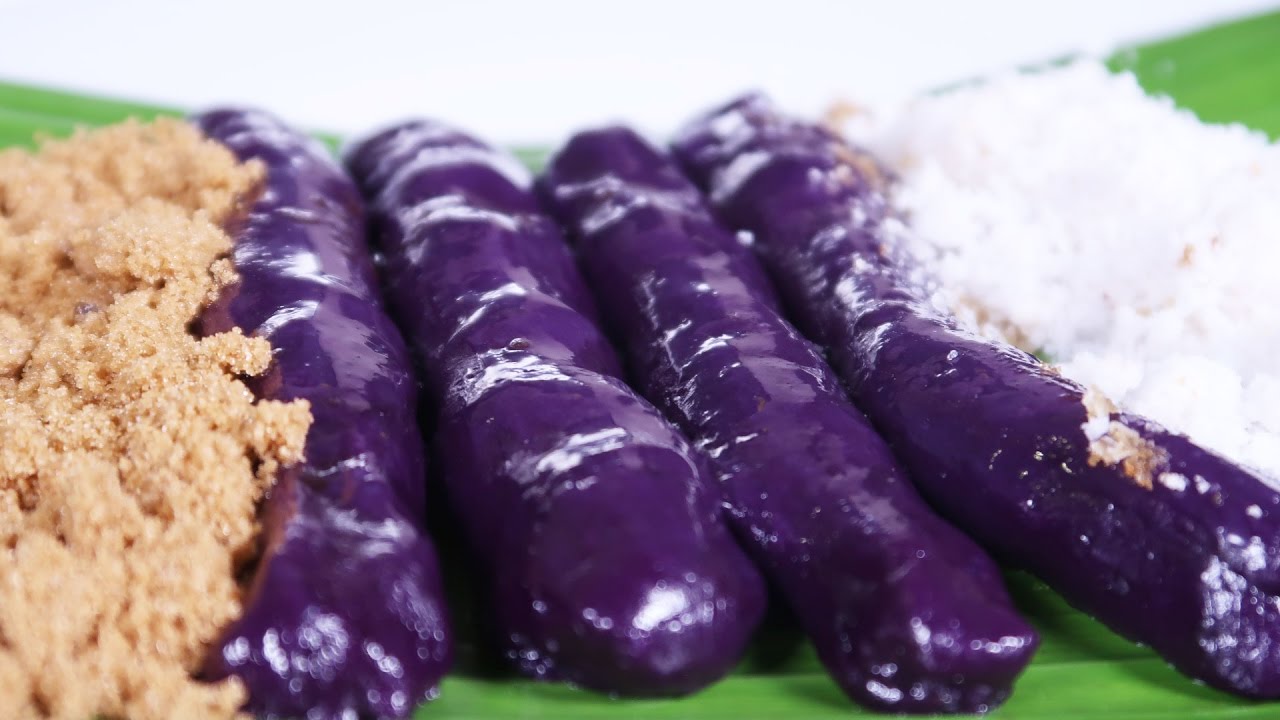
    Inutak, a visually stunning dessert from Iloilo in Filipino cuisine, is made from glutinous rice flour, coconut milk, sugar, and ube halaya, offering a unique texture and vibrant colors. It symbolizes cultural heritage and takes center stage during festive occasions, reflecting the rich tapestry of Filipino flavors and traditions. Inutak is traditionally steamed in banana leaves, giving it a distinctive aroma and earthy flavor. The dessert’s name is derived from the Ilonggo word “utak,” which means “brain,” referencing its wavy pattern resembling the folds of the brain. Another popular Filipino dessert with similar cultural significance is puto bumbong, a purple-colored delicacy made from glutinous rice and cooked in bamboo tubes. What is puto bumbong? Puto bumbong is often served during the Christmas season and is traditionally enjoyed with grated coconut and muscovado sugar. Both desserts showcase the creativity and artistry of Filipino culinary traditions.

    Key Takeaways

    • Inutak is a visually stunning dessert that showcases the culinary heritage of the Philippines, specifically Iloilo.
    • It is made from glutinous rice flour, coconut milk, sugar, and ube halaya, giving it a unique texture and vibrant colors.
    • The dessert’s brain-like appearance and layered presentation make it visually appealing and memorable.
    • Inutak is significant in Iloilo and Filipino cuisine, symbolizing cultural heritage and taking center stage during festive occasions.

    The Origin of Inutak

    Inutak, a delectable Filipino treat with a rich history, originated in the vibrant locales of Pateros or Taguig, showcasing the ingenuity and culinary heritage of the region.

    This delightful dessert is crafted from a blend of glutinous rice flour, coconut milk, and sugar, creating a lusciously smooth and creamy texture. The addition of ube halaya, a sweet and vibrant purple yam, gives Inutak its distinctive earthy flavor.

    The name ‘inutak’ translates to ‘brain’ in English, alluding to its unique appearance, resembling the convoluted surface of a brain.

    The dessert is traditionally prepared by layering the coconut-infused glutinous rice mixture with a generous spread of ube halaya on top of the Inutak in a baking dish.

    This sweet delight has become a beloved part of the culinary landscape in Metro Manila, reflecting the rich tapestry of Filipino flavors and traditions.

    The Unique Appearance of Inutak

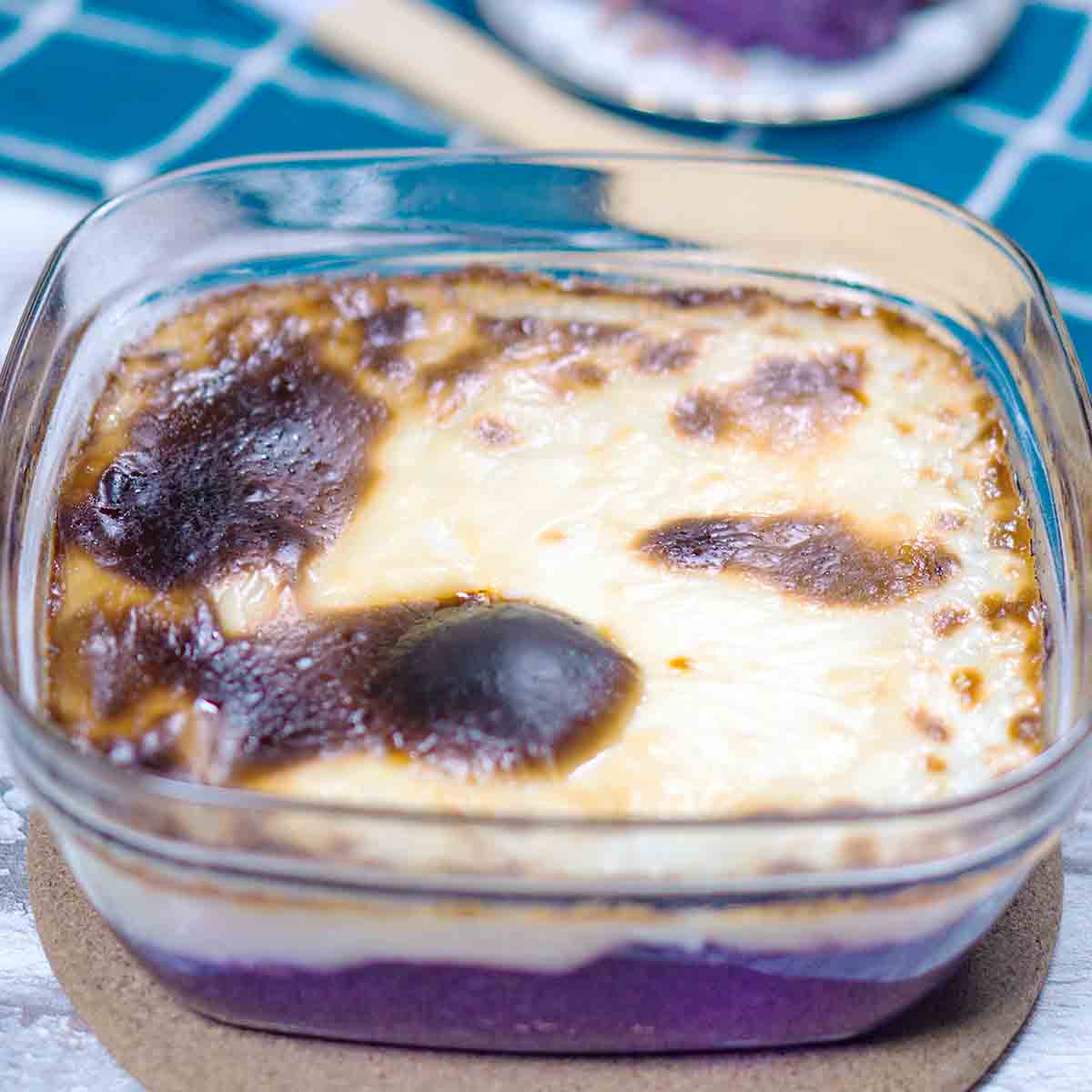
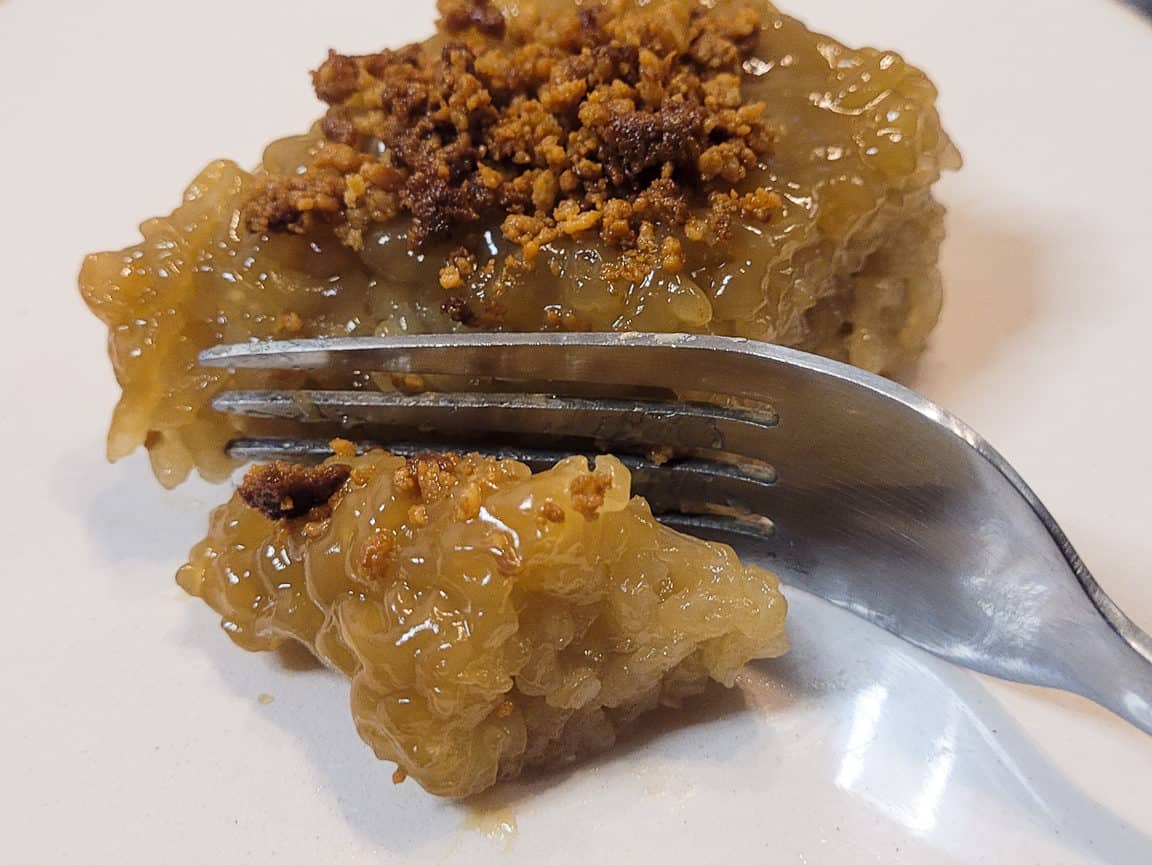
    When you first lay eyes on Inutak, you can’t help but be captivated by its unusual texture and colorful presentation. The caramelized top, resembling the surface of a brain, gives it a unique and striking appearance that sets it apart from other desserts.

    The layers of vibrant colors not only make it visually appealing but also add to its overall charm, making it a standout addition to any dessert table.

    Unusual Texture

    With its soft, stretchy, and gooey texture often likened to the appearance of brains, the caramelized top of Inutak is a visually unique and intriguing dessert that sets it apart from other traditional Filipino treats. The unusual texture of Inutak is a result of the glutinous rice used in its preparation, giving it a distinct mouthfeel and appearance.

    This texture is akin to a delightful combination of soft, chewy, and sticky, creating a memorable culinary experience. The caramelized top adds a contrasting crunch to the otherwise gooey texture, further enhancing its appeal.

    Inutak’s appearance, reminiscent of a layered, colorful rice cake, with a distinctive soft and stretchy texture, makes it a visually captivating and culturally significant dessert in Filipino cuisine.

    Colorful Presentation

    The mesmerizing layers of vibrant colors in Inutak create a visually captivating dessert that’s a feast for the eyes, drawing you in to experience its artful presentation.

    This rice cake boasts a unique appearance with its stunning gradient of colors, resembling a delightful rainbow dessert. The shades of purple, yellow, and white are meticulously layered, forming an eye-catching display that adds a touch of festivity to any occasion.

    Inutak’s distinct layers aren’t only a treat for the taste buds but also a visual delight, reminiscent of a carefully crafted work of art. Its colorful presentation makes it a standout addition to any dessert spread, elevating the overall aesthetic and inviting individuals to revel in its beauty before savoring its delightful flavors.

    Key Ingredients for Inutak

    To create the delectable dessert of Inutak, the key ingredients include glutinous rice flour, coconut milk, ube halaya, sugar, and optionally pandan leaves for a fragrant touch.

    1. Glutinous Rice Flour: This is the main ingredient responsible for the sticky and chewy texture that makes Inutak so delightful.
    2. Coconut Milk: It adds a rich, creamy flavor that perfectly complements the earthy sweetness of the ube halaya.
    3. Ube Halaya: This ingredient not only provides the distinct purple color but also contributes a unique earthy flavor that’s characteristic of Inutak.

    Inutak is a beloved Filipino dessert typically served during special occasions. Its rich, creamy texture and vibrant purple color make it a delightful addition to any celebration. This delicious dessert can also be enjoyed in various forms, including as a filling for pastries or even as an ice cream flavor.

    The Preparation Process

    You’re about to embark on a culinary journey as we break down the preparation process for Inutak.

    Discover the essential ingredients and cooking techniques that contribute to the rich and creamy texture of this delectable Filipino dessert.

    Get ready to explore the serving and presentation options that elevate the flavors and make every bite a delightful experience.

    Ingredients for Preparation

    Begin by combining the glutinous rice flour, rice flour, coconut milk, ube halaya, and sugar to create the flavorful base for your Inutak cake. In a large bowl, mix 1 cup of glutinous rice flour and 1/4 cup of rice flour. Gradually pour in 2 cups of coconut milk while stirring to ensure a smooth consistency. Add 1 cup of ube halaya and mix well to infuse the batter with its rich, purple color and earthy sweetness. Then, incorporate 3/4 cup of sugar to sweeten the mixture, balancing the flavors.

    Once the batter is ready, pour it into a baking pan or llaneras, and spread it evenly. Afterward, you can toast it under a broiler or use a blow torch to caramelize the top, adding a delightful crunch to the cake.

    Cooking Techniques

    Inutak’s cooking process involves simmering a mixture of glutinous rice flour, coconut milk, and sugar until it thickens, infusing the base with delightful flavors. Here’s an overview of the cooking techniques involved in making Inutak:

    Cooking Techniques Description
    Simmering Cook the mixture over medium heat until it thickens, creating a rich and creamy base.
    Layering Transfer the cooked mixture into a baking dish or llaneras, adding layers of ube halaya and flavorings for extra richness.
    Toasting Generously brush the top with coconut milk and toast under the broiler until it achieves a golden brown caramelized appearance.

    The use of medium heat during the simmering process is crucial in ensuring that the flavors meld together harmoniously while achieving the desired thick consistency. This cooking method allows for the development of the distinct texture and flavor that sets Inutak apart in Filipino cuisine.

    Serving and Presentation

    After perfecting the cooking techniques for Inutak, it’s time to ensure that its serving and presentation preserve the rich Filipino culinary tradition with authenticity and flair.

    When serving Inutak, consider pairing it with sorbetes or local street ice cream for a delightful combination. Enhance its appeal by serving it on plates covered in banana leaves for an authentic and traditional presentation.

    Allow the Inutak to cool slightly before serving to achieve a palatable temperature for enjoyment.

    To maintain its freshness, store leftovers in an airtight container or wrap them in plastic wrap and refrigerate.

    For reheating, warm the Inutak in a 360F/180C oven or toaster for 6-8 minutes to restore its delightful texture and taste.

    This will ensure that every serving of Inutak is a true delight for your senses.

    Variations of Inutak

    Explore a world of flavor and creativity by mixing inutak with different flavors such as pandan, langka, chocolate, or salted caramel.

    Infusing inutak with pandan creates a delightful green hue and a subtle, floral aroma.

    The addition of langka, or jackfruit, brings a tropical sweetness that complements the creamy texture of the inutak.

    For a decadent twist, try incorporating rich chocolate into the inutak mixture for a luscious and indulgent treat.

    If you crave a balance of sweet and salty, consider blending inutak with salted caramel for a tantalizing flavor contrast.

    Toppings like toasted coconut add a golden, crunchy finish to the inutak, enhancing both texture and taste.

    Embrace the art of experimentation to craft your own unique and delectable variations of this Filipino delicacy.

    Inutak’s Significance in Iloilo

    In your culinary journey through the delightful variations of inutak, it becomes evident that the significance of this Filipino dessert in Iloilo is deeply rooted in its rich cultural heritage and traditional celebrations.

    Cultural Heritage:

    Inutak holds a golden place in Iloilo’s culinary traditions, symbolizing the province’s strong ties to its past and the art of dessert-making.

    Traditional Celebrations:

    During festive occasions in Iloilo, inutak takes center stage, reflecting the community’s joy and unity while honoring cherished recipes passed down through generations.

    Local Identity:

    Inutak serves as more than just a dessert; it embodies Iloilo’s pride in its culinary expertise and the warmth of hospitality lavished upon guests.

    This delectable dessert not only tantalizes taste buds but also serves as a cultural emblem, enriching the vibrant tapestry of Iloilo’s culinary landscape.

    Inutak’s Popularity in Filipino Cuisine

    You know, Inutak holds a special place in Filipino cuisine due to its regional significance.

    The unique preparation method and its resemblance to a brain make it a fascinating and sought-after dessert.

    Its cultural and historical influences further enrich its popularity, making it a beloved and iconic part of Filipino culinary traditions.

    Regional Culinary Significance

    How does Inutak earn its place as a beloved and versatile dessert in Filipino cuisine? Inutak’s popularity in Filipino cuisine can be attributed to its rich cultural significance and its ability to cater to various taste preferences. Here’s why this traditional dessert has captured the hearts and palates of many:

    1. Regional Delicacy: Inutak is a specialty dessert that originated in the provinces of Bicol, Quezon, Pateros, and Taguig, making it a cherished part of regional culinary traditions.
    2. Visually Unique: Its distinct, brain-like appearance, with a top that’s golden and a creamy texture, makes it a visually intriguing and memorable dessert.
    3. Flavor Versatility: Inutak offers a wide range of flavors, such as pandan, langka, chocolate, or salted caramel, catering to diverse preferences and ensuring its widespread appeal.

    Inutak’s ability to adapt to different occasions and preferences has solidified its place as a beloved and versatile dessert in Filipino cuisine.

    Unique Preparation Method

    With a traditional preparation method dating back through generations, Inutak has secured its place as a beloved and unique dessert in Filipino cuisine. The process of creating this delectable treat involves layering a mixture of glutinous rice flour, coconut milk, and sugar in a baking dish. This is then topped with coconut milk and toasted under the broiler or using a blow torch to achieve its signature caramelized top. The table below highlights the key steps in preparing this delightful dessert:

    Preparation Method
    Layering the mixture in a baking dish
    Topping with coconut milk
    Toasting under the broiler or using a blow torch for caramelization

    The unique tiered rice cake dessert, flavored with ube halaya or other variations, is a testament to the rich culinary heritage of the Philippines. Its popularity during special occasions and celebrations reflects its significance in Filipino culture.

    Cultural and Historical Influences

    Inutak’s cultural and historical influences in Filipino cuisine are deeply rooted in its unique preparation method, showcasing the rich culinary heritage and significance of this beloved dessert in the Philippines.

    1. Traditional Origins: Inutak has its origins in Pateros or Taguig, and is a popular kakanin in the Philippines, often enjoyed during special occasions or celebrations.
    2. Versatile Flavors: The dessert’s name, translating to ‘brain’ in English, is attributed to its creamy, textured appearance and classic flavors, often infused with ube halaya for an earthy taste.
    3. Adaptability and Experimentation: Inutak can be made with various flavors such as pandan, langka, chocolate, or salted caramel. Toppings like toasted coconut offer unique variations, adding to its cultural significance and adaptability in Filipino cuisine.

    The enduring popularity of Inutak reflects the profound influence of Filipino culinary traditions and the versatility of this delectable dessert.

    Serving Suggestions for Inutak

    You’ll find that serving Inutak warm or cold enhances its delightful flavors and pairs exquisitely with coffee, tea, or hot chocolate.

    For an authentic touch, present Inutak in llaneras or on plates lined with banana leaves.

    Elevate the experience by serving it with sorbetes or local street ice cream, especially when slightly warm for a gooey texture.

    Get creative with toppings like toasted coconut to craft unique variations of Inutak.

    When storing leftovers, keep them in an airtight container or wrap the llaneras in plastic and refrigerate.

    To restore its texture, reheat leftover Inutak in a 360F/180C oven or toaster for 6-8 minutes.

    These serving suggestions will elevate your Inutak experience, capturing the essence of Filipino cuisine with every delightful bite.

    Inutak’s Cultural Importance

    Inutak holds a significant place in Filipino culture and culinary heritage, embodying the creativity and regional diversity of the country’s traditional desserts. Its cultural importance is evident in various aspects:

    1. Symbol of Celebration: Inutak is often served during special occasions, symbolizing togetherness and festivity within Filipino communities.
    2. Regional Diversity: Different regions, like Pateros and Taguig, have their own versions of Inutak, showcasing the dessert’s significance in local culinary traditions and highlighting the diversity of Filipino cuisine.
    3. Cultural Symbolism: The name ‘inutak,’ which translates to ‘brain,’ reflects the dessert’s appearance and texture, adding a layer of cultural meaning to its consumption and connecting it to Filipino traditions.

    Inutak’s cultural importance goes beyond its delectable taste, making it a cherished emblem of Filipino heritage and community.

    Inutak’s Influence on Modern Desserts

    In exploring the evolution of Filipino desserts, it’s fascinating to witness how Inutak has left an indelible mark on modern culinary creations, inspiring a wave of innovative and tantalizing desserts. This traditional delicacy has not only influenced the use of glutinous rice flour and coconut milk in new rice-based desserts but also sparked the trend of incorporating ube halaya into contemporary dessert recipes.

    The tiered presentation of Inutak has also played a significant role, influencing the visual presentation of modern desserts by emphasizing layers and textures. Furthermore, Inutak’s balance of sweetness without being overpowering has led to the trend of creating desserts with subtle and balanced sweetness. The table below illustrates some of the key ways Inutak has influenced modern desserts:

    Influence of Inutak on Modern Desserts
    Use of glutinous rice flour and coconut milk
    Incorporation of ube halaya
    Tiered presentation
    Balanced sweetness
    Emphasis on layers and textures

    Inutak’s Regional Variations

    Exploring the diverse regional variations of Inutak reveals a rich tapestry of flavors, textures, and serving styles that reflect the unique culinary heritage of different Filipino regions.

    The variations in Pateros and Taguig offer distinct differences in texture, color, and flavor, showcasing the creativity and individuality of each region’s take on the dessert.

    Ingredients like pandan leaves, cassava, and toppings such as latik or grated coconut contribute to the diverse range of flavors found in Inutak across different regions.

    Additionally, the texture can vary from stickier and chewier to a smoother consistency from region to region, adding depth to the overall experience.

    Furthermore, the serving variations, whether warm or cold and paired with sorbetes or local street ice cream, offer a delightful exploration of serving styles and combinations.

    Are Inutak and Kinalas both popular Filipino dishes?

    Inutak and Kinalas, a specialty from Bicol, both hold a special place in Filipino cuisine. While Inutak is a sweet and creamy rice cake, Kinalas is a savory noodle dish with rich broth. Both are beloved and popular dishes in the Philippines, showcasing the diverse flavors of the country.

    Where to Find Authentic Inutak

    If you’re eager to experience the authentic flavors of Inutak, your best bet is to seek out local bakeries or kakanin stalls in Pateros or Taguig, where this delectable Filipino specialty originated. These places are known for preserving the traditional methods of making Inutak, ensuring an authentic taste that’s hard to find elsewhere.

    Additionally, exploring traditional Filipino food markets or bazaars in the provinces of Bicol and Quezon can lead you to homemade versions of Inutak, crafted with love and expertise. You might also want to visit Filipino specialty restaurants or dessert shops with a focus on preserving and showcasing traditional Filipino desserts.

    Another great option is to attend local festivals or cultural events in the Philippines, where regional delicacies like Inutak are often prepared by local cooks and vendors. Lastly, consider connecting with Filipino culinary enthusiasts or food bloggers for recommendations or authentic Inutak recipes.

    Frequently Asked Questions

    Where Does Inutak Originated?

    Inutak originated in Pateros or Taguig, showcasing Filipino creativity in dessert making. Its distinct caramelized top resembles a brain’s surface. Pateros offers a creamy, smooth version, while Taguig provides a darker, coarser variation.

    What Is Inutak in English?

    In English, inutak translates to “brain,” reflecting its creamy, textured appearance. This traditional Filipino dessert, popular in Bicol and Quezon provinces, is made from glutinous rice, coconut milk, and sugar, resulting in a sweet, gooey treat.

    What Is Purple Kakanin in the Philippines?

    Purple kakanin in the Philippines is ube inutak. It’s a delightful blend of glutinous rice flour, coconut milk, and ube halaya. The texture is soft and gooey, with a subtle sweetness that isn’t overwhelming.

    How Do You Store Inutak?

    To store inutak, keep it in the fridge if not eaten within the day. Wrap it in plastic wrap, pressing it onto the surface. Consume within 3 days for the best taste. Proper storage maintains its freshness.

    Conclusion

    Now that you know the rich history and delicious ingredients that make up the delectable inutak, you’ll be eager to try it for yourself.

    Whether you enjoy it warm or cold, inutak is a dessert that brings people together during special occasions and celebrations.

    Its unique texture and flavors make it a true standout in Filipino cuisine, and you won’t want to miss the opportunity to savor this delightful treat.

  • What Is Puto Bumbong, a Specialty From Luzon, in Filipino Cuisine?

    What Is Puto Bumbong, a Specialty From Luzon, in Filipino Cuisine?

    Puto Bumbong, a traditional Filipino delicacy, is made from glutinous rice steamed in bamboo tubes, resulting in a sticky, purple, cylindrical rice cake served with margarine, sugar, and sesame seeds, and accompanied by grated coconut. Enjoy this beloved treat during the festive Christmas season or year-round at select restaurants.

    Key Takeaways

    • Puto Bumbong is a traditional Filipino delicacy made with glutinous rice, cooked in bamboo tubes or metal cylinders, and topped with butter.
    • It has a unique chewy yet tender consistency and a purple hue, achieved either through the use of purple-brown glutinous rice or food coloring.
    • While the core ingredients remain consistent, there are regional variations in flavors and toppings, such as margarine, cheese, and different types of coconut.
    • Modern twists on Puto Bumbong include fusion flavors, dessert parfaits, pancakes, and deep-fried fritters, showcasing the creativity of Filipino cuisine.

    Origins of Puto Bumbong

    The origins of Puto Bumbong can be traced back to the rich cultural tapestry of Filipino cuisine, intertwining indigenous traditions with influences from centuries of trade and colonization.

    This iconic delicacy is traditionally cooked using glutinous rice, which gives it a distinct chewy texture and sweet flavor. The unique purple hue of Puto Bumbong is achieved by incorporating purple-brown glutinous rice or purple food coloring, adding to its visual allure.

    The steaming process in bamboo tubes or metal cylinders not only imparts a subtle smoky aroma but also ensures that the cake retains its moisture, resulting in a delectably tender bite.

    Puto Bumbong holds special significance during the Christmas season, where it’s eagerly anticipated and savored after attending the Simbang Gabi novena-dawn mass, adding a touch of warmth and nostalgia to the festive celebrations.

    Key Ingredients in Puto Bumbong

    You’re about to discover the essential ingredients that make Puto Bumbong a beloved Filipino treat.

    The combination of white and purple-brown glutinous rice creates a distinct texture and flavor, while the addition of pandan extract infuses it with a unique aroma.

    The use of bamboo tubes or metal cylinders, along with the finishing touch of butter or margarine, adds to the traditional cooking method that gives Puto Bumbong its iconic shape and rich taste.

    Traditional Ingredients

    In crafting the irresistible Puto Bumbong, the Filipino cuisine tradition calls for the primary ingredients of white glutinous rice and purple-brown glutinous rice, soaked overnight and dried to perfection. These traditional ingredients are the heart and soul of this beloved Filipino delicacy.

    The mixture is then stuffed into bamboo tubes, allowing it to take on the unique shape and aroma that defines Puto Bumbong. After steaming, this delectable treat is traditionally topped with margarine or butter, sprinkled with sugar and sesame seeds, and served with freshly grated mature coconut – a delightful combination that adds a rich and creamy texture to the dish.

    Some versions may also incorporate purple food coloring or purple yam flour for an extra burst of color and flavor, making each bite a truly captivating experience.

    Unique Cooking Method

    Soaking and drying white glutinous rice and purple-brown glutinous rice overnight are crucial steps in preparing the traditional Filipino delicacy, Puto Bumbong, imparting it with a unique texture and flavor. The rice grains are then ground and steamed in bamboo tubes or metal cylinders, resulting in the distinctive shape and color of this steamed rice cake.

    This unique cooking method is what gives Puto Bumbong its signature chewy yet tender consistency, with a slightly purple hue from the purple-brown glutinous rice. The aroma of the freshly steamed Puto Bumbong is enough to entice anyone’s appetite.

    Traditionally served with grated coconut, margarine or butter, sugar, and sesame seeds, this dish offers a delightful blend of flavors that perfectly complements the unique cooking method, making it a beloved Filipino treat.

    Traditional Preparation of Puto Bumbong

    Get ready to experience the traditional preparation of Puto Bumbong, a process that involves steaming bamboo tubes filled with a mixture of finely ground purple glutinous rice, water, and pandan extract.

    This unique preparation method creates a distinct flavor and texture that’s further enhanced with a generous topping of butter.

    The result is a warm and aromatic delicacy that perfectly combines the earthy sweetness of the rice with the richness of the butter.

    Steaming Bamboo Tubes

    Carefully packing the soaked and dried glutinous rice into bamboo tubes or metal cylinders sets the stage for the traditional preparation of Puto Bumbong, a beloved Filipino delicacy. The steaming process is a crucial step in achieving the perfect texture and flavor of this iconic treat.

    Here are some key points to consider:

    • The glutinous rice is tightly packed into the bamboo tubes, ensuring a dense and cylindrical shape.
    • Steamed until steam rises, the rice cooks slowly, allowing the flavors to meld and develop.
    • The addition of pandan leaves infuses the rice with a subtle, fragrant aroma that’s characteristic of Puto Bumbong.
    • The steaming process results in a sticky, purple-hued rice cake, ready to be adorned with margarine, sugar, sesame seeds, and served with freshly grated mature coconut.

    Steaming the bamboo tubes is a labor of love, essential to creating the authentic taste and texture of Puto Bumbong.

    Purple Glutinous Rice

    The vibrant purple glutinous rice, essential to the traditional preparation of Puto Bumbong, undergoes a meticulous process that begins with soaking and drying the grains to achieve the perfect texture and flavor.

    This glutinous rice, also known as ‘malagkit’ in Filipino cuisine, is what gives Puto Bumbong its distinctive color and sticky texture. The soaking process is crucial as it allows the grains to absorb enough water, making them plump and sticky when steamed. Drying the grains afterwards is equally important to ensure that the rice is at the right moisture level for steaming.

    The resulting purple glutinous rice, when steamed and formed into the iconic cylindrical shape, creates a delightful sticky rice cake that’s truly unique to Filipino culinary traditions.

    Flavored With Butter

    Incorporating a generous dollop of butter into the traditional preparation of Puto Bumbong not only adds a rich, creamy flavor but also enhances the luscious texture of the steamed purple rice cake.

    This delightful addition takes the already delicious Puto Bumbong to a whole new level of indulgence. The butter melts into the warm rice cake, creating a luxurious and velvety mouthfeel. The subtle saltiness of the butter perfectly complements the natural sweetness of the rice cake, resulting in a harmonious blend of flavors.

    Moreover, the butter adds a glossy sheen to the Puto Bumbong, making it even more visually appealing. Finally, the butter acts as a perfect base for other toppings like grated cheese, further enriching the overall experience of savoring this beloved Filipino delicacy.

    Cultural Significance of Puto Bumbong

    Steeped in tradition and steeped in flavor, Puto Bumbong holds a cherished place in Filipino culture as a beloved delicacy enjoyed during the festive Christmas season. It symbolizes the unity and joy of the Filipino community, especially after attending the Simbang Gabi novena-dawn mass, signifying the start of the holiday season.

    The cultural significance of Puto Bumbong is deeply ingrained in the Filipino identity, representing the rich heritage and traditions passed down through generations. This traditional rice cake showcases the artistry and craftsmanship of Filipino cuisine, using glutinous rice to create a delectable treat that brings people together. The table below illustrates the cultural significance of Puto Bumbong in Filipino cuisine.

    Cultural Significance of Puto Bumbong
    Symbol of unity and joy during Christmas season
    Representation of rich heritage and traditions
    Showcases artistry and craftsmanship of Filipino cuisine

    Regional Variations of Puto Bumbong

    You’re in for a treat as we explore the unique cooking methods, diverse flavor profiles, and regional ingredient variations of Puto Bumbong.

    From the distinct flavors of Northern Luzon’s version to the creative use of purple yam flour in some areas, every region adds its own twist to this beloved Filipino delicacy.

    The variety in steaming processes and serving styles across different regions truly makes Puto Bumbong a culinary adventure worth experiencing.

    Unique Cooking Methods

    One of the distinctive regional variations of Puto Bumbong involves the use of different types of glutinous rice and varying steaming techniques, adding to the rich tapestry of Filipino culinary traditions. This unique cooking method showcases the diverse and creative approaches to making this beloved Filipino dessert.

    Here are some fascinating regional variations:

    • The use of both white glutinous rice and purple-brown glutinous rice for a visually stunning result.
    • Steaming the Puto Bumbong in bamboo tubes or metal cylinders, imparting a distinct aroma and flavor.
    • Wrapping the mixture in banana leaves before steaming, infusing a subtle earthy essence into the rice cake.
    • Adding coconut milk to the mixture, resulting in a creamier texture and a richer, more indulgent taste.

    These variations highlight the ingenuity and artistry that define Filipino cuisine, offering a delightful array of flavors and textures to savor.

    Diverse Flavor Profiles

    Dive into the diverse flavor profiles of Puto Bumbong, where regional variations offer a tantalizing array of tastes and textures to savor.

    While the core ingredients of glutinous rice, sugar, and coconut remain consistent, the toppings and additional flavors vary across different regions of the Philippines.

    In some areas, Puto Bumbong is served with a generous dollop of margarine, adding a rich and creamy element to the dish.

    In other regions, a sprinkle of cheese on top, particularly the popular Queso de Bola, provides a delightful savory contrast to the sweet and nutty flavors of the rice cake.

    These regional nuances highlight the adaptability of Puto Bumbong, making it a versatile dessert that can cater to a wide range of taste preferences.

    Whether you prefer it sweet, savory, or a combination of both, there’s a diverse flavor profile of Puto Bumbong waiting to be savored.

    Regional Ingredient Variations

    Explore the regional variations of Puto Bumbong, where diverse ingredient choices and preparation methods across different parts of the Philippines contribute to the rich tapestry of flavors and textures in this beloved purple rice cake.

    In the world of Filipino cuisine, regional variations of puto bumbong are a testament to the country’s culinary diversity. The unique ingredient choices and preparation methods across different regions offer a delightful exploration of flavors and textures.

    Here are some exciting regional variations:

    • Some regions use purple food coloring or purple yam flour for diverse color and taste profiles.
    • Specific types of coconut, sugar, or toppings are used, adding regional twists to the classic puto bumbong recipe.
    • Grated cheese or different types of coconut may be included, enhancing the overall flavor experience.
    • The type of glutinous rice used can vary, influencing the texture and taste of the puto bumbong.

    These regional variations showcase the vibrant and evolving nature of Filipino cuisine.

    Puto Bumbong and Festivals

    During Filipino festivals, the aroma of freshly steamed Puto Bumbong fills the air, signaling the joyous celebration of traditional flavors and culinary heritage.

    This beloved dessert, made from white and purple-brown glutinous rice, is a staple during festive occasions, especially the Christmas season and the Simbang Gabi novena-dawn mass.

    The sight of Puto Bumbong being prepared in bamboo tubes or metal cylinders, its distinct purple hue, and the accompanying toppings of margarine, sugar, and sesame seeds evoke a sense of nostalgia and community.

    The final touch of freshly grated mature coconut and sometimes even grated cheese adds layers of flavor to this quintessential dish of Filipino cuisine.

    Puto Bumbong isn’t just a treat; it’s a symbol of togetherness and tradition, bringing people together to savor the rich flavors of Luzon.

    Modern Twists on Puto Bumbong

    With a creative twist, the timeless flavors of puto bumbong are reimagined into delightful culinary innovations that captivate the senses and elevate the traditional dessert experience. The modern twists on puto bumbong are a celebration of Filipino culinary creativity, blending traditional flavors with contemporary techniques to offer a delightful gastronomic adventure.

    Here are some innovative ways that chefs are reinventing the classic puto bumbong:

    • Fusion Flavors: Puto Bumbong topped with unique flavors like salted caramel, matcha, or ube-infused whipped cream.
    • Puto Bumbong Dessert Parfaits: Layered with creamy coconut custard, sweetened purple yam, and toasted coconut for a modern take on traditional puto bumbong.
    • Puto Bumbong Pancakes: Incorporating the flavors of puto bumbong into fluffy pancakes, served with a drizzle of muscovado syrup and coconut shavings.
    • Puto Bumbong Fritters: Deep-fried puto bumbong balls dusted with cinnamon sugar, served with a side of warm tsokolate dip.

    Pairing Puto Bumbong With Other Filipino Dishes

    Reimagining the traditional flavors of puto bumbong opens up a world of delightful pairings with other Filipino dishes, creating an array of contrasting and complementary flavors that elevate the overall dining experience.

    Pairing puto bumbong with bibingka offers a contrast of textures and flavors, making it a favored choice during the festive Christmas season.

    The combination of puto bumbong and leche flan creates a perfect balance of sweetness and richness, presenting a decadent dessert option.

    Enjoying puto bumbong with a warm cup of native hot chocolate, or tsokolate, provides a comforting and traditional Filipino treat.

    Additionally, pairing puto bumbong with ube halaya showcases the rich and vibrant flavors of Filipino cuisine.

    Complement the unique taste and texture of puto bumbong with suman, another traditional Filipino rice cake, to create a diverse and delightful dessert platter.

    Serving and Enjoying Puto Bumbong

    Indulge in the exquisite flavors and textures of Puto Bumbong, a beloved traditional Filipino delicacy that captivates the senses with its aromatic allure and delectable combination of ingredients. When serving and enjoying Puto Bumbong, immerse yourself in the rich culinary experience by following these simple yet essential steps:

    • Special Variety: Seek out the unique purple rice cake, known for its distinct color and delightful taste.
    • Grated Cheese: Enhance the indulgence by adding a generous sprinkle of grated cheese, elevating the flavors to a whole new level.
    • Banana Leaves: Embrace tradition and authenticity by serving Puto Bumbong wrapped in fragrant banana leaves, enhancing the overall sensory experience.
    • Served Hot: Enjoy the full experience by savoring Puto Bumbong while it’s still hot, allowing the flavors to fully blossom and delight your taste buds.

    Health Benefits of Puto Bumbong

    Immerse yourself in the delectable world of Filipino cuisine and discover the surprising health benefits of Puto Bumbong.

    This beloved traditional delicacy offers more than just delightful flavors. Made from glutinous rice, Puto Bumbong is a good source of complex carbohydrates, providing a sustained release of energy.

    Additionally, the dish is often served with freshly grated mature coconut, which is rich in fiber and beneficial fats that support heart health and digestion.

    The inclusion of cheese adds a dose of protein and calcium, essential for bone health.

    Puto Bumbong is also steamed rather than fried, making it a healthier alternative to many other Filipino desserts.

    How Can I Cook Puto Bumbong for Holiday Feasts?

    To cook puto bumbong for holiday feasts, you will need a bamboo steamer and muslin cloth. Soak the pirurutong rice overnight, then grind and steam it in the bamboo tubes. Serve with grated coconut and muscovado sugar for a delicious holiday feast puto bumbong cooking. Enjoy this traditional Filipino treat!

    Puto Bumbong’s Global Influence

    With its rich history and cultural significance, Puto Bumbong has transcended borders and captivated the palates of people around the world.

    Puto Bumbong’s unique preparation and flavor have gained attention globally, sparking interest in Filipino cuisine. Puto Bumbong’s popularity has led to a greater appreciation for other traditional Filipino dishes and desserts. The unique flavors of tsokolate, a rich and thick hot chocolate, also contribute to the allure of Filipino cuisine. With its combination of savory and sweet flavors, Filipino food has become a favorite among food enthusiasts around the world.

    The vibrant purple hue and aromatic scent of the rice cake make it visually appealing and irresistible to food enthusiasts worldwide.

    The growing presence of Filipino communities abroad has led to an increased demand for Puto Bumbong in international markets, introducing it to a diverse audience.

    Social media platforms like TikTok have played a significant role in showcasing Puto Bumbong to a global audience, fostering curiosity and appreciation for this traditional Filipino delicacy.

    Puto Bumbong’s global influence continues to expand, contributing to the recognition and appreciation of Filipino culinary traditions worldwide.

    Frequently Asked Questions

    Is Puto Bumbong a Native Delicacy?

    Yes, puto bumbong is a native delicacy deeply rooted in Filipino culture. It’s a festive purple rice cake traditionally enjoyed during Christmas season, especially after Simbang Gabi mass. You can find it year-round at select restaurants.

    The Meaning of “Puto Bumbong” in English Is “Sticky Rice Cake Steamed in Bamboo Tubes.”

    Yes, the meaning of ‘puto bumbong’ in English is ‘sticky rice cake steamed in bamboo tubes.’ It’s a beloved Filipino delicacy made with white and purple glutinous rice, served with margarine, sugar, and coconut. Delicious!

    What Is a Fun Fact About Puto Bumbong?

    A fun fact about Puto Bumbong is that it’s traditionally cooked in bamboo tubes, giving it a unique cylindrical shape. This technique infuses the rice cake with a distinct aroma and flavor, making it a special Filipino delicacy.

    Puto Bumbong Is a Traditional Filipino Delicacy Made From Glutinous Rice That Is Steamed in Bamboo Tubes

    Puto Bumbong, a traditional Filipino delicacy, is made from glutinous rice steamed in bamboo tubes. It results in a sticky, purple, cylindrical rice cake served with margarine, sugar, and sesame seeds, and accompanied by grated coconut.

    Conclusion

    Now that you know all about the origins, preparation, and cultural significance of Puto Bumbong, it’s time to indulge in this delectable Filipino treat.

    Whether you enjoy it as a snack or dessert, the warm, buttery, and sweet flavors of Puto Bumbong will surely satisfy your cravings.

    So head to your nearest Filipino market or street vendor and experience the joy of savoring this traditional delicacy.

    You won’t be disappointed!

  • What Are Some Regional Rice-Based Specialties in the Philippines?

    What Are Some Regional Rice-Based Specialties in the Philippines?

    The Philippines offers a diverse array of regional rice-based specialties like Kalamay, Bingka, Moron, Puto, Suman, and Bibingka, each showcasing unique flavors and cooking techniques. These dishes highlight the rich culinary heritage and creativity found across different regions in the Philippines.

    Key Takeaways

    • The Philippines has a wide variety of rice-based specialties made with unique ingredients and cooking techniques.
    • Regional specialties such as Kalamay, Bingka, Moron, Puto, Suman, and Bibingka showcase the diversity of rice-based dishes across different regions.
    • Cassava Puto is a popular specialty in Sorsogon, while Cabcab, Budbod Kabog, Binatog, and Bringhe are unique to Panglao, Dumaguete, Mandaue, and Pampanga, respectively.
    • Bicol Express and La Paz Batchoy are iconic regional dishes in Bicol and Iloilo that feature rice or rice noodles as a key ingredient.

    Ilocos Sur: Kalamay

    Kalamay showcases the region’s culinary heritage with its distinct caramelized rice flour flavor. This traditional treat is made using indigenous rice varieties, with glutinous rice being one of the main types. The process involves cooking the rice flour with coconut, resulting in unique flavors that are a testament to the local ingredients.

    The cooked kalamay is then wrapped in banana leaves, imparting a subtle yet distinctive aroma to the delicacy. The kalamay-making process requires skill and expertise, and the best kalamay is found in the barangays of Ilocos Sur, where vendors stir the caramelized rice flour in huge vats in their backyards. This showcases the authenticity and creativity of the local culinary practices, making kalamay a truly special and cherished part of Ilocos Sur’s food culture.

    Bacolod: Bingka

    Bingka, a beloved delicacy in Bacolod, showcases the rich culinary traditions of the Visayan region with its unique use of tuba for leavening and traditional sugar topping. This rice-based specialty highlights the local ingredients and organic production methods. Here’s a glimpse of the local flavors:

    Local Ingredients Specialties Production Methods
    Pigmented rice Bingka Organic production
    Local cacao    
    Coconut milk    
    Banana ketchup    

    Bacolod’s Bingka reflects the region’s commitment to using fresh, indigenous components and traditional techniques. The use of pigmented rice adds a unique depth to the dish, while the incorporation of local cacao and coconut milk enhances its authentic flavors. Embracing organic production methods ensures that each bite of Bingka encapsulates the essence of Bacolod’s culinary heritage.

    Samar, Davao, and Dumaguete: Moron

    Highlighting the culinary diversity of the Philippines, Moron, a delectable delicacy originating from Samar, Davao, and Dumaguete, offers a unique twist to traditional suman with its infusion of local cacao.

    This regional rice-based specialty is a delightful dessert that showcases the rich culinary heritage of the country. Moron is similar to suman but has a streak of local cacao running through it, adding a distinct flavor to this beloved rice dish.

    In Dumaguete, a variation called Tres Marias combines suman and tsokolate, further demonstrating the creativity and authenticity of Filipino desserts.

    The popularity of Moron and Tres Marias in their respective regions highlights the significance of local ingredients in Southeast Asian cuisine, as well as the importance of preserving traditional delicacies that reflect the cultural diversity of the Philippines.

    Mers Food and Delicacies: Puto, Suman, and Bibingka

    You’re in for a treat at Mers Food and Delicacies, where the aroma of freshly steamed puto, suman, and bibingka fills the air.

    These traditional rice cakes are made using age-old recipes and locally sourced ingredients, giving them a unique and authentic taste.

    The delicate balance of flavors and textures in each bite reflects the rich culinary heritage of the Visayas region.

    Puto and Suman

    Mers Food and Delicacies in Digos City, outside Davao, offers a delightful array of puto, suman, and bibingka, showcasing the rich culinary heritage of the Visayas region.

    When it comes to puto and suman, Mers Food and Delicacies excels in preserving the authentic flavors and techniques of these regional rice-based specialties. Here’s what makes their puto and suman stand out:

    • Traditional Method: Mers Food and Delicacies steams their puto and suman using traditional techniques, ensuring the authenticity of these beloved Filipino treats.
    • *Local Ingredients*: They use locally-sourced rice and coconut, infusing the delicacies with the unique flavors of the region.
    • Artful Presentation: Each puto and suman is carefully wrapped in banana leaves, adding a subtle aroma to the sweet pastries and enhancing their visual appeal.

    Mers Food and Delicacies’ puto and suman truly capture the essence of Filipino culinary tradition.

    Bibingka Varieties

    Showcasing the rich culinary heritage of the Visayas region, Mers Food and Delicacies offers a delightful array of bibingka varieties, each infused with authentic flavors and locally-sourced ingredients. These regional rice-based specialties feature various types of rice, cooked in a sweet and moist manner, resulting in a delectable texture and taste.

    One standout variety includes bibingka with sweet corn, adding a delightful crunch and natural sweetness to the traditional recipe. Another unique offering incorporates a special fruit, enhancing the bibingka with a burst of fruity flavor.

    To complement the rich flavors, Mers Food and Delicacies also provides a sweet sauce that perfectly complements the different bibingka varieties, creating a harmonious blend of savory and sweet notes.

    Each variety reflects the creativity and authenticity of Visayan cuisine, making them a must-try for those seeking genuine Filipino flavors.

    Sorsogon, Bicol: Cassava Puto

    You’ve got to taste the unique cassava puto from Sorsogon, Bicol.

    The recipe is a testament to the culinary tradition of the region, using local cassava varieties to create a delightful treat.

    The combination of grated cassava or ground rice with a bukayo filling, steamed in funnels covered with a coconut shell, makes for an unforgettable culinary experience.

    Cassava Puto Recipe

    How do you capture the authentic flavor of Sorsogon, Bicol in a delightful cassava puto recipe that celebrates the region’s creativity and traditional culinary heritage?

    To create an authentic cassava puto that truly represents the flavors of Sorsogon, Bicol, consider these essential steps and ingredients:

    • Main Ingredients:
    • Start with freshly grated cassava or ground rice, as this forms the base of the puto.
    • Use bukayo, sweetened coconut strips, to fill the puto, adding a burst of local flavor.
    • Cooking Process:
    • Steam the cassava puto in kettles covered with a coconut shell. This traditional cooking method enhances the overall flavor and aroma of the puto, reflecting the culinary heritage of the region.

    Sorsogon Culinary Tradition

    The Sorsogon culinary tradition of crafting cassava puto highlights the region’s commitment to preserving authentic flavors and using locally-sourced ingredients. This delicacy, funnel-shaped and filled with bukayo, represents the expertise and skill required in creating this specialty kakanin. Here’s a glimpse of the local ingredients and flavors that make Sorsogon’s cassava puto a beloved regional rice-based specialty:

    Main Ingredient Food Wrapped Pork or Chicken
    Grated Cassava Bukayo Pork
    Rice Flour Steamed in a kettle Chicken
    Banana Blossoms Coconut shell Garlic and Onions

    The combination of grated cassava or ground rice, bukayo filling, and steaming process in a kettle with funnels covered with a coconut shell truly showcases the authenticity and creativity of Sorsogon’s culinary tradition.

    Local Cassava Varieties

    Crafting cassava puto in Sorsogon, Bicol showcases the region’s commitment to preserving authentic flavors and using locally-sourced ingredients, which also extends to the local cassava varieties used in this beloved regional rice-based specialty.

    When it comes to local cassava varieties, Sorsogon takes pride in cultivating the ‘Balingoy’ and ‘Kamoteng Kahoy’ cassava species, known for their exceptional taste and versatility in traditional dishes. These cassava varieties are favored for their natural sweetness and fine texture, adding a unique twist to the cassava puto.

    The use of these local cassava varieties not only enhances the authenticity of the dish but also reflects the rich agricultural heritage of the region. This dedication to local ingredients amplifies the distinct flavors of Sorsogon’s culinary traditions, making cassava puto a must-try for food enthusiasts.

    Panglao, Bohol: Cabcab

    Nestled in the heart of Panglao, Bohol, cabcab is a dried wafer-like kropek crafted from ground rice or grated cassava, showcasing the unique flavors of the region. Sold in packages of 50 at the Bohol Bee Farm, cabcab is a popular street food in the area.

    Deep-fried to perfection, it can be enjoyed on its own or drizzled with muscovado syrup, making it a delightful merienda option. What makes cabcab truly special is its versatility; it can be used as a base for cocktails or as a substitute for crackers or bread.

    This regional specialty offers a delightful crunch and a distinct taste that sets it apart. Sometimes, cabcab is also made with added corn kernels, further enhancing its local appeal. When in Panglao, indulging in cabcab is a must to experience the authentic flavors of Bohol.

    Dumaguete and Mandaue in Cebu City: Budbod Kabog

    Indulging in the unique regional specialties of Panglao, Bohol, leads you to the discovery of Dumaguete and Mandaue in Cebu City, where you encounter the delightful delicacy of Budbod Kabog.

    This regional rice-based specialty offers a twist as it’s made from millet or bird seed instead of the usual rice. The use of millet gives Budbod Kabog a buttery and delicate flavor, setting it apart from other rice porridges. Crafting this delicacy is considered one of the most difficult kakanin to make, showcasing the culinary expertise of the locals.

    When in Dumaguete and Mandaue, savoring Budbod Kabog is a must, especially when paired with hot tsokolate, elevating the dining experience. The dish is often enjoyed with tender, flavorful pork leg, adding a delightful meaty element to this unique Filipino specialty.

    Isabela: Binatog

    A beloved rice-based specialty in the Isabela region of the Philippines, Binatog is a delightful treat made from white corn kernels and coconut milk, topped with grated coconut. The dish is usually served as a mid-afternoon snack or merienda, and its unique combination of flavors and textures makes it a distinctive and beloved comfort food in the region.

    Traditionally sold by street vendors, Binatog offers a delightful contrast of creamy coconut milk, the slight crunch of white corn kernels, and the sweet freshness of grated coconut. Sometimes, it’s even flavored with chocolate for an extra indulgent twist.

    When enjoying Binatog, you may find it topped with toasted flour and young coconut, adding an extra layer of flavor and texture to this delightful dish.

    Pampanga: Bringhe

    Bringing together the vibrant flavors of coconut milk, turmeric, and a medley of proteins, Bringhe is a savory rice dish that embodies the rich culinary heritage of Pampanga.

    • Cultural Fusion: Influenced by both Spanish and indigenous Filipino cooking traditions, Bringhe reflects the diverse cultural influences in Pampanga’s cuisine.
    • *Local Ingredients*: The use of coconut milk and turmeric, combined with a variety of proteins such as chicken, chorizo, and seafood, creates a unique and authentic flavor profile.

    Pampanga’s Bringhe, often cooked in tomato-seasoned tomato sauce, is a delicious representation of the regional rice-based specialties in the Philippines. The increasing demand for rice varieties, including this dish, highlights its popularity among locals and visitors. Additionally, proteins marinated in vinegar add a delightful tanginess to this traditional Pampanga delicacy.

    Bicol: Bicol Express

    You’re in for a treat as we talk about Bicol Express, a spicy coconut stew that’s a staple in Bicolano cuisine.

    This dish embodies the bold flavors of the region, with its signature blend of pork, shrimp paste, and fiery chili peppers.

    Get ready to experience the vibrant and fiery culinary tradition of Bicol through this iconic dish.

    Spicy Coconut Stew

    Indulge in the fiery embrace of Bicol Express, a delectable spicy coconut stew that tantalizes your taste buds with its rich blend of pork, shrimp paste, coconut milk, and chilies, originating from the vibrant culinary traditions of the Bicol region in the Philippines.

    • Local Ingredients
    • Bicol Express gets its fiery heat from long green chili peppers, providing a distinct flavor unique to the Bicol region.
    • The addition of bell peppers not only enhances the dish’s flavor but also adds a pop of vibrant color to the stew.

    Bicol Express embodies the essence of Bicolano cuisine, with its bold and robust flavors, making it a must-try for those seeking an authentic taste of the Philippines.

    This spicy coconut stew is traditionally served with rice, but for a delightful twist, some regions also pair it with rice noodles, offering a truly immersive culinary experience.

    Bicolano Culinary Tradition

    The Bicolano culinary tradition is renowned for its fiery flavors and inventive use of indigenous ingredients, exemplified by the iconic Bicol Express stew. This regional rice-based specialty is a spicy stew made with pork, coconut milk, shrimp paste, and an abundance of chili peppers, reflecting the Bicolano love for heat and spiciness.

    The use of indigenous ingredients like siling labuyo (bird’s eye chili) adds authenticity and creativity to this dish. Bicol Express is a popular choice in the Bicol region, often served with rice to balance the spiciness. The dish’s name is derived from the Bicol Express train, signifying its ‘fast and spicy’ nature.

    Additionally, some variations of Bicol Express include the addition of fermented black beans and bean sprouts, showcasing the diversity of local ingredients used in Bicolano cuisine.

    Signature Bicol Dish

    A hallmark of Bicolano cuisine, the signature Bicol dish known as Bicol Express is celebrated for its fiery blend of spicy coconut milk and tender pork. This regional specialty, named after the Manila-Bicol train, signifies its intense heat.

    Here’s why Bicol Express is a must-try:

    • Culinary Heritage: It’s a flavorful representation of the Bicol region’s culinary heritage, showcasing a perfect balance of rich, creamy coconut milk and the heat of red and green chilies.
    • Local Ingredients: Bicol Express incorporates locally sourced ingredients such as pork, shrimp paste, chili, and aromatic elements like garlic, onions, and ginger, creating an authentic and creative dish that captures the essence of the region.

    Bicol Express is a true embodiment of the Bicolano culinary tradition, making it an essential part of any exploration into the regional rice-based specialties of the Philippines.

    Iloilo: La Paz Batchoy

    Reflecting the rich culinary heritage of Iloilo City, La Paz Batchoy is a beloved noodle soup dish characterized by its savory flavor and the use of local ingredients such as pork offal, chili, and bone marrow broth. This regional specialty, named after the La Paz market where it originated, has become a symbol of Ilonggo cuisine.

    The dish’s rich taste is attributed to the slow-cooked bone marrow broth, complemented by the unique addition of pork fat, beef stew, and chicharron. La Paz Batchoy is a comforting and hearty meal, showcasing the creativity and authenticity of Iloilo’s culinary tradition.

    The dish not only highlights the local flavors but also represents the warmth and hospitality of the Filipino culture. When in Iloilo, indulging in a bowl of La Paz Batchoy is an essential experience for any food enthusiast.

    Are Any of These Regional Rice-Based Specialties commonly Served at Filipino Fiesta Celebrations?

    Are Any of These Regional Rice-Based Specialties commonly Served at Filipino Fiesta Celebrations? At Filipino fiesta celebrations, you can expect a delightful array of unique Filipino delicacies for fiesta. From the sticky sweet bibingka to the savory pancit, each regional rice-based specialty offers a taste of Filipino culinary traditions that are sure to leave you craving for more.

    Cebu: Lechon Rice

    Incorporating the succulent flavors of lechon and a fragrant blend of spices, Cebu: Lechon Rice stands as a distinctive and cherished rice-based specialty in Cebuano cuisine.

    • Local Ingredients
    • Cebu: Lechon Rice features rice cooked with deep-fried pork belly, which is a staple in the region’s culinary traditions.
    • The dish highlights the expertise of Cebuano cuisine, utilizing locally sourced lechon and aromatic spices to create a rich and satisfying flavor profile.

    Cebu: Lechon Rice is a testament to the rich culinary heritage of Cebu, showcasing the art of combining roasted pig with perfectly cooked rice. This regional specialty is a must-try for anyone seeking to explore the diverse and delicious rice-based specialties in the Philippines.

    Whether enjoyed during festive gatherings or as a comforting meal, Cebu: Lechon Rice offers a delightful culinary experience that captures the essence of Cebuano cuisine.

    Frequently Asked Questions

    What Is the Rice Delicacy in the Philippines?

    Rice is a staple in Philippines, and its diverse regional specialties include kalamay, bingka, and moron. These delicacies showcase unique local ingredients and traditions, adding rich culinary diversity to the Filipino food scene. One popular rice dish that highlights the traditional method of making bringhe is the use of local coconut milk and turmeric for color and flavor. These cultural nuances and techniques have been passed down from generation to generation, ensuring the preservation and celebration of Filipino culinary heritage. The deep-rooted connection between rice and Filipino culture is evident in the way these traditional dishes bring people together to enjoy the richness of local flavors and traditions.

    What Are the Top 5 Regions Producing Rice in the Philippines?

    The top 5 regions producing rice in the Philippines are Central Luzon, Cagayan Valley, Western Visayas, Soccsksargen, and Caraga. These regions supply abundant rice due to their vast plains and efficient irrigation systems.

    What Is Local Rice in the Philippines?

    Local rice in the Philippines is diverse, reflecting regional flavors. Explore kakanin, like kalamay from Ilocos Sur, bingka from Bacolod, and suman variations from Samar and Dumaguete. These showcase the rich culinary heritage of the country.

    What Are the Rice Varieties in the Philippines?

    In the Philippines, you’ll find a rich variety of rice-based specialties, each unique to different regions. From kalamay in Ilocos Sur to bingka in Bacolod, these delicacies showcase the diverse flavors of local ingredients and traditions.

    Conclusion

    So next time you’re in the Philippines, make sure to try out the regional rice-based specialties like kalamay, bingka, moron, puto, and bibingka.

    These delicious treats showcase the creativity and authenticity of local ingredients, giving you a taste of the diverse culinary traditions across the different regions of the Philippines.

    Don’t miss out on the opportunity to experience the rich and unique flavors of these rice-based specialties!

  • How Is Bringhe, or Savory Rice, Typically Made in the Philippines?

    How Is Bringhe, or Savory Rice, Typically Made in the Philippines?

    Bringhe, a traditional Filipino dish influenced by Indian and Spanish cuisines, is typically made with glutinous rice, coconut milk, and chicken stock, garnished with eggs and spring onions. It symbolizes the rich culinary heritage of the Philippines and is commonly served during festive celebrations.

    Key Takeaways

    • Bringhe is a traditional Filipino dish that originates from the Pampanga region and is influenced by Indian and Spanish cuisines.
    • It is commonly served during festive celebrations and special gatherings, symbolizing the diversity and rich culinary heritage of Filipino cuisine.
    • The base of Bringhe is glutinous rice cooked with coconut milk and chicken stock, with variations including ingredients like turmeric, ginger, red bell peppers, onions, and garlic.
    • When serving Bringhe, it is traditional to line a platter with banana leaves, garnish with sliced hard-boiled eggs and fresh spring onions, and offer calamansi or lemon wedges and pickled vegetables as accompaniments.

    Origins and Cultural Significance

    Origins and Cultural Significance of Bringhe in the Philippines are deeply rooted in the culinary history and traditions of the Pampanga region. This savory rice dish, often dubbed the Filipino version of Paella, boasts a rich blend of influences from Indian and Spanish cuisines.

    The use of coconut milk, chicken, and red bell pepper imparts a unique flavor, while the sticky rice gives it a distinct texture. Bringhe holds a special place in Filipino culture, frequently gracing tables during festive celebrations and special gatherings in Pampanga. Its vibrant appearance and mild yet flavorful taste make it a beloved dish, both in the Philippines and among the Filipino diaspora.

    This dish not only represents the diversity of regional Filipino cuisine but also symbolizes the country’s rich culinary heritage and the art of blending various cultural influences into a single, delectable creation.

    Traditional Ingredients and Variations

    When preparing Bringhe, you can explore a variety of traditional ingredients and regional variations that contribute to its distinctive flavors and textures.

    The base of this savory rice dish is glutinous rice, which is cooked with coconut milk, chicken stock, and flavored with turmeric and ginger.

    In some recipes, you may find the addition of red bell peppers, onions, and garlic to enhance the aroma and taste. Variations of Bringhe may include chorizo, ham, prawns, and atsuete or turmeric for color.

    In certain regions, carrots and potatoes are replaced with fried saba bananas and raisins. Additional proteins such as pork and hotdog pieces are also used in various recipes.

    To season the dish, salt, pepper, and fish sauce are commonly added. Garnished with hard-boiled eggs and spring onions, Bringhe showcases a delightful blend of ingredients and flavors.

    Cooking Methods and Techniques

    To achieve the authentic flavors and textures of Bringhe, it’s essential to employ specific cooking methods and techniques that highlight the dish’s unique characteristics.

    Start by soaking the glutinous rice to achieve the perfect texture.

    Sauté the chicken and shrimp in a skillet to build layers of flavor.

    Then, simmer the mixture with coconut milk to infuse the rice with a rich, creamy taste.

    Add turmeric powder to season and impart a vibrant yellow hue to the dish.

    Once all the ingredients are combined, the mixture is traditionally steamed, ensuring that the rice is fully cooked and has a tender, fluffy texture.

    To enhance the presentation and flavor profile, consider using red bell peppers and wrapping the dish in banana leaves while steaming.

    Garnish with hard-boiled eggs, spring onions, and lime or lemon wedges for a delightful finish.

    Serving and Presentation

    Soaking the glutinous rice and infusing it with the rich flavors of coconut milk and turmeric powder, you’ve mastered the essential cooking techniques for Bringhe. Now, it’s time to elevate your dish with the perfect serving and presentation to truly impress your guests. When serving Bringhe, authenticity is key.

    Line a large platter with banana leaves to add an unmistakable Filipino touch. Then, garnish the dish with sliced hard-boiled eggs and fresh spring onions to enhance both its visual appeal and flavor profile. Additionally, don’t forget to present the dish with a side of calamansi or lemon wedges for a zesty kick.

    For a well-rounded experience, consider pairing Bringhe with pickled vegetables and offering a spicy vinegar dip on the side. This attention to detail will surely elevate your Bringhe and impress your guests.

    Serving and Presentation Tips and Ideas
    Line platter with banana leaves Adds an authentic Filipino touch
    Garnish with eggs and onions Enhances visual appeal and flavor profile
    Offer calamansi or lemon wedges Provides a zesty, citrusy kick to the dish

    What Other Traditional Filipino Dishes Can Be Prepared for New Year’s Eve?

    Aside from the popular traditional suman sa lihiya recipe, other traditional Filipino dishes that can be prepared for New Year’s Eve include crispy lechon, flavorful kare-kare, and savory pancit. These dishes are sure to bring joy and a taste of home to any celebration.

    Historical and Modern Relevance

    Reflecting the rich tapestry of cultural influences in Filipino cuisine, Bringhe has evolved over time to symbolize unity and abundance in the country’s social and cultural fabric. This savory rice dish, reminiscent of Spanish paella, illustrates the historical and modern relevance of Filipino culinary traditions. Incorporating the use of indigenous ingredients such as turmeric, coconut milk, and galangal, Bringhe has become a staple in Filipino gatherings and celebrations. The dish has also been adapted to accommodate various dietary preferences, including vegetarian and vegan options. Drawing parallels to the traditional arroz caldo recipe, Bringhe represents a blend of culinary heritage and adaptation, showcasing the dynamic nature of Filipino cuisine.

    Its roots in Malay and Spanish cuisines exemplify the historical exchanges that have shaped Filipino cooking. Often prepared for special occasions, Bringhe holds a significant place in Filipino culture, signifying communal feasting and togetherness.

    Its adaptability to modern tastes, with variations incorporating ingredients like red and green bell peppers, coconut, and a variety of proteins, showcases its continued relevance in contemporary Filipino cuisine.

    As such, Bringhe not only preserves the culinary heritage of the Philippines but also continues to evolve, demonstrating its enduring significance in the modern Filipino gastronomic landscape.

    Frequently Asked Questions

    What Do They Call Paella in the Philippines?

    In the Philippines, they call it Bringhe. It’s a unique take on Spanish paella, made with glutinous rice, coconut milk, and turmeric powder. It’s a one-pot meal often served during special occasions with various regional variations.

    What Ingredient Gives Bringhe a Yellow Color?

    To give Bringhe its vibrant yellow color, you use turmeric powder. This common ingredient in Filipino cuisine also adds a subtle earthy flavor to the dish, contributing to its overall appeal and taste.

    How Much Is Bringhe in the Philippines?

    Bringhe in the Philippines varies in price depending on where you buy it. It’s a popular dish during fiestas and special occasions, so you can often find it served in local restaurants or from street food vendors.

    What Is the History of Bringhe in Pampanga?

    In Pampanga, Bringhe has a rich history rooted in local traditions. The dish, similar to Spanish paella, features glutinous rice, coconut milk, and veggies. It’s a beloved part of Filipino cuisine, often served during fiestas.

    Conclusion

    So next time you’re in the Philippines, don’t miss the chance to try Bringhe, a flavorful and vibrant dish that represents the rich culinary heritage of the country.

    With its unique combination of ingredients and traditional cooking methods, Bringhe is a true symbol of Filipino culture and is often enjoyed during special occasions and festivities.

    It’s a dish that brings people together and showcases the diverse and delicious flavors of the Philippines.

  • Can You Explain What Biko, or Sticky Rice Cake, Is in Filipino Cuisine?

    Can You Explain What Biko, or Sticky Rice Cake, Is in Filipino Cuisine?

    Biko is a traditional Filipino dessert made with glutinous rice, coconut milk, brown sugar, and often flavored with pandan leaves or vanilla extract. It holds cultural significance and is often enjoyed during special occasions and celebrations. Biko has regional flavor variations such as Chocolate Biko and Ube Biko, and modern adaptations include the use of muscovado sugar and coconut cream. The dish symbolizes Filipino hospitality and togetherness, often enjoyed with loved ones during special occasions and celebrations.

    Key Takeaways

    • Biko is a traditional Filipino dessert that holds cultural significance and is often enjoyed during special occasions and celebrations.
    • It is made with glutinous rice, coconut milk, brown sugar, and often flavored with pandan leaves or vanilla extract.
    • Biko has regional flavor variations such as Chocolate Biko and Ube Biko, and modern adaptations include the use of muscovado sugar and coconut cream.
    • Traditional cooking methods involve boiling the rice in coconut milk with water and pandan leaves, while a modern approach is to cook all ingredients together in a rice cooker.

    Origin and Cultural Significance

    Biko, with its rich history and cultural significance, has been an integral part of Filipino culinary traditions for generations. This sticky rice cake holds a special place in Filipino cuisine, originating from traditional rice cooking practices in the Philippines. What is kakanin, or rice cakes, are a staple in Filipino desserts and are often served during special occasions and festivals. Biko, sweetened with coconut milk and brown sugar, is a popular choice for its irresistibly sticky and chewy texture. Its golden brown color and rich aroma make it a favorite treat that is enjoyed by many Filipinos around the world.

    Its significance goes beyond being just a dessert; it symbolizes Filipino hospitality and togetherness, often enjoyed with loved ones during special occasions and celebrations. The use of coconut milk in biko reflects the abundance of this ingredient in Filipino cuisine, adding a creamy and distinct flavor to the dish.

    The tradition of serving biko on a banana leaf-lined tray or plate further emphasizes its cultural roots. Every bite of this chewy delicacy represents a delicious representation of Filipino culinary heritage, making it a beloved and cherished treat for many.

    Key Ingredients and Variations

    So, you’re probably wondering about the key components that make biko so delicious and unique.

    Well, let’s start with the traditional ingredients that are essential to the dish’s authentic flavor.

    Then, we’ll explore the regional variations that add an exciting twist to this classic Filipino treat.

    And finally, we’ll touch on modern adaptations that showcase the versatility and creativity of biko in contemporary Filipino cuisine.

    Traditional Ingredients

    When making traditional biko, the key ingredients usually include glutinous rice, full-fat coconut milk, brown sugar, and sometimes pandan leaves or vanilla extract for added flavor. The glutinous rice gives biko its characteristic chewy texture, while the coconut milk and brown sugar create its rich and sweet taste. Pandan leaves or vanilla extract are often added to enhance the aroma and taste of the sticky rice cake. Here’s a table to showcase the traditional ingredients and variations of biko:

    Traditional Ingredients Variations
    Glutinous Rice Puto Maya (made with purple glutinous rice)
    Full-Fat Coconut Milk Ube Biko (combining ube halaya and classic biko)
    Brown Sugar Pandan Biko (made with pandan leaf extracts for a green color)

    These variations highlight the versatility and creativity within Filipino cuisine when it comes to preparing biko.

    Regional Flavor Variations

    Regional flavor variations of biko bring a unique twist to the traditional Filipino rice cake by incorporating diverse ingredients and flavors, offering a delightful exploration of the country’s culinary creativity.

    While the key ingredients of glutinous rice, coconut milk, and brown sugar remain consistent, regional variations introduce exciting new elements. For example, Chocolate Biko adds a rich cocoa flavor, while Ube Biko incorporates the vibrant purple yam, known as ube halaya, enhancing both color and taste.

    In addition, some regions use champorado, a chocolate rice porridge, as an inspiration for their biko, infusing it with a deep chocolate essence. These regional adaptations showcase the versatility of biko, turning it into a canvas for a wide array of flavors, making it a beloved and dynamic dessert in Filipino cuisine.

    Modern Ingredient Adaptations

    To enhance the traditional biko recipe, modern ingredient adaptations offer exciting variations and innovative twists that elevate the flavors and textures of this beloved Filipino rice cake. Here are some modern ingredient adaptations to consider when preparing biko:

    1. Muscovado Sugar: Use muscovado sugar to add extra moisture and a complex flavor with notes of molasses and toffee.
    2. Precooked Rice: Ensure soft, tender biko with no undercooked bites by cooking the rice beforehand.
    3. Coconut Cream: Opt for coconut cream with a higher fat content to facilitate the separation of coconut curds from oil.
    4. Pandan Extract: Add a mild grassy vanilla flavor to the biko by using pandan extract, which can be found in Asian supermarkets.

    These adaptations bring new dimensions to the traditional biko, offering an array of flavors and textures that cater to modern palates while still honoring the essence of Filipino cuisine.

    Traditional Preparation Methods

    In traditional Filipino cuisine, the preparation of biko involves boiling glutinous rice in coconut milk with water and pandan leaves. The rice should be almost cooked before adding it to the latik syrup, and it should be gently folded to coat it completely with the syrup.

    Avoid over-stirring the rice during cooking to prevent it from becoming mushy, and ensure the latik is reduced and bubbly when the biko is done. Simmer the coconut milk sugar mixture with ginger, and combine the cooked rice with the coconut milk mixture until the mixture thickens and easily pulls away from the sides.

    Biko can be refrigerated for up to 5 days and reheated in the microwave or sliced and frozen for up to 2 months, requiring defrosting before reheating.

    Serving and Presentation

    After mastering the traditional preparation methods, the next step is to elevate your biko by focusing on its serving and presentation.

    1. Traditional Presentation: Serve biko on a banana leaf-lined tray or plate for an authentic touch.
    2. Perfect Pairings: Enjoy biko at room temperature with coffee, tea, or hot chocolate for a delightful pairing.
    3. Garnish with Fresh Fruits: Add color and flavor by garnishing biko with fresh fruits like mango or banana slices.
    4. Modern Twist: Try serving biko with non-dairy ice cream to provide a refreshing contrast to its rich texture.

    Making the effort to present biko in an appealing manner enhances the overall dining experience, making it a delightful and satisfying treat in Filipino cuisine.

    Don’t forget to drizzle it with coconut caramel sauce for an extra touch of indulgence.

    Regional Differences in Biko

    When it comes to biko, the regional differences add a fascinating twist to the beloved Filipino treat. The level of sweetness, types of rice, and additional flavorings can vary from one region to another, resulting in unique and diverse biko variations.

    In addition, the cooking techniques and toppings also play a role in shaping the distinct regional flavors of biko.

    Flavor Variations

    Discover the delightful regional variations of biko, each offering a unique twist on this classic Filipino dessert. Biko, a sticky rice cake made with coconut milk and brown sugar, showcases diverse flavors across different regions in the Philippines.

    Here are some flavor variations you can savor:

    1. Puto Maya: A variant popular in Cebuano-speaking regions, using purple glutinous rice and served with hot chocolate (sikwate).
    2. Ube Biko: Incorporates ube halaya, a purple yam jam, adding a unique flavor to the classic biko.
    3. Pandan Biko: Features pandan leaf extracts, giving it a vibrant green color and a subtly fragrant taste.
    4. Chocolate Biko: Combines the flavors of biko with champorado, a Filipino chocolate rice porridge, creating a delightful chocolatey twist.

    These regional differences in biko reflect the rich culinary diversity of Filipino cuisine, offering a delightful array of flavors to satisfy any sweet tooth.

    Ingredient Differences

    Explore the diverse regional differences in biko, where the choice of rice, sugar, and coconut milk varies, resulting in unique flavors and textures across different parts of the Philippines. The table below summarizes the regional ingredient differences in biko:

    Ingredient Regional Differences
    Rice Glutinous rice, sweet sticky rice, purple glutinous rice
    Sugar Muscovado sugar, coconut sugar, brown sugar
    Coconut Milk Varying fat content and consistency
    Additional Ingredients Pandan leaves, vanilla extract, ginger
    Toppings Latik (toasted coconut curds), jackfruit, ube (mashed purple yam)

    These regional variations contribute to the rich tapestry of biko in Filipino cuisine, offering a wide array of flavors and textures to delight the palate. Whether you prefer the creaminess of coconut milk, the sweetness of muscovado sugar, or the unique aroma of pandan leaves, biko reflects the diverse culinary heritage of the Philippines.

    Preparation Techniques

    The diverse regional differences in biko’s ingredients pave the way for unique preparation techniques that vary across different parts of the Philippines. When making biko, it’s essential to use the appropriate method based on regional variations and personal preferences. Here are some key preparation techniques to consider:

    1. Traditional Cooking Methods: Boil glutinous rice in coconut milk with water and pandan leaves for authentic flavor. Alternatively, try the modern approach of cooking all ingredients together in a rice cooker for a quick snack.
    2. Steaming and Stirring: Steaming the rice with the right amount of water is crucial to avoid mushiness. Be cautious of over-stirring during cooking to prevent it from becoming mushy.
    3. Latik Syrup and Topping: For an even coating, gently fold the rice in the latik syrup. The baking time depends on the thickness of the latik caramel topping.
    4. Regional Variations: Explore unique variations like Puto Maya in Cebuano-speaking regions, pandan biko, Ube Biko, Chocolate Biko, and Suman Biko, which offer diverse flavors and presentations.

    Biko in Filipino Festivities

    During traditional Filipino festivities, biko takes center stage as a beloved sweet treat that brings joy and warmth to gatherings with its rich, decadent flavors. The table below provides a glimpse into how biko shines in Filipino festivities.

    Tradition Celebration Enjoyment
    Family Birthdays Biko is a staple at birthday parties, symbolizing joy.
    Community Fiestas Biko is shared among neighbors, fostering community spirit.
    Religious Christmas Biko is part of the holiday feast, signifying togetherness.
    Social Weddings Biko is served to guests, symbolizing sweetness in marriage.
    National Independence Biko is savored during national holidays, uniting the nation.

    Biko’s role in Filipino festivities goes beyond being a dessert; it is a cultural symbol of togetherness and celebration, uniting people in joyous occasions.

    Biko’s Evolution Over Time

    With its origins rooted in traditional rice cooking practices, biko has undergone a flavorful evolution over time, incorporating new ingredients and cooking techniques while maintaining its cultural significance in Filipino cuisine.

    The evolution of biko can be seen in the addition of ingredients like pandan leaves, vanilla extract, and optional toppings such as jackfruit, creating a fusion of flavors.

    Different variations of biko have emerged, including chocolate biko, ube biko, and suman biko, showcasing the adaptability and creativity within Filipino cuisine.

    The cooking process has also modernized, with alternative methods like using a rice cooker for convenience, demonstrating the adaptability of traditional recipes to contemporary cooking techniques.

    Biko’s cultural significance has expanded, making it a staple in Filipino dessert spreads during special occasions, highlighting its enduring popularity and integration into modern celebrations.

    Health Benefits and Nutritional Value

    Looking to indulge in a sweet treat that not only satisfies your taste buds but also offers nutritional value? Biko, a sticky rice cake from Filipino cuisine, might be just what you’re searching for. This delectable dessert not only provides a delightful taste experience but also brings several health benefits to the table. The glutinous rice in biko offers carbohydrates for energy, while the coconut milk contributes healthy fats beneficial for heart health.

    Additionally, this treat contains some protein from the glutinous rice, along with calcium from the coconut milk for bone health. Moreover, the inclusion of brown sugar provides small amounts of iron, supporting healthy blood circulation. Here’s a visual representation of the health benefits and nutritional value of biko:

    Nutrient Benefit
    Carbohydrates Energy for daily activities
    Healthy Fats Contributes to heart health
    Protein Supports muscle maintenance and repair
    Calcium Essential for bone health

    What is the significance of biko in Filipino culture and cuisine?

    Biko holds a special place in Filipino culture and cuisine because it symbolizes the strong Filipino family bond with biko. This sweet and sticky rice cake is often shared during gatherings and celebrations, signifying unity and connection within the community. Its preparation and sharing bring people together, strengthening relationships.

    Popular Accompaniments for Biko

    Enhance your biko experience by exploring a variety of delectable accompaniments that perfectly complement its rich and chewy texture. When enjoying biko, consider pairing it with these popular accompaniments:

    1. Fresh Fruits: Elevate the flavors by serving biko with fresh slices of mango or banana. The natural sweetness and juiciness of the fruits complement the rich and creamy texture of the sticky rice cake.
    2. Non-Dairy Ice Cream: Indulge in a delightful dessert by serving biko with a scoop of non-dairy ice cream. The cold and creamy ice cream provides a delightful contrast to the warm and sticky biko.
    3. Hot Beverages: Enjoy biko with a steaming cup of coffee, tea, or hot chocolate. The warmth of these beverages pairs wonderfully with the dense and flavorful biko.
    4. Latik: For an authentic Filipino touch, top your biko with latik, a sweet coconut curd made from coconut milk and brown sugar, adding a delightful caramelized flavor to the sticky rice cake.

    Frequently Asked Questions

    What Is Biko in Filipino Culture?

    Biko is a beloved Filipino dessert, symbolizing hospitality and made with sticky rice, coconut milk, and dark sugar. It’s often served at special occasions and has a rich, chewy texture, enjoyed with coffee or tea.

    What Does Biko Mean in Filipino?

    Biko in Filipino cuisine is a delectable sticky rice cake made with coconut milk and dark sugar, symbolizing Filipino hospitality. It’s often enjoyed as a dessert or snack and can be stored refrigerated or frozen for later indulgence.

    What Is Sticky Rice Called in the Philippines?

    In the Philippines, sticky rice is called “malagkit” and is commonly used in traditional desserts like biko, a delicious rice cake made with coconut milk and dark sugar. It’s a popular treat for special occasions.

    What Is Another Name for Biko?

    Another name for biko is ‘kalamay.’ It’s a traditional sweet rice cake in Filipino cuisine. Made from glutinous rice, coconut milk, and brown sugar, biko is a popular dessert enjoyed during special occasions.

    Conclusion

    So, next time you’re craving something sweet and indulgent, consider trying biko, the sticky rice cake from Filipino cuisine.

    Its unique texture and rich flavor make it a must-try dessert, especially during special occasions and celebrations.

    Whether you enjoy it on its own or alongside other Filipino delicacies, biko is a delicious representation of Filipino culinary traditions that’s sure to satisfy your sweet tooth.

    Give it a try and experience the flavors of the Philippines!

  • How Is Arroz Caldo, or Chicken Rice Porridge, Traditionally Prepared in the Philippines?

    How Is Arroz Caldo, or Chicken Rice Porridge, Traditionally Prepared in the Philippines?

    Arroz caldo, a fusion dish in the Philippines, combines Chinese-Filipino and traditional Filipino cuisine, using key ingredients like chicken, ginger, garlic, glutinous rice, patis, and white pepper[1]. Different regions in the Philippines have unique variations of arroz caldo with diverse flavors and garnishes like green onions, lemon wedges, fried chicken skin, and toasted garlic.

    Key Takeaways

    • Arroz caldo is a fusion dish that combines Chinese-Filipino and traditional Filipino cuisine, reflecting the cultural exchange and influence of different communities on Filipino gastronomy.
    • The key ingredients in arroz caldo include fresh chicken, ginger, garlic, glutinous rice, patis (fish sauce), and white pepper.
    • Different regions in the Philippines have their own variations of arroz caldo, using different types of rice, chicken parts, condiments, and unique flavors like lemongrass or annatto seeds.
    • The presentation and garnishes of arroz caldo, such as fresh green onions, zesty lemon wedges, fried chicken skin, and toasted garlic, enhance the taste and aesthetic appeal of the dish.

    History of Arroz Caldo

    Arroz caldo’s rich history intertwines the culinary influences of Chinese-Filipino immigrants and the enduring flavors of traditional Filipino cuisine. This iconic dish, a comforting chicken rice porridge, encapsulates a beautiful fusion of cultures and flavors. Aside from arroz caldo, the Chinese-Filipino community also brought with them a variety of refreshing fruit shake recipes that have become beloved staples in Filipino cuisine. These shakes, often made with tropical fruits like mango, pineapple, and calamansi, offer a delightful contrast to the warm and savory flavors of arroz caldo. Together, these dishes exemplify the vibrant and diverse culinary landscape of the Philippines.

    The recipe’s roots can be traced back to a congee created by Chinese-Filipino immigrants, who adapted it to suit local tastes by infusing it with garlic, onions, ginger, and fish sauce. The dish has since become a beloved Filipino comfort food, cherished for its vibrant colors, contrasting textures, and delightful blend of seasonings.

    The name ‘arroz caldo’, meaning ‘warm rice’ in Spanish, reflects the country’s colonial history. Over time, this dish has evolved into a flavorful masterpiece, typically adorned with a variety of toppings, including green onions, lemon wedges, hard-boiled eggs, fried chicken skin, toasted garlic, and safflower, further enhancing its cultural significance and irresistible taste.

    Key Ingredients

    To create the soul-warming dish of arroz caldo, you’ll need a harmonious blend of key ingredients that form the heart and essence of this beloved Filipino comfort food.

    Start by simmering fresh chicken and aromatic ginger in homemade chicken stock, infusing the dish with rich, savory flavors.

    Add glutinous rice to create a lusciously thick and creamy texture, while allowing the grains to soak up the essence of the chicken and spices.

    The combination of garlic and ginger brings depth and warmth to the dish, enhancing its comforting allure.

    Seasoned with patis (fish sauce) and white pepper, the arroz caldo achieves a perfect balance of umami and gentle heat, tantalizing your taste buds with every spoonful.

    These essential components come together to create the quintessential Filipino rice and chicken porridge, a culinary masterpiece steeped in tradition and flavor.

    Traditional Cooking Method

    Now let’s talk about how Arroz Caldo is meticulously prepared using traditional cooking methods.

    The ingredients, including aromatic onion, garlic, and ginger, are carefully sautéed to build layers of flavor.

    Then, the chicken is simmered in fish sauce-infused broth until tender, creating a rich and comforting dish that’s beloved in Filipino culture.

    Ingredients Used

    Using homemade chicken stock enhances the richness and creamy texture of the arroz caldo, while fresh chicken thigh contributes to its flavorful, tender, and easily shredded meat.

    In the Philippines, arroz caldo is traditionally made with glutinous rice, creating a velvety and comforting base for the dish. The addition of aromatics such as ginger and onions not only infuses the porridge with a delightful fragrance but also elevates its taste.

    When preparing this beloved recipe, it’s essential to use seasonings like patis (fish sauce) and white pepper to add layers of umami and a gentle heat that complements the dish perfectly.

    These carefully selected ingredients come together to create a hearty and soul-warming bowl of arroz caldo, a dish deeply rooted in Filipino culinary tradition.

    Cooking Process

    Begin by sautéing onions, garlic, and ginger until the fragrant aroma fills your kitchen, signaling the start of the traditional cooking process for Arroz Caldo. Once the onions are translucent, add the chicken pieces and cook them with a splash of fish sauce until they turn golden brown. Then, pour in the chicken broth and let it simmer before adding the rice.

    Allow the rice to cook until it reaches a smooth and thick consistency, absorbing all the flavors of the chicken and broth. This slow-cooking method is crucial for achieving the perfect texture and taste of the traditional Arroz Caldo. The final touch involves garnishing the dish with green onions, a squeeze of lemon, and other condiments for a burst of flavor and freshness.

    Ingredients Cooking Process
    Onions Sauté until translucent
    Garlic Sauté until fragrant
    Ginger Sauté until aromatic
    Chicken Cook with fish sauce
    Chicken Broth Simmer with rice

    Regional Variations

    When it comes to regional variations of Arroz Caldo, you’ll find a delightful array of flavors and ingredients that reflect the diverse culinary traditions across the Philippines.

    Each region puts its own unique spin on the dish, using different types of rice, chicken parts, and condiments that result in distinctive flavor profiles.

    From the choice of rice to the cooking techniques, these variations showcase the rich tapestry of regional culinary influences in the Philippines.

    Regional Flavor Differences

    Amidst the diverse culinary landscape of the Philippines, Arroz Caldo exhibits regional flavor differences that showcase the rich tapestry of influences shaping this beloved chicken rice porridge across different provinces. The regional variations in Arroz Caldo are a testament to the country’s vibrant culinary heritage, with each region adding its own unique twist to this comforting dish. Below is a glimpse of the regional flavor differences in Arroz Caldo:

    Region Flavor Differences
    Northern Provinces Thicker consistency, use of native spices
    Southern Provinces More soupy, distinct choice of toppings
    Central Provinces Unique herbs and flavorings, varied ingredients

    These regional variations in texture, flavor, and ingredients reflect the diverse cooking traditions and local preferences, making Arroz Caldo a true representation of the Philippines’ culinary diversity.

    Ingredient Variations

    Incorporating a variety of regional ingredients and culinary traditions, Arroz Caldo exhibits a captivating array of ingredient variations, reflecting the diverse flavors and preferences across different provinces in the Philippines.

    Different types of rice such as glutinous rice or jasmine rice can be used, depending on regional preferences, altering the texture and taste of the porridge.

    In some regions, chicken may be replaced with other proteins like pork or seafood to create variations of the dish, offering diverse flavor profiles.

    Local ingredients like lemongrass, turmeric, or annatto seeds may be added to the dish for unique flavors in certain regions, providing a distinctive and vibrant hue to the porridge.

    These ingredient variations not only showcase the adaptability of Arroz Caldo but also highlight the rich culinary heritage and diverse palates found throughout the Philippines.

    Cooking Techniques

    Exploring the diverse culinary landscape of the Philippines unveils a myriad of regional variations in the cooking techniques employed to prepare Arroz Caldo, each contributing to the rich tapestry of flavors and traditions.

    The arroz caldo recipe varies in the method of achieving its creamy consistency. In some regions, the rice is constantly stirred over medium-low heat to prevent it from sticking to the bottom of the pot, resulting in a smoother texture.

    Additionally, the chicken is sometimes cooked separately and added at a later stage to ensure it remains tender. Another regional variation involves the use of toasted garlic, which is sprinkled generously on top, infusing the dish with a delightful aroma and an extra crunch.

    These subtle differences in cooking techniques showcase the cultural diversity and passion for flavor found throughout the Philippines.

    Cultural Significance

    The cultural significance of Arroz Caldo lies in its embodiment of a rich fusion of Filipino, Chinese, and Spanish culinary influences, reflecting a vibrant tapestry of cultural exchange and heritage in Filipino gastronomy.

    When enjoying Arroz Caldo, you’re not just savoring a bowl of chicken and rice porridge; you’re embracing a tradition deeply rooted in Filipino culinary heritage. This comforting dish is more than just food; it’s a symbol of togetherness, often prepared for family gatherings, celebrations, and as a remedy for illness.

    The adaptation of Arroz Caldo from Chinese congee by Chinese-Filipino immigrants showcases the cultural exchange and influence of different communities on Filipino cuisine, underlining its diverse roots.

    The Spanish name ‘Arroz Caldo’ not only reflects the colonial history of the Philippines but also signifies the integration of Spanish culinary terms into Filipino cooking, adding layers to its cultural significance.

    Serving and Presentation

    Embrace the vibrant tradition of Arroz Caldo by adorning it with fresh green onions, zesty lemon wedges, and a generous drizzle of fish sauce to enhance both the flavor and visual appeal of this beloved Filipino dish.

    As you serve the steaming hot Arroz Caldo, consider adding crispy fried chicken skin, toasted garlic, and a sprinkle of safflower. These additions not only elevate the taste but also contribute to the dish’s aesthetic charm.

    To maintain a traditional touch, include a halved hard-boiled egg as a classic and hearty garnish. Arrange these garnishes neatly on top of the porridge to create an inviting and visually appealing presentation.

    Garnishes and Condiments

    Enhance your Arroz Caldo experience with an array of traditional garnishes and condiments.

    Elevate the flavors and textures of this comforting dish with fresh green onions, zesty lemon wedges, and an extra dash of fish sauce.

    Don’t forget to add a hard-boiled egg for an added layer of heartiness and richness to your bowl of Arroz Caldo.

    Traditional Garnishes

    For an authentic and flavorful touch, consider garnishing your arroz caldo with a vibrant combination of green onions, zesty lemon wedges, and a splash of additional fish sauce.

    Elevate the heartiness of this traditional Chicken Rice Porridge with a hard-boiled egg, adding a rich and satisfying element to each spoonful.

    For an explosion of flavor and texture, garnish with fried chicken skin, toasted garlic, safflower, and green onion, bringing a delightful crunch and aromatic essence to your dish.

    Always remember to use fresh garlic and ginger for the best taste and aroma, ensuring an authentic and fragrant experience.

    Serve your Arroz Caldo piping hot, and don’t forget to enjoy it with various condiments to personalize each spoonful, capturing the essence of this beloved Filipino comfort food.

    Popular Condiments

    As you explore the world of arroz caldo, you’ll find that popular condiments play a pivotal role in enhancing the flavors and textures of this beloved Filipino comfort food.

    Calamansi, a traditional condiment, adds a fresh and tangy contrast to the porridge, while hard-boiled eggs, slow-cooked eggs, or poached eggs contribute richness.

    Patis (fish sauce) is served on the side, allowing you to adjust the taste according to your preference.

    Additionally, fried garlic provides a crispy texture and a flavorful touch, reminiscent of Filipino garlic fried rice.

    For those seeking a crunchy texture and meaty umami, chicharon, fried chicken, or pork skins are popular choices to adorn the porridge.

    These condiments not only add depth and contrast but also reflect the rich culinary tradition of the Philippines, making each bowl of arroz caldo a truly satisfying experience.

    Family Traditions

    Family traditions are the threads that weave the fabric of culture, creating a tapestry of shared experiences and cherished memories. When it comes to Arroz Caldo in the Philippines, family traditions play a pivotal role in its preparation and enjoyment.

    • Generations of Knowledge: Passing down the recipe for Arroz Caldo from one generation to the next fosters a sense of continuity and connection to one’s heritage.
    • Teaching Moments: Learning to make Arroz Caldo from an elder family member becomes a cherished tradition, creating a bond between generations.
    • Comfort and Togetherness: Gathering around a steaming pot of Arroz Caldo during family gatherings provides comfort and a sense of unity, reinforcing familial ties.

    The tradition of cooking and sharing Arroz Caldo exemplifies the deep-rooted significance of family in Philippine culture, making it more than just a comforting dish—it’s a representation of kinship and tradition.

    Arroz Caldo Etiquette

    Immerse yourself in the rich tapestry of Filipino culinary customs with the nuanced art of Arroz Caldo etiquette. When indulging in this comforting dish, it’s essential to observe the traditional garnishes and serving methods that elevate the experience. Enhance your Arroz Caldo with a variety of toppings to add depth and flavor. Here’s a guide to the essential Arroz Caldo etiquette:

    Garnish Description
    Fresh Green Onions Adds a refreshing bite
    Lemon Wedges Provides a citrusy zing
    Extra Fish Sauce Enhances the savory taste
    Hard-Boiled Egg Adds heartiness and richness

    These customs are deeply rooted in Filipino tradition and elevate the humble Arroz Caldo into a culinary delight. So, savor each spoonful of this beloved comfort food while honoring its heritage.

    Time-Honored Recipes

    Indulge in the timeless allure of Arroz Caldo by exploring its cherished time-honored recipes, steeped in rich Filipino culinary tradition and heritage.

    • Generations of Flavor: Discover the traditional method of slow-cooking chicken, garlic, and ginger, allowing the flavors to meld into a rich, comforting porridge.
    • From the Heart: Learn to infuse the dish with the love and care that has been passed down through families for generations.
    • Cultural Significance: Uncover the deep cultural roots of arroz caldo, understanding how each ingredient contributes to its iconic taste.
    • A Taste of Home: Experience the sense of warmth and nostalgia that comes with every spoonful, connecting with the heart of Filipino cuisine.
    • Adaptation and Evolution: Explore the subtle variations in recipes across different regions, showcasing the diverse approaches to preparing this beloved comfort food.
    • Timeless Tradition: Embrace the beauty of preserving these time-honored recipes, ensuring that the legacy of arroz caldo continues to thrive.

    Is Milagrosa Rice commonly used in preparing Arroz Caldo in the Philippines?

    Yes, Milagrosa Rice is commonly used in preparing Arroz Caldo in Filipino cuisine. This type of rice adds a unique flavor and aroma to the dish, making it a staple in many households. The rich and creamy texture of Milagrosa Rice complements the savory flavors of the Arroz Caldo perfectly.

    Symbolism in Filipino Cuisine

    Steeped in centuries-old traditions and cultural influences, Filipino cuisine exudes a rich tapestry of flavors and symbolism, with each dish telling a story of the country’s history and heritage.

    Take Arroz Caldo, for example. This chicken and rice dish goes beyond being just a comforting meal; it symbolizes the fusion of indigenous, Spanish, Chinese, and Malay influences in Filipino cuisine. The use of ingredients like garlic, onions, and ginger reflects the interplay of these culinary traditions, while the reliance on local condiments such as patis (fish sauce) and calamansi showcases the importance of tropical flavors.

    Moreover, the comforting nature of Arroz Caldo symbolizes the significance of food as a source of warmth, nourishment, and togetherness in Filipino culture. Toppings like hard-boiled eggs, scallions, and toasted garlic further emphasize the texture, color, and flavor contrasts that are integral to Filipino dishes.

    Frequently Asked Questions

    What Is the History of Arroz Caldo in the Philippines?

    Arroz caldo has a rich history in the Philippines, influenced by Chinese and Spanish cultures. It’s a comforting dish with chicken, rice, garlic, onions, ginger, and fish sauce, cherished for its vibrant flavors and textures.

    What Is Arroz Caldo Made Of?

    Arroz Caldo is made with glutinous rice, chicken, and a flavorful broth. It’s flavored with garlic, onions, ginger, and fish sauce. Served with toppings like hard-boiled eggs, scallions, and calamansi, it’s a comforting, flavorful dish.

    What Is Porridge in the Philippines?

    In the Philippines, porridge, or “lugaw,” is a comforting rice dish often enjoyed as a breakfast or midday snack. It’s typically made with rice and flavored with various ingredients like ginger, garlic, and fish sauce.

    What Is the Difference Between Congee and Arroz Caldo?

    Arroz caldo, a Filipino adaptation of congee, stands out with its use of glutinous rice, chicken, and fish sauce. It’s flavored with garlic, onions, and ginger, reflecting the unique taste of Filipino cuisine.

    Conclusion

    So there you have it – the traditional way to prepare arroz caldo, a beloved Filipino comfort food.

    The aromatic blend of garlic, onions, and ginger, combined with tender chicken and flavorful broth, creates a dish that warms the soul.

    Whether it’s enjoyed as a hearty meal or a soothing remedy for colds, arroz caldo brings people together and embodies the rich culinary heritage of the Philippines.

    Experience the comfort and tradition of arroz caldo for yourself!