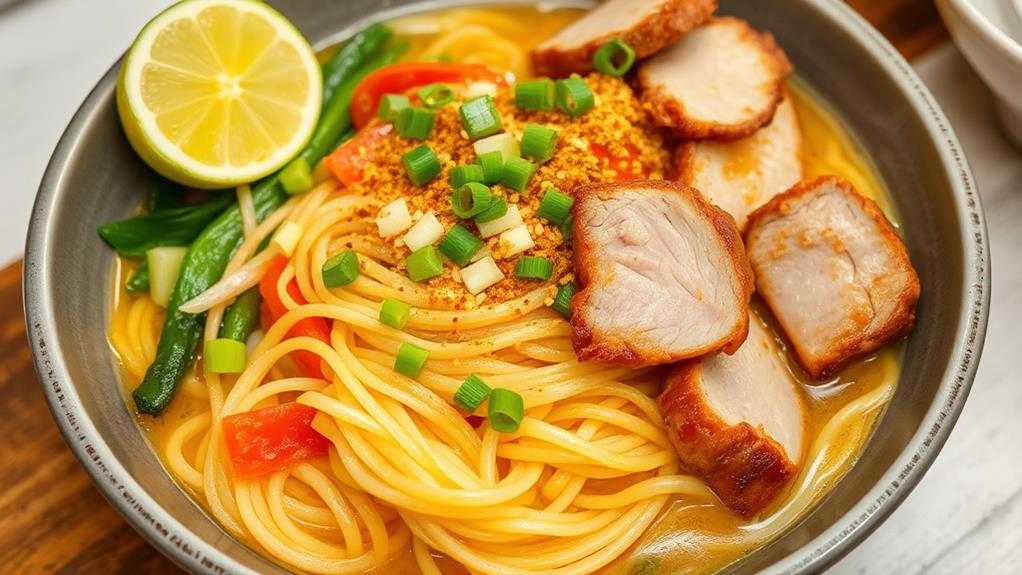
Blog

  • What Are the Best Tips for Perfecting Palabok Noodles?

    What Are the Best Tips for Perfecting Palabok Noodles?

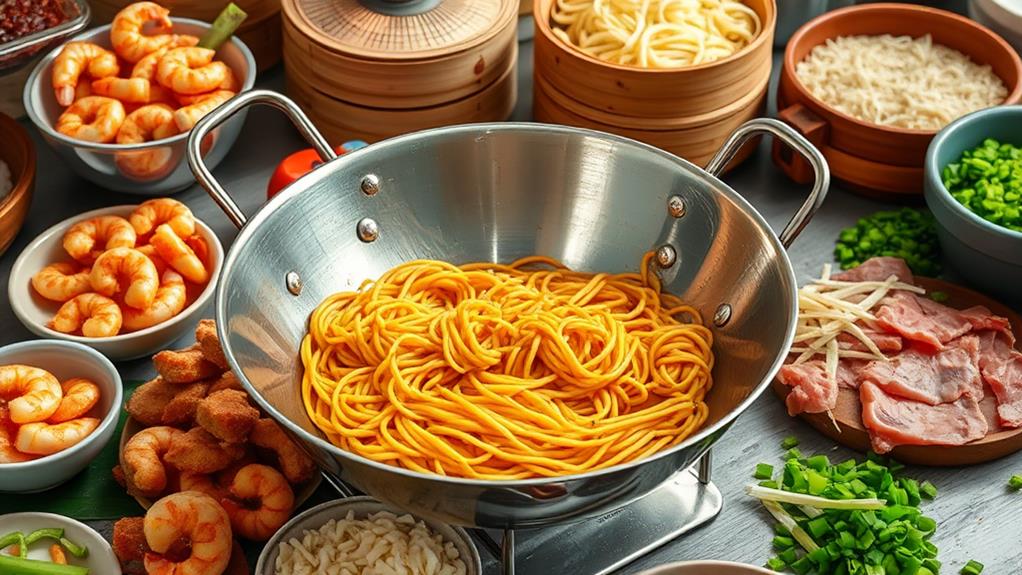
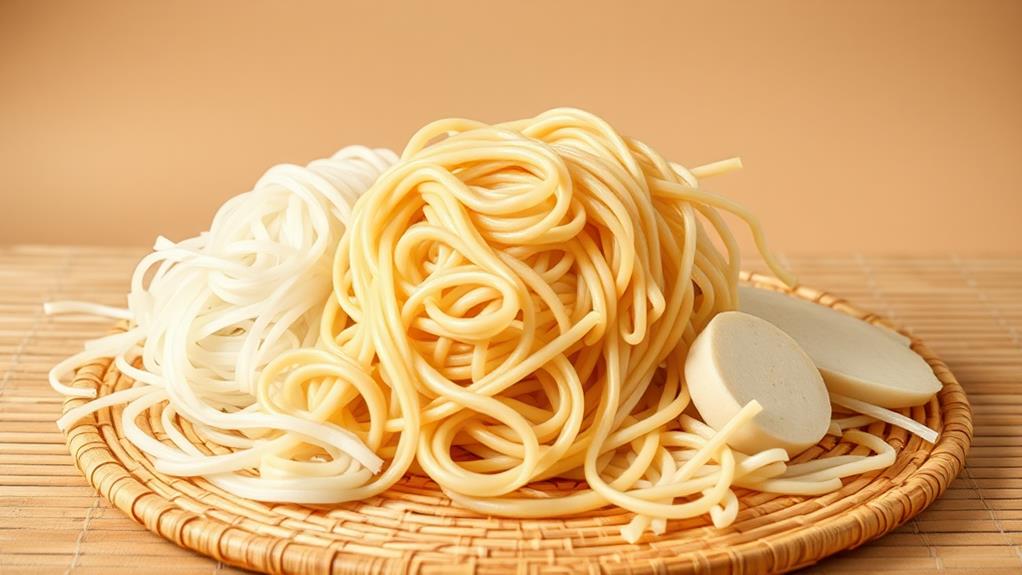
    Selecting the right noodles is crucial for perfecting Palabok. Start with bihon noodles, which are specifically designed for this dish. To achieve even softening, soak the noodles for at least 30 minutes before boiling them.

    Boiling time is key to achieving the right texture. Boil the noodles for 10-15 minutes, aiming for an al dente texture. To make them easier to handle, consider cutting them in half after boiling.

    Using shrimp stock instead of plain water enhances the flavor. This adds a richer, more savory taste to the dish. To create the signature sauce, combine shrimp stock and pork broth, and add annatto powder for the iconic yellow-orange color.

    Sauteing aromatics is essential for flavor enhancement. Saute garlic and onion to bring out their natural oils and aromas.

    Finally, adjust the seasoning with fish sauce to balance the flavors.

    By following these steps, you'll be well on your way to perfecting Palabok noodles and unlocking a world of flavors and possibilities.

    Understanding Pancit Palabok Basics
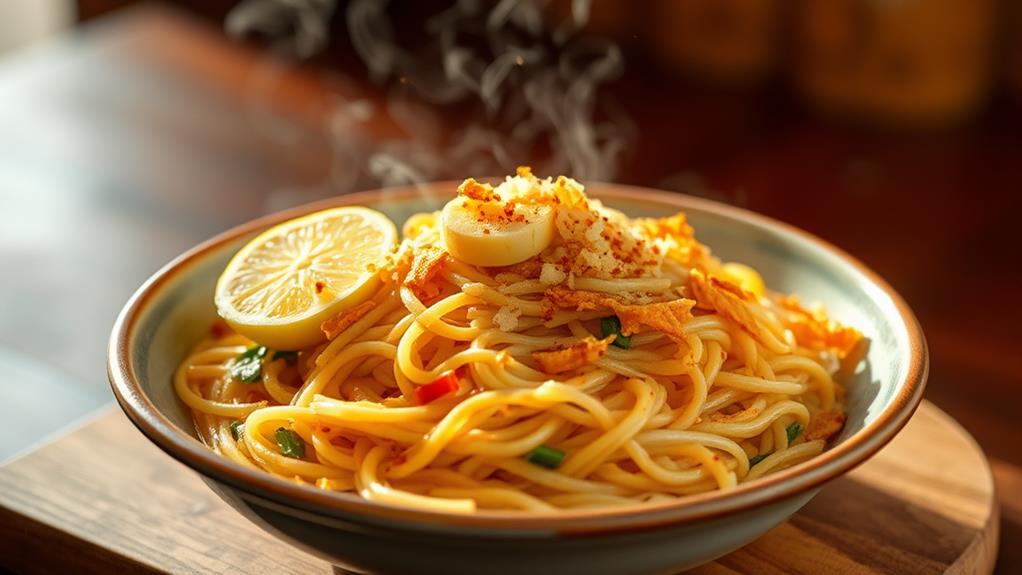
    pancit palabok preparation guide

    Understanding Pancit Palabok Basics

    Selecting the Right Noodles

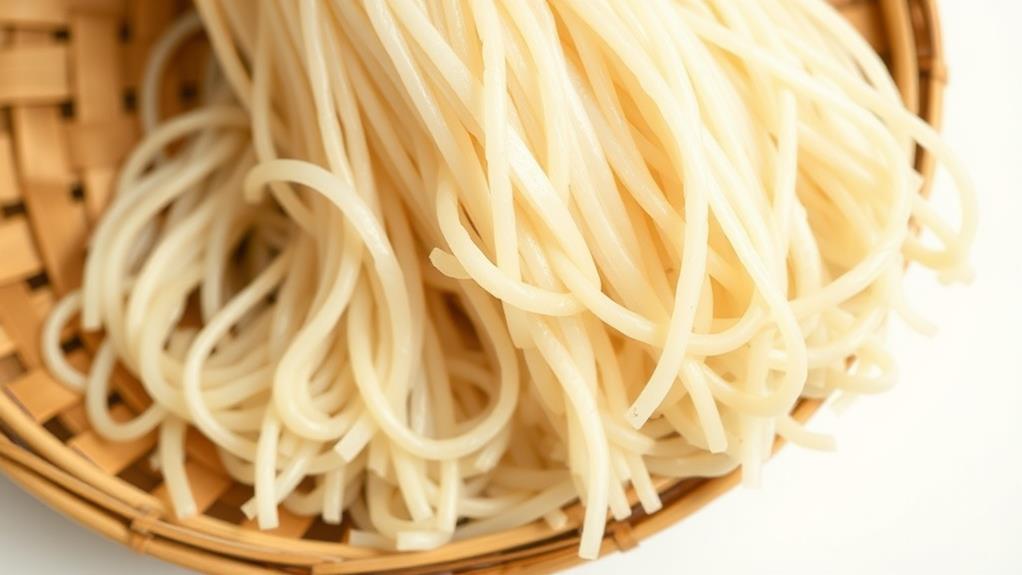
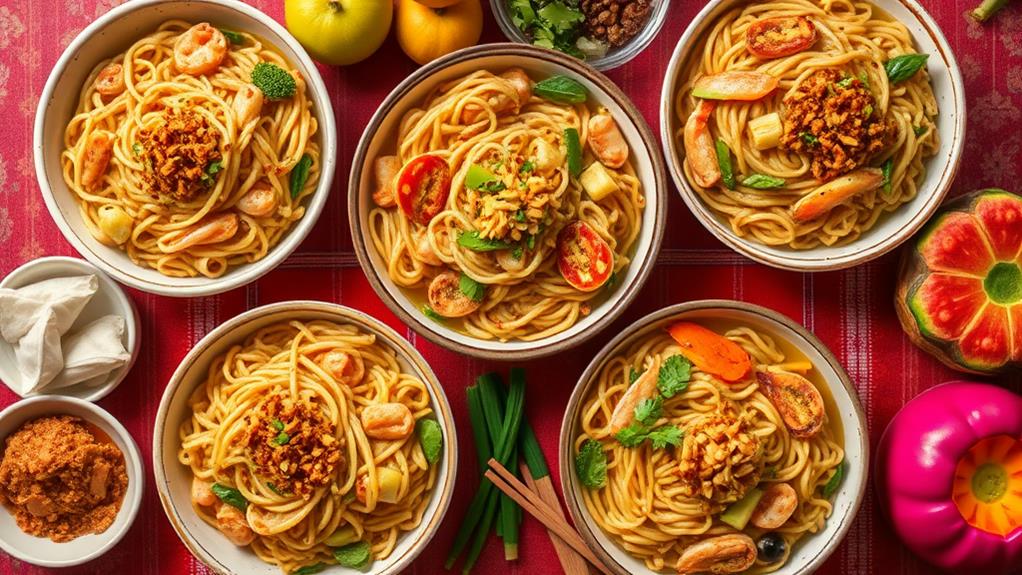
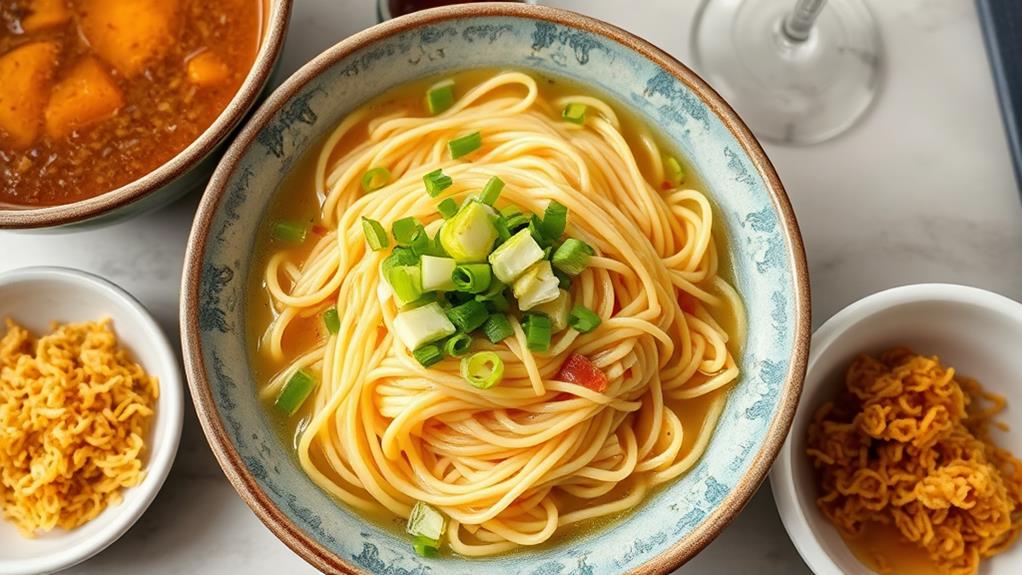
    To make Pancit Palabok, you need to start with the right noodles. Bihon noodles are specifically designed for this traditional Filipino dish. These thin rice noodles require soaking until softened, then boiling for 10-15 minutes to achieve the perfect texture, which is neither too mushy nor too crunchy.

    Creating the Signature Sauce

    The rich, thick yellow-orange sauce is a crucial component of Pancit Palabok. This flavorful sauce is made with shrimp and pork stock, which can be enhanced with annatto powder to achieve the signature color.

    Preparing Toppings

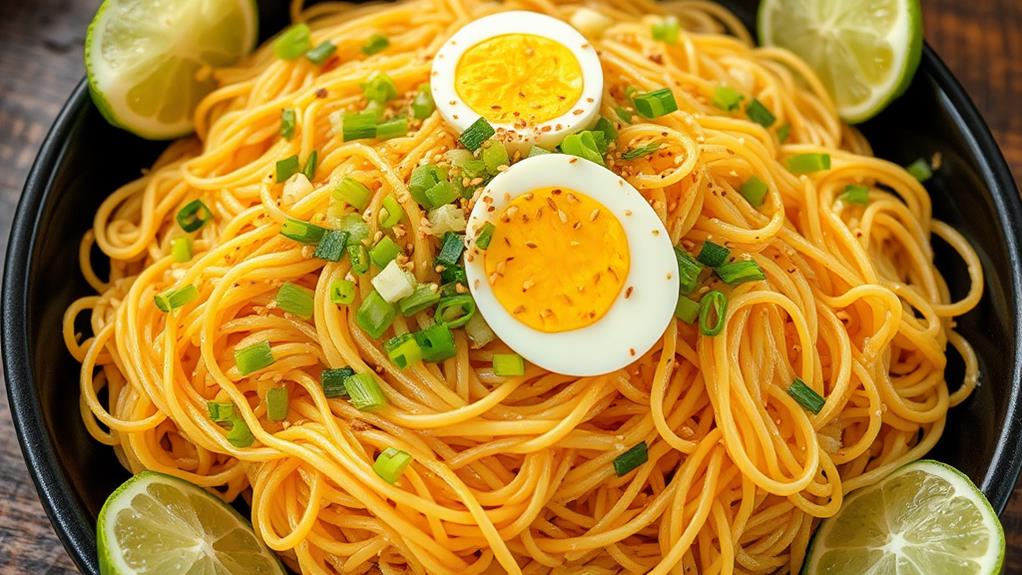
    To add flavor and texture to your Pancit Palabok, prepare the necessary toppings. Common additions include shrimp, hard-boiled eggs, and crushed chicharrón. These toppings will elevate the dish and provide a well-rounded flavor profile.

    Essential Ingredients and Sauce Preparation

    Pancit Palabok's Essential Ingredients

    Bihon noodles are a crucial component of traditional Pancit Palabok, as they absorb flavors well and provide the desired texture.

    To ensure even softening and prevent mushiness, soak the noodles in water for at least 30 minutes before cooking.

    Sauce Preparation for a Rich, Flavorful Base

    To create a rich, flavorful base for your Pancit Palabok sauce, combine shrimp stock and pork broth for a savory seafood flavor.

    Add annatto powder or annatto water to give the sauce its signature yellow-orange color and a slight earthy flavor.

    To add depth, sauté garlic and onion before adding the meat and sauce ingredients, allowing the aromatics to infuse into the dish.

    Variations of Filipino Noodle Dishes
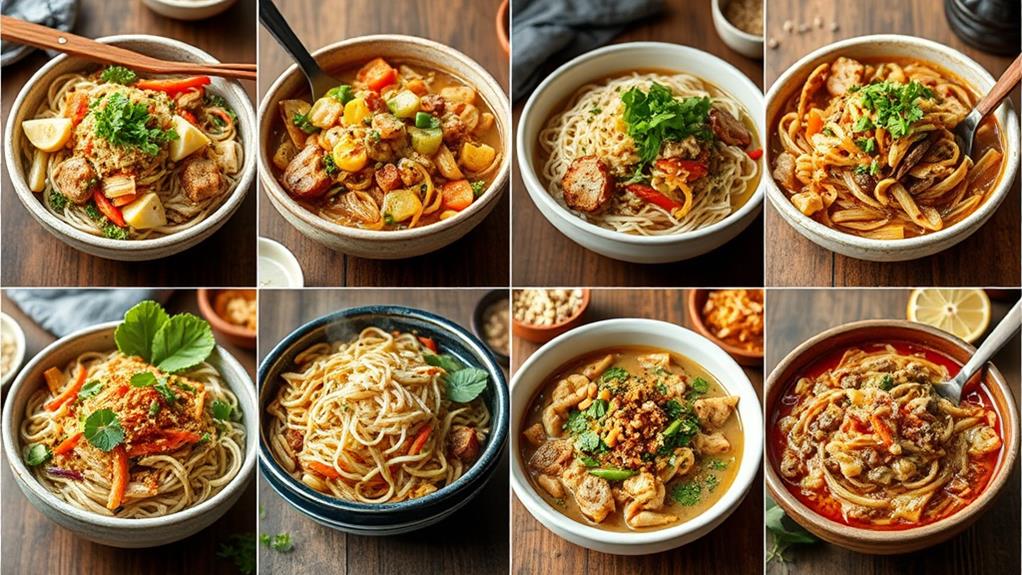
    diverse filipino noodle recipes

    Variations of Filipino Noodle Dishes

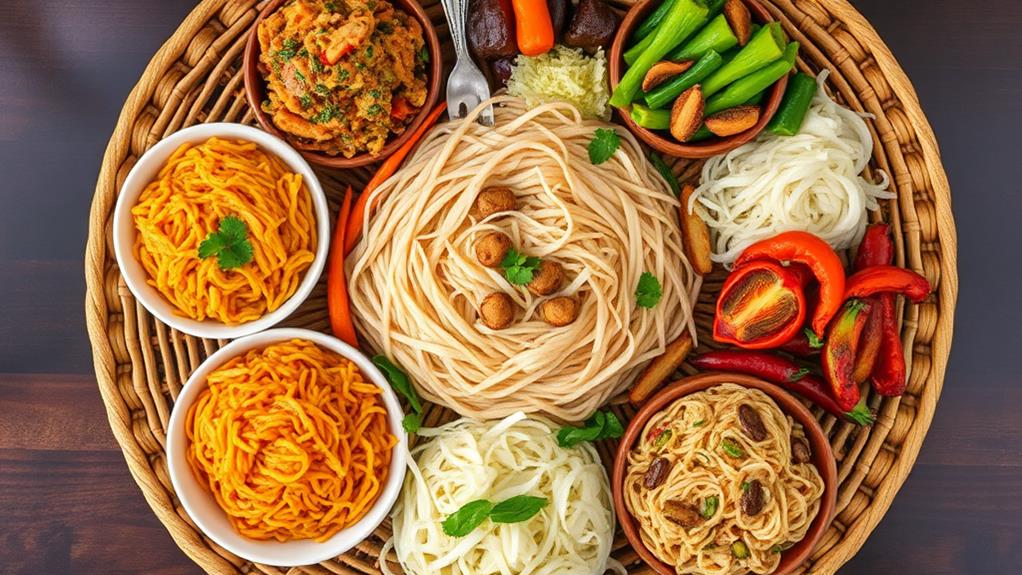
    Filipino noodle dishes offer a diverse array of variations, each putting its own twist on the traditional Pancit Palabok.

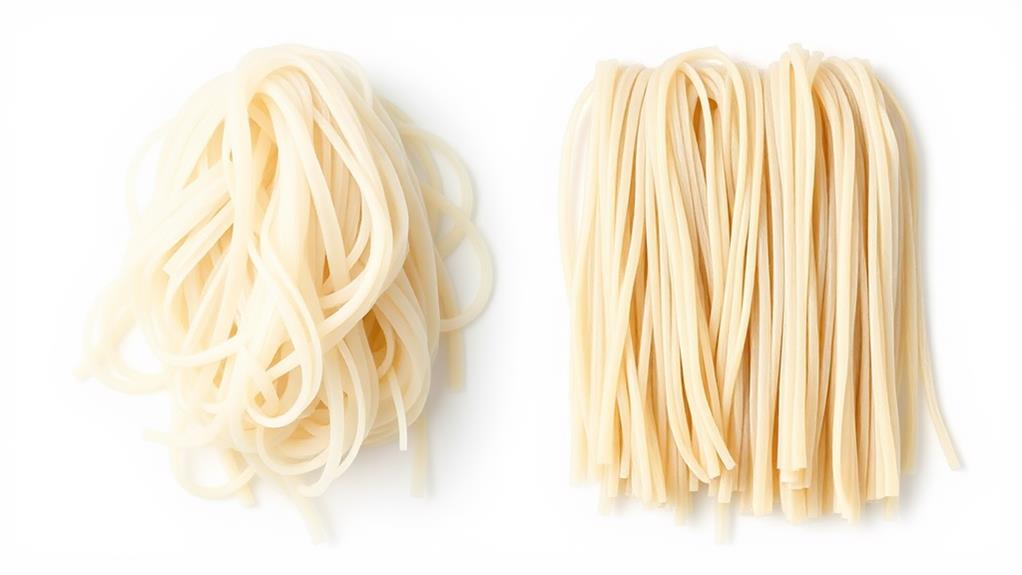
    Pancit Luglug is a notable variation that features thicker cornstarch noodles, which are typically immersed in boiling water for preparation. This differs from the bihon noodles used in Pancit Palabok.

    Another popular option is Pancit Malabon, which utilizes thick, tubular rice noodles and is often loaded with seafood options like shrimp, providing a heartier alternative to the traditional Palabok.

    For a plant-based option, Vegetarian Pancit Bihon is a great choice, replacing meat with a mix of vegetables while still using bihon noodles for authenticity.

    Pancit Canton offers a stir-fried noodle dish that employs wheat noodles and includes an assortment of proteins and vegetables, showcasing a different texture and flavor profile compared to Palabok.

    Lastly, Sotanghon Guisado features glass noodles and is typically cooked in a light broth, providing a unique take on the traditional pancit experience with its distinct noodle type.

    Key Cooking Techniques and Tips

    Perfecting Pancit Palabok: Key Cooking Techniques

    To achieve tender and flavorful Palabok, soak the thin rice noodles in water for at least 30 minutes before cooking. This step is crucial to prevent the noodles from becoming mushy during boiling.

    When boiling, cook the noodles for 10-15 minutes, stirring occasionally, until they're al dente. Be mindful of the cooking time, as overcooking can lead to a sticky texture.

    Tips for Easier Handling and Enhanced Flavor

    Consider cutting the soaked noodles in half before cooking to make them easier to handle and eat when served.

    To elevate the overall taste of your Pancit Palabok, cook the noodles in shrimp stock or broth instead of plain water. This will enhance the flavor of your dish.

    Customizing Toppings and Recipe Adaptations
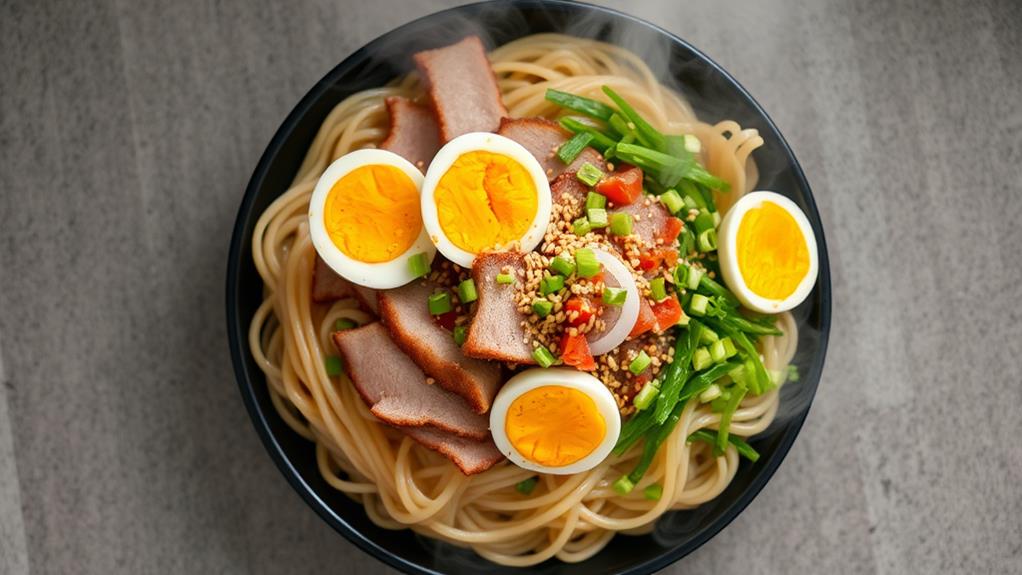
    tailored toppings and recipes

    Customizing Pancit Palabok to Your Taste

    Experiment with Toppings and Proteins

    When customizing your Pancit Palabok, you can add protein-packed boiled eggs or savory shrimp to enhance flavor and texture.

    Alternatively, substitute ground pork with vegetable broth and add veggies like bok choy or carrots for a vegetarian twist.

    You can also experiment with different proteins like leftover chicken or dried shrimp to enhance the shrimp flavor without straying from the dish's authenticity.

    Choosing the Right Broth and Sauce Consistency

    When selecting a broth, consider the flavor profile you're aiming for.

    For a seafood-inspired dish, use seafood stock as your base.

    For a lighter flavor, opt for vegetable or chicken broth.

    To adjust the sauce consistency, vary the amount of flour or cornstarch used.

    Garnishing and Presentation

    Achieving Perfect Noodle Texture

    Achieving Perfect Noodle Texture

    Soaking Noodles: Soaking bihon noodles in water for at least 30 minutes prior to cooking ensures they absorb moisture and soften evenly. This step is crucial for achieving the perfect noodle texture.

    Cooking Noodles: Boil water in a pot and add the soaked noodles. Cook them for 10-15 minutes until they're just tender but still firm to the bite (al dente).

    Be careful not to overcook them, as they can become mushy. Monitor the cooking time closely and follow package instructions for best results.

    Post-Cooking Process: After cooking, drain the noodles and rinse them briefly under cold water to stop the cooking process, which helps maintain their texture.

    Cutting the soaked noodles in half before cooking can make them easier to mix and serve with the sauce.

    Balancing Flavors and Seasoning
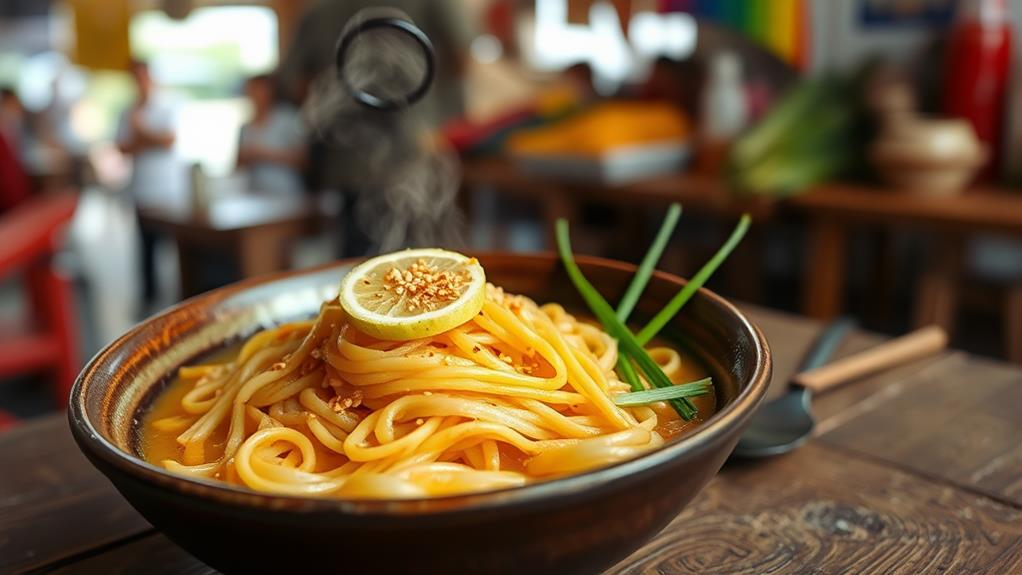
    harmonizing taste and spice

    Building a Rich Flavor Profile

    To create a harmonious flavor profile for Palabok, combine shrimp stock and pork broth as the foundation. This blend enhances the overall taste, providing a depth of flavor that's hard to achieve with just one or the other.

    Achieving the Right Color

    Start with a small amount of annatto powder to achieve the desired marigold color.

    Gradually adjust the amount to avoid overwhelming the dish.

    Balancing Flavors

    Use fish sauce (patis) to season the sauce, providing a necessary umami kick and balancing the flavors of the rich broth.

    Taste the sauce frequently during cooking and make adjustments with salt, garlic powder, or additional fish sauce to fine-tune the flavor profile to your preference.

    Simplifying the Cooking Process

    Streamlining the Cooking Process

    To ensure your Palabok noodles cook evenly and maintain their texture, soak bihon noodles in water for at least 30 minutes before boiling.

    When boiling, use a large pot of water and stir occasionally to prevent clumping. Cook the noodles for 10-15 minutes, checking for doneness to avoid overcooking.

    To maximize your time, prepare the sauce separately while the noodles cook. Consider using pre-made shrimp stock or broth to simplify flavor enhancement and save time on making stock from scratch. This will still give you a rich and satisfying taste.

    Once the noodles are cooked, store them in an airtight container to maintain their texture. Do the same with the sauce, so you can easily reheat and serve when you're ready.

    Exploring Regional and Cultural Influences
    cultural and regional exploration

    Pancit Palabok: A Dish with Deep Cultural Roots

    Pancit Palabok, a beloved Filipino dish, has a rich cultural heritage that extends beyond the Philippines.

    Its development was influenced by Chinese noodle dishes introduced by migrants. This cultural fusion is a testament to the integration of diverse culinary traditions in the Philippines.

    Regional Variations Showcase Unique Culinary Practices

    Pancit Palabok has regional variations, such as Pancit Malabon and Pancit Luglug, which incorporate local ingredients and preparation methods.

    These variations showcase the unique culinary practices of different Filipino provinces.

    Traditional Garnishes Hold Cultural Significance

    Traditional garnishes like chicharrón and tinapa not only enhance the flavor profile but also signify the cultural importance of using local and preserved ingredients in Filipino cuisine.

    Pancit Palabok: A Symbol of Hospitality and Togetherness

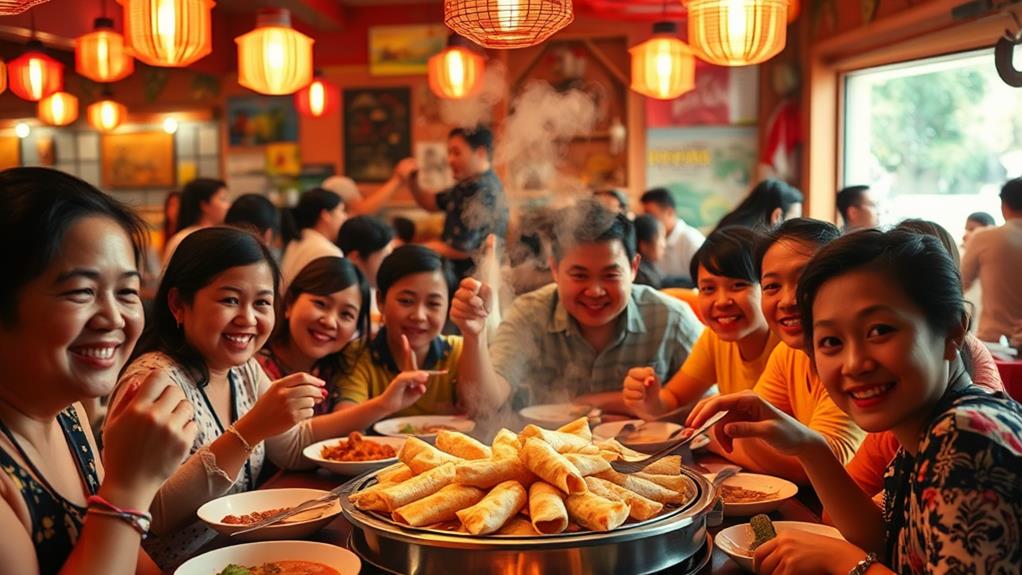
    Pancit Palabok is a popular dish during celebrations and family gatherings.

    Its popularity underscores its role in Filipino culture as a symbol of hospitality, togetherness, and the celebration of culinary heritage.

    Can the Key Ingredients for Pancit Rice Noodles also be used for Perfecting Palabok Noodles?

    Yes, the perfect pancit rice noodles ingredients can also be used for perfecting Palabok noodles. Both dishes share similar key ingredients such as rice noodles, annatto powder, fish sauce, and shrimp. By using these same essential elements, you can achieve a delicious and authentic Palabok noodle dish.

    Nutritional Information and Serving Suggestions

    Pancit Palabok's Nutritional Profile

    A serving of Pancit Palabok contains approximately 405 calories, providing a balanced mix of carbohydrates, protein, and fat.

    However, it's essential to be aware of the high sodium content, which accounts for 75% of the daily value per serving.

    Optimizing Your Palabok Experience

    To make the most of your meal, consider serving sizes of around 6g.

    Pairing your Palabok with fresh calamansi or lime adds a burst of flavor and Vitamin C.

    Adding toppings like hard-boiled eggs, crushed chicharrón, and scallions not only enhances flavor and texture but also adds protein and essential vitamins.

    These toppings also contribute to dietary fiber, supporting digestive health and overall well-being.

    Frequently Asked Questions

    What Is Palabok Sauce Made Of?

    Palabok sauce is a combination of several key ingredients.

    The base of the sauce is made by combining shrimp stock and pork broth, which provides a rich and savory flavor.

    To thicken the sauce, a cornstarch slurry is added. Annatto paste is also included to give the sauce its signature yellow-orange color.

    To add depth to the sauce, ground pork is sautéed with garlic and onions.

    Additionally, fish sauce is used to add saltiness and tinapa is used to add umami flavor.

    What Is the Difference Between Palabok and Luglug?

    Palabok and luglug are two distinct Filipino noodle dishes. While they share some similarities, their differences lie in their ingredients, preparation, and serving styles.

    Palabok uses thin rice noodles, whereas luglug features thicker cornstarch noodles. This variation in noodles gives each dish a unique texture and flavor profile.

    When it comes to serving, palabok is typically garnished with chicharrón and eggs, adding a crunchy and savory element to the dish.

    Additionally, the sauce is poured over the noodles just before serving, which helps to preserve the noodles' texture and prevent them from becoming soggy.

    What Is the Difference Between Malabon and Palabok?

    Malabon noodles are thicker and tubular, whereas Palabok noodles are thin and bihon. This difference in noodle texture sets the two dishes apart.

    Malabon's sauce is richer and seafood-based, while Palabok's is shrimp and pork-based. The distinct flavors of the sauces are a result of the different ingredients used in each.

    Malabon is associated with Malabon City, while Palabok is popular throughout the Philippines. These regional variations contribute to the unique characteristics of each dish.

    Does Palabok Spoil Easily?

    Palabok spoils easily. To maintain freshness, it's essential to store it properly.

    Keep it in an airtight container in the fridge. This will help prevent spoilage and keep it fresh for a longer period.

    If you notice any of the following signs, it's time to discard the palabok: off smells, discoloration, or mold.

    Typically, leftovers can be consumed within 3 to 4 days before they go bad.

    For longer storage, freeze it for up to 2 months. However, it's recommended to separate the noodles and sauce before freezing to maintain better texture later.

    When reheating, make sure to heat it to 165°F (74°C) to ensure food safety.
  • Which Types of Pancit Should You Try for Special Occasions?

    Which Types of Pancit Should You Try for Special Occasions?

    Impress Your Guests with These Special Occasion Pancit Varieties

    When choosing a Pancit dish for special occasions, select varieties that showcase unique flavors and cultural significance.

    Pancit Bihon is a classic favorite, featuring thin rice vermicelli noodles, shrimp, chicken, and vegetables.

    For a more festive atmosphere, Pancit Canton is a great option, with egg noodles, meats, and vegetables.

    If you want to highlight seafood, Pancit Malabon is the way to go, with thick rice noodles and a seafood extravaganza.

    Each variety guarantees an unforgettable celebration.

    Pancit Bihon: A Classic Favorite

    classic filipino noodle dish

    Pancit Bihon: A Timeless Filipino Noodle Dish

    A Staple at Filipino Gatherings

    Pancit Bihon is a traditional Filipino noodle dish that has been a staple at gatherings for generations.

    This classic dish is made with thin rice vermicelli noodles, symbolizing long life and prosperity.

    A Flavorful and Versatile Recipe

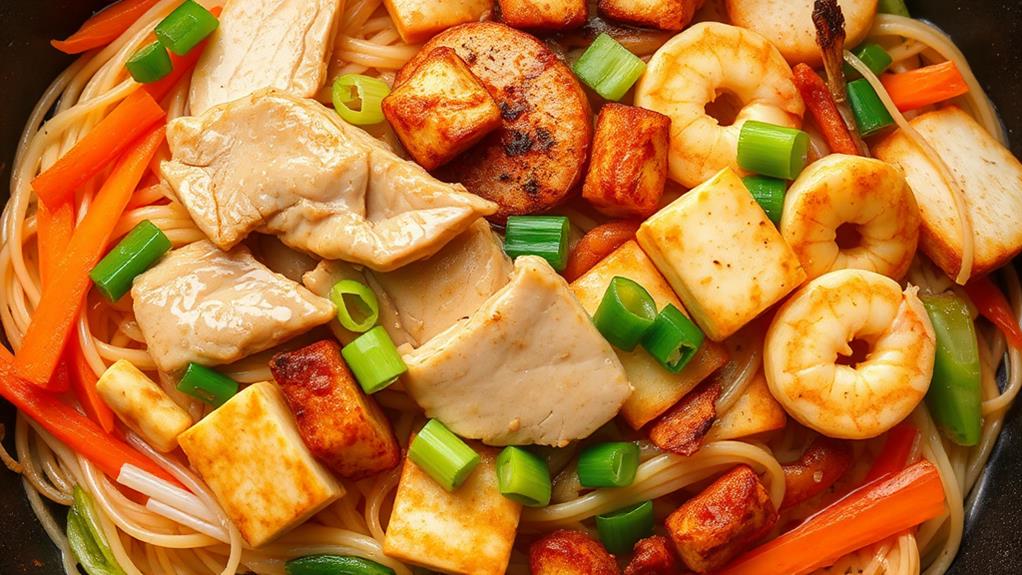
    A typical Pancit Bihon recipe includes a mix of proteins like chicken, pork, and shrimp, along with vegetables like carrots, green cabbage, and snow peas.

    These ingredients are seasoned with soy sauce and garlic, creating a savory and aromatic flavor profile.

    Quick and Convenient to Prepare

    Pancit Bihon is a convenient option for busy gatherings, taking around 30 to 45 minutes to cook.

    Additionally, it's gluten-free and can be customized with various protein options, making it suitable for different dietary preferences.

    A Crowd-Pleaser at Special Occasions

    Pancit Bihon is a beloved favorite at special occasions, including birthdays, anniversaries, and holidays.

    Its rich flavors and nostalgic charm make it a dish that's sure to satisfy.

    Exploring Regional Pancit Varieties

    The Philippines is home to a diverse range of regional pancit varieties, each with its unique twist and character.

    Pancit Canton is a Filipino variation of Chow Mein that uses egg noodles instead of rice noodles and is stir-fried with various meats and vegetables, making it a festive favorite during birthdays and celebrations.

    Pancit Malabon is known for its thick rice noodles and rich seafood toppings, often featuring shrimp and squid, making it a popular dish during festive gatherings, especially in Malabon City.

    Pancit Habhab, originating from Quezon Province, is served on banana leaves and topped with sautéed vegetables and meat, celebrated for its local flavor and often enjoyed during festivals.

    Pancit Sotanghon consists of glass noodles derived from mung beans and is commonly served during wakes and memorials, offering a light and savory taste that's suitable for both solemn and festive occasions.

    Symbolism and Cultural Significance

    cultural symbols and meanings

    Pancit: A Symbol of Good Fortune and Community in Filipino Culture

    In Filipino culture, pancit is a dish that holds significant symbolic value, representing good fortune, long life, and abundance. The long noodles in pancit symbolize longevity, making it a staple dish during birthdays and significant events. This tradition is deeply rooted in the community, emphasizing the importance of family and friendship.

    Regional Variations Reflect Cultural Heritage

    Pancit has diverse regional variations, such as Pancit Bihon and Pancit Canton, which showcase the rich cultural heritage of the Philippines. These variations reflect the country's culinary influences, including Chinese and Spanish traditions.

    Sharing Pancit Fosters Community and Togetherness

    When shared with loved ones, pancit fosters community and togetherness. In Filipino culture, sharing meals with family and friends is a way to strengthen bonds and showcase appreciation. By sharing pancit, individuals emphasize the importance of relationships and community in their lives.

    Pancit: More Than Just a Dish

    Pancit is more than just a delicious meal; it's a symbol of the joy and abundance that comes with sharing meals with others. It represents the happiness and fulfillment that comes from sharing experiences with the people we care about.

    Nutritional Value and Health Benefits

    Pancit: A Nutrient-Rich Celebration Food

    Pancit is more than just a flavorful dish; it's a nutrient-rich meal that offers a wealth of health benefits.

    Balanced Nutrition

    Pancit provides a balanced source of carbohydrates while being low in fat and naturally gluten-free. This makes it an excellent option for those with dietary restrictions.

    Protein-Rich

    With a protein content of 32g per serving, pancit is a fulfilling choice for energy-boosting celebrations. This high protein content helps to keep you full and satisfied.

    Essential Nutrients

    Pancit is rich in essential nutrients like iron and B vitamins, which contribute to overall health and energy levels. These nutrients are vital for maintaining healthy blood cells, nerve function, and energy metabolism.

    Vitamins and Minerals

    The incorporation of various vegetables like carrots and cabbage in pancit supplies vitamins and minerals, making it a nutritious and well-rounded meal.

    Customizable and Inclusive

    Pancit accommodates various dietary preferences by allowing customization with lean proteins or plant-based options while maintaining a balance of nutrients. This makes it an excellent choice for celebrations with diverse dietary needs.

    Cooking Techniques and Essential Tools

    culinary methods and equipment

    Cooking Pancit Bihon: Essential Techniques and Tools

    To cook Pancit Bihon effectively, soak the rice noodles in water until softened, which helps maintain their texture during stir-frying.

    Use a large braiser pan or wok for even heat distribution, which is essential for achieving a slight char on the noodles.

    When stir-frying, incorporate broth or water gradually to maintain moisture and flavor, adding vegetables towards the end of cooking to preserve their crunchiness.

    To prepare ingredients, essential tools are required, including:

    • A cutting board and sharp knife for chopping ingredients
    • Long metal tongs for handling noodles
    • Measuring tools for precise ingredient portions

    Adjust seasoning to taste by balancing salty and savory flavors using soy sauce, oyster sauce, and other seasonings.

    Personalizing Your Pancit Experience

    Personalizing Your Pancit Experience

    You can tailor Pancit to your taste preferences by exploring various ingredients, garnishes, and regional twists. This allows you to create a unique recipe that reflects your personality and style.

    To customize your Pancit, choose from a variety of proteins and seasonal vegetables to suit your taste preferences. For example, you can use chicken, pork, shrimp, or tofu as protein sources, and add vegetables like carrots, cabbage, or bell peppers.

    Garnish creatively to enhance the visual appeal and flavor of your Pancit. Try adding sliced scallions, boiled eggs, and a squeeze of lemon or calamansi to give your dish a pop of color and flavor.

    Explore regional variations to add diversity to your special occasion. For instance, you can try making Pancit Malabon, which originated in Malabon City, or Pancit Habhab, which is a popular version from Quezon Province.

    Adjust the seasoning of your Pancit by experimenting with different sauces while keeping in mind the sodium content for a healthier option. You can try using patis (fish sauce), soy sauce, or oyster sauce to add flavor to your dish.

    Serve with traditional sides to create a well-rounded meal for your special gathering. Consider serving your Pancit with lumpia (Filipino spring rolls) or Filipino BBQ skewers to complement your dish.

    Serving Suggestions and Storage Tips

    storage tips and suggestions

    Serving Suggestions and Storage Tips

    Consuming Freshly Cooked Pancit

    Pancit is best consumed within two hours of cooking to ensure optimal freshness and flavor. This allows you to enjoy the dish warm and at its peak quality.

    Storing Leftovers

    If you have leftover Pancit, store it in an airtight container in the refrigerator and consume it within two days to maintain quality and prevent bacterial growth.

    Reheating Leftovers

    When reheating leftover Pancit, add a splash of broth or water to restore moisture if the noodles have dried out. You can reheat on the stovetop or in the microwave.

    Elevating Presentation and Flavor

    To elevate the presentation and flavors of your Pancit dish, garnish with fresh herbs, lime, or calamansi before serving.

    Preparing in Advance

    Consider preparing Pancit a day in advance, allowing the flavors to meld, and reheating just before serving to save time during busy occasions.

    Can Palabok Noodles be Considered a Type of Pancit for Special Occasions?

    Palabok noodles can certainly be considered a type of pancit for special occasions. These flavorful noodles topped with a rich shrimp sauce, garlic, and various toppings are a Filipino favorite. For tips for perfecting palabok noodles, be sure to use fresh ingredients and adjust the seasoning to your taste.

    Discovering New Pancit Recipes

    The world of Pancit offers a diverse range of recipes to explore.

    Beyond the classics, there are many unique variations to discover.

    Pancit recipes showcase a variety of flavors and textures. For instance:

    • Pancit Bihon Guisado combines vegetables, shrimp, and chicken with thin rice noodles for a flavorful mix.
    • Pancit Canton symbolizes abundance and prosperity with its egg noodles stir-fried with various meats and vegetables.
    • Pancit Malabon features thick rice noodles topped with a rich shrimp paste and garlic sauce, often accompanied by seafood and boiled eggs.
    • Pancit Sotanghon is a comforting glass noodle dish with chicken and mushrooms, lightly seasoned for a heartwarming meal.
    • Pancit Palabok smothers bihon noodles in a rich shrimp and pork broth sauce, garnished with chicharron and smoked fish.

    These different types of Filipino noodles elevate celebrations with their range of flavors and textures.

    Frequently Asked Questions

    What Is the Most Popular Type of Pancit?

    Pancit Bihon is the most popular type of pancit.

    This Filipino favorite features thin rice noodles and a savory flavor. It typically includes a mix of meats like chicken, pork, and shrimp, along with veggies like carrots and cabbage.

    Its versatility and cultural significance make it a staple at birthdays and special occasions.

    Why Do Filipinos Cook Pancit for Most Occasions?

    Pancit holds great cultural significance in Filipino celebrations because it symbolizes long life and prosperity through its noodles. This significance is rooted in the dish's historical origins from Chinese immigrants, which have led to regional varieties.

    As a result, pancit has become a staple at family gatherings and celebratory traditions, evoking a sense of warmth and togetherness. For example, it's common to find pancit at birthday parties, weddings, and holiday celebrations, where it's often served alongside other traditional Filipino dishes.

    Why Do We Eat Pancit on Birthday?

    Pancit is a traditional Filipino dish eaten on birthdays because it symbolizes longevity and good fortune. This belief is deeply rooted in Filipino culture and tradition. According to folklore, consuming pancit on your birthday is believed to bring happiness and good luck in the coming year.

    As a staple at family gatherings, pancit showcases cultural heritage and values. The vibrant dish adds to the festive celebrations, and its culinary variety is a testament to the richness of Filipino birthday traditions.

    What Is the Difference Between Pancit Habhab and Canton?

    Pancit Habhab and Canton are two distinct Filipino noodle dishes with differing origins and cooking techniques.

    Pancit Habhab, originating from Quezon province, features flat rice noodles that are simply sautéed to create a light flavor profile.

    This dish is often served on banana leaves without utensils, which is a unique characteristic of Habhab.

    On the other hand, Canton uses egg noodles and employs vibrant stir-frying to create a rich, savory taste that's enhanced by the use of oyster and soy sauce.

    Additionally, Canton is typically served in formal settings, unlike Habhab which is often enjoyed as street food.

  • What Are Key Ingredients for Perfect Pancit Rice Noodles?

    What Are Key Ingredients for Perfect Pancit Rice Noodles?

    Selecting the right type of rice noodles is crucial to creating an exceptional Pancit dish. Bihon noodles are the preferred choice, as they provide a chewy texture when cooked.

    Pair these noodles with protein sources like chicken, shrimp, or pork to add depth to your dish.

    Colorful vegetables like cabbage, carrots, and bell peppers add freshness and crunch to your Pancit.

    A savory sauce made with soy sauce, dark soy sauce, oyster sauce, and chicken bouillon brings all the flavors together.

    With these key ingredients in place, you'll be well on your way to crafting a mouthwatering Pancit dish that's full of flavor and texture.

    Understanding Pancit Noodles

    exploring pancit noodle varieties

    Pancit noodles are a staple ingredient in Filipino cuisine. They encompass various types of noodles, each with unique characteristics that influence the overall dish quality.

    Bihon noodles, a thin rice vermicelli, are one of the most common varieties. Made from rice flour, bihon noodles have a distinct chewy texture that requires soaking rather than boiling before cooking.

    Soaking bihon noodles is essential to achieve the right texture.

    Other types of pancit noodles include canton noodles, which are thick and made from wheat flour, and Malabon noodles, which are thick and made from rice flour. Each type of noodle offers a distinct flavor and texture, affecting the overall taste of the dish.

    For example, bihon noodles provide a lighter taste compared to the heartiness of canton noodles.

    To get the best out of your pancit noodles, remember that they should absorb the flavors of the accompanying sauces and ingredients. This enhances the overall taste of the dish.

    Choosing the right type of pancit noodle for your recipe is crucial to achieve the perfect balance of flavors.

    Essential Ingredients for Pancit

    Pancit's Core Ingredients

    Noodles: Bihon noodles, thin rice vermicelli, provide a chewy texture when cooked.

    Protein: Choose from chicken, shrimp, or pork to add protein to your pancit dish, depending on your personal preference or dietary restrictions.

    Vegetables: Essential vegetables like cabbage, carrots, and bell peppers bring color, crunch, and nutritional value to the dish.

    Sauce: A savory and umami-rich sauce is created by combining soy sauce, dark soy sauce, oyster sauce, and chicken bouillon.

    Cooking Oil: Vegetable or canola oil is crucial for sautéing the garlic, onions, and proteins, ensuring a well-cooked and flavorful base for the dish.

    With these ingredients, you'll be able to create a delicious and authentic pancit dish that's full of flavor and texture.

    Selecting the Right Noodles

    choosing ideal noodle types

    Selecting the Right Noodles for Pancit Bihon

    When making Pancit Bihon, choosing the right noodles is crucial for an authentic and flavorful dish. Bihon noodles made from rice or cornstarch are the traditional choice. These thin, chewy noodles absorb flavors well, making them ideal.

    To prepare bihon noodles, soak them in warm water for 8-10 minutes before cooking, as they don't require boiling.

    If bihon noodles aren't available, Udon or chow mein noodles can be used as alternatives, offering different textures and flavors.

    However, avoid using glass noodles, as their texture differs significantly and may not complement the dish's intended flavor profile.

    Building Flavor With Aromatics

    Building Flavor with Aromatics

    To create a mouthwatering Pancit dish, flavorful aromatics are essential. These aromatics form the foundational flavor base for your Pancit.

    Sauté garlic and onion until they're fragrant, as they provide the initial flavor profile. Adding ginger enhances the flavor, introducing a subtle warmth and complexity to the dish.

    To add freshness and brightness, throw in some fresh herbs like celery leaves or green onions towards the end of cooking. This balances out the savory flavors.

    Incorporate calamansi juice, a common ingredient in Filipino cuisine, which adds a tangy, citrusy flavor.

    Seasoning is crucial. Use a combination of soy sauce and dark soy sauce to not only add flavor but also contribute to the dish's color and umami richness.

    This creates a well-rounded flavor experience that complements the noodles. By incorporating these aromatics, you'll build a rich and complex flavor profile that elevates your Pancit dish.

    Adding Protein and Vegetables

    enhancing meals with nutrition

    Adding Protein and Vegetables for a Nutritious Pancit

    To make your Pancit dish more substantial and nutritious, add protein and vegetables. Choose from a variety of proteins like chicken, shrimp, or pork belly, depending on your personal preference or dietary restrictions.

    Incorporate a mix of colorful vegetables, such as cabbage, carrots, bell peppers, snap peas, and onions, which add texture and flavor to the dish. These vegetables provide essential vitamins and minerals, ensuring balanced nutrition.

    Sauté the proteins and vegetables together before adding the noodles to enhance flavors through caramelization and blending. Start by cooking harder vegetables like carrots, then add softer ones to ensure even cooking.

    Balancing Seasonings and Sauces

    Balancing Seasonings and Sauces

    To create a harmonious balance of flavors in Pancit Bihon, combine soy sauce, dark soy sauce, and oyster sauce. These three ingredients provide umami and depth to the dish.

    A small amount of sugar counteracts the saltiness of the soy sauce and enhances the overall flavor profile of the noodles.

    Adding chicken bouillon or broth gives the noodles a rich layer of flavor and umami taste.

    Calamansi juice or lemon juice, added towards the end of cooking, brightens the dish and adds a fresh citrus note that complements the savory elements.

    Finally, season with black pepper to taste, providing a gentle heat that balances the sweetness and saltiness of the other ingredients.

    Which Types of Rice Noodles Are Best for Making Pancit?

    When preparing pancit, it’s important to choose the right types of pancit noodles. For a traditional pancit dish, thin rice noodles like “bihon” work best, as they absorb flavors well. If you prefer a thicker noodle, “canton” is a great option that adds a chewy texture to the dish.

    Cooking and Serving Tips

    culinary techniques and presentation

    Achieving Perfectly Cooked Pancit Rice Noodles

    To ensure perfectly cooked Pancit rice noodles, attention to detail is crucial in the cooking and serving process. Soaking bihon noodles in warm water for 8-10 minutes maintains their delicate texture.

    Cooking Techniques for Perfect Pancit

    Cooking Tips Techniques Benefits
    Soak noodles Soak bihon noodles in warm water Maintains delicate texture
    Stir-fry veggies Start with hard veggies, add soft ones later Even cooking, prevents overcooking
    Use large pan Use a large non-stick pan or wok Prevents noodles from sticking together

    Stir-Frying for Even Cooking

    When stir-frying, start with the hardest vegetables like carrots and cabbage, adding softer ones later to ensure even cooking and prevent overcooking. Using a large non-stick pan or wok prevents the noodles from sticking together during the cooking process, facilitating easier mixing of ingredients.

    Enhancing Flavor

    To enhance flavor, mix sauces including soy sauce, chicken bouillon, and calamansi juice before adding them to the noodles, allowing for a well-seasoned dish.

    Serving Suggestions

    Serve Pancit with fresh lemon or Calamansi wedges on the side to add a zesty finish that complements the dish's savory flavors.

    Frequently Asked Questions

    What Are the Ingredients in Rice Noodles?

    Rice noodles are made from rice flour and water, making them a gluten-free option.

    There are various types of rice noodles, including bihon, which is super thin, and thicker options like Malabon noodles, often used in seafood dishes.

    These noodles are usually dried, so they need to be soaked in warm water before cooking.

    Rice noodles are a versatile ingredient that can be experimented with in different ways, including various cooking methods, flavor variations, and regional styles to create a dish that suits your taste.

    What Are Pancit Noodles Made Of?

    Pancit noodles can be made from different ingredients, depending on the type.

    Bihon noodles, a popular variety, are made from rice flour, which gives them a thin, chewy texture.

    In contrast, Pancit Canton noodles are made from wheat flour and eggs, resulting in a thicker, heartier noodle.

    Malabon noodles, another type, are made from thick rice flour and are often used in seafood-based dishes.

    The choice of noodle type affects the dish's overall texture and flavor, offering a range of options to suit your taste preferences.

    How to Cook Perfect Rice Noodles?

    Get the soaking time right. For perfect rice noodles, soak them for 8-10 minutes. This ideal soaking time ensures they cook evenly and prevents them from becoming mushy.

    After soaking, drain and rinse the noodles briefly to prevent clumping.

    Add noodles at the right stage. For a great texture, add the noodles to your pan after cooking veggies and proteins. This helps the noodles absorb the flavors of the dish.

    Keep the heat high to achieve a nice texture.

    Incorporate flavor. To add extra flavor, incorporate some of the cooking broth or sauce into the noodles. This step enhances the overall taste of the dish.

    What Are the Ingredients in Instant Rice Noodles?

    Instant rice noodles primarily consist of rice flour and water. Some brands may include additional ingredients like salt, but the ingredient list is generally minimal.

    This simplicity makes them gluten-free, a benefit for individuals with dietary restrictions.

    Beyond the basic ingredients, it's up to the consumer to add flavor, texture, and nutrients. This can be achieved by incorporating seasoning packets, vegetables, and proteins.

    To add variety, experiment with different instant noodle brands, flavor enhancement techniques, and cultural serving suggestions.

  • 10 Unique Filipino Pasta Recipes for Your Meal

    10 Unique Filipino Pasta Recipes for Your Meal

    Discover Unique Filipino Pasta Recipes

    Filipino pasta dishes combine Italian and local flavors to create rich and bold twists on classic recipes.

    One example is lasagna with a Filipino spin, which adds local flavors to the classic Italian dish.

    Another twist is adding banana ketchup to spaghetti for a sweet and savory taste experience.

    Creamy and Comforting Options

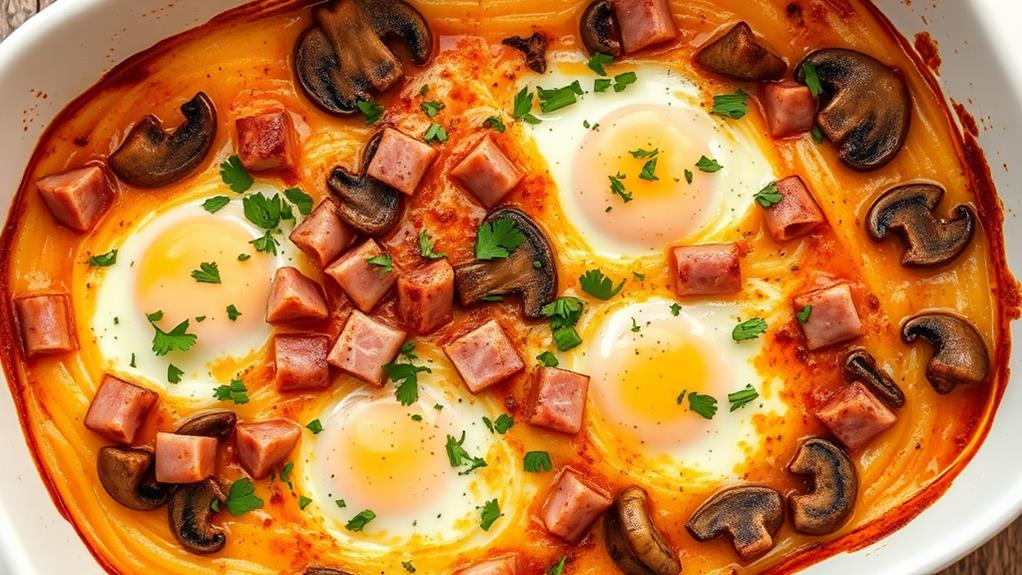
    If you're craving something comforting, baked carbonara with sweet ham and mushrooms is a Filipino-inspired option.

    This creamy dish combines the richness of carbonara with the sweetness of ham and mushrooms.

    Another comforting option is Filipino-style macaroni salad with chicken, which adds a local twist to the classic macaroni salad.

    These unique Filipino pasta recipes blend traditional techniques with local flavors, offering a range of options to satisfy your cravings.

    Classic Filipino Lasagna Recipe

    authentic filipino lasagna recipe

    Filipino Style Lasagna: A Flavorful Blend of East and West

    Filipino Style Lasagna combines the familiarity of Italian cuisine with local flavors, resulting in a dish that's both innovative and comforting.

    To make this recipe, you'll need lasagna noodles, ground beef, garlic, onion, and mozzarella cheese.

    Optional ingredients include ground pork, quickmelt cheese, and Nestle cream for added richness.

    As you layer the ingredients and bake the dish at 350°F for 30 to 45 minutes, the aroma of baked cheese and savory meat will fill the air.

    This recipe serves 6-8 people, making it ideal for family gatherings and celebrations.

    Filipino Style Lasagna reflects the country's love for blending culinary traditions.

    This dish is a perfect example of how different flavors can come together to create something new and delicious.

    With its unique flavor profile and ease of preparation, Filipino Style Lasagna is sure to become a staple in your household.

    Spaghetti With Meatballs and Hotdogs

    Filipino Spaghetti with Meatballs and Hotdogs: A Unique Twist on a Classic

    Filipino spaghetti with meatballs and hotdogs is a flavorful variation of the traditional Italian dish. The secret to its distinct taste lies in the sweet and savory flavors achieved through the use of banana ketchup and brown sugar, which cater to local taste preferences.

    Key Ingredients:

    Ingredient Description Prep Time
    Ground Beef Used for meatballs, seasoned with garlic and onion 10 minutes
    Filipino Hotdogs Sliced and added to the spaghetti for a savory kick 5 minutes
    Banana Ketchup Sweet and tangy, adds a Filipino twist 2 minutes
    Spaghetti Cooked al dente, allowing flavors to meld together 30-45 minutes
    Grated Cheese Optional, but highly recommended for added richness 2 minutes

    Why It's a Staple in Filipino Gatherings:

    This dish is a staple at Filipino family gatherings and celebrations due to its unique combination of flavors and textures. The sweet and savory flavors of banana ketchup and brown sugar, combined with the savory kick of Filipino hotdogs, create a match made in heaven.

    Creamy Tuyo Pasta With Garlic Shrimp

    garlic shrimp creamy pasta

    Creamy Tuyo Pasta with Garlic Shrimp: A Harmonious Blend of Flavors

    This Filipino dish masterfully combines the salty, fishy flavor of tuyo with the richness of shrimp and creamy sauce.

    The unique flavors meld together in harmony, making it a delightful option for family meals or gatherings.

    Choosing the Right Pasta

    Select your favorite pasta shape – spaghetti, linguini, or fettuccini – to give the dish your personal touch.

    Preparing the Garlic Shrimp

    Sauté the garlic shrimp in olive oil for just 15 minutes to add an aromatic and savory element to the dish.

    The Role of Tuyo in the Creamy Sauce

    Tuyo injects a distinct salty flavor into the creamy sauce, often made with Nestle All-purpose Cream, balancing the overall taste with richness.

    Servings and Convenience

    This dish serves approximately 4-6 people, making it a convenient option for family meals or gatherings.

    Filipino Style Macaroni Salad With Chicken

    Filipino Style Macaroni Salad with Chicken is a refreshing twist on traditional pasta salad. This popular dish is perfect for festive occasions and family gatherings, and can be prepared in about 50 minutes to serve 12 people.

    It is made with elbow macaroni, chicken, carrots, and mayonnaise, but what sets it apart are the additional ingredients like crushed pineapple, cheese, and sweet pickle relish that add a burst of flavor and texture.

    These ingredients create a sweet-salty balance that makes the dish comforting and satisfying.

    This Filipino Style Macaroni Salad with Chicken is a testament to the creativity and adaptability of local flavors, blending various culinary influences to create a unique and delicious twist on traditional pasta salad.

    Baked Carbonara With Sweet Ham and Mushrooms

    savory baked carbonara delight

    Baked Carbonara With Sweet Ham and Mushrooms: A Unique Twist on a Classic

    This Filipino pasta recipe combines rich, velvety sauce with the savory flavors of sweet ham and sautéed mushrooms, creating a creamy, dreamy twist on the classic Italian dish.

    What Sets This Recipe Apart

    The addition of sweet ham adds a hint of sweetness to balance out the savory flavors.

    A generous helping of grated cheese on top adds an extra layer of richness and creaminess.

    Baking the pasta at 350°F for 30-45 minutes until heated through and slightly golden on top brings everything together.

    Serves 4-6 People

    This dish is an excellent option for family gatherings or potlucks.

    It's a unique twist on traditional carbonara that's sure to impress your guests.

    Seafood Pasta With Tuna and Broccoli

    Seafood Pasta With Tuna and Broccoli

    This Creamy Herb-Garlic Tuna & Broccoli Pasta is a unique Filipino seafood pasta recipe that's easy to cook and packed with flavor. It's perfect for a fast yet satisfying meal, ready in just 15 minutes for two servings.

    What Makes This Seafood Pasta Stand Out

    Protein-Packed Tuna Chunks: Gold Seas Tuna Chunks in Herb & Garlic provide a flavorful protein source, adding rich, savory flavor to the dish.

    Flavor Boost from Garlic: Minced garlic enhances the flavor profile, giving the pasta a robust aroma.

    Nutritious and Colorful Broccoli: Pre-cooked broccoli adds a pop of color and nutrition, making this seafood pasta a healthier option.

    Rich and Creamy Sauce: Nestle All-purpose Cream serves as the base for the sauce, providing a rich, creamy texture.

    This seafood pasta is a winner due to its flavorful protein source, robust aroma, and added nutrition and color.

    It's also incredibly easy to cook, making it perfect for a quick weeknight dinner.

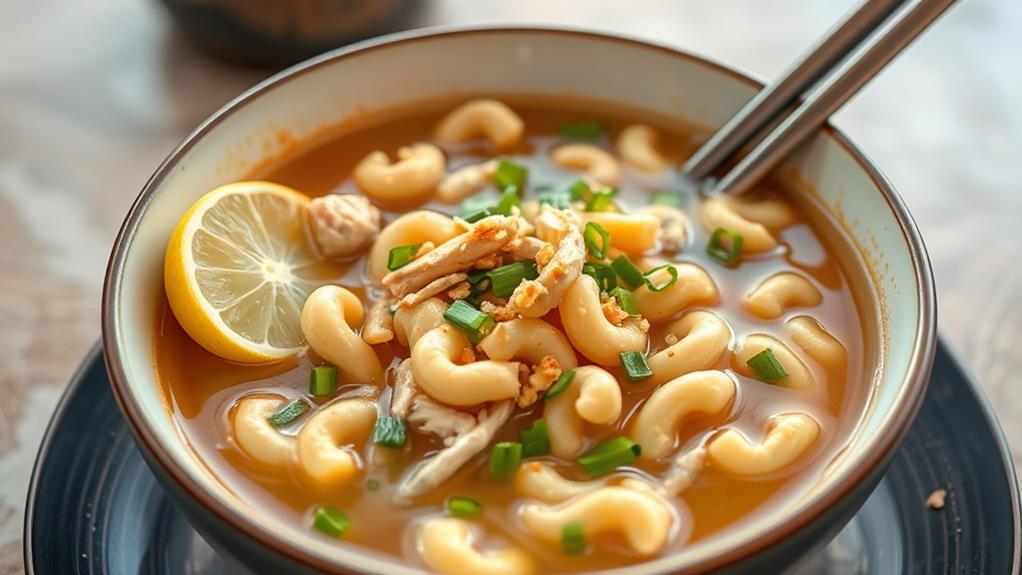
    Filipino Chicken Noodle Soup With Elbow Macaroni

    filipino chicken macaroni soup

    Filipino Chicken Noodle Soup, also known as Sopas, is a comforting and popular Filipino dish.

    It's a staple in many households, especially during colder months or when feeling unwell. This recipe can be prepared in just 30 minutes, serving 2-4 people, making it a quick and comforting meal option.

    To make Sopas, cook elbow macaroni in a savory chicken broth with vegetables like carrots and celery.

    This dish is elevated by adding all-purpose cream to give the soup a rich and creamy texture.

    Seasoning is simple, with salt and pepper being the only necessary additions to let the natural flavors shine.

    Serve hot to enjoy the comforting goodness.

    This beloved comfort food is a staple in the Philippines, and it can be easily made at home.

    Cheesy Garlic Longganisa Tomato Pasta

    Filipino pasta dishes stand out due to their unique blend of traditional Italian flavors and Filipino cuisine essence.

    Cheesy Garlic Longganisa Tomato Pasta is a prime example of this fusion. It combines the sweet and savory flavors of Filipino longganisa (sausage) with a rich tomato sauce and garlic, creating a twist on traditional pasta dishes.

    The key ingredients that make this dish special are:

    Ingredients Description
    Spaghetti noodles A classic Italian staple
    Diced tomatoes Fresh and bursting with flavor
    Minced garlic Adds depth to the sauce
    Grated cheese Melts to perfection
    Fresh basil/parsley Optional garnish for added flavor

    This dish can be prepared in approximately 30-40 minutes, making it a quick and satisfying meal option for busy days. It serves 4-6 people, making it perfect for family dinners or gatherings.

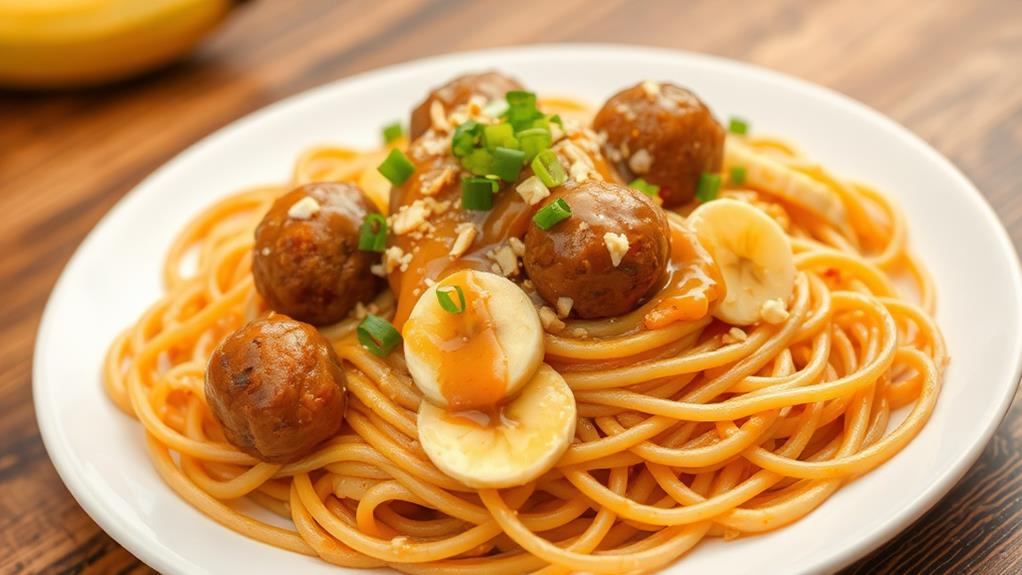
    Filipino Sweet-Style Meaty Spaghetti With Banana Sauce

    filipino sweet spaghetti recipe

    Filipino Sweet-Style Meaty Spaghetti with Banana Sauce

    A Unique Comfort Food

    Filipino sweet-style meaty spaghetti with banana sauce is a staple comfort food in the Philippines, showcasing the country's love for sweet and savory combinations.

    Key Ingredients

    The dish typically features lean ground meat (beef or pork), tomato sauce, and a unique blend of sweet flavors from banana ketchup and brown sugar.

    Sliced hot dogs are also added, providing a savory and salty element that complements the sweetness perfectly.

    Characteristics

    Shredded cheese, often processed cheese like quickmelt, is commonly sprinkled on top, providing a creamy texture and additional richness.

    The distinctly sweet profile sets it apart from traditional Italian spaghetti, appealing to local palates that enjoy salty-sweet combinations.

    It can be enjoyed as a standalone comfort food or paired with a side of garlic bread for an added treat.

    What to Expect

    This flavorful twist on classic spaghetti is a must-try, offering a unique blend of sweet and savory flavors that will leave you craving for more!

    What Makes Filipino Pasta Unique Compared to Traditional Italian Pasta?

    Filipino pasta variations incorporate local flavors and ingredients, setting them apart from traditional Italian pasta. From adobo pasta to spaghetti with banana ketchup, Filipino pasta dishes feature a unique blend of sweet, sour, and savory flavors that distinguish them from their Italian counterparts.

    Unique Pinoy Pasta With Luncheon Meat and Celery

    Filipino Pasta with a Twist: Luncheon Meat and Celery

    Beyond traditional sweet-style meaty spaghetti with banana sauce, Filipino cuisine offers another unique pasta dish that incorporates luncheon meat and celery. This unconventional combination may seem unusual, but it's a game-changer.

    Unlocking Savory Flavor

    Sautéing luncheon meat with onions and garlic unlocks a savory flavor that pairs perfectly with the crunchy freshness of celery. This combination creates a harmonious balance of flavors and textures.

    Preparing the Dish

    To make this dish, cook pasta al dente, then mix it with the sautéed luncheon meat and celery. Top it off with a creamy spaghetti sauce. The result is a comforting meal that's quick to prepare, making it ideal for busy weeknight dinners.

    A Reflection of Filipino Cuisine

    This unique fusion of ingredients reflects the Filipino penchant for blending local flavors with traditional pasta recipes, resulting in a dish that's both familiar and innovative.

    Frequently Asked Questions

    How Can I Make My Pasta More Interesting?

    To make your pasta more interesting, try experimenting with bold flavor combinations and ingredient swaps.

    Substitute traditional ingredients with new ones, such as using sweet ham instead of regular bacon. This adds a unique flavor profile to your pasta dish.

    Blend traditional sauces with unexpected flavors, like combining tomato sauce with banana ketchup for a sweet and savory twist.

    Add fresh vegetables to enhance texture and color, such as cherry tomatoes, bell peppers, or spinach.

    Swap out protein sources for unexpected flavors, like using tuyo (dried fish) or tuna chunks instead of chicken. This adds a new dimension to your pasta dish.

    What Makes Filipino Spaghetti Unique?

    Filipino spaghetti stands out due to its sweet sauce. This unique flavor profile combines sweet and savory notes in a way that's quintessentially Filipino.

    The addition of banana ketchup and brown sugar gives it a distinct twist. These ingredients contribute to the sweet and savory flavors that set Filipino spaghetti apart.

    A generous helping of shredded cheese on top adds to the dish's appeal. This combination of flavors and textures makes Filipino spaghetti a flavor bomb that's hard to resist.

    What Are the 3 Most Popular Pastas?

    The three most popular pasta varieties in the Philippines are Pancit Canton, Filipino Style Spaghetti, and Pancit Bihon.

    These pasta dishes are staples in Filipino celebrations and gatherings. Each has a unique flavor profile that sets it apart.

    Pancit Canton, a type of stir-fried noodle dish, is a classic Filipino favorite.

    Filipino Style Spaghetti, sweeter and heavier than its Italian counterpart, is a beloved comfort food.

    Pancit Bihon, a thin rice flour noodle dish, is often served with vegetables and meat or seafood.

    What Is the Most Famous Pasta Dish in the World?

    Spaghetti Bolognese is the most famous pasta dish in the world. This classic Italian dish has won hearts and taste buds globally with its bold flavors and satisfying bite.

    It originated in Italy, where pasta is a staple, and has since spawned countless global variations.

    Spaghetti Bolognese stands out with its rich meat sauce, which sets it apart from other popular pasta dishes like Fettuccine Alfredo, known for its creamy indulgence.

  • What Variations of Filipino Pancit Canton Can You Explore?

    What Variations of Filipino Pancit Canton Can You Explore?

    Over 100 variations of Pancit Canton exist across the Philippines, each reflecting unique regional flavors, ingredients, and cooking techniques that showcase the country's cultural diversity and resourcefulness.

    For instance, Ilocos' version features a tangy vinegar-based sauce, while Batangas' Pancit Lomi is heartier.

    Vegetarian adaptations are also available, catering to dietary restrictions.

    Additionally, regional twists like Pancit Habhab, served on banana leaves, offer new textures and flavors.

    Exploring these variations reveals the rich cultural heritage and symbolism behind this beloved Filipino dish.

    Exploring Filipino Pancit Canton Variations

    filipino pancit canton varieties

    Pancit Canton's adaptability is its greatest strength, allowing each region in the Philippines to create its own unique version of this beloved dish.

    Meat variations include adding seafood like shrimp or squid alongside traditional meats like pork or chicken.

    Vegetable additions feature local ingredients like chayote and snow peas, adding freshness and color to the dish.

    Dietary adaptations cater to vegetarian preferences by using tofu and a variety of vegetables, maintaining the characteristic savory taste.

    Regional variations reflect the country's cultural diversity and resourcefulness in the kitchen.

    Regional Twists on Classic Pancit Noodles

    Regional Variations of Pancit Canton

    Pancit Canton, a beloved Filipino dish, takes on unique forms across different regions. Each region infuses its own flavors, ingredients, and cooking techniques into this classic noodle dish.

    Ilocos' Tangy Twist

    In Ilocos, Pancit Canton is often served with a distinct vinegar-based sauce and incorporates local vegetables. This tangy flavor profile sets it apart from other regional variations.

    Batangas' Hearty Pancit Lomi

    In Batangas, Pancit Lomi features thick egg noodles served in a savory broth, making it a heartier and more filling version of the classic stir-fry.

    Visayas' Fresh Flavor

    In the Visayas region, Pancit Habhab is typically served on a banana leaf and garnished with vinegar, emphasizing a fresh and tangy flavor profile.

    These regional twists demonstrate the versatility of Pancit Canton, a dish that can be adapted to local tastes and ingredients.

    With each family having its own cherished recipe, the possibilities for different pancit and types of noodles are endless, reflecting the rich culinary traditions of the Philippines.

    Understanding Cultural Significance of Pancit

    pancit s cultural importance explored

    Pancit Canton: A Symbol of Longevity and Prosperity

    Pancit Canton, a staple dish in Filipino culture, symbolizes longevity and prosperity during celebrations and gatherings. When sharing a plate of Pancit Canton, you're participating in a tradition that emphasizes communal sharing and hospitality.

    Regional and Family Variations

    Traditionally prepared with a variety of meats and vegetables, Pancit Canton showcases regional and family variations that reflect local ingredients and culinary traditions.

    For example, some recipes may include ingredients like patis (fish sauce) or bagoong (fermented fish paste), which are common in Filipino cuisine.

    Culinary Influences and Cultural Heritage

    Pancit Canton represents the fusion of diverse culinary influences in the Philippines, including Chinese and Malay traditions.

    Recipes for Pancit Canton are frequently passed down through generations, preserving cultural heritage and fostering a sense of identity and pride among Filipinos.

    Experiencing Filipino Culture and History

    When trying Pancit Canton, you're not just tasting a dish; you're experiencing a piece of Filipino culture and history.

    Must-Try Pancit Noodle Dishes in Philippines

    Pancit Canton's versatility has led to numerous variations across the Philippines, showcasing the country's diverse culinary landscape.

    Different regions in the Philippines offer distinct types of Pancit Noodles, each with its unique flavor profile and cooking technique.

    Pancit Malabon, a regional specialty, features thick rice noodles and a rich seafood sauce that leaves you wanting more.

    Pancit Lomi, a comforting dish, is served in a savory broth with vegetables and sliced meats, making it perfect for any occasion.

    Pancit Bihon, a staple in Filipino celebrations, consists of thin rice vermicelli noodles stir-fried with an array of vegetables and proteins, symbolizing longevity and prosperity.

    These dishes demonstrate the country's culinary diversity and the adaptability of Pancit Canton.

    Whether you're in the mood for something savory, comforting, or celebratory, there's a Pancit Noodle dish that satisfies your cravings.

    Popular Ingredients and Cooking Techniques

    culinary trends and methods

    Pancit Canton's flavor profile is shaped by its combination of ingredients and cooking techniques.

    The dish typically features egg noodles, stir-fried with a mix of vegetables such as carrots, bell peppers, and cabbage. Proteins like pork, chicken, or shrimp are often added to provide extra flavor and texture. Soy sauce and oyster sauce are key ingredients for seasoning, with soy sauce providing a savory depth and oyster sauce adding richness and umami.

    The cooking technique plays a crucial role in achieving the desired flavor. The dish is often cooked in a wok over high heat to achieve a slight char on the noodles, enhancing the overall flavor through the Maillard reaction.

    Stir-frying ingredients in stages ensures even cooking and prevents overcooking of vegetables, which should retain some crunch. Finally, garnishes like green onions, calamansi, or a fried egg on top add an extra layer of flavor and visual appeal.

    Pancit in Filipino Celebrations and Identity

    Pancit Canton: A Symbol of Good Fortune and Hospitality in Filipino Celebrations

    Pancit Canton, a seemingly simple noodle dish, plays a significant role in Filipino gatherings and traditions. It symbolizes good fortune, longevity, and hospitality, making it an integral part of Filipino celebrations.

    Family Recipes and Cultural Heritage

    In Filipino culture, Pancit Canton recipes are often passed down through generations, showcasing regional variations and personal touches.

    These recipes evoke a sense of nostalgia and cultural heritage, connecting families to their roots and traditions.

    Communal Sharing and Togetherness

    Pancit Canton is often served communally, fostering a sense of community and togetherness among family and friends.

    Sharing a plate of Pancit Canton strengthens bonds and creates lasting memories, making it a staple in Filipino celebrations.

    A Symbol of Honor and Respect

    When served to guests, Pancit Canton is a sign of hospitality and appreciation.

    It is a symbol of honor and respect, indicating that the host values the guest's presence and wishes them a long and happy life.

    Through Pancit Canton, one can experience the warmth and hospitality of Filipino culture, connecting with the rich heritage and traditions that make these celebrations special.

    How Has the History of Filipino Pancit Canton Influenced Its Variations?

    The history of filipino pancit canton has deeply influenced its variations over time. From the Chinese laborers who introduced the dish to the Philippines to the Spanish colonial period, each era has left its mark on the flavor profile and ingredients used in different regions of the country.

    Modern Twists and Future of Pancit Noodles

    innovative pancit noodle trends

    Modern Twists on Pancit Canton

    Incorporating International Flavors

    Pancit Canton has undergone a transformation, incorporating international flavors and ingredients to create a modern twist on this beloved dish.

    Chefs are experimenting with innovative ingredients, such as truffle oil and kale, to give Pancit Canton a contemporary spin.

    Catering to Diverse Dietary Needs

    The rise of gluten-free alternatives has led to the development of rice flour or zucchini spiral noodles, catering to diverse dietary needs.

    Fusion Cuisine Trends

    Fusion cuisine trends have led to the creation of unique dishes, such as Pancit Canton tacos or burritos, showcasing the adaptability of this classic dish to different culinary styles.

    Culinary Tourism and Sustainability

    Culinary tourism has further highlighted Pancit Canton as a must-try dish, with local food tours focusing on regional variations and unique recipes that reflect the cultural diversity of the Philippines.

    Chefs are sourcing local, seasonal ingredients to enhance flavor while supporting local farmers and promoting environmental responsibility.

    Frequently Asked Questions

    What Are the Different Types of Pancit?

    Pancit is a diverse and rich Filipino noodle dish with various types.

    There are different types of pancit, each with unique ingredients and cooking methods.

    Pancit Bihon is made with thin rice vermicelli, while Pancit Malabon uses thick rice noodles.

    Other variations include Pancit Palabok, which features a savory shrimp sauce, and Pancit Habhab, characterized by its tangy vinegar seasoning.

    These variations showcase the creativity and cultural heritage of Filipino cuisine.

    What Is the Most Popular Pancit in the Philippines?

    Pancit Canton is the most popular pancit in the Philippines. This dish has spawned numerous regional specialties, each with its unique flavor profile.

    For instance, in the northern regions, Pancit Canton is often served with crispy fried noodles, while in the south, it's infused with a spicy kick.

    In coastal areas, seafood-packed Pancit Canton is a common variation.

    The adaptability of Pancit Canton allows regional ingredients to shine while maintaining its signature savory flavor.

    What Are the Different Types of Noodles in the Philippines?

    The Philippines is home to a diverse array of noodles, each with its unique characteristics and cooking techniques.

    Bihon noodles are delicate and slender, often used in dishes like stir-fries and soups.

    Lomi noodles, on the other hand, are thick and chewy, typically served in a hot broth or with a savory sauce.

    Miki noodles come in flat or round shapes and are commonly used in Filipino-Chinese dishes like pancit.

    Misua noodles are thin and add texture to soups and other liquid-based dishes.

    Canton noodles are egg-based and often stir-fried with vegetables and meat.

    These diverse types of noodles showcase the country's rich noodle history and regional cooking traditions.

    Why Is Pancit Important to the Filipino Culture?

    Pancit holds immense cultural significance in Filipino culture. It symbolizes long life and prosperity, reflecting the country's rich heritage.

    Historical roots in Chinese culinary traditions have been adapted to incorporate local flavors. This adaptation is a testament to the Filipino values of adaptability and creativity.

    Pancit is deeply rooted in family traditions. It's often served at gatherings to promote togetherness and good fortune.

    For example, in many Filipino families, pancit is a staple dish during birthdays and special celebrations, as it's believed to bring long life and good health to the celebrant.

    This beloved dish embodies the Filipino values of community identity.

  • 10 Must-Try Filipino Pasta Dishes to Taste

    10 Must-Try Filipino Pasta Dishes to Taste

    Discover Unique Filipino Pasta Dishes

    Filipino cuisine combines traditional ingredients with Italian pasta to create a distinct culinary experience. Pancit Bihon, a popular Filipino dish made with rice flour noodles, is a must-try.

    Another classic is Filipino Hot Dog Spaghetti, which features a sweet-style hot dog and a sweet tomato-based sauce.

    Sinigang Soup Noodle Variations showcase the cultural significance of Filipino cuisine, with sour broth served with various noodles.

    Innovative Fusion Dishes

    Filipino-Italian fusion dishes offer creative twists. Ube-Infused Pasta combines the vibrant purple yam with Italian pasta, while Sisig-Inspired Pasta incorporates the popular Filipino appetizer made with chopped pork's face into a pasta dish.

    Bibingka-Influenced Coconut Pasta brings together the traditional Filipino rice cake with coconut milk and Italian pasta.

    Sweet Treats and Comfort Food

    Filipino pasta dishes also offer sweet treats like Halo-Halo Mixed Pasta Delights, which combines the popular Filipino dessert with pasta.

    Savory comfort food fusions include Arroz Caldo Chicken Pasta Fusions, which brings together Filipino chicken and rice porridge with Italian pasta, and Lumpia-Wrapped Pasta Bites, which wraps pasta in Filipino-style spring roll wrappers.

    Savory Pancit Bihon Delights

    delicious filipino noodle dish

    Pancit Bihon: A Savory Filipino Noodle Delight

    Authentic Flavors and Texture

    When you take your first bite of Pancit Bihon, the savory flavors instantly transport you to the Philippines. The dish is a masterclass in balancing flavors, with thin rice noodles stir-fried to perfection with a variety of ingredients. The savory flavor profile is enhanced by the addition of garlic, onions, and sometimes a squeeze of calamansi for a citrusy kick.

    Versatile and Nutritious

    The noodles are cooked just right, maintaining a slight chewiness that complements the stir-fried ingredients and sauce. The dish is incredibly versatile, allowing you to add your favorite vegetables like carrots, cabbage, and bell peppers. This not only adds color to the dish but also makes it a nutritious option.

    Cultural Significance and Enjoyment

    Pancit Bihon is a staple at celebrations and gatherings, symbolizing longevity and good fortune in Filipino culture. Whether you're trying Pancit Bihon for the first time or it's a childhood favorite, this Filipino noodle dish is sure to delight with its rich flavors and satisfying texture.

    Spaghetti With Sweet Filipino Twist

    Filipino spaghetti is a unique twist on the classic Italian dish, characterized by its sweet and sticky flavor profile. The secret to its distinct taste lies in the sweet sauce, made with banana ketchup and sugar.

    What sets Filipino spaghetti apart is the combination of unexpected ingredients, including:

    Ground pork or beef adds texture, while sliced hot dogs provide a burst of flavor and fun.

    Quick-melting cheese adds an extra layer of creaminess, and banana ketchup gives the sauce its signature sweetness.

    This blend of ingredients has resulted in a dish that's both familiar and exotic, comforting and exciting all at once.

    Filipino spaghetti originated during American colonization, but it has since become an integral part of Filipino culture and identity.

    Filipino spaghetti is definitely worth trying, whether you're a foodie or just curious about new flavors.

    Ube-Infused Pasta Creations

    purple yam pasta delights

    Ube-infused pasta creations introduce a unique twist to traditional dishes. By incorporating ube, a vibrant purple yam with a subtly sweet and earthy flavor, into pasta dough, the resulting noodles are visually appealing and mildly sweet. This sweetness complements savory sauces, such as Filipino-inspired creamy coconut or garlic-butter sauces.

    This fusion of traditional Filipino ingredients with classic Italian cooking reflects a growing trend in Filipino cuisine, appealing to both local and international palates.

    Popular recipes like ube fettuccine or ube Filipino spaghetti demonstrate this trend, with the addition of fresh herbs and cheese creating a colorful and delicious dining experience.

    Ube-infused pasta creations offer a fresh take on traditional pasta dishes with a distinctly Filipino flair. By blending ube into pasta dough, the resulting dishes aren't only visually striking but also provide a unique flavor profile that sets them apart from traditional pasta creations.

    Filipino Hot Dog Spaghetti Surprises

    Filipino Hot Dog Spaghetti: A Unique Twist on a Classic

    Filipino hot dog spaghetti defies traditional pasta dishes with its vibrant appearance and unconventional flavor profile. The combination of hot dogs and banana ketchup adds a sweet and tangy twist to the classic spaghetti.

    The dish's rich flavor profile comes from sautéed ground meat (typically a mix of pork and beef) with garlic and onions. The meat sauce is then combined with banana ketchup, creating a unique harmony of flavors.

    Notable aspects of this Filipino spaghetti dish include:

    • The use of bright red hot dogs, which add a pop of color and distinct flavor.
    • The incorporation of quick-melting cheese, such as Velveeta, for an added layer of creaminess.
    • The dish's comforting appeal, often served at birthday parties and family gatherings.
    • Its representation of the fusion of American and Filipino culinary influences.

    Sisig-Inspired Pasta Innovations

    filipino pasta dish fusion

    Sisig-Inspired Pasta Innovations Redefine the Culinary Landscape

    The fusion of traditional Filipino sisig flavors and Western pasta dishes has given birth to a unique culinary experience. Sisig-inspired pasta innovations typically feature marinated pork head meat tossed with pasta, echoing the bold flavors of the original dish.

    The Sisig Sauce: A Key Component

    The sisig sauce, made from sautéed onions, chilies, and a rich, tangy marinade, is a crucial element in sisig pasta. Some recipes take it up a notch by adding a creamy element, such as a drizzle of mayonnaise or a sprinkle of cheese, reminiscent of the classic sisig presentation.

    Visually Appealing and Interactive Dining Experience

    Sisig pasta is often served on sizzling plates, similar to how traditional sisig is presented. This visually appealing and interactive dining experience adds to the excitement of exploring this innovative fusion.

    Growing Popularity Reflects Blending of Cuisines

    The growing popularity of sisig-inspired pasta reflects the trend of blending traditional Filipino cuisine with Western pasta dishes, appealing to both local and international palates.

    Sinigang Soup Noodle Variations

    Sinigang Soup Noodle Variations: A Fusion of Filipino Flavors

    Sinigang soup noodle variations are a creative twist on traditional Filipino pasta dishes, combining the sour broth of sinigang soup with comforting noodles.

    Key Characteristics

    These variations are defined by:

    • The use of bihon or egg noodles, which absorb the sour flavors of the broth, making the dish more filling.
    • The incorporation of various proteins such as pork, shrimp, or beef, which enhance the overall taste and nutritional value.
    • A rich and flavorful broth, made with tamarind, tomatoes, and vegetables like radish and bok choy, which adds depth to the dish.
    • Comforting qualities, making it perfect for family gatherings and cooler weather.

    Adaptability of Filipino Cuisine

    These variations showcase the adaptability of Filipino cuisine, merging classic elements with modern preferences for more substantial meals.

    Bibingka-Influenced Coconut Pasta

    coconut pasta with bibingka

    Bibingka-Influenced Coconut Pasta: A Filipino Fusion

    This innovative dish combines the comforting essence of Filipino rice cakes with the heartiness of pasta. Coconut milk serves as a creamy base, enriching the texture and flavor of the dish.

    Rice noodles or spaghetti are paired with grated coconut, sugar, and a hint of salt to replicate the sweet and savory profile of bibingka.

    Toppings may include cheese similar to Velveeta, providing a gooey finish reminiscent of melted cheese used in traditional bibingka.

    Garnishes can include slices of salted eggs and fresh herbs, mirroring the colorful presentation of traditional bibingka. This unique fusion celebrates Filipino comfort food, blending the best of both worlds.

    The result is a harmonious blend of flavors and textures, making this dish a must-try.

    With each bite, you'll experience the creative combination of pasta and bibingka, showcasing the versatility of Filipino cuisine.

    Halo-Halo Mixed Pasta Delights

    Halo-Halo Mixed Pasta Delights Redefine the Classic Filipino Dessert

    Halo-Halo Mixed Pasta Delights is a creative twist on the traditional Filipino dessert, transforming it into a savory-sweet pasta experience. This innovative dish layers shaved ice, evaporated milk, sweetened fruits, and sometimes ube ice cream over cooked pasta, creating a unique and colorful meal or snack.

    Key Components of Halo-Halo Mixed Pasta Delights

    The combination of shaved ice and evaporated milk adds a creamy, sweet dimension to the dish, providing a rich and velvety texture.

    Sweetened fruits add a pop of color and freshness, while ube ice cream brings a subtle nutty flavor.

    The use of pasta as a base gives the dish a satisfying heft, making it more filling than a traditional halo-halo.

    The Significance of Halo-Halo Mixed Pasta Delights

    This dish showcases the adaptability of Filipino cuisine, appealing to both traditionalists and those looking for new culinary experiences.

    It proves that classic desserts can be reimagined into unique and delightful meals, highlighting the creativity and diversity of Filipino cooking.

    Arroz Caldo Chicken Pasta Fusions

    chicken pasta fusion dish

    Filipino Pasta Fusions: A Creative Twist on Traditional Cuisine

    Arroz Caldo Chicken Pasta Fusions combines the comforting essence of traditional Arroz Caldo with the familiar texture of pasta, creating a unique fusion meal. This innovative dish adapts the classic Arroz Caldo recipe by replacing rice with spaghetti or fettuccine, resulting in a comforting and flavorful meal.

    Key Ingredients and Adaptations

    Ingredient Traditional Arroz Caldo Pasta Fusion
    Rice Simmered with chicken and spices Replaced with spaghetti or fettuccine
    Chicken Cooked in broth with ginger and garlic Retains its flavorful role in the dish
    Garnishes Calamansi juice and fried garlic Add a burst of citrus and crunch to the pasta

    The Benefits of Fusion

    This fusion dish not only retains the comforting flavors of Arroz Caldo but also offers a unique texture and experience for pasta lovers seeking to explore Filipino cuisine. By combining the wholesome ingredients of Arroz Caldo with pasta, you can create a satisfying meal that celebrates Filipino culinary traditions while appealing to diverse tastes and preferences.

    What Makes Filipino Pasta Dishes Suitable for Quick Dinners?

    Filipino pasta dishes are perfect for quick dinners because of their easy preparation and delicious flavors. With a variety of easy filipino pasta recipes to choose from, such as spaghetti with banana ketchup or carbonara with local spices, you can whip up a satisfying meal in no time.

    Lumpia-Wrapped Pasta Bites

    Lumpia-Wrapped Pasta Bites: A Unique Filipino-Italian Fusion

    Combining Filipino Spring Rolls with Italian-Inspired Pasta Fillings

    Lumpia-Wrapped Pasta Bites are a creative twist on traditional Filipino cuisine, blending the country's love for spring rolls with Italian-inspired pasta fillings. This dish showcases the versatility of Filipino cuisine, allowing for endless combinations of flavors and textures.

    Pasta Versatility

    The pasta used in these bites can range from classic spaghetti to other noodle types, offering versatility in flavor and texture. This means that cooks can experiment with different pasta shapes and flavors to create unique taste experiences.

    Preparation and Ingredients

    Typically, the lumpia wrappers are filled with a mixture of cooked pasta, meats, vegetables, and seasonings, then rolled and deep-fried for a crispy exterior. This results in a crunchy outside and a flavorful, savory inside.

    Serving and Dipping

    These bites are often served as appetizers or snacks at gatherings, reflecting the celebratory nature of Filipino cuisine and the love for finger foods.

    Dipping sauces, such as sweet chili sauce or garlic mayonnaise, are commonly paired with lumpia-wrapped pasta bites to enhance their flavor profile and provide a delicious contrast to the crispy texture.

    Experience the Perfect Harmony of Flavors

    As you indulge in these bite-sized treats, you'll experience the perfect harmony of Filipino and Italian flavors, making Lumpia-Wrapped Pasta Bites a must-try at any gathering or celebration.

    Frequently Asked Questions

    What Is the Most Delicious Filipino Dish?

    The quest to discover the most delicious Filipino dish is a challenging one. The country's rich culinary heritage offers a diverse range of flavors and ingredients, making it difficult to pinpoint a single standout dish.

    Traditional Filipino ingredients like banana ketchup, ube, and adobo are staples in many recipes. Regional variations and fusion recipes further add to the complexity of Filipino cuisine.

    Chicken Adobo is often cited as the most representative Filipino dish. This popular dish is a harmonious blend of vinegar, soy sauce, and garlic, showcasing the heart of Filipino cuisine.

    Which Pasta Is Best in Taste?

    The best pasta is a matter of personal taste.

    Filipino pasta dishes offer a diverse range of flavors, from sweet and savory to umami and hearty. For example, Pancit Bihon's citrusy twist adds a unique flavor profile.

    Cooking techniques, such as stir-frying, bring out ingredient pairings like soy sauce and seafood.

    Cultural influences, like the use of banana ketchup, create distinctive flavor profiles.

    In the end, the best pasta is the one that resonates with your taste buds.

    Which Is the Tastiest Pasta in the World?

    The tastiest pasta in the world is a matter of personal preference. It depends on various factors, including traditional ingredients, regional variations, cooking techniques, and fusion flavors.

    Italian pasta is renowned for its rich flavors, with dishes like carbonara and amatriciana showcasing the country's culinary expertise.

    In contrast, Asian noodles often boast bold fusion flavors, as seen in Japanese ramen and Korean naengmyeon.

    Latin American pasta pairings frequently feature a spicy kick, exemplified by the use of chili peppers in Peruvian and Mexican cuisine.

    Ultimately, the tastiest pasta is the one that resonates with your individual taste buds, so exploration and experimentation are essential to finding your perfect match.

    What Is the Signature Dish of the Philippines?

    Adobo is the signature dish of the Philippines. It's a unique blend of flavors, featuring a sweet and savory flavor profile that sets it apart from other dishes.

    With regional variations and traditional cooking methods, adobo is deeply rooted in cultural significance. This dish is a true reflection of the country's culinary identity, showcasing the adaptability and creativity of Filipino cuisine.

    In adobo, meat or seafood is marinated in a mixture of vinegar, soy sauce, garlic, and bay leaves, then slowly cooked in oil. The resulting dish is a harmonious balance of sweet, sour, and savory flavors.

    Regional variations of adobo include different protein sources, such as chicken, pork, or seafood, and additional ingredients like coconut milk or chili peppers.

    Adobo's cultural significance extends beyond its flavor profile. It's often served at family gatherings and special occasions, symbolizing unity and togetherness.

    The dish has also been influenced by the country's history, with adaptations from Spanish, Chinese, and Malay cuisines.

  • 3 Simple Steps to Perfect Filipino Lomi at Home

    3 Simple Steps to Perfect Filipino Lomi at Home

    Step 1: Prepare Authentic Egg Noodles

    To achieve the right texture, cook egg noodles made with lye water.

    Blanch them in boiling water for 30 seconds, then rinse and set aside. This step is crucial in creating the perfect Filipino lomi.

    Step 2: Create a Rich and Savory Broth

    Sauté garlic and onions to create a flavorful base.

    Then, brown your choice of protein, such as pork, chicken, or shrimp.

    Finally, simmer the broth on low to medium heat for 15 minutes to allow the flavors to meld together.

    Step 3: Customize Your Dish

    Choose your protein options, such as sliced pork, boiled eggs, or shrimp.

    Add fresh seasonal vegetables, like cabbage, carrots, or bell peppers.

    Top with crispy elements, such as fried shallots or crushed crackers.

    To achieve your desired broth consistency, experiment with cornstarch slurry.

    With these customization options, you can make this dish your own.

    Mastering Lomi Noodles

    lomi noodles culinary techniques

    Perfectly Cooked Lomi Noodles

    To achieve the authentic taste of Pancit Lomi, use thick egg noodles traditionally made with lye water. These noodles provide a delightful chewy texture that complements the rich flavors of the dish.

    Preparing Lomi Noodles

    To prevent mushiness, blanch lomi noodles in boiling water for about 30 seconds, then rinse and set them aside before adding them to the broth. This step is crucial to maintain their texture and prevent overcooking.

    Adding Lomi Noodles to the Broth

    Add lomi noodles towards the end of the simmering process to prevent overcooking and maintain their texture. This ensures the noodles absorb the flavors of the broth without becoming mushy.

    Fresh vs. Dried Lomi Noodles

    Fresh lomi noodles are highly recommended as they absorb the broth better than dried noodles, resulting in a more flavorful and textured dish.

    Thickening the Broth

    To achieve a thicker broth, add a cornstarch slurry to the soup before incorporating the lomi noodles. This enhances the overall mouthfeel of the dish.

    Cooking the Perfect Broth

    Crafting the Perfect Broth for Pancit Lomi

    To create an authentic Filipino flavor, start by building a flavorful base for the broth. Sauté garlic and onions in oil to achieve this.

    Add your choice of protein, such as chicken or pork, and cook until browned. This step is crucial for developing the broth's flavor.

    Next, add water and enhance the flavor. Use a Knorr chicken cube or fish sauce to add depth to the broth.

    Let it simmer on low to medium heat for about 15 minutes to allow the flavors to meld together. For a richer taste, consider using homemade pork broth as the soup base. This can be prepared in advance and stored for convenience.

    To thicken the broth, create a cornstarch-water slurry and gradually stir it into the simmering soup.

    Ensure it's mixed well to avoid lumps. Finally, adjust the seasoning with salt, pepper, and soy sauce to taste. Note that the broth will slightly thicken as it cools, so avoid overcooking.

    Can I Replicate Filipino Lomi from Restaurants at Home Using Your Simple Steps?

    Yes, you can replicate the delicious Filipino lomi from restaurants at home using our simple steps. With the right ingredients and our guidance, you can create a tasty version of this dish in your own kitchen. For now, let’s explore the best filipino lomi restaurants near you for some inspiration.

    Customizing Your Lomi Dish

    personalizing your lomi experience

    Customize Your Lomi Dish

    With a rich and savory broth as your foundation, you can now tailor your Filipino lomi to your taste preferences and dietary needs.

    Choose Your Noodles

    Start with authentic lomi noodles for a chewy texture. If needed, substitute with other thick noodles.

    Add Your Protein

    Select your favorite protein: chicken, pork belly, shrimp, or tofu for a vegetarian option.

    Add Fresh Vegetables

    Experiment with seasonal vegetables like bell peppers, bok choy, or snap peas to add freshness.

    Add Texture and Flavor

    Top your lomi with crispy lechon kawali, hard-boiled eggs, or fresh scallions for added texture and flavor.

    Adjust the Broth

    Modify the cornstarch slurry to achieve your desired broth consistency.

    Get Creative

    Don't be afraid to try new combinations to make your lomi dish unique.

    Frequently Asked Questions

    Is Lomi Chinese or Filipino?

    Lomi is a fusion of Chinese and Filipino cuisines.

    Lomi originated from Chinese Lor Mee, but it has undergone significant changes to incorporate local ingredients and flavors in the Philippines, particularly in Batangas.

    Today, Filipino Lomi features thick egg noodles, meat, and a rich broth. This adaptation has resulted in regional variations and unique flavors, making Lomi a distinct Filipino dish that blends Chinese and Filipino traditions.

    What to Pair With Lomi?

    What to Pair with Lomi

    When pairing lomi with other dishes, crunchy toppings are a great option.

    Try adding lechon kawali or chicharon for a satisfying texture contrast.

    For a savory contrast, lumpiang shanghai makes a great accompaniment.

    To add a burst of flavor, squeeze a sliver of calamansi or lemon juice over your lomi.

    For a filling meal, serve it with a refreshing side salad or steamed rice.

    How Do You Preserve Lomi?

    Store leftovers in an airtight container in the fridge for up to 3 days to keep lomi fresh. This allows you to enjoy your favorite Filipino dish while retaining its flavor and freshness.

    When storing, avoid freezing as it can make the noodles mushy. Instead, reheat only what you'll eat to preserve the texture and taste of the lomi.

    If you need to store the noodles and soup separately, use different containers to prevent sogginess.

    When reheating, add a splash of water or broth to restore moisture and bring the dish back to life.

    Before consuming, always check for signs of spoilage to ensure your safety.
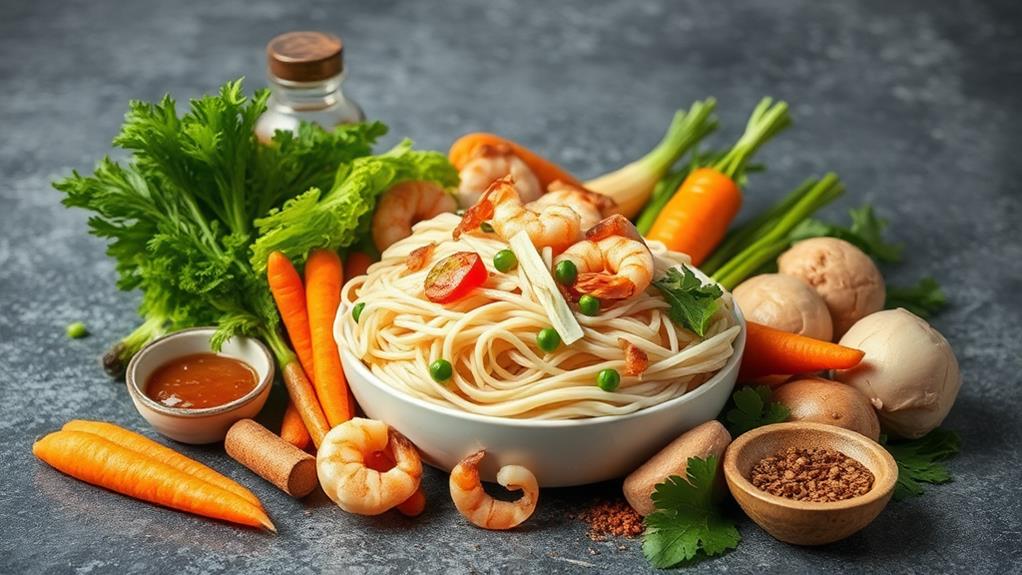
    What Is a Substitute for Lomi Noodles?

    Fresh egg noodles and thick udon noodles are ideal substitutes for Lomi noodles due to their similar texture. These options work well in Filipino-inspired dishes, providing a comparable base for your recipes.

    For gluten-intolerant individuals, rice noodles and buckwheat noodles offer a suitable alternative. These options are gluten-free, making them a great choice for those with dietary restrictions.

    Low-carb alternatives include zoodles and shirataki noodles. These options provide a lower-carb substitute for Lomi noodles, ideal for those watching their carb intake.

    You can also make your own homemade egg noodles as a customizable base. Simply adjust the cooking time to achieve the perfect texture for your dish.

  • Tips and Techniques for Preparing Perfect Pancit Food

    Tips and Techniques for Preparing Perfect Pancit Food

    Choosing the Right Noodles: Selecting the correct type of noodles is crucial for achieving the perfect plate of Pancit.

    Rice vermicelli provides a light texture, while wheat egg noodles offer a chewy bite.

    Balancing the Dish with Savory Sauce: A savory sauce is essential for a well-rounded Pancit dish.

    Combine soy sauce and oyster sauce to create a balanced flavor profile.

    Adding Protein for Flavor and Nutrition: Incorporating protein into your Pancit adds flavor and nutritional value.

    Choose from chicken, pork, or shrimp to customize your dish.

    Selecting and Cooking Vegetables: A variety of colorful vegetables adds visual appeal and texture to your Pancit.

    Select vegetables such as carrots, cabbage, and bean sprouts, and cook them to crispy perfection to achieve the ideal texture.

    By mastering these key components, you will be well on your way to crafting an authentic and delicious Pancit dish.

    Essential Pancit Ingredients

    pancit key ingredients list

    Choosing the Right Noodles

    The type of noodles used in Pancit is crucial, and there are two options: rice vermicelli (bihon) and wheat egg noodles (canton).

    Each type offers a distinct texture, allowing you to select the one that suits your preference.

    Savory Sauces

    Soy sauce and oyster sauce are essential for adding depth and a savory umami flavor to Pancit.

    These sauces provide a rich and complex taste profile that enhances the overall dish.

    Vibrant Vegetables

    Cabbage, carrots, green beans, and onions are must-have vegetables in Pancit, providing color, texture, and nutrients.

    You can adjust the quantities based on your personal taste preferences.

    Protein Options

    For a balanced meal, consider adding chicken, pork, shrimp, or tofu as protein sources in your Pancit.

    These options cater to different tastes and dietary requirements.

    Aromatic Foundation

    A sautéed mixture of fresh garlic and onion serves as the aromatic foundation of Pancit, providing a flavorful base for the dish.

    Mastering the Perfect Sauce

    Mastering the Perfect Sauce

    A well-balanced sauce is essential to elevate your Pancit from good to great. To achieve this, combine soy sauce and oyster sauce to create a rich, savory flavor profile.

    Understanding the Flavor Components

    Flavor Component Description
    Umami Soy sauce and oyster sauce for depth and richness
    Aromatics Minced garlic and diced onions for a flavorful base
    Balance Low-sodium soy sauce for controlled saltiness

    Building the Flavor Base

    Incorporate aromatics like minced garlic and diced onions early in the cooking process to build a flavorful base for the sauce. Opt for low-sodium soy sauce to adjust the sauce's saltiness and allow for better control over overall seasoning without overpowering the dish.

    Achieving Harmony

    Consider adding a touch of sugar or a splash of vinegar to your sauce mixture to create a harmonious sweet and tangy balance that complements the savory elements. Allow the sauce to simmer briefly before combining it with the noodles and other ingredients, ensuring that the flavors meld beautifully.

    The Result

    Cooking Noodles to Perfection

    mastering perfect noodle cooking

    Cooking noodles to perfection is crucial to the success of Pancit.

    To achieve this, soak rice noodles in warm water for 10-15 minutes to make them soft and pliable. This ensures even cooking when they're added to the stir-fry.

    For egg noodles, boil them separately according to package instructions, typically 3-5 minutes, until they're al dente. This prevents them from becoming mushy when combined with other ingredients.

    Drain the noodles well to avoid excess moisture, which can dilute the flavor of the dish.

    When adding the noodles to the stir-fry, toss them gently in the pan to evenly distribute the sauce and prevent clumping.

    If you prefer a firmer texture, fry the noodles for an additional minute after they're fully cooked to create a slightly crispy exterior.

    Selecting the Right Vegetables

    Selecting the Right Vegetables

    Choose Fresh and Traditional Options

    Select fresh vegetables like cabbage, carrots, and green beans, which are staples in traditional Pancit recipes. These provide optimal flavor and texture to your dish.

    Cut your vegetables uniformly to ensure even cooking and a consistent texture.

    Add Color and Nutrition

    Incorporate bell peppers or snow peas to add colorful textures, enhance visual appeal, and boost nutritional value.

    Consider using seasonal vegetables for added freshness and flavor. Options like zucchini or broccoli can be great additions depending on their availability.
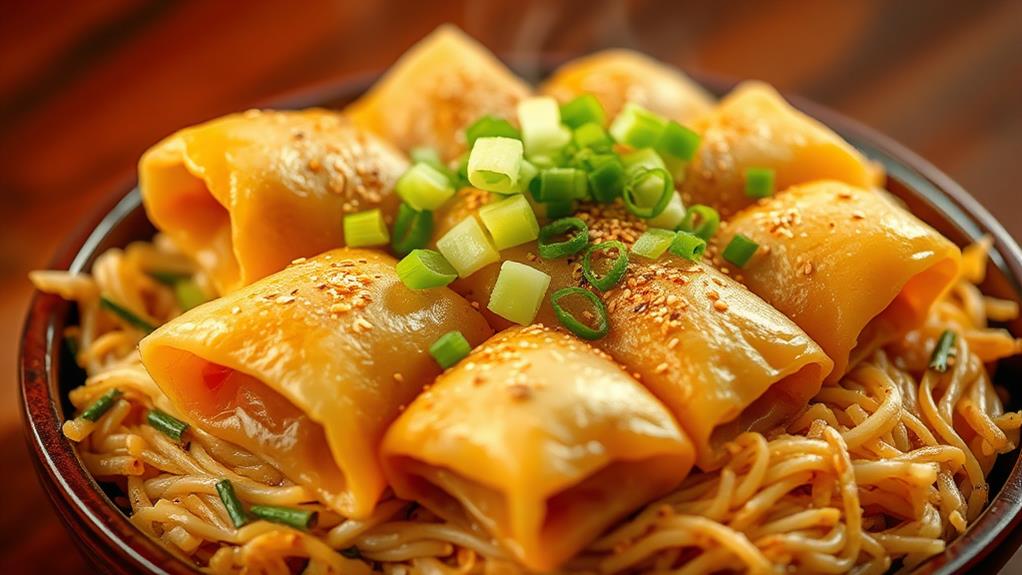
    Cooking Vegetables to Perfection

    When sautéing your vegetables, cook them briefly to retain their crispness.

    Avoid overcooking, which can lead to a mushy texture and detract from the overall quality of your dish.

    Adding Protein for Flavor

    enhancing taste with protein

    Adding Protein for Flavor and Nutrition

    When preparing Pancit, incorporating protein is essential to elevate the dish's flavor and nutritional value. Protein not only enhances flavor but also provides a boost of nutrients, making Pancit a satisfying meal.

    Choosing the Right Protein

    When selecting protein, consider options that complement the dish's flavors and add nutritional value. Chicken, shrimp, or pork are excellent choices, with chicken providing around 26 grams of protein per 100 grams cooked.

    To enhance flavor, marinate proteins in soy sauce and garlic for at least 30 minutes before cooking to infuse them with taste. Cook proteins separately in the skillet to achieve a golden-brown crust, adding depth to the overall flavor.

    Consider using a mix of proteins, such as shrimp and pork, to create a more complex flavor profile and texture.

    Incorporating Protein into the Dish

    Once cooked, incorporate protein back into the dish towards the end of cooking to ensure it remains tender and juicy without overcooking. This achieves a harmonious balance of flavors and textures in the Pancit.

    Balancing Flavors and Textures

    Achieving Balance in Pancit

    Harmonizing Key Elements

    To create a perfectly balanced Pancit dish, five key elements must come together: protein, vegetables, noodles, seasonings, and texture. Balancing these components is crucial.

    Savory Flavor Profile

    Combine soy sauce and oyster sauce to create a savory flavor profile without overwhelming saltiness. This blend provides a rich, umami taste.

    Texture and Nutrition

    Incorporate a variety of vegetables, such as cabbage, carrots, and green beans, to add texture and nutritional value. These vegetables provide a satisfying crunch and boost the dish's nutritional profile.

    Infusing Deep Flavors

    When cooking proteins, marinate them in sesame oil, soy sauce, and garlic for at least 30 minutes to infuse deeper flavors before adding them to the stir-fry. This step enhances the protein's flavor and tenderness.
    Textural Contrast

    To create textural contrast, briefly fry the noodles at the end, allowing for a crunchy exterior and a soft interior. This step adds depth and interest to the dish.

    Seasoning to Perfection

    As you season your dish, adjust gradually, tasting as you go, to ensure each ingredient contributes to a harmonious final flavor. This step ensures the flavors are balanced and the dish is delicious.

    Traditional Filipino Variations

    filipino cultural culinary diversity

    Traditional Filipino Variations of Pancit

    Mastering the art of balancing flavors and textures in Pancit opens the door to exploring the rich diversity of traditional Filipino variations.

    These variations showcase the versatility of this beloved noodle dish.

    Traditional Filipino variations of Pancit offer a range of flavors and textures.

    Four notable variations are:

    • Pancit Bihon, made with rice vermicelli noodles, chicken or shrimp, and veggies, is a lighter option and a staple in many Filipino households.
    • Pancit Canton features chewy egg noodles stir-fried with a mix of veggies and proteins, often resulting in a heartier dish perfect for gatherings.
    • Pancit Malabon pairs thick rice noodles with a distinct shrimp sauce, often garnished with hard-boiled eggs and chicharrón (crispy pork skin).
    • Pancit Palabok serves rice noodles with a vibrant orange shrimp-flavored sauce made from atsuete, commonly topped with shrimp and hard-boiled eggs.

    These variations demonstrate the adaptability of Pancit, which has become a comfort food staple in many Asian recipes.

    Modern Twists and Substitutions

    Modernize Pancit with Healthier Noodles

    You can refresh Pancit's traditional charm by using whole grain or vegetable-based noodles instead of traditional Pancit noodles. This substitution increases fiber and nutrient content in your dish. For example, try using whole wheat noodles or noodles made from vegetables like zucchini or sweet potatoes.

    Gluten-Free Options

    For a gluten-free version of Pancit, substitute rice noodles with spiralized vegetables like zucchini or sweet potatoes. This twist maintains the dish's essence while catering to gluten-free dietary needs.

    Experiment with New Sauces

    Try adding different sauces to your Pancit, such as teriyaki or sriracha, to cater to diverse taste preferences. These sauces add new flavor dimensions to the dish.

    Vegetarian Options

    To make a vegetarian version of Pancit, incorporate plant-based proteins like tofu or tempeh. This allows flexibility in accommodating dietary restrictions without sacrificing flavor.

    Add Fresh Vegetables

    Add seasonal vegetables like bell peppers, snap peas, or asparagus to give your Pancit a fresh and vibrant take. This enhances both the color and nutrition of the dish.

    Common Mistakes to Avoid

    avoiding common mistakes

    Common Mistakes to Avoid When Cooking Pancit

    To create an authentic and delicious Pancit dish, it's crucial to avoid common mistakes that can ruin the texture, flavor, and overall quality of the dish.

    Over-soaking Rice Noodles

    Avoid soaking rice noodles for too long, as this can lead to a mushy texture. Instead, soak them just until they're pliable but still firm.

    Uniform Vegetable Cutting

    Cut all vegetables uniformly to ensure even cooking. This prevents some vegetables from becoming overcooked while others remain crunchy.

    Gradual Liquid Incorporation

    Add broth or sauces gradually to avoid sogginess in the final dish. Don't add too much liquid at once.

    Seasoning Adjustment

    Taste and adjust seasoning before serving to avoid a bland dish. Sampling and modifying flavors is crucial for a well-balanced taste.

    Proper Pan Searing

    Avoid crowding the pan when sautéing proteins and vegetables, as this can trap steam and prevent proper browning and flavor development.

    What Are Some Expert Tips for Cooking Perfect Pancit Food at Home?

    Cooking pancit food at home can be a delicious and satisfying experience. To ensure the perfect results, make sure to use high-quality fresh noodles and a flavorful broth. Don’t overcook the vegetables and meats, and add the ingredients in the right order to achieve a well-balanced flavor. Happy cooking pancit food at home!

    Serving Suggestions and Garnishes

    Elevate Your Pancit Presentation

    Presentation Matters

    The key to taking your Pancit to the next level lies in its presentation and accompaniments. Serving it with a side of lime or calamansi wedges will enhance the flavor and add a refreshing zest.

    Chopped green onions or scallions as a garnish will add crunch and visual appeal.

    Create a Well-Rounded Meal

    Pairing your Pancit with lumpia (Filipino spring rolls) creates a well-rounded meal that combines textures and flavors.

    Thinly sliced red bell peppers or carrots on top add a pop of color just before serving.

    Add Extra Flavor and Aroma

    Sesame oil or toasted sesame seeds on top of your Pancit add an extra layer of flavor and a nutty aroma.

    These garnishes not only make your Pancit look appealing but also complement its flavors.

    Frequently Asked Questions

    How to Cook Pancit Canton Properly?

    Mastering the Cooking of Pancit Canton

    Step 1: Sauté Aromatics

    To cook pancit canton properly, start by sautéing garlic and shallots in a hot wok. This brings out the flavors and aromas of the dish.

    For example, heat 2 tablespoons of oil in a wok over medium-high heat, then add 3 cloves of minced garlic and 1 small minced shallot. Cook until they're translucent and fragrant.

    Step 2: Customize with Flavor Combinations

    Experiment with different flavor combinations to suit your taste.

    For instance, add 1 tablespoon of oyster sauce to give the dish a savory flavor or substitute vegetables like carrots and cabbage with bok choy and mushrooms.

    Step 3: Serve and Garnish

    When serving, garnish with green onions and a squeeze of lime juice to add a burst of freshness to the dish.

    This adds a pop of color and a touch of acidity to balance the flavors.

    What Makes Pancit Unique?

    Pancit's cultural significance makes it a unique dish. This Filipino staple is deeply rooted in the country's history and is often served during special occasions, such as birthdays and fiestas.

    Its vibrant serving traditions vary across regions, with each area adding its own twist to the dish.

    Adaptability is another key aspect of pancit's uniqueness. The dish can be made with various ingredients, such as rice flour, wheat flour, or even egg noodles, allowing it to be adapted to different tastes and dietary needs.

    Regional variations also contribute to its distinctiveness, with different regions in the Philippines offering their own versions of pancit.

    Balanced cooking techniques are used to prepare pancit, ensuring a perfect blend of texture and flavor. This approach also caters to health considerations, making pancit a nutritious option.

    Pairing suggestions, such as serving it with a squeeze of calamansi (Filipino lime), add to its unique charm and flavor profile.

    How Do You Keep Pancit Fresh?

    Storing Leftover Pancit

    To keep leftover pancit fresh, store it in airtight containers in the refrigerator, where it will last for 2-3 days.

    When reheating, add a splash of water or broth to maintain the noodles' texture.

    Freezing Pancit for Longer Storage

    For longer storage, portion pancit into smaller servings and freeze them in freezer-safe containers.

    To reheat, thaw overnight and reheat on low heat, stirring occasionally.

    This way, you'll preserve the ingredient freshness and flavor, ensuring a delicious meal every time!

    What Kind of Noodles Are Used in Pancit?

    Two main types of noodles are traditionally used in pancit: bihon and canton. Bihon, also known as rice noodles, is light and gluten-free. Canton, on the other hand, is made from egg noodles and offers a chewier texture.

    Other variations of noodles used in pancit include glass noodles, wheat noodles, and thicker lomi noodles, which are often used in different regional dishes. The choice of noodles affects the flavor profile, cooking method, and final presentation of the dish.

  • 5 Restaurants for Authentic Lumpia and Pancit

    5 Restaurants for Authentic Lumpia and Pancit

    Discover Authentic Filipino Cuisine

    To experience the authentic taste of the Philippines, search for restaurants that serve traditional lumpia and pancit dishes. These eateries use fresh, high-quality ingredients and adhere to traditional cooking methods. This ensures crispy lumpia wrappers and flavorful pancit noodles, reminiscent of homemade cooking.

    Traditional Cooking Methods

    Restaurants that follow family recipes passed down through generations are more likely to serve authentic dishes. Look for eateries that cook their lumpia and pancit with love and care, just like a Filipino grandmother would. This attention to detail results in dishes that are rich in cultural heritage and flavor.

    Cozy Atmosphere and Engaging Staff

    The ambiance and staff can elevate the dining experience. Opt for restaurants with a cozy atmosphere and engaging staff who can share the story behind each dish. This will help you appreciate the cultural significance of lumpia and pancit.

    Explore Hidden Gems

    Venture beyond popular restaurants to find hidden gems that serve authentic Filipino cuisine. These eateries may offer a more genuine experience, allowing you to discover new flavors and appreciate the rich cultural heritage behind each dish.

    Traditional Filipino Cuisine

    authentic filipino food culture

    Traditional Filipino cuisine is rich in iconic dishes that have been passed down through generations. Two of the most beloved and enduring staples are lumpia and pancit. These dishes aren't only delicious but also deeply rooted in the country's culture and traditions.

    Lumpia, a type of spring roll, is typically filled with a mixture of meats and vegetables. It's often served with a side of garlic and vinegar dipping sauce to enhance its rich flavor.

    The fillings can vary, but common ingredients include vegetables like cabbage and carrots, and meats like pork or beef.

    Pancit is a flavorful noodle dish often served at celebrations. It's made by stir-frying noodles with various vegetables and proteins.

    The noodles used are typically made from rice flour, and the vegetables and proteins can vary depending on the region and personal preferences.

    What's great about pancit is that it's often made with leftover fillings from lumpia, adding flavor and resourcefulness to the preparation.

    To try authentic lumpia and pancit, it's best to seek out restaurants that specialize in traditional Filipino cuisine. These restaurants often have recipes that have been passed down through generations, ensuring an authentic experience.

    Be sure to ask about the ingredients and preparation methods to appreciate the cultural significance of these dishes.

    Family Recipes and Cooking Techniques

    Family Recipes and Cooking Techniques in Filipino Cuisine

    Family Recipes:

    In traditional Filipino cooking, family recipes are passed down through generations, with each family member contributing their own twist to the recipe.

    A classic example is Grandma's lumpia recipe, which includes chicken, pork, cabbage, and carrots wrapped in spring roll wrappers for a lighter texture compared to egg roll wrappers.

    Cooking Techniques:

    The cooking process involves boiling chicken for 10-15 minutes and sautéeing pork with vegetables before assembling the lumpia.

    To ensure the lumpia wrappers don't tear, a flour and water paste is used to seal them.

    Ingredient Purposes:

    Chicken adds protein and flavor when boiled for 10-15 minutes.

    Pork adds texture and flavor when sautéd with vegetables.

    The flour and water paste prevents the lumpia wrappers from tearing.

    The garlic and vinegar dipping sauce enhances the flavor profile.

    Authentic Atmosphere and Service

    genuine ambiance and hospitality

    Authentic Atmosphere and Service

    When you enter a top Filipino restaurant in Houston, such as Flip n Patties or Godos, you're immediately surrounded by an authentic atmosphere that reflects the warm hospitality and vibrant culture of the Philippines. This atmosphere is created by the sights, sounds, and aromas that transport you to the heart of the Philippines.

    Friendly and attentive staff ensure a wonderful experience, making you feel like you're part of the family. They're always happy to help you navigate the menu, answer questions, and offer recommendations.

    These restaurants are committed to community engagement, evident in their hosting of local events and cultural nights that foster connections among patrons and enhance the authentic atmosphere.

    Traditional decor and music add to the cozy ambiance, making you feel like you're dining in a Filipino home. Regular promotions and events showcasing Filipino cuisine and culture further enrich the experience.

    Quality Ingredients and Flavorful Dishes

    Quality Ingredients and Flavorful Dishes

    A top Filipino restaurant in Houston stands out by using quality ingredients and traditional cooking methods to create dishes that are bursting with flavor.

    When it comes to authentic lumpia, fresh spring roll wrappers, chicken, pork, cabbage, and carrots are used to ensure a light and flavorful texture. The frying technique is crucial, with a recommended oil temperature to achieve that perfect golden brown crispiness.

    For pancit, reserved chicken stock is used to cook the noodles, elevating the overall flavor profile of the dish. Dipping sauces made from garlic and vinegar provide a robust contrast to the savory flavors of lumpia.

    These traditional pairings allow diners to experience the full range of Filipino flavors. By using quality ingredients and adhering to traditional cooking methods, these restaurants create rich flavors and textures that make lumpia and pancit beloved staples in Filipino cuisine.

    Can I Use Lumpia and Pancit Ingredients for Authentic Filipino Lomi?

    Yes, you can use lumpia and pancit ingredients for an authentic Filipino lomi recipe. The combination of these ingredients will give the lomi a unique and delicious flavor. It’s a great way to add variety to your lomi while still staying true to the authentic filipino lomi recipe ingredients.

    Community Engagement and Cultural Heritage

    cultural heritage community involvement

    Filipino restaurants in Houston engage with the local community beyond serving food. They participate in local food festivals to showcase authentic Filipino dishes and share traditional recipes. By collaborating with local businesses, these restaurants strengthen community ties and foster cultural appreciation.

    For instance, they host cultural nights and cooking classes, where attendees can learn about the significance of lumpia and pancit in Filipino traditions.

    These restaurants also support local charities and initiatives. They help preserve Filipino cultural heritage in diverse neighborhoods.

    Through social media, they share stories and updates about their cultural events, enhancing community interaction and appreciation for Filipino cuisine.

    In doing so, these restaurants contribute to the rich cultural fabric of Houston's communities, serving great food and promoting cultural heritage.

    Frequently Asked Questions

    Are There Variations of Lumpia and Pancit Across Different Filipino Regions?

    Regional variations exist in Filipino cuisine, particularly in popular dishes like lumpia and pancit.

    Lumpia, the Filipino spring roll, comes in different styles depending on the region.

    In some regions, lumpia is sweet, while in others, it's savory or spicy.

    Pancit, the staple noodle dish, also has various types, such as pancit habhab and pancit luglug.

    The cooking methods used in different regions also differ, with some using soy sauce or patis, while others opt for vinegar or garlic.

    Can I Request Customization of Dishes for Dietary Restrictions?

    Restaurants often accommodate dietary needs. When dining out, inform your server about your dietary restrictions, such as gluten-free, vegan, or other requirements.

    They will work with the chef to modify the dish to fit your needs. For example, if you're lactose intolerant, they can substitute dairy products with non-dairy alternatives.

    Be open about your needs, and the restaurant will do their best to create a tailored meal that suits your taste buds and dietary requirements.

    Are There Vegetarian or Vegan Options Available for Lumpia and Pancit?

    Yes, vegetarian and vegan options are available for lumpia and pancit. Many restaurants now offer vegetarian alternatives to traditional lumpia and pancit.

    For example, vegan lumpia can be made with plant-based protein sources like tofu or tempeh, wrapped in a crispy vegan wrapper.

    Similarly, some places offer fully vegan pancit options, substituting meat with mushrooms or eggplant.

    If you're unsure about the options, don't hesitate to ask your server, who'll guide you through the menu.

    Do Restaurants Offer Cooking Classes or Workshops for Traditional Dishes?

    Many restaurants offer cooking classes or workshops to teach traditional cooking techniques. These classes provide hands-on experiences that go beyond just teaching recipes. They delve into the cultural significance of each dish, exploring the history behind the recipe, the importance of specific ingredients, and the techniques passed down through generations.

    By participating in these classes, you'll gain a deeper appreciation for the cuisine. For example, you might learn about the origins of a traditional dish like pad thai, how it was influenced by Chinese cuisine, and the significance of using specific ingredients like fish sauce and lime juice.

    With this knowledge, you'll be able to recreate authentic dishes on your own.

    Are There Any Unique or Rare Filipino Ingredients Worth Trying?

    Filipino cuisine is known for its unique ingredients, which are essential to traditional dishes.

    Patis (fish sauce) and suka (vinegar) are two fundamental spices that add depth to many recipes.

    Exotic vegetables like bitter melon and okra are staples in many Filipino households. These vegetables are often used in dishes like sinigang, a sour soup, and pinakbet, a vegetable stir-fry.

    Ube, a vibrant purple yam, is another unusual ingredient used in both sweet and savory dishes. It's commonly found in desserts like ube halaya, a purple yam jam, and is also used as a topping for shaved ice desserts.

  • What Are the Types of Pancit?

    What Are the Types of Pancit?

    The Philippines boasts over 20 unique types of pancit, each with its own cultural significance and cooking methods.

    These varieties can be broadly classified into two categories: traditional noodle types and regional variations.

    Noodle types include Pancit Bihon, Canton, Lomi, and Misua, each with its distinct texture and ingredients. For instance, Pancit Bihon is made from rice flour noodles, while Canton is made from wheat flour noodles.

    Regional variations showcase local tastes and ingredients. Examples include Pancit Malabon, Bam-I, and Abra, each with its unique flavor profile. Pancit Malabon, for instance, is known for its sweet and savory sauce.

    Innovative non-noodle pancit variants also exist, utilizing alternative ingredients. Examples of these include Pancit Buko, Estacion, and Molo. Pancit Buko, for instance, uses young coconut strips instead of traditional noodles.

    Types of Pancit Noodles

    varieties of pancit noodles

    Pancit Noodles: A Staple in Filipino Cuisine

    Characteristics of Pancit Noodles

    Pancit noodles are a fundamental component of Filipino cuisine, with each type boasting unique characteristics. Understanding these differences is essential to creating authentic pancit dishes.

    Pancit Bihon: Thin Rice Noodles

    Pancit Bihon consists of thin rice noodles made from cornstarch and rice flour. These noodles are ideal for stir-fries and soups due to their ability to absorb flavors from sauces and broths.

    Pancit Canton: Egg-Based Noodles

    Pancit Canton features egg-based, wheat flour noodles similar in texture to spaghetti but flimsier. Their durability makes them perfect for stir-fried dishes.

    Other Types of Pancit Noodles

    Other notable types of pancit noodles include:

    • Pancit Lomi: characterized by its wide, thick yellow egg noodles that provide a hearty texture.
    • Pancit Miki: consisting of egg noodles made from all-purpose flour, available in flat or round shapes.
    • Pancit Misua: referring to extremely thin salted noodles made from wheat flour, primarily served in soups and known for their quick cooking time.

    Each type of pancit noodle offers a distinct texture and flavor profile, allowing for a wide range of culinary possibilities in Filipino cuisine.

    Regional Variations of Pancit

    Across the Philippines, regional variations of pancit have evolved, reflecting local tastes and ingredient availability.

    Regional Variations of Pancit

    Each region in the Philippines has its own unique take on pancit dishes, often shaped by the ingredients readily available in the area.

    Pancit Malabon from Malabon City features thick rice noodles topped with seafood and a rich shrimp paste sauce, making it a festive favorite.

    Pancit Bam-I, originating from Cebu, combines both Bihon and Canton noodles, stir-fried with a mix of meats and vegetables for a unique taste.

    Pancit Abra, a variant of Pancit Miki popular in Northern Luzon, is known for its thick egg noodles and savory flavor profile.

    These regional variations showcase the diversity of pancit dishes across the Philippines.

    Cooking Methods and Ingredients

    culinary techniques and components

    Pancit dishes can be prepared using various cooking methods, depending on the type of noodle and the desired outcome. Stir-frying, boiling, and braising are common cooking methods used to create different textures and flavors.

    For instance, stir-frying is ideal for bihon noodles, while boiling is better suited for Canton noodles.

    The choice of noodle plays a significant role in pancit preparation. Bihon (rice vermicelli), Canton (egg noodles), and miki (thick egg noodles) are popular options, each requiring specific cooking techniques.

    Pancit ingredients include a variety of meats and vegetables. Meats like chicken, pork, and seafood are commonly used, along with vegetables such as carrots, cabbage, and bell peppers to add flavor and nutritional value.

    Soy sauce, oyster sauce, and calamansi juice are essential seasonings that enhance the taste of pancit, while garlic and onions provide aromatic depth.

    The broth or sauce used in pancit can vary widely. Rich, savory sauces and lighter broths are both options, showcasing the versatility of the dish.

    Non-Noodle Pancit Variants

    Filipino cuisine's resourcefulness is showcased through creative pancit variations that go beyond traditional noodles.

    Some pancit variants have abandoned noodles altogether, using innovative ingredients to create unique textures and flavors. Pancit Buko is a notable example, substituting long strips of young coconut meat for noodles, resulting in a light and refreshing dish.

    Regional variations have also emerged, offering distinct flavors and textures. Pancit Estacion, originating from Tanza, Cavite, features mung bean sprouts as a noodle alternative, providing a distinct texture and flavor profile.

    Another example is Pancit Molo, a wonton soup variant where wonton wrappers serve as the noodle component, creating a hearty and flavorful broth experience.

    Filipino cuisine's adaptability is demonstrated through the use of local ingredients in innovative ways. Pancit Kilawin uses shredded unripe papaya, while Pancit Labong incorporates julienned bamboo shoots, showcasing the versatility of pancit dishes.

    Cultural Significance of Pancit

    pancit s rich cultural heritage

    Pancit holds profound cultural significance in Filipino tradition.

    This significance extends beyond its culinary appeal, symbolizing long life and good fortune. In Filipino culture, pancit is often served during celebrations and special occasions like birthdays to convey wishes for longevity.

    Traditionally, pancit dishes are prepared in large quantities for communal sharing. This emphasizes the Filipino value of togetherness and family during gatherings.

    The preparation and consumption of pancit during significant events highlight its role as a cultural marker, reinforcing social bonds and familial ties within Filipino communities.

    Each region in the Philippines has its own unique variations of pancit. These variations showcase local ingredients and cooking styles, further emphasizing the diversity and cultural richness of the Filipino culinary heritage.

    Through pancit, you'll experience the fusion of Chinese and Filipino influences, reflecting the country's cultural adaptability and creativity.

    History of Pancit Noodles

    Chinese merchants introduced pancit noodles to the Philippines in the 16th century, marking the beginning of a culinary fusion that would forever change the country's gastronomic landscape. This merging of Chinese culinary traditions with local ingredients and customs laid the foundation for a unique Filipino dish. The term "pancit" is derived from the Hokkien language, with meanings related to noodles and convenient food, reflecting its origins in Chinese cuisine.

    Pancit evolved from a working-class meal to a beloved dish enjoyed across all social classes. Over time, it became a staple at celebrations and gatherings. For instance, in the Philippines, pancit is often served during birthdays, weddings, and other significant life events.

    The adaptation of pancit in the Philippines demonstrates the influence of various cultures. This led to unique regional variations that incorporate local flavors and ingredients. For example, in the province of Pampanga, pancit is made with a variety of vegetables and served with a sweet sauce, while in the Visayas region, it's cooked with seafood and spices.

    Pancit is associated with long life and good fortune in Filipino culture. This significance is highlighted by its presence at birthdays and other significant life events.

    Today, pancit remains an integral part of Filipino culinary traditions, with its rich history and cultural significance continuing to inspire new generations of cooks and food enthusiasts.

    Pancit in Filipino Cuisine

    traditional filipino noodle dish

    Pancit is a culinary icon in Filipino cuisine, reflecting the country's cultural heritage. This dish is characterized by a diverse array of noodle dishes, with various types of noodles like Bihon, Canton, and Lomi, each having unique textures and preparation methods.

    Local ingredients are expertly combined to create flavor profiles that are quintessentially Filipino. These ingredients include vegetables, meats, and seasonings like soy sauce, oyster sauce, and calamansi. The combination of these ingredients results in a rich culinary experience.

    Pancit is often served during celebrations, symbolizing long life and good fortune in Filipino culture. With over 20 distinct varieties across the Philippines, each region showcases its own adaptations of pancit, highlighting the country's rich culinary diversity.

    Different regions have their own unique pancit adaptations, offering a wide range of flavors and textures. For example, Lomi from Batangas is known for its thick, chewy noodles, while Pancit Habhab from Quezon Province is served with a sweet and savory sauce.

    Must-Try Filipino Pancit Noodles

    Exploring Filipino Pancit Noodles

    Varieties of Pancit Noodles

    Filipino pancit noodles offer a diverse range of flavors and textures. Pancit Bihon, a popular variety, is stir-fried with vegetables and meat, flavored with soy sauce and garlic, and often served during celebrations to symbolize long life.

    Pancit Canton, a Filipino adaptation of Chow Mein, features egg noodles stir-fried with a mix of meats and vegetables, seasoned with oyster sauce, and is commonly served at birthdays and special occasions.

    Pancit Lomi, known for its thick, egg-based noodles and rich broth, is a hearty dish often packed with meat, vegetables, and boiled eggs, making it a filling option popular in Batangas.

    Regional Variations

    Each region in the Philippines offers its own distinct take on pancit noodles, making use of different flours and ingredients.

    Pancit Malabon is famous for its seafood richness, while Pancit Sotanghon is made with glass noodles derived from mung beans.

    These regional variations result in a wide range of pancit noodle dishes, from savory to sweet, offering a world of flavors to explore.

    How Do Different Types of Pancit Reflect Cultural Diversity?

    Pancit, an iconic dish in the Philippines, reflects the cultural significance of pancit types across various regions. Each type, from Pancit Canton to Pancit Malabon, showcases the unique flavors and ingredients specific to each area. This diversity highlights the rich cultural heritage and culinary traditions of the Filipino people.

    Unique Pancit Noodle Dishes

    distinctive pancit noodle recipes

    Regional Variations of Pancit Noodle Dishes

    The Philippines boasts a diverse range of pancit noodle dishes, each showcasing the country's culinary creativity and regional differences.

    Each region has its own unique twist on this popular Filipino dish.

    Pancit Malabon is a festive favorite in Malabon City, featuring thick rice noodles topped with a rich shrimp-based sauce and garnished with hard-boiled eggs and green onions.

    In contrast, Pancit Hab-hab, also known as Pancit Lucban, is characterized by its unique flat rice noodles served on banana leaves and typically topped with sautéed vegetables and meat. This dish is often enjoyed during local festivals.

    Other regional variations include Pancit Lomi, known for its thick, yellow egg noodles served in a savory broth.

    Meanwhile, Pancit Batil Patung combines Pansit Miki with minced carabao meat and is topped with a fried egg and crunchy chicharrón, highlighting the area's culinary heritage.

    These dishes demonstrate that there is more to pancit than just one recipe, showcasing the country's rich culinary diversity.

    Frequently Asked Questions

    What Are the Different Types of Pancit?

    Pancit is a popular Filipino dish that comes in various regional styles, each with its unique cooking methods, noodle ingredients, and serving traditions.

    Regional Varieties: The different types of pancit cater to different tastes, such as Pancit Bihon, which uses thin rice noodles, and Pancit Lomi, which uses thick egg noodles.

    Flavor Profiles and Accompaniments: Each type of pancit boasts distinct flavor profiles and accompaniments. For example, Pancit Bihon is often served with vegetables and meat or seafood, while Pancit Lomi is typically served with a savory broth and garnished with vegetables and meat.

    Cultural Significance: Pancit has cultural significance in the Philippines, with each region having its own unique way of preparing and serving the dish. Pancit is often served at special occasions and celebrations, such as birthdays and fiestas.

    Health Variations: The different types of pancit offer a range of health variations to suit individual preferences. For example, Pancit Bihon is a lower-calorie option, while Pancit Lomi is a heartier, more filling choice.

    What Is the Most Popular Pancit?

    Pancit Bihon is the most popular pancit. This dish holds a special place in Filipino cuisine, with a rich history and regional variations that showcase different cooking techniques and ingredient substitutions.

    Its thin rice noodles and savory flavors make it a crowd-pleaser. Additionally, Pancit Bihon offers numerous health benefits and cultural significance, making it a staple at both festive occasions and everyday meals.

    What Is the Difference Between Pancit Bihon and Pancit Guisado?

    Pancit Bihon and Pancit Guisado have distinct characteristics.

    Pancit Bihon uses thin rice noodles that absorb flavors well, making it a popular choice for celebrations.

    In contrast, Pancit Guisado is a stir-fry that combines various noodles and ingredients, making it a quick and easy everyday meal option.

    Preparation methods differ between the two dishes.

    Pancit Bihon requires soaked noodles, whereas Pancit Guisado can use different noodles without pre-soaking.

    These variations reflect regional and traditional takes on this beloved Filipino dish.

    What Is the Difference Between Pancit Habhab and Canton?

    Pancit Habhab and Pancit Canton are two distinct Filipino noodle dishes with different origins, ingredients, and preparation methods.

    Pancit Habhab, which originated in Quezon province, features flat rice noodles served on banana leaves. This dish is often topped with sautéed vegetables and meats, and its simplicity highlights the use of local ingredients.

    On the other hand, Pancit Canton is a popular nationwide dish that uses wheat flour noodles. It's typically stir-fried with various meats and seafood, and seasoned with oyster and soy sauces.

    While both dishes hold cultural significance, they differ in their cooking techniques, ingredient combinations, and serving traditions.