Author: A. Pineda

  • Why Choose Seasonal Philippine Fruit Jams?

    Why Choose Seasonal Philippine Fruit Jams?

    Opt for Seasonal Philippine Fruit Jams for a Multitude of Benefits

    Choosing seasonal Philippine fruit jams offers a multitude of benefits that extend beyond the unique flavors. You will be supporting local farmers, which helps preserve the country’s rich fruit heritage.

    Consuming seasonal fruit jams provides essential nutrients. These jams are rich in antioxidants, fiber, and crucial vitamins, which help reduce the risk of chronic diseases and boost immunity.

    Fair trade practices and sustainable production methods are promoted when you choose seasonal fruit jams. This ensures that the production process is environmentally friendly and socially responsible.

    Experience the exotic flavors of Filipino fruits like never before. The benefits of seasonal fruit jams go beyond their unique taste, making them a great addition to a healthy and sustainable lifestyle.

    Key Takeaways

    Support Local Farmers and the Economy

    Seasonal Philippine fruit jams offer a nutritious and delicious way to support local farmers and the local economy. By choosing these jams, you are directly contributing to the growth of the local agricultural industry.

    Rich in Antioxidants and Fiber

    Seasonal Philippine fruit jams are rich in antioxidants and fiber, which promote healthy digestion, weight management, and chronic disease prevention. These essential nutrients are naturally found in the exotic fruits used to make the jams.

    Unique and Exotic Fruit Flavors

    The jams preserve unique and exotic fruit flavors through sustainable production, promoting fruit diversity and traditional farming practices. This approach helps maintain the biodiversity of Philippine fruits and supports local farming communities.

    Fair Trade and Immune System Support

    By choosing seasonal Philippine fruit jams, you’re supporting fair trade and contributing to the preservation of Philippine fruit heritage. Additionally, the antioxidants and fiber in the jams provide immune system support, helping to protect against illnesses.

    Premium Quality and Authentic Taste

    The jams undergo regular quality control, sanitation practices, and attention to detail in jam making, ensuring a premium quality and authentic taste in every jar. This guarantees a delicious and healthy spread for your meals.

    Freshness Matters in Fruit Jams

    Freshness Matters in Fruit Jams

    When you choose seasonal fruit jams, you get the best of the harvest, with fruits picked at their peak ripeness and flavor intensity. This means you’re getting the freshest local fruits, carefully selected to bring out the unique characteristics of each variety.

    For instance, you’ll taste the sweetness of mangoes, the tanginess of dalandan, or the tartness of calamansi. By opting for seasonal jams, you’re supporting local farmers who work hard to bring you the best of the harvest.

    This not only ensures that your taste buds are treated to a flavor extravaganza, but also promotes sustainable agriculture and boosts the local economy.

    Nutritional Benefits of Seasonal Fruits

    Seasonal fruits are packed with antioxidants, which help strengthen the immune system. These fruits are rich in antioxidants, such as vitamin C and beta-carotene, that protect cells from damage and reduce the risk of chronic diseases.

    For example, mangosteen, a tropical fruit found in the Philippines, is rich in vitamin C and xanthones, which have antioxidant and anti-inflammatory properties.

    Eating seasonal fruits can also support healthy digestion. Fruits like bananas and mangoes are rich in dietary fiber, which helps regulate bowel movements, prevent constipation, and support healthy blood sugar levels. A high-fiber diet can also help with weight management by promoting feelings of fullness and reducing the risk of chronic diseases like diabetes and heart disease.

    Incorporating seasonal fruits into your diet can have numerous health benefits. By choosing fruits that are in season, you can support local farmers, reduce your carbon footprint, and enjoy fruits at their peak ripeness and flavor.

    High in Antioxidants

    High in Antioxidants

    Seasonal Philippine fruit jams are packed with antioxidants, which shield cells from damage and chronic diseases, ultimately boosting overall health and wellbeing.

    Antioxidants are the body’s defense against oxidative stress and inflammation. When you consume these jams, you’re providing your body with a powerful tool to combat cell damage and chronic diseases.

    The antioxidants in these jams, including vitamins A, C, and E, protect cells from damage, promoting overall health and wellbeing.

    For example, vitamin C in these jams helps to neutralize free radicals, reducing the risk of heart disease and promoting healthy skin.

    Boosts Immune System

    Eating seasonal Philippine fruit jams is a smart way to boost your immune system. The nutrients and antioxidants in these jams work together to shield you from illnesses and promote overall well-being.

    For instance, mango jams, made from fresh carabao mangoes in season, provide a burst of antioxidants that support overall health.

    Similarly, ube jams, created from purple yams available during specific times of the year, offer a unique source of dietary fiber and potassium that can help strengthen your immune system.

    Coconut jams, using freshly harvested coconuts, contain medium-chain triglycerides that can improve brain function and energy levels, making you more resilient to illnesses.

    Rich in Fiber

    Seasonal Philippine fruit jams are rich in fiber, which is essential for digestion and maintaining a healthy gut.

    Fiber helps lower cholesterol levels and reduces the risk of heart disease. Additionally, it aids in weight management and promotes a feeling of fullness, making you less likely to overeat.

    The fiber content in seasonal fruit jams also supports healthy blood sugar levels and prevents spikes.

    Furthermore, consuming seasonal fruit jams with fiber contributes to overall digestive health and regularity, resulting in a happy gut.

    Supporting Local Farmers Matters

    Buying seasonal Philippine fruit jams supports local farmers and the community.

    When you choose these jams, you’re directly contributing to the local economy.

    Fair trade practices ensure that local farmers receive fair compensation, which helps create jobs and stimulate growth in the community.

    Fair Trade Practices

    Fair Trade Practices Promote Sustainable Livelihoods

    By choosing seasonal Philippine fruit jams, you directly support local farmers and ensure they receive a fair price for their fresh, high-quality fruits. This fair trade practice is a welcome change in an industry often plagued by exploitation.

    Direct Sourcing Benefits Farmers

    By sourcing fruits directly from local farmers, seasonal jam producers promote fair trade practices that benefit the community. This approach guarantees farmers a fair price for their produce, allowing them to sustain their livelihood and invest in their farms.

    As a result, you enjoy jams made with the freshest, highest-quality fruits, bursting with flavor and nutrients.

    Local Economy Boost

    Boosting the Local Economy with Seasonal Fruit Jams

    Choosing seasonal Philippine fruit jams has a significant impact on the local economy. It directly injects revenue into rural communities and helps sustain agricultural livelihoods. This is because local farmers work hard to grow and harvest fresh, flavorful fruits, which are the backbone of the local economy.

    By purchasing seasonal fruit jams, you’re supporting these farmers and contributing to the preservation of traditional farming practices and indigenous fruit varieties.

    Your purchase is a vote of confidence in the farmers’ hard work. When you opt for seasonal fruit jams, you aren’t only getting a delicious product, but you’re also helping to keep the local economy afloat. This has a direct impact on the farmers’ lives, and your choice is making a real difference.

    Farm Fresh Quality

    Experience the authentic taste of the Philippines with our seasonal fruit jams, carefully crafted to bring you the freshest flavors from local farmers.

    Each jar is filled with fruits picked at the peak of ripeness, ensuring a delicious and tangy spread that bursts with flavor.

    This isn’t mass-produced jam that’s been sitting on a shelf for months. Instead, you get the real deal, made with love and care to bring out the natural goodness of the fruits.

    Unique Flavors of Philippine Fruits

    Experience the Unique Flavors of Philippine Fruits

    Philippine fruits are renowned for their distinct flavor profiles, which set them apart from other fruits around the world. The tropical climate of the Philippines contributes to the richness and diversity of fruit varieties, resulting in unique flavors that tantalize the taste buds.

    Seasonal Fruit Jams: A Limited-Time Delicacy

    Seasonal fruit jams offer a chance to indulge in limited-time flavors, such as mango and pineapple, which reflect the freshness of the fruits. These flavors are not commonly found in mass-produced jams, making seasonal Philippine fruit jams a sought-after treat for jam enthusiasts.

    Fruit Flavor Profiles

    Fruit Unique Flavor Profile
    Carabao Mango Sweet, creamy, and hint of tropical fruitiness
    Ube Earthy, nutty, and subtle sweetness
    Guava Tart, fruity, and a hint of tropical spice
    Mango Rich, sweet, and a hint of tanginess
    Pineapple Juicy, sweet, and a hint of tropical freshness

    Indulge in Authentic Flavors

    Seasonal Fruits for Better Taste

    Fruits in season pack more flavor and nutrients. This is because they’re harvested at their peak ripeness, resulting in a more vibrant taste experience.

    In contrast, out-of-season fruits may sit in warehouses for months, losing their flavor and nutritional value.

    Seasonal fruits are bursting with flavor and nutrients, making them the ideal choice for creating delicious jams.

    Preserving Philippine Fruit Heritage

    Preserving Philippine Fruit Heritage through Fruit Jams

    When you enjoy seasonal Philippine fruit jams, you’re contributing to the preservation of the country’s rich fruit culture.

    By choosing these jams, you’re helping to safeguard the legacy of local fruits, such as carabao mangoes and ube, which are essential parts of the nation’s heritage.

    These fruits are a crucial part of the nation’s heritage because they’re deeply rooted in traditional farming practices and indigenous fruit varieties.

    The conservation of traditional farming practices ensures the continuation of sustainable agriculture methods that have been passed down through generations. The promotion of indigenous fruit varieties also helps to preserve the genetic diversity of fruits, which is vital for food security and adapting to climate change.

    By supporting local fruit jam producers, you’re directly contributing to the conservation of these traditional practices and the promotion of indigenous fruits.

    This, in turn, helps to preserve the country’s fruit heritage for future generations.

    Fruit Culture Preservation

    Fruit Culture Preservation

    Choosing seasonal Philippine fruit jams isn’t just about getting a tasty spread for your toast; it’s about contributing to the preservation of the country’s fruit culture.

    Fruit preserves play a crucial role in this cultural conservation. These sweet and tangy concoctions capture the essence of each fruit’s peak season, ensuring excellent taste and freshness.

    By enjoying these jams, you’re developing a deeper connection to the Philippines’ agricultural history and traditional flavors. You’re also supporting local farmers during peak harvest times, promoting sustainability and encouraging the conservation of diverse fruit varieties.

    Local fruits like carabao mangoes and purple yam are preserved through these jams, capturing their unique flavors and aromas. This helps to conserve the rich heritage of Philippine fruits and promote a deeper appreciation for the country’s agricultural history.

    Local Fruit Legacy

    Savoring Seasonal Philippine Fruit Jams Preserves the Country’s Fruit Legacy

    Enjoying seasonal Philippine fruit jams isn’t only a sweet indulgence, but also a way to preserve the country’s fruit legacy.

    Every jar of seasonal jam serves as a time capsule of flavors, aromas, and stories waiting to be discovered.

    Supporting Local Farmers and Sustainable Agriculture

    When you choose seasonal jams, you’re supporting local farmers who cultivate unique fruits like carabao mangoes and ube, ensuring their legacy lives on.

    You’re also promoting sustainable agriculture practices, which benefits both the environment and your taste buds.

    Celebrating the Humble Coconut’s Rich History

    Take, for example, the humble coconut, a staple in Filipino cuisine.

    By choosing seasonal jams that feature this versatile fruit, you’re celebrating its rich history and versatility.

    You’re also getting a taste of the real deal, unadulterated by artificial preservatives or additives.

    Seasonal Fruits for Healthier Options

    Seasonal Fruits for Healthier Options

    Choosing seasonal fruits for your jam ensures a healthier and more flavorful spread, packed with essential nutrients and vitamins that reach their peak quality during specific times of the year. By opting for seasonal fruit jams, you’re making a healthier choice, as they’re less likely to contain added preservatives or artificial ingredients. This decision also supports local farmers and sustainable agriculture practices.

    Benefits of Choosing Seasonal Fruits

    Peak ripeness is guaranteed when fruits are picked at the height of ripeness, ensuring maximum flavor and nutrition. For instance, strawberries are at their sweetest in spring, while blueberries are at their plumpest in summer.

    Reduced additives are a significant advantage of seasonal fruits. With these fruits, you’re less likely to find artificial preservatives or added sugars in your jam. For example, a seasonal strawberry jam made in spring will have fewer additives than a jam made with strawberries picked out of season.

    Supporting local farmers is another significant benefit of choosing seasonal fruits. By doing so, you’re directly supporting local farmers and contributing to sustainable agriculture practices. This approach encourages environmentally friendly farming methods, which are essential for a healthier planet.

    Exploring Exotic Filipino Fruits

    The Philippines is home to a diverse range of exotic fruits, each with its unique flavor profile and health benefits.

    One such fruit is chico, a sweet and creamy treasure trove of antioxidants.

    Longan, with its sweet, slightly musky flavor, is another exotic fruit found in the Philippines.

    Mangosteen, known as the ‘queen of fruits’, boasts a soft, white interior and a flavor that’s both sweet and sour.

    Tamarind, with its sweet and tangy taste, has earned a spot in many Filipino candies and dishes.

    Rambutan, a family favorite, has hair-like strands and a sweet, slightly sour taste.

    Guava, a versatile superstar, has a mix of pear and strawberry flavors. Each of these fruits offers a unique flavor profile and health benefits, making them ideal for creating a delicious and nutritious seasonal Philippine fruit jam.

    Sustainability in Fruit Production

    Opting for Seasonal Fruit Jams Promotes Sustainability

    Choosing seasonal fruit jams can make a tangible impact on the environment by supporting local farmers and reducing the carbon footprint associated with importing out-of-season fruits.

    Preserving Traditional Fruit Varieties

    Seasonal fruit jams help preserve traditional fruit varieties that may be at risk of extinction due to urbanization and commercial farming practices. For instance, using seasonal fruits like heirloom tomatoes or antique apples in jam production helps maintain their existence.

    Reducing Carbon Footprint

    By reducing the need for imported fruits, seasonal jams cut down on transportation emissions and support local economies. This means that the carbon footprint from transportation is significantly reduced, contributing to a more sustainable food system.

    Promoting Local Farming

    Seasonal fruit jams support local farmers, promoting the consumption of fresh, locally grown fruits and encouraging a more sustainable approach to food production. This, in turn, boosts the local economy and preserves the local agricultural heritage.

    Delicious Benefits

    Indulging in seasonal fruit jams also allows you to savor the unique flavors of seasonal fruits at their peak freshness and flavor.

    What Are the Benefits of Using Seasonal Philippine Fruit Jams in Kakanin?

    Using seasonal Philippine fruit jams in kakanin brings a burst of flavor and natural sweetness to traditional Filipino delicacies. The addition of banana varieties for kakanin not only enhances the taste but also adds a nutritious element to these sweet treats. Try it out for a delicious twist!

    Quality Control in Fruit Jam Making

    Quality Control in Fruit Jam Making: A Key to Consistency and Safety

    To ensure the quality and safety of premium seasonal Philippine fruit jams, regular testing is crucial. This includes checking pH levels, sugar content, and microbial activity to guarantee the jams are safe for consumption.

    Sanitation Practices Prevent Contamination

    A clean production facility is essential to prevent contamination. This means maintaining a clean environment, free from stray particles or bacteria that could ruin a batch of jam.

    Monitoring the Production Process Guarantees Quality

    Monitoring the cooking process, packaging, and storage conditions is vital to ensure the jams meet desired quality parameters, including flavor and texture. This attention to detail ensures the production of premium seasonal Philippine fruit jams that aren’t only delicious but also safe for customers to enjoy.

    Frequently Asked Questions

    What Fruit Is in Season in the Philippines?

    From May to July, Carabao mangoes are in season in the Philippines. During this period, known as the Tropical Harvest, these mangoes are ripe and available. Guava and ube are available year-round, although their export supply is limited.

    What Are the Benefits of Fruit Jam?

    Fruit jams offer an exciting way to explore new flavors and aromas. They allow you to experience a variety of tastes and smells, which can be a refreshing change from your usual snacks. For example, trying a new fruit jam flavor can introduce you to a unique combination of sweet and tangy notes that you may not have encountered before.

    What Is the Most Important Fruit in the Philippines?

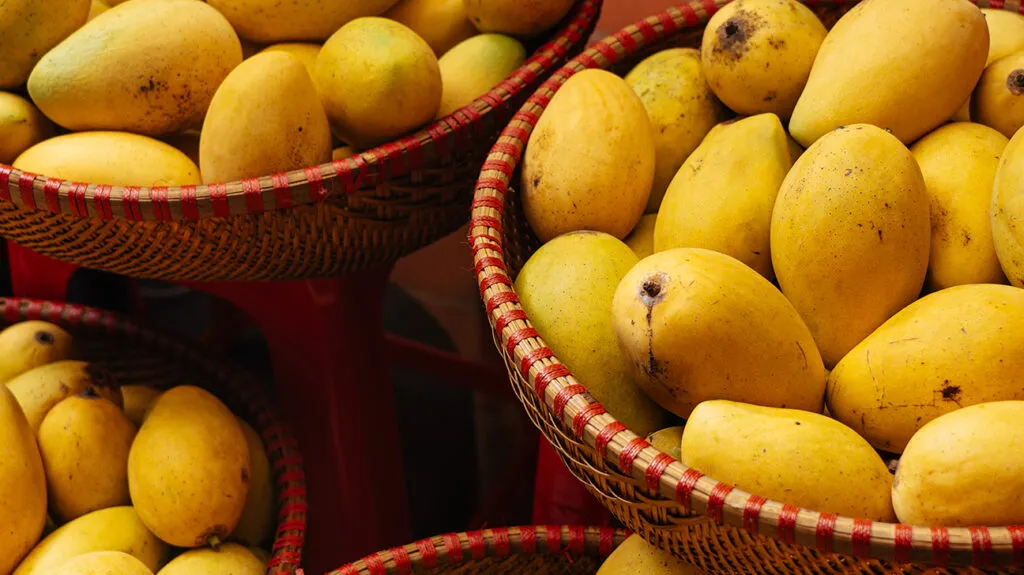
    The most important fruit in the Philippines is the mango. The Carabao mango is particularly prized for its sweet flavor and vibrant yellow color.

    What Is the Season of Lanzones?

    The season of lanzones is from July to October. This is when the Lanzones Harvest happens, and the fruits are ripe for the picking.

    Conclusion

    Experience the Best of Philippine Fruits with Seasonal Jams

    Choosing seasonal Philippine fruit jams offers numerous benefits. You get the freshest ingredients because they’re made from fruits that are in season, ensuring optimal flavor and nutrition.

    You support local farmers, promoting the local economy and helping them thrive.

    Additionally, you reap nutritional benefits from consuming fruits that are rich in vitamins, minerals, and antioxidants.

    Unique Flavors and Better Taste

    Seasonal fruit jams offer unique flavors that aren’t found in commercial jams made from imported fruits.

    The taste is better because the fruits are picked at the peak of ripeness, ensuring maximum sweetness and flavor.

    Sustainable and High-Quality

    By choosing seasonal Philippine fruit jams, you support sustainable farming practices that reduce carbon footprint and promote environmental conservation.

    You get high-quality jam that’s carefully crafted to bring out the best flavors and textures of the fruits.

    Overall, choosing seasonal Philippine fruit jams is a wise decision that benefits your health, the local economy, and the environment.
  • Why Choose These Banana Varieties for Kakanin?

    Why Choose These Banana Varieties for Kakanin?

    Choosing the right banana variety can elevate your kakanin dessert to new heights. When it comes to kakanin, the type of banana used can significantly impact the final product.

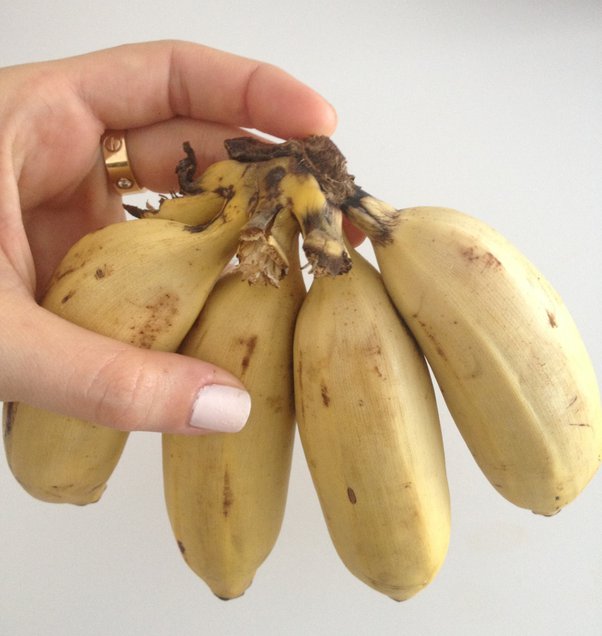
    Virupakshi bananas, with their slender shape and thick skin, offer a unique texture and flavor profile. Meanwhile,

    Pazhani Panchamrutam bananas boast balanced sweetness and enhanced aroma compounds, making them an excellent choice for kakanin.

    It’s not just about sweetness – the texture and firmness of the bananas also play a crucial role. By selecting the perfect banana variety, you can

    unlock the full potential of your kakanin and create a truly exceptional dessert.

    Key Takeaways

    Virupakshi and Pazhani bananas are ideal for kakanin due to their unique characteristics. Virupakshi bananas offer a unique blend of natural sweetness, thick skin, and slender shape, making them well-suited for kakanin. Their balanced sweetness and texture complement the richness of kakanin.

    Pazhani Panchamrutam bananas are also a great choice for kakanin. They have a balanced sweetness, enhanced aroma, and undergo an expert hand-mixing process that enhances the flavor profile of kakanin. Their flavor profile and texture are perfectly suited to kakanin.

    Selecting the right banana variety is crucial for preserving cultural heritage and traditional flavors in kakanin. Virupakshi and Pazhani bananas are excellent choices because of their optimal sweetness and texture, which ensure a balanced flavor combination in kakanin.

    Unique Characteristics of Virupakshi

    Unique Characteristics of Virupakshi Bananas

    Virupakshi bananas are distinguished by their slender shape and thick skin, setting them apart from other banana varieties. Their slender shape allows them to thrive in the shade, making them ideal for coffee plantations.

    The thick skin provides natural protection against pests and diseases.

    Rich History and Cultural Significance

    Virupakshi bananas have a rich history, having been rescued from extinction in the 1990s after being nearly eradicated due to Banana Bunchy Top Disease.

    They’ve been awarded a geographical indication (GI) tag since 2008, recognizing their cultural and agricultural significance in the region.

    Flavor Profile of Pazhani Panchamrutam

    Understanding the Flavor Profile of Pazhani Panchamrutam

    Sweetness Level:

    Pazhani Panchamrutam’s sweetness level is a result of the combination of virupakshi bananas and sweeteners, creating a balanced taste.

    The sweetness is balanced to avoid overpowering the other flavors.

    Aroma Compounds:

    The aroma compounds in Pazhani Panchamrutam are enhanced through specific methods.

    These methods include the use of spices and herbs that complement the banana flavor.

    Sweetness Level Analysis

    Pazhani Panchamrutam’s Unparalleled Sweetness

    Two key factors contribute to the exceptional sweetness of Pazhani Panchamrutam: the deliberate blend of sugars and the expert hand-mixing process that allows each ingredient to combine seamlessly.

    The Sweetness Breakdown

    Flavor Component Contribution to Sweetness
    Virupakshi bananas Natural sweetness from ripe bananas
    Khandasari sugar Adds a deep, caramel-like sweetness
    Honey Provides a rich, floral sweetness
    Rock candy, raisins, cardamom Adds layers of sweetness and aromatic complexity

    The ripeness of the virupakshi bananas plays a crucial role in the sweetness level, as it adds natural sweetness and a creamy texture. The sugar content, comprising Khandasari sugar and honey, creates a complex and deeply sweet flavor profile. The expert hand-mixing process allows these flavors to combine in harmony, enhancing the overall sweetness.

    Aroma Compound Breakdown

    Aroma Compound Breakdown in Pazhani Panchamrutam

    Pazhani Panchamrutam’s unique flavor profile is crafted by the intricate combination of aroma compounds from ripe bananas, floral honey, and fragrant cardamom.

    This complex interplay of ingredients showcases a harmonious balance of sweet, spicy, and floral notes.

    The chemical composition of Pazhani Panchamrutam is a demonstration of the power of ingredient interaction.

    The sweetness of virupakshi bananas and Khandasari sugar is elevated by the floral hint of honey and the warmth of cardamom.

    The addition of spices like black pepper and edible camphor adds depth to the flavor profile, while the hand-mashing technique releases vital oils, further enhancing the aroma.

    The taste development of Pazhani Panchamrutam is remarkable due to the expertly crafted blend.

    The result is a flavor experience that’s both familiar and innovative, with each bite a testament to the culinary mastery of this traditional recipe.

    The magic lies not just in the ingredients, but in the intricate dance of aroma compounds that come together to create a truly unforgettable taste.

    Flavor Enhancement Methods

    Balancing Ingredients for Optimal Flavor

    Pazhani Panchamrutam’s creators achieve a rich and indulgent taste experience by carefully balancing the proportions of seven key ingredients: virupakshi bananas, Khandasari sugar, honey, dates, rock candy, raisins, and cardamom.

    The Importance of Banana Selection

    The unique sweetness and texture of virupakshi bananas provide the perfect base for flavor experimentation. The right banana variety is crucial for the overall flavor profile.

    Controlling Sweetness Levels

    The addition of Khandasari sugar, honey, and rock candy allows for precise control over sweetness levels, ensuring a harmonious balance of flavors. This balance is key to achieving the perfect level of sweetness.

    Adding Depth of Flavor

    The dates, raisins, and cardamom add a depth of flavor that complements the sweetness. These ingredients enhance the flavor profile without overpowering it.

    The Recipe Customization Process

    Through meticulous taste testing techniques, the creators of Pazhani Panchamrutam have perfected a recipe that’s both traditional and innovative. The result is a flavor profile that’s both rich and indulgent.

    Texture and Firmness Matters

    Texture and firmness are crucial in selecting bananas for Kakanin.

    When choosing bananas, it’s essential to find ones that are firm but yielding, with soft and pliable centers and crunchy outer layers.

    This texture combination provides a satisfying contrast in the dish, making it visually appealing and enjoyable to eat.

    Firm but Yielding

    Virupakshi bananas offer a unique texture that elevates Kakanin dishes from ordinary to exceptional. This texture is essential because it directly impacts the overall eating experience.

    When cooking with Virupakshi bananas, they hold their shape and structure even when subjected to various cooking techniques, making their firmness a game-changer in maintaining the integrity of the Kakanin.

    This firmness is balanced by a yielding aspect that adds a delightful softness to the dish, complementing it without compromising its texture. This balance is crucial to satisfying taste preferences and ensuring the Kakanin turns out as desired.

    Soft and Pliable Centers

    Virupakshi bananas are ideal for kakanin due to their soft and pliable centers. These bananas transform into a creamy texture when cooked, enhancing the dessert’s mouthfeel and appeal.

    The soft consistency of Virupakshi bananas is essential for achieving the signature velvety consistency in kakanin recipes.

    When cooked, they maintain a delicate and tender center, perfect for those who prefer a softer dessert experience. The melt-in-your-mouth experience characteristic of well-prepared kakanin is largely due to the texture and firmness of these banana varieties.

    Crunchy Outer Layers

    Thick-skinned bananas provide a satisfying crunch on the outside, contrasting with the soft interior. This textural contrast is essential for kakanin, and it’s achieved by selecting bananas with a firm outer layer.

    Virupakshi bananas are a great choice, as they maintain their firmness during cooking, providing a delightful texture.

    The ripeness of bananas is crucial. If bananas are too ripe, they become mushy, while underripe ones are too starchy. The ideal ripeness balances crunch and creaminess. Cooking techniques, such as boiling or steaming, can also affect the texture of kakanin. However, Virupakshi bananas hold up well to various cooking methods.

    Personal taste preferences play a significant role. Do you prefer a softer, creamier kakanin or one with a satisfying crunch? Virupakshi bananas offer the best of both worlds, allowing you to achieve your desired texture.

    Sweetness Levels for Kakanin

    Choosing the Right Bananas for Kakanin

    Selecting the appropriate banana variety is crucial, as the natural sweetness levels of bananas significantly impact the flavor profile of Kakanin. The goal is to create a balanced dish, avoiding excessive sweetness or blandness.

    Why Virupakshi and Pazhani Bananas Stand Out

    1. Reduced Added Sugar: With their natural sweetness, Virupakshi and Pazhani bananas allow for less added sugar in your Kakanin recipe.

    2. Balanced Flavors: The inherent sweetness of these bananas complements the savory flavors in Kakanin, creating a harmonious taste experience.

    3. Traditional Taste: Virupakshi and Pazhani bananas are ideal for traditional Kakanin recipes, where natural sweetness is preferred over added sugars.

    4. Unique Flavor Profile: These banana varieties add a distinct sweetness to Kakanin, making it a standout dessert.

    Cooking Methods for Bananas

    Mastering Cooking Methods for Authentic Kakanin

    To bring out the natural sweetness of your chosen banana variety, steaming and boiling are essential cooking methods. These methods help retain the unique characteristics of your banana, ensuring an authentic Kakanin experience.

    Steaming involves placing bananas in a steamer basket over boiling water, covering with a lid, and steaming for 10-15 minutes or until tender. This method helps preserve the banana’s texture and flavor.

    Boiling involves submerging bananas in boiling water, reducing heat to a simmer, and cooking for 10-15 minutes or until tender. Boiling helps break down the starches in the banana, making it easier to work with.

    Steaming Bananas Right

    Selecting the Right Bananas

    To achieve the perfect steam, choose bananas that are ripe but still firm to the touch. This ideal ripeness guarantees a sweet and soft texture necessary for traditional Filipino kakanin dishes.

    Steaming Techniques

    Steam bananas for 10-15 minutes, or until they’re tender and easily pierced with a fork. Monitor steaming duration to avoid oversteaming, which can result in mushy bananas that have lost their flavor and nutrients. Proper steaming preserves the natural flavor and nutrients of the bananas, ensuring you get the most out of your fruit.

    Enhancing Flavor and Texture

    Add a pinch of salt or a squeeze of lime juice to your steamed bananas for a burst of flavor and texture. Experiment with different recipe variations to find your favorite combination.

    Boiling Bananas Perfectly

    Boiling Virupakshi bananas perfectly requires a gentle boil and controlled cooking time to preserve their unique flavor and texture. Aim for a gentle boil and adjust the heat as needed to prevent scorching.

    The cooking time will vary depending on the ripeness of the bananas, but generally, it takes 10-15 minutes to achieve perfect doneness. The goal is to achieve a delicate balance of texture and taste retention, where the bananas are cooked through but still retain some firmness, ensuring they hold their shape in the Kakanin.

    Mastering the boiling technique is crucial to reveal the full flavor potential of Virupakshi bananas, elevating the Kakanin to new heights.

    Traditional Filipino Desserts Enhanced

    Traditional Filipino desserts, such as suman, bibingka, and biko, are elevated to new heights when infused with the unique flavors and textures of Virupakshi and Pazhani bananas.

    These banana varieties add a distinct taste and aroma to your favorite treats.

    The thick skin and slender shape of Virupakshi bananas make them ideal for cooking, adding a sweet flavor to your Kakanin. Meanwhile, Pazhani bananas bring a special sweetness and richness to the mix.

    Using these banana varieties in traditional Filipino desserts offers several advantages:

    Flavor combinations that will blow your mind are achieved by balancing sweet and savory flavors in your suman or biko.

    Cultural significance is preserved by using these banana varieties, which helps to maintain the heritage and authenticity of Filipino desserts.

    Recipe variations are endless, allowing for experimentation with different cooking techniques and ingredient sourcing to create unique flavor profiles.

    Taste preferences are satisfied, whether you prefer sweet, savory, or a mix of both, as these banana varieties cater to diverse cravings.

    With Virupakshi and Pazhani bananas, the possibilities are endless, and your taste buds will thank you.

    Modern Twists on Classic Recipes

    Incorporating unique banana varieties into traditional kakanin recipes adds a distinct flavor profile and modern twist.

    By using varieties like Virupakshi, you can create fusion desserts that honor cultural connections while introducing new flavors.

    This approach allows you to forge a connection to age-old rituals and practices while innovating classic recipes.

    Pazhani Panchamrutam is a traditional ingredient that elevates kakanin flavors and experiences.

    Adding this ingredient to your recipes can add depth and richness to your creations.

    By experimenting with different banana varieties, you’ll discover exciting new combinations that pay homage to traditional roots while showcasing regional produce diversity.

    Modern twists on classic kakanin recipes don’t reinvent the wheel; they add creative flair.

    Banana Variety Pairing Options

    The Right Banana Variety Matters

    Pairing niche banana varieties with kakanin recipes requires a thoughtful consideration of flavor profiles, textures, and cultural significance to create harmonious and authentic dessert experiences.

    Unique Flavor Combinations

    The sweetness of Virupakshi bananas pairs perfectly with the richness of kakanin, while the tanginess of Karuvazhai bananas cuts through the dessert’s richness.

    Choosing the right banana variety ensures a harmonious flavor experience.

    Cultural Significance

    Using traditional banana varieties like Numaran preserves the cultural heritage of kakanin and honors its regional roots.

    Selecting culturally significant banana varieties maintains the authenticity of kakanin.

    Regional Diversity

    Incorporating local banana varieties showcases the diversity of flavors and ingredients found in different regions.

    Regional banana varieties highlight the unique characteristics of each region.

    Authenticity

    Selecting the right banana variety guarantees an authentic kakanin experience that’s true to its culinary heritage.

    The right banana variety ensures an authentic kakanin experience.

    Incorporating Bananas Into Kakanin

    Choosing the Right Bananas for Kakanin

    To elevate your kakanin, select bananas that complement the dish. Virupakshi and Pazhani bananas are top choices for incorporating into your recipes. These varieties will add a new dimension to your traditional Tamil dishes.

    Authentic Flavors and Textures

    Using Virupakshi and Pazhani bananas will give you the authentic flavors and textures cherished in traditional Tamil cuisine. Avoid banana substitution, as these varieties are the real deal.

    Optimal Banana Ripeness

    For optimal flavor, use slightly underripe bananas to bring out the natural sweetness.

    Flavor Combinations

    Pair Virupakshi bananas with cardamom and a hint of coconut for a harmonious flavor combination. Pazhani bananas complement the bold flavors of jaggery and ghee. Balance the flavors by experimenting with different combinations.

    With Virupakshi and Pazhani bananas, the possibilities are endless, and your kakanin will thank you.

    What Makes These Banana Varieties Ideal for Kakanin?

    The sweetness and unique flavor of certain banana varieties make them ideal for kakanin. These sweet mango varieties for snacks are perfect for adding a natural sweetness to traditional Filipino rice cakes. Their soft texture and hint of tangy sweetness complement the rich flavors of kakanin.

    The Science of Banana Selection

    The Science of Banana Selection

    Selecting the perfect banana for traditional Tamil cuisine, such as kakanin, relies heavily on understanding the nuances of banana varieties like Virupakshi and Pazhani.

    Understanding Banana Varieties is Crucial:

    It’s not just about grabbing any old banana off the shelf. The science of banana selection involves understanding the intricacies of banana ripeness, flavor compounds, and cultivar selection to achieve the perfect flavor development.

    Flavor Profile Matters:

    Virupakshi bananas bring a sweetness that’s hard to resist, while Pazhani bananas add a jam-like consistency that’s pure bliss. This is because Virupakshi bananas have a higher sugar content, making them sweeter, whereas Pazhani bananas have a softer, more jam-like texture.

    Texture Plays a Significant Role:

    The thick skin of Virupakshi bananas provides a satisfying bite, while the creamy texture of Pazhani bananas is simply divine. The texture of bananas can greatly impact the overall eating experience, making it essential to choose the right variety.

    Aroma Analysis is Key:

    The aroma of Virupakshi and Pazhani bananas is unparalleled, transporting you to the lush fields of Tamil Nadu. The aroma compounds present in these bananas evoke a sense of place and cultural heritage.

    Cultural Significance Can’t be Overlooked:

    Frequently Asked Questions

    What Are the Different Types of Bananas in the Philippines?

    The Philippines is home to a diverse range of banana varieties, thanks to its tropical climate.

    The country’s banana varieties include Saba, Latundan, Lakatan, and Bungulan, which are all deeply rooted in Filipino culture.

    What Is the Difference Between Lakatan and Cavendish?

    Lakatan bananas are sweeter and creamier, with a vibrant yellow color. They have a distinct taste profile compared to Cavendish bananas. Cavendish bananas are milder and more tart, ripening faster with a pale yellow hue.

    What Is the Most Famous Kakanin in the Philippines?

    Bibingka is the most famous Kakanin in the Philippines. This traditional rice cake is a staple in Filipino celebrations, symbolizing the country’s rich culinary heritage and cultural traditions.

    What Are the Species of Banana in India?

    India is home to several banana species, each with unique characteristics and uses.

    Cavendish, a popular variety, is widely cultivated in India. Virupakshi, known for its sweet taste and high yield, is another prominent species in the country. Robusta, a disease-resistant variety, is commonly grown in Indian regions. Poovan, a popular variety in South India, is prized for its sweet flavor and soft skin. Rasthali, a popular variety in North India, is valued for its unique flavor and texture.

    Conclusion

    Choosing the right banana variety is crucial for perfect kakanin. Selecting the ideal banana isn’t a trivial matter, as it significantly impacts the final product.

    Virupakshi’s unique characteristics, Pazhani Panchamrutam’s flavor profile, and the texture and firmness of the chosen banana all contribute to creating exceptional kakanin.

    Settling for a mediocre banana can compromise the quality of your kakanin, so it’s essential to choose wisely and elevate your kakanin game.

  • 9 Best Calamansi Uses in Philippine Culinary Recipes

    9 Best Calamansi Uses in Philippine Culinary Recipes

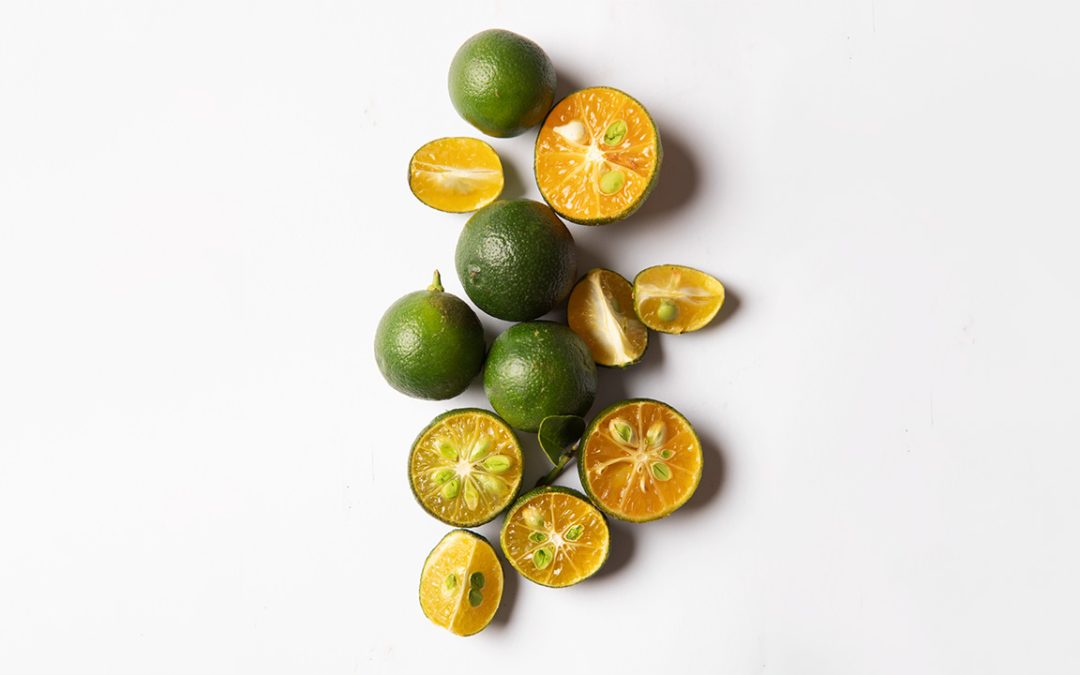
    Calamansi, a versatile ingredient, can elevate various Filipino dishes. It adds flavor to traditional recipes like adobo and sinigang, and even gives desserts like calamansi curd and jelly a unique twist.

    Calamansi’s acidity tenderizes meat, making it a great marinade for grilled meats and seafood. Its citrus flavor also balances rich flavors and adds freshness to breakfast dishes.

    Calamansi marinades and glazes bring a new dimension to grilled meats and seafood, while its juice can be used to enhance the flavor of various Filipino recipes.

    Key Takeaways

    Calamansi as a Flavor Enhancer

    Calamansi is a versatile flavor enhancer that elevates traditional Filipino dishes. It enhances flavor in savory dishes like adobo, sinigang, and stir-fries, tenderizing meat and balancing bold flavors.

    Calamansi in Beverages

    Calamansi adds a unique twist to beverages. It is perfect for summer drinks and revitalizing recipes, such as a refreshing limeade.

    Calamansi in Desserts

    Calamansi balances sweetness in Filipino desserts. It adds a tangy, citrusy flavor to calamansi curd, jelly, and cake.

    Calamansi in Marinades and Glazes

    Calamansi brings a new flavor dimension to marinades and glazes. It tenderizes meat and infuses citrus flavor, making it a great addition to various recipes.

    Calamansi in Traditional Dishes

    Calamansi pairs well with meats, seafood, and vegetables, making it a great addition to traditional Filipino dishes. It elevates dishes like lechon and adobo, adding a unique flavor dimension.

    Calamansi in Savory Dishes

    Calamansi: Elevating Savory Dishes in Filipino Cuisine

    In Filipino cuisine, calamansi is a fundamental ingredient in savory dishes, adding a tangy and citrusy flavor to various recipes. This citrus fruit enhances the flavor profile of dishes like adobo, sinigang, and stir-fries.

    When cooking adobo, calamansi helps tenderize the meat and balances the bold flavors of vinegar and soy sauce. In sinigang, calamansi’s acidity cuts through the richness of the broth, creating a harmonious balance of sweet, salty, and sour flavors. Calamansi’s unique flavor profile also enhances the taste experience in dishes like beef tapa or shrimp stir-fry.

    By incorporating calamansi into your cooking, you’ll discover a new level of flavor complexity that will elevate your dishes to the next level.

    Refreshing Calamansi Beverages

    Discover the Unique Twist of Calamansi in Refreshing Beverages

    Calamansi, a citrus fruit, brings a zesty twist to various drinks. It adds a unique flavor profile to limeade, making it a refreshing alternative to traditional beverages. From summer drinks to revitalizing recipes, calamansi-based beverages are perfect for any occasion.

    Explore Calamansi-Based Recipes for Every Occasion

    Calamansi Limeade Delights are a great way to experience the fruit’s unique flavor. By mixing calamansi juice with limeade, you create a refreshing drink perfect for summer gatherings.

    Citrus Refresher Recipes offer a variety of ways to incorporate calamansi into your drinks, from revitalizing drinks to festive cocktails.

    Calamansi Limeade Delights

    Calamansi Limeade: A Refreshing Filipino Staple

    Calamansi Limeade is a revitalizing drink that combines the zesty flavor of calamansi juice, sweetness of sugar, and the invigorating essence of water. This citrusy drink is a staple in Filipino households, offering a perfect balance of sweet and sour flavors.

    Elevate Your Calamansi Limeade Experience

    To give your Calamansi Limeade a unique spin, try these exciting variations:

    Mint to Be: Add fresh mint leaves to create a rejuvenating twist on a summer classic.

    Spicy Zing: Infuse your drink with a slice of ginger for an added kick.

    Sweet Serenade: Mix in a spoonful of honey for a touch of warmth and sweetness.

    Celebrating the Versatility of Calamansi

    Calamansi recipes like Calamansi Limeade showcase the versatility of this tiny citrus fruit. With its zesty flavor and numerous health benefits, calamansi is an ingredient that deserves to be celebrated in various culinary creations.

    Summer Drink Essentials

    Calamansi-based drinks are a staple in many Filipino households during the summer. These refreshing beverages offer a rejuvenating escape from the scorching heat. Calamansi, a citrus fruit commonly found in the Philippines, is the perfect ingredient to quench your thirst on a hot summer day.

    Three invigorating calamansi-based drinks to try:

    Drink Description Taste Profile
    Calamansi Juice with Honey A classic summer drink Invigorating, tangy, and sweet
    Calamansi Iced Tea A unique twist on a classic beverage Citrusy, subtle, and soothing
    Calamansi Mojito A refreshing cocktail choice Zesty, tangy, and invigorating

    Experimenting with calamansi-based drinks allows you to create unique flavor profiles. Whether you prefer sweet, tangy, or invigorating flavors, calamansi-based drinks cater to your taste buds. With these recipes, you’ll be sipping your way to a cooler summer in no time!

    Citrus Refresher Recipes

    Calamansi Juice: A Versatile Ingredient for Refreshing Citrus Recipes

    Calamansi juice is a unique and refreshing addition to various citrus refresher recipes, perfect for any time of day. Its distinct flavor profile makes it an excellent ingredient for creating revitalizing beverages.

    Three Citrus Revitalizer Recipes

    1. Calamansi Iced Tea: Combine calamansi juice with tea for a rejuvenating twist on a classic drink.
    2. Calamansi Mojito: Add calamansi juice to the traditional cocktail for a zesty twist, perfect for hot summer evenings.
    3. Calamansi Lemonade: Mix calamansi juice with honey for a sweet and tangy refreshment rich in Vitamin C, ideal for hot days.

    The Adaptability of Calamansi Juice

    Calamansi juice showcases its adaptability in creating unique and revitalizing drinks. Whether you’re looking for a twist on a classic or a revitalizing pick-me-up, calamansi juice is the perfect addition to take your beverages to the next level.

    Calamansi in Filipino Desserts

    Calamansi’s Versatility in Filipino Desserts

    Calamansi’s tartness is a game-changer in Filipino desserts, cleverly balancing the richness of sweet treats. This citrus fruit is a popular ingredient in many Filipino recipes, adding a unique flavor to sweet treats.

    Calamansi’s Role in Various Desserts

    Calamansi’s versatility shines in different desserts, each with its own unique flavor profile.

    Dessert Calamansi’s Role Taste Profile
    Calamansi Curd Adds a tangy, citrusy flavor Balances sweetness with a hint of tartness
    Calamansi Jelly Provides a tangy twist to traditional spreads Sweet and sour, perfect for pairing with breads and pastries
    Calamansi Cake Adds moisture and a burst of citrus flavor Rich, balanced by the tartness of calamansi
    Calamansi Sorbet Offers an invigorating, citrusy flavor Invigorating and tangy, perfect for hot summer days

    Each dessert showcases calamansi’s ability to elevate sweetness with its tangy flavor, creating a delightful harmony of flavors.

    Calamansi Marinades and Glazes

    Calamansi marinades and glazes bring a new dimension of flavor to dishes, expertly balancing richness with a tangy, citrusy twist. This is because calamansi adds a unique flavor profile that complements a variety of ingredients.

    Three benefits of using calamansi marinades and glazes are:

    1. Tenderization and flavor infusion: Calamansi marinades tenderize meats and seafood while infusing them with a citrusy flavor. For example, using calamansi in a marinade for grilled chicken or fish can create a tender and flavorful dish.

    2. Balancing richness: Calamansi’s acidity helps balance rich and savory flavors in marinades and glazes, creating a harmonious flavor profile. This is especially useful when working with rich meats like pork or beef.

    3. Caramelization and aroma: Calamansi glazes can caramelize beautifully on meats, creating a flavorful and aromatic finish. This can be seen when using calamansi in a glaze for grilled pork chops or steak.

    When crafting calamansi marinades and glazes, combining calamansi with soy sauce, garlic, sugar, and pepper creates a well-rounded flavor profile. This combination can be used as a starting point for creating mouth-watering dishes that showcase the versatility of calamansi.

    Calamansi in Traditional Recipes

    Calamansi’s significance in traditional Philippine cuisine is undeniable, as it adds a tangy, invigorating twist to classic dishes. In iconic dishes like adobo, sinigang, and kinilaw, calamansi’s distinctive citrus flavor enhances the overall taste profile.

    Calamansi is a vital component of sawsawan or dipping sauces, elevating the flavor of meals with its zesty kick. Its influence extends beyond savory dishes, as it’s also a popular choice for sweet treats like calamansi muffins, where its tartness balances the richness of sugar.

    Calamansi’s versatility shines in traditional recipes, adding a unique dimension to the country’s culinary heritage. By incorporating calamansi into your cooking, you’ll experience the authentic flavors of the Philippines, where this humble citrus fruit is a cherished ingredient.

    Calamansi as a Flavor Enhancer

    Calamansi: A Flavor Enhancer in Filipino Cuisine

    Calamansi’s unique flavor profile makes it an essential ingredient in Filipino cuisine, elevating dishes with its tangy, acidic taste. Its flavor can transform a dish, whether it’s a hearty adobo or a revitalizing salad.

    Calamansi enhances flavors in three ways:

    1. Balances richness: Calamansi’s acidity cuts through the richness of fatty ingredients, creating a harmonious balance of tastes. In traditional Filipino dishes like lechon, calamansi juice is served as a palate cleanser to balance the richness of the roasted pig.

    2. Adds depth: The tangy citrus flavor of calamansi adds depth and complexity to sauces, marinades, and dressings. In Filipino-style barbecue, calamansi is mixed with soy sauce, garlic, and sugar to create a marinade that adds depth to grilled meats.

    3. Elevates savory dishes: Calamansi’s bright, zesty flavor enhances the savory flavors of meats, seafood, and vegetables, making dishes more engaging and invigorating. In Filipino-style stir-fries, calamansi juice is added towards the end of cooking to elevate the flavors of the vegetables and meat or seafood.

    Calamansi in Breakfast Recipes

    Calamansi in Breakfast Recipes

    Calamansi, a type of citrus fruit, can elevate your morning meals by adding a burst of citrus flavor.

    Incorporating calamansi into scrambled eggs is a great way to start. For instance, you can squeeze fresh calamansi juice over scrambled eggs for a refreshing twist on a breakfast classic.

    Calamansi can also be used as a morning boost. Add a slice of calamansi to your breakfast drink, such as orange juice or tea, for an extra kick of citrus flavor.

    The possibilities are endless, and experimenting with calamansi in your breakfast recipes can lead to exciting new flavors and combinations.

    Morning Squeeze Boost

    Incorporating Calamansi into Your Morning Routine

    Starting your day with calamansi can elevate your breakfast with a burst of citrusy flavor. A squeeze of calamansi can transform your breakfast dishes.

    Three Ways to Get Your Morning Boost

    1. Revitalize Your Breakfast with Calamansi Zest

    Add calamansi zest to yogurt or oatmeal to give your breakfast a revitalizing twist. Incorporating the citrusy flavor of calamansi zest into your yogurt or oatmeal will give you a refreshing breakfast experience.

    2. Take Your Breakfast to the Next Level

    Make calamansi-infused pancakes or waffles by incorporating calamansi juice into your pancake or waffle batter. This will add a unique citrusy flavor to your breakfast treats.

    3. Try a Refreshing Calamansi and Honey Breakfast Drink

    Ditch the OJ and try a glass of calamansi juice with honey for a vitamin C-rich alternative. This drink provides a morning pick-me-up.

    Citrusy Scrambled Eggs

    Citrusy Scrambled Eggs: A Flavorful Twist on a Classic Breakfast

    Adding a squeeze of calamansi juice to scrambled eggs creates a tangy and refreshing breakfast option. The citrusy flavor of calamansi complements the richness of eggs, producing a delightful balance of flavors.

    The acidity of calamansi cuts through the richness of eggs, making each bite a harmonious balance of flavors. This unique twist on scrambled eggs provides a much-needed energy boost to tackle your morning routine. Calamansi adds a zesty and revitalizing quality to scrambled eggs, making it a perfect addition to your breakfast repertoire.

    Calamansi in Grilled and Fried Dishes

    Calamansi Elevates Grilled and Fried Dishes

    Adding calamansi juice to grilled and fried dishes introduces a tangy, citrusy flavor that tenderizes the meat and infuses it with a unique twist. This natural marinade enhances the overall flavor profile of your grilled and fried dishes, making them more savory and aromatic.

    Balancing Richness

    The acidity of calamansi cuts through the richness of fried foods, balancing the flavors and leaving you craving more. This is especially true for fried chicken, where calamansi juice complements the crispy exterior and juicy interior.

    Pairing with Spices

    Calamansi complements turmeric, garlic, chili powder, and other spices, adding depth and complexity to your grilled and fried recipes. This harmonious blend of flavors creates a truly unforgettable taste experience.

    Tenderizing Meat

    Calamansi juice tenderizes meat and seafood, making them more juicy and tender. This is particularly noticeable in grilled fish, where the acidity of calamansi breaks down the proteins, resulting in a more delicate texture.

    How Can I Incorporate Calamansi into American-Influenced Philippine Dishes?

    Calamansi, a citrus fruit native to the Philippines, can be easily incorporated into American-influenced Philippine dishes. Its tangy flavor adds a unique twist to traditional recipes, such as adobo or sinigang. By squeezing calamansi juice over grilled meats, salads, or even desserts, you can infuse a refreshing citrus kick, enhancing the flavors and elevating the overall dining experience. The American influence on Filipino cuisine allows for creative exploration and the fusion of diverse culinary traditions.

    Calamansi in Soups and Stews

    Calamansi’s Flavorful Role in Filipino Soups and Stews

    In traditional Filipino cuisine, calamansi plays a vital role in soups and stews, adding a burst of citrusy freshness to balance rich flavors. Calamansi’s acidity helps counterbalance the savory flavors of ingredients like pork, seafood, and vegetables.

    This harmonious balance creates a refreshing and invigorating taste experience.

    In soups like sinigang, calamansi juice is added towards the end of cooking to preserve its fresh flavor. This technique ensures the citrusy flavor shines through, brightening up the dish.

    The acidity of calamansi also helps to cut through the richness of traditional Filipino soups and stews, creating a harmonious taste profile.

    When calamansi is combined with ingredients like pork, seafood, and vegetables, it enhances the overall flavor experience, creating a symphony of flavors.

    Frequently Asked Questions

    What Do Filipinos Use Calamansi For?

    Filipinos use calamansi to add flavor to dishes, but its significance goes beyond that. Calamansi represents warmth, hospitality, and community, deeply rooted in Filipino traditions and values.

    What Is the Culinary Use of Calamansi?

    Calamansi’s culinary use lies in its ability to enhance flavors. It adds a tangy and citrusy twist to dishes, elevating their flavor profiles and creating a perfect balance of sweet and savory notes. For instance, in Filipino cuisine, calamansi is often used as a marinade for grilled meats or as a dipping sauce for fried dishes, adding a burst of citrus flavor. Its acidity helps to balance the richness of ingredients, making it a versatile ingredient in many recipes.

    What Is the Best Use of Calamansi?

    Calamansi is best used as a flavor enhancer, adding a zesty twist to various dishes. It elevates the taste of meats, seafood, and veggies by incorporating it into marinades, sauces, and dressings. This is why calamansi is a staple in many Filipino recipes, where its unique flavor is highly valued.

    What Can Be Made From Calamansi?

    Calamansi can be used to create innovative cosmetics. Its antioxidant properties and citrusy essence make it an ideal ingredient for developing skincare products, hair care treatments, and fragrances. Skincare products can be formulated with calamansi to promote healthy, glowing skin, while hair care treatments can utilize its antioxidant properties to nourish and protect hair. Additionally, calamansi’s citrusy essence can be used to create uplifting fragrances.

    Conclusion

    Calamansi is a crucial ingredient in many Filipino kitchens due to its unique flavor profile that elevates various recipes. By incorporating calamansi into your cooking repertoire, you can reveal a world of flavors and take your dishes to the next level.

    Experimenting with the various uses of calamansi helps discover its full potential.

  • What’s in a Healthy Pinoy Seasonal Fruit Smoothie?

    What’s in a Healthy Pinoy Seasonal Fruit Smoothie?

    A healthy Pinoy seasonal fruit smoothie combines nutrient-dense fruits to enhance daily nutrient intake and support overall well-being. Mangoes, bananas, and pineapples are ideal choices, as they are packed with vitamins, minerals, and antioxidants.

    Experimenting with different fruit combinations can lead to unique flavor profiles and textures. For added nutrition, superfoods like mangosteen or tarap can be incorporated.

    To achieve the right consistency, a liquid base like coconut water is essential.

    Key Takeaways

    Combine seasonal fruits for a nutrient-rich smoothie. Mangoes, bananas, and pineapples make a great combination, providing vitamins, minerals, and antioxidants. Experiment with different fruit combinations to find your favorite flavor.

    Add unique flavors and textures with add-ins. Chia seeds provide an omega-3 boost, while coconut water adds electrolytes. Superfoods like spinach or kale can be added for an extra nutritional punch.

    Choose seasonal fruits for freshness and sustainability. Fruits in season are fresher, sweeter, and more nutritious. This choice also supports local farmers and sustainable agriculture.

    Select a liquid base for the right consistency. Coconut water or yogurt can be used as a base, adding hydration and protein to your smoothie.

    Boost the nutritional value of your smoothie. Adding protein powder, Greek yogurt, or leafy greens like kale or spinach increases the nutritional value of your smoothie, making it a healthy and refreshing drink.

    Filipino Fruits for a Healthy Smoothie

    Boost Your Smoothie with Filipino Fruits

    Stock up on mangoes, bananas, and pineapples, three of the most popular and nutritious seasonal fruits in the Philippines, to create a delicious and healthy smoothie rich in vitamins, minerals, and antioxidants.

    Combine Seasonal Fruits for a Delicious and Healthy Smoothie

    Create a Tropical Twist

    Combine frozen bananas with fresh mango and pineapple chunks for a creamy, dreamy treat.

    The sweetness of the mango pairs perfectly with the tanginess of the pineapple, while the frozen bananas add a velvety texture.

    You can experiment with different combinations of Filipino fruits to create unique smoothie recipes.

    Enhance Nutrition and Sustainability

    Add a splash of coconut water or a sprinkle of chia seeds for extra nutrition.

    Using local fruits in your smoothie supports Filipino farmers and reduces your carbon footprint.

    By choosing seasonal fruits, you’re contributing to a sustainable food system.

    Enjoy the Taste of a Healthy Pinoy Smoothie!

    Blend those tropical fruits and experience the taste of a healthy Pinoy smoothie!

    Nutritional Benefits of Local Fruits

    Local fruits are a nutritional powerhouse. When you incorporate local fruits like mangoes, bananas, and pineapples into your diet, you’re not only treating your taste buds, but also giving your body a nutritional boost.

    These fruits are packed with fiber, which can help regulate your digestion and keep you feeling full.

    They’re also antioxidant powerhouses, providing a natural shield against diseases and infections.

    Fruit Rich in Fiber

    Fiber-Rich Fruits for a Healthier You

    Incorporating fiber-rich fruits into your diet can have a significant impact on your overall health. Fruits like mangoes, bananas, and avocados are excellent sources of fiber, providing numerous benefits for your well-being.

    Lowering Cholesterol and Managing Weight

    Eating fiber-rich fruits can help lower cholesterol levels and reduce the risk of heart disease. Fruits like papayas and pineapples are excellent examples of fiber-rich fruits that can provide these benefits. Additionally, fiber-rich fruits can aid in weight management by promoting feelings of fullness and reducing calorie intake.

    Fiber-Rich Fruits and Their Benefits

    Fruit Fiber Benefits
    Mangoes Aids digestion and promotes gut health
    Bananas Helps regulate blood sugar levels, reducing the risk of diabetes
    Avocados Promotes feelings of fullness, aiding in weight management

    Boosting Digestive Health

    Incorporating fruits high in fiber into your diet can contribute to a healthy digestive system, preventing constipation and promoting regular bowel movements. Fruits like guavas and saba bananas are excellent choices for a healthy digestive system.

    Antioxidant Powerhouses

    Local Fruits as Antioxidant Powerhouses

    Consuming local fruits is an effective way to boost your immunity and fight off harmful free radicals in your body. Mangoes, bananas, and pineapples are rich in antioxidants, making them excellent sources of vitamins and minerals like vitamin C, potassium, and fiber. These nutrients contribute to overall health and well-being.

    Antioxidants in Seasonal Fruits

    Antioxidants in seasonal fruits can help reduce inflammation, promoting healthy skin and hair. By consuming a variety of local fruits, you can reap the benefits of a diverse range of antioxidants for peak health.

    Including antioxidant-rich fruits in your diet may help reduce the risk of chronic diseases and support a healthy lifestyle.

    Choosing the Right Fruit Combinations

    Crafting the Perfect Fruit Combinations

    When blending local seasonal fruits, you can create a traditional Pinoy flavor profile that’s both delicious and nutritious. Combining fruits with complementary flavor profiles is key. For instance, the sweetness of mangoes pairs well with the tanginess of pineapples.

    Effective Fruit Combinations:

    Fruit Combination Benefits
    Mango + Banana Boosts vitamin C and potassium content
    Pineapple + Calamansi Balances sweet and tangy flavors
    Avocado + Mango Adds creaminess and healthy fats
    Banana + Pineapple Combines potassium and vitamin C
    Calamansi + Mango Enhances flavor and antioxidant content

    Achieving a Harmonious Blend:

    To create a smoothie with a balanced texture and flavor, combine fruits with varying characteristics. For example, the creaminess of avocado can offset the tartness of calamansi. Experiment with different fruit combinations to create a unique and satisfying smoothie experience tailored to your taste preferences.

    Preparation Tips for a Smooth Blend

    Guarantee a Smooth Blend with Fresh and Ripe Fruits

    To ensure a smooth blend, start with the freshest, ripest seasonal fruits. This step is crucial in securing the best flavor and nutrients in your smoothie. Fresh fruits provide better taste, texture, and nutritional value compared to unripe or old fruits.

    Add natural sweeteners like honey or agave syrup to adjust the sweetness of your smoothie according to your taste preferences. This allows you to control the amount of sugar in your smoothie and opt for healthier alternatives to refined sugars.

    Adjust Sweetness to Your Taste

    Experiment with Fruit Pairings and Blending Techniques

    Try different fruit combinations to achieve your desired texture preferences and flavor balance. Additionally, experiment with blending techniques, such as blending in batches or adding liquids gradually, to achieve the perfect blend.

    Add a liquid base like coconut water or yogurt to achieve the right smoothie consistency. This helps to create a smooth and refreshing texture that’s easy to drink.

    Incorporate a Liquid Base for the Right Consistency

    Don’t Be Afraid to Try New Fruit Combinations

    Experiment with new fruit combinations to create unique and delicious flavor profiles in your smoothie. This allows you to discover new flavors and nutrients from various fruits.

    Incorporating Superfoods Into Your Smoothie

    Incorporating Superfoods Into Your Smoothie

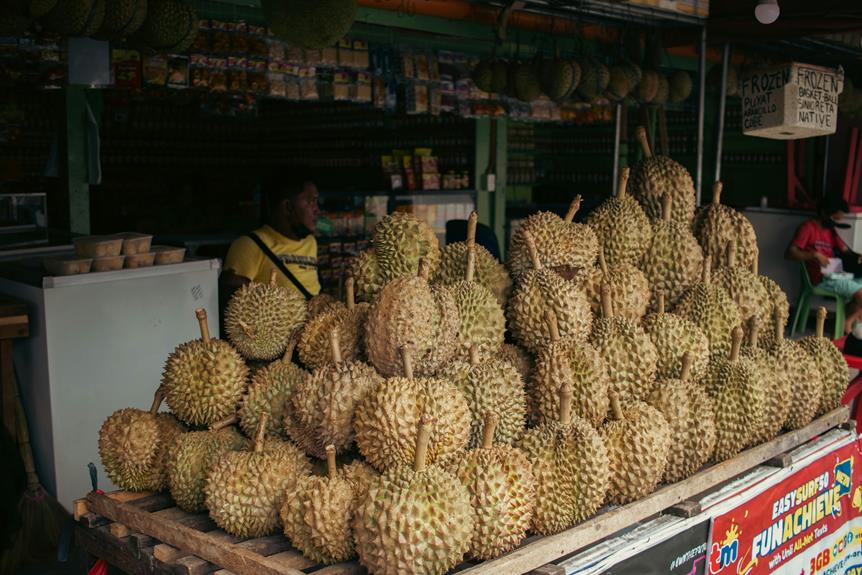
    When creating a nutritious Pinoy seasonal fruit smoothie, consider adding nutrient-dense superfoods like mangosteen, tarap, and durian to unlock a wealth of vitamins, minerals, and antioxidants. These superfoods are packed with crucial nutrients that can boost overall health.

    Mangosteen, for example, is known for its anti-inflammatory and immune-boosting properties. Tarap is rich in vitamins and minerals, while durian is high in antioxidants and fiber. Incorporating these superfoods can add unique flavors and health benefits to your smoothie.

    Superfood Superfood Benefits Flavorful Additions
    Mangosteen Anti-inflammatory, immune-boosting Sweet, slightly sour
    Tarap Rich in vitamins, minerals Earthy, slightly sweet
    Durian High in antioxidants, fiber Creamy, sweet

    The Importance of Seasonal Fruits

    Seasonal fruits are superior in freshness, flavor, and nutritional value.

    This is because they’re picked at their peak ripeness, ensuring maximum flavor and nutrient content.

    By choosing seasonal fruits, you’ll experience a variety of flavors and reap the benefits of a nutrient-dense smoothie.

    For example, incorporating seasonal fruits like strawberries in the summer or oranges in the winter will result in a more flavorful and nutritious smoothie.

    Freshness Matters Most

    Seasonal Fruits: The Key to Optimal Flavor and Nutrition

    When it comes to fruits, freshness matters most. Fruits that are bursting with flavor and have a velvety texture are those that are harvested at their peak ripeness. This is exactly what you get with seasonal fruits.

    Why Seasonal Fruits Are Better

    Seasonal fruits are fresher because they’re harvested at their peak ripeness, ensuring you enjoy their natural sweetness and texture in your smoothie. This means you get to experience their unique flavors and textures, which change throughout the year.

    Benefits of Seasonal Fruits

    Better Taste and Texture: Seasonal fruits are more flavorful and have a better texture because they’re harvested at their peak ripeness.

    Higher Nutrient Content: Seasonal fruits have a Higher Nutrient Content since they’re picked when they’re ripe, ensuring you get the most nutritional value.

    More Environmentally Friendly: Choosing seasonal fruits reduces the environmental impact of transportation and storage, making it a more sustainable option.

    Supports Local Farmers: Buying seasonal fruits Supports Local Farmers, contributing to the local economy and sustaining local agriculture.

    Locally Sourced Quality

    Freshness Guaranteed: Seasonal fruits are guaranteed to be fresh since they’re harvested locally and sold shortly after.

    Sustains Local Agriculture: By choosing seasonal fruits, you’re supporting local agriculture, ensuring the continued production of high-quality fruits.

    Unique Flavors Throughout the Year: With seasonal fruits, you get to experience unique flavors and textures throughout the year, as different fruits come into season.

    Nutrient Availability Peaks

    Seasonal Fruits Offer Enhanced Nutritional Value

    During peak seasons, seasonal fruits reach their maximum nutritional potential, offering a higher concentration of essential vitamins, minerals, and antioxidants.

    Consuming seasonal fruits ensures a higher intake of necessary nutrients, which supports ideal nutrient absorption and digestion efficiency. This, in turn, provides the body with the fuel it needs to function optimally.

    A Diet Rich in Seasonal Fruits Offers Several Health Benefits

    A diet rich in seasonal fruits can boost the immune system, increase energy levels, and promote healthy skin and weight management.

    Flavor Variety Abounds

    Seasonal Fruits Offer a World of Flavors

    With seasonal fruits, you can create a wide range of flavors and textures in your Pinoy fruit smoothie.

    Mangoes pair perfectly with pineapples, as the sweetness of mangoes complements the tanginess of pineapples.

    Bananas and Philippine oranges also make a great pair, with the creaminess of bananas balancing the zest of the oranges.

    As you explore seasonal fruits, you’ll discover unique pairings that add excitement to your smoothies.

    Jackfruits and dragon fruits create an invigorating blend, while

    strawberries and kiwis mix sweet and tangy flavors.

    Supporting Local Farmers in the Philippines

    Supporting Local Farmers in the Philippines

    By choosing fruits sourced from local Philippine farms, you directly support the livelihoods of small-scale farmers and their communities. These intercropped farms, commonly family-owned, promote sustainable agriculture and community empowerment. They use fewer chemicals, preserving the environment and supporting a more sustainable food system.

    Fair Trade and Community Empowerment

    By purchasing from local farmers, you ensure fair trade and ethical sourcing, empowering farming communities. This farm-to-table approach supports local economies, contributing to the well-being of small-scale farmers and their families. You’re helping to preserve the environment and promote a more sustainable food system.

    Make a Positive Impact

    Fruit Pulp Vs Fresh Fruits in Smoothies

    Fruit Pulp vs Fresh Fruits in Smoothies: What’s the Best Choice?

    When deciding between fruit pulp and fresh fruits for your smoothie, consider three key factors: flavor, nutrition, and convenience.

    Fruit pulp offers a consistent taste and texture, making it a convenient option for those who prioritize ease of preparation. However, fresh fruits provide more nutrients, especially vitamins and fiber, giving you a potentially fresher taste and higher nutrient content.

    Fresh fruits require more preparation time, but using them can make a significant difference in the nutritional value of your smoothie. On the other hand, fruit pulp can be a practical solution, especially when using frozen pulp, which ensures year-round availability and reduces waste.

    Ultimately, the choice between fruit pulp and fresh fruits comes down to personal preference and availability. You can use both options interchangeably, mixing and matching based on your needs and preferences. By considering these factors, you can create a smoothie that not only tastes great but also provides the nutrients you need.

    Boosting Smoothie Nutrition With Add-Ins

    Elevate Your Smoothie Nutrition with These Power-Packed Add-Ins

    To significantly enhance the nutritional profile of your smoothie, incorporate one or more of the following nutrient-dense add-ins:

    Protein Powder: Boosts protein content, aiding in muscle repair and recovery.

    Chia/Flaxseeds: High in fiber, promoting better digestion and satiety.

    Greek Yogurt: Adds probiotics, supporting gut health.

    Leafy Greens: Packed with vitamins and minerals, turning your smoothie into a nutrient powerhouse.

    Coconut Water: Provides electrolytes, making it an invigorating post-workout option.

    These add-ins will take your smoothie to the next level, offering a boost of nutrition and numerous health benefits.

    Can I Use Tiesa Treats in a Healthy Pinoy Seasonal Fruit Smoothie?

    Yes, you can use Tiesa Treats in a healthy Pinoy seasonal fruit smoothie to explore sweet creamy possibilities. The natural sweetness and creaminess of Tiesa Treats can enhance the flavor and texture of your smoothie, making it a tasty and nutritious treat.

    Refreshing Filipino Fruit Smoothie Recipes

    Explore the World of Refreshing Filipino Fruit Smoothies

    Discover unique summer fruit medley mix ideas that combine tropical flavors with seasonal fruits.

    Tropical Fruit Blend Ideas include combining mango, pineapple, and coconut milk for a creamy and sweet smoothie.

    Exotic Fruit Combos Found only in the Philippines, such as mixing jackfruit, langka, and kaong, create refreshing twists on traditional smoothies.

    Summer Fruit Medley Mix

    Summer Fruit Medley Mix: A Refreshing Blend of Philippine Fruits

    The Summer Fruit Medley Mix combines the natural sweetness of Philippine mangoes, the creaminess of avocados, and the tanginess of pineapples to create a refreshing and nutritious drink.

    The Ingredients

    • Philippine mangoes provide a burst of sweetness and a good source of vitamins A and C.
    • Avocados add a creamy texture and contribute healthy fats and fiber.
    • Pineapples give the mix a tangy twist and provide antioxidants and manganese.

    The Benefits

    This smoothie is packed with vitamins, minerals, and antioxidants to keep you energized and revitalized on a hot summer day. The combination of fruits provides a good source of fiber, vitamins, and minerals, making it a nutritious and refreshing drink.

    The Experience

    When you take a sip of the Summer Fruit Medley Mix, you’ll experience a tropical blend of flavors that will transport you to a refreshing oasis. The mix is like a fruit salad in a glass, with each fruit complementing the others to create a unique and invigorating taste.

    Tropical Fruit Blend Ideas

    Tropical Fruit Blend Ideas for Filipino Fruit Smoothies

    Combine Tropical Fruits for Unique Flavor Profiles

    To craft Filipino fruit smoothie recipes, combine tropical fruits like mango and pineapple, or banana and coconut, to create revitalizing flavor profiles.

    Mango and pineapple pair well for a tropical twist on the classic smoothie, while ripe bananas and creamy coconut milk blend for a creamy, indulgent treat.

    Experiment with Seasonal Fruits for Nutrient-Rich Blends

    Combine fruits in season to create fusion fruit blends that burst with flavor and nutrients.

    Sweet mangoes and tangy pineapples make a refreshing combination, while ripe bananas and coconut milk provide a creamy, indulgent treat.

    Add a Pinch of Tableya for Intense Chocolate Flavor

    To add depth to your smoothie, add a pinch of tableya for an intense chocolate flavor.

    Create Healthy and Delicious Pinoy Seasonal Fruit Smoothies

    Exotic Fruit Combos Found

    Discover the Unique Flavors of Filipino Fruit Smoothies

    Filipino fruit smoothies offer a world of tropical flavors and nutrients by combining exotic fruits like tarap, mangosteen, and durian. These fruits create unique flavor combinations that tantalize the taste buds and provide a burst of flavor and nutrition.

    Unlocking the Authentic Taste of Filipino Fruits

    To experience the authentic taste of Filipino fruits, seasonal fruit freshness is essential. Combining these fruits creates an invigorating and revitalizing smoothie perfect for any time of day, whether as a post-workout snack or a quick breakfast on-the-go.

    Nutritional Benefits of Exotic Fruit Combinations

    The combination of tarap, mangosteen, and durian creates a rich source of vitamins, minerals, and antioxidants, making the smoothie not only delicious but also incredibly healthy. By blending these fruits, you’ll enjoy a smoothie that provides the energy and nourishment you need.

    Frequently Asked Questions

    What Are the Healthiest Things to Put in a Smoothie?

    When crafting the ultimate smoothie, add a probiotic boost from yogurt or kefir to support gut health. Leafy greens like spinach provide an antioxidant power punch, while a mix of colorful fruits maximizes nutritional benefits. Incorporate a variety of fruits such as berries, citrus fruits, and tropical fruits to ensure a broad range of vitamins and minerals.

    What Is the Healthiest Liquid to Put in a Smoothie?

    Choose a Healthy Liquid Base for Your Smoothie

    When crafting your smoothie, select a healthy liquid base to create a nutritious and delicious drink.

    Water is a Great Option

    Water is a zero-calorie, inexpensive, and easily accessible choice that won’t add any flavor or sweetness to your smoothie.

    Unsweetened Almond Milk: A Low-Calorie, Dairy-Free Alternative

    Unsweetened almond milk is a low-calorie, dairy-free option that can add a subtle nutty flavor to your smoothie.

    Coconut Water: Rich in Electrolytes and Flavor

    Coconut water is a refreshing and electrolyte-rich liquid base that can add a tropical flavor to your smoothie.

    Which Fruit Combination Is Best for Smoothie?

    Combining fruits creates unique flavors and nutritional benefits. When combining fruits, a tropical twist can be achieved by pairing pineapple and mango, resulting in a sweet and refreshing smoothie. On the other hand, blending strawberries and blueberries creates a berry-rich antioxidant smoothie, providing a revitalizing and healthy drink.

    What Fruits Should Not Be Mixed in Smoothies?

    When blending fruits, avoid mixing ones with contradictory flavors and textures to ensure a smooth and comfortable digestive experience.

    Mixing fruits with opposing flavor profiles, such as acidic and sweet flavors, can result in unpleasant taste clashes. For instance, combining citrus fruits like oranges with sweet fruits like bananas can create an unbalanced flavor profile.

    Similarly, combining fruits with contrasting textures can lead to texture mismatches. For example, blending crunchy fruits like apples with soft fruits like bananas can result in an unappealing texture.

    Conclusion

    Crafting a healthy Pinoy seasonal fruit smoothie is all about combining local fruits, superfoods, and mindful preparation. By doing so, you can create a revitalizing drink that’s both nutritious and delicious.

    Experimenting with new fruit combinations and adding boosters like oats, nuts, or seeds can enhance the smoothie’s nutritional value.

    Supporting local farmers by purchasing their produce also contributes to the local economy.

  • 3 Best Durian Dishes in Philippine Cuisine

    3 Best Durian Dishes in Philippine Cuisine

    Three must-try durian dishes in Philippine cuisine stand out for their unique flavors and textures.

    Durian Fritters With Coconut Cream is a crispy and sweet snack featuring mashed durian as a key ingredient. This dish showcases durian’s ability to add natural sweetness and creamy texture to a crispy fritter.

    Grilled Pork With Durian Salsa is a unique fusion of savory pork and creamy durian salsa, highlighting durian’s versatility in combining with savory flavors. The contrast between the smoky pork and sweet durian salsa creates a fascinating flavor experience.

    Durian and Jackfruit Tartlets are delicate pastry packages bursting with tropical flavors, where durian’s richness is balanced by the sweetness of jackfruit. These tartlets demonstrate durian’s potential in desserts and sweet treats.

    These dishes demonstrate durian’s rich flavor profile and versatility, making them a great starting point for exploring the world of durian dishes in Philippine cuisine.

    Key Takeaways

    Durian is a popular fruit in Filipino cuisine, often featured in various dishes, from snacks to desserts, due to its unique flavor and creamy texture. Three notable dishes that showcase its versatility are:

    Durian Fritters With Coconut Cream, a beloved snack in the Philippines, especially in Davao City, offering a crispy exterior and sweet, creamy interior.

    Grilled Pork With Durian Salsa, a unique fusion of savory and sweet flavors, with tender grilled pork paired with rich and creamy durian salsa.

    Durian and Jackfruit Tartlets, showcasing a harmonious blend of tropical flavors and textures in a delicate pastry package, perfect as a snack or dessert.

    These dishes highlight the versatility of durian in culinary creations, offering a range of flavor profiles and textures to suit different tastes and preferences.

    Durian Fritters With Coconut Cream

    Durian Fritters: A Filipino Delicacy

    What are Durian Fritters?

    Durian fritters are a beloved snack in the Philippines, particularly in Davao City. These sweet treats are made by deep-frying a batter mixture that includes flour, coconut milk, mashed durian, and sugar.

    The Unique Flavor and Texture

    The result is a delightful crispy exterior giving way to a sweet and creamy interior, infused with the unique flavor of durian. The combination of coconut milk and durian creates a rich and velvety texture that’s hard to resist.

    A Popular Fruit in Filipino Cuisine

    Durian is a popular fruit in the Philippines, often featured in various dishes. The fritters are a standout, and their ease of preparation makes them a great way to experience the flavors of durian in Filipino cuisine.

    Enjoying Durian Fritters

    Enjoy these fritters on a relaxing afternoon or as a dessert option with a unique twist. They’re a favorite among locals and visitors alike, and their crispy, sweet, and creamy goodness is sure to satisfy any sweet tooth.

    Grilled Pork With Durian Salsa

    Grilled Pork with Durian Salsa: A Harmonious Flavor Combination

    Combining durian with savory grilled pork creates a unique flavor profile, as seen in the popular Filipino dish, Grilled Pork with Durian Salsa. This dish offers a perfect blend of smoky, sweet, and savory flavors in every bite.

    A Unique Fusion of Flavors

    The grilled pork, marinated to perfection, is topped with a flavorful durian salsa made from ripe durian fruit, onions, tomatoes, and seasonings.

    The Perfect Blend of Flavors

    The contrast of the tender, juicy pork with the rich and creamy durian salsa is a match made in heaven.

    A Well-Balanced Flavor Profile

    Unlike Durian Chicken, which can be overpowering due to the fruit’s pungent smell, Grilled Pork with Durian Salsa strikes a harmonious balance.

    The dish showcases the versatility of durian in culinary creations, adding a tropical twist to a classic meat dish.

    A Must-Try Dish

    Among the many durian dishes in Philippine cuisine, Grilled Pork with Durian Salsa stands out for its innovative flavor combination, making it a must-try for adventurous foodies.

    How Can Calamansi Be Incorporated into Durian Dishes in Philippine Cuisine?

    Calamansi uses in recipes are diverse in Philippine cuisine. When it comes to incorporating calamansi into durian dishes, the citrusy tang of calamansi can help balance out the strong flavor of the durian. Its acidic and refreshing taste can complement the rich and creamy texture of durian in various dishes.

    Durian and Jackfruit Tartlets

    Durian and Jackfruit Tartlets: A Unique Filipino Dessert

    In the realm of Filipino desserts, Durian and Jackfruit Tartlets stand out for their innovative fusion of tropical flavors and textures in a delicate pastry package.

    Characteristics of Durian and Jackfruit Tartlets

    Feature Description Benefits
    Filling Sweet and creamy durian and jackfruit mixture Provides a unique tropical fruit experience
    Texture Contrasting creamy durian and fibrous jackfruit Adds depth to the dessert
    Serving Enjoy as a snack or after-meal treat Showcases the rich flavors of both fruits
    Versatility Can be paired with ice cream or durian jam Offers a delightful blend of sweetness and creaminess

    The Unique Filipino Dessert Experience

    When you indulge in these tartlets, you’ll appreciate the careful balance of flavors and textures. The durian and jackfruit combination creates a truly Filipino dessert experience. Durian adds a creamy texture, while jackfruit adds a fibrous texture. Whether as a snack or after-meal treat, Durian and Jackfruit Tartlets are a must-try in Philippine cuisine.

    Frequently Asked Questions

    What Is the Best Durian Variety in the Philippines?

    Monthong is the best durian variety in the Philippines, prized for its native selection and sweet flavor profile. This variety is characterized by its large fruit size, usually harvested during peak season. Its wide cultivation in Davao minimizes regional variation.

    What City in the Philippines Is Known for Durian?

    Davao City is the city in the Philippines known for durian. This city is lined with fruit markets and local farmers selling durians, offering a vibrant cultural experience.

    What Is the Culinary Use of Durian?

    Durian’s culinary use is versatile and adds unique twists to various dishes. It enhances flavor profiles, cultural significance, and texture combinations in fruit salads, creamy desserts, and savory dishes. For instance, durian’s creamy texture and sweet flavor make it an excellent addition to fruit salads, while its richness pairs well with coconut milk in Southeast Asian desserts.

    What Is the Top Producing Region of Durian in the Philippines?

    Davao City is the top producing region of durian in the Philippines. This is due to its ideal regional climate, fertile soil conditions, and supportive agricultural policies. These factors enable best farm practices and contribute to rural development.

    Conclusion

    Three Unique Durian Dishes in Philippine Cuisine

    Durian, a divisive fruit, takes center stage in Philippine cuisine, showcasing its versatility in various dishes.

    Crispy durian fritters with coconut cream is one such dish, where the sweetness of durian pairs perfectly with the richness of coconut cream.

    Another popular combination is grilled pork with durian salsa, which brings together the smokiness of grilled pork with the sweetness and tanginess of durian.

    Lastly, durian and jackfruit tartlets offer a sweet and tangy fusion of flavors, highlighting the fruit’s ability to blend with other ingredients.

    These dishes demonstrate durian’s potential to elevate Philippine cuisine, transforming it from a simple fruit to a culinary star.

  • 6 Classic Philippines Desserts Featuring Seasonal Fruits

    6 Classic Philippines Desserts Featuring Seasonal Fruits

    Discover the Sweet Side of the Philippines

    The Philippines is renowned for its vibrant desserts, which showcase the flavors of seasonal fruits.

    Six classic desserts stand out for their unique twists and flavor combinations.

    Mango Masterpiece Desserts combine the prized Carabao mango variety with avocado, creating a one-of-a-kind taste experience.

    Pineapple Upside-Down Delights caramelize pineapple rings, transporting you to a tropical paradise.

    Banana Bonanza Treats incorporate ripe bananas for added flavor, while

    Jackfruit Jubilee Desserts add a tropical twist with sweet and tangy notes.

    Coconut Cream Delicacies elevate traditional treats to a rich and creamy level.

    These classic Filipino desserts celebrate the sweetness and freshness of seasonal fruits, offering a truly unique culinary experience.

    Key Takeaways

    Mangoes, a staple fruit in the Philippines, are often featured in desserts like Mango Masterpiece Desserts, showcasing their sweet and creamy flavor.

    Pineapple is another tropical fruit that adds a unique twist to Filipino desserts. Pineapple Upside-Down Delights, featuring caramelized pineapple rings, offer a sweet and tangy flavor experience reminiscent of a tropical paradise.

    Bananas are a common ingredient in traditional Filipino desserts, adding natural sweetness and creamy texture to treats like turon and banana cue in Banana Bonanza Treats.

    Jackfruit, a tropical fruit, brings a unique flavor profile to Filipino desserts. Jackfruit Jubilee Desserts blend sweet and tangy notes, offering a refreshing twist on traditional Filipino treats.

    Coconut cream is a common thread in traditional Filipino desserts, elevating treats like Maja Blanca and Biko to a rich and creamy level.

    Mango Masterpiece Desserts

    Mangoes are a staple fruit in the Philippines, where creative dessert makers have mastered the art of transforming this sweet and juicy treasure into a wide range of mouthwatering treats.

    The carabao mango variety is particularly prized for its creamy texture and rich taste, making it a top choice for mango-based desserts.

    Mango desserts offer a tropical taste, perfect for hot summer days in the Philippines. Some innovative dessert makers even combine mango with avocado, creating a unique and creamy twist on traditional mango desserts.

    You'll find an array of mango-based treats that showcase the fruit's sweetness and versatility, from classic mango ice cream to elaborate trifles.

    Pineapple Upside-Down Delights

    Pineapple Upside-Down Delights are characterized by caramelized pineapple rings, which add a sweet and tangy flavor. These rings are the main attraction in this dish.

    The golden brown crust, perfectly toasted to bring out the natural sweetness of the pineapple, provides a delightful textural contrast.

    When combined, the caramelized pineapple rings and toasted crust create a taste experience that evokes a tropical paradise.

    Caramelized Pineapple Rings

    Caramelized Pineapple Rings: A Sweet and Tangy Filipino Dessert

    Caramelized Pineapple Rings are a classic Filipino dessert that highlights the natural sweetness of pineapples. They are a staple during the summer season when pineapples are at their ripest.

    The Cooking Process

    To make caramelized pineapple rings, juicy pineapple slices are cooked with brown sugar and butter, creating a sweet and sticky glaze. This process brings out the natural sweetness of the pineapples.

    Enjoying Caramelized Pineapple Rings

    You can enjoy caramelized pineapple rings as a standalone treat or use them as a topping for cakes, ice cream, or yogurt. Adding a hint of cinnamon or rum gives the dessert a delicious tropical flair.

    A Match Made in Heaven

    The combination of caramelized pineapple and coconut is a classic Filipino dessert that's hard to resist. The sweet and tangy flavors of caramelized pineapple rings make them a delightful and visually appealing dessert option.

    Golden Brown Crust

    Pineapple Upside-Down Delights: A Classic Dessert

    Pineapple upside-down delights owe their irresistible charm to a golden brown crust, crafted with caramelized sugar and butter, which provides a sweet and crunchy base for the tender cake and luscious fruit.

    The Flavors Meld Together

    As you take your first bite, the caramelized sugar and butter in the crust melt in your mouth, complementing the sweet and tangy flavor of the pineapple rings and maraschino cherries. The moist cake base absorbs the flavors beautifully, making each bite a delight.

    What Makes It a Classic

    Pineapple upside-down delights consist of four key components:

    Component Description Importance
    Golden Brown Crust Caramelized sugar and butter Provides sweet and crunchy base
    Pineapple Rings Caramelized fruit adds flavor Adds tropical twist
    Maraschino Cherries Adds pop of color and flavor Enhances sweet and tangy flavor
    Moist Cake Base Absorbs flavors beautifully Provides tender base for dessert

    Serving Suggestions

    These classic desserts are often served warm, allowing the flavors to meld together beautifully. As a favorite during the summer months, pineapple upside-down cakes are a delightful treat that's perfect for hot days.

    Banana Bonanza Treats

    Ripe bananas are a staple ingredient in many Filipino desserts, adding natural sweetness and a creamy texture.

    One popular treat is turon, a crispy deep-fried banana spring roll that's often served as a snack or dessert.

    Another favorite is banana cue, which consists of caramelized banana skewers that are perfectly sweet and crunchy.

    If you're looking for something more decadent, try a banana-mango trifle, which combines the sweetness of bananas with the tanginess of mangoes.

    These banana bonanza treats are commonly enjoyed as snacks or desserts in the Philippines, offering a tropical twist to classic desserts.

    By incorporating ripe bananas into your desserts, you'll experience the unique flavor profile of Filipino desserts.

    Jackfruit Jubilee Desserts

    Jackfruit Jubilee Desserts: A Tropical Twist on Traditional Filipino Treats

    Discover the Unique Flavor Profile of Jackfruit

    The tropical fruit's natural sweetness adds a twist to traditional Filipino desserts. Jackfruit's flavor profile is a perfect blend of sweet and tangy, making it an ideal ingredient for innovative desserts.

    Classic Recipes and Innovative Twists

    Explore traditional jackfruit recipes that showcase its natural sweetness, such as jackfruit jam, a sweet and tangy spread made with fresh jackfruit.

    Or, discover modern fusions like jackfruit and coconut cream pie, a tropical twist on the classic dessert.

    Unlock the Versatility of Jackfruit

    From traditional Filipino recipes to modern fusions, jackfruit's versatility is unmatched.

    Combine jackfruit with other ingredients like coconut, mango, or cardamom to create unique and delicious desserts.

    Jackfruit Flavor Profile

    Jackfruit's Flavor Profile

    Jackfruit's unique flavor profile is often described as a combination of pineapple, banana, and mango notes, making it an intriguing addition to Filipino desserts.

    As a tropical fruit, jackfruit boasts a sweet taste that's both familiar and exotic, making it a versatile ingredient for creative dessert makers.

    Rich in nutrients like Vitamin C, fiber, and antioxidants, jackfruit adds a healthy twist to traditional Filipino desserts.

    Jackfruit's Versatility

    Its seeds can be roasted, boiled, or used in desserts for a nutty flavor and added texture, further expanding its culinary possibilities.

    When incorporated into Filipino desserts, jackfruit's unique flavor profile shines, particularly when paired with other seasonal fruits.

    Using Jackfruit in Filipino Desserts

    Whether used fresh, canned, or dried, jackfruit brings a new dimension to classic desserts, making it an exciting addition to the world of Filipino sweets.

    With its sweet taste and nutrient-rich profile, jackfruit is poised to become a staple in Filipino desserts, offering a delightful twist on traditional treats.

    Traditional Jackfruit Recipes

    Discovering Traditional Jackfruit Recipes in Filipino Cuisine

    Filipino desserts showcase the unique flavor profile of jackfruit, a staple fruit in Filipino cuisine, in a variety of sweet treats. The sweet and fragrant taste of jackfruit makes it a perfect addition to traditional Filipino desserts.

    Traditional Jackfruit Recipes

    Some popular traditional jackfruit recipes include:

    • Turon: a classic Filipino dessert consisting of banana and jackfruit spring rolls, usually served with a scoop of ice cream.
    • Minatamis na langka: sweet jackfruit cooked in syrup, often served as a topping for shaved ice or rice cakes.
    • Halo-halo: a Filipino version of shaved ice dessert, featuring jackfruit, sweetened beans, and milk, topped with a scoop of ice cream.

    The Versatility of Jackfruit in Filipino Desserts

    These traditional recipes highlight the versatility of jackfruit in Filipino desserts, from sweet treats to delightful snacks. By incorporating jackfruit into your desserts, you can experience the unique flavor profile of this tropical fruit and enjoy the rich heritage of Filipino sweets.

    Innovative Jackfruit Twists

    Elevating Filipino Desserts with Jackfruit Twists

    Incorporating jackfruit into traditional Filipino desserts can bring new excitement to cherished classics. As a tropical fruit, jackfruit offers a unique flavor profile that can be paired with various ingredients to create innovative dessert creations.

    Jackfruit-Based Dessert Ideas

    Jackfruit-Basil Cream Pie: Combine the sweetness of jackfruit with the vitality of basil in a creamy pie filling.

    Jackfruit-Coconut Ice Cream: Infuse the richness of coconut with the sweet and fragrant flavor of jackfruit in a creamy ice cream.

    Jackfruit-Lime Tarts: Balance the tartness of lime with the subtle sweetness of jackfruit in a zesty tart filling.

    These innovative jackfruit twists can elevate traditional Filipino desserts to new heights, offering a refreshing spin on classic treats.

    Coconut Cream Delicacies

    Coconut Cream Delicacies in Filipino Cuisine

    In Filipino cuisine, coconut cream is a fundamental ingredient that elevates traditional desserts to a rich and creamy level. This is evident in popular delicacies such as Maja Blanca, Biko, and Ginataang Bilo-Bilo, which are often sweetened with condensed milk and sugar to enhance their flavor.

    Characteristics of Coconut Cream Delicacies

    They add elegance to special occasions, making them perfect for gatherings and celebrations.

    They showcase the versatility of coconut cream, creating creamy and indulgent desserts.

    They hold cultural significance, being a cornerstone in Filipino celebrations and highlighting the importance of these sweet treats.

    The Significance of Coconut Cream in Filipino Desserts

    Coconut cream is a common thread that runs through many traditional Filipino desserts.

    Its rich and creamy texture elevates these desserts to a whole new level, making them a staple in many Filipino households.

    Whether it's during special occasions or everyday gatherings, coconut cream delicacies are sure to be a hit.

    What Are Some Classic Philippines Desserts That Incorporate Seasonal Fruits?

    The Philippines offers a variety of delightful treats that showcase seasonal star apple desserts. One such popular dessert is Halo-halo, which combines shaved ice, sweetened fruits, beans, jellies, and a scoop of ice cream. Another favorite is the creamy Leche Flan, a caramel custard made with eggs and condensed milk. Lastly, Buko Pandan is a refreshing dessert made with young coconut, pandan jelly, and deliciously sweetened cream. These classic desserts make the most of the country’s abundant fruits and flavors.

    Tropical Fruit Frenzy

    Tropical Fruit Frenzy showcases classic Filipino desserts that celebrate the sweetness and freshness of mangoes, bananas, and other tropical fruits. These desserts highlight the natural sweetness of seasonal fruits, which become even more enticing during the summer months when fruits are abundant and at their peak sweetness.

    Combining Freshness and Creaminess is key to creating revitalizing and vibrant desserts perfect for hot and humid weather. Recipes often blend the freshness of mangoes and bananas with the creaminess of coconut milk, resulting in unique and refreshing treats.

    Elevating Traditional Desserts to new heights is achieved by using fresh, seasonal fruits, offering a burst of flavor and freshness that's hard to resist. These traditional Filipino desserts are a perfect representation of the Philippines' tropical paradise.

    Frequently Asked Questions

    What Are Traditional Filipino Desserts?

    Traditional Filipino desserts reflect the country's Kakanin culture and rich heritage. These sweet treats often feature rice cakes, coconut cream, and sugar, infused with tropical flavors and fruit preserves.

    What Filipino Desserts Are Commonly Sold During Summer?

    During the hot summer months, Filipinos crave refreshing desserts that provide a sweet escape from the heat. Fruit-based desserts like fruit salads, buko salad, and melon-filled treats are popular choices, offering a refreshing way to beat the heat. Ice cream and Halo-Halo, a Filipino version of shaved ice dessert, are also common summer treats that provide a cool respite from the sun. These sweet indulgences are commonly sold in markets, food stalls, and even in some households, providing a sweet escape from the sweltering heat.

    What Is the Most Popular Desert in the Philippines?

    Halo-Halo is the most popular dessert in the Philippines. It surpasses other popular treats like Turon, Mango-based desserts, and Ube-based sweets. This unique dessert is a staple in the Philippines' array of traditional sweets, known as Kakanin.

    What Is the Filipino Dessert Similar to Halo-Halo?

    Mais Con Yelo is the Filipino dessert similar to Halo-Halo. This sweet treat is made with sweet corn, ice, milk, and sugar. It is distinct from Binignit treats and Filipino sorbet, which often feature Kaong fruits and coconut cream.

    Conclusion

    The Philippines' rich fruit heritage shines in its classic desserts. These sweet treats showcase the country's passion for innovative flavor combinations and traditional cooking techniques.

    Mango's velvety smoothness and jackfruit's sweetness are just a few examples of the country's vibrant culinary identity, where seasonal fruits take center stage.

  • Why Choose These Sweet Mango Varieties for Snacks?

    Why Choose These Sweet Mango Varieties for Snacks?

    Why Choose These Sweet Mango Varieties for Snacks?

    Ataulfo, Alphonso, Kesar, Julie, and Malika mangoes are ideal snack options because they offer a unique combination of textures and flavors that satisfy sweet cravings while providing a nutritious and guilt-free indulgence.

    Each variety provides a distinct snacking experience: Ataulfo mangoes have a velvety texture, while Alphonso mangoes boast floral sweetness.

    Mangoes are a healthy snack option because they are rich in vitamins and antioxidants, which boost energy and support immune function.

    Explore the wonderful world of mangoes to discover the perfect variety to elevate your snack game and satisfy your cravings.

    Key Takeaways

    Indulge in Unique Textures and Flavors: Ataulfo, Alphonso, Kesar, Julie, and Malika mangoes offer distinct textures and flavors, providing an indulgent snacking experience.

    Rich in Vitamins and Antioxidants: These sweet mango varieties are packed with vitamins and antioxidants, particularly vitamin C and vitamin A, making them a healthy snack option.

    Low in Fat Content: With low fat content, these mangoes are an excellent choice for those looking to manage their weight.

    Quick and Sustained Energy: Mangoes provide Quick and Sustained Energy due to natural sugars and high fiber content, making them an ideal pre-workout snack.

    Supports Overall Health and Well-being: Incorporating these mango varieties into your diet increases fruit intake for a balanced diet and supports overall health and well-being.

    Unbeatable Sweetness in Every Bite

    Unbeatable Sweetness in Every Bite

    When you take a bite of a perfectly ripe mango, the explosion of sweetness in every fiber of the fruit is undeniable.

    Ataulfo, Alphonso, Kesar, Julie, and Malika mangoes are the ultimate snack for those seeking an indulgent treat.

    These mangoes stand out for their exceptional sweetness, which is released as you savor each bite.

    The juicy flesh of these mangoes melts in your mouth, releasing a cascade of sweetness that’s simply irresistible.

    The unique textures and flavors of each variety only add to the indulgent experience.

    The Ataulfo has a velvety texture, the Alphonso has a buttery consistency, the Kesar has a floral flavor profile, the Julie has soft and flavorful flesh, and the Malika has exceptional sweetness and a creamy texture.

    What sets these mango varieties apart is their unbeatable sweetness in every bite.

    Whether you’re looking for a sweet treat to brighten up your day or a healthy snack to curb your cravings, these mangoes are sure to satisfy.

    They’re the perfect choice for a delicious snack.

    Nutritional Powerhouse of Mangoes

    Mangoes are a nutritional powerhouse, rich in vitamins and antioxidants that contribute to a healthy diet. Vitamin C and vitamin A are abundant in mangoes, which are essential for a well-balanced diet.

    The flesh of mangoes is packed with nutrients, making them an excellent snack option. Mangoes have low fat content, allowing you to indulge in these sweet treats without compromising your diet.

    Alphonso and Kesar mangoes are popular snack choices due to their exceptional sweetness and unique flavor profiles. When you bite into a juicy mango, you’re not only satisfying your sweet tooth, but you’re also providing your body with vital vitamins and antioxidants.

    Unique Characteristics of Alphonso Mango

    Alphonso mangoes are renowned as the ‘king of mangoes’ due to their unique characteristics. Native to India, they boast a distinctive flavor profile that’s both floral and exceptionally sweet.

    The flesh of an Alphonso mango is a vibrant saffron color, with a rich, creamy texture. This premium variety is highly prized for its quality and sweetness, making it ideal for desserts, smoothies, and as a standalone snack.

    When consumed, Alphonso mangoes offer a symphony of flavors, with hints of sweetness and a subtle tang. Due to their superior taste and texture, Alphonso mangoes are a seasonal delicacy savored by mango enthusiasts worldwide.

    Their unique characteristics have earned them a loyal following, and once tried, it’s clear why they’re considered the ‘king of mangoes.’

    The Creamy Delight of Kesar Mango

    Kesar Mangoes: The Queen of Mangoes

    Unique Flavor Profile

    Kesar mangoes are renowned for their sweet and creamy flavor profile, which is both unique and indulgent. This flavor profile is characterized by a rich, aromatic taste that’s both sweet and floral.

    Distinctive Characteristics

    Kesar mangoes are petite in size and have a distinct saffron-colored flesh, which is a hallmark of this Indian variety. Their buttery texture makes them a popular choice for snacking, desserts, and fruit plates.

    Luxurious Snacking Experience

    With their creamy consistency and floral notes, Kesar mangoes offer a luxurious and flavorful snacking experience. Each bite is filled with exceptional sweetness, which has earned Kesar mangoes their regal title as the ‘Queen of Mangoes’.

    A Must-Try for Mango Enthusiasts

    Whether you’re a mango connoisseur or just looking to try something new, Kesar mangoes are sure to impress. Their unique flavor profile and distinctive characteristics make them a top choice for those seeking a luxurious snacking experience.

    Smooth and Sweet Banganpalli Mango

    Smooth and Sweet Banganpalli Mango: A Delightful Experience

    The Smooth and Sweet Banganpalli Mango offers a rich flavor profile that tantalizes your taste buds.

    This variety of mango is characterized by its velvety texture, which melts in your mouth with a smooth, pudding-like consistency.

    With every bite, you’ll discover a delightful harmony of flavors that will leave you craving for more.

    Rich Flavor Profile

    Rich Flavor Profile

    Banganpalli mangoes boast a unique flavor profile that will tantalize your taste buds.

    Their flavor profile combines tropical sweetness, creamy undertones, and a perfumed taste.

    Tropical Sweetness

    The sweetness of Banganpalli mangoes is exceptional, with notes of coconut and a hint of buttery richness. Imagine sipping a tropical cocktail on a warm beach, and you’ll get an idea of the sweetness these mangoes offer.

    Creamy Undertones

    The smooth, pudding-like texture of Banganpalli mangoes melts in your mouth, releasing a cascade of flavors.

    The creamy undertones are smooth and velvety, with subtle coconut notes. Enjoy the silky texture and savor the flavor.

    Perfumed Taste

    The aroma and flavor of Banganpalli mangoes are juicy and fragrant.

    The perfumed taste is a result of the mango’s ripeness and juiciness. Savor the aroma and flavor of a ripe, juicy mango, and you’ll understand why these mangoes are a delight.

    A Delicious Snack

    The unique flavor profile of Banganpalli mangoes makes them a perfect snack for those seeking a sweet and satisfying treat.

    With their exceptional sweetness and creamy, bright taste, you’ll be hooked from the first bite.

    Velvety Texture Experience

    The velvety texture of Banganpalli mangoes is a unique and enjoyable snacking experience.

    When you take a bite of a Banganpalli mango, the velvety texture simply melts in your mouth, coating your taste buds with its silky smoothness. This Indian mango variety is renowned for its exceptional smoothness, making it a delight to snack on.

    The Banganpalli mango’s velvety texture is due to its unique pudding-like consistency, which is both enjoyable and satisfying. This smooth and buttery texture is perfect for indulging in a sweet and creamy snack.

    Additionally, the exceptionally sweet flavor of Banganpalli mangoes provides a satisfying and flavorful snack option. The velvety texture melts in your mouth, coating your taste buds with its silky smoothness, offering a unique and enjoyable snacking sensation unlike any other mango variety.

    The Banganpalli mango is an ideal choice for anyone looking for a delicious and satisfying snack. Whether you’re a mango enthusiast or just looking for a new snack option, the Banganpalli mango is sure to impress with its velvety texture and exceptional flavor.

    Mango Varieties for Every Palate

    Mango varieties cater to diverse tastes. Whether you prefer sweet and buttery, tangy and firm, or floral and unique, there’s a mango variety to suit your taste buds.

    Popular options include the sweet and creamy Tommy Atkins, while exotic varieties like Kesar offer a floral and unique twist.

    With a diverse range of mango varieties, you’re sure to find a sweet and satisfying snack.

    Sweet Mango Options

    Explore the World of Sweet Mango Options

    You’ll find a diverse range of sweet mango options that cater to every palate. Whether you’re in the mood for something classic or adventurous, there’s a mango variety that’s sure to satisfy your cravings.

    Ataulfo: Boasts a velvety texture with their small size and golden yellow skin, making them hard to resist.

    Tommy Atkins: Offers a satisfyingly sweet flavor with their large size and reddish skin, perfect for snacking.

    Alphonso: Referred to as the king of mangos, Alphonso mangos boast a buttery texture, saffron color, and exceptional sweetness.

    Kesar: Delightful choice for those seeking a sweet snack with their petite size and unique floral flavor profile.

    Each of these mango varieties offers a unique snacking experience, so don’t be afraid to try something new and discover your new favorite!

    Mango Flavors Galore

    Mango Flavors Galore

    With numerous sweet mango varieties available, you can indulge in a diverse range of flavors and textures that cater to every palate and snacking whim.

    Classic and Exotic Options

    You can choose from a variety of mango flavors, including classic and creamy or unique and exotic.

    Champagne mangoes are sweet and creamy with a velvety texture, while Alphonso mangoes are exceptionally sweet with a buttery texture.

    Unique Flavor Profiles

    Explore the Kesar mango’s unique floral flavor profile or the Francine mango’s rich and spicy flavor. If you prefer a balanced flavor, Tommy Atkins mangoes offer a mix of sweetness and tartness.

    Each mango variety provides a distinct snacking experience.

    The Alphonso, known as the king of mangos, boasts a buttery texture and exceptionally sweet flavor.

    The Kesar’s floral notes add a delightful twist, while the Tommy Atkins provides a versatile balance of sweetness and tartness.

    Taste Bud Delights

    Mango Varieties for Every Palate

    The world of mango varieties offers a diverse range of flavors and textures, ensuring that every individual can find their perfect match.

    Ataulfo Mangos

    Ataulfo mangos boast a sweet and creamy flavor with a buttery texture, making them ideal for snacking.

    Tommy Atkins Mangos

    Tommy Atkins mangos offer a firm flesh and mildly sweet taste, perfect for those who prefer a more traditional mango flavor.

    Alphonso Mangos

    Alphonso mangos, known as the ‘king of mangos,’ are highly prized for their exceptional sweetness and saffron-colored flesh, making them a luxurious snack option.

    Kesar and Julie Mangos

    Kesar and Julie mangos provide a delightful snacking experience with their unique flavor profiles and textures, offering an invigorating change of pace from the usual mango varieties.

    Discover Your Perfect Mango Match

    Regardless of the variety you choose, you’ll be indulging in a world of flavor and texture that will leave you craving more.

    Snacking on Mango for Energy

    Mangoes provide a quick and sustained energy boost due to their natural sugars. When you snack on sweet mango varieties like Champagne, Alphonso, and Kesar, you’ll experience a rush of energy that will power you through your busy day.

    This energy boost is sustained because mangoes have a high fiber content, which helps regulate blood sugar levels and prevents energy crashes.

    Mangoes are an excellent pre-workout snack because they provide a natural energy boost without the crash that often comes with consuming sugary snacks.

    They also curb cravings for unhealthy snacks, leading to better overall health and weight management. The exceptional sweetness and creamy texture of sweet mango varieties make them an ideal snack to power you through your day.

    Mango as a Healthy Snack Option

    Mangoes are a nutrient-dense snack option. They’re rich in essential vitamins and nutrients, making them an excellent choice for a healthy snack.

    Vitamin A in mangoes promotes eye health, while vitamin C supports immune function.

    Rich in Vitamins

    Rich in Vitamins

    With a single serving of sweet mango varieties like Champagne and Kesar, you’ll get a boost of vitamins A and C, important for a healthy immune system and radiant skin. These key vitamins play a critical role in maintaining overall health, and incorporating them into your snack routine can have a considerable impact.

    Vitamins A and C are essential for overall health.

    Vitamin C boosts immune system function and supports healthy skin, while vitamin A promotes healthy vision and radiant skin. Sweet mango varieties are rich in both vitamins, making them a nutritious snack option.

    In addition to being rich in vitamins, sweet mango varieties have other benefits.

    They’re low in fat, making them a guilt-free snacking option. Incorporating sweet mangoes into your diet increases fruit intake, contributing to overall nutritional balance and a healthy diet.

    Boosts Eye Health

    Mangoes Support Eye Health

    Mangoes, particularly sweet varieties like Alphonso and Kesar, are rich in nutrients that support eye health.

    Vitamin A and carotenoids in mangoes protect the eyes from damage. These nutrients, including beta-carotene, lutein, and zeaxanthin, have been shown to reduce the risk of age-related macular degeneration and cataracts.

    The high antioxidant content in mangoes helps protect the eyes from oxidative stress, which can cause damage.

    Snacking on sweet mango varieties provides the eyes with essential nutrients for optimal health. By choosing sweet mangoes as a snack, you can support and maintain excellent eye health.

    High in Fiber

    Mangoes are an excellent snack for promoting digestive health and supporting weight management goals, thanks to their high fiber content.

    One variety, Julie, stands out for its exceptionally high fiber content.

    Fiber in mangoes regulates blood sugar levels, reducing the risk of diabetes and maintaining energy levels.

    Choosing fiber-rich mango varieties helps with weight loss by keeping you fuller for longer.

    For example, Francine mangos are a satisfying snack option due to their fiber content, keeping you satiated between meals.

    Incorporating fiber-rich mango varieties into your snack choices contributes to a balanced and healthy diet.

    Exploring the World of Mango Types

    Discovering the Diversity of Mango Varieties

    Mangoes come in a wide range of flavors, textures, and aromas, offering something for every snacker. In India, the Alphonso variety is renowned for its sweetness and rich, honey-like flavor.

    Several other varieties are perfect for snacking, each with unique characteristics:

    Variety Characteristics
    Ataulfo Small, sweet, fiberless flesh
    Haden Peachy flavor, slight sourness
    Keitt Citrusy taste, firm flesh
    Tommy Atkins Large, mild citrusy taste, available March to July

    These mango varieties cater to different tastes, from sweet and juicy to tangy and invigorating. Whether you prefer a sweet and juicy snack or a tangy and refreshing one, there’s a mango variety to suit your taste.

    Are Philippine Mangoes Suitable for Snacking as Well as Seasonal Dishes?

    Philippine mangoes are perfect for snacking as well as seasonal dishes. Their sweet and juicy flesh makes them a delightful treat on their own, while also adding a burst of flavor to savory dishes like salads, salsas, and marinades. Philippine mangoes are versatile and delicious all year round.

    Elevate Your Snack Game With Mangoes

    Elevate Your Snack Game With Mangoes

    Six exceptional mango varieties stand out for their extraordinary sweetness and unique flavor profiles, making them ideal for elevating your snack game.

    Discover the Rich Flavors of Mango Varieties

    Alphonso mangos, known as the king of mangos, boast a rich, buttery flavor and saffron-colored flesh.

    Kesar mangos offer a creamy texture and sweet taste with unique floral notes.

    Champagne (ataulfo) mangos provide a smooth texture and sweet flavor, perfect for snacking.

    Experiment with Mango Varieties for a Tropical Twist

    Try different sweet mango varieties to add a tropical twist to your snacks and enhance your overall snacking experience.

    Explore the rich flavors and textures of these mango varieties to take your snack time to the next level.

    Frequently Asked Questions

    What Is the Best Mango Variety for Desserts?

    For desserts, the best mango varieties are those with exceptional sweetness and unique flavor profiles.

    Alphonso mangoes offer a buttery sweetness, while Kesar mangoes provide a floral flair. Malika mangoes are known for their exceptional sweetness, making them a great choice for desserts. Other notable contenders include Julie mangoes, which offer juicy sweetness, and Mingolo mangoes, which add a tropical twist to desserts.

    Which Is the Best Eating Mango Variety?

    Discovering the Best Eating Mango Variety

    To find the perfect eating mango variety, you need to sample different contenders. From sweet Champagne to rich Francine, each variety offers a unique taste experience. Taste tests are an excellent way to decide which one tantalizes your taste buds the most, declaring it the ultimate snacking champion.

    What Kind of Mango Is the Sweetest?

    Alphonso mangos are the sweetest, boasting an unparalleled sweetness level. This is due to their high sugar content, earning them the title of “Mango Sugar.”

    How Do You Pick a Sweet Mango?

    A ripe mango is slightly soft to the touch. This softness indicates that the mango is ready to eat and will have the best flavor. A ripe mango also gives off a sweet aroma, which is a sign that it is ready to be eaten. Additionally, a ripe mango will have a vibrant yellow or orange color, which indicates that it has reached its maximum sweetness and flavor.

    Conclusion

    Mangoes are a nutritional powerhouse that not only tantalize your taste buds but also provide energy-boosting goodness.

    Varieties like Alphonso, Kesar, and Banganpalli offer a range of choices for a delicious and nutritious snack.

    Elevate your snack game with mangoes as they provide a perfect blend of taste and nutrition, benefiting both your taste buds and body.

  • What Winter Citrus Fruits Elevate Philippine Dishes?

    What Winter Citrus Fruits Elevate Philippine Dishes?

    Calamansi Elevates Traditional Filipino Dishes

    During the Philippines’ peak winter citrus season from mid-August to October, calamansi is the prized citrus fruit that takes center stage. Its unique flavor profile, tangy taste, and aroma-enhancing properties make it a crucial ingredient in traditional recipes.

    In sinigang, calamansi adds a burst of citrusy freshness, balancing sweetness levels and contributing to a revitalizing aroma.

    Similarly, in pancit, calamansi enhances rich and savory flavors.

    As you explore the world of Filipino cuisine, you’ll uncover the many ways calamansi elevates traditional dishes.

    Key Takeaways

    Calamansi: The Flavor Enhancer of Filipino Cuisine

    Calamansi, a prized winter citrus fruit in the Philippines, plays a significant role in elevating traditional recipes. Its unique flavor profile adds a tangy and slightly sour taste, balancing sweetness levels and contributing to a revitalizing aroma in Filipino dishes.

    Calamansi’s Versatility in Filipino Recipes

    Calamansi juice is a versatile ingredient used in various Filipino recipes. It can be used in marinades, grilled meats, and dipping sauces, and can even substitute for lemon in recipes. This citrus fruit is an essential component in Filipino cuisine, elevating richness and aroma in dishes.

    The Nutritional Benefits of Calamansi

    High in vitamin C content, calamansi is not only a flavor enhancer but also a nutritious addition to Filipino dishes. Its tangy flavor profile and aroma bring a burst of freshness to winter dishes, making it an ideal addition to various recipes in Filipino cuisine.

    Winter Citrus Fruits in Philippines

    Calamansi: A Winter Citrus Staple in Filipino Cuisine

    In the Philippines, calamansi is a prized winter citrus fruit, revered for its unique flavor profile and versatility in traditional dishes. Its sour flavor and high vitamin C content make it a valuable addition to various recipes.

    During the peak season from mid-August to October, calamansi trees are abundant in Filipino gardens, producing small, round fruits perfect for cooking.

    Calamansi juice is a pivotal ingredient in traditional recipes, adding a tangy and citrusy kick to popular dishes like sinigang and pancit. The fruit’s versatility allows it to complement a variety of flavors, making it a staple in many Filipino households during the winter months.

    Calamansi’s Unique Flavor Profile

    Calamansi’s Flavor Profile Elevates Philippine Cuisine

    Calamansi’s unique flavor profile is characterized by its tangy and slightly sour taste, which adds depth to traditional Filipino recipes. This citrus fruit enhances the taste of Philippine dishes by balancing sweetness levels and contributing a revitalizing aroma.

    For instance, calamansi is often used to add flavor to dishes like sinigang, a sour soup made with tamarind broth, or as a marinade for grilled meats. By incorporating calamansi into their recipes, Filipino cooks can create a more complex and exciting culinary experience.

    Zesty Flavor Enhancement

    Calamansi: A Zesty Flavor Enhancer

    Calamansi, a citrus fruit, is a staple in Filipino cuisine, known for its distinctive flavor profile that combines the sourness of lime and lemon.

    Its tangy and slightly sour taste adds richness and aroma to dishes. When used in recipes, calamansi juice not only enhances flavor but also provides high vitamin C content.

    Versatility in Cooking

    Calamansi can be used in various ways, including:

    • Dipping sauces: Add calamansi juice to create a tangy and refreshing dipping sauce for fried dishes.
    • Marinades: Use calamansi juice as a marinade for grilled dishes, enhancing their flavor and aroma.
    • Lemon substitute: Calamansi can be used as a substitute for lemon in recipes, offering a unique flavor profile.

    Elevating Filipino Cuisine

    Balancing Sweetness Levels

    Calamansi, a citrus fruit, plays a crucial role in balancing sweetness levels in Philippine dishes. Its unique flavor profile, which combines the sourness of lime and lemon, adds a tangy and slightly sour note that complements sweet flavors.

    This balance of flavors enhances the overall taste experience without overpowering the dish.

    Calamansi’s versatility allows it to pair well with various sweet ingredients, including sugary sauces and sweet vegetables. Its ability to balance sweetness levels makes it an excellent addition to traditional Filipino recipes. For instance, it’s commonly used in grilled meats, dipping sauces, and even beverages.

    Aroma Contribution

    Calamansi’s Unique Aroma Contributes Depth to Filipino Dishes

    The distinctive aroma of calamansi adds a tangy and slightly sour flavor profile to Filipino dishes. This unique aroma is unmatched and can elevate the overall taste experience.

    When used as a marinade for grilled dishes or as a dipping sauce, calamansi’s sour flavor profile enhances the richness of meals.

    Calamansi as a Substitute for Lemon

    Calamansi can be used as a substitute for lemon in recipes, providing a tropical twist to traditional dishes. Its versatility makes it an excellent addition to sweet treats like cakes and candies, adding a burst of citrus flavor.

    Adding a Sour Kick or Tangy Aroma

    Whether you’re looking to add a sour kick or a tangy aroma, calamansi is the perfect citrus fruit to elevate your Philippine dishes.

    Its sour flavor profile, akin to a combination of lime and lemon, makes it an ideal addition to various recipes.

    Citrus Fruits in Traditional Dishes

    Calamansi: A Vital Ingredient in Traditional Filipino Cuisine

    In traditional Filipino cooking, calamansi is a crucial ingredient that adds a burst of citrus flavor to various dishes. This citrus fruit is versatile and adaptable, making it a staple in many Filipino households.

    Calamansi’s Flavor Profile

    Calamansi has a tangy flavor that enhances the taste of grilled meats and seafood. It’s often used in dipping sauces, marinades, and desserts, adding a unique twist to traditional recipes.

    Health Benefits and Substitutions

    Calamansi is rich in vitamin C, making it a popular choice for many recipes. Its juice is often used as a substitute for lemon in many dishes, offering a similar citrus flavor without the acidity.

    Global Availability and Cultural Significance

    As the global market for calamansi expands, opportunities to experience Filipino cuisine are increasing. By incorporating calamansi into traditional recipes, cooks can create authentic Filipino dishes that showcase the country’s rich culinary heritage.

    Nutritional Benefits of Citrus Fruits

    Citrus fruits are a nutrient-rich addition to any meal, providing a wealth of vitamins and antioxidants.

    They’re an excellent source of vitamin C, which plays a crucial role in boosting immune function and promoting overall health.

    Vitamin C Content

    Citrus Fruits are an Excellent Source of Vitamin C

    Citrus fruits like Calamansi are rich in vitamin C, making them a nutritious addition to Filipino dishes.

    One serving of Calamansi juice provides a concentrated dose of vitamin C, which is essential for a healthy immune system and skin.

    Vitamin C also plays a crucial role in fighting off colds and flu.

    Incorporating Citrus Fruits into Your Diet

    Consuming citrus fruits during the winter months can help prevent colds and support overall health due to their high vitamin C content.

    Adding winter citrus fruits to your Philippine dishes enhances the flavor profile and provides a nutritional boost.

    For example, using Calamansi juice in a traditional Filipino adobo or a revitalizing salad adds tanginess, freshness, and a boost of vitamin C to your meals.

    Boosts Immune Function

    Boosts Immune Function

    Winter citrus fruits, such as calamansi, are rich in vitamin C and antioxidants, making them an essential component of a healthy diet, particularly during the cold winter months.

    Vitamin C in calamansi supports immune function, reducing the risk of illnesses and infections. Regular consumption of winter citrus fruits can also lower the risk of chronic diseases, allowing for a healthy and balanced lifestyle.

    The high vitamin C content in calamansi plays a critical role in strengthening the immune system.

    Incorporating calamansi into your diet can provide your body with crucial nutrients that boost immune function. This is especially important during the winter months when the immune system is more susceptible to attacks.

    Antioxidant Properties

    Citrus Fruits Provide Antioxidant Properties

    Citrus fruits like calamansi are rich in nutrients that help protect the body from oxidative stress and inflammation.

    Vitamin C in calamansi is crucial for collagen production and skin health, making it a necessary nutrient for overall well-being.

    Consuming citrus fruits like calamansi can aid in lowering blood pressure and reducing oxidative stress. By incorporating these fruits into your diet, you provide your body with a natural source of antioxidants.

    This means you’ll be better equipped to fight off free radicals and maintain a healthy immune system.

    When you add calamansi to your recipes, you not only elevate the flavor profile but also amplify the nutritional benefits.

    Filipino Recipes With Citrus Twist

    Calamansi Elevates Filipino Cuisine

    Incorporating calamansi into Filipino recipes adds a tangy and refreshing flavor profile. Bistek Tagalog is a classic example, where calamansi enhances the dish with its unique flavor. This citrus twist is commonly used in dipping sauces and marinades for grilled meats, enriching the richness and aroma of Filipino cuisine.

    Calamansi’s Versatility in Recipes

    Calamansi juice can be used as a substitute for lemons in various recipes, offering a vibrant citrus taste that complements both savory and sweet dishes. For a refreshing drink, try making a Calamansi Rickey Cocktail, which showcases the citrus fruit’s versatility.

    Accessibility and Substitution

    If fresh calamansi fruits aren’t available, 100% calamansi juice and puree are readily available for cooking Filipino dishes with a citrus twist.

    Citrus Marinades and Dressings

    Citrus marinades and dressings can elevate winter dishes with vibrant flavors. They can brighten winter salads and create zesty meat glazes, adding a unique twist to traditional Filipino recipes.

    Brightening Winter Salads

    Brightening Winter Salads with Calamansi

    Winter salads can be elevated with the addition of calamansi-based marinades and dressings, which inject a much-needed brightness into the cold winter months.

    Calamansi, a citrus fruit, adds a burst of freshness to salads, making them more vibrant and appetizing.

    Incorporating calamansi into winter salads is a great way to add a tropical twist to traditional Filipino dishes.

    The versatility of calamansi allows it to be used in various salad recipes, providing a rejuvenating contrast to the rich flavors of winter ingredients.

    For example, a calamansi-based dressing can balance the flavors of a winter salad featuring roasted vegetables and nuts.

    Using calamansi-based dressings can balance the flavors of winter salads, making them more invigorating and appealing.

    Experimenting with calamansi in winter salads can bring a brightening effect to Filipino dishes.

    Zesty Meat Glazes

    Calamansi Juice: The Secret to Tender and Flavorful Meat

    Incorporating calamansi juice into your meat glazes adds a tangy, citrusy flavor that tenderizes meat to perfection. The acidity of calamansi helps break down proteins, making meat more tender and juicy.

    In Filipino cuisine, calamansi-based marinades are often paired with herbs and spices to create a flavorful glaze for grilled meats. This combination enhances the flavor of popular Filipino dishes like Bistek Tagalog.

    Meat Glaze Recipes:

    Meat Marinade Ingredients Cooking Method
    Beef Calamansi juice, soy sauce, garlic Grilled
    Pork Calamansi juice, fish sauce, black pepper Pan-seared
    Chicken Calamansi juice, olive oil, thyme Roasted
    Shrimp Calamansi juice, butter, garlic Grilled
    Fish Calamansi juice, lemon juice, parsley Baked

    These recipes showcase the versatility of calamansi juice in creating flavorful meat glazes for various types of meat and cooking methods.

    Citrus-Herb Emulsions

    Crafting Citrus-Herb Emulsions Elevates Philippine Dishes

    Crafting citrus-herb emulsions is a technique that expertly balances the tangy, sour notes of calamansi with the aromatic richness of herbs, elevating the flavors of Philippine dishes.

    These emulsions combine the zesty kick of calamansi with the aromatic richness of herbs to create a balanced and flavorful profile.

    Calamansi Marinades Add Zest to Filipino Cuisine

    Calamansi marinades are commonly used in Filipino cuisine to tenderize meat and add a zesty kick to grilled dishes.

    The acidity of calamansi in dressings helps cut through the richness of dishes, adding brightness and depth to the overall flavor profile.

    Versatility of Citrus-Herb Emulsions

    The versatility of citrus-herb emulsions allows for a wide range of applications, from simple marinades for meats to vibrant dressings for salads and seafood dishes.

    Exotic Citrus Fruits to Explore

    Exotic Citrus Fruits to Explore

    Discovering Calamansi: A Staple in Southeast Asian Cuisine

    Calamansi, a small, sour citrus fruit, is a staple in Southeast Asian cuisine, particularly in the Philippines. Its juice is a vital ingredient, adding a tangy richness and aroma to various dishes, beverages, and even desserts.

    This citrus fruit is valued for its high vitamin C content and tangy flavor profile, reminiscent of a combination of lime and lemon.

    Exploring Beyond Calamansi

    While calamansi is a staple in Filipino cuisine, there are numerous other exotic citrus fruits waiting to be discovered. Each of these fruits has unique characteristics and uses, offering a world of flavors and possibilities to elevate Filipino dishes.

    Cooking With Winter Citrus Fruits

    Winter citrus fruits bring a burst of flavor to traditional Filipino dishes. When cooking with these fruits, you’ll discover how they add a bright, tangy flavor to your favorite recipes.

    Calamansi juice is a crucial ingredient that provides a unique citrusy kick, elevating the flavor profile of your dishes. The acidity and vitality of winter citrus fruits complement the rich and savory flavors found in many Filipino dishes, creating an energizing and vibrant twist on classic recipes.

    Winter citrus fruits are versatile ingredients that can be used in marinades, sauces, and more. For example, calamansi can be used to marinate grilled meats or as a dressing for salads. Mandarin oranges can be used to add a sweet and tangy flavor to sauces and braising liquids.

    By incorporating winter citrus fruits into your Philippine cuisine, you’ll experience the perfect balance of flavors that will leave your taste buds wanting more.

    Citrus Fruits in Filipino Desserts

    Calamansi: The Star of Filipino Desserts

    In traditional Filipino desserts, calamansi’s tangy flavor and aroma take center stage, adding a refreshing twist to sweet treats.

    For instance, calamansi is a key ingredient in leche flan, bibingka, and halo-halo, where its acidity and aroma complement the sweetness of these classic Filipino desserts.

    Beyond these classic treats, calamansi’s versatility shines in kakanin (rice cakes) and sorbets, where its citrusy flavor enhances the overall taste experience.

    In calamansi-infused desserts, the citrus fruit adds an invigorating and zesty twist to classic Filipino confections, making them a must-try.

    Calamansi’s tangy flavor elevates each sweet treat, making it a staple citrus fruit in Filipino desserts. By incorporating calamansi into your dessert recipes, you’ll experience a burst of citrusy freshness that will leave you wanting more.

    Can Winter Citrus Fruits Be Used to Elevate Sinigang?

    Yes, winter citrus fruits can be used to elevate sinigang. Adding a burst of tangy flavor, the fruits for sinigang recipe can transform the traditional Filipino soup into a zesty and refreshing dish. Try incorporating calamansi, pomelo, or even tangerine to give your sinigang a delightful citrusy twist.

    Elevating Filipino Cuisine With Citrus

    Calamansi: The Citrus Fruit Elevating Filipino Cuisine

    Calamansi is a crucial citrus fruit in Filipino cuisine, adding a tangy and slightly sour flavor to various dishes. It enhances the flavor profile of savory staples like adobo and sinigang, as well as desserts and beverages. This citrus fruit is a vital ingredient in many Filipino dishes, providing a unique and vibrant taste experience.

    Rich in Vitamin C, Calamansi Supports Immunity and Skin Health

    In addition to its flavor profile, calamansi is rich in vitamin C, making it a nutritious addition to meals. Vitamin C in calamansi supports immunity and promotes skin health.

    A Versatile Ingredient in Filipino Cuisine

    Calamansi is a versatile ingredient that complements a range of dishes. It is used in kinilaw (ceviche), grilled meats, calamansi bars, and invigorating beverages like calamansi juice. By incorporating calamansi into cooking, one can experience the bright, citrusy flavor that Filipino cuisine is known for.

    Frequently Asked Questions

    What Citrus Fruit Is Native to the Philippines?

    The citrus fruit native to the Philippines is the calamansi, also known as Calamondin. This fruit has a rich history and numerous health benefits, making it a staple in native cuisine. Additionally, it is easily cultivated locally, which contributes to its widespread use.

    Which of These Five Are Winter Citrus Fruits?

    Calamansi is a winter citrus fruit.

    Calamansi is a popular Philippine citrus that pairs perfectly in citrus pairings, adding a tangy twist to seasonal delights.

    What Citrus Grow in the Winter?

    Calamansi is a winter citrus fruit that thrives in frost-tolerant climates. To ensure a successful winter harvest, it requires specific citrus care, which involves careful planning and attention to its unique growing needs.

    What Is the Most Abundant Citrus Fruit in the Philippines?

    Calamansi is the most abundant citrus fruit in the Philippines. This is due to the ideal climate in the country, which allows for frequent fruit harvesting and makes it a staple in local citrus production.

    Conclusion

    Calamansi is just the beginning when it comes to winter citrus fruits in Philippine cuisine.

    Beyond calamansi, other winter citrus fruits like oranges, pomelos, and satsumas can elevate traditional Philippine dishes. These fruits offer a range of flavor profiles that can enhance the taste of various Filipino recipes.

    Winter citrus fruits provide nutritional benefits, including high vitamin C content, antioxidants, and flavonoids that can boost the immune system and fight off diseases.

    Experiment with exotic varieties and twist classic desserts to experience the endless possibilities of winter citrus fruits in Filipino cooking.

    For example, try using satsumas in a Filipino-style leche flan or incorporating oranges into a twist on the traditional buko pie.

  • 8 Best Exotic Fruits for Philippine Salads

    8 Best Exotic Fruits for Philippine Salads

    Level Up Your Filipino Salads with Exotic Fruits

    Discover the Power of Filipino Fruits

    Mangoes, papayas, and dragon fruits are staples in Filipino cuisine, but adding other fruits can elevate your salads. Kiwi, pineapple, and watermelon bring natural sweetness and flavor.

    Explore Unconventional Pairings

    Pomelo's crunch pairs well with jackfruit's meaty texture, while dragon fruit's vibrant appeal adds visual appeal. Buko, the young coconut, is a nutritional powerhouse that can enhance your salads.

    Experiment with New Combinations

    Try unexpected fruit combinations to take your salads to the next level. The key is to balance flavors and textures.

    Experiment with different fruits to find the perfect mix for your Filipino salads.

    Key Takeaways

    Exotic Fruits Elevate Filipino Salads

    Mangoes, Papayas, and Dragon Fruits: Sweet and Flavorful Staples

    Mangoes, papayas, and dragon fruits are staples in Filipino salads, adding natural sweetness and flavor.

    Buko: A Nutritious and Versatile Addition

    Incorporating buko (young coconut) adds nutrients, electrolytes, and versatility to salads and other dishes.

    Pineapple: A Sweet and Tangy Twist

    Pineapple brings a sweet and tangy twist to salads, rich in vitamins, minerals, and antioxidants.

    Exotic Fruits Add Juiciness and Crunch

    Pomelo, dragon fruit, and jackfruit add juiciness, crunch, and exotic appeal, elevating the nutritional profile of salads.

    Fresh Fruits Preferred for Better Flavor and Texture

    Fresh fruits are preferred over canned fruits for better flavor and texture in Filipino salads.

    Exotic Fruit Essentials in Filipino Salads

    Exotic Fruits Are Essential to Traditional Filipino Salads

    In a traditional Filipino salad, exotic fruits are the stars of the show. Mangoes, papayas, and dragon fruits are non-negotiables, adding a burst of color and flavor to the dish. These fruits bring a unique texture and taste that's quintessentially Filipino.

    Supporting Fruits Add Sweetness and Flavor

    In addition to the essential fruits, kiwi, pineapple, and watermelon add a revitalizing sweetness to the mix. These fruits complement the main fruits, creating a balanced flavor profile.

    Fresh Fruits Are a Must

    Canned fruits won't cut it; only fresh fruits can provide the authentic flavor and texture. Be creative with your fruit combinations, but don't skimp on the essentials.

    Buko: The Young Coconut Delight

    Buko, a Nutritional Powerhouse

    Buko, the young coconut, is a familiar ingredient in Filipino salads, but it offers more than just flavor. It's a rich source of nutrients and electrolytes, making it an excellent addition to a healthy diet.

    Replenishing Electrolytes and Soothing Digestive Issues

    The water from buko coconuts is a natural way to replenish electrolytes, which helps regulate fluid balance in the body. It's also a natural remedy for soothing digestive issues, such as heartburn, indigestion, and irritable bowel syndrome.

    Unlocking the Benefits of Buko

    To make the most of this tropical delight, try incorporating buko into your daily routine. Add it to salads, smoothies, or enjoy it as a refreshing drink. With its numerous health benefits and versatility, buko is an excellent addition to a healthy lifestyle.

    Coconut Water Benefits

    What Makes Coconut Water Special?

    Coconut water, also known as buko, has gained popularity as a post-workout hydration drink and a healthy addition to salads. But what makes it so special?

    1. Natural Electrolyte Source

    Coconut water is a natural source of electrolytes like potassium, magnesium, and sodium, making it perfect for post-workout hydration.

    2. Promotes Overall Health

    Coconut water is low in calories, cholesterol-free, and rich in antioxidants, promoting overall health and well-being.

    3. Maintains Blood Pressure

    The high potassium content in coconut water helps regulate blood pressure and maintain proper muscle function.

    4. Adds a Tropical Twist to Salads

    Incorporating coconut water into salads adds a rejuvenating and tropical twist, enhancing both the flavor and nutritional value of the dish.

    Young Coconut Uses

    Young Coconut: A Versatile Ingredient

    Young coconut, also known as buko, is a highly versatile ingredient in Filipino cuisine. It adds a unique texture and flavor to any salad, making it a healthy and tasty addition. The tender meat of the young coconut is rich in electrolytes, vitamins, and minerals, making it a nutritious choice.

    While young coconut is often associated with desserts like buko salad, it can also elevate savory salads. Its invigorating flavor and texture pair well with grilled chicken or seafood, creating a refreshing twist on classic salads. Young coconut is widely available in the Philippines, making it easy to incorporate into your culinary creations.

    Get Creative with Buko

    With its unique properties, young coconut offers endless possibilities for culinary experimentation. Try pairing it with different fruits, nuts, or proteins to create a unique flavor profile. Whether you're looking to add a tropical touch to your salads or desserts, young coconut is a versatile ingredient that can help you achieve your culinary goals.

    Pineapple's Sweet and Tangy Twist

    Pineapple's Tropical Charm in Salads

    Pineapple adds a unique twist to Philippine salads with its sweet and tangy flavor profile. This tropical fruit is more than just a one-dimensional ingredient; it's a flavor enhancer that can elevate both sweet and savory dishes.

    Pineapple's Versatility

    Pineapple's sweetness complements savory ingredients, while its tanginess cuts through richness. For example, pairing pineapple with grilled chicken or shrimp creates a harmonious balance of flavors. In sweet dishes, pineapple's tartness balances the richness of ingredients like coconut cream or brown sugar.

    Elevating Salads with Pineapple

    Pineapple's tropical flair brings a refreshing twist to traditional salads. Combining pineapple with mixed greens, cherry tomatoes, and a citrus vinaigrette creates a light and revitalizing salad perfect for warm weather. In fruit salads, pairing pineapple with mango and kiwi showcases its sweet and tangy profile.

    Tropical Fruit Delight

    Pineapple: A Tropical Fruit Delight

    Pineapple is a staple tropical fruit in Philippine salads due to its unique sweet and tangy flavor profile. Its invigorating twist adds flavor to favorite dishes. But what makes pineapple a tropical fruit delight?

    Flavor Profile: Pineapple's sweet and tangy taste balances out the flavors in salads, making it a perfect addition.

    Nutritional Benefits: Rich in vitamins, minerals, and antioxidants, pineapple adds a healthy twist to salads.

    Versatile Preparation: Enjoy pineapple fresh, grilled, or in canned form – the options are endless!

    Meat Tenderizer: The acidity in pineapple helps tenderize meat in traditional Filipino dishes like adobo.

    Pineapple is also a staple in canned fruit cocktail, a classic addition to many Filipino salads.

    Indulge in this tropical fruit delight and your taste buds will thank you!

    Pineapple's Versatility Unveiled

    Pineapple's Versatility in Salads

    Pineapple is a versatile fruit that adds a burst of vibrant yellow color and juicy texture to salads. Its sweet and tangy flavor combines well with other fruits like mango, papaya, and coconut. For example, mixing pineapple with mango creates a sweet and refreshing flavor profile.

    Pineapple can also be paired with creamy ingredients to balance its tanginess. Combining pineapple with condensed milk and cream creates a sweet and creamy variation. Alternatively, offsetting its tanginess with the richness of cream can create a unique flavor experience.

    In addition to its flavor profile, pineapple is rich in nutrients. It is an excellent source of vitamin C, manganese, and antioxidants. Pineapple also contains the enzyme bromelain, which has digestive benefits.

    The possibilities for using pineapple in salads are vast, and its nutritional benefits make it a great addition to a healthy diet.

    Sweetness in Every Bite

    Pineapple: The Ultimate Fruit to Elevate Your Filipino Fruit Salad

    With every bite, the sweetness of pineapple explodes in your mouth, balancing the tanginess that leaves you craving for more. This tropical fruit is the perfect addition to any Filipino fruit salad, bringing a revitalizing twist to the usual mix.

    Pineapple Balances Flavors

    Pineapple's acidity helps cut through the sweetness of other fruits, creating a well-rounded flavor profile. For instance, when paired with sweet fruits like jackfruit or langka, pineapple's acidity creates a harmonious balance of flavors.

    Pineapple Adds Vitality

    Pineapple's tropical flavor injects a burst of vitality into the salad, making it perfect for hot summer days. Imagine a refreshing fruit salad on a sweltering summer afternoon, and pineapple's invigorating flavor is just what you need.

    Pineapple Pairs Well with Cream

    Try pairing pineapple with a dollop of whipped cream or a scoop of coconut ice cream for a match made in heaven. The creaminess complements pineapple's juiciness, creating a delightful flavor combination.

    Pineapple Boosts Nutrition

    Rich in vitamin C and antioxidants, pineapple adds a healthy twist to your fruit salad. In fact, one cup of pineapple chunks provides over 130% of the recommended daily intake of vitamin C.

    With its versatility, nutritional benefits, and delicious taste, pineapple is the ultimate fruit to elevate your Filipino fruit salad game.

    Mango Magic in Every Bite

    Mangoes: A Nutritious and Versatile Fruit

    Mangoes are a staple in Philippine salads due to their high levels of Vitamin C, fiber, and antioxidants, making them a healthy addition to any dish. The fruit's irresistible sweetness is another reason why it's a popular choice.

    When combining mangoes with other fruits like papaya, pineapple, and coconut, you can create a revitalizing salad that's both sweet and savory.

    Mangoes adapt to your taste buds' every whim, pairing well with a variety of flavors, making them a remarkably versatile fruit.

    Papaya's Nutritious and Refreshing Charm

    Papaya's Nutritional Benefits Make It a Perfect Addition to Filipino Salads

    Papaya's vibrant orange flesh isn't only a refreshing addition to Filipino salads, but it's also packed with nutrients. This tropical fruit is a staple in the Philippines, and for good reason.

    Rich in Vitamins and Antioxidants

    Papaya is a rich source of vitamins A, C, and E, as well as folate, fiber, and antioxidants. These nutrients are essential for maintaining overall health and well-being.

    Aids in Digestion

    The enzyme papain in papaya helps with digestion and may even have anti-inflammatory properties. This makes papaya a great addition to fruit salads, especially for those with digestive issues.

    Low in Calories, High in Hydration

    With its high water content and low calorie count, papaya is the perfect addition to fruit salads for those looking to manage their weight or stay hydrated.

    Adds a Tropical Twist

    Papaya's unique flavor and vibrant orange flesh add a revitalizing twist to Filipino fruit salads. Its sweet, musky flavor pairs well with other fruits, making it a great addition to any fruit salad.

    Incorporating papaya into your fruit salads is a great way to add nutrients and flavor. With its numerous health benefits and refreshing flavor, papaya is a must-try for anyone looking to spice up their salad game.

    Pomelo's Juicy and Crisp Surprise

    Pomelo's Unique Flavor Profile Elevates Filipino Salads

    Pomelo's juicy pulp and crunchy texture add a burst of invigoration to Filipino salads. Native to Southeast Asia, including the Philippines, this citrus fruit is the largest of its kind, with a thick rind that encases its sweet, tangy, and slightly bitter flesh.

    Pomelo's Nutritional Benefits

    When added to salads, pomelo's unique flavor profile and revitalizing taste make it a standout ingredient. Pomelo is packed with nutrients like vitamin C, fiber, and antioxidants, making it a nutritious addition to your Filipino salad.

    A Delicious Combination

    In the Philippines, pomelo is a popular choice for salads, often paired with shrimp, herbs, peanuts, and a tangy dressing. The combination of flavors and textures is a delight, with the pomelo's crunch and juiciness adding a welcome surprise to each bite.

    Pomelo's Invigorating Taste

    With its invigorating taste and impressive nutritional profile, pomelo is sure to become a staple in your Filipino salad repertoire. Its unique flavor profile and revitalizing taste make it a delightful addition to any Filipino salad.

    Dragon Fruit's Vibrant and Exotic Appeal

    Dragon Fruit: Elevate Your Filipino Salad with a Nutrient-Dense Twist

    Adding dragon fruit to your Filipino salad creates a vibrant and exotic appeal, bursting with antioxidants, fiber, and vitamins that elevate the dish's nutritional profile and visual appeal.

    What makes dragon fruit a standout addition to your salad?

    Dragon fruit's vibrant color adds a pop of color to your salad, making it a feast for the eyes as well as the taste buds. Its pink or white flesh creates a visually appealing contrast with other ingredients.

    Why is dragon fruit a healthy addition?

    Dragon fruit is nutrient-dense, rich in antioxidants, fiber, and vitamins, making it a healthy addition that will make you feel good about what you're putting in your body.

    How does dragon fruit complement other fruits in salads?

    The unique texture of dragon fruit, with its mild sweetness, complements other fruits in salads, balancing out flavors and enhancing the overall taste.

    How easy is it to prepare dragon fruit for salads?

    Dragon fruit is easy to prep: simply scoop out the flesh and cut it into bite-sized pieces, and you're good to go!

    With its exotic appeal and numerous health benefits, dragon fruit is the perfect addition to take your Philippine salad to the next level.

    Can Winter Citrus Fruits Be Used in Philippine Salads with Exotic Fruits?

    Yes, winter citrus fruits in the Philippines can be a delicious addition to salads with exotic fruits. The bright, tangy flavors of oranges, lemons, and grapefruits can complement the sweetness of tropical fruits like mangoes and papayas, adding a refreshing twist to traditional Filipino salads.

    Jackfruit's Meaty and Flavorful Addition

    Jackfruit's Unique Texture and Flavor Make it a Valuable Addition to Salads

    Jackfruit's meaty texture and sweet flavor make it an excellent ingredient in Filipino salads. In the Philippines, it's known as 'langka' and is commonly used in traditional dishes and desserts.

    Its versatility is a key advantage: enjoy it ripe for a sweet and tender bite or unripe for a firmer, more neutral flavor.

    Experiment with Different Flavor Profiles

    Jackfruit is rich in fiber, vitamins, and minerals, making it a nutritious addition to any salad.

    It pairs well with various flavors, including tangy citrus and spicy chili flakes.

    Roasted jackfruit seeds add a delightful nutty crunch. Feel free to get creative and experiment with different flavor combinations to find your favorite.

    Frequently Asked Questions

    What Is Filipino Fruit Salad Made Of?

    A traditional Filipino fruit salad typically consists of a mix of ingredients. This unique blend combines tinned fruit, which provides a sweet and tangy flavor profile. Nata de coco, a jelly-like coconut gelatin, adds texture and a hint of coconut flavor. Cream cheese is also a key component, contributing a rich and creamy element. Finally, sweetened condensed milk ties the flavors together, adding a sweet and velvety texture to the salad.

    What Is the Most Popular Fruit in the Philippines?

    In the Philippines, mango is the most popular fruit. This is evident in the various varieties that dominate the market, such as Carabao and Pico.

    What Is the Filipino Fruit Like Lychee?

    Rambutan is the Filipino fruit similar to lychee.

    Rambutan is a tropical fruit that thrives in the Philippines' tropical climate. It has a unique fruit texture that is both juicy and pulpy, making it a refreshing snack or a great addition to salads.

    Which Country Is Famous for Fruit Salad?

    The Philippines is famous for its vibrant, exotic fruit salads. You might expect it to be Brazil, known for its Carnival-inspired festivities, or Thailand, renowned for its spicy and sour flavors. However, it's the Philippines that takes the spotlight for its exceptional fruit salads.

    Conclusion

    Now it's time to get creative and incorporate these exotic fruits into your Philippine-inspired salads.

    Experiment with different combinations to find the perfect blend of flavors and textures. For example, pair the sweetness of buko with the tanginess of pineapple, or mix the meatiness of jackfruit with other fruits to create a unique salad.

    The possibilities are endless, and the fruitiest combination will win!

  • Rainy Season Fruits: A Philippine Culinary Guide

    Rainy Season Fruits: A Philippine Culinary Guide

    During the Philippine rainy season, which takes place from June to November, a variety of fruits ripen, enriching the country’s culinary scene.

    Mangoes, particularly the Carabao variety, reach optimal sweetness and juiciness during this period.

    Avocados are also utilized in sweet treats and beverages, while lanzones offer a sweet and tangy flavor profile.

    These tropical fruits are essential components in various Filipino dishes, from fruit salads and desserts to comfort food.

    Key Takeaways

    Rainy Season Fruits in the Philippines

    Mangoes are at their best during the rainy season, from June to November. At this time, Carabao mangoes are sweet and juicy, perfect for eating fresh or using in various Filipino desserts.

    Avocados are a versatile fruit in Filipino cuisine. They are rich in healthy fats, fiber, and vitamins, making them a great addition to sweet treats and beverages.

    Lanzones are a tropical fruit that bursts with sweet and tangy flavor. They are rich in Vitamin C, fiber, and antioxidants, making them perfect for fresh eating or adding to fruit salads.

    Filipino desserts often combine fresh fruits with coconut. For example, mangoes, papayas, and pineapples are paired with coconut to create popular treats like halo-halo, ginataang halo-halo, and mango float.

    Incorporating fruits into traditional Filipino dishes adds a bold twist. For instance, adding jackfruit to vegetarian sisig creates a unique flavor profile. Experimenting with fruits can also enhance classic flavors, such as adding mango to a traditional Filipino BBQ sauce.

    Mango Madness in the Rain

    Mangoes Thrive in the Philippines During the Rainy Season

    The rainy season in the Philippines, which typically occurs from June to November, is the ideal time for mango harvesting. Mangoes are at their peak ripeness during this period, and the country is flooded with an abundance of this tropical fruit.

    Carabao Mangoes Stand Out for Their Unparalleled Sweetness and Juiciness

    Among the many mango varieties, Carabao mangoes are particularly renowned for their exceptional sweetness and juiciness. These mangoes are a staple in Filipino cuisine, where they’re used in a variety of dishes, from savory meals to sweet treats.

    Mangoes Are a Nutritious Snack

    Rich in vitamins A and C, mangoes make a nutritious and invigorating snack during the rainy season. They’re not just a fruit, but an ingredient that adds flavor and texture to many traditional dishes.

    Enjoy Mangoes in Various Ways

    Whether you enjoy them ripe and fresh, or use them in salads, smoothies, or desserts, mangoes are a true delight during the rainy season. Indulge in the sweet and juicy goodness of Philippine mangoes, and let the rainy season be your excuse to indulge in this culinary pleasure.

    Avocado Delights in Filipino Cuisine

    Avocados in Filipino Cuisine: A Versatile Fruit

    While mangoes are the stars of the rainy season, avocados quietly make their way into Filipino cuisine, adding a creamy texture and nutty flavor to both sweet and savory dishes.

    Avocados are a versatile fruit used in a variety of sweet treats, including desserts and beverages.

    Avocado Desserts

    When mixed with sugar and milk, avocados create a creamy and indulgent dessert that’s both rich and invigorating. Filipino-style avocado shakes, made with ripe avocados, milk, sugar, and ice, are a popular invigorating beverage during the hot season.

    Nutritional Benefits

    Avocados are a nutritious addition to Filipino cuisine, rich in healthy fats, fiber, and vitamins. This makes them a great option for those looking for a healthier dessert option.

    Unique Dessert Experience

    For a unique dessert experience, try avocado ice cream, which showcases the creamy texture and mild flavor of this fruit in a frozen treat.

    Lanzones: The Tropical Fruit

    Lanzones: A Nutritious and Delicious Tropical Fruit

    Taste and Texture

    Lanzones are a tropical fruit that bursts with flavor when bitten into, offering a sweet and tangy taste experience. The small, round fruit has a thin, easily peeled skin that ranges in color from yellow to light brown, revealing juicy pulp inside.

    Nutritional Profile

    Lanzones are rich in essential nutrients, including:

    Nutrient Amount
    Vitamin C 40% of the Daily Value (DV)
    Fiber 10% of the DV
    Antioxidants Rich in flavonoids and polyphenols

    Enjoying Lanzones

    You can enjoy lanzones fresh as a healthy snack or add them to fruit salads and desserts for a revitalizing twist. With their peak season from July to September in the Philippines, you can indulge in this tropical fruit guilt-free.

    Rainy Season Fruit Salads

    Creating the Perfect Rainy Season Fruit Salad

    Combining fresh, local fruits is the key to crafting the perfect rainy season fruit salad. Mangoes, papayas, and pineapples are ideal choices, as they burst with tropical flavor profiles. To create a revitalizing and healthy dessert or snack, experiment with mixing and matching these fruits.

    Elevate Your Fruit Salad with Creative Additions

    Take your fruit salad to the next level by incorporating creative additions. Coconut strips and sweetened condensed milk are unique Filipino touches that will reveal a distinct flavor experience.

    Fresh Fruit Combinations

    Create a Refreshing Rainy Season Fruit Salad

    To make a nourishing and invigorating fruit salad, combine seasonal fruits like mangoes, pineapples, and papayas for a tropical and flavorful treat.

    In Filipino cuisine, fruit salads are a staple on rainy days, often paired with warm bowls of Arroz Caldo to comfort and nourish.

    Elevate Your Fruit Salad

    To take your fruit salad to the next level, add a squeeze of calamansi or a slice of pomelo to enhance the flavors.

    You can also introduce unique textures and tastes by incorporating local favorites like lanzones, rambutan, and mangosteen.

    Get Creative with Combinations

    Don’t be afraid to experiment with different combinations and dressings to find your perfect blend.

    With a wide variety of fruits to choose from, the possibilities are endless.

    Create a rejuvenating rainy season fruit salad that’s sure to brighten up even the gloomiest of days.

    Tropical Flavor Profiles

    Tropical Flavor Profiles

    Tropical flavor profiles combine the sweetness of mangoes and pineapples with the tanginess of papayas, creating an invigorating mix of flavors.

    Rainy Day Comfort Food

    In the Philippines, fruit salads are a staple comfort food during the rainy season, providing a much-needed boost of vitamins, minerals, and antioxidants. These treats are reminiscent of warm bowls of La Paz Batchoy or soothing cups of rice porridge.

    Fruit Flavor Profiles and Pairing Suggestions

    Fruit Flavor Profile Pairing Suggestions
    Mango Sweet, creamy Pineapple, papaya, calamansi juice
    Pineapple Tangy, tropical Mango, watermelon, honey
    Papaya Musky, slightly sweet Mango, pineapple, coconut flakes
    Watermelon Invigorating, hydrating Feta cheese, mint, balsamic glaze
    Calamansi Sour, citrusy Honey, fish sauce, chili flakes

    Creating a Delightful Fruit Salad

    These tropical flavors come together to create a nourishing and indulgent fruit salad. By combining these fruits, you can create a delightful and refreshing treat that’s perfect for brightening up a rainy day.

    Filipino Desserts With Fresh Fruits

    Filipino desserts often combine fresh fruits with ingredients like coconut to create a tropical flavor profile. This unique blend showcases the country’s abundance of tropical fruits and the creative ways they’re incorporated into sweet treats.

    One popular dessert is halo-halo, a colorful mix of fruits, beans, and jellies topped with shaved ice and evaporated milk. This refreshing treat is a staple in Filipino cuisine.

    Ginataang halo-halo is another traditional favorite, a warm sweet soup made with coconut milk. This sweet and comforting dessert is a testament to the country’s love for coconut-based sweets.

    Fresh fruits like mangoes are commonly used in desserts such as mango float, a layered dessert with graham crackers, cream, and ripe mango slices. This dessert is a perfect example of how fresh fruits elevate traditional Filipino sweets.

    Turon, a deep-fried banana roll, is another popular dessert found on many Filipino menus. This sweet treat showcases the creative ways Filipinos incorporate fresh fruits into their desserts.

    By incorporating fresh fruits into their desserts, Filipinos have created a unique and flavorful culinary identity. This cultural heritage is a reflection of the country’s love for sweet treats and creative use of tropical fruits.

    Fruity Twists on Classic Dishes

    Incorporating fruits into traditional Filipino dishes can add a bold twist to classic flavors. By adding pineapple or mango to adobo, you can create a sweet and tangy contrast to the savory flavors. Similarly, incorporating sour fruits like guava or calamansi into sinigang can enhance the broth’s depth and sourness. Even vegetarian versions of sisig can benefit from fruits like jackfruit or langka, providing a unique and meaty texture.

    Experimenting with fruits can enhance the flavor profile of other Filipino dishes. For example, adding ampalaya or bitter melon to pinakbet can balance out the dish’s flavors with a hint of bitterness.

    Incorporating fruits into desserts can also refresh your dessert game. Try adding fruits like pomelo or kalamansi to your halo-halo for a burst of citrusy freshness.

    By embracing the versatility of fruits in Filipino cuisine, you can discover new and exciting flavor combinations.

    Regional Fruit Specialties in Luzon

    Exploring the diverse regions of Luzon reveals a wide variety of fruits that thrive in its highlands and lowlands, each with its unique flavor profile and seasonal availability.

    Regional fruit specialties in Luzon are shaped by the varying climates of its highlands and lowlands.

    Baguio City, known for its cool climate, is ideal for growing strawberries, which are available from January to March.

    In contrast, the lowlands of Luzon are suitable for growing durian, a fruit with a pungent aroma, which is available from April to June.

    Lanzones, a sweet and tangy fruit, are harvested from July to September, while mangoes, a tropical favorite, are in season from October to December.

    Unlike seafood-focused markets in other regions, Luzon’s fruit markets offer a unique taste experience. Street food stalls serving fruit shakes and salads are a common sight in the streets of Luzon.

    The region’s fruit specialties are a culinary delight, making them a must-try when visiting Luzon.

    Visayan Fruits in Traditional Cuisine

    Fruits Take Center Stage in Visayan Cuisine

    In the Visayan region, fruits like mangoes, pomelos, and lanzones play a starring role in traditional dishes, highlighting the region’s rich culinary heritage. Mangoes from Visayas are renowned for their sweet and juicy flavor, making them a staple in both desserts and savory dishes.

    Pomelos, a citrus fruit native to Southeast Asia, are prized for their invigorating taste and are often used in Visayan cuisine. Lanzones, with their sweet and tangy flavor, are commonly enjoyed fresh or used in jams and preserves.

    Visayan Cuisine Celebrates Local Fruits

    Visayan cuisine is all about showcasing the abundance of local fruits in dishes, reflecting the region’s rich culinary heritage. Fruits aren’t just added as a garnish or afterthought but are instead integral components of the dish.

    The way fruits are incorporated into meals is a reflection of the Visayan people’s resourcefulness and creativity in the kitchen. As you explore Visayan cuisine, you’ll discover that the region’s fruits aren’t just a valuable but an essential part of the local food culture.

    Mindanao’s Exotic Fruit Offerings

    Mindanao’s Exotic Fruit Offerings

    Mindanao, a region in the Philippines, is renowned for its diverse range of exotic fruits. The rainy season brings an abundance of unique flavors and aromas, making it a fruit lover’s paradise.

    Must-Try Fruits in Mindanao

    Durian is abundant in Mindanao during the rainy season, known for its unique flavor and aroma, earning it the title of ‘king of fruits.’

    Mangosteen, hailed as the ‘queen of fruits,’ is a tropical gem found in Mindanao, known for its sweet and tangy taste.

    Marang, a relative of the jackfruit, is a seasonal fruit in Mindanao with a creamy texture and sweet flavor.

    Pomelo, a citrus fruit similar to grapefruit, thrives in Mindanao during the rainy season, offering a delightful and tangy treat.

    Indulging in these exotic fruits will leave you wanting more, as they offer a world of flavors and textures that showcase the unique culinary delights of the region.

    Which Rainy Season Fruits Can be Used as Natural Sweeteners in Philippine Cuisine?

    In Philippine cuisine, several fruits from the rainy season can be used as natural sweeteners from Philippine fruits. Mango, pineapple, and banana are popular choices for adding sweetness to dishes and desserts. Their natural sweetness enhances the flavor of traditional Filipino dishes and provides a healthier alternative to processed sugar.

    Incorporating Fruits in Comfort Food

    Incorporating Fruits in Comfort Food Elevates the Familiar into a Culinary Symphony

    When you combine fruits with comfort food, you create a unique and flavorful experience. In Filipino cuisine, adding fruits to comfort food is a game-changer.

    Fruits like bananas, papayas, and mangoes introduce a touch of sweetness and freshness to savory dishes. For example, adding fruits to classic dishes like arroz caldo or champorado not only enhances their flavors but also boosts their nutritional value with vitamins, minerals, and antioxidants.

    Tropical fruits like pineapples and coconuts offer a unique and tropical flavor profile that’s perfect for a rainy day. These fruits can be used in both sweet and savory comfort dishes.

    Experimenting with different fruits in traditional comfort recipes is a fun and creative way to enjoy seasonal produce in Filipino cuisine. By doing so, you’ll discover a new level of comfort food that will warm your heart and belly.

    Frequently Asked Questions

    What Do Filipinos Eat During the Rainy Season?

    During the rainy season, Filipinos crave comfort food to warm their bellies and soothe their souls. Hearty soups like arroz caldo and sinigang are popular choices, providing a comforting and nourishing meal. Warm desserts like champorado are also favored, offering a sweet and soothing treat. These comfort foods help Filipinos cope with the gloomy weather, providing a sense of comfort and relaxation.

    What Fruits Are in Season in the Philippines?

    During the rainy season in the Philippines, a variety of fruits are in season.

    At this time, mangoes are at their peak ripeness and sweetness. Lanzones, a small, round fruit with a sweet and slightly sour taste, are also abundant. Durian, known for its unique smell and creamy texture, can be found in many markets. Additionally, rambutan, a small, hairy fruit with a sweet and sour taste, is widely available. These fruits are an integral part of the Philippines’ vibrant fruit culture.

    What Month Is Lanzones Season in the Philippines?

    Lanzones season in the Philippines peaks in August. The prime months to indulge in its sweet and tangy flavor are July to September, perfect for fruit preservation and harvest festivals.

    Is Banana a Seasonal Fruit in the Philippines?

    Bananas are not a seasonal fruit in the Philippines. The country’s tropical climate allows for year-round cultivation and exportation of bananas, making them a staple fruit in Filipino cuisine. This consistent availability is due to the Philippines’ geographical location, which provides the ideal warm and humid environment for banana plants to thrive.

    Conclusion

    Experience the Rich Cultural Heritage of the Philippines through Rainy Season Fruits

    As you explore the Philippines’ rainy season fruits, each bite represents a taste of the country’s rich cultural heritage.

    The sweetness of mangoes, for instance, symbolizes the country’s tradition of warm hospitality.

    The tanginess of lanzones, on the other hand, reflects the community’s love for gathering and sharing meals together.

    Every flavor tells a story of tradition, community, and love.