Author: A. Pineda

  • 10 Best Filipino Food Traditions Evolving Today

    10 Best Filipino Food Traditions Evolving Today

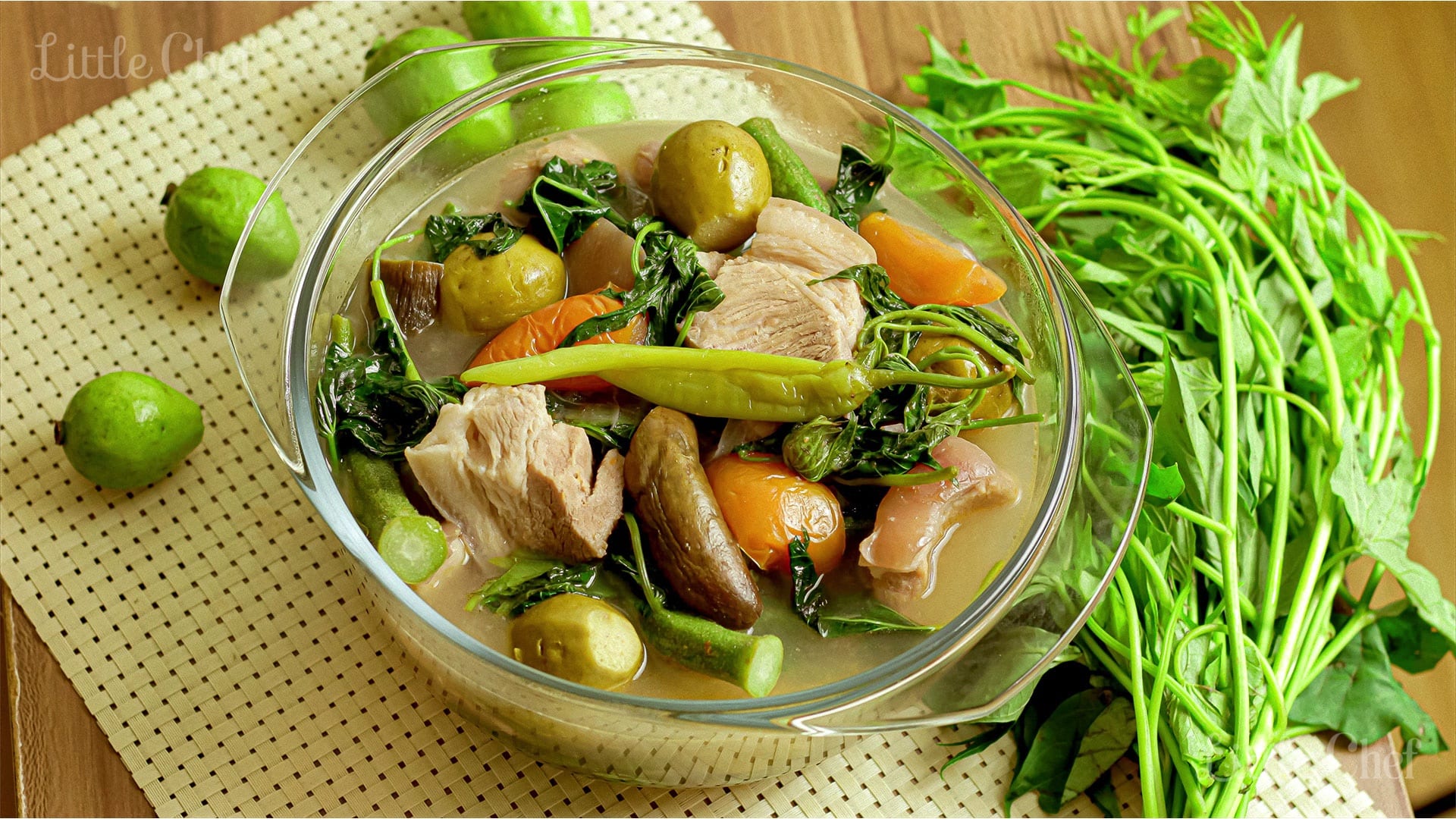
    Traditional Filipino dishes like adobo and sinigang are evolving with modern twists. Chefs are incorporating international flavors and ingredients while remaining true to their cultural heritage.

    For instance, they are experimenting with fusion dishes, merging traditional flavors with global cuisines, such as Korean-style adobo with kimchi and bulgogi beef.

    Innovative cooking techniques like sous vide and molecular gastronomy are also being used to modernize classic recipes.

    Regional variations are adding depth and complexity to traditional dishes, showcasing the diversity of Filipino cuisine.

    Comfort food is getting a modern spin with vegan and gluten-free options, catering to the growing demand for healthier alternatives.

    The result is a vibrant intersection of tradition and innovation in Filipino cuisine, where cultural heritage meets modern flavors and creativity.

    Filipino Food Evolution Today

    Filipino cuisine is undergoing a significant evolution today, driven by a dynamic blend of traditional recipes and modern culinary trends that are redefining the country's gastronomic identity.

    Traditional Filipino dishes like adobo and sinigang remain widely popular, showcasing the country's rich cultural heritage. However, modern Filipino cooking is also embracing innovation, blending culinary traditions with fresh flavors and techniques.

    For instance, chefs are experimenting with new ingredients, such as kimchi and sriracha, to create modern twists on classic dishes. This fusion has led to a surge in popular Filipino restaurants, showcasing the country's diverse flavors to a global audience.

    The result is a unique blend of traditional and modern elements, offering a culinary experience that's both authentic and contemporary.

    Innovative Fusion Dishes Rise

    Filipino cuisine is undergoing a transformation, as traditional flavors are being merged with international cuisines to create innovative fusion dishes. This phenomenon is redefining the boundaries of traditional Filipino cuisine, incorporating global culinary influences to produce unique and exciting flavors.

    One example of this fusion is adobo tacos, where the classic Filipino dish meets Mexican flavors. This creative combination brings together the savory flavors of adobo with the crunch of a taco shell.

    Another example is ube cheesecake, a sweet and creamy dessert that combines purple yam with a global favorite. This fusion of flavors results in a unique and delicious dessert that showcases the versatility of ube.

    Filipino-style burgers are also gaining popularity, featuring beef patties infused with local spices and flavors. These burgers offer a twist on the classic dish, incorporating flavors such as patis (fish sauce) and calamansi (Philippine lime) to create a distinctly Filipino taste.

    This evolution of fusion dishes reflects the dynamic nature of Filipino cuisine, adapting to modern tastes while still honoring its roots. The result is a vibrant and diverse food landscape that offers a wide range of flavors and options for food enthusiasts.

    Traditional Cooking Methods Revived

    Filipino chefs are rediscovering traditional cooking methods to create authentic and flavorful dishes. These traditional techniques, such as stewing, braising, and grilling, are being revitalized in modern kitchens.

    Slow cooking and marinating are used to enhance flavors, resulting in more delicious Filipino dishes. Another traditional method making a comeback is the use of banana leaves for wrapping and steaming food, which adds a unique flavor and aroma to the dish.

    Indigenous cooking tools like clay pots and bamboo skewers are being reintroduced to bring authenticity to Filipino food preparation. By embracing traditional cooking methods, cultural heritage is preserved and sustainability in the culinary industry is promoted.

    Regional Filipino Cuisine Variations

    Filipino cuisine is characterized by its rich regional variations, which showcase a fascinating array of culinary influences and specialties from different parts of the Philippines.

    Regional Highlights

    The Bicol Region is famous for its spicy dishes, such as laing (a dish made with taro leaves and chili peppers) and Bicol Express (a spicy stew made with pork, shrimp, and chili peppers).

    The Ilocos Region is known for its dishes made with local ingredients, such as bagnet (deep-fried pork belly) and pinakbet (a vegetable dish made with mixed vegetables and fried fish).

    The Visayas Region offers a variety of seafood-rich dishes, including kinilaw (a raw fish dish similar to ceviche) and tinola (a ginger-based chicken soup).

    The Mindanao Region boasts its own seafood-rich specialties, showcasing the region's abundant marine resources.

    These regional variations add depth and complexity to Filipino cuisine, making it a true reflection of the country's cultural heritage.

    Modern Twists on Classic Recipes

    Modern Filipino Cuisine is Evolving

    Filipino chefs are redefining traditional dishes by infusing them with fresh flavors, techniques, and presentation styles that appeal to a new generation of food enthusiasts. For instance, they're experimenting with modern cooking techniques like sous vide and molecular gastronomy to create innovative fusion dishes. These dishes blend Filipino flavors with global influences, such as Korean chili flakes or Japanese miso paste, to create unique flavors.

    Classic Recipes Get a Contemporary Spin

    Restaurants and food trucks are offering creative reinterpretations of classic Filipino recipes, presenting them in a modern way. For example, the traditional adobo dish is now being served with a twist, such as using balsamic vinegar or adding a sweet potato puree. This evolution is expanding the appeal of Filipino food and redefining the Filipino foodscape.

    A Vibrant Culinary Landscape

    The culinary scene is abuzz with modern twists on classic recipes, attracting a new wave of enthusiasts who crave something new and exciting. As a result, the Filipino food scene is becoming more vibrant, dynamic, and ever-changing.

    Filipino Chefs Gaining Recognition

    Filipino chefs are gaining recognition for their innovative interpretations of traditional dishes that showcase the country's rich flavors and heritage. They are earning accolades and attracting food enthusiasts and critics, leading to increased visibility and appreciation for Filipino cuisine.

    Filipino chefs are making waves in the culinary world through various means. Collaborations and pop-ups allow them to team up with other chefs to create unique dining experiences that blend traditional Filipino flavors with modern twists. For instance, Chef A and Chef B can join forces to create a pop-up restaurant that serves traditional Filipino dishes with a modern spin.

    Social media sensations, Filipino chefs are sharing their culinary masterpieces on Instagram, Facebook, and other platforms, giving followers a glimpse into their creative process. This allows them to showcase their skills and attract a massive following.

    At food festivals, Filipino chefs are wowing crowds by introducing traditional Filipino dishes to new audiences. For example, a food festival in New York City can feature a Filipino chef serving traditional dishes such as adobo and sinigang.

    Local food scene champions, Filipino chefs are adding diversity and authenticity to the local food scene, making it more vibrant and exciting. They're bringing traditional Filipino flavors to local restaurants, making the food scene more diverse and authentic.

    Global Influences on Filipino Food

    The Philippines' culinary landscape is shaped by a rich tapestry of global influences, particularly from Spanish, Chinese, and American cuisines. These influences have resulted in popular ingredients like soy sauce, vinegar, and garlic becoming staples in Filipino cooking.

    For instance, the use of soy sauce, introduced by Chinese traders, is evident in dishes like adobo, while the Spanish brought vinegar, which is used to add flavor to various Filipino recipes. The American influence is seen in the use of garlic, which is now a fundamental ingredient in many Filipino dishes.

    The fusion of these flavors has led to a unique blend of flavors in Filipino cuisine. Filipino chefs continually push the boundaries of innovation, resulting in a distinct culinary identity. Regional variations in Filipino cuisine highlight the diverse cultural influences present in the Philippines.

    For example, the Ilocos region is known for its use of vegetables and grains, while the Bicol region is famous for its spicy dishes.

    The cultural melting pot has given birth to a distinct culinary identity, showcasing the adaptability and creativity of Filipino chefs in their use of global influences to create truly unique fusion flavors. This blend of flavors is evident in popular dishes like lechon, sinigang, and chicken inasal, which showcase the country's cultural diversity.

    Comfort Food With a Modern Spin

    In the City of Angels, chefs are redefining traditional Filipino comfort foods like adobo and sinigang by incorporating modern twists and global flavors.

    Filipino comfort food is getting a fresh spin through fusion dishes that blend local flavors with international cuisines, resulting in unique taste experiences. For example, chefs are combining adobo with Korean kimchi or Japanese miso to create bold new flavors.

    To cater to changing dietary needs, chefs are adapting traditional recipes to offer vegan or gluten-free options. This means that classic comfort dishes like sinigang can now be enjoyed by those with specific dietary requirements.

    Chefs are also incorporating sustainable ingredients into their recipes, aligning with modern food trends that prioritize environmental responsibility. This includes using locally sourced produce and reducing food waste in the kitchen.

    Furthermore, food trucks are serving Filipino comfort food in convenient and creative formats, perfect for busy urban lifestyles. These mobile eateries offer everything from traditional dishes like lechon to innovative fusion cuisine.

    These modern twists on traditional Filipino comfort food are redefining the culinary scene, making it more exciting and inclusive for everyone.

    Filipino Food Culture Goes Digital

    Filipino cuisine is now more accessible than ever due to the digital revolution, which has transformed the way people discover, learn, and share Filipino food traditions.

    Online cooking tutorials and virtual cooking classes have become increasingly popular, allowing individuals to learn new skills and master traditional recipes from the comfort of their own homes.

    Social media platforms like YouTube, Instagram, and Facebook have become hubs for Filipino chefs and home cooks to showcase their dishes and engage with a global audience.

    This digital evolution has several benefits. It not only preserves culinary traditions but also inspires creativity in the kitchen.

    Online marketplaces and delivery services make it easier for people to access Filipino ingredients and products.

    Additionally, online food delivery services allow individuals to enjoy ready-to-eat meals with just a few clicks.

    Preserving Heritage Through Food

    Filipino food traditions are diligently preserved through recipes passed down through generations, maintaining cultural heritage and showcasing the country's rich history.

    Authentic recipes are essential in preserving Filipino heritage through food. Many Filipino restaurants focus on traditional recipes, using indigenous ingredients like coconut milk and chili to create flavorful dishes. For instance, adobo, a popular Filipino dish, is made with vinegar, soy sauce, garlic, and bay leaves, which are all native ingredients.

    Traditional cooking methods are also crucial in preserving cultural heritage. Cooking techniques, like stewing meat in taro leaves, are passed down through generations to preserve cultural heritage. The kamayan style of eating with hands, for example, is a traditional method that promotes social bonding and community.

    Filipino heritage is also preserved through celebrating with food. Fiestas and special occasions are celebrated with traditional dishes, like grilled chicken with bagoong (fermented shrimp), to continue cultural food traditions. Lechon, a whole roasted pig, is often served during fiestas and is a symbol of Filipino hospitality and celebration.

    Conclusion

    Filipino cuisine is evolving while preserving its heritage. This evolution is driven by innovation and tradition, resulting in a vibrant food scene.

    For instance, fusion dishes combine local ingredients with international flavors, while revived cooking methods bring back traditional techniques.

    Regional variations showcase the diversity of Filipino cuisine, with different regions offering unique flavors and ingredients. Modern twists on classic dishes appeal to a new generation, and global influences introduce new flavors and techniques.

    Moreover, digital platforms make it easier for people to discover and share Filipino food. By embracing change while honoring its roots, Filipino cuisine is redefining itself for a new generation.
  • 10 Key Moments in Filipino Food History

    10 Key Moments in Filipino Food History

    Filipino food history has been shaped by 10 key moments.

    The early Austronesian food exchange introduced staples like rice and fish. This exchange laid the foundation for the country's culinary identity.

    Chinese influence brought noodles, dumplings, and cooking techniques such as steaming and stir-frying. These additions enriched the Filipino cuisine.

    Spanish colonization introduced olive oil, tomatoes, and garlic, which became essential ingredients in many Filipino dishes. This period also saw the emergence of new cooking methods like sautéing.

    American influence brought fast food and burgers, which became popular in the Philippines. This period also saw the rise of fusion cuisine, blending traditional Filipino dishes with American flavors.

    As Filipino cuisine went global, turo-turo restaurants popped up, offering a variety of traditional dishes at an affordable price. This phenomenon helped to promote Filipino food worldwide.

    New cooking techniques were introduced, such as grilling and roasting, which added more diversity to the country's culinary landscape.

    In the modern era, Filipino food gained global recognition, with restaurants like Bad Saint leading the way. This recognition has inspired a new generation of Filipino chefs to innovate and experiment with traditional recipes.

    The future of Filipino food is looking brighter than ever, with a new wave of chefs and restaurateurs pushing the boundaries of traditional cuisine.

    Early Austronesian Food Exchange

    Early Austronesian Food Exchange Shaped Filipino Cuisine

    The maritime trade routes established by Austronesians played a crucial role in exchanging culinary traditions and ingredients among early Filipino communities. Through these routes, Austronesians introduced new techniques in aquaculture, agriculture, and domesticated foodstuffs to the Philippines.

    For instance, they brought new crops like rice, which became a symbol of wealth in certain regions and was exported to other parts of the archipelago. This early food exchange also introduced new cooking methods, such as fermentation and steaming, which are still used today.

    The Austronesians' influence can be seen in the development of rice cultivation, which was a significant innovation in ancient Filipino agriculture. Rice wasn't only a staple food but also a valuable commodity that was traded and exported to other islands.

    The early food exchange laid the foundation for the diverse and rich culinary heritage of the Philippines, which is characterized by a mix of indigenous, Asian, and Western influences.

    Chinese Influence on Filipino Cuisine

    Chinese influence significantly shaped Filipino cuisine. This impact is evident in the introduction of stir-frying techniques, which revolutionized cooking methods and allowed for the creation of new dishes with unique flavor profiles.

    Stir-frying enabled the combination of various ingredients, flavors, and textures, resulting in distinct Filipino dishes.

    Noodles, a staple in many Filipino households, showcase Chinese influence. Various regional varieties of noodles are available, and they are commonly eaten on birthdays as a symbol of longevity, reflecting the Chinese influence on Filipino food traditions.

    The integration of Chinese culinary techniques and ingredients has enriched Filipino cuisine, contributing to its diverse and flavorful character.

    Spanish Colonization and Food Impact

    The Spanish colonization of the Philippines lasted for 300 years and significantly impacted Filipino cuisine. During this period, new ingredients, cooking techniques, and dishes were introduced, altering the flavors, ingredients, and cooking methods of Filipino food.

    The Manila-Acapulco Galleon trade facilitated the exchange of culinary practices between the Philippines and other parts of the world, including Mexico.

    Spanish dishes were adapted and integrated into Filipino cuisine, such as adobo, mechado, and caldereta. Mexican culinary influences were also incorporated, including the use of sofrito and empanadas. This blending of culinary practices resulted in a unique fusion of East and West, shaping Filipino cuisine into what it's today.

    The impact of Spanish colonization on Filipino cuisine is still evident in the flavors, ingredients, and cooking methods used today.

    American Food Influences in Philippines

    American Influence on Filipino Cuisine

    Following the Spanish era, American influence significantly impacted the Philippines' culinary landscape.

    The introduction of convenient and fast food options forever changed the way Filipinos eat.

    One notable effect of American influence is the popularity of certain ingredients and dishes.

    Spam, a common breakfast staple, is often served with rice and eggs.

    Another example is banana ketchup, a sweet and tangy condiment that's a favorite among locals.

    Additionally, canned goods and processed products have become integral to Filipino cooking, making meal prep faster and more convenient.

    Filipino fast-food chains, such as Jollibee, combine American-inspired flavors with local ingredients, reflecting the country's cultural fusion.

    American influence has undoubtedly left a lasting mark on Filipino food culture, shaping the way you experience and enjoy the country's cuisine.

    Filipino Cuisine Goes Global

    Filipino cuisine is gaining popularity worldwide, with its unique flavors and diverse influences captivating food enthusiasts globally.

    The global surge of Filipino cuisine can be traced back to the 1940s-1950s when the U.S. Army introduced the boodle fight tradition, a communal dining style where food is served on a long table and eaten without utensils.

    The People Power Revolution in 1986 further showcased the country's rich culinary heritage, as food played a significant role in bringing people together during this pivotal moment in Philippine history.

    In recent years, Filipino food has gained significant traction in the U.S., with the success of restaurants like Bad Saint in Washington D.C., which was named the second-best restaurant in the country in 2016.

    Anthony Bourdain's prediction in 2017 that Filipino food would be the next big thing highlighted its growing popularity.

    Today, Filipino cuisine is experiencing a global surge, with its unique flavors and diverse influences winning hearts and palates around the world, similar to the rise of Korean food.

    Rise of Turo-Turo Restaurants

    Turo-Turo restaurants have gained popularity globally, introducing a diverse range of customers to Filipino cuisine. These restaurants offer a variety of ready-to-eat Filipino dishes.

    When you enter a Turo-Turo, you're greeted by a selection of steaming hot dishes displayed in steam tables. You simply point at what you want, and the staff will serve it to you.

    Aromatic plates of adobo and sinigang are typically available, showcasing the savory flavors of Filipino cuisine. Heaping servings of steamed rice and fried fish are also common, providing customers with a filling meal. Additionally, colorful arrays of fresh fruits and desserts are often displayed, offering a sweet treat to complete the meal.

    Turo-Turo restaurants have become a staple in Filipino food culture, providing quick and affordable meals that showcase the diversity and flavors of Filipino cuisine.

    Introduction of New Cooking Techniques

    The influx of Chinese merchants significantly impacted Filipino cooking methods.

    The introduction of stir-frying techniques allowed for the creation of new combinations of ingredients, flavors, and textures in Filipino dishes. This technique enriched Filipino cuisine and added depth to traditional recipes.

    Noodles, a staple in Filipino cuisine, showcase the lasting impact of Chinese culinary influence on Filipino cooking practices.

    For instance, regional noodle varieties, such as pancit and mami, demonstrate how Chinese influence has been incorporated, resulting in unique and delicious flavors. The introduction of Chinese cooking techniques revolutionized Filipino cooking, and its legacy continues to be felt in the country's vibrant culinary scene.

    Filipino Food in the Modern Era

    In today's culinary landscape, Filipino food has undergone a remarkable transformation, blending traditional flavors with global influences to create a vibrant, diverse, and ever-evolving cuisine. This transformation is evident in the fusion of local and international flavors, as seen in the adaptation of traditional dishes and the emergence of modern Filipino restaurants.

    Traditional flavors are being infused with global influences, such as the use of Korean chili flakes to give adobo a spicy kick. This fusion is also seen in the incorporation of exotic ingredients, like truffles and foie gras, into traditional recipes. For instance, some Filipino chefs are now using truffles to add a luxurious twist to the classic dish, sinigang.

    The rise of modern Filipino restaurants has contributed significantly to the evolution of the cuisine. These restaurants offer innovative takes on classic dishes, while still maintaining their cultural heritage. This innovation is driven by globalization and increased travel, which have introduced new flavors and techniques, allowing Filipino cuisine to adapt and evolve in exciting ways.

    As a result, the culinary landscape is more dynamic than ever, offering a unique and thrilling experience for your taste buds.

    Bad Saint Restaurant's Global Recognition

    Bad Saint Restaurant's Rise to Global Recognition

    In 2016, Bad Saint restaurant gained widespread acclaim for its innovative take on traditional Filipino cuisine, earning it the title of second best new restaurant in America. This recognition can be attributed to the restaurant's bold approach to Filipino dishes, which not only put Filipino cuisine on the map but also showcased the culinary talent and creativity within the Filipino food scene.

    Bad Saint's success is a testament to the growing popularity and appreciation for authentic Filipino flavors and dishes.

    The restaurant's global recognition was further solidified when Anthony Bourdain endorsed Bad Saint in 2017.

    Today, Bad Saint is a culinary powerhouse, offering a vibrant culinary experience that allows diners to experience the flavors of the Philippines.

    Predicting the Future of Filipino Food

    Filipino food is poised to become a major player in the global food scene. With its growing recognition, Filipino cuisine is expected to evolve in several ways.

    Filipino chefs will experiment with modern twists on traditional dishes. They'll blend historical influences with innovative techniques, resulting in unique flavor profiles. For instance, they might combine adobo's traditional vinegar-based sauce with modern ingredients like truffles or molecular gastronomy.

    Filipino-inspired fusion cuisine will rise in popularity. Chefs will incorporate international flavors and ingredients into traditional Filipino dishes, creating exciting new flavors. Examples include Korean-style sisig tacos or Japanese-inspired sinigang ramen.

    Regional Filipino specialties will gain more attention. The world will discover the diversity and richness of the country's culinary heritage, highlighting dishes from specific regions like the spicy cuisine of Bicol or the seafood-based dishes of the Visayas.

    Conclusion

    Filipino cuisine is a unique blend of flavors and influences shaped by a rich cultural exchange. This cultural exchange has been a significant factor in the evolution of Filipino food throughout history.

    For instance, the Austronesian food exchange introduced new ingredients and cooking techniques that were incorporated into traditional Filipino dishes. As a result, Filipino food has undergone significant transformations, ultimately leading to its modern-day global recognition.

    The country's cuisine has gained popularity worldwide due to its distinct flavor profile and cultural diversity. As the culinary scene continues to evolve, Filipino food remains a reflection of the country's rich history and cultural diversity.

  • Delicious Vegetarian Options in Filipino Cuisine

    Delicious Vegetarian Options in Filipino Cuisine

    Filipino cuisine offers a variety of delicious vegetarian options. These dishes go beyond the usual vegetable stir-fries and salads.

    For example, savory dishes like Adobong Kangkong, a vegetable-based version of the traditional Adobo, and Pinakbet, a stew made with mixed vegetables and fermented shrimp paste, are popular options. Another savory option is Vegan Bicol Express, a spicy dish made with coconut milk and chili peppers.

    In addition to savory dishes, Filipino cuisine also offers sweet treats like Ube Cake, a purple yam-flavored cake, and Leche Flan, a creamy custard pudding.

    Innovative vegetarian fusion dishes like Tofu 'Lechon', a vegetarian version of the traditional roasted pig, and Jackfruit 'Sinigang', a sour soup made with jackfruit and vegetables, are also available.

    Classic treats with a twist, such as Bibingka, a rice cake with a variety of toppings, and Ginataang Bilo-Bilo, a dessert made with coconut milk and rice balls, can also be explored.

    Popular Filipino Dishes for Vegetarians Only

    Filipino cuisine offers a range of delicious vegetarian dishes that cater to diverse dietary preferences. These options go beyond vegan Filipino recipes, providing plant-based alternatives to traditional Filipino food.

    Adobong Kangkong (Sauteed Water Spinach) and Pinakbet (Filipino vegetable stew) are comfort food that are easily adaptable to vegetarian diets.

    Moreover, vegan versions of meat stew, like Vegan Bicol Express, offer flavorful and satisfying alternatives.

    Tasty Vegan Filipino Breakfast Options

    Vegan Filipino breakfast options are now more diverse and delicious than ever.

    One popular breakfast option is Vegan Champorado, a sweet chocolate rice porridge made with coconut milk.

    For a simple and hearty brunch, Tortang Talong is a great choice, requiring only five ingredients to make a vegan Filipino eggplant omelette.

    If you're looking for a refreshing beverage, Melon sa Malamig is a must-try.

    Alternatively, Arroz Caldo is a savory vegan rice porridge that uses tofu as a plant-based alternative.

    Another option is Tofu Adobo, a flavorful vegan version of the classic Filipino dish, perfect for breakfast with extra-firm tofu cooked in a savory sauce served over jasmine rice.

    These vegan recipes showcase the diversity and richness of Filipino cuisine.

    Savory Vegetarian Filipino Soups and Stews

    Experience the Flavors of Filipino Cuisine through Vegetarian Soups and Stews

    Savoring a warm, comforting bowl of savory vegetarian soup or stew is an excellent way to experience the rich flavors and diversity of Filipino cuisine.

    Traditional Filipino Soups with a Vegetarian Twist

    Traditional Filipino soups like Sinigang and Sopas can easily be made vegetarian by using plant-based ingredients.

    Sinigang is a sour soup made with tamarind broth, featuring tamarind, tomatoes, and vegetables.

    Sopas is a creamy soup made with vegetable broth, incorporating vegetables, potatoes, and coconut milk.

    Vegetarian Filipino Stews

    Kare-Kare is a peanut-based stew made with vegetables, featuring peanuts, vegetables, and savory sauce.

    Pinakbet is a stir-fry of mixed vegetables in savory sauce.

    Exploring Vegan Alternatives

    These vegetarian Filipino soups and stews offer a comforting and hearty meal option, allowing you to explore the flavors of Filipino cuisine with a plant-based twist.

    You can enjoy vegan alternatives to Filipino meat stews like Kaldereta and Ginataang Bulong.

    Delicious Vegan Filipino Noodle Dishes

    Vegan Filipino noodle dishes combine a variety of vegetables, tofu, and savory sauces to create satisfying and delicious meals.

    Pancit Canton is a popular stir-fried noodle dish that typically features a mix of vegetables and tofu.

    You can customize it with your preferred vegetables and protein options to suit your taste.

    Pancit Bihon, on the other hand, is a traditional dish made with rice noodles stir-fried with vegetables and tofu in a flavorful sauce.

    Both dishes can be enjoyed as a main meal or side dish, showcasing the versatility of Filipino cuisine.

    Flavorful Vegetarian Filipino Rice Bowls

    Flavorful Vegetarian Filipino Rice Bowls

    Filipino cuisine offers a variety of flavorful vegetarian rice bowl options, each consisting of a harmonious blend of rice, vegetables, and savory sauces. These bowls can be customized with different ingredients, providing a range of textures and flavors.

    Varieties of Vegetarian Rice Bowls

    There are several vegetarian rice bowl options to choose from, each with its unique combination of ingredients.

    Tofu and Vegetable Bowl features crispy tofu paired with sautéed vegetables and savory sauces.

    Mushroom and Bok Choy Bowl consists of sautéed mushrooms and bok choy served over a bed of flavorful rice.

    Eggplant and Bell Pepper Bowl combines grilled eggplant and bell peppers with savory sauces, served over rice.

    Benefits of Vegetarian Filipino Rice Bowls

    Vegetarian Filipino rice bowls offer a nutritious meal option that incorporates plant-based ingredients while maintaining traditional flavors. By combining the right ingredients, you can create a delicious and satisfying meal perfect for any time of day.

    Authentic Vegan Filipino Meat Alternatives

    Filipino cuisine offers authentic vegan meat alternatives that replicate traditional flavors and textures. Vegans can enjoy familiar dishes without compromising their dietary preferences.

    Tokwat Baboy is a popular vegan alternative made with tofu and marinated pork-style pieces. This dish is a clever replica of traditional Filipino flavors and textures.

    Mushroom Tocino is a sweet and savory vegan alternative to the traditional Filipino breakfast dish, tocino. It provides a delicious plant-based option for those looking to enjoy traditional Filipino flavors without meat.

    Burger steaks with mushroom gravy is a hearty vegan version of a classic Filipino comfort food. This dish is a great example of how traditional Filipino flavors can be replicated using plant-based ingredients.

    These vegan Filipino meat alternatives provide delicious options for those looking to enjoy traditional Filipino flavors without meat.

    You can even try making your own vegan arroz caldo or tofu adobo at home by using these alternatives.

    Exciting Vegetarian Filipino Appetizers and Snacks

    Vegetarian Filipino cuisine offers a wide range of appetizers and snacks that showcase the country's vibrant flavors and textures without relying on meat or animal products. These dishes often feature fresh vegetables, tofu, and plant-based protein alternatives.

    Lumpiang Shanghai (spring rolls) and Ensaladang Talong (roasted eggplant salad) are popular vegetarian Filipino appetizers. You can also enjoy vegetarian versions of snacks like Turon (banana spring rolls) and Okoy (shrimp fritters).

    Additionally, Vegan Lumpiang Gulay is a favorite Filipino snack made with a savory filling of mixed vegetables. These vegetarian Filipino appetizers and snacks provide a flavorful and satisfying introduction to the country's diverse flavors.

    Traditional Vegan Filipino Vegetable Stews

    Traditional vegan Filipino vegetable stews offer a rich and satisfying exploration of the country's plant-based cuisine.

    Ginataang Gulay and Pinakbet are two popular vegan Filipino vegetable stews that showcase a variety of vegetables cooked in flavorful coconut milk or fermented shrimp paste.

    Balanced flavors are a hallmark of these stews. Garlic, onions, tomatoes, and spices like ginger and lemongrass create a rich and aromatic taste. These flavors are expertly combined to create a savory and slightly sweet broth.

    Hearty vegetables provide a balance of textures and flavors. Eggplant, okra, squash, and string beans are commonly used in these stews, offering a satisfying contrast of textures and flavors.

    Fresh, locally sourced produce is essential to these dishes. By highlighting the abundance of plant-based ingredients in Filipino cuisine, these stews celebrate the country's rich agricultural heritage.

    Easy Vegan Filipino Dessert Recipes

    Vegan Filipino desserts offer a world of sweet treats that reimagine classic favorites using plant-based ingredients. These desserts often incorporate coconut milk, rice flour, and tropical fruits for rich flavors.

    Classic desserts include:

    Dessert Description
    Ube Cake Moist cake made with ube halaya and coconut milk
    Leche Flan Creamy custard pudding made with coconut milk and rice flour
    Turon Fried banana fritters wrapped in rice flour pastry

    Easy vegan Filipino dessert recipes allow you to satisfy your sweet tooth while staying true to your dietary preferences. Innovative creations and classic treats like Bibingka and Ginataang Bilo-Bilo are waiting for you to explore.

    Innovative Vegetarian Filipino Fusion Dishes

    Innovative vegetarian Filipino fusion dishes stand out for their ability to replicate the rich flavors and textures of traditional meat-based dishes using creative plant-based substitutes. This is achieved by experimenting with plant-based ingredients to create exciting vegetarian Filipino dishes that capture the essence of traditional flavors.

    Tofu replaces meat in dishes like Tofu 'Lechon', a meat-free alternative to the classic roasted pig, using crispy tofu and flavorful spices. This allows vegetarians to enjoy the same flavors as traditional Lechon.

    Another example is Mushroom 'Adobo', a twist on the traditional dish, substituting tender mushrooms for chicken or pork. This variation maintains the same flavor profile as the original Adobo.

    Additionally, jackfruit takes the place of meat in Jackfruit 'Sinigang', a sour soup made with jackfruit instead of pork or shrimp, maintaining the same tangy flavor profile.

    These innovative dishes cater to diverse dietary preferences while maintaining the unique taste profiles characteristic of Filipino cuisine, offering a fresh and sustainable twist on beloved traditional dishes.

    Conclusion

    Filipino cuisine offers a wide range of delicious vegetarian options. These dishes showcase the country's rich flavors and creativity, from traditional lentil-based stews like monggo to innovative fusion dishes.

    For instance, vegetarian versions of popular Filipino dishes like adobo can be made by substituting meat with plant-based protein sources like tofu or tempeh.

    Whether you're a local or just curious, Filipino vegetarian cuisine caters to diverse tastes and dietary preferences.

  • What Did Spain Bring to Filipino Cuisine?

    What Did Spain Bring to Filipino Cuisine?

    Spanish cuisine had a profound impact on Filipino cuisine. The introduction of new ingredients, cooking techniques, and dishes forever changed the country's culinary identity.

    Tomatoes, garlic, and olive oil became staples in Filipino cooking, replacing traditional ingredients and adding new flavors to local dishes. Dishes like paella and tapas were incorporated into local cuisine, adapting to local tastes and ingredients.

    Adobo, a direct result of Spanish influence, showcases the blending of culinary traditions. This popular Filipino dish combines Spanish flavors, such as vinegar and soy sauce, with local ingredients, like meat or seafood, to create a unique flavor profile.

    The adaptation of Spanish flavors to local tastes created distinct flavors and methods, setting Filipino cuisine apart from its Spanish roots.

    Historical Roots of Filipino Cuisine

    Filipino cuisine has its roots in Spanish colonization. This historical influence introduced Catholicism, culture, and cuisine that shaped the country's culinary traditions for centuries.

    The Spanish impact on Filipino cuisine is significant, and their influence is still visible in many traditional dishes and cooking methods today. During the colonial period, Spanish dishes like paella and tapas were incorporated into Filipino cooking, laying the foundation for the unique fusion of flavors and techniques that characterize Filipino cuisine.

    Adobo, a popular Filipino dish, is a direct result of Spanish influence, with its use of vinegar, soy sauce, and garlic reflecting the blending of Spanish and local flavors. This colonial legacy has had a lasting impact on the way Filipinos cook and perceive food, with Spanish influence evident in many traditional Filipino dishes and cooking methods.

    Spanish Colonization's Culinary Impact

    Spanish colonization significantly impacted Filipino cuisine, introducing new ingredients, cooking techniques, and flavors that permanently altered the country's gastronomic landscape.

    Tomatoes, garlic, and olive oil, staples in many Filipino dishes, are examples of ingredients introduced by Spanish colonization.

    Spanish dishes like adobo, cocido, and puchero have also influenced Filipino cooking techniques and flavors, resulting in unique culinary creations.

    Filipino adaptations of Spanish stews and soups, such as pochero and Bicolano cocido, showcase the blending of culinary traditions. These dishes demonstrate how Spanish colonization reshaped Filipino cuisine, leading to the creation of distinct flavors and cooking methods.

    Adapting Spanish Flavors to Local Tastes

    Filipino cuisine adapted Spanish flavors by incorporating local ingredients. This adaptation resulted in unique Filipino versions of Spanish classics. For example, traditional Spanish dishes like adobo and puchero now feature a distinct fusion of flavors, with the addition of local ingredients like coconut milk and tropical fruits.

    Local tastes significantly influenced the adaptation of Spanish dishes. Filipino chefs added their twist to traditional Spanish recipes, enhancing them with native herbs and spices. This blending of culinary traditions has created a harmonious fusion of flavors in Filipino dishes. For instance, the use of patis (fish sauce) and bagoong (fermented fish paste) adds a distinct flavor profile to Filipino adobo, setting it apart from its Spanish counterpart.

    Evolution of Filipino Cooking Techniques

    The Evolution of Filipino Cooking Techniques

    Filipino cooking techniques underwent a significant transformation with the introduction of Spanish methods. This cultural exchange led to the development of novel approaches that showcased the country's resourcefulness and creativity.

    Spanish Influence and Filipino Adaptation

    The Spanish introduced new cooking methods that were adapted to local resources, resulting in the creation of Filipino dishes with distinct flavors and aromas.

    The traditional Spanish technique of sautéing with onions was adapted to create Adobo with sautéed onions and garlic.

    Another example is the adaptation of Spanish stewing in vinegar and garlic to create Paksiw with vinegar and garlic.

    The use of olive oil was replaced with coconut oil and local spices, and the emphasis on meat was shifted to seafood and vegetables.

    The Fusion of Culinary Traditions

    This fusion of Spanish and Filipino culinary traditions has created a rich tapestry of cooking techniques that incorporate local ingredients, showcasing the country's resourcefulness and creativity.

    The resulting dishes are a testament to the country's ability to adapt and innovate.

    Spanish Influence on Filipino Dishes

    Spanish Influence on Filipino Cuisine

    The significant impact of Spanish colonization on Filipino cuisine is evident in the incorporation of ingredients like tomatoes, garlic, and olive oil into traditional dishes. These ingredients have been adapted to reflect local tastes and preferences, resulting in unique flavor profiles.

    For example, Filipino dishes like adobo, cocido, and puchero have Spanish origins, but have evolved to blend flavors and cooking techniques.

    The use of Spanish culinary terms, such as gisa (to sauté), prito (to fry), and singkutsa (to simmer), further highlights the Spanish influence on Filipino cooking methods.

    Regional variations of Spanish dishes in the Philippines showcase distinct serving styles, flavor combinations, and cooking techniques. These adaptations demonstrate the evolution of Spanish cuisine in the Philippines, making Filipino dishes truly distinct.

    Cultural Fusion in Filipino Food

    Filipino cuisine is a rich cultural fusion of Spanish, Chinese, Malay, and American influences. This blending of cultures has resulted in a unique gastronomic identity that defines the country.

    The Spanish colonial period introduced new ingredients like tomatoes, garlic, and olive oil, which were incorporated into traditional Filipino dishes. For example, Filipino adaptations of Spanish dishes feature unique flavor combinations and serving styles, such as the use of patis (fish sauce) and suka (vinegar) to add depth to dishes.

    Regional variations in cooking styles and ingredients also contribute to the diversity of Filipino food, making it a true reflection of the country's cultural heritage.

    This cultural fusion has given birth to a distinct culinary identity that's uniquely Filipino.

    Traditional Spanish Dishes in the Philippines

    Traditional Spanish dishes have been incorporated into Filipino cuisine, offering a glimpse into the country's gastronomic heritage. These dishes have been adapted to suit Filipino tastes, with unique flavors, serving styles, and ingredient combinations.

    For instance, Spanish cured sausages like chorizos have been replaced with Filipino longganisas, which offer distinct flavors. The tradition of Cocido Madrileño in Madrid has also impacted Filipino cooking methods and presentation, resulting in dishes like cocido, a hearty stew.

    As a result, Spanish colonization has shaped the country's cuisine, introducing ingredients and techniques that have evolved over time.

    Filipino Versions of Spanish Cuisine

    Filipino cuisine has been shaped by centuries of cultural exchange with Spanish cuisine. This exchange has resulted in unique Filipino versions of Spanish dishes, which incorporate indigenous ingredients and cooking techniques to cater to local tastes.

    Filipino stews, such as callos and cocido, blend Spanish and local ingredients. These stews feature a mix of traditional Spanish ingredients and Filipino flavors, resulting in distinct flavors that appeal to Filipino palates.

    For example, puchero, a hearty stew, combines Spanish and Filipino cooking styles with the addition of indigenous ingredients like patis (fish sauce) and bagoong (fermented fish paste).

    The use of marinated meats, a staple in Spanish cuisine, has been modified in Filipino cooking. In Filipino adobo, vinegar and garlic are used to marinate meats, highlighting the dynamic exchange between Spanish and Filipino culinary traditions.

    Language of Filipino Food Culture

    The Filipino language has been significantly influenced by Spanish colonization, with over 4,000 Spanish loanwords incorporated into everyday vocabulary, including food-related terms.

    Many cooking methods and terms have Spanish equivalents, showcasing the cultural fusion brought by colonialism.

    In Filipino cooking, various techniques have Spanish roots. For instance, saltear in Spanish translates to gisa in Filipino, which means sautéing. Similarly, freír in Spanish is equivalent to prito in Filipino, meaning frying. This cultural exchange is also evident in cooking utensils, such as cuchara (spoon) in Spanish becoming kutsara in Filipino, and tenedor (fork) in Spanish becoming tinidor in Filipino.

    The blending of cultures has resulted in unique cooking techniques and dishes that reflect the country's rich culinary heritage.

    Filipino cuisine is a distinct fusion of Spanish, Chinese, and indigenous influences, resulting in a unique flavor profile. As you explore Filipino cuisine, you'll notice how Spanish idiomatic expressions have influenced the language, further emphasizing the cultural fusion.

    Spanish Legacy in Filipino Culinary Identity

    Spanish Legacy in Filipino Culinary Identity

    The culinary landscape of the Philippines is deeply rooted in its history of Spanish colonization, particularly evident during special occasions like Christmas.

    Spanish influence is palpable in Filipino culinary traditions, with adapted dishes taking center stage during Christmas feasts.

    Adapted Dishes: A Blend of Cultures

    Lechon, a whole roasted pig, is a staple in many Filipino celebrations, including Christmas.

    Puchero, a hearty stew, and paella, a savory rice dish, are also popular adaptations of Spanish cuisine.

    These dishes, made with affordable local ingredients, have become an integral part of Filipino culinary identity, showcasing the cultural fusion and adaptation of Spanish cuisine.

    Conclusion

    Spanish influence significantly shaped Filipino cuisine. The blending of Spanish flavors with local ingredients resulted in a unique fusion of flavors, techniques, and dishes.

    Traditional Filipino dishes like adobo and sinigang reflect this cultural exchange. These dishes demonstrate how Spanish colonization contributed to the country's culinary identity.

  • 5 Essential Filipino Dishes for Special Celebrations (Updated with New Traditions & Serving Tips)

    5 Essential Filipino Dishes for Special Celebrations (Updated with New Traditions & Serving Tips)

    Five essential Filipino dishes are central to special celebrations across the Philippines. These dishes are more than just meals—they are symbols of unity, abundance, and cultural pride. Whether it’s a wedding, birthday, or fiesta, these traditional foods bring families and communities together with shared joy and heritage.

    Lechon: A Symbol of Abundance

    Lechon, a whole roasted pig, is the centerpiece of any major celebration. It symbolizes prosperity, generosity, and a full life. Traditionally roasted over open charcoal, the skin crisps into a golden, crackling shell while the meat remains tender and juicy. The slow cooking process gives it a deep, smoky flavor that’s unforgettable.

    Lechon is often served with liver sauce and a side of vinegar to balance its richness. In many regions, especially in Luzon, families prepare Lechon during weddings and harvest festivals. The dish is a visual and sensory highlight—its size and presentation show how much a family values togetherness and abundance.

    Pro tip: Serve Lechon with a side of crispy fried bananas or toasted rice cakes for a traditional touch that’s both sweet and savory.

    Adobo: Unity on a Plate

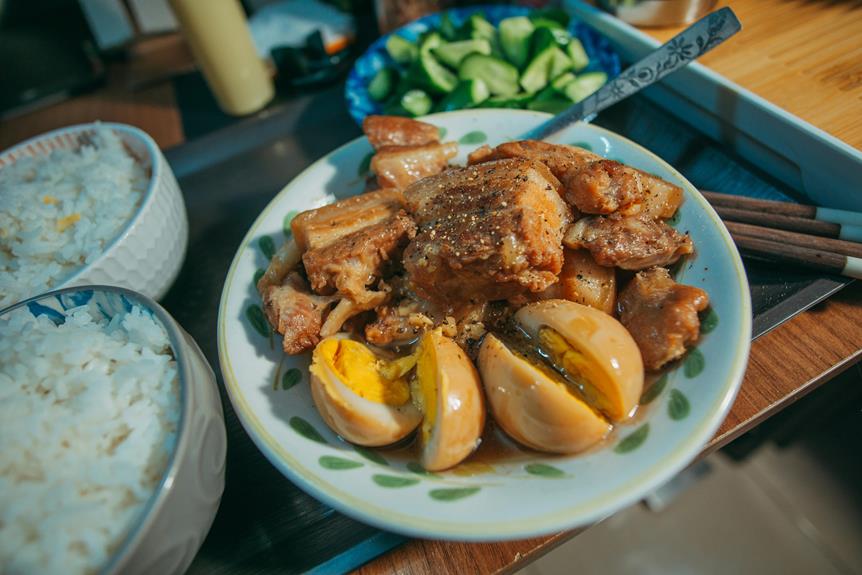
    Adobo is the national dish of the Philippines and a true symbol of unity. It’s made with meat—usually chicken or pork—marinated in vinegar, soy sauce, garlic, and spices. The dish is slow-cooked to develop deep, complex flavors that balance tanginess and richness.

    Adobo is served at almost every gathering, from family reunions to church events. Its simplicity and bold taste make it a favorite across regions. In the Visayas, families often serve it with steamed rice or toasted bread to soak up the sauce.

    Fun fact: The word “adobo” comes from the Spanish word for “to soak,” reflecting its origins in colonial-era cooking methods.

    Sinigang: A Sour yet Refreshing Staple

    Sinigang is a traditional sour soup made with tamarind broth. It’s a refreshing and tangy dish that stands out in any celebration menu. Common ingredients include pork, shrimp, or fish, paired with sweet vegetables like tomatoes, onions, and gabi (taro).

    Its sour balance makes it a cooling treat during hot Filipino summers. Sinigang is especially popular during outdoor fiestas and harvest events where large groups gather. The dish is often served with steamed rice, making it both hearty and satisfying.

    Tip: To deepen the flavor, add a splash of fish sauce or fermented soy to the broth. This enhances the savory notes and brings out the natural tang.

    Kare-Kare: A Peanut Sauce Delight

    Kare-Kare is a rich, savory stew made with oxtail, tripe, and vegetables like eggplant and string beans. It’s bound together by a creamy, nutty peanut sauce that gives it a unique depth of flavor.

    Traditionally served with bagoong—a fermented shrimp paste—Kare-Kare adds a bold, umami kick. This dish is a staple during fiestas in Mindanao and Central Luzon, where it’s often shared among neighbors and relatives.

    Modern twist: Some families now add a splash of coconut milk to the sauce for a creamier texture, while still keeping the traditional taste.

    Lumpia: A Crispy Fried Delicacy

    Lumpia is a beloved Filipino version of spring rolls. It features a thin, crepe-like wrapper filled with a mix of pork, beef, shrimp, or vegetables. The dish is typically fried until golden and crispy, making it a crowd-pleaser at celebrations.

    At events like birthdays or cultural festivals, Lumpia is often served alongside other dishes like pancit and crispy pork belly. It’s a perfect mix of texture and flavor—crunchy on the outside, tender inside.

    Try this: Serve lumpia with a side of pickled radish to cut through the richness and add a sharp contrast.

    Conclusion

    These five essential Filipino dishes—Lechon, Adobo, Sinigang, Kare-Kare, and Lumpia—form the heart of special celebrations. Each dish carries cultural meaning, from Lechon’s symbol of abundance to Sinigang’s refreshing balance of sour and sweet.

    They are not just food—they are traditions passed down through generations. Whether you’re hosting a family gathering or attending a cultural event, serving these dishes adds authenticity and warmth to the occasion.

    With simple preparation and thoughtful serving, you can bring the spirit of Filipino hospitality to any celebration.

    Learn more about how to host a traditional Filipino celebration.

  • 10 Best Tamarind Recipes in Philippine Cuisine

    10 Best Tamarind Recipes in Philippine Cuisine

    Discover the Flavor of the Philippines with These 10 Tamarind Recipes

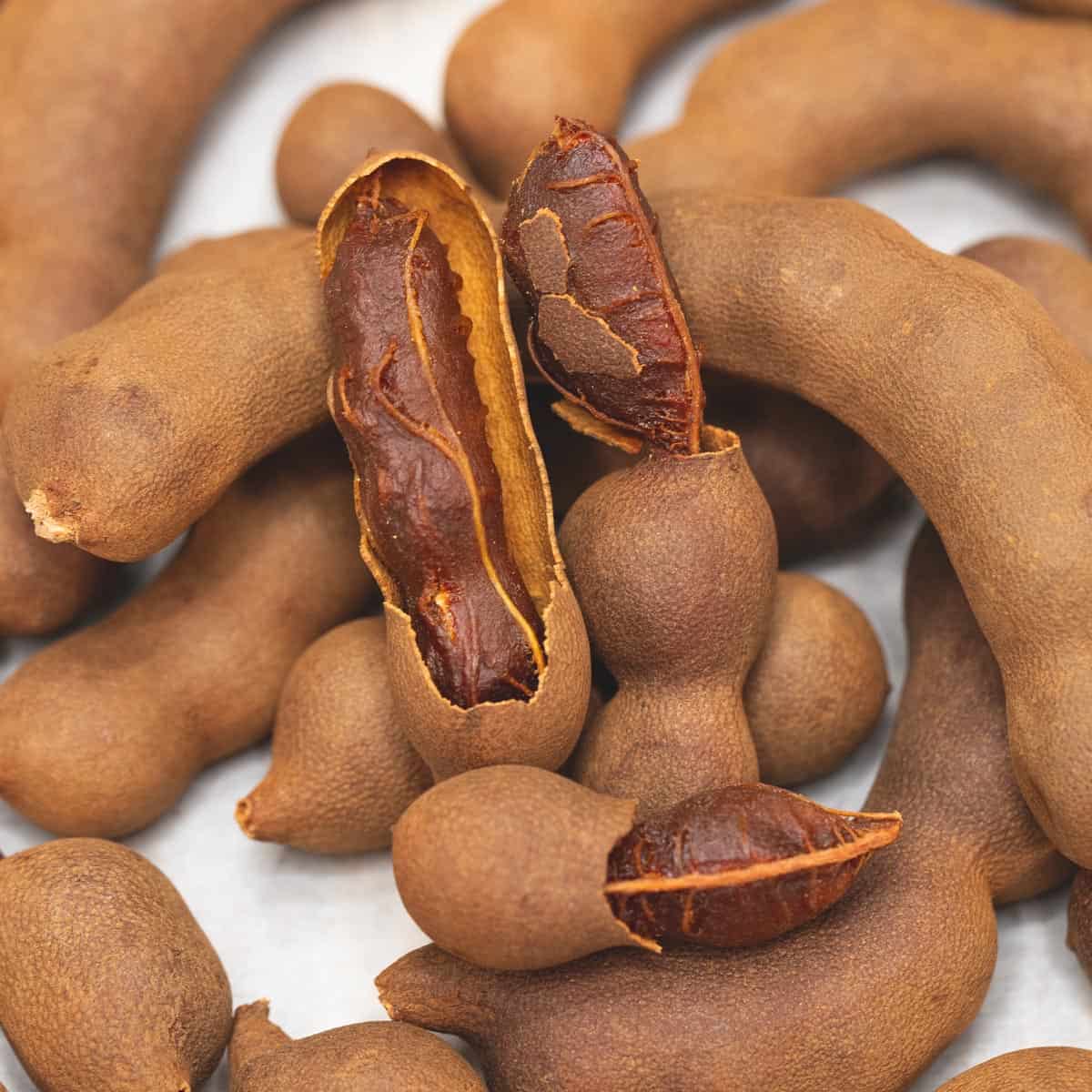
    Tamarind is a versatile ingredient that adds a unique sour and slightly sweet flavor to various dishes in Philippine cuisine.

    From savory meats to tangy soups, tamarind elevates the flavor profile of each dish.

    Explore the Range of Tamarind Recipes

    • Tamarind-Glazed Pork Chops: A sweet and sour glaze made with tamarind paste adds a rich flavor to pork chops.
    • Sinampalukang Manok Recipe: A traditional Filipino dish featuring chicken cooked in a tamarind broth with vegetables and spices.
    • Sinigang With Shrimp and Vegetables: A refreshing sour soup made with tamarind broth, shrimp, and various vegetables.
    • Tamarind-Braised Beef Short Ribs: Fall-off-the-bone tender beef short ribs slow-cooked in a tamarind-based sauce.
    • Filipino-Style Tamarind BBQ Sauce: A tangy and sweet BBQ sauce made with tamarind paste, perfect for grilled meats.

    Experience the Versatility of Tamarind in Philippine Cuisine

    These 10 tamarind recipes showcase the unique flavor profile of tamarind in various dishes, from savory meats to tangy soups and BBQ sauces.

    Key Takeaways

    Tamarind’s Unique Flavor Profile

    Tamarind adds a unique sweet and sour flavor profile to various Philippine dishes, elevating their flavor and aroma. This distinct flavor profile is a result of tamarind’s natural sweetness and tanginess, which balance each other out.

    Versatility in Philippine Cuisine

    Tamarind-based sauces and marinades can be used with different proteins and vegetables, making them versatile and customizable. For example, tamarind-based marinades can be used for grilled meats or as a dipping sauce for fried dishes.

    Balancing Tamarind’s Flavor

    Balancing the tanginess of tamarind with other ingredients is crucial in creating harmonious flavor profiles in Philippine recipes. This balance is achieved by combining tamarind with other ingredients like onions, garlic, and spices.

    Traditional Philippine Dishes

    Tamarind is a key ingredient in traditional Philippine dishes like Sinampalukang Manok and Sinigang, adding depth and complexity to these soups. In these dishes, tamarind’s unique flavor profile enhances the overall taste experience.

    Tamarind’s Versatility in Philippine Cuisine

    Tamarind can be used in a variety of dishes, from appetizers like crispy fried chicken to main courses like beef short ribs, showcasing its versatility in Philippine cuisine. This versatility makes tamarind a staple ingredient in many Philippine recipes.

    Tamarind-Glazed Pork Chops

    Tamarind-Glazed Pork Chops: A Harmonious Balance of Flavors

    The tangy sweetness of the tamarind glaze perfectly complements the rich flavor of the pork, creating a truly unforgettable dining experience.

    The tamarind’s unique flavor profile, both sweet and sour, elevates the dish to new heights. This harmonious balance of flavors is achieved by the glaze’s ability to balance the richness of the pork.

    Pairing Suggestions for a Well-Rounded Meal

    To take your dish to the next level, serve the pork chops with a side of warm soup, such as a light vegetable or creamy potato soup, to help cut the richness of the glaze.

    The tamarind’s tanginess cuts through the creaminess of the soup, creating a delightful contrast of textures and flavors. This pairing allows for a well-rounded meal that will leave you craving more.

    Ease of Preparation and Versatility

    Tamarind-glazed pork chops are an excellent option for a quick weeknight dinner or a special occasion meal due to their ease of preparation and versatility in cooking methods.

    Sinampalukang Manok Recipe

    Sinampalukang Manok Recipe: A Harmonious Blend of Flavors

    The Sinampalukang Manok Recipe is a traditional Filipino dish that masterfully combines chicken and tamarind broth to create a spicy sour flavor profile.

    This unique flavor combination is achieved by balancing the richness of the chicken with the tanginess of the tamarind.

    To recreate this authentic Filipino dish, it is essential to master the balance of flavors. By following the Sinampalukang Manok Recipe, you’ll learn how to pair the bold flavors of the chicken with the sourness of the tamarind, resulting in a truly tantalizing culinary experience.

    Chicken and Tamarind Broth

    Preparing the Chicken and Tamarind Broth for Sinampalukang Manok

    To prepare the chicken, you need to sauté it in oil until it’s nicely browned, which is a crucial step in developing the rich flavors of Sinampalukang Manok, a traditional Filipino chicken soup dish.

    Key Elements to Keep in Mind:

    Tamarind paste is essential: This ingredient gives Sinampalukang Manok its signature sour flavor, so it’s vital to use high-quality tamarind paste.

    Brown the chicken thoroughly: Sautéing the chicken until it’s nicely browned is critical in developing the rich flavors of the dish.

    Use young tamarind leaves (if available): While young tamarind leaves are traditionally used in Sinampalukang Manok, they can be seasonal and hard to find; you can substitute them with other greens if needed.

    When you combine the chicken and tamarind broth, you’ll get a sour soup that’s both invigorating and flavorful.

    The tamarind paste adds a depth of flavor that’s hard to replicate with other ingredients, making Sinampalukang Manok a unique and delicious Filipino dish.

    Spicy Sour Flavor Profile

    Achieving the Signature Flavor Profile of Sinampalukang Manok

    To create the distinctive spicy sour flavor profile of Sinampalukang Manok, a traditional Filipino chicken soup, four key ingredients must be balanced: tamarind, garlic, ginger, and green chilies. These ingredients meld together to create a harmonious broth that showcases the perfect blend of sour and spicy flavors.

    Building the Flavor Foundation

    Sautéing garlic, onion, and ginger lays the foundation for this complex flavor profile. The tamarind juice, chicken, green chilies, and yardlong beans are then added, allowing the flavors to meld together in a rich, savory broth.

    The Role of Tamarind Leaves

    Adding young tamarind leaves, although seasonal and hard to find, introduces an extra layer of sourness to the soup. By stripping the leaves from their hard stems and lightly pounding them, their full flavor potential is revealed. As the ingredients simmer together, the tamarind leaves infuse the broth with a bright, tangy flavor, complementing the lingering heat from the chilies and the tender chicken.

    The Result: A Mouthwatering Soup

    The combination of these ingredients results in a mouthwatering soup that’s both invigorating and satisfying, showcasing the versatility of tamarind in Philippine cuisine.

    Kare-Kare With Tamarind Sauce

    Achieving the Perfect Tamarind Sauce for Kare-Kare

    To prepare the ideal tamarind sauce for Kare-Kare, it’s crucial to balance the ratio of tamarind paste to water. A 1:4 ratio of tamarind paste to water is recommended.

    Cooking time is also essential, as it affects the tanginess of the sauce. A minimum of 30 minutes of cooking time is required to achieve the optimal flavor.

    Enhancing the Richness and Creaminess

    To elevate the flavor and texture of the sauce, a peanut-based thickening agent can be added. Peanut paste or peanut butter can be used to enhance the richness and creaminess of the sauce.

    This addition takes the Kare-Kare to the next level by adding depth and complexity to the flavor profile.

    Tamarind Sauce Preparation

    Crafting the Perfect Tamarind Sauce for Kare-Kare

    A well-balanced tamarind sauce is essential for Kare-Kare, a traditional Philippine dish.

    The key to achieving this balance lies in harmonizing the tangy flavor of tamarind with the richness of peanut sauce.

    To achieve this delicate harmony, follow these guidelines:

    1. Choose a Strong Foundation

    Use high-quality tamarind paste as the base of your sauce to ensure a rich, tangy flavor.

    2. Adjust to Taste

    Don’t be afraid to adjust the level of sourness to suit your personal preferences.

    3. Balance with Peanut Sauce

    Remember that the tamarind sauce should complement, not overpower, the peanut sauce.

    Peanut-Based Thickening Agent

    Achieving a Rich Texture with Peanut-Based Thickening Agent

    Incorporating a peanut-based thickening agent is essential to achieve a rich, velvety texture in Kare-Kare, a traditional Filipino dish. This texture provides a luxurious backdrop for the bold flavors of tamarind sauce.

    The Role of Peanuts and Tamarind Paste

    Ingredient Quantity Purpose
    Peanuts 1 cup Thickening agent
    Tamarind paste 2 tbsp Flavor enhancer
    Vegetable oil 2 tbsp Cooking medium

    The peanut-based thickening agent adds depth and complexity to the dish, while the tamarind sauce provides a tangy and sour element that balances the richness of the peanut sauce. This harmonious combination of flavors and textures makes Kare-Kare with tamarind sauce a beloved dish in Philippine cuisine.

    Creating a Balanced Flavor Profile

    Tamarind-Braised Beef Short Ribs

    Experience the Rich Flavors of Filipino Cuisine with Tamarind-Braised Beef Short Ribs

    Tamarind-Braised Beef Short Ribs is a Filipino dish that masterfully combines tender beef short ribs with a rich, tangy tamarind-based sauce. This slow-cooked masterpiece is a perfect blend of comforting and sophisticated flavors.

    What Makes This Dish Unique?

    Deep Flavor Profile: The combination of tender beef short ribs and tangy tamarind creates a rich, satisfying flavor profile.

    Tender and Juicy Meat: The slow-cooking process ensures that the beef short ribs are fall-off-the-bone tender and juicy.

    Unique Flavor Twist: The addition of tamarind adds a distinct twist to traditional beef short ribs, making it a standout in Filipino cuisine.

    A Must-Try Dish: Tamarind-Braised Beef Short Ribs is a must-try for anyone looking to experience the rich and complex flavors of Filipino cuisine.

    Sinigang With Shrimp and Vegetables

    Sinigang with Shrimp and Vegetables: A Refreshing Twist on a Filipino Classic

    This Filipino soup showcases the versatility of tamarind in a comforting and invigorating dish.

    The perfect balance of sour and sweet flavors is achieved in this savory soup, making it a refreshing twist on the classic recipe.

    The dish is packed with an assortment of vegetables, including water spinach, daikon radish, and more, which add texture and flavor to each bite.

    The tangy kick from the tamarind provides a rejuvenating contrast to the richness of the shrimp. This shrimp sinigang is a lighter alternative to traditional pork or beef versions, making it an excellent option for seafood lovers.

    Serve it with a side of steamed rice for a satisfying and comforting meal that will leave you craving for more.

    Tamarind Chicken Wings Recipe

    Tamarind Chicken Wings Recipe Offers Perfect Balance of Spicy and Sweet

    The tamarind chicken wings recipe achieves a harmonious balance of flavors by combining a spicy tamarind glaze with crispy fried wings.

    This balance is achieved by mastering the perfect blend of sweet and spicy flavors.

    Spicy Tamarind Glaze

    Crafting the Perfect Spicy Tamarind Glaze

    Blend tamarind paste, soy sauce, brown sugar, garlic, and chili to create a sweet, tangy, and spicy glaze that enhances the flavor of chicken wings.

    This Spicy Tamarind Glaze is a masterful combination of flavors that elevates tamarind chicken wings to new heights.

    Three Key Benefits of This Glaze

    Balanced flavors: Tamarind paste, soy sauce, and brown sugar combine to create a sweet, tangy, and savory flavor profile.

    The tamarind paste adds a unique sour note, balancing the sweetness and spiciness of the glaze.

    Spicy kick:

    The addition of chili brings a spicy kick that will leave you wanting more.

    Easy to make:

    This glaze is incredibly easy to prepare, and you can adjust the level of spiciness to your liking.

    Crispy Fried Wings

    Crispy Fried Wings: A Unique Filipino Dish

    Coat chicken wings in a flavorful tamarind marinade, then fry them to crispy perfection to create a delicious and unique Filipino dish. The marinade consists of tamarind paste, soy sauce, garlic, and spices. This mixture gives the chicken wings a sweet, sour, and tangy flavor profile.

    The tamarind glaze adds a depth of flavor that will leave you craving more. This glaze is what sets this dish apart from other fried chicken wing recipes.

    Crispy fried wings are perfect for snacking or as a side dish for your favorite meals. They can be served as an appetizer or main course in restaurants and households.

    Give this recipe a try and experience the unique flavor of Filipino cuisine. The tangy tamarind glaze will hook you from the first bite.

    Filipino-Style Tamarind BBQ Sauce

    Filipino-Style Tamarind BBQ Sauce stands out from its Western counterparts due to its bold, multidimensional flavor profile, which expertly balances sweet, tangy, and savory notes. This unique combination is achieved by blending tamarind pulp, soy sauce, brown sugar, garlic, and spices like ginger and chili, resulting in a complex and rich taste that elevates grilled meats.

    Three key benefits of Filipino-style tamarind BBQ sauce:

    Customizable flavor: Adjust the sweetness, tanginess, or spiciness levels to suit your taste preferences by tweaking the proportions of tamarind pulp, brown sugar, and chili.

    Versatile marinade: Use it for grilled chicken, pork, seafood, or vegetables to add a delicious tropical twist, as the sweet and tangy flavors complement a variety of proteins and vegetables.

    Adds depth to dishes: This flavorful sauce will take your BBQ game to the next level, making it a staple in Filipino cuisine, and is especially well-suited for grilled meats and seafood.

    Tamarind and Pork Belly Adobo

    Tamarind and Pork Belly Adobo: A Harmonious Balance of Flavors

    In Filipino cuisine, tamarind paste is often used to balance the richness of pork belly in the popular dish, Tamarind and Pork Belly Adobo. This beloved recipe combines the bold flavors of tamarind paste, soy sauce, vinegar, garlic, and spices to create a dish that is both comforting and flavorful.

    Key Ingredients

    Ingredient Quantity Description
    Pork Belly 1 lb Rich and tender cut of meat
    Tamarind Paste 2 tbsp Tangy and slightly sweet flavor
    Soy Sauce 1/4 cup Umami flavor enhancer
    Vinegar 1/4 cup Balances flavor and tenderizes meat

    The Slow-Cooking Process

    As you slow-cook the pork belly in the marinade, the tamarind adds a unique sour and slightly sweet taste, balancing the richness of the meat. The result is a dish that is both familiar and exciting, with a flavor profile that is sure to become a staple in your kitchen.

    Crispy Tamarind Fried Chicken

    Crispy Tamarind Fried Chicken: A Filipino Delight

    Tamarind’s unique flavor takes center stage in Crispy Tamarind Fried Chicken, a Filipino dish that masterfully balances crunch and zest. As you take your first bite, the crispy exterior gives way to juicy, flavorful meat, infused with the sweet and sour taste of tamarind.

    Three Key Reasons to Love Crispy Tamarind Fried Chicken:

    Unique Flavor Profile: The tamarind marinade adds a depth of flavor to the fried chicken, making it a standout dish in Filipino cuisine. The tangy flavor of tamarind balances the richness of the fried chicken, creating a harmonious taste experience.

    Crispy Texture: The crispy exterior provides a satisfying crunch, contrasting perfectly with the tender, juicy meat. This texture combination makes each bite a delight.

    Versatile Serving Options: Enjoy Crispy Tamarind Fried Chicken as a main course, appetizer, or even as a snack with a side of steamed rice. Its versatility makes it an excellent choice for various meal occasions.

    A Must-Try Dish: With its perfect balance of crunch, flavor, and zest, Crispy Tamarind Fried Chicken is a must-try dish for anyone looking to experience the best of Filipino cuisine. Its unique flavor profile, crispy texture, and versatility make it a favorite among locals and food enthusiasts alike.

    Can Tamarind be Used to Make Homemade Jams from Indigenous Filipino Fruits?

    Yes, tamarind can be used to make homemade jams from indigenous Filipino fruits. Tamarind’s tangy flavor and natural acidity make it a great addition to jams. When combined with other indigenous fruits like mango, guava, or calamansi, tamarind creates a unique and delicious flavor in homemade jams from indigenous fruits.

    Tamarind and Vegetable Stir-Fry

    Tamarind and Vegetable Stir-Fry: A Nutritious and Flavorful Dish

    This vibrant and nutritious dish combines the tangy flavor of tamarind with a colorful medley of fresh vegetables. Tamarind and vegetable stir-fry is a popular dish in Philippine cuisine, known for its perfect balance of sour, sweet, and savory flavors.

    Variety of Vegetables Adds Nutritional Value and Visual Appeal

    The dish typically features a mix of vegetables such as bell peppers, eggplant, okra, and string beans, which adds to its nutritional value and visual appeal. You can customize the dish by adding or substituting vegetables based on your personal preference.

    Tamarind Sauce: A Flavorful and Tangy Component

    The tamarind sauce is made by mixing tamarind paste with water, sugar, and other seasonings to create a flavorful and tangy sauce. This sauce is a key component of the dish, adding depth and complexity to the flavors.

    Serving Suggestions and Pairing Options

    Serve the tamarind and vegetable stir-fry with steamed rice for a well-rounded and satisfying meal. This dish is a great option for those looking for a nutritious and flavorful meal.

    Frequently Asked Questions

    What Pairs Well With Tamarind?

    Tamarind flavors pair well with savory dishes, seafood, and spicy recipes. This is because its tangy sweetness complements rich meats, creating harmonious contrasts in food combinations. For example, in Filipino cuisine, tamarind is a key ingredient in dishes like sinigang and sinampalukang manok, where it balances the richness of pork and chicken.

    What Is the Difference Between Sinampalukan and Sinigang?

    Sinampalukan and Sinigang are two distinct Filipino dishes. One key difference between them lies in their use of souring agents. Sinampalukan relies solely on tamarind for its sour flavor, whereas Sinigang incorporates various souring agents, resulting in distinct flavor profiles.

    How to Use Tamarind in Cooking?

    Tamarind in Cooking: Flavor and Substitutions

    When incorporating tamarind into your recipes, you’ll experience its distinctive, slightly sweet and sour flavor profile. Tamarind’s unique taste is often described as a mix of sweet and sour flavors, similar to a combination of dates and citrus fruits.

    If you don’t have tamarind or prefer a different flavor, you can substitute it with citrus fruits like lime or orange, or even vinegar in some recipes. However, keep in mind that these substitutes will alter the overall flavor profile of your dish.

    Can You Use Tamarind Concentrate for Sinigang?

    Yes, you can use tamarind concentrate as a substitute in Sinigang. This convenient alternative provides a consistent, intense sourness and streamlines the process. By using tamarind concentrate, you can still achieve the desired flavor profile, which typically includes a hint of sweetness and tanginess.

    Conclusion

    Experience the Flavors of the Philippines with Tamarind Recipes

    Tamarind is a versatile ingredient that adds a unique sour and slightly sweet flavor to various Philippine dishes.

    From sweet and sticky glazes to tangy and savory sauces, tamarind elevates classic recipes like sinigang and kare-kare to new heights.

    These 10 recipes showcase the full potential of tamarind, allowing you to experiment and discover the bold flavors of the Philippines.

  • Pomegranate in Philippine Cuisine: 5 Key Tips

    Pomegranate in Philippine Cuisine: 5 Key Tips

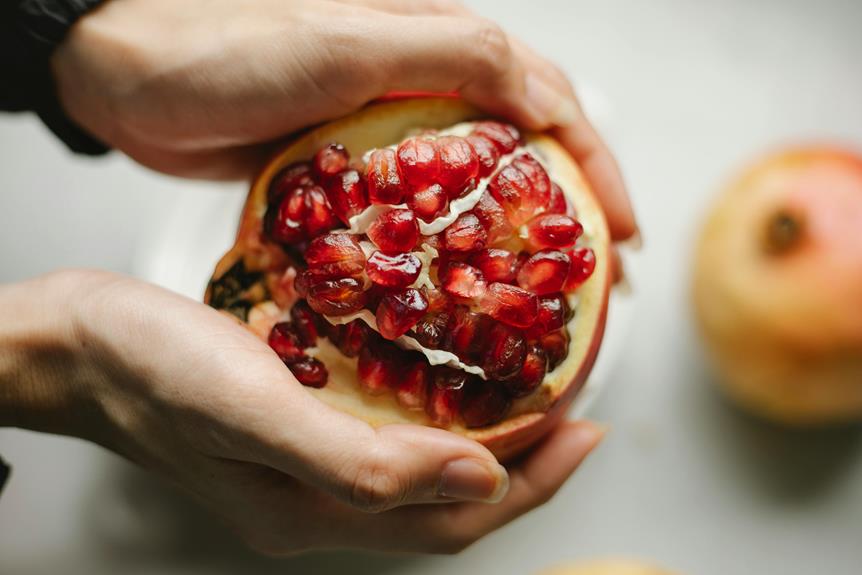
    Pomegranates can elevate traditional Philippine cuisine by incorporating their unique flavor, color, and nutrients into various dishes. Rich in antioxidants and fiber, pomegranates can add a twist to classic recipes.

    Pair pomegranate seeds with savory dishes like adobo or sinigang for a flavorful surprise.

    Additionally, use pomegranate molasses as a glaze for grilled meats to add a sweet and tangy flavor.

    You can also infuse pomegranate juice into traditional Filipino drinks like buko juice or sago't gulaman for a refreshing twist.

    By experimenting with pomegranates in Philippine cuisine, you'll discover new flavors and a world of possibilities waiting to be explored.

    Key Takeaways

    Enhance Filipino Desserts with Pomegranate

    Incorporating pomegranate seeds into traditional Filipino desserts like halo-halo adds texture and flavor. This unique twist on classic desserts results in a refreshing and fruity treat.

    Pair Pomegranate with Savory Dishes

    Pomegranate arils complement savory dishes like adobo or sinigang, creating a unique flavor experience. This unexpected pairing adds a tangy and fruity dimension to traditional Filipino cuisine.

    Use Pomegranate Molasses as a Glaze

    Pomegranate molasses serves as a rich and fruity glaze for grilled meats or adds depth to beverages. This versatile ingredient enhances the flavor profile of various dishes.

    Add Pomegranate Juice to Traditional Dishes

    Pomegranate juice adds a tangy and sweet flavor to traditional Filipino dishes like adobo. This twist on a classic recipe creates a refreshing and fruity twist.

    Top Salads with Pomegranate Arils

    Pomegranate arils add a burst of freshness and color to Filipino salads like ensalada. This simple yet effective garnish elevates the overall presentation and flavor of the dish.

    Unlocking Pomegranate's Nutritional Benefits

    Pomegranates are a nutrient-dense fruit that offers numerous health benefits. They're rich in antioxidants, particularly punicalagins and anthocyanins, which help reduce inflammation and protect against diseases.

    Pomegranates support immune health and collagen production. They're an excellent source of Vitamin C, which plays a crucial role in immune function and skin elasticity.

    The seeds of pomegranates are a good source of fiber. This fiber content aids digestion and promotes gut health, supporting a healthy digestive system.

    Pomegranates are low in calories and rich in potassium. This makes them an ideal fruit for heart health, as potassium helps regulate blood pressure.

    Incorporating pomegranates into your diet may reduce the risk of chronic diseases. The antioxidants and nutrients in pomegranates have been shown to reduce the risk of heart disease, cancer, and diabetes.

    Pomegranates are a nutritious addition to a healthy diet. With their unique flavor and nutritional profile, it's no surprise they're gaining popularity in modern cuisine.

    Pomegranate Pairing Essentials for Filipinos

    When incorporating pomegranate into traditional Filipino dishes, its tangy flavor and vibrant color can enhance recipes and add a modern twist to beloved classics.

    Desserts and Fruit Salads: Add pomegranate seeds to traditional Filipino desserts like halo-halo and fruit salads for a burst of flavor and texture.

    Savory Dishes: Pair pomegranate's sweet-tart flavor with dishes like adobo or sinigang for a unique twist.

    Grilled Meats and Barbecue: Use pomegranate molasses as a glaze for grilled meats or as a tangy drizzle over Filipino barbecue skewers.

    Beverages: Incorporate pomegranate juice into calamansi juice or sago't gulaman for added complexity and refresh your drink game.

    Garnish and Visual Appeal: Use the vibrant color of pomegranate arils to garnish and enhance the visual appeal of dishes like pancit or ensalada.

    Filipino Recipes to Try This Season

    Experience the Full Flavor of Filipino Cuisine This Season

    To immerse yourself in the rich culinary heritage of Philippine Cuisine, try these traditional dishes that showcase the country's diverse flavors.

    Savor the Sour and Savory Flavors of Sinigang

    Sinigang is a traditional Filipino soup that combines tangy tamarind broth with an assortment of vegetables like water spinach and radish. This sour and savory dish is a staple in Filipino cuisine.

    Indulge in the Savory Flavors of Adobo

    Adobo is a popular Filipino dish made with meat (chicken, pork, or beef), soy sauce, vinegar, garlic, and bay leaves. This flavorful dish is a classic representation of Filipino cuisine.

    Satisfy Your Sweet Tooth with Bibingka

    Bibingka is a traditional Filipino rice cake made with coconut milk, sugar, and rice flour, often topped with salted eggs and cheese. This sweet treat is a staple during Filipino celebrations.

    Enjoy the Hearty Flavors of Kare-Kare

    Kare-Kare is a Filipino stew with oxtail, tripe, and vegetables cooked in a thick peanut sauce. This creamy and savory dish is a must-try for a heartier option.

    Delight in the Crunchy Goodness of Lumpia

    Lumpia is a Filipino spring roll filled with a mixture of ground meat, vegetables, and sometimes shrimp, served with a sweet and sour dipping sauce. This crunchy snack is a favorite among Filipinos.

    These dishes showcase the diversity of Philippine Cuisine and are sure to satisfy your cravings this season.

    Incorporating Pomegranate Into Traditional Dishes

    Incorporating Pomegranate into Traditional Filipino Dishes

    Adding pomegranate to traditional Filipino recipes can enhance flavor and color. Pomegranate is a versatile ingredient that can modernize classic dishes or create new ones.

    Adobo with a Twist

    Add pomegranate juice to Adobo for a tangy and sweet flavor profile. This adds a new dimension to the traditional dish.

    Ensalada Refresh

    Top Ensalada with pomegranate arils for a burst of color and freshness. The arils add a sweet and fruity flavor to the salad.

    Sinigang with Depth

    Infuse pomegranate molasses into Sinigang broth for a unique depth of flavor. The molasses add a sweet and tangy flavor to the soup.

    Halo-Halo Makeover

    Sprinkle pomegranate seeds on top of Halo-Halo for added texture and sweetness. The seeds provide a sweet and fruity contrast to the savory ingredients.

    How has the introduction of burgers impacted traditional Philippine cuisine?

    The introduction of burgers in Filipino cuisine has brought about a significant shift in the traditional food landscape. While maintaining its own distinctive flavors and ingredients, the influence of burgers has led to the incorporation of new cooking techniques and a fusion of international and local flavors in Filipino dishes.

    Maximizing Flavor With Pomegranate Arils

    Pomegranate arils can elevate the flavor and nutritional profile of Filipino dishes. As a rich source of Vitamin C, antioxidants, and fiber, pomegranate arils add a burst of tartness, sweetness, and texture to traditional Filipino dishes.

    Incorporating pomegranate arils into desserts like halo-halo adds a revitalizing twist, while adding them to savory dishes like adobo or sinigang provides a flavor boost.

    Pomegranate arils can also be sprinkled over salads, grilled meats, or even used as a garnish for drinks to add a pop of flavor. The vibrant color and unique flavor of pomegranate arils will enhance dishes, while their nutritional benefits provide an added bonus.

    By incorporating pomegranate arils into recipes, you'll not only elevate the flavor but also increase the nutritional value of your dishes.

    Frequently Asked Questions

    What Are Pomegranates Used for in Cooking?

    Pomegranates are used as a flavor enhancer in cooking to add a burst of tartness and sweetness to dishes. This unique flavor profile elevates flavors and adds depth to various cuisines. For instance, pomegranate molasses can be used to marinate lamb or chicken, while pomegranate seeds can be sprinkled on salads or yogurt parfaits for a sweet and tangy crunch.

    What Is the Significance of the Pomegranate?

    Pomegranates hold significant cultural symbolism, representing fertility, prosperity, and good fortune in various societies. For instance, in ancient Greek mythology, the pomegranate was associated with the goddess of fertility, Persephone. Similarly, in Hinduism, the pomegranate is considered a symbol of prosperity and good luck. These symbolic meanings extend beyond the fruit's culinary uses and nutritional benefits, highlighting its deeper significance.

    What Are the Benefits of Eating Pomegranate?

    Pomegranates are rich in antioxidants, which help boost immunity. Antioxidants combat free radicals in the body, reducing the risk of chronic diseases. Consuming pomegranates promotes heart health by reducing inflammation and improving blood lipid profiles. This reduces the risk of heart disease, high blood pressure, and stroke. Pomegranates support brain function by improving memory and cognitive function. The antioxidants and polyphenols in pomegranates have been shown to reduce the risk of neurodegenerative diseases such as Alzheimer's and Parkinson's. Pomegranates aid digestion by regulating bowel function and reducing inflammation in the gut. This reduces the risk of digestive disorders and improves overall gut health. Pomegranates support weight management by reducing inflammation and improving insulin sensitivity. This leads to a reduction in body fat and improved overall health.

    Do We Have Pomegranates in the Philippines?

    Yes, pomegranates can be found in the Philippines, but they are mostly imported. The country's climate is not suitable for cultivating pomegranates, so they are typically available in select markets and high-end supermarkets, particularly in Metro Manila.

    Conclusion

    Pomegranate's Role in Philippine Cuisine: Elevating Filipino Dishes

    By adding pomegranate to your Filipino dishes, you'll not only enhance the flavor but also reap its nutritional benefits. Pair pomegranate with local ingredients like adobo sauce, sinangag, or grilled meats to create unique flavor profiles. For instance, try combining pomegranate arils with grilled pork or chicken for a sweet and savory twist.

    Maximizing Flavor with Arils

    Pomegranate arils are the key to unlocking the fruit's flavor potential. Use them to add a burst of tartness and sweetness to your dishes. Experiment with different recipes, such as mixing arils with patis (fish sauce) and calamansi (Philippine lime) for a flavorful marinade.

    Elevating Traditional Recipes

    Incorporate pomegranate into traditional Filipino recipes to give them a modern twist. For example, try adding pomegranate arils to your sinigang soup for a tangy and refreshing flavor. You can also use pomegranate juice as a base for sauces or braising liquids.

    Experimenting with New Recipes

    Don't be afraid to experiment with new recipes that feature pomegranate as the main ingredient. Try creating a pomegranate salsa to pair with grilled meats or using pomegranate juice as a base for a Filipino-inspired BBQ sauce. The possibilities are endless!

  • Seasonal Star Apple Desserts Across the Philippines

    Seasonal Star Apple Desserts Across the Philippines

    Star Apples Elevate Filipino Desserts

    During peak harvest season, star apples add a unique flavor and texture to traditional Filipino treats. Classic desserts get a tropical spin, such as star apple-infused leche flan and maja blanca, a Filipino coconut pudding. These desserts combine the sweetness of star apples with the richness of coconut milk and the crunch of toasted coconut flakes.

    Regional specialties showcase star apples in innovative ways. In the Visayas region, star apple tarts are a popular dessert, featuring a flaky crust and a tangy star apple filling. In Luzon, star apple sorbet is a refreshing treat, often served as a palate cleanser between meals.

    Modern Filipino chefs are experimenting with star apples in unique and decadent creations. Star apple crème brûlée combines the richness of cream and sugar with the tanginess of star apples, topped with a caramelized sugar crust. Star apple cheesecake is another innovative dessert, featuring a star apple compote swirled into a creamy cheesecake filling.

    Explore the Philippines’ culinary landscape and uncover the many ways star apples elevate Filipino desserts.

    Key Takeaways

    Star Apples: A Fruitful Ingredient for Filipino Desserts

    Abundance and Affordability

    Star apples are abundant and affordable during peak harvest season in the Philippines, making them an ideal fruit for creative dessert experimentation.

    Incorporating Star Apples into Traditional Desserts

    Filipino chefs incorporate star apples into traditional desserts, adding a tropical twist and unique flavor profile to classic treats. For example, star apples are used to create innovative desserts like star apple pie, star apple tarts, and star apple ice cream.

    Regional Dessert Specialties

    Different regions in the Philippines offer unique star apple desserts. For instance, some regions specialize in Star Apple Pie, while others are known for their Star Apple Tarts and Star Apple Ice Cream.

    Flavor Pairing Versatility

    Star apples pair well with flavors like pandan, ube, coconut, pineapple, and mango, making them a versatile ingredient for modern twists on traditional desserts.

    Limited-Edition Desserts

    Dessert shops and cafes offer limited-edition star apple desserts during peak harvest season, celebrating the unique qualities of star apples.

    Star Apple Harvest Delights

    Peak Harvest Season for Star Apples

    During the peak harvest season, star apples are abundant and affordable, making them an ideal ingredient for seasonal desserts. At this time, ripe star apples are sold at local markets for around P30 per kilo, allowing for experimentation with different recipes.

    Unique Flavor and Texture

    Star apples are a popular choice for desserts due to their unique flavor and texture. They come in white and purple varieties, each offering a sweet and slightly tangy taste. When sliced, star apples display a star-like design, adding a delightful twist to traditional recipes.

    Incorporating Star Apples into Desserts

    Take advantage of the peak harvest season and get creative with your desserts by incorporating ripe star apples into your recipes. Combine star apples with other seasonal ingredients to create unique and truly Filipino-inspired treats. The soft, sweet flesh of the star apples makes them a perfect addition to various desserts.

    Tropical Twists on Classic Desserts

    Incorporating Star Apples into Filipino Desserts Adds a Tropical Twist

    Revitalizing Traditional Filipino Desserts

    Incorporating ripe star apples into traditional Filipino desserts gives them a revitalizing tropical twist. For instance, adding sliced star apples to shaved ice treats or blending them into creamy buko pandan creates a unique fusion of flavors. This combination produces a rejuvenating and exotic flavor profile perfect for tropical climates.

    Complexity and Depth in Flavor Profile

    When you add star apples to classic Filipino desserts, you’ll discover a new level of complexity and depth. The creamy pulp of star apples pairs perfectly with the sweetness of buko pandan, while its crunchy texture complements the icy treats. This innovative combination showcases the versatility of star apples in Filipino culinary creations.

    Peak Harvest Season in the Philippines

    Enjoy these tropical twists on classic desserts during the peak harvest season in the Philippines, and savor the invigorating flavors of the season. By incorporating star apples into traditional desserts, you’ll uncover a whole new world of flavors and textures that will leave you wanting more.

    Filipino Chefs’ Favorite Recipes

    Filipino chefs are creatively incorporating star apples into their dessert recipes. During the peak harvest season, these culinary experts are experimenting with innovative recipes that showcase the unique flavor and texture of star apples.

    Star apples are a staple ingredient in many Filipino chefs’ recipes, often used in creamy puddings, fruity tarts, and invigorating fruit salads. The versatility of star apples makes them a favorite choice for Filipino chefs looking to create flavorful desserts.

    Examples of star apple desserts include a star apple and langka fruit salad infused with cinnamon and honey, or a star apple and coconut cream pudding topped with toasted coconut flakes.

    Sweet and Tangy Star Apple Treats

    The star apple’s unique taste is balanced by its sweetness and tartness, creating a harmonious blend of flavors in desserts. This balance is achieved when the fruit’s natural sweetness is complemented by its tartness, resulting in a refreshing and revitalizing taste experience.

    The star apple’s fruity flavors work together in perfect harmony, with its unique taste taking center stage in traditional Filipino treats.

    By incorporating star apples into desserts, you’ll experience a revitalizing twist on traditional Filipino treats, offering a fresh and exciting take on classic desserts.

    Tartness Balances Sweetness Well

    Tartness Balances Sweetness Well

    When indulging in sweet and tangy star apple treats, the tartness of this tropical fruit beautifully balances the richness of traditional Filipino sweets. The tartness expertly counterbalances the sweetness, creating a delightful harmony of flavors.

    The tangy flavor of star apples complements the sweetness in traditional Filipino desserts, adding a unique and invigorating twist to classic sweets. The tartness adds a delightful contrast to the sugary components in Filipino desserts, showcasing the versatility of this tropical fruit in creating a harmonious blend of flavors.

    Here is a breakdown of the tartness levels in various star apple desserts:

    Dessert Tartness Level
    Star Apple Tarts High
    Filipino Fruit Salad Medium
    Star Apple Ice Cream Low
    Star Apple Cake Medium

    As you explore the world of sweet and tangy star apple treats, you’ll appreciate the perfect balance of sweetness and tartness that makes these desserts truly special.

    Fruity Flavors in Harmony

    In the vibrant landscape of Filipino desserts, star apples mingle with other fruits, like mango and pineapple, to create a symphony of sweet and tangy flavors that tantalize your taste buds. Star apples add a unique flavor dimension to traditional treats like halo-halo and fruit salads.

    Star apples harmonize perfectly with other fruits for three reasons:

    • Star apples’ sweetness is balanced by the tanginess of other fruits, creating an invigorating flavor experience.
    • The creamy texture of star apples complements the juiciness of other fruits, adding depth to each bite.
    • Star apples can be used to create invigorating sorbets and ice creams, perfect for hot Philippine summers.

    The harmony of flavors and textures that star apples bring to the table is appreciated in simple desserts like star apple with condensed milk and ice or more elaborate fruit salads. The star apple’s unique flavor will leave you wanting more.

    Regional Star Apple Dessert Specials

    Regional Star Apple Dessert Specials

    The Philippines is home to a diverse range of star apple desserts, each with its own unique flavor profile and characteristics, shaped by the country’s regional differences.

    Northern Delights

    In the northern regions, star apple desserts are known for their sweet and tangy flavors. For instance, the Ilocos Region is famous for its Star Apple Pie, a classic dessert that combines the sweetness of star apples with a hint of tanginess.

    In the Cordillera Administrative Region, Star Apple Tarts are a popular treat, with a crumbly pastry crust and a sweet star apple filling.

    Southern Surprises

    In the southern regions, star apple desserts take on a sweeter and creamier form. In Mindanao, Star Apple Cheesecake is a favorite, with a rich and creamy cheesecake base topped with caramelized star apples.

    The Visayas Region is known for its Star Apple Ice Cream, a refreshing dessert that combines the sweetness of star apples with a hint of coconut milk.

    Each region’s unique take on star apple desserts is a testament to the fruit’s versatility and the creativity of Filipino dessert makers.

    Northern Delights Unveiled

    Northern Delights Unveiled

    In the northern regions of the Philippines, a diverse range of star apple desserts showcases the local creativity and flavor.

    Regional Twists

    Each region offers a unique spin on the star apple dessert. In Baguio City, a revitalizing star apple shake is perfect for the city’s cool climate.

    Ilocos Norte pairs crispy pork belly, or ‘Bagnet,’ with a star apple salad, creating a delightful contrast of flavors.

    Must-Try Star Apple Desserts

    1. Sinuman: A sticky rice cake with star apple and coconut milk.

    2. Tibok-Tibok: A creamy star apple pudding made with carabao’s milk, sugar, and cornstarch.

    3. Binungey: A unique dessert combining star apple with sticky rice, coconut milk, and sugar, steamed in bamboo tubes.

    Discovering Hidden Gems

    While Central America is known for its vibrant cultural heritage, the northern Philippines has its own hidden gems when it comes to star apple desserts.

    The region offers a unique culinary journey, full of sweet surprises waiting to be discovered.

    Southern Sweet Surprises

    The Philippines’ Southern Regions Boast Unique Star Apple Desserts

    The southern regions of the Philippines are known for their distinct star apple desserts, showcasing the fruit’s natural sweetness and versatility in traditional treats.

    Minatamis na kaimito, a sweetened star apple dessert, is a staple in southern Filipino cuisine. To make it, star apples are simmered in sugar syrup until tender, highlighting their natural sweetness.

    Savoring Minatamis na Kaimito

    This dessert is often served chilled, and you can enjoy it on its own or paired with shaved ice for a revitalizing twist.

    The rich flavor and creamy texture of star apples add a unique and delightful touch to southern Filipino cuisine.

    A Must-Try Dessert

    ‘Minatamis na kaimito’ is a must-try when visiting the southern regions of the Philippines, especially during the star apple’s peak season. It’s a sweet treat that will leave you wanting more of the region’s culinary delights.

    Innovative Uses for Star Apples

    Star Apples: A Versatile Fruit Beyond Fresh Fruit Salads

    Star apples can be creatively repurposed into a wide range of innovative desserts that showcase their unique flavor profile. Inspired by the West Indies, where the fruit is commonly used in desserts, you can experiment with star apples in sweet treats.

    For example, you can create a star apple pie, crumble, or custard to highlight the fruit’s natural sweetness.

    Innovative Dessert Ideas

    Incorporate star apples into traditional Filipino desserts like halo-halo, buko salad, and fruit tarts to add a twist to classic recipes.

    Create treats like star apple sorbet, ice cream, and parfait perfect for hot Philippine summers.

    Preserve the flavor by making star apple jams, jellies, and preserves that can be enjoyed all year round in various dishes.

    Decadent Star Apple Dessert Creations

    Star apple desserts showcase the fruit’s unique flavor and texture. These creations balance flavors and textures through harmonious pairings of fruit and nuts, such as combining star apples with crunchy pecans or walnuts.

    Rich, creamy crème brûlée is another example, where the star apple’s sweetness is enhanced by the caramelized sugar.

    Crunchy caramel delights are also a popular treat, where star apples are paired with a crunchy caramel topping, leaving you craving more of these sweet treats.

    Fruit and Nut Harmony

    Combining star apples with nuts is a classic Filipino dessert technique that creates a symphony of textures and flavors. The soft, jelly-like texture of ripe star apples is perfectly balanced by the crunchy texture of nuts, creating a delightful sensory experience.

    In Filipino desserts, walnuts, almonds, and cashews are popular nuts paired with star apples to create a flavor profile that’s both sweet and savory. The nutty flavors complement the natural sweetness of the fruit, while the textures play a delightful game of contrasts.

    For instance, when you take a bite, the crunch of the nuts gives way to the luscious, velvety flesh of the star apple, a true delight for the senses. This harmonious balance of flavors and textures is a hallmark of Filipino desserts, and it’s no wonder that star apple desserts remain a beloved treat across the Philippines.

    Star Apple Crème Brûlée

    Star Apple Crème Brûlée: A Decadent Filipino Dessert

    What is Star Apple Crème Brûlée?

    Star Apple Crème Brûlée is a rich and velvety dessert that combines the creamy texture of crème brûlée with the sweet and slightly tangy flavor of star apples.

    How is it made?

    This Filipino seasonal delight is made by infusing star apple puree or extract into the custard base, which is then topped with a caramelized sugar crust.

    Texture and Flavor Profile

    The result is a velvety smooth treat with a delightful contrast of textures. Some recipes incorporate coconut milk to add creaminess and depth to the dessert.

    Popularity and Seasonality

    During the peak harvest season, Star Apple Crème Brûlée is a popular choice in the Philippines due to its rich flavor profile and luxurious texture.

    Crunchy Caramel Delights

    Crunchy Caramel Delights: A Harmonious Blend of Textures and Flavors

    Savoring Crunchy Caramel Delights means indulging in the perfect harmony of textures and flavors.

    The crunchy caramel coating gives way to the creamy star apple flesh, creating a delightful contrast that will leave you wanting more.

    Crunchy Caramel Delights are a popular way to enjoy the unique flavor and texture of star apples in the Philippines, particularly in regions where they’re abundant.

    Three key reasons make them a sought-after treat:

    Contrasting textures create a delightful mix of sensations in your mouth, as the crunchy caramel and creamy star apple flesh combine for a unique experience.

    Sweet and indulgent, the rich caramel sauce and natural sweetness of the star apples make for a decadent treat.

    Seasonal freshness guarantees the freshest and most flavorful star apples when enjoyed during the peak harvest season.

    Celebrating Filipino Culinary Heritage

    Celebrating Filipino Culinary Heritage through Star Apple Desserts

    Star apple desserts showcase the Philippines’ gastronomic heritage. These sweet treats highlight the unique flavor and versatility of the star apple, often mixed with other fruits to create a rich, creamy texture. Traditional Filipino ingredients like coconut milk, rice flour, and palm sugar are commonly used in these desserts, adding a local twist to classic recipes.

    Star apple desserts bring people together in Filipino culture. During the star apple season, families gather to enjoy these special treats, fostering a sense of community and celebration.

    Star apples are often sliced and mixed into fruit salads or blended into creamy desserts like halo-halo, a popular shaved ice treat. The star apple’s versatility pairs well with other local fruits like mangoes, bananas, and jackfruit, creating a harmonious blend of flavors that’s distinctly Filipino.

    Star Apple Pairing Inspirations

    Unlocking the Flavor of Star Apples

    Incorporating star apples into your desserts can lead to exciting pairing opportunities. The creamy texture and mild sweetness of star apples complement traditional Filipino flavors like pandan and ube in desserts.

    Three Star Apple Pairing Inspirations

    Tropical Trio: Combine star apples with coconut and pineapple for a refreshing dessert perfect for hot summer days. This pairing brings together the sweetness of star apples, the creaminess of coconut, and the tanginess of pineapple, creating a unique flavor profile.

    Purple Reign: Pair star apples with ube for a visually stunning and delicious dessert. The deep purple color of ube complements the creamy texture of star apples, creating a dessert that’s both Instagram-worthy and mouth-watering.

    Mango Magic: Blend star apples with mango for a sweet and tangy dessert bursting with tropical flavors. This pairing combines the sweetness of mango with the creaminess of star apples, creating a refreshing and fruity dessert.

    Exploring Star Apple Textures

    The velvety flesh of star apples can be blended into smoothies or mixed into halo-halo, adding a tropical and creamy element to these beloved treats.

    With its unique flavor profile, the star apple is an exciting ingredient to experiment with in your dessert creations.

    What are some popular desserts made with seasonal star apple during the rainy season in the Philippines?

    During the Philippine rainy season, locals enjoy using seasonal star apple to make delicious desserts like creamy custards, refreshing fruit salads, and sweet jams. The juicy and subtly sweet flavor of the Philippine rainy season fruits adds a unique twist to traditional desserts, making them even more indulgent.

    Seasonal Star Apple Dessert Trends

    Seasonal Star Apple Dessert Trends

    During the peak harvest season, star apple desserts take center stage in Filipino culinary scenes, with traditional treats and modern creations showcasing this seasonal superstar.

    Classic Filipino Desserts

    Halo-halo, a classic Filipino dessert, often features star apples as a focal ingredient, and its popularity soars during this time.

    Modern Twists

    Innovative chefs are also incorporating star apples into modern dessert creations, offering a unique twist on traditional treats.

    Seasonal Treats

    At farmers markets and street food stalls, you’ll discover a variety of star apple-based treats catering to the seasonal demand. Examples include star apple ice creams and sorbets, pies, and tarts.

    Limited-Edition Desserts

    Dessert shops and cafes join in on the trend, offering limited-edition star apple desserts that showcase the fruit’s unique flavor and texture.

    Indulge in the Season

    Whether you’re in the mood for a classic treat or something new and exciting, the peak harvest season is the perfect time to indulge in star apple desserts across the Philippines.

    Frequently Asked Questions

    Is There Star Apple in the Philippines?

    Star apples are widely available in the Philippines. They can be commonly found in backyards and roadside stalls, ensuring a steady supply throughout the year. The peak harvest season further guarantees their availability, easing any concerns about their accessibility.

    What Is the English Name for Star Apple?

    The English name for star apple is Star Apple. This name is derived from the fruit’s unique star-like pattern when sliced, reflecting its visually striking and appealing characteristics.

    Is Star Apple Seasonal?

    Star apples are indeed seasonal. Their availability is heavily influenced by climatic fluctuations, which affect the fruit’s ripening and harvesting periods. As a result, they are more abundant during specific times of the year.

    What Are the Different Types of Star Apples?

    There are two main types of star apples, each with distinct flavor profiles. The purple skin variety has a sweeter, slightly tart taste, while the green skin type is milder and more delicate.

    Conclusion

    Seasonal Star Apple Desserts Across the Philippines

    The Philippines offers a vibrant world of seasonal star apple desserts, featuring innovative twists on classic treats. Chefs’ favorite recipes and regional specialties showcase the versatility of this tropical fruit.

    From sweet and tangy delights, like star apple tarts, to decadent creations, such as star apple cheesecakes, each dessert highlights the fruit’s adaptability.

    Discovering Innovative Twists

    To elevate your dessert game, pair star apples with complementary flavors. Stay on top of seasonal trends to create unique and delicious desserts that showcase Filipino culinary heritage.

  • Sapodilla Smoothies in Philippine Cuisine

    Sapodilla Smoothies in Philippine Cuisine

    Sapodilla Smoothies: A Seasonal Delight in Philippine Cuisine

    The sapodilla fruit is a tropical gem with a sweet, pulpy interior that’s abundant in the Philippines from June to November.

    This fruit is rich in vitamins A and C, antioxidants, and fiber, making it a nutritious addition to your diet.

    To create a revitalizing smoothie, blend sapodillas with coconut milk, spinach, and a touch of honey.

    This unique flavor combination is a must-try. With its versatility, sapodilla smoothies can be customized to suit your taste preferences.

    To unlock the full potential of sapodilla smoothies, experiment with different ingredients and ratios to find your perfect blend.

    Key Takeaways

    Sapodilla Smoothies: A Nutritious Beverage Option

    Peak Season and Nutritional Value

    Sapodilla smoothies are a popular choice in Filipino households, particularly during the rainy season when the fruit is in peak ripeness. Rich in vitamins A and C, sapodillas provide a nutritious and refreshing beverage option, perfect for hot tropical days.

    Customization Options

    To customize sapodilla smoothies, substitute dairy milk with coconut milk for a creamy texture. Add spinach for extra nutrition or adjust the texture with more fruit or milk to suit your taste.

    Flavor Combinations and Garnishes

    Sapodilla smoothies can be paired with other fruits like mango or pineapple to create unique flavor combinations. Garnish with coconut flakes or fresh sapodilla for added texture and flavor.

    Health Benefits

    With its high fiber and antioxidant content, sapodilla smoothies offer a healthy and delicious way to boost immunity and support digestion.

    Sapodilla Fruit Description

    What is Sapodilla Fruit?

    Sapodilla fruit, also known as Chico, is a tropical treasure prized for its sweet, honeyed taste and impressive nutritional profile. Native to Mexico, it has found a new home in the Philippines, where it’s widely cultivated and cherished.

    Physical Characteristics

    The Chico fruit boasts a unique exterior, with a brown, grainy skin that’s often sticky with white sap. When you cut it open, you’ll find a soft, pulpy interior with a flavor profile that’s reminiscent of brown sugar, musky, and malty.

    Growing Regions

    This tropical gem is grown in the Central and South regions of the Philippines, where the climate is warm and humid, perfect for its growth.

    Nutritional Value

    The Chico fruit is rich in vitamins A and C, making it not only a delicious addition to your smoothies but also a nutritious one.

    Seasonal Availability in Philippines

    In the Philippines, sapodillas are in season from June to November, coinciding with the rainy season. During this period, the fruit is at its peak ripeness, making it perfect for consuming.

    The natural sweetness of sapodillas is reminiscent of chewing gum, which makes them an excellent addition to smoothies. As a popular fruit in Southeast Asia, sapodillas are widely available during the rainy season, making them a staple in many Filipino households.

    When blended into smoothies, the sweetness of sapodillas enhances the overall taste, creating a revitalizing treat. Filipinos often incorporate ripe sapodillas into their recipes, taking advantage of the seasonal bounty.

    Nutritional Benefits Uncovered

    Sapodilla smoothies provide a rich source of antioxidants, which help protect cells from damage and strengthen the immune system.

    Rich in Antioxidants

    Rich in Antioxidants

    Sapodilla smoothies are packed with antioxidants, which help combat free radicals in the body, providing a robust defense against oxidative stress and its detrimental effects.

    Combating Free Radicals

    Antioxidants in sapodilla smoothies neutralize free radicals, reducing oxidative stress and its negative impact on the body. This helps promote cellular health, reduce inflammation, and even boost the immune system.

    Anti-Aging Properties

    The high antioxidant content in sapodilla fruit contributes to its anti-aging properties, making it an excellent addition to a health-conscious diet.

    Incorporating Sapodilla Smoothies

    By incorporating sapodilla smoothies into your culinary routine, you can experience the antioxidant benefits firsthand. With its versatility in recipes, you can create delicious smoothie options that support your overall health and well-being.

    Benefits of Regular Consumption

    Regular consumption of sapodilla smoothies can promote cellular health, reduce inflammation, and even boost your immune system.

    Boosts Immune System

    Sapodilla Smoothies Boost Immune System

    Sapodilla smoothies are packed with vitamin C and fiber, which work together to kick-start your immune system, enabling you to fight off illnesses and stay healthy.

    Vitamin C: The Immune System Strengthener

    Vitamin C in sapodillas has antioxidant properties that fight off free radicals, strengthening your immune system and helping you fight off illnesses.

    Fiber: The Digestive Aid

    The fiber content in sapodillas aids digestion and supports healthy gut bacteria, which is essential for overall immune health.

    Antioxidants: The Radical Neutralizers

    Antioxidants in sapodillas neutralize free radicals and reduce oxidative stress, ultimately enhancing immune function and promoting overall well-being.

    The Power of Combination: Fiber and Vitamin C

    The combination of fiber and vitamin C in sapodillas boosts the immune system and supports heart health, leading to improved overall health and a reduced risk of diseases.

    Nutrient Breakdown

    Nutrient Benefits Impact on Immune System
    Vitamin C Antioxidant properties, fights off free radicals Strengthens immune system, fights off illnesses
    Fiber Aids digestion, supports healthy gut bacteria Supports overall immune health, reduces inflammation
    Antioxidants Neutralizes free radicals, reduces oxidative stress Enhances immune function, promotes overall well-being
    Fiber and Vitamin C combination Boosts immune system, supports heart health Improves overall health, reduces risk of diseases

    Cultural Significance in Cuisine

    Sapodilla smoothies hold significant cultural value in the Philippines. They embody the country’s rich culinary heritage, reflecting its diverse cultural influences.

    Family traditions and cultural identity are deeply rooted in sapodilla smoothies, which evoke memories and emotions for many Filipinos.

    Family Traditions Passed

    Family Recipes as Treasured Heirlooms

    In many Filipino households, family recipes are cherished possessions, passed down through generations to preserve cultural heritage and strengthen family bonds. These recipes are often guarded secrets, shared only among family members and passed down through verbal tradition.

    This sense of importance fosters a strong sense of family bonding, as family members work together to prepare meals, sharing laughter and stories along the way.

    Creating Kitchen Memories

    When families gather in the kitchen to make traditional dishes like Sapodilla smoothies, they create kitchen memories that last a lifetime.

    These generational traditions are vital in preserving culinary heritage, ensuring that the unique flavors and techniques of Philippine cuisine are preserved for years to come.

    Honoring Cultural Heritage

    By continuing to make Sapodilla smoothies, families honor their cultural heritage and keep the flavors of their ancestors alive.

    This cultural preservation is crucial in maintaining a sense of identity and connection to one’s roots.

    Food as Cultural Identity

    Food as Cultural Identity

    Traditional dishes transport us to a world of cultural heritage, where every bite tells a story of history, tradition, and community. Food plays a vital role in shaping cultural identity, reflecting the values, history, and traditions of a community.

    In the Philippines, sapodilla smoothies represent a connection to the land, cultural roots, and community connections.

    Food Symbolism

    Traditional dishes often hold symbolic meanings, representing cultural beliefs, stories, and connections to the land. For instance, in Japan, the New Year’s dish called ‘Osechi’ symbolizes good luck, longevity, and fertility. Each ingredient and cooking method holds a specific meaning, reflecting the country’s cultural values.

    Culinary Storytelling

    The preparation and sharing of meals tell stories of ancestral ties, community, and cultural heritage. In India, the traditional ‘Gurudwara Langar’ is a community kitchen that serves meals to thousands of people, promoting equality and community bonding. The communal cooking and eating experience strengthens social bonds and reinforces cultural values.

    Flavor Exploration

    Exploring the unique flavors and ingredients of a culture provides insight into the diverse heritage, customs, and lifestyles of different societies around the world. In Morocco, the traditional ‘Tagine’ dish showcases the country’s rich cultural heritage, blending African, Arab, and Mediterranean flavors. The slow-cooked stew represents the country’s history of cultural exchange and trade.

    Traditional Recipe Variations

    Experiment with Unique Ingredients

    Traditional chico smoothie recipes can be modified by incorporating various ingredients to create unique flavor combinations. Adding coconut milk or blending in other tropical fruits like mango or pineapple offers a refreshing twist on the classic recipe, allowing you to tailor the taste to your preferences.

    Customize the Recipe to Your Taste

    You can substitute dairy milk with coconut milk for a creamier, dairy-free alternative. Adding a handful of spinach provides an extra nutritional boost. Adjust the texture by adding more chico for a thicker consistency or more milk or yogurt for a thinner consistency.

    Serve and Enjoy

    Pour the smoothie into glasses or bowls and top with fresh fruit, granola, or nuts for added crunch and flavor.

    The possibilities are endless, and the result is a delicious, healthy, and unique drink that showcases the versatility of this tropical fruit.

    Smoothie Making Essentials Guide

    Crafting the Perfect Sapodilla Smoothie

    To create a revitalizing tropical treat, you’ll need the following must-have ingredients and tools within arm’s reach: ripe sapodillas, coconut milk, and crushed ice.

    Essential Ingredients and Tools

    1. Blender: A high-powered blender is necessary to break down the sapodillas and combine them with coconut milk and ice.
    2. Measuring Cups and Spoons: Accurate measurements are vital to achieve the perfect balance of flavors and textures.
    3. Storage Containers: Store your smoothie in an airtight container in the refrigerator for up to 24 hours or freeze for later use.

    Blending Techniques and Serving Suggestions

    Experiment with different flavor combinations to find your favorite. Add a pinch of salt to enhance the sweetness of the sapodillas or sprinkle cinnamon for a warm, spicy flavor.

    For serving, pour your smoothie into a glass and garnish with a sprinkle of coconut flakes or a slice of fresh sapodilla.

    Featured Restaurants With Sapodilla

    Discover Sapodilla Smoothies in Manila’s Restaurants

    In Manila, restaurants like Ka Lola and Tambayan Gastrobar feature sapodilla smoothies as a staple in their menus, providing a revitalizing twist on traditional Filipino cuisine. These restaurants offer a unique flavor of sapodilla in a blended beverage.

    Experience the Local Food Scene

    Top-rated restaurants feature sapodilla smoothies as a seasonal delight. Locally-owned cafes, like hidden gems, offer an invigorating twist on traditional Filipino drinks. For instance, some cafes serve sapodilla smoothies with a tropical twist.

    Indulge in Sapodilla Smoothies in the Philippines

    When in the Philippines, indulge in the sweetness of sapodilla in a cool and satisfying smoothie form. Ask locals for recommendations to discover the best places to try this seasonal delight.

    From local favorites to hidden gems, you’ll find plenty of options to savor the tropical sweetness of sapodilla in a gratifying drink.

    Sapodilla in Philippine History

    Sapodilla’s significance in Philippine cuisine dates back centuries. The fruit’s history in the Philippines was shaped by Spanish colonization, which had a profound impact on its cultivation and use in traditional dishes.

    Spanish colonization introduced new farming techniques, leading to an increase in sapodilla production. Additionally, the Spanish brought their own culinary traditions, which merged with the existing Filipino cuisine, further incorporating sapodilla into local recipes.

    The fruit became a staple in many traditional dishes, such as salads, desserts, and even savory meals. By examining sapodilla’s history, it becomes clear that the fruit plays a vital role in Philippine culture and cuisine.

    Sapodilla’s Ancient Roots

    Sapodilla’s Ancient Roots in the Philippines

    Sapodilla has been a cherished staple in indigenous Filipino communities for centuries, playing a significant role in shaping the country’s culinary evolution. Its unique flavor profile and cultural significance reflect the Philippines’ rich food heritage.

    Culinary Versatility

    Sapodilla’s sweet, honeyed taste has made it a staple in traditional Filipino desserts, beverages, and dishes. For example, it’s used in sweet treats like sapodilla cakes and sapodilla ice cream, as well as in savory dishes like sapodilla-stuffed chicken.

    Historical Connections

    The fruit’s widespread presence in indigenous communities highlights the strong historical connections between sapodilla and the Philippines’ cultural heritage. Sapodilla trees were often planted near ancestral homes, symbolizing good fortune and prosperity.

    Nutritional Importance

    Sapodilla has been a valued source of nutrition in Filipino cuisine, providing vital vitamins, minerals, and antioxidants. It is an excellent source of fiber, potassium, and vitamin C, contributing to the well-being of communities for centuries.

    As you explore the world of sapodilla, you’ll discover how its ancient roots have paved the way for its continued relevance in modern Filipino cuisine.

    Spanish Colonization Impact

    Understanding the Impact of Spanish Colonization on Philippine Cuisine

    The introduction of sapodilla by Spanish colonizers significantly influenced Philippine cuisine, shaping the country’s culinary identity.

    Fruit Introduction and Culinary Impact

    The sapodilla, a fruit introduced by the Spanish, was quickly adopted into local desserts and snacks. This integration demonstrates the culinary fusion that resulted from Spanish colonization. For example, sapodilla is used in traditional Filipino desserts like minatamis, a sweet and syrupy preserve.

    Cultural Significance and Food Evolution

    The blending of Spanish and indigenous flavors resulted in unique Filipino flavors. Traditional dishes evolved to incorporate sapodilla, preserving cultural heritage. The evolution of recipes reflects the historical context of colonial influences on food. For instance, the sapodilla smoothie is a popular modern adaptation of the fruit.

    Key Takeaways

    • Spanish colonization introduced new fruits like sapodilla, which was quickly adopted into local cuisine.
    • The integration of sapodilla demonstrates the culinary fusion that resulted from colonial influences.
    • The blending of Spanish and indigenous flavors created unique Filipino flavors, preserving cultural heritage.

    Fun Facts and Trivia Uncovered

    The sapodilla fruit, also known as Chico, has been a prized ingredient in Philippine cuisine for generations.

    Chico’s unique flavor profile, which is both sweet and musky, has made it a staple in many Filipino households. This tropical fruit is often paired with coconut milk to create a revitalizing smoothie.

    Chico’s flavor pairs well with a variety of ingredients.

    Its sweet and musky flavor makes it a great match for coconut milk, nuts, and spices.

    Chico is a nutritious fruit.

    Rich in vitamins, minerals, and antioxidants, it’s a healthy addition to your diet.

    Chico has cultural significance in the Philippines.

    In the Philippines, Chico smoothies are often served during special occasions and celebrations, such as fiestas and family gatherings.

    Can Sineguelas be Used in Sapodilla Smoothies for a Filipino twist?

    Sineguelas, a Filipino favorite, also known as Spanish plum, can definitely be used in sapodilla smoothies for a unique and delicious Filipino twist. The sweet and slightly tangy flavor of sineguelas will add a tropical touch to the smoothie, making it a refreshing and exotic treat.

    Creative Recipe Ideas Inspired

    Transform the Classic Sapodilla Smoothie

    The sapodilla smoothie can be transformed into a unique and exotic treat with a few simple twists.

    Combine sapodilla with coconut milk and crushed ice for a revitalizing tropical fusion. This fusion brings together the natural sweetness of sapodilla and the creaminess of coconut milk, perfect for a hot summer day.

    Experiment with Exotic Pairings

    Sapodilla can be paired with other fruits to create a sweet and tangy flavor profile.

    Try combining sapodilla with mango or pineapple for a flavorful twist. The sweetness of the sapodilla complements the tanginess of the mango or pineapple, creating a refreshing smoothie.

    Add a Touch of Warmth

    For a more indulgent treat,

    add a drizzle of honey and a sprinkle of cinnamon to give your smoothie a warm, spicy kick. The honey adds a touch of sweetness, while the cinnamon adds a warm, spicy flavor.

    Customize to Your Taste

    The best part about sapodilla smoothies is that you can customize the recipe to your taste.

    Experiment with different flavor combinations and spices to create a truly one-of-a-kind smoothie. Whether you prefer sweet and fruity or cool and creamy, sapodilla smoothies offer endless opportunities for flavor experimentation.

    Frequently Asked Questions

    What Is a Fun Fact About Sapodilla?

    Sapodilla is a fruit with rare varieties that thrive in tropical climates, offering unique tropical flavors. These varieties are found in specific regions with suitable climates. Its white sap is even used in chewing gum, making it a fascinating find with practical applications.

    Are Sapodilla and Chikoo the Same?

    Sapodilla and chikoo are the same. They are two names for the same fruit. While they may have different names in different regions, they refer to the same fruit. In India and the Philippines, the fruit is commonly known as chikoo, while in other regions, it is called sapodilla. Despite the difference in names, they are one and the same fruit, with origins tracing back to Mexico and Central America.

    What Is the English Name for Chaku Fruit?

    The English name for Chaku fruit is Sapodilla. This tropical fruit is also known by other exotic names, such as Nispero, Naseberry, or Chiku, depending on the region.

    What Are the Benefits of Eating Chikoo?

    Eating chikoo provides several health benefits. The high fiber content in chikoo improves digestive health by preventing constipation, reducing the risk of colon cancer, and supporting healthy blood sugar levels. Chikoo’s antioxidant properties combat cell damage, reducing the risk of chronic diseases like cancer and heart disease. Additionally, chikoo’s anti-inflammatory effects reduce inflammation, promoting overall well-being and reducing the risk of diseases associated with chronic inflammation, such as arthritis and diabetes.

    Conclusion

    Sapodilla: A Nutritious and Culturally Significant Fruit

    Sapodilla is more than just a seasonal fruit – it’s a cultural symbol packed with nutrients and steeped in history.

    Rich in History and Nutrition

    Sapodilla is an excellent source of fiber, vitamins, and minerals, making it a nutritious addition to a healthy diet.

    Versatility in Traditional and Modern Recipes

    Whether you’re in the Philippines or just exploring its cuisine, sapodilla’s unique flavor and versatility make it a must-try.

    Traditionally, sapodilla is used in Filipino desserts like sapodilla cake and sapodilla jam. You can also experiment with modern twists, such as adding sapodilla to smoothies or using it as a topping for yogurt or oatmeal.

    Uncovering the Rich Heritage

    Sapodilla has a rich heritage in the Philippines, where it’s considered a cultural treasure.

    In Filipino culture, sapodilla is often served at family gatherings and special occasions, symbolizing unity and togetherness.

  • What Fruits Elevate Your Sinigang This Season?

    What Fruits Elevate Your Sinigang This Season?

    Elevate Your Sinigang with These Fruits

    To add a sweet and tangy flavor to your sinigang, try incorporating pineapple and green papaya.

    For a bright, zesty taste, add citrus fruits like calamansi or lemon.

    If you want to add a complex layer of sourness, use unripe guava and tamarind.

    Green mangoes, rich in Vitamin C, are a classic choice.

    Alternatively, you can use kamias for a tart fruit alternative or green apples for a revitalizing twist.

    Feel free to experiment with tropical fruit combinations or citrus flavor boosters to find the perfect balance of flavors.

    Key Takeaways

    Adding Fruits to Elevate Sinigang

    Sweet and Tangy Flavors

    Pineapple and green papaya add sweet and tangy flavors to sinigang. These fruits balance the sourness of the dish, creating a harmonious flavor profile.

    Unripe Fruits for Complexity

    Unripe fruits like green mangoes, guavas, and papayas offer a complex layer of sourness and unique flavor profiles. These fruits enhance the flavor of sinigang with their distinct taste characteristics.

    Balancing Tartness and Sweetness

    Balancing tartness with sweetness is key to achieving harmony in sinigang. Fruits like pineapple, guava, green apple, orange, and lemon can be used to balance the flavors.

    Tropical Fruit Combinations

    Experimenting with tropical fruit combinations like mango-pineapple, guava-mango, and pineapple-guava creates exciting sinigang flavors. These unique combinations add variety to the traditional dish.

    Citrus Fruits as Flavor Boosters

    Citrus fruits like calamansi, lime, and lemon serve as flavor boosters, enhancing the tangy flavor profile of sinigang broth. These fruits amplify the flavor of the dish, making it more refreshing and appetizing.

    Fruits That Add Zing to Sinigang

    Fruits Can Elevate Sinigang to the Next Level

    When it comes to adding a tangy twist to your sinigang, certain fruits can deliver a punch of flavor. Pineapple and green papaya combine to add a sweet and tangy dimension to your sinigang. Citrus fruits like calamansi or lemon provide a bright and invigorating acidity to your broth.

    Specific Fruits Add Tanginess

    Experiment with Unusual Fruit Pairings

    Fusion cuisine experiments can lead to exciting discoveries. For example, the combination of unripe guava and tamarind adds a complex layer of sourness to your sinigang. Don’t be afraid to try new and unusual fruit pairings to create a unique flavor profile that will set your sinigang apart.

    Craft a Bold and Invigorating Sinigang

    Green Mangoes: A Classic Choice

    Green Mangoes: A Classic Choice

    In Filipino cuisine, green mangoes are a staple for adding flavor to sinigang. The unripe flesh of green mangoes packs a sour punch that elevates the entire dish. When added to sinigang, green mangoes not only provide a burst of flavor but also offer nutritional benefits.

    Rich in Vitamin C, green mangoes provide a nutritional boost to your meal. To get the most out of your green mangoes, choose firm and unripe ones for a more intense sour kick. Slice or grate them to release their sour juices into the soup, enhancing the overall flavor.

    Green mangoes add a tangy and slightly sweet flavor profile to sinigang, making it a delightful twist on the classic dish. If you prefer a sour taste, green mangoes are an excellent addition to your sinigang.

    Kamias: The Sour Fruit Alternative

    Kamias: A Versatile Sour Fruit Alternative

    What is Kamias?

    Kamias, also known as bilimbi or cucumber tree fruit, is a sour fruit that can be used as a seasonal and locally available substitute for traditional souring agents in sinigang recipes.

    How to Use Kamias in Sinigang

    To incorporate kamias into your sinigang recipe, simply slice the fruit and add it directly to the broth, allowing its sour juice to infuse into the dish as it cooks.

    This adds a unique and tangy taste to the sinigang, enhancing its overall sourness.

    Benefits of Using Kamias

    The benefits of using kamias are numerous.

    It’s a versatile fruit that can be pickled or turned into a juice to use as a souring agent, offering a convenient alternative to traditional options like tamarind or citrus fruits. Additionally, kamias is a seasonal and locally available option, making it an excellent choice for those looking to mix things up and try something different.

    Experience a New Flavor Profile

    By incorporating kamias into your sinigang recipe, you’ll experience a flavor profile that’s both familiar and excitingly new.

    Give it a try and discover the kamias benefits for yourself!

    Green Apples for a Twist

    Green apples introduce a refreshing twist to traditional sinigang. Adding them to the dish brings a crunchy texture that provides a surprising freshness.

    The sweetness of the apples also helps balance out the sourness, resulting in a more intricate flavor profile.

    This unique combination creates a distinct variation of the traditional sinigang recipe.

    Crunchy Texture Surprise

    Adding Crunch to Sinigang with Green Apples

    Incorporating green apples into sinigang introduces a refreshing twist to this traditional Filipino dish.

    The crunchy texture of the apples complements the softness of the vegetables and meat, creating a delightful contrast in every bite.

    The acidity of the green apples balances out the richness of the broth and meats, resulting in a revitalized and modern take on the classic dish.

    The crispness of the apples provides a dynamic contrast to the softness of the other ingredients, awakening the taste buds with a hint of brightness and acidity.

    Sweetness Balance Act

    Green apples bring a unique twist to the traditional Filipino dish, sinigang, by balancing out the sourness from tamarind or other souring agents with their subtle sweetness and tartness.

    To get the most out of green apples in your sinigang, follow these expert tips:

    Add them towards the end of cooking to preserve their crisp texture and bright flavor in the soup.

    Experiment with varieties of apples, such as Granny Smith or Honeycrisp, to customize the sweetness and acidity levels in your sinigang.

    Balance sweetness and sourness by using green apples to contrast the savory and sour elements in sinigang, enhancing the overall flavor profile.

    Make them a versatile ingredient by using green apples to add a refreshing twist or create a sweet and sour harmony in your sinigang.

    Balancing Flavors With Fresh Fruits

    Balancing Flavors with Fresh Fruits in Sinigang

    When combining fresh fruits with tamarind, the tartness of the fruits counters the richness of the tamarind, striking a delightful balance that elevates the overall flavor profile of sinigang.

    The key to this balance is the harmonious union of sour and sweet flavors.

    By experimenting with different fruits, you can elevate the taste of sinigang and provide a unique twist to the traditional recipe. For example, incorporating seasonal fruits like strawberries in spring or oranges in winter enhances the overall taste of the soup, making it more invigorating and vibrant.

    The acidity and brightness of fresh fruits are the key elements that enhance the flavor profile of sinigang.

    Seasonal sinigang upgrades allow you to explore new flavors and textures that take your sinigang to the next level.

    Try incorporating different fruits like pineapple, mango, or watermelon to create a unique flavor profile. This approach will upgrade your sinigang game, and the tangy fruit experiments will leave you wanting more.

    Exploring Other Sour Fruits Options

    Beyond tamarind, various sour fruits can enhance the flavor profile of sinigang, offering distinct taste experiences. Exploring these options allows for unique and exciting flavor combinations that elevate the dish.

    Some alternative sour fruits to try include:

    Green mangoes, which add a tangy and slightly sweet flavor to sinigang.

    Calamansi provides a citrusy punch and a burst of freshness.

    Kamias (bilimbi) adds a unique tartness and is commonly used in Filipino cooking.

    Experimenting with other exotic fruit pairings, such as santol, pomelo, or even passion fruit, can add unexpected flavor combinations to your sinigang.

    Combining Fruits for Unique Taste

    Combining Fruits for Unique Taste

    When combining fruits, understanding the art of balancing tartness and sweetness is crucial to creating a unique sinigang experience.

    Tart fruits like tamarind and kamias provide a sour taste, while sweet fruits like watermelon and pineapple add a touch of sweetness.

    By combining these fruits, you can craft a harmonious balance of sweet and sour notes that will tantalize your taste buds.

    Balancing Tartness and Sweetness

    To elevate the flavor profile of sinigang, it’s essential to understand the secrets of fruit pairing.

    Pairing fruits with complementary flavors, like sweet and sour, creates a balanced taste experience.

    For example, pairing sweet watermelon with sour kamias creates a refreshing and tangy flavor profile.

    Fruit Pairing Secrets

    Fruit Pairing Secrets for Unique Sinigang Flavors

    Combining fruits like green mango, guava, and pineapple allows you to create complex sourness in your sinigang, resulting in unique and intriguing flavors.

    The key to success lies in experimenting with different fruit pairings to craft unexpected flavors and surprising taste combinations.

    Four fruit pairing secrets to elevate your sinigang game are:

    1. Tropical Twist: Pair green mango with pineapple for a sweet and tangy flavor profile.

    2. Sour and Sweet: Combine guava with green mango for a harmonious balance of sour and sweet flavors.

    3. Fruit Fusion: Blend pineapple with guava for a tropical twist on the classic sinigang flavor.

    4. Exotic Blend: Mix green mango, pineapple, and guava for an exotic fruit blend that will take your sinigang to the next level.

    Tartness Balancing Acts

    Balancing Tartness is Key to a Harmonious Sinigang Broth

    Combining fruits in unique ways can create a complex flavor profile, but balancing sweetness and tanginess is crucial to a well-rounded sinigang broth.

    To achieve balance, pair intense tartness with a touch of sweetness. For example, when combining fruits like tamarind, green mango, and calamansi, add ripe tomatoes to introduce sweetness and balance the intense tanginess.

    Unconventional pairings can add a tropical twist, but be mindful of the sweetness level. For instance, pineapple or guava can add a unique flavor, but balance their sweetness with more traditional fruits like green apple, orange, and lemon. These fruits will add layers of acidity and brightness to your broth.

    Experimenting with exotic fruits can bring a unique flavor profile, but balance their unique flavors with more traditional fruits. For example, passion fruit or star fruit can add an exotic touch, but balance their unique flavors with green apple, orange, and lemon. By balancing the tartness and sweetness, you’ll create a sinigang that’s both invigorating and complex.

    Cooking With Unripe Fruits Tips

    Cooking with Unripe Fruits: Tips and Techniques

    Incorporating unripe fruits into your sinigang recipe can add depth and complexity to the broth. Fruits like green mangoes, green papayas, and green guavas, commonly used in Filipino cuisine, are ideal for achieving a balance of sourness and sweetness.

    Selecting the Right Fruits: Experiment with various unripe fruits to find the perfect balance of flavors for your sinigang. For instance, green mangoes add a tangy flavor, while green papayas provide a slightly sweet and musky taste.

    Adjusting Cooking Time: Unripe fruits can be quite tart, so adjust the cooking time to achieve the desired level of sourness. Cooking time will vary depending on the fruit and desired level of sourness.

    Combining with Other Ingredients: Pair unripe fruits with other ingredients like tomatoes, onions, and fish sauce to create a rich and savory broth. This combination enhances the flavors of the fruits and adds depth to the sinigang.

    Embracing Experimentation: Don’t be afraid to try new fruits and flavor combinations. Seasonal fruits can add unique flavors and textures to your sinigang, so don’t be afraid to try new things.

    Sinigang Fruit Pairing Ideas

    Discover the Potential of Sinigang Fruit Pairing Ideas

    When exploring sinigang fruit pairing ideas, you’ll uncover a world of possibilities that elevate this Filipino staple dish.

    Tropical Fruit Combinations

    Pairing sinigang with tropical fruits like mangoes, pineapples, or bananas creates a sweet and tangy flavor profile reminiscent of a summer paradise.

    For instance, combining sinigang with mangoes adds a sweet and creamy texture, while pairing it with pineapples introduces a refreshing tropical twist.

    Citrus Flavor Boosters

    Incorporating citrus fruits like calamansi, oranges, or grapefruits into your sinigang enhances its flavor profile.

    Calamansi, a Filipino lime, adds a sour and tangy flavor, while oranges introduce a sweet and citrusy note.

    Grapefruits, on the other hand, contribute a tangy and slightly bitter taste.

    Summer Twists

    Opt for invigorating summer twists by pairing sinigang with fruits like watermelons or honeydew melons.

    These combinations quench your thirst and provide a refreshing contrast to the savory flavors of the dish.

    Tropical Fruit Combinations

    Tropical Fruit Combinations for a Unique Sinigang Recipe

    Pairing two or three tropical fruits creates a harmonious blend of flavors, transporting your taste buds to a tropical paradise. By combining fruits, you can craft a sinigang recipe that showcases their complementary taste profiles.

    Fruit Blends to Try

    Mango-Pineapple: Balance sweetness and tanginess by pairing the sweetness of mango with the tanginess of pineapple.

    Guava-Mango: Combine tropical flavor with creamy sweetness by blending the tropical flavor of guava with the creamy sweetness of mango.

    Pineapple-Guava: Pair sweetness with a hint of sourness by combining the sweetness of pineapple with the slightly sour taste of guava.

    Mango-Pineapple-Guava: Blend all three fruits for a sinigang that’s both familiar and excitingly new.

    Refreshing Summer Twists

    Summer’s heat is no match for the invigorating flavors of sinigang, a classic Filipino dish that can be revitalized by incorporating fruits like pineapple, guava, green mango, passion fruit, and papaya.

    These fruits will elevate your sinigang game, creating a rejuvenating summer fruit medley that’s perfect for the season.

    Pineapple adds a tropical sweetness and tangy flavor to the dish.

    Guava brings a unique tropical flavor and natural sourness, while green mango offers a tart and tangy kick, adding a bright and invigorating flavor to the dish.

    Passion fruit adds a floral and citrusy note, balancing out the savory and sour elements with a tropical twist.

    Papaya adds a subtle sweetness and soft texture, complementing the sourness of the broth with a milder flavor profile.

    Citrus Flavor Boosters

    Citrus Flavor Boosters Elevate Sinigang Broth

    Citrus fruits, like calamansi, lime, and lemon, can enhance the traditional souring agents in sinigang broth, creating a beautifully balanced and tangy flavor profile.

    Combining citrus with tamarind or other souring agents balances sour and sweet flavors.

    To incorporate citrus into your sinigang, try these pairings:

    1. Calamansi and Tamarind: Combine the two for a harmonious balance of sour and sweet flavors.

    2. Lime and Green Mango: Add a squeeze of fresh lime juice to complement the tartness of green mango.

    3. Lemon and Pineapple: Introduce a sweet and tangy element with pineapple chunks or juice, balanced by a splash of lemon.

    4. Citrus and Guava: Blend the sweetness of guava with the zest of citrus fruits for a unique flavor profile.

    How Can Dragon Fruit Enhance the Flavor of Sinigang?

    Dragon fruit can enhance the flavor of sinigang by adding a subtle sweetness and refreshing hint to the dish. The natural juiciness of the fruit complements the sour soup base, creating a unique and delightful taste. Incorporating dragon fruit into sinigang can elevate the overall dining experience, especially when paired with refreshing dragon fruit drinks.

    Elevating Sinigang With Fresh Flavors

    Enhance Your Sinigang with Fresh Fruits

    Incorporating fresh fruits into your Sinigang can add unique flavor dimensions to this classic Filipino soup. Experimenting with exotic fruit pairings and unexpected flavor combinations can create a one-of-a-kind Sinigang experience.

    Understanding Fresh Fruit Flavor Profiles

    Different fruits bring distinct flavor profiles to your Sinigang. Unripe mango adds a sweet and tangy twist, while calamansi brings a bright and tangy flavor. Guava introduces a tropical and complex flavor dimension, passion fruit bursts with tanginess and a hint of florality, and pomelo adds an invigorating and citrusy taste.

    Creating a Harmonious Balance of Flavors

    Frequently Asked Questions

    What Fruits Are Used in Sinigang?

    Fruits commonly used in Sinigang include tamarind, unripe mangoes, green tomatoes, and calamansi. These fruits provide the sour taste characteristic of the dish. Tamarind is the primary souring agent, but substitutes like guava or kamias can be used as alternatives. Combining fruits, such as tamarind and mango or calamansi and tomato, adds unique flavor twists.

    What Goes Well With Sinigang?

    What to Pair with Sinigang

    When looking for the perfect companions for Sinigang, steamed rice is a classic pairing that helps balance the sour broth. Grilled fish also complements the dish well, as the smoky flavor of the fish enhances the overall flavor profile. Additionally, fried vegetables can add a satisfying crunch to the meal.

    To further elevate the flavors of Sinigang, patis (fish sauce) and bagoong (fermented fish paste) can be used as flavor enhancers. These ingredients amplify the umami flavor of the dish, making it more savory and rich.

    What Is the Best Souring Agent for Sinigang?

    Choose the best souring agent for your Sinigang by considering two main options: Tamarind and Citrus.

    Tamarind varieties, such as Indian or Thai, provide a deeper flavor profile. For example, Indian Tamarind is known for its sweet and sour taste, while Thai Tamarind has a more intense, sour flavor.

    Alternatively, Citrus alternatives like calamansi or lime offer a brighter, zesty taste. Calamansi, a type of Philippine lime, is commonly used in traditional Sinigang recipes, while lime provides a more acidic flavor.

    What Are the Variations of Sinigang?

    Sinigang, a popular Filipino dish, has various regional twists that showcase its rich history and diverse flavor profiles.

    Regional Twists offer a unique spin on the traditional sinigang recipe. For instance, sinigang sa bayabas uses guava as a souring agent, while sinampalukang manok incorporates tamarind broth and chicken. These variations highlight the dish’s Historical Roots in the Philippines, providing a rich tapestry of flavors to explore.

    Conclusion

    Fruits can elevate your sinigang by adding unique twists to this Filipino staple. Each fruit brings a distinct flavor profile to the dish. For example, green mangoes add a sweet and sour taste, while kamias provides a tangy flavor.

    To get the best flavor out of your fruits, use unripe ones, as they’re more sour and will give your sinigang a nice balance of flavors. Don’t be afraid to experiment with new fruit pairings to create a rejuvenating sinigang perfect for the season.