Author: A. Pineda

  • Top 10 American-Themed Eateries in the Philippines

    Top 10 American-Themed Eateries in the Philippines

    American-Style Eateries in the Philippines

    Craving a taste of the American dream in the Philippines? You’re in luck!

    Several eateries serve authentic American flavors. For classic diner vibes, head to Johnny Rockets or try Southern comfort food at The Farmhouse.

    Tony Roma’s is a go-to for juicy ribs. If you’re in the mood for a classic cheeseburger, Five Guys has got you covered.

    And for a sweet treat, Shakey’s milkshakes are a must-try.

    Key Takeaways

    American-Themed Eateries in the Philippines

    Retro Diners

    Johnny Rockets and 50’s Diner offer authentic American diner experiences with retro ambiance and classic comfort food.

    Southern Comfort Food

    The Farmhouse and The Breakfast Club serve Southern comfort food with farm-fresh ingredients and all-day breakfast options.

    Ribs and BBQ

    Tony Roma’s Ribs specializes in fall-off-the-bone ribs with signature BBQ sauce and slow-cooked meats. Denny’s Restaurant and Ribs & BBQ provide classic American comfort food with immersive retro decor and 24/7 operating hours.

    Burgers and Pizzas

    Five Guys Burgers offers customizable burgers with quality ingredients and a variety of options. S&R Pizza serves New York-style pizzas with quality ingredients and multiple options.

    Burgers and Fries at Johnny Rockets

    Experience Classic American Comfort Food at Johnny Rockets

    Johnny Rockets brings the authentic American diner experience to the Philippines. As you enter, the enticing aroma of sizzling burgers and crispy fries greets you, evoking a sense of nostalgia for classic American comfort food.

    Retro Ambiance and Attention to Detail

    The diner’s retro vibes are evident in its bright red booths and gleaming chrome accents, creating an unmistakable All-American atmosphere.

    Savor Delicious Burgers and More

    The menu features a range of mouthwatering burgers, sandwiches, and salads to satisfy your cravings.

    The star attraction is the juicy, hand-formed burger patties, cooked to perfection and served on a toasted brioche bun. Pair this with a side of crispy, golden fries for a matchless combination.

    A Must-Visit Destination

    Whether you’re a local or a tourist, Johnny Rockets is a must-visit destination for anyone seeking a taste of authentic American comfort food in the Philippines.

    Classic American Diner Experience at 50’s

    Step into a Classic American Diner Experience

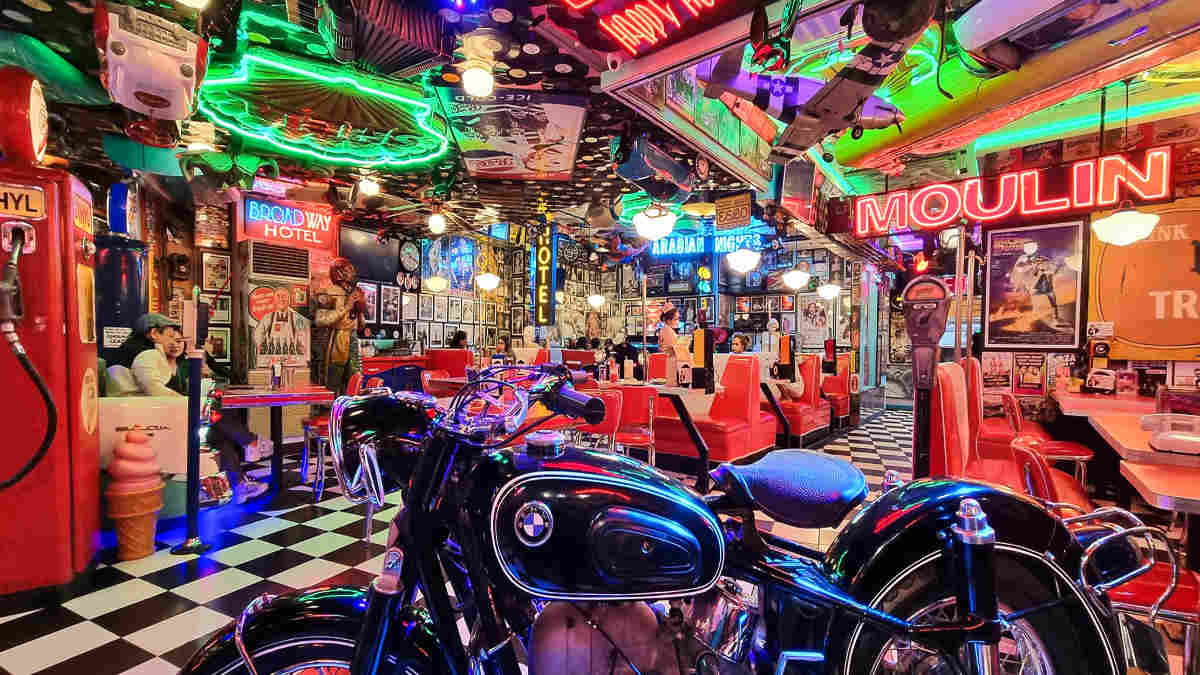
    When you enter 50’s, you’re instantly transported back in time to a retro-themed diner. The moment you walk in, you’re surrounded by vintage decor that evokes a bygone era, setting the tone for a nostalgic meal.

    Menu Highlights Classic American Comfort Food

    As you peruse the menu, you’ll notice a focus on timeless American favorites, such as burgers, milkshakes, and sandwiches.

    These classic dishes are paired with a nostalgic playlist that complements the overall ambiance, creating a truly immersive experience.

    Retro Decor Ambiance

    Immerse Yourself in 1950s Nostalgia

    Step into a retro world where vintage posters, neon signs, and chrome accents transport you back to the iconic American diners of the 1950s.

    The retro decor ambiance is meticulously crafted to evoke nostalgia. As you take a seat, you’re surrounded by vintage vibes that instantly transport you to a classic American diner.

    Attention to Detail

    The attention to detail is impressive, with every element carefully curated to recreate the classic diner experience.

    Retro-style jukeboxes and vintage advertisements plastered on the walls are just a few examples of the loving homage to the American diners of the 1950s.

    An Immersive Experience

    The retro decor ambiance is more than just a theme – it’s an immersive experience that will leave you feeling like you’ve stepped back in time.

    You’ll feel like you’re in a scene from ‘Happy Days’ or ‘American Graffiti’ as you settle in and take in the nostalgic atmosphere.

    Classic American Comfort Food

    Classic American Comfort Food

    Savoring classic American comfort food is an integral part of the 1950s diner experience. This eatery delivers with a menu that features beloved American staples.

    Menu Favorites

    The menu boasts familiar favorites that evoke a sense of nostalgia and warmth, reminiscent of family traditions and cozy gatherings.

    Classic American Comfort Food Description
    Juicy Burgers Made with 100% Angus beef, topped with cheddar cheese, lettuce, and tomato
    Crispy Fried Chicken Tender and flavorful, served with creamy mashed potatoes and gravy
    Creamy Mac ‘n Cheese A comforting bowl of al dente pasta smothered in a rich, cheesy sauce
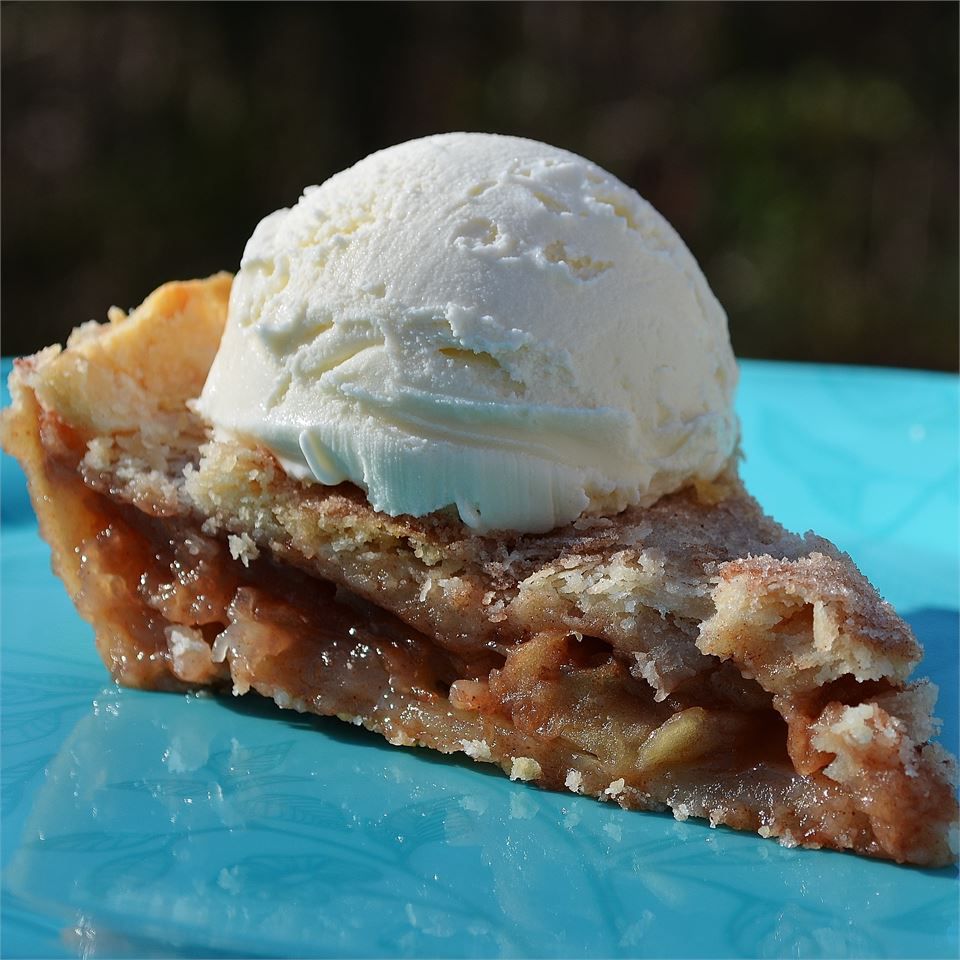
    Classic Apple Pie Warm, flaky crust filled with tender apples and a hint of cinnamon
    Meatloaf Madness A hearty slab of meatloaf topped with ketchup glaze and served with roasted vegetables

    Comfort Food Nostalgia

    From sweet treats like apple pie to savory delights like meatloaf, every dish is crafted to transport you back to a bygone era of comfort and simplicity. Whether you’re in the mood for something classic and familiar or looking to satisfy a nostalgic craving, this eatery’s classic American comfort food is sure to hit the spot.

    Nostalgic Playlist Selection

    Step Back in Time with Our Nostalgic Playlist

    Our 50’s-inspired diner features a carefully curated playlist that transports you back in time with classic tunes from iconic American artists. Elvis Presley, Chuck Berry, and Buddy Holly are just a few of the legendary musicians that bring the 1950s to life.

    Immerse Yourself in Music Memories

    The nostalgic playlist is designed to evoke memories of a bygone era, with era-defining soundtracks that shaped the 1950s. You’ll find yourself tapping your feet to the beat of ‘Rock Around the Clock’ or swaying to the melody of ‘That’ll Be the Day’.

    The playlist isn’t just background noise; it’s an immersive experience that complements the diner’s retro aesthetic.

    The Perfect Soundtrack

    As you indulge in classic American comfort food, the music adds to the overall ambiance, making you feel like you’re in a real 1950s diner. The nostalgic playlist selection is a thoughtful touch that completes the classic American diner experience, ensuring that your meal is accompanied by the perfect soundtrack.

    Southern Comfort Food at The Farmhouse

    The Farmhouse Offers Authentic Southern Comfort Food

    The Farmhouse serves traditional Southern comfort food in a warm and cozy atmosphere.

    Hearty, down-home cooking is made with love and care using the freshest farm-picked ingredients.

    Down-Home Cooking Style

    The Farmhouse: A Taste of Southern Hospitality

    The Farmhouse brings traditional American comfort food to the Philippines with its down-home cooking style, reminiscent of family recipes and home cooking.

    Menu Highlights

    The menu features classic American favorites, including:

    Dish Description
    Fried Chicken & Waffles Crispy fried chicken served with a fluffy waffle and drizzled with sweet maple syrup
    Creamy Mac ‘n Cheese A comforting bowl of al dente macaroni smothered in a rich, creamy cheese sauce
    Meatloaf Madness A classic American favorite, served with creamy mashed potatoes and roasted vegetables
    Sweet Potato Pie A sweet and savory twist on the classic pie, topped with a crunchy pecan crust

    Atmosphere and Portions

    The Farmhouse is known for its hearty portions, rich flavors, and warm atmosphere, making you feel like you’re dining in a friend’s home kitchen.

    Farm-Fresh Ingredients Used

    At The Farmhouse, chefs carefully select farm-fresh ingredients to craft authentic Southern comfort food. By choosing locally sourced produce, The Farmhouse supports local farmers and ensures that only the freshest ingredients make it to your plate.

    For example, the crispy fried chicken and creamy mashed potatoes showcase the quality of these ingredients.

    The Farmhouse incorporates organic farming practices into their sourcing process. This approach benefits the environment and results in more nutritious and better-tasting food.

    In dishes like their signature shrimp and grits, the freshness of the ingredients is evident, making a tangible difference in the flavor and quality of the meal.

    All-Day Breakfast at The Breakfast Club

    Indulge in All-Day Breakfast at The Breakfast Club

    The Breakfast Club offers an extensive all-day breakfast menu, allowing you to enjoy fluffy pancakes, crispy waffles, and other morning favorites at any hour.

    Exceptional Egg Dishes

    Their egg quality is exceptional, with dishes like the ‘Eggs-travagant’ omelette, packed with three eggs, mushrooms, and cheddar cheese.

    Popular Breakfast Items

    Some popular breakfast items to try include:

    The ‘American Dream’ breakfast plate, loaded with scrambled eggs, crispy bacon, and hash browns

    The ‘French Toast Fantasy’, featuring caramelized bananas and maple syrup

    The ‘Breakfast Club Sandwich’, featuring a fried egg, crispy bacon, and cheddar cheese on toasted brioche

    At The Breakfast Club, you can savor the taste of a classic American breakfast, no matter the time of day.

    Juicy Ribs at Tony Roma’s

    Tony Roma’s is renowned for its signature slow-cooked ribs. These mouthwatering ribs are cooked to perfection, making your taste buds tingle.

    When you take a bite, the meat falls off the bone, and the signature BBQ sauce adds a rich, depth of flavor.

    Whether you’re a meat lover or just looking for a satisfying meal, Tony Roma’s juicy ribs are the perfect choice.

    Fall-Off-The-Bone Goodness

    Fall-Off-The-Bone Goodness

    At Tony Roma’s, slow-cooked, tender, and juicy slabs of pork ribs are served with a side of signature BBQ sauce, offering a culinary experience that satisfies cravings for fall-off-the-bone goodness.

    What sets Tony Roma’s ribs apart:

    • Tender meat: The slow-cooking process guarantees tender meat that easily shreds with a fork, making it a delight to eat.
    • Smoky flavors: The ribs are infused with a rich, smoky flavor achieved through a special blend of spices and cooking techniques.
    • Perfectly balanced: The sweetness of the BBQ sauce is impeccably balanced by the tanginess of the ribs, creating a flavor profile that’s both familiar and exciting.

    Tony Roma’s offers a truly American-style dining experience that will leave you wanting more. Indulge in their signature ribs – your taste buds will thank you!

    Signature BBQ Sauce

    Tony Roma’s Signature BBQ Sauce: A Masterful Blend

    Tony Roma’s signature BBQ sauce is a harmonious blend of sweet, tangy, and smoky flavors that elevates their juicy ribs to a whole new level. This signature sauce is a result of Tony Roma’s rich BBQ history, which dates back to the 1970s.

    The History of Tony Roma’s BBQ Sauce

    Tony Roma, the founder of Tony Roma’s, was inspired by traditional American BBQ recipes and experimented with various ingredients to create his signature sauce. This sauce is a masterful blend of different BBQ styles, including Southern-style, Kansas City-style, and Memphis-style BBQ.

    The Signature Sauce Recipe

    The signature sauce is a tomato-based sauce with a blend of vinegar-based, molasses-based, and spicy-based flavors. This unique blend results in a flavor profile that complements their fall-off-the-bone ribs perfectly.

    The Flavor Profile

    The flavor profile of Tony Roma’s signature BBQ sauce is a perfect balance of sweet, tangy, smoky, and savory flavors. Whether you’re a BBQ enthusiast or just a foodie, Tony Roma’s signature BBQ sauce is sure to delight your taste buds.

    Meat Lover’s Delight

    Meat Lover’s Delight

    When you take a bite of Tony Roma’s fall-off-the-bone ribs, the tender meat and flavorful BBQ sauce come together in perfect harmony. The slow-cooked ribs are incredibly tender, literally falling off the bone, and the rich, tangy sauce complements the smoky flavor of the meat perfectly.

    If you’re a fan of beef, Tony Roma’s offers a range of steak options, including premium beef varieties like Ribeye and Sirloin.

    What sets Tony Roma’s apart is the attention to detail in their meat preparation. The chefs use a special dry-rub seasoning blend that adds depth and complexity to the meat. The ribs are slow-cooked to perfection, ensuring that the meat is tender and juicy.

    The restaurant offers a variety of beef cuts, including lesser-known options like Tri-Tip and Flank Steak.

    Whether you’re a meat lover or just looking for a delicious meal, Tony Roma’s is a must-visit destination. With its mouth-watering ribs and impressive steak options, this American-themed eatery is sure to satisfy your cravings.

    Hearty Meals at Denny’s Restaurant

    Denny’s Restaurant Brings Classic American Comfort Food to the Philippines

    Denny’s Restaurant, a popular American diner chain, has brought its signature Grand Slam breakfast and mouthwatering burgers to the Philippines, offering locals a taste of classic American comfort food.

    Immersive Dining Experience

    Upon entering any of their branches, customers are transported to the heart of America, surrounded by retro-style decor and a warm ambiance.

    Grand Opening Impact

    During its Grand Opening, Denny’s created a buzz in the local food scene, attracting crowds of diners eager to try their take on breakfast favorites. As a result, the Philippines’ breakfast culture has become more vibrant, with Denny’s contributing to the growing demand for all-day breakfast options.

    Iconic Grand Slam

    Indulge in their iconic Grand Slam, featuring two buttermilk pancakes, two eggs, two bacon strips, and two sausage links – a filling meal that’s sure to satisfy your morning cravings.

    With 24/7 operating hours, Denny’s is the perfect spot to grab a hearty meal anytime, whether you’re in the mood for breakfast, lunch, or dinner.

    American-Style BBQ at Ribs & BBQ

    Indulge in Authentic American-Style BBQ at Ribs & BBQ

    Ribs & BBQ is a haven for meat enthusiasts, offering a wide range of mouth-watering BBQ dishes that will satisfy your cravings. This eatery stands out from the crowd due to its exceptional flavors, high-quality meats, and varied menu options.

    Exceptional Flavors: Ribs & BBQ’s meats are slow-cooked to perfection, infused with a deep, smoky taste that’s hard to resist.

    Their meats are smoked for hours to achieve a rich, velvety texture and a depth of flavor that complements their tangy BBQ sauces.

    Quality of Meat: Only the freshest, highest-quality meats make it to your plate, ensuring a truly gratifying dining experience.

    Ribs & BBQ sources its meats from local farmers and butchers to guarantee tenderness and flavor.

    Variety of Choices: From classic BBQ favorites to creative twists, Ribs & BBQ’s menu has something for every meat lover’s palate.

    Choose from tender ribs, juicy burgers, and fall-off-the-bone chicken, or try their unique BBQ tacos and sandwiches.

    With its inviting atmosphere and excellent service, Ribs & BBQ is the perfect spot to gather with friends and family for a delicious, finger-licking good time.

    Classic Cheeseburgers at Five Guys

    Five Guys Introduces Classic Cheeseburgers in the Philippines

    Five Guys, a well-known American fast-food chain, has introduced its signature classic cheeseburgers in the Philippines.

    Each burger features a hand-formed patty topped with melted American cheese, lettuce, tomato, mayonnaise, and pickles, all sandwiched between a soft, toasted bun.

    You can customize your burger with an abundance of fresh toppings, including crispy bacon and grilled onions, among others.

    Five Guys also offers a Secret menu, allowing you to make modifications such as swapping regular fries for a larger size (‘free fry day’) or requesting a ‘double-grilled’ patty for an extra crispy exterior.

    When you take a bite, the flavors meld together in perfect harmony.

    The patty is juicy, the cheese is melted to perfection, and the bun is soft and slightly toasted.

    If you’re craving a classic American cheeseburger, Five Guys is the perfect choice.

    New York-Style Pizza at S&R

    S&R offers a taste of New York-style pizza in the Philippines. This American-themed eatery brings the classic flavors of the Big Apple to the heart of Manila.

    The crust is a highlight of S&R’s New York-style pizza, being thin, crispy, and cooked to perfection. You can choose from various crust preferences, including classic hand-tossed and gluten-free options.

    S&R’s topping combinations are what set it apart.

    Must-try combinations include:

    • Meat Lover’s, loaded with pepperoni, sausage, bacon, and ham
    • Four Cheese, a blend of mozzarella, parmesan, provolone, and gorgonzola
    • Veggie Delight, featuring mushrooms, onions, bell peppers, and olives

    With a variety of toppings and crust options, S&R’s New York-style pizza is a must-try for pizza enthusiasts.

    How Can American-Themed Eateries Incorporate Tropical Summer Fruits from Philippine Cuisine?

    American-themed eateries can add a refreshing twist to their menu by incorporating tropical summer fruits in Philippine cuisine. Dishes like mango salsa on grilled chicken, or a pineapple and coconut dessert can provide a unique and flavorful experience for patrons, showcasing the vibrant flavors of the Philippines.

    Milkshakes and More at Shakey’s

    Savor Classic American Comfort Food at Shakey’s

    Shakey’s, a beloved American-themed eatery, is a popular gathering spot for families and friends.

    The restaurant is known for its signature thick, creamy milkshakes, which come in a variety of flavors to satisfy every taste bud.

    From classic flavors like chocolate and strawberry to unique flavors like ube and cookies and cream, Shakey’s offers a range of frozen treats to quench your thirst and satisfy your sweet tooth.

    When you’re craving something more substantial, Shakey’s has got you covered with its crave-worthy combos.

    You can pair your favorite pizza with a side of crispy mojo potatoes or a fresh green salad.

    Alternatively, opt for a satisfying sandwich or pasta dish, all made with quality ingredients and generous servings.

    Frequently Asked Questions

    Do These American-Themed Eateries Offer Vegetarian Options?

    Many American-themed eateries now offer vegetarian options. These eateries cater to veggie lovers by providing a variety of veggie options and promoting Meatless Mondays, allowing you to indulge guilt-free.

    Are There Any Gluten-Free Menu Items Available?

    Yes, many restaurants offer gluten-free alternatives. When dining out, you can ask your server about gluten-free options. This ensures that everyone can enjoy their meals, regardless of dietary restrictions.

    Can I Customize My Burger Patty to My Liking?

    You can customize your burger patty by specifying patty preferences. For instance, you can ask for thicker or thinner patties to suit your taste. Additionally, you can explore burger hacks, such as adding extra toppings or swapping buns, to create your ideal burger.

    Do These Restaurants Offer Delivery or Take-Out Services?

    Most restaurants offer delivery or take-out services through online ordering platforms. This convenience allows you to enjoy your favorite food from the comfort of your own home while ensuring food quality is maintained.

    Are There Any Loyalty Programs or Rewards Available?

    Many restaurants offer loyalty programs. These programs often feature Reward Tiers that unlock Exclusive Perks such as free menu items, discounts, and priority service.

    Conclusion

    Experience the Taste of America in the Philippines

    The Philippines is home to numerous American-themed eateries that serve a wide range of classic American dishes.

    These top 10 eateries offer a mix of nostalgic diners, juicy ribs, and classic cheeseburgers, satisfying your cravings for a taste of America.

    From all-day breakfast to New York-style pizza, these eateries cater to diverse tastes and preferences.

    Whether you’re in the mood for a hearty breakfast or a satisfying dinner, these top 10 American-themed eateries in the Philippines have got you covered.
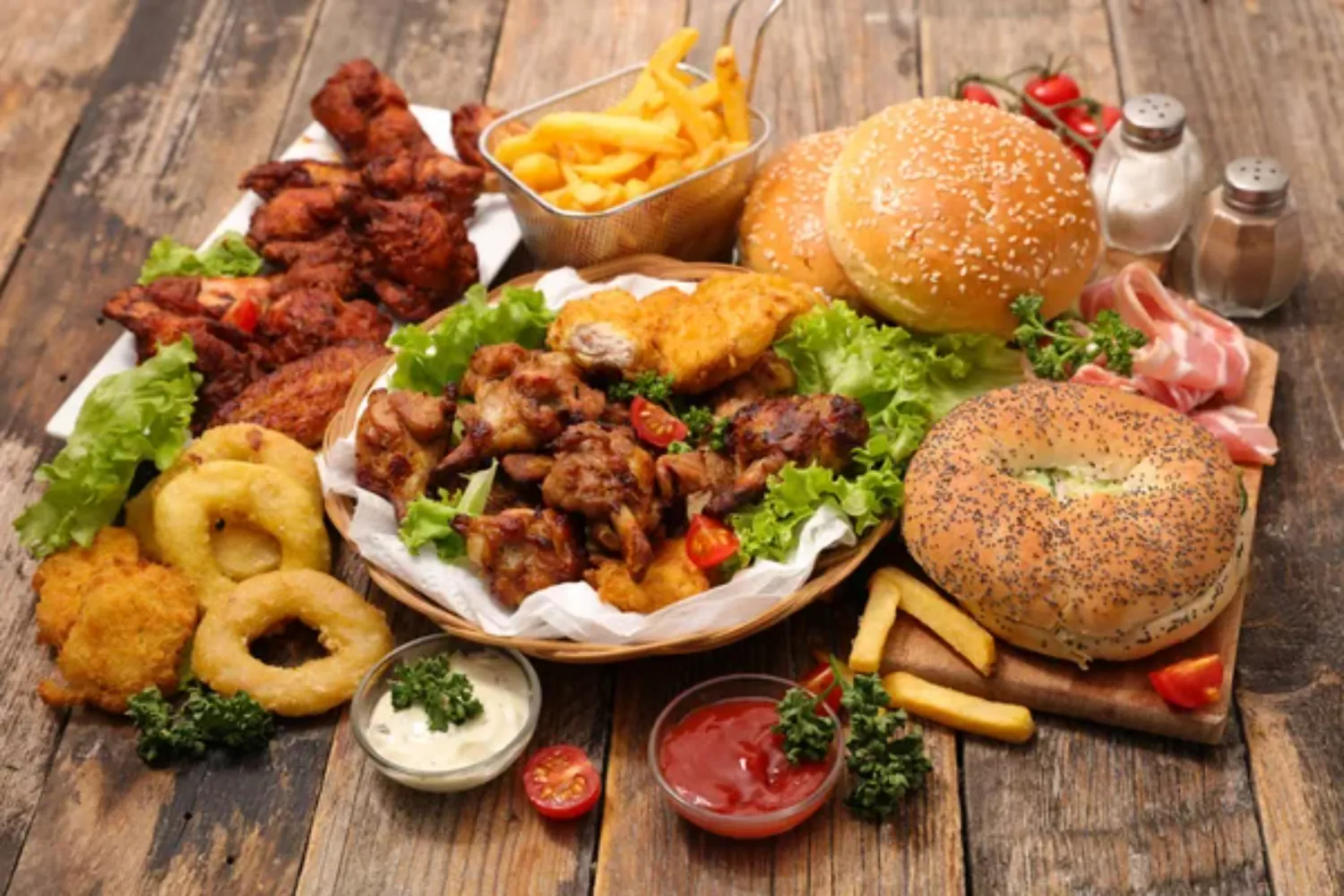
  • How American Cuisine Shapes Philippine Eating Practices

    How American Cuisine Shapes Philippine Eating Practices

    American cuisine has significantly influenced Philippine eating practices. This fusion of East and West has resulted in a unique blend of flavors and traditions.

    Fast food chains have become an integral part of the Filipino dining experience, introducing bold and rich flavors that have shaped local tastes.

    For instance, snacking between meals has become the norm, and Western-style breakfast combos are gaining popularity.

    However, concerns arise about preserving the authenticity of traditional Filipino cuisine amidst this cultural blending. It is essential to recognize and appreciate the rich tapestry of flavors that tell a story of cultural identity.

    By exploring this culinary phenomenon, we can discover the impact of American cuisine on Philippine eating practices and understand the importance of preserving traditional Filipino cuisine.

    Key Takeaways

    American Influence on Filipino Cuisine

    American influence has led to a fusion of sweet and savory flavors in Filipino cuisine. Traditional dishes are now blended with comfort food elements, resulting in unique flavor profiles. For example, adobo, a classic Filipino dish, is now often served with a sweet and savory twist, combining traditional ingredients with sweet elements like sugar or honey.

    Fast Food and Local Eating Habits

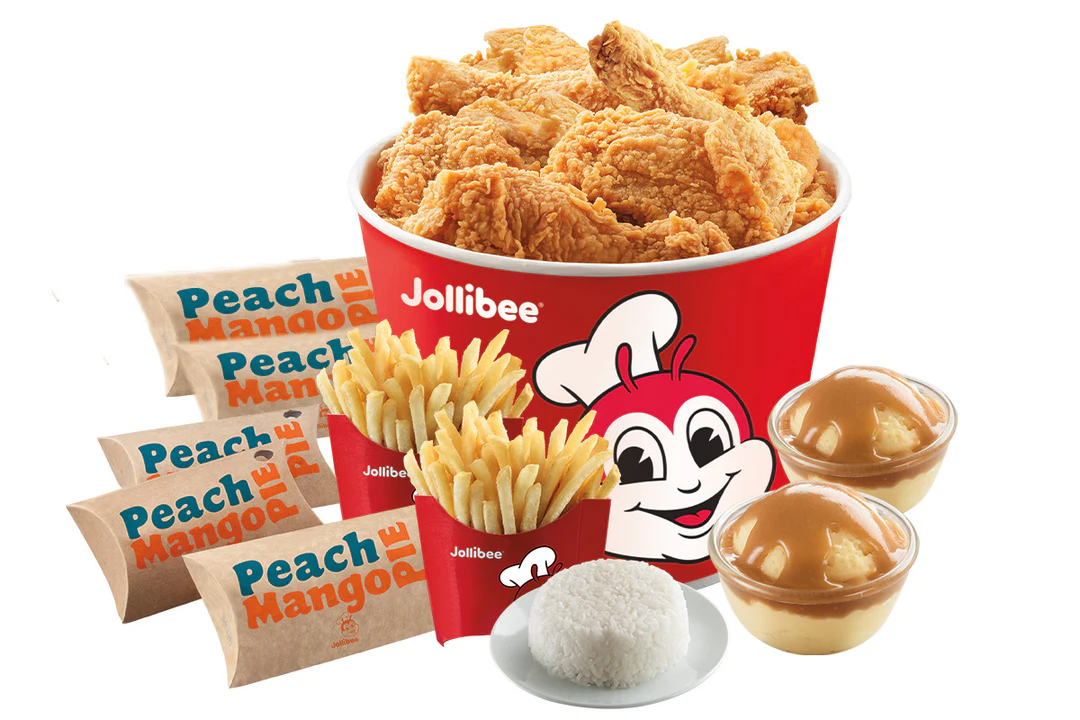
    Fast food chains like Jollibee, McDonald’s, and KFC have become an integral part of the Filipino dining experience. These chains have shaped local eating habits, with many Filipinos frequenting these restaurants on a regular basis. In fact, Jollibee, a Filipino fast food chain, has become a cultural icon in the Philippines, serving a mix of traditional and American-inspired dishes.

    Fusion Dishes and Cooking Techniques

    The incorporation of American flavors and cooking techniques has resulted in unique fusion dishes. Filipino classics are now ‘burger-ized’, and innovative burgers are being created. For instance, a traditional Filipino dish like lechon (roasted pig) is now being served as a burger patty, topped with American-style condiments and toppings.

    Snacking Culture

    The rise of snacking culture in the Philippines is influenced by American-style grazing. Snack foods like crackers and chips have become staples in many Filipino households. In fact, these snack foods are often served alongside traditional Filipino snacks, creating a unique fusion of flavors and textures.

    Breakfast Habits

    The increasing popularity of American-style breakfast options has transformed traditional Filipino breakfast habits. Pancakes and cold cereals are now common breakfast options, alongside traditional Filipino breakfast dishes like tapa (cured beef) and sinangag (fried rice).

    American Influence on Filipino Taste

    American Influence on Filipino Taste

    Filipinos have developed a taste for sweet and savory flavors, blending American-style comfort food with traditional dishes. This fusion of East meets West is evident in the culinary landscape of the Philippines. The result is a unique blend of flavors and cooking techniques that reflect the country’s cultural identity.

    Shifting Food Preferences

    Filipinos are increasingly inclined towards bold, rich flavors and a distinct sweetness that differs from traditional Filipino cuisine. This shift is deeply rooted in the country’s social norms and cultural identity. American influence has permeated the gastronomic culture, adapting eating habits to incorporate new flavor profiles. Local dishes are now infused with a sweet and savory twist, reflecting the country’s cultural exchange.

    Cultural Blending

    This fusion of flavors not only satisfies the palate but also tells a story of cultural blending. The rich tapestry of flavors reflects the nation’s complex cultural heritage. As you explore Filipino cuisine, you’ll discover a fascinating blend of flavors that showcases the country’s cultural identity.

    Fast Food Chains in the Philippines

    Fast Food Chains Dominate the Filipino Dining Scene

    Fast food chains have significantly impacted the way Filipinos eat and have reshaped the country’s food culture. Jollibee, McDonald’s, KFC, and Burger King are some of the most popular chains, which have become an integral part of the Filipino dining experience.

    Food courts in malls and shopping centers are a testament to their popularity, offering a quick and affordable meal option for busy Filipinos on-the-go.

    The Rise of Fast Food Culture

    The dominance of fast food chains is undeniable, with many locals frequenting these familiar brands for comfort food and convenience. Long lines of customers waiting for their favorite burgers, fries, and chicken meals are a common sight.

    The influence of American fast food culture is evident, with many Filipinos adopting a quick-service mentality when it comes to eating out. This shift has led to a decline in traditional eating habits, with fewer people opting for home-cooked meals or eating at local eateries.

    The Impact on Filipino Food Culture

    As a result, the country’s food culture has become increasingly commercialized, with fast food chains playing a pivotal role in shaping the nation’s culinary identity. The proliferation of fast food chains has led to a decline in traditional Filipino cuisine and local eateries.

    This shift has significant implications for the country’s food culture and the way Filipinos eat.

    Rise of Burgers and Fries Culture

    American-style fast food chains have become an integral part of the Philippine food scene. These chains have inspired the creation of unique burger and fries variations that blend American flavors with Filipino twists.

    Sweet-style burgers topped with banana ketchup and fries sprinkled with garlic and chili flakes are just a few examples of this cultural fusion.

    This blending of flavors has contributed to the rise of a distinct burger culture in the Philippines, one that’s both familiar and uniquely Filipino.

    American-Style Fast Food Chains

    Fast Food Chains Are a Staple in the Philippines

    When walking through the streets of Manila, the iconic logos of American-style fast food chains like McDonald’s and Jollibee are hard to miss. These chains have become an integral part of the Philippine food landscape, with millions of Filipinos visiting them daily.

    In fact, it’s common to see long lines of customers waiting to get their favorite burgers, fries, and milkshakes.

    Food Courts Are a Hub for International Brands

    In food courts, a variety of international brands compete for attention. Brand loyalty is strong, with many Filipinos swearing by their favorite chain. For some, it’s the nostalgia of childhood birthday parties at McDonald’s.

    For others, it’s the novelty of trying international flavors at Burger King.

    American-Style Fast Food Chains Shape Philippine Eating Habits

    Whatever the reason, one thing is clear: American-style fast food chains have become an integral part of Philippine eating practices, shaping the way Filipinos think about food and convenience.

    Local Twists on Classics

    Burgers and Fries Get a Filipino Twist

    In the Philippines, a unique fusion of traditional Filipino flavors and American comfort food has led to the creation of innovative burger and fries combinations.

    Locals have put their own creative spin on these classic American staples.

    One example is the ‘Adobo Burger’, which features a beef patty marinated in the classic Filipino sauce, served on a bed of garlic fried rice. Another popular dish is ‘Lechon Fries’, where crispy fries are topped with shredded lechon (roasted pig) and a side of spicy vinegar.

    These cultural blends have become increasingly popular, with local restaurants and food trucks offering their own twists on the classic burger and fries combo.

    For instance, you might find a ‘Sinigang Burger’, featuring a beef patty topped with sour broth-marinated grilled pork. Alternatively, you might come across ‘Chicken Inasal Fries’, where crispy fries are tossed in a sweet and smoky inasal sauce.

    These innovative fusion feasts have redefined the concept of burgers and fries in the Philippines, becoming an integral part of the country’s culinary identity.

    Adoption of Western Dining Habits

    The Philippine food scene has undergone a significant transformation, with mealtimes becoming more formal and Western-style dining emerging as the new norm.

    Families now gather around the table, using utensils, and observing table manners, a departure from the traditional kamayan style of eating with hands.

    This shift towards Western dining habits has paved the way for the rise of fast food chains, which have become an integral part of the country’s culinary landscape.

    Mealtimes Become More Formal

    Mealtimes in the Philippines have become more formal. This shift is evident in the table setting, etiquette, and food, which resemble a traditional Western dining experience.

    In formal gatherings, fine china, glassware, and linens are used, creating an atmosphere of sophistication and refinement.

    Table manners have also become more polished. People use utensils correctly, keep their elbows off the table, and engage in polite conversation.

    This shift towards formality is a direct result of American influence, which has introduced a new standard of dining etiquette in the Philippines.

    As you take your seat at the table, you’ll notice a fusion of traditional Filipino hospitality with Western-style refinement, creating a unique and appealing dining experience.

    Western-Style Dining Emerges

    Filipinos Adopt Western-Style Dining Habits

    Filipinos have increasingly adopted Western-style dining habits, trading traditional kamayan feasts for sit-down meals served on fine china and linens. This shift is evident in the way Filipinos conduct themselves at the dinner table.

    Differences in Dining Habits

    Traditional Filipino Dining Western-Style Dining
    Eating with hands (kamayan) Using utensils (fork, knife, spoon)
    Seating on the floor Sitting on chairs
    Food served on banana leaves Food served on fine china
    Informal, communal eating Formal, individualized dining

    Exhibiting Proper Table Manners

    To navigate this new dining culture, Filipinos are expected to exhibit proper table manners. This means keeping elbows off the table, not speaking with your mouth full, and not burping at the table. Fine dining has become a staple in many Filipino restaurants, offering a sophisticated and elegant atmosphere. Filipinos have familiarized themselves with the intricacies of Western-style dining, and it has become an integral part of their eating practices.

    Fast Food Chains Rise

    The rise of fast food chains in the Philippines has transformed the country’s culinary landscape. Fast food giants like McDonald’s, KFC, and Burger King have become ubiquitous in major cities like Manila.

    This phenomenon is part of a larger global expansion, where multinational corporations seek to capitalize on emerging markets.

    The Filipino palate is increasingly shaped by the standardized menus and production lines of these chains. While this may bring a sense of comfort and familiarity, it also raises concerns about cultural homogenization.

    The proliferation of fast food chains threatens to erase the diversity of local cuisines, as traditional eateries struggle to compete with the cheap prices and marketing muscle of these global giants.

    For example, a bucket of fried chicken from KFC or a Big Mac from McDonald’s may seem like a harmless indulgence, but it contributes to a culinary landscape that’s increasingly Americanized.

    Snacking Between Meals Became Normal

    As American influence spread throughout daily life, the concept of snacking between meals gradually became a normal part of Filipino life. Snacking transformed the traditional three-square-meals-a-day habit into a more flexible, graze-all-day approach.

    Four key ways snacking between meals became a norm:

    1. Mid-morning munchies led to grabbing a bag of chips or a donut to tie you over until lunchtime. This habit helped fill the gap between breakfast and lunch.
    2. Afternoon pick-me-ups involved consuming a cold soda or a bag of peanuts to help power through the rest of the workday or schoolwork. This habit provided an energy boost to finish tasks.

    Snacking became a social activity: Gathering with friends at the local convenience store allowed sharing a bag of chips or a box of cookies, fostering social bonding.

    1. Snack foods became staples in many Filipino households: Crackers, cookies, and chips were always stocked in the pantry, making it easy to grab a quick snack whenever desired.

    This shift in eating habits brought about a significant change in the way people approach mealtime. It’s no longer just about three square meals a day, but about grazing throughout the day to keep energy levels up.

    Filipino Food With an American Twist

    Traditional Filipino recipes are being reimagined with American influences. Classic dishes like adobo and sinigang are now being served with unexpected twists, such as burgers or crispy fried chicken. This blending of flavors creates a unique culinary experience.

    American-style fried chicken has become a staple in many Filipino restaurants. It’s often paired with steamed rice and a side of spicy vinegar, combining familiar flavors with new twists.

    Burger-ized Filipino Classics

    In Manila’s bustling streets, East meets West in the form of ‘Burger-ized’ Filipino classics, where traditional dishes like adobo and sinigang are reimagined with American-style burgers. This culinary demonstration reflects the country’s cultural adaptability and love for fusion cuisine.

    Pancit Burgers redefine the traditional noodle dish, serving it between a toasted bun with a juicy patty.

    Chicken Inasal Burgers offer a flavorful take on the classic grilled chicken inasal, now in burger form.

    Adobo Sliders feature tender beef or chicken adobo served on a soft bun, topped with crispy bacon and melted cheese.

    Sinigang Burgers boast a sour and savory flavor profile, with grilled pork or shrimp topped with a tangy sinigang sauce.

    These innovative burgers showcase the dynamic spirit of Filipino cuisine, which continuously evolves and incorporates international flavors. They not only satisfy cravings but also highlight the best of both worlds.

    American-Style Fried Chicken

    The Rise of American-Style Fried Chicken in the Philippines

    American-style fried chicken has become a popular culinary innovation in the Philippines, blending traditional Filipino flavors with a crispy, juicy twist. This unique fusion has taken the country by storm, offering a fresh spin on classic Filipino comfort food.

    Influences and Inspirations

    The Spicy Origins of Korean-style fried chicken have influenced the Filipino adaptation, combining bold flavors with a crunchy exterior and tender interior.

    Filipino-American Fusion Dishes

    Adobo Fried Chicken: Garlic-infused, crispy fried chicken with a sweet and sour adobo sauce.

    Sinigang Fried Chicken: Tangy, sour broth-inspired fried chicken with a side of steamed vegetables.

    Lechon Kawali Fried Chicken: Crispy fried chicken smothered in a rich, savory lechon sauce.

    A Delicious Cultural Blend

    This cultural fusion has resulted in a delightful blend of East meets West, where traditional Filipino flavors meet American-style fried chicken. The outcome is a mouthwatering, finger-licking experience that will leave you craving for more.

    Changing Breakfast Traditions Forever

    American Influence on Filipino Breakfast Traditions

    One staple breakfast food introduced by Americans to the Philippines is pancakes, which have become a popular alternative to traditional Filipino breakfast dishes like garlic fried rice and eggs. Pancakes have become a staple in many Filipino households, especially on weekends.

    The convenience of pancakes, along with the rise of cereal popularity, has revolutionized the way Filipinos start their day.

    Cereal Craze

    Cold cereals like Corn Flakes and Rice Krispies have become a staple in many Filipino pantries, offering a quick and easy breakfast option. They’re widely available in supermarkets and are often promoted through advertisements and in-store promotions.

    Pancake Houses

    Restaurants serving pancakes and waffles have sprouted all over the metro, catering to the growing demand for a sweet breakfast treat. These restaurants often offer a variety of pancake flavors and toppings, making them a popular destination for weekend breakfasts.

    Breakfast on-the-go

    The concept of breakfast convenience has taken hold, with many Filipinos opting for quick and easy breakfast options that can be grabbed on the way to work or school.

    This trend is driven by the increasing number of working professionals and students who need a quick breakfast solution.

    Western-style Breakfast Combos

    Many restaurants now offer Western-style breakfast combos, complete with pancakes, eggs, and bacon or sausage, a far cry from the traditional Filipino breakfast.

    These combos are often served with a cup of coffee or juice, making them a popular option for those who want a filling breakfast.

    Impact on Traditional Filipino Cuisine

    The Evolution of Filipino Cuisine

    As American culinary influences seep into the Philippine food scene, traditional Filipino cuisine is undergoing a subtle but palpable shift. Dishes like adobo and sinigang are being adapted to accommodate Western tastes, raising concerns about cultural homogenization and the loss of flavor authenticity.

    Adapting to Western Tastes

    Traditional Filipino dishes are being modified to appeal to Western palates. For instance, adobo is now served with fries, and sinigang is topped with parmesan cheese. These adaptations may seem harmless, but they raise concerns about the loss of cultural identity and the dilution of traditional flavors.

    Examples of Adaptations

    Traditional Dish Adaptation Concerns
    Adobo Served with fries Loss of cultural identity
    Sinigang Topped with parmesan cheese Dilution of traditional flavors
    Lechon Served with a side of coleslaw Erasure of cultural heritage
    Tinola Made with chicken breast instead of native chicken Loss of authenticity
    Halo-halo Topped with ice cream instead of shaved ice Homogenization of flavors

    The Importance of Cultural Significance

    As we indulge in these adapted dishes, it is essential to reflect on the cultural significance of traditional Filipino cuisine. Are we sacrificing flavor authenticity for convenience and novelty? It is crucial to appreciate the cultural heritage behind these dishes and strive to preserve their authenticity.

    Convenience Over Nutrition Concerns

    In Manila’s bustling streets, the convenience of modern food options is omnipresent. The rise of convenience stores and fast-food chains has led to a surge in easily accessible, highly processed foods that often take precedence over nutritious, traditional Filipino meals.

    Convenience often comes at the cost of nutrition. In this fast-paced world, it’s easy to sacrifice nutrition for convenience. You can grab a quick burger and fries on the go, or have a meal delivered to your doorstep with just a few taps on your phone.

    The convenience of modern food options is shaping your eating habits in several ways:

    Fast Food: Chains like McDonald’s and KFC have become staples in the Philippine food scene, offering quick and affordable meals that are often high in calories and low in nutrients.

    Meal Delivery: With the rise of food delivery apps, it’s easier than ever to get your favorite foods delivered to your doorstep. But are you sacrificing nutrition for the sake of convenience?

    Healthy Alternatives: Amidst the sea of processed foods, there are some healthier alternatives emerging. Food technology has made it possible to create nutritious and convenient meals that can be delivered to your doorstep. From meal kits to healthy delivery options, there are more choices than ever before.

    Remember, convenience shouldn’t come at the expense of nutrition. As you make choices about what to eat, prioritize your health and well-being.

    To what extent has American cuisine influenced the eating practices in the Philippines?

    The influence of American cuisine has shaped Philippine cuisine with American meats. The introduction of dishes like burgers, hotdogs, and fried chicken has made a significant impact on Filipino eating practices. American fast food chains and BBQ joints have also become a popular choice for many Filipinos.

    Shaping the Filipino Food Identity

    The Filipino food identity is undergoing a transformation. The influx of American cuisine is reshaping the culinary landscape of the Philippines, creating a fusion of flavors that blends traditional and foreign influences.

    This blend of flavors is redefining Filipino food heritage, making it challenging to distinguish between what’s truly Filipino and what’s borrowed from abroad.

    The cultural fusion is both exciting and unsettling. On one hand, it brings new flavors and cuisines to the table, such as burgers and fries. On the other hand, it threatens to overshadow traditional Filipino dishes like adobo.

    This cultural fusion raises questions about what it means to be Filipino: is it the adobo that warms the heart, or the burger that tantalizes the taste buds?

    Embracing the complexity of Filipino food identity is key. It involves recognizing the importance of traditional roots while also acknowledging the influence of modern foreign flavors.

    By doing so, Filipinos can create a unique culinary identity that’s both rooted in tradition and open to innovation.

    Frequently Asked Questions

    How Does American Cuisine Affect Traditional Filipino Cooking Methods?

    American cuisine has significantly influenced traditional Filipino cooking methods. This influence is evident in the adapted flavor profiles, modified cooking techniques, and meal composition of Filipino dishes. For instance, the introduction of ingredients like hot dogs and cheese has led to the creation of new dishes, such as hot dog-based sinangag (fried rice) and cheesy adobo (a traditional stew). Additionally, the use of American-style condiments, like ketchup and mayonnaise, has become common in Filipino cooking, altering the flavor profiles of traditional dishes. The incorporation of American ingredients and cooking techniques has redefined the nation’s gastronomic narrative, creating a unique blend of traditional and modern flavors.

    Are Filipino Food Manufacturers Adapting to American Tastes?

    Filipino food manufacturers are adapting to American tastes by blending local preferences with global appeal to create unique fusion products. For instance, they combine traditional Filipino ingredients like ube and adobo with international flavors to appeal to both domestic and international consumers. This adaptation enables them to cater to a broader market, increasing their global competitiveness.

    Do Filipino-American Fusion Dishes Replace Traditional Meals?

    Filipino-American fusion dishes do not replace traditional meals; instead, they enhance cultural identity. When exploring the blend of Filipino and American flavors, it’s essential to recognize that this fusion strengthens cultural identity rather than erasing traditional roots. By combining culinary traditions, cultural heritage is preserved and celebrated. This blending of flavors allows individuals to connect with their cultural roots while embracing the diversity of American cuisine. Fusion dishes promote cultural exchange, preserving traditional meals while introducing new flavors and techniques.

    Can American-Style Snacks Replace Traditional Filipino Merienda?

    American-style snacks are gradually replacing traditional Filipino merienda, altering the country’s snack culture and merienda habits. This shift is evident in the streets of Manila, where chips and cookies are becoming more popular. As a result, traditional snacks like adobo-flavored peanuts and turon are being consumed less frequently.

    Is There a Rise in Filipino-American Fusion Restaurants Worldwide?

    Filipino-American fusion restaurants are on the rise worldwide. This trend reflects the blending of culinary traditions, where Eastern and Western flavors combine in a flavorful fusion.

    Conclusion

    The Influence of American Cuisine on Philippine Eating Habits

    The fusion of American cuisine with traditional Filipino dishes has significantly impacted Philippine eating practices.

    Traditional Filipino dishes are being overshadowed by Western-style fast food, leading to a decline in nutrition concerns and altering the Filipino food identity.

    The Rise of Snacking Between Meals

    The convenience of Western-style fast food has led to a shift towards snacking between meals, becoming the new norm in the Philippines.

    This trend is a deviation from traditional Filipino eating habits, where meals were typically eaten at set times of the day.

    A Threat to Cultural Heritage

    The popularity of American cuisine in the Philippines has come at a cost to the country’s cultural heritage.

    The Filipino food identity is being lost, as traditional dishes are being replaced by burgers and fries.

    This shift away from traditional cuisine threatens to erase the cultural significance of Filipino food.

    Nutrition Concerns

    The rise of Western-style fast food in the Philippines has led to a decline in nutrition concerns.

    Fast food is high in calories, sugar, and unhealthy fats, contributing to an increase in diet-related health problems.

    This shift towards unhealthy eating habits has significant implications for public health in the Philippines.

  • 9 Ways American Soda Shaped Philippine Culinary Scene

    9 Ways American Soda Shaped Philippine Culinary Scene

    American soda has significantly influenced the Philippine culinary scene. This impact is evident in the innovative desserts created by Filipino pastry chefs, which combine familiar flavors with local tastes.

    For instance, Coke-flavored float cakes and 7 Up-infused panna cotta are unique treats that showcase this blend of international and local flavors.

    American-style burgers have also been adapted to suit Filipino tastes, often featuring sweet and savory flavors. Moreover, classic recipes have been reinvigorated with the addition of American soda, resulting in fizzy twists on traditional dishes.

    Sweetened fruit salads are another example of how American soda has shaped the Philippine culinary scene.

    In this exploration of the Philippine culinary scene, nine ways American soda has made a lasting impact will be revealed, showcasing the creative fusion of international and local flavors.

    Key Takeaways

    American Soda’s Impact on Filipino Desserts

    American soda inspired Filipino pastry chefs to create unique desserts. For instance, Coke-flavored float cakes and Sprite-infused macarons are two examples of innovative desserts that combine soda flavors with traditional Filipino sweets.

    Fusion of International and Local Flavors

    Filipino cuisine is a cultural melting pot, blending international influences with local flavors. This fusion has resulted in a distinct culinary identity that showcases the country’s cultural diversity.

    Soda’s Influence on Traditional Recipes

    Soda has renovated traditional Filipino recipes, adding a fizzy spin to dishes like adobo and sinigang. This innovation has rewritten the heritage of Filipino cuisine, introducing new flavors and twists to classic dishes.

    Burger Flavors with a Local Twist

    American soda has influenced Philippine cuisine, with traditional patty options tweaked to suit local tastes. New burger flavors have emerged, reflecting the country’s adaptability to international influences.

    Soda-Infused BBQ

    Soda has added a unique twist to traditional Filipino BBQ, enhancing marinades and sauces with different soda flavors. This innovation has resulted in bold and flavorful BBQ dishes that showcase the country’s culinary creativity.

    Soda-Inspired Dessert Creations

    Soda-Inspired Dessert Creations

    When American soda brands flooded the Philippine market, innovative pastry chefs crafted soda-inspired dessert creations. These creations include Coke-flavored float cakes, Sprite-infused macarons, and 7 Up-injected panna cotta. These desserts cleverly married familiar flavors with local tastes.

    The Spark Behind the Fusion

    The deep-seated soda cravings of Filipinos led pastry chefs to experiment with novel flavor combinations. By incorporating fizzy treats into their desserts, they tapped into the country’s collective love for soda. The result? Unique dessert creations that tantalize the taste buds and pay homage to the nation’s affinity for all things bubbly.

    A Distinct Dessert Identity

    As you indulge in these sweet treats, you’ll discover how the Philippines’ cultural melting pot has given rise to a distinct dessert identity. This identity masterfully blends international influences with local flair.

    Fizzy Twist on Classic Recipes

    Fizzy Twist on Classic Recipes

    Filipino pastry chefs are reinvigorating traditional recipes by incorporating fizzy elements, adding a revitalizing twist to beloved treats.

    Adobo and sinigang, two traditional Filipino dishes, have been revamped with a fizzy spin, adding a new layer of complexity to these familiar flavors. This innovative approach has given rise to Soda Renovations, where classic recipes are revamped with a fizzy twist, creating an exciting fusion of old and new.

    The Fizzy Heritage of Filipino cuisine is being rewritten, as chefs boldly experiment with novel combinations that blend the comfort of traditional flavors with the effervescence of soda.

    The subtle addition of fizz elevates each bite, making even the most mundane dishes extraordinary. For instance, the classic adobo dish, typically made with vinegar, soy sauce, and garlic, is now being revamped with a splash of soda, creating a refreshing twist on the traditional recipe.

    The possibilities are endless, and chefs are keen to try these revitalized classics, crafted with precision and creativity.

    American-Style Burgers and Fries

    American-Style Burgers and Fries

    Influence on Philippine Cuisine: American-style burgers and fries have had a significant impact on Philippine cuisine. Traditional patty options have been tweaked to suit local tastes, with beef, chicken, and fish being the most common variations. For instance, some Filipino restaurants offer a ‘Longganisa’ burger, which features a patty made from a sweet-style Filipino sausage.

    Fries Variations: Beefy fries have become a staple in many Filipino restaurants, with various cuts and styles available. These include curly, waffle-cut, and even sweet potato fries.

    Some restaurants also offer unique flavors, such as kimchi or spicy fries, to cater to local tastes.

    Classic Patty Options

    Classic Patty Options in Filipino Cuisine

    The rise of American influence in the Philippines has led to the popularity of classic patty options reminiscent of traditional American-style burgers and fries in many Filipino restaurants and fast-food chains.

    Diverse Range of Flavors

    The patty evolution has resulted in a diverse range of flavors, from classic beef to chicken, fish, and even veggie options. Filipino consumers crave for more burger options due to this nostalgia.

    Classic Patty Options

    Classic Patty Options Description
    Classic Cheeseburger Juicy beef patty, melted cheese, lettuce, tomato, and mayo
    Bacon Cheeseburger Crispy bacon, melted cheese, beef patty, lettuce, and tomato
    Chicken Bacon Ranch Grilled chicken patty, crispy bacon, ranch dressing, lettuce, and tomato
    Veggie Delight Veggie patty, lettuce, tomato, avocado, and hummus

    Integral Part of Filipino Food Culture

    These classic patty options have become an integral part of Filipino food culture, with their combination of flavors and textures capturing the hearts (and taste buds) of many Filipinos. Whether in a fast-food chain or a local eatery, these classic patty options are a staple in Philippine cuisine.

    Beefy Fries Variations

    Beefy Fries Variations in the Philippines

    The Philippine food scene has been revolutionized by beefy fries variations, a creative twist on the classic burger and fries combo inspired by American-style burgers and fries. This trend is driven by Filipinos’ love for sweet and savory flavors.

    To take the classic combo to the next level, restaurants and food establishments have introduced innovative twists. Fancy Toppings such as truffle oil, parmesan cheese, and crispy bacon bits add a luxurious touch to the humble fries. Crunchy Coatings like tempura-style fries with a light, airy batter or crispy cornflake-crusted fries provide a satisfying crunch. Bold Flavors like spicy Korean-style fries with a kick of gochujang or sweet and smoky BBQ fries with a hint of paprika are just a few examples of the bold flavors that have taken the Philippine food scene by storm.

    These beefy fries variations have become a staple in many restaurants and food establishments, offering a delicious and Instagram-worthy twist on the classic burger and fries combo.

    Sweetening Filipino Fruit Salads

    Filipino fruit salads showcase a unique blend of sweet and tangy flavors. This fusion is largely influenced by American soda, which adds a subtle zing to the natural sweetness of fruits like mangoes and pineapples.

    By pairing fruits in innovative ways, you can create refreshing flavor combinations. For example, combining sweet mango with tangy pineapple and a splash of soda creates a delightful flavor experience.

    Fruit Pairing Possibilities

    Integrating American soda into traditional Filipino fruit salads can create unique flavor combinations that enhance the freshness of local fruits.

    When experimenting with different fruit and soda pairings, you can discover unique fruit synergies that elevate the overall flavor profile.

    For instance:

    Pairing vanilla Coke with tangy green mango slices creates an intriguing contrast of flavors and textures.

    Mixing citrus-flavored soda with sweet and slightly crunchy jackfruit salad adds a delightful twist to the traditional fruit combination.

    Combining Fanta with ripe bananas and a sprinkle of sea salt creates an exotic match that’s both familiar and innovative.

    These pairings can help you uncover a wide range of sweet and tangy flavor combinations that bring out the best in local fruits like mangoes, jackfruits, and bananas.

    Tropical Flavor Twists

    Incorporating American soda into traditional Filipino fruit salads creates a unique fusion of flavors.

    When you combine Pina Colada soda with pineapple chunks, macadamia nuts, and coconut flakes, you get a sweet and tangy blend. The creaminess of the soda complements the juiciness of the pineapple, crunch of the nuts, and hint of coconut.

    This mix of flavors is both familiar and innovative.

    Different soda flavors can be paired with various fruits to create unique flavor profiles.

    For example, Mango Madness soda pairs well with mango slices, crispy plantain chips, and toasted sesame seeds.

    The sweetness of the mango is balanced by the tanginess of the soda, creating a tropical and tantalizing flavor profile.

    Carbonated Marinades for Meats

    Filipino cooks have adapted American soda’s carbonation to create unique marinades that tenderize and infuse meats with bold flavors. This innovative approach not only improves meat tenderness but also guarantees food safety by reducing bacterial growth.

    The acidity in soda helps break down proteins, making the meat more palatable and easier to digest.

    When using carbonated marinades, consider the following factors:

    Acidity levels must be balanced with other ingredients to avoid overpowering the meat’s natural flavor. For example, mixing soda with olive oil and herbs can achieve a balanced flavor.

    Marinating time should be adjusted according to the type of meat and desired level of tenderness. A longer marinating time is required for tougher meats, while lean meats may require only a few hours.

    Temperature control is crucial to prevent bacterial growth. Keep the meat refrigerated at a temperature below 40°F (4°C) to ensure food safety.

    Soda-Glazed Donuts and Pastries

    Unlock the Magic of Soda-Glazed Donuts and Pastries

    When experimenting with innovative dessert recipes, you can harness the sweet, syrupy essence of American soda to craft show-stopping treats that tantalize the taste buds. This unique fusion has taken the Philippine culinary scene by storm, with creative bakers and pastry chefs incorporating various soda flavors into their recipes.

    Soda Flavor Pairings

    Soda Flavor Pastry Pairing Tasting Notes
    Root Beer Cream-filled Donuts Warm, spicy, and creamy
    Orange Soda Citrusy Cake Pops Zesty, vibrant, and uplifting
    Ginger Ale Spiced Apple Fritters Crisp, spicy, and autumnal
    Cola Rich Chocolate Cake Deep, velvety, and indulgent
    Lemon-Lime Soda Bright Lemon Bars Tart, invigorating, and revitalizing

    Filipino-Style BBQ With a Twist

    Filipino-Style BBQ With a Twist

    Incorporating American soda into traditional Filipino-style BBQ marinades, sauces, and glazes creates a unique and mouth-watering twist on a classic. Experimenting with different soda flavors allows Grill Masters to develop distinct BBQ profiles.

    Citrus-flavored soda adds a zesty twist to grilled chicken or pork, while cola-flavored soda gives BBQ ribs a rich, caramel-like flavor.

    To incorporate American soda into Filipino-style BBQ:

    Ginger ale adds a sweet and spicy kick to grilled pork belly marinades.

    Cola, ketchup, and brown sugar combine to create a sweet and tangy BBQ sauce.

    Lemon-lime soda adds a bright and citrusy flavor to grilled chicken marinades.

    Bubbly Beverages in Traditional Feasts

    In Filipino Celebrations, American Soda Has Become an Unexpected Tradition

    In traditional Filipino feasts, American soda has surprisingly become an integral part of the celebration, paired alongside classic dishes like adobo and steamed rice. American soda has earned a coveted spot in Filipino celebrations, particularly during festive gatherings and special occasions.

    Soda Pairings in Traditional Filipino Feasts

    Traditional Filipino Feasts American Soda Pairings
    Lechon (Roasted Pig) Coca-Cola, Sprite
    Sinigang (Sour Soup) 7 Up, Ginger Ale
    Adobo (Meat Stew) Pepsi, Mountain Dew
    Lumpia (Fried Spring Rolls) Fanta, Orange Soda
    Leche Flan (Custard Pudding) Root Beer, Cream Soda

    The Cultural Significance of American Soda in Filipino Celebrations

    Raising a glass of soda in a festive toast is more than just quenching your thirst; it’s acknowledging the cultural exchange that has shaped Philippine cuisine. American soda has become an integral part of Filipino celebrations, adding a touch of modernity and cultural significance to traditional feasts.

    How has the Introduction of Soursop Influenced American Soda in the Philippines?

    The introduction of soursop in Philippine drinks has brought a new and refreshing flavor to American soda in the Philippines. This exotic fruit has influenced the local soda industry, providing a unique and tropical twist to traditional carbonated beverages. Soursop has quickly become a popular choice for soda lovers in the Philippines.

    Modern Fusion of Flavors

    The integration of American soda into traditional Filipino cuisine has led to a modern fusion of flavors, where classic dishes are reimagined with bold, sweet, and tangy twists.

    Soda-glazed meats result from adding a sweet and sticky glaze made with American soda to traditional grilled meats like lechon or inihaw.

    Fruit-flavored adobo is another example, where the classic Filipino dish gets a modern twist with the addition of fruit-flavored soda, resulting in a sweet and tangy sauce.

    Additionally, soda-infused desserts like leche flan or halo-halo get a revitalizing twist with the addition of American soda, creating unique flavor profiles that are both familiar and innovative.

    This modern fusion of flavors has opened up new possibilities for culinary innovation in the Philippines, allowing chefs and food enthusiasts to experiment and push the boundaries of traditional cuisine.

    Frequently Asked Questions

    Can Filipinos Still Appreciate Traditional Cuisine With Soda Influences?

    Filipinos can appreciate traditional cuisine with soda influences. This is because cultural identity and flavor profiles are not mutually exclusive. In fact, many traditional Filipino dishes have been adapted to incorporate modern twists, including soda. For example, soda-glazed hamonado is a popular Filipino dish that combines traditional hamonado (a sweet and savory stew) with a sweet soda glaze. Similarly, soda-braised short ribs have become a staple in many Filipino restaurants, blending traditional braising techniques with the sweetness of soda. As a result, Filipinos can enjoy their traditional cuisine with a modern twist, embracing the fusion of heritage and modern flavors.

    How Did American Soda Culture Penetrate the Philippine Market?

    American soda companies effectively penetrated the Philippine market through strategic marketing campaigns, cultural exchange programs, and clever product placement.

    One of the key strategies used was strategic partnerships with local businesses, which enabled American soda companies to tap into existing distribution networks and retail channels. For instance, Coca-Cola partnered with local bottling companies to manufacture and distribute their products across the Philippines.

    Cultural exchange programs also played a significant role in promoting American soda culture in the Philippines. These programs allowed American companies to introduce their products to local communities, often through sponsored events and festivals. As a result, American sodas became associated with modernity, convenience, and a desirable lifestyle.

    Clever product placement was another tactic used to captivate local tastes. American soda companies strategically placed their products in high-traffic areas, such as movie theaters, restaurants, and convenience stores. This widespread availability helped to increase brand recognition and drive sales.

    Are Soda-Based Dishes Considered Fusion or Confused Cuisine?

    Soda-based dishes challenge traditional culinary boundaries, sparking debate about cultural identity and recipe authenticity.

    These innovative creations disrupt familiar flavor profiles by incorporating soda as a key ingredient, contributing to the evolution of modern cuisine. However, this blending of flavors raises questions about the authenticity of traditional recipes.

    For instance, consider a classic Southern-style BBQ sauce infused with cola, or a Japanese ramen broth made with ginger ale. These unconventional pairings blur cultural lines, making it difficult to pinpoint their cultural origins.

    While some argue that soda-based dishes compromise recipe authenticity, others see them as bold redefinitions of traditional cuisine. Ultimately, the fusion of soda and traditional flavors expands culinary possibilities, even if it challenges our understanding of cultural identity and authenticity.

    Do Health-Conscious Filipinos Reject Soda-Infused Foods and Drinks?

    Health-conscious Filipinos are increasingly rejecting soda-infused foods and drinks. This shift in preference is driven by a growing awareness of the importance of healthy eating and a desire to prioritize wellness. In place of soda-infused products, many Filipinos are opting for healthier alternatives, such as fresh fruit juices, herbal teas, and other low-calorie beverages that align with their values and health goals.

    Can Soda-Inspired Culinary Creations Revive Dying Traditional Recipes?

    Soda-inspired culinary creations can revive dying traditional recipes by introducing new flavor profiles and sparking recipe renewal. This fusion of old and new can lead to a cultural exchange of culinary ideas, ultimately sparking a food renaissance. For instance, consider the traditional Italian dessert, Tiramisu, which can be revitalized by incorporating cola-inspired flavors, creating a unique twist on the classic recipe. This innovative approach can breathe new life into dying traditional recipes, making them appealing to a new generation of food enthusiasts.

    Conclusion

    American soda has significantly impacted the Philippine culinary scene. Its influence is evident in innovative desserts and modern twists on classic recipes. The fusion of Filipino flavors with the fizzy essence of soda has resulted in a unique blend of East meets West.

    This cultural exchange has led to a vibrant, ever-evolving gastronomic landscape that’s quintessentially Filipino and globally influenced.

  • American Influence on Philippines Street Food: 5 Tips

    American Influence on Philippines Street Food: 5 Tips

    American Influence on Filipino Street Food: 5 Essential Tips

    When exploring the flavorful world of Filipino street food, you'll encounter a unique blend of traditional flavors and American influences. To identify authentic local eats, start by recognizing local ingredients like patis (fish sauce), suka (vinegar), and bagoong (fermented fish paste).

    Be cautious of dishes featuring imported ingredients or overly sweet sauces, which may indicate a lack of authenticity.

    Tip 1: Look for Local Ingredients

    Filipino street food often incorporates native ingredients like patis, suka, and bagoong. These ingredients are essential to traditional Filipino cuisine.

    Tip 2: Be Wary of Imported Ingredients

    Dishes featuring imported ingredients may not be genuinely Filipino. Opt for street food stalls and vendors that prioritize local ingredients.

    Tip 3: Balance of Flavors

    Authentic Filipino street food typically strikes a balance between sweet, sour, salty, and umami flavors. Be wary of dishes with overly sweet sauces or dominating flavors.

    Tip 4: Traditional Cooking Methods

    Filipino street food often employs traditional cooking methods like grilling, frying, or steaming. Look for vendors that use these traditional methods to prepare their dishes.

    Tip 5: Ask the Locals

    Ask locals for recommendations on the best street food stalls and vendors. They can guide you to the most authentic and delicious options.

    By following these tips, you'll be well on your way to discovering the authentic flavors of Filipino street food.

    Key Takeaways

    American influence on Filipino street food has resulted in unique fusion dishes. For example, burgers are now served with adobo fries, blending cultural flavors. This fusion of flavors has created a new generation of street food in the Philippines.

    Authentic Filipino flavors are balanced and complex. To identify authentic flavors, look for a balance of salty, sour, sweet, and umami flavors. Traditional ingredients like patis (fish sauce), suka (vinegar), and bagoong (fermented fish paste) are often used to achieve this balance.

    Be cautious of inauthentic dishes. Some street food vendors may use imported ingredients or overly sweet sauces, which can compromise the authentic Filipino taste. Be wary of dishes that stray too far from traditional recipes.

    Trust your instincts when searching for genuine local eats. Focus on traditional dishes like sisig (a sizzling plate of chopped pork's face) and adobo (meat or seafood cooked in vinegar and soy sauce). Avoid imitations and opt for vendors that serve traditional flavors.

    Navigate fusion street food options by recognizing the mix of traditional and American twists. When trying fusion dishes, recognize the combination of traditional Filipino flavors with American influences. Opt for dishes that incorporate authentic Filipino flavors, rather than those that overpower them.

    Decoding Americanized Filipino Street Food

    Filipino Cuisine: A Blend of Cultures

    As you explore the streets of Manila, you'll discover a unique fusion of Filipino and American flavors. This blend of cuisines has created a cultural identity crisis in the culinary world.

    American Influence on Filipino Cuisine

    The Philippines was an American colony for nearly 50 years, which led to American influences seeping into the local cuisine.

    This historical event has resulted in a fascinating blend of flavors.

    Defining Filipino Cuisine

    So, what does it mean to be Filipino when it comes to food?

    It's a mix of traditional ingredients like patis (fish sauce) and the love for fast food chains.

    The answer, much like the Filipino identity itself, is a delicious work in progress.

    Examples of Americanized Filipino Street Food

    You might find yourself craving a burger with a side of adobo fries or a plate of spaghetti with a sweet-style Filipino sauce.

    These fusion dishes are a result of the cultural exchange between the two nations.

    Identifying Authentic Filipino Flavors

    Filipino cuisine is a unique blend of flavors that goes beyond American influences. To identify authentic Filipino flavors, it's essential to look beyond the fundamental level of sweet and sour sauces.

    Filipino cuisine is characterized by a balance of salty, sour, sweet, and umami flavors, often achieved through the use of local ingredients like patis (fish sauce), suka (vinegar), and bagoong (fermented fish paste).

    When exploring the local food scene, look for dishes that highlight these flavors. Native ingredients like ube, langka, and kamias add distinct flavor profiles to traditional dishes.

    Be cautious of dishes that rely too heavily on imported ingredients or overly sweet sauces, as these might be signs of Americanization. By focusing on local ingredients and traditional flavor combinations, you'll be able to taste the authentic heart of Filipino cuisine.

    Navigating Fusion Street Food Options

    Navigating Filipino Street Food: Separating Authentic from Adapted

    When exploring Filipino street food, you'll encounter a mix of traditional recipes and American twists.

    To distinguish between authentic and adapted dishes, rely on your instincts and senses.

    Trust your nose and stomach: If a dish smells like traditional Filipino cooking, it's likely authentic. Be wary of dishes drenched in ketchup and served with fries, as they may be Americanized imitations.

    Examples of Authentic Filipino Street Food:

    • Sisig: A traditional Filipino dish made with chopped pork's face, served with a squeeze of calamansi (Filipino lime) and a dash of chili peppers.
    • Adobo: A classic Filipino stew made with meat or seafood, vinegar, soy sauce, garlic, and bay leaves.

    Fusion Street Food Options:

    • Californian Sisig: A variation of sisig with chili flakes and garlic, giving it a spicy kick.
    • New York-Style Adobo: A twist on traditional adobo, served with a Brooklyn-inspired street cart flair.

    Remember: The goal is to experience authentic Filipino street food, not watered-down imitations.

    Be adventurous, ask questions, and trust your instincts to find the real deal.

    Finding Genuine Local Eats in Tourist Areas

    Uncovering Genuine Local Eats in Tourist Areas

    Tourist traps often disguise themselves as authentic eateries in popular destinations. To avoid falling prey to these overpriced and underwhelming experiences, it's essential to identify the signs of a tourist trap and instead seek out hidden gems where locals gather to savor their favorite dishes.

    Identifying Tourist Traps

    Overly touristy decor is a common trait of tourist traps. They often have menus in multiple languages, attempting to cater to a broad audience. Overly friendly staff may also be a ploy to distract from the subpar food quality. Be wary of establishments that accept credit cards and claim to be the 'best in the city'.

    Finding Local Hideaways

    To discover authentic local eats, look for establishments that only accept local currency. No English menu is often a sign of a genuine local eatery. Unassuming exterior and cash-only policy are also indicative of a hidden gem.

    By recognizing these signs, you can uncover the authentic local eateries that tourists often overlook.

    How Can American Barbecue Influence Filipino Street Food?

    The bold flavors of American barbecue influence Philippine cuisine, specifically Filipino street food, by adding new techniques and ingredients to traditional dishes. The smoky, tangy, and savory flavors of american barbecue influence Philippine cuisine, elevating the street food scene with exciting and delicious fusion dishes.

    Balancing Cultural Influences in Cuisine

    The Philippines' culinary identity is shaped by foreign influences.

    The country's complex cultural heritage is reflected in its cuisine, with flavors and cooking techniques borrowed from Spanish, Chinese, Malay, and American cuisines. For instance, the sweet, sticky rice of Spanish paella and the savory stir-fries of Chinese cuisine have been incorporated into Filipino dishes.

    Cultural exchange and food imperialism are intertwined.

    The presence of American fast food chains in the Philippines has contributed to the blurring of lines between cultural exchange and food imperialism.

    However, the key to balancing cultural influences in cuisine is to acknowledge and celebrate them.

    Filipino cuisine is a delicious melting pot of flavors.

    You can find a mix of Spanish, Chinese, and Malay flavors in traditional Filipino dishes, with a dash of American flair.

    To navigate the vibrant street food scene, respect local flavors and traditions.

    Don't be afraid to ask questions and learn about the cultural heritage behind each dish.

    Preserving traditional dishes is crucial to Filipino culinary heritage.

    The Filipino people are fiercely proud of their culinary heritage and determined to preserve the essence of their traditional dishes.

    By embracing and celebrating cultural influences, we can promote cultural understanding and appreciation.

    Frequently Asked Questions

    Can I Find Vegan Options in Traditional Filipino Street Food?

    Yes, you can find vegan options in traditional Filipino street food. While traditional Filipino cuisine is often associated with meat and seafood, many popular street foods can be easily adapted to vegan versions. For instance, sisig, a popular street food, can be made with plant-based protein sources like tofu or tempeh instead of pork. Additionally, turon, a dessert typically filled with jackfruit or banana, is already vegan-friendly.

    Are There Any Filipino Street Foods That Are Gluten-Free?

    Yes, there are several Filipino street foods that are naturally gluten-free.

    Filipino street food offers a variety of grilled meats and vegetables that are inherently gluten-free. For example, grilled pork barbecue, chicken inasal, and grilled vegetables like tomatoes and onions are all gluten-free options.

    However, it's essential to be mindful of the sauces and seasonings used in these dishes. Some sauces may contain gluten, so it's crucial to opt for gluten-free alternatives. By choosing gluten-free seasonings and sauces, you can enjoy Celiac-friendly Filipino street food.

    Do Filipinos Still Eat Traditional Street Food at Home?

    Yes, Filipinos still eat traditional street food at home. In the Philippines, home cooking often features classic flavors and dishes, showcasing the country's rich cultural heritage. Although convenience sometimes takes priority, traditional street food remains a staple in many Filipino households.

    Can I Safely Eat Street Food From Vendors in the Philippines?

    Yes, you can safely eat street food from vendors in the Philippines if you take certain precautions.

    To minimize the risk of foodborne illnesses, do your research on the popular street food stalls and vendors in the area you plan to visit. Opt for busy stalls with a high turnover of customers, as they are more likely to have fresh food. Also, look for vendor regulation, such as licenses or permits, which indicate that the vendor meets certain health and safety standards.

    Are There Filipino Street Foods That Are Similar to Mexican Cuisine?

    Filipino street food does share similarities with Mexican cuisine, but it's not a direct copy.

    Some Filipino dishes, like sisig and kinilaw, have similar flavor profiles to Mexican cuisine. Sisig, a Filipino dish made from chopped pig's face, has a spicy and sour flavor profile similar to Mexican dishes like tacos al pastor. Kinilaw, a Filipino raw fish dish, shares similarities with Mexican ceviche. However, these similarities do not necessarily mean that Filipino street food got its inspiration from Mexican cuisine.

    Conclusion

    Embracing American Influence on Filipino Street Food

    Now that you've explored the fusion of American and Filipino flavors in street food, it's time to put your knowledge into practice.

    Authenticity isn't always the goal; fusion cuisine offers a unique experience. If you're feeling adventurous, you can still chase authentic flavors, but be prepared for sugar highs and flavor bombs.

    Remember, American influence has shaped the Filipino street food scene, resulting in a distinct blend of flavors and cuisines.

    Experiment with different flavors and dishes to find your new favorites.

    Happy eating!

  • Filipino Twists on Classic American Eats

    Filipino Twists on Classic American Eats

    Experience the thrill of fusion flavors by blending classic American dishes with bold Filipino twists. Adobo-inspired sliders and sinigang fried chicken wings are just the beginning.

    Imagine ube-infused mac ‘n cheese and lechon kawali grilled cheese, where familiar flavors meet exciting twists.

    Innovative snacks like balut-style deviled eggs and kare-kare fried chicken tenders will tantalize your taste buds.

    Spicy taho burgers and tinapang galunggong tacos showcase the endless possibilities of Filipino-American fusion.

    For a sweet treat, indulge in halo-halo milkshake floats.

    The more you explore, the more creative flavors you’ll discover.

    Key Takeaways

    Filipino-inspired sliders combine rich adobo flavors with classic American sliders for a unique taste experience. This fusion of flavors creates a fascinating twist on traditional sliders.

    Sinigang fried chicken offers a tangy, sweet, and spicy twist on traditional fried chicken. This innovative dish combines the bold flavors of sinigang, a Filipino sour soup, with the comfort of fried chicken.

    Ube-infused mac ‘n cheese adds a sweet, nutty flavor and vibrant purple hue to the classic comfort food. This creative spin on macaroni and cheese incorporates ube, a purple yam commonly used in Filipino desserts, to create a one-of-a-kind taste experience.

    Lechon kawali grilled cheese balances the richness of pork belly with tangy flavors of melted cheese. This unique sandwich combines the crispy, fried pork belly of lechon kawali with the creamy texture of melted cheese.

    Chicken inasal quesadillas fuse bold Southeast Asian flavors with comforting Mexican warmth. This fusion dish brings together the smoky, grilled flavors of chicken inasal with the comforting warmth of a quesadilla.

    Adobo-Inspired Sliders

    Adobo-Inspired Sliders: A Flavorful Fusion

    The Adobo-Inspired Slider combines the rich flavors of adobo with the classic American slider, creating a unique and savory fusion. This innovative twist elevates the humble slider to new heights.

    The bold, umami taste of adobo, typically used in Filipino dishes like chicken or pork, infuses the slider patty with deep, slightly sweet flavors. The result is a juicy patty wrapped in a soft, toasted bun.

    The Adobo Fusion slider offers a distinct flavor experience that surpasses traditional beef or chicken. The tang of vinegar, the richness of soy sauce, and the subtle kick of garlic come together to create a flavor profile that’s both familiar and excitingly new.

    Whether you’re a fan of Filipino cuisine or looking to shake up your slider options, the Adobo-Inspired Slider is a must-try. It offers a whole new world of flavor that will leave you wondering how you ever settled for plain old beef or chicken.

    Sinigang Fried Chicken Wings

    Sinigang Fried Chicken Wings

    Experience a Filipino twist on a classic American favorite. Sinigang Fried Chicken Wings combine crispy fried chicken bites with a sweet and tangy tamarind glaze.

    This unique flavor combination is further enhanced by a side of sour broth dipping sauce that adds an extra layer of complexity.

    The addictive sour-sweet fusion will leave you craving more.

    Tamarind-Glazed Chicken Skin

    Tamarind Glazed Chicken Skin: A Fusion of Flavors

    The Perfect Match

    Tamarind’s tangy, slightly sweet flavor profile pairs perfectly with crispy fried chicken skin, giving it a delightful Filipino twist inspired by Sinigang.

    Key Elements

    • Balanced Flavors: The tamarind glaze combines the spiciness of black pepper with the sweetness of brown sugar, creating a beautiful balance of flavors.
    • Crispy and Juicy: The crispy fried chicken skin provides a satisfying crunch that gives way to juicy, tender meat.
    • Cultural Fusion: This dish blends the classic American love of fried chicken with the bold, tangy flavors of Filipino cuisine, paying homage to Sinigang-inspired flavors with a creative twist.
    • Familiar yet Exotic: The resulting flavor profile is both familiar and exotic, making it perfect for adventurous eaters and foodies alike.

    Sour Broth Dipping Sauce

    Sour Broth Dipping Sauce: Elevate Your Fried Chicken Wings

    Sour Broth Dipping Sauce is a tangy and savory condiment inspired by the Filipino favorite, Sinigang. It adds a depth of flavor to crispy fried chicken wings, making them even more irresistible.

    Dipping Etiquette and Benefits

    Dip gently to avoid making a mess. This allows you to fully appreciate the umami flavors in the sauce. Savor the flavors to truly appreciate the umami goodness. You can also share with friends, or not – the choice is yours.

    The Sinigang Twist

    Sour Broth Dipping Sauce is inspired by Sinigang, a classic Filipino comfort food. This sour soup inspiration brings a unique twist to the classic American eat. The sour broth dipping sauce is a game-changer for fried chicken wings.

    Crispy Fried Chicken Bites

    Crispy Fried Chicken Bites with a Twist of Sinigang

    Crunch into the crispiest, most flavorful fried chicken bites infused with the tangy, sour broth flavor of Sinigang, a Filipino-inspired dish. This unique fusion of flavors and textures creates a game-changing fried chicken experience.

    Achieving Fried Perfection

    To create crispy fried chicken bites, combine all-purpose flour, cornstarch, and spices for a crispy coating. For an extra kick, dip the chicken in buttermilk and hot sauce. Experiment with different breading secrets, such as adding grated Parmesan or crushed crackers for added crunch.

    Try different dipping options, like spicy vinegar or sweet chili sauce, to elevate the flavor profiles.

    Ube-Infused Mac ‘n Cheese

    Ube-Infused Mac ‘n Cheese: A Flavorful Twist on a Classic

    Ube’s Rich History and Flavor Profile

    Ube, a type of purple yam, has a rich history dating back to the 16th century when Spanish colonizers introduced it to the Philippines. Today, ube is a staple in Filipino cuisine, often used in desserts and pastries.

    Ube’s sweet, nutty flavor makes it an ideal ingredient to elevate the comforting classic mac ‘n cheese.

    A Harmonious Fusion of Flavors

    In this innovative twist, ube’s nutty flavor perfectly complements the richness of cheese, creating a delightful harmony of flavors. The vibrant purple hue adds an extra layer of excitement, making this dish a standout at any gathering.

    Cheese culture, which originated in Europe, has evolved over time, and this fusion of ube and mac ‘n cheese demonstrates the versatility of this beloved comfort food.

    A Delicious and Unique Experience

    When you take your first bite, the creamy sauce and al dente pasta meld together in perfect harmony, leaving you wondering how you ever settled for plain old mac ‘n cheese. This ube-infused mac ‘n cheese is a must-try for anyone looking to experience a new and exciting flavor combination.

    Lechon Kawali Grilled Cheese

    Lechon Kawali Grilled Cheese: A Filipino-American Fusion

    Lechon kawali, a popular Filipino fried pork belly dish, pairs surprisingly well with the gooey, melty goodness of a classic grilled cheese sandwich. This unexpected combination creates a true Crunchy Fusion, where the satisfying crunch of lechon kawali provides a delightful textural contrast to the smooth, melted cheese.

    Balanced Flavors

    The richness of the pork belly is balanced by the bright, tangy flavors of melted cheese. This combination prevents the dish from becoming too heavy or overwhelming.

    Crispy Texture

    The crispy, golden edges of lechon kawali add a satisfying crunch to each bite, providing a delightful textural contrast to the smooth cheese.

    Elevated Comfort Food

    The comforting warmth of a grilled cheese sandwich is elevated by the bold, savory flavors of Filipino cuisine. This fusion creates a dish that’s equal parts Filipino Comfort and American classic, with a unique twist.

    A Game-Changing Dish

    With its bold flavors and satisfying textures, this Lechon Kawali Grilled Cheese is a true game-changer in the world of fusion cuisine. Its unique combination of flavors and textures will leave you craving more.

    Spicy Taho Burgers

    Introducing the Spicy Taho Burger

    The spicy taho burger is a bold fusion of a classic American burger and the popular Filipino street food, taho. This unexpected combination creates a flavor bomb that will set your taste buds ablaze.

    What is Taho?

    Taho is a sweet and silken tofu dessert originating from the Filipino term ‘tahô’. It’s made with sago pearls, arnibal (sweet syrup), and flavored with vanilla.

    Taho is a popular dessert in the Philippines.

    The Spicy Taho Burger

    When combined with a juicy beef patty, the spicy kick from the taho elevates the burger experience to new heights.

    The taho-infused burger patty adds a bold and spicy twist to the classic burger. The spicy kick and sweet notes from the taho create a flavor bomb that will leave you craving for more.

    A Game-Changing Fusion

    This fusion of Filipino street food and classic American fare is a game-changer in the world of burgers.

    The spicy taho burger is an unforgettable fusion that blends the richness of a beef patty with the sweet and spicy flavors of taho. It’s an adventurous eater’s delight, offering a bold and spicy twist on a classic burger.

    Chicken Inasal Quesadillas

    Chicken Inasal Quesadillas: A Fusion of Flavors

    Chicken Inasal Quesadillas combine the bold flavors of Southeast Asia with the comforting warmth of a Mexican classic. This innovative dish blends the grilled chicken inasal, a Filipino favorite, with the traditional Mexican quesadilla.

    The Perfect Blend of Flavors and Textures

    Grilled chicken inasal is shredded and wrapped inside a tortilla with melted cheese, then served with a side of spicy vinegar and steamed rice. The result is a flavor profile that’s both familiar and exotic, with the smoky grill techniques of inasal complemented by the gooey, melty texture of the quesadilla.

    What Makes Chicken Inasal Quesadillas Unique

    The combination of Filipino and Mexican flavors creates a truly unique taste experience. The crispy, grilled chicken pairs perfectly with the soft, cheesy tortilla. The dish is easy to customize with your favorite toppings, from sour cream to salsa.

    It’s a delicious twist on traditional quesadillas that’s certain to impress your friends and family.

    Tinapang Galunggong Tacos

    Tinapang Galunggong Tacos: A Fusion of Flavors

    Traditional Filipino Dish Meets Mexican Cuisine

    Tinapang galunggong, a traditional Filipino smoked fish dish, has been reimagined in Tinapang Galunggong Tacos.

    Crispy corn tortillas hold savory, slightly sweet smoked fish, blending the bold flavors of Southeast Asia with the vibrant spirit of Mexican cuisine.

    Rich History and Cultural Exchange

    Galunggong has a rich history, and this innovative fusion honors its cultural heritage.

    The tender, flaky fish, smoked to perfection, is nestled within a crunchy taco shell, bursting with Filipino flavors. This seafood fusion is a game-changer, redefining the fish taco landscape with its unique twist.

    A Delicious Union of East and West

    The traditional taco culture gets a modern update, as the bold, zesty flavors of tinapang galunggong meld seamlessly with the warm, comforting essence of a taco.

    This culinary fusion is a tribute to the beauty of cultural exchange, where food innovation meets creativity.

    Balut-Style Deviled Eggs

    Filipino-Inspired Deviled Eggs with a Spicy Twist

    In this unique fusion of flavors, traditional deviled eggs meet the bold flavors of the Philippines. The result is a spicy kick that elevates the classic boiled egg to new heights.

    The Filipino Twist

    Filipino cuisine is known for its bold flavors, and this recipe incorporates those flavors into the classic deviled egg. By adding a spicy kick, the traditional boiled egg is transformed into a bold and exciting snack.

    Elevating the Classic Deviled Egg

    To create this unique snack, start with traditional boiled eggs, then add a spicy twist with Filipino-inspired flavors.

    The result is a deviled egg like never before, with a bold flavor profile that will leave you wanting more.

    The Filipino Twist

    Filipino Deviled Eggs: A Creative Reboot

    In the Philippines, where balut, a developing duck embryo boiled and eaten from the shell, is a popular street food, deviled eggs have gotten a creative twist. This Filipino version of deviled eggs combines the familiar comfort of traditional deviled eggs with bold flavors and textures inspired by balut.

    Balut-Inspired Filling

    The filling is a perfect blend of Filipino flavors, rich, savory, and slightly sweet. This unique flavor profile is achieved by incorporating traditional Filipino ingredients and spices.

    Crunchy Textures

    Chopped nuts or crispy fried shallots add a satisfying crunch to each bite, providing a delightful contrast to the creamy egg yolk mixture.

    Spicy Kick

    A dash of Filipino chili flakes, such as sili or labuyo, adds a bold, spicy kick to the deviled eggs.

    Vibrant Presentation

    Garnish with fresh cilantro, chili flakes, or edible flowers to make these deviled eggs a feast for the eyes as well.

    This cultural fusion is a testament to the Philippines’ rich food heritage, where traditional flavors meet modern twists. The creative genius of Filipino cuisine is evident in this innovative take on deviled eggs.

    Boiled Egg Hacks

    Boiling Eggs to Perfection

    To achieve creamy, jammy yolks, boil large eggs for 6-7 minutes. Then, immediately transfer them to an ice bath to stop the cooking process. This rapid cooling helps eggs cool down quickly and makes them easier to peel.

    Peel eggs gently but firmly, starting from the large end. Rinse the eggs with cold water to remove any remaining bits of shell.

    Creating Deviled Eggs

    Slice the eggs in half lengthwise and carefully scoop out the yolks. Mash the yolks with your favorite seasonings and fill the egg white halves with the yolk mixture. For added flair, sprinkle paprika or chopped chives on top.

    You can also add a dash of Filipino flair with chopped green onions or a squeeze of calamansi juice.

    Spicy Deviled Delight

    Elevate Deviled Eggs with a Spicy Twist

    Inspired by the Filipino street food balut, a developing duck embryo boiled and eaten from the shell, you can transform traditional deviled eggs into a Spicy Deviled Delight.

    Start with the Basics

    Boil eggs and halve them lengthwise. Mix the yolks with mayonnaise, mustard, and a dash of Filipino flavors like patis (fish sauce) and siling labuyo (Filipino chili peppers).

    Add a Kick

    Spice it up with diced jalapeños or sriracha.

    Add Texture

    Mix in some crunch with chopped cilantro or crispy garlic.

    Take it to the Next Level

    Top it off with a sprinkle of toasted sesame seeds and a slice of spicy chorizo or longganisa for added flavor and texture.

    Kare-Kare Fried Chicken Tenders

    Kare-Kare Fried Chicken Tenders: A Fusion of Flavors

    Kare-Kare Fried Chicken Tenders put a bold Filipino twist on the classic American snack. This dish combines the flavors of the traditional Filipino peanut-based stew, Kare-Kare, with crispy fried chicken tenders.

    The secret to this innovative fusion lies in the cooking process. Tender techniques and crispy secrets are revealed in the cooking process, making each bite a harmonious balance of flavors and textures.

    The spicy kick from the shrimp paste adds a depth of flavor that complements the comforting, creamy sauce. The shrimp paste adds a spicy kick that balances the richness of the peanut-based sauce.

    As a cultural twist on comfort food, Kare-Kare Fried Chicken Tenders will satisfy your cravings for something new and exciting. This dish is perfect for those looking to mix things up and try something new.

    What American Dishes Have Been Influenced by Filipino Cuisine?

    Some of the top American-themed eateries in the Philippines offer a delightful fusion of American and Filipino flavors. Filipino cuisine has influenced various American dishes, resulting in unique culinary creations. From burgers infused with adobo sauce to crispy lechon-topped pizzas, these restaurants are a testament to the rich blend of cultures changing the culinary scene in the Philippines. The popularity of these American-themed eateries also reflects the enduring influence of American cuisine on the Philippine culinary landscape. With a history of colonization and strong cultural ties, American flavors and cooking techniques have become deeply integrated into Filipino food culture. This ongoing American cuisine impact is evident in the innovative and diverse menu offerings at these restaurants, showcasing the dynamic evolution of culinary traditions in the Philippines. Some American-themed eateries in the Philippines also pay homage to Filipino classics by incorporating traditional adobo recipes into their menu. These establishments strive to honor the rich culinary heritage of the Philippines while celebrating the influence of American cuisine. By offering a diverse and innovative range of dishes, these restaurants provide a true feast for the senses.

    Halo-Halo Milkshake Floats

    Halo-Halo Milkshake Floats are a refreshing twist on traditional milkshakes, blending the richness of ice cream with the vibrant flavors of Filipino desserts.

    This innovative dessert combines the creamy sweetness of ice cream with the playful textures of Filipino treats, featuring a medley of sweet beans, fruits, and crunchy treats.

    The unique fusion of Filipino flavors and American classics creates a revitalizing spin on traditional milkshakes.

    The Halo-Halo Milkshake Floats offer a cool twist on traditional milkshakes and frozen treats, perfect for those looking to escape the ordinary.

    The delightful combination of textures, from creamy to crunchy, adds to the appeal of this dessert.

    Inspired by the vibrant culture of the Philippines, Halo-Halo Milkshake Floats are a sweet escape from the ordinary.

    Frequently Asked Questions

    Can I Use Other Types of Protein in the Adobo-Inspired Sliders?

    You can experiment with various proteins in your adobo-inspired sliders. Pork options include carnitas or lechon, which can add rich flavors to your dish. Shrimp variations with garlic butter can provide a seafood twist, while chicken alternatives with grilled or crispy skin offer a crispy texture. If you prefer beef, carne asada substitutes can bring a Latin American flair. For a Mediterranean spin, lamb possibilities can be explored.

    Are the Sinigang Fried Chicken Wings Too Sour for Kids?

    The sourness of sinigang fried chicken wings depends on a child’s tolerance level. If your kid dislikes tangy flavors, consider alternatives like honey mustard or BBQ wings.

    Can I Substitute Ube With Other Purple Vegetables in the Mac ‘N Cheese?

    Yes, you can substitute ube with other purple vegetables in mac ‘n cheese.

    Some suitable alternatives include purple carrots, which add a subtle sweetness and a pop of color to the dish. Another option is radicchio, which provides a similar sweetness and a slightly bitter undertone. Both of these vegetables will give your mac ‘n cheese a unique twist while maintaining the desired purple hue.

    Is Lechon Kawali Grilled Cheese Suitable for a Vegetarian Diet?

    No, lechon kawali grilled cheese is not suitable for a vegetarian diet. This Filipino dish is made with crispy fried pork belly, which is an animal by-product. Therefore, it does not meet the dietary requirements of vegetarians who do not consume meat or animal by-products.

    Can I Make the Spicy Taho Burgers Without the Spicy Sauce?

    Yes, you can make the spicy taho burgers without the spicy sauce. You can substitute the spicy sauce with alternative patty options to alter the flavor profiles. For example, you can add a tangy slaw or a zesty aioli to give your burger a twist.

    Conclusion

    Filipino flavors take American classics to new heights!

    Filipino cuisine has inspired innovative twists on classic American comfort foods. Adobo seasoning elevates sliders by adding a savory, slightly sweet flavor profile.

    Similarly, lechon kawali, a crispy fried pork belly, transforms grilled cheese with its crunchy texture and rich flavor.

    Another example is Ube-Infused Mac ‘n Cheese, which combines the natural sweetness of ube with the creaminess of macaroni and cheese.

    Sinigang Fried Chicken Wings bring a spicy kick to the classic buffalo wing.

    These creative fusions showcase the exciting possibilities when Filipino flavors meet American comfort food.

  • 4 Best American-Philippine Flavor Fusions

    4 Best American-Philippine Flavor Fusions

    Fusion of Flavors: American and Philippine Cuisines

    When American and Philippine cuisines combine, the result is a unique blend of flavors and textures.

    Burgers with an adobo twist redefine the classic patty, incorporating the traditional Filipino flavors of soy sauce, vinegar, and garlic into the meat.

    Another fusion is Sweet Potato Turon Delight, a creative spin on the traditional Filipino treat turon, which typically consists of saba bananas wrapped in a crispy spring roll wrapper. This variation substitutes sweet potatoes for a sweet and crispy twist.

    Chicken Inasal BBQ Ribs bring together the best of both culinary worlds, marrying the smoky flavor of American BBQ with the zesty, grilled flavor of Filipino chicken inasal.

    For dessert, Leche Flan Cheesecake Frenzy satisfies sweet tooth cravings by combining the creamy richness of cheesecake with the caramelized sugar and eggs of traditional Filipino leche flan.

    Key Takeaways

    American and Philippine Flavors Unite

    Adobo Burgers: A Harmonious Twist

    Adobo sauce adds a unique twist to traditional burgers, creating a harmonious balance of flavors with the richness of beef. The bold, savory flavors of adobo perfectly complement the juicy beef patty.

    Sweet Potato Turon Delight: A Fusion of Flavors

    Sweet Potato Turon Delight is a culinary fusion of American and Philippine flavors, blending traditional and modern flavors. This innovative dish combines crispy sweet potato turon with sweet and savory flavors, creating a delightful fusion of flavors.

    Chicken Inasal BBQ Ribs: A Flavorful Fusion

    Chicken Inasal BBQ Ribs combine the traditional Filipino inasal marinade with American BBQ ribs, resulting in a sweet, spicy, and smoky flavor profile. This fusion of flavors creates a unique and mouthwatering culinary experience.

    Leche Flan Cheesecake Frenzy: A Harmonious Balance

    Leche Flan Cheesecake Frenzy is a fusion of Filipino leche flan and American cheesecake, balancing richness and lightness for a harmonious flavor. The creamy cheesecake and caramelized sugar of leche flan create a delightful contrast of textures and flavors.

    Culinary Innovation

    These culinary fusions inspire chefs to experiment with blending traditional and modern flavors, creating bold and nuanced flavor profiles. By combining American and Philippine flavors, chefs can create innovative dishes that showcase the best of both culinary worlds.

    Burgers With Adobo Twist

    Elevate Your Burger Game with Adobo Twist

    Incorporating adobo sauce into your burger patty creates a unique fusion of flavors that will tantalize your taste buds.

    Adobo sauce adds a depth of flavor that complements the richness of the beef, resulting in a harmonious balance of flavor profiles.

    When you take a bite, the initial sweetness of the beef is quickly replaced by the savory, slightly sweet, and umami flavors of the adobo. The tanginess of the vinegar and the slight kick of black pepper add a delightful contrast to the richness of the patty.

    The adobo flavors meld seamlessly with the beef, creating a truly unique culinary experience. By incorporating adobo sauce into your burger, you'll create a flavor profile that's both bold and nuanced, making it a standout in the world of burgers.

    Sweet Potato Turon Delight

    Sweet Potato Turon Delight: A Fusion of Flavors

    Beyond the savory world of adobo-infused burgers, a sweet and crispy treat awaits in the form of Sweet Potato Turon Delight, a modern twist on the classic Filipino snack. This culinary fusion is a perfect blend of American and Philippine flavors, where sweet potatoes are wrapped in a crispy spring roll wrapper, deep-fried to perfection, and served with a side of creamy vanilla ice cream.

    Fusion History

    This dessert fusion originated in the 1990s, when Filipino chefs began experimenting with traditional turon recipes by substituting plantains with sweet potatoes.

    Cultural Significance

    Turon is a beloved Filipino snack that symbolizes the country's cultural heritage. The addition of sweet potatoes adds an American twist, making it a unique fusion of East meets West.

    Texture and Popularity

    The combination of crispy and sweet textures has made Sweet Potato Turon Delight a popular dessert in modern Filipino cuisine.

    Inspiration to Chefs

    This innovative dessert has inspired a new generation of Filipino chefs to experiment with fusion cuisine, blending traditional flavors with modern twists.

    Chicken Inasal BBQ Ribs

    Elevate Your Grilling Game with Chicken Inasal BBQ Ribs

    Every summer, backyard barbecue enthusiasts can elevate their grilling game with Chicken Inasal BBQ Ribs, a mouth-watering fusion of Filipino-style inasal marinade and American-style BBQ ribs.

    Unique Flavor Profiles

    The sweetness of the inasal marinade, commonly used for grilled chicken, pairs perfectly with the smoky, spicy flavors of traditional BBQ ribs.

    The inasal marinade adds a tangy, slightly sweet flavor, while the pork ribs provide a rich, meaty flavor.

    Elevate the Dish

    To take it to the next level, try adding some Filipino-style grilled pineapple or vegetables to the grill, and serve with a side of steamed rice or corn on the cob.

    This combination creates a well-rounded and flavorful meal.

    Impress Your Friends and Family

    With Chicken Inasal BBQ Ribs, you'll be the talk of the town at your next backyard bash.

    Fire up the grill and get ready to impress your friends and family with this unforgettable culinary fusion!

    What American and Philippine Flavors Work Well with Pineapple Infusions?

    Pineappleinfused Filipino classics transform with a tropical twist, marrying the acidic sweetness of pineapple to the savory depth of adobo or the robust heart of sinigang. This fusion of American barbecue glazes and Philippine tangy marinades creates a dance of flavors, where pineapple’s brightness complements smoky meats and fresh seafood.

    Leche Flan Cheesecake Frenzy

    Rich, creamy, and indulgent, Leche Flan Cheesecake is a decadent fusion of the Filipino classic leche flan and the American favorite cheesecake. This innovative dessert is a game-changer in the world of culinary fusions.

    To take your Leche Flan Cheesecake to the next level, consider the following tips:

    Mastering caramelization techniques is crucial. To achieve a perfectly caramelized sugar crust, heat the sugar slowly and stir constantly.

    Balance is key. Balance the richness of the cheesecake with the lightness of the leche flan to create a harmonious flavor profile.

    Selecting the right cheese is vital. Choose a high-quality cream cheese that will provide a smooth and creamy texture.

    Cultural significance should be respected. Recognize the cultural importance of leche flan in Filipino cuisine and the iconic status of cheesecake in American desserts.

    Frequently Asked Questions

    Can I Replace Sweet Potato With Other Root Vegetables in Turon?

    You can substitute sweet potatoes with other root vegetables in turon, but it will alter the flavor profile. For instance, yams will add a starchy and drier taste, parsnips will bring a sweet and nutty flavor, and carrots will introduce a sweet and crunchy texture. These root vegetables will offer a unique twist on this traditional Filipino dessert.

    Are There Vegetarian Alternatives to Chicken Inasal BBQ Ribs?

    Vegetarian alternatives can substitute chicken inasal BBQ ribs. Mushroom marinate is one option, as it absorbs flavors well and provides a meaty texture. Jackfruit skewers are another alternative, offering a similar texture and ability to absorb flavors. These options make great substitutes in this dish.

    Do I Need to Use Philippine-Style Adobo Sauce for the Burgers?

    You don't need to use Philippine-style adobo sauce for the burgers, but it can greatly enhance the flavor profile. Consider exploring other sauce options, like a Filipino-inspired BBQ sauce, to create a unique fusion taste.

    Can I Make Leche Flan Cheesecake Frenzy Without a Water Bath?

    You can make leche flan cheesecake frenzy without a water bath, but it's not recommended. A water bath helps maintain a consistent oven temperature, which is crucial for achieving a creamy cheesecake texture. Without it, the cheesecake might become dry and cracked. Filipino desserts, like leche flan, are known for their creamy textures, and a water bath ensures that the cheesecake meets this standard.

    Are There Gluten-Free Options for the Burger Buns in Adobo Twist Burgers?

    Yes, you can opt for gluten-free bun alternatives in Adobo Twist Burgers. These alternatives can be made from almond flour or coconut flour, catering to dietary restrictions and ensuring a delicious and inclusive dining experience for all.

    Conclusion

    American and Philippine flavors combine to create unique culinary fusions. These innovative dishes blend the best of both worlds, resulting in exciting flavors and textures.

    Adobo-infused burgers showcase the fusion of savory American burgers with the bold flavors of traditional Philippine adobo. This unique combination results in a juicy and flavorful burger that pays homage to both American and Filipino culinary traditions. By incorporating the flavors of adobo, a traditional Filipino dish known for its tangy and savory taste, these burgers offer a new and exciting twist on a classic favorite. The result is a truly delicious and memorable dining experience that highlights the diversity and richness of Filipino cuisine.

    Sweet potato turon, a twist on the classic Philippine dessert, combines crispy sweet potato with a sweet and crunchy exterior.

    Smoky chicken inasal BBQ ribs bring together the richness of Philippine inasal with the classic American BBQ.

    Lastly, leche flan cheesecake is a decadent fusion of the creamy Philippine leche flan and the richness of American cheesecake.

    These dishes inspire experimentation with new flavors and push the boundaries of culinary creativity.

  • 10 Filipino Recipes With an American Twist

    10 Filipino Recipes With an American Twist

    Experience the Fusion of Filipino and American Flavors

    Discover 10 innovative recipes that combine the best of Filipino and American cuisine.

    Adobo Burger With Caramelized Onions is a twist on the classic burger, while

    Chicken Inasal Quesadillas With Slaw brings together Filipino and Mexican flavors.

    Sinigang Soup With Smoked Bacon adds a tangy twist to a Filipino classic, and

    Leche Flan Cheesecake With Caramel Sauce combines the richness of both worlds.

    Explore more creations, such as

    Crispy Lumpia With Spicy Aioli and

    Tinola Chicken Noodle Soup With Spinach, to elevate your dinner game.

    These recipes will take you on a flavorful journey.

    Key Takeaways

    Fusion of Filipino and American Flavors

    Adobo Burger With Caramelized Onions: Combining Filipino adobo seasoning with classic American burgers creates a flavorful twist on a traditional favorite.

    Chicken Inasal Quesadillas With Slaw: Merging Filipino grilled chicken with Mexican quesadillas and crunchy slaw results in a unique fusion dish.

    Sinigang Soup With Smoked Bacon: Adding smoky American bacon flavors elevates traditional Filipino sinigang soup to a new level.

    Pancit Noodle Salad With Grilled Chicken: Combining Filipino noodles with grilled chicken and American-inspired salad flavors creates a refreshing twist on a classic dish.

    Leche Flan Cheesecake With Caramel Sauce: Fusing Filipino leche flan with American cheesecake and caramel sauce results in a one-of-a-kind dessert.

    Adobo Burger With Caramelized Onions

    Experience the Fusion of Flavors with the Adobo Burger

    The Adobo Burger With Caramelized Onions combines the rich flavors of the Philippines with classic American burger appeal, creating a unique culinary experience.

    The Harmony of Flavors

    This burger features tender beef patties infused with the savory essence of vinegar, soy sauce, and garlic, reminiscent of the streets of Manila. The sweet and tangy notes of adobo sauce mingle with the richness of melted cheese and caramelized onions, transporting your taste buds to a new dimension.

    Cultural Fusion

    The Adobo Burger is a perfect example of cultural fusion, blending the bold flavors of Filipino cuisine with the classic American burger. Adobo seasoning adds depth to the beef patty, while caramelized onions provide a sweet and crunchy texture. This innovative burger offers a one-of-a-kind flavor profile that will tantalize your taste buds.

    A Culinary Experience Like No Other

    Chicken Inasal Quesadillas With Slaw

    Chicken Inasal Quesadillas With Slaw combines two culinary traditions. This innovative dish merges the bold, smoky taste of grilled chicken inasal, a traditional Filipino dish, with the crunch of a crispy quesadilla, a classic American favorite.

    The result is a flavor profile that’s both familiar and excitingly new.

    The grilled chicken inasal adds a smoky flavor, which is typically achieved by grilling chicken over charcoal.

    The crispy quesadilla provides a satisfying crunch, while the slaw adds a refreshing tang.

    Grilled Chicken Fusion

    Grilled Chicken Fusion: A Culinary Mashup

    East Meets West: Filipino-Mexican Fusion

    Combine the bold flavors of Filipino inasal and Mexican cuisine to create a unique dish: Chicken Inasal Quesadillas With Slaw. This fusion of flavors will tantalize your taste buds and inspire you to experiment with other international twists.

    Experimenting with Global Flavors

    Imagine infusing your grilled chicken with the bold, spicy kick of Korean BBQ sauce or the aromatic warmth of Jamaican Jerk seasoning. The possibilities are endless, and you control the intensity of the flavors.

    Crafting the Perfect Marinade

    To create a Filipino-Mexican fusion, marinate your chicken in a mixture of soy sauce, garlic, and vinegar, reminiscent of traditional Filipino inasal. Add a dash of cumin and chili powder to give it a Mexican flair. For a Korean-inspired twist, substitute soy sauce with gochujang. The key is to balance the flavors, blending East and West in harmony.

    The Art of Flavor Balancing

    When combining international flavors, balance is crucial. Ensure each bite is a harmonious blend of flavors. With grilled chicken fusion, the possibilities are endless, and the flavor combinations are limited only by your imagination.

    Slaw and Quesadilla

    Combine flavors with a twist by preparing a slaw and quesadilla. To create a crunchy, flavorful slaw, finely chop a mix of red cabbage, carrots, and cilantro. This slaw will provide an invigorating contrast to the savory chicken in the Chicken Inasal Quesadillas.

    The Chicken Inasal Quesadillas combine bold Filipino-style grilled chicken with a Mexican-inspired quesadilla. A Korean BBQ-inspired marinade, made with soy sauce, garlic, and sugar, adds depth to the chicken. This pairs perfectly with the crispy tortilla and melted cheese.

    Assemble the quesadillas by following these steps: place a portion of the grilled chicken onto a tortilla, add a spoonful of the slaw, and sprinkle with cheese. Fold the tortilla in half and cook in a skillet until the cheese is melted and the tortilla is crispy.

    The combination of spicy Korean BBQ flavors, crunchy slaw, and gooey cheese creates a delicious fusion of Filipino and Mexican flavors.

    Sinigang Soup With Smoked Bacon

    Sinigang Soup With Smoked Bacon combines distinct flavors to elevate a Filipino classic.

    This unique soup blend showcases a smoky flavor profile from smoked bacon, which adds depth to the traditional Sinigang Soup.

    The tangy twist of tamarind broth is balanced by the savory richness of smoked bacon, creating a delightful harmony of flavors.

    This blend of flavors results in a bacon-wrapped delight that redefines the traditional Sinigang Soup.

    Smoky Flavor Profile

    Smoky Flavor Profile Elevates Traditional Sinigang Soup

    Infusing traditional Sinigang soup with smoked bacon adds a rich, deep, and savory element to this Filipino staple. The smoky flavor profile of the bacon elevates the dish, making it a unique fusion of Filipino and American flavors.

    To amplify the smokiness, using Smoky Marinades as a prep step for the bacon allows the meat to absorb bold flavors before adding it to the soup.

    The result is a harmonious balance of tangy and savory, with the smokiness of the bacon complementing the sour broth. This combination is reminiscent of a Woodland BBQ, where the scent of smoked meats wafts through the air.

    Tangy Tamarind Twist

    Smoked Bacon Elevates Sinigang Soup

    Smoked bacon adds a rich, savory flavor to traditional Sinigang soup, complementing the sour tamarind broth. The crispy, smoky bacon bits dissolve, releasing a depth of flavor that harmonizes with the tangy tamarind glaze.

    The smokiness of the bacon balances the bright, citrusy notes of the tamarind, while the rich, meaty flavor enhances the overall savory character of the dish. The acidity of the tamarind balances the richness of the bacon, creating a delightful harmony of flavors.

    This innovative twist on the classic Sinigang soup intrigues the taste buds and leaves a lasting impression, blending Filipino and American flavors in a bold, exciting way.

    Bacon-Wrapped Delight

    Bacon-Wrapped Delight

    Wrapping tender chunks of pork belly with smoked bacon creates a delightful contrast of textures and flavors in this innovative take on traditional Sinigang soup.

    The crispy, smoky bacon gives way to tender, unctuous pork, all swimming in a rich, tangy broth.

    The smoked bacon adds a depth of flavor and a satisfying crunch that complements the savory sweetness of the tamarind broth.

    The combination of flavors and textures will have you going back for spoonful after spoonful.

    This dish is surprisingly easy to make, requiring only a few simple ingredients and some basic cooking skills.

    Give it a try, and your taste buds will thank you for this bold, exciting twist on a Filipino classic.

    Leche Flan Cheesecake With Caramel Sauce

    Leche Flan Cheesecake With Caramel Sauce: A Harmonious Fusion

    This innovative dessert combines the richness of cheesecake with the sweetness of leche flan, topped with a caramel drizzle. The result is a harmonious blend of flavor profiles.

    The cheesecake’s velvety smoothness complements the caramelized sugar and creamy custard of leche flan. This cultural fusion brings together the best of both worlds, creating a unique dessert innovation.

    The caramel drizzle adds a rich, sweet, and sticky element, balancing the tanginess of the cheesecake. With each bite, you’ll appreciate the creamy textures and the way the flavors meld together seamlessly.

    This Leche Flan Cheesecake With Caramel Sauce is a masterclass in balancing contrasting flavors and textures, resulting in a truly show-stopping dessert.

    Crispy Lumpia With Spicy Aioli

    Crispy Lumpia With Spicy Aioli: A Fusion of Flavors

    Moving from sweet treats to savory delights, Crispy Lumpia With Spicy Aioli is a masterful blend of Filipino and American flavors.

    This dish combines the crunch of fried spring rolls with the creaminess of spicy aioli.

    The crispy, golden lumpia (Filipino spring rolls) are served with a side of Spicy Aioli, a creamy and zesty condiment.

    The aioli complements the crispy exterior and soft interior of the lumpia perfectly. With each bite, the crunch of the fried lumpia gives way to a flavorful filling, often consisting of vegetables or meat, which pairs seamlessly with the tangy aioli.

    The Spicy Aioli adds a bold, spicy kick that elevates the dish from a simple snack to a sophisticated appetizer.

    Whether you’re a fan of Filipino cuisine or just looking to try something new, Crispy Lumpia With Spicy Aioli is a must-try.

    Its unique flavor profile and addictive crunch make it an unforgettable treat.

    Pancit Noodle Salad With Grilled Chicken

    Pancit Noodle Salad With Grilled Chicken: A Fusion of Flavors

    This refreshing salad combines the best of Filipino and American flavors, making it a perfect choice for hot summer days.

    Grilled Chicken and Dressing

    The grilled chicken adds a smoky flavor, which pairs perfectly with the sweet and tangy dressing made with a combination of Filipino patis (fish sauce) and American ranch seasoning.

    Pancit Noodles and Vegetables

    The pancit noodles, commonly used in Filipino cuisine, are cooked to perfection and mixed with an assortment of colorful vegetables, including cherry tomatoes, carrots, and cucumbers.

    Crunchy Texture and Harmonious Flavors

    The addition of crispy chopped peanuts and toasted sesame seeds adds a satisfying crunch to each bite.

    This salad is a symphony of flavors and textures, with the Asian-inspired flavors of the pancit noodles and patis harmonizing with the classic American flavors of ranch and grilled chicken.

    Ube Waffle Cones With Coconut Ice Cream

    Ube Waffle Cones with Coconut Ice Cream: A Harmonious Blend of Flavors and Textures

    Ube-infused waffle cones provide a delightful contrast to creamy coconut ice cream. The crispy outside and fluffy inside of the waffle cones complement the smooth, velvety ice cream.

    The sweetness of the ube and coconut meld together, creating a tropical flavor experience.

    This innovative dessert combines Filipino and American flavors, showcasing versatility in dessert creation.

    The ube waffle cones, with their subtle nutty flavor, provide a unique vessel for the Coconut Creations ice cream. The combination of crunchy waffle cone and smooth ice cream is a match made in heaven.

    The harmonious balance of flavors and textures makes this dessert a must-try. Whether you’re a foodie or looking to mix up your dessert routine, ube waffle cones with coconut ice cream are sure to impress.

    Chicken BBQ Pulled Pork Spring Rolls

    Experience a Unique Flavor Combination

    In the Chicken BBQ Pulled Pork Spring Rolls, Filipino and American flavors merge in a surprising way.

    The combination of chicken BBQ and pulled pork in a crispy spring roll is an unexpected twist that will intrigue your taste buds.

    A Delicious Blend of Textures and Flavors

    The crunchy spring roll provides a satisfying crunch, while the tender pulled pork and flavorful chicken BBQ create a delightful contrast of textures and flavors.

    Spring Roll Fusion

    Spring Roll Fusion: A Delicious Blend of Flavors

    In a creative twist on traditional spring rolls, crispy rice paper wraps now encase tender shreds of BBQ pulled pork and chicken, blending Filipino and American flavors. This innovative fusion creates a unique culinary experience, showcasing the beauty of cultural blending.

    Enjoying Spring Roll Fusion to the Fullest

    To get the most out of this culinary innovation, follow these expert tips:

    1. Balance the Flavors

    Achieve a harmonious balance of sweet and tangy by adjusting the amount of BBQ sauce to avoid overpowering the other ingredients.

    2. Add Texture

    Top your spring rolls with toasted sesame seeds or chopped nuts to add a satisfying crunch.

    3. Experiment with Fillings

    Try adding diced onions, bell peppers, or pickled carrots to create a personalized flavor profile.

    4. Serve with a Twist

    Pair your spring rolls with a side of spicy mango salsa or a zesty aioli for a refreshing contrast.

    Pulled Pork Surprise

    Pulled Pork Surprise: A Fusion of Flavors

    The Pulled Pork Surprise is a creative twist on traditional spring rolls, combining tender shreds of BBQ pulled pork and chicken in a crispy rice paper wrap. This Southern-fusion dish blends the richness of pork with the smokiness of BBQ sauce and the crunch of fresh veggies.

    The flavor profiles are bold and exciting, with the tang of BBQ sauce balancing the savory sweetness of the pork and chicken.

    This innovative dish showcases the power of cultural blends, bringing together the best of Filipino and American flavors in a single, delicious package. With each bite, you’ll experience a flavorful surprise that will leave you craving more.

    This game-changing recipe elevates the traditional spring roll, making it a must-try dish for adventurous foodies.

    Tinola Chicken Noodle Soup With Spinach

    Tinola Chicken Noodle Soup With Spinach is a creative twist on the traditional Filipino ginger-based chicken soup. This comforting dish combines the flavors of tinola with the added benefits of noodles and spinach.

    To take this dish to the next level, consider the following variations:

    Noodle Options: Try using rice noodles or udon to change the texture and flavor profile of the dish.

    Chicken Variations: Use boneless, skinless chicken breasts or thighs, or substitute with chicken sausage for added spice.

    Spinach Benefits: Spinach is packed with iron, calcium, and vitamins A and K, making it a nutritious addition to this dish.

    Soup Creations: Start with this recipe and add your own twists, such as diced bell peppers or sliced mushrooms, to create a unique flavor profile.

    – How Can I Incorporate Tamarind into Filipino-American Fusion Dishes?

    When it comes to creating Filipino-American fusion dishes, incorporating tamarind can add a unique and tangy flavor. Some of the best tamarind recipes from the Philippines, such as sinigang and adobo, can be infused with American ingredients like barbecue sauce or macaroni for a delicious twist.

    Turon Waffle Sandwich With Caramelized Bananas

    Turon Waffle Sandwich With Caramelized Bananas: A Filipino-Inspired Dessert

    This innovative dessert is a Turon revival, bringing a new twist to the classic Filipino snack. It combines crispy waffles, sweet caramelized bananas, and crunchy turon to satisfy both sweet and savory cravings.

    The Perfect Combination

    The combination of crispy waffles, sweet caramelized bananas, and crunchy turon is a match made in heaven. The caramelized bananas add a deep, sweet flavor, while the turon provides a satisfying crunch.

    Ingredients and Cooking Methods

    To make this unique dessert, you’ll need:

    • Waffle batter, bananas, turon, sugar, and butter
    • Cooking methods: waffle iron, stovetop, and oven
    • Additional ingredients: caramelized bananas, turon strips
    • Additional cooking methods: pan-frying and baking
    • Toppings: whipped cream and chopped nuts
    • Topping preparation: whipping cream and toasting nuts

    A Dessert for Any Occasion

    This unique dessert is perfect for anyone looking to try something new and exciting. The combination of flavors and textures is sure to impress, making it a great option for special occasions or everyday treats.

    Frequently Asked Questions

    Can I Substitute Ingredients With Gluten-Free Alternatives?

    Substituting ingredients with gluten-free alternatives requires careful consideration. When adapting traditional recipes, it’s essential to maintain the cultural significance of the dish while accommodating dietary restrictions. To achieve this, you’ll need to adjust flavor profiles and ingredient ratios. For example, if you’re making traditional Japanese mochi, you may substitute wheat flour with gluten-free rice flour to accommodate gluten intolerance. However, you’ll need to adjust the ratio of rice flour to water and add xanthan gum to maintain the desired texture. This attention to detail ensures that the dish remains authentic while catering to dietary needs.

    How Do I Store Leftover Filipino-American Fusion Dishes?

    Proper Storage Containers Are a Must: When storing leftover Filipino-American fusion dishes, use fresh, airtight containers to prevent contamination and maintain freshness. Choose containers that are specifically designed for food storage, such as glass or plastic containers with tight-fitting lids.

    Portion Control Is Key: Divide leftovers into manageable portions to ensure you can easily grab and reheat what you need, reducing food waste and making meal prep more efficient.

    Label and Date Leftovers: To keep your leftovers fresh and organized, label each container with the date it was stored and the contents. This helps you identify how long it’s been stored and what’s inside, making it easier to plan your meals and avoid expired food.

    Get Creative with Leftovers: Consider repurposing leftovers into new meals or transforming them into a different dish. This approach can help reduce food waste and add variety to your meal prep.

    Are These Recipes Suitable for a Large Party or Gathering?

    Large gatherings require dishes that can be easily scaled up. When planning a large party or gathering, you’ll want crowd-pleasing dishes that can be easily scaled up. Filipino-American fusion recipes are perfect for party planning, offering a unique twist on traditional flavors that will impress your guests.

    Can I Use a Slow Cooker for Any of These Recipes?

    Yes, you can use a slow cooker for many recipes. Leveraging slow cooker hacks can simplify meal prep. For example, you can adapt Filipino favorites like chicken adobo or beef kaldereta for a hands-off, stress-free cooking experience.

    Are There Vegetarian or Vegan Versions of These Recipes?

    Many recipes can be adapted to vegetarian or vegan versions. To do this, swap out meat for protein alternatives like tofu, tempeh, or seitan, and use meat substitutes like veggie burgers or vegan sausages.

    Conclusion

    Fusion of Filipino Flavors with American Twists

    By combining traditional Filipino flavors with modern American flavors, you can create unique and delicious meals. This fusion results in innovative dishes that blend the best of both worlds.

    For example, the Adobo Burger combines the savory flavors of Filipino adobo with the classic American burger, while the Ube Waffle Cones blend the sweetness of ube with the classic American waffle.

    These recipes showcase the versatility of Filipino cuisine.

  • American Cuisine’s Impact on Philippine Festivities

    American Cuisine’s Impact on Philippine Festivities

    American cuisine has significantly influenced Philippine festivities. The country’s history of American colonial rule introduced new flavors, such as sweet, sour, and salty, which have become staples in Filipino cuisine. Fast food chains that emerged in the 1980s further Americanized the local palate.

    Today, food trucks offer a mix of traditional and modern cuisine, reflecting the country’s unique cultural blend.

    The impact of American cuisine on Philippine festivities is multifaceted. For instance, modern twists on traditional Filipino dishes are now commonly served at celebrations. Food trucks at festivals offer a range of American-inspired Filipino fusion dishes, such as burgers with adobo sauce or fries with lechon kawali (crispy fried pork belly).

    This blend of flavors has become an integral part of the country’s vibrant festivities.

    Key Takeaways

    American cuisine has significantly influenced Philippine festivities, particularly in the adaptation of flavors and cooking styles. This influence is evident in the adaptation of sweet, sour, and salty flavors in traditional dishes like adobo, which now often incorporates American ingredients like tomatoes and bell peppers.

    The introduction of American-style diners and restaurants has led to the creation of fusion dishes, blending Filipino and American flavors. For instance, Filipino-style burgers with a sweet and spicy twist have become popular, and American-style breakfast items like pancakes and waffles are now commonly served with traditional Filipino breakfast dishes like tapsilog (beef, fried rice, and fried egg).

    Filipino festivals now feature a mix of traditional and modern cuisine, with food trucks serving a blend of international and local flavors. At festivals like the Sinulog in Cebu, food trucks offer a range of dishes, from traditional Filipino street food like balut and kwek-kwek to modern fusion dishes like kimchi quesadillas and lechon tacos.

    The rise of fast food chains and coffee culture has affected the local food business, leading to a shift in consumer preferences and profitability. Many local restaurants have adapted to this shift by incorporating American-style fast food items into their menus, while also offering traditional Filipino dishes.

    The blending of Eastern and Western cuisines has resulted in unique fusion dishes, reflecting the country’s cultural identity and adaptability. Examples of these fusion dishes include Filipino-style chicken barbecue with a sweet and sour glaze, and adobo fried rice with a side of garlic bread. These dishes showcase the country’s ability to adapt and blend different culinary traditions.

    American Influence on Filipino Taste

    American Influence on Filipino Taste

    American colonial rule subtly adjusted the Filipino palate to desire a unique blend of sweet, sour, and salty flavors. This influence is evident in popular Filipino dishes like adobo, which combines tangy, sweet, and savory flavors.

    Adobo’s flavor profile is a direct result of American colonial rule, which introduced new ingredients and cooking techniques that altered the traditional Filipino palate.

    Fast food chains that flooded the Philippine market in the 1980s further Americanized the local palate. Burgers, fries, and milkshakes became staples in Filipino diets, and food trucks, another American import, gained popularity, serving a mix of traditional and modern cuisine, including gourmet grilled cheese and Korean-Mexican fusion tacos.

    This blend of international influences has created a unique culinary landscape in the Philippines.

    When enjoying a dish like adobo, remember that the complex, often contradictory forces of American influence have shaped the Filipino taste.

    History of Cultural Exchange

    During the American colonial period, a significant cultural exchange took place between the Philippines and the United States. American influences merged with traditional Filipino practices, resulting in a unique cultural diffusion.

    This exchange had a profound historical importance, shaping the country’s national identity and leaving a lasting colonial legacy. The Philippines experienced a blend of American and Filipino cultures, which forever altered the Filipino way of life.

    Food Imperialism introduced new culinary traditions to the Philippines. American-style diners and restaurants became popular, introducing Filipinos to burgers, hot dogs, and apple pie.

    Filipino musicians adopted American jazz and blues, creating a unique fusion sound. This cultural appropriation led to the development of a distinct Filipino music style.

    Education and Values played a significant role in shaping the Filipino psyche. American teachers introduced a new educational system, emphasizing English as a primary language and instilling American values such as democracy and individualism.

    This cultural exchange has had a lasting impact on the Philippines, shaping the country’s identity and leaving behind a complex legacy that continues to influence Filipino culture today.

    Fusion of Flavors and Traditions

    Philippine Festivities: A Blend of Flavors and Traditions

    When celebrating Philippine festivities, you’ll encounter a fascinating blend of flavors and traditions. American-inspired dishes like spaghetti and fried chicken have become staples alongside traditional Filipino delicacies like adobo and lechon. This cultural blending has resulted in a unique food heritage that’s both familiar and exotic.

    The Fusion of American and Filipino Cuisines

    The adaptation of American flavors and cooking techniques has enriched the Filipino food heritage, making it more dynamic and diverse. The lines between traditional and modern, local and foreign, have become increasingly blurred.

    For instance, you might find spaghetti-adobo fusion or lechon-fried chicken combos, showcasing the country’s cultural diversity.

    A Vibrant Culinary Scene

    The result is a vibrant culinary scene that proudly showcases the country’s cultural diversity. The fusion of American and Filipino cuisines has created a distinct culinary landscape that’s difficult to ignore.

    This unique blend of flavors and traditions is a perfect representation of the country’s complex cultural identity, where East meets West and flavors intertwine.

    Evolution of Philippine Celebrations

    The Spanish colonization of the Philippines significantly influenced the country’s celebrations. This is evident in the fusion of flavors and cuisines, which blended indigenous, Spanish, and American influences.

    For instance, the traditional Filipino dish lechon, a whole roasted pig, is a staple in many celebrations, showcasing the Spanish influence on Filipino cuisine.

    Filipino festivals, such as the MassKara Festival, have also adopted Spanish musical instruments, like the guitar, and American-inspired costumes. These adaptations have shaped modern Filipino celebrations, making them a unique blend of cultural traditions.

    Spanish Colonization Influence

    The Spanish Colonization of the Philippines: A Lasting Legacy on Festivities

    The imposition of Spanish Catholicism on the Philippines not only converted the population but also introduced a rich tapestry of festivities that forever altered the country’s cultural landscape. The Spanish colonization of the Philippines brought Christianity and a plethora of celebrations that became an integral part of the country’s identity.

    Fiestas: A Vibrant Celebration of Faith and Culture

    The Spanish introduced their own brand of festive celebrations, which the Filipinos enthusiastically adopted. These vibrant events, often honoring patron saints, showcased the country’s love for music, dance, and merriment.

    Processions and Parades: A Colorful Display of Faith and Culture

    The Spanish brought their own traditions of processions and parades, which the Filipinos incorporated into their own celebrations. These colorful displays of faith and culture are still a staple of Philippine festivities today.

    Food and Drinks: A Culinary Legacy

    The Spanish introduced new ingredients and cooking techniques, which the Filipinos adapted to create their own unique culinary traditions. Think adobo, sinigang, and lechon – all delicious remnants of the country’s historical legacy.

    Fusion of Flavors Emerges

    Filipino Cuisine Evolves with American Influence

    The introduction of American cuisine to the Philippines led to a unique fusion of East meets West flavors, shaping the country’s festive traditions. This fusion is more than just a combination of flavors; it has resulted in a distinct culinary identity.

    The traditional Spanish-inspired roasted pig, lechon, is now often served with a side of tangy BBQ sauce, a nod to American influence. This blend of flavors has added a new dimension to the classic dish.

    The fusion of Filipino and Mexican flavors has given birth to a new culinary phenomenon, ‘Fil-Mex’ cuisine. Dishes like burritos with sisig, a Filipino dish made from chopped pig’s face, are becoming increasingly popular. This fusion of flavors hasn’t only added depth to Philippine celebrations but has also redefined the country’s culinary identity.

    Experience the Fusion

    Filipino cuisine has evolved to incorporate new flavors, resulting in a vibrant fusion of East meets West. Try sinigang nachos, a dish that combines the sour and savory flavors of sinigang, a traditional Filipino soup, with the crunch of nachos. This fusion of flavors is a true reflection of the country’s culinary identity.

    Traditional Feasts Adapt

    Traditional Feasts Evolve

    In the Philippines, festive gatherings now feature a blend of traditional and modern elements, reflecting the evolving tastes of the Filipino people. Classic dishes are being revamped with innovative twists, such as adding smoky chipotle peppers to traditional adobo or serving lechon with spicy mango salsa.

    Traditional feasts have adapted in several ways:

    Modern Twists on Classics: Traditional dishes like sinigang (a sour soup) now incorporate non-traditional ingredients like kimchi or pineapple, giving them a fresh spin. For example, a modern sinigang recipe might include kimchi for an added kick of spice.

    Fusion of Flavors: The country’s culinary scene is witnessing the rise of dishes like lechon kawali tacos or adobo quesadillas, which merge flavors and cuisines. These innovative dishes showcase the country’s ability to blend flavors and cuisines seamlessly.

    East Meets West: Filipino chefs are incorporating international techniques and ingredients into their cooking, resulting in unique fusion dishes that are both familiar and innovative. For instance, a chef might use Japanese miso paste to add depth to a traditional Filipino stew.

    This blending of culinary traditions has resulted in a vibrant, ever-changing food scene that’s quintessentially Filipino.

    Impact on Local Food Business

    The Rise of American Cuisine Impacts Local Philippine Food Businesses

    When American cuisine influences Philippine festivities, local food businesses struggle to compete. The increasing demand for trendy imported food trends takes a toll on their financial stability. Meanwhile, traditional Filipino eateries are being overshadowed, leaving us to question whether the love for American cuisine is worth the sacrifice.

    Local Businesses Suffer

    As a result of the growing demand for American cuisine, local food businesses are finding it difficult to keep up. They struggle to maintain their customer base and revenue, as consumers opt for trendy imported flavors. This shift in consumer preference affects the profitability of local businesses, making it challenging for them to stay afloat.

    Traditional Filipino Eateries Get Lost

    The popularity of American cuisine pushes traditional Filipino eateries into the background. These local eateries, which once thrived, are now struggling to stay relevant. The shift in consumer preference towards American cuisine threatens the survival of traditional Filipino eateries, leaving a void in the Philippine food scene.

    Imported Food Trends

    The Rise of Imported Food Trends in the Philippines

    The increasing popularity of international food trends is putting pressure on local entrepreneurs to keep up with Filipino consumers’ demands, leaving traditional food businesses struggling to survive.

    Globalization’s Impact on the Filipino Food Scene

    Globalization is shaping the Filipino food scene in various ways:

    Fast Food Domination

    International fast food chains are dominating the market, with burger joints and fried chicken shops emerging on almost every corner.

    Coffee Culture

    The invasion of international coffee chains has created a coffee craze, with locals queuing up for their daily dose of artisanal coffee.

    Foodie Influencer Culture

    Social media influencers are driving the demand for trendy, imported foods, making it difficult for local businesses to compete.

    As a result, local entrepreneurs are forced to adapt or perish.

    Is this uniform, imported food scene what we want for our food scene?

    Local Business Struggles

    Small, family-owned eateries struggle to compete with trendy restaurants and big chains.

    When international food trends emerge, small eateries face significant challenges. Their traditional menus and cooking methods often can’t compete with the flashy, Instagram-worthy dishes of trendy restaurants. Additionally, they must contend with big chain restaurants, which have more resources and brand recognition.

    High operating costs and economic uncertainty hinder small businesses.

    Small eateries face numerous obstacles, including high rents, labor shortages, and supply chain issues. Economic downturns, market saturation, and government regulations further exacerbate these challenges. For instance, a small restaurant might struggle to afford high-quality ingredients due to supply chain disruptions or struggle to retain staff during labor shortages.

    Online competition from food delivery apps and social media influencers adds to the struggle.

    The rise of online food delivery apps and social media influencers has increased competition for small eateries. These platforms can reach a large customer base, making it difficult for small restaurants to compete. For example, a small restaurant might struggle to attract customers when a popular food delivery app offers similar dishes with faster delivery and more convenience.

    To succeed, small business owners must adapt and innovate.

    In this challenging environment, small business owners must find ways to adapt and innovate to stay competitive. This might involve revamping their menus, leveraging social media, or partnering with food delivery apps to reach a broader customer base.

    Changing Face of Fiesta Cuisine

    The Changing Face of Fiesta Cuisine

    Traditional fiesta dishes in the Philippines are being replaced by a fusion of American-inspired eats and local flavors. This culinary shift indicates the changing face of fiesta cuisine, marking a Fiesta Evolution where traditional dishes get a modern twist.

    A Cultural Shift in Fiesta Fare

    Burgers with a Pinoy twist feature juicy beef patties topped with adobo-glazed onions and served on a toasted bun infused with ube.

    Fusion fiesta fare includes crispy fried chicken skin flavored with sinigang broth, served with a side of spicy vinegar.

    Global plate meets local flair is exemplified by lechon kawali tacos with a side of spicy mango salsa and steamed jasmine rice.

    A Reflection of a Globalized Community

    This Cuisine Renaissance isn’t just about blending flavors; it reflects the country’s Cultural Shift towards a more globalized community.

    The festive twist on traditional dishes proves the adaptability of Filipino cuisine. As you indulge in these innovative eats, remember that the evolution of fiesta cuisine reflects the country’s ever-changing identity.

    Blending of East and West

    The Philippines: A Melting Pot of Flavors

    The blending of Eastern and Western cuisines is a distinctive feature of Philippine fiestas, where aromatic flavors and spices come together in a harmonious union. This cultural synthesis is a result of the country’s history as a melting pot of cultures.

    In the Philippines, Eastern spices and Western flavors combine to create unique dishes. Kimchi fried rice, a popular dish, is a perfect example of this fusion. It combines the Korean fermented cabbage (kimchi) with the Filipino staple of fried rice.

    Similarly, chicken inasal tacos blend the Filipino grilled meat (inasal) with the Mexican-inspired taco.

    The blending of flavors is a testament to the country’s adaptability and creativity in the culinary scene. Adobo, a traditional Filipino marinate, is often paired with BBQ sauce, an American-inspired twist. Similarly, spring onions, commonly used as an Asian garnish, are paired with coleslaw, a Western-style side dish. The combination of chili flakes, adding a Korean heat, with mozzarella cheese, an Italian-American fusion, creates a unique flavor profile.

    This fusion of flavors results in a unique culinary experience that’s both familiar and innovative. Philippine fiestas have become a true gastronomic delight, showcasing the country’s adaptability and creativity in the culinary scene.

    Cultural Identity in Food Choices

    Cultural Identity in Philippine Food Choices

    When exploring the role of food in Philippine festivities, a fascinating blend of cultural fusion and traditional roots emerges.

    While it’s tempting to assume that American cuisine has dominated, Filipino traditions still hold strong.

    This blend of old and new creates a cultural identity that’s both proudly Filipino and intriguingly American-influenced.

    In this cultural fusion, traditional Filipino dishes like adobo and sinigang coexist with American-inspired dishes like burgers and fries.

    This blend is evident in the popularity of ‘fusion foods’ like spaghetti with a Filipino twist, featuring sweet-style meat sauce and a side of garlic fried rice.

    Despite the influence of American cuisine, Filipino cuisine remains distinct and vibrant, reflecting the country’s complex cultural heritage.

    Cultural Fusion Trends

    The Rise of Cultural Fusion in Food

    The blending of American and Filipino cuisines has led to a shift in food preferences, with locals increasingly opting for burgers and fries over traditional dishes like adobo and sinigang. This cultural fusion trend is a double-edged sword: on one hand, it’s exciting to see Filipino cuisine evolving and adapting to global tastes, but on the other hand, it’s disheartening to see traditional dishes taking a backseat to American-style comfort food.

    Why Cultural Fusion is a Trend to Watch

    Food Globalization: The rise of international fast-food chains has made it easier for Filipinos to access American-style cuisine, contributing to the shift in food preferences. For example, the popularity of fast-food chains like McDonald’s and KFC has increased in the Philippines.

    Cultural Assimilation: As the world becomes more interconnected, cultural boundaries are blurring, and food preferences are shifting. This is evident in the increasing popularity of American-style diners and restaurants in the Philippines.

    Economic Factors: The convenience and affordability of fast food make it a tempting option for many Filipinos. With the rising cost of living in the Philippines, fast food has become a more affordable and accessible option for many.

    The Significance of Food

    Food isn’t just sustenance – it’s a reflection of identity, culture, and community. As cultural fusion continues to shape the food landscape, it’s essential to recognize the importance of preserving traditional cuisine while embracing global influences.

    Traditional Roots Remain

    Filipino Celebrations Emphasize Traditional Cuisine

    Traditional Filipino dishes continue to play a significant role in cultural celebrations, such as fiestas and family gatherings. These dishes are more than just food; they’re a connection to cultural legacy. Food heritage is a reflection of one’s identity, and Filipinos take pride in preserving theirs.

    Traditional Dishes Symbolize Cultural Heritage

    Filipino traditional dishes, such as adobo and sinigang, are more than just a meal; they’re a symbol of history, traditions, and values. They serve as a reminder of where Filipinos come from and who they’re as a people. Indulging in traditional dishes is a way to honor cultural roots.

    Adaptation and Innovation in Recipes

    Filipino Cuisine Evolves with American Influences

    Traditional Filipino dishes are undergoing a transformation, blending classic flavors with American twists. This adaptation is revolutionizing the culinary scene, introducing new and exciting flavors to the traditional Filipino cuisine.

    Sweet and Savory Fusion

    Filipino dishes, such as adobo, are now incorporating sweet and tangy flavors, reminiscent of American-style BBQ, in addition to the traditional vinegar-based marinade.

    This fusion of flavors has given rise to a new wave of Filipino-American cuisine.

    Adjusting Spice Levels

    To cater to American tastes, Filipino cuisine has toned down the heat, introducing a new range of spice levels.

    This adjustment has made Filipino dishes more accessible to a broader audience.

    Innovative Ingredients

    Traditional Filipino ingredients, such as patis (fish sauce) and bagoong (fermented fish paste), are being replaced or complemented by American staples like ketchup and mayonnaise.

    This blend of ingredients has resulted in a unique fusion of flavors.

    This innovative approach to Filipino cuisine has sparked a new era of flavor exploration, where East meets West in a delicious fusion of culinary traditions.

    How Have American Franchises Influenced Traditional Philippine Festive Foods?

    American franchises reshaping Philippine festive foods has become increasingly apparent with the incorporation of American flavors and cooking techniques into traditional Filipino dishes. From fast-food chains to popular coffee shops, the influence of American franchises can be seen in the modernization of classic Philippine cuisine during festive occasions. This blending of cultures has led to a new wave of culinary experiences for Filipinos, as they incorporate American-style barbecue and sauces into traditional dishes. However, at the heart of these modern twists on Filipino cuisine, it’s still all about adobo. The beloved dish continues to be a staple at feasts and celebrations, regardless of the American influences making their mark on the culinary landscape.

    Filipino-American Fusion Cuisine Today

    Filipino-American Fusion Cuisine is Redefining the Modern Food Scene

    Filipino-American fusion cuisine is a culinary phenomenon that’s changing the way we think about food.

    This modern fusion of flavors combines traditional Filipino dishes with American twists, resulting in innovative and exciting new flavors.

    Chefs are Experimenting with Bold Flavor Profiles

    Filipino-American fusion cuisine is characterized by bold and experimental flavor profiles.

    For example, chefs are combining the spicy kick of Korean chili flakes with the richness of coconut milk, or pairing the smokiness of bacon with the sweetness of ube.

    These unique flavor combinations are pushing the boundaries of modern cuisine.

    A New Era of Food Trends

    Filipino-American fusion cuisine is leading the charge in the current food trend shift.

    This movement isn’t just a fad; it’s a cultural merging of flavors that’s changing the way we think about food.

    With its endless possibilities, Filipino-American fusion cuisine is a culinary phenomenon that’s here to stay.

    Take a bite and experience the thrill of cultural merging on your palate.

    Frequently Asked Questions

    How Did American Colonial Rule Affect Filipino Eating Habits?

    American colonial rule significantly impacted Filipino eating habits. During this period, food imperialism occurred, where American staples like hot dogs and burgers became increasingly popular, eventually replacing traditional Filipino dishes. This cultural assimilation led locals to crave Western flavors over their own. For instance, the introduction of canned goods, like Spam, became a staple in many Filipino households, replacing traditional protein sources like fish and chicken. Filipinos began to adopt American-style eating habits, such as eating three meals a day, as opposed to the traditional Filipino practice of eating only two meals a day. As a result, traditional Filipino cuisine was gradually replaced by American-influenced dishes, altering the country’s culinary identity.

    Are Traditional Filipino Dishes Still Popular in Modern Celebrations?

    Traditional Filipino dishes remain a staple in modern celebrations, proudly reflecting the country’s cultural identity despite external influences. This is evident in the continued presence of iconic dishes like adobo, sinigang, and lechon on celebratory tables, showcasing the nation’s rich culinary heritage.

    Can Filipino Cuisine Survive the Influx of American Fast Food?

    The threat to Filipino cuisine is more than just a preference for burgers over adobo. It’s about preserving a nation’s culinary identity in the face of food imperialism. The influx of American fast food chains in the Philippines has sparked concerns about the survival of traditional Filipino cuisine. The encroachment of foreign food chains can lead to the erosion of local food culture, as seen in other countries where global fast food brands have dominated the market. For instance, in some Asian countries, traditional breakfast dishes have been replaced by Western-style breakfast options. Filipino cuisine, with its unique blend of Asian, Spanish, and American influences, is at risk of being overshadowed. The key to preserving Filipino cuisine lies in promoting and celebrating its rich culinary heritage, ensuring that traditional dishes like adobo, sinigang, and lechon continue to thrive amidst the influx of foreign fast food.

    Do Filipino-American Fusion Dishes Respect Cultural Heritage?

    Filipino-American fusion dishes often blur the lines of culinary identity, lacking cultural sensitivity.

    This is because these dishes frequently combine traditional Filipino flavors and ingredients with American twists, resulting in a fusion that can be confusing and disrespectful to the cultural heritage of the Philippines. For instance, dishes like “adobo tacos” or “lechon pizza” may appeal to some, but they can also be seen as appropriating and watering down the authenticity of traditional Filipino cuisine. True cultural respect involves understanding and celebrating the nuances of Filipino cuisine, rather than simply incorporating its flavors into modern fusion dishes.

    Will Philippine Festivities Still Be Unique With American Influence?

    Philippine festivities will retain their unique cultural identity despite American influence. This blend of cultural flavors is a delicate balance, as the country strives to preserve its heritage while embracing external influences. For instance, the Philippine celebration of Christmas, a historically American-influenced holiday, still showcases native traditions such as the parol (a star-shaped lantern) and Simbang Gabi (a series of nightly masses). This fusion of cultures allows the Philippines to maintain its distinct identity while incorporating foreign customs.

    Conclusion

    American cuisine has significantly influenced Philippine festivities, resulting in a unique fusion of East and West flavors.

    This cultural exchange has led to the creation of innovative recipes, blending traditional Filipino dishes with American flavors.

    One example is the popular ‘Lechon Kawali,’ a crispy fried pork belly dish inspired by American-style fried chicken.

    Filipino-American fusion cuisine has become a staple in local celebrations, contributing to the country’s distinct culinary identity.

    For instance, ‘Halo-Halo,’ a Filipino dessert, is now often served with American-style ice cream and toppings, creating a refreshing twist on the classic treat.

    The cultural exchange hasn’t only introduced new flavors but also elevated the Philippines’ culinary scene.

    The fusion of American and Filipino cuisines has resulted in a flavorful edge, making the Philippines a hub for vibrant and eclectic food celebrations.

  • American Desserts Filipinos Love

    American Desserts Filipinos Love

    Filipinos have a sweet spot for American desserts, which have become an integral part of local celebrations and social gatherings. Classic treats like apple pie, cheesecakes, and chocolate chip cookies have captured the hearts and taste buds of Filipinos. These desserts offer unique flavor combinations and textures that appeal to local tastes.

    Traditional treats are getting a Filipino makeover, with creative twists like ube-infused marshmallows and calamansi-flavored graham crackers. This fusion of American desserts with Filipino flavors creates a new and exciting culinary experience.

    As you explore the world of American desserts in the Philippines, you’ll discover surprising flavors and fascinating stories behind these beloved treats.

    Key Takeaways

    Filipinos have a special affinity for classic American desserts like apple pie, cheesecake, and chocolate chip cookies. These classic desserts have become staples in Filipino gatherings and celebrations.

    The fusion of American desserts with local flavors has contributed to their immense popularity. For instance, the incorporation of ube, mango, and calamansi into traditional American desserts has created unique and delicious flavor profiles.

    Convenience and trendy appeal have driven the popularity of American-style desserts. The rise of 24/7 delivery services has made it easy for urban dwellers to access donuts and other American-style treats.

    Filipino creativity has led to unique twists on classic American desserts. Examples include ube cheesecake and mango sticky rice cheesecake, which showcase the fusion of American desserts with local flavors.

    American desserts have become an integral part of Filipino celebrations and social gatherings. They evoke nostalgia and joy among Filipinos, making them a staple in many Filipino celebrations.

    Classic Apple Pie Love Affair

    Classic Apple Pie: A Timeless Treat

    Classic apple pie is a beloved dessert in the Philippines, and for good reason. The sweet and tangy fusion of tender apples, flaky crust, and a hint of cinnamon creates a flavor profile that’s hard to resist.

    The pie crust is a masterclass in texture and flavor, thanks to the use of cold butter and ice-cold water. This combination creates a flaky, golden crust that complements the apples perfectly.

    The fruit pairing is equally important, with tart apples balanced by sweet spices like cinnamon and nutmeg. This balance creates a symphony of flavors that’s both comforting and delicious.

    A pinch of salt, a dash of nutmeg, and a sprinkle of cinnamon add depth and warmth to the pie, making it a truly special treat.

    Classic apple pie has become a beloved treat in the Philippines, and it’s easy to see why. With its perfect combination of flavors and textures, it’s a love affair that’s here to stay.

    Cheesecake Frenzy in the Philippines

    The Filipino love for cheesecakes is a significant aspect of the country’s culinary culture. This affinity for cheesecakes can be attributed to the diverse flavors and cultural significance it has acquired in the Philippines.

    Classic New York-style cheesecakes are widely available, while unique Filipino-inspired flavors have also gained popularity. These flavors include ube, a purple yam commonly used in Filipino desserts, and buko, the Filipino term for young coconut.

    The cultural significance of cheesecakes in the Philippines lies in their role as a beloved treat that brings people together. They’re often served at social gatherings, celebrations, and family reunions, fostering a sense of community and togetherness.

    Cheesecake Flavors Galore

    In the Philippines, cheesecakes come in a wide variety of creative flavors that cater to diverse tastes and preferences. This is a reflection of the country’s love for cheesecakes and its willingness to experiment with new and exciting flavors.

    Ube Cheesecake combines the sweetness of ube with the creaminess of cheesecake, offering a unique purple yam-infused twist.

    Mango Sticky Rice Cheesecake features the sweetness of mango and the crunch of toasted rice, providing a tropical twist on the classic cheesecake.

    Coffee Crunch Cheesecake, perfect for coffee lovers, boasts a mocha flavor with a crunchy coffee bean topping.

    Pandan Cheesecake, infused with the unique flavor of pandan leaves, adds a subtle nutty and herbal note.

    These creative flavor combinations demonstrate the Filipino enthusiasm for cheesecakes and their openness to innovative flavors.

    Whether you prefer classic or adventurous flavors, there’s a cheesecake flavor suited to your taste.

    Cheesecake’s Cultural Significance

    Cheesecakes have become an integral part of Filipino celebrations, from casual gatherings to grand festivities. They symbolize joy, prosperity, and togetherness in Filipino gatherings. But why have cheesecakes become such a staple in Filipino culture?

    Cheesecakes were introduced by American colonizers in the early 20th century, which represents the country’s colonial past and cultural exchange. This historical significance is reflected in the way cheesecakes are perceived as a luxury item, associated with sophistication and celebration.

    Filipinos have adapted cheesecake recipes to incorporate local flavors and ingredients, reflecting the Filipino ability to adapt and make foreign influences their own. For example, some popular cheesecake flavors in the Philippines include ube, mango, and coconut.

    Cheesecakes are often served as a communal dessert, fostering a sense of community and togetherness in Filipino celebrations. This encourages social interaction and bonding among guests, making cheesecakes an essential part of Filipino gatherings.

    Cheesecakes have become an iconic dessert in Filipino gatherings and celebrations, representing the country’s love for sweet treats and festive celebrations. In the Philippines, cheesecakes are a symbol of joy, prosperity, and togetherness, making them an integral part of the country’s cultural heritage.

    Chocolate Chip Cookie Craze

    Understanding the Chocolate Chip Cookie Phenomenon in the Philippines

    The popularity of chocolate chip cookies in the Philippines is a significant aspect of American desserts that Filipinos love. The perfect balance of soft-baked goodness and crunchy edges is the key to their irresistible appeal.

    Essential Elements of Chocolate Chip Cookies

    Taste and Texture: The combination of sweet and savory flavors, along with the contrasting textures of soft centers and crunchy edges, makes chocolate chip cookies a favorite among Filipinos.

    Convenience and Accessibility: The widespread availability of chocolate chip cookies in bakeries, cafes, and supermarkets across the Philippines contributes to their popularity.

    Influence of American Culture: The Philippines’ historical ties with the United States have led to the adoption of American food preferences, including the love for chocolate chip cookies.

    Cultural Adaptation: Filipinos have incorporated chocolate chip cookies into their own culture, often serving them as a snack or dessert at social gatherings and celebrations.

    Soft Baked Goodness

    Soft Baked Goodness

    Filipinos love soft baked goodness, which is why chocolate chip cookies have become a staple in many Filipino households. The allure of a warm, chewy cookie fresh from the oven is irresistible.

    Reasons for Their Popularity

    Soft-baked chocolate chip cookies have captured the hearts of Filipinos for several reasons:

    Delicate Flavor Profile: Soft-baked cookies offer a more delicate and subtle flavor profile, which appeals to the Filipino palate.

    Perfect Morning Treats: Soft-baked cookies are ideal for breakfast or as a mid-morning snack, paired with a hot cup of coffee or tea.

    Comfort Food: Soft-baked cookies evoke a sense of comfort and nostalgia, reminiscent of homemade treats from childhood.

    Versatile Snack: Soft-baked cookies can be enjoyed on their own or paired with a scoop of ice cream or a glass of cold milk.

    The combination of tender texture and rich flavors has made soft-baked chocolate chip cookies a staple in many Filipino households. With their versatility and comforting appeal, it’s no wonder why they remain a beloved treat in the Philippines.

    Crunchy Edges Matter

    Crunchy Edges Matter

    Filipinos love chocolate chip cookies, and a significant aspect of their affection is the crunchy edges.

    These crunchy edges provide a delightful contrast to the chewy center. The perfect combination of textures is achieved when a cookie has a golden crust, which adds a satisfying crunch to each bite. When you take a bite, the crunchy edges shatter, releasing a burst of flavor and texture that complements the soft center.

    The contrast between the crunchy outside and chewy inside is key. This balance of textures is what sets chocolate chip cookies apart from others.

    The perfect balance of crunchy edges and soft centers is essential to the Filipino love affair with these cookies. Pay attention to the crunchy edges the next time you take a bite of a chocolate chip cookie – it’s a pivotal element that makes this dessert a true Filipino favorite.

    Brownies and Fudge Brownie Points

    Rich, velvety brownies and fudge brownie points have captured the hearts of many Filipinos due to their deep, dark chocolate flavors and gooey textures.

    The allure of a freshly baked brownie lies in its rich textures and fudgy centers that melt in your mouth.

    Filipinos can’t get enough of brownies and fudge brownie points because of the following reasons:

    Rich textures are a sensory delight, with dense, moist, and velvety sensations.

    Fudgy centers are irresistible, with their gooey, chocolatey appeal.

    Brownie mix-ins, such as nuts and chocolate chunks, add a delightful surprise to every bite.

    Chocolate chunks, especially dark, rich ones, are a treat in themselves.

    Whether you’re a fan of classic brownies or fudge brownie points, the appeal of these rich, chocolatey treats is undeniable.

    S’mores Please, Filipino Style

    Filipino-Style S’mores: A Delicious Twist on a Classic Treat

    When it comes to s’mores, Filipinos can’t get enough of the sweet, gooey, and crunchy combination. This classic American campfire treat has won the hearts of many Filipinos, who love the traditional combination of toasted marshmallows sandwiched between graham crackers and melted chocolate.

    However, some creative locals have experimented with unique flavor combinations to give s’mores a Filipino twist. For example, some have used ube-infused marshmallows, graham crackers flavored with calamansi (Filipino lime), or even chocolate with a hint of coffee or coconut. These twists add a delightful spin to the traditional campfire treat.

    S’mores have become a staple in many Filipino gatherings, whether you’re a traditionalist or an adventurous eater.

    Carrot Cake, a Surprising Hit

    Carrot cake is a surprisingly popular dessert in the Philippines. Its widespread appeal can be attributed to its moist and flavorful texture.

    The versatility of carrot cake contributes to its popularity, with numerous variations available, such as classic cream cheese frosting and creative twists like pineapple or walnut additions.

    Moist and Flavorful Texture

    Moist and Flavorful Texture

    Carrot cake, a dessert commonly associated with Western cuisine, has become a staple in many Filipino bakeries and cafes due to its moist and flavorful texture.

    A well-made carrot cake’s texture is a perfect combination of density and lightness, making it a hit in the Philippines.

    Four key factors contribute to its irresistible texture:

    Cake Density: A good carrot cake should be dense but not heavy, with a subtle crumb that melts in your mouth.

    Flavor Profiles: The mix of spices, nuts, and fruit adds depth to the cake, making each bite a flavorful experience.

    Silky Smoothness: The cream cheese frosting adds a Silky Smoothness that complements the cake’s texture perfectly.

    Moistness: The cake’s moisture level is important, and a good carrot cake should be moist but not soggy.

    The combination of these factors creates a truly addictive dessert that’s hard to resist, making it a staple in Filipino bakeries and cafes.

    Carrot Cake Variations Abound

    Carrot Cake in the Philippines: A Dessert of Endless Variations

    In the Philippines, carrot cake has undergone a remarkable transformation, with bakers fearlessly experimenting with unique spice levels and frosting options to create a diverse range of variations.

    Spice Level Variations

    Filipino bakers have introduced varying levels of spices to the classic carrot cake recipe, resulting in distinct flavor profiles. For instance, some bakers add subtle hints of cinnamon for a traditional taste, while others incorporate bold kicks of ginger for a more adventurous flavor.

    Frosting Options

    In addition to spice levels, Filipino bakers have also developed a range of creative frosting options. Traditional cream cheese frosting remains a popular choice, but others prefer maple-infused cream cheese for a sweeter twist or whipped cream cheese for a lighter texture.

    Carrot Cake Variations

    These innovative approaches have led to the creation of diverse carrot cake variations, catering to different tastes and preferences. For example:

    Variation Spice Level Frosting Option
    Classic Carrot Cake Medium Cream Cheese
    Spicy Carrot Cake High Maple Cream Cheese
    Carrot Cake with a Twist Low Whipped Cream Cheese

    With its adaptability and endless possibilities, carrot cake has become a surprising hit in the Philippines, offering something for everyone.

    Red Velvet Cake’s Filipino Fans

    Red Velvet Cake: A Beloved Filipino Favorite

    Red velvet cake has become an integral part of the Philippine dessert scene, captivating the hearts of many Filipinos with its rich, velvety texture and subtle cocoa flavor.

    Why Red Velvet Cake Stands Out

    Aesthetics: The cake’s deep red color and cream cheese frosting make it a stunning centerpiece for any celebration. In fact, many Filipino bakeries and restaurants offer custom designs and themes for special occasions.

    Flavor Profile: The subtle cocoa flavor and tangy cream cheese frosting create a delightful taste experience. For instance, the sweetness of the cake is balanced by the cream cheese frosting, making it a perfect treat for those with a sweet tooth.

    Versatility: Red velvet cake can be paired with a variety of fruits, nuts, or even candy pieces to create unique flavor combinations. Filipino bakers often experiment with local ingredients, such as ube or langka, to give the classic dessert a Pinoy twist.

    Nostalgia: For many Filipinos, red velvet cake is a nostalgic treat that evokes memories of childhood birthday parties and family gatherings. It’s a comforting dessert that brings people together, creating new memories with each slice.

    With its captivating appearance, delightful flavor, versatility, and nostalgic appeal, it’s no wonder red velvet cake has become a beloved dessert in the Philippines.

    Banana Split’s Sweet Success

    Banana Splits in the Philippines: A Beloved Dessert

    Banana splits have been a popular dessert in the Philippines since the 1960s. Their colorful presentation and combination of sweet treats have made them a favorite among Filipinos.

    But what makes this classic American dessert so well-loved in Filipino culture?

    One reason is their versatility. You can customize your banana split with a variety of frozen treats, from classic vanilla to unique tropical flavors like mango or ube. The combination of hot and cold, crunchy and smooth textures is also a major draw. Banana splits often feature a warm banana topped with scoops of ice cream, nuts, whipped cream, and a cherry, creating a delightful mix of textures.

    Banana splits are often served at social gatherings and celebrations, making them a nostalgic treat that evokes memories of happy times with friends and family. Whether you’re a kid or an adult, there’s something about the colorful, towering dessert that brings a smile to your face.

    So, if you’re in the Philippines, be sure to try a banana split and experience the sweet success of this beloved American dessert.

    The Rise of American-Style Donuts

    The Rise of American-Style Donuts

    In the Philippines, American-style donuts have become extremely popular, with donut shops sprouting up on busy streets in Manila. This trend reflects the Filipino love for sweet treats and has led to the creation of innovative donut flavors and toppings.

    Unique flavors are a major reason for their popularity. Filipino donut shops have been experimenting with flavor combinations like maple bacon and strawberry basil, which appeal to the local palate. For example, a popular donut shop in Manila offers a ‘Ube Halaya’ donut, which combines the sweetness of ube (purple yam) with the savory flavor of halaya (coconut jam).

    Donut innovation has also contributed to their popularity. Shops have been pushing the boundaries of traditional donut-making by introducing new textures and ingredients, such as cronuts and donut sandwiches. One shop in Cebu, for instance, offers a ‘Cro-Dough’ – a croissant-donut hybrid filled with chocolate or fruit.

    The convenience of donuts is another factor in their popularity. Donuts are an easy grab-and-go snack that fits perfectly into the fast-paced lifestyle of urban Filipinos. With many shops offering 24/7 delivery services, donuts have become a staple snack for those on-the-go.

    Finally, social media influence has played a significant role in the rise of American-style donuts in the Philippines. The visually appealing nature of donuts has made them a staple of social media feeds, fueling their popularity among young Filipinos. Instagram-worthy donuts with unique toppings and decorations have become a must-have for many social media enthusiasts.

    As a result, American-style donuts have become an integral part of the Filipino dessert landscape, with new shops and trends emerging every year.

    Can American Desserts Incorporate Seasonal Fruits Commonly Used in Philippine Dessert Recipes?

    American desserts can definitely incorporate top Philippine dessert fruits like mango, banana, and coconut. These fruits can add a unique and refreshing twist to traditional American treats like pies, cobblers, and ice cream. The combination of these fruits with classic American desserts can create a delicious fusion of flavors.

    New York-Style Cheesecake Obsession

    New York-Style Cheesecakes Take Manila by Storm

    In Manila, the popularity of New York-style cheesecakes is undeniable, with numerous cafes and bakeries proudly showcasing this beloved dessert. This classic American dessert has become a staple in the local food scene.

    The rich, creamy crust and velvety smooth filling of New York-style cheesecakes have won over even the most discerning palates. The city roots of this iconic dessert are evident in its dense, moist texture and subtle tang, reminiscent of the classic New York-style cheesecakes found in the Big Apple.

    Filipino bakers have put their own twist on the classic recipe, incorporating local flavors and ingredients to create unique variations that are distinctly Filipino. Examples include using ube, mango, or coconut to give the cheesecakes a local twist.

    Whether you’re a cheesecake aficionado or just looking to satisfy your sweet tooth, Manila’s New York-style cheesecakes are a must-try.

    Frequently Asked Questions

    What Inspired the Fusion of American Desserts With Filipino Flavors?

    The cultural exchange between the Philippines and the US sparked the fusion of American desserts with Filipino flavors. This cultural exchange has its roots in the historical context of colonialism and trade between the two countries. The Philippines was an American colony from 1898 to 1946, which led to the introduction of American foods, including desserts, to the Filipino diet. The influence of American desserts on Filipino cuisine was further amplified by the presence of American military bases in the Philippines. As a result, Filipino bakers and chefs began to experiment with traditional American desserts, incorporating local ingredients and flavors to create unique fusion desserts.

    Are There Any Vegan or Gluten-Free American Dessert Options in the Philippines?

    Yes, there are vegan and gluten-free American dessert options in the Philippines. In the Philippines, cafes and bakeries cater to diverse dietary needs, offering innovative desserts that are both delicious and healthy. For instance, some popular vegan dessert options include vegan cheesecakes, chocolate truffles, and fruit-based desserts. Gluten-free dessert options may include gluten-free chocolate chip cookies, brownies, and cakes made with gluten-free flours.

    How Do Filipino Bakers Adapt American Desserts to Local Tastes?

    Filipino bakers modify American desserts to cater to local preferences. One significant adaptation is adjusting sugar levels to suit Filipino tastes, which often prefer less sweet desserts. Additionally, they incorporate local ingredients like ube, coconut, or pandan to create distinct flavor profiles that blend Eastern and Western influences.

    Can I Find American Dessert Recipes With Filipino Ingredients Online?

    You can find American dessert recipes with Filipino ingredients online by utilizing specific search terms and exploring online cookbooks that specialize in Southeast Asian flavors. Search for recipe substitutions to discover alternatives to traditional ingredients, allowing you to incorporate Filipino flavors into classic American desserts. Browse online cookbooks that focus on Southeast Asian cuisine, offering unique twists on classic treats.

    Are American Desserts More Popular in Urban or Rural Areas of the Philippines?

    Urban areas in the Philippines prefer American desserts with modern twists, such as matcha-flavored cheesecakes and ube-infused brownies. In contrast, rural areas tend to stick to traditional tastes, like classic fruit salads and traditional Filipino desserts like leche flan and barquillos. This difference in preference is likely due to the exposure to modern culinary trends in urban areas, which drives the demand for innovative flavors. On the other hand, rural areas tend to hold on to classic comfort desserts that are familiar and comforting.

    Conclusion

    American desserts have become an integral part of the Filipino dessert scene. This is evident in the numerous bakeries, cafes, and restaurants that offer these sweet treats.

    Classic desserts like apple pie and New York-style cheesecake have particularly captured the hearts of Filipinos. These desserts have become staples in many Filipino gatherings and celebrations.

  • American Franchises: Reshaping Philippine Culinary Landscape

    American Franchises: Reshaping Philippine Culinary Landscape

    American franchises are reshaping the Philippine food scene. As a result, traditional Filipino cuisine is facing a threat. The convenience and affordability of Western-style fast food have led to a shift in eating habits, replacing traditional dishes with international flavors.

    For instance, Jollibee, a popular Filipino fast-food chain, has started to incorporate Western-style menu items to stay competitive.

    In response, local businesses are fighting back by showcasing unique flavors and adapting to global trends. One example is the rise of modern Filipino restaurants that blend traditional flavors with modern twists. These restaurants are helping to preserve Filipino cuisine while also catering to changing tastes.

    As the culinary landscape continues to evolve, the key to preserving Filipino cuisine lies in finding a balance between tradition and innovation.

    Key Takeaways

    American Fast Food Chains in the Philippines: Impact on the Culinary Landscape

    Dominance of American Fast Food Chains

    American fast food chains dominate the Philippine urban landscape, leading to intense competition for local eateries. This competition has resulted in franchise feuds and marketing challenges for local businesses.

    Job Displacement and Health Concerns

    The growth of multinational chains has contributed to job displacement in the local food industry. Furthermore, the widespread availability of high-calorie foods has raised health concerns among Filipinos.

    Impact on Traditional Eating Habits

    The influx of Western-style fast food is transforming eating habits in the Philippines, replacing traditional dishes. This shift towards Western-style fast food threatens cultural homogenization and culinary identity.

    Globalization and Cultural Imperialism

    Globalization is reshaping the Philippine culinary landscape, with some accusing international chains of cultural imperialism. This has led to flavor homogenization, where local flavors are being replaced by standardized global tastes.

    Local Businesses Fight Back

    Local businesses are fighting back by showcasing unique flavors and supporting heritage. They are adapting to global food trends by creating innovative fusion cuisine, blending local flavors with international twists.

    Rise of American Fast Food Chains

    American Fast Food Chains Dominate the Philippines

    As you walk through Manila’s streets, it’s hard to ignore the widespread presence of American fast food chains. Giants like McDonald’s and KFC have sprouted up on nearly every corner, demonstrating the remarkable rise of these franchises in the Philippines.

    Local Eateries Struggle to Compete

    The dominance of these franchises has led to what can be described as Franchise Feuds, where local eateries struggle to compete with the marketing muscle and economies of scale of these global giants.

    Cultural Homogenization

    This phenomenon has also contributed to Cultural Homogenization, where the unique flavors and traditions of Philippine cuisine are slowly being overshadowed by the standardized menus of international chains.

    Impact on Local Food Culture

    The rapid proliferation of American fast food chains has become a defining feature of the country’s urban landscape, raising concerns about the long-term impact on local food culture and the country’s culinary identity.

    The Cost of Convenience

    As you navigate Manila’s bustling streets, you can’t help but wonder: what’s the cost of convenience, and is the convenience worth the cost?

    Impact on Local Food Culture

    The Rise of American Fast Food Chains Threatens the Philippines’ Culinary Heritage

    The Philippines’ local food culture, with over 100 years of culinary heritage, is facing an unprecedented threat from the rapid proliferation of American fast food chains.

    Cultural Homogenization

    The influx of American fast food chains has led to a loss of cultural diversity. Local eateries and traditional food stalls struggle to compete with international brands, pushing out unique Filipino flavors and cooking traditions. For example, the once-popular Filipino dish, adobo, is often overshadowed by the familiarity of McDonald’s burgers.

    Flavor Authenticity

    The influx of Western flavors has resulted in a watering down of traditional Filipino flavors. The authenticity of local cuisine is threatened as Filipino dishes are adapted to suit Western tastes. This can be seen in the increased use of artificial flavor enhancers and the decrease in the use of traditional Filipino ingredients.

    Job Displacement

    The growth of fast food chains has led to job displacement. Local food vendors and small business owners struggle to compete with multinational corporations, leading to a loss of jobs and income.

    Nutritional Concerns

    The increased availability of high-calorie, high-fat foods has contributed to growing health concerns. Rising rates of obesity and diabetes are a direct result of the proliferation of fast food chains.

    As the Filipino food landscape continues to evolve, it’s crucial to ponder the long-term implications of this trend and the impact it will have on the country’s culinary heritage.

    Changing Philippine Eating Habits

    The Philippine eating habits are undergoing a significant transformation. This shift is largely driven by the growing demand for convenience and globalization.

    The rise of fast food chains has become a cultural phenomenon, with Filipinos increasingly opting for quick and affordable meals over traditional, home-cooked dishes.

    This change isn’t only altering the way people eat but also redefining the country’s culinary identity.

    Rise of Fast Food

    The Rise of Fast Food in the Philippines

    By the 1980s, fast food chains like Jollibee and McDonald’s became ubiquitous in major Philippine cities, signaling a significant shift in the country’s eating habits. This marked the rise of fast food in the country, which brought about a noteworthy change in the way Filipinos eat.

    Fast food chains capitalized on the growing demand for convenience and affordability, making them a staple in many Filipino households.

    Concerns about Fast Food Politics and Cultural Homogeny emerged as a result of the rapid proliferation of fast food chains. Some argued that the dominance of American franchises threatened the country’s culinary identity and local food scene, while others saw it as a natural consequence of globalization, where cultural exchange and adaptation are inevitable.

    Key aspects of the rise of fast food in the Philippines include:

    • Increased accessibility and affordability of Western-style fast food, which appealed to the growing demand for convenience and quick meals.
    • Growing urbanization and changing lifestyles, which led to an increased need for quick and affordable food options.
    • The rise of international fast food chains in the country, which capitalized on the growing demand for fast food.

    Globalization of Taste

    Globalization of Taste Reshapes the Philippine Culinary Landscape

    The influx of international fast food chains has introduced a diverse array of flavors, rapidly changing the way Filipinos eat.

    This phenomenon has brought about a cultural shift, where foreign flavors now coexist with local cuisine.

    The proliferation of global fast food chains has sparked debates about culinary imperialism, where international chains are accused of dominating local markets and threatening traditional culinary identities.

    Flavor homogenization has also occurred, where local flavors are being replaced by standardized, mass-produced tastes.

    As a result, Filipino eating habits are evolving, with many now craving international flavors alongside traditional dishes.

    Local restaurants are adapting to the changing tastes of their customers, redefining the Philippine culinary scene.

    While some lament the loss of traditional flavors, others welcome the diversity of options.

    The globalization of taste has forever changed the way Filipinos eat, and the Philippine culinary landscape will never be the same.

    Eat-Out Culture Booms

    The Philippine Eat-Out Culture is Booming

    The Philippines is experiencing a significant surge in its eat-out culture, revolutionizing the way people dine out. This shift is primarily driven by the growing foodie mindset of Filipinos, who are becoming more adventurous and open to trying new flavors and cuisines.

    Accessibility and Convenience

    Restaurants and food establishments are becoming more accessible, making it easier for people to grab a meal on-the-go. Additionally, the rise of food delivery services allows people to enjoy their favorite dishes from the comfort of their own homes.

    Unique Dining Experiences

    There is a growing demand for unique and Instagram-worthy dining experiences, driving the creation of visually stunning restaurants and cafes. Social media influencers and food bloggers showcase the latest culinary trends and hotspots, fueling people’s curiosity and appetite.

    Diverse Culinary Landscape

    As a result, the Philippine culinary landscape is rapidly evolving, with a diverse range of international and local eateries catering to every craving. Whether in the mood for a quick burger or a leisurely brunch, the options are endless, and the eat-out culture is booming like never before.

    The Coffee Shop Revolution

    The Rise of Coffee Culture in the Philippines

    As you walk through the streets of Manila, you’ll notice a Starbucks or a Coffee Bean & Tea Leaf on almost every corner. This widespread presence of American coffee shop franchises has significantly impacted the Philippines’ culinary landscape.

    The influx of international coffee chains has elevated the country’s coffee standards, focusing on high-quality beans and unique blends.

    Before, the coffee culture in the Philippines was limited, but the arrival of international coffee chains has transformed the way Filipinos socialize and conduct business.

    Coffee aficionados can now indulge in a diverse range of flavors and brewing methods, from Arabica to cold brew.

    The emphasis on bean quality has prompted local coffee producers to improve their game, resulting in a surge of specialty coffee shops and micro-roasters.

    This coffee shop revolution hasn’t only changed the way Filipinos drink coffee but has also created a vibrant social scene.

    In this new social scene, friends and colleagues gather to catch up over a cup of expertly brewed coffee. The coffee shop has become a hub for socializing and conducting business, changing the way people interact and work.

    Donuts and Fried Chicken Craze

    The Philippines has fallen under the spell of American-style donuts and fried chicken, with brands like Krispy Kreme and Popeyes dominating the local food scene. The country’s love affair with these American imports is undeniable.

    Several factors contribute to the popularity of donuts and fried chicken in the Philippines. Unique flavor profiles set these brands apart from local offerings. For instance, Krispy Kreme’s signature glazed donuts and Popeyes’ spicy fried chicken have become staples in the Filipino diet.

    The convenience of grab-and-go treats fits perfectly into the Filipino fast-paced lifestyle. Busy Filipinos can easily grab a donut or fried chicken on the go, making it a staple in their daily routine. The Instagram-worthy presentation adds to the overall experience, encouraging customers to share their food adventures on social media.

    The nostalgic appeal of American-style comfort food resonates with locals and expats alike, reminding them of childhood memories or experiences abroad.

    As the local food scene continues to evolve, the donut and fried chicken craze is here to stay. With new locations popping up left and right, it’s easier than ever to get your fix of these tasty treats.

    Burger Joints Galore

    Burger lovers in the Philippines have a wide range of options to choose from, with international chains and local favorites offering a variety of burger styles.

    Five Guys and Shake Shack are two popular international chains that offer high-quality beef patties and unique customization options. For instance, Five Guys is known for its high-quality beef patties, while Shake Shack allows customers to customize their burgers with unique ingredients.

    Many burger joints now offer vegan or vegetarian options, catering to the growing demand for plant-based diets. Burger customization is a major draw, with many chains offering a range of toppings and sauces to suit individual tastes.

    Whether you’re in the mood for a classic cheeseburger or something more adventurous, the Philippines’ thriving burger culture has something for everyone. The coexistence of international franchises and local eateries has created a vibrant burger scene that offers a staggering variety of options.

    Local Businesses Fight Back

    Local Businesses Reshape the Philippine Culinary Landscape

    While international chains have dominated the Philippine burger scene, local entrepreneurs are fighting back with innovative offerings that proudly showcase the country’s unique flavors and ingredients.

    By supporting local entrepreneurs, you’re contributing to the affirmation of the country’s heritage and community roots.

    Some notable examples of local businesses fighting back include:

    • Proudly Pinoy burgers, made with locally-sourced ingredients and flavors inspired by traditional Filipino dishes, such as adobo and sinigang.
    • Community-driven eateries, where locals come together to share meals and stories, fostering a sense of community and cultural identity.
    • Innovative fusion cuisine, blending traditional Filipino flavors with modern twists and ingredients, like kimchi-infused sisig or ube cheesecake.
    • Small-batch artisanal food producers, crafting high-quality, locally-made condiments and sauces, such as homemade patis or spicy vinegar.

    These small victories may seem insignificant, but they’re proof of the resilience and creativity of local entrepreneurs.

    Adapting to Global Food Trends

    Global food trends have significantly impacted the Philippine culinary scene.

    As a result, international flavors have become a staple on menus. Restaurants now offer a fusion of cuisines, such as Korean-Mexican and Japanese-Italian, to cater to the increasingly adventurous palates of Filipino foodies.

    Social media’s influence plays a significant role in shaping food trends, with visually appealing dishes and celebrity endorsements driving the country’s culinary identity.

    Global Flavors Dominate Menus

    Global Flavors Reshape Menus in the Philippines

    The rise of globalization has led to a significant shift in the culinary landscape of the Philippines, with international flavors dominating menus. American franchises are incorporating diverse culinary influences into their menus, such as Korean-style BBQ burgers and Japanese-inspired teriyaki chicken sandwiches.

    Diverse Global Flavors on the Rise

    American chains are now offering a range of international flavors, including Korean-style fried chicken, Japanese-inspired ramen burgers, and Mexican-style tacos with a Filipino twist. This trend is driven by the rise of foodie tourism, where travelers and locals alike are seeking out unique and Instagrammable dining experiences.

    Culinary Imperialism or Globalized Palate?

    However, some critics argue that this phenomenon is a form of culinary imperialism, where international chains are imposing their culinary standards on local markets. This raises concerns that traditional Filipino cuisine is at risk of being overshadowed by these global flavors.

    The Future of Local Food Culture

    As the Philippine culinary landscape continues to evolve, it’s essential to consider the implications of this trend on local food culture. Are American franchises reshaping the Philippine culinary landscape, or are they simply responding to the demands of a globalized palate? The answer to this question will determine the future of local food culture in the Philippines.

    Fusion Cuisine on Rise

    Fusion Cuisine Takes Center Stage in the Philippines

    The Philippines is experiencing a culinary revolution, with fusion cuisine emerging as a response to the growing demand for innovative flavors that blend local ingredients with international twists.

    Driving Forces Behind the Fusion Cuisine Trend

    This phenomenon is driven by the Filipino palate’s adaptability and openness to new flavors. The increasing popularity of international travel also plays a significant role, as it exposes locals to diverse culinary traditions.

    Unique Fusion Creations

    Restaurants and food establishments are experimenting with bold flavor profiles that cater to diverse tastes. Examples of innovative dishes include Korean-style bibimbap with adobo-inspired beef and Peruvian ceviche infused with Filipino spices.

    Impact on the Philippine Food Scene

    The rise of fusion cuisine is transforming the Philippine food scene, with innovative flavor profiles and creative twists on classic dishes. This trend is expected to continue, further reshaping the country’s culinary landscape and cementing its status as a hub for gastronomic innovation.

    Social Media Influence

    Social Media’s Impact on the Culinary Landscape

    Social media has revolutionized the way we discover and engage with food. Your social media feeds are filled with visually appealing dishes, enticing you to try out the latest global food trends. As a result, American franchises are adapting to the changing culinary landscape, incorporating social media into their marketing strategies.

    Influencer Marketing

    Social media influencers partner with American franchises to promote their brand, tapping into a vast following and creating buzz around their products. For instance, a popular food influencer might post a photo of a mouth-watering burger from a well-known American franchise, encouraging their followers to try it out.

    Visual Storytelling

    High-quality food images and videos on social media are driving foot traffic to restaurants. Restaurants are now creating visually appealing dishes and presentation styles specifically designed to be Instagram-worthy. This has led to an increase in customers visiting restaurants based on what they’ve seen on social media.

    Online Reviews

    Social media platforms have become a go-to source for reading reviews and ratings, helping us make informed decisions about where to eat. Before dining at a restaurant, 80% of consumers read online reviews. This has led to restaurants focusing on providing exceptional customer service to improve their online reputation.

    Trendy Eats

    Social media is driving the demand for unique and Instagrammable food options. From rainbow-colored drinks to artisanal donuts, restaurants are creating visually appealing dishes specifically designed to be shared on social media. This has led to an increase in demand for trendy eats, with restaurants competing to create the most Instagram-worthy dishes.

    Threat to Traditional Cuisine

    The influx of American franchises in the Philippines has led to a decline in the popularity of traditional Filipino dishes. This phenomenon contributes to cultural homogenization and food imperialism.

    The contrast between traditional Filipino dishes and American franchises is stark. Traditional Filipino dishes, such as Adobo, Sinigang, and Lechon, are made with local ingredients and unique flavors. They’re often served in family-owned restaurants and small businesses, which are an essential part of the country’s cultural heritage and national identity.

    On the other hand, American franchises like McDonald’s, KFC, and Starbucks offer standardized menus with imported ingredients. These global chains are owned by corporations, contributing to globalization and cultural assimilation.

    As American franchises dominate the culinary landscape, traditional Filipino cuisine is slowly being pushed to the sidelines. This shift not only affects the local food industry but also erodes the cultural significance of traditional dishes.

    As a consumer, you have the power to choose. Supporting local businesses and preserving the country’s culinary heritage is crucial.

    How Have American Franchises Influenced the Inclusion of Jackfruit in Philippine Cuisine?

    American franchises have contributed to the popularity of jackfruit in Philippine cuisine. With their global reach, these franchises have introduced new flavors and ingredients to the local palate. As a result, Philippine culinary adventures with jackfruit have become increasingly common, reflecting a cross-cultural exchange in the culinary world.

    Foodie Culture in Flux

    The food culture in the Philippines is undergoing a significant transformation.

    American franchises are gaining popularity, and social media influencers are redefining what it means to be a food enthusiast.

    Visually-appealing dishes are trending, with Instagrammable food spots prioritizing aesthetics over taste.

    For instance, restaurants are now designing dishes with vibrant colors and unique presentation to attract customers who want to take photos for social media.

    Traditional Filipino cuisine is evolving as international flavors and cooking techniques are being incorporated into local dishes.

    This blend of flavors is creating a new culinary identity in the Philippines.

    For example, Filipino chefs are now using Korean chili flakes to add spice to traditional dishes like adobo.

    The demand for convenient food options is increasing, driven by the urban appetite for fast and affordable meals.

    American franchises are capitalizing on this trend, offering quick and affordable meals that cater to the busy lifestyle of city dwellers.

    Online reviews and ratings are influencing a restaurant’s success, with social norms around food consumption shifting towards relying on online feedback.

    This has made it essential for restaurants to maintain a strong online presence and respond to customer reviews.

    Frequently Asked Questions

    How Do American Franchises Affect Small-Scale Food Entrepreneurs in the Philippines?

    American franchises have a profound impact on small-scale food entrepreneurs in the Philippines. This impact is multifaceted, affecting the local food scene in various ways.

    Cultural Homogenization: American franchises contribute to the loss of local culinary identity by promoting a standardized, globalized food culture. For instance, the proliferation of fast-food chains like McDonald’s and KFC has led to a decline in the popularity of traditional Filipino dishes like adobo and sinigang.

    Economic Displacement: The presence of American franchises can displace small-scale entrepreneurs by offering cheaper, mass-produced alternatives, making it difficult for local businesses to compete. For example, the rise of Starbucks has led to a decline in the number of independent coffee shops in the Philippines.

    Market Saturation: The dominance of American franchises in the Philippine market limits opportunities for small-scale entrepreneurs to enter the market. With a saturated market, it becomes challenging for local businesses to gain traction and attract customers.

    Job Opportunities: On the other hand, American franchises create job opportunities for Filipinos, both directly and indirectly. For instance, Jollibee, a popular Filipino fast-food chain, has partnered with foreign franchises like Burger King, creating new job opportunities in the process.

    Innovation and Adaptation: The presence of American franchises forces local entrepreneurs to innovate and adapt to stay competitive. This has led to the emergence of unique fusion cuisines, such as Filipino-Mexican fusion, which combines traditional Filipino flavors with international ingredients and cooking techniques.

    Are Locally Sourced Ingredients Used in American Franchise Restaurants?

    When you dine at American franchise restaurants, some franchises prioritize locally sourced ingredients, while others do not. Those that do prioritize local sourcing minimize food miles, which helps reduce the carbon footprint of food transportation. For example, Chipotle Mexican Grill sources its beef from ranches in the United States, reducing reliance on imported beef. On the other hand, some franchises rely on complex supply chains, which can compromise ingredient quality. This approach can also lead to a loss of cultural exchange through menu engineering, where local flavors and ingredients are replaced with standardized ones.

    Can American Franchises Coexist With Traditional Filipino Eateries?

    Yes, American franchises can coexist with traditional Filipino eateries. This is because cultural exchange and local identity blend in food evolution, fostering cultural fusion that enriches the culinary scene. For instance, Jollibee, a popular Filipino fast-food chain, has successfully coexisted with international franchises like McDonald’s in the Philippines. This blend of local and international flavors has created a unique culinary experience, allowing consumers to enjoy both traditional Filipino dishes and international options.

    Do American Franchises Contribute to the Rise of Obesity in the Philippines?

    American franchises likely contribute to the rise of obesity in the Philippines. This is because fast food outlets, many of which are American franchises, offer unhealthy options, large portion sizes, and low nutritional value. These factors can influence consumer choices and lifestyle habits, particularly when combined with clever marketing strategies.

    Are There Health Regulations for American Franchises in the Philippines?

    The Philippines has regulations in place to ensure food safety. The Department of Health enforces import standards for all food establishments, including American franchises, to guarantee a safe dining experience.

    Conclusion

    The Rise of American Franchises in the Philippines

    The influx of American franchises in the Philippines has dramatically altered the country’s culinary landscape. American chains have introduced convenience and variety, but they’ve also threatened traditional Filipino cuisine and local businesses.

    For instance, the proliferation of fast-food chains has led to the decline of traditional Filipino restaurants and local eateries. This shift has resulted in the loss of cultural heritage and the homogenization of flavors.

    Striking a Balance

    To preserve the country’s cultural heritage, Filipino foodies must support local entrepreneurs and celebrate indigenous flavors. By doing so, they can help shape the future of Philippine cuisine.

    For example, supporting local restaurants that serve traditional dishes like adobo, sinigang, and lechon can help preserve the country’s culinary identity. Celebrating indigenous flavors and supporting local businesses can ensure the preservation of Philippine cuisine for future generations.