Author: A. Pineda

  • Easy Sago’t Gulaman Recipe: A Classic Refreshment

    Easy Sago’t Gulaman Recipe: A Classic Refreshment

    Sago’t Gulaman is a traditional Filipino dessert drink made with tapioca pearls, gelatinous gulaman, and sweet brown sugar syrup. It’s easy to make and perfect for a refreshing treat.

    Key Takeaways

    • Tapioca pearls can be made by boiling them until translucent and chewy, and then storing them in the refrigerator.
    • Gulaman jelly can be made by dissolving agar-agar in water and cutting it into small cubes.
    • Soaking tapioca pearls and agar-agar removes excess starch and ensures proper hydration.
    • Brown sugar syrup can be made by caramelizing brown sugar with water and vanilla extract, and adjusting the sweetness to taste.

    Ingredients for Sago’t Gulaman

    To make Sago’t Gulaman, you’ll need tapioca pearls, gelatin powder, brown sugar, vanilla extract, and water.

    This traditional Filipino dessert drink is sweet and refreshing. Tapioca pearls are cooked until they become translucent, providing a unique texture to the beverage.

    The brown sugar and water are combined to create arnibal, a sweet syrup that adds depth to the drink.

    Gelatin powder is dissolved in hot water, then mixed with cold water to form the gulaman, a gelatinous substance that gives the drink its characteristic texture.

    When all the ingredients are combined, the Sago’t Gulaman is best served cold, making it a perfect accompaniment to various Filipino street foods or a delightful treat on its own.

    Making the Tapioca Pearls (Sago)

    Start by boiling the tapioca pearls until they become translucent and chewy, following the package instructions. To ensure the best results, properly rinse and soak the pearls to remove excess starch before using them in your recipe.

    After cooking, strain and wash the tapioca pearls with cold water to prevent sticking. For convenience, store the cooked tapioca pearls in individual containers with a lid in the refrigerator for up to 3 days.

    You can also utilize ready-to-use sago from Filipino or Asian grocers to save time and effort in the cooking process.

    With these simple steps, you’ll be able to prepare the tapioca pearls (sago) perfectly for your delicious Sago’t Gulaman.

    Preparing the Gulaman Jelly

    To prepare the gulaman jelly, start by dissolving the agar-agar in water and heating it until it thickens.

    Then, cut the gulaman into small cubes after it solidifies.

    Soaking the Sago

    Before beginning the preparation, ensure that the tapioca pearls are soaked in cold water for 30 minutes to eliminate excess starch. This step is crucial to achieve the perfect texture for your Sago’t Gulaman.

    Here’s how to do it:

    1. Soak the tapioca pearls in cold water for 30 minutes to remove excess starch.
    2. Rinse the soaked tapioca pearls thoroughly to prevent sticking during cooking.

    In addition, there is another step to follow for the agar-agar:

    1. Soak the agar-agar in water for 20-30 minutes before cooking to ensure proper hydration.
    2. Stir the agar-agar mixture occasionally while soaking to evenly distribute the water.

    Boiling the Gulaman

    Boil the gulaman (agar-agar) in water until it thickens, then allow it to cool and solidify before slicing into small cubes, ensuring to use a medium-sized pan and keeping an eye on the caramelization of the brown sugar to prevent burning when making the syrup (arnibal).

    When boiling the gulaman, it’s important to watch the process carefully to achieve the right consistency. Here’s a simple guide to help you through the process:

    Steps to Boil the Gulaman
    Step 1: Boil agar-agar in water until it thickens.
    Step 2: Allow it to cool and solidify.
    Step 3: Slice into small cubes.

    Following these steps will ensure that the gulaman sets perfectly and adds that delightful texture to your Filipino Sago’t Gulaman.

    Cutting the Jelly

    For the perfect presentation, carefully slice the set gelatin into small, uniform cubes using a sharp knife.

    1. Once the gelatin is fully set, ensure that you use a sharp knife for clean and precise cuts.
    2. Aim to create uniformly sized cubes to enhance the visual appeal of the gulaman jelly.
    3. Keep the cubes bite-sized to allow for easy mixing into the drink.
    4. Prepare the gulaman jelly cubes in advance and store them in the refrigerator until you’re ready to assemble the Sago’t Gulaman drink.

    Making the Brown Sugar Syrup

    To make the brown sugar syrup, start by caramelizing 3 cups of brown sugar with 2-3 cups of water and a tablespoon of vanilla extract.

    Ensure the brown sugar is completely dissolved and simmer the mixture for about 10 minutes.

    Adjust the sweetness by adding more brown sugar if needed and let the syrup cool for 5 minutes before incorporating the vanilla extract and mixing well.

    Syrup Ingredients and Prep

    When preparing the brown sugar syrup for Sago’t Gulaman, you can caramelize 3 cups of brown sugar with 2-3 cups of water and a tablespoon of vanilla extract. Here’s how to prepare the syrup:

    1. Stir the mixture until the brown sugar is completely dissolved and simmer for 10 minutes to achieve the desired consistency.
    2. Adjust the sweetness of the syrup by adding more brown sugar if needed.
    3. Once the syrup is ready, let it cool for 5 minutes before adding the vanilla extract.
    4. After adding the vanilla extract, mix the syrup well until the vanilla flavor is fully incorporated.

    Following these steps will ensure that you have a delicious and aromatic brown sugar syrup ready to be used in your Sago’t Gulaman recipe.

    Cooking the Syrup

    As you move from preparing the brown sugar syrup to cooking it, remember to simmer the dark brown sugar and water in a saucepan for 10 minutes to achieve the desired consistency. Stir in vanilla extract to add flavor, and adjust the sweetness by adding more brown sugar to taste.

    Once the syrup reaches the desired thickness, remove it from the heat and let it cool for 5 minutes before using.

    This brown sugar syrup will serve as the sweetener and flavoring for your Sago’t Gulaman drink. Making the syrup is a crucial step in achieving the authentic taste of this classic refreshment.

    Now that your brown sugar syrup is ready, you can proceed to the next steps in preparing your delicious Sago’t Gulaman.

    Assembling the Sago’t Gulaman

    Assemble the Sago’t Gulaman by following these steps:

    1. First, spoon the cooked tapioca pearls into the bottom of the glass.
    2. Next, add a layer of the prepared gelatin on top of the tapioca pearls.
    3. Then, drizzle the caramelized brown sugar syrup (arnibal) over the tapioca pearls and gelatin.
    4. Finally, add cold water to the glass and stir the drink together before serving.

    Serving and Enjoying the Refreshing Drink

    To fully savor the refreshing Sago’t Gulaman drink, consider serving it in individual glasses for an appealing presentation. Stir the drink well before serving to ensure that the tapioca pearls and gulaman are evenly distributed. Enjoy the Sago’t Gulaman with traditional Filipino snacks like turon, bananacue, or kamote cue to complement the sweet flavors.

    Experiment with different combinations and pair the Sago’t Gulaman with your favorite snacks to enhance the overall experience. Chill the Sago’t Gulaman in the refrigerator before serving to enjoy it at its best and to cool down in hot weather.

    Tips for Serving and Enjoying
    Serve in individual glasses Stir well before serving
    Enjoy with traditional Filipino snacks Experiment with different pairings
    Chill in the refrigerator before serving

    What Makes This Sago’t Gulaman Recipe a Classic Refreshment?

    The Sago’t Gulaman recipe has stood the test of time as a classic refreshment. Its simplicity and refreshing taste make it a popular choice for quenching thirst on a hot day. Just like the best pan de sal recipe, this drink has become a staple in Filipino cuisine. Whether it’s for a merienda or to accompany a savory meal, Sago’t Gulaman is always a hit with both young and old alike. And for those who want to take their love for traditional Filipino refreshments to the next level, why not make your own taho at home? With just a few simple ingredients, you can enjoy the sweet and silky goodness of this iconic treat from the comfort of your own kitchen.

    Variations and Tips for Sago’t Gulaman

    After enjoying the refreshing Sago’t Gulaman drink with traditional Filipino snacks, let’s explore some exciting variations and tips to elevate your Sago’t Gulaman experience.

    1. Experiment with different flavors by adding pandan leaves or fruit extracts to the gulaman for a unique twist.
    2. For a creamy version, substitute some of the water with coconut milk for a richer taste.
    3. Add a splash of calamansi juice to the drink for a tangy kick and a refreshing twist on the classic recipe.
    4. To create a visually appealing drink, layer the sago, gulaman, and arnibal in a clear glass for a colorful and attractive presentation.

    Frequently Asked Questions

    What Is Sago Drink Made Of?

    Sago drink is made of tapioca pearls cooked until translucent and chewy. It also includes gulaman, a gelatin-like substance made from agar-agar, and a brown sugar syrup called arnibal. Combine these for a refreshing beverage.

    The Translation of Sago at Gulaman Is Sago and Agar Jelly

    Yes, the translation of sago at gulaman is “sago and agar jelly.” Both ingredients are commonly used in Filipino desserts and beverages, known for their distinct textures and flavors in the local cuisine.

    What Type of Mixture Is Sago and Gulaman?

    Sago and Gulaman create a delightful mixture. Boil tapioca pearls to chewy perfection for Sago, and dissolve agar-agar in water for Gulaman. Combine these for a classic Filipino treat enjoyed for its texture and flavor.

    Can Sago Be Refrigerated?

    Yes, sago can be refrigerated. It’s best to store it in a covered container to maintain freshness. When serving refrigerated sago, make sure to check for any changes in texture or taste before consuming.

    Conclusion

    Now that you’ve learned how to make Sago’t Gulaman, you can enjoy this classic Filipino refreshment anytime.

    With its sweet brown sugar syrup, chewy tapioca pearls, and almond jelly, it’s the perfect drink for hot days.

    Get creative with different variations and remember to serve it chilled for maximum enjoyment.

    Cheers to staying cool and refreshed with this delightful beverage!
  • 5 Best Traditional Coconut Milk Beverages From the Philippines

    5 Best Traditional Coconut Milk Beverages From the Philippines

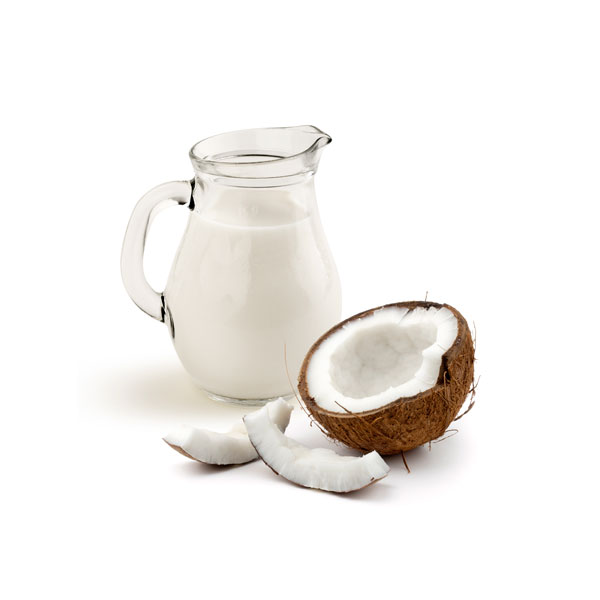
    The Philippines offers a variety of traditional coconut milk beverages, such as Buko Juice, Ginataang Mais, and Guinumis, that are refreshing and hydrating. These drinks provide a tropical taste and are often enjoyed warm during colder seasons or special occasions. They are considered exotic Filipino drinks and are a must-try for those who love exploring different cultures through food and drink. For those looking to try something unique, the Philippines also offers a selection of Philippine fruit wines made from local fruits like mango, pineapple, and berries. These wines are a delightful way to experience the flavors of the Philippines and are often enjoyed during festive celebrations or casual gatherings. The combination of traditional coconut milk beverages and Philippine fruit wines provides a diverse range of options for anyone seeking to immerse themselves in the rich and vibrant culinary culture of the Philippines.

    Key Takeaways

    • Coconut milk beverages are a popular choice in the Philippines, with options like Buko Juice and Guinumis offering a creamy and tropical taste.
    • These beverages provide a refreshing and hydrating option, especially on hot days.
    • Coconut milk-based desserts and snacks, such as Ginataang Mais and Binignit, offer a rich and creamy texture with a mix of flavors and textures.
    • These traditional coconut milk-based treats are enjoyed warm during colder seasons or special occasions and offer unique taste profiles with ingredients like sweet potatoes, taro, and purple yam.

    Buko Juice

    If you’re looking for a truly refreshing and authentic Filipino beverage, buko juice is a must-try. This tropical drink is extracted from young coconuts, known for its hydrating properties and delicious taste.

    It’s a popular choice in the Philippines, often served in its natural coconut shell to provide an authentic tropical experience. One of the best things about buko juice is that it’s lactose-free, making it a great option for those with lactose intolerance.

    The natural sweetness and refreshing nature of buko juice make it an ideal choice for quenching your thirst on a hot day. So, if you want to experience a taste of the tropics while staying hydrated, don’t miss out on trying this traditional and delightful Filipino beverage.

    Ginataang Mais

    Ginataang Mais is a creamy and sweet Filipino coconut milk beverage made with corn and sugar, creating a comforting and tropical flavor. This vegan drink is a popular dessert or snack in the Philippines.

    The creamy texture, combined with the sweetness of coconut milk and the natural flavors of corn, makes it a comforting and satisfying choice. It’s often served warm, especially during colder seasons, providing a soothing and indulgent experience.

    The vegan aspect of Ginataang Mais makes it a versatile option for those with dietary restrictions. The simplicity of its ingredients allows for easy preparation, making it a beloved traditional beverage that can be enjoyed by many.

    Guinumis

    Savor the delightful blend of coconut milk, melon strips, and refreshing crushed ice in the milk-based dessert beverage known as Guinumis.

    Guinumis is a hydrating and satisfying drink that offers a unique combination of flavors and textures. Here’s what you can expect from this traditional Filipino beverage:

    1. A creamy and tropical taste that’s both refreshing and indulgent.
    2. The chewy texture of jelly and food starch sago, providing a delightful contrast to the smooth coconut milk.
    3. A hint of sweetness from the sugar, creating a perfect balance of flavors.
    4. The added crunch of toasted rice, adding a subtle nuttiness to the overall experience.

    Guinumis is the ideal beverage for those seeking a cooling and hydrating treat, and it can even be enjoyed as a base for creative cocktails.

    Binignit

    When preparing Binignit, start by combining sweet potatoes, taro, purple yam, bananas, and tapioca pearls in a pot with coconut milk and sugar. This traditional Filipino dessert is known for its rich and creamy coconut milk base, infused with the natural sweetness of the ingredients. Binignit is often enjoyed warm, making it a comforting treat, especially during Holy Week and other special occasions.

    The delightful mix of flavors and textures from the sweet potatoes, taro, purple yam, bananas, and tapioca pearls creates a satisfying dessert that is loved by many. Here’s a quick overview of the delicious Binignit:

    Ingredients Benefits Flavor Profile
    Sweet Potatoes Rich in fiber Sweet
    Taro High in vitamin B6 Nutty
    Purple Yam Source of antioxidants Earthy

    Are Traditional Coconut Milk Beverages from the Philippines Considered Exotic Filipino Drinks?

    Yes, traditional coconut milk beverages from the Philippines are definitely considered exotic Filipino drinks. For those who love exploring different cultures through their culinary offerings, adding these unique and refreshing drinks to your exotic Filipino drinks bucket list is a must.

    Ginataang Bilo-Bilo

    As you explore traditional coconut milk beverages from the Philippines, the comforting and rich flavors of Binignit seamlessly transition into the delightful texture and fragrance of Ginataang Bilo-Bilo.

    This traditional Filipino dessert soup is a creamy and fragrant delicacy made with glutinous rice balls, sweet potatoes, taro, and tapioca pearls, all simmered in coconut milk and pandan leaves. The combination of chewy rice balls, starchy root vegetables, and creamy coconut milk creates a delightful textural contrast in every spoonful.

    Ginataang Bilo-Bilo isn’t only a beloved part of Filipino cuisine but also offers health benefits from the nutritious ingredients, including the goodness of coconut milk and the natural sweetness of the root vegetables. This sweet and hearty dessert is commonly enjoyed as a midday snack or a comforting treat during special occasions and family gatherings.

    Frequently Asked Questions

    What Is the Best Tasting Coconut Milk to Drink?

    When choosing coconut milk to drink, aim for smooth, creamy, and balanced sweetness without added sugars or fillers. Look for trusted brands like Jolly, Fiesta, or Coco Mama for high-quality options. Consider purpose, consistency, taste, and packaging type.

    What Is the Difference Between Coconut Milk and Coconut Milk Beverage?

    Coconut milk is extracted from mature coconuts, while coconut milk beverage is a diluted version sold as a drink. The former is creamy and used in cooking, while the latter is less creamy and consumed as a beverage.

    What Type of Filipino Food Is Made From Coconut Milk?

    Filipino food like Buko Pandan and Buko Shake are made from coconut milk. It’s a key ingredient in refreshing tropical drinks such as Buko Juice and desserts like Buko Salad Drink.

    What Is Kara Coconut Milk?

    Kara Coconut Milk is a high-quality coconut milk brand from the Philippines, known for its creamy consistency and authentic flavor. It’s available in canned and carton formats, making it versatile for cooking and baking.

    Conclusion

    In conclusion, the Philippines offers a variety of traditional coconut milk beverages that are refreshing and delicious. Whether you’re sipping on Buko Pandan or indulging in Taho, each drink provides a unique and satisfying taste of coconut.

    With the creamy richness of Buko Shake and the flavorful toppings of Guinumis, these coconut milk beverages are a must-try for anyone looking to experience the flavors of the Philippines.

  • Unlocking Kalamansi Juice’s Health Wonders in the Philippines

    Unlocking Kalamansi Juice’s Health Wonders in the Philippines

    Kalamansi juice is a nutritious drink from the Philippines, rich in vitamin C, potassium, calcium, and iron. It strengthens the immune system, aids digestion, and offers antioxidant protection. To avoid discomfort, consume it after meals and be cautious with chronic conditions. Additionally, kalamansi juice can also be used as a natural remedy for coughs and sore throats. Its tangy flavor and refreshing taste make it a popular choice for refreshing drinks in the Philippines. On the other hand, guyabano juice benefits include being high in fiber, which is great for digestive health, and it’s also known for its potential anticancer properties. Both juices are popular in the Philippines for their health benefits and delicious taste.

    Key Takeaways

    • Kalamansi juice is a rich source of vitamin C, potassium, calcium, and iron, providing essential nutrients for overall health.
    • It strengthens the immune system and acts as a natural digestive aid.
    • Kalamansi juice is packed with antioxidants, offering cellular protection and helping to prevent colds and flu.
    • When consuming kalamansi juice, it is important to avoid drinking on an empty stomach and to wait at least 30-45 minutes after a meal. Exercise caution for individuals with chronic conditions and follow recommended guidelines for optimal use.

    Nutritional Value of Kalamansi

    Discover the nutritional powerhouse of kalamansi juice, packed with essential vitamins and minerals for your overall health.

    This small citrus fruit, also known as calamondin, is a staple in the Philippines and is a rich source of vitamin C, providing 48.5 mg per 100 grams. This powerful antioxidant not only boosts your immune system but also promotes healthy skin and aids in iron absorption.

    Additionally, kalamansi juice contains potassium, crucial for regulating blood pressure, and calcium, necessary for strong bones and teeth. The presence of iron in this juice is vital for oxygen transport in the body, while the antioxidants protect against cellular damage.

    Adding kalamansi juice to your diet can significantly contribute to your daily nutritional needs and overall well-being.

    Health Benefits of Kalamansi

    Kalamansi juice offers a multitude of health benefits, making it a valuable addition to your daily diet. This citrus fruit is packed with essential nutrients and antioxidants, providing various health advantages. Here are some of the health benefits of organic kalamansi juice:

    Health Benefits Description
    Immune System Support Rich in vitamin C, it strengthens the immune system and boosts the production of white blood cells.
    Digestive Health Acts as a natural digestive aid, promoting the production of digestive enzymes and healthy bowel movements.
    Nutrient Rich Contains potassium, folate, calcium, and antioxidants, supporting overall health.
    Cold and Flu Prevention Its immune-boosting properties help prevent common illnesses like colds and flu.

    Incorporating organic kalamansi juice into your diet can significantly contribute to your overall well-being.

    Important Considerations for Kalamansi Use

    You should consider the following important points when using kalamansi to ensure optimal health benefits and minimize potential discomfort:

    • Consumption Timing
    • Avoid consuming kalamansi on an empty stomach due to its high acidity, which may potentially irritate the gastric mucosa.
    • Optimal Timing
    • Wait 30-45 minutes after a meal before drinking kalamansi juice to minimize potential discomfort.
    • Consideration for Chronic Conditions
    • Individuals with certain chronic conditions should exercise caution when consuming kalamansi to avoid adverse effects on health.
    • Follow Recommendations
    • It’s essential to follow recommended guidelines to confidently integrate kalamansi into your daily routine while minimizing any potential risks or discomfort.
    • Experience Health Benefits
    • By considering these points, individuals can experience the extraordinary health benefits of kalamansi while being mindful of potential challenges.

    Easy Kalamansi Juice Recipe

    After considering important points for kalamansi use, you can easily make a refreshing and nutrient-rich kalamansi juice with just a few simple ingredients. Here’s a quick and easy kalamansi juice recipe for you to enjoy:

    Ingredients Instructions
    5 kalamansi Cut and squeeze
    Sugar Add sweetness to taste
    Water Mix with kalamansi juice
    Ice Add for a chill refreshment

    Enjoy the tangy flavors of this versatile and nutrient-rich kalamansi detox drink. For a more concentrated flavor, you can also use kalamansi concentrate. Adjust the sweetness to your preference by adding sweeteners like honey or stevia. Savor the goodness of vitamin C, potassium, calcium, iron, and antioxidants in this easy-to-make kalamansi juice.

    How Does Buko Juice Compare to Kalamansi Juice in Terms of Health Benefits?

    When it comes to the health benefits of buko juice versus kalamansi juice, buko juice stands out for its high electrolyte content and ability to keep the body hydrated. Kalamansi juice, on the other hand, is rich in vitamin C and antioxidants, making it a great immune booster.

    Kalamansi in Philippine Cuisine

    Incorporating the vibrant citrus flavor of kalamansi into traditional Filipino dishes adds a distinctive and refreshing twist to the cuisine.

    When used in Philippine cuisine, kalamansi brings a unique sourness that enhances the flavors of various dishes, creating a refreshing and tangy taste experience.

    It’s commonly used as a marinade for meats, a flavoring agent in dipping sauces, and a key ingredient in refreshing beverages and desserts.

    In traditional Filipino dishes, kalamansi complements the rich and savory flavors, adding a zesty and citrusy note that elevates the overall taste.

    Whether used in savory adobo or sweet desserts, kalamansi is a versatile fruit that plays a significant role in traditional Filipino cooking, offering a refreshing and vibrant flavor profile.

    Frequently Asked Questions

    What Are the Benefits of Drinking Calamansi Juice Everyday?

    Drinking calamansi juice everyday can boost your immune system, promote digestive health, contribute to skin radiance, aid in weight management, and provide a refreshing, healthy alternative to sugary drinks, supporting your overall well-being.

    Why Is Calamansi Important in the Philippines?

    Calamansi is important in the Philippines due to its rich flavor and numerous health benefits. It’s a staple in Filipino cuisine, adding a tangy kick to dishes and providing essential nutrients for overall wellness.

    How to Make Calamansi Detox?

    To make calamansi detox, squeeze 5 calamansi into a glass. Add 2 tbsp of sugar, 1 cup of water, and 1/4 cup of ice. Stir well and enjoy cold. Consider timing and precautions for consumption.

    What Is the Side Effect of Calamansi?

    Excessive consumption of calamansi juice can lead to gastric irritation, heartburn, and tooth enamel erosion due to its high acidity. It may also interact with medications and cause allergic reactions in some individuals, so be cautious.

    Conclusion

    In conclusion, adding kalamansi juice to your daily routine can provide a wide range of health benefits. This includes boosting your immune system and promoting skin radiance.

    With its rich nutritional value and easy incorporation into recipes, kalamansi is a simple way to improve your overall well-being.

    So go ahead, enjoy a glass of refreshing kalamansi juice and unlock its health wonders for yourself.

  • What Are the Best Unique Philippine Drinks for Celebrations?

    What Are the Best Unique Philippine Drinks for Celebrations?

    For celebrations in the Philippines, try tuba or lambanog, which are traditional coconut-based drinks with unique flavors. Other popular choices include guinumis, a sweet and refreshing drink, and calamansi juice, a tangy and refreshing beverage rich in vitamin C.

    Key Takeaways

    • Guinumis and Buko Pandan Drink are popular choices for celebrations in the Philippines, offering a sweet and creamy taste that adds a touch of tradition and flavor to festivities.
    • Mango Juice and Guyabano Juice are refreshing and tropical beverages that provide a delightful sweetness and rejuvenating taste, making them great options for festive celebrations.
    • Calamansi Juice is a refreshing and tangy drink rich in vitamin C, perfect for quenching thirst and adding a burst of flavor to celebrations.
    • Kapeng Barako, a strong and bold coffee from Batangas, is a favorite among coffee lovers and offers a satisfying cup of coffee, making it a great choice for celebratory occasions.

    Guinumis

    Guinumis is a uniquely Filipino drink that combines sagot gulaman, pinipig, sugar, water, and sometimes coconut milk. This traditional beverage is perfect for celebrations, offering a refreshing and sweet taste that’s native to the Philippines.

    The combination of gulaman and pinipig provides a delightful texture, making it a popular choice for gatherings. Guinumis is known for its cooling and satisfying properties, particularly enjoyable during warm weather.

    It’s often served at fiestas and special occasions, adding a touch of tradition and flavor to the festivities. With its simple yet flavorful ingredients, guinumis has become a beloved part of Filipino culture, cherished for its ability to bring a refreshing and sweet element to any celebration.

    Calamansi Juice

    You’ll love the zesty and refreshing taste of calamansi juice, a popular beverage in the Philippines.

    With just calamansi, sugar, and water, it’s easy to make this delightful citrus drink at home.

    Whether you prefer it as is or with added twists like soda water or herbal infusions, calamansi juice is a flavorful choice for any celebration.

    Flavorful Citrus Beverage

    A flavorful citrus beverage popular in the Philippines is Calamansi Juice, known for its sweet and sour taste and invigorating citrus flavor. Made from calamansi, sugar, and water, this versatile drink can be served on its own or used as a base for creative cocktails.

    Calamansi juice is a staple in Filipino culture, often enjoyed during fiestas and special occasions due to its refreshing and tangy profile. Apart from its delightful taste, it’s also believed to offer health benefits as a good source of vitamin C.

    Whether it’s to quench your thirst or to add a zesty kick to your celebrations, calamansi juice is a go-to choice for its unique and revitalizing citrus taste.

    Easy Homemade Recipe

    With a few simple ingredients and easy steps, you can create your own refreshing calamansi juice at home, adding a delightful touch to your celebrations and gatherings.

    Start by squeezing fresh calamansi juice, then straining it to remove seeds and pulp. Mix the juice with water and sugar to achieve the perfect sweet and tangy flavor.

    For a unique twist, try adding a splash of buko juice (coconut water) to enhance the refreshing taste.

    This homemade beverage offers a sweet and sour taste that’s perfect for quenching your thirst during festive occasions.

    Whether it’s a party, picnic, or simple get-together, serving your guests a glass of homemade calamansi juice will surely impress and refresh everyone.

    Enjoy the tradition and flavors of the Philippines with this easy-to-make drink.

    Mango Juice

    Mango Juice, a delightful concoction made from fresh mangoes, sugar, and water, can be transformed into a creamy shake with the addition of evaporated milk. This sweet and tropical beverage is a festive choice for any celebration. Its vibrant color and delightful sweetness make it a popular option for gatherings.

    The drink offers a refreshing and hydrating experience, perfect for quenching your thirst on a warm day. Whether enjoyed as a simple juice or a creamy shake, mango juice provides a unique flavor that’s sure to please.

    For an extra kick, consider adding a splash of lambanog to elevate the festive spirit of the occasion. Embrace the versatility of mango juice and savor its delicious taste at your next celebration.

    Melon (Cantaloupe) Juice

    Looking for a flavorful and refreshing melon option?

    Melon (Cantaloupe) Juice might just be what you need.

    It’s a perfect choice for a refreshing summer beverage, and the recipe is easy to make.

    Flavorful Melon Options

    For a refreshing and tropical addition to your celebrations, consider indulging in the sweet and vibrant Melon (Cantaloupe) Juice, made from fresh cantaloupe, sugar, and water.

    This unique Filipino drink is a popular choice for festive gatherings due to its delightful aroma, light fruity taste, and vibrant color. Often served chilled and garnished with a slice of cantaloupe, Melon Juice offers a visually appealing option for your celebrations.

    You can also customize it by adding calamansi juice or a splash of coconut milk for an extra twist. The addition of salabat, a ginger tea, can infuse a hint of warmth and spice into the drink, providing a unique flavor profile.

    Embrace the tropical essence of the Philippines with this flavorful and customizable Melon (Cantaloupe) Juice at your next celebration.

    Refreshing Summer Beverage

    Quench your thirst with the delightful and refreshing Melon (Cantaloupe) Juice, a sweet and fruity beverage perfect for hot summer days. This unique Filipino drink offers a perfect blend of flavors and a cooling sensation that’s ideal for staying refreshed in the summer heat.

    Here’s what makes it the perfect summer beverage:

    1. The vibrant orange color of the juice is visually appealing and evokes feelings of freshness.
    2. The sweet aroma of fresh cantaloupe fills the air as you take a sip, adding to the overall sensory experience.
    3. The addition of ice enhances the drink’s refreshing quality, making it an excellent choice for combating the summer heat.
    4. Its delightful taste and unique fusion of flavors make it a must-try for anyone seeking a delicious and revitalizing summer beverage.

    Easy Melon Juice Recipe

    To create a refreshing batch of Melon (Cantaloupe) Juice, start by gathering ripe cantaloupe, sugar, and water. The sweet and aromatic flavor of the cantaloupe makes it a delightful choice for any celebration. Here’s an easy recipe to prepare this unique Philippine drink:

    Ingredients Quantity
    Ripe Cantaloupe (diced) 4 cups
    Sugar 1/4 cup
    Water 2 cups
    1. In a blender, combine the diced cantaloupe and sugar.
    2. Blend until smooth.
    3. Add water and blend again until well combined.
    4. Strain the mixture to remove any pulp.
    5. Chill the juice for at least an hour before serving.

    This homemade Melon Juice offers a healthier alternative to store-bought beverages, and it’s perfect for staying refreshed during festivities.

    Guyabano Juice

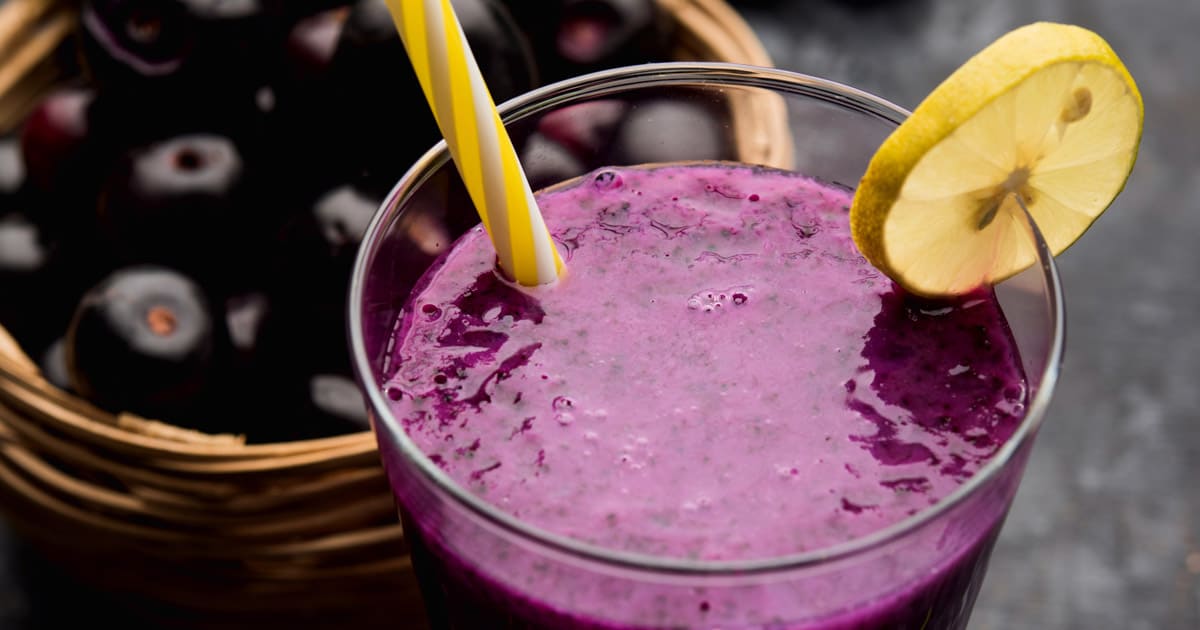
    Guyabano Juice is a refreshing tropical drink made from the sour and sweet soursop fruit. When you take a sip of Guyabano Juice, you’ll experience a unique blend of tangy and sweet flavors that dance on your taste buds.

    The high vitamin C content and potential anti-inflammatory properties make this beverage not only delicious but also beneficial for your health.

    Imagine sipping on a chilled glass of Guyabano Juice during a festive celebration, feeling refreshed and rejuvenated by its tropical taste.

    Whether it’s a special gathering or a regular day, Guyabano Juice is a popular choice in the Philippines for its delightful flavor and potential health perks.

    Buko Juice

    Buko Juice, extracted from young coconuts, is a refreshing and hydrating beverage that is often served in its natural coconut shell. This popular drink is a staple at Filipino fiestas, offering a tropical and rejuvenating flavor. It is recognized for its magnesium and calcium content, making it a healthy and refreshing option to quench your thirst during celebrations and gatherings. Here’s a quick overview of the benefits of Buko Juice:

    Benefits of Buko Juice
    Hydrating properties
    Magnesium content
    Calcium content
    Rejuvenating flavor

    Buko Juice is not only a delicious and natural choice but also a great way to stay hydrated while enjoying the festivities.

    Buko Pandan Drink

    Quench your thirst with another iconic Filipino beverage, the Buko Pandan Drink, which offers a delightful combination of fragrant pandan and creamy coconut flavors, perfect for any celebration or gathering.

    This refreshing tropical drink is a must-try for those looking to experience traditional Filipino flavors. When you take a sip of Buko Pandan Drink, you can imagine yourself in the tropical Philippines, enjoying the following:

    1. The sweet aroma of pandan leaves wafting through the air.
    2. The smooth and creamy texture of young coconut meat.
    3. The cool, refreshing sensation as you sip the chilled beverage.
    4. The unique and delightful blend of pandan and coconut flavors that dance on your taste buds.

    Indulge in this unique and popular beverage that captures the essence of Filipino festivities.

    Kapeng Barako

    Originating from Batangas, Philippines, Kapeng Barako is a strong and aromatic coffee known for its robust and intense flavor, making it a favorite choice for coffee enthusiasts.

    The coffee beans used for Kapeng Barako are distinct for their bold and earthy characteristics, contributing to its unique taste.

    It’s often brewed using traditional methods such as drip brewing to bring out its full-bodied flavor, creating a rich and satisfying coffee experience.

    Kapeng Barako holds a significant place in Philippine coffee culture and is considered an iconic beverage. Its strong and bold aroma, coupled with its intense flavor, makes it a popular choice for those who appreciate a robust cup of coffee.

    When celebrating, indulging in a cup of Kapeng Barako can be a delightful way to savor the rich flavors of the Philippines.

    Are Filipino Herbal Drinks Also Suitable for Celebrations?

    Yes, Filipino herbal detox drinks can definitely be suitable for celebrations. These traditional beverages offer a unique and refreshing alternative to typical party drinks. With their natural flavors and health benefits, they can add a special touch to any festive occasion while also promoting wellness among guests.

    Salabat

    Crafting a soothing cup of Salabat involves steeping slivers of raw ginger in hot water and adding a touch of honey or sugar, creating a comforting and invigorating beverage perfect for celebrations.

    When you sip on a warm cup of Salabat, you’ll experience the sharp, spicy aroma of fresh ginger, which is both soothing and invigorating. As you take a sip, the warmth of the ginger will spread through your body, offering a sense of comfort and wellness.

    The hint of sweetness from honey or sugar balances the sharpness of the ginger, creating a harmonious flavor. The addition of calamansi juice provides a citrusy tang that enhances the overall taste, leaving a refreshing sensation on your palate.

    Whether you’re looking to soothe a sore throat or simply enjoy a unique and flavorful beverage, Salabat is a delightful choice for any celebration.

    Frequently Asked Questions

    What Is the Most Popular Drink in the Philippines?

    The most popular drink in the Philippines is calamansi juice. It’s a sweet and sour beverage made from calamansi, sugar, and water, offering a refreshing flavor that’s loved by many in the country.

    Which Drink Is Best for Celebration?

    For celebrations, try unique Philippine drinks like Buko Juice, Lambanog, or Ube Martini. They offer diverse flavors suited for various occasions. Explore traditional choices or Filipino-inspired mixes to add a special touch to your event. For a refreshing and traditional option, consider serving a calamansi and ginger tea recipe, a classic Filipino beverage that combines the tangy flavor of calamansi with the warming spice of ginger. This citrusy and revitalizing drink is perfect for hot summer days or as a welcoming treat for your guests. Additionally, you can also offer refreshing cold brew coffee infused with local flavors such as coconut or tablea for a unique and memorable beverage selection.

    What Is the Signature Drink of the Philippines?

    The signature drink of the Philippines is a tough call, but some popular choices include Sago’t Gulaman, Calamansi Juice, Buko Shake, and Tanduay Rum. Each brings a unique and refreshing flavor to celebrations.

    What Is the Best Alcohol Drink for Celebration?

    For celebrations, try tuba or lambanog. Tuba is a coconut palm wine, while lambanog is a traditional Filipino coconut arrack. Both offer unique flavors and are popular choices for festive occasions in the Philippines.

    Conclusion

    So, whether it’s a special occasion or just a regular day, the Philippines offers a wide variety of unique and delicious drinks to enjoy.

    From refreshing fruit shakes like Mango and Buko, to traditional hot drinks like Kapeng Barako and Salabat, there’s something for everyone.

    Don’t forget to try the Guinumis and Calamansi Juice for a taste of Filipino celebration.

    Cheers to good times and great drinks!

  • Can You Make Your Own Taho at Home?

    Can You Make Your Own Taho at Home?

    Yes, you can make your own taho at home using silken tofu, sago pearls, and brown sugar syrup. It’s a delicious Filipino snack that’s easy to make and can be customized with different sweeteners or toppings.

    Key Takeaways

    • Taho is a beloved Filipino snack made with silken tofu, sago pearls, and brown sugar syrup.
    • It is a vegan delicacy and a cultural tradition in the Philippines.
    • The sweet arnibal syrup adds the perfect amount of sweetness to the taho.
    • Taho can be easily made at home using simple ingredients and tools.

    What Is Taho?

    Taho is a beloved Filipino snack consisting of silken tofu, sago pearls, and brown sugar syrup, renowned for its sweet and comforting taste. This vegan delicacy is a cultural tradition in the Philippines, often enjoyed as a breakfast or snack. Its simple yet satisfying recipe has made it a popular choice for many.

    The silken tofu provides a creamy, custard-like base, while the sago pearls add a delightful chewy texture. This delectable treat can be enjoyed warm or chilled, making it versatile for any time of day.

    Taho holds a special place in the hearts of Filipinos and has also gained popularity in other Asian countries. Its nostalgic appeal and delicious flavor make it a cherished part of many childhood memories.

    Taho Ingredients and Tools

    You’ll need sago pearls or tapioca pearls, soft tofu, brown sugar (dark and light), and pandan leaf for the sweet syrup when making taho at home.

    To prepare the taho, gather a large pot, small saucepan, fine mesh strainer, cheesecloth, steamer basket or oven-safe dish, and a whisk.

    Cooking the tapioca pearls, making the arnibal syrup, and assembling the taho will require these ingredients and tools.

    Ingredients for Taho

    You can easily prepare taho at home by gathering the following ingredients and tools. Here’s what you need: – 1 ½ cups of soybeans
    – 8 cups of water
    – 1 cup of brown sugar
    – Tofu mold or cheesecloth

    To start, soak the soybeans in water overnight, then blend them with 4 cups of water until smooth. After straining the blended mixture, heat it in a pot until it begins to boil. In a separate pot, mix 4 cups of water and the brown sugar, then bring to a boil until the sugar dissolves. Pour the sugar mixture into the pot with the soybean mixture and let it simmer. While waiting, prepare your tofu mold or cheesecloth for the sticky rice recipe.

    Ingredient Description Benefits
    Soft or silken tofu Made from soybean, rich in protein Creates a creamy base for taho
    Sago pearls or tapioca pearls Adds texture to taho Provides a unique chewy consistency
    Brown sugar (dark and light) Used to make arnibal, the sweet syrup for taho Adds sweetness and richness to the taho

    These ingredients are essential for making a delicious and healthy taho at home. With the right ingredients, you can explore various taho variations and enjoy this Filipino delicacy in the comfort of your home.

    Tools Needed

    To prepare the tools needed for making taho at home, gather a large pot and small saucepan for boiling the tapioca pearls and making the arnibal syrup. You’ll also need a fine mesh strainer or cheesecloth for straining the tapioca pearls.

    A steamer basket or oven-safe dish will be necessary for steaming the silken tofu. Additionally, a whisk will be needed for mixing the arnibal syrup, and a microwave will be used for heating the silken tofu.

    Ensuring that your tools are clean and in good condition is important for maintaining health and hygiene standards while preparing taho at home.

    With these tools in place, you can proceed to the next steps of making your own delicious taho.

    Making Taho From Silken Tofu

    When making taho from silken tofu, start by preparing the brown sugar syrup and boiling the sago pearls to achieve the traditional sweet flavor and chewy texture of this Filipino delicacy.

    Silken tofu serves as the base for this beloved street food, offering a smooth and creamy consistency. To recreate the experience of buying taho from a vendor, warm the silken tofu before assembling the dessert.

    The sago pearls, also known as tapioca pearls, provide a delightful chewiness that’s synonymous with taho.

    Cooking Tapioca Pearls for Taho

    After preparing the brown sugar syrup and boiling the sago pearls for the traditional sweet flavor and chewy texture, the next step in making taho at home is cooking the tapioca pearls to perfection.

    To do this, boil the tapioca pearls in water for a specific duration until they turn transparent and achieve the desired chewy texture. Once boiled, soak the pearls for about 10 minutes, then rinse them under cool water before boiling them again until fully translucent. This process ensures that the tapioca pearls are cooked just right for the taho.

    After cooking, assemble the taho by cutting soft tofu into small cubes, placing them in serving bowls, adding the cooked tapioca pearls on top, and pouring the sweet syrup (arnibal) over the tofu and pearls.

    Serve the taho warm and enjoy this comforting Filipino treat.

    Creating the Sweet Arnibal Syrup

    Create the sweet arnibal syrup by whisking together water and brown sugar in a small pot.

    Add a pandan leaf and boil the mixture for 3 minutes until the sugar dissolves, and remove the pandan leaf.

    Once prepared, the arnibal syrup can be poured over the assembled taho for a sweet finish.

    You can also customize the syrup by adding different flavors like vanilla or pandan for a unique twist.

    The sweet arnibal syrup adds the perfect amount of sweetness to the taho, enhancing its overall flavor.

    This simple process allows you to enjoy the traditional sweet taste of taho right in your own home.

    Assembling the Homemade Taho

    Now that you have prepared the silken tofu and cooked the sago pearls, it’s time to assemble your homemade taho.

    Simply place the warm silken tofu in a cup, add the cooked sago pearls, and then pour the hot brown sugar syrup over it.

    Once assembled, your homemade taho is ready to be served and enjoyed immediately.

    Taho Ingredients

    To assemble homemade taho, gather soft tofu, sago pearls, and brown sugar syrup as the key ingredients.

    • Soft tofu provides the custard-like base for the taho. Silken tofu is the best choice for its smooth texture and delicate flavor.
    • Sago pearls offer a satisfying chew and texture to the taho. Boil the sago pearls until they turn translucent and have a soft, chewy consistency.
    • Brown sugar syrup adds sweetness and richness to the taho. Simmer brown sugar in water to make a thick, sweet syrup.

    These ingredients come together to create a delightful Filipino snack that can be enjoyed warm or chilled, with the flexibility to adjust the sweetness and sago amount to suit your taste. Making homemade taho allows you to customize and tailor the flavors and textures to your liking.

    Taho Cooking Process

    After gathering the taho ingredients, the next step is to assemble the homemade taho by cutting the soft tofu into small cubes and placing them in serving bowls or cups.

    Add a desired amount of cooked sago pearls on top of the tofu for texture and flavor.

    Then, pour the sweet syrup (arnibal) over the tofu and sago pearls to sweeten the dish.

    Serve the taho warm and enjoy this comforting Filipino treat.

    Customizing taho with different flavors such as strawberry, ube, and pandan can add variety to the dish.

    Once assembled, the homemade taho is ready to be served and savored.

    With these simple steps, you can create a delightful taho experience in the comfort of your own home.

    Taho Serving Suggestions

    When assembling the homemade taho, consider cutting the soft tofu into small cubes to create a pleasing texture for the dish. Once the tofu cubes are prepared, follow these serving suggestions to assemble your homemade taho:

    • Place the tofu cubes in serving bowls or cups as the base of the taho. This will provide a sturdy foundation for the other ingredients.
    • Add a desired amount of cooked sago pearls on top of the tofu to provide texture. The chewy pearls will complement the soft tofu and add an interesting mouthfeel to the dish.

    After layering the tofu and sago pearls, pour the sweet syrup (arnibal) over the mixture to sweeten the taho. Finally, serve the taho warm and enjoy the comforting, sweet snack.

    Taho Serving Suggestions

    Consider enhancing your taho experience with a variety of serving suggestions to customize this comforting treat.

    Enjoy it warm or chilled, and try drizzling warm maple syrup over the silken tofu instead of the traditional brown sugar syrup for a different flavor.

    Experiment with different sago pearls or tapioca pearls to add varied textures to your taho.

    Serve it in cups, layering warm silken tofu, sago pearls, and sweet syrup in the traditional style.

    For a personalized touch, consider adding flavors like strawberry, ube, or pandan.

    These serving suggestions allow you to tailor your taho to your preferences, offering a delightful and customizable way to enjoy this Filipino delicacy.

    Storing Homemade Taho

    Storing the homemade taho is essential for maintaining its freshness and quality, especially if you have any leftovers of the components such as tofu, sago pearls, or arnibal syrup. Here’s how to store your homemade taho:

    • Store any leftovers of the homemade taho components, such as tofu, sago pearls, and arnibal syrup, in separate airtight containers in the refrigerator.
    • Tofu and arnibal syrup can be stored for up to 3 days, while sago pearls are best consumed within a day or two for the best texture.
    • Avoid freezing taho as it can alter the texture of the tofu and sago pearls when thawed.
    • To reheat stored taho, microwave the cup or glass for 30 seconds to 1 minute, but enjoy it as soon as possible for the best taste and texture.

    Taho’s Nutritional Information

    Taho provides a good source of protein, containing approximately 5 grams of protein per 3 ounces, making it a nutritious snack option due to its high protein content and essential nutrients. Here’s a breakdown of the nutritional information for taho:

    Nutrient Amount per 3 ounces
    Protein 5g
    Calories 316
    Calcium Essential
    Iron Essential
    Amino Acids Essential

    Taho, primarily made of silken tofu, is rich in essential amino acids, calcium, and iron. With approximately 316 calories per serving, it can be a wholesome snack choice. Its high protein content and essential nutrients make it a valuable addition to your diet. For more detailed information on the health benefits of taho, check out an article on the subject.

    Tips for Perfect Homemade Taho

    If you want to recreate the creamy and nutritious texture of store-bought taho at home, using soft or silken tofu is essential for achieving the perfect custard-like consistency.

    To ensure your homemade taho turns out just right, consider the following tips:

    • Adjust the sweetness of the brown sugar syrup (arnibal) to suit your taste preferences. This allows you to tailor the sweetness level to your liking, creating a personalized taho experience.
    • Cook sago pearls until they’re fully translucent and have a satisfying chewy texture. Properly cooked sago pearls contribute to the delightful mouthfeel of your homemade taho, enhancing its overall appeal.
    • Experiment with different flavors such as ube or pandan to customize your taho.

    Serve the taho warm for the best authentic experience.

    Vegan Filipino Sweets to Try

    Indulge in the delectable array of vegan Filipino sweets, offering delightful flavors and comforting textures.

    Try the Bibingka, a coconut-rice cake that boasts a unique and satisfying taste.

    For a comforting dessert, savor the Ginataang Mais, a coconut rice pudding with corn.

    If you’re in the mood for a popular merienda treat, the Buko Pie, a sweet coconut pie, is a must-try.

    Looking for a snack? The Baked Turon, a crunchy banana spring roll, will surely satisfy your sweet cravings.

    Lastly, treat yourself to the warm and sweet Ginataang Bilo-Bilo, a coconut milk soup with glutinous rice balls and tropical fruits, offering a unique and delicious flavor experience.

    These vegan Filipino sweets aren’t just delightful but also a great way to explore the rich flavors of Filipino cuisine.

    How Can I Incorporate Different Varieties of Fish Into Homemade Taho?

    Incorporating different varieties of Philippine fish into homemade taho is a great way to add variety and nutrition to this classic Filipino dessert. You can use milkfish, tilapia, or even bangus to create a unique and flavorful version of this beloved treat.

    Reader Feedback and Comments

    While exploring the topic of making your own taho at home, consider incorporating reader feedback and comments to enhance your homemade taho experience. Here are some ways reader feedback and comments can enrich your taho-making journey:

    • Suggestions for variations or alternative ingredients: Readers may offer creative ideas to personalize the taho recipe, such as using different types of sweeteners or experimenting with various toppings.
    • Modifications or adjustments based on personal experiences: Readers might share helpful tips for achieving the perfect texture or flavor based on their own trials and errors.
    • Shared learning and community: Engaging with reader feedback and comments can create a sense of camaraderie and shared learning among individuals interested in mastering the art of making taho at home.

    Frequently Asked Questions

    What Is Taho Made Of?

    Taho is made of silken tofu, sago pearls, and a brown sugar syrup. You can make your own taho at home by combining these ingredients to create a sweet and comforting snack enjoyed warm or chilled.

    What Is the Best Coagulant for Taho?

    Experiment with Epsom salt to achieve the perfect coagulation for homemade taho. Be cautious not to add too much, as it can affect taste and act as a laxative. Consider using cornstarch to stabilize and enhance texture.

    What Is the English Word for Taho?

    The English word for “taho” is “tofu pudding.” It’s a Filipino snack made with silken tofu, sago pearls, and brown sugar syrup. You can easily make your own taho at home with these ingredients.

    How Long Can Taho Last in the Fridge?

    Taho can last in the fridge for up to 3 days. Just remember that the sago tends to harden over time. It’s best to eat it right after assembling for the freshest taste. Avoid freezing it because the texture will change.

    Conclusion

    Now that you know how to make your own Taho at home, you can enjoy this delicious Filipino treat anytime you want.

    With just a few simple ingredients and some easy steps, you can create a tasty and nutritious snack that everyone will love.

    So go ahead and give it a try, and impress your friends and family with your homemade Taho!

  • Affordable Picks: Top 5 Philippine Condiments

    Affordable Picks: Top 5 Philippine Condiments

    Looking for the top 5 affordable Philippine condiments? Check out spicy vinegar, banana ketchup, sweet chili sauce, soy sauce, and fish sauce for a flavorful kick in your dishes.

    Key Takeaways

    • Spicy condiments like spicy vinegar and sweet chili sauce are versatile and can be used as dipping sauces or marinades.
    • Banana ketchup is a unique condiment with a sweet and tangy taste, perfect for fried foods and grilled meats.
    • Fish sauce is a traditional Filipino condiment that enhances flavors and brings out natural richness, commonly used in Southeast Asian cuisines.
    • Soy sauce is a versatile staple in Filipino cuisine, adding depth and richness to dishes and commonly mixed with other ingredients like calamansi or vinegar.

    Spicy Vinegar

    Spice up your meals with Spicy Vinegar, a popular Filipino condiment infused with chili peppers and other spices, adding a kick of heat and tanginess to a variety of dishes.

    This vinegar is a staple in Filipino cuisine, bringing a burst of flavor to grilled meats, seafood, and fried snacks. Its versatility shines as a dipping sauce, commonly paired with street foods like barbecue, fried fish, and spring rolls.

    You can even customize it by adding garlic, onions, or soy sauce for a more complex taste. The zesty and spicy profile of Spicy Vinegar perfectly complements the umami flavors in Filipino dishes, striking a harmonious balance of heat and acidity.

    With its bold and tangy punch, Spicy Vinegar is a must-have for anyone looking to elevate their culinary creations with an authentic Filipino flair.

    Banana Ketchup

    A popular alternative to regular ketchup in Filipino cuisine, banana ketchup is a sweet and tangy condiment primarily made from bananas. It’s a versatile dipping sauce for fried foods or a flavor enhancer for grilled meats, adding a tropical twist to meals.

    When using banana ketchup, consider the following:

    • Versatility: Its sweet and tangy flavor makes it suitable for various dishes, from fried snacks to grilled meats.
    • Color and Taste: Known for its vibrant red color and unique tropical taste, it offers a distinctive twist to the usual condiments.
    • Filipino Cuisine: Embraced in Filipino cuisine, banana ketchup reflects the fusion of traditional flavors with a tropical flair, making it a must-try for a genuine Filipino food experience.

    Sweet Chili Sauce

    Embrace the diverse flavors of Filipino cuisine as you explore the zesty sweetness of Sweet Chili Sauce, a versatile condiment that adds a delightful kick to a wide range of dishes. This popular Filipino sauce offers the perfect blend of sweetness and spiciness, crafted from red chili peppers, sugar, garlic, vinegar, and sometimes a hint of tangy calamansi juice.

    Its unique flavor profile makes it an ideal accompaniment for fried foods, grilled meats, spring rolls, and seafood. Check out the table below for a quick comparison of Sweet Chili Sauce with another Filipino favorite, sweet and sour sauce.

    Criteria Sweet Chili Sauce Sweet and Sour Sauce
    Flavor Sweet and Spicy Sweet and Tangy
    Main Ingredients Red Chili Peppers, Sugar, Garlic, Vinegar, Calamansi Juice Sugar, Vinegar, Soy Sauce, Ketchup
    Common Pairings Fried Foods, Grilled Meats, Seafood, Spring Rolls Fried Chicken, Pork, Fish, Egg Rolls

    You can easily find this delectable condiment in most grocery stores or prepare it at home for a fresh and customized flavor.

    Soy Sauce

    Soy sauce is a versatile staple in Filipino cuisine, adding depth and richness to a wide variety of dishes. When used in Filipino sweet and sour dishes, soy sauce brings a perfect blend of saltiness and umami to the table. It’s commonly mixed with calamansi, vinegar, or spices to create different variations of dipping sauces, adding depth and flavor to the dishes.

    Additionally, soy sauce is a key ingredient in Filipino condiments, offering a balance of saltiness and umami to a wide range of foods, from grilled meats to pickled vegetables. This fermented shrimp-based sauce is a crucial element in Filipino cuisine, providing a unique and savory taste to the food.

    Fish Sauce

    When cooking, enhancing the flavors of your dishes with a dash of fish sauce can elevate the overall taste experience and bring out the natural richness of the ingredients.

    Fish sauce, also known as Patis, is a traditional Filipino condiment derived from fermenting fish species like anchovies, shrimp, or mackerel. Its minimum two-year fermentation process activates a chemical reaction that yields an umami experience, enhancing the taste of meals.

    This versatile sauce is a crucial ingredient in many Southeast Asian cuisines, adding savory depth to various dishes. In the Philippines, it’s commonly used in traditional Filipino recipes and street foods, enriching the flavors of dishes like adobo and sinigang.

    When choosing fish sauce, consider factors such as origin, color, natural ingredients, and price to ensure the best quality and flavor for your culinary creations.

    Frequently Asked Questions

    What Is the Most Popular Condiment in Philippines?

    The most popular condiment in the Philippines is banana ketchup. It’s a sweet and tangy sauce made from bananas, sugar, vinegar, and spices. Filipinos love to pair it with fried foods and grilled meats for a flavorful kick.

    What Are the 10 Sauces That Commonly Used in Philippines?

    In the Philippines, commonly used sauces are toyomansi, inihaw toyo, suka, at sili, sinamak, agre dulce, asado sauce, banana ketchup, chili garlic sauce, ketchup and mayonnaise sauce, atchara, atcharang maasim, atcharang labóng, atcharang dampalit, atcharang ubod, arnibal, lechon sauce, Manongs sauce, palapa, suka pinakurat, and sarsang miso.

    What Is the Best Patis in the Philippines?

    When looking for the best patis in the Philippines, try checking out local markets or specialty stores. Ask for recommendations from locals, they often have the inside scoop on the most flavorful options.

    What Are 5 Condiments?

    Sure! Condiments are essential for adding flavor to dishes. Common ones include ketchup, mustard, mayo, soy sauce, and hot sauce. These versatile flavors can enhance your meals in many ways.

    Conclusion

    So there you have it – the top 5 affordable Philippine condiments to spice up your meals.

    Whether you’re a fan of spicy vinegar, banana ketchup, sweet chili sauce, soy sauce, or fish sauce, there’s something for everyone to enjoy.

    With these flavorful condiments, you can easily elevate your dishes and experience the unique and delicious flavors of Filipino cuisine without breaking the bank.

    Happy cooking!

  • 5 Best Filipino Sauces for Barbecue Nights

    5 Best Filipino Sauces for Barbecue Nights

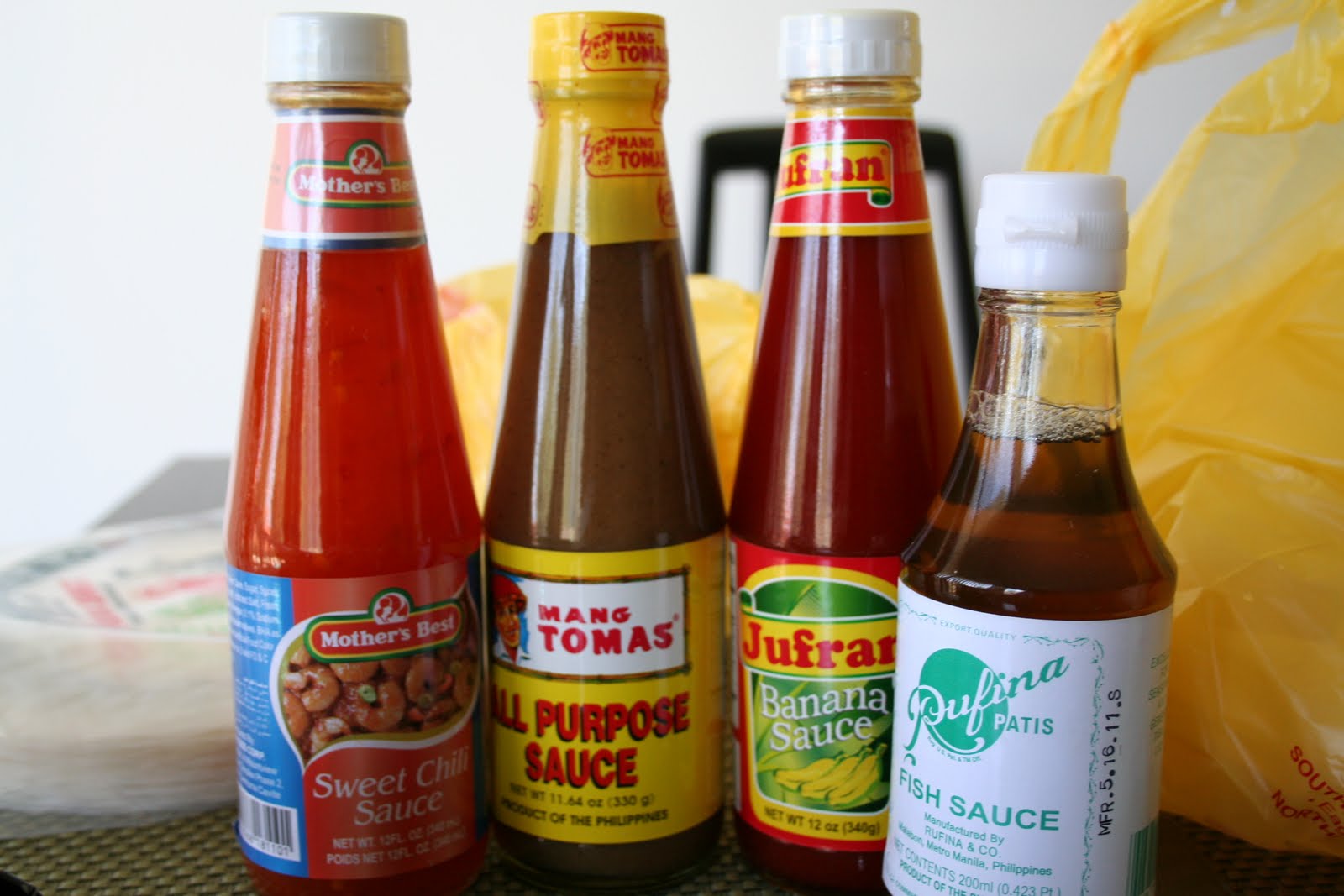
    The 5 best Filipino sauces for barbecue nights include Jufran Banana Sauce for a sweet and tangy flavor, Mama Sita’s Barbecue Marinade for a perfect blend of sweet and savory, Datu Puti Soy Sauce for savory and salty marinades, Mang Tomas All-Purpose Sauce for versatile flavor, and UFC Banana Ketchup for a tropical twist.

    Key Takeaways

    • Banana-based sauces like Jufran Banana Sauce and UFC Banana Ketchup add a unique sweet and tangy flavor to grilled meats, elevating the flavors with a Filipino barbecue flair.
    • Barbecue marinades such as Mama Sita’s Barbecue Marinade offer a perfect blend of sweet and savory flavors that enhance the taste of grilled chicken and pork, providing an authentic Filipino barbecue experience.
    • Soy sauce, specifically Datu Puti Soy Sauce, is an essential condiment for marinating and grilling meats, particularly for creating the authentic taste of pork barbecue. Its savory and slightly salty taste enhances the flavor of marinated pork and overall grilled meats.
    • All-purpose barbecue sauces like Mang Tomas All-Purpose Sauce are versatile condiments that can be used as marinades or basting sauces. They add a unique blend of sweet, tangy, and savory flavors to grilled meats and are a staple condiment in Filipino households for barbecue nights.

    Jufran Banana Sauce

    If you’re looking to add a unique sweet and tangy flavor to your grilled meats, Jufran Banana Sauce is an excellent choice.

    This Filipino barbecue sauce, also known as banana ketchup, is a popular condiment that adds a delightful twist to your BBQ pork or pork BBQ.

    Made from mashed bananas, vinegar, sugar, and spices, Jufran Banana Sauce provides a distinct and irresistible flavor that perfectly complements grilled chicken and pork.

    Whether you’re marinating your meats or using it as a dipping sauce, Jufran Banana Sauce is a versatile addition to your outdoor barbecue.

    Its sweet and tangy taste makes it a standout among Filipino dipping sauces, elevating the flavors of your grilled dishes and adding a touch of Filipino barbecue flair to your meals.

    Mama Sita’s Barbecue Marinade

    Transitioning from the delightful sweetness of Jufran Banana Sauce, Mama Sita’s Barbecue Marinade offers a perfect blend of sweet and savory flavors, enhancing the taste of your grilled chicken and pork with its authentic Filipino barbecue experience.

    This sweet and savory sauce is a staple in Filipino BBQ recipes and is a convenient option for marinating pork slices or chicken. With Mama Sita’s Barbecue Marinade, you can effortlessly marinate the meat, infusing it with delicious flavors for a mouthwatering outcome.

    It also serves as a fantastic dipping sauce, especially when mixed with spicy vinegar, adding an extra layer of flavor to your grilled meat.

    Experience the true essence of Filipino cuisine with this versatile and flavorsome marinade.

    Datu Puti Soy Sauce

    Dive into the rich flavors of Filipino cuisine with Datu Puti Soy Sauce, an essential condiment for marinating and grilling meats to perfection. This Filipino-style soy sauce is a key ingredient in creating the authentic taste of pork barbecue, a beloved street food in the Philippines. Its savory and slightly salty taste enhances the overall flavor of marinated pork, making it a popular choice for BBQ sauce. To evoke an emotional response, here’s a table that showcases the versatility of Datu Puti Soy Sauce:

    Enhances Flavor of Grilled Meats Complements Barbecue Pork
    Adds Rich Umami Flavor Perfect for Marinating
    Key Component in Filipino Cuisine Essential for Pork BBQ

    Marinate overnight with Datu Puti Soy Sauce for a truly flavorful Filipino pork barbecue experience.

    Mang Tomas All-Purpose Sauce

    Mang Tomas All-Purpose Sauce is a versatile and essential condiment for your barbecue nights. It adds a deliciously unique flavor to your grilled meats. Whether you’re marinating pork overnight or basting skewers on the grill, this Filipino favorite enhances the taste of your barbecue spread.

    Here’s why it’s a must-have:

    • Versatile: Use it as a marinade for pork or as a basting sauce for your barbecue dishes.
    • Unique Flavor: Its blend of sweet, tangy, and savory flavors adds an authentic Filipino taste to your grilled meats.
    • Staple Condiment: With its rich, thick texture, Mang Tomas All-Purpose Sauce is a staple in Filipino households for enhancing the overall barbecue experience.

    : What Makes These Exotic Condiments From the Philippines Great for Barbecue Nights?

    Experience a burst of flavor at your next barbecue night with exotic condiments from the Philippines. These vibrant and diverse sauces and spices are made from unique ingredients like calamansi, banana ketchup, and shrimp paste, adding a new dimension to your grilled meats. Try something different and elevate your barbecue experience.

    UFC Banana Ketchup

    UFC Banana Ketchup, with its sweet and tangy flavor, is a popular condiment in Filipino cuisine, adding a tropical twist to grilled meats and other dishes. When used as a marinade, it infuses a delightful sweetness into the meat. For the best results, marinate your choice of meat, like pork butt, overnight in a large bowl with UFC Banana Ketchup, lemon juice, and ground black pepper.

    The overnight marination allows the flavors to penetrate the meat, resulting in a delicious and tender dish. After marinating, refrigerate the meat overnight. This marinade is perfect for barbecue nights, delivering a burst of flavor that will leave your taste buds craving for more.

    UFC Banana Ketchup Marinade
    UFC Banana Ketchup
    Lemon Juice
    Ground Black Pepper
    Pork Butt
    Refrigerator Overnight

    Frequently Asked Questions

    What Sauce Goes Well With Bbq?

    For BBQ, a classic choice is a sweet and savory Filipino barbecue sauce, known as sarsa. It complements grilled chicken and pork perfectly. You can also try traditional Filipino sauces like banana ketchup, toyomansi, and vinegar dipping sauces.

    What to Eat With Filipino Bbq?

    Pair your Filipino BBQ with traditional vinegar dipping sauce for a perfect balance of flavors. Enjoy it with rice or pancit as a main meal. Add banana ketchup or toyomansi for extra depth. Leftovers can be frozen for 3 months.

    What Is the Difference Between Filipino BBQ and American BBQ?

    In Filipino BBQ, wet marinades and charcoal grilling are used, and the sauce is thinner and intensely flavored with a classic sweet and savory soy sauce taste. American BBQ often involves dry rubs and various meat with a wider variety of sauces.

    What Are Barbeque Foods in Philippines?

    When barbecuing in the Philippines, you’ll find a variety of tasty options such as pork or chicken inasal. Marinated in soy sauce, vinegar, and other seasonings, these dishes are best enjoyed with traditional Filipino sauces.

    Conclusion

    So there you have it, the 5 best Filipino sauces for barbecue nights.

    Whether you’re grilling chicken, ribs, or steak, these sauces will add a delicious Filipino twist to your BBQ.

    From the sweet and savory flavor of Jufran Banana Sauce to the classic taste of Datu Puti Soy Sauce, there’s a sauce for every palate.

    So fire up the grill, grab your favorite Filipino sauce, and get ready for a mouthwatering barbecue feast!

  • Mastering Philippine Condiments: A Non-Filipino’s Kitchen Adventure

    Mastering Philippine Condiments: A Non-Filipino’s Kitchen Adventure

    “Mastering Philippine condiments is essential for authentic Filipino dishes. Key ingredients like Bagoong Alamang, annatto seeds, and peanuts are crucial. Start with a small amount of Bagoong Alamang due to its potent taste, and store it in an airtight container in the refrigerator for freshness.

    Key Takeaways

    • Bagoong Alamang is a traditional Filipino shrimp paste that adds depth and complexity to Filipino cuisine.
    • Authentic Filipino dishes require key ingredients like annatto seeds, peanuts, and shrimp paste, as well as staple condiments like soy sauce, vinegar, and fish sauce.
    • Proper ingredients and tools, such as a mortar and pestle for grinding spices and a good quality rice cooker, enhance the authenticity and flavor of Filipino cooking.
    • When using Bagoong Alamang, it should be used sparingly due to its potent taste and stored in an airtight container in the refrigerator for freshness.

    Understanding Bagoong Alamang

    If you’re delving into Filipino cuisine, understanding Bagoong Alamang is essential for unlocking the depth and complexity of its flavors.

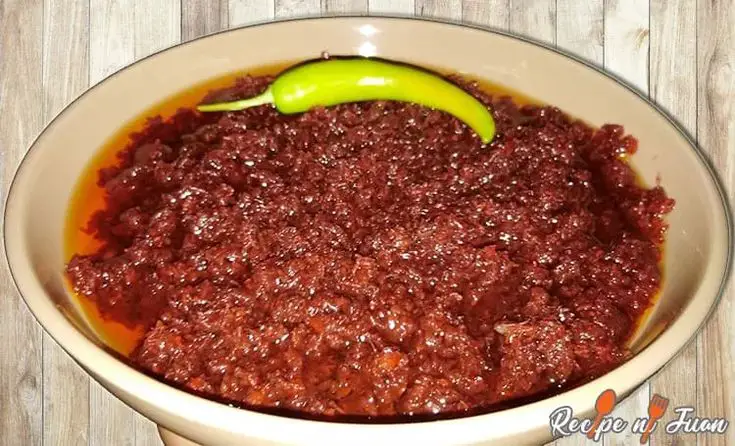
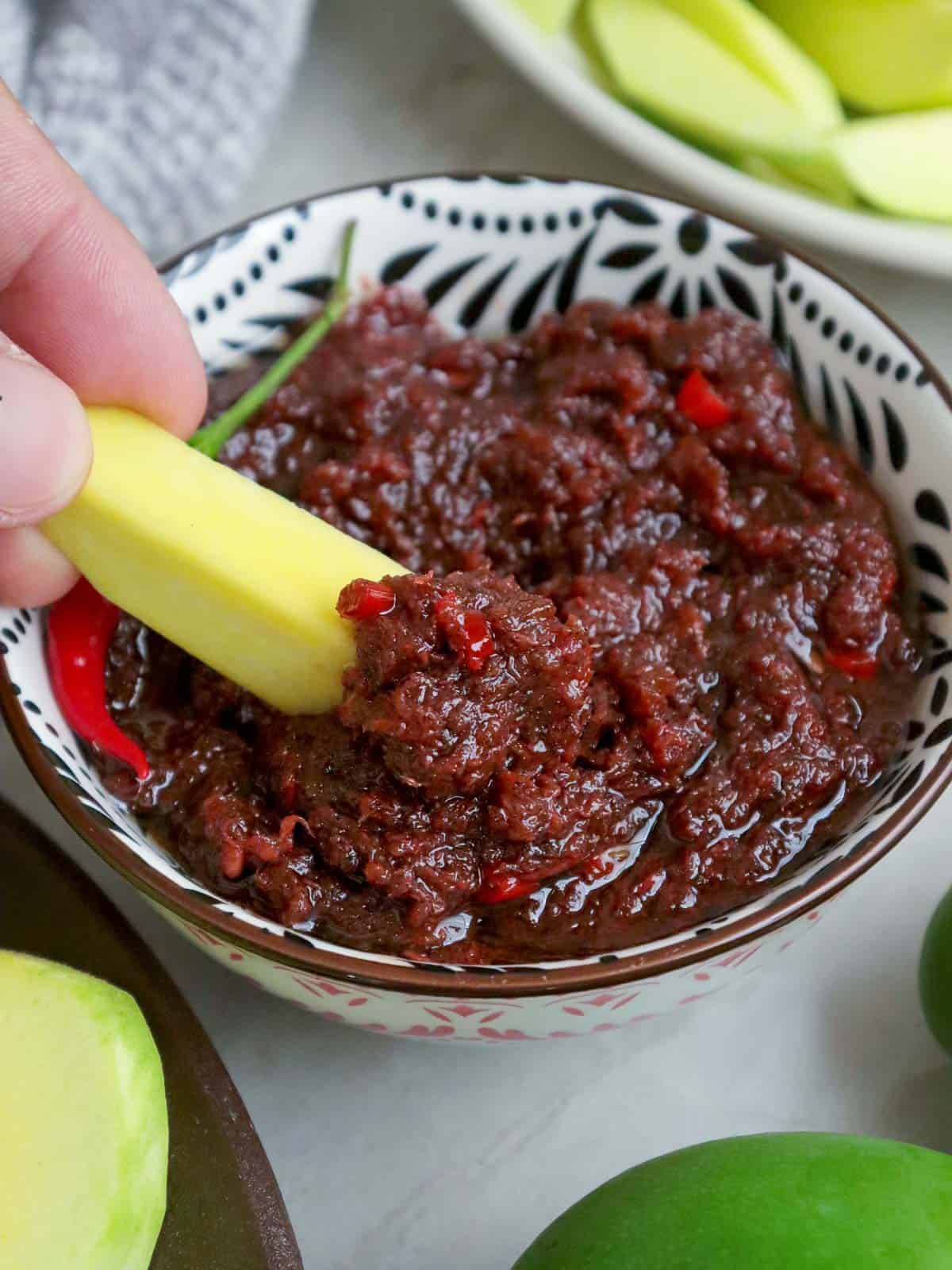
    This traditional Filipino shrimp paste is made from fermented small shrimps and salt, resulting in a salty, savory, and umami-rich flavor. Its distinct aroma and intense taste make it a popular condiment used in various Filipino dishes, adding depth and complexity.

    Bagoong Alamang can be used as a dipping sauce, a flavor enhancer in stews like Kare-Kare, or as a key ingredient in dishes such as Pinakbet.

    When using Bagoong Alamang, it’s important to start with a small amount, as its potent taste can significantly impact the overall flavor of the dish.

    Embrace the unique flavors of Bagoong Alamang as you explore the rich tapestry of Filipino cuisine.

    Gathering Ingredients and Tools

    When gathering ingredients and tools for your Filipino cooking adventure, it’s essential to ensure you have the key components for creating authentic and flavorful dishes.

    Filipino cuisine often features a main dish served with rice, such as the iconic Kare Kare. To prepare this Filipino dish, you’ll need ingredients like annatto seeds, peanuts, and shrimp paste, which are essential for its distinct flavor.

    Additionally, having a mortar and pestle for grinding spices and a good quality rice cooker for perfectly cooked rice will greatly enhance your cooking experience.

    For next time, consider stocking up on staple Filipino condiments like soy sauce, vinegar, and fish sauce, as these are fundamental to many Filipino recipes.

    Preparing the Shrimp Paste

    To prepare the shrimp paste for your Filipino dish, mix the fermented shrimp with garlic, chili, and vinegar for a flavor boost, enhancing its versatility as a condiment or flavoring in various recipes.

    Sauté the paste with aromatics like garlic and onions to mellow its strong flavor and enhance its umami taste, adding depth to the dish.

    Remember, shrimp paste has a pungent aroma and strong taste, so use it sparingly to add a distinct umami flavor to dishes.

    Always taste the dish before adding salt, as the paste is naturally salty and may already sufficiently season the dish.

    Adding the Spicy Kick

    For a fiery flavor boost in your Filipino dishes, consider incorporating siling labuyo or siling haba to add a spicy kick that elevates the overall dining experience. When adding the spicy kick, keep these tips in mind:

    • Balance the heat: Ensure that the spiciness enhances the dish without overpowering other flavors.
    • Use spicy condiments: Explore the use of spicy vinegar and soy sauce to add depth and heat to your Filipino recipes.
    • Tailor to preferences: Experiment with different levels of spiciness to cater to individual tastes.
    • Enhance dining experience: Incorporating spicy condiments adds an exciting and dynamic dimension to Filipino cuisine, enriching the overall enjoyment of the meal.

    Storing and Using the Bagoong Alamang

    When storing bagoong alamang, remember to use an airtight container and keep it in the refrigerator for freshness.

    Use a small amount at first, as it’s highly concentrated and salty.

    Try using bagoong alamang in dishes like Kare-Kare or Sinigang to add depth of flavor.

    Proper Storage Methods

    Storing and using the Bagoong Alamang properly is essential to maintain its flavor and quality over time. To ensure that you enjoy the best flavors and quality from your Bagoong Alamang, here are some proper storage methods to keep in mind:

    • Keep it tightly sealed: Store your Bagoong Alamang in an airtight container to prevent air exposure and maintain its freshness.
    • Refrigerate after opening: Once opened, it’s best to refrigerate your Bagoong Alamang to prolong its shelf life and prevent spoilage.
    • Use a clean utensil: When scooping out Bagoong Alamang, make sure to use a clean and dry utensil to avoid contamination.
    • Check for signs of spoilage: Always inspect your Bagoong Alamang for any unusual odor, color, or texture changes before using it in your dishes.

    Culinary Applications

    Explore the culinary versatility of bagoong alamang by incorporating its intense and salty flavor into a variety of Filipino dishes and fusion creations.

    Store the bagoong alamang in an airtight container in the refrigerator to maintain its freshness and prevent strong odors.

    Use it as a flavorful condiment in Filipino dishes like kare-kare, pinakbet, and binagoongan.

    Incorporate bagoong alamang into sauces and marinades to elevate the umami flavor in your cooking.

    Experiment with it in fusion dishes to add a unique and savory element to your culinary creations.

    Remember that a little goes a long way due to its intense and salty taste.

    Embrace the bold flavors of bagoong alamang and let it enhance your culinary adventures.

    Can Non-Filipinos Use Philippine Condiments to Enhance Their Cooking?

    Absolutely! Non-Filipinos can use top adobo condiments to elevate their dishes. The rich flavors of these condiments, such as soy sauce, vinegar, and garlic, can add a unique and delicious twist to various cuisines. Just a drizzle of these top adobo condiments can bring a burst of flavor to your cooking.

    Exploring Flavor Variations

    Now, let’s talk about how you can enhance the flavors of your favorite Filipino and American dishes.

    By experimenting with different spices and cooking methods, you can take your Adobo to the next level and add a new dimension to your cheeseburgers with unique condiments.

    Taste-testing different pairings and discovering how local fruits and flavors can create diverse variations of Filipino desserts can also elevate your culinary adventures.

    Flavorful Ingredient Combinations

    Consider experimenting with different ingredient combinations to create varied and delightful flavor profiles in your Filipino culinary adventures.

    Try combining the smoky bangus with garlic rice and a sunny side up egg for a savory breakfast.

    For a taste of American breakfast, mix pancakes, eggs, bacon, sausage, and hash browns to enjoy sweet, salty, and savory flavors.

    Create a tangy and savory lunch with Filipino Adobo by blending meat, soy sauce, vinegar, garlic, and spices, served with rice.

    Alternatively, savor the classic American cheeseburger with its delightful mix of beef patty, cheese, lettuce, tomato, onions, and condiments, reflecting fast food culture.

    Lastly, indulge in Filipino desserts like the Apple Caramel Crumble Pie, which harmonizes apples, caramel, and a crumbly topping for a sweet, rich, and comforting treat.

    Taste-Testing Different Pairings

    As you embark on taste-testing different pairings, you’ll uncover a myriad of flavor variations that tantalize the palate and highlight the diverse culinary experiences between Filipino and American cuisines.

    The smoky, tender bangus in Filipino breakfast contrasts with the classic American Grand Slam’s nostalgic pancakes and savory bacon.

    Exploring the flavor profiles of Filipino adobo and American cheeseburgers showcases the contrast between tangy, savory adobo and the flavorful, juicy components of a cheeseburger.

    Filipino desserts, like the Apple Caramel Crumble Pie, offer a sweet and comforting experience, contrasting with typical American dessert options.

    Filipino cuisine’s unique flavors, combining sweet, salty, and sour, create an exciting contrast to the more familiar American flavor profiles.

    Through these pairings, you’ll discover the rich tapestry of flavors that characterize both Filipino and American culinary traditions.

    Frequently Asked Questions

    What Is the Most Popular Condiment in Philippines?

    The most popular condiment in the Philippines is banana ketchup. It’s a sweet and tangy sauce made from mashed bananas, sugar, vinegar, and spices. It’s a staple in Filipino cuisine, adding flavor to many dishes.

    What Are the Basic Condiments for Cooking in Philippines?

    In the Philippines, basic condiments used for cooking include soy sauce, vinegar, fish sauce, and shrimp paste. These add depth and flavor to dishes like adobo, sinigang, and kare-kare, creating that unique Filipino taste.

    Why Using Condiments Is Important in Philippine Cuisine?

    Using condiments is important in Philippine cuisine because they add layers of flavor, enhance taste, and create a unique sweet, salty, and sour profile. They provide balance to dishes and reflect diverse cultural influences.

    Which Three Flavors Are Most Common in Philippine Cuisine?

    In Filipino cuisine, the most common flavors are sweet, salty, and sour. These flavors create a perfect balance in dishes like adobo, sinigang, and kare-kare, giving them their signature delicious and unique taste.

    Conclusion

    Now that you’ve mastered the art of making Bagoong Alamang, you can add a delicious and unique flavor to your dishes.

    With just a few simple ingredients and some patience, you can create a condiment that will impress your friends and family.

    Experiment with different flavor variations and enjoy the taste of the Philippines in your own kitchen.

    Happy cooking!

  • How to Cook Bagoong

    How to Cook Bagoong

    To cook bagoong, rinse the shrimp paste, customize it with chili peppers or cornstarch slurry, and store the sauteed paste in a tightly sealed container in the fridge. Bagoong is a versatile condiment that can be used with various dishes and lasts up to 1 week in the fridge.

    Key Takeaways

    • Bagoong is a fermented shrimp paste used in Southeast Asian dishes, particularly in Filipino cuisine.
    • The fermentation process takes 1 to 3 months and food coloring is often added to achieve its red or pink hue.
    • Bagoong can be used as a dipping sauce or topping for fruits and vegetables.
    • Experiment with different ingredients, such as chili peppers, and adjust cooking time and consistency to enhance the flavor of bagoong.

    What Is Bagoong

    Bagoong, also known as shrimp paste, undergoes a fermentation process that results in its distinct taste and aroma, making it a crucial ingredient in many Southeast Asian dishes. The fermentation process usually takes 1 to 3 months, often with the addition of food coloring to achieve its typical red or pink hue.

    In Filipino cuisine, bagoong is a staple, used in popular dishes like pinakbet and binagoongan. This condiment can also be used as a dipping sauce or topping for various fruits and vegetables, adding a unique umami flavor to the dish. Different variations of shrimp paste across Asian cultures offer a range of flavors, textures, saltiness, and spiciness.

    It’s important to note that bagoong should be stored in the refrigerator for up to 1 week, and clean utensils should always be used to prevent contamination.

    Helpful Tips

    When cooking bagoong, there are some helpful tips to keep in mind.

    You can enhance the flavor by experimenting with different ingredients and spice it up with chili peppers for a fiery kick.

    Additionally, you can adjust the cooking time to achieve the desired consistency and use a cornstarch slurry to thicken the shrimp paste.

    Flavor Enhancements

    To enhance the flavor of your Bagoong, consider experimenting with different ingredients to customize its taste to your liking. Here are some helpful tips to elevate the flavor of this Filipino shrimp paste:

    1. Adjust Cooking Time: Achieve the desired consistency and flavor profile by adjusting the cooking time.
    2. Add Chili Peppers: Spice up your Bagoong by adding chili peppers, such as siling labuyo, for a fiery kick.
    3. Use Cornstarch Slurry: Enhance the texture and flavor by using a cornstarch slurry to thicken the shrimp paste.

    Ingredient Variations

    Considering different ingredient variations can significantly enhance the flavor of your Bagoong, allowing you to customize it to your preference and create a unique taste profile.

    To add a spicy kick, incorporate chili peppers into your sauteed shrimp paste, known as ‘ginisang bagoong.’

    Experiment with various thickening agents such as a cornstarch slurry to achieve the desired texture.

    Ensure to rinse the raw shrimp paste to remove excess brine before use, and consider adjusting the cooking time to attain the perfect consistency.

    Additionally, varying the type of shrimp or krill used can bring diversity to the flavor and texture of your bagoong.

    Cooking Techniques

    For a milder flavor profile, thoroughly rinse the raw shrimp paste to remove excess brine before cooking. To achieve the best results, consider the following cooking techniques:

    1. Cook in Low Heat: When preparing bagoong, it’s essential to cook it over low heat to prevent scorching and to allow the flavors to develop slowly and evenly.
    2. Use Green Mangoes: Adding green mangoes to the shrimp paste can elevate the dish, providing a delightful tartness that balances the bold flavors.
    3. Experiment with Ingredients: Feel free to experiment with additional ingredients such as chili peppers, cornstarch slurry, or other flavor enhancers to customize the bagoong according to your taste preferences.

    How to Serve

    Consider pairing ginisang bagoong with green mangoes for a balance of sweet, savory, and spicy flavors. Use this shrimp paste as a condiment to enhance various Filipino dishes. It complements fried or grilled meats as a dipping sauce, adding depth and richness.

    For vegetable dishes like pinakbet and kare kare, ginisang bagoong offers an enhanced umami flavor. Get creative and think outside the box by using it as a topping for pizzas or burgers to add a unique twist to your meals.

    The versatility of ginisang bagoong makes it a valuable addition to your cooking repertoire, offering a delightful mix of flavors to elevate your dishes. Experiment with different combinations to discover new and exciting ways to enjoy this essential ingredient in Filipino cooking.

    How to Store

    Once the sauteed shrimp paste has cooled, transfer it to an airtight container with a secure lid and place it in the refrigerator.

    Storing the bagoong in the refrigerator will help preserve its freshness and extend its shelf life.

    Make sure to keep the container away from moisture to prevent the paste from spoiling too quickly.

    Airtight Container for Storage

    To maintain the freshness and flavor of the sauteed shrimp paste, store it in an airtight container with a tight-fitting lid. Here’s what you need to know about using an airtight container for storage:

    1. Seal in Freshness: Airtight containers prevent air and moisture from affecting the bagoong’s quality, keeping it fresher for longer.
    2. Extend Shelf Life: Properly sealed airtight containers help to extend the shelf life of bagoong when stored in the refrigerator, ensuring it stays flavorful.
    3. Avoid Contamination: When scooping out the bagoong from the container, use clean utensils to avoid contamination and spoilage, preserving its quality.

    Refrigerate to Preserve Freshness

    To preserve the freshness and flavor of the sauteed shrimp paste, refrigerate it in a container with a tight-fitting lid once it has completely cooled. This step is crucial in maintaining the quality of the bagoong.

    Ensure that the bagoong is stored in a clean container to avoid any contamination. By refrigerating the shrimp paste, you can extend its shelf life and prevent spoilage.

    It’s important to use clean utensils each time you scoop out the bagoong to maintain its freshness. Proper refrigeration is essential to preserve the taste and texture of the sauteed shrimp paste.

    When stored correctly in the refrigerator, the bagoong can retain its quality and flavor for up to 1 week.

    Keep Away From Moisture

    To prevent spoilage, ensure the tightly sealed container used to store the shrimp paste keeps it away from moisture.

    Here are three crucial tips to maintain the quality of your bagoong:

    1. Remove extra saltiness: If the shrimp paste is too salty, consider placing it in a strainer and rinsing it with water before transferring it to the storage container. This will help remove excess salt and prevent the bagoong from becoming too overpowering.
    2. Use a tight-fitting lid: Select a container with a secure lid to prevent moisture from seeping in and causing the bagoong to spoil. A tightly sealed lid will help maintain the flavor and consistency of the shrimp paste.
    3. Refrigerate the bagoong: Store the container in the refrigerator to prolong its shelf life and preserve its authentic taste. Keeping the bagoong chilled will also inhibit bacterial growth and maintain its freshness.

    Binagoongan Recipes

    When preparing binagoongan recipes, you can enhance the rich and savory flavor of the dish by using bagoong as a key ingredient. For a traditional twist, consider using Bagoong Guisado, a sautéed shrimp paste that adds depth to the dish.

    When cooking binagoongan with pork, the combination of bagoong and pork creates a delectable umami flavor. To elevate the spiciness, incorporate chili peppers for an added kick.

    To achieve the desired texture and consistency, add a cornstarch slurry to the shrimp paste in binagoongan recipes. Experiment with different ingredients to customize the flavor profile to your liking.

    Adjust the cooking time to ensure the dish is cooked to perfection, creating a delicious binagoongan that suits your taste preferences.

    How to Make Ginisang Bagoong

    Enhancing the rich and savory flavor of bagoong-based dishes, such as ginisang bagoong, involves rinsing the raw bagoong alamang in running cold water to remove excess salt before incorporating it into the recipe.

    To make ginisang bagoong, consider adding chili peppers, such as siling labuyo, for a spicy kick. Additionally, use a cornstarch slurry to thicken the shrimp paste for a better texture while cooking.

    Experiment with different ingredients to customize the flavor and adjust the cooking time to achieve the desired consistency.

    After cooking, store the sauteed shrimp paste in a container with a tight-fitting lid and refrigerate it to extend its shelf life for up to 1 week.

    Enjoy the robust flavors of homemade ginisang bagoong!

    Notes

    Consider incorporating a variety of vegetables and seasonings to customize the flavor of your ginisang bagoong. You can enhance the taste of shrimp paste by adding common ingredients such as tomatoes, onions, garlic, and chili peppers. These elements not only contribute to the flavor but also add texture and color to the dish.

    Additionally, adjusting the level of heat by varying the amount of chili peppers allows you to tailor the spiciness to your preference. Experiment with different combinations to find the perfect balance of flavors. Here’s a table to inspire your customization:

    Vegetable Seasoning
    Tomatoes Garlic
    Onions Chili peppers

    Video

    If you’re looking to master the art of cooking Bagoong, videos can be a great resource for learning the process and picking up useful tips. They can walk you through the recipe step by step, showing you exactly how to prepare the shrimp paste and create mouthwatering dishes.

    From technique demonstrations to cooking tricks, videos can provide valuable insights to help you perfect your Bagoong cooking skills.

    Recipe Demonstration

    To learn the step-by-step process of making Bagoong, watch the recipe demonstration video, paying attention to the techniques used for rinsing the raw shrimp paste and adding chili peppers for flavor.

    Key Points to Observe in the Video:

    1. Techniques for rinsing the raw shrimp paste.
    2. Methods for incorporating chili peppers to enhance flavor.
    3. Use of cornstarch slurry to thicken the shrimp paste for improved texture.

    Cooking Tips

    For valuable cooking tips on preparing bagoong, watch the instructional video to glean essential techniques and insights for achieving the perfect flavor and texture.

    Pay close attention to the cooking methods and specific tips shared in the video. The presenter may demonstrate unique twists or variations in cooking bagoong that you can incorporate into your own recipe.

    Note the ingredients used and their proportions, ensuring a well-balanced flavor. When cooking shrimp paste, consider using vegetable oil to enhance the overall taste and consistency.

    Nutrition Information

    Bagoong provides a rich source of protein and essential amino acids, making it a nutritious addition to your diet. Here’s some nutrition information to consider when incorporating shrimp paste or fish sauce in your meals:

    1. High in Protein: Shrimp paste is a good source of protein, which is essential for muscle repair and growth.
    2. Sodium Content: It’s high in sodium, so individuals with hypertension should consume it in moderation.
    3. Low in Sugar and Carbohydrates: If you’re following a low-carb diet, bagoong can be a suitable condiment choice.

    In addition to its nutritional benefits, bagoong’s unique umami flavor and richness in iron make it a valuable ingredient to consider when preparing meals.

    Did You Make This?

    Considering sharing your experience of making this dish on the ‘Did You Make This?’ platform can enhance your cooking journey and connect you with a community of fellow cooking enthusiasts.

    Whether you’ve experimented with different types of shrimp or krill in your bagoong recipe or have adapted it for dishes like kare kare, sharing your insights can provide valuable inspiration for others.

    Engaging with the platform allows you to offer feedback, tips, and variations, contributing to an interactive cooking community.

    By sharing your experience, you not only enrich the cooking journey for yourself but also help others who may be looking for guidance or new ideas.

    Additionally, you can explore related recipes and discover innovative ways to use shrimp paste, broadening your culinary repertoire.

    Join the ‘Did You Make This?’ platform to connect with others and enhance your cooking experience.

    Can Bagoong be Used as an Ingredient in Healthy Pinoy Breakfast Options?

    Yes, bagoong can be used as an ingredient in healthy Pinoy breakfast options. It adds a unique umami flavor to dishes like Pinakbet or Ginisang Monggo. Just use it in moderation to balance the sodium content and enjoy it as part of your healthy Pinoy breakfast options.

    Reader Interactions

    Engage with fellow cooking enthusiasts and share your insights on the ‘Did You Make This?’ platform to contribute to an interactive and enriching cooking community. Here are three ways you can make the most of reader interactions:

    1. Share Your Bagoong Variations: Experiment with different bagoong recipes and share your unique twists on this traditional condiment. Whether it’s a special ingredient or a new cooking technique, your fellow cooking enthusiasts would love to hear about it.
    2. Ask for Cooking Tips: If you’ve encountered challenges while cooking bagoong, don’t hesitate to ask for advice from the community. Whether it’s about achieving the perfect texture or balancing flavors, there are plenty of experienced cooks ready to help.
    3. Provide Feedback and Encouragement: When you see someone else’s bagoong creation, offer constructive feedback or words of encouragement. Building a supportive community makes the cooking experience more enjoyable for everyone.

    Frequently Asked Questions

    What Is the Procedure of Bagoong?

    To prepare bagoong, rinse the shrimp paste, and customize it with chili peppers or cornstarch slurry. Store sauteed shrimp paste in a tightly sealed container in the fridge. It’s an essential ingredient in Filipino dishes.

    What Can You Eat Bagoong With?

    You can eat bagoong with green mangoes for a blend of sweet, savory, and spicy flavors. It also pairs well with dishes like pinakbet, kare kare, or as a dipping sauce for fried or grilled meats.

    How Long Does Bagoong Last in the Fridge?

    Bagoong can last up to 1 week in the fridge when stored in a container with a tight lid. Let it cool before refrigerating and use clean utensils. Improving the recipe? Suggestions are welcome.

    What Makes Bagoong Pink?

    Bagoong gets its pink color from the fermentation process and the addition of food coloring. The combination of these two factors results in the distinct pink hue that sets bagoong apart from other types.

    Conclusion

    Now you know how to cook bagoong! It’s a delicious condiment or dip that goes well with many dishes.

    Remember to store it in the refrigerator and enjoy it for up to a week.

    Try out different binagoongan recipes and add your own twist to this classic Filipino dish.

    Happy cooking!

  • 5 Best Patis Fish Sauce Brands for Authentic Flavor

    5 Best Patis Fish Sauce Brands for Authentic Flavor

    Looking for authentic flavor in your dishes? Check out the top 5 Patis Fish Sauce brands: Rufina, Datu Puti, Marca Piña, Silver Swan, and Mama Sita’s. These brands offer a distinct and authentic taste, perfect for both cooking and as a dipping sauce.

    Key Takeaways

    • Patis fish sauce brands like Rufina, Datu Puti, Marca Piña, Silver Swan, and Mama Sita’s are widely available in Filipino and Southeast Asian markets.
    • These fish sauce brands offer a distinct and authentic flavor, made from real fish or fermented anchovies, enhancing the natural goodness of dishes.
    • They can be used for both cooking and as a table dipping sauce, and are recommended by Andrea Nguyen for adding depth to Thai cooking.
    • Patis fish sauce is an essential ingredient for an authentic and traditional Filipino dining experience.

    Rufina Fish Sauce

    If you’re seeking an authentic Filipino culinary experience, Rufina Fish Sauce offers a distinct and mellow umami flavor that enhances the flavor of your dishes. This Asian condiment, also known as Patis Fish Sauce, is a must-have for Southeast Asian cuisine enthusiasts.

    Made from real fish, it brings out the natural goodness of your dishes, making it a great choice for both cooking and as a table dipping sauce (nuoc cham). Rufina Fish Sauce has gained popularity for its refined taste and is a product of the Philippines, ensuring an authentic experience. It competes with other well-known brands of fish sauce like Son fish sauce or those from Phu Quoc.

    However, some users have pointed out issues with its packaging, suggesting that improvements in this area could enhance its transportation and overall user experience.

    Datu Puti Fish Sauce

    Datu Puti Fish Sauce enriches Filipino dishes with its distinct umami flavor, making it a cherished ingredient in Filipino cuisine. Derived from fermented anchovies, salt, and water, this sauce is a must-have for authentic Filipino and Southeast Asian cooking. The brand, Mothers Best, is renowned for its high-quality and authentic flavors, satisfying the discerning palates of Filipino food enthusiasts.

    Andrea Nguyen, a leading expert on Asian cuisine, also recommends Datu Puti for adding depth to Thai cooking. Below is a nutrition facts comparison of Datu Puti Fish Sauce with other popular brands:

    Brand Serving Size Calories Total Fat Sodium
    Datu Puti 1 tbsp 0 0g 1380mg
    Brand 2 1 tbsp 15 1.5g 900mg
    Brand 3 1 tbsp 10 0.5g 1300mg

    Marca Piña Fish Sauce

    Marca Piña Fish Sauce is a Filipino brand celebrated for its distinctive and authentic flavor, making it a beloved staple in Filipino cuisine. Widely available in Filipino and Southeast Asian markets, it ensures accessibility for an authentic Filipino culinary experience.

    The 750-ml bottle size offers a convenient and generous quantity for various cooking needs. With its high quality and genuine flavors, it’s a preferred choice among Filipino food enthusiasts.

    Marca Piña Fish Sauce’s rich and aromatic umami profile makes it an essential ingredient, enhancing the taste and aroma of a wide range of Filipino dishes. When looking for a good substitute in recipes that call for fish sauce, Marca Piña Fish Sauce is contextually relevant and can be used as an alternative to achieve an authentic flavor.

    Silver Swan Fish Sauce

    Widely celebrated in Filipino and Southeast Asian markets, Silver Swan Fish Sauce is a beloved staple in Filipino cuisine for its authentic flavor and versatility in enhancing a wide range of traditional dishes.

    When it comes to authentic flavor, Silver Swan Fish Sauce stands out. Notable for its premium anchovy ingredients and the absence of hydrolyzed wheat protein, it offers a rich and genuine taste.

    Whether you’re preparing classic Filipino recipes or experimenting with Southeast Asian cuisine, Silver Swan Fish Sauce is an essential ingredient. Its versatility makes it perfect for marinating, stir-frying, and seasoning, adding depth and complexity to your dishes.

    For an authentic and traditional Filipino dining experience, Silver Swan Fish Sauce is a must-have in your pantry.

    1. Distinct umami flavor
    2. Premium anchovy ingredients
    3. Versatile for various cooking methods

    Which Fish Sauce Brands are Best for Lenten Seafood Dishes?

    Looking for the best fish sauce brand to elevate your goto lenten seafood dishes? Red Boat and Three Crabs are highly recommended for their authentic flavors. Their rich umami taste will surely enhance the overall flavor of your Lenten seafood creations.

    Mama Sita’s Fish Sauce

    Mama Sita’s Fish Sauce offers a rich and authentic flavor, making it a popular choice in Filipino cuisine. Made from a combination of first-press anchovies and salt, it delivers a depth of flavor that enhances various dishes.

    This fish sauce stands out among other brands for its quality and authenticity, reflecting the essence of traditional Filipino cooking. The ingredient list is simple and straightforward, with no artificial additives, ensuring a genuine taste.

    Widely available in Filipino and Southeast Asian markets, Mama Sita’s Fish Sauce is easily accessible for those seeking to elevate their culinary creations.

    Whether used as a dipping sauce or as an ingredient in cooking, its distinct taste adds an authentic Filipino touch to your dishes.

    Frequently Asked Questions

    What Is the Difference Between Fish Sauce and Patis?

    Fish sauce and patis are both made from fermented fish, but they come from different cultures. Fish sauce is from Southeast Asia, and patis is from the Philippines. Patis tends to be stronger and saltier.

    What Is the Most Popular Fish Sauce Brand in Thailand?

    When in Thailand, locals often reach for brands like Megachef, Squid Brand, Tiparos, Golden Boy, or Thai Kitchen for their fish sauce needs. Each brand offers its own unique flavor profile and quality.

    What Is the Best Japanese Fish Sauce?

    If you’re looking for the best Japanese fish sauce, try “shottsuru.” It’s a traditional fermented fish sauce that adds a unique umami flavor to your dishes. You’ll love its depth of flavor and versatility.

    What Brand Fish Sauce Is Best for Pho?

    For pho, grab Three Crabs Fish Sauce for its sweet, caramel flavor. It’s perfect for dipping sauce or flavoring. Or try Red Boat Fish Sauce – versatile and loved by chefs. Both will elevate your pho to the next level.

    Conclusion

    So there you have it, the 5 best patis fish sauce brands for authentic flavor.

    Whether you’re looking to dip, marinate, or enhance the taste of your dishes, these brands have got you covered.

    From the renowned Mothers Best to the classic Silver Swan, you can trust that these brands will deliver the authentic and high-quality flavor you’re looking for.

    Happy cooking and enjoy your delicious meals!