Author: A. Pineda

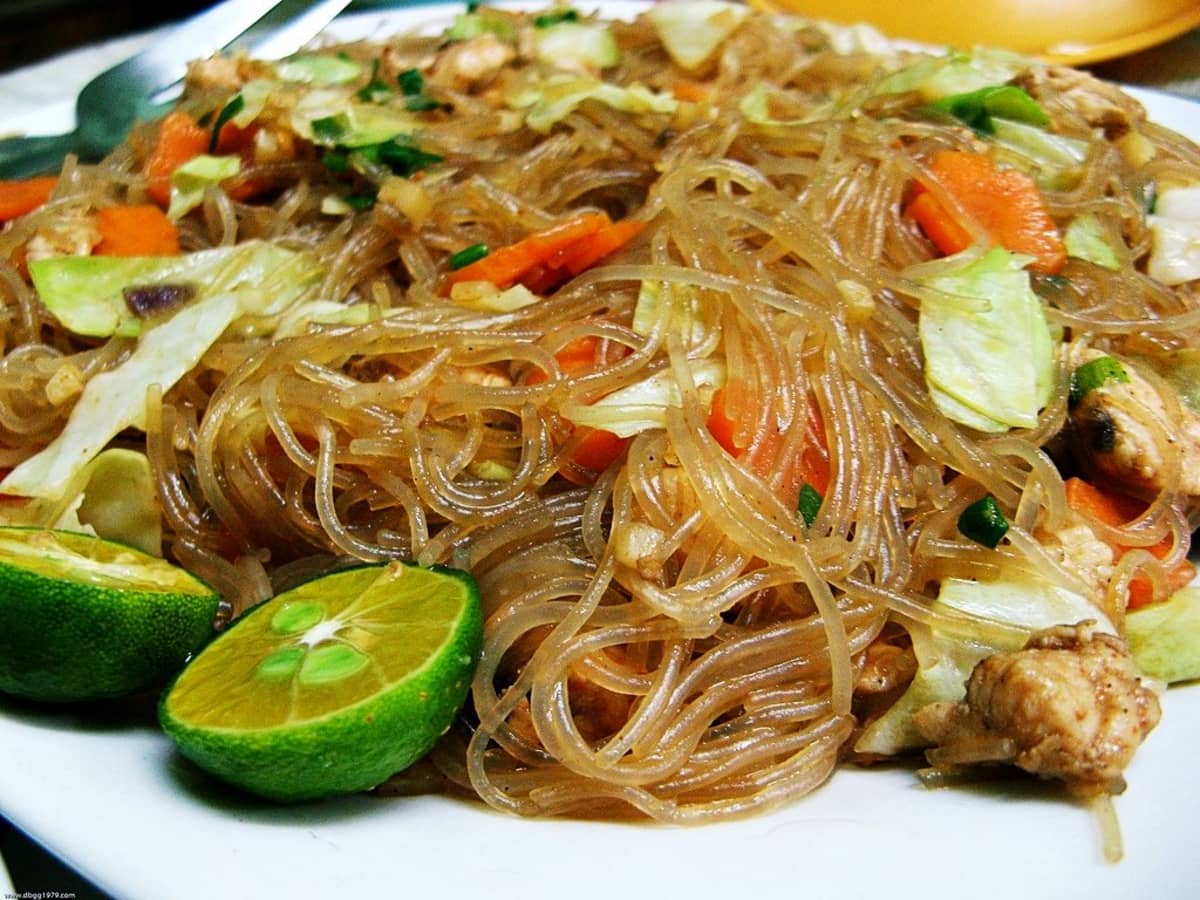
  • Homemade Vegetarian Pancit Sotanghon Recipe That Everyone Will Love

    Homemade Vegetarian Pancit Sotanghon Recipe That Everyone Will Love

    Create a flavorful Homemade Vegetarian Pancit Sotanghon by enhancing it with aromatic herbs and citrus fruits for a delightful twist. Save time with quick prep and efficient ingredient preparation to enjoy a satisfying and nutritious meal.

    Key Takeaways

    • Enhance flavor with aromatic herbs and citrus fruits
    • Save time with quick prep and efficient ingredient preparation
    • Substitute ingredients for dietary preferences and variations
    • Boost nutritional value with diverse vegetable combinations

    Ingredients for Vegetarian Pancit Sotanghon

    To create a flavorful Homemade Vegetarian Pancit Sotanghon, gather the essential ingredients listed below. Vermicelli noodles serve as the base for this dish, providing a light and delicate texture. Celery adds a refreshing crunch, while cabbage contributes a hint of sweetness. Carrots bring vibrant color and a touch of earthiness to the mix.

    Before cooking, soak the vermicelli noodles to ensure they’re tender. When sautéing the garlic, onion, and celery, you create a fragrant and savory foundation for the dish. Incorporating these ingredients not only enhances the taste but also enriches the visual appeal and nutritional value of your Vegetarian Pancit Sotanghon.

    Step-by-Step Instructions for Preparation

    After gathering the essential ingredients for your Homemade Vegetarian Pancit Sotanghon, it’s time to embark on preparing this delightful dish with step-by-step instructions.

    Begin by soaking vermicelli noodles in hot water for 2-3 minutes to soften them.

    Next, sauté garlic, onion, and celery for a flavorful base. Then, add a variety of vegetables such as cabbage, carrot, and parsley for added nutrition and texture.

    Season the dish with salt and pepper to enhance the flavors of the ingredients.

    Follow these step-by-step instructions carefully to create a delicious and satisfying vegetarian Pancit Sotanghon. This process will ensure that your dish turns out flavorful and perfect for sharing with friends and family.

    Cooking Tips and Tricks for Success

    To ensure success in your Vegetarian Pancit Sotanghon, consider flavor-enhancing ingredients, time-saving kitchen hacks, and ingredient substitution tips.

    These pointers can help you customize the dish to your liking, save time in the kitchen, and adapt the recipe to suit dietary preferences or ingredient availability.

    Incorporating these cooking tips and tricks will elevate your homemade pancit sotanghon to a delicious and satisfying meal every time.

    Flavor Enhancing Ingredients

    For an extra burst of flavor in your Vegetarian Pancit Sotanghon, consider incorporating aromatic herbs like parsley, cilantro, or basil to elevate its taste profile.

    To enhance the flavors of your dish, you can also try the following:

    1. Citrus Fruits: Add a refreshing twist by squeezing calamansi, lime, or lemon slices over your Pancit Sotanghon.
    2. Seasoning Elements: Experiment with sea salt, sugar, soy sauce, sesame oil, and mushroom broth powder to create depth and complexity in taste.
    3. Crunchy Toppings: Toasted sesame seeds or crushed peanuts can provide a delightful crunch and nuttiness to your dish, adding another dimension of enjoyment to your Vegetarian Pancit Sotanghon.

    Time-Saving Kitchen Hacks

    Enhance your efficiency in the kitchen with these time-saving hacks for successful cooking.

    When making a Filipino Pancit Sotanghon recipe, go green with quick and easy vegetable prep. Prepare ingredients in advance to streamline the process. Use tools like a food processor or mandoline for fast and uniform chopping.

    Multitask by prepping vegetables while noodles soak. Organize your workspace with designated cutting boards and utensils for a smoother experience. Clean as you go to minimize clutter, making post-cooking cleanup faster.

    Ingredient Substitution Tips

    Consider experimenting with ingredient substitutions to elevate your cooking skills and flavor profiles. Here are some tips for making your Vegetarian Pancit Sotanghon recipe even more delicious:

    1. Substitute vermicelli noodles with rice noodles for a gluten-free option.
    2. Use tamari instead of soy sauce for a gluten-free and lower sodium alternative.
    3. Swap tofu with tempeh for a nuttier and firmer texture in the dish.

    These simple swaps can enhance the flavors of your dish while catering to different dietary preferences. Additionally, replacing annatto water with turmeric and using vegetable broth instead of water can add depth and complexity to your Pancit Sotanghon without compromising on taste.

    Nutritional Benefits of Vegetarian Pancit Sotanghon

    Rich in essential vitamins like Vitamin A and C, Vegetarian Pancit Sotanghon provides a good amount of iron crucial for overall health. Along with 3.9g of dietary fiber per serving, this dish supports digestive health.

    Each serving containing 405 calories makes it a satisfying meal option. Additionally, the total fat content per serving is 15.6g, offering a balanced meal choice.

    Vitamin A and C are essential for maintaining healthy skin, vision, and a strong immune system. Iron is vital for oxygen transport in the blood and overall energy levels. Including Vegetarian Pancit Sotanghon in your diet can help you meet your daily nutrient requirements in a delicious way.

    How to Serve and Enjoy the Dish

    To fully savor the delightful flavors of Vegetarian Pancit Sotanghon, you can enhance your dining experience by incorporating complementary side dishes and garnishes.

    Here are some serving suggestions to help you enjoy the dish even more:

    1. Pair with lemon wedges or calamansi for a citrusy kick.
    2. Consider adding tofu or tempeh as a protein-rich accompaniment to the dish.
    3. Garnish the pancit with chopped nuts or seeds for added texture and flavor.

    Variations and Customizations to Try

    You can easily customize your pancit sotanghon by trying out different vegetable combinations. Experiment with adding broccoli, cauliflower, green beans, snap peas, or any other veggies you enjoy to enhance both flavor and nutrition.

    These variations not only add visual appeal to your dish but also provide a range of textures and colors that can elevate your dining experience.

    Ingredient Substitutions

    For a unique twist on the traditional Vegetarian Pancit Sotanghon recipe, consider trying out these ingredient substitutions and customizations to elevate the flavors of your dish.

    1. Substitute vermicelli noodles with rice noodles for a different texture and taste.
    2. Try adding soy sauce or tamari instead of salt for a savory umami flavor.
    3. Experiment with incorporating tofu or seitan as a protein source in the dish.

    Flavor Enhancements

    Consider adding a medley of colorful bell peppers to bring a vibrant and flavorful twist to your homemade Vegetarian Pancit Sotanghon. Enhance the dish further by incorporating broccoli, cauliflower, or snap peas for a nutritional boost and varied textures. Green beans can add visual appeal, making your pancit sotanghon more enticing.

    Experiment with different combinations like bell peppers, snow peas, and carrots to create a delightful mix of flavors. Trying out these variations not only allows for creativity in the kitchen but also opens up the opportunity to discover new favorite flavor profiles. Explore the possibilities with the table below:

    Vegetables Flavor Profile Texture
    Broccoli Earthy Crunchy
    Cauliflower Mild Soft
    Snap Peas Fresh Crisp

    Dietary Modifications

    Enhance the nutritional value and texture of your Vegetarian Pancit Sotanghon by incorporating a variety of colorful vegetables such as broccoli, cauliflower, snap peas, green beans, or mushrooms to cater to your personal taste preferences and dietary needs.

    Try These Variations:

    1. Broccoli and Cauliflower: Add these cruciferous vegetables for a boost of vitamins and minerals.
    2. Snap Peas and Green Beans: Introduce some crunch and vibrant color to your dish.
    3. Mushrooms: Enhance the savory umami flavor profile of your Pancit Sotanghon.

    Customizing your Vegetarian Pancit Sotanghon with additional vegetables not only adds diversity but also allows you to tailor the dish to your liking, making it a versatile and nutritious meal option.

    Can I Use Oyster Sauce in a Vegetarian Pancit Sotanghon Recipe?

    Yes, you can use oyster sauce in a vegetarian pancit sotanghon recipe to add rich umami flavor. Simply replace the meat with tofu or mushrooms and use the oyster sauce in the stir-fry. The result is a tasty oyster sauce stir-fry recipe that’s perfect for vegetarians.

    Share Your Feedback and Photos

    If you’ve had a chance to try out the vegetarian pancit sotanghon recipe, we’d love to hear about your experience and see your photos!

    Share your feedback on how the dish turned out – whether it met your expectations, any modifications you made, and what you enjoyed most about it.

    Don’t forget to upload photos of your homemade creation to showcase your cooking skills and inspire others to give it a try.

    Engage with fellow food enthusiasts by providing ratings or reviews based on taste, presentation, and ease of preparation.

    Frequently Asked Questions

    What Is the Difference Between Sotanghon and Vermicelli?

    When comparing sotanghon and vermicelli noodles, note that sotanghon is made from mung bean flour, offering a transparent look and slippery texture. In contrast, vermicelli is typically crafted from rice or wheat flour, showcasing an opaque appearance and different mouthfeel.

    What Is the Difference Between Pancit Bihon and Sotanghon?

    Pancit Bihon has firmer rice noodles, while Sotanghon features delicate mung bean noodles. Bihon is stir-fried, while Sotanghon is common in soups. Choose based on personal preference and dish. Enjoy exploring the distinct flavors and textures.

    What Is Sotanghon in English?

    In English, sotanghon translates to glass noodles or transparent noodles. These noodles, often made from mung bean or cassava starch, have a delicate texture and are great at soaking up flavors in dishes.

    What Is Pancit Sotanghon Made Of?

    Pancit Sotanghon is made of transparent noodles crafted from mung beans, yams, or cassava starch. These delicate noodles absorb flavors well. It’s a Filipino staple dish known for its simplicity, letting vegetable and seasoning flavors shine.

    Conclusion

    In conclusion, this homemade vegetarian pancit sotanghon recipe is a delicious and nutritious dish that’s sure to please everyone.

    With a perfect blend of vermicelli noodles and colorful vegetables, this meal isn’t only satisfying but also packed with essential nutrients.

    Serve it with your favorite protein source and enjoy a flavorful and wholesome meal that nourishes both your body and soul.

    Give it a try and share your feedback and photos with us!
  • Delicious and Nutritious: Ginisang Puso Ng Saging Recipe

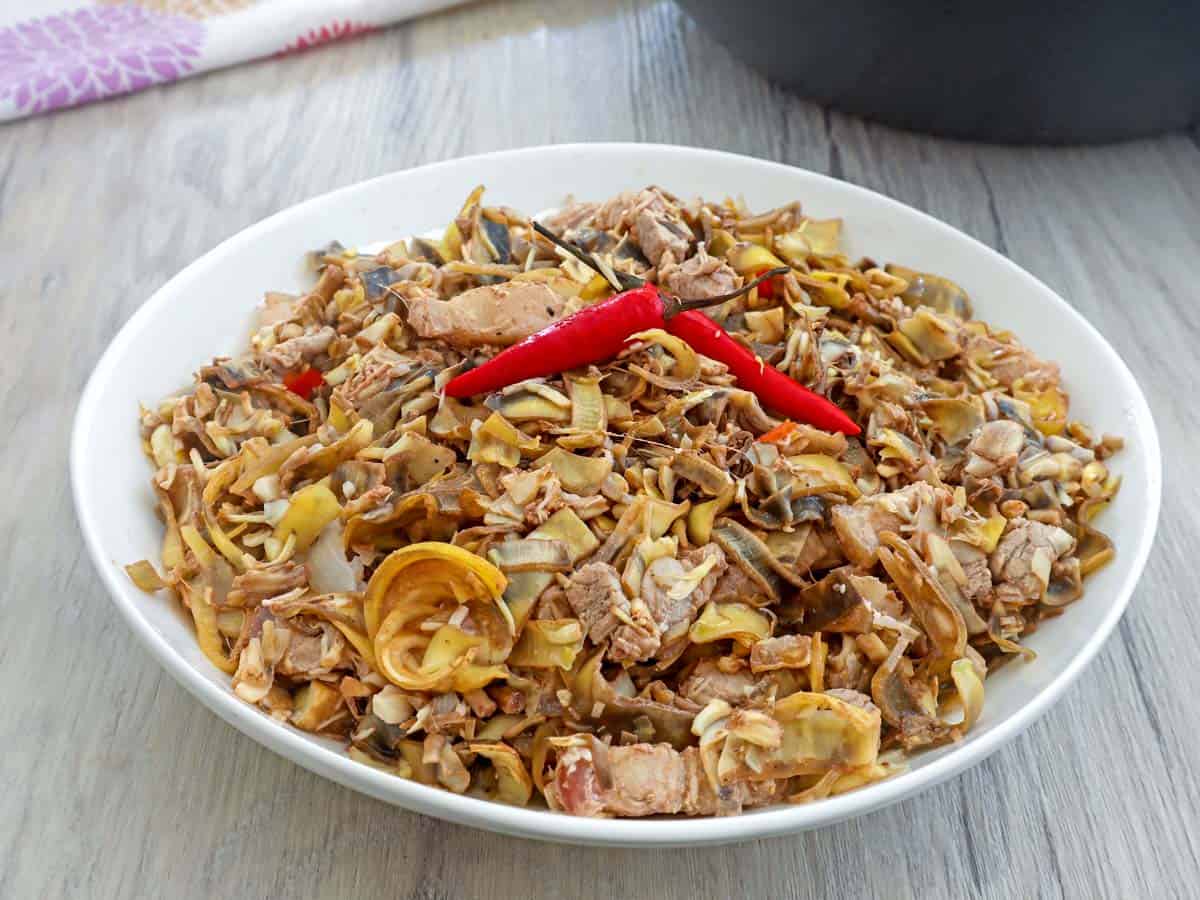
    Delicious and Nutritious: Ginisang Puso Ng Saging Recipe

    Ginisang Puso Ng Saging is a nutrient-rich Filipino dish rich in fiber, vitamins, and antioxidants, promoting overall well-being and supporting digestive health. It combines banana heart, pork, garlic, and onion to create a delicious and wholesome meal that benefits your health.

    Key Takeaways

    • Boosts nutrient intake and promotes well-being
    • Rich in fiber, vitamins, and antioxidants
    • Supports digestive health and lowers cholesterol
    • Versatile dish with serving and variation suggestions

    Benefits of Ginisang Puso Ng Saging

    Incorporating Ginisang Puso Ng Saging into your diet can significantly boost your intake of essential nutrients and promote overall well-being. This flavorful dish is packed with health benefits due to the inclusion of banana heart, which is rich in fiber, vitamins, and antioxidants.

    The fiber content aids in supporting digestive health, while the vitamins and antioxidants help reduce cholesterol levels. By enjoying Ginisang Puso Ng Saging, you aren’t only treating your taste buds but also nourishing your body with a nutrient-rich meal that contributes to your overall wellness.

    Its combination of ingredients not only adds to its delicious taste but also ensures that you’re getting a wholesome dish that benefits your health.

    Ingredients for Ginisang Puso Ng Saging

    To make Ginisang Puso Ng Saging, gather the main ingredients such as banana heart, pork, garlic, onion, Knorr Pork Cube, and seasonings. Here are the key components for this delicious and nutritious Filipino dish:

    1. Banana Heart: Provides a unique texture and flavor to the dish.
    2. Pork: Adds protein and richness to the overall taste.
    3. Garlic and Onion: Enhance the savory profile of the dish.
    4. Knorr Pork Cube: Boosts the umami taste and depth of the flavors.

    These ingredients not only contribute to the wonderful taste of Ginisang Puso Ng Saging but also offer essential nutrients like fiber, vitamins, and protein. The cooking process involves sautéing and simmering to bring out the best in these ingredients.

    Step-by-Step Cooking Instructions

    Start by preparing the banana heart by soaking it in vinegar and water with salt to reduce bitterness.

    Next, sauté garlic, onion, and pork until browned to enhance the flavors.

    Then, add the banana heart and cook it with Knorr Pork Cube and seasonings until it reduces by half, creating a savory taste.

    Meanwhile, soak vermicelli in water, drain it, and set it aside to add texture to the dish later on.

    Remember to adjust the seasonings and vinegar levels to balance the flavors perfectly.

    Serving Suggestions for Ginisang Puso Ng Saging

    Enhance your dining experience with Ginisang Puso ng Saging by serving it hot alongside a generous portion of steamed rice. Here are some serving suggestions to elevate your meal:

    1. Pair the dish with fried fish or chicken for a delightful flavor combination.
    2. Garnish with chopped green onions or cilantro to add freshness and color.
    3. Create a balanced meal by including a side of sautéed vegetables or a light soup.
    4. Leftover Ginisang Puso ng Saging can be repurposed as a filling for lumpia or used as a topping for noodles or salads. Enjoy the versatility of this dish!

    What are the Health Benefits of Ginisang Puso Ng Saging and Ginisang Repolyo Recipes?

    Ginisang Puso ng Saging and Ginisang Repolyo recipes offer numerous health benefits. These Filipino dishes are rich in vitamins, minerals, and fiber, promoting digestion and overall health. By mastering ginisang repolyo recipe, you can enjoy the nutritional advantages of these flavorful and nutritious vegetable dishes.

    Variations and Tips for Perfecting the Dish

    Looking to add a twist to your Ginisang Puso ng Saging recipe? There are several variations and tips you can consider to perfect this dish. You can enhance the flavor profile by incorporating ingredients like shrimp, tinapa flakes, or fried daing. If you find the dish too sour, balancing it out with a bit of sugar can help.

    Boiling the Ginisang Puso ng Saging uncovered can also cook off the strong vinegar flavor, resulting in a more balanced taste. Additionally, you can substitute pork with other proteins such as shrimp to create a seafood version of the dish. Leftover Ginisang Puso ng Saging can be repurposed into delicious lumpia for a different meal option.

    Variations Tips
    Shrimp Balance sourness with sugar
    Tinapa flakes Boil uncovered to enhance flavor
    Fried daing Substitute pork with shrimp

    Frequently Asked Questions

    What Is the English Word of Puso Ng Saging?

    The English word for Puso ng Saging is ‘Banana Heart.’ It’s the edible blossom of the banana plant, offering a unique taste and texture. When prepared right, it provides a tender, slightly tangy flavor that complements various ingredients.

    Is Banana Blossom a Vegetable or Fruit?

    Banana blossom is a vegetable, not a fruit. It’s harvested before turning into a fruit. Rich in fiber, vitamins, and minerals, it’s a nutritious choice. The tender core, not the tough outer layers, is the edible part.

    Conclusion

    In conclusion, Ginisang Puso ng Saging is a delicious and nutritious Filipino dish that’s easy to prepare and offers numerous health benefits.

    With its flavorful combination of banana heart, pork, garlic, and onions, this dish is a satisfying meal that can be enjoyed with rice and a side of fried fish.

    Try making Ginisang Puso ng Saging at home for a tasty and wholesome dining experience.

  • Why Choose Filipino Herbal Drinks for Detox?

    Why Choose Filipino Herbal Drinks for Detox?

    Filipino herbal drinks are a healthy choice for detox because they are made from natural ingredients, support local farmers, and have cultural significance. These drinks help with blood purification, liver function, and immune system support, while also contributing to skin rejuvenation and weight management. Additionally, Filipino herbal drinks like salabat and pandan juice are often consumed during traditional healing rituals and ceremonies, incorporating both physical and spiritual health benefits. Many of these drinks also have deep roots in Filipino culture and are passed down through generations, making them a significant part of the country’s heritage.

    For those looking to expand their knowledge of Filipino herbal drinks, exploring the tapuy rice wine recipe can offer a deeper understanding of the traditional ingredients and preparation methods used in these beverages.

    Key Takeaways

    • Filipino herbal drinks have a rich cultural heritage and reflect traditional healing practices.
    • These drinks utilize natural ingredients sourced locally, promoting sustainability and supporting local farmers.
    • Filipino herbal drinks aid in blood purification, liver and gallbladder functioning, and immunity boosting.
    • They also contribute to skin rejuvenation, weight management, and overall wellness.

    Rich Cultural Heritage

    Derived from centuries-old traditions and deeply ingrained in Filipino culture, the herbal drinks reflect a rich cultural heritage of using natural ingredients for health and wellness. These traditional Filipino herbal drinks aren’t just beverages; they’re a representation of the country’s traditional practices in healing and wellness.

    Through these drinks, generations of knowledge and wisdom are preserved, providing a glimpse into the traditional healing and wellness practices of Filipino communities. The use of indigenous ingredients further emphasizes the traditional aspect, showcasing the diverse flora of the Philippines and the traditional knowledge surrounding these plants and herbs.

    Filipino herbal drinks hold immense cultural significance, being an integral part of rituals, ceremonies, and everyday life. By embracing these traditional herbal drinks, you aren’t only embracing a detoxifying beverage but also honoring and preserving the rich cultural heritage of the Philippines.

    Natural Ingredients

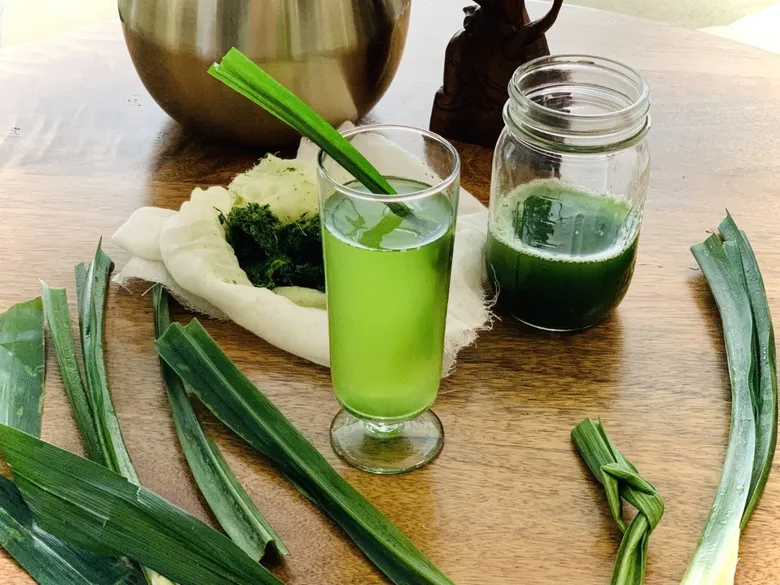
    Using a variety of organically-farmed detox greens, Bayani Brew creates herbal drinks that help flush out toxins without the laxative effect. Their natural ingredients, such as Lemongrass Pandan, Moringa Dalandan, and Sweet Potato Leaf Teas, are carefully selected to provide a gentle yet effective detox solution.

    These ingredients are low in calories and have a shelf-life of at least 8 weeks, making them a practical choice for a detox plan. Bayani Brew’s commitment to using natural ingredients not only promotes a healthier lifestyle but also supports local farmers and sustainable farming practices.

    Traditional Herbal Recipes

    Time-tested herbal remedies have been passed down through generations, offering a wealth of knowledge and cultural significance. Embracing traditional herbal recipes can provide a deeper connection to your cultural heritage and the natural world around you.

    These recipes often utilize locally sourced ingredients, promoting sustainability and supporting local farmers.

    Time-Tested Herbal Remedies

    You can discover a wealth of time-honored herbal remedies in traditional Filipino recipes, offering natural and effective ways to support your well-being. These time-tested herbal remedies have been used for generations to promote health and vitality.

    Filipino herbal drinks like Bayani Brew are brewed from organically farmed detox greens such as Lemongrass Pandan, Moringa Dalandan, and Sweet Potato Leaf Teas. These herbal drinks help flush out toxins without the laxative effect, support liver and gallbladder functioning, aid in blood purification, and boost immunity.

    Additionally, they’re low in calories with a shelf life of at least 8 weeks, making them a convenient option for incorporating into your wellness routine.

    Cultural Significance of Herbs

    The cultural significance of herbs in Filipino tradition is deeply ingrained, with traditional herbal recipes holding a revered place in the heritage and customs of the Philippines. These recipes are not only valued for their health benefits but also for their role in cultural practices and celebrations.

    Here is a glimpse of the cultural significance of some of the indigenous herbs commonly used in Filipino herbal drinks:

    Herb Cultural Significance Benefits
    Sambong Used in cleansing rituals Supports kidney health
    Lagundi Associated with wellness Aids in respiratory health
    Tsaang Gubat Refreshing and soothing Helps in digestion
    Ampalaya Symbolic of body cleanse Supports blood sugar levels

    These herbs are not only organic and natural but also play a significant role in promoting wellness and cleansing the body.

    Holistic Health Benefits

    Let’s talk about the holistic health benefits of Filipino herbal drinks for detox.

    These drinks can contribute to your overall wellness, support your body’s natural detoxification process, and help boost your immune system.

    Overall Wellness Benefits

    Boost your overall well-being with the holistic health benefits of detox tea. Detox tea eliminates harmful pathogens and free radicals, supporting your immune system and promoting optimal digestion and nutrient absorption.

    Detox tea also provides numerous other wellness benefits, including:

    1. Enhanced Antioxidant Protection: Detox tea is rich in antioxidants, which help combat oxidative stress and reduce the risk of chronic diseases.
    2. Improved Liver and Gallbladder Function: By supporting liver and gallbladder functioning, detox tea aids in the breakdown and removal of waste materials from the body, promoting optimal digestion and nutrient absorption.
    3. Natural Blood Purification: Detox tea acts as a natural remedy for blood purification, removing impurities and toxins to maintain a healthy circulatory system and promote overall well-being.

    Natural Detoxification Process

    Supporting your body’s natural detoxification process is essential for maintaining holistic health and promoting overall well-being. Natural detoxification promotes cellular rejuvenation and aids in restoring a youthful glow to your skin.

    Herbal detox teas, such as those made with dandelion root, ginger, and licorice root, support liver function, protect against damage, and promote digestive health. These teas also aid in the breakdown and removal of waste materials from the body, supporting liver and gallbladder functioning.

    Detox water, infused with fruits, berries, herbs, and vegetables, offers a flavorful and nutritious alternative to regular water, helping to keep your hydration levels in check.

    Boosts Immune System

    To further enhance your holistic health and well-being, consider the immune-boosting benefits of incorporating natural detox methods into your routine. Filipino herbal drinks offer a natural way to strengthen your immune system, reducing the risk of chronic illnesses and enhancing your body’s ability to fight off infections and diseases.

    By keeping your immune system in top shape, these herbal drinks promote a healthier and more resilient body, supporting your overall well-being.

    With regular consumption, you can experience the holistic benefits of a boosted immune system, leading to a more vibrant and healthy lifestyle.

    Benefits of Filipino Herbal Drinks for Boosting the Immune System:

    1. Reduces the risk of chronic illnesses
    2. Strengthens the body’s ability to fight off infections and diseases
    3. Supports overall well-being

    Liver Cleansing Properties

    Enhancing your liver’s natural detoxification process, detox tea can play a crucial role in maintaining overall health and well-being. Detox tea streamlines liver function, promoting a healthy liver and gallbladder by assisting in waste material breakdown and removal.

    It also aids in cleansing the blood, removing impurities and toxins through the liver, and promoting a healthy circulatory system. The liver cleansing properties of detox tea contribute to restoring a youthful glow by combating the effects of toxins and pollutants on the skin, promoting skin health, and improving overall appearance.

    Additionally, it accelerates metabolism, aids in weight management, and supports a healthy and balanced weight loss journey.

    Liver Cleansing Properties
    Streamlines liver function
    Cleanses the blood
    Combats effects of toxins

    Blood Purification Effects

    Filipino herbal drinks effectively aid in the natural cleansing of the blood, promoting overall well-being by removing impurities and toxins. Their blood purification effects are essential for maintaining a healthy circulatory system.

    Here’s how they work:

    1. Elimination of Toxins: These herbal drinks support the elimination of toxins through various organs and systems, ensuring a healthy circulatory system.
    2. Purity and Health: Blood purification helps maintain overall well-being by ensuring the purity and health of the blood, which is vital for optimal bodily functions.
    3. Natural Ingredients: Through natural ingredients, Filipino herbal drinks promote the purification and optimal functioning of the blood, contributing to overall health and wellness.

    These blood purification effects are crucial for the body’s natural detoxification processes, making Filipino herbal drinks an excellent choice for promoting a healthy circulatory system.

    Skin Rejuvenation Qualities

    You can experience the rejuvenating effects of detox tea on your skin, restoring its natural radiance and vitality. The antioxidants in detox tea combat the harmful effects of free radicals, promoting skin health and rejuvenation.

    By aiding in cellular rejuvenation, detox tea contributes to a youthful and revitalized skin, enhancing its overall appearance. The natural properties of detox tea support skin health, helping to combat the effects of toxins and pollutants, and restoring a radiant and youthful complexion.

    Regular consumption of detox tea can improve the natural beauty and glow of your face, promoting a healthy and vibrant appearance. With its skin rejuvenation qualities, detox tea offers a simple and effective way to enhance the appearance and vitality of your skin.

    Weight Management Support

    After rejuvenating your skin with detox tea, you can also harness its weight management support to enhance your overall well-being.

    Detox teas offer several benefits that aid in weight management, making them a valuable addition to your wellness routine. Here’s how they can support your weight loss journey:

    1. Accelerating Metabolism: Detox teas help increase your metabolism, boosting your body’s ability to burn fat.
    2. Fat Breakdown and Elimination: These herbal drinks aid in breaking down and eliminating fat, supporting a healthy and balanced weight loss.
    3. Reducing Bloating and Water Retention: Detox teas can help reduce bloating and water retention, contributing to your weight management efforts.

    Immune System Boost

    Boost your immune system with the natural benefits of detox tea, enhancing your body’s defenses against harmful pathogens and promoting overall wellness.

    Detox tea eliminates harmful pathogens and free radicals, reducing the risk of chronic illnesses and supporting a healthy immune system.

    By aiding the liver’s detoxification processes, it helps eliminate toxins, maintaining a healthy liver and gallbladder.

    This natural remedy cleanses the blood, promoting a healthy circulatory system and overall well-being.

    Additionally, detox tea combats the effects of toxins and pollutants on the skin, restoring a youthful glow and enhancing natural beauty.

    Its support for weight management, through accelerated metabolism and fat burning abilities, further contributes to a healthy and balanced immune system.

    Incorporating detox tea into your routine can significantly boost your immune system and overall health.

    Frequently Asked Questions

    What Herbal Drink Flush Out Toxins?

    Looking for a herbal drink to flush out toxins? Bayani Brew’s organically-farmed detox teas like Lemongrass Pandan, Moringa Dalandan, and Sweet Potato Leaf Teas can help. Low in calories and eco-friendly packaging make it a great choice.

    What Are the Benefits of Herbal Detox?

    Herbal detox offers numerous benefits, such as supporting natural detox processes, boosting immunity, aiding in weight management, promoting liver function, and enhancing skin health. These benefits make herbal drinks a great choice for detox.

    What Herbs Are Best for Detox?

    For detox, the best herbs include lemongrass, pandan, moringa, dalandan, and sweet potato leaf. These herbal drinks aid in weight management, boost immunity, and improve overall well-being. Plus, they support local entrepreneurship and are eco-friendly.

    What Is the Purpose of Detox Tea?

    Detox tea serves to flush out toxins, support liver and gallbladder health, aid in weight management, and boost immunity. It’s brewed from organically-farmed greens, low in calories, and promotes overall well-being.

    Conclusion

    So, next time you’re looking for a gentle, low-calorie, and effective detox option, consider choosing Filipino herbal drinks.

    Not only do they have a rich cultural heritage and use natural ingredients, but they also offer holistic health benefits, liver cleansing properties, and support for weight management.

    By choosing Filipino herbal drinks, you’re not only benefiting your health, but also supporting local entrepreneurship and the growth of the Filipino economy.

  • What’s the Secret to a Perfect Melon Sa Malamig?

    What’s the Secret to a Perfect Melon Sa Malamig?

    The secret to a perfect Melon Sa Malamig lies in using fresh, ripe cantaloupe and creating a flavorful simple syrup, resulting in a refreshing and sweet drink perfect for summer. Melon Sa Malamig is a popular Filipino summer drink that is often enjoyed with traditional Filipino rice desserts like Suman and Bibingka. The combination of the sweet and juicy cantaloupe with the creamy texture of these rice desserts makes for a delightful and satisfying treat. The natural sweetness of the fruit paired with the hint of syrup creates a harmonious balance of flavors that is sure to be a hit at any gathering.

    Key Takeaways

    • Melon sa Malamig is a traditional Filipino drink enjoyed for its refreshing and hydrating qualities, especially during the hot summer months.
    • The key ingredients for Melon sa Malamig include ripe cantaloupe, simple syrup, sweetened condensed milk, and evaporated milk, which combine to create a sweet and creamy beverage.
    • Presentation is important for Melon sa Malamig, with the drink typically served in a clear glass to showcase its vibrant color, garnished with fresh mint or a slice of cantaloupe, and served in chilled glasses or with crushed ice for a refreshing experience.
    • There are variations and tips for perfecting Melon sa Malamig, such as adding different fruits for flavor variations, blending with ice for a slushy version, and adjusting sweetness and citrus levels to personal preference. Using the right tools, chilling before serving, and adjusting sweetness are also important for achieving the perfect Melon sa Malamig.

    The Origin of Melon Sa Malamig

    Melon sa Malamig has its origins in the Philippines, where it has been enjoyed as a popular and refreshing beverage for generations.

    This traditional Filipino drink is a sweet, hydrating, and healthy option, especially during the hot summer months. Its recipe usually involves organic cantaloupe, water, and sugar, making it a homemade and refreshing alternative to bottled beverages.

    Typically served with shaved ice, this dessert beverage is a beloved street food, appreciated for its simplicity and tropical fruit flavor. The melon sa malamig benefits are numerous, as it not only satisfies your sweet cravings but also keeps you hydrated.

    The traditional preparation and use of fresh, organic ingredients contribute to its appeal, making it a delightful and wholesome choice for a cooling treat.

    Key Ingredients for Melon Sa Malamig

    When making Melon Sa Malamig, your first step is choosing a ripe cantaloupe with a sweet, musky aroma.

    Then, prepare a simple syrup to sweeten the drink, adjusting to your taste preference.

    Fresh Melon Selection

    Selecting a ripe cantaloupe is crucial for achieving the perfect Melon sa Malamig, ensuring a sweet and flavorful beverage. When choosing a cantaloupe, look for one that feels heavy for its size and has a sweet, musky aroma. Additionally, the netting on the rind should be well-defined, indicating ripeness.

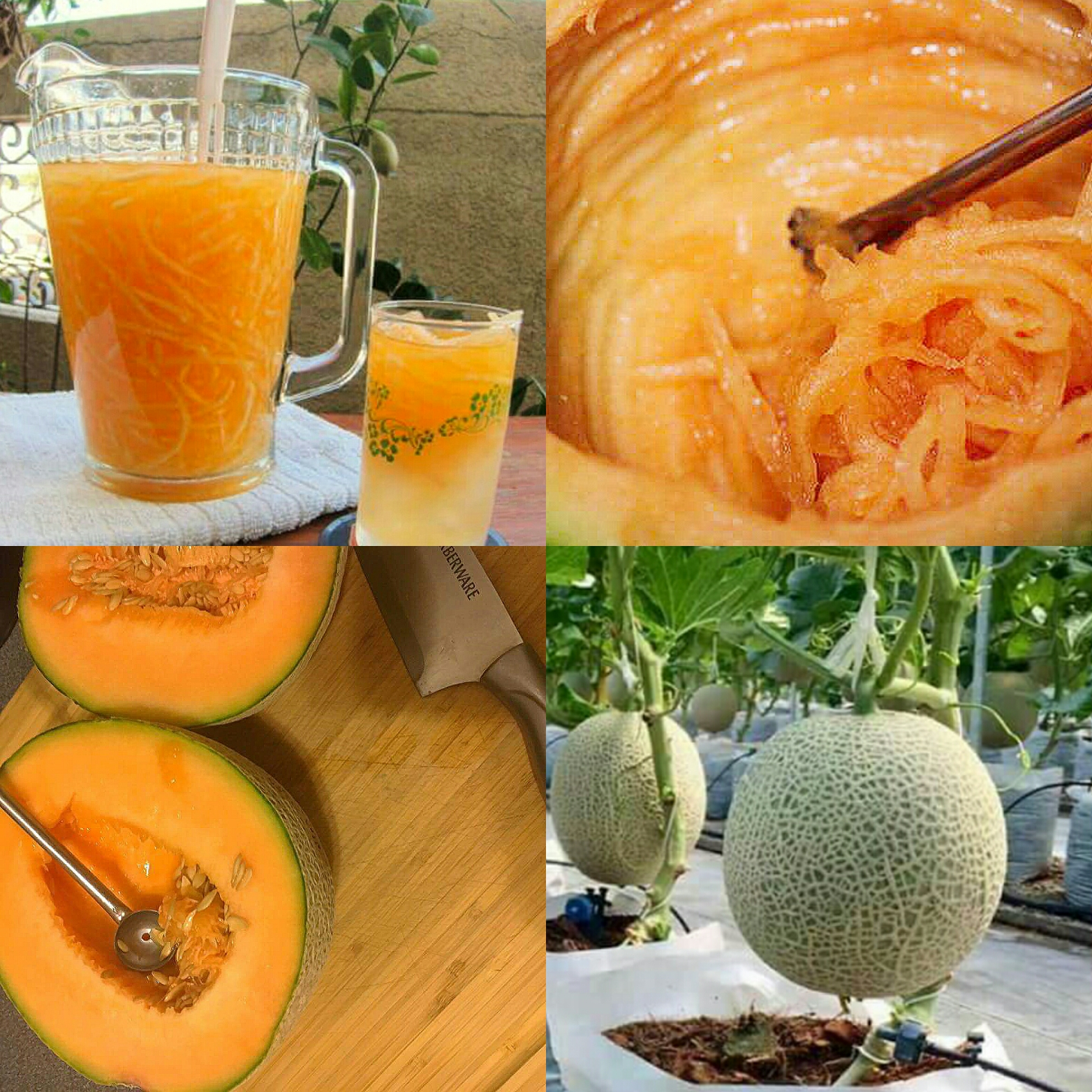
    To further enhance the freshness of the melon sa malamig, consider using a melon scraper, coconut slicer, or grater to create thin shreds of cantaloupe. You can also add a refreshing twist by infusing the beverage with fresh mint.

    These steps will ensure that the fresh melon selection is of the highest quality, resulting in a delightful and satisfying drink.

    Sweetening the Drink

    After ensuring you’ve selected a ripe cantaloupe, the next step in perfecting your Melon Sa Malamig is to sweeten the drink with key ingredients that will elevate its flavor and creaminess. Consider incorporating the following elements into your recipe:

    Key Ingredients Purpose
    Sweetened Condensed Milk Adds richness and creaminess to the drink
    Evaporated Milk Provides a creamy texture and enhances sweetness
    Granulated Sugar Adjusts the sweetness of the drink
    Fresh Mint Leaves Adds a refreshing twist to the traditional recipe

    Serving and Presentation

    To enhance the serving and presentation of Melon Sa Malamig, consider incorporating key ingredients that will elevate the visual appeal and overall enjoyment of the drink.

    • Use a melon scraper or grater with large holes to create thin shreds of cantaloupe for a visually appealing presentation. This will give the drink an aesthetic appeal and showcase the fresh cantaloupe flavor.
    • Serve Melon sa Malamig in a clear glass to showcase the vibrant color of the beverage and the refreshing melon strands.
    • Garnish the drink with a sprig of fresh mint or a slice of cantaloupe to enhance the visual appeal and add a touch of elegance.
    • Consider using decorative straws or cocktail stirrers to elevate the presentation and make the drink more enjoyable to consume.
    • Serve the Melon sa Malamig in chilled glasses or with crushed ice to enhance the refreshing experience and keep the drink cold.

    Traditional Preparation Method

    For the traditional preparation method of Perfect Melon Sa Malamig, start by using a melon scraper or grater to create thin shreds of cantaloupe.

    Chill the Melon sa Malamig for at least 30 minutes before serving to enhance its refreshing taste.

    If you want to add a delightful twist to the traditional recipe, consider infusing the beverage with fresh mint leaves.

    While traditional Filipino melon scrapers may be hard to find, a grater can be used as an alternative for creating the thin shreds of cantaloupe.

    This method stays true to the traditional way of preparing Melon Sa Malamig, ensuring that you experience the authentic flavors of this beloved Filipino drink.

    Variations of Melon Sa Malamig

    Looking to add some variety to your Melon Sa Malamig? Experiment with different fruits and flavors to create a unique and personalized juice that suits your taste.

    You can also try blending the melon with ice for a refreshing slushy version, or consider adding coconut or almond milk for a creamy twist.

    Additionally, don’t be afraid to play around with sweeteners and citrus for a tangy or sweet kick to your beverage.

    Flavorful Melon Combinations

    Experiment with adding different fruits like mango, pineapple, or strawberries to create flavorful variations of Melon sa Malamig.

    Infuse a tropical twist by adding a splash of coconut milk or coconut water. This addition will bring a creamy texture and a hint of sweetness to your Melon sa Malamig.

    For a tangy kick, try squeezing in some fresh lime or calamansi juice to the drink. The citrusy flavor will complement the sweetness of the melon, creating a refreshing and zesty combination.

    Elevate the flavor profile with a hint of honey, agave nectar, or a sprinkle of chili powder for a unique and interesting blend. Additionally, blending in some mint or basil leaves will create a refreshing and aromatic version of Melon sa Malamig.

    These combinations will surely impress your taste buds with their delightful flavors.

    Serving and Presentation Ideas

    To elevate the visual appeal of your Melon sa Malamig, consider garnishing it with fresh mint leaves or a slice of cantaloupe for an elegant touch. Serving the Melon sa Malamig in chilled glasses enhances the refreshing experience.

    For a tropical twist, add a splash of coconut water or coconut milk. Experiment with different melon varieties like honeydew or watermelon to create unique flavor combinations.

    For a fun and visually appealing presentation, serve the Melon sa Malamig in hollowed-out melon halves or coconut shells. These serving and presentation ideas not only make your drink visually appealing but also add to the overall experience of enjoying the Melon sa Malamig.

    Keep it elegant, refreshing, and visually stunning to impress your guests.

    Serving and Presentation Tips

    For an elegant presentation, showcase the vibrant color of the Melon sa Malamig by using a clear pitcher and serving it in tall, chilled glasses.

    To enhance the experience, consider the following tips:

    • Garnish with a sprig of fresh mint or a slice of cantaloupe on the rim of the glass for a decorative touch. This adds a pop of color and a hint of freshness to the drink, elevating its visual appeal.
    • Consider adding crushed ice to keep the drink extra cold and refreshing. The addition of crushed ice not only chills the drink but also adds a delightful texture to each sip.

    Health Benefits of Melon Sa Malamig

    Cantaloupe juice, the key ingredient in Melon sa Malamig, offers a refreshing and nutrient-packed beverage option. This delightful drink isn’t only a delicious way to cool down on a hot day, but it also provides several health benefits.

    Cantaloupe juice is low in fat, high in vitamins A and C, and serves as a great source of hydration. The high vitamin A content promotes good vision, healthy skin, and a strong immune system. Additionally, the presence of vitamin C supports the body’s immune function and acts as an antioxidant.

    Popular Accompaniments for Melon Sa Malamig

    Enhance the refreshing taste of your Melon Sa Malamig by adding fresh mint leaves as a delightful accompaniment.

    To take your drink to the next level, consider these popular accompaniments:

    • Sweetened Condensed Milk or Evaporated Milk: Enhance the creaminess of your Melon Sa Malamig by adding a splash of sweetened condensed milk or evaporated milk. This complements the sweet cantaloupe flavor and adds a rich, indulgent element to the drink.
    • Crushed Ice: For an extra refreshing experience, serve your Melon Sa Malamig with plenty of crushed ice. This is especially delightful on hot summer days, making the drink even more invigorating.

    These accompaniments are sure to elevate the flavor and overall experience of your vegan melon sa malamig, whether you’re serving it at home, at a melon sa malamig business, or simply enjoying it for yourself.

    Storage and Shelf Life

    To maintain the freshness and flavor of cut cantaloupe, store it in an airtight container in the refrigerator. This helps to prevent the fruit from becoming mushy or losing its sweet taste.

    When dealing with whole cantaloupe, let it ripen at room temperature and then refrigerate it to prolong its shelf life. Aim to consume ripe cantaloupe within 3-5 days for the best flavor.

    If you find that the cantaloupe has become too ripe, consider freezing it for use in smoothies or other recipes later on.

    Be sure to discard any cantaloupe that displays signs of spoilage such as mold, strange odors, or unusual textures.

    Keeping these storage guidelines in mind will ensure that you enjoy the freshest and most delicious cantaloupe.

    Can the Secret to a Perfect Melon Sa Malamig be Applied to Other Traditional Philippine Dishes?

    The secret to a perfect melon sa malamig lies in the careful preparation of the ingredients to bring out their flavors. Similarly, traditional Filipino tambakol preparation involves specific techniques to achieve the ideal taste and texture. These techniques can be applied to other traditional Philippine dishes to elevate their flavors.

    Tips for Perfecting Melon Sa Malamig

    After ensuring the freshness and flavor of your cut cantaloupe, it’s time to delve into perfecting the refreshing Melon Sa Malamig. Here are some tips to help you perfect this delightful beverage:

    • Use a melon scraper or grater with large holes to scrape the melon flesh for the perfect texture. This will ensure that the melon is finely shredded, enhancing the overall mouthfeel of the drink. The larger holes prevent the melon from turning into mush, maintaining its refreshing texture.

    Chill the Melon sa Malamig for at least 30 minutes before serving to enhance its refreshing taste. Adding fresh mint leaves to the beverage can provide an extra burst of flavor. If you can’t find a traditional Filipino melon scraper, a grater can be used as an alternative. Adjust the amount of granulated sugar in the water based on personal taste to achieve the desired sweetness.

    Frequently Asked Questions

    Why Does My Melon Juice Taste Bitter?

    If your melon juice tastes bitter, it may be due to the proteolytic enzyme in cantaloupe breaking down milk proteins. Try adding sweetened condensed milk or evaporated milk for creaminess and adjust the flavor with date syrup if needed.

    How Do You Cook a Melon?

    To cook a melon, you don’t actually cook it. Instead, for Melon Sa Malamig, you just need to scrape the melon flesh using a grater, chill it, and consider adding fresh mint leaves for a twist.

    How to Make Melon Juice With Condensed Milk?

    To make melon juice with condensed milk, start by preparing simple syrup. Scoop out melon seeds and pulp, extract juice, and make melon strings. Then, mix with prepared simple syrup, condensed milk, and water. Refrigerate for at least 4 hours.

    Conclusion

    So there you have it, the secret to a perfect Melon sa Malamig is using fresh, ripe cantaloupe and creating a flavorful simple syrup.

    By combining shredded cantaloupe with the syrup and water and chilling it, you’ll have a refreshing and sweet drink that’s perfect for summer.

    Enjoy this delicious Filipino beverage and impress your friends and family with your Melon sa Malamig making skills!

  • What Makes Filipino Tsokolate So Unique?

    What Makes Filipino Tsokolate So Unique?

    Filipino tsokolate is unique because it’s made from tablea, cacao tablets made from fermented, roasted, ground, and molded cacao beans. This traditional method of making chocolate is passed down through generations and uses indigenous cacao varieties, which contribute to the distinct flavor and quality of the cacao. Tablea is dissolved in hot water and sweetened with sugar, creating a rich and indulgent hot chocolate that’s a symbol of unity and togetherness in Filipino celebrations. It also has health benefits like promoting heart health, improving blood flow, enhancing mood, and boosting cognitive function.

    Key Takeaways

    • Traditional Filipino tsokolate is made using tablea, cacao tablets made from fermented, roasted, ground, and molded cacao beans.
    • Traditional farming methods and indigenous cacao varieties contribute to unique tablea cacao production, preserving cultural heritage and supporting sustainable agricultural practices.
    • Cacao tablets are the heart of traditional Filipino tsokolate, providing a rich cacao flavor and can be combined with water or milk and optionally sweetened.
    • Tsokolate is not only a symbol of unity and togetherness in Filipino celebrations, but it also offers several health benefits such as promoting heart health, improving blood flow, enhancing mood, and boosting cognitive function.

    Rich Filipino Cacao Heritage

    Celebrating a rich cacao heritage, Filipino tsokolate stands as a testament to the country’s deep-rooted love for this prized ingredient.

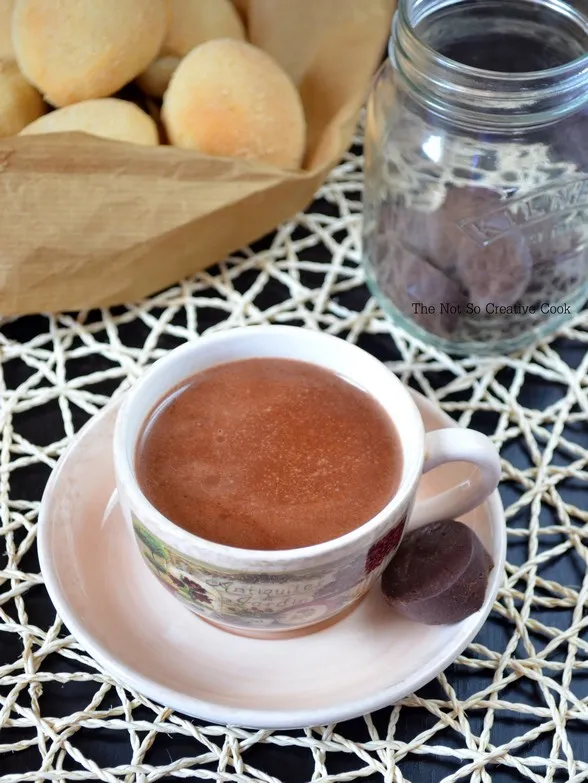
    The traditional way of making tsokolate involves using tablea, which are cacao tablets made from fermented, roasted, ground, and molded cacao beans. These tablets are then dissolved in hot water and lightly sweetened with sugar to create the rich and indulgent Filipino hot chocolate.

    The use of tablea in tsokolate showcases the traditional method of enjoying cacao in the Philippines, highlighting the deep cultural connection to this beloved ingredient.

    This traditional approach to making tsokolate has been passed down through generations, preserving the authentic and time-honored way of savoring the rich flavors of cacao in the form of a comforting and delightful beverage.

    Unique Tablea Cacao Production

    When it comes to unique tablea cacao production, you’ll find that traditional farming methods and indigenous cacao varieties play a significant role. These factors contribute to the distinct flavor and quality of the cacao used in making the traditional Filipino tablea.

    Understanding the origins and cultivation of the cacao beans provides insight into the rich heritage and unique production process behind Filipino tsokolate.

    Traditional Farming Methods

    Traditional farming methods are employed to produce the cacao beans for Filipino tablea. This involves a process of harvesting, fermenting, drying, and roasting the cacao beans. These traditional methods contribute to the unique flavor profile of Filipino tsokolate.

    The beans are carefully harvested and then fermented to develop their rich taste. After fermentation, the beans are dried to enhance their flavor further. Subsequently, they’re roasted to bring out their distinctive aroma and taste. These meticulous steps result in cacao beans that form the foundation of the beloved Filipino hot chocolate, known for its deep, complex flavors.

    Additionally, these traditional farming methods also support sustainable agricultural practices and help preserve the cultural heritage of cacao production in the Philippines. This contributes to the overall benefits of Filipino tsokolate.

    Indigenous Cacao Varieties

    Indigenous cacao varieties are essential for creating the unique tablea cacao, which produces distinct flavor profiles and contributes to the terroir of Filipino chocolate.

    When you enjoy homemade Filipino tsokolate, the use of these indigenous cacao varieties ensures a rich and authentic taste that reflects the specific regions where the cacao is cultivated.

    The traditional and sustainable farming methods employed for these cacao varieties not only maintain the distinct flavor but also preserve the cultural heritage and traditions of Filipino chocolate production.

    Additionally, by supporting unique tablea cacao production, you’re directly contributing to the economic sustainability of local communities and indigenous farmers, while also helping to safeguard ancestral knowledge and practices.

    Traditional Tsokolate Ingredients

    When making traditional Filipino tsokolate, the ingredients are simple yet crucial. Cacao tablets are at the heart of the recipe, providing a rich cacao flavor that’s characteristic of this beloved beverage.

    These tablets are then combined with water or milk, and optionally sweetened, resulting in a frothy and indulgent drink.

    Rich Cacao Flavor

    To achieve a rich cacao flavor in Filipino tsokolate, cacao tablets made from fermented, roasted, and ground cacao beans are commonly used, with optional sweetening and additional ingredients for a delightful hot chocolate experience.

    Here are some key points about the rich cacao flavor in Filipino tsokolate:

    1. Cacao tablets are made from fermented, roasted, and ground cacao beans and are available in sweetened and unsweetened versions.
    2. The most common brand of cacao tablets in Filipino supermarkets is Antonio Pueo, offering sweetened versions made with cacao and sugar.
    3. The traditional Filipino hot chocolate recipe includes water and sweetened cacao tablets, with optional additions like a splash of milk, evaporated milk, or cream.

    These factors contribute to the rich and distinctive cacao flavor that makes Filipino tsokolate so unique and cherished.

    Use of Tablea

    The rich cacao flavor in Filipino tsokolate is achieved through the use of traditional tablea. Tablea are made from fermented, roasted, and ground cacao beans and come in sweetened or unsweetened versions. Shaped into tablets, tablea is a key ingredient in Filipino tsokolate variations. Antonio Pueo, a popular brand, offers sweetened cacao tablets made with cacao and sugar. The white coating on cacao tablets, called bloom, is a natural occurrence and doesn’t affect the taste or safety of the hot chocolate.

    To prepare Filipino hot chocolate using tablea, you need water or milk, sweetened or unsweetened tablea, and optional sugar or sweetener for added sweetness. You can find tablea in Filipino, Asian, and Latin markets, as well as online.

    Frothy Texture

    Achieve a frothy texture in your traditional Tsokolate by dissolving cacao tablets in hot water and lightly sweetening the mixture with sugar. To attain the desired frothiness, follow these steps:

    1. Use a batidor or immersion blender to vigorously mix the hot chocolate until it becomes thick and frothy.
    2. Embrace the natural occurrence of bloom on cacao tablets, as it doesn’t affect the taste of the hot chocolate.
    3. Savor the rich, frothy texture that the cacao tablets create when they’re properly dissolved and blended with hot water and sugar.

    Distinctive Tsokolate Preparation Methods

    Exploring the various distinctive methods of preparing Filipino tsokolate can provide a fascinating insight into the rich cultural traditions surrounding this beloved beverage.

    Many Filipino families have their own homemade tsokolate recipes that have been passed down through generations, especially during Christmas. One popular method involves grinding roasted cacao beans with sugar and sometimes adding a hint of vanilla or cinnamon, resulting in a rich and aromatic chocolate mixture.

    Another traditional approach is to use a wooden tool called a ‘batidor’ to vigorously beat the tsokolate mixture until it develops a frothy texture, creating a luxurious drinking experience.

    Some also prefer to add a touch of warmth to the tsokolate by simmering it with milk or water, infusing the beverage with comforting flavors.

    These distinctive preparation methods showcase the deep-rooted cultural significance of Filipino tsokolate, making it an integral part of festive celebrations. Aside from its cultural importance, Filipino tsokolate also offers health benefits, especially when prepared using traditional methods. The use of cacao in tsokolate has been linked to improved heart health, reduced stress, and enhanced mood. In fact, some people even consider it as one of the original ‘benefits of herbal detox drinks‘ due to its natural antioxidant properties. This combination of cultural tradition and health benefits makes tsokolate a truly unique and cherished part of Filipino culinary heritage.

    Cultural Significance of Tsokolate

    After learning about the distinctive methods of preparing Filipino tsokolate, you can now appreciate the cultural significance of this beloved beverage. The cultural significance of Filipino tsokolate is deeply rooted in tradition and heritage. Here’s why it holds such importance:

    1. Historical Legacy: Tsokolate has been a part of Filipino culture for centuries, dating back to the pre-colonial era. It has been a staple in Filipino households and is often associated with warm family gatherings and cherished traditions.
    2. Symbol of Comfort: In Filipino culture, tsokolate is more than just a hot beverage; it represents warmth, comfort, and hospitality. It’s often served to guests as a gesture of welcome and is also a source of solace during difficult times.
    3. Cultural Celebrations: Tsokolate is an integral part of Filipino celebrations, especially during special occasions and festivities. It’s a symbol of unity and togetherness, bringing people closer through its hot and comforting embrace.

    What is the significance of Tsokolate in Filipino cuisine and how does it relate to Pan De Coco?

    Tsokolate holds a significant place in Filipino cuisine as a rich, indulgent hot chocolate beverage. It is often enjoyed with Pan de Coco, a coconut-filled bread roll, creating a delightful pairing of flavors. The pan de coco history timeline reveals how these two popular items have become intertwined in Filipino culinary traditions.

    Modern Adaptations of Tsokolate

    Looking for a convenient way to froth your hot chocolate mixture? Consider using an immersion blender as a modern alternative to the traditional batidor. In the Philippines, modern adaptations of tsokolate have brought about convenient options for a quick and delicious breakfast. Antonio Pueo offers various sweetened and unsweetened cacao tablets, catering to different taste preferences.

    For those who prefer hot chocolate with milk, there’s a version available with powdered skim milk, adding a contemporary twist to the traditional tsokolate recipe. Additionally, if cacao tablets are not accessible, Dutch processed unsweetened cocoa powder can be used as a modern substitute for a quick and easy tsokolate preparation.

    These modern adaptations provide flexibility and convenience, allowing you to enjoy this Filipino delight in a way that suits your taste.

    Modern Adaptations Description
    Sweetened Cacao Tablets Convenient and slightly sweeter option
    Unsweetened Cacao Tablets Healthier option with adjustable sweetness
    Hot Chocolate with Milk Contemporary twist with powdered skim milk

    Frequently Asked Questions

    Why Does Filipino Chocolate Taste Different?

    Filipino chocolate tastes different due to the unique process of making cacao tablets from fermented, roasted, and ground cacao beans. These tablets, when dissolved in hot water, create a rich, flavorful hot chocolate known as tsokolate, a traditional Filipino favorite.

    What Are the Characteristics of Tablea?

    Tablea, a ball of ground-up cacao beans, has more natural fat than hot chocolate mixes and doesn’t expire. It’s crucial to flavor production and has been a staple in Filipino cuisine for centuries.

    What Is the Best Tablea in the Philippines?

    For the best tablea in the Philippines, ask locals for recommendations or look for reputable brands at supermarkets. Check for pure, natural ingredients and consider online options for convenience. Enjoy the rich flavor of traditional Filipino hot chocolate!

    What Is the History of Tablea in the Philippines?

    The history of tablea in the Philippines dates back to Spanish colonization when cacao trees were cultivated. It has been a popular traditional chocolate drink for centuries, especially with breakfast. Moms and grandmas often make and serve it.

    Conclusion

    So, next time you have a craving for hot chocolate, consider trying Filipino tsokolate.

    Its rich cacao heritage, unique tablea production, traditional ingredients, distinctive preparation methods, cultural significance, and modern adaptations make it truly one-of-a-kind.

    You won’t be disappointed by the velvety texture and luxurious flavor that sets Filipino tsokolate apart from the rest.

  • 5 Best Philippine Fruit Wines & Purchase Locations

    5 Best Philippine Fruit Wines & Purchase Locations

    Philippine fruit wines like mango, pineapple, guyabano, and duhat offer unique and refreshing flavors, perfect for those seeking a departure from traditional grape wines. You can find these distinctive wines in specialty shops, local markets, wineries, and even online platforms.

    Key Takeaways

    • Mango wine offers a distinct tropical flavor profile with rich and succulent flavors of ripe mangoes, complemented by a hint of wild berries. It is best served chilled and pairs perfectly with tropical fruits and light appetizers.
    • Pineapple wine offers a unique tropical flavor profile with a perfect balance of sweetness and acidity. It pairs well with light appetizers and tropical fruit-based desserts. It can be found in select wine shops and specialty stores, alongside other fruit wine options like mango wine and soursop wine.
    • Guyabano wine has an exotic and refreshing flavor profile, combining sweetness with a hint of sharpness. It is best enjoyed chilled and is a versatile option for various occasions. It can be paired with different dishes or mixed with soda for a refreshing spritz or sangria.
    • Duhat wine has a rich and earthy flavor profile with a deep, robust taste of black plum. It offers a more complex and intense flavor compared to other fruit wines. It is a versatile option for pairing with various dishes and can be found at select wine shops and vineyards in the Philippines.

    Mango Wine: A Tropical Delight

    If you’re seeking a refreshing and unique alternative to traditional grape wines, Mango Wine: A Tropical Delight offers a distinct tropical flavor profile that’s sure to captivate your taste buds.

    This locally produced Philippine wine beautifully showcases the rich and succulent flavors of ripe mangoes, making it a standout in the world of fruit wines. The tropical notes of this mango wine are complemented by a hint of wild berries, creating a delightful and refreshing taste experience.

    Best served chilled, this fruit wine pairs perfectly with tropical fruits and light appetizers. Its exquisite taste of fresh mango makes it an ideal choice for an after-dinner drink, offering a delightful conclusion to any meal.

    If you’re in Metro Manila or nearby provinces, you can enjoy the convenience of having this tropical delight delivered within 1-3 business days.

    Pineapple Wine: A Sweet and Tart Option

    Pineapple Wine: A Sweet and Tart Option presents a vibrant and tangy variation for those seeking a departure from traditional grape wines, offering a unique tropical flavor profile with a perfect balance of sweetness and acidity.

    • Tropical Delight: Pineapple wine offers a unique tropical flavor profile, making it a refreshing choice for those seeking a non-traditional wine experience.
    • Pairing: The wine pairs well with light appetizers and tropical fruit-based desserts, making it a versatile option for various occasions.

    When looking for pineapple wine, consider checking select wine shops and specialty stores that offer a variety of fruit wines. In the Philippines, these wines can often be found alongside other fruit wine options like mango wine and soursop wine.

    Guyabano Wine: Exotic and Refreshing

    Exotic and refreshing, guyabano wine offers a unique flavor profile that combines sweetness with a hint of sharpness, making it a delightful choice for wine enthusiasts. This wine, made from soursop fruit, has a yellowish color and a sharp aroma. Its taste begins sweet like fruit juice and then transitions to a hard liquor taste.

    With a 14% alcohol percentage, it’s best enjoyed chilled, offering versatility in its consumption. Guyabano wine is a perfect option for various occasions and can be paired with different dishes. It can also be mixed with soda for a refreshing spritz or sangria.

    In the realm of Philippine food and wine, guyabano wine stands out for its exotic and refreshing attributes, providing a unique and enjoyable drinking experience.

    Duhat Wine: Rich and Earthy Flavor

    Duhat wine, with its rich and earthy flavor profile, offers a distinct alternative to traditional grape wines, making it an ideal choice for wine enthusiasts seeking new experiences.

    When considering duhat wine, keep in mind:

    • The deep, robust taste of black plum in duhat wine creates a unique sensory experience.
    • This sets it apart from other fruit wines like bignay wine, offering a more complex and intense flavor profile.
    • Its versatility makes it an excellent option for pairing with various dishes, making it suitable for a wide range of occasions.

    With duhat wine available at select wine shops and vineyards in the Philippines, you can expand your palate and embrace the rich flavors this unique wine has to offer.

    Where Can I Find Tuba, The Palm Wine of the Philippines, and Other Philippine Fruit Wines?

    If you are looking for palm wine of Philippines or other fruit wines, you can find them in local markets and specialty wine stores in the Philippines. Tuba, the famous palm wine, is commonly sold in traditional markets and is also served in some local restaurants and bars.

    Purchase Locations: Where to Find These Unique Wines

    When seeking out these unique wines, you can find them in specialty wine shops, liquor stores, wineries, vineyards, farmers’ markets, local food festivals, and online platforms.

    Specialty wine shops and liquor stores often carry a diverse selection of fruit wines, including plum wine and mangosteen wine. Some wineries and vineyards in the Philippines may offer fruit wines, providing an opportunity to explore and purchase these distinctive beverages.

    Farmers’ markets and local food festivals are excellent places to discover and sample Philippine fruit wines, while online platforms and e-commerce websites offer the convenience of browsing and purchasing from a wide range of options.

    Tasting events, wine fairs, and food and wine expos also present opportunities to find and purchase these one-of-a-kind wines, alongside traditional grape wines like Pinot Noir.

    Frequently Asked Questions

    What Are the Fruit Wines in the Philippines?

    In the Philippines, fruit wines are made from a variety of fruits like calamansi and guignolet, offering a unique flavor. They’re still in the early stages of production, with local farmers leading the way.

    What Is the Most Traditional Wine in the Philippines?

    The most traditional wine in the Philippines is Calamansi wine. It’s a popular choice due to its unique flavor and cultural significance. You can find it in local markets and specialty stores across the country.

    Which Fruit Wine Is Best in Taste?

    For the best taste, try mango, lychee, bignay, guava, passion fruit, or rambutan fruit wines. They offer unique and refreshing flavors that can enhance your wine experience and provide a delightful alternative to traditional grape wines.

    What Wine Is Sweet in Philippines?

    If you’re looking for sweet wine in the Philippines, try mango wine. Its tropical sweetness and tangy notes make it a delightful choice. You can find it at local wineries or specialty wine shops.

    Conclusion

    So, if you’re looking for a unique and refreshing drink, give Philippine fruit wines a try. Whether it’s the tropical delight of mango wine, the sweet and tart pineapple wine, the exotic and refreshing guyabano wine, or the rich and earthy duhat wine, there’s something for everyone.

    You can find these unique wines for purchase online through their websites or at select retail stores in Davao City.

    Cheers to trying something new!

  • What Is Filipino Mango Vinegar Drink & How to Make It?

    What Is Filipino Mango Vinegar Drink & How to Make It?

    Filipino mango vinegar drink is made from fermented mango juice, providing a tangy and fruity taste. It’s often used in salad dressings and marinades, rich in vitamins and minerals. To make it at home, ferment mango juice with yeast or a vinegar mother, then age for a few weeks.

    Key Takeaways

    • Mango vinegar is traditionally made from fermented green mango juice, preventing waste of unripe mangoes.
    • Mango vinegar offers numerous health benefits, including aiding digestion, boosting the immune system, and promoting weight management.
    • Proper storage is essential for maintaining the quality and flavor of mango vinegar, including storing it in a cool and dark place and using it within a year.
    • Mango vinegar can be enjoyed as a refreshing drink, paired with various dishes, and customized by experimenting with different flavors and sweeteners.

    History of Filipino Mango Vinegar Drink

    The history of Filipino mango vinegar drink dates back to the traditional practice of pickling mangoes in the province of Pampanga, where the method was developed to prevent the waste of unripe mangoes. This practice eventually led to the creation of mango vinegar, which is made from fermented mango juice.

    Green mangoes, which would otherwise go to waste, are the key ingredient in this process. The tangy and fruity flavor of mango vinegar has made it a popular choice for salad dressings and marinades.

    The pickling of almost ripe mangoes in a mixture of vinegar, sugar, salt, and water has also given rise to the well-loved Filipino pickled mango, or burong mangga, known for its tangy-sweet flavor and high Vitamin C content.

    Health Benefits of Mango Vinegar

    Mango vinegar offers numerous health benefits. It aids digestion and boosts the immune system. Its rich vitamin and mineral content contribute to overall wellness. Additionally, its antioxidant properties may help lower cholesterol levels and combat oxidative stress.

    Incorporating mango vinegar into your diet can support your digestive health and contribute to a healthier lifestyle.

    Nutritional Benefits

    Consider incorporating mango vinegar into your diet to experience its numerous nutritional benefits. The Philippine mango vinegar offers various health advantages, such as promoting weight management by inducing a feeling of fullness.

    It also contributes to heart health by potentially lowering cholesterol levels. Moreover, the vinegar contains antioxidants, which protect the body from oxidative stress and inflammation. Additionally, consuming mango vinegar may assist in digestive issues and overall immune system enhancement.

    By including this vinegar in your diet, you can benefit from its rich nutritional profile and enjoy a healthier lifestyle.

    • Aids in digestion and alleviates digestive issues
    • Boosts the immune system and overall health
    • Assists in weight management and heart health

    Digestive Health Benefits

    To support your digestive health, integrating mango vinegar into your diet can provide natural enzymes and probiotics that aid in digestion and contribute to overall gut wellness.

    The probiotics in mango vinegar promote a healthy gut flora, which can alleviate digestive issues and enhance nutrient absorption. Regular consumption of mango vinegar may help maintain a balanced and efficient digestive system.

    The enzymes and acetic acid in mango vinegar assist in breaking down food, supporting digestion. Similar to apple cider vinegar, mango vinegar contains Vitamin C, which further supports digestive health.

    Traditional Process of Making Mango Vinegar

    Using ripe mangoes with a sweet and tangy flavor is essential for the traditional process of making mango vinegar.

    To begin, extract the juice from the mangoes using a juicer or by mashing and straining the fruit.

    Next, allow the mango juice to naturally ferment with the help of yeast or a vinegar mother culture.

    Then, strain the fermented juice and store it in a glass container, allowing it to continue fermenting for a few weeks.

    Keep the container in a cool, dark place, shaking it occasionally, until the mango juice transforms into vinegar.

    This traditional method preserves the natural flavors of the mangoes and results in a unique, tangy vinegar that can be used in a variety of culinary applications.

    Varieties of Mangoes Used for Vinegar

    When selecting mangoes for vinegar, consider the unique flavors and textures offered by different varieties. Green and unripe Manila or carabao mangoes are preferred for pickling due to their ideal balance of sweetness and sourness while retaining crunchiness. In the U.S., Kents, Hadens, and Mexican Ataulfo mangoes are excellent options for making pickled mangoes.

    In the Philippines, pickled mangoes are traditionally made from very young chupaderas or supsupin mangoes, which are green and unripe. Each mango variety can be used based on availability and personal preference, contributing unique flavors and textures to the pickled mango. Consider the following varieties when making mango vinegar:

    Mango Variety Characteristics
    Carabao Tangy sweetness and soft texture
    Manila Ideal balance of sweetness and sourness, crunchy
    Kent, Haden, Mexican Ataulfo Excellent for pickling
    Chupaderas or Supsupin Very young, green, and unripe

    Fermentation and Aging of Mango Vinegar

    Fermenting and aging mango vinegar is a crucial process in developing its distinct fruity notes and depth of flavor over a few weeks. During fermentation, mango juice undergoes a transformation as sugars are converted into alcohol and then acetic acid, resulting in the tangy flavor characteristic of vinegar.

    The process of aging in a glass container allows the vinegar to mature, intensifying its aroma and taste profile. This aging period is essential for mellowing the vinegar, creating a well-balanced and complex flavor profile that enhances its culinary versatility.

    Proper storage in a cool, dark place is crucial for achieving a fully developed mango vinegar. This method enables the vinegar to fully reach its potential and impart a rich, fruity flavor to a variety of dishes.

    Culinary Uses of Mango Vinegar

    Mango vinegar can elevate the flavors of your salads and marinades, giving them a unique and tangy twist.

    You can also mix it with water to create a refreshing beverage, perfect for quenching your thirst on a hot day.

    Additionally, mango vinegar serves as a versatile substitute for other vinegars in recipes and can add a delightful fruity element to your sauces and dips.

    Flavor Enhancement

    To enhance the flavor of your culinary creations, Filipino mango vinegar can be used in a variety of ways, adding a unique twist to your salads, marinades, sauces, and dips. Here are some ways to use Filipino mango vinegar for flavor enhancement:

    • Incorporate it into your salad dressing for a tangy and fruity kick.
    • Use it as a marinade for meat, seafood, or vegetables to add depth and complexity to the flavors.
    • Mix it into sauces and dips to give them a unique and delicious twist.

    Filipino mango vinegar can be a versatile substitute for other vinegars, such as apple cider vinegar, and complements a wide range of dishes, providing a refreshing and distinctive taste to your culinary creations.

    Salad Dressings

    Enhancing the flavor of your culinary creations with Filipino mango vinegar extends to creating delightful and unique salad dressings. Incorporating mango vinegar into your salad dressings adds a tangy and fruity twist to traditional recipes.

    The versatility of mango vinegar allows for experimentation with different ingredients, such as mango slices, and flavors in salad dressings. By combining mango vinegar with olive oil, herbs, and spices, you can create a refreshing and zesty salad dressing that will elevate the taste of your salads.

    The rich and fruity flavor of mango vinegar complements various salad combinations, making it a versatile and flavorful addition to your culinary repertoire. Try using mango vinegar in your salad dressings to add an exciting and exotic flavor to your meals.

    Marinades and Sauces

    Transform your culinary creations with a delightful and unique twist by incorporating Filipino mango vinegar into your marinades and sauces. Here’s how mango vinegar can elevate your dishes:

    • Enhance the flavor of your marinades for meat and seafood by adding a splash of mango vinegar.
    • The sweet and tangy notes of mango vinegar create a delicious and aromatic base for your marinades.

    It adds a tropical twist to your sauces, making them stand out and tantalizing the taste buds.

    • Use mango vinegar as a substitute for other vinegars in your recipes to infuse them with an exotic flavor.

    Homemade Mango Vinegar Recipe

    You can easily make homemade mango vinegar with just a few simple ingredients and a bit of patience.

    To start, gather ripe mangoes, water, and sugar. Peel and slice the mangoes, then place them in a clean glass jar.

    Dissolve sugar in water and pour the mixture over the mango slices, ensuring they’re fully submerged. Cover the jar with a clean cloth and secure it with a rubber band.

    Store the jar in a warm, dark place for about 2 weeks, stirring the mixture every few days. You’ll notice the liquid turning into mango vinegar during this time.

    Once the fermentation process is complete, strain the liquid and transfer it to a clean bottle. Your homemade mango vinegar is now ready to be used in dressings, marinades, or enjoyed as a refreshing drink.

    Storing and Preserving Mango Vinegar

    To keep your mango vinegar fresh and flavorful, store it in a cool, dark place and use it within a year.

    This will prevent spoilage and maintain its quality.

    Remember to give the bottle a good shake before using the vinegar to ensure it’s well mixed.

    Proper Storage Methods

    When storing and preserving mango vinegar, it’s important to keep it in a cool and dark place to maintain its quality and flavor. Proper storage methods for mango vinegar include:

    • Store mango vinegar in a cool and dark place to maintain its quality and flavor. This helps to preserve the taste and aroma of the vinegar.
    • Use the mango vinegar within a year for the best taste and freshness. Freshness and flavor can diminish over time.
    • Ensure to shake the bottle well before using the mango vinegar. This redistributes any settled particles and ensures an even flavor.

    Preventing Spoilage

    After properly storing mango vinegar in a cool and dark place to maintain its quality and flavor, it’s essential to take steps to prevent spoilage and preserve its freshness.

    To prevent spoilage, ensure that the bottle or container is tightly sealed after each use. This helps in maintaining the vinegar’s freshness by preventing air from entering the container.

    Additionally, make sure to use mango vinegar within a year for the best flavor and quality. Shake the bottle well before using the vinegar to evenly distribute the flavors.

    When using mango vinegar in recipes or beverages, adjust the amount according to your taste preference. Lastly, explore the versatility of mango vinegar by trying out different recipes, such as using it for pickled mangoes or incorporating it into salad dressings.

    Extending Shelf Life

    For optimal preservation of mango vinegar, store it in a cool, dark place to maintain its flavor and quality.

    To extend the shelf life and ensure the best taste and freshness, consider the following tips:

    • Use apple cider vinegar for making mango vinegar drink as it aids in preserving the flavor and quality.
    • Seal the bottle tightly after each use to prevent air from entering and affecting the vinegar.
    • Consider refrigerating the mango vinegar to prolong its shelf life and maintain its delicious taste and aroma.

    Serving Suggestions for Mango Vinegar Drink

    To enhance the experience of enjoying mango vinegar drink, consider serving it chilled in a tall glass with a slice of fresh mango as a garnish.

    The chilled temperature will bring out the refreshing tanginess of the drink, making it a perfect thirst-quencher.

    For a fun twist, you can also add a few ice cubes to keep it extra cold.

    Additionally, pairing the drink with light, tropical dishes such as grilled seafood, fresh salads, or fruit platters can complement its flavors. The sweet and sour notes of the mango vinegar drink can also be a great addition to cocktails or mocktails, adding a unique tropical touch to your beverages.

    Experimenting with different serving styles and food pairings can elevate the experience of enjoying this delightful mango vinegar drink.

    Can Filipino Mango Vinegar Drink Be Used as a Base for Refreshing Fruit Shakes?

    Yes, Filipino mango vinegar drink can definitely be used as a base for refreshing fruit shakes. Its tangy flavor adds an interesting twist to traditional fruit shakes, giving them a unique Filipino twist. Try blending it with local tropical fruits for a delicious and refreshing twist on Filipino fruit shakes.

    Mango Vinegar Drink Variations

    Consider customizing your mango vinegar drink by exploring various creative variations to elevate its flavors and appeal.

    You can make delightful variations of mango vinegar drink by:

    • Using apple cider vinegar instead of traditional mango vinegar for a tangy twist
    • Infusing the drink with fruits like strawberries or pineapple for a tropical flavor
    • Experimenting with different types of sweeteners such as agave syrup or maple syrup to enhance the taste

    These variations will add a touch of creativity and uniqueness to your mango vinegar drink, providing a delightful experience for your taste buds.

    Whether you prefer a sweet, tangy, or fruity flavor, these variations allow you to tailor the drink to your preferences and create a refreshing beverage that suits your taste.

    Frequently Asked Questions

    What Is Mango Vinegar Good For?

    Mango vinegar is good for aiding digestion, boosting the immune system, aiding weight management, lowering cholesterol, and adding a unique flavor to recipes. Its benefits include aiding in digestion, boosting the immune system, and promoting heart health.

    What Is Filipino Vinegar Made Of?

    Filipino vinegar is made from fermented mango juice, providing a tangy and fruity taste. It’s commonly used in salad dressings and marinades, rich in vitamins and minerals. Making it at home involves fermenting mango juice with yeast or vinegar mother. Another popular use for Filipino vinegar is in the refreshing melon sa malamig recipe, a chilled beverage made with sweetened melon juice and a splash of vinegar for a unique twist. Its tangy flavor adds an unexpected depth to the drink, making it a go-to refreshment during hot summer days. Whether used in cooking or in drinks, Filipino vinegar adds a delightful and versatile flavor to many dishes.

    What Is Datu Puti Vinegar Used For?

    Datu Puti vinegar is used for enhancing flavors in salad dressings, marinades, and Filipino cooking. It’s perfect for making refreshing beverages when mixed with water and can add a unique twist to recipes.

    What Is Sukang Maasim Used For?

    Sukang maasim is used as a condiment, enhancing flavors in Filipino dishes like adobo and kinilaw. It adds a tangy kick to recipes and can be mixed with water for a refreshing drink.

    Conclusion

    Now that you know how Filipino mango vinegar drink is made and its health benefits, you can try making it at home.

    Choose ripe mangoes, ferment the juice with yeast or vinegar mother, and let it age for a few weeks.

    Enjoy the tangy and fruity flavor of this refreshing drink, and reap the benefits of its vitamins and minerals.

    Cheers to good health with homemade mango vinegar drink!

  • Pandan Leaves Drink: A Filipino Cuisine Gem

    Pandan Leaves Drink: A Filipino Cuisine Gem

    Pandan leaves drink, a Filipino cuisine gem, offers a delightful blend of earthy and floral notes, making it a must-try beverage with unique aroma and subtle sweetness. It stands out in Filipino cuisine for its rich history, meticulous preparation capturing pandan leaves’ essence, and various health benefits like antioxidants and essential nutrients. In Filipino culture, pandan leaves drink is often enjoyed alongside traditional coconut milk beverages, adding a refreshing and fragrant element to the dining experience. The combination of these two beverages creates a harmonious balance of flavors and textures, resulting in a truly satisfying drink. Whether enjoyed on its own or paired with other Filipino delicacies, pandan leaves drink is a beloved part of the country’s culinary heritage.

    Key Takeaways

    • Pandan leaves drink is a traditional Filipino beverage that has been enjoyed for centuries.
    • The drink is made using a meticulous process to capture the unique flavor and aroma of pandan leaves.
    • Pandan leaves drink offers various health benefits, including antioxidants and essential nutrients.
    • There are different variations of pandan leaves drink, such as adding coconut milk or tapioca pearls, to enhance its flavor and texture.

    The History of Pandan Leaves Drink

    With its roots dating back to the 19th century, the history of pandan leaves drink is steeped in South and Southeast Asian traditions and culinary practices.

    The pandan leaves, also known as screwpine leaves, have been a staple in Filipino desserts and beverages for generations. The unique aroma and flavor of pandan essence, often described as floral and musky, have made it a popular ingredient in traditional Filipino cuisine.

    One of the most famous uses of pandan essence is in the creation of a refreshing pandan leaves drink, often combined with coconut milk to enhance its creamy texture and flavor. This beverage has been cherished not only for its delicious taste but also for its potential health benefits, reflecting the deep cultural significance and culinary versatility of pandan leaves in the region.

    Health Benefits of Pandan Leaves Drink

    Rich in antioxidants and essential nutrients, pandan leaves drink offers a refreshing and healthful beverage choice. Here are some health benefits of this Filipino cuisine gem:

    1. Immune-boosting Properties: The drink is rich in antioxidants and naturally occurring compounds, potentially boosting your immune system.
    2. Diuretic and Anti-inflammatory Effects: Pandan leaves are believed to have diuretic properties and offer antioxidant and anti-inflammatory effects, contributing to overall health.
    3. Nutrient-Rich: Packed with vitamins A and C, calcium, and iron, pandan leaves add to the nutritional value of the drink.
    4. Natural and Additive-Free: Free from additives, caffeine, sugar, and gluten, pandan leaves drink is a healthy and natural choice for wellness.

    Incorporating pandan leaves drink into your diet can provide a range of potential health benefits, making it a great addition to your beverage options.

    Traditional Preparation of Pandan Leaves Drink

    The traditional preparation of pandan leaves drink involves a meticulous process to harness its unique flavor and aroma, building on the health benefits previously discussed.

    Filipino cuisine treasures the pandan leaves for this purpose. The leaves are naturally dried, and hand-made processes are employed to ensure quality. They’re then carefully processed to extract the essence, resulting in pandan extract, which is the key ingredient for the drink.

    The extraction process is crucial in capturing the distinct taste and aroma that pandan leaves are known for. This traditional method has been perfected over generations, resulting in a drink with potential immune-boosting properties and rich in antioxidants and other naturally occurring compounds.

    Customers have given positive feedback on the taste, preparation, and packaging of the drink, solidifying its place as a gem in Filipino cuisine.

    Variations of Pandan Leaves Drink

    For a delightful twist on the traditional pandan leaves drink, consider incorporating a variety of ingredients to create unique flavors and textures.

    You can experiment with these variations:

    1. Coconut: Add coconut milk or coconut water to give the pandan leaves drink a creamy and tropical twist.
    2. Pandan Chiffon Cake: Infuse the drink with the flavors of pandan chiffon cake by adding a hint of vanilla and pandan extract.
    3. Pandan Juice: Combine the pandan leaves with other tropical fruit juices such as mango or lychee for a refreshing and fruity variation.
    4. Tapioca Pearls: Enhance the drink’s texture by adding tapioca pearls, providing a delightful chewiness to each sip.

    These variations offer a range of delightful flavors and textures that elevate the traditional pandan leaves drink.

    Serving Suggestions for Pandan Leaves Drink

    Now it’s time to consider how to elevate the presentation of your pandan leaves drink.

    You can explore different garnish ideas to add a pop of color and flavor, and also incorporate presentation tips to make your drink visually appealing.

    Additionally, think about pairing suggestions that complement the unique taste of pandan leaves, enhancing the overall drinking experience.

    Garnish Ideas

    Consider enhancing the presentation of your Pandan Leaves Drink by garnishing it with a pandan leaf placed on the rim of the glass for an elegant touch. Here are some garnish ideas to elevate your Filipino cuisine gem:

    1. Add a sprinkle of grated coconut on top of the drink to enhance the tropical flavor and texture.
    2. Use a slice of fresh lime or a twist of lime peel as a colorful and refreshing garnish for the Pandan Leaves Drink.
    3. Top the drink with a few edible flowers, such as jasmine or orchids, to add a visually appealing and fragrant touch.
    4. For a playful twist, add a skewer of young coconut cubes as a creative and tasty garnish for the Pandan Leaves Drink.

    Presentation Tips

    Enhance the visual appeal of your Pandan Leaves Drink by serving it in clear glassware to showcase its vibrant green color. Garnish the drink with a fresh pandan leaf to provide an aromatic experience and elevate its presentation. Consider adding a slice of lime or a sprig of mint for a visually appealing and refreshing touch.

    Utilize decorative straws to enhance the overall visual appeal of the drink. For a culturally authentic experience, pair the Pandan Leaves Drink with traditional Filipino desserts like Buko Pandan. This won’t only create a cohesive presentation but also offer a delightful combination of flavors and textures that complement the drink.

    Following these presentation tips will ensure that your Pandan Leaves Drink isn’t only visually appealing but also authentically Filipino.

    Pairing Suggestions

    To create a harmonious dining experience, consider pairing the vibrant Pandan Leaves Drink with traditional Filipino desserts like Buko Pandan. Here are some pairing suggestions to enhance the enjoyment of the Pandan Leaves Drink:

    1. Coconut-based Dishes: Serve the Pandan Leaves Drink with coconut-based dishes or desserts to elevate the tropical flavor profile and create a cohesive dining experience.
    2. Savory Southeast Asian Dishes: Enjoy the Pandan Leaves Drink with savory Southeast Asian dishes such as curries, stews, and grilled meats for a refreshing and aromatic beverage pairing.
    3. Sweet Sticky Rice Dishes: For a refreshing and unique twist, pair the Pandan Leaves Drink with mango sticky rice or other sweet sticky rice dishes to create a harmonious balance of flavors.
    4. Pandan-Infused Treats: Experiment with serving the Pandan Leaves Drink alongside pandan-infused ice cream or other pandan-flavored treats for a delightful and cohesive dessert pairing.

    Incorporating Pandan Leaves Drink in Filipino Cuisine

    Incorporating pandan leaves drink in Filipino cuisine elevates the flavors of traditional dishes with its unique and aromatic essence. The following table showcases the versatility of pandan leaves drink in Filipino cuisine:

    Dish Type Recipe Incorporation
    Savory Dishes Chicken Adobo Infusing the marinade with pandan leaves drink
    Sweet Treats Leche Flan Using pandan leaves drink instead of vanilla for flavor
    Beverages Halo-Halo Adding pandan leaves drink as a layer in the dessert
    Baked Goods Pandesal Using pandan leaves drink in the dough for a unique twist

    Incorporating pandan leaves drink in Filipino cuisine not only adds an aromatic and distinct flavor but also brings potential health benefits, making it a valuable ingredient in traditional Filipino recipes.

    Can Pandan Leaves Drink be Included in Unique Philippine Celebratory Drinks?

    The addition of pandan leaves drink to the list of best Filipino celebration drinks can certainly elevate the uniqueness of Philippine festive beverages. With its distinct flavor and vibrant green color, pandan leaves drink offers a refreshing and festive option for special occasions, making it a great addition to the lineup.

    Where to Find Pandan Leaves Drink

    You can find natural pandan leaves drink at well-stocked Asian supermarkets and online stores.

    Look for clear and green extract forms, and pandan paste in the baking aisle.

    You can also try specific markets and Filipino stores for fresh and frozen pandan leaves.

    Pandan Drink Origins

    Pandan leaves drink, also known as pandan drink, can be found in various forms, including fresh leaves, frozen leaves, extract, and paste, at Asian supermarkets, online stores, and well-stocked grocery stores.

    The origins of pandan drink are deeply rooted in Southeast Asia, particularly in Filipino cuisine, where the pandan plant is highly revered for its aromatic and culinary properties. Here’s what you need to know about the origins of pandan drink:

    1. Native to South and Southeast Asia, pandan leaves are primarily cultivated in Indonesia, the Malayan peninsula, the Philippines, and parts of New Guinea.
    2. Pandan leaves are used for their aroma and color in a variety of Southeast Asian cuisines, including traditional Filipino treats like coconut jam and kueh.
    3. Pandan drink is gaining popularity overseas, reflecting the west’s growing interest in exotic eastern ingredients.
    4. Pandan leaves are known for their antioxidant and anti-inflammatory effects, making them a versatile and beneficial ingredient in Filipino cuisine.

    Pandan Drink Recipes

    Rooted in Filipino cuisine, pandan drink has become increasingly popular. Pandan leaves can be used to make a variety of refreshing and aromatic beverages. One popular recipe is Pandan Iced Tea, where pandan leaves are steeped in hot water, mixed with sugar, and then chilled, creating a sweet and fragrant drink. Another favorite is Pandan Coconut Smoothie, blending pandan extract, coconut milk, ice, and sweetener for a creamy and tropical treat.

    You can find pandan leaves, pandan extract, and pandan paste in Asian supermarkets and well-stocked grocery stores. Experiment with these recipes to experience the unique flavor of pandan and enjoy a taste of Filipino cuisine.

    Pandan Drink Variations

    When searching for pandan leaves drink, you can easily find fresh or frozen pandan leaves in most Asian supermarkets, as well as pandan extract or paste in well-stocked grocery stores and online.

    To enjoy pandan in various drink forms, consider these variations:

    1. Pandan Milk Tea: A popular Southeast Asian beverage blending the natural pandan aroma with creamy milk and tea.
    2. Pandan Lemonade: A refreshing twist on classic lemonade, infusing the citrusy flavors with the unique fragrance of pandan leaves.
    3. Pandan Smoothie: A healthy and flavorful option, combining pandan extract with tropical fruits like mango, coconut, or pineapple for a delightful drink.
    4. Pandan Iced Coffee: A delightful fusion of pandan and coffee, offering a distinctive Southeast Asian twist to the beloved caffeinated beverage.

    Frequently Asked Questions

    What Are the Benefits of Drinking Boiled Pandan Leaves Water?

    Drinking boiled pandan leaves water offers potential immune-boosting properties due to its antioxidants. It is believed to have diuretic properties, antioxidants, and anti-inflammatory effects, providing essential nutrients like vitamins A and C, calcium, and iron.

    What Is Pandan Used for in the Philippines?

    In the Philippines, pandan leaves are used for their unique flavor and aroma in a wide array of savory and sweet dishes. They’re known for immune-boosting properties and can be used to brew hot or iced tea.

    What Cuisine Uses Pandan?

    In the Philippines, pandan is widely used in cuisine. It brings a unique flavor and aroma to various dishes, including desserts, rice, and drinks. Its versatility makes it a popular ingredient in Filipino cooking.

    Which Culture Uses Pandan?

    In South and Southeast Asian cuisines, particularly in countries like Indonesia, the Malayan peninsula, and the Philippines, pandan is a staple flavor. It features in traditional dishes like ‘buko pandan’ in the Philippines and ‘kai hor bai toei’ in Thailand.

    Conclusion

    So, next time you’re looking for a refreshing and unique drink to enjoy, consider trying pandan leaves drink.

    With its rich history, health benefits, and versatility in both sweet and savory dishes, it’s a true gem in Filipino cuisine.

    Whether you enjoy it hot or iced, pandan leaves drink is a delicious and healthy choice that’s sure to delight your taste buds.

    Don’t miss out on this flavorful and aromatic beverage!

  • Unlocking Health Secrets of Buko Juice

    Unlocking Health Secrets of Buko Juice

    Unlocking the health secrets of Buko Juice reveals a hydrating beverage rich in electrolytes and essential nutrients, supporting heart health, kidney function, and overall well-being. Incorporating Buko Juice into your diet can aid in weight loss, digestion, and diabetes management while providing hydration and essential vitamins. Furthermore, Buko Juice also contains kalamansi juice benefits, which include being a rich source of vitamin C, promoting immune system function and collagen production. The combination of Buko Juice and kalamansi juice makes for a powerful drink that can support overall health and well-being. Incorporating these natural beverages into your daily routine can provide essential nutrients and hydration, while also offering potential health benefits.

    Key Takeaways

    • Buko juice is a hydrating and nutritious beverage rich in electrolytes and essential vitamins and minerals.
    • It supports heart health, regulates blood pressure, and aids in muscular function and electrolyte balance.
    • Buko juice is high in antioxidants, combating free radicals and oxidative stress for overall health and well-being.
    • It is suitable for weight loss, digestion, and diabetes management, while also supporting kidney health and preventing kidney stone formation.

    Nutritional Profile of Buko Juice

    If you’re looking for a beverage that’s rich in electrolytes and essential vitamins, buko juice is an excellent choice. This natural coconut water is packed with electrolytes, especially potassium, which is ideal for hydration and supports kidney function.

    Not only does it keep you hydrated, but buko juice also contains essential vitamins and minerals that support overall health and immune system function. What’s more, it’s low in calories and sugar, making it a healthier option compared to packaged fruit juices and soft drinks.

    Additionally, buko juice is high in antioxidants, which help combat free radicals and protect the body from oxidative stress. It’s a natural source of hydration that aids in maintaining electrolyte balance and supporting metabolic functioning.

    Hydration and Electrolyte Balance

    You need to understand the importance of staying hydrated and maintaining electrolyte balance in your body.

    Coconut water can replenish the fluids lost through sweating and keep you properly hydrated.

    It also contains essential electrolytes like potassium, magnesium, and calcium, which play crucial roles in promoting heart health, regulating blood pressure, and supporting muscular function.

    Hydration Importance

    To maintain optimal hydration levels and support electrolyte balance, incorporating coconut water into your routine can be highly beneficial.

    It’s a hydrating summer drink that offers numerous advantages:

    • Replenishes fluids lost through sweating, aiding in maintaining proper hydration levels during hot days.
    • Higher potassium content than a banana promotes heart health and regulates blood pressure, essential for staying healthy in the summer heat.
    • Contains magnesium and calcium, supporting muscular function and overall electrolyte balance, crucial for staying active and energized.

    With its low-calorie content, essential vitamins and minerals, and antioxidants, coconut water is a refreshing and healthy choice for staying hydrated and revitalized during the summer months.

    Incorporating it into your daily routine can help you stay energized and healthy, especially during warmer seasons.

    Electrolyte Function

    Electrolytes play a crucial role in maintaining hydration and supporting overall electrolyte balance in the body.

    Coconut water is a natural, vitamin-rich source of electrolytes, making it an excellent choice for replenishing fluids lost through sweating and promoting optimal hydration levels.

    With higher potassium content than a banana, coconut water enhances heart health and regulates blood pressure. It also provides magnesium and calcium, essential for supporting muscular function and overall electrolyte balance.

    Additionally, coconut water offers essential vitamins and minerals while being a low-calorie beverage. Its antioxidants help combat free radicals in the body, contributing to overall health and well-being.

    Incorporating coconut water into your routine can help you maintain proper hydration and support vital electrolyte balance.

    Health Benefits

    Help your body stay hydrated and maintain crucial electrolyte balance with the natural benefits of coconut water. This tropical drink replenishes fluids lost through sweating, aiding in optimal hydration levels.

    Additionally, it contains higher potassium content than a banana, promoting heart health and regulating blood pressure. The presence of magnesium and calcium in coconut water supports muscular function and overall electrolyte balance.

    This healthy, low-calorie beverage also provides essential vitamins and minerals, contributing to your overall well-being. Furthermore, the antioxidants in coconut water help combat free radicals in your body, supporting your health and vitality.

    Incorporating coconut water into your diet can help you stay hydrated and maintain a healthy electrolyte balance, making it an excellent choice for your overall well-being.

    Antioxidant Properties

    The antioxidant properties of coconut water combat free radicals, regulating oxidative stress and contributing to overall health. Regular consumption of this refreshing drink offers protection against free radicals, potentially aiding in your wellness.

    Nutrient-dense foods with antioxidants, like coconut water, help regulate oxidative stress and protect against cell damage, promoting your overall health. Free radicals, generated during metabolic processes or exacerbated by stress and exposure to pollutants, are combated by the antioxidants in coconut water, which can have a positive impact on your skin health.

    Including coconut water in your diet can be a simple way to boost your antioxidant intake and support your overall wellness.

    Impact on Blood Sugar Levels

    Coconut water can be consumed in moderation by diabetics without causing a significant increase in blood sugar levels. It contains only glucose and doesn’t significantly raise blood sugar levels.

    Additionally, it’s recommended in moderation for diabetics with controlled blood sugar levels. Moreover, it provides hydration and essential nutrients without causing blood sugar spikes. This makes it a better option than packaged fruit juices and ice creams for diabetics.

    Coconut water also contains potassium, which is beneficial for regulating blood sugar levels. When considering buko juice for weight loss, its impact on blood sugar levels is an important factor to take into account.

    Therefore, diabetics can enjoy the benefits of coconut water without worrying about adverse effects on their blood sugar levels.

    Kidney Health Benefits

    After learning about the impact of buko juice on blood sugar levels, it’s important to understand its positive effects on kidney health.

    Organic buko juice offers significant benefits for your kidneys. It promotes hydration, aiding in the flushing out of toxins and supporting optimal urinary pH levels. The potassium content in buko juice is particularly beneficial for kidney function.

    Moreover, it can help break down smaller kidney stones and facilitate their elimination, thereby preventing the formation of kidney stones. By consuming buko juice regularly, you support overall kidney health and contribute to the proper functioning of this vital organ.

    Incorporating this natural and organic beverage into your diet can be a simple yet effective way to promote the health of your kidneys.

    Coconut Water as a Natural Energy Drink

    Feeling low on energy? Consider coconut water as your natural, revitalizing energy drink. Coconut water isn’t only refreshing but also packed with nutrients that can provide a natural energy boost.

    Here’s why coconut water is a great choice for an energy drink:

    • High in potassium, aiding weight loss and blood sugar control.
    • Supports digestive health by soothing the stomach and preventing constipation.
    • Beneficial for diabetes management, providing hydration and essential nutrients without causing blood sugar spikes.

    Instead of reaching for sugary or artificially flavored energy drinks, opt for coconut water to replenish your energy levels while enjoying the added benefits of hydration and essential nutrients. Coconut water is nature’s perfect energy drink.

    Can Buko Juice Benefits be Found in Buko Pie as Well?

    Yes, the beloved coconut delight, Buko Juice, offers many health benefits such as hydration, improved digestion, and a good source of vitamins and minerals. However, while Buko Pie is a delicious treat, it may not offer the same health benefits as the refreshing Buko Juice.

    Incorporating Buko Juice Into Your Diet

    Consider incorporating Buko Juice into your diet for its numerous health benefits and refreshing taste. This thirst quencher is a great addition to your daily routine. Here’s a simple recipe for homemade buko juice.

    Ingredients Instructions
    Fresh young coconut 1. Use a cleaver to carefully chop the top of the coconut. 2. Pour the coconut water into a clean glass. 3. Scoop out the coconut meat if desired.
    Optional: sweetener, such as honey or sugar 4. Add sweetener to the coconut water and stir until dissolved. 5. Chill and serve.

    Incorporating this homemade buko juice into your diet can support weight loss, aid in digestion, promote kidney function, and help manage diabetes. Enjoy the natural benefits of buko juice while staying hydrated and refreshed.

    Frequently Asked Questions

    What Are the Secrets of Coconut Water?

    What are the secrets of coconut water? Coconut water is a natural source of hydration, packed with electrolytes and vitamins. It’s low in calories and high in potassium, making it a great choice for replenishing after exercise.

    What Will Happen if I Drink Only Coconut Water for 7 Days?

    If you drink only coconut water for 7 days, you may experience improved hydration, increased potassium intake, and potential weight loss. However, it’s essential to ensure you’re still getting essential nutrients from other sources.

    What Does Buko Juice Do to the Body?

    Drinking buko juice hydrates, aids digestion, supports kidney function, and helps manage diabetes. It’s low in calories and sugar, making it a healthier alternative to other drinks. Plus, it provides essential nutrients and antioxidants.

    What Is the Magic of Coconut Water?

    Coconut water’s magic lies in its ability to aid weight loss, regulate blood sugar, support digestion, and improve kidney function. It’s a healthy choice for hydration, energy, and overall well-being, especially for individuals with specific health conditions.

    Conclusion

    So, next time you’re looking for a refreshing and healthy beverage, reach for a glass of buko juice.

    With its low calories, high potassium, and numerous health benefits, it’s a great choice for hydration, weight loss, and overall well-being.

    Whether you’re hitting the gym or just looking for a natural energy boost, buko juice has got you covered.

    Cheers to your health!

  • Traditional Tapuy: Brewing Philippine Rice Wine at Home

    Traditional Tapuy: Brewing Philippine Rice Wine at Home

    Traditional Tapuy, a Filipino rice wine, is brewed by fermenting glutinous rice with bubod, a starter culture, resulting in a 14% alcohol content. Enjoy tapuy with indigenous Cordilleran dishes like pinikpikan and etag for a fusion of flavors that elevate the drinking experience.

    Key Takeaways

    • Tapuy rice wine holds a significant role in Filipino celebrations, rituals, and offerings, highlighting its cultural importance.
    • The choice of rice variety, such as glutinous rice, brown rice, black rice, or white rice, impacts the flavor and quality of tapuy.
    • The fermentation process of tapuy involves using bubod, made from rice flour and ginger extract, and transferring the cooked rice to a clay jar.
    • Tapuy can be enjoyed chilled or at room temperature, served in small bamboo tubes or cups, and pairs well with Filipino dishes like adobo, lechon, or kinilaw.

    The Significance of Tapuy Rice Wine

    The significance of tapuy rice wine in Filipino cultural traditions is undeniable, as it holds a prominent role in celebrations, rituals, and offerings.

    This traditional and indigenous rice wine is deeply rooted in the Cordillera region, where it’s revered for its cultural importance. From the Ipitik Festival to rituals where the first few drops are spilled as a gesture of gratitude to the highest deity, tapuy rice wine is intricately woven into the fabric of Filipino customs.

    Its making involves secret recipes and techniques passed down through generations. Beyond its cultural significance, tapuy rice wine is also associated with potential health benefits.

    Exploring and appreciating tapuy rice wine not only preserves and promotes Philippine culture but also presents opportunities for its inclusion in bars, restaurants, and homes, further enriching the cultural tapestry.

    Choosing the Best Rice for Tapuy

    When making tapuy rice wine at home, it’s crucial to choose the right rice variety. Look for glutinous rice, also known as ‘malagkit’ in the Philippines, as it’s the ideal choice for tapuy production.

    Different rice varieties can impact the flavor and quality of your tapuy, so select the best one for a successful fermentation process.

    Rice Variety Selection

    For crafting the finest tapuy rice wine, selecting the most suitable rice variety is essential to achieve the desired flavor and quality. When choosing the rice variety for tapuy rice wine, consider the following:

    • Glutinous rice, also known as malagkit rice, is the best variety for making tapuy rice wine due to its ideal round and short grains for winemaking.
    • The specific variety of rice used can significantly impact the taste and quality of the tapuy rice wine.
    • Other rice varieties like brown rice, black rice, and white rice can also be used for making tapuy rice wine.
    • The type of rice used can have a substantial influence on the flavor and characteristics of the traditional tapuy rice wine.
    • Rice variety selection is a crucial factor in determining the final taste and quality of tapuy rice wine.

    Choosing the right rice variety is fundamental in creating the authentic, sweet, and aromatic Filipino rice wine that has been a staple in native celebrations and is gaining popularity in modern cuisine.

    Grain Quality Criteria

    Select high-quality rice with round and short grains for brewing tapuy rice wine at home. The round and short grains of glutinous rice are ideal for tapuy production, as they provide the necessary starch content for fermentation.

    The specific variety of rice used can significantly impact the taste and quality of the wine. Glutinous rice, in particular, is the best variety for making tapuy rice wine due to its high starch content. When choosing rice, ensure it has a better distribution of yeast, as this contributes to the overall quality of the wine.

    For optimal results, consider using Balatinaw rice, recommended for tapuy production due to its ability to yield good quality and delicious wine.

    Fermentation-Friendly Rice

    To ensure successful fermentation, opt for glutinous rice, known for its round and short grains, when choosing the best rice for making tapuy rice wine at home. The specific variety of rice used significantly affects the taste and quality of the tapuy rice wine. Consider the following when choosing rice for tapuy production:

    • Glutinous rice, also known as malagkit rice, is the best variety for making tapuy rice wine.
    • Different types of rice such as brown rice, black rice, and white rice can also be used for making tapuy rice wine.
    • Bubod, the essential starter culture made from rice flour and ginger extract, is crucial in tapuy production.
    • The traditional method involves cooking the glutinous rice, fermenting it, and transferring it to a clay jar for fermentation.
    • The ideal rice for tapuy has properties that make it fermentation-friendly, resulting in a high-quality rice wine.

    Traditional Tapuy Brewing Process

    The traditional tapuy brewing process for rice wine starts with preparing glutinous rice and bubod, a starter culture essential for fermentation. After cooking the rice, it’s mixed with the bubod and left to ferment.

    The mixture is then transferred to a clay jar for further fermentation. The type of rice used can affect the flavor and quality of the wine. The fermentation process occurs in a cool, dark place and can last for several days.

    This traditional method of making tapuy rice wine is deeply ingrained in Filipino culture and is often associated with special celebrations and occasions. The process reflects the rich heritage and traditions of the Philippines, showcasing the importance of rice and fermentation in the country’s culinary practices. Another example of a traditional Filipino fermentation method is the Filipino mango vinegar recipe, which involves fermenting ripe mangoes with sugar and water to create a sweet and tangy vinegar. These age-old techniques not only produce delicious products but also highlight the resourcefulness and creativity of Filipino cuisine. The use of fermentation in Filipino cooking demonstrates the importance of preserving ingredients and creating unique flavors that have been passed down through generations.

    Ingredients for Tapuy Rice Wine

    Consider combining glutinous rice with a starter culture called bubod to initiate the fermentation process for tapuy rice wine.

    The primary ingredient for tapuy rice wine is glutinous rice, specifically the round and short-grain variety. Bubod, a starter culture made from rice flour, ginger extract, and old bubod containing microorganisms, is essential for tapuy production.

    Optional rice varieties such as brown rice, black rice, and white rice can also be used in combination with glutinous rice for a unique flavor profile.

    Traditional tapuy doesn’t contain preservatives, and the PhilRice Tapuy undergoes double pasteurization for freshness and clarity.

    It’s recommended to use approximately 10 grams of bubod for every 1 kilogram of rice to achieve the desired fermentation process.

    Fermentation and Aging of Tapuy

    During the fermentation process of tapuy rice wine, the mixture of rice and starter culture interacts to develop the wine’s distinct flavor and quality. This crucial step can take several days, as the fermentation process contributes to the unique taste of tapuy.

    Following fermentation, the aging process is essential for allowing the wine to mature and develop its optimal flavor profile. Proper storage in a cool, dry place is crucial during this stage.

    As tapuy ages, its flavor and quality continue to evolve, making it suitable for various occasions and celebrations. Aging tapuy is believed to enhance its taste and may even offer potential health benefits.

    This process ultimately contributes to tapuy’s value as a versatile and valuable beverage.

    Tapuy in Filipino Culture

    Considering the significance of tapuy in Filipino culture, its fermentation and aging process play a crucial role in shaping its unique taste and quality. Tapuy isn’t just a beverage but an integral part of Filipino traditions and celebrations. Here’s why tapuy holds such cultural importance:

    • Cultural Ceremonies: Tapuy is often used in traditional rituals, weddings, and other special occasions.
    • Community Bonding: Sharing tapuy is a way for Filipinos to strengthen bonds and build camaraderie within their communities.
    • Ancestral Legacy: The art of brewing tapuy is passed down through generations, preserving cultural heritage.
    • Culinary Significance: Tapuy is also used in cooking, adding a distinct flavor to various Filipino dishes.
    • Symbol of Hospitality: Offering tapuy to guests is a gesture of warmth and hospitality in Filipino culture.

    Can I Use Calamansi and Ginger in Traditional Tapuy Brewing?

    In the traditional brewing of Tapuy, a traditional Filipino rice wine, the use of Philippine calamansi and ginger can add a unique twist to the process. While Tapuy typically involves fermenting rice, incorporating these ingredients can result in a delightful twist, invoking a refreshing aroma and taste. Consider exploring the fusion of flavors by experimenting with a Philippine calamansi ginger tea infusion in your Tapuy brewing. Harness the essence of these ingredients to elevate your Tapuy experience.

    Enjoying Tapuy: Serving and Pairing

    Now that you’ve brewed your own tapuy rice wine, it’s time to savor and enjoy it.

    You’ll want to serve tapuy chilled to bring out its full flavor and aroma.

    Consider pairing tapuy with classic Filipino dishes like adobo, lechon, or kare-kare for a delightful dining experience.

    Tapuy Serving Methods

    When serving tapuy, you can choose to enjoy it chilled or at room temperature, depending on your personal preference. The traditional way of serving tapuy involves using small bamboo tubes or cups, adding to the cultural experience.

    Tapuy pairs well with traditional Filipino dishes such as adobo, lechon, or kinilaw, enhancing the dining experience. It’s also common to enjoy tapuy alongside indigenous Cordilleran delicacies, creating a complete cultural immersion.

    For a modern twist, tapuy can be used as a base in cocktail recipes, allowing for creative and unique drink options.

    Tapuy Food Pairings

    To enhance your tapuy experience, consider pairing it with traditional Filipino dishes such as adobo, lechon, or kinilaw, as well as indigenous Cordilleran delicacies, for a complete cultural immersion.

    The rich and complex flavors of tapuy complement the savory notes of adobo, a popular Filipino dish of marinated meat cooked in vinegar, soy sauce, and garlic.

    The crisp acidity of tapuy also pairs well with the succulent and crispy skin of lechon, a traditional roasted pig dish.

    For a refreshing contrast, try tapuy with kinilaw, a Filipino ceviche made with raw fish marinated in vinegar and calamansi juice.

    Additionally, tapuy can be enjoyed with indigenous Cordilleran dishes like pinikpikan, a flavorful chicken soup, and etag, a smoked mountain ham.

    These pairings create a delightful fusion of flavors that elevate the tapuy drinking experience.

    Tapuy Traditional Customs

    Savoring tapuy rice wine involves serving and pairing it with traditional Filipino dishes and indigenous Cordilleran delicacies for a complete cultural immersion and a delightful fusion of flavors.

    When enjoying tapuy, it’s essential to consider the traditional customs associated with this rice wine:

    • Pair tapuy with dishes like pinikpikan (a traditional Cordilleran chicken dish) or inasin (salted pork) for an authentic flavor experience.
    • Respect the Ipitik Festival by acknowledging the significance of the spilling of the first few drops of tapuy as an offering of gratitude to Kabunian.
    • Appreciate the intricate traditional process of tapuy rice wine making, which involves a series of steps to ferment the rice and produce the wine.
    • Explore the unique flavors of red rice wine, made from colored or pigmented rice varieties like black and red rice.
    • Consider visiting sake breweries known for their traditional brewing methods to experience sake tasting sessions and gain insight into traditional brewing techniques.

    Frequently Asked Questions

    How Do They Make Tapuy Rice Wine?

    To make tapuy rice wine, you cook glutinous rice, mix it with bubod, and ferment it in a cool, dark place. The type of rice and yeast distribution affect the taste. Fermentation takes months, with longer fermentation resulting in higher alcohol content.

    How Do They Make Rice Wine in the Philippines?

    To make rice wine in the Philippines, start by fermenting glutinous rice with a starter culture called bubod. Then transfer the mixture to a clay jar for fermentation. The traditional process ensures a 14% alcohol content.

    What Are the Ingredients in Tapuey?

    To make tapuy, you need glutinous rice, starter culture (bubod), and other rice varieties like brown, black, and white rice. Use about 10 grams of bubod for every 1 kilogram of rice.

    What Is the Alcohol Content of Tapuy Rice Wine?

    The alcohol content of tapuy rice wine is about 14 percent, making it stronger than wine and beer. The fermentation process takes months, and longer fermentation results in higher alcohol content.

    Conclusion

    So, next time you’re looking for a unique and traditional drink to enjoy, why not try brewing your own tapuy rice wine at home?

    With just a few simple ingredients and a bit of patience, you can experience the rich cultural significance and delicious flavors of this Filipino rice wine.

    Cheers to celebrating special occasions with a glass of homemade tapuy!