Author: A. Pineda

  • Which Restaurants Serve the Best Pancit Lomi?

    Which Restaurants Serve the Best Pancit Lomi?

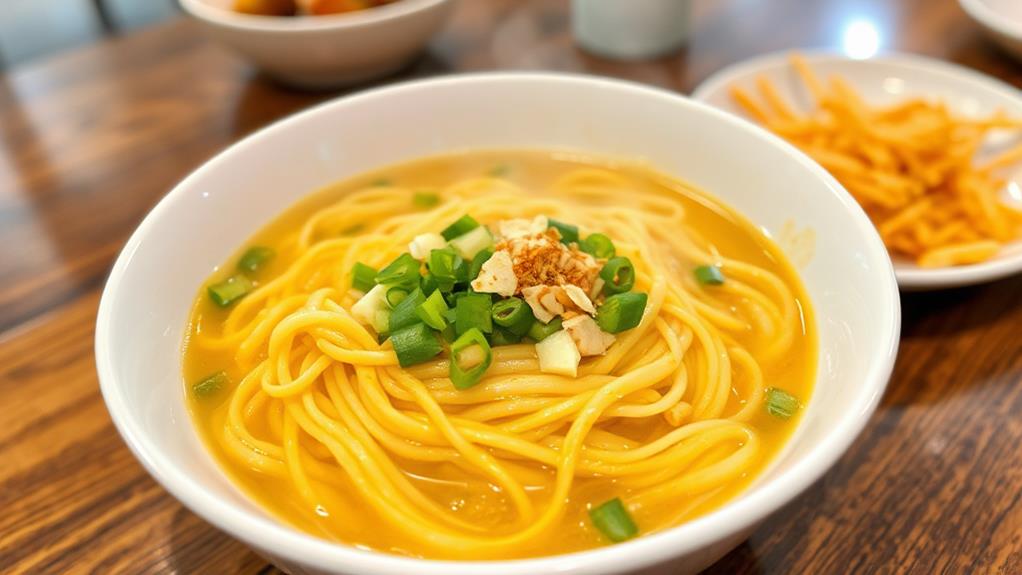
    Max's Restaurant serves the most authentic and delicious Pancit Lomi due to its traditional preparation and hearty flavors. This classic Filipino dish is a staple on their menu, and its rich flavors have earned it top ratings and reviews.

    Another top contender is Savory Chicken's Batangas Lomi, praised for its unique texture and rich broth. This variation stands out from the rest, offering a distinct twist on the traditional recipe.

    If you're looking for a modern spin on Pancit Lomi, Gran Caffe LAquila and Parc offer notable twists on the classic dish. These restaurants experiment with different ingredients and cooking techniques, resulting in unique flavor profiles that set them apart.

    When searching for the perfect bowl of Pancit Lomi, it's essential to consider the ingredients, cooking techniques, and menu variations that make each restaurant's version special.

    By exploring these options, you can discover the secrets to the perfect bowl of Pancit Lomi that suits your taste buds.

    Authentic Filipino Flavors Matter
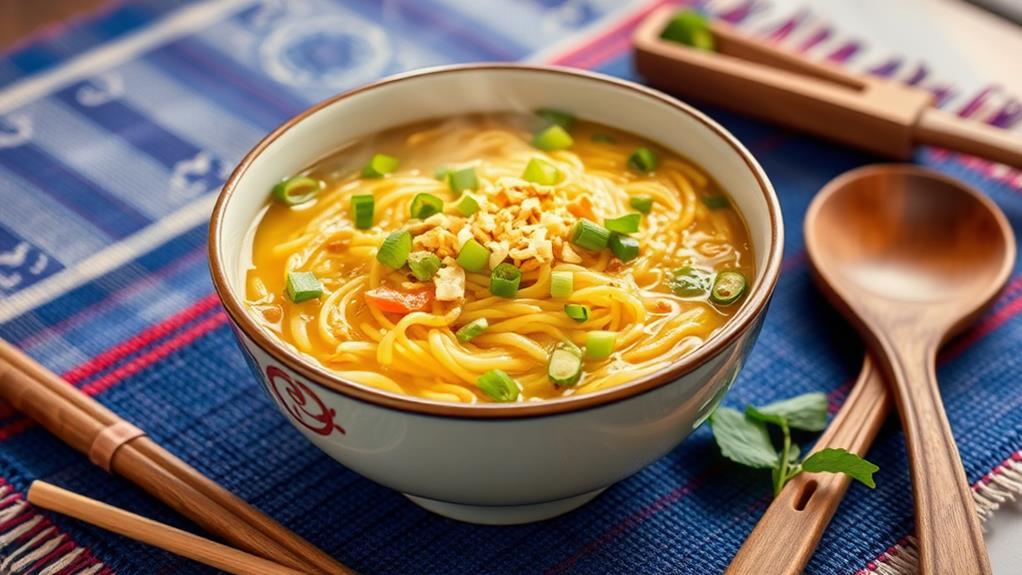
    genuine filipino culinary experience

    Authentic Filipino flavors are essential to cultural identity. When it comes to Pancit Lomi, these flavors are more than just a matter of personal taste; they represent the rich cultural heritage of Filipino cuisine. The dish is a perfect blend of thick egg noodles, savory broth, and carefully selected ingredients, creating an unforgettable experience.

    The Batangas variation of Lomi stands out for its unique texture and rich flavors. This distinctiveness is achieved through specific cooking techniques, such as sautéing garlic and onions, adding fresh ingredients, and simmering to enhance flavors.

    Using fresh, high-quality ingredients is crucial to creating an authentic Lomi experience.

    Preserving authentic flavors and cooking methods is vital. By doing so, diners not only enjoy a delicious meal but also contribute to the preservation of Filipino cultural traditions.

    Many diners seek out restaurants renowned for their dedication to traditional recipes, ensuring the continuation of these cultural traditions.

    Restaurant Reviews and Ratings

    Pancit Lomi Restaurants Stand Out with Exceptional Reviews and Ratings

    When exploring the best Pancit Lomi restaurants, several eateries excel in delivering authentic Filipino flavors. Max's Restaurant tops the list, consistently praised for its traditional preparation methods and hearty flavors.

    Another notable mention is Savory Chicken's Batangas Lomi, which earns high marks for its unique texture and rich broth.

    Interestingly, Gran Caffe LAquila, an Italian restaurant, has also garnered attention for its 4.4-rated Pancit Lomi.

    Meanwhile, South impresses diners with its generous portions, making it a favorite among those who appreciate Southern cuisine.

    Parc's 4.2-rated fusion approach to Pancit Lomi has won over patrons with its blend of traditional and contemporary flavors.

    Pancit Lomi Menu Variations
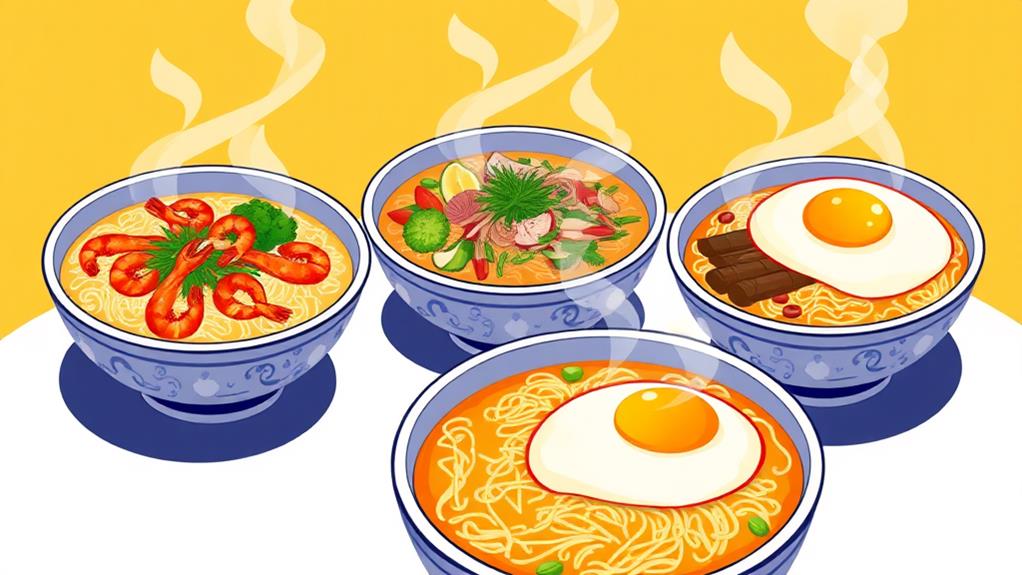
    lomi noodle dish options

    Pancit Lomi Menu Variations

    Local eateries and restaurants often create their own versions of the traditional Pancit Lomi recipe, resulting in a diverse range of menu variations.

    Protein Additions

    Some restaurants add unique proteins to give their Pancit Lomi an extra boost of flavor. Pork belly, shrimp, or meatballs are common additions to the classic recipe.

    Regional Ingredients

    Others incorporate regional ingredients to add texture to the dish. Fresh napa cabbage and carrots are examples of ingredients used to enhance the flavor and texture.

    Menu Variations

    Menu Variation Description Common Garnishes
    Classic Pancit Lomi Thick egg noodles, chicken, and savory broth Hard-boiled eggs, scallions
    Meat Lover's Pancit Lomi Adds pork belly, shrimp, or meatballs to the classic recipe Crispy chicharon, scallions
    Veggie Delight Pancit Lomi Incorporates fresh vegetables like napa cabbage and carrots Scallions, crispy garlic
    Spicy Pancit Lomi Adds a kick of heat with chili flakes or sriracha Hard-boiled eggs, crispy chicharon

    Customization Options

    When you order Pancit Lomi, you can customize it further with different seasonings or sauces to suit your taste. Traditional condiments like calamansi or lemon juice are also available to brighten the dish's rich flavors.

    Ingredients and Cooking Techniques

    Key Ingredients and Cooking Techniques in Pancit Lomi

    Thick Egg Noodles

    Thick egg noodles made with lye water provide a chewy texture, which is a fundamental component of Pancit Lomi. These noodles are specifically designed to hold their texture throughout the cooking process.

    Flavor Profile

    The rich flavor profile of Pancit Lomi is developed by sautéing garlic and onions, which creates a savory base. This is further enhanced by browning various meats, such as pork, chicken, liver, and sometimes kikiam.

    Cooking Techniques

    To ensure the noodles retain their texture, briefly blanched noodles are added to the simmering broth. A cornstarch slurry is then used to thicken the dish, resulting in a hearty consistency.

    Customization

    Can I Find Pancit Lomi in the Same Restaurants that Serve Authentic Lumpia?

    Yes, you can find Pancit Lomi in the same restaurants that serve authentic Lumpia. Many Filipino restaurants offer a variety of traditional dishes, making them the perfect spot to satisfy your craving for both lumpia and pancit. Visit these restaurants for lumpia and pancit for a delicious and authentic Filipino meal.

    Community Recommendations and Favorites
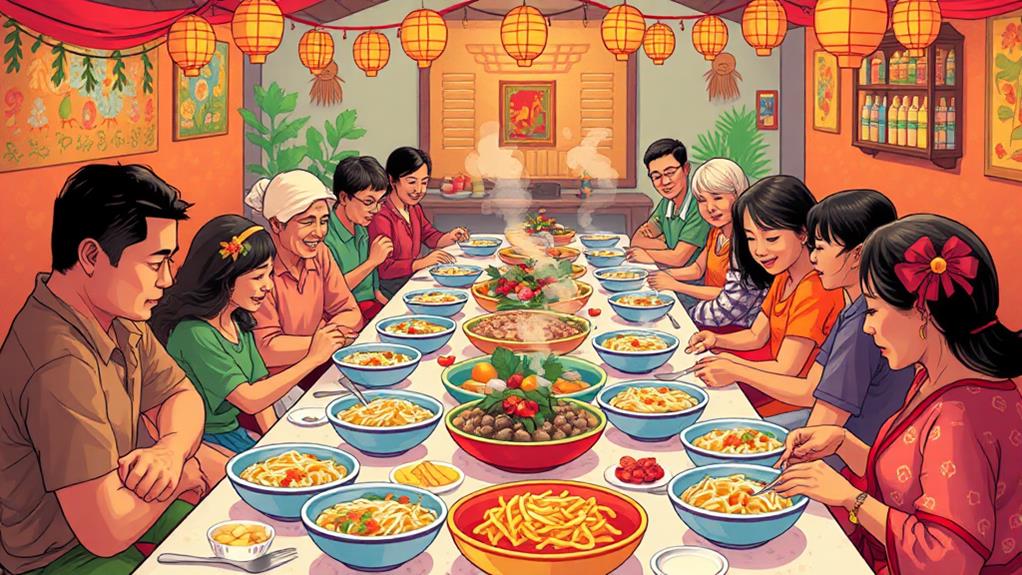
    popular community picks today

    Community-recommended spots for authentic Pancit Lomi experiences

    Several community members have shared their favorite spots for a satisfying plate of Pancit Lomi.

    Max's Restaurant is a well-known institution serving authentic Filipino cuisine, including a reputable Pancit Lomi dish that locals and visitors rave about.

    Savory is another popular spot, with multiple branches offering generous portions and a nostalgic flavor profile that resonates with long-time patrons.

    Gran Caffe LAquila puts a unique twist on the traditional dish in a cozy Italian-inspired setting, making it a community-recommended spot to try.

    For a comforting quality, South is a great option, where the Southern cuisine ambiance enhances the overall dining experience.

    Parc, located in Rittenhouse Square, blends French culinary techniques with Filipino flavors to create a must-try for food enthusiasts.

    Frequently Asked Questions

    What Are Lomi Noodles Called?

    Lomi noodles are also known as "Miki" noodles. These thick egg noodles are characterized by their chewy texture, which is achieved through the use of lye water in their production.

    This unique texture sets them apart from other types of noodles.

    Regional variations of Lomi noodles differ in texture, recipe, and flavor profile. For instance, the Batangas version is distinct from those found in other Filipino regions.

    The versatility of Lomi noodles is showcased through various cooking techniques, which have been adapted to create diverse dishes beyond the traditional Pancit Lomi.

    What to Eat With Lomi?

    Customizing Lomi with Toppings

    When it comes to Lomi, toppings can elevate the dish and add richness and nutrition. Boiled eggs are a popular topping, providing a creamy, savory element to the noodles.

    Side Dishes for Contrasting Flavors and Textures

    To add variety to your Lomi experience, consider serving it with side dishes that offer contrasting flavors and textures. Crispy lechon kawali and lumpiang shanghai are excellent options, as they provide a delightful crunch and a burst of flavor.

    Flavor Variations

    For a twist on traditional Lomi, try pairing it with pickled vegetables or a squeeze of fresh calamansi.

    These additions will introduce new flavors and enhance the overall Lomi experience.

    Where Does Lomi Originate?

    Lomi originated from Chinese roots. This Filipino dish evolved over time by incorporating regional ingredients and cooking techniques, resulting in variations like Batangas Lomi.

    The cultural significance of Lomi lies in its comforting, slimy soup texture. This unique texture is achieved by adding cassava flour to the dish.

    Additionally, Lomi plays a significant role in family gatherings, bringing people together over a warm and comforting meal.

    While its nutritional value may vary, Lomi's rich history and adaptability have made it a staple in Filipino cuisine. This dish has stood the test of time, and its ability to evolve has contributed to its enduring popularity in the Philippines.

    Why Is Pancit so Popular?

    Pancit's cultural significance contributes to its popularity in Filipino cuisine. It symbolizes long life and good fortune, making it a staple dish in many Filipino celebrations and gatherings.

    Regional variations of pancit offer a diverse range of ingredients and cooking techniques. For instance, Pancit Bihon, a popular variation, uses rice flour noodles, vegetables, and sometimes meat or seafood.

    Meanwhile, Pancit Lugaw combines noodles with a savory broth and toppings like eggs and vegetables.

    Pancit's versatility caters to different tastes and preferences. It can be made with vegetables, meats, or seafood, making it a suitable option for individuals with varying dietary needs and preferences.

    The affordability and ease of preparation of pancit contribute to its widespread appeal. This dish can be prepared quickly and inexpensively, making it a convenient option for many Filipinos.
  • Difference Between Pancit Bihon and Pancit Canton

    Difference Between Pancit Bihon and Pancit Canton

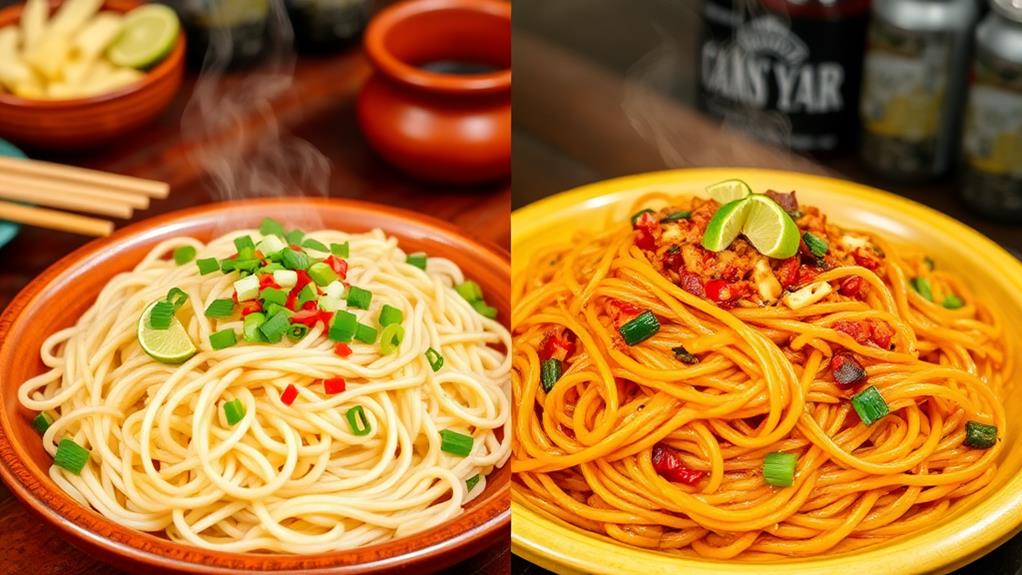
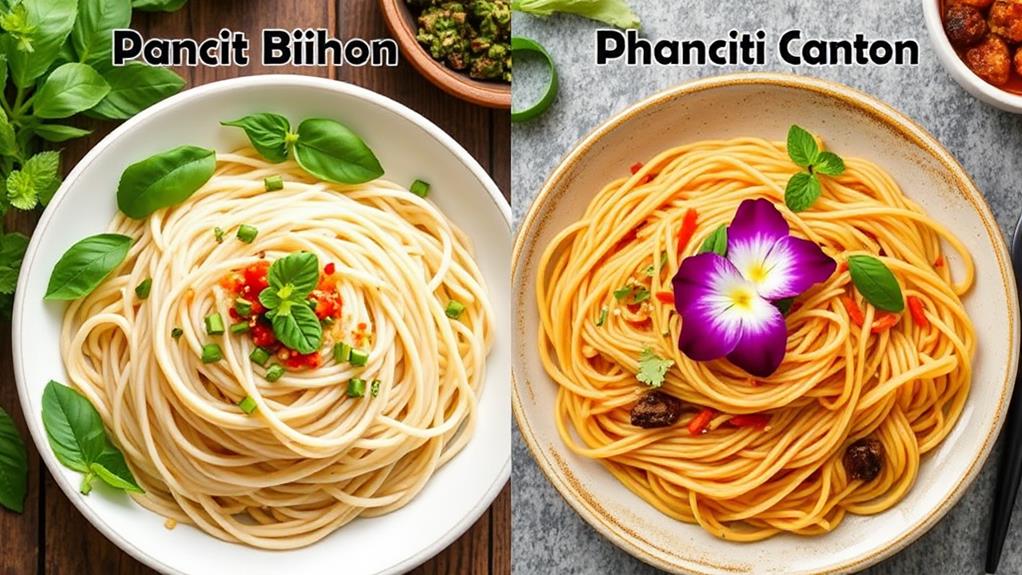
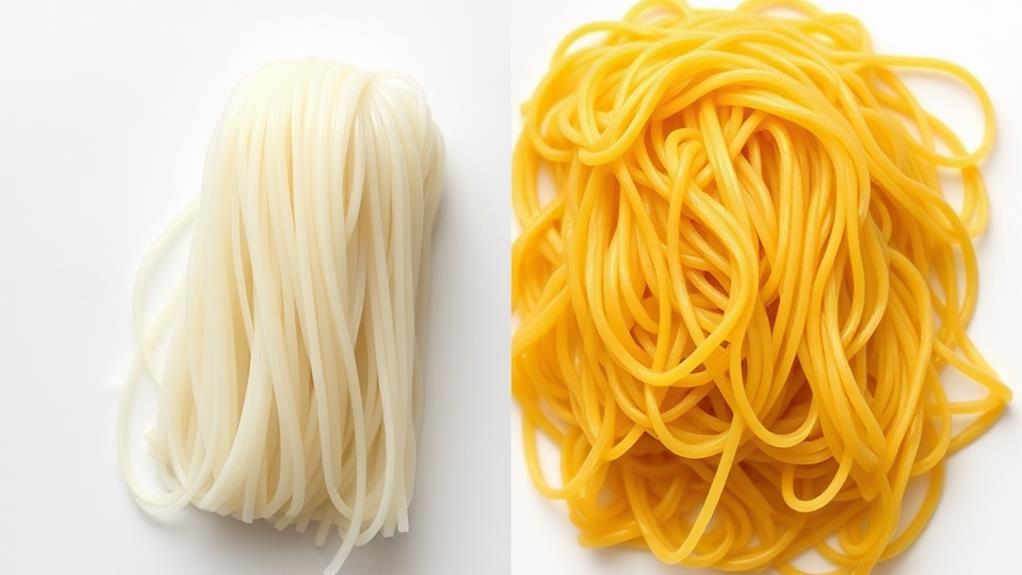
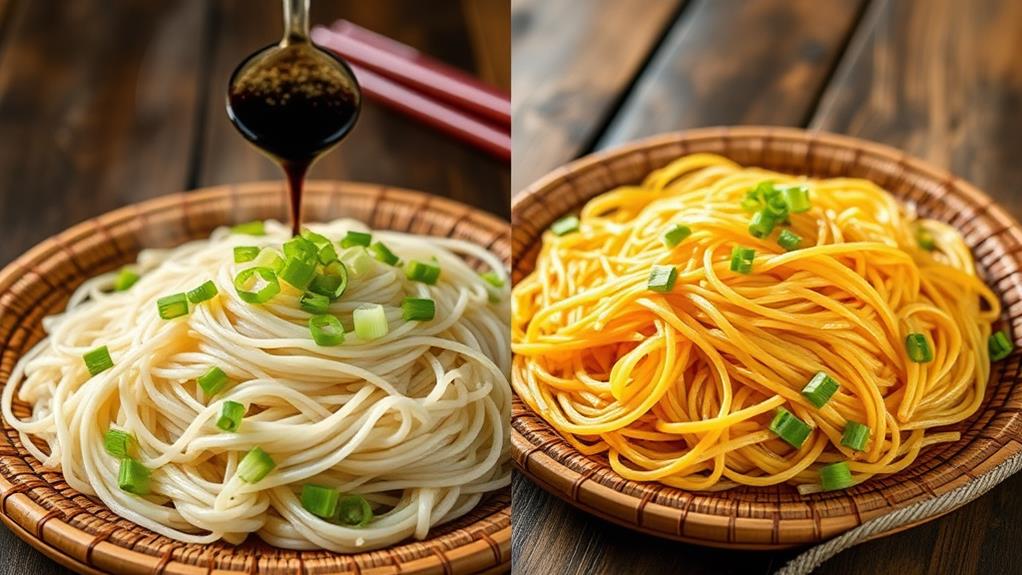
    Pancit bihon and pancit canton are two distinct Filipino noodle dishes. The primary difference between them lies in the type of noodles used.
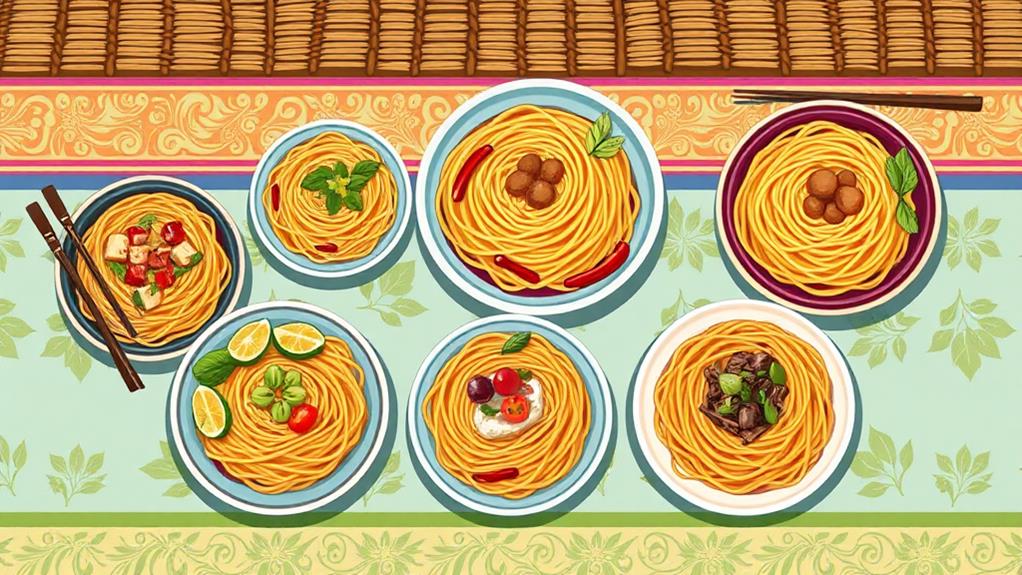
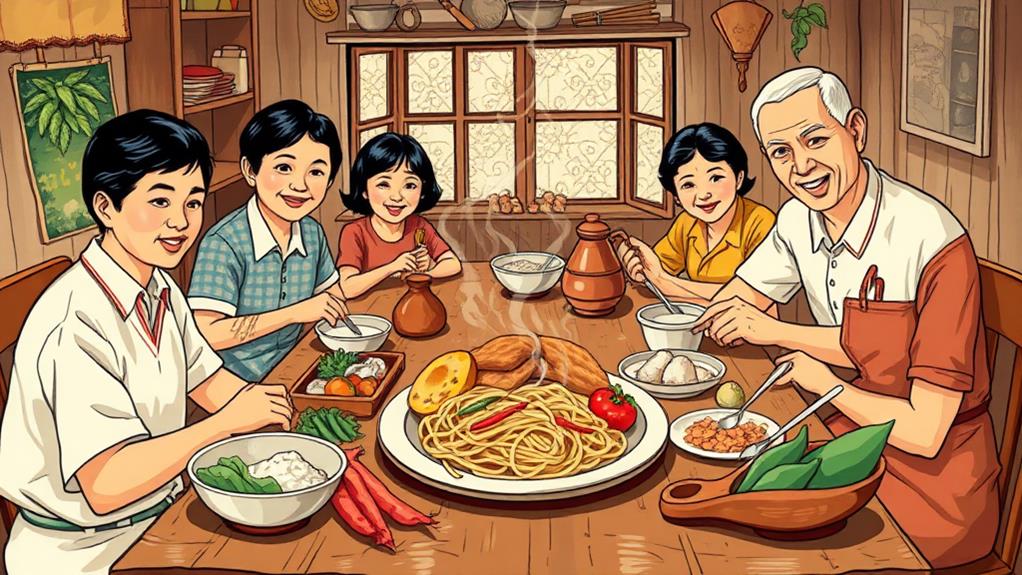
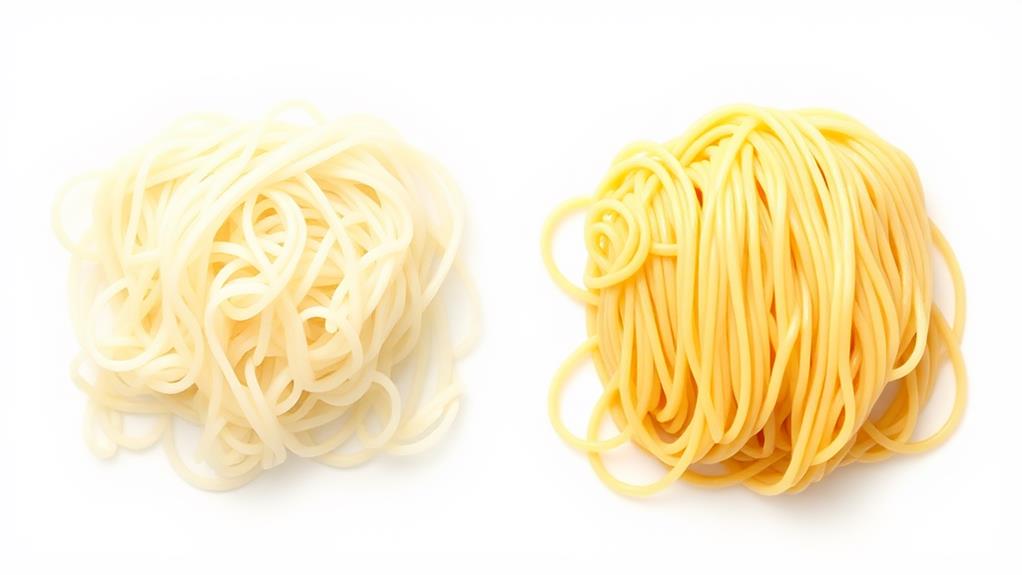
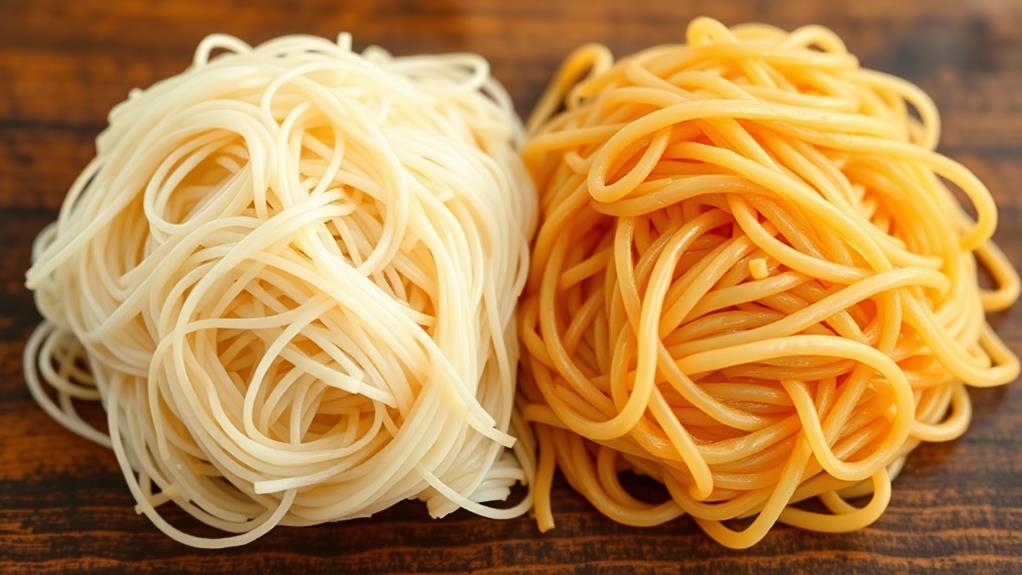
    Pancit bihon uses thin, translucent rice noodles, whereas pancit canton uses thicker, yellowish egg noodles. This variation affects not only the texture but also the cooking method, nutritional value, and price.

    The cooking method for pancit bihon involves soaking the noodles in hot water, whereas pancit canton requires boiling the noodles. Additionally, pancit bihon tends to be lower in calories and fat compared to pancit canton.

    Lastly, pancit canton is generally more expensive than pancit bihon due to the higher cost of egg noodles.

    Filipino Noodle Dish Overview

    filipino noodle dish summary

    Filipino noodle dishes are beloved across the country due to the variety of noodles used, particularly in two popular dishes: pancit bihon and pancit canton.

    These two types of noodles are staples in Filipino cuisine, often served at celebrations and gatherings. Pancit bihon is made from thin rice noodles, which yield a translucent appearance when cooked. In contrast, pancit canton is made from thicker egg noodles, maintaining a yellowish hue. The difference in ingredients and preparation methods results in distinct textures and flavors.

    When cooking these dishes, you'll typically stir-fry the noodles with a mix of proteins and vegetables. However, the noodle type influences the overall cooking time and method. Pancit bihon is generally more economical and requires shorter cooking time, while pancit canton needs a longer cooking time due to its thicker texture.

    Both noodle varieties are widely available in markets across the Philippines.

    Understanding the characteristics of these two types of noodles is essential to appreciating the diversity of Filipino noodle dishes. By exploring the differences between pancit bihon and pancit canton, you'll gain insight into the cultural significance and culinary appeal of these beloved dishes.

    History of Pancit in Guam

    Pancit's introduction to Guam is attributed to Filipino migration during the Spanish colonial period. This influx of Filipino workers, which began in the 17th century, brought with them their culinary traditions, including pancit.

    Filipino workers introduced pancit bihon and pancit canton to the local cuisine.

    Post-World War II, there was a significant increase in Filipino workers, solidifying the presence of Filipino dishes in Guam. As cultural exchanges between Filipino and CHamoru communities took place, traditional pancit recipes were adapted, blending both culinary practices.

    For example, local ingredients and flavors were incorporated into pancit recipes, resulting in unique regional variations.

    Today, pancit dishes are staples at local fiestas and celebrations, highlighting their cultural significance. The evolution of pancit in Guam has resulted in its importance in community gatherings, where it's often served alongside other traditional dishes.

    Pancit's cultural significance is evident in its presence at local celebrations, where it brings people together and showcases the community's cultural heritage.

    Noodle Types and Characteristics

    varieties and attributes explained

    Two Primary Types of Noodles in Pancit Dishes

    Pancit bihon and pancit canton are the two popular types of noodles used in pancit dishes.

    Pancit Bihon Noodles

    Pancit bihon noodles are made from rice flour and cornstarch, resulting in thin, translucent, and delicate noodles.

    This combination gives them a perfect texture for soaking up flavors. When cooked, bihon noodles become soft and pliable, absorbing flavors easily.

    They're also generally more budget-friendly than canton noodles.

    Pancit Canton Noodles

    Pancit canton noodles, on the other hand, are made from wheat flour and eggs, resulting in thicker, egg-based noodles with a yellowish hue.

    This sturdier consistency holds up well to cooking and maintains its texture. When cooked, canton noodles keep their firmer texture and don't change color.

    Key Differences and Uses

    Despite their differences, both types of noodles are staples in Filipino cuisine.

    Pancit bihon often stars in stir-fries, while pancit canton is frequently used in savory noodle dishes.

    Cooking Methods and Steps

    Mastering Cooking Methods and Steps for Pancit Bihon and Pancit Canton

    To achieve harmony in the kitchen, it's essential to understand the cooking methods and steps for pancit bihon and pancit canton.

    Pancit bihon requires soaking rice noodles in water for 10 minutes to absorb flavors and soften properly, whereas pancit canton's egg noodles can be cooked directly in the stir-fry without pre-soaking.

    The cooking method for both dishes starts with sautéing garlic and onions as a flavor base.

    Then, add proteins like chicken, shrimp, or pork, followed by vegetables and noodles.

    The final step involves tossing the cooked noodles with the sautéed mixture, ensuring even distribution of flavors and allowing the noodles to absorb the sauce.

    Nutritional Information and Values

    dietary data and guidelines

    Pancit Bihon: A Lower-Calorie Option

    One serving of pancit bihon generally contains fewer calories than pancit canton due to its thinner rice flour noodles, which absorb less oil and sauce during cooking. This results in lower calorie consumption with pancit bihon.

    Gluten-Free and Protein Content

    Pancit bihon is made from rice flour and cornstarch, making it a gluten-free option suitable for those with gluten intolerance or sensitivity.

    While pancit canton has a higher protein content due to its egg-based noodles, pancit bihon still provides a significant amount of protein from added meat and seafood ingredients.

    Nutrient-Rich Ingredients

    Both pancit bihon and pancit canton incorporate a variety of vegetables, which enhance their nutritional profiles by providing vitamins and minerals essential for a balanced meal.

    The cooking methods for both dishes help maintain the nutrients in the ingredients, making them wholesome options suitable for gatherings and celebrations.

    Comparison of Nutritional Values

    Similarities Between Pancit Varieties

    Pancit Bihon and Pancit Canton Share Cultural Significance

    Both Pancit Bihon and Pancit Canton are staples during special occasions, such as birthdays, weddings, and holidays, highlighting their importance in Filipino culture.

    Similar Ingredients and Flavors

    Both dishes frequently feature similar ingredients, including pork, shrimp, and a variety of vegetables, which showcase a blend of flavors and textures.

    Chinese Roots and Adaptation

    Both Pancit Bihon and Pancit Canton have roots in Chinese cuisine, introduced to the Philippines through trade, and have since adapted to local culinary practices.

    Stir-Frying Method

    They're typically prepared using a stir-frying method, allowing for a quick and flavorful cooking process.

    Common Foundation in Filipino Cuisine

    These similarities demonstrate that, despite the differences in noodles used, Pancit Bihon and Pancit Canton share a common foundation in Filipino cuisine.

    They're both beloved dishes that bring people together, often served in a traditional bilao to emphasize their role as communal dishes enjoyed by family and friends.

    Differences in Noodle Texture

    noodle texture variations explained

    Pancit Bihon and Pancit Canton noodles have distinct textures due to their different ingredients.

    Pancit Bihon noodles are made from rice, making them incredibly thin and glass-like, with a delicate texture that becomes translucent when cooked. In contrast, Pancit Canton noodles are made from wheat flour and eggs, resulting in thicker noodles with a slightly firmer texture.

    The texture difference affects how the noodles interact with flavors and cooking methods.

    Bihon noodles readily absorb flavors from sauces and broths, enhancing the overall taste of the dish. On the other hand, Canton noodles maintain a firmer texture and chew.

    When cooking, Bihon noodles must be sautéed quickly to prevent them from becoming mushy, whereas Canton noodles can withstand a longer cooking time due to their sturdiness.

    The visual difference is also apparent.

    Cooked Bihon appears glossy and translucent, while cooked Canton remains yellowish and opaque, reflecting their differing compositions and textures.

    This distinct noodle texture is a key factor in the overall character of each pancit variety.

    Pricing and Cost Comparison

    Pricing and Cost Comparison

    When it comes to pricing and cost comparison, Pancit Bihon is generally more affordable than Pancit Canton. This price difference is attributed to the basic ingredients used in each noodle type, with rice being less expensive than wheat and egg.

    Local market availability significantly impacts the pricing of both noodle types. Pancit Bihon is frequently found at lower prices in many regions.

    On average, a pound of Pancit Bihon can cost around $1.50 to $3.00, while Pancit Canton may range from $2.00 to $4.00 per pound, depending on the brand and quality.

    Seasonal variations and regional demand also affect the cost of both types of noodles. Pancit Bihon is often the go-to option for economical meal planning due to its consistent affordability.

    Other Popular Pancit Recipes

    variety of pancit recipes

    Exploring the Diversity of Filipino Noodle Dishes

    The Philippines is home to a variety of pancit recipes, each with its unique flavor profile and ingredients. Five popular pancit recipes showcase the diversity of Filipino noodle dishes.

    Pancit Recipe Description
    Pancit Sotanghon Made with mung bean noodles, savory broth, and garnished with shredded chicken and vegetables
    Pancit Palabok Rich shrimp sauce, served on a bed of rice noodles, garnished with hard-boiled eggs, chicharrón, and green onions
    Pancit Lucban Known for its distinct flavor profile, incorporating local ingredients like longganisa, often served during the Pahiyas Festival

    Beyond familiar recipes like pancit bihon and pancit canton, other variations offer a chance to experience authentic pancit in new ways. For example, Pancit Lomi features thick egg noodles in a hearty sauce, while Pancit Habhab has a unique twist with vinegar and banana leaves. Each dish is a testament to the creativity and diversity of Filipino cuisine.

    What are the main differences between Pancit Bihon and Pancit Canton?

    Pancit Bihon and Pancit Canton are two popular variations for pancit noodles in Filipino cuisine. The main difference lies in the type of noodles used. Pancit Bihon features thin rice noodles, while Pancit Canton uses thick egg noodles. Each offers a unique texture and flavor to this traditional dish.

    Cultural Significance in Filipino Cuisine

    Pancit's Cultural Significance in Filipino Celebrations

    In Filipino celebrations, pancit dishes like Pancit Bihon and Pancit Canton symbolize good fortune and well-being, taking center stage as a staple food. Beyond its delicious taste, pancit holds cultural significance that reflects the values and traditions of Filipino cuisine.

    Long noodles represent longevity, reflecting the importance of health and prosperity for those who enjoy the meal. This symbolism is rooted in the idea that long, unbroken noodles ensure a long and healthy life.

    Pancit preparation fosters community and bonding, highlighting the importance of family and social ties. The communal preparation of pancit encourages teamwork, cooperation, and social interaction among participants, strengthening relationships and creating lasting memories.

    Pancit dishes showcase historical trade connections that introduced noodles to the Philippines. The fusion of Chinese and Filipino culinary traditions in pancit dishes like Pancit Bihon and Pancit Canton serves as a testament to the cultural exchange and trade that shaped Filipino cuisine.

    Frequently Asked Questions

    What Are the Two Types of Noodles in Pancit?

    Pancit dishes typically feature two main types of noodles: rice noodles and egg noodles.

    Rice noodles are thin and delicate, becoming translucent when cooked. They provide a soft bite and have a neutral flavor profile. This means they absorb the flavors of the dish without overpowering them.

    Egg noodles, on the other hand, are thicker and sturdier. They retain their yellowish color even after cooking and offer a more robust flavor. This makes them a great addition to pancit dishes, adding depth and complexity to the flavor profile.

    What Is the Most Popular Pancit in the Philippines?

    Pancit Bihon is the most popular pancit in the Philippines.

    While regional preferences and cooking techniques vary, many Filipinos agree that Pancit Bihon takes the top spot. This is due to its light, rice-based noodles that are expertly cooked to absorb flavors, making it a hit at family gatherings and festivities.

    The delicate texture of Pancit Bihon's noodles wins over hearts, making it a beloved classic in Filipino cuisine.

    What Is the Difference Between Pancit Luglug and Bihon?

    Pancit Luglug and Bihon are two distinct types of Filipino noodles. They differ in terms of noodle thickness, ingredients, and cooking methods.

    Luglug features thick rice noodles, typically served with a rich shrimp sauce and savory broth.

    Bihon, on the other hand, boasts thin noodles, often sautéed with various proteins and vegetables.

    Regional variations play a significant role in the availability of these noodles. Luglug is commonly found in specific areas and festivities, whereas Bihon is more widely available.

    The flavor profiles of these noodles also differ. Luglug's thick sauce coats the noodles, giving it a rich and savory flavor.

    In contrast, Bihon's lighter stir-fry style results in a more delicate taste.

    What Is the Difference Between Pancit Bihon and Sotanghon?

    Pancit Bihon noodles are made from rice flour and cornstarch, resulting in thin, translucent noodles. These noodles, influenced by Chinese cuisine, are commonly used in Filipino cooking.

    Sotanghon noodles, on the other hand, are made from mung bean starch and have a distinct glassy texture. This type of noodle is also popular in Filipino cuisine, but its texture sets it apart from Bihon.

    Regional variations in cooking methods exist between the two noodles. Bihon is often stir-fried, which helps to bring out its delicate flavor.

    In contrast, Sotanghon is typically used in soups, where it absorbs flavors from the broth.

    When cooked, Bihon noodles turn translucent, whereas Sotanghon retains its glassy appearance. This visual difference is a key distinction between the two types of noodles.

  • 7 Tips for Cooking Lumpia and Pancit at Home

    7 Tips for Cooking Lumpia and Pancit at Home

    Mastering Lumpia Fillings

    To create delicious and authentic Filipino-style lumpia, start by perfecting your filling mixture. Combine ground pork, chopped veggies, and seasonings in a balanced ratio to achieve the ideal flavor and texture.

    Refrigerate the mixture to allow the flavors to meld together before assembling the lumpia.

    Perfecting the Rolling Technique

    To achieve the perfect roll, use the right amount of filling and fold the lumpia wrapper correctly.

    Seal the edges with a mixture of water and flour or a beaten egg to prevent the filling from spilling out during cooking.

    Choosing the Cooking Method

    Decide on the cooking method that suits your taste and nutrition goals.

    Fry lumpia at 350°F for a crispy exterior, or opt for baking or air-frying for a healthier alternative.

    Experiment with different cooking methods to find your favorite way to prepare lumpia and pancit.

    Elevating Your Lumpia and Pancit Game

    As you experiment with flavors, nutrition, and organization, you'll discover new secrets to take your lumpia and pancit to the next level.

    Continuously refine your techniques and try new ingredients to elevate your cooking skills and impress your family and friends.

    Mastering Lumpia Fillings

    delicious lumpia filling techniques

    Crafting the Perfect Lumpia Filling

    To create a well-balanced lumpia filling, combine ground pork with finely chopped vegetables like carrots, onions, and cabbage. This mixture provides a harmonious blend of tender meat and crunchy vegetables.

    Add seasonings like garlic, soy sauce, and black pepper to enhance the overall taste profile of the filling.

    Vegetarian Option

    For a vegetarian version, substitute ground pork with sautéed mushrooms, carrots, and cabbage. To maintain crispiness, cook high-water-content vegetables first.

    Filling Portion and Refrigeration

    Use 1.5 to 2 tablespoons of filling per wrapper to prevent tearing and ensure adequate filling.

    Refrigerate the filling mixture for at least an hour to allow flavors to meld and improve the binding of ingredients.

    Perfecting the Rolling Technique

    Mastering the Rolling Technique

    To achieve golden brown and crispy lumpia, perfecting the rolling technique is crucial.

    Step 1: Prepare the Wrapper

    Lay a lumpia wrapper in a diamond orientation, with the pointed end facing you, for easier rolling and sealing.

    Step 2: Add the Right Amount of Filling

    Use 1.5 to 2 tablespoons of filling to avoid overstuffing, which can cause tearing during the rolling process.

    Step 3: Fold and Roll

    Fold the bottom corner of the wrapper over the filling, tuck in the sides, and roll tightly to secure the filling inside.

    Apply consistent pressure to maintain even thickness and avoid gaps that could lead to breakage.

    Sealing the Edges

    Use a mixture of water and flour or a beaten egg to seal the edges and ensure they don't open during frying.

    With practice, you'll be able to roll lumpia like a pro and cook them to perfection on medium heat.

    Essential Cooking Methods

    key culinary techniques explained

    Accurate Oil Temperature is Crucial for Frying Lumpia

    When frying lumpia, the oil temperature must be 350°F to achieve a golden brown texture.

    To ensure even cooking, fry in small batches of 4-6 and avoid overcrowding the pot.

    For a healthier alternative, bake at 375°F or air fry at 400°F to achieve a crispy texture without sacrificing flavor.

    Proper Cooking of Noodles Enhances Flavor in Pancit

    To cook pancit noodles, use reserved chicken stock to enhance the overall flavor of the dish.

    Cook the noodles until they're tender.

    Tips for Making Lumpia Filling and Wrapping

    When making the lumpia filling, sauté high-water-content vegetables first to maintain their crispiness and prevent sogginess in the final product.

    When wrapping, lay the wrapper in a diamond orientation and fill with 1.5 to 2 tablespoons of filling to avoid tearing.

    Balancing Flavors and Nutrition

    Balancing Flavors and Nutrition in Lumpia and Pancit

    When preparing lumpia and pancit, it is crucial to strike a balance between flavors and nutrition to create dishes that are both delicious and healthy.

    Using Seasonings Effectively

    To achieve this balance, use a combination of seasonings like garlic, soy sauce, and sesame oil to enhance the flavor of your lumpia and pancit without overpowering the natural ingredients.

    This approach allows you to add depth to your dishes without sacrificing nutritional value.

    Incorporating Nutritious Ingredients

    Incorporate high-water-content vegetables like cabbage and carrots into your lumpia filling to add freshness and balance out the richness of the meat.

    This technique not only adds flavor but also increases the nutrient density of your dish.

    Air-Frying for a Healthier Option

    Opt for air-frying your lumpia instead of deep-frying to reduce oil retention and calorie count, achieving a crispy exterior without sacrificing nutrition.

    This method allows you to enjoy the crispy texture of fried lumpia while keeping your dish healthy and nutritious.

    Organizing Your Cooking Station

    efficient kitchen setup tips

    Efficient Cooking Station Setup

    To cook lumpia and pancit effectively, a well-organized cooking station is essential. A clean and spacious workspace is necessary to accommodate all ingredients and cooking utensils. This can be achieved by using a large cutting board and mixing bowls.

    Organize Ingredients by Category

    Grouping ingredients into categories such as proteins, vegetables, and sauces streamlines the cooking process. This helps to quickly locate specific ingredients and prevents confusion.

    Prepare for Lumpia Wrapping

    Keep a sealing mixture, like an egg wash, and a parchment-lined baking sheet nearby to easily seal and store wrapped lumpia before frying.

    Arrange Cooking Utensils

    Place cooking utensils, including a frying pan, spatula, and measuring cups, within arm's reach to minimize movement and maintain efficiency while cooking.

    Designate a Frying or Baking Area

    Set up a specific area for frying or baking lumpia, ensuring that oil or cooking sprays are accessible and surfaces are clear of clutter. This prevents accidents and allows for smooth cooking.

    Common Mistakes to Avoid

    Beyond a well-organized cooking station, avoiding common mistakes is crucial when cooking lumpia and pancit at home. Careless mistakes can sabotage your efforts, so it's essential to be mindful of potential pitfalls.

    Overfilling lumpia wrappers can cause them to tear and spill their filling during frying. To avoid this, leave enough space at the top of the wrapper to allow for easy folding and sealing.

    Frying spring rolls in oil that's not hot enough results in a soggy mess. Use a thermometer to ensure the oil reaches the ideal temperature of 350°F.

    Insufficient refrigeration of the filling mixture affects the texture and flavor of your Filipino Lumpia. Refrigerate the mixture long enough to allow the flavors to meld together.

    Seal the lumpia closed securely with egg wash or water to prevent them from opening during frying.

    When cooking pancit, avoid overcooking the noodles; they should be cooked just until tender to maintain their desired texture.

    Let them cool slightly before serving to prevent mushiness.

    What are the Best Tips for Cooking Lumpia and Pancit at Home Using Essential Ingredients?

    For delicious lumpia and pancit at home, use essential lumpia and pancit ingredients like garlic, onions, carrots, cabbage, and soy sauce. Ensure the right balance of flavors by sautéing the vegetables and adding the soy sauce for an authentic taste. Experiment with different meat fillings for the lumpia for a variety of flavors.

    Creative Variations and Twists

    innovative ideas and adaptations

    Experimenting with Lumpia and Pancit Recipes

    Protein Variations

    You can substitute ground pork with chicken, beef, or shrimp to create different protein-based lumpia fillings.

    For a vegetarian option, use tofu and mixed vegetables as a healthier alternative.

    Adding Fresh Flavors

    Incorporate herbs like cilantro or basil into the filling mixture for added freshness.

    You can also add unique ingredients like cheese or spicy sausage to create a fusion-style lumpia.

    Dessert Lumpia

    Fill wrappers with sweetened fruits, chocolate, or cream cheese and fry or bake them for a sweet surprise.

    Pancit Variations

    Mix in unconventional vegetables like bell peppers or zucchini to add variety to your pancit dish.

    You can also use different noodles like rice noodles or whole grain options for added nutrition.

    Creative Dipping Sauces

    Try a sweet and sour sauce or a tangy peanut sauce to elevate your dish to the next level.

    Frequently Asked Questions

    How Do You Fry Lumpia and Keep It Crispy?

    To achieve crispy lumpia, heat the oil to 350°F (175°C). This temperature ensures a crunchy texture.

    Fry in small batches to prevent overcrowding, which can make the lumpia soggy.

    Cook for 4-6 minutes, or until they're golden brown, then drain on paper towels. This step is crucial to remove excess oil and maintain crispiness.

    Serve hot with a side of dipping sauce on a serving platter to enjoy the best flavor and texture.

    Store leftovers in an airtight container to preserve the crispy lumpia wrappers and flavorful filling. This will help maintain the crunchiness even after storage.

    How Long Should I Cook Lumpia?

    Frying Temperature: 350°F is the ideal temperature for frying lumpia, resulting in a crispy exterior and a deliciously cooked filling.

    Cooking Time: The cooking time for lumpia depends on whether they're fresh or frozen.

    Fresh lumpia take 4 minutes to cook, while frozen ones need around 6 minutes.

    Is It Better to Cook Lumpia Frozen or Thawed?

    Cooking lumpia from frozen is the better option. This is because frozen lumpia maintain their crispy exterior and moist interior when cooked.

    In contrast, thawing lumpia can lead to sogginess. For example, cooking frozen lumpia at 350°F for 6 minutes results in a golden brown color without excess oil absorption.

    How Do You Know When Lumpia Is Done Frying?

    When is lumpia done frying?

    Lumpia is done frying when it turns a golden brown color. This typically takes around 4-6 minutes, depending on whether it's fresh or frozen.

    To confirm, check the texture by lifting one out of the frying oil with a slotted spoon.

    If the wrapper is crispy and the filling is hot, it's ready to serve.

  • Variations to Try With Pancit Bihon and Pancit Canton

    Variations to Try With Pancit Bihon and Pancit Canton

    Experiment with Proteins to Elevate Your Pancit

    To take your pancit bihon and pancit canton to the next level, try using different proteins like chicken, shrimp, or pork. You can also mix and match these proteins to create unique flavor combinations.

    For example, combining chicken and shrimp can add a rich and savory flavor to your dish.

    Add Seasonal Veggies for a Refreshing Twist

    Incorporating seasonal vegetables like asparagus, zucchini, or Brussels sprouts can refresh your pancit bihon and pancit canton.

    These veggies add a crunchy texture and a burst of flavor to your dish.

    Unlock New Flavors with Sauces and Spices

    Oyster sauce, Shaoxing wine, and chili flakes are just a few examples of the many sauces and spices you can use to elevate the flavor of your pancit bihon and pancit canton.

    These ingredients can add a savory, umami, or spicy flavor to your dish, depending on your preference.

    Filipino Noodle Dish Variations

    diverse filipino noodle dishes

    The Philippines offers a diverse range of Filipino noodle dish variations that cater to different tastes and preferences.

    Pancit Bihon is a comfort food staple in many Filipino households, featuring traditional rice vermicelli noodles sautéed with a mix of proteins like chicken, shrimp, and pork, along with a colorful array of vegetables.

    Pancit Canton with Vegetables offers a meatless twist, using Cantonese egg noodles stir-fried with a variety of fresh vegetables, making it a lighter option.

    Other variations include Pancit Malabon, which incorporates thick rice noodles and is notable for its rich seafood flavor.

    Pancit Puti, also known as "white pancit," uses egg noodles and is distinguished by its lack of soy sauce, relying on chicken broth and spices for flavor.

    These variations showcase the creativity and diversity of Filipino dishes, offering something for everyone.

    Protein Options and Combinations

    Protein Options Elevate Pancit Bihon and Pancit Canton

    Two essential elements that enhance the flavors and textures of Pancit Bihon and Pancit Canton are the protein options and combinations you choose.

    Chicken Options

    For a juicier texture, use boneless, skinless chicken thighs.

    For quicker preparation, opt for shredded rotisserie chicken.

    Seafood Combinations

    Mixing shrimp, scallops, or crab meat enhances the dish's flavor profile and provides a variety of textures in the noodle mixture.

    Pork Options

    Diced pork belly or tenderloin adds a rich, savory element and can be combined with other proteins like chicken or shrimp for a hearty meal.

    Meatless Alternatives

    Substitute with tofu or tempeh, which absorbs the flavors of the sauce while providing a protein-rich alternative.

    Combining Proteins

    Combining chicken, shrimp, and pork creates a harmonious blend of flavors, adding depth and variety to the overall meal experience.

    Seasonal Vegetable Twists

    creative seasonal vegetable recipes

    Incorporating seasonal vegetables into Pancit Bihon and Pancit Canton enhances the dish's flavor and texture. By doing so, you can create a unique variation of the classic Filipino noodle dish that suits the time of year.

    In the spring, add asparagus and snap peas for a fresh and vibrant twist. These vegetables inject fresh flavors and textures, making the dish perfect for the season.

    During the summer, zucchini and bell peppers enhance the dish's color and provide a light, refreshing flavor. These vegetables add a pop of color and a refreshing twist to the dish, making it suitable for the summer season.

    In autumn, use roasted butternut squash and Brussels sprouts for a heartier version that complements the savory noodles. These vegetables add a rich, earthy flavor and a satisfying texture, making the dish perfect for the fall season.

    In the winter, include root vegetables like carrots and parsnips, which add sweetness and depth to the dish. These vegetables bring a sweet and comforting element to the dish, making it suitable for the winter season.

    You can also experiment with leafy greens like kale or spinach, adding them towards the end of cooking for a nutritious boost year-round. These vegetables provide a nutritious and flavorful addition to the dish, regardless of the season.

    Sauces and Spice Enhancements

    Elevate Your Pancit Dishes with Sauces and Spices

    Adding specific sauces and spices can transform your Pancit Bihon and Pancit Canton from ordinary to extraordinary. Oyster sauce, for instance, brings a rich umami flavor that complements the savory elements of these noodle dishes when added to the stir-fry.

    Shaoxing wine can be used to add depth and enhance the aromatic profile of your pancit bihon and pancit canton.

    If you prefer a spicy kick, red chili flakes or Sriracha sauce can elevate the flavor and heat level of both pancit variations.

    Sesame oil provides a nutty aroma and richness, making your pancit dishes more fragrant and enjoyable.

    Finally, hoisin sauce adds a hint of sweetness, balancing the savory and spicy notes in your recipes.

    Regional Herb and Garnish Ideas

    local herb and garnish suggestions

    Regional herbs and garnishes can elevate Pancit Bihon and Pancit Canton by adding freshness, texture, and depth to these popular Filipino noodle dishes.

    These additional elements enhance the flavor profile and presentation, making the dishes more appealing.

    To give your Pancit Bihon and Pancit Canton a regional twist, try these herb and garnish ideas:

    • Cilantro and Green Onions add freshness: Chopped cilantro and green onions provide a mild onion flavor and a crunchy texture.
    • Lime or Calamansi Wedges add acidity: Serving with a side of lime or calamansi wedges allows for a squeeze of fresh citrus juice, brightening the flavors.
    • Chili Flakes and Fried Garlic add heat and depth: Sprinkling chili flakes or crispy fried garlic bits on top gives the dish a spicy kick and aromatic crunch.
    • Customize to Taste: Mix and match these regional herbs and garnishes to create a flavor profile that suits your taste preferences.

    Dietary Preference Accommodations

    Adapting Filipino Noodle Dishes to Dietary Needs

    Pancit Bihon and Pancit Canton can be modified to cater to various dietary requirements. To accommodate vegetarian diets, substitute meats with tofu or mushrooms to enhance texture and flavor without animal products.

    For gluten-free diets, use rice noodles for both Pancit Bihon and Pancit Canton, and ensure gluten-free soy sauce.

    To create a low-carb alternative, replace noodles with spiralized vegetables like zucchini or carrots, creating a fresh, vegetable-based version of the dish.

    For a keto diet, reduce sugar content in the sauce or omit it entirely, focusing on high-protein ingredients like shrimp and chicken.

    To make these dishes shellfish-free, use only chicken or pork and add more vegetables and seasonings.

    Cooking Method Experimentations

    culinary technique innovations

    Experimenting with Cooking Methods for Pancit Bihon and Pancit Canton

    To take your Pancit Bihon and Pancit Canton dishes to the next level, it's essential to experiment with different cooking methods. This allows you to achieve unique flavors, textures, and presentation styles.

    Pressure Cooking

    Using a pressure cooker significantly reduces cooking time. This method is ideal for quickly preparing proteins and broth for both Pancit Bihon and Pancit Canton.

    Stir-Frying

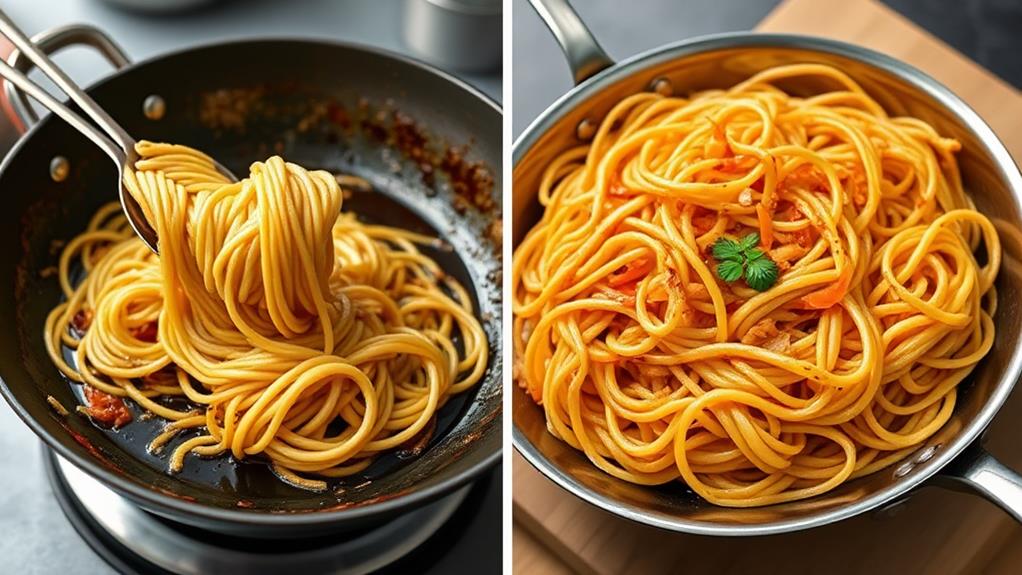
    High-heat stir-frying achieves a slight char on the noodles, enhancing their flavor and texture in both Pancit Bihon and Pancit Canton.

    Steaming

    Steaming is an alternative cooking method that allows vegetables to cook in the steam while preserving their crunchiness.

    Simply layer the vegetables on top of the noodles.

    Wok and Oven Cooking

    Cooking Pancit Canton in a wok ensures even heat distribution, perfect for quick stir-frying and achieving the ideal noodle texture.

    Baking Pancit Bihon in the oven allows the noodles to absorb flavors from the sauce while achieving a slightly crispy top layer.

    Where Can I Find the Best Variations of Pancit Bihon and Pancit Canton?

    Looking for the best pancit bihon spots near me? You can find a variety of delicious Pancit Bihon and Pancit Canton at local Filipino restaurants, food markets, and eateries. Explore different establishments in your area to sample the best variations of these popular Filipino noodle dishes.

    Presentation and Garnish Inspiration

    Garnishing and Presentation Ideas for Pancit Bihon and Pancit Canton

    Garnishing and presentation are essential to elevate your Pancit Bihon and Pancit Canton dishes to a visually stunning level.

    Garnishing Options

    When it comes to garnishing, freshly chopped green onions or cilantro can add a burst of color and flavor.

    Alternatively, serving lime or calamansi wedges on the side can provide a zesty kick.

    Visual Appeal Enhancement

    To enhance visual appeal, arrange your dish with an assortment of colorful vegetables, such as julienned carrots, bell peppers, and snow peas.

    These vibrant vegetables showcase the freshness of your dish.

    Toasted sesame seeds can also be sprinkled on top for added texture, providing a nutty flavor and a pleasing crunch.

    Frequently Asked Questions

    What Food Goes Well With Pancit Bihon?

    Traditional protein-packed options complement the light, savory flavor profile of pancit bihon.

    Crispy fried chicken and lechon kawali are classic pairing choices that satisfy and delight.

    Refreshing twists can also elevate the dish.

    A Filipino-style salad provides a cool contrast, while serving pancit bihon with lumpiang shanghai offers a delightful mix of textures.

    What Is the Difference Between Pancit Bihon and Pancit Canton?

    Pancit Bihon and Pancit Canton differ in their noodle types. Bihon uses thin rice vermicelli, while Canton features thicker egg noodles.

    This difference affects cooking methods: bihon requires soaking, whereas Canton is cooked directly in the pan.

    The flavor profiles also vary: bihon has a light taste, while Canton is rich and savory due to the use of chicken stock and soy sauce.

    These differences impact serving styles: bihon is suitable for lighter meals, while Canton is often a staple at celebrations.

    What Are the Different Types of Pancit?

    Pancit variations offer a diverse range of regional specialties and unique serving styles.

    In the Philippines, regional specialties like Pancit Malabon and Pancit Palabok showcase distinct flavors and ingredients.

    Pancit Habhab, served on a banana leaf, is another notable variation.

    Noodle types in pancit vary greatly. Thick egg noodles are used in some recipes, while others feature rice vermicelli.

    Ingredient swaps cater to different preferences, including festive, health-conscious, and vegetarian options.

    Pancit has a rich history, evolving into a popular street food. This evolution has made it possible for pancit to offer something for everyone.

    What Is the Difference Between Pancit Guisado and Pancit?

    Pancit Guisado's unique combination of ingredients and cooking technique sets it apart from other Pancit varieties.

    Unlike other Pancit dishes, Guisado combines a mix of proteins (such as pork, chicken, or shrimp), vegetables (like cabbage, carrots, and onions), and noodles, creating a rich flavor profile.

    The stir-frying method brings all these elements together, making it a heartier and more complex dish. This approach results in a festive favorite that's often served during celebrations.

  • Why Is Banana Ketchup Spaghetti a Filipino Favorite?

    Why Is Banana Ketchup Spaghetti a Filipino Favorite?

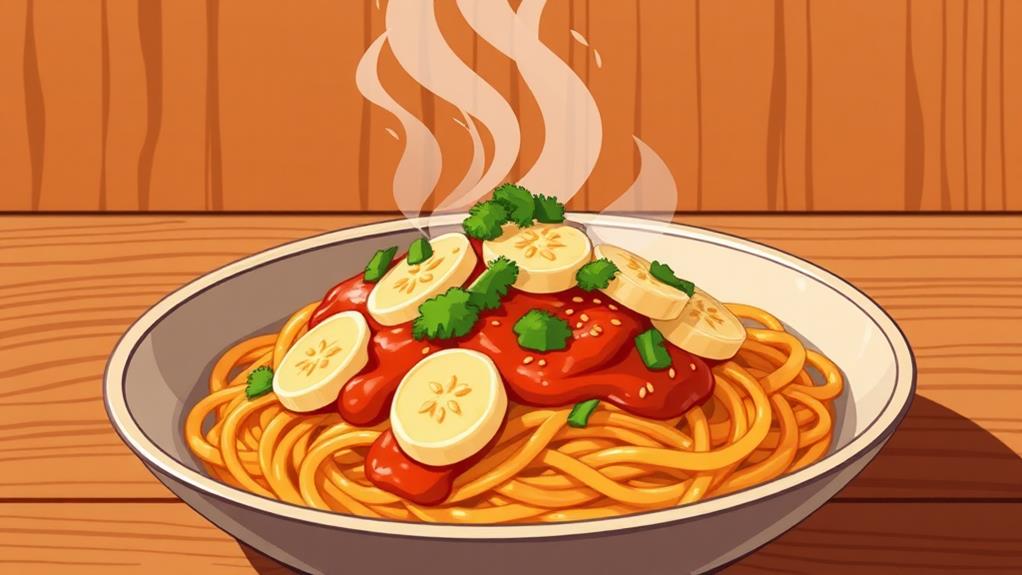
    Banana ketchup spaghetti is a staple at Filipino gatherings and celebrations because it represents a creative solution to historical challenges.

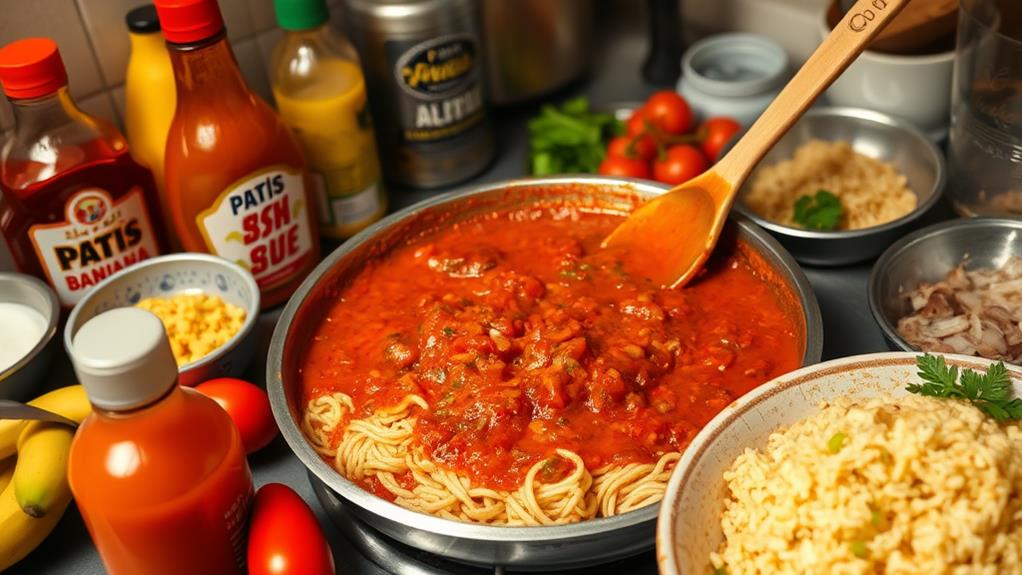
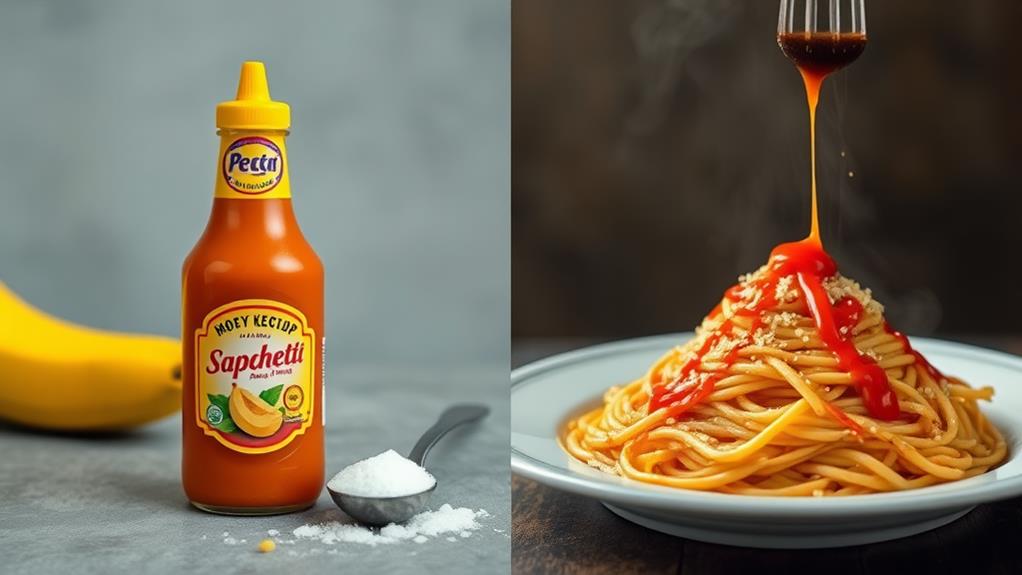
    During the American occupation and World War II, tomato shortages led to the use of banana ketchup as a substitute. This sweet and tangy condiment, made from bananas, vinegar, sugar, and spices, added a unique flavor profile to traditional spaghetti.

    This dish is a cultural phenomenon that evokes nostalgia and community.

    In Filipino culture, banana ketchup spaghetti symbolizes happiness, long life, and prosperity. Its significance goes beyond being a favorite food; it represents the resourcefulness and adaptability of the Filipino people.

    History of Filipino Spaghetti

    cultural evolution of spaghetti

    The American occupation of the Philippines from 1898 to 1946 led to a culinary fusion that introduced new flavors and cooking techniques to the locals. During this period, foreign cuisine, including Italian dishes, was introduced to the Philippines.

    One outcome of this cultural exchange was the creation of Filipino spaghetti, a dish distinct from its Italian counterpart.

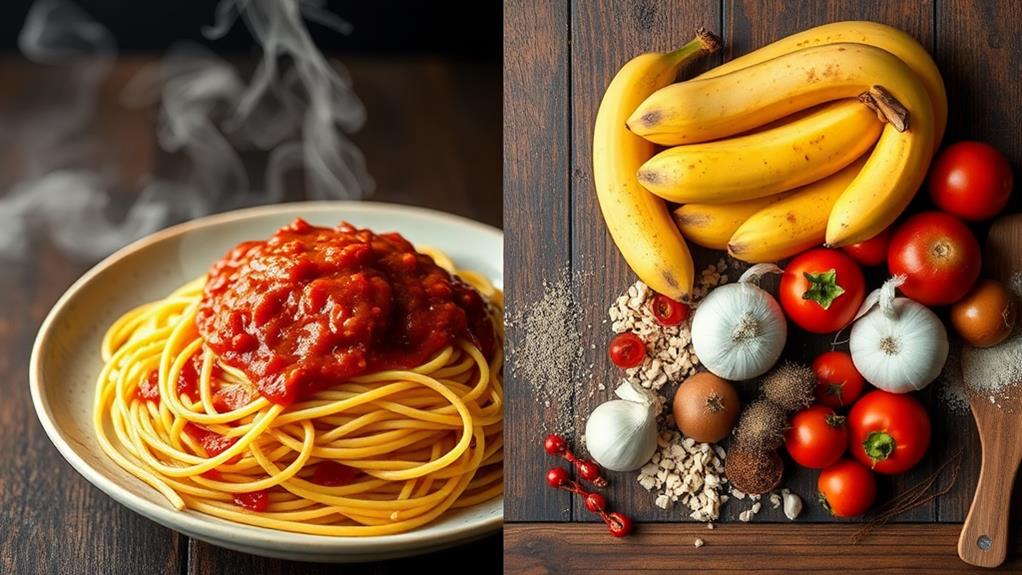
    The unique sweetness of Filipino spaghetti comes from banana ketchup, a condiment born out of necessity during World War II. Due to tomato shortages, Filipinos turned to banana ketchup as a substitute.

    This innovation resulted in a sweet and tangy sauce that has become a staple in Filipino cuisine.

    Filipino spaghetti is more than just a dish; it reflects the country's adaptability and resourcefulness. The ability to adapt to circumstances and create something new is a hallmark of Filipino culture.

    Today, Filipino spaghetti is a staple at gatherings and celebrations, showcasing the power of culinary fusion.

    The Role of Banana Ketchup

    Banana ketchup is the secret ingredient that sets Filipino spaghetti apart from its traditional Italian counterpart. Its unique flavor profile is a result of its sweet and tangy taste, which complements the rich flavors of the dish.

    Banana ketchup was invented during World War II as a response to the shortage of tomatoes. Since then, it has become an integral part of Filipino cuisine.

    It's what makes this comfort food truly Filipino.

    Banana ketchup adds a signature sweetness that balances the savory flavors of the spaghetti.

    Its unique flavor profile sets Filipino spaghetti apart from traditional Italian versions, which typically use tomato ketchup.

    In many Filipino households, banana ketchup is preferred over tomato ketchup due to its distinct taste.

    Popular brands make it readily accessible, solidifying its status as a beloved component of Filipino culinary traditions.

    Banana ketchup is a testament to the creativity and resourcefulness of Filipino cuisine during times of scarcity.

    Traditional Ingredients and Variations

    culinary heritage and adaptations

    Traditional Ingredients

    Filipino spaghetti stands out from its international counterparts due to its unique combination of traditional ingredients. Ground pork, sliced red hot dogs, onions, garlic, and bell peppers create a savory flavor profile that sets it apart.

    The sweetness of banana ketchup, combined with tomato sauce and sugar, adds a crucial depth of flavor.

    Variations

    Filipino spaghetti is all about adaptability and experimentation. Recipes may incorporate additional ingredients such as carrots, celery, or grated cheese, enhancing the richness and texture of the dish.

    The sweetness level can be adjusted to suit individual tastes, reflecting the flexibility of Filipino cuisine. This adaptability allows for the discovery of unique regional twists and flavor combinations.

    Cooking Filipino Spaghetti to Perfection

    Cooking Spaghetti to Perfection

    Cook spaghetti for 7-9 minutes to achieve al dente perfection. Overcooking will result in mushy noodles that can't hold up to the rich sauce.

    Once cooked, set the spaghetti aside to focus on building the sauce.

    Building the Sauce

    Sauté sliced hot dogs in a large saucepan until lightly browned, then set them aside to infuse flavor into the sauce later.

    Next, cook onions, garlic, and bell peppers until soft, then add ground beef and season with bouillon and pepper.

    Add banana ketchup, tomato sauce, and sugar to create a rich and savory sauce.

    Simmer the sauce for at least an hour, adding the hot dogs in the last 10 minutes.

    Key Ingredients for Filipino Spaghetti Perfection

    Use banana ketchup for a sweet and tangy flavor.

    Add sliced hot dogs for a meaty twist.

    Don't skip evaporated milk for a creamy finish.

    Shredded cheese is a must for a generous topping.

    Simmer the sauce for at least an hour to meld all the flavors together.

    Serving and Storing Leftovers

    properly handling leftover food

    Proper Storage Ensures Freshness

    When storing leftover Filipino spaghetti, it's essential to keep the meat sauce and noodles separate in airtight containers. This prevents the noodles from becoming mushy and the sauce from drying out.

    Storage Options

    Storage Method Shelf Life Reheating Instructions
    Refrigeration Up to 3 days Reheat in the microwave or on the stovetop.
    Freezing Up to 2 months Submerge in boiling water or heat sauce separately.
    Room Temperature Not recommended

    Reheating and Reusing Leftovers

    When you're ready to enjoy your leftovers, reheat them according to the instructions above. You can also get creative and turn your leftover Filipino spaghetti into a quick snack or lunch by adding some garlic bread or a side salad. Proper storage is key to enjoying your leftovers, so take the extra effort to do it right!

    Cultural Significance and Nostalgia

    Banana ketchup spaghetti is an integral part of Filipino culture, symbolizing happiness and community.

    This dish is significant because it evokes nostalgia and warmth, reminding people of childhood memories of their mother's or grandmother's cooking. It's often the star of the show at birthday parties, bringing people together with its unique flavor.

    In Filipino tradition, noodles are served at special occasions to symbolize long life, and banana ketchup spaghetti is a key part of this tradition.

    The dish showcases the adaptability of Filipino culinary practices. It blends American and local influences, creating a unique flavor profile.

    Banana ketchup spaghetti is more than just a dish – it's a symbol of Filipino identity. Its significance goes beyond the plate, representing the values and traditions that bring people together.

    Banana ketchup spaghetti is a comfort food that resonates with shared experiences of Filipino families and communities. It's a dish that transcends generations, with three generations of Filipinos having grown up with its sweet, tangy flavor.

    Experimenting With Banana Ketchup

    creative culinary banana experiment

    Unlocking the Potential of Banana Ketchup

    Banana ketchup is more than just a sweet alternative to tomato ketchup; it's a versatile ingredient with a smooth and tangy flavor profile that can elevate various dishes.

    Experimenting with Banana Ketchup

    Many Filipino cooks have experimented with banana ketchup to create unique twists on traditional recipes. It can be used as a marinade to elevate grilled meats, adding a sweet and savory balance to the dish. For example, try using banana ketchup as a marinade for grilled chicken or pork, and add a splash of vinegar for balance.

    Banana Ketchup in Traditional Recipes

    Banana ketchup can be used in place of tomato ketchup in many traditional recipes. It's a great substitute in Filipino Spaghetti, and you can adjust the sugar content to taste. Additionally, it can be added to adobo or lumpiang sauce to create a sweet and savory balance. Experiment with spices to add depth to the dish.

    Recipe Banana Ketchup Usage Tips and Variations
    Filipino Spaghetti Substitute for tomato ketchup Adjust sugar content to taste
    Grilled Meats Use as marinade Add a splash of vinegar for balance
    Adobo or Lumpiang Add to sauce for sweet and savory balance Experiment with spices for added depth

    Frequently Asked Questions

    Why Do Filipinos Love Banana Ketchup?

    Filipinos love banana ketchup because of its cultural significance and unique taste profile. This condiment is more than just a quirky alternative to traditional ketchup.

    Its sweet and tangy flavor comes from a combination of bananas, sugar, and vinegar, which gives it a nostalgic charm.

    Banana ketchup is a symbol of resourcefulness and adaptability in Filipino cuisine. During World War II, bananas were abundant in the Philippines, and food manufacturers used them to create a ketchup alternative when tomatoes were scarce.

    This resourcefulness led to the creation of a unique condiment that has become an integral part of Filipino culture.

    What Do Filipinos Use Banana Ketchup For?

    Banana ketchup is a versatile condiment used in various Filipino dishes beyond spaghetti.

    In marinades, it adds a unique flavor to grilled meats, such as pork barbecue and chicken inasal.

    As a dip, it complements fried foods like fried chicken and fish balls.

    Additionally, it serves as a topping for hot dogs and other snacks.

    In Filipino cuisine, banana ketchup is a cultural substitute for traditional ketchup, showcasing its adaptability in many recipes.

    Why Do Filipinos Put Ketchup in Spaghetti?

    Filipinos add ketchup to spaghetti due to cultural fusion and a desire for a unique flavor profile.

    This practice combines the traditional Italian dish with a sweet and tangy twist, creating a comfort food that's distinct from its original form.

    The use of banana ketchup, a sweet and spicy condiment, is a key factor in this flavor profile.

    This adaptation of spaghetti is a prime example of the Filipino love for creative culinary mashups, where different cultural influences come together to create something new and exciting.

    What Is Special About Filipino Spaghetti?

    Filipino spaghetti is distinct from traditional spaghetti due to its unique flavor profile. This is primarily because it's served with a sweet-style sauce.

    This sweet sauce is typically made with banana ketchup, which gives it a distinct flavor. Additionally, Filipino spaghetti often incorporates hot dogs and ground pork into the dish, making it a hearty and savory meal.

    The combination of these ingredients creates a festive and celebratory atmosphere, which is why Filipino spaghetti is often served at gatherings and celebrations.

  • What Is the History of Filipino Pancit Canton?

    What Is the History of Filipino Pancit Canton?

    Filipino Pancit Canton originated from Chinese lo mein, introduced by Chinese immigrants in the 16th century. This dish evolved over time through significant adaptations, incorporating local ingredients and cultural exchange, to become a distinctly Filipino culinary staple.

    Pancit Canton is a traditional street food in the Philippines, symbolizing long life and prosperity. It is commonly served at celebrations, such as birthdays and weddings, as a symbol of good fortune and long life.

    Regional variations of Pancit Canton exist, with different parts of the Philippines incorporating local ingredients. For example, in the Visayas region, Pancit Canton is often served with seafood, while in the Luzon region, it is typically served with vegetables and meat.

    Instant noodle versions of Pancit Canton have also been developed, making it more accessible and convenient. This has contributed to its widespread popularity, not only in the Philippines but also around the world.

    Pancit Canton represents a rich cultural heritage, shaped by the cultural exchange between the Philippines and China. It is a testament to the country's ability to adapt and incorporate foreign influences into its own unique culinary identity.

    Origins of Pancit Canton

    pancit canton historical roots

    Pancit Canton originated from Chinese lo mein, brought by Chinese immigrants to the Philippines in the 16th century. These immigrants introduced their culinary traditions, including a stir-fry noodle dish that would eventually evolve into Pancit Canton.

    This dish underwent significant adaptations to become a distinctly Filipino culinary staple.

    Traditionally, Pancit Canton is made with wheat egg noodles. Its rich flavor and versatility allow it to feature a variety of meats, vegetables, and sauces. Over time, it gained popularity as a street food staple and became a common feature at celebrations, especially birthdays, symbolizing long life.

    Filipino cooking practices shaped Pancit Canton, influencing and being influenced by regional variations and modern adaptations. The dish has been defined by cultural exchange, blending Chinese and Filipino flavors.

    Understanding the origins of Pancit Canton provides a fascinating glimpse into this cultural exchange. By tracing its roots, you'll appreciate the unique blend of flavors that have made Pancit Canton a beloved dish in the Philippines.

    Cultural Significance and Variations

    Pancit Canton's Cultural Significance

    Pancit Canton holds a profound cultural significance in Filipino celebrations and everyday life, symbolizing long life and prosperity. It is often served during birthdays and festive gatherings, showcasing the adaptation of Chinese culinary techniques in Filipino cuisine.

    Regional Variations

    Regional variations of Pancit Canton can be found throughout the Philippines, incorporating local ingredients like seafood or unique sauces and garnishes.

    For example, in coastal regions, seafood such as shrimp or fish is added to the dish, reflecting the country's diverse culinary landscape.

    Convenience and Tradition

    The popularity of Pancit Canton has led to the emergence of instant noodle versions, catering to modern convenience while honoring traditional flavors.

    These instant versions are a convenient alternative to traditional cooking methods, allowing Filipinos to enjoy the dish quickly and easily.

    Enduring Cultural Significance

    Pancit Canton remains a staple in Filipino households, often enjoyed as a quick meal that's both convenient and flavorful.

    Its cultural significance continues to grow with each delicious serving, solidifying its place in Filipino cuisine and celebrations.

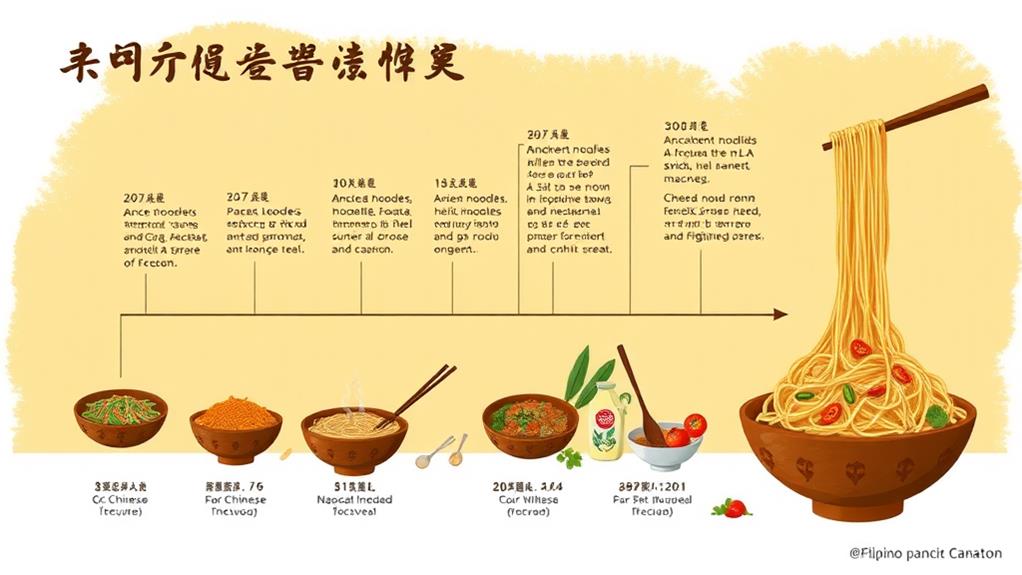
    Evolution of Filipino Noodles

    filipino noodles cultural evolution

    The Evolution of Filipino Noodles

    Cultural Exchange and Adaptation

    Filipino noodles, particularly Pancit Canton, have a rich history of cultural exchange and adaptation. Chinese traders introduced lo mein to the Philippines in the 16th century, which eventually evolved into Pancit Canton. The term "pancit" comes from the Hokkien phrase "pian i sit," meaning "convenient food," due to the quick cooking methods of noodles.

    Adapting to Filipino Tastes

    Unlike its Chinese counterpart, Pancit Canton was adapted to Filipino tastes, featuring a mix of meat, vegetables, and a rich sauce.

    During the Spanish colonial period, Pancit Canton's popularity grew, becoming a staple in local eateries known as panciterias.

    Cultural Significance

    Today, Pancit Canton is a beloved dish in the Philippines, commonly served during festive occasions. It symbolizes both cultural fusion and community celebration, representing the country's cultural heritage by blending Chinese, Spanish, and local influences.

    Regional Pancit Dishes and Traditions

    Regional Variations of Pancit Canton

    Across the Philippines, local cooks have created unique regional variations of Pancit Canton, showcasing their creativity and resourcefulness.

    These variations reflect the diversity of Filipino communities and highlight the versatility of Pancit Canton.

    Regional Adaptations

    Different regions in the Philippines have developed their own signature Pancit Canton dishes, each with unique features.

    • Cebu's Pancit Bam-I: Combines bihon and canton noodles for a distinct texture.
    • Ilocos' Pancit Candon: Features carabao meat and local vegetables, giving it a distinct flavor profile.
    • Laguna's Pancit Langlang: Uses a sweet and savory sauce made with soy sauce and vinegar, adding depth to the dish.
    • Pampanga's Pancit Lugaw: Adds a rich and creamy broth made with pork and chicken stock, making it a hearty option.

    Common Characteristics

    These regional adaptations often feature a vibrant mix of ingredients, including soy sauce, garlic, and fresh produce from the region.

    They are commonly served during festive occasions like birthdays and weddings, symbolizing long life and prosperity.

    Modern Adaptations and Accessibility

    inclusive design for all

    The modern era has brought about a new wave of Pancit Canton adaptations, catering to the evolving tastes and lifestyles of contemporary consumers.

    Accessibility has increased with the availability of instant noodle versions of Pancit Canton in supermarkets, making it a convenient option for those with busy schedules.

    Additionally, many restaurants now offer creative twists on the traditional recipe, incorporating local ingredients and flavors to suit modern tastes.

    Modern adaptations of Pancit Canton include:

    Seafood options, where many restaurants now offer seafood-infused Pancit Canton, adding a fresh twist to the classic dish. For instance, some restaurants add shrimp, scallops, or mussels to give it a seafood flavor.

    Health-conscious variations, where quinoa or whole grain noodle versions of Pancit Canton cater to health-conscious diners. This adaptation provides a nutritious twist on the traditional recipe.

    Online accessibility, where online recipe platforms and cooking shows have made it easy to recreate Pancit Canton at home, with step-by-step guides and tutorials. This allows individuals to learn and prepare the dish in the comfort of their own homes.

    Convenient delivery, where food delivery services have made it possible to enjoy Pancit Canton without extensive preparation, making it a popular choice for casual dining and celebrations. This option saves time and effort, making the dish more accessible to a wider audience.

    These modern adaptations haven't only made Pancit Canton more accessible but also more exciting, with new flavors and ingredients to explore.

    Preserving Cultural Heritage

    Pancit Canton: A Dish of Cultural Significance

    Pancit Canton is a beloved Filipino dish that reflects the blending of Chinese and Filipino culinary traditions. This fusion of cultures occurred when early Chinese settlers introduced their cooking techniques to the Philippines. The preparation of Pancit Canton involves using egg noodles, which symbolize the fusion of local ingredients with Chinese cooking methods.

    Pancit Canton is commonly served during celebrations, especially birthdays, as it embodies the Filipino tradition of wishing for long life and prosperity. The dish's cultural significance is maintained through its various regional adaptations, allowing communities to incorporate local flavors and ingredients while honoring the original dish.

    Cultural practices surrounding Pancit Canton, such as not cutting the noodles, highlight the importance of preserving the symbolism of longevity and good fortune in Filipino heritage. This tradition emphasizes the importance of preserving cultural heritage and respecting the dish's origins.

    Frequently Asked Questions

    What Is the Story Behind Pancit Canton?

    Pancit Canton's Origins

    Pancit Canton originated in the 16th century when Chinese immigrants introduced various noodle varieties to the Philippines. This introduction led to the development of regional differences in the dish, shaped by unique cooking techniques and ingredient influences.

    Cultural Adaptations

    Pancit Canton is a festive staple, often served at birthdays and gatherings.

    Over time, cultural adaptations have reflected family recipes and health considerations, resulting in variations of the dish.

    Traditional serving traditions still hold strong, despite the availability of instant noodle versions.

    What Is the History of Pancit in the Philippines?

    Pancit in the Philippines has a rich history shaped by cultural influences and regional specialties.

    The dish originated from the Chinese stir-fry noodles, which were introduced to the Philippines by Chinese immigrants. Over time, Filipino cooks adapted the recipe to create their own versions using local ingredients and cooking methods.

    Today, there are various types of pancit, each with its own unique cooking method, such as stir-fried pancit canton and boiled pancit lugaw.

    Pancit evolved from a humble street food to a celebration staple.

    In the past, pancit was sold as a cheap snack by street vendors. However, as the dish gained popularity, it became a staple in Filipino celebrations, such as birthday parties and fiestas.

    The evolution of pancit reflects the historical influences of Chinese, Spanish, and American cultures on Filipino cuisine.

    Ingredient sourcing and family recipes are essential to the cultural significance of pancit.

    Filipino cooks take pride in sourcing ingredients from local markets and using family recipes passed down through generations.

    Fresh vegetables, meat or seafood, and noodles made from rice flour or egg are common ingredients used in pancit recipes. The dish is often served during special occasions, and its preparation is a way of showing love and respect for family and friends.

    Pancit has become a culinary identity that's uniquely Filipino.

    The dish has become an integral part of Filipino culture, reflecting the country's history, traditions, and values.

    Pancit is a symbol of Filipino hospitality, warmth, and generosity, and its cultural significance continues to grow as Filipino cuisine gains recognition worldwide.

    Why Is Pancit Important to the Filipino Culture?

    Pancit holds significant cultural importance in the Philippines. It represents longevity and is often served at cultural celebrations and family gatherings. This dish showcases the country's rich culinary heritage, with regional variations and traditional recipes.

    For example, the Ilocos region is known for its "pancit miki," which uses thin, flat noodles, while the Kapampangan region has its own "pancit luglug," made with thick, round noodles.

    Pancit brings people together, fostering community bonding and emphasizing hospitality and generosity. Its presence at festive occasions, such as birthdays and weddings, reinforces the importance of family ties and community connections.

    This is why pancit is an integral part of Filipino identity, representing the country's values and traditions.

    Is Pancit Canton Chinese or Filipino?

    Pancit Canton is a fusion dish with both Chinese and Filipino influences. This noodle dish originated from Chinese cuisine, but Filipino culinary adaptations have made it unique.

    Filipino cooking techniques have evolved to create distinct flavor profiles, resulting in regional variations.

    Pancit Canton has become a staple in Filipino festive dishes, symbolizing the significance of meals and cultural adaptations.

    It can be found in street food and family recipes, showcasing the best of both culinary worlds.

  • What Essential Ingredients for Banana Ketchup Spaghetti?

    What Essential Ingredients for Banana Ketchup Spaghetti?

    Five essential ingredients are required to make Banana Ketchup Spaghetti. These ingredients are banana ketchup, pasta, proteins, vegetables, and sweeteners.

    Banana ketchup is the primary source of sweetness, made from bananas, vinegar, sugar, and spices, which sets this dish apart from traditional spaghetti sauces.

    Proteins can include ground meat or hot dogs, while vegetables such as onions and garlic add flavor.

    Finally, sweeteners like sugar balance out the savory flavors.

    By combining these essential ingredients, you can create the signature sweet and savory flavor profile of Banana Ketchup Spaghetti.

    Understanding Banana Ketchup Spaghetti

    exploring unique filipino cuisine

    What is Banana Ketchup Spaghetti?

    Banana ketchup spaghetti is a popular Filipino dish that deviates from traditional Italian spaghetti. It is characterized by a sweet flavor profile, which sets it apart from its Italian counterpart.

    Key Ingredients and Preparation

    The dish typically involves browning ground meat, such as beef or pork, with aromatics like onions and garlic for added depth of flavor.

    Sliced hot dogs are often added, contributing a unique flavor and texture. Banana ketchup provides a distinct sweetness, differentiating it from traditional tomato-based sauces.

    Additional Flavor Enhancers

    The sweetness of the dish is further enhanced with sugar, making it particularly appealing for family gatherings and celebrations.

    Grated American or cheddar cheese is commonly used, adding creaminess and richness to the overall flavor profile.

    Essential Ingredients and Flavors

    Essential Ingredients of Banana Ketchup Spaghetti

    The unique flavor profile of Banana Ketchup Spaghetti is achieved through a combination of savory and sweet elements.

    Four key ingredients contribute to this distinct taste experience:

    Ground meat and sliced hot dogs provide the savory base of the dish, with beef or pork being common options.

    Banana ketchup is the signature element that sets Filipino spaghetti apart from traditional Italian versions, bringing a sweet and tangy flavor to the dish.

    Tomato sauce and sugar add depth and balance to the sweetness, ensuring a harmonious blend of flavors.

    Aromatics like onions and garlic, sautéed to add a rich, savory flavor to the sauce, complete the essential ingredients.

    Optional toppings like grated cheese provide creaminess and extra flavor.

    These ingredients come together to create a dish that's both familiar and innovative, with a unique balance of savory and sweet flavors.

    Cooking Techniques and Methods

    culinary skills and techniques

    Mastering the Art of Banana Ketchup Spaghetti

    To create a rich and flavorful Banana Ketchup Spaghetti, it's essential to employ effective cooking techniques and methods.

    Browning Ground Meat

    Brown ground meat, such as beef or pork, for 5-7 minutes to develop a rich flavor. This step is crucial in creating a deep flavor profile for the dish.

    Sautéing Onions and Garlic

    Sauté onions for 5 minutes until softened, followed by cooking garlic for 30 seconds to release its fragrance. This step enhances the overall flavor and aroma of the dish.

    Simmering the Sauce

    Combine tomato sauce, banana ketchup, sugar, and optional seasonings, then simmer for 15 minutes to meld flavors. This step allows the flavors to combine and intensify.

    Adding Hot Dogs (Optional)

    Add hot dogs in the last 10 minutes of simmering to heat them through without overcooking. This step is optional but adds an extra layer of flavor and texture.

    Final Touches

    Consider topping the finished dish with grated American or cheddar cheese for a creamier texture. This final step adds a richness to the dish, resulting in a delicious Filipino-style Banana Ketchup Spaghetti.

    Flavor Profile and Nutrition

    Flavor Profile

    The unique flavor profile of banana ketchup spaghetti is achieved through a harmonious balance of sweet, savory, and tangy notes.

    The sweetness from the banana ketchup and sugar is followed by savory notes from the browned ground beef and sautéed onions, and finally, the tanginess from the tomato sauce balances the overall taste.

    Nutrition

    A serving of banana ketchup spaghetti provides:

    529 calories, consisting of 63g of carbohydrates, 23g of protein, and 19g of fat.

    This Filipino-style comfort food also contains 1068mg of sodium per serving, making it essential to balance seasoning and consider health impacts.

    The combination of hot dogs, ground beef, and banana ketchup creates a rich and savory sauce, finishing with a comforting, creamy note from the grated cheese on top.

    Cultural Significance and History

    historical and cultural importance

    Banana ketchup spaghetti originated in the Philippines during World War II when tomato imports were scarce, and local bananas were used to create a sweeter alternative. This innovation led to the development of Filipino spaghetti, characterized by its sweetness and unique ingredients.

    American colonization introduced hot dogs and ketchup into Filipino cuisine, influencing the evolution of this dish.

    General Douglas MacArthur is rumored to have played a role in popularizing spaghetti with ketchup, further embedding it into the culture.

    Today, Filipino spaghetti is a staple at birthday parties and family gatherings, symbolizing celebration and togetherness.

    It reflects the Filipino palate's preference for sweeter flavors, catering especially to children's tastes and creating a nostalgic dish for many.

    Traditional Ingredients and Variations

    Filipino Spaghetti's Unique Ingredients

    Filipino spaghetti stands out from its Italian counterpart due to its distinct ingredients. Banana ketchup is a key component, providing a sweetness that sets it apart from traditional Italian spaghetti.

    Common Variations

    Some variations of Filipino spaghetti include:

    Adding sliced hot dogs or sausages, which adds flavor and texture.

    Using ground beef or pork, browned and mixed into the sauce, adds richness.

    Optional vegetables like bell peppers provide extra nutrition and flavor.

    Quick-melting cheese like Velveeta or American cheese creates a creamy topping.

    Creating the Signature Flavor

    These ingredients combine to form a distinct Filipino-style spaghetti sauce that's both sweet and savory.

    Sugar is added to balance the acidity of the tomato sauce and banana ketchup, resulting in a harmonious flavor profile.

    Cooking Instructions and Tips

    recipe guidance and suggestions

    To prepare Filipino spaghetti, follow these steps:

    Cook the spaghetti noodles in salted boiling water for 7-9 minutes until al dente, then drain and set them aside.

    Prepare the hot dogs by sautéing sliced hot dogs in a large saucepan until they're lightly browned, then set them aside to incorporate later into the sauce.

    Make the sauce by sautéing onions and garlic in the same saucepan until they're softened.

    Add ground beef (or pork) and cook until browned, making sure to break it up for even cooking.

    Combine tomato sauce, banana ketchup, sugar, and seasonings in the pan, simmering for about 15 minutes to thicken and meld flavors before adding the hot dogs back in for the last 10 minutes.

    Assemble the dish by serving the cooked spaghetti noodles with the prepared sauce, topped with shredded quick-melting cheese like Velveeta for added creaminess and flavor.

    Serving Suggestions and Storage

    Serving Suggestions:

    Serve the Filipino spaghetti hot, topped with shredded quick-melt cheese for added creaminess and flavor. This combination will surely appeal to both children and adults.

    Pair it with garlic bread and a fresh green salad for a balanced meal that complements the sweetness of the spaghetti. Consider garnishing with sliced olives or additional cheese before serving to enhance the dish's visual appeal and taste.

    Storage:

    Store the meat sauce and cooked noodles in separate airtight containers in the refrigerator for up to 3 days to maintain texture and freshness.

    Freeze leftovers for up to 2 months and reheat by submerging frozen spaghetti in boiling water or heating the sauce and mixing it with noodles until warm.

    What Makes Banana Ketchup Spaghetti Stand Out from Traditional Spaghetti Recipes?

    The unique banana ketchup spaghetti flavors give this dish a sweet and tangy twist that sets it apart from traditional spaghetti recipes. The combination of ripe bananas, vinegar, and spices creates a distinct taste that appeals to those looking for a new and exciting pasta dish.

    Recipe Adaptations and Evolution

    culinary adjustments over time

    The Banana Ketchup Spaghetti recipe has undergone significant changes over time to cater to diverse tastes and preferences.

    This evolution is a result of cultural exchange, where foreign recipes like American spaghetti were adapted and infused with local ingredients, particularly banana ketchup.

    Personal twists, such as adding fish sauce or different types of proteins, have been incorporated to accommodate various palates.

    Filipino spaghetti's unique sweetness, achieved through banana ketchup and sugar, has made it a comfort food staple. It's especially popular among children and families during special occasions.

    Its widespread acceptance is attributed to fast-food chains like Jollibee, which have contributed to its evolution while maintaining core elements of the original recipe.

    Over time, recipes have adapted to allow for the use of alternative meats, vegetables, and toppings. For instance, home cooks can now tailor the dish to their preferences and dietary needs by using options like vegan meat substitutes or gluten-free pasta.

    This evolution has solidified Banana Ketchup Spaghetti as a staple in many Filipino households, with each family adding their unique spin to the traditional recipe.

    Frequently Asked Questions

    What Are the Elements of Banana Ketchup?

    Banana ketchup's unique flavor comes from a mix of mashed bananas, vinegar, sugar, and spices. This combination creates a sweet and tangy twist on traditional ketchup, making it a staple in Filipino cuisine.

    The mashed bananas add natural sweetness, while the vinegar provides a tangy flavor. Sugar enhances the sweetness, and spices add depth to the flavor.

    What Is Filipino Spaghetti Sauce Made Of?

    Filipino spaghetti sauce is a unique blend of Filipino flavors with sweet and savory elements.

    The sauce typically starts with brown ground meat, such as beef or pork, cooked to perfection using various methods.

    Sautéed onions and garlic add depth to the sauce, while sliced hot dogs bring a kid-friendly twist.

    This comfort food has cultural significance in the Philippines, with regional variations that make it a staple in many Filipino households.

    What Is the Ingredient Label for Banana Ketchup?

    Banana ketchup's ingredient label typically includes a blend of bananas, vinegar, sugar, salt, and spices. These ingredients combine to create its distinctive sweet and tangy flavor.

    Some brands may add additional ingredients, such as tomato paste or sauce, artificial coloring, or others.

    Banana ketchup is a staple in Filipino cuisine, with a rich history and diverse uses, including in spaghetti and BBQ sauce recipes.

    Nutritional content varies across brands, but most banana ketchups are low in fat and calories and high in sugars.

    What Is the One Ingredient That Makes Spaghetti Sauce so Much Better?

    Elevating spaghetti sauce requires a key ingredient that balances flavors and textures. The combination of savory and sweet elements achieves a perfect taste balance.

    For example, adding a pinch of sugar can counterbalance the acidity of tomatoes, creating a richer flavor profile. Additionally, incorporating various textures, such as finely chopped onions and bell peppers, contributes to a more engaging sauce.

    Aroma boosters like sautéed garlic and onions also enhance the overall flavor experience.

    Exploring regional variations, like Filipino-style spaghetti, which often incorporates sweet-style banana ketchup, can provide valuable insights into creative flavor combinations.

  • Pinoy vs Italian Spaghetti: Key Differences

    Pinoy vs Italian Spaghetti: Key Differences

    Spaghetti Pinoy Style and traditional Italian Spaghetti have distinct differences in ingredients, flavors, and cultural significance.

    One of the main differences is the use of ingredients. Filipino spaghetti incorporates banana ketchup, ground meat, and bright red hot dogs, giving it a sweeter and richer flavor profile.

    In contrast, traditional Italian spaghetti relies on fresh tomatoes and herbs, resulting in a more savory flavor.

    Another difference is the thickness and creaminess of the sauce. Filipino spaghetti uses native ingredients and cooking techniques, resulting in a thicker, creamier sauce.

    Italian spaghetti, on the other hand, has a lighter, more brothy sauce.

    The evolution of Filipino spaghetti is a fascinating story that highlights the cultural significance of this dish.

    Filipino spaghetti has become a beloved comfort food in its own right, with its unique flavor profile and ingredients making it a staple in many Filipino households.

    History of Filipino Spaghetti

    filipino spaghetti culinary evolution

    Filipino Spaghetti: A Fusion of Culinary Traditions

    American Colonization and Its Culinary Legacy

    The American colonization of the Philippines introduced spaghetti to the Filipino people. This led to the creation of a unique version of spaghetti, adapted to local tastes and ingredients.

    The Birth of Banana Ketchup

    During World War II, tomato shortages prompted the creation of banana ketchup. This sweet and savory condiment replaced traditional tomato ketchup, adding a distinct flavor to Filipino spaghetti sauce.

    A Fusion of Flavors

    Filipino spaghetti deviates from its traditional Italian counterpart, incorporating local ingredients and flavors.

    The use of banana ketchup is a key innovation that sets Filipino spaghetti apart. This adaptation not only satisfied local palates but also showcased the resourcefulness of Filipino cooks.

    A Staple at Family Gatherings

    Filipino spaghetti became a staple at family gatherings and celebrations, symbolizing a fusion of culinary traditions from Italy and the Philippines.

    This dish appeals to a broad audience, bringing people together through its unique flavor and cultural significance.

    Characteristics of Filipino Cuisine

    Filipino cuisine is a vibrant fusion of flavors and influences. This unique blend of flavors is characterized by a balance of sweet, sour, salty, and sometimes spicy flavors, with a prominent feature being the counterpoint pairing of sweet and salty. For instance, spaghetti sauce in Filipino cuisine combines sweet, sour, salty, and spicy flavors.

    Native ingredients are commonly used to enhance flavors in Filipino dishes. Local produce like kalamansi, tabon-tabon, and pili nuts are often used in traditional dishes, showcasing the diversity of native ingredients. Kalamansi, a small citrus fruit, is used to add a sour flavor to dishes, while tabon-tabon, a type of fruit, is used to add a sweet and sour flavor.

    Filipino cuisine has been influenced by historical trade and cultural exchange. The country's culinary traditions have been shaped by Chinese, Mexican, and American influences. Adobo, a popular Filipino dish, has been influenced by Mexican and Spanish cuisine, while lumpia, Filipino spring rolls, have been influenced by Chinese cuisine.

    Communal dining etiquette is an essential part of Filipino cuisine. Meals typically include rice and a variety of dishes served together. In a traditional Filipino setting, multiple dishes are served at the same time, and everyone is encouraged to share and try a little of everything.

    Filipino cuisine has absorbed elements from various culinary traditions, resulting in a rich and diverse food culture. The adaptation of spaghetti, a traditional Italian dish, to incorporate Filipino flavors is a prime example of this cultural melting pot.

    Ingredients and Cooking Techniques

    culinary components and methods

    Spaghetti Pinoy Style deviates from traditional Italian spaghetti in terms of ingredients and cooking techniques.

    One distinct difference is the use of banana ketchup, which adds a sweet flavor to the dish. This sweetness is further enhanced by the addition of sugar and evaporated milk during the cooking process. In contrast, traditional Italian spaghetti relies on a simple tomato-based sauce with minimal additives.

    Proteins used in Spaghetti Pinoy Style differ from those in traditional Italian spaghetti. Filipino spaghetti often features ground meat and bright red hot dogs, whereas traditional Italian spaghetti might include ground beef, sausages, or other meats.

    The cooking technique also varies, with Filipino spaghetti simmering the sauce with banana ketchup and additional ingredients, while Italian methods focus on a straightforward tomato-based sauce.

    The flavor profiles of Spaghetti Pinoy Style and traditional Italian spaghetti differ significantly. The result is a sweeter and richer Filipino spaghetti, often topped with shredded cheese that melts into the dish, enhancing its creamy texture.

    In contrast, traditional Italian spaghetti is usually served with grated cheese on top, showcasing a more balanced savory and tangy flavor profile.

    Cultural Significance of Filipino Spaghetti

    Filipino Spaghetti: A Cultural Icon

    Filipino celebrations and family gatherings often feature a staple dish that's hard to miss: Spaghetti Pinoy Style. This popular dish holds a special place in the hearts of many, evoking feelings of nostalgia and warmth.

    A Blend of Culinary Traditions

    Filipino spaghetti represents a blend of culinary traditions, combining the Italian classic with local flavors and ingredients.

    This adaptability of Filipino cuisine is a testament to the country's cultural heritage.

    A Staple Food in Filipino Culture

    Filipino spaghetti is frequently served at special occasions, solidifying its role in Filipino culture.

    It's a symbol of community, family, and tradition. Its appeal transcends generations, earning the term "pambata" or "for children," highlighting its appeal to younger generations.

    Cultural Relevance in Everyday Dining

    You can find this beloved dish in fast-food chains like Jollibee, further emphasizing its cultural relevance in everyday Filipino dining.

    Filipino spaghetti is more than just a meal; it's a representation of cultural identity.

    Visual and Taste Differences

    appearance and flavor contrast

    Visual and Taste Differences

    Filipino spaghetti, also known as Spaghetti Pinoy Style, deviates from traditional Italian spaghetti in terms of visual and taste differences.

    Sweet Flavor Profile

    Filipino spaghetti has a sweeter flavor profile compared to traditional Italian spaghetti, which is often enhanced with sugar and banana ketchup.

    Three Key Differences

    Filipino spaghetti is distinct from traditional Italian spaghetti in three key ways:

    1. Vibrant Red Sauce

    The use of banana ketchup gives Filipino spaghetti a bright red color, unlike the more muted sauces found in traditional Italian dishes.

    2. Unconventional Ingredients

    Filipino spaghetti incorporates unique ingredients, such as red hot dogs, which add a salty and meaty flavor, and evaporated milk, which creates a creamier consistency.

    3. Generous Toppings

    Filipino spaghetti is often topped with a generous amount of shredded cheddar cheese, which is less common in traditional Italian dishes.

    These differences result in a dish that's both familiar and exotic, with a sweet and savory flavor profile that's distinct from its Italian counterpart.

    Unique Features of Filipino Spaghetti

    Filipino spaghetti stands out from its Italian counterpart due to its unique features.

    The first noticeable difference is the sweetness of the dish, which comes from the addition of banana ketchup and sugar. This sweetness is a departure from the savory flavors found in traditional Italian spaghetti.

    Hot dogs are a distinctive ingredient in Filipino spaghetti, adding a pop of color and a unique flavor to the dish. They're typically sliced into small pieces and cooked with the tomato sauce, creating a flavor profile that's both familiar and foreign.

    The tomato sauce in Filipino spaghetti is thicker and sweeter than its Italian counterpart. Some recipes even incorporate evaporated milk for added creaminess.

    These unique features have made Filipino spaghetti a staple at family gatherings and celebrations, where it's often served alongside other comfort foods.

    Adaptations and Influences

    cultural changes and inspirations

    Filipino spaghetti is a unique dish shaped by cultural exchange and adaptation. The use of banana ketchup, a sweet and tangy condiment, is a direct result of American colonization.

    Sweet and savory fusion is a hallmark of Filipino spaghetti. This is achieved by combining sweet flavors, such as banana ketchup and sugar, with savory elements, like hot dogs and ground beef. This blend of flavors creates a distinct taste profile that's both sweet and savory.

    Filipino cooks prioritize local ingredients and budget-friendly options. The inclusion of hot dogs and processed sauces in spaghetti reflects the resourcefulness and budget-consciousness of Filipino cooks. These ingredients are accessible and affordable, making them a staple in many Filipino households.

    Filipino spaghetti is a product of cultural exchange and adaptation. It absorbs influences from American and Italian cuisines, blending them with local tastes and cooking practices to create a distinctly Pinoy dish.

    This cultural exchange has resulted in a comfort food that's deeply rooted in the country's cultural heritage.

    Filipino Spaghetti Vs Italian Spaghetti

    Filipino Spaghetti vs Italian Spaghetti: A Tale of Two Flavor Profiles

    Different Flavor Profiles

    Filipino spaghetti and traditional Italian spaghetti have distinct flavor profiles.

    Filipino spaghetti is characterized by its sweetness, which is often enhanced by banana ketchup and sugar. In contrast, traditional Italian spaghetti features a savory tomato sauce without added sweetness.

    Unconventional Ingredients

    The two versions of spaghetti also differ in their ingredient choices.

    Filipino spaghetti often includes bright red hot dogs, a protein not typically found in Italian recipes. In contrast, traditional Italian spaghetti typically features ground beef or Italian sausage.

    Sauce Texture and Ingredients

    The sauces for the two types of spaghetti also have distinct textures and ingredients.

    Filipino spaghetti sauce is thicker and richer, often incorporating evaporated milk for creaminess.

    Italian spaghetti sauces prioritize fresh ingredients and herbs for a lighter taste.

    Cultural Significance

    The two dishes have different cultural significance.

    Filipino spaghetti reflects a fusion of culinary traditions, combining local flavors and ingredients. It's often served at family gatherings and celebrations.

    Traditional Italian spaghetti adheres closely to regional Italian cooking methods and flavors and is a staple in everyday Italian cuisine.

    What are the key differences between Spaghetti Pinoy Style and Traditional Italian Spaghetti?

    When it comes to spaghetti, the key differences between Spaghetti Pinoy Style and Traditional Italian Spaghetti lie in the ingredients and flavors. The spaghetti pinoy style uniqueness can be found in the use of banana ketchup, hot dogs, and ground meat, which give it a sweet and savory flavor unlike the traditional Italian version.

    Evolution of Filipino Spaghetti

    filipino spaghetti s cultural evolution

    Filipino Spaghetti: A Unique Evolution

    Filipino spaghetti has evolved from traditional Italian bolognese recipes introduced during the American colonization of the Philippines, adapting to local tastes and ingredients.

    Today, it's a staple in Filipino households and gatherings, characterized by its unique sweetness from banana ketchup and the inclusion of hot dogs as a protein source.

    Three Key Factors Contributed to its Evolution

    Sweet and savory flavors are a hallmark of Filipino spaghetti, which features a richer and sweeter sauce compared to its Italian counterpart.

    This balance of sweet and savory flavors appeals to the Filipino palate.

    Banana ketchup played a pivotal role in shaping the flavor profile of Filipino spaghetti.

    Created during World War II due to tomato shortages, banana ketchup became a staple condiment in Filipino cuisine.

    The fusion of culinary traditions is evident in Filipino spaghetti, which integrates local ingredients and cooking techniques while maintaining its identity as a comfort food in Filipino culture.

    A Distinct and Beloved Dish

    Through its evolution, Filipino spaghetti has become a distinct and beloved dish, reflecting the country's cultural adaptability and creativity in the culinary sphere.

    Frequently Asked Questions

    What Makes Italian Spaghetti Different?

    Italian spaghetti is distinct due to its unique sauce varieties, cooking techniques, and ingredient preferences.

    The sauce is simple yet flavorful, made with fresh tomatoes, garlic, and herbs, and doesn't include added sweeteners. This allows the natural flavors of the ingredients to shine through.

    Al dente texture is achieved through precise milled wheat and water proportions, which results in a perfectly cooked noodle.

    Traditional protein sources are preferred, such as ground beef and pancetta, which add depth and richness to the dish.

    Grated Parmigiano-Reggiano cheese is used as a garnish, adding a salty, nutty flavor and a touch of elegance.

    Why Is Filipino Spaghetti so Good?

    Filipino spaghetti is a unique and delicious dish that combines sweet and savory flavors. This cultural fusion dish is a staple in Filipino cuisine, blending local and international flavors to create a distinct taste.

    The sweetness in Filipino spaghetti comes from the use of banana ketchup or sugar, which adds a distinct flavor profile.

    Filipino spaghetti is often associated with nostalgic memories of childhood and festive occasions. For many Filipinos, it evokes memories of family gatherings and celebrations.

    The vibrant colors and creamy texture of the dish, typically made with a sweet-style tomato sauce, ground beef or pork, and a variety of vegetables, make it visually appealing.

    The cultural significance of Filipino spaghetti lies in its ability to bring people together. It's often served at family gatherings, parties, and special occasions, fostering a sense of community and togetherness.

    The dish has become an integral part of Filipino identity, symbolizing the country's cultural adaptability and creativity.

    What Is Filipino Spaghetti Sauce Made Of?

    Filipino spaghetti sauce is a unique blend of ingredients. One key component is banana ketchup, which adds a distinct sweetness to the sauce.

    Ground beef and hot dogs are also common components, adding a savory flavor.

    Garlic and onion are sautéed to create a flavorful base for the sauce.

    Additionally, evaporated milk is often added to enrich the sauce, creating a creamy texture.

    This cultural fusion is a result of the country's diverse culinary influences.

    What Is Filipino Style Spaghetti and Why Is It Named One of the Worst Dishes in the World?

    Filipino style spaghetti is a cultural adaptation that has gained a love-it-or-hate-it reputation. This reputation is due to its unique flavor profile, which combines sweet and savory notes in a way that's unfamiliar to many.

    The dish includes unconventional ingredients such as banana ketchup and hot dogs, which showcase culinary creativity but can be jarring to those expecting traditional Italian flavors.

    Despite being named one of the worst dishes in the world, Filipino style spaghetti remains a comfort food staple in the Philippines. This is because it proudly embraces its unique twist on a classic dish, and many Filipinos have a strong emotional attachment to it.

    The dish's flavor profile may be unfamiliar to outsiders, but it's a beloved part of Filipino cuisine.

  • What Popular Variations of Spaghetti Pinoy Style Exist?

    What Popular Variations of Spaghetti Pinoy Style Exist?

    Filipino spaghetti variations incorporate local ingredients and flavors. These variations often feature local meats like longganisa or Spam, adding unique textures and flavors to the traditional dish.

    Sliced smoked longganisa, for example, enhances the savory flavor profile. Other recipes incorporate vegetables like bell peppers and carrots to increase nutritional value.

    Regional adaptations showcase local tastes. In Nueva Ecija, for instance, bangus spaghetti is a popular variation that highlights regional flavors.

    Creamier sauces can be achieved by using evaporated milk, while thicker pasta shapes improve sauce adherence. As you explore further, you'll discover even more creative twists on this beloved dish.

    Filipino Spaghetti Origins and History

    filipino spaghetti cultural roots

    Filipino spaghetti is believed to have originated between the 1940s and 1960s, during the American Commonwealth Period.

    During this time, Italian-style pasta dishes were introduced to the Philippines, influencing the development of Filipino spaghetti.

    The dish was shaped by the scarcity of tomatoes during World War II, which led to the use of banana ketchup as a sweetener. This unique ingredient appeals to the Filipino palate and is a distinctive feature of Filipino spaghetti.

    The adaptation of spaghetti to Filipino tastes involved the addition of ground meat, sliced hot dogs, and a generous topping of cheese. These ingredients reflect a fusion of culinary traditions, incorporating local flavors and ingredients.

    Today, Filipino spaghetti has become a staple at family gatherings and children's birthday parties, symbolizing comfort food and cultural identity within the Philippines.

    Unique Ingredients and Flavor Profiles

    Filipino spaghetti boasts a distinct flavor profile that sets it apart from traditional Italian spaghetti. This unique flavor profile is achieved by combining sweet and tangy ingredients, such as banana ketchup and sugar, which balance each other out.

    The savory flavor of Filipino hot dogs adds a salty contrast and a pop of color to the dish. These hot dogs are typically bright red and introduce a distinct flavor to the sauce.

    Local meats like longganisa or Spam may also be used, providing different textures and flavors to the sauce.

    Vegetables like bell peppers or carrots are sometimes added to the sauce, not only providing nutrients but also counterbalancing the sweetness of the banana ketchup and sugar.

    Shredded cheddar cheese is often sprinkled on top, melting into the sauce and adding a rich, creamy element to the final presentation.

    The combination of these unique ingredients results in a harmonious blend of flavors and textures that sets Filipino spaghetti apart from its traditional counterpart.

    Upgraded Recipe Techniques and Variations

    enhanced cooking methods guide

    Upgraded Techniques Elevate Filipino Spaghetti

    Filipino spaghetti recipes can be taken to new heights with various upgraded techniques and variations. Adding sliced smoked longganisa to the spaghetti sauce enhances the dish's savory profile and adds a unique flavor twist. This is because the smokiness of the longganisa complements the sweetness of the tomato sauce.

    Incorporating vegetables like bell peppers and carrots provides additional nutrition while maintaining the dish's signature sweetness. These vegetables not only add nutrients but also texture and flavor to the dish.

    Using crushed canned tomatoes instead of processed sauces results in a more robust texture and flavor. This is because crushed canned tomatoes retain more of their natural flavor and texture, making the sauce more rich and tangy.

    Thicker, wider pasta shapes like tagliatelle or pappardelle allow for better sauce adherence and a more satisfying bite. These pasta shapes have a larger surface area, allowing the sauce to cling to them better and providing a more filling bite.

    Adding evaporated milk to the sauce gives it a creamy texture similar to a bolognese sauce. This is because the milk adds a richness and creaminess to the sauce, making it more indulgent and flavorful.

    Experimenting with ground beef adds heartiness to the dish. Ground beef provides a meatier, more filling option for those who want a more substantial meal.

    Regional Differences and Adaptations

    Regional variations of Filipino spaghetti reflect local tastes and ingredient availability. In Nueva Ecija, bangus spaghetti is a unique variation that incorporates local milkfish, adding a seafood twist to the traditional recipe.

    Other regional variations include additional vegetables like bell peppers and carrots, which boost nutrition and texture.

    The use of different meats in the sauce reflects regional preferences and local ingredient availability. For instance, longganisa or Spam may be used in the sauce, catering to local taste buds.

    Even fast food chains like Jollibee have adapted their own sweet spaghetti recipes, often with a more pronounced sweetness or special sauces.

    These adaptations showcase the creativity and diversity of local Filipino cuisine, resulting in a delightful array of sweet spaghetti variations.

    Serving Suggestions and Cultural Significance

    culinary traditions and practices

    Filipino Spaghetti: A Cultural Icon

    Filipino spaghetti is a staple at children's birthday parties, where its sweet flavor profile and vibrant presentation create a festive atmosphere that kids love.

    This dish is often paired with fried chicken, which creates a balanced meal that highlights the comforting aspects of Filipino cuisine.

    The Unique Sweetness of Filipino Spaghetti

    Filipino spaghetti gets its unique sweetness from banana ketchup, which adds to its appeal.

    The dish is also visually appealing, thanks to the bright red hot dogs that make it culturally distinctive.

    Enhancing the Flavor and Texture

    Serving Filipino spaghetti with grated cheddar cheese on top enhances its richness and adds a creamy texture.

    Cultural Significance of Filipino Spaghetti

    Filipino spaghetti represents a fusion of culinary traditions, reflecting the resilience and adaptability of Filipino culture.

    Nutrition Information and Leftover Storage

    Nutrition Information

    A typical serving of Filipino spaghetti contains approximately 529 calories, making it a filling dish that can satisfy your hunger.

    This meal option provides 63g of carbohydrates and 23g of protein, making it a nutritious choice. However, it's high in sodium, with 1068mg per serving, so those watching their salt intake should adjust their portion size accordingly.

    Leftover Storage

    To maintain the texture and flavor of Filipino spaghetti, proper leftover storage is essential.

    Divide the meat sauce and noodles into separate airtight containers to prevent mushiness. Refrigerated leftovers can last up to 3 days, while freezing extends their shelf life to about 2 months.

    To reheat frozen spaghetti, submerge it in boiling water or heat the sauce and mix with noodles until warm.

    What Are Some Popular Variations of Filipino Style Spaghetti?

    Some popular variations of Filipino style spaghetti uniqueness include using banana ketchup for a sweet and tangy flavor, adding hotdogs or ground pork for protein, and topping it off with grated cheese for a creamy touch. The combination of these elements creates a distinct and delicious twist on the traditional spaghetti dish.

    Creative Twists and Community Engagement

    innovative ideas collaborative connections

    Customization is essential when it comes to Filipino spaghetti, allowing you to put your own spin on this classic dish.

    Experimenting with different proteins, vegetables, and toppings enables you to create unique flavor profiles that cater to your regional preferences.

    Adding unique ingredients can elevate your Filipino spaghetti. For example, smoked longganisa adds a savory twist, while sautéed mushrooms provide a vegetarian option.

    You can also incorporate vegetables like bell peppers and carrots for added nutrition and texture.

    Serving Filipino spaghetti at parties can be more engaging with creative twists. For instance, using different shaped pastas or adding toppings like crispy bacon bits can make your dish stand out.

    Sharing your creative adaptations on social media is an excellent way to showcase your unique take on Filipino spaghetti and enhance community engagement within culinary circles.

    Developing your own secret family recipe is a great way to foster a sense of tradition and pride in your unique spaghetti variations.

    Including special spices or additional sauces can make your recipe truly unique.

    Frequently Asked Questions

    What Is Filipino Spaghetti Called?

    Filipino spaghetti is commonly referred to as "spaghetti Pinoy" or "Filipino spaghetti".

    This name reflects the dish's distinct Filipino twist, characterized by the use of banana ketchup and sugar to create a sweet sauce that differs significantly from traditional Italian spaghetti.

    The name "spaghetti Pinoy" acknowledges the cultural influences that have shaped this beloved dish, which has become a staple in Filipino celebrations and gatherings.

    What Is the Difference Between Filipino Spaghetti and American Spaghetti?

    Flavor Profiles Differ

    Filipino spaghetti and American spaghetti have distinct flavor profiles.

    Filipino spaghetti is sweet and savory, resulting from the use of banana ketchup and sugar, whereas American spaghetti is more savory and tangy.

    Cultural Influences Shape Tradition

    Cultural influences have shaped the role of spaghetti in each culture.

    In the Philippines, spaghetti is often served at birthday parties and gatherings, whereas in America, it's a casual dining staple.

    Cooking Techniques Vary

    The cooking techniques used for Filipino spaghetti and American spaghetti differ.

    Filipino spaghetti is simmered for a longer time to enhance flavors and tenderness, whereas American spaghetti cooking times vary depending on the recipe.

    Why Is Filipino Spaghetti so Good?

    Filipino spaghetti stands out due to its unique sweet sauce. This signature element is infused with banana ketchup and sugar, creating a flavor profile that's both familiar and exciting.

    The sweet and savory combination makes it a staple at festive occasions.

    As a comfort food, Filipino spaghetti evokes a sense of warmth and nostalgia. The dish achieves this through a delicate balance of sweet, savory, and creamy elements.

    The banana ketchup adds a sweet and fruity flavor, while the sugar enhances the overall sweetness. The creamy element comes from the melted cheese and the savory flavor from the ground meat. This perfect blend of flavors makes it a dish that's hard to resist.

    Filipino spaghetti's popularity stems from its ability to evoke a sense of comfort and nostalgia. It's a beloved favorite among Filipinos due to its unique flavor profile and the emotions it evokes.

    Once you try it, you'll understand why it's a staple in Filipino cuisine.

    What Kind of Spaghetti Does Jollibee Have?

    Jollibee's spaghetti features a signature sweet sauce made with banana ketchup. This unique sauce is a key component of their spaghetti dish.

    The sauce is generously topped with shredded cheddar cheese that melts into the sauce, adding a creamy element to the dish.

    Slices of bright red Filipino-style hot dogs are added to the spaghetti, providing a savory contrast to the sweetness of the sauce.

    This combination of flavors and textures results in a flavorful and satisfying meal.

  • Essential Ingredients for Pinoy-Style Spaghetti

    Essential Ingredients for Pinoy-Style Spaghetti

    Essential Ingredients for Spaghetti Pinoy Style

    Spaghetti noodles are the foundation of this dish, and they should be cooked to your liking.

    Banana ketchup is a must-have for its signature sweet and tangy flavor.

    Ground pork serves as the primary protein, adding texture and flavor.

    Aromatics like sautéed garlic and onion provide a rich flavor base.

    Quick-melting cheese is necessary for a creamy finish.

    Sliced hot dogs are added for extra flavor.

    These ingredients are the building blocks of Spaghetti Pinoy Style, but there's more to this beloved Filipino dish than just its components.

    Essential Ingredients for Spaghetti Pinoy

    classic filipino spaghetti essentials

    Spaghetti Pinoy's core ingredients are essential to its unique flavor and texture.

    Spaghetti noodles are the foundation, cooked to personal preference.

    Banana ketchup is the distinctive sauce ingredient, adding a sweet and tangy flavor that diverges from traditional Italian sauces.

    Ground pork is the typical protein choice, often paired with sliced hot dogs to enhance flavor and texture.

    Aromatic sautéed garlic and onion build a rich flavor base for the sauce.

    Quick-melting cheese, such as cheddar or Velveeta, adds a creamy, indulgent touch.

    Cooking Tips and Techniques

    Cooking Spaghetti Noodles

    To start, cook your spaghetti noodles according to the package instructions to achieve the perfect al dente texture.

    Creating the Sauce Foundation

    Sauté chopped garlic and onions in vegetable oil until they're translucent. This will form the base of your sauce.

    Adding Ground Meat and Sweetness

    Add ground meat (pork or beef work well) and cook until it's browned.

    Then, add a dash of banana ketchup or sugar to introduce the signature Filipino sweetness.

    Adjusting Sauce Thickness

    As you build your sauce, adjust the thickness by adding reserved pasta water if needed.

    The ideal consistency is when the sauce clings to the noodles without being too watery.

    Finishing Touches

    Top your sauce with grated cheese (Velveeta or cheddar work beautifully) and watch it melt into a creamy, rich delight.

    Preparing the Sweet Tomato Sauce

    making sweet tomato sauce

    Creating the Sweet Tomato Sauce

    To prepare the sweet tomato sauce, start by sautéing ground meat, such as pork or beef, with caramelized onions and garlic. This combination adds depth of flavor to the sauce.

    Mix in Filipino-style spaghetti sauce, enhanced with banana ketchup for added sweetness and color. This unique blend creates a sweeter and more vibrant sauce compared to traditional Italian-style sauces.

    Season the sauce with essential ingredients. Add sugar to balance the acidity, salt to enhance the flavor, and a dash of soy sauce or chicken bouillon to add savory notes. As the sauce simmers, add ground meat and hotdogs for an extra savory kick.

    Finalize the sauce with a creamy touch. Add a splash of evaporated milk or cream to mellow the acidity and add richness. This step ensures the sauce coats the spaghetti evenly and enhances its overall flavor.

    Now, the sweet tomato sauce is ready to elevate your Spaghetti Pinoy Style dish.

    Adding Protein With Hotdogs and Sausages

    Hotdogs and sausages are essential protein sources in traditional Filipino spaghetti. They not only add flavor but also a pop of color to the dish.

    Hotdogs provide a burst of flavor in every bite. They're typically red in color and are a classic choice for Pinoy-style spaghetti.

    Sliced hotdogs are mixed into the sauce to ensure each bite is packed with flavor.

    Sausages offer a smoky and savory alternative. Pork or beef varieties can be used as a substitute or in addition to hotdogs, depending on personal preference.

    Many Filipinos prefer specific brands, such as Pamana or Purefoods, for their vibrant color and quality.

    Hotdogs and sausages add heartiness to the dish, making it a satisfying meal for all. They're a staple at children's birthday parties and family gatherings in the Philippines, providing a filling and flavorful meal for everyone.

    The Role of Banana Ketchup and Sugar

    banana ketchup enhances sweetness

    The Banana Ketchup and Sugar Combo

    In Spaghetti Pinoy Style, the unique duo of banana ketchup and sugar takes center stage, introducing a distinct flavor profile that sets it apart from traditional spaghetti. The banana ketchup adds a sweet and tangy flavor, while the sugar balances it out to create the perfect level of sweetness.

    The banana ketchup, made from mashed bananas, sugar, vinegar, and spices, contributes a vibrant color and sweetness to the dish. To achieve the ideal sweetness, a bit more sugar can be added to taste.

    This sweetness is the defining characteristic that differentiates Filipino spaghetti from its Italian counterpart, making it a comfort food deeply rooted in Filipino culture. Filipino spaghetti is often served at festive occasions, such as children's birthday parties, due to its sweet and nostalgic appeal.

    The sweetness derived from banana ketchup and sugar is integral to the dish's identity, making it a staple in many Filipino households. This unique flavor profile is what makes Spaghetti Pinoy Style a beloved dish in the Philippines.

    Incorporating Vegetables for Nutrition

    Balancing Flavors and Nutrition in Spaghetti Pinoy Style

    Incorporating vegetables into Spaghetti Pinoy Style enhances both the flavor and nutritional value of the dish. By adding veggies, you not only boost nutrition but also elevate the flavor profile.

    Sautéing Vegetables

    Finely diced veggies like bell peppers, carrots, and mushrooms can be sautéed with garlic and onion at the beginning of the cooking process, blending seamlessly into the sauce.

    Sneaky Ways to Add Nutrition

    Adding Leafy Greens: Add a cup of fresh spinach or chopped leafy greens towards the end of cooking to boost vitamin content without compromising sweetness.

    Using Hidden Ingredients: Use grated zucchini or carrots as a hidden ingredient to naturally sweeten the sauce and add fiber.

    Complementing Flavors: Opt for veggies that complement the dish's sweetness, like peas, which add a pop of color and sweetness without overwhelming the flavor.

    Adding Earthy Flavor: Consider adding mushrooms for an earthy flavor and meaty texture.

    Experimenting with Vegetables: Don't be afraid to experiment with different veggies to find the perfect balance of flavor and nutrition for your Spaghetti Pinoy Style.

    Achieving the Right Sauce Consistency

    perfecting sauce texture balance

    Achieving the Right Sauce Consistency is Crucial

    To achieve the perfect Spaghetti Pinoy Style, the sauce consistency must be just right.

    Start by mixing store-bought Filipino-style spaghetti sauce with a hint of sugar to balance out the flavors. If the sauce is too thick, gradually add reserved pasta water until you reach the perfect consistency – not too runny, not too sticky.

    Adding Evaporated Milk Enhances the Flavor

    To add an extra creamy twist, add a splash of evaporated milk during the simmering process. This helps neutralize the acidity of the tomato sauce and create a rich, velvety texture.

    Let the sauce simmer for 30 minutes, stirring occasionally, to allow the flavors to meld together.

    Seasoning is Key

    Taste and adjust the seasoning as needed. Add a pinch of salt or a sprinkle of sugar to achieve that signature Filipino spaghetti flavor.

    Serving Suggestions and Variations

    Serving Suggestions and Variations

    Filipino spaghetti is best served with accompaniments that enhance its flavor and texture. To elevate the dish, consider the following serving suggestions and variations:

    Add a creamy touch by topping your spaghetti with a generous helping of quick melt cheese.

    Pair with a comforting classic by serving it with garlic bread.

    Add crunch and texture by serving it with a side of Fried Rice, a popular pairing in Filipino Cuisine.

    Boost protein content by serving it with fried chicken or ground pork for added flavor.

    Offer a sweet alternative by serving it with a side of banana ketchup for those who like an extra layer of sweetness.

    Are the Essential Ingredients for Spaghetti Pinoy Style the Same as Filipino Style Spaghetti?

    Yes, the essential filipino style spaghetti ingredients for Spaghetti Pinoy style are the same as Filipino style spaghetti. These include banana ketchup, hotdogs, ground pork, and cheese. These ingredients give Filipino spaghetti its unique sweet and savory flavors that make it a favorite among locals.

    Nutrition Information and Storage

    food storage and nutrition

    Nutrition Information

    A serving of Filipino spaghetti contains approximately 529 calories, providing a substantial amount of energy for the day.

    The dish is composed of 63g of carbohydrates, 23g of protein, and 19g of fat, making it a satisfying meal.

    However, it's essential to be mindful of the 1068mg of sodium per serving, and consume it in moderation, especially for those watching their sodium intake.

    Storage

    To store leftovers, separate the meat sauce and noodles into airtight containers to maintain texture.

    This allows for refrigeration of up to 3 days.

    For extended storage, freezing is an option, with the sauce and noodles safely stored for up to 2 months.

    To reheat, simply boil the noodles or warm the sauce on the stovetop.

    Frequently Asked Questions

    What Makes Filipino Spaghetti Different?

    Filipino spaghetti stands out with its sweet sauce, which is made possible by the use of banana ketchup. This unique twist gives the dish a distinct flavor profile.

    Instead of ground meat, Filipino spaghetti features hot dogs or sausages as the main protein.

    Filipino flavors take center stage in this dish, which is often topped with shredded quick-melting cheese and other unique ingredients.

    This comfort food holds significant cultural value, evoking nostalgia and family connections. It's a staple at celebrations and special gatherings.

    What Are the Materials Used in Spaghetti?

    Spaghetti Noodles

    Spaghetti dishes require a type of noodle, which can vary depending on regional influences. Common types include spaghetti, angel hair, and linguine.

    Sauce

    A sauce is a fundamental component of spaghetti. Classic tomato-based and sweeter variations are popular options.

    The choice of sauce determines the cooking techniques used, such as sautéing aromatics or simmering the sauce.

    Ingredients and Substitutions

    In addition to noodles and sauce, other ingredients can enhance the flavor of spaghetti. Meat substitutions, like hot dogs or luncheon meat, can add flavor.

    Grated cheese is a common topping that complements the dish.

    What Does Jollibee Spaghetti Contain?

    Jollibee Spaghetti contains banana ketchup in its sauce, which gives it a uniquely sweet flavor profile. This sweet twist is a key component of the dish.

    Sliced hotdogs are also an essential ingredient, adding a pop of color and fun to the spaghetti. Additionally, shredded cheese is another crucial element, providing a creamy texture to the dish.

    What Ingredient Is Spaghetti Made Of?

    Spaghetti is typically made from wheat flour, water, and sometimes eggs.

    These ingredients combine to give spaghetti its signature firm texture when cooked.