Author: A. Pineda

  • Banana Heart Stew: A Filipino Vegetable Delight

    Banana Heart Stew: A Filipino Vegetable Delight

    Traditional Filipino Munggo Bean Recipes include Ginisang Munggo and Monggo Guisado, both flavorful and nutritious dishes. Enjoy these classic Filipino recipes for a taste of authentic cuisine.

    Key Takeaways

    • Banana Heart Stew, also known as ‘Dinengdeng a Sabunganay’, is a Filipino vegetable dish with cultural significance and delicious taste.
    • The stew is made from tender banana blossoms and essential flavor components such as tangy vinegar, savory soy sauce, aromatic garlic and onion, and traditional souring agents.
    • Traditional cooking techniques include soaking banana blossoms in water with vinegar, sautéing garlic and onion, and browning meat before stewing. It is important to use fresh, high-quality ingredients and adjust cooking time for desired vegetable texture.
    • Other popular Filipino vegetable dishes include Kilawin and Kinilaw (featuring banana heart), Ginisang Pechay with Oyster Sauce, and Ginataang Langka at Danggit. Variations of Kilawing Puso Ng Saging add unique flavors to the classic dish.

    Understanding Banana Heart Stew

    If you’ve ever wondered about the intriguing flavors and textures of Filipino cuisine, then understanding Banana Heart Stew is a delightful journey into the heart of traditional Filipino vegetable dishes.

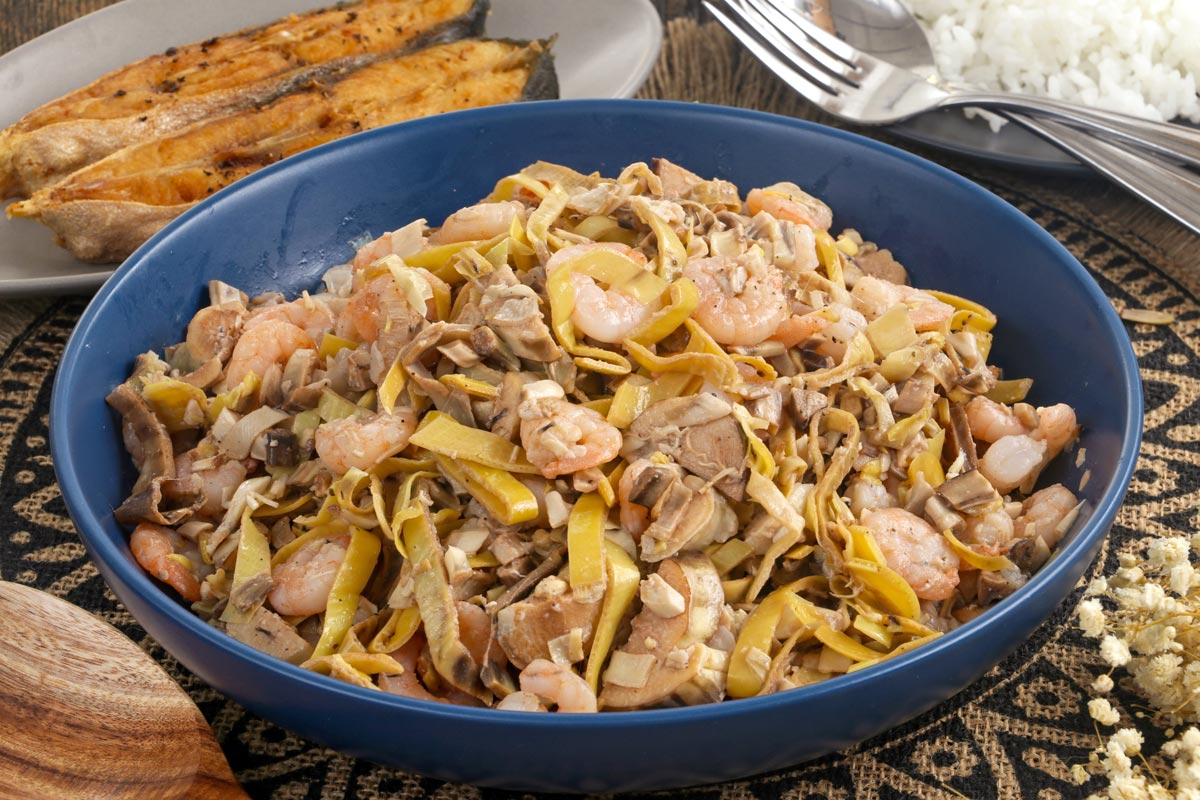
    The dish, made from banana blossoms, offers a unique and tangy flavor that’s sure to tantalize your taste buds. To prepare this Filipino vegetable delight, the banana blossoms are first sliced and soaked before being sautéed with garlic, onion, vinegar, and soy sauce until tender.

    The result is a dish that boasts a wonderful combination of savory and tangy flavors, making it a popular choice as an appetizer or side dish. This versatile dish can be garnished with onions and chili peppers and pairs wonderfully with grilled meat or fish, rice, or even as a salad.

    Key Ingredients for Authentic Flavor

    So, what gives banana heart stew its authentic and delicious flavor? Well, it’s all about the key ingredients that come together to create a symphony of taste in every spoonful.

    From the tender banana blossoms to the tangy vinegar and the savory soy sauce, each component plays a crucial role in elevating the dish.

    And let’s not forget the aromatic garlic and onion, along with the traditional souring agents that add a regional flair to this Filipino vegetable delight.

    Essential Flavor Components

    Explore the vibrant and essential flavor components that elevate the authentic taste of Kilawing Puso ng Saging and Vegetable Kare-Kare, bringing a delightful Filipino culinary experience to your table.

    For Kilawing Puso ng Saging, the key ingredients include banana heart, shrimp or meat, garlic, onion, vinegar, and oil. It’s important to prepare the banana heart by trimming off the stem and outer layers, then soaking it in salted cold water to remove bitter sap before slicing and sautéing.

    Traditionally, vinegar plays a crucial role, with Kilawin using grilled or lightly cooked meat, while Kinilaw uses raw fresh seafood or fish.

    As for Vegetable Kare-Kare, essential flavor components encompass annatto seeds for color and antioxidants, sautéed bagoong for umami, and a mix of vegetables cooked in a peanut sauce.

    Incorporate these components to savor the rich and authentic taste of these Filipino vegetable stews.

    Traditional Cooking Techniques

    Transitioning from the discussion of essential flavor components, let’s now uncover the traditional cooking techniques that are key to achieving the authentic flavor of Banana Heart Stew.

    1. Use fresh Puso ng saging to achieve authentic flavor and texture in the stew.
    2. Soak the sliced banana blossoms in water with vinegar to prevent discoloration and ensure they maintain their natural taste.
    3. Sauté garlic and onion in oil to build a flavorful base for the stew.

    When making this Filipino vegetable dish, traditional cooking techniques play a crucial role in bringing out the rich and savory flavors. The process of soaking the banana blossoms and sautéing the garlic and onion allows the natural flavors of the ingredients to shine through. It’s these traditional techniques that truly capture the essence of this beloved dish.

    Preparing the Banana Heart

    After cutting the stem of the banana heart with a knife, peel and discard the outer layers until you reach the lighter, softer core. Once you’ve exposed the core, slice the banana heart lengthwise in half and then thinly slice each half.

    The next step is crucial for removing the bitter sap: soak the shredded banana heart in salted cold water for 15 to 20 minutes, then give it a good squeeze. This process helps to eliminate the bitterness and prepare the banana heart for cooking.

    After that, rinse the shredded banana heart with cold running water using a colander. Make sure to drain it well before using it in your Filipino vegetable dishes.

    Preparing the banana heart may seem intricate, but the result is a delightful addition to your culinary creations.

    Cooking Tips for Perfect Stew

    When it comes to creating the perfect stew, there are a few key points to keep in mind.

    Flavorful stewing techniques can elevate the taste of your dish, while selecting fresh ingredients is crucial for achieving the best results.

    Additionally, knowing the proper cooking times for each ingredient will ensure that your stew turns out just right.

    Flavorful Stewing Techniques

    Enhance the flavor and texture of your stew by beginning with the simple yet crucial step of browning the meat before stewing. This process caramelizes the meat, resulting in a richer and more complex flavor.

    To further elevate your banana heart stew, consider incorporating these flavorful stewing techniques:

    1. Use a combination of herbs and spices such as bay leaves, peppercorns, and garlic to build layers of flavor in the stew. These aromatic ingredients will infuse the dish with a delightful fragrance and depth of taste.
    2. Add a splash of acid like vinegar or citrus juice to brighten and balance the stew’s flavors. The acidity will cut through the richness of the stew, creating a well-rounded and harmonious taste.
    3. Create depth by slowly simmering the stew over low heat to allow the flavors to meld together. This slow cooking process will result in a lusciously tender and flavorful banana heart stew that’s sure to delight your taste buds.

    Selecting Fresh Ingredients

    Once you’ve mastered the art of flavorful stewing techniques, the next step is to ensure your banana heart stew reaches its full potential by carefully selecting fresh, high-quality ingredients. When choosing banana blossoms, look for ones that are fresh, firm, and unblemished. Opt for blossoms with tightly packed petals and a deep purple hue, as these indicate peak freshness.

    Avoid any signs of wilting, yellowing, or dark spots, as these may indicate older or less fresh banana blossoms. Additionally, when selecting other ingredients such as meat or seafood, ensure they are fresh and free from any off odors or discoloration. To enhance the flavor and nutritional value of your stew, consider opting for locally sourced and seasonal vegetables, especially those from coastal areas.

    Tips for Selecting Fresh Ingredients
    Choose fresh, firm, and unblemished banana blossoms
    Look for tightly packed petals and deep purple hue
    Avoid wilting, yellowing, or dark spots
    Opt for locally sourced and seasonal vegetables

    Proper Cooking Times

    For a perfect stew, it’s essential to ensure that the banana blossoms are cooked until tender but not mushy, typically taking about 10-15 minutes.

    Here are some tips to help you achieve the perfect Banana Heart Stew:

    1. Simmer to Perfection: After adding all the ingredients, let the stew simmer for 20-25 minutes over low heat. This allows the flavors to meld and develop fully.
    2. Ensure Protein is Cooked: Whether you’re using meat or seafood, make sure it’s fully cooked through, which may take 15-20 minutes depending on your chosen protein.
    3. Vegetable Texture: Adjust the cooking time based on the desired texture of the vegetables. Aim for a tender-crisp consistency to elevate the overall dish.

    When following these cooking times and tips, you’ll be able to create a delightful Filipino vegetable stew that bursts with flavor.

    Serving and Storing Banana Heart Stew

    To fully enjoy the delightful flavors of Banana Heart Stew, consider serving it as a main or side dish alongside fried or grilled fish or chicken. The savory and hearty nature of the stew pairs perfectly with the lightness of fish or the heartiness of grilled chicken.

    For a complete meal, serve it with a generous portion of steamed rice to soak up the rich sauce.

    When it comes to storing leftovers, simply place the stew in an airtight container and store it in the refrigerator for up to 3 days. To reheat, use low heat or the microwave, and if you prefer, you can also enjoy it cold.

    This versatile dish is a wonderful addition to any meal and can be enjoyed in various ways.

    Exploring More Filipino Vegetable Dishes

    Ready to expand your culinary horizons and tantalize your taste buds with more Filipino vegetable dishes?

    From the tangy goodness of Ginisang Pechay with Oyster Sauce to the creamy delight of Ginataang Langka at Danggit, there’s a diverse array of flavors waiting to be explored.

    Understanding the unique cooking techniques and regional variations won’t only enrich your palate but also provide a deeper appreciation for the rich cultural heritage embedded in Filipino cuisine.

    Popular Vegetable Dishes

    Delight your taste buds with a variety of flavorful and nutritious Filipino vegetable dishes, each offering a unique culinary experience.

    Explore the popularity of these vegetable delights:

    1. Kilawin and Kinilaw: These traditional Filipino dishes are made with vinegar, differing in the type of meat or seafood used and the cooking method, offering a tangy and refreshing flavor.
    2. Kilawing Puso ng Saging: This dish features banana heart, also known as banana blossom, paired with shrimp, fish sauce, vinegar, garlic, onion, and pepper. It’s easy to prepare, economical, and can be served as a main or side dish, offering a delightful and nutritious option.
    3. Preparation Tips: To cook Kilawing Puso ng Saging, trim the banana heart, soak in salted water, and serve it with fried or grilled fish or chicken, providing a versatile and delicious meal option.

    These popular vegetable dishes showcase the diverse and delectable flavors of Filipino cuisine.

    Cooking Techniques

    Explore the art of infusing vibrant Filipino flavors into your vegetable dishes, from the tangy notes of Kilawin and Kinilaw to the hearty richness of Kilawing Puso ng Saging. When preparing Banana Heart Stew, known as “Kilawing Puso ng Saging” in Filipino, it’s essential to employ the right cooking techniques to achieve the perfect balance of flavors.

    One crucial step is preparing the banana blossom in salted cold water to remove its astringent taste and prepare it for cooking. After this, the stew is simmered gently until the banana heart becomes tender. Here’s a helpful table to guide you through the cooking techniques for this delectable dish:

    Cooking Techniques for Banana Heart Stew
    Substitute pork with shrimp, tinapa flakes, or fried daing if not a fan of pork.
    Cook off the strong vinegar flavor by boiling it uncovered and without stirring for a few minutes.
    Balance the sour notes by adding a little bit of sugar if needed.
    Adjust the seasoning with salt and pepper to taste.

    Variations of Kilawing Puso Ng Saging

    In the Philippines, various regions have their own unique twists on the classic Kilawing Puso ng Saging, each adding a special touch to this delightful banana heart stew.

    Here are some delightful variations to try:

    1. Kilawin Style: This variation hails from the northern region of the Philippines and features a tangy and spicy flavor profile. It typically includes vinegar, calamansi, and chili peppers for that extra kick.
    2. Gata Version: In the southern parts of the country, coconut milk is added to the Kilawing Puso ng Saging, giving it a creamy and rich texture. The coconut milk balances the slight bitterness of the banana blossom, creating a harmonious blend of flavors.
    3. Adobo Twist: Some regions incorporate the adobo style into the dish, infusing it with the beloved Filipino adobo flavors of soy sauce, vinegar, and garlic, resulting in a savory and slightly tangy taste that pairs perfectly with the banana blossom.

    Expert Tips for Cooking Stew

    As you venture into the world of cooking stew, you’ll find that incorporating the diverse regional variations of Kilawing Puso ng Saging can add a unique and flavorful twist to your culinary repertoire.

    When making stew, start by heating oil in a large pot over medium heat. Sauté your aromatics like onions and garlic until they’re fragrant. Then, add your shredded banana blossom and cook it for a few minutes to enhance its flavor.

    Next, pour in water until the ingredients are just covered. Bring the stew to a boil, then reduce the heat to a simmer. It’s important to boil the stew uncovered and without stirring to allow the flavors to meld and the liquid to reduce to a delicious, rich consistency.

    These expert tips will elevate your stew game and leave you with a mouthwatering dish.

    Printable Banana Heart Stew Recipe

    Indulge in the delectable flavors of Filipino cuisine with this printable Banana Heart Stew recipe that promises a delightful blend of tangy and savory notes. Follow these simple steps to create this traditional Filipino dish:

    1. Ingredients: Gather fresh banana blossoms, vinegar, soy sauce, garlic, and onion.
    2. Preparation: Slice and soak the banana blossoms before sautéing with garlic and onion. Season with vinegar and soy sauce.
    3. Serving Suggestions: Serve as an appetizer or side dish, pair with grilled meat or fish, and garnish with chopped onions and chili peppers. It’s best enjoyed chilled or at room temperature.

    This flavorful dish isn’t only delicious but also offers numerous health benefits, including being high in dietary fiber, antioxidants, potassium, and vitamin C, which support digestion, heart health, and aid in weight management.

    Enjoy this Banana Heart Stew as a delightful addition to your culinary repertoire.

    Reader Interaction and Feedback

    Engage with fellow food enthusiasts and share your experiences in preparing and serving the delightful Banana Heart Stew. Have you made any ingredient substitutions or added your personal twist to the traditional Filipino vegetable delight? We’d love to hear your feedback!

    Share the cultural significance of this dish in your family or community. How do you serve and pair your Kilawing Puso ng Saging? Do you have any recommendations for other traditional Filipino vegetable dishes that you enjoy?

    Your interactions and feedback are invaluable in building a vibrant community of food lovers who appreciate the rich and diverse flavors of Filipino cuisine. Let’s exchange ideas, tips, and stories to celebrate the delicious and nourishing world of banana heart stew and other Filipino culinary delights.

    Frequently Asked Questions

    Is Banana Heart a Vegetable?

    Yes, banana heart is a vegetable. It’s the flower or bud of a banana tree, sliced thinly and sautéed with onion, garlic, and meat or shrimp. Simmered in vinegar and water until tender, it’s easy to prepare, economical, and nutritious.

    What Is Banana Blossom in the Philippines?

    In the Philippines, banana blossom is the flower or bud of a banana tree. It’s commonly used in Filipino cuisine, thinly sliced and sautéed with onion, garlic, and meat or shrimp, then simmered until tender.

    The Tagalog Translation of “Banana Blossom” Is “Puso Ng Saging”

    Yes, the Tagalog translation of ‘banana blossom’ is ‘puso ng saging’. It’s a traditional Filipino dish made from banana blossoms. You clean, slice, and sauté them with garlic, onion, vinegar, and soy sauce. Delicious!

    How to Cook the Heart of the Banana?

    To cook the heart of the banana, first remove the tough outer layers. Slice it thinly, then soak in water with vinegar to prevent browning. Boil it until tender, then use in soups or stews for a delicious and nutritious dish.

    What Makes Banana Heart Stew a Delicious Filipino Dish?

    Banana heart stew, locally known as “utan bisaya,” is beloved for its savory and comforting flavors. This traditional Filipino dish uses banana heart as the main ingredient, providing a unique and satisfying texture. The combination of local spices and fresh ingredients is why Filipino food is best.

    Conclusion

    Now that you have learned all about the delicious and cultural significance of Banana Heart Stew, it’s time to get cooking!

    Don’t be afraid to experiment with different ingredients and flavors to make this dish your own.

    Whether you’re enjoying it as a hearty meal or sharing it with friends and family, this Filipino vegetable delight is sure to be a hit at your table.

    Happy cooking!
  • 10 Best Ways to Use Pipino in Filipino Salads

    10 Best Ways to Use Pipino in Filipino Salads

    Pipino is a versatile ingredient for Filipino salads, offering refreshing flavors and textures like in pickled pipino with grilled meats. Experiment with unique combinations such as cucumber and salted egg medley to elevate the flavor profile of your dishes.

    Key Takeaways

    • Cucumber is a versatile and refreshing base for Filipino salads, offering a mix of textures and colors.
    • Pickled pipino adds a zesty kick and enhances the dining experience when paired with grilled meats, seafood, and fried dishes.
    • Unique combinations like cucumber and salted egg medley and fresh cucumber crunch elevate the flavor profile of Filipino salads.
    • Pipino can be used in various salad variations, such as pipino and seaweed salad and pipino and pomelo surprise, adding unique flavors and textures.

    Classic Cucumber and Tomato Combination

    When making your Filipino salad, consider kicking off the flavors with the classic and crisp combination of cucumber and tomato. This dynamic duo not only provides a refreshing and vibrant base for your salad, but it also adds a delightful mix of textures and colors.

    The natural sweetness of tomatoes perfectly complements the mild and refreshing flavor of cucumbers, creating a well-balanced and light profile for your salad. This classic pairing sets the stage for a versatile canvas, allowing you to add a variety of mix-ins and flavors to suit your taste preferences.

    Whether you’re making a traditional Filipino salad or experimenting with your own unique recipe, the cucumber and tomato combination is a fantastic starting point for creating a delicious and visually appealing dish.

    Pickled Pipino for a Tangy Twist

    To add a tangy twist to your Filipino salads, consider incorporating pickled pipino for a burst of refreshing flavor and texture.

    In traditional Filipino cucumber salad, or ensaladang pipino, pickled pipino adds a zesty kick that elevates the dish. The tangy flavor of pickled pipino perfectly complements grilled meats, seafood, and fried dishes, enhancing the overall dining experience.

    Beyond salads, pickled pipino can be used to liven up tacos, sandwiches, and even as a flavorful topping. The pickling process infuses the pipino with a delightful tang, making it a versatile addition to various Filipino and non-Filipino meals.

    Cucumber and Salted Egg Medley

    Looking for a refreshing and flavorful salad option? Try combining the tangy salted eggs with the crispness of cucumbers in a delightful medley.

    This dish offers a unique mix of textures and tastes that will surely tantalize your taste buds.

    Get ready to elevate your salad game with this easy-to-make and nutritious cucumber and salted egg medley!

    Flavorful Salted Eggs

    Incorporate diced salted eggs for a savory and creamy element in your Filipino salad, creating a unique flavor profile that elevates its overall taste. The combination of salted eggs with the tangy vinaigrette and crisp English cucumbers in this side dish creates a delightful explosion of flavors.

    The salted eggs add richness and depth to the salad, making it a perfect accompaniment to any Filipino cuisine. To enhance the medley’s flavors, consider adding a sprinkle of black pepper or chopped fresh herbs.

    Experiment with different cucumber varieties to find the perfect texture and balance with the salted eggs, making it a versatile and exciting addition to your salad recipe.

    Fresh Cucumber Crunch

    Elevating your Filipino salad game, infuse the Fresh Cucumber Crunch with the same savory and creamy element that the diced salted eggs brought to the table in the previous recipe.

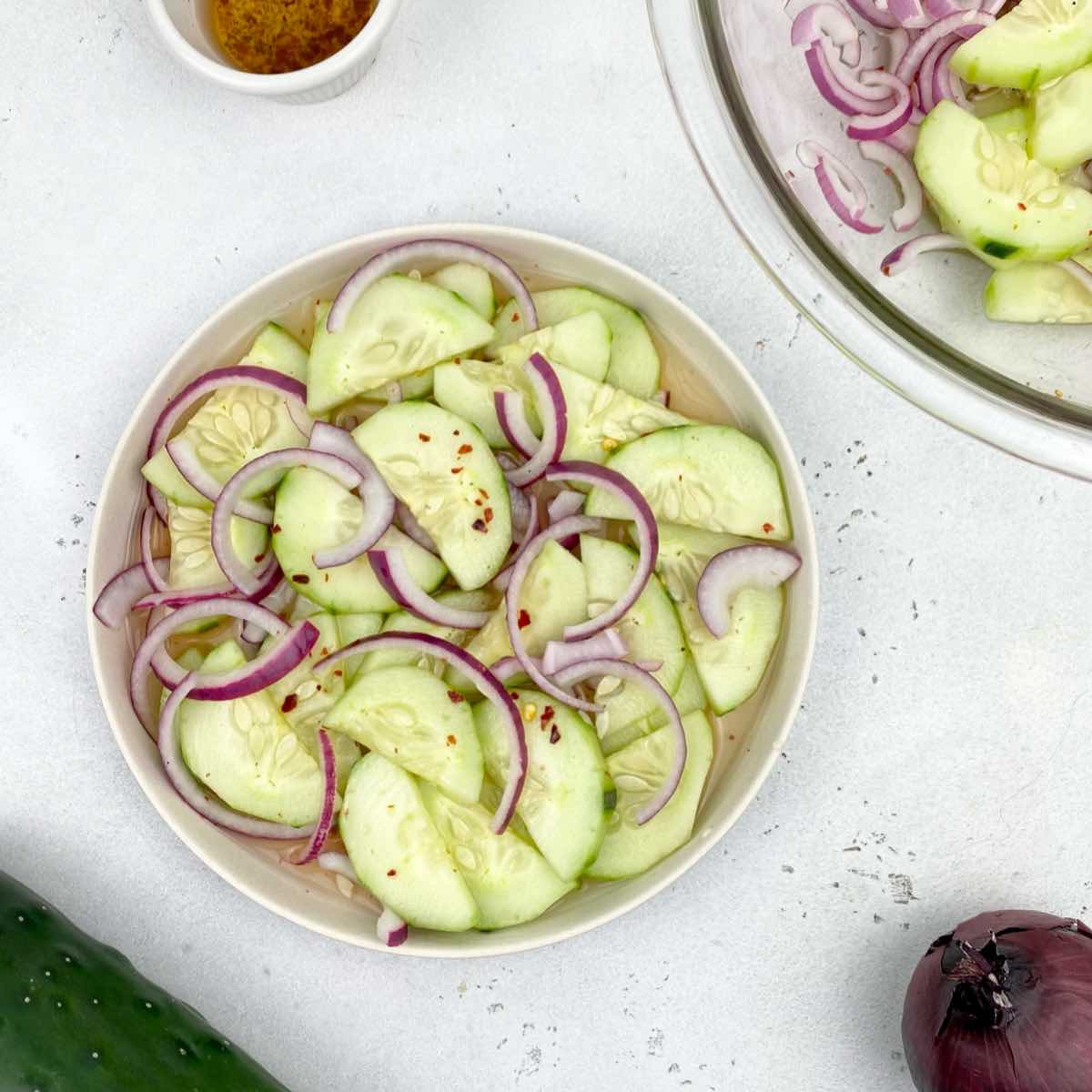
    Marinate thinly sliced cucumbers in a mixture of vinegar, sugar, and salt for at least 30 minutes to achieve that delightful crunch.

    Add chopped tomatoes for a refreshing twist and substitute white vinegar with rice vinegar for a milder taste.

    For an extra kick, sprinkle some crushed red pepper flakes to enhance the salad.

    This Fresh Cucumber Crunch, also known as Ensaladang Pipino, can be served as a refreshing appetizer during hot summer days.

    Don’t forget to pair it with a Filipino Mango Salad (Ensaladang Mangga) to add a burst of vitamin C to your meal.

    Enjoy the blend of flavors and textures in this delightful Filipino salad.

    Pipino and Singkamas Crunch

    Enhance the crunch of your Filipino salad by adding jicama for a unique texture and flavor in the Pipino and Singkamas Crunch.

    To create this refreshing Filipino salad, start by:

    • Slicing the cucumber and singkamas into thin strips.
    • Mix them with a Filipino-style vinaigrette made from calamansi juice, soy sauce, and a pinch of sugar.
    • For an extra burst of freshness, add some chopped mint leaves to the mix.
    • To give the salad a zesty kick, drizzle some olive oil and sprinkle chili flakes over the cucumber and singkamas.

    Serve the Pipino and Singkamas Crunch as a light and vibrant appetizer, perfect for a delightful start to any meal.

    Spicy Pipino and Green Mango Mix

    Looking to add a refreshing and spicy twist to your salads? Try combining thinly sliced pipino with julienned green mango for a zesty and vibrant flavor explosion.

    To bring the heat, mix in chopped red chili or jalapeño, and toss the spicy pipino and green mango mix with a tangy blend of vinegar, sugar, and salt for a burst of flavor.

    This spicy pipino and green mango mix is a perfect accompaniment to grilled meats or seafood, offering a delightful contrast of flavors.

    For an extra pop of freshness, garnish the salad with fresh cilantro or mint leaves.

    Elevate your Filipino salads with this Asian-inspired recipe that brings together the crispness of pipino and the tangy punch of green mango, creating a mouthwatering dish that’s sure to impress.

    Pipino and Shrimp Delight

    Looking to add a protein boost to your pipino salad? Consider pairing it with succulent shrimp for a delightful twist.

    Marinate the shrimp in a zesty blend of lemon juice, garlic, and soy sauce to infuse it with extra flavor.

    This shrimp and pipino combination makes for a refreshing main course salad or a light and flavorful appetizer.

    Shrimp Pairing Ideas

    Add a delightful twist to your Filipino salad by incorporating cooked shrimp into the pipino salad for a burst of seafood flavor. Marinate the shrimp separately with a blend of garlic, lemon juice, and salt before adding to the salad.

    Garnish the pipino and shrimp salad with freshly chopped cilantro or mint for a burst of herbal flavor. Experiment with adding other seafood such as crab or lobster to the pipino salad for a luxurious twist.

    Serve the pipino and shrimp salad as a light and refreshing appetizer or as a main dish for a healthy meal option. This shrimp pairing idea adds a delicious and healthy touch to your Filipino salads, making it a perfect choice for a light lunch or a refreshing side dish.

    Flavorful Dressing Options

    For a delightful and flavorful twist to your Filipino salad, consider creating a zesty dressing that combines cucumber (pipino), shrimp, vinegar, and a touch of sweetness.

    Elevate the dressing with a hint of spice using sliced red chili and minced garlic for an added kick. Enhance the flavor profile by incorporating ground pepper and a sprinkle of salt into the dressing mixture.

    Experiment with different herbs like cilantro or parsley to infuse a fresh and aromatic twist into the dressing.

    The pipino and shrimp delight dressing can be paired with a variety of salads to bring out its unique and vibrant flavors.

    To further enhance the taste, consider adding fish sauce for a savory depth or creating a vinaigrette dressing for a tangy touch. The addition of chili peppers can also lend a delightful heat to the dressing, making it a perfect complement to your Filipino salads.

    Cucumber and Seaweed Fusion

    How can you create a refreshing fusion salad by combining thinly sliced cucumbers with marinated seaweed?

    Start by mixing cucumbers with rehydrated seaweed in a vinegar-based dressing to achieve a unique flavor and texture.

    Adjust the ratio of cucumbers to seaweed based on your personal preference for a well-balanced combination.

    To enhance the fusion of flavors, experiment with adding ingredients such as sesame seeds or shredded carrots.

    This fusion salad, with its combination of cucumber and seaweed, offers a delightful twist when served as a side dish or as a topping for rice bowls.

    The high water content of cucumbers complements the savory richness of marinated seaweed, making it a perfect choice for a light and refreshing dish.

    Pipino and Pomelo Surprise

    Enhancing the traditional Ensaladang Pipino with the zesty addition of pomelo creates a surprising burst of citrusy freshness in every bite. The crisp texture of pipino mixed with the juicy, tangy pomelo segments adds a delightful twist to the classic Filipino salad.

    To create this Pomelo Surprise, simply peel and separate the pomelo segments, and mix well with the sliced cucumbers, vinegar, sugar, and red onions. The pomelo’s sweet and slightly tart flavor complements the cucumbers, creating a refreshing and vibrant combination.

    This variation offers a unique take on the traditional Ensaladang Pipino, infusing it with a burst of tropical citrus notes that elevate the overall taste experience.

    Try this Pipino and Pomelo Surprise as a delightful side dish or a refreshing appetizer for a burst of flavor in every mouthful.

    Grilled Pipino With Bagoong Dressing

    Grill slices of pipino until tender and lightly charred to infuse them with a smoky flavor.

    Then, drizzle the tangy bagoong dressing over the grilled pipino for a unique and flavorful twist.

    Experiment with this delightful combination to add an exciting element to your Filipino salads. The grilled pipino with bagoong dressing creates a perfect balance of smoky, tangy, and slightly sweet flavors that will elevate your salad game.

    Sprinkle a touch of black pepper over the dish to enhance its depth of taste.

    This dish also serves as a refreshing and appetizing side dish for grilled meats or seafood. Try garnishing the grilled pipino with bagoong dressing with fresh herbs or chopped nuts for added texture and visual appeal.

    Enjoy the burst of flavors and textures in every bite!

    Cucumber and Fruit Ensemble

    For a refreshing and vibrant addition to your Filipino salads, consider incorporating a delightful Cucumber and Fruit Ensemble.

    Adding pipino to this ensemble not only contributes a delightful crunch but also infuses the salad with a burst of freshness. Begin by slicing the pipino into thin rounds or cubes, allowing its natural flavors to shine through.

    Pair the pipino with an assortment of fruits such as mango, pineapple, and jicama to create a colorful and appetizing mix. The cucumber’s mild flavor complements the sweetness of the fruits, while its high water content adds a hydrating element to the dish.

    Toss the ensemble with a zesty citrus dressing to tie the flavors together, resulting in a Filipino salad that isn’t only visually appealing but also bursting with a symphony of flavors.

    Frequently Asked Questions

    What Can I Make With Excess Cucumbers?

    You can make a tangy cucumber salad by marinating thinly sliced cucumbers in a mixture of vinegar, sugar, and red onions. Add a refreshing twist with chopped tomatoes and garnish with cilantro or parsley for extra flavor.

    What Are the Best Cucumbers for Salads?

    For salads, the best cucumbers are Japanese due to their thin skin and crunchiness. They have fewer seeds, impacting texture and taste. Personal preference and availability matter, so choose wisely for a top-notch salad.

    What Is the Best Way to Use Cucumber?

    Slice cucumbers thinly, marinate in vinegar, sugar, and salt. Elevate with tomatoes, rice vinegar, or fresh herbs. Serve as a side, topping, or appetizer. Enjoy the low calorie, high water content, and heart-healthy antioxidants. Choose Japanese, regular, or pickling cucumbers.

    Should You Peel Cucumbers for a Salad?

    When making a salad, peel cucumbers based on your preference. Leaving the peel on adds color and texture, while peeling can enhance the overall taste. Experiment with different varieties to find what suits your taste best.

    What are some traditional Filipino dishes that use Pipino as an ingredient?

    Pipino is a common ingredient in traditional Filipino dishes, often used in salads like the Ensaladang Pipino. This cucumber-based dish showcases the freshness and simplicity, describing Filipino cuisine characteristics. Pipino is also added to sinigang, a sour soup, adding a refreshing crunch to the tangy broth.

    Conclusion

    So there you have it, the 10 best ways to use pipino in Filipino salads! Whether you prefer it tangy, spicy, or with a refreshing twist, there’s a pipino salad recipe for everyone.

    Try out these delicious combinations and impress your family and friends with your culinary skills.

    Get creative and have fun experimenting with different flavors and ingredients to create your own unique pipino salad masterpiece!

  • 6 Native Squash Leaves Uses in Filipino Cuisine

    6 Native Squash Leaves Uses in Filipino Cuisine

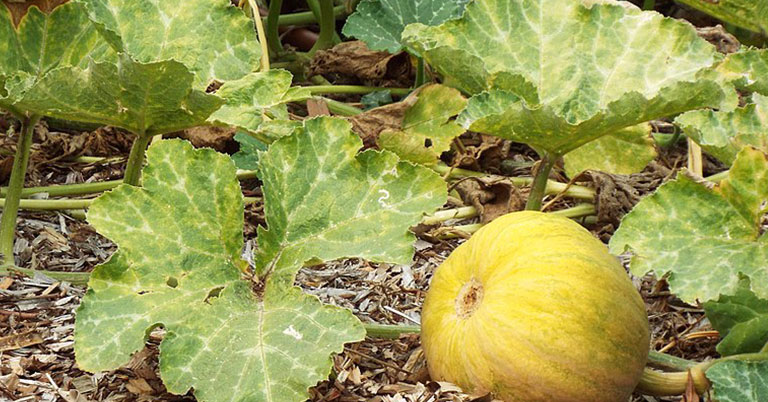
    Squash leaves are commonly used in Filipino cuisine, adding flavor and nutrients to dishes like soups and stir-fries. They bring a vibrant green color and earthy taste to traditional Filipino meals.

    Key Takeaways

    • Squash leaves are commonly used in traditional Filipino soups and stews, such as Bulanglang na Gulay, adding a wholesome and satisfying element to the dishes.
    • They can also be incorporated into stir-fries and rice dishes, enhancing the flavor and nutritional value of the meals.
    • Squash leaves can be used in savory omelets and fritters, providing a fresh twist to traditional Filipino cuisine.
    • The addition of squash leaves in Filipino dishes brings a vibrant green color, earthy taste, and essential nutrients to the overall dining experience.

    Traditional Soups

    When exploring traditional Filipino cuisine, you’ll find that traditional soups like Bulanglang na Gulay play a central role, offering a delightful medley of locally-grown vegetables and flavorsome fish that are sure to satisfy your palate.

    This hearty soup typically includes an assortment of nutritious ingredients such as malunggay leaves, okra, eggplant, and butternut squash, all simmered in a savory broth. The addition of creamy coconut milk further enriches the flavors, creating a luscious texture that complements the earthy sweetness of the squash.

    The result is a comforting and nourishing dish that embodies the essence of Filipino culinary traditions. Whether enjoyed on its own or paired with dishes like sinaing na tulingan, these traditional soups provide a wholesome and satisfying dining experience, showcasing the vibrant flavors and vibrant culture of the Philippines.

    Flavorful Stir-Fries

    Enhance your culinary repertoire with the flavorful versatility of squash leaves in creating delectable stir-fries that will elevate your dining experience.

    When stir-frying squash leaves, consider pairing them with meats, rice, lemons, limes, tomatoes, peanuts, and more to enhance their taste.

    To prevent wilting, it’s best to use squash leaves immediately after harvesting or store them in water in a container before refrigeration.

    The flavorful stir-fries made with squash leaves, when paired with traditional Filipino rice cakes like Biko Kalabasa, create a delicious and nutritious meal.

    Additionally, the nutty and sweeter flavor of squash leaves complements dishes such as fried or grilled fish, adding a delightful dimension to your dining experience.

    Experiment with incorporating squash leaves into your stir-fries to create unique and mouthwatering dishes.

    Nourishing Rice Dishes

    Incorporating squash leaves into nourishing rice dishes adds a rich and flavorful dimension that complements the staple Filipino cuisine, providing both delicious and nourishing meals for everyday enjoyment.

    Nourishing rice dishes are a good source of essential nutrients and are a beloved part of Filipino culinary traditions. These dishes often feature glutinous rice cooked in coconut milk, along with a variety of vegetables like squash, eggplant, and bitter melon, creating a balanced and satisfying meal.

    Traditional ingredients such as pandan leaves and coconut curds contribute to a unique and authentic flavor profile, reflecting the diversity of Filipino cuisine.

    The addition of winter melon plant and squash leaves not only enhances the dish’s taste but also brings a wealth of essential nutrients, making these rice dishes both delicious and nourishing.

    Whether enjoyed warm or cold, they’re a popular choice for everyday meals and special occasions in Filipino households.

    Savory Omelets and Fritters

    Looking to switch up your breakfast routine?

    Savory omelets and crispy fritters made with native squash leaves can add a burst of flavor and nutrition to your morning meal.

    These variations offer a delightful way to enjoy the unique taste and texture of native squash leaves, providing a fresh twist on traditional Filipino cuisine.

    Get ready to savor the rich and hearty goodness of these omelets and fritters!

    Flavorful Omelet Variations

    For a delicious twist on classic omelets, consider incorporating the versatile and flavorful squash leaves into your savory dishes. When the leaves are cooked, they impart a subtle nuttiness and a pleasant texture to your omelets.

    You can enhance the flavor and aroma of your omelet by sautéing the squash leaves with garlic and onions before adding them to the beaten eggs. The combination of squash leaves, tomatoes, and a sprinkle of cheese creates a delectable and nutritious omelet.

    Additionally, adding a handful of chopped squash leaves to your fritter batter gives it a vibrant green color and a delightful earthy taste.

    These flavorful omelet variations are a great way to introduce a new and exciting element to your breakfast or brunch routine.

    Crispy Fritter Recipes

    Consider adding a vibrant twist to your meals with crispy fritter recipes that feature the unique and flavorful addition of squash leaves. These versatile recipes can include savory omelets and fritters made with finely chopped squash leaves mixed into a batter and fried until crispy. The addition of squash leaves provides a unique flavor and texture to the dish, making it a creative and tasty way to incorporate nutritious squash leaves into your meals.

    Squash leaves fritters can be served as a delicious side dish or appetizer, adding a delightful crunch to your dining experience. Below is a table showcasing two delectable crispy fritter recipes that will elevate your culinary repertoire.

    Recipe Ingredients
    Squash Leaf Fritters Squash leaves, flour, salt, pepper
    Savory Omelet Eggs, squash leaves, onions, tomatoes

    Aromatic Stews

    You’re about to learn how aromatic stews bring together an array of flavors and culinary traditions.

    The rich blend of herbs and spices infuse these stews with a depth of taste that will leave your taste buds tingling.

    Get ready to explore the world of aromatic stews and discover the secrets behind their irresistible allure.

    Flavor in Stews

    Enhance your aromatic stews with the earthy, nutty taste of squash leaves, adding a subtle bitterness and unique texture that complements the flavors of other ingredients.

    When cooked, the delicate, herbal aroma and mild, slightly sweet taste of squash leaves bring a vibrant green color to the stew, enhancing its visual appeal and freshness.

    The leaves release a rich, savory flavor that infuses the stew, creating a depth of taste and enhancing the overall dish.

    Moreover, squash leaves are widely cultivated and hold a special place in Filipino cuisine, often used in a variety of dishes, including soup dishes.

    Incorporating these leaves into your stews won’t only add a unique flavor profile but also contribute to the cultural authenticity of the dish.

    Culinary Traditions

    Culinary traditions in Filipino cuisine are rich and diverse, showcasing the use of native ingredients like squash leaves in aromatic stews such as pinakbet and dinengdeng.

    These aromatic stews are a staple in Filipino culinary practices, often featuring a delicious combination of squash leaves, bitter melon, bottle gourd, chayote, eggplant, and green amaranth.

    Their annual climbing nature makes squash leaves a readily available and versatile ingredient for these traditional dishes.

    Aromatic stews aren’t only flavorful but also nutritious, typically incorporating fish or prawns.

    They play a significant role in Filipino culinary traditions, highlighting the importance of locally-sourced and sustainable ingredients.

    The use of squash leaves and other native vegetables in these stews underscores the versatility and cultural significance of Filipino cuisine.

    Fresh Salad Preparations

    Looking to add a unique and nutritious twist to your fresh salad? Consider incorporating squash leaves, a member of the Cucurbitaceae family, into your fresh salad preparations.

    Here are a few tips to enhance your salad with this versatile ingredient:

    • Wash and thoroughly dry the squash leaves to remove any dirt or impurities before use.
    • Use squash leaves as a base for a fresh salad, providing a unique texture and flavor to the dish.
    • Pair squash leaves with other fresh salad ingredients such as tomatoes, cucumbers, and a light vinaigrette for a refreshing and nutritious salad option.
    • Enhance the flavor by adding fresh herbs like mint or basil to the salad preparation for an added layer of freshness and aroma.

    Frequently Asked Questions

    What Can You Do With Squash Leaves?

    You can use squash leaves in various recipes like stews, soups, or stir-fries. They’re rich in vitamins and minerals, offering immune-boosting benefits. Avoid eating them raw due to their scratchy texture. Enjoy their nutty flavor in Filipino Biko Kalabasa.

    What Is Kalabasa Used for in the Philippines?

    In the Philippines, kalabasa, or squash, is used in dishes like pakbet, dinengdeng, and guinataan. It’s best for boiling, stir-frying, and steaming, and pairs well with meats, rice, lemons, limes, tomatoes, and peanuts.

    What Do You Call the Squash in the Philippines?

    In the Philippines, squash is called “kalabasa.” It’s a versatile ingredient used in many Filipino dishes. From pakbet to dinengdeng, its leaves, flowers, shoots, and fruit are all edible and play a significant role in local cuisine.

    What Is the Name of the Filipino Squash?

    The name of the Filipino squash is ‘Kalabasa’. It’s a key ingredient in popular Filipino dishes like pakbet, dinengdeng, and guinataan. You can also find it used in traditional delicacies like Biko Kalabasa.

    Can Native Squash Leaves Be Used in Filipino Dishes as a Substitute for Tempeh?

    Yes, native squash leaves can be used in Filipino dishes as a substitute for tempeh. Filipino foods similar to tempeh often use native squash leaves to create a similar texture and flavor. This versatile ingredient can be found in various Filipino recipes, offering a delicious alternative for those looking for a plant-based option.

    Conclusion

    Now that you’ve learned about the versatile uses of squash leaves in Filipino cuisine, you can start incorporating them into your own cooking.

    Whether it’s in traditional soups, flavorful stir-fries, nourishing rice dishes, savory omelets and fritters, aromatic stews, or fresh salad preparations, squash leaves add a unique flavor and nutritional value to your meals.

    So go ahead, get creative in the kitchen and explore the delicious possibilities of using squash leaves in your dishes!

  • 9 Best Talong Eggplant Uses in Filipino Cuisine

    9 Best Talong Eggplant Uses in Filipino Cuisine

    Six native squash leaves are commonly used in Filipino cuisine, including Filipino eggplant, okra, bitter melon, string beans, and tomatoes. These vegetables contribute to various dishes such as Tortang Talong, Adobong Talong, Pinakbet, and Sinigang Na Talong, showcasing their versatility in Filipino cooking.

    Key Takeaways

    • Eggplant is a versatile ingredient in Filipino cuisine, commonly used in dishes such as Tortang Talong, Adobong Talong, Pinakbet, and Sinigang Na Talong.
    • Tortang Talong is made by broiling the eggplant, flattening it, dipping it in an egg mixture, and frying it until golden brown. It can be customized with spices and served with steamed rice.
    • Adobong Talong involves pan-frying the eggplant and simmering it in garlic, vinegar, soy sauce, and chili peppers. It pairs well with fried fish or grilled meat.
    • Pinakbet is a mixed vegetable stew that combines Filipino eggplant with other vegetables. It is enhanced with savory shrimp paste, garlic, and various spices.
    • Sinigang Na Talong is a tangy tamarind soup with tender eggplant slices. It can be infused with shrimp, pork, or beef, and is a comforting dish when served with rice.

    Tortang Talong (Eggplant Omelet)

    When making Tortang Talong, start by broiling the eggplant until it’s soft and then flattening it before dipping it in an egg mixture and frying it until golden brown.

    This classic Filipino dish offers a delightful combination of flavors and textures. The eggplant’s earthy richness pairs perfectly with the fluffy egg and subtle seasoning. It’s a versatile dish that can be customized with various spices, peppers, and seasonings to suit your taste.

    The process of creating Tortang Talong isn’t only a culinary experience but also holds a deep personal connection for many. It evokes fond memories of family cooking and the joy of mastering a traditional recipe.

    When served with steamed rice and other Filipino dishes, Tortang Talong provides a delicious and satisfying meal, making it a beloved staple in Filipino cuisine.

    Adobong Talong (Eggplant Adobo)

    Adobong Talong, a delectable Filipino dish, features eggplant cooked in a savory adobo sauce, creating a rich and flavorful combination that tantalizes the taste buds. The process involves pan-frying the talong to a golden brown before simmering it in a mixture of garlic, vinegar, soy sauce, and chili peppers.

    This results in tender, tangy eggplant that perfectly complements steamed rice and pairs excellently with other Filipino main courses, such as fried fish or grilled meat. The dish encapsulates the essence of Filipino cuisine, offering a delicious way to savor the unique taste of eggplant with a blend of traditional spices and seasonings.

    Adobong Talong holds a special place as a comforting and fulfilling dish, evoking nostalgic memories and appreciation for the rich culinary heritage of Filipino cooking.

    Pinakbet (Mixed Vegetable Stew)

    Pinakbet, a beloved Filipino dish, offers a delightful medley of flavors and textures by combining Filipino eggplant with an array of other vegetables. As you explore the traditional recipe variations, key ingredients, and unique cooking techniques of Pinakbet, you’ll discover the intricate balance of savory shrimp paste, aromatic garlic, and the natural sweetness of the vegetables.

    Understanding the nuances of this mixed vegetable stew will allow you to appreciate the rich culinary heritage and diverse flavors of Filipino cuisine.

    Traditional Recipe Variations

    Experimenting with different types of peppers and spices can add delightful flavor variations to your Pinakbet, a traditional Filipino mixed vegetable stew.

    For an authentic taste, stick with Filipino eggplant, but don’t be afraid to try Italian or Asian eggplants for a unique twist. Substituting these varieties can add an interesting flavor dimension to your dish.

    If you opt for Italian eggplant, cutting it in half lengthwise and broiling it with the cut side down can provide a different texture to your Pinakbet.

    Additionally, customizing your Pinakbet by incorporating other herbs and seasonings can give it a personalized touch. Embracing these traditional recipe variations allows you to explore the rich diversity of Filipino cuisine and make your Pinakbet truly stand out.

    Key Ingredients and Flavors

    When it comes to creating the rich and diverse flavors of Filipino cuisine, understanding the key ingredients and flavors of Pinakbet is essential for achieving an authentic and flavorful mixed vegetable stew.

    The distinct flavor profile of Pinakbet is achieved through the use of Filipino eggplant, garlic, and ginger, complemented by various peppers that add depth and spice. The addition of egg enriches the stew and acts as a binding agent for the eggplant and other vegetables, while the use of white pepper and ginger enhances the overall flavor and aroma of the dish.

    Furthermore, the combination of cobanero peppers and Urfa chili adds a spicy kick, contributing to the unique blend of savory, earthy, and slightly spicy flavors characteristic of traditional Filipino cuisine.

    Cooking Techniques and Tips

    To bring out the best flavors in your Pinakbet mixed vegetable stew, consider broiling the eggplant before incorporating it into the dish to enhance its natural taste and texture. Broiling the Filipino eggplant infuses a smoky essence, intensifying its earthy flavor.

    Additionally, steaming the eggplant ensures it becomes tender, making it easier to blend with the other vegetables in the dish. Creating an egg wash with beaten egg, salt, and pepper brings a delightful savory dimension to the eggplant, enriching the overall taste of the Pinakbet recipe.

    When sautéing the eggplant with minced garlic and a blend of spices like ginger, white pepper, cobanero peppers, and Urfa chili, it adds a rich and aromatic flavor. Finally, nipping the eggplant in salted water before cooking helps maintain its vibrant color, preventing excessive browning and preserving its appealing appearance in the Pinakbet dish.

    Ensaladang Talong (Eggplant Salad)

    Ensaladang Talong, a Filipino eggplant salad, offers a delightful blend of broiled and steamed eggplant mixed with a savory dressing, creating a versatile and flavorful dish.

    When preparing this dish, there are a few key steps to follow to ensure a perfect outcome. First, the eggplant needs to be broiled and steamed before being squished and sautéed.

    Then, you can add ginger, white pepper, cobanero peppers, and Urfa chili to enhance the flavors. It’s interesting to note that while the dish is typically enjoyed with the taste of Filipino eggplant, you can also use Italian or Asian eggplants as substitutes.

    Ensaladang Talong is a great opportunity to get creative, as you can experiment with different spices, herbs, and seasonings to customize the flavor profile.

    This versatile salad pairs well with other Filipino dishes and can be served as a delicious side dish.

    Sinigang Na Talong (Eggplant Tamarind Soup)

    You’re in for a treat with Sinigang Na Talong, a delightful eggplant tamarind soup that’s sure to tantalize your taste buds.

    Imagine tender eggplant slices soaking up the rich, flavorful tamarind broth, creating a perfect harmony of tangy and savory notes.

    This traditional Filipino dish is a comforting and nourishing meal that’s perfect for a cozy night in.

    Flavorful Tamarind Broth

    When preparing the flavorful Tamarind Broth for Sinigang Na Talong (Eggplant Tamarind Soup), start by infusing the tangy tamarind with the rich flavors of shrimp, pork, or beef, creating a savory base for this classic Filipino dish.

    Here’s how to make the most of this delightful broth:

    1. Balance of Flavors: The tamarind broth provides a perfect balance of sweet and sour notes, enhancing the natural flavors of the talong eggplant and other vegetables in the soup.
    2. Versatile Protein Options: Whether you opt for shrimp, pork, or beef, the protein infuses the broth with its own unique savoriness, elevating the overall taste of the dish.
    3. Comforting and Nourishing: This soup is a beloved staple in Filipino cuisine, offering comfort and warmth, especially when served with steamed rice, making it a complete and satisfying meal.

    The flavorful tamarind broth truly encapsulates the essence of Filipino culinary mastery.

    Tender Eggplant Slices

    To savor the delightful flavors of Sinigang Na Talong, relish the tender, broiled eggplant slices immersed in a tangy tamarind-based broth, creating a comforting and nourishing dish.

    In Filipino cuisine, the tender eggplant slices play a crucial role in adding a soft, delicate texture to the soup. The process of broiling the eggplant ensures that it maintains its tenderness while absorbing the rich tamarind flavors.

    This results in a harmonious blend of tangy and savory notes, making Sinigang Na Talong a beloved dish. The eggplant’s ability to seamlessly integrate with the flavors of the sinigang broth showcases its versatility in Filipino culinary traditions.

    With each spoonful, you’ll appreciate the way the tender eggplant slices complement the robust flavors of the soup, offering a truly satisfying dining experience.

    Ginataang Talong (Eggplant in Coconut Milk)

    Ginataang Talong, a delectable Filipino dish, captivates the palate with its creamy coconut milk sauce and tender broiled eggplant. This traditional dish offers a delightful medley of flavors and textures, creating a unique dining experience.

    Here’s why you should try it:

    1. Creamy Coconut Milk: The rich and velvety coconut milk sauce infuses the dish with a luscious, indulgent flavor that complements the earthy taste of the eggplant.
    2. Tender Broiled Eggplant: The eggplant, broiled to perfection, absorbs the savory coconut milk sauce, resulting in a melt-in-your-mouth texture and a delightful contrast of smokiness and creaminess.
    3. Perfect Pairings: Enjoy this dish with steamed rice for a satisfying meal, or pair it with fried fish or grilled meat to elevate your dining experience.

    Ginataang Talong is a true Filipino classic that showcases the versatility and deliciousness of eggplant in Filipino cuisine.

    Pakbet (Mixed Vegetable Dish)

    Savoring the rich and diverse flavors of Filipino cuisine, you’ll find that Pakbet, a mixed vegetable dish featuring sautéed eggplant, offers a delightful medley of textures and tastes.

    This traditional Filipino dish combines sautéed eggplant with bitter melon, okra, string beans, tomatoes, and sometimes squash, creating a flavorful combination of vegetables.

    The eggplant in Pakbet adds a rich and creamy texture to the dish, complementing the other vegetables and creating a satisfying blend of flavors.

    Additionally, Pakbet often incorporates shrimp paste, infusing the dish with a unique umami flavor that pairs well with the eggplant and other vegetables.

    The versatility of eggplant in Filipino cuisine shines through in this dish, providing a delicious and nutritious addition to the flavorful medley of vegetables in Pakbet.

    Inihaw Na Talong (Grilled Eggplant)

    Grilling eggplant elevates its flavor and texture, creating a smoky and tender dish known as Inihaw Na Talong in Filipino cuisine. When enjoying this delicious grilled eggplant dish, you can expect:

    1. The eggplant to be broiled and steamed before grilling, enhancing its texture and infusing it with a delightful smoky flavor.
    2. It to be served with a mixture of minced garlic, ginger, and different types of peppers, creating layers of complex and aromatic flavors that perfectly complement the grilled eggplant.
    3. A versatile dish that pairs excellently with steamed rice and complements grilled meats or fried fish, making it a satisfying and flavorful meal.

    Inihaw Na Talong is a fantastic option for those looking to explore the diverse and delightful world of Filipino cuisine.

    Pinakbet With Bagnet (Mixed Vegetable Stew With Crispy Pork Belly)

    Transform your culinary experience with the delightful flavors and textures of Pinakbet With Bagnet, a Filipino mixed vegetable stew complemented by crispy pork belly. This savory dish features a medley of Filipino eggplant, okra, bitter melon, string beans, and tomato, all cooked with crispy deep-fried pork belly.

    The combination of these fresh vegetables and the rich, crispy pork belly creates a delightful harmony of flavors and textures. Seasoned with shrimp paste and a blend of spices, it delivers a unique and savory taste that is deeply satisfying. The eggplant in this dish adds a soft and creamy texture, perfectly complementing the crispy and savory pork belly.

    Commonly served with steamed rice, Pinakbet With Bagnet is a popular and beloved dish in Filipino cuisine.

    Vegetable Description
    Filipino eggplant Soft and creamy texture
    Okra Delicate and slightly slimy when cooked
    Bitter Melon Bitter flavor, often used for its health benefits
    String Beans Crisp and slightly sweet when cooked
    Tomato Adds a hint of tanginess to the stew

    Frequently Asked Questions

    What Is the Most Popular Way to Eat Eggplant?

    The most popular way to eat eggplant is through Tortang Talong in Filipino cuisine. You char and flatten eggplants, dip them in an egg mixture, then fry until golden. It’s commonly served with rice or as a side dish.

    What Is the Difference Between Chinese Eggplant and Filipino Eggplant?

    Chinese eggplants are longer, thinner, and less bitter, with a thinner skin, while Filipino eggplants are shorter, rounder, and more bitter with a thicker skin. They have different flavors and textures, making them suitable for different culinary uses.

    What Is Best Paired With Tortang Talong?

    Pair Tortang Talong with steamed rice and banana ketchup, creating a delightful mix of sweetness and tanginess. It also complements Filipino favorites like adobo or sinigang, and goes well with grilled meat or fried fish for a complete meal experience.

    What Is the Culinary Use of Eggplant?

    In Filipino cuisine, eggplant is used in various ways, such as grilling, roasting, or boiling, to create diverse textures and flavors. It can be paired with an array of spices to customize dishes like Tortang Talong and Adobong Talong.

    Can I Use Talong Eggplant in Filipino Main Dish Menus?

    Yes, you can definitely use talong eggplant in traditional Filipino main dish menus. Talong, or eggplant, is a versatile vegetable commonly used in popular Filipino dishes such as pinakbet, tortang talong, and even as a filling for lumpia. It adds a delicious flavor and texture to Filipino main dish menus.

    Conclusion

    So there you have it – the 9 best ways to use talong eggplant in Filipino cuisine!

    Whether you’re making a hearty stew, a flavorful adobo, or a simple grilled dish, talong eggplant adds a unique and delicious touch to any recipe.

    With its versatile uses and distinctive flavor, it’s no wonder that this humble ingredient is a staple in Filipino cooking.

    So go ahead and get cooking with talong eggplant – you won’t be disappointed!

  • 5 Spicy Filipino Dishes With Siling Labuyo

    5 Spicy Filipino Dishes With Siling Labuyo

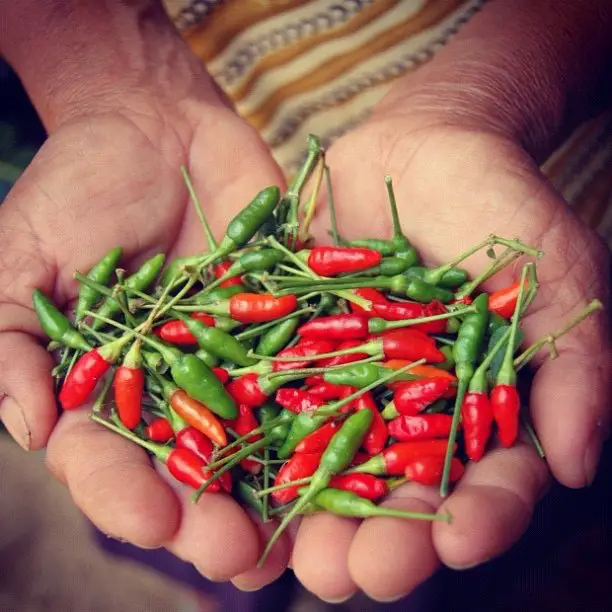
    Siling Labuyo is a key ingredient in iconic Filipino dishes like Sizzling Sisig and Spicy Chicken Adobo, known for its fiery kick and bold flavors. It adds a harmonious explosion of heat and spice, making these dishes a must-try for fans of fiery flavors.

    Key Takeaways

    • Siling Labuyo is a potent and versatile ingredient in Filipino cuisine, known for its fiery kick.
    • It is a key component in iconic dishes like Sizzling Sisig, Bicol Express, Spicy Chicken Adobo, and Fiery Ginataang Tilapia.
    • The combination of Siling Labuyo with other ingredients creates a harmonious explosion of flavors in these dishes.
    • Siling Labuyo adds heat and spice to the dishes, making them a must-try for fans of fiery flavors.

    Siling Labuyo in Filipino Cuisine

    If you’re a fan of fiery flavors and bold spices, Siling Labuyo is a must-know ingredient in Filipino cuisine. This small but mighty chili pepper is the star of many iconic dishes, adding a fiery kick to every bite.

    From the famous Spicy Siling Labuyo Adobo to the flavorful Siling Labuyo Bicol Express, this pepper is a staple in Filipino cooking.

    It’s not just limited to main courses; Siling Labuyo also adds its bold flavor to side dishes like Spicy Siling Labuyo Fried Rice and zesty Siling Labuyo Pickled Vegetables.

    The versatility of this pepper knows no bounds, as it even finds its way into snacks like Siling Labuyo Popcorn and Siling Labuyo Cheese Sticks.

    Whether it’s in coconut milk-based stews or as a condiment, Siling Labuyo is the go-to ingredient for that unmistakable spicy Filipino flavor.

    Sizzling Sisig With Siling Labuyo

    Siling Labuyo’s fiery essence continues to sizzle in the iconic Filipino dish, Sizzling Sisig, infusing it with a tantalizing heat that elevates the entire dining experience.

    This spicy pork dish, with its sizzling presentation and robust flavor, is a testament to the rich and bold flavors of Filipino cuisine.

    The addition of Siling Labuyo, a potent chili pepper, adds a spicy kick that sets this dish apart.

    The combination of chopped meat, onions, and the heat from the Siling Labuyo creates a harmonious explosion of flavors.

    Whether it’s the traditional pig’s face and ears or modern variations like chicken or tofu, the sizzling sisig with Siling Labuyo is a must-try for anyone seeking an authentic and fiery Filipino culinary adventure.

    Bicol Express: A Spicy Delight

    Indulge your taste buds in the fiery and flavorful world of Bicol Express, a beloved spicy Filipino dish that will leave you craving for more.

    This authentic Bicol pork stew is a ginataan dish that combines spicy pork, shrimp paste, and coconut cream to create a symphony of flavors.

    The tender pork is simmered in a rich and creamy coconut sauce, while the shrimp paste adds a depth of umami, and the siling labuyo adds some heat, making each bite an explosion of savory and spicy goodness.

    The dish perfectly balances the richness of the coconut cream with the bold flavors of the chili and shrimp paste.

    Bicol Express is a must-try for anyone who loves a good kick of heat and a medley of tantalizing flavors in their dish.

    Spicy Chicken Adobo With Siling Labuyo

    Get ready to add another fiery Filipino favorite to your culinary repertoire with the Spicy Chicken Adobo With Siling Labuyo! This classic Filipino dish combines the rich flavors of adobo with the intense heat of Siling Labuyo, creating a spicy sensation that will leave your taste buds tingling.

    Here’s how to make this mouthwatering dish:

    • Marinate the chicken in a mixture of soy sauce, vinegar, garlic, and crushed Siling Labuyo for at least 30 minutes to infuse the flavors.
    • Sear the chicken pieces until browned, then add the marinating liquid and let it simmer until the chicken is tender and flavorful.
    • Add more crushed Siling Labuyo during the cooking process for an extra fiery kick, adjusting the spiciness to your preference.
    • Serve the Spicy Chicken Adobo with Siling Labuyo over steamed rice, garnished with chopped scallions and extra Siling Labuyo for those who love it extra spicy.
    • Save some adobo sauce for dipping or drizzling over the rice for an explosion of flavor.

    This spicy twist on a Filipino classic is a must-try for anyone who loves bold flavors and the heat of Siling Labuyo.

    Fiery Ginataang Tilapia

    A burst of fiery flavor awaits as you dive into the world of Fiery Ginataang Tilapia, a traditional Filipino dish that tantalizes the taste buds with its spicy coconut milk sauce and tender tilapia fish.

    This spicy Filipino dish combines the richness of coconut milk, the heat of Siling Labuyo, and the delicate flavor of tilapia, creating a culinary experience that’s both bold and comforting.

    The dish is a testament to the vibrant and diverse flavors of Filipino cuisine, showcasing the use of indigenous ingredients like Siling Labuyo and gabi leaves.

    The fiery ginataang tilapia embodies the essence of Bicol Express, known for its fiery and aromatic dishes.

    Get ready to experience the taste of the Philippines through this spicy and flavorful culinary masterpiece.

    Frequently Asked Questions

    What to Do With Siling Labuyo?

    Wondering what to do with Siling Labuyo? Spice up your main courses, create fiery side dishes, add a kick to snacks and appetizers, infuse flavors into sauces and condiments, and enhance soups and stews for a spicy and flavorful experience!

    How Spicy Is Siling Labuyo?

    Siling Labuyo brings the heat, rating at 80,000 to 100,000 Scoville units. It adds a fiery kick and a slightly sweet, fruity flavor to Filipino dishes. When cooking with it, start with a small amount and adjust to taste.

    What Is the Hottest Chili in the Philippines?

    If you’re wondering about the hottest chili in the Philippines, it’s the siling labuyo! With a heat rating of 80,000 to 100,000 Scoville units, this small but mighty pepper adds a fiery kick to Filipino dishes.

    Is Cayenne Pepper the Same as Siling Labuyo?

    No, cayenne pepper is not the same as siling labuyo. While both are hot, siling labuyo has a distinct flavor and is a specific cultivar native to the Philippines. Its unique heat and fruity undertone make it a standout ingredient in Filipino cuisine.

    – Do Gabing San Fernando Dishes Usually Include Siling Labuyo for Spiciness?

    Yes, native Filipino vegetables in Gabing San Fernando often include siling labuyo to add spice to their dishes. Siling labuyo is a favorite in the region, and it is commonly used to enhance the flavors of their traditional food. These spicy peppers are a staple in Gabing San Fernando cuisine.

    Conclusion

    So there you have it, 5 fiery and flavorful Filipino dishes featuring the spicy kick of siling labuyo.

    From sizzling sisig to spicy chicken adobo, these dishes are sure to tantalize your taste buds and leave you craving for more.

    Don’t be afraid to adjust the heat level to your liking and experiment with different flavors to create the perfect balance of spice and flavor.

    Get ready to spice up your mealtime with these delicious dishes!

  • Luya: A Medicinal Gem in Filipino Herbal Tradition

    Luya: A Medicinal Gem in Filipino Herbal Tradition

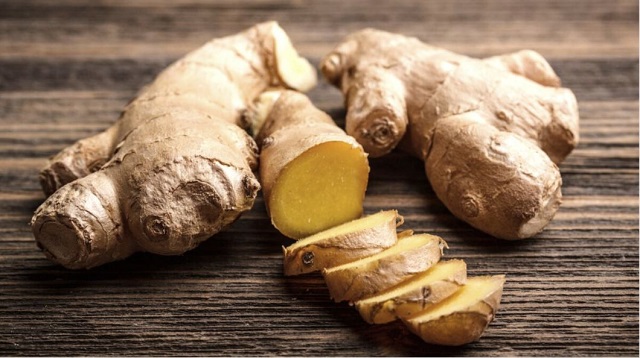
    Luya, also known as ginger, is a versatile herbal medicine with antibacterial and anti-inflammatory properties, aiding in nausea, sore throat, and stomach upset. It is a valuable addition to natural medicine cabinets and Filipino cuisine, offering both culinary delight and medicinal benefits.

    Key Takeaways

    • Luya (ginger) has numerous health benefits, including anti-inflammatory and antioxidant properties, aiding in digestion, relieving nausea, and potentially fighting cancer.
    • Ginger has a rich cultural and historical significance, being traded and used in various cuisines for thousands of years, and valued for its unique flavor and aroma.
    • Traditional medicinal uses of luya include alleviating nausea, easing stomachaches, soothing sore throats, and benefiting from its anti-inflammatory and antibacterial properties.
    • Luya offers versatility in herbal medicine, being used in various health concerns, enhancing herbal remedies, and providing a holistic approach to wellness. Traditional luya remedies include Salabat, Fire Cider, and luya-infused coconut oil.

    Luya’s Traditional Medicinal Uses

    Luya has long been cherished in Filipino herbal tradition for its multifaceted medicinal benefits, making it a versatile and invaluable natural remedy for a variety of ailments.

    One of its traditional medicinal uses is to alleviate nausea, making it a go-to remedy for stomach discomfort.

    Additionally, luya is highly valued for its ability to ease stomachaches, providing relief to those suffering from digestive issues.

    Its effectiveness in soothing a sore throat has also been recognized for generations, offering a natural alternative to alleviate discomfort.

    The inclusion of ginger in herbal medicine further enhances luya’s medicinal properties, adding to its anti-inflammatory and antibacterial benefits.

    Whether consumed fresh, powdered, or as a tincture, luya provides a range of options for incorporating its therapeutic properties into traditional medicinal practices.

    Health Benefits of Luya

    With its well-established traditional medicinal uses, you’ll now explore the extensive health benefits of luya, discovering its remarkable impact on digestive health, energy levels, and even its potential role in cancer prevention and treatment.

    Luya, also known as ginger, stimulates digestive acids, aiding in nutrient absorption and improving overall digestive function. Its anti-inflammatory effects not only alleviate discomfort but also contribute to better digestive health.

    Additionally, luya can help boost energy levels, improve mood, alleviate nausea, and relieve stomachaches. Furthermore, its antioxidant, anti-inflammatory, and antimicrobial properties make it a promising candidate for reducing cancer risk and preventing various diseases.

    Luya’s potential in weight loss and treating conditions such as osteoarthritis or rheumatoid arthritis further solidify its status as a medicinal gem in Filipino herbal tradition.

    Mechanism of Action in Disease Prevention

    Ginger’s mechanism of action in disease prevention involves its ability to reduce inflammation, neutralize free radicals, and inhibit the growth of harmful bacterial strains, making it a potent ally in maintaining overall health and well-being.

    Imagine ginger as a versatile shield, with its anti-inflammatory properties soothing conditions like osteoarthritis, its antioxidants combating free radicals to protect your cells, and its antibacterial activity fighting off harmful pathogens. It’s like a triple-threat defender, reducing TNF-α and hs-CRP concentrations in blood samples of type 2 diabetic patients, showing potential benefits in managing diabetes-related inflammation.

    Furthermore, ginger’s ability to inhibit the growth of H. pylori CagA+ strains and its fresh form’s antioxidant properties make it a formidable weapon in preventing diseases.

    With ginger, your health is safeguarded on multiple fronts.

    Luya Preparations and Usage

    Are you ready to explore the diverse ways in which luya can be incorporated into your culinary creations and medicinal remedies?

    From adding a fiery kick to your favorite dishes to infusing its healing properties into oils and tinctures, luya offers a world of possibilities.

    Get ready to discover the fascinating world of luya in both the kitchen and the medicine cabinet.

    Luya in Cooking

    Luya, a versatile ingredient in Filipino cooking, can be prepared and used in various forms to add a distinctive flavor and medicinal benefits to dishes. When using ginger root in cooking, consider these preparations:

    • Fresh: Grate or slice the ginger to infuse its strong, spicy flavor into stir-fries, soups, or marinades.
    • Pickled: Enjoy the tangy and pungent flavor of pickled ginger as a palate cleanser alongside sushi or as an accompaniment to rich, savory dishes.
    • Powdered: Utilize powdered ginger as a convenient and potent spice for baking cookies, cakes, or adding depth to spice blends.

    Luya is a staple in Filipino cuisine, enhancing dishes like tinola and lending its zesty kick to salad dressings. Its versatility and health benefits make it a valuable addition to your culinary repertoire.

    Luya in Medicine

    Enhance your understanding of luya by exploring its multifaceted use in traditional Filipino herbal medicine, where it’s prized for its diverse preparations and wide-ranging health benefits.

    Ginger, or luya, is a versatile ingredient in traditional medicine. It can be used to extract ginger oil, which is known for its amazing health benefits. The oil is often used to alleviate muscle aches and can be massaged onto the skin for relief.

    Additionally, ginger is a popular remedy for sore throat. Its anti-inflammatory properties help soothe irritation and its immune-boosting effects aid in fighting infections.

    Whether infused in coconut oil for muscle relief or prepared as Island Fire Cider to support gut health and immunity, luya offers a myriad of medicinal applications in Filipino herbal tradition.

    Warnings and Side Effects of Luya

    Excessive intake of ginger, known as Luya in Filipino herbal tradition, can lead to high blood pressure and stomach irritation, making it important to consume in moderation.

    Additionally, ginger has blood-thinning properties, making it unsuitable for individuals with bleeding disorders. Allergic reactions can also occur in sensitive individuals, warranting caution.

    For diabetics taking medications, excessive ginger use may lower blood sugar levels, so medical advice is essential.

    Despite these side effects, ginger consumption in food amounts is generally considered safe, even for pregnant women and children. However, it’s crucial to be mindful of potential reactions and always seek medical advice when using ginger/Luya to treat any condition.

    References for Luya Herbal Medicine

    Looking for reliable sources on the healing properties of luya and traditional remedies using this medicinal gem? Look no further! The references for luya herbal medicine we’re about to discuss will provide you with a wealth of information on the subject.

    From historical and cultural significance to island fire cider recipes, you’re in for a fascinating journey into the world of luya.

    Healing Properties of Luya

    Luya, also known as ginger, has long been revered in Filipino herbal tradition for its remarkable healing properties and has been used in various medicinal preparations. Its healing properties are extensive, including the ability to aid blood clotting, regulate blood sugar levels, and alleviate symptoms of Rheumatoid arthritis.

    Picture the warmth and comfort of a cup of salabat, the invigorating aroma and taste of fire cider, and the soothing relief of ginger-infused coconut oil on achy muscles. Luya’s impact on health is far-reaching, from supporting gut health to providing relief from sore throat and mild stomach upset.

    Its antibacterial and anti-inflammatory properties make it a versatile ingredient in herbal medicine, offering natural solutions for various health concerns.

    Traditional Luya Remedies

    Explore the rich tapestry of traditional Luya remedies, where the healing prowess of this revered herb unfolds in a myriad of time-honored medicinal practices.

    In Filipino herbal tradition, Luya, also known as ginger, is widely utilized for its diverse health benefits. Traditional Luya remedies have been passed down through generations, offering a holistic approach to wellness.

    One of the most popular remedies is salabat, a ginger tea known for its ability to soothe sore throats and alleviate mild stomach upsets. Additionally, fire cider, a tonic infused with Luya, is highly esteemed for its immune-boosting properties.

    Luya can also be infused in coconut oil for a month to create a potent remedy for muscle aches. Its antibacterial, anti-inflammatory, and digestive support properties make traditional Luya remedies a valuable asset in natural healing practices.

    Frequently Asked Questions

    What Are the Uses of Luya as Herbal Medicine?

    Luya, or ginger, is a versatile herbal medicine. It’s used as an antibacterial, anti-inflammatory, and for easing nausea, sore throat, and mild stomach upset. Its potent properties make it a valuable addition to your natural medicine cabinet.

    What Are the Traditional Medicinal Uses of Ginger?

    Ginger has been traditionally used for nausea, vomiting, motion sickness, and more. It stimulates digestive acids, aids in nutrient absorption, and has anti-inflammatory effects. It’s also used in cooking and shows promise in managing hypertension.

    What Is the Use of Ginger in Traditional Medicine?

    In traditional medicine, ginger is used to aid digestion, reduce inflammation, and support overall health. It’s incorporated into various concoctions like fire cider and salabat, offering immune-boosting and soothing properties for muscle aches and overall well-being.

    Is Luya Effective?

    Yes, luya is effective! It supports digestion, influences mood through gut bacteria, and helps with energy levels, mood, nausea, and stomachaches. Island Fire Cider, containing luya, is a potent remedy with numerous health benefits.

    Can Luya (Ginger) be used in Filipino cuisine as well as for medicinal purposes?

    Luya, or ginger, is a staple in Filipino cuisine and is often used in dishes such as adobo and sinigang. Its anti-inflammatory properties make it a popular choice for medicinal purposes among Filipino eating habits, helping to relieve nausea and aid digestion.

    Conclusion

    So, the next time you’re at the grocery store and see that knobby, pale yellow root called luya, don’t just pass it by. Grab some and explore the wonderful world of Filipino herbal tradition.

    From soothing upset stomachs to boosting your immune system, luya has been a trusted medicinal gem for centuries. Incorporate it into your cooking, brew a comforting cup of luya tea, or even try it as a supplement.

    Your body will thank you!

  • Why Is Okra Integral to Filipino Cuisine?

    Why Is Okra Integral to Filipino Cuisine?

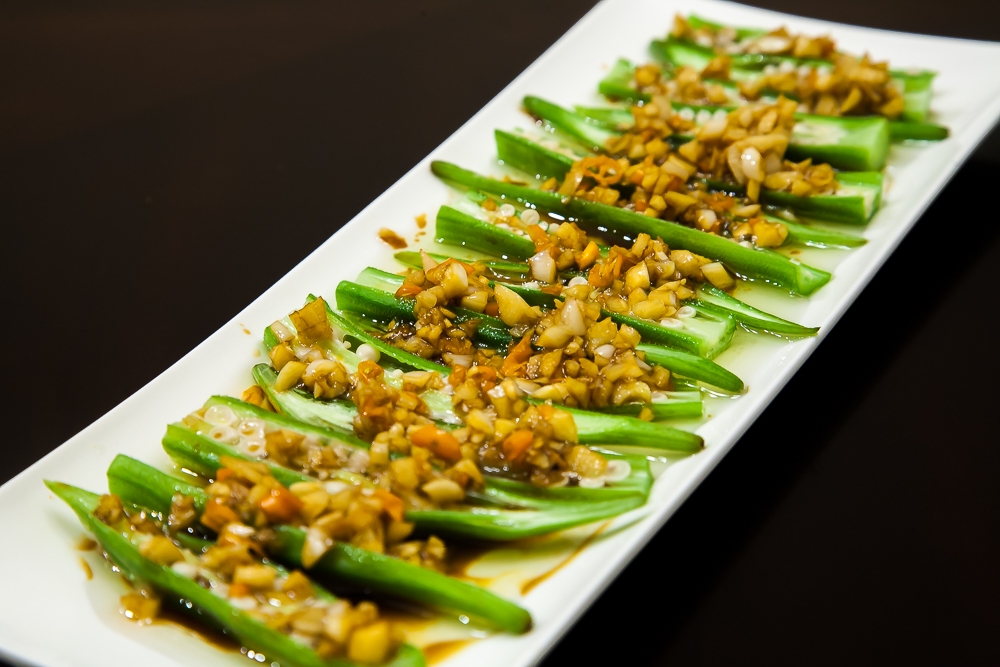
    Okra is a versatile ingredient in Filipino cuisine, enhancing flavors and textures in dishes like sinigang and pinakbet. Its historical roots date back to pre-colonial times, reflecting the nation’s use of local ingredients and cultural influences.

    Key Takeaways

    • Okra has been a part of Filipino cuisine since pre-colonial times, showcasing the nation’s use of local ingredients.
    • Okra enhances the flavors and textures of various Filipino dishes, such as sinigang and pinakbet, and adds depth and richness with its unique slimy texture.
    • Okra is commonly used in regional variations of Filipino cuisine, including pinakbet in the Southern Philippines and sinigang in the Northern Philippines.
    • Okra is not only found in traditional Filipino dishes but also in Filipino street food and exotic dishes, showcasing its versatility in different culinary contexts.

    History of Okra in the Philippines

    Since pre-colonial times, okra has played a significant role in the culinary heritage of the Philippines, intertwining with traditional dishes and reflecting the country’s rich history of culinary adaptation and integration.

    Pre-colonial Filipinos cultivated and incorporated okra into their cuisine, laying the foundation for its enduring presence in Filipino dishes. The vegetable’s journey to the Philippines can be traced back to early trade routes and the influence of Austronesian seafarers who introduced various agricultural practices.

    Okra’s integration into Filipino cuisine highlights the nation’s penchant for utilizing local ingredients and embracing diverse culinary influences. In Filipino cuisine, okra is a versatile ingredient, enhancing the flavors and textures of traditional dishes like pinakbet and sinigang.

    Its deep-rooted history in Filipino culinary traditions underscores its status as a staple vegetable, contributing to the distinctiveness of Filipino flavors.

    Cultural Significance

    Okra holds a significant place in Filipino culture, with its historical roots dating back to ancient times.

    Its culinary versatility allows for a wide range of traditional recipes and dishes that have been passed down through generations.

    The cultural significance of okra in Filipino cuisine lies in its ability to preserve and showcase the country’s rich culinary heritage.

    Historical Roots

    Embedded in the tapestry of Filipino cuisine, the historical roots of okra reveal a rich cultural significance that has endured through centuries of culinary evolution.

    Okra has been a main ingredient in Filipino cuisine for generations, used in a variety of dishes. It has been traditionally incorporated into Filipino cooking, often alongside rice and coconut milk, creating a distinct and flavorful culinary experience.

    The historical roots of okra can be traced back to the Austronesian maritime trade routes, where seafaring Austronesians introduced new agricultural techniques, influencing Filipino culinary practices.

    Furthermore, Spanish rule also brought changes to Filipino cuisine through the Manila galleon trade network, incorporating Mexican and Chinese culinary influences.

    Despite these influences, okra has remained a staple in Filipino cuisine, reflecting the rich historical and cultural heritage of the Philippines.

    Culinary Versatility

    Culinary versatility and cultural significance are inherent in the enduring presence of okra in Filipino cuisine, showcasing its adaptability and rich historical roots in traditional dishes.

    In Filipino cuisine, okra is celebrated for its ability to enhance the flavors and textures of various dishes. It’s a staple ingredient in vegetable stews like sinigang and pinakbet, where its unique slimy texture adds depth and richness. Okra’s culinary versatility is highlighted through its role in thickening soups and stews, as well as its ability to absorb the flavors of the dishes it’s cooked in.

    Beyond its culinary uses, okra also offers notable health benefits, making it a valuable addition to Filipino food traditions. Its integration into a wide array of traditional recipes underscores its enduring importance in Filipino culinary heritage.

    Traditional Recipes

    Incorporating a medley of indigenous, Spanish, and Asian influences, traditional Filipino recipes reflect a rich tapestry of flavors and cultural significance that has been passed down through generations. Traditional Filipino dishes offer a glimpse into the country’s diverse history and culinary heritage, showcasing a wide array of flavors and cooking techniques.

    Some iconic traditional recipes include:

    1. Pork Adobo: This popular dish features succulent pork marinated in a flavorful blend of vinegar, soy sauce, garlic, and bay leaves, resulting in a savory and tangy flavor profile.
    2. Chicken Tinola: A comforting chicken stew infused with ginger, garlic, and green papaya, creating a soothing and aromatic soup that’s a staple in Filipino households.
    3. Bagoong: This fermented shrimp paste is a pungent and salty condiment that adds depth and umami to many traditional Filipino dishes, showcasing the country’s love for bold and complex flavors.

    These traditional Filipino recipes showcase the depth and richness of Filipino cuisine, reflecting the country’s vibrant culinary traditions.

    Nutritional Value

    Okra is a powerhouse of nutrients, offering a range of health benefits that make it a valuable addition to your diet. From being a great source of vitamins like C and K to its high fiber content for digestive health, okra’s nutritional value is impressive.

    Its versatility in Filipino cuisine allows you to enjoy these health benefits in a variety of delicious dishes.

    Health Benefits

    Rich in essential nutrients and low in calories, okra provides numerous health benefits, including support for digestion, immune system, and bone health.

    Here are three reasons why okra is a nutritional powerhouse in Filipino cuisine:

    1. Digestive Health: Okra is a good source of fiber, aiding in digestion and promoting a healthy digestive system. Its high fiber content helps to prevent constipation and maintain a healthy digestive tract.
    2. Immune System Support: Okra contains vitamins C and K, providing immune system support and aiding in blood clotting. These vitamins are essential for overall health and play a crucial role in boosting the body’s immune response.
    3. Bone Health: Rich in minerals such as magnesium, okra contributes to bone health and muscle function. Consuming okra regularly can help maintain strong and healthy bones, essential for overall well-being.

    Culinary Versatility

    With its impressive nutritional value and culinary versatility, okra proves to be a valuable addition to a diverse range of dishes in Filipino cuisine. In the Philippines, okra is a staple in many traditional recipes, adding not only a unique texture but also a host of health benefits.

    Its ability to thicken and enrich stews made with a wide variety of vegetables simmered in rich broths is particularly notable. The slimy texture, often a point of contention for some, is a key feature in Filipino cuisine, where it serves to enhance the overall consistency of dishes.

    Okra’s adaptability allows it to be used in various cooking methods, such as stir-fries and pickling, making it easy to incorporate into diverse dishes for enhanced nutritional value.

    Traditional Okra Dishes

    In Filipino cuisine, traditional okra dishes offer a delightful array of flavors and textures that showcase the versatility of this humble vegetable. Whether stewed, sautéed, or simmered in a tangy broth, okra takes on various delicious forms in Filipino cooking.

    Some common traditional okra dishes include:

    1. Okra and Tomato Stew: A classic Filipino dish where okra is stewed with tomatoes, onions, and garlic, creating a hearty and flavorful vegetable dish.
    2. Sinigang na Okra: A popular Filipino sour soup featuring okra, simmered in tamarind-flavored broth with a variety of meats or seafood, adding a tangy and savory element to the dish.
    3. Ginisang Okra: Okra sautéed with garlic, onions, and tomatoes, seasoned with fish sauce or soy sauce, showcasing the vegetable’s natural flavor and texture.

    These dishes often incorporate common ingredients in Filipino cuisine such as shrimp paste, soy sauce, and chicken stew to enhance the flavors of the okra.

    Versatile Uses in Filipino Cooking

    Incorporate okra into your Filipino dishes to introduce a unique texture and flavor, adding a delightful earthy taste while complementing other ingredients. Okra is a common ingredient in Filipino cuisine, known for its versatile uses in cooking.

    It’s a popular addition to traditional soups like sinigang, providing a satisfying crunch and enhancing the overall texture. In vegetable stews like pinakbet, okra contributes a distinct taste and boosts the dish’s nutritional value.

    Sautéed dishes in Filipino cooking often feature okra, offering a delightful earthy flavor that pairs well with various meats and vegetables. Additionally, okra is frequently used in vegetable stir-fries, absorbing the flavors of the dish and adding a pleasant texture.

    Its adaptability makes it an essential component in Filipino culinary creations, often combined with vinegar and soy for a delicious blend of flavors.

    Okra in Regional Cuisine

    From its versatile uses in Filipino cooking, okra takes on regional variations, adding diverse flavors and textures to dishes across the Philippines.

    1. Southern Philippines: In this region, okra is often used in the popular dish called ‘pinakbet,’ a flavorful stew that includes a variety of vegetables and sometimes pork or shrimp. The okra’s mild flavor complements the other ingredients, creating a harmonious blend of tastes.
    2. Northern Philippines: Here, okra is a staple in Filipino cooking and is commonly featured in the sour soup known as ‘sinigang.’ The okra’s natural thickening properties add a unique texture to the soup, making it heartier and more satisfying.
    3. Central Philippines: In this region, okra is a main source of nutrients and is frequently used in stir-fries, where its slightly crunchy texture and ability to absorb flavors enhance the overall cooking process.

    Okra in Street Food

    If you’re a fan of street food, then you’re in for a treat with the delightful inclusion of okra in popular Filipino snacks.

    Picture this: crispy, deep-fried okra served on skewers, ready to be enjoyed on the go.

    And the best part? The tangy or spicy dipping sauces that perfectly complement the natural crunchiness of the okra.

    Get ready to experience the unique texture and flavor of okra in classic street food staples like Lumpia, Kwek-Kwek, and Fishball.

    Okra in Lumpia

    Wrapped in a thin pastry and deep-fried to crispy perfection, okra in Lumpia is a popular street food in the Philippines, beloved for its unique texture and flavor. When you bite into a piece of okra in Lumpia, you experience a delightful crunch followed by the tender, savory taste of the okra.

    The combination of okra and the crispy wrapper creates a delightful contrast of textures that keeps you coming back for more. This street food delicacy is often served with a sweet and tangy dipping sauce, enhancing the overall taste experience.

    You can enjoy it as you walk through bustling markets, using a spoon and fork or simply with your hands. The okra is often cooked in vinegar and garlic, with a hint of chili peppers, adding a burst of flavor to this Filipino cuisine staple.

    Okra in Kwek-Kwek

    When indulging in Filipino street food, you’ll find that okra in Kwek-Kwek is a delightful crunchy snack that offers a unique twist on traditional favorites. Commonly used in this dish, okra is battered, deep-fried, and served together with a side of spiced vinegar for dipping.

    The deep-frying process gives the okra a crispy texture, while the savory seasoning adds a burst of flavor. When paired with the tangy kick of spiced vinegar, the okra in Kwek-Kwek becomes a flavorful and satisfying snack.

    Its presence in this popular street food not only showcases the versatility of okra but also provides a healthier alternative compared to other fried options. For those who enjoy spicy dishes, the combination of crispy okra and zesty vinegar makes for a truly enjoyable culinary experience.

    Okra in Fishball

    Okra in fishballs adds a delightful textural contrast to this popular Filipino street food, creating a unique culinary experience for those who savor its slimy yet crunchy texture.

    1. Crunchy and Slimy: The combination of okra and fishballs offers an intriguing contrast in textures. The crispy exterior of the fishball complements the slight sliminess and crunch of the okra, providing a delightful mouthfeel.
    2. Dipping Sauces: Street vendors often serve okra in fishballs with an array of dipping sauces, such as spicy vinegar or sweet chili sauce. These sauces add an extra layer of flavor, enhancing the overall taste experience.
    3. Filipino Street Food Culture: Okra in fishballs showcases the Filipino love for deep-fried snacks with a mix of flavors and textures. It represents the creativity and adaptability of Filipino cuisine, often incorporating a variety of fruits, vegetables, and condiments.

    Okra in Exotic Dishes

    Incorporating okra into exotic Filipino dishes introduces a delightful crunch and subtle flavor that enhances the overall dining experience.

    In typical Filipino cuisine, okra is a versatile vegetable that plays a significant role in exotic dishes, particularly those featuring chicken as the main meal component. The inclusion of okra in dishes such as sinigang, a sour soup, provides a pleasant texture and a hint of earthy taste, elevating the flavor profile.

    Furthermore, in ginataang gulay, a Filipino vegetable curry cooked in coconut milk, okra adds a delightful earthy taste and enhances the dish’s creamy texture. Its ability to complement a medley of flavors is showcased in bam-i, a noodle stir-fry, where the vegetable contributes a unique texture.

    Okra’s presence in these exotic Filipino dishes not only adds depth to the flavor but also offers a delightful crunch, making it an essential ingredient in the culinary landscape.

    Okra’s Role in Filipino Staple Dishes

    With its versatile nature and unique texture, okra plays a crucial role in shaping the distinct flavors of staple Filipino dishes, enhancing their overall depth and satisfaction.

    Here’s how okra contributes to some of the most beloved Filipino meals:

    1. Thickening Agent: Okra’s mucilaginous properties serve as a natural thickening agent in dishes like sinigang and pinakbet, giving these stews a delightful consistency and mouthfeel.
    2. Flavor Enhancer: In Filipino cuisine, okra complements and elevates the flavors of other ingredients, creating well-balanced and satisfying dishes that are a testament to the vegetable’s significance.
    3. Culinary Heritage: Okra’s presence in staple Filipino recipes highlights its integral role in the culinary heritage of the Philippines, showcasing its importance in traditional and cherished meals.

    Okra’s Presence in Filipino Side Dishes

    Having explored okra’s pivotal role in shaping the flavors of staple Filipino dishes, it’s time to shift our focus to its presence in Filipino side dishes, where it continues to add a unique texture and earthy flavor, enriching the overall dining experience.

    In Filipino cuisine, okra is a common ingredient in side dishes, such as pinakbet, a flavorful vegetable stew, and sinigang, a sour soup with vegetables and meat. Okra’s versatility allows it to thicken stews and contribute to the overall depth of flavors in these dishes. It’s often sautéed with garlic and onions, enhancing its taste and complementing other vegetables.

    When served as a side, okra provides a delightful contrast to the simplicity of white rice and is often paired with a splash of calamansi juice to elevate the meal.

    Cooking Methods for Okra

    Looking to enhance the flavors and textures of your okra dishes? There are several cooking methods for okra that can transform this versatile vegetable into a delectable addition to your Filipino cuisine:

    1. Sautéing: Try sautéing okra in a pan with a small amount of oil until it’s tender and slightly crispy. This method brings out the natural flavor of okra while adding a delightful crunch to your dish.
    2. Stewing with Shrimp Paste: Consider adding okra to soups and stews, such as sinigang, where it absorbs the flavors of the broth. The addition of shrimp paste can further elevate the dish with its savory and salty notes.
    3. Steaming with Banana Ketchup: Steaming okra can help retain its unique texture. For a Filipino twist, serve steamed okra with a side of banana ketchup, adding a sweet and tangy flavor to the dish.

    Okra’s Influence Outside the Philippines

    Influencing diverse global cuisines, okra has secured its place as a versatile and essential ingredient in a wide array of traditional dishes. From the Southern United States to Middle Eastern and African cuisines, okra plays a vital role in dishes like gumbo, bamia, and molokhia, bringing its unique flavor and thickening properties to the table.

    In Asian countries like India, okra shines in popular dishes like bhindi masala and sambar, showcasing its versatility and widespread use. Mediterranean cuisine also embraces okra, featuring it in recipes such as Greek bamies and Turkish bamya. Even in Caribbean cuisine, okra’s integral role is evident in dishes like callaloo and pepperpot.

    Okra’s influence outside the Philippines highlights its adaptability across different culinary traditions and its significance as a staple in diverse regional foods.

    Frequently Asked Questions

    Which Country Has Made the Biggest Impact on Filipino Cuisine?

    You’ll be surprised to learn that Spain has made the biggest impact on Filipino cuisine. Spanish colonization introduced ingredients like tomatoes, onions, and garlic, as well as cooking techniques that are still prominent in Filipino dishes today.

    Which 4 Cultures Greatly Influenced Filipino Cooking?

    Chinese, Spanish, American, and Indigenous cultures greatly influenced Filipino cooking. They brought rice noodles, Latin ingredients, canned food, and traditional dishes. These diverse influences shaped the rich and flavorful Filipino cuisine we know today.

    What Are the Two Most Important Ingredients in the Cuisine of the Philippines?

    Rice and fish are the two most important ingredients in the cuisine of the Philippines. Rice is a staple, and fish is widely used due to the country’s abundant coastline. Both are vital to Filipino culinary tradition.

    What Makes Filipino Cuisine Unique?

    Filipino cuisine is unique for its vibrant blend of sweet, sour, salty, and sometimes spicy flavors. Its informal and communal dining traditions reflect a rich history and cultural influences, creating a truly distinctive culinary experience.

    How has Okra been incorporated into Filipino cuisine?

    Okra has made its mark on Filipino cuisine, becoming a staple in popular dishes like pinakbet and sinigang. The slimy texture is counteracted by the savory flavors of pork or shrimp, creating a unique blend of influences on Filipino cuisine.

    Conclusion

    So, next time you’re enjoying a Filipino meal, remember the humble okra and its important role in adding flavor, texture, and nutrition to the dishes.

    Whether it’s in a hearty sinigang or a creamy ginataang kalabasa at sitaw, okra’s versatility and cultural significance make it a staple in Filipino cuisine.

    With its rich history, nutritional value, and traditional uses, okra continues to be an integral part of Filipino cooking.

  • 5 Native Filipino Vegetables in Gabing San Fernando Dishes

    5 Native Filipino Vegetables in Gabing San Fernando Dishes

    Gabing San Fernando dishes prominently feature okra, eggplant, kangkong, pechay, and sigarilyas. These vegetables provide various nutritional benefits and are adaptable in different cooking techniques.

    Key Takeaways

    • The Gabing San Fernando dishes prominently feature okra, eggplant, kangkong, pechay, and sigarilyas.
    • These vegetables provide various nutritional benefits such as fiber, vitamins, minerals, calcium, and protein.
    • Each vegetable has unique characteristics, such as okra’s slimy texture and sigarilyas’ nutty flavor.
    • These vegetables are highly adaptable in different cooking techniques and can be incorporated into a wide range of dishes.

    Okra

    Okra, a versatile and nutritious native Filipino vegetable, plays a prominent role in the flavorful dishes of Gabing San Fernando. You’ll often find it starring in popular dishes like sinigang, pinakbet, and bulanglang. Packed with fiber, vitamins, and minerals, okra brings a nutritious punch to the table.

    When cooked, it develops a slightly slimy texture, which might seem unusual at first but adds a unique element to the dish. Whether it’s stir-fried, grilled, or added to soups and stews, okra brings a delicious and healthy twist to the meal.

    Its ability to complement a wide range of flavors and cooking techniques makes it a beloved ingredient in Gabing San Fernando cuisine.

    Eggplant

    Eggplant, another versatile and nutritious native Filipino vegetable, plays a vital role in the flavorful dishes of Gabing San Fernando. It offers a unique texture and flavor profile that complements the other native vegetables and seafood commonly used in the cuisine.

    In Gabing San Fernando, eggplants are frequently featured in dishes like pinakbet and tortang talong. This showcases their versatility as they can be grilled, roasted, stir-fried, or incorporated into stews and soups. Their ability to absorb the flavors of the dishes they’re cooked in makes them a sought-after ingredient.

    Paired with other native vegetables and seafood, eggplants contribute to the heartiness and richness of Gabing San Fernando dishes. Additionally, they’re a good source of fiber, vitamins, and minerals, enhancing the nutritional value of traditional Filipino meals.

    Kangkong

    Wondering how kangkong contributes to the delicious and nutritious traditional Filipino dishes of Gabing San Fernando? Here’s why this leafy green vegetable is an essential part of Filipino cuisine:

    1. Versatile Ingredient: Kangkong is a staple in Filipino cooking, used in various dishes such as sinigang, adobo, and pinakbet.
    2. Nutritional Benefits: Packed with vitamins and minerals, kangkong adds a healthy dose of nutrients to your meals.
    3. Textural Delight: When cooked, kangkong offers a delightful combination of tender and crisp textures, enhancing the overall dining experience.
    4. Culinary Adaptability: Whether it’s in stir-fries, soups, or as a side dish, kangkong’s adaptability makes it a versatile and flavorful addition to traditional Filipino recipes.

    Pechay

    A versatile and nutritious leafy green vegetable commonly used in Filipino cuisine, pechay adds a delightful crunch and mild sweetness to a variety of traditional dishes. It’s also known as bok choy and is a staple in Filipino cooking.

    Pechay is incredibly versatile, as it can be stir-fried, added to soups, or used in fresh salads. This vegetable is a good source of essential vitamins such as A, C, and K, along with calcium, making it a nutritious addition to meals. When cooked, pechay has a mild, slightly sweet flavor and a crisp texture.

    In Filipino cuisine, it’s often used in popular dishes like sinigang, adobo, and stir-fried vegetable medleys. Including pechay in your meals not only adds a delicious element but also boosts the nutritional value of your dishes.

    Sigarilyas

    Sigarilyas, a versatile and nutritious vegetable commonly used in Filipino cuisine, adds a unique visual and flavorful element to traditional dishes. It’s also known as winged bean and is commonly used in Filipino dishes.

    This versatile vegetable can be used in stir-fries, soups, and as an ingredient in salads. Sigarilyas is rich in protein and nutrients, making it a healthy addition to meals.

    The vegetable has a unique shape with four wing-like edges, making it visually interesting in dishes. When cooked, sigarilyas offers a tender texture and a delicate nutty flavor. Its ability to absorb the flavors of the dish makes it a perfect complement to different seasonings and sauces.

    Whether mixed with savory meats or combined with other native Filipino vegetables, sigarilyas brings a delightful crunch and a wealth of nutrients to the table.

    Frequently Asked Questions

    What Are the Traditional Cooking Methods Used for Preparing Okra in Gabing San Fernando Dishes?

    To prepare okra in Gabing San Fernando dishes, you typically slice it and cook it with tomatoes, onions, and garlic. The traditional method involves sautéing the okra until it’s tender and flavorful.

    Are There Any Unique Varieties of Eggplant Commonly Used in Gabing San Fernando Dishes?

    Yes, unique eggplant varieties like the “Indian eggplant” are commonly used in Gabing San Fernando dishes. They add a rich, earthy flavor and a slightly firmer texture, enhancing the overall taste of the dish.

    How Is Kangkong Typically Incorporated Into Gabing San Fernando Dishes?

    Kangkong is typically incorporated into Gabing San Fernando dishes by being sautéed with garlic, onions, and tomatoes. It’s then simmered in a flavorful broth until tender, adding a delicious, nutritious element to the dish.

    What Are Some Popular Recipes That Feature Pechay as a Key Ingredient in Gabing San Fernando Cuisine?

    In Gabing San Fernando cuisine, pechay is a key ingredient in popular recipes like Pinakbet and Sinigang. Its crunchy texture and subtle flavor complement the savory and tangy profiles of these dishes, creating a delightful harmony of flavors.

    Can You Provide Tips for Selecting and Preparing Sigarilyas for Gabing San Fernando Dishes?

    When selecting sigarilyas for Gabing San Fernando dishes, look for firm, unblemished pods. To prepare, trim the ends and remove the tough strings. Slice or chop as desired, then cook according to your recipe’s instructions.

    What Are Some Traditional Filipino Dishes That Feature Native Vegetables?

    Some of the best bulanglang recipes with vegetables in Filipino cuisine include pinakbet, a savory stew of native vegetables and shrimp paste, and laing, a spicy dish of taro leaves and coconut milk. Both dishes showcase the unique flavors of native vegetables like eggplant, bitter melon, and squash.

    Conclusion

    So there you have it – the five native Filipino vegetables that bring the flavors of Gabing San Fernando dishes to life.

    From the earthy taste of saluyot to the crunch of sigarilyas, these vegetables add a unique and delicious touch to traditional Filipino cuisine.

    Whether you’re making a savory stew or a refreshing salad, these vegetables are sure to bring a burst of flavor and nutrients to your meal.

    Happy cooking!

  • 6 Delicious Kangkong Recipes in Filipino Cuisine

    6 Delicious Kangkong Recipes in Filipino Cuisine

    Kangkong, also known as water spinach, is a versatile and popular ingredient in Filipino cuisine, featured in dishes like crispy fritters and sinigang soup. Enjoy the tangy tamarind broth of sinigang na kangkong for a traditional Filipino culinary experience.

    Key Takeaways

    • Kangkong, also known as water spinach, is a versatile and popular ingredient in Filipino cuisine.
    • Crispy kangkong fritters and stir-fried kangkong with oyster sauce are delicious ways to enjoy this vegetable.
    • Kangkong soup, such as sinigang na kangkong, is a traditional Filipino dish that features tangy tamarind broth and fresh kangkong leaves.
    • Kangkong can also be cooked in adobo sauce or coconut milk for a flavorful and creamy dish.

    Crispy Kangkong Fritters

    To make crispy kangkong fritters, start by washing the kangkong leaves thoroughly and patting them dry with a clean kitchen towel.

    Once dry, separate the leaves from the stems and set them aside.

    In a bowl, prepare a batter by mixing flour, cornstarch, salt, and pepper. Gradually add water and whisk until the batter is smooth.

    Heat oil in a pan over medium-high heat.

    Dip the kangkong leaves into the batter, ensuring they’re evenly coated, then carefully place them in the hot oil.

    Fry until golden and crispy, then transfer to a plate lined with paper towels to drain excess oil.

    Serve the crispy kangkong fritters as a delightful side dish, or pair them with a flavorful Adobong Kangkong recipe.

    This Filipino favorite will surely be a hit at the dining table.

    Sinigang Na Kangkong

    Sinigang Na Kangkong, a traditional Filipino soup dish, features water spinach and tomatoes in a sour tamarind broth, creating a comforting and nutritious meal. This flavorful soup is a staple in Filipino cuisine and is loved for its tangy and refreshing taste. The vibrant green Kangkong leaves are added at the end of cooking to preserve their color and delicate texture. The dish can be personalized with shrimp, pork, or other vegetables, offering versatility in its preparation. Here’s a quick overview of the Sinigang Na Kangkong recipe:

    Ingredients Instructions
    Kangkong Stalks Boil tamarind broth
    Tomatoes Add Kangkong leaves
    Tamarind Broth Simmer until cooked

    This timeless recipe, popularized by Filipino food vlogger Vanjo Merano, perfectly balances the sourness of tamarind with the earthy flavors of Kangkong, making it a delightful culinary experience.

    Ginisang Kangkong With Oyster Sauce

    Indulge in the savory flavors of Filipino cuisine with Ginisang Kangkong With Oyster Sauce, a delightful dish that features water spinach and oyster sauce, creating a delectable and nutritious meal.

    To prepare this Filipino favorite, start by heating cooking oil in a pan and sautéing pork belly until it’s golden brown. Add chopped garlic and onions, then stir in the kangkong. Once the water spinach is tender, pour in a mixture of oyster sauce, soy sauce, and a dash of vinegar. Let the flavors meld together as the kangkong absorbs the savory sauce.

    Serve this flavorful dish with steaming white rice for a truly satisfying meal.

    Ginisang Kangkong With Oyster Sauce offers a quick, easy, and delicious way to incorporate nutritious greens into your Filipino food repertoire.

    Adobong Kangkong

    Looking for a lighter yet flavorful Filipino vegetable dish? Adobong Kangkong offers a delightful blend of savory soy sauce and vinegar, creating a nutritious and budget-friendly option for your next meal. Here’s why you should try it:

    • Quick and easy to make, involving sautéing garlic and onion, and then cooking the kangkong in the adobo sauce.
    • The simplicity of the recipe makes it perfect for busy weeknights or lazy weekends.
    • The dish can be enjoyed hot with steamed rice or as a side dish, complementing other main courses.

    Adobong Kangkong is a versatile dish that can be customized to suit your preferences, whether you want to add meat like pork or shrimp, make it spicy with chili peppers, or create a creamy version with coconut milk. This Filipino favorite is a must-try for anyone looking to explore the diverse and delicious world of Filipino cuisine.

    Kangkong in Coconut Milk (Ginataang Kangkong)

    Looking to add a creamy and flavorful dish to your Filipino cuisine repertoire?

    Ginataang Kangkong, or Kangkong in Coconut Milk, is a must-try.

    This tasty dish combines water spinach with a rich coconut milk sauce infused with garlic, onion, and ginger, creating a comforting and satisfying meal.

    Plus, you can easily customize it with your choice of protein or spice level for a personalized culinary experience.

    Cooking Kangkong Tips

    To create a flavorful and creamy Kangkong in Coconut Milk (Ginataang Kangkong), it’s essential to start with fresh kangkong leaves and stalks and to infuse them with the rich, aromatic flavors of coconut milk and spices. Here are some cooking tips to help you make the most delicious Kangkong in Coconut Milk:

    • Selecting Kangkong

    Choose fresh kangkong with vibrant green leaves and crisp stalks to ensure a tender texture and vibrant flavor.

    • Enhancing Flavor

    Enhance the flavor of the dish by sautéing the kangkong with fried pork, soy sauce, and vinegar before adding the coconut milk, creating a delightful blend of savory and creamy tastes.

    These tips will help you create a delightful dish of Kangkong in Coconut Milk, perfect for sharing on Instagram and enjoying as part of a Filipino food feast.

    Flavor Variations

    After mastering the essential cooking tips for creating a delightful Kangkong in Coconut Milk, you can now explore the intriguing flavor variations of this Filipino dish, adding a new level of richness and depth to your culinary repertoire. Ginataang Kangkong introduces a creamy coconut milk element to the dish, complementing the natural nuttiness of kangkong and creating a luscious flavor profile. To enhance this variation, consider adding spices like ginger or chili for complexity.

    The creamy texture of the coconut milk makes this variation a standout dish, perfect for those who enjoy a more indulgent and satisfying meal. Experiment with ground black pepper, salt, and other spices to elevate the flavors of this Filipino cuisine.

    Flavor Variations Description
    Coconut Milk (Ginataang Kangkong) Creamy and indulgent variation complementing the natural nuttiness of kangkong.
    Additional Spices Enhance the dish with ginger or chili for added complexity and depth of flavor.

    Kangkong Salad With Shrimp

    Incorporate the fresh flavors of kangkong, succulent shrimp, and a zesty dressing to create a vibrant and refreshing Kangkong Salad. This delightful Filipino dish offers a perfect blend of crisp textures and savory tastes that will elevate your dining experience.

    Here’s how to enjoy this delicious salad:

    • Ingredients:
    • Fresh kangkong and shrimp
    • Zesty dressing made with calamansi, soy sauce, and garlic
    • Preparation:
    • Blanch the kangkong and shrimp, then toss them together with the zesty dressing for a burst of flavor in every bite.

    Imagine the vibrant green of the kangkong complemented by the plump, juicy shrimp, all coated in a tangy dressing. This Kangkong Salad with Shrimp isn’t only a feast for the taste buds but also a visual delight, perfect for sharing on Instagram.

    Enjoy this refreshing salad as a light and satisfying meal that’s quintessentially Filipino.

    Frequently Asked Questions

    Is Kangkong Popular in the Philippines?

    Yes, kangkong is incredibly popular in the Philippines! It’s a versatile leafy green that’s widely used in Filipino cuisine, from soups to stir-fries. Its nutrient content and ability to absorb flavors make it a household staple.

    What Part of Kangkong Do You Eat?

    You eat the tender leaves and crunchy stalks of kangkong. When cooking, it’s important to thoroughly clean and trim the stalks. Kangkong can be used in various dishes like stir-fries, soups, and adobo.

    What Is Kangkong Good For?

    Kangkong is good for providing essential nutrients like Vitamin A, copper, and zinc. It’s low in carbs and high in protein, contributing to a balanced diet. Plus, it’s versatile in enhancing the nutritional value of various dishes.

    What Are the Other Uses of Kangkong?

    You can use kangkong in various ways! Add it to soups for a nutritional boost, stir-fry for a crunchy texture, or even blanch it for a refreshing salad. Kangkong is versatile and adds unique flavors to your dishes.

    Can Kangkong and Labong Recipes be Interchanged in Filipino Cuisine?

    Yes, kangkong and labong recipes can be interchanged in Filipino cuisine. Both ingredients offer a unique taste and texture that can complement various Filipino dishes such as sinigang, adobo, and ginataan. Experimenting with these ingredients can result in some of the best indigenous bamboo shoot recipes.

    Conclusion

    Now that you have these delicious kangkong recipes, you can bring the flavors of Filipino cuisine right into your kitchen. Whether you’re in the mood for crispy fritters, tangy sinigang, or savory adobo, kangkong can be the star of your next meal.

    With its versatility and nutrient-packed goodness, kangkong is sure to be a hit on your dining table. Try these recipes today and savor the taste of Filipino cooking at its finest!

  • What Are Talbos Ng Kamote Health Benefits?

    What Are Talbos Ng Kamote Health Benefits?

    Talbos ng Kamote is a nutritional powerhouse rich in vitamins A, C, and K, fiber, protein, and minerals, offering benefits like immunity boost and cholesterol control. Including it in your diet can support overall wellness and potentially provide relief from joint pain.

    Key Takeaways

    • Talbos ng kamote is a nutritional powerhouse, rich in vitamins A, C, and K, as well as fiber, protein, potassium, manganese, and iron.
    • Consuming talbos ng kamote can boost immunity, regulate digestion, and help control cholesterol levels.
    • Sweet potato leaves possess anti-inflammatory properties and can contribute to reducing inflammation levels in the body.
    • Including talbos ng kamote and sweet potato leaves in the diet can support overall wellness, blood sugar regulation, and potentially provide relief from joint pain.

    Nutritional Value of Talbos Ng Kamote

    When it comes to the nutritional value of Talbos ng Kamote, you’ll be delighted to know that it’s packed with essential nutrients and health-boosting properties.

    These sweet potato leaves are a rich source of vitamins A, C, and K, providing a significant boost to your overall health. The presence of fiber, protein, and minerals like potassium, manganese, and iron further enhances its nutritional profile.

    These vitamins and minerals contribute to various health benefits such as immunity-boosting, digestion regulation, and cholesterol control.

    Moreover, Talbos ng Kamote contains chlorophyll, lutein, and beta-carotene, all of which are powerful antioxidants that play a vital role in promoting eye health, cardiovascular well-being, and reducing inflammation.

    Incorporating these nutrient-dense leaves into your diet can offer a multitude of health benefits, making them an excellent addition to your meals.

    Immunity-Boosting Properties

    Looking to boost your immune system? Talbos ng Kamote provides a natural and effective way to enhance your body’s defense against illness and infection. The leaves are a rich source of vitamins and minerals that play a crucial role in strengthening the immune system. Here’s a table summarizing the immune-boosting properties of talbos ng kamote:

    Health Benefit How It Supports Immunity
    Increased Antibody Production Helps the body fight off infections more effectively
    Rich in Beta-Carotene Converted into vitamin A, essential for immune function
    High in Vitamin C Stimulates white blood cell production for enhanced immunity

    Incorporating talbos ng kamote into your diet can significantly contribute to a robust immune system, making you better equipped to ward off illnesses.

    Digestive Health Benefits

    To further enhance your overall health, delve into the digestive health benefits of talbos ng kamote, which complement its immunity-boosting properties.

    Sweet potato leaves, also known as talbos ng kamote, are rich in dietary fiber, essential for promoting healthy digestion. The dietary fiber found in talbos ng kamote supports regular bowel movements, aids in nutrient absorption, and helps in waste elimination, preventing digestive problems like constipation and diarrhea.

    By including sweet potato leaves in your diet, you can also contribute to stabilizing blood sugar levels and managing overall blood sugar. Furthermore, the nutrients in sweet potato leaves have anti-inflammatory properties, which can help in reducing inflammation levels in the body and promoting overall digestive health.

    Embracing talbos ng kamote in your diet can be an excellent way to support your digestive well-being.

    Cholesterol-Lowering Effects

    To unlock the cholesterol-lowering potential of talbos ng kamote, consider incorporating this nutrient-rich leafy green into your diet for tangible health benefits.

    Sweet potato leaves contain vitamin K, soluble fiber pectin, and antioxidants, all of which contribute to their cholesterol-lowering effects.

    Here’s how they work:

    • Soluble Fiber Pectin: Binds to cholesterol in the intestine, preventing its absorption into the bloodstream.
    • Antioxidants: Aid in reducing cholesterol levels, supporting overall cardiovascular health.

    Blood Sugar Regulation

    Hey there! Let’s talk about how Talbos ng Kamote can help you manage your blood sugar levels.

    With its low glycemic index and high fiber content, including Talbos ng Kamote in your meals can support stable blood sugar levels over time.

    The dietary fiber in Talbos ng Kamote slows down glucose absorption into your bloodstream, making it a beneficial addition to your balanced diet, especially if you have concerns about blood sugar control or diabetes management.

    Blood Sugar Control

    With its low glycemic index and high fiber content, Talbos ng Kamote supports stable blood sugar levels, making it a beneficial addition to your diet if you’re concerned about blood sugar control.

    Here are some reasons why sweet potato leaves can be helpful for managing blood sugar levels:

    • Fiber Regulation:

    The dietary fiber in Talbos ng Kamote slows down the absorption of glucose into your bloodstream, helping to regulate your blood sugar levels.

    • Vitamin C Benefits:

    Sweet potato leaves are a good source of vitamin C, which may play a role in improving insulin sensitivity and reducing blood sugar levels.

    Incorporating Talbos ng Kamote into your meals can be a simple yet effective way to support your blood sugar management.

    Diabetes Management

    If you’re looking for a natural way to manage your blood sugar levels, incorporating Talbos ng Kamote into your diet can be a wise choice due to its low glycemic index and rich fiber content, making it a valuable addition for diabetes management.

    Eating sweet potato leaves can support your efforts in diabetes management. The anti-diabetic properties of sweet potato leaves, attributed to their low glycemic index and fiber content, can help regulate your blood sugar levels.

    The dietary fiber in sweet potato leaves plays a crucial role in controlling blood sugar by slowing down glucose absorption into the bloodstream. This means that including sweet potato leaves in your meals can contribute to maintaining stable blood sugar levels, making them suitable for individuals with diabetes or prediabetes.

    Therefore, incorporating sweet potato leaves can be beneficial for overall blood sugar management.

    Anti-Inflammatory Properties

    Hey there!

    Did you know that sweet potato leaves are packed with anti-inflammatory properties?

    These powerful nutrients can naturally reduce swelling, fight chronic inflammation, and ease joint pain.

    Including talbos ng kamote in your diet could be a great way to combat inflammatory issues and improve your overall health.

    Reduces Swelling Naturally

    Sweet potato leaves contain powerful anti-inflammatory properties that can naturally reduce swelling and alleviate symptoms of conditions related to inflammation.

    When you consume sweet potato leaves, you benefit from the vitamins A and C, carotenoids, flavonoids, and chlorophyll present in them, all of which contribute to their anti-inflammatory effects.

    By including sweet potato leaves in your diet, you provide your body with a good source of these beneficial compounds, which can help lower inflammation levels and alleviate swelling.

    This natural remedy can be particularly helpful for conditions like arthritis or muscle soreness, offering a holistic approach to reducing inflammation and promoting overall health and well-being.

    Fights Chronic Inflammation

    With its exceptional anti-inflammatory properties, Talbos ng Kamote not only reduces swelling naturally but also combats chronic inflammation, offering a holistic approach to promoting overall health and well-being.

    The nutrients found in sweet potato leaves, such as vitamins A and C, carotenoids, flavonoids, and chlorophyll, contribute to lowering inflammation levels in the body. Chronic inflammation, which is associated with serious health issues like heart disease, stroke, cancer, Alzheimer’s disease, and degenerative diseases, can be reduced through the consumption of Talbos ng Kamote.

    Additionally, the antioxidants present in Talbos ng Kamote, including lutein and beta-carotene, play a significant role in fighting inflammation in the body. These anti-inflammatory properties make sweet potato leaves natural pain relievers, providing relief from conditions like gout and asthma.

    Embracing Talbos ng Kamote in your diet can aid in managing chronic inflammation and promoting overall wellness.

    Eases Joint Pain

    To ease joint pain and benefit from the anti-inflammatory properties of sweet potato leaves, incorporating them into your diet can contribute to reducing inflammation levels in your body and potentially provide relief from discomfort.

    When it comes to easing joint pain, sweet potato leaves offer valuable support due to their nutrient content and antioxidant properties. Here’s how they work their magic:

    • Nutrient-Rich: Sweet potato leaves contain essential nutrients like vitamins A and C, carotenoids, flavonoids, and chlorophyll, which possess anti-inflammatory properties that can help alleviate joint pain.
    • Beta-Carotene: The high beta-carotene content in sweet potato leaves acts as a natural pain reliever and can alleviate symptoms of conditions like gout and asthma due to their antioxidant properties.

    Including sweet potato leaves in your diet can provide protection against various inflammatory issues, potentially easing joint pain. So, why not give these sweet leaves a try?

    Frequently Asked Questions

    Is Talbos Ng Kamote Can Lower Blood Pressure?

    Eating Talbos ng Kamote can help lower blood pressure. It’s rich in nutrients like potassium and magnesium, along with antioxidants and fiber, which support heart health and regulate blood pressure levels. Including it in your diet contributes to maintaining healthy blood pressure.

    What Does Kamote Do to Your Body?

    Eating Talbos ng Kamote can do wonders for your body. It boosts immunity, regulates blood sugar, reduces inflammation, supports eye and heart health, and contributes to overall well-being. Its antioxidants provide pain relief and aid in cancer prevention.

    Can I Boil Sweet Potato Leaves and Drink?

    Yes, you can boil sweet potato leaves and drink the water for various health benefits. Boiling helps retain nutrients, making it a great way to boost immunity, aid digestion, reduce inflammation, and support overall well-being.

    What Does Sweet Potato Leaves Do for the Body?

    Sweet potato leaves support your body by boosting immunity, promoting healthy digestion, regulating blood sugar levels, and reducing inflammation. They also contribute to eye and cardiovascular health, offer pain relief, and have anti-inflammatory properties for your overall well-being.

    Are Talbos Ng Kamote Included in Filipino Food Facts?

    Yes, talbos ng kamote are indeed included in Filipino food facts. Talbos ng kamote, or sweet potato tops, are a popular vegetable in Filipino cuisine. They are commonly used in stir-fries, soups, and salads, adding a nutritious and flavorful element to traditional Filipino dishes.

    Conclusion

    So next time you see talbos ng kamote at the market, make sure to grab a bunch and enjoy its amazing health benefits.

    Whether you sauté it, add it to soups, or include it in your favorite Filipino dish, you can be sure that you’re giving your body a nutritious boost.

    With its immunity-boosting, cholesterol-lowering, and anti-inflammatory properties, talbos ng kamote is definitely a superfood worth adding to your diet for a healthier and happier you.