Author: A. Pineda

  • What Are Saluyot Leaves Uses in Filipino Cuisine?

    What Are Saluyot Leaves Uses in Filipino Cuisine?

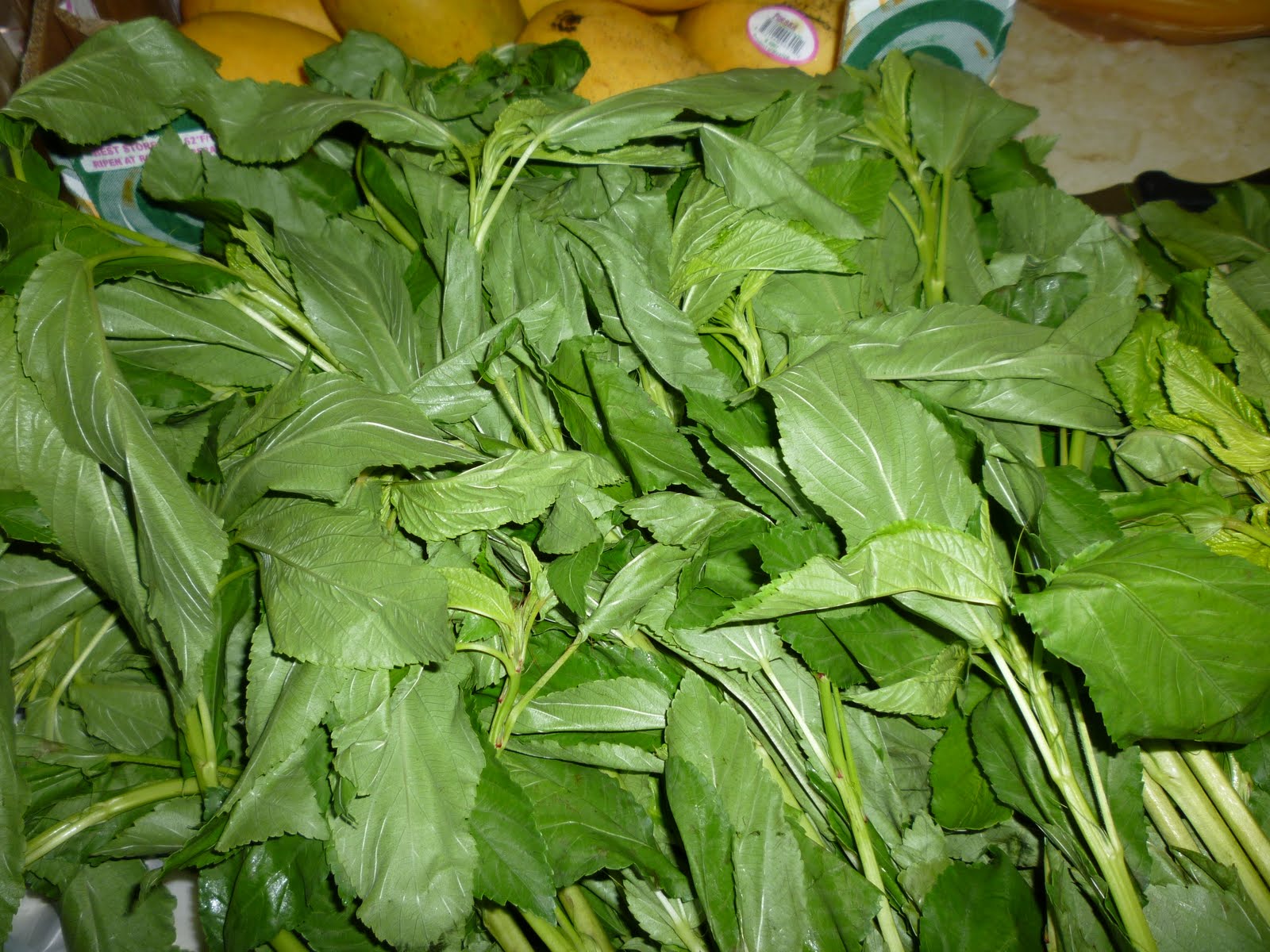
    Saluyot leaves are used in Filipino cuisine for their nutritional benefits and versatile flavor pairings. They add fiber, iron, antioxidants, vitamins A and C, calcium, and potassium to dishes, enhancing both taste and health.

    Key Takeaways

    • Saluyot leaves are nutritionally beneficial, as they are high in fiber, iron, antioxidants, vitamins A and C, calcium, and potassium.
    • Saluyot leaves are a versatile ingredient in Filipino cuisine, adding a slightly sweet flavor and enhancing the nutritional value of meals.
    • Saluyot leaves pair well with leafy greens, garlic, onions, meat, and seafood, creating delightful flavor combinations.
    • Saluyot leaves can be cooked by boiling, sautéing, or steaming, and they enhance the flavors of dishes while providing high fiber and vitamins.

    Nutritional Benefits

    Saluyot leaves offer a wealth of nutritional benefits that can significantly contribute to your overall health and well-being. In Filipino cuisine, this leafy green vegetable isn’t only delicious but also packed with essential nutrients.

    High in fiber, saluyot aids in digestion and promotes gut health. Its rich iron content makes it a valuable resource for preventing anemia and maintaining healthy red blood cells. Additionally, saluyot is a powerhouse of antioxidants, protecting your body from free radical damage and promoting overall health.

    With significant levels of vitamins A and C, saluyot boosts your immune system and supports eye health. Furthermore, its calcium content promotes strong bones and teeth, while the potassium helps regulate blood pressure.

    Including saluyot leaves in your diet can provide a diverse range of nutritional benefits for your well-being.

    Culinary Uses

    Saluyot leaves add a delightful, slightly sweet flavor to soups and stir-fries, making them a versatile ingredient in Filipino cuisine.

    You can pair them with various flavorful ingredients to create traditional dishes that are both nutritious and delicious.

    The leaves’ high fiber and vitamin content make them a popular choice for enhancing the nutritional value of your meals.

    Flavorful Ingredient Pairings

    When seeking flavorful ingredient pairings for your culinary creations, saluyot leaves can complement a wide range of dishes with their mild, slightly sweet taste and nutritional benefits.

    In Filipino cuisine, these versatile leaves pair exceptionally well with leafy greens like spinach, kale, or malunggay, adding depth and a hint of sweetness to salads, soups, and stews.

    Enhance the earthy flavors of saluyot by sautéing it with garlic and onions, creating a fragrant and nutritious side dish or a flavorful addition to meat or seafood entrees.

    The combination of these ingredients brings out the best in each other, creating a harmonious blend of flavors that’s a hallmark of Filipino cuisine.

    Experiment with different combinations to discover the delightful ways saluyot leaves can elevate your dishes.

    Traditional Cooking Methods

    To prepare saluyot leaves using traditional cooking methods, you can incorporate them into a variety of dishes, including soups, stir-fries, and steamed or sautéed side dishes, enhancing their mild, slightly sweet flavor and nutritional benefits. Saluyot leaves are commonly used in Filipino cuisine and can be prepared in various ways to create delicious and nutritious meals. Here are some traditional cooking methods and dishes where saluyot leaves are featured:

    Traditional Cooking Methods Dishes
    Boiled Soups, stews, salads
    Sautéed Side dishes, stir-fries
    Steamed Side dishes, wraps, spring rolls

    Incorporating saluyot into these dishes not only adds a unique flavor but also provides high fiber and vitamins A and C, making it a versatile and beneficial leafy green in traditional Filipino cooking.

    Flavor Enhancement

    Looking to elevate the flavors of your savory dishes?

    Saluyot leaves are the perfect ingredient to add an earthy and aromatic taste to your soups and stews.

    Their mild and slightly sweet flavor will infuse your recipes with a unique and delicious twist, enhancing the overall dining experience.

    Enhances Savory Dishes

    Enhance the savory depth and umami flavor of your Filipino dishes with the addition of versatile saluyot leaves. When used in cooking, saluyot leaves release a subtle, pleasing aroma that intensifies the savory essence of the dish, contributing to a rich and earthy umami flavor. Its slightly mucilaginous texture enhances the mouthfeel and overall dining experience, making it a perfect addition to a wide range of savory recipes. Below is a table that illustrates the versatility of saluyot leaves in enhancing the flavors of Filipino dishes:

    Dish Type Saluyot Leaves Pairing
    Meat Dishes Adds depth and richness
    Vegetable Dishes Complements earthy flavors
    Soups Enhances umami essence

    Saluyot leaves, also known as jute mallow, are indeed a valuable ingredient in Filipino cuisine, elevating the overall taste and dining experience.

    Adds Earthy Flavor

    Adding an earthy depth to your dishes, saluyot leaves bring a mild and slightly sweet flavor that complements a variety of ingredients in Filipino cuisine.

    Here’s how saluyot leaves add an earthy flavor to your dishes:

    1. Enhancing Overall Taste: Saluyot leaves add an earthy flavor to dishes, elevating the overall taste with their unique profile.
    2. Versatile Complement: Their mild and slightly sweet flavor makes them a versatile complement to various ingredients in Filipino cuisine.
    3. Perfect for Soups and Stews: When used in soups and stews, saluyot leaves contribute a distinct earthy depth to the dish, enriching the flavor profile.
    4. Sautéed with Aromatics: Saluyot leaves can be sautéed with garlic and onions to bring out their earthy notes, adding layers of flavor to the dish.

    In Filipino food, saluyot leaves are a go-to ingredient for adding an earthy flavor, especially in soups and stews.

    Infuses Aromatic Taste

    Infusing an aromatic taste, saluyot leaves enrich Filipino dishes with their versatile and flavorful essence. The leaves impart a mild, slightly sweet flavor to soups, stews, and stir-fries, adding depth to the dish. Its aromatic taste complements other ingredients, making it a versatile addition to various Filipino recipes. Saluyot leaves can be used to infuse an earthy and herbal essence into dishes, elevating the overall flavor profile. When used as an ingredient, saluyot contributes to creating a well-balanced, flavorful culinary experience.

    Saluyot Leaves Benefits Description
    Flavor Enhancement Infuses a mild, sweet taste into Filipino dishes
    Versatile Ingredient Complements various recipes with its aroma
    Culinary Balance Adds depth and richness to the overall flavor

    Traditional Dishes

    When preparing traditional Filipino dishes with saluyot, you can incorporate a variety of cooking methods and ingredients to create flavorful and nutritious meals. Traditional dishes featuring saluyot leaves, also known as jute mallow, offer a rich tapestry of flavors and textures.

    Here are some ways saluyot is used in traditional Filipino cuisine:

    1. Boiled, Sautéed, or Steamed: Saluyot can be prepared using different cooking methods to bring out its distinct taste and texture.
    2. Variety of Ingredients: It pairs well with ingredients like garlic, onions, shrimp, fish, and coconut milk.
    3. In Soups, Stews, and Salads: Saluyot can be added to various dishes, enhancing their nutritional value.
    4. Dinengdeng na Saluyot: This traditional dish involves cooking saluyot with smoked fish and fermented fish, offering a unique blend of flavors.

    These traditional recipes showcase the versatility of saluyot leaves in Filipino cuisine, providing both taste and nutritional benefits.

    Healthful Additions

    Incorporating healthful additions like saluyot into your diet can significantly contribute to your overall well-being and nutritional balance. Saluyot leaves, also known as jute mallow, are highly nutritious and offer a range of health benefits. Check out the table below to see the nutritional advantages of including saluyot in your meals.

    Nutrient Benefits
    Fiber Aids in digestion
    Iron Helps prevent anemia
    Antioxidants Promotes overall health
    Vitamin A Essential for eye health
    Vitamin C Boosts the immune system
    Calcium Promotes strong bones and teeth
    Potassium Regulates blood pressure
    Low in calories Healthy option for weight management

    In addition to its high nutritional value, saluyot is also known for its anti-inflammatory properties, making it a valuable addition to your diet.

    Cooking Techniques

    Now that you understand the healthful benefits of including saluyot in your diet, let’s explore the various cooking techniques that can enhance its flavors and textures.

    Cooking with saluyot leaves offers a range of delicious possibilities. Here are some techniques to try:

    1. Boiling and Sautéing: Common methods involving garlic and onions that bring out the natural flavors of saluyot.
    2. In Soups: Adding saluyot to soups can infuse them with a unique, earthy taste and contribute to their nutritional value.
    3. Steamed: Steaming saluyot leaves helps retain their nutrients while creating a tender texture that pairs well with various dishes.
    4. Stir-Frying and Salads: Incorporating saluyot into stir-fries and salads provides a fresh, crisp element to your culinary creations.

    Experiment with these techniques to discover the best way to enjoy saluyot with your favorite dishes, such as steamed rice or traditional Filipino soups.

    Cultural Significance

    How does the cultural significance of saluyot enrich and enliven the diverse tapestry of Filipino cuisine? Saluyot leaves, deeply rooted in Filipino culture, not only add a unique flavor to dishes but also carry historical and nutritional significance. The cultural importance of saluyot in Filipino cuisine is a testament to the country’s rich culinary heritage and its connection to traditional cooking methods. The table below highlights the cultural significance and nutritional benefits of saluyot leaves in Filipino cuisine.

    Aspects of Cultural Significance Description Nutritional Benefits
    Traditional Ingredient Saluyot is a staple in Filipino dishes, reflecting the country’s culinary traditions. Rich in vitamins A, C, and E, as well as minerals like iron and calcium.
    Indigenous Culinary Practices Its use reflects the preservation of indigenous cooking methods. Provides dietary fiber and antioxidants, promoting digestive health.
    Sustainable Sourcing Saluyot represents the value placed on locally sourced and sustainable ingredients. Supports overall health and well-being due to its nutrient-dense nature.

    Saluyot leaves not only contribute to the flavors of Filipino cuisine but also embody the cultural pride and nutritional wisdom of the Filipino people.

    Versatility in Filipino Cuisine

    Saluyot, with its rich nutritional profile and adaptable nature, is a versatile ingredient that brings depth and vibrancy to a wide array of Filipino dishes. Its tender leaves, vibrant green in color, and slightly mucilaginous texture make it a favorite in Filipino cuisine.

    Here are four ways saluyot showcases its versatility in Filipino cooking:

    1. Soup Staples: Saluyot is often used in soups, adding a unique flavor and texture to classic Filipino dishes like sinigang and bulanglang.
    2. Sautéed and Steamed: Whether sautéed with garlic and onions or lightly steamed, saluyot retains its nutritional value and contributes a delightful earthy flavor to the dish.
    3. Salads and Mixed Vegetable Dishes: Its versatility extends to salads and mixed vegetable dishes, where it can be combined with other greens or served on its own.
    4. Variety in Preparation: From combining it with seafood like shrimp or fish to using coconut milk in its preparation, saluyot offers a wide range of culinary possibilities.

    Frequently Asked Questions

    How Do You Use Saluyot?

    To use saluyot, you can incorporate the leaves into soups, stir-fries, or make a refreshing tea or juice. Its mild, slightly sweet flavor and high fiber content make it a nutritious addition to Filipino cuisine.

    What Does Saluyot Taste Like?

    Saluyot has a mild, slightly sweet flavor with a hint of earthiness. Some compare it to spinach but with a more subtle taste. It pairs well with savory ingredients like garlic and onions in Filipino cuisine.

    What Are the Edible Parts of Saluyot?

    The edible parts of saluyot are its leaves and tender stems. In Filipino cuisine, these are used in soups, stews, and stir-fries. They offer a mild, slightly sweet flavor and are packed with fiber, vitamins A and C.

    What Is the Benefits of Saluyot Leaves?

    Packed with fiber, iron, and antioxidants, saluyot benefits your digestion, prevents anemia, and promotes heart health. Its vitamins A, C, and E support immunity and eye health. This versatile leaf is a nutritious addition to Filipino cuisine.

    Are Saluyot Leaves and Native Squash Leaves Used in Similar Dishes in Filipino Cuisine?

    Yes, saluyot leaves and native squash leaves are both used in Filipino cuisine. Saluyot leaves are often used in sinigang and other soups, while native squash leaves are used in ginisang gulay and other sauteed dishes. Both are popular native squash leaves uses in Filipino cooking.

    Conclusion

    So next time you’re at the Asian market, be sure to pick up some fresh or frozen saluyot leaves to add to your meals.

    Whether you’re making a hearty soup, a flavorful stir-fry, or a refreshing tea, these nutritious and versatile leaves are sure to enhance the flavor and health benefits of your dishes.

    Embrace the cultural significance and culinary uses of saluyot leaves in Filipino cuisine for a truly authentic and delicious dining experience.
  • 5 Best Native Vegetables for Sinigang in the Philippines

    5 Best Native Vegetables for Sinigang in the Philippines

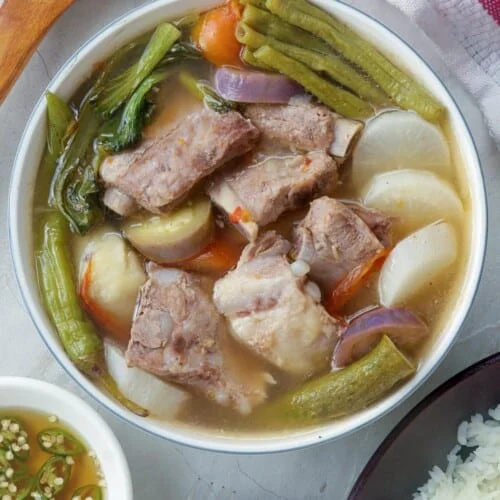
    The 5 best native vegetables for Sinigang in the Philippines are kangkong, gabi, labanos, talong, and sitaw, each adding unique flavors and textures to the dish. These vegetables enhance the taste and visual appeal of the classic Filipino sour soup, Sinigang.

    Key Takeaways

    • Kangkong, Gabi, Labanos, Talong, and Sitaw are the vegetables commonly used in sinigang.
    • These vegetables enhance the flavor, contribute to the texture, and absorb the flavors of sinigang.
    • Kangkong, Talong, and Sitaw provide visual appeal to the dish.
    • Talong and Sitaw retain their texture when added towards the end of cooking.

    Kangkong (Water Spinach)

    When preparing sinigang, you’ll find that kangkong, also known as water spinach, brings a delightful crunch and freshness to the dish, enhancing its savory and sour flavors. This Filipino recipe for sour soup features an array of vegetables, with kangkong playing a pivotal role.

    As the tamarind-infused broth simmers in the pot, the kangkong’s vibrant green leaves and tender stems absorb the tangy flavors, adding a unique dimension to each spoonful. The addition of kangkong not only contributes to the visual appeal of the dish but also introduces a satisfying textural element.

    With each bite, the inherent crispness of the kangkong complements the softness of the radish and the other vegetables, creating a harmonious medley of flavors and textures in every mouthful.

    Gabi (Taro Root)

    Building on the vibrant flavors of kangkong in sinigang, gabi, also known as taro root, brings a rich and earthy dimension to the dish. When added to pork sinigang, gabi enhances the overall flavor profile, providing a unique starchy and earthy taste. It also contributes to the texture and thickness of the sinigang broth.

    As it cooks, gabi softens and absorbs the savory and tangy flavors of the sinigang broth, making it an essential component of the dish. However, it’s crucial to thoroughly cook gabi to ensure its safety and to fully develop its flavor.

    This root vegetable, along with other sinigang ingredients like baby bok choy, daikon radish, and fish sauce, plays a pivotal role in creating the distinct and delightful taste that sinigang is known for.

    Labanos (Radish)

    Labanos, also known as radish, adds a delightful crunch and a hint of spiciness to the vibrant flavors of sinigang, enhancing both the texture and taste of the dish.

    When added to the sour soup, labanos soaks up the umami flavor, offering a juicy and slightly peppery bite that complements the pork belly and other vegetables. Its vibrant white color adds visual appeal to the sinigang, while its firmness, even when cooked, provides a refreshing crunch.

    Labanos is a perfect addition to sinigang, balancing the sour and savory notes with a mild peppery taste. It pairs exceptionally well with water spinach, green beans, and other native vegetables, making it an essential ingredient in this classic Filipino cuisine.

    Talong (Eggplant)

    Labanos’ delightful crunch and hint of spiciness in sinigang find a satisfying counterpart in the earthy flavor and smooth texture of talong (eggplant), making it an essential addition to this classic Filipino dish.

    When preparing sinigang, the firmness and freshness of the eggplant are crucial. Look for ones with shiny, unblemished skin. Eggplant is usually added towards the end of the cooking process to maintain its shape and texture. It absorbs the flavors of the broth, contributing a rich and savory element to the sinigang.

    Its versatility allows it to pair well with other sinigang ingredients like pork, shrimp, tamarind, water spinach, and green beans. The eggplant’s unique taste and texture enhance the overall experience of enjoying this sour soup, making it a beloved addition to Filipino cuisine.

    Sitaw (String Beans)

    String beans, also known as sitaw, contribute a delightful crunch and subtle sweetness to sinigang, creating a rich and diverse flavor profile in this classic Filipino dish.

    When preparing sinigang, consider the following about sitaw:

    1. Crunch and Sweetness: Sitaw’s texture and mild sweetness provide a satisfying contrast to the sour taste of the tamarind soup in sinigang.
    2. Visual Appeal: The vibrant green color of sitaw adds visual appeal to the sinigang, complementing other colorful vegetables like green mango and radish.
    3. Cooking Technique: When cooking sinigang, add sitaw towards the end to retain its crispness and prevent it from becoming too soft.
    4. Versatility: Apart from sinigang, sitaw is also a versatile vegetable that can be used in various Filipino dishes, showcasing its flexibility and importance in Filipino cuisine.

    When selecting sitaw for sinigang, choose firm, vibrant green beans without blemishes to ensure the best quality and taste.

    Frequently Asked Questions

    How to Cut Okra for Sinigang?

    To cut okra for sinigang, wash and dry it, then trim off the stem end. Slice into rounds, about 1/4 to 1/2 inch thick, discarding the tip with the stem. Add to the sinigang during the last few minutes of cooking.

    What Is the Original Sinigang?

    The original sinigang is a traditional Filipino sour soup known for its tart, savory flavor and can be made using various proteins and souring agents. It’s a stew of meat and vegetables in a sour broth.

    What Is the National Food of Sinigang?

    The national food of Sinigang in the Philippines is a classic Filipino sour soup. It’s known for its delightful blend of tartness and savory flavors, offering a comforting and satisfying dining experience.

    Can I Use Spinach Instead of Kangkong in Sinigang?

    Yes, you can definitely use spinach instead of kangkong in sinigang. Spinach offers a different texture but works well in the dish. Just remember that spinach may cook faster, so adjust your cooking time accordingly.

    How Can I Incorporate Malunggay Leaves into Sinigang for Added Health Benefits?

    Malunggay leaves are a fantastic addition to sinigang, giving it key health perks. Simply add the leaves to the simmering broth and let their nutrients infuse into the dish. This provides an easy, delicious way to incorporate malunggay leaves’ health benefits into your diet.

    Conclusion

    So there you have it, the 5 best native vegetables for sinigang in the Philippines!

    Whether you choose to use kangkong, gabi, labanos, talong, or sitaw, these flavorful vegetables will surely take your sinigang to the next level.

    Not only do they add a delicious twist to the dish, but they also offer a dose of essential nutrients.

    So, go ahead and give them a try in your next sinigang recipe!

  • What Ampalaya Dishes Help Control Diabetes?

    What Ampalaya Dishes Help Control Diabetes?

    Ampalaya stir-fry, bitter melon and chicken soup, stuffed ampalaya with ground pork, and ampalaya omelette are dishes that help control diabetes by regulating blood sugar levels and providing essential nutrients.

    Key Takeaways

    • Ampalaya stir-fry and bitter melon and chicken soup are delicious and nutritious dishes for diabetes management.
    • Stuffed ampalaya with ground pork and ampalaya omelette offer flavorful options for diabetes management.
    • Grilled bitter melon salad is a refreshing and nutritious option for diabetes management.
    • Bitter melon and fish curry provide a delicious and healthy option for diabetes management, rich in nutrients and blood sugar-regulating compounds.
    • Ampalaya juice helps regulate blood sugar levels, provides essential vitamins and minerals, and is a diabetic-friendly alternative to sugary drinks.

    Ampalaya Stir-Fry With Tofu

    Looking for a delicious way to incorporate the health benefits of ampalaya and the protein-packed goodness of tofu into your diabetic-friendly diet? Try this flavorful Ampalaya Stir-Fry With Tofu recipe!

    Ampalaya, also known as bitter melon, is a great addition to diabetic meals due to its ability to help regulate blood sugar. When combined with tofu, this dish becomes a powerhouse of nutrients.

    Start by sautéing garlic and onion in coconut oil to bring out their flavors. Then, add thinly sliced ampalaya and tofu, and stir-fry until the ampalaya is tender yet still slightly crisp. The bitterness of the ampalaya is balanced by the creamy texture of the tofu.

    This stir-fry not only tastes delicious but also provides a low-glycemic index meal option, making it an excellent choice for diabetes management.

    Bitter Melon and Chicken Soup

    Bitter Melon and Chicken Soup is a comforting and diabetes-friendly dish that combines the health benefits of bitter melon with the lean protein of chicken to help control blood sugar levels and provide a nutritious meal option.

    Bitter gourd, also known as bitter melon, contributes its distinct bitter taste to the soup, which is complemented by the savory flavor of minced garlic.

    To prepare this wholesome soup, start by sautéing minced garlic in a pot over medium heat, then add diced chicken and bitter gourd. Allow the ingredients to simmer until the chicken is cooked through and the flavors have melded together.

    This hearty soup isn’t only delicious but also a great addition to a diabetes-friendly meal plan, offering a nourishing way to manage blood sugar levels.

    Stuffed Ampalaya With Ground Pork

    If you enjoyed the satisfying combination of bitter melon and chicken in the previous dish, you’ll be delighted by the flavorful twist of stuffed ampalaya with ground pork. This dish offers a mouth-watering balance of flavors, combining the slightly bitter taste of ampalaya with the savory goodness of ground pork.

    To prepare this dish, start by cutting the ampalaya in half and removing the seeds and pith. Then, sauté the ground pork with onion, garlic, tomatoes, and a touch of soy sauce. Once the pork mixture is ready, stuff the ampalaya halves with it and bake until the ampalaya is tender.

    The result is a nutritious and delicious meal that not only satisfies your taste buds but also helps regulate blood sugar levels, making it a great option for individuals managing diabetes.

    Ampalaya Omelette

    Consider incorporating the nutritious and flavorful ampalaya omelette into your diabetic-friendly meal plan for a satisfying and health-conscious dining experience.

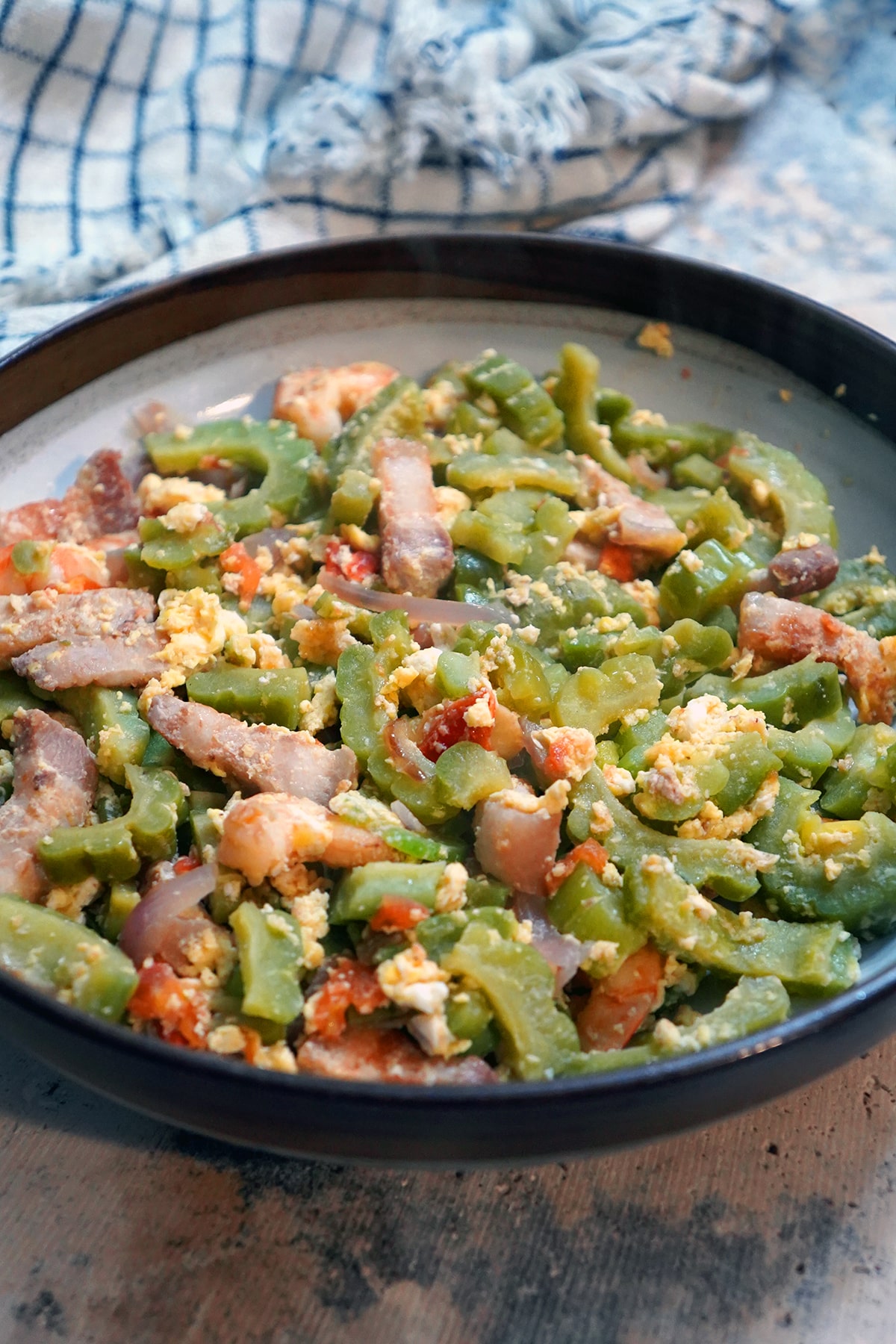
    This popular dish in the Philippines combines the bitterness of ampalaya with the richness of eggs, onions, tomatoes, and oil. To prepare, simply sauté the ampalaya, onions, and tomatoes, then pour beaten eggs over the vegetables and cook until set.

    The result is a delicious omelette that offers a good balance of protein and nutrients, making it suitable for individuals managing diabetes.

    By including ampalaya omelette in your diet, you can enjoy a tasty and satisfying meal while also reaping the health benefits of this unique vegetable.

    Try this diabetic-friendly dish to add variety and flavor to your meals.

    Grilled Bitter Melon Salad

    Looking to expand your diabetic-friendly meal options beyond the delicious ampalaya omelette? Let’s explore the delightful and nutritious Grilled Bitter Melon Salad, a refreshing way to enjoy the benefits of ampalaya while managing your blood sugar levels naturally.

    When preparing this salad next time, remember that the grilling process significantly reduces the bitter taste of the ampalaya, making it more palatable while retaining its health benefits.

    This dish provides a perfect balance of nutrients, making it suitable as a side dish or a light meal. The Grilled Bitter Melon Salad offers a great option for those seeking to manage their blood sugar levels naturally, and its versatility allows for various ingredient additions to suit your taste preferences.

    Try this salad to add a burst of flavor and nutrition to your diabetic-friendly menu.

    Ampalaya Smoothie

    For a refreshing and nutritious addition to your diabetic-friendly menu, consider incorporating ampalaya smoothie into your diet. This smoothie is a delicious way to enjoy the health benefits of ampalaya while managing your blood sugar levels.

    Here’s what you’ll need to make this delightful drink:

    1. 1 medium-sized ampalaya, deseeded and chopped
    2. 1 ripe banana
    3. 1/2 cup plain yogurt

    Simply blend these ingredients together with a drizzle of honey and some ice for a smooth and satisfying drink. The natural sweetness of the banana and honey helps balance the slight bitterness of the ampalaya, creating a flavorful and diabetes-friendly beverage.

    Adding ampalaya smoothie to your diet can provide a convenient and enjoyable way to incorporate this beneficial ingredient into your daily routine.

    Bitter Melon and Shrimp Sinigang

    If you’ve been enjoying the health benefits of ampalaya in your diet, you’ll be delighted to explore the flavorful and nutritious Bitter Melon and Shrimp Sinigang, a Filipino soup renowned for its ability to help regulate blood sugar levels.

    This dish is commonly used as a diabetes-friendly option due to its low glycemic index ingredients. The combination of sour broth, bitter melon, and shrimp makes this soup a delicious and healthy choice.

    The sour and savory flavors of the sinigang complement the slight bitterness of the melon, creating a unique and delectable dish.

    If you’re looking to make sure your diet includes diabetes-friendly options, Bitter Melon and Shrimp Sinigang, a staple dish at home in the Philippines, is an excellent choice to make sure you’re taking care of your health while enjoying a delightful meal.

    Ampalaya Chips

    When you’re craving a crunchy and nutritious snack, ampalaya chips offer a flavorful and guilt-free option to satisfy your munching desires. These crispy delights are made from thinly sliced bitter melon, providing a healthier alternative to traditional potato chips with their low calorie and high nutrient content.

    You can season them with salt, pepper, or other spices to suit your taste preferences. They’re a convenient way to incorporate the health benefits of ampalaya into your diet, offering a satisfying snack option that can be enjoyed on its own or paired with dips.

    Ampalaya chips not only cater to your cravings but also contribute to a balanced and wholesome snacking experience.

    Beef and Ampalaya Stir-fry

    Indulge in the satisfying flavors and health benefits of a beef and ampalaya stir-fry, a delicious and nutritious dish that complements a diabetes-friendly diet. This flavorful combination not only provides a savory experience but also offers essential vitamins, minerals, and fiber to aid in digestion and regulate blood sugar levels.

    The stir-fry method ensures that the dish retains the maximum nutritional value of the ampalaya, making it an excellent choice for those managing diabetes. With its versatility, beef and ampalaya stir-fry can be easily incorporated into a diabetic-friendly diet, offering a tasty and beneficial option for controlling blood sugar levels.

    Embrace the culinary delight of beef and ampalaya stir-fry as a satisfying and health-conscious addition to your meal plan.

    Bitter Melon and Fish Curry

    Transitioning from the delectable beef and ampalaya stir-fry, let’s now explore the savory world of Bitter Melon and Fish Curry, a delightful and nutritious dish designed to support your diabetes management journey.

    The combination of bitter melon and fish provides a delicious and healthy option for individuals with diabetes.

    The dish is rich in nutrients and helps in managing blood sugar levels due to the presence of bitter melon.

    The curry can be prepared with additional ingredients like coconut milk, spices, and herbs to enhance the flavors.

    This versatile dish can be paired with rice or bread, making it suitable for individuals seeking diabetic-friendly recipes.

    With its flavorful blend of ingredients, Bitter Melon and Fish Curry offers a satisfying way to incorporate the benefits of bitter melon into your diet.

    Ampalaya Juice

    Discover the refreshing and natural benefits of ampalaya juice as a valuable addition to your diabetes management regimen. With its high content of blood sugar-lowering compounds, ampalaya juice can help regulate blood sugar levels.

    Additionally, it’s a potent source of essential vitamins and minerals that support overall health and well-being. Drinking ampalaya juice not only aids in boosting the immune system but also improves digestion. Its rich fiber content makes it beneficial for individuals looking to manage their weight.

    Frequently Asked Questions

    Is Ginisang Ampalaya Good for Diabetes?

    Yes, ginisang ampalaya is good for diabetes. It regulates blood sugar levels and can be prepared with meat or eggs to suit your taste. Soak the bitter melon in salted water to reduce bitterness before cooking.

    How to Cook Bitter Melon for Diabetes?

    To cook bitter melon for diabetes, start by soaking it in salted water to reduce bitterness. Then, sauté it with garlic, onions, and ginger. Avoid overcooking, serve hot, and pair with meat or eggs for a balanced meal.

    How Long Does It Take Bitter Melon to Lower Blood Sugar?

    It takes time for bitter melon to lower blood sugar – weeks for noticeable results. Factors like metabolism and amount consumed play a role. Consistent consumption, balanced diet, and monitoring blood sugar levels are key. Be patient and persistent.

    What Is the Best Vegetable to Control Diabetes?

    When controlling diabetes, the best vegetable is ampalaya. It’s rich in vitamins, high in fiber, and helps regulate blood sugar. Try ampalaya con carne, salad, omelette, or smoothie for delicious and diabetes-friendly options.

    Can Filipino Cuisine Include Ampalaya Dishes that Help Control Diabetes?

    Filipino cuisine specialties may include ampalaya dishes that help control diabetes. Ampalaya, also known as bitter gourd, is a popular ingredient in Filipino cooking and is believed to have health benefits, especially for those managing diabetes. It is often used in dishes like pinakbet and ginisang ampalaya.

    Conclusion

    So there you have it – a variety of delicious ampalaya dishes that not only satisfy your taste buds but also help in controlling diabetes.

    From stir-fries to soups to salads, there are plenty of options to choose from.

    So why not give these recipes a try and enjoy the health benefits of ampalaya while managing your blood sugar levels in a natural and tasty way?

    Happy cooking!

  • Exploring Sitaw: Cooking Native Philippine Vegetable Delights

    Exploring Sitaw: Cooking Native Philippine Vegetable Delights

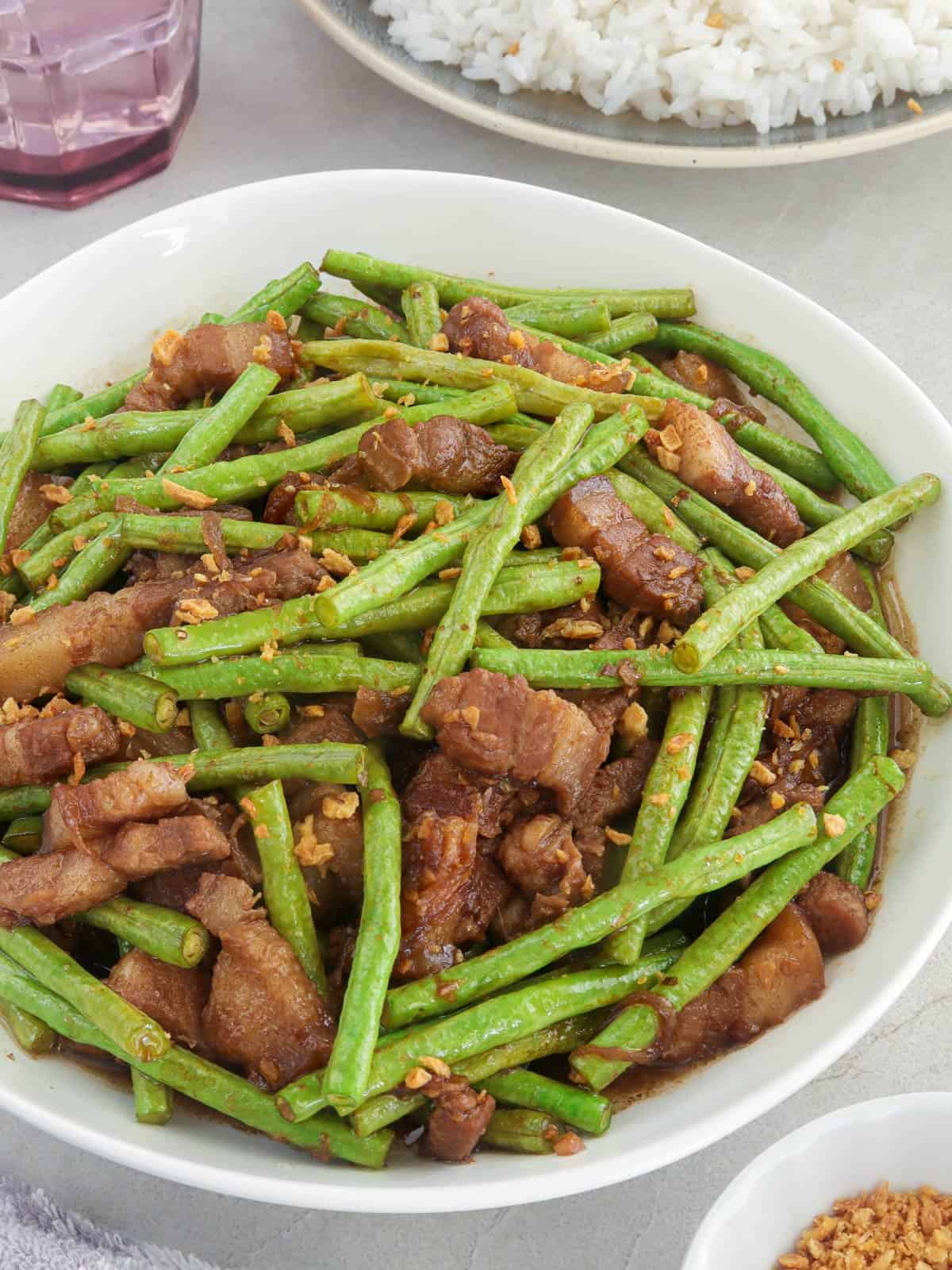
    Sitaw is a long, green, string bean vegetable, commonly used in Filipino and other Asian cuisines. It’s known for its crisp texture, mild flavor, and is a good source of vitamins and nutrients. Sitaw is often used in dishes like adobong sitaw (string beans cooked adobo style), pinakbet (a vegetable stew), and kare-kare (peanut stew).

    What it is:
    Sitaw, also called long beans or string beans, is a type of bean with long, thin pods.
    Flavor and Texture:
    It has a mild, slightly sweet flavor and a crisp, firm texture when cooked.
    Culinary Uses:
    Sitaw is a versatile vegetable used in various dishes, including stir-fries, soups, and as a main ingredient in Filipino specialties like adobong sitaw, pinakbet, and kare-kare.
    Nutritional Value:
    Sitaw is a good source of vitamins, minerals, and fiber, contributing to a healthy diet.
    Common Dishes:
    Adobong Sitaw: A popular Filipino dish where string beans are cooked in a savory and tangy sauce.
    Pinakbet: A Filipino vegetable stew that often includes sitaw along with other vegetables and meat.
    Kare-kare: A Filipino stew with a rich peanut sauce, often including sitaw as one of its main ingredients.

    Sitaw, also known as green beans or string beans, are a type of bean grown for its long, slender, and edible pods. They are a popular vegetable in many cultures, including the Philippines, where they are called “sitaw”. Sitao is a climbing plant, and its pods are harvested when young and tender, typically before the seeds inside fully develop.

    Appearance: Sitao pods are long, thin, and green, with a slightly stringy texture. The leaves are trifoliate, meaning they have three leaflets per leaf.  Plant: Sitao is a climbing herbaceous plant, meaning it needs support to grow upright, such as a trellis or stakes.  Edible Parts: The most commonly consumed part of the sitaw plant is its young, tender pods. Additionally, the shoots and young leaves can also be eaten.  Culinary Uses: Sitao is a versatile ingredient, used in a variety of dishes. It can be steamed, boiled, stir-fried, or added to soups and stews. In the Philippines, sitaw is often used in stir-fries like ginisang gulay.  Nutritional Value: Sitao is a good source of vitamins, minerals, and fiber. It is also a good source of folates, which are important for healthy cell growth and function.  Growth: Sitao plants grow best in warm climates with plenty of sunlight and well-drained soil, says Ramgo International. They can be grown year-round in many areas.

    Sitaw, also known as string beans or long beans, is a vegetable. While botanically a fruit (containing seeds developed from the flower), it’s widely considered and used as a vegetable due to its savory flavor and culinary preparation methods. Aling Gemma Online Palengke notes that it’s a popular vegetable in Filipino dishes.

    Botanical Definition: A fruit is any part of a plant that develops from a flower and contains seeds. Sitaw, like other beans, develops from the flower of the plant and contains seeds, making it botanically a fruit.  Culinary Use: However, the way sitaw is used in cooking, along with its savory taste, makes it commonly perceived and treated as a vegetable. It’s often added to soups, stews, stir-fries, or eaten as a side dish.  Common Language: In the Philippines and other cultures where sitaw is a staple, it’s referred to and used as a vegetable.  Nutritional Value: Sitaw is a nutritious vegetable, providing fiber, protein, and vitamins.

    The History of Sitaw in Filipino Cuisine

    The history of Sitaw in Filipino cuisine dates back to the pre-colonial era, where it played a vital role as a staple crop in the Philippines. This versatile vegetable, also known as string beans or yard-long beans, has been an integral part of traditional Filipino dishes, reflecting the rich agricultural and culinary heritage of the country.

    From the iconic Adobong Sitaw to the creamy Ginataang Sitaw at Kalabasa, Sitaw has been a beloved ingredient in Filipino households for centuries. Its presence in dishes like Puso ng Saging showcases its adaptability and significance in Filipino culinary culture.

    Sitaw isn’t only delicious but also nutritious, offering various health benefits. Its enduring presence in Filipino cuisine symbolizes the country’s agricultural abundance and diverse culinary heritage, making it an essential ingredient in the vibrant tapestry of Filipino cooking.

    Nutritional Benefits of Sitaw

    Sitaw is a powerhouse of vital nutrients that can greatly benefit your health. This indigenous Philippine vegetable is packed with fiber, vitamins, and minerals, making it a nutritious addition to your diet.

    With its low calorie content and high antioxidant properties, sitaw can help you manage your weight and combat inflammation, supporting your overall well-being.

    Health Benefits

    Packed with essential nutrients and boasting low-calorie content, adding sitaw to your diet can significantly enhance your overall health and well-being. These long, slender beans aren’t only nutritious but also burst with rich flavors when incorporated into your cooking.

    Sitaw is a powerhouse of essential vitamins like A and C, which are vital for boosting your immune system and maintaining healthy skin and vision. Additionally, its high fiber content supports digestive health and weight management. The presence of antioxidants in sitaw further contributes to its health benefits.

    Furthermore, this vegetable is an excellent source of minerals like iron and calcium, crucial for maintaining healthy blood and strong bones. Including sitaw in your meals can be a delightful way to nourish your body and promote a healthier lifestyle.

    Nutrient Profile

    Rich in essential nutrients and boasting a low-calorie content, sitaw offers a delightful way to enhance your meals with its nutritional benefits.

    This Filipino dish is a staple in Filipino cuisine, known for its rich taste and slightly sweet flavors. It’s a good source of protein and dietary fiber, making it a versatile and nutritious choice for various recipes.

    Sitaw is a great source of dietary fiber, which can aid in digestion and overall gut health. It’s also packed with essential vitamins and minerals, supporting overall well-being and a balanced diet.

    The vegetable can be customized with additional ingredients to enhance its nutrient profile, making it a valuable addition to your culinary repertoire.

    Popular Sitaw Recipes

    Get ready to tantalize your taste buds with classic Sitaw dishes and creative variations that showcase the versatility of this beloved Philippine vegetable.

    From the creamy coconut milk-based Ginataang Sitaw at Kalabasa with Crabs to the comforting Corn and Malunggay Soup, there’s a wide array of flavorful options to explore.

    Whether you’re craving a nourishing party dish like Vegetarian Pancit Sotanghon or a quick and easy Ampalaya Salad, there’s a Sitaw recipe for every occasion.

    Classic Sitaw Dishes

    Delighting the taste buds with its vibrant flavors and nutritious components, classic Sitaw dishes offer a delightful culinary experience rooted in Filipino tradition. These timeless Filipino food recipes showcase the rich culinary heritage of the region, providing a unique taste and texture.

    The classic Sitaw dishes also include a variety of vegetables, making them a nutritious and flavorful choice for any meal. Here are some popular classic Sitaw dishes:

    • Ginataang Sitaw at Kalabasa with Crabs: A creamy coconut milk-based dish with a classic Pinoy cuisine flavor and includes fish sauce, garlic, and onions.
    • Corn and Malunggay Soup: A warm and soothing soup dish made with chicken broth, malunggay, olive oil, and white corn.
    • Bulanglang: A vegetable-centric dish that boosts the immune system and features a variety of vibrant vegetables.
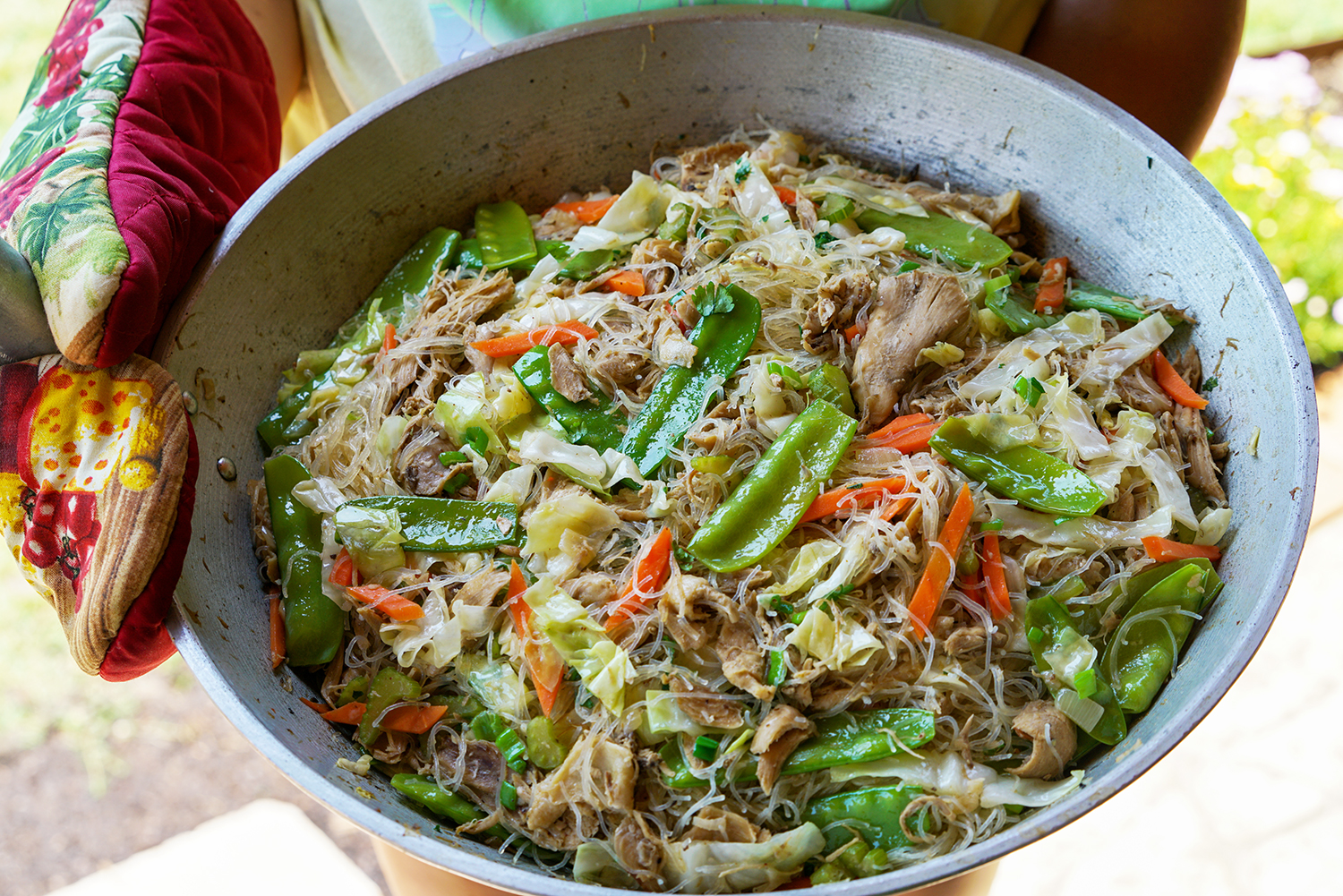
    • Vegetarian Pancit Sotanghon: A nourishing party dish made with vermicelli noodles and vegetables, suitable for vegan diets.
    • Ampalaya Salad: Offers distinctive bitter and tangy flavors, is visually appealing, and quick to prepare with tips for reducing bitterness.

    Creative Sitaw Variations

    Explore a world of culinary creativity with popular Sitaw recipes, offering a delightful array of innovative and flavorful twists on traditional Filipino vegetable dishes.

    Ginataang Sitaw at Kalabasa with Crabs is a creamy, coconut milk-based Filipino dish, rich in taste and made from mung beans, garlic, and onion. The cooking method creates a luscious texture and is a good source of dietary fiber.

    Corn and Malunggay Soup is a warm, soothing dish, quick and easy to make, and a nutritious and delicious option made with common kitchen ingredients.

    Bulanglang, a vegetable-centric Filipino dish, can be mild or seasoned with salt, originating from Batangas, and helps boost the immune system.

    Vegetarian Pancit Sotanghon is a nourishing party dish suitable for vegan diets, with vermicelli noodles and vegetables.

    Ampalaya Salad offers distinctive bitter and tangy flavors and is visually appealing, providing a unique taste experience.

    Cooking Techniques for Sitaw

    Discover the essential cooking techniques that bring out the full flavor and texture of sitaw, enhancing your culinary experience with this versatile and native Philippine vegetable.

    • Sautéing: Quickly stir-frying sitaw with garlic, onions, and tomatoes in a hot pan to preserve its crunchiness.
    • Steaming: Retaining the nutrients and vibrant color of sitaw by steaming it until it’s tender yet still crisp.
    • Boiling: Simmering sitaw in a flavorful broth until just tender, perfect for incorporating into soups and stews.
    • Braising: Slow-cooking sitaw with savory ingredients like soy sauce, coconut milk, and bok choy, infusing it with rich flavors.
    • Blanching: Preserving sitaw’s vibrant green color while reducing its bitterness, then serving it with shrimp paste or bitter melon for a delicious Filipino touch.

    Seasonal Availability of Sitaw

    During the rainy season in the Philippines, from June to November, sitaw emerges as a fresh and abundant vegetable, becoming a staple ingredient in many traditional Filipino dishes. Its seasonal availability allows for the creation of warm and comforting dishes that are perfect for the cooler, rainy weather. Sitaw is commonly used in Filipino dishes such as vegetable stew, where its tender beans add a rich taste and texture.

    This healthy dish is not only delicious but also rich in vitamins, making it a popular choice for many Filipino households. The availability of sitaw during this time ensures that fresh and locally sourced produce can be used in traditional recipes. Below is a table showing the nutritional benefits of sitaw compared to green beans and snow peas:

    Nutrient Sitaw Green Beans Snow Peas
    Vitamin C High Moderate Moderate
    Fiber High Moderate Moderate
    Folate High Low Moderate
    Iron High Moderate Low

    Traditional Uses of Sitaw in Filipino Culture

    Sitaw, an essential component of Filipino culinary heritage, is celebrated for its adaptability and rich flavor in traditional dishes.

    Traditional Filipino veggie dishes often feature sitaw, offering a wide range of nutritional benefits and promoting a plant-based diet.

    It’s a staple vegetable in Filipino cuisine, often used in traditional dishes like Ginataang Sitaw at Kalabasa with Crabs and Adobong Sitaw, a beloved Filipino dish showcasing the country’s rich culinary heritage.

    Sitaw is known for its versatility, as it can be customized with various ingredients while maintaining its classic Pinoy flavor.

    It’s often used in combination with other vegetables and ingredients to create rich and nutritious dishes such as Pinakbet and Ginisang Ampalaya with Shrimp.

    The rich taste of sitaw enhances the flavors of Filipino dishes, making it a popular and cherished ingredient in Filipino cooking.

    Frequently Asked Questions

    What Are the Different Ways of Cooking Vegetable in the Philippines?

    You can cook vegetables in the Philippines in various ways. It includes creamy coconut-based dishes, comforting soups with balanced flavors, vibrant vegetable-centric meals, nourishing party dishes, and unique salads with distinctive flavors and quick preparations.

    What Is the Introduction of Adobong Sitaw?

    Adobong Sitaw is a beloved Filipino dish that introduces the rich flavors of string beans and savory seasonings. It represents the country’s culinary heritage, showcasing hearty and comforting food that holds a special place in Filipino cuisine.

    What Vegetables Do They Eat in the Philippines?

    In the Philippines, people eat a rich variety of native vegetables like sitaw (string beans), kalabasa (squash), malunggay (moringa), ampalaya (bitter gourd), kangkong (water spinach), and more, creating delicious and nutritious dishes.

    Is Sitaw a Fruit or Vegetable?

    Sitaw is a vegetable, not a fruit. It’s a staple in Filipino cuisine, packed with nutrients, and used in traditional dishes like Ginataang Sitaw at Kalabasa and Adobong Sitaw. It’s versatile and delicious!

    Can Kalabasa Blossoms be Used in Cooking Sitaw Dishes?

    Yes, kalabasa blossoms can be used in cooking sitaw dishes. Kalabasa blossoms in cuisine add a unique flavor and texture to the dish. They can be added to sitaw dishes such as ginisang sitaw or adobong sitaw to enhance the overall taste and visual appeal.

    Conclusion

    So, if you’re looking to explore the delicious and nutritious world of Filipino vegetable delights, don’t miss out on trying Adobong Sitaw!

    With its rich history, numerous nutritional benefits, and versatile cooking techniques, it’s a must-try for anyone interested in Filipino cuisine.

    Whether you’re a vegetarian or just looking for a meat-free option, Adobong Sitaw is sure to satisfy your taste buds and leave you wanting more.

    Don’t wait, give it a try and experience the flavors of the Philippines!

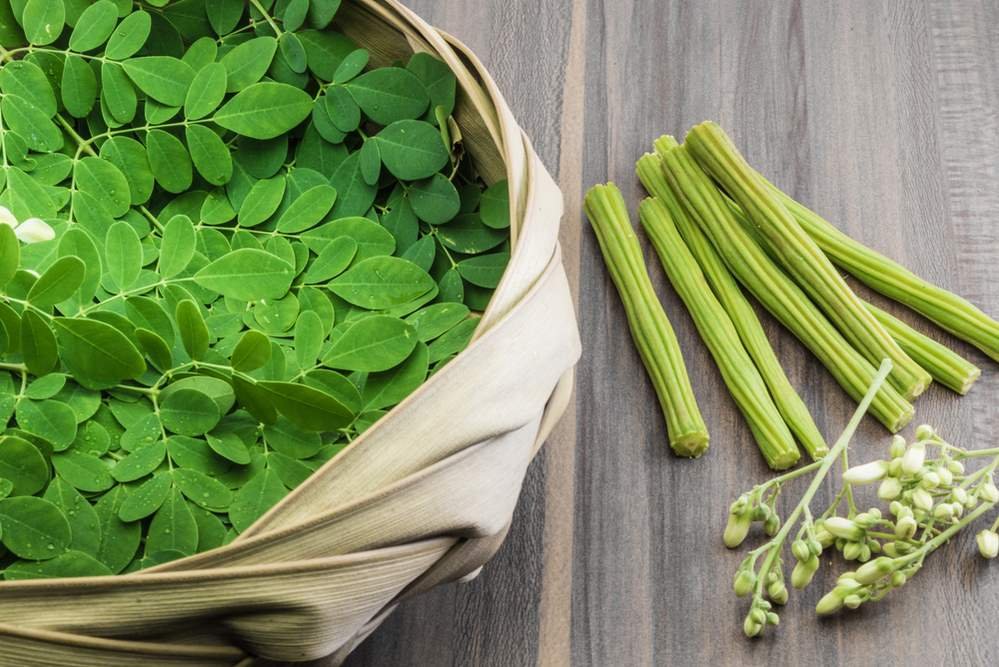
  • 5 Key Health Perks of Malunggay Leaves

    5 Key Health Perks of Malunggay Leaves

    The 5 key health perks of Malunggay leaves include immune system support, digestive health promotion, skin and hair nourishment, anti-inflammatory properties, and being a nutrient-rich powerhouse, offering essential vitamins, minerals, and proteins for overall health.

    Key Takeaways

    • Malunggay leaves are a powerful immune system booster due to their antioxidants and bioactive compounds.
    • Incorporating malunggay leaves into meals can enhance digestive health by promoting overall gut function and protecting the digestive system.
    • Moringa leaves provide nourishment for the skin and hair, promoting rejuvenation and combating inflammation.
    • Both malunggay and moringa leaves have anti-inflammatory properties and are nutrient-rich powerhouses, offering essential vitamins, minerals, and proteins for overall health.

    Immune System Support

    Boost your immune system with the rich antioxidants and bioactive compounds found in malunggay leaves, supporting your body’s defense mechanisms and overall wellness.

    Moringa oleifera, also known as Drumstick, is a powerhouse of nutrients that can significantly impact your health. The leaves are packed with quercetin and chlorogenic acid, antioxidants that elevate blood antioxidant levels, fortifying your immune system.

    Scientific research backs the immune-boosting effects of malunggay leaves, making them a vital addition to your diet. The high nutritional value of these leaves, brimming with essential vitamins and minerals, further enhances immune system function.

    Incorporating malunggay leaves into your meals can provide substantial benefits, ensuring that your body is well-equipped to fend off illnesses and maintain optimal health.

    Digestive Health Promotion

    Promote your digestive health with the beneficial properties of moringa oleifera leaves.

    Research shows that moringa leaf extract supports overall gut function and may even help prevent colon cancer.

    The anti-inflammatory potential and antioxidant activity of moringa leaves aid in protecting the digestive system from damage.

    Additionally, moringa extracts have been found to reduce stomach acidity, potentially preventing peptic ulcers.

    Its antibiotic and antibacterial properties may also help prevent pathogen growth in the gut.

    Furthermore, moringa leaves have a laxative effect, aiding in relieving constipation.

    Skin and Hair Nourishment

    Nourish your skin and hair with the protective and rejuvenating properties found in moringa, a natural powerhouse known for its ability to promote overall health and well-being.

    Moringa leaf extract holds the potential to combat skin inflammation and promote antioxidant activity, leading to healthier skin. The vitamins and minerals present in moringa contribute to skin and hair nourishment, aiding in maintaining their natural glow and strength.

    Additionally, the amino acids in moringa play a crucial role in promoting wound healing and reducing oxidative stress, giving your skin a youthful and revitalized appearance. With its beneficial effect on skin and hair, incorporating moringa into your skincare and haircare routine can lead to noticeable improvements in overall appearance and health.

    Anti-Inflammatory Properties

    Transitioning from the skin and hair nourishment benefits of malunggay leaves, the anti-inflammatory properties present in this natural powerhouse offer a holistic approach to managing inflammatory conditions and promoting overall wellness.

    Moringa leaves contain compounds that have been found to reduce inflammation and swelling in the body. Research suggests that the anti-inflammatory potential of Moringa may aid in managing conditions related to inflammation, potentially providing relief for those with inflammatory issues.

    Incorporating Malunggay leaves into your diet may contribute to managing inflammatory conditions and supporting a healthy inflammatory response in the body.

    The antioxidant activity of moringa may also help lower blood pressure and reduce inflammation, potentially offering a natural and holistic approach to addressing inflammation in the body and reducing the risk of chronic diseases.

    Nutrient-Rich Powerhouse

    Moringa leaves, a nutrient-rich powerhouse, provide essential vitamins, minerals, and proteins crucial for maintaining overall health and well-being. This natural marvel is packed with antioxidants, such as vitamin C, that protect your cells and boost your immune system, contributing to your overall health and wellness.

    Additionally, the antioxidants found in moringa may aid in lowering blood pressure, reducing blood and body fat, and supporting cardiovascular health. Moringa leaf extract has also shown potential benefits for conditions like rheumatoid arthritis, diabetes, cancer, and memory, showcasing its diverse health perks.

    Moreover, the potential health benefits of moringa include managing blood sugar levels, treating asthma, preventing kidney stones, and improving eye health, highlighting its versatility as a natural health aid.

    Frequently Asked Questions

    What Are the Amazing Health Benefits of Malunggay?

    Malunggay offers amazing health benefits such as boosting immunity, reducing inflammation, and supporting heart health. This superfood packs a punch with essential nutrients, antioxidants, and bioactive compounds that can elevate your overall well-being.

    What Malunggay Leaves Can Cure?

    Malunggay leaves, rich in antioxidants and nutrients, may help lower blood sugar, reduce inflammation, and offer protection against arsenic toxicity. While research is ongoing, its potential benefits for diabetes, cancer, and memory are promising.

    Is It OK to Eat Malunggay Everyday?

    Yes, it’s okay to eat malunggay everyday. It provides essential vitamins and minerals, boosts the immune system, may lower blood pressure, and has potential benefits for diabetes and other conditions. Always consult with your doctor first.

    What Nutrients Can You Get From Malunggay Leaves?

    You can get essential vitamins and minerals like vitamin C, vitamin A, calcium, iron, and potassium from malunggay leaves. They’re also packed with antioxidants and protein, supporting overall health and immunity.

    How Can Malunggay Leaves Benefit Diabetic Individuals?

    Malunggay leaves, also known as moringa, can benefit diabetic individuals by helping to control blood sugar levels. These leaves are rich in nutrients like vitamins, minerals, and antioxidants, which can aid in managing diabetes. Incorporating malunggay leaves into ampalaya dishes can be a tasty way to maintain blood sugar levels.

    Conclusion

    Incorporate malunggay leaves into your diet for a nutritional boost and a range of health benefits. These nutrient-rich leaves can help you feel your best, providing immune system support and anti-inflammatory properties. With antioxidants, vitamins, and minerals, malunggay leaves are a powerhouse of nutrition.

    So, why not add a handful to your favorite dishes and reap the rewards for your overall health and well-being?

  • What Drinks Complement Filipino Noodle Dishes Perfectly?

    What Drinks Complement Filipino Noodle Dishes Perfectly?

    The perfect drinks to complement Filipino noodle dishes include fruity iced teas and traditional Filipino drinks like Sago’t Gulaman and Calamansi Juice, enhancing the dining experience with refreshing and authentic flavors.

    Key Takeaways

    • Fruity and citrusy beverages like iced teas, sangria, and citrus-infused drinks provide a refreshing contrast to Filipino noodle dishes.
    • Traditional Filipino drinks like Sago’t Gulaman, Buko Juice, and Calamansi Juice authentically enhance the flavors of Filipino noodle dishes.
    • Coconut-based beverages like coconut milk and coconut water complement the savory and spicy notes of Filipino noodle dishes while offering a refreshing and hydrating option.
    • Herbal infusions and teas not only provide diverse flavors and aromas but also offer health benefits, soothing digestion, providing antioxidants, and promoting relaxation.

    Refreshing Iced Teas

    When enjoying Filipino noodle dishes, a refreshing iced tea is the perfect accompaniment to cleanse your palate and provide a cooling contrast to the rich and savory flavors.

    The fruity notes of peach, mango, or passionfruit in the iced teas offer a delightful and refreshing contrast to the complex flavors of Filipino noodle dishes.

    With each sip, the light and sweet nature of the iced tea helps to cleanse your palate, preparing it for the next tantalizing bite.

    Additionally, green tea-based iced teas bring a subtle and soothing element that harmonizes beautifully with the bold and aromatic flavors of Filipino noodle dishes.

    For a touch of freshness, iced teas with herbal infusions like mint or lemongrass offer a delightful hint of zest that complements the diverse flavors of Filipino noodle dishes, elevating your dining experience to new heights.

    Fruity and Citrusy Beverages

    Indulge in a burst of refreshing and vibrant flavors with fruity and citrusy beverages that perfectly complement Filipino noodle dishes.

    When it comes to pairing these beverages with the savory and flavorful Filipino cuisine, consider options like Sangria, freshly squeezed calamansi juice, or citrus-infused iced tea. These choices provide a delightful and authentic accompaniment, enhancing the overall dining experience.

    Additionally, tropical fruit smoothies such as mango or pineapple offer a sweet and tangy contrast to the savory flavors, while lemonade or limeade with a hint of mint provide a zesty and refreshing complement.

    For those looking for a tropical twist, a glass of passion fruit or guava juice can bring out the vibrant flavors of Filipino noodle dishes.

    Consider exploring these options to elevate your dining experience with Filipino cuisine. And if you’re in the mood for wine, a Sauvignon Blanc with its citrusy notes can also be an excellent choice.

    Traditional Filipino Drinks

    Quench your thirst with a delightful array of traditional Filipino drinks that beautifully complement the flavors of Filipino noodle dishes, offering a refreshing and authentic accompaniment to elevate your dining experience. In Filipino culture, these drinks are not just beverages but also an integral part of the dining experience, enhancing the rich and diverse flavors of Filipino cuisine.

    Here’s a look at some traditional Filipino drinks that perfectly complement Filipino noodle dishes:

    Traditional Filipino Drinks Description
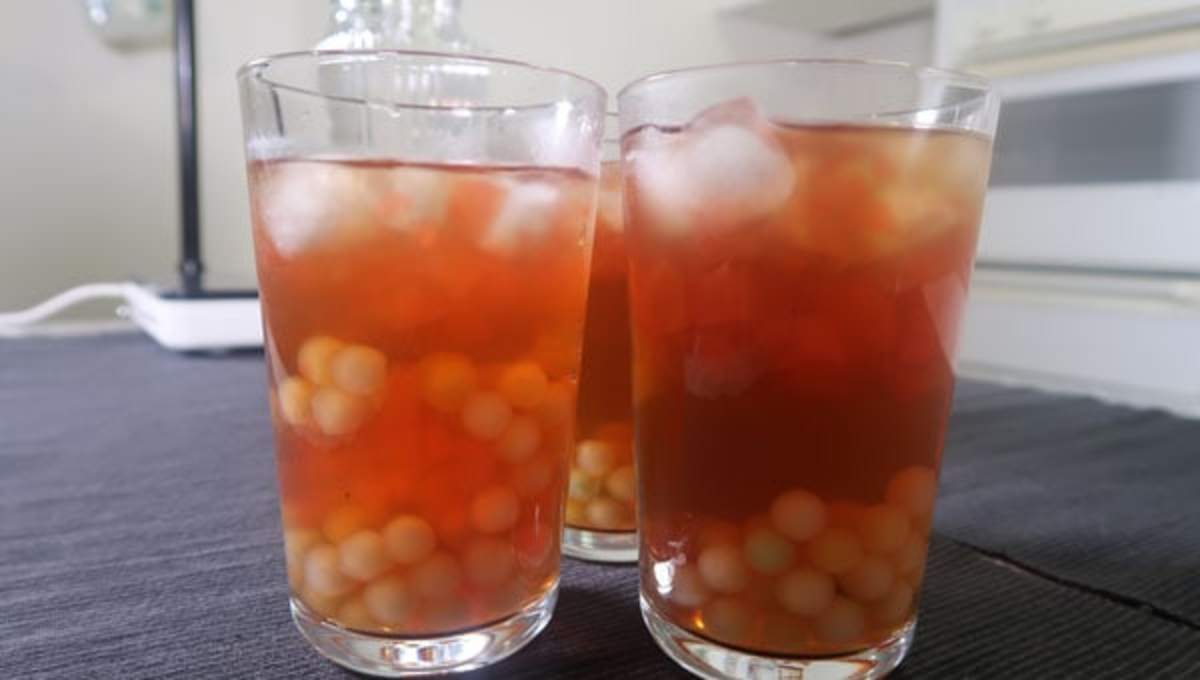
    Sago’t Gulaman Refreshing mix of brown sugar syrup and jelly
    Buko Juice Subtly sweet coconut juice from young coconut
    Calamansi Juice Tangy and refreshing juice from calamansi fruit
    Tsokolate Thick and rich Filipino hot chocolate drink

    These traditional Filipino drinks, with their unique flavors and textures, offer the perfect balance to the savory and robust taste of Filipino noodle dishes, creating a truly satisfying dining experience.

    Coconut-based Beverages

    Are you ready to tantalize your taste buds with flavorful coconut milk and refreshing coconut water?

    These coconut-based beverages aren’t only delicious on their own, but also add a tropical twist to your favorite smoothies, cocktails, or mocktails.

    Get ready to experience the rich and creamy texture that perfectly complements the bold and savory flavors of Filipino noodle dishes.

    Flavorful Coconut Milk

    Enhance your Filipino noodle dining experience with the rich and creamy flavor of coconut-based beverages, which beautifully complement the savory and spicy notes of the dish. The coconut milk’s natural sweetness helps balance the heat from spicy Filipino dishes, creating a harmonious flavor profile.

    The creamy texture of coconut-based beverages adds a luxurious mouthfeel to the meal, enhancing the overall dining experience. The subtle tropical undertones of coconut-based drinks can provide a refreshing contrast to the bold flavors of Filipino noodle dishes. Additionally, coconut-based beverages can be a great non-alcoholic option to pair with Filipino noodle dishes, offering a refreshing and hydrating accompaniment.

    Coconut Milk Benefits
    Rich and Creamy Flavor Natural Sweetness
    Luxurious Mouthfeel Subtle Tropical Undertones
    Refreshing and Hydrating Non-Alcoholic Option

    Refreshing Coconut Water

    Immerse yourself in the invigorating world of coconut-based beverages with the refreshing allure of coconut water, a perfect complement to the robust flavors of Filipino noodle dishes.

    Coconut water is a natural, refreshing beverage bursting with electrolytes. It is low in calories and fat-free, offering a hydrating option. Its subtle, nutty flavor provides a refreshing contrast to the savory Filipino noodle dishes.

    Filipino Food and refreshing coconut water are a match made in culinary heaven. Whether enjoyed on its own or as a base for tropical cocktails, coconut water adds a layer of freshness to the dining experience. It’s the ideal non-alcoholic accompaniment, offering a light and hydrating option that perfectly balances the rich and flavorful Filipino noodle dishes.

    Herbal Infusions and Teas

    Discover the invigorating world of herbal infusions and teas, where aromatic blends and unique flavors elevate your dining experience and offer a range of health benefits.

    Herbal infusions, crafted by steeping herbs, flowers, or roots in hot water, create flavorful and aromatic drinks that can enhance your meal.

    Teas, such as green, black, and oolong, can be combined with herbal infusions to produce distinctive flavor profiles and added health benefits. These beverages are prized for their ability to soothe digestion, provide antioxidants, and promote relaxation.

    With the added benefit of often being caffeine-free, herbal infusions and teas make for a refreshing choice, perfect for those seeking a calming drink without the stimulating effects of caffeine.

    Embrace the world of herbal infusions and teas to explore diverse flavors and aromas that cater to different tastes and moods.

    Sparkling and Carbonated Drinks

    When pairing Filipino noodle dishes with beverages, consider the effervescent and refreshing qualities of sparkling and carbonated drinks to complement the rich and savory flavors of the cuisine.

    • The bubbly nature of drinks like champagne, prosecco, and sparkling wines provides a delightful contrast to the hearty flavors of Filipino noodle dishes.
    • The light and crisp characteristics of sparkling and carbonated drinks balance the richness of the dishes, enhancing the overall dining experience.
    • The festive and celebratory nature of these drinks elevates the enjoyment of Filipino noodle dishes, making them perfect for special occasions and gatherings.

    Sparkling and carbonated drinks offer a wide range of options to cater to different flavor profiles, making them an exciting choice for pairing with Filipino noodle dishes.

    Tropical Fruit Shakes

    Building on the effervescent and refreshing qualities of sparkling and carbonated drinks, now let’s explore the delightful world of Tropical Fruit Shakes as the perfect accompaniment to Filipino noodle dishes.

    These refreshing beverages are made by blending fresh tropical fruits like mango, pineapple, banana, and coconut with ice and a sweetener, resulting in a smooth and delicious drink.

    The vibrant and tropical flavors of these shakes perfectly complement the savory and rich flavors of Filipino noodle dishes, offering a refreshing contrast to the meal.

    What’s more, the versatility of tropical fruit shakes allows for creative combinations, enabling you to tailor the flavors to complement specific Filipino noodle dishes.

    In addition to being a delightful accompaniment to Filipino noodle dishes, these shakes contribute to the overall experience of enjoying a Filipino meal, making them a perfect choice for a refreshing and fruity beverage.

    Light and Crisp Beers

    Light and crisp beers, known for their refreshing and palate-cleansing qualities, offer the perfect complement to Filipino noodle dishes. When it comes to enhancing the dining experience with Filipino noodle dishes, light and crisp beers stand out. Here’s why they’re a great choice:

    • Refreshing and palate-cleansing: The subtle carbonation and clean finish of these beers provide a refreshing contrast to the rich and savory flavors of Filipino noodle dishes.
    • Complementary flavors: Light and crisp beers don’t overpower the delicate flavors of Filipino noodles, allowing you to savor the intricate blend of spices and ingredients in each bite.
    • Versatile options: Pilsners, lagers, and light ales are just a few examples of light and crisp beers that can be easily paired with Filipino noodle dishes, making it convenient to find the perfect match for your meal.

    Zesty and Tangy Juices

    Are you ready to add an extra kick to your Filipino noodle dishes?

    Zesty and tangy juices are the perfect way to elevate your dining experience.

    From citrus juice pairings to tropical fruit blends, these refreshing drinks will provide a burst of brightness to complement the savory flavors of your favorite noodle dishes.

    Citrus Juice Pairings

    Enhance the vibrant flavors of Filipino noodle dishes with the zesty and tangy goodness of citrus juices like lime, lemon, and calamansi. When it comes to pairing citrus juices with your favorite Filipino dishes, the possibilities are endless.

    Here are some reasons why these zesty and tangy juices are perfect for complementing Filipino noodle dishes:

    • The acidity of citrus juices pairs well with the richness of Caldereta, balancing the dish’s flavors and adding brightness.
    • The tangy and citrusy notes of calamansi juice create a perfect harmony with the savory and umami flavors of Crispy Pata, creating a balanced and vibrant pairing.
    • The zesty and tangy profile of citrus juices, such as calamansi, complements the savory and slightly sweet flavors of Chicken Adobo, creating a delightful flavor combination.

    Incorporating citrus juices into your dining experience not only enhances the flavors but also symbolizes long life, making it a perfect addition to your comfort food.

    Tropical Fruit Blends

    Elevate the vibrant flavors of Filipino noodle dishes by exploring the tropical twist of zesty and tangy juices in our discussion of Tropical Fruit Blends. These blends are a perfect complement to the rich, savory flavors of Filipino noodle dishes, enhancing the dining experience with their refreshing notes. The tropical fruit blends, often a favorite, can include a variety of fruits such as mango, pineapple, passion fruit, guava, and citrus, adding a delightful tropical twist to the meal.

    With their bright and citrusy flavors, they cleanse the palate between bites of the flavorful noodle dishes, making them an ideal choice. Here’s a table showcasing some tropical fruit blends to pair with your favorite Filipino noodle dish:

    Tropical Fruit Blend Description Complementing Noodle Dish
    Mango-Pineapple Sweet and tangy Pancit Palabok
    Passion Fruit-Guava Zesty and refreshing Pancit Bihon Guisado
    Citrus Mix Bright and citrusy Pancit Malabon

    These tropical fruit blends not only taste good but also have long life.

    Smooth and Aromatic Coffees

    Indulge in the velvety richness and enticing fragrance of smooth and aromatic coffees, perfect for enhancing your Filipino noodle dining experience.

    • These coffees offer a balanced blend of flavors, combining sweetness and subtle acidity for a delightful sensory experience.
    • The versatility of smooth and aromatic coffees makes them suitable for both black and milk-based preparations, catering to a variety of preferences.
    • Whether you’re enjoying a leisurely sip during a long meal or seeking the perfect beverage to complement your dish, smooth and aromatic coffees provide a comforting and indulgent addition to your dining experience.

    Frequently Asked Questions

    What Drink Goes With Filipino Food?

    For Filipino food, try Sauvignon Blanc with Pancit Bihon, Sangiovese with Caldereta, Brut Champagne with Crispy Pata, off-dry Riesling with Chicken Adobo, and Gewurztraminer with Kare Kare. These pairings will elevate your dining experience!

    What Do You Drink Pancit With?

    When enjoying Pancit, pair it with a glass of crisp, minerally Sauvignon Blanc. Its vibrancy and fresh herb notes complement the dish perfectly. If you prefer non-alcoholic options, flavored sparkling water can also enhance the flavors of Pancit.

    What to Pair With Filipino Food?

    When pairing drinks with Filipino food, consider wines like Chianti and beers like Duchess de Bourgogne for noodle dishes. Sauvignon Blanc complements Pancit, while Gewurztraminer goes perfectly with Kare kare. For a sweet treat, try Barefoot White Zinfandel with Kakanin.

    What Goes Good With Pancit?

    Looking for the perfect pairing for Pancit? A crisp, minerally Sauvignon Blanc complements its flavors excellently. The wine’s acidity and herbal notes enhance the dish’s savory and umami flavors, creating a delightful dining experience.

    Conclusion

    So whether you’re enjoying a steaming bowl of Pancit Bihon or a rich and hearty Caldereta, there’s a perfect drink to complement your Filipino noodle dishes.

    From crisp Sauvignon Blanc to refreshing iced teas and tropical fruit shakes, there’s a wide variety of beverages to enhance your dining experience.

    So grab a glass, pour yourself a drink, and savor the delicious flavors of Filipino cuisine! Cheers to a perfect pairing!

  • What’s the Best Spot for Authentic Pancit in Manila?

    What’s the Best Spot for Authentic Pancit in Manila?

    The best spot for authentic Pancit in Manila is Lola Idang’s Original Pancit in Binondo for Original Pancit Malabon, and Little Quiapo in Quezon City for traditional Pancit Palabok.

    Key Takeaways

    • Lola Idang’s Original Pancit in Binondo offers the best Original Pancit Malabon.
    • Orchids Drive Inn Hotel and Restaurant in Binondo serves delicious Pancit Canton.
    • Little Quiapo in Quezon City offers authentic flavors of traditional Pancit Palabok.
    • The hidden gem for Pancit Batil Patong is nestled in Barangay Barangka Ilaya.

    Top Pancit Spots in Binondo

    When you’re craving a mouthwatering bowl of authentic pancit in Binondo, look no further than these top spots where the flavors are as vibrant as the bustling streets themselves.

    For the best Original Pancit Malabon, head to Lola Idang’s Original Pancit.

    If you’re in the mood for Pancit Canton, Orchids Drive Inn Hotel and Restaurant and Buddy’s Pancit Lucban serve up some of the most delicious options in the Metro.

    Craving a mix of Miki Bihon? Luyong Restaurant is the place to be.

    As you explore the bustling streets of Binondo, make sure to stop by these top spots for a satisfying and authentic pancit experience.

    From the rich flavors of Lola Idang’s to the savory delights at Orchids Drive Inn Hotel, each spot offers a unique and delightful taste of Pancit in Metro.

    Must-Try Pancit Malabon in Manila

    For an unforgettable culinary experience in Manila, indulge in the must-try Pancit Malabon at Amber Golden Chain of Restaurants, known for its delectable and affordable offerings. The best part about Pancit Malabon is its thick rice noodles, generously topped with fresh vegetables, sliced hardboiled egg, and generous servings of pork.

    At Amber Golden, every mouthful of this classic noodle dish is bursting with flavor and authenticity. Here’s a peek at what you can expect from this renowned spot:

    Dish Description Price
    Pancit Malabon Thick rice noodles, fresh vegetables, pork, and egg Affordable
    Pancit Luglog Similar to Pancit Malabon, with Pancit Palabok extra Value for money
    Pancit Lucban A unique take on the classic with Longganisang toppings Reasonable

    Amber Golden Chain of Restaurants is definitely the go-to place for an authentic and satisfying Pancit Malabon experience in Manila.

    Authentic Pancit Palabok in Quezon City

    Treat yourself to the authentic flavors of traditional Pancit Palabok at Little Quiapo in Quezon City. Here, you can savor the rich and savory goodness of this beloved Filipino noodle dish. Little Quiapo is renowned for its delectable Pancit Palabok, which has garnered praise from satisfied customers.

    Located in Quezon City, it’s a convenient stop for locals and visitors alike. The restaurant offers a range of bilao sizes, catering to different group sizes and budgets, with prices ranging from P288 to P1,637.

    The dish features flavorful egg noodles topped with a luscious orange shrimp sauce and garnished with an array of toppings, including shelled shrimp. When in Quezon City, don’t miss the chance to indulge in the authentic Pancit Palabok at Little Quiapo for a truly satisfying Filipino culinary experience.

    Hidden Gem for Pancit Batil Patong

    If you’re craving a new culinary adventure after relishing the authentic Pancit Palabok in Quezon City, get ready to uncover the hidden gem for Pancit Batil Patong in the heart of Manila.

    The Hidden Gem for Pancit Batil Patong, nestled in Barangay Barangka Ilaya, is a true treasure for pancit enthusiasts.

    Here’s what you can expect:

    • Orchids Pancit: Savor the rich flavors of the traditional Pancit Batil Patong, topped with a generous serving of lechon chunks.
    • Miki Bihon: Indulge in the perfect blend of Miki and Bihon noodles, cooked to perfection and bursting with authentic Filipino flavors.
    • Ramon Lee’s Commercial Complex: Discover this hidden gem within the bustling heart of Manila, offering a cozy ambiance and a menu packed with delightful pancit variations.

    Prepare your taste buds for a sensational journey through the authentic flavors of Pancit Batil Patong at this hidden culinary haven.

    Where Can I Find Authentic Pancit in Manila that Reflects the Philippines’ Pancit Heritage?

    When seeking authentic pancit in Manila that reflects the Philippines’ pancit heritage, look for local eateries and restaurants that honor the philippines pancit heritage shaping. These establishments often use traditional recipes and locally sourced ingredients to create pancit dishes that capture the essence of Filipino culinary history.

    Ultimate Pancit Experience in Pampanga

    Embark on an enticing culinary journey in Pampanga and discover the ultimate pancit experience that will tantalize your taste buds with a variety of irresistible Filipino noodle dishes.

    One of the best spots to savor this delight is along Doña Soledad Ave. Here, you’ll find Pancit Malabon teeming with crunchy Chinese cabbage strips, slices of hardboiled eggs, and generous helpings of pork liver.

    The Pancit Canton is a must-try, with its savory servings of pechay and carrots complementing the flavorful noodles.

    If you’re a fan of Pancit Palabok, Little Quiapo in Pampanga won’t disappoint, offering a delectable mix of whole hardboiled eggs and fried chicken topped with a luscious shrimp sauce.

    The ultimate pancit experience in Pampanga promises a symphony of flavors that will leave you craving for more.

    Frequently Asked Questions

    What Is the Most Popular Type of Pancit?

    Pancit Canton stands as the most popular type of pancit in Manila. It’s made with egg noodles, vegetables, meat, and soy sauce. Each restaurant offers a unique spin, so explore and savor the variety.

    Why Is Pancit Malabon Famous?

    Pancit Malabon is famous for its rich seafood toppings, thick rice noodles, and vibrant color from achuete oil. Its flavorful combination of shrimp, squid, and chicharon makes it a beloved dish in the Philippines.

    Where Did Pancit Come From in the Philippines?

    Pancit in the Philippines originated from Chinese immigrants, influencing various regional variations. Egg noodles and stir-frying techniques are evident in Filipino pancit dishes. You’ll find diverse and flavorful varieties across Manila.

    What Is the Difference Between Pancit Luglug and Malabon?

    Pancit luglug and Malabon both hail from the Philippines and share similarities, but differ in the type of noodles used and the toppings. Luglug uses thick rice noodles with a sauce made from ground pork and shrimp, while Malabon uses thick rice noodles with a seafood-based sauce.

    Conclusion

    So, there you have it! Whether you’re craving Pancit Canton, Pancit Malabon, Pancit Palabok, or Pancit Batil Patong, Manila has got you covered.

    From the bustling streets of Binondo to the hidden gems in Quezon City and Pampanga, you’ll find the ultimate pancit experience.

    So grab your chopsticks and get ready to indulge in the authentic flavors of the Philippines! You won’t be disappointed.

    Happy eating!

  • Modern Takes on Classic Filipino Pancit Dishes

    Modern Takes on Classic Filipino Pancit Dishes

    Modern takes on classic Filipino pancit dishes incorporate innovative ingredients and flavors, revitalizing traditional recipes with seafood and unique noodle options.” This summarizes the evolution of Filipino pancit dishes with contemporary twists, emphasizing creativity and flavor enhancements.

    Key Takeaways

    • Modern takes on classic Filipino pancit dishes incorporate innovative ingredients and flavors, breathing new life into traditional recipes.
    • Seafood plays a prominent role in many of these modern pancit creations, adding depth and richness to the dishes.
    • Chefs are reimagining the presentation of pancit dishes, incorporating vibrant garnishes and visually appealing elements to enhance the dining experience.
    • Alternative noodle options, such as sotanghon and black bean noodles, are being used to create contemporary twists on classic pancit recipes.

    Pancit Bihon With a Twist

    Unleash your culinary creativity with a delightful twist on the classic Filipino favorite, Pancit Bihon.

    This timeless noodle dish is known for its savory combination of rice noodles, meat, and vegetables.

    However, modern takes on this classic Filipino dish have elevated it to new heights.

    One notable variation is Pancit Noir, created by Nina Daza-Puyat, which incorporates sotanghon noodles and a delectable array of fresh seafood, enhancing the umami flavor with squid ink sauce.

    To recreate this innovative dish, opt for larger pusit lumot to intensify the sauce’s richness and pay careful attention to the selection of ingredients.

    Pancit Noir has garnered international acclaim, impressing audiences at a Filipino food festival in Paris with its unique blend of noodles and squid ink, showcasing the evolving landscape of Filipino cuisine.

    Creative Variations of Pancit Canton

    Ready to explore the diverse world of Filipino pancit dishes?

    Let’s now shift our focus to the exciting realm of creative variations of Pancit Canton, where traditional flavors meet innovative culinary twists.

    One creative variation is the Pancit Malabon, a traditional stir-fried noodle dish that features thick rice noodles infused with a flavorful shrimp sauce. This dish is typically enjoyed with an array of seafood ingredients such as shrimp, squid, and mussels, adding a delightful oceanic essence to the classic pancit.

    Another inventive take on the traditional pancit canton is the incorporation of unique ingredients like lemongrass-marinated chicken or a fusion of Filipino adobo flavors. These innovative twists breathe new life into the beloved pancit, offering a delightful culinary experience that celebrates the rich heritage of Filipino cuisine.

    Innovations in Pancit Malabon

    An exciting evolution of the traditional Pancit Malabon dish has brought forth innovative variations that infuse traditional flavors with modern culinary creativity.

    Filipino chefs have reimagined this classic stir-fried noodle dish, traditionally prepared with thick rice noodles and a flavorful shrimp-infused sauce. The innovative twist includes the addition of seafood ingredients such as shrimp, squid, and mussels, elevating the dish to new culinary heights.

    This modern take on Pancit Malabon showcases the adaptability and creativity of Filipino cooks in reimagining and enhancing traditional dishes. The infusion of soy sauce and lemon juice adds depth and zest to the dish, while the inclusion of boiled eggs provides a satisfying richness.

    This innovative approach has garnered global recognition, solidifying Pancit Malabon as a staple in the evolution of modern Filipino cuisine.

    Modernizing Pancit Palabok

    For a modern and innovative twist on the traditional Pancit Palabok, consider incorporating unique and diverse seafood ingredients such as scallops, crab meat, or lobster to elevate the dish to new culinary heights.

    In addition, experiment with alternative noodle options such as black bean noodles or zucchini noodles to offer a contemporary and healthier take on the classic dish.

    Elevate the presentation by incorporating vibrant and visually appealing garnishes like edible flowers, microgreens, or colorful pickled vegetables to give the dish a modern aesthetic.

    Furthermore, introduce fusion flavors by infusing the traditional palabok sauce with international ingredients like Thai curry, truffle oil, or Japanese miso for a modern and innovative flavor profile.

    Contemporary Pancit Luglug Creations

    When exploring contemporary Pancit Luglug creations, you’ll discover an array of innovative interpretations that infuse traditional flavors with modern culinary flair. Just like Nina Daza-Puyat’s Pancit Noir, contemporary Pancit Luglug creations often involve unconventional ingredients and unique flavor profiles. These modern takes on the classic Filipino dish aim to redefine what it means to enjoy Pancit Luglug.

    For example, chefs are experimenting with different types of noodles, sauces, and toppings to create a new and exciting dining experience. Some variations even incorporate international influences, resulting in fusion dishes that push the boundaries of traditional Filipino cuisine.

    Redefining Pancit Miki Guisado

    Exploring the evolution of Filipino pancit dishes, the contemporary interpretations of Pancit Luglug have paved the way for redefining the classic comfort food, Pancit Miki Guisado, with innovative flavors and modern culinary techniques.

    When redefining Pancit Miki Guisado, chefs are using miki noodles, which are thicker than traditional bihon or canton noodles, to create a heartier texture and unique mouthfeel. The dish incorporates a delightful mix of meats such as pork, chicken, and shrimp, ensuring a burst of flavors in every bite.

    Additionally, chefs stir-fry the miki noodles with an assortment of vibrant vegetables like carrots, cabbage, and bell peppers, not only adding color but also providing a satisfying crunch.

    Redefining Pancit Miki Guisado offers a contemporary twist to a beloved Filipino comfort food, blending traditional flavors with modern culinary techniques.

    Fresh Interpretations of Pancit Habhab

    Ready to explore some fresh takes on the classic Pancit Habhab?

    From unique ingredients like truffle oil and exotic mushrooms to creative serving presentations, there are plenty of ways to revamp this beloved dish.

    Whether it’s a fusion of flavors or a modern twist on tradition, chefs and home cooks are pushing the boundaries of Pancit Habhab to create exciting new culinary experiences.

    Unique Ingredients for Habhab

    For a fresh twist on Pancit Habhab, consider incorporating unique ingredients that elevate the traditional flavors of this Filipino dish to new heights. To give your Pancit Habhab a modern and innovative touch, try these unique ingredients:

    1. Coconut Milk: Add a creamy and luxurious texture to your Pancit Habhab by incorporating coconut milk into the stir-fried noodles. This modern twist enhances the richness of the dish and adds a subtle hint of sweetness.
    2. Lemongrass: Infuse your Pancit Habhab with a refreshing and citrusy aroma by including lemongrass in the recipe. This unique ingredient brings a burst of flavor that complements the traditional elements of the dish, creating a delightful fusion of modern and classic tastes.
    3. Chorizo: Introduce a savory and smoky essence to your Pancit Habhab by using chorizo as a flavorful addition. The modern twist of incorporating this Spanish sausage adds depth and complexity to the dish, offering a delightful contrast to the familiar flavors of the traditional recipe.

    These unique ingredients will elevate your Pancit Habhab, offering a delightful and modern take on this beloved Filipino dish.

    Creative Serving Presentations

    Transforming the traditional Pancit Habhab into an exquisite culinary masterpiece involves presenting the dish in innovative and captivating ways, captivating the senses and elevating the dining experience.

    Creative serving presentations play a vital role in reimagining this classic Filipino dish, such as serving it in elegant banana leaf cones or stylish bamboo containers to add an extra layer of authenticity to the dining experience.

    Additionally, some chefs have taken to presenting Pancit Habhab in individual portions, creatively arranged to showcase the vibrant colors and textures of the dish.

    Another modern twist includes serving the Pancit Habhab in edible bowls or cups, adding an element of sustainability and novelty to the presentation.

    These creative serving presentations not only enhance the visual appeal but also offer a unique and memorable way to enjoy this beloved Filipino dish.

    Pancit Lomi Reinvented

    If you’re a fan of Filipino comfort food, get ready to experience a new take on Pancit Lomi. This reinvented dish incorporates fresh seafood like shrimp and mussels, along with sotanghon noodles for a unique texture.

    The rich squid ink sauce takes the flavors to a whole new level, offering a fresh and indulgent twist on the traditional favorite.

    Lomi With New Ingredients

    Reimagining the classic Filipino noodle dish, lomi, with innovative ingredients brings a modern and creative flair to the beloved pancit lomi while introducing fresh flavors and textures for a delightful culinary experience.

    When lomi is reinvented with new ingredients, it takes on a whole new dimension, offering an exciting twist on the traditional recipe. The addition of unique components elevates the dish, creating a harmonious blend of flavors and textures that tantalize the taste buds.

    With this updated version, lomi becomes a fusion of traditional and contemporary culinary influences, appealing to both purists and adventurous food enthusiasts. The incorporation of modern ingredients revitalizes the dish, breathing new life into this time-honored Filipino favorite.

    Lomi Fusion Recipes

    To infuse a modern twist into the classic Filipino pancit lomi, consider experimenting with innovative ingredients to create a fusion of traditional and contemporary flavors, enhancing the dish with exciting new dimensions. Lomi fusion recipes offer an opportunity to reimagine this beloved dish by incorporating unexpected elements, such as international spices, unique proteins, and unconventional sauces. Check out the table below for some tantalizing lomi fusion recipe ideas to elevate your culinary experience.

    Fusion Ingredient Description
    Coconut Curry Chicken Creamy and aromatic
    Spicy Tuna Kimchi Bold and tangy
    Truffle Mushroom Earthy and indulgent
    Teriyaki Beef Savory and sweet
    Pineapple Shrimp Sweet and zesty

    These innovative combinations will breathe new life into traditional lomi, offering a delightful fusion of flavors that will leave your taste buds craving for more.

    Revamped Pancit Sotanghon

    With a modern twist on the classic Filipino sotanghon dish, the revamped Pancit Sotanghon features a unique seafood-infused broth for added depth of flavor. This contemporary take incorporates fresh, high-quality seafood such as shrimp and mussels, elevating the dish with a delightful medley of flavors and textures.

    The traditional sotanghon noodles, known for their delicate and satisfying texture, remain an essential element, providing a comforting base for the dish. By retaining the essence of the beloved pancit sotanghon while introducing new layers of taste, this revamped version offers a delightful fusion of the familiar and the innovative.

    1. The seafood-infused broth adds a rich and savory dimension to the dish.
    2. Fresh shrimp and mussels bring a delightful burst of seafood flavors to the pancit sotanghon.
    3. The traditional sotanghon noodles maintain their signature delicate texture, providing a satisfying base for the dish.

    What Are Some Modern Twists on Traditional Filipino Pancit Dishes?

    When updating traditional Filipino pancit canton recipes, consider adding a new range of vegetables and proteins for variety. Experiment with unique flavor profiles, such as spicy, sweet, or fusion influences. Incorporating different textures and garnishes can elevate the dish to a modern and innovative level.

    Modern Approaches to Pancit Guisado

    When exploring modern approaches to Pancit Guisado, consider incorporating innovative twists using traditional ingredients and flavors to elevate this beloved Filipino dish. Experiment with alternative noodle options like whole grain or spaghetti squash for a healthier twist.

    Embrace the use of fresh, locally sourced ingredients to enhance both the taste and nutritional value of the dish. Infuse international influences to create a fusion of diverse culinary traditions, adding an exciting twist to the classic flavors.

    Additionally, present the dish in a visually appealing and contemporary manner to elevate its aesthetic appeal. By embracing these modern approaches, you can honor the traditional flavors of Pancit Guisado while adding a unique and innovative touch to this timeless Filipino favorite.

    Frequently Asked Questions

    What Is the Most Popular Pancit in the Philippines?

    The most popular pancit in the Philippines is Pancit Canton. It’s a beloved stir-fry dish that combines yellow wheat noodles with meat, seafood, and vegetables, symbolizing long and prosperous life.

    What Are the Top 10 Filipino Dishes?

    You’re in for a treat with the top 10 Filipino dishes! From the savory adobo to the colorful halo-halo, these mouthwatering delicacies showcase the rich culinary heritage of the Philippines. Get ready to indulge!

    What Are the Different Types of Pancit?

    Pancit comes in various types, such as Pancit Malabon, Pancit Bihon, and Pancit Canton. These dishes feature different noodle varieties and ingredients, offering a flavorful and fulfilling experience that showcases the rich culinary tradition of the Philippines.

    What Is the Significance of Pancit in Filipino Culture?

    Pancit holds deep cultural significance in Filipino culture, symbolizing abundance and togetherness. It’s a staple dish enjoyed on various occasions, showcasing Filipino food history and adaptability. Its versatility allows for customization, contributing to its widespread popularity.

    Conclusion

    So whether you’re a traditionalist or an adventurous foodie, there’s a modern take on Filipino pancit dishes that’s sure to tantalize your taste buds.

    From innovative twists on Pancit Bihon to creative variations of Pancit Canton, there’s no shortage of exciting flavors to explore.

    So go ahead, indulge in the rich and diverse world of modern Filipino pancit dishes and savor the delicious blend of classic flavors and contemporary creativity.

  • 9 Best Filipino Noodle Soups for Chilly Days

    9 Best Filipino Noodle Soups for Chilly Days

    The 9 best Filipino noodle soups for chilly days include La Paz Batchoy, Pancit Molo, Lomi, Sotanghon Guisado, and Misua, known for their rich broths and aromatic flavors. These soups offer warmth, comfort, and tradition in every bowl, perfect for cold weather days.

    Key Takeaways

    • Filipino noodle soups offer a variety of flavors and textures, with options like La Paz Batchoy, Pancit Molo, Lomi, Sotanghon Guisado, and Misua.
    • These soups are known for their rich and flavorful broths, infused with aromatic ingredients like ginger and garlic.
    • They are often garnished with fried garlic and spring onions, adding a delicious crunch and aroma to the dish.
    • Filipino noodle soups provide a soul-soothing experience, evoking warmth, comfort, and a sense of tradition in every bowl.

    La Paz Batchoy

    If you find yourself in the vibrant city of La Paz, Iloilo City in the Philippines, you simply can’t miss the opportunity to savor a steaming bowl of La Paz Batchoy. This comforting Filipino noodle soup is a must-try.

    Picture this: succulent pork offal and meat, tender chicken, and macaroni noodles swimming in a rich, flavorful broth. The aroma alone will make your mouth water.

    Topped with crispy fried garlic, chicharron, and fresh spring onions, every spoonful is a delightful mix of textures and flavors. The broth, enhanced with guinamos or soy sauce, is hearty and satisfying, making it the perfect comfort food.

    A squeeze of calamansi adds a refreshing citrusy kick, balancing the richness of the soup.

    La Paz Batchoy is a true Filipino culinary treasure that warms both the body and soul.

    Pancit Molo

    Let’s talk about the traditional and flavorful Pancit Molo.

    This Filipino noodle soup features rich and seasoned pork-filled dumplings, tender shredded chicken, and a savory broth infused with garlic and ginger.

    The dumplings, wrapped in delicate wonton wrappers, take center stage, adding a satisfying texture and taste to this comforting dish.

    Traditional Pancit Recipe

    Indulge in the rich flavors of traditional Filipino cuisine with a steaming bowl of Pancit Molo, a comforting noodle soup filled with savory pork dumplings and fragrant chicken broth. This Filipino recipe embodies the heartwarming essence of Filipino food and culture, offering a taste of tradition in every spoonful.

    The comforting aroma of the mami noodles and the savory goodness of the pork-filled dumplings create a sense of nostalgia, reminiscent of family gatherings and cherished moments.

    Each sip of the flavorful broth, infused with chicken, shrimp, and shredded chicken breast, brings a soothing sensation, perfect for warming both body and soul.

    Garnished with fried garlic and spring onions, this traditional soup becomes a delightful symphony of textures and flavors, a true testament to the culinary artistry of Filipino culture.

    Flavorful Broth Base

    To create the flavorful broth base for Pancit Molo, start by simmering chicken, aromatic herbs, and spices in a pot, infusing the broth with a rich and savory essence. The classic Filipino soup recipes are known for their depth of flavor, and Pancit Molo is no exception. The broth serves as the foundation, bringing together the distinct taste of Chicken Noodle Soup, Filipino Chicken Macaroni, Sopas (Filipino Chicken, Sinigang Na Hipon, and Arroz Caldo (Filipino Chicken).

    The table below highlights the key elements that contribute to the flavorful broth base in Pancit Molo, making it a comforting and heartwarming dish for chilly days.

    Ingredients Aromatic Herbs Spices
    Chicken Bay leaves Peppercorns
    Pork Dumplings Garlic Star anise
    Calamansi Onion Ginger
    Green Onions
    Fried Garlic

    Lomi

    Lomi, a steaming bowl of hearty Filipino noodle soup, beckons with its tantalizing aroma and rich flavors on a chilly day. This comforting dish features thick egg noodles, tender pork, succulent chicken, and a medley of vegetables, all swimming in a flavorful broth thickened with cornstarch or flour.

    The combination of chewy noodles and hearty meats creates a satisfying texture that warms you from the inside out. Topped with hard-boiled egg, fried garlic, and chopped green onions, each spoonful offers a burst of savory goodness.

    Lomi is the ultimate Filipino comfort food, perfect for chasing away the chills and filling you with warmth and contentment. It’s like a hug in a bowl, a deliciously hearty soup that soothes the soul.

    Sotanghon Guisado

    When you crave a comforting and nourishing meal on a chilly day, Sotanghon Guisado beckons with its aromatic blend of bean thread noodles, tender chicken, and vibrant vegetables simmered in a flavorsome broth.

    This Filipino comfort food brings the warmth of a traditional Chicken Noodle Soup, but with a unique twist. The Sopas recipe combines the heartiness of hot rice, the goodness of Chicken Sotanghon, and the wholesomeness of a vegetable soup.

    The ease of preparation makes it an ideal choice for a quick and satisfying meal. The lightness of the bean thread noodles adds a delightful texture to this dish, making it the perfect option for those looking for a fulfilling yet not-too-heavy option.

    Sotanghon Guisado is a go-to for anyone seeking an easy-to-cook, soul-soothing bowl of goodness.

    Misua

    As you prepare to indulge in the comforting warmth of Misua, imagine delicate wheat noodles swirled in a clear, flavorful broth, infused with the subtle warmth of ginger and garlic, creating a truly satisfying experience for chilly days.

    In Filipino cuisine, Misua holds a special place as a go-to comfort food, especially during the rainy season. The aroma of the steaming broth alone is enough to chase away the cold weather blues.

    The addition of tender chicken pieces or flavorful ground pork enhances the heartiness of this delicious Filipino chicken noodle soup. The sight of the golden fried garlic and vibrant green onions sprinkled on top adds a pop of color and a burst of flavor, making each spoonful a delightful experience.

    Batchoy Tagalog

    Hey there!

    Let’s talk about Batchoy Tagalog, a classic Filipino noodle soup that’s perfect for warming you up on chilly days.

    This comforting dish features a rich broth, tender pork, and flavorful pork liver, creating a satisfying medley of flavors.

    With crunchy fried garlic, green onions, and a hard-boiled egg as garnishes, every spoonful of Batchoy Tagalog is a delightful experience.

    Traditional Batchoy Recipe

    Indulge in the rich, savory flavors of traditional Batchoy Tagalog, a beloved Filipino Pork Noodle Soup that promises to warm your soul on chilly days.

    This iconic soup dish boasts a hearty broth infused with pork meat, liver, kidney, and intestines, complemented by the distinct flavor of shrimp paste. Topped with crispy fried garlic, spring onions, and chicharrón, each spoonful offers a comforting explosion of textures and tastes.

    The tender egg noodles soak up the flavors, delivering a truly satisfying experience. Whether it’s the rich and comforting broth, the tender meats, or the delightful crunch of chicharrón, each element comes together to create a bowl of sheer comfort and warmth.

    This dish is a must-try for any Filipino Chicken Noodle Soup enthusiast or anyone seeking the ultimate comfort food experience.

    Ingredients for Batchoy

    Feeling enticed by the tantalizing flavors of traditional Batchoy Tagalog?

    Let’s explore the essential ingredients that come together to create this Filipino noodle soup masterpiece.

    To cook this iconic Filipino recipe, you’ll need a rich pork broth as the base for the soup, providing a hearty and flavorful foundation.

    Thinly sliced pork liver, kidneys, and heart are then cooked in the broth, infusing it with savory meatiness.

    The addition of Miki or egg noodles adds a delightful texture and substance to the soup.

    For a fresh and crunchy element, shredded cabbage and green onions are essential.

    Serving Batchoy Hot

    When serving Batchoy Tagalog, make sure to have the steaming hot bowl ready to deliver the comforting warmth and the rich aroma of this Filipino noodle soup. The first sip should embrace you like a warm hug on a chilly day, bringing a sense of contentment and satisfaction.

    As the steam rises, it carries with it the tantalizing scent of pork, garlic, and savory broth, enveloping your senses. Each spoonful should feel like a comforting embrace, warming you from the inside out. The piping hot broth should be the perfect backdrop for the tender meat and flavorful noodles, creating a symphony of flavors and textures.

    It’s not just a soup; it’s a soul-soothing experience that wraps you in a blanket of culinary delight.

    • The warmth of the steaming bowl should chase away the chill and wrap you in a cozy embrace.
    • The rich aroma should evoke memories of home-cooked meals and comforting gatherings.
    • Every spoonful should bring a sense of satisfaction and warmth, like a hug in a bowl.

    Mami

    Mami, a comforting Filipino chicken noodle soup, boasts a rich, flavorful broth that warms you up from the inside out on chilly days. This beloved soup features egg noodles, tender shredded chicken, and an assortment of vegetables, creating a hearty and satisfying meal.

    The broth, infused with garlic, ginger, and sometimes soy sauce, offers a depth of flavors that’s both comforting and rejuvenating. Mami is often garnished with crispy fried garlic and fresh green onions, adding a delightful crunch and aromatic freshness to each spoonful.

    This iconic Filipino chicken noodle soup is a go-to dish for those seeking warmth and comfort. Whether you’re familiar with Filipino cuisine or new to it, Mami is a must-try, especially when seasoned with fish sauce for that irresistible umami taste.

    Bulalo

    Indulge in the succulent flavors of Bulalo, a traditional Filipino beef soup that promises to warm your soul with its rich and hearty broth. When you take the first sip of this soul-soothing soup, you’ll find yourself transported to a cozy kitchen in the heart of the Philippines.

    The aroma of simmering bone marrow and tender beef fills the air, instantly making you feel at home. The essence of Filipino comfort food is captured in every spoonful, offering a taste of tradition and warmth. The addition of water spinach adds a refreshing burst of green to the thick and creamy broth, balancing the flavors perfectly.

    It’s like experiencing the embrace of a loved one in a bowl. Once you’ve tried Bulalo, you’ll understand why it’s an essential part of Filipino cuisine.

    Are Philippine Street Food Noodle Dishes Suitable for Chilly Weather?

    When the chilly weather sets in, nothing warms you up like enjoying top Philippine noodle dishes like lomi, batchoy, and palabok. These comforting street food noodle dishes are perfect for keeping you cozy and satisfied during the colder months. Their hearty broths and flavorful toppings are sure to hit the spot.

    Sopas

    If you’re craving a comforting and creamy noodle soup that warms you from the inside out, Sopas is the Filipino dish for you.

    To cook this beloved Chicken Noodle Soup, start by simmering chicken meat in a flavorful broth.

    Then, add a medley of vegetables such as carrots, bell pepper, celery, and cabbage to create a hearty and nutritious base.

    For a touch of sweetness, corn soup is added, infusing the dish with a natural sweetness.

    Slices of hotdog or Vienna sausage are often included to add depth of flavor.

    Sopas isn’t just a dish; it’s a tradition.

    This Filipino Chicken Noodle Soup is often prepared during chilly days to bring warmth and comfort to loved ones.

    Frequently Asked Questions

    What Is the Best Soup in the World Filipino?

    You asked about the best soup in the world. In Filipino cuisine, sinigang is a must-try! It’s a tangy, savory soup with a variety of meats or seafood and a delicious mix of veggies. You’ll love it!

    What Is a Filipino Comfort Food When Sick?

    When you’re sick, Filipino comfort foods like Arroz Caldo, Chicken Tinola, and Sinigang offer warmth and nourishment. They’re hearty, flavorful, and perfect for cold days. So, grab a bowl and let these comforting soups soothe you back to health.

    What Is Philippines National Soup?

    The national soup of the Philippines is a comforting and flavorful creation that includes a variety of meats, vegetables, and noodles. It’s an essential part of Filipino cuisine and offers a delightful culinary experience.

    What Is the English of Sopas?

    The English translation of “sopas” is “soup.” It’s a comforting Filipino noodle soup made with creamy broth, vegetables, and your choice of chicken, pork, or beef. You’ll love its rich, comforting flavors on chilly days.

    Conclusion

    So, whether you’re craving something hearty and comforting like La Paz Batchoy or something light and refreshing like Sinigang Na Hipon, Filipino noodle soups have got you covered for chilly days.

    The rich flavors and comforting ingredients will warm you up from the inside out, making each spoonful a truly satisfying experience.

    So grab a bowl, slurp up the goodness, and let these delicious noodle soups transport you to the cozy, flavorful world of Filipino cuisine.

  • What Shaped the Philippines’ Pancit Heritage?

    What Shaped the Philippines’ Pancit Heritage?

    Chinese immigrants introduced noodle preparation, Spanish colonization added new ingredients, and local innovations contributed to the diverse flavors of the Philippines’ pancit heritage.

    Key Takeaways

    • Chinese immigrants played a significant role in introducing noodle preparation and cooking techniques to the Philippines, influencing the foundation of pancit heritage.
    • Spanish colonization brought new ingredients and cooking techniques to Filipino noodle dishes, shaping the flavors and regional variations of pancit.
    • Indigenous ingredients and local innovations contribute to the unique flavors and textures of pancit, showcasing the ongoing influence of local culinary traditions.
    • Pancit represents a cultural exchange between Chinese immigrants and Filipino cuisine, reflecting the diverse regional types and adding to the narrative of Filipino culinary heritage.

    Chinese Influence on Noodle Introduction

    When Chinese immigrants first brought their culinary expertise to the Philippines, they introduced the art of noodle preparation, laying the foundation for the rich and diverse pancit heritage of the country.

    The Chinese influence on Filipino culinary heritage is significant, particularly in the traditional Filipino dishes that incorporate Chinese cooking techniques and ingredients. Soy sauce, for example, has become a staple in Filipino cooking, reflecting the enduring impact of Chinese culinary influence.

    The introduction of noodles by Chinese traders not only expanded the range of ingredients available to Filipino cooks but also influenced the way noodles are prepared and served in the Philippines.

    This fusion of Chinese and Filipino culinary traditions has created a unique and beloved aspect of Filipino cuisine, showcasing the enduring legacy of Chinese influence on Filipino food culture.

    Spanish Colonial Era Impact

    During the Spanish colonial era, a myriad of ingredients and cooking techniques were introduced, profoundly influencing the evolution of Filipino noodle dishes, particularly pancit. The fusion of Spanish culinary elements with indigenous cooking methods during this period gave rise to a diverse array of pancit dishes, each reflecting a unique blend of cultural influences.

    The use of wheat-based noodles and the incorporation of ingredients like chorizo, saffron, and paprika in some pancit variations are a testament to the enduring Spanish influence on Filipino cuisine.

    The Spanish colonial era left an indelible mark on Filipino culture, shaping the heritage documentation of local food. This rich historical interplay continues to resonate in the vibrant flavors and regional variations of pancit found throughout the Philippines, showcasing the enduring legacy of Spanish culinary impact on Filipino gastronomy.

    Local Ingredients and Innovations

    Local ingredients and innovative techniques infuse Filipino pancit dishes with a rich tapestry of flavors and a deep connection to the diverse culinary heritage of the Philippines. The evolution of Filipino noodle dishes, including pancit, has been shaped by the integration of local ingredients and innovations.

    Here’s a glimpse into the heritage significance of these elements:

    • Indigenous ingredients and local innovations contribute to the heritage documentation of Filipino culinary traditions.
    • Local ingredients such as calamansi and innovative cooking techniques add unique flavors and textures to pancit dishes, enriching their long life in Filipino cuisine.
    • The use of indigenous ingredients in regional pancit variations reflects the deep-rooted connection to the cultural and culinary heritage of each specific region.

    These elements not only showcase the richness of Filipino pancit but also exemplify the ongoing impact of local ingredients and innovations on the country’s culinary heritage.

    Cultural Significance of Pancit

    The rich tapestry of flavors and deep cultural connection woven into Filipino pancit dishes through local ingredients and innovative techniques underscores the profound cultural significance of this beloved culinary tradition.

    Pancit holds a special place in Filipino cuisine, reflecting the country’s diverse regional types, each using indigenous ingredients that tell a story of heritage and tradition.

    Noodles, a key element of pancit, symbolize long life and are often served during birthdays and celebrations, embodying cultural beliefs and values.

    Moreover, pancit serves as a tangible representation of the historical and cultural exchange between Chinese immigrants and Filipino cuisine, showcasing the fusion of influences that have shaped Filipino food.

    As a result, pancit not only adds to the narrative of Filipino culinary heritage but also contributes to a sense of regionalism, making it a unique cultural artifact with significant heritage documentation approach.

    Evolution of Pancit Variations

    Now, let’s talk about the fascinating evolution of pancit variations in the Philippines.

    From the early influence of Chinese immigrants to the incorporation of indigenous ingredients, pancit has transformed into a diverse array of regional variations.

    You’ll discover how each unique variant, such as habhab, hi-bol, and kinalas, reflects the rich cultural tapestry and culinary creativity of the Philippines.

    Regional Influences on Pancit

    In tracing the evolution of pancit variations across the Philippines, one encounters a rich tapestry of regional influences that have shaped the diverse and unique culinary heritage of this beloved dish.

    Regional influences on pancit have resulted in a fascinating array of Filipino noodle dishes, each with its own distinct flavors and ingredients.

    The Heritage Documentation Approach—the Case has revealed that Pancit Using the Heritage has been a key focus in the Study on the Culinary traditions of various regions.

    From the earthy flavors of Pancit Abra in Northern Luzon to the spicy kick of Pancit Bato in the Bicol Region and the unique blend of flavors in Pancit Bam-I in Cebu, the regional influences on pancit showcase the rich and varied culinary landscape of the Philippines.

    Ingredient Adaptations

    Evolve your understanding of pancit variations through the incorporation of local ingredients and flavors from different regions of the Philippines. The ingredient adaptations in Filipino pancit dishes are a testament to the rich and diverse culinary heritage of the country.

    From the use of indigenous ingredients in regional variations like Pancit Abra and Pancit Bato to the specific regional influences seen in unique variants such as Pancit habhab and Pancit kinalas, each dish tells a story of heritage and adaptation.

    The incorporation of local ingredients and flavors in pancit, as seen in varieties like Pancit Malabon and Pancit Lucban, reflects the vibrant tapestry of Filipino cuisine.

    The evolution of pancit in the Philippines, as evidenced by the diverse range of dishes, serves as a living documentation of the country’s culinary heritage and the intricate interplay of flavors through the panciteria study.

    Cultural Significance of Pancit

    Explore the cultural significance of pancit through its evolution of variations, revealing the rich tapestry of Filipino culinary heritage and the intricate interplay of flavors that reflect the diverse regions of the Philippines.

    • Heritage Documentation: The evolution of pancit variations serves as a living documentation of the historical and cultural influences that have shaped Filipino cuisine.
    • Rice Vermicelli: The use of rice vermicelli in pancit reflects the influence of Chinese culinary traditions in the Philippines, showcasing the fusion of flavors and techniques from various Asian countries.
    • Pancit Canton: This variation, characterized by its stir-fried noodles and savory flavors, illustrates the enduring impact of Spanish colonization on Filipino cuisine, blending indigenous ingredients with foreign influences.

    The cultural significance of pancit extends beyond its culinary appeal, symbolizing Filipino traditions, celebrations, and the interwoven history of the Philippines with other cultures.

    Pancit’s Role in Filipino Celebrations

    Hey there! Ever wonder why pancit is always present during Filipino celebrations? Well, it’s not just a delicious dish; it holds significant symbolism in these joyous gatherings.

    From birthdays to New Year’s festivities, pancit represents long life, prosperity, and togetherness, reflecting the rich cultural values of the Filipino people.

    Festive Pancit Traditions

    Pancit takes center stage in Filipino celebrations, serving as a symbol of good health and long life. It often complements other classic dishes like lumpia, sisig, and chicken adobo. Festive pancit traditions are deeply rooted in Filipino culture and are a vital part of any joyous occasion.

    During birthdays and special events, it’s customary to serve ‘birthday noodles,’ a type of pancit believed to bring long life and good fortune to the celebrant. Culinary enthusiasts also celebrate the rich pancit heritage by preparing various styles such as canton, palabok, sotanghon, and bihon.

    The savory aroma of pancit, often prepared with a sauce based on soy, fills the air, adding to the festive ambiance and signifying the importance of this beloved dish in Filipino celebrations.

    Symbolism in Celebrations

    During joyous occasions in Filipino culture, the presence of pancit serves as a symbolic wish for long life and good health, embodying the significance of communal celebration and the hope for a prosperous future.

    Noodles, a key ingredient in pancit, are deeply rooted in Filipino traditions as a symbol of longevity and good luck. It’s no surprise that pancit is a staple dish during birthdays and other special occasions, where it’s believed to bring about a prosperous and healthy future for the celebrant.

    The act of cutting noodles in pancit is avoided as it’s seen as symbolically cutting off one’s life, bringing bad luck.

    The presence of pancit in celebrations underscores the importance of community and togetherness, as it’s a dish that’s often shared and enjoyed with loved ones at gatherings, such as in a Panciteria.

    How Did the Pancit Heritage Influence Homemade Filipino Pancit Recipes?

    The rich history of the pancit heritage has greatly influenced traditional homemade Filipino pancit recipes. Passed down through generations, these homemade Filipino pancit secrets include the use of local ingredients, unique cooking techniques, and a deep appreciation for preserving cultural flavors and traditions.

    Global Influence and Recognition

    With its deep-rooted history and flavorful variations, pancit has garnered global recognition as a staple of Filipino cuisine, showcasing the rich culinary heritage of the Philippines. This recognition is evident in:

    • The widespread popularity of pancit in Filipino communities around the world, highlighting its integration into global culinary landscapes.
    • The increasing presence of Filipino restaurants internationally, featuring a variety of pancit dishes, introducing global audiences to the diverse noodle dishes of the Philippines.
    • The incorporation of thin rice noodles and stir-fried versions of pancit into the menus of renowned international restaurants, signifying the global influence of Filipino culinary traditions.

    As pancit continues to gain prominence on the global stage, it serves as a testament to the enduring impact of Filipino cuisine and its ability to captivate palates worldwide.

    Frequently Asked Questions

    What Is the Significance of Pancit in Filipino Culture?

    Pancit is significant in Filipino culture as it symbolizes longevity and good health. It’s a staple in celebrations and special occasions, reflecting the rich culinary heritage and multicultural influences of the Philippines, with diverse regional variations.

    What Is the History of Pancit Bato?

    The history of Pancit Bato dates back to the Bicol Region, where locals perfected the art of toasting dry noodles before boiling, creating a unique texture and flavor. It’s a testament to the region’s rich culinary heritage.

    Where Does Pancit Canton Originate From?

    Pancit Canton originates from Chinese culinary tradition, brought to the Philippines by Chinese immigrants. It is a Filipino adaptation of lo mein and chow mein, named after the type of noodle used. The dish reflects cultural exchange and local flavors.

    Where Did Pancit Kanin Originate?

    Pancit kanin originated in the Philippines, blending Chinese influences with local ingredients. It’s a beloved dish that represents the fusion of cultures, showcasing the rich culinary heritage and diverse flavors of the region.

    Conclusion

    So, now you know how the Philippines’ pancit heritage was shaped. From the influence of Chinese immigrants to the impact of Spanish colonization, and the incorporation of local ingredients and traditions, pancit has evolved into a beloved Filipino dish.

    Its cultural significance, variations, and role in Filipino celebrations have made it a global favorite. The next time you enjoy a plate of pancit, remember the rich history and heritage behind this delicious noodle dish.

    Happy eating!