Author: A. Pineda

  • 9 Philippine Noodle Dishes From Different Regions

    9 Philippine Noodle Dishes From Different Regions

    Explore 9 diverse Philippine noodle dishes from various regions, each offering unique flavors and culinary traditions, showcasing the rich gastronomic heritage of the Philippines. From La Paz Batchoy to Pancit Malabon, savor the distinct tastes of Filipino cuisine through these regional noodle specialties.

    Key Takeaways

    • Pancit Malabon is a seafood noodle dish from Malabon City with a shrimp-based sauce and various toppings, showcasing the diverse flavors of the Philippines.
    • La Paz Batchoy is a rich and hearty noodle dish from Iloilo, known for its flavorful broth, pork, beef, and toppings like pork offal and crispy chicharron.
    • Pancit Habhab is a unique cultural experience from Lucban, Quezon, traditionally eaten without utensils on banana leaves and featuring distinct ingredients like dried fish and shredded chicken.
    • The variety of Philippine noodle dishes, including Lomi, Pancit Tuguegarao, Pancit Molo, Pancit Luglug, and Pancit Chami, highlight the diverse flavors and culinary traditions of different regions, offering a wide range of taste experiences.

    La Paz Batchoy

    Indulge in the rich and hearty flavors of La Paz Batchoy, a beloved comfort food in Iloilo that encapsulates the essence of Filipino noodle dishes.

    The dish features egg noodles immersed in a flavorful broth with tender cuts of pork and beef, creating a satisfying harmony of textures and tastes.

    What sets La Paz Batchoy apart is its array of toppings, including pork offal, crispy chicharron, and at times, a raw egg for an added layer of richness.

    This iconic noodle soup is traditionally accompanied by calamansi, offering a burst of citrus that enhances the overall dining experience.

    La Paz Batchoy has become a symbol of the region’s culinary prowess, showcasing the unique and delectable flavors that define Iloilo’s gastronomic heritage.

    Pancit Malabon

    Get ready to explore the regional variations and key ingredients that make Pancit Malabon a standout dish in Filipino cuisine.

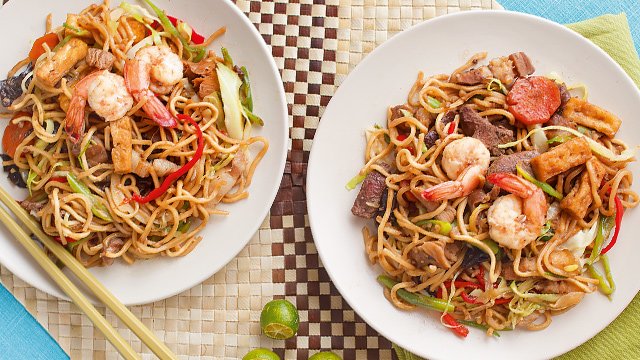
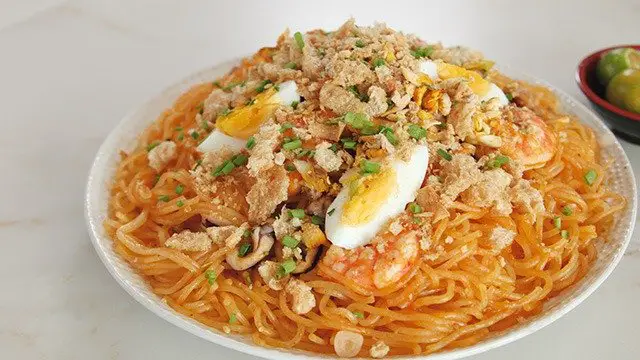
    This seafood noodle dish hails from the vibrant city of Malabon and boasts a rich, savory shrimp-based sauce that sets it apart.

    Topped with a delectable mix of shrimp, squid, and smoked fish, Pancit Malabon promises a flavorful journey through the diverse and vibrant flavors of the Philippines.

    Regional Variations

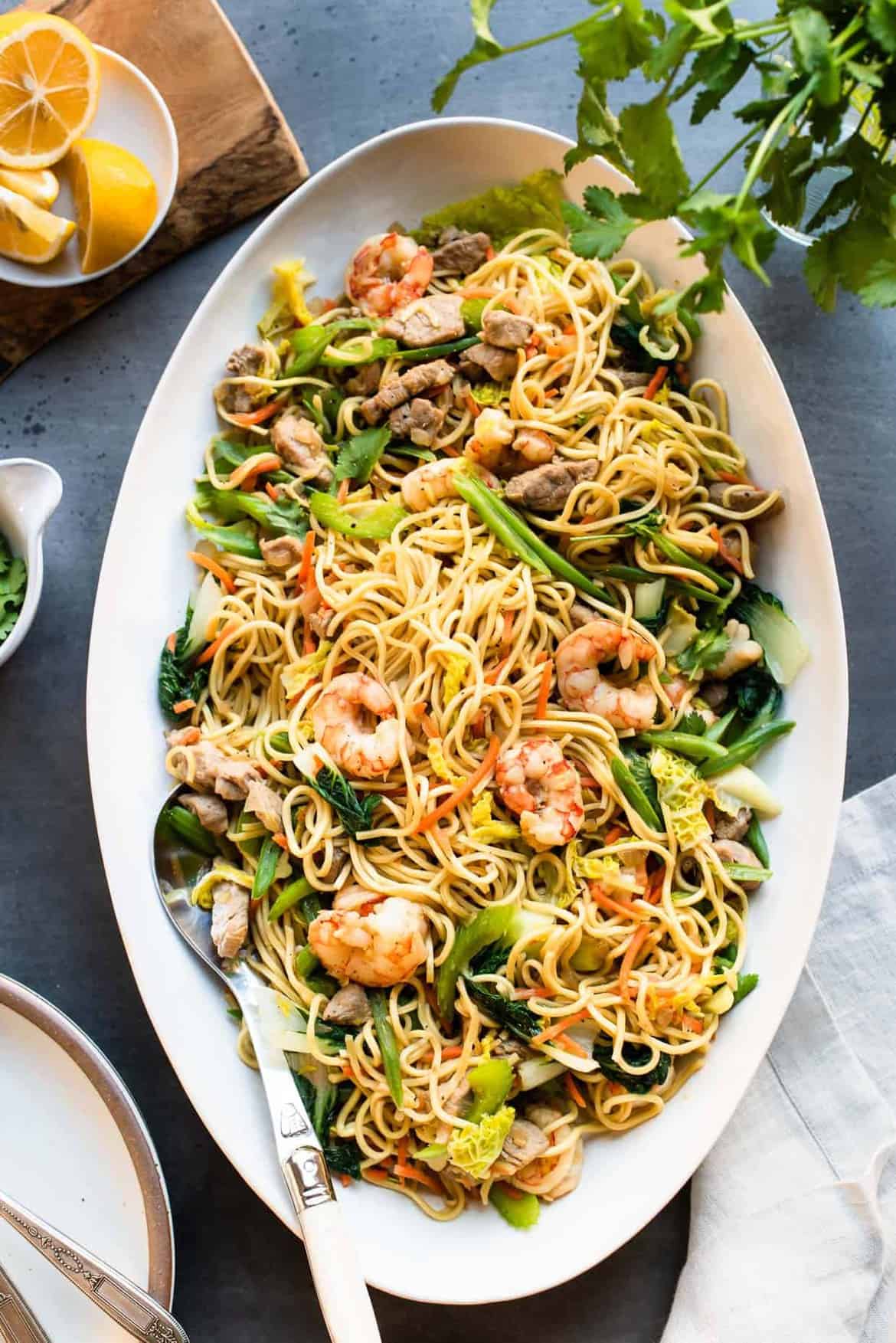
    Pancit Malabon, a specialty from Malabon City in the Philippines, features thicker rice noodles mixed with a rich and savory shrimp sauce, showcasing the region’s distinct culinary flair.

    When it comes to Pancit Malabon, regional variations add depth to the dish, making it a standout among Filipino noodle dishes. The regional variations include:

    • Topped with an array of seafood such as shrimps, squid, and smoked fish, adding a delightful seafood twist to the dish.
    • Garnished with crushed chicharon, hard-boiled eggs, and green onions, creating a colorful and flavorful topping that complements the rich shrimp sauce.
    • Made with thick rice noodles similar to those used in Pancit Palabok, highlighting the regional preference for hearty and substantial noodles in this variation.

    These regional variations truly elevate Pancit Malabon, providing a unique and delicious experience for food enthusiasts.

    Key Ingredients

    Featuring a rich and savory shrimp sauce mixed with thicker rice noodles, Pancit Malabon embodies the vibrant flavors of the Philippines’ culinary heritage. The key ingredients in this delectable dish include a combination of seafood, meats, and flavorful sauces. Here’s a breakdown of the essential components that make Pancit Malabon a standout in Philippine cuisine:

    Key Ingredients Description
    Thicker Rice Noodles Provide a unique texture
    Shrimp Sauce Rich and savory base
    Seafood Shrimps, squid, smoked fish
    Chicken Adds a savory element
    Patis (Fish Sauce) Enhances the umami flavor

    Pancit Malabon is not only a feast for the taste buds, but also a representation of the rich culinary heritage of Malabon City.

    Pancit Habhab

    Indulge in the tantalizing flavors of Lucban, Quezon as you savor the unique cultural experience of enjoying Pancit Habhab, a stir-fried egg noodle dish that’s traditionally eaten without utensils, reflecting the rich culinary traditions of the region.

    • Cultural Tradition: The way Pancit Habhab is eaten, directly from the banana leaves, adds to its cultural significance and charm.
    • *Engaging Experience*: Embrace the tradition by devouring this Filipino dish without utensils, immersing yourself in the local culture.
    • Distinct Ingredients: This regional specialty often includes a delightful mix of dried fish, shredded chicken, spring onions, ground pork, and bok choy, creating a harmonious blend of flavors.
    • *Regional Flavors*: The combination of these ingredients offers a unique taste that’s emblematic of the region’s culinary heritage.
    • Local Significance: Pancit Habhab isn’t just a dish but a representation of Lucban’s culinary pride, making it a must-try for anyone exploring the diverse pancit varieties of the Philippines.

    Pancit Batil Patong

    Get ready to savor the unique flavors of Pancit Batil Patong, a beloved Northern Luzon specialty that’s a must-try for any noodle enthusiast.

    This hearty dish features thick egg noodles stir-fried with savory minced carabeef, topped with fresh beansprouts and spring onions.

    And don’t forget the finishing touch—a perfectly fried or poached egg on top, accompanied by a side of thick brown sauce, chopped onions, soy sauce, vinegar, calamansi, and chilies.

    Origin and History

    Pancit Batil Patong, a specialty dish hailing from the Northern Luzon provinces, particularly Tuguegarao City, boasts a rich culinary history intertwined with the region’s vibrant food culture. This beloved dish is a testament to the culinary heritage of the Cagayan Valley, where it originated.

    Here are some fascinating facts about its origin and history:

    • The dish’s name ‘Pancit Batil Patong’ is derived from the method of ‘beating’ (batil) and ‘placing’ (patong) the egg on top of the noodles. This technique is said to have been influenced by Chinese immigrants who settled in the region.
    • Pancit Batil Patong is deeply ingrained in the local food culture and has been enjoyed for generations, making it an integral part of the region’s culinary identity. The dish’s history can be traced back to the Spanish colonial era, and it has since evolved into a beloved staple, even mentioned in the writings of national hero Jose Rizal.

    This dish stands out among other Filipino noodle dishes like pancit canton, pancit bihon, pancit malabon, pancit luglug, and pancit palabok for its unique flavors and cultural significance.

    Ingredients and Toppings

    Originating from the vibrant food culture of the Cagayan Valley, particularly Tuguegarao City, the ingredients and toppings of Pancit Batil Patung showcase a unique blend of flavors and textures, reflecting both local and Spanish culinary influences.

    The dish features thick egg noodles, seasoned with soy sauce, and topped with minced carabao meat, beansprouts, and spring onions. Unlike other noodle dishes, Pancit Batil Patong uses a thick egg noodle variety similar to pancit canton, simmered in a rich chicken stock.

    The toppings include a fried or poached egg, along with a side of a thick brown sauce and a combination of chopped onions, soy sauce, vinegar, calamansi, and chilies. To add a satisfying crunch, it’s traditionally garnished with crushed chicharon. Additionally, the dish may also incorporate annatto seeds for a touch of earthy flavor.

    Cooking Process

    When preparing Pancit Batil Patong, you’ll begin by stir-frying slightly thicker egg noodles with minced carabeef, adding beansprouts and spring onions, and then serving it with a fried or poached egg on top.

    The cooking process involves these key steps:

    • The thick brown sauce is made with a combination of chopped onions, soy sauce, vinegar, calamansi, and chillies, traditionally served on the side to enhance the flavors of Pancit Batil Patong.
    • Sauteéd pork or fresh seafood can be added to the dish for variation and depth of flavor, creating a rich and satisfying meal.
    • Traditionally, Pancit Batil Patong is served on a banana leaf, adding an authentic touch and infusing a subtle earthy flavor into the dish, reflecting the influence of Chinese merchants in the region.

    Lomi

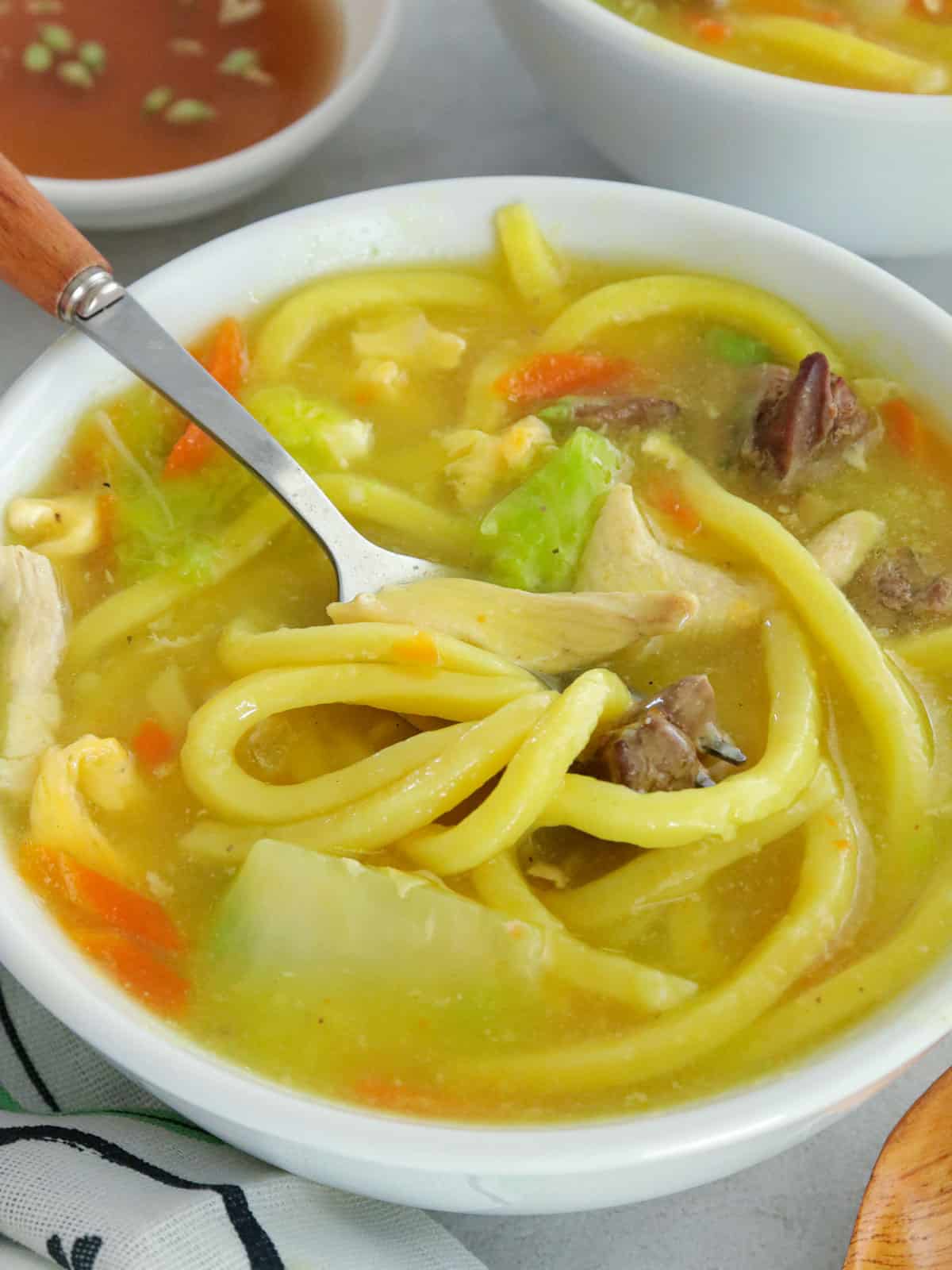
    Lomi, a beloved dish from the Batangas province of the Philippines, is a hearty and comforting braised noodle dish that features thick egg noodles and a rich, starchy sauce made from broth, eggs, and cornstarch.

    The sauce gives the lomi its signature thick consistency, making it a filling and satisfying meal.

    The noodles, called ‘thick rice flour noodles’ or ‘thicker noodles,’ are served in a flavorful broth loaded with toppings such as pork, chicken, kikiam, liver, and vegetables.

    This dish is a staple comfort food in Batangas, perfect for warming up during cold weather or for enjoying a hearty meal at any time of the day.

    You can experience the regional flavors of the Philippines through a steaming bowl of lomi, a dish deeply rooted in Filipino culinary tradition.

    Pancit Tuguegarao

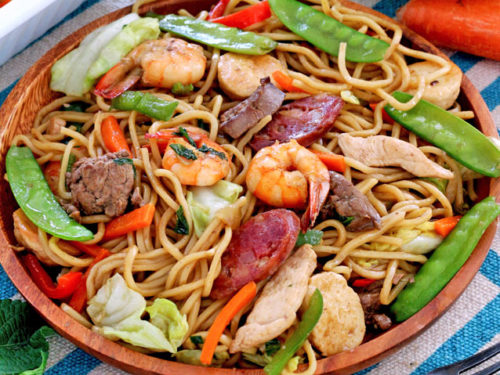
    Tantalize your taste buds with the savory flavors of Pancit Tuguegarao, a specialty noodle dish boasting slightly thicker egg noodles and a delectable array of meat, vegetables, and a fried egg on top.

    When you indulge in this coastal region’s delight, you’ll savor the harmonious blend of flavors from the pork liver, shrimp-infused sauce, and the rich, succulent taste of the meat.

    The dish is typically garnished with hard-boiled eggs, adding a creamy texture to the medley of flavors.

    As you take a bite, the snap peas offer a satisfying crunch, enhancing the overall texture.

    The combination of influences from Spanish colonization and local culinary traditions makes Pancit Tuguegarao a unique and must-try dish, showcasing the rich and diverse food heritage of Tuguegarao City.

    Pancit Molo

    Embark on a culinary journey from the coastal flavors of Pancit Tuguegarao to the heartwarming comfort of Pancit Molo, a delightful Filipino dumpling soup hailing from Molo, Iloilo. Pancit Molo stands out with its flavorful broth and generous servings of meat-filled dumplings, garnished with spring onions and toasted garlic.

    This regional specialty is perfect for cold or rainy days, offering a comforting and filling soup experience. The dish is a popular choice for both casual meals and special occasions in the Philippines. When it comes to pancit noodles, Pancit Molo utilizes a specific type of noodle known as “pancit miki” which is distinct from the “pancit canton” or “pancit palabok” used in other pancit dishes. The use of “pancit miki” gives Pancit Molo a unique texture and flavor, setting it apart from other pancit varieties.

    Distinctive Features
    Flavorful Broth Generous Dumplings
    Garnished with Spring Onions and Toasted Garlic Perfect for Cold or Rainy Days
    Popular for Casual Meals and Special Occasions Utilizes “Pancit Miki” Noodles

    Pancit Luglug

    For those with a penchant for rich and savory noodle dishes, Pancit Luglug stands as a beloved culinary delight in the Philippines. It features thick rice noodles, succulent shrimp, and a luscious sauce.

    When you indulge in a plate of Pancit Luglug, you’ll savor the translucent rice noodles drenched in a flavorful shrimp-infused sauce. It is topped with crushed chicharon for a delightful crunch. This dish is similar to Pancit Canton but distinguishes itself with its creamier and saucier consistency.

    When you visit noodle restaurants in Malabon City, be sure to sample their unique take on Pancit Luglug. Some even add smoked fish to the mix for an extra burst of umami.

    It’s no wonder that Pancit Luglug has become a staple in Filipino cuisine, especially during special occasions, for its rich and indulgent flavors.

    Which Philippine Noodle Dishes Can I Make with the Best Noodles for Pancit Recipes?

    You can make flavorful pancit canton and savory pancit bihon using the best noodles for pancit recipes. These versatile and delicious noodles will elevate your pancit dishes to a whole new level. Whether you prefer stir-frying or boiling, these noodles are perfect for creating authentic Filipino noodle dishes.

    Pancit Chami

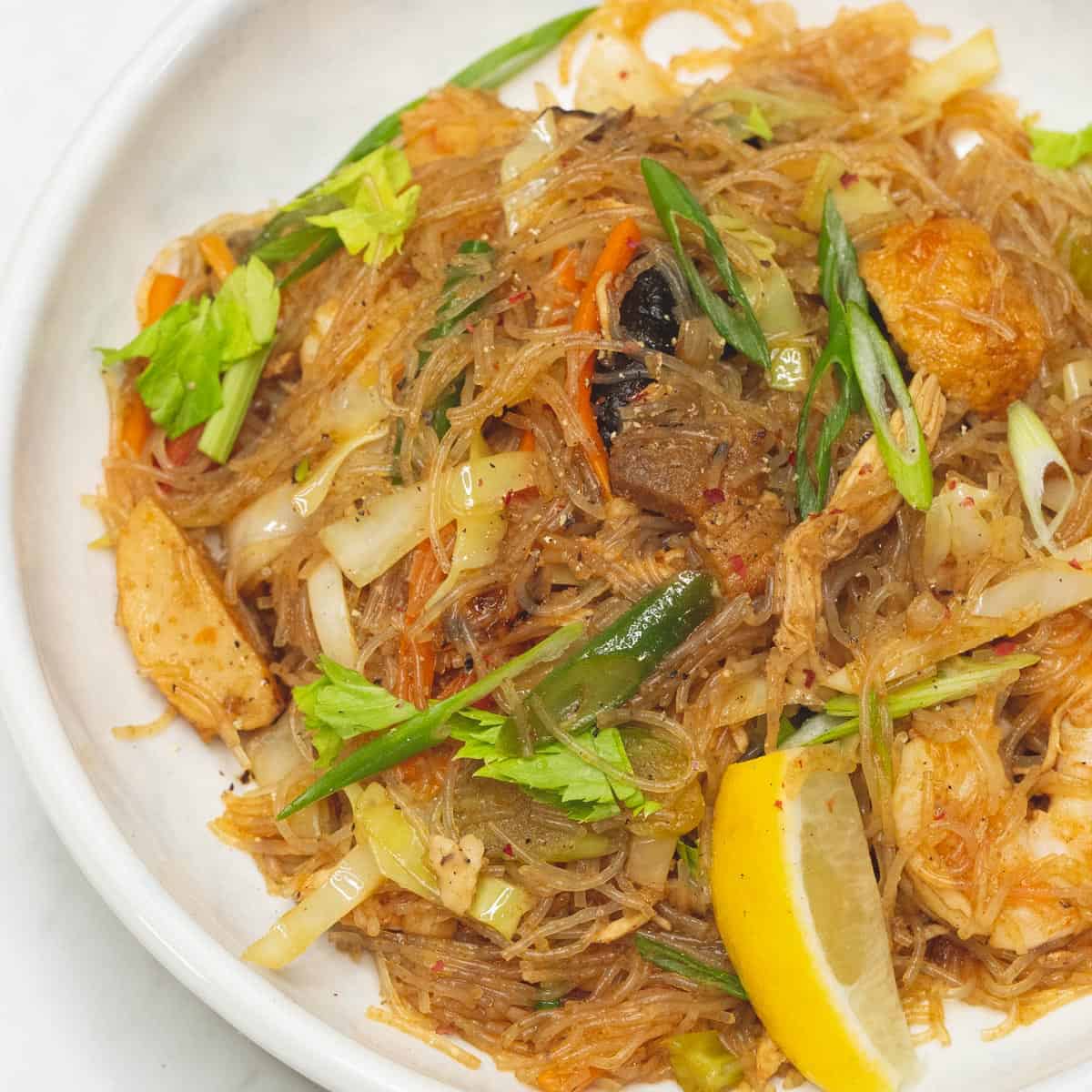
    A staple of Lucena’s culinary heritage, Pancit Chami beckons with its tantalizing aroma and robust flavors, showcasing the unique blend of flat miki noodles, succulent meats, and crisp vegetables that make it a beloved dish in the Quezon region of the Philippines.

    The word ‘pancit’ comes from Hokkien term ‘pian e sit’ meaning ‘something conveniently cooked.’ Pancit Chami features rice noodles cooked together with meats like chicken, prawns, or pork, similar to palabok, then mixed with sliced cabbage and carrots, infusing the dish with a delightful medley of textures and flavors.

    To add a satisfying crunch, chicharon bits are sprinkled on top, elevating the dish to a whole new level. This regional noodle dish not only satisfies the taste buds but also provides a window into the unique culinary traditions of Lucena, making it a must-try for any food enthusiast.

    Frequently Asked Questions

    What Are the Different Types of Filipino Noodles?

    There are various types of Filipino noodles, each with unique flavors and regional significance. From Pancit Canton to Pancit Palabok, you must try these dishes to experience the diverse and delicious Filipino noodle culture.

    What Is the Difference Between Pancit Habhab and Canton?

    Pancit Habhab, from Lucban, Quezon, uses softer miki noodles, traditionally served on banana leaves for a unique eating experience. Pancit Canton, a beloved Filipino staple, features stir-fried wheat noodles with soy sauce and ginger, often enjoyed during special occasions.

    Where Is Pancit Bato Originated?

    Pancit Bato originated in Bato, Camarines Sur in the Bicol region of the Philippines, offering a distinct smoky taste with thicker sun-dried noodles. Its toppings include shrimp, carrots, bok choy, and snap peas.

    How Many Variations of Pancit Are There?

    You’ll find a plethora of pancit variations across the Philippines, showcasing unique ingredients and flavors. From Pancit Canton to lesser-known types like Pancit Choco En Su Tinta and Pancit Batil Patung, the regional diversity is truly impressive.

    Conclusion

    So there you have it, 9 delicious noodle dishes from different regions of the Philippines!

    From the savory La Paz Batchoy of Visayas to the rich and creamy Pancit Luglug of Pampanga, each dish offers a unique and flavorful experience.

    Whether you’re craving something hearty, spicy, or comforting, Filipino noodle dishes have got you covered.

    So why not take a culinary journey through the Philippines and try them all?

    You won’t be disappointed!
  • 5 Best Noodles for Philippine Pancit Recipes

    5 Best Noodles for Philippine Pancit Recipes

    The 5 best noodles for Philippine Pancit recipes are rice noodles (Bihon, Malabon, and Luglug), mung bean starch noodles (Sotanghon), and egg noodles (Canton) . Each noodle type offers a unique texture and flavor profile, enhancing the traditional Filipino pancit dishes.

    Key Takeaways

    • Pancit dishes are an integral part of traditional Filipino cuisine and are commonly served during celebrations and gatherings.
    • Different types of noodles, such as rice noodles (Bihon, Malabon, and Luglug) and mung bean starch noodles (Sotanghon), are used in pancit recipes, offering a variety of textures and flavors.
    • Pancit Bihon and Pancit Canton are versatile recipes that allow for personalization and unique preparations, with Pancit Bihon symbolizing long life and good fortune.
    • Pancit Malabon is a seafood-infused twist on the classic pancit dish, featuring thin rice noodles, mixed vegetables, and an assortment of seafood, reflecting the coastal flavors of Malabon.

    Pancit Bihon

    What makes Pancit Bihon a beloved and symbolic dish in Filipino culture?

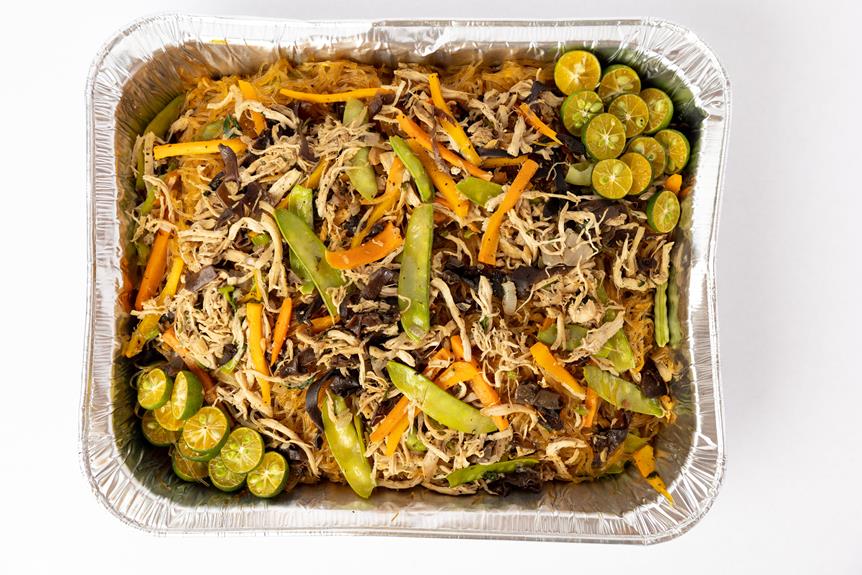
    Pancit Bihon holds a special place in Filipino cuisine as a flavorful representation of tradition and celebration. The dish features delicate rice noodles, tender chicken, a savory sauce made with soy sauce and garlic, and an assortment of vibrant vegetables. This combination creates a harmonious blend of textures and flavors, making it a favorite among Filipinos and a staple at gatherings.

    The versatility of the recipe allows for personal touches, making each preparation unique. Whether it’s a birthday, a wedding, or a simple family gathering, Pancit Bihon brings people together to enjoy a dish that signifies long life and good fortune.

    Its significance in Filipino culture extends beyond its delicious taste, embodying warmth, hospitality, and the joy of communal dining.

    Pancit Canton

    When preparing Pancit Canton, you’ll find that its thicker egg noodles provide a hearty and satisfying base for a variety of flavorful ingredients and seasonings. This Filipino food staple is best prepared through a stir-fry method, incorporating soy sauce, oyster sauce, and minced garlic for a burst of savory flavors.

    The versatility of Pancit Canton allows for the addition of assorted meats, vegetables, and seasonings according to personal preference. The noodles’ robust texture makes them perfect for absorbing the rich flavors of the dish. Here’s a table showcasing basic ingredients for a delicious Pancit Canton recipe:

    Ingredient Description
    Soy Sauce Adds savory depth
    Oyster Sauce Enhances umami flavor
    Minced Garlic Provides aromatic essence

    Pancit Canton’s thicker noodles offer a delightful chewiness, making it a perfect choice for those seeking a more substantial and satisfying noodle dish.

    Pancit Malabon

    Pancit Malabon, in contrast to the heartiness of Pancit Canton’s thicker noodles, offers a seafood-infused twist on the classic Filipino dish, showcasing a rich and flavorful sauce that sets it apart from other pancit variations.

    This Filipino pancit recipe traditionally uses thin rice noodles, also known as bihon noodles or rice vermicelli. The dish often includes an array of mixed vegetables and an assortment of seafood such as shrimp, crab, and squid, creating a delightful medley of flavors.

    Additionally, Pancit Malabon can feature chicken thighs, further enhancing its savory profile. The vermicelli noodles play a crucial role in absorbing the robust seafood and meat-infused sauce, resulting in a delectable and satisfying dish that reflects the coastal flavors of Malabon.

    Pancit Luglug

    Drenched in a rich, flavorful sauce made from shrimp broth and annatto, Pancit Luglug showcases the vibrant culinary heritage of Filipino cuisine. When preparing this traditional Filipino noodle dish, it’s essential to use thick rice noodles to soak up the savory shrimp-flavored sauce.

    The noodles are typically topped with shrimp, crushed pork rinds (chicharon), hard-boiled eggs, and green onions, adding layers of texture and taste to the dish. The vibrant orange color of the noodles comes from the sauce, which is made from shrimp broth, annatto, and flour.

    Pancit Luglug is a beloved dish often served during fiestas, family gatherings, and celebrations in the Philippines, making it an authentic recipe that encapsulates the rich flavors of Filipino cuisine. To enhance the dish’s flavor, fish sauce is commonly used in the recipe.

    – Can the Noodles for Pancit Recipes be Used in Affordable Filipino Noodle Dishes?

    Yes, the noodles for pancit recipes can definitely be used in affordable Filipino noodle dishes. The versatile nature of these noodles makes them a great option for various dishes, allowing you to create delicious and authentic affordable Filipino noodle dishes right at home.

    Sotanghon

    As you explore the diverse world of Filipino noodle dishes, the Sotanghon variety stands out for its translucent, chewy texture and its ability to complement a wide range of savory ingredients and flavors. Sotanghon, also known as vermicelli, is a staple in Philippine pancit recipes, offering a gluten-free option for those with dietary restrictions. These delicate noodles are made from mung bean starch, adding a unique chewy texture to the dish.

    When preparing Sotanghon, it’s crucial to soak them in warm water until they become tender but still slightly firm before incorporating them into the recipe. Sotanghon noodles are incredibly versatile and pair wonderfully with chicken, shrimp, and an array of vegetables, making them a popular choice for creating authentic Filipino pancit variations.

    Sotanghon Noodles
    Translucent texture
    Complements various savory ingredients
    Gluten-free option
    Versatile and pairs well with meats and vegetables
    Requires soaking before use

    Frequently Asked Questions

    What Kind of Noodles Are Used in Pancit?

    When making pancit, you use bihon noodles, which are thin rice noodles soaked in warm water before cooking. These noodles are the perfect base for creating a flavorful and customizable dish for special occasions.

    What Type of Noodles Is Used in Pancit Canton?

    For Pancit Canton, use egg noodles. They’re yellow in color and absorb flavors well, making them perfect for this Filipino stir-fried noodle dish. They add a rich, hearty texture that complements the savory ingredients.

    What Kind of Noodles Are Used in the Philippines?

    In the Philippines, a variety of noodles are used in traditional dishes like Pancit Bihon, Pancit Canton, and Pancit Malabon. Rice noodles, egg noodles, and vermicelli are popular choices, each contributing a unique texture and flavor to the dish.

    Are Pancit Noodles the Same as Chow Mein?

    No, pancit noodles are not the same as chow mein. Pancit noodles are made from rice flour and water, while chow mein noodles are made from wheat flour and egg. They have different textures and are used in different cuisines.

    Conclusion

    So whether you’re craving the thin and delicate bihon noodles of Pancit Bihon, the thick and chewy canton noodles of Pancit Canton, or the crispy and flavorful malutong noodles of Pancit Palabok, there’s a perfect noodle for every Philippine Pancit recipe.

    Experiment with different types of noodles to experience the unique textures and flavors they bring to the dish, and take your Pancit game to the next level!

  • Why Do Filipino Pancit Canton Recipes Taste So Good?

    Why Do Filipino Pancit Canton Recipes Taste So Good?

    Filipino Pancit Canton recipes taste delicious due to the flavorful blend of garlic, onion, and oyster sauce, influenced by Filipino culinary traditions, creating a unique and savory dish.

    Key Takeaways

    • Filipino Pancit Canton recipes are characterized by a flavorful blend of garlic, onion, and oyster sauce, influenced by Filipino culinary traditions.
    • The balance of sweet, savory, and umami flavors, along with the use of fresh ingredients, contribute to the unique and delicious taste of Pancit Canton.
    • Stir-frying is a key cooking technique used to enhance the flavor of the dish, while boiling is employed to achieve the perfect softness of ingredients.
    • Pancit Canton showcases regional variations and cultural significance, with local ingredients and seasonings creating distinct flavor profiles, and the dish symbolizing longevity and being served at special occasions.

    Aromatic Blend of Ingredients

    Indulge in the tantalizing aroma of garlic, onion, and oyster sauce as they come together to create the rich and flavorful base for your Filipino pancit canton recipe.

    In Filipino cuisine, the aromatic blend of these ingredients forms the heart and soul of this beloved dish, making it a staple for special occasions and everyday feasting alike.

    The sizzle of garlic and onion in a hot pan, infused with the umami richness of oyster sauce, sets the stage for an explosion of flavors. This foundation provides a robust canvas upon which the rest of the dish is built.

    The fragrance that fills the kitchen as these ingredients meld is a testament to the depth and allure of Filipino food, drawing you in with its irresistible allure.

    Influence of Filipino Culinary Traditions

    Now, immerse yourself in the rich legacy of Filipino culinary traditions that have shaped the delightful fusion of Chinese and Filipino influences found in pancit canton recipes.

    The Filipino culinary heritage has significantly influenced the preparation and flavor profile of pancit canton, resulting in a unique and beloved dish. The use of Chinese-style egg noodles, a staple in pancit canton, is a nod to the Chinese influence, while the incorporation of Filipino flavors and ingredients such as savory sauces and local garnishes speaks to the country’s rich culinary traditions.

    Filipino pancit canton recipes often reflect a balance of sweet, savory, and umami flavors, showcasing the diverse palate of Filipino cuisine. This harmonious blend of influences is a testament to the adaptability and creativity of Filipino cooks in integrating various cultural elements into their culinary creations.

    Cooking Techniques and Methods

    To create an authentic and flavorful pancit canton dish, you’ll want to apply the proper cooking techniques and methods.

    Stir-frying the noodles with the seasonings and broth allows them to absorb the flavors while maintaining a desirable texture.

    Boiling the vegetables retains their texture and color.

    These simple yet essential techniques ensure that every bite of your pancit canton is bursting with flavor and perfectly cooked ingredients.

    Stir-Frying for Flavor

    Achieve an explosion of flavors in your dishes by mastering the art of stir-frying, a high-heat cooking technique that preserves the natural textures and colors of ingredients while infusing them with layers of tantalizing seasonings and sauces.

    When preparing Filipino Pancit Canton, the stir-frying method plays a crucial role in delivering its distinct taste. The wok’s intense heat caramelizes the sugars in the ingredients, creating a unique flavor profile.

    As you stir-fry the Filipino noodles, the soy sauce and oyster sauce bring a savory and slightly sweet taste, perfectly coating the strands for a delectable finish. This technique allows for the quick and efficient cooking of the proteins and vegetables, ensuring that they retain their crunch and vibrant colors.

    Stir-frying isn’t just a cooking method; it’s a flavorful journey that elevates your dishes to new heights.

    Boiling for Softness

    Boiling the Pancit Canton noodles until they reach the desired softness and texture is crucial for ensuring a satisfying mouthfeel and enhancing the overall taste of the dish.

    When you make this popular Filipino noodle dish, the boiling process allows the noodles to absorb the rich flavors of the chicken broth and other ingredients, making each bite a delightful experience.

    Achieving the perfect softness is easy to make, but it requires careful attention to prevent the noodles from becoming overly soft or mushy. You’ll want to monitor the boiling time closely, adjusting it based on the type and brand of noodles used.

    The result is worth it – a comforting and flavorful Pancit Canton that will be loved by anyone who enjoys good food.

    Role of Umami Flavors

    Enhance the savory depth and complexity of your Pancit Canton recipes by understanding the pivotal role of umami flavors.

    • Umami flavors, such as oyster sauce and soy sauce, are essential in creating the rich, savory taste of Pancit Canton.
    • Oyster sauce adds a deep, earthy umami flavor while soy sauce contributes a salty and robust taste to the dish.
    • The addition of these umami-rich ingredients, along with the tangy notes of calamansi, elevates the overall flavor profile of the noodles, chicken, and vegetables in Pancit Canton.

    Understanding and balancing these umami flavors will result in a delicious and authentic Pancit Canton that’s both satisfying and full of flavor.

    Mastering the art of incorporating these umami-rich ingredients will undoubtedly take your Pancit Canton recipe to the next level, creating a dish that’s sure to impress and satisfy.

    Regional Variations in Recipes

    When it comes to Filipino pancit canton recipes, regional variations bring a burst of diverse flavors and ingredients that you won’t want to miss.

    Different regions in the Philippines infuse unique local ingredients and seasoning to create their own distinct flavor profiles.

    As you explore these variations, you’ll discover the impact of cultural influences, flavorful ingredient differences, cooking method variations, and the rich culinary heritage and traditions of the Philippines.

    Flavorful Ingredient Differences

    In exploring the delightful world of Filipino Pancit Canton recipes, you’ll encounter a fascinating array of flavorful ingredient differences that showcase the diverse regional variations in this beloved dish. When it comes to Pancit Canton, the flavorful ingredient differences are truly captivating. Here are some key differences you might notice:

    • Sauce Variations
    • In some regions, oyster sauce is the star ingredient, giving the dish a rich umami flavor, while in others, a mix of soy sauce and calamansi creates a tangy and savory profile.
    • Protein Choices
    • While shrimp and chicken are commonly used, the specific cuts and seasonings can vary widely, adding unique layers of flavor to the dish.

    These differences highlight the versatility of Pancit Canton, making each regional variation a delightful exploration of flavors.

    Cooking Method Variations

    Discover the diverse cooking methods that define the regional variations of Filipino Pancit Canton recipes, each offering a unique and flavorful culinary experience rooted in the rich traditions of different areas in the Philippines.

    The cooking method variations in regional Pancit Canton recipes play a crucial role in creating the dish’s distinct flavors. In some regions, stir-frying the noodles with a variety of meats and vegetables is a common practice, allowing the noodles to absorb the rich flavors of soy sauce and oyster sauce.

    Other areas may opt for a simpler and easy approach, gently boiling the noodles with a flavorful broth to infuse them with different flavors.

    The versatility of cooking methods showcases the adaptability of Pancit Canton, resulting in a wide array of delightful regional variations that cater to diverse palates.

    Cultural Influence Impact

    The diverse cooking methods explored in regional Pancit Canton recipes not only highlight the adaptability of this dish but also underscore the cultural influence that shapes the unique regional variations found across the Philippines.

    • Distinct Flavor Profiles: Each region incorporates local produce, spices, and cooking techniques, resulting in diverse flavor profiles and ingredient combinations.
    • *Example*: The use of oyster sauce in some regions adds a rich umami depth, while others may prefer the crunch of fresh snow peas.
    • Culinary Heritage Fusion: Chinese influence in Filipino cuisine has blended with indigenous ingredients and traditions, such as the use of pork belly and Chinese sausage, showcasing a fusion of culinary heritage. This interplay creates a dynamic range of flavors and textures, making each regional version of Pancit Canton a culinary adventure.

    Importance of Fresh Ingredients

    Embrace the vibrant flavors and textures of Filipino pancit canton by prioritizing the use of fresh, high-quality ingredients in your recipe.

    The key to an exceptional pancit canton lies in the freshness of its components. When preparing the vegetables, opt for crisp, colorful bell peppers, vibrant green cabbage, and crunchy carrots. These fresh vegetables not only contribute to the dish’s visual appeal but also provide a delightful crunch with every bite.

    Additionally, using fresh meats and seafood ensures a rich and authentic taste. When it comes to the sauce, incorporating high-quality oyster sauce and other fresh condiments intensifies the overall flavor profile of the dish.

    The aroma and fragrance of the pancit canton are also elevated by the use of fresh ingredients, making the dining experience truly remarkable.

    Can Vegan Pancit Canton Recipes Taste as Good as Traditional Recipes?

    Yes, a stepbystep vegan pancit recipe can taste just as good as traditional recipes. By using flavorful vegetables, savory soy sauce, and tasty vegan protein, you can create a delicious and satisfying vegan version of this classic Filipino dish. Enjoy all the flavors and textures without compromising on taste!

    Cultural Significance and Heritage

    Immerse yourself in the rich tapestry of Filipino culinary heritage as you explore the cultural significance of pancit canton, a dish that beautifully embodies the fusion of Chinese and Filipino traditions.

    • Pancit Canton’s Cultural Importance
    • The dish symbolizes longevity in Filipino culture, often served at birthdays, weddings, and other celebrations.
    • Its long noodles signify a wish for a long life, making it a significant part of traditional Filipino gatherings.

    Pancit canton holds a special place in Filipino heritage, reflecting the fusion of flavors and the influence of Chinese merchants on Filipino cuisine. Its history and cultural significance make it more than just a recipe; it’s a symbol of the enduring ties between Chinese and Filipino traditions.

    The hearty combination of noodles, oyster sauce, and various toppings not only creates a flavorful dish but also tells a story of cultural blending and heritage preservation in every bite.

    Frequently Asked Questions

    Why Is Pancit Canton Popular in the Philippines?

    Pancit Canton is popular in the Philippines because of its delicious taste, easy preparation, and versatility. It’s a beloved dish enjoyed at gatherings and as a weeknight dinner, offering a customizable, flavorful experience for everyone.

    What Are the Ingredients in Pancit Canton Seasoning?

    Pancit canton seasoning brings savory depth to the dish with oyster sauce, soy sauce, and chicken broth. Enhance flavors with garlic, onion, and black pepper. For pescatarians, swap in vegetable broth. Vegans can use vegetable broth and vegan oyster sauce.

    What Is Special About Pancit?

    What makes pancit special is its rich history, delicious flavor, and versatility. The combination of noodles, veggies, and proteins creates a harmonious blend of textures and tastes, making it a beloved dish in Filipino cuisine.

    What Is the Difference Between Pancit and Pancit Canton?

    Pancit and pancit canton differ in the type of noodles used. Pancit is a general term, while pancit canton specifically uses dried flour noodles. The unique flavor of pancit canton comes from the squeeze of calamansi and soy sauce.

    Conclusion

    So, next time you indulge in a plate of Filipino Pancit Canton, remember the aromatic blend of ingredients, the influence of culinary traditions, and the role of umami flavors that make it taste so good.

    The cooking techniques, regional variations, and use of fresh ingredients all play a part in creating this beloved dish.

    It’s not just a meal, it’s a cultural experience that brings people together through its delicious flavors and rich heritage.

  • Filipino Noodle Dishes for Vegetarians?

    Filipino Noodle Dishes for Vegetarians?

    Filipino noodle dishes like Pancit Bihon and Pancit Canton offer flavorful vegan and vegetarian versions using rice noodles, vegetables, and vegan protein options. These dishes provide a delightful culinary experience for vegetarians seeking vibrant flavors in Filipino cuisine.

    Key Takeaways

    • Vegan and vegetarian versions of Pancit Bihon and Pancit Canton are available, using ingredients like rice noodles, vegetables, and vegan chicken or tofu.
    • The cooking process involves sautéing onions, garlic, mushrooms, and tofu, then adding cooked noodles and vegetables, and seasoning with soy sauce and vegetarian fish sauce.
    • Spicy Sotanghon Guisado is a flavorful dish made with bean thread noodles, vegetables, soy sauce, garlic, and chili for a spicy kick.
    • Easy Pancit Guisado and Stir-Fried Pansit Sotanghon are quick and customizable options, using rice noodles, fresh vegetables, and protein choices like tofu or mushrooms. Stir-frying in a wok adds flavor.

    Vegan Pancit Bihon Recipe

    If you’re looking for a flavorful and satisfying vegan dish, this Filipino vegan pancit bihon recipe is a must-try!

    This dish features delicate rice noodles, vibrant vegetables, and savory vegan chicken (or tofu), all brought together with a delectable blend of soy sauce and aromatic seasonings.

    The process of creating this tantalizing dish involves a series of simple yet crucial steps, from soaking the rice noodles to sautéing the onions and garlic, to simmering everything together in a rich broth.

    The recipe also offers helpful notes and tips for achieving perfectly cooked noodles and selecting the best vegetables.

    Whether you’re a seasoned vegan cook or just starting out, this recipe promises to introduce new and exciting flavors to your kitchen, making it a delightful addition to your repertoire of vegan culinary creations.

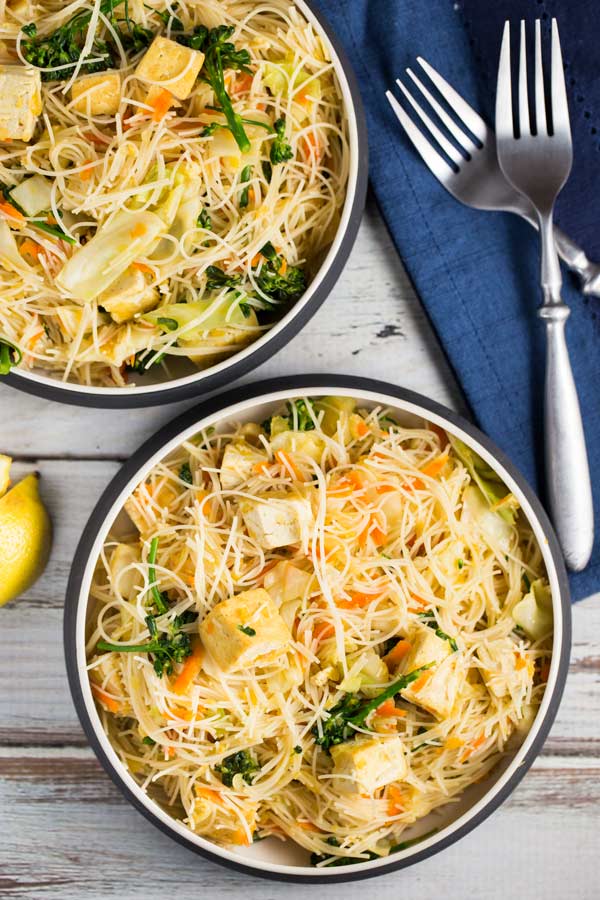
    Vegetarian Pancit Canton

    If you’re craving a flavorful and satisfying noodle dish, vegetarian Pancit Canton is a must-try.

    The dish is packed with a colorful array of vegetables, providing a vibrant and enticing visual appeal.

    You’ll be delighted by the combination of chewy egg noodles, crunchy veggies, and savory seasonings, creating a delightful flavor explosion in every bite.

    Ingredients for Vegetarian Pancit

    To create a delicious and satisfying Vegetarian Pancit Canton, start by gathering the essential ingredients that will bring out the vibrant flavors and textures of this Filipino noodle dish. The table below outlines the key components for preparing this delectable stir-fried noodle dish.

    Ingredients Description
    Bihon noodles Rice and cornstarch-based noodles
    Assorted vegetables Chayote, cabbage, zucchini, carrots, bok choy
    Vegan chicken strips or tofu Protein component
    Vegan chicken broth Provides rich and savory flavor
    Soy sauce Enhances the umami taste of the dish
    Sesame oil Optional for added depth of flavor
    Green onions Garnish for a fresh, aromatic finish
    Calamansi or lemon juice Served as a tangy accompaniment

    These ingredients are crucial for preparing a vegetarian version of the classic Filipino Pancit Canton, providing a delightful medley of flavors and textures.

    Cooking Vegetarian Pancit

    As you gather the key ingredients for Vegetarian Pancit Canton, now it’s time to master the art of cooking this delightful Filipino noodle dish to perfection. Follow these simple steps to create a delicious and satisfying vegetarian version of Pancit Bihon:

    • Boil the vegetable stock and cook the noodles separately.
    • Sauté the onion and garlic, then add the sliced trumpet mushrooms and firm tofu.
    • Incorporate the vegetables and cooked noodles into the sautéed mixture, adding the reserved stock and seasoning with soy sauce, vegetarian fish sauce, and ground pepper.
    • Consider using a vegan fish sauce substitute and rehydrating dried trumpet mushrooms for a unique twist.

    Cooking this vegan pancit Bihon offers a quick and easy preparation, using nutritious whole-food ingredients for a delightful Filipino noodle dish.

    Flavoring Vegetarian Pancit

    Consider adding a touch of umami richness to your Vegetarian Pancit Canton by infusing the dish with a flavorful vegetarian fish sauce substitute. Elevate the flavors of your vegetarian Pancit Bihon by incorporating a variety of seasonings and ingredients. Here’s a table to help you understand how to enhance the flavor of your dish:

    Flavoring Ingredients Description
    Vegetarian Fish Sauce Substitute Enhances the umami flavor and adds depth to the dish
    Soy Sauce Provides saltiness and richness
    Green Beans Adds a fresh, crunchy texture and a pop of color to the dish
    Aromatics (garlic, onions) Infuses the dish with aromatic flavors

    These flavoring elements work together to create a well-balanced and savory Vegetarian Pancit Canton, ensuring a satisfying dining experience for you and your guests.

    Spicy Sotanghon Guisado

    Looking for a vegetarian-friendly noodle dish with a kick? Spicy Sotanghon Guisado might just be your new go-to.

    This flavorful stir-fried dish features bean thread noodles and an array of vibrant vegetables, all seasoned with soy sauce, garlic, and a fiery touch of chili.

    Get ready to savor a satisfying, spicy twist on a traditional Filipino favorite.

    Vegetarian Noodle Options

    Discover a burst of flavor and aromatic satisfaction with Spicy Sotanghon Guisado, a delectable Filipino noodle dish that tantalizes the taste buds of vegetarians.

    This vegetarian noodle option offers an array of delightful elements, such as:

    • Soft and delicate sotanghon (vermicelli) noodles
    • Sautéed mixed vegetables for a burst of color and nutrients
    • Flavorful and spicy sauce for a satisfying kick
    • Tofu or vegetarian protein for added texture and protein

    Spicy Sotanghon Guisado is a versatile dish that can be personalized to suit your spice preferences, making it adaptable for different taste buds. It’s a popular choice in Filipino noodle dishes, perfect as a main course or a flavorful addition to a vegetarian meal spread.

    This dish can be prepared using vegan recipes and vegetable broth for those following a strict vegetarian or vegan diet.

    Spicy Sotanghon Recipe

    For an explosion of vibrant flavors and a satisfying kick, delve into the enticing world of Spicy Sotanghon Guisado, a delectable Filipino noodle dish perfect for vegetarians.

    This dish, also known as spicy glass noodles, is a delightful addition to the array of Filipino noodle dishes. It’s a stir-fried medley of sotanghon noodles, onions, garlic, carrots, bell peppers, and your choice of tofu or vegan meat substitutes, all infused with a spicy sauce.

    The heat in this dish comes from ingredients like red chili flakes, chili paste, or fresh chili peppers, providing a zesty and invigorating experience. The sotanghon noodles, soaked and stir-fried to perfection, absorb the fiery flavors, creating a truly satisfying dish.

    With its customizable vegetable and protein options, this spicy sotanghon recipe offers a delightful culinary adventure for all vegetarians.

    Ingredients and Preparation

    To achieve the ideal texture, soak the bihon noodles in lukewarm water until soft before incorporating them into the Spicy Sotanghon Guisado recipe.

    When preparing this Filipino noodle dish for vegetarians, you’ll start by sautéing onions and garlic in a wok with oil, then adding vegan chicken and cooking until the onions are translucent.

    Next, cook the remaining vegetables with vegetable broth and salt, then remove and set them aside.

    After that, add the remaining broth and soy sauce to the wok, followed by the noodles, allowing them to simmer.

    Finally, add back the vegetables, vegan chicken, green onions, and optional sesame oil, tossing gently.

    Season the Spicy Sotanghon Guisado with salt and pepper, and serve with calamansi or lemon juice for a burst of citrus flavor.

    Filipino Noodle Soup

    What makes Filipino noodle soup a beloved comfort food for vegetarians?

    Filipino noodle dishes, particularly vegan pancit, are a delightful treat for vegetarians. The soup, often cooked in a large wok, is packed with flavor and texture.

    Imagine the vibrant colors of snap peas, carrots, and bell peppers coming together with thin rice vermicelli or rice stick noodles in a fragrant vegetable broth. The process of sautéing the vegetables and protein, simmering them with soy sauce and the rich flavors of the broth, creates a tantalizing aroma.

    The addition of firm tofu or vegan chicken provides a satisfying protein element. Vegan pancit bihon isn’t just a dish; it’s a visual and aromatic experience that embodies the warmth and comfort of Filipino cuisine for vegetarians.

    Easy Pancit Guisado

    With its tantalizing mix of stir-fried rice noodles, vibrant vegetables, and savory protein options, Easy Pancit Guisado is a go-to choice for a quick and satisfying Filipino noodle dish. Here’s what makes it stand out:

    • Versatile Ingredients: Easy Pancit Guisado boasts a delightful combination of rice noodles, an assortment of fresh vegetables, and protein sources such as tofu or vegan chicken, catering to vegetarian preferences.
    • Quick and Easy Preparation: This dish is known for its simple and rapid cooking method, making it ideal for both busy weeknights and special occasions.
    • Savory Stir-Fry: The recipe involves the art of stir-frying the ingredients together in a wok or large pan, resulting in a flavorful and fulfilling noodle dish.
    • Customizable Options: Easy Pancit Guisado offers the flexibility to customize with various vegetables and protein choices, ensuring a personalized and delightful culinary experience.

    Easy Pancit Guisado truly embodies the essence of a delectable, vegetarian-friendly Filipino noodle dish.

    Stir-Fried Pansit Sotanghon

    Stir-fry the glass noodles, vibrant vegetables, and protein-rich tofu in a sizzling wok to create a tantalizing vegetarian rendition of the classic Filipino dish, Pansit Sotanghon. The gluten-free glass noodles, also known as cellophane noodles, soak up the savory flavors of the soy sauce and vegetable broth, while the tofu adds a satisfying protein punch.

    The combination of garlic, onions, and an array of vegetables like carrots, bell peppers, and snow peas adds a burst of color and nutrients to this stir-fried delight. Here’s a quick overview of the vegetarian Stir-Fried Pansit Sotanghon:

    Ingredients Benefits
    Glass Noodles Gluten-free and light
    Tofu or Mushrooms Protein-rich and versatile
    Assorted Vegetables Nutrient-packed and colorful

    This visually appealing and flavorful dish is a perfect addition to any vegetarian’s recipe collection.

    Filipino Pancit Malabon

    For a vegetarian twist on the traditional Filipino dish, Pancit Malabon, you can create a delectable and satisfying version using plant-based seafood alternatives, tofu, or seitan as toppings, combined with a rich and flavorful vegetable broth.

    When preparing this vegetarian adaptation of Pancit Malabon, consider the following:

    • Utilize thick rice noodles as the base for the dish, providing a hearty and satisfying texture.
    • Incorporate umami-rich ingredients like soy sauce or miso into the vegetable broth to capture the traditional savory flavors.
    • Choose colorful and nutritious toppings such as tofu, seitan, or plant-based seafood alternatives to provide a satisfying protein element.
    • Finish the dish with a variety of fresh vegetables, such as string beans, carrots, and green onions, to add vibrant colors and enhance the nutritional value.

    In this way, you can enjoy a vegetarian take on the beloved Filipino noodle dish, Pancit Malabon, without sacrificing its rich and flavorful essence.

    Tasty Pancit Luglug

    Looking for a delicious vegetarian noodle dish that doesn’t skimp on flavor? Pancit Luglug has got you covered!

    This Filipino favorite features thick rice noodles drenched in a savory vegan shrimp-flavored sauce, topped with an array of vibrant veggies and tofu.

    Plus, you can easily swap out traditional meat-based ingredients for equally tasty vegetarian alternatives.

    Vegetarian Noodle Options

    If you’re craving a delicious and satisfying vegetarian noodle dish, consider indulging in the flavorful and aromatic Tasty Pancit Luglug. This Filipino Pancit Bihon dish offers a delectable vegetarian option with rice noodles and extra firm tofu. Here’s why you’ll love it:

    • The dish features tender rice noodles, offering a satisfying texture.
    • The extra firm tofu adds a delightful chewiness and protein boost.
    • The savory soy sauce and vegetarian fish sauce substitute infuse the dish with rich umami flavors.
    • The medley of vegetables enhances the overall freshness and nutritional value of the dish.

    Try this vegetarian version of Tasty Pancit Luglug for a truly delightful and wholesome dining experience.

    Substituting Meat Ingredients

    Craving a delightful and wholesome dining experience without meat? Consider substituting meat ingredients in the Tasty Pancit Luglug with vegan chicken strips or tofu for a flavorful and aromatic twist on this Filipino noodle dish. Swap regular chicken broth for vegan chicken broth or any vegetable broth to create a vegetarian-friendly version.

    Experiment with an array of vegetables such as chayote, cabbage, zucchini, carrots, or bok choy to elevate the flavors of your Pancit Luglug. Opt for tamari or coconut aminos as a gluten-free alternative to soy sauce in the vegetarian Pancit Luglug recipe.

    When preparing Tasty Pancit Luglug, remember to season with salt and black pepper according to your taste preferences. This mindful approach to substituting meat ingredients ensures that vegetarians can savor the authentic flavors of this beloved Filipino dish.

    Authentic Pancit Palabok

    When exploring Filipino cuisine, you can’t miss out on the vibrant and flavorful experience of Authentic Pancit Palabok. It is a traditional noodle dish that tantalizes the taste buds with its savory shrimp-flavored sauce and an array of delicious vegetarian toppings.

    The dish is made with rice noodles and topped with tofu, crushed chicharrón, boiled eggs, green onions, and calamansi, offering a burst of flavors and textures. Its vibrant orange color, derived from annatto-infused shrimp-flavored sauce, adds to the visual appeal.

    For vegetarians, the shrimp-flavored sauce can be replaced with a flavorful vegetarian broth, and tofu can stand in for the traditional shrimp, ensuring a satisfying meatless alternative. Toppings can be customized to include sautéed tofu, fried tofu cubes, or marinated and grilled tofu, providing protein-rich and delectable choices.

    Authentic Pancit Palabok is a must-try for vegetarians delving into traditional Filipino cuisine.

    Homemade Pancit Miki

    With the delectable experience of Authentic Pancit Palabok still lingering, now let’s dive into the flavorful world of Homemade Pancit Miki, a hearty Filipino noodle dish that boasts its own unique blend of ingredients and flavors.

    This dish is perfect for vegetarians looking to explore the diverse array of Filipino noodle dishes. The homemade recipe for Pancit Miki includes a variety of vegetables, making it a nutritious and satisfying option.

    The key to the delightful flavor of this dish lies in the preparation of the Miki noodles and the combination of fresh, vibrant vegetables. The recipe is easy to follow and allows for customization with different vegetables and proteins, catering to individual preferences.

    Whether served as a main dish or a side, Homemade Pancit Miki offers a delightful culinary journey through the rich tapestry of Filipino cuisine.

    Delicious Pancit Habhab

    Indulge in the authentic flavors of Filipino cuisine with a steaming plate of Delicious Pancit Habhab, a savory vegetarian noodle dish that offers a unique and satisfying dining experience.

    This flavorful dish is a must-try, with its rich umami taste and delightful mix of bihon noodles and fresh vegetables. Served traditionally on a banana leaf, Pancit Habhab is a feast for the senses.

    The aroma of garlic and onions fills the air as you lean back and slurp the noodles without utensils, savoring each mouthful. The savory sauce, flavored with soy sauce, complements the tender-crisp vegetables, creating a perfect harmony of flavors.

    Pancit Habhab isn’t just a dish; it’s an experience that immerses you in the heart of Filipino street food culture, making it a delicious highlight for vegetarians exploring Filipino noodle dishes.

    What are the Best Beverage Choices to Pair with Filipino Noodle Dishes for Vegetarians?

    When it comes to pairing beverages with Filipino noodle dishes, vegetarians have plenty of options. For a refreshing choice, coconut water is a great pick to complement the flavors of Filipino noodle dishes. Other great Filipino noodle dish drinks include iced green tea or calamansi juice for a citrusy twist.

    Special Pancit Lomi

    Immerse yourself in the rich and comforting flavors of Filipino cuisine with a steaming bowl of Special Pancit Lomi, a hearty noodle dish that offers a satisfying and flavorful dining experience.

    This Filipino favorite is traditionally made with thick egg noodles and a flavorful broth, often containing pork, liver, shrimp, and vegetables. However, for vegetarians, it can be easily adapted by using plant-based protein and omitting animal products.

    The dish is renowned for its rich, hearty broth and the chewy texture of the egg noodles, making it a comforting meal, especially perfect for special occasions.

    Special Pancit Lomi is often garnished with hard-boiled eggs, crushed chicharron, and calamansi, adding depth to its flavors and textures.

    Whether you’re a vegetarian or simply looking for a delicious noodle dish, Special Pancit Lomi is a must-try in Filipino cuisine.

    Frequently Asked Questions

    What Is the Famous Noodle Dish in the Philippines?

    Pancit Bihon is the famous noodle dish in the Philippines. It’s a stir-fried noodle dish with rice vermicelli, influenced by Chinese immigrants. You can make a vegan version using tofu or vegan chicken strips.

    What’s the Difference Between Pancit and Lo Mein?

    Pancit and Lo Mein differ in noodle type, seasoning, and cooking method. Pancit uses rice vermicelli, soy sauce, and a sauté-simmer-toss process, while Lo Mein uses wheat noodles, soy sauce, sesame oil, and wok stir-frying.

    What Are the Different Types of Noodles in the Philippines?

    In the Philippines, you’ll find a variety of noodles like bihon, sotanghon, and canton. These thin, translucent, and thick noodles are used in popular dishes like Pancit Bihon and Pancit Canton. They’re versatile and delicious!

    What Are Filipino Noodles for Long Life?

    For long life, Filipino noodles like Pancit Bihon and Pancit Canton are believed to bring good fortune. These stir-fried noodle dishes, when prepared with an array of veggies and tofu, offer a delicious and symbolic meal.

    Conclusion

    So there you have it – a variety of delicious Filipino noodle dishes that are perfect for vegetarians! Whether you’re craving a stir-fried noodle dish like Pancit Bihon or a comforting noodle soup, there are plenty of options to choose from.

    With a combination of flavorful vegetables, vegan protein, and tasty sauces, these dishes are sure to satisfy your cravings and introduce you to the wonderful world of vegetarian Filipino cuisine.

    Enjoy!

  • Ultimate Guide to Philippine Seafood Pancit

    Ultimate Guide to Philippine Seafood Pancit

    The “Ultimate Guide to Philippine Seafood Pancit” provides insights on popular Filipino noodle dishes, highlighting variations, essential ingredients, and cooking techniques. It emphasizes the versatility of pancit, offering meatless options, additional vegetables, and unique toppings for a diverse culinary experience.

    Key Takeaways

    • Pancit is a popular and beloved dish in the Philippines, showcasing the country’s vibrant culinary heritage.
    • Pancit Bihon and Pancit Canton are two popular variations of pancit, with different types of noodles and cooking methods.
    • Essential ingredients for pancit include pancit bihon, choice of protein, fresh vegetables, soy sauce, and oyster sauce.
    • There are various variations and substitutions that can be made to pancit, including meatless options, additional vegetables, and toppings, to add unique flavors and textures to the dish.

    What Is Pancit?

    Pancit, derived from a Chinese Hokkien word, is a beloved dish in the Philippines, featuring flavorful noodles and an array of tantalizing ingredients. This iconic Filipino dish showcases the vibrant culinary heritage of the country, with its rich and diverse recipe.

    It commonly includes rice vermicelli or wheat flour noodles, which are stir-fried with a variety of proteins such as pork, chicken, or shrimp. The dish is typically seasoned with soy sauce, oyster sauce, and fish sauce, creating a harmonious blend of savory flavors.

    Additionally, an assortment of fresh vegetables like carrots, cabbage, and green beans are often incorporated, adding a delightful crunch and bursts of color to the dish.

    The versatility of pancit allows for regional variations, each offering a unique twist on this classic Filipino staple.

    Pancit Bihon Vs Pancit Canton

    Comparing Pancit Bihon and Pancit Canton reveals distinct differences in their noodle composition and cooking techniques, resulting in contrasting textures and flavors.

    1. Noodle Composition:
    • Pancit Bihon uses rice noodles or rice vermicelli.
    • Pancit Canton is made of yellow wheat flour noodles.
    1. Cooking Techniques:
    • Both noodles are cooked in the broth rather than pre-cooking in hot water.
    • Pancit Bihon requires a rapid boil before adding the noodles.
    • Pancit Canton is often stir-fried with the ingredients.
    1. Sauce Complexity:
    • Pancit Bihon has a simpler sauce.
    • Pancit Canton usually has a more complex flavor profile with a thicker and richer sauce.
    1. Flavor Profile:
    • Pancit Bihon delivers a more delicate taste.
    • Pancit Canton offers a heartier and more robust flavor.

    Understanding these differences allows you to appreciate the nuances of these Filipino noodle dishes and choose the one that best suits your preference.

    Pancit Ingredients

    When making pancit, you have a variety of protein options to choose from, including pork, chicken, and shrimp.

    The dish is also complemented with a colorful assortment of vegetables such as cabbage, carrots, snow peas, green beans, and celery.

    To enhance the flavors, soy sauce and oyster sauce are key components that give pancit its distinct taste.

    Essential Pancit Ingredients

    To craft a delicious and authentic Filipino pancit dish, start by gathering the essential ingredients such as:

    1. Pancit Bihon: Thin rice noodles that form the base of the dish, absorbing the flavors of the other ingredients.
    2. Choice of Protein: Whether it’s pork, chicken, or shrimp, the protein adds richness and texture to the pancit.
    3. Fresh Vegetables: Incorporate carrots, garlic, onion, and a variety of vegetables such as cabbage, snow peas, and green beans to provide a medley of flavors and colors.
    4. Soy Sauce and Oyster Sauce: These two sauces create the savory and umami-rich base that’s characteristic of Filipino pancit.

    As you prepare the seafood pancit, consider these ingredients to ensure a harmonious blend of flavors and textures. Keep these essential components in mind as you jot down the recipe on your handy recipe card.

    Variations and Substitutions

    Considering the diverse array of options available, you can infuse your pancit with unique flavors and textures by incorporating variations and substitutions for traditional ingredients. For a meatless option, substitute pork with tofu, plant-based sausages, or plant-based chicken. Add chicken or pork liver for a twist, or incorporate green beans, Napa cabbage, bell peppers, and mushrooms for added variety.

    To elevate the dish, consider adding fish balls, fish cake, Chinese sausage, fried meatballs, or squid balls as toppings. Additionally, serve your Pancit Bihon with tasty bread, Lumpiang Shanghai, Biko, Cascarón (carioca), or Bibingkang malagkit for a diverse Filipino culinary experience.

    Variations & Substitutions Details
    Meatless options Tofu, plant-based sausages, plant-based chicken
    Additional vegetables Green beans, Napa cabbage, bell peppers, mushrooms
    Toppings Fish balls, fish cake, Chinese sausage, fried meatballs, squid balls

    Pancit Bihon Sauce

    For an easy and flavorful addition to your pancit bihon noodles, consider the versatile and savory Pancit Bihon Sauce, made with a simple yet delicious combination of soy sauce and oyster sauce. Here are some key points to help you understand more about this essential Filipino sauce:

    1. Basic Ingredients: The basic components of Pancit Bihon Sauce are soy sauce and oyster sauce, which create a rich and savory base for the dish.
    2. Customizable: You can enhance the flavor of the sauce by adding additional seasonings such as garlic, onion, or vinegar to suit your taste preferences.
    3. Enhances Flavor: This sauce not only coats the rice vermicelli noodles but also infuses the entire dish with its umami-rich taste, enhancing the overall flavor of the pancit bihon.
    4. Crucial Component: The Pancit Bihon Sauce plays a crucial role in making the dish a delightful culinary experience, bringing out the best in the seasoned noodles, meat, and vegetables.

    Feel free to experiment with the Pancit Bihon Sauce to create your perfect personalized recipe! If you’d like to know more about making this sauce, please email us at [email address].

    How to Make It

    You can begin the process of making Philippine Seafood Pancit by soaking the rice noodles in warm water for 10 minutes to soften them before cooking. Once the noodles are ready, stir-fry the seafood, such as crab meat, in a wok with vegetable oil for 2 minutes until cooked. Next, prepare the vegetables (peppers, carrots, snow peas, onions, garlic, and ginger) by sautéing them in the wok for 2 minutes until soft and fragrant.

    After that, combine the cooked seafood with the sautéed vegetables, then add crab stock or seafood broth, soy sauce, and oyster sauce to the wok and stir to combine all ingredients. Finally, drain the soaked noodles and transfer them to the wok, stirring them with the other ingredients until they are well-coated with the sauce.

    Step Instructions Time
    1 Soak rice noodles in warm water 10 minutes
    2 Stir-fry seafood in wok 2 minutes
    3 Sauté vegetables in wok 2 minutes
    4 Combine all ingredients in wok

    Make It Extra Special

    As you elevate your Philippine Seafood Pancit, consider incorporating special ingredients like fish balls, fish cake, Chinese sausage, fried meatballs, or squid balls to create a truly memorable dish. These additions bring a burst of flavor and texture to the traditional Filipino noodle dish.

    For a unique twist, try using leftover lechon kawali as a topping to make your Pancit Bihon extra special. To enhance the rich and distinct flavor, include chicken or pork liver by marinating it in vinegar, then adding it to the flavorful broth before incorporating the rice noodles.

    You can also explore a meatless version by incorporating tofu, plant-based sausages, or plant-based chicken, vegetable stock, and mushrooms for the sauce.

    Complement your dish with tasty bread, Lumpiang Shanghai, Biko, Cascarón (carioca), or Bibingkang malagkit for an extra special meal.

    Make It Meatless

    Consider incorporating plant-based proteins such as tofu, plant-based sausages, or plant-based chicken to create a delicious meatless version of your Philippine Seafood Pancit. When making Pancit Bihon Guisado, opt for vegetable stock and mushrooms for the sauce, and when the noodles are cooked, toss them with an array of vegetables like green beans, Napa cabbage, bell peppers, or mushrooms to enhance the flavor and texture.

    To make this Filipino classic meatless, you can also experiment with Pancit Palabok or Pancit Malabon, using plant-based proteins and vegetable-based toppings. Here’s a visual guide to help you make it meatless:

    Plant-Based Proteins Meatless Toppings
    Tofu Fish balls
    Plant-Based Sausages Fish cake
    Plant-Based Chicken Squid balls

    Making Pancit Bihon meatless doesn’t mean sacrificing flavor or texture. It’s about creating a dish that is both satisfying and mindful of your dietary choices.

    Can I Use Seafood in Pancit Palabok as Well?

    Yes, you can definitely use seafood in Pancit Palabok. Shrimp, squid, and smoked fish are popular choices. To enhance the flavor, you can sauté the seafood separately and add it to the dish during the final preparation. These preparation tips for Pancit Palabok will surely elevate your dish!

    What to Serve With Pancit Bihon

    When serving Pancit Bihon, it’s important to consider the perfect side dish and beverage pairings to elevate your dining experience.

    Whether it’s the classic Lumpiang Shanghai or the sweet Biko, there are plenty of options to complement the flavors of this Filipino seafood pancit.

    And don’t forget to choose the perfect beverages to wash it all down, whether it’s a refreshing iced tea or a flavorful tropical fruit juice.

    Side Dish Options

    Enhance the delightful flavors of Pancit Bihon with these delectable side dish options that will elevate your meal experience.

    1. Fresh Lumpia: Serve fresh lumpia, a Filipino spring roll filled with vegetables and a sweet garlic peanut sauce, as a refreshing side dish to complement the flavors of Pancit Bihon.
    2. Grilled Meats: Pair Pancit Bihon with grilled meats such as pork barbecue or chicken inasal for a hearty and satisfying meal.
    3. Ensaladang Talong: Complement the savory flavors of Pancit Bihon with ensaladang talong, a Filipino eggplant salad that’s grilled and dressed with a mix of vinegar, onions, and tomatoes.
    4. Crispy Pata: For a decadent option, consider serving Pancit Bihon alongside crispy pata, a Filipino dish featuring deep-fried pork knuckles that are tender on the inside and crispy on the outside.

    These side dish options complement the savory and aromatic flavors of Pancit Bihon, creating a satisfying and well-rounded Filipino meal.

    Beverage Pairings

    Elevating the delightful flavors of Pancit Bihon with delectable side dish options, now let’s explore the perfect beverage pairings to complement this classic Filipino dish. The ideal beverage pairings for Pancit Bihon include a variety of options to suit different preferences. A light and refreshing choice, like iced tea or citrus-infused water, complements the savory flavors of the noodles, beef or chicken, and green beans in Pancit Bihon.

    For those who prefer alcoholic beverages, a crisp Sauvignon Blanc or a light lager beer can be a great match. Non-alcoholic options such as coconut water, tropical fruit smoothies, or calamansi juice offer refreshing and complementary flavors. Additionally, serving green tea provides a warm beverage option that cleanses the palate and subtly complements the dish.

    Beverage Pairing Description
    Iced Tea Light and refreshing, a perfect match for the savory flavors of Pancit Bihon.
    Sauvignon Blanc A crisp and dry white wine that complements the dish’s flavors, especially seafood pancit.
    Green Tea Offers a warm beverage option that cleanses the palate and subtly complements the savory flavors of the pancit.
    Light Lager Beer A great match for those who enjoy alcoholic beverages, adding a refreshing element to the meal.
    Calamansi Juice A classic Filipino pairing that enhances the flavors and adds a tangy kick to the meal.

    Frequently Asked Questions

    What Is the Most Popular Pancit in the Philippines?

    The most popular pancit in the Philippines is Pancit Bihon Guisado. Made with thin rice flour noodles sautéed in garlic, onion, and soy sauce, it’s a beloved dish in Filipino households.

    What Is the Difference Between Pancit Habhab and Canton?

    Pancit Habhab and Canton differ in noodle type, serving style, and sauce. Habhab uses delicate egg noodles and is eaten without utensils, while Canton uses wheat flour noodles, served with utensils, and a saucier preparation.

    What Is the Filipino Tradition of Pancit?

    The Filipino tradition of pancit involves soaking the noodles, stir-frying the ingredients, and carefully adjusting the broth and seasoning to achieve the desired flavors and textures. It’s a versatile dish enjoyed during special occasions.

    What Is the Difference Between Pancit Guisado and Pancit Canton?

    Pancit guisado uses a variety of ingredients sautéed together, often with a mix of vegetables and meat, while pancit canton specifically uses wheat flour noodles stir-fried with a savory sauce and assorted toppings.

    Conclusion

    Now that you’ve mastered the art of making Philippine seafood pancit, it’s time to invite your friends and family over for a delicious feast.

    With its rich history and diverse flavors, pancit is a dish that brings people together and creates lasting memories.

    So gather around the table, share stories, and enjoy the amazing seafood pancit you’ve prepared.

    Cheers to good food, good company, and the joy of discovering new culinary delights!

  • What Are Affordable Filipino Noodle Dishes?

    What Are Affordable Filipino Noodle Dishes?

    Affordable Filipino noodle dishes include Pancit Malabon and Pancit Luglug, featuring thick rice noodles and seafood, offering budget-friendly and flavorful options for satisfying meals. These dishes, like Pancit Canton, are not only delicious but also culturally significant, often served during special occasions as a symbol of Filipino hospitality and community.

    Key Takeaways

    • Pancit Malabon and Pancit Luglug are affordable Filipino noodle dishes that feature thick rice noodles and seafood.
    • Pancit Canton, Pancit Malabon, and Pancit Bihon are all budget-friendly options for those looking for satisfying Filipino noodle dishes.
    • Sotanghon noodles, made from mung beans, are a meaty and popular choice for family gatherings.
    • Pancit offers a variety of affordable and flavorful options, including Pancit Canton, Pancit Malabon, and Pancit Bihon.

    Introduction to Filipino Noodle Dishes

    When diving into the world of Filipino noodle dishes, you’ll find a rich culinary tradition centered around the beloved and versatile pancit.

    This traditional Filipino noodle dish is a staple in Filipino cuisine, made with rice noodles, a variety of vegetables, and often featuring pork or chicken. The pancit recipe varies by region, with popular types including Pancit Canton, Pancit Malabon, and Pancit Palabok, each offering its own unique blend of ingredients and flavors.

    This dish isn’t only a delicious main course or side dish but also holds cultural significance, often being served during special occasions and celebrations as a symbol of Filipino hospitality and the joy of sharing meals with loved ones.

    When you savor a plate of pancit, you’re not just enjoying a tasty meal, but also experiencing a taste of Filipino tradition and community.

    Classic Pancit Recipe

    Are you ready to explore the delightful world of classic Filipino pancit recipes?

    Discover the differences between Pancit Canton and Pancit Bihon, and learn about the essential ingredients that bring these noodle dishes to life.

    From the savory meat to the array of colorful vegetables, get ready to tantalize your taste buds with these mouthwatering flavors.

    Pancit Canton Vs. Pancit Bihon

    Comparing Pancit Canton and Pancit Bihon reveals the distinct flavors and ingredients that distinguish these classic Filipino noodle dishes. Both are staple dishes in Filipino cuisine, each with its own unique characteristics.

    Below is a comparison table to highlight the key differences between Pancit Canton and Pancit Bihon:

    Pancit Canton Pancit Bihon
    Noodle Type Egg noodles Thin rice noodles
    Ingredients Vegetables, meat, soy sauce, oyster sauce Meat (chicken, pork, or shrimp), vegetables, soy sauce, oyster sauce
    Flavor Profile Savory and slightly sweet Light and versatile, easily adaptable to different flavors
    Occasions Often served during birthdays and special occasions Served during special occasions and celebrations

    These distinctions showcase the diverse options within Filipino noodle dishes, catering to different taste preferences and occasions. Whether you prefer the heartiness of Pancit Canton or the versatility of Pancit Bihon, both dishes are beloved in Filipino cuisine.

    Essential Ingredients for Pancit

    Exploring the essential ingredients for classic pancit recipes builds upon the distinct flavors and ingredients showcased in the comparison between Pancit Canton and Pancit Bihon.

    The key components of a traditional Filipino pancit recipe include bihon noodles, choice of meat (chicken, pork, or shrimp), a variety of vegetables such as cabbage, carrots, and green beans, and flavorings like soy sauce, oyster sauce, and fish sauce.

    Additionally, garnishes such as calamansi or lemon juice, green onions, and fried garlic are often used to enhance the dish.

    While vermicelli rice noodles are commonly used, other Filipino noodles like udon or chow mein can also be incorporated, each impacting the dish’s texture and taste.

    Understanding these essential ingredients is crucial to preparing an authentic and flavorful pancit dish for a delightful Filipino dining experience.

    Delicious Lomi Noodle Soup

    Delving into the world of Filipino cuisine, you’ll find the delectable Lomi Noodle Soup, a hearty dish renowned for its rich, flavorful broth and a delightful mix of thick egg noodles, succulent pork, tender chicken, plump shrimp, and an array of vibrant vegetables. This popular Filipino noodle dish can be enjoyed as a comforting snack or a fulfilling main course.

    The preparation involves simmering the ingredients in a savory broth until the flavors meld together perfectly. Lomi Noodle Soup is often garnished with hard-boiled eggs, chicharron (crispy pork rinds), and fresh calamansi for a burst of citrus flavor. Below is a table showcasing the key components of this delectable dish.

    Ingredient Description
    Thick Egg Noodles Hearty and satisfying
    Succulent Pork Adds savory depth to the dish
    Tender Chicken Brings a comforting flavor
    Plump Shrimp Provides a succulent seafood element
    Vibrant Vegetables Enhances the overall freshness

    Tasty Palabok Noodles

    Discover the vibrant flavors and rich tradition of Tasty Palabok Noodles, a beloved Filipino dish featuring thin rice noodles, savory sauce, and an array of delightful toppings. This dish showcases the essence of Filipino hospitality and is often enjoyed during festive gatherings.

    The vibrant orange color of the savory sauce, paired with the tender shrimp and delicate rice noodles, creates a truly delightful culinary experience. Topped with crushed chicharon, boiled eggs, and green onions, Tasty Palabok Noodles offers a perfect blend of textures and flavors.

    Whether enjoyed as a main course or a side dish, it represents the heart of Filipino cuisine and is a testament to the country’s diverse and flavorful culinary traditions. Experience the affordable and versatile Tasty Palabok Noodles for a taste of authentic Filipino recipes.

    Flavorful Misua Noodle Soup

    Indulge in the rich and savory flavors of Flavorful Misua Noodle Soup, a classic Filipino dish cherished for its comforting broth and delicate misua noodles. This affordable and satisfying soup is a staple in Filipino cuisine, offering a delightful combination of flavors and textures. Below is a table highlighting the key components of this beloved dish:

    Key Components Description
    Broth Rich and savory, often made with ground pork and garlic
    Misua Noodles Thin and delicate, absorb the delicious flavors of the broth
    Garnishes Green onions, hard-boiled eggs

    Flavorful Misua Noodle Soup is not only delicious but also versatile, allowing for personalization with additional ingredients like shiitake mushrooms or shredded cabbage. With its affordability and delightful taste, it’s no wonder this dish is a favorite for family gatherings and special occasions.

    Vegetable Pancit Options

    Transitioning from the comforting flavors of Flavorful Misua Noodle Soup, explore the vibrant and wholesome options of Vegetable Pancit dishes, offering a delightful and vegetarian-friendly twist on traditional Filipino noodle cuisine.

    Vegetable Pancit dishes provide a healthy and flavorful alternative to meat-based pancit, featuring a mix of fresh vegetables like cabbage, carrots, bell peppers, and snow peas. You can tailor the vegetable combinations to your liking, making it a versatile and customizable dish.

    This affordable Filipino noodle option isn’t only colorful and vibrant but also serves as a lighter, vegetarian-friendly choice for those seeking a delicious noodle dish. Whether served as a main course or a side dish, Vegetable Pancit is a delightful way to enjoy the rich flavors of pancit without meat.

    Looking for a tasty Vegetable Pancit Bihon recipe? Keep reading for a simple and satisfying dish that won’t break the bank.

    Seafood Noodle Delights

    Craving the taste of the sea in your noodle dish? Seafood noodle delights offer a delectable combination of fresh seafood and flavorful noodles, all without breaking the bank.

    From shrimp and crab to fish and squid, there are budget-friendly options for creating mouthwatering seafood noodle recipes that will satisfy your seafood cravings.

    Seafood Noodle Recipes

    Enhance your culinary repertoire with delectable seafood noodle dishes that celebrate the rich flavors of the Philippines.

    Seafood noodle recipes are a treasure trove of affordable Filipino noodle dishes, with vermicelli rice noodles often taking center stage.

    One must-try dish is Pancit Malabon, featuring thick rice noodles topped with a flavorful shrimp sauce, garnished with an array of fresh seafood like shrimp, squid, and hard-boiled eggs.

    Another delightful option is Pancit Luglug, where thick rice noodles are smothered in a rich, savory annatto-infused sauce, complemented by succulent shrimp and a sprinkle of crushed chicharron for added texture.

    These seafood noodle delights aren’t only delicious but also reflect the vibrant culinary heritage of the Philippines, making them a must for any seafood lover or adventurous food enthusiast.

    Budget-Friendly Options

    Looking to savor delectable seafood noodle dishes without breaking the bank? Embrace the rich flavors of Filipino cuisine with these budget-friendly options:

    1. Pancit Canton: This stir-fried noodle dish is a delightful combination of savory seafood and vibrant vegetables, offering a burst of flavors in every bite.
    2. Pancit Malabon: Indulge in a seafood lover’s paradise with this dish featuring thick rice noodles topped with an array of shrimp, squid, and smoked fish, all generously garnished with chives and hard-boiled eggs.
    3. Pancit Bihon: Experience the perfect harmony of affordability and taste with this dish, where thin rice noodles are mixed with an assortment of seafood and vegetables, creating a satisfying and economical meal.

    These types of pancit not only provide a delightful culinary experience but also showcase the affordability and diversity of Filipino noodle dishes.

    Meaty Sotanghon Noodles

    Meaty Sotanghon Noodles combine tender mung bean noodles with a delectable mix of meats and vegetables, creating a hearty and satisfying Filipino dish perfect for family gatherings and special occasions. This noodle dish often features chicken, pork, or shrimp, providing a flavorful and protein-rich base. The addition of carrots, cabbage, and green beans not only enhances the dish’s nutritional value but also adds vibrant colors and textures.

    The comforting and fulfilling nature of Meaty Sotanghon Noodles makes it a popular choice for communal meals, embodying the warmth and generosity of Filipino culinary traditions. The versatility of this dish allows for variations based on personal preferences, ensuring that it remains a beloved staple in Filipino cuisine.

    Noodles Filipino Food Chicken
    Mung bean noodles Hearty and Filling Flavorful protein

    Budget-Friendly Noodle Varieties

    Looking for budget-friendly noodle varieties to add to your meal rotation? You’re in for a treat with the wide array of options available – from vermicelli rice noodles to udon and chow mein.

    These versatile noodles can be used to create delicious and thrifty dishes that cater to your taste preferences. Get ready to explore popular noodle types and cooking tips that will elevate your culinary game without breaking the bank.

    Popular Noodle Types

    When seeking budget-friendly noodle varieties in Filipino cuisine, one can’t overlook the diverse and flavorful options offered by the traditional dish of Pancit. This beloved dish features rice noodles, vegetables, and often pork or chicken, creating a harmonious blend of textures and flavors.

    Here are three popular noodle types commonly used in Pancit:

    1. Pancit Canton: These noodles are thicker and heartier, holding up well to robust sauces and savory ingredients.
    2. Pancit Malabon: Known for its thicker rice noodles and rich, flavorful sauce, this variation often includes seafood and a generous helping of fresh vegetables.
    3. Pancit Bihon: Made with thin rice noodles, this version is lighter in texture and often showcases a vibrant medley of colorful vegetables.

    Each type offers a unique culinary experience, making Pancit a staple in affordable Filipino noodle dishes.

    Cooking Tips

    As you explore cooking tips for budget-friendly noodle varieties, you’ll find that the diverse and flavorful options offered by traditional Filipino dish Pancit make it an excellent starting point for creating delicious and affordable meals. When cooking Pancit, consider using vermicelli rice noodles, udon, or chow mein. Each type of noodle brings its own unique texture and taste to the dish. Additionally, Pancit can be served as a main course or side dish, and it’s often customized with lemon wedges for added flavor.

    Leftover Pancit can be stored in the refrigerator for up to four days or frozen for up to three months, maintaining its freshness and quality. Here’s a helpful table outlining the different budget-friendly noodle varieties for Pancit:

    Noodle Variety Description Best For
    Vermicelli Rice Thin, transparent noodles made from Quick stir-fries
    Noodles rice flour and soups
    Udon Thick, chewy wheat noodles Hearty stir-fries
    Chow Mein Egg noodles with a slightly chewy Versatile dishes
    texture with various meats

    Can I Make Affordable Filipino Noodle Dishes at Home?

    Yes, you can make a variety of affordable Philippine noodle dishes at home. With the wide range of Philippine noodle dishes varieties available, you can easily create delicious and budget-friendly meals. From classic pancit canton to comforting lomi, there are plenty of options to explore and enjoy.

    Noodle Dish Serving Suggestions

    Enhance your noodle dish experience by pairing pancit with sautéed broccoli or Filipino lumpia to add a delightful twist to your meal.

    When serving pancit, consider exploring other Filipino recipes such as chicken adobo, lumpia shanghai, or pork sinigang to create a flavorful and diverse dining experience.

    You can also customize your pancit with additional ingredients like shrimp, tofu, or Chinese sausage to cater to different tastes and dietary preferences.

    Additionally, serving pancit as a main course with a side of tangy lemon wedges can elevate the dish’s flavors.

    Frequently Asked Questions

    What Is the Most Popular Filipino Noodle Dish?

    The most popular Filipino noodle dish is Pancit, which comes in various types like Pancit Canton and Pancit Bihon. It’s a delicious mix of rice noodles, vegetables, and meat, representing Filipino hospitality and adaptability.

    What Kind of Noodles Do They Eat in Philippines?

    In the Philippines, people enjoy a variety of noodles like Pancit Canton, Pancit Malabon, and Pancit Bihon. These dishes feature thin or thick rice noodles, mixed with flavorful ingredients like shrimp, vegetables, and meats, creating delightful and affordable Filipino noodle dishes.

    What Is a Filipino Noodle Dish Called?

    A Filipino noodle dish is called pancit. It’s a traditional favorite made with rice noodles, veggies, and meat. Options like Pancit Canton, Pancit Malabon, and Pancit Bihon offer unique flavors. Try it for a delicious and affordable meal.

    What Are Filipino Noodles for Long Life?

    For long life, Filipino noodles like Pancit are cherished. They symbolize longevity and good fortune in Filipino culture. Enjoy these versatile dishes, made with various noodles, meats, and veggies, as a delicious representation of Filipino tradition.

    Conclusion

    So next time you’re craving some Filipino flavors without breaking the bank, consider trying out Pancit Canton, Pancit Malabon, or Pancit Palabok.

    These budget-friendly noodle dishes are packed with delicious flavors and are sure to satisfy your hunger for some authentic Filipino cuisine. Whether you’re a fan of stir-fried noodles, savory shrimp and squid, or topped with chicharon and boiled eggs, there’s a budget-friendly Filipino noodle dish for everyone to enjoy!

  • What’s the Secret to Homemade Filipino Pancit?

    What’s the Secret to Homemade Filipino Pancit?

    Affordable Filipino noodle dishes include Pancit Canton and Pancit Bihon, offering flavorful options with a variety of ingredients and regional variations.

    Key Takeaways

    • Pancit is a traditional Filipino dish that is often served during festive occasions.
    • There are various regional variations of pancit, each showcasing unique flavors and ingredients.
    • Essential ingredients for pancit include bihon noodles, chicken broth, soy sauce, and vegetables.
    • Cooking techniques for perfect pancit include using a wok or large skillet, sautéing onions and garlic, and stir-frying meat and vegetables separately.

    The History of Pancit

    The history of Pancit traces back through centuries of Filipino culinary traditions, weaving a rich tapestry of cultural influence and regional variations.

    This beloved dish reflects the Filipino spirit of hospitality and togetherness, often gracing the table during festive occasions.

    The traditional Filipino pancit recipe typically includes tender chicken, savory soy sauce, and an array of vibrant vegetables, all stir-fried to perfection.

    To enhance the flavors, a dash of tangy lemon juice and rich oyster sauce are added, creating a harmonious blend of savory and zesty notes.

    The versatility of Pancit allows for countless variations, from the light and delicate Pancit Bihon to the hearty and flavorful Pancit Canton.

    Passed down through generations, this dish holds a special place in Filipino households, symbolizing the joy of sharing meals with loved ones.

    Essential Ingredients for Pancit

    To create an authentic and flavorful pancit dish, start by gathering the essential ingredients that will infuse your creation with the vibrant flavors of Filipino cuisine.

    Begin with bihon noodles, a staple in traditional Filipino pancit, and consider adding chicken broth for depth of flavor. Don’t forget to include soy sauce and fish sauce for that distinct umami taste, and sesame oil for a hint of nuttiness.

    For a balanced and colorful dish, incorporate a variety of vegetables such as cabbage, carrots, and green beans.

    Finally, garnish with green onions and fried garlic for a fresh and aromatic touch.

    These ingredients will come together in a delightful stir fry, creating a mouthwatering and satisfying Filipino food experience.

    Cooking Techniques for Perfect Pancit

    Consider using a wok or large skillet for even heat distribution and ample space when stir-frying your pancit to perfection.

    Start by sautéing onions before adding garlic to create a flavorful base.

    Soak the rice noodles in warm water for the ideal texture.

    Stir-fry the meat and vegetables separately to maintain their distinct textures and flavors.

    For an authentic touch, use traditional Filipino ingredients like soy sauce and chicken stock.

    Ensure the green beans and bok choy are cooked but still crisp.

    Adjust seasoning to taste and serve the pancit hot, garnished with your choice of toppings for added flavor and visual appeal.

    These cooking techniques will help you achieve a homemade Filipino pancit that’s bursting with authentic flavors and textures.

    Regional Variations of Pancit

    When it comes to pancit, you’ll find diverse variations across the regions of the Philippines.

    In Luzon, you’ll encounter the rich flavors of Pancit Malabon and Pancit Palabok, each with its own unique combination of ingredients.

    In the Visayas and Mindanao, you’ll discover even more regional twists on this beloved noodle dish, showcasing the vibrant culinary heritage of the Philippines.

    Pancit in Luzon

    In the bustling culinary landscape of Luzon, the Philippines’ largest island, a rich tapestry of regional variations of Pancit awaits eager palates. Each variation of this homemade Filipino pancit carries a unique secret in its recipe, offering a delightful array of flavors and textures.

    From the savory Pancit Malabon to the rich Pancit Palabok, the use of noodles, soy sauce, and an assortment of ingredients reflects the diverse culinary heritage of the region.

    As you cook and savor these dishes, you’ll experience the warm embrace of Filipino family traditions, as Pancit often takes center stage during gatherings and celebrations.

    The art of preparing these Pancit variations is a cherished tradition, passed down through generations, adding a touch of love and history to every flavorful dish.

    Pancit in Visayas

    Visayan pancit recipes feature a delectable mix of rice noodles, seafood, and local vegetables, reflecting the region’s coastal influences and celebrating the abundance of fresh seafood available in the area. When preparing homemade Filipino pancit in the Visayas, consider adding calamansi, a citrus fruit, for a unique tangy flavor that sets this regional variation apart.

    Visayan pancit recipes may also incorporate indigenous ingredients like lemongrass and coconut milk, offering a different taste profile compared to other regional varieties. The distinct combinations of spices and seasonings in Visayan pancit showcase the diverse culinary heritage of the region, resulting in flavorful and aromatic noodle dishes that truly represent the rich and vibrant flavors of Visayan cooking.

    Pancit in Mindanao

    Discover the diverse culinary traditions of Mindanao through its unique variations of pancit. Each offering a tantalizing blend of flavors and textures that showcase the rich cultural heritage of the region.

    Mindanao’s love for Filipino recipes is evident in its array of pancit dishes. Pancit canton, a staple in Mindanaoan households, combines savory soy sauce, tender chicken breast, and fresh vegetables, creating a delightful medley of tastes and colors.

    The region’s coastal influence is apparent in Pancit Malabon, boasting a seafood extravaganza with plump shrimp and a rich, thick sauce. Imagine the aroma of garlic and onion sizzling in the pan as these dishes come to life.

    Whether you’re indulging in the creamy goodness of Pancit Luglug or savoring the robust flavors of Pancit Chami, Mindanao’s pancit variations promise an unforgettable culinary experience.

    Tips for Serving and Enjoying Pancit

    Enhance your pancit experience by serving it alongside sautéed broccoli or Filipino lumpia for a well-balanced and satisfying meal. Here are some tips for serving and enjoying pancit:

    1. Garnish Creatively: Sprinkle your pancit with calamansi or lemon juice, green onions, and fried garlic to add an extra burst of flavor and visual appeal.
    2. Explore Variations: Try different pancit variations such as Pancit Canton, Pancit Malabon, or Pancit Palabok to diversify your dining experiences and savor unique flavors.
    3. Celebrate with Pancit Bihon: Serve Pancit Bihon during birthdays and special occasions to symbolize long life and good luck, honoring Filipino traditions while enjoying a delicious meal.
    4. Customize to Taste: Personalize your homemade pancit by adding your choice of vegetables, protein, and adjusting the seasoning and sauce to match your flavor preferences.

    Common Mistakes to Avoid When Making Pancit

    When making pancit, there are a few key points to keep in mind to ensure a delicious dish:

    • Avoid overcooking the noodles, as this can result in a mushy texture that no one enjoys.
    • Be mindful of the amount of soy sauce you add, as too much can easily overpower the dish with saltiness.
    • Make sure to prep your meat and vegetables in uniform sizes to ensure even cooking and a well-balanced flavor in every bite.

    Ingredient Selection

    For a delicious homemade pancit, it’s crucial to carefully select the right ingredients to avoid common mistakes that can affect the taste and quality of your dish. Here are some key tips to keep in mind:

    1. Noodles: Choose traditional vermicelli rice noodles for an authentic taste, but you can also opt for udon or chow mein for a different texture.
    2. Vegetables: Select a variety of fresh vegetables such as cabbage, carrots, onions, green beans, and snow peas to add vibrant colors and flavors to your pancit.
    3. Meat: Use high-quality options like chicken, shrimp, pork, or beef to enhance the taste and texture of the dish.
    4. Flavorings: Opt for authentic Filipino flavorings like soy sauce, oyster sauce, and fish sauce to infuse your pancit with traditional and savory flavors.

    Overcooking Noodles

    To avoid the common mistake of overcooking noodles when making pancit, it’s essential to pay close attention to the cooking time and take proactive steps to ensure the noodles maintain their ideal texture.

    Start by placing the noodles in warm water for about 20-30 minutes to soften them before cooking.

    When boiling the noodles, make sure to test their doneness a minute or two before the recommended cooking time to prevent overcooking.

    Drain and set the noodles aside as they’ll continue to cook when added to the stir-fry.

    When incorporating them into the dish, be mindful of the cooking time, ensuring they aren’t overcooked during the final stages.

    Balancing Flavors

    Achieving the perfect balance of flavors is essential when making pancit, ensuring that no single taste overpowers the dish but rather harmonizes with the others to create a delightful culinary experience. To achieve the perfect balance, consider these tips:

    1. Gradually adjust the soy sauce and other seasonings to avoid oversalting the pancit.
    2. Be mindful of sweetness, as it can overpower other flavors.
    3. Balance the dish with a touch of citrus like calamansi or lemon to add acidity.
    4. Ensure the vegetables maintain a slight crunch for texture contrast.

    Can I Recreate Authentic Pancit at Home Using the Secret Recipe?

    Yes, you can recreate authentic Pancit at home using the secret recipe! Filipino cuisine is known for its rich flavors and traditional dishes, and Authentic Pancit in Manila is no exception. With the right ingredients and technique, you can enjoy a delicious homemade version of this beloved dish.

    The Versatility of Pancit in Filipino Cuisine

    In Filipino cuisine, the versatility of pancit shines through its ability to combine a diverse array of ingredients, creating a tapestry of flavors and textures that embody the rich culinary tradition of the Philippines. Whether it’s the beloved Pancit Bihon or the regional variations like Pancit Malabon and Pancit Palabok, Filipino noodle dishes offer a delightful range of flavors and presentations.

    Check out the table below to explore some of the different types of pancit that are favorites among Filipino households.

    Type of Pancit Description
    Pancit Canton Stir-fried egg noodles with a savory soy-based sauce
    Pancit Malabon Thick rice noodles topped with a rich shrimp sauce
    Pancit Palabok Rice noodles in a flavorful orange sauce with toppings of crushed chicharron, shrimp, and hard-boiled eggs
    Pancit Habhab Rice noodles mixed with vegetables and meat, traditionally eaten without utensils
    Pancit Batil Patung Egg noodles with vegetables, carabao meat, and topped with a fried egg

    The versatility of pancit in Filipino cuisine makes it a favorite Filipino dish. Have you tried this recipe?

    Frequently Asked Questions

    What Is the Filipino Dish Pancit Made Of?

    Pancit is made of noodles, vegetables like cabbage, carrots, and onions, and meats such as chicken, beef, or shrimp. The secret to homemade Filipino pancit lies in the perfect balance of flavors and the right combination of fresh ingredients.

    How Do You Keep Pancit From Spoiling?

    To keep pancit from spoiling, store it in an airtight container and refrigerate for up to four days. For longer storage, freeze it for up to three months. Thaw frozen pancit in the refrigerator overnight for best results.

    What Is the Most Popular Type of Pancit?

    Pancit Bihon is the most popular type of pancit, loved for its delicate rice noodles, savory meat, and vibrant vegetable medley. It’s a staple in Filipino celebrations, embodying warmth, togetherness, and cultural richness.

    What Are Some Interesting Facts About Pancit?

    Pancit, a staple in Filipino culture, boasts regional variations like Pancit Canton and Pancit Malabon. Its long noodles represent long life and good luck. Made with different noodles, it’s a versatile dish for all.

    Conclusion

    Now that you know the secrets to making delicious homemade Filipino Pancit, you can impress your friends and family with your cooking skills.

    With the right ingredients and cooking techniques, you can create a flavorful and satisfying dish that will leave everyone wanting more.

    Soak the noodles, cut the ingredients to the right size, and cook everything to perfection for a mouthwatering Pancit that will become a family favorite.

    Enjoy!

  • Master Authentic Pancit Palabok With These Preparation Tips

    Master Authentic Pancit Palabok With These Preparation Tips

    To master authentic Pancit Palabok, follow the provided preparation tips for a delicious Filipino noodle dish influenced by Chinese, Malay, and Spanish cuisines. The dish’s rich history and essential ingredients like rice noodles, pork broth, annatto seeds, and ground black pepper create a flavorful experience.

    Key Takeaways

    • Pancit palabok is a traditional Filipino dish influenced by Chinese, Malay, and Spanish cuisines, reflecting the rich history of cultural exchange in the Philippines.
    • The dish originated during the Spanish colonial era and is a delicious representation of Filipino culinary heritage.
    • Rice noodles are the base of the dish, pork broth adds flavor, annatto seeds provide the vibrant orange hue, and ground black pepper adds spiciness.
    • Proper preparation techniques include soaking the noodles, boiling them until tender but firm, draining and rinsing with cold water, and tossing in oil to prevent clumping.

    Understanding Pancit Palabok’s Origins

    To truly appreciate the delicious flavors and unique ingredients in pancit palabok, it’s important to understand the rich and diverse origins of this Filipino noodle dish. Pancit palabok is a traditional Filipino dish that reflects the country’s history of cultural exchange. The dish’s origins can be traced back to the influences of Chinese, Malay, and Spanish cuisines in the Philippines.

    The flavorful sauce, typically made with a combination of shrimp, garlic, and annatto powder, gives the dish its distinctive taste and vibrant color. When making pancit palabok, it’s important to make sure that the noodles are cooked just right to achieve the perfect texture.

    Understanding the origins of pancit palabok allows you to appreciate the dish as a delicious representation of Filipino culinary heritage.

    Essential Ingredients for Pancit Palabok

    After understanding the diverse origins and cultural influences that shaped pancit palabok, it’s time to explore the essential ingredients that give this Filipino noodle dish its rich and flavorful profile.

    To begin, you’ll need rice noodles, which are the base of the dish. The pork broth adds a savory depth of flavor, and the annatto seeds provide the vibrant orange hue that’s characteristic of pancit palabok. Ground black pepper adds a hint of spiciness to the dish, balancing the flavors.

    Additionally, water is essential to create the shrimp juice that contributes to the dish’s umami taste. These essential ingredients come together to create a harmonious blend of flavors that make pancit palabok a beloved Filipino food.

    Noodle Preparation Techniques

    When preparing rice noodles for pancit palabok, ensure they’re soaked in warm water for 15-30 minutes to soften before cooking.

    Once softened, boil the noodles in a pot of water for 1-2 minutes until they’re tender but still firm to the bite.

    After boiling, drain the noodles and rinse them with cold water to halt the cooking process and prevent sticking.

    Toss the cooked noodles in a little oil to prevent clumping.

    If using dry noodles, follow the package instructions for the specific cooking time and method.

    For an authentic pancit palabok, the right noodle preparation is crucial to achieve the perfect texture and consistency that complements the flavors of the pork broth, shrimp cube, annato powder, ground pork, and anatto seeds.

    Use a metal or bamboo strainer to drain the noodles effectively.

    Creating the Perfect Palabok Sauce

    For the perfect pancit Palabok sauce that complements the carefully prepared noodles, begin by infusing the distinctive orange color using annatto seeds or annatto powder. Enhance the seafood taste by incorporating shrimp cube or shrimp broth into the sauce. To achieve a richer flavor, consider using pork broth as a base and adding shrimp shells, mussels, or pork, chicken, or beef bones. Adjust the seasoning of the sauce to achieve the desired savory and eggy flavor.

    As the sauce simmers, the combination of annatto, shrimp, and pork flavors will intensify, and the sauce becomes thick. Finish the Palabok sauce by topping it with fried garlic for an added depth of flavor and aroma.

    Ingredients Instructions
    Annatto seeds/powder Infuse the distinctive orange color.
    Shrimp cube/broth Enhance the seafood taste.
    Pork broth Use as a base for a richer flavor.

    Mastering Toppings and Garnishes

    To elevate your pancit palabok, experiment with a diverse range of toppings and garnishes to add depth and complexity to the dish. Here are some tips to master the art of toppings and garnishes for your Pancit Palabok:

    1. Try different toppings such as sautéed squid or canned smoked oysters for a unique flavor profile.
    2. Use fresh shrimps with heads to enhance the broth and add a rich, savory taste.
    3. Substitute all-purpose flour with rice flour or freshly ground malagkit rice for an authentic mouthfeel of the sauce.

    These tips will help you achieve a more flavorful and visually appealing Pancit Palabok, a traditional Filipino dish featuring noodles, a savory sauce, and ground pork.

    Assembly and Presentation Tips

    Now that you’ve mastered the art of toppings and garnishes, it’s time to focus on assembling and presenting your Pancit Palabok in an enticing and visually appealing manner.

    Start by arranging the noodles evenly on a serving platter, ensuring they form a solid base for the toppings.

    Next, sprinkle the flaked smoked fish, crushed chicharon, hard-boiled eggs, and steamed shrimps in an artful and decorative manner.

    Consider adding a vibrant touch with a sprinkle of snipped green onions or finely chopped parsley.

    For a citrusy pop, place fresh calamansi or lemon wedges on the side of the serving plate.

    Serve the Pancit Palabok with a side of calamansi or lemon wedges to allow guests to customize the dish to their taste preferences.

    This thoughtful presentation won’t only enhance the visual appeal but also elevate the overall dining experience.

    Tips for Achieving Authentic Flavors

    How can you infuse Pancit Palabok with authentic flavors that capture the essence of this beloved Filipino dish? Follow these tips for achieving authentic flavors:

    1. Enhance the Sauce: To capture the authentic flavor, ensure the sauce is made from shrimp shells, mussels, and pork, chicken, or beef bones. Incorporate shrimp juice for a seafood taste and achuete or annatto seeds for color.
    2. Traditional Toppings: Use flaked smoked fish, crushed chicharon, hard-boiled eggs, and steamed or boiled shrimps as traditional toppings to enhance the authentic taste of the dish.
    3. Consider Variations: Explore variations such as Pancit Malabon to expand your understanding of authentic flavors in different pancit dishes.

    Serving Suggestions and Pairings

    When serving Pancit Palabok, it’s important to consider the points of flavor, complementary side dishes, and presentation and garnishes.

    You can enhance the dish with flavorful toppings and pair it with steamed white rice for a satisfying meal.

    Consider serving it with a side of vinegar or calamansi for a refreshing tangy flavor, or pair it with Filipino-style barbecue or grilled seafood for a complete feast.

    Flavorful Toppings

    To elevate the flavor of your Pancit Palabok, consider enhancing it with an array of toppings such as flaked smoked fish, crushed chicharon, hard-boiled eggs, and steamed or boiled shrimps. These toppings add a delightful combination of textures and flavors to your dish.

    For added variety and taste, optional toppings like mussels, clams, squid, and snipped green onion can also be considered. Pair your flavorful Pancit Palabok with a side of calamansi for a refreshing citrus burst.

    You can even experiment with different toppings, such as sautéed squid or canned smoked oysters, to create your unique twist on this classic dish. For a visually impressive presentation, consider adding a garnish of head-on shrimp arranged on top of your Pancit Palabok.

    These toppings will undoubtedly enhance the overall dining experience, making it a truly memorable meal.

    Complementary Side Dishes

    To complement the rich flavors of Pancit Palabok, consider serving it with a side of ensaladang talong (grilled eggplant salad) or atchara (pickled papaya) to create a well-balanced dining experience.

    The smoky and slightly tangy flavors of ensaladang talong or the sweet and tangy crunch of atchara perfectly complement the savory and slightly briny notes of Pancit Palabok.

    For a refreshing contrast, offer a side of fresh sliced tomatoes, cucumber, and radish with a sprinkling of salt and a squeeze of calamansi.

    Moreover, pairing Pancit Palabok with sides such as lumpia (spring rolls), fried fish, or grilled chicken creates a complete meal experience.

    Additionally, serving it with steamed jasmine rice or garlic fried rice provides additional texture and flavor, while traditional Filipino desserts like leche flan or halo-halo offer a satisfying conclusion to the meal.

    Presentation and Garnishes

    Consider enhancing the visual appeal of your Pancit Palabok by experimenting with different toppings and garnishes. Elevate the presentation with sautéed squid or canned smoked oysters, adding a touch of sophistication and depth of flavor.

    Utilize fresh shrimps with heads to infuse a more robust broth, and artfully arrange head-on shrimp on top for an impressive visual impact.

    Serve the dish with lemon or calamansi wedges, providing a refreshing citrus flavor that complements the savory notes of the Pancit Palabok.

    To complete the presentation, sprinkle crushed chicharon over the noodles for a delightful crunch, adding texture and contrast to the dish.

    Pair the Pancit Palabok with beverages such as iced tea, coconut water, or a light lager to complement its authentic and flavorful profile.

    Serve on vibrant Filipino platters or banana leaves for an authentic and visually appealing experience.

    What are the key tips for mastering the authentic preparation of Pancit Palabok?

    To master the authentic preparation of Pancit Palabok, it’s crucial to follow the best Filipino pancit techniques. Start by using fresh shrimp for the sauce and boiling the noodles just until al dente. Garnish with crushed chicharron, thinly sliced egg, and green onions for a truly authentic dish.

    Expert Tips for Perfecting Texture

    To achieve the perfect texture for your Pancit Palabok, start by soaking the rice noodles in warm water prior to cooking. This will ensure they’re supple and tender.

    Additionally, focus on seasoning the broth well and experimenting with different toppings to add depth and variety to the dish.

    Noodle Texture Tips

    For achieving the perfect texture of your pancit palabok noodles, it’s essential to carefully select the right type of rice noodles, such as luglug noodles, to ensure they complement the dish perfectly.

    Here are some expert tips for achieving the ideal noodle texture:

    1. Soak the Noodles: Before cooking, soak the rice noodles in water to soften them. This step ensures that the noodles have the right texture after cooking.
    2. Monitor Cooking Time: When cooking the noodles, carefully monitor the cooking time. Overcooking can result in mushy noodles, while undercooking can make them too firm.
    3. Drain and Rinse: After cooking, drain the noodles and rinse them with cold water to stop the cooking process. This helps maintain the desired texture for your authentic pancit palabok.

    Sauce Consistency Advice

    After achieving the perfect texture for your pancit palabok noodles, the next crucial step is mastering the ideal consistency for the savory sauce that will elevate the dish to a whole new level.

    To achieve the perfect sauce consistency, use a combination of shrimp broth, annatto powder, and cornstarch. Adjust the seasoning and thickness gradually while cooking to reach the desired texture.

    Simmer the sauce to allow it to thicken and develop its full flavor. When incorporating the shrimp broth, do so slowly to prevent lumps and ensure a smooth consistency.

    Consistently stir the sauce while cooking to avoid it from sticking to the pan and ensure an even texture. This will ensure that your pancit palabok is a standout dish with a perfectly balanced sauce.

    Topping Perfection Tricks

    Enhance the texture of your Pancit Palabok toppings by combining flaked smoked fish, crushed chicharon, and hard-boiled eggs for a delightful and satisfying addition to your dish.

    Elevate your Pancit Palabok with these topping perfection tricks:

    1. Add Seafood Variety: Consider adding steamed or boiled shrimps, and optional mussels, clams, or squid to elevate the texture and flavor of your Pancit Palabok toppings.
    2. Freshness and Citrus: Create Topping Perfection with snipped green onion and calamansi on the side to add freshness and a pop of citrus to your Pancit Palabok.
    3. Experiment with Different Toppings: For variety, experiment with different toppings such as sautéed squid or canned smoked oysters to add depth and uniqueness to your Pancit Palabok toppings.

    Frequently Asked Questions

    What Is Palabok Sauce Made Of?

    Palabok sauce is made of shrimp juice, achuete for color, flour, and salt. It also includes a mix of shrimp shells, mussels, and pork, chicken, or beef bones for a savory flavor. This creates its distinctive orange-y color and rich, eggy taste.

    What’s the Difference Between Pancit Malabon and Pancit Palabok?

    Pancit Malabon features thicker noodles and a seafood medley without the distinct orange sauce of Pancit Palabok. The latter boasts a thinner bihon noodle base and a savory shrimp-based sauce, creating a unique flavor profile.

    What Is Palabok Mix Made Of?

    Palabok mix is made of rice noodles, shrimp juice for seafood flavor, achuete for color, and salt. Toppings include smoked fish, chicharon, eggs, and shrimps, with optional mussels, clams, and squid. The sauce is a combo of pork broth, shrimp cubes, ground pork, and annatto powder.

    What Is the Meaning of Pancit Palabok?

    Pancit Palabok is a Filipino noodle dish with a savory orange sauce made from pork broth, shrimp cubes, and annatto powder. It’s commonly topped with chicharon, hard-boiled eggs, and green onions, creating a delicious flavor experience.

    Conclusion

    Now that you have mastered the art of preparing authentic Pancit Palabok, you can impress your friends and family with this delicious Filipino dish. Remember to pay attention to the details, from the noodle preparation to the selection of toppings, and don’t be afraid to add your own personal touch to the recipe.

    With these tips, you can create a truly unforgettable Pancit Palabok experience for any special occasion. Enjoy!

  • Exploring the Rich Tapestry of Pancit: The Quintessential Filipino Noodle Dish

    Exploring the Rich Tapestry of Pancit: The Quintessential Filipino Noodle Dish

    The quintessential Filipino noodle dish, Pancit, has a rich history influenced by Chinese merchants and is a symbol of Filipino identity and culinary tradition. Its evolution showcases a dynamic culinary icon deeply rooted in Filipino culture and celebrations.

    The Historical Roots of Pancit

    Pancit’s journey to the Philippines is believed to have started with Chinese merchants who brought the concept of quick and convenient food to the islands.  The term “pancit” itself comes from the Hokkien phrase “pian e sit,” which means “something conveniently cooked”.  This fast-food nature of pancit made it the nation’s first “takeout food” during the Spanish occupation, with panciteros (Chinese food hawkers) serving the working women in cigar factories.

    When Was Pancit Canton Invented?

    The exact origins of pancit canton are unclear, but pancit is a traditional Filipino dish that has been enjoyed for many years.  Despite its name, Pancit Canton has no roots in Guangdong, China

    When Did Pancit Originate?

    Pancit is believed to have been influenced by Chinese cuisine and was introduced to the Philippines by Chinese immigrants. Over time, pancit has become a popular and beloved dish in Filipino cuisine, with various regional variations and recipes.

    Pancit in Filipino Culture

    Pancit has become a symbol of Philippine cuisine, representing more than just a meal.  It’s a part of every celebration, from birthdays to fiestas, and is as crucial to Filipino feasts as rice is to every complete meal. The dish is also associated with long life and good health, making it a birthday staple.

    Lucky Me Instant Pancit Canton

    The instant version of Pancit Canton, which revolutionized the way Filipinos enjoy this dish, was introduced to the market by the brand Lucky Me! on February 1, 1989.  By 1991, Lucky Me! Pancit Canton became the first dry stir-fry pouched noodles available in the Philippine market . This innovation made the dish even more accessible and cemented its status as a staple in Filipino households

    What Are the Health Benefits of Philippine Noodle Dishes?

    Philippine noodle dishes are not only delicious but also offer various health benefits. Many dishes feature fresh vegetables and lean proteins, providing a balanced combination of nutrients. The use of whole grain noodles provides fiber for digestive health. Additionally, the incorporation of flavorful herbs and spices offers antioxidant and anti-inflammatory properties.

    The Many Faces of Pancit

    The versatility of pancit is evident in its numerous regional varieties, each with its own unique twist and name that often reflects its color, how it’s eaten, or its place of origin.  For instance, Pancit Canton is a common noodle dish found in Filipino homes and restaurants, while Pancit Bihon Guisado uses thin rice noodles sautéed with meat and vegetables.  Other notable varieties include Pancit Luglug with its thick rice noodles and orange sauce, and Pancit Batil Patong, known for its use of eggs in two different ways.

    Preparing Pancit at Home

    Pancit is not only diverse but also easy to prepare, making it a favorite for home cooks. A typical pancit dish consists of noodles cooked with soy sauce, meats, and chopped vegetables.  For a quick and delicious meal, you can whip up Pancit Bihon in less than 25 minutes using ingredients like chicken, garlic, onion, mixed vegetables, and bihon noodles.

    Pancit’s Evolution and Influence

    From its humble beginnings as a poor man’s dish, pancit has evolved into a culinary icon that has traveled across the archipelago, creating as many varieties as there are islands in the country.  This Chinese influence has been fully embraced and made distinctly Filipino. To this day, new variations of pancit continue to emerge, showcasing the dish’s dynamic nature.

    Healthier Alternatives

    For those seeking healthier options, there are recipes that put a unique spin on the classic pancit. You can find versions with pork, chicken, and vegetables, or even a vegan take using spaghetti squash instead of noodles.

    Pancit as a Reflection of Filipino Identity

    Pancit is more than just a noodle dish; it’s a reflection of the Filipino identity. It has been acculturated from Chinese origins and has become a significant part of the culinary heritage of the Philippines.  With over 101 kinds of pancit dishes documented in Luzon Island alone, it’s clear that pancit is a dish that resonates deeply with Filipinos.

    In conclusion, pancit is a dish that embodies the history, culture, and heart of the Philippines. It’s a dish that brings people together, symbolizes joy and longevity, and continues to evolve with each generation.  Whether you’re enjoying it at a festive gathering or a simple family dinner, pancit is a dish that truly captures the essence of Filipino culinary tradition.

    How Is Pancit Prepared?

    Pancit is a Filipino noodle dish that can be prepared in various ways. The specific preparation method and ingredients can vary depending on the type of pancit being made. 

    What Do I Need To Make Pancit?

    Common ingredients in pancit recipes include noodles (such as canton, bihon, or palabok), vegetables, meat or seafood, and seasonings such as soy sauce and calamansi.  The noodles are typically boiled or soaked in water before being stir-fried with the other ingredients. It is best to follow a specific pancit recipe for detailed instructions on how to prepare it.

    What Is Pancit Canton Made Of?

    Pancit canton is a type of Filipino noodle dish made with canton noodles, which are wheat-based noodles.  The specific ingredients used in pancit canton can vary depending on the recipe and personal preferences. 

    What Are the Ingredients of Pancit?

    Canton noodles, vegetables (such as carrots, cabbage, and bell peppers), meat or seafood (such as chicken, pork, or shrimp), and seasonings such as soy sauce and calamansi.  It is best to follow a specific pancit canton recipe for detailed instructions on how to make it.

    How Much Pancit Canton Should I Eat?

    The recommended serving size of pancit canton can vary depending on factors such as personal dietary needs and preferences.  However, it is generally advised to consume pancit canton in moderation due to its high carbohydrate and sodium content. It is important to balance your intake with other nutritious foods to maintain a healthy diet.

    How Many Kilos of Pancit for 20 Persons?

    As a general guideline, you can estimate around 1 kilogram (2.2 pounds) of pancit for 20 people.  However, it is always a good idea to consider the preferences and appetites of your guests when planning the amount of food to prepare.

    How Much Is Pancit Canton in a Sari-Sari Store?

    The price of pancit canton in a sari-sari store can vary depending on the brand, location, and other factors.  It is best to check with the specific sari-sari store you are interested in to get the most accurate and up-to-date pricing information.

    How Much Calories Are in Pancit Canton?

    The calorie content of pancit canton can vary depending on the brand and serving size.  On average, a serving of pancit canton can contain around 230-370 calories, depending on the specific product and preparation method.  It is important to note that this is just an estimate and the actual calorie content may vary.

    How Long Does Pancit Last? How Long Is Pancit Good For?

    The shelf life of pancit can vary depending on how it is stored. When properly stored in an airtight container in the refrigerator, pancit can typically last for 3-5 days.  Use your judgment and check for any signs of spoilage before consuming leftover pancit. If you are unsure about the freshness or safety of the pancit, it is best to discard it to avoid the risk of foodborne illness.

    How Long Does It Take to Cook Pancit?

    The cooking time for pancit can vary depending on the specific recipe and type of pancit being prepared. In general, pancit can be cooked in about 20-30 minutes, but this can vary depending on factors such as the type of noodles used and the desired level of doneness.  Always best to follow a specific recipe or cooking instructions for the pancit dish you are preparing to ensure proper cooking time.

    Are Pancit Canton Noodles Healthy? Are Pancit Noodles Healthy?

    Pancit canton noodles, like other types of noodles, can be part of a balanced diet when consumed in moderation. Note that pancit canton noodles are typically fried and may contain high amounts of sodium and unhealthy fats.  The seasoning packets that come with instant pancit canton noodles can also be high in sodium and artificial additives.  If you are looking for a healthier option, you can consider using whole wheat noodles or opting for homemade pancit recipes that use fresh ingredients and healthier cooking methods.

    Why Is Pancit Canton Bad?

    Pancit canton, like other instant noodle products, is often criticized for its high sodium and unhealthy fat content. Consuming excessive amounts of sodium and unhealthy fats can contribute to health issues such as high blood pressure, heart disease, and obesity. 

    Why Is Pancit Canton and Coke Bad?

    Pairing pancit canton with sugary beverages like coke can further contribute to an unhealthy diet. It is important to consume pancit canton and other similar products in moderation and balance them with a variety of nutritious foods.

    Why Is Pancit Healthy?

    Pancit can be a healthy dish when prepared with fresh ingredients and cooked in a balanced manner. It often contains a variety of vegetables, lean proteins, and whole wheat noodles, which can provide essential nutrients and fiber. 

    Why Is Pancit Canton So Good?

    Pancit is typically stir-fried, which can help retain the nutritional value of the ingredients. Note that the overall healthiness of pancit can vary depending on the specific recipe and cooking methods used.  It is always a good idea to choose homemade pancit recipes that prioritize fresh ingredients and limit the use of unhealthy additives.

  • Vegan Philippine Pancit: A Step-by-Step Guide

    Vegan Philippine Pancit: A Step-by-Step Guide

    The “Vegan Philippine Pancit: A Step-by-Step Guide” provides a detailed recipe for making a plant-based version of the traditional Filipino dish, Pancit Bihon, using tofu and stir-fried vegetables with rice noodles.

    Key Takeaways

    • Vegan Pancit Bihon is a meat-free twist on the traditional Filipino dish, replacing meat with tofu and featuring stir-fried vegetables and vermicelli rice noodles.
    • This vegan version captures the heartiness of the original dish while offering a plant-based alternative, suitable for those following a plant-based diet or have gluten-free dietary preferences.
    • The recipe offers delicious tofu, fresh vegetables, and flavorful seasonings, creating a visually appealing and flavorful meal.
    • Vegan Pancit Bihon is easy to prepare, gluten-free, and nutritious, making it a delightful addition to your culinary repertoire.

    What Is Vegan Pancit Bihon?

    Vegan Pancit Bihon offers a delectable twist on the traditional Filipino dish, replacing meat with tofu and showcasing a vibrant mix of stir-fried vegetables and thin vermicelli rice noodles. This vegan take on the classic Pancit Bihon provides a delightful option for those following a plant-based diet.

    By using tofu as a meat substitute, it captures the heartiness of the original dish while offering a purely plant-powered alternative. The ease of preparation makes it a convenient choice for any occasion, whether it’s a quick weeknight dinner or a special gathering.

    The thin vermicelli rice noodles, stir-fried to perfection with an array of colorful vegetables, create a visually appealing and flavorful meal. Whether you’re a vegan, have gluten-free dietary preferences, or simply want to explore a new take on a Filipino favorite, Vegan Pancit Bihon is a must-try.

    Why You’ll Love This Recipe

    You’ll love this vegan pancit recipe for its delicious tofu, fresh vegetables, and flavorful seasonings that come together to create an authentic taste of the Philippines.

    The easy cooking instructions make it a convenient choice for any night of the week, while the gluten-free and nutritious aspects ensure it’s a healthy option for everyone.

    The vibrant and aromatic flavors of this dish will transport you to the streets of Manila, making it a delightful addition to your culinary repertoire.

    Delicious Vegan Ingredients

    Featuring an array of fresh, wholesome ingredients and a harmonious blend of flavors, this vegan pancit recipe is guaranteed to tantalize your taste buds and leave you feeling satisfied and nourished.

    When you prepare this vegan Filipino recipe, you’ll love how the green beans add a satisfying crunch, the tofu provides a hearty protein source, and the Braggs Liquid Aminos infuse the dish with a savory umami flavor. These ingredients are readily available at your local Asian market, making it convenient to whip up this delicious meal.

    With quick and easy preparation, this vegan pancit offers a flavorful and affordable dish suitable for vegans and gluten-free diets.

    Get ready to enjoy a delightful combination of textures and tastes in this satisfying and nourishing meal.

    Easy Cooking Instructions

    After exploring the delicious vegan ingredients that give this Filipino pancit its delightful flavors and textures, you’ll be delighted to discover how easy it is to prepare this satisfying meal in your own kitchen. This vegan pancit bihon, a beloved Filipino noodle dish, is easy to make and perfect for any occasion. The stir-fry cooking method allows for quick and simple preparation, ideal for busy weeknights. Here’s a helpful breakdown of the cooking instructions:

    Easy Cooking Instructions
    1. Heat oil in a wok or large skillet over medium-high heat.
    2. Add tofu and stir-fry until golden and crispy.
    3. Toss in the vegetables and stir-fry until tender-crisp.
    4. Add the cooked noodles and vegetable broth, then stir until well combined.

    These steps make the process a breeze, ensuring a flavorful and nutritious dish that’s loved by all.

    Authentic Philippine Flavors

    Indulge in the authentic flavors of the Philippines with this vegan pancit bihon, a dish that embodies the rich culinary heritage of the region.

    You’ll love this recipe for its vibrant and savory flavors, which are a testament to the rich history and cultural significance of Filipino Pancit Bihon.

    The vegan version of this traditional dish perfectly captures the essence of authentic Philippine flavors, showcasing a delightful fusion of Chinese and Filipino culinary traditions.

    The medley of fresh and vibrant vegetables, combined with the umami richness of soy sauce, creates a truly satisfying and hearty meal suitable for any occasion.

    You’ll also appreciate the aromatic addition of green onions and the subtle sweetness of white or yellow onions, adding layers of flavor to this beloved Filipino dish.

    Ingredients

    To soften the essential Bihon noodles, start by soaking them in boiling water. These rice noodles are a key ingredient in vegan Pancit, a traditional Filipino dish.

    You’ll also need tofu, which adds a delightful texture to the dish. Green onions are essential for a fresh, aromatic flavor.

    Ensure you have low-sodium soy sauce on hand to provide that umami punch crucial to authentic Pancit. A vegan bouillon base will further enhance the savory flavor profile. Balancing the salty elements, organic granulated sugar is a must.

    Boiling water is necessary not only for the noodles but also for infusing the flavors.

    With these ingredients, you’re ready to create a delicious and authentic Vegan Philippine Pancit.

    Step-by-Step Instructions

    Once the essential Bihon noodles have been softened in boiling water, it’s time to move on to the step-by-step instructions for creating your delicious and authentic Vegan Philippine Pancit.

    Follow these simple steps to make your Vegan Philippine Pancit:

    1. Prepare the Pancit Sauce: Whisk together soy sauce, water, bouillon, and sugar to create the flavorful pancit sauce that will infuse the dish with rich, savory taste.
    2. Cook the Tofu: Pan-fry the tofu with soy sauce until it turns a delightful golden brown, adding a satisfying texture and protein to your pancit.
    3. Sauté and Garnish: Sauté the vegetables with onion, garlic, and the pancit sauce. Then, add the soaked Bihon noodles and the cooked tofu, season with salt and black pepper, and garnish with fresh green onions to elevate the flavors of your Vegan Philippine Pancit.

    Enjoy the process of creating this delightful dish and savor the authentic flavors of Vegan Philippine Pancit!

    More Vegan Filipino Recipes

    Looking to expand your vegan culinary repertoire with delicious and authentic Filipino flavors?

    In addition to Vegan Philippine Pancit, there are many more tantalizing vegan Filipino recipes to explore.

    Try making Pancit Bihon, a savory rice noodle dish stir-fried with colorful vegetables like snap peas and carrots, and seasoned with salt and black pepper for a burst of flavor.

    You can also experiment with Sinangag, a fragrant Filipino garlic fried rice that pairs perfectly with a variety of vegan dishes.

    For a protein-packed option, consider Sisig Tofu, a flavorful sizzling plate dish made with extra firm tofu and traditional Filipino seasonings.

    These recipes offer a delightful fusion of textures and flavors, showcasing the diverse and vibrant nature of Filipino cuisine in a vegan-friendly way.

    Did You Make Our Vegan Filipino Pancit Bihon?

    So, you’ve made our Vegan Filipino Pancit Bihon and are looking for some tips to take it to the next level?

    Whether it’s adjusting the seasoning, exploring ingredient substitutions, or just adding your own twist, we’ve got you covered.

    Stay tuned for some valuable recipe tips and ingredient substitutions that will help you perfect your Vegan Pancit Bihon!

    Recipe Tips

    Consider marinating the tofu in Braggs Liquid Aminos for added flavor before frying, to elevate the taste and texture of your Vegan Filipino Pancit Bihon.

    When preparing your Vegan Filipino Pancit Bihon, there are a few recipe tips that can enhance your cooking experience and the final dish. Here are some valuable tips to help you make the most delicious and authentic Vegan Filipino Pancit Bihon:

    1. Soak the rice noodles in lukewarm water until they’re soft before cooking to achieve the perfect texture.
    2. Ensure that the tofu is marinated in Braggs Liquid Aminos for enhanced flavor before stir-frying.
    3. Garnish the finished dish with fresh green onions to add a pop of color and a delightful, aromatic flavor to your Vegan Filipino Pancit Bihon.

    Ingredient Substitutions

    If you’ve made our Vegan Filipino Pancit Bihon and are curious about ingredient substitutions, there are several options to customize the dish to your preference while staying true to its authentic flavors.

    When it comes to noodles, any thin rice vermicelli or bihon noodles can be used interchangeably.

    For a protein boost, consider adding tofu as a substitute for meat, providing a delightful texture and heartiness to the dish.

    In terms of seasoning, Bragg’s Liquid Aminos or soy sauce can be used interchangeably to achieve that savory umami flavor.

    Additionally, feel free to experiment with different cooking oils if peanut oil isn’t available.

    How Can I Make Vegan Pancit Using Seafood Ingredients?

    To make a vegan pancit with a seafood twist, you can use ingredients like tofu, seaweed, and mushrooms to mimic the flavors and textures of seafood. Try substituting the traditional seafood with these plant-based alternatives in your Philippine seafood pancit recipe for a tasty and compassionate dish.

    Recipe

    To make Vegan Pancit Bihon, marinate the tofu in a flavorful sauce before stir-frying it with an array of fresh vegetables and rice noodles. Here’s a step-by-step guide to help you create this delicious vegan dish:

    1. Prepare the Tofu: Press the tofu to remove excess moisture, then marinate it in Braggs Liquid Aminos or soy sauce for added flavor.
    2. Cook the Rice Noodles: Boil the rice noodles in a saucepan over medium heat until they’re al dente, then drain and set aside.
    3. Sauté and Combine: Sauté garlic, onion, green onion, cabbage, and carrot in a large pan. Add the marinated tofu and cooked rice noodles. Pour in the sauce mixture made with vegetable broth and soy sauce. Squeeze calamansi or lemon over the dish for a tangy flavor.

    Enjoy your Vegan Pancit Bihon, a delightful and satisfying Filipino-inspired meal!

    Frequently Asked Questions

    What Is the Filipino Tradition of Pancit?

    The Filipino tradition of pancit centers around stir-fried noodles that reflect the fusion of Chinese and Filipino culinary influences. These noodles symbolize long life and good health in Filipino culture, making it a staple dish in celebrations and gatherings.

    What Are the Different Types of Pancit?

    Pancit comes in various types, like Pancit Bihon and Pancit Canton. These dishes are Filipino stir-fried noodle specialties, symbolizing long life and good health. They are packed with veggies and offer a delightful dining experience.

    Can You Use Purple Cabbage in Pancit?

    Yes, you can use purple cabbage in pancit. However, it may discolor the noodles. If you prefer to avoid discoloration, green cabbage is recommended. Feel free to experiment with different vegetables based on your preference.

    What’s the Difference Between Pancit and Lo Mein?

    Pancit and Lo Mein differ in noodle type, seasoning, and cultural influence. Pancit uses rice noodles, Filipino seasoning, and has cultural significance in the Philippines. Lo Mein uses wheat noodles, Chinese seasoning, and is culturally important in Chinese cuisine.

    Conclusion

    Now that you’ve mastered the art of making Vegan Philippine Pancit, you can enjoy this delicious and healthy twist on a classic Filipino dish anytime.

    With its flavorful sauce, tender noodles, and hearty vegetables, this dish is sure to become a favorite in your household.

    Whether you’re a seasoned vegan cook or just starting out, this recipe is a must-try for anyone looking to explore the world of vegan Filipino cuisine.