Author: A. Pineda

  • Why Is Food Important to Filipino Culture?

    Why Is Food Important to Filipino Culture?

    Food is crucial to Filipino culture, embodying warmth, hospitality, and shared history, reflecting the essence of Filipino identity. Filipino cuisine’s blend of flavors and influences creates a unique culinary landscape that celebrates culture and community.

    Key Takeaways

    • Food reflects warmth, generosity, and hospitality in Filipino culture.
    • Traditional Filipino dishes represent a sense of belonging and shared history.
    • Filipino cuisine is a blend of indigenous, Spanish, Chinese, and American influences.
    • Meals are not just a means of nourishment but a celebration of culture and community.

    The Significance of Food in Filipino Identity

    The rich tapestry of Filipino identity is intricately woven with the significance of food, reflecting a deep-rooted cultural pride and hospitality that permeates every meal. In Filipino culture, food isn’t merely sustenance; it’s a symbol of love, care, and togetherness.

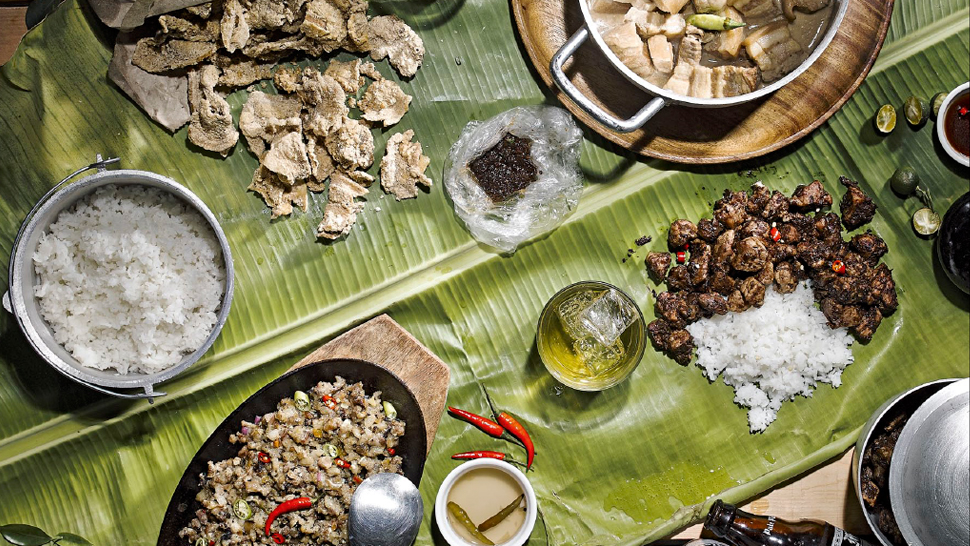
    Traditional dishes like adobo, sinigang, and lechon not only showcase the diverse and flavorful Filipino cuisine but also represent a sense of belonging and shared history. The Philippines’ food culture is a blend of indigenous, Spanish, Chinese, and American influences, creating a unique culinary identity. Every dish tells a story and carries a legacy of generations, connecting Filipinos to their roots.

    The warmth and generosity expressed through food embody the essence of Filipino identity, making meals not just a means of nourishment but a celebration of culture and community.

    Traditional Meal Patterns in Filipino Culture

    Amidst the vibrant tapestry of Filipino culinary traditions, the rhythm of daily life is punctuated by a unique pattern of meal consumption, shaped by the country’s climate and cultural influences. In traditional Filipino culture, meals are not just about sustenance; they are a communal affair, bringing families and communities together.

    The daily meal patterns are built around five meals a day, with breakfast and lunch being the most significant. These meals often include staple foods like rice and popular dishes such as Sinangag and Chicken Adobo, reflecting the preference for sour, sweet, and spicy flavors. Dinner mirrors lunch and is typically a one-dish meal. The influence of Chinese, Spanish, and American cultures has contributed to the rich tapestry of Filipino cuisine, creating a delightful fusion of flavors and ingredients.

    Meal Description Popular Dishes
    Breakfast Essential meal Sinangag, Tocino
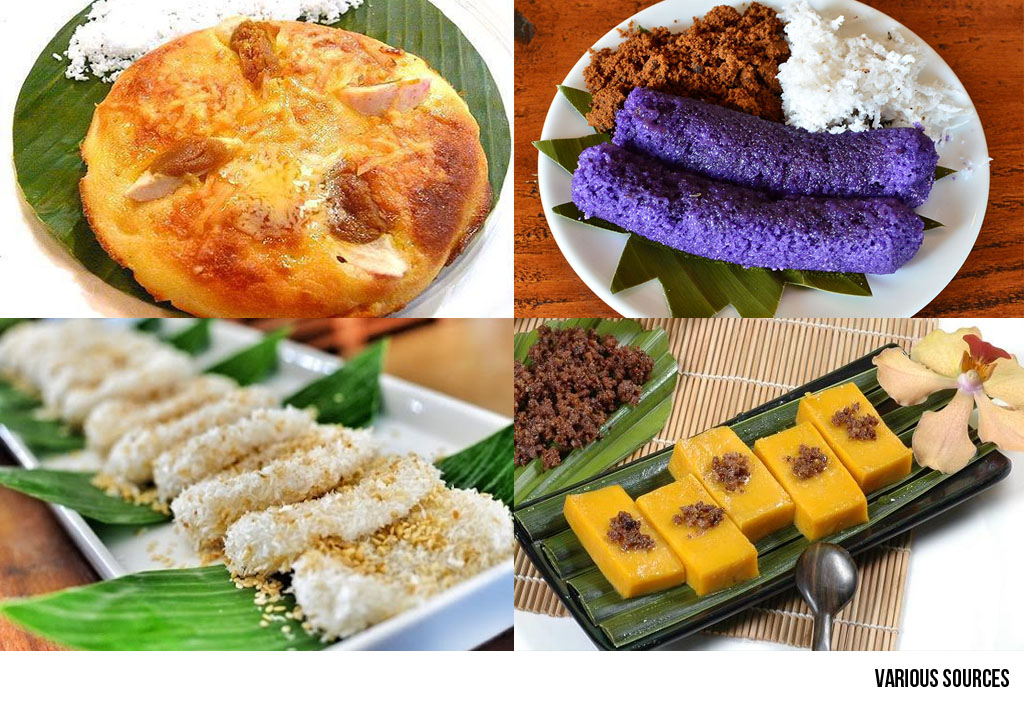
    Mid-morning Light snack Pandesal, Bibingka
    Lunch Main meal Chicken Adobo, Kare-Kare
    Afternoon snack Merienda Turon, Lumpia
    Dinner Similar to lunch Lechon, Sinigang

    Dietary Preferences and Tastes in the Philippines

    Exploring Filipino dietary preferences and tastes reveals a vibrant tapestry of flavors and culinary traditions that reflect the country’s rich cultural heritage and diverse influences.

    In the Philippines, rice takes center stage as the staple food, adored by 70% of the population. Filipinos delight in a harmonious blend of sour, sweet, and spicy flavors, and they’ve a penchant for fried and grilled dishes.

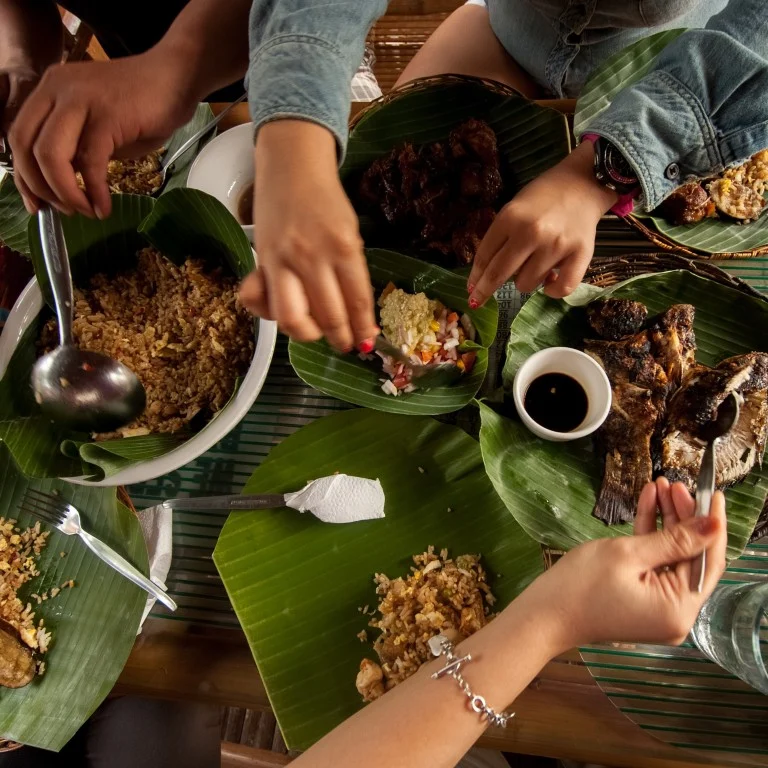
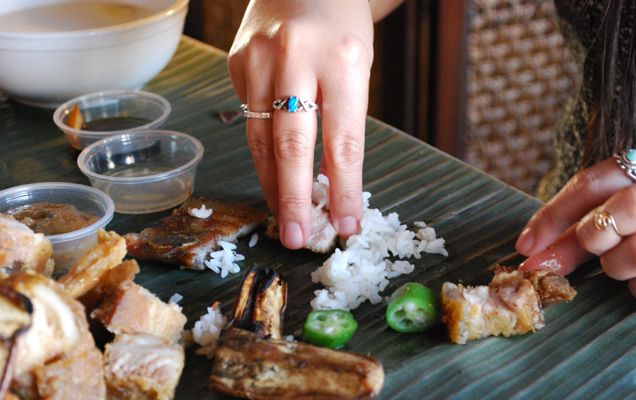
    After meals, it’s common to indulge in locally grown fruits, with mango being particularly beloved. Additionally, the traditional way of eating, known as Kamayan, involves relishing meals with bare hands, adding a unique and personal touch to Filipino dining.

    Coconut milk is a prevalent ingredient used in many authentic Filipino dishes, and the country’s street food scene is a vibrant tapestry of flavors and aromas, offering an array of culinary delights.

    Influences Shaping Filipino Cuisine

    As you savor the vibrant flavors and culinary traditions of the Philippines, it’s fascinating to uncover the diverse influences that have shaped Filipino cuisine.

    Filipino cooking is distinct, drawing from a rich history of cultural exchange. The Spanish and American occupations left a lasting impact, introducing ingredients like tomatoes, potatoes, and chili peppers. Additionally, the variety of coffee in Filipino culture reflects the influence of the world-renowned coffee cultures of Spain and the Americas.

    The cuisine has developed as a fusion of indigenous flavors and cooking techniques with those brought by the various cultures that shaped the Philippines. The staple food, heavily influenced by the climate of the Philippines, includes rice, fish, and tropical fruits.

    These diverse influences have contributed to the unique and delicious Filipino culinary landscape.

    Evolution of Filipino Culinary Traditions

    You’ll be fascinated to discover the rich historical influences and indigenous cooking techniques that have shaped Filipino culinary traditions.

    From the fusion of flavors to the preservation of authentic regional dishes, the evolution of Filipino cuisine is a captivating journey.

    The passion and dedication of individuals like The Kusineras are driving the promotion of Filipino food and culture to a wider audience, ensuring its legacy continues to thrive.

    Historical Culinary Influences

    Over centuries, the culinary traditions of the Philippines have evolved through a rich tapestry of cultural influences, resulting in a diverse and vibrant cuisine. Historical culinary influences have shaped Filipino cuisine in remarkable ways:

    • Spanish colonial rule introduced flavors such as tomatoes, garlic, and onions, while also popularizing cooking methods like stewing and frying.
    • Chinese cuisine contributed noodles, soy sauce, and stir-frying techniques, influencing the development of Filipino noodle dishes and savory flavors.
    • Southeast Asian cuisines brought ingredients like coconut milk, turmeric, and tamarind, adding complexity and depth to Filipino dishes.
    • Western food, particularly from the New World, introduced ingredients such as chili peppers, corn, and potatoes, enhancing the diversity of Filipino flavors.

    The amalgamation of these influences has created a culinary landscape that’s a testament to the rich tapestry of cultures that have shaped Filipino food.

    The historical culinary influences have made Filipino cuisine an integral part of Filipino culture, reflecting a blend of traditions that continue to thrive in today’s society.

    Indigenous Cooking Techniques

    In exploring the evolution of Filipino culinary traditions, one can’t overlook the profound significance of indigenous cooking techniques that have been passed down through generations, shaping the flavorful landscape of Filipino cuisine.

    Traditional Filipino cooking methods, such as grilling, boiling, steaming, and roasting, often using natural materials like banana leaves and bamboo, have played a pivotal role in the creation of popular Filipino dishes. Food made using these techniques is often served wrapped in banana leaves, cooked in bamboo tubes, or prepared in clay pots, imparting unique flavors and textures.

    The inihaw (grill) and palayok (clay pot) are emblematic of the deep connection to the land and environment in Filipino culture. These indigenous cooking techniques continue to be celebrated in modern Filipino cuisine, contributing to the dynamic and diverse culinary heritage that defines the cuisine of the Philippines.

    Fusion of Flavors

    Embarking on the flavorful journey through the evolution of Filipino culinary traditions, one encounters a harmonious fusion of flavors that reflects the rich tapestry of influences shaping the dynamic cuisine of the Philippines.

    The fusion of flavors in Filipino cuisine is a testament to the country’s vibrant history and diverse cultural influences. Here are some remarkable aspects of this fusion:

    • Blend of Different Cultures: Filipino cuisine showcases a delightful blend of Spanish, Chinese, Malay, and American influences.
    • Unique Meat Dishes: Adobo, a stew made with vinegar, soy sauce, and garlic, is a quintessential Filipino dish often eaten with rice.
    • American Influence: The introduction of American ingredients like ketchup has added a unique twist to traditional Filipino recipes.
    • Sweet and Savory Flavors: Filipino dishes often combine sweet, sour, and savory flavors, creating a delightful culinary experience.
    • Evolving Palates: The fusion of flavors in Filipino cuisine reflects the evolving palates and preferences of the Filipino people, making it a truly dynamic culinary experience.

    Native Ingredients in Filipino Cuisine

    You’re in for a treat as we explore the rich tapestry of native ingredients that form the heart and soul of Filipino cuisine.

    From the zesty punch of kalamansi to the creamy goodness of pili nuts, these indigenous flavors are the backbone of traditional dishes that have stood the test of time.

    Prepare to embark on a culinary journey that celebrates the unique taste profiles and culinary heritage preserved through the use of native ingredients in Filipino cooking.

    Indigenous Food Sources

    Indigenous ingredients play a crucial role in shaping the vibrant and diverse flavors of traditional Filipino cuisine, reflecting the rich cultural heritage and regional diversity of the Philippines.

    When you explore Filipino cuisine, you’ll find a delightful array of native ingredients, including kalamansi, tabon-tabon, and pili nuts, all contributing to the unique flavors of traditional Filipino dishes. The use of these native ingredients, such as vinegar and adobo, showcases a perfect balance of sweet, sour, salty, and sometimes spicy flavors.

    As you wander through the streets of the Philippines, you’ll come across street vendors selling rice cakes and sour broth usually made with these indigenous ingredients, highlighting their significance in the food that’s served and commonly sold.

    Culinary Heritage Preservation

    The vibrant and diverse flavors of traditional Filipino cuisine are intricately woven with the use of native ingredients, preserving the rich culinary heritage and regional diversity of the Philippines.

    Filipino cuisine emphasizes the significance of native elements such as rice noodles, garlic fried rice, soy sauce, and banana leaves. These indigenous ingredients not only add distinct flavors but also reflect the deep-rooted connection to Filipino culture.

    The use of native ingredients in Filipino food showcases the country’s rich biodiversity and cultural history, creating a sense of pride and identity. From the tangy citrus flavor of kalamansi to the unique aroma of tabon-tabon, these native ingredients are essential in preserving the authenticity of Filipino dishes.

    Cooking, Serving, and Consumption Practices

    In Filipino culture, the art of cooking, serving, and consuming food is a deeply ingrained practice that reflects the rich diversity of the islands and the warm hospitality of its people.

    When it comes to cooking, Filipino cuisine is a beautiful blend of influences, creating flavorful dishes like fried rice and garlic rice.

    Serving food is an expression of love and respect, with hearty portions and the insistence that guests eat until full.

    Consumption practices reflect a love of community and connection, whether it’s enjoying fast food favorites, indulging in creamy ice cream, or savoring pork or chicken dishes.

    The act of sharing a meal is a cornerstone of Filipino culture, where every bite is an opportunity to bond and create lasting memories.

    Regional and Ethnic Filipino Dishes

    Regional and ethnic Filipino dishes showcase a diverse and vibrant culinary landscape, reflecting the unique flavors and traditions of the different provinces, islands, and ethnic groups across the Philippines. In Tagalog, Visayan, Ilocano, Kapampangan, Bicol, Moro, and Filipino-Chinese cuisines, you’ll find a rich tapestry of flavors.

    Ilocano cuisine is known for its use of fresh vegetables and seafood, while Igorot or Cordilleran cuisine includes roasted meat and local spices. The influence of Indonesian and Malaysian cuisines is evident in Mindanaoan dishes. Each region, province, and ethnic group contributes to the Filipino diet, resulting in various popular variants.

    From the savory dishes of the north to the spicy flavors of the south, Filipino regional and ethnic dishes encompass different kinds of ingredients and cooking techniques, such as the use of sticky rice, creating a diverse and colorful culinary heritage.

    Street Food and Snacks in the Philippines

    Hey there!

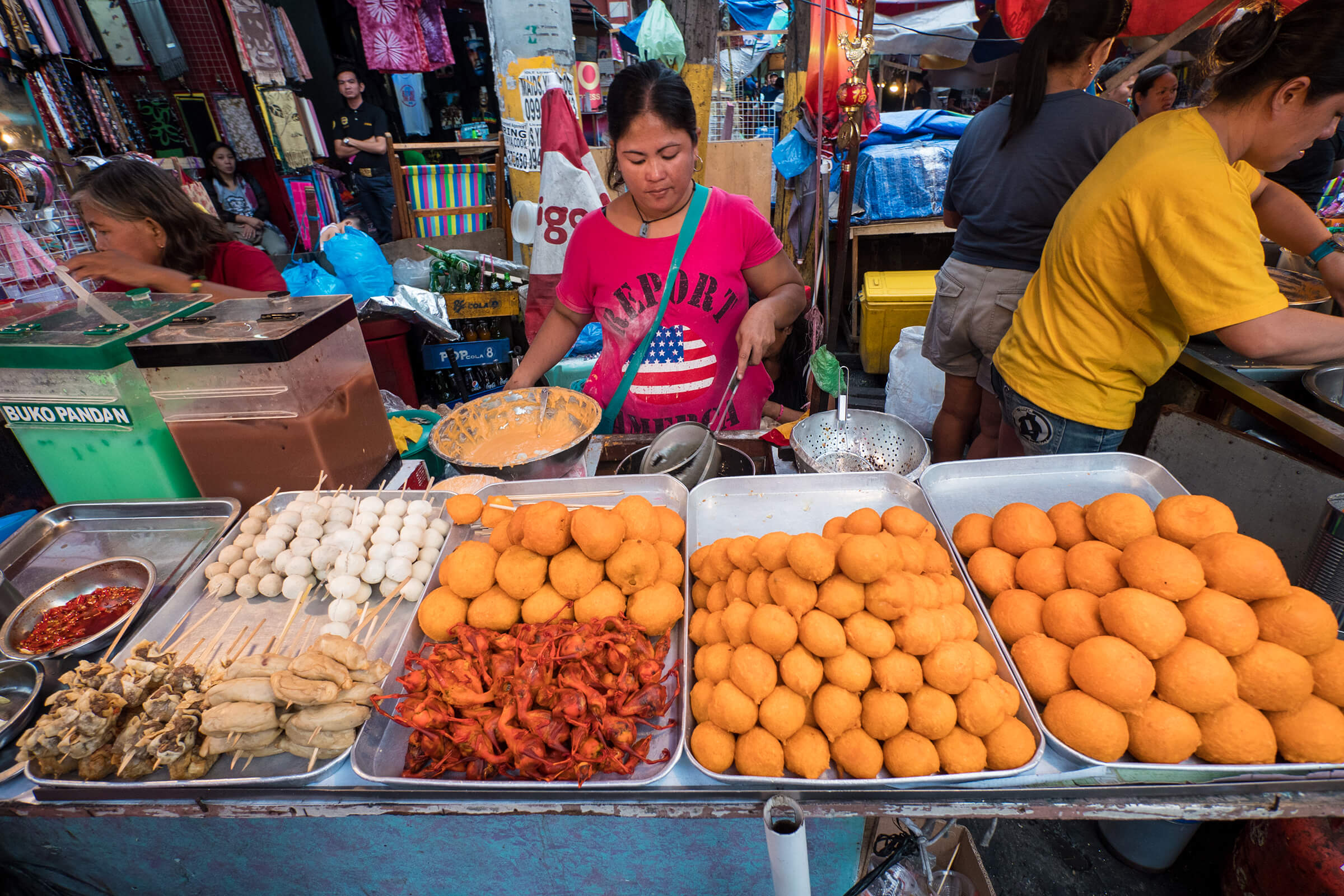
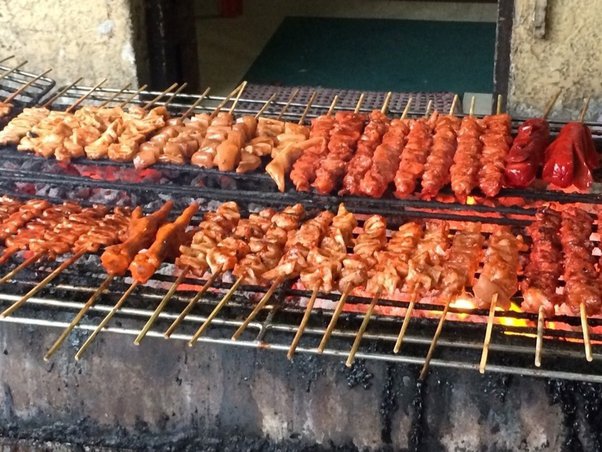
    Let’s talk about the vibrant world of Filipino street food and snacks. From sizzling skewers of isaw to the tempting aroma of banana cue, the bustling street stalls offer a delightful array of flavors that capture the essence of Filipino culture.

    These snacks not only satisfy your cravings but also reflect the diverse and unique culinary heritage of the Philippines.

    Popular Street Snacks

    When strolling through the bustling streets of the Philippines, one can’t help but be enticed by the array of enticing street snacks and treats that form an integral part of Filipino food culture. These street snacks aren’t only delicious but also a window into Filipino culinary creativity.

    Imagine sinking your teeth into crispy chicken inasal, savoring the savory flavor of garlic fried rice, or indulging in the sweetness of ube ice. The aroma of these popular dishes wafts through the air, tempting your taste buds. And don’t forget to try the fish balls, kwek-kwek, banana cue, and barbecue, each offering a unique blend of flavors and textures.

    Filipino street snacks are a must-try, showcasing the country’s diverse and vibrant food scene.

    Cultural Significance

    As you immerse yourself in the vibrant streets of the Philippines, the cultural significance of street food and snacks becomes immediately apparent, weaving into the daily rhythm of Filipino life with its diverse and enticing offerings.

    Filipinos have a deep appreciation for food, and street food, or ‘meryenda,’ holds a special place in their hearts. These snacks often include rice-based dishes like garlic fried rice, complemented by a sauce made from soy or vinegar, and vegetables usually in the form of spring rolls or stir-fried offerings. Fruits and vegetables are also popular choices for meryenda, showcasing the Filipinos’ love for fresh and flavorful options.

    Street food and snacks not only provide sustenance but also reflect the rich and varied culinary heritage of the Philippines, making them an integral part of the country’s cultural fabric.

    Influence on Cuisine

    Nestled within the bustling streets of the Philippines, the influence of street food and snacks on the country’s rich and diverse cuisine is unmistakable, offering a tantalizing array of flavors and culinary experiences.

    • From deep-fried fish cakes to garlic fried rice, the Filipino street food scene boasts a diverse range of delectable options.
    • Noodle dishes featuring pork or beef are a common sight, each one bursting with savory flavors and hearty ingredients.
    • Raw egg mixed with hot rice creates a creamy and satisfying meal, reflecting the resourcefulness and ingenuity of Filipino cuisine.
    • Satisfy your sweet tooth with cheese rice cakes, a popular snack that perfectly balances sweetness and creaminess.
    • Indulge in the delightful crunch of banana cue, caramelized bananas on a stick that are a beloved Filipino street food favorite.

    Exotic Influences on Filipino Cuisine

    Influenced by a rich tapestry of cultures, Filipino cuisine boasts a unique blend of flavors and ingredients that have been shaped by Chinese, Spanish, and American influences. These exotic influences have led to the creation of beloved Filipino dishes such as garlic fried rice, which reflects the Chinese influence, or kare-kare, a delectable peanut sauce-based dish with a hint of Spanish influence.

    Noodle soup, a favorite comfort food, showcases the Chinese influence, while the use of caramelized sugar in various desserts highlights the Spanish impact. Quail eggs, commonly used as a topping for street food, also demonstrate the fusion of various cultural influences in Filipino cuisine.

    This harmonious blend of flavors and ingredients truly reflects the diversity and richness of Filipino culture.

    Filipino Cuisine Beyond the Philippines

    Filipino cuisine transcends borders and captivates palates around the globe with its authentic flavors and rich cultural heritage. When Filipino communities expand beyond the Philippines, their vibrant cuisine becomes a crucial link to their roots.

    Filipinos eat dishes like adobo, usually served with garlic fried rice, a perfect marriage of tangy and savory. Embracing resourcefulness, leftover rice transforms into tasty sinangag.

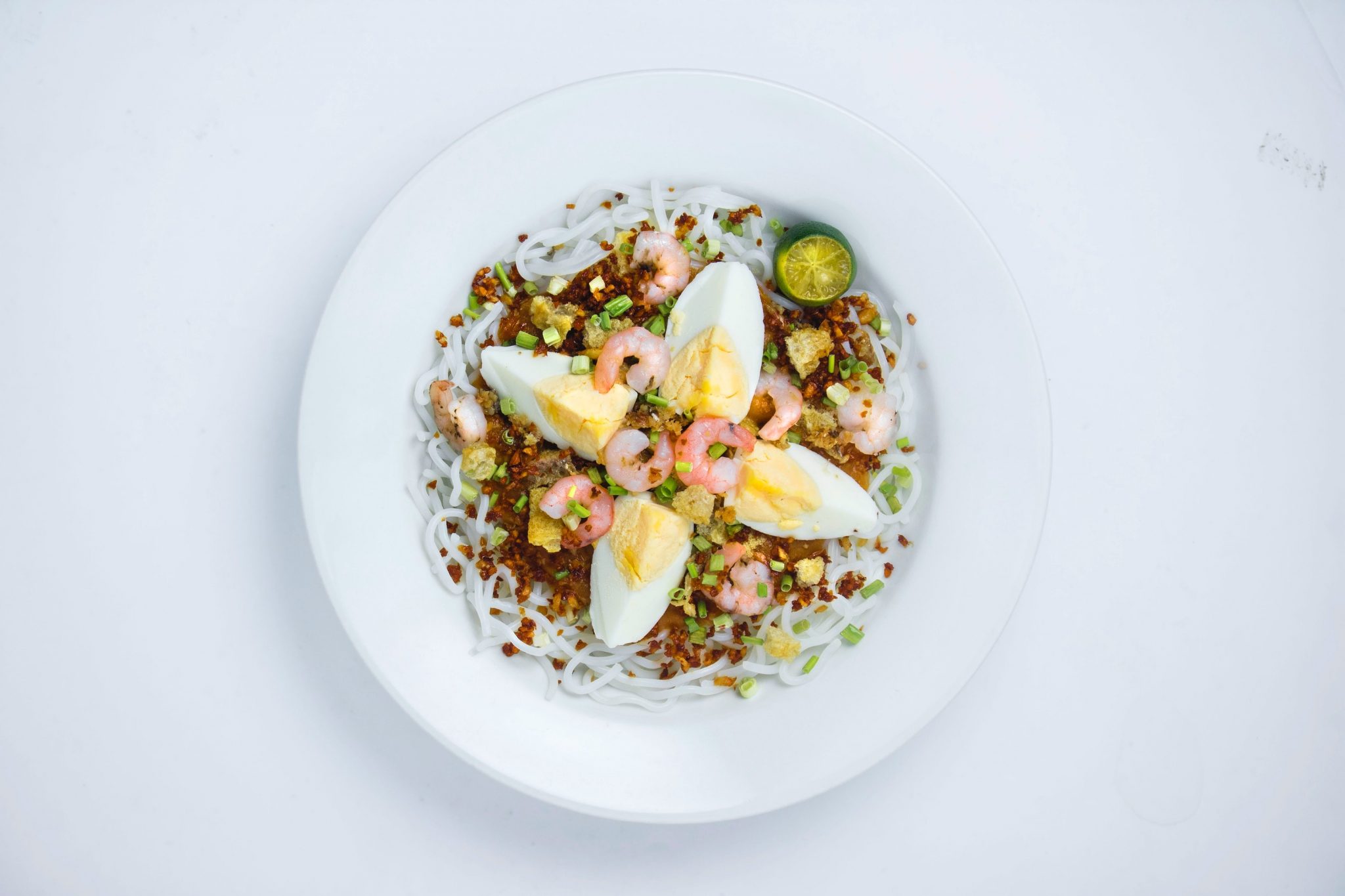
    The heavy Spanish influence in Filipino cuisine shines through dishes like mechado, cooked with vinegar for a unique twist. Pancit, a staple at celebrations, showcases the diverse culinary influences within Filipino culture.

    Filipino Culinary Delights

    As you savor the memories of Filipino cuisine transcending borders and captivating palates around the globe, it’s time to dive into the delightful world of Filipino culinary treats.

    Filipino culinary delights are a testament to the rich food culture deeply ingrained in Filipino heritage. Imagine the aroma of garlic fried rice paired with succulent fried pork, a staple in Filipino households. And let’s not forget the decadent desserts – sweetened bananas wrapped in a banana leaf, or the creamy delight of shaved ice topped with scraped coconut.

    To complement these mouthwatering dishes, chilled drinks like halo-halo are the perfect refreshment. Every bite is a journey into the heart of Filipino culture, where the warmth of hospitality is as palpable as the flavors that dance on your tongue.

    Frequently Asked Questions

    What Role Does Food Play in Filipino Culture?

    Food in Filipino culture holds a central role, connecting people through shared meals, celebrations, and tradition. It reflects the diverse flavors of the islands and embodies the warmth and hospitality deeply rooted in Filipino culture.

    How Important Is Food in the Philippines?

    Food is vital in the Philippines. It’s not just about eating; it’s about bringing people together, celebrating traditions, and honoring cultural heritage. The flavors and aromas tell stories of history and community.

    Why Is Filipino Food so Special?

    Filipino food is special because it reflects a rich history of diverse influences, creating a unique blend of flavors and ingredients. It’s a source of pride, hospitality, and warmth, showcasing the essence of Filipino culture.

    What Makes Our Food and Culture in the Philippines Unique?

    What makes our food and culture in the Philippines unique? It’s the blend of flavors, ingredients, and influences from various cultures, representing the rich history of the Philippines. The warmth and hospitality of Filipino homes also play a significant role.

    How Do Condiments Contribute to the Significance of Food in Filipino Culture?

    Condiments play a vital role in the importance of condiments in Philippine cuisine. These flavorful additions enhance and enrich traditional Filipino dishes, adding depth and complexity to the flavors. From the ubiquitous spiciness of chili peppers to the tangy sweetness of vinegar, condiments are an essential part of Filipino culinary heritage.

    Conclusion

    So next time you sit down to enjoy a Filipino meal, remember that it’s not just about the flavors and ingredients.

    It’s about the warmth and hospitality of the Filipino people, the rich culinary traditions, and the unique blend of influences that make Filipino food so special.

    Whether you’re savoring a traditional dish or trying a new street food, Filipino cuisine is an experience that brings people together and celebrates the vibrant culture of the Philippines.
  • Why Is Filipino Cuisine Not More Popular Worldwide?

    Why Is Filipino Cuisine Not More Popular Worldwide?

    Filipino cuisine is not more popular worldwide due to limited global exposure and lack of widespread marketing efforts.

    However, with increased awareness and appreciation for diverse flavors, Filipino food has the potential to gain more recognition on the global culinary stage.

    Key Takeaways

    • Spanish rule and the Galleon trade route influenced Filipino cuisine by introducing ingredients like tomatoes, potatoes, and chili peppers.
    • Limited global marketing efforts have hindered the worldwide recognition of Filipino cuisine.
    • Misconceptions and lack of international exposure contribute to the limited popularity of Filipino cuisine.
    • Cultural unfamiliarity, language barriers, and overshadowing by other Asian cuisines also affect the global recognition of Filipino cuisine.

    Historical Colonial Influences

    Due to centuries of colonization, Filipino cuisine has been significantly influenced by Spanish rule and the Galleon trade route, which brought Latin flavors and ingredients to the culinary landscape. This historical colonial influence has left an indelible mark on Filipino cuisine, with dishes like adobo, mechado, and lechon owing their flavors and cooking techniques to Spanish origins.

    The Galleon trade route also brought in ingredients like tomatoes, potatoes, and chili peppers, which have become staples in Filipino cooking. These influences have created a unique fusion of flavors that sets Filipino cuisine apart.

    However, it's essential to recognize that while these influences have enriched Filipino cuisine, they've also contributed to a sense of shame towards it. Understanding the historical colonial influences is crucial in appreciating the complexity and richness of Filipino cuisine.

    Limited Global Marketing Efforts

    Limited global marketing efforts have hindered the worldwide recognition and appreciation of the uniquely influenced flavors and culinary richness of Filipino cuisine, which has been shaped by centuries of historical colonial influences. Despite the rich and diverse range of dishes, the lack of aggressive global marketing strategies has resulted in Filipino cuisine being relatively unknown outside the Philippines. Filipino restaurants abroad often struggle to attract a wider audience due to the limited exposure and promotion of the cuisine. This table illustrates the disparity in global marketing efforts between Filipino cuisine and other popular Asian cuisines:

    Cuisine Global Marketing Efforts
    Japanese Extensive presence in international markets
    Chinese Strong global restaurant chains and marketing campaigns
    Thai Growing popularity due to aggressive global marketing
    Korean Widespread promotion through K-pop and cultural exports
    Filipino Limited global marketing efforts and visibility

    With more targeted and effective global marketing efforts, Filipino cuisine has the potential to gain the recognition it deserves on the world stage.

    Misconceptions About Filipino Flavors

    Misconceptions about Filipino flavors persist despite the diverse and nuanced culinary landscape, often overshadowed by oversimplified portrayals in mainstream media. Filipino cuisine isn't just about extreme or bizarre dishes; it offers a rich tapestry of flavors, including a unique blend of sour and umami tastes.

    The notion that Filipino cuisine lacks sophistication is outdated, as innovative chefs like Chele Gonzalez and JP Anglo are adding complexity to Filipino flavors. It's also a misconception that Filipino food is solely defined by pungent and strong flavors; in reality, there are delicate and nuanced dishes that showcase the diversity of Filipino flavors.

    Additionally, the belief that replicating Filipino flavors abroad is challenging due to ingredient availability is being debunked, as with creativity and resourcefulness, Filipino flavors can be enjoyed globally.

    It's time to popularize Filipino cuisine by dispelling these misconceptions and celebrating its true essence.

    Lack of International Exposure

    You might wonder why you don't see Filipino restaurants as often as other Asian cuisines.

    Well, the lack of international exposure and limited global marketing play a significant role. Many people are simply not familiar with Filipino flavors and ingredients, which hinders the cuisine's worldwide recognition.

    Limited Global Marketing

    Despite the rich and diverse flavors of Filipino cuisine, its lack of international exposure has hindered its global popularity, limiting its reach beyond the Filipino community. Limited global marketing and exposure have prevented Filipino dishes from gaining the recognition they deserve worldwide.

    Filipino restaurants abroad often cater solely to the Filipino community, failing to attract a more diverse customer base. Additionally, the scarcity of Filipino ingredients in international markets further hinders the global marketing and availability of Filipino cuisine.

    The lack of coherence and definition in Filipino cuisine makes it challenging to market on a global scale, impacting its recognition and appeal to a broader audience. Moreover, the slow progress in global recognition is partly due to the limited entrepreneurial mindset and business skills in promoting Filipino cuisine.

    These factors collectively contribute to the limited global marketing and exposure of Filipino cuisine, impeding its potential for worldwide popularity.

    Cultural Unfamiliarity

    Cultural unfamiliarity and lack of exposure on the international stage have greatly contributed to the limited popularity of Filipino cuisine worldwide. The lack of international visibility for Filipino cuisine is a result of cultural unfamiliarity. Unlike well-known Asian cuisines like Thai, Chinese, and Japanese, Filipino cuisine hasn't received the same level of recognition. This limited exposure hinders its global recognition and popularity.

    Moreover, Filipino ingredients aren't as widely available abroad, further contributing to the unfamiliarity of the cuisine. Filipino chefs also face challenges in showcasing their culinary expertise on the global stage. While Filipino restaurants abroad primarily cater to the Filipino community, the cuisine remains relatively unknown to a broader audience.

    Overcoming cultural unfamiliarity and increasing international exposure are essential in elevating the global recognition of Filipino cuisine.

    Complexity of Filipino Dishes

    The complexity of Filipino cuisine arises from the intricate blending of perspectives and philosophies from various cultures, creating a rich tapestry of flavors and techniques that may be challenging to summarize in just a few words.

    Understanding the cultural influences is essential to describe the complexity of Filipino cuisine. The blending of sweet, sour, and salty flavors, combined with the use of souring agents and fermented, dried, and pickled foods, adds to the complexity of Filipino dishes.

    Chefs like Chele Gonzalez and JP Anglo are adding sophistication and nuance to Filipino flavors, further contributing to the complexity of Filipino dishes.

    The Filipino people's deep connection to their history and traditions is reflected in the intricate and diverse nature of their cuisine, making it a fascinating and multi-layered culinary experience.

    Cultural Barriers and Unfamiliarity

    You might find it surprising that language barriers and unfamiliar ingredients can play a significant role in the lack of worldwide popularity for Filipino cuisine.

    The use of unfamiliar ingredients and the inability to communicate about them effectively can create an obstacle for those looking to explore and appreciate Filipino dishes.

    These cultural barriers and unfamiliarity are crucial factors that need to be addressed to increase the global recognition of Filipino cuisine.

    Language Barriers

    Overcoming language barriers in promoting Filipino cuisine globally requires creative and strategic approaches to bridge the gap between unfamiliarity and appreciation for the rich flavors and cultural stories behind these dishes.

    Language barriers pose a significant challenge in introducing Filipino cuisine to the world. Here's how they affect the global recognition of Filipino cuisine:

    1. Menu Translation: Without translated menus, non-Filipino diners may struggle to understand the dishes, leading to hesitance in trying them out.
    2. Marketing Materials: The lack of English-language promotion and marketing materials hinders the understanding and appreciation of Filipino dishes for non-Filipino customers.
    3. Cultural Nuances: The language barrier creates difficulties in conveying the rich cultural nuances and stories behind Filipino dishes, impacting their global appeal.

    Addressing these language barriers is crucial in promoting Filipino cuisine and gaining international recognition.

    Unfamiliar Ingredients

    Struggling to navigate the unfamiliar terrain of Filipino cuisine due to language barriers, you may find yourself confronting another hurdle – the cultural barriers and unfamiliarity surrounding the unique ingredients that define this culinary tradition. Filipino cuisine incorporates a wide array of ingredients that may be unfamiliar to the global palate. From tamarind, batwan, to calamansi, these ingredients bring distinct flavors but are not widely recognized outside the Philippines. Additionally, the use of pig's blood as an essential ingredient in dishes like dinuguan may be off-putting to those unaccustomed to such practices. The pungent flavors from dried fish and fermented shrimp, alongside the use of souring agents, contribute to the unfamiliar taste profiles that may challenge international audiences. The lack of availability of authentic Filipino ingredients abroad further hinders the widespread adoption and appreciation of Filipino cuisine.

    Unfamiliar Ingredients Cultural Barriers Unique Taste Profiles
    Tamarind Language Barriers Dried Fish
    Batwan Lack of Availability Fermented Shrimp
    Calamansi Off-putting Practices Souring Agents

    Underrepresentation in Global Media

    Despite its rich and diverse culinary heritage, Filipino cuisine continues to be underrepresented in global media, impacting its perception and popularity worldwide.

    This underrepresentation in global media is a result of several factors:

    1. Negative Portrayal: Television often showcases Filipino food in a negative light, perpetuating misconceptions and hindering its global appeal.
    2. Lack of Exposure: Filipino cuisine's limited international exposure and the scarcity of its key ingredients make it challenging for the global audience to experience and appreciate its flavors.
    3. Marketing Efforts: The absence of a concerted effort to promote Filipino cuisine globally and the lack of an entrepreneurial mindset within the culinary industry contribute to its underrepresentation in the global culinary scene.

    It's crucial to address these issues to elevate Filipino cuisine to the international recognition it deserves.

    Competition With Other Asian Cuisines

    Frequently overshadowed by its more widely celebrated counterparts like Thai, Chinese, and Japanese cuisines, Filipino cuisine contends with formidable competition in the global culinary landscape. The established presence and popularity of these Asian cuisines have made it challenging for Filipino cuisine to carve out its own space on the world stage.

    While Thai, Chinese, and Japanese cuisines have been embraced and adapted in Western countries, Filipino cuisine has struggled to gain the same level of recognition. The availability and familiarity of ingredients from these other Asian cuisines also give them an advantage, making them more accessible to a wider audience.

    Filipino cuisine competes with a diverse array of Asian flavors, each with its own unique characteristics and appeal, further intensifying the competition in the global culinary arena.

    Lack of Filipino Culinary Ambassadors

    While Filipino cuisine competes with other Asian flavors, its lack of culinary ambassadors on the global stage hinders its recognition and appreciation worldwide.

    Reasons for the Lack of Filipino Culinary Ambassadors:

    1. Limited Global Exposure: Filipino chefs and culinary figures haven't gained the same level of international recognition as their counterparts from other cuisines, leading to a lack of global exposure for Filipino cuisine.
    2. Scarcity of Advocates: There's a scarcity of high-profile Filipino culinary ambassadors promoting the cuisine on the world stage, limiting its representation and influence in the global culinary scene.
    3. Impact on Awareness: The absence of prominent Filipino culinary figures restricts the advocacy and promotion of Filipino cuisine internationally, resulting in limited global awareness and appreciation.

    Without prominent culinary ambassadors, Filipino cuisine struggles to break into the global culinary spotlight.

    Accessibility to Filipino Ingredients

    Accessing authentic Filipino ingredients abroad can be a challenging endeavor for those seeking to recreate the distinct flavors of Filipino cuisine outside the Philippines. The limited availability of traditional ingredients like tuba, batwan, and even common ones such as lemongrass poses a significant barrier to achieving the authentic taste of Pinoy food.

    The scarcity of these essential components makes it difficult for Filipino culinary enthusiasts to replicate the true essence of Filipino dishes overseas. As a result, the accessibility to Filipino ingredients directly impacts the global recognition and appreciation of Filipino cuisine.

    Without easy access to these fundamental elements, the potential for popularizing Filipino dishes beyond the Philippines is hindered. Therefore, the lack of accessibility to Filipino ingredients plays a crucial role in the relatively low worldwide prominence of Filipino cuisine.

    Perceived Health Concerns

    Perceptions about the healthfulness of Filipino cuisine may be influenced by its abundant use of fatty meats and flavorful sauces, leading to concerns about its impact on overall well-being. However, it's important to recognize that health perceptions can be influenced by cultural biases and may not always reflect the true nutritional value of a cuisine.

    Here are a few points to consider:

    1. Nutritional Balance: Filipino cuisine encompasses a wide variety of dishes, including vegetable-based stews and grilled seafood, which offer a balance to the perception of heavy, fatty meats.
    2. Adaptation: Like any cuisine, Filipino dishes can be adapted to align with modern health considerations, utilizing leaner cuts of meat and incorporating healthier cooking techniques.
    3. Mindful Consumption: While Filipino cuisine may include rich and flavorful elements, mindful portion control and balance can still make it a part of a healthy diet.

    It's essential to approach health perceptions of Filipino cuisine with an open mind and a nuanced understanding of its diverse range of dishes.

    Opportunities for Global Recognition

    You're probably wondering how Filipino cuisine can gain more global recognition. Well, one opportunity lies in showcasing the diverse culinary traditions across the Philippines, from the savory flavors of the north to the bold and spicy dishes of the south.

    Another avenue for recognition is through international culinary collaborations, where Filipino chefs can bring their unique flavors to the global stage by fusing them with other well-established cuisines, creating new and exciting culinary experiences.

    Embracing this diversity and collaboration can truly propel Filipino cuisine to the forefront of the global culinary scene.

    Culinary Diversity Showcase

    Filipino cuisine is making significant strides towards international recognition, with chefs like Margarita Fores and restaurants like Bad Saint leading the charge. The culinary diversity showcase of Filipino cuisine is a testament to its rich and varied flavors, incorporating a unique blend of sweet, sour, and salty tastes using indigenous ingredients like tamarind and calamansi.

    The regional diversity, influenced by the 7,107 islands and various cultural influences, adds depth to Filipino food, making it a culinary adventure. Filipino chefs are also skillfully integrating European produce with Filipino and Southeast Asian flavors, elevating the cuisine to new heights of sophistication and nuance.

    As more Filipino restaurants gain global acclaim, there's no doubt that Filipino cuisine is well on its way to capturing the hearts and palates of food enthusiasts worldwide.

    International Culinary Collaborations

    With the growing momentum of Filipino cuisine's international recognition, the potential for global acclaim through international culinary collaborations is becoming increasingly evident.

    Partnering with established international chefs offers a unique opportunity to create innovative fusion dishes that blend the rich and diverse flavors of Filipino cuisine with global culinary traditions.

    Engaging in exchange programs with international culinary schools not only showcases Filipino cuisine but also provides an avenue to learn from other culinary traditions, fostering a dynamic and collaborative environment.

    Organizing pop-up events and food festivals featuring Filipino chefs alongside renowned international culinary figures introduces Filipino flavors to a wider audience, contributing to the global recognition of Filipino cuisine.

    Collaborating with international food media and influencers amplifies the promotion of Filipino cuisine on a global scale, while partnerships with international food and beverage companies facilitate the introduction of Filipino ingredients and products to global markets.

    These international culinary collaborations present significant opportunities for elevating Filipino cuisine to a global stage.

    Frequently Asked Questions

    What Is Filipino Food Ranked in the World?

    Filipino food is ranked as the fourth least popular in a YouGov survey. It's a shame given the rich, diverse flavors and dishes. With more exposure and promotion, Filipino cuisine has the potential to gain international recognition.

    Is Filipino Food Popular in the Us?

    Filipino food is gaining popularity in the US. Its unique flavors and diverse influences, such as Spanish, Chinese, and Malay, offer a delicious culinary experience. Many are discovering and enjoying the rich and vibrant flavors of Filipino cuisine.

    What Is Special About Filipino Cuisine?

    Filipino cuisine is special because it blends sweet, sour, and salty flavors, creating a memorable dining experience. The regional diversity and use of souring agents and bold flavors contribute to its uniqueness.

    What Country Did Filipino Dish Influenced Most?

    Filipino cuisine has influenced the United States the most, gaining recognition through restaurants like Bad Saint in Washington, D.C. Filipino chefs have successfully promoted their culinary contributions, making strides in the American food scene.

    What Factors Contribute to the Lack of Worldwide Popularity for Filipino Cuisine?

    When looking at Filipino cuisine review, several factors contribute to the lack of worldwide popularity for Filipino cuisine. The unfamiliarity of dishes, limited access to authentic ingredients, and lack of exposure in the global food scene all hinder the widespread appreciation of this flavorful and diverse culinary tradition.

    Conclusion

    So, why isn't Filipino cuisine more popular worldwide?

    Well, it's a combination of limited exposure, misconceptions about flavors, and the complexity of Filipino dishes.

    But don't count it out just yet! With more Filipino chefs gaining recognition and the emergence of Filipino restaurants, there's hope for global recognition.

    It's time for the world to discover and appreciate the unique and delicious flavors of Filipino cuisine.

  • What Is Filipino Cuisine Like?

    What Is Filipino Cuisine Like?

    Filipino cuisine is a delightful fusion of flavors from various cultural influences. It offers a diverse range of flavors and textures that captivate the palate. This unique and vibrant culinary experience embodies a rich tapestry of history, tradition, and community.

    Key Takeaways

    • Filipino cuisine is heavily influenced by Chinese, Spanish, and native Filipino cooking.
    • Key ingredients in Filipino dishes include vinegar, soy sauce, coconut milk, garlic, ginger, bay leaves, black pepper, tamarind, batwan, calamansi, and fish sauce.
    • Regional flavors in Filipino cuisine are influenced by Chinese, Spanish, and native Filipino cooking, with unique dishes like kare-kare, sinigang, and cassava cake.
    • Popular cooking techniques in the Philippines include deep-frying, slow-cooking, stewing, grilling, and braising.

    Influences on Filipino Cuisine

    Influences on Filipino cuisine are diverse and rich, reflecting a blend of Chinese, Spanish, and native Filipino flavors and culinary traditions.

    The arrival of the Spanish in the 16th century brought new ingredients and cooking techniques, shaping iconic dishes like Chicken Adobo and Leche Flan. The Galleon trade also introduced Western influences, leading to the fusion of Asian and Spanish flavors in dishes such as Arroz Caldo.

    From Southeast Asian roots, Filipino cuisine adopted dishes like Lumpia and Pancit, showcasing the influence of Chinese culinary traditions. Meanwhile, native Filipino ingredients and cooking methods contribute to the unique flavors found in dishes like Kare-Kare and Sinigang.

    The mix of these cultural influences has given rise to a vibrant and diverse culinary landscape, earning Filipino cuisine recognition on the global stage.

    Key Ingredients in Filipino Dishes

    When it comes to Filipino cuisine, the key ingredients bring a burst of flavor and a taste of tradition to every dish.

    From the tang of vinegar and soy sauce to the richness of coconut milk, these elements create a symphony of flavors that define Filipino cooking.

    Each ingredient tells a story of culinary fusion, regional influences, and the vibrant diversity of Filipino cuisine.

    Staple Filipino Ingredients

    Garlic, ginger, bay leaves, and black pepper are commonly used as staple Filipino ingredients in a wide variety of dishes, infusing them with robust flavors and aromas.

    In Filipino cuisine, souring agents like tamarind, batwan, and calamansi are prevalent, adding tangy and citrusy flavors to dishes, while coconut milk is a key ingredient, enriching savory dishes like laing and desserts like cassava cake.

    Fish sauce, known as patis, is a staple, contributing savory and umami flavors to many Filipino dishes.

    Additionally, rice is a fundamental part of Filipino cuisine, served with almost every meal and used in various dishes like arroz caldo and pancit.

    These essential ingredients not only define Filipino food but also showcase the diverse and vibrant flavors that make it truly unique.

    Regional Flavor Influences

    Showcasing a rich tapestry of flavors and culinary traditions, Filipino dishes reflect a harmonious blend of Chinese, Spanish, and native influences, creating a vibrant and diverse food culture unique to the region. The regional flavor influences in Filipino cuisine are a testament to its status as a melting pot of culinary traditions.

    Chinese influenced dishes like lumpia and pancit showcase the use of minced meat, chopped vegetables, and noodles, originating from Hokkien cuisine.

    Spanish influenced dishes like chicken adobo, leche flan, and sisig feature flavors from vinegar, soy sauce, garlic, and rich creamy textures.

    Native Filipino influenced dishes like kare-kare, sinigang, and cassava cake incorporate indigenous ingredients like oxtail, tamarind, and coconut milk, offering unique flavors.

    The fusion of Chinese and Spanish influences is evident in dishes like arroz caldo, reflecting a blend of Asian and Latin flavors in Filipino cuisine.

    Culinary Fusion Trends

    The rich tapestry of flavors and culinary traditions in Filipino cuisine is celebrated through a fusion of key ingredients that embody the diverse influences of Chinese, Spanish, and native Filipino cooking. This fusion has given rise to a unique culinary identity, with popular dishes like adobo and sinigang showcasing the harmonious blend of sweet, sour, and salty flavors. Filipino cuisine's cooking methods also reflect its Asian influences, with stir-frying, steaming, and braising being common techniques. A key aspect of Filipino cuisine is the use of traditional ingredients such as vinegar, soy sauce, coconut milk, and various souring agents like tamarind and calamansi. The blending of these diverse culinary influences has contributed to the global popularity of Filipino cuisine, captivating palates with its bold and distinctive flavors.

    Key Ingredients Culinary Influence
    Vinegar Spanish
    Soy Sauce Chinese
    Coconut Milk Native Filipino
    Tamarind Southeast Asian
    Calamansi Filipino

    Popular Cooking Techniques in the Philippines

    Utilizing a variety of traditional cooking methods, Filipino cuisine expertly employs deep-frying, slow-cooking, stewing, grilling, and braising to create an array of flavorful and diverse dishes.

    1. Deep-frying is used to achieve the crispy texture of Lumpia and the savory crunch of Chicharon.
    2. Slow-cooking brings out the rich flavors of Chicken Adobo, simmered in a blend of soy sauce, vinegar, and garlic, and the velvety smoothness of Leche Flan, a caramel custard dessert.
    3. Stewing results in delectable dishes like Kare-Kare, a peanut-based oxtail stew, and Sinigang, a sour soup typically made with pork or shrimp.
    4. Grilling imparts a smoky aroma to Chicken Inasal, marinated in a mixture of lime, pepper, vinegar, and annatto, while braising enhances the tenderness of Beef Caldereta, cooked in a tomato-based sauce with liver spread and coconut milk.

    Flavor Profiles of Filipino Food

    When you think of Filipino food, you can expect a delightful mix of sweet and savory dishes that will tantalize your taste buds.

    The use of vinegar in many recipes adds a unique tanginess that complements the rich flavors of the cuisine.

    Influences from Chinese, Spanish, and native Filipino cooking all contribute to the diverse and vibrant flavor profiles that make Filipino food so distinctive and memorable.

    Sweet and Savory Dishes

    In Filipino cuisine, you'll encounter a delightful array of sweet and savory dishes that showcase a rich tapestry of flavors influenced by Chinese, Spanish, and native Filipino culinary traditions.

    Here's a glimpse of the sweet and savory dishes you can expect to savor:

    1. Spanish-influenced dishes like Chicken Adobo and Leche Flan offer rich and savory flavors with a touch of sweetness.
    2. Chinese-influenced dishes such as Lumpia and Pancit bring a blend of savory and umami flavors with a hint of sweetness.
    3. Native Filipino-influenced dishes like Kare-Kare and Sinigang showcase a balance of sourness and savory richness, often incorporating unique ingredients like peanuts and tamarind.
    4. Filipino cuisine offers a unique taste profile, often featuring ingredients like tamarind, calamansi, and fermented foods, creating a delightful combination of sweet, sour, and salty flavors.

    Use of Vinegar

    The vibrant and diverse flavors of Filipino cuisine are enhanced by the skillful use of vinegar, adding a distinct tangy and acidic profile to a wide range of delectable dishes.

    In Filipino cuisine, vinegar plays a pivotal role in elevating the taste of many iconic dishes. It's commonly used in Filipino stews, such as the renowned Chicken Adobo, where the meat is marinated in vinegar, soy sauce, and spices before being simmered to perfection. The cooking process allows the flavors to meld, resulting in a rich, savory dish with a delightful hint of acidity.

    Additionally, vinegar is utilized in creating flavorful marinades and sauces for various meats, seafood, and vegetables, showcasing the balance of sweet, sour, and salty flavors that characterize Filipino cuisine. This careful balance reflects the cultural influences and culinary expertise that define Filipino gastronomy.

    Influences From Other Cuisines

    Showcasing a rich tapestry of flavors, Filipino cuisine is a delicious amalgamation of influences from Chinese, Spanish, and native Filipino culinary traditions, resulting in a unique and vibrant flavor profile. These influences have shaped the distinct taste of Filipino dishes, creating a harmonious blend of sweet, sour, and salty flavors.

    The culinary landscape of the Philippines has been significantly impacted by various cultural interactions, including:

    1. Chinese Influence: Chinese traders introduced dishes like lumpia and pancit, adding deep-fried spring rolls and mixed noodles with meats and vegetables to Filipino cuisine.
    2. Spanish Influence: Spanish culinary influence is evident in dishes like chicken adobo, leche flan, and sisig, bringing slow-cooked meats, creamy desserts, and spicy meat dishes to Filipino cuisine.
    3. Native Filipino Influence: Traditional dishes like kare-kare and sinigang reflect native Filipino flavors, offering savory peanut stews and sour and savory soups.
    4. Regional Fusion: Dishes like arroz caldo demonstrate a fusion of Chinese and Spanish influences, offering a comforting chicken and rice porridge to Filipino cuisine.

    Renowned chef Anthony Bourdain praised Filipino cuisine for its unique blend of influences, making it a must-try for food enthusiasts.

    Regional Variations in Filipino Cuisine

    Amidst the 7,107 islands of the Philippines, regional variations in Filipino cuisine flourish, offering a rich tapestry of diverse cooking methods, ingredients, and flavors across 22 regions and eight major dialects.

    Each region boasts unique culinary traditions, contributing to the vibrant tapestry of Filipino cuisine. The northern regions are known for savory dishes like the Ilocano Bagnet and Pinakbet, a vegetable stew.

    In the Visayas, the Chicken Inasal and Chicken and Rice Porridge are popular comfort foods. Meanwhile, in the southern regions, flavorful dishes like the Tausug Tiula and Beef Kulma take center stage.

    Filipino street food also varies regionally, with favorites like the sweet and sour Pork Barbecue and the pungent yet beloved Bagoong Alamang.

    Additionally, the Bicol region serves up the delectable Tortang Talong, an eggplant omelet that showcases their distinctive flavors.

    Traditional Filipino Appetizers

    From the rich tapestry of regional variations in Filipino cuisine, let's now explore the enticing array of Traditional Filipino Appetizers, offering a tantalizing glimpse into the diverse and flavorful world of Filipino culinary traditions.

    1. Lumpia: These deep-fried spring rolls are stuffed with a delectable mix of minced meat and vegetables, providing a delightful crunch in every bite.
    2. Okoy: A Filipino fritter made with a crispy glutinous rice batter and small shrimp, delivering a satisfying crunch with a burst of seafood flavors.
    3. Tokwat Baboy: This classic dish features deep-fried tofu and pork belly, dressed in a tangy blend of vinegar, soy sauce, onion, and chili pepper, creating a savory and zesty appetizer.
    4. Lumpiang Sariwa: A fresh take on lumpia, akin to Fujianese/Teochew-style popiah, filled with a medley of ingredients and served with a side of banana ketchup for an explosion of flavors.

    These traditional Filipino appetizers pair perfectly with white rice and are sure to tantalize your taste buds with their unique and vibrant flavors.

    Iconic Filipino Main Dishes

    Get ready to savor the unmistakable flavors of iconic Filipino main dishes.

    From the tangy and savory Adobo to the rich and nutty Kare-Kare, each dish showcases a unique combination of flavors and cooking techniques that make Filipino cuisine truly special.

    With regional variations adding even more depth and diversity, Filipino main dishes offer a culinary experience like no other.

    Popular Main Dishes

    Adobo, the national dish of the Philippines, is a flavorful and iconic main dish, featuring meat marinated and braised in vinegar, soy sauce, garlic, and spices.

    Lechon: A whole roasted pig, a popular centerpiece for festive occasions, known for its crispy skin and succulent meat.

    Sinigang: Sour soup made with meat or seafood, vegetables, and tamarind broth, offering a tangy and savory flavor.

    Kare-Kare: A stew with oxtail and vegetables served with a thick savory peanut sauce, a rich and unique Filipino main dish.

    Pancit: Noodles stir-fried with various meats and vegetables, offering a versatile and satisfying main dish option.

    These dishes epitomize the diverse flavors and culinary traditions of the Philippines, from the crispy indulgence of lechon to the comforting tang of sinigang. Each dish tells a story, reflecting the rich tapestry of Filipino cuisine.

    Unique Cooking Techniques

    Nurturing the succulent flavors of Filipino cuisine, the iconic main dishes are brought to life through unique cooking techniques that captivate the senses and celebrate the rich culinary heritage of the Philippines.

    Filipino stew made with pig's blood, known as Kare-Kare, showcases the use of unique ingredients like oxtail and peanut sauce, creating a savory and nutty flavor profile.

    Adobo, a national dish, represents the Spanish influence in Filipino cuisine with its marinating and braising technique using vinegar, soy sauce, garlic, and spices.

    Sinigang, a sour soup, demonstrates the Filipino preference for sour and savory flavors, achieved through the use of tamarind broth.

    Lechon, a whole roasted pig, signifies the Filipino love for celebration and communal dining.

    Arroz Caldo, a comforting chicken and rice porridge, reflects the Chinese and Spanish influence with its hearty preparation, flavored with ginger, chives, and occasionally saffron, creating a warm and satisfying dish.

    Regional Variations

    As we explore the regional variations of iconic Filipino main dishes, you'll discover the diverse culinary influences that have shaped the rich and flavorful tapestry of Filipino cuisine. The commonly used dishes in Filipino cuisine exhibit different regional variations, showcasing the country's cultural diversity.

    Here's a glimpse into this vibrant culinary landscape:

    1. Chinese-Influenced: Enjoy Lumpia, deep-fried spring rolls, and a variety of Pancit, noodle dishes with meats and vegetables.
    2. Spanish-Influenced: Indulge in Chicken Adobo, Leche Flan, Sisig, and Chicharon for rich flavors and unique preparation methods.
    3. Native Filipino Influences: Try Kare-Kare, a savory peanut sauce stew, and Sinigang, a sour and savory soup.
    4. Chinese and Spanish Fusion: Savor Arroz Caldo, a chicken and rice porridge in a flavorful broth.

    These regional variations in Philippine cuisine offer a delightful journey through a fusion of cultural influences.

    Filipino Seafood Specialties

    Grilled bangus, with its succulent meat and flavorful marinade, is a beloved staple in Filipino cuisine, showcasing the country's rich seafood heritage.

    Kinilaw, a zesty ceviche, features raw fish marinated in vinegar, calamansi juice, and spices.

    Sinigang na hipon, a sour shrimp soup, offers a tangy and savory seafood experience with a tamarind broth and an array of vegetables.

    Gambas, shrimp cooked in garlic, butter, and spices, represents Spanish influence in Filipino cuisine.

    Bicol express, a spicy stew made with pork belly, coconut milk, shrimp paste, and chili peppers, showcases bold and aromatic flavors.

    Filipino seafood specialties also include smoked fish, blue crab, and green mango salad with black peppercorns, offering a diverse and flavorful array of dishes that highlight the country's love for seafood.

    Filipino Noodle and Rice Dishes

    Highlighting the vibrant and diverse flavors of Filipino cuisine, the focus now turns to the tantalizing world of Filipino Noodle and Rice Dishes, where a fusion of culinary influences creates an array of colorful, aromatic, and savory delights.

    1. Pancit: A popular noodle dish featuring a harmonious mix of ingredients such as pork, chicken liver, shrimp, and an assortment of vegetables, all stir-fried to perfection.
    2. Arroz Caldo: This comforting rice porridge is infused with flavors of ginger and garlic, then topped with tender pieces of chicken and a splash of citrus for a burst of freshness.
    3. Regional Variations: Filipino noodle and rice dishes vary across regions, with unique ingredients like pig head, enhancing the rich flavors of the dish in some areas.
    4. Global Recognition: The rise of Filipino cuisine on the global stage has shone a light on these delectable noodle and rice dishes, captivating palates worldwide.

    Delectable Filipino Desserts

    Indulge in a delightful array of Filipino desserts that showcase the rich and diverse flavors of the country's culinary heritage.

    Leche flan, a rich and creamy custard dessert, offers a smooth and sweet flavor with a caramel layer on top.

    Bibingka, a traditional rice cake, is made with galapong and coconut milk, cooked in clay pots, and topped with salted egg and grated coconut, providing a unique and delightful taste.

    Ube halaya, a delightful purple yam jam, offers a luscious and distinct flavor with its ingredients of grated purple yam, coconut milk, and sugar.

    Turon, sweet spring rolls filled with banana and jackfruit, coated in caramelized sugar, provide a delightful combination of flavors and textures.

    Finally, halo-halo, a popular shaved ice dessert, offers a refreshing and indulgent treat with its mix of sweet ingredients, evaporated milk, and ice cream.

    These delectable Filipino desserts are a must-try for any dessert enthusiast.

    Unique Dining Traditions in the Philippines

    Immerse yourself in the unique dining traditions of the Philippines, where a rich tapestry of cultural influences and regional diversity intertwine to create a vibrant and flavorful culinary experience.

    When dining in the Philippines, you can expect to encounter:

    1. Traditionally Made Dishes: Indulge in classic Filipino dishes like Chicken Adobo, Lumpia, Leche Flan, and Sisig, each reflecting a fusion of Chinese, Spanish, and native Filipino influences.
    2. Local Versions of Global Dishes: Experience the local version of globally popular dishes, such as Pancit, which varies in preparation and ingredients across the country's 22 regions and 7,107 islands.
    3. Unique Flavor Profiles: Taste the use of souring agents like tamarind, batwan, and calamansi, as well as a wide array of fermented, dried, and pickled foods that add distinctive aromas and flavors to Filipino cuisine.
    4. Celebratory Feasts: Engage in the Filipino tradition of preparing diverse menus for any occasion, showcasing the cultural diversity and vibrant culinary heritage of the country.

    Filipino Food's Global Influence

    As Filipino cuisine continues to gain global recognition, its diverse and unique flavor profile, stemming from a fusion of Chinese, Spanish, and native influences, is captivating the international culinary scene.

    Filipino food's global influence is evident as Filipino restaurants gain popularity worldwide, introducing people to the comfort and fast food offerings of the Philippines.

    The regional variations in Filipino cuisine, influenced by the country's 7,107 islands and diverse cultural heritage, contribute to the richness and complexity of Filipino dishes.

    From the savory and comforting adobo to the flavorful and hearty sinigang, Filipino cuisine offers a wide array of dishes suitable for any occasion.

    The global influence of Filipino food celebrates the vibrant colors, distinctive aromas, and creative use of local ingredients that make Filipino cuisine a unique and exciting addition to the global culinary landscape.

    Frequently Asked Questions

    How Would You Describe Filipino Food?

    Filipino food is a delightful mix of flavors and influences. It's a fusion of Chinese, Spanish, and native dishes, offering a diverse and flavorful experience. You'll find dishes like adobo, sinigang, and kare-kare, each with its own unique taste and preparation.

    What Can You Say About Filipino Cuisine?

    Filipino cuisine is a delightful fusion of Chinese, Spanish, and native flavors. It embraces a unique mix of sweet, sour, and salty tastes with dishes like lumpia, adobo, and sinigang. It's a culinary journey worth savoring.

    What Food Is the Philippines Most Known For?

    The Philippines is most known for its blend of Chinese, Spanish, and native Filipino dishes like lumpia, adobo, leche flan, kare-kare, and sinigang. These dishes showcase the unique taste profile and rich cultural influences of Filipino cuisine.

    What Are the Characteristics of Philippine Cuisines That Make Them Unique?

    Filipino cuisine boasts a fusion of flavors from Chinese, Spanish, and native influences. Its unique combination of sweet, sour, and salty flavors, along with diverse regional influences, contributes to its distinctiveness.

    – How Can I Incorporate Chayote Shoots into Traditional Filipino Cuisine?

    Chayote shoots are a versatile ingredient in cooking traditional Filipino dishes. You can sauté them with garlic and shrimp paste for a flavorful side dish, or add them to soups and stews for added texture. Try incorporating cooking with chayote shoots into adobo or sinigang for a unique twist on familiar flavors.

    Conclusion

    Now that you've explored the rich and diverse flavors of Filipino cuisine, you can appreciate the blend of Chinese, Spanish, and native influences that make it so unique.

    From the savory and sour stews to the sweet and creamy desserts, Filipino food offers a culinary adventure that's gaining recognition around the world.

    So, whether you're savoring a hearty adobo or indulging in a decadent leche flan, Filipino cuisine is sure to leave a lasting impression on your taste buds.

  • What Filipino Foods Are Similar to Tempeh?

    What Filipino Foods Are Similar to Tempeh?

    Filipino foods like Tofu and fermented soybean paste share similarities with tempeh, offering plant-based protein options. These dishes enhance flavors with traditional spices, providing a unique twist to Filipino cuisine.

    Key Takeaways

    • Tofu and fermented soybean paste (bura) in Filipino cuisine have a texture and flavor similar to tempeh.
    • Filipino fermented foods like Bagoong and Balao-Balao share similarities with tempeh.
    • Fermented soybean dishes increase the bioavailability of nutrients and are high in protein.
    • Cooking methods and marinating soy-based ingredients in traditional Filipino spices enhance the flavors and achieve tempeh-like tastes in Filipino dishes.

    Fermented Soybean Dishes

    Exploring the world of fermented soybean dishes reveals a rich tapestry of flavors and a treasure trove of plant-based protein options for those seeking delicious and nutritious alternatives.

    The fermentation process not only enhances the taste but also increases the bioavailability of nutrients.

    Fermented soybean dishes like tempeh aren’t only high in protein but also contain essential amino acids, making them a great choice for vegans and vegetarians. Tempeh, made from mature soybeans, offers a savory, meat-like taste, adding a unique flavor to various dishes.

    In Filipino cuisine, traditional fermented foods like Bagoong and Balao-Balao share similarities with tempeh in terms of fermentation and unique flavors.

    These dishes, along with Filipino soy-based options such as Tokwa’t Baboy and Tofu Sisig, provide a diverse range of plant-based protein choices, showcasing the versatility of soy in Filipino culinary traditions.

    Plant-Based Protein Options

    When considering plant-based protein options, exploring the diverse world of legumes, fungi, and other natural sources reveals a wealth of protein-rich alternatives to animal products. If you’re looking for Filipino food with a vegan twist, consider these plant-based protein options:

    1. Tofu: A versatile ingredient made from soybeans, tofu is a staple in Filipino cuisine and a great source of plant-based protein.
    2. Lentils: With 9g of protein per 100g, lentils are a nutritious and protein-rich addition to Filipino dishes like stews or soups.
    3. Portobello Mushrooms: These mushrooms contain around 20% protein and can be used as a meat substitute in Filipino recipes.
    4. Quorn: As a fungi-based protein, Quorn offers 11g of protein per 100g and can be used to create vegan versions of Filipino favorites.

    Tempeh-Like Filipino Delicacies

    Looking for Filipino dishes similar to tempeh? You’re in for a treat!

    From Tofu Sisig to Kare-Kare, there are several delectable options that mirror the texture and flavor of tempeh. These dishes offer an array of cooking methods and ingredients that capture the essence of tempeh, giving you a taste of Filipino cuisine with a unique twist.

    Similarity to Tempeh

    In the rich tapestry of Filipino cuisine, you’ll discover a variety of fermented and soy-based delicacies that bear a striking resemblance to tempeh in their fermentation process and versatile use of soy products as a protein source. These Filipino delicacies aren’t only rich in flavor but also share similarities with tempeh in their fermentation process and use of soy products:

    1. Bagoong and balao-balao
    2. Tapey and kiniing
    3. Tofu sisig and ginisang togue
    4. Tempeh adobo and tempeh sinigang

    These dishes showcase the adaptability and versatility of soy-based ingredients in Filipino cuisine, offering a wide range of options for those seeking plant-based protein alternatives. Additionally, these tempeh-like delicacies align with the growing interest in healthier dietary choices, as soy-based ingredients are known to contribute to lower blood pressure.

    Cooking Methods

    To enhance the flavors of tempeh-like Filipino delicacies, consider marinating the soy-based ingredients in a blend of traditional Filipino spices and seasonings, allowing the dish to absorb rich and aromatic flavors before cooking.

    When preparing Filipino fermented foods like Sinigang or Bagoong, marinating the key ingredients such as tofu or soy protein in a mixture of vinegar, soy sauce, garlic, and black pepper can infuse the dish with complex and savory tastes.

    For indigenous fermented foods such as Tapey or Kinilaw, marinating soy-based substitutes in indigenous spices like ginger, lemongrass, and chili can elevate the dish with a burst of vibrant and tangy flavors.

    Whether you’re exploring regional variations or modern fusion dishes, marinating the soy-based components in traditional Filipino flavors is a crucial step in achieving the distinctive taste profiles akin to tempeh.

    Vegan Filipino Recipes

    Explore the vibrant world of Vegan Filipino Recipes, where traditional meat-based dishes are transformed into flavorful plant-based alternatives. If you’re looking to delve into the world of vegan Filipino cuisine, here are some must-try dishes:

    1. Tempeh Adobo: This soy-based protein is marinated in a tangy and savory sauce, offering a delightful twist on the classic adobo dish.
    2. Tempeh Sinigang: A comforting tamarind-based soup traditionally made with pork or seafood, but in this vegan version, tempeh adds a hearty and nutritious element.
    3. Tempeh Kare-Kare: This dish features a rich and creamy peanut sauce, usually paired with oxtail or pork, but the vegan version uses tempeh for a satisfying alternative.
    4. Vegan Filipino Desserts: Indulge in sweet treats like cassava cake and turon, which provide delectable options without the use of animal products.

    Alternative Soy-Based Foods

    Hungry for more plant-based Filipino delights after discovering the wonders of tempeh in traditional dishes? Let’s now turn our attention to the world of alternative soy-based foods that bring a similar depth of flavor and protein richness to the table.

    Tofu takes the spotlight as a versatile ingredient in Filipino cuisine. It’s a key component in dishes like Tokwa’t Baboy, Tofu Sisig, Kare-Kare, Adobong Sitaw at Tofu, and Ginisang Togue.

    In Tofu Sisig, it stands in for the traditional meat, offering a meaty texture and absorbing the rich flavors of the dish. Similarly, in Kare-Kare and Adobong Sitaw at Tofu, tofu serves as a protein source, mirroring the role of tempeh.

    Additionally, Ginisang Togue incorporates tofu, providing a comparable texture and protein source to tempeh, making it a delightful alternative for those seeking plant-based options in Filipino cuisine.

    Tofu Varieties in Filipino Cuisine

    Are you ready to delve into the diverse array of tofu varieties that grace Filipino cuisine, adding richness and flavor to an array of traditional dishes? Here are some of the tofu varieties you can find in Filipino cuisine:

    1. Tokwa’t Baboy: This dish features fried tofu paired with pork, creating a delightful combination of textures and flavors.
    2. Tofu Sisig: A vegetarian twist on the classic sisig, this dish replaces the traditional meat with tofu, offering a satisfyingly savory and spicy experience.
    3. Kare-Kare: This Filipino stew often includes tofu as a meat alternative, contributing a creamy and wholesome element to the dish.
    4. Ginisang Togue: A stir-fried dish that incorporates tofu and mung bean sprouts, offering a light and refreshing option with a delightful crunch.

    In Filipino cuisine, tofu is celebrated for its versatility and ability to enhance a wide range of dishes.

    Meat-Free Filipino Fare

    With a rich tapestry of traditional fermented foods and soy-based dishes, Filipino cuisine offers a delectable array of meat-free options that are both innovative and deeply rooted in indigenous culinary traditions.

    Traditional Filipino fermented foods such as Sinigang, Bagoong, Atchara, Burong Isda, and Balao-Balao offer similar fermented flavors to tempeh. Soy-based Filipino dishes like Tokwa’t Baboy, Tofu Sisig, Kare-Kare, Ginisang Togue, and Adobong Sitaw at Tofu feature soy-based ingredients akin to tempeh.

    Indigenous fermented foods in the Philippines including Tapey, Kinilaw, Kiniing, Binubudan, and Kakanin offer diverse fermented options similar to tempeh. Additionally, regional variations of fermented foods such as Buro, Tinapa, Balut, Taba ng Talangka, and Pinakbet exhibit regional variations that echo the diversity of tempeh.

    Modern Filipino fusion foods like Tempeh Adobo, Tempeh Sinigang, Tempeh Kare-Kare, Tempeh Sisig, and Tempeh Bagoong showcase innovative ways of incorporating tempeh into Filipino cuisine.

    Soybean-Based Filipino Dishes

    If you’re curious about soy-based Filipino dishes, you’re in for a treat. These dishes not only showcase the versatility of soy in Filipino cuisine but also offer a delicious alternative to traditional meat-based dishes.

    From tofu sisig to adobong sitaw at tofu, the use of soy in Filipino cooking has resulted in a range of flavorful and satisfying dishes that are worth exploring.

    Popular Soybean Dishes

    Soybean-based Filipino dishes showcase the versatility and richness of soybeans as a key ingredient in traditional Filipino cuisine, offering a diverse range of textures and flavors suitable for both vegetarians and non-vegetarians.

    1. Tokwa’t Baboy: This dish consists of fried tofu and pork belly marinated in a mixture of soy sauce, vinegar, and spices, providing a delightful blend of textures and savory flavors.
    2. Tofu Sisig: A vegetarian version of the popular Sisig dish, it features tofu as the main protein, sizzled with onions, chili, and tangy calamansi juice, creating a unique and flavorful appetizer.
    3. Kare-Kare: This traditional Filipino stew includes tender oxtail, tripe, and vegetables cooked in a rich peanut sauce, often complemented with firm, pan-fried tofu, adding a luscious contrast to the dish.
    4. Ginisang Togue and Adobong Sitaw at Tofu: These are stir-fried dishes that combine crunchy mung bean sprouts and string beans with tofu, seasoned with garlic, soy sauce, and other aromatics, resulting in a satisfying and nutritious meal.

    Traditional Tofu Recipes

    Explore the rich and diverse world of traditional tofu recipes in Filipino cuisine, showcasing the versatility and deliciousness of soy-based dishes. Here’s a glimpse of some popular soy-based Filipino dishes:

    Tofu Dish Description Region
    Tokwa’t Baboy Crispy fried tofu and pork belly in a tangy sauce Nationwide
    Tofu Sisig Sizzling tofu with onions, peppers, and a zesty sauce Pampanga
    Kare-Kare Creamy peanut stew with tofu and vegetables Luzon
    Ginisang Togue Stir-fried tofu and mung bean sprouts Nationwide
    Adobong Sitaw Tofu and string beans marinated in soy-vinegar sauce Nationwide

    These dishes highlight the creative use of tofu in Filipino cooking, offering a range of flavors and textures that cater to diverse palates.

    Filipino Fermented Delights

    Filipino Fermented Delights encompass a wide array of traditional foods that showcase the rich and diverse flavors of Filipino cuisine. These fermented delights aren’t only packed with unique flavors but also offer a glimpse into the cultural heritage of the Philippines.

    Here are some Filipino fermented foods to explore:

    1. Bagoong: A fermented shrimp paste commonly used as a condiment.
    2. Atchara: A pickled green papaya or other vegetables, offering a delightful mix of sweet and tangy flavors.
    3. Sinigang: A sour soup made with tamarind, showcasing the Filipino love for fermented flavors.
    4. Burong Isda: Fermented rice with fish, offering a distinctive and pungent flavor that adds depth to any meal.

    These fermented delights add a depth of flavor and complexity to Filipino cuisine, making them a must-try for food enthusiasts.

    Vegan Sisig and Tokwa

    If you’re looking for flavorful vegan alternatives to traditional Filipino dishes, Vegan Sisig and Tokwa are two must-try options. They showcase the versatility of Filipino cuisine by using familiar ingredients in innovative ways.

    With their bold flavors and satisfying textures, these plant-based dishes are gaining popularity among both vegans and non-vegans alike.

    Flavorful Vegan Alternatives

    Vegan Sisig and Tokwa offer delectable and satisfying alternatives to traditional Filipino dishes, providing flavorful options for both vegans and omnivores.

    1. Vegan Sisig, a plant-based version of the traditional Filipino dish, substitutes tofu and mushrooms for pig ears, chicken liver, and pork belly, offering a rich and savory flavor profile.
    2. Tofu Sisig, originating from Pampanga, Luzon, is enjoyed by omnivores, vegetarians, and vegans alike due to its flavorful and spicy nature.
    3. The preparation involves draining excess liquid from the tofu and mushrooms, slicing them into small pieces, and cooking them until golden brown and crisp before adding the sauce.
    4. Serving suggestions include garnishing with chopped spring onions, serving with steamed rice, and squeezing additional calamansi juice on top for added flavor.

    Traditional Filipino Ingredients

    Using tofu as a key ingredient, traditional Filipino dishes like Sisig and Tokwa offer versatile and flavorful options, including vegan adaptations for those seeking meat-free alternatives.

    Tokwa, also known as tofu, is a versatile soy-based ingredient widely popular in Filipino cuisine. It serves as a staple in many Filipino dishes, providing a neutral base that readily absorbs the flavors of other ingredients.

    Sisig, a traditional Filipino dish, can be made vegan using tofu, traditionally flavored with tangy calamansi juice and savory soy sauce. Tofu Sisig, a vegan version of the classic dish, features tofu as the main ingredient, offering a delicious meat-free alternative.

    Additionally, Tokwa’t Baboy, a Filipino dish made with fried tofu and pork, can be adapted into a vegan version using plant-based substitutes, showcasing the adaptability and versatility of traditional Filipino ingredients.

    Versatility in Filipino Cuisine

    In Filipino cuisine, the versatility of using plant-based ingredients like tofu and tempeh shines through in popular dishes such as Vegan Sisig and Tokwa. These dishes offer savory flavors and meaty textures reminiscent of traditional Filipino fare. They demonstrate the adaptability of plant-based proteins in Filipino cooking, catering to individuals seeking vegan and vegetarian options without compromising on taste and texture.

    Tokwa, a Filipino fried tofu dish, provides a texture and taste similar to tempeh, making it a suitable alternative in various recipes.

    Vegan Sisig, a tofu-based twist on the traditional sisig dish, offers a meaty texture and rich flavor akin to tempeh. It showcases the ingenuity of incorporating plant-based ingredients into classic Filipino cuisine.

    These dishes serve as a testament to the creativity and adaptability present in Filipino cooking traditions.

    Tempeh Substitutes in Filipino Cooking

    For those seeking a versatile and protein-rich alternative in Filipino cooking, consider incorporating tofu as a substitute for tempeh to create delectable and nutritious dishes. Tofu, also known as tokwa in Filipino cuisine, can seamlessly replace tempeh in various recipes, offering a similar plant-based protein source. Here’s a helpful guide to incorporating tofu as a tempeh substitute in Filipino cooking:

    Filipino Dish Tempeh-based Recipe Tofu-based Substitute
    Tokwa’t Baboy (Fried Tofu & Pork) Fried tempeh served with pork and a vinegar-based dipping sauce Fried tofu paired with pork and the same vinegar-based dipping sauce
    Adobong Sitaw at Tofu Stir-fried tempeh and string beans in a savory soy-vinegar sauce Stir-fried tofu and string beans cooked in the same savory soy-vinegar sauce
    Tempeh Adobo Tempeh marinated and simmered in a flavorful soy-vinegar sauce Tofu marinated and simmered in the same flavorful soy-vinegar sauce
    Tofu Sisig Sizzling sisig made with diced tempeh and spices Sizzling sisig made with diced tofu and the same blend of spices

    Filipino Vegan Delights

    Explore the vibrant world of Filipino Vegan Delights, where traditional dishes are reimagined with plant-based substitutes to create delectable and nourishing culinary experiences.

    1. Adobo: Enjoy the savory flavors of Adobo made with plant-based protein substitutes, such as tofu or seitan, simmered in a tangy and savory marinade of vinegar, soy sauce, and spices.
    2. Sisig: Indulge in the sizzling goodness of Sisig, reimagined with mushrooms or jackfruit, delivering a tantalizing mix of savory, tangy, and slightly spicy flavors.
    3. Sinigang: Delight in the comforting and sour notes of Sinigang, featuring a plant-based protein like tofu or tempeh alongside an assortment of vegetables in a tamarind-infused broth.
    4. Filipino Vegan Desserts: Satisfy your sweet tooth with vegan treats like Cassava Cake, Turon, and Puto Bumbong, made without animal ingredients, offering a delightful finale to your Filipino vegan feast.

    Frequently Asked Questions

    What Famous Food Is Filipino Lumpia Most Similar To?

    Filipino lumpia is most similar to Chinese spring rolls, Vietnamese cha gio, Indonesian and Malaysian popiah, Indian samosas, and Spanish empanadas. They all share the crispy, savory pastry-wrapped snack concept, each with its own unique flavor profiles.

    What Are the Top 10 Filipino Dishes?

    Filipino cuisine offers a rich variety of dishes, including adobo, sinigang, lechon, and kare-kare. These flavorful and diverse dishes showcase the unique blend of sweet, sour, and savory flavors that define Filipino cooking.

    What Are Traditional Filipino Foods?

    Traditional Filipino foods are diverse and flavorful, ranging from fermented delicacies like bagoong and balao-balao to regional specialties like tinapa and taba ng talangka. The indigenous tapey and kiniing also showcase Filipino culinary heritage.

    What Is the National Dish of the Philippines?

    The national dish of the Philippines is adobo, a flavorful blend of soy sauce, vinegar, and spices. It’s traditionally made with meat, but using tempeh as a substitute offers a delicious plant-based twist.

    -Are There Filipino Dishes That Use a Substitute for Tempeh?

    Filipino cuisine overview includes various dishes that use substitutes for tempeh. Instead of tempeh, Filipinos use tofu or fermented soybeans in dishes such as Tokwa’t Baboy and Sinigang. These alternatives provide a similar texture and flavor to traditional tempeh dishes in Filipino cuisine.

    Conclusion

    So, if you’re looking for alternatives to tempeh in Filipino cuisine, you have plenty of options to choose from! Whether it’s fermented soybean dishes, plant-based protein options, or tempeh-like Filipino delicacies, there are plenty of delicious and meaty alternatives to explore.

    With the right ingredients and recipes, you can enjoy a variety of vegan Filipino delights that provide the same savory and satisfying experience as tempeh.

    Happy cooking and exploring!

  • How Much Is a Meal in the Philippines?

    How Much Is a Meal in the Philippines?

    A meal in the Philippines can range from PHP 10 for street foods to PHP 1,000 or more at high-end restaurants, catering to various budgets and dining preferences. Prices vary widely across different regions, with meals in Metro Manila costing PHP 300 to 800, while in Bicol, Cebu, Iloilo, and Davao, prices range from PHP 80 to 500.

    Key Takeaways

    • Meal prices in the Philippines vary widely, ranging from as low as PHP 10 for street foods to PHP 1,000 or more at high-end restaurants.
    • Different types of establishments cater to various dining preferences, from street food vendors to fast food chains to mid-range and high-end restaurants.
    • Regional price variations exist, with meals in Metro Manila costing PHP 300 to 800, while in Bicol, Cebu, Iloilo, and Davao, prices range from PHP 80 to 500.
    • Filipino cuisine offers a rich and diverse range of flavors, with popular dishes including Adobo, Sisig, Sinigang, and Lechon.

    Street Food and Local Eateries

    When exploring the culinary landscape of the Philippines, you’ll find an array of street foods and local eateries offering budget-friendly and authentic Filipino dishes.

    Street foods, ranging from PHP 50 ($1) to PHP 150 ($3), are a staple of Filipino culture. You can indulge in burgers for as low as PHP 25, taho for PHP 20, or isaw for PHP 10 to PHP 25 per stick. Fish balls are also a popular choice, with 7 pieces costing only PHP 10. However, it’s important to note that while street foods are a great way to experience local flavors, they may not always meet health standards.

    On the other hand, local eateries, known as carinderias, offer home-cooked meals at prices ranging from PHP 50 to PHP 150, providing an affordable and authentic dining experience for those exploring Filipino cuisine.

    Fast-Food Chains

    If you’re looking for a quick and convenient dining option after sampling the array of street foods and local eateries in the Philippines, fast-food chains like Jollibee and McDonald’s offer a range of affordable meals. These fast-food chains provide a variety of quick and budget-friendly options, making them a popular choice for both locals and travelers.

    Here are some facts to consider about fast-food chains in the Philippines:

    • Fast-food chains like Jollibee and McDonald’s offer meals ranging from PHP 150 ($3) to PHP 200 ($4).
    • A typical Jollibee meal for one costs PHP 200, while a McDonald’s meal for two costs PHP 250 ($5).
    • Prices at fast-food chains can range from PHP 100 to PHP 300 ($2 to $6).

    Fast food provides quick and affordable options for meals.

    Mid-Range Restaurants

    When it comes to mid-range restaurants in the Philippines, you’ll find a diverse menu offering a wide variety of dishes to suit different tastes. The average cost per person is around PHP 400, offering a step up in both flavor and ambiance compared to fast-food chains.

    Expect to enjoy a more upscale dining experience with attentive service and a comfortable atmosphere.

    Menu Variety

    Mid-range restaurants in the Philippines offer a diverse and upscale dining experience, featuring a wide selection of delectable dishes such as paella valenciana and seafood pesto pasta. These restaurants go beyond popular street foods and fast-food chains, providing a more extensive menu variety to satisfy diverse tastes.

    You can expect a fusion of local and international cuisines, from traditional Filipino dishes like adobo to international favorites such as pasta and steaks. The cost of food in these establishments averages around PHP 400 ($8) per person, making it a reasonable choice for a delightful dining experience.

    Whether you crave a comforting bowl of bulalo or a flavorful serving of chicken cordon bleu, mid-range restaurants in the Philippines have something to cater to every palate.

    Price Range

    In mid-range restaurants in the Philippines, you can expect to spend an average of PHP 400 ($8) per person for a delightful dining experience.

    Popular dishes in this price range include paella valenciana at PHP 545 and seafood pesto pasta at PHP 400.

    These restaurants offer a diverse and upscale dining experience, with prices varying depending on the establishment, location, and the dishes chosen.

    Compared to street foods and fast-food chains, mid-range restaurants provide a wider selection of dishes, catering to different tastes and preferences.

    While the cost is higher than street foods, the dining experience in mid-range restaurants is characterized by quality ingredients, comfortable ambiance, and attentive service.

    Ambiance and Service

    Amid the bustling streets of the Philippines, mid-range restaurants beckon with their inviting ambiance and attentive service, creating an upscale dining experience that complements the diverse array of flavorful dishes on offer.

    When you step into these establishments, you’re greeted by a sophisticated yet relaxed atmosphere, perfect for enjoying an affordable and delicious meal. The staff are attentive, ensuring that your dining experience is nothing short of fine dining.

    The warm and welcoming ambiance sets the stage for a delightful culinary adventure, allowing you to savor every bite of your paella valenciana or seafood pesto pasta.

    These restaurants provide an extensive selection of dishes, ranging from traditional Filipino fare to international cuisines, making them ideal destinations for those seeking a touch of luxury without breaking the bank.

    High-End Restaurants

    Looking to indulge in a luxurious dining experience?

    High-end restaurants in the Philippines offer an array of fine dining options that cater to those seeking a sophisticated culinary adventure.

    From exquisite Filipino cuisine to international dishes, these establishments provide a perfect setting for special occasions or a lavish treat.

    Fine Dining Options

    With prices starting at around PHP 1,000 and reaching up to PHP 5,000 or more for a meal for two, high-end restaurants in the Philippines offer a luxurious and upscale dining experience with exquisite Filipino and international dishes in a sophisticated ambiance.

    When it comes to fine dining options, the Philippines boasts some exceptional establishments. Notable high-end restaurants include China Blue by Jereme Leung, Yakumi, Finestra Italian Steakhouse, and Marriott Cafe. These places provide a sophisticated atmosphere where you can savor the finest culinary creations.

    The opulent settings, impeccable service, and carefully curated menus make dining in these establishments a truly indulgent experience. While the cost is higher compared to other dining options, the quality of the food, the ambiance, and the overall experience make it well worth the price.

    Luxury Dining Experiences

    Indulge in a world of exquisite flavors and opulent dining experiences at high-end restaurants in the Philippines, where luxurious ambiance and carefully curated menus await.

    The cost of living might be lower in the Philippines, but luxury dining experiences come with a price tag. High-end dining can range from PHP 1,000 to PHP 5,000 or more for a meal for two, making it a significant splurge compared to other dining options in the country.

    These fine dining establishments offer a sophisticated setting to savor exquisite Filipino and international dishes. Notable high-end restaurants such as China Blue by Jereme Leung, Yakumi, Finestra Italian Steakhouse, and Marriott Cafe provide a lavish and upscale dining experience.

    While the prices are higher, the luxury dining experiences in the Philippines promise to be unforgettable culinary journeys.

    Coffee Prices

    Coffee prices in the Philippines can vary widely, ranging from as low as PHP 20 ($.40) to PHP 250 ($5) or more, depending on factors such as the type of coffee, the coffee shop, and the location. When exploring coffee options in the Philippines, you’ll find a diverse range of choices and prices.

    Here are some popular coffee options and their respective prices:

    • Iced coffee: PHP 150
    • Spanish latte: PHP 250
    • Iced coffee, tea, and frappe: PHP 150 to PHP 250

    The cost of a cup of coffee can fluctuate based on the quality and location of the coffee shop. Whether you prefer a simple cup of brewed coffee or a more elaborate specialty drink, the Philippines offers a variety of coffee experiences at different price points.

    Budget-Savvy Eating Tips

    Looking to stretch your peso while enjoying delicious meals in the Philippines? Here are some budget-savvy eating tips to help you make the most of your dining experience.

    Tips for Affordable Food Description
    Cook at Home Save up to 50% compared to eating out.
    Explore Local Eateries Find inexpensive restaurants offering meals for less than 150 pesos ($3).
    Embrace Street Food Enjoy the affordability of fast food and street food.
    Visit Food Courts Explore food courts for affordable dining experiences.
    Research and Plan Use online resources and reviews to budget for meals while traveling.

    Type of Establishments

    When dining out in the Philippines, you’ll encounter a variety of establishments offering diverse dining experiences at different price points. The type of establishments in the Philippines offer a wide range of options to suit various budgets and preferences:

    • Street food vendors: Affordable meals ranging from PHP 10 to 50, such as servings of Isaw or Taho.
    • Fast food chains: Convenient options with meals priced between PHP 150 to 250, for example, Jollibee Chickenjoy meal.
    • Mid-range restaurants: Diverse range of meals from PHP 300 to 700, such as traditional Filipino dishes like Adobo or Sinigang.
    • High-end restaurants: Luxurious dining experiences with meals priced at PHP 1,000 or more, such as a three-course meal at a fine dining establishment.

    Each of these establishments caters to different dining preferences, ensuring there’s something for everyone in the Philippines.

    Regional Price Variations

    Regional price variations in the Philippines significantly impact the cost of dining out, with meal prices varying widely across different areas. In Metro Manila, a meal can cost around PHP 300 to 800, while in Bicol, it may be as low as PHP 120 to 250.

    Moving to Visayas, Cebu offers meals at PHP 200 to 500, whereas in Iloilo, prices range from PHP 80 to 150. If you head to Mindanao, meal costs in Davao can vary from PHP 180 to 400, and in Zamboanga, they can be as low as PHP 50 to 120.

    To save money, consider exploring local markets, carinderias, and street food stalls where meals can be found for under PHP 100. Don’t miss out on trying affordable local favorites like Adobo, Sinigang, and Pancit.

    Meal Cost Considerations

    Consider the impact of meal cost considerations on your dining choices in the Philippines, where the price of food and drinks can vary significantly depending on various factors such as location and restaurant type.

    When deciding where to eat, take into account the following:

    • Location: Prices in tourist areas tend to be higher compared to less touristy areas. Consider exploring local markets and eateries for more affordable and authentic meal options.
    • Restaurant Type: Inexpensive restaurants offer meals for less than 150 pesos ($3), while upscale dining establishments may significantly increase your dining expenses.
    • Street Foods: Street foods in the Philippines offer budget-friendly and delicious options, allowing you to experience local cuisine without breaking the bank.
    • Cooking at Home: Eating out can be up to 50% more expensive than cooking at home, making home-cooked meals a cost-effective alternative.

    Culinary Experiences

    Are you ready to embark on a culinary adventure in the Philippines?

    Get ready to savor local delicacies like Adobo, Sisig, and Sinigang, each offering a tantalizing glimpse into the country’s diverse food culture.

    Whether you’re craving budget-friendly street food or aiming for a luxurious dining experience, the Philippines has something to satisfy every palate.

    Local Food Specialties

    Looking to immerse yourself in the diverse and flavorful culinary experiences of the Philippines? Local food specialties in Filipino cuisine offer a wide array of unique and delicious dishes.

    Here are some must-try items:

    • Adobo: This tangy and savory dish features meat (often chicken or pork) marinated in vinegar, soy sauce, garlic, and other spices.
    • Sisig: A sizzling and spicy dish made from parts of pig’s head and liver, usually seasoned with calamansi and chili peppers.
    • Sinigang: A tamarind-based soup known for its sour flavor and often prepared with pork, shrimp, or fish, along with a variety of vegetables.
    • Lechon: A succulent and crispy whole roasted pig that’s a centerpiece of many Filipino celebrations.

    These local food specialties showcase the rich and diverse flavors of Filipino cuisine, providing an unforgettable culinary experience.

    Street Food Culture

    Immerse yourself in the vibrant culinary landscape of the Philippines by exploring the enticing world of street food culture and culinary experiences.

    Street food in the Philippines offers an array of affordable options, ranging from PHP 10 to PHP 150, allowing you to indulge in local flavors without breaking the bank. From mouthwatering burgers and mixed street foods to traditional treats like taho, isaw, and fish balls, the variety of flavors and textures is sure to tantalize your taste buds.

    Additionally, local eateries, known as carinderias, provide budget-friendly Filipino home-cooked meals, typically priced between PHP 50 to PHP 150, offering authentic dining experiences. While these options allow you to savor the diverse and delicious flavors of Filipino cuisine, it’s essential to be mindful of varying health standards.

    Exploring street food and carinderias not only provides an affordable way to enjoy local food but also offers a glimpse into the heart of Filipino street food culture.

    Dining Cost Comparison

    Discover the diverse culinary landscape of the Philippines through a cost comparison of dining experiences, offering insights into the affordability and variety of options available. When dining in the Philippines, you’ll find a wide range of choices to suit your budget and preferences.

    Here’s a comparison to help you plan your dining experiences:

    • Inexpensive restaurants offer meals for less than 150 pesos ($3) per person.
    • Dining at a middle-range restaurant for two people costs about 12 to 14 dollars.
    • Budget dining of 700 pesos per person per day is possible, with various options for breakfast, lunch, and dinner.
    • Coffee prices vary, ranging from as low as PHP 20 ($.40) to PHP 250 ($5) or more per cup.

    With this dining cost comparison, you can explore and enjoy the culinary delights of the Philippines while managing your budget effectively.

    Average Food Expenses

    When it comes to average food expenses in the Philippines, understanding the various dining options and their corresponding costs can help you make informed choices for your meals.

    On average, food expenses amount to about 605 pesos per day, with cooking at home being up to 50% less expensive than eating out. Inexpensive restaurants offer meals for less than 150 pesos, while a dinner for two at a mid-range restaurant costs about 12 to 14 dollars.

    Fast food and street food are generally cheaper than sit-down restaurants, and despite the pandemic, modest eateries are thriving. Breakfast is typically less expensive than lunch or dinner, and it’s important to note that high-end fancy restaurants in the Philippines aren’t cheap.

    With many options for affordable dining and various supermarkets available for grocery shopping, you can manage monthly expenses for a comfortable lifestyle ranging from $200 to $500.

    Popular Filipino Dishes

    Explore the rich and diverse flavors of popular Filipino dishes, each offering a unique culinary experience that reflects the vibrant culture of the Philippines.
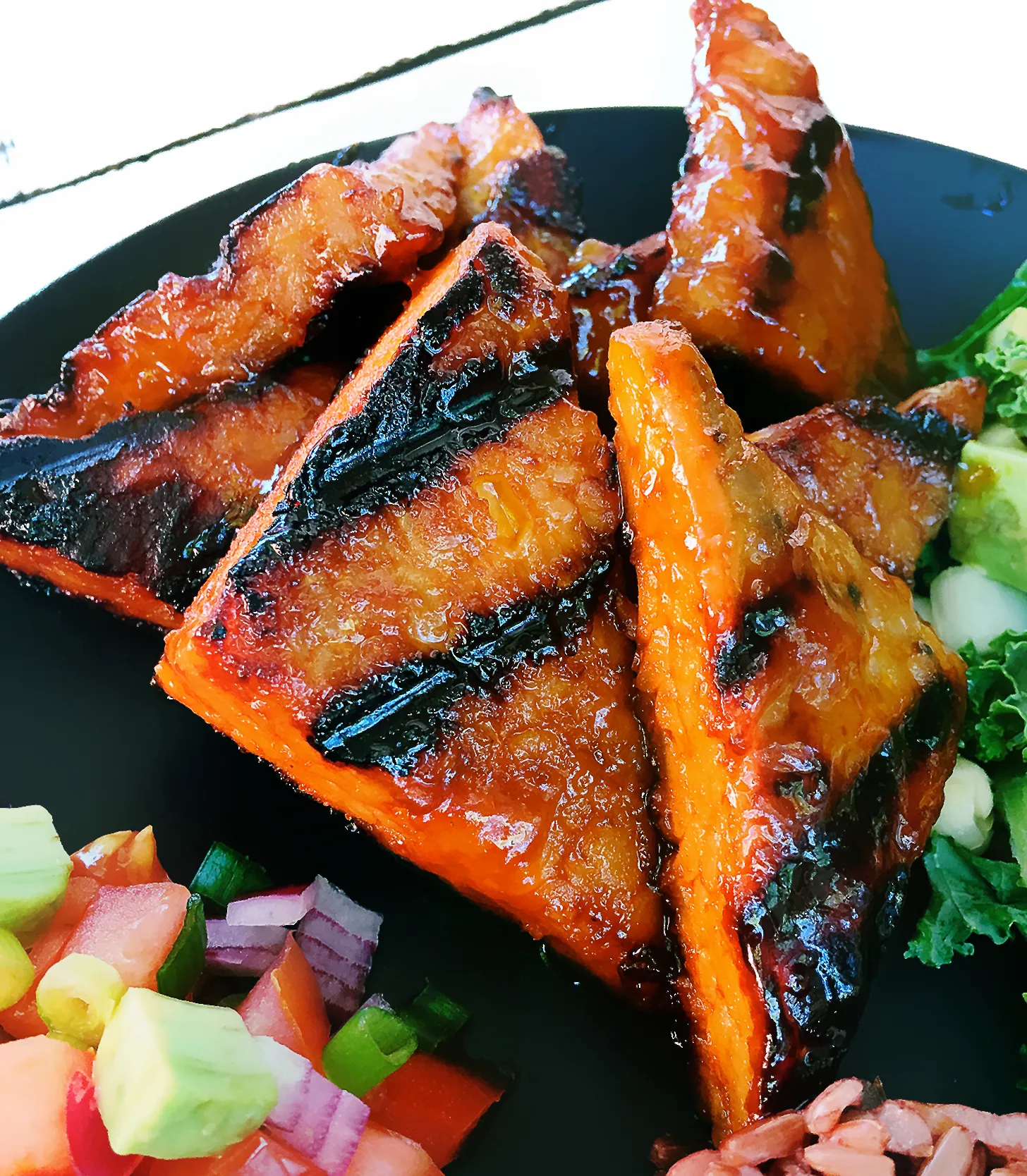
    Some of the most beloved Filipino dishes include:

    • Adobo: This dish, featuring meat marinated in vinegar, soy sauce, and garlic, is a quintessential representation of Filipino cuisine and a favorite among foreigners.
    • Sisig: A spicy and savory dish made from parts of pig head and chicken liver, Sisig is a popular choice that pairs well with cold beer.
    • Sinigang: A classic Filipino soup known for its sour broth, typically made with pork, shrimp, or fish, and an assortment of vegetables.
    • Lechon: A festive centerpiece, Lechon is a whole roasted pig with crispy skin and tender meat, often served during special occasions and celebrations.

    These dishes showcase the diverse range of flavors and culinary traditions found throughout the Philippines.

    Frequently Asked Questions

    How Much Money Do You Need per Day in the Philippines?

    You need about $12 per day in the Philippines. Cooking at home saves 50% compared to eating out. Inexpensive restaurants offer meals for less than $3. For a comfortable lifestyle, monthly expenses range from $200 to $500.

    How Much Money Should I Bring to the Philippines for 2 Weeks?

    For a comfortable 2-week stay in the Philippines, you should bring around $400 to $1000, depending on your lifestyle. This includes food, accommodation, transportation, and activities. Having a mix of dining out and cooking at home can help manage expenses.

    Is It Cheap to Eat Out in the Philippines?

    Eating out in the Philippines is cheap! You can enjoy a meal at inexpensive restaurants for less than 150 pesos, while middle-range places offer dinner for two at about 12 to 14 dollars.

    Is 3000 Pesos a Lot in Philippines?

    3000 pesos in the Philippines can cover a variety of meal options, from street food to mid-range restaurants. It’s a decent amount for dining out, providing flexibility to explore different cuisines and dining experiences.

    What is the average cost of the most ordered food in the Philippines?

    The average cost of the most ordered food online in the Philippines varies depending on the dish. However, popular options like adobo, sinigang, and lechon kawali typically range from 150-300 PHP. Factors such as location and restaurant choice can also impact the price.

    Conclusion

    So, whether you’re grabbing a quick bite from a street food vendor, indulging in a famous fast-food chain, or treating yourself to a luxurious dining experience, the cost of a meal in the Philippines can cater to every budget.

    From the bustling urban centers to the serene rural areas, the diverse culinary landscape offers something for everyone, making dining in the Philippines a delicious and affordable experience for locals and travelers alike.

  • Is Food Cheap in the Philippines?

    Is Food Cheap in the Philippines?

    Food in the Philippines offers a range of affordability, from street foods at PHP 10 to fine dining at PHP 5,000 for two, catering to various budgets and tastes. The diverse culinary landscape in the Philippines provides budget-friendly options like street foods and fast-food chains, making it an accessible destination for food enthusiasts.

    Key Takeaways

    • Street food in the Philippines is affordable, with prices ranging from PHP 10 to PHP 150. Local markets offer isaw for PHP 10 to PHP 25 per stick and fish balls for PHP 10 for 7 pieces.
    • Fast-food chains like Jollibee and McDonald’s provide convenient and economical options, with meals ranging from PHP 150 to PHP 200. A typical Jollibee meal for one costs PHP 200, while a McDonald’s meal for two costs PHP 250.
    • Mid-range restaurants offer dishes at an average cost of PHP 400 per person, providing an upscale ambiance and a wider selection of culinary choices.
    • High-end restaurant dining in the Philippines can range from PHP 1,000 to PHP 5,000 or more for a meal for two. These establishments offer a luxurious and upscale dining experience with premium quality and service.

    Cost of Street Foods and Local Eateries

    When exploring the culinary scene in the Philippines, you’ll find a diverse array of street foods and local eateries offering budget-friendly options that cater to a wide range of tastes and preferences.

    Street foods in the Philippines aren’t only delicious but also incredibly affordable, ranging from PHP 10 to PHP 150. From sizzling burgers at PHP 25 to mixed street foods at PHP 50, and the beloved taho at PHP 20, these offerings provide a wonderful opportunity to immerse yourself in Filipino flavors without breaking the bank.

    Local markets are also brimming with delights such as isaw, priced at PHP 10 to PHP 25 per stick, and fish balls at PHP 10 for 7 pieces.

    Additionally, carinderias, or local eateries, are fantastic for experiencing authentic Filipino home-cooked meals at prices ranging from PHP 50 to PHP 150, making them a budget-friendly option for a satisfying meal.

    Fast-Food Chain Prices

    Exploring the culinary scene in the Philippines, you’ll find that fast-food chains like Jollibee and McDonald’s offer affordable meals ranging from PHP 150 to PHP 200, providing quick and budget-friendly options for satisfying your cravings.

    A typical Jollibee meal for one costs PHP 200, while a McDonald’s meal for two costs PHP 250. Fast food provides a convenient and economical choice, with prices ranging from PHP 100 to PHP 300. It’s a popular option for budget-conscious travelers and locals alike.

    These chains not only offer delicious local and international flavors but also cater to various preferences, whether it’s a solo meal or a group dining experience. With their competitive pricing and diverse menu options, fast-food chains in the Philippines are a go-to for affordable and satisfying meals.

    Dining Out in Mid-Range Restaurants

    If you’re looking for an upscale dining experience without breaking the bank, mid-range restaurants in the Philippines offer a diverse selection of dishes at an average cost of about PHP 400 ($8) per person.

    Here’s what you can expect when dining out in mid-range restaurants:

    1. Cost-Effective Dining: For around PHP 400, you can indulge in a variety of delectable dishes without straining your wallet.
    2. Signature Dishes: Popular items such as paella valenciana (PHP 545) and seafood pesto pasta (PHP 400) are often featured on the menus, providing a taste of the local cuisine.
    3. Upscale Ambiance: These restaurants provide an upscale dining experience, making them perfect for special occasions or simply treating yourself to a nice meal.
    4. Wide Selection: Compared to street foods and fast-food chains, mid-range restaurants offer a wider array of culinary choices, catering to diverse preferences.

    High-End Restaurant Dining Costs

    Looking to indulge in a lavish dining experience in the Philippines? High-end restaurant dining costs can range from PHP 1,000 ($20) to PHP 5,000 ($100) or more for a meal for two.

    Picture a sophisticated ambiance and exquisite Filipino and international dishes at fine dining establishments like China Blue by Jereme Leung and Yakumi.

    Fine Dining Prices

    Nestled within the bustling culinary scene of the Philippines, high-end restaurants offer a luxurious and sophisticated dining experience, with prices typically starting at PHP 1,000 ($40) and soaring to PHP 5,000 ($100) or more for a memorable meal for two.

    Fine dining establishments provide an exquisite array of Filipino and international dishes in a refined ambiance. Indulging in fine dining presents a lavish and upscale dining experience, perfect for special occasions or treating yourself to something truly exceptional.

    Popular high-end restaurants in the Philippines include China Blue by Jereme Leung, Yakumi, Finestra Italian Steakhouse, and Marriott Cafe. Prices in high-end restaurants are notably higher compared to street foods, fast-food chains, and mid-range restaurants, reflecting the premium quality and service that fine dining restaurants provide.

    Luxury Restaurant Expenses

    Amidst the opulent culinary landscape of the Philippines, immersing yourself in the world of luxury dining presents an exquisite and upscale experience, with high-end restaurant prices ranging from PHP 1,000 ($40) to PHP 5,000 ($100) or more for a memorable meal for two.

    Upscale restaurants in the Philippines offer a sophisticated ambiance and serve exquisite Filipino and international dishes. Dining in these establishments provides a luxurious experience that’s unmatched by other dining options in the country.

    Some popular high-end restaurants in the Philippines include China Blue by Jereme Leung, Yakumi, Finestra Italian Steakhouse, and Marriott Cafe.

    However, it’s important to note that prices in high-end restaurants are significantly higher compared to street foods, fast-food chains, and mid-range restaurants, reflecting the luxurious and indulgent experience they offer.

    Coffee Prices in the Philippines

    When exploring the diverse coffee scene in the Philippines, you’ll find a wide range of coffee prices, reflecting the variety of options and experiences available to coffee enthusiasts.

    Here’s a breakdown of coffee prices in the Philippines:

    1. Price Range: Coffee prices can range from as low as PHP 20 ($.40) to as high as PHP 250 ($5) or more, depending on the type of coffee, coffee shop, and location.
    2. Popular Options: Options include iced coffee (PHP 150), Spanish latte (PHP 250), and iced coffee, tea, and frappe (PHP 150 to PHP 250).
    3. Variability: The cost of a cup of coffee in the Philippines varies greatly depending on the quality and location of the coffee shop.
    4. Influencing Factors: Coffee prices are influenced by factors such as the type of establishment, menu selection, hygiene, food safety, raw materials, and labor costs.

    The diverse range of coffee options caters to different preferences and budgets, making it an integral part of the vibrant restaurant culture in the Philippines.

    Tips for Budget-Savvy Foodies

    Exploring the diverse range of coffee options in the Philippines lays the foundation for savvy budget foodies to navigate the culinary landscape with these money-saving tips.

    Embrace the vibrant street food culture; it offers a plethora of delicious and affordable options, ranging from PHP 10 to PHP 150.

    Local eateries are also budget-friendly, serving up meals from PHP 50 to PHP 150. Opting for these over mid-range restaurants, where dining can cost around PHP 400 per person, can save you a significant amount.

    Take advantage of the cost of living by indulging in the flavors offered by street vendors. These vendors provide an authentic taste of Filipino cuisine at a fraction of the cost of dining in fancier establishments.

    Understanding Food Costs in the Philippines

    Understanding the diverse range of food costs in the Philippines provides valuable insight into the culinary landscape and the affordability of dining options available to both locals and visitors. The cost of dining in the Philippines varies widely, offering choices to suit every budget.

    Here’s a breakdown of the average costs per person at different dining venues:

    1. Street foods and local eateries: PHP 10 to PHP 150
    2. Fast-food chains (e.g., Jollibee, McDonald’s): PHP 150 to PHP 300
    3. Mid-range restaurants: PHP 400
    4. Fine dining restaurants: Start from PHP 1,000

    These options cater to various preferences and financial capacities, ensuring that everyone can experience the rich and diverse Filipino culinary scene. Whether you’re looking for a quick bite, a hearty meal, or a luxurious dining experience, the Philippines has something for everyone.

    Average Meal Prices

    Hey there! Ready to explore the average meal prices in the Philippines?

    You’ll find a range of options, from affordable street foods priced at PHP 50 to PHP 150, to budget-friendly local eateries offering meals within the same price range.

    If you’re looking for something quick, fast-food chains like Jollibee and McDonald’s provide meals for around PHP 150 to PHP 200.

    Cost of Street Food

    When exploring the cost of street food in the Philippines, you can find a variety of affordable and delicious options ranging from PHP 50 to PHP 150, including burgers, mixed street foods, taho, isaw, and fish balls. These street foods are popular and readily available, offering a quick and tasty dining experience without breaking the bank.

    The diverse range of options ensures that there’s something for everyone’s palate, whether you’re craving a savory snack or a sweet treat. Here’s what you can expect to cost around:

    1. Burgers: PHP 50
    2. Mixed street foods: PHP 100
    3. Taho: PHP 10
    4. Isaw and fish balls: PHP 20

    These prices make street food an attractive and budget-friendly choice for enjoying the local flavors while exploring the bustling streets of the Philippines.

    Restaurant Meal Prices

    Exploring the culinary landscape in the Philippines, you’ll discover a wide range of dining options, from affordable street food to upscale restaurant meals, catering to various tastes and budgets. When you visit the Philippines, you’ll find that restaurant meal prices vary widely, offering choices for every budget. Here’s an overview of average meal prices:

    Type of Restaurant Average Meal Prices (per person)
    Street Food PHP 50 – PHP 150
    Fast-Food Chains PHP 150 – PHP 200
    Mid-Range Restaurants PHP 400
    Fine Dining Restaurants PHP 1,000 – PHP 5,000 (for two)

    Whether you’re looking for a quick and budget-friendly meal at a fast-food chain or a luxurious dining experience at a fine dining restaurant, the Philippines offers a diverse range of culinary experiences to suit your preferences and budget.

    Living Expenses: Food Costs

    When navigating the food costs in the Philippines, you’ll find a wide range of options, from affordable street foods priced at PHP 10 to PHP 150 to luxurious fine dining experiences reaching PHP 5,000 or more for a meal for two.

    Here are the current food costs in the Philippines:

    1. Street Foods: Indulge in burgers, mixed street foods, taho, isaw, and fish balls ranging from PHP 10 to PHP 150, providing flavorful and budget-friendly options.
    2. Fast-Food Chains: Enjoy quick and affordable meals at popular chains like Jollibee and McDonald’s, with prices ranging from PHP 150 to PHP 300, catering to your hunger pangs.
    3. Mid-Range Restaurants: Explore diverse and upscale dining experiences with an average cost of PHP 400 per person, offering a balance between variety and affordability.
    4. Fine Dining: Treat yourself to luxurious dining experiences starting from PHP 1,000, with prices reaching PHP 5,000 or more for a meal for two, promising an unforgettable culinary journey.

    Dining Options and Prices

    As you consider your dining options in the Philippines, from indulging in affordable street foods to experiencing luxurious fine dining, the wide range of choices caters to various preferences and budgets.

    Street foods offer budget-friendly delights such as burgers, mixed street foods, taho, isaw, and fish balls, ranging from PHP 10 to PHP 150.

    Local carinderias provide authentic Filipino home-cooked meals from PHP 50 to PHP 150.

    Fast-food chains like Jollibee and McDonald’s offer quick meals ranging from PHP 150 to PHP 300.

    For a more diverse and upscale dining experience, mid-range restaurants charge around PHP 400 per person, featuring popular dishes like paella valenciana and seafood pesto pasta.

    If you seek a luxurious experience, fine dining restaurants start from PHP 1,000 and can exceed PHP 5,000 for a meal for two.

    Whether you’re on a tight budget or seeking an upscale culinary adventure, the Philippines caters to all dining preferences and prices.

    Budgeting for Food in the Philippines

    Budgeting for food in the Philippines is essential for travelers looking to make the most of their dining experiences while being mindful of their expenses. Here are some tips to help you save money while enjoying the diverse culinary offerings:

    1. Explore Street Foods:

    Indulge in local flavors at affordable prices ranging from PHP 10 to PHP 150, providing a budget-friendly way to experience Filipino cuisine.

    1. Opt for Fast-Food Chains:

    Satisfy your cravings without breaking the bank with meals ranging from PHP 150 to PHP 300 at popular chains like Jollibee and McDonald’s.

    1. Consider Mid-Range Restaurants:

    Enjoy a wider selection of dishes at an average cost of PHP 400 per person, providing a balance between variety and budget.

    1. Be Mindful of Coffee Expenses:

    Coffee prices range from PHP 20 to PHP 250, so choose your caffeine fix wisely to stay within your budget.

    Exploring Food Affordability

    Exploring food affordability in the Philippines opens up a world of diverse culinary offerings, allowing you to savor local flavors and indulge in delicious meals without overspending.

    From street foods priced between PHP 10 to PHP 150 to carinderias offering home-cooked meals ranging from PHP 50 to PHP 150, there are plenty of budget-friendly options for authentic dining.

    Fast-food chains like Jollibee and McDonald’s also provide quick and affordable meals ranging from PHP 150 to PHP 250.

    For a more upscale experience, mid-range restaurants offer diverse dining at around PHP 400 per person.

    If you’re willing to splurge, fine dining establishments start at PHP 1,000, providing a luxurious culinary experience.

    With such a wide range of options, exploring food affordability in the Philippines ensures that there’s something for every budget.

    Frequently Asked Questions

    How Much Does a Meal Cost in the Philippines?

    A meal in the Philippines ranges from PHP 50 ($1) for street food to PHP 5,000 ($100) for fine dining. Fast-food meals are around PHP 150 ($3) and mid-range restaurants average PHP 400 ($8) per person.

    Is the Philippines Cheaper Than Usa?

    In the Philippines, food is generally less expensive than in the USA. You can enjoy a variety of affordable street foods, fast-food meals, and mid-range dining options, making it a budget-friendly food destination.

    Is 3000 Pesos a Lot in Philippines?

    In the Philippines, 3000 pesos can go a long way, allowing you to enjoy budget-friendly street foods, quick meals at fast-food chains, and even dine in mid-range restaurants, providing a variety of affordable dining options.

    Are Things Cheap in the Philippines?

    Things in the Philippines can be cheap, especially when it comes to food. From street eats starting at PHP 10 to mid-range dining at around PHP 400 per person, you’ll find affordable options to satisfy your cravings.

    Does the Staple Food in the Philippines Contribute to the Affordable Cost of Food?

    Rice is the staple food in Philippines, and it plays a significant role in the affordable cost of food. With rice being a major part of the everyday diet, it provides a cheap source of energy for the majority of the population, helping to keep overall food costs down.

    Conclusion

    So, if you’re looking for affordable and delicious food options, the Philippines has got you covered.

    From street foods and fast-food chains to mid-range and high-end restaurants, there are plenty of dining options to suit your budget.

    With meals ranging from as low as $0.20 to $100 or more, you can enjoy a wide variety of tasty dishes without spending a fortune.

    The affordability of food in the Philippines makes it a great destination for food lovers on a budget.

  • 5 Best Filipino Cuisine Restaurants in Manila

    5 Best Filipino Cuisine Restaurants in Manila

    The 5 best Filipino cuisine restaurants in Manila are Bistro Remedios, Barbaras Heritage Restaurant, MilkyWay Café, Abes Restaurant, and Manam Comfort Filipino, offering vibrant and authentic dining experiences. These restaurants showcase the rich culinary traditions of the Philippines through signature dishes like Kare-Kare, Crispy Pata, and Chicken Adobo, ensuring a memorable culinary journey.

    Key Takeaways

    • Bistro Remedios, Barbaras Heritage Restaurant, MilkyWay Café, Abes Restaurant, Manam Comfort Filipino, and Lampara restaurant are among the top Filipino cuisine restaurants in Manila.
    • These restaurants offer a vibrant and authentic Filipino dining experience, capturing the essence of Filipino cuisine and culture.
    • They feature signature dishes such as Kare-Kare, Crispy Pata, Sinigang na Salmon, Chicken Adobo, Adobong Pusit, and Kare-Kare, showcasing the rich culinary traditions of the Philippines.
    • The restaurants provide a variety of dining experiences, from immersive and nostalgic settings to modern and elegant atmospheres, ensuring a memorable culinary journey through innovative flavors.

    Bistro Remedios

    If you’re looking for a vibrant and authentic Filipino dining experience in Manila, Bistro Remedios at 1911 M. Adriatico St, Remedios Circle, Malate, is a must-visit restaurant.

    The chic ambiance dedicated to Filipino culture creates a festive atmosphere, making it a popular choice among locals and tourists.

    The restaurant’s convenient location and extensive opening hours, from Monday to Sunday, ensure ample opportunities to savor their traditional dishes.

    Bistro Remedios isn’t just a place to eat; it’s an experience. The talented guitarists and singers add to the lively atmosphere, promising a memorable dining experience.

    The dedication to preserving Filipino heritage through food and ambiance is evident in every aspect of this restaurant.

    Contact Bistro Remedios at +63 (0)2 523 9153 for an unforgettable dining experience in the heart of Makati City.

    Barbaras Heritage Restaurant

    If you’re looking for a place that captures the essence of Filipino cuisine and culture, Barbaras Heritage Restaurant is where you need to be.

    The signature dishes are a true reflection of the rich and diverse flavors of Filipino cuisine, and the ambiance and decor transport you to the heart of the Philippines.

    From the moment you step in, you’ll feel the warmth and hospitality that defines Filipino dining.

    Signature Dishes

    Barbara’s Heritage Restaurant boasts a delectable array of signature dishes that showcase the rich and diverse flavors of Filipino cuisine.

    The Kare-Kare is a must-try, with its tender oxtail stewed in a luscious peanut sauce and served with a side of bagoong, adding a delightful umami kick.

    For a crispy indulgence, the Crispy Pata, a deep-fried pork leg dish, offers a perfect balance of crispy skin and succulent meat.

    The Sinigang na Salmon, a tangy soup featuring fresh salmon and tamarind, provides a refreshing burst of flavors.

    Don’t miss out on the classic Chicken Adobo, a savory and tender delight that perfectly captures the essence of Filipino comfort food.

    And to satisfy your crispy pork cravings, the Lechon Kawali’s perfectly fried pork belly is an absolute delight.

    These dishes truly exemplify the modern Filipino culinary experience.

    Ambiance and Decor

    Immerse yourself in the genuine Filipino ambiance and decor at Barbaras Heritage Restaurant, where traditional elements and vibrant cultural displays create a truly immersive dining experience. The restaurant’s decor reflects the richness of Filipino heritage, with modern touches seamlessly blending with traditional designs. As you step into the restaurant, you’ll be enveloped in an atmosphere that exudes comfort and authenticity. The fine-dining setting is complemented by the lively and celebratory decor, making it the perfect place to savor authentic Filipino cuisine. During lunchtime and evenings, resident musicians and dancers further enhance the ambiance, creating a truly immersive and culturally rich dining environment. Here’s a glimpse of what you can expect:

    Comfort Modern Traditional
    Warm and inviting seating arrangements Contemporary lighting fixtures Indigenous art and cultural displays

    Barbaras Heritage Restaurant offers an ambiance that perfectly complements the exquisite Filipino culinary experience.

    MilkyWay Café

    Nestled in the heart of Makati, MilkyWay Café beckons with its 50-year legacy of serving authentic Filipino cuisine in a nostalgic setting. Offering five distinct dining spaces within its three-story establishment, MilkyWay Café is a gem for those seeking traditional Filipino fare.

    They pride themselves on preserving authentic Filipino flavors through heirloom recipes. The restaurant’s commitment to genuine Filipino food is evident in every dish, making it a must-visit for anyone craving an authentic Filipino dining experience.

    The retro-inspired interiors further enhance the ambiance, adding a touch of nostalgia to your meal. With its rich history and dedication to preserving the essence of Filipino cuisine, MilkyWay Café stands out as a premier destination for those looking to savor the true taste of the Philippines.

    Abes Restaurant

    Now it’s time to dive into the delectable world of Abes Restaurant.

    Get ready for a culinary adventure as you explore their signature dishes, each bursting with the rich and vibrant flavors of Filipino-Kapampangan cuisine.

    The warm and inviting ambiance, coupled with impeccable service and hospitality, creates an unforgettable dining experience that’s sure to leave you craving for more.

    Signature Dishes

    With a menu bursting with flavors and a dedication to preserving the legacy of Emilio Aguilar Cruz, Abes Restaurant proudly showcases its signature dishes, inspired by the culinary adventures of Abe himself.

    The restaurant’s commitment to traditional Filipino food shines through in its signature dishes, which offer a delightful blend of regional Filipino flavors and modern cooking techniques.

    From the succulent Adobong Pusit to the flavorful Kare-Kare, each dish tells a story of Filipino culinary heritage.

    The use of premium ingredients and authentic recipes ensures an unforgettable dining experience that captures the essence of Filipino cuisine.

    Abes Restaurant’s dedication to preserving and celebrating the rich culinary traditions of the Philippines makes it a must-visit for those seeking the best Filipino restaurants in Manila.

    Ambiance and Decor

    Immerse yourself in the vibrant culinary journey at Abes Restaurant, where the warm and inviting ambiance seamlessly intertwines with traditional Filipino decor, reflecting the rich cultural heritage of the Philippines with a touch of elegance.

    As you step into Abes Restaurant, the cozy and welcoming atmosphere envelops you, creating the perfect setting for a delightful dining experience.

    The Filipino-inspired interior design, with its charming and nostalgic elements, adds to the overall appeal and authenticity of the restaurant.

    The decor complements the authentic Filipino-Kapampangan cuisine, enhancing the immersive dining experience.

    The combination of contemporary Filipino elements and locally grown materials further enhances the comforting ambiance, making it an ideal place to savor comfort Filipino dishes in Metro Manila.

    Abes Restaurant not only serves delectable dishes but also provides a captivating ambiance that truly showcases the essence of Filipino hospitality and culture.

    Service and Hospitality

    Abes Restaurant’s dedication to providing exceptional service and hospitality creates a welcoming and warm atmosphere for guests to enjoy their authentic Filipino-Kapampangan cuisine. From the moment you step in, you’re greeted with genuine warmth and a sincere desire to make your dining experience memorable.

    The attentive staff members are well-versed in the intricacies of Filipino cuisine, readily offering recommendations and ensuring that every need is met with a smile. Whether you’re a local or a visitor to Manila, the restaurant’s commitment to great service makes every visit feel like a cherished dining experience.

    The seamless blend of efficiency and friendliness enhances the pleasure of savoring some of the best Filipino food in Makati, solidifying Abes Restaurant’s reputation as one of the top Filipino restaurants in Manila.

    Manam Comfort Filipino

    Indulging in Manam Comfort Filipino’s contemporary Filipino decor and innovative twists on classic dishes promises a delightful culinary experience in Manila. Here’s why you should make a dining reservation at one of their branches in Metro Manila:

    1. Home-Cooked Filipino Cuisine: Enjoy a modern take on traditional Filipino comfort food classics, prepared with a focus on flavors and quality ingredients.
    2. Multiple Branches: With four locations across Manila, including Ayala Center Makati and Esperanza St, you can easily find a convenient spot to savor their delectable offerings.
    3. Extended Operating Hours: Whether you’re craving Filipino fare for breakfast, lunch, or dinner, Manam Comfort Filipino has you covered, operating from 7am to 11pm daily.
    4. Comfortable Ambiance: Relish a wide range of classic and innovative Filipino dishes in a comfortable and welcoming environment, perfect for a relaxed dining experience.

    Romulo Café

    Curiously, have you ever dined in a cozy museum-style space while savoring classic Filipino dishes with a modern twist?

    Romulo Café, named after the esteemed Carlos P. Romulo, offers the best in classic Filipino dishes. The restaurant’s dedication to preserving traditional flavors while adding a contemporary touch makes it a standout choice for experiencing Filipino comfort food.

    With its location at 148 Jupiter St. corner Comet St., Bel-Air, Makati, Romulo Café provides a dining experience that goes beyond the exquisite regional dishes. The inviting and cozy atmosphere makes it ideal for intimate family dinners and gatherings.

    The restaurant’s commitment to using heirloom recipes ensures that guests are treated to the finest representations of Filipino culinary heritage. A visit to Romulo Café promises a delightful journey through the rich flavors of Philippine history.

    Sarsa Kitchen + Bar

    You’re in for a treat at Sarsa Kitchen + Bar. The signature dishes are a delightful fusion of traditional flavors and modern culinary techniques.

    The ambiance exudes a cozy and contemporary vibe, perfect for a casual lunch or a special dinner.

    And the service? It’s top-notch, ensuring that your dining experience is nothing short of exceptional.

    Signature Dishes

    Savor the innovative flavors and contemporary twists on traditional Negrense dishes at Sarsa Kitchen + Bar, where each signature dish offers a unique culinary experience. The menu boasts an array of tantalizing options that will leave your taste buds begging for more:

    1. Crispy Chicken: Indulge in the succulent and crispy goodness of Sarsa’s perfectly fried chicken, seasoned to perfection and bursting with flavor.
    2. Beef Short Rib: Dive into tender, juicy beef short ribs, marinated and slow-cooked to perfection, offering a delightful explosion of savory goodness.
    3. Lechon Kawali: Experience the Filipino classic, lechon kawali, with Sarsa’s modern twist, featuring perfectly crisped pork belly that will leave you craving for more.
    4. Sinigang na Crispy Pata: Delight in the unique fusion of sour sinigang soup and crispy pata, a dish that perfectly balances flavors and textures.

    Each dish at Sarsa Kitchen + Bar promises an unforgettable dining experience, showcasing the best of Filipino cuisine with a contemporary flair.

    Ambiance and Service

    Sarsa Kitchen + Bar not only tantalizes your taste buds with its signature dishes but also envelops you in a warm and inviting ambiance, offering attentive service for a delightful dining experience. The contemporary Filipino food with a twist is complemented by modern, warmly colored décor, creating a seamless blend of traditional and modern. With around 6 branches across Manila, Sarsa Kitchen + Bar ensures accessibility for both locals and tourists. The restaurant’s creative take on Filipino cuisine promises a unique and flavorful culinary journey. The ambiance and service at Sarsa Kitchen + Bar truly elevate the dining experience, making it a must-visit for those seeking a perfect blend of delectable food and a welcoming atmosphere.

    Ambiance Service
    Warm and inviting Attentive
    Modern décor Delightful

    The Singing Cook & Waiters

    Nestled in the heart of Manila, The Singing Cook & Waiters offers a unique and entertaining dining experience that combines the vibrant flavors of Filipino cuisine with live musical performances.

    Here’s why you should visit:

    1. Live Entertainment: Enjoy your meal while being serenaded by talented singing and dancing cooks and waiters, adding a lively touch to your dining experience.
    2. Delicious Filipino Fare: Indulge in authentic Filipino dishes such as crispy chicken, leche flan, and comforting vegetable soup, all prepared with traditional recipes and local ingredients.
    3. Convenient Location: Situated on Roxas Blvd, Pasay, Metro Manila, this restaurant is easily accessible and perfect for a delightful meal after exploring the city.
    4. Engaging Atmosphere: Immerse yourself in the vibrant and dynamic ambiance, making every visit a memorable and entertaining experience.

    Gerrys Grill

    Located near the corner of Pedro Gil and Adriatico Streets in the Ermita District of Manila, Gerrys Grill offers an extensive menu featuring classic Filipino dishes and is renowned for its Kare-kare, a Philippine stew with a thick savory peanut sauce. This popular restaurant, with over 80 branches both locally and internationally, promises an authentic Filipino dining experience.

    Gerrys Grill is a go-to spot for Filipino favorites like Chicken Inasal, a grilled chicken dish marinated in a blend of tangy and savory flavors. The restaurant’s convenient locations in major malls such as SM City and Ayala Malls make it an accessible choice for locals and tourists alike. Whether you’re in Manila or Quezon City, Gerrys Grill is a must-visit for a taste of traditional Filipino cuisine in a welcoming and vibrant setting.

    Filipino Favorites Locations Operating Hours
    Kare-kare Pedro Gil St. 10 am – 9 pm
    Chicken Inasal Adriatico St.
    SM City

    Mesa Filipino Moderne

    If you’re yearning for a contemporary twist on classic Filipino cuisine, brace yourself for Mesa Filipino Moderne’s innovative take on traditional flavors and techniques. A perfect follow-up to Gerrys Grill’s authentic dining experience.

    Situated in the vibrant area of Paseo de Roxas, Mesa Filipino Moderne boasts an upscale ambiance while staying true to its Filipino culinary roots.

    The restaurant is highly recommended for its table-side serving of Crispchon, a modern presentation of the beloved crispy roasted pig dish.

    Chef Mikel of Mesa Filipino Moderne has mastered the art of infusing traditional Filipino dishes with a modern flair, making it a must-visit for those seeking an elevated dining experience.

    Don’t leave without trying their flavorful beef salpicao, a dish that perfectly encapsulates the restaurant’s innovative approach to Filipino cuisine.

    If you enjoyed Toyo Eatery, Mesa Filipino Moderne is a must-visit.

    Pamana Restaurant

    Step into a world of rich Filipino culinary heritage at Pamana Restaurant, where authentic flavors and traditional recipes dating back a century await your palate. Located in Manila, on Arnaiz Ave, Pamana Restaurant offers a unique culinary experience, showcasing classic Filipino dishes with a modern twist.

    This dining destination is known for its dedication to preserving Filipino culinary heritage through its diverse menu featuring time-honored Filipino dishes and regional specialties. The inviting ambiance at Pamana Restaurant reflects the warmth of Filipino hospitality, creating a welcoming setting for enjoying Filipino cuisine. With its focus on heirloom recipes, this restaurant is a must-visit for those seeking an immersive culinary journey through Filipino flavors and culture.

    Pamana Restaurant
    Authentic Filipino flavors Heirloom recipes Diverse menu of Filipino dishes Warm, inviting ambiance

    Lampara

    Indulge in a shift from the traditional to the contemporary Filipino culinary scene as we move from the rich heritage of Pamana Restaurant to the modern elegance of Lampara, where innovative flavors and intimate ambiance await to captivate your senses.

    Located in the vibrant Remedios Circle along Arnaiz Avenue, Lampara, led by the renowned chef JP Anglo, offers a unique take on home-cooked Filipino dishes. The dimly lit ambiance adds a touch of modern elegance, setting the stage for an exceptional dining experience.

    The menu at Lampara showcases a creative fusion of traditional Filipino ingredients and cooking techniques, redefining classic dishes like sinigang (sour soup) and adobo. Lampara is the perfect destination for those seeking a contemporary twist on Filipino cuisine in a sophisticated setting.

    Frequently Asked Questions

    Where Do Celebrities Eat in the Philippines?

    Celebrities in the Philippines often dine at popular Filipino restaurants like Manam, Sentro 1771, and Romulo Cafe. These places offer classic and modern options and must-try dishes such as house-crispy sisig and beef short rib with watermelon.

    What Is the Number 1 Filipino Dish?

    The number 1 Filipino dish is adobo. It’s a savory blend of meat, vinegar, soy sauce, and spices that creates a flavorful explosion in your mouth. You’ve got to try it!

    Where Would You Recommend Me to Go for Delicious Filipino Cuisine?

    If you’re craving delicious Filipino cuisine, I’d recommend trying Bistro Remedios for a chic venue with talented musicians, Barbaras Heritage Restaurant for a genuine Filipino ambiance, and The Aristocrat for their honey-cured chicken barbecue.

    What Is the Most Iconic Filipino Food?

    The most iconic Filipino food has to be adobo. The savory blend of meat, vinegar, soy sauce, and spices creates a flavor explosion that’s hard to resist. It’s a must-try when exploring Filipino cuisine.

    Can Graduates from Top Culinary Schools in the Philippines Be Found in the 5 Best Filipino Cuisine Restaurants in Manila?

    Yes, graduates from top culinary schools Philippines can be found in the 5 best Filipino cuisine restaurants in Manila. These talented chefs bring their expertise and creativity to these renowned establishments, showcasing the culinary excellence that they have honed through their education and training at top culinary schools in the Philippines.

    Conclusion

    So, whether you’re a local looking for a taste of home or a tourist wanting to experience authentic Filipino cuisine, Manila has got you covered with its top-notch restaurants.

    From the vibrant ambiance of Bistro Remedios to the cultural shows at Barbaras Heritage Restaurant, you’ll be treated to a feast for the senses.

    And with the delicious dishes at MilkyWay Café, Abes Restaurant, and the other top spots, you’ll leave with a satisfied stomach and a happy heart.

    Happy dining!

  • What Are Some of the Most Ordered Food Online in the Philippines?

    What Are Some of the Most Ordered Food Online in the Philippines?

    Some of the most ordered food online in the Philippines include tapsilog, pancit, adobo, fried chicken, milk drinks, and desserts like halo-halo and bubble tea. These dishes reflect local favorites and diverse flavors, catering to a wide range of tastes in online food ordering.

    Key Takeaways

    • Tapsilog, pancit, adobo, sinigang, kare-kare, and lechon are popular Filipino dishes.
    • Jollibee, McDonald’s, Chowking, Greenwich, and Mang Inasal are popular fast food chains in the Philippines.
    • Japanese, Korean, Italian, Chinese, and Mexican cuisines are popular choices for online delivery in the Philippines.
    • Halo-halo, leche flan, bibingka, ube halaya, and pastries are popular desserts and sweets in the Philippines.

    Local Filipino Favorites

    When it comes to local Filipino favorites, the comforting flavors of tapsilog, pancit, and adobo take center stage in the online food ordering scene, satisfying cravings with their traditional and familiar appeal. These dishes aren’t only delicious but also reflect the cherished flavors of Filipino cuisine.

    When you order food for delivery, you’ll find that tapsilog, a combination of cured beef, fried rice, and fried egg, is a popular choice due to its hearty and satisfying nature. Similarly, pancit, a flavorful noodle dish often loaded with savory meats and colorful vegetables, is a go-to option for a fulfilling meal. Adobo, with its succulent meat marinated in a tangy and savory sauce, is another top contender.

    Additionally, fried chicken is a universal favorite, loved by many and frequently ordered for its crispy and flavorful appeal.

    Crispy Fried Chicken

    Looking for a crispy, flavorful delight for your next meal order? Crispy fried chicken is one of the top food items ordered in the Philippines.

    The succulent, juicy meat is encased in a perfectly crisp, golden-brown coating, creating a delightful contrast of textures with every bite.

    The aromatic blend of herbs and spices adds an explosion of flavor to each piece. Pairing it with creamy coleslaw and fluffy, freshly baked biscuits completes the meal, offering a symphony of tastes and textures.

    Don’t forget to dip the chicken in the tangy, savory Thai-style Mayo Dip for an extra burst of flavor.

    When ordering, ensure that the restaurant focuses on quality packaging, maintaining the chicken’s freshness and crunchiness during delivery for an exceptional dining experience.

    Sweet Milk Drinks and Desserts

    Craving something sweet and creamy? Indulge in popular sweet milk drinks and trendy dessert choices that are a hit among online food orders in the Philippines.

    From rich milk puddings to refreshing bubble teas, these delectable add-ons elevate your meal experience with their irresistible flavors and textures.

    With proper packaging to prevent leaks and spills, these sweet treats are a must-try for anyone with a sweet tooth.

    Popular Sweet Drinks

    Sweet milk drinks and desserts are beloved indulgences that delight the taste buds of many online food delivery customers in the Philippines. When it comes to popular sweet drinks, the data collected reveals that options like mango, ube, and buko pandan are frequently ordered for delivery. Customers often enhance their sweet milk drinks with add-ons such as tapioca pearls, nata de coco, and jelly, adding layers of texture and flavor to their indulgent beverages.

    Quality packaging is crucial to prevent spills and maintain the freshness of these sweet drinks during delivery, ensuring that customers receive their orders in perfect condition.

    Additionally, popular desserts like leche flan, ube halaya, and buko pandan are also commonly ordered, providing a delectable sweet ending to a meal.

    Trendy Dessert Choices

    Tantalize your taste buds with the latest trendy dessert choices, including a variety of sweet milk drinks and luscious desserts that are captivating the online food ordering market in the Philippines. These trendy sweet milk drinks and desserts are not just delicious but also visually appealing, making them a popular choice for satisfying your sweet cravings. Here’s a glimpse of some of the most sought-after options:

    Sweet Milk Drinks Luscious Desserts Popular Add-Ons
    Bubble Tea Milk Puddings Cake Slices
    Milk Teas Tiramisu Ice Cream
    Fruit Teas Flan Churros
    Iced Lattes Cheesecakes Panna Cotta

    With over 10 different options available, make sure to indulge in these delightful treats and elevate your food delivery experience.

    Flavorful Pasta Dishes

    When it comes to ordering food online in the Philippines, flavorful pasta dishes like carbonara, bolognese, and innovative fusion recipes are some of the most sought-after options for delivery.

    Whether it’s the creamy richness of carbonara, the hearty flavors of bolognese, or the exciting fusion of local and international ingredients, Filipinos have a deep love for satisfying pasta dishes.

    To cater to different preferences, consider offering a variety of pasta options, highlighting unique flavors and ingredients. Investing in quality packaging is crucial to ensure leak-proof delivery and to keep the pasta fresh and delicious upon arrival.

    Pasta, being a universally loved comfort food, remains a top choice for online orders, and exploring creative recipes such as Pasta with Salted Egg Cream Sauce can offer customers unique and exciting pasta options.

    Juicy Burgers and Fries

    Craving a satisfying meal that combines juicy burgers and crispy fries for your next online order? Look no further than Juicy Burgers and Fries.

    Sink your teeth into a variety of mouthwatering options, from classic cheeseburgers to specialty burgers with unique toppings and flavors. Customize your burger with extra cheese, bacon, or jalapenos for the perfect combination.

    But let’s not forget about the fries – always freshly prepared, crispy, and seasoned to perfection. Each bite offers a delightful blend of flavors and textures.

    Juicy Burgers and Fries prioritizes quality ingredients and excellent customer service, ensuring a delightful online ordering experience for burger and fry enthusiasts.

    Fresh Seafood Delights

    Craving the freshest catch from the sea? From succulent shrimp to plump crabs and flaky fish, there’s a bounty of options to tantalize your taste buds.

    Discover the health benefits of indulging in these ocean delights and get ready for a culinary adventure right in your own kitchen.

    Popular Seafood Choices

    Looking to indulge in a feast of fresh seafood delights without leaving the comfort of your home? When it comes to ordering seafood online in the Philippines, popular choices include shrimp, crab, and fish. Customers appreciate the convenience of having fresh and well-prepared seafood options delivered right to their doorstep. Quality packaging and proper handling are essential for ensuring that the seafood remains fresh during delivery.

    As you browse through online menus, you’ll find a variety of tempting seafood dishes such as succulent garlic butter shrimp and perfectly grilled fish, all ready to be enjoyed in the comfort of your own home.

    • Succulent garlic butter shrimp
    • Perfectly grilled fish
    • Fresh and juicy crab

    Cooking Tips for Seafood

    To ensure the best flavor and quality in your fresh seafood delights, it is essential to follow proper cooking tips that highlight the natural taste of the seafood. Here are some essential cooking tips to make the most of your seafood:

    Cooking Tips for Seafood
    1. Ensure freshness by checking for clear, bright eyes and firm, shiny flesh.
    2. Store seafood in the coldest part of the refrigerator, ideally at 32°F to maintain quality and freshness.
    3. Season seafood lightly to allow the natural flavors to shine through.
    4. Remove seafood from heat just before it’s fully cooked to prevent overcooking.
    5. Experiment with different cooking methods such as grilling, steaming, and pan-searing to bring out the best flavors in seafood.

    Health Benefits of Seafood

    After mastering the essential cooking tips for seafood to ensure freshness and optimal flavor, it’s time to explore the abundant health benefits of indulging in fresh seafood delights.

    • Seafood is a rich source of essential nutrients like omega-3 fatty acids, protein, vitamins, and minerals.
    • Regular consumption of seafood may lower the risk of heart disease and stroke due to its high omega-3 content.
    • Seafood, such as fish and shellfish, is a great source of lean protein, aiding in muscle building and repair.

    Incorporating seafood into your diet may support brain health and cognitive function, thanks to its omega-3 fatty acids. The abundance of vitamins and minerals in seafood, particularly zinc and iron, can contribute to overall immune system health.

    With its array of health benefits, fresh seafood isn’t only a delicious culinary delight but also a vital component of a healthy diet.

    Savory Chinese Takeout

    When craving a satisfying and convenient meal, Savory Chinese takeout offers a delectable array of classic dishes that can be easily enjoyed through online delivery services.

    Indulge in favorites such as orange chicken, kung pao chicken, and chow mein, all just a few clicks away. The comforting aroma of stir-fried noodles, dim sum, and sweet and sour dishes will tantalize your senses as you eagerly await your delivery.

    Quality packaging ensures leak-proof transportation of the delicate sauces and soups that are staples of Chinese cuisine. Moreover, there’s something for everyone, including a variety of vegetarian and vegan options.

    Elevate your meal with popular add-ons like egg rolls, potstickers, and delectable Chinese-style desserts such as mango pudding or almond cookies.

    Experience the convenience and flavors of savory Chinese takeout delivered right to your doorstep.

    Mouthwatering Pizza Selections

    Savor the tantalizing aroma of freshly baked pizzas, topped with a delightful array of ingredients, as you explore the mouthwatering pizza selections available for online delivery.

    Indulge in classic favorites like pepperoni, mushrooms, and bell peppers.

    Try unique and gourmet options to tantalize your taste buds.

    Customize your pizza with choices like crust type and extra cheese for a personalized experience.

    Imagine unwrapping a box to reveal a piping hot pizza, the cheese bubbling and the toppings perfectly arranged.

    Quality packaging ensures that your pizza arrives fresh and intact, ready to be enjoyed.

    Whether you crave the familiar flavors of a classic pizza or want to venture into new taste territories, the online pizza scene in the Philippines has something for every palate.

    Healthy Salad Options

    Dive into a world of vibrant and nutritious salads, featuring an array of colorful vegetables, protein options, and homemade dressings to tantalize your taste buds and nourish your body.

    Picture a base of crisp romaine lettuce or nutrient-packed spinach, adorned with a rainbow of cherry tomatoes, crunchy cucumbers, vibrant bell peppers, and shredded carrots.

    Choose from a range of protein options, including grilled chicken, tofu, or succulent shrimp, to add a satisfying and wholesome element to your salad.

    Elevate the flavors with homemade dressings like balsamic vinaigrette, Greek yogurt ranch, or citrus vinaigrette, each offering a burst of freshness and tanginess.

    Imagine sprinkling superfoods like quinoa, kale, or creamy avocado on top, adding a nutritional boost and delightful textures to your customized salad creation.

    Satisfying Noodle Bowls

    Indulge in the irresistible allure of satisfying noodle bowls, a popular and comforting choice for online delivery that promises a customizable and hearty dining experience. Whether you’re craving the rich flavors of ramen, the chewy texture of udon, or the delicate taste of soba, noodle bowls offer a diverse range of options to satiate your appetite.

    The convenience of ordering online allows you to enjoy these delectable dishes in the comfort of your home, with quality packaging ensuring that your meal arrives fresh and flavorful. With the ability to personalize your bowl with your favorite ingredients and flavors, noodle bowls provide a satisfying and fulfilling dining experience that caters to your specific preferences.

    Tasty Japanese Sushi Rolls

    You’re about to discover the enticing world of popular sushi varieties, including the top choices for sushi delivery right to your doorstep.

    From the mouthwatering California Maki to the fiery Spicy Tuna Rolls, these delectable options are bound to tantalize your taste buds.

    Get ready for some pro tips to elevate your sushi ordering game and ensure a delightful experience with every bite.

    Popular Sushi Varieties

    Exploring the world of popular sushi varieties reveals an enticing array of tasty Japanese sushi rolls, each bursting with unique flavors and textures.

    Some popular sushi varieties include:

    • Maki Rolls: These sushi rolls are wrapped in seaweed and filled with vinegared rice, fish, and vegetables, offering a delightful combination of flavors and textures in every bite.
    • Nigiri Sushi: Hand-pressed sushi rice topped with a slice of fresh fish or seafood, providing a simple yet exquisite taste that highlights the freshness of the fish.
    • California Roll: A beloved sushi roll filled with imitation crab, avocado, and cucumber, often topped with tobiko (flying fish roe) for an added burst of flavor and a pop of color.

    These sushi varieties showcase the artistry and diverse flavors of Japanese cuisine, making them popular choices for sushi enthusiasts.

    Top Sushi Delivery

    When you crave the delectable flavors of Japanese cuisine, satisfying your sushi cravings is just a few clicks away with top sushi delivery services offering a tempting array of tasty Japanese sushi rolls.

    From the classic California rolls to the fiery spicy tuna rolls and the creamy salmon avocado rolls, these top sushi delivery options bring the best of Japanese flavors straight to your doorstep. Each roll is carefully crafted with fresh ingredients and skillfully rolled to perfection.

    The convenience of sushi delivery ensures that you can indulge in these delightful treats without leaving the comfort of your home. Whether you’re looking for a satisfying and healthy meal or simply want to enjoy the diverse selection of rolls, sushi delivery provides an enjoyable way to experience the rich flavors of Japanese cuisine.

    Sushi Ordering Tips

    Indulge in the art of sushi ordering with these tantalizing tips for savoring the finest Japanese sushi rolls, bringing the flavors of Japan straight to your doorstep. When ordering sushi online, keep these tips in mind to ensure a delightful dining experience.

    • Freshness is Key: Look for sushi restaurants that prioritize using fresh, high-quality ingredients to guarantee the best flavors and textures.
    • Customize Your Order: Take advantage of customization options to tailor your sushi rolls according to your preferences, whether it’s adding extra wasabi, requesting specific toppings, or opting for a spicier mayo.
    • Try New Varieties: Step out of your comfort zone and explore new sushi varieties to expand your palate and experience the diverse flavors of Japanese cuisine.

    Indulgent Dessert Treats

    Transform your day with a luscious slice of decadent cake, a scoop of rich ice cream, or a velvety leche flan delivered straight to your door in the Philippines. Indulgent dessert treats like these are highly sought after for delivery, reflecting the Filipino preference for sweet and comforting delicacies.

    Alongside traditional Filipino desserts, international favorites like donuts and cake are also popular choices for online delivery in the Philippines. Customers often indulge in sweet and satisfying options such as halo-halo, a beloved Filipino dessert, and creamy milk-based treats like milkshakes and puddings.

    Quality packaging is essential for preserving the integrity of indulgent dessert treats during delivery, ensuring they arrive in perfect condition. The availability of these indulgent treats for online delivery makes it convenient for you to satisfy your sweet cravings with just a few clicks.

    Frequently Asked Questions

    What Is the Most Ordered Food in the Philippines?

    When you order food in the Philippines, you’ll find tapsilog, pancit, adobo, fried chicken, milk drinks, desserts, pasta, halo-halo, longganisa, and chicken inasal among the most sought-after items. These dishes and treats reflect local favorites and diverse flavors.

    What Food Is Most Ordered Online?

    You order the most popular foods online in the Philippines, like fried chicken, burgers, pasta, ice cream, and fries. These comfort dishes, milk drinks, and desserts are beloved and come with interesting accompaniments and add-ons.

    What Is the Most Popular Food Delivery Service in the Philippines?

    The most popular food delivery service in the Philippines is [Insert Service Name]. You can enjoy a wide range of Filipino, Japanese, American, Chinese, and Korean cuisines delivered right to your door.

    What Is the Most Common Food Delivery?

    You order a variety of delicious dishes for delivery in the Philippines. Fried chicken, tapsilog, pancit, adobo, milk drinks, and desserts like halo-halo and bubble tea are popular, along with innovative pasta dishes and diverse options.

    Can the Most Ordered Food Online in the Philippines also be the Top Selling Food in the Philippines?

    When it comes to the top selling food in Philippines, the most ordered food online may not always match up. While convenience and accessibility drive online orders, traditional market preferences and local favorites often dominate overall sales. However, with the rising popularity of online platforms, the top selling food in Philippines could eventually shift to reflect online trends.

    Conclusion

    So, the next time you’re craving a delicious meal in the Philippines, consider ordering some local favorites like tapsilog, pancit, and adobo.

    Or indulge in crispy fried chicken, sweet milk drinks, and flavorful pasta dishes.

    With such a wide variety of options available for delivery, you can satisfy any craving and experience the rich and diverse flavors of Filipino cuisine right from the comfort of your own home.

    Happy ordering!

  • What Influenced Filipino Cuisine?

    What Influenced Filipino Cuisine?

    Filipino cuisine is influenced by a rich tapestry of cultural influences. These include Spanish, Chinese, and Indian flavors, as well as historical events and religious practices. The diverse cultural influences have shaped the flavors and ingredients found in Filipino dishes. This has created a rich and intricate culinary heritage.

    Key Takeaways

    • Pre-colonial indigenous ingredients, Spanish colonial influence, Chinese culinary contributions, and American colonial legacy have all played significant roles in shaping Filipino cuisine.
    • Filipino cuisine is characterized by a fusion of flavors from various influences, including Spanish, Chinese, Indian, and American.
    • Regional diversity is evident in Filipino cuisine, with distinct cooking methods, preferred ingredients, and unique flavors in each region.
    • Religious practices, particularly Catholicism, have had a profound impact on Filipino cuisine, leading to the development of meatless dishes, feasting traditions, and the prominence of seafood.

    Pre-Colonial Indigenous Ingredients

    Indigenous ingredients played a vital role in shaping the rich and diverse flavors of pre-colonial Filipino cuisine. Root crops like taro and cassava, along with tropical fruits and various seafood, were fundamental in creating the unique taste of Filipino dishes.

    The use of coconut, fish, and locally sourced herbs and spices characterized the indigenous influence on Filipino cuisine. Cooking techniques such as grilling or steaming food in banana leaves were also common practices.

    These ingredients not only provided sustenance but also reflected the deep connection of the pre-colonial Filipinos to the land and its natural resources. The abundance of these indigenous ingredients contributed to a cuisine that wasn't only flavorful but also deeply rooted in the traditions and resources of the Philippines.

    Spanish Colonial Influence

    Spanish colonial influence has left an indelible mark on Filipino cuisine, shaping the way ingredients are used and dishes are prepared. From the introduction of key ingredients like soy sauce to the incorporation of cooking techniques, the influence of Spanish colonization is evident in the flavors and cooking methods of traditional Filipino dishes.

    The fusion of Spanish and indigenous Filipino culinary practices has given rise to a rich and diverse gastronomic heritage that continues to be celebrated today.

    Culinary Ingredients

    The introduction of Spanish colonial influences to Filipino cuisine brought a rich array of ingredients, such as tomatoes, potatoes, corn, and garlic. These ingredients have significantly shaped the flavors and dishes of the Filipino culinary tradition.

    Dishes like adobo and mechado incorporate Spanish ingredients and cooking techniques, while staples like chorizo, hamon, and queso de bola have become integral to Filipino cooking due to Spanish influence.

    Even Filipino desserts like leche flan and ensaymada have their roots in Spanish pastries and sweets. The enduring Spanish influence is also evident in the use of vinegar, soy sauce, and olive oil in Filipino dishes.

    This fusion of ingredients showcases the harmonious blend of Spanish and Filipino food, creating a unique culinary tradition that continues to evolve with the influence of western ingredients like coconut milk.

    Cooking Techniques

    With the introduction of Spanish colonial influences to Filipino cuisine, the cooking techniques underwent a transformation that incorporated methods such as stewing and braising, reflecting the rich culinary fusion of the two cultures.

    Spanish cooking techniques, such as stewing and braising, have become integral to Filipino cuisine. Dishes like Escabeche, a vinegar-based stew, showcase the influence of Spanish cooking techniques, while Lechon, a spit-roasted whole animal, reflects the Spanish technique of roasting meats. Adobo, a popular Filipino dish that involves marinating and stewing meat in vinegar and soy sauce, is a technique introduced by the Spanish.

    Additionally, the flaky pastry of Empanadas is a product of Spanish-influenced baking techniques in Filipino cuisine. These cooking methods haven't only enriched Filipino cuisine but also reflect the historical and cultural exchange between Spain and the Philippines.

    Chinese Culinary Contributions

    Heavily influencing Filipino cuisine through trade and migration, Chinese culinary contributions have left a lasting imprint on the flavors and cooking techniques of the Philippines. The use of ingredients such as soy sauce, tofu, and noodles, integral to many Filipino dishes, can be attributed to Chinese influence.

    Cooking techniques such as stir-frying, steaming, and using woks were adopted from Chinese culinary practices, adding depth and variety to Filipino cuisine. Chinese-Filipino dishes like Pancit, Lumpia, and Siopao have become staples, reflecting the fusion of Chinese flavors with Filipino culinary traditions.

    Moreover, the use of aromatic herbs and spices like star anise and five-spice powder in Filipino dishes showcases the enduring impact of Chinese culinary contributions, which have also led to regional variations in Filipino cuisine, creating a rich tapestry of flavors across the islands.

    American Colonial Legacy

    Influencing Filipino cuisine through trade and migration, Chinese culinary contributions have left a lasting imprint on the flavors and cooking techniques of the Philippines.

    Now, shifting to the American Colonial Legacy, the introduction of American ingredients and cooking techniques has further enriched the diverse tapestry of Filipino cuisine. During the American colonial rule, the Philippines experienced the integration of American influences, including the introduction of canned goods, processed foods, and New World fruits such as apples and grapes.

    Additionally, American cooking methods like baking and grilling were adopted and merged with traditional Filipino culinary practices. Furthermore, American fast food chains and eating habits have had a lasting impact on Filipino dining trends, contributing to the evolving landscape of Filipino cuisine.

    The American colonial legacy has undoubtedly left a significant mark on the development of Filipino culinary traditions.

    Trade and Global Exchange

    Trade and global exchange have played a pivotal role in shaping the diverse and vibrant flavors of Filipino cuisine, introducing a rich tapestry of ingredients and cooking techniques from around the world. This exchange has brought about a fusion of flavors, creating a unique culinary identity that reflects the interplay of various cultural influences.

    Here's how trade and global exchange have impacted Filipino cuisine:

    1. Ingredients from Spain, China, and India, such as spices, fruits, and food preservation techniques, have been integrated into Filipino cooking.
    2. The Manila-Acapulco Galleon Trade led to the introduction of new flavors and cooking methods into Filipino dishes.
    3. Chinese traders brought soy sauce, rice, and noodles, which became essential components in Filipino cooking.
    4. Global exchange facilitated the introduction of new cooking utensils and techniques, such as the use of banana leaves for serving platters and the adaptation of Spanish cooking methods in Filipino households.

    Regional Diversity

    When it comes to Filipino cuisine, you'll find that regional diversity plays a significant role in shaping the flavors and ingredients used in different dishes. Each region has its own distinct cooking methods and preferred ingredients, resulting in a wide array of unique flavors and culinary traditions.

    From the use of hot peppers in Bicol to the Islamic influence on meat preferences, regional diversity is a key factor in the richness of Filipino cuisine.

    Cultural Influences

    Filipino cuisine is a reflection of the country's rich cultural diversity, with influences from various regions and culinary heritages. This diversity is evident in the unique flavors and cooking techniques found across the Philippines.

    One of the major influences on Filipino cuisine is the Spanish colonization. The introduction of ingredients such as tomatoes, potatoes, corn, and garlic has become integral to Filipino cooking. Dishes like adobo and afritada showcase the use of these ingredients, creating a flavorful and hearty cuisine.

    Chinese influence is also prominent in Filipino cooking. Chinese traders brought ingredients like soy sauce, tofu, and noodles, which are now widely used in Filipino dishes. Pancit and lumpia are examples of dishes that highlight the use of these Chinese ingredients, adding a distinct flavor and texture to Filipino cuisine.

    Indian culinary influence can also be seen in Filipino dishes. The use of spices like curry, cumin, and turmeric adds depth and complexity to the flavor profiles. These spices are used in various Filipino dishes, creating a fusion of Indian and Filipino flavors.

    In addition to these cultural influences, Filipino cuisine also benefits from the country's tropical climate. The Philippines has a wide variety of fruits and vegetables that thrive in its fertile land. Mangoes, guavas, and eggplants are just a few examples of the abundance of fruits and vegetables that are essential to Filipino cuisine. This showcases the country's rich agricultural diversity and adds freshness and vibrancy to Filipino dishes.

    Local Ingredients

    Local ingredients play a pivotal role in shaping the regional diversity of Filipino cuisine, infusing each dish with a distinct and vibrant flavor reflective of the country's rich culinary heritage.

    Filipino dishes boast a wide array of local ingredients, such as mango, pineapple, corn, sugarcane, and rice, each contributing to the unique flavors found in different regions. Rice, a staple in Filipino cooking, showcases the importance of local crops in Filipino dishes, eaten at almost every meal.

    The diverse local ingredients found in different regions of the Philippines influence the flavors and variety of Filipino cuisine. This abundance of local ingredients allows for creativity in Filipino cooking, leading to diverse and distinct regional dishes that showcase the rich culinary heritage of the Philippines.

    Culinary Techniques and Cooking Methods

    Influenced by Spanish, Chinese, and Indian cultures, Filipino culinary techniques and cooking methods showcase a rich fusion of flavors and traditions. The following list illustrates the diverse culinary techniques and cooking methods that make Filipino cuisine unique:

    1. Influences from Spanish, Chinese, and Indian Cultures: Filipino culinary techniques have been shaped by the influence of these cultures, leading to a diverse array of cooking methods and flavor combinations.
    2. Use of Local Crops: Ingredients such as mango, pineapple, corn, sugarcane, and rice play a crucial role in Filipino cooking methods, adding depth and variety to the cuisine.
    3. Importance of Rice: Rice is a staple in Filipino cuisine and is consumed at nearly every meal, underscoring its significance in Filipino culinary techniques.
    4. Unique Eating Methods: Filipino cuisine involves distinctive methods of eating, such as using a spoon and fork, eating with hands, and kamayan, a traditional meal enjoyed with hands using banana leaves as serving platters.

    Fusion of Flavors

    Incorporating a diverse blend of Spanish, Chinese, Indian, and American influences, Filipino cuisine tantalizes the palate with its unique fusion of flavors. The table below showcases the diverse influences that contribute to the rich tapestry of Filipino cuisine, creating a symphony of tastes that reflects the country's multicultural heritage.

    Culinary Influence Impact on Filipino Cuisine
    Spanish Introduction of ingredients like tomatoes, potatoes, and garlic. Influence on cooking methods such as stewing and braising.
    Chinese Incorporation of stir-frying, steaming, and the use of soy sauce and tofu. Introduction of noodles, spring rolls, and dumplings.
    Indian Influence on the use of spices, such as turmeric, cumin, and curry. Introduction of dishes like kare-kare and bringhe.
    American Introduction of canned goods, processed meats, and fast food. Influence on desserts and snacks like halo-halo and banana ketchup.

    The fusion of these culinary influences has also led to the availability of diverse vegetarian options in Filipino cuisine, making it a delight for both meat lovers and vegetarians alike.

    Impact of Religious Practices

    The flavorful fusion of Spanish, Chinese, Indian, and American culinary influences hasn't only shaped the rich tapestry of Filipino cuisine but has also significantly impacted the traditional dishes served during religious occasions and celebrations.

    1. The observance of Lent and other religious periods has led to the development of meatless Filipino dishes such as Ginataang Alimango and Pinakbet.
    2. Catholicism introduced the tradition of feasting on special days, leading to the creation of celebratory dishes like Lechon and various kakanin or rice cakes.
    3. The influence of religious practices is evident in the use of specific ingredients and cooking methods, such as the preparation of dishes for fiestas and religious gatherings.
    4. Religious practices have also contributed to the prominence of seafood in Filipino cuisine, particularly in regions with strong coastal and fishing traditions.

    Religious practices have deeply rooted themselves in Filipino cuisine, shaping not only the food cooked but also the customs and traditions surrounding it.

    Historical Events and Traditions

    When exploring the influences on Filipino cuisine, it's essential to consider the impact of historical events and traditions.

    Colonial influence from Spain, as well as trade and migration, played a significant role in shaping the flavors and cooking techniques of Filipino dishes.

    Furthermore, the use of indigenous ingredients reflects the rich historical tapestry that contributes to the unique and diverse nature of Filipino cuisine.

    Colonial Influence

    Significantly influenced by Spanish, Chinese, Indian, and American cultures, Filipino cuisine reflects a rich tapestry of historical events and traditions. The colonial influences on Filipino food have left a lasting impact, shaping the flavors and ingredients found in many traditional dishes.

    Here's a glimpse of how colonial influences have contributed to the Filipino culinary landscape:

    1. Spanish Influence: Around 80% of Filipino food has its roots in Spanish culture, with dishes like adobo and lechon showcasing this influence.
    2. American Influence: After World War II, American influences became notable, introducing canned food and popularizing fruit cocktail in Filipino cuisine.
    3. Indian and Chinese Influence: Filipino cuisine reflects a blend of cultural diversity, shaped by Malay, Spanish, Indian, and Chinese traditions, resulting in a unique fusion of flavors and cooking techniques.

    Indigenous Ingredients

    Indigenous ingredients, integral to Filipino cuisine, have been shaped by historical agricultural practices and traditions, adding depth and richness to the culinary heritage of the Philippines.

    Key ingredients such as mango, pineapple, corn, sugarcane, and rice have played a significant role in shaping traditional Filipino dishes. Rice, in particular, stands out as a staple in almost every Filipino meal, reflecting its historical cultivation and consumption.

    The traditional methods of eating, including using a spoon and fork or eating with hands, are deeply rooted in Filipino culture and have influenced the way dishes are prepared and enjoyed. Kamayan, a communal meal eaten with hands using banana leaves as serving platters, embodies indigenous traditions and the use of natural materials in Filipino dining.

    Trade and Migration

    Trade and migration have indelibly shaped the culinary landscape of the Philippines, infusing the nation's cuisine with a rich tapestry of diverse flavors and cooking techniques.

    1. Cultural Fusion: The historical influences of Spanish, Chinese, Indian, and American cultures have contributed to the diverse culinary heritage of the Philippines.
    2. Ingredient Exchange: Trade and migration introduced new ingredients like chicken liver, soy sauce, and chili peppers, which are now fundamental to Filipino cuisine.
    3. Cooking Techniques: The adoption of cooking methods such as stir-frying and braising from different cultures has enriched the Filipino culinary repertoire.
    4. Regional Variation: Historical trade routes and migration patterns have led to unique culinary practices in different parts of the Philippines, evident in the use of traditional cooking implements like the banana leaf.

    The historical events of trade and migration have woven a vibrant and varied tapestry into the fabric of Filipino cuisine, reflecting the country's rich multicultural heritage.

    Modern Influences on Filipino Cuisine

    Modern Filipino cuisine has been greatly influenced by Spanish, Chinese, and Indian cultures, as well as more recent influences from the United States, Germany, and Japan. These modern influences have added a layer of diversity to the already rich tapestry of Filipino cuisine, reflecting the island nation's history of trade and migration.

    The fusion of flavors and cooking techniques from these diverse cultures has resulted in dishes with unique and complex flavors. The Filipino Cooking Night, for example, provided a platform for cultural exchange, showcasing classic Filipino dishes to both Filipino and non-Filipino students.

    Regional variations in Filipino food also highlight the impact of these modern influences, with differing staple foods, meat preferences, and the use of hot peppers.

    These modern influences continue to shape and enrich Filipino cuisine, making it a vibrant and dynamic culinary tradition.

    Evolution of Filipino Palate

    The evolution of the Filipino palate has been shaped by a rich tapestry of cultural influences, resulting in a diverse and vibrant culinary tradition.

    The Filipino version of adobo, influenced by Spanish colonization, showcases the blend of soy sauce, vinegar, and garlic, creating a savory and tangy flavor profile.

    Coconut, a staple in Filipino cooking, is used in various forms such as coconut milk, grated coconut, and coconut oil, adding a rich and creamy texture to many dishes.

    Regional variations in Filipino food are significant, with different areas showcasing unique preferences and flavors.

    Each region is known for specific dishes; for example, the Bicol Region is known for its spicy and coconut-based dishes, while the Visayas region is renowned for its use of seafood in various culinary creations.

    These diverse influences have contributed to the dynamic and evolving Filipino palate.

    Frequently Asked Questions

    What Is Filipino Food Influenced By?

    Filipino food is influenced by Spain, China, India, and the United States, resulting in a rich and diverse cuisine. Local crops like mango, pineapple, and rice play a major role, with classic dishes such as adobo and pork lumpia showcasing these influences.

    Which 4 Cultures Greatly Influenced Filipino Cooking?

    Spanish, Chinese, Indian, and American cultures have greatly influenced Filipino cooking. Spanish influence is the most significant, with around 80% of Filipino food tracing roots to it. The United States, Germany, and Japan also played significant roles.

    What Are the Influence of Other Countries to Philippine Cuisine?

    Influences from Spain, China, India, and the United States have shaped Filipino cuisine. Local crops like mango, pineapple, corn, sugarcane, and rice are integral. The result is a diverse culinary landscape with unique flavors and styles.

    How Did the US Influence the Philippines Cuisine?

    The US influenced Filipino cuisine through the distribution of canned food and the popularity of fruit cocktail after World War II. These American influences became notable in Filipino cuisine, shaping its flavors and ingredients.

    Is the Spiciness of Filipino Cuisine Influenced by External Factors?

    The spiciness of Filipino cuisine is influenced by various external factors, including historical trade routes and cultural exchanges. These have resulted in a diverse range of spices and chili varieties being incorporated into traditional Filipino dishes, impacting the overall filipino cuisine spiciness levels experienced in the different regions of the country.

    Conclusion

    You've learned that Filipino cuisine is a beautiful blend of indigenous ingredients, Spanish, Chinese, and American influences, as well as global trade and religious practices.

    From pre-colonial roots to modern tastes, Filipino cuisine continues to evolve, offering a wide array of unique and flavorful dishes that reflect the rich history and cultural diversity of the Philippines.

    So, next time you savor a Filipino meal, remember the fascinating mix of influences that have shaped it.

  • What Is the Best Filipino Food for New Year’s Eve?

    What Is the Best Filipino Food for New Year’s Eve?

    The best Filipino food for New Year’s Eve includes symbolic dishes like Pancit Bihon for longevity, Inihaw na Liempo for progress, and Lumpia for luck and prosperity, symbolizing good fortune and abundance. These traditional foods embody hopes for a prosperous year ahead and are deeply rooted in Filipino culture and traditions.

    Key Takeaways

    • Symbolic noodle dishes, such as Longevity Noodles, Lucky Pansit Canton, Pansit Palabok, Beef Pansit Bihon, and Lucky Pansit Malabon, are believed to bring good fortune and longevity, signifying hope for a healthy and prosperous future.
    • Prosperous pork dishes, like Pork Belly Lechon and Pork Adobo, symbolize progress, luck, and prosperity, representing moving forward and achieving success.
    • Fortunate lumpia varieties, including Classic Lumpiang Shanghai, Lumpia Kalabasa Recipe, Lucky Crispy Tinapa Rolls, and Fried Lumpiang Ubod sa Gata, symbolize wealth and prosperity, making them a perfect addition to the New Year’s Eve menu.
    • Wealthy dumpling delights, such as pork dumplings, lucky pork siomai, and Pansit Malabon, along with other dishes like sticky rice dishes and round fruit dishes like Waldorf Salad and Mango and Kani Salad, symbolize wealth and prosperity, strengthening family relationships and bringing good luck. Adding these dishes to the New Year’s Eve celebration connects to Filipino heritage and traditions.

    Longevity Noodles

    Longevity Noodles symbolize the wish for a long and healthy life, making them a significant and popular dish for New Year’s Eve celebrations in Filipino culture. These symbolic noodles are believed to bring good fortune and longevity, which are highly valued in Filipino traditions.

    The length and unbroken nature of the noodles are particularly important, as they represent the desire for an unbroken and prosperous life. It’s considered bad luck to break the noodles while preparing the dish, emphasizing the importance of serving them whole.

    Variations such as Lucky Pansit Canton, Pansit Palabok, Beef Pansit Bihon, and Lucky Pansit Malabon are cherished for their association with blessings and good wishes.

    Embracing the tradition of longevity noodles during New Year’s Eve celebrations signifies the hope for a healthy and prosperous future.

    Prosperous Pork Dishes

    Pork dishes are a staple in Filipino New Year’s Eve feasts, symbolizing progress and luck. The succulent Pork Belly Lechon and the savory Pork Adobo are believed to bring prosperity and good fortune for the coming year.

    Including these dishes in your festive menu signifies moving forward from difficulties and achieving success in the year ahead.

    Pork Belly Lechon

    A centerpiece of prosperity and good fortune at Filipino New Year’s Eve feasts, the Pork Belly Lechon is a traditional dish that delights with its crispy skin and tender, flavorful meat. This iconic dish holds deep cultural significance and is believed to bring progress and luck for the coming year.

    Here’s why Pork Belly Lechon is a must-have for your Media Noche celebration:

    • The pork belly is meticulously marinated with a blend of spices, ensuring a burst of savory flavors in every bite.
    • Slow-roasted to perfection, it boasts a crackling, golden-brown skin that adds a delightful crunch to the succulent meat.
    • Its presence on the table is thought to symbolize abundance and prosperity for the year ahead.
    • Often served alongside other lucky dishes like noodles, fruits, and sticky rice desserts, creating a festive and meaningful spread.

    Pork Adobo

    Looking to add a touch of prosperity and flavor to your New Year’s Eve feast? Consider the mouthwatering and symbolic dish of Pork Adobo, a staple in Filipino celebrations that embodies the hope for a prosperous and successful year ahead.

    Pork adobo holds a special place in the array of lucky dishes of media, with its tangy and savory flavor believed to bring abundance and prosperity to the household. The slow cooking process of pork adobo signifies patience and endurance, bringing in positive energy for the year ahead.

    This traditional dish not only delights the taste buds but also represents hope for a prosperous and successful new year, making it a must-have for the New Year’s Eve feast.

    Embrace the tradition and savor the rich flavors of this beloved Filipino dish.

    Fortunate Lumpia Varieties

    Indulge in the delectable array of Fortunate Lumpia Varieties, each symbolizing wealth and prosperity, and adding a touch of luck to your New Year’s Eve feast.

    These lucky recipes for new beginnings include:

    • Classic Lumpiang Shanghai
    • Lumpia Kalabasa Recipe
    • Lucky Crispy Tinapa Rolls
    • Fried Lumpiang Ubod sa Gata

    These fortunate lumpia varieties aren’t only delicious but also carry traditional symbolism, making them a perfect addition to your New Year’s Eve menu. Whether you prefer the timeless flavors of Classic Lumpiang Shanghai or the innovative twist of Fried Lumpiang Ubod sa Gata, these recipes offer something for everyone.

    Embrace the luck and prosperity associated with these Fortunate Lumpia Varieties, and elevate your celebration with these symbolic and mouthwatering dishes.

    Wealthy Dumpling Delights

    Weaving a tapestry of culinary abundance, the Wealthy Dumpling Delights beckon with a tantalizing array of dumpling and pansit creations, carrying on the tradition of symbolizing wealth and prosperity from the fortunate lumpia varieties of the previous subtopic.

    Indulge in their versatile pork dumplings, lucky pork siomai, and Pansit Malabon, all believed to bring prosperity and good fortune.

    Don’t miss their sticky rice dishes like Bibingka and puto bumbong, known to strengthen family relationships and attract good fortune.

    Additionally, the selection of round fruit dishes like Waldorf Salad and Mango and Kani Salad are thought to bring good luck and prosperity.

    As a substitute for chicken, which is avoided on New Year’s Eve, their Camaron Rebosado is a popular dish believed to bring good luck.

    Embrace the symbolisms of prosperity and good fortune with every delectable bite at Wealthy Dumpling Delights.

    Abundant Round Fruits

    As you prepare for New Year’s Eve, consider incorporating an abundance of round fruits into your feast to symbolize good luck and prosperity for the coming year.

    This tradition of displaying 12 smooth round fruits on the table during Media Noche is believed to bring good fortune and abundance for the family.

    To join in this Filipino custom, include lucky round fruits such as grapes, melons, apples, and oranges.

    These fruits can also be creatively incorporated into salads, adding a fresh and lucky twist to the meal.

    Embracing this tradition not only adds a symbolic touch to your feast but also connects you to Filipino heritage.

    As you plan your Ten Lucky Dishes for New Year’s Eve, make sure to include an assortment of these fortuitous round fruits.

    Harmony in Sticky Rice

    Get ready to discover the delightful harmony of sticky rice dishes, such as bibingka and puto bumbong, which are believed to bring good fortune and prosperity while strengthening family ties.

    These classic Filipino kakanin, made from glutinous rice, coconut milk, and sugar, symbolize unity and togetherness, making them perfect for New Year’s Eve celebrations.

    The sticky rice in bibingka and puto bumbong represents the binding of family members and their relationships, fostering a sense of harmony and closeness as you welcome the coming year.

    The act of preparing and sharing these traditional delicacies also promotes a spirit of cooperation and goodwill among loved ones, enhancing the festive atmosphere of the New Year’s Eve feast.

    Embrace the meaningful tradition of enjoying sticky rice dishes to usher in a year filled with blessings and prosperity for your family.

    Bountiful Grilled Tilapia

    Embrace the tradition of symbolic dishes as you shift your focus to the bountiful Grilled Tilapia, a beloved Filipino New Year’s delicacy that embodies prosperity and abundance. The coming year holds promise, and what better way to usher in good luck than with a dish that signifies wealth and plenty?

    Here’s why Grilled Tilapia is an excellent choice for your New Year’s Eve feast:

    • The dish symbolizes prosperity and wealth, making it a perfect addition to your celebration.
    • The tilapia is stuffed with vegetables and spices, ensuring a flavorful and aromatic experience.
    • It’s wrapped in aluminum foil for even cooking, resulting in tender and juicy fish.
    • Grilled Tilapia offers a delightful alternative to traditional New Year’s Eve dishes, adding a touch of novelty to your festivities.

    Health and Wealth With Lumpiang Sariwa

    Indulge in the delightful and symbolic flavors of Lumpiang Sariwa, a dish that embodies health and wealth for your New Year’s Eve feast. This versatile and delicious dish is believed to attract luck and prosperity, making it a mainstay in Filipino New Year menus. The combination of sweet potatoes, string beans, carrots, bean sprouts, and shrimp, all enveloped in a delicate wrapper, symbolizes prosperity for the coming year.

    Topped with lettuce, it invites good health and wealth, making it a perfect addition to your celebration. The sweet sauce, garnished with ground nuts, adds a delightful contrast of flavors. Including Lumpiang Sariwa in your New Year’s Eve meal is a flavorful and symbolic way to usher in luck and prosperity for the year ahead.

    Ingredients Benefits
    Sweet Potatoes Prosperity for the coming
    String Beans Luck and prosperity
    Carrots Good health and wealth
    Bean Sprouts Symbolizes prosperity
    Shrimp Attracts luck and money

    Progress With Inihaw Na Liempo

    As you savor the symbolic flavors of Lumpiang Sariwa, usher in progress and good fortune with the succulent and savory Inihaw na Liempo, a Filipino grilled pork belly dish that’s a cherished addition to New Year’s Eve celebrations.

    The marinated pork belly, grilled to perfection, is a delicious and symbolic way to welcome the new year. Here’s why Inihaw na Liempo is the perfect choice for New Year’s Eve:

    • Symbolizes progress and prosperity for the coming year.
    • The flavorful marinade infuses the pork belly with a rich and aromatic taste.
    • Grilling the pork belly creates a smoky and charred exterior with juicy and tender meat inside.
    • Served with spiced vinegar and toyomansi, enhancing the overall taste experience.

    Inihaw na Liempo isn’t just a dish; it’s a representation of hope and prosperity for the year ahead, making it an essential part of Filipino New Year’s Eve celebrations.

    Prosperity in Pancit Bihon

    Pancit Bihon, a traditional Filipino dish featuring thin rice noodles, assorted vegetables, and meat, is steeped in symbolism, representing the pursuit of prosperity and good fortune for the coming year. During New Year’s Eve, serving Pancit Bihon is a significant tradition as it symbolizes the hope for a prosperous year ahead. The ingredients in this dish carry meaningful representations; the long noodles signify longevity, the assortment of vegetables signifies abundance, and the choice of meat, such as pork, embraces the symbolism of progress and luck.

    To emphasize the importance of wholeness and avoid bad luck, it is essential to serve the noodles whole without breaking them. Below is a table that visually represents the symbolic elements of Pancit Bihon:

    Symbolic Element Representation
    Long Noodles Longevity
    Assorted Vegetables Abundance
    Choice of Meat Progress and Luck

    Enjoying Pancit Bihon on New Year’s Eve embodies the Filipino tradition of attracting good fortune and prosperity.

    Blessings of Biko

    Get ready to discover the rich significance of Biko in Filipino culture and traditions. This sweet and sticky rice cake is more than just a delicious treat—it’s a symbol of family unity and the promise of good fortune in the coming year.

    As you learn about the traditions and beliefs surrounding Biko, you’ll find that it holds a special place in Filipino New Year celebrations, bringing blessings and prosperity to those who partake in its sweetness.

    Significance of Biko

    The significance of biko in Filipino culture as a symbol of blessings and prosperity is deeply rooted in its traditional sticky rice cake made with glutinous rice and coconut milk. Biko holds a special place in New Year’s Eve celebrations because it’s believed to attract good fortune and strengthen family bonds.

    The sweet and chewy texture of biko signifies a sweet and prosperous year ahead, making it an essential dish for welcoming the New Year. The tradition of serving biko during New Year’s Eve reflects the Filipino belief in the power of food to bring blessings and abundance into the coming year.

    This beloved rice cake isn’t just a dessert; it’s a representation of hope, unity, and the promise of a bountiful future.

    Biko as Tradition

    Biko, a traditional Filipino sticky rice cake, embodies the hope for a sweet and prosperous year ahead, making it a cherished dish included in New Year’s Eve feasts to attract blessings and good fortune. Its sticky texture represents the aspiration for strong family relationships and bonds, making it a symbol of unity and togetherness as families gather to celebrate the New Year.

    The belief in the blessings of Biko is deeply rooted in Filipino culture, with the rice cake being associated with abundance and prosperity for the coming year. This traditional dish holds a special place in Filipino hearts, serving as a reminder of hope and optimism for the future.

    New Year Rice
    Hope for a sweet and prosperous year ahead Symbolizes unity and togetherness
    Belief in blessings and good fortune Associated with abundance and prosperity

    Biko for Prosperity

    Embodying the hopes for a sweet and prosperous year ahead, biko, the traditional Filipino sticky rice cake, carries with it the belief in attracting blessings and good fortune as a cherished dish included in New Year’s Eve feasts. The sweet and sticky flavor of biko symbolizes prosperity, making it a staple on the New Year’s Eve menu.

    Here’s why biko is essential for welcoming the New Year:

    • Made with glutinous rice and coconut milk, biko signifies abundance and good fortune.
    • Its inclusion in the New Year’s Eve feast is believed to attract prosperity for the coming year.
    • Biko represents the hope for a year filled with sweetness and blessings.
    • Sharing biko with family and friends strengthens the bonds and fosters a sense of togetherness for a prosperous year ahead.

    Greens for Good Fortune

    How can incorporating greens into your New Year’s Eve meal bring good fortune and prosperity to your family in the Philippines?

    Greens aren’t just a healthy addition to your meal; they also symbolize wealth and prosperity. In Filipino culture, serving greens during New Year’s Eve signifies the desire for consistency in property and businesses throughout the coming year.

    By including greens such as collards and cabbage in your celebratory feast, you aren’t only providing a delicious and nutritious option but also inviting luck and fortune into your home.

    These greens aren’t only rich in flavor but also carry deep cultural significance, making them a perfect choice for bringing good fortune into the new year.

    Frequently Asked Questions

    What Do Filipinos Eat on New Year’s Eve?

    On New Year’s Eve, Filipinos eat symbolic foods like Pancit Bihon for long life, Inihaw na Liempo for progress, Lumpia for luck, and Lucky Pork Dumplings for wealth. Displaying round fruits like grapes and melons symbolizes prosperity.

    What Is the Best Food for New Year 2024 in the Philippines?

    For New Year 2024 in the Philippines, you should try Pansit Canton or Pansit Palabok for long life, Lechon Belly Roll for progress, and Lumpia for prosperity. These dishes symbolize luck and wealth, making them perfect for the occasion.

    What Is Traditional Food for New Year’s Eve?

    On New Year’s Eve, traditional Filipino food like Pansit Canton, Lechon Belly Roll, and Lumpia symbolize longevity, progress, and luck. Dumplings and 12 round fruits are also popular for bringing in money and good fortune.

    What Are the 7 Lucky New Year’s Food Traditions?

    For a lucky New Year’s feast, you’ll want noodles for long life, pork for progress, lumpia for luck, dumplings for wealth, and smooth round fruits for prosperity. These traditions symbolize good fortune and abundance.

    Can the Best Filipino Food for Christmas also be served on New Year’s Eve?

    Absolutely! The best Filipino Christmas food like lechon, hamon, bibingka, and puto bumbong are perfect for New Year’s Eve as well. These traditional dishes are a delicious way to celebrate the holiday season with family and friends, whether it’s Christmas or New Year’s.

    Conclusion

    So, if you want to ensure a year filled with luck, prosperity, and good fortune, make sure to feast on a delicious spread of Filipino dishes for New Year’s Eve.

    From the symbolic long noodles and pork dishes to the fortunate lumpia and wealthy dumplings, there’s something for everyone to enjoy.

    And don’t forget the round fruits, inihaw na liempo, pancit bihon, biko, and greens to bring even more blessings in the coming year.

    Cheers to a prosperous new year ahead!