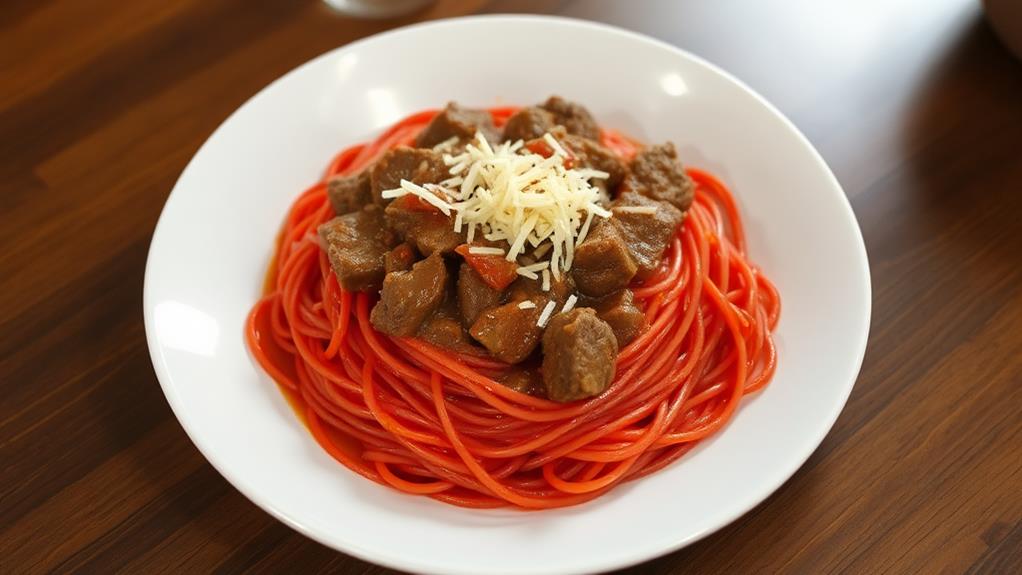
Author: A. Pineda

  • Secrets to Perfecting Filipino Style Spaghetti

    Secrets to Perfecting Filipino Style Spaghetti

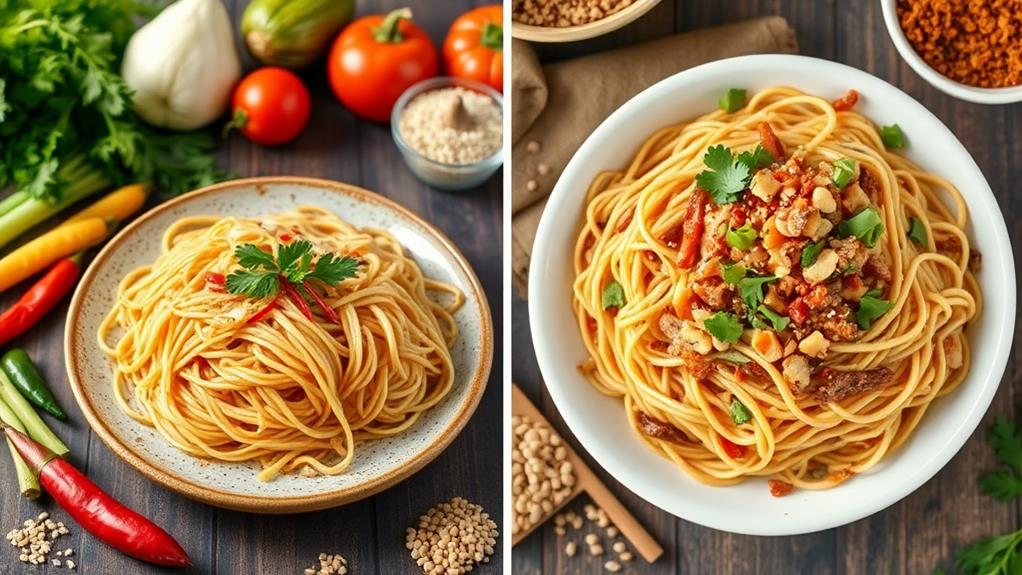
    To craft Filipino-style spaghetti, start by browning ground meat in hot oil for rich flavor. This step is crucial, as it sets the tone for the entire dish.

    Mix tomato sauce with banana ketchup to achieve the signature sweetness that Filipino-style spaghetti is known for.

    Sauté garlic and onions to add depth to the sauce. This step is essential, as it enhances the overall flavor profile.

    Simmer the sauce for at least 45 minutes to allow the flavors to meld together seamlessly.

    Balance sweetness and acidity by combining banana ketchup, sugar, and tomatoes. This harmony of flavors is key to achieving the perfect Filipino-style spaghetti.

    Feel free to experiment with additional ingredients like bell peppers and carrots to add texture and crunch to the dish.

    Cultural Significance of Filipino Spaghetti
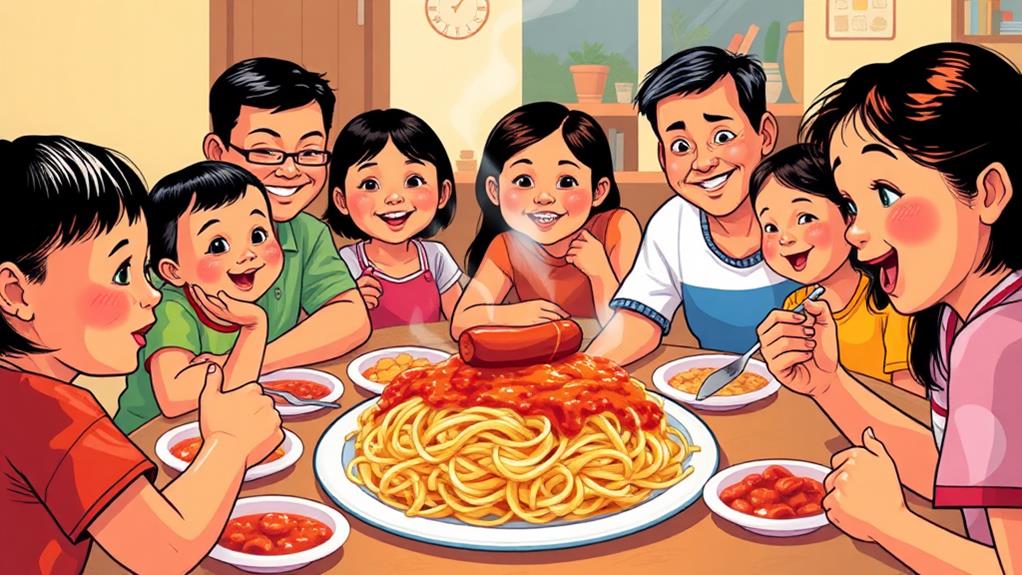
    filipino spaghetti s cultural importance

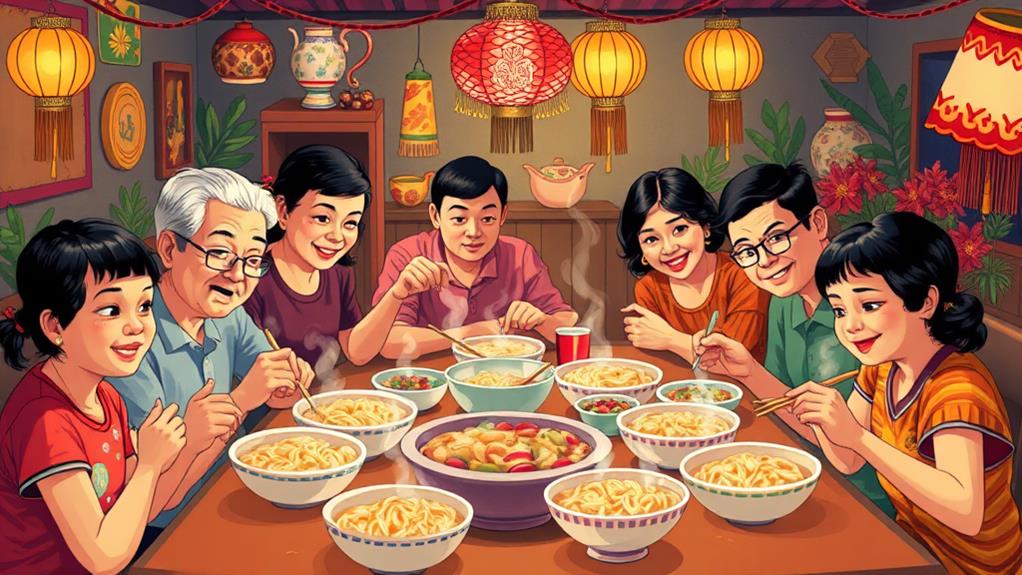
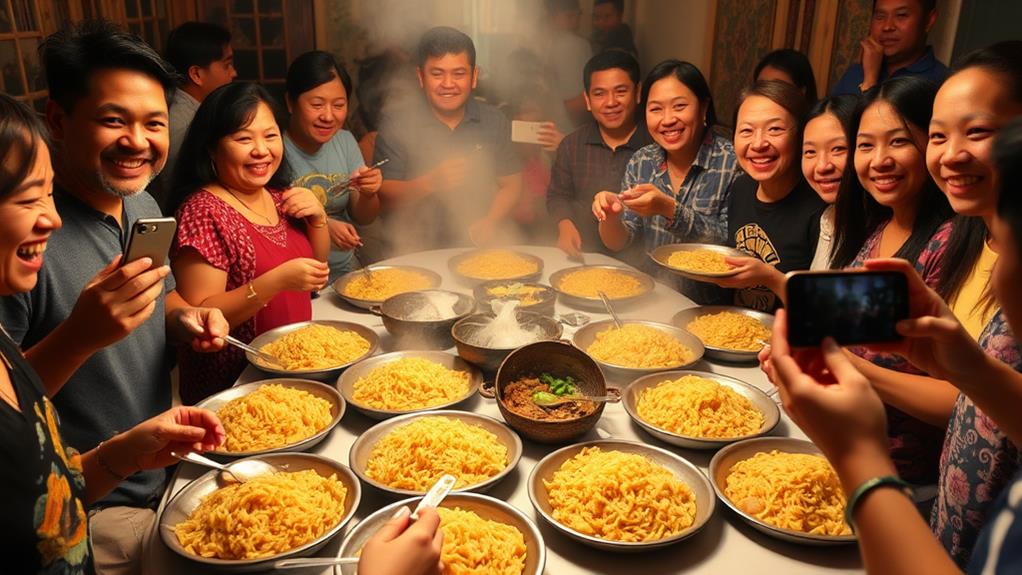
    Filipino spaghetti is a cultural tradition that brings people together. It's a staple at family gatherings, birthdays, and festive occasions, reflecting its cultural significance in Filipino communities. This comfort food is a fusion of culinary traditions, combining local ingredients and flavors that resonate with children's preferences.

    The dish's unique flavors are enhanced by ingredients like banana ketchup. The sweet and savory flavors have become synonymous with deliciousness in Filipino culture. For example, the sweetness of banana ketchup balances the savory flavors of ground beef or pork, creating a flavor profile that's distinctly Filipino.

    Filipino spaghetti has evolved from a home-cooked dish to a widely recognized culinary staple. Its popularity has been fueled by fast food chains like Jollibee, which have made it accessible to a wider audience.

    This evolution is a testament to its enduring cultural significance. As a result, Filipino spaghetti has become an integral part of Filipino cuisine, evoking nostalgia and cultural pride.

    When you take a bite of Filipino spaghetti, you're experiencing a piece of Filipino culture. The dish is more than just a meal; it's a representation of the country's cultural heritage and its people's love for food, family, and celebration.

    Mastering the Recipe and Techniques

    Mastering the Filipino-Style Spaghetti Recipe

    To create an authentic Filipino-style spaghetti, you need to perfect specific techniques and ingredient combinations that differentiate it from its Italian counterpart.

    Step 1: Brown the Ground Meat

    To achieve a rich flavor base, cook lean ground beef or pork in hot oil until the liquid evaporates. This step ensures a deep, savory flavor in the sauce.

    Step 2: Balance Sweet and Savory

    To create the signature sweet spaghetti flavor, mix tomato sauce with banana ketchup. Adjust the sweetness by adding sugar or carrots, which also adds nutrients to the dish.

    Step 3: Develop Deeper Flavors

    To enhance the flavor profile, sauté minced garlic and onions before adding vegetables and meat. This step develops deeper flavors and aromas.

    Additionally, add fish sauce for an umami boost, which elevates the overall taste.

    Step 4: Simmer to Perfection

    To allow the flavors to meld and the meat to become tender, simmer the sauce on medium-low heat for 45 minutes to 1 hour. This step ensures the flavors are well-balanced and the sauce has a rich, velvety texture.

    Essential Ingredients and Variations
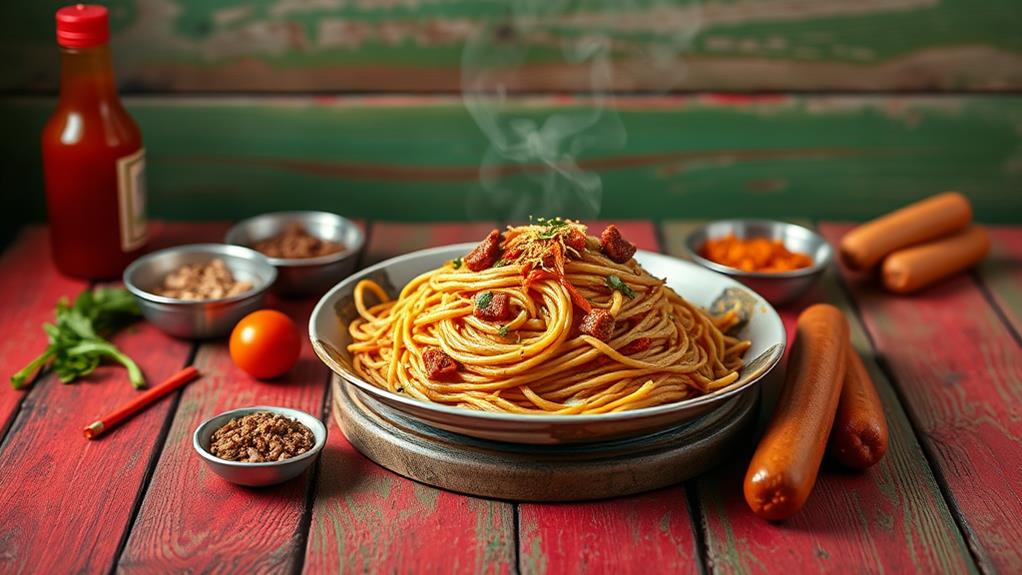
    key components and alternatives

    Essential Ingredients

    To make Filipino-style spaghetti, you need the following essential ingredients: lean ground beef, bright red hotdogs, tomato sauce, and banana ketchup for a sweet twist.

    Additionally, sauté aromatic vegetables like garlic and onion to add depth to your dish.

    Variations

    To enhance your Filipino-style spaghetti, try these variations:

    • Add crunch and flavor with bell peppers and carrots.
    • Incorporate evaporated milk into your sauce for a creamier take.
    • Top your spaghetti with quick-melting cheese like cheddar or Velveeta for an extra-rich flavor profile.
    • Adjust the sweetness to your taste by modifying the amount of sugar and banana ketchup used.
    • Substitute regular tomato sauce with crushed canned tomatoes for a fresher texture.
    • Use store-bought sauces to save time.

    Perfecting the Sauce and Flavor

    Perfecting the Sauce and Flavor

    To achieve the signature flavor of Filipino-style spaghetti, balance sweetness and acidity by combining banana ketchup with sugar, tomato sauce, and crushed canned tomatoes for a rich, textured sauce. This balance is crucial in creating a distinctive flavor profile.

    Enhance flavor with aromatics by sautéing minced garlic and onion until fragrant before adding ground meat. This step adds depth to the sauce and creates a savory aroma.

    Simmer for flavor melding by letting the sauce simmer for at least 30 minutes, adjusting sweetness or acidity to taste during the cooking process. This step allows the flavors to meld together and intensify.

    Add creaminess and richness by incorporating evaporated milk towards the end of cooking to create a velvety texture and reduce acidity, reminiscent of traditional bolognese. This addition enhances the overall flavor and texture of the sauce.

    Adding chopped vegetables like bell peppers and carrots to the sauce can provide added natural sweetness, nutrients, and complexity.

    Cooking and Serving Filipino Spaghetti
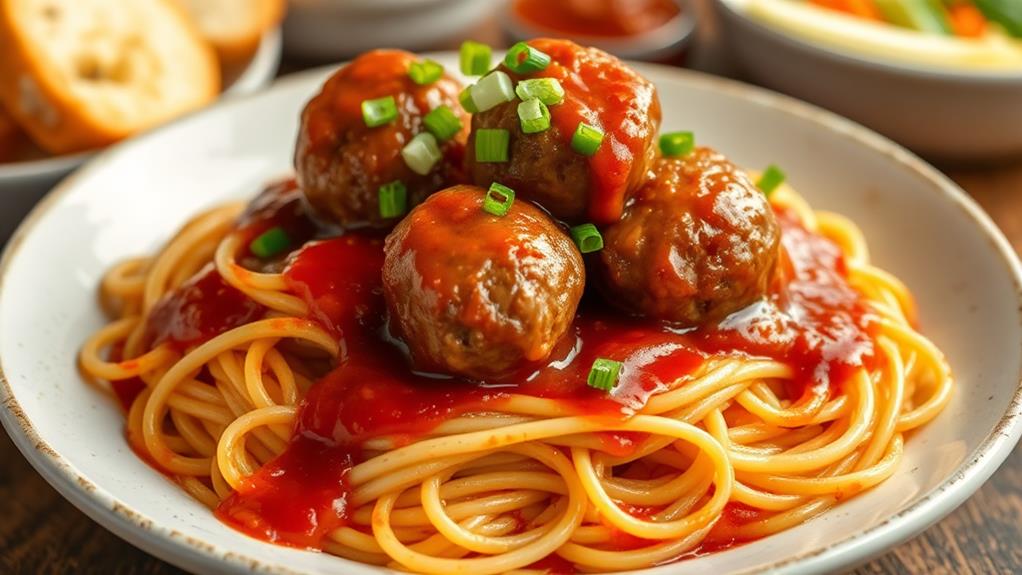
    filipino spaghetti cooking guide

    Cooking Filipino-Style Spaghetti

    To prepare Filipino-style spaghetti, cook spaghetti noodles until al dente, ensuring the water is generously salted to enhance flavor. This step is crucial as it sets the foundation for the dish.

    Sautéing Aromatics and Ground Meat

    Next, sauté minced garlic and onions in oil until fragrant. This adds depth to the sauce.

    Then, add ground meat (preferably pork) and cook until browned, which contributes to the savory flavor.

    Combining Spaghetti and Sauce

    Once the noodles are cooked, combine them directly into the sauce, mixing well to integrate the flavors.

    If necessary, add reserved pasta water to achieve the perfect consistency.

    Serving Filipino Spaghetti

    To serve, top the Filipino spaghetti with grated quick-melting cheese, allowing it to melt slightly for an added layer of richness.

    The combination of sweet banana ketchup, savory ground meat, and creamy evaporated milk makes this dish stand out.

    Serve warm and enjoy the result.

    Tips for Customization and Experimentation

    Filipino-style spaghetti offers a world of possibilities for customization and experimentation.

    Customizing sweetness level: Adjust the amount of banana ketchup and sugar to suit your taste. For natural sweetness, use grated carrots to reduce added sugars.

    Exploring meat options: Use different types of ground meat, such as chicken or turkey, to cater to dietary preferences without sacrificing flavor.

    Lean meats create a healthier version of the dish.

    Adding nutritional value: Incorporate finely chopped bell peppers, carrots, or peas to enhance nutritional value and texture, adding a pop of color to the dish.

    Creating a creamy twist: Mix in evaporated milk or cream near the end of cooking for a creamier sauce reminiscent of Italian Bolognese.

    What Are Some Different Ways to Perfect Filipino Style Spaghetti?

    There are numerous Filipino style spaghetti variations to achieve the perfect dish. Some popular methods include adding hotdogs, ground pork, or ham to the sauce for a unique flavor. Others include adding cheese on top for a creamy finish. Experimenting with these variations can result in a personalized and delicious Filipino style spaghetti dish.

    The Art of Balancing Flavors
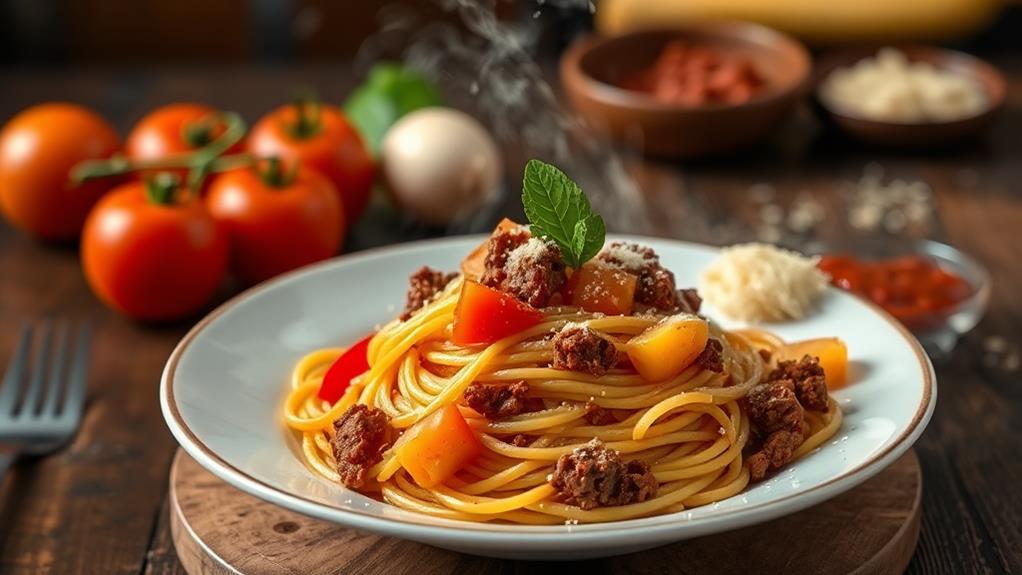
    mastering flavor harmony techniques

    Balancing flavors is crucial in Filipino-style spaghetti. To achieve this balance, you need to combine sweet and savory elements.

    Banana ketchup and sugar provide sweetness, while garlic, onion, and ground meat add depth and umami flavors.

    Red hotdogs, with their saltier flavor profile, enhance the dish's overall taste.

    To create a smoother flavor profile, evaporated milk is added to counteract the acidity of the tomato sauce.

    Seasoning with fish sauce or soy sauce can elevate the umami notes, but be cautious not to overpower the sweetness.

    Experiment with the amount of tomato sauce and banana ketchup to tailor the dish to your taste preferences.

    Frequently Asked Questions

    How Can I Make My Spaghetti More Flavorful?

    To make your spaghetti more flavorful, experiment with seasoning techniques, ingredient combinations, and sauce variations.

    Start with a robust base flavor by sautéing garlic and onions before adding the meat. This will create a rich and savory foundation for your dish.

    Add a creamy texture by mixing in evaporated milk, which will also help balance out the acidity in the sauce.

    Enhance the flavor with umami by incorporating beef cubes or bouillon into your sauce. This will add depth and complexity to your spaghetti.

    What Makes Filipino Spaghetti Different?

    What sets Filipino spaghetti apart is its sweet sauce. This unique flavor profile is achieved by adding banana ketchup, which combines sweetness with savory notes.

    The ground meat used in Filipino spaghetti is also distinct. Filipino hot dogs, made from a mixture of pork and chicken, are typically used, adding a characteristic texture to the dish.

    Filipino spaghetti is a blend of cultural influences and traditional Filipino customs. This fusion of flavors and ingredients has made it a staple at family gatherings and celebrations.

    The dish's unique toppings and pasta choices have cemented its status as a comfort food deeply rooted in Filipino culture.

    What Is the Secret to Good Spaghetti?

    Good spaghetti is all about achieving harmony. This balance is reached by combining rich spaghetti sauces with high-quality ingredients, masterful cooking techniques, and a pinch of regional flair.

    For example, using fresh tomatoes and basil can elevate the flavor of a classic Italian spaghetti dish.

    To achieve the perfect flavor balance, it's essential to consider the type of sauce and ingredients used. For instance, a light and tangy sauce pairs well with delicate seafood, while a rich and meaty sauce complements heartier ingredients like ground beef.

    Serving suggestions can elevate the spaghetti experience. Pairing spaghetti with garlic bread or a fresh salad can add texture and flavor contrast to the dish.

    Additionally, presentation tips like arranging the spaghetti in a neat bundle or sprinkling with parmesan cheese can make the dish visually appealing.

    What Is the Trick for Spaghetti?

    The trick to perfect spaghetti is achieving harmony among several key elements.

    Cooking time is crucial: Spaghetti should be cooked until it reaches an al dente texture, which means it should still have a bit of bite or chew to it. This typically takes 8-10 minutes in boiling, salted water.

    Sauce consistency matters: The ideal sauce consistency complements the type of pasta used. For instance, a thicker sauce is better suited for thicker, chunkier pasta shapes, while a lighter sauce is more suitable for thinner, more delicate shapes.

    High-quality ingredients elevate flavor: Using fresh, high-quality ingredients, such as ripe tomatoes and fragrant herbs, can significantly enhance the flavor balance of your spaghetti dish.

    Serving temperature and seasoning techniques are important: Serve spaghetti hot, and consider clever seasoning techniques, such as adding a sprinkle of red pepper flakes or a squeeze of fresh lemon juice, to add depth and brightness to the dish.

    Presentation can make a difference: A visually appealing presentation can elevate the overall dining experience. Consider adding a sprinkle of parmesan cheese or a few fresh basil leaves to add color and texture to the dish.

    Family traditions can add a personal touch: Incorporating personal or family traditions, such as serving spaghetti with a specific side dish or using a secret family recipe, can make the dish feel more special and meaningful.
  • Key Ingredients in Pancit Bihon and Pancit Canton

    Key Ingredients in Pancit Bihon and Pancit Canton

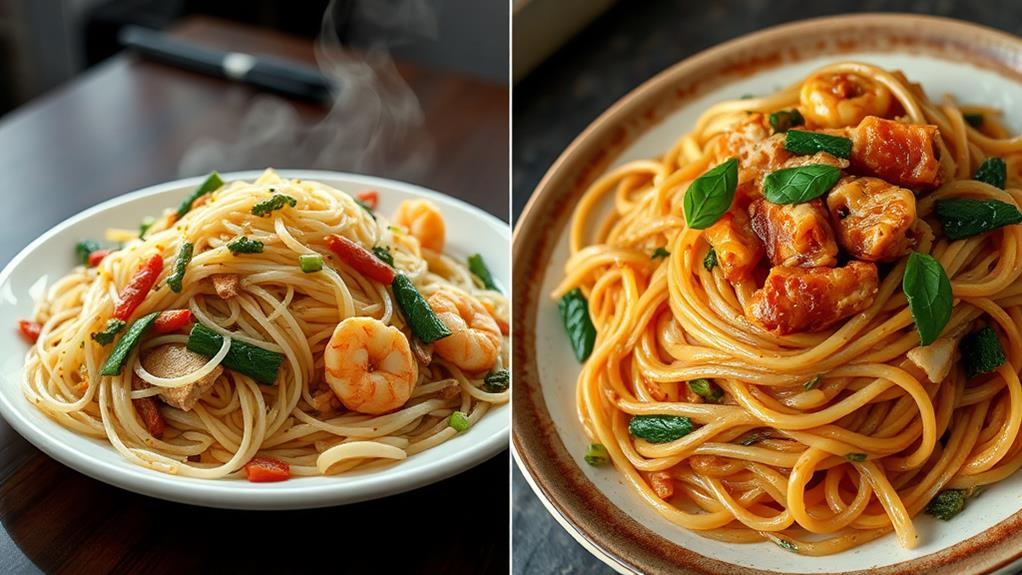
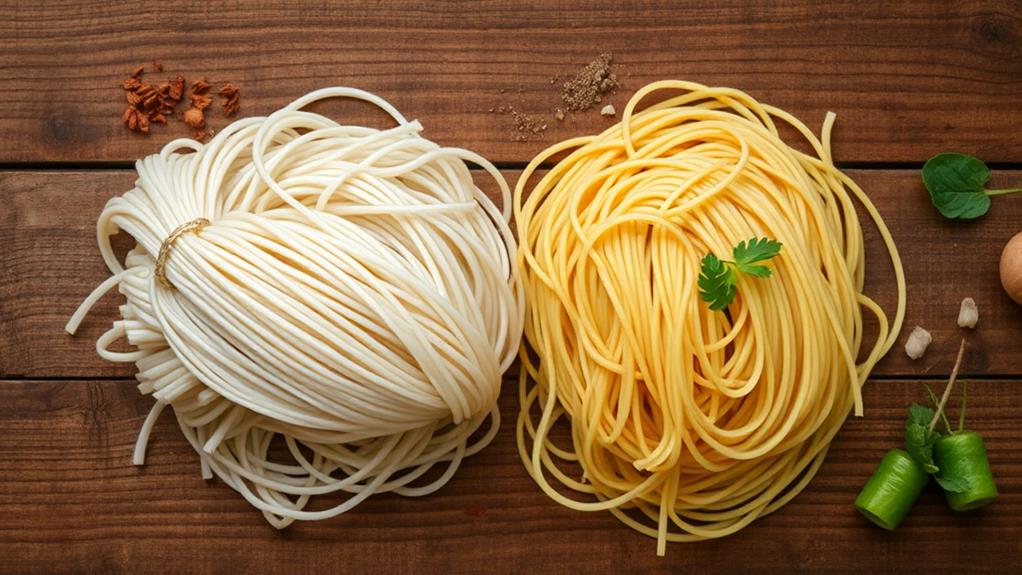
    Pancit Bihon and Pancit Canton differ in their noodle types and textures.

    Pancit Bihon features thin, glass-like rice noodles with a delicate mouthfeel, while Pancit Canton boasts thicker, chewier egg noodles.

    Proteins are a common ingredient in both dishes.

    They often include chicken, shrimp, and pork.

    Vegetables like cabbage and carrots are also commonly used in both Pancit Bihon and Pancit Canton.

    Soy sauce, garlic, and onions add depth to both dishes.

    Oyster sauce and fish sauce are often used in Pancit Canton to give it a distinct flavor.

    Noodle Types and Textures

    variety of noodle textures

    Noodle Types and Textures in Pancit Bihon and Pancit Canton

    Pancit Bihon and Pancit Canton noodles differ significantly in terms of type and texture. Pancit Canton noodles are thicker, long egg noodles made from wheat flour, providing a chewier texture.

    In contrast, Pancit Bihon noodles are thinner, glass-like noodles made from rice, offering a lighter and more delicate mouthfeel.

    The combination of both noodle types in dishes like Pancit Canton at Bihon creates a more interesting texture. Canton noodles are suitable for stir-fry dishes like Lo Mein, while bihon noodles are staples in various Filipino recipes, showcasing their versatility.

    When cooking, it's essential to adjust methods according to the noodle type. Bihon noodles require soaking in water to soften, whereas Canton noodles can be stir-fried directly after boiling.

    Understanding these differences enables the creation of a more authentic and balanced Filipino dish. By choosing the right noodle type, you can elevate your Pancit Bihon and Pancit Canton recipes.

    Protein and Vegetable Options

    Protein Options Enhance Flavor and Nutrition

    Two essential protein options in Pancit Bihon are shredded chicken and shrimp, which offer diverse flavors and textures.

    In Pancit Canton, common protein options include chicken strips, pork, and occasionally beef or seafood, which can be marinated for enhanced taste.

    Vegetable Options Add Nutrition and Color

    Cabbage, carrots, bell peppers, green beans, and celery are frequently used vegetables in both dishes, contributing to their nutritional value and color.

    The use of shrimp in Pancit Bihon adds a seafood flavor and provides additional protein, complementing the other ingredients.

    Customization for Dietary Needs

    Both dishes can be customized with additional proteins and vegetables based on personal preferences, making them versatile for various dietary needs.

    This flexibility allows experimentation with different protein and vegetable combinations to suit individual tastes.

    Flavor Enhancers and Seasonings

    taste boosting ingredients list

    Flavor Enhancers and Seasonings in Pancit Bihon and Pancit Canton

    The combination of flavor enhancers and seasonings is crucial in bringing out the complex flavors of Pancit Bihon and Pancit Canton. Soy sauce is a key flavor enhancer in both dishes, providing a savory umami taste that complements the proteins and vegetables. In Pancit Canton, oyster sauce is often added to enhance the richness and depth of the dish.

    Flavor Enhancer Description Dish(es)
    Soy Sauce Savory umami taste Both
    Oyster Sauce Richness and depth Canton
    Garlic and Onions Aromatic flavors Both
    Lemon/Calamansi Juice Zesty brightness Both

    When cooking Pancit Bihon and Pancit Canton, sautéing freshly minced garlic and chopped onions at the beginning infuses the oil with aromatic flavors that form the base of the dish. Fish sauce can be added to contribute a distinct saltiness and depth without overpowering the other ingredients. Finally, a squeeze of lemon or calamansi juice on the side allows diners to add a burst of freshness to their noodles.

    Cooking Methods and Techniques

    Cooking Pancit Bihon and Pancit Canton: Key Techniques

    The art of cooking these two popular Filipino noodle dishes lies in their distinct cooking methods and techniques.

    Preparation of Noodles

    When cooking Pancit Bihon, soak rice vermicelli noodles in warm water for about 10 minutes until they're softened.

    In contrast, Pancit Canton uses egg noodles that can be boiled or stir-fried directly without soaking.

    Building Flavor

    To create a flavorful base, sauté garlic and onions in oil, then add proteins like chicken, shrimp, or pork, cooking them until fully done.

    Next, add vegetables, briefly sautéing them to maintain their crispness and vibrant color.

    Cooking Techniques

    Pancit Bihon:

    * Soak noodles before combining them with the sautéed mixture and seasonings.

    Pancit Canton:

    • Add noodles directly to the pan with the rest of the ingredients, using less liquid due to their quick cooking time.
    • Stir-fry everything together, allowing the noodles to absorb the flavors and ensuring the ingredients are well combined.

    Nutritional Value and Benefits

    health benefits of nutrition

    Pancit Bihon and Pancit Canton offer a wealth of nutritional benefits, making them a great addition to a balanced diet.

    Protein from chicken, pork, and shrimp contributes to muscle health and repair. This is because protein is essential for building and repairing muscles, making it a crucial component of a healthy diet.

    Vegetables like carrots, cabbage, and bell peppers provide essential vitamins and minerals, promoting overall health and immune function. These vegetables are rich in vitamins A, C, and K, as well as minerals like potassium and fiber, which are vital for maintaining overall health.

    Bihon (rice noodles) and canton (egg noodles) are rich in carbohydrates, providing a vital energy source for the body. This is particularly important for individuals with an active lifestyle, as carbohydrates are the body's primary source of energy.

    However, it's essential to consume soy sauce in moderation due to its high sodium content, which can negatively impact heart health. Excessive sodium consumption can lead to high blood pressure, heart disease, and stroke.

    To reap the nutritional benefits of Pancit Bihon and Pancit Canton, it's crucial to balance them with appropriate portion sizes and combine them with additional servings of vegetables. This ensures that the dish is part of a well-rounded and healthy diet.

    What Are the Key Ingredients in Pancit Bihon and Pancit Canton?

    Pancit Bihon and Pancit Canton are both popular Filipino noodle dishes. The key ingredients in Pancit Bihon include rice noodles, chicken, shrimp, and various vegetables. On the other hand, Pancit Canton typically includes egg noodles, pork, cabbage, and carrots. The main difference between pancit bihon and pancit canton lies in the type of noodles used.

    Cultural Significance and Variations

    Pancit Bihon and Pancit Canton are staples in Filipino celebrations, symbolizing sharing, unity, and prosperity. These noodles are often served at birthdays, holidays, and family gatherings, highlighting their cultural significance.

    Filipino culture is diverse, and Pancit Bihon and Pancit Canton reflect this diversity through regional variations. Pancit Bihon's rice noodles showcase Chinese influence, while Pancit Canton's egg noodles demonstrate Western adaptation. These variations are a result of historical trade and colonization, making the dishes a cultural melting pot.

    Pancit dishes can be personalized with various proteins, such as chicken, pork, and shrimp, and vegetables, allowing for flexibility based on dietary preferences and available ingredients.

    The communal eating aspect of Pancit fosters a sense of togetherness among family and friends, making it a beloved part of Filipino cuisine.

    Regional variations of Pancit Bihon and Pancit Canton have unique flavor profiles and cultural significance, highlighting the adaptability of these dishes.

    Frequently Asked Questions

    What Is the Difference Between Pancit Bihon and Pancit Canton?

    The main difference between pancit bihon and pancit canton lies in their noodle types.

    Pancit bihon uses thin rice vermicelli, while pancit canton utilizes thicker egg noodles.

    This distinction affects cooking techniques as well.

    Bihon noodles are soaked before stir-frying, whereas canton noodles are boiled.

    These variations result in distinct textures and flavors, catering to diverse tastes.

    What Does Pancit Canton Contain?

    Pancit Canton is a highly customizable dish. It can be made with different types of noodles, including rice noodles or thicker egg noodles.

    You can add various toppings, such as vegetables, proteins, and even eggs, to create your desired combination.

    Cooking techniques also vary, with some recipes involving quick stir-fries and others requiring longer simmering times.

    Regardless of the variation, Pancit Canton is known for its savory flavors and textures.

    What Is Pancit Bihon Made Of?

    Pancit bihon is a traditional Filipino dish composed of rice vermicelli noodles as its base. These noodles are softened in warm water before cooking.

    The dish typically includes a mix of proteins such as shredded chicken, shrimp, and sometimes pork. Additionally, sautéed garlic and onion are added for flavor.

    The dish also features a variety of colorful vegetables like carrots and cabbage.

    What Are the Ingredients in Pancit Canton Seasoning?

    Pancit Canton seasoning typically consists of a blend of soy sauce, oyster sauce, garlic, and onion. These ingredients are sautéed to bring out their aromas, creating a rich, savory base flavor.

    Regional variations may include additional ingredients, but these staples provide the core flavor profile.

    To adjust the seasoning to your taste, you can balance the flavors with salt, pepper, and possibly chicken broth. This combination creates a complex flavor profile that elevates your Pancit Canton dish.

  • Easy Pancit Recipes for Filipino Noodle Dishes

    Easy Pancit Recipes for Filipino Noodle Dishes

    Mastering Pancit: A Filipino Noodle Dish

    Understanding the Foundations of Pancit

    To create an authentic Filipino noodle dish, select the right type of noodles, such as rice flour noodles or egg noodles.

    Cut vegetables and proteins into uniform bits to ensure even cooking and texture.

    Build flavor with aromatics like onions, garlic, and ginger to create a savory base.

    Achieving a Balanced Flavor Profile

    Stir-fry ingredients in the correct order to prevent overcooking and promote even browning.

    Use a combination of soy sauce, fish sauce, and oyster sauce to create a balanced flavor profile.

    Add vegetables and proteins at the right time to preserve their texture and flavor.

    Variations and Tips

    Experiment with different protein sources, such as pork, chicken, or shrimp, to create unique flavor profiles.

    Add vegetables like cabbage, carrots, and bean sprouts to increase texture and nutrition.

    Share your creations and learn from others to discover new variations and tips.

    Exploring Pancit's Cultural Significance

    pancit s cultural importance explored

    Pancit is a cultural symbol of significance in Filipino culture, representing traditions, community, and family.

    Traditionally, Pancit is served during significant life events like birthdays and weddings, symbolizing long life and prosperity. This cultural significance is rooted in the dish's history, which reflects the cultural adaptation from Chinese influences, evident in its name, meaning "cooked in a pan."

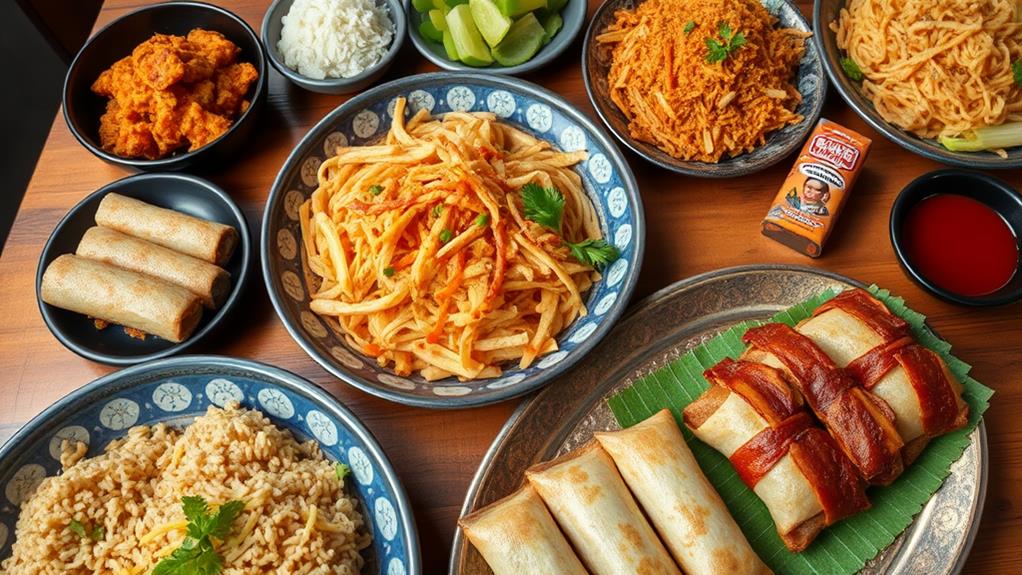
    Pancit is a communal dish that fosters sharing and togetherness. In the Philippines, it's often served with lumpia (spring rolls) at gatherings, bringing people together.

    The variations of Pancit across different regions showcase the diversity of local ingredients and culinary traditions, highlighting the richness of Filipino culinary heritage.

    As a comfort food, Pancit bridges generations, preserving traditional Filipino values and cultural practices. By exploring Pancit's cultural significance, you'll gain a deeper appreciation for the role it plays in Filipino culture, and the importance of family, community, and tradition.

    Mastering the Perfect Recipe

    Selecting the Right Noodles

    To master the perfect Pancit recipe, choose vermicelli or pancit canton noodles and soak them according to package instructions for optimal texture.

    Preparing Ingredients

    Cut all vegetables and proteins uniformly to ensure even cooking and enhance the overall presentation of the dish.

    Building Flavor

    Use a combination of aromatics like garlic and onions, sautéed in oil until fragrant, to build a flavorful base for your Pancit.

    Then, incorporate a variety of vegetables like cabbage, carrots, and green beans, along with your choice of meat.

    Seasoning and Cooking

    Adjust seasoning with soy sauce and salt to achieve a balanced flavor profile.

    As you stir fry the ingredients, allow the noodles to absorb the broth while cooking, stirring occasionally, which will enhance the flavor and provide a deliciously cohesive dish.

    Cooking Techniques and Tips

    culinary skills and advice

    Masterful cooking techniques can elevate your Pancit recipe from good to great.

    Soaking noodles is crucial: Start by soaking your rice vermicelli noodles in warm water for 5-10 minutes until they're soft and pliable. This ensures they absorb all the flavors without becoming mushy.

    Proper sautéing is key: When sautéing, heat oil in a skillet or wok before adding aromatics like garlic and onions to bring out their fragrance and flavor.

    Uniform sizes matter: Cut your vegetables and meats into uniform sizes to promote even cooking and a visually appealing presentation.

    Balancing flavors is essential: Incorporate low-sodium soy sauce and a bouillon cube to add depth of flavor, balancing the dish without overwhelming saltiness.

    Add vegetables at the right time: Add your vegetables towards the end of the cooking process to maintain their crunch and vibrant color.

    Serving Suggestions and Variations

    Serving Suggestions and Variations

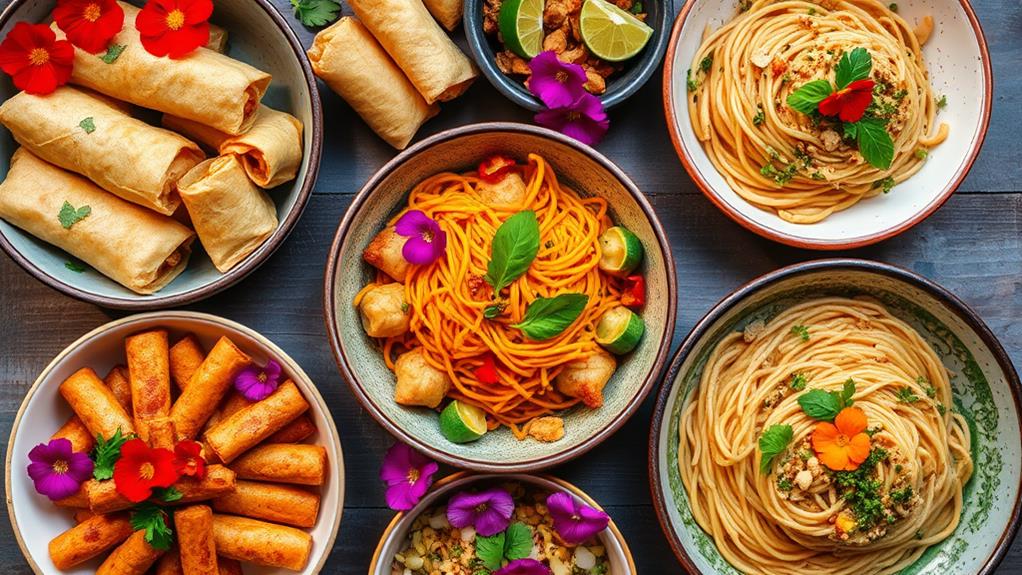
    When you're ready to serve your Pancit, you can enjoy it as a main dish or side, paired with lumpia for a traditional Filipino meal experience.

    Pairing Options

    Serve Pancit with a side of dumpling soup or shrimp fried rice for a well-rounded feast. This pairing adds variety and flavor to your meal.

    Customization Ideas

    Add sautéed broccoli or other stir-fried vegetables to enhance the nutrient profile and presentation. This adds fiber, vitamins, and color to your dish.

    Substitute traditional noodles with gluten-free options like rice noodles or spaghetti squash for a low-carb alternative. This caters to dietary restrictions and preferences.

    Serve your Pancit with a flavorful vegetable broth, seasoned with salt and pepper to bring out the flavors. This adds moisture and depth to your dish.

    Experiment with different versions of Pancit, making it a quick and easy dish to enjoy with your family members. This allows you to try new flavors and ingredients, keeping the dish fresh and exciting.

    Can I Use the Same Techniques for Perfecting Filipino Style Spaghetti as I Would for Pancit?

    When it comes to perfecting Filipino Style Spaghetti, using the same techniques as you would for Pancit can be quite helpful. Both dishes require attention to the balance of flavors and the use of traditional ingredients. To truly master both recipes, make sure to uncover the perfecting filipino spaghetti recipe secrets.

    Community Engagement and Feedback

    collaborative input and response

    Community Engagement and Feedback

    When sharing Pancit creations online, you can expect a wave of responses from fellow food enthusiasts. This community engagement is a significant aspect of the Filipino Pancit experience, where people come together to share their love for this beloved dish.

    Comments and Feedback: When you share your recipe for Pancit, you'll often receive comments like "thank you for sharing" or "this tastes good". These comments are a testament to the supportive online cooking community.

    Sharing Variations and Results: Many users have learned how to cook Pancit from their Filipino family members and are eager to share their own variations and results.

    Recipe creators can invite users to share their own Pancit creations on social media platforms, enhancing the communal cooking experience.

    Exchange of Ideas and Experiences: The online Pancit community is special because of the Exchange of Ideas and Experiences. You'll see discussions about the best way to cook meat and vegetables, or the perfect balance of flavors.

    Take the time to engage with the community, and you'll find that it's a great way to connect with others who share your passion for Filipino Pancit.

    Frequently Asked Questions

    What Kind of Noodles Are Used in Pancit?

    Rice vermicelli noodles are traditionally used in Pancit. This type of noodle is a staple in the dish and provides a classic experience.

    However, other options like pancit canton, udon, or chow mein can be used for a unique twist. These alternatives offer a different texture and flavor profile, allowing for regional variations and personal preferences.

    MIKI Philippine Noodles are a popular choice for an authentic and chewy consistency.

    Glass noodles, on the other hand, add an interesting texture to the dish. The variety of noodles used in Pancit reflects the regional diversity of the Philippines, making the dish rich in local flavors and traditions.

    What Goes Well With Pancit?

    Pancit is best served with sides that complement its flavor profile.

    Pairing pancit with lumpia, a Filipino spring roll, is a classic combination. This pairing works well because both dishes share similar flavor profiles and textures.

    Adding sautéed vegetables provides a nutritional boost and adds a pop of color to the dish. Some recommended vegetables include bell peppers, carrots, and green beans.

    For a refreshing twist, pickled vegetables or dumpling soup can be served as a side. These options provide a tangy contrast to the savory flavors of the pancit.

    What Is the Filipino Tradition of Pancit?

    Pancit is a traditional Filipino noodle dish that symbolizes long life. It's often served at celebrations like birthdays and weddings, where its significance is deeply rooted in Filipino culture.

    Pancit has a rich history influenced by Chinese cuisine. The dish has evolved over time, incorporating local flavors and cooking techniques to become a uniquely Filipino culinary staple.

    As a result, regional variations of pancit have emerged, each with its own distinct flavor profile.

    Pancit brings people together. It's commonly served at family gatherings and communal events, where its flavorful profile and vibrant presentation are enjoyed by everyone.

    The dish is an integral part of Filipino social gatherings, fostering a sense of community and togetherness.

    What Is Pancit Supposed to Taste Like?

    Authentic Pancit has a harmonious balance of flavors.

    This balance is achieved by combining savory notes from soy sauce and garlic with the natural sweetness of fresh vegetables. The umami depth from meats like pork or shrimp adds richness to the dish.

    The broth's richness coats your taste buds, and the spice balance is just right.

    The texture of Pancit is a delight.

    The soft noodles contrast with the crunch of fresh vegetables, creating a pleasing sensation in your mouth.

    The freshness of ingredients and regional differences in cooking techniques make each Pancit dish unique.

  • Best Tips for Cooking Pancit Bihon and Pancit Canton

    Best Tips for Cooking Pancit Bihon and Pancit Canton

    Properly Cooking Pancit Bihon and Pancit Canton Noodles

    To achieve the perfect texture, soak rice vermicelli noodles (bihon) for 10-20 minutes and drain excess moisture before cooking. This step is crucial in preventing the noodles from sticking together.

    For Pancit Canton, follow the package instructions for cooking.

    Balancing Flavors

    Combine soy sauce, salt, and lemon juice to balance the flavors in your Pancit Bihon and Pancit Canton dish. This blend of savory, salty, and tangy flavors will elevate the overall taste of your noodles.

    Cooking Protein and Vegetables

    Sauté garlic and onion until fragrant, then cook your protein thoroughly before adding vegetables. This ensures that your protein is fully cooked and your vegetables retain their texture and flavor.

    Combining Noodles for a Unique Texture

    Combine bihon and canton noodles to create a unique texture experience in your Pancit dish. The combination of soft, chewy bihon noodles and firmer, more elastic canton noodles will add depth to your dish.

    Essential Cooking Techniques

    fundamental culinary skills guide

    Mastering essential cooking techniques is crucial for preparing a flavorful and visually appealing pancit dish. Sautéing garlic and onion until fragrant and translucent is the first step. This is where the flavors of the dish begin to develop.

    Cooking protein to perfection is vital. Ensure that the chicken or shrimp is cooked thoroughly, allowing the flavors to absorb into the meat, before adding vegetables.

    Soaking noodles in warm water is essential. Soak the noodles for 10-15 minutes, flipping halfway, to prevent a clumpy mess. When ready, add the noodles to the pan with the vegetables and toss gently to ensure even flavor distribution.

    Tasting and adjusting the seasoning is critical. Taste the dish and adjust the seasoning with soy sauce, salt, or lemon juice before serving to achieve the perfect balance of flavors.

    Noodle Types and Preparation

    Pancit Noodle Types and Preparation

    Rice Vermicelli Noodles (Pancit Bihon)

    To achieve the perfect texture and flavor for pancit bihon, soak rice vermicelli noodles in warm water for 10-20 minutes. This step is crucial, as skipping it will result in crunchy, inedible noodles.

    After soaking, drain and set them aside to remove excess moisture. When ready to cook, toss them in the pan with shrimp and other ingredients to allow them to absorb flavors.

    Egg Noodles (Pancit Canton)

    For pancit Canton, boil thicker egg noodles for a few minutes until al dente or heat them through when added to the stir-fry. This preparation allows for a delightful texture contrast when combined with bihon noodles.

    Cook and stir-fry them wisely to bring out the best in your pancit dish.

    Flavorful Ingredient Combinations

    delicious mix of flavors

    Elevate Your Pancit with Flavorful Ingredient Combinations

    To create a well-rounded and flavorful pancit dish, combine your noodles with a variety of ingredients. Proteins like shredded chicken, shrimp, and pork add texture variety and depth, while colorful vegetables like carrots, cabbage, and bell peppers provide nutritional value.

    Umami flavor is achieved by combining soy sauce and oyster sauce, which infuse your noodles with a savory taste. Aromatics like garlic and onion, sautéed during the cooking process, create a solid flavor foundation.

    To achieve the perfect texture, cook the vegetables over medium heat to ensure they're crisp, not soggy.

    Experimenting with different noodle combinations, such as mixing bihon and canton, creates a unique texture experience. This variation takes your pancit to the next level by offering a distinct mouthfeel.

    Traditional Filipino Cooking Methods

    Traditional Filipino Cooking Methods for Authentic Pancit

    Filipino recipes, including Pancit Bihon and Pancit Canton, typically begin with sautéing garlic and onion in oil to create a rich, aromatic base. This flavorful base is crucial in bringing out the best in your noodles.

    When stir-frying, use high heat to maintain the crispness of your vegetables while achieving the desired texture of your noodles.

    Soaking bihon noodles is a crucial step that shouldn't be skipped. Soak them in warm water for 10-20 minutes before cooking to ensure they're tender yet retain their shape during stir-frying.

    To create a visually appealing dish, incorporate a variety of fresh ingredients, such as vegetables and proteins, to achieve balance and color.

    Are the Cooking Tips for Pancit Bihon and Pancit Canton Similar?

    Yes, the best pancit cooking tips for Pancit Bihon and Pancit Canton are quite similar. Both dishes require soaking the noodles, using high-quality ingredients, and adding a mix of vegetables and protein for flavor and texture. The key to perfecting these dishes lies in careful preparation and precise seasoning.

    Serving and Storage Tips

    optimal serving and storage

    Serving Tips

    To ensure a memorable dining experience, serve your Pancit Bihon and Pancit Canton hot, accompanied by garnishes like a squeeze of lime or calamansi on the side. This elevates the flavor of your dish.

    Consider pairing your Pancit with sides like lumpia or spring rolls to create a complete meal experience.

    Offer soy sauce or chili sauce on the side to allow guests to adjust the flavor to their liking.

    Storage Tips

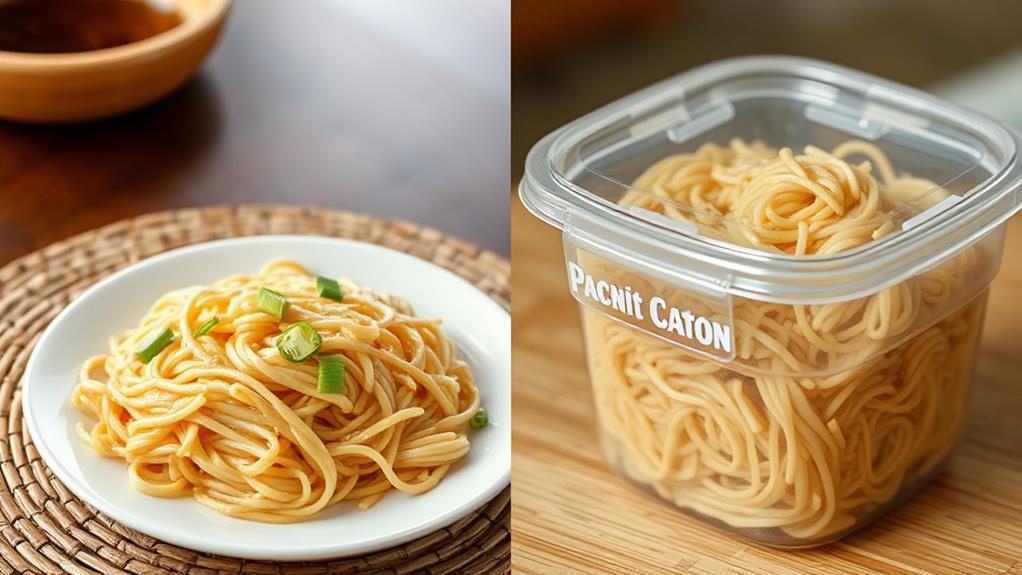
    To store leftovers, use an air-tight container and refrigerate them within 2-3 days.

    Avoid leaving them at room temperature to prevent bacterial growth.

    When reheating, do it gently on the stove or in the microwave to preserve the texture of the noodles.

    Frequently Asked Questions

    How to Cook Pancit Canton Properly?

    Mastering the Art of Cooking Pancit Canton

    To cook pancit canton properly, stir-fry ingredients quickly over high heat to prevent noodles from becoming mushy. This technique ensures the noodles retain their texture and flavor.

    Experimenting with Ingredients

    Feel free to substitute ingredients to suit your taste preferences or dietary needs. For example, you can swap pork for chicken or add vegetables for extra nutrition.

    Balancing Flavors

    Flavor pairings are key to creating a delicious pancit canton dish.

    Balance savory soy sauce with a squeeze of fresh lime juice to achieve a harmonious flavor profile.

    How to Enhance Pancit Canton?

    Elevate Your Pancit Canton with These Tips

    To take your Pancit Canton to the next level, experiment with sauce variations. For instance, add a squeeze of fresh lime juice or a drizzle of spicy sriracha to give your dish a unique flavor.

    Incorporate colorful vegetables like bell peppers or carrots to add texture and visual appeal.

    Mix and match protein options, such as chicken or shrimp, to cater to different tastes.

    Adjust the spice levels according to your preference to create the perfect balance of flavors.

    What Is the Difference Between Pancit Canton and Bihon?

    The noodle type is the main difference between Pancit Canton and Pancit Bihon. Pancit Canton uses thicker, chewier egg noodles, while Pancit Bihon uses thin, delicate rice vermicelli.

    This difference in noodles affects their flavor profiles. Pancit Canton often has a richer flavor, while Pancit Bihon has a lighter flavor.

    Ingredient choices also vary between the two dishes. Pancit Canton typically features a mix of proteins, while Pancit Bihon usually sticks to chicken and shrimp.

    Cooking methods differ as well. Pancit Canton noodles are usually soaked, while Pancit Bihon noodles are boiled or stir-fried.

    Understanding the history and cultural significance behind these regional variations is key to appreciating the differences between Pancit Canton and Pancit Bihon.

    How to Cook Super Q Bihon?

    Step 1: Soak the Noodles

    Soak Super Q Bihon noodles in warm water for 15-20 minutes, flipping halfway through. This step is crucial to prevent a sticky mess.

    Step 2: Prepare the Ingredients

    Drain and rinse the noodles with cold water. Then, sauté garlic and onion in a pan until fragrant.

    Step 3: Add Protein and Vegetables

    Add your protein of choice (e.g., chicken, pork, or tofu) and cook until done.

    Next, add vegetables like carrots and bell peppers, and cook until tender-crisp.

    Step 4: Combine and Season

    Add the bihon noodles, soy sauce, and seasoning to the pan. Stir-fry for 2-3 minutes to combine all the ingredients.

  • 3 Must-Try Lumpia and Pancit Variations

    3 Must-Try Lumpia and Pancit Variations

    Experience Filipino cuisine like never before with these three must-try variations of lumpia and pancit.

    Lumpia, the Filipino version of spring rolls, offers a range of fillings to suit different tastes. Traditional ground pork remains a classic choice, but healthier options like shrimp or chicken or vegetarian sautéed mushroom fillings provide a fresh twist.

    When it comes to pancit, three popular variations stand out. Pancit Canton allows for customization with your choice of ingredients, while Pancit Bihon boasts a rich, flavorful sauce.

    For a savory option, Pancit Palabok is a great choice. These traditional variations pave the way for fusion twists, such as buffalo chicken lumpia and gluten-free pancit.

    Savory Lumpia Fillings to Try

    delicious lumpia filling ideas

    Elevate Your Lumpia Game with Savory Fillings

    Savory lumpia fillings can cater to different tastes and dietary preferences. Traditional fillings often combine ground pork with shredded cabbage, bean sprouts, and a blend of soy sauce and oyster sauce for enhanced flavor.

    For a healthier twist, use shrimp or chicken mixed with finely chopped vegetables like carrots and bell peppers, seasoned with garlic and pepper.

    Vegetarian options can be created by filling lumpia with sautéed mushrooms, tofu, and a variety of colorful vegetables, seasoned with soy sauce and sesame oil for depth.

    Fusion variations include using spicy ground beef or turkey with jalapeños and cheese, creating a unique flavor profile for those who enjoy a kick.

    Authentic Filipino flavors can be achieved by incorporating traditional ingredients like longganisa (sweet pork sausage) or adobo-flavored chicken.

    Pairing with dipping sauce complements the filling, making the lumpia a delightful representation of Filipino cuisine.

    Pancit Variations for Any Taste

    Filipino cuisine offers a diverse range of pancit variations to suit any taste. Each variation reflects the country's culinary heritage, showcasing a unique combination of flavors and textures.

    Pancit Canton is a versatile dish that can be customized to individual tastes. It features stir-fried egg noodles combined with vegetables, meat, and seafood. This flexibility allows diners to adjust the flavors to their liking.

    For those who prefer a more delicate flavor, Pancit Bihon is a popular option. It features thin rice noodles that absorb flavors well and is commonly prepared with chicken, vegetables, and soy sauce.

    During celebrations, Pancit Palabok is often served. This variation is characterized by thick rice noodles topped with a rich shrimp sauce, served with hard-boiled eggs, chives, and a sprinkle of chicharrón for added texture.

    Pancit Malabon is another popular variation, known for its seafood flavors. It incorporates thicker rice noodles and is often garnished with shrimp, squid, and a savory shrimp sauce.

    Each pancit variation is traditionally served during celebrations, symbolizing long life and good fortune. They offer a unique combination of textures and flavors that leave diners craving for more.

    Can These Cooking Tips Be Applied to the Must-Try Lumpia and Pancit Variations?

    Looking for tips on cooking lumpia and pancit at home? Whether you’re making the classic variations or trying out new flavors, these cooking tips can be applied to elevate your dishes. From choosing quality ingredients to mastering the right cooking techniques, get ready to impress with your homemade lumpia and pancit.

    Fusion Twists on Classic Recipes

    innovative culinary fusion creations

    The Philippine culinary landscape is undergoing a significant transformation as innovative cooks and chefs experiment with traditional recipes to create fascinating fusion twists.

    Experimenting with Lumpia Fillings

    You can create unique variations of lumpia by experimenting with different fillings. Three examples of fusion twists are buffalo chicken lumpia, roasted vegetable lumpia, and kimchi-infused lumpia. These fillings allow you to experience familiar flavors with a modern spin.

    Fusion Twist Description Ingredients
    Buffalo Chicken Lumpia Spicy and savory Buffalo sauce, shredded chicken
    Roasted Vegetable Lumpia Mediterranean-inspired Roasted vegetables, quinoa, feta cheese
    Kimchi Lumpia Korean-inspired Kimchi, spicy and tangy

    Pancit Variations

    In pancit variations, you can replace traditional rice noodles with gluten-free alternatives like zucchini or carrot noodles, retaining the savory flavor profile.

    Sweet Lumpia Fillings

    You can also fill lumpia wrappers with sweetened cream cheese and fresh fruits like mango or banana, then fry or bake for a delightful dessert. These fusion twists allow you to experience the classic flavors of lumpia and pancit in a whole new way.

    Frequently Asked Questions

    What Goes Well With Lumpia?

    Lumpia pairs well with dipping sauces that complement its crispy texture. Vinegar-soy sauce is a classic combination that brings out the flavor of the fried spring rolls.

    To elevate your lumpia experience, experiment with different cooking techniques, filling options, and serving styles. For instance, you can try baking or steaming lumpia for a healthier alternative or fill them with vegetables or meat for added flavor.

    When it comes to pairing lumpia with other dishes, balance is key. Pair it with a flavorful noodle dish like pancit for a balanced meal. The combination of crispy lumpia and savory noodles creates a satisfying and filling meal.

    Alternatively, try it with fresh salads or fried rice for a refreshing contrast. The crunch of the lumpia complements the lightness of the salad or the savory flavor of the fried rice.

    What Is Best Paired With Pancit?

    Pancit Pairing Options

    When pairing with pancit, sauce options like vinegar-soy dipping sauce can enhance the flavor profile. This type of sauce complements the noodles' savory taste and adds a tangy kick.

    Traditional Side Dishes

    Fried chicken and lumpia are traditional accompaniments that offer a satisfying contrast to the soft noodles. These side dishes provide a crispy texture and a flavorful bite.

    Lighter Options

    For a lighter take, fresh garden salads or steamed vegetables can be paired with pancit. These options provide a refreshing contrast to the rich noodles and add some crunch and color to the dish.

    Protein Choices

    Choose a protein that suits your taste, such as grilled chicken, beef, or pork. This adds variety to the dish and caters to different palates.

    Regional Pairings and Serving Styles

    Experiment with regional pairings and serving styles, such as serving pancit with a side of patis (fish sauce) or pairing it with grilled seafood. This allows you to experience different flavor profiles and cultural influences.

    Garnishes and Beverages

    Garnish with a sprinkle of green onions to add a pop of color and freshness to the dish.

    Pair pancit with refreshing beverages like citrus-flavored drinks or sweetened iced tea to complete the meal.

    What Is the Most Popular Type of Pancit?

    Pancit Canton is the most popular type of pancit. This is due to its ideal combination of stir-fried egg noodles, vegetables, meats, and seafood.

    The dish showcases regional differences in cooking techniques and traditional ingredients, making it a staple in Filipino cuisine.

    Its versatility is the key to its popularity, as it's often served at festive occasions and is a symbol of long life and prosperity in Filipino culture.

    What Are the Unique Features of Lumpia?

    Lumpia have distinct characteristics that set them apart from other spring rolls.

    Their fillings can vary greatly, featuring a range of ingredients such as ground pork, shrimp, and vegetables.

    The wrappers are typically smooth and tightly rolled, sealed with either an egg wash or water.

    Lumpia are often served with dipping sauces, which can include vinegar-soy or sweet chili.

    Lumpia have a rich history, originating from Filipino cuisine.

    They come in various types and presentations, with different cooking methods and regional adaptations.

  • 3 Must-Try Filipino Lomi Recipes for a Taste of Home

    3 Must-Try Filipino Lomi Recipes for a Taste of Home

    Lomi: A Filipino Comfort Food

    Pancit Lomi, or simply Lomi, is a beloved Filipino dish that combines thick egg noodles and rich broth, influenced by Chinese cuisine.

    Over time, it has evolved into various flavors, making it a staple in many Filipino households.

    Three Must-Try Recipes

    This article will explore three must-try Lomi recipes that showcase the versatility of this comfort food. From the meaty Batangas Lomi to seafood and vegetarian adaptations, each recipe offers a unique twist on the classic dish.

    Traditional Techniques

    To create an authentic Lomi experience, it's essential to master traditional techniques.

    Sautéing garlic and onions is a crucial step in creating aromatic flavors.

    Additionally, adding beaten eggs enriches the broth, giving it a creamy texture.

    These techniques are just the beginning of your culinary journey into the world of Lomi.

    Exploring the World of Filipino Lomi

    discovering filipino lomi delicacies

    Filipino Lomi: A Rich Tapestry of Flavors and Variations

    Filipino Lomi, also known as Pancit Lomi, is a beloved dish characterized by its thick egg noodles and rich, flavorful broth, often influenced by Chinese cuisine.

    This dish has evolved over time, resulting in a variety of flavors and variations.

    Regional Variations

    One popular variant is Batangas Lomi, which features a meatier profile with pork belly, squid balls, and liver.

    This variation takes the traditional dish to the next level with its hearty ingredients.

    Traditional Cooking Methods

    Traditional cooking methods involve thickening the soup with a cornstarch slurry and enriching it with beaten eggs to achieve a comforting, savory texture.

    This process creates a thick and flavorful broth that's characteristic of Lomi.

    Versatility and Adaptability

    What's remarkable about Lomi is its versatility, allowing for numerous variations to accommodate diverse dietary preferences.

    You can find variations like seafood Lomi, chicken Lomi, and even vegetarian adaptations, all of which are typically enjoyed as a comforting meal.

    Serving Traditions

    Filipino cuisine has made Lomi a staple, often served with toppings like crispy pork, hard-boiled eggs, and fresh herbs.

    These toppings add a burst of flavor and texture to the dish, making it a satisfying meal.

    Cooking Up Delicious Lomi Variations

    Filipino Lomi offers endless possibilities for creative experimentation in the kitchen. You can customize your lomi soup by choosing from various proteins like pork belly, chicken, shrimp, and squid balls to cater to diverse taste preferences.

    The flavorful broth is thickened using a cornstarch slurry, which adds texture and allows the flavors to meld together beautifully, creating a hearty dish.

    Traditional toppings enhance the dish's flavor and presentation. Crispy chicharrón, hard-boiled eggs, and scallions are commonly used toppings that make the dish visually appealing.

    Regional variations offer different twists on the traditional recipe. For example, Batangas Lomi focuses on a meatier profile and less emphasis on vegetables, while seafood Lomi offers a lighter alternative with crab and squid.

    Mastering cooking techniques is key to achieving the perfect lomi texture and flavor. Sautéing garlic and onions for aromatics and carefully adding beaten eggs for richness are essential techniques to master.

    What Makes These Filipino Lomi Variations Different from the Traditional Recipes?

    Filipino lomi variations taste distinct from the traditional recipes due to their unique blend of seasonings and ingredients. While the traditional lomi boasts a rich and savory flavor, these variations offer a new twist with added spice, sweetness, or tanginess, providing a delightful twist on the classic dish.

    Discovering the Flavors of Home

    exploring culinary comfort zones

    Lomi Soup: A Taste of Home and Tradition

    The rich flavors of lomi soup evoke childhood memories of family gatherings and warm moments around the dinner table. This Filipino comfort food is more than just a meal; it's a representation of home and tradition.

    A Harmonious Blend of Flavors and Textures

    Lomi soup's broth is a combination of pork, squid balls, and fresh egg noodles, creating a harmonious blend of flavors and textures.

    The key elements that make lomi soup a true comfort food classic are:

    Thick and Satisfying Broth

    The broth is thick and slightly slimy, enhanced with cornstarch for a satisfying texture.

    Hearty Servings of Protein

    Lomi soup features hearty servings of pork belly, squid balls, and liver, adding richness to the dish.

    Fresh Egg Noodles

    The fresh egg noodles absorb the flavorful broth perfectly.

    Customizable with Optional Toppings

    Optional toppings like crispy chicharrón, hard-boiled eggs, and seasonal vegetables allow each bowl to be unique.

    The Love and Care of Cooking from Scratch

    Lomi soup is often cooked from scratch, strengthening family bonds through shared culinary experiences.

    Frequently Asked Questions

    Is Lomi Filipino or Chinese?

    Lomi is a dish with Chinese roots that has become a beloved part of Filipino culture.

    Lomi's origins are rooted in Chinese cuisine, specifically the Hokkien dish Lor Mee. However, over time, it evolved in the Philippines, particularly in Batangas, where it took on a life of its own.

    In the Philippines, Lomi developed unique regional variations and distinct ingredients, such as thick egg noodles and pork. This cultural adaptation has given Lomi a rich cultural significance that's undoubtedly Filipino.

    What to Pair With Lomi?

    Balancing Flavors with Lomi

    When pairing with lomi, it's essential to balance its richness with contrasting flavors and textures. Crispy lechon kawali or lumpiang shanghai provide a satisfying crunch, while pickled vegetables like atsara or a squeeze of calamansi juice offer a refreshing twist.

    Customizing Lomi with Toppings and Sauces

    Hard-boiled eggs and sliced green onions make great lomi toppings, adding texture and flavor.

    A side of patis or fish sauce can enhance the broth, providing an added layer of flavor.

    Beverage Pairings for Lomi

    Iced tea or buko juice are excellent beverage pairings for lomi, offering a refreshing contrast to the rich noodles.

    Experiment with different options to find your perfect match!

    What Makes Batangas Lomi Special?

    Batangas Lomi's Unique Flavor Profile

    Batangas Lomi stands out from other regional variations due to its rich and harmonious blend of flavors. This is achieved through the use of a cornstarch slurry that adds depth to the broth.

    Traditional Ingredients and Cooking Techniques

    The dish features local ingredients like miki noodles, which provide a unique texture. The use of minimal veggies allows the meat flavors to shine, making each bite savory and satisfying.

    Traditional cooking techniques passed down through family recipes and serving traditions contribute to the dish's cultural significance.

    Cultural Significance

    Batangas Lomi is more than just a meal; it's a taste of cultural heritage that evokes a sense of tradition and community. Its significance is rooted in the family recipes and serving traditions that have been preserved and passed down through generations.

    What Is the Difference Between Lomi and Mami?

    The noodles, broth, and flavors differentiate Lomi from Mami.

    Lomi features thick egg noodles that absorb a rich, cornstarch-thickened broth loaded with meats and seafood.

    In contrast, Mami has wheat noodles swimming in a lighter, clearer broth with fewer ingredients.

    Regional Lomi variations, such as Batangas Lomi, boast hearty meat profiles.

    On the other hand, Mami often features chicken or beef.

    The texture, toppings, and flavors of Lomi and Mami differ, making each a unique Filipino culinary experience.

  • What Variations of Palabok Noodles Can You Try?

    What Variations of Palabok Noodles Can You Try?

    Palabok noodles come in a variety of forms, each offering a distinct texture and flavor profile. Traditional options include bihon, cornstarch, and rice noodles.

    Modern twists feature soba, kelp, or shirataki noodles, which introduce new textures and flavors to the dish.

    Regional variations of Palabok noodles also exist. Pancit Malabon features thick, tubular rice noodles and seafood toppings, while Pancit Luglug uses thicker cornstarch noodles.

    For those with dietary restrictions, vegetarian options use vegetable or soba noodles, and low-carb options use kelp or shirataki noodles.

    These variations allow more people to enjoy this beloved Filipino dish.

    Exploring Palabok Noodle Variations

    palabok noodle variations exploration

    Noodle type affects the character of Palabok dishes. The type of noodle used in Palabok variations significantly impacts the overall texture and flavor of the dish. For instance, Pancit Palabok typically uses bihon noodles, thin rice noodles that absorb the rich sauce well, creating a delightful texture.

    In contrast, Pancit Luglug uses thicker cornstarch noodles, resulting in a different mouthfeel and a heartier dish.

    Regional variations offer distinct twists. Pancit Malabon, for example, features thick, tubular rice noodles and often includes a greater variety of seafood toppings, making it a more seafood-centric option.

    Vegetarian and low-carb options are possible. To cater to dietary restrictions, you can make vegetarian versions of Pancit Palabok using vegetable noodles or soba noodles.

    Alternatively, experiment with kelp noodles or shirataki noodles for a low-carb alternative while maintaining the essence of the dish. These variations not only change the texture and flavor but also open up new possibilities for customization and creativity.

    Regional Twists and Flavor Profiles

    Regional variations of Palabok dishes showcase distinct characteristics shaped by local ingredients and cooking techniques.

    Pancit Malabon, for example, features thick, tubular rice noodles and is often topped with a variety of savory seafood, making it a heartier dish rich in flavors and textures. This variation uses local ingredients like crab fat or squid, which enhance the flavor profile and reflect the culinary diversity across the Philippines.

    Thicker cornstarch noodles are used in Pancit Luglug, offering a different texture compared to the thin bihon noodles used in traditional Pancit Palabok.

    Regional variations also influence the use of local ingredients, such as annatto powder for added color and flavor or shrimp sauce for an umami boost.

    Some variations even use crushed chicharon as a garnish, adding a satisfying crunch to the dish. These regional twists and flavor profiles demonstrate the versatility of this beloved Filipino dish.

    Creative Toppings and Garnishes

    innovative culinary enhancements unleashed

    Elevate Your Palabok with Creative Toppings and Garnishes

    When it comes to customizing your Palabok, the possibilities are endless. Adding boiled eggs, crispy fried tofu, and sautéed vegetables introduces varied textures and flavors to the dish.

    For a luxurious twist, incorporate seafood options like squid rings, mussels, or crab to elevate your Pancit Palabok.

    Crunchy Elements and Freshness

    Crumbling chicharrón (pork crackling) on top adds umami and a satisfying crunch to each bite.

    A sprinkle of green onions or chopped parsley not only adds a pop of color but also enhances the freshness of the dish.

    Sauces and Drizzles

    Experiment with sauces like spicy vinegar or calamansi juice as a drizzle to provide a tangy contrast to the rich flavors of the Pancit Palabok.

    Cooking Techniques and Tips

    Mastering the Art of Cooking Palabok

    To achieve the perfect texture in Palabok, soak bihon noodles in water for 15-30 minutes before boiling. This prevents the noodles from becoming mushy.

    When preparing the sauce, sauté garlic and onion before adding ground pork. This enhances the depth of flavor in the dish. Using shrimp stock or broth derived from boiling shrimp creates a rich and flavorful sauce that complements the noodles.

    Cooking Palabok Noodles

    To cook the noodles, boil enough water and monitor the cooking time closely, as they typically only require about 1-2 minutes of boiling. This achieves the perfect texture.

    Thickening the Sauce

    To thicken the sauce, mix cornstarch with water to make a slurry, then add it to the simmering sauce until the desired consistency is achieved.

    What types of variations can be made with Palabok noodles?

    Palabok noodles production process has resulted in a variety of delicious variations. From adding different seafood toppings like shrimp and squid to experimenting with alternative sauces and garnishes, there are endless possibilities to elevate the traditional palabok noodles dish. Whether it’s spicy, tangy, or savory, the options are endless.

    Nutritional Insights and Adaptations

    dietary adjustments for health

    What Makes Palabok a Satisfying Meal Option?

    Palabok is a filling and delicious meal option due to its combination of flavors and nutrients. A typical serving of Pancit Palabok contains approximately 564 calories, with 74g of carbohydrates, 32g of protein, and 14g of fat.

    However, it's essential to consider the dish's 289mg cholesterol level and 1376mg sodium content.

    Healthier Adaptations to Consider:

    To make Palabok a healthier option, consider the following adaptations:

    Ingredient Substitutions: Using chicken instead of pork reduces fat content, while adding more vegetables increases vitamin intake.

    Different Noodles: Switching to bihon or thicker cornstarch noodles affects the overall calorie count and nutritional profile.

    Vegetable Broth: Replacing pork broth with vegetable broth significantly lowers the dish's fat and cholesterol content.

    Reducing Chicharrón: Limiting the amount of chicharrón decreases fat content and calorie count.

    Frequently Asked Questions

    What Is the Difference Between Palabok and Luglug?

    The main difference between Palabok and Luglug lies in their noodle preparation.

    Palabok uses thin rice noodles, whereas Luglug employs thicker cornstarch noodles.

    This variation affects the sauce, with Palabok's vibrant orange sauce and Luglug's slightly thicker consistency.

    Regional differences in toppings also exist, with Luglug often featuring a diverse seafood selection.

    These distinctions showcase the rich cultural heritage of Filipino cuisine, highlighting the importance of texture, flavor, and ingredient choices in defining these beloved dishes.

    What Is the Best Match for Palabok?

    Thin rice noodles, like bihon, are the best match for Palabok. They expertly absorb the rich shrimp and pork sauce, allowing for a harmonious balance of flavors. This is because thin rice noodles have a delicate texture that won't overpower the flavors of the sauce.

    As a result, each bite is a perfect blend of savory and sweet notes.

    This classic combination also opens up a world of possibilities for toppings. For example, you can add protein choices like pork belly or chicken to increase the dish's heartiness.

    Additionally, garnishing ideas like green onions and fried shallots can add a burst of freshness and crunch to each serving. This flexibility makes each serving a flavorful and festive presentation.

    What Is the Difference Between Pancit Palabok and Malabon?

    Pancit Palabok and Malabon are two distinct variations of Pancit in Filipino cuisine.

    Pancit Palabok features thin noodles, a rich shrimp-pork sauce, and layered toppings. This dish is often served at celebrations, showcasing its cultural significance. The thin noodles allow the flavorful sauce to coat each strand, while the layered toppings add texture and visual appeal.

    Malabon, on the other hand, boasts thicker noodles and a seafood-based sauce. It's typically enjoyed as comfort food, with mixed toppings that complement the heartier noodles. The thicker noodles hold up to the chunky seafood sauce, creating a satisfying and filling meal.

    The differences in sauce thickness, cooking methods, and serving styles result in unique flavor profiles and ingredients lists for each dish.

    What Are the Different Types of Pancit Noodles?

    Pancit noodles come in various types, each with distinct characteristics.

    Pancit Bihon is a type of pancit made from thin rice noodles, often used in Palabok.

    Pancit Canton, on the other hand, is made from wheat noodles similar to chow mein.

    Thicker rice noodles can be found in Pancit Malabon, which has a tubular shape.

    Pancit Sotanghon, however, is made from mung bean noodles.

    Other types of pancit noodles include Pancit Habhab, Miki, Puti, Lomi, and Guisado, each offering unique flavors and textures.

  • 5 Cultural Facts About Lumpia and Pancit

    5 Cultural Facts About Lumpia and Pancit

    Lumpia and pancit are cultural representations of the Philippines' rich history and heritage. They have evolved through cultural fusion, adaptation, and innovation.

    Lumpia comes in a variety of flavors. For example, there's the spicy Lumpiang Dynamite and the sweet Turon.

    Pancit is a symbol of long life. It's often served at birthdays instead of cake.

    This tradition is rooted in the Filipino culture, where noodles symbolize long life and good health.

    Flavorful Fusion of Lumpia Varieties

    delicious lumpia flavor combinations

    Lumpia, the Filipino version of spring rolls, offers a diverse array of flavors and textures that cater to various tastes and preferences.

    One popular variety is Lumpiang Shanghai, filled with ground pork or beef, which has earned a high rating of 4.9/5 from Taste Atlas in 2021. This variety showcases the rich flavors of meat fillings.

    For a savory taste and crunchy texture, Lumpiang Togue is a street food favorite filled with sautéed bean sprouts, pork, or tofu. This option highlights the use of vegetables and alternative protein sources.

    Lumpiang Dynamite is an adventurous option, packing a punch with its long green chili pepper filling. This variety is ideal for those who enjoy spicy food.

    For those with a sweet tooth, Turon is a crispy dessert lumpia filled with ripe Saba bananas and sugar, sometimes paired with jackfruit. This option demonstrates the versatility of lumpia as a dessert.

    If you're looking for a healthier option, Lumpiang Sariwa uses fresh ingredients and egg roll wrappers, served with a refreshing peanut sauce. This variety showcases the use of fresh ingredients and healthier cooking methods.

    With so many flavorful fusions, you're sure to find a lumpia that suits your taste buds.

    Pancit Traditions and Cultural Significance

    Pancit: A Traditional Filipino Dish Symbolizing Long Life

    Pancit is a traditional Filipino dish that symbolizes long life, making it a staple at birthday celebrations. Instead of cake, pancit is often served as the main attraction, highlighting the importance of food in Filipino culture.

    Connecting with Cultural Heritage through Pancit

    When you sit down to enjoy a plate of pancit, you're not just savoring a delicious meal – you're connecting with your cultural heritage.

    Pancit is typically prepared with rice noodles, vegetables, and proteins like shrimp, chicken, or pork. There are popular types of pancit, such as Pancit Bihon, made with thin rice noodles, and Pancit Canton, which uses thick wheat noodles and is versatile for various recipes.

    Regional Pancit Specialties and Cultural Influences

    As you explore the different regions of the Philippines, you'll discover unique pancit specialties that showcase local ingredients and culinary influences.

    The Chinese influence on Filipino food is evident in the use of wheat noodles in Pancit Canton. By indulging in this traditional Filipino dish, you're strengthening family bonds and honoring your cultural identity.

    The Evolution of Filipino Cuisine

    filipino cuisine s culinary journey

    Filipino cuisine has evolved over centuries, shaped by the convergence of diverse cultural influences. This unique fusion is a result of Chinese, Spanish, and American influences, which have blended together to create a distinct culinary identity.

    Adaptation is key in Filipino cuisine. The introduction of lumpia by Chinese immigrants around 900 A.D. marked the beginning of its integration into Filipino culinary traditions.

    For example, the lumpia wrapper was adapted to local tastes, incorporating ingredients like soy sauce and calamansi.

    Filipino cuisine is known for its ability to innovate, often incorporating local produce and flavors. This has led to new variations like vegan lumpia and fusion recipes that showcase the creativity of Filipino cooks.

    For instance, Filipino cooks have created vegan lumpia by replacing traditional pork or beef with plant-based ingredients.

    In Filipino culture, food is a symbol of celebration. Food plays a significant role in celebrations, and dishes like pancit are often served at birthdays to symbolize long life.

    This highlights the cultural significance of food in reinforcing familial bonds and cultural identity.

    Unconventional Delicacies in Filipino Culture

    Filipino cuisine is known for its creativity and resourcefulness, as seen in its unconventional delicacies. Lumpia, a popular Filipino dish, has unconventional versions like Lumpiang Hubad, which is essentially a naked lumpia without the wrapper. This flexibility in preparation showcases the creativity of Filipino cuisine.

    Filipino cooks are skilled at utilizing every part of the animal, as demonstrated by dishes like sisig, made from pig's head, and dinuguan, a stew made from pig's blood. These dishes highlight the resourcefulness of Filipino cooks in minimizing food waste.

    Balut, a hard-boiled duck embryo, is a unique delicacy typically enjoyed warm with rock salt or vinegar. To prepare it, simply bring to a boil, then season with salt and a dash of vinegar.

    Filipino dishes often blend Chinese influences, like the use of fried rice and green onions, with traditional flavors.

    When trying these unconventional delicacies, you'll experience the bold flavors and rich cultural heritage of the Philippines.

    What Cultural Significance Do Lumpia and Pancit Have in Filipino Cuisine?

    Lumpia and pancit hold great cultural significance in Filipino cuisine. These dishes are often found in family gatherings, celebrations, and traditional festivities. The variations of pancit canton, a popular noodle dish, showcase the diverse influences and flavors that make Filipino cuisine unique and cherished worldwide.

    Food as a Symbol of Heritage

    culinary identity through tradition

    Through the lens of food, the rich cultural heritage of the Philippines comes into focus. Filipino cuisine is more than just a source of sustenance – it's a symbol of heritage, community, and cultural identity.

    Food represents Filipino heritage in three significant ways:

    Fusion of cultures: The Philippines' cultural heritage is reflected in its cuisine, which is shaped by diverse influences. For example, lumpia's savory and sweet variations are a result of the country's history with Hokkien and Fujian immigrants, as well as Spanish and American colonizers.

    Community bonds: The preparation of traditional dishes like lumpia often involves family gatherings, emphasizing the importance of community bonds. These gatherings also facilitate the transmission of culinary traditions across generations.

    Symbolism in celebrations: Food plays a significant role in Filipino celebrations, with certain dishes serving as symbols of important milestones. For instance, pancit, particularly bihon, is traditionally served at Filipino birthday celebrations as a symbol of long life.

    Frequently Asked Questions

    What Is the Cultural Significance of Lumpia?

    Lumpia holds a significant place in Filipino cultural heritage. Introduced by Chinese immigrants, lumpia symbolizes the fusion of culinary traditions in the Philippines.

    During festive occasions like Christmas, lumpia brings people together, fostering connections and shared experiences. For instance, families and friends gather to make and share lumpia, creating a sense of community and togetherness.

    Lumpia's versatility in fillings and recipes represents the country's adaptability and rich history. With various fillings such as vegetables, meat, or seafood, lumpia can be tailored to suit different tastes and preferences.

    This adaptability reflects the Philippines' history of cultural exchange and blending of traditions. As a staple in Filipino celebrations and daily life, lumpia plays a significant role in shaping the country's culinary identity.

    What Is a Fun Fact About Lumpia?

    Lumpia has a rich history that spans over a thousand years. It originated in 900 A.D. and has evolved into various recipes through cultural exchange and creativity.

    Each recipe is a testament to the Filipino people's adaptability and resourcefulness.

    Lumpia is a staple in Filipino cuisine, made with ingredients like ground pork, beef, and vegetables. Its popularity has transcended borders, allowing it to be enjoyed by people from different cultures.

    This Filipino favorite has gained international recognition, with its unique flavors and crispy texture making it a standout dish.

    What Is a Fun Fact About Lumpia?

    Lumpia has a rich history dating back to 900 A.D. when Hokkien and Fujian immigrants introduced it to the Philippines. This introduction led to the creation of various lumpia types, such as Lumpiang Shanghai, which can be filled with ground pork or beef, and sweet Turon, which is filled with ripe bananas and sugar.

    Lumpia is typically enjoyed with a dipping sauce, often a mix of soy sauce and calamansi.

    This beloved snack is a staple at Filipino celebrations, especially during holidays like Christmas, where families bond over cooking and sharing lumpia recipes.

    What Ethnicity Is Lumpia From?

    Lumpia is of Chinese origin. Specifically, it was introduced to the Philippines by Hokkien and Fujian immigrants around 900 A.D.

    Over time, Filipino Lumpia evolved with local ingredients and preparation methods, resulting in unique variations.

    One example is Lumpiang Shanghai, which is typically filled with a mixture of vegetables and sometimes meat or seafood.

    Another example is Lumpiang Togue, which is filled with bean sprouts and often served as an appetizer or snack.

  • What Is the Best Way to Cook Pancit Rice Noodles?

    What Is the Best Way to Cook Pancit Rice Noodles?

    Soaking is essential to cook perfect pancit rice noodles. Start by soaking bihon noodles in warm water for 8-10 minutes to achieve a tender yet firm texture.

    Prepare ingredients separately to ensure a harmonious blend of flavors. Cook proteins like chicken or shrimp separately, chop vegetables into bite-sized pieces, and mix your sauce components.

    Sautéing is key to preventing overcooking and clumping. Sauté garlic and onions in oil, then add your vegetables.

    Finally, combine the soaked noodles with the sauce mixture, and brief stir-frying over high heat will help achieve the perfect texture.

    By following these steps, you'll be well on your way to creating a delicious and authentic pancit dish.

    Understanding Pancit Basics

    pancit preparation essentials explained

    Understanding Pancit Basics

    Soaking and Cooking Bihon Noodles

    Bihon noodles require a unique soaking process: they need to soak in warm water for 8-10 minutes to become pliable and ready for stir-frying.

    Avoid over-soaking, as this can lead to a mushy texture during cooking. The goal is to achieve a tender yet firm texture, perfect for absorbing the flavors of your dish.

    Choosing the Right Noodle Type

    Pancit offers various noodle types, including bihon, canton, and malabon, each with a distinct texture and flavor.

    Bihon noodles are the most common type, known for their soft and delicate texture.

    Elevating Flavor with Broth or Sauce

    Incorporate a flavorful broth or sauce while cooking the noodles to elevate the flavor profile.

    This allows the noodles to absorb the dish's overall flavor, creating a harmonious balance of taste and texture.

    Choosing the Right Noodles

    Choosing the Right Noodles for Your Pancit Dish

    Traditional Option: Bihon Noodles

    When selecting noodles for your pancit dish, bihon noodles are a popular choice due to their thin, rice vermicelli texture that only requires soaking in warm water to soften.

    Alternative Noodle Options

    Consider canton noodles, which are thick wheat noodles, and Malabon noodles, which are thick rice noodles with seafood, as they provide different textures and flavor profiles.

    Gluten-Free Option

    Rice noodles are gluten-free, making them suitable for those with gluten sensitivities.

    Impact of Noodle Choice on Dish Quality

    The choice of noodle significantly impacts the overall dish quality, as the texture and absorption of sauce vary among different types.

    Cooking Instructions

    Always check the cooking instructions on the noodle package, as preparation times can differ based on the type of noodle used.

    Preparing Pancit Ingredients

    gathering pancit components together

    Pancit Ingredients Preparation

    Soaking Noodles: To prepare pancit ingredients, start by soaking bihon rice noodles in warm water for 8-10 minutes until they're softened. This eliminates the need for boiling and helps maintain their texture.

    Cooking Proteins: Next, cook your proteins like chicken, pork, or shrimp separately until they're browned or just done. This enhances their flavor and texture when you add them to the dish.

    Chopping Vegetables: Chop vegetables like garlic, onion, cabbage, and carrots into bite-sized pieces to ensure they cook quickly and evenly during the stir-frying process.

    Mixing Sauce: Mix the sauce components, including soy sauce, oyster sauce, and chicken bouillon, to create a flavorful base that complements the noodles and vegetables.

    Preparation Check: Finally, ensure all your ingredients are ready to go before starting the cooking process.

    Stir-frying is a quick method that requires constant attention to avoid burning, so it's essential to have everything prepared and within reach.

    Cooking Pancit to Perfection

    Cooking Pancit to Perfection Requires Attention to Detail

    Cooking pancit to perfection involves a combination of technique and attention to detail, as it requires harmonizing flavors and textures. The key to achieving this harmony starts with cooking the rice noodles correctly.

    Soaking the Noodles

    To cook the noodles correctly, soak the bihon rice noodles in warm water for 8-10 minutes until they're soft but not mushy. This step is crucial, as it affects the texture of the final dish.

    Pre-Cooking Protein

    Pre-cook your protein of choice, such as pork or shrimp, to enhance their flavor and texture. This step allows the protein to absorb the flavors of the dish evenly.

    Creating a Fragrant Base

    Sauté garlic and onions in oil to create a fragrant base, which serves as the foundation of the dish.

    Add vegetables like cabbage and carrots to achieve a balanced texture.

    Combining Flavors

    Pour in a mixture of soy sauce, chicken bouillon, and other seasonings while incorporating the soaked noodles, allowing them to absorb the flavors evenly.

    This step ensures that the noodles absorb the flavors of the dish, resulting in a harmonious balance of flavors and textures.

    Serving and Garnishing Options

    presentation and serving techniques

    Elevate Your Pancit Presentation

    Serving pancit noodles on a large platter instead of individual bowls creates a communal dining experience reminiscent of traditional Filipino gatherings. This setup encourages socializing and sharing, making the meal more enjoyable.

    It's an effective way to bring people together and foster a sense of community.

    Add Flavor and Visual Appeal with Garnishes

    Garnishing pancit with fresh lemon or calamansi wedges adds an extra layer of flavor and visual appeal.

    The citrus wedges enhance the taste and add a pop of color to the dish.

    Chopped green onions or fried shallots can also be used as toppings to add texture and visual appeal.

    These garnishes provide a refreshing contrast to the savory noodles.

    Pair with Traditional Sides for a Well-Rounded Meal

    Serving pancit with traditional sides like lumpia or egg rolls provides a variety of flavors and textures.

    This combination creates a well-rounded and visually appealing meal that's sure to impress.

    Storing and Reheating Tips

    Proper Storage of Cooked Pancit Rice Noodles

    To maintain the freshness and texture of cooked pancit rice noodles, store them in an airtight container in the refrigerator for up to 4 days. This prevents spoilage and keeps the noodles fresh for a longer period.

    Long-Term Storage

    For longer storage, freeze leftover pancit noodles in an airtight container for up to 3 months. Ensure the noodles are well-wrapped to prevent freezer burn.

    Reheating Cooked Pancit Rice Noodles

    To reheat frozen pancit noodles, thaw them overnight in the refrigerator for best results, allowing for even warming without compromising texture.

    Reheat gently in a pan over low heat, adding a splash of water or broth to prevent the noodles from drying out and to help restore moisture.

    Consuming Leftovers

    Consume leftovers within a few days for optimal quality, and avoid reheating multiple times to prevent loss of texture and flavor.

    Exploring Recipe Variations

    culinary experimentation and creativity

    Pancit rice noodles offer endless versatility, allowing you to experiment with different types of noodles, such as canton or malabon, to alter the texture and flavor profile of your dish.

    When cooking Pancit Bihon, soak the rice noodles in warm water for 8-10 minutes to achieve the perfect texture.

    Adding stir-fried vegetables enhances nutritional value and allows for customization. You can use carrots, cabbage, and snow peas, which can be substituted with seasonal produce.

    Protein variations are also customizable, with options including shrimp, chicken, pork, or vegetarian adaptations with tofu or no meat at all.

    The sauce components offer the most creative freedom, where you can combine ingredients like oyster sauce, soy sauce, and calamansi juice to create unique flavor profiles.

    Using chicken broth as a base, you can adjust the seasoning to suit your taste, making each Filipino recipe truly your own.

    Can I Use Different Types of Noodles for Pancit Recipes?

    Yes, you can use different types of noodles for easy filipino pancit recipes. Pancit recipes traditionally use rice noodles, but you can also try using egg noodles, udon noodles, or even spaghetti for a unique twist. Experiment with different noodle types to find your favorite combination for easy Filipino pancit recipes.

    Common Cooking Mistakes

    Avoiding Common Mistakes When Cooking Pancit Rice Noodles

    To achieve the perfect texture and flavor in Pancit rice noodles, it's essential to avoid common mistakes that can ruin the dish.

    Boiling Instead of Soaking

    Boiling rice noodles can lead to a mushy texture. Instead, soak them in warm water to achieve the desired chewy consistency.

    Insufficient Soaking Time

    Failing to allow sufficient time for the noodles to soak can result in undercooked noodles that don't absorb flavors properly. Soak the noodles for 8-10 minutes to ensure they cook evenly.

    Overcooking During Stir-Frying

    Overcooking the noodles during stir-frying can cause them to clump together and lose their shape. Stir-fry the noodles briefly to prevent them from becoming sticky and unappetizing.

    Failing to Rinse Soaked Noodles

    Failing to rinse the soaked noodles can leave excess starch, leading to a sticky finish. Rinse the noodles after soaking to remove excess starch and achieve a better texture.

    Additionally, add the noodles to the stir-fry at the right time to prevent them from becoming soggy or too dry.

    Frequently Asked Questions

    How Should Rice Noodles Be Cooked?

    To cook rice noodles, soak them in warm water for 8-10 minutes. This step helps rehydrate the noodles and makes them pliable for cooking.

    After soaking, drain and rinse the noodles under cold water to remove excess starch and prevent sticking.

    Avoid boiling rice noodles, as high heat can break down their structure and make them mushy. Instead, gently toss the noodles with your stir-fry ingredients towards the end of cooking to allow them to absorb flavors. This helps the noodles integrate with the dish and prevents them from becoming a separate, flavorless component.

    Mixing rice noodles with a savory sauce can add depth of flavor. This is especially true for Asian-inspired dishes, where the noodles can absorb the flavors of sauces like soy sauce, oyster sauce, or fish sauce.

    Why Do You Soak Rice Noodles Before Cooking?

    Soaking rice noodles before cooking maintains their texture and enhances flavor absorption.

    Soaking prevents noodles from becoming mushy during cooking, allowing them to retain their ideal texture.

    It also reduces cooking time, making the overall cooking process more efficient.

    Furthermore, soaking enables noodles to absorb flavors more effectively, resulting in a more savory dish.

    This preparation method is crucial in traditional recipes, such as pancit, to achieve the perfect balance of texture and flavor.

    What Kind of Noodles Are Used in Pancit?

    Traditionally, pancit is made with bihon noodles, which are thin rice vermicelli noodles that absorb flavors well. These noodles are ideal for pancit because of their ability to soak up the savory flavors of the dish.

    If you want to experiment with different textures and tastes, you can use canton noodles or Malabon noodles as alternatives. These noodles have distinct characteristics that can alter the overall experience of eating pancit.

    For a more adventurous twist, udon noodles or chow mein noodles can be used. These noodles have thicker, chewier textures that can add a new dimension to the classic dish.

    How to Cook Rice Noodles for Pho?

    Cooking Rice Noodles for Pho

    To achieve the perfect texture, soak rice noodles in warm water for about 30 minutes. This soaking process helps to rehydrate the noodles and makes them pliable.

    After soaking, briefly blanch the noodles in boiling water for 30 seconds to heat them through. This step is crucial to ensure the noodles are cooked evenly and prevents them from becoming mushy.

    Drain the noodles thoroughly to prevent clumping. This is an essential step to maintain the texture and appearance of the noodles in the final dish.

    Once cooked and drained, the rice noodles are ready to be served in a steaming bowl of pho broth.

    Garnish with fresh herbs, bean sprouts, and lime wedges to enhance the flavor and aroma of the dish.

  • What Makes Pancit Lomi a Comfort Food?

    What Makes Pancit Lomi a Comfort Food?

    Pancit Lomi is a comfort food that evokes feelings of warmth and togetherness due to its cultural significance and nostalgia.

    The dish's thick, chewy noodles and customizable toppings remind people of family gatherings and special occasions. For example, in the Philippines, Pancit Lomi is often served during birthdays, weddings, and holidays, creating lasting memories with loved ones.

    The adaptability of Pancit Lomi is another reason it is a beloved comfort food. Its wide range of flavor profiles caters to diverse tastes and preferences.

    For instance, some people like their Pancit Lomi with a rich, savory broth, while others prefer it with a lighter, more delicate flavor.

    Pancit Lomi's emotional connection is rooted in its cultural significance. As a staple in Filipino cuisine, it brings people together and provides a sense of comfort and familiarity.

    In fact, many Filipinos associate Pancit Lomi with happy memories of their childhood and cultural heritage.

    Comfort Food Essentials

    nourishing culinary staples guide

    Comfort Food: A Nostalgic Experience

    Pancit Lomi: A Filipino Noodle Soup

    Pancit Lomi is a Filipino noodle soup that embodies the essence of comfort food, evoking emotional connections and nostalgia.

    The dish is characterized by its rich aromas and flavors, transporting you back to family gatherings and warm memories.

    The Elements of Comfort

    The thick, hearty broth, enhanced by savory ingredients like chicken, liver, and vegetables, provides warmth and satisfaction.

    This makes it particularly appealing during colder weather or rainy days.

    The chewy texture of the noodles and the variety of toppings, such as boiled eggs and crispy pork, add complexity to the dish, enhancing the overall eating experience and comfort factor.

    Customization and Togetherness

    Pancit Lomi's customizable nature allows you to tailor it to your preferences, whether by adding extra proteins, vegetables, or spices.

    This makes it a personal comfort food that caters to diverse tastes.

    Hearty Broth and Noodle Harmony

    Pancit Lomi's Broth and Noodle Harmony

    A Masterful Blend of Comfort and Nourishment

    Pancit Lomi's hearty broth, thickened with cornstarch, provides a comforting and nourishing base that enhances the overall experience.

    This flavorful broth is characterized by its savory profile, thanks to the addition of traditional ingredients like chicken, pork belly, and liver.

    A Harmonious Pairing of Texture and Flavor

    The combination of this rich broth with the dish's thick, chewy egg noodles creates a harmonious pairing that evokes feelings of warmth and satisfaction.

    The noodles' satisfying texture complements the soup's depth, making each spoonful a delight.

    Freshness and Nutritional Balance

    The inclusion of seasonal vegetables like cabbage and carrots adds freshness and nutritional balance, further enriching the comforting experience of the soup.

    This harmonious blend of flavors and textures creates a warm, satisfying, and indulgent treat that's perfect for rainy or cold weather.

    Cultural Significance and Nostalgia

    heritage memory identity connection

    Pancit Lomi holds a special place in Filipino culture. Beyond its flavorful broth and thick noodles, this comfort food evokes feelings of warmth and nostalgia, especially during rainy weather. It reminds people of home-cooked meals and family traditions, making it a staple in many Filipino households.

    Sharing Pancit Lomi is a cultural experience. When you share a steaming hot plate with loved ones, you're not just sharing a meal – you're sharing cultural significance and nostalgia. This dish is often at the center of family gatherings and communal meals, reflecting the importance of shared culinary experiences in Filipino culture.

    Regional variations of Pancit Lomi connect you to your local heritage. Each family may have its own unique recipe passed down through generations.

    Versatility and Customization Options

    Pancit Lomi's Adaptability

    Pancit Lomi's versatility is a key factor in its popularity, allowing individuals to create a dish that suits their unique tastes and dietary needs.

    Customization Options

    Customization Options Description
    Proteins Pork belly, shrimp, or meatballs can be added to cater to individual taste preferences.
    Vegetables Napa cabbage, carrots, and seasonal produce can be mixed in to increase nutrition and flavor.
    Toppings Crispy lechon kawali, lumpiang shanghai, hard-boiled eggs, and chicharrón provide distinct textures and richness.
    Thickening Agents Cassava starch can be used instead of cornstarch to accommodate dietary restrictions or ingredient availability issues.

    Seasoning and Condiments

    The dish's seasoning levels can be adjusted to individual liking, and condiments like soy sauce, calamansi, or chili oil can be added to further tailor the flavors.

    What Key Ingredients Make Pancit Lomi a Comfort Food?

    Pancit lomi is considered a comfort food due to its key ingredients in pancit lomi, such as thick egg noodles, hearty broth, and various meat and vegetable toppings. The combination of these elements creates a warm and satisfying meal that is perfect for cozying up on a chilly day.

    Warmth and Family Bonding

    cozy connections with loved ones

    Pancit Lomi: A Symbol of Warmth and Family Bonding

    Sharing a Meal, Sharing Love

    Pancit Lomi is more than just a dish – it's an experience that brings people together. In Filipino culture, Pancit Lomi is often enjoyed during family gatherings, especially on rainy days, creating a sense of warmth and togetherness among loved ones.

    Comfort Food that Nurtures Connections

    The hearty broth and thick egg noodles of Pancit Lomi provide comfort, making it a popular choice for nurturing connections and fostering family traditions.

    Sharing a bowl of Pancit Lomi encourages communal dining, where family members bond over the preparation and enjoyment of the meal.

    Personal Touches that Strengthen Bonds

    The rich flavors and customizable toppings of Pancit Lomi reflect personal and family preferences, enhancing the emotional connection to the dish.

    As a staple in Filipino culture, Pancit Lomi symbolizes hospitality, often served to guests as a way to express care and affection.

    More than Just a Meal

    Pancit Lomi becomes more than just a meal; it's an experience that strengthens family bonds and creates lasting memories.

    Frequently Asked Questions

    Is Pancit a Comfort Food?

    Pancit is a comfort food. This Filipino dish boasts a rich cultural heritage, with cooking techniques passed down through generations. Its ingredient choices and flavor profiles evoke personal memories and family traditions.

    Pancit's cultural significance is rooted in its history and regional variations. The dish has been shaped by the country's Chinese, Spanish, and American influences, resulting in diverse cooking styles and ingredients across different regions.

    Pancit's serving styles and health benefits contribute to its comfort food status. It can be served as a main dish, side dish, or even as a snack, making it a versatile and convenient option.

    Additionally, pancit is a good source of carbohydrates, protein, and fiber, providing energy and nourishment.

    The dish's nostalgic appeal is a key factor in its comfort food status. For many Filipinos, pancit is a staple at family gatherings and celebrations, evoking feelings of warmth and togetherness.

    What Makes Batangas Lomi Special?

    What makes Batangas Lomi special is its unique blend of ingredients. This distinct combination includes pork belly and squid balls simmered in a rich pork bone broth.

    The traditional recipe, rooted in 1968, boasts a meatier profile with fewer veggies. This characteristic makes it a satisfying meal.

    Local variations and family recipes add to its cultural significance. They also allow for modern twists to keep the dish fresh.

    The result is a dish that's deeply rooted in regional flavors and cooking techniques. It's perfect for cozy eating occasions.

    How Do You Describe Lomi?

    Lomi: A Harmonious Blend of Texture and Flavor

    Lomi is a dish that combines chewy noodle texture, rich savory broth, and a diverse mix of ingredients. The flavor profile varies across regional variations, with some cooks adding their own twist to the traditional recipe. For example, some recipes may include additional ingredients like vegetables, meat, or seafood to enhance the flavor.

    Different Cooking Techniques Enhance Flavors

    The way Lomi is cooked also affects its flavor. Stir-frying and slow-cooking are two techniques used to bring out the flavors. Stir-frying quickly cooks the ingredients, preserving their texture and flavor, while slow-cooking allows the flavors to meld together, creating a rich and savory broth.

    A Dish Steeped in Cultural Significance

    When you take a bite of Lomi, memories of family gatherings and cultural significance come flooding back. This dish is often served at special occasions and is a staple in many cultural traditions.

    As a result, each serving style is a unique experience that evokes a sense of community and cultural heritage.

    What Food Goes Well With Lomi?

    Lomi pairs well with crispy and savory sides. Crispy lechon kawali adds a satisfying crunch, while lumpiang shanghai provides a savory contrast.

    Refreshing options include ensalada or puto, which offer a sweet and savory combination.

    Experiment with dipping sauces to enhance flavor. Soy sauce and calamansi are traditional options that elevate the dish.

    These accompaniments will enhance your lomi experience, and you'll understand why it's a beloved comfort food in many regional variations.