Author: A. Pineda

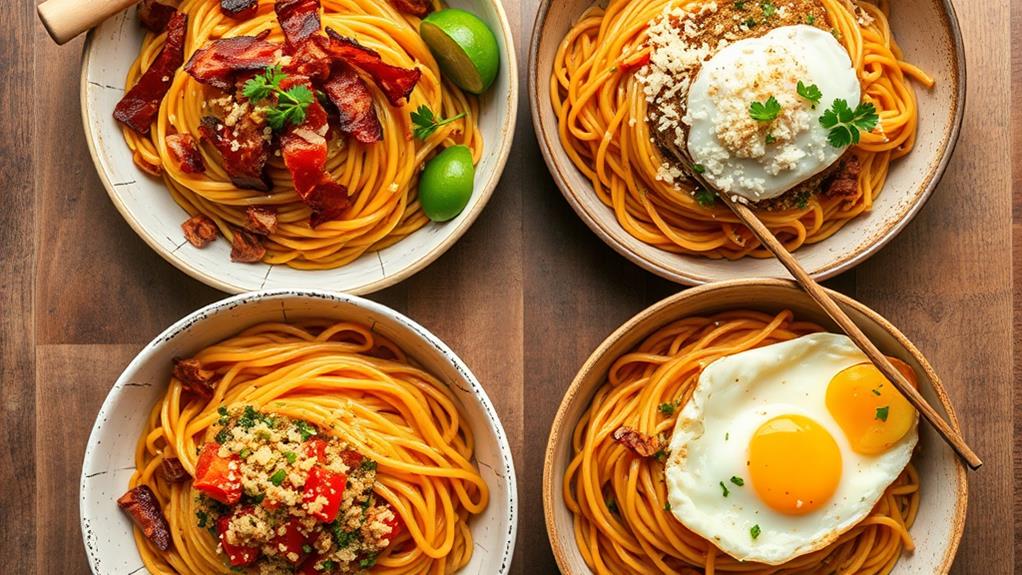
  • Best Ways to Serve Filipino Style Spaghetti

    Best Ways to Serve Filipino Style Spaghetti

    Essential Ingredients for Filipino-Style Spaghetti

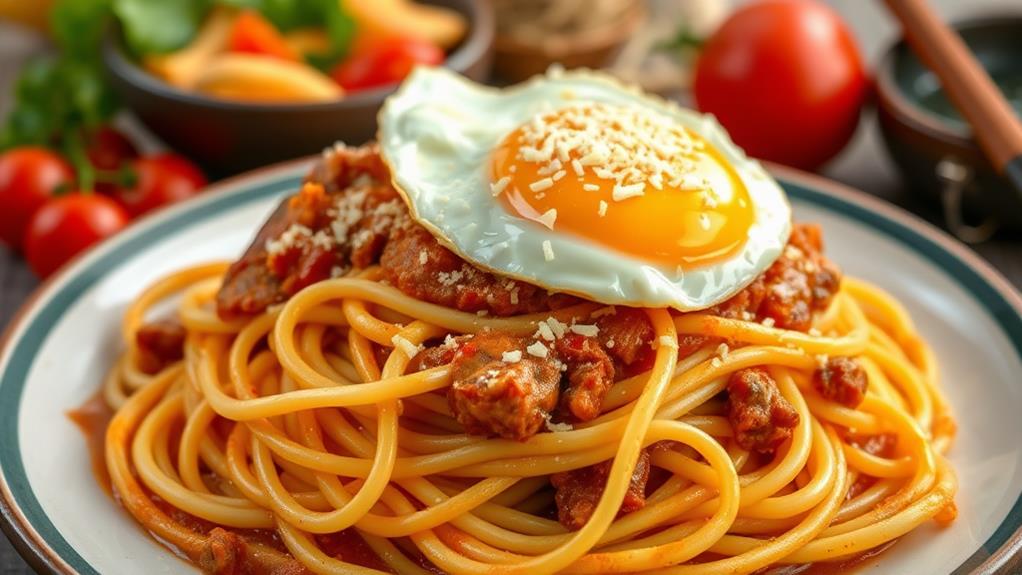
    To create an authentic Filipino-style spaghetti, you need sweet tomato sauce, ground beef or hot dogs, and quick-melting cheese.

    Pair with Complementary Dishes

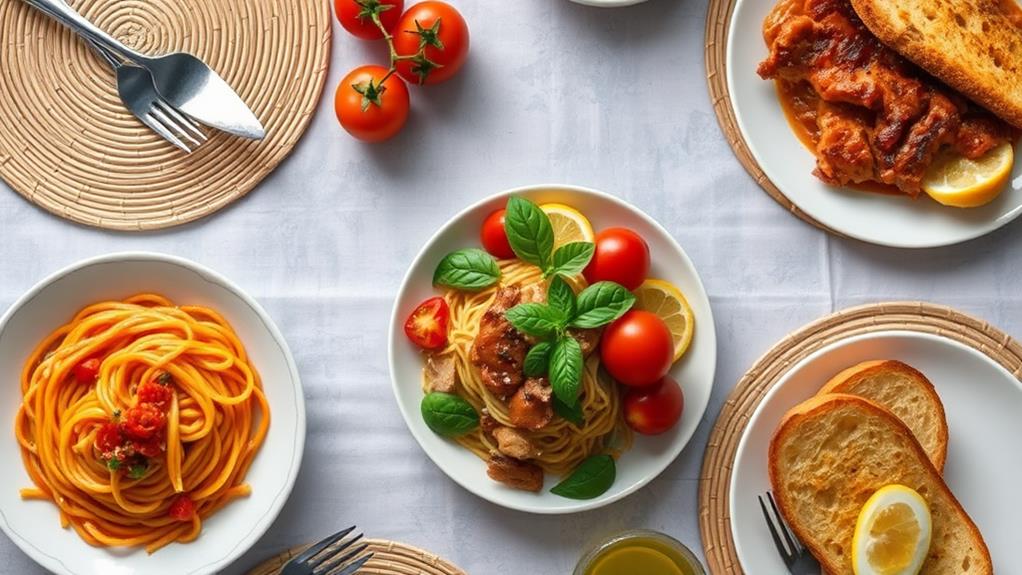
    Pair your spaghetti with fried chicken and garlic bread for a complete meal experience.

    Get Creative with Pairings

    Consider pairing your spaghetti with sweet and savory dishes like macaroni salad and lumpia (Filipino spring rolls) to balance the flavors and textures.

    Cultural Significance

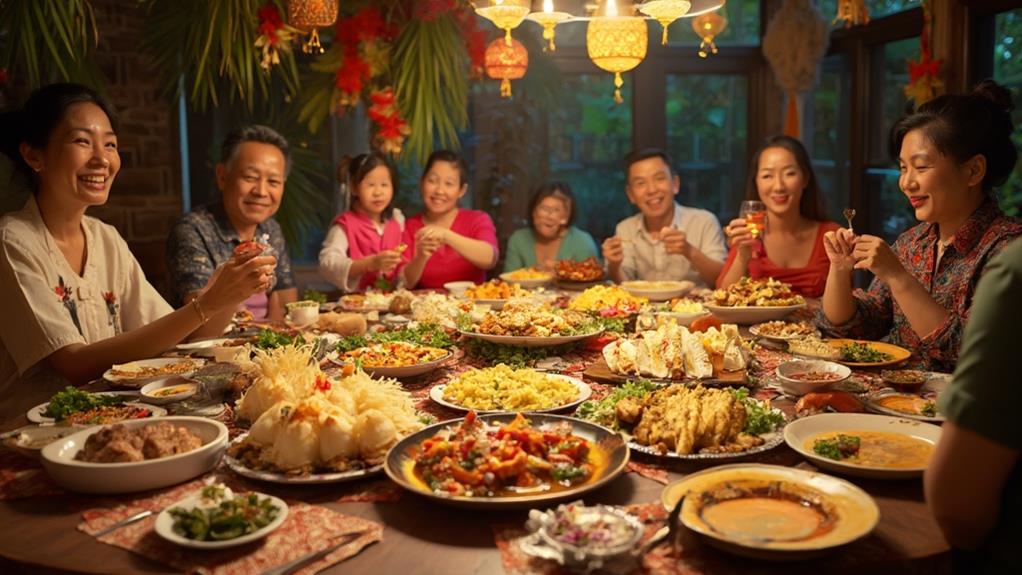
    Filipino spaghetti is more than just a meal; it's a cultural celebration that brings people together.

    Final Tips

    Remember to balance the flavors and textures with complementary dishes and refreshing beverages when finalizing your dish.

    Filipino Spaghetti Essentials
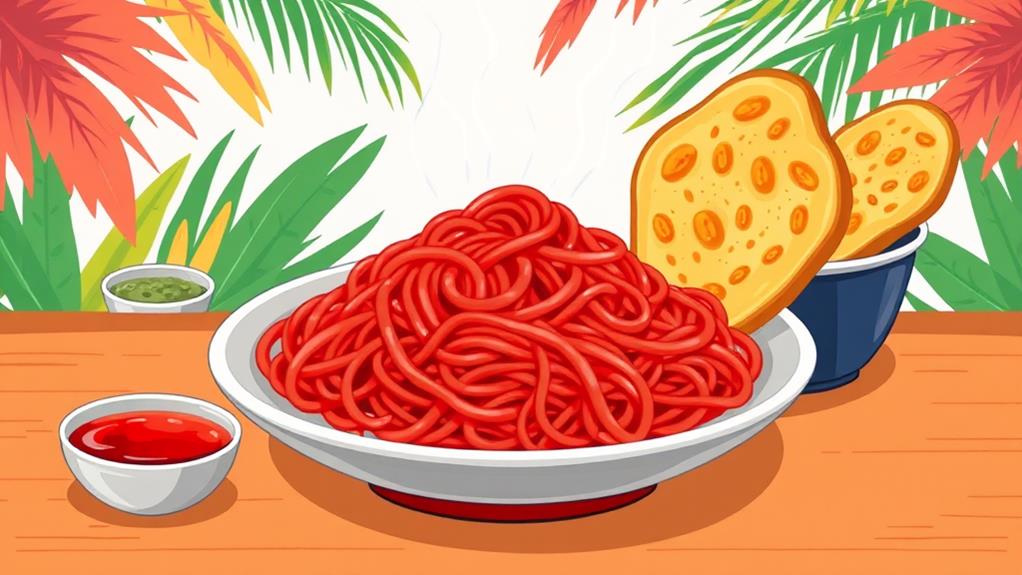
    sweet sauce hotdogs cheese

    Filipino Spaghetti Essentials

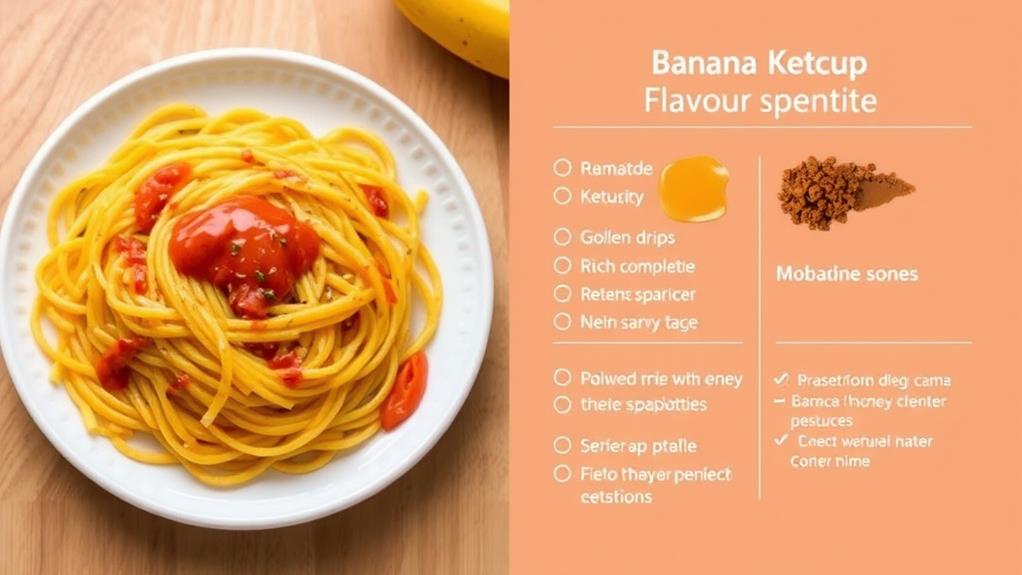
    The Foundation: Sweet Tomato Sauce and Banana Ketchup

    Filipino spaghetti relies on a sweet tomato sauce, which is often elevated by the addition of banana ketchup. This unique combination creates a distinct flavor profile that sets Filipino spaghetti apart.

    Protein Powerhouse: Ground Beef and Hot Dogs

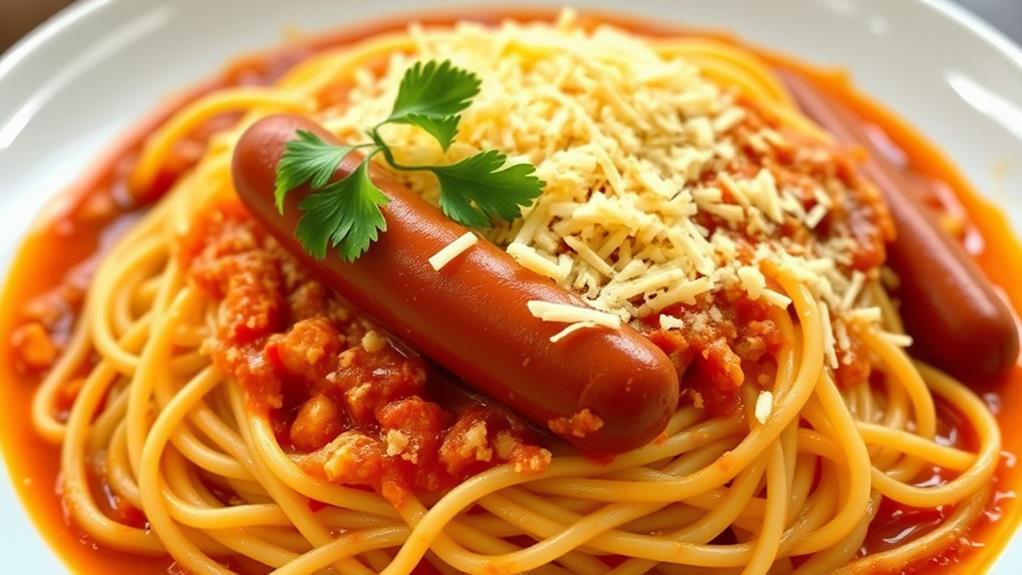
    Ground beef is a classic protein choice for Filipino spaghetti, but sliced hot dogs are a popular and flavorful alternative. Hot dogs add a salty, meaty flavor that complements the sweet tomato sauce.

    The Perfect Topping: Quick-Melting Cheese

    Quick-melting cheese is the ideal topping for Filipino spaghetti. Its velvety texture and mild flavor balance the sweetness of the tomato sauce and the savory flavor of the hot dogs.

    A Cultural Significance

    Filipino spaghetti is more than just a dish; it's an integral part of Filipino celebrations, often served alongside fried chicken and garlic bread at kids' birthday parties and special gatherings.

    Cooking Filipino Style Spaghetti

    Cooking Filipino Style Spaghetti

    To prepare Filipino-style spaghetti, start by cooking the spaghetti noodles according to the package instructions. Do not overcook them, as the perfect al dente texture is essential.

    While the noodles are cooking, prepare the sweet tomato sauce.

    Preparing the Sweet Tomato Sauce

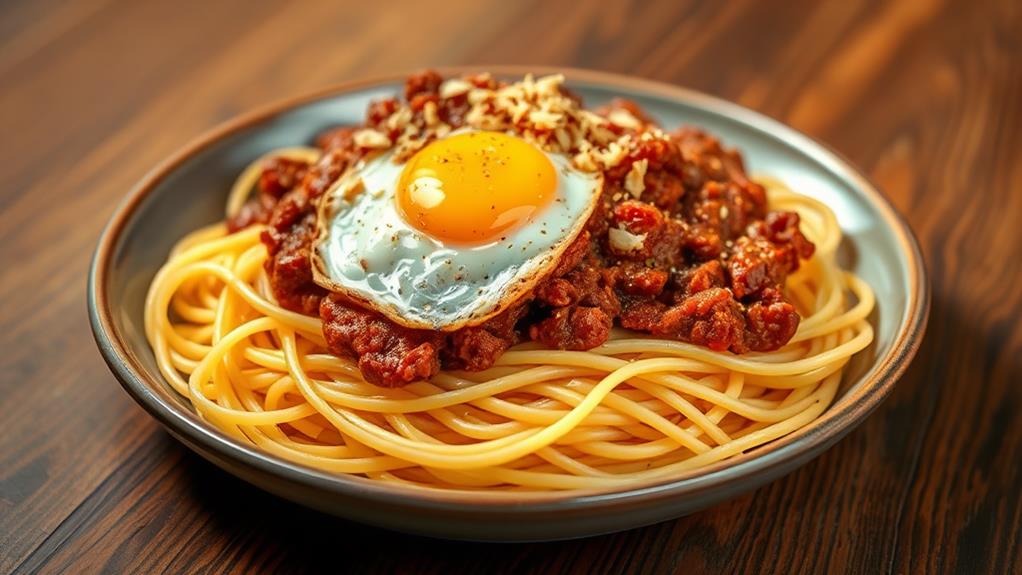
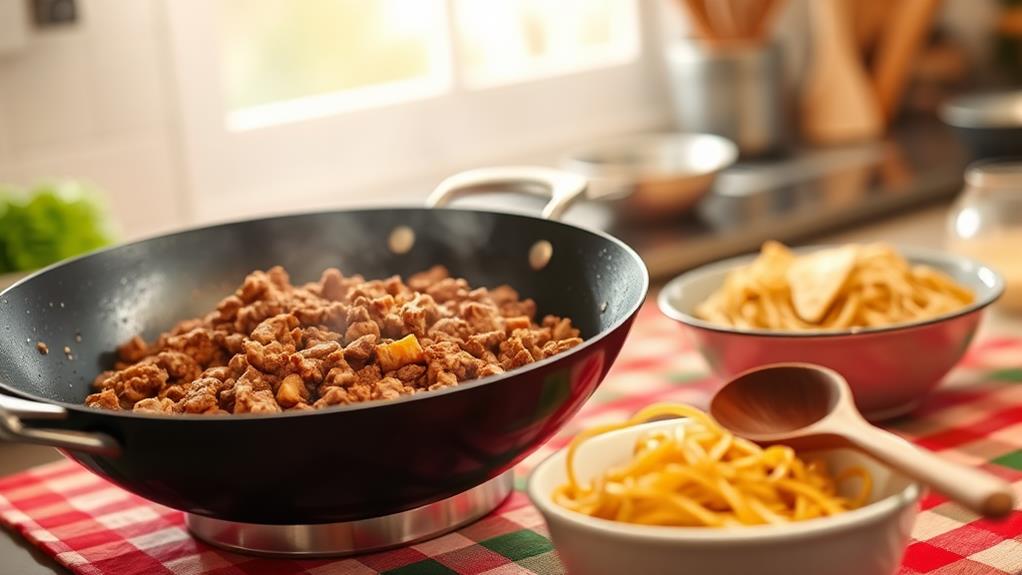
    For the sweet tomato sauce, use ground beef or a combination of proteins such as ground pork, sliced hotdogs, and luncheon meat.

    Sauté the proteins with garlic and onions until they're browned, then add the sweet tomato sauce and a dash of banana ketchup for the distinct Filipino flavor.

    Let the sauce simmer until it thickens and becomes rich.

    Assembling the Dish

    Once the noodles are cooked, combine them with the prepared sweet tomato sauce.

    Top the dish with shredded quick-melt cheese to complete the Filipino spaghetti. This dish is sure to be a hit at your next family gathering.

    Sweet and Savory Pairings
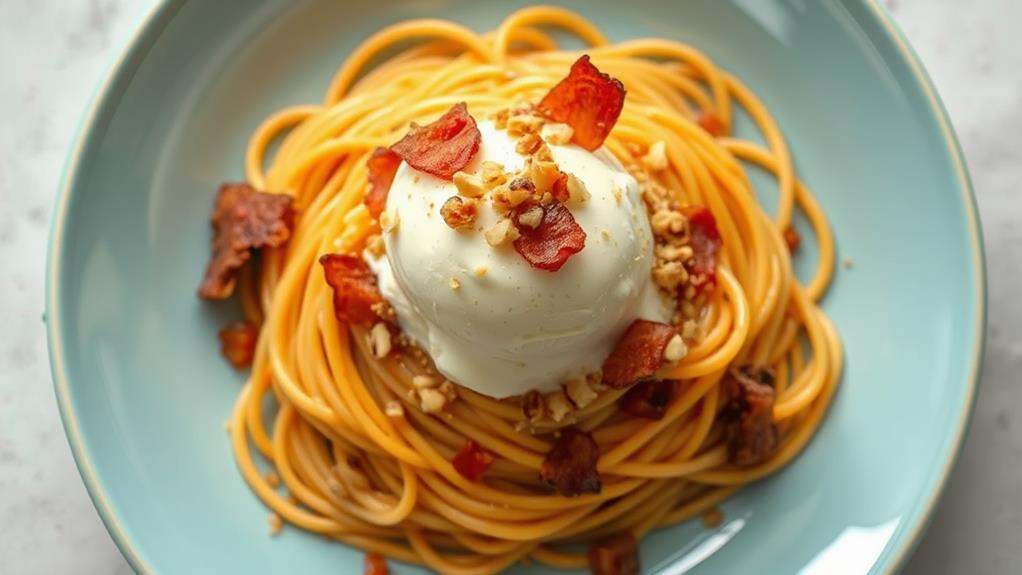
    delicious flavor combinations explored

    Elevate Your Filipino Spaghetti with These Sweet and Savory Pairings

    Filipino Style Spaghetti, with its sweet tomato-based sauce, is a perfect match for savory fried chicken, creating a classic Filipino party dish combination.

    The sweetness of the sauce is balanced by the crispy, savory flavors of the fried chicken. Traditionally, the dish is topped with grated quick melt cheese, which adds a creamy texture that complements the sweetness of the sauce.

    Add a Refreshing Twist with Macaroni Salad

    Serving Filipino Spaghetti alongside macaroni salad provides a delightful contrast of flavors and textures.

    The creamy and tangy profile of the salad balances the rich flavors of the spaghetti. This combination offers a refreshing twist on the traditional dish.

    Add Crunch with Lumpia

    For a more savory touch, consider adding lumpia (Filipino spring rolls) as a side dish.

    The crispy texture of the lumpia contrasts nicely with the soft spaghetti, providing a satisfying combination.

    Complete the Meal with a Refreshing Beverage

    Sweetened iced tea or a light fruit punch harmonize with the dish's sweetness while providing a refreshing beverage option.

    These flavorful pairings will transport you to a classic Filipino fiesta!

    Nutrition and Serving Sizes

    Filipino Style Spaghetti is a well-balanced meal option that provides a mix of flavors, textures, and nutrients.

    A 1-cup serving of Filipino Style Spaghetti contains approximately 534 calories. This serving size provides a balanced nutritional profile, consisting of 66g of carbohydrates, 24g of protein, and 20g of fat.

    Additionally, it's a good source of essential vitamins like Vitamin A and Vitamin C.

    To maintain a balanced caloric intake, it's essential to practice portion control.

    Dividing your meal into smaller servings can help you manage your calorie consumption throughout the day. Pairing your spaghetti with a side of vegetables or a salad can also enhance your nutrient intake while controlling calorie consumption.

    Cultural Significance and History
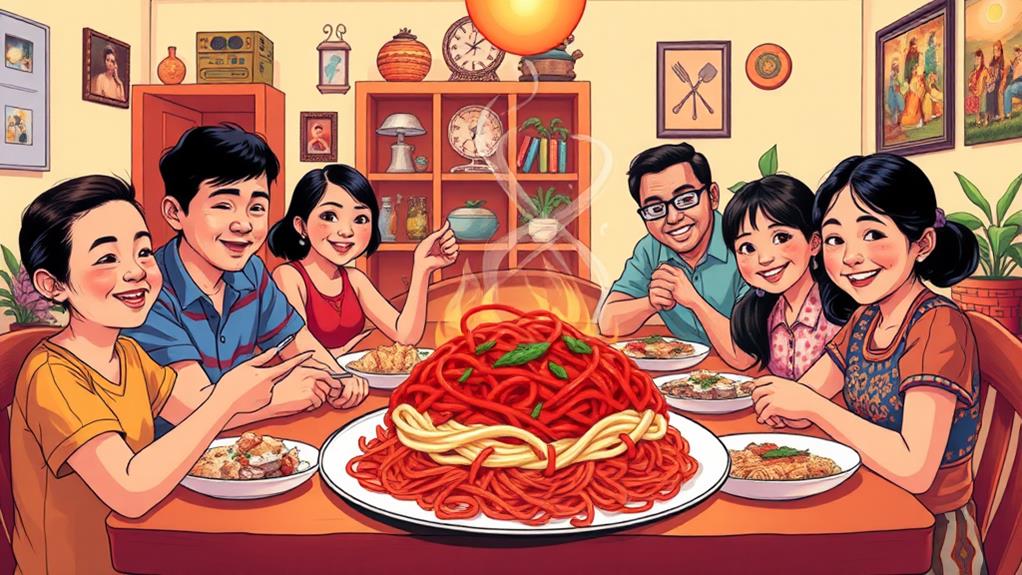
    cultural heritage and legacy

    Filipino spaghetti is a cultural staple that evokes nostalgia and comfort. This dish is a staple of Filipino heritage, reminiscent of happy times and warm connections with family and friends at birthday parties and family gatherings.

    The dish's origins date back to American colonization in the late 1800s. During this period, hot dogs and ketchup were introduced to local cuisine.

    Filipinos' sweet tooth led to the creation of banana ketchup, a key ingredient in the signature sweet tomato-based sauce of Filipino spaghetti.

    The rise of Jollibee Spaghetti further solidified the dish's cultural significance. The vibrant red color of the dish is more than just visually appealing – it symbolizes deliciousness and celebration in Filipino culture.

    Recipe Variations and Adaptations

    Filipino Spaghetti Variations

    Filipino spaghetti offers a wide range of variations, allowing you to customize the dish to your taste preferences.

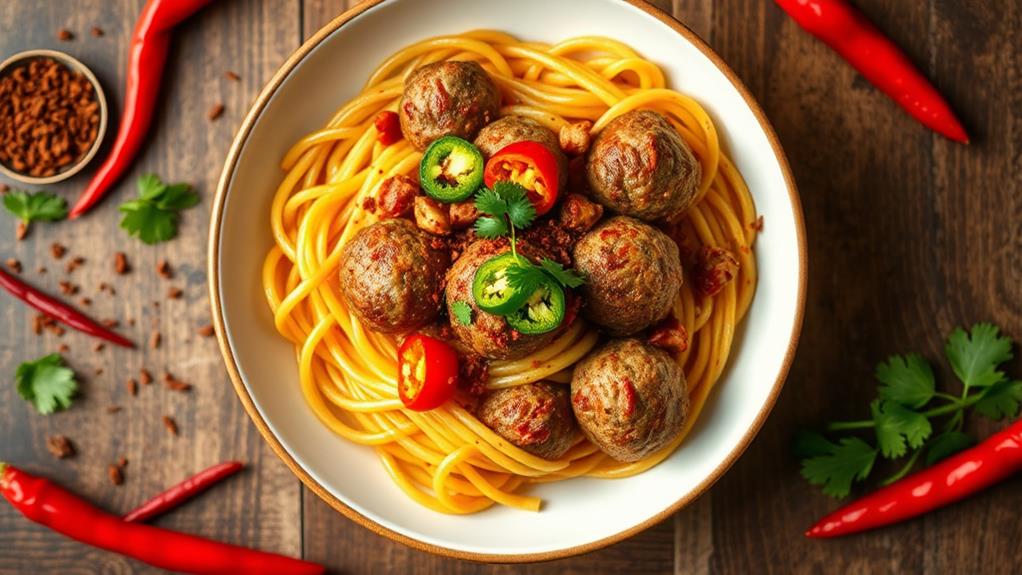
    Meat Lover's Variation

    Adding beef hot dogs and diced ham creates a hearty and savory flavor profile.

    Creamy Delight Variation

    Incorporating evaporated milk and cream cheese results in a rich and indulgent flavor experience.

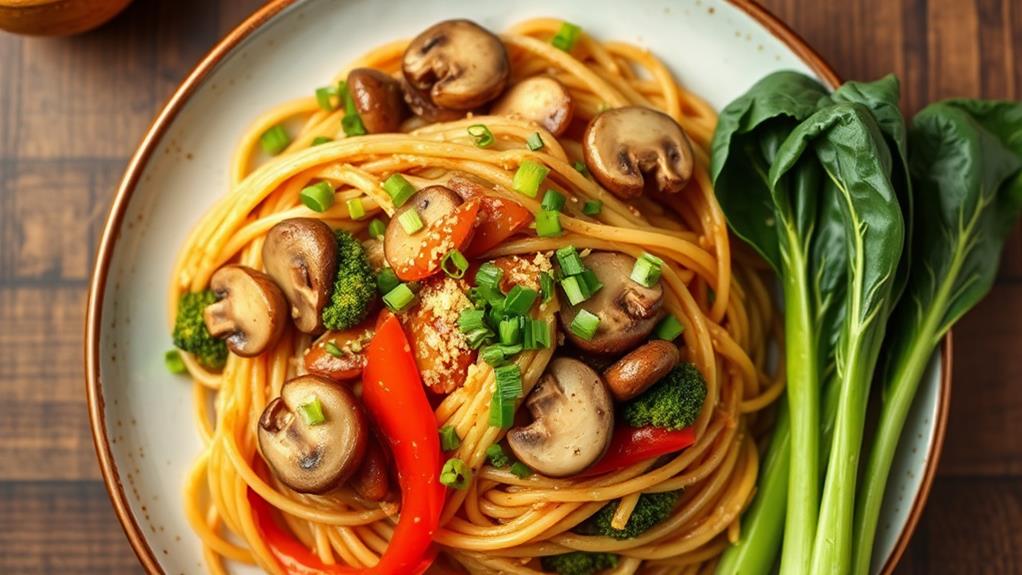
    Veggie Bonanza Variation

    The addition of bell peppers, carrots, and mushrooms adds freshness and nutritional value to the dish.

    Savory Twist Variation

    Using soy sauce and fish sauce creates a balanced and umami flavor profile.

    Experimenting with Cheese

    Try using different cheeses, such as mozzarella or a blend of quick-melt and cheddar, to create a unique topping that enhances the dish's richness.

    The key to creating a signature Filipino spaghetti recipe is finding the perfect balance between sweet and savory flavors.

    Cooking Techniques and Tips
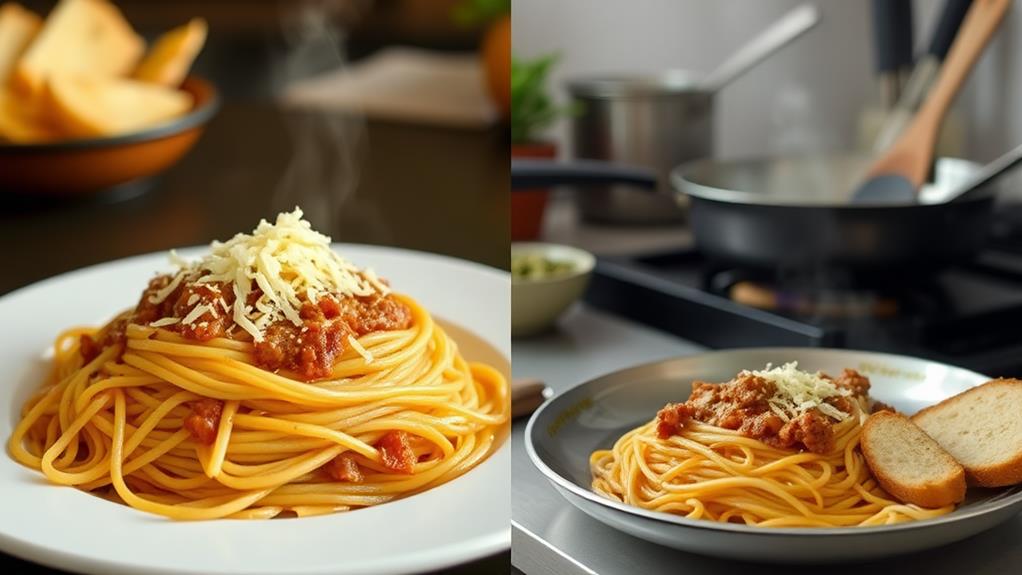
    culinary skills and advice

    Mastering Cooking Techniques for Filipino Spaghetti

    To perfect your Filipino spaghetti, focus on refining your cooking techniques to bring out the best flavors.

    Cooking Spaghetti Noodles

    Cook spaghetti noodles to an al dente texture to prevent mushy noodles from ruining your dish. This texture ensures the noodles retain some firmness in the center.

    Sautéing Onions and Garlic

    Sauté onions and garlic in oil until they're soft and fragrant. This step brings out the natural sweetness of the onions and garlic, adding depth to your sauce.

    Cooking Ground Beef and Adding Filipino Flavors

    Cook ground beef until it's fully browned, then add sliced hotdogs and luncheon meat to incorporate the signature Filipino flavors.

    Let the mixture simmer for at least 30 minutes to develop rich flavors.

    Balancing Acidity with Milk

    To balance the acidity of the tomato-based sauce, add a splash of evaporated milk or condensed milk for a creamy, sweet twist.

    Finishing Touches

    When serving, top your Filipino spaghetti with shredded quick-melt cheese for a creamy, melty finish. This combination appeals to both kids and adults alike.

    What are Different Ways to Serve Filipino Style Spaghetti?

    Filipino style spaghetti can be served in various ways to suit different tastes. Some popular spaghetti pinoy variations include adding hotdogs, ham, and ground meat to the sauce. Others prefer to top it off with cheese, or even add a touch of sweetness with banana ketchup or condensed milk.

    Storing and Reheating Leftovers

    Proper Storage for Leftover Filipino Spaghetti

    To keep your leftover Filipino spaghetti fresh, store it in airtight containers, separating the meat sauce and noodles to prevent mushiness. This way, you can refrigerate it for up to 3 days.

    Freezing for Long-Term Storage

    If you want to extend the shelf life of your leftover spaghetti, freeze the meat sauce and noodles separately. When stored properly, they can last up to 2 months.

    Reheating Frozen Spaghetti

    To reheat frozen spaghetti, submerge the sealed container in boiling water until warm.

    Alternatively, you can heat the sauce in a pan and mix it with freshly cooked noodles.

    Reheating Refrigerated Leftovers

    When reheating refrigerated leftovers, add a splash of water or broth to the sauce to maintain moisture and prevent it from drying out.

    Reheating Tips

    Avoid microwaving the spaghetti directly, as this can lead to uneven heating and affect the texture of the noodles.

    Frequently Asked Questions

    What Is Different About Filipino Style Spaghetti?

    Filipino style spaghetti is a unique variation of traditional spaghetti. It combines sweet and savory Filipino flavors with conventional pasta.

    The dish typically includes hotdogs and luncheon meat mixed with ground pork, which sets it apart from other pasta dishes.

    Filipino spaghetti holds cultural significance. It's often served at festive occasions and family gatherings, reflecting the local adaptations and taste preferences that make Filipino cuisine distinct.

    What Is the Best Way to Serve Spaghetti?

    Serving Spaghetti with Flair

    When serving spaghetti, proper plating techniques are essential. Position the noodles in a neat, curved shape on the plate, allowing the sauce to coat them evenly. Add a generous pour of sauce, ensuring each bite will be flavorful.

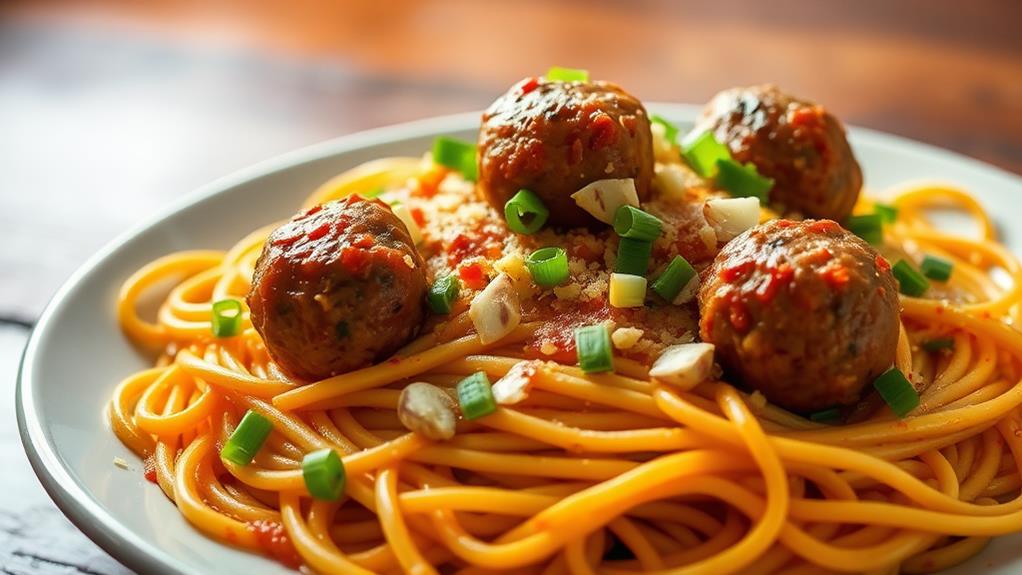
    Strategically place toppings, such as meatballs or sautéed vegetables, to create visual appeal.

    Garnish with Fresh Herbs or Cheese

    Add a pop of color and freshness with a sprinkle of parsley or a sprinkle of parmesan cheese. These simple garnishes elevate the dish and add a touch of sophistication.

    Serve Hot and in Generous Portions

    Serve the spaghetti hot, straight from the kitchen, to preserve the noodles' texture and the sauce's flavor. Offer portion sizes that cater to both kids and adults, ensuring everyone leaves the table satisfied.

    Pair with Complementary Side Dishes

    Select side dishes that complement the sauce variations, such as garlic bread for meat-based sauces or a green salad for lighter, olive oil-based sauces. This thoughtful pairing enhances the overall dining experience.

    Create a Memorable Occasion

    Turn a simple spaghetti dinner into a special occasion by inviting family and friends to share the meal together. This creates lasting memories and makes the effort worthwhile.

    What Is Filipino Style Spaghetti and Why Is It Named One of the Worst Dishes in the World?

    Filipino Style Spaghetti: A Cultural Treasure

    Filipino Style Spaghetti is a regional adaptation that combines tomato sauce, banana ketchup, and hotdogs, deviating from traditional spaghetti.

    This unique combination is a result of cultural fusion, blending Italian and American influences with local Filipino flavors.

    Despite its unorthodox ingredients, Filipino Style Spaghetti holds a special place in Filipino hearts. It evokes childhood memories of family gatherings and festive occasions.

    The dish is often served at children's parties and special events, making it a staple in many Filipino households.

    Filipino Style Spaghetti has been named one of the "worst dishes in the world", but this criticism hasn't deterred its popularity in the Philippines.

    Its cultural significance and nostalgic value outweigh any negative opinions, solidifying its place in Filipino cuisine.

    Why Is Filipino Spaghetti Sauce Sweet?

    Filipino spaghetti sauce is sweet due to the use of banana ketchup and added sugar. This unique flavor profile is a result of cultural influences and local taste preferences.

    In the Philippines, banana ketchup is a common condiment used in place of traditional tomato ketchup. It has a sweeter and thicker consistency than regular ketchup, which contributes to the overall sweetness of the spaghetti sauce.

    Additionally, sugar is often added to balance out the acidity of the tomatoes and create a flavor that's appealing to Filipino children. This sweet and savory blend is a distinctive characteristic of Filipino cuisine.
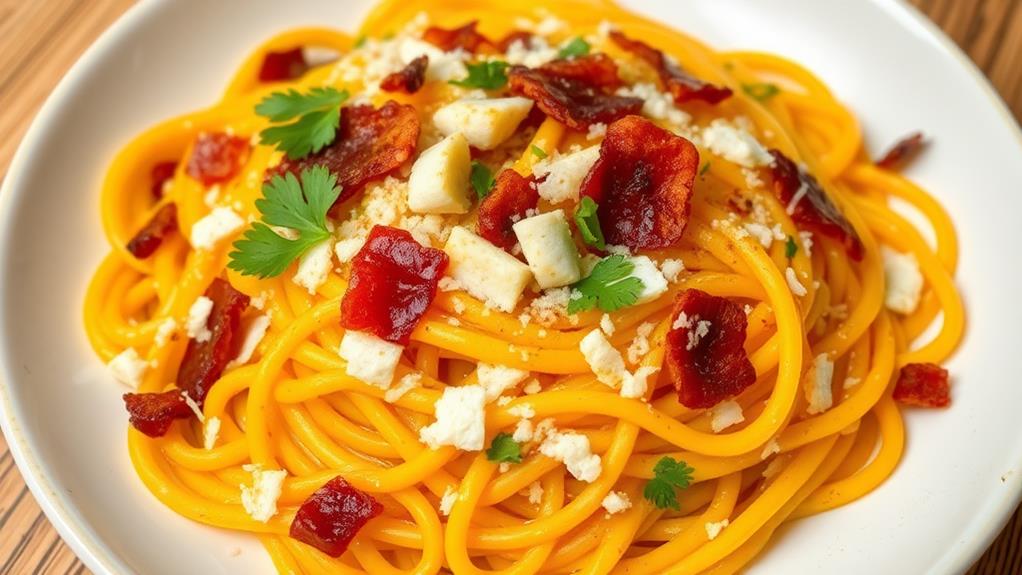
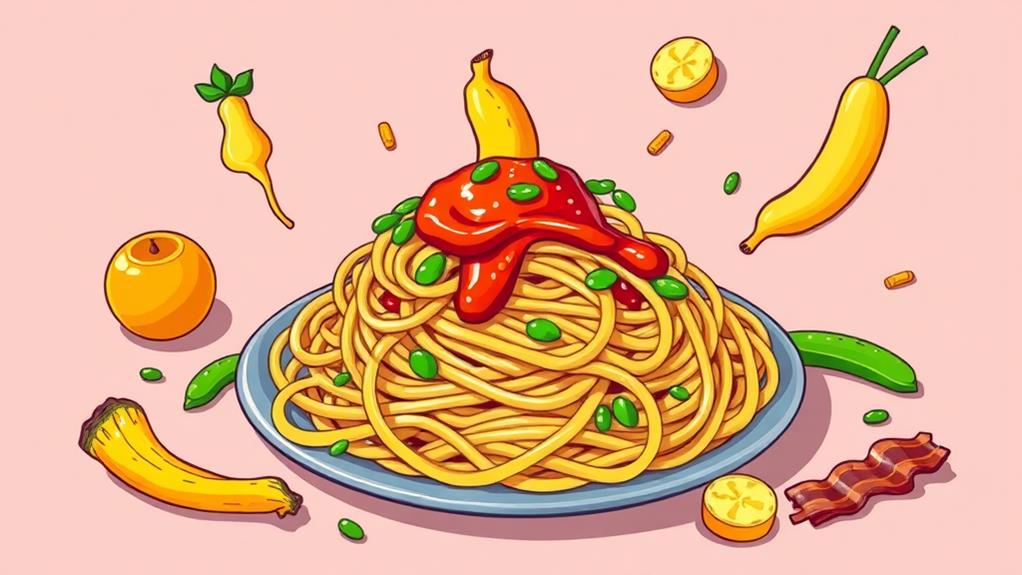
  • What Unique Flavors Does Banana Ketchup Spaghetti Offer?

    What Unique Flavors Does Banana Ketchup Spaghetti Offer?

    Banana ketchup spaghetti offers a unique fusion of sweet and savory flavors. This Filipino dish combines traditional spaghetti with the fruity twist of banana ketchup, creating a fascinating blend of flavors.

    The sweetness of banana ketchup is balanced by savory ground meat, sautéed onions, and umami hot dogs, while grated cheese adds richness.

    This East-meets-West fusion creates a nostalgic comfort food popular at Filipino gatherings and celebrations.

    Key ingredients that set it apart from traditional spaghetti include the use of banana ketchup, hot dogs, and a blend of Eastern and Western flavors.

    Unconventional Flavors Unite

    unique tastes collaborate harmoniously

    Culinary innovations often arise from unexpected flavor combinations, and banana ketchup spaghetti is a prime example. This Filipino-style spaghetti combines sweet and savory flavors, which may seem unusual but work surprisingly well together.

    The banana ketchup adds sweetness, balanced by the savory notes of browned ground meat and sautéed onions. The inclusion of red hot dogs introduces a unique flavor that sets this dish apart from traditional Italian versions.

    The creamy addition of grated American or cheddar cheese enhances the richness and balances the sweetness, appealing to diverse palates. This sweet-savory flavor profile is both comforting and kid-friendly.

    This unconventional union of flavors creates a distinctly Filipino dish, making it a popular choice at gatherings and celebrations.

    A Fusion of Eastern and Western

    Banana Ketchup Spaghetti: A Fusion of Eastern and Western Flavors

    In Filipino cuisine, a unique blend of Eastern and Western flavors comes together in banana ketchup spaghetti. This dish is a prime example of local ingenuity, where traditional Italian spaghetti is transformed with local flavors.

    The Sweet and Savory Flavor Profile

    The sweetness of banana ketchup, a staple in Filipino cuisine, is balanced by the savory flavors of ground meat and hot dogs. This harmonious blend of Eastern and Western tastes creates a distinct flavor profile.

    The addition of red hot dogs adds a playful twist, enhancing the texture and flavor of the dish.

    Umami and Sweetness

    When you take a bite, you'll experience the umami of sautéed onions and garlic, which complements the sweetness of the banana ketchup.

    This unique spaghetti is often served at Filipino celebrations, symbolizing a blend of nostalgia and creativity that merges Western pasta traditions with Eastern ingredients and flavors.

    A True Standout in Filipino Cuisine

    Banana ketchup spaghetti is a true standout in Filipino cuisine, thanks to its distinct flavor profile.

    This fusion of cultural influences is a testament to the creativity and adaptability of Filipino cuisine.

    Nostalgic Filipino Comfort Food

    filipino comfort food nostalgia

    Banana Ketchup Spaghetti: A Taste of Filipino Nostalgia

    A Unique Fusion of Flavors

    Filipino-style spaghetti, featuring banana ketchup, deviates from traditional Italian spaghetti with its sweet-savory flavor profile.

    A Staple at Filipino Celebrations

    This dish is a cultural tradition at Filipino celebrations, symbolizing "noodles for long life" served to guests.

    It's a common sight at birthday parties and family gatherings, evoking childhood memories for many Filipinos.

    Comforting Ingredients

    Ground meat, sliced hot dogs, and grated cheese are common ingredients that enhance the comforting qualities of this dish.

    Banana ketchup adds a nostalgic flavor, reminiscent of childhood memories.

    Bridging Generations

    This comfort food is enjoyed by both children and adults, bridging generations through its familiar taste.

    Cultural Significance of Banana Ketchup

    Banana ketchup is a staple condiment in Filipino cuisine with a rich cultural significance. It was invented by Filipina food chemist Maria Orosa in the 1930s as a response to imported tomato ketchup shortages. During World War II, mass production began, making it a staple in Filipino households and showcasing the country's culinary adaptability.

    Banana ketchup's vibrant red color, achieved through food coloring, allows it to visually resemble traditional ketchup. This makes it appealing to consumers. In Filipino cuisine, banana ketchup is often used in dishes like spaghetti, where its sweet-savory flavor profile evokes nostalgia and cultural identity.

    As a fusion of Western and Filipino culinary traditions, banana ketchup represents the creativity and resourcefulness of Filipino cooking.

    Banana ketchup is often served at family gatherings and celebrations. When you taste banana ketchup spaghetti, you're not just experiencing a unique flavor; you're also tapping into the cultural heritage of the Filipino people.

    Balancing Sweetness and Savory Notes

    harmonizing flavors for palate

    The harmony of banana ketchup spaghetti lies in its masterful balance of sweetness and savory notes.

    This balance is achieved through the combination of several key components. Sweetness from banana ketchup and sugar is offset by savory notes from browned ground meat and sautéed onions.

    The addition of hot dogs introduces an unexpected umami flavor, which enhances the overall savory profile while complementing the sweetness of the sauce.

    Furthermore, grated American or cheddar cheese introduces a creamy richness that further balances the dish's sweetness and savory elements.

    The banana ketchup's sweetness is a staple in Filipino cuisine, making the flavor profile distinctly different from traditional Italian spaghetti.

    This unique combination of flavors makes banana ketchup spaghetti a kid-friendly dish, designed to satisfy both children and adults with its harmonious taste.

    What Are the Unique Flavors of Banana Ketchup Spaghetti and How Is It Made?

    Banana ketchup spaghetti recipe is a unique twist on traditional pasta dishes. The addition of sweet and tangy banana ketchup creates a flavorful and exotic sauce that pairs perfectly with the savory flavors of the spaghetti. This Filipino-inspired dish is made by mixing banana ketchup with other ingredients like ground meat, onions, and bell peppers to create a delicious and unforgettable meal.

    Elevating Spaghetti With Fruitiness

    Elevating Spaghetti with Fruitiness

    Banana ketchup's sweet and tangy flavor profile injects new life into the classic spaghetti dish. The sweetness of the banana ketchup balances perfectly with the savory flavors of the ground beef and sautéed onions, creating a unique combination that appeals to both kids and adults alike.

    Flavor Components and Their Effects

    Flavor Component Effect on Spaghetti
    Fruitiness Adds a tropical twist, setting it apart from traditional Italian spaghetti
    Sweetness Balances savory flavors, creating a sweet-savory harmony

    | Tanginess | Enhances overall taste, making the spaghetti sauce more vibrant and lively

    Frequently Asked Questions

    What Is the Flavor of Banana Ketchup?

    Banana ketchup has a unique flavor profile that's both sweet and tangy. This condiment combines the ripeness of bananas with a hint of garlic, creating a mild yet distinctive taste.

    The sweet and savory elements balance out perfectly, allowing for incredible culinary creativity. The result is a flavor profile that's unlike anything you've experienced before.

    What Do Filipinos Eat Banana Ketchup With?

    Filipinos commonly use banana ketchup as a condiment with traditional dishes like silog, hotdogs, and fried foods. This sweet and tangy ketchup pairs well with these classic Filipino favorites, adding a unique flavor profile.

    It's also a popular accompaniment to burgers and sandwiches, allowing for a twist on traditional flavors.

    Additionally, banana ketchup is used as a dipping sauce or marinade in regional variations and creative recipes, showcasing its versatility.

    What Is Filipino Spaghetti Sauce Made Of?

    Filipino spaghetti sauce is a unique blend of ingredients.

    It typically consists of banana ketchup, which gives it a sweeter flavor profile compared to traditional spaghetti sauces.

    Ground meat, usually beef or pork, is also a key component, adding depth to the sauce.

    Sautéed onions and garlic are sautéed until caramelized, enhancing the overall flavor.

    Tomato sauce is often added to balance out the sweetness, while a small amount of sugar may be included to further enhance the flavor.

    This distinct combination of ingredients creates a rich and savory sauce that's a staple in Filipino cuisine, often served at gatherings and celebrations.

    Where Is Banana Ketchup Popular?

    Banana ketchup is popular in the Philippines, where it holds significant cultural significance as a staple condiment.

    Its historical origins date back to World War II, when it was created as a substitute for tomato ketchup due to a shortage of tomatoes.

    It is also enjoyed in St. Lucia, where regional variations incorporate unique flavors like curry powder or rum.

  • What’s the Secret to Perfecting Spaghetti Pinoy Style?

    What’s the Secret to Perfecting Spaghetti Pinoy Style?

    Simmering the Sauce is Key

    To perfect Spaghetti Pinoy Style, you need to simmer the signature sweet sauce for at least 30 minutes to meld the flavors together.

    Adding Protein for Depth

    Include sliced hotdogs and ground pork to add a savory depth to the dish.

    These ingredients will enhance the flavor profile of the spaghetti.

    Balancing Flavors

    Achieve balance by adding a sprinkle of brown sugar to cut the acidity, a dash of Knorr Pork Cube for umami, and a generous helping of banana ketchup for that unmistakable Pinoy flavor.

    Filipino Spaghetti 101

    authentic filipino spaghetti recipe

    Filipino Spaghetti: A Sweet and Savory Twist

    Filipino Spaghetti is a unique fusion of sweet and savory flavors, differing from its Italian counterpart.

    This dish combines ground pork, sweet tomato sauce, and unexpected ingredients to create a harmonious blend of flavors.

    Key Ingredients and Cooking Techniques

    To make Filipino Spaghetti, add sliced hotdogs and ground pork to your pot to create a savory depth in your sweet tomato sauce.

    Use banana ketchup and brown sugar liberally, as they're the secret ingredients that give Filipino Spaghetti its signature flavor.

    Simmer the sauce for at least 30 minutes to allow the flavors to meld together and the aroma to fill your kitchen.

    Assembling the Dish

    Combine al dente noodles with the rich, thick sauce to create a satisfying and filling meal.

    Top with shredded quick melt cheese to add a creamy and indulgent touch. This dish is perfect for children's birthday parties and other celebrations.

    Perfecting the Sweet Sauce

    Achieving the Perfect Balance of Sweet and Savory

    To create the signature sweet sauce of Filipino Spaghetti, it's essential to strike a balance between sweet and savory flavors. Incorporate banana ketchup and a touch of brown sugar to counteract the acidity of the tomatoes. This combination will provide a solid foundation for the sauce.

    Adding Richness and Depth

    Introduce ground pork, sliced hotdogs, and liver spread to enrich the sauce with meaty flavors and textures. These ingredients will add depth and complexity to the overall taste.

    Simmering for Flavor Melding

    Simmer the sauce for at least 30 minutes to allow the flavors to meld together and thicken into a sticky, saucy consistency. This step is crucial in developing the sauce's character.

    Elevating the Umami Profile

    Add a Knorr Pork Cube or Magic Sarap to enhance the umami flavor profile of the sauce. This addition will make a noticeable difference in the overall taste.

    Cooking Tips and Variations

    culinary techniques and alternatives

    Elevate Your Filipino Spaghetti with These Essential Cooking Tips and Variations

    Protein Powerhouse: Add sliced hotdogs and ground pork to create a meaty twist.

    For added flavor, incorporate Spam or bacon.

    Rich and Depth-Filled Sauce: Simmer the sauce with a Knorr Pork Cube to achieve a rich flavor.

    Consider adding a spoonful of liver spread for a unique taste.

    Balancing the Sauce: Combine banana ketchup with a splash of regular tomato sauce and a pinch of sugar to achieve a balanced sweetness.

    The Perfect Plate: Top your spaghetti with shredded Velveeta cheese for a creamy finish that complements the sweet sauce.

    Sauce Thickness Control: Adjust the sauce's thickness by incorporating reserved pasta water during mixing.

    This ensures the sauce clings to the noodles without being too dry or watery.

    Nutrition Information and Facts

    Nutrition Information for Pinoy-Style Spaghetti

    A serving of Pinoy-style spaghetti contains approximately 529 calories. The macronutrient breakdown is 63g carbohydrates, 23g protein, and 19g fat.

    Sodium Content: A serving of this dish contains 1068mg of sodium, which is a significant amount. It's essential to be mindful of salt intake to maintain good health.

    Vitamin A Content: Pinoy-style spaghetti is a rich source of Vitamin A, providing around 1190 IU per serving. This is beneficial for eye health and immune function.

    Fiber Content: This dish contains 4g of fiber per serving, which aids in digestion and promotes a feeling of fullness.

    Sugar Content: The sweetness in Pinoy-style spaghetti comes from added ingredients like banana ketchup and tomato sauce, contributing to 14g of sugar per serving.

    Serving Suggestions and Ideas

    creative serving ideas guide

    Pairing Pinoy-Style Spaghetti with Other Dishes

    Pairing Pinoy-style spaghetti with other dishes can elevate the meal from satisfying to sublime.

    Pairing it with Butter Garlic Whole Fried Chicken adds savory flavors that beautifully complement the sweetness of the spaghetti.

    Alternatively, serving it with Calamares (crunchy fried squid) adds a delightful crunch and a seafood twist.

    For a lighter option, an Easy Chicken Caesar Salad provides a refreshing contrast to the sweet and hearty flavors of the spaghetti.

    Casual Setting Options

    For a more casual setting, serve your Filipino spaghetti recipe alongside garlic bread to soak up the rich Filipino Style spaghetti sauce.

    Additionally, offering a side of mixed vegetables balances the meal and provides a nutritious element that pairs well with the spaghetti's flavors.

    Storing Leftovers the Right Way

    Storing Leftovers the Right Way

    Separate Containers for Freshness

    To maintain the quality of your leftovers, store your meat sauce and noodles in separate airtight containers. This prevents the noodles from becoming soggy and mushy, keeping them fresh for a longer period.

    Refrigeration and Freezing Guidelines

    When storing leftovers, refrigerate them within two hours of cooking to keep them fresh for up to 3 days. If you're not planning to consume them within that timeframe, consider freezing them.

    Place the spaghetti and sauce in airtight containers or heavy-duty freezer bags, and they'll be good to go for up to 2 months.

    Reheating and Safety Precautions

    To reheat your frozen spaghetti, simply submerge it in boiling water or heat the sauce separately and mix it with the noodles.

    Always check for signs of spoilage, such as discoloration or strange odors, and discard any spaghetti that appears off.

    Cultural Significance and Origins

    cultural origins and importance

    Filipino spaghetti holds a special place in the hearts of many Filipinos, evoking memories of childhood birthday parties and family gatherings.

    The dish's unique flavor profile, characterized by a sweet and tangy sauce, is a far cry from traditional Italian tomato sauce.

    This distinct flavor is a result of American colonization, which introduced ingredients like hot dogs and ketchup to the local cuisine.

    The origins of Filipino spaghetti can be traced back to an orphanage in Cebu, where it was adapted to include local flavors.

    One key ingredient in this adaptation was banana ketchup, developed by Maria Orosa.

    This adaptation has since evolved into a comfort food that evokes nostalgia, reflecting the cultural significance of food in fostering familial connections and celebrations within the community.

    Key Ingredients and Flavor Profile

    Key Ingredients:

    Filipino spaghetti's unique flavor profile relies on a distinct blend of ingredients. Banana ketchup is a primary component, adding sweetness and a tangy twist to the traditional Italian sauce.

    Ground pork serves as the common meat base, often augmented with sliced hotdogs that contribute flavor and a chewy texture. Additionally, liver spread is typically included, enriching the sauce with depth and richness.

    Flavor Profile:

    The sauce's acidity is balanced by a hint of brown sugar, which amplifies the overall sweetness characteristic of this comfort food.

    Quick-melting cheese, such as cheddar or Velveeta, is frequently used as a topping, providing a creamy texture that complements the sauce's sweetness.

    These key ingredients combine to create a dish that's both familiar and unique.

    Cooking Techniques and Essentials

    essential cooking techniques overview

    Mastering Filipino Spaghetti: Cooking Techniques and Essentials

    To create a flavorful Filipino spaghetti dish, it's essential to master specific cooking techniques. Layering flavors is key, and this begins with cooking the spaghetti noodles.

    Cooking Spaghetti Noodles

    Cook spaghetti noodles according to package instructions, ensuring they're al dente for the best texture when mixed with the sauce.

    Sautéing Aromatics and Meat

    Sauté minced onion and garlic in oil until softened, then add ground pork and hotdogs. Allow the flavors to meld and the meat to brown properly, which takes time.

    Developing the Sauce

    Add banana ketchup and liver spread, signature ingredients in Filipino spaghetti, to the sautéed mixture.

    Simmer the sauce with added water and seasoning until it thickens, creating a cohesive dish when combined with the noodles.

    Assembling the Dish

    Mix the cooked spaghetti with the sauce thoroughly, then top with shredded cheese for an added layer of flavor and creaminess.

    What’s the Secret Ingredient for Perfecting Spaghetti Pinoy Style?

    The essential ingredients for spaghetti pinoy include banana ketchup, hotdogs, and ground pork. These give the dish its distinct sweet and savory flavor. To perfect your spaghetti pinoy style, make sure to master the balance of these key ingredients for an authentic Filipino spaghetti experience.

    Reader Engagement and Community

    Share Your Filipino Spaghetti Creations

    Tag @PanlasangPinoy on Instagram to showcase your Filipino spaghetti creations and get inspired by others who share your passion.

    Take Your Reader Engagement to the Next Level

    To engage with the community, remember these three essentials:

    Interact with Others: Leave a comment, ask a question to share your thoughts, ask for tips, or say hello. This is where you can learn from others and build connections.

    Provide Feedback: Rate those recipes you try, as your feedback helps others make informed decisions and creates a sense of community.

    Explore and Discuss: Explore related posts featuring various Filipino recipes and participate in discussions about personal experiences and variations of Filipino spaghetti.

    This is where cultural exchange happens, and you'll gain a deeper appreciation for this beloved dish.

    Frequently Asked Questions

    What Makes Filipino Spaghetti Different?

    Filipino spaghetti stands out due to its sweet sauce. This unique flavor profile comes from the combination of banana ketchup and brown sugar.

    Cultural influences have shaped this dish. It blends traditional and modern flavors, resulting in a distinct taste experience.

    The ingredients add texture and flavor. Ground pork, hotdogs, and luncheon meat contribute to the savory goodness, while melted cheese provides a rich finish.

    Filipino spaghetti is a staple at celebrations. Its vibrant red color makes it a popular choice for birthday parties and family gatherings.

    How Can I Make My Spaghetti More Flavorful?

    To make flavorful spaghetti, use a combination of herbs and spices. Add fresh or dried herbs like basil, oregano, or thyme to give your sauce depth. You can also add spices like red pepper flakes for a spicy kick or fennel seeds for a mild anise flavor.

    Master the balance of sweet, savory, and umami flavors in your sauce. Sweetness comes from caramelized onions or a pinch of sugar, while savory flavors come from ingredients like garlic, mushrooms, or olives. Umami flavors are found in ingredients like tomatoes, soy sauce, or miso paste. Balance these flavors to create a rich and complex sauce.

    Perfect your cooking technique to lock in flavors. Sautéing vegetables and meat in a hot pan with a small amount of oil helps to caramelize their natural sugars and enhance their flavors.

    This step is crucial in creating a flavorful spaghetti dish.

    What Is the Secret to Good Spaghetti?

    To achieve perfect spaghetti, three essential factors must be considered: texture, sauce balance, and ingredient quality.

    Texture is crucial: Spaghetti must be cooked al dente, retaining a firm bite. This texture allows the noodles to hold the sauce without becoming mushy.

    Overcooking can lead to an unappealing, soft mess.

    Sauce balance is vital: A good spaghetti sauce should be neither too sweet nor too acidic.

    The ideal balance is achieved by using a combination of ingredients, such as onions, garlic, and tomatoes, in harmony. This balance ensures the sauce complements the noodles without overpowering them.

    High-quality ingredients are a must: Using fresh, high-quality ingredients, such as fresh tomatoes and real cheese, makes a significant difference in the overall flavor and texture of the dish.

    Avoid using low-quality alternatives, as they can compromise the authenticity of the spaghetti.

    Why Do Filipinos Put Ketchup in Spaghetti?

    Filipinos add ketchup to spaghetti due to the cultural influence of American colonization.

    During the American colonial period, the Philippines adopted many Western customs, including food preferences. This led to the incorporation of ketchup into traditional Filipino dishes, such as spaghetti.

    The practice continued during World War II, when banana ketchup was invented as a substitute for tomato ketchup, which was scarce at the time.

    The sweet and tangy flavor of ketchup complements the savory taste of spaghetti, making it a staple in Filipino cuisine.

    This unique twist on traditional spaghetti has become an integral part of Filipino gatherings and celebrations.

    The addition of ketchup adds a burst of flavor and fun to the dish, making it a beloved cultural tradition.

  • What Is the Cultural Significance of Pancit Types?

    What Is the Cultural Significance of Pancit Types?

    Pancit types hold significant cultural importance in Filipino cuisine. Each variation tells a story of fusion, adaptation, and community, reflecting local culinary traditions and unique heritage. For instance, Pancit Canton symbolizes longevity, while Pancit Malabon's vibrant seafood sauce showcases the region's seafood abundance.

    Pancit's cultural significance extends beyond the plate. In Filipino culture, it represents prosperity and longevity, bringing people together through shared meals. This cultural importance is evident in the way pancit is often served during special occasions and celebrations.

    The diversity of pancit types is a result of cultural exchange and adaptation. As people from different regions and cultures came together, they shared and adapted recipes, resulting in a rich tapestry of pancit variations.

    This cultural exchange has preserved heritage and created a unique culinary identity, making pancit an integral part of Filipino culture.

    Understanding Pancit's Cultural Roots

    pancit s cultural heritage exploration

    Pancit's Cultural Roots

    The Origins of Pancit

    The term "pancit" comes from the Hokkien Chinese phrase "pian i sit," meaning conveniently cooked food. This name reflects the dish's quick preparation compared to rice.

    Introduction to the Philippines

    Chinese traders introduced pancit to the Philippines in the 17th century. Since then, it has significantly influenced Filipino culinary culture and practices.

    Cultural Significance

    Traditionally served during celebrations and special occasions, pancit symbolizes long life and prosperity. This cultural significance is reinforced by the practice of not cutting the noodles during preparation, which emphasizes the importance of longevity associated with the dish.

    Enduring Presence in Filipino Culture

    This rich culinary heritage is a testament to the pancit dish's enduring presence in Filipino culture. As a staple of Filipino cuisine, pancit isn't only a beloved dish but also a symbol of long life and cultural identity.

    Regional Variations of Pancit Types

    The Philippines is home to diverse regional variations of pancit types, each offering a unique twist on this beloved Filipino dish.

    Region Pancit Type Characteristics
    Pampanga Pancit Canton Stir-fried egg noodles with meats and vegetables, symbolizing longevity
    Malabon City Pancit Malabon Thick rice noodles with vibrant orange seafood sauce
    Various Pancit Bihon Thin rice noodles sautéed with meat and vegetables, versatile and commonly served
    Kapampangan Pancit Luglug Thick cornstarch noodles with rich sauce, a favorite in the region
    Quezon Province Pancit Habhab Miki noodles with tangy vinegar dip, served on banana leaves

    Each regional variation offers a distinct flavor profile and cultural significance. The popular Pancit Canton of Pampanga is a staple in many Filipino celebrations. Pancit Malabon is also widely served, while Pancit Luglug and Pancit Habhab showcase regional culinary practices. Pancit Bihon is a versatile dish that can be found in many variations across the country.

    Significance in Filipino Celebrations

    cultural importance in festivities

    Pancit's Significance in Filipino Celebrations

    Pancit represents longevity and prosperity in Filipino celebrations. This iconic dish is often served during significant events like birthdays, weddings, and New Year festivities, symbolizing long life and good fortune.

    Various pancit dishes are featured in restaurants and regional festivals. For instance, Pancit Bihon and Pancit Canton are popular varieties served in restaurants during special events.

    Regional festivals showcase unique pancit dishes, highlighting local cultural identity and culinary heritage.

    Pancit fosters community bonding in celebrations. It's often served with other Filipino dishes, bringing people together and creating lasting memories.

    In birthday celebrations, pancit emphasizes the importance of food in social gatherings.

    Evolution of Pancit Through History

    Pancit's Origins

    Pancit's history dates back to the 18th century, when Chinese immigrants introduced this convenient food to the Philippines.

    They integrated their culinary techniques into the local cuisine, resulting in a unique fusion of flavors.

    Regional Adaptations

    Over the centuries, regional adaptations have shaped pancit into various types, such as Pancit Bihon, Pancit Canton, and Pancit Malabon.

    Each type reflects local ingredients and cooking methods, showcasing the cultural exchange between Chinese settlers and Filipino communities.

    Cultural Significance

    This fusion of culinary traditions has solidified pancit's cultural significance, making it a staple in Filipino celebrations.

    Pancit symbolizes long life and prosperity, highlighting the importance of food in Filipino culture.

    Evolution and Influence

    Pancit's evolution has been influenced by historical exchanges between Chinese and Filipino cultures.

    These exchanges have shaped food practices in the Philippines, resulting in a distinct culinary identity.

    Notable Pancit Dishes Across Asia

    pancit delicacies throughout asia

    Pancit's Influence Across Asia

    Pancit's Chinese roots have led to its spread across Asia, with various regional adaptations emerging.

    Philippine Variations

    Pancit Bihon and Pancit Canton reflect Chinese culinary traditions in their thin rice noodles and savory sauces.

    In contrast, Pancit Palabok's thick rice noodles and vibrant shrimp sauce showcase Malabon's regional flavors and ingredients.

    Meanwhile, Pancit Malabon's seafood toppings and bright orange sauce highlight the coastal heritage of the region, emphasizing local ingredients.

    Modern adaptations like Pancit Bam-I from Cebu combine different noodle types, demonstrating the diversity in pancit recipes across regions.

    Cultural Significance

    These regional specialties not only offer unique flavors but also symbolize long life and prosperity, making them staples at Filipino celebrations and gatherings.

    Preparation Techniques and Ingredients

    Pancit dishes offer a diverse range of flavors, textures, and colors due to the combination of various ingredients and cooking techniques. These noodle dishes utilize different types of noodles, each contributing unique textures and flavors to the meal. For example, some popular noodle types include rice flour noodles, egg noodles, and mung bean noodles.

    Common ingredients in pancit preparation include proteins, vegetables, aromatics, and sauces. Proteins like chicken, pork, and seafood are often used, along with vegetables like carrots and bell peppers for added color and nutrition. Aromatics such as garlic and onions are sautéed to create a flavorful base, which is then enhanced by sauces like soy sauce and fish sauce.

    Stir-frying and sautéing are common preparation techniques used in pancit dishes. These techniques allow for quick preparation and the melding of flavors. The dish is often garnished with hard-boiled eggs, green onions, or chicharrón for added visual appeal.

    Regional ingredients and unique cooking methods can be incorporated into pancit variations, reflecting local culinary traditions and preferences. For instance, Pancit Malabon features vibrant seafood toppings.

    Cultural Exchange and Noodle Traditions

    noodle traditions cultural exchange

    Pancit's Cultural Significance

    The History of Cultural Exchange: The connection between the Philippines and China has deeply rooted pancit in Filipino culture.

    The term "pancit" itself comes from the Hokkien phrase "pian i sit," meaning conveniently cooked, showcasing the impact of Chinese traders and settlers on Filipino cuisine.

    Evolution of Pancit Dishes: The cultural exchange has led to the creation of unique pancit dishes, blending Chinese and Filipino culinary traditions.

    Regional variations like Pancit Bihon and Pancit Canton demonstrate the adaptability of the dish to local tastes and preferences.

    Pancit's Cultural Importance: Pancit plays a significant role in Filipino celebrations, particularly birthdays and festivals, highlighting its cultural significance.

    The communal aspect of food is reflected in the presence of pancit at various Filipino gatherings, emphasizing shared cultural heritage and community bonds.

    Preserving Heritage Through Cuisine

    Filipino cuisine, particularly pancit, is a powerful tool for preserving cultural heritage. Each dish tells a story of the country's rich history and diversity. For instance, the regional variations of pancit reflect the unique heritage of Filipino communities across the archipelago. The adaptation of noodle dishes like pancit illustrates the fusion of culinary traditions, as Filipino cooks incorporate indigenous flavors and methods while honoring their Chinese origins.

    Pancit is more than just a delicious meal; it's a cultural tradition that transcends generations.

    The tradition of serving pancit on birthdays reflects the cultural belief in the connection between food and well-being, reinforcing communal ties among families and friends. When you pass down family recipes and stories, you're ensuring that culinary heritage is maintained and celebrated through generations.

    By embracing pancit, you're preserving a piece of Filipino cultural significance, one delicious and meaningful bite at a time.

    How Do Different Types of Pancit Dish Reflect Cultural Traditions in Celebrations?

    Different types of pancit dish reflect the cultural significance of pancit dish in various celebrations. In the Philippines, it is a staple in fiestas, birthdays, and other special occasions. From the lengthy “pancit habhab” in Lucban to the savory “pancit malabon” in Malabon City, each variant showcases unique cultural traditions.

    Modern Adaptations and Access

    contemporary access and adaptations

    Pancit's Adaptation to Modern Lifestyles

    As modern lifestyles prioritize convenience and flexibility, pancit has evolved to meet these demands without sacrificing its cultural essence.

    Instant noodle versions of popular pancit types are now available in supermarkets, catering to the need for quick meal preparation.

    Traditional Pancit Recipes Evolve

    Traditional pancit recipes continue to evolve, incorporating contemporary ingredients and cooking techniques while maintaining their cultural roots.

    This fusion of old and new allows pancit to stay relevant in modern times.

    Access Points for Modern Consumers

    Pancit is now more accessible than ever, with regional pancit variations promoted through local food markets and online platforms.

    Food blogs and social media share modern pancit recipes that appeal to health-conscious consumers and global audiences.

    Pancit's Enduring Significance

    Pancit remains a popular choice for casual and festive gatherings, reflecting its enduring significance in Filipino culinary traditions.

    Its adaptability has ensured its continued relevance in modern Filipino culture.

    Frequently Asked Questions

    What Is the Cultural Significance of Pancit?

    Pancit is more than just a dish; it represents longevity, prosperity, and unity in Filipino culture. This significance is reflected in the various pancit variations, which have been shaped by historical influences and regional differences.

    The fusion of Chinese and Filipino culinary practices has resulted in a unique blend of flavors and traditions. For example, the use of noodles, a staple in Chinese cuisine, has been adapted into Filipino cooking.

    Local ingredients, such as vegetables and spices, have been incorporated to create distinct pancit types, each telling a story of cultural exchange and evolution.

    Pancit has become a staple that embodies the heart of Filipino identity, representing the country's rich cultural heritage.

    What Is the Significance of Noodles in Chinese Culture?

    Noodles hold significant cultural importance in China, symbolizing longevity and long life. This symbolism is rooted in the belief that the length of noodles represents a long and healthy life.

    Different regions in China have their own unique noodle styles, showcasing local traditions and culinary heritage. For example, the north is famous for its hand-pulled lamian noodles, while the south is known for its thin, delicate rice noodles.

    During the Lunar New Year, noodles play a central role in celebrations, promoting prosperity and good fortune. The traditional saying "long noodles, long life" emphasizes the significance of noodles in conveying blessings and cultural values.

    What Is the Filipino Noodle Tradition?

    Filipino noodles hold significant cultural importance, particularly during festive occasions where they symbolize long life and prosperity.

    Regional variations of pancit showcase local flavors and cooking styles. For instance, the delicate strands of Pancit Bihon differ from the heartier noodles of Pancit Canton.

    These distinctions highlight the country's diverse heritage and cultural nuances.

    Each region's unique take on pancit contributes to the rich tapestry of the Filipino noodle tradition. By exploring these variations, one can uncover the intricate cultural significance that makes Filipino noodles an integral part of the country's identity.

    What Is the Story Behind Pancit Canton?

    Pancit Canton originated from Chinese lo mein. This Filipino stir-fry noodle dish was brought to the Philippines by Chinese migrants and has since evolved into a distinct culinary identity.

    The cooking technique is crucial in making Pancit Canton. It requires a sizzling wok to quickly stir-fry the noodles and vegetables, resulting in a harmonious balance of flavors.

    The key to achieving this balance lies in the combination of soy sauce and vegetables. For instance, adding vegetables like cabbage, carrots, and bean sprouts creates a crunchy texture, while soy sauce enhances the overall flavor.

    The evolution of Pancit Canton reflects the Philippines' complex cultural heritage. The Chinese migrants who introduced lo mein to the Philippines adapted it to local tastes, incorporating regional ingredients and cooking techniques.

    Over time, regional variations of Pancit Canton emerged. For example, some recipes add protein sources like pork or shrimp, while others use different types of noodles or spices.

  • What Are Best Cooking Tips for Pancit Lomi?

    What Are Best Cooking Tips for Pancit Lomi?

    Prep Ingredients Like a Pro

    To create an unforgettable Pancit Lomi, start by preparing high-quality ingredients. Use thinly sliced pork belly, bone-in chicken pieces, and reconstituted dried mushrooms to ensure rich flavors and textures.

    Cook Lomi Noodles to Perfection

    Blanch lomi noodles for just 30 seconds to prevent overcooking. Then, add them to your flavorful broth towards the end of cooking to achieve the perfect texture.

    Enhance Broth with Thickeners and Texture

    Mix in a cornstarch slurry to thicken the broth and create a velvety consistency. Add beaten eggs to achieve a silky texture. These additions will elevate your Pancit Lomi to the next level.

    Essential Ingredient Preparation

    key component readiness steps

    Proper ingredient preparation is crucial for a flavorful Pancit Lomi. To achieve this, slice the pork belly thinly for quick cooking and even flavor distribution. For chicken, use bone-in pieces to boil and reserve the rich, flavorful chicken broth, which serves as the base of the dish.

    Cutting ingredients into smaller pieces enhances texture and taste. Cut fish balls and squid balls into smaller pieces and lightly brown them before adding them to the soup. This step adds texture and flavor to the dish.

    Brief cooking prevents liver toughness. Cook liver briefly, whether it's chicken or pork, to ensure it remains tender and flavorful in the final dish.

    Reconstituting dried mushrooms adds umami flavor. Soak dried mushrooms in water until softened, then slice them to incorporate into the soup. This step adds depth of flavor to the dish.

    Cooking Lomi Noodles to Perfection

    Achieving the Perfect Chewy Texture

    To prevent lomi noodles from becoming mushy, blanch them in boiling water for 30 seconds, then rinse them under cold water and set aside. This step is crucial, as it helps maintain their texture.

    Using fresh lomi noodles is essential, as they're thicker and provide the authentic texture that distinguishes Pancit Lomi from other noodle soups.

    Incorporating Noodles into the Broth

    When adding lomi noodles to the broth, add them towards the end of the cooking process. This ensures they absorb the flavors without overcooking.

    To thicken the soup and enhance the noodles' flavor, create a cornstarch slurry by mixing cornstarch with water, and stir it into the broth gradually while simmering.

    Adding Extra Flavor

    For an extra layer of flavor, consider adding beaten eggs slowly while stirring the broth to create a silky texture that complements the lomi noodles.

    Mastering the Savory Broth

    savory broth mastery techniques

    Mastering the Savory Broth

    A rich and savory broth is essential for a great Pancit Lomi. To achieve this, follow these essential steps:

    Simmer bones for depth: Combine pork and chicken bones and simmer for at least 1-2 hours to extract maximum flavor and depth. This extended simmering time allows for the release of collagen, which adds body and richness to the broth.

    Add aromatics for complexity: Incorporate aromatics like garlic, onions, and ginger during the simmering process to enhance the overall taste of the broth. These aromatics add layers of flavor and aroma, making the broth more complex and engaging.

    Balance flavors with umami: Use fish sauce and soy sauce to add umami flavor, adjusting the quantities based on personal preference and the saltiness of the other ingredients. These umami-rich ingredients deepen the flavor of the broth and create a savory taste experience.

    To complete the broth, mix in a cornstarch slurry to thicken it, and finish it with a drizzle of beaten eggs to create a silky texture.

    Expert Tips for Uniform Cooking

    Uniform Sizes Matter

    Cut all vegetables and meats into uniform sizes to ensure even cooking. This prevents some pieces from being overcooked while others remain undercooked, resulting in a dish with varied textures.

    Preserve Noodle Texture

    Blanch Lomi noodles for 30 seconds in boiling water before adding them to the soup. This maintains their chewy texture and prevents them from becoming mushy.

    Enhance Flavor and Texture

    When sautéing, start with garlic and onions in hot oil to enhance their flavor. This allows for a more uniform distribution of taste throughout the dish.

    Choose Vegetables Wisely

    Select vegetables with similar cooking times to ensure they all become tender at the same rate. This maintains the desired texture of the dish.

    Thicken with Care

    When thickening the broth with cornstarch slurry, stir regularly to avoid lumps and promote an even consistency in the soup.

    Customizing With Toppings and Variations

    personalizing with toppings options

    Customizing Pancit Lomi with Toppings and Variations

    Incorporating various toppings and variations can elevate Pancit Lomi to a new level of flavor and excitement.

    Customization Options

    Protein-Rich Variation: Adding hard-boiled eggs and crispy lechon kawali increases the protein content and texture of the dish.

    This combination of soft noodles, crunchy pork, and creamy eggs provides a unique experience.

    Seafood-Inspired Twist: Introducing shrimp or squid balls gives Pancit Lomi a seafood spin, changing the flavor profile and providing a satisfying bite.

    Veggie-Focused Option: Incorporating seasonal vegetables like bell peppers or bok choy adds color, nutrition, and freshness to the dish.

    Adjusting the spice level with chili flakes or fresh chili peppers is also possible.

    Cooking in Batches for Ease

    Streamline Your Cooking with Batch Cooking

    Batch cooking is an efficient method that ensures a stress-free cooking experience when making Pancit Lomi.

    It prevents overcrowding in the pan and achieves even cooking, resulting in consistently cooked ingredients.

    Benefits of Cooking in Batches

    Even Cooking: Batch cooking prevents uneven heat distribution, ensuring that all ingredients are cooked to perfection.

    Prevents Overcrowding: Cooking in batches prevents noodles from breaking and retains their chewy texture.

    Achieves Nice Sear: It allows for a nice sear on meat and vegetables, enhancing their flavor and texture.

    Efficient Cooking: Batch cooking enables quick addition of prepared ingredients, making the cooking process faster.

    Warm Finished Ingredients: It keeps cooked ingredients warm until they're ready to be combined, ensuring a hot and fresh dish.

    To cook in batches effectively, prepare all ingredients ahead of time to avoid delays.

    After cooking each batch, keep the finished ingredients warm in a low-heat oven or covered on the stovetop until all components are ready to combine.

    Preserving Noodle Texture and Presentation

    noodle texture and presentation

    Preserving Noodle Texture and Presentation in Pancit Lomi

    Pancit Lomi's noodle texture and presentation can deteriorate rapidly after cooking. To maintain the dish's signature chewy noodles and vibrant presentation, follow these expert tips:

    Tip 1: Blanch and Chill Noodles

    Blanch lomi noodles in boiling water for 30 seconds, then rinse them in cold water and set them aside. This step prevents the noodles from becoming mushy.

    Tip 2: Thicken Broth Gradually

    Use a cornstarch slurry to thicken the broth, stirring continuously to avoid lumps and ensure a smooth texture. This prevents the broth from becoming too thick or lumpy.

    Tip 3: Add Eggs and Vegetables with Care

    When adding beaten eggs to the soup, do so slowly while stirring to create ribbons of egg rather than clumps.

    Additionally, cut vegetables into uniform sizes to ensure even cooking and a visually appealing bowl.

    Common Cooking Mistakes to Avoid

    Common Mistakes to Avoid in Pancit Lomi

    Mistake 1: Overcooking the Liver

    Cooking the liver until it's just lightly browned at the edges ensures optimal tenderness. Overcooking can lead to a tough and chewy texture.

    Mistake 2: Overcooking the Lomi Noodles

    Blanching lomi noodles for only 30 seconds prevents a mushy texture. Gentle cooking is essential to maintain the noodles' authentic chewy texture.

    Mistake 3: Lumpy Broth

    When thickening the broth with cornstarch, stir the slurry continuously to prevent lumps and achieve a smooth consistency.

    Mistake 4: Using Low-Quality Noodles

    Using fresh, high-quality lomi noodles is essential to achieve the authentic chewy texture that defines this dish.

    Mistake 5: Neglecting Seasoning Adjustment

    Tasting and adjusting the seasoning during the cooking process ensures a balanced flavor profile that enhances the overall dish.

    Don't skip this crucial step to avoid a dish that's too salty or bland.

    Storage and Reheating Techniques

    preserving and reheating food

    Proper Storage and Reheating Techniques for Pancit Lomi

    To keep your leftover Pancit Lomi fresh, store it in a tightly sealed container in the refrigerator for up to 3 days.

    When reheating, follow these tips:

    Reheat in Intervals: Reheat in 2-3 minute intervals, stirring occasionally, to ensure even heating throughout.

    Adjust Consistency as Needed: If the soup thickens too much during storage, add a splash of water or broth to restore the desired consistency.

    Reheat Only What You Need: Reheat only the portion you plan to consume at one time to prevent the entire batch from losing its quality.

    Can I Use These Cooking Tips for Pancit Lomi to Make Authentic Pancit Food?

    Looking for an authentic pancit food recipe? These cooking tips for Pancit Lomi will help you create a truly delicious and traditional dish. From choosing the right noodles to incorporating the perfect blend of flavors, you can use these tips to make an authentic pancit that will impress your guests.

    Serving Suggestions and Pairings

    Serving Suggestions

    Presenting Pancit Lomi: To showcase the comforting, savory flavors and hearty texture of Pancit Lomi, garnish it with green onions, fried garlic bits, and slices of hard-boiled eggs.

    Serve with calamansi or lemon wedges on the side to enhance the flavors and provide a zesty contrast to the rich, flavorful broth.

    Pairing with Traditional Filipino Sides: Pair Pancit Lomi with traditional Filipino sides like puto (steamed rice cakes) or pandesal (soft bread rolls) for a more filling meal.

    Adding Crispy Toppings: Consider presenting Lomi with crispy toppings such as chicharon (crispy pork skin) or lechon kawali (crispy fried pork belly) to elevate the dish's flavor profile and add a delightful crunch.

    Frequently Asked Questions

    What to Pair With Lomi?

    Balancing Flavors with Lomi

    When pairing with lomi, it's essential to balance out its rich flavors with bright, tangy notes.

    Serve lomi with a side of puto or pandesal to create a sweet and savory contrast.

    Adding crispy toppings like chicharon provides a delightful crunch.

    Offer dipping sauces like spicy vinegar or chili sauce to let diners customize the heat level to their preference.

    For a more elaborate dish, garnish with calamansi slices or add protein like cooked pork or chicken.

    Why Is Lomi Delicious?

    Lomi's flavor profile is the key to its deliciousness. This profile combines rich broth, savory proteins, and fresh veggies, creating a harmonious balance of flavors. For instance, the rich broth is typically made with pork or chicken stock, while the savory proteins can include braised pork belly or boiled chicken. Fresh veggies like baby bok choy and scallions add a pop of color and texture.

    The texture contrast in lomi is a major contributor to its appeal. The chewy noodles, typically made from egg noodles or thick rice noodles, provide a satisfying bite. In contrast, the tender meats, such as braised pork belly or boiled chicken, melt in your mouth. This contrast creates a delightful eating experience.

    Using fresh ingredients and exploring regional variations can elevate lomi to the next level. Fresh ingredients like baby bok choy and scallions ensure a bright, fresh flavor. Regional variations, such as adding dried shrimp or using different types of noodles, can introduce new flavors and textures.

    Mastering cooking techniques is crucial to making exceptional lomi. Thickening the broth with cornstarch or flour creates a rich, velvety texture. Garnishing with crispy pork belly adds a satisfying crunch.

    What Is a Substitute for Lomi Noodles?

    Fresh egg noodles or udon noodles are suitable substitutes for lomi noodles, offering a similar chewy texture. These noodles can be used interchangeably in most recipes.

    If fresh noodles aren't available, dried egg noodles can be used as a substitute. However, they need to be cooked according to the package instructions.

    For those who require a gluten-free option, rice noodles can be used, but they'll alter the flavor and texture of the dish.

    For a low-carb alternative, zucchini noodles or shirataki noodles can be used, but they'll change the taste and consistency of the dish.

    Cassava noodles mimic the thickness of lomi noodles, but their cooking methods may vary.

    What Is the Difference Between Lomi and Mami Noodles?

    Lomi noodles have a chewy, thick texture, making them perfect for hearty soups.

    They're able to hold up to thickened soups because of their texture.

    On the other hand, Mami noodles are soft and delicate, ideal for lighter broths.

    Their softness allows them to excel in clear broths.

    The difference in texture is due to the ingredients used in each type of noodle.

    This difference impacts the serving styles of the noodles.

    Lomi noodles are suitable for thickened soups, while Mami noodles are better suited for clear broths.

    Understanding these differences allows for a greater range of flavors and textures in dishes.

  • Mastering Chicken Pancit Bihon in 10 Steps

    Mastering Chicken Pancit Bihon in 10 Steps

    Mastering Chicken Pancit Bihon in 10 Steps

    Step 1: Prepare Bihon Noodles

    Soak bihon noodles in water and mix in soy sauce for added flavor. This step helps to season the noodles and gives them a savory taste.

    Step 2: Cook Chicken

    Cook tender chicken leg quarters and shred them into bite-sized pieces. This ensures the chicken is fully cooked and easy to eat.

    Step 3: Select and Sauté Vegetables

    Select a balance of vegetables, such as cabbage, carrots, and green onions, and sauté them to maintain crisp texture. This step adds color, texture, and flavor to the dish.

    Step 4: Season with Sauces

    Season with soy sauce, oyster sauce, and chicken bouillon cubes for depth of flavor. These sauces enhance the overall taste of the dish and give it an authentic Filipino flavor.

    Step 5: Assemble the Dish

    Assemble the dish by combining noodles, chicken, and vegetables. This step brings all the ingredients together to create a harmonious and balanced dish.

    Step 6: Add a Squeeze of Freshness

    Finish the dish with a squeeze of fresh lemon or calamansi juice. This step adds a burst of citrus flavor and freshness to the dish.

    Step 7-10: Refine and Serve

    Refine the dish by adjusting the seasoning and flavors to taste.

    Serve hot and enjoy the fruits of your labor!

    Preparing the Noodles

    cooking the noodles perfectly

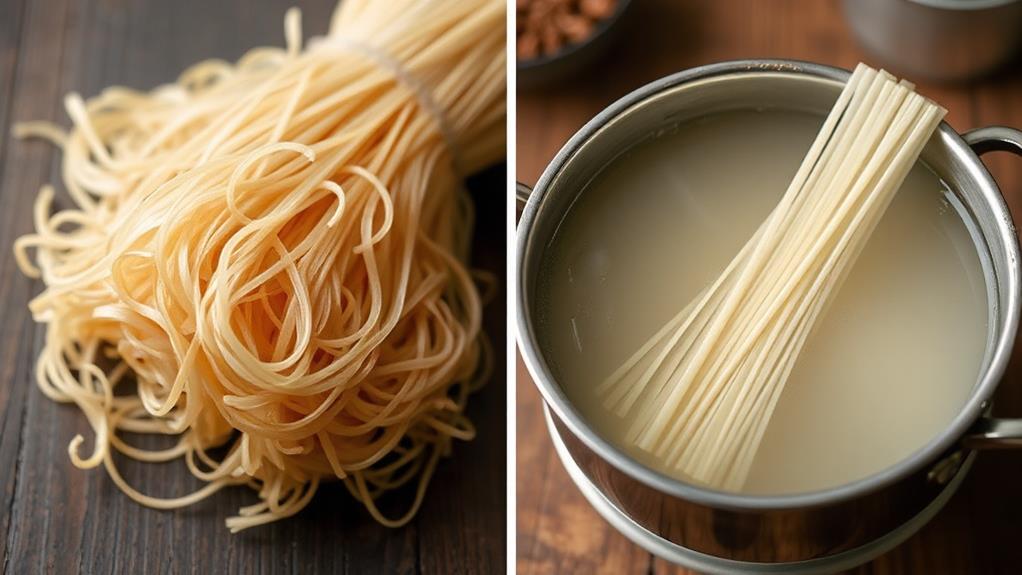
    Soaking bihon noodles is essential for tender and flavorful Chicken Pancit Bihon. To do this, submerge 8 oz. of bihon noodles in a bowl of water for 10 minutes or until they become soft and pliable.

    It's crucial to check periodically for tenderness and ensure they're fully submerged in water. After soaking, drain any excess water to prevent sogginess.

    Separating the noodle strands ensures even cooking. Gently toss the soaked noodles to separate the strands. This step makes a big difference in the final texture of the dish.

    Incorporate the prepared noodles into the pan after sautéing the vegetables. This allows the noodles to absorb flavors from the broth and seasonings, resulting in a fully cooked and flavorful Chicken Pancit Bihon.

    Cooking the Chicken

    Cooking the Chicken

    Now that your bihon noodles are ready, it's time to prepare the protein that will elevate your Chicken Pancit Bihon.

    Boiling the Chicken

    To cook the chicken, boil bone-in chicken pieces in 6 cups of water for approximately 30 minutes until fully cooked and tender. This process not only cooks the chicken but also creates a flavorful chicken stock that can be reserved for the dish.

    Using chicken leg quarters ensures rich flavor and moisture.

    Checking Doneness

    Ensure the chicken is cooked through, as indicated by easy fork penetration. Be careful not to overcook the chicken, as this can lead to dryness.

    Shredding the Chicken

    After boiling, shred the chicken into bite-sized pieces for easy incorporation into the noodle dish.

    Don't forget to strain the chicken bouillon to remove any impurities, resulting in a clear and flavorful chicken stock. This stock will be the foundation of your Pancit Bihon's rich flavor profile.

    Selecting Vegetables

    choosing fresh produce options

    Selecting the Right Vegetables for Chicken Pancit Bihon

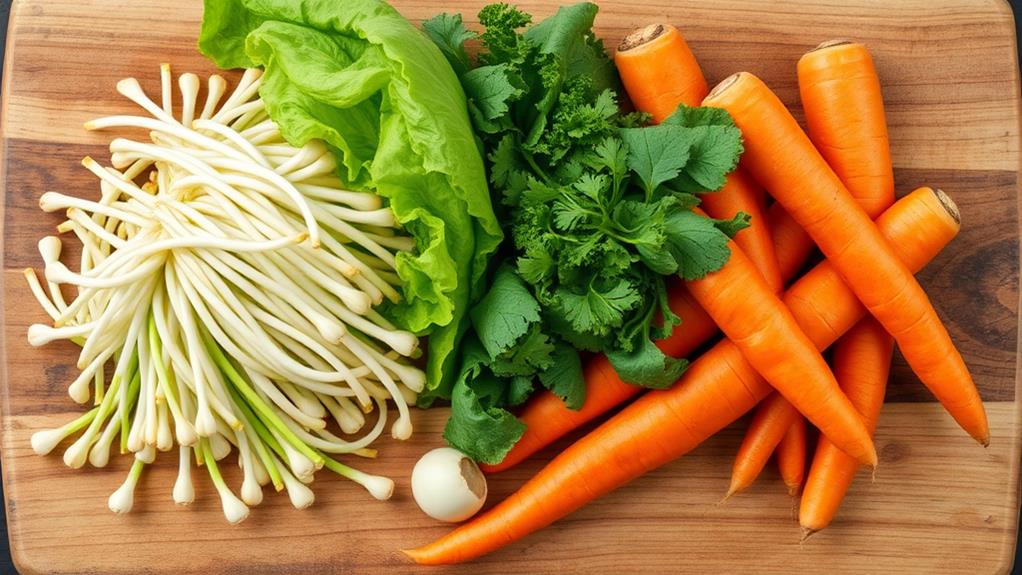
    Fresh vegetables add essential nutrients and a pop of color to your dish. To achieve a harmonious balance of flavors and textures, aim for a balance that complements the noodles and chicken without overpowering them.

    Recommended Vegetables:

    • 1/4 cabbage adds crunch and a touch of sweetness.
    • 1-2 carrots provide a pop of color and a hint of earthiness.
    • A small bunch of parsley adds freshness and a burst of flavor.

    Preparing Vegetables:

    To enhance flavor and maintain a crisp texture, stir-fry or blanch these vegetables before adding them to your dish.

    You can adjust the quantities based on your personal preference, but be mindful not to overwhelm the dish.

    Celery and onions can also be sautéed with garlic to create a flavorful base before adding the main ingredients.

    Seasoning With Flavor

    Building the Flavor Foundation

    To create a robust flavor profile for your Chicken Pancit Bihon, thoughtful seasoning is essential. A combination of seasonings and techniques is necessary to achieve a well-rounded taste.

    Soy Sauce and Oyster Sauce

    2-3 tablespoons of soy sauce and 1-2 tablespoons of oyster sauce are used to infuse flavor and enhance the overall taste of the dish. Apply these seasonings to the chicken before cooking to maximize their effect.

    Garlic and Onions

    A fragrant base is created by sautéing 2-3 cloves of crushed garlic and 1/2 onion in oil. This elevates the flavor of the entire pancit.

    Chicken Bouillon Cubes

    1-2 chicken bouillon cubes are added to the cooking water to provide an added depth of flavor, particularly when using plain water for boiling the chicken.

    Salt and Black Pepper

    Salt and black pepper are used to balance the flavor of the dish. Adjust these seasonings to taste, ensuring a well-rounded flavor profile without overpowering the other ingredients.

    Zesty Finish

    For an added burst of flavor, serve the pancit with calamansi or lemon wedges on the side. This allows diners to squeeze fresh juice over their portions.

    Soaking Noodles

    noodles absorbing water

    Soaking Noodles for Perfect Texture

    To prepare pancit bihon noodles, a critical component of this dish, soaking is a crucial step. It requires attention to detail to achieve the perfect texture.

    Soak in Water

    Submerge the pancit bihon noodles in a large bowl of water for 10-15 minutes until they become soft and pliable. Ensure the bowl is large enough to accommodate the noodles, allowing them to fully submerge in water.

    Monitor and Adjust

    Periodically check the noodles during soaking to ensure they don't become overly soft, as they'll continue to cook during stir-frying.

    Drain and Flavor

    After soaking, drain excess water to avoid making the dish too soggy when combining with other ingredients.

    For added flavor, mix in 3 tablespoons of soy sauce with the drained noodles before incorporating them into the stir-fry.

    Cooking the Vegetables

    Cooking the Vegetables

    To achieve a balanced flavor profile in Chicken Pancit Bihon, stick to minimal varieties of vegetables. The recommended vegetables are cabbage, carrots, and celery.

    Vegetable Quantities and Preparation

    Vegetable Quantity Tips
    Cabbage 1 cup Slice into thin strips to cook evenly
    Carrots 1 cup Peel and slice into bite-sized pieces
    Celery 1 cup Slice into thin strips, removing seeds and leaves

    Sautéing the Vegetables

    Preheat your wok or large pan on medium heat. Add about 2 tablespoons of cooking oil to ensure even sautéing of the vegetables. Start by sautéing crushed garlic and sliced onions until fragrant, then add the other vegetables. Stir constantly to prevent burning and promote even cooking. Adding a small amount of water or chicken broth helps to steam the vegetables, resulting in a tender texture without losing nutrients.

    Assembling the Dish

    putting together the meal

    Assembling the Dish

    To create a harmonious and savory Chicken Pancit Bihon, the components must be brought together correctly.

    Soaking and Cooking the Noodles: Soak 8 oz. of pancit bihon noodles in water for 10 minutes to soften them. This ensures they're easily separable for even cooking.

    Combining the Broth and Chicken: In a large pan or wok, combine 2 cups of chicken broth or 2 dissolved chicken bouillon cubes with the shredded chicken.

    Heat the mixture through to allow the flavors to meld.

    Uniting the Flavors: Add the soaked noodles to the pan and mix in 3 tablespoons of soy sauce to evenly distribute the flavors.

    Cook for about 5 minutes until the noodles absorb the liquid.

    Adding Final Touches

    Adding Final Touches

    With your Chicken Pancit Bihon nearly complete, it's time to add the finishing touches that elevate this dish from good to great.

    To enhance flavor and freshness, squeeze fresh lemon or calamansi juice over the dish just before serving. To add color and texture to the presentation, garnish with chopped green onions or additional sliced vegetables.

    Step Action Purpose
    1 Squeeze fresh lemon or calamansi juice Enhance flavor and freshness
    2 Garnish with chopped green onions or vegetables Add color and texture to presentation
    3 Serve hot Maintain noodle texture and peak flavors

    To present the dish attractively, arrange the noodles in a large serving platter, highlighting the vibrant colors of the vegetables and proteins. To accommodate individual tastes, consider offering extra soy sauce or fish sauce on the side for guests who may want to adjust the seasoning to their taste.

    Serving Suggestions

    ideal consumption recommendations

    Serving Suggestions

    Presentation Matters: To make a memorable impression with your Chicken Pancit Bihon, pay attention to how you serve it. This Filipino dish deserves to be presented in a way that showcases its flavors and textures.

    Elevate Your Serving Game: Follow these suggestions to elevate your serving game:

    Garnish with Flavor: Serve the Chicken Pancit Bihon hot, garnished with fresh lemon wedges or calamansi for a zesty flavor enhancement.

    Add Visual Appeal: Consider adding sliced scallions or chopped parsley as a colorful and flavorful garnish to elevate the dish's presentation.

    Communal Dining Experience: For a communal dining experience, present the Pancit Bihon in a large serving platter, encouraging guests to serve themselves.

    Pair with Traditional Sides: Pair the dish with traditional Filipino side dishes like lumpia (spring rolls) or adobo for a complete meal.

    Brighten the Flavors: Encourage diners to squeeze lemon or calamansi juice over their portions right before eating to brighten the flavors of the dish.

    Nutrition and Variations

    Pancit Bihon's Nutritional Profile

    Pancit Bihon provides a significant amount of carbohydrates and protein. A single serving contains approximately 70g of carbohydrates, accounting for about 23% of the daily value.

    The protein content varies depending on the choice of protein, but using chicken meat increases the protein content to about 31g per serving, equating to 62% of the daily value.

    Vitamins and Minerals

    The vegetables in Pancit Bihon, such as cabbage and carrots, contribute essential vitamins and minerals. A single serving offers significant amounts of Vitamin A (4140 IU) and Vitamin C (39.8 mg).

    Variations

    There are variations of Pancit Bihon that cater to different dietary preferences. Pancit Canton, which uses egg noodles, provides a heartier texture and additional protein.

    For a healthier option, Pancit Bihon can be made vegetarian by substituting meat with tofu or an array of vegetables, maintaining a balanced nutritional profile.

    These variations make Pancit Bihon a versatile and nutritious meal option.

    Frequently Asked Questions

    Can I Use Other Types of Noodles Besides Bihon Rice Noodles?

    You can use other types of noodles besides bihon rice noodles. However, keep in mind that alternative noodle options will change the dish's character.

    Wheat flour noodles will alter the texture, making it chewier. If you want to explore cultural variations, Japanese soba or Korean naengmyeon noodles can work.

    Gluten-free substitutes are available, including rice-based or mung bean noodles.

    How Do I Prevent the Noodles From Becoming Too Mushy?

    To prevent noodles from becoming too mushy, monitor cooking time closely.

    Cooking time greatly affects broth absorption, and insufficient or excessive cooking can lead to uneven texture.

    Aim for an al dente texture, where noodles still retain some bite.

    This can be achieved by tasting as you go and adjusting cooking time and broth levels accordingly.

    For example, if you're cooking ramen, aim to cook it for 2-3 minutes, or until the noodles have a slight resistance in the center.

    Can I Add Other Protein Sources Like Shrimp or Pork?

    You can add other protein sources like shrimp or pork to your dish, but it requires balance.

    When combining proteins, it's essential to adjust cooking times and seasonings to ensure harmony.

    Shrimp adds a sweet, pop-of-flavor contrast, while pork brings richness. To tie the protein combinations together, use flavor enhancements like soy sauce, garlic, and ginger.

    Be mindful of the overall flavor profile you're aiming for to avoid overwhelming the dish. This means considering the cooking times, seasonings, and flavor profiles of each protein to create a balanced taste experience.

    What Is the Ideal Ratio of Noodles to Vegetables?

    The ideal ratio of noodles to vegetables is 2:1.

    This balance allows each bite to have a pleasant noodle texture, a variety of vegetables, and a harmonious flavor balance.

    Allocating 2/3 of the serving size to noodles and 1/3 to vegetables ensures each serving is satisfying without overwhelming the palate.

    Can I Make Chicken Pancit Bihon Ahead of Time for Meal Prep?

    Yes, you can make chicken pancit bihon ahead of time for meal prep, but proper storage and reheating are crucial to maintain its quality.

    To keep your cooked noodles and chicken fresh, portion them into airtight storage containers.

    When reheating, use low heat to prevent the noodles from becoming mushy. Adding flavor enhancements like soy sauce or sesame oil can also revive the dish and make it taste fresh again.

  • What Ingredients for a Perfect Pancit Dish?

    What Ingredients for a Perfect Pancit Dish?

    Selecting the Right Noodles

    Choose from traditional rice vermicelli or heartier options like udon or egg noodles as the base of your pancit dish.

    Protein Options

    Pair your noodles with a protein of your choice, such as marinated chicken, sautéed pork, succulent shrimp, or savory beef.

    Adding Colorful Vegetables

    Incorporate colorful veggies like cabbage, carrots, and bell peppers to add texture and flavor.

    Aromatics and Flavor Enhancers

    Saute garlic and onions to add depth to your dish, and use soy sauce, oyster sauce, and a squeeze of citrus to bring all the flavors together.

    Customizing Your Recipe

    Now that you have the basics down, fine-tune your recipe to make it your own by adjusting the ingredients and seasonings to your taste.

    Understanding Pancit Essentials

    pancit cooking techniques explained

    Choosing the Right Noodles

    The foundation of a great pancit dish starts with the noodles. Traditional rice vermicelli (bihon) is the preferred choice, but egg noodles can be used for a chewier texture.

    Selecting the Right Vegetables

    Uniformly cut vegetables are essential for even cooking. Common choices include shredded cabbage, sliced carrots, onions, and green beans.

    Adding Protein and Flavor

    Proteins like chicken, pork, or shrimp add flavor and substance to pancit. For a vegetarian option, tofu can be used.

    Essential Seasonings

    Soy sauce is a must, and using low sodium soy sauce helps control saltiness.

    Garlic and onions add extra flavor, while oyster sauce or a pork bouillon cube can elevate the broth to the next level.

    Choosing the Right Noodles

    Choosing the Right Noodles for Pancit

    Traditional Noodles

    The traditional noodle for Pancit is rice vermicelli, known as bihon, which offers a delicate texture and absorbs flavors well without the need for boiling.

    Alternative Noodles

    If you prefer a chewier texture, Pancit Canton's egg noodles are a great alternative, holding up well to heavier sauces and ingredients.

    For a heartier dish, Udon noodles can be used, but be aware that their thicker texture may alter the traditional flavor profile.

    Gluten-Free Options

    For gluten-free options, rice noodles are the way to go, maintaining the authentic taste and texture of Pancit without containing wheat.

    Preparing Noodles

    Whatever noodle you choose, make sure to soak them according to package instructions. This prevents them from becoming mushy during cooking and ensures even absorption of flavors.

    Selecting Flavorful Proteins

    choosing tasty protein options

    Selecting Proteins for Pancit

    When choosing proteins for your Pancit dish, consider the unique flavor profiles each option provides. You can select one or combine two or more proteins for added complexity.

    Protein Options and Preparation Methods

    Protein Preparation Method
    Chicken Marinated in soy sauce and garlic, then sautéed
    Pork Sliced into bite-sized pieces and sautéed until browned
    Shrimp Pre-cooked and added towards the end of the cooking process
    Beef Sautéed with garlic and onions for added flavor

    Cooking Proteins to Perfection

    Regardless of your protein choice, cook it to perfection to bring out its natural flavors. Proper cooking ensures a savory and complex Pancit dish that will satisfy your taste buds.

    Picking Perfect Vegetables

    Picking the perfect mix of vegetables is crucial to elevate your Pancit dish. The right vegetables can add a burst of flavor, texture, and color to your noodle dish.

    When selecting vegetables, aim for a variety of textures and colors to create a visually appealing plate. This can be achieved by choosing vegetables that provide a mix of crunch, crispness, and softness. For example, sliced carrots offer crunch, shredded cabbage provides crispness, and diced bell peppers add softness.

    Fresh and seasonal vegetables ensure maximum flavor and nutrition. Opt for fresh and seasonal options like snow peas, green beans, zucchini, and bok choy. These vegetables will provide the best taste and nutritional value.

    Aromatics form the flavor base of your dish. Don't forget to add aromatics like minced garlic and diced onions, which infuse the noodles and meats with rich taste.

    Uniform cutting and cooking are essential. Cut your vegetables uniformly for even cooking, and avoid overcooking, as this can lead to a loss of nutrients and texture.

    Flavor Enhancers and Seasonings

    seasonings and flavor boosters

    Flavor enhancers and seasonings are crucial in elevating the taste experience of your Pancit dish. They can significantly enhance the flavor complexity of your dish when used strategically.

    Umami flavor is enhanced by oyster sauce, making the dish richer and more savory.

    Low sodium soy sauce is a better option for those monitoring their sodium intake, as it provides depth of flavor while controlling saltiness.

    Freshly cracked black pepper and a squeeze of lime or calamansi juice added just before serving can brighten the overall taste profile.

    Fish sauce deepens the flavor complexity, adding a subtle salty essence that complements the other ingredients.

    A hint of sweetness can be achieved by adding a small amount of sugar or honey, which balances the savory components.

    Thoughtful selection and combination of flavor enhancers and seasonings create a Pancit dish with a harmonious balance of flavors.

    Cooking Techniques and Tips

    Crafting an exceptional Pancit dish relies on mastering five foundational cooking techniques.

    Soaking rice noodles is crucial. To ensure tender noodles that absorb flavors effectively, soak them in warm water for 8-10 minutes before cooking.

    Sautéing vegetables to perfection is key. To achieve this, cut vegetables uniformly to ensure even cooking and a consistent texture throughout the dish.

    Add proteins like chicken early in the cooking process to allow them to fully cook and meld with the flavors of the garlic and onion. Use a combination of low sodium soy sauce and oyster sauce for a balanced flavor profile that enhances the dish without overpowering the other ingredients.

    Seasoning is critical. Adjust seasoning towards the end of the cooking process, tasting as you go, to achieve the desired depth of flavor without over-salting the dish.

    Serving Suggestions and Variations

    serving ideas and alternatives

    Serving Suggestions

    To showcase the flavors and textures of Pancit, pair it with traditional Filipino lumpia (spring rolls) for a well-rounded meal that highlights the flavors of Filipino cuisine. Add a squeeze of lime or calamansi to enhance the dish's flavor and add a fresh, tangy element.

    Customizing Pancit

    To cater to different tastes and dietary preferences, incorporate various proteins such as shrimp, chicken, or pork into your Pancit. You can also experiment with different types of noodles, like bihon (rice vermicelli) or pancit canton (egg noodles), to create unique versions of Pancit that vary in texture and flavor.

    Pancit Variations

    Variation Description
    Classic Pancit Pair with lumpia and serve with a squeeze of lime
    Protein-packed Add shrimp, chicken, or pork for added protein
    Veggie Delight Mix in sautéed broccoli or bell peppers for added nutrition and flavor
    Noodle Twist Experiment with bihon or pancit canton for a unique texture and flavor

    What are the essential ingredients for a Perfect Pancit Dish?

    A perfect pancit dish requires a mix of popular types of pancit ingredients, such as rice noodles, vegetables like carrots and cabbage, and protein like chicken or pork. The key to a flavorful pancit is the right balance of savory sauces, like soy sauce and fish sauce, and a dash of citrus for brightness.

    Nutrition and Cultural Significance

    Pancit's Cultural Significance

    In Filipino culture, Pancit is a staple dish often served at significant life events like birthdays and weddings, symbolizing long life and prosperity.

    Nutritional Value

    A typical serving of Pancit provides balanced nutrition, containing around 605 calories with a mix of carbohydrates, protein, and fat, making it a hearty meal option.

    Cultural Connection through Ingredients

    The use of ingredients like soy sauce, garlic, and fresh vegetables in Pancit not only enhances the flavor but also contributes to the dish's nutritional value, providing essential vitamins and minerals.

    Family Traditions and Recipes

    Pancit recipes vary widely among families and regions, showcasing the cultural significance of food as a means of connection and tradition within Filipino communities.

    This variation highlights the importance of family traditions and cultural heritage in shaping the dish.

    Celebrating Cultural Heritage

    As you enjoy Pancit, remember that you're not just savoring a meal, but also celebrating the rich cultural heritage of Filipino cuisine.

    Frequently Asked Questions

    What Is the Filipino Dish Pancit Made Of?

    Pancit is a Filipino dish primarily made up of noodles. These noodles can be varieties like bihon or pancit canton, which serve as the base of the dish.

    Traditional ingredients such as vegetables, proteins, and aromatics like garlic and onion are added to create a flavorful and textured dish.

    What Goes Well With Pancit?

    Pancit pairs well with a variety of sides and main courses to create a well-rounded meal.

    Serving pancit with crispy lumpia or egg rolls adds a satisfying crunch to the dish.

    Sautéed broccoli provides a burst of color and added nutrition.

    For a protein-packed option, consider pairing pancit with grilled or roasted meats like chicken or pork.

    To balance the flavors, offer calamansi or lime wedges on the side, providing a zesty contrast to the savory noodles.

    What Is the Most Popular Type of Pancit?

    Pancit Bihon is the most popular type of pancit.

    This beloved dish features thin rice vermicelli noodles that are a staple at Filipino celebrations and family gatherings.

    Pancit Bihon has a rich history, with regional variations showcasing different noodle types, cooking techniques, and cultural significance.

    What Is Pancit Guisado Made Of?

    Pancit Guisado is a traditional Filipino dish made with bihon, a type of rice vermicelli noodle. This noodle is the foundation of the dish and is typically mixed with various proteins and vegetables.

    The proteins commonly used are shrimp, chicken, or pork, which add flavor and texture to the dish.

    Colorful vegetables like carrots, cabbage, and bell peppers are also added, providing a pop of color and freshness to the dish.

    The ingredients are sautéed in oil, allowing the noodles to absorb the flavors and the vegetables to stay tender yet crisp.

  • What Variations of Pancit Lomi Can You Try?

    What Variations of Pancit Lomi Can You Try?

    Six variations of Pancit Lomi offer distinct twists on the traditional Filipino noodle dish.

    Classic Batangas Lomi showcases the rich flavors of the original recipe.

    Chicken Lomi provides a lighter alternative, while Vegetarian Lomi caters to plant-based diets.

    Seafood Lomi is perfect for those who love seafood, and Pork Belly Lomi indulges with crispy pork belly.

    For those who like a little heat, Spicy Lomi is the ideal choice.

    Each variation presents nuances and flavors that enhance the overall Pancit Lomi experience.

    Exploring Lomi Variations

    lomi variations exploration journey

    Pancit Lomi Variations Cater to Different Tastes and Preferences

    When exploring the world of pancit lomi, you'll find various variations that differ in terms of ingredients, flavors, and textures.

    Each variation offers a unique twist on the traditional dish.

    Classic Batangas Lomi

    The classic Batangas Lomi is known for its thick, somewhat slimy broth and abundance of meat.

    This variation stays true to the traditional recipe.

    Lighter Options

    If you prefer a lighter take, Chicken Lomi is a great alternative.

    It features boiled chicken and a flavorful chicken broth.

    For a plant-based option, Vegetarian Lomi uses vegetable broth and a mix of mushrooms, tofu, and vegetables.

    Seafood Lovers' Delight

    Seafood Lomi is a variation that incorporates shrimp, squid, and fish balls for a distinct flavor profile.

    This option is perfect for seafood enthusiasts.

    Common Thread

    Regardless of the variation, all pancit lomi dishes feature signature thick egg noodles and flavorful broth.

    This consistency ensures that each variation stays true to the essence of the traditional dish.

    Noodle and Broth Essentials

    Pancit Lomi's Foundation: Noodles and Broth

    The foundation of Pancit Lomi lies in its noodles and broth, which provide the backbone for the dish's varying flavors and textures. Lomi noodles, made from thick egg noodles, have a chewy texture that sets them apart from regular noodles.

    This hearty base is essential for balancing the rich flavors that come later.

    The Broth: A Crucial Element

    The broth is another crucial element, often thickened with a cornstarch slurry to give it a unique, slightly slimy texture.

    This texture enhances the overall mouthfeel of the soup, making it a signature characteristic of Filipino cuisine.
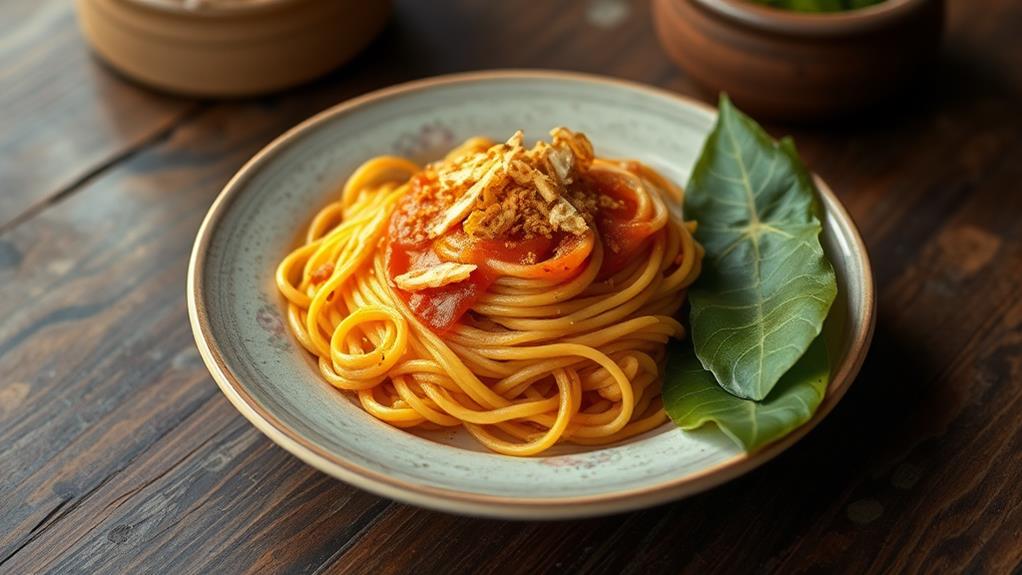
    You can customize the flavor by using different bases for the broth, such as chicken or pork stock.

    Protein and Vegetable Options

    healthy meal choices available

    Customizing Pancit Lomi with Protein Sources

    Pancit Lomi can be tailored to suit individual tastes and dietary needs by incorporating various protein sources. Chicken, pork, shrimp, beef, or a combination of these are popular options to consider.

    For a heartier version, processed meat options like kikiam, squid balls, or fish balls can be added, as seen in some regional recipes of Lomi.

    Vegetables for Enhanced Nutrition and Flavor

    Vegetables play a crucial role in boosting the nutritional value and freshness of Pancit Lomi. Napa cabbage, carrots, bell peppers, and green onions are ideal additions to create a balanced dish.

    For a vegetarian variant, tofu or tempeh can be used as protein substitutes, paired with an array of vegetables to maintain the comforting essence of Pancit Lomi while catering to different dietary needs.

    Crispy pork belly, hard-boiled eggs, or chicharrón can be used as toppings to elevate the flavor and presentation of the dish.

    Regional Flavors and Influences

    Regional Flavors and Influences Shape Pancit Lomi

    Pancit Lomi's diversity is a result of regional flavors and influences that have molded the dish over time. Each region in the Philippines has its unique take on this beloved Filipino food.

    In Batangas, where Pancit Lomi originated, thick, chewy egg noodles swim in a rich, flavorful chicken broth, often featuring local meats and minimal vegetables.

    The Lipa version is particularly famous for its hearty, filling goodness, often loaded with a variety of proteins like kikiam and meatballs.

    Meanwhile, Cavite's twist on the classic recipe incorporates local ingredients and flavors, reflecting the region's culinary influences.

    Seasonal vegetables and different proteins are often added to showcase local agricultural products and tastes.

    Beyond the Philippines, Filipino communities adapt the dish to include available ingredients, maintaining its comforting essence.

    Comforting and Nourishing Varieties

    wholesome and satisfying choices

    Pancit Lomi enthusiasts often seek variations that still provide a warm, comforting noodle soup experience.

    Variations that satisfy this craving include:

    • Chicken Lomi, a lighter option that uses boiled chicken for both broth and meat, offering a heartier alternative.
    • Seafood Lomi, which incorporates shrimp and squid to enhance the dish's umami flavor and add freshness.
    • Vegetarian Lomi, a comforting alternative that replaces meat with tofu and various vegetables, making it suitable for plant-based diets.
    • Pork Belly Lomi, an indulgent variation featuring crispy pork belly as a topping, providing a rich and savory contrast to the broth and noodles.
    • Spicy Lomi, which infuses the soup with chili peppers or spicy sauces, catering to those who enjoy a little heat in their comfort food.

    Cultural Significance of Pancit

    Pancit Lomi's Cultural Significance

    Pancit Lomi's rich cultural significance reflects the complex history of Filipino cuisine. The dish embodies the country's cultural heritage, shaped by the historical influence of Chinese cuisine. Chinese merchants introduced noodles during trade, which Filipinos adapted to local tastes, resulting in unique variations like Batangas Lomi.
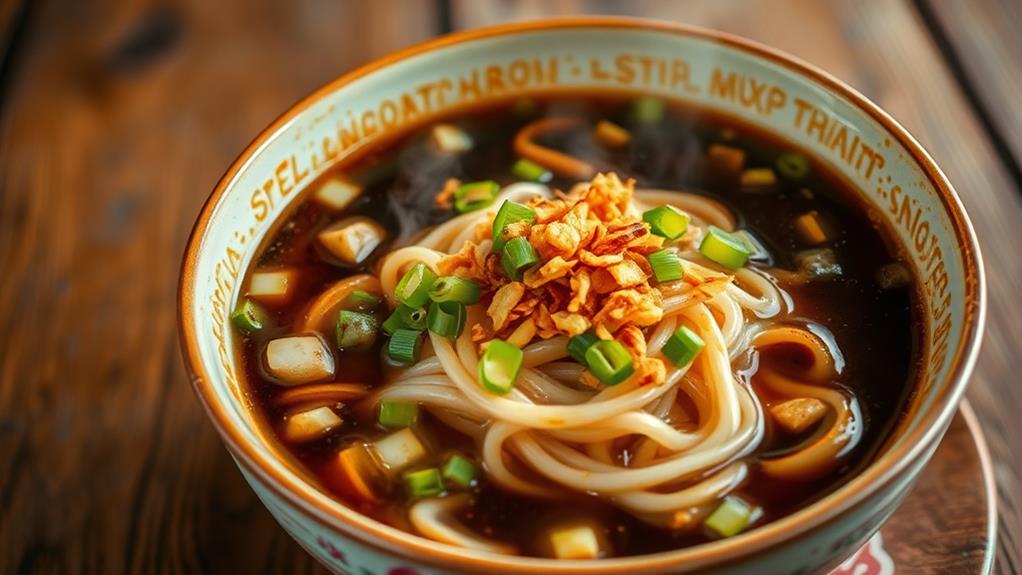
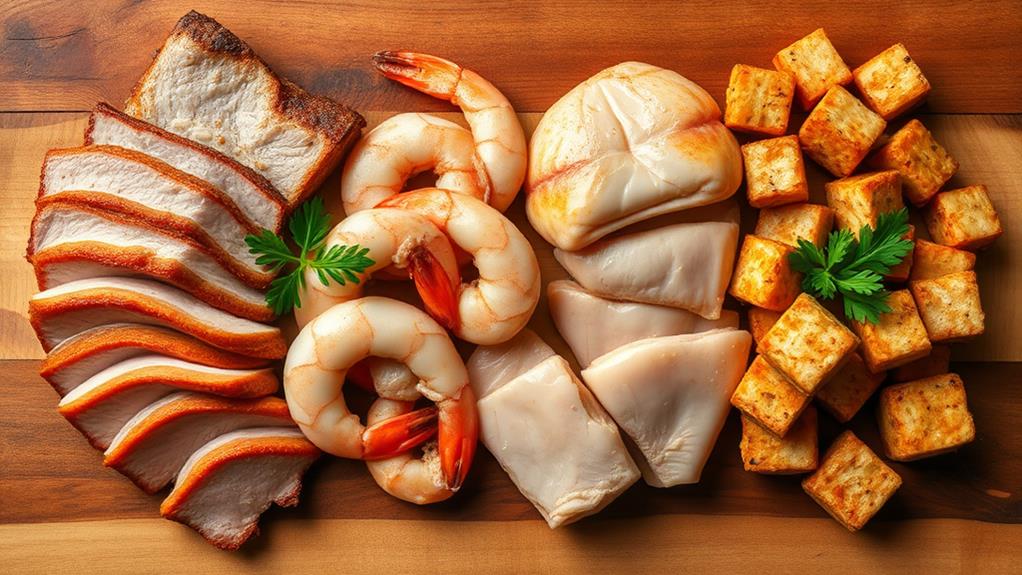
    Pancit is a Symbol of Prosperity and Long Life

    Pancit is more than just a dish; it's a symbol of prosperity and long life. It's often served during celebrations and gatherings.
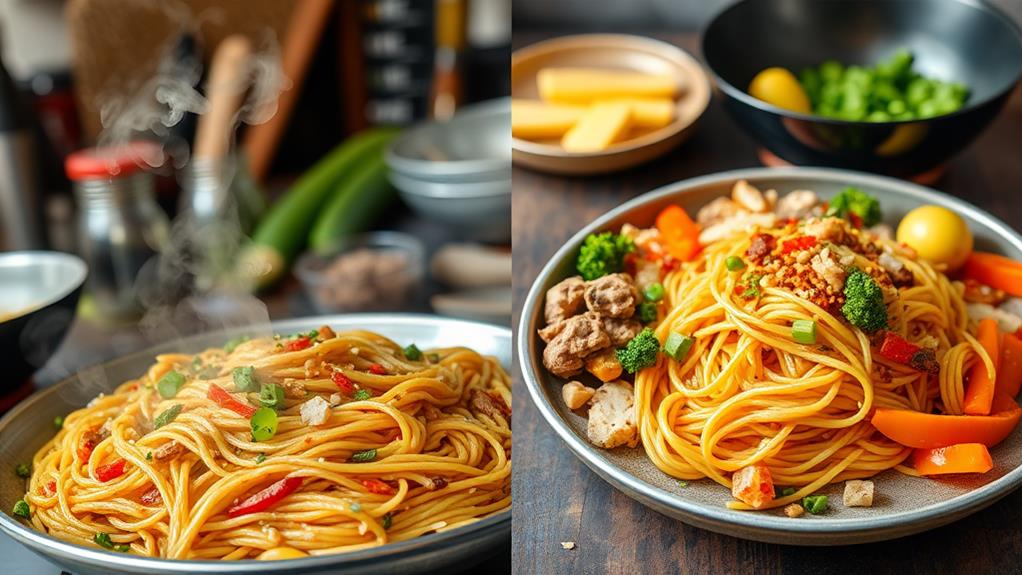
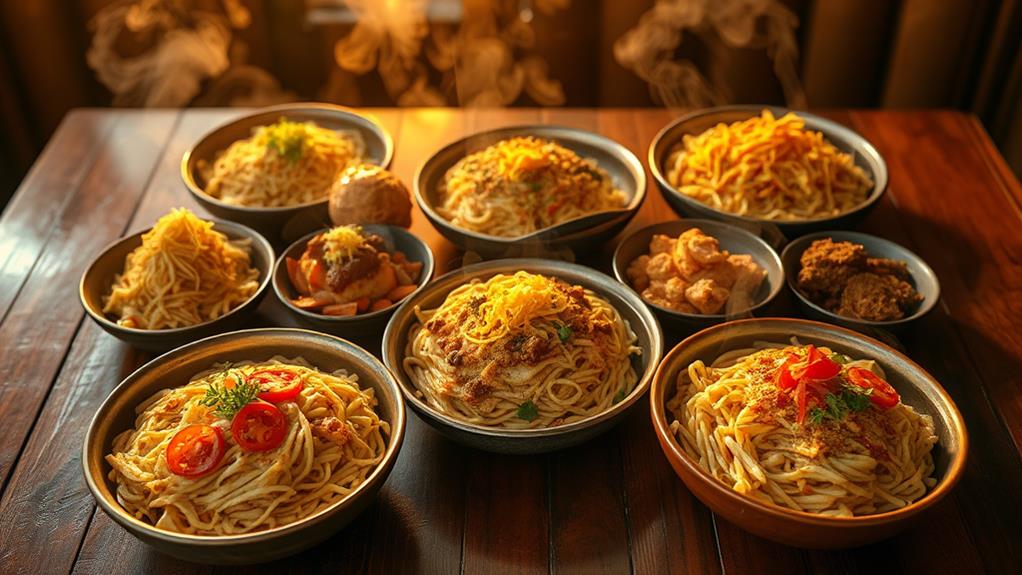
    The emergence of panciterias during the Spanish colonization period helped popularize pancit as a staple in Filipino cuisine, making it accessible to the masses.

    Regional Interpretations of Pancit

    Each region in the Philippines contributes its own interpretation of pancit, showcasing local ingredients and cooking styles. This diversity preserves and celebrates the country's cultural heritage.

    For example, the Batangas region is known for its Lomi, which is made with thicker noodles and a savory broth. Other regions, like the Visayas, have their own unique pancit variations, such as Pancit Molo, which is made with wonton wrappers and served in a light broth.

    Cooking Tips and Techniques

    culinary skills and methods

    Mastering the Art of Cooking Pancit Lomi

    To create an authentic and delicious Pancit Lomi, attention to detail and specific techniques are crucial. Follow these essential cooking tips and techniques to elevate this beloved Filipino dish:

    Preparing Lomi Noodles

    Blanch lomi noodles in boiling water for 30 seconds to prevent them from becoming mushy. This step ensures the noodles retain their texture and cook evenly.

    Thickening the Broth

    Use a cornstarch slurry to thicken the broth, mixing the cornstarch with a small amount of cold water before adding it to the simmering soup. This ensures a smooth, velvety texture.

    Building Flavor

    Sauté garlic and onions until fragrant before adding proteins like pork or chicken. This step builds a flavorful base for the soup, allowing the aromas to meld together.

    Adding Vegetables

    Incorporate vegetables like napa cabbage and carrots towards the end of cooking to maintain their texture and vibrant color. This ensures the vegetables retain their crunch and flavor.

    Balancing Seasoning

    Adjust seasoning throughout the cooking process, using ingredients like soy sauce, fish sauce, and calamansi juice to achieve the desired flavor balance. Regularly taste and adjust the seasoning to ensure a harmonious flavor profile.

    Customization and Topping Ideas

    Customizing Pancit Lomi to Suit Your Taste Preferences

    Customizing your Pancit Lomi is all about making it your own by adding the right toppings. Protein-rich toppings like shrimp, pork belly, or chicken enhance the flavor and texture. You can also add seasonal vegetables such as bok choy, carrots, and snow peas to increase the nutritional value and freshness of your dish.

    Adding Crunch and Flavor

    To give your Pancit Lomi a satisfying crunch, top it with crispy chicharron or lechon kawali. A sliced hard-boiled egg and some fresh scallions will add a pop of color and flavor to your dish.

    For an extra kick, try drizzling chili oil or squeezing a bit of calamansi into your Lomi soup.

    Experimenting with Combinations

    Don't be afraid to get creative with your customization. Try different combinations of toppings to find the perfect blend that suits your taste buds. The key is to experiment and find what works best for you.

    How Can I Make Pancit Lomi More Comforting with Different Variations?

    When it comes to making pancit lomi more comforting, the key is to experiment with different variations. Adding extra vegetables like carrots and green beans can give it a more refreshing flavor, while incorporating sliced pork or chicken can make it heartier and more satisfying. Ultimately, what makes pancit lomi truly comforting is the ability to customize it to your personal taste preferences.

    Flavor Profiles and Pairings

    taste combinations and suggestions

    A great Pancit Lomi dish stands out due to its harmonious balance of flavors. This balance can be refined by understanding the interplay of its component parts.

    Combining rich and savory flavors creates a solid foundation. Fish sauce and soy sauce provide a rich and savory flavor profile, while thick egg noodles add a hearty texture.

    Adding crispy elements introduces depth and contrast. Crispy pork belly or kikiam provides a satisfying crunch, contrasting with the smooth broth.

    Seasonal vegetables add sweetness and balance richness. Napa cabbage and carrots contribute sweetness, balancing the richness of the dish and making it more refreshing.

    A squeeze of citrus brightens flavors and cuts through heaviness. Calamansi or lemon juice adds a zesty element to each bite, cutting through the richness.

    Toppings introduce additional textures and flavors. Hard-boiled eggs and chicharron create a more complex and satisfying eating experience.

    Balancing flavors and textures creates a dish greater than the sum of its parts. By combining these elements, a Pancit Lomi dish can be truly exceptional.

    Frequently Asked Questions

    What Are the Different Types of Pancit?

    Pancit is a diverse dish with various types, each offering a unique culinary experience.

    Pancit Palabok is a flavorful rice flour noodle dish.

    Pancit Canton is a savory wheat noodle stir-fry.

    Pancit Bihon is a classic thin rice noodle dish.

    Pancit Chami is a sweet and savory variation.

    For a more exotic experience, try Pancit Habhab, served on banana leaves, or Pancit Malabon, featuring thick rice-flour noodles and seafood toppings.

    What to Pair With Lomi?

    Lomi Pairing Options

    When choosing what to pair with lomi, consider adding crunchy soup toppings for a delightful contrast. Lechon kawali or chicharron are great options that provide a satisfying textural difference.

    To enhance the meal's protein content and texture, serve lomi with side dishes like hard-boiled eggs or lumpiang shanghai (spring rolls).

    For added flavor, pair lomi with calamansi or lemon wedges, which provide a burst of citrus flavor. Alternatively, try pickled veggies or a tangy dipping sauce made from soy sauce and vinegar to elevate the dish.

    What Is the Difference Between Miki and Lomi?

    Miki and Lomi Noodles Have Distinct Textures

    Miki noodles have a softer texture, while lomi noodles have a springy texture due to being soaked in lye water.

    Different Usage in Recipes

    Lomi noodles are typically used in savory broths, such as Pancit Lomi, whereas miki noodles are versatile in cooking techniques.

    Ingredient Differences

    The main difference between the two noodles is the presence of eggs in lomi, making it higher in protein.

    Serving Style Variations

    Lomi noodles are often thickened into a saucy soup, whereas miki noodles are typically quickly stir-fried into dishes.

    What Is the Most Popular Pancit in the Philippines?

    Pancit Canton is the most popular Pancit in the Philippines due to its versatility and flavorful combination of ingredients.

    This dish typically consists of a mixture of meats, vegetables, and soy sauce, making it a staple at festive occasions like celebrations and fiestas.

    Its cultural significance is highlighted by its frequent presence at these events.

  • Variations to Try With Filipino Style Spaghetti

    Variations to Try With Filipino Style Spaghetti

    Enhance Your Filipino-Style Spaghetti

    To add richness to your dish, try substituting ground beef with ground pork.

    You can also boost flavor and texture by sautéing mushrooms and bell peppers.

    Balance sweetness by incorporating evaporated milk or heavy cream into your recipe.

    For a unique melting texture, experiment with mozzarella or gouda cheese.

    Explore leaner protein options by using turkey or chicken instead of traditional beef or pork.

    Veggie alternatives include lentils or textured vegetable protein.

    Add a smoky twist by incorporating diced ham or Spam.

    For a crispy, savory element, try adding bacon to your Filipino-style spaghetti.

    Flavorful Twists to Try

    creative culinary experiments await

    Elevate Your Filipino-Style Spaghetti with These Flavorful Twists

    Opt for Ground Pork Instead of Ground Beef

    Ditch the traditional ground beef and use flavorful ground pork for a richer taste experience. This substitution adds a depth of flavor that will take your Filipino-style spaghetti to the next level.

    Add Sautéed Mushrooms and Bell Peppers

    Sautéed mushrooms and bell peppers make a fantastic addition to the sauce, adding a depth of flavor and texture. This combination enhances the overall flavor profile and provides a satisfying mouthfeel.

    Enrich Your Sauce with Evaporated Milk or Heavy Cream

    A splash of evaporated milk or heavy cream gives your sauce a rich, creamy element that balances out the sweetness of the banana ketchup perfectly. This addition creates a harmonious flavor balance that will impress.

    Experiment with Unique Cheeses

    Mozzarella or gouda cheese adds a unique melting texture and flavor that complements the sweetness of the dish. Their distinct characteristics will elevate your Filipino-style spaghetti and provide a delightful twist.

    Creative Protein Substitutions

    Explore Creative Protein Substitutions

    To give your Filipino-style spaghetti a fresh twist, try alternative proteins that offer unique flavors and textures.

    Protein Description Benefits
    Ground Turkey/Chicken A leaner alternative to ground beef Lighter protein option, maintains flavor
    Lentils/Textured Veg Protein Plant-based proteins for a vegetarian version Absorbs sweet sauce well, healthy option
    Diced Ham/Spam Adds smoky flavor Enhances traditional taste, no extra spices needed

    If you want to add more depth and texture, diced bacon provides a crispy element, while canned tuna or salmon offer a seafood twist rich in omega-3 fatty acids. These protein substitutions can revitalize your Filipino-style spaghetti, so experiment to find your new favorite combination.

    Veggie-Packed Variations

    healthy vegetable recipes collection

    Adding Vegetables Boosts Nutrition and Flavor

    Filipino-style spaghetti can be enhanced with an array of colorful vegetables, providing a nutritional and flavorful boost. Bell peppers, carrots, and mushrooms add texture and flavor complexity to the dish. These vegetables can be sautéd with the protein to create a harmonious blend of flavors.

    Increasing Fiber Content

    To increase the fiber content of the dish, finely chopped spinach or kale can be added. These leafy greens provide a nutrient-dense and filling meal that benefits digestion.

    Adding Sweetness and Color

    Sweet corn can be added to provide a burst of sweetness that complements the dish's sugary profile. Peas or green beans can also be mixed in to add vibrant color and additional vitamins.

    These vegetables can be steamed or sautéd to preserve their nutrients and flavor.

    Creating a Creamy Texture

    To add a creamy texture, cream cheese or mozzarella can be mixed in with the vegetables. This creates a rich and indulgent flavor profile that pairs well with the added veggies.

    Experimenting with different vegetable combinations can help find the perfect balance of flavors and textures.

    Cheesy Delights and More

    Elevate Your Filipino-Style Spaghetti with Cheesy Delights

    Adding cheesy elements to your Filipino-style spaghetti can enhance its flavor and texture. Shredded quick melt cheese as a topping adds a rich, creamy flavor and a smooth, melty texture. Mixing cream cheese or evaporated milk into the sauce creates a velvety consistency.

    Cheesy Options and Their Effects

    Cheesy Addition Effect on Flavor Texture
    Shredded quick melt cheese Rich, creamy Smooth, melty
    Cream cheese or evaporated milk Velvety, indulgent Creamy, smooth
    Cheddar cheese Sharp, tangy Sharp, crumbly
    Cheese-stuffed hotdogs or cubes Cheesy surprises Soft, gooey

    Taking It to the Next Level

    To create a golden, bubbly, and irresistible cheesy layer, bake your spaghetti with cheese on top. This elevates the dish and ensures you'll never get bored of Filipino-style spaghetti again.

    Spicy Kick and Global Inspirations

    bold flavors worldly influences

    Add a Spicy Kick to Filipino-Style Spaghetti

    To give Filipino-style spaghetti a bold twist, introduce a spicy kick by incorporating chili flakes or diced jalapeños into the sauce. This balances the sweetness of banana ketchup with heat.

    Incorporate Global Inspirations

    To enrich the flavor profile, integrate Italian sausage or chorizo into the dish. This adds a richer, more savory element that complements the traditional sweet sauce.

    For a fusion twist, try adding pesto or sun-dried tomatoes, which introduce a unique herbal flavor while maintaining the dish's sweetness.

    Experiment with Asian Flavors

    To add umami depth, consider mixing in Asian ingredients such as soy sauce or sesame oil. This creates a delightful contrast with the dish's classic sweetness.

    Top it Off with Visual Appeal

    What are the Different Variations of Serving Filipino Style Spaghetti?

    When serving Filipino style spaghetti, consider adding hot dogs or sausage for a sweet and savory flavor. Use a blend of cheeses for a creamy topping. Sprinkle sugar to balance the acidity of the tomato sauce. These best filipino spaghetti serving tips will surely elevate your dish and impress your guests.

    Unique Noodle and Sauce Combinations

    Filipino-style spaghetti stands out from traditional Italian spaghetti due to its creative freedom. This distinctiveness is particularly evident in the innovative pairing of noodles and sauces.

    Noodle variations can significantly alter the dish's flavor and texture. For instance, using whole wheat, gluten-free, or egg noodles can cater to different dietary needs and preferences.

    Sauce modifications can also revamp the flavor profile. Combining banana ketchup with a splash of soy sauce creates a savory umami flavor that complements the sweet base.

    Adding vegetables to the traditional sauce enhances its nutritional value and texture. Sautéed bell peppers, carrots, or mushrooms are great options to consider.

    Protein alternatives can provide a leaner option without sacrificing flavor. Substituting ground beef with ground chicken or turkey achieves this balance.

    Frequently Asked Questions

    What Do Filipinos Eat With Spaghetti?

    Filipinos often pair spaghetti with fried chicken as a staple side dish. This combination is a common twist on traditional spaghetti accompaniments.

    Garlic bread is also a popular pairing, providing a sweet and savory contrast to the savory spaghetti.

    In the Philippines, it's not unusual to find fruit salads served as a refreshing alternative to traditional spaghetti toppings. This unique combination adds a sweet and tangy element to the dish.

    For dessert, Filipinos may enjoy lumpiang shanghai (spring rolls) or ube cake, which offer a sweet and indulgent conclusion to the meal.

    These desserts showcase the Filipino affinity for combining sweet and savory flavors in a single meal.

    What Can I Add to Spaghetti to Make It Different?

    Shake Up Your Spaghetti Game with Protein Options

    To add variety to your spaghetti, start by exploring different protein options.

    Instead of traditional beef, try using ground pork or turkey. This simple switch can greatly impact the flavor and texture of your dish.

    Add Crunch with Vegetable Toppings

    In addition to protein, incorporate vegetable toppings like bell peppers or mushrooms to add crunch and freshness to your spaghetti.

    These toppings not only enhance the flavor but also provide a satisfying texture contrast.

    Experiment with Sauce Variations

    Take your spaghetti to the next level with sauce variations.

    For a spicy kick, add chili flakes to your sauce.

    Alternatively, try a creamy sauce by incorporating mozzarella cheese.

    These variations can transform your spaghetti into a unique and delicious meal.

    Why Is Filipino Spaghetti so Good?

    Filipino spaghetti stands out due to its unique cultural fusion. This blend of flavors is achieved by combining traditional Italian spaghetti with Filipino ingredients and cooking styles.

    One key difference is the use of banana ketchup, which adds a sweet and tangy flavor to the sauce. This sweetness is balanced by the savory flavor of ground meat, typically beef or pork.

    The addition of red hotdogs, a common Filipino ingredient, adds a pop of color and a burst of salty flavor. The result is a comfort food that's both familiar and exotic, making it a flavor bomb that leaves you wanting more.

    How Do You Make Spaghetti Taste Different?

    Spice up your spaghetti with variations. Adding a pinch of cumin or smoked paprika gives it a smoky flavor.

    Try alternative sauces like pesto or aglio eolio for a change of pace.

    Swap ingredients to create a new taste experience. For example, use ground turkey instead of beef or add roasted vegetables for extra flavor.

  • Filipino Cuisine: Flavor, Culture, and Well-Being

    Filipino Cuisine: Flavor, Culture, and Well-Being

    Filipino cuisine is a unique blend of flavors and cultures. The Philippines' cultural diversity is reflected in its food, with influences from Malay, Spanish, and other cultures evident in every dish.

    Rice and soy sauce are essential ingredients that bring harmony to traditional Filipino dishes, such as adobo, which showcases time-honored cooking techniques.

    Each meal tells a story. For example, lechon, a whole roasted pig, is often served at special occasions like weddings, while sinigang, a sour soup, is a comforting and nourishing meal.

    Filipino cuisine not only delights the taste buds but also promotes well-being through nutritious ingredients and mindful cooking practices. This approach to food makes every gathering a joyful experience.

    The Rich History of Filipino Cuisine

    Filipino cuisine is a rich tapestry of history, woven from various cultural influences. The country's culinary landscape reflects centuries of interaction between indigenous practices and foreign influences, including Malay, Chinese, Spanish, and American flavors.

    The strong foundation of indigenous roots in Filipino cuisine is reflected in the blending of local ingredients with foreign techniques. Adobo, a dish that showcases the indigenous method of marinating meat, is a prime example of this blending. This cooking method likely evolved during the Spanish colonial period, combining local ingredients with European techniques.

    The vibrant street food scene in the Philippines is a testament to the everyday eating habits of Filipinos. Popular street foods like lumpia and isaw showcase the blending of local ingredients with foreign techniques.

    Regional specialties in the Philippines reveal the country's cultural diversity. Cebu's lechon, known for its crispy skin, and Mindanao's spicy rendang are two examples of regional dishes that reflect the climate, geography, and traditions of their respective regions.

    Each dish tells a story, reflecting the generations of resilience and creativity that define the Filipino spirit.

    Key Ingredients and Their Significance

    Rice is the cornerstone of many Filipino meals, symbolizing life and sustenance. It's often paired with a variety of dishes, including savory adobo and sweet leche flan.

    Soy sauce is an essential condiment that adds depth and umami flavor to many dishes. It bridges the gap between the islands' diverse culinary influences, bringing harmony to the flavors.

    Garlic and onions are staples in Filipino cuisine, infusing dishes with warmth and aroma. They create layers of flavor in recipes, transporting you to a family gathering or festive celebration.

    For example, they're used in adobo, a popular Filipino dish made with meat or seafood, vinegar, and spices.

    Fish sauce, or patis, enhances the complexity of flavors in dishes like sinigang. Its salty bite balances the sour and savory flavors in this traditional Filipino soup.

    Tamarind adds a tangy essence to soups, balancing sweetness and acidity in a unique way. It's a key ingredient in sinigang, where it combines with fish sauce to create a harmonious flavor profile.

    Vegetables like eggplant and bitter melon contribute nutrition and showcase the archipelago's rich agricultural diversity. They're used in a variety of dishes, including soups, stews, and stir-fries, adding flavor, texture, and nutrients to each meal.

    Traditional Cooking Techniques

    heritage culinary methods preserved

    Filipino cuisine relies on traditional cooking techniques that have been passed down through generations.

    Adobo is a beloved technique where meats are marinated in a mixture of vinegar, soy sauce, and spices before being simmered until tender. This method not only preserves the meat but infuses it with deep, savory notes.

    For example, chicken or pork can be marinated in a mixture of vinegar, soy sauce, garlic, and bay leaves before being simmered until tender, resulting in a flavorful dish.

    Another technique is sinangag, or garlic fried rice, which uses leftover rice. To make sinangag, leftover rice is sautéed with garlic, onions, and sometimes tomatoes, making it both practical and delicious.

    Lutong bahay, or home cooking, emphasizes slow-cooking methods. One such method is pinangat, where fish or meat is wrapped in leaves and simmered gently, allowing flavors to meld beautifully.

    For instance, fish can be wrapped in banana leaves with onions, garlic, and tomatoes, then simmered in water until cooked, resulting in a flavorful and aromatic dish.

    How Can Filipino Cuisine Contribute to Children’s Well-being and Nutrition?

    Filipino food options for kids play a significant role in promoting children’s well-being and nutrition. Incorporating traditional dishes like adobo, sinigang, and fresh fruits into their diets provides essential nutrients and introduces them to diverse flavors and ingredients. This can aid in developing healthy eating habits from a young age.

    Celebratory Dishes for Special Occasions

    Celebratory Dishes in the Philippines

    Weddings and Birthdays

    In the Philippines, special occasions like weddings and birthdays are celebrated with traditional dishes that reflect the country's rich culture.

    At weddings, lechon, an entire roasted pig, is often the centerpiece, with its crispy skin and tender meat inviting everyone to dig in.

    For birthdays, pancit, a sweet and savory noodle dish symbolizing long life, is a must-have, often garnished with colorful vegetables and meats.

    Lechon: A Symbol of Celebration

    The art of lechon roasting is a centuries-old practice that symbolizes celebration in Filipino culinary traditions.

    In fact, over 1000 creatively dressed lechons are paraded during the Parada ng Lechon festival in Balayan, Batangas.

    Christmas and Fiestas

    During Christmas, bibingka and puto bumbong, delightful rice cakes, fill the senses with warmth and nostalgia.

    At fiestas, a table is laden with a variety of dishes, from adobo to kare-kare, showcasing the region's unique flavors.

    Desserts

    Leche flan, a rich caramel custard, often graces the table, and halo-halo, a mixed dessert of shaved ice and sweet ingredients, adds a refreshing touch to any gathering.

    These celebratory dishes not only tantalize the taste buds but also weave a tapestry of tradition, love, and togetherness, making each occasion memorable.

    The Role of Food in Filipino Culture

    culinary significance in filipino culture

    Food plays a vital role in Filipino culture, going beyond just providing sustenance.

    When Filipinos gather for a meal, they're not just sharing dishes; they're participating in a rich tradition that spans generations. Each meal becomes a narrative, telling stories of family, heritage, and community. For instance, the centuries-old practice of lechon roasting symbolizes celebration and festivity, bringing people together. The sizzling sound of a lechon being roasted and the sweet aroma of bibingka wafting through the air evoke memories and emotions.

    Mealtimes often transform into festive gatherings, where laughter and conversation flow as freely as the dishes being served. In Filipino culture, sharing food is a gesture of love and hospitality. When you invite someone to your home, it's customary to offer a plate, reinforcing bonds and fostering connections.

    Festivals and celebrations revolve around food, showcasing regional specialties and culinary skills that reflect local traditions and resources. Whether it's a simple home-cooked meal or a grand feast, every dish carries significance. Food is more than just nourishment; it's a celebration of life, a means of connection, and an expression of identity that defines the Filipino experience.

    Health Benefits of Filipino Meals

    Filipino Meals: A Delicious Blend of Flavor and Nutrition

    Filipino cuisine is renowned for its vibrant flavors, which are often paired with nutritious ingredients. This harmonious combination provides a feast for the taste buds while nourishing the body.

    Essential Vitamins and Nutrients

    Classic Filipino dishes like sinigang and adobo are rich in essential vitamins and nutrients. The sourness of tamarind in sinigang provides vitamin C, while the lean proteins in adobo, typically chicken or pork, are packed with protein, B vitamins, and minerals.

    Promoting Physical Fitness

    Engaging in traditional Philippine folk dances not only promotes physical fitness but can also be sustained by consuming Filipino meals that incorporate fresh vegetables and herbs.

    These ingredients provide the necessary energy and boost overall physical fitness.

    Fresh Vegetables and Herbs for Better Health

    Many Filipino meals incorporate fresh vegetables, such as leafy greens, eggplants, and bitter melons, which are low in calories and high in fiber.

    These ingredients aid digestion and help maintain a healthy weight.

    Herbs and spices like ginger and garlic not only enhance flavor but also offer anti-inflammatory properties and boost the immune system.

    Mindful Eating for Better Digestion

    The traditional practice of sharing meals encourages mindful eating, where every bite is savored, leading to better digestion and satisfaction.

    This mindful approach to eating is essential for overall well-being.

    Celebrating Flavor and Well-being

    Filipino cuisine celebrates both flavor and well-being.