Author: A. Pineda

  • 10 Ingredients That Make Filipino Pasta Special

    10 Ingredients That Make Filipino Pasta Special

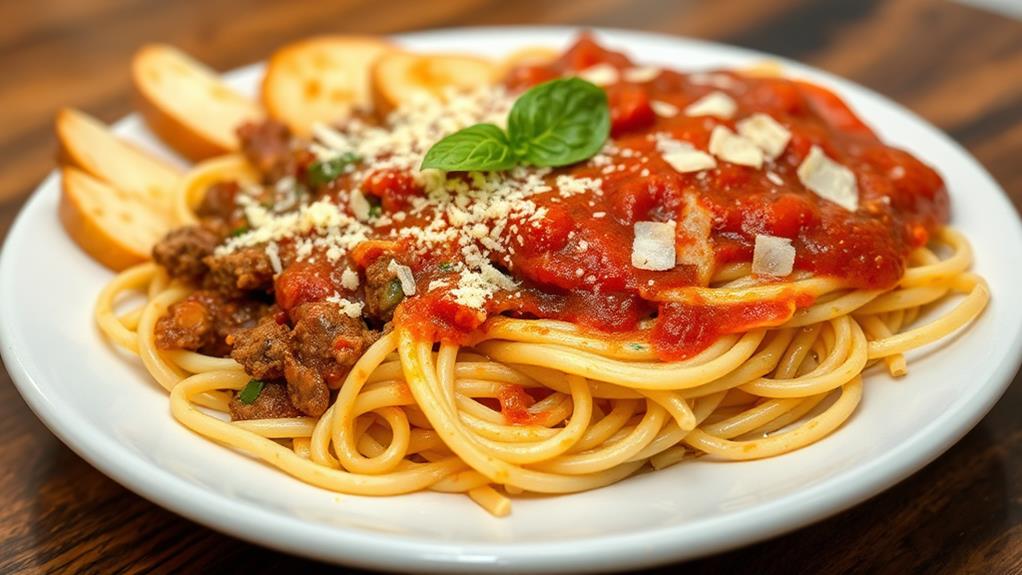
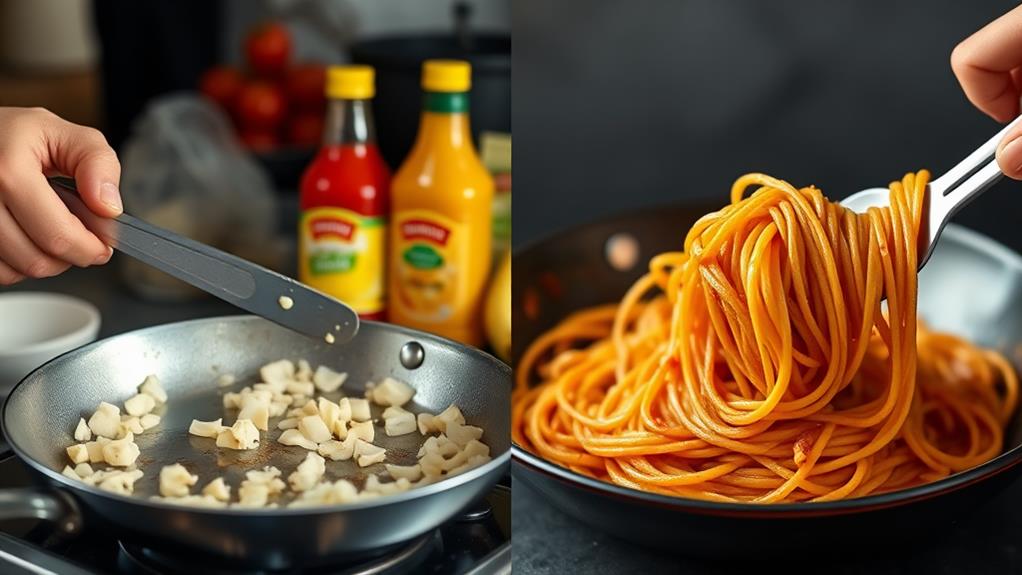
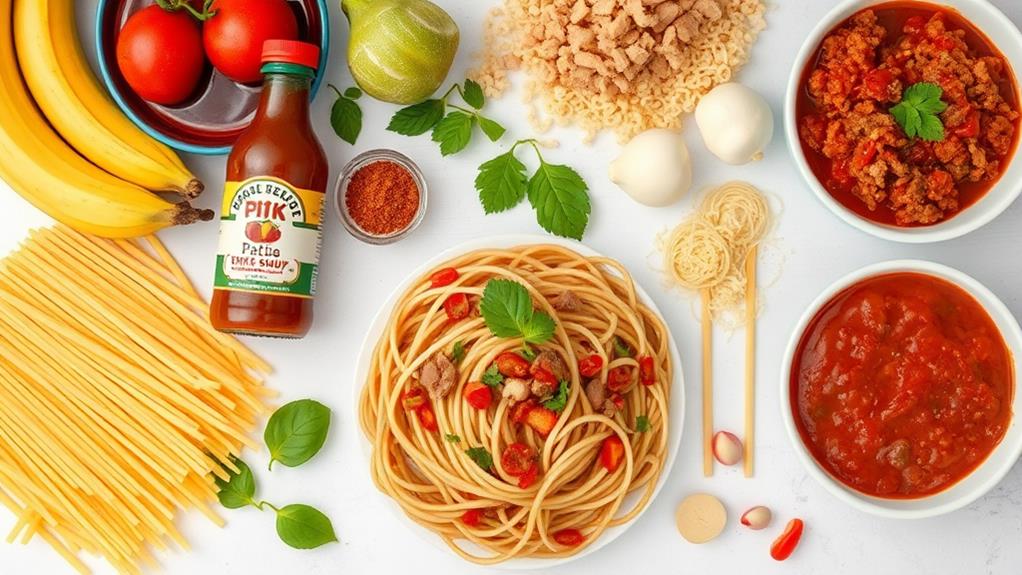
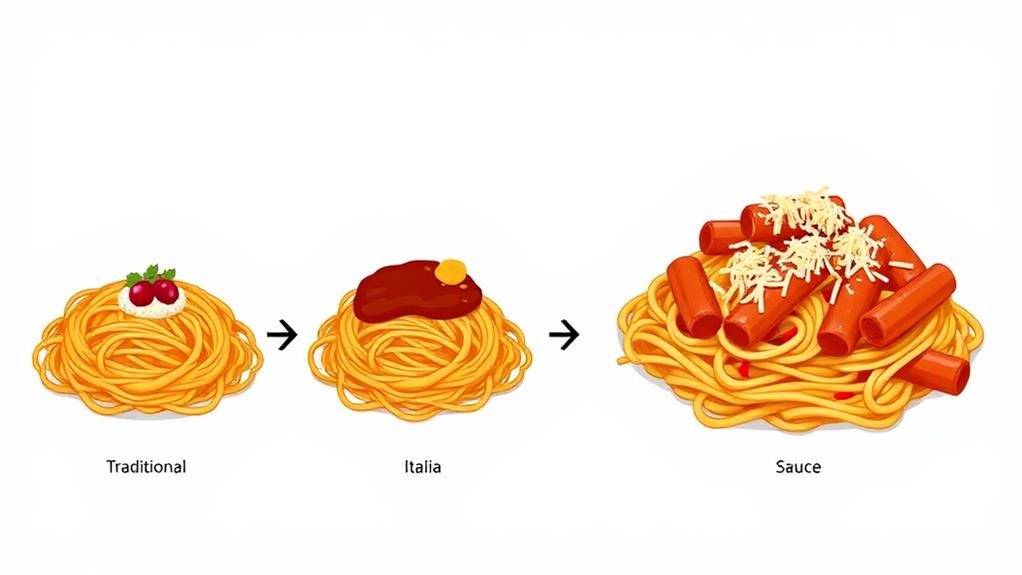
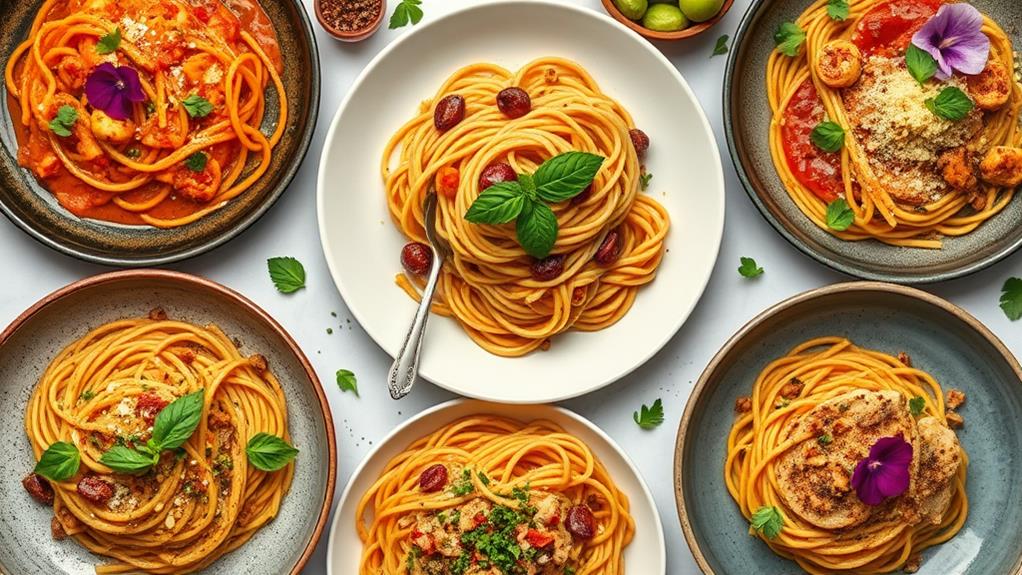
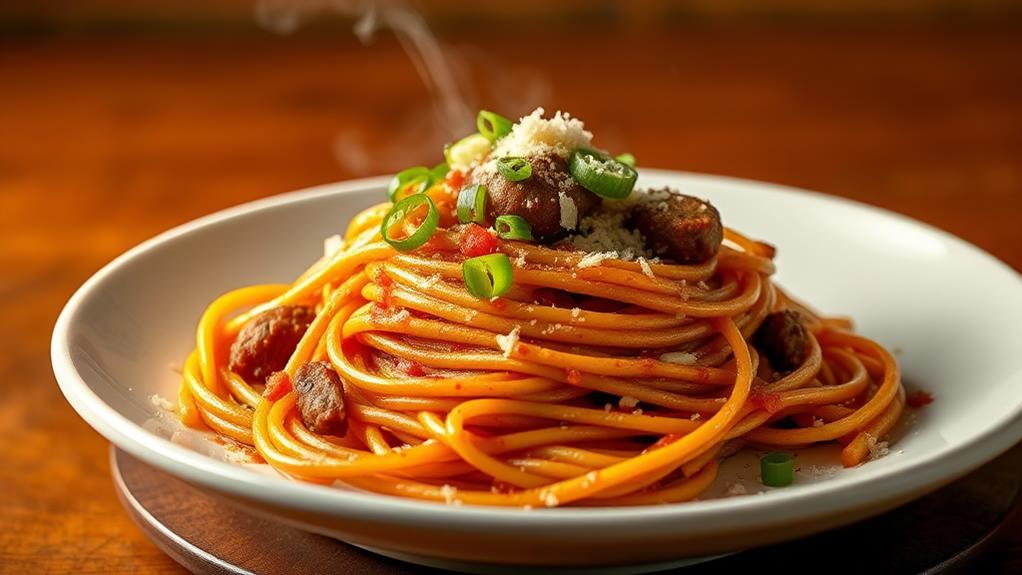
    Filipino pasta is a unique culinary fusion of Italian and Pinoy flavors. This distinctiveness stems from the combination of 10 special ingredients.

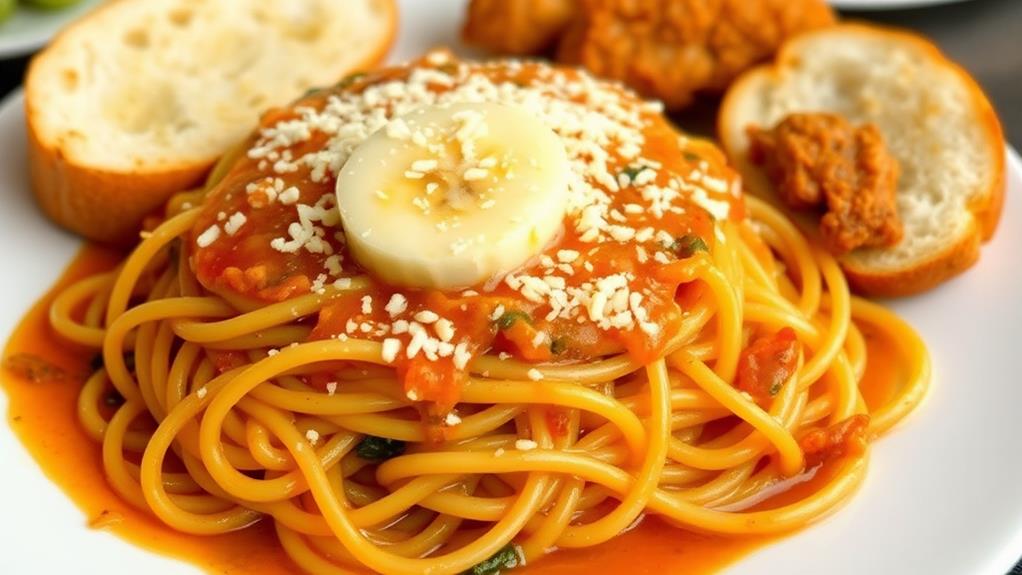
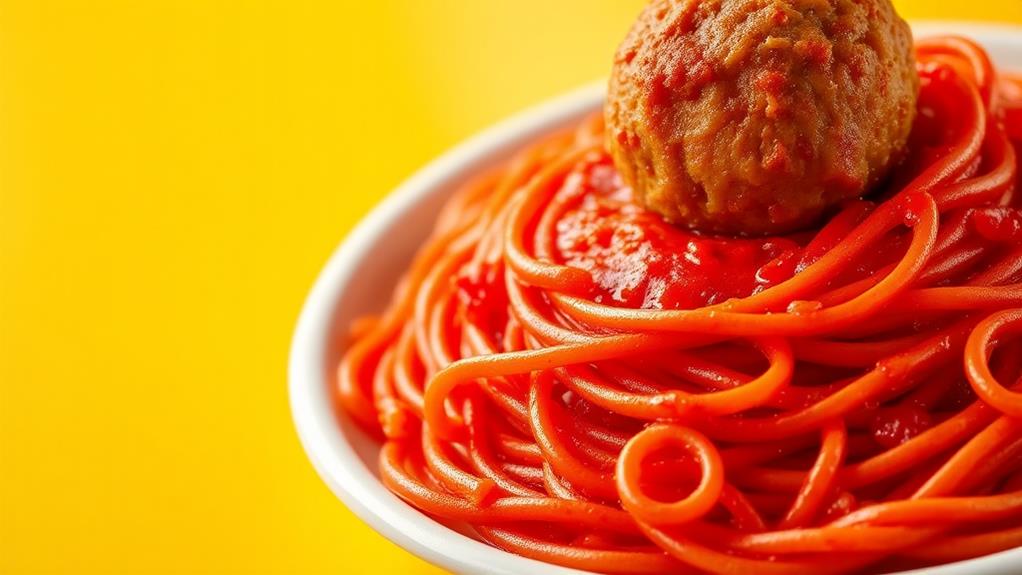
    Banana ketchup, a condiment born from wartime scarcity and American colonization, adds a sweet and tangy flavor.

    Hot dogs and luncheon meat bring cultural significance and diverse flavor profiles, reflecting the country's history of American influence.

    Evaporated milk and quick melt cheese contribute creaminess and richness, while ground pork, garlic, and onions form the foundation of the sauce.

    Classic spaghetti noodles provide a comforting base, allowing the other ingredients to shine.

    These ingredients not only create a delicious dish but also tell a fascinating story about the cultural heritage of the Philippines.

    Sweet Tomato Sauce Essentials
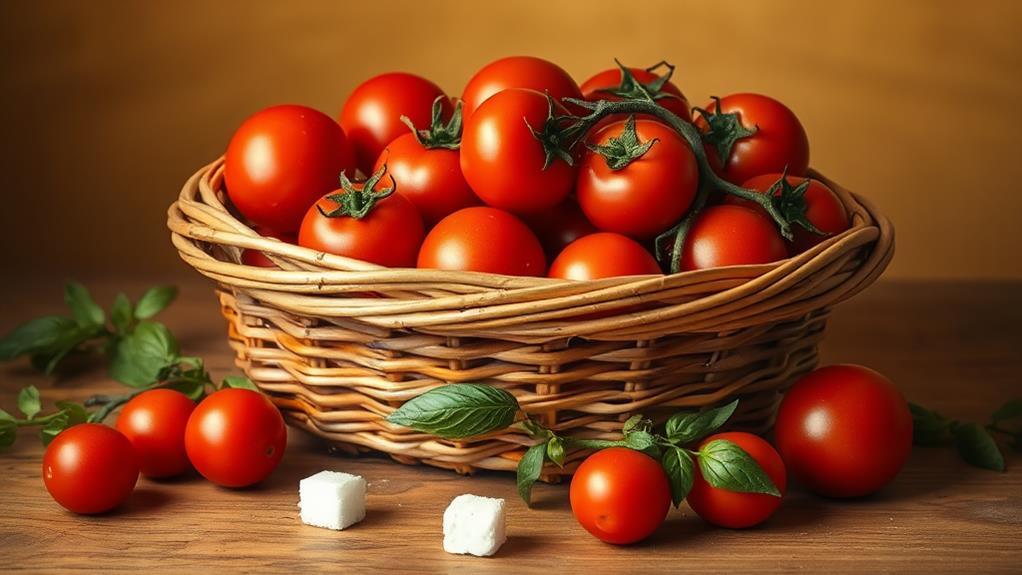
    essential sweet tomato sauce

    Filipino Sweet Tomato Sauce: A Unique Blend of Flavors

    Filipino spaghetti sauce is a distinct variation of traditional Italian flavors, combining Southeast Asian twists to create a sweet and savory sauce. Banana ketchup and traditional tomato sauce are essential components, adding a depth of sweetness and a vibrant color.

    Balancing Acidity and Sweetness

    Sugar is a crucial ingredient in Filipino sweet tomato sauce, balancing out the acidity and creating a uniquely Filipino flavor profile.

    Garlic and onion aromatics, sautéed to perfection, provide the foundation of the sauce. Optional ingredients like beef broth and spices can be added to enhance richness and complexity.

    Adding Creaminess and Contrast

    A sprinkle of quick-melting cheese adds creaminess and a savory contrast to the sweetness of the sauce.

    Ground beef is optional, but the sauce is the main attraction.

    Banana Ketchup's Cultural Significance

    Banana ketchup is a staple condiment in Filipino cuisine with a rich cultural significance.

    Born out of necessity during World War II, banana ketchup was created by Maria Orosa as a substitute for tomato ketchup, which was scarce at the time. She made it by mixing mashed bananas, vinegar, sugar, and spices.

    Today, this sweet and tangy sauce represents Filipino resourcefulness and adaptability.

    Banana ketchup adds a unique flavor profile to Filipino pasta dishes. In Filipino spaghetti, it adds a sweet and savory twist that's both familiar and foreign.

    The vibrant red color of banana ketchup is synonymous with deliciousness and visually appealing dishes. It's a testament to the country's ability to blend different cultural influences and experiment with flavors.

    Filipino pasta is a reflection of the country's innovative spirit, and banana ketchup is a key component of that.

    Hot Dogs in Filipino Spaghetti
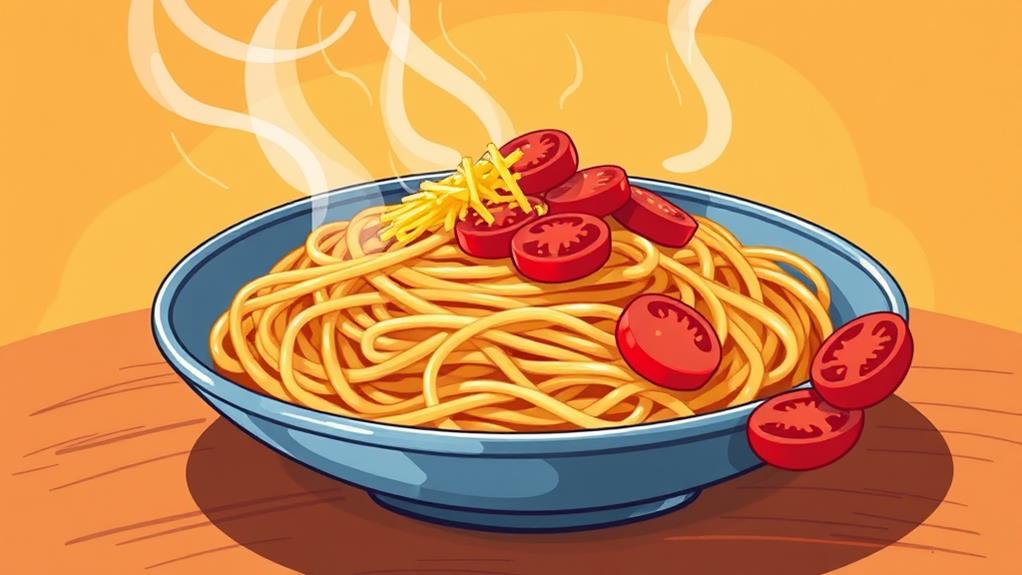
    filipino spaghetti with hot dogs

    Hot dogs are an essential ingredient in Filipino spaghetti, adding flavor, color, and cultural significance to the dish. This unexpected element may raise eyebrows, but its importance can't be overstated.

    Historical significance: American colonization introduced hot dogs to the Philippines, and they've since become an integral part of the local culinary scene. Brands like Pamana are popular choices for Filipino spaghetti.

    What makes hot dogs in Filipino spaghetti special?

    Unique flavor profile: Hot dogs bring a salty, savory element that complements the sweet tomato-based sauce. This contrast of flavors enhances the overall taste of the dish.

    Cultural significance: Hot dogs have been a staple in Filipino cuisine for generations, evoking nostalgia and comfort. They're often served at birthday parties and other celebrations.

    Textural contrast: The snap of the hot dog provides a fun contrast to the soft noodles and sauce, adding variety to the dish.

    Kid-friendly appeal: Kids love hot dogs, making Filipino spaghetti a popular choice for children's parties.

    Evaporated Milk's Creamy Role

    Evaporated milk plays a crucial role in Filipino spaghetti, balancing the acidity of the tomato-based sauce and elevating the dish to a rich, creamy masterpiece.

    Evaporated milk's benefits in Filipino spaghetti:

    Benefits Amount Tips
    Balances acidity 1/2 to 1 cup Adjust to taste to achieve the perfect balance.
    Adds creaminess 1/2 to 1 cup Mix well with the sauce to create a smooth, velvety texture.
    Enhances flavor 1/2 to 1 cup Use the right amount, as excessive evaporated milk can overpower the other flavors.
    Makes it kid-friendly 1/2 to 1 cup The creaminess helps mask the acidity, making it a hit with kids.

    | Accessible ingredient | Staple in Filipino households | Evaporated milk is a common pantry staple, making it easy to incorporate into your recipe.

    Ground Pork's Savory Contribution
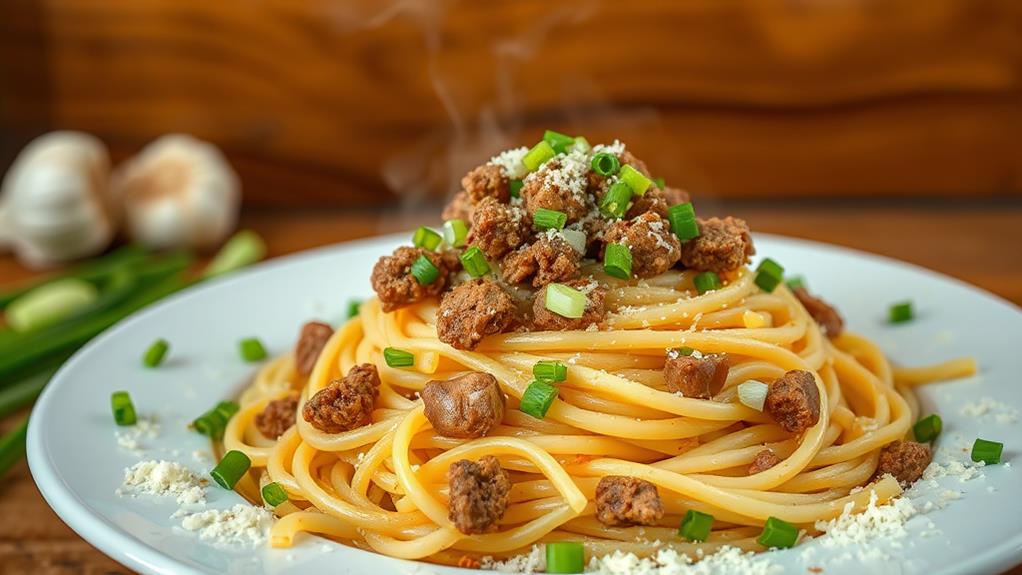
    savory ground pork delight

    Ground pork is a crucial component of Filipino spaghetti, elevating the dish with its rich, savory flavor.

    Rich flavor is a primary benefit of ground pork, as it adds a meaty, savory flavor that complements the sweetness of the sauce. This is because ground pork contains a higher proportion of myoglobin, a protein that stores oxygen and gives meat its characteristic color and flavor.

    The fat content in ground pork also enhances the mouthfeel of the sauce, making it richer and more satisfying. When cooked, the fat melts and distributes evenly throughout the sauce, coating the pasta and creating a sense of indulgence.

    In addition to its rich flavor and fat content, ground pork is often seasoned with aromatics like garlic and onion, which amplify the flavor profile of the sauce. These aromatics release their flavorful compounds when sautéed, infusing the sauce with a depth of flavor that's hard to replicate with other ingredients.

    Finally, ground pork is a widely available and affordable ingredient, making it a staple in many Filipino households. Its accessibility has contributed to its widespread adoption in Filipino cuisine, where it's often used in combination with other proteins like beef or chicken.

    Quick Melt Cheese's Richness

    Quick Melt Cheese: The Secret to Elevating Filipino Spaghetti

    A sprinkle of Quick Melt Cheese on top of steaming hot Filipino spaghetti transforms the dish from good to great. Its creamy texture and smooth melting ability are the key factors that make it a staple in many Filipino households.

    What makes Quick Melt Cheese so special?

    Characteristic Why it matters
    Mild flavor Balances the sweetness of the Filipino spaghetti sauce
    Creamy texture Adds richness and depth to the dish
    Smooth melting Creates a gooey, indulgent topping

    The Experience of Quick Melt Cheese

    When you sprinkle Quick Melt Cheese on top of your spaghetti, it's not just about the taste. It's about the experience of the cheese melting beautifully, complementing the flavors of the sauce and the pasta. This perfect combination is a match made in heaven. Quick Melt Cheese gives your Filipino spaghetti the richness it deserves, and your taste buds (and your guests) will thank you.

    Luncheon Meat's Flavor Boost
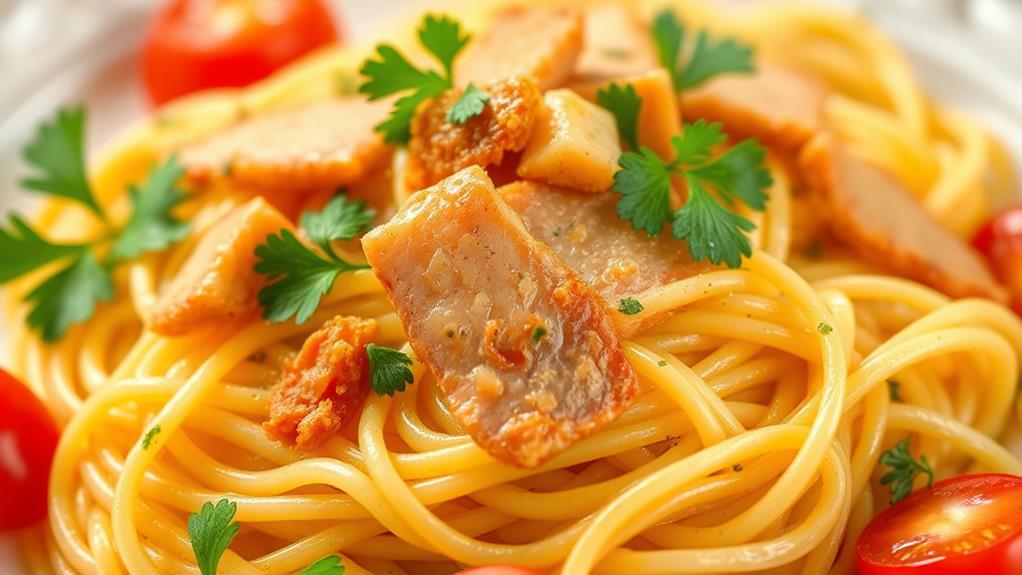
    luncheon meat flavor enhancement

    Luncheon Meat's Flavor Boost in Filipino Spaghetti

    Luncheon meat adds a flavor boost to Filipino spaghetti by providing a savory, meaty flavor that complements the sweetness of the sauce.

    This perfect balance of flavors is a key factor in the dish's popularity.

    Luncheon meat is a protein-rich ingredient, making it a filling option for family gatherings and celebrations.

    It provides a source of protein, keeping guests satisfied for longer.

    When sautéed before mixing it into the sauce, luncheon meat caramelizes slightly, intensifying its flavor and adding a unique texture to the dish.

    This texture twist enhances the overall eating experience.

    Luncheon meat is a staple in Filipino households, especially for quick and flavorful meals.

    Its widespread use is a testament to its convenience and flavor.

    The benefits of using luncheon meat in Filipino spaghetti include:

    Meaty flavor: It adds a savory, meaty flavor that complements the sweetness of the sauce.

    Protein power: It provides a source of protein, making it a more filling option.

    Texture twist: Sautéing it adds a unique texture to the dish.

    Local love: It's a staple in Filipino households, especially for quick and flavorful meals.

    Spaghetti Noodles' Comforting Base

    Spaghetti noodles provide a comforting base for Filipino spaghetti. This is because they're cooked to perfection, al dente style, which means they're firm but not too hard. This texture allows them to hold the sweet and savory sauce without turning into mush.

    The classic kind of noodles is preferred because they're affordable, accessible, and let the sweet sauce take center stage.

    The neutral flavor of the noodles is the perfect canvas for the sauce's sweetness to shine, making each bite a flavor bomb.

    In Filipino cuisine, spaghetti noodles can be served as a standalone dish or as a complement to other staples, such as rice. This versatility showcases their ability to adapt to different culinary scenarios.

    Garlic's Aromatic Foundation
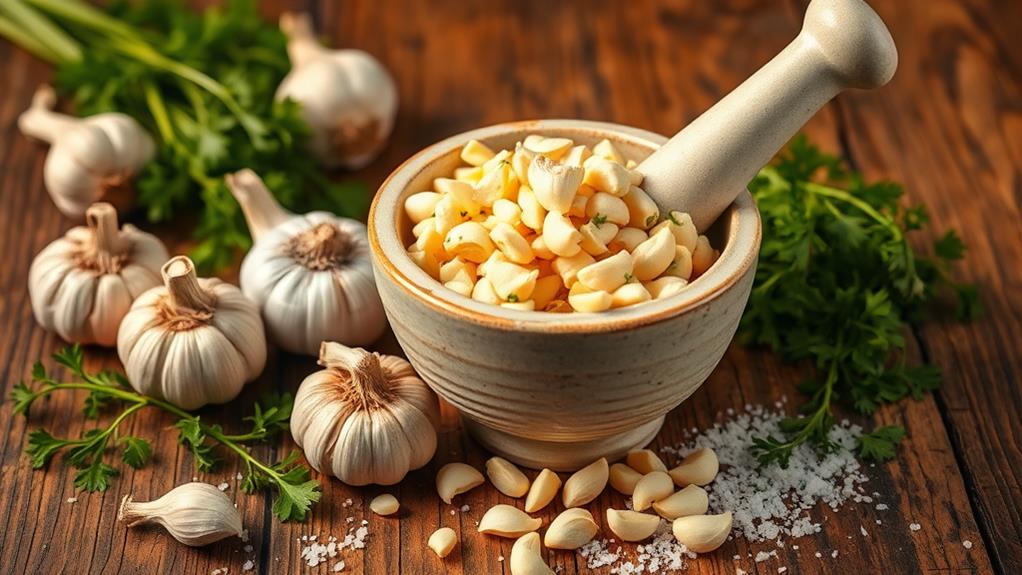
    flavorful garlic essence unleashed

    Garlic's Aromatic Foundation

    Garlic is the cornerstone of Filipino spaghetti, providing a rich and savory foundation that elevates the entire dish. It's the primary flavor component that adds depth and complexity.

    When sautéed to perfection, garlic develops a sweet and nutty aroma that complements the sweetness of the tomato sauce. Fresh garlic is essential, as it has a more robust flavor than pre-minced alternatives.

    Garlic's significance in Filipino spaghetti is multifaceted:

    Flavor Enhancement: Garlic adds a pungent, savory flavor that takes the dish to the next level. It's a flavor bomb that elevates the overall taste experience.

    Health Benefits: Garlic is packed with anti-inflammatory properties and can even help improve heart health. Consuming garlic can lead to various health advantages.

    Aroma Amplifier: Garlic's aroma enhances the overall scent of the dish, making your mouth water in anticipation. The aroma of garlic intensifies the appetite.

    Classic Combination: Garlic pairs perfectly with onions to create a classic flavor base that's a staple in Filipino cuisine. The combination of garlic and onions is a fundamental element in Filipino cooking.

    What Special Ingredients Can I Use to Make Unique Filipino Pasta Recipes?

    When creating delicious Filipino pasta recipes, consider using unique local ingredients like calamansi, kesong puti, or longganisa to add a special twist to your next filipino pasta recipes meal. These ingredients will elevate your pasta dishes and give them a truly authentic Filipino flavor.

    Onion's Depth of Flavor

    Onions are a crucial ingredient in Filipino spaghetti, adding a depth of flavor that's unmatched. They're sautéed to a sweet and savory perfection, bringing a balance to the acidity of the tomato-based sauce.

    The caramelized goodness of onions adds a hint of sweetness, which complements the sweetness of the banana ketchup and the richness of the hot dogs.

    The way onions are cooked makes all the difference. When sautéed until translucent, they create a flavorful base that enhances the overall taste of the dish.

    This flavorful base is essential in achieving the unique Filipino spaghetti profile. It's crucial to include onions in the recipe, as they're a vital component in bringing all the flavors together.

    Frequently Asked Questions

    What Makes Filipino Spaghetti Special?

    Filipino spaghetti is distinct due to its sweet-style sauce. This sauce is a significant departure from the traditional Italian tomato sauce, giving Filipino spaghetti its unique flavor profile.

    The sweetness comes from the addition of sugar or banana ketchup, which creates a flavor experience that's both familiar and exotic.

    The toppings in Filipino spaghetti are also noteworthy. Unlike traditional Italian spaghetti, Filipino spaghetti often features hot dogs and quick-melting cheese.

    These toppings add a salty, savory element to the dish, balancing out the sweetness of the sauce. This unusual combination of flavors and textures is a hallmark of Filipino spaghetti.

    Filipino spaghetti is a cultural fusion of Italian and Filipino flavors. This blending of culinary traditions results in a dish that's both familiar and innovative.

    The resulting flavor profile is a delicious mashup of East and West, making Filipino spaghetti a unique and exciting culinary experience.

    Why Is Pasta Famous in the Philippines?

    Pasta's popularity in the Philippines stems from the cultural influences of American colonization and Italian traditions.

    The American colonization of the Philippines introduced Western cuisine, including pasta, to the country.

    Italian traditions, brought by Italian immigrants, further contributed to the growth of pasta's popularity. This unique fusion of cultural influences resulted in the creation of distinct regional variations, such as sweet-style spaghetti, which became a staple at parties and gatherings.

    Pasta has become an integral part of Filipino culture and is more than just a dish.

    Filipinos have developed a strong affinity for pasta, which is often associated with comfort and nostalgia.

    The dish has become a cultural phenomenon, with its popularity transcending generations.

    What Is Jollibee Spaghetti Made Of?

    Jollibee's spaghetti recipe consists of a unique combination of ingredients.

    The sweet sauce is made with banana ketchup, which gives it a distinct flavor.

    This is paired with sliced red hot dogs, adding a pop of color and flavor to the dish.

    Ground meat is also included, providing an extra source of protein.

    How to Make Pasta Extra Good?

    Enhance Your Pasta with Flavor Boosters

    To elevate your pasta dishes, start by incorporating aromatic flavor enhancers such as sautéed garlic, caramelized onions, and herbs like basil or oregano. These ingredients add depth and complexity to your pasta.

    Experiment with Unique Sauce Combinations

    Combine different sauces to create something new and exciting. For example, try pairing pesto with cherry tomatoes or arrabbiata with grilled chicken. This will add variety to your pasta dishes and keep your taste buds engaged.

    Incorporate Regional Ingredients for Added Personality

    Use ingredients inspired by different regions to give your pasta dishes a unique character. For instance, add Kalamata olives and feta cheese for a Greek twist or prosciutto and arugula for an Italian-inspired flavor.

    This will help you create distinctive and memorable pasta dishes.
  • Why Pancit Matters in Filipino Celebrations

    Why Pancit Matters in Filipino Celebrations

    Pancit is a Cultural Icon in Filipino Celebrations

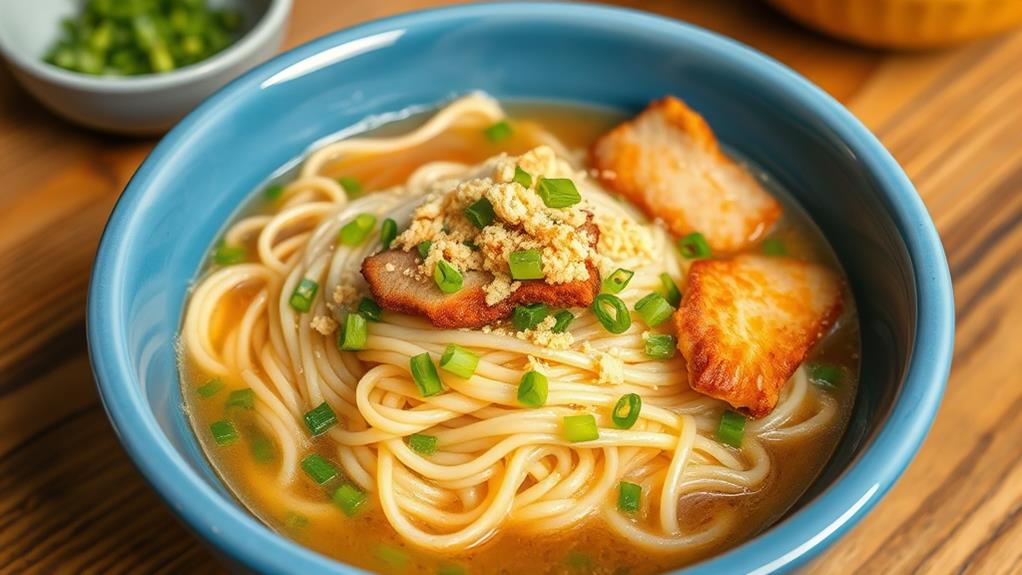
    When you sit down to enjoy a plate of pancit at a Filipino celebration, you're participating in a centuries-old tradition that represents longevity, prosperity, and community bonding. This beloved dish has its roots in Chinese cuisine, but over time, it has evolved to become a staple of Filipino culinary culture.

    Pancit Symbolizes Long Life and Good Fortune

    In Filipino culture, pancit is believed to bring long life and good fortune. The long, thin noodles symbolize a long and healthy life, while the act of eating them together with family and friends strengthens bonds and fosters a sense of community.

    Regional Variations and Preparation Methods

    Pancit has many regional variations, each with its own unique preparation method. For example, Pancit Lugaw, a popular variation from the northern region of the Philippines, is made with a rich, savory broth and topped with vegetables and meat or seafood.

    Pancit Bihon, on the other hand, is a popular variation from the southern region, made with thin, rice flour noodles and often served with a sweet and sour sauce.

    Pancit Connects Families and Communities

    Pancit has become an integral part of Filipino identity, connecting families, immigrants, and communities across generations. Whether it's a birthday, wedding, or holiday celebration, pancit is often at the center of the table, bringing people together and creating lasting memories.

    A Cultural Heritage That Runs Deep

    The significance of pancit in Filipino culture runs much deeper than just a delicious meal. It represents a cultural heritage that is rich, vibrant, and steeped in tradition.

    By enjoying a plate of pancit, you're not just satisfying your appetite – you're participating in a centuries-old tradition that continues to bring people together.

    Exploring Pancit's Cultural Roots

    pancit s rich cultural heritage

    Pancit's roots are deeply entrenched in Chinese culinary influence. This is evident in the term "pancit" itself, which originates from the Hokkien Chinese phrase "pian i sit," meaning conveniently cooked.

    Early Chinese settlers introduced pancit to the Philippines, initially making it with rice flour for noodle-making, a quicker and easier alternative to traditional rice.

    Over time, pancit evolved into a cultural staple, symbolizing long life and good fortune. It's often served during birthdays, weddings, and other significant celebrations.

    This cultural significance reflects the profound impact of Chinese culinary influence on Filipino food culture. Pancit has become an integral part of Filipino identity, showcasing the country's cultural heritage and its ability to adapt and blend culinary traditions.

    Family Traditions and Celebrations

    Pancit's Cultural Significance in Filipino Family Traditions

    In the Philippines, pancit is more than just a popular dish; it's an integral part of family traditions and celebrations. It symbolizes long life and prosperity for the celebrant.

    Birthdays: On birthdays, pancit takes center stage, representing a long and prosperous life for the celebrant. Grandparents often remind children to enjoy the dish while wishing them longevity.

    Weddings: At weddings, pancit represents unity and continuity of the newlywed couple. It's a reminder of the couple's commitment to each other and their future together.

    New Year's: During New Year's celebrations, pancit is served to welcome a prosperous and healthy new year. It's a way to start the year off right with a full stomach and a positive outlook.

    Family Gatherings: At family gatherings, pancit strengthens familial bonds and togetherness. It brings people together and fosters a sense of community.

    Special Occasions: On special occasions, pancit adds a touch of Filipino culture and tradition. It's a way to connect with one's heritage and pass it down to future generations.

    The Significance of Not Cutting Noodles: When serving pancit, it's customary not to cut the noodles. This tradition reflects the belief in preserving the dish's symbolic representation of life and continuity.

    A Dish of Immigrant Experience

    culinary journey of immigrants

    Pancit: A Dish of Cultural Heritage and Immigrant Experience

    Filipino immigrants in the U.S. maintain a strong connection to their cultural heritage through traditional dishes like pancit. This beloved Filipino cuisine, consisting of stir-fried noodles, serves as a tangible link to their roots. When cooking and sharing pancit during special occasions, Filipino Americans reinforce familial bonds and cultural identity in a new environment.

    The preparation and enjoyment of pancit highlight the challenges of balancing traditional customs with adaptation to a new culture. It's a reminder of one's roots, a testament to the perseverance of cultural practices across generations.

    For instance, when Filipino Americans gather with family and friends to celebrate birthdays and holidays, the pancit recipes they share symbolize community and continuity among Filipino Americans.

    By embracing this dish, Filipino Americans are embracing their cultural identity and the immigrant experience that shapes it. The sharing of pancit recipes and cooking techniques across generations ensures the preservation of cultural heritage and traditions.

    Pancit has become a symbol of cultural identity and a connection to one's roots in a new environment.

    Regional Variations and Adaptations

    Regional Variations of Pancit

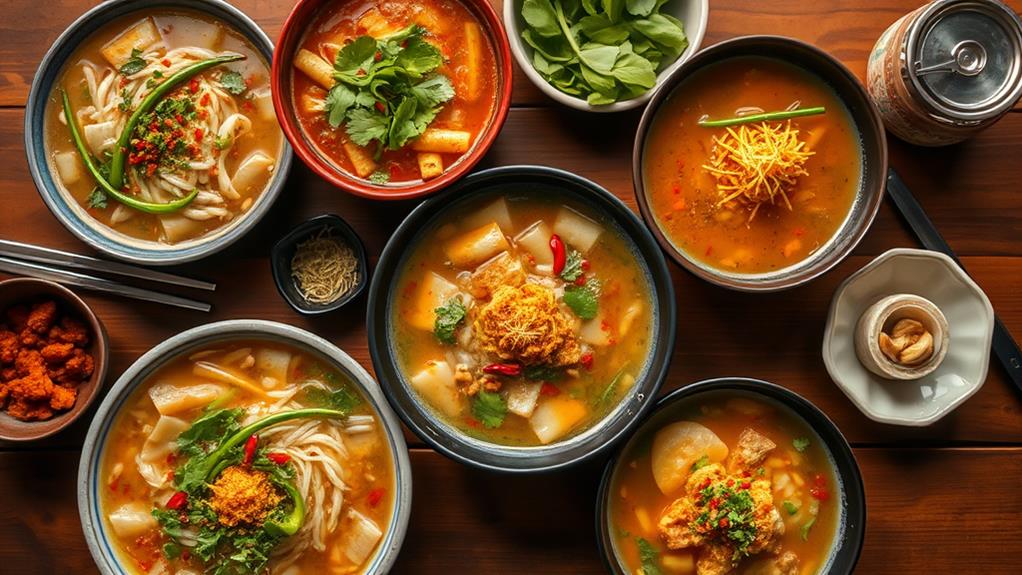
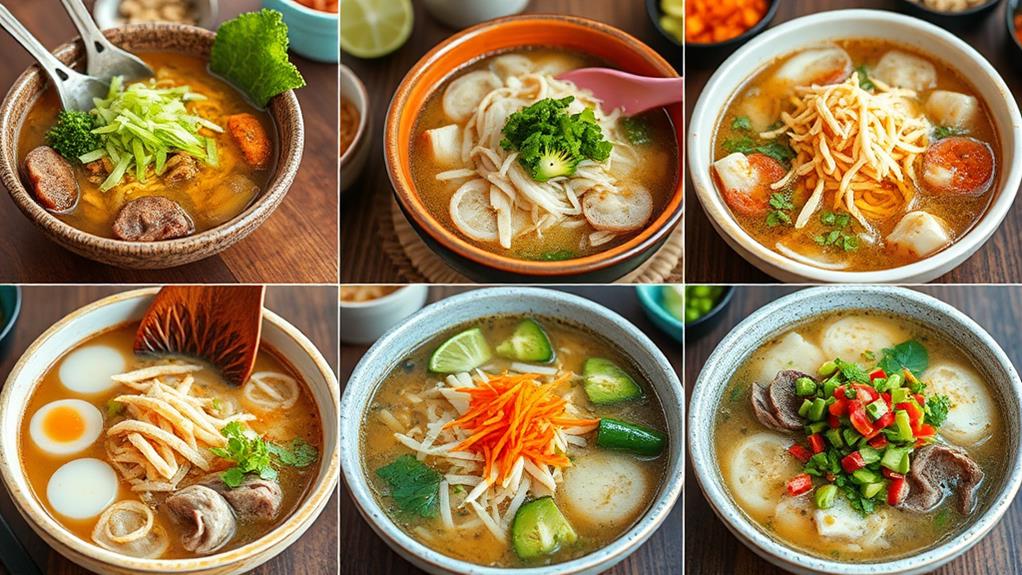
    The Philippines is home to a diverse range of pancit variations, each reflecting local ingredients and culinary traditions.

    North to South Variations

    From north to south, different regions have their own unique pancit variations. For example, Pancit Canton from Pampanga is a popular variant, while Pancit Malabon from Malabon City has its own distinct flavor.

    Pancit Bihon, made with thin rice noodles, is often served during celebrations due to its versatility and cultural significance.

    Unique Regional Dishes

    Some pancit dishes showcase the distinct customs of their region. For instance, Pancit Habhab is traditionally served on banana leaves, enhancing the dining experience.

    Pancit Luglug, featuring thick rice noodles in a vibrant orange sauce, highlights local seafood availability, particularly in coastal areas.

    Modern Adaptations

    Modern adaptations of pancit, including instant versions, allow for easier access and convenience while maintaining traditional flavors.

    This makes pancit a popular choice for both casual and festive gatherings at local Filipino restaurants.

    Broader Foodways Stories and Connections

    culinary traditions and relationships

    Culinary traditions reflect cultural identities and communal bonds. The significance of pancit in Filipino celebrations goes beyond its delicious taste. It embodies cultural identity and communal connections, bringing people together during important life events. The long noodles symbolize longevity and continuity, reinforcing themes of prosperity and good fortune.

    Similar culinary practices exist across cultures, where specific dishes signify important milestones and communal bonds. For instance, in Japan, soba noodles are traditionally eaten on New Year's Eve to ensure long life and good health. These dishes transcend geographical boundaries, highlighting the universal language of love, community, and tradition.

    The adaptability of pancit showcases cultural fusion and heritage. With its various regional variations, pancit demonstrates the blending of cultural influences and the importance of food in maintaining heritage and connection to one's roots.

    By exploring these foodways stories and connections, we discover that the cultural significance of pancit extends beyond Filipino celebrations, revealing a common thread of community and tradition across cultures.

    The Origins and Evolution of Pancit

    The Origins of Pancit

    The term "pancit" originates from the Hokkien Chinese phrase "pian e sit," meaning conveniently cooked, reflecting its quick preparation method introduced by Chinese traders in the Philippines.

    Adaptation and Popularity

    Pancit was adapted from rice flour during its introduction to the Philippines, as it was easier to cook compared to traditional rice.

    The dish gained popularity during the Spanish occupation, becoming the first takeout food as panciteros catered to factory workers, leading to the establishment of panciterias.

    Regional Variations

    Over the centuries, various regional adaptations of pancit emerged, including Pancit Canton, Pancit Bihon, and Pancit Malabon, each reflecting local ingredients and culinary styles.

    Historical Significance

    The first recorded mention of pancit dates back to the 18th century, highlighting its deep-rooted presence in Filipino culinary culture as a symbol of longevity and prosperity during celebrations.

    Cultural Significance

    The evolution of pancit is a reflection of the cultural significance it holds in Filipino celebrations, symbolizing longevity, prosperity, and community bonding.

    Cultural Significance in Filipino Heritage

    filipino heritage cultural importance

    Pancit's Cultural Significance in Filipino Heritage

    Pancit's importance in Filipino culture goes beyond its origins and evolution. It symbolizes long life and good fortune, and its preparation and consumption are deeply rooted in cultural traditions.

    The Noodles Represent Life and Continuity

    The long strands of noodles in pancit represent life and continuity. This association with longevity is reinforced by the cultural belief that cutting the noodles during preparation would cut short one's life. As a result, families take great care not to cut the noodles when preparing pancit for special occasions.

    Fostering Community and Cultural Heritage

    Pancit is often served during significant events like birthdays and weddings, where families gather to prepare and enjoy the dish together. This shared experience fosters a sense of community and cultural heritage, emphasizing the importance of tradition and family ties.

    An Integral Part of Filipino Celebrations

    As a staple dish in Filipino celebrations, pancit reflects the fusion of cultural influences and regional variations across the Philippines. Its significance extends beyond the dish itself, representing the country's rich cultural identity.

    How Does the Cultural Significance of Pancit Dish Play a Role in Filipino Celebrations?

    Pancit: a filipino favorite, plays a significant role in Filipino celebrations due to its cultural significance. It symbolizes long life and prosperity, making it a staple in birthdays, weddings, and other special occasions. The act of preparing and sharing pancit brings people together, strengthening family and community ties.

    Pancit's Impact on Filipino Identity

    Pancit's Significance in Filipino Identity

    Pancit Unites Filipino Communities

    Pancit serves as a unifying element within Filipino communities, fostering a sense of belonging and collective identity.

    Communal gatherings centered around pancit strengthen social bonds and create a shared sense of heritage. This is evident in the numerous Filipino celebrations where pancit is always present, such as fiestas, birthdays, and holidays.

    Pancit Represents Cultural Heritage

    The tradition of serving pancit at significant life events reinforces familial ties and respect for cultural heritage.

    In the Philippines, pancit is a staple dish at special occasions, symbolizing long life, prosperity, and good fortune. This is reflected in the custom of not cutting the noodles, which signifies the wish for longevity and connects generations through shared practices and beliefs.

    Pancit Reflects Regional Diversity

    Each variant of pancit represents regional diversity and adaptation, showcasing the rich culinary landscape of the Philippines.

    From the spicy pancit habhab of Quezon Province to the sweet pancit molo of Iloilo, each region boasts its unique take on this beloved dish.

    Pancit Shapes Filipino Identity

    As a staple in Filipino celebrations, pancit shapes your perception of Filipino identity, reflecting values of respect, continuity, and communal bonding.

    Through pancit, Filipinos express their cultural identity, emphasizing the importance of tradition, community, and collective heritage.

    Frequently Asked Questions

    What Is the Cultural Significance of Pancit?

    Pancit's Cultural Significance

    Pancit is a dish deeply rooted in Filipino culture, shaped by Chinese influences. This cultural fusion is evident in the dish's preparation and significance.

    Pancit symbolizes long life and continuity, reflected in the tradition of not cutting the noodles during preparation.

    Regional Variations Celebrate Diversity and Unity

    Pancit has various regional variations, such as Pancit Bihon and Pancit Canton, which showcase the country's cultural diversity.

    Despite these differences, pancit remains a unifying element in Filipino celebrations.

    More Than a Dish

    Pancit is more than just a meal; it's a symbol of community and family bonds. Made with rice noodles and other ingredients, pancit brings people together during special occasions, reinforcing the importance of relationships in Filipino culture.

    What Is the Cultural Significance of Food in the Philippines?

    Food is an integral part of Philippine culture, playing a vital role in shaping the nation's identity. In the Philippines, communal dining is a common feature of festivals, highlighting the importance of food in fostering community bonds. For example, the MassKara Festival in Bacolod City, known for its vibrant street dancers and colorful costumes, features a variety of local dishes, such as inasal (grilled meat) and kinilaw (raw fish in vinegar), which are shared among festival-goers.

    Family gatherings and celebrations in the Philippines are incomplete without a diverse spread of dishes. Each dish has its own regional variations and symbolism, showcasing the country's rich culinary heritage. For instance, lechon (roasted pig) is a staple at special occasions, symbolizing prosperity and good fortune.
    Adobo, a popular dish made with meat or seafood cooked in vinegar, soy sauce, and garlic, represents the country's cultural diversity, with different regions offering their own unique twists on the recipe.

    Food serves as a powerful symbol of love, respect, and togetherness in the Philippines. It brings people together, fostering a sense of community and social bonding. In Filipino culture, food is often used as a way to show respect and hospitality to guests, with hosts taking great pride in preparing elaborate meals for their visitors.

    What Is the Cultural Significance of Noodles in China?

    Noodles have been a staple in Chinese cuisine for over 4,000 years, with a rich cultural significance that spans centuries. Longevity is symbolized by noodles, and their uncut length is crucial to maintain this symbolism.

    China boasts a diverse array of noodle variations, each with its own unique preparation methods. Wheat noodles, for instance, are commonly consumed in Northern China, while rice noodles are popular in Southern China.

    Noodles play a significant role in Chinese festivals and traditions. During Lunar New Year celebrations, noodles are served as a symbol of longevity and good fortune.

    Additionally, noodle etiquette is an important aspect of Chinese dining culture. For example, it is considered impolite to leave your chopsticks standing upright in your bowl, as this is reminiscent of funeral rituals.

    What Is the Filipino Noodle Tradition?

    The Filipino noodle tradition is a rich cultural heritage. It comprises various noodle variations, each with its own regional differences and preparation methods.

    For instance, pancit bihon and canton are two popular types of noodles that hold significant cultural meanings. In festive occasions and family gatherings, these noodles symbolize long life and good wishes.

    These noodles bring people together, strengthening cultural identity and heritage. They play a significant role in special events, such as birthdays, weddings, and holidays, where they're often served as a symbol of unity and celebration.

    By exploring this tradition, one can uncover the importance of noodles in Filipino culture and their role in preserving cultural heritage.

  • What Makes Filipino Style Spaghetti Unique?

    What Makes Filipino Style Spaghetti Unique?

    Filipino-style spaghetti is distinct from its Italian counterpart due to its unique blend of sweet and savory flavors. This fusion is achieved through the use of ingredients like banana ketchup, hot dogs, and condensed milk, which may seem unconventional to those familiar with traditional spaghetti.

    Banana ketchup, a sweet and tangy condiment, replaces traditional tomato sauce, adding a fruity twist to the dish. The addition of hot dogs, a common ingredient in Filipino cuisine, provides a savory element, while condensed milk adds a rich and creamy texture.

    These ingredients reflect the cultural and historical influences of the Philippines, resulting in a flavor profile that is both familiar and innovative.

    Origins of Filipino Spaghetti

    filipino spaghetti cultural influences

    Filipino Spaghetti Originated During the American Commonwealth Period

    During the American Commonwealth Period, Filipino cuisine underwent a significant transformation due to the introduction of new ingredients and cooking techniques by American colonizers.

    This period marked the beginning of Filipino spaghetti.

    American Influence Led to a Fusion of Flavors

    The introduction of spaghetti by American colonizers sparked a creative fusion of flavors and ingredients.

    When World War II broke out, a tomato shortage led to the innovative creation of banana ketchup, a sweet and tangy condiment that would become a defining characteristic of Filipino spaghetti.

    Hot Dogs Became a Staple Ingredient

    Filipino spaghetti often features hot dogs, a nod to American influence.

    This unique combination of ingredients was first popularized in an orphanage in Cebu, where cooks adapted the traditional Italian bolognese to suit local tastes for sweetness.

    Evolution into a Comfort Food

    Over time, Filipino spaghetti evolved into a comfort food, commonly served at children's birthday parties and family gatherings.

    Today, it's a symbol of cultural heritage and nostalgia among Filipinos, reflecting the country's culinary innovation and adaptability.

    Unique Flavor Profile

    Filipino-style spaghetti has a distinct flavor profile that sets it apart from traditional Italian spaghetti.

    This unique flavor profile is achieved through the combination of ingredients like ground pork, sliced hot dogs, and luncheon meat, which add sweet and savory notes to the dish.

    The tomato sauce is sweetened with brown sugar or condensed milk, giving it a fruity flavor that differs from traditional Italian sauces.

    The addition of red hot dogs not only adds to the sweetness but also creates a visually appealing dish, aligning with Filipino cultural perceptions of deliciousness.

    The richness of the dish is further enhanced by the grated quick-melting cheese, usually cheddar, which adds creaminess and indulgence to the flavor profile.

    The sweetness of the sauce balances out the saltiness of the meat, creating a harmonious blend of flavors that appeals to children and families.

    The unique flavor profile of Filipino-style spaghetti is a result of the careful balance of sweet, savory, and rich elements, making it a distinct and delicious twist on the traditional Italian dish.

    Sweet and Savory Elements

    flavorful taste combinations

    Filipino-style spaghetti recipes strike a balance between sweet and savory flavors. This unique flavor profile is achieved by combining ground meat and red hotdogs in the sauce, which adds a sweet and tangy flavor.

    The sweetness is further enhanced by adding sugar, banana ketchup, or condensed milk, catering to the Filipino palate's preference for sweeter flavors.

    The use of red hotdogs adds a pop of color and flavor. These sweeter hotdogs balance out the savory flavors of the ground meat, creating a harmonious blend of flavors.

    To complete the dish, grated cheese is often sprinkled on top, adding a creamy texture that complements the sweet and savory elements. This results in a sweet spaghetti that's both comforting and flavorful, making it a staple in Filipino food culture.

    Cultural Significance Explained

    Filipino-style spaghetti holds a special place in the country's culinary culture. This significance is rooted in nostalgia and warmth, as many Filipinos recall enjoying it at kids' birthday parties alongside fried chicken and cake.

    This dish reflects the cultural significance of family-oriented dining in the Philippines, where mealtimes are a celebration of togetherness.

    The vibrant red color of the spaghetti is culturally associated with deliciousness. This is due to the use of banana ketchup and red hot dogs, which add to the festive atmosphere.

    Even fast-food chains like Jollibee have adopted their own version of Filipino spaghetti, cementing its status as a beloved dish in Filipino cuisine and culture.

    Authentic Filipino spaghetti is more than just a meal. It's a symbol of warmth, togetherness, and celebration, representing the blending of Filipino traditions with foreign influences.

    This blending is a testament to the evolution of culinary practices in the Philippines.

    Preparation Techniques Uncovered

    unveiling effective preparation strategies

    A harmonious balance of sweet, tangy, and savory flavors is the foundation of a memorable Filipino spaghetti dish.

    To achieve this balance, start by sautéing garlic and onions until caramelized, which forms the flavorful base of the sauce.

    Brown ground meat, typically pork or beef, before adding banana ketchup and tomato sauce for the signature sweet and tangy flavor profile.

    Optional ingredients like sliced hot dogs, luncheon meat, or Spam can be incorporated to enhance the dish's richness and protein content.

    To reach the desired consistency, adjust the sauce by adding evaporated milk or sugar to balance acidity and increase creaminess.

    Regional Variations and Twists

    Regional variations add a new layer of excitement to Filipino spaghetti, bringing unique flavor profiles to the table.

    In Nueva Ecija, bangus spaghetti is a staple, substituting traditional meat with local milkfish for a distinct flavor and texture.

    Additional vegetables like bell peppers and carrots are incorporated in other regions, boosting the nutritional value and adding a pop of color.

    Alternative seasonings like fish sauce or bouillon cubes deepen the flavor profile of the sauce.

    Filipino spaghetti is often adapted to include local ingredients or regional delicacies, making each version a reflection of its locality's culinary heritage.

    Fast food chains like Jollibee put their own spin on the dish, adding sliced hot dogs and a hint of sweetness to cater to local tastes.

    Common Ingredients and Substitutes

    essential cooking components alternatives

    Creating the Perfect Filipino-Style Spaghetti Sauce

    Essential Ingredients:

    To craft a traditional Filipino-style spaghetti, you'll need the following essential ingredients:

    Ground Pork: adds a meaty flavor and texture to the sauce.

    Sliced Red Hot Dogs: provide a surprising pop of flavor and color.

    Grated Cheese: such as quick-melting cheese, adds richness as a popular topping.

    Evaporated Milk: helps balance the acidity and sweetness of the tomato sauce, creating a creamy and indulgent flavor profile.

    Substitutions and Variations:

    When experimenting with alternatives, consider the following:

    Potted Meat or Luncheon Meat: can be used to cater to different dietary preferences.

    Store-Bought Filipino-Style Spaghetti Sauce: is a convenient option, with some variations incorporating Beef Broth or Mushroom Soup for added depth.

    Cooking Tips and Tricks

    Mastering Filipino-Style Spaghetti: Techniques for Success

    Step 1: Cooking Perfect Noodles

    When cooking spaghetti noodles, salt the water generously to prevent blandness and enhance the overall flavor of the dish.

    Step 2: Preparing the Sauce

    Use store-bought Filipino-style spaghetti sauce for convenience. To balance the acidity, add a touch of sugar to achieve a sweeter flavor profile typical in Filipino spaghetti.

    Add ground pork to the sauce and simmer until it's fully cooked.

    Step 3: Achieving the Right Consistency

    Add evaporated milk to the sauce to add creaminess and balance the sweetness.

    For a thicker sauce, simmer the meat mixture longer and use reserved pasta water to adjust the sauce consistency as needed before mixing with the noodles.

    Step 4: Final Touches

    Top your finished dish with quick-melting cheese such as Velveeta or cheddar, allowing it to melt into the warm sauce.

    What specific ingredients or flavors make Filipino style spaghetti unique?

    Filipino style spaghetti stands out due to its sweet and tangy sauce, which sets it apart from its Italian counterpart. The use of banana ketchup and hotdog slices arepkey differences between spaghetti, giving Filipino spaghetti its distinct flavor profile that locals and foreigners alike have come to love.

    Evolution of Filipino Spaghetti

    filipino spaghetti s unique evolution

    Filipino spaghetti has a unique evolution shaped by the country's cultural and historical context. Introduced during the American colonial period, Filipino cooks adapted American spaghetti recipes to local tastes and available ingredients, creating a distinct flavor profile.

    The use of banana ketchup was a key factor in its evolution. During WWII, tomato shortages led to the use of banana ketchup, which added a sweet and tangy flavor to the dish.

    Filipino spaghetti incorporates sweet elements. Unlike traditional Italian spaghetti, Filipino spaghetti includes brown sugar, making it sweeter and more appealing to local tastes.

    Red hot dogs are a staple in Filipino spaghetti. The addition of red hot dogs provides a unique flavor and color to the dish, setting it apart from other versions of spaghetti.

    The blending of sauces is a hallmark of Filipino spaghetti. A rich, sweet, and slightly tangy sauce is created by combining tomato sauce and meat, catering to the Filipino palate, especially for children.

    Today, Filipino spaghetti is a popular comfort food. Often served at birthday parties and family gatherings, its evolution is a testament to the country's cultural adaptability and creativity in the culinary sphere.

    Frequently Asked Questions

    How Is Filipino Spaghetti Different?

    Filipino spaghetti differs from traditional Italian spaghetti in its ingredients and cooking techniques.

    The ingredients used in Filipino spaghetti are tweaked to incorporate sweet and tangy flavors. For instance, banana ketchup and added sugar are used to give the dish a unique taste. This fusion of flavors is a distinct characteristic of Filipino spaghetti.

    The cooking techniques used in Filipino spaghetti also differ from traditional Italian recipes. Thick, creamy sauces made with evaporated milk are a hallmark of Filipino spaghetti. This creamy sauce is a result of the addition of evaporated milk, which isn't typically used in traditional Italian spaghetti recipes.

    Filipino spaghetti is often served at family gatherings and festive occasions, reflecting the local taste preferences.

    This cultural fusion dish has become an integral part of Filipino cuisine and is often showcased at special events.

    Why Is Filipino Spaghetti Sauce Sweet?

    Filipino spaghetti sauce is sweet because of the addition of banana ketchup. This local ingredient was developed during WWII and contributes a sweet flavor to the sauce.

    The sweetness is balanced with savory flavors to create a unique taste experience.

    Cultural influences and a preference for sweet flavors in Filipino cuisine also contribute to the distinctiveness of the sauce.

    In the Philippines, sweet flavors are often associated with festive occasions and family gatherings. As a result, the sweet and savory flavors of the spaghetti sauce are well-suited for these types of events.

    What Makes Filipino Dish Unique?

    Cultural influences shape a dish's uniqueness. The blending of different cultural traditions, such as Spanish, Chinese, and American, has resulted in a distinct Filipino cuisine. For example, adobo, a popular Filipino dish, combines Spanish vinegar and soy sauce, which is a Chinese influence.

    Regional variations add diversity. Filipino dishes vary depending on the region, with each area using local ingredients and cooking techniques. In the northern region of Ilocos, for instance, dishes are known for their bold flavors and use of vegetables, while in the southern region of Mindanao, dishes are often spicy and feature coconut milk.

    Ingredient substitutions create surprises. Filipino cuisine is known for its creative use of ingredients, such as using ube (purple yam) instead of traditional sweet potatoes in desserts. This substitution adds a unique flavor and color to the dish.

    Family traditions and festival favorites contribute to a dish's identity. Filipino dishes are often tied to family traditions and celebrations, such as the lechon (roasted pig) served during fiestas and special occasions. These dishes are passed down through generations, maintaining their cultural significance.

    Specialized cooking techniques enhance the culinary experience. Filipino cooking techniques, such as grilling and braising, are used to bring out the flavors of ingredients.

    For example, inihaw na liempo (grilled pork belly) is a popular dish that showcases the skill of Filipino cooks in grilling meat to perfection.

    Why Is Spaghetti so Popular in the Philippines?

    Filipino culture's openness to foreign influences has made spaghetti a staple in the Philippines.

    This cultural adaptability has led to spaghetti becoming an integral part of family gatherings and festive occasions in the country.

    In the Philippines, spaghetti is more than just a meal; it's a symbol of togetherness.

    The dish has undergone a unique fusion of Italian and local flavors, resulting in street food and regional variations that reflect the country's culinary identity.

    For instance, Filipinos often add a sweet twist to their spaghetti by using banana ketchup or mixing it with other local ingredients.

    This blend of cultures has solidified spaghetti's place in Philippine food history, making it a comfort food that brings people together.

    In the Philippines, spaghetti isn't just a foreign dish; it's a part of the local culinary heritage.

  • 3 Must-Try Pancit Bihon Restaurants Near Me

    3 Must-Try Pancit Bihon Restaurants Near Me

    Discover Three Authentic Pancit Bihon Restaurants Near You

    If you're looking for a taste of traditional Filipino flavors, three must-try Pancit Bihon restaurants are within reach.

    LSS Fast Food Offers Classic Pancit Bihon

    Located near Makati Med, LSS Fast Food serves a classic Pancit Bihon dish with a rich, savory broth. This classic recipe is a staple of Filipino cuisine.

    Chinese Style Noodle and Lumpia House Adds a Sweet Twist

    Established in 1960, Chinese Style Noodle and Lumpia House adds a sweet twist to the traditional Pancit Bihon recipe. This variation is a refreshing take on the classic dish.

    Bruno's Pairs Soft Noodles with Egg Drop Soup

    Bruno's in Quezon City pairs soft Pancit Bihon noodles with egg drop soup, adding texture and flavor to the dish. This unique combination is a must-try.

    These local eateries maintain high quality and authenticity, making them essential stops for Filipino cuisine enthusiasts.

    Authentic Pancit Bihon Experiences

    genuine pancit bihon delights

    Authentic Pancit Bihon Experiences

    Traditional Recipe and Flavors

    When seeking an authentic Pancit Bihon experience, look for restaurants that stay true to the traditional Filipino recipe. This beloved dish is made with rice vermicelli, mixed vegetables, and proteins like chicken or shrimp.

    Authentic Pancit Bihon is all about the flavors, with key ingredients like soy sauce, garlic, and onion providing a savory taste.

    Key Ingredients and Cooking Techniques

    Restaurants that use traditional cooking techniques bring out the best flavors. A rich vegetable or chicken broth adds depth to the flavors, making it a staple for family gatherings and celebrations.

    LSS Fast Food is a great example of a restaurant that serves flavorful broth and maintains a clean establishment.

    Cultural Significance and Authenticity

    As a local Asian dish, Pancit Bihon is a reflection of Filipino food culture. Restaurants that stay true to the recipe offer a genuine taste of this rich culinary heritage.

    Local Restaurants With Unique Twists

    Local restaurants add unique twists to traditional Pancit Bihon recipes. This Filipino dish is often modified to reflect regional variations and culinary traditions.

    Authentic cooking techniques enhance flavor. LSS Fast Food is recommended for its traditional Pancit Bihon, which focuses on authentic cooking methods to create a flavorful broth.

    Restaurants experiment with flavor profiles. Chinese Style Noodle and Lumpia House offers a unique twist on Pancit Bihon with generous portions and a sweeter flavor profile. However, some reviews mention mixed opinions on seasoning.

    Combining flavors and textures creates richness. Bruno's in Quezon City stands out by specializing in Pancit Bihon and egg drop soup, with soft noodles and a rich sauce that combines various flavors and textures.

    Regional variations highlight Filipino culinary heritage. By using fresh ingredients and authentic cooking methods, these establishments showcase the richness of Filipino cuisine, making each restaurant a unique destination for Pancit Bihon lovers.

    Tasting with attention to nuance appreciates the differences in each dish, from the noodles to the rich sauce.

    What Makes These Pancit Bihon Restaurants Must-Try?

    Craving the best pancit bihon near me? These restaurants are a must-try for their authentic Filipino flavors, using high-quality ingredients and traditional recipes to create mouthwatering dishes. The perfect balance of savory flavors and delicate rice noodles makes these establishments stand out as top choices for pancit bihon enthusiasts.
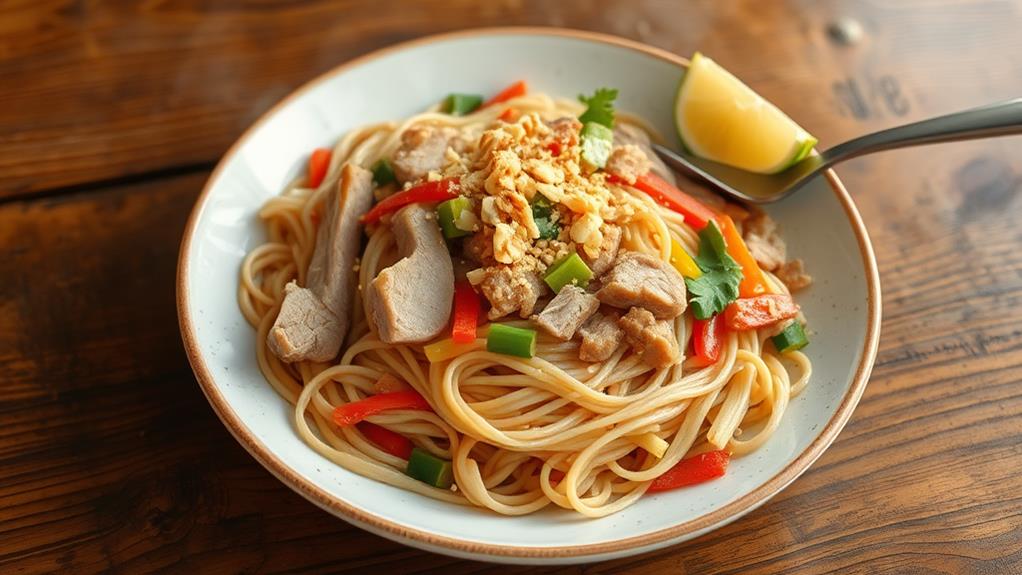
    Flavorful Pancit Bihon Options Nearby

    delicious pancit bihon choices

    Several authentic restaurants near you serve delicious Pancit Bihon.

    LSS Fast Food, located next to Makati Med, offers traditional Pancit Bihon made with flavorful broth and cooked using age-old techniques.

    Similarly, Chinese Style Noodle and Lumpia House in Banawe has been serving sweet-flavored Pancit Bihon with generous portions since 1960.

    Quezon City is home to popular Pancit Bihon spots.

    Bruno's is a go-to spot for Pancit Bihon lovers, combining soft noodles with a rich sauce and well-balanced flavors.

    Many local eateries also offer Pancit Bihon dishes loaded with fresh vegetables and proteins like chicken or shrimp, enhancing the savory taste and texture.

    These highly-recommended restaurants serve high-quality Pancit Bihon.

    They are praised for their authentic and high-quality Pancit Bihon, making them must-try spots for Filipino cuisine enthusiasts.

    Frequently Asked Questions

    What Is the Difference Between Pancit Bihon and Pancit Guisado?

    Pancit Bihon and Pancit Guisado differ in their ingredients and preparation.

    Pancit Bihon uses rice vermicelli noodles, which yields a lighter flavor profile. It's typically stir-fried with vegetables and proteins, making it a popular choice for celebrations. This dish is often garnished with green onions and lime.

    Pancit Guisado, on the other hand, uses thicker egg noodles, resulting in a richer flavor.

    This dish is often mixed with meats and seafood, creating a heartier main course. The thicker sauce in Pancit Guisado sets it apart from the lighter Pancit Bihon.

    What Is the Difference Between Pancit Canton and Bihon?

    Pancit Canton and Bihon are two distinct types of Filipino noodles. The primary difference lies in the type of noodles used.

    Pancit Canton features thicker wheat-based egg noodles, whereas Bihon is made with lighter rice vermicelli noodles. This difference in noodle type affects their flavor profiles: Pancit Canton has a richer flavor, while Bihon has a more straightforward taste.

    Ingredient choices also vary between the two.

    Pancit Canton often features a wider array of vegetables and proteins.

    What Food Goes Well With Pancit Bihon?

    Traditional pairings like lumpia provide a crunchy contrast to pancit bihon, while sautéed veggies add freshness.

    Protein options include grilled chicken, which complements the noodles well.

    Grain-based sides like garlic rice are also popular choices.

    Refreshing contrasts can be achieved with a simple cucumber salad.

    Toppings such as green onions or patis (fish sauce) can elevate the flavor combinations.

    What Is the Name of Pancit Bihon?

    Pancit Bihon is the name of a traditional Filipino noodle dish made from rice vermicelli.

    This regional specialty has a distinct flavor profile achieved through expert cooking techniques that blend savory and citrus notes.

    Pancit Bihon is a cultural symbol of long life and prosperity, which is why it's often served during significant life events, such as birthdays and weddings.

  • Best Tips for Cooking Pancit Canton at Home

    Best Tips for Cooking Pancit Canton at Home

    Select the Right Noodles: When cooking Filipino Pancit Canton at home, start by choosing semi-dry egg noodles, which provide the necessary chewiness.

    Prepare Colorful Vegetables: Blanch carrots, cabbage, and snow peas to add crunch and flavor to your Pancit Canton. These vegetables are ideal because they retain their texture and color even after cooking.

    Choose Protein Sources: Opt for protein sources like shrimp, chicken, or pork to add flavor and texture to your dish.

    Master the Cooking Technique: Sauté garlic and onions to create a flavorful base for your stir-fry.

    Then, cook noodles al dente to prevent them from becoming mushy.

    Finally, combine the noodles with the stir-fry to absorb all the flavors.

    Customize to Your Taste: Don't be afraid to experiment with different variations and alternative ingredients to make the dish your own.

    Perfect the Seasoning and Flavor Balance: Learn the secrets to balancing flavors to take your Pancit Canton to the next level.

    This involves adjusting the seasoning to achieve a harmonious blend of sweet, sour, and savory flavors.

    Understanding Pancit Canton Basics

    pancit canton essential guide

    Understanding the Noodles

    In Filipino, "pancit" translates to "noodles," and these wheat-flour egg noodles are the foundation of Pancit Canton.

    Unlike chow mein, Pancit Canton noodles are typically dried flour noodles that absorb flavors and moisture during cooking, resulting in a savory and satisfying texture.

    Cultural Significance

    Pancit Canton is more than just a tasty meal – it's a symbol of longevity and prosperity in Filipino culture, making it a staple at celebrations and family gatherings.

    Key Ingredients

    You'll often find a mix of colorful vegetables like carrots, cabbage, and snow peas adding flavor, nutrition, and visual appeal to the dish.

    Essential Ingredients and Nutrition

    Essential Ingredients

    Pancit Canton relies on specific ingredients to achieve its signature flavor and texture. Semi-dry egg noodles are a must, providing the perfect chewiness. These noodles can be found in the refrigerated section of Asian grocery stores.

    Common vegetables like carrots, cabbage, and celery add crunch and flavor, while incorporating leftover veggies can boost the dish's nutritional value.

    Protein Options

    For protein, you can choose from shrimp, chicken, or pork. shrimp adds a seafood flavor, while marinated chicken or pork can enhance the umami profile.

    Nutrition Facts

    Each serving of Pancit Canton contains approximately 490 calories, 65g of carbohydrates, and 16g of protein, making it a hearty meal option.

    Adding broccoli or snow peas, which are rich in vitamins A and C, can further enhance the dish's health benefits.

    Mastering Cooking Techniques and Timing

    culinary skills and precision

    Mastering cooking techniques and timing is crucial when preparing Pancit Canton. To achieve a harmonious balance of flavors and textures, it's essential to cook each ingredient correctly.

    Blanching vegetables is the first step. To do this, submerge snap peas and carrots in boiling water for 35-50 seconds. Then, immediately transfer them to ice water to retain their vibrant color and crispness.

    Next, sauté garlic and onions in a hot wok or skillet. Cook them until they become translucent, which usually takes around 3 minutes. This ensures even cooking when adding protein.

    Cooking Pancit Canton noodles requires attention to detail. Boil them in water according to package instructions until they're al dente, typically taking 5-7 minutes. Then, drain and shock them in cold water to stop the cooking process.

    When combining the noodles with the stir-fry, allow them to absorb the flavors. Mix them with the seasoned broth and sautéed ingredients for 3-5 minutes. This results in perfectly cooked stir-fried noodles that absorb flavors beautifully.

    Customizing With Alternative Ingredients

    Customizing Pancit Canton with Alternative Ingredients

    With a solid foundation in cooking techniques and timing, you can now experiment with alternative ingredients to make your Pancit Canton truly unique.

    Substituting Ingredients for a Unique Flavor Profile

    Customizing your Pancit Canton recipe can elevate the dish to new heights. Snow peas instead of snap peas add a crisp texture and sweet flavor.

    Chicken instead of pork provides a lighter protein option with reduced fat.

    Sliced long green beans or napa cabbage introduce a crunchy texture and fresh flavor.

    Enhancing Flavor with Additional Ingredients

    Oyster sauce (optional) adds a deeper umami profile to your Pancit Canton.

    You can also incorporate leftover vegetables like bell peppers, carrots, or broccoli to reduce waste and add variety to your dish.

    Creating a Unique Recipe

    Exploring Variations and Adaptations

    diversity in adaptation strategies

    Customize Your Pancit Canton Recipe

    You can easily customize your pancit canton recipe by substituting proteins like chicken or shrimp with alternatives. For instance, use shiitake mushrooms and tofu for a vegetarian twist, and vegetable broth to maintain flavor depth.

    Add Variety with Vegetables

    Incorporating a variety of vegetables improves texture and nutritional value. Try adding bell peppers, snow peas, and napa cabbage to your dish.

    Elevate the Flavor

    You can enhance the flavor by adding oyster sauce, although it's optional. Experiment with different types of soy sauce or fish sauce for a unique taste profile.

    Explore Variants

    The adaptability of Pancit Canton is reflected in variants like shrimp and chicken pancit canton or seafood versions with squid and crabmeat, making it suitable for various occasions, including Lent.

    Perfecting Seasoning and Flavor Balance

    Perfecting Seasoning and Flavor Balance in Pancit Canton

    Achieving the perfect balance of seasoning and flavor in Pancit Canton requires a delicate combination of savory and tangy notes. Combining soy sauce, oyster sauce, and a splash of calamansi or lime juice creates a harmonious blend of flavors.

    When adding this sauce mixture to your stir-fried ingredients, ensure each component is evenly coated without overpowering the dish's overall taste.

    To enhance the umami flavor profile, incorporate a small amount of sugar to create a more rounded taste that complements the savory elements.

    During cooking, taste and adjust the seasoning as needed, as the noodles will absorb liquids and flavors. This may require adjustments before serving.

    Don't be afraid to make tweaks to find the perfect balance.

    Enhancing With Condiments and Garnishes

    flavorful additions to dishes

    Elevate Your Pancit Canton with Condiments and Garnishes

    To take your Pancit Canton to the next level, incorporate a variety of condiments and garnishes that add depth, texture, and visual appeal.

    Add a Tangy Kick

    Drizzle toyo-mansi, a mixture of soy sauce and calamansi, over the noodles for a tangy flavor. This adds a salty and sour taste to balance the dish.

    Garnish for Freshness

    Top your Pancit Canton with freshly chopped green onions and a squeeze of lime or calamansi juice for a burst of freshness and brightness.

    Contrasting Flavors and Textures

    Serve your Pancit Canton with a side of pickled vegetables (atchara), which provides a delightful contrast to the savory noodles. This adds a tangy and crunchy element to the dish.

    Aromatic and Crunchy Texture

    Sprinkle toasted garlic or fried shallots on top of your Pancit Canton for an aromatic and crunchy texture.

    Add Heat for Extra Flavor

    Introduce an extra layer of spiciness with a sprinkle of chili flakes or sliced fresh chili peppers. This adds a bold and spicy flavor to the dish.

    Are the Cooking Tips for Pancit Bihon Applicable to Cooking Pancit Canton as Well?

    Curious if the best pancit bihon tips also work for cooking pancit canton? While both dishes share similarities, such as using rice noodles, the cooking methods and ingredients can vary. Experiment with your pancit canton recipe, but keep in mind the best pancit bihon tips may not always be applicable.

    Troubleshooting Common Cooking Issues

    Troubleshooting Common Cooking Issues

    To ensure your Pancit Canton turns out perfect every time, tackle common cooking issues head-on.

    Overcooking Prevention

    Blanch vegetables briefly to prevent overcooking. Remove them when they're still slightly crisp, as they'll continue to cook in the residual heat of the dish.

    Dry Noodles Solution

    If your noodles are too dry or clump together, add a splash of chicken broth or water during cooking to ensure they absorb moisture and remain tender.

    Balancing Flavors

    Gradually add sauces like soy sauce and oyster sauce, tasting as you go to avoid overpowering the dish. If your dish is too salty, add a bit of sugar or extra vegetables to balance the flavors effectively.

    Achieving Perfect Texture

    Cook noodles al dente before mixing them with the stir-fried ingredients, as they'll absorb additional moisture from the sauces.

    Frequently Asked Questions

    How to Cook Pancit Canton Properly?

    Mastering Key Techniques for Cooking Pancit Canton

    To cook pancit canton properly, blanching vegetables is essential to preserve their crunch. This involves briefly submerging vegetables like cabbage, carrots, and bean sprouts in boiling water, then immediately plunging them into an ice bath to stop the cooking process.

    Sautéing aromatics and proteins builds flavor. Start by sautéing garlic, onions, and your preferred protein (such as chicken, pork, or shrimp) in a little oil until they're lightly browned.

    Creating a savory broth is crucial. Combine chicken stock, soy sauce, and oyster sauce (if using) to create a rich and flavorful broth.

    Cook the noodles until they're tender, which typically takes around 3-5 minutes.

    Feel free to customize your pancit canton by making ingredient substitutions or adding your own serving suggestions. For example, you can top your dish with a sprinkle of green onions or a squeeze of fresh calamansi for added flavor and freshness.

    How to Enhance Pancit Canton?

    Enhancing Pancit Canton with Flavor Boosting Ingredients

    To elevate the flavor of your pancit canton, experiment with ingredients like oyster sauce and soy sauce, which add depth and umami flavor to the dish.

    You can also try substituting chicken with shrimp or Chinese sausage to introduce new textures and flavors.

    Customizing with Serving Suggestions

    Consider adding a squeeze of calamansi or lime juice to balance the savory flavors of the pancit canton.

    Garnish with chopped green onions or toasted garlic to add a pop of color and freshness to the dish.

    Why Is My Pancit Canton Soggy?

    Overcooking and excess liquid are common causes of soggy pancit canton.

    Overcooking the noodles can lead to a soggy texture. To avoid this, cook the noodles al dente, which means they should still have a bit of bite or chew to them.

    Using the right type of noodles is also crucial. Semi-dry or fresh egg noodles are better than dried noodles because they absorb less liquid and hold their texture better.

    Measuring ingredients beforehand can also help prevent sogginess. When you prep and measure your ingredients ahead of time, you can add them to the noodles at the right time, preventing the noodles from sitting in liquid for too long.

    What Are the Ingredients in Pancit Canton Seasoning?

    The ingredients in Pancit Canton seasoning typically include a blend of soy sauce, oyster sauce, fish sauce, and black pepper.

    These ingredients combine to create a rich, savory umami flavor.

    Soy sauce adds a salty, slightly sweet flavor, while oyster sauce contributes a savory, meaty taste.

    Fish sauce provides a salty, umami flavor, and black pepper adds a sharp, peppery note.

    You can experiment with pancit canton variations by adjusting the seasoning quantities to your taste.

    Additionally, including garlic powder and onion powder can add extra depth to the flavor.

  • 10 Delicious Filipino Pasta Variations to Satisfy Cravings

    10 Delicious Filipino Pasta Variations to Satisfy Cravings

    Experience the Flavors of the Philippines with These 10 Delicious Pasta Variations

    The Philippines offers a diverse range of pasta dishes that blend traditional flavors with international influences. Filipino pasta variations combine sweet, savory, creamy, spicy, and bold flavors to satisfy any craving.

    Sweet and Savory Options

    Filipino spaghetti dishes are known for their sweet and savory flavors. Jollibee-Inspired Sweet Spaghetti is a popular variation that combines sweet-style sauce with a classic spaghetti dish.

    Another option is Sweet-Style Filipino Spaghetti With Corned Beef, which adds a savory element to the sweet sauce.

    Rich and Creamy Options

    For those who prefer rich and creamy pasta dishes, Creamy Filipino Carbonara Delight is a must-try. This variation adds a Filipino twist to the classic carbonara recipe.

    Filipino Chicken Fettuccine Alfredo is another creamy option that combines chicken with a rich and flavorful Alfredo sauce.

    Spicy and Bold Variants

    For those who like a little heat, Spicy Filipino Spaghetti With Sausage is a great option. This variation adds a spicy kick to the classic spaghetti dish.

    Palabok-Style Filipino Noodle Dish is another bold option that combines a sweet and savory sauce with a variety of toppings.

    Filipino Spaghetti With Crab Fat Sauce is a unique variation that adds a rich and flavorful sauce to the classic spaghetti dish.

    These 10 Filipino pasta variations offer a range of flavors and options to satisfy any craving.

    Jollibee-Inspired Sweet Spaghetti

    jollibee sweet spaghetti recipe

    The Jollibee-Inspired Sweet Spaghetti is a beloved Filipino dish that brings people together. This sweet and savory spaghetti is a staple in many Filipino households due to its unique flavor profile.

    The sweetness from banana ketchup and savory meat sauce made with ground beef and sliced hot dogs create a flavor combination that's both familiar and indulgent.

    The dish is made rich and creamy with grated quick-melt cheese. This adds a richness that enhances the overall flavor, making it a comfort food that's hard to resist.

    The slow-cooked sauce is rich and hearty, with optional ingredients like diced ham or bell peppers adding texture and taste.

    This sweet Filipino spaghetti is a favorite at birthday parties and special occasions in the Philippines. It evokes nostalgia and brings people together, which is why it's a staple in many Filipino households.

    Creamy Filipino Carbonara Delight

    The Creamy Filipino Carbonara Delight: A Rich Twist on a Classic

    The Filipino version of carbonara stands out from the traditional Italian recipe due to its unique blend of flavors and textures.

    The Creamy Sauce

    The sauce in Filipino carbonara is enriched with evaporated milk or heavy cream, giving it a luxurious feel. This rich base is flavored with garlic and sometimes sautéed onions and mushrooms, complementing the sweetness of Filipino cuisine.

    A Harmonious Balance of Flavors and Textures

    Imagine tender spaghetti strands smothered in a rich, velvety sauce. The savory flavors of garlic, onions, and mushrooms mingle together, while the creaminess of evaporated milk or heavy cream balances out the dish.

    The crispy bacon or ham adds a satisfying crunch to each bite.

    A Distinctive Flavor Profile

    Unlike traditional carbonara, the Filipino version often incorporates processed cheese for creaminess and a distinctive flavor profile.

    This dish is a staple at family gatherings and celebrations, embodying the Filipino love for rich, flavorful meals that resonate with comfort and nostalgia.

    Spaghetti With Filipino-Style Meatballs

    filipino meatballs spaghetti dish

    Spaghetti with Filipino-Style Meatballs: A Unique Twist on a Classic Dish

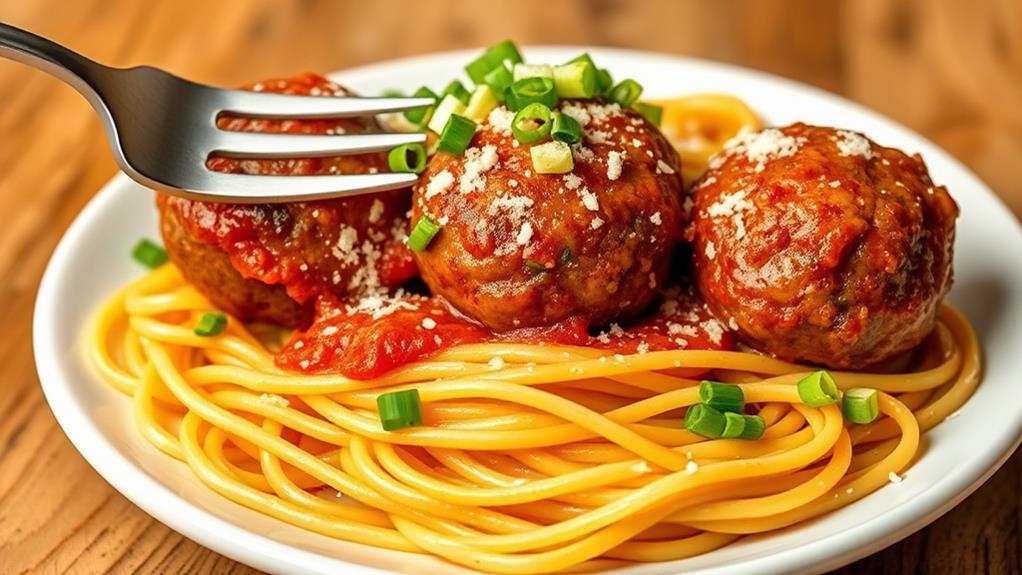
    Spaghetti with Filipino-style meatballs, also known as "albóndigas," is a beloved Filipino pasta variation. These meatballs are made from a blend of ground pork and beef, seasoned with garlic, onion, and local spices. The mixture is then shaped into small balls and fried or baked to add flavor.

    The meatballs are simmered in a sweet and savory tomato sauce infused with banana ketchup, which gives the dish its distinct Filipino flavor. When served over spaghetti noodles, the meatballs absorb the sauce, creating a hearty and satisfying meal perfect for families and celebrations.

    To add richness and depth to the dish, sprinkle shredded cheese, such as quick-melt or grated processed cheese. This popular Filipino adaptation is often served at children's parties and gatherings, showcasing the unique blend of Filipino culinary traditions and comfort food.

    Sweet-Style Filipino Spaghetti With Corned Beef

    Sweet-Style Filipino Spaghetti with Corned Beef: A Twist on Traditional Spaghetti

    This dish is a unique variation of traditional spaghetti, balancing sweet and savory flavors in a rich and innovative sauce.

    The sauce is made from a combination of banana ketchup and tomato sauce, creating a sweet and tangy flavor profile.

    Sautéed garlic and onions add a savory aroma, while ground corned beef provides a meaty depth to the dish.

    The addition of sliced hot dogs adds a pop of color and a salty flavor, cutting through the sweetness of the sauce.

    The velvety texture of the sauce coats every strand of spaghetti, infused with the deep flavor of simmered corned beef.

    A generous sprinkle of grated cheese adds a creamy element to the dish, completing this comforting meal.

    This Sweet-Style Filipino Spaghetti with Corned Beef is a testament to the creativity and resourcefulness of Filipino cuisine, offering a delicious twist on traditional spaghetti.

    Filipino-Style Spaghetti Bolognese

    filipino spaghetti with meat

    Filipino-Style Spaghetti Bolognese: A Twist on the Classic

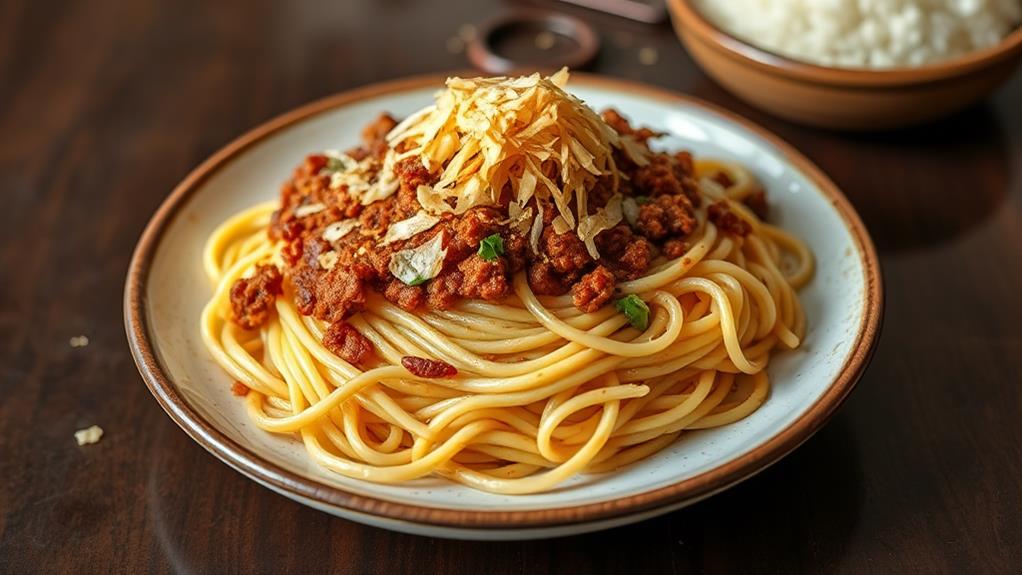
    This dish is a unique variation of the traditional Italian spaghetti Bolognese, originating from the Philippines. It combines ground meat with tomato sauce and banana ketchup, resulting in a sweet and savory flavor profile.

    Ingredients Description
    Ground beef Rich source of protein
    Tomato sauce Tangy and slightly sweet
    Banana ketchup Sweet and fruity twist
    Spaghetti noodles Long, thin, and perfect for twirling
    Grated cheese Melts beautifully, adding richness

    The Flavor Profile

    When you take a bite, the sweetness of the banana ketchup harmonizes with the savory flavor of the ground meat, while the spaghetti noodles provide a satisfying texture. Adding sliced hot dogs or Longganisa adds an extra layer of flavor and nostalgia, making this dish a staple comfort food in the Philippines.

    Why You Should Try It

    With its rich taste and appealing presentation, Filipino-Style Spaghetti Bolognese is a must-try recipe for anyone looking to spice up their pasta game.

    Pancit Bihon With Vegetarian Twist

    Pancit Bihon With Vegetarian Twist is a popular Filipino dish that has been adapted to cater to the growing demand for plant-based options.

    This stir-fry dish is highly versatile and can be customized with a variety of colorful vegetables, including crunchy carrots and cabbage for added texture, vibrant bell peppers for a burst of juicy sweetness, and fresh green onions for a pop of color and flavor.

    The savory sauce, made with soy sauce, garlic, and onion, can be adjusted to suit individual taste preferences.

    To add protein, tofu or tempeh can be included, making it a satisfying meal for vegetarians.

    This dish is ideal for special occasions and its adaptability to different dietary preferences makes it a crowd-pleaser.

    Spicy Filipino Spaghetti With Sausage

    savory filipino sausage spaghetti

    Spicy Filipino Spaghetti With Sausage: A Bold Twist on a Classic

    This variation of traditional Filipino spaghetti stands out with its perfect balance of heat and richness, igniting taste buds with a unique flavor profile.

    The combination of ground beef and sliced spicy sausage creates a bold, meaty flavor. The sauce, a masterful blend of banana ketchup, tomato sauce, and chili flakes or fresh chilies, skillfully balances sweetness with a spicy kick.

    Enhancing the Flavor Profile

    Cooking the sausage until browned before mixing it with sautéed onions and garlic enhances the flavor profile of the dish.

    This step brings out the savory flavors of the sausage and aromatics.

    Elevating the Dish

    Topping the spaghetti with quick-melting cheese adds creaminess and helps to mellow the spice.

    This addition balances the heat and richness, making the dish more appealing to a wider range of palates.

    A Crowd-Pleasing Dish

    Spicy Filipino Spaghetti With Sausage is a crowd-pleaser, often served at gatherings and family meals.

    This dish caters to those who enjoy a spicy twist on classic Filipino spaghetti, satisfying cravings with its bold flavors and perfect balance of heat and richness.

    Filipino Chicken Fettuccine Alfredo

    Filipino Chicken Fettuccine Alfredo: A Rich and Creamy Twist

    Filipino Chicken Fettuccine Alfredo offers a rich, creamy, and indulgent alternative to spicy dishes. This dish features tender chicken breast pieces sautéed in a sauce made from butter, cream, and Parmesan cheese, enhancing its flavor.
    A Unique Flavor Profile

    The fettuccine is coated with a savory sauce infused with garlic and onions, giving it a distinct twist from traditional Italian Alfredo. Additionally, a hint of sweetened condensed milk is added, reflecting Filipino culinary preferences, which balances out the dish with a touch of sweetness.

    A Well-Rounded Meal

    Filipino Chicken Fettuccine Alfredo is typically served with a side of garlic bread, perfect for dipping into the remaining sauce. This creamy pasta dish appeals to both children and adults, making it a popular choice for celebrations and festive meals.

    Palabok-Style Filipino Noodle Dish

    filipino palabok noodle dish

    Palabok-Style Filipino Noodle Dish: A Traditional Comfort Food

    Palabok-Style Filipino Noodle Dish is a vibrant and flavorful comfort food that has captured the hearts of many.

    It is made with rice noodles and topped with a rich and savory sauce, typically made from shrimp broth, garlic, and fish sauce. This combination of ingredients creates a depth of flavor that's hard to resist.

    The sauce is what sets Palabok apart, as it gets its vibrant orange color from the use of achuete (annatto seeds).

    To add texture and visual appeal, Palabok is often garnished with a variety of toppings, including hard-boiled eggs, crispy pork skin, green onions, and sometimes a sprinkle of smoked paprika.

    While traditionally made with shrimp, Palabok can also be made with chicken or pork, allowing for diverse interpretations of this beloved comfort food.

    This versatility makes Palabok a dish that can be enjoyed by many.

    What Makes Filipino Pasta Dishes So Satisfying?

    Filipino pasta dishes are a delightful fusion of flavors that make them a musttry for any foodie. The combination of local ingredients like coconut milk, shrimp, and calamansi creates a unique and satisfying taste. From creamy baked macaroni to spicy pancit palabok, these musttry filipino pasta dishes are sure to please any palate.

    Filipino Spaghetti With Crab Fat Sauce

    Filipino Spaghetti with Crab Fat Sauce is a rich and indulgent dish that combines seafood flavors with traditional pasta.

    This Filipino twist on spaghetti features a creamy sauce made from crab fat, garlic, onions, and tomato sauce, which creates a savory and umami flavor profile. The crab fat gives the sauce a unique seafood flavor that sets it apart from traditional spaghetti dishes.
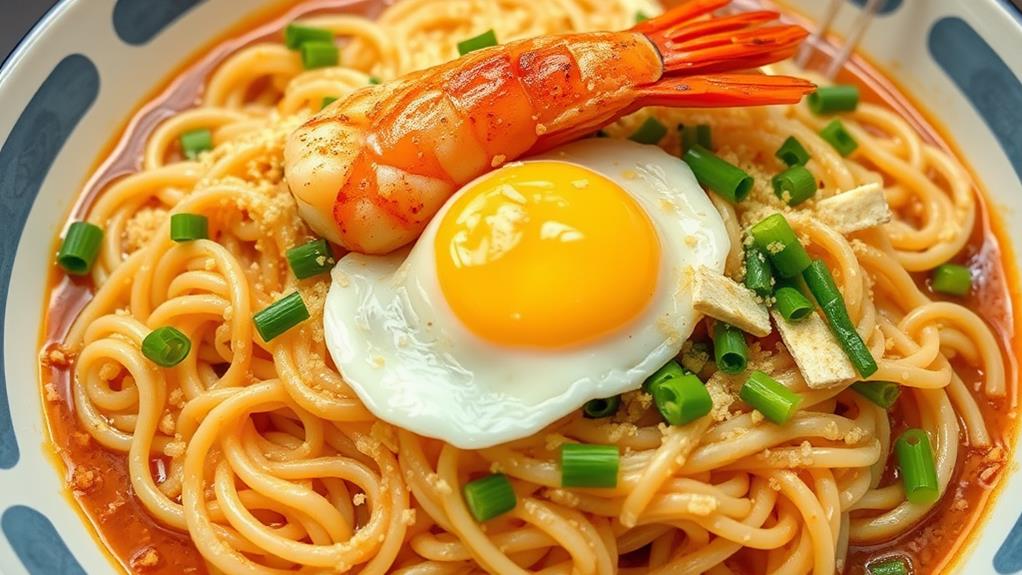
    The dish typically includes a medley of seafood flavors, such as shrimp or other seafood, which add depth to the sauce.

    To soak up the rich sauce, a side of garlic bread is often served. A refreshing contrast can be added with a side salad or a sprinkle of grated cheese.

    Filipino Spaghetti with Crab Fat Sauce is perfect for special occasions and family gatherings due to its indulgent flavors and satisfying portions.

    Frequently Asked Questions

    Can Filipino Pasta Variations Be Made With Gluten-Free Noodles?

    Yes, Filipino pasta variations can be made with gluten-free noodles, but some adjustments are necessary.

    To start, choose gluten-free noodle options like rice-based or quinoa noodles as alternatives to traditional pasta.

    Focus on flavor enhancements such as spices, herbs, and acidities to maintain the flavor profile of your dish. For example, add a pinch of ground cumin or coriander to give your pasta a distinct Filipino flavor.

    Adjust cooking techniques to prevent overcooking, which can make gluten-free noodles unappetizing. Cook noodles al dente and drain them immediately to prevent sogginess.

    Consider ingredient swaps to accommodate gluten-free diets. For instance, use coconut milk instead of heavy cream to add richness and creaminess to your pasta sauce.

    Are Filipino Pasta Dishes Typically Served as Main Courses?

    Filipino pasta dishes aren't always served as main courses. While some can hold their own as a main course, others are better suited as a side.

    The serving style depends on the occasion and regional culinary traditions. For instance, pesto-based pasta dishes can be served as a main course due to their bold flavor profile.

    On the other hand, milder flavor profiles might be more suitable as a side dish.

    Understanding the nuances of regional variations and flavor profiles is key to determining whether a Filipino pasta dish is served as a main course or a side.

    Can I Substitute Filipino Spices With Italian Seasonings?

    Filipino spices and Italian seasonings aren't interchangeable. These two cuisines have distinct flavor profiles, and substituting one for the other can disrupt the delicate balance of spices that define regional seasoning differences.

    Filipino cuisine, for example, often combines sweet, sour, and salty flavors, with a focus on ingredients like patis (fish sauce), suka (vinegar), and bagoong (fermented fish paste).

    Italian seasonings, on the other hand, typically feature herbs like basil, oregano, and thyme, which are commonly used to add depth and warmth to dishes.
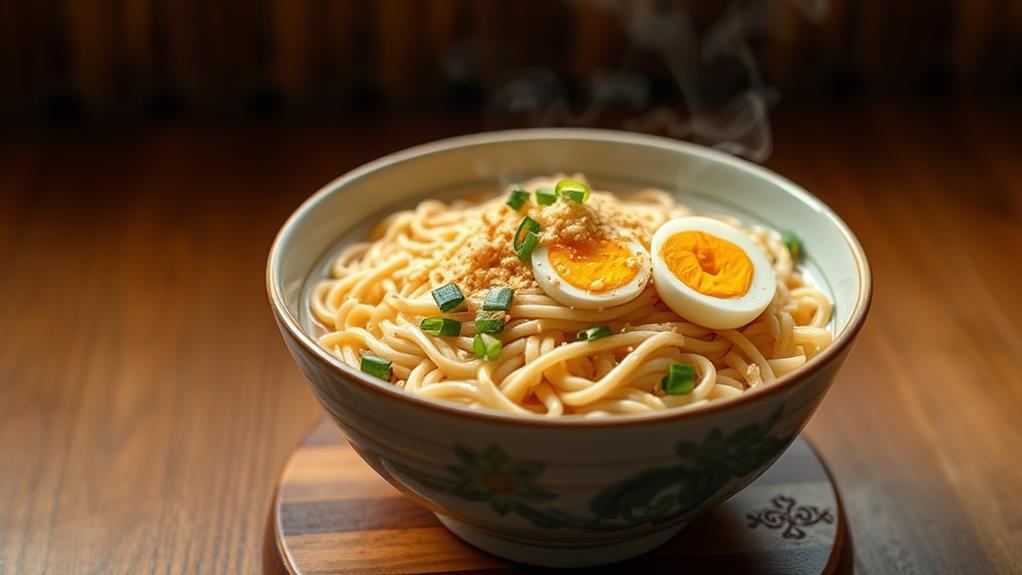
    Experimentation is key to creating a harmonious blend. If you want to combine elements of both cuisines, start by understanding the nuances of each and then thoughtfully experiment with different spice combinations.

    This approach will help you create a unique flavor profile that respects both traditions.

    Are Filipino Pasta Variations Commonly Served at Casual Gatherings?

    Filipino pasta variations are commonly served at casual gatherings.

    These gatherings can include family reunions, potlucks, or pasta parties. At these events, Filipino pasta dishes offer a unique twist on traditional flavors, making them an instant hit.
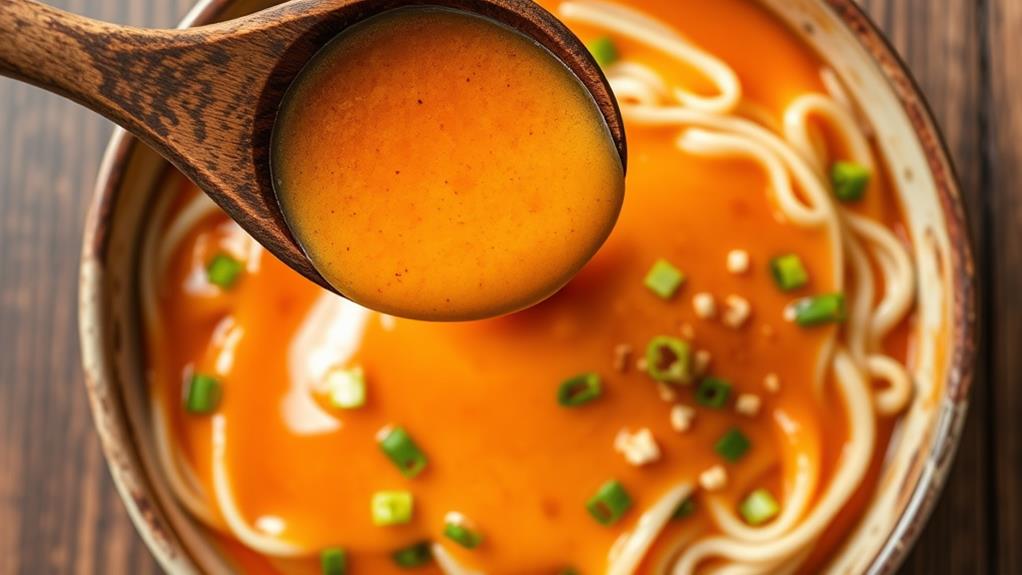
    For instance, Spaghetti with Filipino-style meat sauce or Pesto pasta with grilled chicken and mango are popular choices.
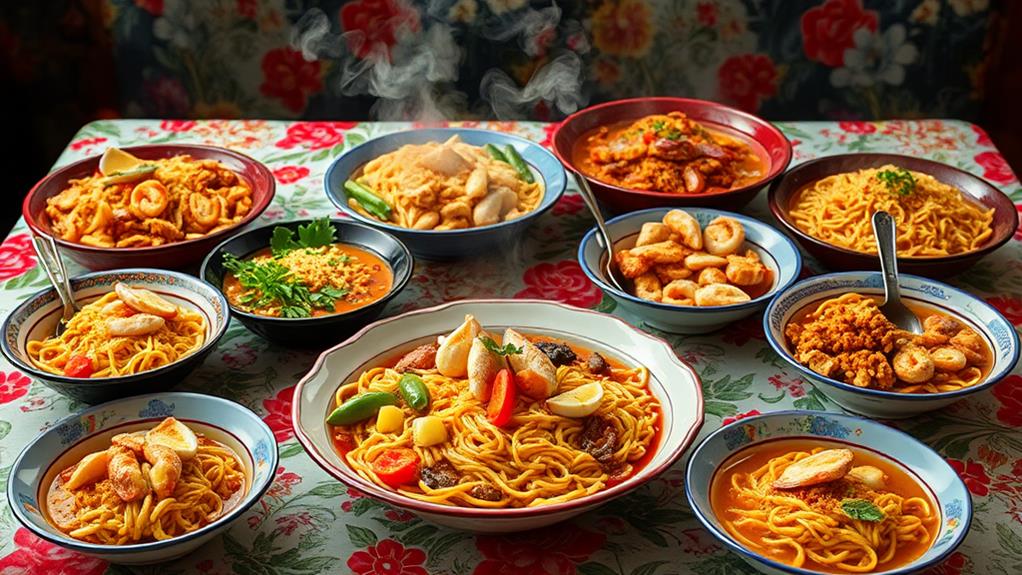
    While they may not be present at every casual gathering, they're always a crowd-pleaser when they do appear.
    Can I Freeze Cooked Filipino Pasta for Later Consumption?

    Yes, you can freeze cooked Filipino pasta for later consumption. However, it's crucial to follow the right techniques to preserve flavor and texture.

    Cooling the pasta is essential to prevent moisture buildup. After cooking, let the pasta cool to room temperature before freezing.

    Proper storage is vital. Portion the cooled pasta into airtight containers, making sure to remove excess air before sealing. This prevents freezer burn and maintains freshness.

    Reheating correctly is key. When reheating, use gentle heat to prevent mushiness. This ensures the pasta retains its texture and flavor.

    Freezing affects pasta texture, so it's essential to reheat correctly. By following these techniques, you can enjoy your Filipino pasta dishes while preserving their flavor.

  • 3 Filipino Lomi Variations You Need to Taste

    3 Filipino Lomi Variations You Need to Taste

    Three Filipino Lomi Variations Showcase Regional Flavor Identities

    Filipino lomi, a popular noodle dish, boasts diverse regional variations that reflect the country's distinct flavor profiles.

    Batangas' version is characterized by a rich, meaty broth with minimal vegetables, showcasing the region's love for hearty flavors.

    Cebu's variation adds a sweet and savory twist with shrimp and squid balls, highlighting the city's seafood-rich cuisine.

    Bicol's spicy and creamy version incorporates chili peppers and coconut milk, demonstrating the region's bold and aromatic flavors.

    Each variation presents a unique umami flavor profile, texture contrast, and protein selection, making them stand out from one another.

    These differences in flavor and ingredients reflect the distinct cultural and culinary influences of each region, making Filipino lomi a fascinating dish to explore.

    Exploring Lomi's Flavor Profiles

    lomi s unique flavor exploration

    Regional Variations of Lomi

    Lomi's flavor profiles vary across regions, yielding distinct and exciting results. The Batangas version is known for its thick, meaty broth and minimal vegetable inclusion, which highlights the richness of the meats used.

    Umami Flavor Profile

    The use of fish sauce and soy sauce in lomi contributes to its savory umami flavor, enhancing the overall taste of the dish.

    Protein Variations

    Different variations of lomi incorporate unique proteins such as squid balls, shrimp, or kikiam, allowing for a diverse range of flavors and textures.

    Toppings and Seasonal Vegetables

    Toppings like crispy pork belly and hard-boiled eggs not only add richness but also elevate the dish's flavor profile with contrasting textures.

    Seasonal vegetables, when added, can introduce freshness and a slight crunch, balancing the hearty and thick nature of the lomi soup.

    Culinary Heritage

    In Filipino cuisine, lomi's flavor profiles are a testament to the country's rich culinary heritage.

    As you explore the world of lomi, you'll discover a complex interplay of flavors that will leave you craving for more.

    Regional Twists and Innovations

    Regional Twists and Innovations

    The Philippines' diverse regions have created their own unique variations of lomi, showcasing the country's rich culinary heritage.

    Batangas Lomi: This version is known for its thick, hearty broth and generous use of meats like pork belly and liver, with minimal vegetables.

    Cebu's Twist: Cebu's lomi is served with a sweeter sauce and often features shrimp and squid balls, reflecting the region's preference for a richer flavor profile.

    Bicol's Spice: Bicol's variation adds a creamy texture and heat with spicy ingredients like chili peppers and coconut milk.

    Ilocos and Mindanao's Flair: Ilocos incorporates local flavors like bagnet and longganisa, while Mindanao's version often includes an array of seafood, reflecting the region's coastal influence.

    These regional twists and innovations are a testament to the Philippines' rich culinary heritage, highlighting the diversity and complexity of lomi, a dish deeply rooted in the country's cultural identity.

    What are the Different Variations of Filipino Lomi that I Can Make at Home?

    When looking to create the perfect filipino lomi recipe at home, you have a variety of options to choose from. Some popular variations include adding toppings like sliced chashu, hard-boiled eggs, or even crispy fried garlic. Experiment with different meat options such as chicken, pork, or seafood to find your favorite combination.

    Creative Variations to Try

    explore unique artistic approaches

    Explore Creative Variations of Lomi

    As you delve into the diverse regional twists of lomi, you may find yourself inspired to experiment with new flavors and ingredients, creating your own unique variations.

    Variations to Try

    Variation Description
    Seafood Lomi Swap traditional meats for a medley of seafood, creating a lighter, ocean-inspired version of the dish.
    Vegetarian Lomi Replace meat with an assortment of vegetables and use vegetable broth, making it a hearty and satisfying option for plant-based diets.
    Spicy Lomi Add chili peppers or a dash of chili oil to the broth for a spicy kick, enhancing the dish's flavor profile.

    Additional Ideas to Elevate Your Lomi

    Incorporate Korean flavors by adding kimchi and gochujang into the soup for a bold, spicy twist. Add crunchy textures by incorporating crispy fried onions or garlic along with chicharrón. These creative variations will take your lomi game to the next level, offering a range of flavors and textures to suit every palate.

    Frequently Asked Questions

    What to Pair With Lomi?

    Choosing the Right Pairings for Lomi

    When pairing with lomi, opt for condiments that complement its rich flavor profile. Traditional options like calamansi or patis add a bright, savory note.

    For example, calamansi's citrus flavor cuts through the richness of lomi, while patis enhances its umami taste.

    Select Side Dishes with Contrasting Textures

    Pair lomi with side dishes that offer satisfying texture contrasts. Crispy lechon kawali or crunchy lumpiang shanghai are excellent choices, as they provide a nice contrast to the soft noodles.

    Add Toppings for Extra Flavor and Nutrition

    Hard-boiled eggs are a great topping for lomi, providing added protein and creaminess.

    Other toppings like vegetables or meat can also enhance the flavor and nutritional value of the dish.

    Serve with Steamed Rice for a Filling Meal

    Lomi is best served with steamed rice to make it a filling meal. This classic combination is a staple in many Filipino households.

    Explore Regional Variations for Unique Twists

    Don't be afraid to try regional variations of lomi to experience unique twists on the classic dish.

    Each region in the Philippines offers its own spin on lomi, making it a fun and exciting culinary adventure.

    Are Miki and Lomi the Same?

    Miki and lomi aren't the same. While they're related, lomi refers to the entire noodle soup dish, which includes a variety of ingredients and flavors.

    On the other hand, miki specifically describes the thick egg noodles used in the lomi dish.

    Lomi has a rich history and varied regional ingredients, which set it apart from other noodle soups.

    Its popularity stems from its hearty and comforting goodness, which is rooted in its cultural significance and traditions.

    When you savor lomi, you're experiencing a culinary tradition that goes beyond just the noodles.

    What Is a Substitute for Lomi Noodles?

    Fresh egg noodles or thick wheat noodles are great substitutes for lomi noodles due to their similar texture.

    These alternatives provide a comparable chewy bite, making them ideal for dishes that traditionally use lomi noodles.

    Miki noodles are another popular substitute, commonly found in Asian grocery stores.

    They offer a similar texture and flavor profile to lomi noodles, making them a suitable replacement.

    For those with dietary restrictions, rice noodles are a good gluten-free option.

    However, it's essential to cook them carefully to avoid mushiness.

    If you're looking for a low-carb alternative, vegetable noodles, such as zucchini noodles, can be a healthy and tasty substitute.

    Additionally, soba, udon, or shirataki noodles can provide a unique twist on traditional lomi noodle dishes.

    Remember to experiment with these substitutes to find the one that works best for your recipe.

    What Is the Difference Between Lomi and Batangas?

    What distinguishes Lomi from Batangas Lomi?

    Lomi's origins are more general, with varying ingredients and preparation methods across regions.

    In contrast, Batangas Lomi is characterized by a meatier profile, thicker broth, and unique textures from cassava flour or cornstarch. Its cooking methods prioritize protein flavors, setting it apart from other Lomi variations.

    How does Batangas Lomi stand out?

    While Lomi toppings and traditions differ by region,

    Batangas Lomi is the most celebrated variation, renowned for its rich flavors and hearty ingredients. This has made it a staple in specialized lomi houses.

  • What Ingredients Define Popular Types of Pancit?

    What Ingredients Define Popular Types of Pancit?

    Specific ingredients define popular types of pancit.

    Pancit Bihon, Pancit Canton, and Pancit Lomi are distinct due to their unique combinations of noodles, proteins, and vegetables.

    Pancit Bihon features thin rice noodles, whereas Pancit Canton uses egg noodles.

    Pancit Lomi combines thick egg noodles with a blend of Filipino and Chinese influences.

    These varying ingredients contribute to their unique flavor profiles and textures.

    Defining Pancit Canton Varieties

    pancit canton varieties explained

    Pancit Canton varieties are distinguished by their unique flavor profiles, which result from varying combinations of ingredients.

    Pancit Canton is defined by its use of egg noodles, which provide a chewier texture compared to rice noodles used in other pancit varieties. The dish typically features a savory flavor profile, achieved through the combination of soy sauce and oyster sauce, which creates a rich and umami taste.

    Proteins commonly used in Pancit Canton include chicken, pork, and shrimp, which are often paired with an assortment of vegetables such as snap peas, cabbage, and carrots.

    To add a burst of freshness, green onions and calamansi are used as garnishes, providing a citrusy contrast to the dish's savory flavors.

    Subtle variations in ingredients and flavor profiles set each Pancit Canton variety apart. By recognizing these differences, you can gain a deeper appreciation for the nuances that define each dish, making you a more discerning pancit connoisseur.

    Seafood-Based Pancit Options

    Seafood-based Pancit Options

    Exploring Seafood-Centric Flavor Profiles

    Some Pancit Canton varieties stand out for their seafood-centric flavor profiles, showcasing the versatility of Pancit and its ability to incorporate a wide range of ingredients.

    Pancit Types and Their Seafood Features

    Pancit Type Noodles Seafood Features
    Pancit Malabon Thick rice-flour Shrimp juice-based sauce, shrimp, mussels, squid
    Pancit Bihon Thin rice noodles Shrimp, assorted vegetables, soy sauce
    Pancit Habhab Thin rice noodles Seafood, pork, vegetables, served on banana leaves
    Pancit Palabok Thin rice noodles Rich shrimp-infused orange sauce, shrimp, fish flakes
    Pancit Canton Thin rice noodles Can include seafood like shrimp, vegetables, and soy sauce

    Unique Twists on Traditional Filipino Cuisine

    These seafood-based Pancit options offer a unique twist on traditional Filipino cuisine. Pancit Palabok's vibrant orange sauce and shrimp garnish make it a festive dish, while Pancit Malabon's thick noodles and seafood-packed sauce make it a satisfying meal.

    Regional Pancit Specialties

    diverse filipino noodle dishes

    Regional Pancit Specialties

    Each province and city in the Philippines puts its unique spin on pancit noodles.

    In Bato, Camarines Sur, Pancit Bato stands out with its thick, sundried noodles and smoky flavors, often topped with shrimp, carrots, and bok choy in a savory vegetable broth.

    Tuguegarao City's pancit variation is distinct. Pancit Batil Patong combines egg noodles with ground beef, chopped pork liver, and vegetables, served with a savory sauce.

    Lucban, Quezon, has its own traditional pancit. Pancit Habhab features miki noodles, pork belly, and liver, along with sayote and carrots, flavored with a soy sauce-based seasoning.

    Malabon's pancit is notable for its noodles. Pancit Malabon incorporates thick rice-flour noodles in a shrimp juice-based sauce.

    Iloilo's pancit boasts a unique flavor profile. Pancit Chami features thick egg noodles stir-fried with a savory sauce, usually including a mix of meat, seafood, and vegetables.

    Each region's unique twist is a testament to the versatility and richness of Filipino cuisine.

    Comfort and Healing Pancit Dishes

    Comfort and Healing Pancit Dishes

    Beyond regional specialties, pancit dishes serve as comforting solace, providing warmth and nourishment during life's challenging moments. Pancit Langlang and Pancit Lomi are two comforting pancit dishes that hit the spot.

    Dish Noodles Toppings
    Pancit Langlang Miki Onions, chicharron, shredded adobo meat
    Pancit Lomi Thick egg Chicken, kikiam, meatballs, ham, hard-boiled eggs

    These comfort food variations of pancit emphasize the importance of flavorful broths and satisfying textures. The combination of hearty toppings like chicharron and meats, along with flavorful broths, provides warmth and nourishment. Nostalgia and warmth are key components of these comfort food variations.

    These comfort food pancit dishes are often enjoyed during family gatherings, where their soothing qualities bring people together. The comforting nature of these dishes is attributed to their ability to evoke feelings of nostalgia and warmth.

    Cultural Significance of Pancit

    pancit s cultural importance explored

    Pancit: A Symbol of Long Life and Good Fortune

    In Filipino cultural traditions, pancit is served at birthday celebrations to symbolize long life and good fortune. This is because the term "pancit" itself is derived from Hokkien words for "wonton" and "convenient food," revealing the cultural exchange between Chinese merchants and Filipino locals.

    Pancit's Evolution into a Quintessential Filipino Recipe

    Pancit has evolved into a blend of Chinese influences and local flavors and ingredients, making it a staple in Filipino cuisine. This fusion represents comfort, community, and social connection. As a result, pancit is commonly featured at family gatherings, festivals, and religious events, bringing people together and strengthening social bonds.

    Regional Variations of Pancit Showcase Filipino Culinary Heritage

    The diverse regional variations of pancit demonstrate the rich culinary heritage of the Philippines. Each region offers unique interpretations that reflect local tastes and traditions.

    For example, Pancit Lugaw from the Visayas region adds a flavorful twist with its use of annatto seeds and grilled pork.

    Similarly, Pancit Molo from the Iloilo region features a rich broth made with pork and chicken stock.

    Pancit's Role in Filipino Culture

    In Filipino culture, food plays a vital part in fostering social connections and celebrating life's milestones.

    Pancit's cultural significance is evident in its presence at various celebrations and gatherings, where it brings people together and strengthens social bonds.

    By serving pancit, Filipinos demonstrate their appreciation for community, comfort, and good fortune.

    Unique Presentation and Serving Styles

    Presentation and serving styles of pancit elevate the dining experience. Each type of pancit has its own unique presentation, which adds to the overall appeal of the dish.

    Pancit Habhab is traditionally served on banana leaves, allowing diners to eat with their hands, enhancing the communal experience of the meal.

    Pancit Palabok features a vibrant presentation with its rich orange shrimp-infused sauce poured over thin, translucent rice noodles, garnished with hard-boiled eggs, scallions, and crispy chicharrón for added texture.

    Other types of pancit, like Pancit Bato, offer a smokier flavor due to the use of sundried noodles, often topped with colorful vegetables and shrimp, making it visually appealing and flavorful.

    Each type of pancit has its own unique presentation, making the experience of eating it even more enjoyable.

    Pancit Chami and Its Rich Flavor

    delicious pancit chami delight

    Pancit Chami: A Flavorful Twist on Traditional Pancit

    Pancit Chami, originating from Iloilo City, stands out from other types of pancit due to its unique characteristics.

    It is known for its thick egg noodles stir-fried in a savory sauce, which combines soy sauce, oyster sauce, and garlic. This distinct flavor profile is enhanced by the addition of various meats, such as chicken, pork, and shrimp, as well as vegetables like carrots and bell peppers.

    The dish is garnished with green onions and sometimes topped with a fried egg, adding visual appeal and an extra layer of flavor. The balance of umami from the sauces and the freshness of the vegetables creates a rich flavor profile that has made Pancit Chami a beloved choice in local eateries.

    This dish is often served during special occasions and gatherings, showcasing its significance in Filipino culinary traditions. With its rich flavor and appealing presentation, Pancit Chami is a must-try for anyone looking to experience the diversity of pancit.

    Pancit as a Culinary Expression

    Pancit as a Culinary Expression

    Pancit is more than just a beloved Filipino dish; it's a rich tapestry of culinary expression that showcases the country's cultural diversity and adaptability.

    The various types of pancit, such as Pancit Bihon and Pancit Canton, incorporate local ingredients and cooking techniques, reflecting the diverse culinary heritage of the Philippines. Each type utilizes distinct noodles and flavor profiles that highlight the cultural significance of the dish in Filipino celebrations and gatherings.

    Pancit can be thought of as a canvas for culinary expression, allowing cooks to adapt recipes with different meats, vegetables, and sauces based on personal or regional preferences.

    For example, Pancit Lomi, a fusion of Filipino and Chinese culinary traditions, illustrates the adaptation of noodles introduced by Chinese merchants to local tastes and ingredients.

    This traditional Filipino dish reflects community identity and tradition, often passed down through generations, symbolizing not only nourishment but also connection to cultural roots and family history.

    What are the key ingredients for popular types of Pancit?

    Pancit is a popular Filipino noodle dish that comes in various types. The key ingredients for popular types of pancit include rice noodles, soy sauce, vegetables like carrots and cabbage, and protein such as chicken, pork, or shrimp. Each type of pancit offers a unique flavor and texture. Types of pancit explained.

    Exploring Pancit's Nutritional Value

    pancit s nutritional benefits explored

    Measuring Pancit's Nutritional Value

    Pancit's nutritional profile can fluctuate greatly due to its varied ingredients. A typical serving of Pancit Bihon provides approximately 605 calories, with 73.5 grams of carbohydrates, 22.8 grams of protein, and 23.6 grams of fat, making it a substantial meal option.

    The Role of Vegetables in Pancit's Nutritional Value

    The inclusion of vegetables in pancit recipes adds dietary fiber. A typical serving provides around 4.4 grams of fiber, supporting digestive health.

    Vegetables like cabbage, carrots, and green beans not only add flavor but also contribute to the dish's nutritional value.

    Customizing Pancit's Nutritional Value

    You can enhance the nutritional value of pancit by adding ingredients like chicharrón (crispy pork skin), which boosts protein and fat content.

    On the other hand, opting for low-sodium soy sauce can help manage sodium intake, as traditional recipes can contain around 494 mg of sodium per serving.

    The type of rice used, such as glutinous or sticky rice, also influences pancit's nutritional value.

    Frequently Asked Questions

    What Is the Most Popular Type of Pancit?

    Pancit Canton is the most popular type of pancit in Filipino cuisine. This dish has a rich history, and its egg noodles, vegetables, and savory sauces evoke memories of family gatherings and celebrations.

    Different types of pancit, such as Bihon, Malabon, and Sotanghon, each have their unique story to tell, contributing to the cultural significance of pancit in Filipino culture.

    However, Pancit Canton remains the favorite, a staple in many households, and a testament to the enduring appeal of this iconic dish.

    What Is the Description of Pancit?

    Pancit is a traditional Filipino dish that combines noodles, meat, and vegetables in a harmonious blend of flavors and textures.

    This dish is more than just a stir-fry; it involves a variety of cooking techniques and regional variations. For instance, some recipes use steaming or boiling to cook the noodles, while others employ stir-frying or sautéing to combine the ingredients.

    Pancit is a nutrient-rich food that provides a balance of carbohydrates, protein, and fiber. The noodles, typically made from rice flour or wheat flour, serve as a good source of carbohydrates. The meat, which can be chicken, pork, beef, or seafood, provides protein.

    Vegetables like cabbage, carrots, and bean sprouts add fiber and essential vitamins.

    Pancit has significant cultural importance in Filipino cuisine and is often served on special occasions. It's a staple dish at birthday celebrations, fiestas, and other gatherings, where it's shared with family and friends.

    Pancit isn't just a meal, but an experience that brings people together and nourishes both body and soul.

    Why Is Pancit Popular?

    Pancit's cultural significance is the reason it has become an integral part of Filipino celebrations.

    It symbolizes long life and prosperity, which is why it's often served during special occasions.

    The dish has regional variations that reflect the country's diverse flavors, making it a staple at birthdays, anniversaries, and casual gatherings.

    This adaptability has allowed pancit to bring people together, honoring traditions and solidifying its popularity across generations.

    What Are the Most Popular Noodles in the Philippines?

    The Philippines is home to a diverse range of noodle varieties, each with its unique flavor profile and texture.

    In the Philippines, Bihon, thin rice noodles, and Lomi, thick egg noodles, are two popular examples of regional specialties.

    Different noodle preparation techniques, such as stir-frying or souping, bring out the best in these noodles.

    Regional noodle dishes can be found across the country, including Luzon, Visayas, and Mindanao.

    Each region boasts its own specialty, showcasing the diversity of Filipino noodles.

  • What Makes Palabok Noodles a Filipino Favorite?

    What Makes Palabok Noodles a Filipino Favorite?

    Palabok noodles are a staple in Filipino cuisine, combining the convenience of Chinese noodles with the rich flavors of Spanish and Filipino cuisines. This beloved dish is a culinary tradition deeply rooted in Filipino culture, often served at family gatherings and celebrations.

    The vibrant yellow-orange color of Palabok noodles comes from annatto, adding to its visual appeal. The bihon noodles' ability to absorb the savory sauce makes each bite a delight. This adaptability to regional tastes contributes to its widespread popularity.

    Palabok noodles have a rich history, with influences from Chinese, Spanish, and Filipino cuisines. This cultural significance is evident in its pervasiveness at family gatherings and celebrations, bringing people together through a shared love of food.

    Palabok Noodles: A Filipino Staple

    filipino palabok noodles dish

    Palabok Noodles: A Filipino Staple

    In the Philippines, Pancit Palabok is a beloved dish served during special occasions, and its star component is palabok noodles.

    These noodles have unique properties that make them special. Palabok noodles, specifically bihon, are thin rice noodles that absorb the rich shrimp and pork sauce perfectly.

    Before combining them with the sauce, they're traditionally soaked in hot water to achieve a perfect texture.

    This Filipino dish is often served during special occasions, symbolizing hospitality and family bonding.

    The vibrant yellow-orange color, derived from annatto, adds to the visual appeal of the bihon noodles, making it a favorite for festive gatherings.

    As a staple in Filipino cuisine, palabok noodles provide carbohydrates and protein, contributing to the overall sustenance of the dish.

    Origins of Pancit Palabok

    The Origins of Pancit Palabok

    Pancit Palabok, a beloved Filipino dish, has its roots in Chinese noodle traditions. The term "Pancit" means "conveniently cooked dish" in Hokkien, a Chinese dialect. Introduced by Chinese migrants, this dish has evolved over time, blending Chinese and Spanish influences with Filipino cuisine.

    Cultural Influences

    The unique flavor profile of Pancit Palabok is a result of the blending of different cultural influences. The Chinese influence is evident in the use of rice noodles (bihon) and annatto powder.

    The Spanish influence is seen in the rich sauce made from shrimp and pork.

    Filipino adaptation of ingredients and cooking techniques has also played a significant role in shaping the dish.

    Significance in Filipino Culture

    Traditionally served during special occasions, Pancit Palabok symbolizes hospitality and family bonding in Filipino culture.

    Over time, the dish has evolved, with regional adaptations like Pancit Luglug and Pancit Malabon showcasing diverse ingredients and preparation styles.

    This beloved national dish highlights the Philippines' multicultural heritage, where flavors and cooking techniques from different cultures have fused together.

    The Signature Palabok Sauce

    authentic filipino palabok sauce

    The Signature Palabok Sauce

    The signature Palabok sauce is a crucial element that sets this beloved Filipino dish apart from other noodle dishes. This rich, savory seafood-flavored sauce is a masterful blend of shrimp stock and ground pork, adding depth and complexity to the dish's flavor profile.

    The sauce gets its distinctive yellow-orange color from annatto powder.

    To achieve the perfect consistency, a cornstarch slurry is added to thicken the sauce, ensuring it clings to the noodles in every bite. Fish sauce, or patis, is often incorporated to amplify the umami flavor, further enhancing the overall taste experience.

    The fragrant base of sautéed garlic, onions, and simmered shrimp stock is essential for achieving the authentic flavor of Pancit Palabok sauce. This flavorful base allows the sauce to stand out as a key component of what makes Palabok Noodles a Filipino favorite.

    Ingredients and Preparation Methods

    Understanding Ingredients and Preparation Methods

    Traditional Ingredients: Pancit Palabok is made with thin rice noodles called bihon, which absorb the rich flavors of the sauce. The sauce is prepared using a base of shrimp stock and pork broth, enhanced with annatto for color and flavor.

    Key ingredients include sautéed garlic and onions, ground pork, and a combination of fish sauce for seasoning.

    Preparation Methods: To prepare the noodles, soak them in hot water until softened, rather than boiling them, to maintain their texture.

    Then, combine the noodles with the flavorful sauce and top them with garnishes like hard-boiled eggs, chicharrón, and smoked fish, adding extra flavor and texture.

    Variations of Pancit Palabok

    pancit palabok variations explored

    Regional Variations of Pancit Palabok

    Pancit Palabok has evolved into diverse noodle dishes, each with its own unique characteristics.

    Variations in Noodle Types and Ingredients

    The regional twists on Pancit Palabok differ in noodle types, ingredients, and preparation methods. For instance:

    Variation Noodle Type Characteristics
    Pancit Luglug Thicker cornstarch noodles Different texture and mouthfeel
    Pancit Malabon Thick, tubular rice noodles Greater variety of seafood, distinct composition
    Pancit Canton Wheat noodles Stir-fried with assorted proteins and vegetables
    Pancit Palabok Thin rice noodles (bihon) Rich shrimp and pork sauce, absorbent noodles

    Cultural Significance and Adaptability

    Each regional variation of Pancit showcases unique preparation methods and ingredient choices, highlighting the adaptability and cultural significance of noodle dishes across the Philippines. These variations offer a distinct flavor profile and texture, allowing you to experience the diversity of Filipino cuisine.

    Nutritional Value and Cooking Tips

    Pancit Palabok's Nutritional Profile

    Pancit Palabok is a nutrient-rich dish that provides a good source of energy. It contains 74g of carbohydrates per serving, making it an ideal option for those seeking a quick energy boost. Additionally, it is a decent protein provider, with 32g primarily coming from shrimp and pork, which supports muscle repair and overall health.

    Moderating Fat Content

    While Pancit Palabok offers several nutritional benefits, it's essential to be mindful of its moderate fat content of 14g, including 4g of saturated fat. To adjust this, choose leaner meats or alternative proteins, such as chicken or tofu, to reduce the fat content.

    Optimizing Nutritional Value through Cooking Methods

    Using shrimp stock instead of bouillon cubes can enhance the flavor of Pancit Palabok while reducing sodium content.

    The dish is also rich in essential vitamins and minerals, including Vitamin A, Calcium, and Iron, which are present in garnishes like green onions and eggs.

    Cultural Significance and Traditions

    cultural practices and heritage

    Pancit Palabok: A Symbol of Filipino Hospitality and Familial Bonding

    In the Philippines, Pancit Palabok is a staple dish served during special occasions, including birthdays, weddings, and holidays, emphasizing the importance of family and friendship. This tradition is deeply rooted in Filipino culture, reflecting the country's values of hospitality and community.

    When Filipinos gather to celebrate, they share Pancit Palabok communally, often using their hands to foster a sense of connection. This comfort food evokes nostalgia and a sense of belonging among Filipinos, both in the Philippines and abroad.

    The dish's vibrant colors and rich flavors represent Filipino culinary heritage, blending various cultural influences.

    Pancit Palabok's cultural significance extends beyond its taste, as it brings people together and strengthens family bonds. By serving this dish during celebrations, Filipinos demonstrate their commitment to community and hospitality.

    Regional Influences and Adaptations

    Regional Influences Shape Pancit Palabok's Flavor Profile and Presentation

    The diverse regional influences in the Philippines have significantly impacted the flavor profile and presentation of Pancit Palabok.

    Each region has its own twist on the dish, reflecting local tastes and traditions. For example, Pancit Luglug features thicker cornstarch noodles, while Pancit Malabon boasts seafood-heavy sauces and tubular rice noodles.

    Local Ingredients Vary by Region

    The use of local ingredients also differs by region.

    Coastal areas incorporate more seafood, such as shrimp and squid, while inland regions focus on pork and chicken.

    Even garnishes vary, with some areas adding tofu, eggs, or annatto seeds for added flavor and texture.

    Cultural Celebrations and Local Festivals Influence Preparation and Service

    Cultural celebrations and local festivals also influence how Pancit Palabok is prepared and served.

    Each region puts its own spin on the dish to celebrate community and heritage.

    This has resulted in a rich tapestry of Pancit Palabok variations, making each bite a unique experience that showcases the country's diversity.

    What Is the Difference Between Palabok Noodles and Pancit Rice Noodles in Filipino Cuisine?

    Palabok noodles are thick rice noodles typically used in Filipino cuisine, while Filipino pancit rice noodles are thin rice noodles. Palabok noodles are often used in dishes like Pancit Palabok, a traditional Filipino noodle dish with a savory shrimp sauce, while pancit rice noodles are used in various Filipino noodle stir-fry dishes.

    Evolution and Innovation in Pancit Palabok

    pancit palabok s culinary evolution

    Pancit Palabok's Evolution

    Pancit Palabok has undergone significant transformations over time, adapting to diverse tastes and preferences while maintaining its traditional roots.

    Innovations in Ingredients

    Traditional recipes now incorporate fresh ingredients, such as shrimp stock and annatto, for added flavor and color.

    These modern twists enhance the dish's overall appeal.

    Streamlined Preparation

    Innovations in preparation methods, like using shrimp bouillon cubes or pre-packaged sauces, make it easier to recreate this dish with less time and effort.

    These shortcuts simplify the cooking process without compromising flavor.

    Regional Variations

    Variations of Pancit Palabok have emerged, featuring different types of noodles, such as bihon or thicker cornstarch noodles, to accommodate regional preferences and available ingredients.

    This adaptability showcases the dish's versatility.

    Customizable and Versatile

    The customizable nature of Pancit Palabok allows for personalizations with various toppings, including seafood, tofu, or vegetables, showcasing the dish's appeal across different dietary preferences.

    This flexibility ensures that Pancit Palabok remains a staple of Filipino cuisine.

    Enduring Legacy

    Today, Pancit Palabok continues to blend Chinese noodle traditions with Spanish and local flavors, capturing the hearts and taste buds of many.

    Its rich history and adaptability ensure its enduring popularity.

    Frequently Asked Questions

    Is Palabok Originated in Philippines?

    Yes, Palabok originated in the Philippines.

    This popular dish emerged as a fusion of Chinese and Spanish culinary influences in the Philippines.

    The name "Pancit," which refers to a category of Filipino noodle dishes including Palabok, comes from the Hokkien word "pian e sit," meaning "conveniently cooked dish."

    This historical significance reflects the cultural exchange and blending of traditions that occurred in the Philippines.

    What Is the English Term for Palabok?

    Palabok is often referred to as "Pancit Palabok" in English. This name specifically describes the rice noodle dish with a savory shrimp and pork broth sauce, highlighting the unique flavors and traditions of the Philippines.

    Palabok itself doesn't have a direct English translation because it's a distinct Filipino dish with a rich history and cultural significance.

    What Kind of Noodles Do Filipinos Eat?

    Filipinos eat a variety of noodle types, including rice noodles, wheat noodles, and egg noodles. These noodles can be fresh or dried and are used in different noodle dishes.

    Stir-frying and soups are common noodle preparation methods, often topped with ingredients like vegetables, meat, or seafood.

    Two examples of popular Filipino noodle dishes are Pancit Canton and Sotanghon Guisado. These dishes reflect the country's rich cultural influences, which have shaped the diverse types of noodles and cooking methods used.

    How Does Palabok Taste?

    The flavor profile of palabok is rich and savory with a deep umami taste. This is due to the combination of ingredients used in the dish.

    The shrimp-infused toppings add a burst of flavor, while the garlic oil and crispy chicharrón provide a satisfying crunch.

    Additionally, hard-boiled eggs add creaminess, which complements the noodle texture.

  • Best Restaurants for Enjoying Filipino Lomi Near You

    Best Restaurants for Enjoying Filipino Lomi Near You

    Discover the Best Filipino Restaurants for Authentic Lomi Near You

    If you're searching for authentic Filipino restaurants serving the best lomi dishes, Casa Filipina and Liam's Lomi House in Phoenix are must-try options.

    Liam's Lomi House specializes in lechon lomi, a variation of the traditional Filipino noodle soup.

    In Chandler, Nanays and At My Place Cafe offer distinct lomi experiences.

    Nanays serves traditional lomi in a cafeteria-style setting, while At My Place Cafe offers made-to-order lomi dishes.

    For a global twist, Soy Pinoy in Houston is a standout, featuring a signature Kamayan Feast Platter that combines lomi with other Filipino favorites.

    To find more options and insider tips, look for dedicated lomi houses, check reviews, and explore local favorites.

    This will help you find the perfect spot for an immersive culinary experience that will take you on a flavorful journey.

    Best Filipino Restaurants Near You

    top filipino eateries nearby

    Authentic Filipino Flavors in Your Area

    If you're craving traditional Filipino dishes, Nanays in Chandler is a top-rated option. This cafeteria-style restaurant offers a diverse menu, including flavorful lomi, at an average cost of around $15 per person.

    For a sweet treat, head to Casa Filipina in Phoenix, which features a variety of Filipino sweet buns and desserts. Their signature lomi showcases the rich flavors of Filipino cuisine.

    For a unique dining experience, At My Place Cafe in Chandler offers all-day breakfast silog and fresh, made-to-order lomi in a vibrant, family-style atmosphere.

    These top-rated restaurants provide a taste of home, with dishes that are both familiar and delicious.

    Top Lomi Houses in Batangas

    Top Lomi Houses in Batangas

    When searching for the best Filipino restaurants, it's essential to explore the top lomi houses in Batangas, a region renowned for its rich culinary heritage.

    Innovative Lomi Options

    For a unique twist on traditional lomi, Kina Imus Lomi House in Taal, Batangas, offers innovative variations like their special overload lomi for just 60 PHP.

    Corcolon Lomi House in San Jose, Batangas, serves a 990-PHP panalong combo featuring lechon and other meats.

    Traditional Lomi Favorites

    If you're in the mood for something more familiar, Liams Lomi House in Lipa City is known for its flavorful lechon lomi, priced at 90 PHP.

    Lomi King serves a thick stew-like lomi soup and is conveniently located along President J.P. Laurel Highway.

    Enhanced Dining Experience

    Sizzling Lomi House enhances the dining experience by serving lomi on a sizzling cast-iron platter, near Pilipinas Kyohritsu, Inc.

    Notable Filipino Restaurants in Houston

    filipino cuisine in houston

    Houston's Filipino Food Scene

    Houston has become a hub for Filipino cuisine, with several notable restaurants showcasing the country's rich culinary heritage. These top restaurants offer a variety of Filipino dishes, including traditional lomí.

    Notable Restaurants

    Four restaurants stand out for their unique takes on traditional Filipino cuisine:

    Restaurant Signature Dish Unique Feature
    Soy Pinoy Kamayan Feast Platter Revamped menu by Tom Cunanan
    Be More Pacific Pork Sisig Interactive dining experience
    Click Virtual Food Hall Bicol Express and Adobo Ginutang Fully virtual kitchen experience
    Multiple Restaurants Lomi and other Filipino classics Home-cooked quality, family-sourced recipes

    What Sets Them Apart

    Each restaurant offers a distinct experience, from revamped menus to interactive dining experiences. The emphasis on home-cooked quality and family-sourced recipes enriches the local culinary scene.

    The Resurgence of Filipino Cuisine

    The increased interest in traditional Filipino dishes like lomí is attributed to the efforts of returning Filipino chefs and notable endorsements from culinary figures. These notable restaurants provide a delicious and authentic Filipino dining experience in Houston.

    Best Filipino Restaurants in Phoenix

    Phoenix's Filipino Food Scene Offers Authentic Eateries

    Phoenix is home to a vibrant food scene that features a diverse range of authentic Filipino restaurants. These eateries serve traditional dishes that cater to varying tastes and preferences.

    Top Filipino Restaurants in Phoenix

    Nanays offers traditional Filipino lomi at an affordable $15 per person, served cafeteria style.

    At My Place Cafe is known for its unique lomi, an egg drop soup made fresh to order, and all-day breakfast silog.

    Casa Filipina is a popular choice for authentic flavors, featuring a variety of Filipino dishes like fried pork lumpia and sweet ketchup hot dog spaghetti.

    Liam's Lomi House specializes in lechon lomi, a flavorful dish with a perfect balance of pepper and crispy pork belly.

    A True Taste of the Philippines

    These Filipino restaurants in Phoenix offer a genuine culinary experience, transporting your taste buds to the islands.

    Whether you're a local or just visiting, trying these eateries is a must-do culinary experience.

    Popular Filipino Bakeries in Phoenix

    phoenix filipino bakery favorites

    Filipino bakeries in Phoenix offer a diverse range of sweet treats and cultural experiences.

    Casa Filipina provides a comprehensive experience, featuring sweet buns, desserts, and signature dishes like fried pork lumpia and sweet ketchup hot dog spaghetti.

    For unique flavors, Bakery A stands out with its ube pastries and cakes, which are sure to tantalize your taste buds.

    Authentic Filipino sweets are the specialty of Bakery B, which is famous for traditional desserts like leche flan and bibingka.

    If you're craving classic Filipino breakfast items, Bakery C has you covered with freshly baked pandesal and ensaymada available daily.

    Lastly, Bakery D offers custom cakes for special occasions, showcasing the creativity and culinary skills of Filipino bakers in Phoenix.

    Best Barbecue Joints in Phoenix

    Phoenix's Best Barbecue Joints

    Phoenix offers a vibrant scene of barbecue joints serving up delicious Filipino-inspired 'cue.

    Four notable spots stand out:

    Toduken at The Pemberton is known for its sweet charcoal-grilled meats and popular lunch plates featuring garlicky umami crunch and creamy mac salad.

    Flaming Pig on W. Camelback Road allows you to grill your own skewers of Filipino barbecue meats, including the highlight of the menu, lechon kawali.

    Joint A is a go-to for barbecue enthusiasts, pairing inihaw (grilled meats) with homemade sauces.

    Joint B offers a unique twist on classic barbecue with marinated skewers, providing a flavorful alternative to traditional options.

    These joints offer a range of experiences, from grilling your own meats to savoring all-you-can-eat specials on the weekends.

    Cultural Significance of Filipino Cuisine

    culinary heritage of philippines

    Filipino cuisine is a reflection of the country's rich cultural heritage, blending indigenous, Spanish, and Asian influences that result in a diverse range of flavors and dishes. This cultural fusion is evident in the various cooking techniques, ingredients, and dishes that have been shaped by the country's history and geography.

    For instance, the use of patis (fish sauce) and bagoong (fermented shrimp paste) in many Filipino dishes is a testament to the country's Asian roots, while the presence of adobo and empanadas reflects the Spanish influence.

    Filipino restaurants serve as cultural hubs where families and communities gather for celebrations and special occasions, fostering a sense of belonging and shared heritage. These gatherings often center around traditional dishes such as lechon (roasted pig), sinigang (a sour soup), and lumpia (spring rolls), which are typically served during fiestas and other celebrations.

    Traditional recipes are preserved and passed down through generations, ensuring the culinary history and authenticity of the dishes served. Many Filipino restaurants and food establishments take pride in using recipes that have been handed down from their ancestors, allowing them to maintain the cultural integrity of the dishes.

    The cultural significance of Filipino cuisine is recognized globally, with many food festivals and events celebrating its vibrant flavors and culinary techniques. Renowned chefs and food critics have also endorsed Filipino cuisine, further highlighting its impact on the culinary world and its significance in shaping the country's identity.

    Dining Experience in Filipino Restaurants

    Immersive Atmosphere

    Stepping into a Filipino restaurant, you're immediately enveloped in a warm and inviting atmosphere that sets the tone for a memorable dining experience. This is due to the emphasis on family-oriented dining, which is reflected in the large portions perfect for sharing, enhancing the communal aspect of enjoying traditional Filipino dishes.

    Four Key Aspects of a Filipino Dining Experience

    Traditional Ambiance

    Filipino restaurants typically feature decor and music that reflect traditional Filipino culture, creating a warm and inviting environment for diners. For example, you might see wooden carvings, colorful textiles, or vintage photographs adorning the walls, accompanied by the sounds of traditional Filipino music.

    Friendly Service

    Hospitable staff ensure that guests feel welcome and valued during their dining experience. They're often attentive, knowledgeable about the menu, and happy to make recommendations or answer questions about the dishes.

    Convenient Options

    Many Filipino restaurants provide takeout options for their dishes, making it convenient for customers to enjoy their favorite Filipino foods at home or on the go. This is particularly useful for busy individuals or families who want to enjoy a home-cooked meal without the hassle of cooking.

    Culinary Events

    Regular cooking classes and tasting sessions are offered by many Filipino restaurants, allowing diners to learn more about traditional dishes and their cultural significance. These events provide a unique opportunity to explore the history and preparation methods behind beloved Filipino dishes like lomi.

    Where Can I Find the Best Filipino Lomi Near Me?

    Looking for the best Filipino lomi near you? Look no further! Try these top-rated best pancit lomi restaurants served in your area. With their authentic flavors and delicious noodle dishes, you’re guaranteed to find the perfect bowl of lomi to satisfy your cravings.

    Finding Authentic Filipino Lomi Near You

    discover local filipino lomi

    Finding Authentic Filipino Lomi Near You

    To experience the genuine taste of the Philippines, search for dedicated lomi houses that specialize in this traditional dish. These establishments often operate daily and attract long queues of locals and travelers, indicating their popularity and quality.

    Some examples of lomi houses include:

    • Corcolon Lomi House, which offers a Panalong combo featuring lechon and other meats.
    • Kina Imus Lomi House, which serves innovative lomi variations, including overload lomi.
    • Liams Lomi House, which is known for its lechon lomi with flavorful pepper and crispy pork belly.
    • Lomi King and Sizzling Lomi House, both of which serve their lomi on a sizzling cast-iron platter to enhance the flavor and experience.

    You can also search online, from business directories to Yelp, to find highly-recommended lomi houses near you.

    Be sure to check reviews and ratings to ensure you're getting an authentic experience.

    Frequently Asked Questions

    What Makes a Good Filipino Lomi Different From Chinese Egg Drop Soup?

    Filipino lomi and Chinese egg drop soup have distinct differences in their broths.

    Filipino lomi's broth is typically richer and thicker, thanks to the use of pork or chicken stock. In contrast, egg drop soup has a lighter and clearer broth.

    The two soups also vary in their vegetable content.

    Filipino lomi often incorporates vegetables, such as cabbage and carrots, which adds texture and flavor. This is in contrast to egg drop soup, which typically doesn't include vegetables.

    The noodles in Filipino lomi and Chinese egg drop soup also differ.

    Lomi's egg noodles are usually thicker and chewier than those in egg drop soup, giving it a heartier, more comforting feel.

    Can I Customize My Lomi With Add-Ins Like Vegetables or Meat?

    Yes, you can customize your lomi with add-ins. Lomi variations are endless, and many recipes allow for add-ins like vegetables or meat.

    You can try adding sliced pork, shrimp, or even mushrooms to give your lomi a boost of flavor and texture.

    Some recipes might also call for vegetables like pechay or bok choy. Feel free to experiment and create your own unique lomi variation that suits your taste buds.

    Are Filipino Restaurants That Serve Lomi Usually Family-Owned?

    Yes, many Filipino restaurants serving lomi are usually family-owned.

    This is because family recipes and cooking techniques are often passed down through generations in Filipino culture. As a result, family-owned restaurants have become a staple in the Filipino food scene.

    These eateries typically preserve traditional cooking methods, ensuring the authenticity and home-cooked taste of their dishes.

    Is It Common for Filipino Restaurants to Offer Lomi as a Combo Meal?

    Yes, it's common for Filipino restaurants to offer lomi as a combo meal. This popular noodle dish is often paired with other Filipino favorites to provide a satisfying and filling experience.

    For example, some restaurants combine lomi with fried chicken or pork barbecue, while others offer it with a side of steamed rice, vegetables, or even a dessert.

    These combo variations cater to different tastes and preferences, making it easy for customers to find an option that suits their needs.

    Can I Find Vegan or Vegetarian Versions of Filipino Lomi?

    Yes, you can find vegan or vegetarian versions of Filipino lomi.

    Many modern Filipino restaurants now offer lomi variations that cater to plant-based diets. For example, some restaurants use tofu or tempeh instead of meat, and vegan-friendly broths to create a vegan or vegetarian version of lomi.

    Additionally, some restaurants also offer gluten-free options. When dining out, simply ask your server about their vegan or vegetarian lomi options, and they'll guide you through their menu.