Category: American Influences in Philippine Cuisine

  • 5 Best Ways American Cuisine Shapes Philippine Globalization

    5 Best Ways American Cuisine Shapes Philippine Globalization

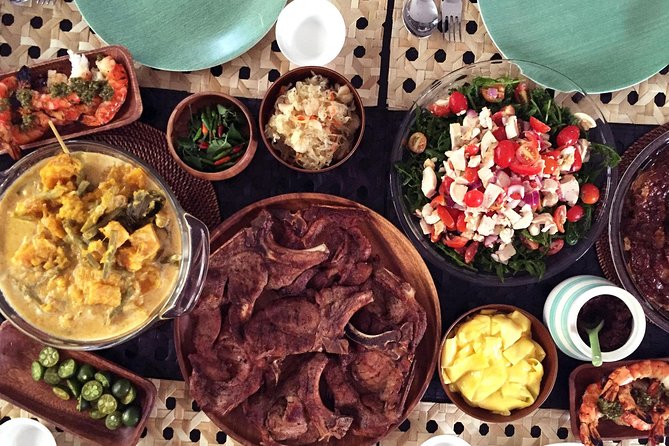
    American cuisine has significantly influenced Philippine globalization, particularly in the culinary scene. This impact is evident in the fusion of flavors that blend American and Filipino cuisines, making Manila’s streets a hub for culinary innovation.

    Food businesses and franchises thrive as entrepreneurs capitalize on this trend, launching innovative American-inspired dishes infused with Filipino flair. This fusion also shapes Filipino food identity and expands export markets, contributing to the country’s global presence.

    Tourism is boosted through culinary initiatives, attracting visitors who crave the unique blend of American and Filipino flavors. Local food culture is influenced as well, with the fusion of flavors shaping the country’s culinary landscape.

    Export markets expand as Filipino food products, inspired by American cuisine, reach international shelves. Overall, American cuisine has had a profound impact on Philippine globalization, resulting in a unique and exciting culinary landscape.

    Key Takeaways

    American cuisine has significantly influenced Filipino food culture, leading to the creation of innovative fusion dishes and unique flavor profiles. This blending of culinary traditions has resulted in popular dishes like adobo burgers and spaghetti with a sweet-style Filipino sauce.

    Filipino culinary identity is shaped by American flavors, which has contributed to a distinct national pride and cultural ownership. For example, the popularity of lechon (roasted pig) on special occasions has been influenced by American-style barbecues.

    American culinary traditions have blended with Filipino cooking techniques, creating modern twists on traditional dishes. One example is the use of American-style bacon in traditional Filipino dishes like sinigang (a sour soup).

    The global popularity of Filipino cuisine is fueled by American influences, driving export demand and economic growth. The increasing demand for Filipino dishes like chicken inasal (grilled chicken) and sinigang has led to a growth in food exports.

    Filipino food exporters differentiate their products by highlighting cultural fusion and quality ingredients, gaining traction in new markets. For instance, Filipino food companies emphasize the use of high-quality ingredients like organic rice and fresh vegetables to attract health-conscious consumers.

    Boosting Tourism Through Food

    The Philippines is promoting culinary tourism through innovative initiatives. The country is capitalizing on the cultural exchange between American and Filipino cuisine to attract tourists.

    One such initiative is the development of Culinary Trails, which take visitors on a gastronomic journey across the country, showcasing the diverse regional flavors and cooking techniques. For instance, these trails might include a visit to the Pampanga region, known for its sweets and pastries, or the Bicol region, famous for its spicy dishes.

    Food Festivals have become increasingly popular, celebrating the rich cultural heritage of Filipino cuisine and its American influences. These events attract tourists from around the world, boosting local economies and fostering cross-cultural understanding.

    For example, the Sinulog Festival in Cebu City showcases the city’s culinary delights, including lechon, a whole roasted pig that’s a staple of Filipino celebrations.

    Creating New Business Opportunities

    Entrepreneurs are capitalizing on the growing interest in Filipino cuisine, launching innovative food businesses that blend traditional flavors with modern twists. This trend creates new business opportunities, attracting investors and entrepreneurs alike.

    Franchising popular Filipino restaurants is one option, adopting successful franchise models that cater to local and international markets.

    Another option is supporting culinary incubators, providing resources and mentorship to budding food entrepreneurs. These incubators foster innovation, helping startups refine their concepts and scale up operations.

    Shaping Filipino Food Identity

    Filipino Food Identity: A Blend of Cultures

    The Philippines’ culinary landscape is shaped by its complex cultural heritage, where Spanish, Chinese, American, and Malay flavors converge.

    American cuisine has played a significant role in shaping the nation’s culinary heritage, introducing new ingredients, cooking techniques, and dining practices. This hasn’t only added diversity to the Filipino palate but also influenced the way locals perceive and celebrate their national cuisine.

    The Fusion of Flavors and Cultural Traditions

    This blending of flavors and culinary traditions has contributed to a unique national pride, where food becomes an expression of Filipino identity.

    The fusion of American and Filipino flavors has resulted in innovative dishes that are distinctly Pinoy. For instance, the popular ‘lechon kawali’ – a crispy fried pork belly dish – is often served with a side of tangy, sweet, and spicy American-inspired sauces. This blend of flavors embodies the nation’s culinary heritage, where American influences have enriched the Filipino food identity, fostering a sense of national pride and cultural ownership.

    Influencing Local Food Culture

    American Influences on Filipino Cuisine

    American culinary influences have significantly impacted the local food culture in the Philippines. Restaurants and food establishments have adapted to changing tastes and preferences, resulting in a blend of traditional Filipino dishes infused with American flavors and cooking techniques.

    Fusion of Flavors

    Filipino-style burgers, for instance, are topped with sweet-style spaghetti sauce and served with a side of garlic fried rice. Another example is adobo-infused chicken wings that pack a bold flavor punch. Even traditional Filipino desserts like leche flan and halo-halo have been reimagined with American twists, incorporating ingredients like peanut butter and chocolate chips.

    Cultural Exchange

    This cultural exchange is a two-way street. Filipino cuisine is also influencing American food culture, with the rise of Filipino-inspired restaurants and food trucks in the US. As you indulge in these fusion dishes, you’re part of a larger narrative of cultural exchange and culinary innovation.

    How Does American Cuisine Influence Philippine Globalization and Cooking Shows?

    Many ways American cuisine influences Philippine cooking shows, from introducing new ingredients to inspiring fusion dishes. Globalization spreads American food trends, impacting Philippine culinary traditions. Cooking shows showcase this blend, creating a new landscape for Filipino gastronomy. The influence of American cuisine in Philippine cooking shows reflects a changing food culture.

    Expanding Export Markets

    Filipino cuisine is gaining popularity globally, with export markets increasingly demanding Filipino food products and ingredients. This growing demand has led to a surge in export demand, prompting entrepreneurs to capitalize on this trend. To facilitate the entry of Filipino products into new markets, the Philippine government has been negotiating trade agreements with other countries.

    Filipino food exporters must differentiate their products to stand out in a crowded global market. As the export market expands, they must develop unique selling propositions to compete with other countries.

    Differentiation can be achieved by highlighting the unique cultural fusion of Filipino cuisine or emphasizing the high quality of Filipino ingredients. By doing so, Filipino food exporters can capitalize on the growing demand for Filipino food products and cement the country’s position as a major player in the global food industry.

    Frequently Asked Questions

    Can American Cuisine Replace Traditional Filipino Dishes in Local Restaurants?

    Can American Cuisine Replace Traditional Filipino Dishes?

    In the heart of Manila, a culinary debate is brewing. American cuisine cannot completely replace traditional Filipino dishes in local restaurants, as they are an integral part of the nation’s cultural identity. Traditional dishes like adobo, sinigang, and lechon are staples of Filipino cuisine, and their replacement would erase a significant part of the country’s heritage.

    However, food fusion can create a harmonious blend of flavors, allowing local restaurants to innovate while still paying homage to traditional Filipino cuisine. This fusion can result in unique dishes that appeal to a broader audience, such as Korean-style tacos or Japanese-inspired sisig. By embracing this fusion, local restaurants can modernize their offerings while preserving the essence of Filipino cuisine.

    Do Filipino Chefs Need to Adopt American Cooking Techniques to Succeed?

    Maintaining Cultural Heritage in Cooking

    When considering adopting American cooking techniques, it is essential to think about the potential impact on your cultural identity. Embracing new kitchen necessities and flavor profiles can either enhance or erase your cultural heritage. This raises questions about what it means for your cooking philosophy.

    Culinary Identity and Cultural Heritage

    Your culinary identity is deeply rooted in your cultural heritage. Adopting American cooking techniques may lead to a loss of traditional Filipino flavors and cooking methods. For example, using imported spices and seasonings may alter the authenticity of traditional Filipino dishes. On the other hand, incorporating American techniques can also introduce new flavor profiles and cooking methods that enhance your cultural heritage.

    The Importance of Balance

    To maintain your cultural heritage, it is crucial to strike a balance between adopting new techniques and preserving traditional Filipino cooking methods. By combining the two, you can create a unique culinary identity that honors your heritage while embracing innovation.

    Are American Food Chains Contributing to the Decline of Local Eateries?

    American food chains are contributing to the decline of local eateries. This is because they are perpetuating cultural homogenization by offering a standardized menu that is often identical worldwide, thereby jeopardizing the unique flavors of Philippine cuisine. For instance, local eateries in the Philippines often struggle to compete with the marketing and pricing strategies of these international chains. As a result, many local eateries are forced to close down, leading to a loss of cultural diversity and uniqueness in the local food scene.

    Can American Food Influence Improve the Quality of Philippine Agriculture?

    Adopting modern farming techniques can greatly improve the quality of Philippine agriculture. This can be achieved by introducing advanced irrigation systems, precision farming, and mechanized farming, which can increase crop yields and reduce post-harvest losses. For instance, using precision farming techniques, such as precision irrigation and crop monitoring, can help farmers optimize water and fertilizer use, leading to higher yields and reduced waste.

    Crop diversification is another key strategy to improve Philippine agriculture. By growing a variety of crops, farmers can reduce their dependence on a single crop, increase their income, and promote sustainable agriculture. For example, planting high-value crops like fruits and vegetables can provide higher returns for farmers and reduce the country’s reliance on imported produce.

    Is the Rise of American Cuisine a Threat to Philippine Food Sovereignty?

    The rise of American cuisine in the Philippines poses a threat to food sovereignty.

    This threat is rooted in food imperialism, where local flavors and traditional dishes are overshadowed by foreign influences. For instance, the increasing popularity of American-style burgers and fries has led to a decline in the consumption of traditional Filipino dishes like adobo and sinigang. This shift away from local cuisine can lead to cultural erasure, where the importance of preserving traditional food practices is diminished.

    Food sovereignty is compromised when local food systems are dominated by foreign influences.

    The influx of American cuisine in the Philippines has led to a reliance on imported ingredients and cooking techniques, undermining the country’s ability to control its own food systems. This can result in the loss of biodiversity, as local crops and livestock are replaced by imported alternatives. For example, the growing demand for American-style beef has led to the importation of foreign breeds, threatening the livelihoods of local farmers and the diversity of the country’s livestock.

    Conclusion

    American cuisine has significantly influenced Philippine globalization. This cultural exchange has led to various benefits, including a boost in tourism through food, creation of new business opportunities, and shaping of Filipino food identity.

    For instance, the popularity of American-style burgers and fries has attracted tourists who crave familiar flavors while abroad. This influx of tourists has generated revenue and created jobs in the hospitality industry.

    Furthermore, the fusion of American and Filipino cuisine has led to the creation of unique dishes, such as adobo burgers, which showcase the Philippines’ ability to adapt and innovate. This adaptability has enabled the Philippines to expand its export markets, with Filipino-American fusion cuisine gaining popularity worldwide.

    As a result, the Philippines has established itself as a strategic player in the global economy, with its unique gastronomic landscape reflecting its position.

  • What Shaped Philippine Cuisine: American Meat Dishes?

    What Shaped Philippine Cuisine: American Meat Dishes?

    American Meat Dishes Shape Filipino Cuisine

    The introduction of American meat dishes to the Philippines has significantly influenced the country’s cuisine. New ingredients and cooking methods were introduced, leading to a fusion of American and Filipino flavors. This blending of East and West flavors has resulted in a unique culinary identity.

    Filipino Meat Dishes Evolve

    Traditional Filipino dishes, such as adobo, have been transformed by the introduction of American meat dishes. Sweet-style fried chicken, a Filipino adaptation of American-style fried chicken, has become a staple in many Filipino households. Burgers infused with local flavors, such as lechon (roasted pig) or longganisa (Filipino sausage), are also popular examples of this culinary fusion.

    Uncovering the Secrets of Filipino Food Heritage

    The evolution of Filipino meat dishes is a result of the country’s rich food heritage. The blending of American and Filipino flavors has created a unique culinary identity that is distinct from other Asian cuisines. Understanding the impact of American meat dishes on Filipino cuisine provides insight into the country’s complex cultural history and its ongoing culinary development.

    Key Takeaways

    American Influence on Philippine Cuisine

    Adaptation of American Ingredients and Cooking Methods

    American ingredients and cooking methods were adapted into traditional Filipino dishes, influencing the country’s cuisine. This adaptation led to the creation of unique fusion dishes that blended American and Filipino flavors. For instance, Filipino cooks incorporated American-style grilling techniques into their cooking, resulting in dishes like sweet-style fried chicken.

    Canned Goods and Meat Dishes

    Canned goods like corned beef and Spam became staples in Filipino households, shaping local meat dishes. These canned goods were often used in traditional Filipino dishes, such as corned beef sinigang, a sour soup made with corned beef, vegetables, and tamarind broth.

    Fusion of American and Filipino Flavors

    Filipino resourcefulness and creativity led to the fusion of American and Filipino flavors in dishes like burgers. Filipino food trucks and locals infused American-style burgers with local flavors, creating unique burger creations that cater to diverse tastes. For example, adobo burgers, which combine the traditional Filipino dish adobo with an American-style burger, have become popular in the Philippines.

    American-Style Grilling and Steakhouse Culture

    American-style grilling and steakhouse culture introduced premium beef cuts and expert grilling techniques, elevating the Filipino palate. This led to the creation of high-end restaurants serving premium beef cuts, such as wagyu beef, which have become popular among locals and tourists alike.

    American Influence on Filipino Food

    The American colonial period had a profound impact on Filipino cuisine, resulting in a unique blend of flavors and cooking techniques. The adaptation of American ingredients and cooking methods has been seamlessly integrated into traditional Filipino dishes. This cultural exchange has shaped the country’s national identity and culinary heritage.

    For example, the introduction of canned goods, such as corned beef and Spam, has become an integral part of Filipino cuisine. These ingredients are now staples in many Filipino households. The American influence is also evident in the popularity of sweet-style fried chicken and burgers, which are now staples in many Filipino restaurants.

    However, this cultural exchange raises questions about food imperialism, where the dominant culture imposes its culinary practices on the colonized nation. Despite this, the fusion of American and Filipino flavors has resulted in a unique and flavorful cuisine. The ability of the Filipino people to adapt and evolve their cuisine is a testament to their resourcefulness and creativity.

    Meat Dishes in Filipino Cuisine

    Meat dishes hold a prominent position in Filipino cuisine, showcasing the country’s cultural melting pot. The fusion of Spanish, Chinese, and American influences has resulted in a unique culinary identity that’s both familiar and exotic.

    Adobo, sinigang, and lechon are iconic meat dishes that evoke memories of family gatherings and celebrations, highlighting the importance of meat nostalgia in Filipino food heritage.

    The cultural blending of flavors and cooking techniques has given rise to a distinct culinary identity that’s quintessentially Filipino.

    Tender grilled pork and savory beef stews are examples of meat dishes that reflect the country’s rich food heritage. These dishes showcase the country’s ability to blend flavors and techniques, resulting in a culinary identity that’s both rooted in tradition and open to innovation.

    Burgers in the Filipino Diet

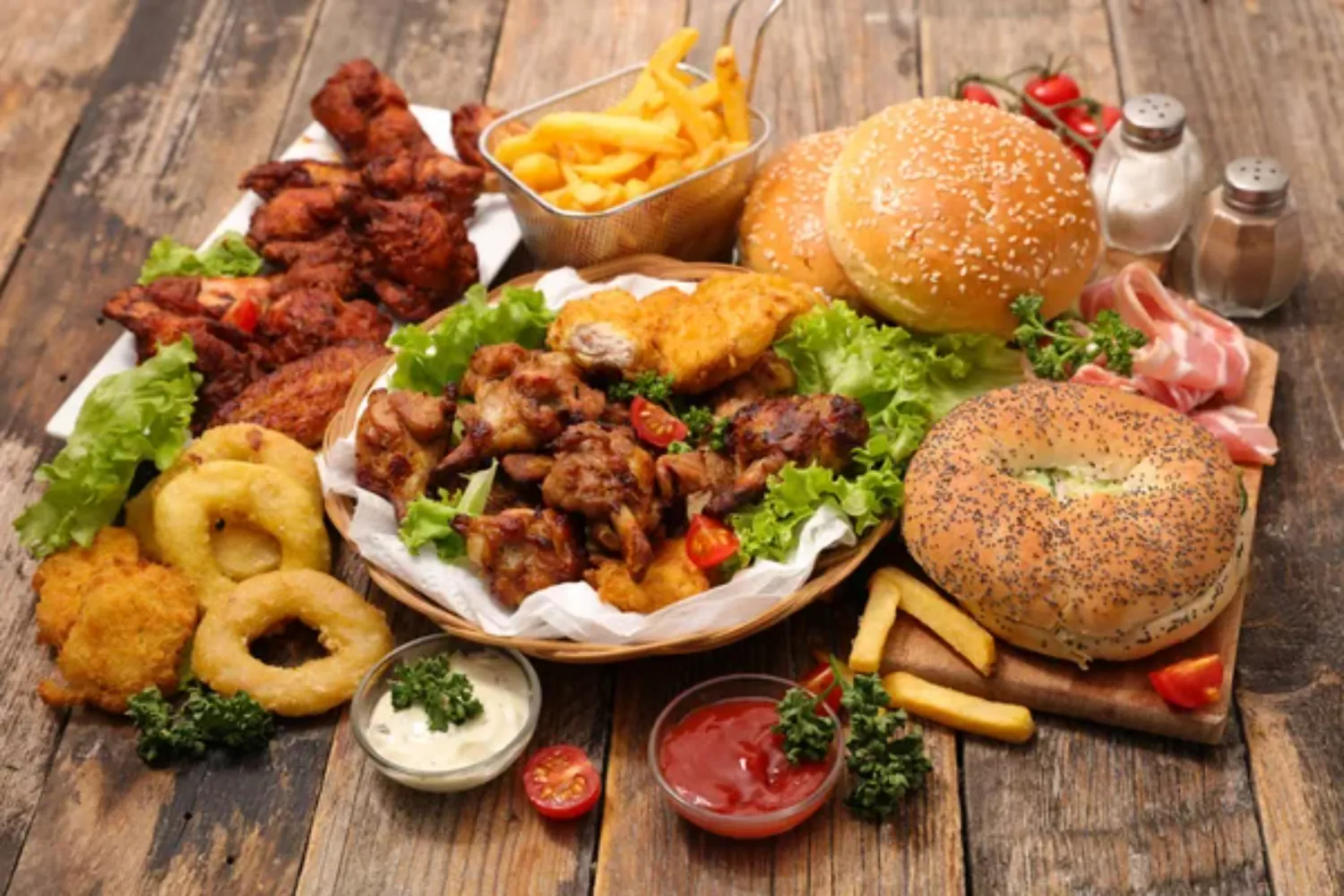
    Burgers have become an integral part of the Filipino diet, with locals craving the classic combination of juicy patty and melty cheese. This cultural fusion is evident in Filipino food trucks, which have adapted the classic burger by infusing it with local flavors and ingredients.

    For example, burgers are topped with adobo-seasoned beef, sinangag (fried rice) instead of buns, and even ube halaya (purple yam jam) as a sweet and savory twist.

    Food trucks have played a significant role in popularizing burgers in the Philippines, offering a convenient and affordable way to enjoy this American favorite. Many Filipino entrepreneurs have capitalized on this trend, creating unique burger creations that blend East and West.

    For instance, you can find classic cheeseburgers, kimchi burgers, or burgers with grilled pineapple, catering to diverse Filipino tastes.

    Burgers have become a staple in many Filipino gatherings, from casual hangouts to festive celebrations. Whether you’re in the mood for a classic American-style burger or a more exotic fusion creation, you’ll find it in the Philippines, where cultural exchange has led to a delicious culinary phenomenon.

    Steak’s Rise to Popularity

    Steak’s Rise to Popularity in the Philippines

    The introduction of American-style steakhouses in the Philippines has significantly impacted the local dining scene.

    Premium cuts and expert grilling techniques have elevated the Filipino palate, making steak a staple in many upscale restaurants.

    Two pivotal factors have contributed to steak’s widespread popularity:

    1. Increased Accessibility: As more international restaurants entered the market, steak became more accessible to locals. This exposure led to a growth in demand, driving more restaurants to add steak to their menus.

    2. Cultural Influence: The Philippines’ cultural affinity with Western cuisine, combined with the country’s history of American influence, created a fertile ground for steak’s popularity to take root.

    Steakhouse Influence

    Steakhouses Introduced Premium Cuts of Beef to the Philippines

    Steakhouses, a cornerstone of American fine dining, introduced Filipinos to premium cuts of beef, sparking a passion for steak that would soon become a core element in Philippine cuisine.

    Improved Beef Quality

    The influx of American ranch culture has elevated the quality of local beef, with many farms adopting ranch-style breeding and feeding methods.

    This shift has led to a more refined palate, with Filipinos developing a taste for high-quality beef.

    Growing Appreciation for Premium Cuts

    The steakhouse influence has also brought about a new appreciation for dry-aged steaks, grass-fed beef, and other premium cuts. Many local steakhouses now offer a range of USDA-certified beef, catering to the growing demand for excellent steak.

    Philippines: A Hub for Beef Connoisseurs

    With the rise of steakhouses, the Philippines has become a hub for beef connoisseurs, where you can indulge in world-class steaks that rival those found in the United States.

    American-Style Grilling

    American-Style Grilling: Elevating Your Backyard BBQ

    American-style grilling has become an integral part of outdoor gatherings in the Philippines, evoking a sense of community and warmth. As you gather around the grill, the anticipation builds, and the scent of sizzling meat tantalizes your taste buds.

    The Art of Grilling

    Mastering the art of grilling isn’t just about throwing meat on the grill. It requires skill and attention to detail.

    A good grill is the foundation of any successful outdoor gathering. It provides the necessary heat and control to achieve perfectly charred steaks.

    Experimenting with Marinades

    Marinades can elevate the flavor of your grilled meat.

    From classic BBQ sauce to Korean-inspired Gochujang, the options are endless. Experiment with different marinades to find the perfect flavor combination for your taste buds.

    Grilling Tips

    Resist the temptation to squeeze out those precious juices by not pressing down on the meat while it’s grilling.

    Let the meat breathe before slicing into it, as resting is crucial for the juices to redistribute.

    Practice makes perfect, so don’t be discouraged by a few charred burgers – it’s all part of the process.

    Creating Lasting Memories

    As you fire up the grill, you’re not just cooking a meal, you’re creating memories that will last a lifetime. With these tips, you’ll be well on your way to becoming a grill master and hosting unforgettable outdoor gatherings.

    Fried Chicken’s Filipino Twist

    Filipino Fried Chicken: A Unique Twist

    Filipino-style fried chicken boasts a distinctive crunch, thanks to a secret breading recipe perfected over time.

    This crunch is achieved through the use of a light, airy breading that adds texture without overpowering the chicken.

    Unlike traditional fried chicken, the Filipino version packs a bold, spicy kick.

    This kick comes from the addition of chili peppers or spicy sauces, which add depth and heat to the dish.

    This flavorful twist has captured the hearts (and taste buds) of many, leaving them craving more.

    The secret to this addictive fusion lies in the harmonious balance of flavors and textures.

    The combination of crispy breading, juicy chicken, and spicy kick creates a truly unforgettable culinary experience.

    Crunchy Breading Secrets

    Achieving Crunchy Breading Secrets

    A combination of all-purpose flour, cornstarch, and a pinch of paprika in your breading mixture is the key to achieving that irresistibly crunchy exterior characteristic of Filipino-style fried chicken. This signature crispy coating is a hallmark of the country’s take on fried chicken, and it’s all about mastering the perfect breading techniques.

    Mastering the Perfect Breading Techniques

    To elevate your fried chicken game, remember these crucial tips:

    Dry Brine: Let your chicken sit in a mixture of salt, sugar, and spices for at least an hour to enhance flavor and texture. This step helps to tenderize the chicken and create a flavorful base for the breading.

    Double-Dredge: Dip your chicken in flour, then eggs, and finally, the breading mixture for an extra crispy coating. This double-dredging process helps to create a crunchy exterior and a tender interior.

    Resting Time: Allow your breaded chicken to rest for 10-15 minutes to set the coating before frying. This step helps the breading adhere to the chicken, ensuring a crispy exterior.

    Frying: Fry your chicken in hot oil (around 350°F) to achieve that coveted crunch. The hot oil helps to seal the breading, creating a crispy exterior.

    Draining Excess Oil: Place your fried chicken on paper towels to drain excess oil and maintain crispiness. This step helps to remove excess oil, ensuring the breading stays crispy.

    Spicy Kick Variations

    Spicy Kick Variations for Fried Chicken

    Incorporating Filipino-style chili peppers, such as siling labuyo, into your breading mixture or marinade adds an unforgettable fusion of heat and flavor to your fried chicken recipe.

    This unique combination creates a Fiery Fusion that leaves your taste buds craving for more.

    To elevate your fried chicken, try adding diced jalapeños or Thai chili peppers to your breading mixture for an extra kick.

    You can also experiment with marinades, such as a spicy vinegar-based mixture infused with chili flakes and garlic. This results in a bold and nuanced flavor profile with just the right amount of heat to tantalize your taste buds.

    Get creative and experiment with different variations to create the ultimate Spicy Kick.

    Early American Food Introductions

    During the American colonial period in the Philippines, the introduction of new food options significantly impacted the local cuisine. Canned goods, processed meats, bread and pastries, dairy products, and new food preservation techniques were among the notable American food introductions that shaped the Filipino palate.

    Canned goods revolutionized food preservation and storage in the Philippines. The availability of canned meats, fruits, and vegetables enabled Filipinos to access a wider variety of food products throughout the year.

    Processed meats, such as Spam and hot dogs, became staples in many Filipino households. These meats were easily incorporated into traditional Filipino dishes, resulting in a blend of flavors and techniques.

    American-style bread and pastries, like donuts and apple pies, became popular in the Philippines. These sweet treats were often served as snacks or desserts, adding variety to the Filipino diet.

    The introduction of dairy products, including milk, cheese, and butter, expanded the Filipino culinary repertoire. Dairy products were used in both sweet and savory dishes, enriching the flavor profiles of traditional Filipino recipes.

    Food preservation techniques, such as canning and freezing, were adopted by Filipino cooks. These methods allowed for greater food security and variety, enabling Filipinos to enjoy a wider range of foods throughout the year.

    These early American food introductions paved the way for a unique fusion of flavors and cooking techniques, resulting in a distinct Philippine cuisine that continues to evolve to this day.

    The Rise of Fast Food Chains

    The Rise of Fast Food Chains

    The introduction of American-style fast food chains in the Philippines revolutionized the local food scene. These global giants brought new flavors and convenience, which led to a significant shift in the way people consumed food. The convenience and affordability of fast food appealed to the masses, making it a staple in many Filipino diets.

    Local taste adaptations emerged as a response to the influx of fast food chains. To cater to local tastes, fast food chains adapted their menus, incorporating Filipino flavors and ingredients into their offerings. This blend of global and local flavors created a unique culinary experience.

    The invasion of fast food culture had a profound impact on the Filipino food scene. Fast food chains became a symbol of modernity and progress, and their popularity soared. As a result, traditional Filipino cuisine and cooking methods were influenced by the convenience and affordability of fast food.

    Fast Food Invasion

    The Rise of International Fast Food Chains

    The proliferation of international fast food chains in the Philippines has significantly altered the local culinary landscape. These chains have lured Filipinos in with their convenient, affordable, and familiar flavors, leading to a shift away from traditional Filipino cuisine.

    The Impact on Eating Habits

    You now crave burgers and fries over adobo and sinigang. You celebrate special occasions at pizza parlors instead of trying local eateries. You opt for sweet, frozen yogurt over traditional Filipino desserts. You associate breakfast with pancakes and waffles, rather than garlic fried rice and eggs. You prefer the comfort of air-conditioned restaurants over traditional carinderias.

    The Consequences of the Fast Food Invasion

    The Fast Food Invasion has reshaped the country’s culinary identity. Traditional Filipino cuisine is slowly being pushed to the sidelines, making way for a more Westernized, homogenized food culture. As a result, the country’s culinary identity is at risk of being lost.

    Global Chain Dominance

    The Philippines’ food scene is dominated by international fast food chains, threatening local eateries and cultural identity.

    About a dozen international fast food chains, including McDonald’s and KFC, have established a strong presence in the Philippines.

    This phenomenon is a prime example of cultural homogenization, where global brands are eroding the country’s unique cultural identity.

    The proliferation of fast food chains has also led to economic imperialism, where multinational corporations dominate the local market, squeezing out small businesses and local entrepreneurs.

    The reason behind this dominance lies in the country’s liberal economic policies and the increasing appetite for Western-style fast food.

    As a result, local eateries are struggling to compete, and the country’s culinary heritage is being diluted.

    The once-thriving local food scene is now dominated by the golden arches of McDonald’s and the colonel’s secret recipe of KFC.

    This raises concerns about the long-term impact on the country’s cultural and economic landscape.

    Local Taste Adaptation

    Local Taste Adaptation Shapes the Fast Food Industry in the Philippines

    International fast food chains have successfully adapted their menus to cater to local tastes, contributing to their widespread popularity in the Philippines. This phenomenon is a prime example of cultural blending, where foreign influences are infused with local flavors to create a unique culinary experience.

    McDonald’s Adapts to Local Preferences

    McDonald’s Philippines offers McSpaghetti, a sweet-style spaghetti dish that caters to the local preference for sweet and savory flavors.

    KFC Tweaks Recipes for Filipino Taste Buds

    KFC’s chicken recipes are tweaked to suit Filipino taste buds, focusing on bold, spicy flavors.

    Jollibee’s ‘Chickenjoy’ Becomes a National Favorite

    Jollibee’s ‘Chickenjoy’ is a staple in the Philippines, with a crispy exterior and juicy interior that has become a national favorite.

    Burger King’s ‘Whopper’ Gets a Local Twist

    Burger King’s ‘Whopper’ gets a local twist with the addition of a fried egg and bacon, a popular combination in the Philippines.

    Pizza Chains Offer Sweet-Style Pizzas

    Pizza chains like Papa John’s and Domino’s offer sweet-style pizzas with unique toppings like pineapple and ham, a favorite among locals.

    Flavor Profiling Enables Success

    This flavor profiling has enabled fast food chains to thrive in the Philippines, demonstrating the importance of adapting to local tastes in a culturally diverse market.

    Meat Dishes in Filipino Celebrations

    Meat dishes, particularly lechon, are an integral part of Filipino celebrations, symbolizing unity, abundance, and joy. These dishes bring people together, fostering a sense of community and togetherness.

    Lechon, a whole roasted pig, is a staple at Filipino fiestas and gatherings. Its crispy, golden-brown skin and tender meat are irresistible to everyone. When you take a bite, you’re not just enjoying a meal, but also participating in a time-honored food tradition that’s deeply rooted in Filipino culture.

    This cultural significance evokes feelings of nostalgia and warmth, transporting you back to fond memories of family gatherings and festive celebrations.

    Local Ingredients in American Dishes

    American Dishes with a Filipino Twist

    When incorporating local ingredients into American meat dishes, a unique fusion of flavors is created, tantalizing the taste buds. This fusion is achieved by substituting native ingredients, adding local flair, and elevating flavor profiles.

    Umami Flavor with Patis

    Patis (fish sauce) replaces salt to add umami flavor to meat dishes, enhancing their overall taste.

    Calamansi Juice Marinades

    Calamansi (Filipino lime) juice serves as a marinade for grilled meats, imparting a tangy and refreshing flavor.

    Depth with Bagoong

    Bagoong (fermented fish paste) adds depth to sauces and gravies, providing a rich and savory element.

    Freshness with Local Herbs

    Local herbs like tarragon and basil add freshness to meat dishes, balancing their flavors.

    Richness with Coconut Milk

    Coconut milk enriches the flavor and creaminess of sauces, making them more indulgent.

    – How has American influence shaped the meat dishes in Philippine cuisine?

    American influence has undoubtedly played a significant role in shaping Philippine meat dishes. This can be seen in the use of ingredients and cooking techniques, resulting in a fusion of flavors and styles. Despite this, traditional Filipino cooking methods still shine through, making the best durian dishes in Philippine cuisine truly unique.

    Evolution of Filipino Meat Cuisine

    The Evolution of Filipino Meat Cuisine

    Filipino cuisine has undergone significant transformations, shaped by its rich history and cultural influences. This evolution is evident in the country’s meat dishes, which have adapted to changing tastes and preferences.

    Influences on Filipino Meat Dishes

    Filipino meat dishes have been shaped by various cultural influences.

    Spanish and Chinese influences are evident in dishes such as Adobo, which features a vinegar-based sauce, garlic, and soy sauce.

    Malay and Spanish influences can be seen in Sinigang, characterized by its sour broth, tamarind, and various proteins.

    Diverse Flavors and Cooking Techniques

    Filipino meat dishes showcase a unique fusion of flavors and cooking techniques.

    Grilled chicken, vinegar, and garlic are characteristic of Chicken Inasal, which reflects American and Southeast Asian influences.

    Cured beef, vinegar, and garlic are hallmarks of Beef Tapa, influenced by American and Spanish cuisines.

    Lechon, a whole roasted pig, is a testament to Spanish and Chinese influences, served with a liver sauce.

    A Culinary Identity

    The evolution of Filipino meat cuisine is a reflection of the country’s culinary identity, shaped by its food traditions and cultural heritage.

    Filipino cuisine is uniquely Filipino, with a rich cultural heritage that has adapted to changing tastes and preferences while remaining true to its traditions.

    Frequently Asked Questions

    Do Filipinos Prefer American-Style Burgers or Rice-Based Meals?

    Filipinos have a dual culinary identity, embracing both American-style burgers and traditional rice-based meals. In the Filipino food scene, locals often navigate between these two preferences. On one hand, they enjoy American-style burgers with beef or chicken patties, often served with cheese, lettuce, and tomatoes on a toasted bun. On the other hand, they also crave traditional rice-based meals, such as adobo (stewed meat or seafood in vinegar, soy sauce, and garlic) or sinigang (a sour soup made with tamarind broth and various vegetables and proteins).

    Are Meat Dishes in the Philippines More Expensive Than Seafood?

    Meat dishes in the Philippines are generally more expensive than seafood options. This is primarily due to the higher cost of meat compared to seafood. As a result, seafood has become a more affordable and popular choice for many locals.

    Can Traditional Filipino Cuisine Be Fused With American-Style Bbq?

    Yes, traditional Filipino cuisine can be fused with American-style BBQ. This fusion can result in unique and delicious flavor combinations. For instance, you can pair the sweet and savory flavors of Filipino-style BBQ with the smoky, tangy flavors of American-style BBQ. One example is combining the traditional Filipino dish, Lechon (roasted pig), with a sweet and tangy BBQ sauce, creating a fusion of flavors that honors both culinary traditions. Another example is incorporating Filipino spices, such as patis (fish sauce) and sili (Filipino chili peppers), into traditional American-style BBQ sauces to create a distinct flavor profile.

    Are There Any Vegetarian Alternatives to American-Style Meat Dishes?

    Yes, there are vegetarian alternatives to American-style meat dishes. These alternatives can satisfy your cravings for meat-based dishes while adhering to a plant-based diet. For instance, vegan BBQ ‘pulled pork’ can be made from jackfruit or mushrooms, providing a delicious and convincing substitute for traditional pulled pork.

    Did American Colonization Introduce New Cooking Techniques to the Philippines?

    American colonization introduced new cooking techniques to the Philippines. During the American colonial period, which lasted from 1898 to 1946, the Philippines was exposed to new culinary methods that transformed the country’s cooking style. The introduction of refrigeration, for instance, allowed for the widespread use of frozen meats and dairy products, which became integral components of many Filipino dishes. Additionally, American-style baking and pastry-making were introduced, leading to the creation of popular Filipino treats like ube halaya (purple yam jam) and barquillos (crispy cookies). This cultural exchange merged traditional Filipino cooking methods with innovative American techniques, resulting in a unique and distinct Filipino cuisine.

    Conclusion

    The evolution of Filipino cuisine has been significantly shaped by American meat dishes. American influence introduced new protein sources and cooking methods. For instance, burgers and steak, which are staples of American cuisine, have become popular in the Philippines. Furthermore, fried chicken, a classic American comfort food, has been adapted and modified to suit local tastes. The proliferation of fast food chains has also contributed to the Americanization of Filipino cuisine.

    Filipino ingenuity has transformed these imported dishes, incorporating local flavors and ingredients to create a unique fusion. This blend of American and Filipino cuisine has resulted in a distinct culinary identity that reflects the nation’s cultural adaptability and creativity.

  • 7 American Condiments Filipinos Love in Their Kitchens

    7 American Condiments Filipinos Love in Their Kitchens

    Many Filipino kitchens have American condiments as staples. You might be familiar with ketchup, hot sauce, and ranch dressing. Mayonnaise, relish, BBQ sauce, and yellow mustard are also commonly used to add flavor to various dishes.

    These condiments elevate the taste of grilled meats, sandwiches, and pasta by adding spicy kicks or tangy twists.

    Key Takeaways

    Ketchup is a staple condiment in Filipino kitchens, available in various flavors and forms, including chipotle and balsamic, which adds a unique twist to traditional dishes.

    Hot sauce is a popular addition to Filipino cuisine, with options like Sriracha and Tabasco offering varying Scoville Heat Units that allow for customization according to individual taste preferences.

    Ranch dressing is a versatile condiment in Filipino households, used not only as a dipping sauce but also as a marinade and a creamy addition to sauces.

    Mayonnaise is a key ingredient in Filipino sandwiches, adding a rich, creamy dimension and serving as a versatile element in various kitchen applications.

    Relish adds a sweet and tangy flavor to Filipino dishes, elevating the flavors of adobo, sinigang, grilled meats, and vegetable stir-fries.

    Ketchup: A Classic Favorite

    Ketchup: A Classic Favorite

    Where Did Ketchup Come From?

    Ketchup has a rich history that dates back to the 17th century.

    It originated from China, where it was initially made from fermented fish and spices. The recipe was later adopted by British sailors, who brought it back to Europe and adapted it using mushrooms and other ingredients.

    Ketchup Today

    Today, ketchup comes in various flavors and forms, catering to diverse tastes and cuisines.

    You can find organic ketchups, low-sodium ketchups, and even ketchups infused with spices or herbs. Some popular ketchup variations include chipotle ketchup, balsamic ketchup, and even a ketchup-based BBQ sauce.

    Hot Sauce for Added Heat

    Hot sauce enthusiasts crave that extra kick. Whether you prefer mildly spicy or extremely hot, there’s a hot sauce tailored to your taste buds.

    Sriracha and Tabasco are popular options, but the choices are endless. Exploring the world of hot sauce can help you discover a new favorite addition to your meals.

    Spicy Food Lovers Unite

    Spice Up Your Meals with Hot Sauce

    Hot sauce is the ultimate condiment for adding heat to your meals. Whether you’re a seasoned spice lover or just starting to explore spicy food, hot sauce is the perfect addition to take your meals to the next level.

    Incorporating Hot Sauce into Your Daily Meals

    Try incorporating hot sauce into your daily meals for an extra kick. Add a few dashes to your morning eggs, spice up your lunchtime sandwiches, or use it as a marinade for your dinner. Hot sauce is a versatile condiment that can add flavor and heat to any dish.

    Popular Hot Sauce Brands and Their Scoville Heat Units (SHU)

    Tabasco has a Scoville heat unit (SHU) rating of 30,000-60,000, making it a medium-hot sauce.

    Frank’s RedHot is even hotter, with an SHU rating of 40,000-60,000.

    If you prefer a milder heat, Cholula and Sriracha have an SHU rating of 1,000-2,000.

    For the true spice enthusiasts, Ghost Pepper hot sauce has an extreme SHU rating of 855,000-1,041,427.

    Heat Level Options

    Customize Your Heat Level

    With numerous hot sauce options available, you can tailor the heat level of your meals to suit your taste preferences. From mild to extreme, hot sauces cater to various spice tolerance levels, whether you’re a beginner or an experienced spice enthusiast.

    Flavor Profiles and Heat Levels

    Hot sauces not only add heat but also bring unique flavor profiles to dishes. Chipotle peppers introduce a smoky heat, while habanero peppers add a tangy zip.

    With various options, you can experiment with different heat levels and flavor combinations to find the perfect match for your meals. Choose from subtle kicks to full-on blazes to take control of the heat level that suits your taste.

    Sriracha Vs. Tabasco

    Sriracha vs. Tabasco: What’s the Difference?

    When it comes to adding heat to your dishes, two hot sauce giants, Sriracha and Tabasco, are often pitted against each other.

    Sriracha, with its rich history dating back to the 1930s, is known for its thick, syrupy consistency and a flavor that’s both spicy and slightly sweet. This unique blend makes it perfect for adding a depth of heat to your meals.

    On the other hand, Tabasco packs a more intense, pungent punch that’s not for the faint of heart. Its iconic diamond-shaped bottle is a staple in many kitchens, and its flavor is often associated with a bold, fiery taste.

    If you’re looking for alternatives to Tabasco, you might want to try Frank’s RedHot or Cholula for a similar flavor profile. However, if you’re a die-hard Tabasco fan, you might be surprised to know that the company offers several flavor variations, from Garlic Pepper to Buffalo Style.

    Ultimately, the choice between Sriracha and Tabasco comes down to personal preference. Do you prefer a slow burn or an instant flame? The heat is in your hands!

    Ranch Dressing in Local Dishes

    Ranch dressing has become a staple in many Filipino households, and its uses extend far beyond salad dressing.

    It’s a marinade for meats, adding flavor and tenderizing them. It’s a creamy addition to sauces, enhancing their richness and texture.

    In Filipino cuisine, ranch dressing is used in various dishes, such as grilled meats and seafood, where it adds a tangy flavor. It’s also used in pasta dishes, like carbonara and fettuccine, to add creaminess.

    Ranch in Filipino Cuisine

    Ranch dressing has become a popular condiment in Filipino cuisine, often used in unexpected ways. It is commonly used as a marinade for grilled chicken or as a creamy sauce for steamed vegetables.

    This creative use of ranch dressing is characteristic of Filipino cuisine, which is known for experimenting with familiar flavors and putting a unique twist on them.

    The evolution of ranch dressing in the Philippines is a fascinating story, as it has transformed from a traditional American dip to a versatile ingredient in its own right. When paired with Filipino flavors, ranch dressing takes on a new personality, combining its tangy zip with the sweetness of Filipino-style BBQ sauce or the spicy kick of sili (Filipino chili).

    Ranch as Dipping Sauce

    Ranch dressing has become an unexpected yet popular dipping sauce in many Filipino eateries, pairing well with crispy fried chicken, fried fish, and even steaming hot fries.

    Ranch adds a tangy, creamy contrast to the crispy, savory goodness of fried chicken and fish. This unique pairing has become a staple in local eateries, as the creamy dressing complements the crunchy texture of the fried food.

    Ranch provides a rich, velvety texture that complements the crunch of fresh veggies like carrots and cucumbers. This versatility has made ranch a favorite dipping sauce for many Filipino dishes.

    Ranch amplifies the flavor profiles of local dishes, adding a subtle yet distinct twist to traditional Filipino cuisine. By adding a tangy, creamy element, ranch enhances the flavors of local dishes, making them more exciting and delicious.

    When trying local dishes, don’t be afraid to ask for a side of ranch to discover a new flavor combination that might just become your favorite.

    Ranch in Fried Chicken

    The Perfect Pairing: Fried Chicken and Ranch

    When you combine crispy fried chicken with a side of ranch, the resulting interplay of flavors and textures is unparalleled.

    The creamy ranch dressing perfectly complements the crispy, golden-brown exterior of the fried chicken.

    The tangy, savory flavor of ranch adds a Flavor Boost to the richness of the fried chicken, creating a delightful balance of flavors. This combination cools down the spiciness of the chicken, making each bite a refreshing experience.

    In the Philippines, where fried chicken is a staple, adding ranch to the mix is a clever hack to elevate this comfort food.

    This flavor combination is both familiar and exciting, making it a perfect addition to any meal.

    Mayonnaise in Filipino Sandwiches

    Mayonnaise is a staple condiment in Filipino sandwiches, adding a rich, creamy dimension to the classic combination of ham and lettuce.

    Mayonnaise serves multiple purposes in Filipino sandwiches. As a sandwich spread, mayonnaise adds a tangy, savory flavor that complements the sweetness of the ham and the crunch of the lettuce.

    It is often paired with other ingredients like chopped onions, garlic, or grated carrots to create a flavorful and textured sandwich filling.

    In some Filipino households, mayonnaise is even used as a dip for fried sandwiches, adding an extra layer of creaminess to the crispy, crunchy delight.

    Mayonnaise is more than just a condiment in Filipino kitchens; it is a trusted ally in the pursuit of the perfect sandwich.

    Relish for a Sweet Twist

    Relish adds a fascinating twist to Filipino dishes. This condiment is more than just a sidekick to your hotdogs and burgers. When you add relish to your adobo or sinigang, it becomes a flavor enhancer that elevates the entire dish.

    The sweet and tangy flavors of relish create sweet surprises that will leave your taste buds wanting more.

    Relish is an amazing addition to many Filipino dishes, from grilled meats to vegetable stir-fries. It adds a depth of flavor that’s hard to replicate with other condiments.

    For instance, adding relish to your fried chicken gives it a bit of zing, while adding it to your grilled pork gives it a dash of sweetness.

    BBQ Sauce in Grilled Meats

    The Perfect Pairing: BBQ Sauce and Grilled Meats

    In Filipino gatherings, the irresistible aroma of BBQ sauce wafting from grilled meats is a familiar and mouthwatering scene. This classic combination is a staple for a reason: the sweet, tangy flavor of BBQ sauce elevates grilled meats to a whole new level.

    The Crucial Role of BBQ Sauce

    BBQ sauce is more than just a condiment for grilled meats; it’s a vital flavor component. Whether you’re grilling ribs, chicken, or pork, BBQ sauce adds a depth of flavor that’s hard to replicate with other condiments. It’s an essential element in creating sweet glazes and marinades that take your grilled meats to the next level.

    Elevating Grilled Meats with BBQ Sauce

    Use BBQ sauce as a marinade by mixing it with olive oil, garlic, and herbs for a sweet and savory flavor boost.

    Create a sticky glaze by combining BBQ sauce with brown sugar and soy sauce for a caramel-like finish.

    Serve BBQ sauce on the side as a dipping sauce, allowing everyone to customize their flavor experience.

    What American Condiments Can I Use in Filipino Recipes with an American Twist?

    When adding a twist to Filipino recipes with American twist, consider using American condiments like barbecue sauce, ranch dressing, and hot sauce. These can give traditional Filipino dishes a unique and flavorful spin that combines the best of both cuisines.

    Yellow Mustard for Fried Foods

    Yellow mustard elevates fried foods beyond just a dipping sauce. It’s a flavor powerhouse that can transform your fried foods from mediocre to mesmerizing.

    Using yellow mustard as a marinade adds a pungent kick. It complements the richness of the fried exterior and tenderizes meat, making it juicier and more flavorful. For example, try using yellow mustard as a marinade for your fried chicken or onion rings. You can also mix it with other spices and herbs to create unique flavor profiles.

    Mustard marinades have benefits beyond flavor. They can help tenderize meat, making it juicier and more flavorful. This means that when you use yellow mustard as a marinade, your fried foods won’t only taste better but also be more tender.

    Frequently Asked Questions

    Can I Use American Condiments in Traditional Filipino Recipes?

    Yes, you can incorporate American condiments into traditional Filipino recipes. This fusion of flavors can create unique and delicious dishes. To achieve a balanced flavor profile, it’s essential to blend the American condiments with authentic Filipino flavors. For example, adding a sweet and spicy American-style BBQ sauce to traditional Filipino dishes like grilled pork or chicken can enhance their flavor. Similarly, using tangy and savory American condiments like ranch dressing can complement the flavors of Filipino dishes like grilled seafood or vegetables. The key is to experiment and find the right balance of flavors.

    Are American Condiments More Expensive Than Local Alternatives?

    American condiments are more expensive than local alternatives due to import costs. These costs are influenced by market dynamics, making local alternatives a more budget-friendly option for your Filipino dishes.

    Do American Condiments Have Expiration Dates or Shelf Life?

    Yes, American condiments have expiration dates or shelf life. Manufacturers are required to provide “best by” or “use by” dates on the label to guarantee safety and quality. These dates indicate the period during which the product is expected to retain its optimal flavor, texture, and nutritional value. Always check the label for storage guidelines to ensure the condiment remains safe and effective for consumption.

    Can I Make My Own American-Style Condiments at Home?

    You can create your own American-style condiments at home, and it’s a great way to discover new flavors. By making homemade alternatives, you’ll uncover unique flavor profiles that are more vibrant than store-bought versions. For instance, homemade ketchup can be made with fresh tomatoes, onions, and spices, giving it a richer flavor compared to commercial brands.

    Are American Condiments Suitable for People With Dietary Restrictions?

    American condiments can be suitable for people with dietary restrictions. Many brands now offer gluten-free alternatives, such as gluten-free ketchup and mustard, allowing individuals with gluten intolerance or sensitivity to enjoy their favorite condiments. Vegan options are also available, including vegan mayonnaise and relish, making it possible for individuals following a plant-based diet to indulge in their favorite flavors without compromising their dietary choices.

    Conclusion

    American condiments are staples in many Filipino kitchens. These condiments have become an integral part of Filipino cuisine, adding flavor, heat, and a tangy kick to local dishes.

    Seven popular American condiments commonly found in Filipino kitchens include ketchup, hot sauce, ranch dressing, mayonnaise, relish, BBQ sauce, and yellow mustard.

    These condiments complement the bold flavors of Filipino cooking, and experimenting with them can add a delicious twist to traditional dishes.

  • American Food Holidays Embraced in the Philippines

    American Food Holidays Embraced in the Philippines

    The Philippines celebrates American food holidays with a unique twist.

    In the Philippines, Halloween is observed with trick-or-treating, costume parties, and spooky fun in Manila. This festive occasion is celebrated with enthusiasm and excitement.

    On the other hand, Thanksgiving in the Philippines involves roasting turkeys in outdoor ovens, which is a departure from the traditional indoor oven roasting. A distinct Filipino flavor is added to this celebration with ube halaya as a side dish, instead of the traditional pumpkin pie.

    Filipino cuisine also puts a spin on classic American foods like burgers. Banana ketchup, a sweet and spicy condiment, is used as a topping, giving burgers a unique flavor profile.

    Another innovation is ube halaya pie, which offers a thrilling flavor experience. These creative fusions of American and Filipino flavors are a delight to explore.

    Key Takeaways

    Filipinos Celebrate Halloween with a Twist

    Filipinos celebrate Halloween by blending Western culture with local flair. They participate in trick-or-treating, costume parties, and showcase creative outfits that reflect a mix of American and Filipino traditions.

    Thanksgiving in the Philippines

    Thanksgiving is celebrated in the Philippines with family gatherings and cozy cooking. Filipinos put their own spin on traditional American dishes, such as roasted turkey and ube halaya pie, creating a unique fusion of flavors.

    Fusion of American Comfort Food and Filipino Flavors

    American comfort food is infused with Filipino flavors, resulting in unique dishes. For example, burgers are served with banana ketchup, and fries are seasoned with adobo, a traditional Filipino spice.

    Pumpkin Pie Meets Ube Halaya

    The fusion of pumpkin pie and ube halaya creates a thrilling flavor experience. This blend of autumn atmosphere and Filipino sweetness is a unique twist on traditional American desserts.

    Filipino-American Communities Celebrate the Fourth of July

    Filipino-American communities and food enthusiasts celebrate the Fourth of July with BBQs featuring traditional American fare with a Filipino twist. This cultural fusion showcases the blending of American and Filipino traditions.

    Halloween in the Philippines

    Halloween in the Philippines: A Western-Influenced Celebration

    In the Philippines, Halloween is a popular celebration, especially among the young and old alike. This fascination with Halloween can be attributed to the country’s colonial past and its affinity for Western culture.

    On October 31st, Filipinos, dressed in elaborate costumes, can be seen trick-or-treating for sweets and attending costume parties. Kids and adults alike participate in this tradition, which is similar to the Western practice of going door-to-door for candy.

    These costume parties are a significant part of the celebrations, where friends and families gather to showcase their creative outfits. It’s not uncommon to see a group of adults dressed as superheroes or zombies, proudly posing for photos.

    Although Halloween isn’t rooted in Filipino tradition, it has become an integral part of the country’s cultural landscape. The Philippines’ Halloween celebrations may not have a rich history, but they’re undoubtedly rooted in fun.

    If you ever find yourself in Manila on October 31st, be prepared for a spook-tacular time filled with costumes, candy, and celebrations!

    Turkey Feasts on Thanksgiving

    The Unlikely Adoption of Thanksgiving in the Philippines

    A traditional American Thanksgiving feast, complete with a golden-brown turkey, has become a beloved holiday staple in the Philippines, a country halfway around the world.

    From American Roots to Filipino Traditions

    The Philippines has enthusiastically adopted Thanksgiving, a quintessential American holiday.

    Family gatherings are a cornerstone of Filipino Thanksgivings, with whole clans gathering at ancestral homes.

    Cozy cooking takes on a new meaning, as turkeys are roasted in outdoor ovens.

    Fall flavors get a local twist, with pumpkin pie being replaced by ube halaya, a purple yam jam.

    Harvest Meals and Filipino Flair

    Harvest meals have become a staple in many Filipino households, featuring autumn classics like roasted turkey, mashed potatoes, and green beans.

    Filipinos have put their own spin on the tradition, making Thanksgiving about celebrating family, friends, and the joy of coming together.

    Trick-or-Treat Traditions Evolve

    Filipino Trick-or-Treating: A Unique Block Party

    In the Philippines, Halloween has evolved into a festive block party, deviating from the traditional door-to-door trick-or-treating. Streets are filled with giggling kids, rustling candy wrappers, and spooky decorations.

    Community Bonding Over Candy Culture

    In the Philippines, Halloween is more about community bonding than haunted houses. Neighborhoods come together to throw a giant party, featuring games, food stalls, and plenty of candy. It’s a celebration of the Candy Culture, where kids and adults indulge in sweet treats and spooky fun.

    Haunted houses, if present, are more likely to be decorated with balloons and streamers than cobwebs and skeletons.

    Filipino Twists on American Classics

    Filipino Twists on American Classics

    Craving something familiar yet uniquely Pinoy? Classic American comfort food meets Filipino flair! Discover burgers with a twist and Pinoy-style comfort food that will delight your taste buds.

    Examples of these innovative dishes include burgers topped with sweet and spicy banana ketchup, adobo-seasoned fries, and ube-infused milkshakes. These creative combinations will have you coming back for more.

    Burger With a Twist

    Filipino Burgers: A Twist on the Classic

    In the Philippines, the traditional American burger gets a bold makeover by incorporating Filipino flavors and ingredients. Grilled pineapple, crispy bacon, and a fried egg are some of the toppings that give the classic patty a sweet and savory spin.

    Some Filipino chefs take it a step further by swapping the traditional beef patty with breakfast-inspired alternatives like longganisa (a sweet Filipino sausage) or chicken inasal (grilled chicken marinated in a mix of spices and vinegar).

    Asian flavors like soy sauce, ginger, and sesame oil infuse the burger with a unique flavor profile. Gourmet toppings like truffle aioli, caramelized onions, and crispy fried shallots elevate the burger to new heights.

    For diverse tastes, beef alternatives like bagnet (crispy fried pork belly) or grilled portobello mushrooms are also available.

    The result is a burger that’s both familiar and exotic, with flavor profiles that will leave you wanting more.

    Pinoy-Style Comfort Food

    Pinoy-Style Comfort Food: A Fusion of Flavors

    Filipino twists on American classics offer a unique blend of East meets West. These comfort foods combine bold flavors and love, providing a warm, fuzzy makeover to traditional dishes.

    Reimagining Classic Favorites

    Filipino flavors infuse classic American dishes, resulting in a flavorful twist. For instance, mac ‘n cheese is elevated with the addition of ube (purple yam), while chicken pot pie is served with steamed rice and a drizzle of patis (fish sauce). This fusion of flavors creates a match made in heaven.

    Childhood Favorites Reborn

    Filipino twists on American classics are more than just a fusion of flavors; they’re a reimagining of childhood favorites. A prime example is ‘adobo’ spaghetti, where the tangy, savory flavors of the national dish meet the comforting familiarity of a spaghetti Bolognese. These Pinoy-style comfort foods are the perfect blend of East meets West.

    Indulge in the Flavors

    Take a bite and let the warm, fuzzy feelings wash over you. Your taste buds (and your childhood memories) will thank you.

    Pumpkins and Ube Halaya Pie

    Pumpkin spice gets a Filipino twist with ube halaya. This sweet and nutty purple yam jam replaces traditional pumpkin puree, creating a unique fusion flavor.

    Ube halaya adds a rich, velvety texture and a distinct nutty taste, making it an exciting alternative to traditional pumpkin spice.

    This innovative combination will leave you wondering how you ever managed without it.

    Pumpkin Spice Inspiration

    Pumpkin Spice Meets Ube Halaya: A Match Made in Culinary Heaven

    When pumpkin spice combines with ube halaya, it creates a unique and thrilling flavor experience. This fusion of flavors brings together the warmth of Fall and the sweetness of ube halaya, creating a perfect balance of bold and spicy notes.

    The Perfect Balance of Flavors

    The sweetness of ube halaya balances the bold, spicy notes of pumpkin spice, evoking the cozy atmosphere of an autumn afternoon. The aroma of cinnamon, nutmeg, and ginger complements the flavors, leaving you craving more.

    A Whimsical Twist on a Classic

    The vibrant purple hue of ube halaya adds a touch of whimsy to the classic pumpkin spice. The creamy, velvety texture of ube halaya pairs perfectly with the flaky crust, making each bite a masterclass in textures.

    A Flavor Experience Like No Other

    As the Autumn aromas of pumpkin spice mingle with the sweetness of ube halaya, it creates a flavor experience that’s both familiar and excitingly new. This unconventional pie is sure to be the star of your holiday gatherings.

    Ube Halaya Twist

    Ube Halaya Twist: A Unique Fusion of Flavors

    The Ube Halaya Twist combines the warmth of pumpkin spice with the vibrant sweetness of ube halaya, creating a pie that’s both familiar and thrillingly new.

    The creamy richness of ube halaya is infused with pumpkin pie spices, resulting in an incomparable flavor experience.

    To elevate your Ube Halaya Twist, consider these three creative variations:

    Ube-infused crust: Add a hint of ube flavor to your pie crust for an added layer of complexity.

    Pumpkin-ube swirl: Create a mesmerizing swirl pattern on top of your pie by layering pumpkin and ube halaya mixtures.

    Spiced ube whipped cream: Top your pie with a dollop of whipped cream infused with ube flavors and a pinch of pumpkin spice for a delightful contrast of textures.

    Filipino Fusion Delight

    Filipino Fusion Delight: A Cultural Blend of Flavors

    The Innovative Fusion: The Filipino Fusion Delight combines the warmth of pumpkin pie with the vibrant sweetness of ube halaya, creating a unique cultural blend of flavors.

    This innovative pie merges the classic American pumpkin pie with the purple yam jam of the Philippines, resulting in a symphony of flavors.

    The fusion of warm spices and sweet ube halaya creates a velvety smoothness, elevating the classic pumpkin pie.

    A Celebration of East Meets West: Each bite of the Filipino Fusion Delight is a celebration of cultural blending, where the familiar comforts of pumpkin pie are elevated by the exotic sweetness of ube halaya.

    This dessert is perfect for sparking conversations and cravings at your next gathering.

    Christmas Cookie Exchanges

    What Makes Christmas Cookie Exchanges a Holiday Highlight

    Every year, Christmas cookie exchanges bring people together to share and indulge in a variety of sweet treats. This festive tradition offers more than just a sugary fix; it provides an opportunity to socialize, discover new flavors, and gain baking inspiration.

    Variety is the Spice of Life

    In a Christmas cookie exchange, you get to try a dozen different flavors and textures in one go. For instance, you might sample classic sugar cookies, soft-baked snickerdoodles, and spicy gingerbread men, all in one festive gathering.

    A Social Affair

    Christmas cookie exchanges are a great way to catch up with friends and family while exchanging sweet treats. This social aspect of the tradition allows you to reconnect with loved ones and make new memories.

    Baking Inspiration

    Participating in a Christmas cookie exchange can be a great source of baking inspiration. You’ll leave with a ton of new recipe ideas to try out next year, and you might even discover a new favorite cookie.

    Enjoy the Sweetness of the Season

    As you indulge in this festive tradition, remember that it’s the thought that counts – not the calories. So, grab a glass of cold milk, and get ready to indulge in the sweetness of the season!

    Fourth of July BBQs

    Fourth of July BBQs are a patriotic tradition. When you fire up the grill, you’re continuing a classic American custom that’s been around for decades.

    A traditional BBQ menu typically features burgers, hot dogs, and sides like coleslaw, baked beans, and potato salad. These classic dishes evoke the spirit of Independence Day, making your guests feel like they’re celebrating on the National Mall.

    Patriotic Grilling Traditions

    Patriotic Grilling Traditions

    The classic Fourth of July BBQ is a staple of American celebrations, evoking the sights, sounds, and aromas of sizzling burgers, hot dogs, and veggies on the grill. This patriotic grilling tradition has gained popularity among Filipino-American communities and food enthusiasts in the Philippines.

    Key Elements for a Successful Fourth of July BBQ

    A successful Fourth of July BBQ requires careful planning and attention to detail.

    Grill-tastic recipes are essential, featuring classic American fare like burgers, hot dogs, and BBQ ribs, with a Filipino twist, such as adobo-style chicken or lemongrass-infused skewers.

    A patriotic playlist sets the tone, featuring American classics from Springsteen to country tunes.

    Classic BBQ Favorites

    Classic BBQ Favorites to Unite Filipinos and Filipino-Americans

    When it comes to classic BBQ favorites, Smoky Ribs that fall off the bone are a must-have. Slathered in a sweet and tangy BBQ sauce, these ribs are the star of the show.

    Grilled Skewers: A Colorful Delight

    Grilled Skewers loaded with juicy chunks of meat, colorful bell peppers, onions, and mushrooms are another classic BBQ favorite. These perfectly charred skewers will transport you to a backyard BBQ in the States.

    Creating Unforgettable Memories

    Whether you’re a Filipino or a Filipino-American, these classic BBQ favorites are sure to bring people together and create unforgettable memories.

    Star-Spangled Side Dishes

    Elevate Your Fourth of July BBQ with Star-Spangled Sides

    When it comes to a Fourth of July BBQ, the perfect side dishes can make all the difference. To keep your patriotic party light, invigorating, and fun, ditch the heavy, rich sides and opt for something refreshing.

    Patriotic Potato Salad

    Add a twist to the classic potato salad by incorporating diced red bell peppers and chopped fresh parsley. This will give it a pop of color and vitality, making it a perfect side dish for your BBQ.

    Southern-Style Coleslaw

    A creamy coleslaw with a hint of vinegar provides a nice contrast to the richness of your BBQ. Take it to the next level by adding chopped jalapeños for an extra kick.

    Red, White, and Blue Fruit Salad

    A light and invigorating fruit salad featuring strawberries, blueberries, and pineapple is the perfect side dish to cut the richness of your BBQ. Top it off with star-spangled cookies for a fun touch!

    Pinoy-Style Super Bowl Sunday

    Pinoy-Style Super Bowl Sunday: A Unique Fusion of Flavors

    Game Day Meets Filipino Flair

    To give your Super Bowl Sunday a unique twist, incorporate traditional Filipino flavors into your game-day spread. This fusion of flavors will make your celebration a standout.

    Reimagined Game Day Classics

    Game Day Grub Pinoy Twist Score!
    Chicken Wings Adobo-Flavored Touchdown!
    Nachos With a side of sinangag (fried rice) Field Goal!
    Quesadillas Stuffed with lechon kawali (crispy fried pork belly) End Zone!
    Soda Infused with calamansi (Filipino lime) Two-Minute Warning!

    Celebrate with a Pinoy Twist

    As you cheer on your favorite team, enjoy these Pinoy-inspired eats that combine the excitement of the game with the bold flavors of the Philippines. Gather your friends, grab some snacks, and experience a Game Day celebration like no other.

    St. Patrick’s Day Beer Pairings

    Elevate Your St. Patrick’s Day Celebration with These Perfect Beer Pairings

    St. Patrick’s Day is the perfect excuse to indulge in delicious brews and savor the flavors of Ireland. In the Philippines, where the beer culture is thriving, you can find the perfect pairings to make your celebration unforgettable.

    Guinness and Corned Beef: A Classic Combo

    Guinness, with its rich, roasted flavors, is the perfect match for corned beef. The savory, meaty goodness of the corned beef is elevated by the bold, roasted notes of the Guinness.

    Irish Red Ale and Shepherd’s Pie: A Match Made in Heaven

    The malty, caramel notes of Irish Red Ale complement the hearty, comforting flavors of Shepherd’s Pie. This pairing is a perfect blend of flavors and textures.

    Stout and Chocolate Truffles: A Sweet Treat

    For a sweet and indulgent treat, pair a rich, velvety stout with decadent chocolate truffles. The bitter notes of the stout balance the sweetness of the chocolate, creating a delightful flavor experience.

    – How Have American Food Trends Influenced Philippine Cuisine?

    American food trends have definitely made their mark on Philippine cuisine. Filipinos love American food trends, incorporating them into their own dishes. Fast food chains and popular American dishes have become a regular part of the Filipino diet, showcasing the influence of American food on the local culinary scene.

    Easter Egg Hunts Go Local

    Easter Celebrations in the Philippines: A Unique Blend of Traditions

    In the Philippines, Easter Sunday is a time for family gatherings, feasting, and merrymaking. Traditional Filipino dishes like lechon (roasted pig) and adobo (meat stew) are served alongside Easter-themed desserts like hot cross buns and chocolate bunnies.

    Easter Sunday: A Time for Family Gatherings and Feasting

    The Easter egg hunt, a beloved American tradition, has become an integral part of the Filipino celebration. Locally-sourced materials like bamboo and paper mache are used to create Easter eggs, giving the tradition a unique Filipino spin. Imagine vibrant Easter eggs hidden among tropical flowers, and kids (and kids-at-heart) racing to find them.

    The Filipino Twist on Easter Egg Hunts

    In the Philippines, Easter traditions are a delightful blend of cultural fusion, where American-style Easter egg hunts meet Filipino creativity. This unique cultural fusion makes Philippine celebrations incredibly memorable. Get ready to experience the Filipino spin on Easter traditions!

    Frequently Asked Questions

    Are Americans Living in the Philippines Driving These Food Holidays?

    Americans living in the Philippines are not solely driving the creation of food holidays. Instead, these celebrations are a result of a cultural fusion between Filipino and American cuisines. The influence of expats has contributed to the creation of these unique celebrations, making them a true Pinoy-American mashup!

    Do Filipino Families Celebrate American Food Holidays at Home?

    Yes, many Filipino families celebrate American food holidays at home.

    In the Philippines, cultural fusion is a common phenomenon, especially when it comes to food. Filipino families often blend their traditional cuisine with American food holidays, creating a unique fusion of flavors and traditions. For instance, on Thanksgiving, some Filipino families may serve turkey alongside traditional dishes like adobo or sinigang. Similarly, on Christmas, they may have a feast that includes both roast beef and lechon (a whole roasted pig). This blending of culinary traditions is a testament to the country’s cultural diversity and adaptability.

    Are American Food Holidays Replacing Traditional Filipino Celebrations?

    American food holidays are indeed influencing traditional Filipino celebrations. This phenomenon raises concerns about cultural identity and national pride. The influx of international food holidays, such as Halloween and Christmas, is reshaping the way Filipinos celebrate traditional events. For instance, Filipino children now trick-or-treat during Halloween, a practice borrowed from American culture. As a result, traditional Filipino celebrations are slowly being overshadowed by these new festivities. It is essential to strike a balance between embracing new traditions and preserving cultural heritage.

    Can Filipino Cuisine Incorporate American Food Holiday Elements?

    Filipino cuisine can incorporate American food holiday elements through culinary fusion, which combines the flavors and traditions of both cultures to create a unique fusion feast. This blending of culinary traditions allows for the creation of innovative dishes that showcase the best of both worlds. For example, a Filipino-style Thanksgiving dinner could feature lechon (roasted pig) as the centerpiece, accompanied by traditional American side dishes like mashed potatoes and green beans. Alternatively, adobo, a staple Filipino dish, could be infused with American flavors like apple cider and cranberries to create a festive holiday twist. By merging these culinary traditions, a new and exciting fusion of flavors and traditions can be created.

    Are American Food Holidays Influencing Filipino Food Business Ventures?

    American food holidays are influencing Filipino food business ventures. This phenomenon is driven by the growing demand for cultural fusion cuisine. Filipino entrepreneurs are capitalizing on this trend by incorporating American food holidays into their business strategies. For instance, restaurants and bakeries are now offering Thanksgiving-themed menu items, such as turkey sandwiches and pumpkin pies, alongside traditional Filipino dishes. This blending of flavors and traditions has given rise to innovative ventures that showcase the best of both culinary worlds.

    Conclusion

    American Food Holidays Take Root in the Philippines

    In the Philippines, American food holidays have become an integral part of the cultural landscape. Filipinos celebrate Thanksgiving with turkey and pumpkin pie, just like their American counterparts. Similarly, Halloween trick-or-treating has become a popular activity, with kids dressing up in costumes and going from house to house to collect candies and treats.

    Fusion of Cultures Leads to Unique Celebrations

    The Philippines is a cultural melting pot, and this is reflected in the way Filipinos celebrate American food holidays. Jack-o’-lanterns sit alongside traditional Filipino lanterns, while ube halaya pie is served alongside traditional apple pie. This fusion of cultures has given rise to unique celebrations that blend the best of both worlds.

    St. Patrick’s Day and Super Bowl Sunday Also Gain Traction

    In addition to Thanksgiving and Halloween, St. Patrick’s Day is celebrated with beer pairings and festivities, while Super Bowl Sunday has become a popular event, with Filipinos cheering on their favorite NFL teams.

  • 8 Ways American Cuisine Shapes Philippine Cooking Shows

    8 Ways American Cuisine Shapes Philippine Cooking Shows

    American Influences Shape Philippine Cuisine

    The Philippines is experiencing a culinary transformation, with American culinary trends significantly impacting the way Filipinos cook, eat, and think about food. American-style BBQ joints are on the rise, introducing a new wave of flavors and cooking techniques to the local culinary scene.

    Farm-to-Table Philosophy Gains Popularity

    The farm-to-table philosophy, which emphasizes using locally sourced ingredients, is becoming increasingly popular in the Philippines. This approach is redefining the way Filipinos approach food, with celebrity chefs incorporating American twists into traditional dishes.

    Food Trucks Serve Up American Favorites

    Food trucks have become a common sight in the Philippines, offering a range of American-inspired dishes, including burgers and fries, which are quickly becoming Filipino favorites.

    Modern Twists and Techniques Redefine Filipino Cuisine

    American influences are introducing new cooking techniques and ingredients to traditional Filipino dishes, resulting in innovative and modern twists on classic recipes. This fusion of flavors and techniques is redefining the Philippine culinary landscape.

    Key Takeaways

    American-inspired dishes are reimagined with Filipino twists in popular cooking shows. These dishes, such as burgers and macaroni and cheese, are modified to incorporate local flavors and ingredients, making them more relatable to Filipino audiences.

    Filipino chefs trained in the USA bring back American culinary techniques, influencing the local culinary scene. These chefs, having learned from American culinary experts, introduce new cooking methods and presentation styles to the Philippine cooking scene, elevating the overall quality of local cuisine.

    American food culture, showcased in cooking shows, exposes Filipino viewers to diverse flavors and cooking methods. Cooking shows featuring American cuisine introduce Filipino audiences to new ingredients, cooking techniques, and presentation styles, broadening their culinary knowledge and appreciation.

    The incorporation of American ingredients and cooking techniques modernizes traditional Filipino recipes. By incorporating American ingredients and cooking methods, traditional Filipino dishes are updated and refreshed, appealing to a new generation of Filipino cooks and food enthusiasts.

    Celebrity chefs, both Filipino and American, collaborate to create innovative fusion dishes, inspiring a new generation of Filipino cooks. These collaborations result in unique and exciting fusion dishes that blend the best of American and Filipino cuisine, inspiring Filipino cooks to experiment and innovate in the kitchen.

    American-Style BBQ Takes Center Stage

    American-Style BBQ Gains Popularity in the Philippines

    American-style BBQ has become a surprising favorite in the Philippines, with its sweet and tangy flavors dominating menus and captivating audiences. Filipino chefs have mastered the art of BBQ, requiring patience, skill, and a deep understanding of flame cooking. They've perfected the pitmaster secrets that elevate grilled delights from mere mortal food to sublime culinary experiences.

    The Rise of BBQ Culture

    The rise of BBQ culture in the Philippines is a testament to the power of American cuisine to shape local tastes and preferences. Filipino audiences are drawn to the thrill of the grill, the satisfaction of watching a dish come together, and the comfort of a perfectly smoked brisket.

    The Allure of American-Style BBQ

    The key to American-style BBQ's popularity lies in its unique flavor profile, which combines sweet and tangy flavors. The slow-cooked ribs and fall-off-the-bone tender brisket have become staples in many Filipino restaurants. The art of BBQ has become a staple in Filipino cuisine, with chefs continually innovating and perfecting their techniques.

    Farm-to-Table Philosophy Gains Traction

    The farm-to-table philosophy is gaining popularity in Philippine cooking shows, and for good reason. This approach emphasizes the use of seasonal ingredients, which allows chefs to showcase the country's unique flavors.

    By partnering with local farms, these shows promote a sense of community and reduce carbon footprint.

    This philosophy benefits both the environment and your taste buds, making it a win-win.

    Seasonal Ingredient Focus

    Filipino cuisine is undergoing a transformation, as chefs increasingly focus on seasonal ingredients, echoing the farm-to-table philosophy popular in American cuisine. This shift promotes a deeper connection between chefs, farmers, and the environment. By using seasonal ingredients, chefs can create fresher and more sustainable menus.

    Harvest festivals are becoming more popular, celebrating local harvests and promoting a sense of community. Seasonal menus are becoming the norm, with chefs showcasing the best of what each season has to offer. This move benefits the environment and local farmers, who reap the benefits of a more direct-to-consumer approach.

    Filipino cuisine is evolving, becoming more vibrant, diverse, and influenced by American cuisine, thanks to the focus on fresh produce.

    Local Farm Partnerships

    Local Farm Partnerships: A Key to Fresh Ingredients and Community Building

    By partnering directly with local farmers, Filipino chefs ensure a steady supply of fresh, seasonal ingredients and foster a sense of community and mutual support. This approach is a crucial aspect of the farm-to-table philosophy, which has gained traction in the Philippine culinary scene.

    Benefits of Local Farm Partnerships

    Benefits Farmers Chefs
    Increased Income
    Fresh Ingredients
    Community Building

    This partnership benefits farmers by providing them with a stable income. Chefs, in turn, can create menus tailored to the freshest, seasonal ingredients available. This approach promotes sustainable agriculture and community outreach, as chefs and farmers work together to create a more resilient food system.

    How Local Farm Partnerships Work

    By cutting out middlemen and buying directly from farmers, chefs can ensure that their ingredients are fresh and support the local economy. For instance, a chef can directly purchase fresh vegetables from a local farmer, ensuring that the ingredients are seasonal and of high quality. This approach also allows chefs to create menus that showcase the best of what's in season.

    The Impact of Local Farm Partnerships

    The emphasis on local farm partnerships is a fundamental aspect of the American culinary influence on Philippine cooking. By working together, chefs and farmers can create a more sustainable food system that benefits both parties. As a result, consumers can enjoy fresh, seasonal ingredients while supporting the local economy.

    Food Truck Craze Sweeps the Nation

    Food trucks have become a staple in many cities, and their popularity isn't a fleeting trend. A combination of factors has contributed to their success.

    Social media platforms have played a significant role by providing a space for food trucks to showcase their unique offerings and interact with customers. Additionally, the growing foodie culture has created a demand for creative and diverse culinary experiences. Furthermore, people's desire for convenient, high-quality food on-the-go has fueled the growth of the food truck industry.

    This phenomenon isn't just about the food itself, but also about the experience and community that comes with it. Food trucks often gather in designated areas, creating a festive atmosphere that encourages socializing and discovery.

    As a result, food trucks have become an integral part of the urban dining landscape, offering a unique and engaging way to explore different cuisines and flavors.

    Truck Business Booms Fast

    The Food Truck Industry's Rapid Growth

    In the past decade, 25% of Filipino entrepreneurs have joined the food truck business, transforming it into a lucrative industry projected to reach ₱110 billion by 2025.

    What's Behind This Phenomenon?

    The perfect storm of entrepreneurial ventures and logistics optimization has driven the food truck industry's rapid growth. Low startup costs and high potential returns make food trucks an attractive entrepreneurial venture for many Filipinos. Additionally, social media has optimized logistics, allowing food truck owners to reach a wider customer base and increase revenue.

    Industry Growth Snapshot

    Year Number of Food Trucks Revenue (in millions)
    2015 500 ₱1.5 billion
    2018 1,500 ₱5.5 billion
    2020 3,000 ₱10 billion

    The industry has grown exponentially, with no signs of slowing down. The food truck business is booming, and it's likely to continue its upward trajectory in the coming years.

    Foodie Culture Explodes Online

    Foodie Culture Explodes Online

    The Philippines has been swept up in a foodie frenzy, with social media feeds overflowing with perfectly styled dishes. These Instagram-perfect plates are expertly angled to make your mouth water and your thumbs hover over the 'like' button.

    But beneath the surface of this online culinary explosion lies a more complex phenomenon. Social media platforms have become breeding grounds for online communities of food enthusiasts. On food blogs and virtual cookalongs, people share recipes and cooking techniques. These virtual gatherings have democratized the culinary scene, allowing amateur cooks to shine alongside seasoned chefs.

    As a result, the lines between amateur and professional have blurred, giving rise to a new wave of culinary influencers who've amassed massive followings online. You may find yourself scrolling through your feeds, salivating over a perfectly plated adobo or a towering burger, wondering how to replicate the dish in your own kitchen.

    The online foodie culture has taken over, changing the way people think about food, cooking, and community.

    Mobile Eats Get Creative

    The Rise of Mobile Eats

    The food truck craze has taken the nation by storm, offering a diverse range of cuisines, from gourmet grilled cheese to Korean BBQ tacos.

    It's not just about the food; it's about the experience.

    Food trucks have become a platform for entrepreneurs to showcase their culinary creativity, thanks to their flexibility, innovation, and community-building aspects.

    Flexibility allows food trucks to pop up anywhere, from festivals to parking lots, making them the ultimate street food experience.

    For instance, a food truck can operate at a music festival one day and outside a popular brewery the next, catering to different crowds and preferences.

    Innovation is a hallmark of food trucks, as chefs are forced to think outside the box due to limited kitchen space.

    This has resulted in unique flavor combinations and presentation styles.

    For example, a food truck might offer a Korean-Mexican fusion dish, such as kimchi quesadillas, that combines the spices of Korean BBQ with the comfort of a Mexican dish.

    Community is built when food trucks gather in clusters, creating a festive atmosphere that encourages socializing and exploration.

    This is evident in food truck festivals, where multiple trucks congregate, offering a variety of cuisines and attracting large crowds.

    In the Philippines, food trucks have become a staple in the culinary scene, and with the rise of foodie innovations, it's clear that the mobile eat scene is here to stay.

    Burgers and Fries Become Filipino Favorites

    Burgers and Fries Have Become a Staple in the Philippines

    Burgers and fries, classic American fast food, have surprisingly become extremely popular in the Philippines.

    Filipinos have developed a strong affinity for burgers and fries, rivaling their love for traditional adobo.

    Variety of Patty Options Contributes to Popularity

    One reason for their widespread acceptance is the impressive array of patty options available.

    From classic beef to more adventurous choices like fish or veggie, there's a burger to suit every Filipino's taste.

    Additionally, flavor profiles range from sweet to savory, spicy, or a combination of all three.

    This adaptability has made burgers a staple in the Philippine culinary scene, whether in high-end restaurants or humble street food stalls.

    Creative Twists on the Classic Combo

    The rise of burgers and fries has also led to a proliferation of creative twists on the classic combo.

    Burgers are often topped with unique ingredients like fried eggs or grilled pineapple, while fries are served with spicy mayo or garlic aioli.

    This fusion of flavors is distinctly Filipino, yet undeniably inspired by American cuisine.

    Celebrity Chefs Bring American Flair

    American Influence on Philippine Cuisine

    Philippine cooking shows are experiencing a significant transformation, thanks to the growing influence of American cuisine. Several celebrity chefs are introducing bold new flavors and techniques that are redefining the country's culinary identity.

    Fusion of Flavors

    Filipino chefs are combining traditional ingredients with American flavors, creating unique dishes that blend the best of both worlds. For instance, adobo with a twist uses chipotle peppers to give the classic dish a smoky flavor. This fusion of flavors is reinvigorating traditional Filipino cuisine.

    Modern Cooking Techniques

    Filipino chefs are adopting American-style cooking methods to elevate their dishes. Sous vide cooking, which involves sealing food in airtight bags and cooking it in a water bath, is becoming increasingly popular. This technique allows for precise temperature control, ensuring consistently cooked meals. Another technique, molecular gastronomy, is being used to create unique and visually appealing dishes.

    Celebrity Chef Endorsements

    Well-known chefs are partnering with American food brands, introducing new products and ingredients to the Philippine market. Partnerships with international brands are helping to increase the availability of foreign ingredients, further diversifying the local food scene. These collaborations are also promoting culinary innovation and experimentation.

    As a result, Philippine cooking shows are no longer just about traditional dishes. They're about innovation, experimentation, and American flair. This culinary evolution is bringing excitement and creativity to the Philippine food scene.

    Modern Twists on Traditional Dishes

    Filipino cuisine is undergoing a transformation, as chefs blend traditional dishes with American twists. This fusion of flavors is redefining the nation's comfort food landscape.

    The classic adobo is a prime example. What was once a simple dish of meat or seafood cooked in vinegar, soy sauce, and garlic is now being reimagined with American flair. Variations feature unexpected ingredients, such as Korean chili flakes, Japanese miso paste, or even a splash of bourbon.

    This cultural fusion reflects the nation's willingness to experiment and push boundaries. It's a testament to the Philippines' rich history of colonization and trade, which has shaped the country's cultural identity. These modern twists on traditional dishes are more than just a nod to American cuisine; they're a reflection of the Philippines' own unique heritage.

    As you explore this new wave of Filipino cooking, remember that it's not just about the food – it's about the story behind it. The story of a nation that has always been open to new influences and flavors.

    Ingredients and Cooking Techniques Evolve

    Modern cooking techniques are transforming traditional Philippine cuisine by introducing innovative methods that enhance flavor, texture, and presentation. This evolution in cooking techniques allows chefs to reimagine familiar flavors with precision and consistency.

    Precise flavor control is achieved through techniques like sous vide, which enables chefs to regulate cooking temperatures precisely, ensuring consistent results and minimizing waste. For instance, sous vide machines can cook food at an exact temperature, ensuring that meat is cooked to the perfect doneness every time.

    Modern techniques also enable chefs to create innovative texture combinations. Molecular gastronomy, for example, allows chefs to create unique textures, adding an extra dimension to traditional dishes. By using ingredients like agar agar and sodium alginate, chefs can create dishes with unusual textures that surprise and delight the palate.

    Furthermore, modern techniques empower chefs to experiment with bold flavor combinations, pushing the boundaries of traditional Philippine cuisine. Chefs can now combine flavors in ways that were previously impossible, resulting in dishes that are both familiar and innovative.

    This fusion of traditional flavors and modern techniques is redefining the culinary landscape in the Philippines, allowing chefs to innovate and experiment like never before.

    How Does American Cuisine Influence the Cooking Shows in the Philippines?

    Many cooking shows in the Philippines showcase a fusion of American cuisine and Philippine eating practices. Chefs often combine traditional Filipino ingredients with American techniques, creating unique dishes that appeal to a wide audience. This cross-cultural influence has redefined the local culinary landscape, catering to diverse palates.

    Fusion Cuisine Redefines Filipino Identity

    Fusion Cuisine Redefines Filipino Identity

    Culinary Evolution

    The fusion of traditional Filipino flavors with modern twists is redefining what it means to be Filipino. This blending of cultures isn't just about combining flavors; it's about embracing the dynamic evolution of cultural identity.

    Breaking Boundaries

    Filipino chefs are boldly experimenting with American flavors, techniques, and ingredients to create something entirely new and distinctly Pinoy. For example, they're combining the traditional Filipino dish adobo with international flavors like Korean gochujang or Japanese miso.

    Redefining National Pride

    This fusion cuisine isn't just about food; it's about celebrating the beauty of cultural blending, where East meets West, and traditional meets modern.

    Fusion cuisine is a symbol of national pride, embracing the evolution of cultural identity.

    Exploring New Flavors

    As you explore the world of Filipino fusion cuisine, you'll discover dishes that are both familiar and innovative, comforting and exciting. For instance, you might find a traditional Filipino dish like sinigang infused with modern flavors like strawberry and balsamic glaze.

    A Culinary Revolution

    This fusion cuisine is redefining what it means to be Filipino, and it's a movement that's constantly evolving.

    Fusion cuisine is the future of Filipino cuisine, and it's rewriting the culinary identity of the nation.

    Frequently Asked Questions

    Do Filipino Chefs Receive Formal Training in American Culinary Schools?

    Yes, many Filipino chefs receive formal training in American culinary schools. This cultural exchange not only exposes them to American techniques but also allows them to share their own culinary traditions. In fact, many Filipino chefs have graduated from prestigious culinary schools in the United States, such as the Culinary Institute of America and Johnson & Wales University. These chefs often return to the Philippines, bringing with them new skills and techniques that they incorporate into traditional Filipino cuisine.

    How Do Food Bloggers Impact American-Inspired Filipino Recipes Online?

    Food bloggers significantly influence American-inspired Filipino recipes online, but their impact is a double-edged sword.

    On one hand, they increase online visibility for these recipes, making them more accessible to a global audience. This is crucial in the digital age, where online presence is vital for recipe discovery and cultural exchange.

    On the other hand, the pressure to conform to digital trends and social media algorithms can lead to recipe authenticity suffering. In the pursuit of online popularity, some bloggers may compromise on traditional ingredients, cooking methods, or cultural context, which can dilute the cultural identity of these recipes.

    Are There Filipino Twists on Traditional American Desserts Like Apple Pie?

    Filipinos do put their own spin on classic American desserts like apple pie. This cultural fusion leads to sweet innovations. For instance, they infuse ube halaya into the pie crust or add calamansi zest to the apple filling, creating a unique twist on the traditional dessert.

    Can American-Style Food Trucks Thrive in the Philippines' Busy Streets?

    American-style food trucks face stiff competition in the Philippines' busy streets. The local street vendors have perfected the art of serving delicious and affordable food to the local foodie culture, making it challenging for newcomers to break into the market.

    Do Cooking Shows Feature American-Pinoy Fusion Dishes Regularly?

    American-Pinoy fusion dishes are not regularly featured on cooking shows.

    While some cooking shows celebrate cultural exchange by blending Eastern and Western flavors, others stick to traditional recipes. A few shows experiment with fusion flavors, but the results can be inconsistent. Only a handful of cooking shows regularly feature fusion dishes that combine American and Filipino cuisines.

    Conclusion

    American cuisine has significantly influenced Philippine cooking shows. This impact is evident in the popularity of American-inspired dishes and cooking styles in the Philippines. For instance, BBQ, farm-to-table, and food trucks have become staples in many Filipino cooking shows.

    Celebrity chefs have also become a norm, mirroring the trend in American culinary television.

    The fusion of American and Filipino cuisines has resulted in unique dishes, such as the adobo-burger. This blend of flavors and cooking techniques is redefining Filipino identity. The adobo-burger, for example, combines the traditional Filipino dish adobo with the classic American burger. This fusion isn't only a reflection of cultural exchange but also a commentary on the evolving Filipino identity.

  • Why Do American and Philippine Fast Foods Differ?

    Why Do American and Philippine Fast Foods Differ?

    American and Philippine fast foods differ significantly due to cultural nuances, economic factors, and meat preferences.

    Cultural differences play a significant role in shaping menus that cater to local tastes. For instance, sweet-style burgers are popular in the Philippines, whereas beef-centric meals dominate American fast food menus. These regional flavors and preferences dictate what’s served in each country.

    Pricing is another significant difference between American and Philippine fast foods. Menu items in the Philippines are generally more affordable due to lower labor costs and economic factors. In contrast, American fast food menus often feature more expensive options.

    Marketing strategies also vary between the two countries. American fast food chains often focus on brand recognition and marketing to a broad audience. In the Philippines, marketing efforts tend to focus on local preferences and regional flavors.

    Interior design is another area where American and Philippine fast foods diverge. American fast food restaurants often feature modern, sleek designs, while Philippine fast food restaurants may incorporate more local elements and cultural touches.

    These differences highlight the unique characteristics of each country’s fast food industry, shaped by local tastes, economic factors, and cultural nuances.

    Key Takeaways

    Cultural Influences on Fast Food

    American and Philippine fast foods differ significantly due to cultural nuances. In the US, fast food focuses on convenience and individual meals, whereas in the Philippines, fast food emphasizes communal, shareable dishes. This distinction is rooted in the cultural values of each country, with Americans prioritizing independence and convenience, and Filipinos valuing community and sharing.

    Economic Factors

    Economic factors, such as labor costs and market competition, drive pricing strategies, making fast food in the Philippines more affordable. This is because labor costs are generally lower in the Philippines, allowing for lower prices.

    Meat Preferences

    Meat preferences differ between the two countries, with beef being the preferred choice in the US and pork in the Philippines. As a result, menu offerings in each country cater to these preferences, with American fast food featuring more beef-based options and Philippine fast food offering more pork-based dishes.

    Local Tastes and Menu Engineering

    Local tastes significantly influence menu engineering, with sweet-style burgers preferred in the Philippines and bold, meaty flavors dominating American fast food. This is because Filipino taste buds tend to favor sweeter flavors, while Americans prefer stronger, more savory flavors.

    Interior Design Aesthetics

    Interior design aesthetics also vary, with Philippine fast-food chains featuring bright colors and intricate patterns, while American chains emphasize clean lines and functionality. This reflects the unique cultural and artistic styles of each country.

    Cultural Nuances Shape Menu Options

    Cultural nuances significantly impact menu options in American and Philippine fast-food chains. When comparing the menus of American and Philippine fast-food chains, it becomes apparent that cultural differences dictate the presence or absence of certain dishes, reflecting the distinct tastes and preferences of each nation’s consumers.

    Food plays a vital role in social gatherings in the Philippines. In the Philippines, food is an integral part of social gatherings, and sharing meals is a symbol of hospitality. As a result, fast-food chains cater to this cultural norm by offering more communal, shareable dishes like fried chicken and rice meals.

    Convenience and independence influence American fast food. In contrast, American fast food often focuses on individual, grab-and-go meals, reflecting the country’s emphasis on convenience and independence.

    Menu differences highlight cultural nuances. The absence of certain dishes in one region or the other is revealing.

    Filipino-style breakfast items, like garlic fried rice and longganisa, are rarely found on American fast-food menus. Similarly,

    American staples, like burgers and fries, are less prevalent in the Philippines. These differences highlight the crucial role cultural nuances play in shaping menu options, making each nation’s fast-food landscape unique.

    Economic Factors Influence Pricing Strategies

    Economic Factors Influence Pricing Strategies

    Comparing the pricing strategies of American and Philippine fast-food chains reveals that economic factors, such as labor costs, food prices, and consumer spending power, significantly impact menu pricing.

    The cost of doing business in these two countries varies considerably, and that’s reflected in the prices you pay for your burgers and fries.

    Labor costs in the Philippines are notably lower than in the United States.

    This means that Philippine fast-food chains can afford to hire more staff and keep prices low.

    Market competition in the fast-food market in the Philippines is highly competitive, with many local players vying for market share.

    This drives prices down as chains try to undercut each other.

    Food prices vary between the two countries.

    For example, beef is more expensive in the Philippines, affecting the pricing of menu items that rely heavily on beef.

    These economic factors add up, making your fast-food meal in the Philippines a more affordable option compared to the United States.

    The prices you pay are influenced by more than just the food itself.

    Meat Preferences Diverge Across Borders

    Meat preferences differ significantly between the United States and the Philippines.

    In the United States, beef is the preferred choice for fast food, with burgers being a staple item on menus. This is largely due to the country’s long history of cattle ranching, which has made beef a mainstay of traditional American cuisine.

    In contrast, pork is the preferred meat in the Philippines. This is largely influenced by the country’s Spanish colonial past, which has led to a strong cultural affinity for pork. As a result, fast-food chains in the Philippines offer a wide range of pork-based options, such as lechon-inspired sandwiches and crispy pork belly bites.

    This difference in meat preferences has resulted in distinct menu offerings between American and Philippine fast-food outlets, with each catering to local tastes and cultural sensitivities.

    Local Tastes Impact Menu Engineering

    Local tastes significantly impact menu engineering, forcing fast-food chains to adapt to regional preferences or risk alienating customers.

    A burger isn’t just a burger worldwide; its taste and ingredients vary greatly depending on the region. Food anthropology and culinary psychology play a crucial role in shaping people’s tastes, which are influenced by their cultural backgrounds and upbringing.

    In the Philippines, sweet-style burgers are preferred, whereas in the US, bold, meaty flavors dominate.

    Understanding local cravings is essential. For instance, McDonald’s offers a McSpaghetti dish in the Philippines, catering to the local love for sweet and savory flavors.

    In contrast, Chick-fil-A’s menu in the US is dominated by chicken sandwiches, a staple of American fast food.

    Region-specific limited-time offers create buzz and drive sales.

    For example, McRice burgers are offered in the Philippines, while McRib sandwiches are popular in the US.

    Marketing Strategies Get a Makeover

    Marketing strategies must adapt to local preferences in the Philippines.

    In the Philippines, fast food brands need to rethink their marketing approaches to accommodate local taste preferences and cultural nuances.

    One-size-fits-all marketing tactics are ineffective in this region, where adapting to local sensibilities is crucial to winning over customers.

    Local Taste Preferences

    Adapting to Local Taste Preferences in the Philippines

    In the Philippines, understanding local taste preferences is crucial for fast-food chains to succeed. Food isn’t just about sustenance; it’s about nostalgia, comfort, and celebration. This emotional connection with food is rooted in Filipino culture, where food memories play a significant role in shaping the local taste identity.

    Traditional Flavors Evoke Nostalgia

    Local flavors like ube, buko, and jackfruit are staples in many Filipino households, evoking memories of family gatherings and special occasions. These flavors are often associated with warm, comforting feelings, making them essential for fast-food chains to incorporate into their menus.

    Unique Twists on Classic Dishes

    Filipino-style spaghetti, with its sweet-style sauce, is a favorite among locals, who grew up with this unique twist on a classic dish. This adaptation is a testament to the Filipino taste preference for sweet flavors.

    Comforting Treats Bring People Together

    Halo-halo, a Filipino version of shaved ice dessert, is a comforting treat that brings people together during hot summer days. This popular dessert is a staple in Filipino culture, providing a sense of comfort and community.

    Incorporating Local Flavors is Key to Success

    Cultural Nuances Matter

    Understanding Cultural Nuances is Crucial for Success in the Philippines

    To thrive in the Philippine market, you must adapt your marketing strategies to respect and accommodate the country’s unique cultural nuances.

    Food plays a significant role in Filipino culture, and it’s essential to understand the cultural context in which food is consumed.

    Mealtime is Sacred in Filipino Culture

    In the Philippines, mealtimes are considered sacred, and food is often a symbol of love, care, and community.

    Food tradition is deeply rooted in Filipino culture, and mealtime is a time for social bonding and strengthening relationships. To succeed, your marketing strategy should acknowledge and respect this cultural heritage.

    Cater to Local Tastes

    To appeal to local consumers, you may need to adjust your menu to cater to Filipino tastes, which tend to lean towards sweet and savory flavors.

    Don’t assume that what works in other countries will work in the Philippines; instead, conduct market research to understand local preferences.

    Get it Right to Reap Rewards

    If you successfully adapt to the local culture, you can build a loyal customer base.

    However, failure to understand and respect cultural nuances can lead to business failure.

    By understanding and respecting the cultural significance of food in the Philippines, you can establish a strong reputation and thrive in the market.

    Store Designs Reflect Local Aesthetics

    Store Designs Reflect Local Aesthetics

    The exterior and interior designs of American and Philippine fast-food chains differ significantly, reflecting their respective local aesthetics.

    In the Philippines, vibrant colors and ornate decorations dominate the landscape. When you enter a Philippine fast-food joint, you’re immediately immersed in a sensory experience.

    Bright colors, intricate patterns, and ornate details transport you to a festive atmosphere.

    In contrast, American fast-food chains opt for a more minimalist approach, with

    clean lines, neutral colors, and a focus on functionality.

    What sets them apart:

    Architectural Fusion: Philippine fast-food chains blend traditional Filipino architecture with modern twists, resulting in a unique fusion of styles.

    For example, a restaurant might combine traditional Filipino motifs with modern materials and design elements.

    Visual Storytelling: The interior designs of Philippine fast-food chains often tell a story.

    Vibrant murals, colorful patterns, or quirky decorations create an immersive experience that goes beyond just serving food.

    Cultural Expression: The designs reflect the local culture’s love for fiestas, celebrations, and vibrant colors.

    The dining experience is an extension of the country’s festive spirit, making it a unique and memorable experience for customers.

    Dietary Restrictions Shape Offerings

    Dietary Restrictions Shape Fast Food Offerings

    The menus of American and Philippine fast-food chains are shaped by distinct dietary restrictions and preferences.

    Catering to Local Demands

    In the Philippines, over 60% of the population is Catholic, influencing fast-food chains to offer meat-free options during Lent. In contrast, American fast-food chains cater to a diverse population, focusing on vegan and gluten-free options.

    Menu Comparisons

    Menu Item American Fast Food Philippine Fast Food
    Burgers Beef, Chicken, Vegan alternatives Beef, Chicken, Fish (Halal options)
    Salads Vegan dressings, Gluten-free croutons Grilled chicken or seafood, with Catholic-approved meat-free options during Lent
    Breakfast Items Egg sandwiches with vegan cheese, Gluten-free English muffins Longganisa (Filipino-style sausage), rice bowls with meat or fish

    Regional Demands Drive Menu Options

    The high demand for Halal options in the Philippines is driven by the significant Muslim population. In contrast, American fast-food chains prioritize Vegan alternatives and gluten-free options to cater to the growing demand for plant-based diets. These differences in dietary restrictions and preferences shape the distinct offerings of American and Philippine fast-food chains.

    Food Portioning Varies by Country

    Food Portioning Varies by Country

    In the Philippines, fast-food chains offer supersized meals that can feed entire families, whereas in the US, meals are designed for individual consumption. This difference in serving sizes is rooted in the food culture of each country.

    In the Philippines, mealtimes are seen as opportunities to bond with family and friends, and large portions reflect this cultural emphasis on sharing and community. In contrast, American fast food is designed for busy lifestyles, with smaller portions catering to individual consumption.

    Significant differences in serving sizes between the two countries include:

    • A large fries in the Philippines can be equivalent to 2-3 servings in the US.
    • Burger patties in the Philippines are often thicker and heavier than their American counterparts.
    • Drinks in the Philippines are often served in larger sizes, with some fast-food chains offering 1.5-liter soda servings.

    Ingredient Sourcing Differs by Region

    Regional ingredient sourcing affects the final product in fast food. The supply chain for ingredients is often region-specific, which means that multinational fast-food chains don’t use the same suppliers globally. This variation in sourcing is driven by regional tastes and availability of ingredients.

    Beef, for example, comes from different sources. In American burgers, beef might come from Midwestern farms, while in Philippine burgers, beef is sourced locally from the island of Luzon. This difference isn’t just about logistics; it’s also about catering to local tastes.

    Desserts also reflect regional flavors. In the Philippines, you’ll find more tropical fruits like mango and jackfruit in fast-food desserts, whereas American desserts might feature more traditional fruits like apples and blueberries.

    Regional specialties also influence ingredient sourcing. For instance, in the Philippines, you’ll find more ube-flavored desserts, a purple yam commonly used in Filipino cuisine. These differences in ingredient sourcing add up to distinct fast-food experiences on either side of the Pacific.

    How Has American Cuisine Influenced the Differences in Fast Food between America and the Philippines?

    The impact of American cuisine on Filipino food has resulted in differences in fast food between America and the Philippines. American fast food in the US tends to be more meat-centric, while Filipino fast food incorporates more rice and noodle dishes, reflecting the influence of American and Filipino culinary traditions.

    Consumer Expectations Drive Innovation

    Consumer expectations drive innovation in the fast food industry. In the American and Philippine markets, your preferences shape the menu items and flavor profiles of your favorite quick bites.

    Your tastes and cultural nuances are the primary drivers of the creations that make it to your plate.

    Taste Bud Variations Matter

    Taste bud variations significantly impact food preferences. These differences in taste perception are rooted in genetic predispositions, influencing how we experience sweetness, sourness, and umami flavors. For instance, Filipinos tend to prefer sweeter flavors, while Americans often prefer bolder, more savory flavors.

    These variations lead to distinct flavor profiles in each country. Consider the following examples:

    • Filipino fast food chains often feature sweet-style spaghetti, whereas American chains opt for meat-based pasta sauces.
    • Spicy food is more prevalent in the Philippines, where chili peppers are a staple, whereas Americans tend to prefer milder flavors.
    • Fruit-flavored drinks and desserts are extremely popular in the Philippines, whereas Americans often prefer classic flavors like chocolate and vanilla.

    Understanding these taste bud variations is crucial for fast food chains. By catering to local tastes, they can ensure a more satisfying dining experience for consumers.

    Cultural Nuances Shape Menus

    Cultural differences shape fast food menus. These differences in consumer expectations and values greatly influence the types of menu items fast food chains offer in each country.

    In the Philippines, food rituals like family gatherings and celebrations often involve sharing meals, so menus cater to these social norms. You’ll find more communal dishes like buckets of fried chicken or party-sized pizzas.

    In contrast, American fast food often focuses on convenience and individuality, reflecting the country’s emphasis on independence and busy lifestyles. You’ll find more grab-and-go options and solo meals in the US.

    Cultural nuances drive innovation, leading to unique menu items tailored to each market. For example, Jollibee, a popular Philippine fast food chain, offers sweet-style spaghetti and crispy fried chicken, which are staples in Filipino cuisine.

    Meanwhile, American chains like McDonald’s have introduced breakfast items and coffee to cater to the morning rush. These adaptations demonstrate how cultural differences in consumer expectations shape the fast food landscape in each country.

    Regional Flavors Take Hold

    Regional Flavors Take Center Stage in Fast Food

    Fast food chains are adapting their menus to incorporate local flavor profiles, a shift driven by consumer demand for food that tastes like home.

    Consumers Drive the Shift

    You, as a consumer, want food that reflects your local taste preferences. Fast food chains are listening and responding by incorporating regional flavors into their menus.

    Examples of Regional Flavors

    • McDonald’s McAloo Tikki in India: features a potato and pea patty instead of beef.
    • KFC’s spicy Gangnam-style fried chicken in South Korea: caters to local taste buds with a spicy twist.
    • Burger King’s Whopper with a teriyaki beef patty in Japan: incorporates a unique flavor profile specific to Japan.

    These examples demonstrate how fast food chains are tailoring their menus to regional flavors, ensuring that consumers can enjoy quick meals that taste like home.

    Frequently Asked Questions

    Do Fast Food Chains Adapt to Local Health Trends in Their Menu Options?

    Fast food chains are adapting to local health trends in their menu options. In response to growing health consciousness, many chains have introduced vegan options and reduced sugar content in their menu items. For instance, McDonald’s has introduced a vegan burger in some locations, while Subway has reduced sugar in its sandwiches. These changes aim to appeal to the increasing number of health-conscious consumers.

    How Do Labor Laws Impact Pricing and Service Models Internationally?

    Labor laws significantly impact pricing and service models in the global fast food industry.

    These laws influence various aspects, including minimum wage, workforce demographics, overtime regulations, employee benefits, and union presence. For instance, in the United States, the federal minimum wage is $7.25 per hour, which affects the pricing of menu items. In contrast, countries like Australia have a higher minimum wage, around $15 per hour, resulting in higher prices for fast food. Additionally, labor laws can influence the demographics of the workforce, as some countries have laws that encourage hiring younger or older workers. This, in turn, affects the overall service model, as companies may need to adapt their training programs or staffing strategies.

    Are There Differences in Food Safety Regulations Between the US and Philippines?

    Food safety regulations differ between the US and the Philippines.

    The US has stricter import regulations, requiring more thorough inspections and certification processes for imported food products. In contrast, the Philippines has more relaxed standards for food imports.

    Additionally, local inspections in the US are more frequent, with regular checks on food establishments to ensure compliance with safety standards. In the Philippines, inspections are less frequent, and enforcement of food safety regulations is not as strict.

    Do American and Philippine Consumers Have Different Attitudes Towards Food Waste?

    American and Philippine consumers do have different attitudes towards food waste.

    In the United States, consumers often feel guilty when tossing out leftovers. This is because food waste is a significant concern, with an estimated 30-40% of the food supply going uneaten. As a result, Americans are more likely to be mindful of their food waste and try to reduce it.

    In contrast, in the Philippines, the mindset towards food waste is more relaxed. This is partly due to the country’s history of food scarcity, which has led to a cultural emphasis on valuing food as a precious resource. As a result, Filipinos are more likely to use up leftovers creatively and reduce food waste out of necessity.

    These differing attitudes towards food waste reflect fundamental differences in cultural values and historical experiences between the two countries.

    Can Cultural Differences in Dining Habits Affect Fast Food Restaurant Layouts?

    Cultural differences in dining habits significantly influence fast food restaurant layouts. This is particularly evident in seating arrangements. In Asia, communal tables are common, facilitating food sharing and reflecting the cultural value of communal dining. In contrast, individual booths are prevalent in Western fast food restaurants, prioritizing personal space and reflecting a cultural emphasis on individuality.

    Conclusion

    Understanding the differences between American and Philippine fast food is crucial for successfully navigating international fast food options. Cultural nuances, economic factors, and local tastes contribute to these differences.

    For instance, in the Philippines, the popular fast food chain Jollibee offers a ‘Yumburger’ with a sweet-style beef patty, which caters to local taste preferences. In contrast, American fast food chains often adapt their menus to suit local tastes when expanding globally.

  • Top 10 American-Themed Eateries in the Philippines

    Top 10 American-Themed Eateries in the Philippines

    American-Style Eateries in the Philippines

    Craving a taste of the American dream in the Philippines? You’re in luck!

    Several eateries serve authentic American flavors. For classic diner vibes, head to Johnny Rockets or try Southern comfort food at The Farmhouse.

    Tony Roma’s is a go-to for juicy ribs. If you’re in the mood for a classic cheeseburger, Five Guys has got you covered.

    And for a sweet treat, Shakey’s milkshakes are a must-try.

    Key Takeaways

    American-Themed Eateries in the Philippines

    Retro Diners

    Johnny Rockets and 50’s Diner offer authentic American diner experiences with retro ambiance and classic comfort food.

    Southern Comfort Food

    The Farmhouse and The Breakfast Club serve Southern comfort food with farm-fresh ingredients and all-day breakfast options.

    Ribs and BBQ

    Tony Roma’s Ribs specializes in fall-off-the-bone ribs with signature BBQ sauce and slow-cooked meats. Denny’s Restaurant and Ribs & BBQ provide classic American comfort food with immersive retro decor and 24/7 operating hours.

    Burgers and Pizzas

    Five Guys Burgers offers customizable burgers with quality ingredients and a variety of options. S&R Pizza serves New York-style pizzas with quality ingredients and multiple options.

    Burgers and Fries at Johnny Rockets

    Experience Classic American Comfort Food at Johnny Rockets

    Johnny Rockets brings the authentic American diner experience to the Philippines. As you enter, the enticing aroma of sizzling burgers and crispy fries greets you, evoking a sense of nostalgia for classic American comfort food.

    Retro Ambiance and Attention to Detail

    The diner’s retro vibes are evident in its bright red booths and gleaming chrome accents, creating an unmistakable All-American atmosphere.

    Savor Delicious Burgers and More

    The menu features a range of mouthwatering burgers, sandwiches, and salads to satisfy your cravings.

    The star attraction is the juicy, hand-formed burger patties, cooked to perfection and served on a toasted brioche bun. Pair this with a side of crispy, golden fries for a matchless combination.

    A Must-Visit Destination

    Whether you’re a local or a tourist, Johnny Rockets is a must-visit destination for anyone seeking a taste of authentic American comfort food in the Philippines.

    Classic American Diner Experience at 50’s

    Step into a Classic American Diner Experience

    When you enter 50’s, you’re instantly transported back in time to a retro-themed diner. The moment you walk in, you’re surrounded by vintage decor that evokes a bygone era, setting the tone for a nostalgic meal.

    Menu Highlights Classic American Comfort Food

    As you peruse the menu, you’ll notice a focus on timeless American favorites, such as burgers, milkshakes, and sandwiches.

    These classic dishes are paired with a nostalgic playlist that complements the overall ambiance, creating a truly immersive experience.

    Retro Decor Ambiance

    Immerse Yourself in 1950s Nostalgia

    Step into a retro world where vintage posters, neon signs, and chrome accents transport you back to the iconic American diners of the 1950s.

    The retro decor ambiance is meticulously crafted to evoke nostalgia. As you take a seat, you’re surrounded by vintage vibes that instantly transport you to a classic American diner.

    Attention to Detail

    The attention to detail is impressive, with every element carefully curated to recreate the classic diner experience.

    Retro-style jukeboxes and vintage advertisements plastered on the walls are just a few examples of the loving homage to the American diners of the 1950s.

    An Immersive Experience

    The retro decor ambiance is more than just a theme – it’s an immersive experience that will leave you feeling like you’ve stepped back in time.

    You’ll feel like you’re in a scene from ‘Happy Days’ or ‘American Graffiti’ as you settle in and take in the nostalgic atmosphere.

    Classic American Comfort Food

    Classic American Comfort Food

    Savoring classic American comfort food is an integral part of the 1950s diner experience. This eatery delivers with a menu that features beloved American staples.

    Menu Favorites

    The menu boasts familiar favorites that evoke a sense of nostalgia and warmth, reminiscent of family traditions and cozy gatherings.

    Classic American Comfort Food Description
    Juicy Burgers Made with 100% Angus beef, topped with cheddar cheese, lettuce, and tomato
    Crispy Fried Chicken Tender and flavorful, served with creamy mashed potatoes and gravy
    Creamy Mac ‘n Cheese A comforting bowl of al dente pasta smothered in a rich, cheesy sauce
    Classic Apple Pie Warm, flaky crust filled with tender apples and a hint of cinnamon
    Meatloaf Madness A hearty slab of meatloaf topped with ketchup glaze and served with roasted vegetables

    Comfort Food Nostalgia

    From sweet treats like apple pie to savory delights like meatloaf, every dish is crafted to transport you back to a bygone era of comfort and simplicity. Whether you’re in the mood for something classic and familiar or looking to satisfy a nostalgic craving, this eatery’s classic American comfort food is sure to hit the spot.

    Nostalgic Playlist Selection

    Step Back in Time with Our Nostalgic Playlist

    Our 50’s-inspired diner features a carefully curated playlist that transports you back in time with classic tunes from iconic American artists. Elvis Presley, Chuck Berry, and Buddy Holly are just a few of the legendary musicians that bring the 1950s to life.

    Immerse Yourself in Music Memories

    The nostalgic playlist is designed to evoke memories of a bygone era, with era-defining soundtracks that shaped the 1950s. You’ll find yourself tapping your feet to the beat of ‘Rock Around the Clock’ or swaying to the melody of ‘That’ll Be the Day’.

    The playlist isn’t just background noise; it’s an immersive experience that complements the diner’s retro aesthetic.

    The Perfect Soundtrack

    As you indulge in classic American comfort food, the music adds to the overall ambiance, making you feel like you’re in a real 1950s diner. The nostalgic playlist selection is a thoughtful touch that completes the classic American diner experience, ensuring that your meal is accompanied by the perfect soundtrack.

    Southern Comfort Food at The Farmhouse

    The Farmhouse Offers Authentic Southern Comfort Food

    The Farmhouse serves traditional Southern comfort food in a warm and cozy atmosphere.

    Hearty, down-home cooking is made with love and care using the freshest farm-picked ingredients.

    Down-Home Cooking Style

    The Farmhouse: A Taste of Southern Hospitality

    The Farmhouse brings traditional American comfort food to the Philippines with its down-home cooking style, reminiscent of family recipes and home cooking.

    Menu Highlights

    The menu features classic American favorites, including:

    Dish Description
    Fried Chicken & Waffles Crispy fried chicken served with a fluffy waffle and drizzled with sweet maple syrup
    Creamy Mac ‘n Cheese A comforting bowl of al dente macaroni smothered in a rich, creamy cheese sauce
    Meatloaf Madness A classic American favorite, served with creamy mashed potatoes and roasted vegetables
    Sweet Potato Pie A sweet and savory twist on the classic pie, topped with a crunchy pecan crust

    Atmosphere and Portions

    The Farmhouse is known for its hearty portions, rich flavors, and warm atmosphere, making you feel like you’re dining in a friend’s home kitchen.

    Farm-Fresh Ingredients Used

    At The Farmhouse, chefs carefully select farm-fresh ingredients to craft authentic Southern comfort food. By choosing locally sourced produce, The Farmhouse supports local farmers and ensures that only the freshest ingredients make it to your plate.

    For example, the crispy fried chicken and creamy mashed potatoes showcase the quality of these ingredients.

    The Farmhouse incorporates organic farming practices into their sourcing process. This approach benefits the environment and results in more nutritious and better-tasting food.

    In dishes like their signature shrimp and grits, the freshness of the ingredients is evident, making a tangible difference in the flavor and quality of the meal.

    All-Day Breakfast at The Breakfast Club

    Indulge in All-Day Breakfast at The Breakfast Club

    The Breakfast Club offers an extensive all-day breakfast menu, allowing you to enjoy fluffy pancakes, crispy waffles, and other morning favorites at any hour.

    Exceptional Egg Dishes

    Their egg quality is exceptional, with dishes like the ‘Eggs-travagant’ omelette, packed with three eggs, mushrooms, and cheddar cheese.

    Popular Breakfast Items

    Some popular breakfast items to try include:

    The ‘American Dream’ breakfast plate, loaded with scrambled eggs, crispy bacon, and hash browns

    The ‘French Toast Fantasy’, featuring caramelized bananas and maple syrup

    The ‘Breakfast Club Sandwich’, featuring a fried egg, crispy bacon, and cheddar cheese on toasted brioche

    At The Breakfast Club, you can savor the taste of a classic American breakfast, no matter the time of day.

    Juicy Ribs at Tony Roma’s

    Tony Roma’s is renowned for its signature slow-cooked ribs. These mouthwatering ribs are cooked to perfection, making your taste buds tingle.

    When you take a bite, the meat falls off the bone, and the signature BBQ sauce adds a rich, depth of flavor.

    Whether you’re a meat lover or just looking for a satisfying meal, Tony Roma’s juicy ribs are the perfect choice.

    Fall-Off-The-Bone Goodness

    Fall-Off-The-Bone Goodness

    At Tony Roma’s, slow-cooked, tender, and juicy slabs of pork ribs are served with a side of signature BBQ sauce, offering a culinary experience that satisfies cravings for fall-off-the-bone goodness.

    What sets Tony Roma’s ribs apart:

    • Tender meat: The slow-cooking process guarantees tender meat that easily shreds with a fork, making it a delight to eat.
    • Smoky flavors: The ribs are infused with a rich, smoky flavor achieved through a special blend of spices and cooking techniques.
    • Perfectly balanced: The sweetness of the BBQ sauce is impeccably balanced by the tanginess of the ribs, creating a flavor profile that’s both familiar and exciting.

    Tony Roma’s offers a truly American-style dining experience that will leave you wanting more. Indulge in their signature ribs – your taste buds will thank you!

    Signature BBQ Sauce

    Tony Roma’s Signature BBQ Sauce: A Masterful Blend

    Tony Roma’s signature BBQ sauce is a harmonious blend of sweet, tangy, and smoky flavors that elevates their juicy ribs to a whole new level. This signature sauce is a result of Tony Roma’s rich BBQ history, which dates back to the 1970s.

    The History of Tony Roma’s BBQ Sauce

    Tony Roma, the founder of Tony Roma’s, was inspired by traditional American BBQ recipes and experimented with various ingredients to create his signature sauce. This sauce is a masterful blend of different BBQ styles, including Southern-style, Kansas City-style, and Memphis-style BBQ.

    The Signature Sauce Recipe

    The signature sauce is a tomato-based sauce with a blend of vinegar-based, molasses-based, and spicy-based flavors. This unique blend results in a flavor profile that complements their fall-off-the-bone ribs perfectly.

    The Flavor Profile

    The flavor profile of Tony Roma’s signature BBQ sauce is a perfect balance of sweet, tangy, smoky, and savory flavors. Whether you’re a BBQ enthusiast or just a foodie, Tony Roma’s signature BBQ sauce is sure to delight your taste buds.

    Meat Lover’s Delight

    Meat Lover’s Delight

    When you take a bite of Tony Roma’s fall-off-the-bone ribs, the tender meat and flavorful BBQ sauce come together in perfect harmony. The slow-cooked ribs are incredibly tender, literally falling off the bone, and the rich, tangy sauce complements the smoky flavor of the meat perfectly.

    If you’re a fan of beef, Tony Roma’s offers a range of steak options, including premium beef varieties like Ribeye and Sirloin.

    What sets Tony Roma’s apart is the attention to detail in their meat preparation. The chefs use a special dry-rub seasoning blend that adds depth and complexity to the meat. The ribs are slow-cooked to perfection, ensuring that the meat is tender and juicy.

    The restaurant offers a variety of beef cuts, including lesser-known options like Tri-Tip and Flank Steak.

    Whether you’re a meat lover or just looking for a delicious meal, Tony Roma’s is a must-visit destination. With its mouth-watering ribs and impressive steak options, this American-themed eatery is sure to satisfy your cravings.

    Hearty Meals at Denny’s Restaurant

    Denny’s Restaurant Brings Classic American Comfort Food to the Philippines

    Denny’s Restaurant, a popular American diner chain, has brought its signature Grand Slam breakfast and mouthwatering burgers to the Philippines, offering locals a taste of classic American comfort food.

    Immersive Dining Experience

    Upon entering any of their branches, customers are transported to the heart of America, surrounded by retro-style decor and a warm ambiance.

    Grand Opening Impact

    During its Grand Opening, Denny’s created a buzz in the local food scene, attracting crowds of diners eager to try their take on breakfast favorites. As a result, the Philippines’ breakfast culture has become more vibrant, with Denny’s contributing to the growing demand for all-day breakfast options.

    Iconic Grand Slam

    Indulge in their iconic Grand Slam, featuring two buttermilk pancakes, two eggs, two bacon strips, and two sausage links – a filling meal that’s sure to satisfy your morning cravings.

    With 24/7 operating hours, Denny’s is the perfect spot to grab a hearty meal anytime, whether you’re in the mood for breakfast, lunch, or dinner.

    American-Style BBQ at Ribs & BBQ

    Indulge in Authentic American-Style BBQ at Ribs & BBQ

    Ribs & BBQ is a haven for meat enthusiasts, offering a wide range of mouth-watering BBQ dishes that will satisfy your cravings. This eatery stands out from the crowd due to its exceptional flavors, high-quality meats, and varied menu options.

    Exceptional Flavors: Ribs & BBQ’s meats are slow-cooked to perfection, infused with a deep, smoky taste that’s hard to resist.

    Their meats are smoked for hours to achieve a rich, velvety texture and a depth of flavor that complements their tangy BBQ sauces.

    Quality of Meat: Only the freshest, highest-quality meats make it to your plate, ensuring a truly gratifying dining experience.

    Ribs & BBQ sources its meats from local farmers and butchers to guarantee tenderness and flavor.

    Variety of Choices: From classic BBQ favorites to creative twists, Ribs & BBQ’s menu has something for every meat lover’s palate.

    Choose from tender ribs, juicy burgers, and fall-off-the-bone chicken, or try their unique BBQ tacos and sandwiches.

    With its inviting atmosphere and excellent service, Ribs & BBQ is the perfect spot to gather with friends and family for a delicious, finger-licking good time.

    Classic Cheeseburgers at Five Guys

    Five Guys Introduces Classic Cheeseburgers in the Philippines

    Five Guys, a well-known American fast-food chain, has introduced its signature classic cheeseburgers in the Philippines.

    Each burger features a hand-formed patty topped with melted American cheese, lettuce, tomato, mayonnaise, and pickles, all sandwiched between a soft, toasted bun.

    You can customize your burger with an abundance of fresh toppings, including crispy bacon and grilled onions, among others.

    Five Guys also offers a Secret menu, allowing you to make modifications such as swapping regular fries for a larger size (‘free fry day’) or requesting a ‘double-grilled’ patty for an extra crispy exterior.

    When you take a bite, the flavors meld together in perfect harmony.

    The patty is juicy, the cheese is melted to perfection, and the bun is soft and slightly toasted.

    If you’re craving a classic American cheeseburger, Five Guys is the perfect choice.

    New York-Style Pizza at S&R

    S&R offers a taste of New York-style pizza in the Philippines. This American-themed eatery brings the classic flavors of the Big Apple to the heart of Manila.

    The crust is a highlight of S&R’s New York-style pizza, being thin, crispy, and cooked to perfection. You can choose from various crust preferences, including classic hand-tossed and gluten-free options.

    S&R’s topping combinations are what set it apart.

    Must-try combinations include:

    • Meat Lover’s, loaded with pepperoni, sausage, bacon, and ham
    • Four Cheese, a blend of mozzarella, parmesan, provolone, and gorgonzola
    • Veggie Delight, featuring mushrooms, onions, bell peppers, and olives

    With a variety of toppings and crust options, S&R’s New York-style pizza is a must-try for pizza enthusiasts.

    How Can American-Themed Eateries Incorporate Tropical Summer Fruits from Philippine Cuisine?

    American-themed eateries can add a refreshing twist to their menu by incorporating tropical summer fruits in Philippine cuisine. Dishes like mango salsa on grilled chicken, or a pineapple and coconut dessert can provide a unique and flavorful experience for patrons, showcasing the vibrant flavors of the Philippines.

    Milkshakes and More at Shakey’s

    Savor Classic American Comfort Food at Shakey’s

    Shakey’s, a beloved American-themed eatery, is a popular gathering spot for families and friends.

    The restaurant is known for its signature thick, creamy milkshakes, which come in a variety of flavors to satisfy every taste bud.

    From classic flavors like chocolate and strawberry to unique flavors like ube and cookies and cream, Shakey’s offers a range of frozen treats to quench your thirst and satisfy your sweet tooth.

    When you’re craving something more substantial, Shakey’s has got you covered with its crave-worthy combos.

    You can pair your favorite pizza with a side of crispy mojo potatoes or a fresh green salad.

    Alternatively, opt for a satisfying sandwich or pasta dish, all made with quality ingredients and generous servings.

    Frequently Asked Questions

    Do These American-Themed Eateries Offer Vegetarian Options?

    Many American-themed eateries now offer vegetarian options. These eateries cater to veggie lovers by providing a variety of veggie options and promoting Meatless Mondays, allowing you to indulge guilt-free.

    Are There Any Gluten-Free Menu Items Available?

    Yes, many restaurants offer gluten-free alternatives. When dining out, you can ask your server about gluten-free options. This ensures that everyone can enjoy their meals, regardless of dietary restrictions.

    Can I Customize My Burger Patty to My Liking?

    You can customize your burger patty by specifying patty preferences. For instance, you can ask for thicker or thinner patties to suit your taste. Additionally, you can explore burger hacks, such as adding extra toppings or swapping buns, to create your ideal burger.

    Do These Restaurants Offer Delivery or Take-Out Services?

    Most restaurants offer delivery or take-out services through online ordering platforms. This convenience allows you to enjoy your favorite food from the comfort of your own home while ensuring food quality is maintained.

    Are There Any Loyalty Programs or Rewards Available?

    Many restaurants offer loyalty programs. These programs often feature Reward Tiers that unlock Exclusive Perks such as free menu items, discounts, and priority service.

    Conclusion

    Experience the Taste of America in the Philippines

    The Philippines is home to numerous American-themed eateries that serve a wide range of classic American dishes.

    These top 10 eateries offer a mix of nostalgic diners, juicy ribs, and classic cheeseburgers, satisfying your cravings for a taste of America.

    From all-day breakfast to New York-style pizza, these eateries cater to diverse tastes and preferences.

    Whether you’re in the mood for a hearty breakfast or a satisfying dinner, these top 10 American-themed eateries in the Philippines have got you covered.

  • How American Cuisine Shapes Philippine Eating Practices

    How American Cuisine Shapes Philippine Eating Practices

    American cuisine has significantly influenced Philippine eating practices. This fusion of East and West has resulted in a unique blend of flavors and traditions.

    Fast food chains have become an integral part of the Filipino dining experience, introducing bold and rich flavors that have shaped local tastes.

    For instance, snacking between meals has become the norm, and Western-style breakfast combos are gaining popularity.

    However, concerns arise about preserving the authenticity of traditional Filipino cuisine amidst this cultural blending. It is essential to recognize and appreciate the rich tapestry of flavors that tell a story of cultural identity.

    By exploring this culinary phenomenon, we can discover the impact of American cuisine on Philippine eating practices and understand the importance of preserving traditional Filipino cuisine.

    Key Takeaways

    American Influence on Filipino Cuisine

    American influence has led to a fusion of sweet and savory flavors in Filipino cuisine. Traditional dishes are now blended with comfort food elements, resulting in unique flavor profiles. For example, adobo, a classic Filipino dish, is now often served with a sweet and savory twist, combining traditional ingredients with sweet elements like sugar or honey.

    Fast Food and Local Eating Habits

    Fast food chains like Jollibee, McDonald’s, and KFC have become an integral part of the Filipino dining experience. These chains have shaped local eating habits, with many Filipinos frequenting these restaurants on a regular basis. In fact, Jollibee, a Filipino fast food chain, has become a cultural icon in the Philippines, serving a mix of traditional and American-inspired dishes.

    Fusion Dishes and Cooking Techniques

    The incorporation of American flavors and cooking techniques has resulted in unique fusion dishes. Filipino classics are now ‘burger-ized’, and innovative burgers are being created. For instance, a traditional Filipino dish like lechon (roasted pig) is now being served as a burger patty, topped with American-style condiments and toppings.

    Snacking Culture

    The rise of snacking culture in the Philippines is influenced by American-style grazing. Snack foods like crackers and chips have become staples in many Filipino households. In fact, these snack foods are often served alongside traditional Filipino snacks, creating a unique fusion of flavors and textures.

    Breakfast Habits

    The increasing popularity of American-style breakfast options has transformed traditional Filipino breakfast habits. Pancakes and cold cereals are now common breakfast options, alongside traditional Filipino breakfast dishes like tapa (cured beef) and sinangag (fried rice).

    American Influence on Filipino Taste

    American Influence on Filipino Taste

    Filipinos have developed a taste for sweet and savory flavors, blending American-style comfort food with traditional dishes. This fusion of East meets West is evident in the culinary landscape of the Philippines. The result is a unique blend of flavors and cooking techniques that reflect the country’s cultural identity.

    Shifting Food Preferences

    Filipinos are increasingly inclined towards bold, rich flavors and a distinct sweetness that differs from traditional Filipino cuisine. This shift is deeply rooted in the country’s social norms and cultural identity. American influence has permeated the gastronomic culture, adapting eating habits to incorporate new flavor profiles. Local dishes are now infused with a sweet and savory twist, reflecting the country’s cultural exchange.

    Cultural Blending

    This fusion of flavors not only satisfies the palate but also tells a story of cultural blending. The rich tapestry of flavors reflects the nation’s complex cultural heritage. As you explore Filipino cuisine, you’ll discover a fascinating blend of flavors that showcases the country’s cultural identity.

    Fast Food Chains in the Philippines

    Fast Food Chains Dominate the Filipino Dining Scene

    Fast food chains have significantly impacted the way Filipinos eat and have reshaped the country’s food culture. Jollibee, McDonald’s, KFC, and Burger King are some of the most popular chains, which have become an integral part of the Filipino dining experience.

    Food courts in malls and shopping centers are a testament to their popularity, offering a quick and affordable meal option for busy Filipinos on-the-go.

    The Rise of Fast Food Culture

    The dominance of fast food chains is undeniable, with many locals frequenting these familiar brands for comfort food and convenience. Long lines of customers waiting for their favorite burgers, fries, and chicken meals are a common sight.

    The influence of American fast food culture is evident, with many Filipinos adopting a quick-service mentality when it comes to eating out. This shift has led to a decline in traditional eating habits, with fewer people opting for home-cooked meals or eating at local eateries.

    The Impact on Filipino Food Culture

    As a result, the country’s food culture has become increasingly commercialized, with fast food chains playing a pivotal role in shaping the nation’s culinary identity. The proliferation of fast food chains has led to a decline in traditional Filipino cuisine and local eateries.

    This shift has significant implications for the country’s food culture and the way Filipinos eat.

    Rise of Burgers and Fries Culture

    American-style fast food chains have become an integral part of the Philippine food scene. These chains have inspired the creation of unique burger and fries variations that blend American flavors with Filipino twists.

    Sweet-style burgers topped with banana ketchup and fries sprinkled with garlic and chili flakes are just a few examples of this cultural fusion.

    This blending of flavors has contributed to the rise of a distinct burger culture in the Philippines, one that’s both familiar and uniquely Filipino.

    American-Style Fast Food Chains

    Fast Food Chains Are a Staple in the Philippines

    When walking through the streets of Manila, the iconic logos of American-style fast food chains like McDonald’s and Jollibee are hard to miss. These chains have become an integral part of the Philippine food landscape, with millions of Filipinos visiting them daily.

    In fact, it’s common to see long lines of customers waiting to get their favorite burgers, fries, and milkshakes.

    Food Courts Are a Hub for International Brands

    In food courts, a variety of international brands compete for attention. Brand loyalty is strong, with many Filipinos swearing by their favorite chain. For some, it’s the nostalgia of childhood birthday parties at McDonald’s.

    For others, it’s the novelty of trying international flavors at Burger King.

    American-Style Fast Food Chains Shape Philippine Eating Habits

    Whatever the reason, one thing is clear: American-style fast food chains have become an integral part of Philippine eating practices, shaping the way Filipinos think about food and convenience.

    Local Twists on Classics

    Burgers and Fries Get a Filipino Twist

    In the Philippines, a unique fusion of traditional Filipino flavors and American comfort food has led to the creation of innovative burger and fries combinations.

    Locals have put their own creative spin on these classic American staples.

    One example is the ‘Adobo Burger’, which features a beef patty marinated in the classic Filipino sauce, served on a bed of garlic fried rice. Another popular dish is ‘Lechon Fries’, where crispy fries are topped with shredded lechon (roasted pig) and a side of spicy vinegar.

    These cultural blends have become increasingly popular, with local restaurants and food trucks offering their own twists on the classic burger and fries combo.

    For instance, you might find a ‘Sinigang Burger’, featuring a beef patty topped with sour broth-marinated grilled pork. Alternatively, you might come across ‘Chicken Inasal Fries’, where crispy fries are tossed in a sweet and smoky inasal sauce.

    These innovative fusion feasts have redefined the concept of burgers and fries in the Philippines, becoming an integral part of the country’s culinary identity.

    Adoption of Western Dining Habits

    The Philippine food scene has undergone a significant transformation, with mealtimes becoming more formal and Western-style dining emerging as the new norm.

    Families now gather around the table, using utensils, and observing table manners, a departure from the traditional kamayan style of eating with hands.

    This shift towards Western dining habits has paved the way for the rise of fast food chains, which have become an integral part of the country’s culinary landscape.

    Mealtimes Become More Formal

    Mealtimes in the Philippines have become more formal. This shift is evident in the table setting, etiquette, and food, which resemble a traditional Western dining experience.

    In formal gatherings, fine china, glassware, and linens are used, creating an atmosphere of sophistication and refinement.

    Table manners have also become more polished. People use utensils correctly, keep their elbows off the table, and engage in polite conversation.

    This shift towards formality is a direct result of American influence, which has introduced a new standard of dining etiquette in the Philippines.

    As you take your seat at the table, you’ll notice a fusion of traditional Filipino hospitality with Western-style refinement, creating a unique and appealing dining experience.

    Western-Style Dining Emerges

    Filipinos Adopt Western-Style Dining Habits

    Filipinos have increasingly adopted Western-style dining habits, trading traditional kamayan feasts for sit-down meals served on fine china and linens. This shift is evident in the way Filipinos conduct themselves at the dinner table.

    Differences in Dining Habits

    Traditional Filipino Dining Western-Style Dining
    Eating with hands (kamayan) Using utensils (fork, knife, spoon)
    Seating on the floor Sitting on chairs
    Food served on banana leaves Food served on fine china
    Informal, communal eating Formal, individualized dining

    Exhibiting Proper Table Manners

    To navigate this new dining culture, Filipinos are expected to exhibit proper table manners. This means keeping elbows off the table, not speaking with your mouth full, and not burping at the table. Fine dining has become a staple in many Filipino restaurants, offering a sophisticated and elegant atmosphere. Filipinos have familiarized themselves with the intricacies of Western-style dining, and it has become an integral part of their eating practices.

    Fast Food Chains Rise

    The rise of fast food chains in the Philippines has transformed the country’s culinary landscape. Fast food giants like McDonald’s, KFC, and Burger King have become ubiquitous in major cities like Manila.

    This phenomenon is part of a larger global expansion, where multinational corporations seek to capitalize on emerging markets.

    The Filipino palate is increasingly shaped by the standardized menus and production lines of these chains. While this may bring a sense of comfort and familiarity, it also raises concerns about cultural homogenization.

    The proliferation of fast food chains threatens to erase the diversity of local cuisines, as traditional eateries struggle to compete with the cheap prices and marketing muscle of these global giants.

    For example, a bucket of fried chicken from KFC or a Big Mac from McDonald’s may seem like a harmless indulgence, but it contributes to a culinary landscape that’s increasingly Americanized.

    Snacking Between Meals Became Normal

    As American influence spread throughout daily life, the concept of snacking between meals gradually became a normal part of Filipino life. Snacking transformed the traditional three-square-meals-a-day habit into a more flexible, graze-all-day approach.

    Four key ways snacking between meals became a norm:

    1. Mid-morning munchies led to grabbing a bag of chips or a donut to tie you over until lunchtime. This habit helped fill the gap between breakfast and lunch.
    2. Afternoon pick-me-ups involved consuming a cold soda or a bag of peanuts to help power through the rest of the workday or schoolwork. This habit provided an energy boost to finish tasks.

    Snacking became a social activity: Gathering with friends at the local convenience store allowed sharing a bag of chips or a box of cookies, fostering social bonding.

    1. Snack foods became staples in many Filipino households: Crackers, cookies, and chips were always stocked in the pantry, making it easy to grab a quick snack whenever desired.

    This shift in eating habits brought about a significant change in the way people approach mealtime. It’s no longer just about three square meals a day, but about grazing throughout the day to keep energy levels up.

    Filipino Food With an American Twist

    Traditional Filipino recipes are being reimagined with American influences. Classic dishes like adobo and sinigang are now being served with unexpected twists, such as burgers or crispy fried chicken. This blending of flavors creates a unique culinary experience.

    American-style fried chicken has become a staple in many Filipino restaurants. It’s often paired with steamed rice and a side of spicy vinegar, combining familiar flavors with new twists.

    Burger-ized Filipino Classics

    In Manila’s bustling streets, East meets West in the form of ‘Burger-ized’ Filipino classics, where traditional dishes like adobo and sinigang are reimagined with American-style burgers. This culinary demonstration reflects the country’s cultural adaptability and love for fusion cuisine.

    Pancit Burgers redefine the traditional noodle dish, serving it between a toasted bun with a juicy patty.

    Chicken Inasal Burgers offer a flavorful take on the classic grilled chicken inasal, now in burger form.

    Adobo Sliders feature tender beef or chicken adobo served on a soft bun, topped with crispy bacon and melted cheese.

    Sinigang Burgers boast a sour and savory flavor profile, with grilled pork or shrimp topped with a tangy sinigang sauce.

    These innovative burgers showcase the dynamic spirit of Filipino cuisine, which continuously evolves and incorporates international flavors. They not only satisfy cravings but also highlight the best of both worlds.

    American-Style Fried Chicken

    The Rise of American-Style Fried Chicken in the Philippines

    American-style fried chicken has become a popular culinary innovation in the Philippines, blending traditional Filipino flavors with a crispy, juicy twist. This unique fusion has taken the country by storm, offering a fresh spin on classic Filipino comfort food.

    Influences and Inspirations

    The Spicy Origins of Korean-style fried chicken have influenced the Filipino adaptation, combining bold flavors with a crunchy exterior and tender interior.

    Filipino-American Fusion Dishes

    Adobo Fried Chicken: Garlic-infused, crispy fried chicken with a sweet and sour adobo sauce.

    Sinigang Fried Chicken: Tangy, sour broth-inspired fried chicken with a side of steamed vegetables.

    Lechon Kawali Fried Chicken: Crispy fried chicken smothered in a rich, savory lechon sauce.

    A Delicious Cultural Blend

    This cultural fusion has resulted in a delightful blend of East meets West, where traditional Filipino flavors meet American-style fried chicken. The outcome is a mouthwatering, finger-licking experience that will leave you craving for more.

    Changing Breakfast Traditions Forever

    American Influence on Filipino Breakfast Traditions

    One staple breakfast food introduced by Americans to the Philippines is pancakes, which have become a popular alternative to traditional Filipino breakfast dishes like garlic fried rice and eggs. Pancakes have become a staple in many Filipino households, especially on weekends.

    The convenience of pancakes, along with the rise of cereal popularity, has revolutionized the way Filipinos start their day.

    Cereal Craze

    Cold cereals like Corn Flakes and Rice Krispies have become a staple in many Filipino pantries, offering a quick and easy breakfast option. They’re widely available in supermarkets and are often promoted through advertisements and in-store promotions.

    Pancake Houses

    Restaurants serving pancakes and waffles have sprouted all over the metro, catering to the growing demand for a sweet breakfast treat. These restaurants often offer a variety of pancake flavors and toppings, making them a popular destination for weekend breakfasts.

    Breakfast on-the-go

    The concept of breakfast convenience has taken hold, with many Filipinos opting for quick and easy breakfast options that can be grabbed on the way to work or school.

    This trend is driven by the increasing number of working professionals and students who need a quick breakfast solution.

    Western-style Breakfast Combos

    Many restaurants now offer Western-style breakfast combos, complete with pancakes, eggs, and bacon or sausage, a far cry from the traditional Filipino breakfast.

    These combos are often served with a cup of coffee or juice, making them a popular option for those who want a filling breakfast.

    Impact on Traditional Filipino Cuisine

    The Evolution of Filipino Cuisine

    As American culinary influences seep into the Philippine food scene, traditional Filipino cuisine is undergoing a subtle but palpable shift. Dishes like adobo and sinigang are being adapted to accommodate Western tastes, raising concerns about cultural homogenization and the loss of flavor authenticity.

    Adapting to Western Tastes

    Traditional Filipino dishes are being modified to appeal to Western palates. For instance, adobo is now served with fries, and sinigang is topped with parmesan cheese. These adaptations may seem harmless, but they raise concerns about the loss of cultural identity and the dilution of traditional flavors.

    Examples of Adaptations

    Traditional Dish Adaptation Concerns
    Adobo Served with fries Loss of cultural identity
    Sinigang Topped with parmesan cheese Dilution of traditional flavors
    Lechon Served with a side of coleslaw Erasure of cultural heritage
    Tinola Made with chicken breast instead of native chicken Loss of authenticity
    Halo-halo Topped with ice cream instead of shaved ice Homogenization of flavors

    The Importance of Cultural Significance

    As we indulge in these adapted dishes, it is essential to reflect on the cultural significance of traditional Filipino cuisine. Are we sacrificing flavor authenticity for convenience and novelty? It is crucial to appreciate the cultural heritage behind these dishes and strive to preserve their authenticity.

    Convenience Over Nutrition Concerns

    In Manila’s bustling streets, the convenience of modern food options is omnipresent. The rise of convenience stores and fast-food chains has led to a surge in easily accessible, highly processed foods that often take precedence over nutritious, traditional Filipino meals.

    Convenience often comes at the cost of nutrition. In this fast-paced world, it’s easy to sacrifice nutrition for convenience. You can grab a quick burger and fries on the go, or have a meal delivered to your doorstep with just a few taps on your phone.

    The convenience of modern food options is shaping your eating habits in several ways:

    Fast Food: Chains like McDonald’s and KFC have become staples in the Philippine food scene, offering quick and affordable meals that are often high in calories and low in nutrients.

    Meal Delivery: With the rise of food delivery apps, it’s easier than ever to get your favorite foods delivered to your doorstep. But are you sacrificing nutrition for the sake of convenience?

    Healthy Alternatives: Amidst the sea of processed foods, there are some healthier alternatives emerging. Food technology has made it possible to create nutritious and convenient meals that can be delivered to your doorstep. From meal kits to healthy delivery options, there are more choices than ever before.

    Remember, convenience shouldn’t come at the expense of nutrition. As you make choices about what to eat, prioritize your health and well-being.

    To what extent has American cuisine influenced the eating practices in the Philippines?

    The influence of American cuisine has shaped Philippine cuisine with American meats. The introduction of dishes like burgers, hotdogs, and fried chicken has made a significant impact on Filipino eating practices. American fast food chains and BBQ joints have also become a popular choice for many Filipinos.

    Shaping the Filipino Food Identity

    The Filipino food identity is undergoing a transformation. The influx of American cuisine is reshaping the culinary landscape of the Philippines, creating a fusion of flavors that blends traditional and foreign influences.

    This blend of flavors is redefining Filipino food heritage, making it challenging to distinguish between what’s truly Filipino and what’s borrowed from abroad.

    The cultural fusion is both exciting and unsettling. On one hand, it brings new flavors and cuisines to the table, such as burgers and fries. On the other hand, it threatens to overshadow traditional Filipino dishes like adobo.

    This cultural fusion raises questions about what it means to be Filipino: is it the adobo that warms the heart, or the burger that tantalizes the taste buds?

    Embracing the complexity of Filipino food identity is key. It involves recognizing the importance of traditional roots while also acknowledging the influence of modern foreign flavors.

    By doing so, Filipinos can create a unique culinary identity that’s both rooted in tradition and open to innovation.

    Frequently Asked Questions

    How Does American Cuisine Affect Traditional Filipino Cooking Methods?

    American cuisine has significantly influenced traditional Filipino cooking methods. This influence is evident in the adapted flavor profiles, modified cooking techniques, and meal composition of Filipino dishes. For instance, the introduction of ingredients like hot dogs and cheese has led to the creation of new dishes, such as hot dog-based sinangag (fried rice) and cheesy adobo (a traditional stew). Additionally, the use of American-style condiments, like ketchup and mayonnaise, has become common in Filipino cooking, altering the flavor profiles of traditional dishes. The incorporation of American ingredients and cooking techniques has redefined the nation’s gastronomic narrative, creating a unique blend of traditional and modern flavors.

    Are Filipino Food Manufacturers Adapting to American Tastes?

    Filipino food manufacturers are adapting to American tastes by blending local preferences with global appeal to create unique fusion products. For instance, they combine traditional Filipino ingredients like ube and adobo with international flavors to appeal to both domestic and international consumers. This adaptation enables them to cater to a broader market, increasing their global competitiveness.

    Do Filipino-American Fusion Dishes Replace Traditional Meals?

    Filipino-American fusion dishes do not replace traditional meals; instead, they enhance cultural identity. When exploring the blend of Filipino and American flavors, it’s essential to recognize that this fusion strengthens cultural identity rather than erasing traditional roots. By combining culinary traditions, cultural heritage is preserved and celebrated. This blending of flavors allows individuals to connect with their cultural roots while embracing the diversity of American cuisine. Fusion dishes promote cultural exchange, preserving traditional meals while introducing new flavors and techniques.

    Can American-Style Snacks Replace Traditional Filipino Merienda?

    American-style snacks are gradually replacing traditional Filipino merienda, altering the country’s snack culture and merienda habits. This shift is evident in the streets of Manila, where chips and cookies are becoming more popular. As a result, traditional snacks like adobo-flavored peanuts and turon are being consumed less frequently.

    Is There a Rise in Filipino-American Fusion Restaurants Worldwide?

    Filipino-American fusion restaurants are on the rise worldwide. This trend reflects the blending of culinary traditions, where Eastern and Western flavors combine in a flavorful fusion.

    Conclusion

    The Influence of American Cuisine on Philippine Eating Habits

    The fusion of American cuisine with traditional Filipino dishes has significantly impacted Philippine eating practices.

    Traditional Filipino dishes are being overshadowed by Western-style fast food, leading to a decline in nutrition concerns and altering the Filipino food identity.

    The Rise of Snacking Between Meals

    The convenience of Western-style fast food has led to a shift towards snacking between meals, becoming the new norm in the Philippines.

    This trend is a deviation from traditional Filipino eating habits, where meals were typically eaten at set times of the day.

    A Threat to Cultural Heritage

    The popularity of American cuisine in the Philippines has come at a cost to the country’s cultural heritage.

    The Filipino food identity is being lost, as traditional dishes are being replaced by burgers and fries.

    This shift away from traditional cuisine threatens to erase the cultural significance of Filipino food.

    Nutrition Concerns

    The rise of Western-style fast food in the Philippines has led to a decline in nutrition concerns.

    Fast food is high in calories, sugar, and unhealthy fats, contributing to an increase in diet-related health problems.

    This shift towards unhealthy eating habits has significant implications for public health in the Philippines.

  • 9 Ways American Soda Shaped Philippine Culinary Scene

    9 Ways American Soda Shaped Philippine Culinary Scene

    American soda has significantly influenced the Philippine culinary scene. This impact is evident in the innovative desserts created by Filipino pastry chefs, which combine familiar flavors with local tastes.

    For instance, Coke-flavored float cakes and 7 Up-infused panna cotta are unique treats that showcase this blend of international and local flavors.

    American-style burgers have also been adapted to suit Filipino tastes, often featuring sweet and savory flavors. Moreover, classic recipes have been reinvigorated with the addition of American soda, resulting in fizzy twists on traditional dishes.

    Sweetened fruit salads are another example of how American soda has shaped the Philippine culinary scene.

    In this exploration of the Philippine culinary scene, nine ways American soda has made a lasting impact will be revealed, showcasing the creative fusion of international and local flavors.

    Key Takeaways

    American Soda’s Impact on Filipino Desserts

    American soda inspired Filipino pastry chefs to create unique desserts. For instance, Coke-flavored float cakes and Sprite-infused macarons are two examples of innovative desserts that combine soda flavors with traditional Filipino sweets.

    Fusion of International and Local Flavors

    Filipino cuisine is a cultural melting pot, blending international influences with local flavors. This fusion has resulted in a distinct culinary identity that showcases the country’s cultural diversity.

    Soda’s Influence on Traditional Recipes

    Soda has renovated traditional Filipino recipes, adding a fizzy spin to dishes like adobo and sinigang. This innovation has rewritten the heritage of Filipino cuisine, introducing new flavors and twists to classic dishes.

    Burger Flavors with a Local Twist

    American soda has influenced Philippine cuisine, with traditional patty options tweaked to suit local tastes. New burger flavors have emerged, reflecting the country’s adaptability to international influences.

    Soda-Infused BBQ

    Soda has added a unique twist to traditional Filipino BBQ, enhancing marinades and sauces with different soda flavors. This innovation has resulted in bold and flavorful BBQ dishes that showcase the country’s culinary creativity.

    Soda-Inspired Dessert Creations

    Soda-Inspired Dessert Creations

    When American soda brands flooded the Philippine market, innovative pastry chefs crafted soda-inspired dessert creations. These creations include Coke-flavored float cakes, Sprite-infused macarons, and 7 Up-injected panna cotta. These desserts cleverly married familiar flavors with local tastes.

    The Spark Behind the Fusion

    The deep-seated soda cravings of Filipinos led pastry chefs to experiment with novel flavor combinations. By incorporating fizzy treats into their desserts, they tapped into the country’s collective love for soda. The result? Unique dessert creations that tantalize the taste buds and pay homage to the nation’s affinity for all things bubbly.

    A Distinct Dessert Identity

    As you indulge in these sweet treats, you’ll discover how the Philippines’ cultural melting pot has given rise to a distinct dessert identity. This identity masterfully blends international influences with local flair.

    Fizzy Twist on Classic Recipes

    Fizzy Twist on Classic Recipes

    Filipino pastry chefs are reinvigorating traditional recipes by incorporating fizzy elements, adding a revitalizing twist to beloved treats.

    Adobo and sinigang, two traditional Filipino dishes, have been revamped with a fizzy spin, adding a new layer of complexity to these familiar flavors. This innovative approach has given rise to Soda Renovations, where classic recipes are revamped with a fizzy twist, creating an exciting fusion of old and new.

    The Fizzy Heritage of Filipino cuisine is being rewritten, as chefs boldly experiment with novel combinations that blend the comfort of traditional flavors with the effervescence of soda.

    The subtle addition of fizz elevates each bite, making even the most mundane dishes extraordinary. For instance, the classic adobo dish, typically made with vinegar, soy sauce, and garlic, is now being revamped with a splash of soda, creating a refreshing twist on the traditional recipe.

    The possibilities are endless, and chefs are keen to try these revitalized classics, crafted with precision and creativity.

    American-Style Burgers and Fries

    American-Style Burgers and Fries

    Influence on Philippine Cuisine: American-style burgers and fries have had a significant impact on Philippine cuisine. Traditional patty options have been tweaked to suit local tastes, with beef, chicken, and fish being the most common variations. For instance, some Filipino restaurants offer a ‘Longganisa’ burger, which features a patty made from a sweet-style Filipino sausage.

    Fries Variations: Beefy fries have become a staple in many Filipino restaurants, with various cuts and styles available. These include curly, waffle-cut, and even sweet potato fries.

    Some restaurants also offer unique flavors, such as kimchi or spicy fries, to cater to local tastes.

    Classic Patty Options

    Classic Patty Options in Filipino Cuisine

    The rise of American influence in the Philippines has led to the popularity of classic patty options reminiscent of traditional American-style burgers and fries in many Filipino restaurants and fast-food chains.

    Diverse Range of Flavors

    The patty evolution has resulted in a diverse range of flavors, from classic beef to chicken, fish, and even veggie options. Filipino consumers crave for more burger options due to this nostalgia.

    Classic Patty Options

    Classic Patty Options Description
    Classic Cheeseburger Juicy beef patty, melted cheese, lettuce, tomato, and mayo
    Bacon Cheeseburger Crispy bacon, melted cheese, beef patty, lettuce, and tomato
    Chicken Bacon Ranch Grilled chicken patty, crispy bacon, ranch dressing, lettuce, and tomato
    Veggie Delight Veggie patty, lettuce, tomato, avocado, and hummus

    Integral Part of Filipino Food Culture

    These classic patty options have become an integral part of Filipino food culture, with their combination of flavors and textures capturing the hearts (and taste buds) of many Filipinos. Whether in a fast-food chain or a local eatery, these classic patty options are a staple in Philippine cuisine.

    Beefy Fries Variations

    Beefy Fries Variations in the Philippines

    The Philippine food scene has been revolutionized by beefy fries variations, a creative twist on the classic burger and fries combo inspired by American-style burgers and fries. This trend is driven by Filipinos’ love for sweet and savory flavors.

    To take the classic combo to the next level, restaurants and food establishments have introduced innovative twists. Fancy Toppings such as truffle oil, parmesan cheese, and crispy bacon bits add a luxurious touch to the humble fries. Crunchy Coatings like tempura-style fries with a light, airy batter or crispy cornflake-crusted fries provide a satisfying crunch. Bold Flavors like spicy Korean-style fries with a kick of gochujang or sweet and smoky BBQ fries with a hint of paprika are just a few examples of the bold flavors that have taken the Philippine food scene by storm.

    These beefy fries variations have become a staple in many restaurants and food establishments, offering a delicious and Instagram-worthy twist on the classic burger and fries combo.

    Sweetening Filipino Fruit Salads

    Filipino fruit salads showcase a unique blend of sweet and tangy flavors. This fusion is largely influenced by American soda, which adds a subtle zing to the natural sweetness of fruits like mangoes and pineapples.

    By pairing fruits in innovative ways, you can create refreshing flavor combinations. For example, combining sweet mango with tangy pineapple and a splash of soda creates a delightful flavor experience.

    Fruit Pairing Possibilities

    Integrating American soda into traditional Filipino fruit salads can create unique flavor combinations that enhance the freshness of local fruits.

    When experimenting with different fruit and soda pairings, you can discover unique fruit synergies that elevate the overall flavor profile.

    For instance:

    Pairing vanilla Coke with tangy green mango slices creates an intriguing contrast of flavors and textures.

    Mixing citrus-flavored soda with sweet and slightly crunchy jackfruit salad adds a delightful twist to the traditional fruit combination.

    Combining Fanta with ripe bananas and a sprinkle of sea salt creates an exotic match that’s both familiar and innovative.

    These pairings can help you uncover a wide range of sweet and tangy flavor combinations that bring out the best in local fruits like mangoes, jackfruits, and bananas.

    Tropical Flavor Twists

    Incorporating American soda into traditional Filipino fruit salads creates a unique fusion of flavors.

    When you combine Pina Colada soda with pineapple chunks, macadamia nuts, and coconut flakes, you get a sweet and tangy blend. The creaminess of the soda complements the juiciness of the pineapple, crunch of the nuts, and hint of coconut.

    This mix of flavors is both familiar and innovative.

    Different soda flavors can be paired with various fruits to create unique flavor profiles.

    For example, Mango Madness soda pairs well with mango slices, crispy plantain chips, and toasted sesame seeds.

    The sweetness of the mango is balanced by the tanginess of the soda, creating a tropical and tantalizing flavor profile.

    Carbonated Marinades for Meats

    Filipino cooks have adapted American soda’s carbonation to create unique marinades that tenderize and infuse meats with bold flavors. This innovative approach not only improves meat tenderness but also guarantees food safety by reducing bacterial growth.

    The acidity in soda helps break down proteins, making the meat more palatable and easier to digest.

    When using carbonated marinades, consider the following factors:

    Acidity levels must be balanced with other ingredients to avoid overpowering the meat’s natural flavor. For example, mixing soda with olive oil and herbs can achieve a balanced flavor.

    Marinating time should be adjusted according to the type of meat and desired level of tenderness. A longer marinating time is required for tougher meats, while lean meats may require only a few hours.

    Temperature control is crucial to prevent bacterial growth. Keep the meat refrigerated at a temperature below 40°F (4°C) to ensure food safety.

    Soda-Glazed Donuts and Pastries

    Unlock the Magic of Soda-Glazed Donuts and Pastries

    When experimenting with innovative dessert recipes, you can harness the sweet, syrupy essence of American soda to craft show-stopping treats that tantalize the taste buds. This unique fusion has taken the Philippine culinary scene by storm, with creative bakers and pastry chefs incorporating various soda flavors into their recipes.

    Soda Flavor Pairings

    Soda Flavor Pastry Pairing Tasting Notes
    Root Beer Cream-filled Donuts Warm, spicy, and creamy
    Orange Soda Citrusy Cake Pops Zesty, vibrant, and uplifting
    Ginger Ale Spiced Apple Fritters Crisp, spicy, and autumnal
    Cola Rich Chocolate Cake Deep, velvety, and indulgent
    Lemon-Lime Soda Bright Lemon Bars Tart, invigorating, and revitalizing

    Filipino-Style BBQ With a Twist

    Filipino-Style BBQ With a Twist

    Incorporating American soda into traditional Filipino-style BBQ marinades, sauces, and glazes creates a unique and mouth-watering twist on a classic. Experimenting with different soda flavors allows Grill Masters to develop distinct BBQ profiles.

    Citrus-flavored soda adds a zesty twist to grilled chicken or pork, while cola-flavored soda gives BBQ ribs a rich, caramel-like flavor.

    To incorporate American soda into Filipino-style BBQ:

    Ginger ale adds a sweet and spicy kick to grilled pork belly marinades.

    Cola, ketchup, and brown sugar combine to create a sweet and tangy BBQ sauce.

    Lemon-lime soda adds a bright and citrusy flavor to grilled chicken marinades.

    Bubbly Beverages in Traditional Feasts

    In Filipino Celebrations, American Soda Has Become an Unexpected Tradition

    In traditional Filipino feasts, American soda has surprisingly become an integral part of the celebration, paired alongside classic dishes like adobo and steamed rice. American soda has earned a coveted spot in Filipino celebrations, particularly during festive gatherings and special occasions.

    Soda Pairings in Traditional Filipino Feasts

    Traditional Filipino Feasts American Soda Pairings
    Lechon (Roasted Pig) Coca-Cola, Sprite
    Sinigang (Sour Soup) 7 Up, Ginger Ale
    Adobo (Meat Stew) Pepsi, Mountain Dew
    Lumpia (Fried Spring Rolls) Fanta, Orange Soda
    Leche Flan (Custard Pudding) Root Beer, Cream Soda

    The Cultural Significance of American Soda in Filipino Celebrations

    Raising a glass of soda in a festive toast is more than just quenching your thirst; it’s acknowledging the cultural exchange that has shaped Philippine cuisine. American soda has become an integral part of Filipino celebrations, adding a touch of modernity and cultural significance to traditional feasts.

    How has the Introduction of Soursop Influenced American Soda in the Philippines?

    The introduction of soursop in Philippine drinks has brought a new and refreshing flavor to American soda in the Philippines. This exotic fruit has influenced the local soda industry, providing a unique and tropical twist to traditional carbonated beverages. Soursop has quickly become a popular choice for soda lovers in the Philippines.

    Modern Fusion of Flavors

    The integration of American soda into traditional Filipino cuisine has led to a modern fusion of flavors, where classic dishes are reimagined with bold, sweet, and tangy twists.

    Soda-glazed meats result from adding a sweet and sticky glaze made with American soda to traditional grilled meats like lechon or inihaw.

    Fruit-flavored adobo is another example, where the classic Filipino dish gets a modern twist with the addition of fruit-flavored soda, resulting in a sweet and tangy sauce.

    Additionally, soda-infused desserts like leche flan or halo-halo get a revitalizing twist with the addition of American soda, creating unique flavor profiles that are both familiar and innovative.

    This modern fusion of flavors has opened up new possibilities for culinary innovation in the Philippines, allowing chefs and food enthusiasts to experiment and push the boundaries of traditional cuisine.

    Frequently Asked Questions

    Can Filipinos Still Appreciate Traditional Cuisine With Soda Influences?

    Filipinos can appreciate traditional cuisine with soda influences. This is because cultural identity and flavor profiles are not mutually exclusive. In fact, many traditional Filipino dishes have been adapted to incorporate modern twists, including soda. For example, soda-glazed hamonado is a popular Filipino dish that combines traditional hamonado (a sweet and savory stew) with a sweet soda glaze. Similarly, soda-braised short ribs have become a staple in many Filipino restaurants, blending traditional braising techniques with the sweetness of soda. As a result, Filipinos can enjoy their traditional cuisine with a modern twist, embracing the fusion of heritage and modern flavors.

    How Did American Soda Culture Penetrate the Philippine Market?

    American soda companies effectively penetrated the Philippine market through strategic marketing campaigns, cultural exchange programs, and clever product placement.

    One of the key strategies used was strategic partnerships with local businesses, which enabled American soda companies to tap into existing distribution networks and retail channels. For instance, Coca-Cola partnered with local bottling companies to manufacture and distribute their products across the Philippines.

    Cultural exchange programs also played a significant role in promoting American soda culture in the Philippines. These programs allowed American companies to introduce their products to local communities, often through sponsored events and festivals. As a result, American sodas became associated with modernity, convenience, and a desirable lifestyle.

    Clever product placement was another tactic used to captivate local tastes. American soda companies strategically placed their products in high-traffic areas, such as movie theaters, restaurants, and convenience stores. This widespread availability helped to increase brand recognition and drive sales.

    Are Soda-Based Dishes Considered Fusion or Confused Cuisine?

    Soda-based dishes challenge traditional culinary boundaries, sparking debate about cultural identity and recipe authenticity.

    These innovative creations disrupt familiar flavor profiles by incorporating soda as a key ingredient, contributing to the evolution of modern cuisine. However, this blending of flavors raises questions about the authenticity of traditional recipes.

    For instance, consider a classic Southern-style BBQ sauce infused with cola, or a Japanese ramen broth made with ginger ale. These unconventional pairings blur cultural lines, making it difficult to pinpoint their cultural origins.

    While some argue that soda-based dishes compromise recipe authenticity, others see them as bold redefinitions of traditional cuisine. Ultimately, the fusion of soda and traditional flavors expands culinary possibilities, even if it challenges our understanding of cultural identity and authenticity.

    Do Health-Conscious Filipinos Reject Soda-Infused Foods and Drinks?

    Health-conscious Filipinos are increasingly rejecting soda-infused foods and drinks. This shift in preference is driven by a growing awareness of the importance of healthy eating and a desire to prioritize wellness. In place of soda-infused products, many Filipinos are opting for healthier alternatives, such as fresh fruit juices, herbal teas, and other low-calorie beverages that align with their values and health goals.

    Can Soda-Inspired Culinary Creations Revive Dying Traditional Recipes?

    Soda-inspired culinary creations can revive dying traditional recipes by introducing new flavor profiles and sparking recipe renewal. This fusion of old and new can lead to a cultural exchange of culinary ideas, ultimately sparking a food renaissance. For instance, consider the traditional Italian dessert, Tiramisu, which can be revitalized by incorporating cola-inspired flavors, creating a unique twist on the classic recipe. This innovative approach can breathe new life into dying traditional recipes, making them appealing to a new generation of food enthusiasts.

    Conclusion

    American soda has significantly impacted the Philippine culinary scene. Its influence is evident in innovative desserts and modern twists on classic recipes. The fusion of Filipino flavors with the fizzy essence of soda has resulted in a unique blend of East meets West.

    This cultural exchange has led to a vibrant, ever-evolving gastronomic landscape that’s quintessentially Filipino and globally influenced.

  • American Influence on Philippines Street Food: 5 Tips

    American Influence on Philippines Street Food: 5 Tips

    American Influence on Filipino Street Food: 5 Essential Tips

    When exploring the flavorful world of Filipino street food, you'll encounter a unique blend of traditional flavors and American influences. To identify authentic local eats, start by recognizing local ingredients like patis (fish sauce), suka (vinegar), and bagoong (fermented fish paste).

    Be cautious of dishes featuring imported ingredients or overly sweet sauces, which may indicate a lack of authenticity.

    Tip 1: Look for Local Ingredients

    Filipino street food often incorporates native ingredients like patis, suka, and bagoong. These ingredients are essential to traditional Filipino cuisine.

    Tip 2: Be Wary of Imported Ingredients

    Dishes featuring imported ingredients may not be genuinely Filipino. Opt for street food stalls and vendors that prioritize local ingredients.

    Tip 3: Balance of Flavors

    Authentic Filipino street food typically strikes a balance between sweet, sour, salty, and umami flavors. Be wary of dishes with overly sweet sauces or dominating flavors.

    Tip 4: Traditional Cooking Methods

    Filipino street food often employs traditional cooking methods like grilling, frying, or steaming. Look for vendors that use these traditional methods to prepare their dishes.

    Tip 5: Ask the Locals

    Ask locals for recommendations on the best street food stalls and vendors. They can guide you to the most authentic and delicious options.

    By following these tips, you'll be well on your way to discovering the authentic flavors of Filipino street food.

    Key Takeaways

    American influence on Filipino street food has resulted in unique fusion dishes. For example, burgers are now served with adobo fries, blending cultural flavors. This fusion of flavors has created a new generation of street food in the Philippines.

    Authentic Filipino flavors are balanced and complex. To identify authentic flavors, look for a balance of salty, sour, sweet, and umami flavors. Traditional ingredients like patis (fish sauce), suka (vinegar), and bagoong (fermented fish paste) are often used to achieve this balance.

    Be cautious of inauthentic dishes. Some street food vendors may use imported ingredients or overly sweet sauces, which can compromise the authentic Filipino taste. Be wary of dishes that stray too far from traditional recipes.

    Trust your instincts when searching for genuine local eats. Focus on traditional dishes like sisig (a sizzling plate of chopped pork's face) and adobo (meat or seafood cooked in vinegar and soy sauce). Avoid imitations and opt for vendors that serve traditional flavors.

    Navigate fusion street food options by recognizing the mix of traditional and American twists. When trying fusion dishes, recognize the combination of traditional Filipino flavors with American influences. Opt for dishes that incorporate authentic Filipino flavors, rather than those that overpower them.

    Decoding Americanized Filipino Street Food

    Filipino Cuisine: A Blend of Cultures

    As you explore the streets of Manila, you'll discover a unique fusion of Filipino and American flavors. This blend of cuisines has created a cultural identity crisis in the culinary world.

    American Influence on Filipino Cuisine

    The Philippines was an American colony for nearly 50 years, which led to American influences seeping into the local cuisine.

    This historical event has resulted in a fascinating blend of flavors.

    Defining Filipino Cuisine

    So, what does it mean to be Filipino when it comes to food?

    It's a mix of traditional ingredients like patis (fish sauce) and the love for fast food chains.

    The answer, much like the Filipino identity itself, is a delicious work in progress.

    Examples of Americanized Filipino Street Food

    You might find yourself craving a burger with a side of adobo fries or a plate of spaghetti with a sweet-style Filipino sauce.

    These fusion dishes are a result of the cultural exchange between the two nations.

    Identifying Authentic Filipino Flavors

    Filipino cuisine is a unique blend of flavors that goes beyond American influences. To identify authentic Filipino flavors, it's essential to look beyond the fundamental level of sweet and sour sauces.

    Filipino cuisine is characterized by a balance of salty, sour, sweet, and umami flavors, often achieved through the use of local ingredients like patis (fish sauce), suka (vinegar), and bagoong (fermented fish paste).

    When exploring the local food scene, look for dishes that highlight these flavors. Native ingredients like ube, langka, and kamias add distinct flavor profiles to traditional dishes.

    Be cautious of dishes that rely too heavily on imported ingredients or overly sweet sauces, as these might be signs of Americanization. By focusing on local ingredients and traditional flavor combinations, you'll be able to taste the authentic heart of Filipino cuisine.

    Navigating Fusion Street Food Options

    Navigating Filipino Street Food: Separating Authentic from Adapted

    When exploring Filipino street food, you'll encounter a mix of traditional recipes and American twists.

    To distinguish between authentic and adapted dishes, rely on your instincts and senses.

    Trust your nose and stomach: If a dish smells like traditional Filipino cooking, it's likely authentic. Be wary of dishes drenched in ketchup and served with fries, as they may be Americanized imitations.

    Examples of Authentic Filipino Street Food:

    • Sisig: A traditional Filipino dish made with chopped pork's face, served with a squeeze of calamansi (Filipino lime) and a dash of chili peppers.
    • Adobo: A classic Filipino stew made with meat or seafood, vinegar, soy sauce, garlic, and bay leaves.

    Fusion Street Food Options:

    • Californian Sisig: A variation of sisig with chili flakes and garlic, giving it a spicy kick.
    • New York-Style Adobo: A twist on traditional adobo, served with a Brooklyn-inspired street cart flair.

    Remember: The goal is to experience authentic Filipino street food, not watered-down imitations.

    Be adventurous, ask questions, and trust your instincts to find the real deal.

    Finding Genuine Local Eats in Tourist Areas

    Uncovering Genuine Local Eats in Tourist Areas

    Tourist traps often disguise themselves as authentic eateries in popular destinations. To avoid falling prey to these overpriced and underwhelming experiences, it's essential to identify the signs of a tourist trap and instead seek out hidden gems where locals gather to savor their favorite dishes.

    Identifying Tourist Traps

    Overly touristy decor is a common trait of tourist traps. They often have menus in multiple languages, attempting to cater to a broad audience. Overly friendly staff may also be a ploy to distract from the subpar food quality. Be wary of establishments that accept credit cards and claim to be the 'best in the city'.

    Finding Local Hideaways

    To discover authentic local eats, look for establishments that only accept local currency. No English menu is often a sign of a genuine local eatery. Unassuming exterior and cash-only policy are also indicative of a hidden gem.

    By recognizing these signs, you can uncover the authentic local eateries that tourists often overlook.

    How Can American Barbecue Influence Filipino Street Food?

    The bold flavors of American barbecue influence Philippine cuisine, specifically Filipino street food, by adding new techniques and ingredients to traditional dishes. The smoky, tangy, and savory flavors of american barbecue influence Philippine cuisine, elevating the street food scene with exciting and delicious fusion dishes.

    Balancing Cultural Influences in Cuisine

    The Philippines' culinary identity is shaped by foreign influences.

    The country's complex cultural heritage is reflected in its cuisine, with flavors and cooking techniques borrowed from Spanish, Chinese, Malay, and American cuisines. For instance, the sweet, sticky rice of Spanish paella and the savory stir-fries of Chinese cuisine have been incorporated into Filipino dishes.

    Cultural exchange and food imperialism are intertwined.

    The presence of American fast food chains in the Philippines has contributed to the blurring of lines between cultural exchange and food imperialism.

    However, the key to balancing cultural influences in cuisine is to acknowledge and celebrate them.

    Filipino cuisine is a delicious melting pot of flavors.

    You can find a mix of Spanish, Chinese, and Malay flavors in traditional Filipino dishes, with a dash of American flair.

    To navigate the vibrant street food scene, respect local flavors and traditions.

    Don't be afraid to ask questions and learn about the cultural heritage behind each dish.

    Preserving traditional dishes is crucial to Filipino culinary heritage.

    The Filipino people are fiercely proud of their culinary heritage and determined to preserve the essence of their traditional dishes.

    By embracing and celebrating cultural influences, we can promote cultural understanding and appreciation.

    Frequently Asked Questions

    Can I Find Vegan Options in Traditional Filipino Street Food?

    Yes, you can find vegan options in traditional Filipino street food. While traditional Filipino cuisine is often associated with meat and seafood, many popular street foods can be easily adapted to vegan versions. For instance, sisig, a popular street food, can be made with plant-based protein sources like tofu or tempeh instead of pork. Additionally, turon, a dessert typically filled with jackfruit or banana, is already vegan-friendly.

    Are There Any Filipino Street Foods That Are Gluten-Free?

    Yes, there are several Filipino street foods that are naturally gluten-free.

    Filipino street food offers a variety of grilled meats and vegetables that are inherently gluten-free. For example, grilled pork barbecue, chicken inasal, and grilled vegetables like tomatoes and onions are all gluten-free options.

    However, it's essential to be mindful of the sauces and seasonings used in these dishes. Some sauces may contain gluten, so it's crucial to opt for gluten-free alternatives. By choosing gluten-free seasonings and sauces, you can enjoy Celiac-friendly Filipino street food.

    Do Filipinos Still Eat Traditional Street Food at Home?

    Yes, Filipinos still eat traditional street food at home. In the Philippines, home cooking often features classic flavors and dishes, showcasing the country's rich cultural heritage. Although convenience sometimes takes priority, traditional street food remains a staple in many Filipino households.

    Can I Safely Eat Street Food From Vendors in the Philippines?

    Yes, you can safely eat street food from vendors in the Philippines if you take certain precautions.

    To minimize the risk of foodborne illnesses, do your research on the popular street food stalls and vendors in the area you plan to visit. Opt for busy stalls with a high turnover of customers, as they are more likely to have fresh food. Also, look for vendor regulation, such as licenses or permits, which indicate that the vendor meets certain health and safety standards.

    Are There Filipino Street Foods That Are Similar to Mexican Cuisine?

    Filipino street food does share similarities with Mexican cuisine, but it's not a direct copy.

    Some Filipino dishes, like sisig and kinilaw, have similar flavor profiles to Mexican cuisine. Sisig, a Filipino dish made from chopped pig's face, has a spicy and sour flavor profile similar to Mexican dishes like tacos al pastor. Kinilaw, a Filipino raw fish dish, shares similarities with Mexican ceviche. However, these similarities do not necessarily mean that Filipino street food got its inspiration from Mexican cuisine.

    Conclusion

    Embracing American Influence on Filipino Street Food

    Now that you've explored the fusion of American and Filipino flavors in street food, it's time to put your knowledge into practice.

    Authenticity isn't always the goal; fusion cuisine offers a unique experience. If you're feeling adventurous, you can still chase authentic flavors, but be prepared for sugar highs and flavor bombs.

    Remember, American influence has shaped the Filipino street food scene, resulting in a distinct blend of flavors and cuisines.

    Experiment with different flavors and dishes to find your new favorites.

    Happy eating!