Category: American Influences in Philippine Cuisine

  • American Breakfast’s Impact on Filipino Dining Habits

    American Breakfast’s Impact on Filipino Dining Habits

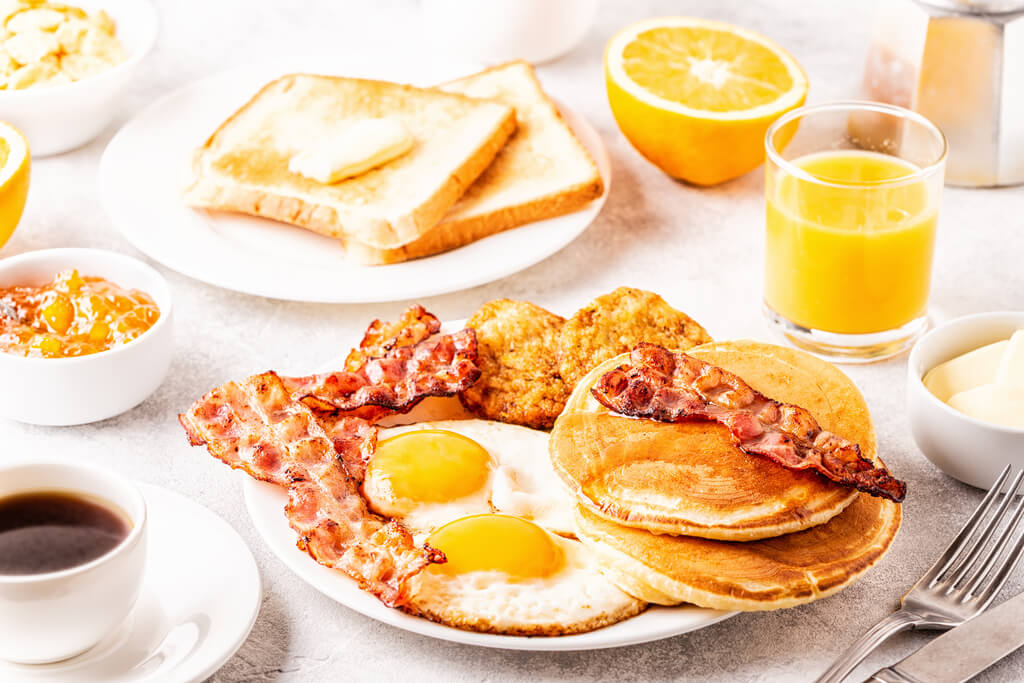
    American breakfast has significantly influenced Filipino dining habits, shaping the country’s culinary landscape. Pancakes, bacon, and scrambled eggs are popular choices in Filipino cuisine, showcasing the enduring impact of American food culture.

    This cultural integration has led to a shift towards enjoying Western flavors and ingredients among Filipinos. For instance, the fusion of local flavors with Western elements has created a distinct Filipino breakfast identity.

    Historical Roots of American Influence

    American culture, including its culinary traditions, influenced Filipino dining habits during the U.S. colonization of the Philippines in the early 20th century.

    American breakfast staples like pancakes, eggs, and bacon were introduced to Filipino cuisine. This cultural exchange was intentional, aiming to spread American influence globally.

    The legacy of American imperialism is still evident today in Filipino households where American-style breakfasts remain popular.

    Filipino Breakfast Traditions Evolve

    In the evolution of Filipino breakfast traditions, Western influences have become essential.

    Traditional dishes like tapsilog and arroz caldo now incorporate American-style breakfast elements.

    This fusion creates a unique Filipino breakfast, influenced by American habits.

    Western Influences Prevail

    The influence of American breakfast on Filipino dining habits is growing, leading to a shift from traditional Filipino breakfast dishes to Western-style staples like pancakes and eggs benedict. This change is driven by cultural assimilation and the spread of Western food choices in the Philippines. American-style diners and fast-food chains, along with the availability of Western breakfast foods in supermarkets, have played a significant role in this transformation.

    As a result, many Filipinos, especially the younger generation, are embracing Western breakfast options as their new norm. Food imperialism is a key factor in this cultural shift, where dominant cultures impose their culinary preferences on others.

    Traditional Dishes Adapted

    Traditional Filipino breakfast dishes like tapsilog and arroz caldo are getting a modern twist. New versions blend local flavors with Western ingredients and techniques.

    For example, you may find longganisa and bacon combined with scrambled eggs, or arroz caldo with truffle oil and parmesan. These adaptations are making traditional dishes more appealing to a new generation of Filipinos.

    The fusion of sweet longganisa and smoky bacon, along with the luxurious touch of truffle oil in arroz caldo, showcases the evolving breakfast scene in the Philippines.

    Rise of American-Style Diners

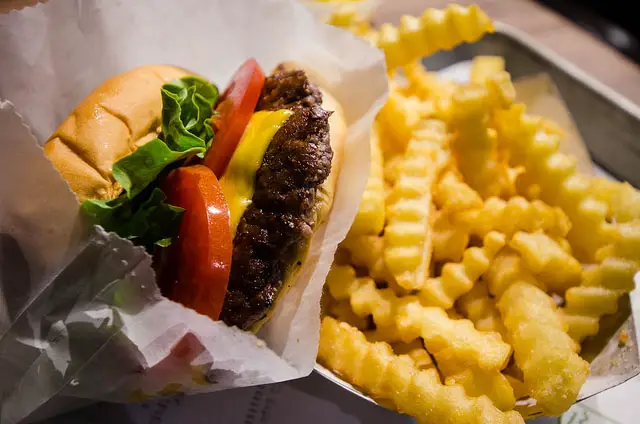
    American-style diners became popular in the Philippines after World War II, attracting both locals and foreigners with their retro decor and comfort food. These diners feature vinyl booths, checkered floors, and chrome accents that create a nostalgic yet modern atmosphere. Classic American dishes like burgers, milkshakes, and pancakes are common on the menus.

    The diners served as popular hangout spots in Manila, offering a taste of American culture. Customers can enjoy a vintage ambiance reminiscent of classic American movies while indulging in fries and milkshakes at the counter.

    Changing Tastes and Preferences

    The impact of American breakfast on Filipino dining habits has led to a shift in palate preferences.

    Filipinos are gradually embracing Western flavors and ingredients due to the influence of American-style breakfast.

    For example, dishes like pancakes, bacon, and scrambled eggs are becoming more popular in Filipino breakfast choices.

    This subtle transformation reflects a growing taste for American breakfast items among Filipinos.

    Shifting Palate Preferences

    Shift in Filipino Breakfast Preferences

    Filipinos are now favoring American-style breakfast over traditional Filipino dishes due to cultural assimilation.

    Traditional Filipino Breakfast vs. American-Style Breakfast

    Garlic Fried Rice ➝ Fluffy Pancakes

    • Reason for Shift: Convenience and novelty

    Tinapang Galunggong ➝ Crispy Bacon

    • Reason for Shift: Desire for new flavors

    Ube Halaya ➝ Scrambled Eggs

    • Reason for Shift: Increased exposure to American cuisine

    Adobo Fried Rice ➝ Breakfast Sandwiches

    • Reason for Shift: Social media influence

    Tinapang Galunggong ➝ French Toast

    • Reason for Shift: Decreasing food neophobia

    Taste Buds Evolving Slowly

    Your taste buds are slowly adjusting to new flavors and textures in Filipino cuisine. Many Filipinos are experiencing a similar transition due to the growing popularity of international flavors and culinary experimentation. Traditional Filipino breakfasts are evolving with influences from other cuisines, like adding Korean chili flakes to eggs or opting for whole-grain toast instead of rice.

    Your evolving palate allows you to appreciate a variety of flavor profiles, such as the rich tastes of American-style breakfasts or the bold flavors of Korean dishes. This adaptation reflects the dynamic nature of Filipino cuisine, which embraces new influences and flavors.

    Western Influence Takes Hold

    American influences have shaped Filipino breakfast preferences, leading to a shift from traditional Filipino staples to Western-style fare like pancakes, waffles, and eggs benedict. This change reflects the enduring impact of the colonial period when the Philippines was under American rule for almost 50 years. The cultural assimilation during this time continues to influence the culinary landscape today.

    Filipino breakfast plates now commonly feature a mix of Western and traditional elements, such as scrambled eggs, bacon, toast, sinangag (fried rice), and tapa (cured beef). This fusion creates a unique breakfast culture in the Philippines, blending American tastes with local dishes.

    This cultural exchange highlights the historical ties between the Philippines and the United States and the evolution of Filipino cuisine over time.

    Cultural Identity in Flux

    Cultural identity in the Philippines is influenced by a blend of traditions and globalization.

    Traditional Filipino breakfast dishes are gradually being replaced by American breakfast staples like pancakes and eggs. This shift reflects a changing culinary landscape in the country.

    Filipinos are adapting to the influx of new influences while trying to preserve their heritage.

    The interplay between tradition and innovation shapes how individuals define their cultural identity.

    The Bacon and Eggs Phenomenon

    The rise of bacon and eggs has influenced Filipino dining habits. This classic American breakfast combo has sparked a culinary revolution in the Philippines. It has become a popular choice for many Filipinos as a hearty and satisfying morning meal.

    Local restaurants and food establishments now offer bacon and eggs as a staple on their menus. This trend has led to an increased demand for these ingredients in local markets. Filipinos have embraced this breakfast option, incorporating it into their daily routines.

    Morning Meal Revolution

    The American-style breakfast trend, featuring bacon and eggs, has significantly impacted morning meals in the Philippines.

    Breakfast has evolved from a simple meal to a significant part of the culinary scene. Restaurants and cafes now offer a wide range of breakfast choices, reflecting a Breakfast Renaissance.

    Local chefs are incorporating traditional ingredients into their dishes, creating unique and innovative breakfast options. This shift in breakfast culture hasn’t only changed eating habits but also the way people socialize.

    Breakfast has become a time for catching up with friends, spending quality time with family, or enjoying some personal relaxation.

    The morning meal revolution in the Philippines has fundamentally changed the way people eat, interact, and begin their day.

    Egg-cellent Combinations Rise

    Classic Filipino breakfast combos are evolving with modern twists, influenced by American flavors.

    Examples:

    • Bacon and eggs now come with a Pinoy touch of garlic fried rice and patis.
    • Scrambled eggs are paired with spicy Chorizo for a mix of Filipino and Spanish tastes.
    • Smoked salmon and cream cheese bring luxury to the traditional bagel and lox pairing.
    • Breakfast burritos are filled with scrambled eggs, chorizo, and adobo sauce for a new morning favorite.

    These innovative combinations are enhancing the Filipino breakfast experience, inspiring more creative and delicious morning meals.

    Crispy Bacon Craze

    Crispy bacon is a popular breakfast choice in the Philippines. Filipino diners enjoy the smoky and salty flavor it brings to their morning meals. This trend is part of a larger community of bacon enthusiasts in the country.

    Restaurants and cafes are creating new dishes with bacon to meet the demand. Whether you prefer classic bacon and eggs or more unique options like bacon-wrapped waffles or bacon-topped pancakes, the appeal of bacon’s savory, sweet, and smoky taste is undeniable.

    The crispy bacon craze has firmly taken hold in the Philippines.

    Coffee Culture Takes Hold

    The coffee culture in Manila is thriving, with an influx of American-style coffee shops attracting both coffee enthusiasts and newcomers.

    Local farms supply specialty coffee beans, adding a unique flavor to the brews and highlighting the rich coffee heritage of the Philippines.

    Filipino baristas excel in pairing coffee with sweet and savory treats, turning coffee and food pairings into an art form. For example, they might pair a local Arabica brew with a traditional Filipino pastry like ‘ensaymada’ for a delightful experience.

    Traditional Filipino breakfast dishes have been reimagined to complement coffee perfectly, creating a cultural fusion at cafes. For instance, ‘tapsilog’ (cured beef, garlic rice, and fried egg) can now be enjoyed alongside a robust cup of locally sourced coffee.

    A variety of coffee options such as iced coffee and cold brew are now widely available, catering to the preferences of Filipino coffee lovers.

    The thriving coffee culture in the Philippines offers a diverse range of choices for coffee connoisseurs.

    Fast Food and Convenience

    The rise of fast food chains and convenience stores has transformed the way Filipinos kickstart their day, opting for quick and easy breakfast options over traditional home-cooked meals. This shift towards convenience caters to the fast-paced lifestyle of many Filipinos, providing them with efficient ways to fuel up in the morning without the need for extensive meal preparation.

    Fast food chains like McDonald’s and Jollibee offer morning rush breakfast meals, catering to the time constraints of busy individuals.

    Convenience stores such as 7-Eleven provide grab-and-go breakfast sandwiches, ideal for those in a hurry.

    Starbucks facilitates fast lane mobile ordering to streamline the breakfast process for customers on the move.

    Dunkin’ Donuts offers quick bites breakfast wraps, perfect for a convenient breakfast option.

    This modern approach to breakfast allows Filipinos to save time and energy in the morning, making it easier for them to manage their schedules efficiently. The availability of these quick breakfast options has reshaped morning routines, emphasizing speed and convenience without compromising on taste and satisfaction.

    Local Ingredients Meet Foreign Flair

    Filipino chefs are infusing American-style breakfast dishes with local ingredients to create a unique culinary experience.

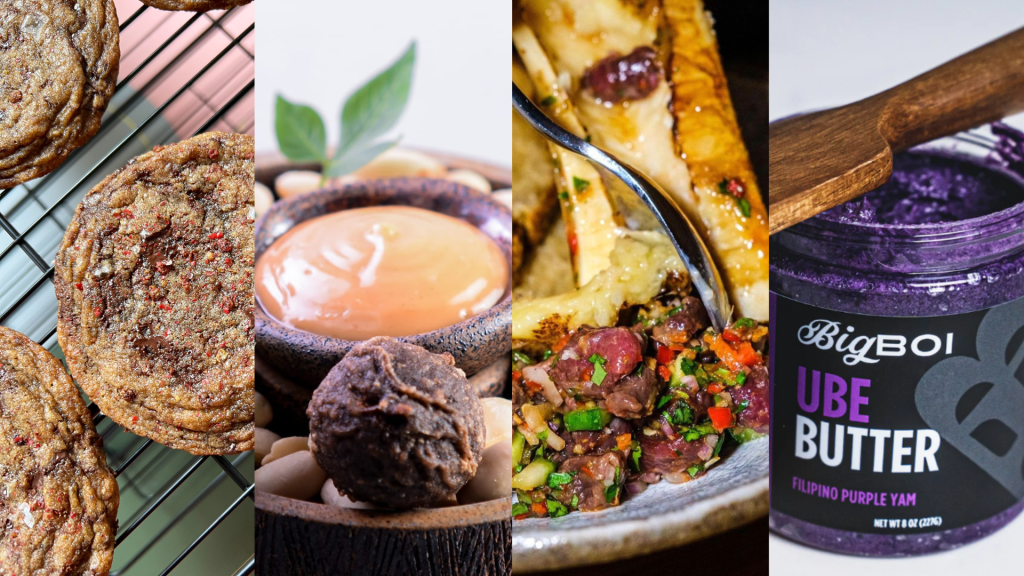
    Ube halaya is used as a topping for waffles and pancakes, adding a sweet and vibrant twist.

    Longganisa, a Filipino-style sausage, is paired with scrambled eggs and toast for a savory breakfast delight.

    Adobo-style chicken is served with crispy hash browns and toast, blending traditional Filipino flavors with classic breakfast staples.

    Fresh buko is utilized to make a refreshing breakfast smoothie, offering a tropical touch to the morning meal.

    How has American fast food influenced Filipino dining habits?

    American fast food has had a significant impact on Filipino dining habits. The introduction of American fast food comparison in the Philippines has led to an increased consumption of fast food, leading to changes in traditional eating patterns and a preference for convenience over traditional Filipino cuisine.

    A Breakfast Identity Crisis

    Filipino diners offer a mix of traditional and American-style breakfast dishes, causing a blend of emotions for customers. This fusion can be both intriguing and perplexing, prompting questions about cultural identity.

    The menu may raise concerns about embracing diversity versus forgetting one’s roots. For example, dishes like tinapang galunggong with garlic fried rice and bacon and eggs represent this culinary dilemma.

    The presence of American breakfast items in Filipino cuisine has led to an existential crisis in defining Filipino breakfast. Customers grapple with the question of what truly constitutes a ‘Filipino’ breakfast, whether it’s a traditional dish, an American classic, or a fusion creation like adobo-infused scrambled eggs in a breakfast burrito.

    Ultimately, the influx of American breakfast culture challenges the essence of Filipino culinary identity.

    Frequently Asked Questions

    Do Filipino Diners Prefer Sweet or Savory Breakfast Options?

    Filipino diners prefer savory breakfast options over sweet ones. This choice is influenced by a cultural preference for flavorful and hearty dishes in the morning. For example, popular savory breakfast choices in the Philippines include dishes like tapsilog (marinated beef with garlic fried rice and fried egg), longsilog (sweet pork sausage with garlic fried rice and fried egg), and champorado (chocolate rice porridge). These options provide a satisfying and filling start to the day, aligning with the local taste for savory flavors.

    Are American-Style Breakfasts More Popular in Urban or Rural Areas?

    American-style breakfasts are more popular in urban areas due to urbanization trends, regional identity, and cultural assimilation. For example, cities like New York and Los Angeles have a wide variety of breakfast options that cater to diverse tastes and preferences. In contrast, rural areas tend to stick to traditional breakfast choices influenced by geographic factors. This preference is evident in farming communities where breakfast may consist of farm-fresh eggs, bacon, and homemade bread.

    Can Traditional Filipino Breakfast Dishes Coexist With American Influences?

    Cultural fusion can enhance breakfast by combining traditional Filipino dishes with American influences to create a unique morning meal. This fusion can introduce new flavors and culinary experiences while honoring both Filipino and American food traditions.

    For example, dishes like longganisa and tocino can be served alongside American staples like pancakes or waffles, offering a variety of sweet and savory flavors on one plate. This blend allows for a diverse breakfast spread that caters to different taste preferences.

    How Has the Rise of Social Media Impacted Breakfast Trends in the Philippines?

    The rise of social media has significantly impacted breakfast trends in the Philippines. Influencer marketing and foodie culture have driven the demand for visually appealing dishes. For example, influencers showcasing aesthetically pleasing breakfast spreads have influenced people’s preferences towards more visually appealing meals.

    Online reviews play a significant role in shaping opinions about breakfast establishments. Platforms like Yelp and Zomato provide a platform for customers to share their experiences, influencing where people choose to have breakfast. Positive reviews can lead to increased foot traffic and popularity for a breakfast spot.

    Breakfast aesthetics have become a way to tell a story through visual storytelling. People are increasingly drawn to breakfast places that offer not only delicious food but also a visually captivating ambiance. Cafes and restaurants that prioritize aesthetics in their breakfast presentations tend to attract more customers who are looking for a unique and Instagram-worthy dining experience.

    Are Health-Conscious Filipinos Driving Demand for Healthier Breakfast Options?

    Health-conscious Filipinos in the Philippines are increasing demand for healthier breakfast options. This trend reflects global interest in wellness and fitness, with a focus on nutritious foods to support active lifestyles. For example, popular choices include overnight oats with fresh fruits, avocado toast on whole grain bread, and smoothie bowls packed with vitamins and antioxidants. These options provide sustained energy throughout the day and promote overall well-being.

    Conclusion

    American breakfast has influenced Filipino dining habits, shaping a distinct cultural identity. The integration of local ingredients with foreign influences has transformed the breakfast scene. Traditional Filipino breakfast dishes remain cherished, but American-style diners and fast food chains have introduced new options.

    Being a Filipino breakfast eater today involves enjoying traditional dishes like tapsilog (marinated beef with garlic rice and fried egg) alongside American-inspired choices such as pancakes and bacon.
  • 3 Ways American Coffee Permeates Philippine Dining Scene

    3 Ways American Coffee Permeates Philippine Dining Scene

    American coffee culture has influenced the dining scene in the Philippines through specialty coffee offerings, social coffee shops, and innovative food pairings.

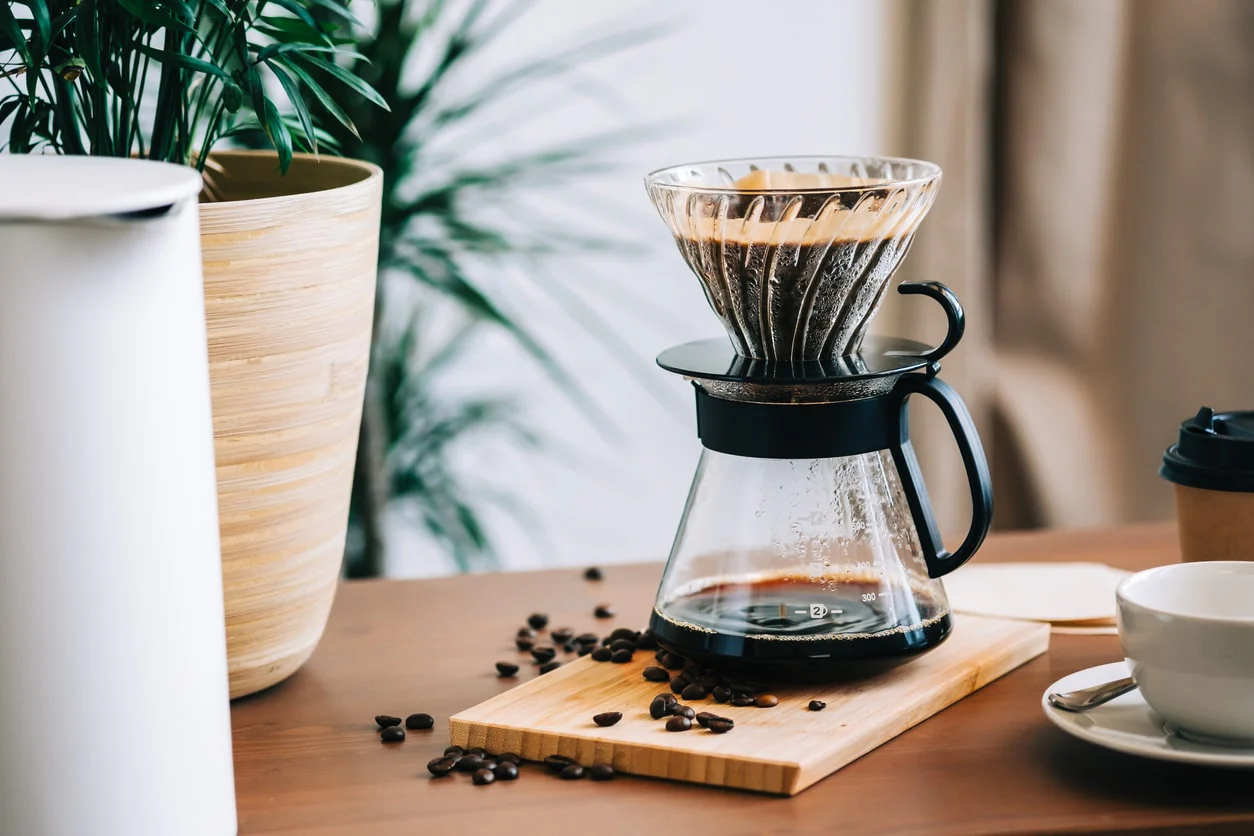
    Specialty coffee offerings in local restaurants showcase unique brewing methods and flavors, enhancing menus with diverse coffee options like pour-over and cold brew.

    Coffee shops have transformed into vibrant social hubs, where people gather to connect and engage in lively interactions over a cup of coffee, creating a sense of community.

    Innovative food pairings have emerged, such as coffee-glazed donuts and artisanal sandwiches, showcasing the creative fusion of coffee with various culinary delights.

    Exploring the Philippine dining scene reveals the subtle yet impactful ways American coffee culture has shaped local food experiences, offering exciting possibilities for culinary exploration.

    Coffee Culture Shapes Local Menus

    American coffee culture has influenced menus in the Philippines, leading to a rise in specialty coffee offerings. Local restaurants and cafes now feature unique coffee drinks tailored to complement their dishes. This trend has prompted menu updates to meet the demand for artisanal coffee.

    For instance, a bistro may serve a rich, smoky coffee with savory breakfast items, while a cafe might offer a fruity, cold brew to pair with sweet pastries. The blending of different flavors enhances the dining experience, allowing customers to savor the intricate tastes of both the coffee and the food.

    This integration of flavors has become a significant aspect of dining culture in the Philippines.

    Rise of Coffee-Driven Social Hubs

    Coffee shops in the Philippines have become popular social hubs, where people gather to enjoy coffee and connect with others. These cafes provide a cozy and welcoming environment for catching up with friends, working remotely, or simply relaxing.

    The vibrant energy of the coffee community is palpable as soon as you step inside. Customers can engage in conversations with like-minded individuals or witness the lively interactions between baristas and regulars.

    These coffee-driven social hubs have become an essential part of Filipino social culture, offering a sense of belonging and community.

    The Philippines coffee culture is thriving, with an increasing number of coffee shops serving expertly crafted brews and fostering connections among customers.

    How Has American Soda Influenced the Inclusion of American Coffee in the Philippine Dining Scene?

    The influx of American soda’s influence on Filipino cuisine has expanded beyond just carbonated drinks. American coffee has quickly become a staple in the Philippine dining scene, mirroring the rise of American fast-food chains in the country. The influence of American soda has paved the way for the incorporation of American coffee into Filipino dining habits.

    Brewing a New Foodie Experience

    Coffee shops in the Philippines are now offering a unique dining experience by pairing their specialty coffee with innovative food options.

    These include:

    • Coffee-glazed donuts, a popular choice to enjoy with a cold brew.
    • Artisanal sandwiches made with bacon and cheese, paired with a medium-roast coffee.
    • Chocolate truffles infused with espresso, best savored with a bold shot of coffee.

    Frequently Asked Questions

    What Inspired the Fusion of American Coffee With Filipino Cuisine?

    The fusion of American coffee with Filipino cuisine was inspired by cultural exchange and historical roots. American colonialism introduced coffee to the Philippines, leading to a blend of flavors and traditions that continue to influence culinary practices today.

    Can Traditional Filipino Coffee Beans Compete With Imported Beans?

    Traditional Filipino coffee beans can compete with imported ones based on bean quality, local pride, and farming practices meeting market demand. Filipino beans can deliver on taste and consistency. For example, the Cordillera region in the Philippines produces high-quality Arabica beans that are gaining recognition worldwide. Additionally, Filipino farmers are increasingly adopting sustainable and ethical farming practices, further enhancing the quality of local coffee beans.

    How Do Coffee Pairings Enhance the Flavors of Local Dishes?

    Pairing coffee with local Filipino dishes enhances the dining experience by combining bold flavors and nuanced profiles. For example, a cup of Barako coffee complements the richness of Adobo, while the acidity of a cup of Benguet coffee can balance the savory flavors of Sinigang. This cultural exchange celebrates the diversity and complexity of Filipino cuisine.

    Are Coffee-Infused Desserts a New Trend in Philippine Bakeries?

    Coffee-infused desserts are gaining popularity in Philippine bakeries. The addition of rich coffee cream enhances the flavor of these treats, creating unique and delightful taste experiences. For example, coffee-flavored cupcakes, tiramisu, and coffee jelly are some of the sought-after options. This trend is revolutionizing the dessert scene, offering a twist to traditional sweets and appealing to coffee lovers.

    Do Filipino Coffee Connoisseurs Prefer American-Style Coffee Over Local Brews?

    Filipino coffee enthusiasts have diverse preferences when it comes to coffee styles. Some favor American-style coffee for its familiarity and consistency. However, many others take pride in traditional local brews that reflect their cultural heritage. Notable examples of traditional Filipino coffee include Barako, Kape Alamid, and Kapeng Tagalog. These local coffees offer unique flavors and aromas that resonate with those seeking a taste of nostalgia and authenticity.

    Conclusion

    American coffee culture has significantly impacted the Philippine dining scene. Traditional Filipino cuisine has been infused with modern coffee trends, creating a unique culinary experience for locals.

    This fusion has led to the emergence of coffee-infused dishes, such as adobo with a coffee marinade or coffee-flavored desserts like leche flan. These innovative creations cater to both coffee enthusiasts and food lovers alike.

    In addition to menu items, American coffee culture has transformed dining spaces in the Philippines. Cafes and coffee shops have become popular social hubs where people gather to enjoy specialty coffee drinks and spend time with friends and family. These establishments often feature cozy and Instagram-worthy interiors, attracting a younger demographic seeking a relaxed and trendy atmosphere.

    Moreover, the influence of American coffee culture extends beyond food and ambiance to social interactions. Coffee rituals, such as meeting for a cup of coffee to catch up with friends or discussing business over a latte, have become a common practice in Filipino society.

    This cultural shift highlights the integration of Western coffee customs into the local social fabric, shaping how Filipinos connect and engage with one another in a contemporary setting.

  • American Pizza Craze in the Philippines: A Deep Dive

    American Pizza Craze in the Philippines: A Deep Dive

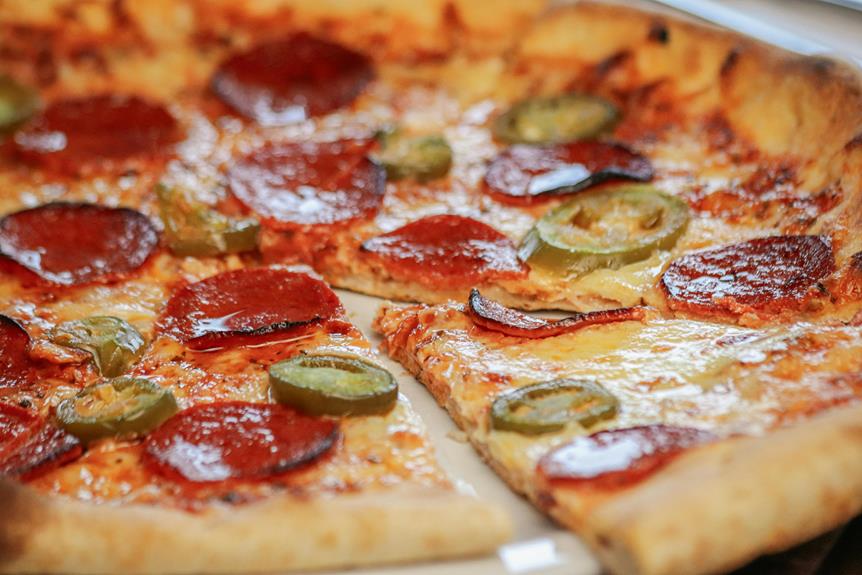
    American-style pizza in the Philippines has surged in popularity due to post-WWII American influence, urbanization, and rising middle-class incomes. This demand is driven by the need for convenient, affordable, and familiar food.

    Effective marketing tactics, influencer collaborations, and celebrity endorsements have significantly increased brand recognition. For instance, partnerships with popular local personalities have widened the customer base.

    The trend is evolving to include gourmet and healthier pizza options to meet changing consumer preferences. An example of this is the introduction of gluten-free crusts and vegan toppings.

    This American pizza craze is reshaping the culinary scene in the Philippines by offering a diverse range of choices to cater to varying tastes and dietary requirements.

    History of American Pizza in PH

    American-style pizza was first introduced in the Philippines in the 1950s by American expatriates and servicemen. The introduction of American culture post-World War II in the 1950s contributed to the popularity of American pizza in the Philippines.

    The country's history as a former American colony also played a role in the assimilation of American habits, including food. This led to a quick adoption of American pizza, especially among urban dwellers in Manila with higher disposable incomes.

    The history of American pizza in the Philippines showcases a blend of cultural exchange and culinary adaptation.

    Rise of Fast Food Culture

    Fast food culture in the Philippines rose due to the popularity of American-style pizza in Manila.

    This demand surged because of urban migration and culinary imperialism. Urban migration saw people moving to cities for better opportunities, leading to a need for quick, cheap, and familiar food.

    Culinary imperialism, or the spread of foreign food habits, also influenced this shift. American chains like Shakey's, Pizza Hut, and McDonald's took advantage of this trend, expanding their presence. Consequently, the Philippines became one of Asia's fastest-growing fast food markets.

    Economic Factors Driving Demand

    The demand for American-style pizza in the Philippines is largely driven by economic factors.

    Rising incomes in the country have increased purchasing power, allowing people to afford premium products like American-style pizza.

    Urbanization has led to a shift towards a more fast-paced lifestyle, making convenient and affordable food options like pizza popular.

    Changing lifestyles have also played a role, with the growing middle class fueling demand for gourmet pizzas and specialty toppings.

    The Philippines-US Free Trade Agreement has facilitated the influx of American food chains, making it easier for Filipinos to access their favorite pizza brands.

    As the Philippine economy continues to grow, the appetite for American-style pizza is expected to increase further.

    Marketing Strategies and Endorsements

    Effective marketing strategies have played a key role in promoting American-style pizza in the Philippines. Influencer partnerships with popular social media figures have helped boost brand recognition and trust among the target audience. For instance, collaborating with influencers like Alex Gonzaga or Bretman Rock has significantly increased visibility and credibility for international pizza chains.

    Celebrity endorsements by local stars have also contributed to the success of American-style pizza in the Philippines. By having celebrities like Kathryn Bernardo or Alden Richards endorse their favorite pizza brands, companies have added glamour and attraction to their products, appealing to a wider audience.

    Social media campaigns have been pivotal in creating excitement and driving sales for American-style pizza. By launching engaging campaigns on platforms like Instagram and Facebook, pizza chains have successfully generated buzz around new menu items or promotions, increasing customer engagement and loyalty. For example, Shakey's Pizza's #LetsShakeys campaign garnered widespread attention and led to a surge in sales.

    Limited-time offers have been effective in driving sales and fostering customer loyalty in the Philippine pizza market. By introducing promotions like buy-one-get-one deals or exclusive discounts for a limited period, pizza chains have created a sense of urgency that motivates customers to make a purchase. Domino's Pizza's Pizza Mania promotion, offering discounted prices on select pizzas for a limited time, has been particularly successful in attracting customers and boosting sales.

    Changing Tastes and Preferences

    American-style pizza chains in the Philippines are adapting to changing consumer preferences, with a focus on healthier and artisanal options. Younger Filipino consumers are driving this shift towards more diverse and unique flavor profiles.

    To cater to this trend, pizza chains are incorporating ingredients like cauliflower crusts, vegan cheese, and locally sourced produce. This adaptation is also influenced by a growing awareness of cultural appropriation.

    The evolving palate of Filipino consumers is leading to a more diverse pizza landscape, emphasizing authenticity and cultural sensitivity. Pizza chains are revamping their menus to include gourmet options, such as unique flavor combinations and cooking methods.

    For example, some chains are offering pizzas with indigenous Filipino ingredients to appeal to local tastes. This change is essential for pizza chains to remain competitive in a rapidly changing market.

    The Role of Social Media Influence

    Social media plays a significant role in driving the American pizza craze in the Philippines through various strategies:

    Influencer partnerships: American pizza chains collaborate with popular Filipino influencers to endorse their brand, using sponsored posts and giveaways to reach a wider audience.

    Online trends: Chains create excitement around new menu items and promotions, encouraging customers to share their experiences online and contribute to the trend's popularity.

    Visual storytelling: High-quality food photography and videos are used to entice customers, triggering cravings and increasing engagement with the brand.

    User-generated content: Customers share their own pizza experiences on social media, providing social proof and enhancing the credibility of the American pizza chains in the Philippines.

    American Brands Vs Local Chains

    In the Philippine pizza market, American brands like Pizza Hut and Domino's dominate over local chains like Yellow Cab and Sbarro due to their established franchise model. American brands maintain consistency and quality through their franchise system, building customer loyalty.

    In contrast, local chains struggle with consistency, hindering brand loyalty. American brands invest significantly in marketing and advertising, creating a strong brand image that resonates with Filipino consumers. This results in higher brand recognition and consumer trust for American pizza chains.

    To compete, local chains should focus on developing a distinct brand identity and boosting marketing efforts to increase brand awareness and loyalty.

    The Rise of Gourmet Pizza Options

    Gourmet pizza options are gaining popularity in the Philippines due to evolving consumer tastes. These pizzas offer innovative flavor combinations like truffle oil, fig jam, and prosciutto. This elevates the pizza experience to a gourmet level.

    Artisanal ingredients, such as fresh locally-sourced produce and high-quality meats, are used in gourmet pizzas. These ingredients enhance the overall quality of the pizza.

    Upscale restaurants and specialty pizzerias are leading the gourmet pizza trend in the Philippines. They are at the forefront of this culinary revolution.

    Gourmet pizza options cater to various dietary needs and preferences with customization choices like gluten-free crusts and vegan cheese. This ensures inclusivity for all pizza lovers.

    Impact on Local Food Industry

    The American pizza craze is impacting the local food industry in the Philippines by influencing Filipino taste preferences towards Western flavors. This shift is prompting local restaurants to adjust their menus and marketing strategies to remain competitive.

    For example, the increasing popularity of gourmet pizza options is changing both the eating habits of Filipinos and the operational methods of local businesses.

    Local Taste Buds Shift

    The rise of American-style pizza chains in the Philippines is causing a shift in local taste buds towards pizza over traditional Filipino dishes. This change isn't just a passing trend but a significant transformation in Filipino food preferences.

    1. Culinary Identity Impact: Choosing pizza over traditional Filipino dishes means letting go of cultural heritage in favor of a more Westernized option.
    2. Flavor Diversity: While pizza introduces new flavors, it may overshadow the unique and bold tastes of Filipino cuisine like adobo and sinigang.
    3. Local Eateries Struggle: Traditional Filipino eateries face challenges as pizza chains dominate the market, risking closure due to changing consumer preferences.
    4. Standardized Taste: The influx of international pizza chains leads to a homogenization of taste, potentially reducing the diversity of flavors in Filipino cuisine.

    Market Competition Rises

    Market competition in the Philippines is intensifying as international pizza chains expand aggressively. Local food businesses are adjusting their strategies to remain competitive. The focus is on adapting to the changing preferences of Filipino consumers.

    Price surges are occurring as pizza joints compete by offering lower prices to attract cost-conscious customers. This places pressure on local food businesses with limited resources. Some local entrepreneurs are emphasizing traditional Filipino cuisine flavors and ingredients to stand out. Others are prioritizing delivery and convenience to meet the demand for on-the-go food options.

    Survival in this competitive landscape hinges on innovation and adaptability. Local food businesses are facing a challenge against the financial power of international chains. The future will reveal which players can withstand the competition.

    What Impact Has American Pizza had on Filipino Cuisine?

    American pizza has had a significant impact on Filipino cuisine. The fusion of American cuisine and Philippine flavors has resulted in unique pizza offerings in the Philippines. Traditional toppings like adobo and longganisa have been incorporated into pizza, creating a delicious blend of both culinary worlds.

    Future of Pizza in the Philippines

    The future of pizza in the Philippines will be shaped by key trends:

    1. Increased focus on digital ordering and delivery:

    Pizza chains in the Philippines must enhance their online ordering systems to meet the rising demand for convenience among Filipinos.

    • Example: Domino's Pizza Philippines offers a user-friendly mobile app for easy digital ordering and delivery.
    1. Rise of plant-based and vegan options:

    To cater to health-conscious consumers, pizza chains need to introduce more plant-based and vegan pizza choices on their menus.

    • Example: Yellow Cab Pizza Co. in the Philippines offers a 'Dear Darla' vegan pizza with dairy-free cheese and plant-based toppings.
    1. Growing importance of eco-friendly packaging:

    Consumers in the Philippines are increasingly eco-conscious, prompting pizza chains to adopt sustainable packaging solutions to reduce waste.

    • Example: GreenWise Pizza uses compostable pizza boxes made from recycled materials in their packaging.
    1. More emphasis on locally sourced ingredients:

    To align with the trend of supporting local businesses, pizza chains should incorporate locally sourced ingredients into their pizzas.

    • Example: Angel's Pizza in the Philippines uses fresh, locally sourced vegetables and meats in their pizzas to support local farmers.

    Frequently Asked Questions

    Do Americans Living in the Philippines Prefer Local or American Pizza Chains?

    Americans living in the Philippines tend to prefer American pizza chains. These chains offer flavors that cater to the American palate, which is accustomed to bold and rich tastes. In contrast, local pizza chains in the Philippines often have milder flavors to accommodate cultural preferences. For example, popular American pizza chains like Pizza Hut and Domino's are favored by many Americans living in the Philippines for their familiar and distinct flavors that remind them of home.

    Can Filipino Pizza Recipes Compete With American-Style Pizza Flavors?

    Filipino pizza recipes can compete with American-style flavors. They combine traditional Pinoy ingredients with international twists, creating a unique taste experience. For example, a popular Filipino pizza topping is longganisa, a sweet and savory sausage. This fusion of flavors sets Filipino pizza apart and makes it a strong contender in the culinary world.

    Are Gourmet Pizza Options More Popular Among Locals or Expats?

    Gourmet pizza options are popular among both locals and expats. Expat enclaves attract expats who drive demand for upscale, artisanal pies. This caters to their refined tastes in the thriving foodie culture.

    Do American Pizza Chains Offer Job Opportunities for Local Residents?

    American pizza chains in the Philippines offer job opportunities for local residents. They provide training programs and competitive employee benefits. For example, Jollibee Foods Corporation, which owns the pizza chain Greenwich, offers health insurance and paid time off to attract and retain local talent.

    Can Locally-Owned Pizzerias Compete With International Brand Marketing?

    Locally-owned pizzerias can compete with international brand marketing by leveraging local pride and unique flavors. Local pride can foster a loyal customer base as people often prefer to support businesses in their community. For example, a pizzeria in a small town may attract customers who value supporting local businesses over international chains. Additionally, unique flavors set locally-owned pizzerias apart from big brands. By offering specialty pizzas with locally-sourced ingredients or creative combinations, these pizzerias can attract customers looking for something different. An example of this is a pizzeria that uses locally-grown vegetables and artisanal cheeses to create distinctive pizzas that customers can't find at chain restaurants.

    Conclusion

    The American pizza trend in the Philippines is driven by cultural, economic, and marketing factors.

    Fast food culture, clever marketing, and evolving tastes have all boosted the popularity of American-style pizza. For example, the influence of American media and the rise of global fast-food chains like Pizza Hut and Domino's have familiarized Filipinos with this type of pizza. This has led to a preference for convenient, quick meals that suit the busy lifestyle of many Filipinos.

    The impact of American-style pizza in the Philippines has spurred the growth of gourmet options and local chains. For instance, pizza restaurants like Yellow Cab Pizza Co. and Shakey's Pizza have become popular for their unique flavors and dining experiences. This has created a diverse pizza market that caters to different tastes and preferences.

    The love for pizza in the Philippines is enduring and shows no signs of fading. With the continued evolution of the market, innovative pizza creations and unique dining experiences will likely continue to thrive, ensuring that pizza remains a beloved choice among Filipinos.

  • Why Has American Cuisine Merged With Philippine Flavors?

    Why Has American Cuisine Merged With Philippine Flavors?

    The fusion of American and Philippine flavors is a result of historical ties between the two nations. This cultural exchange has influenced cuisine, language, and values.

    Filipino-American chefs play a significant role in blending traditional dishes with modern twists. For example, dishes like adobo fried chicken and ube cheesecake showcase this unique fusion.

    This blending of flavors has led to innovative dishes that attract a wider audience and promote culinary appreciation.

    Historical Ties and Cultural Exchange

    The fusion of American cuisine with Philippine flavors has roots in the historical ties between the two countries. The Philippines was an American territory from 1898 to 1946, leading to a cultural exchange that influenced cuisine, language, and values. This exchange resulted in unique fusion dishes that blend flavors and cooking techniques.

    For example, dishes like adobo with a twist of American barbecue flavors showcase this cultural fusion.

    The colonial legacy of the Philippines under American rule shaped the country’s culinary landscape, giving rise to innovative dishes that reflect this cultural exchange.

    Filipino-American Chefs Leading the Charge

    Filipino-American chefs are leading the fusion of American and Philippine flavors. They’re infusing traditional Filipino dishes with modern twists, creating innovative culinary creations. For example, chef Tom Cunanan of Bad Saint in Washington, D.C., combines Filipino flavors with local ingredients to craft unique and bold dishes.

    These chefs blend their cultural heritage with contemporary techniques. By incorporating traditional Filipino ingredients like adobo and calamansi with modern cooking methods, they’re redefining the culinary landscape. Chef Margarita Manzke of Republique in Los Angeles, for instance, puts a modern spin on classic Filipino desserts like bibingka and leche flan.

    The culinary movement led by Filipino-American chefs showcases bold and exciting flavors. Through their creative use of ingredients and techniques, they’re introducing new taste experiences to the dining scene. Chef Dale Talde of Talde in New York City, known for his innovative takes on Filipino dishes like halo-halo and crispy pata, exemplifies this trend towards exciting flavor combinations.

    Cultural Identity Fusion

    Filipino-American chefs are infusing traditional American cuisine with bold Filipino flavors, creating a unique culinary fusion.

    Innovative chefs blend their National Pride and Personal Heritage to reinvent American dishes with Filipino influences. Childhood food memories like adobo and sinigang inspire creative twists on familiar American meals. This fusion of cultures bridges culinary traditions and promotes a deeper appreciation of their Blended Roots.

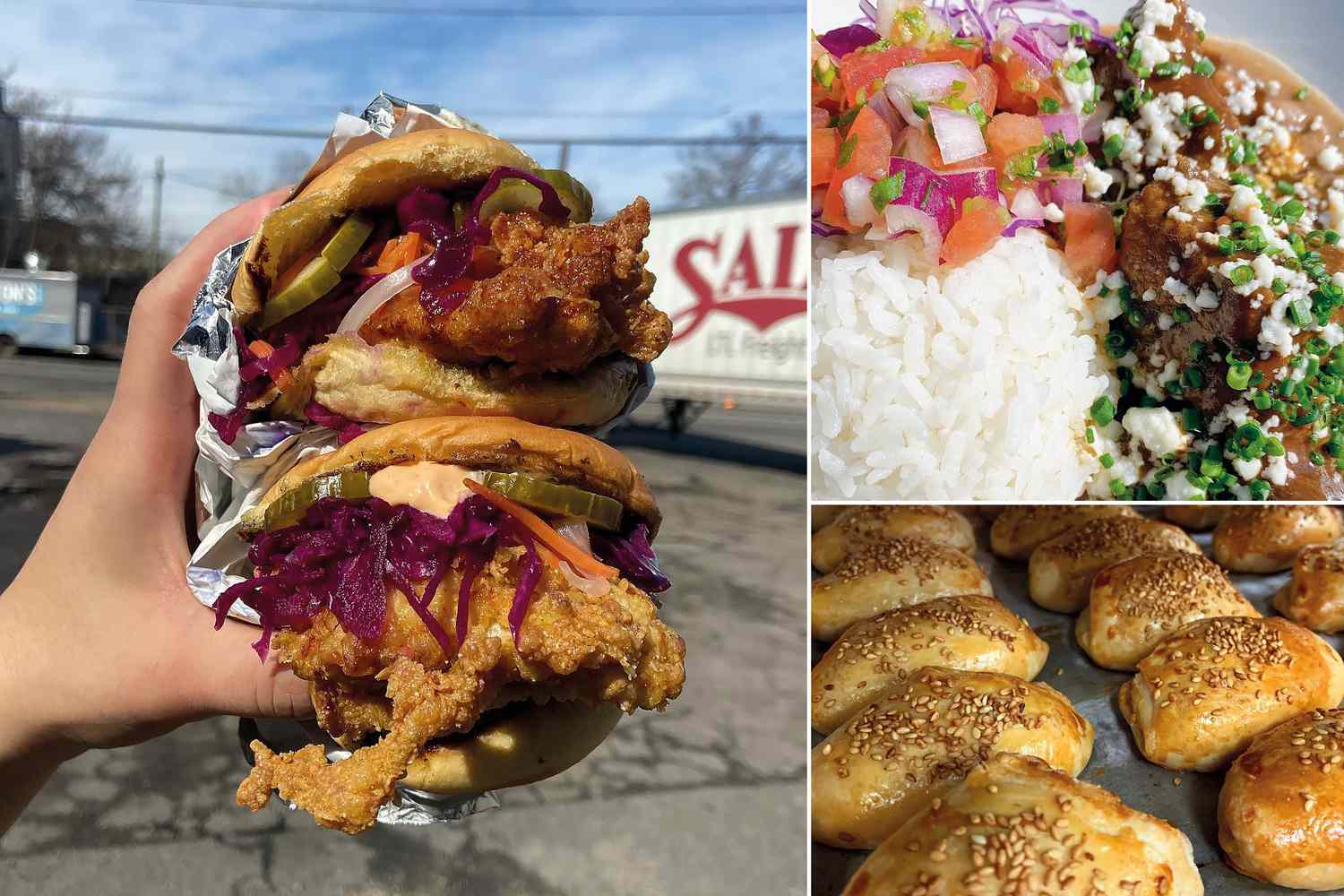
    • Adobo Fried Chicken: Infused with Adobo sauce, traditional Filipino flavors meet crispy fried chicken.
    • Sisig Sliders: Mini beef burgers influenced by Sisig, a Filipino minced pork dish.
    • Leche Flan Cheesecake: Creamy cheesecake with a Filipino twist of Leche flan, a creme caramel dessert.

    Innovative Menu Creations

    Filipino-American chefs are reshaping the culinary landscape with innovative menu creations by blending traditional Filipino flavors with American cuisine. Here’s how they’re doing it:

    Food Truck Fusion: Chefs are mixing Filipino tastes with American comfort food on food trucks, drawing a diverse audience. This fusion approach allows for unique and exciting dishes to be served on-the-go.

    Dish Reinvention: Classic Filipino dishes are getting a modern American twist, such as the dessert Halo-Halo being reimagined with flavors like strawberry and blueberry. This reinvention adds a new dimension to familiar favorites.

    Flavor Profiling: Chefs are skillfully combining bold Filipino flavors with American hearty tastes using culinary artistry principles. This results in a harmonious blend of savory and comforting elements in their innovative dishes.

    Southeast Asian Flavors in Demand

    Southeast Asian flavors are increasingly popular in American cuisine, with a focus on bold and aromatic tastes. The demand for exotic spice blends like Thai bird’s eye chili and Indonesian galangal is rising.

    Chefs are innovating with flavorful fusion dishes, blending traditional Southeast Asian ingredients with modern American cuisine. For example, Filipino adobo and Vietnamese pho are becoming well-loved dishes that showcase this fusion trend.

    Exotic Spice Blends Rise

    Exotic Spice Blends from Southeast Asia are Influencing American Cuisine

    • Global Influence:

    Spice blends from Southeast Asia, particularly the Philippines, are gaining popularity in American cuisine.

    • Complex Flavors:

    These blends offer bold and aromatic flavors, adding depth to dishes.

    • Examples:

    Filipino adobo and Thai street food-inspired blends are examples of this trend.

    Rising Trends in Exotic Spice Blends

    • International Flavors:

    Spice blends now incorporate global flavors, enhancing traditional dishes.

    • Culinary Exploration:

    Chefs are experimenting with new flavor combinations and techniques.

    • Regional Flavors:

    Blends are crafted to evoke specific tastes like those found in Filipino or Thai cuisine.

    Flavorful Fusion Trends

    Southeast Asian flavors are increasingly being fused with traditional American cuisine, seen in dishes like the Adobo Sandwich and Green Curry Burger. This fusion trend is driven by a desire for bold, exotic flavors in the culinary world.

    The Spice Odyssey has begun, with Southeast Asian influences leading the way.

    Examples of this fusion include:

    • Adobo Sandwich: Featuring Filipino-style chicken adobo on a crispy baguette with pickled carrots.
    • Green Curry Burger: A Thai green curry-infused burger topped with crispy bacon and melted cheddar.
    • Kimchi Fries: Korean kimchi fries tossed with crispy garlic and parmesan cheese.
    • Satay Tacos: Indonesian satay tacos served with spicy peanut sauce and cilantro.

    The blending of Southeast Asian flavors with American comfort food is redefining the dining experience, creating an exciting time for food enthusiasts.

    Global Palate Shift

    The global demand for Southeast Asian flavors is rising, reshaking culinary trends worldwide. This shift is driven by increased exposure to diverse flavors due to globalization.

    Factors Driving the Global Palate Shift:

    1. Increased travel and social media:

    Exposure to new flavors through travel and social media is fueling curiosity and demand for Southeast Asian cuisines. For example, travelers trying authentic Pad Thai in Thailand or seeing vibrant food photos on Instagram.

    1. Globalization and trade:

    Easy access to international ingredients and flavors is broadening the reach of Southeast Asian cuisine. This allows for the incorporation of ingredients like lemongrass and coconut milk in dishes worldwide.

    1. Diversity and cultural exchange:

    Chefs and food enthusiasts are embracing diverse flavors, leading to fusion cuisine. This fusion can be seen in dishes like Korean BBQ tacos or sushi burritos, combining different culinary traditions.

    The global palate shift transcends flavors, promoting cultural exchange and understanding through food.

    The Rise of Fusion Cuisine

    Fusion Cuisine: Filipino-American Flavors

    American chefs found that Filipino flavors paired well with traditional American dishes, sparking a fusion trend. This blend of East and West created unique dishes like Adobo Fried Chicken and Sisig Quesadilla.

    • Adobo Fried Chicken: Crispy fried chicken coated in adobo sauce, served with rice.
    • Sisig Quesadilla: Crispy tortilla filled with spicy sisig, paired with garlic fried rice.

    The fusion of Filipino and American cuisine led to creations like Leche Flan Cheesecake and Chicken Inasal Tacos.

    • Leche Flan Cheesecake: Creamy cheesecake with leche flan’s caramelized sugar.
    • Chicken Inasal Tacos: Grilled chicken inasal in a taco shell with cilantro and lime.

    Exploring fusion cuisine reveals endless possibilities, enhancing traditional dishes with exciting Filipino flavors.

    Adapting Traditional Filipino Recipes

    Filipino recipes are being adapted in the US by incorporating American twists to appeal to a broader audience. This fusion is achieved through flavor profile adjustments, ingredient substitutions, and menu localization.

    Flavor profile adjustments involve introducing new ingredients to enhance traditional flavors, creating unique taste experiences. For example, adding a hint of barbecue sauce to chicken inasal.

    Ingredient substitutions are made by replacing local ingredients with American alternatives while preserving the dish’s essence. An instance is using corned beef instead of traditional tuyo in breakfast silog.

    Menu localization is seen in restaurants tailoring their menus to suit regional American tastes, ensuring Filipino flavors appeal to local diners. One way this is done is by offering a fusion dish like adobo tacos.

    These adaptations allow Filipino cuisine to reach a wider audience without losing authenticity, offering a global culinary experience that blends Filipino and American influences seamlessly.

    American Twists on Filipino Classics

    American twists on Filipino classics reimagine traditional dishes with new flavors to cater to diverse palates. For example, sinigang, a sour soup typically made with tamarind broth, now features a tangy citrus flavor reminiscent of Florida’s key lime pie. This fusion of flavors showcases food reinvention at its best.

    Similarly, adobo, a classic Filipino dish, is now served with crispy bacon or a fried egg to add a rich, savory element. These additions elevate the dish while keeping its traditional essence intact.

    Lumpia, Filipino spring rolls, have undergone a transformation by being filled with spicy chorizo and served with tangy aioli. This innovative twist combines traditional Filipino flavors with a hint of American influence.

    These creative adaptations reflect the cultural exchange between American and Filipino cuisines, resulting in exciting and delicious flavor combinations.

    The Growing Filipino-American Population

    The growing Filipino-American population significantly influences the fusion of American and Philippine flavors. Cultural exchange is common among Filipino-Americans, where traditions and customs are shared between communities.

    This cultural exchange is evident in the culinary landscape, with dishes like adobo, a popular Filipino dish, incorporating American influences like soy sauce.

    Family ties abroad play a crucial role in shaping this phenomenon. For instance, Filipino families in the U.S. often pass down traditional recipes through generations, adapting them to local ingredients and preferences.

    The diaspora’s culinary impact is also noteworthy. Filipino-American chefs are gaining recognition for blending Filipino and American cuisines in innovative ways, creating unique dishes that appeal to a diverse audience.

    Cultural Exchange Rate

    The cultural exchange rate between American and Philippine cuisines is increasing due to the significant Filipino-American population in the United States. This exchange is influenced by global migration, economic power, and human capital.

    Global migration has led to the transfer of culinary traditions from the Philippines to the United States. For example, Filipino immigrants bring their cooking techniques and recipes, contributing to the fusion of American and Philippine cuisines.

    Economic influence of the Filipino-American community has led to the establishment of restaurants and food businesses showcasing Philippine cuisine. This economic power enables the promotion and popularity of Filipino dishes in the US.

    Human capital, including Filipino-American chefs and entrepreneurs, has played a crucial role in blending American and Philippine culinary practices. Their skills and expertise contribute to the unique flavors and traditions found in Filipino-American cuisine.

    Family Ties Abroad

    The Filipino-American population in the United States has grown to over 3.4 million. This community strengthens cultural ties through the exchange of recipes and traditions among families living abroad.

    For example, a tita in Manila can share her adobo recipe with family in California, while a lolo in New York might teach his grandchildren how to cook sinigang. These shared culinary legacies help preserve cultural heritage and foster a sense of community across borders.

    Diaspora’s Culinary Impact

    The growing Filipino-American population is reshaping American cuisine in significant ways:

    1. Incorporating Filipino flavors: Traditional Filipino dishes like adobo and sinigang are being reinvented with American ingredients and cooking methods.

    • Example: Adobo chicken made with local spices and cooked using American techniques.

    2. Rise of fusion restaurants: Filipino-American fusion restaurants are increasing in number nationwide, offering a blend of both cultures’ culinary traditions.

    • Example: Restaurants serving dishes like sisig tacos or longganisa burgers.

    3. Cultural exchange through food: Filipino immigrants are introducing Americans to new flavors and cooking styles, sharing their cultural heritage through food.

    • Example: Cooking classes or food festivals showcasing Filipino dishes like halo-halo or lechon.

    Culinary Innovation and Creativity

    Culinary creativity knows no bounds when blending American and Philippine flavors. Chefs are reimagining traditional dishes with new twists, like:

    • Adobo BBQ Ribs: Pork ribs slow-cooked in a sweet and spicy adobo sauce.
    • Leche Flan Cheesecake: Creamy cheesecake with leche flan’s caramelized sugar.
    • Sinigang Fried Chicken: Crispy fried chicken with a tangy sinigang seasoning.

    Chefs are revamping menus with innovative dishes that blend the best of both cuisines. This trend has revitalized traditional recipes and allows new talents to showcase their skills. The fusion of American and Philippine flavors opens up endless possibilities for breathtaking culinary creations.

    Food Trends and Social Media Influence

    Social media is influencing food trends in significant ways.

    1. Access to diverse recipes:

    Social platforms provide easy access to a variety of recipes blending American and Philippine flavors, enabling people to try new dishes effortlessly.

    2. Community of food enthusiasts:

    Social media has created a community of food lovers who share and explore new recipes, restaurants, and cooking methods. For example, food bloggers and influencers showcase their unique takes on traditional dishes, sparking interest and engagement among followers.

    3. Transforming dining experiences:

    Restaurants and chefs utilize online platforms to showcase their menus and engage with customers, changing the way people experience dining. This shift towards digital interaction has revolutionized the food industry, allowing for greater connectivity and exposure.

    What Are Some Popular Examples of American and Philippine Culinary Fusions?

    Some of the best American Philippine flavors include adobo fried chicken, crispy lumpia tacos, and ube waffles. These delicious fusions bring together the bold and savory tastes of Filipino cuisine with the comfort foods and flavors of America, creating unique and delightful culinary experiences. When paired with the timeless flavors of American cuisine, these dishes offer a one-of-a-kind dining experience. Adobo fried chicken combines the crispy texture of fried chicken with the flavorful history of adobo, creating a dish that pays homage to the rich culinary traditions of the Philippines. Meanwhile, the ube waffles bring a touch of Filipino sweetness to the classic American breakfast staple, adding a vibrant purple hue and a hint of ube’s distinctive flavor.

    Redefining American Cuisine Identity

    American cuisine is evolving through the infusion of Philippine flavors, challenging traditional notions of authenticity.

    This fusion of flavors prompts a reevaluation of American culinary identity, highlighting the adaptability of food traditions. For example, dishes like adobo fried chicken or ube pie blend American cooking techniques with Filipino ingredients.

    The incorporation of Philippine flavors expands the flavor profile of American cuisine, creating a more diverse culinary landscape.

    Frequently Asked Questions

    What Inspired Filipino-American Chefs to Merge Their Culinary Heritage?

    Filipino-American chefs merge their culinary heritage due to a strong cultural identity. This identity is deeply rooted in family traditions, where food plays a significant role in connecting them to their roots and sharing their story. For example, dishes like adobo, pancit, and halo-halo are not just meals but representations of their cultural background and history.

    Their culinary heritage is a reflection of their upbringing and experiences. Growing up in households where traditional Filipino recipes are passed down from generation to generation, these chefs have a strong connection to their cultural roots. This connection inspires them to blend their heritage with American influences, creating unique and innovative dishes that showcase their diverse background.

    By merging their culinary heritage, Filipino-American chefs celebrate their identity and create a sense of community. Through their food, they not only preserve their cultural traditions but also introduce them to a wider audience, fostering a greater appreciation for Filipino cuisine. This fusion of flavors and techniques not only reflects their personal journey but also serves as a bridge between different cultures, promoting diversity and inclusivity in the culinary world.

    Can Traditional Filipino Dishes Be Adapted for American Tastes?

    Adapting traditional Filipino dishes for American tastes involves balancing bold flavors with cultural sensitivity to maintain the dish’s essence while appealing to a new audience.

    Balancing Bold Flavors: Traditional Filipino dishes are known for their bold flavors, such as the use of vinegar, soy sauce, garlic, and spices. When adapting these dishes for American tastes, it is essential to adjust the intensity of these flavors to suit the palate preferences of the new audience. For example, you can reduce the amount of vinegar or soy sauce in adobo to make it less tangy and salty for American consumers.

    Cultural Sensitivity: While making adjustments to cater to American tastes, it is crucial to respect the cultural roots of the dish and preserve its authenticity. This can be achieved by incorporating familiar ingredients or flavors that are commonly enjoyed in American cuisine. For instance, adding a twist to traditional pancit by including familiar vegetables like bell peppers or broccoli can make it more appealing to American diners while still honoring its Filipino heritage.

    How Does Social Media Influence the Popularity of Fusion Cuisine?

    Social media platforms amplify influencer marketing for fusion cuisine, driving its popularity.

    This is evident in the rise of dishes like adobo tacos and sisig quesadillas, which gain traction through online trends.

    Influencers showcase fusion cuisine’s unique flavors and presentation, sparking interest among food enthusiasts.

    For example, influencers might create visually appealing content featuring fusion dishes, enticing their followers to try them.

    The online exposure generated by influencers contributes to the increasing popularity of fusion cuisine among foodies.

    This exposure allows a wider audience to discover and appreciate the innovative combinations and flavors fusion cuisine offers.

    Are Filipino Flavors Replacing Traditional American Cuisine Staples?

    Filipino flavors are not replacing traditional American cuisine staples. Culinary identity is a blend of old and new flavors rather than a replacement. For example, Filipino fusion dishes like adobo tacos or sinigang burgers incorporate traditional Filipino flavors into American staples. This creates a unique culinary experience that celebrates both cultures.

    Will Fusion Cuisine Become the New Standard in American Restaurants?

    Fusion cuisine is becoming increasingly popular in American restaurants. This trend blends traditional flavors with international influences, creating a new standard in the culinary world. For example, dishes like Korean BBQ tacos or sushi burritos combine elements from different cuisines to create unique and exciting flavors. This Culinary Revolution is redefining how we think about food, offering a diverse array of options that appeal to a wide range of tastes.

    Conclusion

    American cuisine and Philippine flavors have merged due to cultural exchange and historical ties between the two nations.

    Filipino-American chefs have played a significant role in leading this culinary fusion. The demand for Southeast Asian flavors has increased, contributing to the popularity of this crossover.

    Fusion cuisine has also risen in prominence, allowing for the integration of diverse culinary traditions. This evolution has expanded the boundaries of American cuisine, offering bold and exciting flavors.

  • Why Are American Snacks So Loved in the Philippines?

    Why Are American Snacks So Loved in the Philippines?

    American snacks are popular in the Philippines due to a mix of historical influence, convenience, and cultural appeal.

    The US colonization and post-WWII era have shaped Filipino snack preferences, blending American flavors with traditional tastes.

    Convenience and accessibility also play a significant role, with social media influencers and extensive distribution networks making American snacks easily available and desirable.

    Moreover, cultural nostalgia and perceived value contribute to their popularity.

    Historical Roots of American Influence

    American brands dominate Philippine snack aisles due to a century-old legacy of American influence. The Philippines was a US colony from 1898 to 1946. This colonial history deeply impacted Filipino culture, including their eating habits.

    During World War II, American forces introduced their snacks to Filipinos, who developed a liking for them. After the war, American snack brands capitalized on this preference and established a strong presence in the local market.

    Examples like Chips Ahoy! and Oreo cookies are now commonly found alongside local snacks in convenience stores.

    The enduring legacy of American influence has significantly shaped Filipino snacking preferences to this day.

    Filipino Taste Buds Adaptation

    Filipino taste buds have adapted by blending American influences with traditional flavors, creating a unique snacking identity. This fusion of East meets West flavors is evident in snacks like chocolate-covered dried mangoes, cheese-flavored ensaymada, and ube-flavored donuts.

    The flavor profile balances sweet and savory notes for a harmonious snacking experience.

    Filipino consumers prioritize both taste and nutrition in their snacking habits. They seek snacks that offer convenience like American snacks but also provide the nourishment of traditional Filipino cuisine. For example, snacks like roasted pili nuts coated in salted caramel or baked camote (sweet potato) chips offer a combination of flavors and nutrients.

    The demand for snacks that cater to both flavor and nutrition is rising among health-conscious Filipino snackers. This trend blurs the lines between American and Filipino snacking traditions, leading to the popularity of snacks like chia seed pandesal (bread rolls) or dried green mango with chili salt that offer a mix of taste and health benefits.

    The Convenience Factor

    Convenience is a top priority for Filipinos when choosing snacks, especially with their busy lifestyles and urbanization.

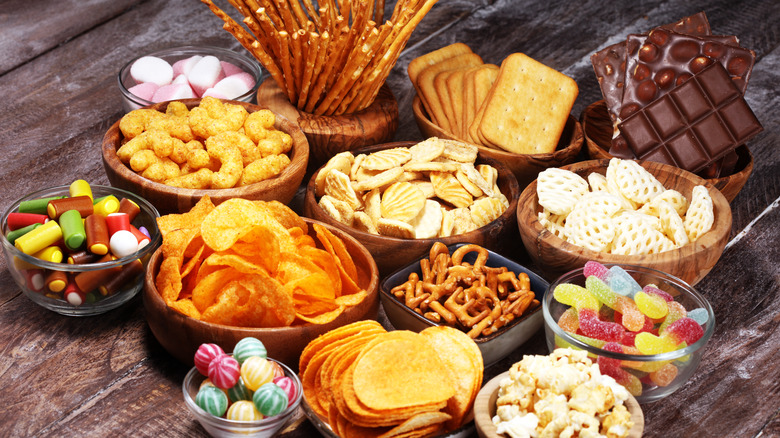
    American snacks excel in providing quick and easy options that cater to the on-the-go lifestyle. For example, bags of chips and candy bars are popular choices for a fast indulgence during hectic mornings or as a mid-day energy boost.

    The convenience factor of American snacks is highly valued by Filipinos, who are willing to pay extra for the ease and flexibility they offer. These snacks require no preparation and can be consumed quickly, fitting perfectly into the fast-paced routines of many individuals.

    Marketing Strategies at Play

    American snack brands in the Philippines have gained popularity through cultural exchange programs and influencer marketing.

    These programs have introduced Filipino consumers to a wide range of American snacks, creating a demand for these products in the local market.

    Social media influencers have played a crucial role in promoting American snacks, generating excitement and interest among Filipino consumers.

    Cultural Exchange Programs

    American snack companies successfully penetrate the Filipino market by utilizing cultural exchange programs. These programs serve as a strategic entry point, allowing American snack brands to introduce their products to Filipino consumers under the guise of educational and cultural initiatives.

    American snack companies use cultural exchange programs to enter the Filipino market.

    Cultural exchange programs act as a Trojan horse for American snack companies to introduce their products in the Philippines.

    Partnerships with local organizations, academic and cultural immersion experiences for Filipino students, and ambassadorial roles for students to promote American snacks.

    American snack companies partner with local groups to facilitate student visits to the U.S., where they promote snacks as part of their exchange duties.

    Homestay experiences with American families create brand loyalty and foster international friendships that translate into brand advocacy in the Filipino market.

    Social Media Influence

    American snack brands cement their presence in the Filipino market by strategically utilizing the influence of social media. They capitalize on the browsing habits of their target audience to create viral trends that spark cravings for their snacks. By partnering with online personalities that resonate with the age group, they effectively engage with consumers.

    For example, one popular strategy is to collaborate with influencers who showcase the snacks in a positive light, prompting followers to desire the products. This approach leverages the relatability of content to drive consumer engagement. The brands understand that aligning with the interests of the audience increases the likelihood of product adoption.

    As a result, consumers often find themselves compelled to purchase these snacks after seeing influencers endorse them. The seamless integration of snack promotions into social media feeds influences purchasing decisions. This strategic marketing technique capitalizes on the power of online recommendations to drive sales and brand loyalty among consumers.

    Cultural Exchange and Media

    Cultural exchange heavily influences Filipino media, reflecting the historical American influence on the country. American TV shows like ‘American Idol’ have Filipino adaptations, and American snacks are advertised in Tagalog to appeal to local viewers. However, language barriers can hinder effective communication of messages.

    The prevalence of American media in the Philippines raises concerns about the representation of Filipino culture.

    On the flip side, Filipino media, such as the show ‘Ang Probinsyano,’ has gained global popularity, fostering cross-cultural understanding. This reciprocal exchange can enhance appreciation for diverse cultures.

    It’s crucial to understand how these dynamics shape cultural identity in the media landscape of the Philippines.

    Americanization of Filipino Palate

    The Americanization of the Filipino palate is influenced by media culture. Craving fried chicken or pizza after watching American TV shows is common. American snacks have become popular in Filipino cuisine.

    This influence shapes food preferences and introduces new flavors and textures.

    For example, fast food chains like McDonald’s and KFC have become widely popular in the Philippines. These establishments offer American-style dishes such as burgers, fried chicken, and fries. They have become staples in Filipino dining habits. Additionally, food delivery services like Foodpanda and GrabFood have made American fast food more accessible to Filipinos.

    Furthermore, American snacks like chips, cookies, and candies have gained popularity in the Philippines. Brands like Lay’s, Oreo, and Hershey’s are commonly found in grocery stores and convenience stores nationwide. These snacks have become go-to choices for many Filipinos looking for quick and convenient treats.

    Influence of Media Culture

    Television, social media, and online content influence your food preferences towards sugary, salty, and savory American snacks. Celebrities endorsing these snacks in advertisements make them appealing and desirable.

    This marketing strategy taps into the local market by using idolized figures to associate the snacks with luxury and sophistication. As a result, you may find yourself craving brands like Cheetos and Pringles due to the influence of media culture.

    Taste Buds Adapt Quickly

    American snacks have influenced Filipino taste preferences to favor bold flavors and textures. Exposure to these snacks through media and social influences has rapidly changed Filipino taste buds. This has led to a shift towards craving crispy, salty potato chips and sweet, cheesy Doritos. The appeal lies not only in the taste but also in the nostalgic memories associated with these snacks.

    For instance:

    • The sound of opening a bag of crunchy Cheetos reminds of leisurely afternoons watching cartoons.
    • Buttered popcorn scent from a microwave bag brings back memories of family movie nights.
    • A cold, fizzy soda on a hot day evokes feelings of backyard barbecues and summer vacations.

    The Filipino palate has expanded to include bold, sweet, and salty flavors. The preference for American snacks reflects a deeper connection to personal memories and emotions. Nostalgia plays a significant role in the popularity of these snacks among Filipinos, enriching the snacking experience with familiar and comforting associations.

    Food Culture Fusion

    Filipino cuisine has evolved by incorporating American snacks into traditional dishes, creating a unique fusion of flavors. This blend of cultures has redefined the culinary landscape in the Philippines.

    American snacks like fries and burgers are now commonly served alongside Filipino favorites like adobo and spaghetti with hot dogs. This fusion showcases the adaptability of Filipino cuisine.

    One example of this fusion is the combination of sweet-style spaghetti with crispy bacon, creating a new flavor profile. Another popular dish is a burger patty sandwiched between a Filipino bread roll called pan de sal. These creations highlight the innovative nature of Filipino food culture.

    The American influence on Filipino cuisine has resulted in a distinct and vibrant culinary identity that reflects the country’s willingness to experiment with flavors. This cultural adaptation has led to a culinary landscape where traditional and modern elements blend seamlessly, offering a diverse range of dishes for locals and visitors to enjoy.

    Economic Factors at Work

    The presence of American snacks in the Filipino market is driven by economic factors. Low trade barriers and tariffs make it cheaper for American companies to export snacks to the Philippines. This results in a wide variety of affordable American snack options available in the market.

    Additionally, economic inequality contributes to the demand for imported snacks, as the growing middle class seeks affordable luxuries. Compared to goods from other countries like Japan or Europe, importing American snacks is more cost-effective due to lower import costs.

    This economic landscape has led to American snacks dominating the market in Filipino households.

    Globalization and Accessibility

    American snacks are now easily found in Filipino supermarkets due to globalization and extensive distribution networks. The removal of trade barriers has allowed an influx of imported goods, including snacks from the United States.

    E-commerce platforms have further increased accessibility, enabling consumers to purchase American snacks online. This convenience has made American snacks a common choice in Filipino households.

    Social Media’s Role in Snack Culture

    Social media plays a significant role in shaping snack culture in the Philippines. Influencers showcase American snacks, sparking curiosity about new flavors like chips.

    Online snack communities are growing, where fans discuss the latest imports and share where to find rare snacks. This shift in snack culture is driven by social media’s influence.

    Example: Influencers promote unique American snacks, creating interest in new flavors among followers.

    Example: Online snack communities provide a platform for enthusiasts to exchange opinions on rare snacks and share tips on where to buy them.

    Influencers’ Snack Endorsements

    In the Philippines, it’s common to see celebrities and influencers promoting snack brands on social media. This marketing strategy is widely used to reach Filipino consumers.

    Influencers endorse snack brands through posts, videos, and ads on platforms like Instagram, YouTube, and Facebook.

    For example:

    • A Filipino actress showcases crispy chips on Instagram.
    • A gaming influencer snacks on cheesy puffs in a YouTube video.
    • A fitness influencer promotes a ‘guilt-free’ snack on Facebook.

    Brands invest in partnerships with influencers to reach a larger audience.

    This mutually beneficial arrangement allows influencers to earn money while brands gain exposure to their followers.

    Snack endorsements by celebrities and influencers have become a popular advertising tactic in the Philippines.

    Online Snack Communities

    Online snack communities have become popular on social media platforms, where enthusiasts share and discuss their favorite snacks. These online forums are dedicated to snack reviews, unboxing videos, and snack-themed memes.

    Users often showcase their imported snack collections and engage in discussions about new releases or discontinued snacks. For example, users may share their thoughts on the latest imported chips or gush over limited edition candies.

    These communities provide a sense of belonging for snack enthusiasts who connect over their shared love for American snacks. Through these platforms, users not only talk about snacks but also share experiences and tips, forming connections with like-minded individuals.

    Social media has played a significant role in fueling the passion for American snacks in the Philippines, creating a hub for snack culture to thrive.

    What Makes American Desserts So Popular in the Philippines?

    Popular American Filipino desserts have gained widespread popularity in the Philippines because of their unique flavors and indulgent ingredients. From classic favorites like apple pie and chocolate cake to trendy treats like red velvet cupcakes and cronuts, American desserts bring a touch of sweetness and excitement to Filipino taste buds.

    Nostalgia and Sentimental Value

    Filipinos have a strong fondness for American snacks due to nostalgia and sentimental value.

    American snacks hold a special place in Filipino hearts because they bring back memories of childhood and family gatherings. For many, these snacks are more than just food; they serve as a link to the past, evoking feelings of comfort and happiness.

    For Filipinos, American snacks represent cherished moments and traditions.

    1. Family movie nights: Snacking on Cheez-Its during movie time creates a sense of togetherness and fun.
    2. Birthday parties: The excitement of receiving Fritos or M&M’s as party favors adds joy to celebrations.
    3. Road trips: Choosing a special snack like Cheetos or Kit Kat bars at a convenience store becomes a memorable part of family adventures.

    The familiarity and comfort of American snacks make them a popular choice in Filipino households despite the availability of local and healthier alternatives.

    Frequently Asked Questions

    Do Filipino Consumers Prefer American Snacks Over Local Brands?

    Filipino consumers prefer American snacks over local brands. This preference is influenced by cultural factors and the perceived social status associated with consuming foreign products. For example, popular American snack brands like Lay’s, Doritos, and Hershey’s have gained a strong following in the Philippines. The influence of Western media and globalization also plays a role in shaping consumer preferences towards American snacks.

    Are American Snacks More Expensive Than Local Filipino Snacks?

    Are American snacks more expensive than local Filipino snacks? Yes, imported American snacks tend to be pricier than local Filipino snacks due to hefty import costs. For example, a bag of imported American chips can cost significantly more than a local Filipino snack like a pack of local cassava chips. Imported American snacks come with fancy branding that can contribute to their higher prices.

    Do American Snacks Have Higher Quality Ingredients Than Filipino Snacks?

    American snacks and Filipino snacks both vary in quality ingredients. Some American brands prioritize food safety and transparent ingredient sourcing. For example, brands like Kashi and Annie’s Homegrown are known for using high-quality, organic ingredients. However, not all American snacks meet these standards. On the other hand, some local Filipino snacks also use quality ingredients. For instance, dried mangoes from the Philippines are popular for their natural sweetness and freshness. Overall, the quality of ingredients in snacks from both countries can vary.

    Can American Snacks Be Found in All Regions of the Philippines?

    American snacks are primarily found in urban areas in the Philippines. Rural regions have limited access to these snacks, making them less common outside of cities. For example, popular American snacks like Oreos, Lay’s chips, and Hershey’s chocolates are more readily available in urban centers like Manila, Cebu, and Davao. This disparity in snack availability is due to the higher demand and market concentration in urban areas.

    Are American Snacks Heavily Taxed or Regulated in the Philippines?

    American snacks are subject to import duties and tariff rates in the Philippines, which can go as high as 30%. This results in increased prices for these treats. For example, a pack of imported potato chips or chocolates may cost more due to these taxes.

    Conclusion

    American snacks are highly popular in the Philippines due to a combination of historical influence, social media promotion, and convenience.

    Historically, the Philippines has been influenced by American culture through colonization and trade, leading to a familiarity and preference for American snacks. For example, snacks like Oreos and Cheetos have become iconic treats that many Filipinos enjoy regularly.

    Additionally, the rise of social media has played a significant role in promoting American snacks in the Philippines, creating a buzz around these products and influencing consumer preferences. Platforms like Instagram and YouTube showcase these snacks, making them desirable and trendy among Filipino consumers.

    Lastly, the convenience factor also contributes to the popularity of American snacks in the Philippines. These snacks are widely available in supermarkets, convenience stores, and online shops, making them easily accessible for people looking for a quick and familiar snack option.

  • How American Cuisine Shapes Philippine Dietary Trends

    How American Cuisine Shapes Philippine Dietary Trends

    American culinary influences have shaped Philippine dietary trends, blending cultural fusion with innovation.

    Filipino twists on American classics can be found in dishes like burger sisig and Chicken inasal.

    American flavors have been integrated into traditional Filipino cuisine.

    The future of Filipino food involves embracing these influences while honoring heritage and identity.

    American Flavor Profiles in Filipino Food

    Filipino cuisine has evolved to incorporate American flavor profiles, creating a unique culinary fusion. This blending of flavors can be seen in traditional Filipino dishes like adobo, sinigang, and lechon, which now feature American-inspired tastes such as smoky barbecue, tangy ranch, or spicy buffalo wing.

    This fusion reflects the Philippines’ history as a cultural melting pot.

    The incorporation of American flavors in Filipino food showcases the country’s rich cultural heritage and culinary innovation. It goes beyond just a trend, highlighting the dynamic nature of Filipino cooking.

    By embracing these flavor fusions, Filipino cuisine continues to redefine traditional cooking boundaries.

    History of American Influence on Filipino Cuisine

    American influence on Filipino cuisine began in the early 20th century. This influence increased significantly after World War II through cultural exchanges.

    The fast food invasion further solidified American flavors in Filipino food.

    Today, American cuisine has become a significant part of the Filipino diet.

    Early 20th Century Impact

    American colonization in the early 20th century influenced Filipino cuisine, leading to a fusion of flavors and cooking techniques.

    This period saw the emergence of dishes like sweet-style spaghetti and fried chicken, blending Filipino and American culinary traditions. Local ingredients such as patis and suka were integrated into new recipes, showcasing a mix of cultures.

    The colonial legacy left a lasting impact on Filipino food, showcasing a unique blend of American and Filipino influences.

    Post-War Cultural Exchange

    American influence on Filipino cuisine post-World War II led to the integration of new ingredients and cooking styles.

    Canned goods like Spam and corned beef became popular staples in Filipino homes.

    American diner foods such as burgers and milkshakes were embraced.

    American desserts like apple pie and chocolate cake were included in Filipino celebrations.

    American snack foods like Chippy and potato chips gained popularity among Filipino youth.

    Fast Food Invasion

    American fast-food chains like McDonald’s, Burger King, and KFC entered the Philippines in the 1980s and 1990s, changing local eating habits. Traditional Filipino dishes such as adobo and sinigang started to be replaced by burgers and fries from these chains.

    McDonald’s arrived in 1981.

    Burger King came in 1992.

    KFC established its presence in 1967.

    Walking in Manila, you see McDonald’s golden arches and KFC’s iconic image, showcasing the spread of fast food culture. This trend contributes to Cultural Homogenization, where local food traditions are gradually substituted by global fast-food options. This raises the question of whether the Philippines is sacrificing its culinary heritage for quick, standardized meals.

    Next time you enjoy a fast-food burger, think about how this shift impacts Filipino cultural identity.

    The Rise of Fast Food in the Philippines

    The Philippines has seen a rise in international fast-food chains like McDonald’s, KFC, and Jollibee. This trend is driven by factors such as busy schedules, urbanization, aggressive marketing, cultural exchange, and economic growth.

    Filipino consumers have embraced fast food for its convenience, affordability, and new flavors.

    Why has fast food become popular in the Philippines?

    Fast food is popular due to busy schedules, urbanization, aggressive marketing, cultural exchange, and economic growth.

    What factors have influenced the rise of fast food in the Philippines?

    Factors include busy schedules, urbanization, aggressive marketing, cultural exchange, and economic growth.

    How have Filipino consumers responded to the introduction of international fast-food chains?

    Filipino consumers have embraced fast food for its convenience, affordability, and new flavors.

    Filipino Twists on American Classics

    Innovative Filipino chefs are creating unique fusion cuisine by putting a Filipino twist on classic American dishes. One popular creation is the ‘burger sisig,’ featuring a burger topped with sisig, a traditional Filipino dish made from chopped pork’s face, served with a fried egg and garlic rice. This dish showcases the blend of traditional Filipino flavors with modern American cuisine.

    Another well-loved fusion dish is Chicken inasal, a grilled chicken dish infused with Filipino flavors like lemongrass, garlic, and chili peppers, inspired by American-style barbecue. It exemplifies the harmonious fusion of American cooking techniques with Filipino taste profiles.

    These innovative Filipino spins on American classics not only offer a tantalizing culinary experience but also highlight the cultural exchange between the two nations. Through the use of local ingredients and cooking methods, Filipino chefs are redefining traditional American dishes to make them distinctly Filipino.

    Exploring the Philippine food scene reveals a diverse culinary landscape that marries the familiar with the exotic, traditional with modern, ultimately reflecting the rich cultural heritage of the country.

    The Impact of American Agriculture

    The American agricultural influence on the Philippines has significantly changed the food scene, introducing new ingredients and farming methods. This shift is mainly due to American farm subsidies, trade agreements, and modern farming techniques.

    Farm subsidies from the US government help American farmers export high-quality produce at competitive prices. Trade agreements make it easier for American agricultural products to enter the Philippines.

    New farming practices like large-scale industrial farming and GMOs have altered Filipino farming and eating habits. American-style supermarkets and convenience stores are becoming more popular, favoring imported goods over local products.

    This Americanization of the food landscape in the Philippines has left local farmers struggling to compete with imports, impacting food security, heritage, and economy.

    Changing Filipino Food Habits

    Filipino food habits have changed due to the increased availability of American agricultural products and modern farming techniques. This has led to a rise in the consumption of processed and packaged foods, which often contain high levels of sugar, salt, and unhealthy fats.

    As a result, health issues such as obesity, diabetes, and heart disease have become more prevalent.

    Traditional Filipino recipes that were once rich in vegetables and whole grains are being replaced by faster, more processed alternatives. This shift towards Western-style diets prioritizes taste and convenience over nutritional value.

    It’s crucial for individuals to be mindful of these changes and their impact on health. By making informed choices, one can maintain cultural heritage while prioritizing personal well-being.

    The Role of Media in Shaping Tastes

    The media influences food choices through various channels. Foodie influencers, who use platforms like Instagram and YouTube, play a significant role in promoting new restaurants and dishes, sparking interest in trying them. Food-centric TV shows, including cooking competitions, encourage experimentation with different flavors and ingredients.

    Celebrity endorsements of food brands also have a notable impact on consumer behavior, increasing the likelihood of trying those products. Furthermore, food delivery apps and online food blogs provide easy access to diverse cuisines, including American food. This influence has contributed to the rising popularity of American cuisine in the Philippines.

    Filipino Chefs’ Take on American Cuisine

    Filipino chefs in the Philippines are creatively reinventing American dishes to suit local palates. They infuse adobo spices into burgers and add a sweet ube twist to mac and cheese.

    This unique fusion of American and Filipino flavors results in innovative and delicious culinary creations.

    Adapting American Flavors

    American flavors have influenced Filipino cuisine significantly, with chefs adapting traditional dishes to incorporate familiar tastes.

    Filipino chefs skillfully blend American flavors with local ingredients, resulting in innovative dishes that appeal to both local and international palates.

    One popular adaptation is burgers seasoned with adobo and served on garlic fried rice, combining American burger culture with Filipino flavors.

    Another unique twist is mac and cheese enhanced with ube or langka (jackfruit) for a touch of sweetness, showcasing the fusion of American comfort food with Filipino ingredients.

    Additionally, fried chicken with a spicy kick from sili (Filipino chili peppers) offers a fiery twist on a classic American dish.

    Lastly, meatloaf with a tangy BBQ sauce made from ketchup, vinegar, and spices showcases the creative blending of American and Filipino flavors.

    Innovative Twists on Classics

    Filipino chefs are transforming American classics by infusing them with bold Filipino flavors, creating innovative dishes that blend both cultures seamlessly.

    Burgers are given a Filipino twist with sweet plantain relish, resulting in a unique sweet and savory fusion.

    Mac ‘n Cheese gets a spicy kick with the addition of longganisa, offering a new take on this comforting dish.

    Apple Pie is reinvented with an ube halaya swirl, infusing the familiar dessert with the flavors of purple yam.

    This culinary innovation creates a new language that bridges American and Filipino cuisine, reshaping the culinary landscape with exciting flavor combinations and reinvented menus.

    Fusion of Cultural Tastes

    Filipino chefs are creating innovative dishes that blend American classics with their own cultural heritage, resulting in a vibrant fusion of flavors.

    Examples of this fusion include Adobo-style BBQ ribs, Filipino-style burgers, Chicken inasal tacos, and Ube cheesecake.

    Adobo-style BBQ ribs combine tangy, sweet, and sour flavors with smoky richness.

    Filipino-style burgers feature grilled pineapple, crispy bacon, and a fried egg for a tropical twist.

    Chicken inasal tacos merge grilled, smoky Filipino-style chicken with Mexican-inspired spices.

    Ube cheesecake blends purple yam flavor with creamy decadence.

    These dishes highlight the creativity of Filipino chefs and showcase the evolving flavor profiles of the Philippines.

    Blending East and West Flavors

    The culinary landscape of the Philippines showcases a unique blend of East and West flavors. Filipino chefs combine bold East Asian spices with Western dairy and meat traditions, creating a fusion of culinary styles that highlight cultural adaptability.

    The country’s history of cultural exchange, influenced by its strategic location and American colonization, has led to a creative merging of flavors. Dishes like adobo fried chicken and sinigang na bangus exemplify this fusion, where East meets West in Filipino cuisine.

    The Philippines blends East and West flavors creatively in dishes like adobo fried chicken and sinigang na bangus.

    What are the main influences of American cuisine on Philippine dietary trends?

    The influence of American cuisine globalization impact on Philippine dietary trends is significant, as seen in the incorporation of fast food, processed foods, and convenience meals into the local diet. This has led to a shift towards more convenient and high-fat options, impacting traditional eating habits.

    The Future of Filipino Cuisine

    The future of Filipino cuisine is being shaped by innovative chefs reinventing traditional flavors and techniques. They’re creating a modern gastronomic identity that blends cultural heritage with contemporary trends. This evolution is driven by a new generation of chefs dedicated to food sustainability and showcasing rich flavor profiles.

    Exciting trends in Filipino cuisine include:

    • Farm-to-table concepts: Highlighting local, organic produce and reducing carbon footprint, for example, sourcing fresh vegetables from nearby farms for dishes like pinakbet.
    • Modern twists on traditional dishes: Think of dishes like adobo-glazed fried chicken or sinigang-flavored ramen that give a new spin to classic Filipino flavors.
    • Fusion of international flavors: Combining Filipino cuisine with global influences, such as creating Filipino-inspired poke bowls or Korean adobo tacos.
    • Revival of heirloom recipes: Preserving cultural heritage by modernizing recipes like kare-kare using sustainable, locally sourced ingredients.

    This culinary revolution promises a vibrant and innovative food scene that celebrates Filipino culture while embracing new culinary horizons.

    Frequently Asked Questions

    What Inspired Filipino Chefs to Adopt American Cooking Techniques?

    Filipino chefs adopted American cooking techniques due to the country’s colonial history, leading to a fusion of culinary traditions. For example, the use of grilling and smoking in American BBQ inspired Filipino chefs to incorporate these methods into dishes like grilled pork belly or smoked fish. This cultural exchange created a unique blend of flavors that are now popular in Filipino cuisine.

    Are There Any American Food Products Banned in the Philippines?

    In the Philippines, certain American meat and dairy products are banned due to import restrictions and FDA regulations. This is to prioritize local food safety. For example, beef offal and processed poultry products from the US are prohibited from entering the Philippines. Additionally, some American dairy goods like milk and cheese may not meet the country’s standards and are therefore restricted.

    How Did American Food Bloggers Influence Filipino Food Trends?

    American food bloggers have influenced Filipino food trends through recipe adaptations, food photography, and collaborations. For example, recipes like adobo and halo-halo have been reimagined with a modern twist by bloggers, making them popular among a global audience. Stunning food photography shared on social media platforms has captured the essence of Filipino cuisine, attracting food enthusiasts worldwide. Collaborations between American and Filipino bloggers have led to unique fusion dishes, blending traditional flavors with innovative techniques. This culinary exchange, facilitated by social media, has connected food cultures across borders, shaping the evolving landscape of Filipino foodie culture.

    Can Filipino Cuisine Survive Without American Influences?

    Filipino cuisine’s independence relies on embracing food sovereignty through local ingredients, authentic roots, and traditional methods.

    Local ingredients play a crucial role in Filipino cuisine, such as using fresh seafood like bangus (milkfish), shrimp, and crab in dishes like sinigang (sour soup) or adobo (marinated meat stew).

    Authentic roots connect Filipino cuisine to its heritage, seen in dishes like kare-kare (oxtail stew) or lechon (roast pig), reflecting traditional flavors and cooking techniques passed down through generations.

    Traditional methods, like the use of banana leaves for wrapping food or the slow cooking process in clay pots, are essential in preserving the authenticity of Filipino dishes like bibingka (rice cake) or pinakbet (vegetable stew).

    Are There Any American Food Chains That Failed in the Philippines?

    American food chains like Krusty Krave and Burger Blast have faced challenges in the Philippines, leading to their closure. This demonstrates that not all American chains succeed in the local market. For example, Krusty Krave, a burger joint, failed to establish a lasting presence, while Burger Blast also struggled to attract customers. These instances show that success is not guaranteed for American food chains in the Philippines.

    Conclusion

    American influence has significantly impacted modern Filipino cuisine. The rise of fast food chains like McDonald’s and KFC in the Philippines has introduced American-style burgers and fried chicken to Filipino diets.

    Classic American dishes such as burgers and hotdogs have been adapted to local tastes, incorporating Filipino ingredients and flavors. Despite this influence, Filipino chefs have skillfully blended traditional Filipino cooking techniques with American culinary concepts to create a unique fusion cuisine.

    The future of Filipino food is a harmonious blend of cultural exchange, combining the best of both worlds.

  • American Dishes Reinvented in Filipino Kitchens

    American Dishes Reinvented in Filipino Kitchens

    Filipino chefs are putting a creative twist on classic American dishes, creating a unique culinary experience.

    Burgers with banana ketchup and patis offer a fusion of flavors, while BBQ ribs with adobo infusion provide a tangy richness.

    Sinigang-inspired chicken wings and lechon-style roasted turkey showcase Filipino influences.

    Filipino-style fried chicken, lumpia-empanada fusion, and halo-halo milkshakes are some innovative delights to try.

    This culinary mashup blends East and West flavors seamlessly, offering a borderless taste experience.

    Explore this culinary melting pot for a delicious adventure.

    Filipino Twists on Classic Burgers

    Filipino burgers offer a unique twist on the classic patty. They blend traditional flavors with Filipino ingredients like banana ketchup and patis. Banana ketchup adds a sweet tropical taste, while patis gives a savory umami kick.

    This fusion showcases Filipino chefs’ creativity and innovation in the culinary world. The result is a flavor explosion that challenges conventional burger norms.

    Filipino-style burgers are a delicious and bold experiment that introduces new and exciting flavors to the palate.

    Adobo Inspiration for BBQ Ribs

    Adobo-infused BBQ ribs offer a unique blend of flavors, combining the tangy richness of adobo with the classic American BBQ style. This fusion creates a sweet and savory taste experience that’s both familiar and exciting. The vinegar, soy sauce, and chili peppers in adobo sauce work together harmoniously to elevate the traditional BBQ rib dish to a new level of deliciousness.

    The fusion of adobo with BBQ ribs introduces a fresh culinary experience that combines East and West flavors. For example, the tanginess of vinegar in adobo adds a zesty kick to the rich taste of BBQ sauce, creating a unique flavor profile. Additionally, the heat from chili peppers in adobo complements the smoky flavors of BBQ ribs, enhancing the overall taste sensation.

    Sinigang Flair in Chicken Wings

    Sinigang-flavored chicken wings offer a tangy and savory taste experience that will have you craving more. The fusion of sinigang’s sour soup with spicy chicken wings creates a deliciously bold flavor profile. The sinigang broth’s acidity cuts through the richness of the wings, providing a unique and satisfying contrast.

    The tangy and slightly sweet sinigang-infused broth balances out the heat of the wings, creating a harmonious blend of flavors. Marinating the wings in sinigang broth, chili peppers, and a touch of sugar before baking results in a flavorful dish that elevates traditional chicken wings to a whole new level.

    Lechon-Style Roasted Turkey

    Lechon-Style Roasted Turkey is a fusion of Filipino and American cuisines, combining lemongrass, garlic, and patis for a unique flavor. This dish is perfect for holiday feasts and creating new family traditions.

    Flavor Profiles: The turkey is seasoned with lemongrass, garlic, and patis, creating a blend of familiar and exotic flavors.

    Cultural Fusion: It merges Filipino and American cooking styles, offering an innovative twist while honoring culinary heritage.

    Family Traditions: Ideal for holiday gatherings, this dish helps establish new family traditions and lasting memories.

    Heritage Cooking: By incorporating traditional Filipino flavors and techniques, it celebrates the country’s culinary legacy.

    Filipino-Style Fried Chicken

    Filipino-Style Fried Chicken is known for its crispy exterior and juicy interior, marinated with patis, garlic, and black pepper for a bold flavor. The secret lies in the marinade combining Filipino fish sauce, garlic, and black pepper for a unique taste.

    As you bite into the crunchy Crispy Breading, the tender meat is infused with savory flavors. The Spicy Kick adds an extra layer of excitement to each bite.

    This reinvented classic offers a familiar yet new taste experience, perfect for those craving a delicious twist on fried chicken.

    Sweet Potato Fries With Ube Mayo

    Sweet potato fries with ube mayo offer a delicious flavor contrast. The ube mayo complements the spicy sweet potato fries.

    The sweet and nutty taste of ube pairs well with the sweetness of the sweet potatoes. The vibrant purple color of the ube mayo adds a fun touch to the dish.

    This combination of flavors creates a delightful experience that will keep you coming back for more.

    Pancit Noodle Dishes Gone Wild

    Welcome to the world of pancit noodle dishes, where Filipino flavors collide with international influences. These dishes blend traditional pancit with unique twists, creating a fusion of flavors that will tantalize your taste buds.

    For example, you might encounter pancit topped with Korean chili flakes, adding a spicy kick to the familiar dish.

    In this culinary adventure, creativity knows no bounds. Expect to see pancit dishes infused with ingredients like Italian parmesan cheese, offering a savory twist to the classic noodles. One constant in this realm is the innovative spirit driving chefs to experiment with new flavors and combinations.

    Overall, the pancit noodle world is a place of endless possibilities and unexpected delights. From Filipino staples to global inspirations, these dishes showcase the diversity and creativity of modern cuisine.

    Prepare to savor a unique blend of flavors that will take your taste buds on a culinary journey like no other.

    Pancit Fusion Frenzy

    Pancit Fusion Frenzy

    Pancit, a Filipino noodle dish, is being transformed through fusion with international flavors, leading to a variety of creative combinations. This trend can be seen in food trucks and upscale eateries, reflecting a growing Pancit fusion movement.

    Examples of Pancit Fusion Creations:

    1. K-Town Pancit: Traditional Pancit noodles mixed with spicy Korean chili flakes, topped with crispy kimchi and a fried egg.
    2. Japanese-Mexican Mashup: Pancit noodles paired with spicy tuna sashimi, wasabi mayo, and crispy tortilla strips.
    3. Indian-Style Pancit: Basmati rice noodles in a curry sauce with crispy onions and toasted cashews.
    4. Southern Comfort Pancit: BBQ pulled pork, bacon, and coleslaw combined with Pancit noodles.

    These innovative Pancit blends are reshaping the dish, showcasing a diverse culinary trend.

    Noodle Innovations Abound

    Pancit fusion introduces innovative variations to traditional noodles, such as colorful vegetable dyes and diverse textures.

    Chefs are incorporating turmeric, beets, and spirulina to create vibrant noodles. Moreover, unique ingredients like ube, coconut, and activated charcoal are being used to add flair to the dish.

    Noodle experimentation extends to textures, with chefs crafting crispy noodle ‘straws’ and soft, pillowy strands.

    Alternative grains like quinoa and rice flour are utilized for gluten-free options. This creativity has led to a new wave of visually appealing and delicious Pancit dishes.

    The Noodle Renaissance is driven by a fusion of traditional flavors with modern twists.

    For example, dishes like turmeric-infused noodles or ube-flavored strands showcase this innovative approach. Chefs are pushing boundaries by exploring a wide range of ingredients and techniques to elevate the humble noodle into a culinary masterpiece.

    Filipino Breakfast Tacos Fusion

    Filipino Breakfast Tacos Fusion

    Tacos for breakfast may seem unusual, but the blend of Mexican and Filipino flavors creates a delightful twist.

    Key components like savory meats, eggs, and vibrant vegetables come together in a tortilla for a satisfying meal.

    For instance, a breakfast taco might feature longganisa, a Filipino sausage, paired with scrambled eggs, tomatoes, and onions, all wrapped in a warm tortilla.

    Tropical touches like mango salsa or coconut milk-infused sauces add a unique flair to these breakfast tacos.

    Taco Fusion Essentials

    Filipino breakfast tacos combine traditional taco fillings with garlic fried rice and eggs. The fusion works by balancing bold taco flavors with familiar Filipino staples.

    1. Taco essentials: Start with crunchy taco shells as the base for your creation.
    2. Flavor variations: Experiment with spicy chorizo, savory carne asada, or tangy fish sauce-infused beef for unique tastes.
    3. Filipino twist: Incorporate garlic fried rice for a savory and aromatic touch.
    4. Egg topping: Add a fried egg for extra richness and flavor.

    By combining these elements, you’ll experience a flavorful and innovative breakfast taco that blends Filipino and Mexican influences.

    Dive into this fusion for a delightful morning meal that’s both comforting and exciting.

    Tropical Twist on Classics

    Breakfast tacos with a tropical twist featuring Filipino flavors can be made by adding mango, pineapple, or jackfruit. The sweetness of these fruits complements the savory taste of scrambled eggs, crispy bacon, and melted cheese.

    Adding toasted coconut flakes or a sprinkle of patis (fish sauce) can enhance the island vibes. For example, pineapple pairs well with chorizo, while mango balances jalapeños’ spiciness. These combinations create a unique and bold flavor profile, showcasing the Filipino love for unexpected taste fusions.

    Morning Flavor Boost

    Enhance your morning routine with a fusion of Filipino flavors. Infuse your coffee with sweetened condensed milk or coffee-flavored syrup for a unique twist.

    Swap traditional breakfast meats for Filipino longganisa or chorizo to add a spicy kick. Elevate your scrambled eggs with adobo seasoning for a bold, savory flavor.

    Try ube-infused waffles instead of regular pancakes for a sweet and colorful breakfast option. Embrace these innovative breakfast ideas to start your day with excitement and flavor.

    Lumpia-Style Empanadas Delight

    Lumpia-style empanadas are a fusion of Filipino lumpia and Spanish empanadas, combining crispy wrappers with savory fillings. These snacks offer a delicious blend of flavors and textures.

    The golden-brown empanada wrapper encases a mix of ground beef, onions, and spices, creating a satisfying crunch and a burst of flavor.

    Filipino-American kitchens have embraced these treats, showcasing the fusion of Eastern and Western culinary influences.

    Give these delightful lumpia-style empanadas a try for a tasty twist on traditional snacks.

    How are American condiments incorporated into Filipino reinvented dishes?

    Filipinos love incorporating American condiments into their reinvented dishes. With their unique flavors and versatility, these condiments add a distinct twist to traditional Filipino recipes. From mayonnaise-based sauces to tangy barbecue sauces, the fusion of American and Filipino flavors creates a culinary experience that locals and tourists alike can’t resist. Trying Filipino reinvented dishes with American condiments is a must for any food lover seeking a delightful gastronomic adventure.

    Halo-Halo Milkshake Madness

    The Halo-Halo Milkshake Madness is a unique twist on the traditional milkshake. This special treat combines the flavors of a classic Filipino dessert with a creamy, cold milkshake. The result is a delicious and refreshing drink that’s perfect for summer.

    Halo-Halo is a popular Filipino dessert that includes a mix of sweet ingredients like fruit, beans, jellies, and shaved ice. By blending these flavors into a milkshake, you get a creamy and flavorful beverage unlike any other.

    The Halo-Halo Milkshake Madness offers a new way to enjoy a beloved dessert. It’s a fun and tasty way to cool off during hot days. Give it a try for a refreshing and delightful treat this summer!

    Halo-Halo Flavor Boost

    The Halo-Halo Flavor Boost transforms the classic Filipino dessert into a creamy and Instagrammable milkshake, offering a thrilling taste experience.

    1. Diverse Halo Flavors: Enjoy traditional Filipino flavors like ube, langka, and jackfruit blended with milk and ice for a refreshing treat.

    2. Perfect for Summer: Stay cool and beat the heat with this creamy twist on a classic summer dessert.

    3. Exciting Flavor Fusion: Indulge in the sweet taste of halo-halo combined with creamy milk for a delightful fusion.

    4. Decadent Indulgence: Treat yourself to a refreshing and decadent escape with this unique milkshake.

    Experience a new level of dessert enjoyment with the Halo-Halo Flavor Boost.

    Summer Treat Revamp

    The Halo-Halo Flavor Boost transforms the traditional Filipino dessert into a refreshing milkshake for hot summer days. It combines creamy frozen yogurt with ube halaya, kaong, and langka for a delightful treat.

    Enhance your milkshake by adding colorful fruit popsicles. These popsicles, in shades like orange, pink, and yellow, add a playful element to your Halo-Halo drink.

    The revamped Halo-Halo milkshake offers a cool and Instagram-worthy experience, elevating your summer treat game beyond plain ice cream.

    Frequently Asked Questions

    Can I Use Pork Belly Instead of Turkey for Lechon-Style Roasted Turkey?

    Yes, you can substitute pork belly for turkey in lechon-style roasted dishes. Pork belly is a flavorful and fatty cut of meat that can enhance the dish.

    Are Sinigang Flair Chicken Wings Suitable for a Gluten-Free Diet?

    Sinigang flair chicken wings may or may not be gluten-free. It depends on the ingredients used in the marinade and seasonings. To ensure they are gluten-free, check the labels of the ingredients for any gluten-containing items like soy sauce or wheat-based seasonings. If these are present, the dish may not be suitable for a gluten-free diet. To be safe, consider making your own marinade using gluten-free alternatives like tamari or coconut aminos.

    Can I Substitute Ube With Purple Yam for the Sweet Potato Fries With Ube Mayo?

    Substituting purple yam for ube in sweet potato fries with ube mayo is a viable option. While ube may not always be available, purple yam can be a good alternative. However, the flavor profiles of ube and purple yam differ, so the results may not be identical.

    Do Filipino Breakfast Tacos Fusion Require Special Tortillas or Can I Use Regular Ones?

    Yes, you can use regular tortillas for your Filipino breakfast tacos fusion. However, using artisanal tortillas can enhance the flavors and overall experience. Some examples of artisanal tortillas include corn tortillas made from heirloom corn or flour tortillas with unique flavorings like garlic or herbs. These special tortillas can add a gourmet touch to your dish and make it stand out from the ordinary.

    Can I Bake Lumpia-Style Empanadas Instead of Frying Them for a Healthier Option?

    Yes, you can bake lumpia-style empanadas as a healthier option. Baking them reduces the amount of oil used compared to frying. Although they won’t be exactly the same as fried empanadas, baking them still provides a crispy exterior and delicious flavor. For a healthier twist, consider using lean protein like ground turkey or chicken and plenty of vegetables in the filling.

    Conclusion

    Filipino-American fusion dishes blend Filipino flavors with American classics.

    Examples include adobo-infused BBQ ribs and lechon-style turkey.

    Pancit, a Filipino noodle dish, can be transformed into a delicious meal.

    One popular fusion dessert is the halo-halo milkshake.

    Experimenting with these flavors can be a delightful experience for your taste buds.

  • Exploring American Culinary Impact in the Philippines

    Exploring American Culinary Impact in the Philippines

    American culinary influences have significantly impacted Filipino cuisine, creating a unique fusion of traditional flavors with American dishes like burgers and fries.

    Fast food culture has risen in the Philippines due to American culinary influence, with popular chains like McDonald’s and Jollibee dominating the market.

    American techniques and ingredients have been integrated into Filipino cooking, seen in dishes like adobo with a twist of American spices or sinigang with added American vegetables like corn.

    The cultural exchange between American and Filipino culinary practices has led to a distinct culinary identity that showcases the blending of flavors and cooking styles from both cultures.

    American Food Staples in the Philippines

    American food staples like burgers, fries, and fried chicken are popular in the Philippines. Burger joints, food trucks, and brunch spots offer a variety of American-inspired dishes.

    Meal delivery services make it convenient to enjoy American food at home. Filipino foodies share reviews of restaurants serving American cuisine, praising the creativity and flavors of these dishes.

    Influence on Filipino Cooking Techniques

    American culinary influence has impacted traditional Filipino cooking techniques, leading to a fusion of both styles.

    Filipino chefs now use grilling techniques like American-style grilling for dishes such as grilled pork belly and lemongrass-infused chicken.

    Sous vide cooking has gained popularity in Filipino restaurants for precise temperature control, ensuring consistent results.

    Pan-searing meats and fish has become common, creating a crispy crust on dishes like crispy pata and grilled fish.

    Smoking meats and fish is another technique that adds depth to traditional Filipino dishes.

    Rise of Fast Food Culture

    The Philippines has embraced a fast food culture, influenced by American cooking techniques. American fast-food chains like McDonald’s, KFC, and Burger King are widespread in cities like Manila and Cebu.

    This trend reflects the country’s shift towards becoming a Fast Food Nation. Local fast-food chains have also emerged, offering American-style menus tailored to Filipino preferences.

    As a result, traditional Filipino dishes coexist with burgers and fries, showcasing a blend of culinary influences.

    American-Style Dining Experiences

    American-style dining experiences have become popular in the Philippines, offering classic comfort foods like burgers and milkshakes.

    These eateries, reminiscent of traditional American diners, have revived the nostalgia of diner culture in the local food scene.

    Classic Comfort Foods

    Classic American comfort foods like burgers, mac and cheese, and chicken wings have become popular in Filipino restaurants. These dishes offer a taste of home for expats and a new experience for locals.

    The blend of American flavors with local ingredients creates a unique fusion of East meets West. Filipino restaurants put their twist on these classics by incorporating bold Filipino spices.

    Burgers, mac and cheese, and chicken wings are popular staples.

    They infuse American flavors with local Filipino ingredients and spices.

    They provide a sense of warmth and nostalgia, reminiscent of family traditions and cozy gatherings.

    Fast Food Invasion

    American-style fast food chains have become prevalent in Manila, reflecting the influence of globalization on Filipino dining habits. The first chain, Kentucky Fried Chicken (KFC), arrived in the 1960s, paving the way for others like McDonald’s, Burger King, and Pizza Hut. These chains offer convenient and familiar food options and are now widespread in urban areas.

    The fast food invasion in the Philippines has led to job creation and economic growth. However, it has also impacted local cuisine by promoting unhealthy eating habits and standardizing food choices. For example, the popularity of fast food has led to an increase in consumption of high-calorie, processed foods among Filipinos.

    This culinary shift showcases the complex relationship between globalization, cultural identity, and dietary preferences in Manila. As you navigate the city streets, you’ll notice the dominance of American fast food chains, highlighting the changing culinary landscape influenced by multinational corporations.

    Diner Culture Revival

    The Philippines is experiencing a revival of diner culture, with modern American-style diners popping up in cities. These diners aim to recreate a nostalgic experience with retro decor and classic American menu items.

    The revival focuses on providing comfort food in a comforting atmosphere to customers seeking a break from city life. Examples of classic American diner staples served include milkshakes, burgers, and fries, all prepared with high-quality ingredients and attention to detail.

    Impact on Filipino Food Business

    In the Filipino food scene, entrepreneurs are blending traditional flavors with Western influences to attract a wider customer base. This trend is driven by the demand for innovative and Instagram-worthy food experiences. Fusion dishes combining Filipino and American elements are becoming popular.

    Entrepreneurs are leveraging social media to showcase their creations and build a loyal following. They focus on targeted marketing, online ordering, and delivery services to stay competitive. Food trucks and cloud kitchens have made entering the market more accessible.

    Adoption of New Ingredients

    The adoption of new ingredients has significantly influenced Filipino cuisine due to American culinary impact.

    Exotic spices and herbs have become essential in traditional Filipino dishes. For example, the use of paprika and cilantro has added depth of flavor to classic recipes.

    Meat and dairy products have been integrated into local dishes, creating a fusion of American and Filipino tastes. This can be seen in dishes like cheesy beef empanadas and creamy carbonara with a Filipino twist.

    Tropical fruits have also been incorporated into American-influenced Filipino cuisine, offering a unique blend of flavors. The combination of mango in BBQ sauce or pineapple in burgers showcases this flavorful fusion.

    Exotic Spices and Herbs

    Filipino dishes incorporate exotic spices and herbs introduced by American cuisine, such as cardamom. This spice is commonly used in both sweet and savory Filipino dishes, adding a unique flavor profile. For example, cardamom is often found in Filipino desserts like rice cakes and in savory dishes like adobo.

    Sumatra coffee, known for its rich and earthy flavor, has become a staple in many Filipino households. This coffee is sourced and used in local blends, enhancing the coffee culture in the Philippines. The addition of Sumatra coffee adds depth and complexity to traditional Filipino coffee drinks.

    The integration of these exotic spices and herbs has inspired Filipino chefs to create innovative recipes that blend American and Filipino flavors. This fusion results in a culinary landscape where traditional dishes are given modern twists, showcasing a harmonious combination of east and west flavors.

    Meat and Dairy Integration

    American meats and dairy products like beef and cheddar cheese have become popular in Filipino cuisine. Cattle ranching, brought by American settlers, is now a thriving industry in the Philippines, boosting local beef production and decreasing reliance on imports.

    The incorporation of American ingredients has expanded Filipino culinary options and provided economic opportunities for local farmers and entrepreneurs.

    Filipino Adaptation:

    • Beef: Filipino dishes like Tapa (cured beef) and Beef Steak
    • Cheddar Cheese: Found in Grilled Cheese Sandwiches and Cheesy Spaghetti
    • Dairy Farming: Utilized in Carabao Milk-based desserts and ice cream

    Beef-based dishes, cheese snacks, and dairy products are now common in Filipino markets and eateries, enhancing the country’s food scene.

    Tropical Fruit Fusion

    In the Philippines, a new culinary trend has emerged – the fusion of tropical fruits with traditional Filipino ingredients. This trend has opened up new flavor possibilities in Filipino cuisine.

    Mango salsa is now paired with fried fish or grilled meats, while pineapple adds a fresh twist to dishes like adobo and sinigang. Other tropical fruits like strawberries and blueberries are also making their way into Filipino dishes.

    Strawberries are used in salads, smoothies, and as a BBQ topping, while blueberries enhance desserts like leche flan and maja blanca. The fusion of tropical fruits with local ingredients reflects the influence of American cuisine on Filipino food, creating exciting new flavors for food enthusiasts in the Philippines.

    Changes in Filipino Eating Habits

    Changes in Filipino Eating Habits

    Filipino eating habits have shifted towards Western-style diets due to American influence. This change has led to the Westernization of Filipino cuisine, replacing traditional dishes with fast food and processed snacks.

    The influx of international cuisines in the Philippines has resulted in overconsumption. Large meal portions and frequent snacking have become common, influenced by the availability of various food options.

    The rise of food delivery apps has increased eating frequency and meal skipping. This convenience has made it easier to grab quick meals but requires maintaining dining etiquette and a balanced diet.

    It is important to be mindful of these changes and make informed food choices. By understanding the impact of Western influences on Filipino eating habits, individuals can prioritize healthier eating practices.

    Cultural Exchange Through Food

    Cultural exchange through food blends American and Filipino cuisines, creating a unique culinary identity.

    Examples include Adobo Fried Chicken marinated in Filipino adobo sauce, burgers topped with banana ketchup and grilled pineapple, and Pancit inspired by American-style pancakes.

    Fusion dishes like Fried Ice Cream with ube and mango flavors showcase this cross-cultural influence.

    This food diplomacy exemplifies how food can unite people and promote cross-cultural understanding.

    By enjoying these fusion dishes, you appreciate the beauty of blending culinary traditions to create new and exciting flavors.

    Blending of American and Filipino Flavors

    Blending American and Filipino flavors results in a unique fusion of culinary traditions.

    Classic Filipino dishes like adobo are being reinvented with American influences, incorporating new ingredients and cooking techniques.

    This innovative approach creates dishes that redefine the culinary landscape in the Philippines.

    American Twist on Adobo

    Filipino chefs are infusing American flavors into the traditional Adobo dish, creating a unique fusion.

    Traditional Adobo:

    • Ingredients include vinegar, soy sauce, and garlic.
    • Meat options are chicken or pork.
    • Served with steamed rice.

    American Twist:

    • American flavors like bourbon, brown sugar, and smoked paprika are used.
    • Protein choices can be grilled shrimp or tofu.
    • Side dish is garlic mashed sweet potatoes.

    In this updated Adobo version, the blend of flavors includes American hot sauce and Filipino patis.

    This fusion showcases a mix of traditional and innovative elements.

    Chefs are evolving recipes to offer a fresh culinary experience that combines different cultural influences.

    Fusion of Flavors Rising

    The fusion of American and Filipino flavors has led to innovative dishes in the Philippines. Traditional recipes now include modern twists and ingredients, creating a new culinary identity. This trend is reshaping the food scene with creative dishes that combine familiar and unexpected elements.

    For example, you might find dishes like adobo fried chicken or halo-halo ice cream that showcase this fusion.

    Modern Filipino restaurants are embracing this blend of flavors, introducing bold tastes by incorporating international ingredients into local cuisine. This trend is revitalizing the culinary landscape and reflecting the country’s cultural diversity.

    This fusion of flavors isn’t just a passing trend; it represents the rich cultural heritage of the Philippines, blending East and West traditions while promoting culinary innovation.

    How has American culinary culture influenced food holidays in the Philippines?

    The American food holidays Philippines embraced have significantly influenced its culinary culture. From Thanksgiving to National Cheesecake Day, these celebrations have introduced new flavors and dishes to Filipino cuisine. This cross-cultural exchange has expanded the Filipino palate and added a unique twist to traditional dishes.

    Legacy of American Culinary Influence

    American colonial influence has left a lasting mark on Filipino cuisine.

    Many popular dishes and ingredients in the Philippines show American influence. For example, spaghetti with a sweet-style sauce and arroz caldo, a rice porridge similar to American chicken soup, are direct results of this influence.

    New ingredients, cooking techniques, and food products introduced during the colonial period have significantly impacted Filipino gastronomy.

    This legacy continues to influence modern Filipino chefs and food enthusiasts, contributing to the unique blend of American, Spanish, Chinese, and indigenous culinary influences found in the country today.

    Frequently Asked Questions

    How Did American Food Influence Filipino Food Presentation Styles?

    American influence in Filipino cuisine is evident in refined food plating and menu engineering. This influence has elevated the dining experience, making it more visually appealing and sophisticated. For example, Filipino restaurants now pay more attention to the presentation of dishes, arranging them meticulously on plates to enhance their aesthetic appeal. Additionally, menu engineering techniques such as strategic placement of dishes and descriptions have been adopted to guide diners towards certain choices, similar to practices seen in American dining establishments.

    Are There American Restaurants in the Philippines That Serve Filipino Dishes?

    American restaurants in the Philippines offer Filipino dishes, creating a blend of cultural flavors. For example, you can try adobo burgers or sinigang ribs, providing a unique twist on traditional Filipino cuisine.

    Did American Colonization Affect Filipino Food Prices and Accessibility?

    American colonization significantly impacted Filipino food prices and accessibility. Trade agreements influenced food distribution, market trends, and import costs. For example, the introduction of American goods like canned meats and processed foods affected local food prices and availability. This shaped the country’s culinary landscape by changing the types of food available and the cost of traditional ingredients.

    Can Filipino Chefs Work in American Restaurants Without Culinary Training?

    Filipino chefs can work in American restaurants without formal culinary training. Culinary exemptions and cultural adaptations allow them to excel without traditional credentials. For example, many Filipino chefs have gained valuable experience and skills through hands-on training in family kitchens or local eateries. Adaptability and creativity are also key qualities that Filipino chefs bring to the table, enabling them to thrive in diverse culinary environments.

    Are American Food Festivals Popular in the Philippines?

    American food festivals are moderately popular in the Philippines due to the influence of Foodie Trends and Cultural Fusion. Locals in the Philippines seek novelty and unique experiences, contributing to the popularity of American food festivals. Additionally, traditional cuisine remains highly valued among Filipinos, showcasing a strong culinary heritage. For example, events like the annual American Food Festival in Manila attract food enthusiasts looking to explore American cuisine without sacrificing their love for traditional Filipino dishes.

    Conclusion

    American culinary influence in the Philippines has significantly impacted Filipino cuisine. American staples like hamburgers and fried chicken have become popular in Filipino restaurants. Cooking techniques such as grilling and baking have been incorporated into traditional Filipino dishes.

    The introduction of fast-food chains like McDonald’s and KFC has influenced dining habits in the Philippines. While some may miss traditional flavors, the fusion of American and Filipino tastes has created a unique culinary identity. This exchange hasn’t only affected food but also influenced social interactions and business practices in the country.

    The legacy of American culinary influence in the Philippines continues to shape the evolving food culture in the nation.

  • What Role Have Burgers Played in Filipino Cuisine?

    What Role Have Burgers Played in Filipino Cuisine?

    Burgers have become an essential part of Filipino cuisine, combining American and local flavors.

    Filipino burgers often use high-quality beef from local farms and incorporate traditional Filipino spices.

    They feature gourmet toppings like truffle aioli, showcasing the country’s culinary creativity.

    From street vendors to upscale eateries, burgers are a popular dish in the Philippines.

    This fusion reflects the adaptability and innovation of Filipino cooking.

    Burgers in Filipino Fast Food

    Burgers in popular Filipino fast food chains like Jollibee and McDonald’s have evolved to cater to local tastes with unique flavor combinations. These burgers often blend international flavors with local twists, such as Jollibee’s ‘Yumburger’ with a sweet-style patty and McDonald’s ‘McSpaghetti Burger’ that combines beef with sweet spaghetti sauce. This reflects Filipinos’ love for sweet and savory flavors.

    The fast food scene in the Philippines has seen a surge in burger variations that appeal to local preferences. Local chain innovations have made burgers more accessible and redefined traditional burger concepts. By trying these Filipino-style burgers, you can enjoy a fusion of global and local flavors that highlight the country’s dynamic fast food culture.

    Influence of American Cuisine

    American cuisine has had a significant influence on Filipino burgers, evident in the similarity between the two styles. This culinary exchange showcases food globalization, where culinary ideas are shared between cultures.

    Filipino burger joints often serve burgers that closely resemble American ones, reflecting the impact of American cuisine on local flavors. While some criticize this as culinary imperialism, the popularity of American-style burgers in the Philippines is undeniable.

    Local restaurants have adapted to meet the demand for American-style burgers, creating a fusion of Filipino and American flavors in the burger scene.

    Local Ingredients in Burgers

    Local ingredients play a significant role in Filipino burgers, giving them a unique flavor. Beef from local farms is commonly used, combined with traditional Filipino spices and seasonings to create a distinct taste.

    For example, burgers may include ingredients like garlic, soy sauce, and calamansi, a local citrus fruit. This fusion of local flavors results in a burger that’s both familiar and exotic, providing a captivating culinary experience for those who try it.

    Beef and Local Spices

    Filipino burgers combine imported beef with local spices, creating a unique flavor profile. This blend showcases the country’s cultural heritage through a balance of flavors. The quality of beef and spice blends play a crucial role in the taste experience. The marbling in the meat influences tenderness and juiciness, enhancing the overall flavor.

    Key Elements of Filipino Burger Flavor Profiles:

    • Beef Quality: Different types of beef contribute to varying taste experiences.
    • Spice Blends: Local spices like garlic, black pepper, chili flakes, and paprika add distinct flavors.
    • Flavor Profiles: Varieties like rich and savory, spicy and smoky, umami and nutty, bright and herbaceous, and deep and savory are common.

    Examples of Flavor Combinations:

    • High-marbled beef with garlic and black pepper for a rich, savory, and slightly sweet taste.
    • Grass-fed beef with chili flakes and paprika for a spicy, smoky, and earthy flavor.
    • Wagyu beef with sesame oil and soy sauce for an umami, nutty, and slightly sweet profile.
    • Lean beef with lemon zest and thyme for a bright, invigorating, and herbaceous taste.
    • Dry-aged beef with smoked paprika and thyme for a deep, complex, and savory experience.

    The unique gastronomic experience of Filipino burgers comes from the blend of high-quality beef and local spices, creating a memorable taste journey.

    Traditional Filipino Flavors

    Traditional Filipino flavors like ube, patis, and calamansi give Filipino burgers a unique taste.

    Ube, a purple yam, adds a subtle sweetness to the burger.

    Patis, or fish sauce, brings a salty umami flavor to enhance the overall taste.

    Calamansi, a small citrus fruit, adds a refreshing kick to each bite.

    Some burger joints in the Philippines go a step further by incorporating traditional dishes into their burgers.

    For example, the Adobo Twist burger features a beef patty marinated in adobo sauce, a sweet and savory Filipino favorite.

    Another creative option is the Sinigang Inspiration burger, inspired by the tangy and sour flavors of sinigang broth.

    These unique combinations showcase the rich culinary heritage of the country, elevating the burger experience for locals and tourists alike.

    The Rise of Gourmet Burgers

    The rise of gourmet burgers in Filipino cuisine shows a shift towards high-quality ingredients and premium patty options.

    Chefs are using gourmet toppings like truffle aioli and caramelized onions to enhance the classic burger.

    These toppings are carefully selected to elevate the burger-eating experience.

    High-End Ingredients Matter

    High-end ingredients like dry-aged beef, caramelized onions, and truffle aioli are crucial for gourmet burgers.

    Dry-aged beef offers a rich and intense flavor, while caramelized onions add sweetness and depth.

    Truffle aioli brings a luxurious touch that elevates the burger’s taste.

    When these top-quality ingredients are combined, they create a gourmet burger experience that’s unmatched.

    The careful selection and pairing of ingredients enhance the overall flavor profile, making each bite truly exceptional.

    Premium Patty Options

    Premium patty options like wagyu beef, bison, and plant-based alternatives offer a gourmet twist to your burger. These high-quality options provide unique flavors and textures, enhancing your burger experience.

    Wagyu beef is known for its marbling, adding a rich, buttery taste to the patty. On the other hand, bison offers a leaner, gamey alternative.

    For those seeking plant-based choices, mushrooms, black beans, or lentils can replicate the texture and flavor of traditional beef.

    Choosing a premium patty elevates your burger to a gourmet level, providing a delectable experience while supporting the craft of quality meat production.

    Gourmet Toppings Abound

    Crafting a gourmet burger involves choosing gourmet toppings to enhance flavors and textures. Instead of basic toppings like lettuce and tomato, you can opt for artisanal cheeses like truffle gouda or blue cheese crumbles. These cheeses add a tangy and creamy element to your burger.

    For example, exotic mushrooms such as shiitake or oyster mushrooms can provide an earthy flavor and meaty texture that complements the patty well. Additionally, toppings like caramelized onions, roasted garlic mayo, and fried eggs can add depth and complexity to your burger.

    The key is to balance your toppings so that each bite offers a harmonious blend of flavors and textures.

    With gourmet toppings, you have endless possibilities to create a burger that reflects your personality. Don’t hesitate to get creative and experiment with different combinations to elevate your burger game.

    Filipino Style Burger Toppings

    Filipino-style burger toppings combine traditional Filipino flavors with international influences, creating a unique culinary fusion.

    An example is burgers topped with grilled pork belly, reminiscent of the popular Filipino dish, lechon.

    Another variation includes a fried egg and sinangag, a Filipino-style fried rice, adding a local twist to the classic burger.

    These toppings showcase bold flavors and textures typical of Filipino cuisine.

    For instance, some burgers feature spicy sisig, a dish made with chopped pork’s face, served sizzling with calamansi.

    Grilled pineapple is also a common addition, blending sweet and savory flavors beloved in Filipino cooking.

    Filipino-style burger toppings reflect a cultural mix where East meets West harmoniously.

    Burgers in Filipino Street Food

    Filipino street food burgers in Manila offer a unique twist on traditional favorites. Vendors in places like Cubao’s night market cater to late-night cravings with juicy burgers featuring local flavors. These include options like the Classic Beef Burger for 100-150 PHP and the Adobo-Style Burger for 120-180 PHP. For a spicier kick, try the Spicy Longganisa Burger priced at 150-200 PHP.

    Breakfast Burger with Fried Egg for 180-250 PHP and the Burger with Fried Banana Fritters for 200-300 PHP are also popular choices. The affordable prices allow for sampling various flavors, making it a delightful experience for both locals and tourists.

    Filipino street food burgers are a must-try for anyone looking to explore the diverse culinary scene in Manila.

    Western Chains Vs Local Brands

    In the Philippines, global chains like McDonald’s and Burger King dominate the burger market. However, local brands are also gaining popularity by offering unique flavors tailored to Filipino tastes.

    The country’s burger culture is shaped by the competition between Western chains and local brands.

    Western chains like McDonald’s and Burger King are well-established in the Philippines, known for their consistent quality and familiar menu options. Local brands, such as Jollibee and Zark’s Burgers, are gaining traction by incorporating Filipino flavors like sweet-style spaghetti or spicy sauces into their burgers.

    McDonald’s and Burger King appeal to customers looking for classic fast-food experiences with globally recognized brands. In contrast, Jollibee is a local favorite known for its signature ‘Jolly’ spaghetti and Yumburger. On the other hand, Zark’s Burgers offers oversized, indulgent burgers with unique toppings like bacon jam and onion rings.

    The presence of Western chains reflects the influence of global food culture in the Philippines, providing consistency and familiarity to customers. Local brands, however, cater to specific Filipino preferences by offering innovative flavor combinations and localized menu items.

    In conclusion, while Western chains dominate the burger market in the Philippines, local brands are carving out their niche by infusing Filipino flavors into their offerings.

    This dynamic competition between global and local players contributes to the diverse and evolving burger culture in the country.

    Global Brands Dominate

    Global fast-food chains like McDonald’s and Burger King dominate the burger market in the Philippines. These international brands have over 500 outlets collectively, capturing 70% of the market share.

    Local burger joints, numbering between 100-200, struggle to compete, holding only a 20% share. Other or independent establishments make up the remaining 10% with 50-100 outlets.

    The disparity between global and local brands is evident in the market presence. Global brands have a significant advantage in brand recognition and consumer loyalty. This advantage makes it challenging for local brands to establish themselves and attract a loyal customer base.

    As a result, global brands are widely recognized and preferred by consumers, while local brands face difficulties in gaining traction.

    In the Philippines, the burger landscape is dominated by global brands like McDonald’s and Burger King, which have a strong presence with numerous outlets. Local brands face an uphill battle in competing with these well-established global chains.

    Local Flavors Emerge

    Local flavors are taking center stage in the Filipino burger scene, challenging the dominance of Western chains. Filipino entrepreneurs are introducing innovative twists by incorporating traditional Filipino ingredients and cooking techniques into their burgers. This infusion creates a unique culinary identity that showcases the country’s rich food heritage.

    For example, some burger joints are incorporating regional flavors from different parts of the Philippines. You might come across burgers infused with Mindanao’s spicy cuisine or those featuring the sweetness of Visayan mangoes.

    This cultural fusion not only enhances the taste but also highlights the diverse culinary landscape of the country.

    Burgers in Filipino Fine Dining

    In upscale Filipino restaurants, burgers have transformed into sophisticated dishes, combining local flavors with international flair for a unique dining experience. These gourmet burgers feature adobo-seasoned beef patties and buns garnished with grilled pineapple and crispy bacon, showcasing a fusion of traditional and modern tastes.

    The presentation of these upscale burgers is exceptional, often served on artisanal buns and adorned with edible flowers. For instance, a burger might include a juicy patty topped with foie gras, truffle aioli, and arugula, sandwiched between a toasted brioche bun. The attention to detail in these culinary creations is remarkable, with meticulously selected toppings and delicate garnishes enhancing the overall aesthetic.

    Whether you’re a food enthusiast or seeking a refined dining experience, Filipino fine dining burgers offer a delightful blend of flavors and artistry that shouldn’t be missed.

    The Cultural Significance of Burgers

    Burgers in the Philippines reflect a blend of East and West flavors. Filipino families commonly enjoy burgers as a symbol of national pride and innovation. Local entrepreneurs have crafted unique burger variations, such as sweet and spicy options.

    The Filipino burger scene showcases the nation’s history, adaptability, and culinary identity.

    How Has American Fast Food Influenced Filipino Cuisine, Including Burgers?

    The American pizza craze has made a significant impact on Filipino cuisine. Fast food chains like McDonald’s and Jollibee have introduced American-style burgers to the Philippines, which has become a popular choice for locals. The influence of American fast food can be seen in the diverse offerings at Filipino dive spots.

    Future of Burgers in PH

    The future of burgers in the Philippines looks promising, with upcoming trends shaping the burger industry.

    Sustainable burgers: Expect more eco-friendly burger options like plant-based patties and reduced-waste packaging to address environmental concerns.

    Food tech integration: Burger joints will incorporate food tech advancements for automation, delivery, and online ordering, enhancing customer experience.

    Fusion flavors: Innovative burger creations blending Filipino and international flavors will be on the rise, offering unique taste experiences.

    Gourmet burger joints: Upscale burger venues will emerge, offering premium ingredients and distinctive flavor combinations for elevated dining experiences.

    Frequently Asked Questions

    Are Burgers a Staple in Traditional Filipino Cuisine?

    Burgers are not a staple in traditional Filipino cuisine. They are a result of food globalization and are considered a modern adaptation. While Filipino cuisine is rich in dishes like adobo, sinigang, and lechon, burgers have been introduced to the culture through global influences. This culinary fusion reflects the evolving food landscape in the Philippines, where traditional flavors meet international trends.

    What Is the Most Popular Burger Topping in the Philippines?

    The most popular burger topping in the Philippines is sweet-style bacon. This choice reflects the country’s preference for sweet and savory flavors in their toppings. For example, Filipinos enjoy combining sweet and salty elements, such as in dishes like tocino (sweet cured pork) or longganisa (sweet sausage). This cultural inclination influences burger topping preferences, making sweet-style bacon a favorite option for many in the Philippines.

    Do Filipinos Prefer Beef or Chicken Burgers?

    Filipinos prefer chicken burgers over beef burgers. This reflects their overall preference for poultry in their diet. For example, popular fast-food chains in the Philippines offer a variety of chicken burger options, showcasing the local demand for this choice. The leaner and more affordable nature of chicken meat also makes it a preferred option for many Filipinos. Additionally, the familiar taste of chicken appeals to a wider audience in the Philippines.

    Are Gourmet Burgers Only for the Upper Class in the Philippines?

    Gourmet burgers in the Philippines are not only for the upper class. Luxury marketing and food snobbery have led some to believe that high-end burgers are exclusive to the elite, but this is not true. In reality, gourmet burgers are available at various price points and can be enjoyed by people from different social backgrounds. For example, burger chains like 8Cuts and Sweet Ecstasy offer gourmet burgers that are accessible to a wider range of customers, regardless of their social status. The perception of exclusivity around gourmet burgers is mainly a result of marketing strategies rather than the actual accessibility of these food items to the general public.

    Can Burgers Be Considered a Comfort Food in Filipino Culture?

    Burgers are considered a comfort food in Filipino culture, evoking childhood nostalgia and cultural identity. This food resonates deeply with Filipinos, bridging East and West influences. For example, popular Filipino burger chains like Jollibee offer unique variations like the “Aloha Yumburger” with pineapple slices, catering to local tastes while embracing the global appeal of burgers.

    Conclusion

    Burgers have become a significant part of Filipino cuisine, blending local flavors with international influences.

    Local brands are gaining popularity alongside Western chains in offering diverse burger options.

    Filipino fine dining establishments have incorporated burgers into their menus, showcasing the versatility of this dish.

    Examples include Jollibee’s ‘Aloha Yumburger’ with pineapple or 8Cuts Burger Blends’ ‘Aligue’ burger featuring crab fat.

    As the burger scene in the Philippines continues to expand, it’s evident that burgers have secured a lasting presence in the local culinary landscape.