Category: Filipino Breakfast Dishes

  • What Is Corned Silog?

    What Is Corned Silog?

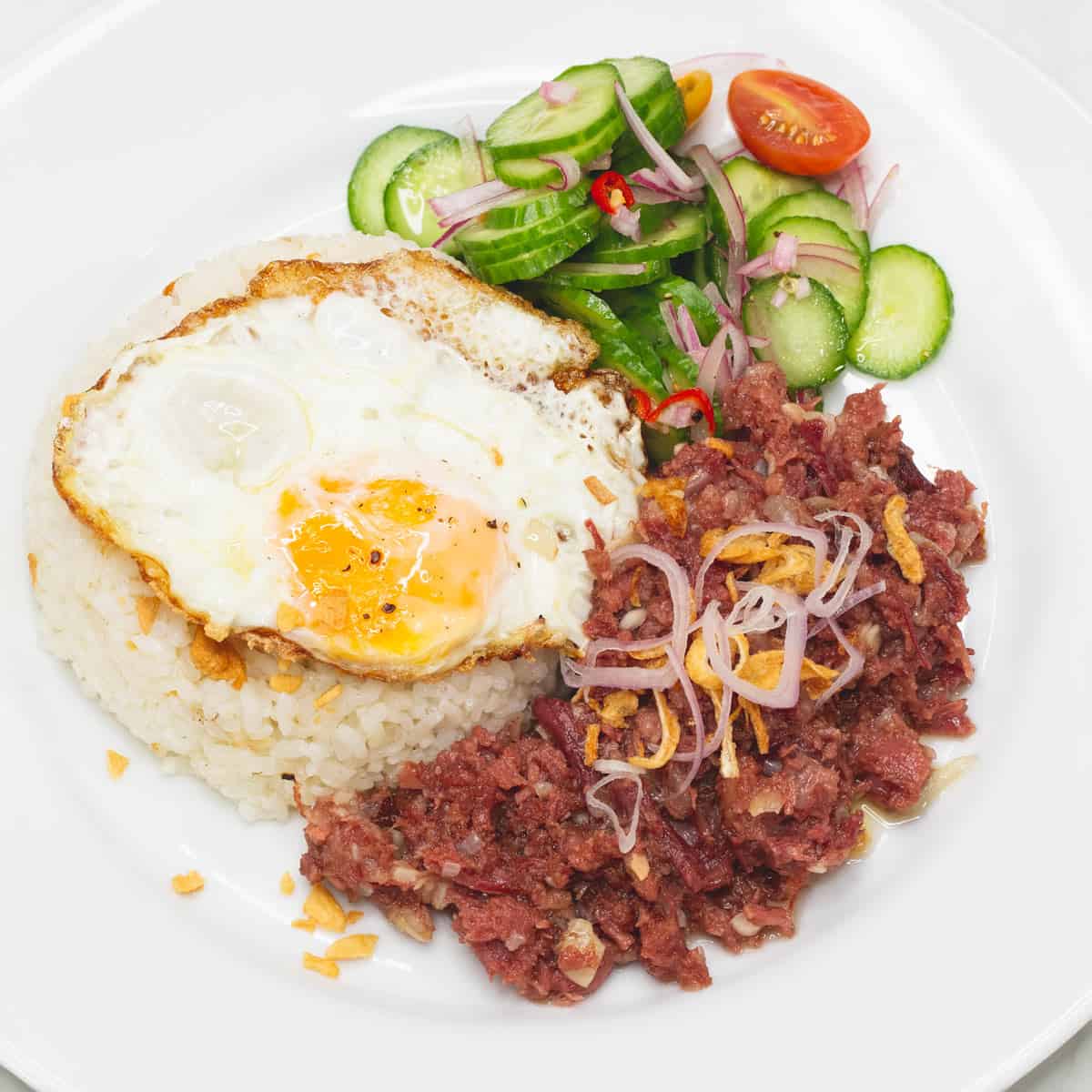
    Corned Silog is a popular Filipino breakfast dish that combines corned beef, Sinangag (garlic fried rice), and a fried egg. It blends American and Filipino flavors, creating a unique culinary experience. This dish is commonly found in Filipino eateries, hotels, and cozy spots.

    Key Takeaways

    • Corned Silog is a popular breakfast dish in the Philippines that has evolved from the fusion of culinary influences and the creativity of Filipino cooks.
    • The traditional preparation of Corned Silog includes sautéing corned beef with onions, making garlic fried rice, and frying a sunny-side-up egg.
    • There are variations and customizations of Corned Silog, including different meat options, serving and side variations, and the option to substitute meat or use brown rice.
    • Corned Silog holds cultural significance as a comforting breakfast dish enjoyed during community gatherings, and it showcases the diversity of Filipino cuisine. It also offers health benefits from the ingredients used, such as corned beef, garlic, rice, eggs, and vegetables.

    Origin of Corned Silog

    What Is Corned Silog?

    Corned Silog is a popular Filipino breakfast dish consisting of corned beef, garlic fried rice (Sinangag), and a fried egg.

    Sinangag is a crucial component of Corned Silog, providing a fragrant and flavorful base that complements the savory corned beef and egg. The garlic-infused rice enhances the overall taste experience.

    Corned Silog is widely enjoyed in the Philippines for breakfast.

    Ingredients for Corned Silog

    To prepare Corned Silog, you’ll need the following ingredients:

    • Canned corned beef for the main protein
    • Cooked white rice as the base
    • Vegetable oil for sauteing
    • Garlic for flavor
    • Egg for topping
    • Onion for taste enhancement

    If you want to enhance the savory taste, use garlic.

    Essential Ingredients for Corned Silog:

    • Canned Corned Beef: Main protein source
    • Cooked White Rice: Base of the dish
    • Vegetable Oil: Used for sauteing
    • Garlic: Adds rich flavor
    • Egg: Typically fried sunny side up
    • Onion: Enhances taste of the mixture

    Cooking Corned Beef

    When cooking corned beef, start by sautéing canned corned beef with 2 cloves of minced garlic and 1 diced onion. If you want to enhance the overall taste, add garlic for a fragrant depth of flavor.

    As the ingredients cook together, the aromas will entice your senses. If you aim for tenderness, gradually pour in 1 cup of beef broth to tenderize the meat further.

    To season the mixture, add a pinch of salt and pepper to taste. The combination of garlic, onion, and beef broth creates a savory base for the corned beef, elevating its flavors to perfection.

    Making Garlic Fried Rice

    When preparing garlic fried rice, the key factor is the flavorful seasoning derived from sautéed garlic, enhancing the taste of your corned beef silog dish. Crisping up chopped garlic in oil and combining it with cooked white rice forms the foundation of this aromatic side dish.

    If you want to create a delicious garlic fried rice, use 3 to 4 cloves of garlic for sautéing.

    This side dish not only provides depth to your meal but also enhances the overall dining experience with its savory notes and crispy texture.

    If you’re interested in exploring more recipes, you can visit a renowned cooking website that features various rice dishes.

    Flavorful Garlic Seasoning

    To enhance the flavor of garlic fried rice, sauté minced garlic in oil until golden brown.

    Caramelizing the garlic releases aromatic oils, infusing the oil with a deep garlic essence.

    Adding day-old cooked rice to the golden garlic allows it to absorb the flavorful oil and garlic mixture.

    If you season with a sprinkle of salt and pepper, the taste is enhanced and the dish is balanced.

    This seasoned garlic fried rice pairs well with savory corned beef and a sunny-side-up egg in the corned beef silog meal.

    Quick and Easy Prep

    To prepare corned silog, start by infusing day-old cooked rice with golden brown garlic. Heat oil in a pan and sauté the garlic until golden brown. Use day-old non-sticky rice like sinandomeng or jasmine for the best texture.

    Cooling the rice before frying helps maintain individual grains. Add the rice to the sautéed garlic and stir-fry until coated. Top with toasted garlic for extra flavor.

    Frying the Egg

    To fry the egg for corned silog, cook it sunny-side-up on low heat. Cook on low heat to prevent browning.

    Season with salt for flavor enhancement. Be patient for a creamy yolk.

    A perfectly cooked sunny-side-up egg complements corned beef silog.

    Serving Corned Silog

    When serving Corned Silog, the traditional combination consists of corned beef, Sinangag, and a fried egg.

    The recipe for Corned Silog typically includes garnishes and sides to enhance flavors.

    Exploring different variations of Silog with meats like beef tapa or tocino can add a unique twist to your breakfast.

    If looking for variations, consider trying Corned Silog with beef tapa or tocino for diverse flavors.

    Recipe for Corned Silog

    To make Corned Silog, begin by preparing Sinangag, a garlic fried rice dish popular in Filipino cuisine.

    1. Sauté corned beef with garlic and onions for added flavor.
    2. If using a 12 oz can of corned beef, cook with 3 cloves of minced garlic and half a chopped onion.

    3. Fry an egg sunny-side-up or to your liking.

    4. If desiring a well-done egg, cook for an additional minute.

    5. Plate a generous portion of Sinangag as the base.

    6. If making Sinangag for 4 people, use 4 cups of cooked rice.

    7. Top the garlic fried rice with the savory corned beef and the cooked egg.

    8. If serving with a side of tomatoes or pickled vegetables, place them alongside the Corned Silog.

    Garnishes and Sides

    To enhance your Corned Silog, consider garnishing with chopped green onions and sliced tomatoes. Additionally, serve it with sliced cucumberspickled papaya (Atsara), and sautéed bitter melon for a refreshing contrast. For dipping, offer vinegar and soy sauce.

    If serving Corned Silog, include chopped green onions and sliced tomatoes. For sides, offer sliced cucumberspickled papaya (Atsara), and sautéed bitter melon. Provide vinegar and soy sauce for dipping.

    Corned Silog Variations

    Embracing culinary creativity, variations of corned silog display the versatility of Filipino breakfast. Explore diverse options with these adaptations:

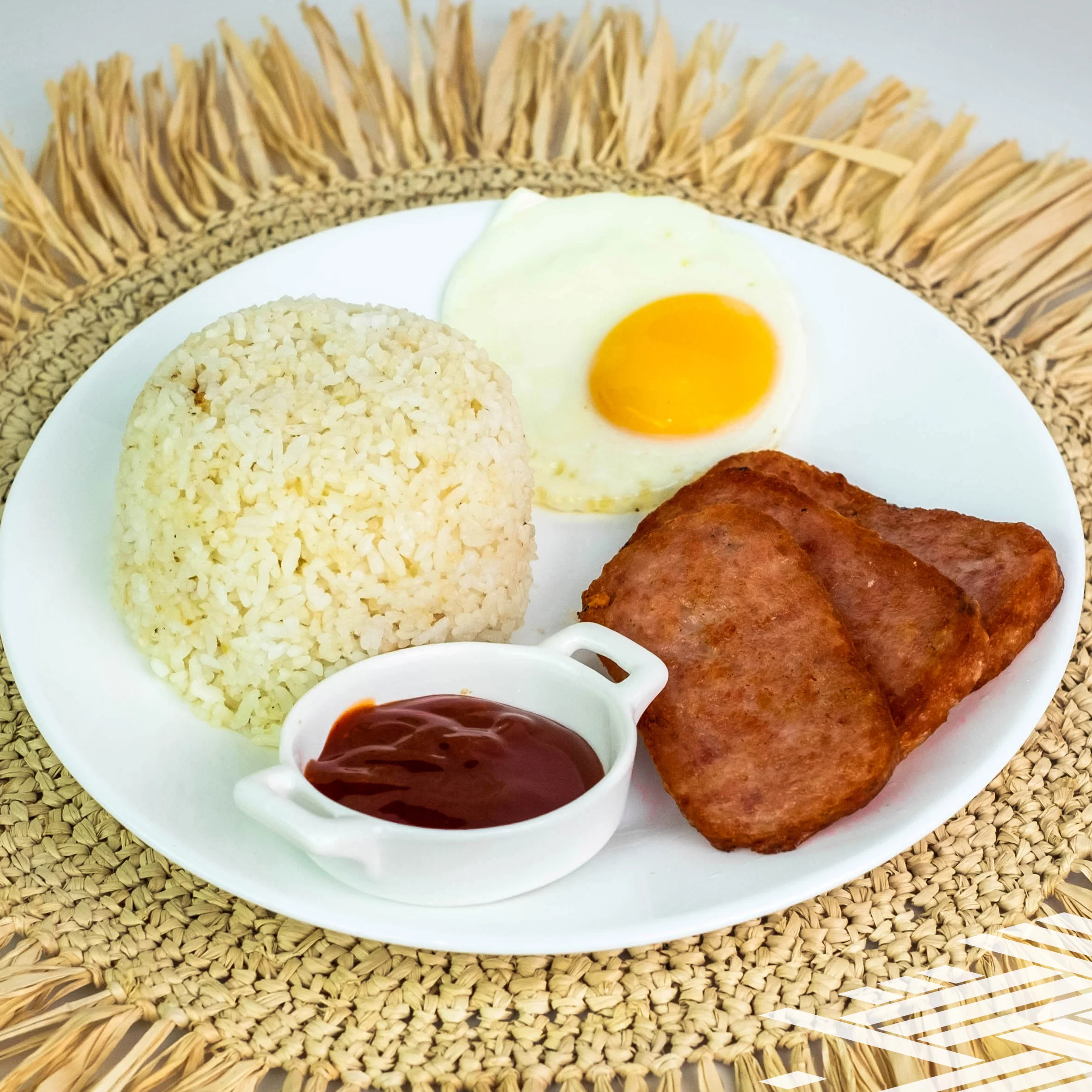
    • Tocino Silog: Swap corned beef for tocino for a sweet and savory twist.

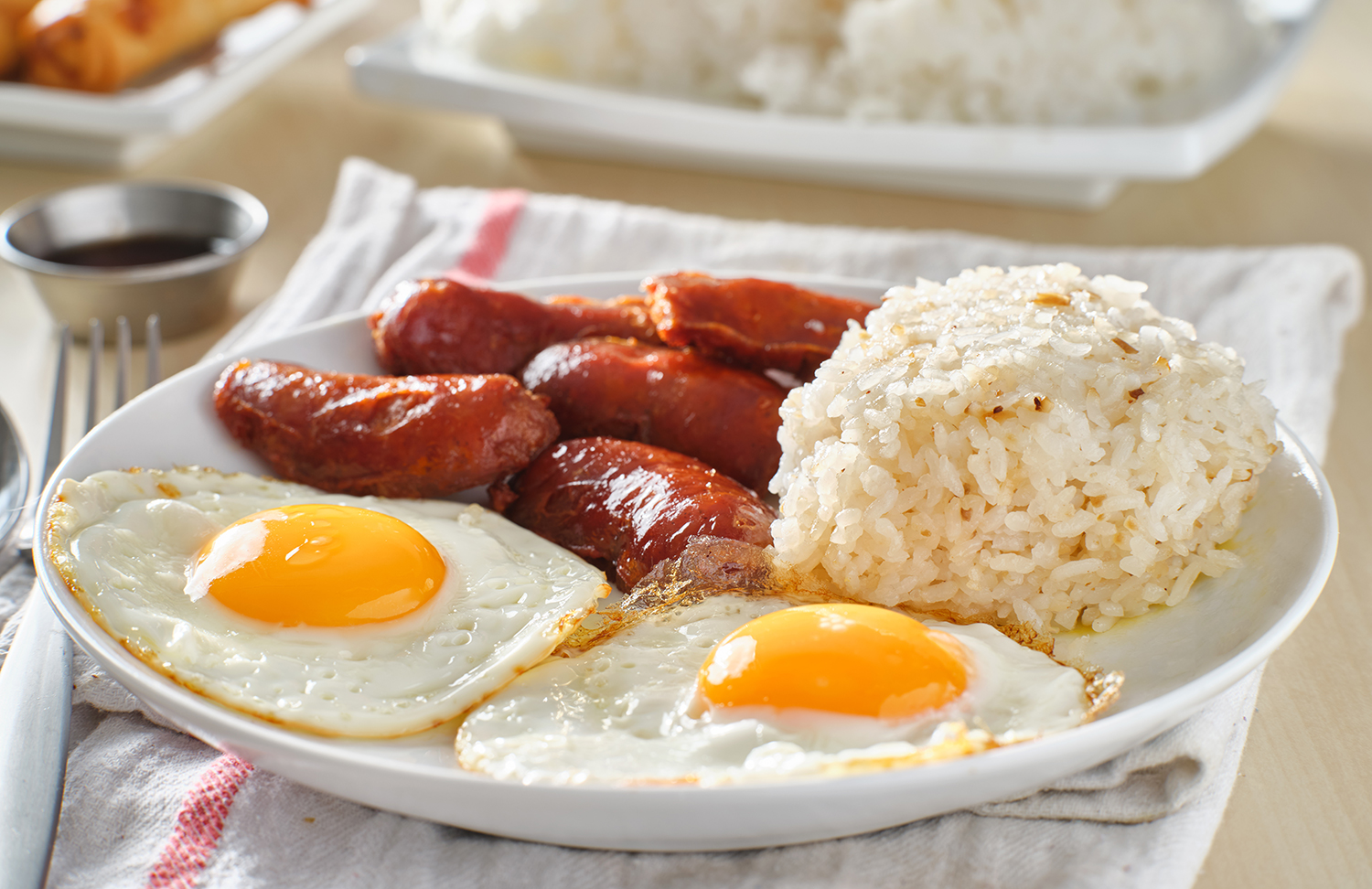
    • Longganisa Silog: Indulge in garlicky Filipino sausage flavors with longganisa.

    • Beef Tapa Silog: Savor marinated beef tapa’s sweet, salty, and tangy fusion.

    • Hotdog Silog: Try hotdogs for a simple, nostalgic breakfast choice.

    Health Benefits of Corned Silog

    Corned Silog provides a balanced nutrient profile, ideal for a nutritious breakfast option.

    The corned beef’s protein content delivers sustained energy, perfect for jumpstarting your morning.

    The digestion-friendly components in Corned Silog can promote a comfortable and satisfying meal experience.

    Nutritional Value Breakdown

    Corned Silog typically provides 400 calories20g of protein, 35g of carbohydrates, 18g of fat, and 80mg of cholesterol per serving.

    • High protein content aids in muscle repair and growth.
    • Moderate carbohydrate content supplies energy for daily activities.
    • Healthy fat content supports cell function and hormone production.
    • Cholesterol content should be consumed in moderation for overall health.

    Enjoying Corned Silog, especially with garlic rice, can be a satisfying and nutritious addition to your morning routine.

    Energy-Boosting Protein Source

    Corned Silog is a protein-rich Filipino breakfast meal that combines corned beef, sinangag (garlic fried rice), and a fried egg.

    Corned beef is a rich source of protein, essential for muscle repair and growth.

    Sinangag provides carbohydrates for energy, and the egg contributes additional protein and essential nutrients.

    This balanced meal is ideal for kickstarting your day with the necessary energy and nutrients.

    Digestion-Friendly Ingredients

    Garlic in Corned Silog promotes gut health in various ways.

    • Garlic contains compounds that promote beneficial gut bacteria growth.
    • The antibacterial properties of garlic help maintain a healthy digestive system.
    • Garlic can reduce gut inflammation, potentially improving digestion.
    • The flavor-enhancing properties of garlic make meals more enjoyable while supporting digestive health.

    These benefits make garlic-infused sinangag a valuable addition to your diet.

    Cultural Significance

    Corned Silog is a popular Filipino breakfast dish that combines American and traditional Filipino culinary influences. Sinangag, the garlic fried rice component, represents a staple in Filipino breakfasts. This dish symbolizes cultural fusion and creativity in Filipino cuisine.

    Corned Silog is widely recognized and appreciated in eateries, hotels, and restaurants serving Filipino food. It showcases a blend of American and Filipino breakfast traditions.

    Where to Enjoy Corned Silog

    To enjoy Corned Silog, explore various dining options:

    • Filipino Eateries: These establishments serve traditional Corned Silog with corned beef, garlic fried rice, and a fried egg.
    • If you seek homemade Corned Silog, Filipino eateries are ideal.

    • Bustling Hotels: Many hotels offer Corned Silog for breakfast.

    • If you prefer a more upscale setting, hotels are a great choice.

    • Cozy Local Spots: Visit local spots known for comfort food.

    • If you want a comforting plate of Corned Silog, local spots are perfect.

    • Street Food Stalls: Try Corned Silog from street food stalls.

    • If you enjoy casual dining on the go, street food stalls are convenient.

    Frequently Asked Questions

    What Is Corned Silverside?

    Corned silverside is a cut of beef that has been cured in a seasoned brine to enhance its flavor profile. The brine typically consists of salt, sugar, and spices. If you want to prepare corned silverside, you can simmer or boil it to achieve tenderness and a rich taste. The cooking process usually takes around 2-3 hours.

    What Is Actually in Corned Beef?

    Corned Beef Composition:

    Corned beef is crafted from beef brisket marinated in a seasoned brine comprising ingredients like salt, sugar, and pickling spices. It is rich in protein and minerals, containing approximately 28 grams of protein per 3-ounce serving. However, it is high in sodium, with about 964 milligrams per serving.

    Nutritional Profile:

    If you seek a high-protein food, corned beef fits the bill, offering essential nutrients like iron, zinc, and B vitamins. Yet, due to its sodium content, enjoy it in moderation, as excessive sodium consumption can lead to health issues like high blood pressure.

    Versatility and Consumption:

    Corned beef’s adaptability in various dishes makes it a versatile ingredient, ranging from classic sandwiches to hearty stews. If you are watching your sodium intake, consider rinsing or boiling the corned beef before cooking to reduce its sodium content.

    For more detailed information on the composition and consumption of corned beef, please visit the webpage on What Is Actually in Corned Beef?.

    What Cut of Meat Is Corned?

    Beef brisket is the primary cut of meat used for corned beef.

    If other cuts are preferred, round or rump can also undergo the same curing process with a brine solution containing salt, sugar, and spices to achieve the characteristic flavor and pink color.

    Conclusion

    Corned silog is a Filipino breakfast dish composed of corned beef, fried rice, and a fried egg. It’s a popular choice for breakfast or any time of day due to its unique flavors and comforting qualities.

    Enjoyed at home or in Filipino restaurants, this dish offers a delicious and satisfying meal.

    Try corned silog today for a delightful taste of Filipino cuisine.
  • What Is the Recipe for Chicken Silog?

    What Is the Recipe for Chicken Silog?

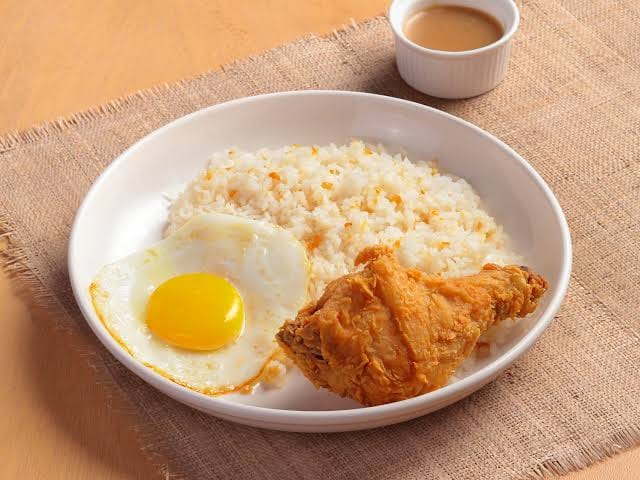
    The recipe for Chicken Silog includes marinating chicken with soy sauce, orange juice, and lime juice, frying it until cooked, and serving it with garlic rice and a sunny-side-up egg for a flavorful Filipino breakfast dish.

    Key Takeaways

    • Chicken silog is a popular Filipino breakfast dish known for its savory, citrusy, and garlicky flavors.
    • The secret to its taste lies in the balanced marinade, aromatic garlic rice, and perfectly fried sunny-side-up egg.
    • Marinating the chicken is crucial for enhancing flavor and tenderness, and it can be done for at least 30 minutes or overnight in the refrigerator.
    • There are variations of chicken silog, such as Tocino Silog, Adobo Flakes Silog, Longganisa Silog, Tapsilog, and Sisig Silog.

    Ingredients for Chicken Silog

    To create a delicious Chicken Silog, gather the following ingredients for a delightful breakfast experience. You’ll need chicken legs or thighs, cooked rice, salt, ground black pepper, cooking oil, eggs, flour, garlic, and calamansi juice.

    The star of the dish, the garlic fried rice, will infuse the entire meal with its aromatic flavor. Imagine the sizzle of the chicken as it cooks to perfection, the fragrance of the garlic filling the air, and the vibrant colors of the ingredients coming together in a harmonious blend.

    With each bite, the tender chicken, flavorful rice, and perfectly cooked egg create a symphony of taste that will awaken your senses and leave you craving for more.

    Get ready to embark on a culinary journey that will delight your taste buds and nourish your soul with this classic Filipino dish, Chicken Silog.

    Preparation of Chicken Silog

    Now it’s time to get cooking!

    Start by heating olive oil in a saucepan and sautéing shallots, garlic, and Thai chili until fragrant.

    Then, create a flavorful sauce by adding soy sauce, orange juice, and lime juice to the pan and simmer until it thickens.

    Next, sauté minced garlic in a separate pan, add the rice, and cook until it’s well combined.

    Ingredients for Chicken Silog

    Marinate the chicken leg and thigh with salt, pepper, and soy sauce before deep frying until cooked.

    The key ingredients for Chicken Silog are:

    1. Chicken leg and thigh
    2. Salt, pepper, and soy sauce for marinating
    3. Garlic for flavoring
    4. Oil for frying

    To achieve the flavorful and succulent fried chicken in Chicken Silog, marinating the chicken with these ingredients is crucial. The garlic adds a rich and aromatic taste, enhancing the overall flavor profile of the dish.

    When frying the marinated chicken, the oil helps achieve a crispy and golden-brown exterior while keeping the meat juicy and tender.

    These simple yet essential ingredients come together to create a delectable and satisfying Chicken Silog that will surely delight your taste buds.

    Cooking Chicken Silog

    After marinating the chicken with a flavorful blend of soy sauce, orange juice, and lime juice, you can begin preparing the garlic rice base for your Chicken Silog by sautéing minced garlic in olive oil and combining it with cooked rice. Once the garlic rice is ready, cook the marinated chicken until it’s tender and juicy.

    Meanwhile, fry the eggs sunny-side up to top off your Chicken Silog bowl. To make the sauce, mix soy sauce, vinegar, and brown sugar in a bowl. Drizzle the prepared sauce over the chicken, rice, and egg, and garnish with scallions, sesame oil, and sesame seeds for an added burst of flavor. Serve the Chicken Silog bowl with cooked vegetables for a delicious and satisfying meal.

    Cooking Step Description
    Marinate Soy sauce, orange juice, lime juice
    Sauté Minced garlic in olive oil
    Fry Chicken, eggs
    Prepare Sauce with soy sauce, vinegar, brown sugar
    Garnish Scallions, sesame oil, sesame seeds

    Enjoy making this classic Filipino dish!

    Marinating the Chicken

    For a burst of flavor that will elevate your chicken silog, marinate the chicken with a blend of soy sauce, orange juice, lime juice, shallots, garlic, and Thai chili. Here’s how to do it:

    1. Coat the chicken evenly in the marinade to ensure every bite is bursting with flavor.
    2. Let the chicken sit in the marinade for at least 30 minutes to allow the flavors to infuse.
    3. For an even deeper flavor, marinate the chicken overnight in the refrigerator.
    4. Use a resealable bag or airtight container to marinate the chicken, making sure it’s fully covered and refrigerated. This ensures that the flavors are sealed in and the chicken is ready to be cooked to perfection.

    Don’t forget to include a touch of garlic powder for an extra kick of flavor.

    Cooking the Garlic Fried Rice

    When preparing the garlic fried rice for your chicken silog, start by heating olive oil in a pan and sautéing minced garlic until fragrant.

    Then, add the cooked rice, stirring it together until well combined. The aroma of the garlic will infuse the rice, giving it a rich flavor.

    As the rice sizzles in the pan, it absorbs the savory essence of the garlic. Each grain glistens with the golden hue of the fragrant oil.

    The garlic fried rice becomes a bed of aromatic delight, ready to cradle the succulent fried chicken and sunny-side-up eggs.

    The simple yet flavorful combination of garlic, rice, and oil creates a delectable base for the rest of the dish.

    As you finish cooking the garlic fried rice, you’re one step closer to savoring a delightful chicken silog meal.

    Frying the Sunny-Side-Up Egg

    Now, let’s talk about frying the sunny-side-up egg to achieve that perfect runny yolk and crispy edge.

    Crack the egg into the hot, oiled pan, and watch as the whites set and the yolk stays gloriously runny.

    To ensure even cooking, cover the pan with a lid, and for an extra burst of flavor, spoon some of the hot oil over the egg whites.

    It’s all about creating that picture-perfect sunny-side-up egg to top off your Chicken Silog dish.

    Egg Frying Technique

    To achieve the perfect sunny-side-up egg, start by heating a non-stick pan over low to medium heat and adding a small amount of cooking oil or butter to the pan.

    Follow these steps for the ideal fried egg:

    1. Heat the pan: Ensure the pan is heated evenly to avoid uneven cooking of the egg.
    2. Add oil or butter: A small amount is sufficient to prevent sticking and add flavor.
    3. Crack the egg: Carefully crack the egg into the pan, taking care not to break the yolk.
    4. Cook to perfection: Allow the egg whites to set and the edges to lightly brown while keeping the yolk runny.

    Sunny-Side-Up Perfection

    For the perfect sunny-side-up egg, achieve a runny yolk and perfectly set whites by cooking over low heat in a hot, oiled skillet.

    Start by heating the pan and adding a thin layer of oil. Crack the egg into the pan gently to keep the yolk intact.

    Cook on low heat, covering the skillet to help the top set without flipping. This method ensures that the whites are fully cooked while the yolk remains delightfully runny.

    As the egg cooks, spoon some of the hot oil over the whites for even cooking. Just before it finishes, season the egg with salt and pepper for added flavor.

    Serve this beautiful sunny-side-up egg on top of a mound of hot cooked rice for a delicious Chicken Silog meal.

    Assembling the Chicken Silog

    Start by coating the chicken in the prepared sauce before placing it over the fragrant garlic rice in a bowl.

    Assemble your Chicken Silog by following these simple steps:

    1. Coat and Place: Coat the chicken in a mixture of banana ketchup and minced garlic, then place it over the garlic rice in a bowl.
    2. Add the Egg: Top the chicken and rice with a perfectly cooked sunny-side-up fried egg for a delightful combination of flavors and textures.
    3. Drizzle and Garnish: Drizzle additional sauce over the assembled Chicken Silog and garnish it with scallions, sesame oil, and sesame seeds for a burst of aromatic and savory notes.
    4. Serve and Enjoy: Serve the Chicken Silog with a side of cooked vegetables to complete the meal with a satisfying and balanced touch.

    Now, you’re ready to enjoy your deliciously assembled Chicken Silog!

    Tips for Perfecting Chicken Silog

    To perfect your Chicken Silog, focus on cooking the chicken just right. Marinating the chicken before cooking is crucial for enhanced taste and juiciness. Don’t forget to experiment with different variations to create unique and delicious dishes.

    Another important aspect is preparing the garlic rice. Use cold, cooked rice and minced garlic for that perfect fried rice texture and flavor.

    Cooking the Chicken

    To achieve the perfect chicken for your Chicken Silog, marinate the chicken to enhance its flavor and tenderness, and consider using boneless leg or thigh meat for optimal juiciness.

    Cooking the Chicken for Chicken Silog:

    1. Marinate the chicken to enhance its flavor and tenderness.
    2. Use boneless leg or thigh meat for moist and juicy chicken.
    3. Ensure the chicken is cooked perfectly, either by deep frying or using other cooking methods.
    4. Consider using GP Garlic Vinegar Dip and Marinade for a flavorful option.

    Marinating the chicken will infuse it with delicious flavors, while using boneless leg or thigh meat will give you juicy, succulent chicken. Whether you deep fry or use an alternative cooking method, ensure the chicken is cooked to perfection. Consider using GP Garlic Vinegar Dip and Marinade for a tasty twist.

    Preparing the Garlic Rice

    When preparing the garlic rice for your Chicken Silog, consider using cold, cooked rice and finely minced garlic to achieve the perfect flavor and texture.

    Start by heating a small amount of oil in a frying pan over medium heat. Add the minced garlic and sauté until golden brown and aromatic.

    Then, add the cold, cooked rice to the pan, breaking up any clumps and stirring to evenly distribute the garlic. Continue to cook the rice, stirring occasionally, until it’s heated through and slightly crispy.

    The key is to achieve a balance of garlic flavor and a slightly crunchy texture.

    Once the garlic rice is ready, serve it alongside the marinated and perfectly cooked chicken, and enjoy a delicious Chicken Silog meal with your loved ones.

    Serving Suggestions for Chicken Silog

    For a zesty contrast to the savory flavors of Chicken Silog, consider serving it with a side of atchara (pickled papaya). The tangy and crunchy atchara complements the dish perfectly.

    To balance the richness of the meal, include fresh tomato slices or cucumber. These refreshing accompaniments add a burst of freshness to each bite.

    Additionally, pairing the Chicken Silog with achara, pickled vegetables, will provide a tangy and crunchy element to the dish, adding layers of flavor and texture.

    For a sweet and juicy contrast to the savory chicken and garlic rice, add a side of sliced ripe mango. The combination of flavors will elevate your Filipino Food experience, creating a delightful dining adventure.

    Don’t forget to serve it with a side of vinegar dipping sauce, enhancing the overall flavors of the Chicken Silog.

    Variations of Chicken Silog

    Discover five delectable variations of Chicken Silog, each offering a unique twist on the classic Filipino dish.

    Tocino is a Filipino marinated sweet chicken commonly paired with garlic rice and a sunny-side-up egg to create Tocino Silog.

    Another variation is the Adobo Flakes Silog, featuring shredded chicken adobo served with garlic rice and a fried egg.

    For a taste of Filipino sausage, try the Longganisa Silog, made with ground chicken longganisa, garlic rice, and a fried egg.

    Tapsilog offers marinated chicken tapa, a Filipino cured meat, accompanied by garlic rice and a fried egg.

    Finally, the Sisig Silog presents sizzling shredded chicken sisig served with garlic rice and a fried egg.

    Each variation adds its own flavorful touch to the beloved Chicken Silog.

    Can I Use Chicken Inasal for Chicken Silog?

    Yes, you can definitely use chicken inasal to make authentic chicken silog. The flavors of chicken inasal, with its blend of tangy and savory notes, work beautifully as a filling for the popular Filipino breakfast dish. The juicy grilled chicken, when paired with garlic fried rice and a sunny-side-up egg, creates a satisfying and delicious meal.

    Chicken Silog Trivia and History

    Amidst the bustling streets of the Philippines, the history of chicken silog intertwines with the country’s vibrant culinary heritage, offering a glimpse into its rich and flavorful breakfast traditions.

    1. Classic Filipino Dish: Chicken silog, also known as ‘chicksilog,’ is a beloved breakfast option in the Philippines, cherished for its affordability and delightful flavors.
    2. Historical Origins: The silog craze, including variations like tapsilog and tocilog, originated during the Spanish invasion, showcasing the Filipino ingenuity in creating diverse and delicious breakfast dishes.
    3. Cooking Techniques and Variations: This classic dish can be prepared using various cooking methods, such as stovetop frying or utilizing a multi-cooker like an Instant Pot, and can be enhanced with diverse variations like spicy chicksilog or with atsara (pickled papaya).
    4. Culinary Staple: Chicken silog has become an integral part of Filipino cuisine, reflecting the creativity and resourcefulness of Filipino culinary traditions.

    Frequently Asked Questions

    What Is Chicken Silog?

    Chicken Silog is a traditional Filipino dish, featuring garlic rice, a fried egg, and savory chicken. It’s a versatile meal, perfect for any time of day. Enhance it with sauces and veggies for extra flavor and flair.

    What Is an Example of a Silog Meal?

    For a satisfying Silog meal, imagine a plate of fragrant garlic rice, a perfectly fried egg, and tender marinated chicken. The combination creates a delicious and hearty dish that’s a popular choice for breakfast in Filipino cuisine.

    What Is Silog in Filipino?

    In Filipino cuisine, “silog” refers to a meal typically featuring garlic rice and fried egg paired with a specific meat, such as chicken in “chicksilog.” It’s a flavorful and hearty dish enjoyed at any time.

    What Is the Origin of Silog Meals?

    The origin of Silog meals traces back to Spanish influence in the Philippines, where locals transformed Tapas into various Silog dishes. It’s a creative fusion of tradition and innovation that has become a staple in Filipino cuisine.

    Conclusion

    Now you know how to make a delicious and satisfying Filipino breakfast dish – chicken silog!

    With its flavorful marinated chicken, fragrant garlic rice, and perfectly fried egg, it’s the perfect way to start your day.

    Get creative with your toppings and garnishes to make it your own, and enjoy this hearty and tasty meal that will surely become a favorite in your breakfast rotation.

    Happy cooking!

  • What Is a Breakfast Steak Recipe in Filipino Style?

    What Is a Breakfast Steak Recipe in Filipino Style?

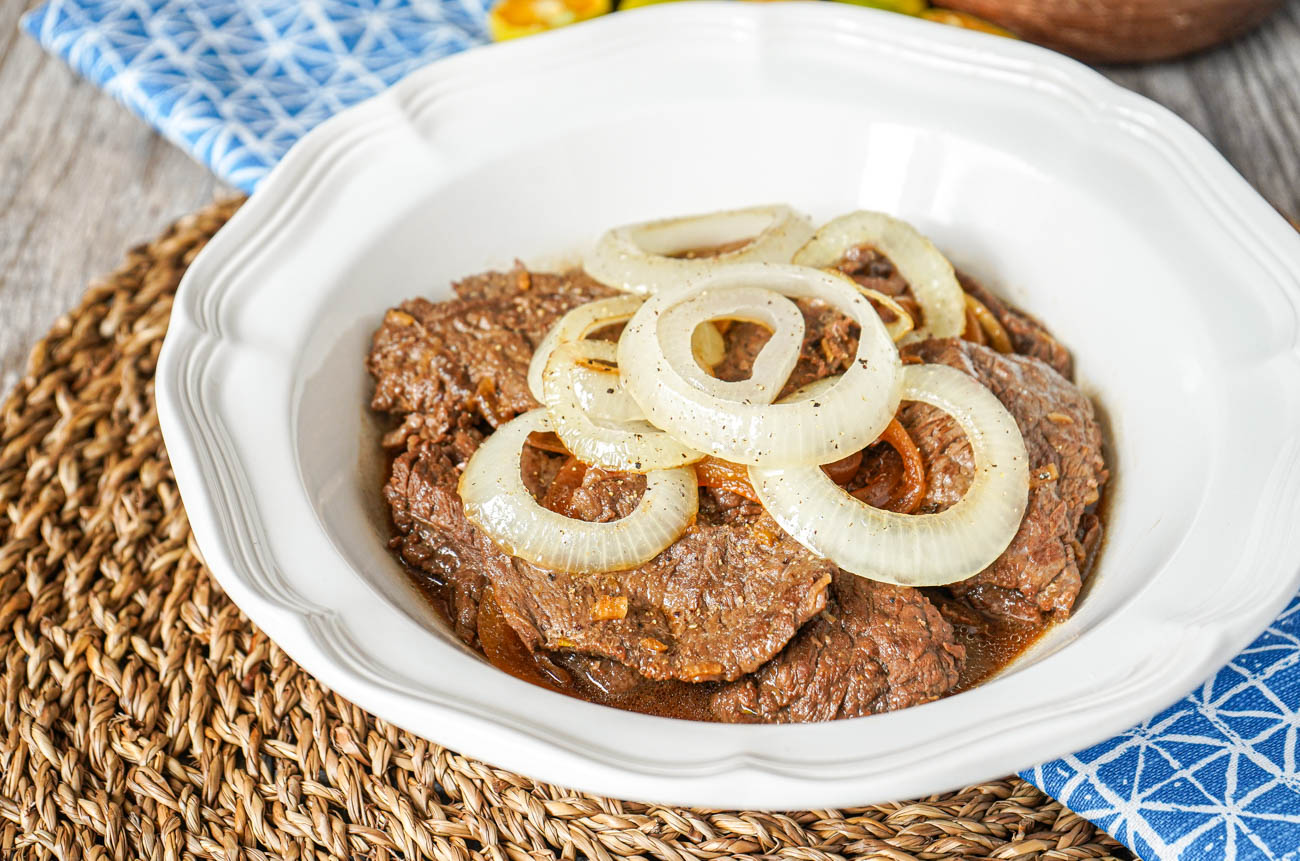
    A Filipino-style breakfast steak recipe, known as Bistek Tagalog, features tender beef slices marinated in soy sauce, lemon juice, garlic, and onions for a savory and tangy flavor. It is a beloved dish in Filipino cuisine originating from the Tagalog region of Southern Luzon, Philippines.

    Key Takeaways

    • Filipino Breakfast Steak, also known as Bistek Tagalog, is a beloved dish in Filipino cuisine that originated in the Tagalog region of Southern Luzon, Philippines.
    • The key ingredients for Filipino Breakfast Steak include tender beef slices, soy sauce, lemon juice, garlic, and onions.
    • To cook Filipino Breakfast Steak, marinate the beef in a mixture of lemon juice, soy sauce, sugar, salt, and pepper, then pan-fry it until browned and simmer it in the marinade to infuse the flavors.
    • There are variations of Filipino Breakfast Steak that incorporate ingredients like calamansi juice, soy sauce, onions, pineapple chunks, and tamarind paste to add different flavors and twists to the dish.

    Origin of Filipino Breakfast Steak

    The origins of the Filipino Breakfast Steak, also known as Bistek Tagalog, date back to the culinary traditions of the Tagalog region in Southern Luzon, Philippines, where it has been a beloved staple for generations.

    Bistek Tagalog is a type of Filipino beef steak, a flavorful dish that reflects the rich culinary heritage of the region. Thin slices of beef, abundant onions, soy sauce, and lemon juice come together in this dish, creating a tantalizing blend of savory and tangy flavors.

    This dish isn’t only delicious but also a good source of protein, with the added benefit of using less oil compared to other Filipino recipes. The key ingredient, calamansi, not only enhances the dish’s flavor but also provides a dose of vitamin C, contributing to memory and insulin levels.

    Bistek Tagalog’s popularity has transcended generations, making it a beloved and enduring part of Filipino cuisine.

    Key Ingredients for the Recipe

    So, you’re ready to learn about the key ingredients that make the Filipino-style breakfast steak so flavorful.

    Get ready to grab a tender cut of beef, some zesty lemon juice, savory soy sauce, a hint of sugar, and a pinch of salt.

    These essential ingredients will come together to create a mouthwatering breakfast dish that will surely satisfy your cravings.

    Essential Ingredients

    Using a tender cut of beef is essential for achieving the perfect texture and flavor in your Filipino-style breakfast steak. When making a Bistek recipe, opt for top round or sirloin beef slices to ensure tenderness. The marinade, a key element, requires soy sauce for its rich, savory base.

    Additionally, the tangy flavor of calamansi juice or Meyer lemons is crucial for authenticity. Garlic adds depth and aroma to the beef, while onions are essential for the flavorful topping. These essential ingredients come together to create a delicious and satisfying Filipino-style breakfast steak. Here’s a table summarizing the key components:

    Ingredient Role
    Tender beef Provides perfect texture and flavor
    Soy sauce Forms the rich and savory marinade base
    Lemon juice Adds authentic tangy flavor

    Cooking Instructions

    Transitioning from the essential ingredients to the cooking instructions, you’ll marinate the beef in a flavorful mixture of lemon juice, soy sauce, sugar, salt, and pepper for at least 30 minutes to infuse it with authentic Filipino flavors.

    After marinating, pan-fry the beef in batches until it’s beautifully browned. Then, pour in the marinade and let it simmer, allowing the beef to soak up the rich flavors. As it cooks, adjust the sauce to your taste by adding more soy sauce, lemon juice, or water.

    Once done, arrange the beef slices on a plate, top them with delightful onion rings, and generously pour the remaining cooking liquid on top. This classic Filipino beefsteak recipe is best enjoyed with steamed rice.

    Also, if you have leftovers, you can freeze them for a quick and delicious meal later on.

    Marinating the Steak

    You’re in for a treat as you marinate your steak with a flavorful combination of lemon juice, soy sauce, sugar, salt, and pepper.

    Make sure to fully coat the steak with the marinade by giving it a good toss.

    Flavorful Marinade

    To create a flavorful marinade for the breakfast steak, combine minced garlic, salt, black pepper, and sugar in a bowl, ensuring the ingredients are well mixed and the flavors are balanced.

    Spread the marinade mixture on the beef sirloin, making sure it coats the meat evenly.

    Refrigerate the marinated sirloin overnight to allow the flavors to infuse.

    Consider baking or broiling the marinated sirloin to perfection before serving.

    The marinade adds depth and richness to the Bistek, creating a delectable Filipino-style breakfast steak.

    The marinated steak, when cooked, showcases the rich flavors from the well-marinated beef.

    Enhance the dish by serving it with crispy onion rings, complementing the savory flavors of the steak with a delightful crunch.

    Proper Marinating Time

    For optimal flavor infusion, it’s recommended to marinate the steak in the refrigerator overnight, allowing the marinade to thoroughly permeate the meat.

    • Ensure the steak is fully coated in the marinade and leave it for at least 6-8 hours for optimal flavor.
    • For a deeper flavor, consider marinating the steak for up to 24 hours before cooking.
    • Adjust marinating time based on the thickness of the steak – thicker cuts may require longer marinating time for full flavor absorption.
    • Periodically turn the steak in the marinade to ensure all sides are equally flavored throughout the marinating process.

    When preparing Bistek, the marinating time is crucial for the flavors to properly infuse into the thinly sliced beef. Longer marinating times allow for richer and more intense flavor development, creating a delectable Filipino-style breakfast steak.

    Searing the Steak to Perfection

    Searing the steak to perfection requires heating a cast-iron skillet over high heat until it’s smoking hot. This step is crucial for creating a delicious crust on the beef.

    Pat the steak dry with paper towels to ensure a good sear, and season it with salt and pepper just before searing.

    Once the skillet is hot, add the steak and refrain from moving it for a few minutes, allowing a golden crust to form.

    Then, flip the steak and continue cooking until you achieve the desired doneness.

    When making a Filipino-style breakfast steak, also known as Bistek, this process of pan-frying the beef is essential for locking in the flavors and creating a tender, juicy texture.

    With these steps, you’ll be on your way to a mouthwatering breakfast steak Filipino-style.

    Creating the Flavorful Sauce

    Infusing the beef with a marinade of soy sauce, calamansi juice (or lemon juice), and garlic is the first step in creating the flavorful sauce for your Filipino-style breakfast steak, known as Bistek.

    Here’s how to create the flavorful sauce for your Bistek:

    1. Combine soy sauce, calamansi juice (or lemon juice), and garlic in a bowl.
    2. Adjust the amount of calamansi juice or lemon juice for desired tanginess.
    3. Marinate the beef in the sauce for at least 30 minutes to infuse flavor.
    4. Reserve some of the marinade to simmer with the beef for a robust sauce.

    As you’re learning how to cook this dish, remember that the balance of flavors is crucial. You can adjust the sauce with soy sauce, calamansi juice, or water to achieve the perfect tanginess and richness. Don’t forget to include onions and garlic for that authentic Filipino taste!

    Serving Suggestions for Breakfast Steak

    Now that you’ve expertly marinated the beef to infuse it with the rich flavors of soy sauce, calamansi juice, and garlic, it’s time to explore the perfect accompaniments for your Filipino-style breakfast steak.

    Pairing the breakfast steak with garlic fried rice or sinangag is a classic Filipino breakfast option that complements the savory flavors of the steak.

    Serving the breakfast steak with a side of sunny-side-up eggs adds a hearty touch to your morning meal.

    For a refreshing contrast, accompany the breakfast steak with atchara (pickled papaya) or sliced tomatoes.

    Don’t forget to include a serving of spiced vinegar or banana ketchup as a dipping sauce to enhance the flavors.

    Garnishing the breakfast steak with chopped scallions or crispy fried shallots provides added flavor and texture, elevating the overall dining experience.

    Variations of Filipino Breakfast Steak

    For a delightful twist on the classic Filipino Breakfast Steak, consider incorporating tangy calamansi juice into the marinade for a burst of refreshing citrus flavor. This addition provides a unique Filipino touch to the dish, elevating its taste profile.

    Here are some exciting variations to explore for your Beefsteak or Bistek:

    1. Soy Sauce Infusion: Swap out some of the salt in the marinade for soy sauce to add depth and umami to the steak.
    2. Onion Overload: Sauté a generous amount of onions to create a caramelized topping that enhances the sweetness of the dish.
    3. Pineapple Punch: Add pineapple chunks to the marinade for a tropical twist that balances the savory flavors.
    4. Tenderize with Tamarind: Consider using tamarind paste to tenderize the meat and infuse it with a slightly sour and fruity undertone.

    These variations offer a delightful array of flavors to complement the rich taste of the classic Filipino Breakfast Steak.

    Health Benefits of the Dish

    Consider how these flavorful variations not only enhance the taste of the classic Filipino Breakfast Steak but also contribute to its nutritional value, making it a delicious and wholesome choice for your meal. The Bistek is not only a tantalizing dish but also offers several health benefits.

    The use of lean beef provides a good source of protein and essential nutrients like iron and B vitamins. The inclusion of onions and garlic not only adds to the flavor but also provides antioxidants and anti-inflammatory properties. Cooking the steak at medium heat helps to retain the nutrients and ensures that the meat is not overcooked, preserving its nutritional value.

    This combination of flavors and health benefits makes the Filipino Breakfast Steak a delightful and nourishing option for your breakfast or any meal.

    Health Benefits Reasons
    Lean protein Essential for muscle growth and repair
    Nutrient-rich Good source of iron and B vitamins
    Antioxidants Onions and garlic provide antioxidants
    Retained nutrients Cooking at medium heat preserves nutritional value

    Tips for Storing Leftover Breakfast Steak

    Got some leftover breakfast steak? Make sure to store it in an airtight container in the fridge to keep it fresh, and use it within 3-4 days for the best taste.

    If you plan on saving it for longer, pop it in a freezer-safe container or resealable bag.

    When you’re ready to enjoy it again, just heat it thoroughly and consider using it in other yummy dishes like sandwiches or salads for a tasty meal.

    Refrigeration for Freshness

    To maintain the freshness of your leftover breakfast steak, store it in an airtight container in the refrigerator.

    Here are some tips for refrigerating your Filipino-style breakfast steak:

    1. Use an airtight container to prevent the steak from absorbing other odors in the fridge.
    2. Consume the leftover breakfast steak within 3 days when properly stored in the refrigerator.
    3. For longer shelf life, leftover breakfast steak can be frozen.
    4. Before reheating, ensure the leftover breakfast steak is still suitable for consumption by checking its quality.

    Freezing for Long-Term Storage

    If you want to preserve the delicious flavor and quality of your Filipino-style breakfast steak, freezing it for long-term storage is the best way to ensure it stays fresh and ready for your next meal.

    Store the leftover Bistek in an airtight container to prevent freezer burn. Label the container with the date the steak was cooked before placing it in the freezer.

    For easier portioning, consider wrapping individual portions in plastic wrap before placing them in the airtight container. Use freezer-safe bags for longer-term storage to prevent any potential air exposure.

    Before reheating, allow the frozen steak to thaw in the refrigerator overnight for the best results.

    Reheating for Serving

    For optimal reheating and serving of your leftover breakfast steak, ensure it’s stored in an airtight container in the refrigerator to maintain its freshness.

    Here are some tips for reheating and serving your Bistek:

    1. Microwave: Place the steak in the microwave for a few minutes until heated through.
    2. Skillet: Reheat in a skillet over medium heat for a few minutes on each side.
    3. Moisture: Consider adding a splash of beef broth or marinade while reheating to retain moisture.
    4. Crispy Texture: For a crispy exterior, briefly sear the reheated steak in a hot skillet to restore its texture.

    When serving, transfer the reheated breakfast steak to a serving plate and enjoy the delicious flavors of Filipino-style Bistek. Remember to always check for any signs of spoilage before reheating and discard if it appears unsafe to consume.

    How Can I Incorporate Different Rice Varieties Into a Filipino-Style Breakfast Steak Recipe?

    When preparing a Filipino-style breakfast steak, consider using different Filipino cuisine rice varieties to enhance the dish. You can incorporate jasmine rice for a fragrant and fluffy texture, or sticky rice for a chewy bite. These rice varieties can add a unique twist to your traditional breakfast steak recipe.

    Popular Filipino Breakfast Steak Recipes

    Frequently, Filipino breakfast steak recipes showcase the delicious marriage of tender beef marinated in a delightful blend of lemon juice, soy sauce, sugar, salt, and pepper, resulting in a satisfying and flavorful morning meal.

    One popular Filipino breakfast steak recipe is Bistek, which features thinly sliced beef marinated in a mixture of soy sauce, calamansi juice, and onions. The marinated beef is then pan-fried and served with a topping of sautéed onions and garlic, providing a savory and aromatic flavor.

    Bistek Tagalog, a type of Filipino beef stew, is renowned for its tender beef slices and tangy, savory flavors, making it a beloved breakfast option.

    Not only is it delicious, but it also offers nutritional benefits, being a good source of protein and using less oil compared to other Filipino recipes.

    Try this Filipino-style breakfast steak recipe for a delightful morning meal.

    Frequently Asked Questions

    What Is Considered a Breakfast Steak?

    A breakfast steak typically refers to a hearty cut of beef, like sirloin or ribeye, that’s enjoyed as a protein-packed option to start your day. It’s often pan-seared and seasoned to perfection for a satisfying morning meal.

    What Cut of Meat Is Bistek?

    Bistek uses thinly sliced beef stewed in soy sauce and lemon juice until tender. Traditional cuts are top round or sirloin, but chuck roast can also be used. For a Filipino-style breakfast steak, Bistek is a delicious choice.

    Where Is Breakfast Steak Cut From?

    Breakfast steak is typically cut from the sirloin or top sirloin portion of the cow. The sirloin area is known for its tenderness, making it a great choice for a delicious breakfast meal.

    How Do You Soften Breakfast Steak?

    To soften breakfast steak, marinate it overnight in a mix of lemon juice, soy sauce, sugar, salt, and pepper. Before cooking, pound the beef and let it soak in the marinade for 30 minutes. Then, pan-fry and simmer in the marinade for a flavorful sauce.

    Conclusion

    So, there you have it! Filipino breakfast steak is a delicious and hearty dish that’s perfect for starting your day. With its flavorful marinade and savory sauce, it’s sure to satisfy your taste buds.

    Whether you enjoy it with rice or as a standalone meal, this recipe is a must-try for anyone looking to experience the rich flavors of Filipino cuisine.

    Give it a try and enjoy a taste of the Philippines right at your breakfast table!

  • What Is Adobo Silog?

    What Is Adobo Silog?

    Adobo Silog is a fusion breakfast dish from the Philippines, combining adobo, garlic fried rice, and egg. It symbolizes Filipino culinary creativity and comfort food culture.

    Key Takeaways

    • Adobo Silog is a fusion dish originating from the Philippines that combines traditional adobo with sinangag (garlic fried rice) and itlog (egg).
    • It showcases the resourcefulness of Filipino cooking by repurposing leftover adobo meat and sauce.
    • Adobo Silog can be customized with various proteins such as chicken, beef, or adobo flakes.
    • It is a beloved and iconic breakfast dish in Filipino cuisine, symbolizing comfort, nostalgia, and the fusion of Spanish and Filipino culinary influences.

    History of Adobo Silog

    The history of Adobo Silog dates back to the Philippines, where the fusion of traditional adobo with the beloved breakfast staple created a unique and flavorful morning dish.

    Adobo, known for its tangy and savory flavors derived from vinegar, soy sauce, and garlic, is a staple in Filipino cuisine. When combined with sinangag (garlic fried rice) and itlog (egg), it gives rise to the beloved Adobo Silog.

    This fusion dish exemplifies the resourcefulness of Filipino cooking, repurposing leftover adobo meat and sauce to create a hearty breakfast meal.

    The history of Adobo Silog showcases the adaptability and versatility of adobo, as it transitions from a traditional lunch or dinner dish to a satisfying breakfast option.

    Its popularity both at home and in Filipino eateries highlights its significance in the country’s culinary landscape.

    Ingredients for Adobo Silog

    Adapting the flavorful tradition of Adobo Silog to your breakfast table requires just a few simple ingredients and a touch of creativity.

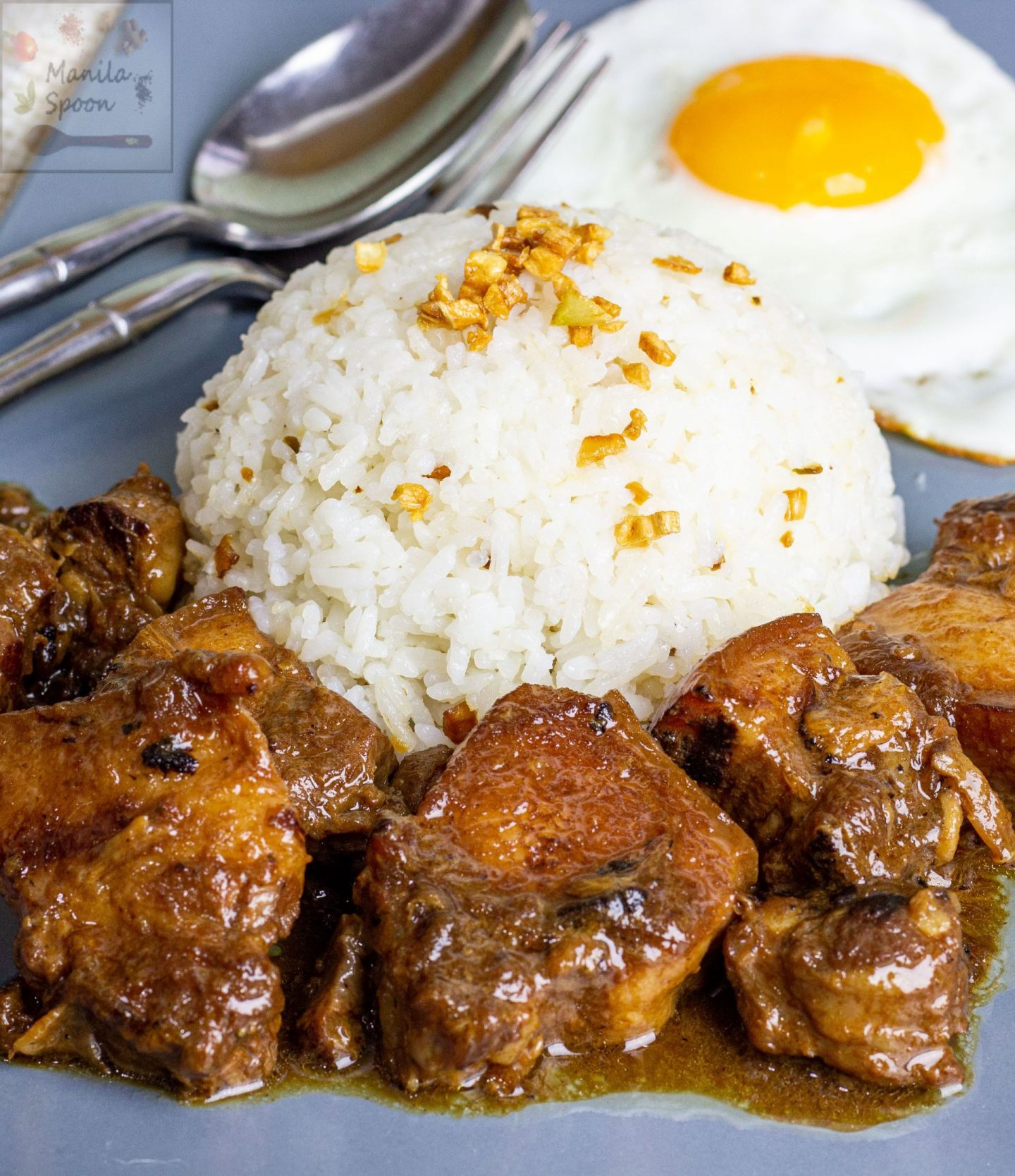
    To start, gather 3 cups of leftover pork adobo meat and sauce, 3 cups of leftover steamed white rice, and 4 cloves of crushed garlic.

    For the perfect fried rice, use the leftover rice and sauté it with the garlic until fragrant. Add the leftover pork adobo meat and sauce, and season it with half a teaspoon of salt.

    Next, fry 3 eggs to your desired doneness.

    Once everything is ready, plate the garlic rice, top it with the fried egg, and serve it alongside the savory adobo meat.

    With these basic ingredients, you can easily recreate the delightful and satisfying flavors of Adobo Silog right in your own kitchen.

    Traditional Preparation Method

    For a traditional preparation of Adobo Silog, start by frying the adobo meat in a pan and setting it aside while you prepare the garlic fried rice. Here’s how to make Adobo Silog in the traditional way:

    • Fry the adobo meat until slightly crispy.
    • Cook the garlic fried rice in the same pan for added flavor.
    • Add the reserved adobo sauce to the rice for a savory kick.
    • Assemble the dish by placing the adobo meat and a sunny-side up egg on top of the garlic fried rice.

    This method ensures that the adobo meat is packed with flavor and the garlic fried rice is infused with the delicious adobo sauce. The combination of these elements creates a hearty and satisfying breakfast meal.

    Variations of Adobo Silog

    Ready to explore the delicious variations of Adobo Silog?

    From the savory Hungsilog to the flavorful Chicsilog, there’s a wide array of adobo combinations to tantalize your taste buds.

    Get ready to discover unique Adobo Silog creations that offer a delightful twist on this classic Filipino breakfast dish.

    Adobo Silog Varieties

    With an array of protein options, Adobo Silog Varieties offer a delightful twist to the traditional Filipino breakfast dish, combining sinangag (garlic fried rice) and itlog (egg) with tantalizing flavors.

    • Adobo Silog can be made with leftover pork adobo meat and sauce, along with steamed white rice and fried sunny-side up eggs.
    • Adobo Silog variations include Hungsilog (with hungarian sausage) and Chicsilog (with fried chicken), offering different protein options to enjoy with sinangag and itlog.
    • Monterey Adobo Flakes can be used to prepare Adobo Silog, where the flakes are air fried or pan-fried and served with garlic fried rice and a fried egg.
    • Adobo Silog is a versatile dish that allows for customization with various proteins, and it can be enjoyed not only for breakfast but also for brunch, lunch, or dinner.

    Adobo Silog varieties provide a delicious way to savor the classic flavors of adobo in a breakfast setting, offering a range of options to suit different taste preferences.

    Flavorful Adobo Combinations

    Exploring the diverse and delicious world of Adobo Silog variations, you’ll discover an array of flavorful combinations that elevate the classic Filipino breakfast dish to new heights of culinary delight. Below are some enticing variations of Adobo Silog that you can savor:

    Protein Description Unique Twist
    Chicken Tender and succulent adobo chicken meat Infused with coconut milk
    Beef Rich and hearty adobo beef strips Marinated in soy sauce
    Adobo Flakes Crispy and flavorful shredded adobo meat Topped with garlic chips

    These variations offer a delightful play of flavors, from the robustness of beef to the succulence of chicken and the irresistible crunch of adobo flakes. Each combination promises a satisfying and flavorful Filipino breakfast experience.

    Unique Adobo Silog Creations

    Indulge in the tantalizing array of unique Adobo Silog creations, each offering a delightful twist on the classic Filipino dish, combining the rich flavors of adobo, sinangag (fried rice), and itlog (fried egg). These variations will surely elevate your dining experience:

    • Hungsilog: This version features tender pork slices marinated in adobo sauce, served with garlic fried rice and a perfectly cooked egg.
    • Chicsilog: A chicken twist on the classic dish, where succulent adobo chicken is paired with fragrant fried rice and a sunny-side up egg.
    • Adobo Flakes: Crispy adobo flakes are combined with garlic rice and a fried egg, adding a delightful crunch to the traditional flavors.
    • Special Adobosilog: Eissen’s Kitchen offers a unique dish featuring adobo meat, fried rice, and sunny-side up eggs, adding their own special touch to the classic Adobo Silog.

    Cultural Significance

    Let’s talk about the cultural significance of Adobo Silog.

    This Filipino breakfast staple is more than just a dish; it represents a fusion of flavors and a symbol of home.

    Through its rich history and widespread popularity, Adobo Silog has become a cherished part of Filipino food culture.

    Filipino Breakfast Staple

    A beloved staple in Filipino breakfast cuisine, Adobo Silog embodies the fusion of Spanish and Filipino culinary influences, showcasing the adaptability and creativity of Filipino cooking.

    This traditional dish features tender pork adobo meat and sauce, paired with fragrant sinangag (garlic fried rice) and a perfectly cooked sunny-side up egg.

    Adobo Silog isn’t only a flavorful and hearty breakfast option but also holds cultural significance, representing the resourcefulness of using leftover adobo to create a satisfying meal.

    Embodying the Filipino value of minimizing food waste and maximizing flavor, this dish has become a symbol of comfort and versatility in Filipino comfort foods.

    Whether enjoyed in the morning or throughout the day, Adobo Silog remains a quintessential Filipino breakfast staple, offering a savory and fulfilling start to the day.

    Fusion of Flavors

    The fusion of Spanish and Filipino culinary influences in Adobo Silog creates a harmonious blend of flavors that exemplifies the adaptability and innovation of Filipino cuisine. The combination of adobo’s savory, tangy, and slightly sweet taste with the garlicky richness of sinangag and the creamy texture of itlog results in a dish that’s both comforting and exciting.

    This fusion of flavors represents the historical and cultural exchange between Spain and the Philippines, showcasing how traditional dishes have evolved to incorporate new elements while maintaining their essence. Adobo Silog pays homage to the creativity and resourcefulness of Filipino cooks, who’ve ingeniously repurposed leftover adobo to create a wholly new and delicious meal.

    The versatility of Adobo Silog allows for endless variations, making it a celebration of the diverse and rich culinary heritage of the Philippines.

    Symbol of Home

    Exuding a sense of warmth and nostalgia, Adobo Silog embodies the cultural significance of home in Filipino cuisine, effortlessly blending flavors and heritage into a comforting morning meal.

    This iconic dish holds a special place in the hearts of Filipinos for several reasons:

    • It symbolizes comfort and nostalgia, often evoking a sense of home for those living abroad.
    • Adobo Silog reflects the resourcefulness and sustainability of Filipino cooking, using leftover adobo sauce and meat to create a new flavorful meal.
    • The dish represents the fusion of Spanish and Filipino culinary influences, showcasing the adaptation of traditional adobo into a breakfast staple.
    • Its savory adobo flavors, paired with the richness of the egg and aromatic garlic rice, create a beloved comfort food that resonates deeply within Filipino cuisine.

    The cultural significance of Adobo Silog goes beyond its taste, embodying a sense of belonging and tradition for many.

    Adobo Silog Serving Suggestions

    Considering the versatility of Adobo Silog, the serving suggestions can be tailored to complement and enhance the flavors of this Filipino breakfast dish.

    One popular option is to drizzle some of the leftover adobo sauce over the fried rice and eggs, adding a rich and savory dimension to the meal.

    To further elevate the dish, consider serving it with a side of atchara, a pickled papaya condiment that provides a sweet and tangy contrast to the savory adobo flavors.

    Sliced tomatoes can also be added for a touch of freshness, while a side of tart, spicy vinegar can provide an additional layer of complexity.

    Whether enjoyed for breakfast, brunch, lunch, or dinner, the customizable nature of Adobo Silog allows for a delightful dining experience that suits various palates and occasions. This traditional Filipino dish consists of a flavorful and tender marinated meat (such as chicken or pork) served with garlic fried rice and a sunny-side-up egg. The combination of savory, garlicky, and slightly sweet flavors makes Adobo Silog a popular choice among Filipino food enthusiasts, and its versatility makes it perfect for any time of day. Whether enjoyed at a humble local eatery or a fancy restaurant, Adobo Silog is a must-try for anyone looking to experience the rich flavors of Filipino cuisine.

    Health Benefits of Adobo Silog

    Wondering about the health benefits of Adobo Silog after learning about its serving suggestions? Let’s explore the nutritious aspects of this flavorful Filipino breakfast dish. Here are some health benefits of Adobo Silog to consider:

    • Protein-rich Adobo Meat: Leftover pork adobo meat in the dish provides a good source of protein and essential nutrients.
    • Garlic’s Potential Benefits: The inclusion of garlic in the adobo sauce may offer potential health benefits such as boosting the immune system and reducing blood pressure.
    • Balanced Carbohydrates and Protein: The combination of rice and eggs in Adobo Silog provides a balanced mix of carbohydrates and protein, offering sustained energy throughout the day.
    • Satisfying and Nutritious Meal: Adobo Silog can be a satisfying and flavorful meal, potentially contributing to overall well-being when enjoyed as part of a balanced diet.

    Adobo Silog in Filipino Cuisine

    Adobo Silog is a beloved and iconic breakfast dish in Filipino cuisine, showcasing the delightful blend of adobo flavors with the classic combination of sinangag and itlog.

    The adobo meat, usually pork, is marinated in a mixture of vinegar, soy sauce, garlic, and other spices, creating a savory and tangy taste.

    The sinangag, or garlic fried rice, is infused with the rich adobo sauce, adding a burst of flavor to every bite.

    The dish is then topped with a sunny-side up egg, adding a creamy and indulgent element.

    Adobo Silog perfectly captures the essence of Filipino cuisine with its bold, garlicky, and hearty flavors, making it a favorite breakfast choice for many.

    It’s a delicious way to start the day and experience the unique taste of the Philippines.

    Is Skin Silog a Variation of Adobo Silog?

    Skin silog is not a variation of adobo silog. While adobo silog features marinated and cooked meat, skin silog consists of crispy, flavorful pork or chicken skin served with garlic rice and a sunny-side-up egg. Originating from the Philippines, skin silog offers a unique texture and taste that sets it apart from adobo silog.

    Popular Adobo Silog Recipes

    Delight in the art of crafting your own flavorful Adobo Silog by exploring these popular recipes that showcase the unique blend of Filipino flavors.

    • Chicken Adobo Silog: Substitute pork with tender, marinated chicken pieces simmered in adobo sauce for a delightful twist.
    • Spicy Adobo Silog: Add a kick to your dish by incorporating spicy peppers or chili flakes into the adobo sauce for an extra burst of heat.
    • Adobong Baboy Silog: Stick to the traditional pork adobo recipe for a classic and comforting Adobo Silog experience.
    • Adobo Silog with a Twist: Experiment with different adobo variations such as adobo flakes, adobo with coconut milk, or even seafood adobo for a creative take on this beloved dish.

    These popular Adobo Silog recipes offer a diverse range of flavors, allowing you to tailor your meal to your personal taste preferences.

    Frequently Asked Questions

    What Is Silog Filipino Food?

    Silog is a classic Filipino breakfast dish. It features sinangag (garlic fried rice) and itlog (egg). You can customize it with various protein options like tocino, longganisa, or tuyo. It’s perfect any time of day!

    What Is the Meaning of the Word Silog?

    The word “silog” comes from combining “sinangag” (garlic fried rice) and “itlog” (egg). It’s a popular Filipino meal format where these two items are typically served with different main dishes for a delicious and satisfying meal.

    What Is Adobo Usually Made Of?

    Adobo is usually made of marinated pork or chicken cooked in soy sauce, vinegar, garlic, and spices. The dish is a flavorful Filipino staple, often served with garlic fried rice and a fried egg.

    Why Is Silog Famous?

    Famous for its hearty combination of garlic fried rice, eggs, and a variety of savory proteins like tocino or tapa, silog is beloved for its satisfying flavors and versatility, making it a popular choice for any meal.

    Conclusion

    So, next time you’re craving a hearty and flavorful breakfast, consider trying Adobo Silog.

    With its rich history, delicious combination of flavors, and cultural significance in Filipino cuisine, it’s a dish that will surely satisfy your morning cravings.

    Whether you’re enjoying it at a local eatery or making it at home, Adobo Silog is a breakfast option that’s sure to delight your taste buds.

  • What Is Included in a Fish Silog Meal?

    What Is Included in a Fish Silog Meal?

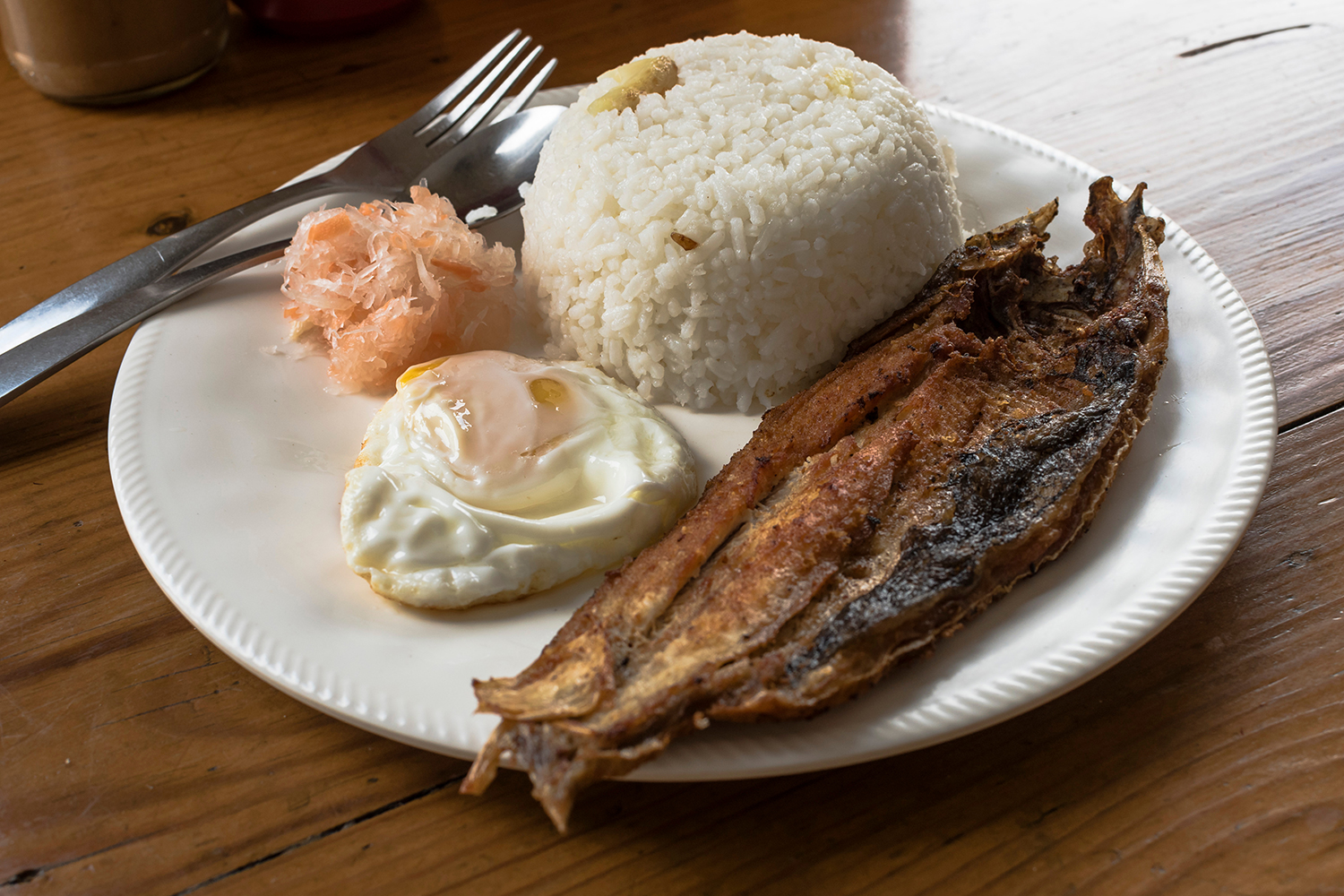
    A Fish Silog meal typically includes marinated and fried fish, garlic fried rice, and a fried egg, offering a delightful blend of flavors and textures. This Filipino breakfast dish features tender fish, aromatic rice, and a rich egg for a satisfying and flavorful dining experience.

    Key Takeaways

    • Fish Silog is a Filipino meal that typically includes marinated and fried fish, garlic fried rice, and a fried egg.
    • The fish is marinated in vinegar, garlic, and spices to infuse flavor and achieve a balance of tender, moist fish with a crispy exterior.
    • Fish Silog can be cooked using various methods such as grilling, frying, steaming, baking, or broiling, each offering different flavors and textures.
    • Serving suggestions for Fish Silog include pairing it with beef tapa, serving it alongside garlic fried rice, and enhancing the meal with condiments and a zesty Atchara side dish.

    Fish Silog Basics

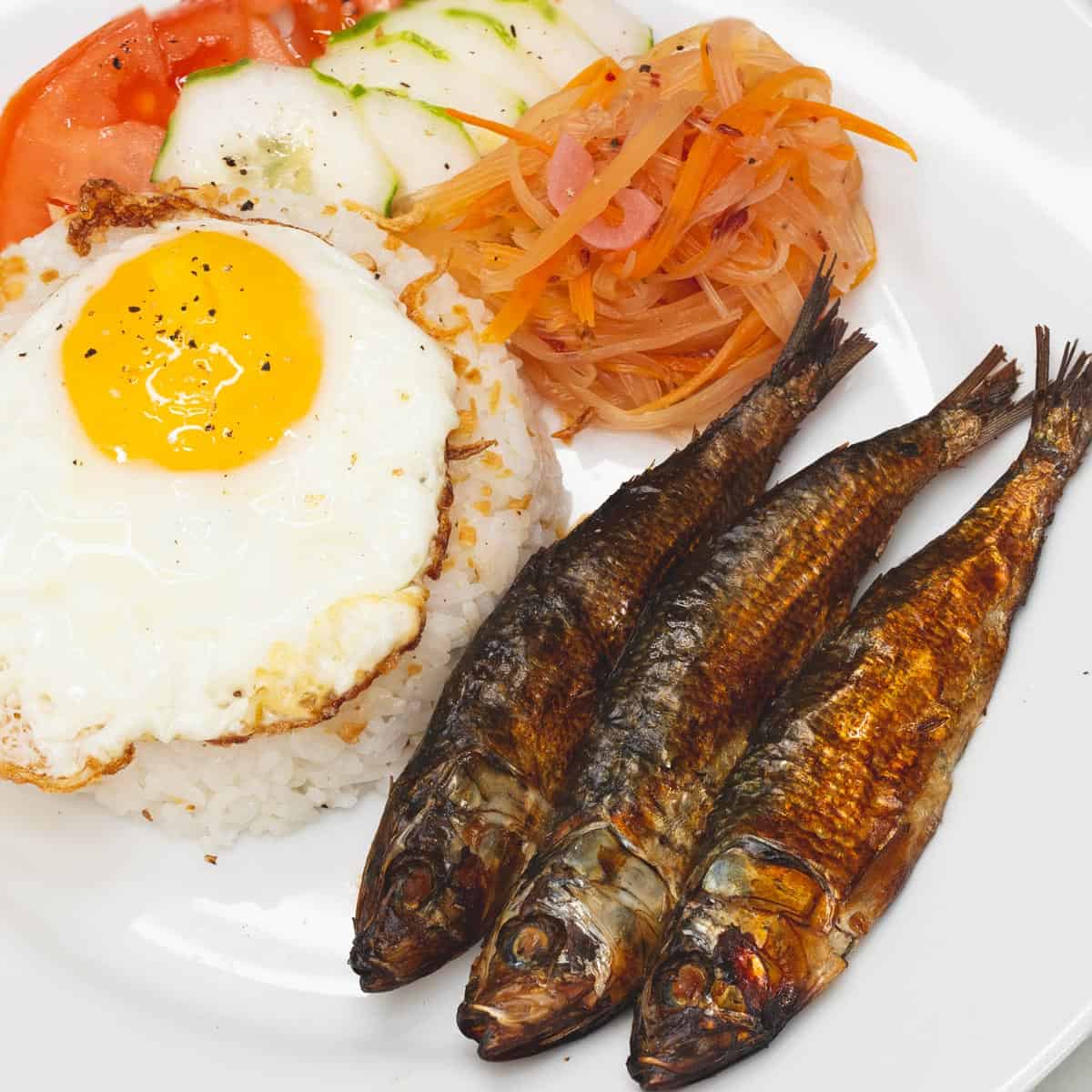
    When preparing a Fish Silog meal, start by selecting a fresh and flavorful fish, such as bangus (milkfish), to be the star of this delightful Filipino breakfast dish. Bangus is a staple in Filipino cuisine, known for its tender and succulent meat.

    To create the perfect Fish Silog, you’ll want to marinate the bangus in a mixture of vinegar, garlic, and spices, infusing it with a burst of savory flavors. Once marinated, the bangus is fried to a golden crisp, adding a delightful crunch to the dish.

    The combination of the fish’s delicate taste and crispy texture is what makes Fish Silog a beloved breakfast option. With the bangus as the centerpiece, this meal offers a delicious and satisfying introduction to the rich tapestry of Filipino flavors.

    Sinangag (Garlic Fried Rice)

    To create the delectable Sinangag (Garlic Fried Rice), you’ll infuse leftover rice with the aromatic flavors of garlic and, at times, onions, adding a delightful texture and savory essence to your meal. The process of making Sinangag involves stir-frying the rice with garlic and other seasonings until it achieves a fragrant and golden-brown color.

    This popular breakfast dish in the Philippines is a staple component of Filipino silog meals, contributing to their distinctive taste and appeal. Here’s a quick look at the key ingredients and steps to prepare Sinangag:

    Ingredients Instructions
    Leftover rice Heat oil in a pan.
    Garlic Add minced garlic.
    Onions (optional) Saute until aromatic.
    Salt and pepper Add rice, season, stir.
    Cooking oil Fry until golden-brown

    Sinangag, with its irresistible aroma and flavorful taste, perfectly complements a variety of dishes and is a delightful addition to your breakfast or brunch spread.

    Itlog (Fried Egg)

    Interested in adding a rich and flavorful component to your Fish Silog meal? Look no further than the delicious itlog, or fried egg.

    When prepared sunny side up, the itlog adds a luscious richness to the dish, perfectly complementing the savory combination of fish and garlic fried rice. The runny yolk of the fried egg adds a velvety texture, enhancing each delectable bite.

    If sunny side up isn’t your preference, fear not! The itlog can also be cooked scrambled or hard-boiled, catering to various tastes.

    Whichever way it’s prepared, the itlog contributes to the satisfying and protein-packed nature of a Fish Silog meal, making it a must-have addition for a truly delightful dining experience.

    Condiments

    Get ready to elevate your Fish Silog meal with some flavorful condiments.

    Whether you prefer a zesty, spicy vinegar dip or the crisp tanginess of pickled papaya, these condiments are a must-have for your dining experience.

    They add a burst of freshness and tang to each bite, enhancing the overall taste of your Fish Silog dish.

    Popular Condiments

    When enjoying a Fish Silog meal, the popular condiments served alongside, such as a spicy vinegar dip and pickled papaya or fresh tomato slices, elevate the flavors and add a delightful tanginess to the dish.

    The condiments complement the richness of the fish, garlic fried rice, and fried egg, enhancing the overall dining experience.

    The spicy vinegar dip provides a zesty kick, perfectly balancing the savory soy sauce used in the garlic fried rice.

    Meanwhile, the pickled papaya or fresh tomato slices add a refreshing contrast, cutting through the richness of the meal and leaving a burst of flavor in every bite.

    The combination of these condiments creates a symphony of tastes, turning a simple meal into a culinary delight.

    Serving Suggestions

    To enhance the dining experience, consider serving a zesty spicy vinegar dip and pickled papaya or fresh tomato slices alongside your Fish Silog meal to add contrasting tastes and textures.

    The tanginess of the spicy vinegar dip complements the rich flavors of the fish, sinangag (garlic fried rice), and fried egg.

    The pickled papaya or fresh tomato slices offer a refreshing and tangy element, balancing the savory components of the dish.

    The combination of these condiments provides a delightful contrast, elevating the overall flavor profile of the meal.

    As you savor each bite, the acidity and freshness of the condiments harmonize with the hearty and aromatic sinangag, enhancing every aspect of your dining experience.

    With these serving suggestions, your Fish Silog meal becomes a symphony of flavors and textures that delight the palate.

    Zesty Atchara Side

    For a burst of zesty and tangy flavor to accompany your Fish Silog meal, the traditional Filipino side dish of Zesty Atchara is a delightful addition. The pickled green papaya, carrots, and red bell peppers are infused with a mixture of vinegar, sugar, garlic, and black peppercorns, creating a tangy and slightly sweet taste that perfectly complements the richness of the meal.

    Here’s why you’ll love the zesty atchara side:

    1. It provides a refreshing and vibrant contrast to the rich and savory flavors of the Silog meal.
    2. The zesty atchara side adds a crunchy texture and a burst of acidity, enhancing the overall dining experience.
    3. Acting as a palate cleanser, it cuts through the richness of the meal, adding a delightful pop of flavor.

    This delightful side dish perfectly complements the succulent fish, flavorful sinangag (garlic fried rice), and hearty longganisa sausages, creating a symphony of flavors with every bite.

    Fish Preparation

    Now that you’ve got your fresh fish ready, it’s time to bring out the flavors.

    Marinate the fish with a blend of spices, herbs, and a touch of acidity to really make it pop.

    Then, whether you prefer frying, grilling, or baking, the key is to achieve that perfect balance of tender, moist fish with a crispy, golden-brown exterior.

    Fish Marination Process

    After combining the fish with a flavorful mixture of vinegar, soy sauce, garlic, and other seasonings in a bowl, allow it to marinate for at least 30 minutes to infuse the flavors and tenderize the meat before cooking.

    The marination process is crucial as it enhances the natural taste of the fish and ensures that it becomes tender and juicy. Here’s what happens during the marination process:

    1. The fish absorbs the tangy acidity of the vinegar and the savory richness of the soy sauce, creating a perfect balance of flavors.
    2. The garlic and other seasonings deeply penetrate the fish, adding layers of aromatic complexity to each bite.
    3. As the fish marinates, it becomes infused with the essence of the seasonings, resulting in a delightful explosion of flavors with every mouthful.

    Once marinated, the fish is ready to be cooked and served alongside some delicious Sinangag (Fried Rice).

    Cooking Methods for Fish

    As you prepare to elevate the marinated fish to a mouthwatering dish, exploring various cooking methods such as grilling, frying, steaming, baking, and broiling will offer an array of delightful flavors and textures to savor.

    When grilling fish, the smoky flavor and attractive grill marks enhance the overall taste and appearance.

    Frying fish, whether shallow frying in a pan or deep frying, results in a crispy exterior and tender, flaky flesh.

    Steaming fish helps retain its natural flavors, nutrients, and moisture.

    Baking or broiling offers a healthy cooking method with minimal added fats and the option to season with herbs and spices for enhanced flavor.

    Experimenting with these cooking methods will allow you to create a delectable fish dish to pair with a side of beef tapa and a tangy vinegar dip.

    Fish Serving Suggestions

    Consider using a variety of cooking methods such as grilling, frying, or incorporating fish into soups and stews to prepare the fish for a delightful and flavorful meal.

    When preparing the popular Filipino fish silog meal, the following serving suggestions can elevate the dining experience:

    1. Grilled fish, seasoned with tangy calamansi and savory soy sauce, adds a smoky flavor that complements the garlicky rice and rich egg yolk.
    2. Crispy fried fish, coated in a light, seasoned batter, provides a satisfying crunch that contrasts with the softness of the rice and the creaminess of the egg.
    3. Fragrant fish stew, simmered with tomatoes, onions, and ginger, infuses the silog meal with comforting warmth and a depth of savory umami flavors.

    These suggestions aim to enhance the appeal of the fish silog meal, creating a truly memorable culinary experience.

    Seasoning Techniques

    To infuse your fish with robust flavors, you can employ various seasoning techniques such as marinating, applying a dry rub, brining, herb butter basting, and adding a spices and herb garnish. Each method offers a unique way to enhance the taste and aroma of your fish. Here’s a breakdown of the different seasoning techniques:

    Seasoning Technique Description Example
    Marinating Infusing fish with flavors by soaking it in a mixture of spices, herbs, and seasonings before cooking Citrus marinated salmon
    Dry Rub Applying a blend of herbs, spices, and salt directly onto the fish for seasoning Cajun spiced catfish
    Brining Soaking fish in a saltwater solution to enhance moisture and flavor Maple brined trout

    In addition to these techniques, don’t forget to serve your fish with a side of spicy vinegar for an extra kick of flavor.

    Cooking Methods

    You’ve got the fish fillets ready, and now it’s time to decide how you want to cook them. Do you want that smoky, charred flavor that comes with grilling, or are you craving that crispy golden crust from frying?

    Both methods have their own unique way of bringing out the flavors, and don’t forget about the importance of seasoning and marination to really elevate the dish.

    Frying Vs Grilling

    When deciding between frying and grilling for your fish silog meal, consider the unique textures and flavors each method imparts to the dish.

    Frying:

    • Creates a crispy exterior while maintaining a tender interior, offering a delightful contrast in textures.
    • Infuses the fish with a rich flavor from the oil, enhancing its taste and aroma.
    • Results in a golden-brown crust that adds visual appeal to the dish.

    Grilling:

    • Imparts a smoky flavor to the fish, elevating its taste with a hint of charred deliciousness.
    • Preserves the natural juiciness of the fish, ensuring a succulent and flavorful outcome.
    • Creates visually appealing grill marks, adding a touch of rustic charm to the meal.

    In the context of a fish silog meal, the choice between frying and grilling can significantly impact the overall dining experience.

    Seasoning and Marination

    Enhance the flavor and tenderness of your fish for a delectable silog meal by mastering the essential cooking methods of seasoning and marination.

    Seasoning is the first step, where you’ll generously coat the fish with salt, pepper, and your favorite spices to bring out its natural flavors.

    Marination, on the other hand, involves soaking the fish in a mixture of soy sauce, vinegar, garlic, and herbs, allowing the flavors to penetrate the meat and tenderize it.

    Imagine the fish soaking up the savory and aromatic marinade, creating a symphony of flavors with each bite.

    Just like how cured beef becomes more flavorful as it marinates, your fish will also benefit from this process, resulting in a more delicious and aromatic fish silog meal.

    Plating Tips

    Arranging the elements of the Fish Silog meal on a circular plate allows for a visually appealing presentation, with each component clearly showcased. To make the plating of your Fish Silog meal a delightful experience, consider the following tips:

    1. Create a Focal Point: Position the fried egg at the center of the plate to draw attention and create a visually appealing focal point.
    2. Neat and Even Arrangement: Arrange the garlic fried rice around the egg in a neat and even manner, creating a balanced and inviting layout.
    3. Garnish for Vibrancy: Sprinkle chopped green onions or parsley over the dish to add a pop of color and freshness, enhancing the overall visual appeal of your Fish Silog meal.

    Beverage Pairing

    To enhance your dining experience, consider the art of beverage pairing, where the flavors of your drink and meal come together to create a harmonious balance. When enjoying a delicious Fish Silog meal, you can elevate the experience by choosing the perfect beverage to complement the flavors.

    Consider pairing your Fish Silog with a light and refreshing drink to balance the richness of the cured pork and the savory garlic fried rice. Here’s a helpful guide to beverage pairing:

    Dish Recommended Beverage
    Fish Silog Light and crisp white wine or a fruity iced tea
    Cured Pork A refreshing lager or a sparkling lemonade

    Experimenting with different beverages can enhance the flavors of your Fish Silog meal, creating a delightful dining experience.

    Fish Silog Variations

    What are the various delectable variations of Fish Silog that offer a unique twist on this classic Filipino breakfast dish? These tantalizing variations provide a delightful array of flavors and textures that elevate the traditional Fish Silog experience. Here are some enticing options to consider:

    1. Spicy Bangus Silog: This zesty variation features fried bangus marinated in a flavorful blend of spices, offering a delightful kick to your taste buds.
    2. Cheesy Bangus Silog: Indulge in the rich and creamy goodness of melted cheese draped over succulent fried bangus, creating a harmonious fusion of flavors.
    3. Bangus Belly Silog: Savor the tender and juicy bangus belly, usually served as an alternative to the traditional milkfish, adding a unique twist to this beloved Filipino dish.

    These variations provide a delightful twist on the classic Fish Silog, offering a diverse range of flavors to satisfy your cravings.

    Are Luncheon Meat Silog and Fish Silog Similar in Ingredients and Preparation?

    Yes, luncheon meat silog dish and fish silog have similar ingredients and preparation. Both dishes typically include garlic fried rice and a fried egg, but the main protein differs between the two. While the luncheon meat silog dish features luncheon meat, the fish silog includes fish as the primary protein.

    Serving Suggestions

    Consider complementing the delightful flavors of the Fish Silog meal with a side of sliced tomatoes and achara (pickled papaya) to add a refreshing and tangy element to your dining experience.

    Additionally, a serving of cured beef, such as tapa or tocino, can provide a savory and slightly sweet contrast to the fish and garlic fried rice.

    For a complete breakfast indulgence, pair the Fish Silog with a steaming cup of hot chocolate or coffee.

    To add a kick of flavor, offer a side of spicy vinegar dip to elevate the taste of the meal.

    Enhance the visual appeal by serving the Fish Silog on a banana leaf or a colorful plate.

    Frequently Asked Questions

    What Is an Example of a Silog Meal?

    An example of a silog meal is tapsilog, which includes garlic fried rice, a fried egg, and marinated beef. The rice is packed with garlicky goodness, and the sunny-side-up egg adds a creamy touch.

    What Is the Most Popular Silog?

    The most popular Silog is tapsilog, featuring marinated beef strips, garlic fried rice, and a sunny-side-up egg. It’s a flavorful, satisfying dish that’s beloved for its savory beef, fragrant garlic rice, and runny egg yolk.

    What Are the Ingredients in Bangsilog?

    In bangsilog, you’ll enjoy crispy bangus (milkfish), fragrant sinangag (garlic fried rice), and a rich itlog (fried egg). This Filipino breakfast dish offers a delightful combination of flavors and textures that will surely satisfy your taste buds.

    What Are the Ingredients in Hamsilog?

    In a hamsilog, you’ve got savory ham, sinangag (garlic fried rice), and a perfectly fried itlog (egg). It’s a filling and flavorful Filipino breakfast dish. Don’t forget the sliced tomatoes and achara for a satisfying meal.

    Conclusion

    Now that you know all about the delicious fish silog meal, it’s time to experience the burst of flavors for yourself.

    The crispy bangus, fragrant sinangag, and rich itlog, paired with tangy condiments and a refreshing beverage, make for a truly satisfying breakfast.

    With its unique combination of textures and flavors, fish silog is a must-try dish that will transport you to the heart of Filipino cuisine.

    Dive in and enjoy every bite!

  • What Are Some Variations of Beef Tapa?

    What Are Some Variations of Beef Tapa?

    The variations of Beef Tapa include traditional, spicy, and sweet versions, offering diverse flavors for different preferences. These variations cater to a range of tastes, from savory and mild to bold and zesty.

    Key Takeaways

    • Traditional beef tapa is made by marinating thinly sliced beef with salt, spices, calamansi juice, soy sauce, garlic, sugar, salt, and pepper, then frying until tender and caramelized.
    • Spicy variations of beef tapa can be achieved by incorporating chili peppers or hot sauce into the marinade, experimenting with different types of spicy peppers, and adding additional spices like cayenne pepper or red pepper flakes.
    • Sweet and tangy variations of beef tapa can be created by combining calamansi juice, soy sauce, minced garlic, brown sugar, salt, and pepper in the marinade, and incorporating pineapple juice and different types of vinegar for an extra twist.
    • Garlic-infused variations of beef tapa can be made by creating a marinade with soy sauce, calamansi or lemon juice, brown sugar, salt, black pepper, and minced garlic, and infusing the beef tapa with minced garlic, soy sauce, and vinegar for a robust flavor.

    Traditional Beef Tapa Recipe

    For a mouthwatering traditional beef tapa recipe that will tantalize your taste buds, start by thinly slicing the beef and then marinating it with a flavorful blend of salt, spices, calamansi juice, soy sauce, garlic, sugar, salt, and pepper.

    This Filipino breakfast favorite is all about infusing the meat with a burst of savory and tangy flavors. The key to achieving that perfect tenderness lies in allowing the meat to marinate for at least 4 hours in the refrigerator. The marination process ensures that every bite is packed with the rich, aromatic essence of the marinade.

    Once marinated, the beef is typically fried until it’s tender and caramelized, ready to be savored alongside sinangag (garlic fried rice) and itlog (fried egg).

    This traditional beef tapa recipe is a delightful way to start your day with a burst of flavor and a hearty meal.

    Spicy Beef Tapa Variation

    You can add a spicy kick to your Beef Tapa by incorporating chili peppers or hot sauce into the marinade for an extra bold flavor. Experiment with different types of spicy peppers like bird’s eye chili, jalapeño, or even habanero to customize the level of heat in your Beef Tapa.

    To create a fiery variation, infuse the marinade with additional spices such as cayenne pepper, red pepper flakes, or paprika. Consider adding crushed red pepper flakes or sriracha for a zesty twist that gives your Beef Tapa a distinct and vibrant spiciness.

    Elevate the heat level by including diced fresh chili peppers or a splash of hot pepper sauce during the marinating process for a fiery and unforgettable flavor.

    These additions to the traditional beef tapa marinade of spicy vinegar, marinated beef, thinly sliced, garlic, and soy sauce will surely satisfy your craving for a spicy dish.

    Sweet and Tangy Beef Tapa

    Looking to add a delightful twist to your Beef Tapa? The Sweet and Tangy Beef Tapa variation might just be what you’re craving.

    The marinade ingredients and cooking instructions are essential to achieving that perfect balance of sweetness and tanginess in every juicy bite.

    Marinade Ingredients

    To achieve the perfect balance of sweet and tangy flavors in your beef tapa marinade, start by combining calamansi juice, soy sauce, minced garlic, brown sugar, salt, and pepper. This blend tenderizes the meat while infusing it with a delightful sweet and tangy taste.

    For an extra twist, some variations of beef tapa incorporate pineapple juice and different types of vinegar to enhance the flavor profile.

    Once you’ve prepared the marinade, coat the beef slices generously and let them refrigerate overnight. This allows the flavors to meld, resulting in a more delicious and tender cured meat.

    When you’re ready to cook, simply fry the marinated beef slices in a hot frying pan until they’re perfectly caramelized.

    Pair it with a vinegar dip for an authentic sweet and tangy beef tapa experience.

    Cooking Instructions

    After marinating the beef overnight to achieve that perfect balance of sweet and tangy flavors, it’s time to move on to the cooking instructions for your delicious sweet and tangy beef tapa. Here’s a simple table to guide you through the process:

    Cooking Instructions Time Required
    Fry the marinated beef in a wide pan over medium heat until the liquid is almost absorbed and the meat is lightly browned. Approximately 10-15 minutes.

    Now that your sweet and tangy beef tapa is ready, consider serving it with a side of garlic fried rice and a sunny side up egg for a delightful meal. The tender, cured meat pairs perfectly with the savory flavors of the fried rice and the richness of the egg yolk. Enjoy the variations of this classic Filipino dish and savor the delicious interplay of sweet and tangy notes in every bite.

    Garlic Lover’s Beef Tapa

    If you’re a garlic lover, get ready to elevate your beef tapa game with the intense flavors of Garlic Lover’s Beef Tapa.

    The marinade for this variation is packed with soy sauce, calamansi or lemon juice, brown sugar, salt, black pepper, and, of course, plenty of fresh minced garlic.

    When cooking this dish, the aroma of garlic will fill your kitchen, creating an irresistible sensory experience for anyone who appreciates the robust and distinctive taste of garlic in their culinary creations.

    Flavorful Marinade Options

    Consider infusing your beef tapa with a robust garlic marinade that will elevate its flavor to new heights. For a delicious and aromatic twist, marinate your beef tapa with a blend of minced garlic, soy sauce, and vinegar.

    Try adding pineapple juice for a hint of sweetness or calamansi juice for a citrusy kick. Experiment with a variety of spices like pepper, paprika, or chili flakes to create a unique taste profile.

    You can also opt for using pork instead of beef to enjoy a different flavor. When selecting the beef cut, top sirloin, ribeye, or tenderloin will ensure a tender and flavorful tapa.

    These flavorful marinade options will make your Filipino beef tapa the perfect companion to a steaming plate of fried rice.

    Cooking Techniques

    Ready to take your beef tapa to the next level? Dive into the cooking techniques for Garlic Lover’s Beef Tapa that will bring out the robust flavors you’ve infused through your flavorful marinade options. After marinating the beef in a mixture of calamansi juice, soy sauce, fresh minced garlic, sugar, salt, and pepper, it’s essential to cut the beef thinly against the grain for tenderness and faster cooking.

    Freezing the beef for a few minutes before slicing makes the process easier. If you’re using tougher cuts of meat, simmer the tapa until tender before finishing in oil to achieve a crispy, brown exterior. Serve your Garlic Lover’s Beef Tapa with garlic fried rice, a sunny-side-up egg, and a side of vinegar dipping sauce for a delicious meal.

    Cooking Techniques Description
    Marinate Use calamansi juice, soy sauce, garlic, sugar, salt, and pepper.
    Slicing Cut the beef thinly against the grain for tenderness.
    Serving Pair with garlic fried rice, sunny-side-up egg, and vinegar dipping sauce.

    Serving Suggestions

    To enhance the dining experience, pair your Garlic Lover’s Beef Tapa with a generous serving of garlic fried rice for a delightful blend of flavors and textures.

    Here are some serving suggestions to elevate your beef tapa experience:

    1. Sprinkle chopped spring onions on top of the beef tapa for added freshness and color.
    2. Pair the beef tapa with a sunny-side-up egg to complete the traditional tapsilog meal.
    3. Enjoy the beef tapa with a side of vinegar dipping sauce for a tangy contrast.
    4. For a citrusy twist, add calamansi juice to the marinade for the beef tapa.

    These serving suggestions will complement the savory and slightly sweet flavors of the cured beef tapa, creating a satisfying and memorable meal.

    Smoky and Charred Beef Tapa

    Immerse your marinated beef in the tantalizing aroma of smoky charcoal and experience the irresistible allure of charred perfection with this variation of Beef Tapa.

    To create this smoky and charred beef tapa, marinate thinly sliced beef in a blend of soy sauce, calamansi juice, garlic, sugar, and spices.

    The marinated beef is then grilled over charcoal or open flame, resulting in a unique savory and slightly charred aroma with a rich, caramelized exterior.

    The grilling process infuses the meat with a smoky flavor, adding depth to the traditional beef tapa.

    This variation pairs exceptionally well with garlic fried rice, and the smokiness from the grilling process elevates the overall taste profile of the cured meat.

    For those who enjoy a smoky, charred essence in their beef tapa, this variation offers a delightful twist to the classic Filipino dish.

    Citrus-Infused Beef Tapa

    Infusing your beef with the vibrant tang of calamansi juice creates a refreshing and flavorful twist on the classic Beef Tapa. The citrus-infused marinade penetrates the meat, imparting a delightful balance of sweet, savory, and tangy flavors.

    As the beef sizzles in the pan, the aroma of caramelized citrus and cured meat fills your kitchen, creating an irresistible temptation.

    Each succulent bite of the tender, slightly charred beef tapa delivers a burst of citrusy goodness, awakening your taste buds. Paired with fragrant garlic fried rice and a perfectly fried egg, the citrus-infused beef tapa offers a satisfying symphony of flavors that will transport you to the bustling streets of the Philippines.

    It’s a culinary experience that’s both comforting and invigorating.

    Asian-Inspired Beef Tapa

    Stepping away from the citrus-infused flavors, let’s now explore the tantalizing realm of Asian-Inspired Beef Tapa, where the traditional Filipino dish takes on an exciting fusion twist with the vibrant aromas of ginger, lemongrass, and star anise. The marinade for this variation of beef tapa may include soy sauce, rice vinegar, sesame oil, ginger, lemongrass, and star anise, creating a unique and aromatic flavor profile.

    The cooking process involves pan-frying or grilling the marinated beef until tender and caramelized, infusing it with Asian-inspired flavors. When serving Asian-Inspired Beef Tapa, it pairs beautifully with steamed jasmine rice, pickled vegetables, and a side of spicy sambal or chili dipping sauce for a complete Asian-inspired meal. Here’s a table to highlight the versatility of Asian-Inspired Beef Tapa:

    Variations Cuts of Beef Spice Level Additional Spices and Herbs
    Asian-Inspired Sirloin Medium Coriander, Thai Basil
    Fusion Twist Flank Mild Five-Spice, Thai Chili
    Unique Flavor Ribeye Spicy Cilantro, Lemongrass

    Asian-Inspired Beef Tapa offers a delightful fusion of flavors, making it a perfect choice for a flavorful breakfast or a satisfying meal anytime.

    Herb-Seasoned Beef Tapa

    Enhance the traditional Filipino tapa with a tantalizing blend of herbs and spices in the Herb-Seasoned Beef Tapa variation.

    1) Imagine succulent strips of beef, marinated in a fragrant blend of thyme, oregano, rosemary, and garlic, infusing the meat with a rich, herbaceous essence.

    2) Visualize the seasoned beef sizzling on a hot pan, the aromas of the herbs filling the air as the meat caramelizes to perfection.

    3) Picture a plate of steaming garlic fried rice, topped with the flavorful Herb-Seasoned Beef Tapa, creating a delightful symphony of savory and aromatic flavors.

    4) Envision a sunny-side-up egg, its golden yolk ready to meld with the tender, herb-seasoned cured meat, offering a satisfying and hearty meal.

    This variation adds a fresh and aromatic twist to the classic beef tapa, elevating it to a whole new level of deliciousness.

    Can Beef Tapa be a Part of an Easy Pinoy Breakfast?

    Yes, beef tapa can definitely be a part of easy Pinoy breakfast options. It’s a popular Filipino dish made with thinly sliced beef marinated in a special sauce. It’s quick to cook and pairs well with garlic fried rice and a fried egg, making it a delicious and convenient choice for breakfast.

    Fusion Beef Tapa Creations

    Discover a world of culinary creativity as you explore the delightful realm of Fusion Beef Tapa Creations, where traditional Filipino tapa meets an array of international flavors for a truly unique dining experience. These innovative variations infuse the classic cured meat with diverse culinary influences, resulting in a fusion of flavors that will tantalize your taste buds. Here are some exciting fusion creations to elevate your breakfast table:

    Fusion Inspiration Ingredients Flavor Profile
    Korean Twist Teriyaki sauce, sesame oil, gochujang Sweet, savory, spicy
    Thai-Inspired Fusion Lemongrass, fish sauce, chili Fresh, zesty, aromatic
    Latin American Twist Adobo seasoning, cilantro, citrus marinade Zesty, tangy, herbaceous
    Middle Eastern Fusion Cumin, coriander, sumac Earthy, aromatic, complex
    Japanese Influence Miso, mirin, yuzu Umami-rich, citrusy, complex

    These Fusion Beef Tapa Creations bring a delightful fusion of global flavors to the traditional Filipino dish, offering an exciting and diverse culinary experience.

    Frequently Asked Questions

    What Are the Variations of Tapsilog?

    When making tapsilog, you can explore various meat options like chicken, pork, or deer. Experiment with different marinades, using acidic agents such as lemon juice or vinegar to infuse flavor. Tenderize the meat with a meat mallet or baking soda for the best results.

    Is Tapa and Jerky the Same?

    No, tapa and jerky are not the same. Tapa is thinly sliced beef cured with salt and spices, marinated for flavor, then fried or grilled. Jerky is air-dried and typically not marinated, resulting in a chewier texture.

    Why Is It Called Beef Tapa?

    Beef tapa is called so because it originated as a method of curing meat with salt and air-drying. Over time, the term ‘tapa’ has evolved to include marinating and pan-frying the meat, creating the flavorful dish we enjoy today.

    What Is Vegan Tapa Made Of?

    Vegan tapa is made of plant-based meat alternatives like seitan, tempeh, or tofu, thinly sliced and marinated with soy sauce, vinegar, garlic, and seasonings. It can be cooked by pan-frying or grilling and served with garlic fried rice and a plant-based egg substitute.

    Conclusion

    So whether you prefer your beef tapa salty and garlicky, sweet and tangy, or with a hint of smoky flavor, there’s a variation out there for everyone.

    Experiment with different marinades and flavors to create your own unique spin on this classic Filipino dish.

    With the right cut of beef and a delicious marinade, you can enjoy beef tapa any time of day for a satisfying and flavorful meal.

  • What Is Longanisa Silog (Longsilog)?

    What Is Longanisa Silog (Longsilog)?

    Longsilog is a popular Filipino breakfast dish consisting of sweet longanisa sausage, eggs, and garlic fried rice, reflecting a fusion of Spanish and Filipino influences. It offers a delightful blend of sweet and savory flavors, making it a comforting and satisfying meal enjoyed throughout the day.

    Key Takeaways

    • Longsilog is a popular Filipino breakfast dish that combines sweet longanisa sausage, eggs, and garlic fried rice.
    • It is part of the silog series, a popular choice for breakfast in the Philippines, with ‘silog’ referring to sinangag (garlic fried rice) and itlog (fried egg).
    • Longsilog reflects the fusion of Spanish and Filipino influences in Filipino cuisine and holds cultural significance as a comforting and satisfying meal.
    • Longsilog offers a delightful blend of sweet and savory flavors, with the sweet longanisa sausage complementing the savory elements of the dish.

    Longsilog: A Filipino Breakfast Staple

    Longsilog is a beloved Filipino breakfast classic that combines sweet pork longanisa, eggs, and garlic rice to create a hearty and flavorful morning meal. This iconic dish is a part of the silog series, a popular choice for breakfast in the Philippines.

    The term ‘silog’ comes from the combination of sinangag (garlic fried rice) and itlog (fried egg), which are essential components of this meal. Longsilog, specifically, features the addition of sweet pork longanisa, adding a unique sweetness to the savory ensemble.

    This dish is a go-to for busy mornings due to its quick preparation and delicious flavors. However, its appeal extends beyond breakfast and is enjoyed any time of the day. Longsilog’s versatility allows for personalization, making it a staple in Filipino cuisine and a comforting, satisfying meal for all occasions.

    The Sweet and Savory Flavors

    The succulent aroma of sweet pork longanisa mingling with the richness of fried eggs and the fragrant, garlic-infused rice creates a delightful symphony of sweet and savory flavors in the classic Filipino breakfast dish, longsilog.

    The sweet sausage, known as longanisa, brings a unique sweetness that perfectly complements the savory elements of the meal.

    The Filipino garlic-infused rice provides a fragrant and slightly nutty flavor that pairs exquisitely with the succulent longanisa and the richness of the fried eggs.

    This harmonious blend of sweet and savory flavors is what makes longsilog a beloved and comforting meal for Filipinos.

    The balance of these flavors creates a truly satisfying and delightful dining experience, whether enjoyed for breakfast, lunch, or dinner.

    Origins and Cultural Significance

    So, let’s talk about the origins and cultural significance of longsilog in Filipino cuisine.

    Longsilog holds a special place in the hearts and palates of Filipinos, as it’s a staple in daily meals and a beloved symbol of Filipino culinary heritage. Its roots run deep, reflecting the fusion of Spanish and Filipino influences.

    The cultural significance of longsilog is evident in its comforting and satisfying nature, making it a timeless favorite among locals and visitors alike.

    Longsilog in Filipino Cuisine

    A staple in Filipino cuisine, longsilog holds a special place as a beloved breakfast dish, cherished for its delicious combination of sweet pork, eggs, and garlic rice, and its cultural significance in Filipino culinary traditions.

    Silog meals, including longsilog, are an integral part of Filipino cuisine, offering quick, easy, and hearty options, popularly enjoyed for breakfast but suitable for any time of the day.

    Longsilog is just one variation of the silog meal, with other options like tapsilog, corned beef silog, and tosilog, showcasing the diverse range of flavors in Filipino cuisine.

    Longsilog carries cultural significance as a traditional Filipino breakfast, often served with spicy vinegar as a dipping sauce, and can be customized to personal preferences, reflecting the adaptability of Filipino cooking.

    Longsilog’s blend of flavors and cultural significance encapsulates the heartwarming essence of Filipino cuisine.

    Longsilog in Daily Meals

    Longsilog, a beloved breakfast dish in Filipino cuisine, carries a rich cultural significance that extends beyond traditional breakfast fare, reflecting the adaptability and diversity of Filipino cooking. This classic meal, featuring sweet pork longanisa, eggs, and garlic rice, is a staple in Filipino households.

    Silog breakfasts, including longsilog, are hearty and versatile, often enjoyed not only for breakfast but also for lunch or dinner. Longsilog’s comforting and homey appeal lies in its combination of sweet sausage, garlic fried rice, and fried egg, making it a complete and satisfying meal. Its versatility allows for customization according to personal preference, and its quick and easy preparation makes it ideal for busy mornings or feeding a crowd.

    Longsilog’s cultural significance is deeply rooted in its representation of Filipino food as hearty, adaptable, and deeply satisfying.

    Element Description
    Main Dish Sweet pork longanisa
    Side Dish Garlic fried rice
    Accompaniment Fried egg

    Making Longsilog at Home

    To create the delightful flavors of longsilog in your own kitchen, start by preparing the comforting and hearty longsilog at home. Embrace the aromas of sizzling sweet pork longanisa, savor the fragrance of garlic fried rice, and enjoy the richness of perfectly fried eggs. Here’s how to make your own longsilog:

    1. Fry the eggs until slightly runny, then fry the longanisa until browned and cooked.
    2. Stir-fry leftover rice with fried garlic to create the aromatic garlic rice.
    3. Serve the longanisa, garlic rice, and eggs together for a complete, satisfying meal, and consider adding a side of spicy vinegar as a dipping sauce for the longanisa.

    With these simple steps, you can bring the flavors of this classic Filipino dish to your own dining table.

    Enjoying the Flavors of Longsilog

    You’re in for a treat as we explore the delightful flavors of Longsilog.

    The sweet and savory taste of longanisa paired with garlicky fried rice and perfectly fried eggs creates a harmonious blend of flavors that will satisfy your taste buds.

    The traditional breakfast dish offers a comforting and hearty dining experience, perfect for any time of the day.

    Flavorful Longanisa Recipe

    Indulge in the rich and savory flavors of longanisa as you embark on a culinary journey with this flavorful longsilog recipe. This traditional Filipino dish offers a delightful combination of sweet pork longanisa, perfectly fried eggs, and aromatic garlic fried rice.

    To create an authentic and flavorful longsilog, follow these simple steps:

    1. Choose high-quality longanisa to ensure a rich and sweet flavor profile.
    2. Infuse the garlic fried rice with a generous amount of garlic to enhance its aromatic and savory notes.
    3. Take the time to perfectly fry the longanisa, allowing it to caramelize and develop a delicious depth of flavor.

    Longsilog Breakfast Tradition

    Embark on a delightful culinary journey and savor the comforting flavors of longsilog, a classic Filipino breakfast dish that features sweet pork longanisa, perfectly fried eggs, and aromatic garlic fried rice.

    The longsilog breakfast tradition is deeply rooted in Filipino culture, offering a hearty and satisfying start to the day. The combination of savory longanisa, garlicky fried rice, and the richness of the fried egg creates a symphony of flavors that’s both familiar and comforting.

    This beloved dish isn’t only enjoyed for breakfast but also makes a delightful meal for lunch or dinner. The ‘silog’ breakfast tradition in the Philippines showcases the versatility and appeal of longsilog, allowing for easy customization and the ability to feed both small groups and larger gatherings.

    Whether you’re starting your day or craving a fulfilling meal, longsilog is a flavorful choice that never disappoints.

    Key Ingredients for Longsilog

    When preparing Longsilog, you’ll need to gather the key ingredients that give this Filipino dish its distinct and delightful flavors.

    1. Longanisa: This sweet, salty, and flavorful Filipino pork sausage is the star of the show, infusing the dish with its unique blend of seasonings and spices.
    2. Garlic Rice: Known as sinangag, this fragrant and flavorful fried rice, stir-fried with generous amounts of garlic, serves as the perfect base for the Longsilog, adding depth and aroma to each bite.
    3. Fried Egg: A sunny-side-up egg is a must-have accompaniment to the Longsilog, adding a rich and creamy element that complements the savory flavors of the longanisa and garlic rice.

    These essential ingredients come together to create the beloved Longsilog, a dish that perfectly balances sweet, savory, and aromatic flavors in every satisfying bite.

    Step-by-Step Longsilog Recipe

    Ready to make your own delicious Longsilog at home? Let’s talk about the key points:

    • The essential ingredients
    • The process of cooking the longanisa
    • How to serve up your Longsilog for a satisfying meal

    It’s a straightforward and rewarding recipe that captures the flavors of a classic Filipino breakfast – sweet, savory, and utterly satisfying.

    Longsilog Ingredients

    To prepare the delicious Longsilog dish, gather the following ingredients and follow the step-by-step recipe for a satisfying meal:

    1. Longanisa: This sweet pork sausage is the star of the dish, providing a savory and slightly sweet flavor that complements the other components perfectly.
    2. Garlic: Essential for infusing the rice with aromatic flavor, garlic adds a delicious dimension to the dish.
    3. Fried Egg: The crowning touch to the meal, a perfectly fried egg with a runny yolk adds richness and texture to the ensemble.

    Longsilog combines the delightful flavors of longanisa, garlic fried rice, and a perfectly fried egg, resulting in a hearty and fulfilling dining experience.

    Cooking Longanisa

    For a flavorful and satisfying Longsilog dish, start by cooking the longanisa to perfection in a hot skillet.

    Place the longanisa in the skillet over medium heat, and let them cook for about 10-12 minutes, turning occasionally until they’re nicely browned on all sides. You can add a little oil to the skillet, but the longanisa will release its own flavorful oils as it cooks.

    The sweet aroma of the longanisa will fill your kitchen as they sizzle and cook. Make sure to keep an eye on them to prevent burning.

    Once cooked, transfer the longanisa to a plate lined with paper towels to drain any excess oil.

    Now, your longanisa is ready to be served with garlic rice and fried eggs for a delicious Longsilog meal.

    Serving Longsilog

    Sizzle up a tantalizing batch of longanisa in a hot skillet, infusing your kitchen with its sweet aroma and creating the perfect centerpiece for your hearty Longsilog meal.

    Serving Longsilog is a delightful experience that brings together the savory flavors of sweet pork, sunny-side-up eggs, and garlicky rice.

    To create the perfect Longsilog dish, follow these steps:

    1. Fried Egg: Cook the eggs sunny-side up, allowing the yolk to remain slightly runny for a luscious and creamy texture.
    2. Rice and Fried Egg: Plate the flavorful garlic rice alongside the succulent longanisa and the sunny-side-up eggs, creating a visually appealing and satisfying meal.
    3. Enjoy: Dive into the rich flavors and textures of the Longsilog, savoring each mouthful of the sweet longanisa, fragrant garlic rice, and the creamy yolk of the fried egg.

    Cooking and Serving Tips

    Enhance the flavors of your longsilog by experimenting with different variations, such as adding additional spices or condiments to suit your taste preferences. When frying the sausage, ensure it is cooked thoroughly, with a crisp and caramelized exterior. Serve the longsilog with a side of freshly sliced tomatoes for a burst of freshness that complements the savory flavors of the dish. Consider adding a little butter or margarine while cooking the rice to aid in its breakdown, but be cautious not to make it too oily. To elevate the experience, enjoy your longsilog with a spicy vinegar dipping sauce, adding a tangy and zesty kick to each bite. Pair this flavorful meal with a hot cup of coffee or your favorite refreshing beverage.

    Cooking Tips Serving Tips Drink Pairing
    Fry sausage until crisp Serve with sliced tomatoes Enjoy with hot coffee
    Use butter for rice Dip in spicy vinegar Pair with a refreshing drink

    Longsilog Nutrition Information

    To understand the nutritional content of longsilog, review the following information about its calorie, carbohydrate, protein, and fat content, as well as its levels of saturated fat and sugar.

    1. Longsilog contains 978kcal per serving, making it a high-calorie meal.
    2. It has 149g of carbohydrates, providing a substantial amount of energy.
    3. The meal is high in fat, with 30g of fat and 6g of saturated fat.

    Longsilog also offers 373mg of sodium and 2mg of iron. In terms of essential nutrients, it provides 46IU of Vitamin A and 65mg of calcium. However, it’s important to note that the meal doesn’t contain Vitamin C and may have trans fat, which should be consumed in moderation for a healthy diet.

    Longsilog: A Delightful Dish

    Longsilog, a savory combination of sweet pork, fried rice, and eggs, is a beloved Filipino dish that tantalizes the taste buds with its rich flavors and comforting appeal. This delightful dish, often found in Filipino restaurants, offers a complete and satisfying meal experience.

    The sweet and slightly tangy longanisa, paired with fragrant garlic fried rice and a perfectly fried egg, creates a harmonious blend of flavors and textures. It’s not just a breakfast option; longsilog can be enjoyed at any time of the day, making it a versatile and comforting choice for any meal.

    The dish’s quick and easy preparation, along with its homey appeal, has made it a staple in Filipino cuisine, providing a delightful culinary experience for locals and foreigners alike.

    Exploring Sinangag (Garlic Fried Rice)

    Sinangag, a fragrant and flavorful Filipino fried rice dish, is created by stir-frying rice with an abundance of garlic, making it a delightful and essential component of a silog breakfast. When preparing sinangag, it’s important to use a pan or wok over medium-high heat to achieve the perfect texture and consistency of the rice. Day-old rice is often recommended to ensure the ideal sinangag, as it provides the right firmness and prevents the dish from becoming mushy.

    Sinangag pairs perfectly with various silog meals, such as longanisa, tapa, or spam, and a fried egg. The key ingredients for sinangag include oil, garlic, day-old rice, salt, and pepper, allowing for variations by adding other elements like onions, Chinese sausage, or additional garnishes.

    How is Longsilog different from Adobo Silog?

    Longsilog typically consists of longganisa (Filipino sausage), garlic fried rice, and fried egg, while Adobo Silog is made with adobo (a popular Filipino dish of meat marinated in vinegar, soy sauce, and garlic), garlic fried rice, and fried egg. For a delicious adobo silog recipe, try incorporating adobo-flavored meat into the traditional silog meal.

    More Filipino Breakfast Recipes

    When exploring more Filipino breakfast recipes, you’ll discover a rich array of flavorful and satisfying dishes that are perfect for any time of day.

    Longsilog is a classic and beloved Filipino breakfast meal that consists of sweet pork (longanisa), fried eggs, and garlic rice. This hearty and comforting dish is a staple in Filipino cuisine, offering a perfect balance of savory and sweet flavors.

    Similar to other ‘silog’ variations, such as tapsilog and tosilog, longsilog provides a substantial and delicious dining experience. It’s a quick and easy meal to prepare, making it an ideal choice for busy mornings or any time you crave a fulfilling, home-cooked dish.

    For an extra burst of flavor, longsilog can be enjoyed with a side of spicy vinegar, elevating the overall culinary experience.

    Frequently Asked Questions

    What Is Longsilog Made Of?

    Longsilog is made of sweet pork sausage (longanisa), fried eggs, and garlic rice. It’s a classic Filipino breakfast dish, part of a series of silog meals. Enjoy it any time of day for a satisfying and flavorful meal.

    What Is the Meaning of Silog?

    Silog, in Filipino cuisine, means a meal with garlic fried rice and fried egg. It’s a quick and comforting dish popular for breakfast or dinner. Longsilog specifically features sweet pork sausage, eggs, and garlic rice.

    What Is the Description of Longganisa?

    Longanisa is a sweet Filipino pork sausage with a distinctive blend of flavors. It’s often garlicky and slightly sweet, delivering a satisfying taste. Longganisa is versatile, enjoyed in various dishes or simply with eggs and rice in Longsilog.

    What Does Longsilog Taste Like?

    Longsilog tastes like a delicious blend of sweet, savory, and aromatic flavors. The sweet pork longanisa adds a subtle smokiness and hint of sweetness, while the garlic fried rice enhances the overall savory experience.

    Conclusion

    So next time you’re looking for a hearty and delicious breakfast, consider making yourself a plate of Longsilog.

    The sweet and savory flavors of the longanisa, the richness of the fried egg, and the aromatic garlic rice will surely satisfy your taste buds.

    Whether it’s for breakfast or any time of the day, Longsilog is a comforting and delightful dish that you’ll love.

    Give it a try and enjoy the flavors of this Filipino breakfast staple!

  • What Is Luncheon Meat Silog?

    What Is Luncheon Meat Silog?

    Longsilog is a Filipino breakfast dish featuring sweet pork longganisa, garlic fried rice, and a fried egg, offering a flavorful morning treat with a unique twist in Filipino cuisine. It combines the savory longganisa, fragrant sinangag, and a perfectly cooked egg, creating a delightful and satisfying meal popular in the Philippines.

    Key Takeaways

    • Luncheon Meat Silog is a popular Filipino dish that features savory sliced luncheon meat served with garlicky fried rice and a fried egg.
    • The dish is a fusion of flavors and culinary innovation, combining luncheon meat, garlic fried rice, and fried egg.
    • Luncheon Meat Silog has evolved into a staple in the Filipino breakfast scene and is known for its delicious and versatile flavors.
    • There are various variations and combinations of Luncheon Meat Silog, such as Tapa Silog, Longsilog, Corned Beef Silog, Hotsilog, and Chicksilog.

    The Origin of Luncheon Meat Silog

    The origin of luncheon meat silog can be traced back to the bustling streets of the Philippines, where a delightful fusion of flavors and culinary innovation gave birth to this beloved breakfast dish. This Filipino favorite combines the savory goodness of luncheon meat with the comforting simplicity of garlic fried rice and a perfectly cooked sunny-side-up egg. The concept of silog dishes originated from the Philippines, where ‘si’ stands for sinangag (garlic fried rice) and ‘log’ for itlog (fried egg).

    The marriage of these components creates a harmonious blend of textures and flavors that has captured the hearts and palates of many. This breakfast delight has evolved into a staple in the Filipino breakfast scene, offering a convenient and satisfying option for starting the day on a delicious note.

    Key Ingredients of Luncheon Meat Silog

    From the high-quality Ligo Luncheon Meat to the aromatic Sinangag and the delightful Itlog, each ingredient plays a crucial role in creating this classic Filipino dish. And don’t forget about the optional sides and sauces that elevate the flavors, as well as the possibility of incorporating other protein choices for a diverse culinary experience.

    Luncheon Meat Overview

    The star of the dish is the Ligo Luncheon Meat, a high-quality canned meat product that brings convenience and exceptional flavor to the table. This luncheon meat is renowned for its versatility and authentic taste, making it a staple in Filipino cuisine. The dish also features sinangag, a garlic fried rice that adds a wonderful aroma and texture, and itlog, a perfectly fried egg that completes the meal. Here’s a quick overview of the key ingredients:

    Key Ingredients Description
    Luncheon Meat High-quality canned meat product
    Sinangag Garlic fried rice
    Itlog Fried egg

    Incorporating these ingredients creates a delightful harmony of flavors and textures in every bite, making Luncheon Meat Silog a beloved breakfast choice.

    Cooking Luncheon Meat

    Start by slicing the canned luncheon meat into even slices, about a quarter-inch thick. Heat a non-stick pan over medium heat and add a small amount of oil. Once the oil is hot, carefully place the luncheon meat slices in the pan. Let them sizzle until golden brown on both sides, ensuring they’re cooked through. The result should be crispy and savory luncheon meat slices, a perfect complement to the fragrant sinangag and the sunny-side-up itlog. The flavorful combination of the fried rice, fried egg, and perfectly cooked luncheon meat is what makes the Filipino version of Luncheon Meat Silog a delightful breakfast treat.

    Serving Luncheon Meat

    To serve the delectable Luncheon Meat Silog, consider enhancing the dish with a side of spicy vinegar dip, pickled papaya, or fresh tomato slices to complement its flavors. When serving luncheon meat, the following key ingredients are contextually relevant:

    • Spicy Vinegar Dip: The tangy and spicy vinegar dip adds a zesty kick to the savory luncheon meat, elevating its taste.
    • Pickled Papaya: The sweet and tangy flavor of pickled papaya provides a refreshing contrast to the richness of the luncheon meat, creating a delightful balance of flavors.
    • Fresh Tomato Slices: Juicy and vibrant, fresh tomato slices bring a burst of freshness to the dish, cutting through the richness of the luncheon meat silog.

    Incorporating these accompaniments will further elevate the dining experience when enjoying the delightful combination of crispy luncheon meat, flavorful garlic rice, and perfectly cooked fried eggs.

    Cooking Luncheon Meat Silog

    Slicing the luncheon meat and pan-frying it until golden brown is the first step in cooking Luncheon Meat Silog. Once the meat is ready, prepare the sinangag by stir-frying cooked rice with garlic until fragrant. Next, fry an egg to your liking. Now, let’s talk about the perfect combination of flavors in each bite.

    The savory and slightly salty luncheon meat pairs impeccably with the garlicky sinangag. And when you break the yolk of the fried egg, it adds a luscious richness to the dish. To elevate the flavors, consider dipping each bite in a spicy vinegar dip for a delightful kick. The harmony of these elements creates a comforting and satisfying Filipino breakfast experience. Here’s a table to highlight the components:

    Luncheon Meat Sinangag (Garlic Fried Rice)
    Fried to golden perfection Stir-fried with fragrant garlic
    Itlog (Fried Egg) Spicy Vinegar Dip
    Cooked to preference Adds a delightful kick

    Enjoy creating and savoring this delectable dish!

    Variations of Luncheon Meat Silog

    So, you’re probably wondering about the various ways you can jazz up your Luncheon Meat Silog. Let’s talk about different meat options, cooking methods, and serving suggestions to take your breakfast game to the next level. Whether you want to experiment with different types of luncheon meat, explore new cooking techniques, or add exciting sides to your plate, there are endless possibilities to elevate your Luncheon Meat Silog experience.

    Let’s dive in and explore the exciting variations that can turn a simple breakfast dish into something extraordinary.

    Different Meat Options

    Indulge in the tantalizing array of meat options for your Luncheon Meat Silog, each offering a unique twist to this classic Filipino dish. Consider these variations to elevate your breakfast experience:

    • Pork: Toci-longsilog combines tocino (sweet cured pork) and longganisa (Filipino sausage), while Spamsilog features canned meat product Spam.
    • Beef: Enjoy bisteksilog, a delectable combination of beef steak and garlic fried rice, for a savory morning treat.
    • Corned beef: Try the classic Luncheon Meat Silog, featuring high-quality luncheon meat and garlic flakes, for a convenient yet delicious twist on the traditional silog dish.

    With these options, your breakfast is sure to be a flavorful and satisfying start to your day.

    Cooking Methods

    Consider elevating your Luncheon Meat Silog experience by exploring a variety of cooking methods, each adding a unique twist to this classic Filipino dish.

    • Pan-frying the luncheon meat creates a crispy texture, while grilling infuses a smoky flavor.
    • Baking the slices results in a slightly caramelized finish, and stir-frying with garlic and onions adds depth to the dish.
    • For a healthier option, try air-frying the luncheon meat slices to achieve crispiness with minimal oil.

    Whichever method you choose, the luncheon meat will complement the traditional components of Silog – garlic fried rice and a perfectly cooked sunny side up egg. You can also pair it with other classic Filipino meats like pork belly or beef tapa, enhancing the flavors and textures of this iconic meal.

    Serving Suggestions

    Enhance your Luncheon Meat Silog experience by exploring a variety of serving suggestions, each offering a unique twist to this classic Filipino dish.

    • Luncheon Meat Longsilog: Indulge in a combination of luncheon meat and longganisa, sinangag, and itlog for a distinctive silog dish.
    • Luncheon Meat Tocilog: Delight in the fusion of luncheon meat and tocino, paired with sinangag and itlog for a unique twist on silog.
    • Luncheon Meat Cornsilog: Elevate your silog with luncheon meat, corned beef, sinangag, and itlog for a flavorful and hearty meal.

    These variations can be found in Filipino restaurants or eateries specializing in silog meals, perfect for a quick breakfast or late-night cravings. If you’re in Marikina, visit a local restaurant to savor these delicious luncheon meat silog variations.

    Popular Luncheon Meat Silog Combos

    Here are some of the most popular types of silog, each offering a unique and flavorful experience.

    Silog Combo Description Origin
    Tapa Silog The first type of silog, consisting of beef tapa Vivian del Rosario
    Longsilog A combination of sweet pork longganisa and sinangag Tapa King
    Corned Beef Silog A classic pairing of corned beef and garlic fried rice Tapa King
    Hotsilog This variation features sweet, juicy hotdog slices Tapa King
    Chicksilog A twist on the traditional silog, using chicken Tapa King

    These popular luncheon meat silog combos are a delightful way to start your day, offering a combination of savory, sweet, and hearty flavors that are beloved by many.

    Serving Luncheon Meat Silog

    Savor the delightful flavors of luncheon meat silog by learning how to serve this classic Filipino breakfast dish with a golden brown and crispy twist. To serve the perfect luncheon meat silog, follow these steps:

    • Slice the Ligo Luncheon Meat and fry it until golden brown and crispy.
    • Prepare sinangag (garlic fried rice) as the base for the dish.
    • Cook a sunny-side-up fried egg to top the sinangag.

    For an extra kick, consider adding a side of spicy vinegar dip or pickled papaya to complement the savory flavors. Now, enjoy the satisfying crunch of the crispy luncheon meat alongside the fragrant sinangag and the richness of the fried egg. This tapsilog variant is a delightful way to start your day, offering a perfect balance of textures and flavors.

    Luncheon Meat Silog: A Culinary Tradition

    Luncheon Meat Silog has been a cherished culinary tradition in Filipino households for generations, offering a delicious and hearty start to the day. The combination of savory cured pork luncheon meat, fragrant garlic fried rice, and a perfectly fried egg creates a symphony of flavors that embodies the essence of Filipino breakfast. The luncheon meat, with its rich and meaty taste, pairs perfectly with the subtle crunch of fried garlic flakes in the sinangag.

    The dish is often served with a side of sweet and tangy banana ketchup, adding a delightful contrast to the savory elements. This beloved dish is a testament to the Filipino love for hearty and flavorful breakfasts, and its enduring popularity reflects its status as a staple in Filipino cuisine, enjoyed by people from all walks of life.

    Can Luncheon Meat Silog be Substituted with Chicken Silog?

    Yes, the recipe for Chicken Silog can be a great substitute for Luncheon Meat Silog. The Chicken Silog offers a healthier option with lean protein and can be just as tasty when paired with garlic rice and a fried egg. It’s a versatile dish that brings a unique twist to the traditional Filipino breakfast meal.

    Exploring Luncheon Meat Silog in Filipino Cuisine

    Delving into the rich tapestry of Filipino cuisine, one can’t overlook the delectable allure of Luncheon Meat Silog, a beloved breakfast classic that embodies the essence of hearty and flavorful morning meals. When exploring the world of Filipino cuisine, the fast food favorite Luncheon Meat Silog stands out as a staple breakfast choice. It’s a satisfying combination of crispy fried luncheon meat, fragrant garlic fried rice, and a perfectly cooked sunny-side-up egg.

    This dish showcases the adaptability and diversity of Filipino cuisine, offering a balance of flavors and textures that make it a beloved choice for breakfast or any time of the day. Whether enjoyed at home or at a local eatery, Luncheon Meat Silog epitomizes the convenience and comforting appeal of Filipino fast food.

    Frequently Asked Questions

    What Do You Mean by Silog?

    When you say “silog,” you’re referring to a classic Filipino breakfast dish with sinangag (garlic fried rice) and itlog (fried egg) paired with various proteins like tapa, tocino, or longganisa. It’s a flavorful morning treat!

    How Do You Eat Silog?

    To eat silog, you first mix the meat, garlic fried rice, and sunny-side-up egg together. Then, take a forkful of this delightful combination and savor the savory, garlicky, and slightly runny goodness in each bite. Delicious!

    Why Is It Called Tapsilog?

    It’s called tapsilog because it combines “tapa” (marinated beef) and “sinangag” (garlic fried rice). This tasty fusion originated in the 1980s and has since evolved to include a variety of protein and flavor options.

    What Does Tapsilog Taste Like?

    Tapsilog tastes like a delightful blend of savory, slightly sweet beef tapa, garlicky sinangag, and creamy fried eggs. The marinated tapa offers a rich flavor, perfectly complemented by the garlicky richness of sinangag.

    Conclusion

    So there you have it, the delicious and satisfying Luncheon Meat Silog! Whether you’re enjoying it for breakfast, lunch, or dinner, this Filipino dish is sure to hit the spot. With its flavorful combination of sliced luncheon meat, garlic fried rice, and a fried egg, it’s no wonder why it’s a beloved culinary tradition in the Philippines. So go ahead, give it a try and experience the taste of Filipino cuisine for yourself!

  • How Is Dilis Silog Prepared?

    How Is Dilis Silog Prepared?

    Dilis Silog is prepared by marinating fresh anchovies in a mixture of cornstarch, sugar, salt, vinegar, and hot sauce before deep-frying, then serving them with garlic fried rice and a sunny-side-up egg.

    Key Takeaways

    • Dilis Silog is a popular Filipino breakfast dish that showcases the diversity and creativity of Filipino cuisine.
    • Fresh dilis (anchovies) should have clear, bright eyes, shiny scales, and a fresh ocean-like smell to ensure the quality of the dish.
    • The dilis should be marinated in a mixture of cornstarch, sugar, salt, vinegar, and hot sauce before deep-frying to enhance the flavor.
    • The dilis should be served alongside garlic fried rice (sinangag) and a sunny-side-up egg, garnished with scallions and drizzled with a sweet and tangy sauce. It can also be paired with condiments like pickled papaya, calamansi juice, spicy vinegar dip, spicy mayo, or fresh tomato salsa for added flavor.

    The Origin of Dilis Silog

    Dilisilog, a beloved breakfast staple in the Philippines, has a fascinating origin deeply rooted in the country’s rich culinary heritage. Its history reflects the diversity and creativity of Filipino cuisine.

    The dish embodies the resourcefulness of Filipino cooks who repurposed leftover rice and transformed it into sinangag, the fragrant garlic fried rice that forms the base of dilisilog. The tiny, salty anchovies, known as dilis, are a staple in Filipino coastal areas and have been a part of the local diet for generations.

    Their incorporation into the dish adds a savory crunch that complements the softness of the eggs. Dilisilog is a testament to the ingenuity and flavorful traditions of Filipino cuisine, showcasing the simple yet delicious combinations that have become a beloved part of the country’s breakfast culture.

    Selecting Fresh Dilis

    To ensure the deliciousness of your dilisilog, the starting point is selecting fresh dilis with clear, bright eyes, shiny silver scales, and a firm texture. When choosing the perfect anchovies for your fried dilis, follow these tips:

    1. Look for dilis with clear, bright eyes that aren’t sunken or cloudy.
    2. Fresh dilis should have shiny, silver scales and a firm texture, indicating their freshness and quality.
    3. Check for a fresh, ocean-like smell, without any strong fishy odor, to ensure the dilis are at their best.

    Preparing the Dilis Marinade

    Begin by whisking together a mixture of cornstarch, sugar, and salt in a bowl to create the flavorful marinade for your boneless dilis. Once the dry ingredients are combined, mix in the vinegar and hot sauce to complete the marinade. Here’s a simple guide to preparing the marinade for your dilis:

    Ingredients Amount
    Cornstarch 2 tbsp
    Sugar 1 tbsp
    Salt 1/2 tsp

    Coat the dilis (anchovies) with the marinade, ensuring they are well-covered. Then, dip them in the cornstarch, sugar, and salt mixture to evenly coat. Afterward, deep-fry the dilis until they turn golden and crisp. Once fried, drain the dilis and serve them hot or warm atop a bed of coconut rice for a delicious dilis silog.

    Marinating the Dilis

    First, you’ll want to carefully rinse the dilis to remove any excess salt and impurities, ensuring they’re clean and ready to marinate.

    Then, mix the dilis with vinegar and a dash of hot sauce in a bowl, allowing the flavors to infuse and enhance the fish.

    As the dilis soak in the tangy vinegar and spicy hot sauce, they’ll become perfectly seasoned and ready to be cooked to crispy perfection.

    Soaking in Vinegar

    When marinating the dilis in vinegar, allow the fish to soak for at least 30 minutes to infuse the tangy flavors and tenderize the fish, enhancing the overall taste of the dish.

    The soaking process is crucial for achieving the perfect balance of flavors in your Dilis Silog. Here’s how it’s done:

    1. Infusing Tangy Flavors: The vinegar penetrates the dilis, imparting a delightful tangy taste that complements the natural flavor of the fish.
    2. Tenderizing the Fish: The acidity of the vinegar helps to break down the proteins in the dilis, resulting in a more tender and succulent texture.
    3. Enhancing the Overall Taste: As the dilis soak in the vinegar mixture, the flavors meld together, creating a harmonious blend that elevates the entire dish, especially when served with aromatic garlic fried rice.

    The process of soaking in vinegar not only enhances the taste but also helps in preserving the dilis, making it an essential step in preparing a delectable Dilis Silog.

    Adding Seasonings

    After soaking the dilis in vinegar to infuse tangy flavors and tenderize the fish, the next step is to coat the dilis with a mixture of cornstarch, sugar, and salt before marinating. This process creates a crispy and flavorful coating that perfectly complements the tender dilis. The seasonings not only add a delightful crunch but also enhance the taste of the dish.

    The combination of cornstarch, sugar, and salt creates a perfect balance of sweetness and savory flavors. This marination process helps to infuse the dilis with a tangy and spicy taste, ensuring that every bite bursts with deliciousness. Once marinated, the dilis is ready to be deep-fried until golden and crisp, creating a mouthwatering dish that pairs perfectly with garlic fried rice.

    Cornstarch Sugar Salt
    2 tbsp 1 tsp 1/2 tsp

    Allowing to Marinate

    To enhance the flavor of the dilis, ensure that it’s fully coated in the marinating mixture of vinegar and hot sauce for at least 30 minutes, allowing the flavors to permeate the anchovies. The marinating process is crucial in infusing the dilis with a delectable blend of tangy and spicy notes. As the dilis sits in the marinating mixture, the flavors meld together, creating a more nuanced taste that will elevate the overall dish.

    Here’s how you can make the most of this step:

    1. Coat the dilis evenly in the marinating mixture to ensure every bite bursts with flavor.
    2. Allow the dilis to marinate for at least 30 minutes, but consider marinating them overnight for a more intense taste.
    3. As the dilis marinate, the vinegar and hot sauce work their magic, tenderizing the fish and enhancing its overall taste in the garlic fried rice.

    Allowing the dilis to marinate is a crucial step that sets the stage for a truly delicious Dilis Silog.

    Frying the Dilis

    Heat the oil in a pan over medium-high heat, ready to transform the dilis into golden brown, crispy perfection. Ensure the dilis are spread evenly in the pan for even cooking.

    Fry them in small batches to avoid overcrowding. As the dilis sizzle in the hot oil, the aroma of the sea fills the air. Watch as they turn from a pale silver to a beautiful golden brown, becoming irresistibly crunchy.

    Use a slotted spoon to carefully remove the fried anchovies from the oil, allowing excess oil to drain onto a paper towel-lined plate. The sight of the glistening, perfectly fried dilis is a prelude to the delicious Dilis Silog that awaits.

    Season the fried dilis with a sprinkle of salt and pepper, ready to accompany the fragrant garlic fried rice in the next step.

    Crafting the Perfect Garlic Fried Rice

    As the aroma of the golden brown, crispy dilis fills the air, it’s time to embark on crafting the perfect garlic fried rice to complement this irresistible dish. To create the ideal garlic fried rice, follow these simple steps:

    1. Heat a small amount of oil in a pan and add minced garlic, allowing it to become fragrant and slightly golden.
    2. Add leftover rice to the pan and stir-fry it with the garlic until it’s heated through and slightly crispy.
    3. Season the garlic fried rice with a pinch of salt and a dash of soy sauce for added flavor.

    The result is a fragrant, flavorful garlic fried rice that perfectly complements the salty crunch of the dilis. Consider adding chopped green onions or a sprinkle of toasted sesame seeds for a pop of color and extra taste.

    This versatile side dish is a delicious addition to any meal.

    Cooking the Sunny-Side-Up Egg

    For a perfectly cooked sunny-side-up egg, begin by heating a small amount of oil or butter in a non-stick skillet over medium heat. Once the skillet is heated, crack the egg gently into it, ensuring the yolk remains intact. Let the egg cook until the whites are set but the yolk is still gloriously runny, which should take around 2-3 minutes.

    If you prefer a more well-done egg, cover the skillet with a lid for the last minute of cooking to help set the yolk. Carefully slide the egg out of the skillet using a spatula, preserving the yolk’s delicious runniness. The result is a perfectly cooked sunny-side-up egg, ready to be served alongside the flavorful garlic fried rice for a delightful fish breakfast.

    Cooking the Sunny-Side-Up Egg
    Heat oil or butter in a non-stick skillet over medium heat.
    Gently crack the egg into the skillet, ensuring the yolk remains intact.
    Cook until the whites are set but the yolk is still runny.
    For a more well-done egg, cover the skillet with a lid for the last minute of cooking.

    Plating the Dilis Silog

    Now that you’ve cooked up a delicious batch of Dilis Silog, it’s time to take your culinary creation to the next level by artfully arranging the components on the plate.

    Start by placing a generous portion of crispy fried dilis on one side, creating an eye-catching focal point.

    Next, spoon a serving of sinangag, the flavorful garlic fried rice, next to the dilis, adding a pop of golden color to the plate.

    Garnishing the Plate

    Garnish the plate by arranging the crispy dilis on one side and placing the sunny-side-up egg on the other, creating an appealing visual contrast. This not only adds visual appeal but also separates the flavors, making it easier for you to enjoy each component of the dish.

    Here’s how to complete the presentation:

    1. Sprinkle with Scallions: Add a pop of color and freshness by finely chopping some scallions and sprinkling them over the egg and dilis. The vibrant green will enhance the overall presentation.
    2. Drizzle with Sauce: A drizzle of sweet and tangy sauce over the dilis adds a burst of flavor and gives the dish a polished look.
    3. Surround with Garlic Fried Rice: Encircle the dilis and egg with a generous serving of aromatic garlic fried rice to complete the meal.

    With these steps, your Dilis Silog isn’t only delicious but also visually enticing and ready to be enjoyed.

    Arranging the Components

    To complete the presentation, arrange the fried dilis on one side of the plate as the main topping, and carefully position a cup of sinangag alongside, creating a visually appealing setup for your Dilis Silog.

    The golden-brown, crispy dilis should be placed elegantly to showcase its savory goodness. The sinangag, or garlic fried rice, complements the dilis perfectly, adding a fragrant and flavorful component to the dish.

    Ensure that the sinangag is formed into a neat mound or shape for an aesthetically pleasing arrangement.

    Additionally, two eggs, whether fried or scrambled, can be placed beside the dilis and sinangag, offering a delightful contrast of colors on the plate.

    For an extra burst of flavor, consider serving the Dilis Silog with a side of atchara, the pickled papaya that adds a tangy and refreshing element to the dish.

    This arrangement promises a visually appealing and satisfying breakfast option.

    Pairing Dilis Silog With Condiments

    When enjoying Dilis Silog, you can enhance the flavors by pairing it with a variety of condiments that add a delightful contrast and depth to the dish. Try these condiments to elevate your Dilis Silog experience:

    1. Atchara: The sweet and tangy flavor of pickled papaya complements the salty dilis and savory garlic fried rice (sinangag).
    2. Calamansi Juice: Squeeze some calamansi juice over the dilis and sinangag for a refreshing citrusy kick.
    3. Spicy Vinegar: A side of vinegar with chopped onions and chili peppers provides a spicy and tart dipping sauce, adding an extra layer of flavor to the dish.

    Serving and Enjoying Dilis Silog

    Now that you’ve mastered the art of preparing dilis silog, it’s time to plate and garnish this delicious dish to perfection.

    Arrange the dilis, sinangag, and itlog on a plate, with the dilis as the star topping and the sinangag as the flavorful garlic fried rice base.

    Don’t forget to enhance the flavors by adding a side of atchara or a splash of calamansi juice – these little touches will take your dilisilog to the next level of enjoyment.

    Plating and Garnishing

    When plating and garnishing your dilis silog, arrange the savory dilis, fragrant sinangag, and perfectly cooked eggs on a plate, with the dilis taking the spotlight as the main topping.

    To enhance your dining experience, serve a cup of sinangag as the garlic fried rice alongside the main dish. Additionally, include two pieces of eggs as a side to complement the flavors of dilis and sinangag.

    For an extra burst of flavor, consider adding a side of atchara (pickled papaya) or serving with calamansi juice.

    Dilisilog is a satisfying and hearty breakfast option that can be enjoyed to start the day. By plating it thoughtfully, you can elevate the visual appeal and overall enjoyment of the dish.

    Pairing With Condiments

    To elevate your dining experience with Dilis Silog, consider pairing the dish with a variety of condiments to add contrasting flavors and enhance its overall taste. The table below provides a guide to the perfect condiments to complement your garlic fried rice and crispy dilis.

    Condiment Flavor Profile
    Atchara Sweet and tangy contrast to the savory dilis
    Calamansi Juice Refreshing citrusy flavor
    Spicy Vinegar Dip Extra kick of flavor
    Spicy Mayo or Garlic Aioli Enhances the richness of Dilis Silog
    Fresh Tomato Salsa Zesty and herby element

    Pairing Dilis Silog with these condiments will add depth and complexity to each bite, enhancing your enjoyment of this Filipino breakfast favorite.

    Is King Silog a Variation of Dilis Silog?

    Yes, King Silog is a variation of Dilis Silog, a popular Filipino breakfast dish. While Dilis Silog uses dried anchovies (dilis), King Silog substitutes the anchovies with fried kingfish chunks. Both dishes are typically served with garlic fried rice and fried egg, making them delicious and satisfying morning meals.

    How Did Spanish Influence Impact the Preparation of Dilis Silog in Filipino Cuisine?

    The Spanish influence on Filipino food is evident in the preparation of Dilis Silog, a popular Filipino dish. The use of vinegar and garlic in marinating the dilis is reminiscent of Spanish culinary techniques. This blend of flavors and cooking methods highlights the rich history of Spanish influence on Filipino cuisine.

    Dilis Silog Variations and Tips

    Explore the delightful array of Dilis Silog variations and tips to elevate your dining experience and add a burst of creativity to this classic Filipino dish.

    1. Customize Your Eggs:
    • Switch things up by choosing different egg styles such as sunny-side up, scrambled, or poached to add variety and texture to your Dilis Silog.
    1. Add a Spicy Kick:
    • For those who enjoy a bit of heat, consider incorporating chopped chili peppers into your dish or serving a side of spicy vinegar as a condiment for an extra flavor punch.
    1. Experiment with Rice Options:
    • Shake up the traditional recipe by using different rice varieties like brown rice or even cauliflower rice to complement the savory dilis and create a healthier twist.

    Enhance your dining experience by trying out these creative tips and variations to make your Dilis Silog even more delightful, especially when paired with fragrant garlic fried rice.

    Frequently Asked Questions

    What Is Dilis Made Of?

    Dilis, made of tiny, salty anchovies, is the star of dilisilog. Fried to a crisp and golden brown, it’s paired with sinangag (garlic fried rice) and itlog (egg), creating a delightful Filipino breakfast dish.

    Is Dilis and Anchovies the Same?

    Yes, dilis and anchovies are essentially the same type of small, salty fish. Both are rich in flavor and versatile in cooking. You can use them interchangeably in recipes for a delicious result.

    How to Make Dried Dilis?

    To make dried dilis, rinse them in cold water, pat dry, then air dry for hours. Fry in hot oil until golden and crispy. Drain on paper towels. Now, how is dilis silog prepared?

    What Do You Eat Dilis With?

    Enjoy dilisilog with atchara or calamansi juice for a burst of flavor. Pair it with sinangag for a delightful crunch and eggs for added richness. The salty dilis perfectly complements the savory sinangag.

    Conclusion

    Now that you know how to prepare Dilis Silog, you can enjoy this delicious Filipino breakfast at home.

    With crispy dilis, fragrant sinangag, and a perfectly cooked egg, every bite is a burst of savory and satisfying flavors.

    Don’t forget to pair it with some atchara or calamansi juice for a complete and delightful breakfast experience.

    Try out different variations and make it your own for a truly special meal to start your day.

  • What Is a Tinapa Silog Breakfast?

    What Is a Tinapa Silog Breakfast?

    A Tinapa Silog breakfast is a traditional Filipino dish featuring smoked fish, garlic fried rice, and fried egg, offering a flavorful and satisfying morning meal. It combines the unique taste of tinapa with the savory aroma of garlic-infused rice and the creamy texture of the fried egg, creating a delightful culinary experience rooted in Filipino culture.

    Key Takeaways

    • Tinapa Silog is a traditional Filipino breakfast dish that showcases the innovative use of smoked fish.
    • The star ingredient of Tinapa Silog is tinapa, a type of smoked fish that is often made from Tinapang Pike Mackerel.
    • The dish consists of tinapa mixed with scrambled eggs, sinangag (garlic fried rice), and optional sides like sliced tomatoes and cucumber.
    • Tinapa Silog offers a flavorful and satisfying breakfast option, combining the savory aroma of garlic-infused rice with the creamy texture of the fried egg.

    Origin of Tinapa Silog

    The origins of Tinapa Silog trace back to the rich culinary heritage of the Philippines, where the innovative use of smoked fish as a breakfast staple has become a cherished tradition. The dish features tinapa, a type of smoked fish, as the star ingredient. This flavorful protein is paired with Sinangag, a fragrant garlic fried rice, and Itlog, a perfectly cooked egg.

    The process of smoking the fish not only preserves it but also imparts a distinctive smoky flavor that sets Tinapa Silog apart. The dish is a testament to Filipino creativity in transforming simple ingredients into a delightful culinary experience.

    The combination of tender smoked fish and the aroma of garlic-infused rice creates a breakfast dish that’s both satisfying and deeply rooted in Filipino culture.

    Key Ingredients of Tinapa Silog

    You’re about to discover the essential ingredients that make up the delightful Tinapa Silog.

    First, there’s the flavorful tinapa, a smoked fish that brings a unique taste to the dish.

    Then, you have the sinangag, or cooked rice, serving as the hearty base, and the eggs, fried or scrambled, adding a satisfying richness to the meal.

    Lastly, the combination of garlic, onion, soy sauce, vinegar, salt, pepper, and calamansi brings a burst of savory and tangy flavors that make Tinapa Silog a truly delicious breakfast option.

    Tinapa: Smoked Fish

    When preparing Tinapa Silog, the smoked fish, known as Tinapa, serves as a fundamental ingredient, imparting its rich and distinct flavor to the classic Filipino breakfast dish.

    Tinapa is a type of smoked fish, often using Tinapang Pike Mackerel, which infuses the dish with its smoky essence. The process of making Tinapa involves smoking the fish until it’s heated through, resulting in a savory and aromatic flavor.

    The smoked fish is then typically mixed with scrambled eggs, enhancing the overall taste and texture of the breakfast dish.

    Additionally, Tinapa Silog can be further complemented with soy sauce, vinegar, salt, pepper, and calamansi juice, offering a delightful balance of tanginess and savory notes.

    Silog: Rice and Egg

    For a delectable Tinapa Silog breakfast, the key ingredients of Sinangag (garlic fried rice) and Itlog (fried egg) combine to create a satisfying and flavorful meal.

    In the Filipino Silog tradition, the marriage of savory garlic rice and perfectly cooked sunny-side-up or scrambled egg forms the foundation of a hearty breakfast.

    The Sinangag, infused with the aroma of garlic and often stir-fried until golden brown, provides a fragrant and slightly crunchy counterpart to the rich, creamy texture of the egg.

    This classic combination not only offers a delightful medley of flavors but also serves as a substantial source of energy to kickstart your day.

    The simplicity of these two components, when paired with the smoky goodness of Tinapa, results in a breakfast that’s both comforting and deeply satisfying.

    Flavorful Breakfast Option

    The foundation of a hearty Tinapa Silog breakfast, consisting of garlic fried rice and fried egg, forms the key ingredients for a flavorful and satisfying meal. The savory aroma of garlic-infused rice complements the rich and smoky flavors of the tinapa, creating a delightful harmony in every bite.

    The fluffiness of the fried egg adds a creamy texture, enhancing the overall taste experience. To elevate the dish even further, the tinapa is marinated in soy sauce, which imparts a subtle umami flavor, while the addition of vinegar and calamansi provides a zesty kick. Optional sides like sliced tomatoes and cucumber offer a refreshing contrast, completing the perfect balance of flavors.

    This quintessential Filipino breakfast is truly a celebration of robust and enticing flavors.

    • Savory aroma of garlic-infused rice
    • Creamy texture of the fried egg
    • Umami flavor from the marinated tinapa

    Smoked Fish in Tinapa Silog

    Consider adding some chopped scallions for an extra burst of flavor in your Tinapa Silog.

    The smoked fish used in Tinapa Silog brings a rich, smoky taste that elevates the dish to a whole new level.

    The Tinapa, typically made from small to medium-sized fish like mackerel, is flaked and sautéed with garlic and onions, infusing the dish with a delightful aroma and savory flavor.

    The distinct smokiness of the fish adds depth to the overall taste, complementing the garlicky fried rice and the fluffy scrambled eggs.

    The combination of textures and flavors creates a harmonious blend that makes Tinapa Silog a beloved breakfast choice.

    Whether you’re a fan of seafood or simply looking for a new breakfast experience, the smoked fish in Tinapa Silog offers a delightful and satisfying meal option.

    Garlic Fried Rice in Tinapa Silog

    You’ll love the way the garlicky aroma of the fried rice fills your kitchen as it sizzles in the pan.

    The combination of the smoky Tinapa flavor with the savory garlic fried rice is truly a match made in breakfast heaven.

    The rich, flavorful rice complements the tender, flaky Tinapa perfectly, making every bite a delightful experience.

    Flavorful Garlic Fried Rice

    For a delectable addition to your Tinapa Silog breakfast, infuse your day with the aromatic essence of garlic fried rice. The flavorful garlic rice perfectly complements the smoky richness of the tinapa, creating a harmonious blend of savory flavors.

    Here’s how to make this enticing dish:

    • Start by sautéing finely chopped garlic in hot oil until golden brown.
    • Add day-old cooked rice to the garlic and stir-fry it until each grain is coated with the fragrant garlic oil.
    • Season the rice with a pinch of salt and a dash of pepper for an extra kick of flavor.

    The result is a mouthwatering garlic fried rice that elevates the overall dining experience of your Tinapa Silog breakfast. The aromatic aroma and robust taste of the garlic rice will leave you craving for more.

    Smoky Tinapa Flavor

    Infuse your Tinapa Silog breakfast with the enticing smoky flavor of Tinapa by preparing a mouthwatering garlic fried rice that perfectly complements the savory richness of the dish.

    The smoky Tinapa flavor adds a delightful twist to the classic Silog breakfast, creating a delicious and aromatic combination. Sautéing Tinapa with garlic and onion not only enhances the dish’s smoky taste but also fills your kitchen with an irresistible aroma.

    Scrambling eggs alongside the Tinapa further enriches the flavor profile, making each bite a delightful experience. Pair your Smoky Tinapa Flavor (Garlic Fried Rice in Tinapa Silog) with sliced tomatoes and cucumber for a refreshing contrast, and drizzle some calamansi juice for a tangy kick.

    The dish is best enjoyed alongside a steaming cup of coffee or tea, making for a truly satisfying breakfast experience.

    Perfect Breakfast Combination

    Enhance your Tinapa Silog breakfast with the enticing aroma and rich flavor of garlic fried rice, elevating the smoky Tinapa taste to create a perfect breakfast combination.

    • Garlic Infusion: The Sinangag, or garlic fried rice, is prepared by sautéing minced garlic and onion in oil until golden brown, infusing the rice with a delightful aroma and savory taste.
    • Complementary Texture: The crispiness of the garlic fried rice complements the tender and smoky Tinapa, offering a satisfying contrast in textures with every bite.
    • Flavor Harmony: The garlic fried rice enhances the overall flavor profile of the Silog meal, providing a subtle garlicky undertone that pairs harmoniously with the tangy and robust taste of the Tinapa.

    This perfect breakfast combination is a staple in Filipino cuisine, offering a delightful way to start your day with the delightful flavors of bangus or milkfish.

    Sunny-Side-Up Egg in Tinapa Silog

    To start preparing the sunny-side-up egg in Tinapa Silog, crack a fresh egg into a hot, oiled skillet and let it cook until the whites are set and the yolk is still runny. The addition of the perfectly cooked sunny-side-up egg to the Tinapa Silog brings a luscious richness to this classic Filipino dish. The runny yolk beautifully complements the smoky flavor of the Tinapang Pike Mackerel, enhancing the overall taste experience. Here’s a quick overview of the sunny-side-up egg in Tinapa Silog:

    Sunny-Side-Up Egg in Tinapa Silog
    Enhances flavor profile with rich, runny yolk
    Perfectly complements the smoky Tinapa Silog
    Adds a visually appealing element to the dish
    Provides a luscious, velvety texture
    Completes the well-balanced and satisfying meal

    The sunny-side-up egg truly elevates the Tinapa Silog, making it a delightful and fulfilling breakfast choice in Filipino cuisine.

    Tinapa Silog in Filipino Breakfast

    When preparing Tinapa Silog for a traditional Filipino breakfast, you can start by flaking the smoked fish and frying it with garlic-infused rice and a perfectly cooked sunny-side-up egg. This classic Filipino dish offers a delightful blend of flavors and textures, making it a beloved breakfast choice.

    Here are some key points to note about Tinapa Silog in Filipino breakfast:

    • Tinapa Silog typically consists of sinangag (garlic fried rice) and itlog (fried egg), paired with Tinapa, a savory smoked fish.
    • The dish can be customized with variations such as adding vegetables for added texture and experimenting with different sauces for enhanced flavor.
    • Accompanied by sliced tomatoes and cucumber, Tinapa Silog is often seasoned with soy sauce, vinegar, salt, pepper, and calamansi, offering a delightful balance of savory and tangy tastes.

    Tinapa Silog truly encapsulates the rich and diverse flavors of Filipino breakfast cuisine.

    Significance of Tinapa Silog

    The significance of Tinapa Silog in Filipino cuisine lies in its ability to infuse the traditional silog breakfast with a smoky and savory essence, elevating the flavors and textures of this beloved morning meal.

    In this classic Filipino dish, the smokiness of the tinapa, or smoked fish, adds a unique dimension to the breakfast plate. The combination of tender tinapa, garlic fried rice, and a perfectly fried egg creates a harmonious blend of flavors and textures.

    This dish represents the rich and diverse culinary traditions of the Philippines, showcasing the use of indigenous ingredients such as fish and rice.

    The Tinapa Silog also reflects the cultural significance of seafood in Filipino breakfast offerings, often accompanied by a side of vinegar dipping sauce or fish sauce to further enhance the dining experience.

    Variations of Tinapa Silog

    With its rich smoky flavors and savory essence, Tinapa Silog has become a staple in Filipino cuisine. Now, let’s explore the delightful variations of this classic breakfast dish.

    When it comes to Tinapa Silog, the possibilities are endless, allowing you to tailor the dish to your preferences and taste. Here are some variations to consider:

    • Tinapang Pike Mackerel: A twist to the traditional silog, this variation uses Tinapang Pike Mackerel as an alternative to milkfish, offering a unique flavor profile.
    • Customized Ingredients: Experiment with different smoked fish options, add vegetables for extra crunch, and explore various sauces and flavorings to create a personalized Tinapa Silog experience.
    • Enhanced Flavorings: Optional flavorings like soy sauce, vinegar, calamansi, salt, and pepper can be added to enhance the taste of Tinapa Silog, offering a burst of delightful flavors.

    These variations allow you to savor the classic dish while adding your own creative touch.

    Tinapa Silog Vs. Other Silog Dishes

    As you explore the diverse array of Filipino Silog breakfast dishes, you’ll find that Tinapa Silog stands out with its distinct smoky flavor and unique seafood twist. Here’s a comparison of Tinapa Silog with other Silog dishes:

    Tinapa Silog Other Silog Dishes
    Features Tinapa (smoked fish) Offer various protein choices like beef tapa or tocino
    Unique smoky flavor Traditional savory or sweet flavors
    Preparation involves sautéing Tinapa and eggs Other Silog dishes have different cooking methods
    Optional sides include sliced tomatoes, cucumber, and calamansi juice Other Silog variations have different side options
    Appeals to those who enjoy the savory taste of smoked fish Appeals to those who prefer traditional meat-based breakfasts

    Tinapa Silog offers a delightful departure from the usual meat-centric Silog dishes, introducing a delicious seafood alternative to the breakfast table.

    Cultural Importance of Tinapa Silog

    Embracing the rich culinary heritage and traditional flavors of the Philippines, Tinapa Silog holds cultural significance as a classic Filipino breakfast dish that celebrates the diversity of regional cuisine.

    Tinapa Silog reflects the rich tapestry of Filipino breakfast culture, incorporating distinct flavors and cooking techniques to create a unique dining experience.

    This dish celebrates the regional diversity of Filipino cuisine, infusing the smoky essence of tinapa (smoked fish) with the savory goodness of fish sauce and the comforting familiarity of fried rice.

    Preserving age-old culinary traditions, Tinapa Silog honors the art of smoking fish and showcases the ingenuity of Filipino cooking, fostering a deep sense of community and connection through shared meals and cultural appreciation.

    Tinapa Silog: Cooking Process

    So, you’re ready to learn how to make the mouthwatering Tinapa Silog.

    The process begins with smoking the fish to infuse it with that irresistible smoky flavor.

    Then, you’ll marinate the Tinapa to enhance its taste and prepare it for the cooking process.

    Let’s get started on creating this delicious Filipino breakfast dish!

    Tinapa Smoking Process

    During the tinapa smoking process, the fish is carefully infused with a rich, smoky flavor that will later complement the savory components of the Tinapa Silog dish. The smoking process involves the following:

    • The fish is prepared by cleaning and gutting, then soaked in a brine solution to enhance its flavor.
    • Next, the fish is traditionally smoked over low heat using wood chips or charcoal, allowing the smoke to permeate the flesh.
    • The smoking process can take several hours, resulting in tender, flavorful tinapa that forms the heart of the Tinapa Silog dish.

    This meticulous process enhances the tinapa’s taste, creating a unique smoky flavor that sets it apart from other breakfast options.

    Marinating Tinapa

    To create the flavorful Tinapa Silog dish, the first step involves marinating the tinapa in a mixture of vinegar, salt, and pepper to enhance its taste. Marinating Tinapa is a crucial process in preparing this Filipino breakfast favorite.

    The vinegar works to tenderize the fish while the salt and pepper add depth of flavor. As the Tinapa soaks in this mixture, it absorbs the tangy, savory, and slightly spicy notes, creating a distinctive taste that sets Tinapa Silog apart. This marinating process not only enhances the flavor but also aids in preserving the fish.

    Once marinated, the Tinapa is then smoked, resulting in a rich, smoky taste that complements the marinade. The combination of marinating and smoking transforms the Tinapa into a flavorful ingredient for the beloved Tinapa Silog dish.

    Cooking Tinapa Silog

    Begin by heating a skillet and sautéing the garlic and onion to infuse the oil with their aromatic flavors.

    Next, add the tinapa and cook it until it’s slightly crispy.

    Then, crack eggs into the skillet, scramble them, and mix with the tinapa.

    Finally, enhance the dish by adding soy sauce, vinegar, salt, pepper, and calamansi to elevate the flavors of the Tinapa Silog.

    This classic Filipino breakfast dish, featuring smoked fish, garlic fried rice (sinangag), and fried egg (itlog), can be served with a side of sliced tomatoes and cucumber, along with a drizzle of calamansi juice.

    Cooking Tinapa Silog is a delightful process that results in a flavorful and satisfying meal.

    What Makes Tinapa Silog Breakfast Different from Other Silog Meals?

    Tinapa silog breakfast stands out from the other silog meals because of the distinctive smoky flavor of the tinapa, a type of smoked fish. This unique taste adds a delicious twist to the traditional garlic fried rice and fried egg combination, making it a flavorful and satisfying fish silog meal included.

    Tinapa Silog: Serving Suggestions

    Enhance your Tinapa Silog breakfast experience by serving it with a side of sliced tomatoes and cucumber for a refreshing touch of crispness and flavor. The juicy tomatoes complement the smoky richness of the Tinapa, while the cool, crunchy cucumber provides a contrast in texture.

    For an extra tangy kick, drizzle calamansi juice over the Tinapa Silog, adding a burst of citrusy flavor. Don’t forget to top it with freshly chopped green onions for an added layer of freshness and subtle pungency.

    To complete this delightful meal, pair your Tinapa Silog with a steaming cup of coffee or tea, elevating the experience with a comforting and aromatic beverage.

    These serving suggestions will enhance the flavors and textures of the Tinapa Silog, making each bite a delightful symphony of tastes.

    Frequently Asked Questions

    What Is Silog Breakfast in the Philippines?

    In the Philippines, Silog breakfast is a classic dish featuring sinangag (garlic fried rice) and itlog (fried egg) paired with various proteins. It’s a staple morning meal that offers a flavorful start to your day.

    What Do You Mean by Silog?

    You mean by silog the combination of sinangag (garlic fried rice) and itlog (fried egg). It’s a popular breakfast in the Philippines, often paired with different proteins like tapa, tocino, or tinapa for a hearty start to the day.

    What Is an Example of a Silog Meal?

    An example of a silog meal is Tapsilog, a popular Filipino breakfast dish featuring marinated beef slices (tapa), garlic fried rice (sinangag), and fried egg (itlog). It’s a savory and satisfying morning delight.

    What Is Traditional Filipino Breakfast?

    A traditional Filipino breakfast typically includes garlic fried rice, eggs, and a protein like Tinapa (smoked fish). It’s a flavorful and satisfying way to start your day, showcasing the diverse and rich flavors of Filipino cuisine.

    Conclusion

    So next time you’re in the mood for a hearty and flavorful breakfast, consider trying a Tinapa Silog!

    The smoky Tinapa, savory Sinangag, and perfectly fried Itlog all come together to create a delicious and satisfying meal that’s sure to leave you feeling satisfied and ready to take on the day.

    Give it a try and experience the unique flavors of this classic Filipino breakfast dish!