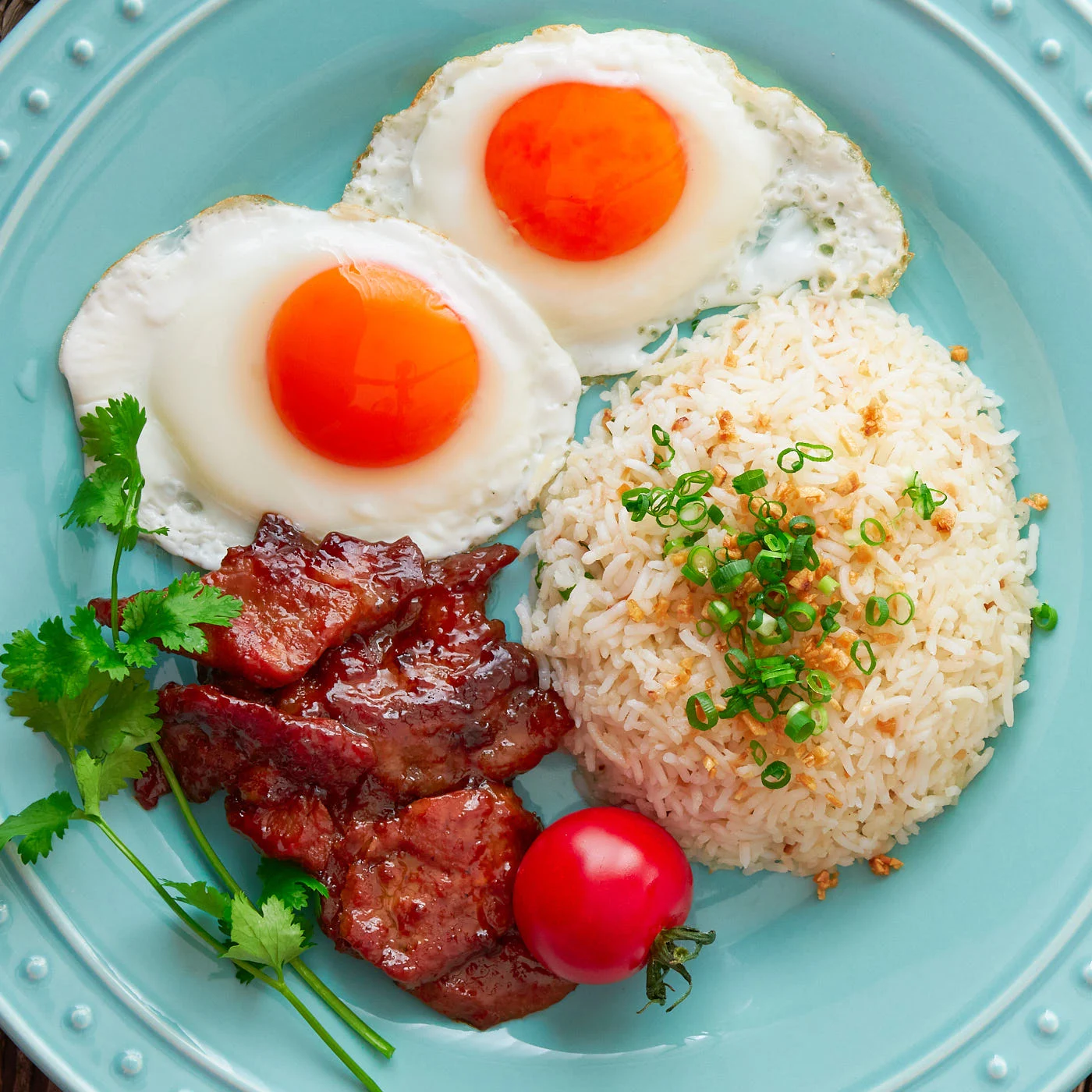
Category: Filipino Breakfast Dishes

  • What Is King Silog?

    What Is King Silog?

    King Silog is a popular Filipino dish consisting of garlicky rice, savory meat, and a fried egg, deeply ingrained in Filipino breakfast culture. It originated from Tapsi ni Vivian in the 1980s and offers various delicious variations to cater to diverse culinary preferences.

    Key Takeaways

    • King Silog is a popular Filipino dish that consists of garlicky rice, savory meat, and a fried egg.
    • It originated from Tapsi ni Vivian, a humble eatery in Marikina, in the 1980s.
    • Silog dishes, including King Silog, have become deeply ingrained in Filipino breakfast culture.
    • King Silog offers various variations, such as Tapsilog, Longsilog, Chickensilog, Bangsilog, and Veggie Silog, to cater to diverse culinary preferences.

    History of King Silog

    When tracing the history of King Silog, one can’t deny the fascinating evolution of this iconic Filipino breakfast dish.

    The term ‘tapsilog’ originated in the 1980s from Tapsi ni Vivian, a humble eatery in Marikina. This small restaurant, founded by Vivian del Rosario, played a pivotal role in popularizing the concept of ‘silog’ meals.

    The original tapsilog consisted of beef tapa and sinangag (fried rice), a simple yet flavorful combination that quickly gained popularity. Tapa King, another well-known establishment in Quezon City, also contributed to the widespread recognition of silog dishes.

    The concept of silogs has since become deeply ingrained in Filipino breakfast culture, with various iterations and combinations now available across the country.

    These hearty meals aren’t only a quick breakfast option but also a favored choice for late-night hangover food, showcasing their versatility and enduring appeal.

    Ingredients in King Silog

    The evolution of King Silog’s iconic Filipino breakfast dish, rooted in the rich history of tapsilog, comes to life through the exquisite selection of high-quality ingredients that define their signature offerings.

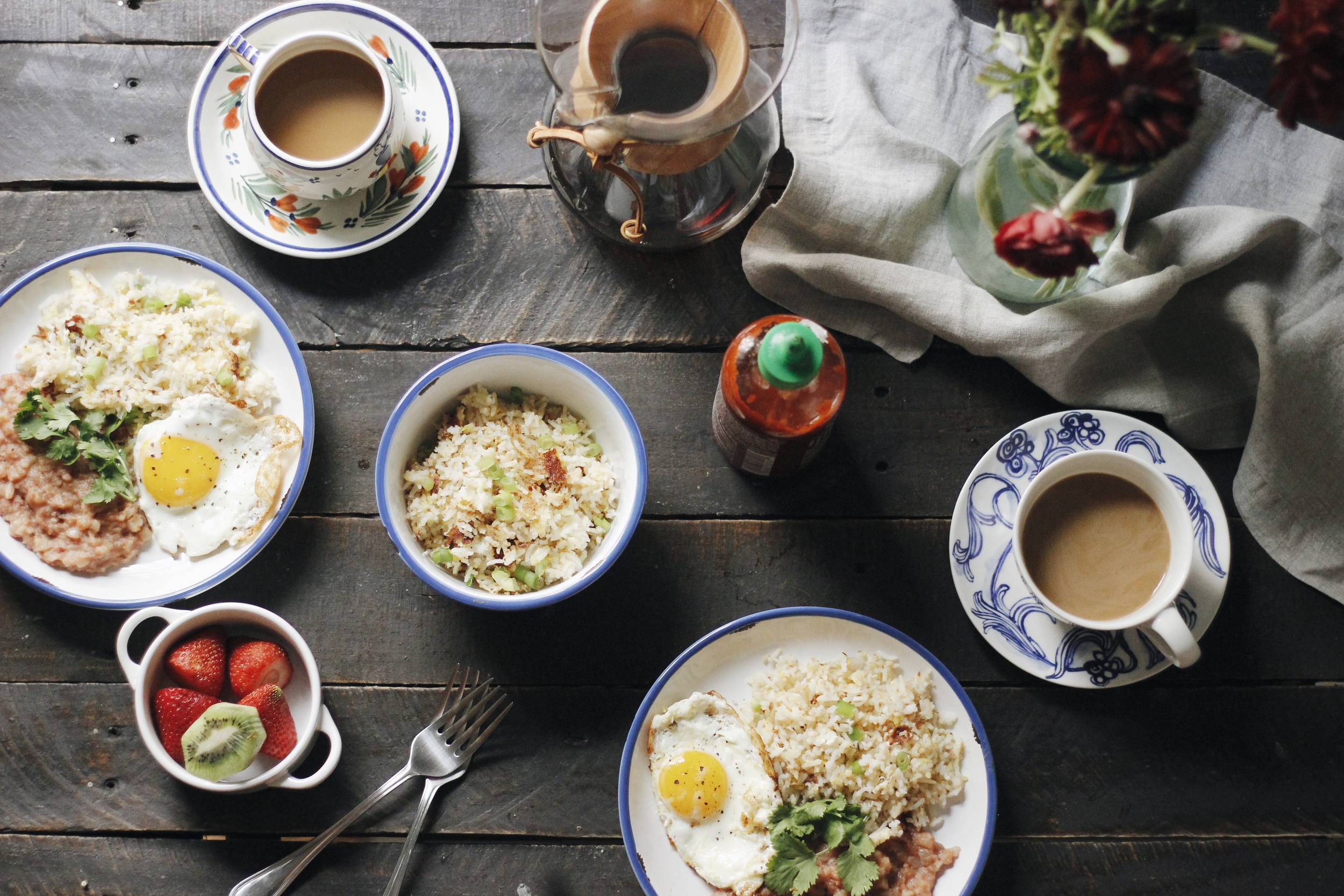
    Each dish at King Silog is meticulously crafted, starting with the flavorful garlic fried rice, a staple in Filipino breakfast cuisine. Paired with a perfectly fried egg, it forms the base for the various types of silog offered.

    The crispy pork, known as ‘tapa,’ is marinated to perfection, while the pork in the tocino is cured with a sweet and savory marinade resulting in tender, delicious meat. Longsilog features the rich and aromatic longganisa, and the bangsilog showcases the delicate and mild taste of bangus, a popular milkfish in the Philippines.

    Lastly, the tosilog combines the sweet and savory flavors of tocino with the garlic fried rice and egg, creating a harmonious blend of tastes and textures.

    Variations of King Silog

    Discover the delightful array of variations that King’s Silog offers, each showcasing a unique blend of flavors and ingredients that cater to diverse culinary preferences. From traditional breakfast options to mouthwatering fast food meals, King’s Silog has something for everyone. Check out the table below to see some of the popular variations available at King’s Silog:

    Variations Description
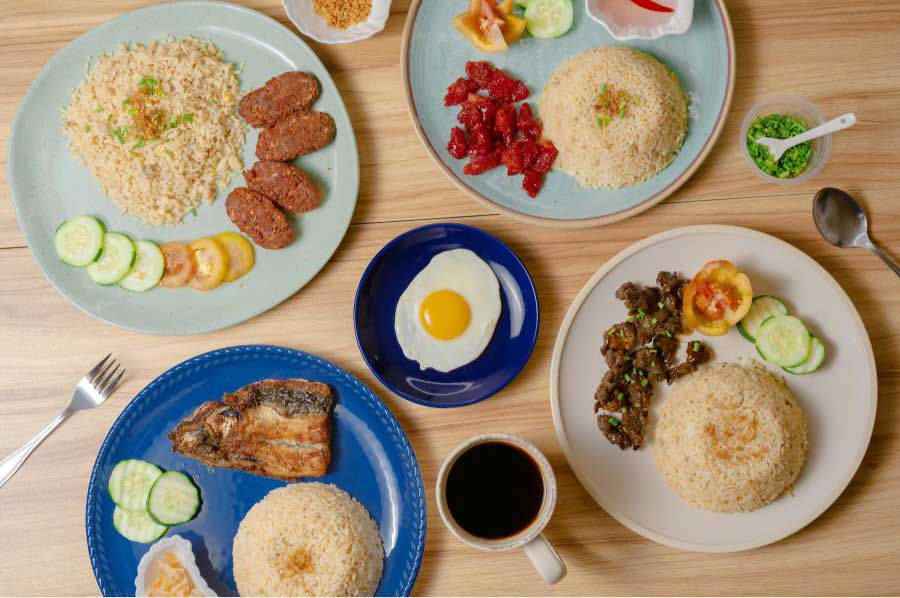
    Tapsilog Marinated beef served with garlic fried rice and fried egg
    Longsilog Sweet pork sausage with garlic fried rice and fried egg
    Chickensilog Savory chicken with garlic fried rice and fried egg
    Bangsilog Fried milkfish with garlic fried rice and fried egg
    Veggie Silog Stir-fried vegetables with garlic fried rice and fried egg

    Each variation is served with a side of soy sauce for an added burst of flavor. Whether you’re craving a classic breakfast or a satisfying fast food meal, King’s Silog has you covered.

    Cultural Significance of King Silog

    Explore the cultural significance of King Silog and its impact on Filipino cuisine, showcasing the rich heritage and beloved comfort food traditions of the Philippines.

    King Silog, a restaurant in Marikina, has preserved and elevated the cultural significance of silog dishes. Originally intended as a quick breakfast or late-night meal, silog, with its combination of fried rice and fried egg, has become an integral part of Filipino culinary culture.

    King Silog’s dedication to high-quality ingredients and authentic preparation methods further emphasizes the cultural importance of this iconic dish. By offering a variety of silog meals, the restaurant highlights the versatility and regional variations of this beloved Filipino comfort food, contributing to the preservation and celebration of the cultural heritage of silog.

    King Silog truly embodies the cultural significance and culinary tradition of silog in the Philippines.

    King Silog as Comfort Food

    You’re in for a treat as we talk about King Silog as the ultimate comfort food destination.

    From the mouthwatering aroma of sizzling meats to the hearty portions of perfectly cooked rice, King Silog has mastered the art of satisfying your cravings.

    Let’s explore the popularity and the exceptional ingredients that make King Silog a go-to spot for a comforting and fulfilling dining experience.

    King Silog’s Popularity

    Being a beloved comfort food in the Philippines, King Silog has gained widespread popularity for its satisfying and diverse selection of silog meals, making it a go-to choice for many.

    The term ‘tapsilog’ refers to the classic combination of thinly sliced beef, fried rice, and fried egg, a staple that has become a favorite among locals and visitors alike.

    Whether it’s for breakfast or a late-night hangover cure, King Silog’s offerings never fail to hit the spot. The addition of spicy vinegar adds an extra kick to the already flavorful dish, making it a delightful culinary experience.

    The affordability, generous portions, and quick service at King Silog have cemented its status as a comfort food icon in the Philippines.

    King Silog’s Ingredients

    Indulge in the comforting allure of King Silog’s signature ingredients, where sinangag, itlog, and a choice of delectable protein come together to create a truly satisfying culinary experience.

    Here’s what makes the ingredients of King Silog truly special:

    1. Sinangag: This fried rice is made by tossing cold leftover rice with crispy fried garlic flakes, infusing it with a delightful aroma and flavor.
    2. Itlog: The fried egg, with its runny yolk, adds a comforting touch to the dish, complementing the savory flavors of the other components.
    3. Protein: Choose from options like tocino, longganisa, or tapa, each offering a unique and satisfying taste to the meal.
    4. Additional Options: Some variations include plain boiled rice, brown sugar, or dried fish, adding diversity to this already delightful culinary experience.

    How Is Longanisa Silog Different from King Silog?

    Longanisa silog breakfast combo and king silog are both popular Filipino breakfast choices, but they differ in the type of meat used. Longanisa silog features sweet and savory longanisa sausage, while king silog uses kingfish. Both are served with garlic fried rice and fried eggs, but offer unique flavor profiles.

    Exploring King Silog in Filipino Cuisine

    Exploring the vibrant flavors and diverse menu offerings at King Silog, a Filipino restaurant specializing in the beloved breakfast dish of silog, promises an exciting culinary adventure for food enthusiasts.

    The restaurant takes pride in being one of the first to use corned beef and beef steak as meat options for their silog meals, adding a unique twist to this traditional Filipino cuisine.

    Whether you’re craving the savory richness of the beef steak silog or the hearty and flavorful corned beef silog, King Silog’s menu offers a delightful array of choices.

    Each silog meal is served with fragrant garlic-fried rice and a perfectly cooked fried egg, creating a harmonious blend of textures and tastes.

    With its commitment to quality ingredients and authentic flavors, King Silog is a must-visit destination for anyone eager to savor the essence of Filipino cuisine.

    Frequently Asked Questions

    What Is the Purpose of Silog?

    The purpose of Silog is to satisfy your craving for a hearty breakfast. It combines sinangag and itlog with your choice of protein, offering a versatile and flavorful meal that can be enjoyed at any time of day.

    What Does Silog Mean in English?

    In English, “silog” means a delicious Filipino breakfast dish featuring sinangag (garlic fried rice) and itlog (egg). It’s a flavorful combo that can be customized with various meats and toppings for a satisfying meal.

    What Is the Meaning of Tapsilog?

    Tapsilog is a delicious Filipino dish consisting of tender beef (tapa), garlic fried rice (sinangag), and a perfectly fried egg (itlog). It’s a flavorful combination that satisfies your cravings any time of day.

    What Does Tapsilog Taste Like?

    Tapsilog tastes like a delightful symphony of sweet, salty, and savory flavors. The succulent beef tapa, garlicky sinangag, and creamy egg create a satisfying blend of textures and tastes that will leave you craving more.

    Conclusion

    So, if you’re looking for a delicious and satisfying meal, look no further than King Silog!

    With its high-quality ingredients, variety of options, and affordable prices, King Silog is the perfect place to enjoy a comforting and flavorful Filipino meal.

    Whether you dine in, take out, or have it delivered, you’re sure to love the delicious flavors and prompt service that King Silog has to offer.

    Don’t miss out on this must-try restaurant experience!

  • How Much Does Longsilog Typically Cost?

    How Much Does Longsilog Typically Cost?

    Longsilog typically costs between ₱100 to ₱180 in local eateries, influenced by factors like location and meat quality.

    Key Takeaways

    • Longsilog prices in local eateries range from ₱100 to ₱180.
    • Factors such as the establishment’s location, ambiance, and type of restaurant can affect the price.
    • Additional items like extra garlic rice or sides may increase the overall cost.
    • The quality and type of meat used, as well as the availability of ingredients, can influence the cost of Longsilog.

    Average Longsilog Prices in Local Eateries

    When dining at local eateries, you can expect to find Longsilog priced between ₱100 to ₱180, with variations based on the establishment’s location and ambiance. Longsilog, a popular Filipino breakfast dish, typically consists of beef tapa, garlic fried rice, and a fried egg. The price range may also be influenced by the type of restaurant you choose. In more upscale or high-end eateries, Longsilog may be priced at a premium compared to smaller local establishments.

    Some eateries may offer Longsilog as part of a breakfast combo, affecting the overall price. Additionally, extra items such as additional garlic rice or sides may increase the overall cost of Longsilog. Therefore, when deciding on where to enjoy this classic Filipino dish, consider the location, ambiance, and additional offerings that may impact the overall price.

    Factors Affecting Longsilog Cost

    When it comes to the cost of Longsilog, there are several key factors that play a role in determining the price you pay. The quality and type of meat used, as well as the additional elements like side dishes and condiments, can all influence the overall cost. Furthermore, the location of the restaurant, market demand, and seasonal availability of ingredients can also contribute to variations in pricing.

    Ingredients Affecting Cost

    The type of meat chosen for Longsilog significantly impacts its cost. Premium cuts like sirloin or ribeye elevate the overall price. Additionally, the quality of the rice can also influence the overall cost of Longsilog. Whether it’s regular or specialty rice, the choice of rice can affect the price. The grade of eggs utilized contributes to the cost of Longsilog. Options like organic, free-range, or conventional eggs can vary in price.

    Furthermore, additional ingredients like condiments, vegetables, or special seasonings may affect the overall price of Longsilog. It’s important to note that market fluctuations and availability of ingredients can also influence the cost of Longsilog. This is particularly true for imported or seasonal components. When considering factors affecting the cost of Longsilog, it’s essential to recognize the impact of these ingredients. Garlic fried rice and cured pork are two key components that affect the overall price.

    Location and Demand

    Transitioning from the discussion of ingredient influence on the cost of Longsilog, the impact of location and demand becomes a significant factor affecting its overall price. The cost of Longsilog may vary based on the location of the Filipino restaurant or eatery. Areas with higher demand for Filipino cuisine may influence the cost of Longsilog.

    Urban locations with a larger Filipino community might have a higher demand for Longsilog, impacting its cost. Tourist or popular food destinations may have increased demand for Longsilog, affecting its price. The availability of specific ingredients in certain locations may also influence the cost of Longsilog.

    Portion Size Variations

    To understand how portion size affects the cost of Longsilog, consider the impact of meat quality, additional ingredients, serving size, restaurant location, and special additions on pricing. The portion size of Longsilog can significantly influence its cost. Larger servings often come with a higher price tag, especially if they contain premium ingredients or larger quantities of meat. The quality of meat used, such as choosing between regular or premium cuts, can also affect the overall cost.

    Additionally, the inclusion of extra components like marinated meats or premium condiments can contribute to price variations. Moreover, certain restaurants may offer unique or gourmet variations of Longsilog, which may come with special additions, leading to cost discrepancies. All these factors, along with the standard serving size of garlic fried rice, contribute to the portion size variations and subsequently impact the cost of Longsilog.

    Comparison of Homemade Longsilog Expenses

    Considering the potential savings and flexibility in portion sizes and ingredients, preparing Longsilog at home offers a cost-effective and customizable dining experience. When comparing the expenses of homemade Longsilog to purchasing it from a restaurant, you can expect to save money while still enjoying a delicious meal. Here are some factors to consider when comparing the expenses of homemade Longsilog:

    • Quality of Ingredients: The cost of cured beef, eggs, and rice can vary based on the quality and brand, influencing the overall expense.
    • Flexibility in Portion Sizes: By cooking at home, you have the freedom to adjust portion sizes according to your preferences, potentially impacting the total expenses.
    • Condiments and Seasonings: It’s important to account for the cost of condiments and seasonings, such as soy sauce and garlic, which contribute to the overall cooking expenses.

    Longsilog Price Range Across Different Locations

    When exploring the price range of Longsilog across different locations, you’ll discover a variety of costs that can range from ₱80 to ₱300, reflecting the diverse dining options available in Filipino restaurants. In more casual or budget-friendly eateries, Longsilog may be offered at a lower range of ₱80 to ₱120. In various Filipino restaurants, the price typically falls between ₱100 to ₱200.

    However, in some areas, the price may be slightly higher, ranging from ₱150 to ₱250 due to location and restaurant type. Upscale or specialty Filipino restaurants might price Longsilog at a higher range of ₱200 to ₱300 due to their unique presentation or premium ingredients. The price variation is influenced by factors such as location, restaurant type, and the quality of ingredients used in the dish, such as garlic fried rice and cured beef.

    Tips for Finding Affordable Longsilog Options

    Looking for affordable Longsilog options? You’re in luck! In the upcoming section, we’ll explore tips for finding budget-friendly alternatives and how to compare prices to get the best deal. Whether you’re craving this flavorful Filipino breakfast dish for delivery or pickup, we’ve got you covered with practical strategies for enjoying Longsilog without breaking the bank.

    Price Comparison Tips

    To find affordable Longsilog options, you can compare prices at different Filipino restaurants and keep an eye out for promotions or discounts. When comparing prices, consider factors such as portion size and additional inclusions to assess the overall value for money. Here are some tips for finding the best deals on Longsilog:

    • Check for promotions or discounts at Filipino restaurants offering Longsilog.
    • Consider the portion size and additional inclusions, such as garlic fried rice and cured beef, when comparing prices.
    • Utilize customer reviews and ratings to gauge the quality and value for money of Longsilog options at different restaurants.

    Budget-Friendly Alternatives

    For those seeking budget-friendly alternatives for enjoying Longsilog, exploring local eateries and food stalls can often yield affordable and satisfying options. These establishments often offer delicious variations of Longsilog at a fraction of the cost of restaurants. Additionally, keep an eye out for Longsilog specials or meal deals, which may provide a cost-effective way to enjoy this Filipino breakfast dish.

    If dining out isn’t the most budget-friendly option for you, consider making homemade Longsilog using simple ingredients such as garlic fried rice and cured beef. This not only allows you to control the cost but also provides a fun cooking experience. To help you get started, here’s a table with some budget-friendly Longsilog options to consider:

    Location Longsilog Price Special Offers
    Local Eatery ₱80.00 Meal Deals
    Food Stall ₱90.00 Discounts
    Homemade ₱60.00 DIY Savings

    – How Does Longsilog Pair with Filipino Breakfast Drinks?

    Longsilog, a popular Filipino breakfast dish, pairs perfectly with a typical Filipino breakfast drink like coffee or tsokolate. The sweet and savory flavors of the longganisa, garlic rice, and fried egg complement the bitterness of the drink, creating a satisfying and comforting morning meal.

    Understanding Additional Costs for Longsilog

    Considering the budget-friendly nature of Longsilog, it’s essential to be mindful of potential additional costs that may arise when enjoying this delectable Filipino breakfast option. When indulging in Longsilog, keep in mind the following potential additional costs:

    • Taxes and service charges: These fees can vary based on the restaurant’s policies and may affect the total cost of your meal.
    • Meal combos: Some establishments offer Longsilog as part of a combo meal, which could impact the overall cost of your dining experience.
    • Customization and add-ons: Adding extra toppings or side dishes to your Longsilog may result in supplementary charges, so be mindful of these options to avoid unexpected costs.

    Being aware of these potential additional costs will help you enjoy your Longsilog, featuring its delicious combination of cured beef and fried egg, while staying within your budget.

    Frequently Asked Questions

    What Is the Most Popular Silog?

    The most popular silog is tapsilog, a delicious Filipino breakfast dish featuring tapa (marinated beef), sinangag (garlic fried rice), and itlog (fried egg). It’s a flavorful and satisfying choice for breakfast in Filipino cuisine.

    What Is Longsilog in English?

    In English, Longsilog translates to a delicious Filipino breakfast dish made of sweet pork sausage, garlic fried rice, and a fried egg. It’s a beloved item in the Filipino breakfast scene and typically costs around ₱140.00.

    What Is the Difference Between Longsilog and Tapsilog?

    Longsilog and Tapsilog are both Filipino breakfast dishes. Longsilog features longanisa (pork sausage), while Tapsilog contains tapa (marinated beef). Each dish offers a distinct taste experience, highlighting the unique flavors of its featured meat.

    What Is Silog in Filipino?

    In Filipino cuisine, silog refers to breakfast dishes with meat, garlic fried rice, and a fried egg. It’s a tasty combo of sinangag (garlic fried rice) and itlog (fried egg). Silog dishes cater to diverse tastes and include options like tapsilog and longsilog.

    Conclusion

    So, the next time you’re craving a delicious and satisfying breakfast, consider trying longsilog! With an average cost of around ₱140.00, this Filipino favorite is both affordable and flavorful. Whether you’re dining out or making it at home, longsilog is a tasty way to start your day. Keep an eye out for affordable options and enjoy the unique flavors of Filipino cuisine with this classic dish.

  • What Is Skin Silog?

    What Is Skin Silog?

    Skin Silog is a creative Filipino breakfast dish featuring crispy chicken skin, garlic fried rice, and a fried egg, offering a unique twist on traditional silog meals. It showcases the adaptability and ingenuity of Filipino culinary traditions with its savory and crunchy elements.

    Key Takeaways

    • Skin Silog is a creative variation of the classic Filipino breakfast dish, silog, featuring crispy chicken skin.
    • Filipino breakfast dishes are known for their hearty and flavorful combinations, and Skin Silog exemplifies the adaptability and ingenuity of Filipino culinary traditions.
    • The main ingredients of Skin Silog include crispy, marinated chicken skin, sinangag (garlic fried rice), and itlog (fried egg), with optional sides and sauces for added flavor.
    • Skin Silog has popular variations such as Bacsilog, Chiksilog, Adosilog, Porksilog, and Sisilog, each featuring different main components to suit various preferences.

    Origins of Skin Silog

    The origins of Skin Silog trace back to the rich culinary traditions of the Philippines. Filipino breakfast dishes are known for their hearty and flavorful combinations, often featuring garlic rice, fried eggs, and various proteins. The classic silog meals served as the inspiration for this innovative breakfast dish. Skin Silog takes this concept to a new level by introducing crispy chicken skin as the star component.

    This dish offers a unique twist on the traditional silog, infusing it with the savory crunch of chicken skin. The incorporation of this unexpected ingredient showcases the creative evolution of Filipino breakfast cuisine, appealing to those who enjoy indulgent and delicious morning meals.

    The origins of Skin Silog exemplify the adaptability and ingenuity present in Filipino culinary traditions. It demonstrates how a classic dish can be reimagined into something entirely new and exciting.

    Ingredients of Skin Silog

    Using a blend of traditional Filipino flavors and a modern twist, the ingredients of Skin Silog create a tantalizing breakfast experience.

    The main star of this dish is the crispy, marinated chicken skin, which provides a savory and crunchy element.

    The sinangag, or garlic fried rice, offers a fragrant and flavorful base that complements the richness of the chicken skin.

    The itlog, or fried egg, adds a creamy yolk and a layer of protein, enhancing the overall texture and taste of the dish.

    For added dimensions of flavor, optional sides and sauces such as achara (pickled green papaya relish), sawsawan (various dipping sauces), fresh tomatoes, cucumbers, and salted egg can be included.

    Various seasonings and spices used in marinating the chicken skin contribute to the dish’s overall taste profile, making it a truly satisfying Filipino breakfast option.

    Popular Variations of Skin Silog

    Curious about the various flavorful twists on the classic Skin Silog dish? You’ll be delighted to explore the popular variations that add exciting new dimensions to this Filipino favorite.

    Bacsilog features crispy bacon as the main component, introducing a savory and smoky flavor to the dish.

    For those who prefer poultry, Chiksilog offers the delectable crunch of crispy chicken wings or drumsticks.

    Adosilog showcases the beloved adobo, infusing the dish with its rich and tangy flavor.

    If you’re a fan of pork, Porksilog presents deep-fried pork loin as the featured protein, adding a satisfying crispiness.

    Lastly, Sisilog introduces pork sisig, a beloved Filipino bar chow dish, providing a delightful twist on the classic Skin Silog.

    Each variation is skillfully paired with sinangag and itlog to complete the delicious meal.

    Tapsilog

    Exploring the diverse array of flavorful variations in the silog family, you’ll now be tantalized by the savory allure of Tapsilog, a classic Filipino breakfast dish.

    Tapsilog features tender beef tapa, marinated in a delectable blend of savory and slightly sweet flavors. This is served alongside sinangag, fragrant garlic fried rice, and a perfectly fried egg.

    The name ‘tapsilog’ is a clever combination of ‘tapa’ (marinated beef), ‘sinangag’ (garlic fried rice), and ‘itlog’ (egg). This hearty and satisfying meal is a staple in Filipino cuisine, often enjoyed as a breakfast option.

    The beef tapa adds a delightful savory note to the dish, complemented by the aroma of garlic-infused fried rice. Tapsilog is commonly found in eateries called ‘tapsihan’ or ‘silogan,’ where it’s cherished for its comforting and flavorful appeal.

    Longsilog

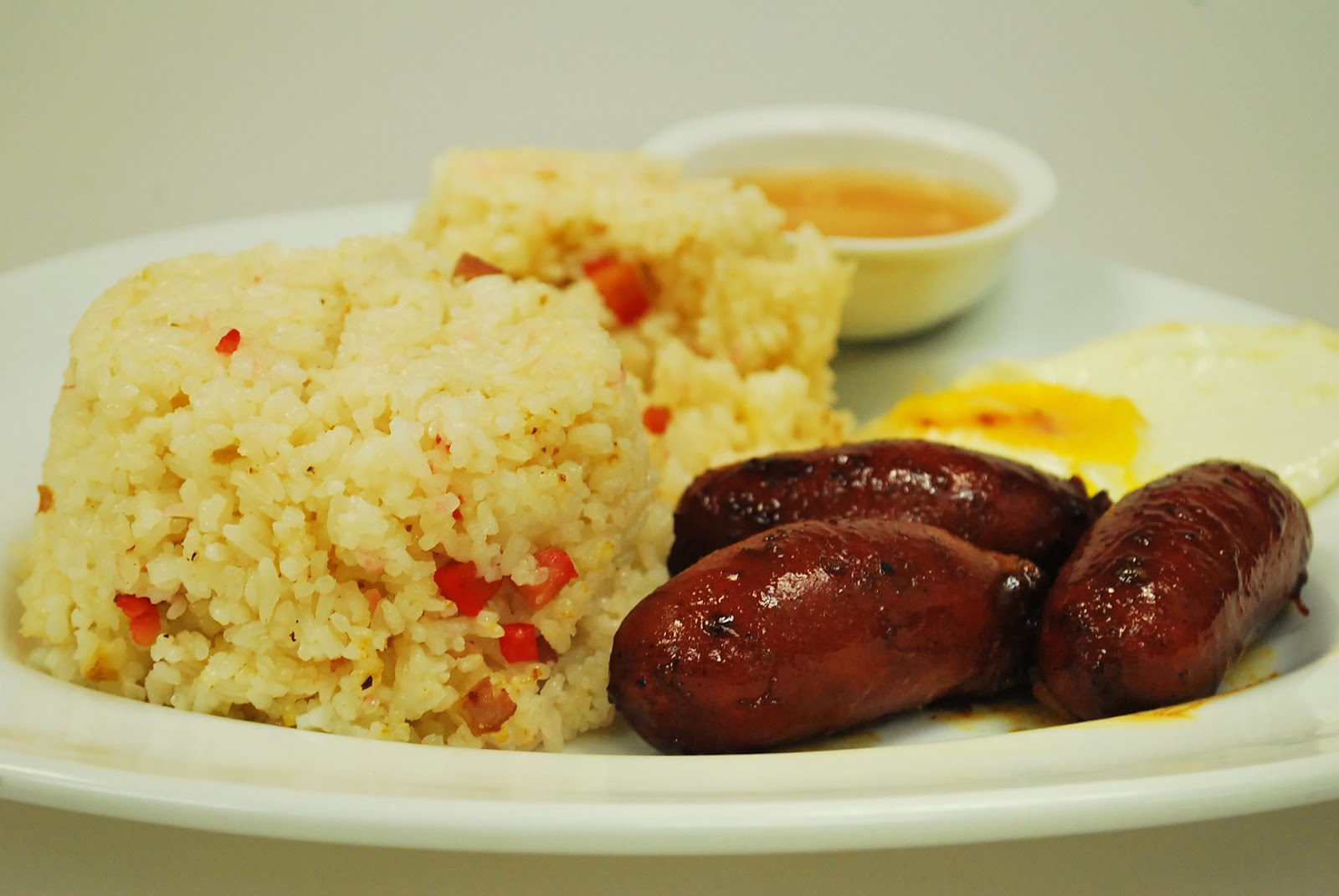
    Longsilog, a delightful Filipino breakfast dish, features longganisa, garlic fried rice, and a fried egg, creating a flavorful and satisfying combination.

    The longganisa, a type of red hotdog, is sweet and savory, adding a unique and delicious flavor to the meal.

    The garlic fried rice, known as sinangag, is aromatic and perfectly complements the succulent longganisa.

    When paired with a perfectly fried egg, the Longsilog becomes a hearty and fulfilling breakfast choice.

    To enhance the flavors, it’s often enjoyed with a side of spicy vinegar dip and pickled papaya or fresh tomato slices.

    This popular dish is widely available in local eateries and is beloved by many as a go-to breakfast option in the Philippines.

    Tocilog

    So, you want to know more about tocilog? Well, let’s start with the mouthwatering ingredients that make up this beloved Filipino breakfast dish.

    Then, we’ll walk you through the simple yet precise cooking process that brings out the perfect blend of sweet and savory flavors.

    And of course, we’ll wrap it up with some serving suggestions to take your tocilog experience to the next level.

    Tocilog Ingredients

    Tocilog is a delectable combination of tocino, sinangag, and itlog that creates a flavorful and satisfying Filipino breakfast dish. Each ingredient plays a crucial role in forming the delicious flavor profile of Tocilog. Here’s a breakdown of the key components of Tocilog:

    Ingredient Description
    Tocino Sweet cured pork that imparts a sweet and savory taste to Tocilog.
    Sinangag Garlic fried rice that adds a delightful aroma and texture to the dish.
    Itlog Fried egg that provides a protein element, making Tocilog a hearty breakfast option.

    These ingredients come together to create a harmonious blend of sweet, savory, and aromatic flavors, making Tocilog a beloved choice for breakfast among Filipinos.

    Tocilog Cooking Process

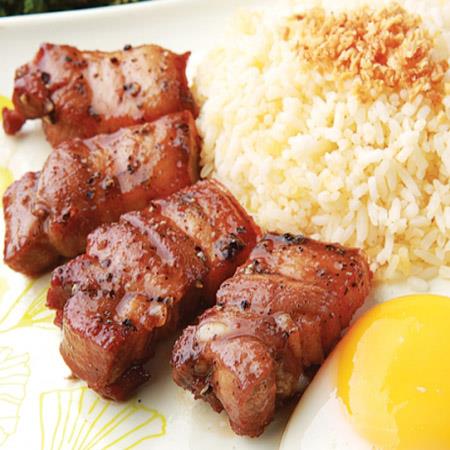
    The flavorful and satisfying Filipino breakfast dish known as Tocilog involves the marination of pork in a sweet and savory mixture before it’s fried to perfection.

    To start the tocilog cooking process, the pork is typically marinated in a blend of sugar, soy sauce, garlic, and other seasonings to achieve its signature sweet and savory flavor. Once marinated, the pork is then fried until it reaches a caramelized, slightly crispy texture, adding a delightful contrast to the tender meat.

    Alongside the tocino, the sinangag, or garlic fried rice, is prepared by stir-frying day-old rice with a generous amount of garlic until it’s fragrant and golden, offering a delicious accompaniment to the savory pork.

    Tocilog Serving Suggestions

    Looking for the perfect accompaniments to elevate your tocilog experience? Here are three tocilog serving suggestions to take your meal to the next level:

    1. Sinangag: The garlic fried rice, sinangag, is a staple side dish that perfectly complements the sweet and savory flavors of tocilog. Its aromatic and slightly crispy texture adds depth to each bite, creating a delightful contrast to the tender tocino.
    2. Spicy Vinegar Dip: Enhance the flavors of tocilog by pairing it with a side of spicy vinegar dip. The tangy and spicy notes of the vinegar cut through the richness of the tocino, providing a refreshing and zesty element to the dish.
    3. Pickled Papaya or Fresh Tomato Slices: Adding a side of pickled papaya or fresh tomato slices brings a burst of acidity and freshness to the meal, balancing the richness of the tocilog with their vibrant flavors.

    These serving suggestions will elevate your tocilog experience, creating a harmonious and satisfying breakfast feast.

    Bangsilog

    Featuring crispy pan-fried bangus, savory sinangag, and perfectly fried itlog, Bangsilog is a delightful and popular Filipino breakfast dish that tantalizes the taste buds with its unique flavors and textures. The combination of these three main components creates a flavorful and satisfying meal that is commonly enjoyed for breakfast in the Philippines.

    The crispy and flavorful bangus adds a delicious twist to the traditional silog meals, making Bangsilog a favorite choice for starting the day on a delightful note. Here’s a table to further entice your taste buds:

    Component Description
    Bangus Crispy pan-fried milkfish
    Sinangag Garlic fried rice
    Itlog Perfectly fried egg

    With its savory, crunchy, and satisfying elements, Bangsilog is a must-try for anyone looking to experience the delicious flavors of Filipino cuisine for breakfast.

    Danggitsilog

    Hey there, it’s time to talk about Danggitsilog!

    Get ready to explore the unique flavor profile of danggit, learn about different cooking methods to bring out its best, and discover some creative serving suggestions that will elevate your danggitsilog game.

    Let’s dive into the delicious world of danggitsilog!

    Danggit Flavor Profile

    The savory and umami flavor of danggit, a salted and sun-dried rabbitfish, plays a pivotal role in the delightful taste experience of Danggitsilog, a popular Filipino breakfast dish.

    The crispy and salty profile of danggit perfectly complements the garlicky and aromatic sinangag (garlic fried rice), creating a delightful contrast of textures and tastes.

    The danggit’s saltiness is balanced by the fragrance of the sinangag, while the fried egg adds a creamy and rich component to the dish, enhancing the overall flavor profile.

    This classic Filipino silog variation offers a unique and delicious taste of Filipino cuisine, showcasing the delectable combination of the distinct flavors of danggit, sinangag, and fried egg.

    Cooking Methods for Danggitsilog

    To prepare a delectable Danggitsilog meal, start by marinating the danggit with salt, pepper, and calamansi juice to enhance its flavor. After marinating, pan-fry the danggit until it turns golden brown and crispy. Then, prepare the sinangag by sautéing garlic and leftover rice in the same pan to create flavorful garlic fried rice. In a separate pan, fry an egg sunny-side up or according to your preference.

    Finally, plate the crispy danggit, sinangag, and fried egg together, and serve with your choice of vinegar or atchara for a delicious danggitsilog meal.

    Cooking Step Description
    Marinate the danggit Season with salt, pepper, and calamansi juice, then let it marinate for 30 min
    Pan-fry the danggit Heat oil and fry until golden brown and crispy
    Prepare the sinangag Sauté garlic and leftover rice to make garlic fried rice
    Fry the egg Fry sunny-side up or according to preference

    Serving Suggestions for Danggitsilog

    When serving Danggitsilog, consider adding a side of spicy vinegar dip to complement the savory flavors of the danggit.

    Here are some serving suggestions to enhance your Danggitsilog experience:

    1. Garlic Fried Rice: Serve Danggitsilog with a generous portion of sinangag, garlic fried rice. The aromatic and flavorful rice perfectly complements the saltiness of the danggit, creating a satisfying combination.
    2. Spicy Vinegar Dip: Pair your Danggitsilog with a side of spicy vinegar dip for a burst of tangy flavor that elevates the overall taste profile of the dish.
    3. Pickled Papaya or Tomato Slices: Enhance the meal with a side of pickled papaya or fresh tomato slices to add a refreshing crunch and acidity, balancing the richness of the danggit and sinangag.

    These serving suggestions will elevate your Danggitsilog, offering a delightful and authentic taste of Filipino cuisine.

    Spamsilog

    Incorporating Spam into the classic Filipino breakfast dish, spamsilog offers a delicious twist on the traditional silog concept with its savory flavors and hearty appeal. This popular breakfast option features a winning combination of sliced Spam, garlic fried rice, and a perfectly fried egg.

    The name ‘Spamsilog’ is derived from the blend of Spam, sinangag (garlic fried rice), and itlog (egg), showcasing the adaptability of the silog concept with the incorporation of a well-loved canned meat product. The savory and comforting flavors of Spamsilog make it a satisfying meal to kick start your day. Here’s a breakdown of the key components in a typical serving of spamsilog:

    Ingredients Description
    Sliced Spam Adds savory and salty flavors to the dish
    Garlic Fried Rice Aromatic and flavorful base for the meal
    Fried Egg Provides richness and a delicious runny yolk
    Optional Side Often served with sliced tomatoes or atchara (pickled papaya) for a pop of acidity

    Spamsilog is a beloved breakfast choice known for its simplicity and delicious taste, making it a staple in Filipino cuisine.

    Cornsilog

    Indulge in the mouthwatering flavors of Filipino cuisine with the delectable breakfast dish known as Cornsilog.

    This classic dish brings together the rich and satisfying taste of corned beef, the aromatic goodness of garlic fried rice, and a perfectly fried egg.

    When you dig into a plate of Cornsilog, you’re treated to a delightful blend of savory and slightly salty corned beef, complemented by the fragrant and slightly crispy garlic fried rice.

    The dish is then completed by the lusciousness of a sunny-side-up egg that adds a creamy texture to each bite.

    To enhance the experience, it’s often served with a side of spicy vinegar dip or pickled papaya, adding a zesty and tangy kick to the meal.

    Cornsilog truly encapsulates the heartiness and deliciousness of Filipino breakfast fare.

    Hotsilog

    If you’re a fan of savory and sweet flavors combined, you’re in for a treat with hotsilog.

    Picture this: tasty garlic fried rice, a juicy hotdog bursting with flavor, and a perfectly fried egg on top.

    It’s a breakfast dish that offers a delightful mix of textures and tastes, making it a beloved choice for many in the Philippines.

    Tasty Garlic Rice

    Tasty Garlic Rice (Hotsilog) entices with its aromatic garlic-infused rice, complemented by a juicy hotdog and a perfectly fried egg, creating a delightful symphony of flavors.

    1. The garlic fried rice, known as ‘sinangag,’ is the star of this dish. It’s cooked to perfection, with each grain of rice infused with the rich and distinct flavor of garlic.
    2. The hotdog, often sweet and savory, adds a delightful contrast to the garlicky rice. Its juicy and tender texture provides a satisfying bite in every forkful.
    3. The fried egg, with its golden, runny yolk, brings a creamy richness that ties the entire dish together, creating a harmonious blend of flavors.

    When you take a bite of Hotsilog, the fragrant garlic, savory hotdog, and creamy egg yolk come together in a delicious medley that will surely leave you craving for more.

    Savory Sweet Sausage

    The savory sweet sausage in Hotsilog tantalizes the taste buds with its tender, slightly sweet flavor, adding a unique and delightful twist to this classic Filipino breakfast dish.

    The sausage, often a pink hotdog, brings a distinct savory and mildly sweet taste that complements the garlicky fried rice and the richness of the fried egg.

    Unlike traditional salty hotdogs, the pink hotdog used in Hotsilog offers a milder and more tender bite, making it a favorite among locals and visitors alike.

    Served with a side of spicy vinegar dip and pickled papaya or fresh tomato slices, the combination of flavors and textures creates a truly satisfying breakfast experience.

    Hotsilog’s popularity in the Philippines demonstrates the widespread appreciation for its appealing blend of savory and sweet elements.

    Fried Egg Topping

    When preparing the fried egg topping for Hotsilog, you can achieve a perfect balance of tenderness and flavor by ensuring the yolk is cooked to a runny consistency while the whites are fully set. The key to achieving this delicate balance lies in the cooking technique and timing.

    Here’s how to perfect the fried egg topping for your Hotsilog:

    1. Heat the oil in a non-stick skillet over medium heat until it shimmers.
    2. Crack the egg gently into the skillet, taking care not to break the yolk.
    3. Cook the egg for about 2-3 minutes until the whites are fully set but the yolk remains gloriously runny.

    Mastering the art of preparing the fried egg topping will elevate your Hotsilog to a whole new level of deliciousness, adding a delightful richness to this classic Filipino breakfast dish.

    Can Skin Silog be a Variation of Corned Silog?

    If you’re a fan of Filipino breakfast, you may have heard of corned silog. But have you ever tried skin silog? This variation swaps out the corned beef for crispy pork skin, giving it a unique twist. If you want to learn about corned silog, you should definitely give skin silog a try!

    Bacsilog

    Derived from the savory combination of crispy bacon, garlic fried rice, and a fried egg, Bacsilog is a popular and satisfying Filipino breakfast dish. This flavorful meal offers a delightful blend of crispy bacon, aromatic garlic fried rice (sinangag), and a perfectly cooked fried egg. The harmony of these elements creates a hearty and fulfilling breakfast option that has gained popularity for its rich and savory flavors. Here’s a breakdown of the key components of Bacsilog:

    Component Description
    Crispy Bacon Adds savory and crispy texture to the dish
    Sinangag Aromatic garlic fried rice that complements the bacon
    Fried Egg Provides a creamy and satisfying element to the dish

    Bacsilog showcases the versatility of Filipino breakfast dishes, offering a delightful alternative to the traditional silog meals.

    Frequently Asked Questions

    What Do You Mean by Silog?

    You mean silog, a popular Filipino breakfast dish? It’s a flavorful combo of meat, garlic fried rice, and a fried egg. Variations like tapsilog (with marinated beef) and bacsilog (with crispy bacon) offer endless delicious options.

    What Is an Example of a Silog?

    One example of a silog dish is tapsilog, which consists of sinangag (garlic fried rice), itlog (fried egg), and beef tapa. It’s a flavorful and filling breakfast option that’s popular in Filipino cuisine.

    What Type of Food Is Tapsilog?

    Tapsilog is a delicious Filipino breakfast dish featuring marinated beef tapa, garlic fried rice, and a fried egg. It’s a savory and slightly sweet combination that’s become a staple in Filipino cuisine.

    What Is the Most Popular Silog?

    The most popular silog is the Skin Silog, a Filipino breakfast favorite. It features crispy and flavorful chicken skin as the main protein, served with garlic fried rice and a fried egg for a delicious start to the day.

    Conclusion

    So there you have it – skin silog is a delicious Filipino breakfast dish that combines sinangag, itlog, and crispy chicken skin for a unique and flavorful meal.

    Whether you’re a fan of traditional tapsilog or want to try something new like spamsilog or cornsilog, there’s a variation of skin silog to suit every taste.

    Give it a try and experience the satisfying and delicious flavors of skin silog for yourself!
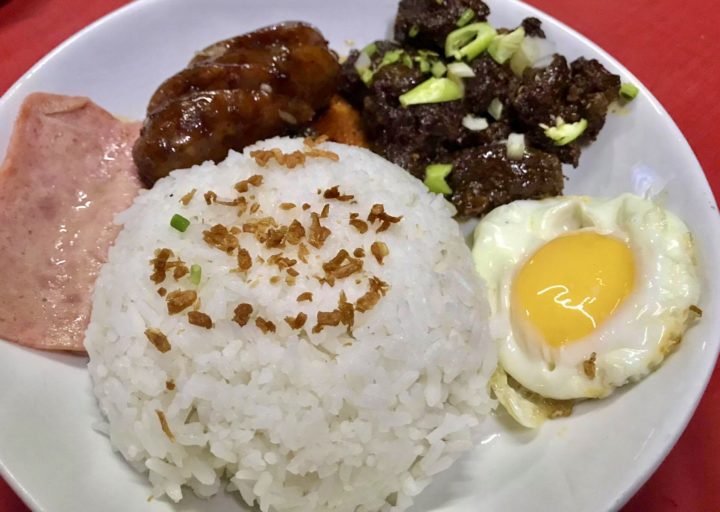
  • How Much Does Pork Silog Typically Cost?

    How Much Does Pork Silog Typically Cost?

    Pork Silog typically costs between $2.50 to $3.00 to make at home. Prices at Filipino restaurants like Fill House range from $8.90 to $8.99.

    Key Takeaways

    1. The cost of Pork Silog can vary depending on factors such as region, quality of pork, and cut of the meat.
    2. Fill House, a Filipino restaurant, offers Pork Silog for $8.90 to $8.99, including two breakfast items, an egg, and fried rice. Their prices are slightly higher compared to Pancake House in the Philippines.
    3. Homemade Pork Silog typically ranges from $2.50 to $3.00 to make.
    4. Regional price variations, market influences, and the quality and cut of pork all play a role in determining the final cost of Pork Silog.

    Cost Factors for Pork Silog

    When considering the cost factors for Pork Silog, it’s essential to understand the value you’re getting for the price you pay. The price for Pork Silog at Fill House ranges from $8.90 to $8.99, and it includes two breakfast items, an egg, and two scoops of fried rice.

    Despite being slightly more expensive than a chain restaurant in the Philippines, Fill House offers a variety of Filipino breakfast options, such as spam, red hot dogs, and tosino, making it a favorite among those who love traditional Filipino cuisine.

    The Silog challenge at Fill House provides insight into the size and cost of the meals compared to the Philippines, giving you an opportunity to experience the authentic flavors of a Filipino breakfast while understanding the cost factors for Pork Silog.

    Pricing at Filipino Restaurants

    When dining at Filipino restaurants, you’ll find that pricing can vary between different establishments.

    Comparing the cost of popular dishes like Silog breakfasts can give you insight into how different restaurants price their meals.

    Understanding these pricing variations can help you make informed choices about where to enjoy a delicious and affordable meal.

    Pricing Comparison

    The prices for Silog breakfast at Fill House are slightly higher compared to those at Pancake House in the Philippines, ranging from $8.90 to $8.99. Here’s what you can expect in terms of pricing at Filipino restaurants:

    1. Fill House’s tosino breakfast includes marinated pork, fried rice, and an egg for $8.90 to $8.99.
    2. The red hot dog breakfast at Fill House consists of red hot dogs, garlic rice, fried egg, and spam, also in the $8.90 to $8.99 range.
    3. The bungus breakfast at Fill House costs 355 pesos, including rice and egg, which is approximately $7.16.

    When considering pricing at Filipino restaurants, it’s important to note the variations in costs for different Silog breakfast options. While Fill House’s prices are slightly higher, the variety and unique offerings may justify the difference in pricing.

    Cost Variations

    Exploring the diverse flavors of Filipino breakfast options, you’ll find varying costs for classic Silog meals at different restaurants, offering a range of delectable choices to savor.

    Fill House serves Pork Silog for breakfast, priced between $8.90 and $8.99. Compared to Pancake House in the Philippines, Fill House is slightly more expensive for this dish.

    Additionally, Fill House offers other breakfast options like spam, red hot dogs, and tosino, each served with fried rice and an egg.

    The Silog challenge encourages patrons to try different savory breakfast items from the Philippines and compare the prices at Fill House to a chain restaurant in the Philippines.

    Furthermore, the dine-in and take-out options for Pork Silog are priced at 99.00 and 106.00, respectively, providing cost variations based on dining preferences.

    Average Grocery Store Prices

    At your local grocery store, you can typically find a range of prices for pork silog ingredients, making it essential to compare and select the best value for your budget.

    Here are some average grocery store prices to consider:

    1. Pork: Look for cuts like pork shoulder or pork belly, which can range from $3.99 to $5.99 per pound, depending on the quality and source.
    2. Garlic Rice: You can find pre-made garlic rice in the refrigerated or frozen section for around $2.99 to $4.99 per pack, or you can make your own using basic ingredients.
    3. Eggs: A carton of a dozen eggs usually costs between $1.99 to $3.99, with prices varying based on factors such as organic or free-range options.

    When shopping for Filipino food ingredients, keep an eye out for sales and promotions to maximize your savings on these essential pork silog components.

    Homemade Pork Silog Expenses

    As you consider the average grocery store prices for pork silog ingredients, you’ll find that making Homemade Pork Silog at home can be a cost-effective and enjoyable culinary endeavor. The total expenses for Homemade Pork Silog typically range from $2.50 to $3.00, depending on the current price of pork and other ingredients. This makes it an affordable meal option, especially when compared to dining out at a restaurant.

    By preparing Pork Silog at home, you can exercise greater control over portion sizes and ingredients, allowing you to customize the meal according to your preferences and budget. It’s worth noting that the cost of Homemade Pork Silog may vary based on the region and the availability of ingredients.

    Regional Price Variations

    When it comes to the cost of Pork Silog, regional price variations play a significant role in determining the final price you’ll pay.

    Factors such as market influences and local economic conditions can lead to noticeable differences in pricing between regions.

    Understanding these variations will help you make informed decisions about where to purchase your Pork Silog, ensuring you get the best value for your money.

    Regional Price Differences

    Wondering how regional price differences impact the cost of your favorite dishes like Pork Silog? Understanding regional price differences is super easy and can help you make informed decisions about spending and budgeting in various regions. Here are three key points to consider:

    1. Local Demand and Supply: The demand for pork and other ingredients in Pork Silog can vary by region, affecting prices due to local availability and consumer preferences.
    2. Production Costs: Regional differences in production costs, including labor and overhead expenses, can influence the overall cost of preparing Pork Silog in restaurants and food establishments.
    3. Economic Conditions: Variances in economic conditions across regions, such as taxes and cost of living, can have an impact on the final price of Pork Silog.

    Understanding these regional price differences can provide insights into why the cost of Pork Silog may differ between locations.

    Market Influences

    Curious about the factors driving regional price variations for Pork Silog? Let’s explore the market influences that contribute to these cost differences and how they impact your dining choices. When it comes to the price of Pork Silog, numerous market influences can lead to regional price variations. Factors such as import/export information, labor costs, and local market conditions play a significant role in determining the cost of Pork Silog in different areas.

    Chain restaurants and local eateries may also offer varying prices due to these market influences. Understanding these variations can help you compare the cost of Pork Silog between different locations. Below is a table outlining some of the key market influences affecting the price of Pork Silog in various regions.

    Market Influences Impact on Price of Pork Silog
    Import/Export Information Increased costs in remote areas
    Labor Costs Higher prices in urban areas
    Local Market Conditions Fluctuations based on demand
    Consumer Preferences Influence on pricing strategies
    Economic Conditions Impact on overall affordability

    Quality and Cut of Pork

    Understanding the quality and cut of pork is essential for creating delicious and tender pork dishes like Pork Silog. When it comes to choosing the right pork for your recipe, consider the following:

    1. Marbling: Quality pork is characterized by marbling, the intramuscular fat that contributes to its tenderness and juiciness. Look for cuts with a good amount of marbling for optimal flavor and texture.
    2. Common Cuts: The most common cuts of pork used for Filipino dishes like Pork Silog include pork belly, pork shoulder, and pork loin. Each cut offers its own unique texture and flavor profile.
    3. Bone-in vs. Boneless: The cut of pork, whether bone-in or boneless, can affect the cooking time and flavor of the dish. Understanding the differences can help you choose the best option for your recipe.

    Additional Ingredients Impacting Cost

    When it comes to the cost of Pork Silog, it’s important to consider how additional ingredients such as garlic rice, fried egg, and specialty items impact the overall price, especially at Fill House.

    The inclusion of specific ingredients significantly influences the cost of Silog breakfast. At Fill House, the prices for Silog breakfast range from $8.90 to $8.99, showcasing the impact of additional ingredients. Specialty items like tosino, red hot dogs, and spam contribute to the variation in prices.

    Comparing Fill House with a chain restaurant like Pancake House in the Philippines further highlights how the selection of ingredients affects the overall cost of Silog breakfast.

    Understanding the influence of additional ingredients on the cost is crucial for those looking to enjoy a delicious and satisfying Pork Silog breakfast.

    What is the Average Cost of Filipino Breakfast Silog Dishes?

    The typical longsilog cost for a Filipino breakfast dish can range from 80 to 150 pesos, depending on the location and the type of establishment. Silog dishes usually consist of garlic fried rice, fried eggs, and a specific meat such as longganisa, tapa, or tocino. It’s a popular and affordable meal option.

    Tips for Cost-Effective Pork Silog

    To enjoy a cost-effective Pork Silog, consider customizing your order to include the essential components and minimize additional toppings and specialty items that could increase the overall price. Here are three tips to help you make your Pork Silog more cost-effective:

    1. Stick to the basics: Opt for the traditional Pork Silog consisting of pork, garlic fried rice, and a fried egg to keep costs down.
    2. Skip the add-ons: Avoid adding extra toppings or specialty items to your order, as these can significantly increase the overall price of your meal.
    3. Check for combo deals: Look for combo options that may offer better value for money, allowing you to enjoy a satisfying Pork Silog at a more cost-effective price.

    Frequently Asked Questions

    What Is the Most Popular Silog?

    The most popular silog breakfast at Fill House is the tosino. It’s a flavorful and sweet marinated pork dish that pairs perfectly with the savory fried rice and egg. Customers rave about its delicious taste!

    Why Is Silog Famous?

    Silog is famous for its unique blend of savory and sweet flavors, making it a popular Filipino breakfast choice. The affordability and accessibility in local eateries have contributed to its fame, reflecting the Filipino palate and cultural preferences.

    What Is Silog Filipino Food?

    Silog, a beloved Filipino breakfast, combines sinangag (garlic fried rice) and itlog (egg) with various meats. It’s a budget-friendly, flavorful dish found in eateries across the Philippines, typically priced around $2 to $5.

    What Is the Difference Between Longsilog and Tapsilog?

    Longsilog and tapsilog are both popular Filipino breakfast dishes. The main difference is the meat used. Longsilog uses longganisa (Filipino sausage), while tapsilog uses tapa (marinated beef). Both are delicious with garlic fried rice and a fried egg.

    Conclusion

    So, when it comes to the cost of pork silog, there are a few factors to consider. From the pricing at Filipino restaurants to the average grocery store prices, and even the quality and cut of the pork, it all adds up.

    But with a little bit of creativity and planning, you can still enjoy a delicious and cost-effective pork silog at home or at your favorite restaurant. Happy eating!

  • What Is a Gulay Breakfast?

    What Is a Gulay Breakfast?

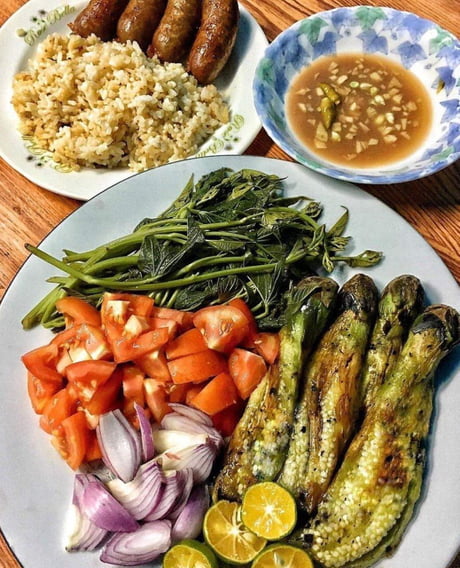
    A Gulay breakfast is a nutritious and flavorful Filipino morning meal deeply rooted in cultural tradition, showcasing a variety of vegetable-based dishes.

    Key Takeaways

    • Gulay breakfast is deeply rooted in Filipino culture and showcases the country’s rich agricultural heritage.
    • Gulay breakfast is not only delicious but also highly nutritious, packed with essential vitamins, minerals, and fiber.
    • Traditional gulay dishes like Ginisang Sitaw, Ginataang Kalabasa, and Tortang Talong highlight the versatility of locally sourced produce.
    • Protein sources like eggs, pork, chicken, and seafood can be incorporated into gulay breakfast to enhance its nutritional value and taste.

    History of Gulay Breakfast

    The history of Gulay breakfast traces back through generations, weaving a tapestry of culinary tradition and cultural significance in Filipino cuisine. This beloved Filipino dish has been a staple morning meal for centuries, reflecting the rich agricultural heritage of the Philippines.

    Its roots can be traced to the agrarian society, where an abundance of fresh, locally grown vegetables inspired the creation of this flavorful and nutritious breakfast. Over time, the dish has evolved, incorporating various cooking techniques and seasoning to suit changing tastes and preferences.

    The tradition of starting the day with a hearty serving of Gulay breakfast has been passed down through families, each adding their unique touch to the dish. This enduring tradition showcases the deep connection between Filipino culture and the vibrant array of vegetables that grace the breakfast table.

    Nutritional Benefits

    Looking to start your day with a nutrient-packed meal? Gulay breakfast offers a plethora of health benefits, thanks to its diverse mix of vegetables.

    From essential vitamins and minerals to high fiber content and low-calorie goodness, this dish has got you covered.

    Get ready to fuel your body with a delicious and nourishing feast!

    Health Benefits

    Filled with essential vitamins, minerals, and dietary fiber, Ginisang Gulay is a nutritious vegetable dish that offers a colorful array of phytonutrients and antioxidants, promoting overall health and digestion.

    When you enjoy a Gulay breakfast, you benefit from:

    1. Essential Nutrients: This dish is packed with vitamins, such as A, C, and K, as well as minerals like potassium, magnesium, and iron, supporting your immune system and overall well-being.
    2. Heart Health: With its low-calorie and cholesterol-free nature, Gulay can help in maintaining a healthy heart, reducing the risk of cardiovascular diseases.
    3. Disease Prevention: The phytonutrients and antioxidants in Gulay contribute to a well-rounded diet, aiding in weight management, improving energy levels, and reducing the risk of chronic diseases.

    Make Gulay a regular part of your diet to enjoy these health benefits.

    Nutrient Content

    Packed with a diverse mix of vitamins and minerals, Gulay breakfast offers essential nutrients for your overall health and well-being. The table below illustrates the nutritional benefits of this Filipino food.

    Nutrient Benefits
    High Fiber Promotes digestive health and aids weight management
    Low Calories Supports healthy weight maintenance
    Antioxidants Supports immune function and reduces disease risk
    Low Cholesterol Promotes heart health, high in potassium

    Gulay breakfast, like Ginisang Gulay, is a wise choice for those seeking a nutritious and delicious start to the day. With its rich nutrient content, it contributes to your overall well-being, making it a great addition to your diet.

    Traditional Gulay Dishes

    Featuring a vibrant array of flavorful and nutritious options, traditional Gulay dishes are a cornerstone of Filipino vegetable cuisine, offering a delightful culinary experience that showcases the versatility of locally sourced produce.

    1. Ginisang Sitaw

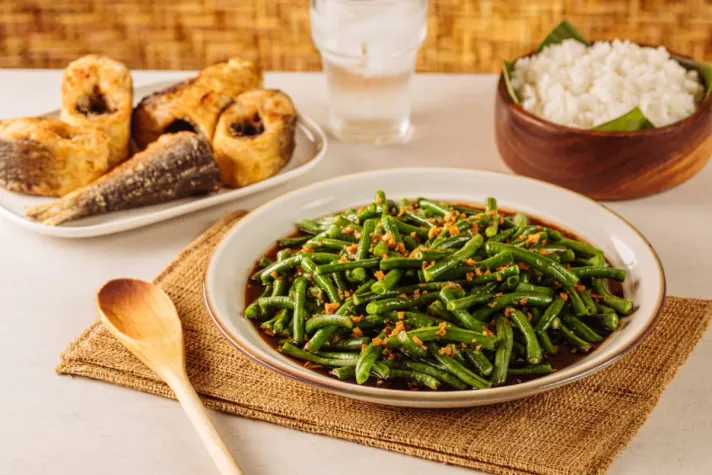
    A savory stir-fry dish made with string beans, garlic, onions, and tomatoes, offering a perfect balance of flavors and textures.

    1. Ginataang Kalabasa

    This creamy and comforting dish combines squash, coconut milk, shrimp, and aromatic spices, creating a rich and aromatic flavor profile.

    1. Tortang Talong

    Grilled eggplant is dipped in egg, then pan-fried to golden perfection, resulting in a simple yet satisfying dish that pairs wonderfully with steamed rice.

    These traditional Gulay dishes aren’t only delicious but also provide a healthy and budget-friendly dining option. Try your hand at preparing these gulay recipes for a taste of authentic Filipino vegetable cuisine.

    Popular Protein Sources

    Looking for delicious and nutritious protein sources to elevate your Gulay breakfast? Here are some popular protein sources commonly used in Filipino cuisine:

    Protein Source Description Featured in Dish
    Eggs Versatile and easily incorporated into various dishes such as omelets and tortang talong. Tortang talong, omelets
    Pork Commonly used in flavorful adobo dishes, offering a satisfying protein option. Pork adobo
    Chicken Lean protein often utilized in Filipino cuisine, contributing to dishes like adobong sitaw and adobong kangkong. Adobong sitaw, adobong kangkong
    Seafood Shrimp and fish provide a delicious protein source in dishes such as gising-gising and adobong kangkong with chicharon. Gising-gising, adobong kangkong with chicharon

    These protein sources can be incorporated into your Gulay breakfast, adding both flavor and substance to your vegetable dish. Whether it’s eggs in a tortang talong or pork in adobo with coconut milk, these protein options can enhance the nutritional value and taste of your meal.

    Cooking Techniques

    When preparing Gulay breakfast, various cooking techniques such as sautéing, stir-frying, and stewing are commonly utilized to enhance the flavors and textures of Filipino vegetable dishes.

    To cook the vegetables to perfection, follow these steps:

    1. Sautéing:
    • Heat oil in a pan
    • Add the vegetables
    • Cook them quickly over high heat while stirring constantly
    • This method preserves the vegetables’ natural flavors and crunchiness.
    1. Stir-frying:
    • Cut the vegetables into small, uniform pieces
    • Cook them in a wok over high heat with constant stirring
    • This technique retains the vegetables’ vibrant colors and crispness.
    1. Stewing:
    • Simmer the vegetables in a flavorful broth or sauce over low heat
    • Stewing allows the vegetables to absorb the rich flavors of the liquid while becoming tender and savory.

    Cultural Significance

    Embrace the cultural significance of Gulay breakfast, a traditional Filipino morning meal that celebrates the richness of local produce and the cherished tradition of starting the day with nourishing, vegetable-based dishes.

    This breakfast choice holds immense cultural importance as it reflects the Filipino emphasis on fresh, locally sourced ingredients and the practice of beginning the day with a hearty, vegetable-centric meal.

    The preparation and enjoyment of Gulay breakfast are deeply ingrained in Filipino food culture and culinary traditions, underscoring the significance of vegetables in Filipino cuisine.

    Not only does it exemplify local culinary practices, but it also aligns with the principles of a healthy and balanced diet, making it a vital aspect of Filipino food culture.

    Regional Variations

    Continuing our exploration of Gulay breakfast, let’s now turn our attention to the diverse regional variations that offer a rich tapestry of flavors and cooking techniques, reflecting the culinary heritage and local preferences across the Philippines and beyond.

    Filipino Variations:

    Dive into unique dishes such as Ginataang Talong at Baboy, Ginisang Sayote, and Adobong Sitaw, each highlighting distinct flavors and cooking methods.

    Chinese Influences:

    Explore Chinese-inspired dishes featuring stir-fried Asian greens, flavorful broths, and innovative cooking techniques like wrapping and steaming with banana leaves.

    Healthy Asian Recipes:

    Discover nutritious Asian recipes incorporating diverse flavors, cooking techniques, and fresh ingredients from various Asian cultures, ensuring that the vegetables are tender and bursting with flavor.

    These variations showcase the vibrant and diverse culinary landscape of Gulay breakfast.

    Modern Interpretations

    Innovative chefs have revolutionized traditional Filipino vegetable dishes with creative twists and modern cooking techniques, offering a fresh and exciting culinary experience. These modern interpretations of gulay breakfast incorporate contemporary twists, creative use of ingredients, and fusion of flavors from various culinary traditions. Chefs are adapting classic recipes to cater to modern dietary preferences and lifestyle choices, resulting in innovative presentations and serving suggestions. Here’s a visual representation of some modern interpretations of gulay breakfast:

    Modern Interpretations Description
    Creative Twists Innovative combinations and preparations.
    Ingredient Utilization Creative use of a wide range of fresh produce.
    Fusion of Flavors Blending traditional Filipino flavors with global influences.
    Adapted Dietary Choices Catering to various dietary preferences and restrictions.
    Innovative Presentations Creative and visually appealing serving suggestions.

    Gulay Breakfast Recipes

    Looking for nutritious morning options and easy veggie breakfasts? Let’s explore some delicious Gulay breakfast recipes that aren’t only flavorful but also packed with essential vitamins and nutrients.

    From savory Ginisang Sitaw at Kalabasa to the satisfying Tortang Talong, these dishes offer a hearty and healthy start to your day.

    Whether you’re a meat lover or a vegetarian, these recipes can be easily customized to suit your tastes and dietary preferences.

    Nutritious Morning Options

    Start your morning with a burst of nutrition and flavor by trying out these Gulay breakfast recipes that are packed with vegetables and essential nutrients.

    1. Ginisang Sitaw and Ginataang Kalabasa: These quick and easy breakfast options provide a balance of flavors and nutrients, perfect for a satisfying start to your day.
    2. Omelet Recipes: From Potato Omelet to Baked Malunggay Omelet Wrap, these protein-packed breakfast choices include hearty vegetables for a filling and nutritious meal.
    3. Tortang Talong Recipes: Whether it’s Tortang Talong With Tokwa or Tortang Talong with Chicken, these eggplant-based breakfast dishes are rich in vitamins and minerals, offering a delicious and wholesome way to begin your day.

    These nutritious morning options not only provide a delicious and satisfying breakfast but also ensure you kickstart your day with essential nutrients and a burst of flavorful goodness.

    Easy Veggie Breakfasts

    With a focus on nutritious morning options, you can now explore the world of easy veggie breakfasts (Gulay Breakfast Recipes) that are packed with essential nutrients and vibrant flavors.

    Easy veggie breakfasts, known as Gulay breakfasts, offer a delightful array of options for a healthy start to your day. From simple sautéed vegetables to flavorful stir-fried combinations, these recipes are both nutritious and easy to prepare.

    Common ingredients such as eggplant, squash, string beans, okra, and bitter melon can be used to create a variety of satisfying dishes. Whether you’re a meat lover or looking for a meatless and healthy alternative, these breakfasts cater to a diverse audience.

    Additionally, the flexibility and customization of Gulay breakfasts allow for a wide range of vegetables and seasoning options, ensuring a delicious and wholesome morning meal.

    Accompaniments and Condiments

    Enhance your breakfast experience with a variety of accompaniments and condiments, adding depth and excitement to your meal.

    1. Flavor Enhancements:

    Pickles, chutneys, salsas, and sauces can add a burst of flavor that elevates your gulay breakfast. Try tangy pickles, spicy salsas, or savory chutneys to enhance the taste of your vegetables.

    1. Texture and Visual Appeal:

    Accompaniments and condiments not only enhance flavor but also add texture and visual appeal to your meal. They can provide a contrast in textures, such as crunchy pickles or creamy sauces, making your breakfast more visually appealing and enjoyable.

    1. Variety and Experimentation:

    Experiment with different accompaniments and condiments to add variety and excitement to your gulay breakfast. You can discover new flavor combinations and create a more diverse and enjoyable dining experience.

    Health and Wellness Impact

    While elevating the flavors and textures of your gulay breakfast with accompaniments and condiments, you’ll also discover the profound impact on health and wellness that comes from incorporating nutrient-rich and fiber-packed vegetables into your meals.

    By making gulay a regular part of your morning routine, you’re providing your body with essential vitamins, minerals, and dietary fiber, which can contribute to improved digestion, increased energy levels, and a strengthened immune system.

    These vegetable-based dishes can serve as a vibrant and satisfying side dish, offering a delicious way to integrate more plant-based nutrition into your diet.

    Embracing these recipes not only supports physical health and vitality but also encourages mindful eating habits and empowers you to make health-conscious choices, ultimately promoting overall wellness and a balanced lifestyle.

    Growing Global Interest

    You’re about to discover the fascinating world of global interest in gulay breakfasts.

    From the health benefits to the culinary diversity, this trend has sparked curiosity and appreciation worldwide.

    Get ready to explore nutritious and flavorful meals that showcase the versatility and adaptability of ingredients, catering to a broad audience interested in experiencing the rich tapestry of global cuisines.

    Global Interest in Gulay

    The global interest in Gulay breakfast has been steadily increasing due to its nutritious and diverse vegetable-based dishes, reflecting the growing popularity of Asian recipes and a focus on health and nutrition. This rising fascination is evident in several ways:

    1. Filipino Cuisine: The significance of Gulay breakfast in Filipino cuisine has piqued the curiosity of food enthusiasts worldwide.
    2. Asian Influence: The surge in global interest mirrors the increasing allure of Asian culinary traditions, drawing attention to the rich and varied flavors of vegetable-centric meals.
    3. Health Consciousness: The appeal lies in the emphasis on healthy, nutrient-rich ingredients and the availability of vegetarian options, aligning with the global shift towards healthier eating habits and lifestyle choices.

    The global interest in Gulay breakfast represents a cultural exchange, as individuals explore and embrace diverse vegetable-centric meal options from around the world.

    Health Benefits

    Amidst the increasing global interest in healthy culinary practices, the growing fascination with the health benefits of Filipino vegetable dishes like Ginisang Gulay is evident.

    String beans, a key ingredient in many Filipino vegetable dishes, offer numerous health benefits. They’re rich in vitamins A, C, and K, as well as fiber, folate, and antioxidants, promoting overall well-being.

    The rising popularity of Ginisang Gulay is driven by its potential to contribute to a balanced diet, supporting weight management and reducing the risk of chronic diseases.

    Additionally, the dish’s adaptability and versatility make it an attractive option for health-conscious individuals seeking nutritious and flavorful meals.

    With its array of health benefits and delicious taste, Ginisang Gulay is a compelling choice for those looking to incorporate more vegetables into their diet.

    Culinary Diversity

    Wondering why culinary diversity is gaining global interest? Here’s why:

    1. Flavor Exploration: Embracing culinary diversity allows you to savor new and exciting flavors, textures, and aromas from around the world, enriching your dining experience.
    2. Cultural Appreciation: Through culinary diversity, you can gain a deeper understanding and appreciation for various cultural traditions, histories, and rituals, creating connections beyond borders.
    3. Sustainability and Local Ingredients: Culinary diversity promotes the use of local, seasonal ingredients, supporting sustainability and fostering a stronger connection to the land and community.

    When it comes to the concept of a gulay breakfast, understanding culinary diversity is essential. It opens the door to a world of flavors, cultural significance, and sustainable practices that can elevate your breakfast experience.

    Frequently Asked Questions

    What Vegetables Are for Breakfast?

    For breakfast, you can enjoy a variety of vegetables like green string beans, squash in coconut milk, omelets with potatoes and malunggay, and versatile tortang talong with tofu or chicken. These dishes offer delicious and nutritious options.

    What Vegetables Are Good in the Morning?

    In the morning, good vegetables to include in your breakfast are sitaw, kalabasa, and talong, which are rich in nutrients like fiber, vitamins, and minerals. They make a healthy and delicious start to your day.

    What Is the English of Ginataang Gulay?

    The English translation of Ginataang Gulay is ‘vegetables in coconut milk.’ It’s a flavorful Filipino dish made with mixed veggies like eggplant, squash, and okra cooked in creamy coconut milk. Try it for a delicious vegetarian meal!

    What Filipino Food Is Good for Lunch?

    For a delicious Filipino lunch, try dishes like Ginataang Kalabasa, Adobong Kangkong, and Ginisang Gulay. These flavorful and nutritious options are perfect for a satisfying midday meal. They’re versatile, budget-friendly, and offer a variety of tasty choices.

    Conclusion

    So next time you’re looking for a nutritious and delicious breakfast option, why not try a Gulay Breakfast?

    With its rich history, nutritional benefits, and variety of dishes and cooking techniques, it’s a great way to start your day on a healthy note.

    Plus, with its growing global interest, you can join the movement towards a more vegetable-focused breakfast and reap the health and wellness benefits.

    Give it a try and see the difference it can make in your day!

  • What Is a Simple Filipino Breakfast?

    What Is a Simple Filipino Breakfast?

    A simple Filipino breakfast typically includes a mix of protein, rice, and eggs like tapsilog, tocino, longganisa, and daing na bangus, often combining sweet and savory flavors with dishes like champorado and puto.

    Key Takeaways

    • Filipino breakfast often consists of a combination of protein, rice, and eggs, such as tapsilog (tapa, sinangag, and itlog), tocino, longganisa, and daing na bangus.
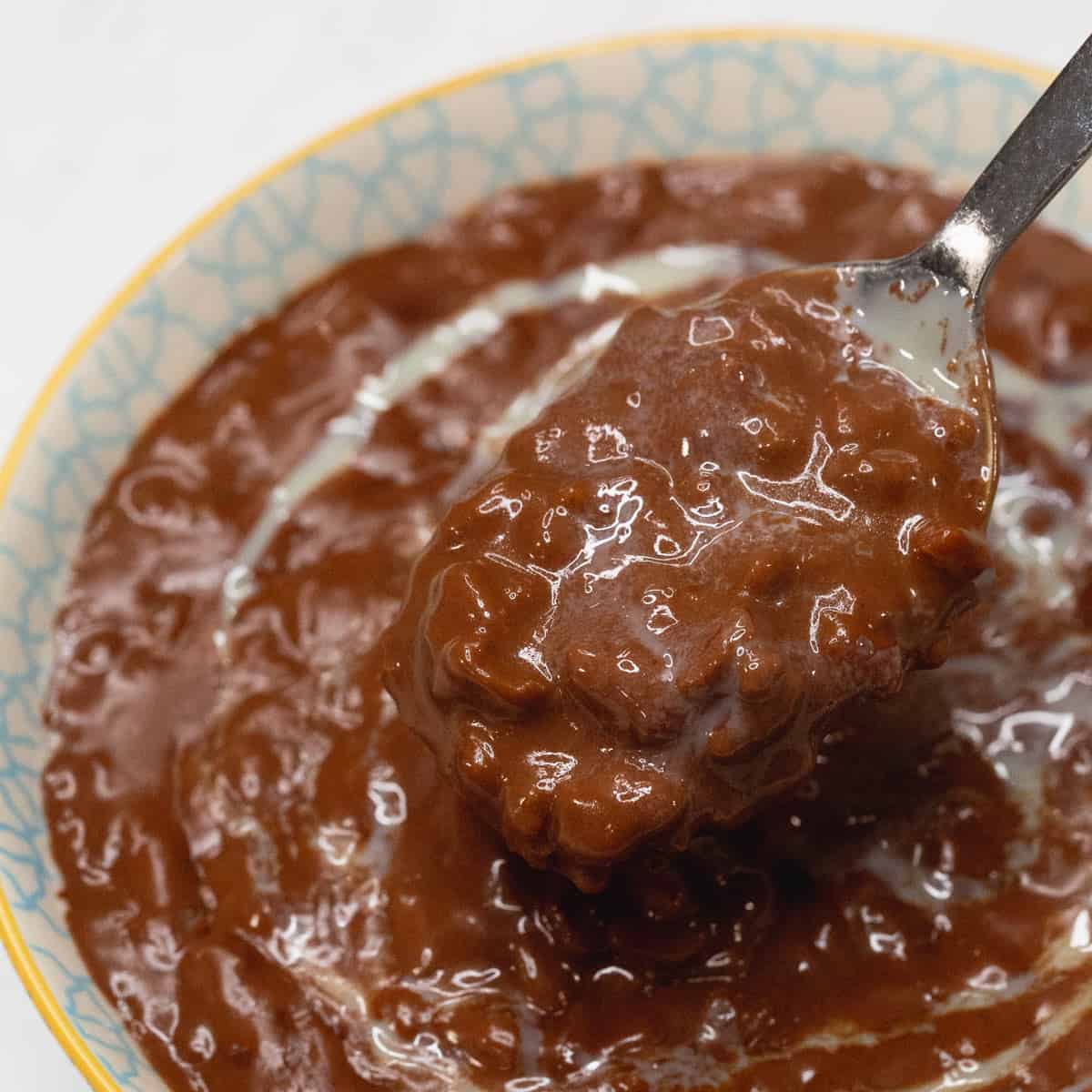
    • Sweet and savory flavors are a common theme in Filipino breakfast dishes, with options like champorado (chocolate rice porridge) paired with dried fish, and the combination of sweet and savory rice cakes like puto and bibingka.
    • Traditional Filipino pastries like puto and bibingka are popular breakfast choices, made from rice flour and coconut milk, and often topped with salted egg, cheese, and grated coconut.
    • Rice-based dishes, both sweet and savory, are a staple in Filipino breakfasts, with options like puto bumbong, bibingka, suman, and sinangag (garlic fried rice) paired with various proteins and eggs.

    Classic Filipino Breakfast Dishes

    When you wake up to the enticing aroma of savory tapsilog and the sizzle of garlic fried rice, you know you’re about to experience a classic Filipino breakfast feast. Tapsilog, a combination of tender beef slices (tapa), garlic fried rice (sinangag), and fried egg (itlog), embodies the perfect blend of flavors that Filipinos love to start their day with.

    Another staple is Tocino, sweet and savory cured pork, often paired with garlic fried rice and eggs, providing a burst of flavors that dance on your taste buds. Longganisa, a native sausage with its sweet and garlicky taste, is another breakfast favorite.

    Moreover, traditional Filipino fish-based dishes like Daing na Bangus, Tuyo, and Danggit, served with garlic fried rice and fried eggs, showcase the diverse and flavorful options available for a classic Filipino breakfast.

    Sweet and Savory Breakfast Options

    Looking for a delicious mix of sweet and savory flavors to start your day? Filipino breakfast options offer a tantalizing array of choices.

    From the rich and luscious Tsokolate to the savory goodness of Tapsilog, there’s something for everyone.

    Indulge in the delightful combination of sweet and savory rice cakes like Puto, puto bumbong, and bibingka.

    Alternatively, you can savor the unique flavors of Tortang Talong and Champorado with dried fish.

    Whatever your preference, Filipino breakfast is sure to satisfy your cravings and leave you wanting more.

    Tasty Filipino Pastries

    For a delightful start to your day, sample the array of tasty Filipino pastries that offer sweet and savory breakfast options.

    Puto, a bite-sized steamed rice cake, is a popular rice-based delicacy often served for breakfast.

    Another favorite is bibingka, made from glutinous rice flour and coconut milk, topped with salted egg slices, grated cheese, and grated coconut, especially enjoyed during holidays.

    If you’re craving a heartier option, consider tapsilog, a meal featuring tapa (cured meat), sinangag (Filipino garlic fried rice), and itlog (egg).

    For seafood lovers, daing na bangus, marinated and fried milkfish served with fried rice and egg, offers a delicious fish-based breakfast.

    To round out your morning, try Filipino scrambled eggs, enhanced with onions and tomatoes for a flavorful start to your day.

    Popular Breakfast Rice Dishes

    Indulge in a variety of delightful sweet and savory breakfast rice dishes that are popular in Filipino cuisine.

    For sweet options, Filipino breakfast ideas include Puto, Puto Bumbong, Bibingka, Suman, and Bicho-Bicho. These delectable treats offer a perfect balance of sweetness and texture, making them a delightful way to start your day.

    On the savory side, Beef Tapa, Tocino, Longganisa, and Corned Beef are commonly enjoyed with sinangag (garlic fried rice) and fried egg, creating a hearty and satisfying meal.

    Additionally, fish-based breakfast dishes like Daing na Bangus, Tuyo, and Danggit are often served with rice and fried eggs, providing a flavorful and protein-packed start to the day.

    Whether you prefer sweet or savory breakfast options, Filipino cuisine offers a wide array of delicious rice dishes to kickstart your morning.

    Traditional Filipino Breakfast Staples

    Delighting in the rich tapestry of Filipino breakfast staples, one can’t help but be captivated by the diverse array of rice-based delicacies, savory dishes, and traditional beverages that make for a delightful start to the day in the Philippines.

    Traditional Filipino breakfast staples include garlic rice and fried egg, forming the foundation of a hearty morning meal. Pairing these staples with popular rice-based delicacies such as puto, puto bumbong, bibingka, suman, and bicho-bicho creates a delightful combination of flavors and textures.

    Additionally, savory dishes like sinangag, tapsilog, tocino, longganisa, and Filipino corned beef offer a satisfying start to the day. For those who prefer fish-based dishes, daing na bangus, tuyo, and danggit are traditional favorites.

    Completing the meal are egg-based dishes like Filipino scrambled eggs, tortang talong, and champorado, accompanied by well-loved breakfast beverages such as Filipino avocado milkshake and tsokolate.

    Quick and Easy Morning Meals

    Looking for quick and easy morning meal ideas to kickstart your day? Here are some delightful Filipino breakfast options that are both convenient and delicious:

    1. Garlic Rice and Fried Egg: Whip up a classic Filipino breakfast by sautéing leftover rice with garlic for a flavorful Sinangag. Pair it with a perfectly fried egg for a satisfying start to your day.
    2. Tapsilog: Indulge in the popular Tapsilog, a combination of tender marinated beef (Tapa), garlic rice (Sinangag), and a sunny-side-up egg (Itlog), creating a well-rounded and filling breakfast.
    3. Puto and Tsokolate: For a quick morning treat, enjoy fluffy Puto, a steamed rice cake, dipped in rich and creamy Tsokolate, a traditional Filipino hot chocolate, for a sweet and comforting breakfast.

    These quick and easy Filipino breakfasts are sure to add a delightful twist to your morning routine.

    Popular Filipino Breakfast Choices

    If you’re keen on exploring more of the delightful and convenient Filipino breakfast options, you’ll find an array of popular choices that encompass traditional rice-based delicacies, savory dishes, fish-based meals, egg-based creations, and refreshing beverages. Here are some popular Filipino breakfast dishes to consider:

    Popular Filipino Breakfast Dishes Description
    Traditional Rice-based Delicacies Puto, Puto Bumbong, Bibingka, Suman, Bicho-Bicho (Filipino Donuts)
    Savory Filipino Breakfast Dishes Sinangag, Tapsilog, Tocino, Longganisa, Filipino Corned Beef
    Filipino Fish-based Breakfast Dishes Daing na Bangus, Tuyo, Danggit
    Filipino Egg-based Breakfast Dishes Filipino Scrambled Eggs, Tortang Talong, Champorado (Filipino Chocolate Rice Porridge/Pudding)
    Filipino Breakfast Beverages Filipino Avocado Milkshake, Tsokolate (Filipino Hot Chocolate)

    These dishes offer a variety of flavors and textures, from the comforting warmth of champorado to the savory goodness of tapsilog and the sweetness of suman. Eggs and garlic are commonly used in many of these breakfast choices, adding depth and richness to the flavors.

    How is Inutak different from a traditional Filipino breakfast?

    Inutak specialty from Iloilo is a sweet delicacy made from glutinous rice, coconut milk, and sugar. Unlike traditional Filipino breakfasts like tapsilog or tocilog, inutak is a dessert made with a creamy, coconutty taste. It is usually served as a midday snack or after-dinner treat rather than a morning meal.

    Delicious Breakfast Ideas From the Philippines

    Wondering what delicious breakfast ideas the Philippines has to offer? The diverse Filipino breakfast menu is filled with delightful options that will surely tantalize your taste buds.

    Here are some mouthwatering dishes to consider:

    1. Rice-Based Delicacies: Indulge in the sweetness of Puto, Puto Bumbong, Bibingka, Suman, and Bicho-Bicho, which are popular choices for a fulfilling and flavorful breakfast.
    2. Savory Filipino Breakfast Dishes: Savor the rich flavors of Sinangag, Tapsilog, Tocino, Longganisa, and Filipino Corned Beef, which are essential and savory staples in Filipino cuisine.
    3. Delicious Fish-Based Breakfast Options: Delight in the Philippines’ love for seafood with Daing na Bangus, Tuyo, and Danggit, offering a unique and flavorful twist to your morning meal.

    The Philippines offers a wide array of delicious breakfast choices that cater to various palates, showcasing the country’s rich culinary heritage.

    Frequently Asked Questions

    What Is a Classic Filipino Breakfast?

    A classic Filipino breakfast showcases a delightful array of rice-based delicacies like Puto, savory dishes such as Sinangag and Tapsilog, fish-based options like Daing na Bangus, and comforting egg-based dishes like Tortang Talong.

    What Should I Eat in the Morning Philippines?

    In the morning in the Philippines, you should savor traditional rice-based delicacies like Puto and Bibingka, or indulge in savory dishes like Tapsilog and Longganisa, paired with Filipino hot chocolate or avocado milkshake.

    What Are 3 Traditional Breakfast Dishes?

    For a traditional Filipino breakfast, you can’t go wrong with Tapsilog, Corned Beef Omelet, or Longganisa. These hearty dishes are often served with garlic fried rice and a fried egg, providing a delicious start to your day.

    What Is the Average Breakfast in the Philippines?

    For an average breakfast in the Philippines, you can expect a delightful spread of rice-based delicacies like Puto and Suman, savory dishes such as Sinangag, Tapsilog, and Longganisa, along with fish-based options like Daing na Bangus and egg-based delights like Champorado.

    Conclusion

    So, next time you’re looking for a hearty and satisfying breakfast, consider trying a simple Filipino breakfast! With options like garlic fried rice, fried eggs, and delicious proteins like tapa, tocino, or longganisa, you’ll be starting your day off right.

    And don’t forget about pandesal, champorado, and bicho-bicho for some sweet and savory variety. Filipino breakfasts are a delicious reflection of the diverse culinary traditions of the Philippines.

    Try it out and start your day with a taste of the Philippines!

  • What Is a Good Breakfast for the Elderly in the Philippines?

    What Is a Good Breakfast for the Elderly in the Philippines?

    A good breakfast for the elderly in the Philippines includes traditional rice-based delicacies like puto and savory dishes such as sinangag, providing essential nutrients and flavors for a healthy start to the day.

    Key Takeaways

    • Seniors require a balanced breakfast with proteins, carbohydrates, vitamins, and minerals.
    • Whole grains like oatmeal, whole grain bread, or quinoa provide sustained energy and prevent age-related diseases.
    • Traditional Filipino breakfast options like Puto, Suman, Tapsilog, and Daing na Bangus offer a diverse and flavorful start to the day.
    • Dietary considerations for the elderly include focusing on foods that are easy to chew and digest, incorporating nutrient-dense and fiber-rich foods, and ensuring balanced meals with proper ratios of carbohydrates, proteins, and healthy fats.

    Nutritional Needs of Elderly

    Are you aware of the specific nutritional needs that seniors require to maintain their health and well-being? As we age, our bodies need a balanced breakfast that includes proteins, carbohydrates, vitamins, and minerals.

    Whole grains are an excellent source of fiber and essential nutrients, making them an essential part of a healthy breakfast for the elderly. Including whole grains like oatmeal, whole grain bread, or quinoa in their morning meal can provide seniors with sustained energy throughout the day.

    Additionally, whole grains can help in preventing age-related diseases like diabetes, heart diseases, and high cholesterol. By incorporating whole grains into their breakfast, seniors can support their overall health and well-being, making it a crucial component of healthy breakfast ideas for the elderly.

    Traditional Filipino Breakfast Options

    So, what’re the traditional breakfast options in the Philippines?

    Well, you’ll be delighted to know that Filipino breakfasts are rich in flavor and variety. From rice-based delicacies like Puto and Suman to savory dishes like Tapsilog and Longganisa, the options are truly diverse and delicious.

    Plus, with regional variations adding their own unique twists, there’s always something new and exciting to try.

    Popular Breakfast Choices

    Indulge in a delectable array of traditional Filipino breakfast options, featuring a delightful mix of rice-based delicacies, savory dishes, fish-based delights, and egg-based creations. For breakfast for seniors, these popular food choices make for a satisfying start to the meal of the day:

    • Puto, Puto Bumbong, Bibingka, Suman, and Bicho-Bicho: These rice-based delicacies offer a sweet and filling start to the day.
    • Sinangag, Tapsilog, Tocino, Longganisa, and Filipino Corned Beef: These savory dishes provide a hearty and flavorful breakfast experience.
    • Daing na Bangus, Tuyo, and Danggit: These fish-based options offer a unique and delicious twist to the morning meal.
    • Filipino Scrambled Eggs, Tortang Talong, and Champorado: These egg-based creations bring a comforting and fulfilling element to breakfast.
    • Filipino Avocado Milkshake and Tsokolate: These popular breakfast beverages add a refreshing and indulgent touch to the morning meal.

    Nutritious Ingredients Used

    Discover the nutritious ingredients that form the foundation of traditional Filipino breakfast options, providing a wholesome and flavorful start to the day.

    Traditional Filipino breakfasts often feature rice-based delicacies such as Puto, Puto Bumbong, Bibingka, Suman, and Bicho-Bicho, offering a filling and energy-boosting meal.

    Savory dishes like Sinangag, Tapsilog, Tocino, Longganisa, and Filipino Corned Beef are also popular choices, incorporating protein-rich ingredients for a satisfying breakfast.

    For those who prefer fish-based options, typical breakfast dishes include Daing na Bangus, Tuyo, and Danggit, offering a source of lean protein and essential omega-3 fatty acids.

    Egg-based breakfast options like Filipino Scrambled Eggs, Tortang Talong, and Champorado are also common, providing a nutritious and versatile addition to the morning meal.

    To complement these dishes, Filipino Avocado Milkshake and Tsokolate are well-loved breakfast beverages, adding a touch of indulgence to the meal.

    Regional Breakfast Variations

    When exploring traditional Filipino breakfast options, one can’t overlook the diverse regional variations that contribute to the rich tapestry of flavors and ingredients. In the Philippines, breakfast varies greatly depending on the region, offering a wide array of choices to satisfy any palate.

    Some popular regional breakfast options include:

    • Rice Porridge: Different regions have their own take on rice porridge, such as the savory Arroz Caldo in the north and the sweet Champorado in the south.
    • Nutritional Value: Various regions incorporate local ingredients to enhance the nutritional value of breakfast, such as the use of fresh seafood in coastal areas and indigenous vegetables in mountainous regions.
    • Regional Delicacies: Each region has its unique delicacies, like Bibingka in the Tagalog region and Puto Bumbong in the Visayas, providing a glimpse into the diverse culinary traditions across the Philippines.
    • Savory Options: From Tapsilog in Luzon to Longganisa in Mindanao, savory breakfast options showcase the regional diversity of Filipino cuisine.
    • Sweet Treats: Regional sweet treats like Suman in Bicol and Puto in Pampanga offer a delightful start to the day.

    These regional breakfast variations highlight the cultural richness and diversity of traditional Filipino breakfast options.

    Importance of Balanced Meal

    Ensuring a balanced meal is essential for providing the necessary nutrients for your overall well-being and maintaining stable energy levels throughout the day. This important meal supports bodily functions, aids in preventing nutritional deficiencies, and contributes to maintaining a healthy weight, reducing the risk of chronic diseases.

    For seniors in the Philippines, a balanced meal is particularly crucial as it supports their Senior Living by providing essential nutrients required for healthy aging. Moreover, it’s vital for maintaining energy levels to engage in physical activities, which are beneficial for overall health.

    Modified Textures for Seniors

    Considering the dietary needs of seniors, modifying textures such as soft, pureed, minced, and moist foods can significantly aid in promoting safe swallowing and preventing choking. When preparing a breakfast meal for the elderly, it’s essential to take into account the potential challenges they may face with regular textures.

    Here are some key points to remember when incorporating modified textures into the breakfast meal:

    • Ensure the food maintains its natural flavors and nutritional value.
    • Take into consideration individual preferences and dietary requirements.
    • Consult with healthcare professionals or dietitians to ensure the meals meet specific needs.
    • Opt for foods that are easy to chew, swallow, and digest for seniors with swallowing difficulties.
    • Caregivers should be mindful of the importance of preparing meals that aren’t only safe but also enjoyable for the elderly.

    Dietary Considerations for Elderly

    If you’re responsible for preparing breakfast for elderly individuals with swallowing difficulties, you understand the importance of ensuring their meals aren’t only safe but also packed with the essential nutrients needed for their overall well-being.

    When considering dietary needs for seniors, it’s crucial to focus on foods that are easy to chew and digest, as they may have weakened senses and dental issues.

    Opt for nutrient-dense foods to prevent malnutrition and provide essential vitamins, minerals, and proteins.

    Incorporating fiber-rich foods like whole grains, fruits, and vegetables can aid in digestion and gastrointestinal health.

    Additionally, choose foods high in omega-3 fatty acids, calcium, and antioxidants to support heart health, bone strength, and inflammation prevention.

    Lastly, ensure balanced meals with proper ratios of carbohydrates, proteins, and healthy fats tailored to the nutritional needs of seniors, which also helps in maintaining stable blood sugar levels.

    These considerations are vital for creating a breakfast that promotes the well-being of the elderly.

    Hydration and Breakfast

    Are you ensuring that you include a glass of water or a hydrating beverage with breakfast for the elderly?

    It’s important to incorporate hydrating foods like fruits, yogurt, and watery vegetables into the breakfast menu to support hydration.

    Why not offer warm beverages like tea or warm water with lemon to aid digestion and hydration in the morning?

    Water Intake

    To enhance hydration at breakfast, include foods rich in water content such as fruits, vegetables, and dairy products to help meet daily fluid needs. Hydration is crucial, especially for older adults, as it supports various bodily functions and can aid in weight control.

    Here are some tips to boost water intake during breakfast:

    • Start your day with a hydrating fruit salad comprising watermelon, oranges, and strawberries.
    • Consider adding sliced cucumbers and tomatoes to your morning omelet for an extra water boost.
    • Enjoy a serving of yogurt or a glass of milk alongside your breakfast for added hydration.
    • Opt for a warm beverage like Filipino hot chocolate or a cup of tea with added milk to kickstart your hydration early in the day.
    • Try preparing overnight oats with milk or yogurt to create a convenient and hydrating breakfast option.

    Nutrient-Rich Beverages

    Boosting hydration at breakfast can be further enhanced by incorporating nutrient-rich beverages that provide essential fluids and necessary nutrients for the elderly. Seniors often require extra care when it comes to staying hydrated, and choosing the right beverages for breakfast can help support their immune system and overall well-being.

    Fresh fruit juices, coconut water, and milk are excellent choices, offering hydration and essential nutrients. Including a glass of water, herbal teas, or low-sodium vegetable juices alongside breakfast can help maintain proper hydration for seniors. Smoothies made with yogurt, fruits, and leafy greens are convenient and nutritious options.

    Warm beverages like oatmeal drinks or warm milk with a sprinkle of cinnamon can provide comfort and hydration. Consider low-sugar or sugar-free options, such as unsweetened almond milk or flavored water, for a balanced and healthy breakfast beverage choice.

    Protein-Rich Breakfast Choices

    Looking for protein-rich breakfast choices for the elderly in the Philippines? Try starting the day with an omelette packed with added vegetables to provide essential nutrients and energy for a healthy morning routine.

    Here are some protein-rich breakfast options to consider:

    • Tofu scramble: A plant-based protein option that offers a nutritious breakfast for the elderly.
    • Fish dishes: Consider daing na bangus or tuyo for a protein-rich morning meal.
    • Chicken salad: Opt for grilled chicken breast with mixed greens for a protein-packed breakfast choice.
    • Breakfast sandwiches: Choose whole-grain bread and lean protein like smoked salmon for a satisfying and protein-rich option.
    • Dairy products: Include yogurt or milk for additional protein consumption, which can help support the dietary needs of the elderly and maintain healthy blood pressure levels.

    Fiber-Rich Options

    Are you ready to explore fiber-rich options that seamlessly complement the protein-packed breakfast choices recommended for the elderly in the Philippines?

    Including fiber-rich options in your breakfast is essential for maintaining good digestive health and overall well-being.

    Consider starting your day with a delicious fruit salad, incorporating a variety of fiber-packed fruits such as berries, apples, and pears.

    Another great way to boost your fiber intake is by adding flax seeds to your yogurt, smoothies, or overnight oats. These tiny seeds are packed with fiber and can easily be incorporated into your morning routine.

    Vitamin and Mineral Requirements

    To ensure that you meet your vitamin and mineral requirements as a senior, focus on incorporating a variety of nutrient-rich foods into your daily breakfast routine.

    Here are some easy-to-make options to help you achieve your nutritional needs:

    • Start your day with a bowl of fortified cereal to ensure you get enough vitamin B12.
    • Enjoy a glass of fortified plant-based milk for a calcium boost.
    • Add some sliced bananas or oranges to your breakfast for a potassium kick.
    • Include a serving of lean meats or lentils to up your iron intake.
    • If possible, spend some time in the morning sunlight to naturally increase your vitamin D levels.

    Low-Sodium Breakfast Alternatives

    To maintain your nutrient intake while reducing sodium levels in your breakfast, consider exploring low-sodium versions of traditional Filipino morning dishes. Opt for unsalted or low-sodium varieties of popular Filipino sausages like longganisa. Additionally, use fresh herbs and spices to season rice-based delicacies instead of salt.

    By incorporating fresh fruits and vegetables, you can add flavor and nutrients to your breakfast without relying on salt. Prioritizing low-sodium breakfast alternatives not only contributes to heart health but also supports dental health, which is crucial for the elderly in the Philippines.

    It’s important to remember that reducing sodium intake can help manage blood pressure and decrease the risk of heart disease. Exploring low-sodium Filipino breakfast recipes allows you to enjoy traditional flavors while making choices that benefit your overall well-being.

    Incorporating Healthy Fats

    Incorporate healthy fats into your Filipino breakfast by using coconut milk in rice-based dishes like suman or champorado, adding eggs cooked in healthy fats such as olive oil, and pairing them with avocado or nuts to elevate the nutritional value of your meal.

    To ensure a healthy start to your day, you can also consider the following options:

    • Adding small portions of nuts or seeds to traditional Filipino breakfast dishes like champorado or arroz caldo can boost the healthy fat content.
    • Using heart-healthy oils like coconut oil or avocado oil for frying traditional Filipino breakfast items like longganisa or tocino can make them healthier.
    • Including fatty fish like bangus or tuyo in a Filipino breakfast provides essential omega-3 fatty acids, promoting heart health and overall well-being.
    • Opting for scrambled eggs cooked in heart-healthy oils like olive oil instead of using butter or lard.
    • Enjoying whole-grain English muffins or bread with a spread of avocado for a nutrient-dense and satisfying breakfast option recommended by the American Heart Association.

    Can Rice-Based Specialties in the Philippines be a Good Breakfast Option for the Elderly?

    Yes, regional rice-based specialties in the Philippines can be a great breakfast option for the elderly. Dishes like champorado and puto maya are not only nutritious but also easy to digest, making them suitable for older individuals. These comforting meals provide a taste of home and a nutritious start to the day.

    Filipino Breakfast Recipe Modifications

    Looking to make some changes to your favorite Filipino breakfast recipes? Consider adjusting traditional dishes to lower sugar and fat content for a healthier option.

    You can explore using leaner cuts of meat or plant-based alternatives to reduce saturated fat intake, while still keeping the savory flavors.

    Don’t forget to take into account cultural preferences when making modifications to these beloved dishes.

    Recipe Variations

    Exploring various adaptations of traditional Filipino breakfast recipes can add diversity and creativity to your morning meals, enhancing your culinary experience while maintaining the essence of the original dishes.

    Consider these modifications to infuse a fresh twist into your Filipino breakfast favorites:

    • English Muffin Tapsilog: Replace rice with toasted English muffins for a unique take on this classic dish.
    • Lemon Garlic Fried Rice: Add a splash of lemon juice to your Sinangag for a zesty flavor boost.
    • Potato and Egg Torta: Incorporate diced potatoes into your Tortang Talong for added heartiness and texture.
    • Avocado Milkshake Parfait: Layer your Avocado Milkshake with granola for a delightful breakfast parfait.
    • Tsokolate Pancakes: Use Tsokolate as a decadent topping for fluffy pancakes, blending Filipino and Western breakfast traditions.

    Nutritional Considerations

    Considering the nutritional needs of the elderly, it’s important to make thoughtful adjustments to traditional Filipino breakfast recipes to ensure they’re easily digestible and packed with essential nutrients.

    Opt for fibrous grains over processed foods to aid in digestion and regulate blood sugar levels.

    Fresh, seasonal ingredients are beneficial for seniors’ health, providing essential vitamins and minerals to support brain function and overall well-being.

    Eggs, rich in nutrients and easy to cook, are an ideal breakfast option for the elderly.

    Balance meals with carbohydrates, proteins, fruits, and vegetables to meet their nutritional requirements.

    Incorporating healthy fats and fiber from avocados, multi-grain toast, and tofu scramble can further enhance the nutritional value of Filipino breakfasts for seniors, promoting their health and vitality.

    Cultural Preferences

    To enhance the cultural authenticity of breakfast for the elderly in the Philippines, consider incorporating traditional rice-based delicacies such as Puto, Puto Bumbong, Bibingka, Suman, and Bicho-Bicho into the menu.

    These delectable treats are deeply rooted in Filipino tradition and are perfect for starting the day with a comforting and familiar meal.

    Puto, a steamed rice cake, and Bibingka, a rice cake cooked in banana leaves, provide a delightful blend of sweet and savory flavors.

    Suman, a sticky rice snack, and Puto Bumbong, a purple sticky rice delicacy, offer a unique and satisfying dining experience.

    And Bicho-Bicho, the Filipino version of the donut, adds a delightful touch to the breakfast spread.

    Frequently Asked Questions

    What Is the Best Breakfast for Elderly People?

    For a healthy breakfast, you should consider traditional Filipino rice-based delicacies like puto, savory dishes such as sinangag, fish-based options like daing na bangus, egg-based dishes including tortang talong, and refreshing beverages like tsokolate.

    What Is the Most Popular Breakfast in Philippines?

    The most popular breakfast in the Philippines includes a variety of rice-based delicacies, savory dishes like Tapsilog and Tocino, fish-based options like Daing na Bangus, and egg-based dishes such as Tortang Talong. Filipino breakfast beverages like Avocado Milkshake and Tsokolate are also loved.

    What Is the Staple Breakfast in the Philippines?

    Filipino staple breakfast includes rice-based delicacies like puto, sinangag, and egg-based dishes. For the elderly in the Philippines, a good breakfast might involve these options, providing a mix of flavors and nutrients to start the day.

    What Should I Eat in the Morning Philippines?

    For a satisfying morning in the Philippines, start your day with Filipino rice-based delicacies like puto or savory dishes such as tapsilog. Pair it with a refreshing tsokolate or avocado milkshake for a balanced breakfast.

    Conclusion

    So, when it comes to a good breakfast for the elderly in the Philippines, it’s all about providing essential nutrients, energy, and delicious options that cater to their unique dietary needs.

    Whether it’s traditional Filipino breakfast options or modified textures for seniors, the key is to ensure a balanced meal that supports their overall well-being and health.

    Don’t forget to incorporate healthy fats, vitamins, and minerals for a truly nourishing start to the day!

  • What Is a Typical Filipino Breakfast Menu for Room Service?

    What Is a Typical Filipino Breakfast Menu for Room Service?

    A typical Filipino breakfast menu for room service includes rice, porridge, meat dishes, and bread or pastries, offering a flavorful start to the day. It features popular options like Champorado, Tapsilog, Daing na Bangus, Pandesal, and Ensaymada.

    Key Takeaways

    • Filipino breakfast often includes a combination of rice, porridge, meat dishes, and bread or pastries.
    • Champorado and Arroz Caldo are popular rice porridge options, while Tapsilog and Daing na Bangus are common meat dishes.
    • Rice and porridge options are diverse and flavorful, providing a satisfying and energizing start to the day.
    • The Filipino breakfast experience also includes a variety of bread and pastry selections such as Pandesal and Ensaymada.

    Filipino Breakfast Staples

    When you walk into a Filipino kitchen in the morning, the aroma of sizzling garlic fried rice and eggs will most likely greet you, signaling the start of a day filled with delectable breakfast staples. The Filipino breakfast menu for room service is a delightful array of flavors and textures.

    You’ll find classics like Champorado, a rich chocolate rice porridge often paired with dried salted fish, and Pan de Sal, a sweet bread roll perfect for dipping into hot coffee. For those craving savory dishes, Daing na Bangus, marinated and fried milkfish, served with garlic rice, is a must-try. Arroz Caldo, a comforting rice porridge, and Tortang Talong, an eggplant omelet, are also typical favorites.

    To satisfy your sweet tooth, indulge in Bibingka, a coconut rice cake, or Taho, a silken tofu dessert topped with sago pearls. The Filipino breakfast staples offer a delightful blend of savory and sweet flavors to kickstart your day.

    Popular Meat Dishes

    Indulge in the enticing flavors of popular meat dishes that grace the Filipino breakfast menu, featuring a tantalizing array of savory options to awaken your taste buds.

    • Tapsilog: Thinly sliced beef sirloin cured with spices, served with garlic rice and a fried egg, creating a delightful blend of flavors.
    • Tocino: Sweet-cured pork belly with a delightful sweet and garlicky taste, perfect when paired with hot rice and eggs, a testament to the Spanish influence in Filipino cuisine.
    • Daing Na Bangus: Marinated milkfish belly, deep-fried to perfection, often served with egg or accompanied by tomato and cucumber slices, providing a unique and satisfying breakfast experience.

    These meat dishes, whether beef or pork-based, are a staple in Filipino breakfast cuisine and are often accompanied by a steaming cup of hot chocolate, completing your morning feast.

    Rice and Porridge Options

    You’re in for a treat with a delightful array of rice and porridge options for your breakfast.

    From the rich and chocolatey Champorado to the comforting and flavorful Arroz Caldo, there’s something to satisfy every craving.

    Pair these hearty porridges with a selection of delicious side dishes for a truly satisfying morning meal.

    Rice Varieties

    Explore the delightful array of rice and porridge options that make up the heart of the Filipino breakfast menu, offering a diverse and flavorful start to your day.

    • Arroz Caldo (Thick Rice Porridge): A comforting dish made with glutinous rice, chicken, and safflower plant for color, perfect for a warm and satisfying morning meal.
    • Champorado (Chocolate Rice Porridge): Indulge in this sweet rice porridge made with glutinous rice, tablea chocolate, evaporated milk, and sugar, served alone or with crispy danggit or tuyo for a delightful contrast of flavors.
    • Tapsilog (Beef Tapa, Egg, And Garlic Fried Rice): Savor the classic Filipino breakfast dish of thinly sliced beef sirloin cured with spices and served with garlic rice, offering a delicious and hearty way to start your day.

    Whether you prefer a comforting bowl of champorado or the savory goodness of tapsilog, Filipino breakfast rice and porridge options are sure to please your palate and energize you for the day ahead.

    Porridge Choices

    The Filipino breakfast menu offers a diverse and flavorful start to your day, with a delightful array of rice and porridge options. Champorado, also known as chocolate rice, is cooked in coconut milk, creating a rich and indulgent flavor that pairs perfectly with fried garlic rice and fried eggs. Arroz Caldo, a Filipino garlic-flavored rice porridge, is often garnished with crispy fried garlic and tender chicken pieces, making it a hearty and comforting choice.

    Lugaw, a simple yet delicious bowl of rice porridge, is typically served with steamed white rice and wrapped in banana leaves, offering a soothing and fulfilling way to start your day.

    These delicious Filipino breakfasts are sure to satisfy your morning cravings.

    Side Dish Options

    Indulge in a delectable array of side dish options to complement your rice and porridge choices, adding depth and flavor to your Filipino breakfast experience.

    Pair your rice or porridge with these delightful side dish options:

    • Pandesal (Filipino Bread): Enjoy this soft and fluffy bread roll, perfect for dipping into your arroz caldo or champorado.
    • Filipino fish: Elevate your breakfast with crispy danggit or tuyo, adding a savory and salty kick to your champorado.
    • Filipino eggplant: Try the tortang talong, a tasty eggplant omelet that pairs wonderfully with sinangag or steamed white rice.

    These side dishes enhance the flavors of your rice or porridge, creating a symphony of tastes that make for a truly satisfying and delicious Filipino breakfast.

    Sweet Breakfast Treats

    Savor the delightful combination of sweet and savory flavors with the tempting array of Filipino breakfast treats. These sweet breakfast delights are an essential part of the best Filipino breakfast experience, providing a delicious start to the day. These treats are often served warm, reflecting the Filipino culture’s emphasis on the important meal. Indulge in these beloved sweet breakfast treats, such as champorado and lugaw, both made with glutinous rice and offering a comforting and satisfying start to your day.

    Sweet Breakfast Treats Description
    Champorado A thick rice porridge made with boiled glutinous rice and chocolate, often accompanied by coconut milk, sugar, and dried salted fish.
    Lugaw Filipino rice porridge made with boiled glutinous rice seasoned with garlic, ginger, and salt, often topped with scallions, toasted garlic bits, and a hard-boiled egg.

    Bread and Pastry Selection

    You’re in for a treat when it comes to the bread and pastry selection for your Filipino breakfast. From the beloved pandesal to the indulgent ensaymada, there’s a delightful variety of options to start your day.

    With each pastry and bread offering its own unique flavors and textures, your breakfast is sure to be a delightful experience.

    Bread Options

    For a delightful morning meal, consider the diverse bread and pastry selection offered for your Filipino breakfast, featuring popular choices like pandesal and ensaymada alongside comforting dishes such as arroz caldo and champorado.

    • Pandesal: A staple in Filipino breakfasts, this soft bread roll is best served warm, often paired with your favorite spread or used to make a tasty sandwich with a variety of fillings.
    • Ensaymada: Indulge in this sweet pastry – a buttery brioche topped with grated cheese and sugar, perfect with a cup of hot chocolate or coffee for a delightful morning treat.
    • Other Options: Explore a range of rice cakes, fritters, and snacks like bibingka, suman, maruya, and spicy dilis, popular during the Christmas season and enjoyed as Filipino street food delicacies.

    Pastry Varieties

    Indulge in the delightful array of pastry varieties offered for your Filipino breakfast, complementing the bread selection with delectable options such as rice cakes, fritters, and other enticing snacks. At a typical Filipino restaurant, you can savor the best of both sweet and savory pastries. From the classic pandesal, a soft and fluffy bread roll perfect with a spread of butter or jam, to the ensaymada, a sweet brioche topped with cheese and sugar.

    You can also enjoy the comforting Champorado, a chocolate rice porridge cooked using glutinous rice and chocolate, paired with dried fish for a unique combination of flavors. Embrace the Filipino breakfast food culture with these pastry varieties:

    Sweet Pastries Savory Pastries
    Ensaymada Pandesal
    Champorado Arroz Caldo
    Taho

    These pastry selections promise a satisfying start to your day, reflecting the diverse and rich flavors of Filipino cuisine.

    Breakfast Accompaniments

    Explore the delectable variety of breakfast accompaniments, including an enticing selection of bread and pastry options that promise to tantalize your taste buds and provide a satisfying start to your day.

    Dive into the typical Filipino breakfast menu and discover the delightful bread and pastry choices available for room service:

    • Pandesal: Enjoy this popular Filipino bread roll with butter, jam, or as a sandwich with various fillings.
    • Ensaymada: Indulge in a soft and buttery brioche topped with grated cheese and sugar, a perfect treat for breakfast with coffee or hot chocolate.
    • Arroz Caldo: Try the comforting Filipino rice porridge made with chicken, ginger, and garlic, commonly topped with toasted garlic and scallions.

    These options, whether you’re in a Filipino restaurant or exploring the bustling streets of the Philippines, are sure to elevate your breakfast experience.

    Regional Breakfast Specialties

    Discover the rich array of regional breakfast specialties that showcase the diverse flavors and culinary traditions of the Philippines.

    When dining at a Filipino restaurant, don’t miss out on trying the unique and delicious bibingka, a rice cake that’s baked and usually served with grated coconut or salted egg.

    For a hearty start to your day, indulge in cornsilog, a popular dish featuring corned beef, garlic fried rice, and fried egg.

    Another must-try is the national fish of the Philippines, milkfish, often enjoyed as a breakfast staple.

    Experience the delightful flavors of Puto Bumbong, a purple rice cake steamed in bamboo tubes, and Taho, a sweet treat made from fresh soft tofu, arnibal (sweet syrup), and sago pearls.

    These regional breakfast specialties offer a delightful insight into Filipino culinary diversity.

    Is Arroz Caldo a Common Item on Filipino Breakfast Menus?

    Yes, arroz caldo is a common item on Filipino breakfast menus. The arroz caldo preparation in Philippines often includes chicken, rice, ginger, and saffron. It’s a warm and comforting dish that’s perfect for starting the day off right.

    Beverage Choices

    Embrace the diverse flavors and culinary traditions of the Philippines by starting your day with a delightful selection of beverage choices that perfectly complement the regional breakfast specialties.

    • Indulge in a refreshing glass of sago’t gulaman, a popular Filipino beverage made with tapioca pearls, agar strips, and brown sugar syrup.
    • Enjoy a cup of traditional Filipino tsokolate (hot chocolate) made with tablea, providing a rich and comforting start to your day.
    • Start your day with a classic cup of Filipino barako coffee, known for its strong flavor and rich aroma, a perfect complement to your breakfast.

    These beverage choices offer a mix of rich, refreshing, and tropical flavors, enhancing your typical Filipino breakfast menu. Whether you prefer a comforting hot chocolate, a strong cup of coffee, or a unique local beverage, the options are tailored to elevate your dining experience at a Filipino restaurant or through room service.

    Frequently Asked Questions

    What Is a Traditional Filipino Breakfast?

    A traditional Filipino breakfast is a flavorful feast! Tuck into silog meals with garlic fried rice and eggs, or savor tuyo, galunggong, or tinapa fish dishes. Beef pares and comforting champorado or lugaw complete the spread. Enjoy!

    What Is the Average Breakfast in the Philippines?

    For breakfast in the Philippines, you can enjoy delicious silog meals like tapsilog, longsilog, or tocilog. Popular fish dishes include tuyo, galunggong, and tinapa. Beef pares and champorado are also common breakfast options.

    What Are 3 Traditional Breakfast Dishes?

    Traditional Filipino breakfast dishes include silog meals with meat, garlic fried rice, and fried eggs, tuyo or tinapa paired with rice, and beef pares with garlic rice and beef stock. These options offer a delicious start to your day.

    What Is the Very Typical Breakfast of the Filipino Being Paired With Coffee?

    Pair your typical Filipino breakfast with a steaming cup of coffee. Enjoy silog meals like tapsilog, longsilog, or tocilog, or savor fish dishes like tuyo, galunggong, or tinapa with garlic rice. It’s a delicious start to your day.

    Conclusion

    So whether you’re craving savory meats, comforting rice dishes, or sweet pastries, a typical Filipino breakfast menu for room service has got you covered.

    With options like beef tapa, garlic fried rice, and pandesal, you’ll start your day with a satisfying and delicious meal.

    And don’t forget to pair it with a warm cup of coffee or hot chocolate to complete your ultimate Filipino breakfast experience.

    Bon appétit!

  • What Are Some Vegetable-Based Filipino Breakfast Options?

    What Are Some Vegetable-Based Filipino Breakfast Options?

    Some vegetable-based Filipino breakfast options include Vegetable Omelette and Grilled Eggplant Salad, offering nutritious and flavorful choices for a healthy start to the day.

    Key Takeaways

    • Vegetable-based Filipino breakfast options offer a customizable and nutritious start to the day.
    • They are quick and easy to prepare, making them convenient for busy mornings.
    • These dishes showcase the diverse and vibrant flavors of Filipino cuisine.
    • They provide a high fiber content and essential nutrients, supporting a healthy immune system.

    Vegetable Omelette

    Start your day with a nutritious and satisfying Filipino breakfast by whipping up a delicious Vegetable Omelette packed with assorted vegetables and fluffy eggs. This classic Filipino vegetable dish offers a hearty and healthy start to your morning.

    You can customize this vegetarian dish with an array of vegetables such as spinach leaves, green beans, bell peppers, onions, and tomatoes, making it a versatile option for breakfast. The omelette is cooked until golden brown on the outside and delightfully fluffy on the inside, creating a satisfying meal that pairs perfectly with a side of rice or bread.

    Not only does this eggplant omelet provide a delicious burst of flavors, but it also offers a wonderful way to incorporate more vegetables into your Filipino breakfast routine.

    Grilled Eggplant Salad

    Transitioning from the delectable Vegetable Omelette to the next delightful option, the Grilled Eggplant Salad offers a simple yet refreshing dish made with grilled eggplant, tomatoes, onions, and vinegar. This Filipino vegetable dish, also known as Ensaladang Talong, is a staple in Filipino cuisine and provides a unique texture and flavor combination.

    Here’s how you can fully enjoy the Grilled Eggplant Salad:

    • Simple Preparation: Grilled Eggplant Salad is easy to prepare and can be served as a side dish or a main course, making it a versatile option for any meal.
    • Customizable: It can be customized with additional ingredients such as shrimp paste or chili to suit individual preferences, adding a personal touch to the dish.

    This vegetable stew is a delicious and nutritious addition to any breakfast menu, providing a healthy start to your day.

    Sauteed Mixed Vegetables

    Looking to add more veggies to your morning routine? Sauteed Mixed Vegetables is a nutritious and fiber-rich option that offers a quick and easy prep.

    This colorful medley of carrots, bell peppers, green beans, and cabbage can be customized to your liking and seasoned with garlic, onions, and soy sauce for added flavor.

    It’s a convenient and healthy way to kick start your day with a burst of nutrients.

    Nutritious Vegetable Medley

    Sauteed Mixed Vegetables, a delightful and nutritious Filipino breakfast option, offers a colorful medley of essential vitamins and fiber, providing a healthy and balanced start to your day. When savoring the taste of this popular vegetable dish, consider customizing it with tofu or meat for added protein, making it a hearty vegan meal.

    Additionally, this dish is a quick and easy addition to your morning routine. Consider these points to enjoy what’s written:

    • Incorporate common vegetables such as cabbage, carrots, bell peppers, and green beans for a traditional Filipino vegetable medley.
    • Experiment with variations by adding other ingredients like tofu or meat, making it a versatile and satisfying dish.

    Quick and Easy Prep

    When you’re ready to whip up a quick and nutritious Filipino breakfast, the Sauteed Mixed Vegetables offers a delightful and convenient option to kickstart your day with a burst of flavor and essential nutrients.

    This stir-fried dish is a simple sautéed vegetable combination that can be prepared in minimal time, making it an ideal side dish for a vegetable-based Filipino breakfast.

    The dish allows for customization with a variety of vegetables and seasoning choices, adding versatility to your breakfast menu.

    Not only is it easy to make, but it also provides a nutritious and flavorful addition to your morning meal.

    With the Sauteed Mixed Vegetables, you can enjoy a quick and easy way to incorporate an array of vegetables into your breakfast, setting a healthy and vibrant tone for your day.

    Vegan Filipino Porridge

    Interested in trying a delicious and creamy vegan Filipino porridge for breakfast? Vegan Filipino Porridge, also known as ‘Ginataang Mais,’ is a comforting breakfast dish made with glutinous rice, corn, and coconut milk.

    Here’s how you can enjoy this delightful dish:

    • Ingredients: Gather glutinous rice, corn kernels, coconut milk, and optional sweeteners like sugar or condensed milk.
    • *Tip*: For a savory twist, you can also add fermented anchovies (bagoong) or salted egg on the side.
    • Preparation: In a pot, combine glutinous rice, corn, and coconut milk. Cook until the rice is tender and the mixture has thickened to a creamy consistency.
    • *Tip*: For added flavor and texture, consider topping your porridge with ‘Puso ng saging’ (banana blossoms) or ‘Utan Bisaya’ (mixed vegetables).

    This vegan Filipino porridge offers a delightful blend of flavors and textures, making it a perfect addition to your breakfast repertoire.

    Coconut Milk Veggie Stew

    If you’re craving another delectable vegetable-based breakfast option after enjoying the Vegan Filipino Porridge, let’s now explore the rich and flavorful world of Coconut Milk Veggie Stew.

    This classic Filipino breakfast dish features a creamy base of coconut milk and a delightful medley of fresh vegetables, such as string beans and water spinach, creating a hearty and nutritious stew.

    The aromatic blend of fish sauce, garlic, and onions adds a depth of savory flavors to this dish, making it a satisfying morning meal.

    What’s great about this stew is its versatility – you can customize it with additional ingredients to suit your preferences.

    Coconut Milk Veggie Stew offers a comforting and nourishing way to start your day, showcasing the diverse and vibrant flavors of Filipino cuisine.

    Stir-Fried Veggies

    Looking for a nutritious and quick breakfast option? Stir-fried veggies might just be the answer.

    This colorful and flavorful dish can be whipped up in no time, offering a hearty and satisfying start to your day.

    Plus, it’s an easy way to incorporate a variety of vegetables into your breakfast, giving you the essential nutrients you need to kickstart your morning.

    Nutritious Vegetable Medley

    Start your day with a burst of flavor and nutrition by savoring the vibrant mix of bell peppers, carrots, cabbage, and green beans in the Nutritious Vegetable Medley, a delightful Filipino breakfast option that’s stir-fried to preserve its natural goodness.

    • Ways to Enjoy the Nutritious Vegetable Medley:
    • Pair it with a side of Pancit for a hearty and veggie-packed breakfast.
    • Enhance the flavors by adding coconut milk and mung beans to create a creamy and nutritious twist on the traditional stir-fried veggies.

    This flavorful medley can also be incorporated into other Filipino breakfast dishes such as Pinakbet Ilocano, Ginisang Ampalaya, and Gising gising. Embracing the rich culinary heritage of the Philippines, this dish complements traditional morning fare like sitaw at kalabasa.

    Try this satisfying and nutritious dish for a wholesome start to your day.

    Quick and Easy Recipe

    For a quick and nutritious addition to your breakfast, try the simple and colorful stir-fried veggie dish that offers a burst of flavors and essential nutrients to kickstart your day. This Filipino vegetarian recipe, known as “Ginisang Sayote,” is an easy-to-make option that involves a quick sautéing process, making it perfect for busy mornings. The dish includes a variety of vibrant vegetables, providing a visually appealing and appetizing meal.

    You can customize this stir-fried veggie dish with additional ingredients based on your personal preferences and availability. It’s a delicious and healthy way to start your day, packed with essential nutrients and flavors. Below is a table depicting some other quick and easy vegetable-based Filipino breakfast options:

    Quick and Easy Recipe Ingredients
    Ginisang Sayote Sayote, Garlic, Onions
    Roasted Eggplant Eggplant, Tomatoes, Onions
    Tortang Talong Eggplant, Eggs, Tomatoes

    Filipino Veggie Fritters

    Entice your taste buds with the crispy and flavorful Filipino Veggie Fritters, a beloved snack or side dish that showcases a colorful mix of assorted vegetables.

    When preparing or indulging in Filipino Veggie Fritters, consider the following:

    • Versatile Delicacy: Enjoy the versatility of Filipino Veggie Fritters by customizing them with a variety of vegetables, such as green papaya and taro leaves, to suit your taste preferences.
    • Experiment with different vegetables to create your own unique fritter recipes, adding a personal touch to this traditional Filipino dish.
    • Perfect Pairing: Enhance your dining experience by serving the fritters with a tangy dipping sauce, elevating the flavors and providing a delightful burst of taste with every crispy bite.

    Filipino Veggie Fritters, also known as Lumpiang Sariwa, offer a delectable way to savor vegetable-based Filipino breakfast options.

    Vegetable Noodle Soup

    Looking for a hearty and nutritious breakfast option? Vegetable Noodle Soup might just be what you need.

    This comforting dish features a flavorful broth packed with a variety of fresh veggies, making it a wholesome way to kickstart your day.

    Plus, it’s quick and easy to prepare, allowing you to enjoy a satisfying meal without spending too much time in the kitchen.

    Nutritious Vegetable Broth

    Indulge in the comforting aroma and wholesome flavors of our Nutritious Vegetable Broth (Vegetable Noodle Soup), a hearty breakfast option packed with an assortment of colorful vegetables and aromatic spices. Here’s how you can enjoy this nutritious and delicious Filipino vegetable-based breakfast:

    • Customize it: Experiment with different types of noodles to add variety to your breakfast bowl. Try using rice noodles for a lighter option or egg noodles for a heartier meal.
    • Pair it with steamed rice: Enjoy your Vegetable Noodle Soup with a side of steamed rice for a more filling and satisfying breakfast experience.

    This nutrient-packed soup is a great way to kickstart your day with a burst of flavor and essential nutrients, making it a perfect addition to your veggie recipes repertoire.

    Variety of Fresh Veggies

    Enhance your morning with a nourishing and flavorful Vegetable Noodle Soup, brimming with a vibrant medley of fresh veggies and savory broth.

    This vegetable-based Filipino breakfast option is a delightful way to start your day with a hearty dose of nutrition. The soup is filled with colorful vegetables like carrots, cabbage, and green beans, offering a wholesome and satisfying meal for the whole family.

    You can customize it by adding your favorite veggies, creating a personalized breakfast experience. Whether served as a side to dishes like Filipino Chop or Lumpiang Ubod, this soup provides a versatile and delicious way to incorporate fresh veggies into your morning routine.

    It’s a fantastic way to enjoy the benefits of bitter gourd and other nutritious vegetables while relishing a comforting bowl of noodles.

    Quick and Easy Prep

    Start your day by easily preparing a creamy and nutritious Vegetable Noodle Soup, a delightful Filipino breakfast option bursting with a colorful medley of fresh veggies and classic Pinoy flavors. Here’s how to make it your own:

    • Quick Stir-Fry: Begin by quickly stir-frying garlic and onions in a pot to infuse the soup with delicious flavors.
    • Use a combination of your favorite vegetables such as carrots, bell peppers, and snap peas for a vibrant mix of textures and tastes.
    • Add coconut milk and a dash of soy sauce to create a rich and creamy base, elevating the dish to a whole new level of indulgence.

    This comforting and flavorful soup is the perfect way to kickstart your day, providing a nourishing and hearty option for a vegetable-based Filipino breakfast.

    Tofu and Veggie Stir-Fry

    Looking for a flavorful and nutritious breakfast option? Have you considered trying a delicious Tofu and Veggie Stir-Fry? This Filipino vegetarian dish is a delightful addition to any vegetable-based Filipino breakfast. The Tofu and Veggie Stir-Fry is a colorful medley of assorted vegetables such as bell peppers, broccoli, carrots, and snap peas, providing a vibrant and crunchy texture. The marinated tofu adds a hearty, protein-rich element, stir-fried to a golden brown perfection.

    Seasoned with a delightful combination of soy sauce, garlic, ginger, and a touch of sweetness, it offers a delicious umami flavor profile. This Filipino stir-fried dish is versatile, allowing for the addition of other ingredients like mushrooms, water chestnuts, or bamboo shoots. Get ready to relish this delightful blend of flavors and textures in your vegetable-based Filipino breakfast.

    Ingredient Health Benefits Unique Feature
    Tofu High in protein and iron Hearty and versatile
    Assorted Vegetables Rich in vitamins and fiber Colorful and crunchy
    Soy Sauce Source of amino acids Umami flavor

    Veggie Spring Rolls

    Have you explored other delightful additions to your vegetable-based Filipino breakfast after trying the Tofu and Veggie Stir-Fry?

    Another fantastic option to consider is the Veggie Spring Rolls, also known as lumpiang sariwa in Filipino cuisine. These spring rolls are filled with a vibrant mix of julienned carrots, cucumbers, lettuce, and fresh herbs like cilantro and mint, offering a burst of refreshing flavors. Additionally, the filling may include cooked rice vermicelli noodles and tofu, providing a satisfying texture and protein boost.

    These delectable spring rolls are typically served with a savory and slightly sweet peanut dipping sauce, creating a perfect balance of flavors.

    Veggie Spring Rolls are a light and healthy way to kickstart your day, offering a delightful combination of vegetables and enticing tastes.

    Filipino Veggie Pancakes

    Embrace the flavorful allure of Filipino Veggie Pancakes, a savory and satisfying breakfast option crafted with grated vegetables, flour, and spices. These vegetable-based pancakes offer a delightful vegetarian dish that’s both nutritious and delicious.

    The addition of vegetables like carrots, squash, and string beans not only adds vibrant colors but also provides essential nutrients to kick start your day. These pancakes are pan-fried to a golden crisp, creating a delightful crunch with each bite. Served with a tangy vinegar dipping sauce, they offer a perfect balance of flavors.

    Filipino Veggie Pancakes are a delicious way to start the day, providing a hearty and wholesome breakfast option that will leave you feeling satisfied and energized.

    Try incorporating eggplant for a unique twist on this Filipino breakfast classic.

    Can Lechon Belly be a Part of a Vegetable-Based Filipino Breakfast?

    Yes, lechon belly Filipino delicacy can be a delicious addition to a vegetable-based Filipino breakfast. Its savory, crispy skin and tender, flavorful meat can complement dishes like ensalada (vegetable salad) or a side of stir-fried veggies. It can provide a satisfying and indulgent touch to a healthy morning meal.

    Can Vegetable-Based Filipino Breakfast Options Also Appeal to Kids as Non-Alcoholic Drinks?

    Revolutionizing breakfast, kidfriendly Filipino drinks beam as nutrition-packed, vegetable-incorporated beverages. They’re not just for adults; vibrant colors, natural sweetness, and fun presentations make these juices a hit. Kids won’t even realize they’re sipping on health, as traditional flavors blend seamlessly in these delightful morning refreshments.

    Coconut Milk Veggie Curry

    Indulge in the rich and creamy flavors of Coconut Milk Veggie Curry, a delightful stew brimming with vibrant vegetables and classic Pinoy cuisine taste.

    To enjoy this dish, start by sautéing garlic and onions in a pan until fragrant.

    Then, add your choice of vegetables such as eggplant, bell peppers, and squash to create a colorful and nutritious mix.

    Enhance the flavor with a splash of fish sauce and coconut cream for that authentic Filipino taste.

    Coconut Milk Veggie Curry is a perfect vegetable-based Filipino breakfast option that can be tailored to your preferences, whether you prefer to add ground meat or keep it entirely plant-based.

    This hearty and comforting curry is a delicious way to start your day with a nutritious and satisfying meal.

    Frequently Asked Questions

    What Vegetables Do Filipinos Eat?

    Filipinos eat a variety of vegetables, such as eggplant, bitter melon, okra, and squash. These are often featured in dishes like pinakbet, dinengdeng, and laing. These veggies add unique flavors and textures to Filipino cuisine.

    What Are the Different Ways of Cooking Vegetable in the Philippines?

    In the Philippines, various cooking styles for vegetables include stir-frying, stewing in coconut milk, and making hearty soups. These methods create delicious and nutritious dishes, perfect for a satisfying and healthy breakfast.

    What Are Typical Filipino Lunches?

    Filipino lunches are diverse and delicious, featuring dishes like Adobo, Sinigang, Kare-Kare, and Lechon. They often combine meat, seafood, and vegetables with rice, providing a hearty and balanced meal for a fulfilling dining experience.

    What Is a Vegetable Dish?

    A vegetable dish is a flavorful and nutritious addition to your meals. It offers a variety of textures and tastes, providing essential nutrients to fuel your day. Try incorporating more veggies for a balanced diet.

    Conclusion

    So there you have it! Whether you’re craving something light and refreshing or a hearty and flavorful breakfast, Filipino cuisine offers a variety of vegetable-based options to start your day off right.

    From omelettes to stir-fries to coconut milk stews, there’s something for everyone to enjoy.

    So next time you’re looking for a delicious and nutritious breakfast, consider trying out one of these vegetable-based Filipino dishes!

  • How Is Filipino Breakfast Plated?

    How Is Filipino Breakfast Plated?

    Filipino breakfast is plated with silog meals, featuring meat, garlic fried rice, and fried eggs, balancing sweet and savory flavors. Modern trends include vibrant arrangements and minimalist designs for visually stunning compositions.

    Key Takeaways

    • Silog meals, consisting of meat, garlic fried rice, and fried eggs, are a common and traditional Filipino breakfast option.
    • The visual appeal of Filipino breakfast is enhanced by balancing sweet and savory flavors and incorporating vibrant and fresh ingredients.
    • Modern plating trends involve experimenting with vibrant and colorful arrangements, using unique serving platters, and incorporating minimalist design for visually stunning compositions.
    • Filipino breakfast presentation is influenced by the country’s culinary heritage, regional ingredients, and diverse cultural influences.

    Traditional Filipino Breakfast Components

    When enjoying a traditional Filipino breakfast, one can’t miss the flavorful silog meals, which consist of meat, garlic fried rice, and fried eggs, offering a delightful start to the day.

    The garlic fried rice, known locally as ‘sinangag,’ is made by stir-frying pre-cooked white rice with garlic for a fragrant and savory flavor. It serves as the perfect base for the meal.

    The fried egg, often cooked sunny-side-up with a slightly runny yolk, adds a rich and creamy element to the dish.

    Common meat options for silog meals include beef tapa, a marinated and thinly-sliced beef, which brings a sweet and slightly tangy taste.

    Together, these components create a hearty and satisfying breakfast that’s a staple in Filipino cuisine.

    Plating Techniques for Filipino Breakfast

    When plating Filipino breakfast dishes, consider the traditional components while incorporating modern plating trends.

    Balance the sweet and savory flavors of tocilog and longsilog for an eye-catching and satisfying presentation.

    Use vibrant and fresh ingredients to enhance the visual appeal of your Filipino breakfast plating.

    Traditional Breakfast Dishes

    Plating traditional Filipino breakfast dishes involves showcasing a vibrant array of flavors and textures that represent the rich culinary heritage of the Philippines.

    When it comes to delicious Filipino breakfasts, several traditional dishes stand out:

    • Silog meals: These popular breakfast dishes consist of meat, garlic fried rice, and fried eggs, with variations like tapsilog, longsilog, and tocilog.
    • Fish dishes: Tuyo, galunggong, and tinapa are favored for breakfast, often paired with plain rice or enjoyed as part of a silog meal.
    • Beef pares: A Filipino braised beef stew served with garlic rice and clear beef stock, often enjoyed with a chili dipping sauce for breakfast.

    These dishes offer a diverse range of flavors, from the savory richness of beef pares to the comforting simplicity of fish paired with rice.

    Modern Plating Trends

    Embrace the evolution of Filipino breakfast plating as it ventures into modern trends, showcasing a fusion of traditional flavors and contemporary presentation techniques.

    Modern plating trends for Filipino breakfast focus on elevating classic dishes like ‘silog’ meals by incorporating artistic elements and refining portion sizes. Chefs are experimenting with vibrant, colorful arrangements to entice the eyes, using fresh herbs and edible flowers as garnishes.

    Additionally, there’s a growing emphasis on utilizing unique serving platters and minimalist design to create visually stunning compositions.

    Moreover, deconstructed versions of traditional breakfast items are gaining popularity, allowing diners to appreciate each ingredient individually. This trend aligns with the global movement towards visually appealing culinary experiences while still preserving the authentic taste and essence of Filipino breakfast favorites.

    Influences on Filipino Breakfast Presentation

    When it comes to Filipino breakfast presentation, the influences are deeply rooted in the country’s culinary heritage and the availability of regional ingredients.

    The diverse cultural influences in the Philippines have also contributed to the vibrant and colorful plating of traditional breakfast dishes.

    These influences are reflected in the way ingredients are artfully arranged on the plate and the use of local serving vessels to enhance the visual appeal of the dishes.

    Culinary Heritage

    In Filipino breakfast presentation, the culinary heritage of the Philippines is richly showcased through a diverse array of traditional dishes and unique treats that offer a tapestry of flavors and textures.

    This heritage is evident in the variety of ‘silog’ meals, such as tapsilog, longsilog, and tocilog, which feature different meats paired with garlic fried rice and fried eggs.

    Popular fish dishes like tuyo, galunggong, and tinapa are often enjoyed with plain rice or as part of a ‘silog’ meal.

    Additionally, comforting options like champorado, lugaw, arroz caldo, mami, and siopao provide a glimpse into the rich culinary traditions of the Philippines.

    Unique treats like taho, pandesal, ensaymada, and kakanin, including suman and bibingka, further exemplify the country’s culinary heritage.

    Regional Ingredients

    Building upon the rich culinary heritage showcased in Filipino breakfast presentation, the regional influences and diverse ingredients play a significant role in shaping the unique flavors and textures of the morning meal.

    Filipino breakfast often features an array of regional influences and diverse ingredients, showcasing the country’s culinary diversity. Ingredients like longanisa, tocino, and tuyo highlight the regional variations in Filipino breakfast, each offering distinct flavors and textures.

    Coastal regions incorporate fish dishes like galunggong and tinapa into breakfast options, adding a delightful seafood element to the morning spread.

    Moreover, regional spices and flavors, such as in beef pares and lugaw, contribute to the diverse regional tastes present in breakfast dishes.

    The use of coconut milk and unique fruits in dishes like champorado and bibingka reflects regional agricultural influences, further enhancing the depth and variety of Filipino breakfast.

    Common Filipino Breakfast Garnishes

    Common Filipino breakfast garnishes add vibrant flavors and textures to the morning meal, enhancing the overall dining experience. When you sit down to enjoy a traditional Filipino breakfast, you can expect to find a delightful array of garnishes that complement the main dishes.

    • Vinegar Dipping Sauce: This tangy and slightly acidic condiment is commonly used to add a punch of flavor to breakfast staples like longganisa (Filipino sausage) and garlic fried rice.
    • Scallions and Toasted Garlic Bits: These garnishes provide a burst of aromatic flavors and crunchy textures, elevating the taste of savory dishes such as tapsilog (cured beef with garlic fried rice and fried egg).
    • Squeeze of Calamansi: The addition of calamansi, a citrus fruit native to the Philippines, brings a refreshing and zesty twist to various breakfast items, balancing out rich and savory flavors.

    These garnishes are essential components of the Filipino breakfast experience, adding depth and complexity to the plated dishes.

    Modern Trends in Filipino Breakfast Plating

    Embarking on a culinary journey through the evolution of Filipino breakfast plating reveals an exciting fusion of traditional flavors and innovative presentation techniques, offering a delightful twist on familiar morning fare. Modern trends in Filipino breakfast plating showcase a creative blend of traditional dishes with contemporary plating styles, elevating the visual appeal of classic breakfast options. The following table illustrates some of the modern trends in Filipino breakfast plating:

    Modern Trends Description
    Deconstructed Disassembling traditional dishes and presenting them in a visually appealing manner.
    Fusion Blending Filipino breakfast staples with international flavors and plating techniques.
    Minimalist Embracing simplicity in presentation, often focusing on the vibrant colors of fresh ingredients.
    Elevated Elevating traditional Filipino breakfast dishes through upscale plating and elegant serving styles.
    Interactive Incorporating DIY elements, allowing diners to personalize their breakfast experience.

    These modern trends in Filipino breakfast plated reflect a dynamic shift in the culinary landscape, showcasing a harmonious blend of tradition and innovation.

    Regional Variations in Filipino Breakfast Presentation

    Regional variations in Filipino breakfast presentation showcase a diverse array of flavors, ingredients, and culinary traditions that reflect the rich cultural tapestry of the Philippines. In different regions across the country, the presentation of Filipino breakfast varies, offering unique and mouthwatering dishes.

    Some popular breakfast dishes include Silog Meals, such as tapsilog and tocilog, which feature meat, garlic fried rice, and fried eggs, each with its own distinct flavors and preparations.

    Fish dishes like tuyo, galunggong, and tinapa are commonly enjoyed with plain rice or as part of a silog meal, providing a delightful taste of the sea in breakfast presentations.

    Rice-based dishes such as champorado, arroz caldo, and lugaw, topped with flavorful additions like scallions and dried fish, offer a warm and satisfying start to the day.

    The regional variations in Filipino breakfast presentation truly capture the essence of Filipino cuisine, showcasing the diverse and vibrant culinary heritage of the country.

    Balancing Flavors in Filipino Breakfast Dishes

    Balancing a symphony of flavors, Filipino breakfast dishes artfully weave together sweet and savory elements, creating a culinary experience that excites the palate and satisfies the senses. The table below highlights the diverse flavors and complementary sides that make Filipino breakfast dishes so distinctive:

    Flavor Complementary Side
    Sweet Vinegar
    Savory Garlic fried rice
    Rich Beef pares
    Comforting Arroz caldo

    These combinations create a delightful balance, like the sweetness of tocino paired with the savory richness of garlic fried rice or the comforting warmth of arroz caldo. The diverse protein options, such as longanisa, tocino, and beef tapa, offer a range of flavors and textures, ensuring every breakfast is a satisfying and flavorful experience. Whether it’s the sweet treats of champorado or the comforting savory dishes, Filipino breakfasts offer a perfect balance of flavors to start your day.

    Can Dinorado rice be used in Filipino breakfast dishes?

    Yes, Dinorado rice can be used in Filipino breakfast dishes. It is commonly used to make fried rice, champorado, and arroz caldo. The versatility of Filipino cuisine Dinorado rice makes it suitable for various meal preparations, including breakfast options.

    Creative Serving Ideas for Filipino Breakfast

    Now let’s explore exciting ways to present and serve those delicious Filipino breakfast flavors that we’ve come to love.

    Elevate your Filipino breakfast experience with creative serving ideas that won’t only tantalize the taste buds but also delight the eyes.

    • Banana Leaf Wrapping: Embrace tradition by serving your Filipino breakfast dishes on banana leaves for an authentic and visually appealing presentation.
    • Colorful Condiment Bowls: Arrange an assortment of vibrant, flavorful condiments in small bowls or banana leaf cups to add a pop of color and variety to your breakfast spread.
    • Bamboo Steamers: Serve hot and steaming rice cakes or dumplings in traditional bamboo steamers for an added touch of authenticity and visual appeal.

    Frequently Asked Questions

    What Is a Traditional Filipino Breakfast?

    For a traditional Filipino breakfast, you can enjoy silog meals with garlic fried rice, fried eggs, and your choice of meat. You might also savor fish dishes like tuyo and galunggong, or comforting rice porridges like champorado and arroz caldo.

    What Is the Traditional Filipino Breakfast Meat?

    The traditional Filipino breakfast meat is a flavorful lineup including tapsilog (beef tapa), longsilog (Filipino sausage), and tocilog (sweet cured meat). These are often enjoyed with garlic fried rice and fried eggs.

    How Is Filipino Food Served?

    When serving Filipino food, meals are typically served family-style, encouraging everyone to share and enjoy a variety of flavors and textures. Dishes are placed in the center, and everyone helps themselves.

    What Is a Filipino Breakfast Called?

    Filipino breakfast is called Silog, featuring meat, garlic fried rice, and fried eggs. Variations like tapsilog (beef tapa) and tocilog (sweet cured meat) offer a balance of sweet and savory flavors, traditionally enjoyed with a tangy vinegar dipping sauce.

    Conclusion

    So, next time you sit down to enjoy a Filipino breakfast, remember the perfect combination of sinangag and itlog, the delicious longanisa or tocino, and the vibrant flavors of vinegar and vegetables.

    Whether it’s a traditional presentation or a modern twist, Filipino breakfast plating is all about balance, flavor, and creativity.

    So go ahead, savor every bite and appreciate the art of Filipino breakfast plating at its finest.