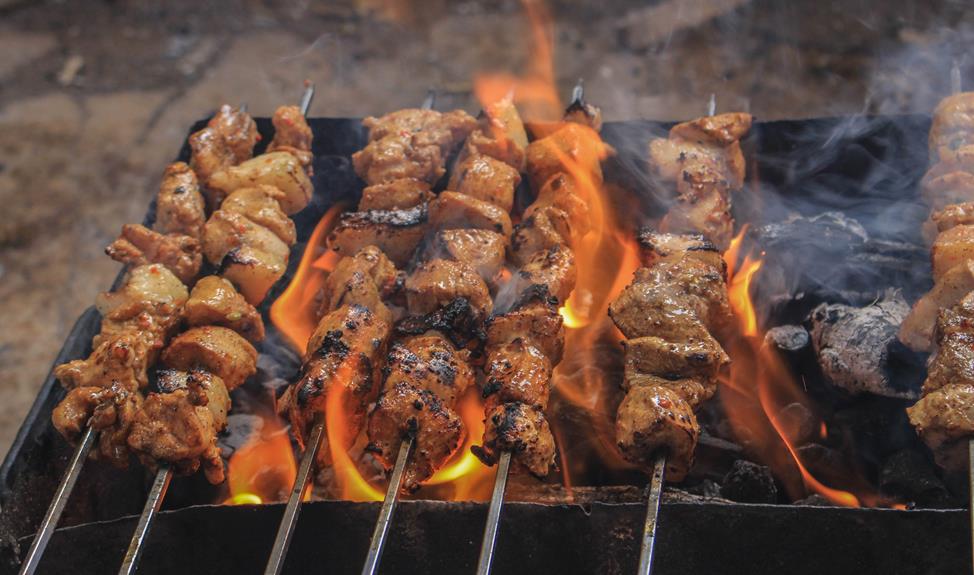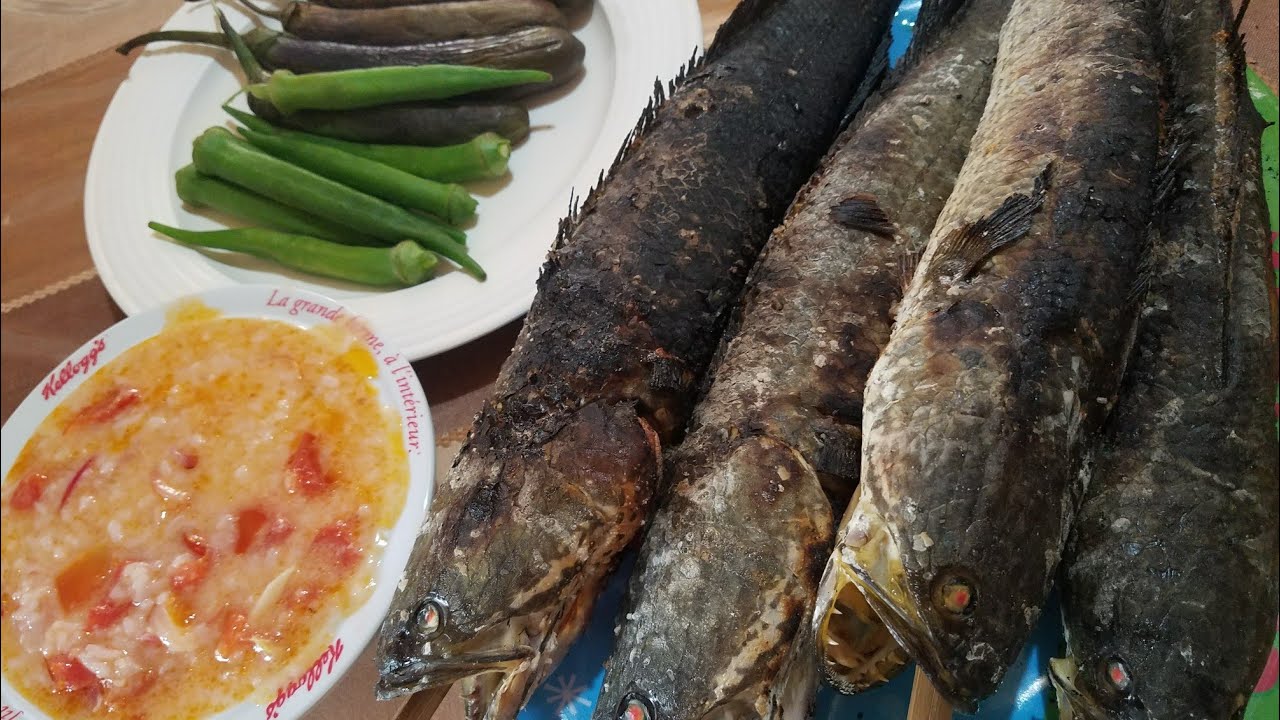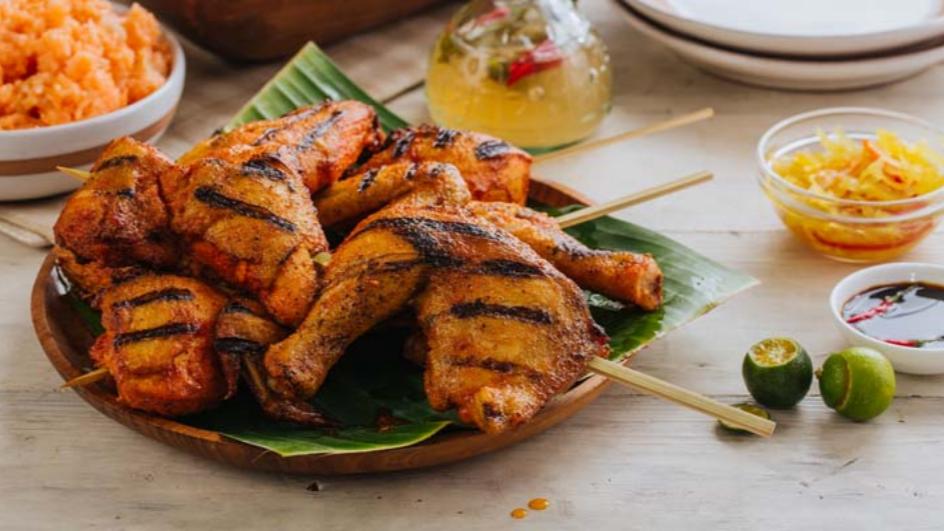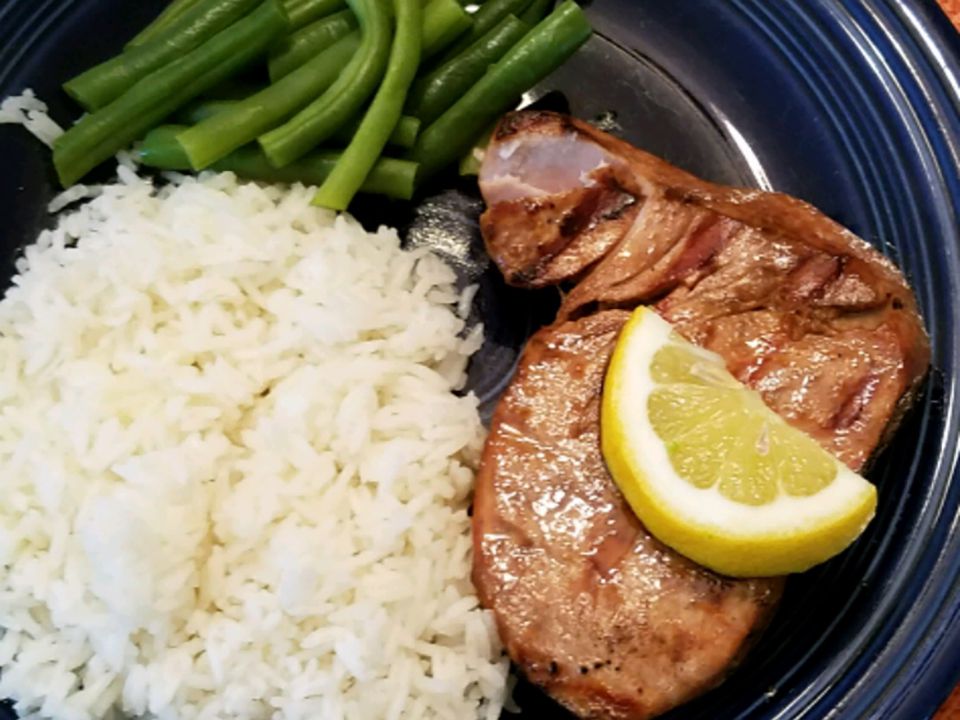
Category: Filipino Grilled Food

  • Grilled Yellow Fin Tuna: a Filipino Favorite With a Twist

    Grilled Yellow Fin Tuna: a Filipino Favorite With a Twist

    Grilled Yellow Fin Tuna is a Filipino favorite with a twist. It’s marinated in soy sauce, garlic, chili, lime, and sugar for a smoky flavor, and served with a spicy Ponzu dip.

    Key Takeaways

    • Grilled yellow fin tuna has a rich history and tradition rooted in Southeast Asia.
    • The traditional Filipino grilling technique involves marinating the tuna in soy sauce, garlic, chili, lime, and sugar overnight.
    • Yellow fin tuna is not only delicious but also offers numerous health benefits, including being rich in protein and Omega-3 fatty acids.
    • Grilled tuna is a popular dish in Filipino festivals and can be served with various sauces and alongside rice and vegetables for a balanced flavor.

    The History of Grilled Yellow Fin Tuna

    Grilling yellow fin tuna has been a culinary tradition for generations, with its origins rooted in the coastal communities of Southeast Asia. The technique of grilling yellowfin tuna has been passed down through families, with each generation adding their own twist to the dish.

    The use of soy sauce as a marinade and basting sauce is a signature element of this dish, giving it a savory and slightly sweet flavor. The history of grilled yellowfin tuna reflects the deep connection of coastal communities to the sea and their reliance on fresh, flavorful ingredients.

    This traditional method of grilling tuna has stood the test of time, evolving into a beloved dish that continues to be enjoyed by people around the world.

    Traditional Filipino Grilling Techniques

    With its roots in Southeast Asian coastal communities, the traditional Filipino grilling techniques for tuna have been perfected over generations, embodying a deep connection to the sea and a reliance on fresh, flavorful ingredients.

    • Marinate the tuna overnight in a mixture of soy sauce, garlic, pepper, chili, lime, and sugar to enhance its flavor.
    • Use a charcoal grill for even cooking and to impart a smoky flavor to the tuna.
    • Serve grilled tuna with a dipping sauce made from soy sauce, lime, and chili, and garnish with lime slices for added freshness.
    • Grilled tuna jaw can be served as a main dish or as part of a seafood platter, pairing well with steamed rice and vegetables.

    Unique Flavor Combinations for Grilled Tuna

    For a distinct and tantalizing flavor experience, consider experimenting with unique ingredient combinations to elevate your grilled tuna.

    Try marinating the tuna in a mixture of soy sauce, garlic, pepper, chili, lime, and sugar to enhance its flavor before grilling it on a charcoal grill for that perfect smoky taste.

    Serve the grilled tuna with a dipping sauce made from soy sauce, lime, and chili for an added kick, and garnish with lime slices to bring in a touch of freshness.

    This unique combination of flavors will elevate your grilled tuna dish to a whole new level, making it an unforgettable culinary experience.

    Whether served with steamed rice and vegetables or used in sandwiches or salads, these flavor combinations will undoubtedly make your grilled tuna a standout dish in any meal.

    Health Benefits of Yellow Fin Tuna

    Yellow fin tuna offers a plethora of health benefits, making it a valuable addition to a balanced diet. When you indulge in grilled tuna, you’re not only savoring its delicious flavor but also reaping numerous health advantages:

    1. Rich in Protein: A 3-ounce serving provides 25g of protein, supporting muscle growth and repair.
    2. Abundant in Omega-3 Fatty Acids**: These promote heart health and reduce inflammation in your body.
    3. Low in Saturated Fat: Enjoy the benefits of lean protein without excessive unhealthy fats.
    4. Packed with Essential Nutrients**: Yellow fin tuna is a good source of vitamin D for bone health and contains selenium, an antioxidant that supports thyroid function.

    Incorporating grilled yellow fin tuna into your diet can contribute significantly to your overall health and well-being.

    Grilled Tuna in Filipino Festivals

    Grilling tuna for Filipino festivals involves marinating the fish overnight with a blend of soy sauce, garlic, pepper, chili, lime, and sugar to infuse it with rich, savory flavors. The marinated tuna jaw is then grilled on a charcoal grill for 15-20 minutes, searing the outside while maintaining the tender, juicy inside. A sweet soy sauce or teriyaki basting sauce adds an authentic taste to the grilled tuna. This dish is traditionally served with a spicy Ponzu or Calamansi dip, providing a perfect balance of flavors. Below is a visual representation of the process:

    Grilled Tuna in Filipino Festivals
    Marinate Overnight Grill for 15-20 minutes
    Soy Sauce, Garlic, Pepper, Chili, Lime, Sugar Charcoal Grill
    Sweet Soy Sauce or Teriyaki Basting Sauce Searing the outside
    Spicy Ponzu or Calamansi Dip Authentic Taste
    Served with Rice and Vegetables Perfect Balance of Flavors

    Tips for Selecting Fresh Yellow Fin Tuna

    When selecting fresh yellow fin tuna, look for a fish with clear, bright eyes and a pleasant, ocean-like smell.

    The flesh should be firm and resilient to the touch, and have a deep red color.

    Additionally, consider the source of the tuna and opt for sustainably caught varieties whenever possible.

    Tuna Appearance and Smell

    To ensure the freshness of yellow fin tuna, examine its appearance and smell for indicators of quality, such as deep red color, shiny and moist texture, mild ocean-like odor, clear gills, bright eyes, and firm, bouncy feel.

    Look for a deep red color and shiny, moist texture.

    Fresh tuna should have a mild, ocean-like smell.

    Check for clear, slightly pink gills and bright, clear eyes.

    Fresh tuna should feel firm and bounce back when pressed.

    When selecting Ahi tuna for your grilled tuna recipe, remember that the appearance and smell are crucial factors in determining its freshness.

    Avoid any discoloration, such as brown spots or a dull appearance, as these may indicate that the tuna isn’t fresh.

    Firmness and Color

    After examining the appearance and smell for indicators of quality in the previous subtopic, you can now turn your attention to the firmness and color of fresh Yellow Fin Tuna when selecting the best pieces for your grilled tuna recipe.

    When choosing Yellow Fin Tuna, look for firm, resilient flesh with a vibrant red or pink color. The tuna steaks should have a glossy appearance and minimal browning or discoloration. Freshness is indicated by a pleasant ocean scent, without any overpowering fishy smell. Avoid tuna with signs of sliminess or excessive moisture, as these may indicate poor quality or spoilage.

    Ensure that the flesh is free from visible bruises or dark spots. By paying attention to firmness and color, you can select the best Yellow Fin Tuna for your delicious grilled tuna dish.

    Source and Sustainability

    For the freshest and most sustainable Yellow Fin Tuna, seek out options labeled with the MSC (Marine Stewardship Council) certification to ensure responsible sourcing and support for ethical fishing practices.

    1. Look for tuna that has been sustainably caught to support responsible fishing practices.
    2. Check if the tuna is labeled with the MSC (Marine Stewardship Council) certification to ensure it’s from a sustainable fishery.
    3. Consider purchasing from local fishermen or markets that prioritize sustainable seafood sourcing.
    4. Opt for fresh yellow fin tuna that’s in season to support local and sustainable fishing practices.

    When selecting fresh Yellow Fin Tuna for your Grilled Tuna dish, it’s crucial to prioritize sustainability by choosing options that support responsible fishing practices. By considering these factors, you can ensure that your meal not only tastes delicious but also contributes to the preservation of our oceans and marine life.

    Grilling Yellow Fin Tuna Steaks

    First, prepare your tuna steaks by marinating them in a flavorful blend of spices and herbs.

    Then, grill the tuna over a hot charcoal fire, ensuring a perfect sear on the outside while keeping the inside tender and juicy.

    Tuna Steak Preparation

    Wondering how to prepare the perfect grilled yellow fin tuna steak? Follow these steps for a delectable dish:

    1. Marinate the tuna steaks overnight with a mixture of soy sauce, garlic, pepper, chili, lime, and sugar to enhance the flavor.
    2. Use a charcoal grill for even cooking and to impart a smoky flavor to the tuna steaks.
    3. Cook the tuna steaks until they’re just done, ensuring they aren’t overcooked and dry.
    4. Serve the grilled tuna steaks with a dipping sauce made from soy sauce, lime, and chili, and garnish with lime slices for added freshness.

    Grilling Techniques

    Ready to elevate your grilling game with yellow fin tuna steaks? Start by marinating the tuna overnight to infuse it with a burst of flavor.

    When it’s time to grill, preheat your charcoal grill to high heat. Place the marinated tuna steaks on the grill and cook for 3-4 minutes on each side for a quick sear. This quick sear will give the tuna a beautiful charred exterior while keeping the inside moist and flavorful.

    The high heat of the charcoal grill will impart a smoky flavor, enhancing the taste of the tuna. Once the tuna is grilled to perfection, serve it with a spicy Ponzu dip made from lime and soy sauce.

    Pair the grilled tuna with steamed rice and vegetables for a delicious and satisfying meal.

    Flavorful Marinades

    Looking to enhance the flavor of your grilled yellow fin tuna steaks? Consider marinating the tuna overnight with a blend of soy sauce, garlic, pepper, chili, lime, and sugar for a burst of delicious flavor. This flavorful marinade will infuse the tuna with a perfect balance of savory, zesty, and slightly sweet notes, elevating the natural taste of the fish.

    To achieve the best results, follow these steps:

    1. Mix soy sauce, garlic, pepper, chili, lime, and sugar in a bowl to create the marinade.
    2. Place the tuna steaks in a resealable plastic bag and pour the marinade over them, ensuring they’re fully coated.
    3. Seal the bag and refrigerate for at least 4 hours or preferably overnight to allow the flavors to penetrate the tuna.
    4. Grill the marinated tuna steaks to perfection, and savor the irresistible burst of flavors with every bite.

    Enhance your grilled tuna experience with this delectable marinade.

    Aromatic Marinades for Grilled Tuna

    For a flavorful grilled tuna, consider marinating the fish in a blend of soy sauce, garlic, citrus, and spices to enhance its natural taste and aroma. Opt for a marinade with soy sauce, garlic, pepper, chili, lime, and sugar for a mouthwatering grilled tuna jaw dish like Inihaw na Panga ng Tuna.

    When grilling the marinated tuna, use a charcoal grill and baste it with a sweet soy or teriyaki sauce for a smoky flavor and enhanced taste. Serve the grilled tuna with a soy-lime-chili dipping sauce and lime slices, making it a perfect main dish or part of a seafood platter.

    To enhance the flavor, marinate the tuna overnight and customize the recipe to suit your preferences. Explore other tuna recipes, from tartare to classic dishes like Tuna Nicoise Salad, to experience the versatility of this seafood.

    Grilled Tuna in Filipino Home Cooking

    When grilling tuna in Filipino home cooking, you’ll experience unique grilling techniques that bring out bold flavors in the fish.

    The marinade variations used in Filipino home cooking add depth and complexity to the grilled tuna, making each dish distinct and flavorful.

    The combination of grilling techniques and marinade variations creates a culinary experience that’s both traditional and innovative.

    Filipino Grilling Techniques

    Marinating the tuna overnight with a blend of soy sauce, garlic, pepper, chili, lime, and sugar is essential in Filipino home cooking for enhancing the flavor of grilled tuna.

    To achieve the authentic Filipino grilled tuna, follow these techniques:

    1. Use a charcoal grill for even cooking and a smoky flavor.
    2. Baste the tuna with a sweet soy sauce or teriyaki sauce while grilling.
    3. Prepare a spicy Ponzu dipping sauce with lime and soy sauce for serving.
    4. Garnish the grilled tuna with lime slices to add a touch of freshness.

    These techniques will ensure that your grilled tuna captures the traditional Filipino flavors and is a delightful addition to your home-cooked meals.

    Tuna Marinade Variations

    If you want to elevate the flavors of your grilled tuna, exploring different marinade variations can add an exciting twist to your Filipino grilling techniques.

    Marinating the tuna overnight is crucial for a flavorful dish. The standard marinade includes soy sauce, garlic, pepper, chili, lime, and sugar, but you can experiment with variations like adding ginger, lemongrass, or even coconut milk for a unique taste.

    When grilling, using a charcoal grill is recommended as it imparts the best flavor. Garnish the grilled tuna with lime slices to enhance its freshness.

    Serving Suggestions for Grilled Tuna

    Consider adding a zesty Ponzu dip made from lime and soy sauce to elevate the flavor of your grilled yellowfin tuna. This dipping sauce complements the smoky richness of the tuna, providing a tangy and savory contrast.

    Additionally, garnish the tuna with lime slices for a burst of freshness. Serve the grilled tuna alongside steamed rice and vegetables to create a well-balanced and satisfying meal. The combination of tender grilled tuna jaw, fluffy rice, and crisp vegetables offers a delightful dining experience.

    Moreover, leftover grilled tuna can be repurposed in sandwiches or salads for a delicious twist on classic dishes, ensuring that no part of the flavorful fish goes to waste.

    Grilled Tuna: a Versatile Filipino Dish

    Looking to explore a versatile Filipino dish? Grilled Tuna, known as Inihaw na Panga ng Tuna, offers a flavorful experience that can be customized to your liking.

    Marinating the tuna with soy sauce, garlic, pepper, chili, lime, and sugar overnight enhances its taste. When grilled on a charcoal grill and basted with sweet soy or teriyaki sauce, the tuna develops a delightful smoky flavor.

    The dish is best served with a spicy Ponzu dip or calamansi and can be customized according to personal preference. Grilled tuna jaw can be the star of a seafood platter or served as a main dish, complemented by steamed rice and vegetables.

    Its versatility makes it a favorite in Filipino cuisine, providing a delicious and adaptable dining experience.

    – Can Grilled Yellow Fin Tuna be Served as Part of a Filipino Breakfast?

    Grilled Yellow Fin Tuna is a popular choice for a Filipino breakfast table setup. The rich flavor and tender texture of the tuna make it a delicious and healthy addition to the morning meal. Whether served with garlic rice or alongside eggs, this dish is a perfect way to start the day.

    Exploring Different Grilled Tuna Variations

    Exploring different grilled tuna variations offers a chance to elevate your culinary skills and expand your flavor palate. Here are some exciting variations to try with fresh tuna:

    1. Lemon and garlic grilled tuna: Infuse your tuna with the bright flavors of lemon and garlic for a zesty twist.
    2. Coconut milk-based grilled tuna: Experiment with a creamy and tropical marinade for a unique grilled tuna experience.
    3. Seared tuna with different marinades: Explore various marinades such as soy ginger or teriyaki to enhance the flavor of your seared tuna.
    4. Tuna poke variations and sushi rolls: Delve into the world of sushi-inspired grilled tuna dishes, including innovative poke variations and creative sushi rolls.

    With these diverse options, you can take your grilled tuna dishes to new heights and impress your guests with an array of flavorful creations.

    Frequently Asked Questions

    What Kind of Tuna Is in the Philippines?

    In the Philippines, the kind of tuna commonly used is the Yellowfin tuna. It’s a popular choice for dishes like Inihaw na Panga ng Tuna due to its firm texture and rich flavor.

    Which Tuna Is Best for Grilling?

    For grilling, yellowfin tuna is best because of its firm texture and rich flavor. Marinate it with soy sauce, garlic, pepper, chili, lime, and sugar, then baste with sweet soy sauce while grilling. Serve with a soy-lime-chili dipping sauce.

    How Do You Eat Yellow Fin Tuna?

    When eating yellow fin tuna, you can enjoy it grilled with a spicy Ponzu or Calamansi dip. Marinate overnight with soy sauce, garlic, pepper, chili, lime, and sugar for enhanced flavor. Grill on charcoal for a smoky taste and serve with a soy-lime-chili dipping sauce.

    Why Is Yellowfin Tuna so Good?

    You love yellowfin tuna because it’s rich in protein, has a delicate taste, and can be marinated to enhance its juiciness. It’s versatile, pairs well with different sauces, and can be enjoyed in various dishes.

    Conclusion

    So, next time you’re in the mood for a flavorful and smoky dish, give Grilled Yellow Fin Tuna a try. With its unique marinade and spicy Ponzu dip, it’s a Filipino favorite with a twist that’s sure to impress your taste buds.

    Whether you enjoy it at a festival, in a restaurant, or in the comfort of your own home, this versatile dish is a must-try for seafood lovers.
  • Exploring the Rich Flavors of Inihaw Na Pampano: a Filipino Grilling Adventure

    Exploring the Rich Flavors of Inihaw Na Pampano: a Filipino Grilling Adventure

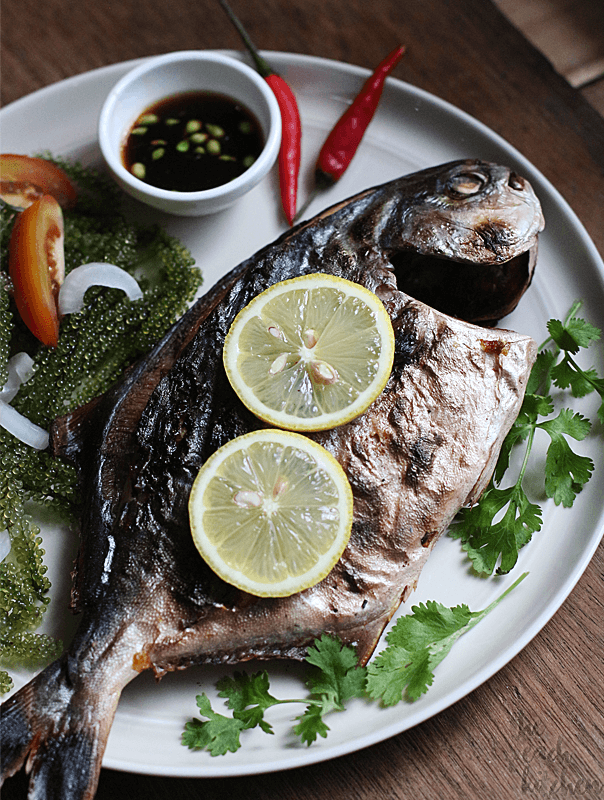
    Inihaw Na Pampano is a Filipino grilling adventure that involves marinating and grilling pompano fish to create a rich, savory dish. The fish is often marinated with a blend of soy sauce, calamansi juice, garlic, and pepper, then grilled to perfection. The dish is enjoyed with a side of steamed rice and a dipping sauce made from vinegar, soy sauce, and calamansi juice.

    Key Takeaways

    • Grilling milkfish (bangus) and tilapia on banana leaves enhances the aroma and flavor.
    • Marinating squid and shrimp in a soy sauce, calamansi juice, garlic, and pepper mixture enhances taste and tenderizes the seafood.
    • Grilling stuffed squid and blue marlin creates a delightful combination of textures and flavors.
    • Grilling pompano and lapu-lapu (grouper) with flavorful fillings and garnishes adds a burst of savory goodness to the dish.

    Grilled Milkfish (Bangus) Recipe

    Marinate your milkfish in a flavorful blend of vinegar, garlic, and spices before grilling it to perfection. This grilled milkfish (bangus) recipe is a staple in Filipino cuisine and is loved for its rich flavors and tender meat.

    To add an extra layer of aroma and flavor, consider grilling the marinated fish on banana leaves. Once the milkfish is cooked to a mouthwatering golden brown, serve it with a side of steamed rice and a dipping sauce made from a combination of vinegar, soy sauce, and calamansi juice.

    The smoky aroma and succulent taste of inihaw na bangus make it a beloved choice for grilling enthusiasts. Whether enjoyed as a main course or as part of a festive seafood spread, this dish never fails to impress with its simplicity and deliciousness.

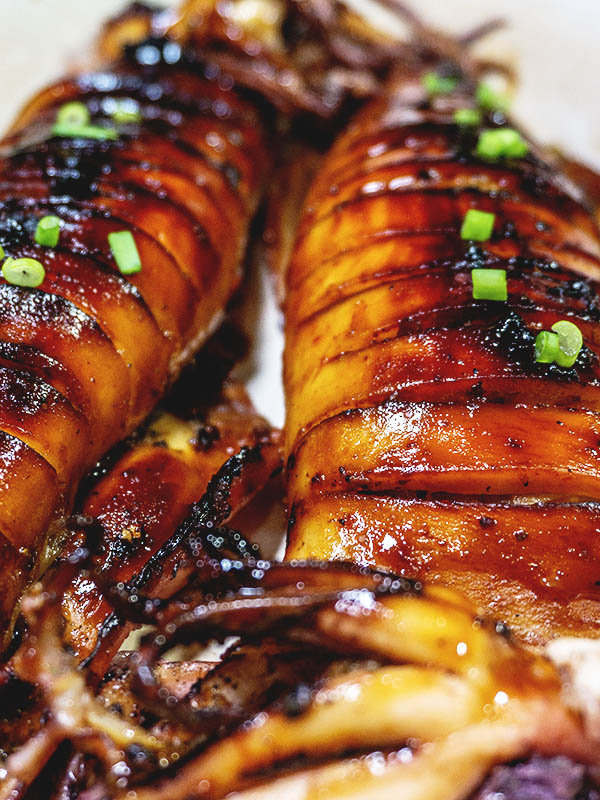
    Inihaw Na Pusit (Grilled Squid) Preparation

    First, start by carefully cleaning the squid, making sure to remove its entrails.

    Next, make diagonal cuts on the squid’s body to help tenderize and add flavor during grilling.

    Then, marinate the squid in a mixture of soy sauce, calamansi juice, garlic, and pepper to enhance its taste.

    Squid Cleaning Process

    Before grilling the squid, it’s essential to properly clean and prepare it to ensure a safe and delicious dish.

    Follow these simple steps to clean the squid before grilling:

    • Remove the head, tentacles, and internal organs from the squid.
    • Peel off the skin and transparent quill from the body of the squid.
    • Rinse the squid thoroughly under cold running water to remove any remaining debris.
    • Pat the squid dry with paper towels before marinating or grilling.

    Marinating the Squid

    After preparing the squid by cleaning and removing the head, tentacles, and internal organs, the next step is to infuse it with flavor through a simple marinade for the Inihaw Na Pusit (Grilled Squid) preparation.

    Marinating the squid is crucial for enhancing its taste before grilling. A typical marinade includes soy sauce, calamansi juice, garlic, and pepper, which imparts a delightful blend of savory and tangy flavors. Ensure that the squid is thoroughly coated with the marinade and let it sit for at least 30 minutes to allow the flavors to permeate the flesh.

    This process not only infuses the squid with a delicious taste but also helps to tenderize it, resulting in a more enjoyable texture when grilled. The marinade also complements the natural sweetness of the squid, enhancing its overall flavor profile.

    Once marinated, grill the squid until it’s cooked through and develops a delectable charred flavor.

    Grilled Stuffed Squid Dish

    Want to experience the delightful flavors of the Philippines? Grilled Stuffed Squid is a must-try dish known for its rich and savory taste.

    This dish offers a delightful balance of tender, smoky squid and the savory, aromatic stuffing. When preparing Grilled Stuffed Squid, consider using a mix of vegetables, herbs, spices, and sometimes ground meat or seafood for the stuffing.

    The squid is then grilled to perfection, creating a delicious combination of textures and tastes. To complement the savory flavors, it’s often served with a side of tangy dipping sauce, adding an extra zing to each bite.

    If you’re a fan of grilled milkfish, you’ll definitely appreciate the unique and flavorful experience that Grilled Stuffed Squid brings to the table.

    Inihaw Na Tanigue (Grilled Spanish Mackerel)

    Grilling Spanish mackerel to create Inihaw Na Tanigue is a beloved tradition in Filipino cuisine, celebrated for its rich and savory flavors.

    The preparation involves marinating the Spanish mackerel in a flavorful blend of spices and then grilling it to perfection.

    The smokiness from the grill enhances the natural taste of the fish, giving it a distinctive and delicious flavor.

    Inihaw Na Tanigue is often served with a side of steamed rice and a dipping sauce, such as a mix of soy sauce and calamansi juice.

    The succulent and tender meat of Inihaw Na Tanigue makes it a beloved choice for seafood enthusiasts, offering a delightful combination of smoky, savory, and succulent flavors that are sure to satisfy any palate.

    Grilled Stuffed Pompano Recipe

    Hey there!

    Let’s talk about the points to consider when preparing Grilled Stuffed Pompano.

    From flavorful filling options to grilling techniques for pompano, you’ll find all the essential tips to make this dish a hit.

    Plus, we’ll cover serving and presentation tips to elevate your culinary skills.

    Flavorful Filling Options

    For a delectable and customizable grilled fish dish, consider exploring the flavorful filling options for Grilled Stuffed Pompano. Enhance the taste and texture of grilled milkfish by experimenting with various stuffing combinations. Here are some fantastic options to elevate your Grilled Stuffed Pompano:

    • Fresh vegetables like tomatoes, onions, and carrots bring a delightful crunch.
    • Fragrant herbs such as thyme, cilantro, and parsley add depth to the flavor profile.
    • Citrusy notes from lemon or lime zest provide a refreshing zing.
    • Sweet and savory bell peppers contribute a burst of color and sweetness, complementing the natural richness of the pompano.

    Mix and match these ingredients to find the best part of this dish that suits your palate.

    Grilled Stuffed Pompano offers a fulfilling and versatile culinary experience.

    Grilling Techniques for Pompano

    Enhance the flavor and texture of your Grilled Stuffed Pompano by mastering the essential grilling techniques for pompano, elevating your culinary adventure. Making incisions on both sides of the fish helps it absorb salt and cook faster. Start by rubbing sea salt all over the pompano and letting it sit for 30 minutes.

    Then, heat up the grill and spray cooking oil on the pompano before grilling each side for 7 to 9 minutes. This ensures a perfectly cooked and flavorful pompano. To complement the rich flavors of the grilled pompano, consider serving it with rice, traditionally wrapped in banana leaves for an authentic touch. Mastering these grilling techniques will allow you to savor the delectable taste of the Grilled Stuffed Pompano.

    Grilling Techniques for Pompano
    1. Make incisions on both sides of the fish 2. Rub sea salt all over the pompano and let it sit for 30 minutes.
    3. Heat up the grill 4. Spray cooking oil on the pompano
    5. Grill each side for 7 to 9 minutes 6. Serve with rice in banana leaves

    Serving and Presentation Tips

    Consider adding a wedge of lemon or calamansi on the side as a flavorful garnish for the grilled stuffed pompano, enhancing its visual appeal and flavor profile.

    To elevate the presentation of the grilled milkfish, try serving it on a banana leaf for an authentic touch. Garnish the plate with fresh herbs and slices of citrus to add a pop of color and enhance the overall dining experience.

    Accompany the dish with a side of steamed rice and a dipping sauce like toyomansi for an extra burst of flavor.

    For a visually appealing presentation, place the grilled stuffed pompano in the center of the serving plate, surrounded by complementary side dishes.

    Inihaw Na Tilapia (Grilled Tilapia) Dish

    Indulge in the flavors of a popular Filipino dish with Inihaw Na Tilapia, a grilled fish delight that brings together smoky and savory notes in every bite. The dish features fresh tilapia marinated and grilled to perfection, offering a delightful combination of flavors. It is commonly served with a side of tangy dipping sauce, accompanied by steamed rice and grilled vegetables. Here’s a table to help you visualize the delightful components of this dish:

    Grilled Tilapia Dish Flavor Profile Serving Suggestion
    Inihaw Na Tilapia Smoky and savory With tangy dipping sauce, steamed rice, and grilled vegetables

    Inihaw Na Tilapia is a must-try for anyone seeking to explore the rich and diverse flavors of Filipino cuisine.

    Grilled Stuffed Lapu-Lapu (Grouper) Recipe

    If you enjoyed the flavorful experience of Inihaw Na Tilapia, then get ready to savor a new grilling adventure with the Grilled Stuffed Lapu-Lapu (Grouper) Recipe.

    This indulgent seafood dish offers a delightful combination of flavors and textures. The lapu-lapu is stuffed with a delectable mixture of herbs, spices, and aromatics, creating a burst of savory goodness in every bite.

    Grilling the lapu-lapu enhances its natural flavors and adds a smoky, charred essence that’s truly irresistible. Whether it’s for a special occasion or a gathering with loved ones, this dish is sure to impress.

    Pair your Grilled Stuffed Lapu-Lapu (Grouper) with a side of freshly steamed rice for a complete and satisfying meal.

    Inihaw Na Hipon (Grilled Shrimp) Dish

    So, you’re ready to learn about making the perfect marinade for your shrimp and get some grilling tips to elevate your Inihaw na Hipon dish.

    The marinade, typically a mix of vinegar, soy sauce, garlic, and spices, adds that irresistible Filipino flavor to the shrimp.

    Then, grilling them just right ensures that smoky, savory goodness.

    Marinade for Shrimp

    Enhance the flavor of your grilled shrimp by preparing a marinade with garlic, soy sauce, calamansi juice, and pepper. Marinating the shrimp for at least 30 minutes before grilling is recommended to allow the flavors to infuse.

    Here are some tips for creating a delicious marinade for your shrimp:

    • Use freshly minced garlic for a robust flavor.
    • Balance the savory and tangy taste by adjusting the amount of soy sauce and calamansi juice to your preference.
    • Add a pinch of pepper for a hint of heat.
    • Experiment with additional spices or herbs, such as paprika or cilantro, to customize the marinade to your liking.

    Grilling Shrimp Tips

    For perfectly grilled shrimp, consider using skewers or a grill basket to prevent small shrimp from falling through the grill grates. Grilled shrimp cook quickly, so keep a close eye on them to avoid overcooking. Marinating shrimp before grilling can enhance their flavor. Baste the shrimp with a flavorful sauce while grilling to add layers of taste. Serve grilled shrimp with a squeeze of citrus for a burst of freshness.

    Grilling Shrimp Tips
    Use skewers or a grill basket to prevent small shrimp from falling through the grill grates.
    Keep a close eye on them to avoid overcooking.
    Marinate shrimp before grilling to enhance their flavor.
    Baste the shrimp with a flavorful sauce while grilling.
    Serve grilled shrimp with a squeeze of citrus for a burst of freshness.

    Grilled Stuffed Blue Marlin Recipe

    If you’re looking for a flavorful and satisfying grilled dish, the Grilled Stuffed Blue Marlin Recipe is a must-try. This recipe offers a delightful combination of flavors and textures that will surely impress your taste buds.

    Here are a few reasons to give it a try:

    • The blue marlin’s firm and meaty texture holds up well to grilling, creating a satisfying bite.
    • Stuffing the marlin with a mixture of aromatics, herbs, and spices adds layers of flavor to the dish.
    • The generous squeeze of calamansi juice or lemon before grilling enhances the fish’s natural taste.
    • Grilling the stuffed blue marlin imparts a smoky char that elevates the dish to a whole new level.

    Na Isda, or grilled milkfish, enthusiasts will appreciate the rich flavors and simplicity of this delectable recipe.

    Inihaw Na Isda (Grilled Fish) Selection

    Grilled Stuffed Blue Marlin Recipe was a delightful experience, and now let’s dive into the selection of Inihaw Na Isda (Grilled Fish) to expand your grilling adventures.

    Inihaw na isda, a popular and flavorful dish in the Philippines, offers a variety of fish options for grilling. Common selections include Bangus, Tanigue, Tilapia, Lapu-Lapu, and Tuna.

    Grilling fish not only enhances its natural flavors but also creates a delicious smoky aroma, providing a unique culinary experience. Each fish variety offers distinct textures and tastes when grilled, allowing you to explore a range of flavors. Whether you prefer a delicate, flaky texture or a meatier bite, inihaw na isda has something to offer.

    Additionally, grilled fish pairs perfectly with various side dishes and dipping sauces, adding to the overall enjoyment of your meal.

    A Taste of Home: Pinoy Expats and Food Memories

    Rediscovering the flavors of home and the warmth of cherished food memories is a heartwarming journey for many Pinoy expats. As they reminisce about their upbringing in the Philippines, the aroma of inihaw na bangus wafts through their memories, transporting them back to family gatherings and festive occasions.

    In the collection of reminiscences titled ‘A Taste of Home: Pinoy Expats and Food Memories,’ Filipino expats share the following relatable experiences:

    • Recalling the comforting taste of sinigang and adobo that reminds them of their mother’s kitchen.
    • Cherishing memories of festive celebrations filled with the crispy, succulent lechon and bibingka.
    • Longing for the sweet and savory flavors of kakanin, a beloved native delicacy, during special occasions.
    • Nostalgically recounting the aroma of freshly steamed rice and the sound of laughter during boodle fights with friends and family.

    Each story paints a vivid picture of the unbreakable bond between food and cherished memories.

    What Are the Best Grilling Techniques for Inihaw Na Pampano Using Unique Philippine Sauces?

    One of the best grilling techniques for Inihaw Na Pampano is to marinate the fish in unique Philippine grilling sauces like sinamak or toyomansi before grilling. This helps infuse the fish with authentic Filipino flavors while keeping it moist and tender. Adding a Charcoal and wood coals for smoky flavor also enhances the dish.

    Grilled Pompano

    Grill the pompano to perfection by following these simple yet flavorful steps.

    Start by making incisions on both sides of the fish to help it absorb salt and cook faster. Black pompano is a great choice for grilling due to its fatty nature, resulting in a moist and tender flesh.

    When grilling the milkfish, ensure it’s cooked through but not overdone to preserve its delicate texture and rich flavor.

    Grilled pompano pairs wonderfully with rice, traditionally served in banana leaves for added aroma.

    This dish is perfect for sharing, with a serving size of around 4g per person. Enjoy the delightful combination of smoky, charred flavors with the natural sweetness of the pompano.

    Frequently Asked Questions

    Is Grilled Pompano Healthy?

    Grilled pompano is healthy. It’s packed with omega-3 fatty acids, protein, and essential nutrients. The fish absorbs salt, cooks faster, and preserves its natural flavors without needing extra seasoning or fats. Enjoy it with healthy sides for a balanced meal.

    Is Pompano a Filipino Fish?

    Yes, pompano is a Filipino fish. It’s commonly used in Filipino cuisine due to its rich and fatty nature, making it ideal for grilling. Grilled pompano is often served with toyomansi and pairs well with rice.

    Is Pompano Yummy?

    Yes, pompano is yummy! Its fatty nature makes it flavorful when grilled. Making incisions helps it absorb salt and cook faster, enhancing the taste. Pair it with rice for a satisfying meal.

    Is Golden Pompano White Fish?

    Yes, golden pompano is a type of white fish. It has a rich and buttery flavor, making it a popular choice for grilling. Its firm texture holds up well on the grill, and its skin crisps beautifully.

    Conclusion

    Inihaw Na Pampano is a delightful dish that captures the essence of Filipino grilling. With minimal ingredients and simple preparation, the rich flavors of the pompano fish shine through.

    From making incisions and rubbing with sea salt to grilling and serving with toyomansi, this dish is a must-try for anyone looking to savor the delicious flavors of Filipino cuisine.

    Enjoy the adventure of grilling and indulging in the rich flavors of Inihaw Na Pampano.

  • Inihaw Na Bangus: Healthy and Flavorful Filipino Grilled Milkfish

    Inihaw Na Bangus: Healthy and Flavorful Filipino Grilled Milkfish

    Inihaw Na Bangus is a traditional Filipino grilled milkfish dish that reflects the rich cultural and culinary traditions of the Philippines. It’s healthy, flavorful, and offers health benefits like being rich in omega-3 fatty acids, protein, vitamins, and minerals.

    Key Takeaways

    • Inihaw Na Bangus is a traditional Filipino grilled milkfish dish that reflects the rich cultural and culinary traditions of the Philippines.
    • The traditional ingredients for Inihaw Na Bangus include milkfish, tomato, onion, ginger, lemon, and ground black pepper, and it is grilled over charcoal or a gas grill.
    • Marinating the fish with lime or calamansi, light soy sauce, olive oil, and black pepper enhances the flavors before grilling.
    • Bangus, the main ingredient in Inihaw Na Bangus, is not only delicious but also offers health benefits such as being rich in omega-3 fatty acids, protein, vitamins, and minerals.

    History of Inihaw Na Bangus

    Grilling has been a time-honored tradition in Filipino cuisine. The history of Inihaw Na Bangus dates back through generations as a beloved method of preparing milkfish. Inihaw na Bangus, a grilled milkfish dish, holds a special place in Filipino cuisine. The recipe for Inihaw na Bangus has been passed down through families, making it a cherished part of the culinary heritage.

    The dish showcases the Filipinos’ love for grilling, as it’s a traditional cooking method in the country. This flavorful dish often includes marinating the milkfish in a mixture of vinegar, garlic, pepper, and calamansi juice before grilling, enhancing its taste.

    The history of Inihaw na Bangus reflects the rich cultural and culinary traditions of the Philippines, making it a staple in Filipino households and a favorite among food enthusiasts.

    Traditional Ingredients for Grilling

    You’ll want to know the traditional ingredients used for grilling Inihaw na Bangus.

    Milkfish is the star of the show, and it’s typically stuffed with a mix of tomato, onion, ginger, lemon, and ground black pepper.

    After a good rub of salt, the fish is ready to be grilled over charcoal or a gas grill.

    Traditional Grilling Methods

    When preparing Inihaw na Bangus using traditional grilling methods, the use of salt for seasoning and stuffing the fish with tomato, onion, and ginger are essential for enhancing the flavor.

    The traditional grilling method involves using a charcoal grill, imparting a smoky flavor to the Filipino milkfish. Typically, the fish is grilled for 10 to 12 minutes on each side.

    Prior to grilling, the fish is rubbed with salt all over, including its cavity, for extra flavor. Additionally, the traditional method of grilling Bangus often includes wrapping the fish in foil or banana leaves before grilling, further enhancing its taste.

    These traditional grilling techniques are integral to achieving the authentic and flavorful taste of the Inihaw na Bangus, a beloved dish in Filipino cuisine.

    Marinating Techniques

    To infuse the Inihaw na Bangus with rich, traditional flavors, start by marinating the fish with lime or calamansi, light soy sauce, olive oil, and black pepper for a flavorful base. Additionally, stuff the Bangus with chopped tomatoes, onions, garlic, sugar, black pepper, olive oil, and fish sauce for added taste.

    Wrapping the fish in banana leaves and foil before grilling enhances the aroma and flavors. Prior to marinating, score the fish to allow the flavors to penetrate and infuse throughout. Marinate the Bangus for at least 15-20 minutes to enhance the flavors before grilling. Below is a table outlining the traditional marinating ingredients for preparing Inihaw na Bangus:

    Marinating Ingredients
    Lime or Calamansi
    Light Soy Sauce
    Olive Oil

    Health Benefits of Bangus

    Bangus offers a plethora of health benefits due to its high omega-3 fatty acid content, essential for heart health and overall well-being. The omega-3 fatty acids in bangus support heart health and brain function, making it an ideal choice for a nutritious diet. This Filipino favorite, especially when enjoyed as grilled fish, is an excellent source of protein, essential for muscle growth and repair. Additionally, it contains vital nutrients such as vitamins A and C, calcium, and iron, all of which contribute to overall health.

    The delicious flavor and health benefits of bangus make it a top choice for those seeking a healthy and flavorful option in grilled fish. Embrace the goodness of bangus, a true star in Filipino food, and savor its many health advantages.

    Grilling Techniques for Bangus

    When grilling bangus, it’s important to prepare the fish by removing its guts and gills and washing it thoroughly.

    Then, stuff it with a mixture of chopped tomato, onion, ginger, lemon juice, and ground black pepper for added flavor.

    Remember to grill each side for 10 to 12 minutes on a charcoal grill for that perfect smoky taste.

    Grill Preparation

    For the best results in preparing Inihaw na Bangus, season the fish with salt and pepper and stuff it with a mixture of tomato, onion, and ginger before grilling. Use a charcoal grill over medium heat for a smoky flavor. Grill each side of the fish for 10 to 12 minutes, turning it over carefully with tongs and a spatula.

    To retain moisture and prevent sticking, wrap the fish in aluminum foil or banana leaves during grilling. After grilling, serve the flavorful grilled milkfish with a dipping sauce made of soy sauce and lemon or calamansi. You can also customize the dish by adding chopped Thai chili to the dipping sauce for a spicy kick. Consider trying variations like bangus sisig for a different twist. Enjoy this delicious Filipino grilled fish with warm white rice.

    Grilling Tips Description
    Seasoning Salt and pepper the fish and stuff it with tomato, onion, and ginger.
    Grilling Time Grill each side for 10 to 12 minutes over medium heat.
    Serving Serve with a dipping sauce of soy sauce and lemon or calamansi.
    Variation Customize with Thai chili for a spicy kick or try bangus sisig for a different twist.

    Cooking Time

    After preparing the Inihaw na Bangus with the recommended seasoning and grilling techniques, the next crucial aspect is ensuring the perfect cooking time to achieve a juicy and flavorful grilled milkfish.

    Grill each side of the milkfish for 10 to 12 minutes, using a charcoal grill for a smoky flavor. Use tongs and a spatula to carefully turn the fish over during grilling to keep it intact.

    To ensure the fish is cooked to about 70°C (158°F) for a juicy and tender texture, consider using a meat thermometer.

    After grilling, allow the milkfish to rest for a few minutes before serving to enhance the flavors.

    Marinating Bangus for Grilling

    To marinate the Bangus for grilling, begin by preparing a mixture of lime or calamansi juice, light soy sauce, olive oil, and black pepper for a flavorful and tender result. Ensure the fish is evenly coated with the marinade to infuse it with delicious flavors.

    Use banana leaves or foil to wrap the marinated Bangus before grilling to retain moisture and prevent the fish from sticking to the grill. Season the Bangus with salt and pepper before grilling to enhance its natural taste.

    Experiment with different herbs and spices to create unique variations of the marinated Bangus. This will allow you to customize the flavor profile to your liking.

    Serving Suggestions for Inihaw Na Bangus

    You can enhance the dining experience by considering the side dishes to pair with your Inihaw na Bangus.

    Think about what garnishes and condiments would complement the flavors of the grilled milkfish.

    Lastly, consider the presentation and plating of the dish to make it visually appealing and appetizing.

    Side Dish Pairings

    Pairing Inihaw Na Bangus with a refreshing side salad enhances the overall dining experience. The grilled milkfish’s smoky flavor complements the crispness of the salad, creating a delightful contrast.

    You can also serve it with warm white rice for a satisfying meal. Another classic accompaniment is fresh banana leaves, which add a subtle earthy aroma to the dish.

    To elevate the flavors, prepare a dipping sauce using soy sauce and lemon or calamansi. For a spicy kick, chop some Thai chili and add it to the dipping sauce.

    Additionally, rubbing salt on the fish before grilling enhances its natural taste. Inihaw Na Bangus can also be paired with other Filipino side dishes, such as steamed rice or bangus sisig, offering a diverse range of flavors to enjoy alongside the grilled milkfish.

    Garnishes and Condiments

    Enhancing the dining experience, garnishes and condiments play a key role in complementing the smoky flavor of Grilled Inihaw Na Bangus.

    A popular choice is a dipping sauce made of soy sauce and lemon or calamansi, adding a tangy and savory element to the dish. For those who enjoy a bit of heat, chopped Thai chili can be added to the dipping sauce for a spicy kick.

    Traditionally enjoyed with warm white rice, this dish can also be paired with other Filipino side dishes to create a wholesome meal. Additionally, for a twist on flavors, consider serving it with a side of bangus sisig, a variation of milkfish dish that can be served as an appetizer or main dish.

    These serving suggestions allow for a well-rounded and satisfying dining experience.

    Presentation and Plating

    When serving Inihaw na Bangus, consider enhancing the visual appeal by wrapping the grilled milkfish in fresh banana leaves. This not only adds a traditional touch but also infuses a subtle aroma into the dish.

    Pair the grilled milkfish with warm white rice for an authentic Filipino dining experience. To add extra flavor, serve it with a dipping sauce made of soy sauce and lemon or calamansi. Garnish the grilled milkfish with fresh onion cuts and a drizzle of calamansi juice for a vibrant and aromatic touch.

    For a flavorful side dish, consider serving pickled papaya (atchara) alongside the Inihaw na Bangus. These serving suggestions not only elevate the presentation but also complement the grilled milkfish, creating a delightful and authentic dining experience.

    Flavor Variations for Grilled Bangus

    Experiment with different herbs and spices to create your own unique flavor profile for the grilled Bangus, allowing you to customize the taste to your preference. For a spicier kick, consider adding chopped chili peppers to the stuffing mixture before grilling the Bangus. You can also try grilling other types of fish or seafood using the same marinade and cooking method for flavorful variations.

    To enhance the flavor, customize the dipping sauce by incorporating chopped Thai chili. Below is a table illustrating different flavor variations you can try for your grilled Bangus.

    Flavor Variation Ingredients
    Spicy Chopped chili peppers
    Citrus-infused Lemon or calamansi juice
    Herbed Fresh basil, thyme, and rosemary
    Sweet and Savory Soy sauce and brown sugar

    Bangus Grilling Tips

    To ensure a flavorful grilled Bangus, consider using a charcoal grill for an authentic smoky taste, which can complement the various flavor variations you may have experimented with.

    Marinate the Bangus for at least 15-20 minutes to enhance the flavors, and don’t forget to score the fish before marinating to allow the flavors to penetrate.

    When grilling, make sure to use medium heat to prevent overcooking or burning.

    Additionally, using banana leaves or aluminum foil can prevent sticking and add authenticity to your grilled Bangus.

    These grilling tips will help you achieve a delicious and perfectly grilled Bangus, showcasing the unique flavors of this Filipino dish.

    Inihaw Na Bangus Nutrition Facts

    Inihaw na Bangus is a nutrient-rich dish, providing 305 calories per serving and a substantial 46g of protein, along with essential vitamins and minerals. This Grilled Milkfish is a good source of vitamins A and C, calcium, and iron, making it a healthy choice. Each serving contains 9g of fat, with 2g being saturated fat. Additionally, the dish offers 6g of carbohydrates, 132mg of cholesterol, and 1301mg of sodium.

    When enjoying this flavorful dish, it’s traditionally paired with warm white rice and a dipping sauce made of soy sauce and lemon or calamansi. With its high protein content and essential nutrients, grilled Inihaw na Bangus makes for a satisfying and nutritious meal option.

    Bangus Grilling Equipment

    Consider using a charcoal grill to impart a smoky flavor to your grilled Bangus. The smokiness adds a delightful depth to the fish’s flavor.

    Banana leaves and foil can be used to wrap the fish during grilling, helping to lock in moisture and infuse the Bangus with a hint of earthy aroma.

    Ensure the grill is properly heated before placing the fish on it. Use tongs and a spatula to carefully turn the fish over, ensuring it stays intact.

    Adjust the cooking time based on the grill’s heat to ensure the Bangus is thoroughly cooked.

    These simple grilling equipment and techniques will help you achieve perfectly grilled Bangus, bringing out its natural flavors while adding a delicious smoky twist.

    Grilled Bangus Recipe Variations

    For a delightful variation, you can marinate the Bangus in a zesty citrus mixture to add a tangy flavor to the grilled fish. Combine calamansi or lime juice, minced garlic, soy sauce, and a bit of brown sugar to create a vibrant marinade. Let the Bangus soak in this mixture for at least 30 minutes before grilling to allow the flavors to infuse.

    Another option is to stuff the Bangus with fresh herbs such as lemongrass, tamarind leaves, and spring onions before grilling. This imparts a fragrant and earthy aroma to the fish.

    You can also experiment with different spice rubs, like a mix of ground black pepper, paprika, and salt, to create a more savory profile. These variations will elevate your Inihaw na Bangus experience.

    How Does Grilled Yellow Fin Tuna Compare to Inihaw Na Bangus in Filipino Cuisine?

    In Filipino cuisine, the grilled yellow fin tuna recipe is known for its savory flavors and firm texture. Inihaw na bangus, on the other hand, features a distinct smoky taste and tender flesh. While both dishes showcase the freshness of the seafood, they offer unique culinary experiences for seafood enthusiasts.

    Bangus Grilling Safety Tips

    Make sure to preheat the grill properly before placing the fish to avoid undercooking. This ensures that the Bangus is grilled to perfection and reduces the risk of foodborne illness.

    Here are some essential Bangus grilling safety tips to keep in mind:

    • Use long-handled tongs and spatula to carefully turn the fish, preventing burns and ensuring even cooking.
    • Avoid overcrowding the grill to allow for proper airflow and prevent flare-ups that could lead to uneven cooking or charring.
    • Use a food thermometer to check that the internal temperature of the fish reaches at least 145°F for safe consumption. This simple step helps prevent the fish from being undercooked and ensures it’s safe to eat.

    Frequently Asked Questions

    Is Bangus Fish Healthy?

    Yes, bangus fish is healthy. It’s packed with protein, essential vitamins, and omega-3 fatty acids, supporting heart and brain health. Grilled bangus is a flavorful and nutritious addition to your balanced diet.

    What Is the Best Partner for Inihaw Na Isda?

    The best partner for inihaw na isda is warm white rice. It complements the flavorful grilled fish perfectly. You can also enjoy it with a side of Filipino dishes for a complete and satisfying meal.

    How Many Calories Are There in Inihaw Na Bangus?

    In inihaw na bangus, there are approximately 305 calories. It’s a great source of protein with 46g, and contains 6g of carbohydrates. Additionally, it has 9g of fat, 132mg of cholesterol, and 1301mg of sodium.

    What Is Bangus Fish in English?

    In English, bangus fish is known as milkfish. It’s a popular and versatile fish in the Philippines, used in various dishes. It has a unique flavor and tender texture, making it a delicious choice for grilling and cooking.

    Conclusion

    So, next time you’re looking for a healthy and flavorful dish, consider grilling some Inihaw Na Bangus.

    With its rich history, traditional ingredients, and numerous health benefits, it’s a delicious way to enjoy a nutritious meal.

    Just marinate the bangus, grill it to perfection, and serve with your favorite dipping sauce.

    You can’t go wrong with this classic Filipino dish!

  • Grilled Liempo Perfection: Tips and Tricks for the Ultimate Filipino BBQ

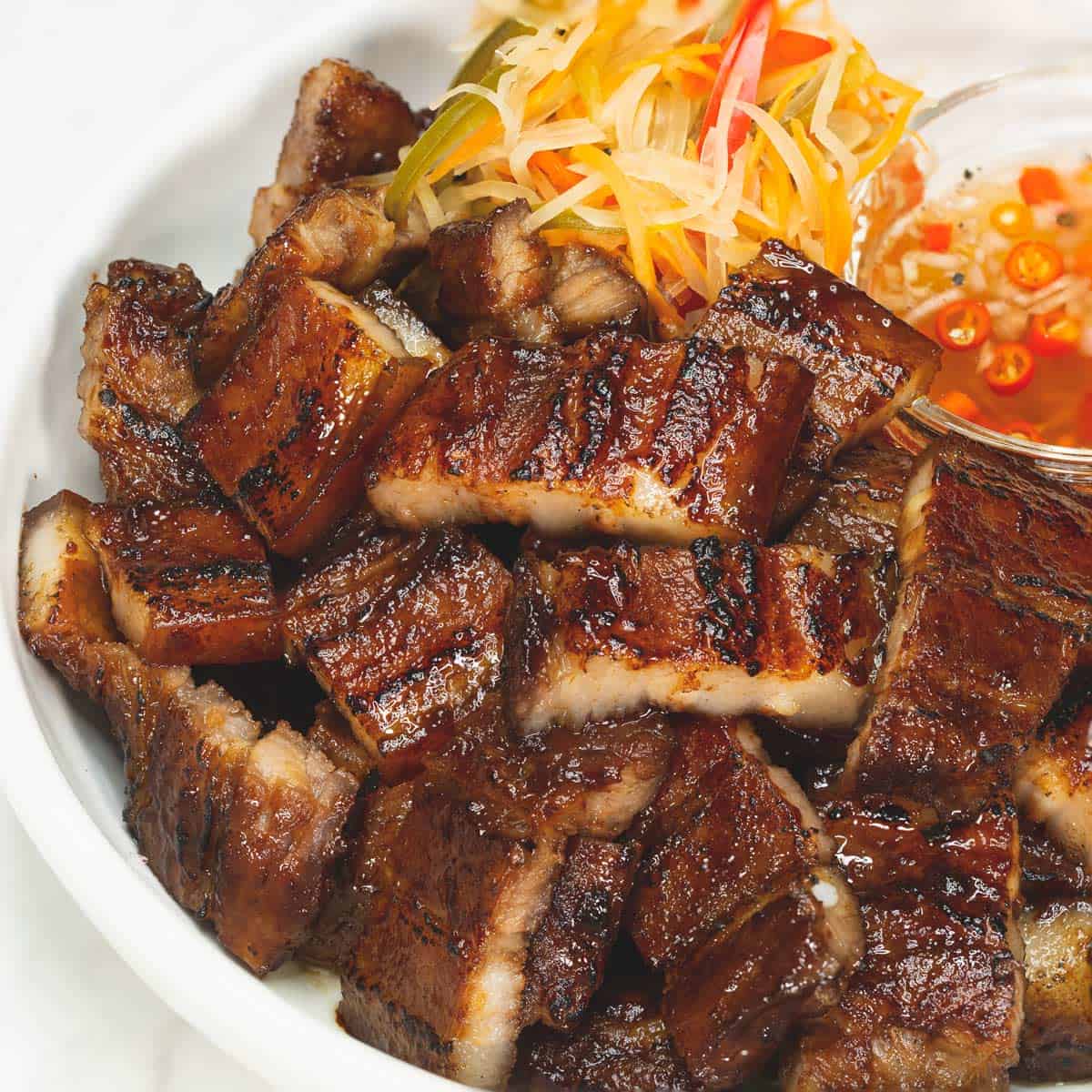
    Grilled Liempo Perfection: Tips and Tricks for the Ultimate Filipino BBQ

    For the perfect Filipino BBQ, marinate pork belly for at least 3 hours, use a high-quality grill, and follow grilling safety measures like preheating and maintaining consistent temperatures.

    Key Takeaways

    • Marinating the pork belly for at least 3 hours enhances flavor, but avoid marinating overnight to prevent a mushy texture.
    • Choose high-quality pork belly slices with a nice layer of fat and even marbling for the best results.
    • Use a high-quality grill and essential grilling tools like tongs, a meat thermometer, basting brush, and grill brush.
    • Follow grilling safety measures, such as preheating the grill, maintaining consistent temperatures, and keeping a safe distance from the heat.

    Marinating Techniques

    To achieve flavorful and tender grilled liempo, start by using a combination of ingredients for the marinade. Thoroughly coat the pork belly slices with the marinade, ensuring even distribution of flavors. Allow the marination process for a minimum of 3 hours to achieve the ultimate Filipino BBQ taste. Avoid marinating overnight to prevent a mushy texture.

    When grilling, use a charcoal grill for authentic smoky flavors. Grill each side of the marinated pork belly for about 2 minutes, while basting with the remaining marinade for a perfect finish.

    Experiment with different marinade ingredients and techniques, such as Korean-style marinade or a Western-style marinade, to elevate your grilled liempo to perfection.

    Choosing the Right Cut

    After marinating your pork belly to perfection, the next crucial step is choosing the right cut for your Filipino BBQ. To achieve grilled liempo perfection, opt for high-quality pork belly slices with a nice layer of fat and even marbling.

    Avoid lean cuts like pork loin or tenderloin, as they can result in dry and tough grilled pork belly. When purchasing, ask the butcher to slice the meat specifically for BBQ, ensuring thin and uniform slices for even cooking.

    Consider using pork butt (kasim) for its adequate ribbons of fat, which contribute to a juicy and flavorful outcome.

    Grilling Equipment Essentials

    Equipping yourself with high-quality grilling essentials is crucial for achieving the perfect grilled liempo. To achieve grilled liempo perfection, start with a high-quality charcoal or gas grill that ensures even cooking of the pork belly slices, also known as inihaw na liempo.

    Long-handled tongs are essential for easy and safe handling of the meat on the grill, while a meat thermometer guarantees the pork belly is cooked to perfection. A basting brush is necessary for applying marinade and keeping the meat moist throughout the grilling process.

    Additionally, don’t forget a grill brush for cleaning the grill grates before and after use, ensuring that your equipment is well-maintained.

    These grilling equipment essentials are fundamental for mastering the art of the ultimate Filipino BBQ.

    Flavorful Marinade Recipes

    For flavorful marinade recipes to elevate your grilled liempo, start by experimenting with different combinations of ingredients to find the perfect balance of flavors. Try variations using calamansi juice, soy sauce, garlic, sugar, and spices to discover your favorite flavor profile for the ultimate Filipino BBQ.

    Adjust the sweetness, saltiness, and acidity of the marinade to achieve a harmonious blend of tastes that complements the pork belly. Enhance the marinade with aromatic elements like minced garlic, chili peppers, and fresh herbs to infuse the grilled liempo with depth and complexity of flavor.

    Explore different regional variations and cultural influences to expand your marinade repertoire, incorporating unique ingredients and techniques. Personalize the marinade by adjusting the ingredient proportions to create a marinade that perfectly suits your taste for a truly exceptional Filipino BBQ experience.

    Proper Grilling Temperatures

    When grilling liempo, it’s crucial to maintain the ideal grill temperature for even cooking.

    Preheat the grill to a medium-high temperature, around 375-450°F, to achieve the perfect char without burning the meat.

    Keep an eye on the heat levels and make adjustments as needed to ensure the best results.

    Ideal Grill Temperature

    Maintaining a consistent grill temperature between 375-450°F is crucial for achieving the perfect grilled liempo. Here are some essential tips to ensure the ideal grill temperature for your Filipino BBQ:

    1. Preheat the Grill: Give the grill around 15 minutes to preheat, ensuring even cooking and preventing sticking.
    2. Use a Thermometer: Check the grill’s temperature to ensure it stays within the ideal range for perfect grilling.
    3. Adjust Heat Zones: Create different heat zones on the grill to manage cooking temperatures for different parts of the liempo.
    4. Rest the Meat: After grilling, allow the liempo to rest for a few minutes before serving for optimal juiciness and flavor.

    Following these guidelines will help you achieve the ideal grill temperature for delicious grilled liempo and other Filipino BBQ grilled recipes.

    Monitoring Heat Levels

    After preheating the grill and ensuring the ideal temperature range, the next crucial step is monitoring the heat levels to achieve perfect grilling for your liempo. Use a thermometer to check the grill temperature regularly, maintaining it at a consistent medium-high heat. This ensures that the pork belly cooks evenly without burning or charring excessively.

    Adjust the heat levels as needed by moving the coals or adjusting the gas settings. Be vigilant for flare-ups and adjust the heat to prevent burning. After grilling, let the liempo rest before serving to allow the juices to redistribute, ensuring a flavorful and tender result. The table below provides a quick reference for monitoring heat levels while grilling pork belly.

    Tips for Monitoring Heat Levels
    Ensure medium-high heat
    Use a thermometer
    Adjust heat as needed
    Watch for flare-ups

    Achieving Perfect Grill Marks

    Ready to master the art of achieving perfect grill marks on your liempo?

    Preheat your grill to high heat and place the pork belly diagonally to get that classic crosshatch pattern.

    Don’t forget to resist the urge to move the meat around and use a spatula to press it gently for even contact.

    Creating Perfect Lines

    To achieve perfect grill marks on your pork belly, ensure the grill is preheated and well-oiled before placing the meat at a 45-degree angle to the grates. Here are some tips and tricks for creating perfect lines on your pork belly slices:

    1. Preheat the grill and ensure it’s clean and well-oiled before grilling the pork belly.
    2. Place the pork belly on the grill at a 45-degree angle to the grates to achieve the perfect crosshatch grill marks.
    3. Avoid moving the pork belly too much while grilling to ensure the grill marks are well-defined and evenly caramelized.
    4. Use a grill press to ensure even contact between the pork belly and the grill grates for consistent grill marks.

    Optimizing Grill Temperature

    To achieve the perfect grill marks on your pork belly, it’s essential to control the grill temperature thoroughly, aiming for medium-high heat around 375-400°F. This ensures that the grilled liempo develops those coveted charred lines while retaining its succulent tenderness and flavor.

    Before placing the pork belly on the grill, make sure to preheat it thoroughly to create a beautiful sear. Once the liempo is on the grill, exercise patience, allowing it to cook undisturbed on one side to develop deep, rich grill marks before flipping.

    To achieve professional-looking crosshatch grill marks, position the pork belly diagonally on the grill grates. Throughout the grilling process, adjust and monitor the temperature closely to prevent burning and ensure even cooking.

    These simple yet effective tips and tricks will elevate your ultimate Filipino BBQ to new heights.

    Tips for Juicy Liempo

    For juicy liempo, master the art of marinating with a flavorful combination of barbecue sauce, calamansi, canola oil, ground black pepper, and Knorr Liquid Seasoning. Follow these tips and tricks for the ultimate Filipino BBQ:

    1. Optimal Marination: Let the pork belly marinate for a minimum of 3 hours to ensure it’s packed with flavors, but avoid marinating overnight to prevent a mushy texture.
    2. Even Coating: Use your hands to ensure the pork belly is thoroughly coated with the marinade for the best results.
    3. Slow and Steady Grilling: Grill each side of the pork belly for about 2 minutes, while basting with the remaining marinade for juicy and flavorful liempo.
    4. Serve with Sides: Enjoy the grilled liempo with rice or complement it with your favorite condiments like Chicken Macaroni Salad or mixed veggies.

    Serving Suggestions

    After marinating the pork belly to perfection, the next step is to consider the best serving suggestions to elevate your grilled liempo experience.

    Pair the succulent pork belly slices with steamed rice and your favorite condiments or sides to create a satisfying meal.

    For an authentic Filipino feast, serve the grilled liempo alongside traditional dishes like Chicken Macaroni Salad or mixed veggies.

    Enhance the flavors by offering spiced vinegar as a dipping sauce, adding a delightful tangy kick to each bite.

    To complement the rich and smoky flavors, consider pairing the grilled liempo with crisp, well-balanced beers or medium to full-bodied red wines for a refreshing combination.

    For a creative twist, experiment with serving the grilled liempo on a bed of vegetables or in lettuce wraps with accompaniments like kimchi or pickled vegetables.

    These serving suggestions will take your grilled liempo perfection to the next level.

    Grilling Safety Measures

    Before firing up the grill, make sure to have a fire extinguisher on hand for any unexpected flare-ups.

    Use long-handled tools to keep a safe distance from the heat, and create a designated grilling area to avoid any potential fire hazards.

    It’s also important to keep children and pets away from the grill and regularly clean it to prevent grease buildup.

    Fire and Heat Safety

    When grilling, always keep a fire extinguisher nearby to handle unexpected flare-ups or fires, and never leave the lit grill unattended.

    To ensure fire and heat safety while grilling pork belly slices for the ultimate Filipino BBQ, follow these essential tips:

    1. Keep children and pets away from the grilling area and designate a safe zone.
    2. Use long-handled grilling tools to prevent burns and maintain a safe distance from the heat source.
    3. Avoid grilling in enclosed or indoor spaces to prevent carbon monoxide buildup and fire hazards.
    4. Practice proper food handling to avoid cross-contamination and foodborne illnesses.

    Handling Raw Meat

    To ensure safe handling of raw meat when grilling, always wash your hands thoroughly with soap and water before and after handling the pork belly slices.

    Use separate utensils and cutting boards for the raw meat to avoid cross-contamination with other foods.

    Store the pork belly slices in the refrigerator at 40°F (4°C) or below to prevent the growth of harmful bacteria.

    When grilling, use a food thermometer to ensure the meat reaches a safe internal temperature of 145°F (63°C) for pork to kill any harmful bacteria.

    After grilling, refrigerate any leftovers within 2 hours to prevent the growth of bacteria.

    Following these handling and grilling safety measures will contribute to achieving grilled liempo perfection and the ultimate Filipino BBQ.

    Clean Grilling Area

    Clear the grilling area of any flammable materials, such as leaves or debris, to prevent accidental fires. When preparing for the ultimate Filipino BBQ and achieving grilled liempo perfection, a clean grilling area is essential for safety and optimal cooking conditions. Here are some tips to ensure a safe and clean grilling area:

    1. Ensure the grill is placed on a stable and level surface to prevent any tipping or accidents while grilling.
    2. Keep a fire extinguisher, baking soda, or sand nearby to quickly and effectively put out any unexpected flare-ups.
    3. Use long-handled grilling tools to keep a safe distance from the heat and prevent burns or injuries.
    4. Always supervise the grill while in use and keep children and pets at a safe distance to prevent accidents.

    Managing Flare-Ups

    Watch for sudden bursts of flames on the grill and be ready to act to manage flare-ups effectively. When grilling pork belly slices, flare-ups can occur due to the fat dripping onto the hot coals or flames.

    If you notice flare-ups, don’t panic. Simply move the pork belly slices to a cooler part of the grill and let the flames subside. It’s crucial to maintain even cooking and prevent excessive charring for grilled liempo perfection. Keep a spray bottle of water nearby to quickly douse any flare-ups.

    Additionally, adjusting the heat and lowering it if flare-ups persist can help prevent excessive charring. Regularly cleaning the grill grates to prevent excessive grease buildup will also minimize the occurrence of flare-ups, ensuring your grilled liempo turns out perfect.

    Grilled Liempo Accompaniments

    When it comes to serving the perfect grilled liempo, don’t forget to complement it with rice or your favorite condiments, such as Chicken Macaroni Salad or mixed veggies.

    Here are some accompaniments that will elevate your grilled liempo experience:

    1. Enjoy with spiced vinegar as a dipping sauce (sawsawan).
    2. Use leftover grilled pork in sinigang or sisig.
    3. Pair with classic cocktails like Mojito, Gin and Tonic, or Whiskey Sour for a balanced pairing.
    4. Try other grilled recipes like inihaw na pusit stuffed with tomatoes and onions.

    These accompaniments will add variety and depth to your Filipino BBQ experience, enhancing the flavors of the succulent grilled pork belly.

    Whether it’s a tangy dipping sauce, a refreshing cocktail, or a unique grilled dish, these accompaniments will surely delight your taste buds.

    – What are some other Filipino BBQ dishes that can be grilled to perfection?

    When it comes to Filipino BBQ, there are so many delicious options to grill to perfection. From juicy pork skewers to flavorful chicken inasal, the simple pleasures of inihaw are unmatched. And don’t forget about the smoky goodness of grilled fish, or the savory satisfaction of grilled eggplant and okra.

    Leftover Storage Tips

    To maintain the freshness and quality of your leftover grilled pork belly, store it in an airtight container and promptly refrigerate it. Ensure the container is labeled with the date to track its freshness. Use the leftover pork belly slices within 3-4 days for the best quality.

    If you want to store it for a longer period, consider freezing the leftovers. Make sure to package them properly to prevent freezer burn. You can use resealable bags or airtight containers for freezing.

    Frequently Asked Questions

    How to Prepare Pork Belly for Bbq?

    First, select a high-quality pork belly with good fat and marbling. Then, marinate it in a flavorful mix of calamansi juice, soy sauce, garlic, brown sugar, and pepper for at least 3 hours. Grill and enjoy with your favorite sides.

    Is Pork Belly and Liempo the Same?

    Yes, pork belly and liempo are the same cut of meat. Both come from the underside of the pig and consist of layers of fat and meat. In Filipino cuisine, liempo specifically refers to this cut.

    Which Part of Pork Is Best for Bbq?

    When it comes to BBQ, the best part of pork is the pork belly. It’s rich in flavor and stays tender when grilled. Look for a piece with good fat and marbling for the juiciest results.

    How to Cook Marinated Liempo in Air Fryer?

    Preheat your air fryer to 375°F. Place the marinated liempo in a single layer, with space between each piece. Cook for 10-12 minutes, flipping halfway through. Adjust time for thickness and model. Let it rest before serving.

    Conclusion

    So there you have it – with the right marinade, grilling techniques, and accompaniments, you can achieve the ultimate grilled liempo.

    Just remember to marinate the pork belly for at least 3 hours, grill each side for 2 minutes, and serve with your favorite condiments.

    With these tips and tricks, you’ll be able to enjoy a delicious and satisfying Filipino BBQ dish in no time.

    Happy grilling!

  • Sinuglaw: Grilled Pork and Fresh Seafood

    Sinuglaw: Grilled Pork and Fresh Seafood

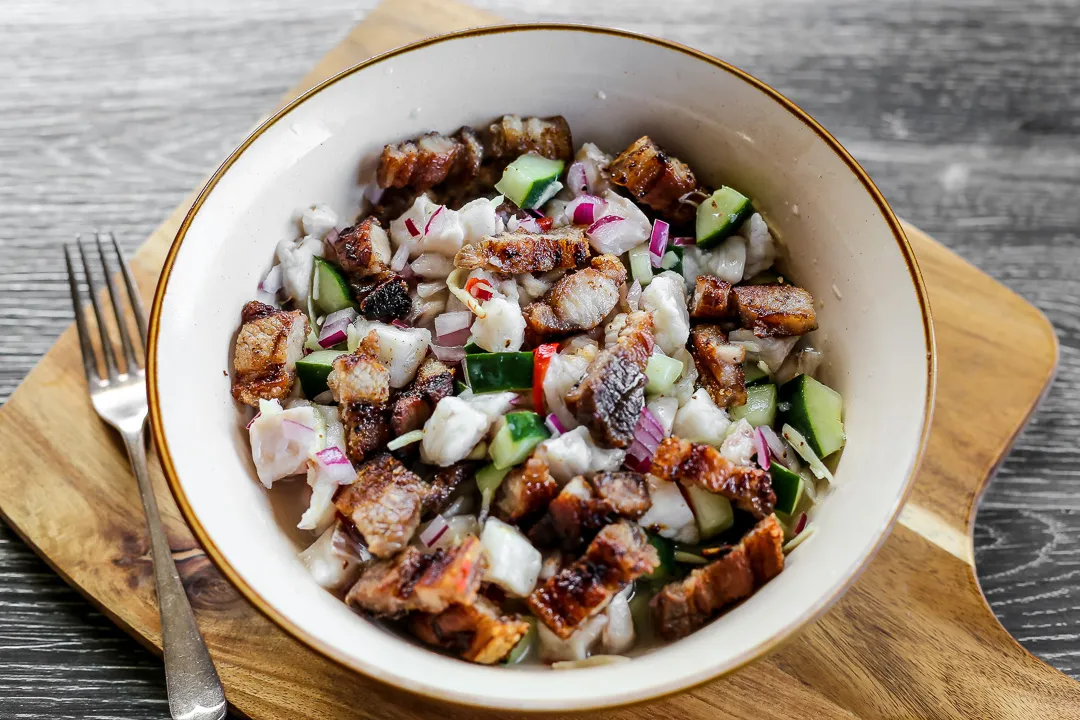
    Sinuglaw is a Filipino dish that combines two traditional cooking methods: “sinugba”, which refers to grilling, and “kinilaw”, which involves marinating raw fish in vinegar and other seasonings. It typically features grilled pork belly and a fish ceviche.

    Here’s a more detailed breakdown:

    Grilled Pork:
    The pork belly is usually char-grilled, providing a smoky and savory flavor.
    Fish Ceviche:
    The ceviche is a vibrant and tangy dish, often using tuna, and marinated in vinegar, calamansi juice, and other spices.
    The Combination:
    Sinuglaw is often served with the pork and ceviche together, creating a contrasting and flavorful experience.

    Sinuglaw can be enjoyed as a main dish or an appetizer. It’s a popular dish in the Visayas and Mindanao regions of the Philippines, and it’s known for its unique blend of flavors and textures.

    The Origin of Sinuglaw

    The origin of Sinuglaw can be traced back to Davao City, where the unique combination of grilled pork belly and tuna ceviche first gained popularity. This fusion dish, aptly named ‘Sinuglaw’ after the cooking methods ‘sugba’ (grilling) and ‘kinilaw’ (cooking in vinegar), has become a highlight of Filipino cuisine.

    The dish represents the rich culinary heritage of the Philippines, showcasing the creativity and resourcefulness of Filipino cooks. Sinuglaw is a versatile dish, enjoyed as both an appetizer or a main dish. It’s often featured in food festivals and events, promoting Filipino cuisine to locals and tourists.

    The combination of flavors from the grilled pork belly and fresh tuna creates a unique and savory taste, making Sinuglaw a beloved and essential part of Filipino cuisine.

    Key Ingredients for Sinuglaw

    For a mouthwatering Sinuglaw, gather the following key ingredients to create a perfect blend of smoky, tangy, and refreshing flavors.

    Key Ingredients Description
    Grilled Pork Belly Provides a smoky and savory flavor to the dish.
    Fresh Tuna Meat Adds a refreshing and tangy element to the Sinuglaw.
    Cucumber Offers a crisp and cooling contrast to the grilled pork and tuna.
    Vinegar Essential for marinating the tuna and creating the dish’s characteristic tangy taste.
    Red Onion Provides a mild onion flavor and adds a pop of color to the dish.

    These ingredients are essential for creating the fusion dish Sinuglaw. The grilled pork belly contributes a smoky flavor, while the fresh tuna meat adds a tangy element. The crispness of cucumber and the mild onion flavor from red onions complement the grilled pork and tuna, creating a harmonious blend of flavors. Additionally, the vinegar is crucial for marinating the tuna and achieving the dish’s characteristic tangy taste.

    Grilling the Pork Belly

    When grilling the pork belly for Sinuglaw, remember to marinate it with lemon, salt, and pepper first.

    Grill each side for at least 20 minutes to achieve that smoky flavor and charred texture you’re looking for.

    Make sure the pork belly is fully cooked through on the grill before letting it rest and chopping it into pieces for the dish.

    Pork Belly Preparation

    Before grilling the pork belly for Sinuglaw, marinate it with lemon, salt, and pepper for at least 20 minutes on each side to enhance its flavor.

    Here’s how to prepare the pork belly for grilling:

    1. Ensure thorough cooking without excessive charring.
    2. Allow the grilled pork belly to rest before chopping it into serving pieces.
    3. Use medium-high heat for a perfect balance of tenderness and smoky flavor.
    4. Occasionally baste the pork belly with a marinade or oil mixture to enhance juiciness and flavor while grilling.

    Following these steps will help you achieve a delicious and tender pork belly, a crucial component of this popular dish in Filipino cuisine.

    Grilling Technique

    After marinating the pork belly with lemon, salt, and pepper, the next step in preparing Sinuglaw is grilling the pork belly to achieve a delicious and tender texture. The grilling technique is crucial to infuse the pork belly with smoky flavors while ensuring it’s thoroughly cooked. Here’s a simple guide to grilling the pork belly for your Sinuglaw:

    Grilling Technique Time Instructions
    Preheat the grill 10 minutes Ensure it reaches medium heat.
    Grill the pork belly 20 minutes per side Achieve a charred and juicy texture.
    Check for doneness Throughout grilling Ensure it’s cooked thoroughly.
    Rest and slice After grilling Let it rest before slicing into serving pieces.
    Incorporate with kinilaw Before serving Mix the grilled pork belly with the tuna mixture.

    Following this grilling technique will result in perfectly grilled pork belly for your Sinuglaw.

    Preparing the Fresh Seafood

    To ensure the fresh tuna meat is ready for marinating, begin by thoroughly cleaning it to remove any impurities and guarantee its freshness. After soaking the tuna meat in vinegar, drain it well and combine it with cucumber, onion, ginger, chili, and salt, ensuring all the ingredients are mixed evenly.

    Use fresh and high-quality tuna meat for the best flavor and texture in the Sinuglaw dish. When combining the grilled pork belly with the tuna mixture, ensure that the pork belly is cut into appropriate serving pieces to evenly distribute it with the seafood.

    1. Clean the fresh tuna meat thoroughly to remove impurities.
    2. Soak the tuna meat in vinegar and combine it with other ingredients.
    3. Use fresh and high-quality tuna for the best flavor.
    4. Cut the pork belly into appropriate serving pieces for even distribution.

    Marinating and Combining the Ingredients

    After thoroughly cleaning the fresh tuna meat and combining it with vinegar, cucumber, onion, ginger, chili, and salt, the next step is to marinate the pork belly with lemon, salt, and pepper before grilling each side for at least 20 minutes.

    The Inihaw na liempo (grilled pork belly) should be thoroughly cooked to achieve a smoky flavor. While the pork belly is grilling, soak the tuna in vinegar with salt and pepper for at least five minutes.

    After grilling, mix the pork belly and tuna together, allowing the flavors to meld for at least an hour. Ensure the seasoning is to your liking before transferring the Sinuglaw to a serving plate.

    Garnish with additional cucumber slices or Thai or birds eye chili peppers for an extra kick. This fusion of two distinct meats and flavors is a popular dish in the Visayas and Mindanao regions, combining the red meat and fresh seafood.

    Serving Suggestions for Sinuglaw

    For a delightful dining experience, consider serving Sinuglaw fresh to fully appreciate its vibrant flavors and textures.

    Here are some serving suggestions for Sinuglaw:

    1. Pair with Steamed Rice: Serve Sinuglaw with steamed rice to complement the savory and tangy flavors, creating a satisfying meal.
    2. Customize Spiciness: Allow individuals to adjust the spiciness by adding extra chili according to their preferences, ensuring everyone enjoys the dish.
    3. Share with Loved Ones: Share Sinuglaw with family and friends to create a communal dining experience, fostering a sense of togetherness and enjoyment.
    4. Personalize Ingredients: Encourage personalization of the sinuglaw recipe by adjusting ingredients like vinegar and chili to tailor the taste to individual likings, adding a touch of uniqueness to the dish.

    Sinuglaw Variations and Regional Adaptations

    When it comes to Sinuglaw variations and regional adaptations, different parts of the Philippines showcase their unique flavors and ingredients.

    You’ll find regional flavor variations, ingredient substitutions, and cultural significance adaptations that contribute to the diversity of this fusion dish.

    From the type of seafood used to the level of spiciness, each region’s adaptation reflects the rich culinary traditions and creativity found across the Philippines.

    Regional Flavor Variations

    Regional variations in Sinuglaw highlight the diverse culinary heritage of different regions in the Philippines, with each adding its own unique twist to this fusion dish.

    When exploring Sinuglaw across the Philippines, you may encounter:

    1. Different kinds of vinegar: Some regions use local vinegars, such as coconut vinegar or sugarcane vinegar, to impart a distinct tangy flavor to the dish.
    2. Varying levels of spiciness: Depending on the region, Sinuglaw can range from mildly spicy to fiery hot, reflecting the diverse preferences for heat in Filipino cuisine.
    3. Diverse seafood options: Various regions may incorporate different types of fish or seafood, such as tuna, tanigue, or even exotic options like jellyfish, showcasing the rich marine resources.
    4. Distinct flavor preferences: Regional adaptations of Sinuglaw often reflect the unique flavor profiles and culinary traditions of specific provinces or islands, adding depth to this beloved dish.

    Ingredient Substitutions

    Exploring the diverse culinary heritage of different regions in the Philippines, you’ll find that Sinuglaw variations and regional adaptations often involve creative ingredient substitutions to impart unique flavors and textures to this fusion dish.

    In Sinuglaw, the traditional use of fresh tuna can be swapped with firm, white-fleshed fish like mahi-mahi or snapper for the ceviche part. For a different flavor, marinate the pork belly in a citrus-based marinade using calamansi or lime juice instead of lemon. You can also adjust the spiciness by substituting Thai chili peppers with milder varieties like jalapeños or adding a dash of hot sauce.

    Experiment with different types of vinegar such as apple cider vinegar or rice vinegar to impart unique flavor profiles to the Sinuglaw.

    Additionally, consider adding local or seasonal vegetables like radishes or bell peppers to the ceviche for added texture and taste variations.

    Cultural Significance Adaptations

    In Sinuglaw variations, different regions in the Philippines infuse their own unique twists to the traditional recipe, incorporating local ingredients and cooking styles.

    Here’s how regional adaptations bring diversity to this Filipino dish:

    1. Incorporating local ingredients and cooking styles results in variations in ingredients and flavors based on regional preferences.
    2. Different types of vinegar, additional spices, or alternative fish options may be used in some variations, showcasing the diversity of Filipino culinary traditions.
    3. The adaptability of Sinuglaw reflects the cultural diversity across the Philippines, with each region adding its own flair to the dish while still honoring its original concept.
    4. Exploring Sinuglaw variations provides a rich insight into the local culinary heritage and the creativity of Filipino cooks adapting traditional recipes to their specific regions.

    Health Benefits of Sinuglaw

    Sinuglaw offers numerous health benefits due to its combination of lean protein from grilled pork belly and omega-3 fatty acids from fresh tuna, making it a nutritious and well-rounded dish. The table below highlights the health benefits of sinuglaw:

    Health Benefit Details
    Rich in essential nutrients Sinuglaw provides a good source of protein, vitamins, and minerals from the combination of pork and seafood.
    Low-carb option Enjoying sinuglaw without rice makes it suitable for those following a low-carb or keto diet.
    Digestive health The vinegar in the tuna ceviche part of sinuglaw contributes to digestive health and may aid in reducing blood sugar levels.
    Hydration and fiber The fresh cucumber in sinuglaw provides hydration, dietary fiber, and various vitamins for overall well-being.

    Sinuglaw’s health benefits make it a great addition to a balanced diet, offering a delicious way to nourish your body.

    Sinuglaw: A Popular Dish for Festivals

    With its widespread popularity and versatility, sinuglaw has become a staple dish for various festivals and gatherings, embodying the rich culinary heritage of the Philippines. Sinuglaw has cemented its place as a popular dish for festivals due to its delicious flavors and ability to bring people together. Here’s why it’s a hit at these events:

    1. Versatility: Sinuglaw can be served as an appetizer or a main dish, making it suitable for different types of festivals and gatherings.
    2. Cultural Representation: It represents the rich culinary heritage of the Philippines, making it a perfect dish to showcase at cultural events and food festivals.
    3. Social Sharing: Sinuglaw brings people together, making it ideal for sharing with family and friends during celebratory occasions.
    4. Fusion Appeal: Its fusion of grilled pork belly and tuna ceviche makes it unique and appealing to a wide range of tastes at festivals.

    Sinuglaw Vs. Other Filipino Grilled Dishes

    When comparing Sinuglaw to other Filipino grilled dishes, you’ll notice the unique pairing of seafood and pork, creating a distinctive flavor profile.

    The grilling techniques used in Sinuglaw set it apart, as it combines the smoky goodness of pork belly with the tangy freshness of tuna ceviche.

    This fusion dish offers a refreshing twist on traditional grilled fare, making it a standout in Filipino cuisine.

    Flavorful Seafood Pairing

    Rarely do Filipino grilled dishes offer the delightful fusion of smoky grilled pork belly and tangy fresh tuna, setting Sinuglaw apart from traditional options in Filipino cuisine.

    Sinuglaw combines the smoky flavors of grilled pork belly with the tangy succulence of fresh tuna, creating a unique seafood fusion.

    Unlike other Filipino grilled dishes, Sinuglaw offers a refreshing and light taste due to the combination of grilled pork belly and fish ceviche.

    The fusion of Inihaw na liempo (grilled pork belly) and Kinilaw na Tuna (fish ceviche) in Sinuglaw sets it apart from traditional grilled dishes in Filipino cuisine.

    Sinuglaw’s combination of flavors showcases the versatility and creativity in Filipino cooking, providing a delightful alternative to other grilled dishes.

    The pairing of grilled pork belly and fresh tuna in Sinuglaw offers a balanced and savory seafood experience that differs from other traditional Filipino grilled dishes.

    Grilling Techniques Compared

    Grilling techniques in Sinuglaw set it apart from traditional Filipino grilled dishes by combining marinated and grilled pork belly with fresh tuna ceviche, creating a unique fusion of smoky and tangy flavors. Unlike other Filipino grilled dishes that focus solely on grilling meat or seafood, Sinuglaw showcases a different approach by blending the savory taste of pork belly with the refreshing zest of tuna ceviche. The table below illustrates the distinct grilling techniques and cooking methods used in Sinuglaw compared to other Filipino grilled dishes:

    Grilling Techniques Sinuglaw Other Filipino Grilled Dishes
    Main Components Marinated and grilled pork belly, fresh tuna ceviche Grilled meat or seafood
    Flavor Combination Smoky and tangy Varied depending on the dish
    Cooking Method Grilling and marinating Grilling and marinating

    Sinuglaw’s grilling technique offers a harmonious blend of textures and tastes, making it a standout choice for a unique grilling experience.

    Tips for Perfecting Your Sinuglaw

    To perfect your sinuglaw, start by selecting the freshest tuna and pork belly for optimal flavors and textures. Here are some tips for perfecting your sinuglaw:

    1. Choose the freshest tuna and pork belly for the best flavors and textures in your sinuglaw.
    2. Adjust the amount of vinegar, chili, and other seasonings to suit your personal taste preferences.
    3. Marinate the pork belly with lemon, salt, and pepper before grilling to enhance its flavor.
    4. Ensure the tuna is soaked in vinegar for just the right amount of time to achieve the perfect ceviche texture.

    What Grilled Pork Dish Can I Pair with Fresh Seafood for Sinuglaw?

    For a delicious sinuglaw dish, pair grilled pork belly with fresh seafood like tuna or tanigue. The smoky flavor of the Filipino pork barbecue skewers will complement the tangy and savory flavors of the sinuglaw perfectly. Follow a Filipino pork barbecue skewers tutorial for the perfect dish.

    Sinuglaw: A Versatile Dish for Any Occasion

    Looking to impress your guests with a versatile dish that combines the freshness of ceviche with the savory flavors of grilled pork belly? Look no further than sinuglaw!

    This Filipino delicacy is perfect for any occasion, whether you’re hosting a casual gathering or a formal dinner. As a fusion of grilled pork belly and tuna ceviche, sinuglaw offers a unique and savory taste that can be enjoyed as an appetizer or a main dish.

    Its versatility makes it a go-to option for various events. Best served fresh, sinuglaw pairs wonderfully with steamed rice, creating a delightful and satisfying meal. Its customizable nature allows you to adjust the flavors according to your preferences, ensuring that it brings people together and creates memorable dining experiences.

    Frequently Asked Questions

    Where Is Sinuglaw Originated?

    Sinuglaw originated in Davao City, Philippines. It’s a fusion dish combining grilling from Visayan cuisine and vinegar-based seafood from coastal regions. The name ‘Sinuglaw’ comes from ‘Sinugba’ (grilled) and ‘Kinilaw’ (marinated in vinegar), reflecting its culinary heritage.

    What Is the Difference Between Sinuglaw and Kinilaw?

    Sinuglaw is a fusion of grilled pork and fresh seafood, while kinilaw consists of raw seafood marinated in vinegar. Sinuglaw adds a smoky flavor from grilling the pork, creating a unique blend of flavors.

    What Is Sinuglaw in Misamis Oriental?

    In Misamis Oriental, sinuglaw is a delicious fusion of grilled pork and fresh seafood, typically combining sinugba (grilled pork belly) with kinilaw (tuna ceviche). It’s a versatile dish enjoyed as both an appetizer and a main course.

    What Is Sugba Kilaw?

    Sugba Kilaw is a popular Filipino dish that combines grilled pork belly and fish ceviche. It offers a fusion of smoky, grilled flavors from the pork and the tangy, refreshing taste of the fish ceviche.

    Conclusion

    So, next time you’re craving a delicious and unique Filipino dish, try making sinuglaw.

    With its combination of grilled pork and fresh seafood, it’s a perfect choice for any occasion.

    Just grill the pork belly, prepare the fresh seafood, marinate and combine everything, and you’ll have a flavorful dish that represents the rich culinary heritage of the Philippines.

    Enjoy sinuglaw with steamed rice and maybe some extra chili for a kick of spice! <script src=”https://app.tinyadz.com/scripts/ads.js?siteId=68228ff6e9d2469e97402253″ type=”module” async></script>

  • Inihaw Na Pusit: Filipino Grilled Squid

    Inihaw Na Pusit: Filipino Grilled Squid

    Inihaw Na Pusit is a traditional Filipino grilled squid dish that combines the flavors of ginger, parsley, onion, tomato, celery, lemon juice, soy sauce, oyster sauce, and olive oil. The squid is marinated in vinegar and milk, stuffed with a mixture of onions, celery, ginger, tomato, and spring onion, and grilled over high heat for a quick sear. It’s typically served with a flavorful dipping sauce and pairs well with light-bodied white wines, dry rosé, or fruity red wines.

    Key Takeaways

    • Inihaw Na Pusit is a traditional Filipino dish that showcases the country’s rich culinary heritage and the influence of Spanish and Asian cuisines.
    • The essential ingredients for Inihaw Na Pusit include ginger, parsley, onion, tomato, celery, lemon juice, soy sauce, oyster sauce, and olive oil.
    • The cooking techniques for Inihaw Na Pusit involve marinating the squid in vinegar and milk, stuffing it with a mixture of onions, celery, ginger, tomato, and spring onion, and grilling it over high heat for a quick sear.
    • Inihaw Na Pusit is typically served with a flavorful dipping sauce and pairs well with light-bodied white wines, dry rosé, or fruity red wines. It is often enjoyed alongside other seafood and meat dishes in a communal dining setting.

    The Origin of Inihaw Na Pusit

    Inihaw na Pusit, originating from the Philippines, embodies the rich culinary heritage of the country with its distinct smoky and savory flavors. This popular dish, also known as Grilled Squid, showcases the traditional Filipino grilling technique, which imparts a unique taste to the squid.

    The dish reflects the Filipino culinary tradition of using simple yet flavorful ingredients to create a delicious and satisfying meal. Inihaw na Pusit also highlights the influence of Spanish and Asian cuisines on Filipino cooking, resulting in a delightful fusion of flavors and cooking styles.

    Through this dish, one can experience the rich seafood heritage of the Philippines and the ingenuity of Filipino cooks in preparing delectable seafood dishes. Its origins and flavors make Inihaw na Pusit a true representation of the diverse and vibrant Filipino culinary landscape.

    Essential Ingredients for Grilled Squid

    For grilled squid, you will need a combination of diced ginger, parsley, onion, tomato, and celery to create a flavorful stuffing. In addition, you’ll require lemon juice, soy sauce, oyster sauce, half a lemon, and olive oil for marinating the squid. The stuffing mixture is made from onions, celery, ginger, tomato, and spring onion.

    For a delicious dipping sauce, you’ll need soy sauce, shallots, lemon juice, sugar, and optional sliced red chili. Lastly, you’ll need squid, toothpicks, and a heavy pan or barbecue for cooking the squid. Below is a table summarizing the essential ingredients for grilled squid:

    Ingredient Purpose
    Diced ginger Flavoring and stuffing
    Parsley Flavoring and stuffing
    Diced onion Flavoring and stuffing
    Tomato Flavoring and stuffing

    This combination of ingredients ensures a delightful and savory grilled squid dish.

    Marinating the Squid for Grilling

    To ensure tender and flavorful grilled squid, there are a few steps you should follow. First, marinate the squid in vinegar for 30 minutes to an hour. This allows the acidity to tenderize the meat. After marinating, soak the squid in milk. This further breaks down the protein fibers, enhancing its tenderness. Once the marination process is complete, drain and pat dry the squid to remove surface moisture. This step ensures a better sear during grilling.

    To infuse the squid with flavor, marinate it in a mixture of vinegar, honey, brown sugar, garlic, ginger, and chili peppers. This combination creates a sweet and savory profile that will tantalize your taste buds.

    Now it’s time to grill the squid over high heat. This will quickly sear it while preserving its tenderness.

    Get ready to enjoy the delicious taste of the sea with this perfectly marinated and grilled squid.

    Grilling Techniques for Perfect Squid

    After marinating the squid to enhance its tenderness and flavor, the next step is to master the grilling techniques for achieving perfectly cooked squid.

    Properly clean and prepare the jumbo squid before grilling to ensure a delightful dining experience.

    Preheat the grill to high heat for optimal cooking. This ensures that the squid cooks quickly, preventing it from becoming tough.

    Cook the squid for 2-3 minutes per side, ensuring that it reaches a tender texture without overcooking. Watch carefully, as squid can become rubbery if left on the grill for too long.

    Serving Suggestions for Inihaw Na Pusit

    Looking for a delightful way to serve Inihaw Na Pusit? Here are some serving suggestions to elevate your grilled squid experience:

    1. Serve the grilled squid on a plate and enjoy it with a flavorful dipping sauce to add an extra layer of taste.
    2. Pair the Inihaw Na Pusit with a refreshing side dish like a fresh salad to complement the smoky flavor of the squid.
    3. Drizzle the grilled squid with some tangy lemon juice and garnish it with fresh herbs for an added burst of flavor.

    These serving suggestions will enhance the enjoyment of your grilled squid, creating a delightful and satisfying dining experience.

    Pairing Wine With Grilled Squid

    When pairing wine with grilled squid, consider a light-bodied, crisp white wine like Sauvignon Blanc or Pinot Grigio to complement the delicate flavor of the dish. Additionally, opt for a dry rosé with good acidity to balance the smokiness of the grilled squid. A sparkling wine such as Prosecco can provide a refreshing contrast to the grilled squid’s flavors.

    For those who prefer red wine, a light-bodied and fruity Beaujolais or Pinot Noir can pair well with grilled squid. Experiment with different wine pairings to find the one that best enhances the grilled squid experience.

    Wine Type Flavor Profile Recommendation
    Sauvignon Blanc Crisp, citrusy Complements well with the delicate flavor of grilled squid
    Pinot Grigio Light, refreshing Enhances the subtle taste of grilled squid
    Dry Rosé Fruity, acidic Balances the smokiness of grilled squid

    Health Benefits of Eating Grilled Squid

    Grilled squid offers numerous health benefits, including being a high-protein food that supports muscle growth and repair, and a good source of essential vitamins and minerals.

    When you indulge in grilled squid, you enjoy a plethora of health advantages. Here’s what you get:

    1. High-Protein Content: Grilled squid is rich in protein, promoting muscle development and aiding in tissue repair.
    2. Vitamins and Minerals: It provides essential vitamins and minerals, contributing to your overall health and wellbeing.
    3. Low in Fat and Calories: As a part of a balanced diet, grilled squid offers a low-fat, low-calorie option for those seeking a healthier lifestyle.

    Inihaw Na Pusit in Filipino Culture

    In Filipino culture, Inihaw Na Pusit holds a significant place as a beloved grilled squid dish. Its history, cooking techniques, and serving traditions reflect the rich culinary heritage and communal dining customs of the Philippines.

    Understanding the cultural importance of Inihaw Na Pusit enhances the appreciation for its flavors and the shared experiences it brings to gatherings and meals.

    Inihaw Na Pusit History

    With a rich history in Filipino cuisine, Inihaw Na Pusit has become synonymous with the culinary traditions and flavors of the Philippines.

    Inihaw na Pusit is deeply rooted in Filipino culture, often enjoyed at home-cooked meals and special gatherings, reflecting the significance of communal dining and shared experiences.

    The dish is prepared with traditional flavorings such as soy sauce, vinegar, and aromatic spices, showcasing the culinary creativity and versatility of Filipino cuisine.

    Inihaw na Pusit embodies the Filipino tradition of grilling seafood to perfection, capturing the essence of the sea in each succulent bite, and offering a delightful taste of the ocean.

    The history of Inihaw na Pusit highlights its cultural importance, from its preparation to the communal enjoyment, making it a cherished part of Filipino culinary heritage.

    Cooking Techniques

    Rooted in Filipino culinary traditions, the cooking techniques for Inihaw Na Pusit reflect a deep appreciation for enhancing the grilled squid’s natural flavors and textures.

    To prepare this dish, start by properly cleaning and seasoning the squid with salt and pepper to bring out its natural taste. Additionally, marinate the squid in vinegar for 30 minutes to an hour to ensure tenderness.

    For added flavor, stuff the squid with a mixture of onions and tomatoes before grilling.

    When grilling, cook the squid for 6 to 8 minutes per side to achieve a perfectly toasty exterior while maintaining a tender inside.

    Serving Traditions

    Embracing Filipino culture, serving Inihaw na Pusit at gatherings and special occasions fosters warmth and conviviality, symbolizing communal dining and celebration. When enjoying this grilled squid dish, you can expect the following serving traditions:

    1. Abundant Feast: It’s customary to serve Inihaw na Pusit alongside other seafood and meat dishes, creating a diverse and abundant feast for sharing, reflecting the spirit of generosity and hospitality in Filipino culture.
    2. Complementary Accompaniments: Inihaw na Pusit is typically accompanied by steamed rice and a variety of dipping sauces, enhancing the overall dining experience and allowing for a mix of flavors and textures.
    3. Family and Community Bonding: The act of grilling and sharing Inihaw na Pusit reflects the importance of family and community bonding in Filipino traditions, reinforcing the values of togetherness and kinship.

    Variations of Inihaw Na Pusit Recipe

    Explore the delectable variations of the Inihaw Na Pusit recipe to discover exciting new ways to savor the flavors of grilled squid.

    Ginataang Pusit (Squid in Coconut Milk) offers a creamy and flavorful option with squid and coconut milk, complemented by long green chili peppers.

    On the other hand, Adobong Pusit presents a rich-tasting squid dish cooked with soy sauce, vinegar, tomatoes, garlic, and onions.

    These variations provide diverse culinary experiences, perfect for home-cooked meals and gatherings.

    Additionally, there are numerous other scrumptious squid recipes to explore, allowing you to enjoy the versatility and taste of squid in different culinary creations.

    Embrace these variations to experience the delightful spectrum of flavors that squid has to offer, adding a touch of excitement to your dining table.

    Tips for Buying Fresh Squid

    When buying fresh squid, look for clear eyes, firm and moist flesh, and an absence of fishy odor to ensure its quality and freshness.

    To enjoy the best flavors when grilling squid, follow these tips:

    1. Clear Eyes: Opt for squid with clear, bright eyes, as cloudy or sunken eyes indicate aging and poor quality.
    2. Firm and Moist Flesh: Gently press the squid to check for firmness and look for moist, shiny flesh, a sign of freshness and quality.
    3. Absence of Fishy Odor: Smell the squid to ensure there’s no fishy odor, as fresh squid should have a clean, briny scent.

    Grilled Squid Etiquette in the Philippines

    You should use your hands when eating grilled squid in the Philippines, as it’s a common practice instead of using utensils. Embrace the experience of feeling the texture and savoring the flavor with your fingers.

    When dining with others, share the grilled squid family-style, appreciating each bite. Show gratitude to the cook for their grilling skills, acknowledging the effort put into the dish.

    In the Philippines, it’s polite to use a modest amount of dipping sauce to enhance the flavor of the grilled squid, called Adobong Pusit, without overpowering it.

    What Makes Inihaw Na Bangus a Healthy Alternative to Inihaw Na Pusit?

    Inihaw na bangus, a flavorful grilled milkfish recipe, offers a healthier alternative to inihaw na pusit. Pusit is high in cholesterol and calories, whereas bangus is a rich source of omega-3 fatty acids and protein. With fewer health risks and a delicious taste, inihaw na bangus is an excellent choice.

    Celebrating With Grilled Squid – Festivals and Gatherings

    Grilled squid holds a special place in Filipino celebrations, serving as a centerpiece that brings people together to share in the joy of festivity and communal enjoyment. When it comes to festivals and gatherings, grilled squid takes center stage in coastal regions, where squid festivals feature a variety of grilled squid dishes, showcasing its versatility.

    Families and friends gather around open grills, savoring the aroma of sizzling grilled squid, fostering a sense of community and shared enjoyment. At outdoor celebrations, the presence of grilled squid adds a festive and flavorful touch to the occasion, signaling the start of a joyous and delicious gathering.

    Frequently Asked Questions

    How Do You Eat Grilled Squid?

    To eat grilled squid, remove the internal cartilage before cutting it into pieces. Dip in a tasty sauce like soy, calamansi, and vinegar. Pair with garlic rice and salad. Enjoy as an appetizer or main course.

    How Do You Make Squid Not Chewy on the Grill?

    To make squid not chewy on the grill, marinate it in vinegar for 30 minutes to an hour. Soak it in milk to tenderize. Drain and pat dry before grilling. Cook over high heat for a quick sear.

    Do You Boil Squid Before Grilling?

    Yes, you should boil squid before grilling. It tenderizes the squid, reduces cooking time, and ensures even grilling. Boil for 2-3 minutes to maintain flavor and texture, preventing rubbery squid.

    How to Cook Squid on the Grill in a Pan?

    To cook squid on the grill in a pan, heat olive oil, season the squid, and stuff it with onion and tomato. Grill for 6-8 minutes per side. Serve with dipping sauce for a delicious meal.

    Conclusion

    Now that you know how to make Inihaw Na Pusit, you can enjoy the taste of the sea right at home. With simple ingredients and easy grilling techniques, you can create a smoky and flavorful squid dish that will impress your family and friends.

    So fire up the grill, grab some fresh squid, and get ready to experience the deliciousness of Filipino grilled squid.

  • Lechon Belly: Crispy and Juicy Filipino Delicacy You Need to Try

    Lechon Belly: Crispy and Juicy Filipino Delicacy You Need to Try

    Lechon Belly is a beloved Filipino dish known for its crispy skin and juicy meat. It’s often the highlight of celebrations and gatherings, and its preparation involves scoring the skin, patting it dry, and slow-roasting at low temperatures for a perfect balance of crispiness and tenderness.

    Key Takeaways

    • Lechon Belly is a beloved Filipino dish known for its crispy skin and juicy meat.
    • It has gained popularity worldwide and is often the highlight of celebrations and gatherings.
    • Achieving crispy skin involves scoring and patting dry the pork belly skin, preheating cooking equipment, and generously covering the skin with salt and oil.
    • To perfect the juiciness inside, slow-roasting at low temperatures and properly seasoning the skin before roasting are crucial.

    What Is Lechon Belly?

    If you’ve never tried it before, lechon belly is a Filipino dish that features succulent, moist meat and irresistibly crispy skin. It’s made from a rolled and roasted pork belly, creating a flavorful and indulgent culinary experience.

    The pork belly, with its skin intact, is essential for achieving that perfect balance of juicy meat and crispy skin. The dish involves rolling the pork belly lengthwise and slow-roasting it for 5-6 hours, resulting in a rich, tender, and juicy pork taste, coupled with the satisfying crunch of the skin.

    This simplified and miniaturized version of traditional lechon is infused with garlic, onion, and lemongrass flavors, making it a standout centerpiece for any special occasion.

    When served with steamed rice and dipping sauce, lechon belly offers a delightful and satisfying dining experience.

    Lechon Belly Ingredients

    Lechon belly, a Filipino delicacy known for its succulent meat and crispy skin, requires a few key ingredients to achieve its irresistible flavor and texture.

    Start with a rectangular piece of boneless pork belly with the skin on, ensuring it weighs at least 1.5kg (3 pounds) and has an even thickness for easy rolling. Quality pork is essential, so opt for the freshest cuts, preferably from the butcher.

    For seasoning, use garlic powder, onion powder, and pepper to infuse the meat with delicious flavors.

    Additionally, to elevate the dish, consider serving it with a side of lechon sauce, which complements the crispy skin and tender pork perfectly.

    With these ingredients, you can create a mouthwatering lechon belly that will surely impress your taste buds.

    How to Prepare Lechon Belly

    To prepare lechon belly, begin by rolling the pork belly lengthwise, creating a piece that’s almost 2 feet long. Pierce the skin per the recipe and put it in the fridge overnight.

    Preheat the oven to the appropriate temperature, ensure cleanliness, and set up a roasting tin with a grill rack and foil.

    Rub the seasoning mixture all over the meat, place garlic, shallots, and lemongrass in the center, and tie the pork into a log shape. This preparation is crucial for achieving the crispy and juicy texture of lechon pork belly.

    Once the pork belly is ready, roast it in the oven until the skin is crispy and the meat is tender.

    Serve your delicious oven-roasted pork belly with steamed rice and a flavorful dipping sauce.

    Seasoning and Rolling the Belly

    After refrigerating the seasoned pork belly overnight, proceed by carefully rolling it lengthwise to create a log shape, ensuring an even distribution of flavors for the delicious lechon belly.

    Make sure the skin is dry before rubbing oil all over it and sprinkling salt evenly. This step is crucial for achieving the signature crispy skin of lechon belly. The salt helps draw out moisture from the skin, resulting in a delectable crunch when roasted.

    Additionally, the lechon kawali method involves piercing the skin to ensure it crisps up evenly during the roasting process.

    Achieving Crispy, Crunchy Skin

    To achieve that perfect crispy and crunchy skin on your lechon belly, there are a few important steps to follow:

    1. Score the pork belly skin well and pat it dry to remove excess moisture.
    2. Pricking tiny holes in the skin will help to release steam and prevent the skin from blistering.
    3. Preheat your cooking equipment, whether it’s an oven or an air fryer, to a high temperature. This will ensure that the skin gets crispy and crunchy.
    4. When air frying, don’t forget to generously cover the skin with rock salt or flaky sea salt. This will enhance the crispiness of the skin.

    Skin Crispiness Techniques

    For achieving crispy, crunchy skin on your Lechon Belly, start by scoring the pork belly skin to allow the fat to render out and the skin to crisp up.

    Here are three techniques to enhance the skin crispiness of your pork belly:

    1. Rub with Oil and Salt: Ensure an even coating of oil and salt on the skin to create a crispy, puffy texture.
    2. Air-Dry Overnight: After boiling, air-dry the pork belly in the refrigerator overnight to guarantee extra crispiness.
    3. Prick Tiny Holes: Before air frying, prick tiny holes in the skin to encourage bubbling and popping, resulting in a crispy texture.

    Perfecting Juiciness Inside

    To achieve the perfect balance of crispy, crunchy skin and juicy interior in your Filipino lechon belly, start by slow-roasting the pork belly at low temperatures for several hours to retain its juiciness. This slow-cooking process allows the flavors to meld while keeping the meat tender and succulent.

    As the pork belly nears completion, increase the oven temperature to achieve the desired crispy and crunchy texture on the skin. Properly seasoning the skin with oil and salt before roasting is crucial for achieving the perfect balance of flavors and textures.

    Additionally, allowing the pork belly to air-dry in the refrigerator overnight after boiling helps to further enhance the crispiness of the skin.

    Remember to slice the pork belly into the right thickness and fry it at the recommended temperature to ensure a delightful contrast of crispy exterior and juicy interior.

    Oven Roasting the Lechon Belly

    To achieve the perfect lechon belly, start by preheating your oven to 250°F for the low and slow roast.

    Then, after the initial slow roast, increase the temperature to 320°F for an additional 1-1/2 hours, and then to 420°F for 30-40 minutes for that crispy skin.

    Monitor the temperature and time carefully, and rest the lechon belly before slicing for the best flavor and texture.

    Crispy Skin Perfection

    Achieve crispy skin perfection by preheating the oven and preparing a roasting tin with a grill rack and foil for the pork belly.

    Follow these steps for that perfect Filipino crispy lechon belly:

    1. Rub the seasoning mixture all over the pork belly, ensuring it’s evenly coated and flavorful.
    2. Pat dry the skin, rub oil all over, sprinkle salt evenly, and then roast the pork in a vertical position for a specified time, ensuring even cooking.
    3. Remove the foil, increase the oven temperature, and continue roasting until the skin becomes crispy and puffy, flipping the pork to each side as needed for ultimate crispiness.

    With these steps, you’ll achieve the crispy skin perfection that makes lechon belly a beloved Filipino delicacy.

    Juicy Meat Inside

    For a juicy and flavorful lechon belly, slow roast the pork belly in the oven for 3-1/2 hours, then continue cooking at 320F and 420F for a total of 5-6 hours. This process ensures that the lechon belly’s meat inside remains succulent and bursting with flavor.

    As the pork slowly roasts, it develops a crispy exterior while the juices are sealed inside, resulting in a perfect balance of crispy skin and juicy meat. Following the specified cooking times and temperatures is crucial to achieve this ideal texture and taste.

    Additionally, refrigerating the lechon belly for a day or two intensifies its flavor, making it an exceptional dish for special occasions.

    The versatility of lechon belly allows its leftovers to be used in various other delectable Filipino dishes like pinakbet, sisig, or paksiw, reducing waste and providing delightful meals.

    Serving Suggestions for Lechon Belly

    When serving lechon belly, consider pairing it with steamed rice and a flavorful dipping sauce for a satisfying meal. Here are some serving suggestions to enhance your experience with this crispy pork belly:

    1. Maintain Crispiness: Keep the lechon belly uncovered to preserve its crispy and crunchy texture, ensuring that each bite remains delightful.
    2. Variety with Leftovers: Utilize leftover lechon belly in other dishes such as pinakbet, sisig, or paksiw to enjoy a diverse range of flavors and meals.
    3. Enhanced Flavor: Enhance the lechon belly’s flavor by serving it with a spiced vinegar condiment or lechon sauce, elevating the overall dining experience.

    Handling Leftover Lechon Belly

    If you have leftover lechon belly, make sure to store it in an airtight container in the fridge to maintain its crispy skin and juicy meat.

    When reheating, opt for the oven or air fryer to restore its crispiness, avoiding the microwave to prevent sogginess.

    Additionally, get creative by transforming the leftover lechon belly into delicious dishes like lechon paksiw or lechon fried rice to enjoy new flavors.

    Storing Leftover Lechon

    To maintain the flavor and texture of leftover lechon belly, promptly refrigerate it in an airtight container or tightly wrapped in foil. When storing leftover lechon belly, follow these tips:

    1. Prevent Drying Out: Store the leftover lechon belly in the refrigerator to prevent it from drying out, ensuring it remains juicy and flavorful.
    2. Refrigeration Duration: Leftover lechon belly can be stored in the refrigerator for up to 3-4 days, maintaining its quality for several days after the initial serving.
    3. Maintain Crispiness: When reheating, place the leftover lechon belly in the oven at a low temperature to maintain its crispiness, making the skin crispy again and enhancing the overall eating experience.

    Following these simple steps will ensure that your leftover lechon belly stays delicious and enjoyable even after the initial serving.

    Reheating Safely

    Wondering how to safely reheat your leftover lechon belly to maintain its delicious crispy texture and ensure food safety? Refrigerate the pork belly promptly to preserve its freshness.

    When reheating, use an oven or air fryer to retain the crispy texture of the pork skin. It’s crucial to ensure that the reheating temperature reaches at least 165°F (74°C) to eliminate any bacteria and guarantee food safety.

    Be vigilant during the reheating process to prevent overcooking and maintain the juiciness of the meat. For optimal results, reheat small portions at a time to ensure even heating and preserve the dish’s quality.

    Creative Leftover Recipes

    Looking for creative ways to use your leftover lechon belly? Try making a flavorful fried rice or delicious tacos using the diced meat.

    Here are some ideas to transform your pork belly leftovers into mouthwatering dishes:

    1. Lechon Belly Fried Rice: Utilize diced leftover lechon belly to create a savory fried rice dish with a mix of vegetables and scrambled eggs.
    2. Lechon Belly Tacos: Shred the leftover lechon belly and use it as a filling for soft tortillas, adding your favorite toppings for a delightful taco experience.
    3. Lechon Belly Hash: Cook diced lechon belly with potatoes, onions, and seasonings to craft a hearty and satisfying breakfast hash.

    These inventive recipes will breathe new life into your crispy lechon belly, ensuring that no delicious morsel goes to waste.

    Reheating Lechon Belly

    When reheating lechon belly, you can achieve optimal results by following these simple steps:

    1. Preheat the oven to 350°F.
    2. Place the pork belly on a baking tray and cover it with foil to prevent drying.
    3. Reheat for 15-20 minutes or until the internal temperature reaches 165°F.
    4. For a crispier skin, remove the foil and broil for an additional 5-7 minutes. This will help to retain the lechon belly’s crispy texture.
    5. After reheating, let the lechon belly rest for a few minutes before slicing and serving.

    Watching a Lechon Belly Recipe Video

    If you want to learn how to make a delicious and crispy pork belly lechon roll, watching a lechon belly recipe video can guide you through the step-by-step process. Here’s what you can expect from the video:

    1. Selecting the Right Pork Belly: The video provides tips on choosing the best cut of pork belly for your lechon roll, ensuring that you achieve the perfect balance of juicy meat and crispy skin.
    2. Rolling and Seasoning: You’ll learn how to properly roll and season the pork belly, including the use of traditional Filipino spices and herbs to enhance the flavors.
    3. Cooking Techniques: The video guides you through the cooking time and temperature, ensuring the meat is tender and the skin is irresistibly crispy, creating the authentic Filipino lechon belly experience.

    Nutritional Information for Lechon Belly

    For a clear understanding of the nutritional content of Lechon Belly, consider reviewing the calories, fat, protein, carbohydrates, and sodium content per serving. The following table outlines the approximate nutritional values for a standard serving size of Lechon Belly:

    Nutrient Amount per Serving
    Calories 400
    Fat 25g
    Protein 30g
    Carbohydrates 0g
    Sodium 600mg

    Lechon Belly, being made from pork belly, is naturally high in both calories and fat. However, it provides a significant amount of protein. The sodium content may vary based on the seasoning and preparation method. When consuming Lechon Belly, it’s important to be mindful of portion sizes due to its high calorie and fat content. To make this Filipino delicacy healthier, leaner cuts of pork or adjusted cooking methods can be considered.

    Is Lechon Belly a Suitable Dish for a Beach Outing?

    Lechon Belly is considered the best Filipino beach food for a reason. Its succulent and flavorful pork belly is perfect for a beach outing. The crispy skin and tender meat make it an ideal dish to enjoy by the shore, making it a suitable choice for any beach gathering.

    Reader Interactions and Comments

    After exploring the nutritional information for Lechon Belly, let’s now turn our attention to the valuable insights and feedback from reader interactions and comments.

    Here are some ways reader interactions and comments can enhance your experience with pork belly recipes like Lechon Belly:

    1. Recipe Modifications: Readers often share their experiences with adapting the recipe, offering valuable tips for achieving the perfect crispy skin or juiciness.
    2. Ingredient Substitutions: Engaging with comments can provide suggestions for alternative ingredients or seasonings to suit different preferences or dietary restrictions.
    3. Community Support: Interacting with other cooking enthusiasts in the comments can foster a sense of community, allowing you to share your own experiences and learn from others’ successes and challenges.

    Frequently Asked Questions

    What Is Lechon Belly Made Of?

    Lechon belly is made of pork belly with the skin on, seasoned with garlic powder, onion powder, and pepper. Shallots, garlic, and lemongrass are added for flavor. It’s air-dried overnight for extra crispiness.

    How to Make Lechon Skin Crispy?

    To make lechon skin crispy, rub it with oil and salt, then refrigerate it overnight. Slow roast the pork belly, increasing the oven temperature at the end. For extra crispiness, air-dry it in the fridge before air frying.

    Do Filipinos Eat Pork Belly?

    Yes, Filipinos commonly eat pork belly. It’s a staple in many traditional dishes and is used in popular Filipino recipes like lechon kawali and lechon liempo. Pork belly’s rich flavor and tender texture make it a favored ingredient.

    Should I Boil My Pork Belly Before Frying?

    Yes, you should boil your pork belly before frying. Boiling helps render out some fat for a crispy texture and ensures tenderness. Simmer it in seasoned water for over an hour for flavor infusion, then air-dry it overnight for extra crispiness.

    Conclusion

    So next time you’re looking for a delicious and satisfying dish to try, don’t forget to give Lechon Belly a go.

    With its crispy and juicy pork belly, infused with flavors like garlic, onion, and lemongrass, it’s perfect for special occasions or holiday feasts.

    And with the option to use any leftovers in other Filipino dishes, it’s a versatile and tasty addition to any meal.

    Give it a try and experience the rich flavors of Filipino cuisine!

  • Mastering Filipino Pork Barbecue Skewers

    Mastering Filipino Pork Barbecue Skewers

    }

    Mastering the art of Filipino pork barbecue skewers perfectly balances sweetness and savory flavors, creating a delightful culinary experience.

    The tantalizing aroma of marinated pork sizzling on the grill will leave you craving for more.

    Key Takeaways

    • Filipino pork barbecue is a beloved dish in Filipino cuisine, reflecting a rich tapestry of flavors and cooking techniques.
    • Filipino BBQ flavors are sweet and savory, incorporating unique ingredients like 7-up or banana ketchup.
    • Glazing techniques are important in mastering the grilling process, such as brushing skewers with marinade glaze before grilling and applying glaze in layers for a sticky, caramelized coating.
    • Soaking bamboo skewers in water and using a charcoal grill are essential for achieving the desired char and preventing burning.

    Filipino Pork Barbecue Tradition

    Filipino Pork Barbecue Tradition is deeply embedded in the culinary heritage and social gatherings of the Philippines, reflecting a rich tapestry of flavors and cooking techniques.

    This tradition revolves around the sweet and savory Pork skewers, a beloved dish in Filipino cuisine. The recipe for Filipino BBQ Pork involves marinating the meat in a special blend of ingredients, often including 7-up or banana ketchup for tenderizing and sweetening. The skewered pork is then grilled over charcoal or gas, infusing it with a smoky flavor.

    Pusô, a type of hanging rice, is commonly served alongside these delicious skewers. This tradition showcases the Filipino love for communal dining and the art of grilling, creating a unique and unforgettable dining experience for both locals and visitors.

    Flavorful Filipino Vs American BBQ

    When comparing Filipino and American BBQ, the flavors and ingredients used in each cuisine distinguish the two.

    Filipino BBQ often features marinades with wet ingredients like soy sauce and citrus, while American BBQ leans towards dry rubs and thick sauces.

    Filipino BBQ may incorporate unique ingredients like 7-up or banana ketchup, offering a sweet and tangy profile that differs from the traditional American BBQ taste.

    Filipino BBQ Flavors

    With its wet marinades featuring 7-up or banana ketchup, Filipino BBQ sets itself apart from the dry rubs and thick sauces commonly found in American BBQ. The Filipino BBQ flavors are characterized by a sweet and savory sauce that tenderizes the meat while grilling, creating a distinctive taste that is deeply rooted in Filipino cuisine. Below is a comparison of Filipino BBQ flavors versus American BBQ flavors:

    Filipino BBQ FlavorsAmerican BBQ Flavors
    Wet marinades with 7-up or banana ketchupDry rubs and thick sauces
    Sweet and savory sauceSmoky and tangy flavors
    Grilled over charcoalGrilled or smoked over wood or charcoal

    Filipino BBQ flavors emphasize the use of unique marinades and sweet-savory combinations, providing a delightful contrast to the more traditional American BBQ flavors.

    American BBQ Contrasts

    Contrastingly, the flavors of American BBQ stand in stark juxtaposition to the wet marinades and sweet-savory profiles that characterize Filipino BBQ. Here's a deeper look at the differences:

    • Wet vs. Dry: Filipino BBQ marinades use wet ingredients, while American BBQ relies more on dry rubs and thick sauces.
    • Filipino BBQ may include ingredients like 7-up or banana ketchup for tenderizing and sweetening, contrasting with traditional American BBQ flavors.
    • Cooking Methods: Filipino BBQ is typically cooked over charcoal or gas grills, whereas American BBQ emphasizes the use of wood and smoke for flavor.

    These contrasts showcase the unique sweet and savory flavors of Filipino pork barbecue skewers.

    Taste Profile Comparison

    In comparing the taste profiles of flavorful Filipino and American BBQ, one immediately notices the distinctive differences in marinades and flavorings.

    Filipino Pork Barbecue stands out with its wet marinades featuring ingredients like 7-up or banana ketchup, adding unique sweetness and tenderizing qualities. The savory Pork BBQ skewers are characterized by bold, vibrant flavors, often incorporating citrusy notes from calamansi or lemon juice, providing a tangy element.

    On the other hand, American BBQ relies more on dry rubs and thick sauces, emphasizing traditional flavors and a wide range of regional styles. American BBQ marinades may use different types of vinegar or fruit juices for acidity, offering diverse flavor profiles influenced by various regional barbecue traditions.

    The combination of soy sauce, ketchup, calamansi juice, garlic, brown sugar, and spices creates a distinct taste in Filipino BBQ, setting it apart from American BBQ.

    Exploring Banana Ketchup

    Have you ever tried the unique and flavorful banana ketchup commonly used in Filipino cuisine? This sweet and tangy condiment is a staple in Filipino households, and it adds a delightful twist to the classic pork barbecue skewers.

    When exploring banana ketchup, consider the following:

    • Versatility: Banana ketchup isn't just for dipping; it's also an excellent marinade for pork barbecue skewers. Its sweet and savory profile infuses the meat with rich flavors.
    • Use it as a marinade to add a Filipino twist to your pork barbecue skewers.
    • Experiment with different proportions of banana ketchup to create the perfect balance of sweetness and tanginess in your marinade.

    Exploring the world of Filipino cuisine wouldn't be complete without experiencing the magic of banana ketchup as a marinade for your pork barbecue skewers.

    Crafting the Perfect Marinade

    To craft the perfect marinade for your Filipino pork barbecue skewers, start by incorporating traditional ingredients like 7-up, soy sauce, vinegar, brown sugar, garlic, and banana ketchup.

    Enhance the flavor by adding additional ingredients such as chili oil with black bean sauce.

    Remember to thoroughly mix the marinade before adding the pork and marinate for up to six hours to allow the flavors to fully infuse the meat.

    Flavorful Marinade Ingredients

    Consider using a splash of chili oil with black bean sauce to elevate the flavor profile of the traditional Filipino BBQ pork skewer marinade. This addition brings a subtle heat and depth of flavor to the marinade, making it stand out.

    When crafting the perfect marinade, it's essential to consider the following:

    • Experiment with different types of vinegar, such as Filipino Datu Puti, to achieve a unique sweet and tangy flavor. This adds complexity to the marinade and enhances the overall taste of the pork skewers.
    • For a tender and flavorful outcome, marinate the pork for up to six hours in the refrigerator, allowing the flavors to penetrate the meat thoroughly.

    Marinating Time Importance

    Maximizing marinating time is key to achieving the optimal flavor and tenderness for your Filipino pork barbecue skewers.

    Marinating the pork for up to six hours in the refrigerator is crucial.

    The marinade ingredients, including 7-up, soy sauce, vinegar, brown sugar, and banana ketchup, play a vital role in tenderizing and infusing sweet and savory flavors into the pork.

    Longer marinating time allows the flavors to penetrate the meat, resulting in a more succulent outcome. Sprite in the marinade acts as a meat tenderizer, adding a unique twist to the taste of Filipino pork barbecue skewers.

    To ensure optimal results, keep the marinated pork in the refrigerator for food safety and allow it to come to room temperature before grilling.

    With the right marinating time, your skewers are super moist and bursting with flavor.

    Selecting the Meat Cuts

    For optimal results, select a cut of pork with well-distributed ribbons of fat, such as pork butt (kasim). This provides the right balance of meat and fat, ensuring succulent results. Adequate marbling is crucial for juicy and flavorful barbecue.

    When choosing meat cuts for your pork skewers, keep the following in mind:

    • Consider the fat content: Adequate marbling is crucial for juicy and flavorful barbecue. Pork butt (kasim) provides the right balance of meat and fat, ensuring succulent results.
    • Avoid overly fatty cuts: While pork belly is delicious, it tends to be too fatty for skewers, leading to flare-ups on the grill and overly greasy results.
    • Lean cuts aren't ideal: Pork loin or tenderloin may seem lean, but they can end up dry and tough when grilled. Opt for cuts with a bit more fat for better flavor and texture.

    Glazing Techniques for Pork Skewers

    When grilling your Filipino pork barbecue skewers, the key to enhancing their flavor and texture is mastering the art of glazing.

    Brush the skewers with the marinade glaze before grilling to add flavor and moisture.

    During grilling, apply the glaze in layers to build up a sticky, caramelized coating, using a basting brush to evenly distribute it.

    Experiment with different glaze variations, such as adding honey or pineapple juice for unique flavors.

    Allow the glaze to caramelize on the skewers for a delicious sweet and savory finish.

    Remember, the cooking time will vary depending on the thickness of the meat and the heat of the grill, so keep an eye on the skewers to prevent burning.

    Mastering the Grilling Process

    To master the grilling process, you should start by preheating the grill to the right temperature for even cooking.

    Remember to soak bamboo skewers in water to prevent burning and ensure they don't catch fire.

    Also, it's important to alternate lean and fatty pieces of pork on each skewer for balanced flavor and texture.

    Grilling Tools and Equipment

    Ensuring that your grilling tools and equipment are in top condition before you start cooking can make a significant difference in mastering the grilling process.

    When preparing to grill your pork barbecue skewers, there are a few essential tips to keep in mind:

    • Soak the bamboo skewers: Soak bamboo skewers in water for at least 30 minutes before grilling to prevent burning and ensure even cooking.
    • Preheat the grill: Preheat the charcoal grill to medium-high heat for a nice char and even cooking of the pork skewers.

    Marinating Techniques

    To master the grilling process, begin by marinating the pork in a traditional Filipino BBQ marinade consisting of 7-up, soy sauce, vinegar, brown sugar, garlic, and banana ketchup for an authentic and flavorful taste. Enhance the flavor by incorporating chili oil with black bean sauce or Filipino vinegar called Datu Puti.

    Marinate the pork for up to six hours in the refrigerator to ensure optimal flavor infusion. Before threading the pork onto bamboo skewers, soak the skewers in water for at least 30 minutes to prevent burning on the grill.

    Furthermore, you can adapt the marinade for other meats like chicken, beef, or seafood by adjusting marinating time and considering the protein's characteristics.

    Cooking Time and Temperature

    Achieve even cooking and a delightful char by preheating the grill to medium-high heat before cooking the skewers for about four minutes on each side, while glazing them in between.

    When mastering the grilling process, it's crucial to maintain a consistent medium-high heat for even cooking. To ensure perfect results, monitor the cooking time closely to avoid overcooking and drying out the meat.

    Additionally, letting the skewers rest for a few minutes before serving allows the juices to redistribute within the meat, resulting in a juicier and more flavorful dish.

    Art of Serving Filipino BBQ

    When serving Filipino BBQ pork skewers, consider pairing them with a refreshing side of atchara to complement the savory flavors of the dish. The tender and moist skewers are best enjoyed with the tangy and slightly sweet atchara, creating a delightful balance of flavors.

    Additionally, presenting the barbecue on a bed of freshly steamed rice or alongside a serving of pancit can elevate it to a satisfying main meal.

    To enhance the overall dining experience, garnish the skewers with freshly chopped spring onions or cilantro for a pop of color and added freshness.

    The art of serving Filipino BBQ lies in creating a complete sensory experience, where each element harmoniously contributes to the enjoyment of the dish.

    Perfecting Filipino Pork Barbecue Skewers

    Transitioning from the art of serving Filipino BBQ, you can perfect your pork barbecue skewers by selecting the juiciest cuts of pork shoulder or pork belly for optimal succulence. Marinate the skewers for at least 2 hours or overnight to infuse them with flavor. Remember to soak bamboo skewers in water before threading to prevent burning on the grill.

    Preheat the grill to medium-high heat for even cooking and a nice char. Alternate lean and fatty pieces of pork on each skewer to achieve a perfect balance of flavors. For a truly delicious experience, consider serving your Filipino pork barbecue skewers with a tangy and slightly sweet dipping sauce.

    These easy recipes will elevate your skewers into a popular street food that everyone will love.

    Noteworthy Tips for Success

    To ensure successful Filipino pork barbecue skewers, select the right cut of meat, such as pork shoulder or pork belly, with some fat for added flavor. Marinate the skewers for at least 2 hours or overnight for optimal flavor infusion. Soak bamboo skewers in water before threading to prevent burning on the grill. Preheat the grill to medium-high heat for even cooking and a nice char. Oil the grill grates to prevent sticking and achieve grill marks.

    Noteworthy TipsDetails
    Choose the right cut of meatPork shoulder or pork belly with some fat for flavor
    Marinate for optimal flavor2 hours or overnight for best results
    Soak bamboo skewersPrevent burning on the grill
    Preheat the grillMedium-high heat for even cooking
    Oil the grill gratesPrevent sticking and achieve grill marks

    These simple tips will ensure your pork barbecue skewers turn out perfectly.

    Nutritional Information for Pork Skewers

    You can learn about the nutritional information for pork skewers, including their protein content and potential contributions from marinade ingredients.

    When considering the nutritional information for pork skewers, keep in mind the following:

    • Protein Content: Pork skewers are high in protein, providing essential amino acids for muscle growth and repair. This makes them a great option for those looking to increase their protein intake.
    • Fat Content: Depending on the cut of pork used, the skewers may contain varying amounts of fat. However, the grilling process helps render some of the fat, reducing the overall fat content and contributing to a moist, tender texture.

    Understanding the nutritional content of pork skewers can help you make informed choices when planning your meals.

    What makes Filipino BBQ Skewers and Grilled Liempo similar in taste and preparation?

    Filipino BBQ skewers and grilled liempo both share a delicious smoky flavor and are marinated in a blend of soy sauce, garlic, and calamansi juice. The key tips for Filipino BBQ include choosing the right cut of meat and allowing enough time for the marinade to infuse the flavors.

    Engaging With the Recipe Community

    Consider joining online cooking forums or social media groups dedicated to sharing and discussing recipes to connect with a community of fellow food enthusiasts. Engaging with the recipe community allows you to share your love for BBQ skewers, learn new cooking techniques, and discover easy recipe variations for pork barbecue. Participate in recipe challenges and contests to showcase your culinary skills and gain inspiration from others. Share your own pork barbecue recipe variations and cooking tips to contribute to the community, and don't hesitate to ask for advice or offer help when others seek cooking-related assistance. Additionally, attending local cooking classes or food events can provide opportunities to connect with like-minded individuals and exchange exciting BBQ skewer ideas.

    ConnectLearnShare
    Discover new recipesGain cooking techniquesContribute to the community
    Participate in challengesExchange culinary skillsShare your own variations
    Connect with food enthusiastsSeek inspirationAsk for advice and offer help

    Frequently Asked Questions

    What Is the Difference Between Filipino BBQ and American BBQ?

    Filipino BBQ uses wet marinades with ingredients like 7-up or banana ketchup for sweetening, while American BBQ relies more on dry rubs and thick sauces. Filipino BBQ is typically cooked over charcoal, while American BBQ often uses gas grills.

    What Is Filipino BBQ Called?

    Filipino BBQ is called 'Filipino Pork Barbecue Skewers'. They're a popular street food in the Philippines, known for bold flavors. The marinade includes 7-up and banana ketchup, and it's typically cooked over charcoal or gas grills.

    What Does Filipino BBQ Taste Like?

    Filipino BBQ has a sweet, savory, and tangy taste from ingredients like soy sauce, brown sugar, garlic, and pineapple juice. It offers a succulent and juicy texture with a smoky char from grilling, creating a perfect balance of flavors.

    What to Eat With Filipino Bbq?

    You can enjoy Filipino BBQ with pusô, atchara, or as a main meal with rice or pancit. Pair it with a vinegar dipping sauce for extra flavor. Leftover seasoned meat can be stored in the freezer for up to 3 months.

    Conclusion

    Now that you've mastered the art of Filipino pork barbecue skewers, it's time to gather your friends and family for a delicious and satisfying meal.

    With the perfect marinade, the right meat cuts, and some grilling tips, you'll be sure to impress everyone with your sweet and savory creations.

    Don't forget to share your success and connect with the recipe community for more inspiration and tips!

  • Inihaw Na Dalag: Filipino Grilled Mudfish

    Inihaw Na Dalag: Filipino Grilled Mudfish

    }

    Embark on a culinary journey with the rich flavors of Filipino cuisine through the unique taste of Inihaw Na Dalag, a traditional grilled mudfish dish.

    Its succulent fish infused with aromatic spices and herbs promises to captivate your senses and leave you craving for more.

    Key Takeaways

    • Inihaw Na Dalag is a traditional grilled mudfish dish in Filipino cuisine that symbolizes communal gatherings and special occasions.
    • Grilling the mudfish over charcoal is a cultural practice passed down through generations, representing the rich tradition and heritage of Filipino cuisine.
    • Inihaw Na Dalag represents togetherness, festivity, and adherence to religious practices in Filipino culture.
    • Families continue the tradition of cooking Inihaw Na Dalag to uphold their cultural legacy and celebrate important events.

    The History of Inihaw Na Dalag

    The history of Inihaw Na Dalag traces back through generations, showcasing the enduring culinary heritage of Filipino cuisine.

    Inihaw na Dalag, which means grilled mudfish, has been a beloved dish in Filipino cuisine for centuries.

    The tradition of grilling the mudfish over charcoal has been passed down through families, symbolizing the cultural significance of communal gatherings and special occasions.

    This cooking method isn't just a way of preparing food; it represents a cultural practice that has woven its way into the fabric of Filipino culinary history.

    The flavors of Inihaw na Dalag reflect the creativity and resourcefulness of Filipino cooking, using local ingredients and culinary techniques that have stood the test of time.

    This dish embodies the rich tradition and heritage of Filipino cuisine, making it a cherished part of the country's culinary identity.

    Essential Ingredients for Inihaw Na Dalag

    To make the perfect Inihaw na Dalag, you'll need to gather the key ingredients for stuffing the milkfish, such as tomato, onion, ginger, lemon, and ground black pepper.

    After preparing the stuffing, the next step is to rub the fish with salt to enhance its flavor before grilling.

    Key Ingredients

    When preparing Inihaw Na Dalag, essential ingredients include milkfish or Bangus as the main component, and stuffing with tomato, onion, ginger, lemon, and ground black pepper. Additionally, salt is rubbed all over the fish for flavor. Whether using a gas grill or charcoal, the fish should be grilled for 10 to 12 minutes per side. Here's a table summarizing the key ingredients for Inihaw Na Dalag:

    Key Ingredients
    Milkfish/Bangus
    Tomato
    Onion
    Ginger
    Lemon

    Grilling the fish over a gas grill will impart a distinct smoky flavor while ensuring even cooking. This method enhances the taste and aroma of the dish, making it a delightful culinary experience.

    Preparation Steps

    For best results, start the preparation of Inihaw Na Dalag by carefully cleaning the fish and then stuffing it with a flavorful mixture of tomato, onion, ginger, lemon juice, and ground black pepper.

    1. Prepare the fish by removing the guts and gills before grilling.
    2. Wash the fish thoroughly to clean it before cooking.
    3. Stuff the fish with a mixture of chopped tomato, onion, ginger, lemon juice, and ground black pepper.
    4. Rub salt all over the fish, including its cavity, to add flavor before grilling.

    To add extra flavor, grill the fish for 10 to 12 minutes on each side, preferably over a charcoal grill for a smoky flavor.

    Serve the grilled Inihaw Na Dalag with steamed rice and a dipping sauce made by combining soy sauce and melted butter.

    This recipe will give you a truly authentic and delicious Filipino dish.

    Grilling Technique

    Charcoal grilling imparts a rich, smoky flavor to the mudfish, making it a crucial technique for achieving the authentic taste of Inihaw Na Dalag.

    To begin, prepare the fish by removing the guts and gills, ensuring it's clean before grilling.

    Next, heat up the charcoal grill and season the fish by rubbing salt all over, including the cavity, for extra flavor.

    When ready, place the fish on the grill and cook each side for 10 to 12 minutes, using tongs and a spatula to turn it over.

    As the fish cooks, consider stuffing it with tomato, onion, ginger, lemon, and ground black pepper to enhance its taste.

    This grilling technique ensures that the mudfish absorbs the smoky aroma, resulting in a delectable Inihaw Na Dalag.

    Choosing the Freshest Mudfish

    To ensure you select the freshest mudfish for your Inihaw Na Dalag, carefully examine the eyes, skin, smell, and texture for indicators of quality and freshness. Follow these steps to choose the best mudfish for your dish:

    1. Look for mudfish with clear and bright eyes, indicative of freshness.
    2. The skin should be shiny and firm to the touch, avoiding any sliminess or discoloration.
    3. Fresh mudfish will have a mild, clean smell, without any strong or fishy odors.
    4. Check for firm and resilient flesh, avoiding any soft spots or signs of mushiness.

    Once you've chosen the freshest mudfish, it's important to marinate it in a large bowl with lemon juice, which not only enhances the flavor but also adds a dose of Vitamin C. Grill the marinated mudfish over medium heat to lock in its freshness and achieve the perfect Inihaw Na Dalag.

    Preparing the Marinade

    To prepare the marinade, you'll need to combine soy sauce, calamansi juice, garlic, and ground black pepper for a burst of flavor.

    Add brown sugar and vinegar to achieve a perfect balance of sweetness and acidity.

    Don't forget to include grated ginger and lemongrass for a delightful aromatic touch.

    Marinade Ingredients

    For a flavorful marinade, combine soy sauce, calamansi juice, garlic, ground black pepper, sugar, banana ketchup, chopped lemongrass, and coconut vinegar. Experiment with different proportions to suit your taste preferences.

    To best enjoy this section, consider the following:

    1. Balancing Act: Adjust the proportions of soy sauce, calamansi juice, and sugar to achieve the perfect balance of salty, tangy, and sweet flavors.
    2. Sweet & Savory Twist: Incorporate banana ketchup and brown sugar into the mix for a delightful blend of sweetness and savory notes.
    3. Unique Flavor Profile: Enhance the marinade with chopped lemongrass and coconut vinegar for a distinctive and aromatic taste.
    4. Tangy & Fruity Option: Experiment with a mix of soy sauce, brown sugar, and pineapple juice for a tangy and fruity marinade.

    You can find these ingredients through our [affiliate links] to ensure an authentic and delightful culinary experience.

    Mixing the Marinade

    After gathering the marinade ingredients, mix them in a bowl to create a flavorful blend for coating the fish. Combine soy sauce, calamansi juice, minced garlic, and ground black pepper. Adjust the taste according to your preference.

    Make sure the fish is evenly coated with the marinade to enhance its flavor. You can find these ingredients at your local grocery store or purchase them through affiliate links provided for your convenience.

    Let the fish marinate for at least 30 minutes before grilling to allow the flavors to infuse. This process will ensure that the Inihaw na Dalag, Filipino grilled mudfish, is infused with a delicious and aromatic taste that will delight your senses.

    Marinating the Mudfish

    Mix the soy sauce, calamansi juice, minced garlic, and ground black pepper in a bowl to create the marinade for the mudfish.

    1. Marinate the mudfish in the mixture for at least 30 minutes to allow the flavors to infuse.
    2. For a spicier marinade, add chopped chili peppers or a dash of hot sauce to the mixture.
    3. Adjust the saltiness and tanginess of the marinade according to personal preference.
    4. Ensure the mudfish is evenly coated with the marinade for a flavorful result.

    When marinating the mudfish, it's important to allow enough time for the flavors to develop. Consider adjusting the marinade to suit your taste preferences.

    To assist you with the process, you can find helpful marinade mixing tools through affiliate links at the end of this article.

    Tips for Grilling Inihaw Na Dalag

    To ensure a flavorful and aromatic grilled Inihaw Na Dalag, start by thoroughly cleaning the mudfish to remove any impurities. After cleaning, marinate the fish in a mixture of calamansi juice, soy sauce, and minced garlic for at least an hour to enhance its flavor.

    Using banana leaves to wrap the fish before grilling not only infuses a smoky aroma but also prevents sticking. When grilling the mudfish, maintain medium heat to ensure even cooking and to retain its moisture.

    To serve the grilled Inihaw na Dalag in a traditional Filipino manner, accompany it with a side of sliced tomatoes, onions, and bagoong.

    For grilling supplies such as banana leaves and marinade ingredients, you can find them through affiliate links for your convenience.

    Serving Suggestions for Inihaw Na Dalag

    When serving Inihaw Na Dalag, you'll want to consider the grilling techniques, flavor pairings, and presentation ideas.

    These points will help you enhance the overall dining experience and make the dish even more enjoyable.

    Grilling Techniques

    Consider grilling the Inihaw na Dalag over charcoal to impart a delightful smoky flavor to the dish. Grilling the mudfish over charcoal will infuse it with a delicious smoky flavor, enhancing the overall dining experience.

    Follow these grilling techniques to ensure a perfect outcome:

    1. Preheat the charcoal grill to medium-high heat for about 10-15 minutes before cooking the fish.
    2. Clean and oil the grill grates to prevent the fish from sticking.
    3. Grill the marinated mudfish for 10 to 12 minutes per side, or until it's fully cooked and has a slightly charred exterior.
    4. Serve the Inihaw na Dalag with a side of warm white rice and a dipping sauce made of soy sauce, calamansi or lemon, and optional chopped Thai chili for a spicy kick.

    Flavor Pairings

    Enhance the savory flavor of Inihaw na Dalag by serving it alongside a tangy soy sauce and calamansi dipping sauce and a side of steamed rice. The combination of the grilled mudfish with the tangy and citrusy flavors of the dipping sauce creates a delightful culinary experience. Additionally, serving it with ensaladang talong (grilled eggplant salad) provides a refreshing contrast to the rich flavors of the dish. For a zesty accompaniment, consider adding achara (Filipino pickled papaya) to complement the smoky flavor of the grilled mudfish. Completing the meal with pinakbet (mixed vegetable stew) and bagoong (fermented shrimp paste) on the side offers a full and satisfying Filipino dining experience.

    Flavor PairingsDescription
    Soy Sauce and Calamansi Dipping SauceTangy and citrusy dipping sauce
    Steamed RiceComplements the grilled mudfish
    Ensaladang TalongProvides a refreshing contrast
    AcharaZesty accompaniment
    Pinakbet and BagoongCompletes the Filipino meal

    Presentation Ideas

    To elevate the presentation of your Inihaw na Dalag, garnish the grilled mudfish with fresh herbs and sliced citrus fruits for a burst of color and added flavor.

    Serve the grilled mudfish on a banana leaf to enhance the presentation and provide a traditional touch.

    Pair the inihaw na dalag with a side of pickled vegetables or atchara for a refreshing contrast to the smoky flavors.

    Present the inihaw na dalag on a sizzling plate to create a visually appealing and aromatic experience.

    Consider serving the grilled mudfish with a side of garlic fried rice or steamed jasmine rice to complete the meal.

    These presentation ideas won't only make your dish look enticing but will also enhance the dining experience, making it even more enjoyable.

    Remember to consider the saturated fat content of any additional ingredients used in the presentation.

    Health Benefits of Inihaw Na Dalag

    Inihaw na Dalag offers a healthy option for individuals seeking a source of lean protein with reduced fat content due to the grilling process, making it a beneficial addition to a balanced diet. The dish contains essential nutrients such as vitamins and minerals and is low in carbohydrates, making it a wholesome choice. Here's a quick look at the potential health benefits of including Inihaw na Dalag in your diet:

    Health Benefits of Inihaw Na Dalag
    Good source of lean protein
    Reduced fat content due to grilling process
    Rich in essential nutrients

    Inihaw na Dalag not only satisfies your taste buds but also contributes to your overall well-being. Enjoy this delicious and nutritious dish knowing that it can be a part of your healthy lifestyle.

    [Please note that this article may contain affiliate links.]

    Inihaw Na Dalag: A Family Tradition

    You already learned about the health benefits of Inihaw na Dalag, now let's explore the cherished tradition of preparing this dish within the family.

    1. Generations of Knowledge: Inihaw na Dalag is often a recipe passed down through generations, with each family adding its unique twist.
    2. Bonding Over Preparation: The process of preparing the fish, from cleaning to grilling, is a time for family members to bond and share stories.
    3. Special Occasions: In many Filipino households, Inihaw na Dalag is prepared during special occasions or family gatherings, adding to its significance.
    4. Cultural Legacy: By continuing the tradition of making Inihaw na Dalag, families uphold their cultural legacy and create lasting memories.

    This post may contain affiliate links.

    Regional Variations of Inihaw Na Dalag

    Exploring the diverse regional variations of Inihaw na Dalag provides a rich tapestry of flavors, showcasing unique cooking techniques and local ingredients across different regions in the Philippines.

    Each region's take on this traditional dish offers a distinct culinary experience, influenced by the availability of local ingredients and the cooking practices specific to that area. For example, in some regions, coconut milk or vinegar may be used as a marinade, imparting a tangy and rich flavor to the grilled mudfish.

    Additionally, variations in grilling methods and the use of specific spices create a diverse range of tastes and textures.

    Sampling these regional variations allows you to appreciate the depth of Filipino cuisine, as each adaptation reflects the culinary heritage and cultural influences unique to its locality.

    Inihaw Na Dalag: A Cultural Symbol

    A cultural symbol deeply rooted in Filipino tradition, Inihaw na Dalag holds a significant place in the culinary heritage of the Philippines.

    Here are four reasons why it's considered a cultural symbol:

    1. Celebratory Dish: It's a popular dish often prepared during special occasions and family gatherings in the Philippines, symbolizing togetherness and festivity.
    2. Lenten Staple: During the Lenten season, it serves as a meatless option, aligning with the abstinence from meat observed by Filipino Catholics, symbolizing adherence to religious practices.
    3. Meticulous Preparation: The meticulous steps involved in the preparation and grilling process signify the care and attention given to preserving traditional cooking methods.
    4. Traditional Pairing: Typically served with warm rice and a dipping sauce made of soy sauce and calamansi or lemon, the dish symbolizes the harmony of flavors in Filipino cuisine.

    Sustainability and Inihaw Na Dalag

    Inihaw na Dalag, deeply ingrained in Filipino tradition, exemplifies sustainability through its promotion of responsible fishing practices and minimal environmental impact when grilled.

    The use of mudfish, a plentiful freshwater species in the Philippines, supports sustainable fishing. Grilling mudfish also reduces the carbon footprint, requiring less energy and producing minimal waste compared to other cooking methods.

    By supporting local fishermen who catch mudfish, the dish contributes to the sustainability of the fishing industry and helps preserve traditional fishing methods.

    Additionally, utilizing the entire mudfish for grilling aligns with sustainable cooking practices, minimizing food waste and respecting natural resources.

    The popularity of Inihaw Na Dalag also encourages the conservation of mudfish habitats, contributing to the preservation of the ecosystem.

    What Makes Inihaw Na Pampano Different from Inihaw Na Dalag?

    In a Filipino grilling adventure, the key lies in the type of fish used. Inihaw na Pampano is known for its firm and meaty texture, while Inihaw na Dalag offers a delicate and flaky bite. Both are delicious in their own right, adding variety to the grilling experience.

    Exploring Flavors: Inihaw Na Dalag Pairings

    With its robust and savory flavor profile, Inihaw Na Dalag complements a wide array of side dishes and condiments. Here are four pairings to enhance your dining experience:

    1. Mango Salad: The sweet and tangy flavors of mango salad provide a refreshing contrast to the rich and smoky taste of the grilled mudfish.
    2. Steamed Rice: The simplicity of steamed rice allows the flavors of the grilled mudfish to take center stage while providing a satisfying and complementary texture.
    3. Soy-Vinegar Dip: A classic Filipino condiment, the acidity of the vinegar combined with the savory taste of soy sauce adds depth to the grilled mudfish.
    4. Grilled Vegetables: Grilled eggplant, okra, and tomatoes are perfect accompaniments, offering a mix of textures and flavors that complement the Inihaw Na Dalag.

    Frequently Asked Questions

    What Is Inihaw Food in the Philippines?

    In the Philippines, inihaw food is grilled over charcoal, creating a smoky flavor. Fish like Bangus, commonly stuffed with tomato, onion, and ginger, are popular choices. It's often served with soy-calamansi sauce and rice.

    What Is the Best Partner for Inihaw Na Isda?

    The best partner for inihaw na isda is warm white rice. It complements the smoky grilled flavors and enhances the overall experience. Enjoy it with a zesty soy sauce and lemon dipping sauce for a delicious meal.

    Which Fish Can Be Grilled?

    You can grill a variety of fish, such as tilapia, salmon, sea bass, mackerel, catfish, swordfish, tuna, shark, snapper, trout, branzino, sardines, and mackerel. Shellfish like shrimp, prawns, and scallops are also great choices for grilling.

    Conclusion

    So, next time you're in the mood for a unique and delicious grilled dish, give Inihaw Na Dalag a try. With its flavorful marinade and smoky grilled taste, it's sure to become a favorite in your culinary repertoire.

    Don't forget to pair it with a tangy soy sauce and calamansi dipping sauce, and enjoy it with warm white rice for a truly authentic Filipino dining experience.

  • Savor the Flavor: How to Make Authentic Chicken Inasal at Home

    Savor the Flavor: How to Make Authentic Chicken Inasal at Home

    }

    To capture the authentic flavors of Chicken Inasal at home, you'll need to master the art of marinating and grilling the chicken with a blend of tangy and savory ingredients.

    By using the right techniques and ingredients, you can recreate the vibrant and smoky flavors of this beloved Filipino dish in your own kitchen.

    Key Takeaways

    • Chicken Inasal is a popular Filipino dish known for its char-grilled flavor.
    • Annatto oil is a crucial ingredient for achieving the authentic flavor and signature orange color of Chicken Inasal.
    • Proper grilling techniques, including preheating the grill and using a meat thermometer, are essential for cooking the chicken to perfection.
    • The printable recipe includes a marinade made with Philippine lime, soy sauce, and coconut vinegar, as well as precise grilling techniques for the perfect charred exterior and tender meat.

    Understanding Chicken Inasal

    When making Chicken Inasal, understanding its origins and the key ingredients is crucial for achieving its authentic flavor. Originating from Bacolod, Chicken Inasal is a popular Filipino dish known for its char-grilled flavor.

    To prepare this dish, start with a whole chicken and marinate it in a mixture of vinegar, kalamansi juice, and spices. The signature orange color comes from the annatto/achuete oil used in the basting sauce. Once marinated, the chicken is grilled to perfection. Pay attention to the grilling time and temperature, and use a meat thermometer for best results.

    Authentic Inasal is often served with chicken oil to enhance its taste. Understanding these key components and the cooking process is essential for creating delicious, grilled Chicken Inasal at home.

    The Importance of Annatto Oil

    To understand why annatto oil is crucial for Chicken Inasal, consider its role in both flavor and color enhancement.

    Annatto oil is a key ingredient in the recipe for Chicken Inasal, a traditional Filipino grilled chicken dish. Here's why annatto oil is important:

    1. Signature Color: Annatto oil gives the Chicken Inasal its distinctive orange hue, making it visually appetizing.
    2. Flavor Infusion: The oil is used in the basting sauce, infusing the chicken with a rich, earthy flavor from the annatto seeds.
    3. Homemade Preparation: You can easily make annatto oil at home by heating coconut oil with annatto seeds, then straining them, ensuring you always have this essential ingredient on hand for cooking delicious Chicken Inasal.

    Essential Grilling Tips

    For successful grilling, ensure the grill is properly preheated before adding the chicken.

    Use a meat thermometer to ensure the chicken is cooked to the right temperature.

    Cover the grill while cooking to create an oven-like environment and reduce flare-ups.

    Make slits and poke holes in the chicken pieces to ensure marinade penetration.

    Marinate the chicken for at least 6 hours for maximum flavor.

    These essential grilling tips are crucial for making authentic Chicken Inasal at home.

    By following these steps, you can ensure that the chicken is flavorful, juicy, and cooked to perfection.

    With the right marinade and grilling techniques, you can recreate the delicious taste of this classic Filipino dish in your own kitchen.

    Printable Chicken Inasal Recipe

    After mastering the essential grilling tips, you're now ready to print the Chicken Inasal recipe for your convenient reference. Below is a quick rundown of the recipe to get you started:

    1. Flavorful Marinade: The recipe includes a marinade made with Philippine lime, soy sauce, and coconut vinegar, ensuring an authentic taste.
    2. Grilled Perfection: Learn the precise grilling techniques to achieve the perfect charred exterior and juicy, tender meat.
    3. Garlic Rice Pairing: The printable recipe also features a side dish option, like garlic rice, to complement your Chicken Inasal.

    Now you can easily access the full recipe, including details on preparation and cooking time, so you can effortlessly whip up this delicious main course that yields four servings.

    Chicken Inasal Marinade

    Create the flavorful Chicken Inasal marinade by combining coconut vinegar, calamansi juice, lemon-lime soda, muscovado sugar, lemongrass, ginger, and garlic.

    This marinade is the heart of the Chicken Inasal recipe, infusing the meat with the distinct Filipino flavors. The coconut vinegar adds a tangy kick, while calamansi juice brings a hint of citrusy freshness. The muscovado sugar contributes a subtle sweetness, complementing the savory elements.

    Lemongrass, ginger, and garlic provide aromatic depth and complexity to the marinade, enhancing the overall flavor profile. Once the chicken is marinated in this mixture, it's ready to be grilled to perfection, resulting in a dish that captures the essence of Filipino cuisine.

    Embrace the traditional taste of Chicken Inasal by mastering this essential marinade.

    Making Chicken Annatto Oil

    Infuse the vibrant orange color and unique flavor of Chicken Inasal by preparing the essential Chicken Annatto Oil, derived from annatto seeds and coconut oil. To make the authentic annatto oil for your Chicken Inasal recipe, follow these steps:

    1. Heat coconut oil and annatto seeds until the oil turns a vibrant red-orange color.
    2. Once the oil is infused, strain out the annatto seeds to obtain the vibrant annatto oil.
    3. Use the annatto oil to baste the chicken while grilling, imparting a unique flavor and color to the dish.

    Easily create this vital component of the Filipino grilled chicken dish ahead of time and store it for future use. You can find annatto seeds in the international aisle of grocery stores.

    Alternative Meat Options

    Consider incorporating different meat options to prepare Chicken Inasal, allowing for a variety of flavors and textures to enhance your culinary experience.

    While the authentic recipe calls for chicken, alternative meat options like chicken breasts, thighs, legs, or wings can be used to create a personalized version of this Filipino grilled dish. For a healthier twist, skinless chicken cuts can be utilized.

    Additionally, if you prefer a mess-free cooking method, alternative meat options for Chicken Inasal can be prepared in the air fryer. Experimenting with different cuts and marinating techniques enables you to customize the flavors to your liking.

    Whether you stick to tradition or explore alternative meats, the essence of Chicken Inasal lies in its flavorful marinade and the unique smoky taste from the grill.

    Marinating Time Guidelines

    When marinating chicken, it's crucial to consider the ideal marinating duration to achieve the best flavors. Aim for at least 6 hours of marinating time, but for a more intense taste, marinating overnight is recommended.

    Be sure to adjust the marinating time based on the size and thickness of the chicken pieces for optimal results.

    Marinating Time Importance

    For optimal flavor and tenderness, ensure that the chicken is marinated for at least 6 hours, with overnight marination yielding the best results.

    Here are some critical points to consider for marinating the chicken inasal at home:

    1. Flavor Penetration: Longer marinating time allows the marinade's flavors to deeply penetrate the chicken, enhancing its taste and juiciness.
    2. Refrigeration: It's crucial to fully coat the chicken with the marinade and let it rest in the refrigerator. This ensures that the meat absorbs the flavors effectively.
    3. Authentic Taste: Following the marinating time guidelines is essential for achieving the authentic smoky flavor and tender texture that the chicken inasal recipe will give.

    Ideal Marinating Duration

    To achieve the best results, marinate the chicken for at least 6 hours to ensure thorough flavor penetration and enhanced tenderness. For even better moisture and juiciness, consider marinating the chicken overnight. Longer marinating times, such as 12-24 hours, can further intensify the flavors and tenderize the chicken. Shorter marinating times, like 2-4 hours, may still infuse flavor, but longer durations are recommended for the best results.

    Refrigerate the marinated chicken for at least 6 hours, or ideally overnight, to allow the Inasal marinade to work its magic. Adjust the marinating time based on your personal preference for the taste of Chicken Inasal. Remember to turn the whole chicken, skin side down, halfway through marinating to ensure an even distribution of flavors.

    Tips for Marinating Process

    Considering the ideal marinating duration for Chicken Inasal, it's essential to focus on the marinating process and time guidelines for best results. Here are some tips for the marinating process:

    1. Marinating Time: Marinate the chicken for at least 6 hours to allow the flavors to penetrate. Adjust marinating time based on the size and type of chicken pieces used.
    2. Overnight Marination: For best results, marinate the chicken overnight to enhance moisture and flavor.
    3. Temperature Preparation: Ensure the chicken is brought to room temperature before grilling. This helps in even cooking and juicier results.

    Using an Oven for Cooking

    Consider preheating the oven to the recommended temperature for the specific recipe before cooking the Chicken Inasal. When using an oven for cooking this Filipino grilled dish, it's essential to ensure even heat distribution and optimal flavor infusion. Using a baking tray or roasting rack can facilitate air circulation around the chicken, promoting a perfectly cooked, juicy result. To guarantee the chicken reaches the ideal internal temperature, employing a meat thermometer is advisable. Additionally, basting the chicken with annatto oil or marinade throughout the cooking process will help maintain its moisture and enhance its flavor. Remember to adjust the cooking time and temperature based on the type and size of the chicken pieces to achieve the best results.

    Oven Cooking Tips for Chicken Inasal
    Preheat the oven to recommended temperatureUse a baking tray or roasting rack for air circulationConsider using a meat thermometer

    Perfect Side Dishes

    After preheating the oven and cooking the Chicken Inasal, you can now explore the perfect side dishes to complement the flavors of the grilled chicken.

    1. Garlic Fried Rice: The savory flavors of this dish perfectly complement the authentic Filipino taste of the chicken inasal.
    2. Fresh Cucumbers and Tomatoes: Their refreshing and cooling contrast provides a delightful balance to the grilled chicken.
    3. Zesty Green Salad: The zingy vinaigrette adds a light and crisp element, enhancing the overall flavor of the meal.

    These side dishes not only enhance the flavor of the grilled chicken but also provide a variety of textures and tastes to elevate your dining experience. Whether it's the comforting familiarity of garlic fried rice or the refreshing crunch of fresh cucumbers and tomatoes, these side dishes are sure to delight alongside your delicious chicken inasal.

    Preparing in Advance

    To ensure a flavorful and well-prepared Chicken Inasal, it's essential to follow a few steps.

    First, marinate the chicken in the vinegar, calamansi juice, and spices for at least 6 hours. For even richer flavors, consider marinating the chicken thighs overnight in the refrigerator.

    Next, prepare the marinade by combining vinegar, calamansi juice, garlic, ginger, and spices in a ziplock bag. This will allow the flavors to infuse into the chicken.

    Allow the marinated chicken to sit at room temperature for about 30 minutes before grilling. This will help ensure even cooking.

    Additionally, make the annatto oil in advance. Heat coconut oil and annatto seeds to create the oil. This will add color and flavor to the Chicken Inasal.

    You can also prepare the sawsawan dipping sauce ahead of time and store it for serving. This sauce complements the flavors of the Chicken Inasal perfectly.

    Lastly, ensure that the grilling equipment and marinated chicken are ready in advance. This will help create a seamless cooking process and ensure that everything is ready to go when it's time to grill.

    Can Spam be used as a substitute in making Chicken Inasal at home?

    Chicken Inasal is a popular Filipino dish, but can Spam in Filipino breakfast be used as a substitute? While traditionally made with marinated chicken, adventurous cooks have been known to experiment with Spam as a tasty alternative. Whether grilled or baked, Spam can add a unique twist to this classic dish.

    Reheating Chicken Inasal

    Once the Chicken Inasal is marinated and grilled to perfection, reheating it requires just a few simple steps to ensure it remains juicy and flavorful. Here's how to reheat your delicious Chicken Inasal:

    1. Preheat the oven to 350°F and place the chicken on a baking sheet. Cover it with aluminum foil to prevent drying out and reheat for about 10-15 minutes.
    2. Alternatively, use a microwave-safe dish to reheat the chicken in the microwave in 30-second intervals until warm.
    3. For best results, drizzle a little extra annatto oil or chicken oil over the reheated chicken to enhance its flavor. Serve with fresh rice and sawsawan dipping sauce for a delightful meal.

    Reheating Chicken Inasal is a breeze, ensuring you can enjoy this flavorful Filipino dish anytime.

    Frequently Asked Questions

    What Is the Secret Ingredient of Mang Inasal?

    The secret ingredient of Mang Inasal is annatto/achuete oil. It gives the signature orange color and unique flavor to the grilled chicken. Made by heating coconut oil and annatto seeds, it sets Mang Inasal's chicken apart.

    What Is the Best Tasting Chicken Inasal in the Philippines?

    You'll find the best tasting Chicken Inasal in the Philippines by visiting popular local eateries in Bacolod. The authentic marinade and vibrant color make it stand out. Savor the unique tangy and slightly sweet flavor.

    What Is Chicken Inasal Made Of?

    Chicken Inasal is made of marinated grilled chicken in vinegar, kalamansi juice, and spices. The signature orange color comes from annatto oil. It's served with chicken oil for added flavor. It's a delightful Filipino dish.

    What Is the Difference Between Chicken Inasal and BBQ Chicken?

    When grilling chicken inasal, you'll notice its unique marinade with calamansi juice and annatto oil, giving it a distinct flavor and vibrant yellow color. In contrast, BBQ chicken often uses different marinades and seasonings, resulting in varied flavors.

    Conclusion

    Now that you have all the tips and tricks for making authentic Chicken Inasal at home, it's time to fire up the grill and get cooking!

    With the printable recipe and essential grilling tips, you'll be able to recreate the delicious flavors of this popular Filipino dish right in your own kitchen.

    So, gather your ingredients, marinate the chicken, and enjoy the savory and tangy flavors of Chicken Inasal with your friends and family.

    Happy grilling!