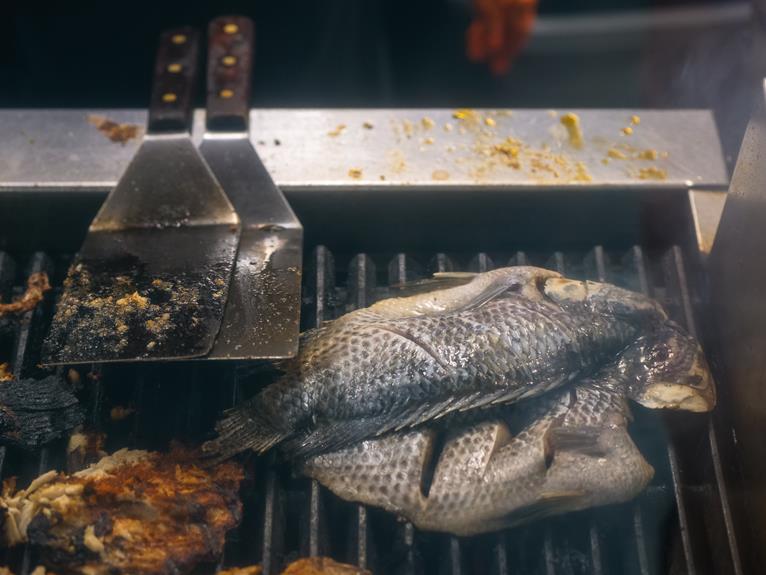
Category: Filipino Grilled Food

  • Grilled to Perfection: the Simple Pleasures of Inihaw Na Tilapia

    Grilled to Perfection: the Simple Pleasures of Inihaw Na Tilapia

    Inihaw Na Tilapia captures the essence of Filipino culinary traditions. Grilling it to perfection allows its natural flavors to shine through. This creates a dish that is both light and satisfying. Offering a healthy and delicious meal, Inihaw Na Tilapia is a popular choice among Filipinos.

    Key Takeaways

    • Inihaw na Tilapia is a significant dish in Filipino cuisine, reflecting the country's rich culinary heritage and the importance of fish in Filipino culture.
    • Inihaw na Tilapia symbolizes warmth, togetherness, and celebration, often enjoyed during family gatherings, fiestas, and special occasions.
    • The dish showcases Filipino resourcefulness by cooking outdoors and represents a connection to heritage and tradition.
    • It highlights the importance of food in bringing people together and can be prepared in various flavorful marinades and seasonings for diverse flavors.

    The History of Inihaw Na Tilapia

    Through the passage of time, the history of Inihaw Na Tilapia has been intricately woven into the fabric of Filipino culinary tradition.

    Inihaw na Tilapia, a grilled fish dish, has roots that stretch back to ancient times when early settlers and traders introduced the technique of grilling fish, including tilapia, to the Philippines.

    This method of cooking fish has been handed down through generations, adapting to various regional influences and flavors.

    Today, Inihaw na Tilapia holds a significant place in Filipino cuisine, being enjoyed in everyday meals as well as in festive gatherings.

    The dish serves as a testament to the rich culinary heritage of the Philippines, showcasing the country's deep connection to its traditional cooking methods and the importance of fish in Filipino culture.

    The Best Tilapia for Grilling

    Grilling the best tilapia is essential for capturing the authentic flavors and tradition of Inihaw Na Tilapia, a dish deeply rooted in Filipino culinary heritage.

    When choosing the best tilapia for grilling, look for medium-sized, fresh fish that has been cleaned, with scales, innards, and gills removed. Season the fish with sea salt and ground black pepper, and make little slices on the skin without cutting all the way through for optimal grilling. This preparation enhances the flavor and reduces fat content, making it a healthier alternative to fried fish.

    Experiment with different seasonings, herbs, and spices to add variety and depth to the grilled tilapia, and serve it with lime or lemon wedges, a soy sauce and calamansi dip, or alongside grilled tomatoes and rice for a complete and satisfying meal.

    Essential Ingredients for Inihaw Na Tilapia

    You'll need just a few key ingredients to make the perfect Inihaw Na Tilapia.

    Start with two medium tilapia fish and don't forget to season them with sea salt and ground black pepper.

    A cooking oil spray for grilling will also be essential for achieving that delicious charred flavor.

    Fresh Tilapia Selection

    When choosing fresh tilapia for grilling, look for bright, clear eyes and firm, shiny scales as indicators of its freshness and quality.

    To ensure you pick the best tilapia for grilling, consider these tips:

    1. Check for red gills and a clean scent, indicating freshness.
    2. Look for fish with a slightly sweet, mild aroma, a sign of quality.
    3. Press the flesh to ensure it's firm and springs back, showing that it's fresh and not mushy.

    Flavorful Marinade Options

    Now that you've selected the freshest tilapia, it's time to explore the essential ingredients for creating flavorful marinades to enhance the taste of your inihaw na tilapia. Experiment with a variety of seasonings and marinades to elevate the flavor profile of the fish.

    Consider adding herbs and spices to the marinade for an extra depth of flavor. Marinating the tilapia before grilling can infuse it with a delicious taste. Squeeze some lemon over the grilled tilapia for a tangy and refreshing flavor. Additionally, garnishing the grilled tilapia with fresh herbs can add a touch of freshness to the dish.

    These flavorful marinade options are sure to take your inihaw na tilapia to the next level, providing a delightful explosion of taste with every bite.

    Marinating the Tilapia

    When marinating the tilapia, consider using a variety of seasonings to enhance the flavor.

    Experiment with different marinating times to find the perfect balance for your taste preferences.

    Let the flavors infuse into the fish by allowing the marinated tilapia to rest before grilling.

    Flavorful Marinade Options

    Enhance the flavor of your grilled tilapia by marinating it with a blend of soy sauce, calamansi juice, and minced garlic for a tangy Filipino twist.

    To keep things interesting, consider the following flavorful marinade options:

    1. Create a spicy marinade using chili flakes, paprika, and a splash of vinegar for a bold and fiery flavor profile.
    2. Infuse the tilapia with a mix of lemon juice, thyme, and olive oil for a refreshing and aromatic taste.
    3. Explore a savory marinade with a blend of ginger, soy sauce, and honey for a sweet and savory umami experience.

    These marinades will add depth and complexity to your grilled tilapia, elevating it from simple to sensational. Experiment with these options to find your favorite flavor combination.

    Marinating Time Recommendations

    To achieve optimal flavor, marinate the tilapia for at least 30 minutes before grilling. This allows the flavors to penetrate the fish, enhancing its taste. If you want a more pronounced flavor, consider marinating the tilapia for up to 2 hours. This longer marinating time can result in a more intense and enjoyable taste experience.

    You can experiment with different marinades, such as a citrus-based one using lemon or calamansi juice for a tangy kick. Additionally, try using a variety of herbs and spices to customize the flavor profile to your liking. For a quick and easy marinade, consider using a simple mix of olive oil, garlic, and your choice of herbs and spices.

    The marinating process is a crucial step in ensuring that your grilled tilapia turns out flavorful and delicious.

    Preparing the Grill for Inihaw Na Tilapia

    Prepare the grill for inihaw na tilapia by thoroughly cleaning and oiling the grill grates to prevent the fish from sticking. Here are three essential steps to get the grill ready for grilling your tilapia:

    1. Clean the grill grates with a wire brush to remove any residue from previous use, then oil them using a paper towel or brush to create a non-stick surface.
    2. Preheat the grill to medium-high heat for about 15 minutes, ensuring that it's hot enough to sear the fish and prevent it from sticking.
    3. Use a spatula to gently turn the fish while grilling, ensuring that it remains intact and doesn't fall apart.

    Following these steps will ensure that your inihaw na tilapia turns out perfectly grilled and full of flavor.

    Grilling Techniques for Perfect Tilapia

    Using cooking oil spray to prevent the fish from sticking, and seasoning the tilapia with salt and pepper before grilling is a great way to ensure perfect flavor and texture. Clean and season the tilapia with salt and pepper before grilling. Use cooking oil spray to prevent the fish from sticking to the grill. Grill each side of the tilapia for about 10 minutes, using a spatula to carefully turn the fish. Serve the grilled tilapia with lime or lemon wedges for added flavor. Experiment with different seasonings and herbs to enhance the flavor of the grilled tilapia.

    Grilling Techniques for Perfect Tilapia
    Clean and season with salt and pepper
    Use cooking oil spray to prevent sticking
    Grill each side for about 10 minutes

    Flavorful Tilapia Grilling Marinades

    Ready to elevate your grilled tilapia game? Experiment with different marinades to create unique flavor profiles and infuse the fish with extra taste.

    Consider adding herbs and spices to your marinade for an added layer of flavor that will take your grilled tilapia to the next level.

    Marinade Recipe Ideas

    Looking to infuse your grilled tilapia with exciting flavors? Try experimenting with different marinades such as citrus, garlic and herb, soy ginger, honey mustard, or spicy chili to create unique and delicious flavor profiles.

    Here are three marinade recipe ideas to elevate your grilled tilapia game:

    1. Citrus Marinade: Combine fresh citrus juice (lemon, lime, or orange), olive oil, minced garlic, and a pinch of cayenne pepper for a zesty and refreshing taste.
    2. Soy Ginger Marinade: Mix soy sauce, grated ginger, honey, and a splash of rice vinegar to create a savory and slightly sweet marinade with a hint of umami.
    3. Herb-infused Marinade: Blend together chopped fresh herbs (such as parsley, dill, and cilantro), garlic, olive oil, and a squeeze of lemon juice for a burst of summery flavors.

    Marinate your tilapia for at least 30 minutes, or even overnight, to allow the flavors to fully infuse into the fish.

    Grilling Tips

    If you want to take your grilled tilapia to the next level, consider experimenting with a variety of marinades to infuse the fish with exciting and diverse flavors.

    Try marinating the tilapia in a blend of herbs, spices, and citrus juices for a zesty kick. Enhance the tilapia's taste by using a combination of soy sauce, calamansi, and other seasonings as a marinade before grilling.

    Create a tangy and refreshing taste by grilling the tilapia with a squeeze of lemon or lime. Elevate the flavor profile by garnishing the grilled tilapia with fresh herbs for added freshness.

    These flavorful marinades won't only add depth to your grilled tilapia but also make it a standout dish for any occasion.

    Side Dishes to Serve With Inihaw Na Tilapia

    To complement the smoky flavors of the inihaw na tilapia, consider serving it with a refreshing salad.

    Here are some delicious side dishes to enhance your grilled tilapia experience:

    1. Steamed Vegetables: Pair your grilled tilapia with a side of steamed vegetables for a healthy and balanced meal.
    2. Fragrant Jasmine Rice: Enjoy the inihaw na tilapia with a serving of fragrant jasmine rice to complete the dish.
    3. Grilled Tomatoes: For a burst of freshness, serve the grilled tilapia with grilled tomatoes as a tasty and colorful side dish.

    These side dishes not only complement the flavors of the grilled tilapia but also add variety and nutrition to your meal.

    Health Benefits of Grilled Tilapia

    Grilled tilapia provides a nutritious option for your balanced diet, offering a good source of protein and the benefits of omega-3 fatty acids. The grilling process helps reduce the fat content of the fish, making it a healthier cooking method compared to frying.

    With its low calorie count, tilapia is a suitable choice for those looking to manage their calorie intake. Additionally, this fish is rich in omega-3 fatty acids, which are beneficial for heart health and overall well-being.

    Choosing grilled tilapia over fried options provides a healthier alternative without compromising on flavor. By incorporating grilled tilapia into your meals, you can enjoy the health benefits it offers, supporting your overall well-being while savoring its delicious taste.

    Inihaw Na Tilapia in Filipino Culture

    In Filipino culture, Inihaw Na Tilapia holds a significant place as a popular and traditional dish.

    1) It's often enjoyed during family gatherings, fiestas, and special occasions, symbolizing warmth and togetherness.

    2) The dish reflects the Filipino value of resourcefulness as it's commonly cooked outdoors, bringing people closer to nature.

    3) Inihaw na Tilapia embodies the country's love for simple yet flavorful food, passed down through generations, and representing a connection to heritage and tradition.

    Its presence in Filipino culture showcases the importance of food in bringing people together and celebrating shared experiences.

    Tilapia Grilling Tips and Tricks

    For a delicious grilled tilapia, be sure to thoroughly clean the fish, removing scales, innards, and gills before seasoning with sea salt and ground black pepper. Ensure the seasoning covers both sides and the inside cavity.

    Preheat and oil the grill to prevent sticking and achieve those beautiful grill marks. Use a spatula to carefully flip the tilapia, ensuring even cooking and maintaining its shape.

    Serve with lime or lemon wedges for a refreshing citrusy flavor. These simple tips and tricks will help you grill the perfect tilapia, bringing out its delicious flavors and creating a delightful dining experience.

    Get ready to impress your friends and family with your grilled tilapia mastery!

    What Other Filipino Grilled Seafood Dishes Can Be Made With the Same Cooking Technique as Inihaw Na Tilapia?

    Inihaw na tilapia is just one of the many delicious Filipino grilled seafood dishes. If you’re looking for something different, try making a delectable Filipino grilled squid recipe. With the same cooking technique, you can enjoy tender and flavorful grilled squid seasoned with traditional Filipino spices.

    Serving and Enjoying Inihaw Na Tilapia

    When serving and enjoying Inihaw Na Tilapia, consider enhancing the dish with complementary flavors and accompaniments for a delightful dining experience. Here are some tips for serving and enjoying this grilled dish:

    1. Serve the grilled tilapia with lime or lemon wedges for a refreshing citrus twist.
    2. Enjoy the grilled tilapia with a dip made of soy sauce and calamansi for a tangy kick.
    3. Accompany the grilled tilapia with grilled tomatoes to complement the dish.

    These simple additions can elevate the flavors of the grilled tilapia, providing a burst of freshness and tanginess that perfectly complements the smoky flavor of the fish. Whether you choose to garnish it with fresh herbs or serve it with a side of steamed vegetables, these suggestions will surely enhance your dining experience.

    Frequently Asked Questions

    How Do You Grill Tilapia Without Sticking?

    To grill tilapia without sticking, preheat the grill and spray it with cooking oil. Pat the tilapia dry and use a spatula to carefully flip it during grilling. Making little slices on the skin and experimenting with seasonings can also help.

    What Is the Contamination of Tilapia?

    To avoid contamination of tilapia, buy from reputable suppliers and clean it properly before grilling. Ensure thorough grilling to eliminate any potential contaminants. This minimizes the risk of consuming harmful substances and promotes safe consumption.

    How to Grill Fish Perfectly?

    To grill fish perfectly, clean it well, season with salt and pepper, and spray the grill. Grill each side for 10 minutes, using a spatula for even cooking. Serve with lime and a soy-calamansi dip.

    What Fish Is Similar to Tilapia?

    If you like tilapia, you might enjoy catfish, flounder, swai, basa, or trout. They share similar mild flavors and versatile cooking methods. Give them a try for a delightful change in your meals.

    Conclusion

    Now that you've learned all about inihaw na tilapia, it's time to fire up the grill and try it for yourself.

    With its simple ingredients and delicious flavor, grilled tilapia is the perfect dish for a healthy and satisfying meal.

    Whether you enjoy it with some lemon wedges or a side of soy sauce and calamansi dip, inihaw na tilapia is sure to become a favorite in your household.

    Enjoy!
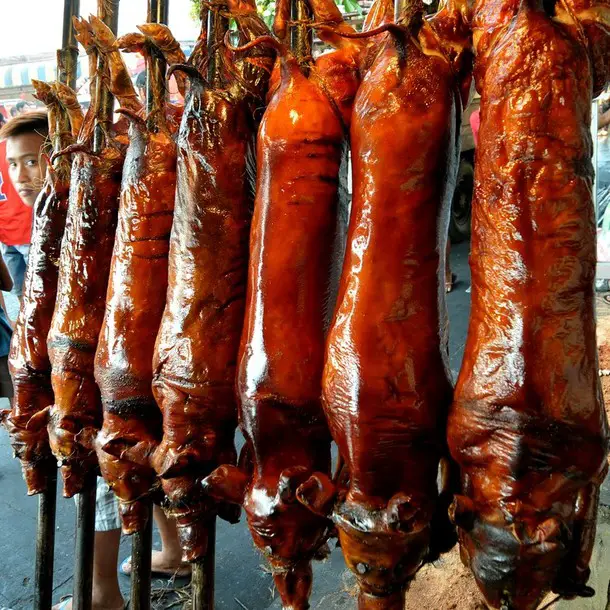
  • Ultimate Guide to Lechon Baboy: The Star of Filipino Feasts

    Ultimate Guide to Lechon Baboy: The Star of Filipino Feasts

    }

    Lechon baboy is a traditional Filipino roasted pig dish that is popular in feasts and celebrations.

    It is known for its crispy skin and tender, flavorful meat, making it a star attraction at any Filipino gathering.

    Key Takeaways

    • Lechon Baboy originated from the pre-colonial era in the Philippines and is traditionally slow spit-roasted over an open fire.
    • There are regional variations of Lechon Baboy, each with unique flavor profiles and cooking methods, showcasing the diverse culinary traditions of the Philippines.
    • The cooking methods and preparation of Lechon Baboy vary, with different marinades and stuffing ingredients used, but all involve slow roasting over charcoal for several hours.
    • Lechon Baboy is not only a delicious dish but also has health benefits, such as being a rich source of protein and containing essential vitamins and minerals. It is also a symbol of abundance and generosity, often served as the centerpiece of feasts and shared with family and friends.

    The History of Lechon Baboy

    The origins of lechon baboy can be traced back to the pre-colonial era in the Philippines, where it held a significant place in the country's culinary heritage. This traditional dish is known for its crispy skin and tender meat, achieved through the slow spit-roasting of a whole pig over an open fire. The cooking process is labor-intensive, involving manual rotation of spits and adjustment of charcoal embers.

    Over time, lechon has diversified into various regional variants in the Philippines, each with unique stuffing and flavor profiles. Additionally, the dish has evolved to include alternative variants such as Lechon Manok (chicken) and Lechon Liempo (pork belly), offering options for different preferences and occasions.

    This rich history and evolution have solidified lechon baboy as the star of Filipino feasts.

    Regional Variations of Lechon

    Let's talk about the regional variations of lechon.

    Each region has its own unique flavor variations and cooking methods that make their lechon stand out.

    From the stuffed lechon of the south to the lechon baka of the north, there's a wide range of delicious options to explore.

    Flavor Variations

    As you explore the regional variations of Lechon, you'll discover a diverse range of flavors that showcase the unique culinary traditions of different areas in the Philippines. Each region's Lechon boasts distinct flavors, reflecting the local ingredients and cooking techniques.

    Here are some notable flavor variations:

    1. Cebu Lechon: Known for its distinct flavor from a unique marinade of spices and herbs, creating a rich and aromatic taste.
    2. Negros Lechon: Features a sweet and tangy flavor profile due to the use of local ingredients like cane vinegar and calamansi, offering a delightful contrast of flavors.
    3. Batangas Lechon: Characterized by its garlic-infused taste, adding a savory dimension to the meat and creating a satisfying umami flavor.

    These regional variations highlight the diverse and vibrant culinary landscape of the Philippines, offering an array of flavors to tantalize your taste buds.

    Cooking Methods

    To appreciate the diverse regional cooking methods for Lechon, consider the distinct preparation techniques used across different areas of the Philippines.

    Cebu-style lechon involves roasting a whole pig seasoned with salt, pepper, garlic, and tanglad (lemongrass) over charcoal.

    The Batangas version is known for its unique taste due to a special marinade of tamarind, soy sauce, and various spices before roasting.

    In Negros, lechon is prepared using a special marinade made from vinegar, calamansi juice, and a blend of local herbs and spices, giving it a unique tangy flavor.

    Bicol's lechon is characterized by the use of coconut milk, chilies, and turmeric in the marinade, resulting in a rich and spicy flavor profile.

    The Ilocano style involves stuffing the pig with a mixture of herbs, onions, tomatoes, and fish sauce before being slow-roasted, giving it a distinct savory taste.

    How to Prepare Lechon Baboy

    Thoroughly clean and prepare the whole pig before roasting to ensure a flavorful and perfectly cooked lechon baboy. First, stuff the pig with a mixture of garlic, onion, and lemongrass to enhance its flavor from the inside out.

    Next, slowly roast the pig over charcoal for several hours, ensuring even cooking and a tender, juicy result.

    Finally, baste the pig with a mixture of oil and seasonings to achieve a crispy and caramelized skin, adding a delightful crunch to every bite.

    Ingredients for Lechon Baboy Marinade

    Creating a flavorful marinade for lechon baboy requires a combination of soy sauce, vinegar, lemon or calamansi juice, garlic, and onion.

    The soy sauce provides a savory base, while the vinegar adds a tangy kick.

    The acidity of lemon or calamansi juice helps tenderize the meat and adds a refreshing flavor.

    Garlic, with its pungent taste, is a key component, and onions contribute a subtle sweetness.

    To prepare the marinade, simply mix these ingredients together in a bowl.

    Some variations may include additional herbs and spices like bay leaves, peppercorns, or lemongrass for extra depth of flavor.

    Once the marinade is ready, it's important to coat the entire pig thoroughly, allowing it to marinate for several hours or overnight to achieve maximum flavor infusion.

    Cooking Methods for Lechon Baboy

    When it comes to cooking lechon baboy, there are a few methods you can consider.

    Spit-roasting over charcoal is the traditional way, resulting in tender meat and crispy skin.

    Alternatively, you can also opt for oven-roasting, marinating the pork belly and cooking it at a low temperature for a few hours to achieve that perfect crispy finish.

    Oven Roasting

    Oven roasting the marinated pork belly at a low temperature for several hours is a convenient and delicious way to prepare lechon baboy at home. Here's how to do it:

    1. Preheat your oven to 325°F and place the marinated pork belly on a roasting rack in a deep baking pan.
    2. Roast the pork belly for 4-5 hours, basting it every hour with its own juices to ensure a crispy skin and tender meat.
    3. Once the skin is golden brown and crispy, remove the lechon baboy from the oven, let it rest for a few minutes, then slice and serve with steamed rice, fresh herbs, and lemon wedges.

    Oven roasting provides a simple and reliable method for creating a mouthwatering lechon baboy that will impress your guests.

    Spit Roasting

    Skewering the whole pig onto a long rod and slowly rotating it over charcoal or an open fire for several hours is the traditional method of spit roasting lechon baboy. The slow rotation ensures even cooking, allowing the meat to become tender and juicy while the skin crisps up beautifully.

    Charcoal or wood embers are used to generate the necessary heat. The constant rotation of the spit ensures even cooking and develops a delicious, crispy skin all around.

    However, spit-roasting requires patience and constant attention to ensure that the lechon baboy is cooked to perfection. This method is a labor of love, requiring skill and dedication to achieve the desired succulent and flavorful result.

    Best Side Dishes to Serve With Lechon Baboy

    Enhance the flavors of your lechon baboy with these perfect side dishes:

    1. Garlic Rice: The aromatic and savory flavors of garlic rice perfectly complement the rich and succulent taste of lechon baboy.
    2. Atchara (Pickled Papaya): Add a tangy and refreshing element to your meal with atchara, providing a delightful contrast to the savory lechon baboy.
    3. Ensaladang Talong (Grilled Eggplant Salad): Balance the richness of lechon baboy with a lighter option like ensaladang talong, offering a fresh and smoky flavor to the meal.

    These side dishes not only enhance the overall dining experience but also provide a variety of flavors and textures that beautifully complement the star of the feast, lechon baboy.

    Popular Lechon Baboy Festivals

    Are you ready to explore the vibrant world of Lechon Baboy festivals?

    From the famous festivals in Cebu to exciting Lechon contests, there's a whole array of celebrations dedicated to this beloved Filipino dish.

    Get ready to immerse yourself in the colorful parades, cook-off competitions, and street dancing that make these festivals a true feast for the senses.

    Festivals in Cebu

    Cebu hosts several popular festivals that prominently feature lechon baboy as a highlight, attracting both locals and tourists alike. These festivals include:

    1. The 'Manggahan Festival' celebrates the province's sweet mangoes and showcases lechon baboy as a star attraction.
    2. The 'Pit Senyor Festival' includes a grand feast where lechon baboy takes center stage, drawing in crowds of both locals and tourists.
    3. During the 'Kadaugan sa Mactan Festival', lechon baboy becomes a prominent feature in the festivities, symbolizing victory and celebration.

    These festivals offer vibrant cultural experiences and the chance to indulge in the mouthwatering flavors of lechon baboy, making them a must-visit for anyone looking to immerse themselves in the rich traditions of Cebu.

    Lechon Contests

    Lechon baboy takes on a whole new level of excitement and competition in the form of Lechon Contests, further showcasing the province's culinary expertise and adding an extra layer of festivity to the already vibrant celebrations in Cebu.

    These popular lechon baboy festivals are held in various regions of the Philippines to celebrate and showcase the best whole roasted pigs. Participants in lechon contests compete fiercely to create the most flavorful and perfectly roasted lechon baboy.

    The contests often feature categories such as 'Best Tasting Lechon,' 'Best Presentation,' and 'Crispiest Skin.' Food enthusiasts and lechon aficionados gather to taste and judge the different lechon entries, making these contests a highlight of the festivals.

    Winners of these contests gain recognition and prestige in the local community and sometimes even receive cash prizes.

    Health Benefits of Lechon Baboy

    When enjoyed in moderation, lechon baboy can contribute to a balanced diet and lifestyle by providing essential nutrients and a balance of healthy fats. Here are some health benefits to consider:

    1. Rich Source of Protein: Lechon baboy is a good source of protein, essential for muscle repair and growth.
    2. Essential Vitamins and Minerals: This dish contains essential vitamins and minerals like B vitamins, iron, and zinc, which are important for overall health.
    3. Balance of Healthy Fats: The dish provides a balance of healthy fats, especially when consumed in moderation.

    Lechon Baboy Etiquette and Traditions

    After exploring the health benefits of lechon baboy, it's important to understand the etiquette and traditions surrounding this beloved dish in Filipino culture.

    Serving lechon baboy as the centerpiece of a celebratory feast symbolizes abundance and generosity. The honor of slicing the lechon is often given to the guest of honor or the most respected elder, signifying respect and importance.

    When serving lechon, offering the choice cuts, such as the crispy skin and tender meat, to guests is a gesture of hospitality. Sharing lechon with family, friends, and neighbors fosters a sense of community and togetherness in traditional Filipino gatherings.

    Additionally, it's a common cultural practice to offer a portion of lechon to ancestors or spirits before partaking in the feast, demonstrating reverence and gratitude.

    Famous Lechon Baboy Restaurants

    Looking for the best places to savor mouthwatering lechon baboy? Check out these famous restaurants:

    1. Zubuchon in Cebu: Known for its flavorful and crispy lechon baboy.
    2. Lydia's Lechon in Manila: A popular choice for succulent and well-seasoned lechon baboy.
    3. Elar's Lechon in Quezon City: Famous for its juicy and tender lechon baboy.

    These restaurants have gained renown for their exceptional lechon baboy, each offering a unique take on this Filipino delicacy. Whether you're in Cebu, Manila, or Quezon City, you'll find top-notch lechon baboy that's sure to satisfy your cravings.

    Sustainable Practices in Lechon Baboy Production

    To ensure the sustainability of lechon baboy production, it's essential to incorporate environmentally friendly practices and ethical sourcing throughout the entire process.

    Utilize locally sourced and organic ingredients to support local farmers and reduce the carbon footprint of transportation.

    Implement waste reduction strategies such as composting organic waste and utilizing pig manure for fertilizing local farms.

    Adopt energy-efficient cooking methods and equipment to minimize energy consumption during the roasting process.

    Engage in responsible sourcing of pigs, ensuring ethical treatment and humane farming practices are prioritized.

    Support reforestation efforts by using sustainable wood sources for charcoal or consider alternative energy sources to reduce deforestation.

    Can Lechon Baboy be included in a diabetic-friendly Filipino breakfast?

    Yes, lechon baboy can be included in Filipino breakfast options for diabetics. However, it’s important to consume it in moderation due to its high fat content. Pairing it with fiber-rich vegetables and whole grains can help manage blood sugar levels.

    Lechon Baboy in Modern Filipino Cuisine

    Incorporating traditional lechon baboy into modern Filipino cuisine presents an opportunity to showcase the rich heritage and diverse flavors of the Philippines while embracing sustainable and ethical practices from the previous subtopic.

    Here's how lechon baboy is making its mark in modern Filipino cuisine:

    1. Fusion Creations: Chefs are infusing traditional lechon baboy flavors into contemporary dishes like lechon tacos, lechon sisig, and lechon rice bowls, creating innovative and flavorful culinary experiences.
    2. Healthier Options: Some restaurants are offering healthier versions of lechon baboy by using leaner cuts of pork and employing healthier cooking techniques, catering to health-conscious diners.
    3. Global Influence: Lechon baboy is gaining popularity internationally, with chefs incorporating its flavors into diverse cuisines, introducing the world to the unique taste of Filipino lechon.

    Frequently Asked Questions

    How Do You Get Crispy Skin on Lechon?

    To get crispy skin on lechon, slowly spit-roast the whole pig over charcoal for hours. Cook the skin evenly, basting with oil and seasonings. Rotate the spits and adjust the charcoal to achieve the perfect, caramelized skin.

    How Do You Prepare a Pig for Lechon?

    First, thoroughly clean and prepare the pig by removing internal organs and hair, then rinse and dry it. Next, marinate the pig with a mixture of spices, herbs, and a citrus element. Skewer and roast over an open fire, basting periodically.

    How to Get Crispy Skin on Roast Pig?

    To get crispy skin on a roast pig, thoroughly dry it before roasting, baste with an oil and seasoning mixture, maintain consistent heat, and use higher temperature towards the end. Let it rest before serving for maximum crispiness.

    What Is the Best Part of the Lechon Baboy?

    The best part of lechon baboy is the crispy, caramelized skin and the tender, succulent meat. Savoring both in every bite makes it a standout dish. You'll enjoy the flavorful stuffing that adds an extra layer of taste.

    Conclusion

    Now that you've learned about the history, regional variations, preparation, and cooking methods of lechon baboy, you're well-equipped to appreciate and enjoy this star of Filipino feasts.

    Whether you're savoring it at a famous restaurant or preparing it at home, lechon baboy is a dish that brings people together and celebrates the rich culinary tradition of the Philippines.

    So go ahead, indulge in the mouthwatering flavors of lechon baboy and experience the ultimate Filipino feast!