Category: Indigenous Fruits in Philippine Cuisine

  • 6 Classic Philippines Desserts Featuring Seasonal Fruits

    6 Classic Philippines Desserts Featuring Seasonal Fruits

    Discover the Sweet Side of the Philippines

    The Philippines is renowned for its vibrant desserts, which showcase the flavors of seasonal fruits.

    Six classic desserts stand out for their unique twists and flavor combinations.

    Mango Masterpiece Desserts combine the prized Carabao mango variety with avocado, creating a one-of-a-kind taste experience.

    Pineapple Upside-Down Delights caramelize pineapple rings, transporting you to a tropical paradise.

    Banana Bonanza Treats incorporate ripe bananas for added flavor, while

    Jackfruit Jubilee Desserts add a tropical twist with sweet and tangy notes.

    Coconut Cream Delicacies elevate traditional treats to a rich and creamy level.

    These classic Filipino desserts celebrate the sweetness and freshness of seasonal fruits, offering a truly unique culinary experience.

    Key Takeaways

    Mangoes, a staple fruit in the Philippines, are often featured in desserts like Mango Masterpiece Desserts, showcasing their sweet and creamy flavor.

    Pineapple is another tropical fruit that adds a unique twist to Filipino desserts. Pineapple Upside-Down Delights, featuring caramelized pineapple rings, offer a sweet and tangy flavor experience reminiscent of a tropical paradise.

    Bananas are a common ingredient in traditional Filipino desserts, adding natural sweetness and creamy texture to treats like turon and banana cue in Banana Bonanza Treats.

    Jackfruit, a tropical fruit, brings a unique flavor profile to Filipino desserts. Jackfruit Jubilee Desserts blend sweet and tangy notes, offering a refreshing twist on traditional Filipino treats.

    Coconut cream is a common thread in traditional Filipino desserts, elevating treats like Maja Blanca and Biko to a rich and creamy level.

    Mango Masterpiece Desserts

    Mangoes are a staple fruit in the Philippines, where creative dessert makers have mastered the art of transforming this sweet and juicy treasure into a wide range of mouthwatering treats.

    The carabao mango variety is particularly prized for its creamy texture and rich taste, making it a top choice for mango-based desserts.

    Mango desserts offer a tropical taste, perfect for hot summer days in the Philippines. Some innovative dessert makers even combine mango with avocado, creating a unique and creamy twist on traditional mango desserts.

    You'll find an array of mango-based treats that showcase the fruit's sweetness and versatility, from classic mango ice cream to elaborate trifles.

    Pineapple Upside-Down Delights

    Pineapple Upside-Down Delights are characterized by caramelized pineapple rings, which add a sweet and tangy flavor. These rings are the main attraction in this dish.

    The golden brown crust, perfectly toasted to bring out the natural sweetness of the pineapple, provides a delightful textural contrast.

    When combined, the caramelized pineapple rings and toasted crust create a taste experience that evokes a tropical paradise.

    Caramelized Pineapple Rings

    Caramelized Pineapple Rings: A Sweet and Tangy Filipino Dessert

    Caramelized Pineapple Rings are a classic Filipino dessert that highlights the natural sweetness of pineapples. They are a staple during the summer season when pineapples are at their ripest.

    The Cooking Process

    To make caramelized pineapple rings, juicy pineapple slices are cooked with brown sugar and butter, creating a sweet and sticky glaze. This process brings out the natural sweetness of the pineapples.

    Enjoying Caramelized Pineapple Rings

    You can enjoy caramelized pineapple rings as a standalone treat or use them as a topping for cakes, ice cream, or yogurt. Adding a hint of cinnamon or rum gives the dessert a delicious tropical flair.

    A Match Made in Heaven

    The combination of caramelized pineapple and coconut is a classic Filipino dessert that's hard to resist. The sweet and tangy flavors of caramelized pineapple rings make them a delightful and visually appealing dessert option.

    Golden Brown Crust

    Pineapple Upside-Down Delights: A Classic Dessert

    Pineapple upside-down delights owe their irresistible charm to a golden brown crust, crafted with caramelized sugar and butter, which provides a sweet and crunchy base for the tender cake and luscious fruit.

    The Flavors Meld Together

    As you take your first bite, the caramelized sugar and butter in the crust melt in your mouth, complementing the sweet and tangy flavor of the pineapple rings and maraschino cherries. The moist cake base absorbs the flavors beautifully, making each bite a delight.

    What Makes It a Classic

    Pineapple upside-down delights consist of four key components:

    Component Description Importance
    Golden Brown Crust Caramelized sugar and butter Provides sweet and crunchy base
    Pineapple Rings Caramelized fruit adds flavor Adds tropical twist
    Maraschino Cherries Adds pop of color and flavor Enhances sweet and tangy flavor
    Moist Cake Base Absorbs flavors beautifully Provides tender base for dessert

    Serving Suggestions

    These classic desserts are often served warm, allowing the flavors to meld together beautifully. As a favorite during the summer months, pineapple upside-down cakes are a delightful treat that's perfect for hot days.

    Banana Bonanza Treats

    Ripe bananas are a staple ingredient in many Filipino desserts, adding natural sweetness and a creamy texture.

    One popular treat is turon, a crispy deep-fried banana spring roll that's often served as a snack or dessert.

    Another favorite is banana cue, which consists of caramelized banana skewers that are perfectly sweet and crunchy.

    If you're looking for something more decadent, try a banana-mango trifle, which combines the sweetness of bananas with the tanginess of mangoes.

    These banana bonanza treats are commonly enjoyed as snacks or desserts in the Philippines, offering a tropical twist to classic desserts.

    By incorporating ripe bananas into your desserts, you'll experience the unique flavor profile of Filipino desserts.

    Jackfruit Jubilee Desserts

    Jackfruit Jubilee Desserts: A Tropical Twist on Traditional Filipino Treats

    Discover the Unique Flavor Profile of Jackfruit

    The tropical fruit's natural sweetness adds a twist to traditional Filipino desserts. Jackfruit's flavor profile is a perfect blend of sweet and tangy, making it an ideal ingredient for innovative desserts.

    Classic Recipes and Innovative Twists

    Explore traditional jackfruit recipes that showcase its natural sweetness, such as jackfruit jam, a sweet and tangy spread made with fresh jackfruit.

    Or, discover modern fusions like jackfruit and coconut cream pie, a tropical twist on the classic dessert.

    Unlock the Versatility of Jackfruit

    From traditional Filipino recipes to modern fusions, jackfruit's versatility is unmatched.

    Combine jackfruit with other ingredients like coconut, mango, or cardamom to create unique and delicious desserts.

    Jackfruit Flavor Profile

    Jackfruit's Flavor Profile

    Jackfruit's unique flavor profile is often described as a combination of pineapple, banana, and mango notes, making it an intriguing addition to Filipino desserts.

    As a tropical fruit, jackfruit boasts a sweet taste that's both familiar and exotic, making it a versatile ingredient for creative dessert makers.

    Rich in nutrients like Vitamin C, fiber, and antioxidants, jackfruit adds a healthy twist to traditional Filipino desserts.

    Jackfruit's Versatility

    Its seeds can be roasted, boiled, or used in desserts for a nutty flavor and added texture, further expanding its culinary possibilities.

    When incorporated into Filipino desserts, jackfruit's unique flavor profile shines, particularly when paired with other seasonal fruits.

    Using Jackfruit in Filipino Desserts

    Whether used fresh, canned, or dried, jackfruit brings a new dimension to classic desserts, making it an exciting addition to the world of Filipino sweets.

    With its sweet taste and nutrient-rich profile, jackfruit is poised to become a staple in Filipino desserts, offering a delightful twist on traditional treats.

    Traditional Jackfruit Recipes

    Discovering Traditional Jackfruit Recipes in Filipino Cuisine

    Filipino desserts showcase the unique flavor profile of jackfruit, a staple fruit in Filipino cuisine, in a variety of sweet treats. The sweet and fragrant taste of jackfruit makes it a perfect addition to traditional Filipino desserts.

    Traditional Jackfruit Recipes

    Some popular traditional jackfruit recipes include:

    • Turon: a classic Filipino dessert consisting of banana and jackfruit spring rolls, usually served with a scoop of ice cream.
    • Minatamis na langka: sweet jackfruit cooked in syrup, often served as a topping for shaved ice or rice cakes.
    • Halo-halo: a Filipino version of shaved ice dessert, featuring jackfruit, sweetened beans, and milk, topped with a scoop of ice cream.

    The Versatility of Jackfruit in Filipino Desserts

    These traditional recipes highlight the versatility of jackfruit in Filipino desserts, from sweet treats to delightful snacks. By incorporating jackfruit into your desserts, you can experience the unique flavor profile of this tropical fruit and enjoy the rich heritage of Filipino sweets.

    Innovative Jackfruit Twists

    Elevating Filipino Desserts with Jackfruit Twists

    Incorporating jackfruit into traditional Filipino desserts can bring new excitement to cherished classics. As a tropical fruit, jackfruit offers a unique flavor profile that can be paired with various ingredients to create innovative dessert creations.

    Jackfruit-Based Dessert Ideas

    Jackfruit-Basil Cream Pie: Combine the sweetness of jackfruit with the vitality of basil in a creamy pie filling.

    Jackfruit-Coconut Ice Cream: Infuse the richness of coconut with the sweet and fragrant flavor of jackfruit in a creamy ice cream.

    Jackfruit-Lime Tarts: Balance the tartness of lime with the subtle sweetness of jackfruit in a zesty tart filling.

    These innovative jackfruit twists can elevate traditional Filipino desserts to new heights, offering a refreshing spin on classic treats.

    Coconut Cream Delicacies

    Coconut Cream Delicacies in Filipino Cuisine

    In Filipino cuisine, coconut cream is a fundamental ingredient that elevates traditional desserts to a rich and creamy level. This is evident in popular delicacies such as Maja Blanca, Biko, and Ginataang Bilo-Bilo, which are often sweetened with condensed milk and sugar to enhance their flavor.

    Characteristics of Coconut Cream Delicacies

    They add elegance to special occasions, making them perfect for gatherings and celebrations.

    They showcase the versatility of coconut cream, creating creamy and indulgent desserts.

    They hold cultural significance, being a cornerstone in Filipino celebrations and highlighting the importance of these sweet treats.

    The Significance of Coconut Cream in Filipino Desserts

    Coconut cream is a common thread that runs through many traditional Filipino desserts.

    Its rich and creamy texture elevates these desserts to a whole new level, making them a staple in many Filipino households.

    Whether it's during special occasions or everyday gatherings, coconut cream delicacies are sure to be a hit.

    What Are Some Classic Philippines Desserts That Incorporate Seasonal Fruits?

    The Philippines offers a variety of delightful treats that showcase seasonal star apple desserts. One such popular dessert is Halo-halo, which combines shaved ice, sweetened fruits, beans, jellies, and a scoop of ice cream. Another favorite is the creamy Leche Flan, a caramel custard made with eggs and condensed milk. Lastly, Buko Pandan is a refreshing dessert made with young coconut, pandan jelly, and deliciously sweetened cream. These classic desserts make the most of the country’s abundant fruits and flavors.

    Tropical Fruit Frenzy

    Tropical Fruit Frenzy showcases classic Filipino desserts that celebrate the sweetness and freshness of mangoes, bananas, and other tropical fruits. These desserts highlight the natural sweetness of seasonal fruits, which become even more enticing during the summer months when fruits are abundant and at their peak sweetness.

    Combining Freshness and Creaminess is key to creating revitalizing and vibrant desserts perfect for hot and humid weather. Recipes often blend the freshness of mangoes and bananas with the creaminess of coconut milk, resulting in unique and refreshing treats.

    Elevating Traditional Desserts to new heights is achieved by using fresh, seasonal fruits, offering a burst of flavor and freshness that's hard to resist. These traditional Filipino desserts are a perfect representation of the Philippines' tropical paradise.

    Frequently Asked Questions

    What Are Traditional Filipino Desserts?

    Traditional Filipino desserts reflect the country's Kakanin culture and rich heritage. These sweet treats often feature rice cakes, coconut cream, and sugar, infused with tropical flavors and fruit preserves.

    What Filipino Desserts Are Commonly Sold During Summer?

    During the hot summer months, Filipinos crave refreshing desserts that provide a sweet escape from the heat. Fruit-based desserts like fruit salads, buko salad, and melon-filled treats are popular choices, offering a refreshing way to beat the heat. Ice cream and Halo-Halo, a Filipino version of shaved ice dessert, are also common summer treats that provide a cool respite from the sun. These sweet indulgences are commonly sold in markets, food stalls, and even in some households, providing a sweet escape from the sweltering heat.

    What Is the Most Popular Desert in the Philippines?

    Halo-Halo is the most popular dessert in the Philippines. It surpasses other popular treats like Turon, Mango-based desserts, and Ube-based sweets. This unique dessert is a staple in the Philippines' array of traditional sweets, known as Kakanin.

    What Is the Filipino Dessert Similar to Halo-Halo?

    Mais Con Yelo is the Filipino dessert similar to Halo-Halo. This sweet treat is made with sweet corn, ice, milk, and sugar. It is distinct from Binignit treats and Filipino sorbet, which often feature Kaong fruits and coconut cream.

    Conclusion

    The Philippines' rich fruit heritage shines in its classic desserts. These sweet treats showcase the country's passion for innovative flavor combinations and traditional cooking techniques.

    Mango's velvety smoothness and jackfruit's sweetness are just a few examples of the country's vibrant culinary identity, where seasonal fruits take center stage.

  • Why Choose These Sweet Mango Varieties for Snacks?

    Why Choose These Sweet Mango Varieties for Snacks?

    Why Choose These Sweet Mango Varieties for Snacks?

    Ataulfo, Alphonso, Kesar, Julie, and Malika mangoes are ideal snack options because they offer a unique combination of textures and flavors that satisfy sweet cravings while providing a nutritious and guilt-free indulgence.

    Each variety provides a distinct snacking experience: Ataulfo mangoes have a velvety texture, while Alphonso mangoes boast floral sweetness.

    Mangoes are a healthy snack option because they are rich in vitamins and antioxidants, which boost energy and support immune function.

    Explore the wonderful world of mangoes to discover the perfect variety to elevate your snack game and satisfy your cravings.

    Key Takeaways

    Indulge in Unique Textures and Flavors: Ataulfo, Alphonso, Kesar, Julie, and Malika mangoes offer distinct textures and flavors, providing an indulgent snacking experience.

    Rich in Vitamins and Antioxidants: These sweet mango varieties are packed with vitamins and antioxidants, particularly vitamin C and vitamin A, making them a healthy snack option.

    Low in Fat Content: With low fat content, these mangoes are an excellent choice for those looking to manage their weight.

    Quick and Sustained Energy: Mangoes provide Quick and Sustained Energy due to natural sugars and high fiber content, making them an ideal pre-workout snack.

    Supports Overall Health and Well-being: Incorporating these mango varieties into your diet increases fruit intake for a balanced diet and supports overall health and well-being.

    Unbeatable Sweetness in Every Bite

    Unbeatable Sweetness in Every Bite

    When you take a bite of a perfectly ripe mango, the explosion of sweetness in every fiber of the fruit is undeniable.

    Ataulfo, Alphonso, Kesar, Julie, and Malika mangoes are the ultimate snack for those seeking an indulgent treat.

    These mangoes stand out for their exceptional sweetness, which is released as you savor each bite.

    The juicy flesh of these mangoes melts in your mouth, releasing a cascade of sweetness that’s simply irresistible.

    The unique textures and flavors of each variety only add to the indulgent experience.

    The Ataulfo has a velvety texture, the Alphonso has a buttery consistency, the Kesar has a floral flavor profile, the Julie has soft and flavorful flesh, and the Malika has exceptional sweetness and a creamy texture.

    What sets these mango varieties apart is their unbeatable sweetness in every bite.

    Whether you’re looking for a sweet treat to brighten up your day or a healthy snack to curb your cravings, these mangoes are sure to satisfy.

    They’re the perfect choice for a delicious snack.

    Nutritional Powerhouse of Mangoes

    Mangoes are a nutritional powerhouse, rich in vitamins and antioxidants that contribute to a healthy diet. Vitamin C and vitamin A are abundant in mangoes, which are essential for a well-balanced diet.

    The flesh of mangoes is packed with nutrients, making them an excellent snack option. Mangoes have low fat content, allowing you to indulge in these sweet treats without compromising your diet.

    Alphonso and Kesar mangoes are popular snack choices due to their exceptional sweetness and unique flavor profiles. When you bite into a juicy mango, you’re not only satisfying your sweet tooth, but you’re also providing your body with vital vitamins and antioxidants.

    Unique Characteristics of Alphonso Mango

    Alphonso mangoes are renowned as the ‘king of mangoes’ due to their unique characteristics. Native to India, they boast a distinctive flavor profile that’s both floral and exceptionally sweet.

    The flesh of an Alphonso mango is a vibrant saffron color, with a rich, creamy texture. This premium variety is highly prized for its quality and sweetness, making it ideal for desserts, smoothies, and as a standalone snack.

    When consumed, Alphonso mangoes offer a symphony of flavors, with hints of sweetness and a subtle tang. Due to their superior taste and texture, Alphonso mangoes are a seasonal delicacy savored by mango enthusiasts worldwide.

    Their unique characteristics have earned them a loyal following, and once tried, it’s clear why they’re considered the ‘king of mangoes.’

    The Creamy Delight of Kesar Mango

    Kesar Mangoes: The Queen of Mangoes

    Unique Flavor Profile

    Kesar mangoes are renowned for their sweet and creamy flavor profile, which is both unique and indulgent. This flavor profile is characterized by a rich, aromatic taste that’s both sweet and floral.

    Distinctive Characteristics

    Kesar mangoes are petite in size and have a distinct saffron-colored flesh, which is a hallmark of this Indian variety. Their buttery texture makes them a popular choice for snacking, desserts, and fruit plates.

    Luxurious Snacking Experience

    With their creamy consistency and floral notes, Kesar mangoes offer a luxurious and flavorful snacking experience. Each bite is filled with exceptional sweetness, which has earned Kesar mangoes their regal title as the ‘Queen of Mangoes’.

    A Must-Try for Mango Enthusiasts

    Whether you’re a mango connoisseur or just looking to try something new, Kesar mangoes are sure to impress. Their unique flavor profile and distinctive characteristics make them a top choice for those seeking a luxurious snacking experience.

    Smooth and Sweet Banganpalli Mango

    Smooth and Sweet Banganpalli Mango: A Delightful Experience

    The Smooth and Sweet Banganpalli Mango offers a rich flavor profile that tantalizes your taste buds.

    This variety of mango is characterized by its velvety texture, which melts in your mouth with a smooth, pudding-like consistency.

    With every bite, you’ll discover a delightful harmony of flavors that will leave you craving for more.

    Rich Flavor Profile

    Rich Flavor Profile

    Banganpalli mangoes boast a unique flavor profile that will tantalize your taste buds.

    Their flavor profile combines tropical sweetness, creamy undertones, and a perfumed taste.

    Tropical Sweetness

    The sweetness of Banganpalli mangoes is exceptional, with notes of coconut and a hint of buttery richness. Imagine sipping a tropical cocktail on a warm beach, and you’ll get an idea of the sweetness these mangoes offer.

    Creamy Undertones

    The smooth, pudding-like texture of Banganpalli mangoes melts in your mouth, releasing a cascade of flavors.

    The creamy undertones are smooth and velvety, with subtle coconut notes. Enjoy the silky texture and savor the flavor.

    Perfumed Taste

    The aroma and flavor of Banganpalli mangoes are juicy and fragrant.

    The perfumed taste is a result of the mango’s ripeness and juiciness. Savor the aroma and flavor of a ripe, juicy mango, and you’ll understand why these mangoes are a delight.

    A Delicious Snack

    The unique flavor profile of Banganpalli mangoes makes them a perfect snack for those seeking a sweet and satisfying treat.

    With their exceptional sweetness and creamy, bright taste, you’ll be hooked from the first bite.

    Velvety Texture Experience

    The velvety texture of Banganpalli mangoes is a unique and enjoyable snacking experience.

    When you take a bite of a Banganpalli mango, the velvety texture simply melts in your mouth, coating your taste buds with its silky smoothness. This Indian mango variety is renowned for its exceptional smoothness, making it a delight to snack on.

    The Banganpalli mango’s velvety texture is due to its unique pudding-like consistency, which is both enjoyable and satisfying. This smooth and buttery texture is perfect for indulging in a sweet and creamy snack.

    Additionally, the exceptionally sweet flavor of Banganpalli mangoes provides a satisfying and flavorful snack option. The velvety texture melts in your mouth, coating your taste buds with its silky smoothness, offering a unique and enjoyable snacking sensation unlike any other mango variety.

    The Banganpalli mango is an ideal choice for anyone looking for a delicious and satisfying snack. Whether you’re a mango enthusiast or just looking for a new snack option, the Banganpalli mango is sure to impress with its velvety texture and exceptional flavor.

    Mango Varieties for Every Palate

    Mango varieties cater to diverse tastes. Whether you prefer sweet and buttery, tangy and firm, or floral and unique, there’s a mango variety to suit your taste buds.

    Popular options include the sweet and creamy Tommy Atkins, while exotic varieties like Kesar offer a floral and unique twist.

    With a diverse range of mango varieties, you’re sure to find a sweet and satisfying snack.

    Sweet Mango Options

    Explore the World of Sweet Mango Options

    You’ll find a diverse range of sweet mango options that cater to every palate. Whether you’re in the mood for something classic or adventurous, there’s a mango variety that’s sure to satisfy your cravings.

    Ataulfo: Boasts a velvety texture with their small size and golden yellow skin, making them hard to resist.

    Tommy Atkins: Offers a satisfyingly sweet flavor with their large size and reddish skin, perfect for snacking.

    Alphonso: Referred to as the king of mangos, Alphonso mangos boast a buttery texture, saffron color, and exceptional sweetness.

    Kesar: Delightful choice for those seeking a sweet snack with their petite size and unique floral flavor profile.

    Each of these mango varieties offers a unique snacking experience, so don’t be afraid to try something new and discover your new favorite!

    Mango Flavors Galore

    Mango Flavors Galore

    With numerous sweet mango varieties available, you can indulge in a diverse range of flavors and textures that cater to every palate and snacking whim.

    Classic and Exotic Options

    You can choose from a variety of mango flavors, including classic and creamy or unique and exotic.

    Champagne mangoes are sweet and creamy with a velvety texture, while Alphonso mangoes are exceptionally sweet with a buttery texture.

    Unique Flavor Profiles

    Explore the Kesar mango’s unique floral flavor profile or the Francine mango’s rich and spicy flavor. If you prefer a balanced flavor, Tommy Atkins mangoes offer a mix of sweetness and tartness.

    Each mango variety provides a distinct snacking experience.

    The Alphonso, known as the king of mangos, boasts a buttery texture and exceptionally sweet flavor.

    The Kesar’s floral notes add a delightful twist, while the Tommy Atkins provides a versatile balance of sweetness and tartness.

    Taste Bud Delights

    Mango Varieties for Every Palate

    The world of mango varieties offers a diverse range of flavors and textures, ensuring that every individual can find their perfect match.

    Ataulfo Mangos

    Ataulfo mangos boast a sweet and creamy flavor with a buttery texture, making them ideal for snacking.

    Tommy Atkins Mangos

    Tommy Atkins mangos offer a firm flesh and mildly sweet taste, perfect for those who prefer a more traditional mango flavor.

    Alphonso Mangos

    Alphonso mangos, known as the ‘king of mangos,’ are highly prized for their exceptional sweetness and saffron-colored flesh, making them a luxurious snack option.

    Kesar and Julie Mangos

    Kesar and Julie mangos provide a delightful snacking experience with their unique flavor profiles and textures, offering an invigorating change of pace from the usual mango varieties.

    Discover Your Perfect Mango Match

    Regardless of the variety you choose, you’ll be indulging in a world of flavor and texture that will leave you craving more.

    Snacking on Mango for Energy

    Mangoes provide a quick and sustained energy boost due to their natural sugars. When you snack on sweet mango varieties like Champagne, Alphonso, and Kesar, you’ll experience a rush of energy that will power you through your busy day.

    This energy boost is sustained because mangoes have a high fiber content, which helps regulate blood sugar levels and prevents energy crashes.

    Mangoes are an excellent pre-workout snack because they provide a natural energy boost without the crash that often comes with consuming sugary snacks.

    They also curb cravings for unhealthy snacks, leading to better overall health and weight management. The exceptional sweetness and creamy texture of sweet mango varieties make them an ideal snack to power you through your day.

    Mango as a Healthy Snack Option

    Mangoes are a nutrient-dense snack option. They’re rich in essential vitamins and nutrients, making them an excellent choice for a healthy snack.

    Vitamin A in mangoes promotes eye health, while vitamin C supports immune function.

    Rich in Vitamins

    Rich in Vitamins

    With a single serving of sweet mango varieties like Champagne and Kesar, you’ll get a boost of vitamins A and C, important for a healthy immune system and radiant skin. These key vitamins play a critical role in maintaining overall health, and incorporating them into your snack routine can have a considerable impact.

    Vitamins A and C are essential for overall health.

    Vitamin C boosts immune system function and supports healthy skin, while vitamin A promotes healthy vision and radiant skin. Sweet mango varieties are rich in both vitamins, making them a nutritious snack option.

    In addition to being rich in vitamins, sweet mango varieties have other benefits.

    They’re low in fat, making them a guilt-free snacking option. Incorporating sweet mangoes into your diet increases fruit intake, contributing to overall nutritional balance and a healthy diet.

    Boosts Eye Health

    Mangoes Support Eye Health

    Mangoes, particularly sweet varieties like Alphonso and Kesar, are rich in nutrients that support eye health.

    Vitamin A and carotenoids in mangoes protect the eyes from damage. These nutrients, including beta-carotene, lutein, and zeaxanthin, have been shown to reduce the risk of age-related macular degeneration and cataracts.

    The high antioxidant content in mangoes helps protect the eyes from oxidative stress, which can cause damage.

    Snacking on sweet mango varieties provides the eyes with essential nutrients for optimal health. By choosing sweet mangoes as a snack, you can support and maintain excellent eye health.

    High in Fiber

    Mangoes are an excellent snack for promoting digestive health and supporting weight management goals, thanks to their high fiber content.

    One variety, Julie, stands out for its exceptionally high fiber content.

    Fiber in mangoes regulates blood sugar levels, reducing the risk of diabetes and maintaining energy levels.

    Choosing fiber-rich mango varieties helps with weight loss by keeping you fuller for longer.

    For example, Francine mangos are a satisfying snack option due to their fiber content, keeping you satiated between meals.

    Incorporating fiber-rich mango varieties into your snack choices contributes to a balanced and healthy diet.

    Exploring the World of Mango Types

    Discovering the Diversity of Mango Varieties

    Mangoes come in a wide range of flavors, textures, and aromas, offering something for every snacker. In India, the Alphonso variety is renowned for its sweetness and rich, honey-like flavor.

    Several other varieties are perfect for snacking, each with unique characteristics:

    Variety Characteristics
    Ataulfo Small, sweet, fiberless flesh
    Haden Peachy flavor, slight sourness
    Keitt Citrusy taste, firm flesh
    Tommy Atkins Large, mild citrusy taste, available March to July

    These mango varieties cater to different tastes, from sweet and juicy to tangy and invigorating. Whether you prefer a sweet and juicy snack or a tangy and refreshing one, there’s a mango variety to suit your taste.

    Are Philippine Mangoes Suitable for Snacking as Well as Seasonal Dishes?

    Philippine mangoes are perfect for snacking as well as seasonal dishes. Their sweet and juicy flesh makes them a delightful treat on their own, while also adding a burst of flavor to savory dishes like salads, salsas, and marinades. Philippine mangoes are versatile and delicious all year round.

    Elevate Your Snack Game With Mangoes

    Elevate Your Snack Game With Mangoes

    Six exceptional mango varieties stand out for their extraordinary sweetness and unique flavor profiles, making them ideal for elevating your snack game.

    Discover the Rich Flavors of Mango Varieties

    Alphonso mangos, known as the king of mangos, boast a rich, buttery flavor and saffron-colored flesh.

    Kesar mangos offer a creamy texture and sweet taste with unique floral notes.

    Champagne (ataulfo) mangos provide a smooth texture and sweet flavor, perfect for snacking.

    Experiment with Mango Varieties for a Tropical Twist

    Try different sweet mango varieties to add a tropical twist to your snacks and enhance your overall snacking experience.

    Explore the rich flavors and textures of these mango varieties to take your snack time to the next level.

    Frequently Asked Questions

    What Is the Best Mango Variety for Desserts?

    For desserts, the best mango varieties are those with exceptional sweetness and unique flavor profiles.

    Alphonso mangoes offer a buttery sweetness, while Kesar mangoes provide a floral flair. Malika mangoes are known for their exceptional sweetness, making them a great choice for desserts. Other notable contenders include Julie mangoes, which offer juicy sweetness, and Mingolo mangoes, which add a tropical twist to desserts.

    Which Is the Best Eating Mango Variety?

    Discovering the Best Eating Mango Variety

    To find the perfect eating mango variety, you need to sample different contenders. From sweet Champagne to rich Francine, each variety offers a unique taste experience. Taste tests are an excellent way to decide which one tantalizes your taste buds the most, declaring it the ultimate snacking champion.

    What Kind of Mango Is the Sweetest?

    Alphonso mangos are the sweetest, boasting an unparalleled sweetness level. This is due to their high sugar content, earning them the title of “Mango Sugar.”

    How Do You Pick a Sweet Mango?

    A ripe mango is slightly soft to the touch. This softness indicates that the mango is ready to eat and will have the best flavor. A ripe mango also gives off a sweet aroma, which is a sign that it is ready to be eaten. Additionally, a ripe mango will have a vibrant yellow or orange color, which indicates that it has reached its maximum sweetness and flavor.

    Conclusion

    Mangoes are a nutritional powerhouse that not only tantalize your taste buds but also provide energy-boosting goodness.

    Varieties like Alphonso, Kesar, and Banganpalli offer a range of choices for a delicious and nutritious snack.

    Elevate your snack game with mangoes as they provide a perfect blend of taste and nutrition, benefiting both your taste buds and body.

  • What Winter Citrus Fruits Elevate Philippine Dishes?

    What Winter Citrus Fruits Elevate Philippine Dishes?

    Calamansi Elevates Traditional Filipino Dishes

    During the Philippines’ peak winter citrus season from mid-August to October, calamansi is the prized citrus fruit that takes center stage. Its unique flavor profile, tangy taste, and aroma-enhancing properties make it a crucial ingredient in traditional recipes.

    In sinigang, calamansi adds a burst of citrusy freshness, balancing sweetness levels and contributing to a revitalizing aroma.

    Similarly, in pancit, calamansi enhances rich and savory flavors.

    As you explore the world of Filipino cuisine, you’ll uncover the many ways calamansi elevates traditional dishes.

    Key Takeaways

    Calamansi: The Flavor Enhancer of Filipino Cuisine

    Calamansi, a prized winter citrus fruit in the Philippines, plays a significant role in elevating traditional recipes. Its unique flavor profile adds a tangy and slightly sour taste, balancing sweetness levels and contributing to a revitalizing aroma in Filipino dishes.

    Calamansi’s Versatility in Filipino Recipes

    Calamansi juice is a versatile ingredient used in various Filipino recipes. It can be used in marinades, grilled meats, and dipping sauces, and can even substitute for lemon in recipes. This citrus fruit is an essential component in Filipino cuisine, elevating richness and aroma in dishes.

    The Nutritional Benefits of Calamansi

    High in vitamin C content, calamansi is not only a flavor enhancer but also a nutritious addition to Filipino dishes. Its tangy flavor profile and aroma bring a burst of freshness to winter dishes, making it an ideal addition to various recipes in Filipino cuisine.

    Winter Citrus Fruits in Philippines

    Calamansi: A Winter Citrus Staple in Filipino Cuisine

    In the Philippines, calamansi is a prized winter citrus fruit, revered for its unique flavor profile and versatility in traditional dishes. Its sour flavor and high vitamin C content make it a valuable addition to various recipes.

    During the peak season from mid-August to October, calamansi trees are abundant in Filipino gardens, producing small, round fruits perfect for cooking.

    Calamansi juice is a pivotal ingredient in traditional recipes, adding a tangy and citrusy kick to popular dishes like sinigang and pancit. The fruit’s versatility allows it to complement a variety of flavors, making it a staple in many Filipino households during the winter months.

    Calamansi’s Unique Flavor Profile

    Calamansi’s Flavor Profile Elevates Philippine Cuisine

    Calamansi’s unique flavor profile is characterized by its tangy and slightly sour taste, which adds depth to traditional Filipino recipes. This citrus fruit enhances the taste of Philippine dishes by balancing sweetness levels and contributing a revitalizing aroma.

    For instance, calamansi is often used to add flavor to dishes like sinigang, a sour soup made with tamarind broth, or as a marinade for grilled meats. By incorporating calamansi into their recipes, Filipino cooks can create a more complex and exciting culinary experience.

    Zesty Flavor Enhancement

    Calamansi: A Zesty Flavor Enhancer

    Calamansi, a citrus fruit, is a staple in Filipino cuisine, known for its distinctive flavor profile that combines the sourness of lime and lemon.

    Its tangy and slightly sour taste adds richness and aroma to dishes. When used in recipes, calamansi juice not only enhances flavor but also provides high vitamin C content.

    Versatility in Cooking

    Calamansi can be used in various ways, including:

    • Dipping sauces: Add calamansi juice to create a tangy and refreshing dipping sauce for fried dishes.
    • Marinades: Use calamansi juice as a marinade for grilled dishes, enhancing their flavor and aroma.
    • Lemon substitute: Calamansi can be used as a substitute for lemon in recipes, offering a unique flavor profile.

    Elevating Filipino Cuisine

    Balancing Sweetness Levels

    Calamansi, a citrus fruit, plays a crucial role in balancing sweetness levels in Philippine dishes. Its unique flavor profile, which combines the sourness of lime and lemon, adds a tangy and slightly sour note that complements sweet flavors.

    This balance of flavors enhances the overall taste experience without overpowering the dish.

    Calamansi’s versatility allows it to pair well with various sweet ingredients, including sugary sauces and sweet vegetables. Its ability to balance sweetness levels makes it an excellent addition to traditional Filipino recipes. For instance, it’s commonly used in grilled meats, dipping sauces, and even beverages.

    Aroma Contribution

    Calamansi’s Unique Aroma Contributes Depth to Filipino Dishes

    The distinctive aroma of calamansi adds a tangy and slightly sour flavor profile to Filipino dishes. This unique aroma is unmatched and can elevate the overall taste experience.

    When used as a marinade for grilled dishes or as a dipping sauce, calamansi’s sour flavor profile enhances the richness of meals.

    Calamansi as a Substitute for Lemon

    Calamansi can be used as a substitute for lemon in recipes, providing a tropical twist to traditional dishes. Its versatility makes it an excellent addition to sweet treats like cakes and candies, adding a burst of citrus flavor.

    Adding a Sour Kick or Tangy Aroma

    Whether you’re looking to add a sour kick or a tangy aroma, calamansi is the perfect citrus fruit to elevate your Philippine dishes.

    Its sour flavor profile, akin to a combination of lime and lemon, makes it an ideal addition to various recipes.

    Citrus Fruits in Traditional Dishes

    Calamansi: A Vital Ingredient in Traditional Filipino Cuisine

    In traditional Filipino cooking, calamansi is a crucial ingredient that adds a burst of citrus flavor to various dishes. This citrus fruit is versatile and adaptable, making it a staple in many Filipino households.

    Calamansi’s Flavor Profile

    Calamansi has a tangy flavor that enhances the taste of grilled meats and seafood. It’s often used in dipping sauces, marinades, and desserts, adding a unique twist to traditional recipes.

    Health Benefits and Substitutions

    Calamansi is rich in vitamin C, making it a popular choice for many recipes. Its juice is often used as a substitute for lemon in many dishes, offering a similar citrus flavor without the acidity.

    Global Availability and Cultural Significance

    As the global market for calamansi expands, opportunities to experience Filipino cuisine are increasing. By incorporating calamansi into traditional recipes, cooks can create authentic Filipino dishes that showcase the country’s rich culinary heritage.

    Nutritional Benefits of Citrus Fruits

    Citrus fruits are a nutrient-rich addition to any meal, providing a wealth of vitamins and antioxidants.

    They’re an excellent source of vitamin C, which plays a crucial role in boosting immune function and promoting overall health.

    Vitamin C Content

    Citrus Fruits are an Excellent Source of Vitamin C

    Citrus fruits like Calamansi are rich in vitamin C, making them a nutritious addition to Filipino dishes.

    One serving of Calamansi juice provides a concentrated dose of vitamin C, which is essential for a healthy immune system and skin.

    Vitamin C also plays a crucial role in fighting off colds and flu.

    Incorporating Citrus Fruits into Your Diet

    Consuming citrus fruits during the winter months can help prevent colds and support overall health due to their high vitamin C content.

    Adding winter citrus fruits to your Philippine dishes enhances the flavor profile and provides a nutritional boost.

    For example, using Calamansi juice in a traditional Filipino adobo or a revitalizing salad adds tanginess, freshness, and a boost of vitamin C to your meals.

    Boosts Immune Function

    Boosts Immune Function

    Winter citrus fruits, such as calamansi, are rich in vitamin C and antioxidants, making them an essential component of a healthy diet, particularly during the cold winter months.

    Vitamin C in calamansi supports immune function, reducing the risk of illnesses and infections. Regular consumption of winter citrus fruits can also lower the risk of chronic diseases, allowing for a healthy and balanced lifestyle.

    The high vitamin C content in calamansi plays a critical role in strengthening the immune system.

    Incorporating calamansi into your diet can provide your body with crucial nutrients that boost immune function. This is especially important during the winter months when the immune system is more susceptible to attacks.

    Antioxidant Properties

    Citrus Fruits Provide Antioxidant Properties

    Citrus fruits like calamansi are rich in nutrients that help protect the body from oxidative stress and inflammation.

    Vitamin C in calamansi is crucial for collagen production and skin health, making it a necessary nutrient for overall well-being.

    Consuming citrus fruits like calamansi can aid in lowering blood pressure and reducing oxidative stress. By incorporating these fruits into your diet, you provide your body with a natural source of antioxidants.

    This means you’ll be better equipped to fight off free radicals and maintain a healthy immune system.

    When you add calamansi to your recipes, you not only elevate the flavor profile but also amplify the nutritional benefits.

    Filipino Recipes With Citrus Twist

    Calamansi Elevates Filipino Cuisine

    Incorporating calamansi into Filipino recipes adds a tangy and refreshing flavor profile. Bistek Tagalog is a classic example, where calamansi enhances the dish with its unique flavor. This citrus twist is commonly used in dipping sauces and marinades for grilled meats, enriching the richness and aroma of Filipino cuisine.

    Calamansi’s Versatility in Recipes

    Calamansi juice can be used as a substitute for lemons in various recipes, offering a vibrant citrus taste that complements both savory and sweet dishes. For a refreshing drink, try making a Calamansi Rickey Cocktail, which showcases the citrus fruit’s versatility.

    Accessibility and Substitution

    If fresh calamansi fruits aren’t available, 100% calamansi juice and puree are readily available for cooking Filipino dishes with a citrus twist.

    Citrus Marinades and Dressings

    Citrus marinades and dressings can elevate winter dishes with vibrant flavors. They can brighten winter salads and create zesty meat glazes, adding a unique twist to traditional Filipino recipes.

    Brightening Winter Salads

    Brightening Winter Salads with Calamansi

    Winter salads can be elevated with the addition of calamansi-based marinades and dressings, which inject a much-needed brightness into the cold winter months.

    Calamansi, a citrus fruit, adds a burst of freshness to salads, making them more vibrant and appetizing.

    Incorporating calamansi into winter salads is a great way to add a tropical twist to traditional Filipino dishes.

    The versatility of calamansi allows it to be used in various salad recipes, providing a rejuvenating contrast to the rich flavors of winter ingredients.

    For example, a calamansi-based dressing can balance the flavors of a winter salad featuring roasted vegetables and nuts.

    Using calamansi-based dressings can balance the flavors of winter salads, making them more invigorating and appealing.

    Experimenting with calamansi in winter salads can bring a brightening effect to Filipino dishes.

    Zesty Meat Glazes

    Calamansi Juice: The Secret to Tender and Flavorful Meat

    Incorporating calamansi juice into your meat glazes adds a tangy, citrusy flavor that tenderizes meat to perfection. The acidity of calamansi helps break down proteins, making meat more tender and juicy.

    In Filipino cuisine, calamansi-based marinades are often paired with herbs and spices to create a flavorful glaze for grilled meats. This combination enhances the flavor of popular Filipino dishes like Bistek Tagalog.

    Meat Glaze Recipes:

    Meat Marinade Ingredients Cooking Method
    Beef Calamansi juice, soy sauce, garlic Grilled
    Pork Calamansi juice, fish sauce, black pepper Pan-seared
    Chicken Calamansi juice, olive oil, thyme Roasted
    Shrimp Calamansi juice, butter, garlic Grilled
    Fish Calamansi juice, lemon juice, parsley Baked

    These recipes showcase the versatility of calamansi juice in creating flavorful meat glazes for various types of meat and cooking methods.

    Citrus-Herb Emulsions

    Crafting Citrus-Herb Emulsions Elevates Philippine Dishes

    Crafting citrus-herb emulsions is a technique that expertly balances the tangy, sour notes of calamansi with the aromatic richness of herbs, elevating the flavors of Philippine dishes.

    These emulsions combine the zesty kick of calamansi with the aromatic richness of herbs to create a balanced and flavorful profile.

    Calamansi Marinades Add Zest to Filipino Cuisine

    Calamansi marinades are commonly used in Filipino cuisine to tenderize meat and add a zesty kick to grilled dishes.

    The acidity of calamansi in dressings helps cut through the richness of dishes, adding brightness and depth to the overall flavor profile.

    Versatility of Citrus-Herb Emulsions

    The versatility of citrus-herb emulsions allows for a wide range of applications, from simple marinades for meats to vibrant dressings for salads and seafood dishes.

    Exotic Citrus Fruits to Explore

    Exotic Citrus Fruits to Explore

    Discovering Calamansi: A Staple in Southeast Asian Cuisine

    Calamansi, a small, sour citrus fruit, is a staple in Southeast Asian cuisine, particularly in the Philippines. Its juice is a vital ingredient, adding a tangy richness and aroma to various dishes, beverages, and even desserts.

    This citrus fruit is valued for its high vitamin C content and tangy flavor profile, reminiscent of a combination of lime and lemon.

    Exploring Beyond Calamansi

    While calamansi is a staple in Filipino cuisine, there are numerous other exotic citrus fruits waiting to be discovered. Each of these fruits has unique characteristics and uses, offering a world of flavors and possibilities to elevate Filipino dishes.

    Cooking With Winter Citrus Fruits

    Winter citrus fruits bring a burst of flavor to traditional Filipino dishes. When cooking with these fruits, you’ll discover how they add a bright, tangy flavor to your favorite recipes.

    Calamansi juice is a crucial ingredient that provides a unique citrusy kick, elevating the flavor profile of your dishes. The acidity and vitality of winter citrus fruits complement the rich and savory flavors found in many Filipino dishes, creating an energizing and vibrant twist on classic recipes.

    Winter citrus fruits are versatile ingredients that can be used in marinades, sauces, and more. For example, calamansi can be used to marinate grilled meats or as a dressing for salads. Mandarin oranges can be used to add a sweet and tangy flavor to sauces and braising liquids.

    By incorporating winter citrus fruits into your Philippine cuisine, you’ll experience the perfect balance of flavors that will leave your taste buds wanting more.

    Citrus Fruits in Filipino Desserts

    Calamansi: The Star of Filipino Desserts

    In traditional Filipino desserts, calamansi’s tangy flavor and aroma take center stage, adding a refreshing twist to sweet treats.

    For instance, calamansi is a key ingredient in leche flan, bibingka, and halo-halo, where its acidity and aroma complement the sweetness of these classic Filipino desserts.

    Beyond these classic treats, calamansi’s versatility shines in kakanin (rice cakes) and sorbets, where its citrusy flavor enhances the overall taste experience.

    In calamansi-infused desserts, the citrus fruit adds an invigorating and zesty twist to classic Filipino confections, making them a must-try.

    Calamansi’s tangy flavor elevates each sweet treat, making it a staple citrus fruit in Filipino desserts. By incorporating calamansi into your dessert recipes, you’ll experience a burst of citrusy freshness that will leave you wanting more.

    Can Winter Citrus Fruits Be Used to Elevate Sinigang?

    Yes, winter citrus fruits can be used to elevate sinigang. Adding a burst of tangy flavor, the fruits for sinigang recipe can transform the traditional Filipino soup into a zesty and refreshing dish. Try incorporating calamansi, pomelo, or even tangerine to give your sinigang a delightful citrusy twist.

    Elevating Filipino Cuisine With Citrus

    Calamansi: The Citrus Fruit Elevating Filipino Cuisine

    Calamansi is a crucial citrus fruit in Filipino cuisine, adding a tangy and slightly sour flavor to various dishes. It enhances the flavor profile of savory staples like adobo and sinigang, as well as desserts and beverages. This citrus fruit is a vital ingredient in many Filipino dishes, providing a unique and vibrant taste experience.

    Rich in Vitamin C, Calamansi Supports Immunity and Skin Health

    In addition to its flavor profile, calamansi is rich in vitamin C, making it a nutritious addition to meals. Vitamin C in calamansi supports immunity and promotes skin health.

    A Versatile Ingredient in Filipino Cuisine

    Calamansi is a versatile ingredient that complements a range of dishes. It is used in kinilaw (ceviche), grilled meats, calamansi bars, and invigorating beverages like calamansi juice. By incorporating calamansi into cooking, one can experience the bright, citrusy flavor that Filipino cuisine is known for.

    Frequently Asked Questions

    What Citrus Fruit Is Native to the Philippines?

    The citrus fruit native to the Philippines is the calamansi, also known as Calamondin. This fruit has a rich history and numerous health benefits, making it a staple in native cuisine. Additionally, it is easily cultivated locally, which contributes to its widespread use.

    Which of These Five Are Winter Citrus Fruits?

    Calamansi is a winter citrus fruit.

    Calamansi is a popular Philippine citrus that pairs perfectly in citrus pairings, adding a tangy twist to seasonal delights.

    What Citrus Grow in the Winter?

    Calamansi is a winter citrus fruit that thrives in frost-tolerant climates. To ensure a successful winter harvest, it requires specific citrus care, which involves careful planning and attention to its unique growing needs.

    What Is the Most Abundant Citrus Fruit in the Philippines?

    Calamansi is the most abundant citrus fruit in the Philippines. This is due to the ideal climate in the country, which allows for frequent fruit harvesting and makes it a staple in local citrus production.

    Conclusion

    Calamansi is just the beginning when it comes to winter citrus fruits in Philippine cuisine.

    Beyond calamansi, other winter citrus fruits like oranges, pomelos, and satsumas can elevate traditional Philippine dishes. These fruits offer a range of flavor profiles that can enhance the taste of various Filipino recipes.

    Winter citrus fruits provide nutritional benefits, including high vitamin C content, antioxidants, and flavonoids that can boost the immune system and fight off diseases.

    Experiment with exotic varieties and twist classic desserts to experience the endless possibilities of winter citrus fruits in Filipino cooking.

    For example, try using satsumas in a Filipino-style leche flan or incorporating oranges into a twist on the traditional buko pie.

  • 8 Best Exotic Fruits for Philippine Salads

    8 Best Exotic Fruits for Philippine Salads

    Level Up Your Filipino Salads with Exotic Fruits

    Discover the Power of Filipino Fruits

    Mangoes, papayas, and dragon fruits are staples in Filipino cuisine, but adding other fruits can elevate your salads. Kiwi, pineapple, and watermelon bring natural sweetness and flavor.

    Explore Unconventional Pairings

    Pomelo's crunch pairs well with jackfruit's meaty texture, while dragon fruit's vibrant appeal adds visual appeal. Buko, the young coconut, is a nutritional powerhouse that can enhance your salads.

    Experiment with New Combinations

    Try unexpected fruit combinations to take your salads to the next level. The key is to balance flavors and textures.

    Experiment with different fruits to find the perfect mix for your Filipino salads.

    Key Takeaways

    Exotic Fruits Elevate Filipino Salads

    Mangoes, Papayas, and Dragon Fruits: Sweet and Flavorful Staples

    Mangoes, papayas, and dragon fruits are staples in Filipino salads, adding natural sweetness and flavor.

    Buko: A Nutritious and Versatile Addition

    Incorporating buko (young coconut) adds nutrients, electrolytes, and versatility to salads and other dishes.

    Pineapple: A Sweet and Tangy Twist

    Pineapple brings a sweet and tangy twist to salads, rich in vitamins, minerals, and antioxidants.

    Exotic Fruits Add Juiciness and Crunch

    Pomelo, dragon fruit, and jackfruit add juiciness, crunch, and exotic appeal, elevating the nutritional profile of salads.

    Fresh Fruits Preferred for Better Flavor and Texture

    Fresh fruits are preferred over canned fruits for better flavor and texture in Filipino salads.

    Exotic Fruit Essentials in Filipino Salads

    Exotic Fruits Are Essential to Traditional Filipino Salads

    In a traditional Filipino salad, exotic fruits are the stars of the show. Mangoes, papayas, and dragon fruits are non-negotiables, adding a burst of color and flavor to the dish. These fruits bring a unique texture and taste that's quintessentially Filipino.

    Supporting Fruits Add Sweetness and Flavor

    In addition to the essential fruits, kiwi, pineapple, and watermelon add a revitalizing sweetness to the mix. These fruits complement the main fruits, creating a balanced flavor profile.

    Fresh Fruits Are a Must

    Canned fruits won't cut it; only fresh fruits can provide the authentic flavor and texture. Be creative with your fruit combinations, but don't skimp on the essentials.

    Buko: The Young Coconut Delight

    Buko, a Nutritional Powerhouse

    Buko, the young coconut, is a familiar ingredient in Filipino salads, but it offers more than just flavor. It's a rich source of nutrients and electrolytes, making it an excellent addition to a healthy diet.

    Replenishing Electrolytes and Soothing Digestive Issues

    The water from buko coconuts is a natural way to replenish electrolytes, which helps regulate fluid balance in the body. It's also a natural remedy for soothing digestive issues, such as heartburn, indigestion, and irritable bowel syndrome.

    Unlocking the Benefits of Buko

    To make the most of this tropical delight, try incorporating buko into your daily routine. Add it to salads, smoothies, or enjoy it as a refreshing drink. With its numerous health benefits and versatility, buko is an excellent addition to a healthy lifestyle.

    Coconut Water Benefits

    What Makes Coconut Water Special?

    Coconut water, also known as buko, has gained popularity as a post-workout hydration drink and a healthy addition to salads. But what makes it so special?

    1. Natural Electrolyte Source

    Coconut water is a natural source of electrolytes like potassium, magnesium, and sodium, making it perfect for post-workout hydration.

    2. Promotes Overall Health

    Coconut water is low in calories, cholesterol-free, and rich in antioxidants, promoting overall health and well-being.

    3. Maintains Blood Pressure

    The high potassium content in coconut water helps regulate blood pressure and maintain proper muscle function.

    4. Adds a Tropical Twist to Salads

    Incorporating coconut water into salads adds a rejuvenating and tropical twist, enhancing both the flavor and nutritional value of the dish.

    Young Coconut Uses

    Young Coconut: A Versatile Ingredient

    Young coconut, also known as buko, is a highly versatile ingredient in Filipino cuisine. It adds a unique texture and flavor to any salad, making it a healthy and tasty addition. The tender meat of the young coconut is rich in electrolytes, vitamins, and minerals, making it a nutritious choice.

    While young coconut is often associated with desserts like buko salad, it can also elevate savory salads. Its invigorating flavor and texture pair well with grilled chicken or seafood, creating a refreshing twist on classic salads. Young coconut is widely available in the Philippines, making it easy to incorporate into your culinary creations.

    Get Creative with Buko

    With its unique properties, young coconut offers endless possibilities for culinary experimentation. Try pairing it with different fruits, nuts, or proteins to create a unique flavor profile. Whether you're looking to add a tropical touch to your salads or desserts, young coconut is a versatile ingredient that can help you achieve your culinary goals.

    Pineapple's Sweet and Tangy Twist

    Pineapple's Tropical Charm in Salads

    Pineapple adds a unique twist to Philippine salads with its sweet and tangy flavor profile. This tropical fruit is more than just a one-dimensional ingredient; it's a flavor enhancer that can elevate both sweet and savory dishes.

    Pineapple's Versatility

    Pineapple's sweetness complements savory ingredients, while its tanginess cuts through richness. For example, pairing pineapple with grilled chicken or shrimp creates a harmonious balance of flavors. In sweet dishes, pineapple's tartness balances the richness of ingredients like coconut cream or brown sugar.

    Elevating Salads with Pineapple

    Pineapple's tropical flair brings a refreshing twist to traditional salads. Combining pineapple with mixed greens, cherry tomatoes, and a citrus vinaigrette creates a light and revitalizing salad perfect for warm weather. In fruit salads, pairing pineapple with mango and kiwi showcases its sweet and tangy profile.

    Tropical Fruit Delight

    Pineapple: A Tropical Fruit Delight

    Pineapple is a staple tropical fruit in Philippine salads due to its unique sweet and tangy flavor profile. Its invigorating twist adds flavor to favorite dishes. But what makes pineapple a tropical fruit delight?

    Flavor Profile: Pineapple's sweet and tangy taste balances out the flavors in salads, making it a perfect addition.

    Nutritional Benefits: Rich in vitamins, minerals, and antioxidants, pineapple adds a healthy twist to salads.

    Versatile Preparation: Enjoy pineapple fresh, grilled, or in canned form – the options are endless!

    Meat Tenderizer: The acidity in pineapple helps tenderize meat in traditional Filipino dishes like adobo.

    Pineapple is also a staple in canned fruit cocktail, a classic addition to many Filipino salads.

    Indulge in this tropical fruit delight and your taste buds will thank you!

    Pineapple's Versatility Unveiled

    Pineapple's Versatility in Salads

    Pineapple is a versatile fruit that adds a burst of vibrant yellow color and juicy texture to salads. Its sweet and tangy flavor combines well with other fruits like mango, papaya, and coconut. For example, mixing pineapple with mango creates a sweet and refreshing flavor profile.

    Pineapple can also be paired with creamy ingredients to balance its tanginess. Combining pineapple with condensed milk and cream creates a sweet and creamy variation. Alternatively, offsetting its tanginess with the richness of cream can create a unique flavor experience.

    In addition to its flavor profile, pineapple is rich in nutrients. It is an excellent source of vitamin C, manganese, and antioxidants. Pineapple also contains the enzyme bromelain, which has digestive benefits.

    The possibilities for using pineapple in salads are vast, and its nutritional benefits make it a great addition to a healthy diet.

    Sweetness in Every Bite

    Pineapple: The Ultimate Fruit to Elevate Your Filipino Fruit Salad

    With every bite, the sweetness of pineapple explodes in your mouth, balancing the tanginess that leaves you craving for more. This tropical fruit is the perfect addition to any Filipino fruit salad, bringing a revitalizing twist to the usual mix.

    Pineapple Balances Flavors

    Pineapple's acidity helps cut through the sweetness of other fruits, creating a well-rounded flavor profile. For instance, when paired with sweet fruits like jackfruit or langka, pineapple's acidity creates a harmonious balance of flavors.

    Pineapple Adds Vitality

    Pineapple's tropical flavor injects a burst of vitality into the salad, making it perfect for hot summer days. Imagine a refreshing fruit salad on a sweltering summer afternoon, and pineapple's invigorating flavor is just what you need.

    Pineapple Pairs Well with Cream

    Try pairing pineapple with a dollop of whipped cream or a scoop of coconut ice cream for a match made in heaven. The creaminess complements pineapple's juiciness, creating a delightful flavor combination.

    Pineapple Boosts Nutrition

    Rich in vitamin C and antioxidants, pineapple adds a healthy twist to your fruit salad. In fact, one cup of pineapple chunks provides over 130% of the recommended daily intake of vitamin C.

    With its versatility, nutritional benefits, and delicious taste, pineapple is the ultimate fruit to elevate your Filipino fruit salad game.

    Mango Magic in Every Bite

    Mangoes: A Nutritious and Versatile Fruit

    Mangoes are a staple in Philippine salads due to their high levels of Vitamin C, fiber, and antioxidants, making them a healthy addition to any dish. The fruit's irresistible sweetness is another reason why it's a popular choice.

    When combining mangoes with other fruits like papaya, pineapple, and coconut, you can create a revitalizing salad that's both sweet and savory.

    Mangoes adapt to your taste buds' every whim, pairing well with a variety of flavors, making them a remarkably versatile fruit.

    Papaya's Nutritious and Refreshing Charm

    Papaya's Nutritional Benefits Make It a Perfect Addition to Filipino Salads

    Papaya's vibrant orange flesh isn't only a refreshing addition to Filipino salads, but it's also packed with nutrients. This tropical fruit is a staple in the Philippines, and for good reason.

    Rich in Vitamins and Antioxidants

    Papaya is a rich source of vitamins A, C, and E, as well as folate, fiber, and antioxidants. These nutrients are essential for maintaining overall health and well-being.

    Aids in Digestion

    The enzyme papain in papaya helps with digestion and may even have anti-inflammatory properties. This makes papaya a great addition to fruit salads, especially for those with digestive issues.

    Low in Calories, High in Hydration

    With its high water content and low calorie count, papaya is the perfect addition to fruit salads for those looking to manage their weight or stay hydrated.

    Adds a Tropical Twist

    Papaya's unique flavor and vibrant orange flesh add a revitalizing twist to Filipino fruit salads. Its sweet, musky flavor pairs well with other fruits, making it a great addition to any fruit salad.

    Incorporating papaya into your fruit salads is a great way to add nutrients and flavor. With its numerous health benefits and refreshing flavor, papaya is a must-try for anyone looking to spice up their salad game.

    Pomelo's Juicy and Crisp Surprise

    Pomelo's Unique Flavor Profile Elevates Filipino Salads

    Pomelo's juicy pulp and crunchy texture add a burst of invigoration to Filipino salads. Native to Southeast Asia, including the Philippines, this citrus fruit is the largest of its kind, with a thick rind that encases its sweet, tangy, and slightly bitter flesh.

    Pomelo's Nutritional Benefits

    When added to salads, pomelo's unique flavor profile and revitalizing taste make it a standout ingredient. Pomelo is packed with nutrients like vitamin C, fiber, and antioxidants, making it a nutritious addition to your Filipino salad.

    A Delicious Combination

    In the Philippines, pomelo is a popular choice for salads, often paired with shrimp, herbs, peanuts, and a tangy dressing. The combination of flavors and textures is a delight, with the pomelo's crunch and juiciness adding a welcome surprise to each bite.

    Pomelo's Invigorating Taste

    With its invigorating taste and impressive nutritional profile, pomelo is sure to become a staple in your Filipino salad repertoire. Its unique flavor profile and revitalizing taste make it a delightful addition to any Filipino salad.

    Dragon Fruit's Vibrant and Exotic Appeal

    Dragon Fruit: Elevate Your Filipino Salad with a Nutrient-Dense Twist

    Adding dragon fruit to your Filipino salad creates a vibrant and exotic appeal, bursting with antioxidants, fiber, and vitamins that elevate the dish's nutritional profile and visual appeal.

    What makes dragon fruit a standout addition to your salad?

    Dragon fruit's vibrant color adds a pop of color to your salad, making it a feast for the eyes as well as the taste buds. Its pink or white flesh creates a visually appealing contrast with other ingredients.

    Why is dragon fruit a healthy addition?

    Dragon fruit is nutrient-dense, rich in antioxidants, fiber, and vitamins, making it a healthy addition that will make you feel good about what you're putting in your body.

    How does dragon fruit complement other fruits in salads?

    The unique texture of dragon fruit, with its mild sweetness, complements other fruits in salads, balancing out flavors and enhancing the overall taste.

    How easy is it to prepare dragon fruit for salads?

    Dragon fruit is easy to prep: simply scoop out the flesh and cut it into bite-sized pieces, and you're good to go!

    With its exotic appeal and numerous health benefits, dragon fruit is the perfect addition to take your Philippine salad to the next level.

    Can Winter Citrus Fruits Be Used in Philippine Salads with Exotic Fruits?

    Yes, winter citrus fruits in the Philippines can be a delicious addition to salads with exotic fruits. The bright, tangy flavors of oranges, lemons, and grapefruits can complement the sweetness of tropical fruits like mangoes and papayas, adding a refreshing twist to traditional Filipino salads.

    Jackfruit's Meaty and Flavorful Addition

    Jackfruit's Unique Texture and Flavor Make it a Valuable Addition to Salads

    Jackfruit's meaty texture and sweet flavor make it an excellent ingredient in Filipino salads. In the Philippines, it's known as 'langka' and is commonly used in traditional dishes and desserts.

    Its versatility is a key advantage: enjoy it ripe for a sweet and tender bite or unripe for a firmer, more neutral flavor.

    Experiment with Different Flavor Profiles

    Jackfruit is rich in fiber, vitamins, and minerals, making it a nutritious addition to any salad.

    It pairs well with various flavors, including tangy citrus and spicy chili flakes.

    Roasted jackfruit seeds add a delightful nutty crunch. Feel free to get creative and experiment with different flavor combinations to find your favorite.

    Frequently Asked Questions

    What Is Filipino Fruit Salad Made Of?

    A traditional Filipino fruit salad typically consists of a mix of ingredients. This unique blend combines tinned fruit, which provides a sweet and tangy flavor profile. Nata de coco, a jelly-like coconut gelatin, adds texture and a hint of coconut flavor. Cream cheese is also a key component, contributing a rich and creamy element. Finally, sweetened condensed milk ties the flavors together, adding a sweet and velvety texture to the salad.

    What Is the Most Popular Fruit in the Philippines?

    In the Philippines, mango is the most popular fruit. This is evident in the various varieties that dominate the market, such as Carabao and Pico.

    What Is the Filipino Fruit Like Lychee?

    Rambutan is the Filipino fruit similar to lychee.

    Rambutan is a tropical fruit that thrives in the Philippines' tropical climate. It has a unique fruit texture that is both juicy and pulpy, making it a refreshing snack or a great addition to salads.

    Which Country Is Famous for Fruit Salad?

    The Philippines is famous for its vibrant, exotic fruit salads. You might expect it to be Brazil, known for its Carnival-inspired festivities, or Thailand, renowned for its spicy and sour flavors. However, it's the Philippines that takes the spotlight for its exceptional fruit salads.

    Conclusion

    Now it's time to get creative and incorporate these exotic fruits into your Philippine-inspired salads.

    Experiment with different combinations to find the perfect blend of flavors and textures. For example, pair the sweetness of buko with the tanginess of pineapple, or mix the meatiness of jackfruit with other fruits to create a unique salad.

    The possibilities are endless, and the fruitiest combination will win!

  • Rainy Season Fruits: A Philippine Culinary Guide

    Rainy Season Fruits: A Philippine Culinary Guide

    During the Philippine rainy season, which takes place from June to November, a variety of fruits ripen, enriching the country’s culinary scene.

    Mangoes, particularly the Carabao variety, reach optimal sweetness and juiciness during this period.

    Avocados are also utilized in sweet treats and beverages, while lanzones offer a sweet and tangy flavor profile.

    These tropical fruits are essential components in various Filipino dishes, from fruit salads and desserts to comfort food.

    Key Takeaways

    Rainy Season Fruits in the Philippines

    Mangoes are at their best during the rainy season, from June to November. At this time, Carabao mangoes are sweet and juicy, perfect for eating fresh or using in various Filipino desserts.

    Avocados are a versatile fruit in Filipino cuisine. They are rich in healthy fats, fiber, and vitamins, making them a great addition to sweet treats and beverages.

    Lanzones are a tropical fruit that bursts with sweet and tangy flavor. They are rich in Vitamin C, fiber, and antioxidants, making them perfect for fresh eating or adding to fruit salads.

    Filipino desserts often combine fresh fruits with coconut. For example, mangoes, papayas, and pineapples are paired with coconut to create popular treats like halo-halo, ginataang halo-halo, and mango float.

    Incorporating fruits into traditional Filipino dishes adds a bold twist. For instance, adding jackfruit to vegetarian sisig creates a unique flavor profile. Experimenting with fruits can also enhance classic flavors, such as adding mango to a traditional Filipino BBQ sauce.

    Mango Madness in the Rain

    Mangoes Thrive in the Philippines During the Rainy Season

    The rainy season in the Philippines, which typically occurs from June to November, is the ideal time for mango harvesting. Mangoes are at their peak ripeness during this period, and the country is flooded with an abundance of this tropical fruit.

    Carabao Mangoes Stand Out for Their Unparalleled Sweetness and Juiciness

    Among the many mango varieties, Carabao mangoes are particularly renowned for their exceptional sweetness and juiciness. These mangoes are a staple in Filipino cuisine, where they’re used in a variety of dishes, from savory meals to sweet treats.

    Mangoes Are a Nutritious Snack

    Rich in vitamins A and C, mangoes make a nutritious and invigorating snack during the rainy season. They’re not just a fruit, but an ingredient that adds flavor and texture to many traditional dishes.

    Enjoy Mangoes in Various Ways

    Whether you enjoy them ripe and fresh, or use them in salads, smoothies, or desserts, mangoes are a true delight during the rainy season. Indulge in the sweet and juicy goodness of Philippine mangoes, and let the rainy season be your excuse to indulge in this culinary pleasure.

    Avocado Delights in Filipino Cuisine

    Avocados in Filipino Cuisine: A Versatile Fruit

    While mangoes are the stars of the rainy season, avocados quietly make their way into Filipino cuisine, adding a creamy texture and nutty flavor to both sweet and savory dishes.

    Avocados are a versatile fruit used in a variety of sweet treats, including desserts and beverages.

    Avocado Desserts

    When mixed with sugar and milk, avocados create a creamy and indulgent dessert that’s both rich and invigorating. Filipino-style avocado shakes, made with ripe avocados, milk, sugar, and ice, are a popular invigorating beverage during the hot season.

    Nutritional Benefits

    Avocados are a nutritious addition to Filipino cuisine, rich in healthy fats, fiber, and vitamins. This makes them a great option for those looking for a healthier dessert option.

    Unique Dessert Experience

    For a unique dessert experience, try avocado ice cream, which showcases the creamy texture and mild flavor of this fruit in a frozen treat.

    Lanzones: The Tropical Fruit

    Lanzones: A Nutritious and Delicious Tropical Fruit

    Taste and Texture

    Lanzones are a tropical fruit that bursts with flavor when bitten into, offering a sweet and tangy taste experience. The small, round fruit has a thin, easily peeled skin that ranges in color from yellow to light brown, revealing juicy pulp inside.

    Nutritional Profile

    Lanzones are rich in essential nutrients, including:

    Nutrient Amount
    Vitamin C 40% of the Daily Value (DV)
    Fiber 10% of the DV
    Antioxidants Rich in flavonoids and polyphenols

    Enjoying Lanzones

    You can enjoy lanzones fresh as a healthy snack or add them to fruit salads and desserts for a revitalizing twist. With their peak season from July to September in the Philippines, you can indulge in this tropical fruit guilt-free.

    Rainy Season Fruit Salads

    Creating the Perfect Rainy Season Fruit Salad

    Combining fresh, local fruits is the key to crafting the perfect rainy season fruit salad. Mangoes, papayas, and pineapples are ideal choices, as they burst with tropical flavor profiles. To create a revitalizing and healthy dessert or snack, experiment with mixing and matching these fruits.

    Elevate Your Fruit Salad with Creative Additions

    Take your fruit salad to the next level by incorporating creative additions. Coconut strips and sweetened condensed milk are unique Filipino touches that will reveal a distinct flavor experience.

    Fresh Fruit Combinations

    Create a Refreshing Rainy Season Fruit Salad

    To make a nourishing and invigorating fruit salad, combine seasonal fruits like mangoes, pineapples, and papayas for a tropical and flavorful treat.

    In Filipino cuisine, fruit salads are a staple on rainy days, often paired with warm bowls of Arroz Caldo to comfort and nourish.

    Elevate Your Fruit Salad

    To take your fruit salad to the next level, add a squeeze of calamansi or a slice of pomelo to enhance the flavors.

    You can also introduce unique textures and tastes by incorporating local favorites like lanzones, rambutan, and mangosteen.

    Get Creative with Combinations

    Don’t be afraid to experiment with different combinations and dressings to find your perfect blend.

    With a wide variety of fruits to choose from, the possibilities are endless.

    Create a rejuvenating rainy season fruit salad that’s sure to brighten up even the gloomiest of days.

    Tropical Flavor Profiles

    Tropical Flavor Profiles

    Tropical flavor profiles combine the sweetness of mangoes and pineapples with the tanginess of papayas, creating an invigorating mix of flavors.

    Rainy Day Comfort Food

    In the Philippines, fruit salads are a staple comfort food during the rainy season, providing a much-needed boost of vitamins, minerals, and antioxidants. These treats are reminiscent of warm bowls of La Paz Batchoy or soothing cups of rice porridge.

    Fruit Flavor Profiles and Pairing Suggestions

    Fruit Flavor Profile Pairing Suggestions
    Mango Sweet, creamy Pineapple, papaya, calamansi juice
    Pineapple Tangy, tropical Mango, watermelon, honey
    Papaya Musky, slightly sweet Mango, pineapple, coconut flakes
    Watermelon Invigorating, hydrating Feta cheese, mint, balsamic glaze
    Calamansi Sour, citrusy Honey, fish sauce, chili flakes

    Creating a Delightful Fruit Salad

    These tropical flavors come together to create a nourishing and indulgent fruit salad. By combining these fruits, you can create a delightful and refreshing treat that’s perfect for brightening up a rainy day.

    Filipino Desserts With Fresh Fruits

    Filipino desserts often combine fresh fruits with ingredients like coconut to create a tropical flavor profile. This unique blend showcases the country’s abundance of tropical fruits and the creative ways they’re incorporated into sweet treats.

    One popular dessert is halo-halo, a colorful mix of fruits, beans, and jellies topped with shaved ice and evaporated milk. This refreshing treat is a staple in Filipino cuisine.

    Ginataang halo-halo is another traditional favorite, a warm sweet soup made with coconut milk. This sweet and comforting dessert is a testament to the country’s love for coconut-based sweets.

    Fresh fruits like mangoes are commonly used in desserts such as mango float, a layered dessert with graham crackers, cream, and ripe mango slices. This dessert is a perfect example of how fresh fruits elevate traditional Filipino sweets.

    Turon, a deep-fried banana roll, is another popular dessert found on many Filipino menus. This sweet treat showcases the creative ways Filipinos incorporate fresh fruits into their desserts.

    By incorporating fresh fruits into their desserts, Filipinos have created a unique and flavorful culinary identity. This cultural heritage is a reflection of the country’s love for sweet treats and creative use of tropical fruits.

    Fruity Twists on Classic Dishes

    Incorporating fruits into traditional Filipino dishes can add a bold twist to classic flavors. By adding pineapple or mango to adobo, you can create a sweet and tangy contrast to the savory flavors. Similarly, incorporating sour fruits like guava or calamansi into sinigang can enhance the broth’s depth and sourness. Even vegetarian versions of sisig can benefit from fruits like jackfruit or langka, providing a unique and meaty texture.

    Experimenting with fruits can enhance the flavor profile of other Filipino dishes. For example, adding ampalaya or bitter melon to pinakbet can balance out the dish’s flavors with a hint of bitterness.

    Incorporating fruits into desserts can also refresh your dessert game. Try adding fruits like pomelo or kalamansi to your halo-halo for a burst of citrusy freshness.

    By embracing the versatility of fruits in Filipino cuisine, you can discover new and exciting flavor combinations.

    Regional Fruit Specialties in Luzon

    Exploring the diverse regions of Luzon reveals a wide variety of fruits that thrive in its highlands and lowlands, each with its unique flavor profile and seasonal availability.

    Regional fruit specialties in Luzon are shaped by the varying climates of its highlands and lowlands.

    Baguio City, known for its cool climate, is ideal for growing strawberries, which are available from January to March.

    In contrast, the lowlands of Luzon are suitable for growing durian, a fruit with a pungent aroma, which is available from April to June.

    Lanzones, a sweet and tangy fruit, are harvested from July to September, while mangoes, a tropical favorite, are in season from October to December.

    Unlike seafood-focused markets in other regions, Luzon’s fruit markets offer a unique taste experience. Street food stalls serving fruit shakes and salads are a common sight in the streets of Luzon.

    The region’s fruit specialties are a culinary delight, making them a must-try when visiting Luzon.

    Visayan Fruits in Traditional Cuisine

    Fruits Take Center Stage in Visayan Cuisine

    In the Visayan region, fruits like mangoes, pomelos, and lanzones play a starring role in traditional dishes, highlighting the region’s rich culinary heritage. Mangoes from Visayas are renowned for their sweet and juicy flavor, making them a staple in both desserts and savory dishes.

    Pomelos, a citrus fruit native to Southeast Asia, are prized for their invigorating taste and are often used in Visayan cuisine. Lanzones, with their sweet and tangy flavor, are commonly enjoyed fresh or used in jams and preserves.

    Visayan Cuisine Celebrates Local Fruits

    Visayan cuisine is all about showcasing the abundance of local fruits in dishes, reflecting the region’s rich culinary heritage. Fruits aren’t just added as a garnish or afterthought but are instead integral components of the dish.

    The way fruits are incorporated into meals is a reflection of the Visayan people’s resourcefulness and creativity in the kitchen. As you explore Visayan cuisine, you’ll discover that the region’s fruits aren’t just a valuable but an essential part of the local food culture.

    Mindanao’s Exotic Fruit Offerings

    Mindanao’s Exotic Fruit Offerings

    Mindanao, a region in the Philippines, is renowned for its diverse range of exotic fruits. The rainy season brings an abundance of unique flavors and aromas, making it a fruit lover’s paradise.

    Must-Try Fruits in Mindanao

    Durian is abundant in Mindanao during the rainy season, known for its unique flavor and aroma, earning it the title of ‘king of fruits.’

    Mangosteen, hailed as the ‘queen of fruits,’ is a tropical gem found in Mindanao, known for its sweet and tangy taste.

    Marang, a relative of the jackfruit, is a seasonal fruit in Mindanao with a creamy texture and sweet flavor.

    Pomelo, a citrus fruit similar to grapefruit, thrives in Mindanao during the rainy season, offering a delightful and tangy treat.

    Indulging in these exotic fruits will leave you wanting more, as they offer a world of flavors and textures that showcase the unique culinary delights of the region.

    Which Rainy Season Fruits Can be Used as Natural Sweeteners in Philippine Cuisine?

    In Philippine cuisine, several fruits from the rainy season can be used as natural sweeteners from Philippine fruits. Mango, pineapple, and banana are popular choices for adding sweetness to dishes and desserts. Their natural sweetness enhances the flavor of traditional Filipino dishes and provides a healthier alternative to processed sugar.

    Incorporating Fruits in Comfort Food

    Incorporating Fruits in Comfort Food Elevates the Familiar into a Culinary Symphony

    When you combine fruits with comfort food, you create a unique and flavorful experience. In Filipino cuisine, adding fruits to comfort food is a game-changer.

    Fruits like bananas, papayas, and mangoes introduce a touch of sweetness and freshness to savory dishes. For example, adding fruits to classic dishes like arroz caldo or champorado not only enhances their flavors but also boosts their nutritional value with vitamins, minerals, and antioxidants.

    Tropical fruits like pineapples and coconuts offer a unique and tropical flavor profile that’s perfect for a rainy day. These fruits can be used in both sweet and savory comfort dishes.

    Experimenting with different fruits in traditional comfort recipes is a fun and creative way to enjoy seasonal produce in Filipino cuisine. By doing so, you’ll discover a new level of comfort food that will warm your heart and belly.

    Frequently Asked Questions

    What Do Filipinos Eat During the Rainy Season?

    During the rainy season, Filipinos crave comfort food to warm their bellies and soothe their souls. Hearty soups like arroz caldo and sinigang are popular choices, providing a comforting and nourishing meal. Warm desserts like champorado are also favored, offering a sweet and soothing treat. These comfort foods help Filipinos cope with the gloomy weather, providing a sense of comfort and relaxation.

    What Fruits Are in Season in the Philippines?

    During the rainy season in the Philippines, a variety of fruits are in season.

    At this time, mangoes are at their peak ripeness and sweetness. Lanzones, a small, round fruit with a sweet and slightly sour taste, are also abundant. Durian, known for its unique smell and creamy texture, can be found in many markets. Additionally, rambutan, a small, hairy fruit with a sweet and sour taste, is widely available. These fruits are an integral part of the Philippines’ vibrant fruit culture.

    What Month Is Lanzones Season in the Philippines?

    Lanzones season in the Philippines peaks in August. The prime months to indulge in its sweet and tangy flavor are July to September, perfect for fruit preservation and harvest festivals.

    Is Banana a Seasonal Fruit in the Philippines?

    Bananas are not a seasonal fruit in the Philippines. The country’s tropical climate allows for year-round cultivation and exportation of bananas, making them a staple fruit in Filipino cuisine. This consistent availability is due to the Philippines’ geographical location, which provides the ideal warm and humid environment for banana plants to thrive.

    Conclusion

    Experience the Rich Cultural Heritage of the Philippines through Rainy Season Fruits

    As you explore the Philippines’ rainy season fruits, each bite represents a taste of the country’s rich cultural heritage.

    The sweetness of mangoes, for instance, symbolizes the country’s tradition of warm hospitality.

    The tanginess of lanzones, on the other hand, reflects the community’s love for gathering and sharing meals together.

    Every flavor tells a story of tradition, community, and love.

  • What Philippine Fruits Make Perfect Homemade Ice Cream?

    What Philippine Fruits Make Perfect Homemade Ice Cream?

    Philippine fruits can elevate homemade ice cream to a new level of creamy, dreamy, and uniquely local goodness. When using these fruits, each one brings a unique twist to your ice cream.

    Mango adds natural sweetness to your ice cream, while ube contributes a vibrant purple color. Buko, or young coconut, infuses an invigorating coconut flavor.

    Experimenting with these fruits will surprise you with new flavors and textures. For instance, combining mango and buko creates a creamy and refreshing flavor profile.

    Starfruit contributes a sweet and slightly sour taste, while jackfruit adds a tropical twist. Guyabano’s sweet and slightly acidic flavor balances well with creamy textures, and langka, or jackfruit, brings a sweet and exotic flavor.

    These unique flavor combinations will leave you wanting more, making you explore further and discover new tastes.

    Key Takeaways

    Mangoes add natural sweetness and vibrant color to homemade ice cream, pairing well with coconut or ube for unique flavors.

    Ube offers a unique flavor profile with hints of sweetness and nuttiness, complementing various flavor pairings and enhancing visual appeal.

    Buko (coconut) ice cream provides a refreshing dairy-free twist, pairing well with fruits like jackfruit or kaong for tropical flavors.

    Jackfruit adds a sweet and tangy twist to ice cream recipes, blending well with creamy textures and offering a healthy addition to desserts.

    Other Philippine fruits like calamansi, guyabano, starfruit, and langka offer unique flavor profiles and textures, making them perfect for homemade ice cream experimentation.

    Tropical Fruits for Unique Flavors

    Tropical Fruits Elevate Ice Cream Flavors

    When crafting unique ice cream flavors, tropical fruits like mango, ube, buko, and jackfruit are popular choices among Filipino ice cream enthusiasts.

    These fruits offer a symphony of flavors and textures that elevate the richness of homemade ice cream.

    Buko: A Unique Ingredient

    Take buko, for example. The young coconut’s tender flesh adds a creamy, velvety smoothness to ice cream, while its subtle sweetness balances out the richness.

    When paired with other ingredients, buko ice cream becomes a revitalizing and indulgent treat that’s quintessentially Filipino.

    Celebrating Local Fruits

    By incorporating local fruits like buko into ice cream recipes, you’re not only celebrating the country’s rich agricultural heritage but also creating a dessert that’s truly unique and authentic.

    Don’t be afraid to experiment with these tropical fruits – you’ll be surprised at the unique flavors and textures they bring to the table!

    Mango Magic in Every Bite

    Mango Magic in Every Bite

    When exploring the world of tropical fruits in homemade ice cream, mangoes stand out with their sweetness and vibrant color, making them a popular choice among Filipino ice cream enthusiasts.

    The aroma and flavor of fresh mangoes are irresistible, and when blended into a creamy ice cream, they create a truly magical dessert experience.

    Three key reasons make mangoes a top pick for homemade ice cream:

    Natural sweetness: Mangoes add a touch of natural sweetness to your ice cream, eliminating the need for added sugars. This means you can enjoy a sweet treat without worrying about excessive sugar content.

    Rich and creamy texture: The vibrant color and fragrant aroma of mangoes pair perfectly with a rich and creamy ice cream base, creating a delightful dessert experience.

    Tropical twist: Mango ice cream is a delightful and invigorating treat that showcases the natural sweetness of Philippine mangoes, transporting you to the tropics with every spoonful.

    When you use fresh mangoes in your homemade ice cream, you’ll experience a burst of fruity goodness and a taste of the tropics in every bite. The creamy texture of mango ice cream also pairs well with other flavors like coconut or ube for a unique dessert experience.

    Ube’s Sweet and Creamy Delight

    Ube ice cream offers a unique flavor profile that combines familiarity with exoticness.

    This distinct taste experience is characterized by hints of sweetness and nuttiness, reminiscent of the Philippines.

    The vibrant purple color and creamy texture of ube ice cream make it a delightful treat that you’ll want to savor repeatedly.

    Ube’s Rich Flavor Profile

    Ube’s Unique Flavor Profile

    Ube’s vibrant purple color and intriguing aroma add a rich depth of flavor to homemade ice cream, making it a unique dessert experience.

    Its sweet, creamy, and slightly nutty taste will leave you wanting more.

    Why Ube Ice Cream Stands Out

    Rich flavor profile: Ube’s natural sweetness and subtle nutty undertones create a rich and indulgent flavor experience.

    Versatility: Ube pairs well with various flavors, such as classic Filipino combinations like coconut and langka, or more adventurous pairings like matcha or pistachio.

    Visual appeal: The vibrant purple hue of ube ice cream adds an Instagram-worthy touch to any dessert spread.

    When experimenting with ube in homemade ice cream, its unique flavor profile and stunning color make it a showstopper in any dessert lineup.

    Ube’s Vibrant Color Boost

    Ube’s Vibrant Color Boost

    Ube ice cream’s vibrant purple hue makes it a stunning centerpiece for any dessert spread. Its natural sweetness and creamy texture make it an ideal ingredient for homemade ice cream.

    When you take a bite, the initial sweetness hits your taste buds, followed by a subtle nutty flavor.

    The ube’s vibrant color not only adds visual appeal but also enhances the overall richness of the ice cream, creating a perfect treat for those seeking a tropical and indulgent experience.

    The ube’s unique flavor profile complements the creaminess of the ice cream, making it a crowd-pleaser at any gathering.

    With its stunning color and delightful flavor, ube ice cream is sure to elevate your homemade creations to the next level.

    Buco’s Refreshing Coconut Twist

    Buco’s Refreshing Coconut Twist

    When exploring the world of Philippine fruits, you’ll discover buco’s invigorating coconut twist as a game-changer for homemade ice cream.

    By utilizing a coconut cream base, you’ll access a rich and creamy texture perfect for hot summer days.

    To elevate your buco ice cream, get creative with revitalizing flavor combinations.

    Try pairing buco with sweet fruits like jackfruit or kaong to create unique and refreshing flavors.

    Coconut Cream Base

    Buco’s Invigorating Coconut Twist is a coconut cream base that combines the velvety smoothness of coconut with a tropical twist, perfect for hot summer days. This dessert is a staple in Filipino cuisine due to its unique benefits.

    Using coconut cream as a base offers several advantages.

    Dairy-free delight: Coconut cream provides a creamy texture without the need for dairy, making it an excellent option for those with lactose intolerances or dietary restrictions.

    Tropical twist: The rich coconut flavor and smooth consistency evoke the feeling of a tropical paradise.

    Endless possibilities: Coconut cream allows for customization with ingredients like macapuno (coconut sport) or shredded coconut for added texture and flavor.

    With coconut cream as your base, the possibilities are endless.

    You can get creative and indulge in the richness of Buco’s Invigorating Coconut Twist!

    Refreshing Flavor Combination

    Combining Buco with Other Fruits Elevates Ice Cream Flavor

    When combined with other fruits, buco creates an invigorating flavor combination that takes homemade ice cream to the next level.

    Buco’s creamy texture enhances the mouthfeel of the ice cream, making it rich and velvety. Moreover, buco’s natural sweetness complements other fruits or flavors, adding depth and complexity to the flavor profile.

    Adding Coconut Milk Amplifies Tropical Flavor

    Incorporating coconut milk into your buco ice cream recipe amplifies the tropical flavor of the buco, creating a revitalizing and unique taste experience.

    You can also experiment with different fruits like mango, jackfruit, or langka to create a rejuvenating flavor combination.

    The possibilities are endless, and the result is a one-of-a-kind Filipino-inspired ice cream that’s sure to impress.

    Jackfruit’s Sweet and Tangy Surprise

    Experience the Unique Flavor of Jackfruit in Your Homemade Ice Cream

    Jackfruit, a tropical fruit, adds a sweet and tangy twist to traditional ice cream recipes, providing a revitalizing tropical experience.

    Jackfruit’s Nutritional Benefits

    Rich in vitamins, fiber, and antioxidants, jackfruit makes a healthy and flavorful addition to homemade ice cream. Its nutrient-rich profile makes it an excellent choice for health-conscious ice cream lovers.

    Creamy Texture and Flavor Fusion

    Jackfruit’s creamy texture blends seamlessly with dairy or non-dairy bases, creating a luscious and indulgent treat. When incorporated into homemade ice cream, jackfruit allows for a fusion of Filipino flavors, perfect for cooling off on a hot day.

    A Taste Sensation Like No Other

    Jackfruit’s sweet and tangy flavor will transport you to a tropical paradise. Its unique flavor profile makes it the perfect addition to homemade ice cream, providing a truly exotic and invigorating experience.

    Calamansi’s Zesty Citrus Zing

    Calamansi’s Unique Flavor Profile

    When incorporating calamansi into your homemade ice cream, you’ll experience a lively citrus flavor profile that elevates your desserts. Fresh calamansi juice adds a twist to your ice cream base, tantalizing your taste buds with an invigorating flavor.

    Experimenting with calamansi reveals a unique flavor combination that sets your homemade ice cream apart from the rest.

    Zesty Citrus Flavor Profile

    Calamansi: A Zesty Citrus Flavor Profile

    Calamansi, a small citrus fruit, adds a burst of invigorating freshness to homemade ice cream, transporting you to the tropical islands of the Philippines. Its unique flavor profile makes it a game-changer in the world of homemade ice cream.

    Why Calamansi Stands Out

    Zesty Citrus Zing: Calamansi’s acidic and aromatic notes create a bright, citrusy flavor that complements the creamy base of ice cream beautifully.

    Balanced Flavors: Calamansi ice cream strikes the perfect balance between sweet and sour, making it a delightful treat for your taste buds.

    Tropical Twist: Incorporating calamansi into your homemade ice cream offers a unique and exotic twist on traditional fruit-based ice cream flavors, transporting you to the sun-kissed beaches of the Philippines.

    Calamansi’s Refreshing Twist

    Calamansi’s Refreshing Twist

    Calamansi, a small citrus fruit, adds a unique twist to homemade ice cream with its invigorating juice. One squeeze of calamansi juice can awaken your taste buds, transporting you to the vibrant streets of the Philippines.

    Calamansi’s distinct tartness and citrusy flavor balance the sweetness of the ice cream base with its natural acidity. You can use calamansi juice in two ways: infusing the ice cream custard or as a swirl to enhance the citrus profile.

    By incorporating calamansi into your homemade ice cream, you’ll showcase the diversity of Filipino flavors and highlight the tropical essence of this beloved fruit.

    Give calamansi a try and discover the zesty citrus zing that will elevate your homemade ice cream to the next level!

    Guyabano’s Exotic Fruit Flavor

    Guyabano’s Unique Flavor Profile

    Guyabano brings a tropical twist to homemade ice cream, bursting with creamy sweetness and tangy undertones. This exotic fruit adds a rejuvenating change from traditional ice cream flavors, making it a unique addition to any recipe.

    Why Choose Guyabano for Homemade Ice Cream?

    Tropical Twist: Guyabano’s unique flavor profile adds an invigorating twist to traditional ice cream recipes, creating a refreshing change from typical flavors.

    Nutrient-Rich: Guyabano is rich in vitamin C, fiber, and antioxidants, making it a healthy and flavorful ice cream option.

    Natural Sweetness: The natural sweetness of guyabano enhances the overall taste of homemade ice cream, creating a delightful treat for all ages.

    Starfruit’s Sweet and Crisp Delight

    Starfruit’s Unique Flavor Profile

    Starfruit’s sweet and crisp flavor profile makes it an excellent addition to homemade ice cream. Its unique texture and taste provide a refreshing change of pace when paired with other fruits, such as guyabano.

    Visual Appeal and Nutritional Benefits

    The star-shaped slices of starfruit add a visually appealing touch to desserts. Moreover, starfruit is rich in vitamin C, fiber, and antioxidants, making it a guilt-free indulgence.

    Tropical Taste and Balance of Flavors

    The tropical taste of starfruit pairs perfectly with creamy ice cream bases, creating a delightful balance of flavors. This unique combination will leave you craving for more.

    Incorporating Starfruit into Homemade Ice Cream

    Langka’s Sweet and Buttery Taste

    Langka’s Sweet and Buttery Taste Elevates Homemade Ice Cream

    Langka’s unique flavor profile takes homemade ice cream to new heights, combining sweet and buttery notes with a tropical twist.

    Langka’s sweet and buttery flavor complements creamy ice cream textures perfectly. This Filipino fruit is a popular choice for desserts due to its distinct aroma and flavor profile.

    Langka adds a hint of sweetness and a tropical twist to traditional ice cream recipes. The tropical flavor of langka transports you to a tropical paradise with every bite, pairing perfectly with creamy ice cream textures.

    Incorporating langka into homemade ice cream recipes creates a delightful fusion of flavors.

    With langka, you can create unique and delicious ice cream flavors that will impress your friends and family. By incorporating langka into your next homemade ice cream recipe, you’ll experience a tropical bliss in every bite.

    Can I Use Philippine Fruits from Homemade Ice Cream in a Healthy Pinoy Seasonal Fruit Smoothie?

    Yes, you can use Philippine fruits from homemade ice cream in a healthy seasonal fruit smoothie recipe. By using fresh, ripe fruits like mango, papaya, and pineapple, you can create a delicious and nutritious smoothie that highlights the best flavors of the Philippines.

    Philippine Fruits for Every Season

    Seasonal Fruits in the Philippines

    The Philippines offers a diverse range of fruits that can elevate your homemade ice cream game, no matter the season. Each fruit shines during a specific time of the year, making them perfect for creating unique and delicious flavors.

    Summer: Mangoes

    Mangoes are at their sweetest and most fragrant during the summer months, making them a perfect choice for a revitalizing summer treat.

    Winter: Avocados

    Avocados are available year-round, but their creamy texture and subtle flavor make them ideal for a comforting winter ice cream.

    Fall: Ube

    Ube is the perfect choice for a vibrant and Instagram-worthy dessert during the fall season.

    Spring: Pineapples

    Pineapples are in season during the spring, offering a tangy and tropical flavor that’s perfect for a rejuvenating spring treat.

    Year-Round: Coconuts and Macapuno

    Coconuts are available year-round and add a creamy, tropical twist to your homemade ice cream.

    With Macapuno Ice, a popular Filipino dessert, you can enjoy the best of both worlds – the richness of coconut and the sweetness of macapuno.

    Frequently Asked Questions

    Which Fruits Are Best for Ice Cream?

    Mangoes, ube, and buko are ideal fruits for ice cream due to their unique characteristics.

    Mangoes add a sweet, tropical taste, perfect for creating a refreshing ice cream flavor.

    Ube contributes a nutty flavor, providing a distinctive twist to your homemade ice cream.

    Buko, with its creamy texture, enriches the overall consistency of your ice cream.

    What Is Filipino Ice Cream Made Of?

    Filipino ice cream typically consists of coconut milk, which provides a rich, creamy texture and distinct flavor. This unique base is often blended with condensed milk to enhance the sweetness and creaminess. Fresh fruits, such as mango and ube, are commonly added to create unique and delicious flavors.

    What Are the Popular Flavors of Ice Cream in the Philippines?

    Popular ice cream flavors in the Philippines include Ube, Mango, Buko, Queso, and Avocado. These unique flavors showcase the country’s cultural flair and creative flavor combinations. Ube, a purple yam, adds a sweet and nutty flavor to ice cream. Mango, a popular fruit in the Philippines, creates a sweet and creamy flavor profile. Buko, or young coconut, contributes a refreshing and light taste. Queso, which means “cheese” in Spanish, is a savory ice cream flavor. Avocado, a creamy fruit, produces a rich and healthy-tasting ice cream.

    What Makes the Perfect Ice Cream?

    The perfect ice cream has a creamy texture that’s rich and velvety. This is achieved by using high-quality ingredients and precise churning techniques. When ice cream is made with these components, it results in a smooth consistency that coats your tongue.

    Conclusion

    Philippine Fruits: A World of Unique Ice Cream Flavors

    The Philippines is home to a diverse array of fruits, each with its unique flavor profile and characteristics. Mango, ube, buco, jackfruit, guyabano, starfruit, and langka are just a few examples of the many fruits that can be used to create one-of-a-kind ice cream flavors.

    Crafting Unique Flavors

    When crafting homemade ice cream, the possibilities are endless. Imagine combining the sweetness of mango with the earthy undertones of ube, or the tanginess of guyabano with the tropical flavor of jackfruit. The key to creating unique flavors is to experiment with different combinations of fruits.

    Try pairing the sweetness of langka with the subtle tartness of starfruit, or the richness of buco with the creaminess of ube.

    Experiment and Indulge

    With the rich diversity of Philippine fruits, the possibilities for unique ice cream flavors are limitless. Don’t be afraid to experiment and try new combinations.

    The result will be a one-of-a-kind ice cream flavor that showcases the best of Philippine fruits.

  • Why Use Philippine Mangoes in Your Seasonal Dishes?

    Why Use Philippine Mangoes in Your Seasonal Dishes?

    Philippine mangoes are a nutritious addition to any recipe because they are packed with vitamins, minerals, and antioxidants. These nutrients not only enhance the flavor but also provide health benefits. For instance, vitamin C in mangoes boosts the immune system, while potassium helps regulate blood pressure.

    Philippine mangoes bring a unique flavor profile and versatility to dishes. Their sweet, creamy flavor pairs well with spicy or savory ingredients, making them a great addition to salsas, salads, and sauces. For example, combining diced mangoes with red onions, jalapeños, and cilantro creates a fresh and flavorful salsa.

    Using Philippine mangoes supports local farmers and communities. By choosing Philippine mangoes, you contribute to the livelihood of local farmers and the growth of the agricultural industry in the Philippines. This, in turn, helps stimulate the local economy and promotes sustainable agriculture practices.

    Philippine mangoes add a pop of vibrant color to your plates. Their bright yellow and orange hues make them a visually appealing addition to any dish, making them perfect for Instagram-worthy desserts, fruit salads, or even savory dishes.

    Key Takeaways

    Philippine Mangoes add a tropical twist to seasonal dishes with their rich flavor profile and vibrant color. This unique flavor profile is due to the mangoes’ sweet, creamy, and slightly tangy taste, which complements a variety of seasonal ingredients.

    Philippine Mangoes are a nutrient-dense ingredient, rich in vitamins A and C, potassium, and fiber, making them a healthy addition to seasonal dishes. These nutrients support overall health and well-being by boosting the immune system, promoting healthy digestion, and supporting healthy bones.

    Using Philippine Mangoes in seasonal dishes supports local farmers and communities, promoting sustainability and eco-friendly practices. By choosing Philippine Mangoes, consumers are directly supporting the livelihoods of local farmers and contributing to the preservation of the environment.

    The unique flavor and texture of Philippine Mangoes elevate seasonal recipes, making them perfect for any occasion. For example, they pair well with grilled meats, adding a sweet and tangy flavor to summer barbecues. They also make a delicious and refreshing salsa when mixed with onions, jalapeños, and cilantro.

    Philippine Mangoes are incredibly versatile, blending into smoothies, topping yogurt or oatmeal, and adding natural sweetness to salads. They can also be dried or pickled to be enjoyed throughout the year, making them a great addition to seasonal dishes.

    Unbeatable Flavor and Texture

    Philippine Mangoes: Elevate Your Culinary Creations

    Unbeatable Flavor Profile:

    Philippine mangoes offer a unique flavor profile that balances sweetness and tartness, creating an invigorating and satisfying taste experience.

    Luxurious Texture:

    The rich and creamy texture of Philippine mangoes adds a luxurious element to dishes, making them feel more indulgent and special.

    Visual Appeal:

    The vibrant yellow color and tropical aroma of Philippine mangoes make them visually appealing, perfect for Instagram-worthy seasonal dishes.

    Elevate Your Recipes:

    With their superior taste and quality, Philippine mangoes are the perfect addition to elevate your seasonal recipes. They’ll leave your guests wanting more, making them a great choice for any occasion.

    Mangoes in Filipino Cuisine Culture

    Mangoes are an integral part of Filipino cuisine culture, where their versatility is matched only by their symbolic importance.

    Three main varieties of mangoes are commonly consumed in the Philippines: Carabao, Indian, and Pico.

    These varieties are woven into traditions and celebrations, such as graduations, weddings, and fiestas, where they’re often served as a sweet and refreshing treat.

    In everyday meals, mangoes are used in a variety of dishes, including salads, smoothies, and desserts like mango float and mango ice cream.

    Mangoes are also a symbol of hospitality and generosity, often served as a welcome fruit to guests.

    Mango Variety Traditions

    In the Philippines, mangoes are deeply ingrained in daily life, and the country’s rich cultural heritage is evident in the diverse traditions surrounding mango varieties.

    Filipino mangoes are an integral part of the country’s culinary identity, with various regions boasting their own unique mango varieties.

    Three notable varieties are the Carabao Mango, Indian Mango, and Pico Mango.

    The Carabao Mango is known for its sweet, creamy flavor, making it perfect for eating ripe or using in desserts like mango float and mango cake.

    The Indian Mango, with its bright yellow skin and tangy flavor, is ideal for salads, salsas, and other savory dishes.

    The Pico Mango is prized for its sweetness and firm texture, making it a favorite for snacking and fruit salads.

    These mango varieties reflect the fruit’s importance in Filipino culture, from mango festivals to traditional dishes. In Filipino culture, mangoes are more than just a fruit – they symbolize abundance, prosperity, and community.

    Flavorful Cultural Significance

    Mangoes Hold a Special Place in Filipino Culture

    In the Philippines, mangoes are more than just a delicious fruit – they symbolize abundance and prosperity. This cultural significance is reflected in the prominent role mangoes play in traditional Filipino celebrations, where they’re often the star of the show in sweet treats and desserts.

    Mangoes Add Unique Flavor to Filipino Dishes

    Philippine mangoes are renowned for their sweet and tangy flavor, which sets them apart from other varieties. This unique taste makes them a sought-after ingredient in traditional recipes, adding a depth of flavor that’s hard to replicate.

    Whether it’s a simple salad or a complex curry, mangoes elevate the dish to a new level.

    Incorporating Mangoes into Filipino-Inspired Dishes

    When cooking Filipino-inspired dishes, it’s essential to understand the cultural significance of mangoes. They’re not just a tasty addition; they’re a symbol of Filipino tradition and pride.

    Elevating Seasonal Recipes Naturally

    Freshness and Natural Sweetness in Seasonal Dishes

    When incorporating Philippine mangoes into your seasonal recipes, the fruit’s natural sweetness and freshness shine through, adding a unique flavor dimension that elevates the overall taste experience.

    Vibrant Colors for Visual Appeal

    The vibrant colors of the mangoes also enhance the visual appeal of your dishes, making them more Instagram-worthy and appealing to your guests.

    Harnessing Fresh Flavors and Natural Sweetness

    To take your seasonal recipes to the next level, focus on combining the natural sweetness of mangoes with seasonal ingredients. This harmonious blend of flavors will create a truly unforgettable culinary experience.

    Fresh Flavors Abound Here

    Unlock the Full Potential of Seasonal Recipes with Philippine Mangoes

    Philippine mangoes bring an invigorating freshness to seasonal dishes, making them a perfect addition to your recipes.

    Unique Flavor Profile

    Philippine mangoes, such as Carabao and Pico varieties, offer a one-of-a-kind taste experience that will enhance your seasonal dishes. Their unique flavor profile sets them apart from other mango varieties.

    Sweet and Savory

    Philippine mangoes are sweet, but not overly sweet, making them perfect for both sweet and savory recipes. This balance of sweetness makes them an excellent addition to a wide range of dishes.

    Vibrant Color and Revitalizing Taste

    Philippine mangoes add a burst of color and a revitalizing taste to your dishes. Their vibrant orange-yellow color and juicy texture make them a great addition to salads, salsas, and other recipes.

    Natural Sweetness Shines Through

    Philippine Mangoes: A Natural Sweetness Solution

    Elevate Your Recipes with Authentic Flavor

    By embracing the natural sweetness of Philippine mangoes, you can effortlessly elevate your seasonal recipes without relying on added sugars, allowing the fruit’s authentic flavor to take center stage.

    This approach enables the unique sweetness of Carabao mangoes to balance both sweet and savory flavors, creating a delightful contrast that will leave your taste buds dancing.

    Regional Excellence in Mango Quality

    When it comes to the best mangoes, Guimaras and Cebu are renowned for their high-quality and exceptionally sweet varieties.

    By incorporating ripe Philippine mangoes into your seasonal dishes, you’ll add a tropical touch and natural sweetness that complements a wide range of flavors.

    The result is recipes that aren’t only delicious but also authentically invigorating.

    Ditch Added Sugars for a Healthier Option

    Therefore, ditch the added sugars and let the natural sweetness of Philippine mangoes shine through in your seasonal creations.

    This approach won’t only please your taste buds but also cater to your health-conscious friends.

    Vibrant Colors Add Depth

    Vibrant Colors Add Depth

    The vibrant yellow hues of Philippine mangoes can transform your seasonal dishes from bland to grand by adding visual appeal and depth.

    The bright yellow color of ripe Philippine mangoes is more than just aesthetically pleasing; it’s a game-changer for your recipes.

    Add a Pop of Color

    Adding sliced or diced Philippine mangoes to salads, desserts, or main courses creates a burst of bright yellow that grabs attention.

    Enhance Visual Appeal

    Using Philippine mangoes as a garnish or topping creates a stunning presentation that’s sure to impress.

    Add a Tropical Touch

    Incorporating Philippine mangoes into your dishes brings a unique sweetness and tropical flair that will leave your guests wanting more.

    The rich color and sweet taste of Philippine mangoes can enhance the overall experience of enjoying seasonal recipes.

    Nutritional Benefits of Philippine Mangoes

    Philippine Mangoes: A Nutritional Powerhouse

    Philippine mangoes are a rich source of essential vitamins and minerals, including vitamin C, vitamin A, and potassium. These nutrients are vital for maintaining overall health and wellbeing.

    Supporting Digestive Health

    Mangoes are a good source of dietary fiber, which aids digestion and promotes gut health. A healthy digestive system is essential for the body to absorb nutrients efficiently.

    Antioxidant-Rich

    Philippine mangoes contain antioxidants like quercetin, isoquercitrin, astragalin, and fisetin, which help protect the body from oxidative stress. This can lead to a reduced risk of chronic diseases.

    Low in Calories

    With a low calorie count, Philippine mangoes make a guilt-free snack option for those watching their weight.

    Overall Health Benefits

    Consuming Philippine mangoes can contribute to a strong immune system, healthy skin, and a reduced risk of chronic diseases.

    Mango Pairing Options for Summer

    Mangoes can be paired with a variety of flavors and textures to enhance their sweet and creamy taste. When combining mangoes with other ingredients, consider their sweetness and softness to create harmonious pairings.

    For a refreshing salad, pair sliced mangoes with creamy avocado, which complements the mango’s sweetness with its richness.

    Alternatively, arrange mangoes on a platter with other seasonal fruits, such as berries or pineapple, for a light and healthy snack.

    Mango and Avocado Salad

    Mango and Avocado Salad: A Refreshing Summer Treat

    Combining the sweetness of Philippine mangoes with the creamy texture of avocados, this salad is perfect for hot summer days.

    Three Compelling Reasons to Try This Salad

    1. Unique Flavor Profile: The tropical twist of mangoes and avocados adds a unique flavor dimension to traditional salads, making it a refreshing addition to summer gatherings.

    2. Nutrient-Dense Ingredients: This salad is packed with nutrients from the mangoes and avocados, providing a healthy and satisfying snack or light meal.

    3. Easy Preparation: With only a few ingredients and minimal prep time required, this salad is perfect for busy summer days.

    The superior sweetness and vibrant color of Philippine mangoes elevate this dish to a flavorful and visually appealing summer treat.

    Summer Fruit Platter Ideas

    Create a Vibrant Summer Fruit Platter

    To create a vibrant summer fruit platter, combine Philippine mangoes with other tropical fruits like pineapple and papaya for a colorful arrangement.

    Add a Tropical Twist to Salads

    Toss mango chunks with mixed greens, avocado, and a light citrus dressing to add a tropical twist to your summer salads.

    Make a Tropical Fruit Skewer

    Alternate ripe mango cubes with strawberries, kiwi, and pineapple on a skewer for a colorful and tasty summer treat.

    Blend a Refreshing Mango Smoothie

    Blend chilled ripe mangoes with yogurt, honey, and a splash of coconut milk to create a creamy and refreshing mango smoothie for a cooling summer beverage.

    Create a Revitalizing Mango Salsa

    Combine diced mangoes, red onions, jalapenos, and cilantro to create a revitalizing mango salsa, perfect to serve with grilled seafood or chicken.

    Celebrating Mango Harvest Season

    Celebrating the Mango Harvest Season

    During the peak mango harvest season, from March to June, rural towns in the Philippines come alive with vibrant fiestas, filled with the sweet aroma of ripe mangoes and the sound of laughter and music.

    The celebration is well-deserved, as this period marks the peak ripeness of mangoes, ready for picking.

    Three Compelling Reasons to Celebrate the Mango Harvest Season

    1. Freshness Guaranteed

    Mangoes are at their peak ripeness during the harvest season, ensuring an unparalleled taste experience.

    Savoring mangoes at this time guarantees an explosion of flavors, textures, and aromas.

    2. Supporting Local Agriculture

    By choosing fresh, seasonal Philippine mangoes, you directly support local farmers and the local economy.

    This has a positive impact on the community, promoting sustainable agriculture and economic growth.

    3. Flavor Explosion

    Mangoes are at their sweetest and juiciest during the harvest season, making them the perfect addition to a variety of dishes.

    Their unique flavor profile and texture elevate any recipe, from sweet treats to savory meals.

    The Art of Preparing Mangoes

    Unlocking the Flavor and Nutrition of Philippine Mangoes

    To prepare mangoes, start by peeling and slicing them. This will allow you to unlock their full flavor and nutritional potential in your seasonal dishes.

    Create Delicious Dishes with Mangoes

    You can make a mango salsa by dicing them up and mixing with your favorite ingredients. Alternatively, blend them into a smoothie for a quick snack. For a tropical twist on a salad, slice them up and toss with mixed greens, nuts, and your favorite dressing.

    Experiment with Different Mango Varieties

    Try experimenting with different varieties like Carabao, Pico, or Sweet Elena to discover unique taste profiles. You can even grill them for a caramelized twist. The key is to have fun and be creative with your mango recipes.

    Mangoes Are Incredibly Versatile

    Mangoes are incredibly versatile, so don’t be afraid to add them to your favorite recipes or create new ones. With their vibrant color, sweet taste, and nutritional benefits, you can’t go wrong.

    Mango Seasonal Availability Worldwide

    Mangoes are available year-round in tropical regions, but their availability varies greatly in other parts of the world.

    Mango Seasonal Availability Worldwide

    Mangoes are typically in season from March to August, but the exact timing depends on the region and weather conditions.

    Regional variations exist, and countries like India, Mexico, and Brazil have their own mango seasons, which can start as early as January or as late as October.

    In tropical regions like the Philippines, mangoes are available 365 days a year, making them a consistent addition to seasonal dishes.

    Philippine Mangoes in Global Cuisine

    Philippine Mangoes: A Premium Ingredient in Global Cuisine

    Chefs and food enthusiasts worldwide rely on Philippine mangoes to add a burst of tropical flavor to their seasonal creations. These mangoes are highly sought after for their unique sweetness and distinct taste, which sets them apart in international dishes.

    Philippine mangoes, specifically the Carabao and Indian varieties, are highly prized for their unparalleled flavor profile. Their unique sweetness and distinct taste make them a preferred choice in global gastronomy.

    So, why do chefs worldwide choose Philippine mangoes? They elevate the flavor and presentation of seasonal recipes around the world. From desserts to savory dishes, these mangoes bring a tropical twist that’s hard to replicate. Their superior quality and reputation make them a staple in top-tier restaurants, gourmet markets, and food blogs.

    Whether you’re a seasoned chef or an amateur cook, incorporating Philippine mangoes into your seasonal dishes will take your culinary skills to the next level. By using Philippine mangoes, you can add a tropical twist to your recipes and impress your guests with a unique flavor experience.

    How Can I Incorporate Philippine Mangoes into Seasonal Fruit Jams?

    When looking to create seasonal Philippine fruit jams, incorporating Philippine mangoes is a great idea. The tropical sweetness and juiciness of Philippine mangoes add a unique and delightful flavor to the jams. Whether combining them with other fruits or making a pure mango jam, the result will be delicious and refreshing.

    Unlocking Mango’s Culinary Potential

    Unlocking Mango’s Culinary Potential

    Philippine mangoes offer a unique flavor profile and versatility, making them a valuable addition to various seasonal dishes. By experimenting with different recipes and flavor combinations, chefs and home cooks can unlock their full culinary potential.

    Unleash the Flavor: Mangoes can be used in various ways to add a burst of sweetness to dishes. For instance, they can be added to salads, blended into smoothies, or used as a topping for yogurt or oatmeal.

    Experiment with Flavor Combinations: Pairing mangoes with savory ingredients creates a unique sweet and salty flavor profile. Try pairing mangoes with prosciutto or feta cheese to experience this flavor combination.

    Visual Appeal: The vibrant color and smooth texture of mangoes make them an excellent addition to dishes, adding a pop of color and visual appeal. Use sliced or diced mangoes to add a touch of color to salads, fruit salads, or desserts.

    Frequently Asked Questions

    Why Is Mango Important in the Philippines?

    Mangoes hold a special place in Filipino culture, representing national pride, cultural significance, and a symbol of abundance and prosperity in Filipino traditions and celebrations. In the Philippines, mangoes are considered a national fruit, and their sweetness is often associated with the warmth and hospitality of the Filipino people. Mangoes are also a staple in many Filipino celebrations, such as fiestas and family gatherings, where they are often served as a refreshing snack or used as a topping for traditional desserts like halo-halo.

    Are Mangoes Seasonal in the Philippines?

    Mangoes are available year-round in the Philippines, but with variations in supply depending on the specific mango variety.

    In the Philippines, the tropical climate allows for multiple harvests of mangoes throughout the year. Peak seasons vary depending on the mango variety.

    What Is the Importance of Mango in Summer Season?

    Mangoes are the ultimate summer treat, bringing invigorating relief from the scorching heat. Rich in vitamins A and C, they boost your immunity, making them a vital summer necessity.

    What Is the Cultural Importance of Mangoes?

    Mangoes hold immense cultural significance in Filipino culture and folklore. They symbolize abundance and prosperity, which is reflected in various aspects of daily life. In Mango Traditions, mangoes are celebrated in festivals, highlighting their importance in Filipino culture.

    Conclusion

    Philippine mangoes are the ultimate addition to your seasonal dishes, offering unbeatable flavor and texture that will elevate your recipes.

    Their rich cultural significance is undeniable, and their impressive nutritional profile makes them a healthy choice.

    To unlock their full culinary potential, experiment with pairings and enhance your recipes.

    Your taste buds and health will benefit from incorporating Philippine mangoes into your seasonal dishes.

  • Tropical Summer Fruits in Philippine Cuisine: Top 4

    Tropical Summer Fruits in Philippine Cuisine: Top 4

    Summer Fruits in Philippine Cuisine: Top 4

    In the Philippines, summer is a time to indulge in four tropical fruits that are bursting with flavor and nutrition.

    Mangoes are a standout among these fruits, renowned for their rich flavor and juiciness. They’re often paired with coconut milk in desserts, creating a match made in heaven.

    Watermelon is another refreshing treat, offering low-calorie hydration and a revitalizing escape from the summer heat.

    Guavas boast an aromatic flavor and crunchy texture, providing a unique flavor experience that’s hard to forget.

    Last but not least, pineapples offer a sweet and tangy flavor profile, adding a twist to various Philippine dishes.

    These tropical fruits are just the beginning of your culinary adventure in the Philippines, with many more flavors waiting to be discovered.

    Key Takeaways

    Top 4 Tropical Summer Fruits in Philippine Cuisine

    Mangoes are a top pick in Philippine summer fruits, known for their rich flavor and juiciness. They are a staple in many Filipino households, often eaten ripe as a snack or used in desserts like mango float.

    Watermelon is a refreshing and hydrating fruit, low in calories and rich in water content. It’s a popular fruit in the Philippines, often served as a refreshing snack during summer gatherings.

    Guavas offer an aromatic flavor, are slightly sour, and packed with fiber and Vitamin C. In the Philippines, guavas are often eaten fresh or used to make jams, preserves, and sauces.

    Pineapples provide a sweet and tangy flavor, rich in Vitamin C and manganese. In Filipino cuisine, pineapples are often used in savory dishes like adobo and sinigang, or as a topping for desserts like halo-halo.

    Sweet Delights of Philippine Summers

    Summer Delights in the Philippines

    When you visit Philippine markets during the summer, you’re immediately greeted by the enticing aroma and vibrant colors of tropical fruits, tantalizing your taste buds and quenching your thirst.

    Filipino desserts often feature fresh fruit, like mangoes and bananas, paired with coconut milk to create sweet and creamy treats.

    The combination of sweet, ripe fruit and rich coconut milk is a match made in heaven.

    Mango float, a sweet and invigorating dessert, is made with layers of graham crackers, sweet mango slices, and a drizzle of coconut milk.

    Another classic Filipino dessert is

    banana cue, which consists of caramelized bananas coated in a sweet syrup and served with a side of coconut milk.

    Whatever your sweet craving, the Philippines’ sweet delights are sure to satisfy your taste buds.

    Refreshing Fruits of the Season

    Refreshing Fruits of the Season

    In the Philippines, the warm climate yields a vibrant array of fruits, each bursting with flavor and nutrients.

    Watermelons: With their high water content and sweet taste, watermelons are the perfect snack to beat the summer heat.

    Papayas: Characterized by their musky flavor and soft, buttery texture, papayas are a delicious addition to any fruit salad or smoothie.

    Bananas: As a staple in Filipino cuisine, bananas are a delicious topping for banana cue, a popular street food snack, or blended into a creamy coconut cream dessert.

    Guavas: With their aromatic flavor and crunchy texture, guavas are a rejuvenating addition to any fruit platter or salad.

    Avocados: Featuring a creamy texture and nutty flavor, avocados are a delicious topping for toast, salads, or even as a healthy dessert option.

    These fruits aren’t only invigorating but also packed with nutrients, making them a great way to stay healthy and energized throughout the summer months.

    Tropical Treasures of the Philippines

    Tropical Fruits of the Philippines

    The Philippines is home to a diverse range of tropical fruits that showcase the country’s rich biodiversity and flavor profile. Mango, the national fruit, is a staple in many Filipino households, with varieties like Carabao and Pico being favorites among locals.

    Pineapples add a sweet and tangy flavor to many dishes, including the classic Filipino dessert, haleya (pineapple jam).

    Refreshing Fruits for the Summer

    During the hot summer season in the Philippines, watermelons and papayas are invigorating treats that provide a refreshing escape from the heat.

    Bananas, a convenient snack rich in potassium and Vitamin B6, are also a main ingredient in many Filipino desserts, like turon (banana fritters).

    Agricultural Heritage

    These tropical fruits aren’t just a sweet indulgence; they’re also a reflection of the country’s rich agricultural heritage. By indulging in these fruits, you’ll experience the unique flavor profile of the Philippines, making for a taste adventure you won’t forget!

    – Are Avocados a Common Ingredient in Tropical Summer Fruits in Philippine Cuisine?

    Avocado recipe favorites are not commonly found in traditional tropical summer fruits in Philippine cuisine. While avocados are often used in savory dishes, they are not a typical ingredient in sweet tropical fruit-based desserts. However, avocados are becoming more popular in modern Filipino cooking for their creamy texture and health benefits.

    Summer’s Sweetest Philippine Fruits

    During the sweltering summer months in the Philippines, indulging in tropical fruits is a great way to quench your thirst and satisfy your cravings. These fruits are readily available everywhere, from street food stalls to local markets.

    Philippine fruits are a staple during summer. Mangoes, for instance, are a top pick, with the Carabao variety being prized for its rich flavor and juiciness.

    Another refreshing option is watermelon, which is invigorating and hydrating with low calorie content and a sweet taste.

    If you’re looking for a nutritious snack, guavas are a great choice, being aromatic and slightly sour, packed with fiber and Vitamin C.

    Pineapples are a tropical delight, offering a mix of sweet and tangy flavors, plus a boost of Vitamin C and manganese.

    Lastly, mangosteens are a must-try, known as the ‘Queen of Fruits’ for their exotic sweetness, high antioxidant content, and unique taste.

    Frequently Asked Questions

    What Are the Fruits in the Philippines Summer Season?

    Summer fruits in the Philippines include mangoes, pineapples, watermelons, and papayas. These fruits are abundant during the summer season and can be found at local markets and fruit festivals, highlighting the country’s seasonal harvest at its peak.

    What Are the Tropical Fruits in Summer?

    Summer is the perfect time to indulge in refreshing tropical fruits. In the Philippines, during the summer season, a variety of fruits are in season, providing a refreshing escape from the heat. Mangoes, one of the most popular fruits in the country, ripen during this time, offering a sweet and juicy treat. Other fruits that are abundant during summer include jackfruits, which are the largest tree-borne fruits in the world, and are rich in vitamins and minerals. Watermelons, known for their high water content, are also a refreshing choice to combat the heat. Additionally, pineapples, with their sweet and tangy flavor, are another popular summer fruit. These fruits not only quench your thirst but also satisfy your sweet tooth, making them a perfect summer treat.

    What Are 3 Tropical Fruits?

    Three tropical fruits are Mangoes, Pineapples, and Watermelons. These fruits are perfect for adding a refreshing twist to your Fruit Salad, especially during the summer season.

    What Are the 10 Tropical Fruits?

    Discover the Top 10 Tropical Fruits

    Want to explore beyond popular mangoes and pineapples? Rambutans, mangosteens, and lychees are just a few exotic varieties perfect for adding flavor and nutrition to fruit salads, tropical smoothies, and refreshing summer desserts.

    Conclusion

    Tropical Summer Fruits in Philippine Cuisine: Top 4

    The Philippines is home to a diverse array of tropical fruits that are an integral part of the country’s cuisine. Four fruits stand out for their unique flavors and textures: mango, guyabano, langka, and santol.

    Mango, known as the ‘king of fruits,’ is a sweet and creamy delight. The Philippines is one of the world’s largest producers of mangoes, with over 50 varieties grown locally.

    Guyabano, also known as soursop, is a tangy and refreshing fruit often eaten as a snack or used in juices and smoothies. Its soft, creamy interior and sweet-tart taste make it a favorite among locals and tourists alike.

    Langka, or jackfruit, is a versatile fruit used in various dishes, from savory meals to sweet desserts. Its unique flavor, which is both sweet and slightly tangy, makes it a popular ingredient in Filipino cooking.

    Santol, a small, round fruit with a sweet and slightly sour taste, is often eaten fresh or used in salads and desserts. Its unique flavor profile makes it a refreshing addition to many Filipino dishes.

    These four fruits aren’t only delicious but also rich in nutrients, making them a great addition to a healthy diet. They are packed with vitamins, minerals, and antioxidants, providing numerous health benefits when consumed.

  • Top Seasonal Fruits for Philippine Dessert Recipes

    Top Seasonal Fruits for Philippine Dessert Recipes

    Incorporating seasonal fruits is essential for creating authentic Filipino desserts. When crafting traditional treats or innovative creations, using fruits that are in season ensures bold flavors and vibrant colors.

    Mangoes, pineapples, and bananas are top seasonal fruits that offer a rich source of inspiration for dessert recipes.

    Papaya, jackfruit, and langka add an exotic twist, introducing unique flavors and textures to your creations.

    Watermelon provides a revitalizing summer treat, perfect for hot weather.

    Guyabano’s creamy flavor and calamansi’s zesty twist complement other fruits, while dragon fruit’s vibrant color adds a burst of creativity.

    By harnessing the unique flavors and benefits of these fruits, you can elevate your Filipino desserts and take your creations to the next level.

    Key Takeaways

    Philippine Mangoes Elevate Traditional Filipino Desserts

    Philippine mangoes are a staple in traditional Filipino desserts, offering a unique blend of sweet and tangy flavors. Their sweetness and creamy texture make them a perfect addition to various desserts, such as mango floats and mango cakes.

    Pineapple, Banana, and Papaya Add Natural Sweetness

    Pineapple, banana, and papaya add natural sweetness, creamy textures, and exotic flavors to Filipino desserts. These fruits are often used in desserts like fruit salads, smoothies, and puddings, providing a delicious and healthy twist to traditional Filipino sweets.

    Watermelon-Based Desserts are Perfect for Summer

    Watermelon-based desserts are perfect for summer, offering sweet and revitalizing snacks high in vitamins A and C. Watermelon’s refreshing flavor and high water content make it an ideal ingredient for hot summer days, as seen in desserts like watermelon juice and watermelon sorbet.

    Guyabano’s Nutritious Flavor Elevates Traditional Desserts

    Guyabano’s creamy and sweet flavor elevates traditional Filipino desserts, packed with nutrients like Vitamin C, fiber, and antioxidants. Its unique flavor profile makes it a popular ingredient in desserts like guyabano ice cream and guyabano cakes.

    Dragon Fruit Adds Vibrancy to Filipino Desserts

    Dragon fruit’s vibrant color and mild flavor make it a versatile and healthy addition to traditional Filipino desserts. Its crunchy texture and subtle sweetness make it an excellent topping for desserts like fruit salads, yogurt parfaits, and even savory dishes like salads.

    Philippine Mango Dessert Delights

    Philippine Mangoes Elevate Traditional Filipino Desserts

    Philippine mangoes are a staple in traditional Filipino desserts, offering a delicious and nutritious twist to sweet treats. Mangoes’ unique blend of sweet and tangy flavors makes them a perfect addition to desserts like mango ice cream, mango float, and mango sago. These treats showcase the tropical charm of mangoes, making them ideal for summer indulgences.

    Mangoes’ Natural Sweetness Adds Depth to Desserts

    When using ripe mangoes in desserts, their natural sweetness adds a depth of flavor that’s difficult to resist. As a bonus, mangoes are rich in Vitamin C, making them a nutritious addition to your diet.

    Mangoes Pair Well with Various Flavors

    Mangoes’ sweetness pairs well with a variety of flavors. Whether you’re making classic mango ice cream or experimenting with new recipes, the possibilities are endless. With Philippine mangoes, you can create sweet treats that aren’t only delicious but also nutritious.

    Pineapple’s Sweet Tropical Charm

    Pineapple’s Unique Charm in Philippine Desserts

    Pineapple adds a sweet and invigorating twist to traditional Filipino desserts with its tropical flavor and juicy texture.

    It’s a popular choice for fruit salads, cakes, and ice creams, bringing a new dimension to these treats.

    This tropical fruit elevates dessert creations, making it a staple in many Filipino sweets.

    Tropical Fruit Delights

    Pineapple’s versatility in Filipino desserts is unmatched. Its sweet and tangy flavor complements a variety of desserts. In a classic Filipino fruit salad, pineapple pairs perfectly with coconut, adding a delightful tropical twist.

    The sweetness of pineapple balances the richness of coconut in desserts like buko pie or coconut cream pie.

    Pineapple’s acidity helps tenderize meat in dishes like pork hamonado or chicken pineapple adobo, making it a valuable ingredient in savory desserts.

    Pineapple can be enjoyed in various forms, including fresh, grilled, juiced, or made into jams and preserves. Its tropical charm is sure to elevate your dessert game.

    Pineapple’s Sweet Essence

    Pineapple’s Sweet Essence Elevates Filipino Desserts

    Pineapple’s sweet and tangy flavor makes it a versatile ingredient in desserts. Rich in vitamin C, manganese, and antioxidants, pineapple is a nutritious choice for your sweet creations. Its natural charm adds a revitalizing twist to traditional Filipino treats, such as fruit salads, cakes, and ice creams.

    Traditional Filipino Desserts Featuring Pineapple

    In Filipino cuisine, pineapple is often used in traditional desserts like Buko Salad and Pineapple Upside-Down Cake. The natural sweetness of pineapple makes it a perfect choice for adding a tropical charm to Philippine dessert recipes. Its flavor profile complements a variety of ingredients, allowing you to experiment with different combinations.

    Experimenting with Pineapple in Desserts

    Whether you’re looking to create a classic Filipino dessert or something new and innovative, pineapple’s sweet essence is sure to elevate your creations. Its flavor profile complements a variety of ingredients, allowing you to experiment with different combinations and create unique dessert recipes.

    Flavorful Dessert Accents

    Pineapple’s Unique Flavor Profile Elevates Filipino Desserts

    Pineapple’s sweet tropical charm makes it an ideal accent for traditional Filipino desserts. Its tangy and invigorating taste complements creamy and rich dessert recipes, creating a harmonious balance of flavors.

    For instance, pineapple pairs well with creamy desserts like leche flan or maja blanca, adding a refreshing twist to these classic treats.

    Pineapple’s Versatility Offers Flexibility in Dessert Creations

    Pineapple can be used in various forms, including chunks, juice, or puree, giving dessert creators flexibility in their recipes. This versatility allows for a range of textures and flavors, from chunky pineapple upside-down cakes to smooth pineapple-infused puddings.

    Pineapple’s Bright Color Adds Visual Appeal

    The bright and vibrant color of pineapple adds a pop of color to dessert presentations, making them more visually appealing. This visual appeal is especially important in desserts like fruit salads or truffles, where the vibrant color of pineapple can elevate the overall presentation.

    Pineapple’s Acidity Balances Sweetness in Desserts

    Pineapple’s acidity balances out the sweetness in desserts, creating a flavor profile that’s both sweet and tangy. This balance is particularly important in rich desserts like cakes or pastries, where pineapple’s acidity cuts through the richness.

    Bananas in Filipino Fruit Salads

    Bananas elevate Filipino fruit salads with their natural sweetness and creamy texture. When added to fruit salads, bananas bring a new level of sweetness, reducing the need for additional sugar. They can be sliced or mashed, depending on the desired texture, and mixed with other fruits like mangoes, pineapples, and apples.

    Bananas provide essential nutrients, including potassium, fiber, and important vitamins. In traditional Filipino fruit salads, bananas pair well with kaong, nata de coco, and macapuno balls, offering a delightful mix of textures.

    Their natural sweetness and creamy consistency make bananas a great addition to fruit salads, creating a delicious and healthy dessert option. By including bananas, you’ll create a well-balanced and flavorful dessert that’s sure to please.

    Papaya’s Exotic Flavor Profile

    Papaya’s Flavor Profile Elevates Filipino Desserts

    Papaya’s unique flavor profile, which combines sweetness with a hint of muskiness, makes it a prized addition to Filipino desserts. This distinctive flavor elevates fruit salads and puddings, adding a burst of flavor, vibrant orange color, and soft, juicy texture.

    Papaya’s Nutritional Value

    As a nutritious fruit rich in vitamins A and C, papaya is a guilt-free indulgence perfect for health-conscious dessert lovers. Papaya’s nutritional value makes it an excellent choice for those seeking a healthier dessert option.

    Papaya’s Versatility in Filipino Desserts

    Papaya pairs perfectly with traditional Filipino dessert ingredients like coconut milk and condensed milk, creating a match made in heaven. Papaya’s versatility makes it an ideal addition to a variety of Filipino desserts, including revitalizing fruit salads and rich and creamy puddings.

    Jackfruit’s Unique Dessert Uses

    Jackfruit’s unique texture adds a fascinating dimension to desserts. Its natural sweetness makes it an ideal ingredient for a variety of sweet treats.

    With jackfruit, you can create innovative desserts that showcase its unique characteristics. For example, jackfruit can be used to make delicious fruit salads, creamy puddings, and even decadent cakes.

    Its natural sweetness reduces the need for added sugars, making it a great option for health-conscious dessert lovers.

    Jackfruit Texture Benefits

    Jackfruit’s unique texture, ranging from tender and fleshy to stringy and chewy, makes it an incredibly versatile fruit for creative dessert recipes. This versatility is showcased in desserts like halo-halo, where its fibrous and juicy texture adds a satisfying element.

    The mild sweetness of jackfruit also pairs well with other fruits, making it an excellent addition to fruit salads or as a topping for shaved ice treats. When combined with other fruits, the texture of jackfruit creates a delightful contrast that elevates desserts.

    Additionally, the chewy texture of jackfruit complements the crunch of nuts or the smoothness of ice cream. Another benefit is that the fruit’s mild flavor won’t overpower other ingredients, allowing for experimentation with different flavor combinations.

    Sweet Jackfruit Recipes

    Jackfruit’s Sweet Potential in Filipino Desserts

    Jackfruit is a versatile fruit that can be used to create unique and delicious Filipino desserts. It can be consumed fresh, frozen, or canned, making it accessible for various dessert creations. The fruit’s texture, often compared to pulled pork or juicy fruit gum, adds a fun element to desserts.

    Incorporating Jackfruit into Traditional Filipino Desserts

    Jackfruit can be incorporated into traditional Filipino desserts like halo-halo and turon, or used to create innovative desserts that highlight its sweet and tropical flavor. For example, adding jackfruit to bibingka creates a twist on the classic rice cake. It can also be used to create a sweet and tangy jam.

    Health Benefits of Jackfruit

    Jackfruit is a healthy addition to sweet treats, being rich in fiber, Vitamin C, and antioxidants. This makes it an excellent choice for those looking for a healthier dessert option.

    Versatility of Jackfruit in Desserts

    Jackfruit’s versatility lends itself to a wide range of desserts, from creamy puddings to crispy pastries. Whether you’re a seasoned baker or a novice in the kitchen, jackfruit is a versatile ingredient that’s sure to inspire your next dessert creation.

    Langka’s Sweet and Nutty Flavor

    Langka’s Unique Flavor Profile Elevates Filipino Desserts

    Ripe langka’s sweet and nutty flavor profile takes Filipino desserts to a new level of deliciousness. Its unique flavor adds a new dimension of taste to traditional desserts. As a nutritious addition, langka is rich in vitamins, minerals, and dietary fiber, making it a guilt-free indulgence.

    Langka’s Versatility in Desserts

    Langka plays different roles in various Filipino desserts:

    Dessert Recipe Langka’s Role Taste Profile
    Halo-Halo Adds natural sweetness Sweet and creamy
    Turon Provides a fruity twist Sweet and crunchy
    Fruity Salads Adds a tropical flair Sweet and invigorating
    Jackfruit Adobo Used in savory dishes Savory and umami

    Experimenting with Langka’s Ripeness

    When using langka in desserts, you can experiment with different ripeness levels to achieve your desired taste. Ripe langka is perfect for sweet treats, while the young, unripe fruit is great for savory dishes like jackfruit adobo. With its versatility and unique flavor profile, langka is an excellent addition to any Filipino dessert recipe.

    Watermelon’s Refreshing Summer Treats

    Watermelon’s Refreshing Summer Treats

    When it comes to beating the heat, watermelon-based desserts are a perfect solution.

    Three exciting ways to get creative with watermelon are:

    • Crafting sweet and revitalizing snacks. This can be easily prepared by combining diced watermelon with a hint of lime juice and a sprinkle of mint. This refreshing treat is perfect for hot summer days.
    • Creating a healthy and visually appealing fruit salad. A Watermelon Fruit Salad Delight can be made by mixing diced watermelon with feta cheese, mint, and a drizzle of balsamic glaze. This healthy and Instagram-worthy fruit salad is sure to impress.
    • Making refreshing juice popsicles. Juice Popsicle Fun can be achieved by blending watermelon chunks with a touch of lime juice and freezing the mixture in popsicle molds. Both kids and adults will love these refreshing treats on a hot summer day.

    Sweet Refreshing Summer Snacks

    Watermelon: The Ultimate Summer Snack

    When the summer heat becomes unbearable, a refreshing and nourishing snack is a must-have.

    Watermelon is an excellent choice due to its high water content, making it perfect for hot days.

    Not only does watermelon provide instant hydration, but it’s also rich in vitamins A and C, making it a nutritious option.

    You can enjoy watermelon in various forms, such as:

    • Popsicles: Blend watermelon chunks with a little water and freeze for a cool treat.
    • Smoothies: Combine watermelon with your favorite fruits, like mangoes or pineapples, for a refreshing drink.
    • Salads: Toss diced watermelon with feta cheese, mint, and a drizzle of balsamic glaze for a sweet and savory salad.

    Additionally, you can roast and season watermelon seeds as a crunchy snack or topping for desserts.

    With its numerous benefits and versatility, watermelon is a top pick for sweet and revitalizing summer snacks.

    Watermelon Fruit Salad Delight

    Create a Refreshing Watermelon Fruit Salad Delight

    Combine diced watermelon with your favorite fruits, such as mangoes, pineapples, or kiwis, and chill to perfection for a sweet and invigorating summer treat. This revitalizing dessert is perfect for hot summer days, and its light and hydrating properties make it an ideal seasonal treat.

    Benefits of Incorporating Watermelon into Your Fruit Salad

    Rich in Vitamins: Watermelon is an excellent source of vitamins A and C, making it a nutritious addition to your dessert.

    Easy to Prepare: This dessert is simple to prepare, and you can customize it to your taste by adding fruits like mangoes, pineapples, or kiwis.

    Revitalizing and Hydrating: Watermelon fruit salad is light and hydrating, making it perfect for hot summer days.

    Customizable: You can create a unique flavor profile by adding other fruits like mangoes, pineapples, or kiwis to your watermelon fruit salad.

    Juice Popsicle Fun

    Beat the Heat with Refreshing Watermelon Juice Popsicles

    Watermelon juice popsicles are a perfect summer treat that can be easily made at home with just a few ingredients. Naturally sweet watermelon juice eliminates the need for added sugars. This refreshing snack is ideal for hot summer days, providing a rejuvenating and hydrating experience.

    To elevate the flavor profile, add a hint of lime juice or mint leaves to create a unique and revitalizing taste. This combination is particularly popular in the Philippines, where watermelon juice popsicles are a beloved treat due to their ease of preparation, health benefits, and invigorating properties.

    Guyabano’s Creamy and Sweet Delights

    Guyabano’s Creamy and Sweet Delights

    Guyabano, also known as soursop, is a tropical fruit that elevates traditional Filipino desserts with its creamy and sweet flavor profile. Packed with nutrients like Vitamin C, fiber, and antioxidants, it’s a healthy addition to your desserts. Incorporating guyabano into your recipes adds a unique tropical twist perfect for summer treats.

    Using Guyabano in Desserts

    Guyabano Ice Cream: Create a creamy and invigorating ice cream flavor by incorporating guyabano into your recipe, perfect for hot summer days.

    Guyabano Shakes: Blend guyabano with your favorite milk and a touch of sugar for a quick and delightful dessert.

    Guyabano Pie: Mix guyabano with a graham cracker crust and a dollop of whipped cream for a unique dessert experience.

    Guyabano Custard: Add guyabano to your custard recipe for a creamy and sweet dessert that’s sure to impress.

    Calamansi’s Zesty Citrus Twist

    Calamansi’s Zesty Citrus Twist

    Calamansi adds a revitalizing twist to traditional Filipino desserts by balancing sweetness and acidity in recipes. This native Philippine citrus fruit brings a unique zing to desserts, making it an excellent flavor enhancer.

    Rich in Vitamin C, antioxidants, and with antibacterial properties, calamansi isn’t only delicious but also nutritious.

    When incorporating calamansi into Filipino desserts, its acidity and fragrance complement other fruits like mangoes, strawberries, and coconut, creating vibrant and flavorful combinations.

    For example, calamansi juice can be used as a rejuvenating beverage or as an ingredient to add depth to desserts. Its tanginess cuts through sweetness, creating a beautiful balance of flavors.

    With calamansi, you can experiment with new flavor profiles and textures, taking your Filipino desserts to the next level.

    How Can I Incorporate Chico Fruit into Traditional Philippine Desserts?

    Chico fruit, with its sweet and slightly grainy texture, can add a unique twist to traditional Philippine desserts. Try mixing diced chico fruit into halo-halo for a refreshing touch, or use it as a filling for bibingka to showcase the versatile role of chico fruit in Filipino sweets.

    Dragon Fruit’s Vibrant Colorful Creations

    Dragon fruit’s vibrant color and unique appearance elevate traditional Filipino desserts into visually stunning creations.

    Dragon fruit’s mild flavor and versatility make it an ideal ingredient for creative experimentation.

    To incorporate dragon fruit into your dessert recipes, consider the following ways to unleash its potential:

    Add a burst of color by using dragon fruit slices or chunks to create visually appealing dessert presentations. For example, arrange dragon fruit slices on top of a tart or use them as a garnish for a fruit salad.

    Elevate texture by incorporating dragon fruit purees or chunks to add texture and depth to your desserts. Try mixing dragon fruit puree with whipped cream or using chunks of dragon fruit in a fruit crumble.

    Boost nutrition by taking advantage of dragon fruit’s rich antioxidant, vitamin C, and fiber content to create healthier dessert options. For instance, use dragon fruit puree as a topping for yogurt or oatmeal.

    Get imaginative with forms by experimenting with different forms of dragon fruit, such as purees, slices, or chunks, to find the perfect combination for your dessert recipe. Consider using dragon fruit chunks in a fruit salad or as a topping for ice cream.

    Frequently Asked Questions

    What Is the Most Popular Dessert of the Philippines?

    Halo-Halo is the most popular dessert in the Philippines. This unique dessert is a mix of shaved ice, fruits, beans, and milk. You may be familiar with other popular Filipino desserts like Leche Flan, Ube Halaya, Mango Float, and Buko Pie, but Halo-Halo stands out as the favorite among locals and visitors alike.

    What Filipino Desserts Are Commonly Sold During Summer?

    During the summer season, Filipino desserts that are commonly sold include Halo-Halo, Sorbetes, and Mais Con Yelo. These sweet treats can be found at fruit stands and markets, offering a refreshing escape from the heat. Halo-Halo is a Filipino version of shaved ice dessert, made with sweetened beans, fruits, and milk, topped with a scoop of ice cream. Sorbetes is a Filipino-style ice cream made from coconut milk, giving it a distinct flavor and texture. Mais Con Yelo is a simple yet invigorating dessert made from sweet corn, milk, and ice, blended together to create a creamy and refreshing treat.

    What Is the Most Popular Fruit in the Philippines?

    Mangoes are the most popular fruit in the Philippines. This is because the country’s tropical climate allows for a wide variety of delicious mangoes to thrive. Specifically, two popular mango varieties in the Philippines are the carabao mango and the Indian mango, both cherished for their sweet and juicy flavor.

    What Is the National Dessert of the Philippines?

    The national dessert of the Philippines is Halo-Halo. This dessert is a cultural symbol that reflects the country’s historical roots. It features Leche flan, which is a nod to the country’s Spanish heritage.

    Conclusion

    Incorporating seasonal fruits into Philippine dessert recipes adds a touch of tropical flair and uniqueness.

    The Philippines is renowned for its diverse range of fruits, each with its distinct flavor profile and texture.

    Mango, for instance, adds natural sweetness and creamy texture, while pineapple contributes a tangy flavor and refreshing crunch.

    Jackfruit and dragon fruit, on the other hand, introduce an exotic twist with their unique flavors and textures.

    By incorporating these fruits into your recipes, you can create a wide variety of desserts that are both delicious and visually appealing.

  • Indigenous Fruits in Philippine Cuisine

    Indigenous Fruits in Philippine Cuisine

    The Philippines is a country blessed with a rich diversity of indigenous fruits that contribute significantly to the country’s vibrant culinary landscape. These fruits are not only delicious and unique in flavor, but they also reflect the rich cultural heritage and biodiversity of the archipelago. In this section, we will explore the wide array of indigenous fruits found in the Philippines, highlighting their flavors, uses in traditional cuisine, and cultural significance.

    Diversity of Indigenous Fruits

    The Philippines boasts a wide variety of indigenous fruits that grow abundantly across the different regions of the country. From the tropical rainforests of Mindanao to the highlands of the Cordillera region, each area offers a unique selection of fruits that thrive in the local climate and soil conditions. Some of the most notable indigenous fruits include:

    • Durian: Known as the “king of fruits,” durian is famous for its pungent aroma and creamy texture. It is highly prized in the Philippines and is often used in desserts and savory dishes.
    • Mangosteen: Often referred to as the “queen of fruits,” mangosteen is a sweet and tangy fruit with a delicate flavor. It is highly valued for its antioxidant properties and is commonly eaten fresh or used in juices and jams.
    • Rambutan: With its hairy red exterior and sweet, juicy flesh, rambutan is a popular fruit in the Philippines. It is often enjoyed as a snack or used in salads and desserts.
    • Lanzones: Lanzones are small, translucent fruits with a sweet and slightly sour taste. They are typically eaten fresh and are a favorite among locals during the harvest season.
    • Santol: Santol is a tropical fruit with a thick rind and juicy pulp that is both sweet and sour. It is commonly used in jams, preserves, and pickles.

    Culinary Uses

    Indigenous fruits play a crucial role in traditional Filipino cuisine, adding unique flavors and textures to dishes. Many fruits are enjoyed fresh as snacks or desserts, while others are used in cooking to add sweetness, acidity, or fragrance to savory dishes. For example:

    • Tamarind is often used to add a tangy flavor to soups, stews, and marinades.
    • Guava is used to make jams, jellies, and beverages.
    • Jackfruit is commonly used in savory dishes such as stews and curries.
    • Bignay berries are used to make wine and vinegar

    Cultural Significance

    Indigenous fruits hold a special place in Filipino culture, often symbolizing abundance, hospitality, and shared traditions. Many fruits are enjoyed during festivals and celebrations, where they are shared among friends and family as a gesture of goodwill and unity. Additionally, some fruits are associated with specific regions or provinces, reflecting the unique culinary identities of different communities across the Philippines.

    The rich diversity of indigenous fruits found in the Philippines is a testament to the country’s natural wealth and cultural heritage. These fruits not only provide sustenance and nourishment but also serve as a source of pride and connection to the land. By celebrating and preserving these fruits, we honor the traditions and flavors that make Filipino cuisine truly special.

    Importance of Indigenous Fruits in Philippine Culture and Cuisine

    Indigenous fruits play a crucial role in Philippine culture and cuisine, reflecting the country’s rich agricultural heritage and diverse culinary traditions. These fruits have been a staple in Filipino diets for centuries and are deeply intertwined with the cultural identity of the Filipino people. Here are some key aspects highlighting the importance of indigenous fruits in Philippine culture and cuisine:

    1. Cultural Significance: Indigenous fruits hold a special place in Filipino culture as they are often associated with local traditions, folklore, and rituals. Many of these fruits have been part of Filipino cuisine since ancient times and are used in various cultural celebrations and ceremonies. For example, the lanzones fruit is a symbol of prosperity and abundance in the Philippines and is commonly offered during harvest festivals and weddings.
    2. Nutritional Value: Indigenous fruits are not only valued for their unique flavors but also for their nutritional benefits. Many of these fruits are rich in essential vitamins, minerals, and antioxidants, making them an important source of nutrition in the Filipino diet. For instance, the Philippine mango is not only beloved for its sweet taste but also for its high vitamin C content, which boosts the immune system and promotes overall health.
    3. Culinary Diversity: Indigenous fruits contribute to the diverse and vibrant flavors of Filipino cuisine. They are used in a wide range of dishes, from savory stews to sweet desserts, adding depth and complexity to traditional Filipino recipes. For example, the tangy kamias fruit is commonly used as a souring agent in dishes like sinigang, a popular Filipino soup known for its distinctive tart flavor.
    4. Sustainable Agriculture: The cultivation and consumption of indigenous fruits promote sustainable agricultural practices in the Philippines. Many of these fruits are well-adapted to the local climate and soil conditions, requiring minimal input in terms of pesticides and fertilizers. By supporting the cultivation of indigenous fruits, Filipinos help preserve biodiversity, protect traditional farming methods, and promote food security in the country.
    5. Economic Importance: Indigenous fruits also have significant economic value in the Philippines, supporting local farmers and small-scale producers. These fruits are not only sold fresh in markets but also processed into various products such as jams, juices, and preserves. The growing demand for indigenous fruits both domestically and internationally has created economic opportunities for Filipino farmers, contributing to rural livelihoods and sustainable development.

    Indigenous fruits are an integral part of Philippine culture and cuisine, embodying the country’s cultural heritage, nutritional richness, culinary diversity, and economic significance. By celebrating and promoting the use of indigenous fruits, Filipinos can preserve their culinary traditions, support local agriculture, and showcase the unique flavors of the Philippines to the world.

    Nutritional Benefits and Unique Flavors of Indigenous Fruits in Philippine Cuisine

    Indigenous fruits play a significant role in Philippine cuisine, not only for their unique flavors but also for their exceptional nutritional benefits. These fruits are not only delicious but are also packed with essential vitamins, minerals, and antioxidants that contribute to overall health and well-being.

    Nutritional Benefits

    • Many indigenous fruits in Philippine cuisine are rich in vitamins C, A, and E, which are essential for maintaining a healthy immune system, promoting good vision, and supporting skin health.
    • These fruits are also a good source of dietary fiber, promoting digestive health and aiding in weight management.
    • Some indigenous fruits, such as guava and mangosteen, are known for their high antioxidant content, which helps protect cells from damage and reduces the risk of chronic diseases.
    • Other fruits like star apple and santol are rich in calcium, promoting strong bones and teeth.

    The diverse range of nutrients found in these fruits makes them a valuable addition to a balanced diet, providing an array of health benefits.

    Unique Flavors

    • Indigenous fruits in Philippine cuisine offer a wide range of flavors, from sweet and tangy to creamy and nutty, providing a delightful sensory experience.
    • The tropical climate of the Philippines contributes to the rich and intense flavors of these fruits, making them distinct and sought after in local dishes and desserts.
    • Fruits like lanzones and durian have a unique aroma and taste that may be an acquired preference for some, but are beloved by many for their exotic flavors.
    • Some fruits, such as calamansi and Philippine mango, are known for their refreshing and zesty flavors, adding a burst of brightness to dishes and beverages.
    • The versatility of these fruits allows for creative culinary uses, whether eaten fresh, juiced, blended into smoothies, or incorporated into savory dishes, showcasing their diverse flavors and enhancing the overall dining experience.

    The nutritional benefits and unique flavors of indigenous fruits in Philippine cuisine make them a valuable and flavorful addition to the local culinary landscape. By incorporating these fruits into everyday meals and recipes, one can enjoy a variety of health benefits while savoring the vibrant and distinct flavors that these fruits have to offer.

    Harvesting and Selecting Indigenous Fruits

    • Seasonality and regions where indigenous fruits are commonly found Seasonality and regions where indigenous fruits are commonly found:
    • Mangoes
      • Seasonality: Mangoes are typically in season during the summer months, from March to June.
      • Regions: Mangoes are commonly found all over the Philippines, with notable mango-producing regions including Guimaras, Zambales, and Cebu.
    • Lanzones
      • Seasonality: Lanzones are usually in season from August to October.
      • Regions: The provinces of Camiguin, Sulu, and Laguna are known for their abundant lanzones production.
    • Durian
      • Seasonality: Durian is commonly harvested from June to August.
      • Regions: Davao, particularly in Mindanao, is famous for its durian orchards.
    • Santol
      • Seasonality: Santol is typically harvested from May to August.
      • Regions: Santol trees are commonly found in the provinces of Pangasinan, Quezon, and Negros Occidental.
    • Guyabano
      • Seasonality: Guyabano is usually in season from September to December.
      • Regions: Guyabano trees thrive in various regions such as Davao, Palawan, and Sorsogon.
    • Rambutan
      • Seasonality: Rambutan is typically harvested from July to September.
      • Regions: Rambutan trees are commonly found in regions like Nueva Ecija, Camiguin, and Quezon.
    • Mangosteen
      • Seasonality: Mangosteen is usually in season from May to July.
      • Regions: Mangosteen trees are commonly found in regions such as Davao, Zamboanga, and Sulu.
    • Balimbing
      • Seasonality: Balimbing is typically harvested from September to December.
      • Regions: Balimbing trees are commonly found in regions like Batangas, Cavite, and Bulacan.

    Understanding the seasonality and regions where these indigenous fruits are commonly found can help in planning meals and recipes to fully enjoy the abundance of flavors that the Philippines has to offer.

    Techniques for Harvesting Indigenous Fruits Sustainably

    • Understanding the Ecosystem: Before harvesting indigenous fruits, it is essential to have a thorough understanding of the ecosystem where these fruits grow. This includes knowledge of the specific plant species, their growth patterns, and the interactions with other flora and fauna in the area.
    • Harvesting Season: Indigenous fruits have specific seasons when they are ripe and ready for harvesting. It is crucial to follow these natural cycles to ensure the sustainability of the fruit-bearing plants. Harvesting fruits off-season can disrupt the natural process and harm the plant’s ability to reproduce.
    • Selective Harvesting: Instead of clearing entire areas of indigenous fruit-bearing plants, practice selective harvesting. This involves carefully choosing which fruits to pick, leaving some behind to mature and ensure the plant’s continued growth and reproduction.
    • Ethical Harvesting Practices: When harvesting indigenous fruits, it is essential to do so ethically and respectfully. Avoid causing damage to the plants or their surrounding environment. Use tools like sharp shears or knives to carefully remove fruits without harming the plant.
    • Minimize Waste: When harvesting indigenous fruits, aim to minimize waste by only picking what you can consume or share with others. Wasting fruits not only harms the environment but also reduces the availability of these precious resources for others in the ecosystem.
    • Supporting Local Communities: Engage with local communities who have traditional knowledge about harvesting indigenous fruits sustainably. Learn from their practices and support initiatives that promote the conservation and sustainable use of these valuable resources.
    • Replanting and Reforestation: To ensure the long-term sustainability of indigenous fruit-bearing plants, consider participating in replanting and reforestation efforts. By planting new trees and supporting forest restoration projects, you can help preserve the biodiversity of these ecosystems for future generations.

    By following these techniques for harvesting indigenous fruits sustainably, we can contribute to the conservation of these unique resources and support the rich culinary heritage of the Philippines.

    Tips on Selecting Ripe and High-Quality Indigenous Fruits for Culinary Use

    Selecting ripe and high-quality indigenous fruits is crucial to ensure the best flavor and texture in your culinary creations. Here are some tips to help you choose the best indigenous fruits for your dishes:

    1. Color and Texture: When selecting indigenous fruits, look for vibrant colors that are typical of ripe fruits. Avoid fruits that are dull in color or have blemishes, bruises, or soft spots. The texture of the fruit should be firm but yield slightly to gentle pressure, indicating ripeness.
    2. Fragrance: Ripe fruits often have a pleasant, sweet aroma that is characteristic of the fruit variety. Take a moment to smell the fruit to ensure it is fragrant and enticing.
    3. Weight: Heavier fruits are often juicier and more ripe than lighter ones. When selecting indigenous fruits, choose fruits that feel heavy for their size, as this can indicate a higher water content and better flavor.
    4. Sound: Some fruits, like melons, should produce a deep, hollow sound when tapped gently. This indicates that the fruit is ripe and ready to be eaten. However, this method may not apply to all indigenous fruits, so it’s essential to consider the other factors as well.
    5. Firmness: While ripe fruits should yield slightly to pressure, they should not be too soft or mushy. Avoid fruits that are overly soft, as they may be overripe and lacking in flavor.
    6. Seasonality: Indigenous fruits have specific growing seasons, so it’s essential to choose fruits that are in season for the best flavor and quality. Seasonal fruits are often fresher, more flavorful, and more nutritious.
    7. Local Markets and Farmers: For the freshest and highest-quality indigenous fruits, consider purchasing directly from local markets or farmers. These sources often offer fruits that are harvested at the peak of ripeness and have not undergone long-distance transportation, preserving their flavor and nutritional value.

    By following these tips, you can select ripe and high-quality indigenous fruits for culinary use, enhancing the taste and authenticity of your dishes. Experiment with different varieties of indigenous fruits to discover unique flavors and create delicious recipes inspired by the rich culinary heritage of the Philippines.

    Traditional and Modern Culinary Uses of Indigenous Fruits

    Traditional Filipino cuisine is deeply rooted in the use of indigenous fruits, which not only add unique flavors but also reflect the rich agricultural biodiversity of the Philippines. In this section, we will delve into some of the most popular traditional Filipino dishes that incorporate indigenous fruits, showcasing the creativity and resourcefulness of Filipino cooks.

    1. Sinigang sa Bayabas (Guava Stew): Sinigang is a classic Filipino sour soup known for its tangy flavor. In this variation, ripe guavas are used to provide the signature sourness instead of the more common tamarind or green mangoes. The guavas add a subtle sweetness to the broth, balancing the sourness and creating a rich, flavorful stew that is both comforting and refreshing.
    2. Ensaladang Pakwan (Watermelon Salad): Ensaladang Pakwan is a simple yet refreshing salad that combines chunks of sweet watermelon with tomatoes, onions, and salted egg. The sweetness of the watermelon pairs beautifully with the tangy tomatoes and savory salted egg, creating a colorful and flavorful dish that is often served as a side dish or appetizer.
    3. Halo-Halo (Mixed Fruit Dessert): Halo-Halo is a popular Filipino dessert that translates to “mix-mix” in English. This colorful and refreshing dessert is a medley of various ingredients, including sweetened beans, jellies, shaved ice, and evaporated milk, topped with a scoop of ice cream. Indigenous fruits such as langka (jackfruit), ube (purple yam), and saba (cooking bananas) are often included in Halo-Halo, adding unique textures and flavors to this beloved sweet treat.
    4. Adobong Manggang Hilaw (Green Mango Adobo): Adobo is a quintessential Filipino dish known for its savory and tangy flavors. In this version, unripe green mangoes are stewed in a mixture of soy sauce, vinegar, garlic, and spices to create a deliciously tangy and slightly sour dish. The green mangoes absorb the flavors of the adobo sauce, resulting in a unique and appetizing dish that is perfect for pairing with steamed rice.
    5. Pinakbet (Mixed Vegetable Stew): Pinakbet is a traditional Filipino vegetable dish that features a colorful assortment of vegetables such as squash, eggplant, okra, and bitter melon. Indigenous fruits like ampalaya (bitter gourd) and kalabasa (squash) are often included in this dish, adding a natural sweetness and depth of flavor to the stew. The dish is typically cooked in shrimp paste and flavored with garlic and onions, creating a savory and aromatic vegetable medley that is both nutritious and delicious.

    Traditional Filipino dishes that incorporate indigenous fruits showcase the diversity and richness of Filipino culinary heritage. By utilizing local fruits in creative and innovative ways, Filipino cooks are able to create dishes that are not only delicious but also reflective of the vibrant flavors of the Philippines. These dishes serve as a testament to the ingenuity and resourcefulness of Filipino cuisine, highlighting the importance of indigenous fruits in shaping the culinary identity of the Philippines.

    Creative Modern Recipes Featuring Indigenous Fruits as Key Ingredients

    In recent years, there has been a growing trend towards incorporating indigenous fruits into modern culinary creations. These unique and flavorful fruits not only add a distinct taste to dishes but also contribute to preserving traditional Filipino flavors. In this section, we will explore some creative modern recipes that showcase indigenous fruits as key ingredients, offering a fresh take on classic dishes.

    1. Mango-Pomelo Salad with Tamarind Dressing: This refreshing salad combines the sweet and tangy flavors of ripe mangoes and juicy pomelo segments with a zesty tamarind dressing. The addition of chopped fresh herbs and crunchy roasted peanuts adds a delightful contrast of textures. This dish is perfect as a light appetizer or a side dish for grilled meats.
    2. Guava Glazed Pork Ribs: Tender pork ribs are marinated in a flavorful guava glaze made from pureed guava fruit, soy sauce, honey, and spices. The ribs are then slow-roasted until caramelized and sticky, resulting in a mouthwatering combination of sweet and savory flavors. Serve these guava glazed pork ribs with steamed rice and pickled vegetables for a delicious and satisfying meal.
    3. Jackfruit and Coconut Curry: Jackfruit, a tropical fruit with a meaty texture, is the star of this rich and aromatic curry dish. Simmered in a creamy coconut milk-based sauce with fragrant spices, tender chunks of jackfruit absorb all the flavors, creating a hearty and satisfying vegan-friendly meal. Garnish with fresh cilantro and serve with steamed jasmine rice for a complete and nutritious meal.
    4. Avocado and Soursop Smoothie Bowl: Indulge in a healthy and delicious smoothie bowl featuring creamy avocado and tangy soursop fruit. Blended together with coconut milk, honey, and a hint of lime juice, this smoothie bowl is both refreshing and satisfying. Top with a variety of crunchy granola, fresh berries, and chia seeds for added texture and nutrients.
    5. Pineapple Upside-Down Cake with Langka (Jackfruit): Put a tropical twist on a classic dessert by incorporating langka (jackfruit) into a traditional pineapple upside-down cake. The sweet and juicy jackfruit adds a unique flavor profile to the cake, complementing the caramelized pineapple slices perfectly. Serve warm with a dollop of whipped cream or a scoop of vanilla ice cream for a delightful treat.

    These creative modern recipes featuring indigenous fruits highlight the versatility and richness of Filipino cuisine. By incorporating these unique ingredients into everyday dishes, we can celebrate and preserve the diverse flavors of indigenous fruits in Philippine cuisine.

    Tips on How to Pair Indigenous Fruits with Other Ingredients to Enhance Flavors

    Pairing indigenous fruits with complementary ingredients can elevate the flavors of your dish. Here are some tips on how to effectively pair indigenous fruits with other ingredients:

    1. Consider the flavor profile of the fruit: Before pairing an indigenous fruit with other ingredients, consider its flavor profile. Is it sweet, tangy, or tart? Understanding the primary flavor of the fruit will help you choose complementary ingredients that enhance rather than overpower its taste.
    2. Balance flavors: When pairing indigenous fruits with other ingredients, aim to create a balance of flavors. For example, if the fruit is sweet, consider adding ingredients with contrasting flavors like salty, sour, or spicy to create a harmonious blend of tastes.
    3. Texture contrast: Mixing indigenous fruits with ingredients that offer a contrasting texture can create a more interesting culinary experience. For instance, pairing a juicy fruit like mango with crunchy nuts or crispy fried shallots can provide a delightful textural contrast.
    4. Consider the cooking method: Different cooking methods can bring out unique flavors in indigenous fruits. Grilling, baking, or caramelizing fruits can enhance their natural sweetness, while incorporating them in salads or ceviches can provide a refreshing and light touch.
    5. Seasonal pairings: Pairing indigenous fruits with ingredients that are in season can create a harmonious and fresh flavor profile. For example, combining ripe mangoes with fresh herbs like basil or mint can enhance the overall taste of the dish.
    6. Experiment with herbs and spices: Don’t be afraid to experiment with herbs and spices when pairing indigenous fruits with other ingredients. Ingredients like cinnamon, ginger, or chili can add depth and complexity to the flavor profile of the dish.
    7. Use indigenous fruits in both sweet and savory dishes: Indigenous fruits can be versatile and used in a variety of dishes, including both sweet and savory preparations. Consider incorporating fruits like calamansi or duhat in marinades, sauces, or dressings to add a unique twist to your dishes.

    By following these tips and experimenting with different combinations, you can create delicious and innovative dishes that highlight the flavors of indigenous fruits in Philippine cuisine.
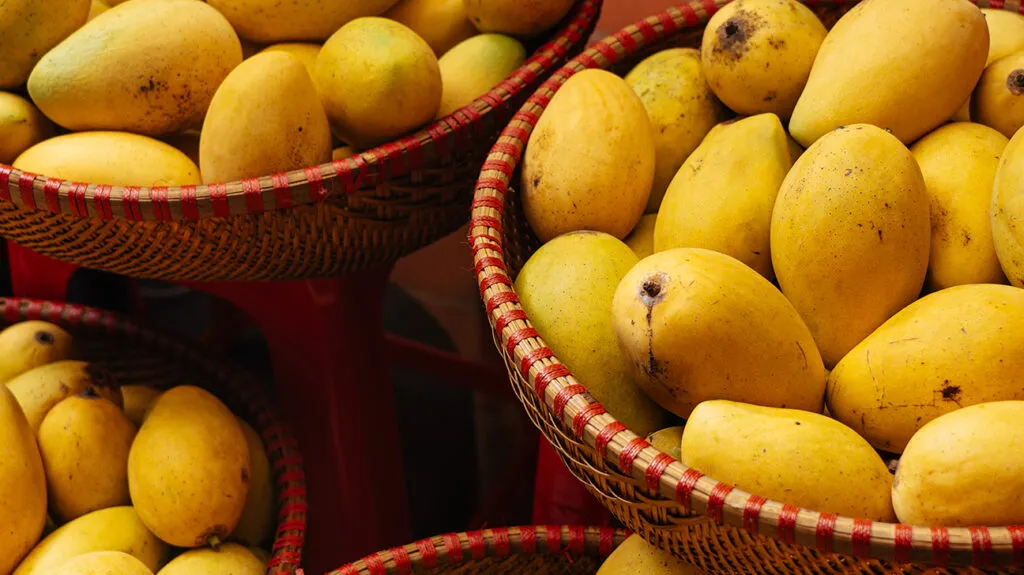
    Preserving and Storing Indigenous Fruits

    Various methods for preserving indigenous fruits, such as drying, pickling, and making jams:

    Preserving indigenous fruits is essential to prolong their shelf life and enjoy them even when they are out of season. Various methods can be utilized to preserve indigenous fruits, including drying, pickling, and making jams. These methods not only help in preserving the fruits but also enhance their flavors and create new culinary possibilities.

    Here is a detailed section on each preservation method:

    Drying

    Drying is one of the oldest and simplest methods of preserving fruits. Indigenous fruits can be dried using either sun-drying or using a food dehydrator. Sun-drying involves spreading the fruits out in a single layer on a clean surface under direct sunlight for several days until they are completely dried. Food dehydrators provide a more controlled environment for drying fruits, ensuring consistent results.

    To dry indigenous fruits, they should be washed, peeled (if necessary), and sliced thinly or cut into small pieces to facilitate even drying. Once dried, the fruits can be stored in airtight containers in a cool, dark place. Dried indigenous fruits can be enjoyed as snacks, added to baked goods, or rehydrated for use in cooking.

    Pickling

    Pickling is a popular preservation method that involves immersing fruits in a brine solution or acidic liquid to create a tangy and flavorful product. Indigenous fruits can be pickled to extend their shelf life and add a unique twist to dishes. To pickle indigenous fruits, they are typically washed, peeled (if needed), and cut into desired shapes before being submerged in a pickling solution.

    The pickling solution can be made by combining vinegar, water, sugar, salt, and spices. The fruits are then placed in sterilized jars, covered with the pickling solution, and sealed tightly. Pickled indigenous fruits can be stored in the refrigerator for several weeks and served as a side dish, condiment, or flavoring agent.

    Making Jams

    Jam-making is a sweet and delicious way to preserve indigenous fruits while capturing their natural flavors. To make jams, indigenous fruits are cooked down with sugar and pectin to create a thick and spreadable preserve. The fruits are typically washed, peeled, and chopped before being cooked with sugar over low heat until they break down and thicken.

    Once the jam reaches the desired consistency, it is poured into sterilized jars and sealed. Jams can be stored in a cool, dark place for several months or in the refrigerator for shorter periods. Indigenous fruit jams can be enjoyed on toast, paired with cheese, or used as a filling for pastries and desserts.

    Incorporating these preservation methods into the preparation of indigenous fruits can help preserve their unique flavors and make them accessible throughout the year. Experimenting with drying, pickling, and jam-making can also inspire creative culinary creations and showcase the diversity of indigenous fruits in Philippine cuisine.
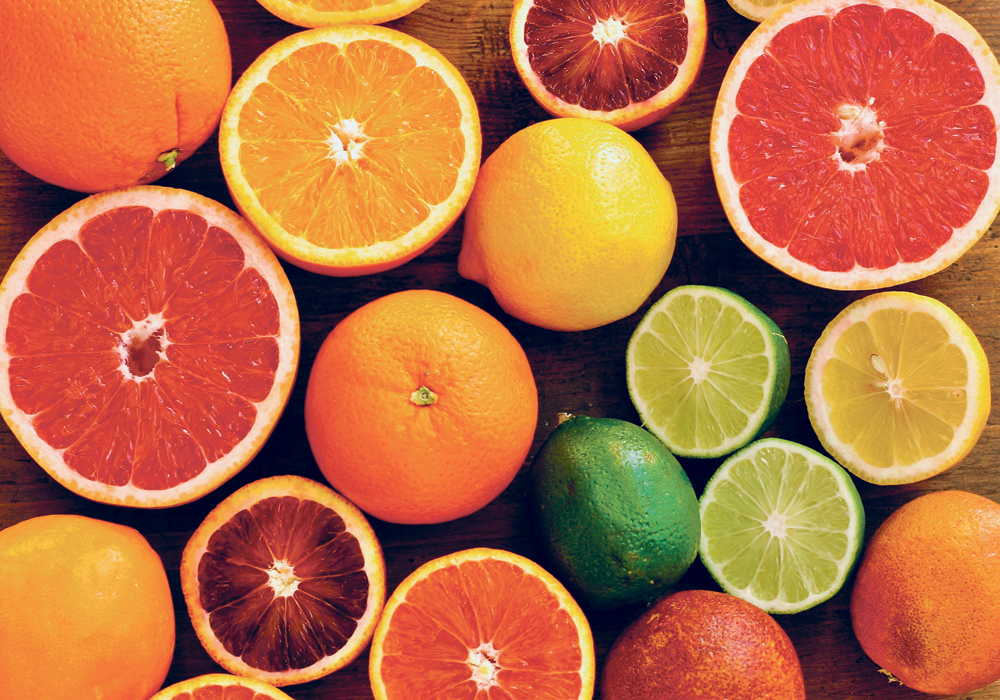
    Guidelines for Storing Fresh Indigenous Fruits to Prolong Their Shelf Life

    Proper storage is crucial in maintaining the freshness and quality of indigenous fruits. By following these guidelines, you can extend the shelf life of these fruits and enjoy them at their best:

    1. Temperature Control: Most indigenous fruits prefer cool temperatures for storage. Store fruits like mangosteen, lanzones, and durian in a cool place away from direct sunlight. Refrigeration is ideal for fruits like rambutan and santol, which can help slow down the ripening process and extend their shelf life.
    2. Handling Carefully: Handle indigenous fruits with care to prevent bruising and damage. Avoid squeezing or pressing the fruits too hard, as this can lead to spoilage. Treat fruits like balimbing and atis delicately to avoid any physical damage that can accelerate the ripening process.
    3. Separate Ethylene Producers: Certain fruits, such as mangoes and papayas, produce ethylene gas, which speeds up the ripening of other fruits. Keep these fruits separate from others to prevent premature ripening. Store ethylene-sensitive fruits like guava and langka away from ethylene producers to maintain their freshness.
    4. Use Ventilated Containers: When storing indigenous fruits in the refrigerator, use ventilated containers or perforated bags to allow air circulation. This helps prevent moisture buildup, which can lead to mold growth and spoilage. Keep fruits like lanzones and mangosteen in perforated bags to maintain their crispness.
    5. Check for Ripeness: Before storing indigenous fruits, check their ripeness. Some fruits, like chico and duhat, are best stored when slightly unripe to prolong their shelf life. Monitor the ripeness of fruits like suha and aratilis regularly to consume them at the optimal stage.
    6. Avoid Washing Before Storage: To prevent excess moisture, avoid washing indigenous fruits before storage. Only wash them right before consumption to maintain their freshness. Fruits like siniguelas and bignay should be kept dry to prevent mold growth.
    7. Rotate Stock: Practice the first-in, first-out method when storing indigenous fruits. Consume the older fruits first to avoid wastage and ensure you enjoy them at their peak freshness. Rotate your stock of fruits like guyabano and balimbing regularly to maintain a constant supply of fresh produce.

    By following these guidelines for storing fresh indigenous fruits, you can prolong their shelf life and savor their unique flavors for an extended period. Proper storage practices not only help maintain the quality of these fruits but also reduce food wastage, allowing you to fully appreciate the diversity of Philippine cuisine.

    Benefits of preserving indigenous fruits for year-round culinary enjoyment

    Preserving indigenous fruits for year-round culinary enjoyment offers numerous benefits that contribute to both the preservation of cultural heritage and the promotion of sustainable gastronomy. By utilizing traditional preservation methods such as drying, canning, pickling, or making jams and preserves, indigenous fruits can be enjoyed throughout the year, even when they are out of season. This practice not only ensures a steady supply of these unique fruits but also helps to maintain the biodiversity of local ecosystems.

    One of the key benefits of preserving indigenous fruits is the preservation of cultural heritage. Many indigenous fruits hold significant cultural and historical value, often being integral to traditional Philippine cuisine and culinary practices. By preserving and incorporating these fruits into year-round dishes, we help to keep these cultural traditions alive and pass them on to future generations.

    Furthermore, preserving indigenous fruits contributes to food security and promotes sustainable agriculture. By supporting local farmers who cultivate these fruits, we help to maintain agricultural diversity and reduce dependency on imported fruits. This, in turn, strengthens local economies and promotes sustainable farming practices that are essential for environmental conservation.

    In addition to cultural and environmental benefits, preserving indigenous fruits also offers health advantages. Indigenous fruits are often rich in essential nutrients, vitamins, and antioxidants that are beneficial for overall health and well-being. By preserving these fruits, we ensure their availability year-round, allowing us to incorporate them into our diet regularly and enjoy their numerous health benefits.

    Overall, the benefits of preserving indigenous fruits for year-round culinary enjoyment are multifaceted. From preserving cultural heritage and promoting sustainable agriculture to enhancing food security and supporting local economies, preserving indigenous fruits plays a crucial role in promoting a diverse, healthy, and sustainable food system. It is essential to recognize the value of these unique fruits and incorporate them into our culinary practices to celebrate and preserve the rich culinary heritage of the Philippines. Chapter 5: Promoting Sustainability and Conservation of Indigenous Fruits

    Importance of preserving indigenous fruit varieties for future generations

    Preserving indigenous fruit varieties is crucial for ensuring food security, biodiversity conservation, cultural heritage preservation, and sustainable development. In the context of the Philippines, where a rich diversity of indigenous fruits exists, the importance of preserving these varieties for future generations cannot be overstated.

    • Biodiversity Conservation: Indigenous fruit varieties are often well-adapted to local environmental conditions and play a key role in maintaining ecosystem diversity. By preserving these fruits, we help protect the genetic diversity of plant species, which is essential for the resilience of ecosystems in the face of climate change and other environmental challenges.
    • Food Security: Indigenous fruits are not only a source of nutrition but also a potential solution to food security issues, particularly in rural areas where access to a diverse range of fruits can help ensure a balanced diet. Preserving indigenous fruit varieties means safeguarding a valuable resource that can contribute to improving food security for present and future generations.
    • Cultural Heritage Preservation: Indigenous fruits are often deeply intertwined with the cultural identity and traditions of local communities. Preserving these fruits ensures that traditional knowledge related to their cultivation, harvesting, and culinary uses is passed down through generations. By maintaining these cultural connections, we honor the heritage of indigenous communities and promote cultural diversity.
    • Sustainable Development: The conservation and sustainable use of indigenous fruit varieties can contribute to sustainable development goals by promoting agrobiodiversity, supporting small-scale farmers, and fostering local economies. By preserving these fruits, we support sustainable agricultural practices and contribute to the resilience of food systems.
    • Nutritional Value: Indigenous fruits often possess unique nutritional profiles, offering a diverse range of vitamins, minerals, and antioxidants. Preserving these fruits ensures that future generations have access to a wide variety of healthy and nutritious foods, contributing to overall health and well-being.

    Initiatives and projects aimed at promoting sustainable cultivation and conservation of indigenous fruits

    Initiatives and projects aimed at promoting sustainable cultivation and conservation of indigenous fruits play a crucial role in preserving biodiversity, supporting local communities, and promoting sustainable food systems. In the Philippines, various organizations, government agencies, and communities have been actively involved in efforts to protect and promote indigenous fruits through a range of initiatives and projects.

    • Community-Based Conservation Programs: Many initiatives focus on working directly with local communities to promote the cultivation and conservation of indigenous fruits. These programs often involve providing training and resources to farmers on sustainable agricultural practices, seed saving techniques, and the importance of preserving native fruit varieties. By empowering communities to take ownership of their natural resources, these programs help ensure the long-term sustainability of indigenous fruits.
    • Agroforestry Systems: Agroforestry is a sustainable land management practice that integrates trees and shrubs into agricultural systems. This approach not only helps conserve indigenous fruit tree species but also contributes to soil health, water conservation, and increased biodiversity. Projects promoting agroforestry as a way to cultivate indigenous fruits are gaining traction in the Philippines, as they offer a holistic approach to sustainable food production and environmental conservation.
    • Seed Banks and Germplasm Conservation: To safeguard the genetic diversity of indigenous fruit species, seed banks and germplasm conservation initiatives are essential. These projects involve collecting, storing, and cataloging seeds from native fruit trees to ensure their availability for future generations. By preserving the genetic diversity of indigenous fruits, these initiatives help maintain resilience in the face of climate change and other environmental challenges.
    • Promotion and Marketing Campaigns: In order to raise awareness about the value of indigenous fruits and encourage their consumption, promotion and marketing campaigns are crucial. These initiatives often include activities such as food fairs, cooking demonstrations, and educational workshops that highlight the nutritional benefits and cultural significance of indigenous fruits. By creating demand for these fruits, these campaigns support local farmers and contribute to the conservation of traditional food systems.
    • Policy Advocacy and Research: Advocacy efforts aimed at incorporating the conservation and sustainable cultivation of indigenous fruits into government policies and research agendas are essential for long-term impact. By advocating for policies that support agroecology, biodiversity conservation, and small-scale farming, stakeholders can create an enabling environment for the preservation of indigenous fruits and the livelihoods of those who depend on them.

    Tips for Individuals on How to Support the Sustainability of Indigenous Fruits in Philippine Cuisine

    Indigenous fruits play a vital role in Philippine cuisine, offering unique flavors, textures, and nutritional benefits. However, many of these fruits are facing threats due to factors such as deforestation, climate change, and changing dietary preferences. As individuals who appreciate and enjoy Philippine cuisine, there are several ways in which you can help support the sustainability of indigenous fruits.

    Buy Local and Seasonal Indigenous Fruits

    • Support local farmers and markets by purchasing indigenous fruits that are in season. This helps reduce the carbon footprint associated with transportation and supports local agricultural practices.
    • Buying directly from farmers or local markets also ensures that you are getting fresh, high-quality produce while contributing to the local economy.

    Promote Biodiversity in Your Diet

    • Incorporate a variety of indigenous fruits into your diet to promote biodiversity and support the conservation of different fruit species.
    • Experiment with lesser-known fruits and traditional recipes to discover new flavors and textures.
    • By consuming a diverse range of indigenous fruits, you can help preserve traditional knowledge and culinary practices associated with these fruits.

    Educate Yourself and Others

    • Take the time to learn about the cultural significance, nutritional value, and conservation status of indigenous fruits in the Philippines.
    • Share this knowledge with friends, family, and your community to raise awareness about the importance of preserving these fruits.
    • Encourage others to try indigenous fruits and dishes, helping to create a demand for these products and support their continued cultivation.

    Practice Sustainable Harvesting and Consumption

    • If you have access to indigenous fruit trees or bushes, practice sustainable harvesting techniques such as only taking what you need and leaving some fruits for wildlife and future generations.
    • Reduce food waste by using all parts of the fruit, including peels, seeds, and leaves, in cooking or composting. This minimizes the environmental impact of fruit consumption.

    Support Conservation Efforts and Initiatives

    • Get involved in local conservation projects or initiatives that aim to protect and preserve indigenous fruit species and their habitats. This can include tree planting programs, seed banks, or advocacy campaigns.
    • Donate to organizations working towards the conservation of Philippine biodiversity or volunteer your time to help with conservation activities in your area.

    Conclusion

    By following these tips and adopting sustainable practices in your consumption of indigenous fruits, you can make a positive impact on the preservation of Philippine biodiversity and culinary heritage. Your choices as an individual can contribute to the sustainability of indigenous fruits in Philippine cuisine for future generations to enjoy. Each chapter will also feature personal stories, tips from chefs, and stunning photography showcasing the beauty and versatility of indigenous fruits in Philippine cuisineThese fruits have been a staple in Filipino diets for centuries and are deeply intertwined with the cultural identity of the Filipino people. t culinary landscape. These fruits are not only delicious and unique in flavor, but they also reflect the rich cultural heritage and biodiversity of the archipelago. In this section, we will explore the wide array of indigenous fruits found in the Philippines, highlighting their flavors, uses in traditional cuisine, and cultural significance.

    Diversity of Indigenous Fruits

    The Philippines boasts a wide variety of indigenous fruits that grow abundantly across the different regions of the country. From the tropical rainforests of Mindanao to the highlands of the Cordillera region, each area offers a unique selection of fruits that thrive in the local climate and soil conditions. Some of the most notable indigenous fruits include:

    • Durian: Known as the “king of fruits,” durian is famous for its pungent aroma and creamy texture. It is highly prized in the Philippines and is often used in desserts and savory dishes.
    • Mangosteen: Often referred to as the “queen of fruits,” mangosteen is a sweet and tangy fruit with a delicate flavor. It is highly valued for its antioxidant properties and is commonly eaten fresh or used in juices and jams.
    • Rambutan: With its hairy red exterior and sweet, juicy flesh, rambutan is a popular fruit in the Philippines. It is often enjoyed as a snack or used in salads and desserts.
    • Lanzones: Lanzones are small, translucent fruits with a sweet and slightly sour taste. They are typically eaten fresh and are a favorite among locals during the harvest season.
    • Santol: Santol is a tropical fruit with a thick rind and juicy pulp that is both sweet and sour. It is commonly used in jams, preserves, and pickles.

    Culinary Uses

    Indigenous fruits play a crucial role in traditional Filipino cuisine, adding unique flavors and textures to dishes. Many fruits are enjoyed fresh as snacks or desserts, while others are used in cooking to add sweetness, acidity, or fragrance to savory dishes. For example:

    • Tamarind is often used to add a tangy flavor to soups, stews, and marinades.
    • Guava is used to make jams, jellies, and beverages.
    • Jackfruit is commonly used in savory dishes such as stews and curries.
    • Bignay berries are used to make wine and vinegar

    Cultural Significance

    Indigenous fruits hold a special place in Filipino culture, often symbolizing abundance, hospitality, and shared traditions. Many fruits are enjoyed during festivals and celebrations, where they are shared among friends and family as a gesture of goodwill and unity. Additionally, some fruits are associated with specific regions or provinces, reflecting the unique culinary identities of different communities across the Philippines.

    The rich diversity of indigenous fruits found in the Philippines is a testament to the country’s natural wealth and cultural heritage. These fruits not only provide sustenance and nourishment but also serve as a source of pride and connection to the land. By celebrating and preserving these fruits, we honor the traditions and flavors that make Filipino cuisine truly special.

    Importance of Indigenous Fruits in Philippine Culture and Cuisine

    Indigenous fruits play a crucial role in Philippine culture and cuisine, reflecting the country’s rich agricultural heritage and diverse culinary traditions. These fruits have been a staple in Filipino diets for centuries and are deeply intertwined with the cultural identity of the Filipino people. Here are some key aspects highlighting the importance of indigenous fruits in Philippine culture and cuisine:

    1. Cultural Significance: Indigenous fruits hold a special place in Filipino culture as they are often associated with local traditions, folklore, and rituals. Many of these fruits have been part of Filipino cuisine since ancient times and are used in various cultural celebrations and ceremonies. For example, the lanzones fruit is a symbol of prosperity and abundance in the Philippines and is commonly offered during harvest festivals and weddings.
    2. Nutritional Value: Indigenous fruits are not only valued for their unique flavors but also for their nutritional benefits. Many of these fruits are rich in essential vitamins, minerals, and antioxidants, making them an important source of nutrition in the Filipino diet. For instance, the Philippine mango is not only beloved for its sweet taste but also for its high vitamin C content, which boosts the immune system and promotes overall health.
    3. Culinary Diversity: Indigenous fruits contribute to the diverse and vibrant flavors of Filipino cuisine. They are used in a wide range of dishes, from savory stews to sweet desserts, adding depth and complexity to traditional Filipino recipes. For example, the tangy kamias fruit is commonly used as a souring agent in dishes like sinigang, a popular Filipino soup known for its distinctive tart flavor.
    4. Sustainable Agriculture: The cultivation and consumption of indigenous fruits promote sustainable agricultural practices in the Philippines. Many of these fruits are well-adapted to the local climate and soil conditions, requiring minimal input in terms of pesticides and fertilizers. By supporting the cultivation of indigenous fruits, Filipinos help preserve biodiversity, protect traditional farming methods, and promote food security in the country.
    5. Economic Importance: Indigenous fruits also have significant economic value in the Philippines, supporting local farmers and small-scale producers. These fruits are not only sold fresh in markets but also processed into various products such as jams, juices, and preserves. The growing demand for indigenous fruits both domestically and internationally has created economic opportunities for Filipino farmers, contributing to rural livelihoods and sustainable development.

    Indigenous fruits are an integral part of Philippine culture and cuisine, embodying the country’s cultural heritage, nutritional richness, culinary diversity, and economic significance. By celebrating and promoting the use of indigenous fruits, Filipinos can preserve their culinary traditions, support local agriculture, and showcase the unique flavors of the Philippines to the world.

    Nutritional Benefits and Unique Flavors of Indigenous Fruits in Philippine Cuisine

    Indigenous fruits play a significant role in Philippine cuisine, not only for their unique flavors but also for their exceptional nutritional benefits. These fruits are not only delicious but are also packed with essential vitamins, minerals, and antioxidants that contribute to overall health and well-being.

    Nutritional Benefits

    • Many indigenous fruits in Philippine cuisine are rich in vitamins C, A, and E, which are essential for maintaining a healthy immune system, promoting good vision, and supporting skin health.
    • These fruits are also a good source of dietary fiber, promoting digestive health and aiding in weight management.
    • Some indigenous fruits, such as guava and mangosteen, are known for their high antioxidant content, which helps protect cells from damage and reduces the risk of chronic diseases.
    • Other fruits like star apple and santol are rich in calcium, promoting strong bones and teeth.

    The diverse range of nutrients found in these fruits makes them a valuable addition to a balanced diet, providing an array of health benefits.

    Unique Flavors

    • Indigenous fruits in Philippine cuisine offer a wide range of flavors, from sweet and tangy to creamy and nutty, providing a delightful sensory experience.
    • The tropical climate of the Philippines contributes to the rich and intense flavors of these fruits, making them distinct and sought after in local dishes and desserts.
    • Fruits like lanzones and durian have a unique aroma and taste that may be an acquired preference for some, but are beloved by many for their exotic flavors.
    • Some fruits, such as calamansi and Philippine mango, are known for their refreshing and zesty flavors, adding a burst of brightness to dishes and beverages.
    • The versatility of these fruits allows for creative culinary uses, whether eaten fresh, juiced, blended into smoothies, or incorporated into savory dishes, showcasing their diverse flavors and enhancing the overall dining experience.

    The nutritional benefits and unique flavors of indigenous fruits in Philippine cuisine make them a valuable and flavorful addition to the local culinary landscape. By incorporating these fruits into everyday meals and recipes, one can enjoy a variety of health benefits while savoring the vibrant and distinct flavors that these fruits have to offer.

    Harvesting and Selecting Indigenous Fruits

    • Seasonality and regions where indigenous fruits are commonly found Seasonality and regions where indigenous fruits are commonly found:
    • Mangoes
      • Seasonality: Mangoes are typically in season during the summer months, from March to June.
      • Regions: Mangoes are commonly found all over the Philippines, with notable mango-producing regions including Guimaras, Zambales, and Cebu.
    • Lanzones
      • Seasonality: Lanzones are usually in season from August to October.
      • Regions: The provinces of Camiguin, Sulu, and Laguna are known for their abundant lanzones production.
    • Durian
      • Seasonality: Durian is commonly harvested from June to August.
      • Regions: Davao, particularly in Mindanao, is famous for its durian orchards.
    • Santol
      • Seasonality: Santol is typically harvested from May to August.
      • Regions: Santol trees are commonly found in the provinces of Pangasinan, Quezon, and Negros Occidental.
    • Guyabano
      • Seasonality: Guyabano is usually in season from September to December.
      • Regions: Guyabano trees thrive in various regions such as Davao, Palawan, and Sorsogon.
    • Rambutan
      • Seasonality: Rambutan is typically harvested from July to September.
      • Regions: Rambutan trees are commonly found in regions like Nueva Ecija, Camiguin, and Quezon.
    • Mangosteen
      • Seasonality: Mangosteen is usually in season from May to July.
      • Regions: Mangosteen trees are commonly found in regions such as Davao, Zamboanga, and Sulu.
    • Balimbing
      • Seasonality: Balimbing is typically harvested from September to December.
      • Regions: Balimbing trees are commonly found in regions like Batangas, Cavite, and Bulacan.

    Understanding the seasonality and regions where these indigenous fruits are commonly found can help in planning meals and recipes to fully enjoy the abundance of flavors that the Philippines has to offer.

    Techniques for Harvesting Indigenous Fruits Sustainably

    • Understanding the Ecosystem: Before harvesting indigenous fruits, it is essential to have a thorough understanding of the ecosystem where these fruits grow. This includes knowledge of the specific plant species, their growth patterns, and the interactions with other flora and fauna in the area.
    • Harvesting Season: Indigenous fruits have specific seasons when they are ripe and ready for harvesting. It is crucial to follow these natural cycles to ensure the sustainability of the fruit-bearing plants. Harvesting fruits off-season can disrupt the natural process and harm the plant’s ability to reproduce.
    • Selective Harvesting: Instead of clearing entire areas of indigenous fruit-bearing plants, practice selective harvesting. This involves carefully choosing which fruits to pick, leaving some behind to mature and ensure the plant’s continued growth and reproduction.
    • Ethical Harvesting Practices: When harvesting indigenous fruits, it is essential to do so ethically and respectfully. Avoid causing damage to the plants or their surrounding environment. Use tools like sharp shears or knives to carefully remove fruits without harming the plant.
    • Minimize Waste: When harvesting indigenous fruits, aim to minimize waste by only picking what you can consume or share with others. Wasting fruits not only harms the environment but also reduces the availability of these precious resources for others in the ecosystem.
    • Supporting Local Communities: Engage with local communities who have traditional knowledge about harvesting indigenous fruits sustainably. Learn from their practices and support initiatives that promote the conservation and sustainable use of these valuable resources.
    • Replanting and Reforestation: To ensure the long-term sustainability of indigenous fruit-bearing plants, consider participating in replanting and reforestation efforts. By planting new trees and supporting forest restoration projects, you can help preserve the biodiversity of these ecosystems for future generations.

    By following these techniques for harvesting indigenous fruits sustainably, we can contribute to the conservation of these unique resources and support the rich culinary heritage of the Philippines.

    Tips on Selecting Ripe and High-Quality Indigenous Fruits for Culinary Use

    Selecting ripe and high-quality indigenous fruits is crucial to ensure the best flavor and texture in your culinary creations. Here are some tips to help you choose the best indigenous fruits for your dishes:

    1. Color and Texture: When selecting indigenous fruits, look for vibrant colors that are typical of ripe fruits. Avoid fruits that are dull in color or have blemishes, bruises, or soft spots. The texture of the fruit should be firm but yield slightly to gentle pressure, indicating ripeness.
    2. Fragrance: Ripe fruits often have a pleasant, sweet aroma that is characteristic of the fruit variety. Take a moment to smell the fruit to ensure it is fragrant and enticing.
    3. Weight: Heavier fruits are often juicier and more ripe than lighter ones. When selecting indigenous fruits, choose fruits that feel heavy for their size, as this can indicate a higher water content and better flavor.
    4. Sound: Some fruits, like melons, should produce a deep, hollow sound when tapped gently. This indicates that the fruit is ripe and ready to be eaten. However, this method may not apply to all indigenous fruits, so it’s essential to consider the other factors as well.
    5. Firmness: While ripe fruits should yield slightly to pressure, they should not be too soft or mushy. Avoid fruits that are overly soft, as they may be overripe and lacking in flavor.
    6. Seasonality: Indigenous fruits have specific growing seasons, so it’s essential to choose fruits that are in season for the best flavor and quality. Seasonal fruits are often fresher, more flavorful, and more nutritious.
    7. Local Markets and Farmers: For the freshest and highest-quality indigenous fruits, consider purchasing directly from local markets or farmers. These sources often offer fruits that are harvested at the peak of ripeness and have not undergone long-distance transportation, preserving their flavor and nutritional value.

    By following these tips, you can select ripe and high-quality indigenous fruits for culinary use, enhancing the taste and authenticity of your dishes. Experiment with different varieties of indigenous fruits to discover unique flavors and create delicious recipes inspired by the rich culinary heritage of the Philippines.

    Traditional and Modern Culinary Uses of Indigenous Fruits

    Traditional Filipino cuisine is deeply rooted in the use of indigenous fruits, which not only add unique flavors but also reflect the rich agricultural biodiversity of the Philippines. In this section, we will delve into some of the most popular traditional Filipino dishes that incorporate indigenous fruits, showcasing the creativity and resourcefulness of Filipino cooks.

    1. Sinigang sa Bayabas (Guava Stew): Sinigang is a classic Filipino sour soup known for its tangy flavor. In this variation, ripe guavas are used to provide the signature sourness instead of the more common tamarind or green mangoes. The guavas add a subtle sweetness to the broth, balancing the sourness and creating a rich, flavorful stew that is both comforting and refreshing.
    2. Ensaladang Pakwan (Watermelon Salad): Ensaladang Pakwan is a simple yet refreshing salad that combines chunks of sweet watermelon with tomatoes, onions, and salted egg. The sweetness of the watermelon pairs beautifully with the tangy tomatoes and savory salted egg, creating a colorful and flavorful dish that is often served as a side dish or appetizer.
    3. Halo-Halo (Mixed Fruit Dessert): Halo-Halo is a popular Filipino dessert that translates to “mix-mix” in English. This colorful and refreshing dessert is a medley of various ingredients, including sweetened beans, jellies, shaved ice, and evaporated milk, topped with a scoop of ice cream. Indigenous fruits such as langka (jackfruit), ube (purple yam), and saba (cooking bananas) are often included in Halo-Halo, adding unique textures and flavors to this beloved sweet treat.
    4. Adobong Manggang Hilaw (Green Mango Adobo): Adobo is a quintessential Filipino dish known for its savory and tangy flavors. In this version, unripe green mangoes are stewed in a mixture of soy sauce, vinegar, garlic, and spices to create a deliciously tangy and slightly sour dish. The green mangoes absorb the flavors of the adobo sauce, resulting in a unique and appetizing dish that is perfect for pairing with steamed rice.
    5. Pinakbet (Mixed Vegetable Stew): Pinakbet is a traditional Filipino vegetable dish that features a colorful assortment of vegetables such as squash, eggplant, okra, and bitter melon. Indigenous fruits like ampalaya (bitter gourd) and kalabasa (squash) are often included in this dish, adding a natural sweetness and depth of flavor to the stew. The dish is typically cooked in shrimp paste and flavored with garlic and onions, creating a savory and aromatic vegetable medley that is both nutritious and delicious.

    Traditional Filipino dishes that incorporate indigenous fruits showcase the diversity and richness of Filipino culinary heritage. By utilizing local fruits in creative and innovative ways, Filipino cooks are able to create dishes that are not only delicious but also reflective of the vibrant flavors of the Philippines. These dishes serve as a testament to the ingenuity and resourcefulness of Filipino cuisine, highlighting the importance of indigenous fruits in shaping the culinary identity of the Philippines.

    Creative Modern Recipes Featuring Indigenous Fruits as Key Ingredients

    In recent years, there has been a growing trend towards incorporating indigenous fruits into modern culinary creations. These unique and flavorful fruits not only add a distinct taste to dishes but also contribute to preserving traditional Filipino flavors. In this section, we will explore some creative modern recipes that showcase indigenous fruits as key ingredients, offering a fresh take on classic dishes.

    1. Mango-Pomelo Salad with Tamarind Dressing: This refreshing salad combines the sweet and tangy flavors of ripe mangoes and juicy pomelo segments with a zesty tamarind dressing. The addition of chopped fresh herbs and crunchy roasted peanuts adds a delightful contrast of textures. This dish is perfect as a light appetizer or a side dish for grilled meats.
    2. Guava Glazed Pork Ribs: Tender pork ribs are marinated in a flavorful guava glaze made from pureed guava fruit, soy sauce, honey, and spices. The ribs are then slow-roasted until caramelized and sticky, resulting in a mouthwatering combination of sweet and savory flavors. Serve these guava glazed pork ribs with steamed rice and pickled vegetables for a delicious and satisfying meal.
    3. Jackfruit and Coconut Curry: Jackfruit, a tropical fruit with a meaty texture, is the star of this rich and aromatic curry dish. Simmered in a creamy coconut milk-based sauce with fragrant spices, tender chunks of jackfruit absorb all the flavors, creating a hearty and satisfying vegan-friendly meal. Garnish with fresh cilantro and serve with steamed jasmine rice for a complete and nutritious meal.
    4. Avocado and Soursop Smoothie Bowl: Indulge in a healthy and delicious smoothie bowl featuring creamy avocado and tangy soursop fruit. Blended together with coconut milk, honey, and a hint of lime juice, this smoothie bowl is both refreshing and satisfying. Top with a variety of crunchy granola, fresh berries, and chia seeds for added texture and nutrients.
    5. Pineapple Upside-Down Cake with Langka (Jackfruit): Put a tropical twist on a classic dessert by incorporating langka (jackfruit) into a traditional pineapple upside-down cake. The sweet and juicy jackfruit adds a unique flavor profile to the cake, complementing the caramelized pineapple slices perfectly. Serve warm with a dollop of whipped cream or a scoop of vanilla ice cream for a delightful treat.

    These creative modern recipes featuring indigenous fruits highlight the versatility and richness of Filipino cuisine. By incorporating these unique ingredients into everyday dishes, we can celebrate and preserve the diverse flavors of indigenous fruits in Philippine cuisine.
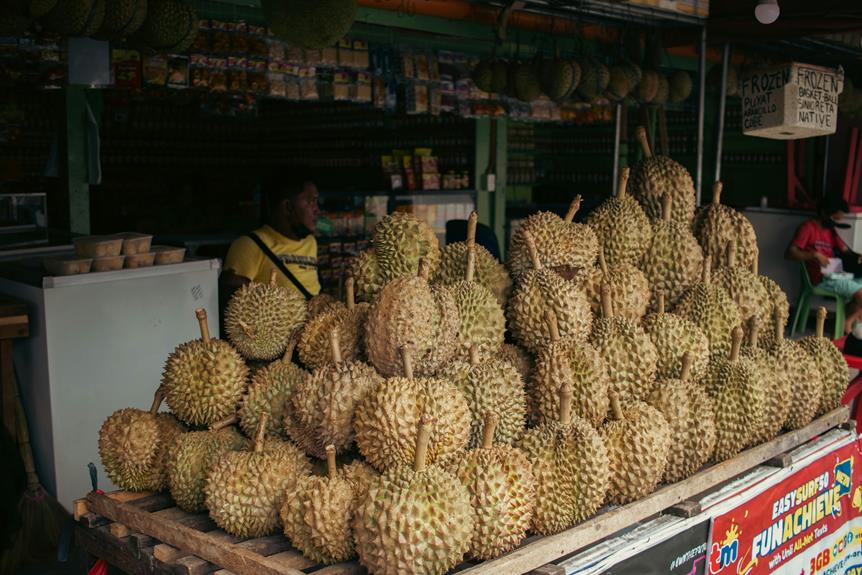
    Tips on How to Pair Indigenous Fruits with Other Ingredients to Enhance Flavors

    Pairing indigenous fruits with complementary ingredients can elevate the flavors of your dish. Here are some tips on how to effectively pair indigenous fruits with other ingredients:

    1. Consider the flavor profile of the fruit: Before pairing an indigenous fruit with other ingredients, consider its flavor profile. Is it sweet, tangy, or tart? Understanding the primary flavor of the fruit will help you choose complementary ingredients that enhance rather than overpower its taste.
    2. Balance flavors: When pairing indigenous fruits with other ingredients, aim to create a balance of flavors. For example, if the fruit is sweet, consider adding ingredients with contrasting flavors like salty, sour, or spicy to create a harmonious blend of tastes.
    3. Texture contrast: Mixing indigenous fruits with ingredients that offer a contrasting texture can create a more interesting culinary experience. For instance, pairing a juicy fruit like mango with crunchy nuts or crispy fried shallots can provide a delightful textural contrast.
    4. Consider the cooking method: Different cooking methods can bring out unique flavors in indigenous fruits. Grilling, baking, or caramelizing fruits can enhance their natural sweetness, while incorporating them in salads or ceviches can provide a refreshing and light touch.
    5. Seasonal pairings: Pairing indigenous fruits with ingredients that are in season can create a harmonious and fresh flavor profile. For example, combining ripe mangoes with fresh herbs like basil or mint can enhance the overall taste of the dish.
    6. Experiment with herbs and spices: Don’t be afraid to experiment with herbs and spices when pairing indigenous fruits with other ingredients. Ingredients like cinnamon, ginger, or chili can add depth and complexity to the flavor profile of the dish.
    7. Use indigenous fruits in both sweet and savory dishes: Indigenous fruits can be versatile and used in a variety of dishes, including both sweet and savory preparations. Consider incorporating fruits like calamansi or duhat in marinades, sauces, or dressings to add a unique twist to your dishes.

    By following these tips and experimenting with different combinations, you can create delicious and innovative dishes that highlight the flavors of indigenous fruits in Philippine cuisine.
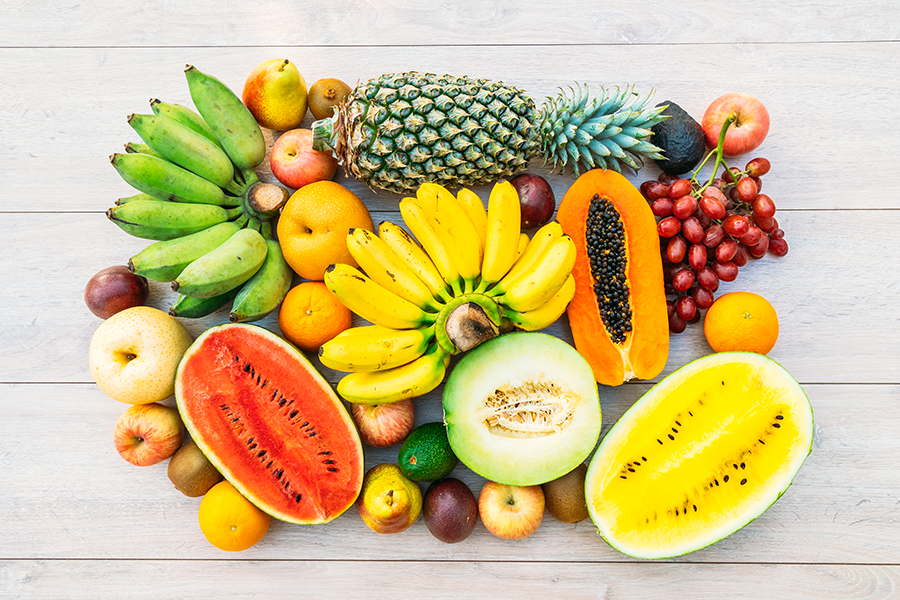
    Preserving and Storing Indigenous Fruits

    Various methods for preserving indigenous fruits, such as drying, pickling, and making jams:

    Preserving indigenous fruits is essential to prolong their shelf life and enjoy them even when they are out of season. Various methods can be utilized to preserve indigenous fruits, including drying, pickling, and making jams. These methods not only help in preserving the fruits but also enhance their flavors and create new culinary possibilities.

    Here is a detailed section on each preservation method:

    Drying

    Drying is one of the oldest and simplest methods of preserving fruits. Indigenous fruits can be dried using either sun-drying or using a food dehydrator. Sun-drying involves spreading the fruits out in a single layer on a clean surface under direct sunlight for several days until they are completely dried. Food dehydrators provide a more controlled environment for drying fruits, ensuring consistent results.

    To dry indigenous fruits, they should be washed, peeled (if necessary), and sliced thinly or cut into small pieces to facilitate even drying. Once dried, the fruits can be stored in airtight containers in a cool, dark place. Dried indigenous fruits can be enjoyed as snacks, added to baked goods, or rehydrated for use in cooking.

    Pickling

    Pickling is a popular preservation method that involves immersing fruits in a brine solution or acidic liquid to create a tangy and flavorful product. Indigenous fruits can be pickled to extend their shelf life and add a unique twist to dishes. To pickle indigenous fruits, they are typically washed, peeled (if needed), and cut into desired shapes before being submerged in a pickling solution.

    The pickling solution can be made by combining vinegar, water, sugar, salt, and spices. The fruits are then placed in sterilized jars, covered with the pickling solution, and sealed tightly. Pickled indigenous fruits can be stored in the refrigerator for several weeks and served as a side dish, condiment, or flavoring agent.

    Making Jams

    Jam-making is a sweet and delicious way to preserve indigenous fruits while capturing their natural flavors. To make jams, indigenous fruits are cooked down with sugar and pectin to create a thick and spreadable preserve. The fruits are typically washed, peeled, and chopped before being cooked with sugar over low heat until they break down and thicken.

    Once the jam reaches the desired consistency, it is poured into sterilized jars and sealed. Jams can be stored in a cool, dark place for several months or in the refrigerator for shorter periods. Indigenous fruit jams can be enjoyed on toast, paired with cheese, or used as a filling for pastries and desserts.

    Incorporating these preservation methods into the preparation of indigenous fruits can help preserve their unique flavors and make them accessible throughout the year. Experimenting with drying, pickling, and jam-making can also inspire creative culinary creations and showcase the diversity of indigenous fruits in Philippine cuisine.

    Guidelines for Storing Fresh Indigenous Fruits to Prolong Their Shelf Life

    Proper storage is crucial in maintaining the freshness and quality of indigenous fruits. By following these guidelines, you can extend the shelf life of these fruits and enjoy them at their best:

    1. Temperature Control: Most indigenous fruits prefer cool temperatures for storage. Store fruits like mangosteen, lanzones, and durian in a cool place away from direct sunlight. Refrigeration is ideal for fruits like rambutan and santol, which can help slow down the ripening process and extend their shelf life.
    2. Handling Carefully: Handle indigenous fruits with care to prevent bruising and damage. Avoid squeezing or pressing the fruits too hard, as this can lead to spoilage. Treat fruits like balimbing and atis delicately to avoid any physical damage that can accelerate the ripening process.
    3. Separate Ethylene Producers: Certain fruits, such as mangoes and papayas, produce ethylene gas, which speeds up the ripening of other fruits. Keep these fruits separate from others to prevent premature ripening. Store ethylene-sensitive fruits like guava and langka away from ethylene producers to maintain their freshness.
    4. Use Ventilated Containers: When storing indigenous fruits in the refrigerator, use ventilated containers or perforated bags to allow air circulation. This helps prevent moisture buildup, which can lead to mold growth and spoilage. Keep fruits like lanzones and mangosteen in perforated bags to maintain their crispness.
    5. Check for Ripeness: Before storing indigenous fruits, check their ripeness. Some fruits, like chico and duhat, are best stored when slightly unripe to prolong their shelf life. Monitor the ripeness of fruits like suha and aratilis regularly to consume them at the optimal stage.
    6. Avoid Washing Before Storage: To prevent excess moisture, avoid washing indigenous fruits before storage. Only wash them right before consumption to maintain their freshness. Fruits like siniguelas and bignay should be kept dry to prevent mold growth.
    7. Rotate Stock: Practice the first-in, first-out method when storing indigenous fruits. Consume the older fruits first to avoid wastage and ensure you enjoy them at their peak freshness. Rotate your stock of fruits like guyabano and balimbing regularly to maintain a constant supply of fresh produce.

    By following these guidelines for storing fresh indigenous fruits, you can prolong their shelf life and savor their unique flavors for an extended period. Proper storage practices not only help maintain the quality of these fruits but also reduce food wastage, allowing you to fully appreciate the diversity of Philippine cuisine.

    Benefits of preserving indigenous fruits for year-round culinary enjoyment

    Preserving indigenous fruits for year-round culinary enjoyment offers numerous benefits that contribute to both the preservation of cultural heritage and the promotion of sustainable gastronomy. By utilizing traditional preservation methods such as drying, canning, pickling, or making jams and preserves, indigenous fruits can be enjoyed throughout the year, even when they are out of season. This practice not only ensures a steady supply of these unique fruits but also helps to maintain the biodiversity of local ecosystems.

    One of the key benefits of preserving indigenous fruits is the preservation of cultural heritage. Many indigenous fruits hold significant cultural and historical value, often being integral to traditional Philippine cuisine and culinary practices. By preserving and incorporating these fruits into year-round dishes, we help to keep these cultural traditions alive and pass them on to future generations.

    Furthermore, preserving indigenous fruits contributes to food security and promotes sustainable agriculture. By supporting local farmers who cultivate these fruits, we help to maintain agricultural diversity and reduce dependency on imported fruits. This, in turn, strengthens local economies and promotes sustainable farming practices that are essential for environmental conservation.

    In addition to cultural and environmental benefits, preserving indigenous fruits also offers health advantages. Indigenous fruits are often rich in essential nutrients, vitamins, and antioxidants that are beneficial for overall health and well-being. By preserving these fruits, we ensure their availability year-round, allowing us to incorporate them into our diet regularly and enjoy their numerous health benefits.

    Overall, the benefits of preserving indigenous fruits for year-round culinary enjoyment are multifaceted. From preserving cultural heritage and promoting sustainable agriculture to enhancing food security and supporting local economies, preserving indigenous fruits plays a crucial role in promoting a diverse, healthy, and sustainable food system. It is essential to recognize the value of these unique fruits and incorporate them into our culinary practices to celebrate and preserve the rich culinary heritage of the Philippines. Chapter 5: Promoting Sustainability and Conservation of Indigenous Fruits

    Importance of preserving indigenous fruit varieties for future generations

    Preserving indigenous fruit varieties is crucial for ensuring food security, biodiversity conservation, cultural heritage preservation, and sustainable development. In the context of the Philippines, where a rich diversity of indigenous fruits exists, the importance of preserving these varieties for future generations cannot be overstated.

    • Biodiversity Conservation: Indigenous fruit varieties are often well-adapted to local environmental conditions and play a key role in maintaining ecosystem diversity. By preserving these fruits, we help protect the genetic diversity of plant species, which is essential for the resilience of ecosystems in the face of climate change and other environmental challenges.
    • Food Security: Indigenous fruits are not only a source of nutrition but also a potential solution to food security issues, particularly in rural areas where access to a diverse range of fruits can help ensure a balanced diet. Preserving indigenous fruit varieties means safeguarding a valuable resource that can contribute to improving food security for present and future generations.
    • Cultural Heritage Preservation: Indigenous fruits are often deeply intertwined with the cultural identity and traditions of local communities. Preserving these fruits ensures that traditional knowledge related to their cultivation, harvesting, and culinary uses is passed down through generations. By maintaining these cultural connections, we honor the heritage of indigenous communities and promote cultural diversity.
    • Sustainable Development: The conservation and sustainable use of indigenous fruit varieties can contribute to sustainable development goals by promoting agrobiodiversity, supporting small-scale farmers, and fostering local economies. By preserving these fruits, we support sustainable agricultural practices and contribute to the resilience of food systems.
    • Nutritional Value: Indigenous fruits often possess unique nutritional profiles, offering a diverse range of vitamins, minerals, and antioxidants. Preserving these fruits ensures that future generations have access to a wide variety of healthy and nutritious foods, contributing to overall health and well-being.

    Initiatives and projects aimed at promoting sustainable cultivation and conservation of indigenous fruits

    Initiatives and projects aimed at promoting sustainable cultivation and conservation of indigenous fruits play a crucial role in preserving biodiversity, supporting local communities, and promoting sustainable food systems. In the Philippines, various organizations, government agencies, and communities have been actively involved in efforts to protect and promote indigenous fruits through a range of initiatives and projects.

    • Community-Based Conservation Programs: Many initiatives focus on working directly with local communities to promote the cultivation and conservation of indigenous fruits. These programs often involve providing training and resources to farmers on sustainable agricultural practices, seed saving techniques, and the importance of preserving native fruit varieties. By empowering communities to take ownership of their natural resources, these programs help ensure the long-term sustainability of indigenous fruits.
    • Agroforestry Systems: Agroforestry is a sustainable land management practice that integrates trees and shrubs into agricultural systems. This approach not only helps conserve indigenous fruit tree species but also contributes to soil health, water conservation, and increased biodiversity. Projects promoting agroforestry as a way to cultivate indigenous fruits are gaining traction in the Philippines, as they offer a holistic approach to sustainable food production and environmental conservation.
    • Seed Banks and Germplasm Conservation: To safeguard the genetic diversity of indigenous fruit species, seed banks and germplasm conservation initiatives are essential. These projects involve collecting, storing, and cataloging seeds from native fruit trees to ensure their availability for future generations. By preserving the genetic diversity of indigenous fruits, these initiatives help maintain resilience in the face of climate change and other environmental challenges.
    • Promotion and Marketing Campaigns: In order to raise awareness about the value of indigenous fruits and encourage their consumption, promotion and marketing campaigns are crucial. These initiatives often include activities such as food fairs, cooking demonstrations, and educational workshops that highlight the nutritional benefits and cultural significance of indigenous fruits. By creating demand for these fruits, these campaigns support local farmers and contribute to the conservation of traditional food systems.
    • Policy Advocacy and Research: Advocacy efforts aimed at incorporating the conservation and sustainable cultivation of indigenous fruits into government policies and research agendas are essential for long-term impact. By advocating for policies that support agroecology, biodiversity conservation, and small-scale farming, stakeholders can create an enabling environment for the preservation of indigenous fruits and the livelihoods of those who depend on them.

    Tips for Individuals on How to Support the Sustainability of Indigenous Fruits in Philippine Cuisine

    Indigenous fruits play a vital role in Philippine cuisine, offering unique flavors, textures, and nutritional benefits. However, many of these fruits are facing threats due to factors such as deforestation, climate change, and changing dietary preferences. As individuals who appreciate and enjoy Philippine cuisine, there are several ways in which you can help support the sustainability of indigenous fruits.

    Buy Local and Seasonal Indigenous Fruits

    • Support local farmers and markets by purchasing indigenous fruits that are in season. This helps reduce the carbon footprint associated with transportation and supports local agricultural practices.
    • Buying directly from farmers or local markets also ensures that you are getting fresh, high-quality produce while contributing to the local economy.

    Promote Biodiversity in Your Diet

    • Incorporate a variety of indigenous fruits into your diet to promote biodiversity and support the conservation of different fruit species.
    • Experiment with lesser-known fruits and traditional recipes to discover new flavors and textures.
    • By consuming a diverse range of indigenous fruits, you can help preserve traditional knowledge and culinary practices associated with these fruits.

    Educate Yourself and Others

    • Take the time to learn about the cultural significance, nutritional value, and conservation status of indigenous fruits in the Philippines.
    • Share this knowledge with friends, family, and your community to raise awareness about the importance of preserving these fruits.
    • Encourage others to try indigenous fruits and dishes, helping to create a demand for these products and support their continued cultivation.

    Practice Sustainable Harvesting and Consumption

    • If you have access to indigenous fruit trees or bushes, practice sustainable harvesting techniques such as only taking what you need and leaving some fruits for wildlife and future generations.
    • Reduce food waste by using all parts of the fruit, including peels, seeds, and leaves, in cooking or composting. This minimizes the environmental impact of fruit consumption.

    Support Conservation Efforts and Initiatives

    • Get involved in local conservation projects or initiatives that aim to protect and preserve indigenous fruit species and their habitats. This can include tree planting programs, seed banks, or advocacy campaigns.
    • Donate to organizations working towards the conservation of Philippine biodiversity or volunteer your time to help with conservation activities in your area.

    Conclusion

    By following these tips and adopting sustainable practices in your consumption of indigenous fruits, you can make a positive impact on the preservation of Philippine biodiversity and culinary heritage. Your choices as an individual can contribute to the sustainability of indigenous fruits in Philippine cuisine for future generations to enjoy. Each chapter will also feature personal stories, tips from chefs, and stunning photography showcasing the beauty and versatility of indigenous fruits in Philippine cuisineIn this section, we will delve into some of the most popular traditional Filipino dishes that incorporate indigenous fruits, showcasing the creativity and resourcefulness of Filipino cooks. delicious and unique in flavor, but they also reflect the rich cultural heritage and biodiversity of the archipelago. In this section, we will explore the wide array of indigenous fruits found in the Philippines, highlighting their flavors, uses in traditional cuisine, and cultural significance.

    Diversity of Indigenous Fruits

    The Philippines boasts a wide variety of indigenous fruits that grow abundantly across the different regions of the country. From the tropical rainforests of Mindanao to the highlands of the Cordillera region, each area offers a unique selection of fruits that thrive in the local climate and soil conditions. Some of the most notable indigenous fruits include:

    • Durian: Known as the “king of fruits,” durian is famous for its pungent aroma and creamy texture. It is highly prized in the Philippines and is often used in desserts and savory dishes.
    • Mangosteen: Often referred to as the “queen of fruits,” mangosteen is a sweet and tangy fruit with a delicate flavor. It is highly valued for its antioxidant properties and is commonly eaten fresh or used in juices and jams.
    • Rambutan: With its hairy red exterior and sweet, juicy flesh, rambutan is a popular fruit in the Philippines. It is often enjoyed as a snack or used in salads and desserts.
    • Lanzones: Lanzones are small, translucent fruits with a sweet and slightly sour taste. They are typically eaten fresh and are a favorite among locals during the harvest season.
    • Santol: Santol is a tropical fruit with a thick rind and juicy pulp that is both sweet and sour. It is commonly used in jams, preserves, and pickles.

    Culinary Uses

    Indigenous fruits play a crucial role in traditional Filipino cuisine, adding unique flavors and textures to dishes. Many fruits are enjoyed fresh as snacks or desserts, while others are used in cooking to add sweetness, acidity, or fragrance to savory dishes. For example:

    • Tamarind is often used to add a tangy flavor to soups, stews, and marinades.
    • Guava is used to make jams, jellies, and beverages.
    • Jackfruit is commonly used in savory dishes such as stews and curries.
    • Bignay berries are used to make wine and vinegar

    Cultural Significance

    Indigenous fruits hold a special place in Filipino culture, often symbolizing abundance, hospitality, and shared traditions. Many fruits are enjoyed during festivals and celebrations, where they are shared among friends and family as a gesture of goodwill and unity. Additionally, some fruits are associated with specific regions or provinces, reflecting the unique culinary identities of different communities across the Philippines.

    The rich diversity of indigenous fruits found in the Philippines is a testament to the country’s natural wealth and cultural heritage. These fruits not only provide sustenance and nourishment but also serve as a source of pride and connection to the land. By celebrating and preserving these fruits, we honor the traditions and flavors that make Filipino cuisine truly special.

    Importance of Indigenous Fruits in Philippine Culture and Cuisine

    Indigenous fruits play a crucial role in Philippine culture and cuisine, reflecting the country’s rich agricultural heritage and diverse culinary traditions. These fruits have been a staple in Filipino diets for centuries and are deeply intertwined with the cultural identity of the Filipino people. Here are some key aspects highlighting the importance of indigenous fruits in Philippine culture and cuisine:

    1. Cultural Significance: Indigenous fruits hold a special place in Filipino culture as they are often associated with local traditions, folklore, and rituals. Many of these fruits have been part of Filipino cuisine since ancient times and are used in various cultural celebrations and ceremonies. For example, the lanzones fruit is a symbol of prosperity and abundance in the Philippines and is commonly offered during harvest festivals and weddings.
    2. Nutritional Value: Indigenous fruits are not only valued for their unique flavors but also for their nutritional benefits. Many of these fruits are rich in essential vitamins, minerals, and antioxidants, making them an important source of nutrition in the Filipino diet. For instance, the Philippine mango is not only beloved for its sweet taste but also for its high vitamin C content, which boosts the immune system and promotes overall health.
    3. Culinary Diversity: Indigenous fruits contribute to the diverse and vibrant flavors of Filipino cuisine. They are used in a wide range of dishes, from savory stews to sweet desserts, adding depth and complexity to traditional Filipino recipes. For example, the tangy kamias fruit is commonly used as a souring agent in dishes like sinigang, a popular Filipino soup known for its distinctive tart flavor.
    4. Sustainable Agriculture: The cultivation and consumption of indigenous fruits promote sustainable agricultural practices in the Philippines. Many of these fruits are well-adapted to the local climate and soil conditions, requiring minimal input in terms of pesticides and fertilizers. By supporting the cultivation of indigenous fruits, Filipinos help preserve biodiversity, protect traditional farming methods, and promote food security in the country.
    5. Economic Importance: Indigenous fruits also have significant economic value in the Philippines, supporting local farmers and small-scale producers. These fruits are not only sold fresh in markets but also processed into various products such as jams, juices, and preserves. The growing demand for indigenous fruits both domestically and internationally has created economic opportunities for Filipino farmers, contributing to rural livelihoods and sustainable development.

    Indigenous fruits are an integral part of Philippine culture and cuisine, embodying the country’s cultural heritage, nutritional richness, culinary diversity, and economic significance. By celebrating and promoting the use of indigenous fruits, Filipinos can preserve their culinary traditions, support local agriculture, and showcase the unique flavors of the Philippines to the world.

    Nutritional Benefits and Unique Flavors of Indigenous Fruits in Philippine Cuisine

    Indigenous fruits play a significant role in Philippine cuisine, not only for their unique flavors but also for their exceptional nutritional benefits. These fruits are not only delicious but are also packed with essential vitamins, minerals, and antioxidants that contribute to overall health and well-being.

    Nutritional Benefits

    • Many indigenous fruits in Philippine cuisine are rich in vitamins C, A, and E, which are essential for maintaining a healthy immune system, promoting good vision, and supporting skin health.
    • These fruits are also a good source of dietary fiber, promoting digestive health and aiding in weight management.
    • Some indigenous fruits, such as guava and mangosteen, are known for their high antioxidant content, which helps protect cells from damage and reduces the risk of chronic diseases.
    • Other fruits like star apple and santol are rich in calcium, promoting strong bones and teeth.

    The diverse range of nutrients found in these fruits makes them a valuable addition to a balanced diet, providing an array of health benefits.

    Unique Flavors

    • Indigenous fruits in Philippine cuisine offer a wide range of flavors, from sweet and tangy to creamy and nutty, providing a delightful sensory experience.
    • The tropical climate of the Philippines contributes to the rich and intense flavors of these fruits, making them distinct and sought after in local dishes and desserts.
    • Fruits like lanzones and durian have a unique aroma and taste that may be an acquired preference for some, but are beloved by many for their exotic flavors.
    • Some fruits, such as calamansi and Philippine mango, are known for their refreshing and zesty flavors, adding a burst of brightness to dishes and beverages.
    • The versatility of these fruits allows for creative culinary uses, whether eaten fresh, juiced, blended into smoothies, or incorporated into savory dishes, showcasing their diverse flavors and enhancing the overall dining experience.

    The nutritional benefits and unique flavors of indigenous fruits in Philippine cuisine make them a valuable and flavorful addition to the local culinary landscape. By incorporating these fruits into everyday meals and recipes, one can enjoy a variety of health benefits while savoring the vibrant and distinct flavors that these fruits have to offer.

    Harvesting and Selecting Indigenous Fruits

    • Seasonality and regions where indigenous fruits are commonly found Seasonality and regions where indigenous fruits are commonly found:
    • Mangoes
      • Seasonality: Mangoes are typically in season during the summer months, from March to June.
      • Regions: Mangoes are commonly found all over the Philippines, with notable mango-producing regions including Guimaras, Zambales, and Cebu.
    • Lanzones
      • Seasonality: Lanzones are usually in season from August to October.
      • Regions: The provinces of Camiguin, Sulu, and Laguna are known for their abundant lanzones production.
    • Durian
      • Seasonality: Durian is commonly harvested from June to August.
      • Regions: Davao, particularly in Mindanao, is famous for its durian orchards.
    • Santol
      • Seasonality: Santol is typically harvested from May to August.
      • Regions: Santol trees are commonly found in the provinces of Pangasinan, Quezon, and Negros Occidental.
    • Guyabano
      • Seasonality: Guyabano is usually in season from September to December.
      • Regions: Guyabano trees thrive in various regions such as Davao, Palawan, and Sorsogon.
    • Rambutan
      • Seasonality: Rambutan is typically harvested from July to September.
      • Regions: Rambutan trees are commonly found in regions like Nueva Ecija, Camiguin, and Quezon.
    • Mangosteen
      • Seasonality: Mangosteen is usually in season from May to July.
      • Regions: Mangosteen trees are commonly found in regions such as Davao, Zamboanga, and Sulu.
    • Balimbing
      • Seasonality: Balimbing is typically harvested from September to December.
      • Regions: Balimbing trees are commonly found in regions like Batangas, Cavite, and Bulacan.

    Understanding the seasonality and regions where these indigenous fruits are commonly found can help in planning meals and recipes to fully enjoy the abundance of flavors that the Philippines has to offer.

    Techniques for Harvesting Indigenous Fruits Sustainably

    • Understanding the Ecosystem: Before harvesting indigenous fruits, it is essential to have a thorough understanding of the ecosystem where these fruits grow. This includes knowledge of the specific plant species, their growth patterns, and the interactions with other flora and fauna in the area.
    • Harvesting Season: Indigenous fruits have specific seasons when they are ripe and ready for harvesting. It is crucial to follow these natural cycles to ensure the sustainability of the fruit-bearing plants. Harvesting fruits off-season can disrupt the natural process and harm the plant’s ability to reproduce.
    • Selective Harvesting: Instead of clearing entire areas of indigenous fruit-bearing plants, practice selective harvesting. This involves carefully choosing which fruits to pick, leaving some behind to mature and ensure the plant’s continued growth and reproduction.
    • Ethical Harvesting Practices: When harvesting indigenous fruits, it is essential to do so ethically and respectfully. Avoid causing damage to the plants or their surrounding environment. Use tools like sharp shears or knives to carefully remove fruits without harming the plant.
    • Minimize Waste: When harvesting indigenous fruits, aim to minimize waste by only picking what you can consume or share with others. Wasting fruits not only harms the environment but also reduces the availability of these precious resources for others in the ecosystem.
    • Supporting Local Communities: Engage with local communities who have traditional knowledge about harvesting indigenous fruits sustainably. Learn from their practices and support initiatives that promote the conservation and sustainable use of these valuable resources.
    • Replanting and Reforestation: To ensure the long-term sustainability of indigenous fruit-bearing plants, consider participating in replanting and reforestation efforts. By planting new trees and supporting forest restoration projects, you can help preserve the biodiversity of these ecosystems for future generations.

    By following these techniques for harvesting indigenous fruits sustainably, we can contribute to the conservation of these unique resources and support the rich culinary heritage of the Philippines.

    Tips on Selecting Ripe and High-Quality Indigenous Fruits for Culinary Use

    Selecting ripe and high-quality indigenous fruits is crucial to ensure the best flavor and texture in your culinary creations. Here are some tips to help you choose the best indigenous fruits for your dishes:

    1. Color and Texture: When selecting indigenous fruits, look for vibrant colors that are typical of ripe fruits. Avoid fruits that are dull in color or have blemishes, bruises, or soft spots. The texture of the fruit should be firm but yield slightly to gentle pressure, indicating ripeness.
    2. Fragrance: Ripe fruits often have a pleasant, sweet aroma that is characteristic of the fruit variety. Take a moment to smell the fruit to ensure it is fragrant and enticing.
    3. Weight: Heavier fruits are often juicier and more ripe than lighter ones. When selecting indigenous fruits, choose fruits that feel heavy for their size, as this can indicate a higher water content and better flavor.
    4. Sound: Some fruits, like melons, should produce a deep, hollow sound when tapped gently. This indicates that the fruit is ripe and ready to be eaten. However, this method may not apply to all indigenous fruits, so it’s essential to consider the other factors as well.
    5. Firmness: While ripe fruits should yield slightly to pressure, they should not be too soft or mushy. Avoid fruits that are overly soft, as they may be overripe and lacking in flavor.
    6. Seasonality: Indigenous fruits have specific growing seasons, so it’s essential to choose fruits that are in season for the best flavor and quality. Seasonal fruits are often fresher, more flavorful, and more nutritious.
    7. Local Markets and Farmers: For the freshest and highest-quality indigenous fruits, consider purchasing directly from local markets or farmers. These sources often offer fruits that are harvested at the peak of ripeness and have not undergone long-distance transportation, preserving their flavor and nutritional value.

    By following these tips, you can select ripe and high-quality indigenous fruits for culinary use, enhancing the taste and authenticity of your dishes. Experiment with different varieties of indigenous fruits to discover unique flavors and create delicious recipes inspired by the rich culinary heritage of the Philippines.

    Traditional and Modern Culinary Uses of Indigenous Fruits

    Traditional Filipino cuisine is deeply rooted in the use of indigenous fruits, which not only add unique flavors but also reflect the rich agricultural biodiversity of the Philippines. In this section, we will delve into some of the most popular traditional Filipino dishes that incorporate indigenous fruits, showcasing the creativity and resourcefulness of Filipino cooks.

    1. Sinigang sa Bayabas (Guava Stew): Sinigang is a classic Filipino sour soup known for its tangy flavor. In this variation, ripe guavas are used to provide the signature sourness instead of the more common tamarind or green mangoes. The guavas add a subtle sweetness to the broth, balancing the sourness and creating a rich, flavorful stew that is both comforting and refreshing.
    2. Ensaladang Pakwan (Watermelon Salad): Ensaladang Pakwan is a simple yet refreshing salad that combines chunks of sweet watermelon with tomatoes, onions, and salted egg. The sweetness of the watermelon pairs beautifully with the tangy tomatoes and savory salted egg, creating a colorful and flavorful dish that is often served as a side dish or appetizer.
    3. Halo-Halo (Mixed Fruit Dessert): Halo-Halo is a popular Filipino dessert that translates to “mix-mix” in English. This colorful and refreshing dessert is a medley of various ingredients, including sweetened beans, jellies, shaved ice, and evaporated milk, topped with a scoop of ice cream. Indigenous fruits such as langka (jackfruit), ube (purple yam), and saba (cooking bananas) are often included in Halo-Halo, adding unique textures and flavors to this beloved sweet treat.
    4. Adobong Manggang Hilaw (Green Mango Adobo): Adobo is a quintessential Filipino dish known for its savory and tangy flavors. In this version, unripe green mangoes are stewed in a mixture of soy sauce, vinegar, garlic, and spices to create a deliciously tangy and slightly sour dish. The green mangoes absorb the flavors of the adobo sauce, resulting in a unique and appetizing dish that is perfect for pairing with steamed rice.
    5. Pinakbet (Mixed Vegetable Stew): Pinakbet is a traditional Filipino vegetable dish that features a colorful assortment of vegetables such as squash, eggplant, okra, and bitter melon. Indigenous fruits like ampalaya (bitter gourd) and kalabasa (squash) are often included in this dish, adding a natural sweetness and depth of flavor to the stew. The dish is typically cooked in shrimp paste and flavored with garlic and onions, creating a savory and aromatic vegetable medley that is both nutritious and delicious.

    Traditional Filipino dishes that incorporate indigenous fruits showcase the diversity and richness of Filipino culinary heritage. By utilizing local fruits in creative and innovative ways, Filipino cooks are able to create dishes that are not only delicious but also reflective of the vibrant flavors of the Philippines. These dishes serve as a testament to the ingenuity and resourcefulness of Filipino cuisine, highlighting the importance of indigenous fruits in shaping the culinary identity of the Philippines.

    Creative Modern Recipes Featuring Indigenous Fruits as Key Ingredients

    In recent years, there has been a growing trend towards incorporating indigenous fruits into modern culinary creations. These unique and flavorful fruits not only add a distinct taste to dishes but also contribute to preserving traditional Filipino flavors. In this section, we will explore some creative modern recipes that showcase indigenous fruits as key ingredients, offering a fresh take on classic dishes.

    1. Mango-Pomelo Salad with Tamarind Dressing: This refreshing salad combines the sweet and tangy flavors of ripe mangoes and juicy pomelo segments with a zesty tamarind dressing. The addition of chopped fresh herbs and crunchy roasted peanuts adds a delightful contrast of textures. This dish is perfect as a light appetizer or a side dish for grilled meats.
    2. Guava Glazed Pork Ribs: Tender pork ribs are marinated in a flavorful guava glaze made from pureed guava fruit, soy sauce, honey, and spices. The ribs are then slow-roasted until caramelized and sticky, resulting in a mouthwatering combination of sweet and savory flavors. Serve these guava glazed pork ribs with steamed rice and pickled vegetables for a delicious and satisfying meal.
    3. Jackfruit and Coconut Curry: Jackfruit, a tropical fruit with a meaty texture, is the star of this rich and aromatic curry dish. Simmered in a creamy coconut milk-based sauce with fragrant spices, tender chunks of jackfruit absorb all the flavors, creating a hearty and satisfying vegan-friendly meal. Garnish with fresh cilantro and serve with steamed jasmine rice for a complete and nutritious meal.
    4. Avocado and Soursop Smoothie Bowl: Indulge in a healthy and delicious smoothie bowl featuring creamy avocado and tangy soursop fruit. Blended together with coconut milk, honey, and a hint of lime juice, this smoothie bowl is both refreshing and satisfying. Top with a variety of crunchy granola, fresh berries, and chia seeds for added texture and nutrients.
    5. Pineapple Upside-Down Cake with Langka (Jackfruit): Put a tropical twist on a classic dessert by incorporating langka (jackfruit) into a traditional pineapple upside-down cake. The sweet and juicy jackfruit adds a unique flavor profile to the cake, complementing the caramelized pineapple slices perfectly. Serve warm with a dollop of whipped cream or a scoop of vanilla ice cream for a delightful treat.

    These creative modern recipes featuring indigenous fruits highlight the versatility and richness of Filipino cuisine. By incorporating these unique ingredients into everyday dishes, we can celebrate and preserve the diverse flavors of indigenous fruits in Philippine cuisine.

    Tips on How to Pair Indigenous Fruits with Other Ingredients to Enhance Flavors

    Pairing indigenous fruits with complementary ingredients can elevate the flavors of your dish. Here are some tips on how to effectively pair indigenous fruits with other ingredients:

    1. Consider the flavor profile of the fruit: Before pairing an indigenous fruit with other ingredients, consider its flavor profile. Is it sweet, tangy, or tart? Understanding the primary flavor of the fruit will help you choose complementary ingredients that enhance rather than overpower its taste.
    2. Balance flavors: When pairing indigenous fruits with other ingredients, aim to create a balance of flavors. For example, if the fruit is sweet, consider adding ingredients with contrasting flavors like salty, sour, or spicy to create a harmonious blend of tastes.
    3. Texture contrast: Mixing indigenous fruits with ingredients that offer a contrasting texture can create a more interesting culinary experience. For instance, pairing a juicy fruit like mango with crunchy nuts or crispy fried shallots can provide a delightful textural contrast.
    4. Consider the cooking method: Different cooking methods can bring out unique flavors in indigenous fruits. Grilling, baking, or caramelizing fruits can enhance their natural sweetness, while incorporating them in salads or ceviches can provide a refreshing and light touch.
    5. Seasonal pairings: Pairing indigenous fruits with ingredients that are in season can create a harmonious and fresh flavor profile. For example, combining ripe mangoes with fresh herbs like basil or mint can enhance the overall taste of the dish.
    6. Experiment with herbs and spices: Don’t be afraid to experiment with herbs and spices when pairing indigenous fruits with other ingredients. Ingredients like cinnamon, ginger, or chili can add depth and complexity to the flavor profile of the dish.
    7. Use indigenous fruits in both sweet and savory dishes: Indigenous fruits can be versatile and used in a variety of dishes, including both sweet and savory preparations. Consider incorporating fruits like calamansi or duhat in marinades, sauces, or dressings to add a unique twist to your dishes.

    By following these tips and experimenting with different combinations, you can create delicious and innovative dishes that highlight the flavors of indigenous fruits in Philippine cuisine.

    Preserving and Storing Indigenous Fruits

    Various methods for preserving indigenous fruits, such as drying, pickling, and making jams:

    Preserving indigenous fruits is essential to prolong their shelf life and enjoy them even when they are out of season. Various methods can be utilized to preserve indigenous fruits, including drying, pickling, and making jams. These methods not only help in preserving the fruits but also enhance their flavors and create new culinary possibilities.

    Here is a detailed section on each preservation method:

    Drying

    Drying is one of the oldest and simplest methods of preserving fruits. Indigenous fruits can be dried using either sun-drying or using a food dehydrator. Sun-drying involves spreading the fruits out in a single layer on a clean surface under direct sunlight for several days until they are completely dried. Food dehydrators provide a more controlled environment for drying fruits, ensuring consistent results.

    To dry indigenous fruits, they should be washed, peeled (if necessary), and sliced thinly or cut into small pieces to facilitate even drying. Once dried, the fruits can be stored in airtight containers in a cool, dark place. Dried indigenous fruits can be enjoyed as snacks, added to baked goods, or rehydrated for use in cooking.

    Pickling

    Pickling is a popular preservation method that involves immersing fruits in a brine solution or acidic liquid to create a tangy and flavorful product. Indigenous fruits can be pickled to extend their shelf life and add a unique twist to dishes. To pickle indigenous fruits, they are typically washed, peeled (if needed), and cut into desired shapes before being submerged in a pickling solution.

    The pickling solution can be made by combining vinegar, water, sugar, salt, and spices. The fruits are then placed in sterilized jars, covered with the pickling solution, and sealed tightly. Pickled indigenous fruits can be stored in the refrigerator for several weeks and served as a side dish, condiment, or flavoring agent.

    Making Jams

    Jam-making is a sweet and delicious way to preserve indigenous fruits while capturing their natural flavors. To make jams, indigenous fruits are cooked down with sugar and pectin to create a thick and spreadable preserve. The fruits are typically washed, peeled, and chopped before being cooked with sugar over low heat until they break down and thicken.

    Once the jam reaches the desired consistency, it is poured into sterilized jars and sealed. Jams can be stored in a cool, dark place for several months or in the refrigerator for shorter periods. Indigenous fruit jams can be enjoyed on toast, paired with cheese, or used as a filling for pastries and desserts.

    Incorporating these preservation methods into the preparation of indigenous fruits can help preserve their unique flavors and make them accessible throughout the year. Experimenting with drying, pickling, and jam-making can also inspire creative culinary creations and showcase the diversity of indigenous fruits in Philippine cuisine.
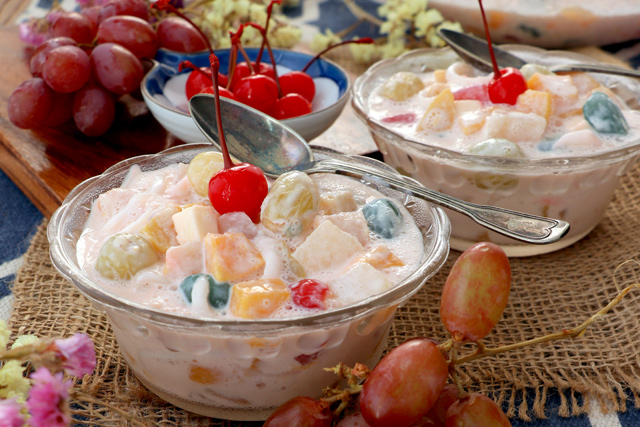
    Guidelines for Storing Fresh Indigenous Fruits to Prolong Their Shelf Life

    Proper storage is crucial in maintaining the freshness and quality of indigenous fruits. By following these guidelines, you can extend the shelf life of these fruits and enjoy them at their best:

    1. Temperature Control: Most indigenous fruits prefer cool temperatures for storage. Store fruits like mangosteen, lanzones, and durian in a cool place away from direct sunlight. Refrigeration is ideal for fruits like rambutan and santol, which can help slow down the ripening process and extend their shelf life.
    2. Handling Carefully: Handle indigenous fruits with care to prevent bruising and damage. Avoid squeezing or pressing the fruits too hard, as this can lead to spoilage. Treat fruits like balimbing and atis delicately to avoid any physical damage that can accelerate the ripening process.
    3. Separate Ethylene Producers: Certain fruits, such as mangoes and papayas, produce ethylene gas, which speeds up the ripening of other fruits. Keep these fruits separate from others to prevent premature ripening. Store ethylene-sensitive fruits like guava and langka away from ethylene producers to maintain their freshness.
    4. Use Ventilated Containers: When storing indigenous fruits in the refrigerator, use ventilated containers or perforated bags to allow air circulation. This helps prevent moisture buildup, which can lead to mold growth and spoilage. Keep fruits like lanzones and mangosteen in perforated bags to maintain their crispness.
    5. Check for Ripeness: Before storing indigenous fruits, check their ripeness. Some fruits, like chico and duhat, are best stored when slightly unripe to prolong their shelf life. Monitor the ripeness of fruits like suha and aratilis regularly to consume them at the optimal stage.
    6. Avoid Washing Before Storage: To prevent excess moisture, avoid washing indigenous fruits before storage. Only wash them right before consumption to maintain their freshness. Fruits like siniguelas and bignay should be kept dry to prevent mold growth.
    7. Rotate Stock: Practice the first-in, first-out method when storing indigenous fruits. Consume the older fruits first to avoid wastage and ensure you enjoy them at their peak freshness. Rotate your stock of fruits like guyabano and balimbing regularly to maintain a constant supply of fresh produce.

    By following these guidelines for storing fresh indigenous fruits, you can prolong their shelf life and savor their unique flavors for an extended period. Proper storage practices not only help maintain the quality of these fruits but also reduce food wastage, allowing you to fully appreciate the diversity of Philippine cuisine.

    Benefits of preserving indigenous fruits for year-round culinary enjoyment

    Preserving indigenous fruits for year-round culinary enjoyment offers numerous benefits that contribute to both the preservation of cultural heritage and the promotion of sustainable gastronomy. By utilizing traditional preservation methods such as drying, canning, pickling, or making jams and preserves, indigenous fruits can be enjoyed throughout the year, even when they are out of season. This practice not only ensures a steady supply of these unique fruits but also helps to maintain the biodiversity of local ecosystems.

    One of the key benefits of preserving indigenous fruits is the preservation of cultural heritage. Many indigenous fruits hold significant cultural and historical value, often being integral to traditional Philippine cuisine and culinary practices. By preserving and incorporating these fruits into year-round dishes, we help to keep these cultural traditions alive and pass them on to future generations.

    Furthermore, preserving indigenous fruits contributes to food security and promotes sustainable agriculture. By supporting local farmers who cultivate these fruits, we help to maintain agricultural diversity and reduce dependency on imported fruits. This, in turn, strengthens local economies and promotes sustainable farming practices that are essential for environmental conservation.

    In addition to cultural and environmental benefits, preserving indigenous fruits also offers health advantages. Indigenous fruits are often rich in essential nutrients, vitamins, and antioxidants that are beneficial for overall health and well-being. By preserving these fruits, we ensure their availability year-round, allowing us to incorporate them into our diet regularly and enjoy their numerous health benefits.

    Overall, the benefits of preserving indigenous fruits for year-round culinary enjoyment are multifaceted. From preserving cultural heritage and promoting sustainable agriculture to enhancing food security and supporting local economies, preserving indigenous fruits plays a crucial role in promoting a diverse, healthy, and sustainable food system. It is essential to recognize the value of these unique fruits and incorporate them into our culinary practices to celebrate and preserve the rich culinary heritage of the Philippines. Chapter 5: Promoting Sustainability and Conservation of Indigenous Fruits

    Importance of preserving indigenous fruit varieties for future generations

    Preserving indigenous fruit varieties is crucial for ensuring food security, biodiversity conservation, cultural heritage preservation, and sustainable development. In the context of the Philippines, where a rich diversity of indigenous fruits exists, the importance of preserving these varieties for future generations cannot be overstated.

    • Biodiversity Conservation: Indigenous fruit varieties are often well-adapted to local environmental conditions and play a key role in maintaining ecosystem diversity. By preserving these fruits, we help protect the genetic diversity of plant species, which is essential for the resilience of ecosystems in the face of climate change and other environmental challenges.
    • Food Security: Indigenous fruits are not only a source of nutrition but also a potential solution to food security issues, particularly in rural areas where access to a diverse range of fruits can help ensure a balanced diet. Preserving indigenous fruit varieties means safeguarding a valuable resource that can contribute to improving food security for present and future generations.
    • Cultural Heritage Preservation: Indigenous fruits are often deeply intertwined with the cultural identity and traditions of local communities. Preserving these fruits ensures that traditional knowledge related to their cultivation, harvesting, and culinary uses is passed down through generations. By maintaining these cultural connections, we honor the heritage of indigenous communities and promote cultural diversity.
    • Sustainable Development: The conservation and sustainable use of indigenous fruit varieties can contribute to sustainable development goals by promoting agrobiodiversity, supporting small-scale farmers, and fostering local economies. By preserving these fruits, we support sustainable agricultural practices and contribute to the resilience of food systems.
    • Nutritional Value: Indigenous fruits often possess unique nutritional profiles, offering a diverse range of vitamins, minerals, and antioxidants. Preserving these fruits ensures that future generations have access to a wide variety of healthy and nutritious foods, contributing to overall health and well-being.

    Initiatives and projects aimed at promoting sustainable cultivation and conservation of indigenous fruits

    Initiatives and projects aimed at promoting sustainable cultivation and conservation of indigenous fruits play a crucial role in preserving biodiversity, supporting local communities, and promoting sustainable food systems. In the Philippines, various organizations, government agencies, and communities have been actively involved in efforts to protect and promote indigenous fruits through a range of initiatives and projects.

    • Community-Based Conservation Programs: Many initiatives focus on working directly with local communities to promote the cultivation and conservation of indigenous fruits. These programs often involve providing training and resources to farmers on sustainable agricultural practices, seed saving techniques, and the importance of preserving native fruit varieties. By empowering communities to take ownership of their natural resources, these programs help ensure the long-term sustainability of indigenous fruits.
    • Agroforestry Systems: Agroforestry is a sustainable land management practice that integrates trees and shrubs into agricultural systems. This approach not only helps conserve indigenous fruit tree species but also contributes to soil health, water conservation, and increased biodiversity. Projects promoting agroforestry as a way to cultivate indigenous fruits are gaining traction in the Philippines, as they offer a holistic approach to sustainable food production and environmental conservation.
    • Seed Banks and Germplasm Conservation: To safeguard the genetic diversity of indigenous fruit species, seed banks and germplasm conservation initiatives are essential. These projects involve collecting, storing, and cataloging seeds from native fruit trees to ensure their availability for future generations. By preserving the genetic diversity of indigenous fruits, these initiatives help maintain resilience in the face of climate change and other environmental challenges.
    • Promotion and Marketing Campaigns: In order to raise awareness about the value of indigenous fruits and encourage their consumption, promotion and marketing campaigns are crucial. These initiatives often include activities such as food fairs, cooking demonstrations, and educational workshops that highlight the nutritional benefits and cultural significance of indigenous fruits. By creating demand for these fruits, these campaigns support local farmers and contribute to the conservation of traditional food systems.
    • Policy Advocacy and Research: Advocacy efforts aimed at incorporating the conservation and sustainable cultivation of indigenous fruits into government policies and research agendas are essential for long-term impact. By advocating for policies that support agroecology, biodiversity conservation, and small-scale farming, stakeholders can create an enabling environment for the preservation of indigenous fruits and the livelihoods of those who depend on them.

    Tips for Individuals on How to Support the Sustainability of Indigenous Fruits in Philippine Cuisine

    Indigenous fruits play a vital role in Philippine cuisine, offering unique flavors, textures, and nutritional benefits. However, many of these fruits are facing threats due to factors such as deforestation, climate change, and changing dietary preferences. As individuals who appreciate and enjoy Philippine cuisine, there are several ways in which you can help support the sustainability of indigenous fruits.

    Buy Local and Seasonal Indigenous Fruits

    • Support local farmers and markets by purchasing indigenous fruits that are in season. This helps reduce the carbon footprint associated with transportation and supports local agricultural practices.
    • Buying directly from farmers or local markets also ensures that you are getting fresh, high-quality produce while contributing to the local economy.

    Promote Biodiversity in Your Diet

    • Incorporate a variety of indigenous fruits into your diet to promote biodiversity and support the conservation of different fruit species.
    • Experiment with lesser-known fruits and traditional recipes to discover new flavors and textures.
    • By consuming a diverse range of indigenous fruits, you can help preserve traditional knowledge and culinary practices associated with these fruits.

    Educate Yourself and Others

    • Take the time to learn about the cultural significance, nutritional value, and conservation status of indigenous fruits in the Philippines.
    • Share this knowledge with friends, family, and your community to raise awareness about the importance of preserving these fruits.
    • Encourage others to try indigenous fruits and dishes, helping to create a demand for these products and support their continued cultivation.

    Practice Sustainable Harvesting and Consumption

    • If you have access to indigenous fruit trees or bushes, practice sustainable harvesting techniques such as only taking what you need and leaving some fruits for wildlife and future generations.
    • Reduce food waste by using all parts of the fruit, including peels, seeds, and leaves, in cooking or composting. This minimizes the environmental impact of fruit consumption.

    Support Conservation Efforts and Initiatives

    • Get involved in local conservation projects or initiatives that aim to protect and preserve indigenous fruit species and their habitats. This can include tree planting programs, seed banks, or advocacy campaigns.
    • Donate to organizations working towards the conservation of Philippine biodiversity or volunteer your time to help with conservation activities in your area.

    Conclusion

    By following these tips and adopting sustainable practices in your consumption of indigenous fruits, you can make a positive impact on the preservation of Philippine biodiversity and culinary heritage. Your choices as an individual can contribute to the sustainability of indigenous fruits in Philippine cuisine for future generations to enjoy. Each chapter will also feature personal stories, tips from chefs, and stunning photography showcasing the beauty and versatility of indigenous fruits in Philippine cuisineThese fruits have been a staple in Filipino diets for centuries and are deeply intertwined with the cultural identity of the Filipino people. t culinary landscape. These fruits are not only delicious and unique in flavor, but they also reflect the rich cultural heritage and biodiversity of the archipelago. In this section, we will explore the wide array of indigenous fruits found in the Philippines, highlighting their flavors, uses in traditional cuisine, and cultural significance.

    Diversity of Indigenous Fruits

    The Philippines boasts a wide variety of indigenous fruits that grow abundantly across the different regions of the country. From the tropical rainforests of Mindanao to the highlands of the Cordillera region, each area offers a unique selection of fruits that thrive in the local climate and soil conditions. Some of the most notable indigenous fruits include:

    • Durian: Known as the “king of fruits,” durian is famous for its pungent aroma and creamy texture. It is highly prized in the Philippines and is often used in desserts and savory dishes.
    • Mangosteen: Often referred to as the “queen of fruits,” mangosteen is a sweet and tangy fruit with a delicate flavor. It is highly valued for its antioxidant properties and is commonly eaten fresh or used in juices and jams.
    • Rambutan: With its hairy red exterior and sweet, juicy flesh, rambutan is a popular fruit in the Philippines. It is often enjoyed as a snack or used in salads and desserts.
    • Lanzones: Lanzones are small, translucent fruits with a sweet and slightly sour taste. They are typically eaten fresh and are a favorite among locals during the harvest season.
    • Santol: Santol is a tropical fruit with a thick rind and juicy pulp that is both sweet and sour. It is commonly used in jams, preserves, and pickles.

    Culinary Uses

    Indigenous fruits play a crucial role in traditional Filipino cuisine, adding unique flavors and textures to dishes. Many fruits are enjoyed fresh as snacks or desserts, while others are used in cooking to add sweetness, acidity, or fragrance to savory dishes. For example:

    • Tamarind is often used to add a tangy flavor to soups, stews, and marinades.
    • Guava is used to make jams, jellies, and beverages.
    • Jackfruit is commonly used in savory dishes such as stews and curries.
    • Bignay berries are used to make wine and vinegar

    Cultural Significance

    Indigenous fruits hold a special place in Filipino culture, often symbolizing abundance, hospitality, and shared traditions. Many fruits are enjoyed during festivals and celebrations, where they are shared among friends and family as a gesture of goodwill and unity. Additionally, some fruits are associated with specific regions or provinces, reflecting the unique culinary identities of different communities across the Philippines.

    The rich diversity of indigenous fruits found in the Philippines is a testament to the country’s natural wealth and cultural heritage. These fruits not only provide sustenance and nourishment but also serve as a source of pride and connection to the land. By celebrating and preserving these fruits, we honor the traditions and flavors that make Filipino cuisine truly special.

    Importance of Indigenous Fruits in Philippine Culture and Cuisine

    Indigenous fruits play a crucial role in Philippine culture and cuisine, reflecting the country’s rich agricultural heritage and diverse culinary traditions. These fruits have been a staple in Filipino diets for centuries and are deeply intertwined with the cultural identity of the Filipino people. Here are some key aspects highlighting the importance of indigenous fruits in Philippine culture and cuisine:

    1. Cultural Significance: Indigenous fruits hold a special place in Filipino culture as they are often associated with local traditions, folklore, and rituals. Many of these fruits have been part of Filipino cuisine since ancient times and are used in various cultural celebrations and ceremonies. For example, the lanzones fruit is a symbol of prosperity and abundance in the Philippines and is commonly offered during harvest festivals and weddings.
    2. Nutritional Value: Indigenous fruits are not only valued for their unique flavors but also for their nutritional benefits. Many of these fruits are rich in essential vitamins, minerals, and antioxidants, making them an important source of nutrition in the Filipino diet. For instance, the Philippine mango is not only beloved for its sweet taste but also for its high vitamin C content, which boosts the immune system and promotes overall health.
    3. Culinary Diversity: Indigenous fruits contribute to the diverse and vibrant flavors of Filipino cuisine. They are used in a wide range of dishes, from savory stews to sweet desserts, adding depth and complexity to traditional Filipino recipes. For example, the tangy kamias fruit is commonly used as a souring agent in dishes like sinigang, a popular Filipino soup known for its distinctive tart flavor.
    4. Sustainable Agriculture: The cultivation and consumption of indigenous fruits promote sustainable agricultural practices in the Philippines. Many of these fruits are well-adapted to the local climate and soil conditions, requiring minimal input in terms of pesticides and fertilizers. By supporting the cultivation of indigenous fruits, Filipinos help preserve biodiversity, protect traditional farming methods, and promote food security in the country.
    5. Economic Importance: Indigenous fruits also have significant economic value in the Philippines, supporting local farmers and small-scale producers. These fruits are not only sold fresh in markets but also processed into various products such as jams, juices, and preserves. The growing demand for indigenous fruits both domestically and internationally has created economic opportunities for Filipino farmers, contributing to rural livelihoods and sustainable development.

    Indigenous fruits are an integral part of Philippine culture and cuisine, embodying the country’s cultural heritage, nutritional richness, culinary diversity, and economic significance. By celebrating and promoting the use of indigenous fruits, Filipinos can preserve their culinary traditions, support local agriculture, and showcase the unique flavors of the Philippines to the world.

    Nutritional Benefits and Unique Flavors of Indigenous Fruits in Philippine Cuisine

    Indigenous fruits play a significant role in Philippine cuisine, not only for their unique flavors but also for their exceptional nutritional benefits. These fruits are not only delicious but are also packed with essential vitamins, minerals, and antioxidants that contribute to overall health and well-being.

    Nutritional Benefits

    • Many indigenous fruits in Philippine cuisine are rich in vitamins C, A, and E, which are essential for maintaining a healthy immune system, promoting good vision, and supporting skin health.
    • These fruits are also a good source of dietary fiber, promoting digestive health and aiding in weight management.
    • Some indigenous fruits, such as guava and mangosteen, are known for their high antioxidant content, which helps protect cells from damage and reduces the risk of chronic diseases.
    • Other fruits like star apple and santol are rich in calcium, promoting strong bones and teeth.

    The diverse range of nutrients found in these fruits makes them a valuable addition to a balanced diet, providing an array of health benefits.

    Unique Flavors

    • Indigenous fruits in Philippine cuisine offer a wide range of flavors, from sweet and tangy to creamy and nutty, providing a delightful sensory experience.
    • The tropical climate of the Philippines contributes to the rich and intense flavors of these fruits, making them distinct and sought after in local dishes and desserts.
    • Fruits like lanzones and durian have a unique aroma and taste that may be an acquired preference for some, but are beloved by many for their exotic flavors.
    • Some fruits, such as calamansi and Philippine mango, are known for their refreshing and zesty flavors, adding a burst of brightness to dishes and beverages.
    • The versatility of these fruits allows for creative culinary uses, whether eaten fresh, juiced, blended into smoothies, or incorporated into savory dishes, showcasing their diverse flavors and enhancing the overall dining experience.

    The nutritional benefits and unique flavors of indigenous fruits in Philippine cuisine make them a valuable and flavorful addition to the local culinary landscape. By incorporating these fruits into everyday meals and recipes, one can enjoy a variety of health benefits while savoring the vibrant and distinct flavors that these fruits have to offer.

    Harvesting and Selecting Indigenous Fruits

    • Seasonality and regions where indigenous fruits are commonly found Seasonality and regions where indigenous fruits are commonly found:
    • Mangoes
      • Seasonality: Mangoes are typically in season during the summer months, from March to June.
      • Regions: Mangoes are commonly found all over the Philippines, with notable mango-producing regions including Guimaras, Zambales, and Cebu.
    • Lanzones
      • Seasonality: Lanzones are usually in season from August to October.
      • Regions: The provinces of Camiguin, Sulu, and Laguna are known for their abundant lanzones production.
    • Durian
      • Seasonality: Durian is commonly harvested from June to August.
      • Regions: Davao, particularly in Mindanao, is famous for its durian orchards.
    • Santol
      • Seasonality: Santol is typically harvested from May to August.
      • Regions: Santol trees are commonly found in the provinces of Pangasinan, Quezon, and Negros Occidental.
    • Guyabano
      • Seasonality: Guyabano is usually in season from September to December.
      • Regions: Guyabano trees thrive in various regions such as Davao, Palawan, and Sorsogon.
    • Rambutan
      • Seasonality: Rambutan is typically harvested from July to September.
      • Regions: Rambutan trees are commonly found in regions like Nueva Ecija, Camiguin, and Quezon.
    • Mangosteen
      • Seasonality: Mangosteen is usually in season from May to July.
      • Regions: Mangosteen trees are commonly found in regions such as Davao, Zamboanga, and Sulu.
    • Balimbing
      • Seasonality: Balimbing is typically harvested from September to December.
      • Regions: Balimbing trees are commonly found in regions like Batangas, Cavite, and Bulacan.

    Understanding the seasonality and regions where these indigenous fruits are commonly found can help in planning meals and recipes to fully enjoy the abundance of flavors that the Philippines has to offer.

    Techniques for Harvesting Indigenous Fruits Sustainably

    • Understanding the Ecosystem: Before harvesting indigenous fruits, it is essential to have a thorough understanding of the ecosystem where these fruits grow. This includes knowledge of the specific plant species, their growth patterns, and the interactions with other flora and fauna in the area.
    • Harvesting Season: Indigenous fruits have specific seasons when they are ripe and ready for harvesting. It is crucial to follow these natural cycles to ensure the sustainability of the fruit-bearing plants. Harvesting fruits off-season can disrupt the natural process and harm the plant’s ability to reproduce.
    • Selective Harvesting: Instead of clearing entire areas of indigenous fruit-bearing plants, practice selective harvesting. This involves carefully choosing which fruits to pick, leaving some behind to mature and ensure the plant’s continued growth and reproduction.
    • Ethical Harvesting Practices: When harvesting indigenous fruits, it is essential to do so ethically and respectfully. Avoid causing damage to the plants or their surrounding environment. Use tools like sharp shears or knives to carefully remove fruits without harming the plant.
    • Minimize Waste: When harvesting indigenous fruits, aim to minimize waste by only picking what you can consume or share with others. Wasting fruits not only harms the environment but also reduces the availability of these precious resources for others in the ecosystem.
    • Supporting Local Communities: Engage with local communities who have traditional knowledge about harvesting indigenous fruits sustainably. Learn from their practices and support initiatives that promote the conservation and sustainable use of these valuable resources.
    • Replanting and Reforestation: To ensure the long-term sustainability of indigenous fruit-bearing plants, consider participating in replanting and reforestation efforts. By planting new trees and supporting forest restoration projects, you can help preserve the biodiversity of these ecosystems for future generations.

    By following these techniques for harvesting indigenous fruits sustainably, we can contribute to the conservation of these unique resources and support the rich culinary heritage of the Philippines.

    Tips on Selecting Ripe and High-Quality Indigenous Fruits for Culinary Use

    Selecting ripe and high-quality indigenous fruits is crucial to ensure the best flavor and texture in your culinary creations. Here are some tips to help you choose the best indigenous fruits for your dishes:

    1. Color and Texture: When selecting indigenous fruits, look for vibrant colors that are typical of ripe fruits. Avoid fruits that are dull in color or have blemishes, bruises, or soft spots. The texture of the fruit should be firm but yield slightly to gentle pressure, indicating ripeness.
    2. Fragrance: Ripe fruits often have a pleasant, sweet aroma that is characteristic of the fruit variety. Take a moment to smell the fruit to ensure it is fragrant and enticing.
    3. Weight: Heavier fruits are often juicier and more ripe than lighter ones. When selecting indigenous fruits, choose fruits that feel heavy for their size, as this can indicate a higher water content and better flavor.
    4. Sound: Some fruits, like melons, should produce a deep, hollow sound when tapped gently. This indicates that the fruit is ripe and ready to be eaten. However, this method may not apply to all indigenous fruits, so it’s essential to consider the other factors as well.
    5. Firmness: While ripe fruits should yield slightly to pressure, they should not be too soft or mushy. Avoid fruits that are overly soft, as they may be overripe and lacking in flavor.
    6. Seasonality: Indigenous fruits have specific growing seasons, so it’s essential to choose fruits that are in season for the best flavor and quality. Seasonal fruits are often fresher, more flavorful, and more nutritious.
    7. Local Markets and Farmers: For the freshest and highest-quality indigenous fruits, consider purchasing directly from local markets or farmers. These sources often offer fruits that are harvested at the peak of ripeness and have not undergone long-distance transportation, preserving their flavor and nutritional value.

    By following these tips, you can select ripe and high-quality indigenous fruits for culinary use, enhancing the taste and authenticity of your dishes. Experiment with different varieties of indigenous fruits to discover unique flavors and create delicious recipes inspired by the rich culinary heritage of the Philippines.

    Traditional and Modern Culinary Uses of Indigenous Fruits

    Traditional Filipino cuisine is deeply rooted in the use of indigenous fruits, which not only add unique flavors but also reflect the rich agricultural biodiversity of the Philippines. In this section, we will delve into some of the most popular traditional Filipino dishes that incorporate indigenous fruits, showcasing the creativity and resourcefulness of Filipino cooks.

    1. Sinigang sa Bayabas (Guava Stew): Sinigang is a classic Filipino sour soup known for its tangy flavor. In this variation, ripe guavas are used to provide the signature sourness instead of the more common tamarind or green mangoes. The guavas add a subtle sweetness to the broth, balancing the sourness and creating a rich, flavorful stew that is both comforting and refreshing.
    2. Ensaladang Pakwan (Watermelon Salad): Ensaladang Pakwan is a simple yet refreshing salad that combines chunks of sweet watermelon with tomatoes, onions, and salted egg. The sweetness of the watermelon pairs beautifully with the tangy tomatoes and savory salted egg, creating a colorful and flavorful dish that is often served as a side dish or appetizer.
    3. Halo-Halo (Mixed Fruit Dessert): Halo-Halo is a popular Filipino dessert that translates to “mix-mix” in English. This colorful and refreshing dessert is a medley of various ingredients, including sweetened beans, jellies, shaved ice, and evaporated milk, topped with a scoop of ice cream. Indigenous fruits such as langka (jackfruit), ube (purple yam), and saba (cooking bananas) are often included in Halo-Halo, adding unique textures and flavors to this beloved sweet treat.
    4. Adobong Manggang Hilaw (Green Mango Adobo): Adobo is a quintessential Filipino dish known for its savory and tangy flavors. In this version, unripe green mangoes are stewed in a mixture of soy sauce, vinegar, garlic, and spices to create a deliciously tangy and slightly sour dish. The green mangoes absorb the flavors of the adobo sauce, resulting in a unique and appetizing dish that is perfect for pairing with steamed rice.
    5. Pinakbet (Mixed Vegetable Stew): Pinakbet is a traditional Filipino vegetable dish that features a colorful assortment of vegetables such as squash, eggplant, okra, and bitter melon. Indigenous fruits like ampalaya (bitter gourd) and kalabasa (squash) are often included in this dish, adding a natural sweetness and depth of flavor to the stew. The dish is typically cooked in shrimp paste and flavored with garlic and onions, creating a savory and aromatic vegetable medley that is both nutritious and delicious.

    Traditional Filipino dishes that incorporate indigenous fruits showcase the diversity and richness of Filipino culinary heritage. By utilizing local fruits in creative and innovative ways, Filipino cooks are able to create dishes that are not only delicious but also reflective of the vibrant flavors of the Philippines. These dishes serve as a testament to the ingenuity and resourcefulness of Filipino cuisine, highlighting the importance of indigenous fruits in shaping the culinary identity of the Philippines.

    Creative Modern Recipes Featuring Indigenous Fruits as Key Ingredients

    In recent years, there has been a growing trend towards incorporating indigenous fruits into modern culinary creations. These unique and flavorful fruits not only add a distinct taste to dishes but also contribute to preserving traditional Filipino flavors. In this section, we will explore some creative modern recipes that showcase indigenous fruits as key ingredients, offering a fresh take on classic dishes.

    1. Mango-Pomelo Salad with Tamarind Dressing: This refreshing salad combines the sweet and tangy flavors of ripe mangoes and juicy pomelo segments with a zesty tamarind dressing. The addition of chopped fresh herbs and crunchy roasted peanuts adds a delightful contrast of textures. This dish is perfect as a light appetizer or a side dish for grilled meats.
    2. Guava Glazed Pork Ribs: Tender pork ribs are marinated in a flavorful guava glaze made from pureed guava fruit, soy sauce, honey, and spices. The ribs are then slow-roasted until caramelized and sticky, resulting in a mouthwatering combination of sweet and savory flavors. Serve these guava glazed pork ribs with steamed rice and pickled vegetables for a delicious and satisfying meal.
    3. Jackfruit and Coconut Curry: Jackfruit, a tropical fruit with a meaty texture, is the star of this rich and aromatic curry dish. Simmered in a creamy coconut milk-based sauce with fragrant spices, tender chunks of jackfruit absorb all the flavors, creating a hearty and satisfying vegan-friendly meal. Garnish with fresh cilantro and serve with steamed jasmine rice for a complete and nutritious meal.
    4. Avocado and Soursop Smoothie Bowl: Indulge in a healthy and delicious smoothie bowl featuring creamy avocado and tangy soursop fruit. Blended together with coconut milk, honey, and a hint of lime juice, this smoothie bowl is both refreshing and satisfying. Top with a variety of crunchy granola, fresh berries, and chia seeds for added texture and nutrients.
    5. Pineapple Upside-Down Cake with Langka (Jackfruit): Put a tropical twist on a classic dessert by incorporating langka (jackfruit) into a traditional pineapple upside-down cake. The sweet and juicy jackfruit adds a unique flavor profile to the cake, complementing the caramelized pineapple slices perfectly. Serve warm with a dollop of whipped cream or a scoop of vanilla ice cream for a delightful treat.

    These creative modern recipes featuring indigenous fruits highlight the versatility and richness of Filipino cuisine. By incorporating these unique ingredients into everyday dishes, we can celebrate and preserve the diverse flavors of indigenous fruits in Philippine cuisine.
    Tips on How to Pair Indigenous Fruits with Other Ingredients to Enhance Flavors

    Pairing indigenous fruits with complementary ingredients can elevate the flavors of your dish. Here are some tips on how to effectively pair indigenous fruits with other ingredients:

    1. Consider the flavor profile of the fruit: Before pairing an indigenous fruit with other ingredients, consider its flavor profile. Is it sweet, tangy, or tart? Understanding the primary flavor of the fruit will help you choose complementary ingredients that enhance rather than overpower its taste.
    2. Balance flavors: When pairing indigenous fruits with other ingredients, aim to create a balance of flavors. For example, if the fruit is sweet, consider adding ingredients with contrasting flavors like salty, sour, or spicy to create a harmonious blend of tastes.
    3. Texture contrast: Mixing indigenous fruits with ingredients that offer a contrasting texture can create a more interesting culinary experience. For instance, pairing a juicy fruit like mango with crunchy nuts or crispy fried shallots can provide a delightful textural contrast.
    4. Consider the cooking method: Different cooking methods can bring out unique flavors in indigenous fruits. Grilling, baking, or caramelizing fruits can enhance their natural sweetness, while incorporating them in salads or ceviches can provide a refreshing and light touch.
    5. Seasonal pairings: Pairing indigenous fruits with ingredients that are in season can create a harmonious and fresh flavor profile. For example, combining ripe mangoes with fresh herbs like basil or mint can enhance the overall taste of the dish.
    6. Experiment with herbs and spices: Don’t be afraid to experiment with herbs and spices when pairing indigenous fruits with other ingredients. Ingredients like cinnamon, ginger, or chili can add depth and complexity to the flavor profile of the dish.
    7. Use indigenous fruits in both sweet and savory dishes: Indigenous fruits can be versatile and used in a variety of dishes, including both sweet and savory preparations. Consider incorporating fruits like calamansi or duhat in marinades, sauces, or dressings to add a unique twist to your dishes.

    By following these tips and experimenting with different combinations, you can create delicious and innovative dishes that highlight the flavors of indigenous fruits in Philippine cuisine.

    Preserving and Storing Indigenous Fruits

    Various methods for preserving indigenous fruits, such as drying, pickling, and making jams:

    Preserving indigenous fruits is essential to prolong their shelf life and enjoy them even when they are out of season. Various methods can be utilized to preserve indigenous fruits, including drying, pickling, and making jams. These methods not only help in preserving the fruits but also enhance their flavors and create new culinary possibilities.

    Here is a detailed section on each preservation method:

    Drying

    Drying is one of the oldest and simplest methods of preserving fruits. Indigenous fruits can be dried using either sun-drying or using a food dehydrator. Sun-drying involves spreading the fruits out in a single layer on a clean surface under direct sunlight for several days until they are completely dried. Food dehydrators provide a more controlled environment for drying fruits, ensuring consistent results.

    To dry indigenous fruits, they should be washed, peeled (if necessary), and sliced thinly or cut into small pieces to facilitate even drying. Once dried, the fruits can be stored in airtight containers in a cool, dark place. Dried indigenous fruits can be enjoyed as snacks, added to baked goods, or rehydrated for use in cooking.

    Pickling

    Pickling is a popular preservation method that involves immersing fruits in a brine solution or acidic liquid to create a tangy and flavorful product. Indigenous fruits can be pickled to extend their shelf life and add a unique twist to dishes. To pickle indigenous fruits, they are typically washed, peeled (if needed), and cut into desired shapes before being submerged in a pickling solution.

    The pickling solution can be made by combining vinegar, water, sugar, salt, and spices. The fruits are then placed in sterilized jars, covered with the pickling solution, and sealed tightly. Pickled indigenous fruits can be stored in the refrigerator for several weeks and served as a side dish, condiment, or flavoring agent.

    Making Jams

    Jam-making is a sweet and delicious way to preserve indigenous fruits while capturing their natural flavors. To make jams, indigenous fruits are cooked down with sugar and pectin to create a thick and spreadable preserve. The fruits are typically washed, peeled, and chopped before being cooked with sugar over low heat until they break down and thicken.

    Once the jam reaches the desired consistency, it is poured into sterilized jars and sealed. Jams can be stored in a cool, dark place for several months or in the refrigerator for shorter periods. Indigenous fruit jams can be enjoyed on toast, paired with cheese, or used as a filling for pastries and desserts.

    Incorporating these preservation methods into the preparation of indigenous fruits can help preserve their unique flavors and make them accessible throughout the year. Experimenting with drying, pickling, and jam-making can also inspire creative culinary creations and showcase the diversity of indigenous fruits in Philippine cuisine.

    Guidelines for Storing Fresh Indigenous Fruits to Prolong Their Shelf Life

    Proper storage is crucial in maintaining the freshness and quality of indigenous fruits. By following these guidelines, you can extend the shelf life of these fruits and enjoy them at their best:

    1. Temperature Control: Most indigenous fruits prefer cool temperatures for storage. Store fruits like mangosteen, lanzones, and durian in a cool place away from direct sunlight. Refrigeration is ideal for fruits like rambutan and santol, which can help slow down the ripening process and extend their shelf life.
    2. Handling Carefully: Handle indigenous fruits with care to prevent bruising and damage. Avoid squeezing or pressing the fruits too hard, as this can lead to spoilage. Treat fruits like balimbing and atis delicately to avoid any physical damage that can accelerate the ripening process.
    3. Separate Ethylene Producers: Certain fruits, such as mangoes and papayas, produce ethylene gas, which speeds up the ripening of other fruits. Keep these fruits separate from others to prevent premature ripening. Store ethylene-sensitive fruits like guava and langka away from ethylene producers to maintain their freshness.
    4. Use Ventilated Containers: When storing indigenous fruits in the refrigerator, use ventilated containers or perforated bags to allow air circulation. This helps prevent moisture buildup, which can lead to mold growth and spoilage. Keep fruits like lanzones and mangosteen in perforated bags to maintain their crispness.
    5. Check for Ripeness: Before storing indigenous fruits, check their ripeness. Some fruits, like chico and duhat, are best stored when slightly unripe to prolong their shelf life. Monitor the ripeness of fruits like suha and aratilis regularly to consume them at the optimal stage.
    6. Avoid Washing Before Storage: To prevent excess moisture, avoid washing indigenous fruits before storage. Only wash them right before consumption to maintain their freshness. Fruits like siniguelas and bignay should be kept dry to prevent mold growth.
    7. Rotate Stock: Practice the first-in, first-out method when storing indigenous fruits. Consume the older fruits first to avoid wastage and ensure you enjoy them at their peak freshness. Rotate your stock of fruits like guyabano and balimbing regularly to maintain a constant supply of fresh produce.

    By following these guidelines for storing fresh indigenous fruits, you can prolong their shelf life and savor their unique flavors for an extended period. Proper storage practices not only help maintain the quality of these fruits but also reduce food wastage, allowing you to fully appreciate the diversity of Philippine cuisine.

    Benefits of preserving indigenous fruits for year-round culinary enjoyment

    Preserving indigenous fruits for year-round culinary enjoyment offers numerous benefits that contribute to both the preservation of cultural heritage and the promotion of sustainable gastronomy. By utilizing traditional preservation methods such as drying, canning, pickling, or making jams and preserves, indigenous fruits can be enjoyed throughout the year, even when they are out of season. This practice not only ensures a steady supply of these unique fruits but also helps to maintain the biodiversity of local ecosystems.

    One of the key benefits of preserving indigenous fruits is the preservation of cultural heritage. Many indigenous fruits hold significant cultural and historical value, often being integral to traditional Philippine cuisine and culinary practices. By preserving and incorporating these fruits into year-round dishes, we help to keep these cultural traditions alive and pass them on to future generations.

    Furthermore, preserving indigenous fruits contributes to food security and promotes sustainable agriculture. By supporting local farmers who cultivate these fruits, we help to maintain agricultural diversity and reduce dependency on imported fruits. This, in turn, strengthens local economies and promotes sustainable farming practices that are essential for environmental conservation.

    In addition to cultural and environmental benefits, preserving indigenous fruits also offers health advantages. Indigenous fruits are often rich in essential nutrients, vitamins, and antioxidants that are beneficial for overall health and well-being. By preserving these fruits, we ensure their availability year-round, allowing us to incorporate them into our diet regularly and enjoy their numerous health benefits.

    Overall, the benefits of preserving indigenous fruits for year-round culinary enjoyment are multifaceted. From preserving cultural heritage and promoting sustainable agriculture to enhancing food security and supporting local economies, preserving indigenous fruits plays a crucial role in promoting a diverse, healthy, and sustainable food system. It is essential to recognize the value of these unique fruits and incorporate them into our culinary practices to celebrate and preserve the rich culinary heritage of the Philippines. Chapter 5: Promoting Sustainability and Conservation of Indigenous Fruits

    Importance of preserving indigenous fruit varieties for future generations

    Preserving indigenous fruit varieties is crucial for ensuring food security, biodiversity conservation, cultural heritage preservation, and sustainable development. In the context of the Philippines, where a rich diversity of indigenous fruits exists, the importance of preserving these varieties for future generations cannot be overstated.

    • Biodiversity Conservation: Indigenous fruit varieties are often well-adapted to local environmental conditions and play a key role in maintaining ecosystem diversity. By preserving these fruits, we help protect the genetic diversity of plant species, which is essential for the resilience of ecosystems in the face of climate change and other environmental challenges.
    • Food Security: Indigenous fruits are not only a source of nutrition but also a potential solution to food security issues, particularly in rural areas where access to a diverse range of fruits can help ensure a balanced diet. Preserving indigenous fruit varieties means safeguarding a valuable resource that can contribute to improving food security for present and future generations.
    • Cultural Heritage Preservation: Indigenous fruits are often deeply intertwined with the cultural identity and traditions of local communities. Preserving these fruits ensures that traditional knowledge related to their cultivation, harvesting, and culinary uses is passed down through generations. By maintaining these cultural connections, we honor the heritage of indigenous communities and promote cultural diversity.
    • Sustainable Development: The conservation and sustainable use of indigenous fruit varieties can contribute to sustainable development goals by promoting agrobiodiversity, supporting small-scale farmers, and fostering local economies. By preserving these fruits, we support sustainable agricultural practices and contribute to the resilience of food systems.
    • Nutritional Value: Indigenous fruits often possess unique nutritional profiles, offering a diverse range of vitamins, minerals, and antioxidants. Preserving these fruits ensures that future generations have access to a wide variety of healthy and nutritious foods, contributing to overall health and well-being.

    Initiatives and projects aimed at promoting sustainable cultivation and conservation of indigenous fruits

    Initiatives and projects aimed at promoting sustainable cultivation and conservation of indigenous fruits play a crucial role in preserving biodiversity, supporting local communities, and promoting sustainable food systems. In the Philippines, various organizations, government agencies, and communities have been actively involved in efforts to protect and promote indigenous fruits through a range of initiatives and projects.

    • Community-Based Conservation Programs: Many initiatives focus on working directly with local communities to promote the cultivation and conservation of indigenous fruits. These programs often involve providing training and resources to farmers on sustainable agricultural practices, seed saving techniques, and the importance of preserving native fruit varieties. By empowering communities to take ownership of their natural resources, these programs help ensure the long-term sustainability of indigenous fruits.
    • Agroforestry Systems: Agroforestry is a sustainable land management practice that integrates trees and shrubs into agricultural systems. This approach not only helps conserve indigenous fruit tree species but also contributes to soil health, water conservation, and increased biodiversity. Projects promoting agroforestry as a way to cultivate indigenous fruits are gaining traction in the Philippines, as they offer a holistic approach to sustainable food production and environmental conservation.
    • Seed Banks and Germplasm Conservation: To safeguard the genetic diversity of indigenous fruit species, seed banks and germplasm conservation initiatives are essential. These projects involve collecting, storing, and cataloging seeds from native fruit trees to ensure their availability for future generations. By preserving the genetic diversity of indigenous fruits, these initiatives help maintain resilience in the face of climate change and other environmental challenges.
    • Promotion and Marketing Campaigns: In order to raise awareness about the value of indigenous fruits and encourage their consumption, promotion and marketing campaigns are crucial. These initiatives often include activities such as food fairs, cooking demonstrations, and educational workshops that highlight the nutritional benefits and cultural significance of indigenous fruits. By creating demand for these fruits, these campaigns support local farmers and contribute to the conservation of traditional food systems.
    • Policy Advocacy and Research: Advocacy efforts aimed at incorporating the conservation and sustainable cultivation of indigenous fruits into government policies and research agendas are essential for long-term impact. By advocating for policies that support agroecology, biodiversity conservation, and small-scale farming, stakeholders can create an enabling environment for the preservation of indigenous fruits and the livelihoods of those who depend on them.

    Tips for Individuals on How to Support the Sustainability of Indigenous Fruits in Philippine Cuisine

    Indigenous fruits play a vital role in Philippine cuisine, offering unique flavors, textures, and nutritional benefits. However, many of these fruits are facing threats due to factors such as deforestation, climate change, and changing dietary preferences. As individuals who appreciate and enjoy Philippine cuisine, there are several ways in which you can help support the sustainability of indigenous fruits.

    Buy Local and Seasonal Indigenous Fruits

    • Support local farmers and markets by purchasing indigenous fruits that are in season. This helps reduce the carbon footprint associated with transportation and supports local agricultural practices.
    • Buying directly from farmers or local markets also ensures that you are getting fresh, high-quality produce while contributing to the local economy.

    Promote Biodiversity in Your Diet

    • Incorporate a variety of indigenous fruits into your diet to promote biodiversity and support the conservation of different fruit species.
    • Experiment with lesser-known fruits and traditional recipes to discover new flavors and textures.
    • By consuming a diverse range of indigenous fruits, you can help preserve traditional knowledge and culinary practices associated with these fruits.

    Educate Yourself and Others

    • Take the time to learn about the cultural significance, nutritional value, and conservation status of indigenous fruits in the Philippines.
    • Share this knowledge with friends, family, and your community to raise awareness about the importance of preserving these fruits.
    • Encourage others to try indigenous fruits and dishes, helping to create a demand for these products and support their continued cultivation.

    Practice Sustainable Harvesting and Consumption

    • If you have access to indigenous fruit trees or bushes, practice sustainable harvesting techniques such as only taking what you need and leaving some fruits for wildlife and future generations.
    • Reduce food waste by using all parts of the fruit, including peels, seeds, and leaves, in cooking or composting. This minimizes the environmental impact of fruit consumption.

    Support Conservation Efforts and Initiatives

    • Get involved in local conservation projects or initiatives that aim to protect and preserve indigenous fruit species and their habitats. This can include tree planting programs, seed banks, or advocacy campaigns.
    • Donate to organizations working towards the conservation of Philippine biodiversity or volunteer your time to help with conservation activities in your area.

    Conclusion

    By following these tips and adopting sustainable practices in your consumption of indigenous fruits, you can make a positive impact on the preservation of Philippine biodiversity and culinary heritage. Your choices as an individual can contribute to the sustainability of indigenous fruits in Philippine cuisine for future generations to enjoy. Each chapter will also feature personal stories, tips from chefs, and stunning photography showcasing the beauty and versatility of indigenous fruits in Philippine cuisine.