Category: Pinoy Seafood Specialties

  • What Are Some Sustainable Fishing Practices Followed in the Philippines and How Do They Impact the Seafood Industry?

    What Are Some Sustainable Fishing Practices Followed in the Philippines and How Do They Impact the Seafood Industry?

    Selective fishing gear and marine protected areas in the Philippines help target specific species, reduce bycatch, preserve marine resources, and maintain ecosystem balance. Biodiversity conservation efforts, including the establishment of marine protected areas, contribute to the replenishment of fish stocks, responsible seafood sourcing, and the promotion of sustainable livelihoods for coastal communities.

    Key Takeaways

    • Selective fishing gear and marine protected areas in the Philippines help target specific species, reduce bycatch, preserve marine resources, and maintain ecosystem balance.
    • Biodiversity conservation efforts, including the establishment of marine protected areas, contribute to the replenishment of fish stocks, responsible seafood sourcing, and the promotion of sustainable livelihoods for coastal communities.
    • Community involvement and enforcement play a crucial role in enhancing the effectiveness and compliance of marine protected areas, preserving fish stocks and habitats, and creating a sustainable future for marine ecosystems and the seafood industry.
    • Responsible aquaculture practices, such as sustainable fish farming, proper waste management, and the conservation of wild fish populations, contribute to reducing environmental impact, improving seafood quality, and ensuring the health of the seafood industry.

    Selective Fishing Gear

    If you’re looking to understand how sustainable fishing practices in the Philippines impact the seafood industry, let’s start by exploring the use of selective fishing gear, a crucial method designed to target specific species while minimizing bycatch and preserving marine ecosystems.

    Selective fishing gear refers to equipment and methods that help conserve fish stocks by reducing the capture of juvenile or non-commercial species, contributing to sustainable fisheries management. This not only benefits the environment but also leads to increased economic efficiency for fishermen, as it reduces the time and effort spent sorting unwanted catch.

    By minimizing environmental impact, such as reducing habitat damage and the mortality of non-target species, the adoption of selective fishing gear promotes biodiversity and supports the long-term health of marine ecosystems.

    In the Philippines, the use of selective fishing gear plays a significant role in maintaining a balanced and sustainable seafood industry.

    Marine Protected Areas

    When it comes to marine protected areas (MPAs) in the Philippines, fishing restrictions play a crucial role in preserving the diversity of marine life. These MPAs not only safeguard various species but also support the efforts of local communities to sustainably manage their marine resources.

    Fishing Restrictions Impact

    In the Philippines, marine protected areas play a vital role in conserving marine biodiversity and restoring fish populations, thereby impacting fishing restrictions that enable marine life to replenish and sustainably support the seafood industry.

    By establishing these areas, the Philippine fisheries aim to ensure the sustainable management of aquatic resources. The fishing restrictions within marine protected areas contribute significantly to the recovery of fish stocks and the overall health of marine ecosystems.

    Moreover, these measures support the livelihoods of local fishing communities by promoting sustainable fishing practices. Through the enforcement of fishing restrictions in marine protected areas, the Philippines is striving to create a more resilient and ecologically balanced seafood industry, emphasizing the importance of responsible and sustainable fishing practices for the long-term well-being of aquatic resources.

    Biodiversity Conservation Efforts

    Marine Protected Areas (MPAs) in the Philippines play a crucial role in conserving the rich marine biodiversity and ecosystems that sustain the local seafood industry. These sustainable conservation efforts support the recovery of fish populations, protect critical habitats like coral reefs and seagrass beds, and replenish fish stocks, ensuring responsible seafood sourcing.

    By providing safe breeding grounds, MPAs sustain fisheries and promote the long-term health of marine ecosystems. Furthermore, these initiatives also boost ecotourism, contributing to local economies and supporting sustainable livelihoods for coastal communities.

    Effective management and enforcement of MPAs are essential for the continued preservation of marine biodiversity and the sustainability of fisheries. By safeguarding these vital ecosystems, MPAs play a pivotal role in ensuring a thriving seafood industry and preserving the natural heritage of the Philippines.

    Community Involvement and Enforcement

    Amidst the rich marine biodiversity and sustainable conservation efforts in the Philippines, community involvement and enforcement play a pivotal role in safeguarding marine protected areas and ensuring the long-term sustainability of the local seafood industry.

    Empowering local stakeholders to participate in conservation efforts fosters a sense of stewardship and responsibility towards the marine environment. Involving communities in decision-making processes enhances the effectiveness and compliance of marine protected areas, preserving fish stocks and habitats for sustainable seafood production.

    Proper enforcement contributes to the recovery and sustainability of marine resources, benefiting both ecosystems and the seafood industry. Collaborative management not only ensures the protection of marine life but also nurtures a deeper connection between local communities and their natural surroundings, creating a sustainable future for the Philippines’ precious marine ecosystems and seafood industry.

    Responsible Aquaculture

    When it comes to responsible aquaculture in the Philippines, sustainable fish farming practices are key. By implementing these practices, fish farmers can reduce the environmental impact of their operations while also improving the quality of the seafood produced.

    This not only benefits the environment but also ensures that consumers have access to high-quality, sustainable seafood options.

    Sustainable Fish Farming

    To cultivate a sustainable seafood industry, responsible aquaculture methods in the Philippines prioritize minimizing environmental impact, ensuring animal welfare, and efficiently managing resources. Sustainable fish farming involves implementing practices that aren’t only environmentally friendly but also benefit the local communities and the overall health of the seafood industry.

    Here are key components of sustainable fish farming in the Philippines:

    1. Proper waste management and regular monitoring of water quality.
    2. Conservation of wild fish populations and reduction of strain on natural ecosystems.
    3. Use of sustainable feed ingredients to minimize the environmental footprint.
    4. Contribution to the health and sustainability of the seafood industry.

    Reduced Environmental Impact

    In cultivating a sustainable seafood industry, responsible aquaculture methods in the Philippines prioritize minimizing environmental impact, ensuring animal welfare, and efficiently managing resources. This includes reducing environmental impact through measures to minimize pollution, habitat destruction, and genetic impacts on wild populations, ultimately protecting the marine ecosystems.

    Sustainable Aquaculture Practices Impact
    Integrated Multi-Trophic Aquaculture Minimizes environmental impact by utilizing the by-products of one species as food for another, reducing waste.
    Land-based Recirculating Systems Helps in minimizing pollution and habitat destruction by treating and reusing water within the system.
    Responsible Feed Sourcing Reduces the impact on wild fish populations and ensures sustainable sourcing of feed.
    Waste Management Proper waste disposal minimizes pollution and protects aquatic environments.
    Disease Control Prevents the spread of diseases, safeguarding the health of aquatic ecosystems.

    Improved Seafood Quality

    By collaborating with stakeholders and promoting responsible seafood choices, Better Seafood Philippines (BSP) is working to enhance the quality of seafood produced through responsible aquaculture practices in the Philippines.

    Here’s how BSP’s efforts are impacting the seafood industry:

    1. Sustainable Sourcing: BSP raises awareness about seafood sustainability among institutional seafood buyers, ensuring that the seafood supply chains are sourced responsibly.
    2. Compliance and Transparency: BSP collaborates with stakeholders to ensure compliance with fisheries legislation, promoting transparency in production and supply, which ultimately improves the quality of seafood reaching the market.
    3. Combatting Illegal Fishing: BSP’s efforts to combat illegal, unreported, and unregulated (IUU) fishing contribute to promoting sustainable seafood production, thereby enhancing the quality of seafood sourced from Philippine waters.
    4. Capacity Building: BSP works with fishers and processors to build capacity in handling and processing fish, which directly contributes to enhancing the overall seafood quality available in the market.

    Community-Based Fisheries Management

    Empowering local fishers and communities to actively participate in the stewardship of their local fisheries, Community-Based Fisheries Management (CBFM) promotes sustainable fishing practices, reduces overfishing, and protects marine habitats in the Philippines.

    CBFM involves the active involvement of local communities in fisheries management decisions and practices, fostering a sense of ownership and responsibility. This approach not only contributes to the livelihood of small-scale fishers but also promotes equitable access to resources and benefits.

    Sustainable Fishing Regulations

    Transitioning from the community-based approach of fisheries management, sustainable fishing regulations in the Philippines play a critical role in ensuring the responsible and equitable utilization of marine resources. Here’s how sustainable fishing regulations impact the seafood industry:

    1. Protecting Marine Ecosystems: Regulations aim to prevent overfishing and habitat destruction, preserving marine biodiversity.
    2. Ensuring Fair Access: Regulations help in fairly distributing fishing rights among small-scale fishers, ensuring equitable access to resources.
    3. Combatting Illegal Fishing: Measures are in place to tackle illegal, unreported, and unregulated (IUU) fishing, safeguarding fish stocks and industry sustainability.
    4. Promoting Sustainable Practices: Regulations encourage the adoption of responsible fishing techniques, contributing to the long-term health of fisheries and the seafood industry.

    These sustainable fishing regulations not only safeguard marine resources but also promote a thriving and sustainable seafood industry.

    How Does the Inihaw (Grilling) Technique Impact Sustainable Fishing Practices in the Philippines?

    The Inihaw (grilling) technique has a significant impact on sustainable fishing practices in the Philippines. By focusing on utilizing locally sourced and responsibly harvested seafood, Filipino chefs are able to create popular grilled seafood dishes that support sustainable fishing and promote the conservation of marine resources.

    Impact on Seafood Industry

    Sustainable fishing practices in the Philippines have a significant impact on the seafood industry, contributing to the economic, social, and environmental goals of the local fisheries. By implementing sustainable fishing practices, the seafood industry in the Philippines can thrive while preserving the marine ecosystem for future generations. Here’s a breakdown of how sustainable fishing practices impact the seafood industry:

    Impact on Seafood Industry Description
    Economic Growth Sustainable practices ensure a long-term supply of seafood, supporting the local economy and livelihoods of fishing-dependent communities.
    Social Well-being By combatting illegal, unreported, and unregulated (IUU) fishing, the industry can protect the welfare of fishing communities and promote ethical labor practices.
    Environmental Conservation The adoption of innovative technologies and improved post-harvest processes helps preserve marine resources, ensuring the sustainability of the seafood industry.

    These initiatives not only benefit the industry but also contribute to the overall well-being of the local communities and the environment.

    Frequently Asked Questions

    What Are Sustainable Practices in the Fishing Industry?

    When it comes to sustainable fishing practices, it’s crucial to prioritize responsible harvesting, avoiding overfishing, and protecting marine habitats. By following these practices, you can help preserve marine ecosystems for future generations.

    How Has the Fishing Industry Impacted the Philippine Economy?

    The fishing industry has significantly impacted the Philippine economy, employing over 2.1 million people and providing over 50% of dietary protein. It plays a vital role in the livelihoods of fishing-dependent communities and the overall economy.

    What Are the Unsustainable Fishing Practices in the Philippines?

    Unsustainable fishing practices in the Philippines include illegal, unreported, and unregulated (IUU) fishing, overexploitation of marine fisheries, and lack of transparency in seafood supply chains. These practices harm fish reserves and sustainability.

    What Is the Fishing Practice in the Philippines?

    In the Philippines, sustainable fishing practices like selective fishing gear, marine protected areas, and responsible aquaculture are helping to preserve marine ecosystems and ensure a steady seafood supply. These practices benefit both the environment and local communities.

    Conclusion

    So, now you know about the sustainable fishing practices in the Philippines! These practices, like using selective fishing gear and creating marine protected areas, have a positive impact on the seafood industry.

    They help protect marine habitats, reduce illegal fishing, and ensure a steady supply of seafood for the future. By supporting these practices, you can help promote responsible and sustainable fishing in the Philippines.

    Let’s all work together to protect our oceans and seafood resources!
  • What Role Does Seafood Play in Fiesta Celebrations in the Philippines?

    What Role Does Seafood Play in Fiesta Celebrations in the Philippines?

    Seafood takes center stage at Fiesta celebrations in the Philippines, symbolizing abundance, heritage, and connection to the sea, fostering togetherness and appreciation for culinary and cultural history. Traditional seafood dishes like baked tahong and hot-off-the-grill sisig highlight the rich culinary heritage of the country during these lively events.

    Key Takeaways

    • Seafood takes center stage and becomes the focal point of Fiesta celebrations in the Philippines.
    • Traditional seafood dishes like baked tahong and hot-off-the-grill sisig are highlights of Fiesta celebrations, showcasing the rich culinary heritage of the country.
    • Various preparation techniques such as grilling and baking are used to enhance the flavors of seafood dishes.
    • Seafood in Fiesta celebrations symbolizes abundance, heritage, and the connection to the sea, fostering a sense of togetherness and appreciation for the culinary and cultural history of the Philippines.

    Seafood as a Focal Point

    Seafood truly takes center stage at Fiesta celebrations in the Philippines, becoming the focal point of the vibrant festivities. The rich and diverse Filipino cuisine offers an array of seafood dishes that are celebrated during these lively events.

    From the smoky aroma of grilled and baked tahong to the savory delights of hot-off-the-grill sisig and lechon de leche, seafood lovers are in for a treat. Fiesta celebrations also feature unique and exotic seafood offerings such as balot soup and dedicated food stations for isaw and adidas.

    The Seafood Extravaganza at Fiesta celebrations showcases Capiz as the Seafood Capital of the Philippines, drawing attention to the region’s abundance of fresh and flavorful seafood. Whether it’s the pungent aroma of shrimp paste or the succulent taste of grilled seafood, Fiesta celebrations offer a true feast for seafood enthusiasts.

    Traditional Seafood Dishes

    Amidst the lively festivities of Filipino Fiesta celebrations, you’ll find an array of traditional seafood dishes that tantalize the taste buds and showcase the rich culinary heritage of the Philippines.

    Seafood plays a significant role in these celebrations, with dishes like baked tahong and hot-off-the-grill sisig stealing the spotlight. The variety of seafood options, from shrimp paste to grilled choices like pork, chicken, bangus, and tuna, caters to different preferences.

    One standout must-try for seafood enthusiasts is the lechon de leche, a bestseller during Fiesta celebrations. Each dish offers a burst of flavors that reflects the vibrant culture of the Philippines.

    These traditional seafood dishes not only satisfy hunger but also serve as a testament to the country’s rich culinary traditions during Fiesta celebrations.

    Seafood Preparation Techniques

    When preparing seafood for Fiesta celebrations, you have a variety of techniques at your disposal, such as grilling, baking, or cooking in soups, stews, or stir-fries, each offering a unique way to enhance the flavors of the dishes.

    Consider these methods:

    • Grilling: This popular technique imparts a smoky flavor and charred texture to the seafood.
    • Baking: Try baking seafood, like baked tahong, to enjoy a succulent and flavorful dish.
    • Cooking in Soups and Stews: Seafood adds depth and richness to traditional Filipino soups and stews.
    • Stir-frying: This quick and flavorful method allows seafood to be infused with aromatic spices and sauces.
    • Marinating and Seasoning: Enhance the delicate flavors of seafood with carefully chosen marinades and seasonings, such as shrimp paste, a staple in Filipino cuisine.

    These techniques are essential in creating delectable seafood dishes for the annual Fiesta celebrations in the Philippines.

    Cultural Significance of Seafood

    As you prepare seafood for Fiesta celebrations, the cultural significance of these dishes becomes apparent as they symbolize abundance and heritage in Filipino tradition. Seafood holds a special place in the hearts of Filipinos, representing their local coastal heritage and connection to the sea.

    From succulent grilled fish to flavorful shrimp paste, these dishes reflect the deep-rooted maritime traditions of the Philippines. The inclusion of seafood in fiesta celebrations isn’t just about the delicious flavors but also about honoring cultural heritage and communal values.

    It brings people together, fostering a sense of togetherness and shared appreciation for the bountiful seas surrounding the islands. In Filipino culture, seafood is more than just a meal; it’s a celebration of their rich culinary and cultural history.

    Seafood Festivities and Activities

    Ready to dive into the vibrant seafood festivities and activities at Fiesta celebrations in the Philippines?

    From the sizzle of grilled fish to the bustling fishing and gathering events, the seafood scene at these celebrations is a feast for the senses.

    Traditional cooking methods and innovative culinary creations come together to honor the rich cultural heritage and significance of seafood in Filipino traditions.

    Seafood Dishes Served

    Seafood takes center stage in Fiesta celebrations in the Philippines, where a delectable array of seafood dishes is prepared and served to delight attendees. The local cuisine offers a rich heritage of seafood dishes, including favorites like baked tahong and hot-off-the-grill sisig (pork, chicken, bangus, and tuna).

    Lechon de leche, a bestseller, is a must-try for lechon enthusiasts at the Fiesta celebrations. For those seeking unique and exotic flavors, balot soup, marinated balot in vinegar and oyster sauce, is a standout seafood offering.

    Additionally, La Fiesta also offers a variety of local snacks and chicharon, providing a heaven for those who enjoy savory treats during the celebrations.

    The diverse and flavorful seafood dishes served truly showcase the vibrant culinary traditions of the Philippines.

    Fishing and Gathering

    Amidst the vibrant Fiesta celebrations in the Philippines, the bustling activities of fishing and gathering take center stage, embodying the dynamic essence of the seafood festivities.

    Communities unite to partake in the age-old traditions of fishing and gathering, venturing into the abundant coastal waters and lush landscapes to capture an array of seafood treasures. The rhythmic sounds of fishing boats and the joyous chatter of gatherers echo through the air, creating a lively atmosphere of camaraderie and excitement.

    As the catch is hauled in and the harvest is gathered, the bounty of the sea becomes the focal point of the festivities. It’s a visual feast, with an assortment of seafood on display, from succulent grilled dishes like baked tahong to unique offerings such as balot soup.

    The energy of the fishing and gathering activities infuses the Fiesta celebrations with an authentic and vibrant spirit, showcasing the integral role of seafood in the Filipino cultural tapestry.

    Traditional Cooking Methods

    During the vibrant Fiesta celebrations in the Philippines, traditional cooking methods infuse the seafood festivities with an authentic and flavorful experience.

    • Grilling, baking, and cooking seafood according to preference are common traditional methods used during seafood festivities and activities.
    • Standout seafood dishes such as baked tahong and hot-off-the-grill sisig (pork, chicken, bangus, and tuna) are prepared using traditional cooking methods.
    • Along with seafood delights, the traditional methods used for cooking local snacks and chicharon are also showcased during the festivities.
    • The immersive experiences during seafood celebrations often include engaging in traditional crafts and cuisine, allowing guests to witness and participate in the traditional cooking methods.

    Economic and Environmental Impact

    You’ll be fascinated to learn how the seafood extravaganza at the Capiztahan Festival drives economic growth in the region, boosting local businesses and creating job opportunities.

    The festival’s emphasis on sustainable fishing practices not only ensures a bountiful supply of seafood for future celebrations but also contributes to the preservation of marine resources.

    As you continue reading, you’ll discover the significant impact of the festival on the local economy and its commitment to environmental conservation.

    Fishing Industry Impact

    The fishing industry plays a vital role in both the economic and environmental landscapes. It significantly contributes to livelihoods while also necessitating sustainable practices for the preservation of marine resources.

    • Economic Impact: The industry supports fishermen, seafood processors, and distributors, generating employment opportunities in coastal communities and bolstering the local economy.
    • Sustainable Practices: Responsible consumption and eco-friendly fishing methods are crucial for minimizing environmental impact and preventing overfishing.
    • Employment Opportunities: Fishing industry activities, such as harvesting and processing, create jobs in coastal areas, contributing to the local economy.
    • Environmental Preservation: The focus is on preserving aquatic environments and marine resources for long-term sustainability.
    • Tourism Promotion: The industry’s economic impact extends to tourism, showcasing unique seafood offerings and promoting cultural and culinary experiences.

    Sustainable Seafood Practices

    Sustainable seafood practices aim to maintain healthy and abundant marine ecosystems for future generations, supporting local economies and preserving marine biodiversity through responsible fishing methods and consumption choices.

    By ensuring responsible fishing methods, such as using nets that reduce bycatch and not overfishing, sustainable seafood practices help maintain the balance of marine ecosystems. This, in turn, supports the livelihood of fishing communities and ensures a stable supply of seafood for fiesta celebrations.

    Additionally, sustainable seafood choices reduce the pressure on vulnerable fish populations and promote the overall health of our oceans. By making informed choices and supporting sustainable seafood practices, such as opting for sustainably sourced shrimp paste commonly used in Filipino fiesta dishes, individuals can contribute to the long-term health and sustainability of marine ecosystems while enjoying delicious seafood.

    Marine Ecosystem Preservation

    Preserving marine ecosystems is essential for sustaining fisheries, supporting coastal economies, and protecting against coastal erosion and storm surges.

    • Marine ecosystems provide essential habitats for a wide range of marine species, contributing to the overall biodiversity of our planet.
    • The preservation of marine ecosystems is crucial for sustaining fisheries, which are a major source of livelihood for many coastal communities.
    • Healthy marine ecosystems serve as a natural buffer against coastal erosion and storm surges, providing protection to coastal areas and human settlements.
    • Marine biodiversity plays a significant role in supporting ecotourism, attracting visitors who seek to experience and appreciate the beauty of marine life and ecosystems.
    • Effective preservation of marine ecosystems not only safeguards the environment but also contributes to the resilience and sustainability of coastal economies.

    Preserving marine ecosystems is crucial for ensuring the availability of seafood for fiesta celebrations and the production of essential ingredients like shrimp paste.

    How Does Seafood Enhance the Flavor of Sinigang in Philippine Fiesta Celebrations?

    Seafood plays a vital role in enhancing the flavor of sinigang sour soup technique during Philippine fiesta celebrations. The combination of shrimp, fish, or prawns elevates the savory and sour taste of the dish, creating a delightful explosion of flavors that adds excitement to the festivities.

    Future of Seafood in Fiesta Celebrations

    In the evolving landscape of Fiesta Celebrations, the future of seafood holds a pivotal role in shaping the vibrant and diverse culinary experiences that define these cherished cultural events.

    As Fiesta Celebrations continue to evolve, seafood remains a cornerstone of Filipino dishes, playing a crucial part in preserving the rich culinary heritage and cultural significance of these celebrations.

    The future of seafood in Fiesta Celebrations isn’t only about the continuation of traditional dishes like baked tahong and balot soup but also about embracing sustainable fishing practices and supporting local economies.

    It’s about incorporating innovative approaches to seafood preparation while staying true to the cultural and historical roots of Filipino cuisine.

    The future of seafood in Fiesta Celebrations is a dynamic blend of tradition, sustainability, and creativity, ensuring that these events remain a testament to Filipino culture and heritage.

    Frequently Asked Questions

    What Is the Significance of Fiesta in the Philippines?

    Fiesta in the Philippines holds significant cultural importance, embodying communal celebration, gratitude, and tradition. It’s a vibrant display of local heritage, featuring colorful parades, lively music, and a rich tapestry of Filipino cuisine.

    What Is the Importance of Philippine Festival to the Culture?

    Festivals in the Philippines hold immense cultural importance, serving as platforms for unity, pride, and economic growth. They showcase rich heritage, promote understanding, and create lasting memories. These events contribute to the preservation of Filipino values.

    What Are the Influences of Food in the Philippines?

    In the Philippines, food influences culture in various ways. It reflects historical ties and showcases diverse culinary traditions. Seafood plays a significant role in celebrations, adding to the festive atmosphere and highlighting reliance on marine resources.

    Why Is Food Gastronomy Significant in Philippine Culture?

    In Philippine culture, food gastronomy is significant because it reflects the country’s rich culinary heritage, diverse flavors, and communal traditions. It symbolizes abundance, hospitality, and the vibrant spirit of celebration, showcasing the cultural importance of food in everyday life.

    Conclusion

    So next time you find yourself at a fiesta celebration in the Philippines, make sure to indulge in the delicious seafood dishes that are the heart of the feast.

    From grilled fish to succulent shrimp, these traditional dishes not only showcase the rich flavors of Filipino cuisine but also represent the abundance of the sea and the blessings of the community.

    Seafood truly plays a central role in the vibrant and festive atmosphere of Filipino fiestas.

  • How Do Lenten Season Practices Influence the Consumption of Seafood in the Philippines?

    How Do Lenten Season Practices Influence the Consumption of Seafood in the Philippines?

    Lenten season practices in the Philippines lead to a surge in seafood consumption due to the tradition of abstaining from meat, shaping culinary customs and dietary habits. This cultural and religious influence drives the demand for seafood during Lent, making fish and shellfish central to traditional Filipino dishes during this period.

    Key Takeaways

    • Lenten seafood consumption in the Philippines is deeply rooted in religious practices, with the demand for seafood shaping the culinary landscape and dietary habits of Filipinos.
    • The tradition of abstaining from meat during Lent, particularly on Ash Wednesday and Fridays, leads to a surge in seafood consumption, making fish and shellfish central to traditional Filipino dishes during the Lenten season.
    • Both religious and cultural factors drive seafood consumption during Lent, with cultural traditions and religious guidelines encouraging the consumption of seafood over meat.
    • The economic impact of Lenten seafood demand is significant, leading to fluctuations in the fish market, adjustments in supply and demand, and seasonal fluctuations in market prices. However, it also raises concerns about overfishing, depletion of fish populations, and the need for responsible seafood consumption and conservation efforts.

    Historical Significance of Lenten Seafood Consumption

    The historical significance of Lenten seafood consumption in the Philippines can be traced back to the early influence of religious practices on dietary choices and culinary traditions.

    During the Lenten Season, the religious observance of abstaining from meat has fostered a strong tradition of seafood consumption in the Philippines. This practice has deeply influenced the culinary landscape and dietary habits of Filipinos, shaping the demand for and consumption of seafood during this period.

    The scarcity of meat products during Lent encourages individuals to turn to seafood as a primary source of protein, leading to a notable shift in consumer preferences. As a result, fish and other seafood have become integral to the traditional dishes enjoyed during the Lenten Season, further solidifying the historical significance of seafood consumption in the Philippines.

    Religious Traditions and Seafood Consumption

    Religious traditions during the Lenten season significantly influence the consumption of seafood in the Philippines, shaping dietary practices and culinary customs. The Lenten season, a period of 40 days of fasting, prayer, and almsgiving, plays a crucial role in the increased consumption of seafood in the Philippines.

    This tradition stems from the Catholic practice of abstaining from meat on Ash Wednesday and Fridays during Lent, leading to a surge in demand for fish and other seafood. As a result, seafood holds a special significance during this time, with many traditional Filipino dishes centered around various types of fish and shellfish.

    The influence of Lent on seafood consumption creates a unique culinary landscape in the Philippines, with seafood markets bustling and seafood-based dishes taking center stage in Filipino homes and restaurants.

    Lenten Season Seafood Consumption Influence on Dietary Practices
    Fasting period Increases Shapes culinary customs
    Abstinence from meat Surge in demand Alters traditional dishes
    Catholic tradition Special significance Encourages creativity in cooking

    Economic Impact of Lenten Seafood Demand

    During the Lenten season in the Philippines, the surge in demand for seafood due to meat abstinence significantly impacts the economy, particularly the fish production and market prices.

    This heightened demand for seafood during Lent and Holy Week leads to notable fluctuations in the fish market. As consumer preferences shift towards seafood, there’s a noticeable effect on market prices, with certain types of seafood experiencing a decrease in prices due to increased sales.

    However, this increased demand also poses risks, such as the potential for illegal trade of endangered species driven by the high demand for seafood during this period.

    Moreover, the availability and pricing of specific seafood, such as milkfish, are significantly influenced during the Lenten season.

    The economic impact of Lenten seafood demand is substantial, affecting both the production and market dynamics of seafood in the Philippines.

    Social Factors Driving Seafood Consumption

    You’re about to explore the social factors that drive seafood consumption in the Philippines during the Lenten season.

    Cultural traditions play a significant role in influencing the dietary choices of individuals, as well as religious guidelines that encourage the consumption of seafood over meat.

    Additionally, the economic dependence on seafood as a more affordable option during Lent also contributes to the increased demand for fish and other seafood products.

    Cultural Traditions and Seafood

    Amid the Lenten season, the cultural tradition of fasting and abstaining from meat in the Philippines significantly influences the increased consumption of seafood. This tradition, deeply rooted in the predominantly Catholic nation, has a profound impact on the dietary habits of Filipinos during this period.

    As meat takes a back seat, seafood becomes the centerpiece of meals, leading to a surge in its consumption. To further illustrate the influence of cultural traditions on seafood consumption, consider the following table:

    Cultural Tradition Impacting Seafood Consumption
    Consumption of seafood increases during Holy Week
    Fish and vegetables are commonly consumed during Lent
    Fish production peaks during the second quarter
    Scarcity of meat products during Lent encourages seafood consumption
    Lent onset leads to a rise in demand and lower prices for seafood

    These cultural practices not only affect dietary choices but also significantly impact the seafood market in the Philippines.

    Religious Dietary Guidelines

    Religious dietary guidelines play a pivotal role in driving seafood consumption, particularly during the Lenten season in the Philippines. As part of Lenten season practices, Catholics are required to abstain from meat on certain days, leading to an increase in seafood consumption.

    This shift in dietary habits is notably observed during Holy Week, where fish and vegetables become the primary food choices due to the practice of meat abstention. The scarcity of meat products during Lent encourages consumers to opt for seafood, resulting in a change in consumer preferences and a surge in demand for fish.

    Consequently, the onset of Lent sees a decrease in meat sales and a subsequent rise in seafood demand. Additionally, the ample supply of seafood during this time keeps prices low, further influencing consumer behavior towards increased seafood consumption.

    Economic Dependence on Seafood

    During the Lenten season in the Philippines, the economic reliance on seafood experiences a significant surge due to the traditional practices of fasting and abstaining from meat, leading to a notable increase in seafood consumption.

    This economic dependence on seafood is driven by various factors, including:

    1. Seasonal fish production, peaking in the second quarter, aligns with Lent and Holy Week, impacting fish market prices and demand.
    2. Scarcity of meat products during Lent encourages consumers to opt for seafood, shifting consumer preferences and increasing seafood demand.
    3. High demand for fish during Holy Week leads to lower seafood prices due to ample supply, impacting the economic reliance on seafood.
    4. Lenten practices influence consumer preference for fish or vegetables, affecting meat demand and decreasing meat consumption.

    The Philippines’ economic dependence on seafood during the Lenten season is an intriguing interplay of tradition, culture, and market dynamics.

    Cultural Influences on Seafood Consumption

    The rich tapestry of Filipino culture deeply influences the consumption patterns of seafood, particularly during the Lenten season.

    Lent holds great significance in the predominantly Catholic Philippines, and cultural influences play a substantial role in shaping the dietary choices during this period.

    The tradition of abstaining from meat on Fridays during Lent, a practice observed by many Catholics, leads to a surge in seafood consumption. This cultural influence has a profound impact on the demand for seafood, with fish and vegetables becoming staples during this time.

    The cultural significance of Lent further emphasizes the importance of seafood in Filipino cuisine, creating a distinct shift in consumer preferences and market dynamics.

    As a result, cultural influences play a pivotal role in shaping the consumption of seafood in the Philippines, particularly during the Lenten season.

    Role of Seafood in Filipino Fasting Practices

    When observing Lent in the Philippines, seafood becomes a vital substitute for meat due to the practice of abstaining from meat on certain days.

    The cultural significance of seafood during this fasting period is deeply ingrained in Filipino traditions and culinary practices.

    As a result, the role of seafood in Filipino fasting practices isn’t only a matter of sustenance but also a reflection of cultural and religious customs.

    Seafood as Substitute

    As Filipinos observe the Lenten season, seafood emerges as a prominent and flavorful substitute for meat in fasting practices, enriching the culinary traditions with its abundance and versatility.

    During this time, seafood becomes a staple in Filipino households, offering a delectable alternative to meat. Here’s why seafood is a preferred substitute for meat during Lent in the Philippines:

    1. Cultural Significance: Seafood holds cultural significance, as it symbolizes sacrifice and abstinence during the Lenten season.
    2. Abundance and Versatility: The abundance and versatility of seafood allow for a wide range of dishes to be created, catering to diverse tastes and preferences.
    3. Nutritional Benefits: Seafood is rich in essential nutrients, making it a nutritious choice during the fasting period.
    4. Economic Impact: The increased consumption of seafood during Lent boosts the local fishing industry and provides economic opportunities for fishermen and seafood vendors.

    Cultural Significance

    During the Lenten season, seafood takes on a significant role in Filipino fasting practices, embodying cultural traditions and culinary innovation.

    In the Philippines, the cultural significance of seafood consumption during Lent goes beyond mere sustenance. It reflects a deep-rooted connection to faith, community, and heritage.

    The act of abstaining from meat and turning to seafood as a primary protein source is a revered tradition that has been passed down through generations. This cultural practice not only influences dietary choices but also fosters a sense of unity and shared experience among Filipino families and communities.

    Additionally, the emphasis on seafood during the Lenten season has spurred culinary innovation, leading to an array of delectable seafood dishes that have become integral to Filipino cuisine.

    The cultural significance of seafood consumption during Lent in the Philippines underscores the rich tapestry of traditions and values that permeate the country’s culinary landscape.

    Shift in Dietary Preferences During Lent

    Amidst the Lenten season, a noticeable shift in dietary preferences towards seafood and vegetables becomes evident as meat takes a backseat in the Filipino culinary landscape.

    This change is influenced by Lenten season practices, where seafood consumption is encouraged over meat. As a result, fish and vegetables are commonly consumed during Holy Week, and seafood prices tend to be lower due to ample supply.

    The shift in dietary preferences is further highlighted by the decline in sales of meat during the Lenten season, with regular buyers decreasing their orders and opting for fish or vegetables instead.

    This shift not only reflects adherence to Lenten traditions but also fosters a greater appreciation for a variety of seafood products, contributing to the rich tapestry of Filipino cuisine.

    Seafood Consumption During Holy Week

    Notable changes in dietary preferences during the Lenten season lead to an increased focus on seafood consumption, particularly during Holy Week in the Philippines. During this period, Catholics abstain from eating meat on certain days, resulting in a high demand for fish and seafood. As a result, the consumption of fish and vegetables rises due to the observance of religious rituals and family traditions.

    The scarcity of meat products during Lent encourages consumers to opt for seafood, leading to a shift in consumer preferences and increased demand for seafood. Additionally, fish production is highest during the second quarter of the year, coinciding with Lent and Holy Week, impacting the availability and prices of seafood.

    The onset of Lent and the scarcity of meat products result in lower seafood prices due to ample supply, influencing consumer behavior and purchasing patterns.

    Lenten Season Seafood Consumption Abstain from Eating Meat
    High demand Notable increase Religious observance

    Supply and Demand for Seafood in Lent

    During Lent, the demand for seafood skyrockets as many people abstain from eating meat. This surge in demand leads to a fascinating shift in the market dynamics, creating an interesting economic impact.

    As the availability of fish and seafood increases, prices often become more competitive, influencing consumer behavior and preferences.

    Seafood Consumption Patterns

    The surge in seafood consumption during the Lenten season reflects a shift in dietary preferences driven by the Catholic tradition of abstaining from meat. In the Philippines, the consumption of seafood during Lent follows specific patterns:

    1. Increased Demand: Catholics abstain from meat, leading to a surge in seafood demand.
    2. Fish Production: Fish production is highest during the second quarter, aligning with the increased demand for fish during Lent.
    3. Price and Supply: Scarcity and high prices of meat products during Lent lead to increased consumption of seafood.
    4. Influence on Preferences: The Lenten season significantly influences consumer preference for fish and vegetables over meat, impacting the overall consumption patterns.

    The Lenten season not only affects the demand for seafood but also shapes the dietary choices of the Filipino population, making seafood a central component of their meals during this period.

    Economic Impact of Lent

    As the Lenten season shapes seafood consumption patterns in the Philippines, its economic impact on the supply and demand for seafood becomes increasingly significant.

    Fish production peaks during the second quarter, aligning with Lent and Holy Week, thereby affecting the availability and pricing of seafood. The rising costs of feed contribute to increased fish prices, intensifying the economic influence of Lent on seafood consumption.

    During Lent, the scarcity of meat products prompts consumers to favor seafood, leading to a notable shift in demand. This surge in demand during the second quarter also translates to higher prices for fishers, profoundly impacting the economic landscape of the seafood industry.

    The law of supply and demand plays a pivotal role in determining seafood prices, resulting in heightened demand and fluctuating prices during the Lenten season in the Philippines.

    Seafood Market Dynamics

    Amidst the Lenten season, the dynamics of the seafood market reflect a notable shift in supply and demand, shaping consumption patterns and prices for seafood products in the Philippines.

    Here’s what’s happening in the seafood market during Lent:

    1. Seasonal Fish Production: Fish production peaks during the second quarter, aligning with Lent and Holy Week, impacting the supply of seafood in the market.
    2. Price Fluctuations: Seasonal production affects fish market prices, with higher prices during lean months and rising costs of feed contributing to increased fish prices.
    3. Consumer Shift: The scarcity of meat products during Lent encourages consumers to opt for seafood, leading to a shift in consumer preferences and increased demand for seafood products.
    4. Top-Selling Season: Following Ash Wednesday, seafood products like Tulingan fish are in high demand, keeping prices low due to high demand and abundant supply.

    Impact on Local Fisheries and Aquaculture

    Increased demand for seafood during the Lenten season drives a surge in fish production during the second quarter, directly impacting local fisheries and aquaculture in the Philippines.

    The heightened consumption of seafood during Lent significantly influences the economy of local fisheries and aquaculture. This increased demand not only affects the quantity of fish harvested but also influences market prices, creating seasonal fluctuations that impact the economics of local fisheries and aquaculture.

    As consumers shift their preferences towards seafood during Lent, there’s a noticeable impact on the operations and production strategies of local fisheries and aquaculture. The Lenten season’s emphasis on consuming fish over meat directly affects the dynamics of local fisheries and aquaculture, leading to adjustments in supply, demand, and market behavior.

    This shift underscores the substantial influence of Lenten season practices on the seafood industry in the Philippines.

    How Do Sustainable Fishing Practices During Lenten Season Influence Seafood Consumption in the Philippines?

    During the Lenten season, sustainable fishing practices and seafood industry impact play a significant role in influencing seafood consumption in the Philippines. With a focus on ethical and responsible fishing methods, consumers are more likely to choose sustainably sourced seafood, contributing to the preservation of marine ecosystems and species.

    Culinary Innovations During Lenten Season

    The surge in fish production during the Lenten season not only impacts local fisheries and aquaculture but also inspires culinary innovations centered around seafood consumption in the Philippines.

    Here are some exciting culinary innovations during the Lenten season in the Philippines:

    1. Seafood Sinigang: A traditional sour soup typically made with pork, but during Lent, it’s prepared with an assortment of fresh seafood like shrimp, fish, or clams, creating a delightful and tangy flavor.
    2. Grilled Stuffed Squid: This dish involves stuffing fresh squid with tomatoes, onions, and herbs, then grilling it to perfection. It’s a popular Lenten dish due to its simplicity and delicious taste.
    3. Coconut Milk-based Seafood Dishes: Creamy and rich, dishes like seafood kare-kare (stew) or ginataang tilapia (tilapia in coconut milk) are favored during Lent for their unique flavors and heartiness.
    4. Seafood Pancit: A stir-fried noodle dish teeming with an assortment of seafood, vegetables, and flavorful seasonings, offering a satisfying and wholesome meal during Lent.

    These innovative culinary creations reflect the adaptability and creativity of Filipino cuisine, particularly during the Lenten season, where seafood consumption takes center stage.

    Frequently Asked Questions

    Why Is Lenten Season Important to the Philippines?

    Lenten season is important to the Philippines as it is a time of reflection and prayer for Filipinos. It holds significance for Catholics, who fast and abstain from meat on certain days, leading to a shift in consumer behavior and preferences.

    Why Is Seafood Popular During Lent?

    During Lent, seafood is popular because of the Catholic tradition of abstaining from meat. The scarcity of meat leads to increased demand for affordable seafood. As a result, people choose fish and vegetables as substitutes for meat.

    Why Do Filipinos Not Eat Meat During Holy Week?

    During Holy Week, Filipinos abstain from meat as a form of religious penance and sacrifice. This tradition is a reflection of Jesus’ crucifixion and is seen as a personal sacrifice and penance, influencing the consumption of seafood as a substitute.

    Can You Eat Seafood During Lent?

    Yes, you can eat seafood during Lent. Catholics are encouraged to abstain from meat and increase seafood consumption. This practice influences the demand for fish in the Philippines, leading to lower prices and a shift towards seafood.

    Conclusion

    So, next time you’re in the Philippines during Lent, make sure to indulge in some delicious seafood!

    The Lenten season practices have a huge impact on the consumption of seafood, leading to lower prices, ample supply, and a boost for local fisheries and aquaculture.

    It’s not just a religious tradition, but a cultural and economic phenomenon that shapes the culinary landscape of the Philippines during this time of year.

    Dive into the flavors and traditions of Lenten seafood consumption!

  • What Makes Batangas’ Lomi Sa Malabon (Noodle Dish With Seafood) a Unique Regional Specialty?

    What Makes Batangas’ Lomi Sa Malabon (Noodle Dish With Seafood) a Unique Regional Specialty?

    Batangas’ Lomi Sa Malabon is unique due to its flavorful broth simmered with beef or pork shanks and the thick, chewy texture of fresh eggnoodles combined with generous fresh seafood toppings.

    Key Takeaways

    • Batangas’ Lomi Sa Malabon is known for its flavorful broth simmered with beef or pork shanks, creating a distinctive taste.
    • The combination of the thick, chewy texture of fresh eggnoodles and the generous addition of fresh seafood toppings makes this dish unique and enjoyable.
    • The customizable dipping sauce allows individuals to tailor the flavor of the dish to their personal preferences.
    • Lomi Sa Malabon reflects the cultural significance and heritage of Batangas, representing the culinary traditions passed down through generations and the rich cultural exchange in the Philippines.

    Flavorful Broth and Fresh Seafood Combination

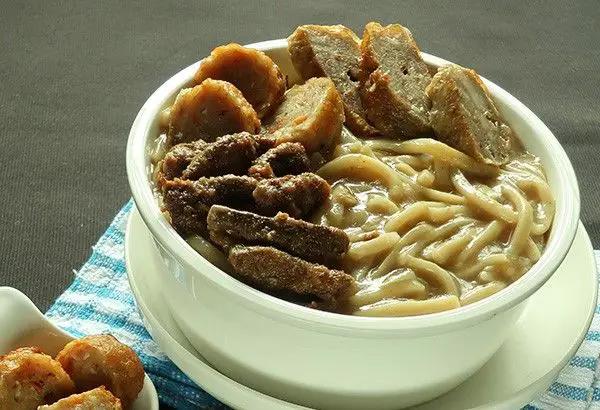
    Enhance your culinary experience with Batangas’ Lomi sa Malabon. The rich and flavorful broth is simmered with beef or pork shanks for several hours, creating a delightful base. The generous addition of fresh seafood toppings, including squid, fish balls, and asikiam, infuses the Lomi with a unique and delicious seafood flavor.

    The seafood toppings are generously added, providing a satisfying and tasty seafood experience with every spoonful. The thick, flavorful soup, combined with the freshness of the seafood, creates a distinctive and delightful taste experience that’s synonymous with Batangas’ Lomi sa Malabon.

    The savory broth perfectly complements the freshness of the seafood, making this regional specialty a standout dish known for its delightful seafood and broth combination. Immerse yourself in the flavors of Batangas with every spoonful of this delectable Lomi.

    Unique Thick Noodles Texture

    Indulge in the distinctive chewy texture of Batangas’ Lomi sa Malabon, featuring thick fresh eggnoodles soaked in lye water, delivering a satisfying and hearty mouthfeel.

    The thick noodles stand out as a unique feature, setting it apart from other noodle dishes in the Philippines. Their firmness, courtesy of the lye water soaking process, makes them ideal for absorbing the rich, flavorful sauce of the dish.

    This texture creates a delightful contrast to the various toppings and the thick, flavorful soup, enhancing the overall dining experience. When you savor a bowl of Lomi Batangas, the chewy, substantial texture of the noodles adds to the enjoyment, making each bite a truly satisfying experience.

    The thick noodles truly make Batangas Lomi stand out, offering a unique and delightful dining experience.

    Customizable Dipping Sauce

    The satisfying chewy texture of Batangas’ Lomi sa Malabon pairs perfectly with its customizable dipping sauce, allowing you to tailor the flavor to your personal preference. The dipping sauce for Lomi Batangas is a harmonious blend of soy sauce, calamansi, and chili, creating a savory and tangy flavor profile. Here’s how you can customize your dipping sauce:

    Soy Sauce Calamansi Chili
    Adjust to personal preference Provides a citrusy tang Tailor spiciness level

    Cultural Significance and Heritage

    Lomi sa Malabon embodies a rich tapestry of cultural significance and heritage, reflecting the enduring legacy of Batangas’ culinary traditions. This noodle dish isn’t just a meal; it’s a symbol of Batangas’ culinary heritage passed down through generations.

    The traditional land and cooking processes behind Lomi represent an intangible cultural heritage, a legacy from the past. Moreover, Batangas’ Lomi showcases the cultural exchange between early Filipinos and foreign traders, reflecting the rich and diverse heritage of the Philippines.

    However, factors like commercialization, tourism, and globalization have influenced the significance of Lomi and other culinary traditions in Batangas.

    Despite these challenges, Lomi sa Malabon remains deeply rooted in Batangas’ cultural identity, celebrating the region’s distinct flavors and its historical ties to seafood-rich cuisine.

    What Are the Similarities and Differences Between Lomi Sa Malabon and Bicol Express in Terms of Regional Specialties in the Philippines?

    Lomi Sa Malabon and Bicol Express are both regional specialties in the Philippines. While Lomi Sa Malabon is a popular noodle dish originating from Malabon City, Bicol Express is a fiery pork stew hailing from the Bicol region. Despite their distinct flavors and cooking methods, both dishes showcase the rich culinary diversity of Filipino cuisine. Whether you crave the comforting warmth of noodles or the spicy kick of the bicol express regional specialty, these dishes are sure to satisfy your taste buds.

    Availability in Lomi Houses Across Batangas

    Exploring the diverse array of toppings and unique twists on the traditional dish, you can find Lomi houses plentiful across Batangas, offering locals and tourists the chance to savor this regional specialty.

    1. Batangas is home to numerous Lomi houses, ensuring easy access for anyone craving this delectable seafood noodle dish.
    2. The competition among towns in Batangas results in a wide range of Lomi options available in Lomi houses throughout the province, each vying to offer the best and most unique variations.
    3. Lomi houses in Batangas boast a rich diversity of Lomi, showcasing various toppings, preparations, and creative interpretations of the beloved dish.
    4. Visiting different Lomi houses in Batangas is a must for anyone eager to immerse themselves in the local culinary scene and experience the authentic flavors of this iconic regional specialty.

    Frequently Asked Questions

    What Makes Batangas Lomi Unique?

    Batangas Lomi’s uniqueness lies in its overflowing toppings, rich soup made from simmered meat, and chewy Miki noodles. The dish’s customizable dipping sauce adds a perfect balance of savory, tangy, and spicy flavors, making it truly special.

    Why Is Lomi Popular in Philippines?

    Lomi is popular in the Philippines because it’s a comforting dish with distinct flavors and toppings. The thick, flavorful soup made from simmering beef or pork shanks for hours, combined with the unique egg noodles, makes it a local favorite.

    What Are the Characteristics of Lomi?

    Lomi is a hearty Filipino noodle soup with thick egg noodles, rich savory broth, and a variety of toppings like pork, chicken, shrimp, and veggies. It’s known for its satisfying flavors and comforting warmth.

    What Is the History of Lomi in Batangas?

    Lomi in Batangas has a rich history, deeply intertwined with the province’s culinary heritage. Its origins date back generations, with each recipe carrying a unique story, making it a beloved regional specialty.

    Conclusion

    So next time you’re in Batangas, be sure to stop by a Lomi house and try the unique regional specialty of Lomi Sa Malabon.

    You’ll be treated to a bowl of thick, flavorful soup, chewy Miki noodles, and a variety of delicious toppings.

    It’s a hearty and satisfying meal that’s sure to leave you craving for more.

    Don’t miss out on this cultural and culinary experience!

  • How Is Zamboanga Curacha (Red Frog Crab) Prepared and Served?

    How Is Zamboanga Curacha (Red Frog Crab) Prepared and Served?

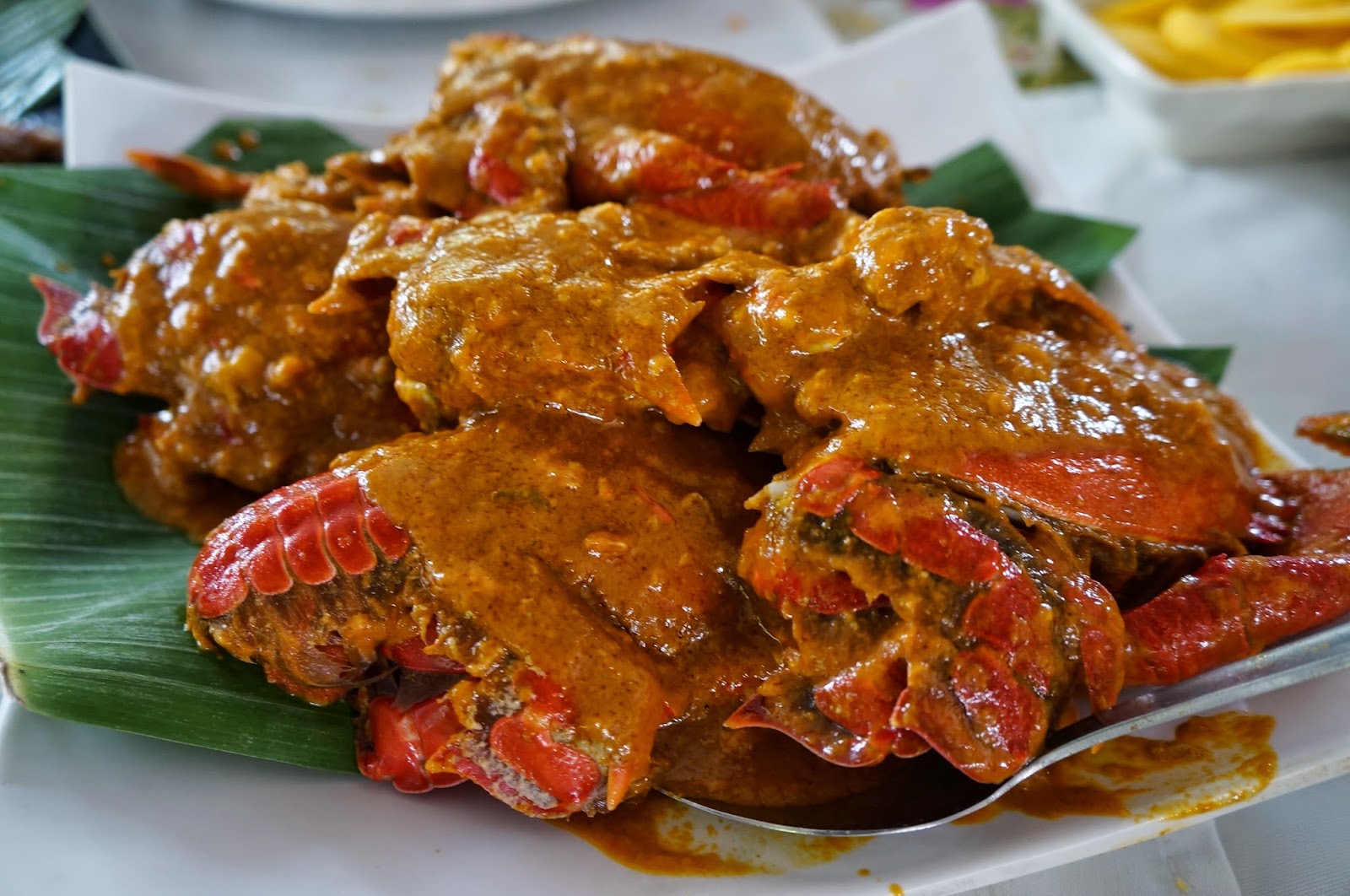
    Zamboanga Curacha, a vibrant red frog crab, is prepared by cleaning, sautéing with garlic and chili, then steaming or boiling, and served with Alavar sauce and rice. The dish originates from Zamboanga and is a staple in the region’s culinary repertoire, known for its unique flavor and vibrant red color that remains distinct even after cooking.

    Key Takeaways

    • Zamboanga Curacha is a vibrant red frog crab found exclusively in the coastal waters of Jolo, Sulu.
    • The name ‘Curacha’ originates from the Chavacano dialect in Zamboanga, where this prized crustacean is found.
    • Cleaning and preparation techniques include rinsing the curacha, removing unwanted parts, and optional marinating.
    • Cooking techniques include sautéing with garlic, ginger, and chili, as well as steaming or boiling the cleaned curacha crab. It is often served with Alavar sauce and steamed rice.

    The Origins of Zamboanga Curacha

    The origins of Zamboanga Curacha can be traced back to the coastal waters of Jolo, Sulu, where the red frog crab, also known as the spanner crab, is found exclusively. These crabs are known for their vibrant red color that remains distinct even after cooking.

    The name ‘Curacha’ originates from the Chavacano dialect spoken in Zamboanga, and it perfectly encapsulates the essence of this local delicacy. The waters of Zamboanga are home to this prized crustacean, making it a staple in the region’s culinary repertoire.

    The rich history and tradition of preparing and serving Curacha have been passed down through generations, making it an integral part of Zamboanga’s food culture. The unique flavor and texture of the red frog crab have made Curacha a sought-after dish, drawing seafood enthusiasts from far and wide to savor its exquisite taste.

    Selecting Fresh Red Frog Crabs

    When selecting fresh red frog crabs, ensure they are lively and active, with quick movements and a strong grip, indicating their freshness and quality. Additionally, look for crabs with a vibrant red color, as this is a sign of a healthy and fresh crab. Check for intact, undamaged shells, free from cracks or holes, which can further indicate freshness and quality.

    Opt for larger crabs, as they tend to have more meat and are generally more flavorful. It’s also important to consider buying crabs from a trusted seafood market or supplier known for their fresh and high-quality seafood.

    Selecting Fresh Red Frog Crabs
    Lively and active with quick movements and strong grip Vibrant red color
    Intact, undamaged shells Larger size for more meat
    Trusted seafood market or supplier

    Traditional Cleaning and Preparation Techniques

    So you’ve got your fresh curacha ready to go, and now it’s time to clean and prepare it using traditional techniques.

    First, give the curacha a good rinse under running water to get rid of any dirt and impurities.

    Then, you can choose to steam or boil it, adding in some garlic, ginger, and other spices to really bring out the flavors.

    Cleaning the Crab

    Begin by thoroughly washing the curacha crab with running water to remove any dirt or debris. Then, use a small brush or toothbrush to clean the shell and legs, ensuring all surfaces are free of any impurities.

    After washing, inspect the crab to remove any unwanted parts such as the gills and apron. Also, trim any sharp edges for safety. In traditional cleaning, the crab may be broken into smaller pieces, such as halves or quarters, at this stage.

    Some traditional techniques involve marinating the cleaned crab in a mixture of salt and water for a short period before cooking. This process ensures that the curacha crab is clean and ready for the next steps in the preparation, allowing the flavors to shine through in the final dish.

    Cooking Techniques

    After thoroughly cleaning the curacha crab, you can now move on to traditional cooking techniques to bring out its delicious flavors and textures.

    To cook curacha, start by heating a pan and sautéing garlic, ginger, and optional chili for added flavor. Once fragrant, add the cleaned curacha crab to the pan and steam or boil it until fully cooked.

    For an authentic Zamboanga experience, consider preparing an Alavar sauce by mixing coconut milk and special spices to enhance the flavor of the curacha crab. The creamy and flavorful Alavar sauce is a signature accompaniment to curacha, elevating its taste to new heights.

    Once cooked, serve the curacha with a generous drizzle of the Alavar sauce over the top, accompanied by steamed rice or as a standalone dish.

    Highlighting Flavors With Zamboanga’s Signature Spices

    To bring out the authentic flavors of Curacha, incorporate Zamboanga’s signature spices like garlic, ginger, and Alavar sauce to enhance the dish’s unique taste.

    Zamboanga’s rich culinary heritage is reflected in the use of these spices, which add depth and complexity to the flavor profile of Curacha.

    The piquant aroma of garlic, the subtle heat of ginger, and the rich, savory notes of Alavar sauce work in harmony to elevate the natural sweetness of the crab meat, creating a sensory experience that’s uniquely Zamboangan.

    When these signature spices are used in cooking Curacha, they not only add layers of flavor but also showcase the vibrant culinary traditions of Zamboanga.

    Cooking Methods for Curacha

    If you want to bring out the best flavors in a Curacha dish, consider using cooking methods such as steaming, boiling, or the adobo sa gata technique.

    The most common methods for preparing the Zamboanga curacha involve steaming or boiling, which help retain the crab’s natural flavors and juiciness.

    Additionally, the adobo sa gata method, using coconut milk, garlic, and ginger, adds a rich and creamy dimension to the dish.

    When cooking curacha using the adobo sa gata technique, it’s important to use fresh curacha crab, coconut milk, oyster sauce, garlic, ginger, pepper, salt, and optional red chili pepper.

    The dish is typically served with rice and garnished with chopped spring onions and chili flakes, offering a delightful blend of flavors that perfectly complements the succulent curacha.

    Serving Curacha: Plating and Garnishes

    When it comes to serving curacha, the presentation is key. How you arrange the cooked curacha on the plate can make all the difference.

    Consider garnishing with vibrant chopped spring onions and a sprinkle of chili flakes for that extra pop of color and flavor.

    And don’t forget to serve it with calamansi or lemon wedges on the side, adding that perfect hint of citrus to complement the dish.

    Plating Styles

    Consider arranging the vibrant red curacha attractively on a large platter to showcase its unique shape and color. Garnish the platter with fresh sliced lemons or calamansi for a pop of color and a hint of citrus to complement the richness of the dish. Surround the curacha with fresh herbs like parsley or cilantro to add a touch of green and freshness to the presentation.

    For an elegant touch, consider placing the platter on a bed of banana leaves, adding a traditional and visually appealing element to the overall presentation. Consider serving the curacha with a side of steamed vegetables, such as okra or green beans, to provide a balanced and visually appealing meal.

    Plating Styles
    Showcase vibrant red color Garnish with lemon or calamansi Surround with fresh herbs like parsley or cilantro
    Place on a bed of banana leaves Serve with steamed vegetables like okra or green beans

    Garnish Options

    To enhance the visual appeal and flavor of your curacha dish, consider sprinkling chopped spring onions on top of the curacha for a burst of fresh flavor. The vibrant green color of the spring onions won’t only add a pop of color to the dish but also provide a delightful contrast to the rich, savory flavors of the curacha.

    Additionally, you can add a dash of chili flakes as a garnish to give the dish a spicy kick, tantalizing your taste buds with a hint of heat. Serving the curacha with calamansi or lemon wedges on the side also offers a tangy citrus twist that complements the natural sweetness of the crab meat.

    These garnish options are sure to elevate the prepared curacha and provide a delightful experience when served.

    Pairing Curacha With Local Dips and Sides

    Looking to enhance the flavors of Zamboanga Curacha? Let’s explore the perfect local dips and sides to elevate your dining experience.

    Serve the succulent Curacha with a side of steamed rice, complementing the rich flavors of the crab.

    Elevate the experience by offering a local dip like Alavar sauce, a flavorful blend of spices and coconut milk that enhances the taste of Curacha.

    Consider pairing Curacha with local pickled green papaya (atchara) to provide a tangy and refreshing contrast to the crab’s richness.

    Include a side of ensaladang lato, a local seaweed salad, to add a fresh and briny element to the meal.

    Additionally, adding a serving of kinilaw, a Filipino ceviche made with fresh seafood marinated in vinegar, citrus, and spices, will provide a zesty and acidic accompaniment to the Curacha.

    Enjoy the explosion of flavors in every bite!

    Modern Twists: Fusion Curacha Recipes

    Elevate your dining experience with modern twists on Zamboanga Curacha. Explore fusion recipes that infuse the classic flavors of the red frog crab with international culinary influences.

    Indulge in a Curacha sushi roll, marrying the crab’s rich taste with the artistry of classic sushi.

    Delight in a zesty Curacha ceviche, where the crab is brought to life with vibrant citrus flavors and Latin American flair.

    Savor a tantalizing Curacha pasta dish, blending the crab’s unique flavor with Italian-inspired ingredients like garlic, olive oil, and fresh herbs.

    These fusion recipes offer a delightful marriage of Zamboanga’s iconic red frog crab with global culinary influences. The result is innovative and delectable dishes that are sure to captivate your taste buds. Whether you’re a seafood enthusiast or a culinary explorer, these modern twists on the classic Curacha promise a memorable dining experience.

    What Are Some Traditional Filipino Seafood Dishes and How Are They Prepared?

    Cooking tulya clams in the Philippines is a popular way to enjoy traditional Filipino seafood. These clams are often prepared by simply steaming or boiling them with garlic, ginger, and Filipino spices. Tulya clams can also be used to make kinilaw, a Filipino ceviche where the clams are marinated in vinegar, calamansi juice, onions, tomatoes, and chili. This flavorful dish reflects the rich culinary heritage of the Philippines.

    Curacha in Zamboanga’s Culinary Culture

    Immerse yourself in Zamboanga’s culinary culture and discover the rich traditions surrounding the beloved dish of Curacha.

    Curacha holds a special place in Zamboanga’s culinary culture, especially in the waters of Zamboanga and Sulu. This crustacean hybrid, also known as the red frog crab, is a traditional crab famous in Mindanao.

    The locals have perfected the art of cooking Curacha with its vibrant colors and unique flavor, making it a sought-after delicacy. The high heat of the Zamboanga region is perfect for cooking Curacha with its signature Alavar sauce, coconut milk, garlic, and ginger, creating a dish that’s both flavorful and aromatic.

    Whether it’s a family gathering or a celebration, Curacha remains an integral part of Zamboanga’s rich culinary heritage.

    Frequently Asked Questions

    What Is a Curacha Dish From Zamboanga?

    Curacha, a traditional dish from Zamboanga, is a crab delicacy unique to the region. It’s typically prepared with a flavorful sauce or steamed, using red frog crab, and served with garnishes and sides for a delightful dining experience.

    What Is the Curacha of Zamboanga Del Norte?

    The Curacha of Zamboanga del Norte is a delectable dish made with spanner crab, coconut milk, oyster sauce, garlic, ginger, and optional red chili pepper. It’s a flavorful delicacy that’s sure to tantalize your taste buds.

    How to Make Curacha With Alavar Sauce?

    To make curacha with Alavar sauce, start by cleaning the crab. Then, cook it with Alavar sauce and spices until it’s tender. Serve it hot and enjoy the rich, flavorful taste of Zamboanga’s famous dish.

    What Is the Local Name of the Red Spanner Crab Which Is Famous in Zamboanga Del Norte?

    The local name of the famous red spanner crab in Zamboanga Del Norte is ‘Curacha.’ It’s a sought-after delicacy, found in the waters of Zamboanga and Sulu. The vibrant red color of Curacha remains even after cooking, making it visually appealing.

    Conclusion

    Now that you know all about Zamboanga Curacha, it’s time to grab some fresh red frog crabs and start cooking!

    Whether you prefer it steamed with minimal spices or fried with a spiced coconut milk sauce, there’s a preparation method that’s just right for you.

    Don’t forget to pair it with some local dips and sides for the full Zamboanga culinary experience.

    Get ready to indulge in this delicious delicacy!

  • What Are the Key Ingredients in Cebu’s Sugba-Sugba (Grilled Seafood)?

    What Are the Key Ingredients in Cebu’s Sugba-Sugba (Grilled Seafood)?

    The key ingredients in Cebu’s Sugba-Sugba (Grilled Seafood) include fresh seafood like prawns and fish, local aromatic spices such as ginger and chilies, and indigenous spice blends with turmeric and lemongrass. These ingredients create a delightful culinary experience that showcases Cebu’s rich flavor profiles and traditional cooking methods.

    Key Takeaways

    • Fresh seafood is abundant and diverse, with options ranging from prawns to oysters, small conch, and fish.
    • Traditional cooking methods are used to prepare the seafood, with standout items including grilled fish and stuffed squid.
    • Local aromatic spices, such as ginger, finger chilies, and Thai or Birds eye chilies, play a crucial role in enhancing the taste profiles of Cebu’s traditional cuisine.
    • Indigenous spice blends infused with local aromatic spices, such as turmeric, lemongrass, galangal, and Kaffir lime leaves, contribute to the diverse flavor profiles of Cebu’s grilled seafood dishes.

    Fresh Seafood Selection

    When you visit Cebu’s Sugba-Sugba, you’ll be delighted by the abundant and diverse selection of fresh seafood, prepared using traditional cooking methods and seasoned with simple yet delicious ingredients.

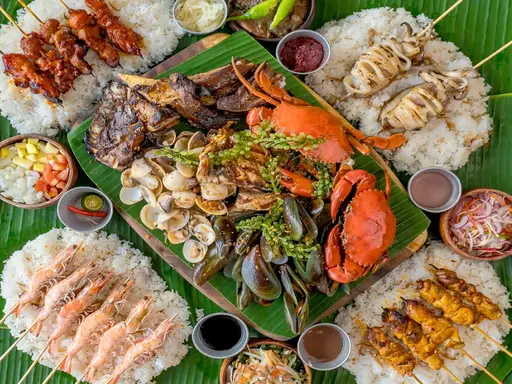
    The vendors’ stalls are brimming with an array of options ranging from plump prawns to succulent oysters, local small conch, and a variety of fish. You can handpick your choice of seafood, from slipper lobster to mussels, shrimp, scallops, and more.

    The grilled fish is a standout, offering a smoky flavor that pairs perfectly with the sea breeze. Additionally, the stuffed squid is a must-try, with its tender texture and flavorful stuffing.

    Each ingredient, whether it’s salt, pepper, or local spices, contributes to the authentic taste of Cebu’s culinary heritage, making every bite a delightful experience.

    Local Aromatic Spices

    When you think about the vibrant flavors and enticing aromas of Cebu’s grilled seafood, local aromatic spices play a crucial role.

    Ginger, finger chilies, and Thai or Birds eye chilies are just some of the key ingredients that add a unique and distinct local flavor to these dishes.

    These aromatic spices not only enhance the taste profile but also contribute to the rich culinary heritage and diverse flavor profiles of Cebu’s traditional cuisine.

    Aromatics in Marinade

    In crafting the marinade for Cebu’s Sugba-Sugba, local aromatic spices are skillfully combined to infuse the seafood with a tantalizing blend of flavors and fragrances. The marinade includes crushed and chopped garlic for its aromatic flavor. It may contain cherry red chilies, providing a hint of local heat and distinctive fragrance.

    Calamansi juice, a local citrus, is used for its unique tangy aroma and flavor. Dark soy sauce is added for its deep, savory aroma and taste. The use of calamansi peelings infuses the marinade with a fragrant citrus essence. These ingredients come together to create a marinade that not only enhances the seafood but also works wonderfully with other meats such as pork belly, adding a burst of Filipino food flavor.

    The finger chili adds an exciting kick, making the marinade a perfect complement to grilled dishes.

    Indigenous Spice Blends

    Crafted with locally sourced aromatic spices, the indigenous spice blends used in Cebu’s Sugba-Sugba marinade infuse the seafood with a tantalizing blend of flavors and fragrances, enhancing its natural taste and creating an authentic culinary experience. These spice blends are a reflection of Cebu’s rich culinary heritage, incorporating a diverse range of local aromatic spices. Here’s a glimpse of some key ingredients commonly found in indigenous spice blends used in Cebu’s traditional dishes:

    Spice Description
    Turmeric Adds vibrant color and a warm, earthy flavor.
    Lemongrass Imparts a refreshing citrus scent and subtle citrus flavor.
    Galangal Offers a pungent, peppery flavor with hints of citrus and ginger.
    Kaffir Lime Leaves Contributes a unique, aromatic citrus flavor.

    These aromatic spices are carefully combined to create a harmonious blend that elevates the succulent seafood and other dishes, showcasing the region’s culinary prowess.

    Flavor-Enhancing Herbs

    Enhance the flavors of Cebu’s Sugba-Sugba grilled seafood with a blend of local aromatic spices. These spices include lemongrass, pandan leaves, and tanglad. Infusing each dish with a unique and refreshing aroma, these flavorful herbs add a delightful and distinctive fragrance to the grilled dishes, elevating the dining experience.

    By using lemongrass, pandan leaves, and tanglad, the natural taste of the seafood is complemented, creating a harmonious blend of fresh and earthy flavors. The infusion of these local aromatic spices enhances the overall taste and aroma of the grilled seafood, providing a sensory feast.

    The subtle, fragrant notes from these herbs add depth to the seafood, making each bite a truly memorable and delicious experience.

    Indigenous Marinades

    Indigenous marinades play a crucial role in infusing traditional flavors and enhancing the tenderness of grilled seafood and meats in Cebu’s Sugba-Sugba cuisine. The combination of calamansi juice, garlic, cherry red chilies, dark soy sauce, and water creates a tangy and savory base for marinating. Additional ingredients like salt, black pepper, calamansi peelings, and fish meat further enrich the flavor profile.

    As the marinade is transformed into a BBQ glaze, the resulting sweet and savory coating adds depth to the grilled dishes. This showcases the local culinary techniques and traditional flavor combinations.

    Traditional Flavor Combinations

    Looking to infuse your grilled seafood with authentic Cebuano flavors? Check out the traditional flavor combinations and indigenous marinades that create the distinct taste of sugba-sugba.

    • Indigenous marinades for grilling in Cebu often rely on simple pre-grill flavors, usually incorporating salt and sweet barbecue sauce post-grilling.
    • Commonly used indigenous marinade ingredients include calamansi juice, garlic, cherry red chilies, dark soy sauce, and water for the marinade mixture.
    • Additional indigenous marinade ingredients may include salt, crushed black pepper, calamansi peelings, and fish meat for grilling.
    • For a BBQ glaze, the indigenous marinade mixture is strained and combined with tomato sauce and sugar, then simmered until a thick consistency is achieved before brushing onto the fish meat 2-3 times.

    These traditional flavor combinations and indigenous marinades create the distinct and authentic taste of grilled seafood in Cebu’s sugba-sugba.

    Local Culinary Techniques

    Infuse your grilled seafood with the authentic flavors of Cebu by applying the traditional marinades and indigenous BBQ glazes that are integral to the distinct taste of sugba-sugba.

    Indigenous marinades in Cebu feature simple yet flavorful combinations of calamansi juice, crushed garlic, and dark soy sauce, often augmented with cherry red chilies, salt, and black pepper for added depth and a touch of heat. The use of calamansi peelings in marinades imparts a unique citrusy aroma and tangy flavor to the grilled seafood.

    Additionally, indigenous BBQ glazes in Cebu involve a strained marinade mixture combined with tomato sauce and sugar, simmered to a thick consistency and brushed onto the fish meat during grilling.

    These techniques showcase the region’s rich culinary heritage, making them essential for creating the authentic flavors of Cebu’s grilled seafood.

    Grilling Techniques

    To achieve delicious and perfectly grilled seafood, it’s crucial to preheat the grill to the appropriate temperature before placing the food on it. When grilling, ensure the grill is preheated, and then use direct heat for thinner cuts of meat and indirect heat for thicker cuts to ensure even cooking.

    Oil the grill grates or marinate the food to prevent sticking and add flavor. Then, flip the food only once to achieve a nice sear and to retain juices.

    Finally, use a meat thermometer to check for doneness, ensuring the food is cooked to the correct internal temperature.

    These techniques will help you master the art of grilling seafood to perfection, capturing the authentic flavors of Cebu’s Sugba-Sugba.

    Side Dish Accompaniments

    Enhance your grilled seafood experience with a variety of flavorful side dish accompaniments that perfectly complement the smoky, savory flavors of Cebu’s Sugba-Sugba.

    Puso, a coconut leaf-wrapped hanging rice, is a staple side dish that offers a convenient way to enjoy rice with grilled dishes like sinugba.

    Freshly pickled vegetables, such as cucumbers and onions, provide a refreshing contrast to the smoky flavors of grilled seafood, elevating the overall dining experience.

    For grilled stuffed squid, consider pairing it with a fresh garden salad or a zesty mango salsa to create a balance of textures and tastes.

    To further enrich your dining experience, local specialties like mung bean soup (munggo) or a traditional vegetable soup like utan bisaya can provide a wholesome and comforting accompaniment to your grilled seafood.

    Influences of Cebuano Cuisine

    With a rich blend of Spanish, Chinese, and indigenous influences, Cebuano cuisine boasts a distinctive and diverse flavor profile that sets it apart from other regional cuisines in the Philippines. This fusion of culinary traditions has resulted in a vibrant and eclectic range of dishes that showcase the heritage and creativity of the Cebuano people.

    When you explore the influences of Cebuano cuisine, you’ll encounter:

    • Spanish influences evident in dishes like Lechon Cebu, reflecting the impact of colonial rule on the region’s culinary practices.
    • Chinese influences adding depth to Cebuano cuisine, with flavors and cooking techniques that have been integrated into local dishes like Bam-i.
    • Indigenous flavors and cooking methods, such as the traditional sinugba grilling technique, showcasing Cebu’s rich culinary heritage.
    • A diverse array of local eats beyond grilled food, including unique seafood cooking methods like sutukil, highlighting the region’s love for fresh ingredients and inventive cooking styles.

    Culinary Heritage

    Cebu’s culinary heritage is a vibrant tapestry woven with traditional grilling techniques, diverse seafood dishes, and a fusion of flavors that reflect the rich history and creativity of the region’s cuisine.

    Sinugba, a traditional grilling method using charcoal, is central to Cebu’s culinary heritage, especially in the sutukil technique, encompassing grilling, simmering, and raw seafood consumption. Popular spots like Larsian Food Park and AA BBQ offer a plethora of grilled delights, including seafood and meats. Must-try dishes include grilled stuffed squid and Puso, a type of rice cooked in a woven coconut leaf pouch.

    Cebu’s culinary heritage also boasts a diverse range of dishes such as Lechon Cebu, munggo, humba, kinilaw, and bam-i, showcasing the region’s rich flavors and traditions.

    This culinary heritage is a testament to Cebu’s historical and cultural influences, making it a must-experience for food enthusiasts.

    Market Ingredients

    Market ingredients in Cebu’s culinary heritage encompass an array of fresh seafood and locally sourced meats that are essential for creating the authentic flavors of sinugba. When you visit the bustling markets of Cebu, you’ll be met with a vibrant display of the following ingredients:

    • Fresh fish, such as tanigue (Spanish mackerel) and lapu-lapu (grouper), glistening under the sunlight.
    • Plump prawns and succulent squid, enticing you with their oceanic freshness.
    • Oysters and local small conch, promising a taste of the sea with their briny aroma.
    • A selection of meats, including tender pork belly, flavorful chicken thighs and legs, and an assortment of pork and chicken barbecue sticks, all waiting to be infused with the smoky essence of the grill.

    These market ingredients form the foundation of Cebu’s sinugba, ensuring a delightful and authentic dining experience.

    Can I Use Grilled Seafood in My Filipino Spanish Bread Recipe?

    Yes, you can certainly use grilled seafood in your simple Filipino Spanish bread recipe. Grilled shrimp or fish can add a delicious and savory twist to the traditional sweet bread. The combination of hearty seafood and fluffy bread is sure to be a delightful treat for your taste buds.

    Flavorful Seasonings

    Enhancing the taste of grilled seafood, flavorful seasonings play a crucial role in creating the delectable essence of Cebu’s Sugba-Sugba. Before grilling, simple yet impactful flavors like salt lay the foundation for the dish’s taste, enhancing the natural flavors of the seafood.

    After grilling, a sweet barbecue sauce is often added, providing a rich, tangy, and sweet flavor that complements the smoky essence of the seafood.

    Additionally, a soy sauce-and-vinegar dipping sauce called sawsawan is commonly used to add an extra layer of flavor, offering a perfect balance of savory and tangy notes.

    The combination of these flavorful seasonings creates a delicious and savory taste profile for Cebu’s grilled seafood, making each bite a delightful explosion of flavors that captures the essence of Cebu’s culinary tradition.

    Frequently Asked Questions

    What Is Sugba Food?

    Sugba food is a delightful array of grilled dishes, including pork belly, chicken, barbecue sticks, and stuffed seafood like fish or squid. The pre-grill flavors are simple, often with salt, and sweet barbecue sauce is added after grilling.

    Where Did Sinugba Originated?

    Sinugba originated in Cebu, a traditional method of grilling and cooking seafood and meats. The delicious flavors are simple, usually relying on salt, but sweet barbecue sauce is often added after grilling for an extra kick.

    Conclusion

    So next time you’re in Cebu, make sure to try the sugba-sugba!

    With its fresh seafood, flavorful marinades, and unique grilling techniques, it’s a culinary experience you won’t want to miss.

    And don’t forget to pair it with some puso and sawsawan for the full Cebuano flavor.

    It’s a delicious and savory dish that truly represents the rich culinary heritage of Cebu.

    Bon appétit!

  • How Is Iloilo’s Grilled Blue Marlin Different From Other Grilled Seafood Dishes in the Philippines?

    How Is Iloilo’s Grilled Blue Marlin Different From Other Grilled Seafood Dishes in the Philippines?

    Iloilo’s grilled blue marlin offers a unique grilled seafood experience in the Philippines. The succulent texture and mildly sweet taste of the blue marlin, along with local seasonings, set it apart from other grilled dishes.

    This makes it a distinct and deeply satisfying option for seafood lovers.

    Key Takeaways

    • Blue marlin is a culinary icon in Iloilo and a staple in Filipino cuisine.
    • Grilling techniques for blue marlin involve high heat to impart a smoky flavor while maintaining its juiciness.
    • Local ingredients and seasonings, such as calamansi and indigenous seasonings, contribute to the unique flavor of Iloilo’s grilled blue marlin.
    • Tatoys Manokan and Seafoods in Iloilo is a renowned restaurant that preserves and celebrates the region’s culinary heritage through its offerings.

    Blue Marlin: A Culinary Icon

    When you think of a culinary icon in the Philippines, the blue marlin immediately comes to mind with its firm texture and flavorful taste, making it a favorite choice for grilling in Iloilo.

    This majestic billfish, often likened to swordfish, is a staple in Filipino cuisine, renowned for its versatility and delectable flavor.

    Whether it’s seasoned with salt and pepper and grilled to perfection, or marinated in a zesty lemon butter sauce, the blue marlin never fails to captivate the taste buds of locals and visitors alike.

    Its availability in markets like Baclaran seaside market and Siargao makes it accessible to all, while its prominence in renowned establishments like Tatoys Manokan and Seafoods in Panay Island solidifies its status as a beloved culinary treasure in the Philippines.

    Grilling Techniques and Flavor Profile

    To achieve the perfect grilled blue marlin, it’s essential to use high heat to impart a smoky flavor while preserving its natural juiciness. The grilling technique for blue marlin involves searing it over direct heat to create a slightly charred exterior, complementing its firm and meaty texture.

    Before grilling, marinating the blue marlin with a blend of calamansi, soy sauce, and spices enhances its natural flavors, adding depth to the dish. The cooking time is relatively short to ensure that the blue marlin remains moist and tender, with a hint of smokiness.

    This technique results in a distinct flavor profile, offering a delicate sweetness with a subtle smoky undertone, making grilled blue marlin a delectable seafood option that stands out from other grilled dishes in the Philippines.

    Local Ingredients and Seasonings

    When preparing the grilled blue marlin, local ingredients like calamansi, coconut vinegar, and native calamansi are used to enhance the flavors.

    The use of indigenous seasonings such as guinamos and atsuete gives the dish a distinct Filipino taste.

    These unique seasoning blends and indigenous ingredient sourcing contribute to the rich and flavorful profile of the grilled blue marlin in Iloilo.

    Unique Seasoning Blends

    Indulge in the tantalizing flavors of Iloilo’s Grilled Blue Marlin, brought to life by unique seasoning blends crafted from an array of local ingredients and seasonings.

    The distinct taste of this dish is achieved through a blend of indigenous seasonings like batwan, enhancing its flavor profile. Local herbs, spices, garlic, ginger, and lemongrass contribute to the unique seasoning, setting it apart from other grilled seafood dishes in the Philippines.

    Additionally, the use of calamansi, local vinegar, and soy sauce adds depth and complexity to the marinade, creating a rich and flavorful experience. The seasoning blends for Grilled Blue Marlin incorporate a delicate balance of these local ingredients, resulting in a dish that captures the essence of Iloilo’s culinary heritage.

    Indigenous Ingredient Sourcing

    Using a blend of locally sourced ingredients and traditional seasonings, Iloilo’s Grilled Blue Marlin captures the essence of the region’s rich culinary heritage. The dish showcases the abundance of seafood in Iloilo City, featuring freshly caught blue marlin.

    Local seasonings like calamansi and native herbs are employed to enhance the flavor, staying true to traditional Ilonggo culinary practices. What sets this dish apart is the use of indigenous ingredients such as batwan, an endemic souring agent, which adds a unique and authentic taste to the marinades or sauces.

    Furthermore, the inclusion of locally grown vegetables and herbs not only contributes to the dish’s flavor profile but also supports the sustainability of the local agricultural industry.

    This commitment to indigenous ingredient sourcing reflects Iloilo’s dedication to promoting and preserving its rich culinary heritage.

    Historical and Cultural Significance

    Tatoys Manokan and Seafoods stands as a truly Ilonggo culinary icon, embodying the rich heritage of the region and offering a unique culinary experience by the beach.

    Its historical and cultural significance is profound, as it serves as a place where traditional Ilonggo cuisine meets the coastal lifestyle, creating a distinct culinary identity.

    The restaurant has been a longstanding social and cultural gathering place for the local community, reflecting the integral role of food in Ilonggo traditions.

    Situated in Iloilo City, renowned for its cultural heritage, Tatoys Manokan contributes to preserving and celebrating this legacy through its culinary offerings.

    With over 20 years of serving customers, it has become a symbol of culinary heritage, actively preserving and passing down traditional recipes and cooking techniques.

    Health Benefits and Nutritional Value

    When grilling blue marlin, you unlock a treasure trove of health benefits and nutritional value that contribute to a delicious and nourishing dining experience.

    This delectable fish is a powerhouse of lean protein, essential for muscle development and repair.

    Additionally, it boasts high levels of heart-healthy omega-3 fatty acids, which not only promote cardiovascular well-being but also aid in reducing inflammation within the body.

    Blue marlin is also rich in vital B vitamins such as niacin and vitamin B12, crucial for energy production and nerve function.

    Furthermore, this fish contains essential minerals like selenium and magnesium, supporting antioxidant defense and bone health.

    What’s more, grilled blue marlin is a fantastic low-calorie, low-fat option, making it suitable for individuals who are mindful of their weight and overall health.

    Serving and Presentation Styles

    After savoring the health benefits and nutritional value of grilled blue marlin, the presentation and serving styles of this delectable dish elevate the dining experience to a visual and flavorful delight.

    Grilled blue marlin is often served as a whole fish, showcasing its size and freshness. It may be presented with a side of colorful tropical fruits and vegetables to enhance visual appeal. Some restaurants in Iloilo serve grilled blue marlin on a bed of banana leaves for a rustic and authentic presentation.

    The dish is often garnished with fresh herbs and drizzled with a zesty citrus sauce to add a pop of color and flavor. Additionally, grilled blue marlin is sometimes served alongside traditional Filipino side dishes like garlic rice and atchara for a complete and satisfying meal.

    Popular Accompaniments and Side Dishes

    You’ll love how sinamak, a spiced vinegar, adds a tangy kick to your grilled blue marlin, enhancing its flavor.

    The ensaladang talong, a grilled eggplant salad, provides a smoky contrast that will elevate your dining experience.

    And don’t forget the garlic rice, which perfectly complements the seafood with its savory taste.

    Side Dish Pairings

    For a delectable pairing with grilled blue marlin, consider adding a tropical twist with mango salsa or pineapple salsa. These fruity salsas bring a burst of freshness and tanginess that perfectly complements the smoky flavor of the marlin.

    If you prefer a classic option, opt for garlic rice or steamed white rice, providing a simple yet flavorful base for the grilled seafood.

    Grilled vegetables like asparagus, zucchini, and bell peppers offer a delightful smokiness that enhances the dish. Their vibrant colors and earthy taste add depth to your meal.

    Another great choice is a refreshing green salad with citrus vinaigrette, providing a light and crisp contrast to the rich grilled blue marlin.

    These options offer a variety of flavors and textures to elevate your dining experience.

    Flavor Enhancing Condiments

    Enhance the succulent flavor of grilled blue marlin with a zesty calamansi or lemon butter sauce. The citrusy tang of calamansi or lemon complements the rich, meaty taste of the grilled blue marlin, creating a burst of freshness in every bite.

    Alternatively, serve orzo salad or couscous as a side dish to balance the flavors and textures of the dish.

    For an intense and savory taste, consider brining the blue marlin with a 10% salt solution before grilling or pan-frying.

    Additionally, utilize the heads, tails, and innards of the fish to create a flavorful fish soup or stock.

    If you’re looking for a heartier meal, pair the grilled blue marlin with si-log combos like tapsilog, tosilog, longsilog, or dangsilog for a satisfying and robust dining experience.

    Regional Variations

    When savoring the grilled blue marlin in Iloilo City, you’ll find it often accompanied by popular local dishes such as KBL (Kadyos, Baboy, Langka), Valenciana, and Laswa, adding a delightful array of flavors to the dining experience.

    • KBL (Kadyos, Baboy, Langka): A hearty stew made from pigeon peas, pork, and unripe jackfruit, providing a rich and savory complement to the grilled blue marlin.
    • Valenciana: A festive rice dish cooked with coconut milk, chorizo, chicken, and various spices, offering a fragrant and flavorful pairing with the seafood.
    • Laswa: A vegetable soup featuring native ingredients like squash, okra, and moringa leaves, creating a refreshing and nutritious side dish to balance the grilled blue marlin’s richness.
    • Beachside dining: Seafood establishments like Tatoys Manokan and Seafoods offer a picturesque setting, enhancing the dining experience with a refreshing ocean breeze and scenic views.

    What Makes Grilled Blue Marlin Unique Compared to Other Grilled Seafood in the Philippines?

    Grilled Blue Marlin stands out in the Philippines for its firm texture and mild flavor. When compared to other grilled seafood, its meatiness and meaty taste make it a popular choice. When cooking paksiw, the method of enhancing seafood flavor in paksiw elevates the dish and brings out the unique taste of the marlin.

    Regional Variations and Influences

    Reflecting the diverse influences of local ingredients and cooking techniques, Iloilo’s Grilled Blue Marlin, known as sibingan, embodies the unique culinary identity of the Visayan region. The dish’s regional variations and influences are evident in the emphasis on simplicity and the use of indigenous flavors.

    The Visayan preference for seafood preparations that highlight the natural taste of the blue marlin sets it apart from other grilled seafood dishes in the Philippines. The use of citrus-based marinades and the tradition of grilling over charcoal showcase the region’s distinct culinary practices.

    This regional specialty not only represents Ilonggo pride in their local cuisine but also serves as a culinary icon that captures the spirit of Visayan coastal living. The beachside dining experience at Tatoys Manokan further enhances the regional influence, providing a holistic sensory experience unique to the Visayan region.

    Frequently Asked Questions

    What Makes Blue Marlin Unique?

    Blue marlin stands out with its long sword-like protrusion and ridge on its back. When grilled, it offers a unique flavor profile, especially when paired with lemon butter sauce. You’ll love the distinct taste of Tatoys Manokan’s Grilled Blue Marlin in Iloilo.

    Is There a Blue Marlin in the Philippines?

    Yes, there’s blue marlin in the Philippines! It’s a popular catch and often grilled to perfection. Its meaty texture and mild flavor set it apart from other grilled seafood dishes, making it a must-try delicacy.

    What Are the Uses of Blue Marlin Fish?

    Grilled blue marlin in Iloilo stands out for its firm, meaty texture and mild, slightly sweet flavor. It’s often marinated in citrus and spices, giving it a unique taste that sets it apart from other grilled seafood dishes in the Philippines.

    How Much Is Blue Marlin Fish in the Philippines?

    In the Philippines, blue marlin fish can cost around 160 PHP per kilo in Siargao. When prepared in Iloilo, the grilled blue marlin stands out due to its succulent texture and unique seasoning, setting it apart from other grilled seafood dishes.

    Conclusion

    So, next time you find yourself in Iloilo, don’t miss the chance to savor the unique and succulent grilled blue marlin.

    Its firm and meaty texture, combined with the marinade of soy sauce, calamansi juice, garlic, and spices, creates a delectable dish that’s truly one-of-a-kind.

    Whether you’re a seafood lover or just looking to try something new, Iloilo’s grilled blue marlin is a must-try culinary experience that will leave you craving for more.

  • What Makes Bicol Express (Spicy Coconut Milk Stew) a Regional Specialty in the Philippines?

    What Makes Bicol Express (Spicy Coconut Milk Stew) a Regional Specialty in the Philippines?

    Bicol Express is a regional specialty from the Bicol region in the Philippines, representing the rich culinary tradition and love for bold flavors of the region. It pays homage to the iconic Bicol Express train and serves as a source of regional pride.

    Key Takeaways

    • Bicol Express is a regional specialty from the Bicol region in the Philippines.
    • The dish represents the rich culinary tradition and love for bold and fiery flavors of the region.
    • It pays homage to the iconic Bicol Express train and serves as a source of regional pride.
    • Bicol Express showcases the diverse culinary landscape of the Bicol region.

    Origins of Bicol Express

    The origins of Bicol Express can be traced back to the Bicol region in the Philippines, where it was born out of a rich culinary heritage and a love for bold flavors. This iconic dish, often referred to as the ‘original Bicol express,’ is a testament to the region’s vibrant culinary traditions.

    The dish typically consists of tender pork marinated in a blend of coconut milk and fiery red peppers, creating a perfect balance of creamy and spicy flavors. Bicol Express embodies the essence of Bicolano cuisine, renowned for its use of coconut and chilies in creating delectable dishes.

    The dish’s roots are deeply intertwined with the Bicolano culture, reflecting the region’s love for hearty and flavorful meals that leave a lasting impression on anyone fortunate enough to savor its taste.

    Cultural Significance

    Reflecting the vibrant culinary traditions of the Bicol region, the cultural significance of Bicol Express extends beyond its delectable flavors, encompassing a rich heritage and a deep connection to the region’s identity.

    This spicy coconut milk stew, deeply rooted in Filipino cuisine, represents the Bicol region’s love for bold, fiery flavors derived from the generous use of hot peppers, garlic, and onion.

    Additionally, its name pays homage to the iconic Bicol Express train of the Philippine National Railways, symbolizing the region’s historical ties to transportation and trade.

    Bicol Express serves as a source of regional pride, embodying the flavors and culinary heritage unique to the Bicol region. Its popularity and association with the Bicol Express train contribute to its status as a beloved regional specialty, solidifying its cultural significance in the Philippines.

    Ingredients and Preparation

    You’re in for a treat as we explore the unique flavor profile and traditional cooking techniques that make Bicol Express a beloved regional specialty in the Philippines.

    The combination of pork, coconut milk, and fiery chili peppers creates a rich and spicy dish that’s truly unforgettable.

    Unique Flavor Profile

    Enhancing the aroma and taste of Bicol Express, the use of siling haba (finger chili peppers) and bagoong alamang (shrimp paste) creates a delightful and robust flavor profile that is distinctive to Bicolano cuisine. The combination of these ingredients infuses the dish with a perfect balance of spiciness and umami, making it a standout in Filipino food. Here’s a closer look at the key ingredients that contribute to the unique flavor profile of Bicol Express:

    Ingredients Description
    Siling Haba Long green chili peppers that pack a fiery kick, adding intense heat to the dish.
    Bagoong Alamang Fermented shrimp paste that brings a rich umami flavor, enhancing the overall taste.
    Coconut Milk Provides a creamy and luscious texture while mellowing down the spiciness of the dish.

    The blend of these ingredients, along with garlic, Thai chili peppers, and pork belly, creates a symphony of flavors that make Bicol Express a beloved and unique spicy coconut milk stew.

    Traditional Cooking Techniques

    Using traditional cooking techniques, the preparation of Bicol Express involves sautéing aromatics, adding pork and bagoong alamang, and simmering with coconut cream and chili peppers.

    The dish’s traditional cooking techniques highlight the use of coconut milk, sautéed shrimp paste, and siling labuyo, creating a rich and spicy pork stew that represents the flavors of the Bicol Peninsula.

    The method of simmering the coconut milk and adding the right amount of spiciness with siling haba is crucial to achieve the dish’s distinct taste.

    Additionally, some variations include using dried taro leaves, seafood, beef, or even creating vegetarian options, showcasing the versatility of the recipe.

    These traditional cooking techniques have been passed down through generations and are integral to the authenticity and uniqueness of Bicol Express.

    Variations of Bicol Express

    Bicol Express offers a myriad of variations that cater to diverse tastes and dietary preferences. From seafood options like fish and shrimp to beef substitutions, the dish adapts to various ingredient preferences while maintaining its traditional essence.

    Additionally, vegetarian and pescatarian alternatives, as well as regional transformations, showcase the versatility and adaptability of this beloved Filipino specialty.

    Regional Recipe Origins

    With its rich culinary heritage and diverse flavor profiles, the Bicol region has given rise to a multitude of variations of the beloved Bicol Express dish.

    The origins of Bicol Express can be traced back to the 1970s when Cely Kalaw created the dish in response to customers’ demand for a spicy taro dish in Malate, Manila.

    Influenced by the abundance of coconut production and the fiery siling labuyo chili peppers in the Bicol region, the dish has become a quintessential Filipino favorite.

    Over time, the recipe has evolved, leading to a wide array of adaptations including seafood, beef, vegetarian, and vegan options, showcasing the region’s diverse culinary landscape.

    This evolution also encompasses commercial production and packaging, demonstrating the dish’s enduring popularity and its ability to cater to various preferences and dietary restrictions.

    Ingredient Substitutions

    You can elevate the traditional Bicol Express dish by incorporating ingredient substitutions that offer a delightful array of flavors and textures. Here are some exciting variations to explore:

    Ingredient Substitutions Description
    Seafood Variations Try using fish, crab, manta rays, shark, or shrimp.
    Beef Beef can be used as a substitute for pork.
    Pinakbet This offers a pescatarian alternative, replacing pork with vegetables like bok choy and sweet potato shoots.
    Gulay na may lada This is a vegetarian variant, created using traditional cooking methods in the Bicol Peninsula.
    Vegan Option Transform Bicol Express into a vegan dish by using tofu as a substitute for pork and vegetable paste and gluten-free soy sauce instead of bagoong alamang.

    These ingredient substitutions allow for a diverse range of dietary preferences and culinary adventures while still capturing the essence of Bicol Express, the spicy coconut milk stew that is deeply rooted in the flavors of the Bicol region.

    Cooking Techniques

    Experimenting with different cooking techniques can enhance the flavors and textures of Bicol Express, elevating this regional specialty to new culinary heights. To add a twist to your Bicol Express, consider these variations:

    • Grilling the pork or seafood before adding it to the coconut milk stew can impart a delicious smoky flavor.
    • Infusing the coconut milk with lemongrass, galangal, and kaffir lime leaves can bring a refreshing and aromatic dimension to the dish.
    • Slow-cooking the Bicol Express allows the flavors to meld together, creating a rich and indulgent stew.
    • If you love spicy food, try incorporating different types of chili peppers or increasing the amount of spice to make your Bicol Express even spicier.

    These techniques can transform the way you cook Bicol Express, adding depth and excitement to this beloved Filipino dish.

    Nutrition and Health Benefits

    Bicol Express is a highly nutritious and flavorful dish that offers a satisfying and filling meal, packed with essential nutrients and health benefits.

    The stew made with coconut milk and spicy chili peppers provides a good source of protein, niacin, phosphorus, vitamin B6, zinc, and potassium from the pork, contributing to a high protein content.

    Additionally, the coconut milk contains healthy micronutrients that can aid in reducing stomach ulcers, decreasing inflammation, and providing energy from protein and carbs.

    The siling labuyo, or chili pepper, used in this regional specialty, adds vitamin C, iron, and magnesium to the dish, further enhancing its nutritional value.

    However, it’s important to consume Bicol Express in moderation due to its high levels of saturated fats and cholesterol, which should be considered for a balanced diet.

    Processing and Production

    The rich and flavorful nature of Bicol Express not only contributes to its nutritional value but also plays a significant role in its processing and production methods. The production of Bicol Express involves a blend of traditional techniques and modern technologies, ensuring its preservation and wide distribution. Here’s a glimpse into the fascinating processing and production of this regional specialty:

    • The use of advanced packaging technologies helps extend the shelf life of Bicol Express, allowing for increased commercial production.
    • The Llaguno family’s introduction of processed Bicol Express in glass jars revolutionized the dish’s production and distribution.
    • Commercial production has replaced traditional methods of selling in plastic bags, leading to the widespread availability of Bicol Express meals in glass jars.
    • The dish’s journey from the Bicol region to various parts of the Philippines, including Manila-Legazpi, is facilitated by the Philippine National Railways, contributing to its nationwide popularity.

    Bicol Express Recipe

    Indulge in the vibrant flavors of Bicol Express with this authentic and straightforward recipe that captures the essence of Filipino culinary tradition.

    To make this regional specialty, start by sautéing ginger, garlic, and onion in a pan. Add pork chunks and cook until they turn golden brown.

    Pour coconut milk into the pan and let it simmer until the pork becomes tender. Then, add the star ingredient: siling haba (spicy chili peppers) to make it spicier.

    Let the flavors meld together as the coconut milk reduces, creating a rich and creamy sauce.

    Serve this spicy and savory Bicol Express over steamed rice for a truly satisfying meal.

    With this recipe, you can experience the unique and delicious flavors of the Bicol region right in your own kitchen.

    How Does the Use of Coconut Milk in Filipino Cuisine Contribute to Regional Specialties Like Bicol Express?

    Coconut milk is a key ingredient in Filipino cuisine, particularly in regional specialties like Bicol Express. The rich and creamy texture of coconut milk adds a unique flavor to the dish, making it a beloved dish throughout the country. It is no surprise that coconut milk is a key component in some of the best coconut milk beverages Philippines has to offer.

    Similar Dishes in the Region

    If you’re eager to explore the diverse and flavorful culinary landscape of the Bicol region, you’ll be delighted to discover a variety of dishes that showcase the rich and unique flavors of this vibrant area. Here are some similar dishes that highlight the tradition of using coconut milk and spicy flavors in Bicolano cuisine:

    • Laing: A creamy vegetable stew made with dried taro leaves, chili peppers, and coconut milk, representing the unique culinary heritage of the Bicol region.
    • Ginataang Sili or Gulay na Lada: An earlier regional dish similar to Bicol Express, featuring pork, coconut milk, and a variation of shrimp paste.
    • Pinangat (or Laing): A signature Bicolano dish similar to Bicol Express, but wrapped in taro leaves and cooked in coconut cream.
    • Ginataang Talong: A creamy dish made with eggplant cooked in coconut milk, showcasing the use of coconut milk in Bicolano cuisine.

    These dishes, like Bicol Express, exemplify the region’s love for coconut milk-based and spicy dishes, making them an integral part of Bicolano culinary tradition.

    Frequently Asked Questions

    What Makes Bicol Region Dishes Different From Other Regions?

    Bicol region dishes are different due to their unique use of coconut milk and chili peppers. This sets them apart from other Filipino regional cuisines, creating a distinct and flavorful culinary experience.

    What Makes Bicol Special?

    Bicol is special for its rich culinary heritage, blending coconut milk and fiery chili peppers. These bold flavors are the heart and soul of Bicol Express, a dish that embodies the region’s vibrant and distinctive food culture.

    Why Is Bicol Express Famous?

    Bicol Express is famous for its rich, spicy flavor that captures the essence of Bicolano cuisine. It’s loved for its combination of pork, coconut milk, and chili peppers, creating a unique regional specialty in the Philippines.

    What Are the Characteristics of Bicol Express?

    Bicol Express is known for its fiery, coconut-infused richness and intense spiciness from siling labuyo peppers. It features pork or seafood, reflecting Spanish and Bicolano culinary influences, making it a versatile regional specialty.

    Conclusion

    So, next time you’re in the Philippines, make sure to try the iconic Bicol Express.

    With its rich and creamy coconut milk, spicy chili peppers, and tender pork, this dish is a true representation of the Bicol region’s love for bold flavors.

    Whether you’re a fan of spicy food or just want to experience the unique flavors of Filipino cuisine, Bicol Express is a must-try regional specialty that will leave your taste buds craving for more.

  • How Does the Ginataan (Cooked in Coconut Milk) Technique Influence the Taste of Seafood Dishes in the Philippines?

    How Does the Ginataan (Cooked in Coconut Milk) Technique Influence the Taste of Seafood Dishes in the Philippines?

    The Ginataan technique in Filipino seafood dishes creates a rich, creamy, and slightly sweet flavor, balancing the brininess of seafood, showcasing the influence of regional diversity. The use of coconut milk in Ginataan dishes reflects a deep connection to the land and the bountiful resources it offers, passed down through generations.

    Key Takeaways

    • Ginataan is a significant part of Filipino culinary tradition and reflects the rich cultural heritage of the Philippines.
    • Coconut milk creates a rich, creamy, and slightly sweet flavor in seafood dishes, balancing the brininess of seafood.
    • Regional variations of ginataan seafood dishes infuse coconut milk with different local ingredients and spices, showcasing the influence of regional diversity.
    • Selecting fresh seafood, understanding cooking times and methods, and marinating seafood in Filipino ingredients are crucial for optimal flavor and texture in ginataan seafood dishes.

    Historical Significance of Ginataan in Filipino Cuisine

    The historical significance of ginataan in Filipino cuisine can be traced back to centuries of culinary tradition. The art of blending coconut milk with local ingredients has shaped the vibrant and diverse flavors of the nation’s gastronomy. Coconut milk, known as ‘ginataang’ in Filipino cuisine, is a staple ingredient that forms the base of many iconic dishes.

    It serves as a testament to the rich agricultural abundance of the Philippines, where coconut trees thrive in tropical landscapes. The use of coconut milk in ginataan dishes represents a deep connection to the land and the bountiful resources it offers. This culinary technique has been passed down through generations, reflecting the cultural significance of traditional cooking methods and the profound influence of coconut milk on the flavors and textures of Filipino cuisine.

    Flavor Infusion Through Coconut Milk

    Incorporating the iconic technique of ginataan into seafood dishes in the Philippines creates a captivating fusion of flavors that showcases the vibrant influence of coconut milk on traditional culinary artistry.

    When coconut milk is used in cooking, it results in a rich, creamy, and slightly sweet flavor that enhances the overall taste profile of seafood dishes. The velvety texture created by coconut milk helps to balance the natural brininess of seafood, resulting in a more nuanced and complex flavor.

    Regional variations in the Philippines demonstrate how coconut milk can be infused with different local ingredients, spices, and cooking techniques to create diverse seafood dishes. The extraction and reduction of coconut milk through simmering intensifies its flavor, adding depth and richness to seafood preparations.

    Additionally, coconut milk’s versatile nature allows for the creation of both spicy and milder seafood dishes, catering to a wide range of flavor preferences.

    Seafood Selection and Preparation

    How do you ensure the freshness and quality of seafood for creating delectable Ginataan dishes? Selecting the freshest seafood is essential for achieving the best flavors and textures in Filipino seafood dishes cooked in coconut milk. Proper cleaning, deboning, and descaling are crucial for an enjoyable dining experience.

    Understanding the cooking times and methods for different seafood varieties ensures optimal taste and tenderness. Marinating seafood in traditional Filipino ingredients like vinegar, soy sauce, and spices enhances its flavors before cooking. Adapting seafood to regional variations in the Philippines, such as using prawns in Bicol’s Ginataan and skipjack tuna in Visayan cuisine, reflects the diversity of seafood selection and preparation.

    Seafood Selection Importance
    Freshness Optimal flavor and texture
    Cleaning and Preparation Crucial for enjoyable dining
    Cooking Times and Methods Ensures optimal taste and tenderness
    Marinating with Filipino Ingredients Enhances flavors
    Regional Variations Reflects diversity of seafood selection

    Regional Variation in Ginataan Seafood Dishes

    Explore the rich tapestry of flavors found in Ginataan seafood dishes across the Philippines.

    From the fiery heat of Bicol Express to the aromatic subtleties of Visayan Ginataang, each region showcases its unique twist on this coconut milk-infused delicacy.

    The varying ingredient combinations and cooking techniques result in a diverse range of flavor profiles that reflect the cultural diversity of the Philippines.

    Flavor Profiles in Regions

    The diverse regions of the Philippines offer a rich tapestry of flavor profiles in their ginataan seafood dishes, each showcasing the unique influence of coconut milk on regional culinary traditions.

    • Bicol region: Coconut milk creates rich and indulgent flavors in iconic dishes like Bicol Express and Laing.
    • Visayas region: The creamy and luscious texture of coconut milk enhances seafood dishes like Ginataang.
    • Ilocos region: Coconut milk contributes to a unique and flavorful seafood experience in dishes like Pinakbet.
    • Mindanao: Coconut milk adds depth and richness to the seafood flavors in dishes like Tiula Itum.

    In each region, the use of coconut milk in seafood dishes reflects the diverse cultural and culinary heritage of the Philippines, creating a symphony of flavors that celebrate the country’s rich gastronomic traditions.

    Ingredient Variations

    Across the vibrant tapestry of the Philippines, the regional variations in ginataan seafood dishes reflect a diverse array of local seafood, spices, and coconut milk consistencies, offering a symphony of unique flavors that celebrate the country’s rich culinary heritage. The table below provides a glimpse into the diverse regional variations of ginataan seafood dishes, showcasing the distinct ingredients and flavors that make each rendition a culinary masterpiece.

    Region Seafood Used Spices/Flavorings
    Bicol Region Prawns, Tuna Chili, Turmeric, Ginger
    Visayas Region Fish, Squid Lemongrass, Patis (Fish Sauce), Chilies
    Mindanao Region Crab, Shrimp Curry Leaves, Tamarind

    From the fiery heat of Bicol’s chili-infused ginataan to the fragrant notes of lemongrass and fish sauce in the Visayas, and the rich, complex flavors of Mindanao’s curry-spiced rendition, these variations exemplify the profound influence of regional diversity on ginataan seafood dishes. The use of coconut milk, coupled with the regional seafood and spices, creates a sensory experience that encapsulates the essence of Filipino cuisine.

    Cooking Techniques Impact

    As you delve into the diverse culinary landscape of the Philippines, the impact of cooking techniques on the regional variation of ginataan seafood dishes becomes a tantalizing exploration of cultural flavors and techniques. The use of coconut milk in seafood dishes like Ginataan tuna creates a rich, creamy texture with a subtly sweet, nutty flavor.

    Different regions in the Philippines showcase their unique variations of Ginataan seafood dishes, influenced by the diverse culinary heritage. Cooking seafood in coconut milk (Ginataan) infuses the dish with a luscious, tropical aroma and a rich, velvety flavor, making it a signature technique in Filipino cuisine.

    The cooking process involves simmering seafood in coconut milk, resulting in a harmonious blend of creamy, savory, and slightly sweet tastes. The Ginataan technique reflects the cultural significance of coconut milk in Filipino cuisine, providing a creamy base that complements the natural flavors of seafood.

    Culinary Techniques for Enhancing Taste

    Indulge your palate in the artful fusion of coconut milk and seafood, a culinary tradition celebrated throughout the diverse regions of the Philippines. The Ginataan technique, with its lusciously creamy and rich flavor profile, elevates seafood dishes to new heights. The use of coconut milk varies widely across different regions, showcasing its versatility in enhancing the taste of seafood.

    Techniques such as using freshly extracted thick milk for richer flavor and simmering to intensify taste are essential for achieving authentic flavors in Filipino seafood cuisine. Coconut milk not only enhances the taste but also offers nutritional benefits, being dairy-free, rich in healthy fats, and containing lauric acid with potential antimicrobial properties.

    This culinary tradition not only enhances the taste of seafood dishes but also aligns with the diverse and health-conscious aspects of Filipino cuisine.

    Culinary Techniques Description
    Coconut Milk Extraction Using freshly extracted thick milk for richer flavor
    Simmering Intensifying taste
    Regional Variations Showcasing versatility in enhancing seafood taste

    Health Benefits of Ginataan Seafood Dishes

    Indulge in the healthful allure of ginataan seafood dishes, rich in a bounty of nutrients like iron, magnesium, and potassium.

    The tantalizing blend of coconut milk and seafood not only tantalizes the taste buds but also offers a dairy-free alternative for those with dietary restrictions.

    Let the potential antimicrobial and antiviral properties of lauric acid in these dishes invigorate your senses and elevate your well-being.

    Nutritional Advantages

    Ginataan seafood dishes in the Philippines offer a rich array of nutritional advantages, providing a delectable combination of healthy fats, vitamins, and minerals that contribute to overall well-being. When you indulge in these delectable dishes, you’re not just savoring the delightful flavors but also reaping numerous health benefits:

    • Rich in healthy fats, vitamins, and minerals.
    • Contains lauric acid, which has antibacterial and antiviral properties.
    • The medium-chain triglycerides in coconut milk can boost metabolism and promote weight loss.
    • A good source of iron, magnesium, and potassium.
    • Dairy-free and lactose-free, making it a suitable alternative for those with dietary restrictions.

    The coconut milk used in these seafood dishes enhances the nutritional profile, making them not only a culinary delight but also a nourishing choice for your well-being.

    Healthful Cooking Method

    Embracing the healthful cooking method in preparing Ginataan seafood dishes not only preserves the rich array of nutritional advantages but also encapsulates the essence of Filipino cuisine’s nourishing and flavorful traditions. Cooking seafood in coconut milk retains its nutritional value, as coconut milk is rich in healthy fats, vitamins, and minerals.

    The use of coconut milk in Ginataan seafood dishes provides a dairy-free and lactose-free alternative, suitable for individuals with dietary restrictions, thus adding to the inclusivity of Filipino cuisine. Additionally, the medium-chain triglycerides in coconut milk can boost metabolism and promote weight loss, making Ginataan seafood dishes a healthier option.

    Moreover, coconut milk contains antioxidants that help combat oxidative stress and inflammation, contributing to overall health and wellness.

    Healthful Cooking Method Benefits
    Retains Nutritional Value Dairy-Free and Lactose-Free
    Medium-Chain Triglycerides (MCTs) Antioxidant and Anti-inflammatory Properties

    Popular Ginataan Seafood Recipes

    Experience the rich and creamy flavors of Filipino seafood dishes with the indulgent use of coconut milk in popular Ginataan recipes.

    Dive into the enticing world of Ginataan seafood dishes and savor the delightful fusion of seafood and coconut milk.

    Here are some popular Ginataan seafood recipes that showcase the exquisite marriage of flavors:

    • Ginataang Tulingan (Mackerel Tuna in Coconut Milk)
    • Ginataang Hipon (Shrimp in Coconut Milk)
    • Ginataang Tilapia (Tilapia in Coconut Milk)
    • Ginataang Alimasag (Crab in Coconut Milk)
    • Ginataang Pagi (Stingray in Coconut Milk)

    These dishes offer a harmonious blend of tender seafood and luscious coconut milk, creating a truly indulgent and satisfying culinary experience.

    The coconut milk infuses the seafood with a subtle sweetness and a velvety texture, elevating the overall taste to delight the senses.

    Cultural Symbolism of Ginataan in Filipino Dining

    Indulge in the rich tapestry of Filipino dining as coconut milk, a fundamental element in traditional cuisine, weaves a cultural symbolism that reflects the diversity and abundance of local ingredients.

    In Filipino dining, coconut milk holds a revered position, symbolizing community, tradition, and nourishment.

    The preparation of ginataang gulay, a vegetable dish cooked in coconut milk, embodies the spirit of sharing and togetherness, as it often graces the dining table during festive gatherings and family celebrations.

    Furthermore, the use of coconut milk in Filipino cuisine signifies the deep connection to the land and sea, honoring the bountiful harvests and the richness of marine resources.

    This cultural symbolism encapsulates the essence of Filipino dining, where every dish tells a story of heritage, resilience, and the vibrant flavors of the archipelago.

    Coconut Milk’s Impact on Seafood Texture

    Incorporating coconut milk into seafood dishes brings about a luscious and velvety texture, enhancing the overall dining experience with its rich and creamy profile.

    The impact of coconut milk on seafood texture is remarkable:

    • Coconut milk imparts a creamy and rich texture to seafood dishes like Ginataan, enhancing the overall mouthfeel.
    • The fat content in coconut milk adds a luscious and velvety consistency to seafood stews and curries.
    • When simmered with seafood, coconut milk tenderizes and infuses the dish with a subtle sweetness, creating a satisfying contrast in texture.
    • The natural oils in coconut milk coat the seafood, locking in moisture and flavor, resulting in succulent and tender seafood.
    • Coconut milk’s emulsifying properties help bind the flavors of the seafood and spices, creating a harmonious and well-rounded taste.

    How Does the Use of Coconut Milk in Filipino Seafood Dishes Tie in with Lenten Season Practices?

    The use of coconut milk in Filipino seafood dishes perfectly ties in with lenten season seafood consumption. The rich and creamy texture of coconut milk enhances the flavor of seafood without using any meat, allowing individuals to observe the Lenten season practices while still enjoying delicious and fulfilling meals.

    Contemporary Interpretations of Ginataan Seafood

    You’ve noticed that contemporary interpretations of Ginataan seafood are capturing the attention of food enthusiasts everywhere.

    Modern variations of this traditional Filipino dish are taking flavor enhancement techniques to new heights. Chefs are skillfully infusing international influences with the classic Ginataan method, resulting in innovative and mouthwatering seafood dishes that truly showcase the evolution of Filipino cuisine.

    Modern Ginataan Variations

    Reimagining traditional Filipino seafood dishes, modern Ginataan variations infuse innovative ingredients and contemporary culinary techniques, offering a fresh and dynamic take on classic recipes.

    • Fusion of diverse flavors, such as lemongrass and kaffir lime leaves, with the richness of coconut milk creates a harmonious balance.
    • Experimentation with seafood choices beyond the traditional shrimp and fish, like crab, clams, and even octopus, introduces new dimensions to Ginataan dishes.
    • Utilization of modern cooking methods such as sous vide or smoking infuses depth and complexity into the seafood’s natural flavors.
    • Incorporation of international influences, like Japanese miso or Thai curry pastes, brings a global twist to the traditional Filipino coconut milk-based seafood stews.
    • Innovative presentations, such as deconstructed Ginataan served in coconut shells or as a modern seafood tapas, elevate the dining experience, appealing to both the palate and the eye.

    Flavor Enhancement Techniques

    Infusing a contemporary twist into traditional Filipino seafood dishes, the flavor enhancement techniques in Ginataan seafood create a harmonious balance of rich, creamy, and aromatic elements, elevating the natural flavors to new heights.

    The use of coconut milk in Ginataan seafood dishes lends a subtle sweetness and velvety texture to the overall taste, enhancing the umami and richness of the seafood. This technique showcases the adaptability of coconut milk, adding depth and complexity to the seafood dishes in Filipino cuisine.

    The lusciously creamy and aromatic base created by the Ginataan technique not only highlights the natural flavors of the seafood but also adds a unique cultural element to the dish. It’s a testament to the creativity and innovation in Filipino culinary traditions, offering a delightful and flavorful experience for seafood enthusiasts.

    Frequently Asked Questions

    What Is Coconut Milk in Philippines?

    In the Philippines, coconut milk is a creamy, rich ingredient that infuses dishes with a distinct tropical flavor. It’s a key element in many traditional recipes, adding a luscious texture and unique taste to Filipino cuisine.

    What Do You Call Filipino Foods That Have Been Stewed in Coconut Milk?

    In the Philippines, Filipino foods stewed in coconut milk are called ‘Ginataan.’ It creates a rich, creamy, and slightly sweet flavor in seafood dishes. The versatility and richness of coconut milk shine in this traditional cooking technique.

    What Do They Eat in the Philippines With Coconut?

    In the Philippines, you savor a variety of dishes with coconut, like Ginataang Tilapia or Ginataang Hipon. The coconut milk infuses a rich, creamy sweetness, elevating the seafood’s taste and delivering a delightful tropical flair to every bite.

    How Would You Describe Ginataan?

    Ginataan is a lusciously creamy and flavorful Filipino cooking technique. It creates a rich, nutty, and slightly sweet taste, enhancing the natural flavors of seafood. The coconut milk brings a unique and indulgent experience.

    Conclusion

    Indulge in the rich and savory flavors of Filipino seafood dishes cooked in coconut milk, known as ginataan.

    The creamy coconut milk base infuses the seafood with a subtle sweetness, creating a moist and tender texture.

    With regional variations and cultural significance, ginataan seafood dishes are a beloved part of Filipino cuisine.

    They offer a unique and flavorful dining experience that captures the essence of Filipino culinary traditions.

  • What Types of Seafood Are Typically Used in Kinilaw (Raw Fish Salad)?

    What Types of Seafood Are Typically Used in Kinilaw (Raw Fish Salad)?

    Kinilaw, a Filipino raw fish salad, typically uses tuna, shrimp, mackerel (specifically Spanish mackerel or tanigue), squid, and even hipon for a unique and vibrant seafood experience. Each seafood type brings its own texture and flavor to this zesty dish, showcasing the rich culinary heritage of the Philippines.

    Key Takeaways

    • Tuna, shrimp, mackerel (specifically Spanish mackerel or tanigue), and squid are commonly used in Kinilaw, a Filipino raw fish salad.
    • The freshness of the seafood is crucial for its raw consumption in the dish.
    • Marinating the seafood in vinegar and souring agents enhances its natural richness and adds complexity to the flavors.
    • Each type of seafood brings its own unique texture and flavor profile to the vibrant and zesty dish of Kinilaw.

    Tuna

    Tuna takes center stage in Kinilaw, boasting a firm and meaty texture that perfectly complements the dish’s vibrant flavors. The succulent meat of this fish is ideal for marinating in vinegar and other souring agents, a crucial step in preparing Kinilaw. The freshness of the tuna is paramount due to its raw consumption. When combined with the tangy marinade, the tuna’s natural richness shines through, creating a delightful burst of flavors with every bite.

    In Filipino cuisine, Kinilaw, a raw seafood dish, showcases the versatility of yellowfin tuna, also known as Tambakol. Whether it’s the tenderloin or the belly of the yellowfin tuna, Kinilaw celebrates the unique texture and taste of this prized fish, making it an essential part of this traditional Filipino dish.

    Shrimp

    Seafood aficionados appreciate the sweet and delicate flavor that fresh shrimp brings to the vibrant and zesty dish of Kinilaw. When it comes to Kinilaw, shrimp plays a crucial role in providing a succulent and satisfying bite.

    Here’s a deeper look at shrimp in Kinilaw:

    • Raw and Fresh: Shrimp used in Kinilaw are typically raw and fresh, ensuring the dish has the best and most authentic seafood flavors.
    • Marination Process: The shrimp are marinated in vinegar and other souring agents, which not only cures them but also infuses them with flavor, adding to the complexity of the dish.

    The firm texture and delightful taste of shrimp, combined with the souring agents, create a tender and flavorful seafood salad that’s a true delight for the senses.

    Mackerel

    With its firm texture and rich, oily flesh, mackerel brings a new depth of flavor to Kinilaw, complementing the succulent sweetness of shrimp and infusing the dish with a unique savory element. The Spanish mackerel, known for its robust taste and tender flesh, is a popular choice for the Filipino version of kinilaw.

    The raw, marinated mackerel, combined with the tangy vinegar, calamansi juice, and spices, creates a burst of flavors in every bite. When you indulge in the best kinilaw, the mackerel’s distinct taste intertwines with the acidity of the marinade, creating a symphony of flavors that dance on your palate. Its inclusion elevates the dish, contributing to a cultural experience that captures the essence of Filipino cuisine.

    Mackerel in Kinilaw Emotional Response
    Robust taste Excitement
    Burst of flavors Satisfaction
    Unique savory element Intrigue
    Cultural experience Connection

    Tanigue

    Alright, let’s talk about tanigue, also known as Spanish mackerel.

    Its rich and firm meat is perfect for Kinilaw, where it soaks up the tangy flavors of vinegar, calamansi juice, and spices.

    The marination process gives tanigue a refreshing and zesty taste that makes it a popular choice for appetizers or pulutan in Filipino culture.

    Subheading 1: Tanigue Flavor

    Infuse the succulent cubes of Tanigue with the zesty blend of calamansi juice, ginger, onion, and chili, creating a tantalizing marriage of flavors that defines Kinilaw na Tanigue.

    In this traditional Filipino dish, the lime juice imparts a tangy burst, enhancing the natural richness of the Tanigue. The native Tanigue, with its firm texture and bold flavor, holds up well to the citrusy acidity, resulting in a delightful contrast that’s a hallmark of Kinilaw.

    The marination process, crucial to Kinilaw, allows the flavors to penetrate the fish, creating a harmonious blend of savory, tangy, and spicy notes.

    This dish not only showcases the freshness of seafood but also highlights the vibrant and diverse culinary heritage of the Philippines.

    Subheading 2: Tanigue Preparation

    Embrace the vibrant tradition of Kinilaw by preparing the Tanigue with a zesty blend of calamansi juice, fresh ginger, onion, and chili, infusing the succulent fish with a tantalizing burst of flavor that defines this Filipino delicacy.

    Start by cutting the Tanigue into uniform fish cubes, ensuring each piece absorbs the tangy citrus juices and aromatic seasonings. Lay the fish cubes in a bowl and generously coat them with the calamansi mixture, allowing the flavors to permeate the flesh.

    Refrigerate the marinated Tanigue for at least 3 hours, allowing the flavors to meld and the fish to cure perfectly. This process results in a refreshing and vibrant dish that captures the essence of Kinilaw, making it the perfect appetizer or main course to be enjoyed with a refreshing beverage.

    Truly embodying the rich culinary heritage of the Philippines.

    Squid

    With its versatile nature and mild, slightly sweet flavor, squid lends itself perfectly to a variety of culinary techniques, making it a popular choice for seafood enthusiasts.

    When it comes to Filipino cuisine, squid is a staple ingredient in the traditional dish known as kinilaw na pusit. This dish consists of fresh squid marinated in a mixture of vinegar, calamansi juice, onions, ginger, and chili peppers, such as the fiery siling labuyo, which adds a spicy kick to the dish.

    The acidity from the vinegar and citrus juices helps to ‘cook’ the squid, resulting in a flavorful and tender seafood salad.

    In Filipino culture, kinilaw na pusit is often enjoyed as a refreshing and zesty appetizer or as a main dish served with rice.

    Can Hipon be Used in Kinilaw (Raw Fish Salad) as Well?

    Yes, hipon can be used in kinilaw, a popular Philippine seafood dish. The small, flavorful shrimp adds a unique texture and taste to the raw fish salad, enhancing the dish’s overall flavor. Many Filipinos enjoy combining their favorite philippine seafood specialties with hipon in kinilaw recipes for a delicious and refreshing meal.

    Blue Marlin

    Blue Marlin, like squid, is a prized ingredient in Filipino cuisine, known for its firm, flavorful flesh and mild, sweet flavor that makes it an ideal choice for kinilaw. The versatility of Blue Marlin makes it a popular choice for various dishes, including Kinilaw. When preparing Blue Marlin Kinilaw, it’s vital to ensure the fish is fresh and of high quality to fully appreciate its delicate taste.

    The meaty texture of Blue Marlin is perfect for marinating in vinegar and acidic fruit juices, creating a delightful blend of flavors. In Cagayan de Oro, Kinilaw na Malasugue, a dish featuring Blue Marlin as the star ingredient, is a local favorite. This dish combines the freshness of Blue Marlin with the tang of vinegar, the heat of chili, and the creaminess of coconut milk.

    Blue Marlin Kinilaw Recipes
    Ingredients Blue Marlin, Vinegar Coconut Milk Lime Juice
    Preparation 1. Cube Blue Marlin 2. Marinate in Vinegar 3. Add Coconut Milk 4. Squeeze Lime Juice
    Serving Suggestion Serve Chilled Garnish with Chili Enjoy!

    Frequently Asked Questions

    What Is Kinilaw Made Of?

    Kinilaw is made with fish or seafood cured in vinegar, not heat. It commonly uses tanigue, tambakol, marlin, and more. Additional souring agents like calamansi enhance the tartness. It’s essential to use the freshest ingredients.

    What Kind of Fish Is Used for Ceviche?

    For ceviche, typically fresh white fish like sea bass, snapper, or flounder is used. The fish is cured in citrus juices and mixed with chilies, onions, and herbs for a zesty, refreshing dish.

    What Do You Eat With Kinilaw?

    To enjoy kinilaw, pair it with steamed rice or as an appetizer. Add freshness with sliced tomatoes, cucumbers, or onions. It goes well with a cold beverage like beer or coconut water. You might also enjoy it with green mango or bagoong.

    What Are the Names of Raw Fish?

    Raw fish used in kinilaw include tanigue (Spanish mackerel), tambakol (yellowfin tuna), marlin, tulingan (mackerel tuna), labahita (black surgeonfish), lapu-lapu (miniata grouper), and mahi-mahi (dolphinfish). Other seafood like squid, shrimp, crabs, oysters, seaweed, and clams are also common.

    Conclusion

    Indulge in the vibrant and refreshing flavors of kinilaw, a Filipino raw fish salad that tantalizes the taste buds with its tangy and zesty goodness.

    With a variety of seafood options such as tuna, shrimp, mackerel, tanigue, squid, and blue marlin, kinilaw offers a delightful culinary experience that captures the essence of Filipino cuisine.

    Whether as an appetizer or part of a meal, kinilaw is a must-try dish that embodies the rich and diverse flavors of the Philippines.